



Walk back into a high school gymnasium on alumni night, and something shifts in the room. Former athletes who graduated a decade ago find themselves standing next to the trophy cases they once helped fill. Class reunion groups cluster near hallway murals, comparing the school they remember against the one in front of them. Coaches who shaped careers stop to shake hands with the players whose jerseys once hung on the walls. Alumni night at a high school is one of the few events that can close the distance between a person’s past and present—and when it is planned thoughtfully, it becomes the kind of night that deepens school loyalty for generations.
What is alumni night in high school? At its core, it is an organized event that invites former students back to campus to reconnect with the institution and with each other. The format varies widely: some schools run alumni nights tied to a specific athletic event, others host class reunions or all-school gatherings, and many programs now build alumni nights around formal recognition—honoring former athletes in a hall of fame ceremony, unveiling donor walls, or presenting distinguished alumni awards. What unites every format is the opportunity to rekindle belonging and to show alumni that the school still values their connection to it.
This guide covers everything involved in planning and executing a successful high school alumni night, from event programming and recognition displays to day-of logistics and strategies for turning an alumni gathering into a meaningful donor engagement opportunity.
Alumni nights that leave a lasting impression share a common characteristic: they give former students something worth returning for. The recognition, the programming, and the physical displays they encounter when they walk through the door all communicate whether the school views alumni as valued community members—or merely as names on a mailing list.

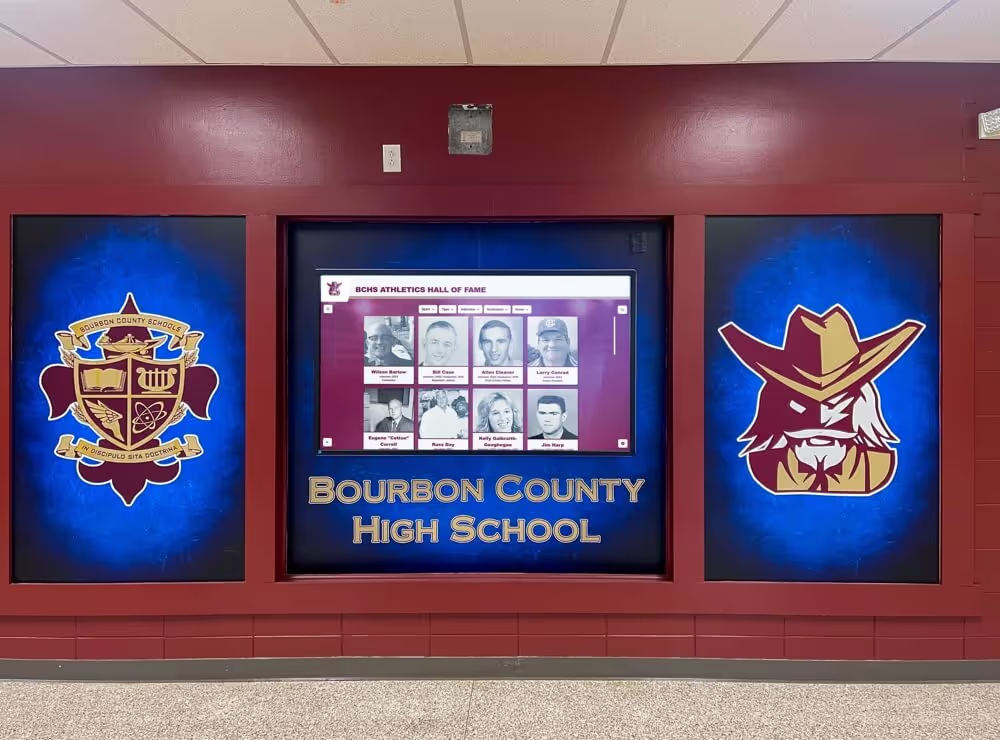
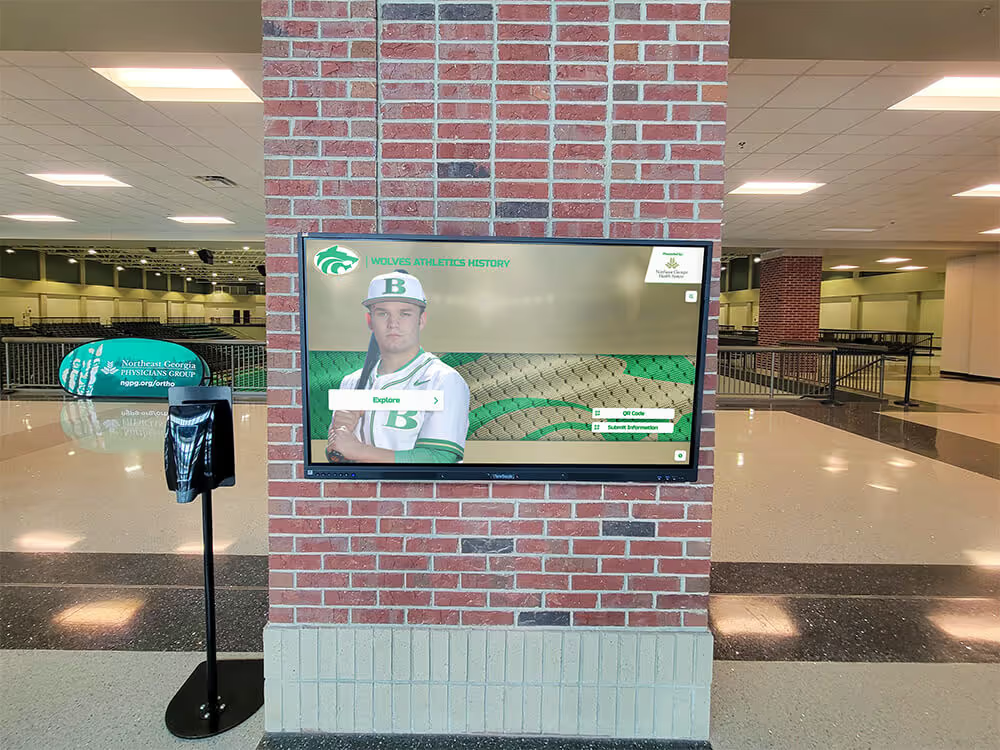
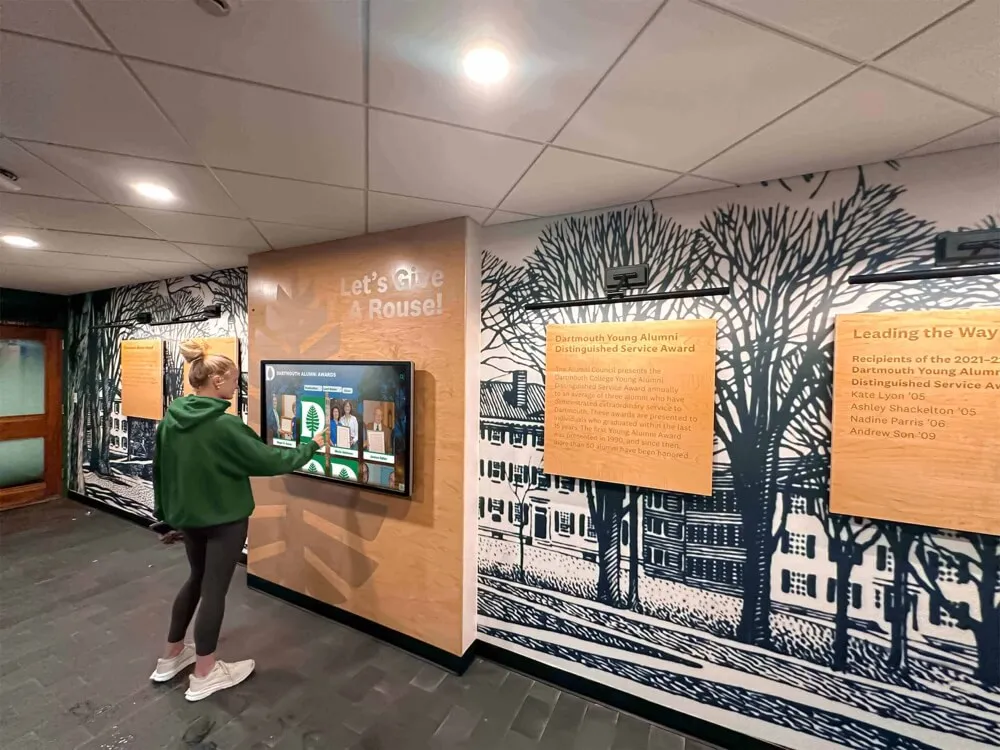
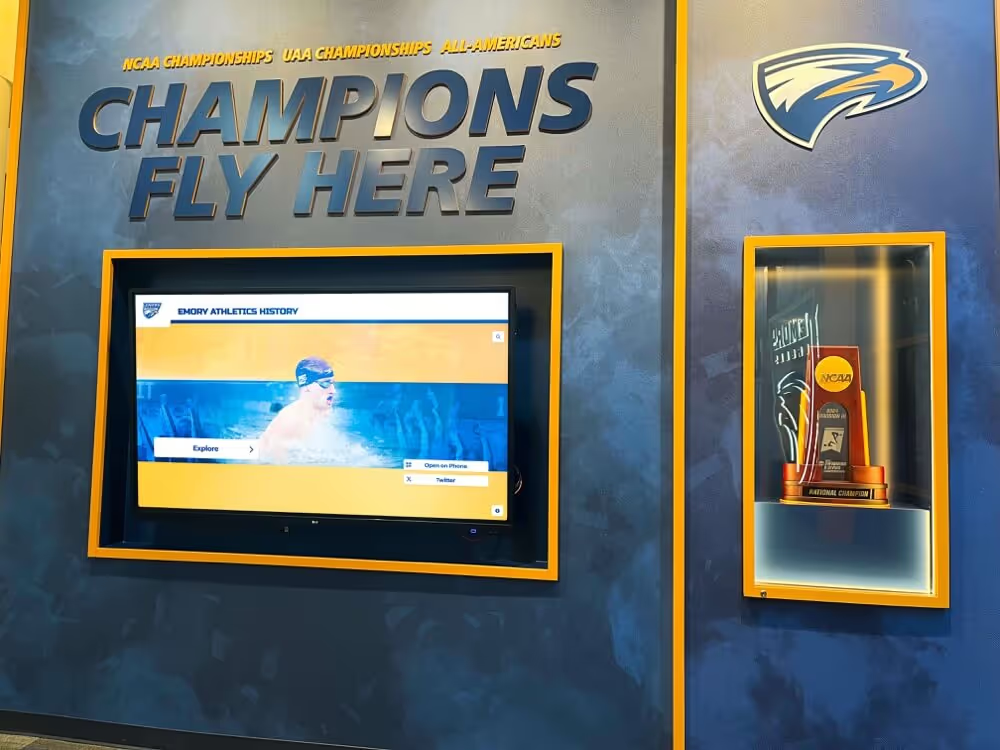
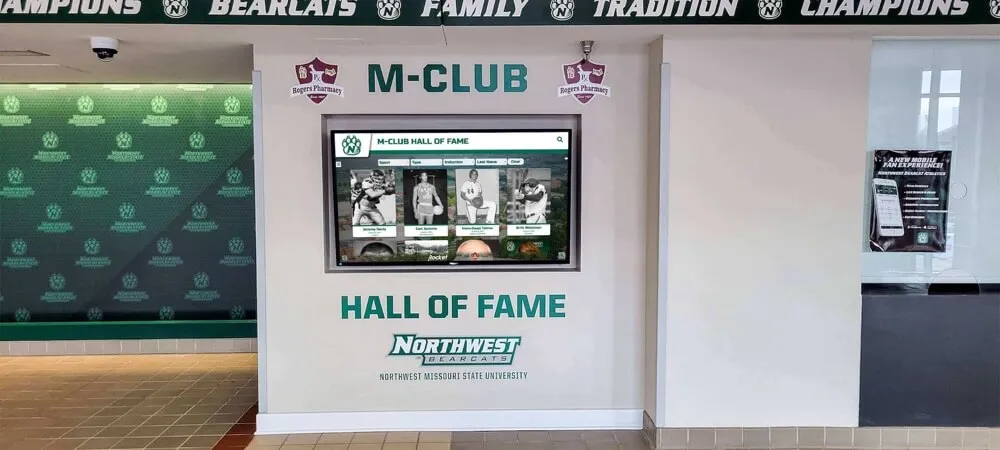
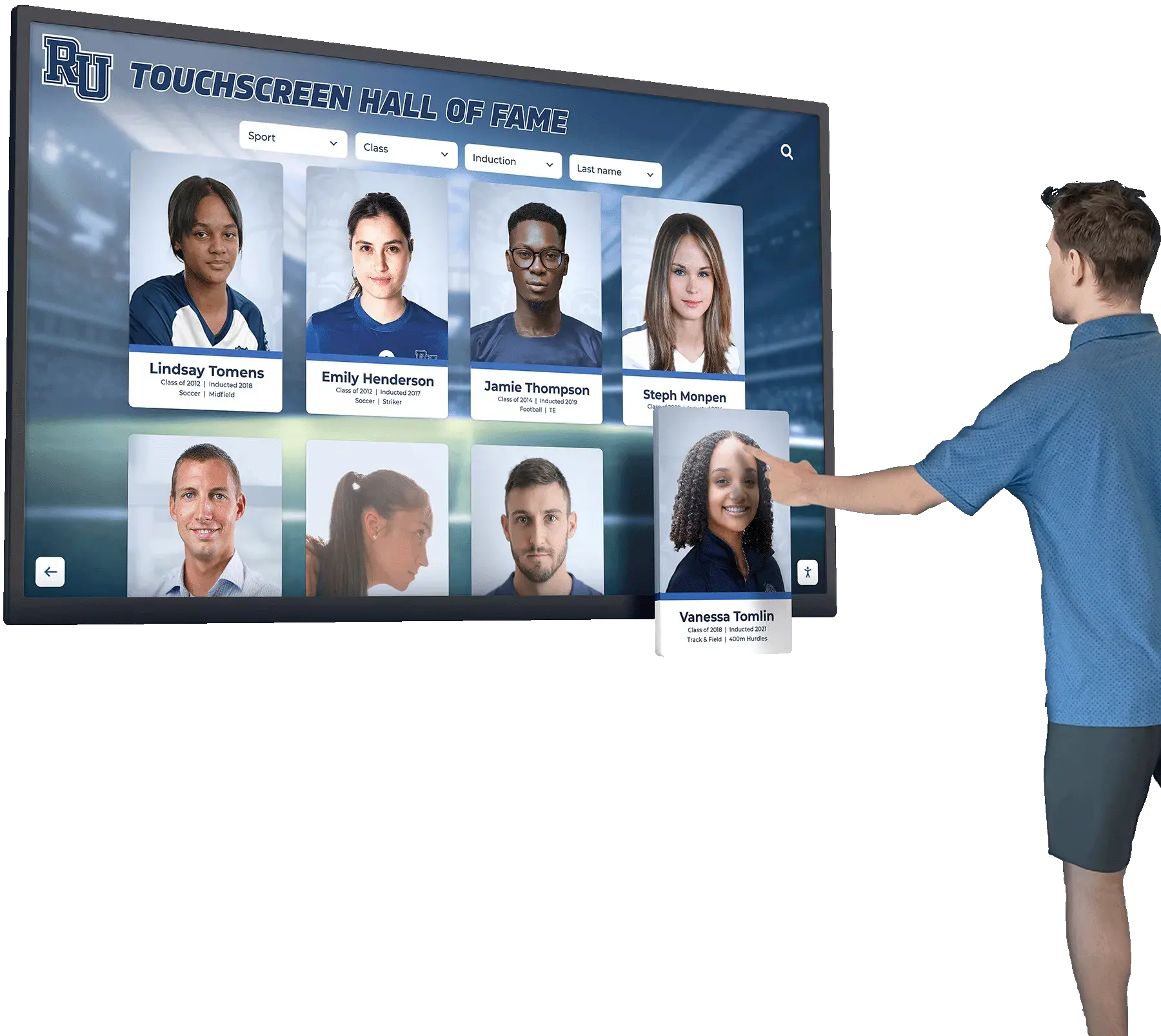
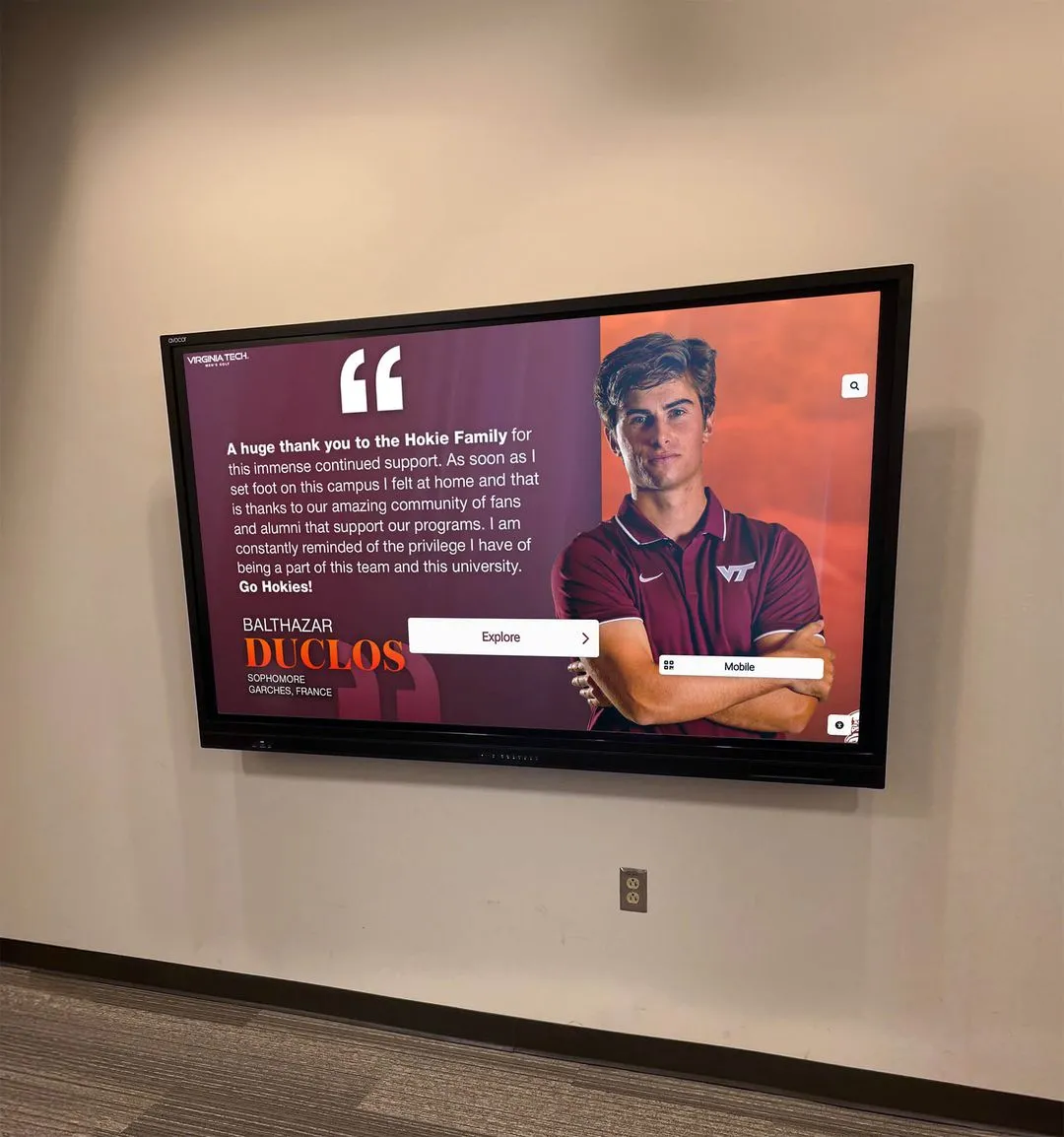
Alumni night recognition displays like portrait card installations make former students feel genuinely seen rather than generically acknowledged
What Is Alumni Night in High School?
Alumni night in high school is a school-hosted event that brings former students—graduates and sometimes former faculty—back to campus for an evening of reconnection, celebration, and acknowledgment. The event can be attached to a specific activity (a varsity basketball game that invites alumni athletes to be honored at halftime, for example) or can stand alone as a dedicated gathering.
The term covers a broad range of formats. In athletic contexts, alumni night most often refers to a game night on which former players from a specific sport are invited back, recognized on the court or field, and celebrated alongside the current program. In broader school contexts, it may mean a reunion event organized by graduation year, a distinguished alumni ceremony, or a school-wide homecoming gathering that centers alumni engagement. Most development-focused high schools run multiple types of alumni nights throughout the year, since different formats attract different segments of the alumni community.
Regardless of format, alumni nights serve several institutional goals simultaneously:
Reconnection and community building: Alumni who feel connected to their high school are more likely to recommend it to prospective families, participate in mentorship programs, and engage with current students in meaningful ways. An alumni night provides a structured reason to return that many former students simply would not create on their own.
Recognition and gratitude: Formal recognition during an alumni night—whether through a hall of fame induction, a donor acknowledgment ceremony, or a simple on-field introduction—communicates institutional appreciation in a way that a thank-you letter cannot replicate. Standing in the gymnasium where you once competed and hearing your name announced is an emotional experience that strengthens loyalty far more effectively than passive outreach.
Donor engagement and giving culture: Alumni who attend events give more than alumni who receive only mail. According to research from the Council for Advancement and Support of Education, personal engagement experiences significantly correlate with increased giving rates among alumni populations. For high schools with active development programs, alumni nights function as pipeline events that move former students toward first gifts and deeper philanthropic relationships.
For a comprehensive collection of programming and format ideas to draw from, alumni event planning resources offer a wide range of proven concepts adaptable to high school settings.
Types of High School Alumni Nights
Understanding the different formats helps schools choose the right event type for their specific goals, facility, and alumni community.
Athletic Alumni Night
The most common format at the high school level, athletic alumni night invites former players from a specific sport back to watch and be recognized during a current team’s game. Common elements include:
- Pre-game reception for invited alumni
- On-court or on-field introductions of former players by graduation year
- Display of historical team photos, championship banners, and record boards visible during the event
- Halftime or between-period recognition moments
- Post-game receptions bringing current and former players together
Athletic alumni nights work especially well because they create a natural reason to return—watching the sport you played—while layering formal recognition on top of an event that already carries emotional weight. Schools celebrating milestone anniversaries of championship seasons often build especially powerful alumni nights around those specific eras, inviting players from a championship cohort to return and be honored together. The high school football state championship celebration guide covers many of the elements that make athletic reunion events particularly memorable.
Hall of Fame Induction Night
A hall of fame induction ceremony elevates alumni night into a formal tribute event. Schools select inductees in advance—typically former athletes, coaches, or contributors who meet established criteria—and present them publicly during a ceremony that may include a banquet, video tributes, and the unveiling of new recognition displays. Induction nights tend to draw larger alumni participation than informal gatherings because they provide a reason to attend that goes beyond nostalgia: people come to honor specific individuals the community has decided to celebrate. Understanding athletic hall of fame nomination criteria is essential for schools establishing or refining induction processes ahead of planning this type of event.
Class Reunion Alumni Night
Class reunions organized around graduation year milestones—5th, 10th, 25th, 50th anniversaries—bring cohorts back to campus for celebrations centered on their specific shared experience. These events often include campus tours, slide shows or video retrospectives of the graduating class’s years at the school, and panels where alumni share what they have done since graduation. Class reunion nights can incorporate recognition elements like class composite displays or yearbook archives that give attendees a visual journey through their time at the school. The content and format considerations for class composite presentations are directly applicable here, as these portrait archives are among the most emotionally resonant displays alumni encounter when they return.
Distinguished Alumni Ceremony
Some schools run annual distinguished alumni events that honor former students for professional accomplishments, civic contributions, or service to the school community since graduation. These events function less as reunions and more as formal award presentations, often accompanied by a dinner, keynote remarks from the honoree, and display elements that contextualize their achievements within the school’s history.
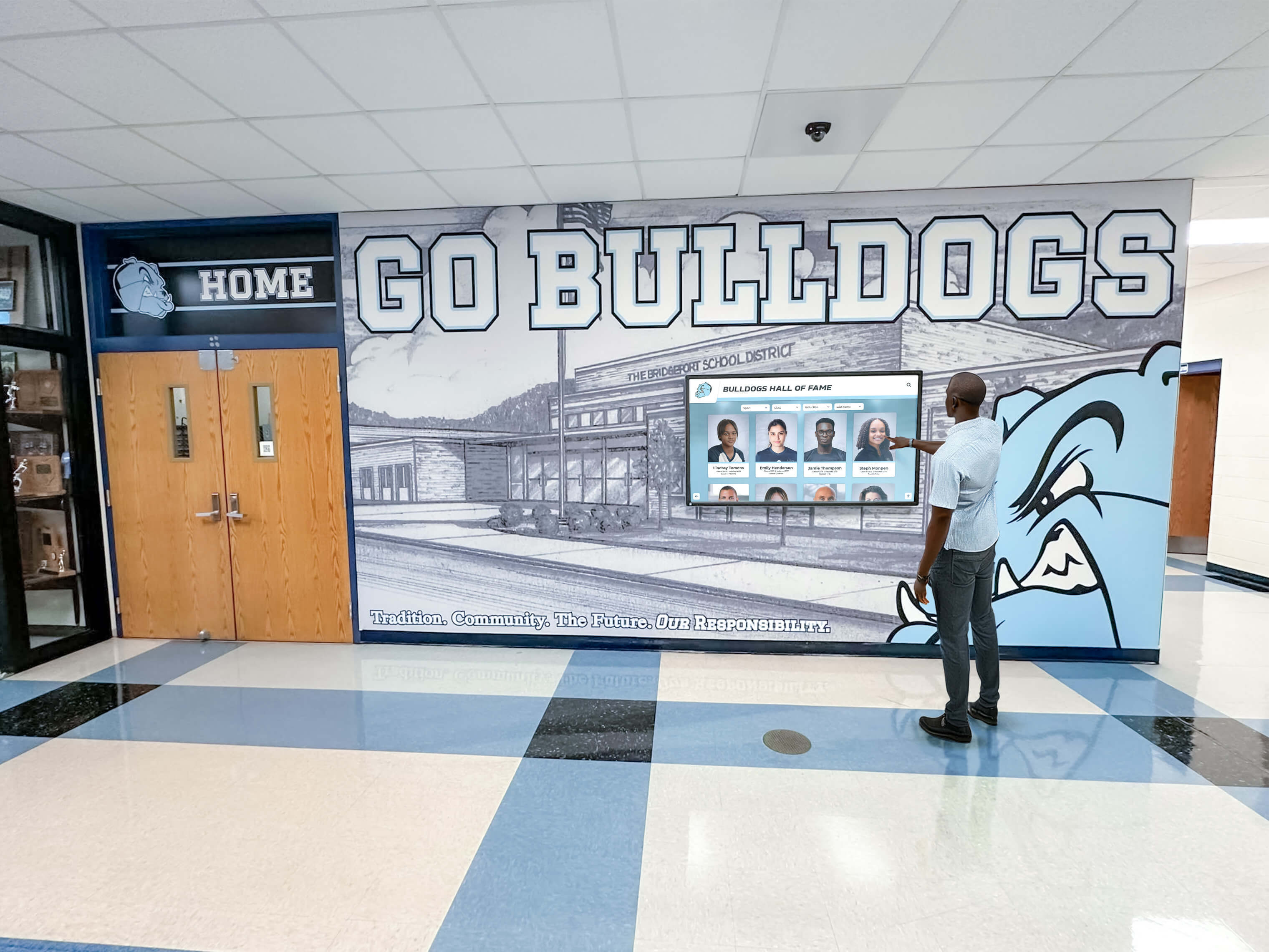
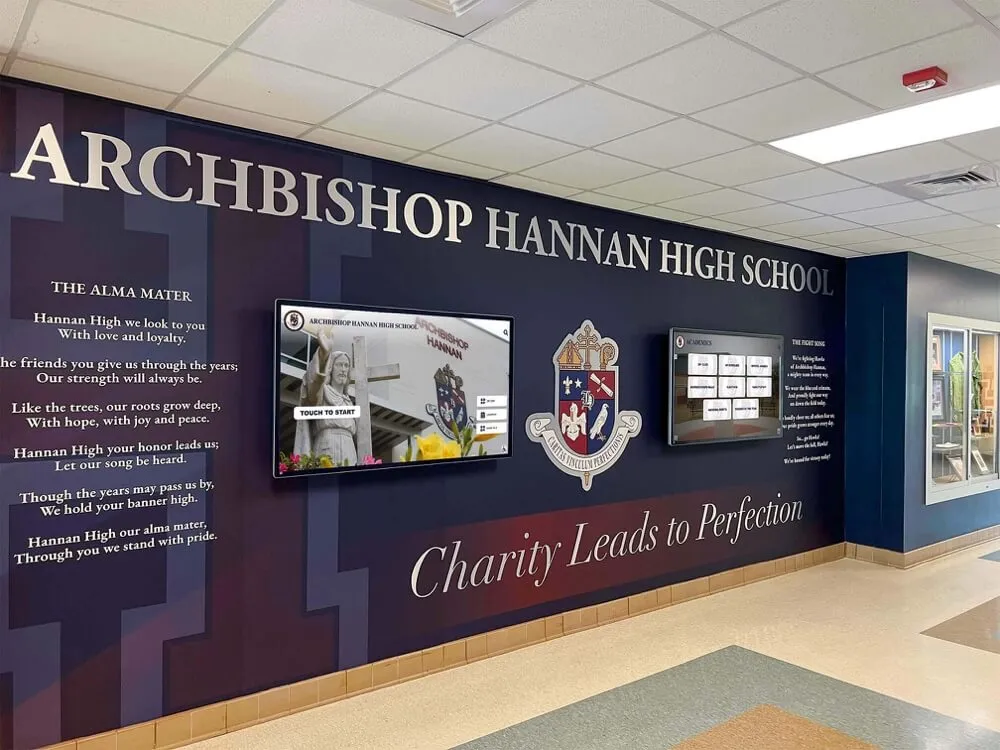
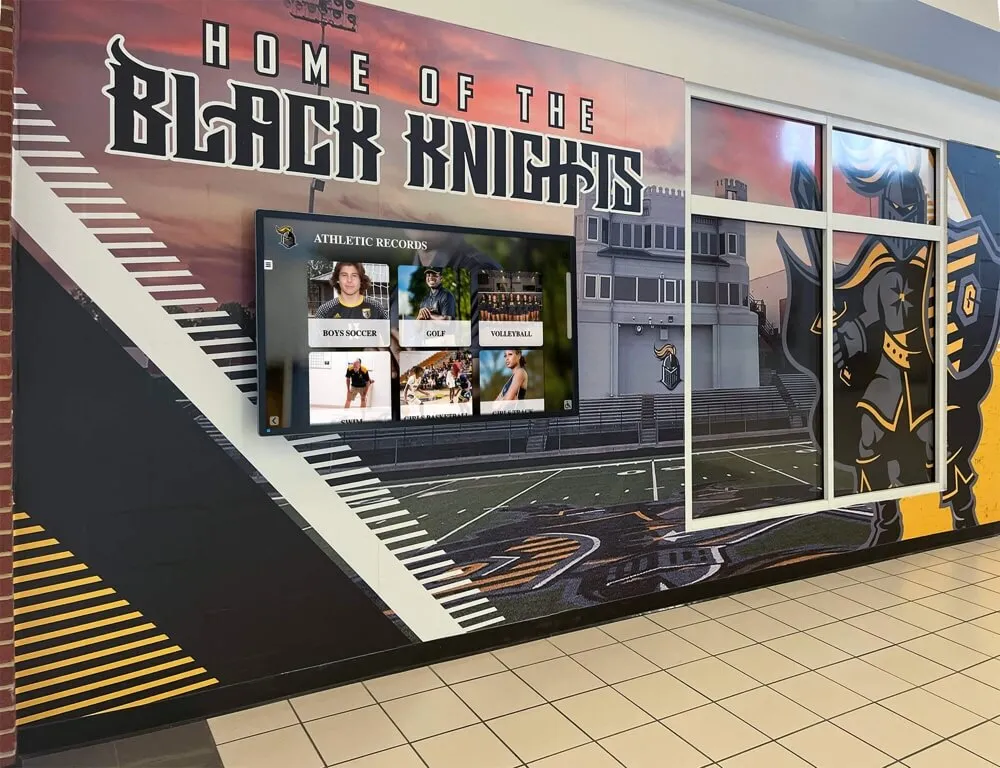
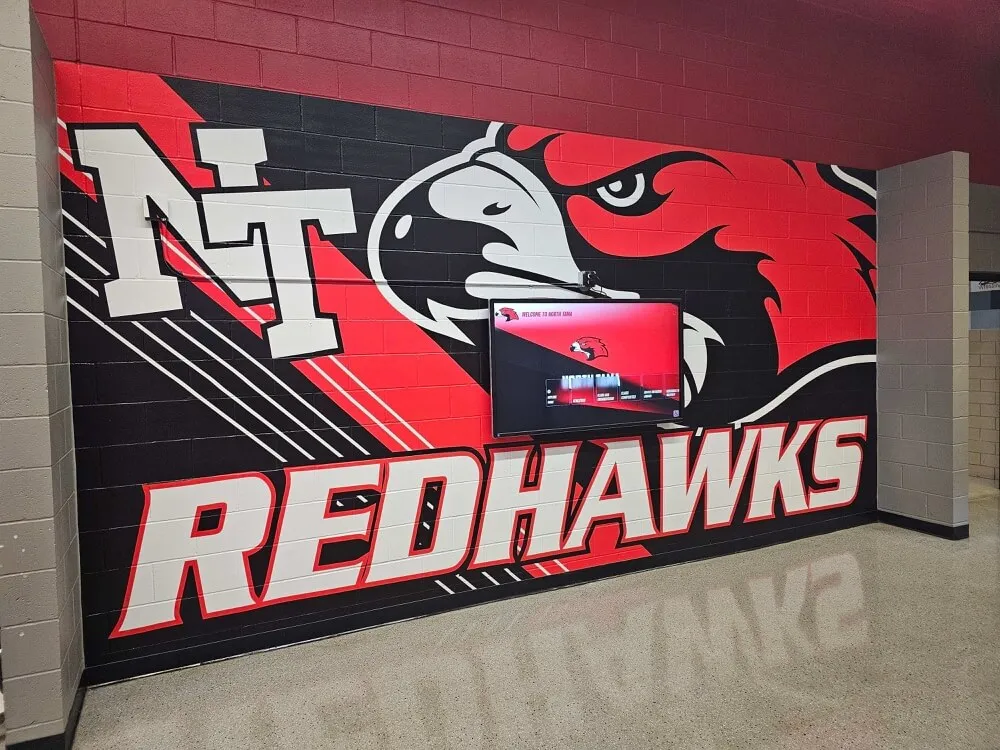
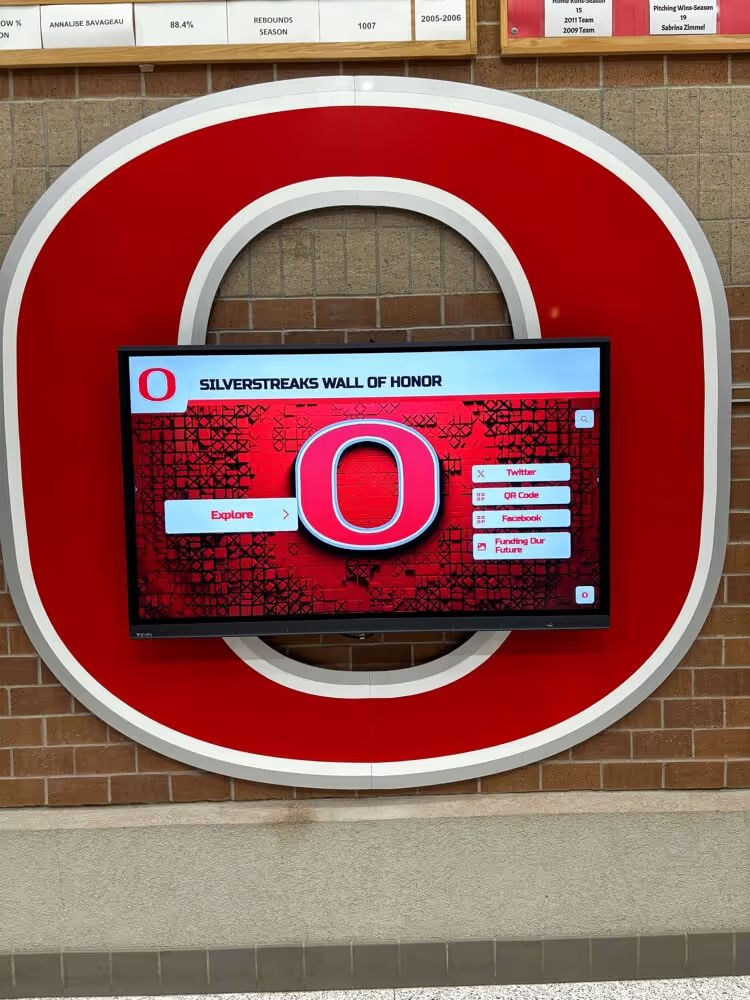
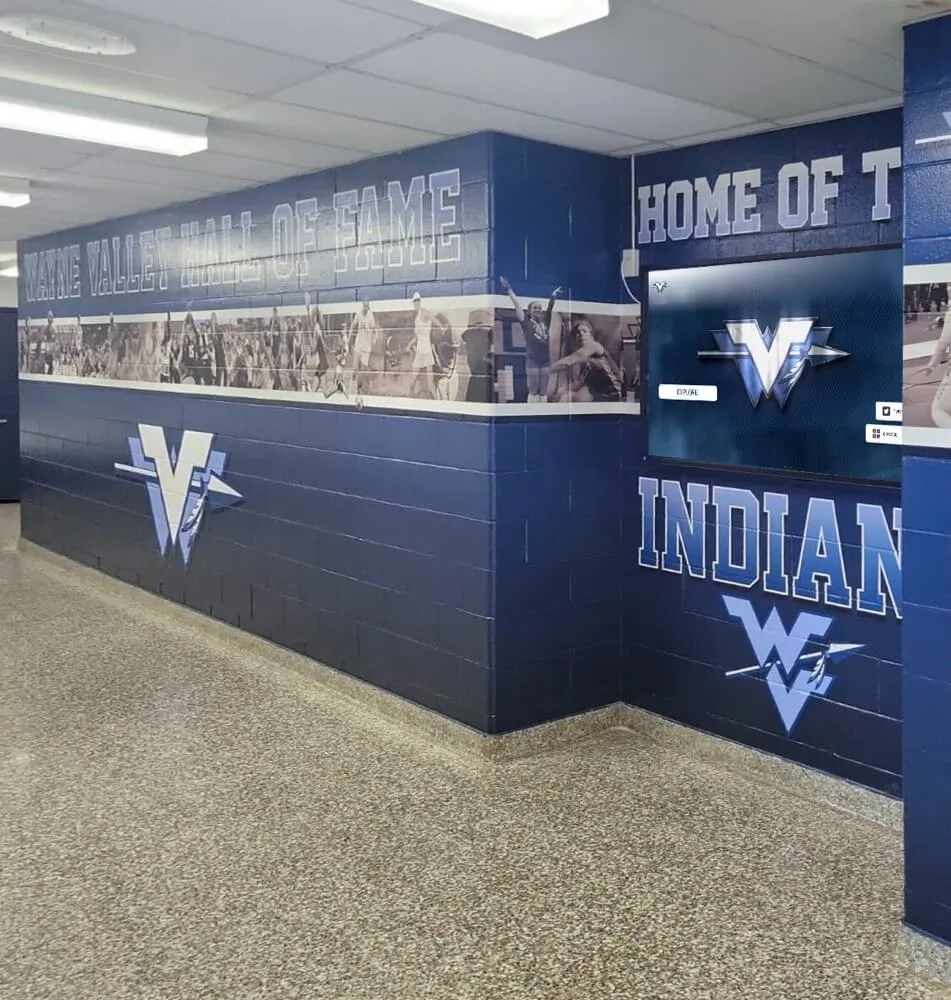
Interactive recognition displays in school hallways give returning alumni immediate visual evidence that the institution values their legacy
Core Programming Elements for a Successful Alumni Night
Regardless of event type, the strongest alumni nights include several programming elements that work together to create a complete evening rather than a loosely organized gathering.
Welcome Reception and Registration
First impressions determine whether alumni feel expected or like afterthoughts. A well-staffed registration area with name tags organized by graduation year, a welcome table with light refreshments, and visual displays of historical photos or recognition elements sets a tone of intentionality. Alumni should walk in feeling that the school prepared for their specific arrival—not that they simply showed up at a school building where an event happened to be occurring.
Guided Campus Tours
Much of what draws alumni back is curiosity about how the school has changed. Guided tours—especially of areas that have been renovated, added, or significantly updated—satisfy that curiosity while also showcasing institutional investment and growth. Effective tours connect current spaces to alumni memories: walking past a newly renovated gymnasium is more meaningful when a guide points out where the old bleachers used to stand and acknowledges the alumni whose giving helped fund the upgrade.
Panel Discussions and Alumni Q&A
Structured panels featuring alumni speaking to current students create multigenerational connection that benefits both groups. Former students get to reflect on and articulate the value of their high school experience; current students receive mentorship and perspective from people who have successfully navigated what lies ahead. These sessions work best when moderated thoughtfully, kept to 45–60 minutes, and focused on specific themes (career paths, life advice, what alumni wish they had known as seniors) rather than broad, unstructured conversation.
Archival Displays and Team Photo Access
Historical content—yearbook photos, newspaper clippings, team rosters, championship programs—creates powerful engagement moments during alumni nights because it gives visitors specific visual touchstones to connect to their memories. Schools that maintain organized digital archives of team photos and school history can display this content during events in ways that static printed archives cannot match. The principles behind digital team photo archives with accessible search are particularly valuable here—returning alumni can search for their own photos, their teams, and their eras in ways that static displays cannot support.
Formal Recognition Moments
The most memorable alumni nights include structured moments—five to fifteen minutes during a ceremony, halftime, or banquet program—when specific individuals are formally recognized in front of the assembled community. The visibility of recognition matters enormously: a name read aloud, a photo displayed on a screen, a physical presentation like an induction plaque or framed portrait carries weight that a certificate mailed to a home address simply cannot replicate.
Recognition Displays That Elevate Alumni Night
The physical and digital environment that alumni encounter when they return communicates, before a single word is spoken, how much the institution values their legacy. Schools that invest in meaningful recognition displays create environments that make alumni nights feel like celebrations rather than obligations.
Athletic Wall of Fame and Hall of Fame Displays
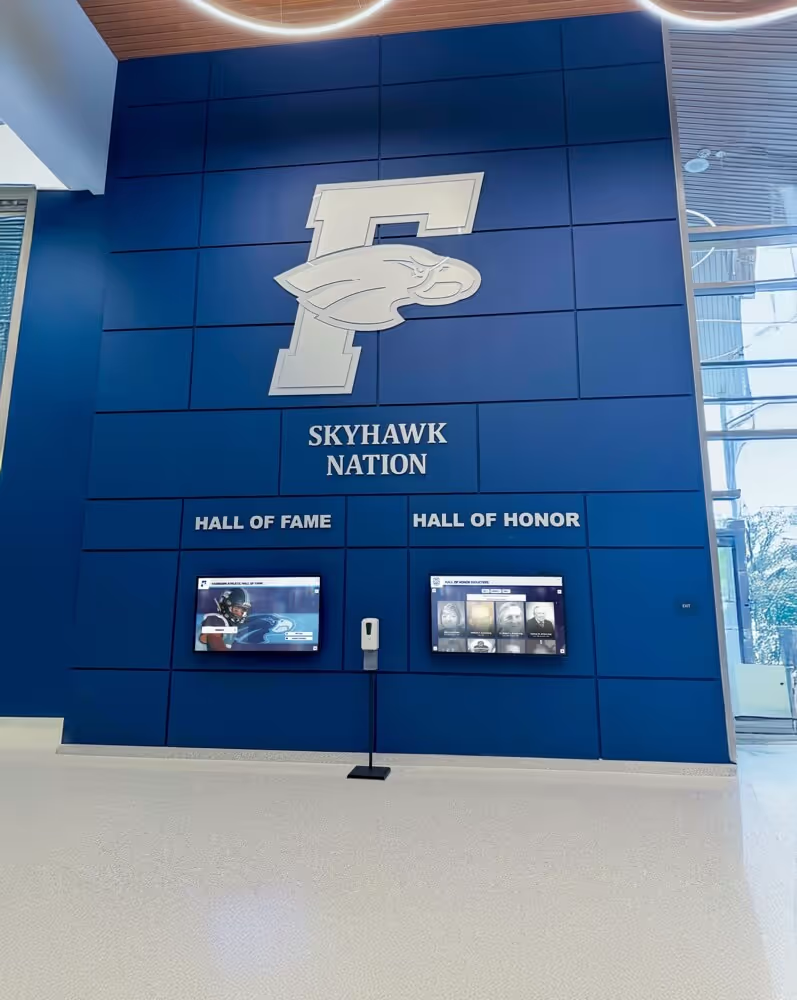
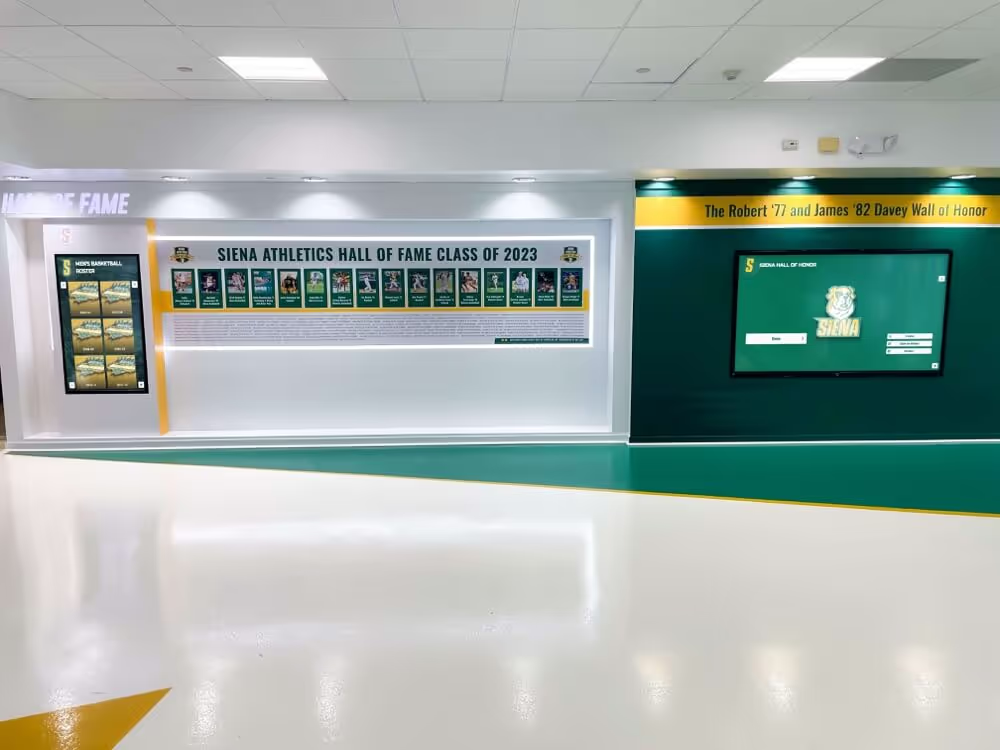
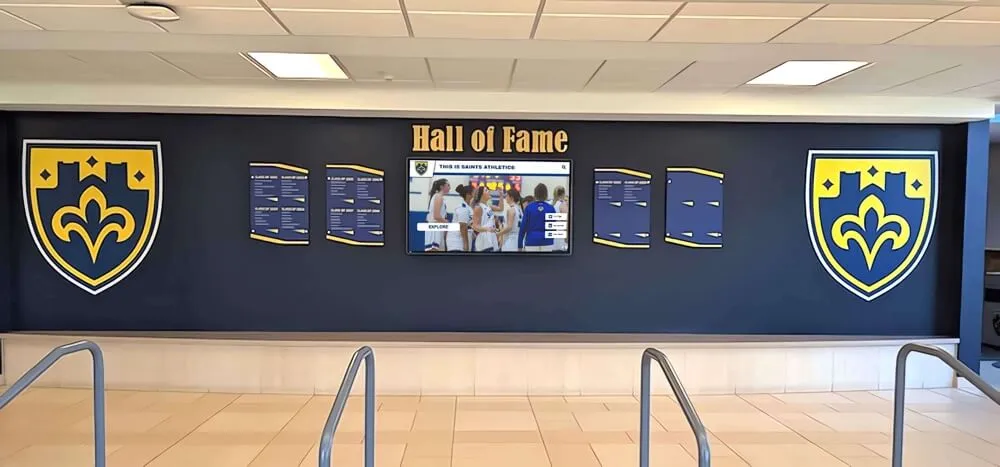
A permanent athletic wall of fame or hall of fame installation serves as both a year-round recognition display and a centerpiece for alumni night events. When former athletes return and see their names, photos, or records on a display that is maintained and visible to every student who walks past it daily, the recognition carries a permanence that event-specific programs and certificates cannot provide. A well-maintained high school wall of fame gives alumni night a visual anchor—a destination within the facility that returning graduates gravitate toward and spend time with.
Alumni Athlete Recognition Walls
Beyond general athletic halls of fame, dedicated alumni athlete recognition installations specifically designed to honor former players by sport, era, or achievement category add specificity that general displays cannot provide. An alumni athlete wall that shows team rosters by decade, features championship-era photos, and highlights individual career records speaks directly to the personal histories of the athletes who return. Detailed approaches to athletic alumni recognition wall design provide specific ideas for organizing and displaying this type of content within athletic facilities.
Digital Donor Recognition Displays
Alumni nights increasingly overlap with donor recognition events, particularly for schools engaged in capital campaigns or annual fund programs targeting alumni giving. Digital donor recognition displays that acknowledge gifts made by alumni—installed in lobbies, gymnasium entrances, or common areas—communicate to returning graduates that their financial support has been noticed and honored permanently. When alumni can walk into a building and see their name on a digital donor recognition display, the event becomes a multi-dimensional recognition experience rather than simply a social gathering.
Digital History Archive Displays
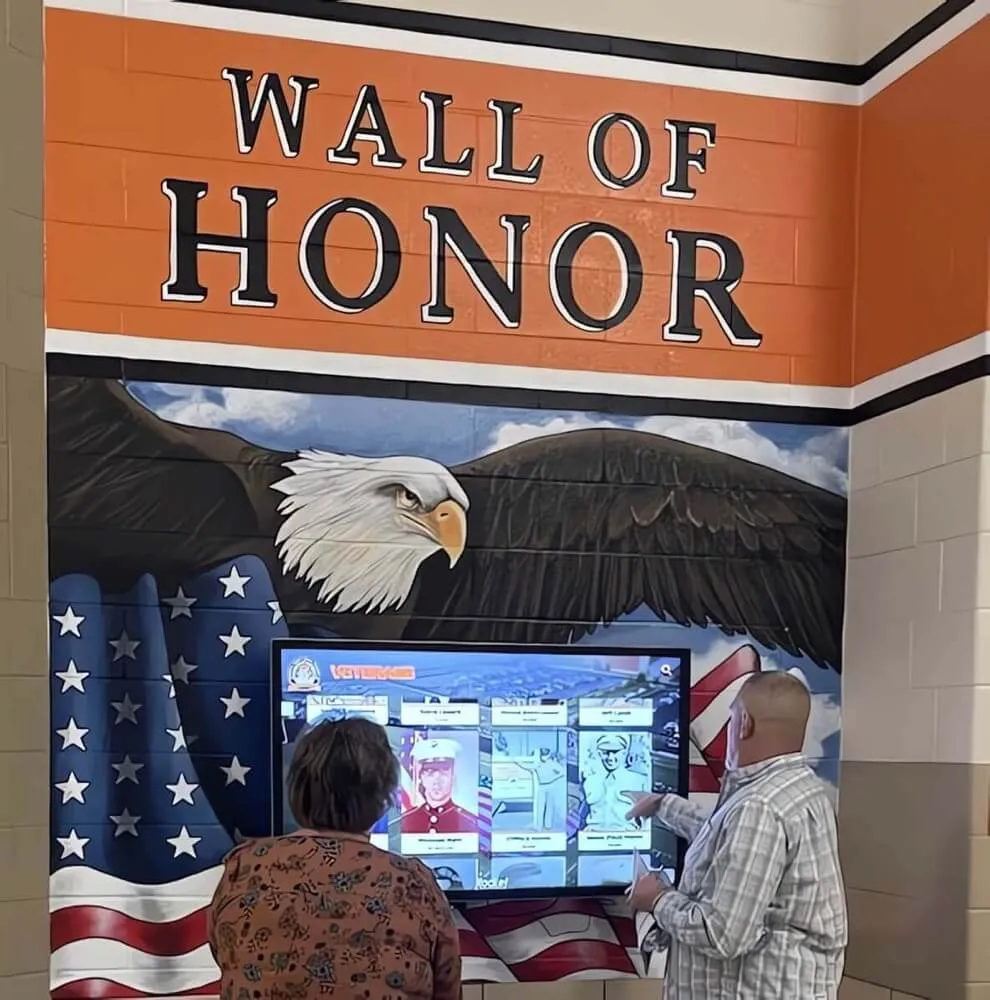
Schools with rich institutional histories benefit enormously from displays that allow visitors to explore that history interactively. Digital history archive displays let alumni browse yearbook images, championship seasons, notable teacher and coach histories, and institutional milestones through intuitive touchscreen interfaces. These systems work particularly well during alumni nights because different graduates from different eras can each find their specific slice of the school’s history without needing to navigate a physical archive or wait for the right content to appear in a slide show.
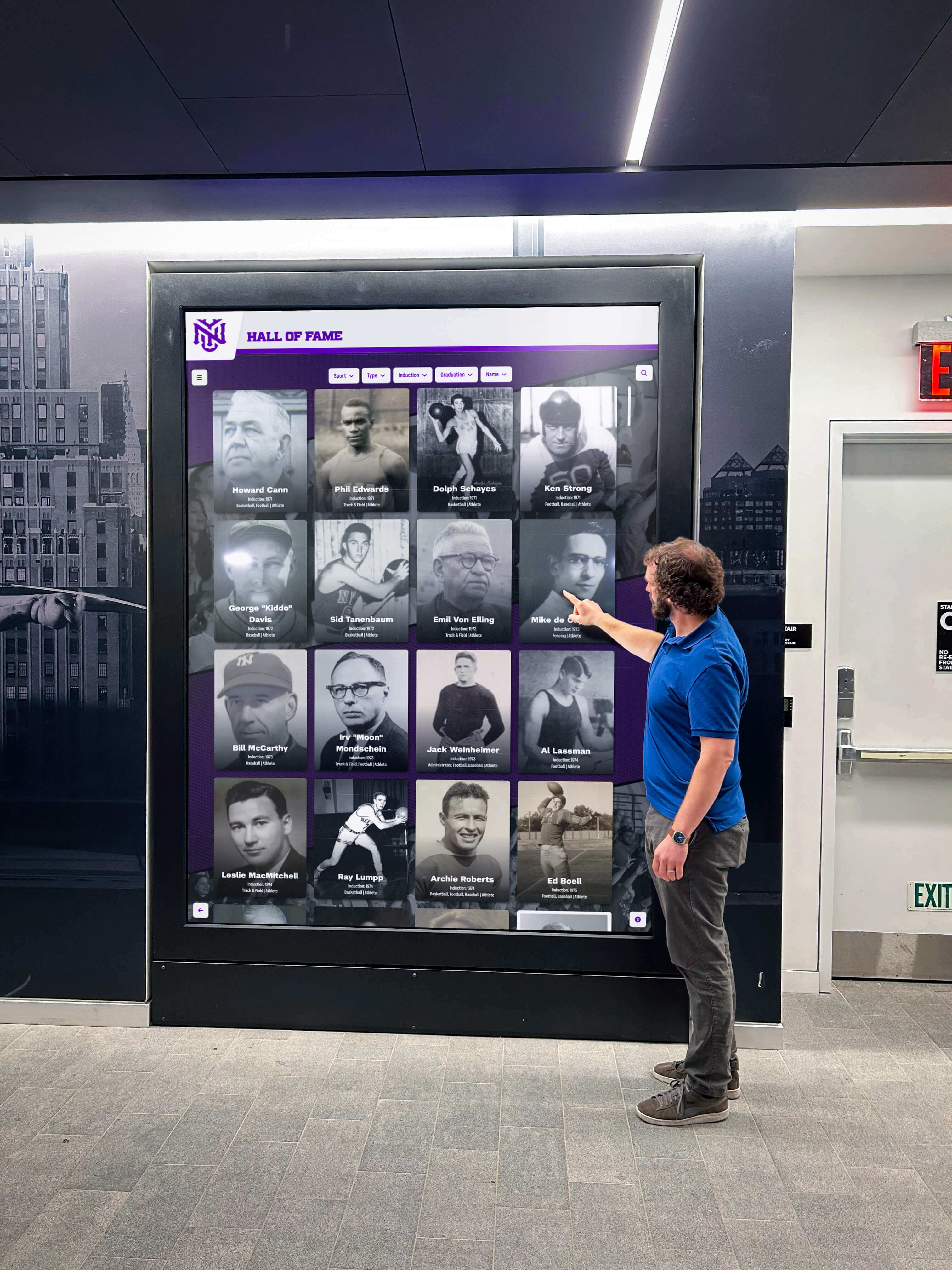
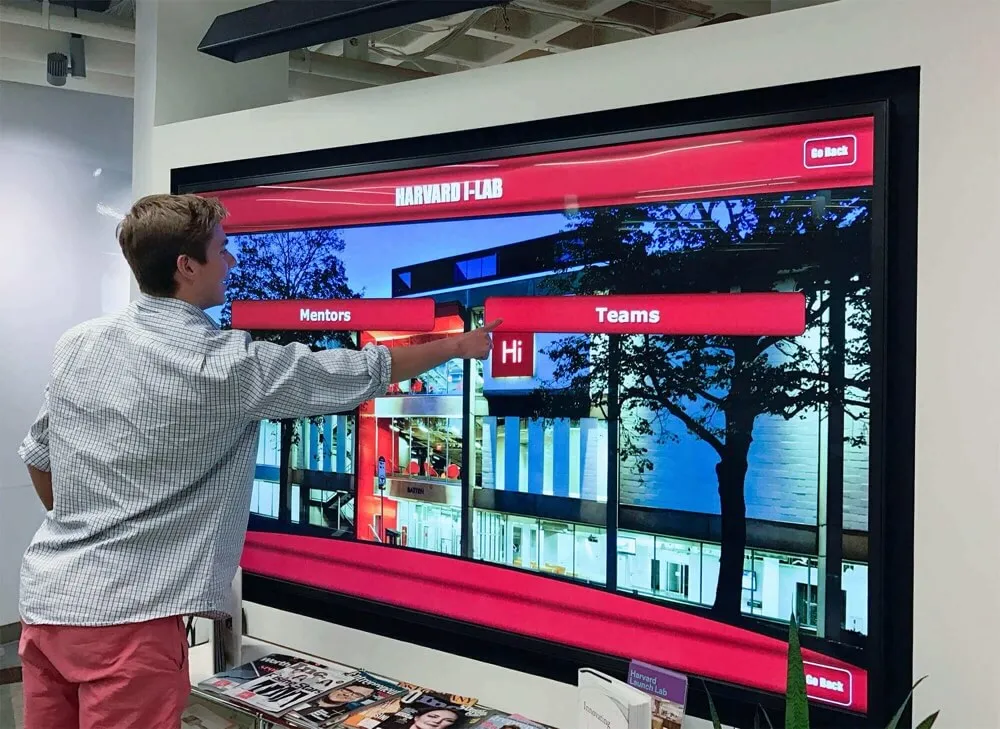
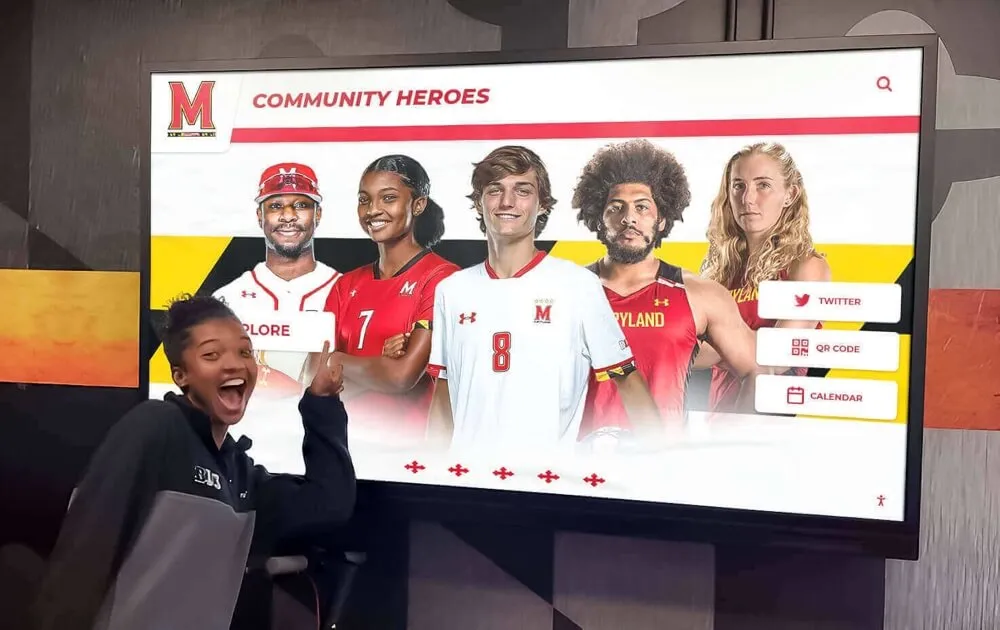
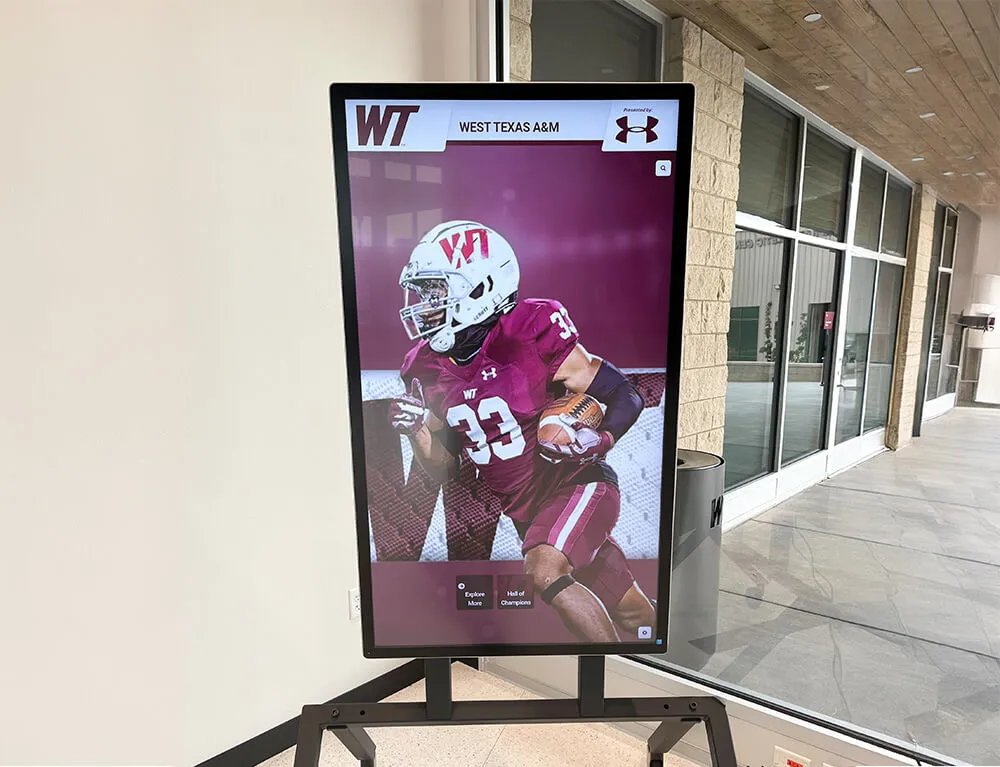
Interactive touchscreen displays in lobby areas let alumni explore the school's history, find their photos, and discover how their era shaped the institution
Alumni Night Event Ideas Worth Implementing
Beyond the core programming elements, specific event ideas can make individual alumni nights distinctive and worth attending year after year.
Sport-Specific Alumni Games
Organizing informal alumni versus current player scrimmages—or alumni versus alumni games between class years—creates participatory events that are more engaging than purely observational gatherings. Even brief five-on-five basketball scrimmages or soccer matches between alumni cohorts give attendees an active role in the evening rather than positioning them as passive audience members. These events require appropriate liability management and should be designed for fun rather than competition, but the participation they generate builds memories that keep alumni connected.
Naming and Dedication Ceremonies
If a school facility, scholarship, or award has recently been named in honor of an alumnus, former coach, or significant donor, alumni night provides an ideal platform for the dedication ceremony. A ribbon-cutting, plaque unveiling, or formal dedication in front of assembled alumni creates a shared milestone moment that attendees will associate with the event long afterward. The dedication ceremony planning guide covers the logistics, programming elements, and recognition approaches that make these ceremonies meaningful rather than perfunctory.
Alumni Speaker Series
A structured presentation by a distinguished alumnus—sharing career insights, leadership lessons, or reflections on how their high school experience shaped them—creates an educational event with genuine community value. Speaker series work well as standalone alumni night formats, particularly when paired with dinner or reception programming that allows for informal follow-up conversation. Schools that build consistent speaker series report strong repeat attendance from alumni who value the content alongside the social connection.
Awards and Scholarship Announcement Nights
Combining alumni night with the announcement of newly established scholarships, awards, or student achievement recognitions funded by alumni donors creates meaningful continuity between past and present. Former students who gave to create a scholarship for current athletes can attend an event where that scholarship is publicly announced, allowing them to witness the impact of their gift in real time. This format is particularly powerful for alumni night events aimed at deepening donor engagement.
Reunion Dinners with Class Composite Reveals
For significant class reunion milestones—especially 25th and 50th anniversaries—organizing formal dinners that culminate in the reveal of a newly created class composite display gives attendees a tangible memorial of the event. Coordinating this with the school’s recognition display program means the composite becomes a permanent installation visible to all subsequent classes, extending the recognition far beyond the night itself.
Making Alumni Night a Donor Recognition Opportunity
Schools with development programs increasingly plan alumni nights with donor engagement explicitly in mind. The connection between alumni engagement and giving behavior is well established: events that make alumni feel recognized, valued, and emotionally connected to the institution produce measurable increases in subsequent giving rates.
Strategies that effectively connect alumni night to donor engagement include:
Visible acknowledgment of existing donors: Ensuring that alumni who have already made gifts see evidence of their recognition—whether on digital donor walls, named facilities, or program materials—reinforces that giving is noticed and honored permanently. An alumnus who returns for alumni night and sees their name on a display is reminded of a good decision they made and is far more likely to give again.
Campaign announcements and progress updates: Alumni nights provide natural platforms for announcing capital campaign milestones, showing giving progress visually (a campaign thermometer, a digital progress display), or unveiling new facilities funded by alumni gifts. These announcements create the context for asking for continued support in a way that feels celebratory rather than transactional.
Recognition tier visibility: Schools with tiered giving programs benefit from displaying those tiers visibly during alumni nights—showing what different levels of giving look like in terms of recognition creates aspiration among visitors who have not yet given or have given at lower levels. A nonprofit donor recognition digital displays guide outlines how structured recognition programs translate directly into stronger giving culture.
Connecting school pride to giving: The deeper a returning alumni’s sense of pride in the school, the more likely they are to give. Programming and recognition displays that authentically build school pride—rather than simply listing accomplishments—create the emotional foundation for giving conversations. Evidence-backed approaches to building school pride are directly applicable to alumni night design.
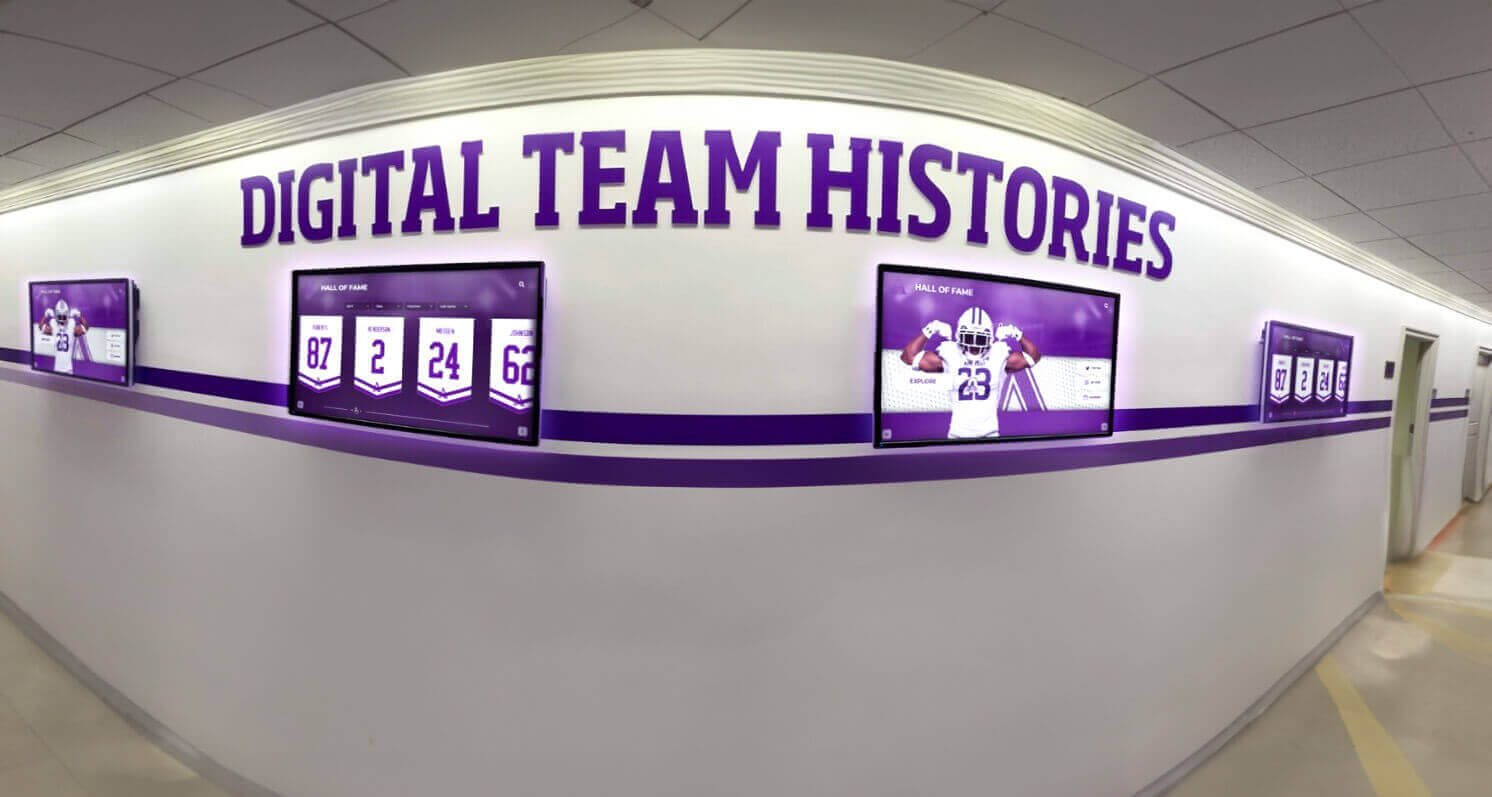
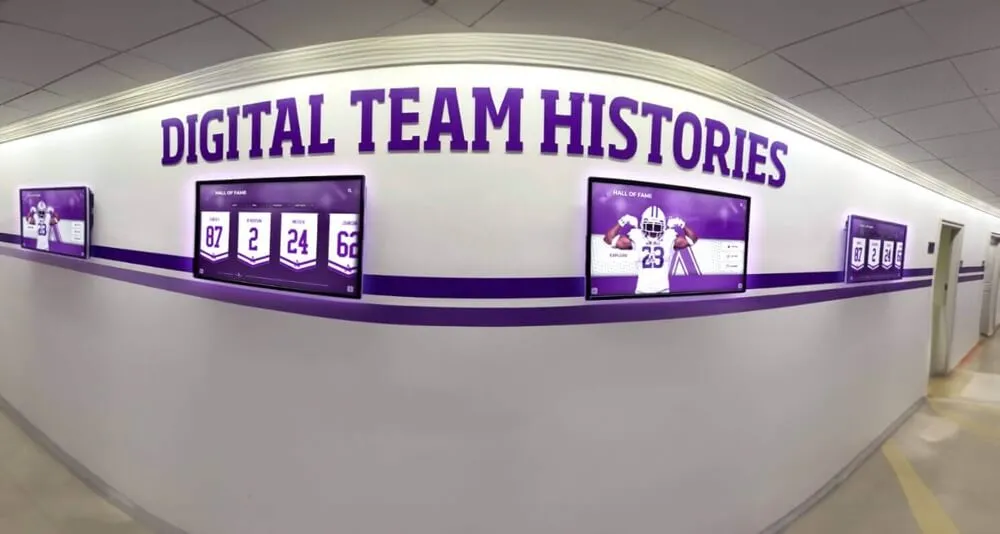
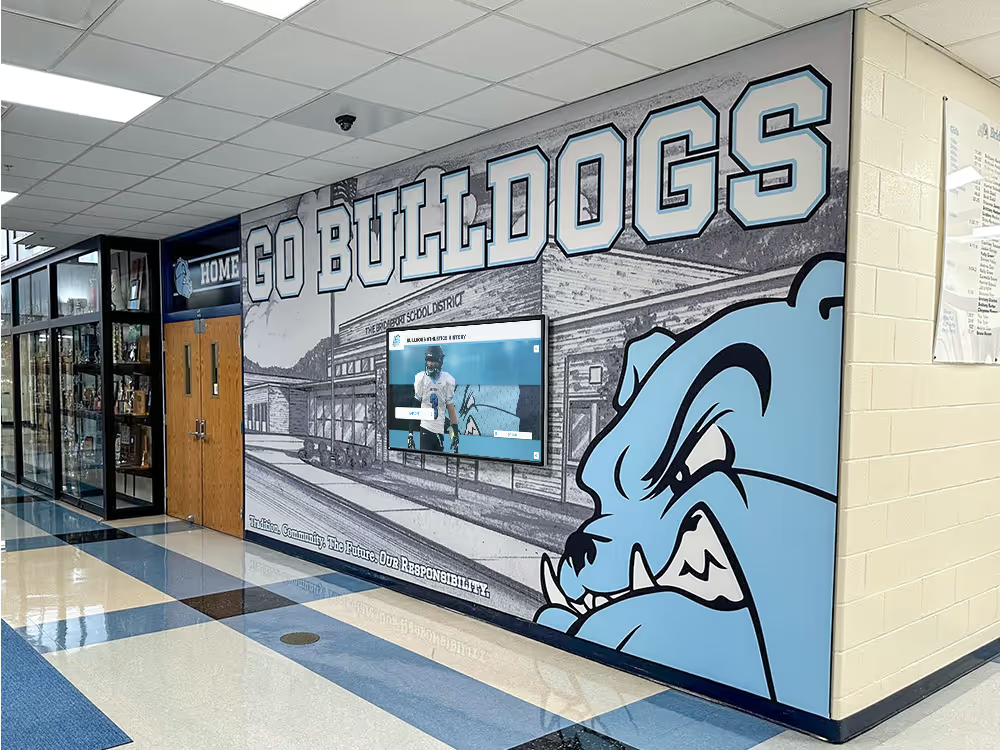
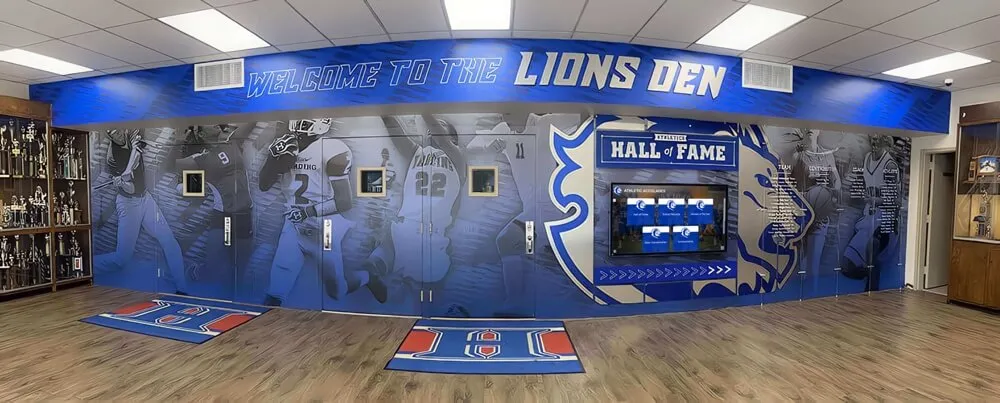
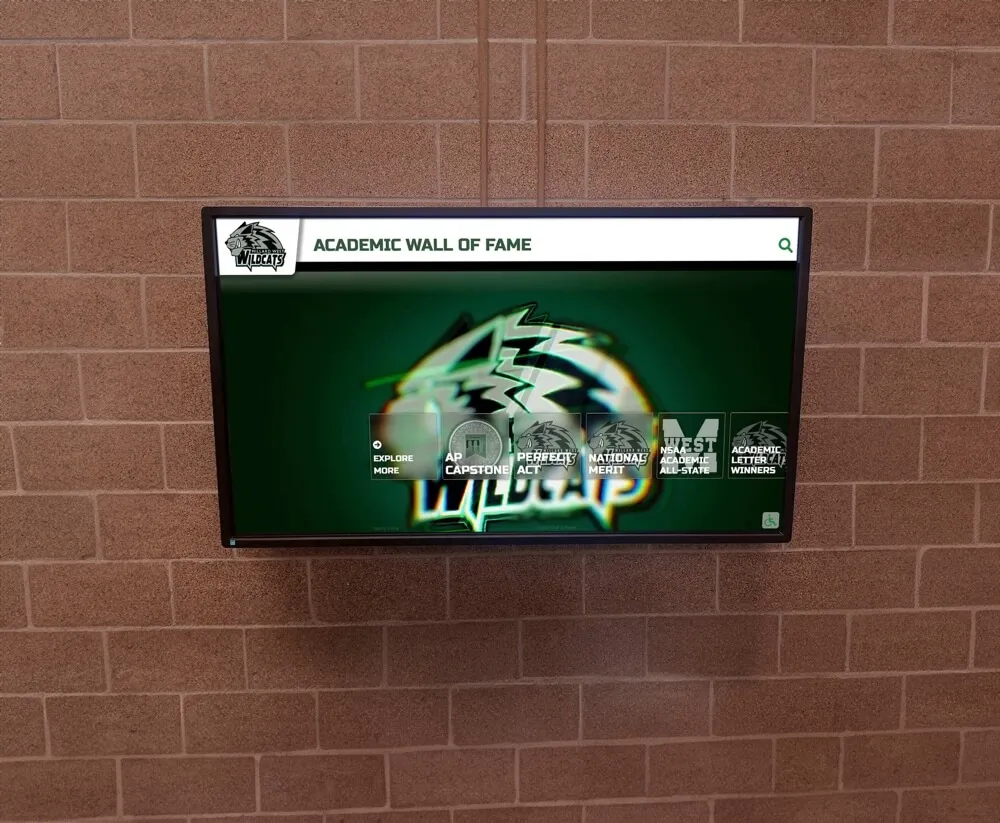
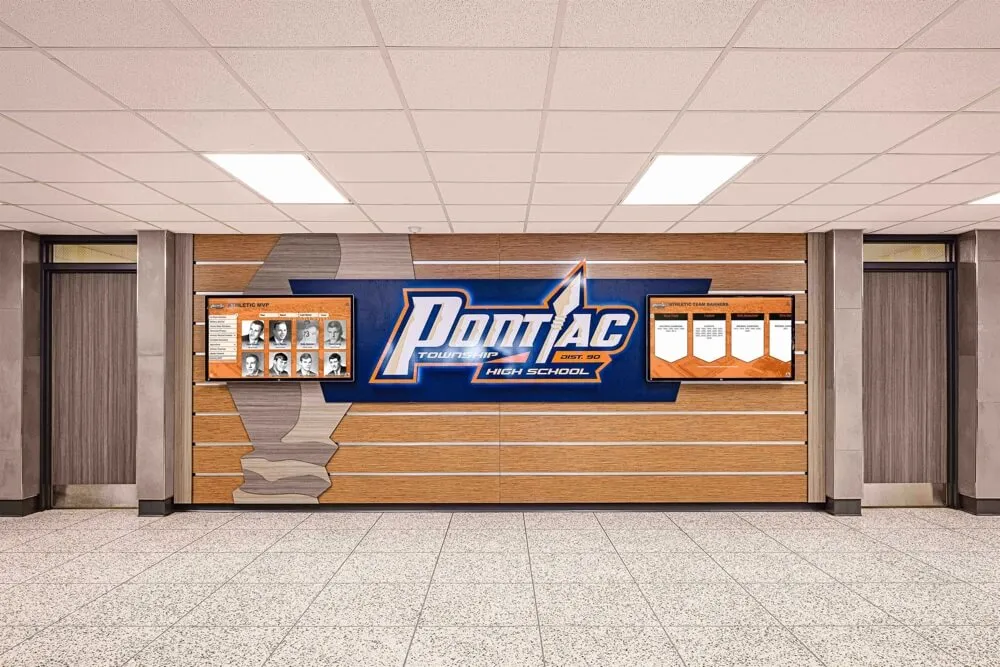
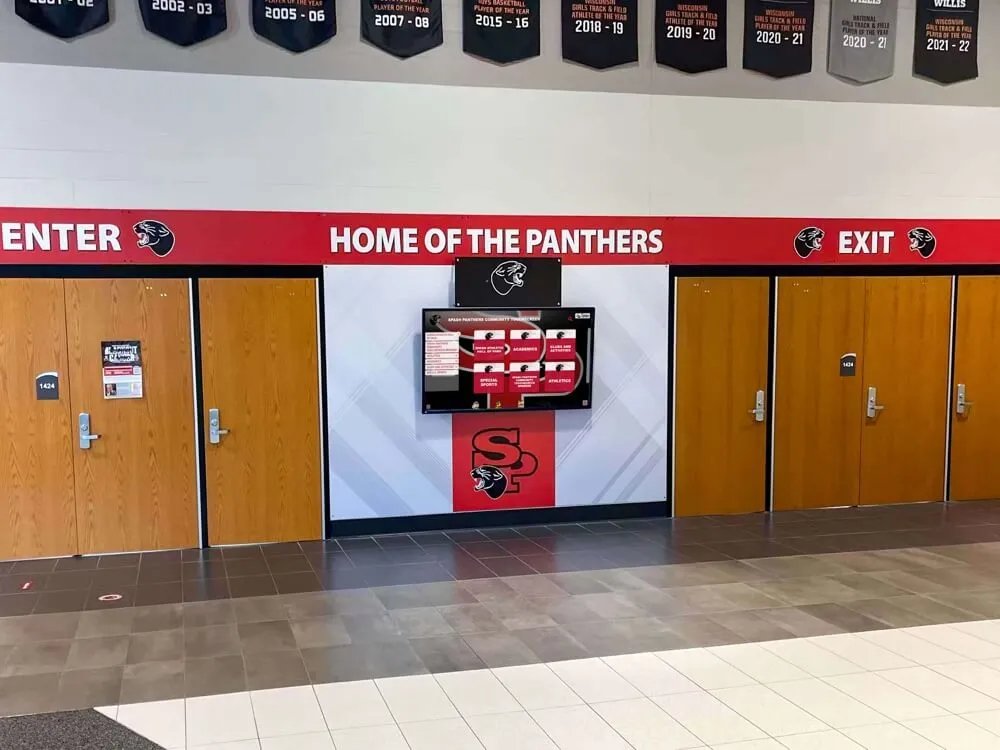
Hallway digital displays showing team histories and program timelines give returning alumni immediate visual context for their place in the school's story
Digital Displays and Interactive Recognition for Alumni Night
Modern recognition technology has fundamentally changed what high schools can do with alumni nights. Where a school once had limited options—printed programs, static plaques, foam display boards—digital and interactive systems now enable alumni nights that are visually dynamic, deeply personalized, and far more engaging.
Interactive Touchscreen Kiosks
A touchscreen kiosk positioned in the athletic lobby or main entrance gives every returning alumnus a self-directed way to explore the school’s recognition programs. They can search for their own graduation year, find teammates from their sport, browse championship histories, and discover what has been added to the hall of fame since they last visited. Unlike static displays that show only what administrators chose to highlight for a given event, interactive systems give every visitor a path to the specific content that matters to them personally.
For schools evaluating whether digital recognition technology is appropriate for their facility, the key consideration is long-term value: a touchscreen system installed for alumni night serves the school community every day of the year, not just during events. Students interact with it daily, visiting families encounter it during tours, and current athletes develop a relationship with the school’s history that deepens their investment in the program. The display pays for alumni night and much more.
Live Display Content During Events
Schools with digital signage in gymnasiums, common areas, or hallways can repurpose that infrastructure during alumni nights to display event-specific content: photos of the graduating classes represented that evening, athletic records from the eras those alumni played, names of inducted hall of fame members, or a scrolling tribute to alumni who have made recent gifts. Live digital content transforms static spaces into responsive environments that make each attendee feel the event was designed with them specifically in mind.
Post-Event Digital Recognition Updates
One of the most powerful uses of digital recognition systems in connection with alumni nights is the post-event update cycle. When a school inducts new hall of fame members during an alumni night, those profiles should appear in the digital recognition system within days—allowing the newly inducted alumni to share their profile links with family and friends, extending the reach of the recognition far beyond the people physically present at the event.
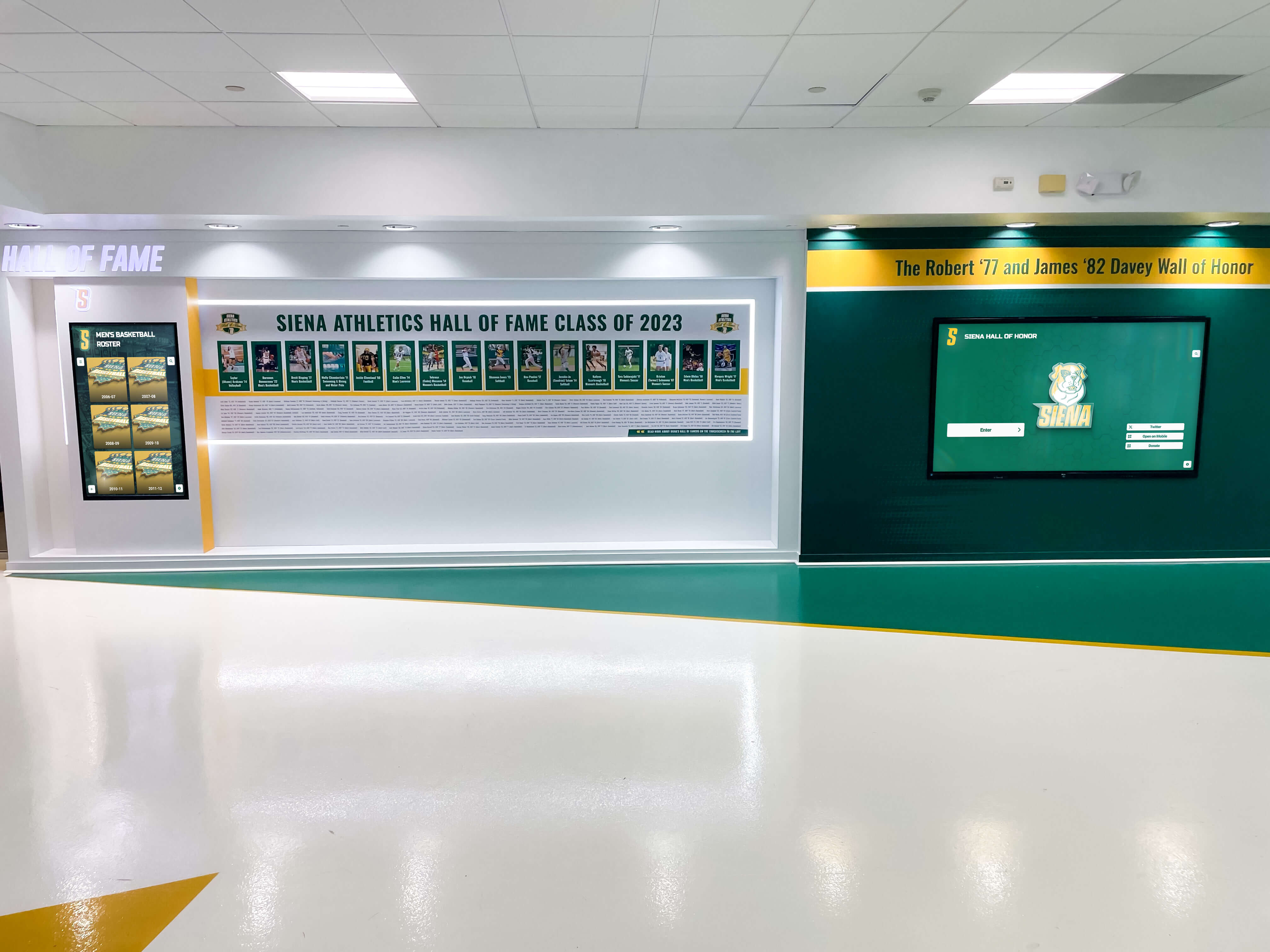
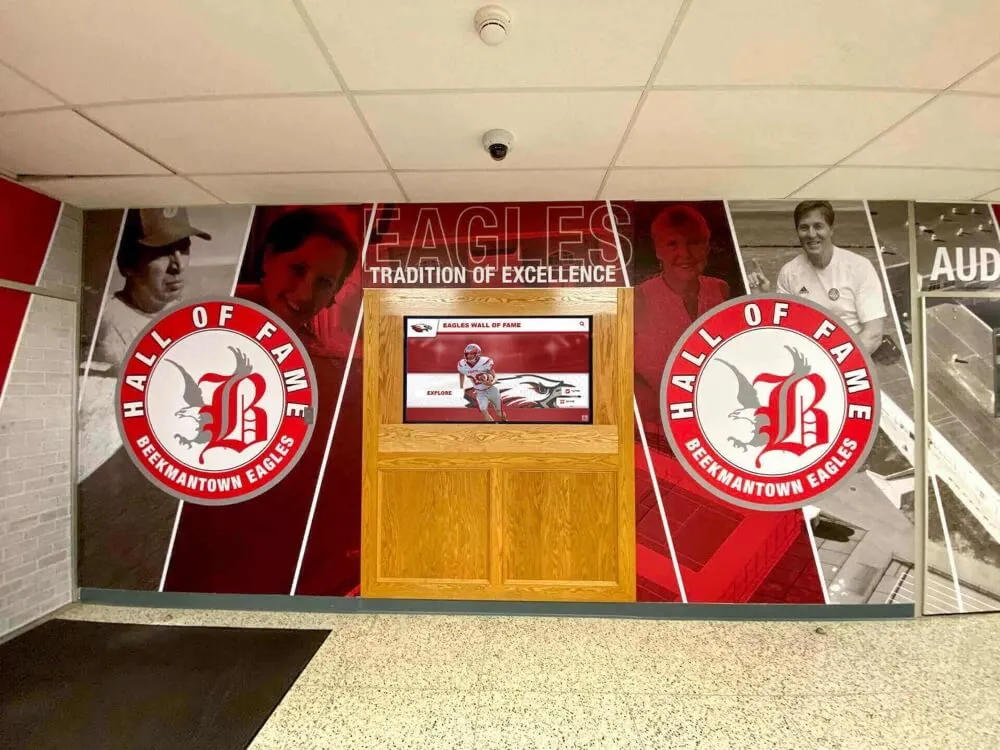
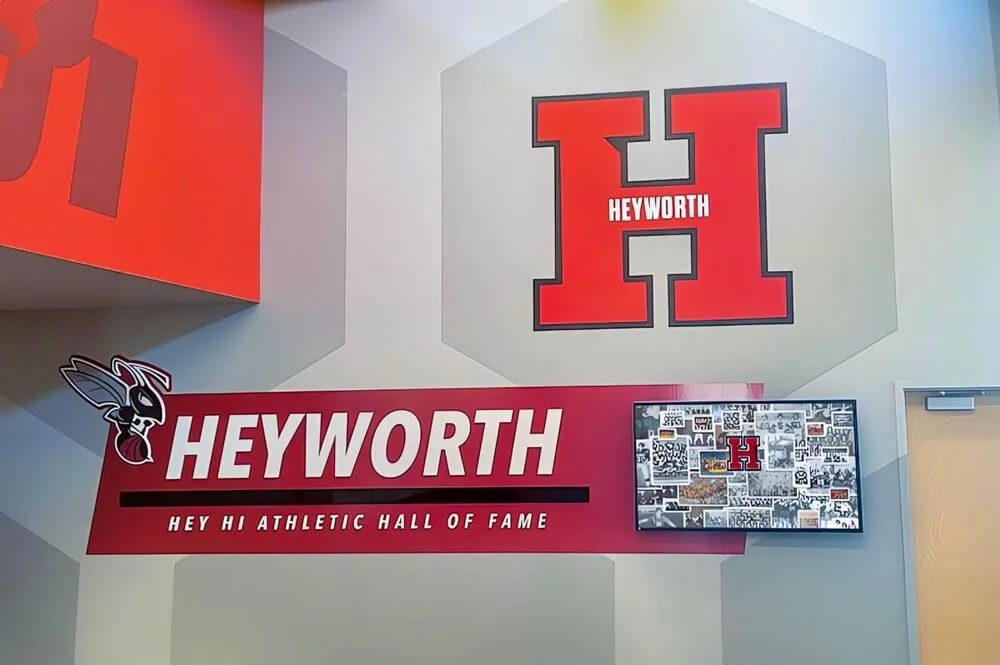
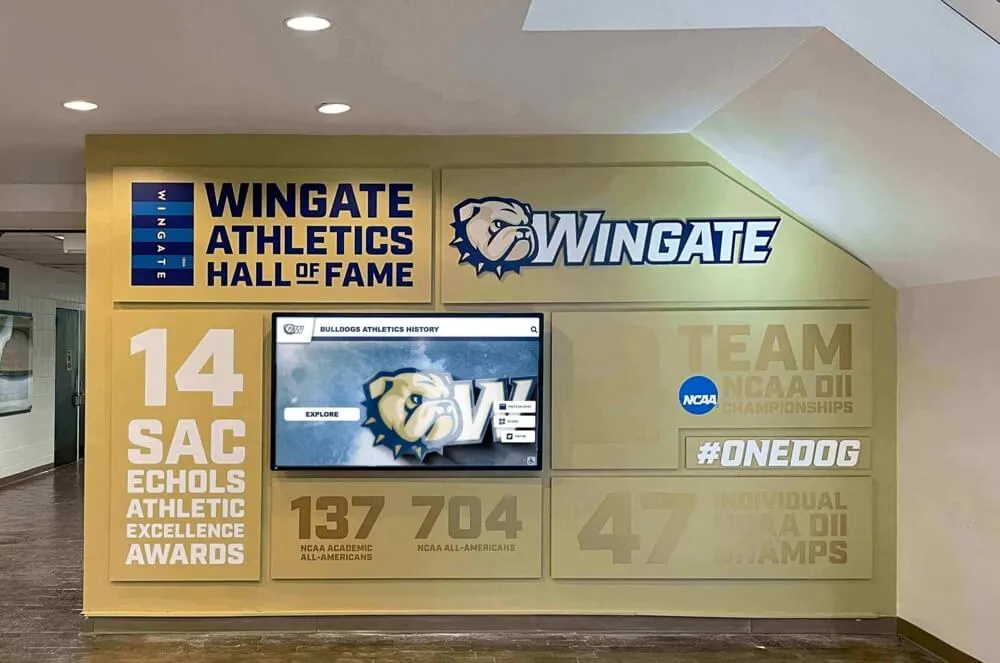
Formal hall of fame wall installations provide a permanent recognition destination that alumni return to every time they visit the school
Planning Your Alumni Night: A Practical Timeline
A well-executed alumni night requires significant advance planning. The following timeline works for most high school programs; larger events with formal induction ceremonies or significant capital campaign components may require an extended lead time.
12 weeks out: Determine event format, date, and core programming. Reserve the facility, confirm any game or activity that will anchor the event. Begin identifying honorees for any recognition elements.
10 weeks out: Build and verify alumni contact database. For athletic alumni nights, work with sport-specific record books and former coaches to compile contact information for invited athletes. For broader events, engage alumni association records and recent alumni gift files.
8 weeks out: Send initial save-the-date communications. Design and order any physical recognition materials—plaques, portrait displays, printed programs—with sufficient lead time for production.
6 weeks out: Send formal invitations with event details, RSVP mechanism, and specific recognition information for invitees being honored. Communicate what alumni can expect: the recognition format, the recognition displays they will see, any speakers or ceremonies planned.
4 weeks out: Confirm RSVP counts and finalize catering, program logistics, and staffing. Prepare digital display content and test all technical systems. Order any remaining recognition materials.
2 weeks out: Finalize program run-of-show. Brief all staff and volunteers on their roles. Confirm digital content is loaded and tested on all display systems.
Day of event: Set up registration area, recognition displays, and event spaces at least two hours before guests arrive. Test all audiovisual and digital systems. Brief student ambassadors or athletic representatives who will interact with alumni during the event.
Post-event: Update digital recognition systems with newly inducted or recognized alumni. Send thank-you communications within 48 hours. Document event for future planning and incorporate alumni feedback into next year’s format.
Frequently Asked Questions About Alumni Night in High School
What is alumni night in high school?
Alumni night in high school is an organized event that invites former students back to campus for reconnection, celebration, and often formal recognition. The format varies widely: some high schools run alumni nights attached to specific athletic games, where former players are recognized on the court or field; others host class reunion gatherings organized by graduation year; and many programs run hall of fame induction ceremonies or distinguished alumni events. What unites all formats is the goal of reengaging former students with their school community, honoring their connection to the institution, and in many cases, building the kind of ongoing relationship that leads to alumni giving, mentorship, and advocacy for the school.
How do schools organize an athletic alumni night?
Athletic alumni nights are typically organized around a current team’s home game, with former players from that sport invited to attend and be formally recognized. Planning steps include compiling a contact database of former players (often working with coaches and alumni association records), sending invitations 8–10 weeks in advance, organizing a pre-game reception, scripting formal on-court or on-field introductions by graduation year, and ensuring recognition displays in the facility reflect the history of the program. Many schools also add post-game receptions that bring current and former players together. The key to a successful athletic alumni night is ensuring that returning athletes feel expected and genuinely honored, not simply invited to watch a game they could attend as general public.
What recognition displays should be in place for alumni night?
The recognition displays that matter most during an alumni night include athletic hall of fame walls or trophy cases that contextualize the school’s competitive history, alumni athlete recognition panels organized by sport and era, class composite photo displays that let specific graduation years see themselves represented, and digital donor recognition displays acknowledging alumni who have given back to the school. Schools with digital touchscreen systems can also run interactive history archive content that allows returning alumni to browse yearbook photos, team rosters, and championship records. Physical and digital recognition working together creates an environment where returning alumni feel the school has actively maintained and celebrated their legacy, not simply stored it in boxes somewhere.
What is the difference between alumni night and homecoming?
Homecoming is a broader, school-wide tradition typically centered on a football game and associated student activities like a pep rally, parade, and dance—and while it often includes alumni engagement, it is primarily organized around current student experience. Alumni night, by contrast, is specifically designed with former students as the primary audience, and its programming, recognition elements, and logistics are built around making returning alumni feel welcomed and honored rather than incorporating them as a secondary audience at a student-centered event. Many schools run both: homecoming as the annual student tradition and separate alumni nights for specific sports, classes, or hall of fame induction programs throughout the year.
How does alumni night connect to school fundraising?
Alumni nights and school fundraising connect primarily through the engagement-to-giving pipeline: alumni who attend events and feel recognized give more frequently and at higher levels than alumni who receive only mail. Schools that treat alumni night as part of a broader donor engagement strategy—ensuring visible donor recognition displays are in place, announcing campaign milestones during the event, and using the gathering as a platform to introduce annual fund giving opportunities—see measurable increases in alumni giving in the weeks and months following events. The key is making recognition authentic rather than transactional: alumni nights that feel primarily like fundraising asks generate resistance, while events that lead with genuine recognition and community connection create the goodwill that makes subsequent giving conversations more natural and successful.
Making Alumni Night the Beginning of a Lasting Relationship
Understanding what alumni night in high school is—and more importantly, what it can accomplish—transforms it from a nice-to-have event into a strategic investment in the school’s long-term community health. Former students who leave high school and maintain no connection to the institution are alumni only in name. Those who attend events, see their legacy recognized, and find a reason to keep coming back are genuine community members whose investment in the school grows over time.
The programming ideas, recognition display strategies, and event formats covered in this guide are not ends in themselves. They are means to the deeper goal: making every former student who walks back through the school’s doors feel that they still belong there, that what they contributed during their years at the school has been remembered and honored, and that there is a reason to stay connected in the years ahead.
Schools that commit to excellent alumni nights discover that the events generate compounding returns: each year, recognized alumni invite others. Inductees become ambassadors. Donors become champions. What begins as an evening event becomes a year-round relationship between an institution and the community that defines it.
Create Recognition Displays Your Alumni Will Return To See
Rocket Alumni Solutions builds interactive digital recognition systems for high schools and athletic programs that honor every graduate, athlete, and donor with displays that last long after alumni night ends. From touchscreen hall of fame kiosks to digital donor walls and archival history displays, our platforms give alumni a reason to return—and a reason to give.
Explore Alumni Recognition Solutions