



A commencement speech represents one of education’s most enduring traditions—a ceremonial address delivered during graduation ceremonies that marks the transition from student life to the next chapter of personal and professional journeys. These speeches, delivered by distinguished speakers ranging from university presidents to celebrities, politicians, and accomplished alumni, provide inspiration, wisdom, and perspective to graduating students as they leave academic institutions and enter new phases of life.
Commencement speeches serve multiple purposes beyond simple ceremony: they celebrate academic achievement, offer life guidance grounded in real-world experience, connect graduates to broader communities and institutional traditions, and create shared memorable moments that graduates carry forward throughout their lives. Understanding what commencement speeches are, their historical evolution, and their enduring significance helps schools, universities, and educational leaders plan meaningful graduation ceremonies that honor student accomplishments while creating lasting positive memories.
This comprehensive guide explores the definition and purpose of commencement speeches, traces their historical origins and evolution, examines what makes memorable addresses effective, highlights famous examples that shaped cultural conversations, and discusses how institutions honor distinguished speakers through permanent recognition that celebrates their contributions to academic communities.
Commencement ceremonies represent culminating academic milestones where students celebrate completed degrees, educators recognize achievements, families gather to honor accomplishments, and institutions formally transition graduates into alumni communities. The commencement speech serves as the centerpiece of these ceremonies, providing the memorable words graduates will remember long after diplomas are awarded and caps are thrown.

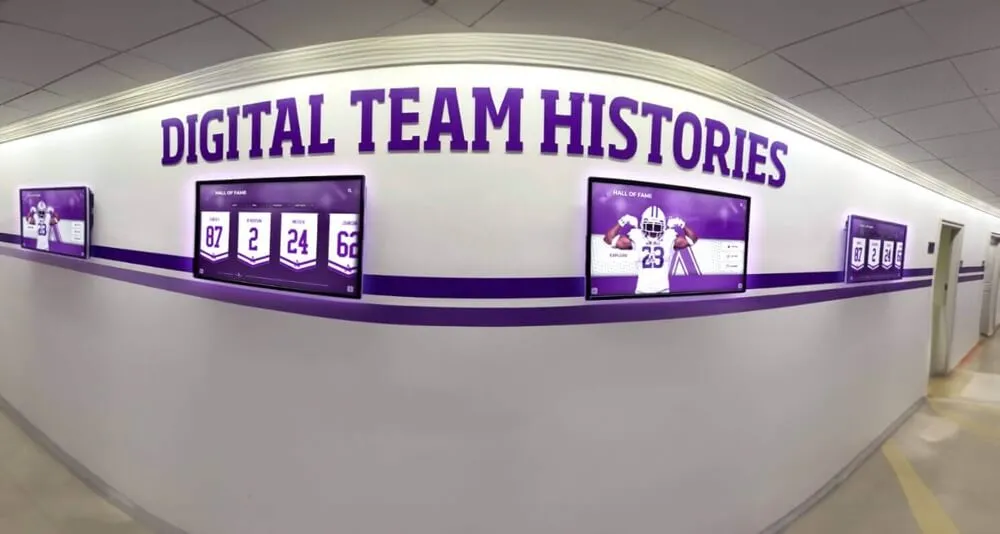
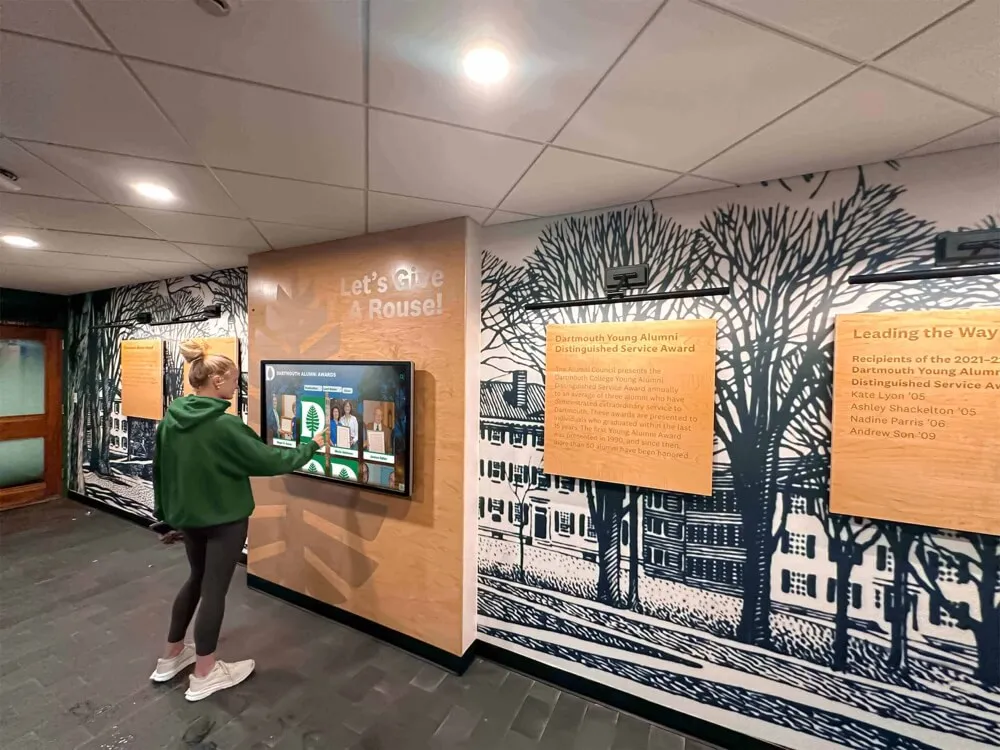
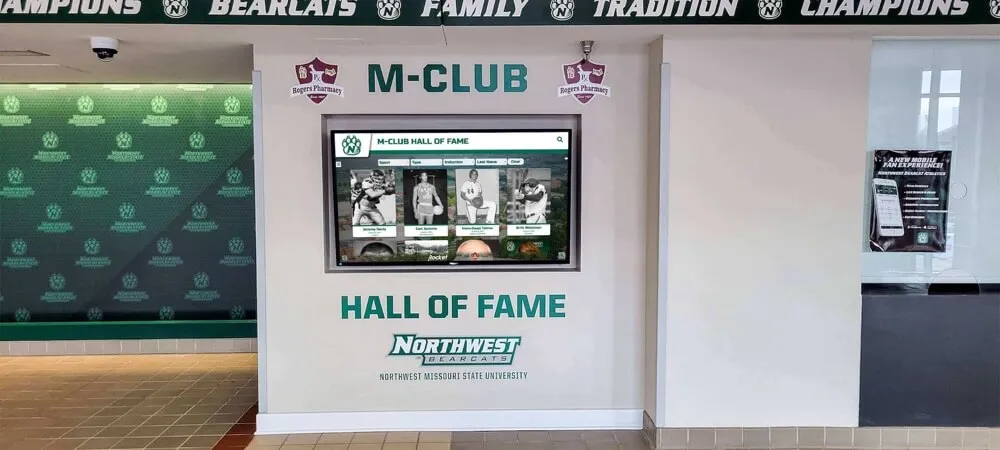
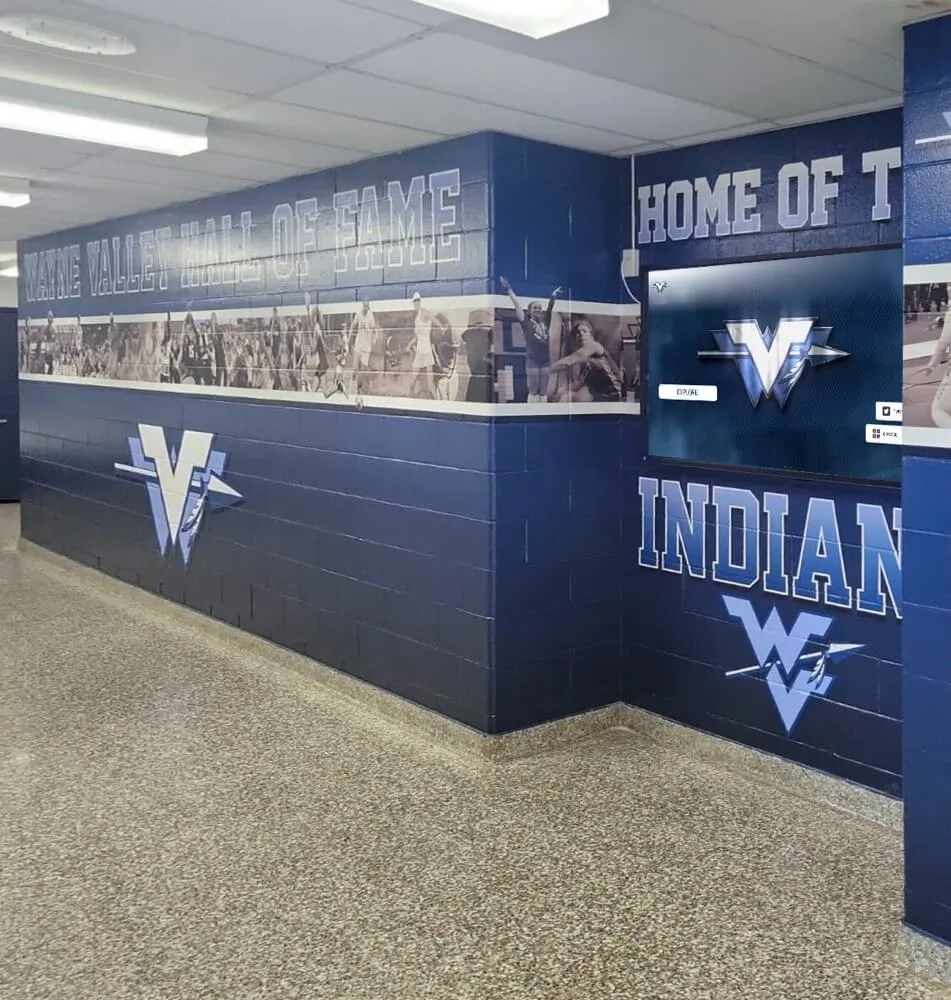
Universities create lasting recognition for distinguished commencement speakers and accomplished alumni who inspire future generations
Defining the Commencement Speech
A commencement speech—also called a commencement address or graduation speech—is a formal address delivered during graduation ceremonies, typically lasting 15-30 minutes, that offers inspiration, advice, and perspective to graduating students as they transition from academic life to professional careers, further education, or community service.
The term “commencement” itself reflects the forward-looking nature of these occasions. Rather than emphasizing endings, commencement celebrations focus on beginnings—the commencement of professional lives, adult responsibilities, and opportunities to apply education toward meaningful purposes. Commencement speakers acknowledge this threshold moment, offering guidance that helps graduates navigate transitions while maintaining connections to values, learning, and communities that shaped their educational experiences.
Core Elements of Commencement Speeches
- Personal stories illustrating broader life lessons
- Acknowledgment of graduates’ accomplishments and sacrifices
- Recognition of families, educators, and supporters
- Reflection on current societal challenges and opportunities
- Forward-looking advice applicable to diverse career paths
- Humor balancing serious guidance with celebratory tone
- Connection to institutional mission and values
- Call to action encouraging graduates to make positive impact
- Brief duration respecting ceremony context and audience attention
While specific content varies dramatically based on speaker background, institutional culture, and current events, effective commencement speeches share common characteristics: authenticity, relevance, inspiration, and appropriate balance between celebration and practical wisdom. The best addresses speak to graduates’ immediate concerns while offering timeless perspectives that remain meaningful throughout their lives.
The Purpose and Functions of Commencement Speeches
Commencement speeches serve multiple overlapping purposes, addressing needs of graduates, institutions, families, and broader communities simultaneously through carefully crafted messages that work on several levels.
Inspiring Graduates During Major Life Transitions
The primary purpose of commencement addresses involves providing inspiration and encouragement to graduates facing uncertain futures, competitive job markets, complex societal challenges, and personal questions about purpose and direction. Graduation represents a threshold moment characterized by both excitement and anxiety—students celebrate achievements while confronting questions about next steps, career choices, and life directions.
Effective commencement speakers acknowledge these mixed emotions, validating feelings while offering perspective that reduces anxiety and builds confidence. Through personal stories of failures overcome, careers evolved through unexpected paths, and challenges transformed into opportunities, speakers demonstrate that uncertainty represents normal experience rather than personal inadequacy, while providing frameworks for approaching decisions and setbacks graduates will inevitably encounter.
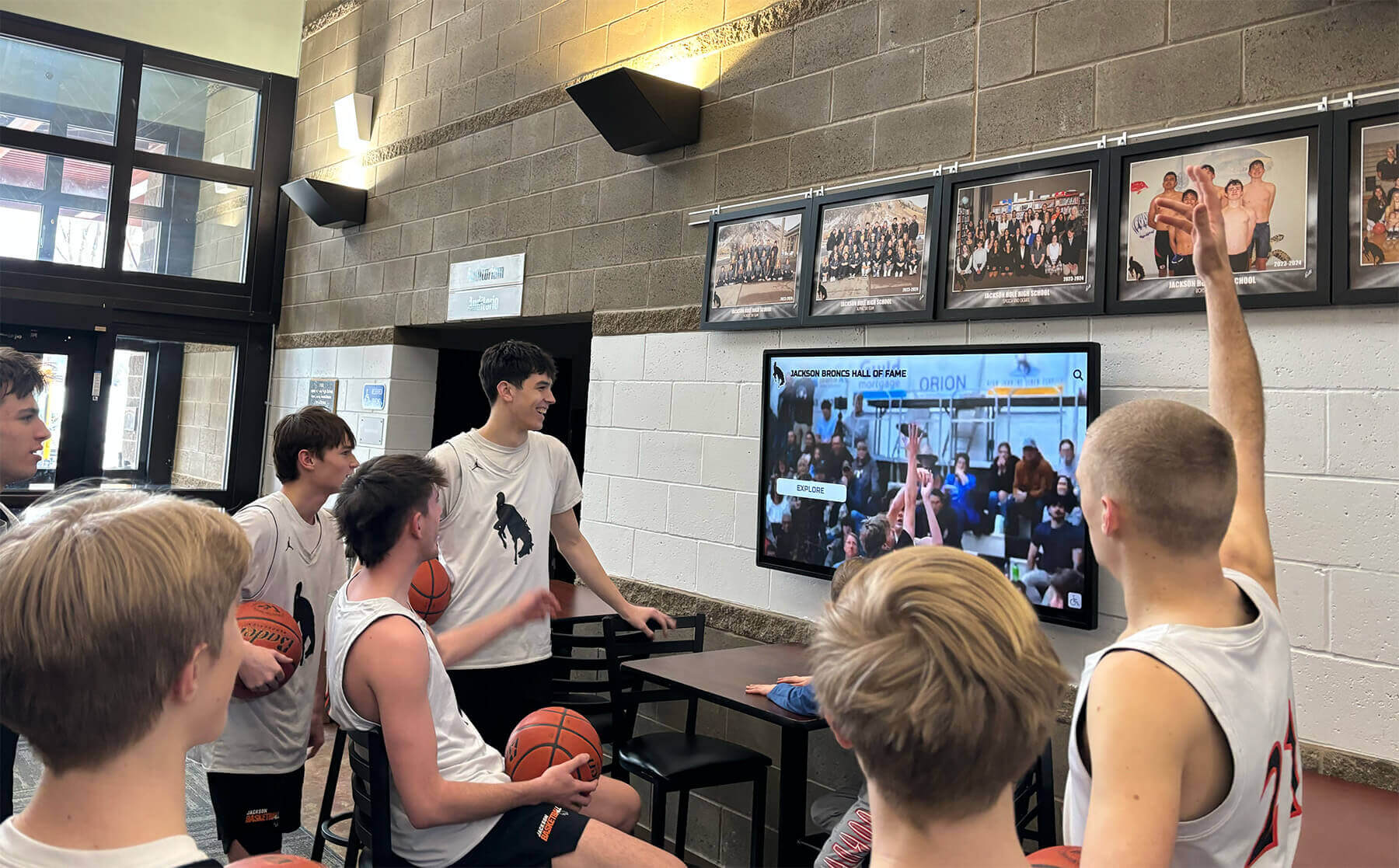
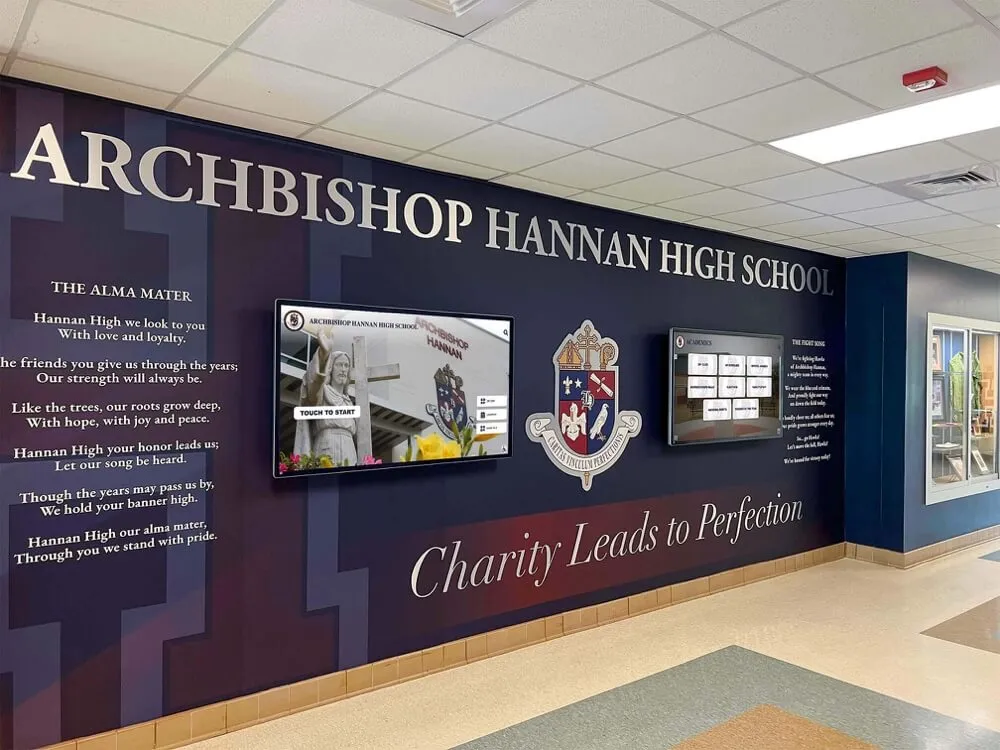
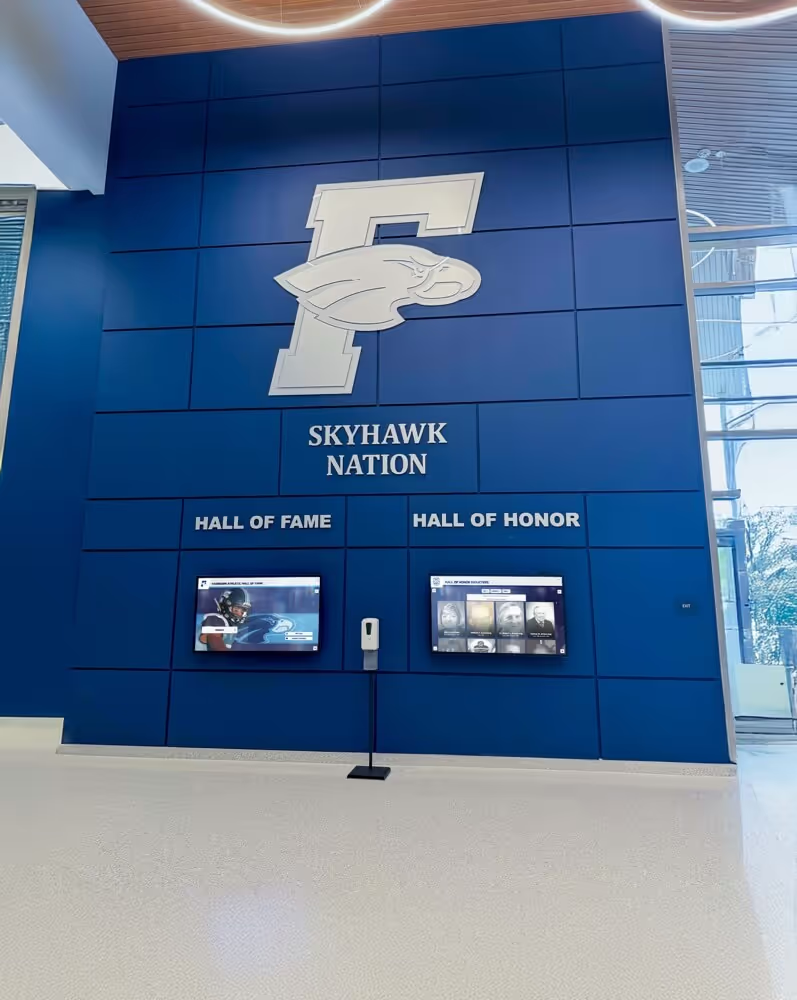
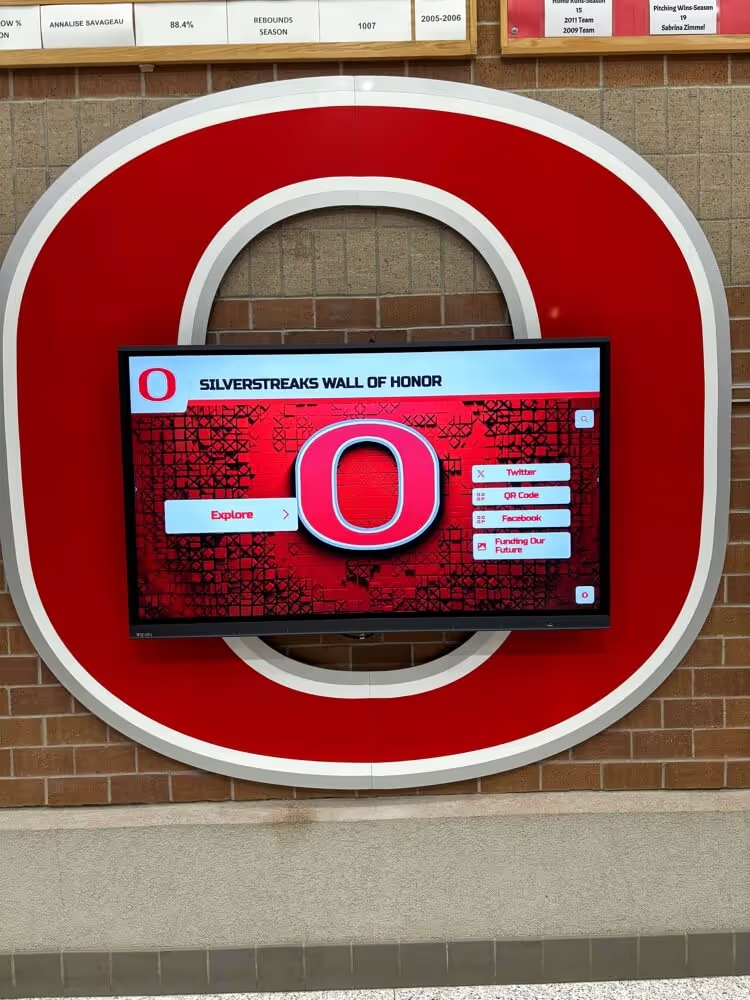
Modern schools use engaging displays to celebrate student achievements and create lasting connections to educational experiences
Transmitting Values and Institutional Mission
Commencement speeches function as vehicles for transmitting institutional values, reinforcing educational missions, and connecting graduates to broader traditions extending beyond individual academic experiences. University presidents delivering commencement addresses typically emphasize institutional values like intellectual curiosity, ethical leadership, service commitment, or research excellence, helping graduates understand how their education connects to larger purposes.
Distinguished external speakers selected by institutions represent embodiments of values schools aspire to cultivate—choosing Nobel laureates emphasizes research contribution, selecting social entrepreneurs highlights service orientation, inviting artistic innovators celebrates creative expression, while featuring political leaders underscores civic engagement. Speaker selection itself communicates institutional priorities and hopes for graduate contributions to society.
Similar values transmission occurs during athletic banquets where coaches deliver addresses reinforcing teamwork, perseverance, and sportsmanship values that extend beyond competitive athletics into life skills applicable across careers and personal relationships.
Creating Shared Memorable Experiences
Commencement speeches create shared memorable experiences binding graduating classes together through common references, inside jokes, and collective moments of inspiration or humor that graduates reference throughout their lives. Years after graduation, classmates reconnect over memories of specific speaker quotes, surprising revelations, or particularly moving stories that defined their commencement experiences.
This shared memory function proves particularly important for institutional community building and alumni engagement. Graduates who remember powerful commencement experiences maintain stronger emotional connections to institutions, participate more actively in alumni networks, and demonstrate greater willingness to support schools financially or through volunteer service. The commencement speech becomes a touchpoint connecting individuals to larger alumni communities spanning decades and geographies.
Generating Institutional Visibility and Prestige
High-profile commencement speakers generate significant media coverage, social media engagement, and broader public attention that enhances institutional reputation and visibility. Major universities compete for distinguished speakers, knowing that prominent figures delivering addresses at their ceremonies elevate institutional prestige while providing news hooks that extend recognition far beyond campus boundaries.
Viral commencement speeches—addresses that generate millions of views online, extensive media commentary, and cultural conversation—provide institutions with visibility impossible to purchase through traditional marketing. When Steve Jobs’ 2005 Stanford commencement speech became one of the most-viewed and shared graduation addresses in history, it enhanced Stanford’s brand while making “Stay Hungry. Stay Foolish” one of the most recognized graduation messages globally.
Historical Evolution of the Commencement Speech Tradition
The commencement speech tradition extends back centuries, evolving from religious ceremonies through academic disputations to contemporary addresses reflecting modern educational values and communication styles.
Medieval and Early Modern Origins
The earliest graduation ceremonies in medieval European universities featured Latin orations, theological disputations, and formal rituals emphasizing graduates’ mastery of classical learning and admission into scholarly communities. These ceremonies prioritized academic achievement demonstration over inspirational messaging, with graduates themselves delivering learned speeches proving linguistic competence and subject mastery.
Early American colleges, founded on religious principles, incorporated commencement traditions emphasizing moral instruction and spiritual guidance. Harvard’s first commencement in 1642 featured student disputations and prayers, establishing ceremony patterns that subsequent institutions adopted. These early ceremonies served primarily religious and academic functions rather than celebratory purposes, with addresses focusing on theological concepts and classical learning rather than personal inspiration or career advice.
19th Century Transformation
The 19th century witnessed significant commencement tradition evolution as American higher education expanded, democratized, and shifted toward practical learning beyond classical curricula. Commencement speeches began incorporating broader themes beyond religious instruction—political speeches addressing national issues, addresses on scientific progress, and discussions of social reform reflected universities’ expanding missions and graduates’ increasingly diverse career paths.
This period established the tradition of inviting distinguished external speakers rather than relying exclusively on university presidents or faculty. Prominent politicians, successful business leaders, and accomplished alumni began receiving commencement invitations, bringing real-world perspectives and prestigious associations that enhanced ceremony significance while exposing graduates to accomplished figures representing potential career aspirations.
20th Century Expansion and Democratization
The 20th century brought massive higher education expansion, dramatic increases in graduation rates, and growing diversity among both graduates and commencement speakers. As universities grew from elite institutions serving narrow demographics into mass education systems serving diverse populations, commencement speeches evolved to address broader audiences and varied experiences.
The mid-20th century witnessed increased commencement speech media coverage as radio and television broadcasting extended addresses beyond immediate audiences. This amplification elevated speech importance while changing speaker approaches—addresses crafted for immediate audiences evolved into messages designed for broader public consumption, media soundbites, and potential historical significance.
The late 20th and early 21st centuries introduced celebrity culture into commencement speaking, with entertainers, athletes, and cultural figures joining traditional academic and political speakers. This diversification reflected changing definitions of accomplishment and success while making commencement ceremonies more culturally relevant to students whose influences extend beyond traditional academic and political spheres.

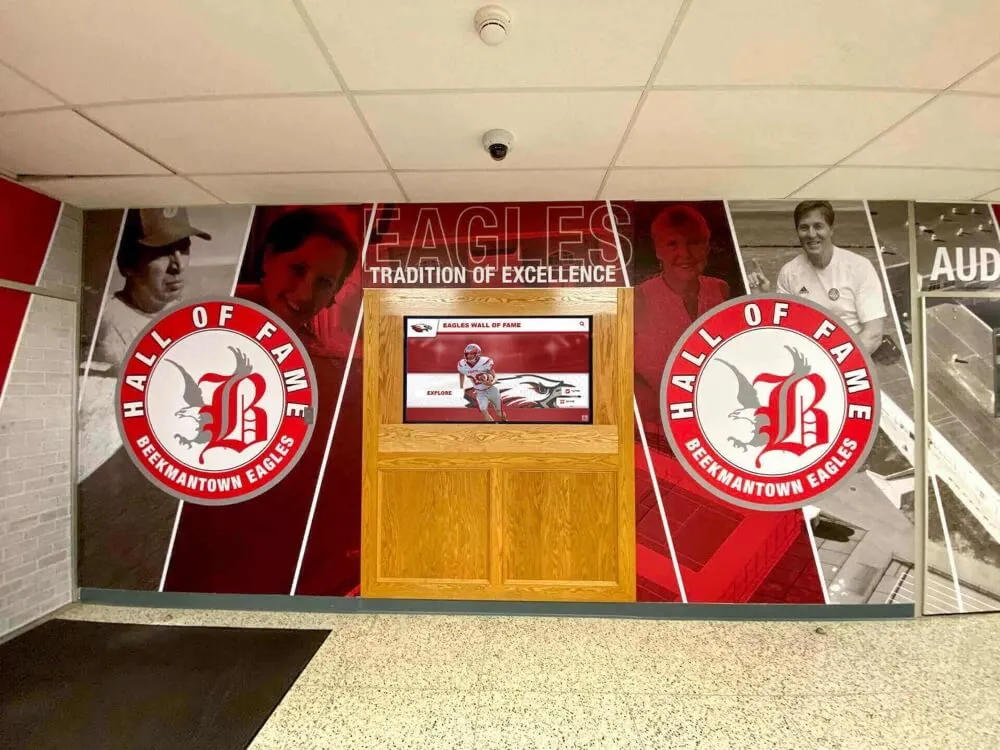
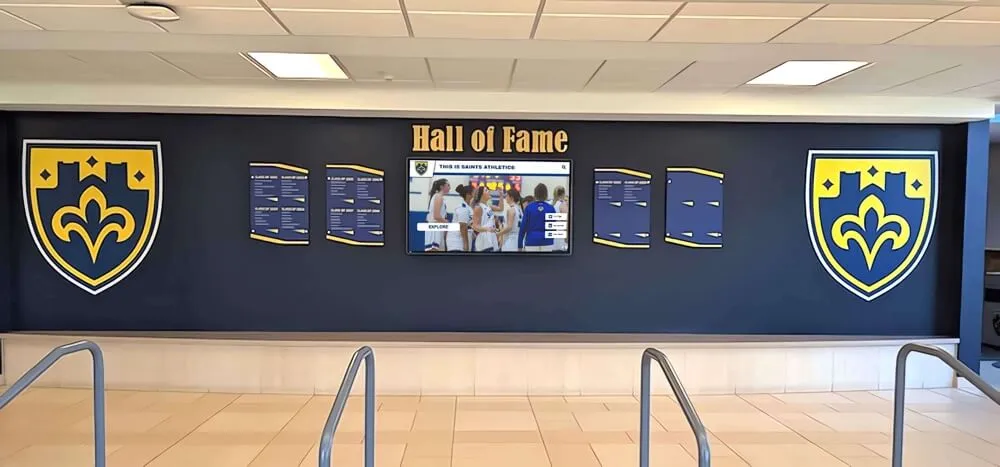
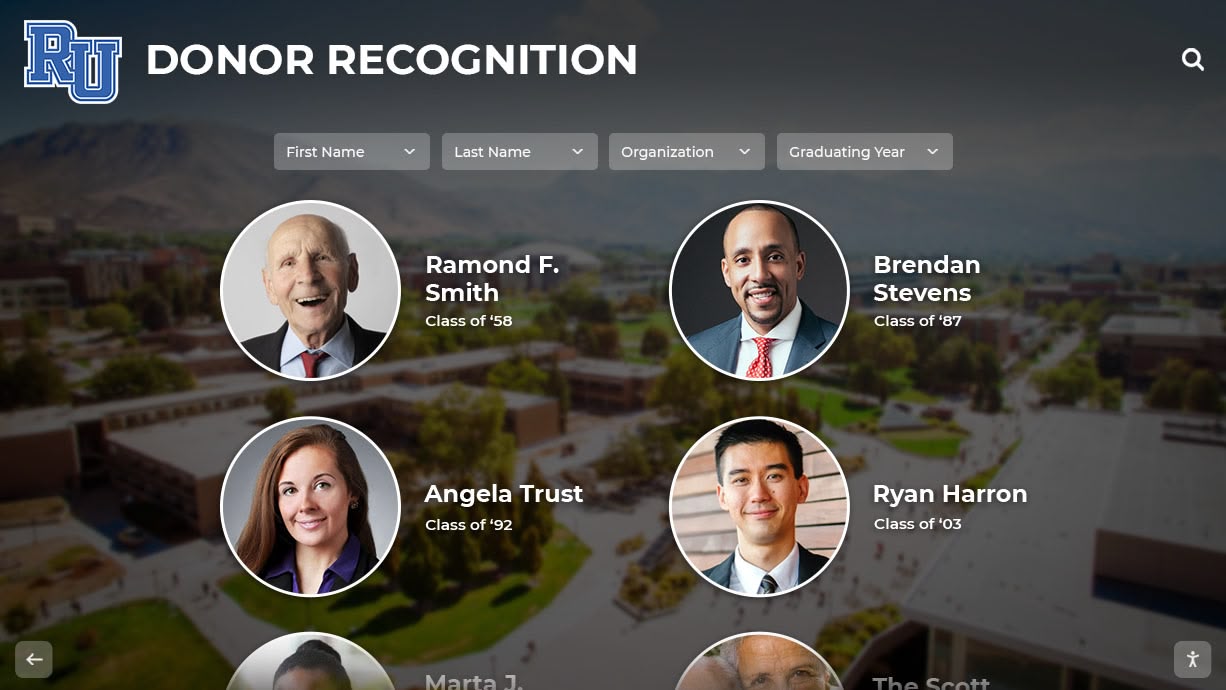
Contemporary universities leverage technology to create comprehensive recognition systems honoring distinguished speakers, alumni, and community contributors
Characteristics of Memorable Commencement Speeches
Certain commencement addresses transcend their immediate contexts, becoming cultural touchstones that people reference, share, and remember years or decades after delivery. Examining what makes these speeches memorable reveals patterns and characteristics that educational leaders can consider when selecting speakers or crafting addresses.
Authenticity and Personal Vulnerability
The most impactful commencement speeches feature authentic personal stories rather than generic platitudes or abstract advice. Speakers who share genuine failures, doubts, struggles, and turning points create emotional connections with graduates experiencing their own uncertainties about futures and questions about capabilities.
Authenticity requires appropriate vulnerability—acknowledging mistakes, sharing rejections, admitting fears, or discussing periods of confusion that successful speakers experienced during their own post-graduation years. These revelations humanize accomplished speakers while demonstrating that success emerges through perseverance and learning rather than avoiding challenges or maintaining perfect records.
Specific, Actionable Wisdom Over Generic Advice
Memorable speeches offer specific, actionable guidance rather than vague encouragement to “follow your dreams” or “make a difference.” The most useful advice provides frameworks for approaching decisions, specific strategies for handling setbacks, or concrete practices speakers personally employ when facing challenges.
This specificity might include decision-making frameworks, daily practices supporting long-term goals, approaches to handling rejection or failure, methods for maintaining relationships during career building, or strategies for identifying opportunities aligned with values and interests. Specific guidance provides tools graduates can actually apply rather than simply feeling temporarily inspired by general encouragement.
Humor Balancing Serious Guidance
Effective commencement speeches balance serious guidance with appropriate humor that acknowledges ceremony’s celebratory nature while maintaining attention during extended addresses. Humor serves multiple functions: reducing anxiety, creating memorable moments, establishing speaker rapport with audiences, and preventing speeches from becoming overly heavy or preachy.
The most effective humor emerges organically from speaker experiences rather than forced jokes or generic graduation humor disconnected from broader speech themes. Self-deprecating stories about early career mistakes, observations about absurd situations speakers encountered, or gentle teasing of institutional quirks creates laughter while advancing larger points about resilience, perspective, or adaptability.
Similar balance between celebration and guidance appears in awards ceremony planning, where effective programming combines recognition with entertainment and meaningful messaging that honors achievements while inspiring continued excellence.
Appropriate Length and Pacing
Even exceptional content suffers when speeches extend beyond audiences’ attention spans or lose momentum through poor pacing. The most effective commencement addresses typically last 15-25 minutes—long enough to develop meaningful themes without testing patience during ceremonies that include hundreds or thousands of individual degree conferrals.
Successful speakers vary pacing through mixing storytelling with direct advice, balancing serious moments with humor, and building toward memorable conclusions rather than simply stopping when time expires. Strategic pauses, vocal variety, and physical movement maintain engagement while preventing monotonous delivery that causes audience attention to drift.
Universal Themes Resonating Across Diverse Audiences
While commencement speeches address specific graduating classes at particular institutions during unique historical moments, the most memorable addresses speak to universal human experiences transcending immediate contexts. Themes like finding purpose, handling failure, maintaining relationships, navigating uncertainty, balancing competing priorities, or defining success connect with graduates regardless of specific majors, career plans, or backgrounds.
This universality explains why certain commencement speeches become widely shared beyond their immediate audiences—messages about fundamental human experiences resonate with people at various life stages facing their own transitions, challenges, or questions about direction and meaning.
Famous Commencement Speeches That Shaped Cultural Conversations
Certain commencement addresses transcended their immediate contexts to become cultural phenomena, generating millions of views, extensive media coverage, and lasting influence on how people think about success, purpose, and life navigation.
Steve Jobs at Stanford University (2005)
Steve Jobs’ Stanford commencement address became arguably the most famous graduation speech in modern history, generating over 40 million views on YouTube and countless references in popular culture. Jobs organized his speech around three personal stories: being adopted and dropping out of Reed College, getting fired from Apple and later returning, and facing mortality after cancer diagnosis.
The speech’s enduring impact stems from Jobs’ authentic storytelling, unexpected vulnerability for a technology icon, and specific actionable wisdom like his famous closing advice: “Stay Hungry. Stay Foolish.” Rather than offering generic success formulas, Jobs shared genuine failures and setbacks that provided perspective for graduates facing their own uncertainties.
David Foster Wallace at Kenyon College (2005)
David Foster Wallace’s “This Is Water” commencement address at Kenyon College achieved legendary status among literary and intellectual communities for its sophisticated exploration of awareness, empathy, and choosing how to construct meaning from everyday experiences. Wallace challenged graduates to resist default settings of self-centeredness and unconscious routine, advocating instead for deliberate awareness and compassionate interpretation of others’ behaviors.
The speech exemplifies how commencement addresses can tackle complex philosophical themes while remaining accessible and personally relevant. Wallace’s discussion of choosing perspectives during mundane frustrations like grocery shopping provided concrete grounding for abstract concepts about consciousness and freedom.
Admiral William McRaven at University of Texas (2014)
Admiral William McRaven’s University of Texas commencement speech distilled Navy SEAL training experiences into ten principles for changing the world, beginning with his famous opening: “If you want to change the world, start by making your bed.” The speech’s practical, action-oriented advice resonated far beyond immediate audiences, generating over 17 million YouTube views and inspiring a bestselling book.
McRaven’s specific, actionable guidance—make your bed, find helpers, respect everyone, know that life isn’t fair, fail often and face challenges head-on—provided frameworks graduates could immediately implement rather than simply feeling temporarily inspired. The speech demonstrated how professional experiences in seemingly distant fields can translate into broadly applicable life wisdom.
Oprah Winfrey at Harvard University (2013)
Oprah Winfrey’s Harvard commencement address shared personal stories about failure, finding purpose, and serving others while offering specific guidance about career success and personal fulfillment. Her discussion of lessons learned from 25 years interviewing thousands of people provided unique perspective unavailable from typical political or academic speakers.
Winfrey’s emphasis on service, authentic expression, and finding work aligned with deeper purpose resonated particularly strongly with graduates entering career markets prioritizing meaningful work over purely financial success. Her accessible storytelling style and authentic emotional expression created memorable moments that graduates referenced extensively in subsequent years.
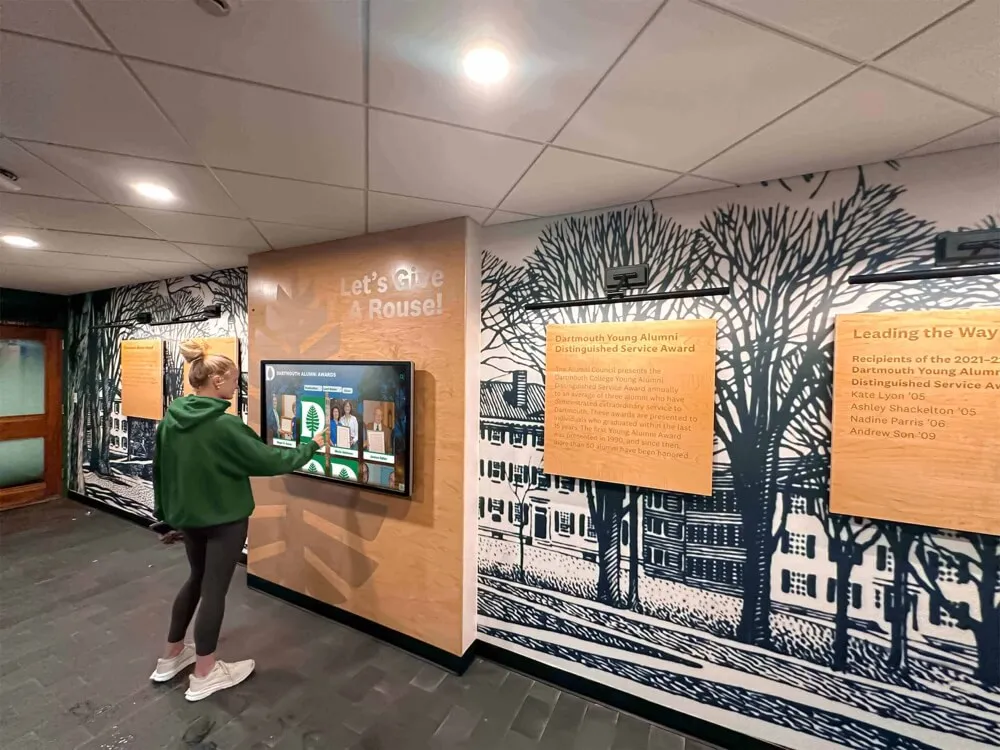
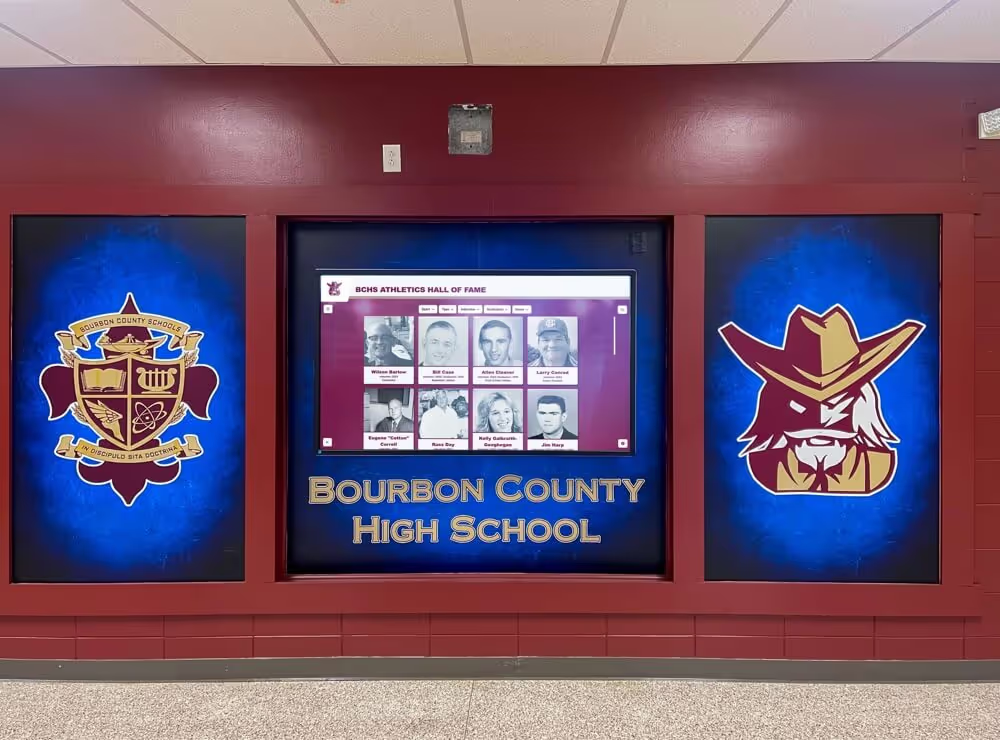
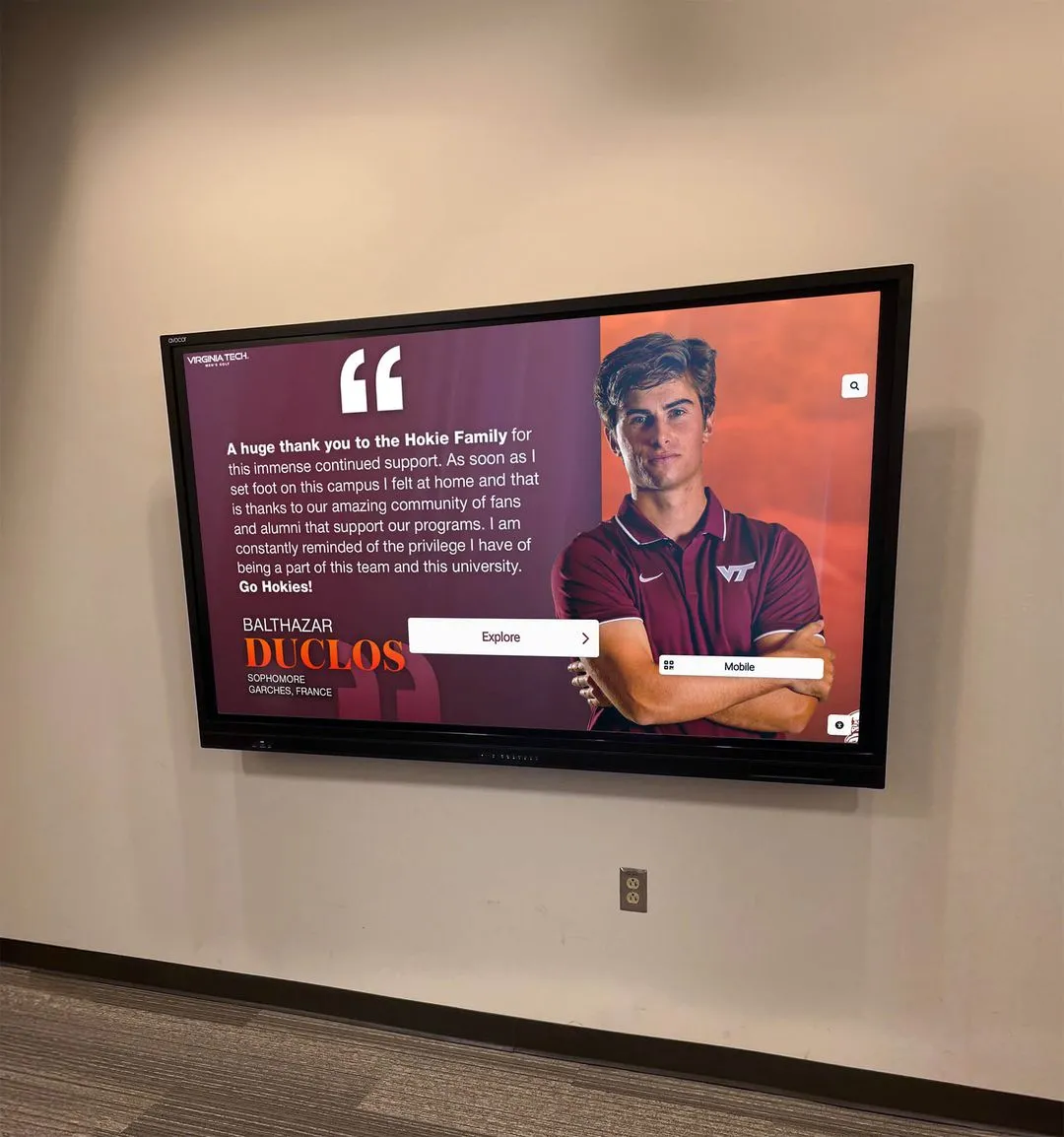
Interactive displays engage students and alumni with institutional histories, distinguished speakers, and community achievements
Selecting and Inviting Commencement Speakers
The process of identifying, inviting, and securing commencement speakers represents significant institutional undertaking requiring careful planning, relationship building, and alignment between speaker selection and institutional values.
Speaker Selection Criteria and Considerations
Educational institutions consider multiple factors when identifying potential commencement speakers, balancing prestige with relevance, availability with cost, and diversity with appeal to broad audiences including graduates, families, faculty, and alumni.
Key Selection Factors
- Alignment with institutional mission and values
- Relevance to graduate interests and career paths
- Speaking ability and public communication experience
- Potential to inspire and provide meaningful guidance
- Media appeal and potential institutional visibility
- Availability during specific commencement dates
- Reasonable honorarium expectations within budgets
- Diversity representing varied backgrounds and perspectives
- Connection to institution through alumni status or previous engagement
- Absence of controversial positions potentially alienating community segments
Many institutions form commencement speaker committees incorporating students, faculty, administrators, and alumni to ensure diverse perspectives inform selection processes. Student involvement proves particularly important since graduates represent primary audiences and possess valuable insights about speakers they find inspiring and relevant to their experiences.
The Speaker Invitation and Preparation Process
Securing distinguished commencement speakers typically begins 12-18 months before ceremonies, allowing adequate time for scheduling, contract negotiation, and preparation. High-profile speakers maintain busy schedules filled years in advance, requiring early outreach and flexible accommodation of their availability when possible.
Speaker Invitation Timeline
- 18-12 months prior: Identify potential speakers, conduct preliminary outreach
- 12-9 months prior: Extend formal invitations, negotiate terms and honoraria
- 9-6 months prior: Finalize contracts, coordinate logistics and accommodations
- 6-3 months prior: Provide institutional information, facilitate speech preparation
- 3-1 month prior: Confirm final details, arrange rehearsals or site visits
- Week of ceremony: Coordinate arrival, provide hospitality, conduct technical rehearsals
Institutions typically provide speakers with background information about graduating classes, institutional missions, current campus initiatives, and ceremony contexts to inform speech preparation. Some speakers request specific details about student demographics, popular majors, post-graduation plans, or current campus conversations to ensure addresses feel relevant and tailored rather than generic.
Managing Speaker Honoraria and Expenses
Commencement speaker compensation varies dramatically based on speaker prominence, institutional resources, and whether speakers maintain personal connections to institutions. Celebrity speakers, prominent politicians, and top business leaders may command honoraria ranging from $50,000 to $300,000, while many accomplished speakers—particularly institution alumni or local leaders—speak for minimal or no compensation beyond travel expense coverage.
Budget-conscious institutions often prioritize accomplished alumni willing to speak for reduced compensation due to institutional loyalty, local community leaders excited about visibility opportunities, or authors and speakers seeking platforms for book promotion or thought leadership establishment. These strategic approaches enable schools with limited resources to secure compelling speakers without exhausting budgets.
Institutions also negotiate in-kind compensation like honorary degrees, endowed lecture series naming opportunities, or permanent recognition within campus facilities. These non-financial benefits provide meaningful acknowledgment for speakers while creating lasting institutional connections beyond single-event appearances.
Recognizing Distinguished Commencement Speakers Through Permanent Displays
Many institutions create permanent recognition for distinguished commencement speakers, especially those who deliver particularly memorable addresses or maintain ongoing relationships with schools through repeated engagement, significant philanthropy, or continued mentorship of students and programs.
Traditional Speaker Recognition Approaches
Historically, universities recognized notable commencement speakers through printed programs archived in institutional libraries, photo displays in administrative buildings, or inclusion in official history publications documenting significant campus events and distinguished visitors. These approaches preserved historical records while providing minimal ongoing visibility among current students, faculty, or campus visitors.
More prominent recognition approaches include naming lecture halls, endowed speaker series, or campus facilities after distinguished speakers who made significant contributions to institutions beyond single commencement addresses. These honors typically require sustained engagement and often substantial philanthropic support rather than simply delivering memorable graduation speeches.
Digital Recognition Systems for Speakers and Alumni
Contemporary institutions increasingly leverage interactive digital displays to create comprehensive recognition systems honoring distinguished commencement speakers alongside accomplished alumni, major donors, and community contributors. These digital platforms offer significant advantages over traditional static recognition through unlimited capacity, rich multimedia content, easy updates, and engaging exploration experiences.
Digital speaker recognition might include video excerpts from memorable addresses, biographical profiles explaining speakers’ accomplishments and institutional connections, photos from commencement ceremonies and campus visits, and impact information about scholarships, programs, or facilities that speakers helped establish through philanthropy or advocacy.
Benefits of Digital Commencement Speaker Recognition
- Video integration preserving memorable speech moments
- Unlimited capacity accommodating decades of distinguished speakers
- Searchable directories enabling easy speaker discovery
- Regular content updates reflecting new speakers and evolving accomplishments
- Interactive engagement encouraging exploration and learning
- Social sharing capabilities extending recognition visibility
- Integration with alumni networks and institutional communications
- Accessibility features ensuring inclusive recognition experiences
- Analytics tracking engagement and identifying popular content
Schools implementing digital recognition platforms like those offered through Rocket Alumni Solutions create engaging environments where current students explore institutional histories, discover accomplished alumni role models, and connect personal educational experiences to broader traditions of excellence and community contribution. Similar recognition approaches celebrate senior achievements across academic, athletic, and community service dimensions.
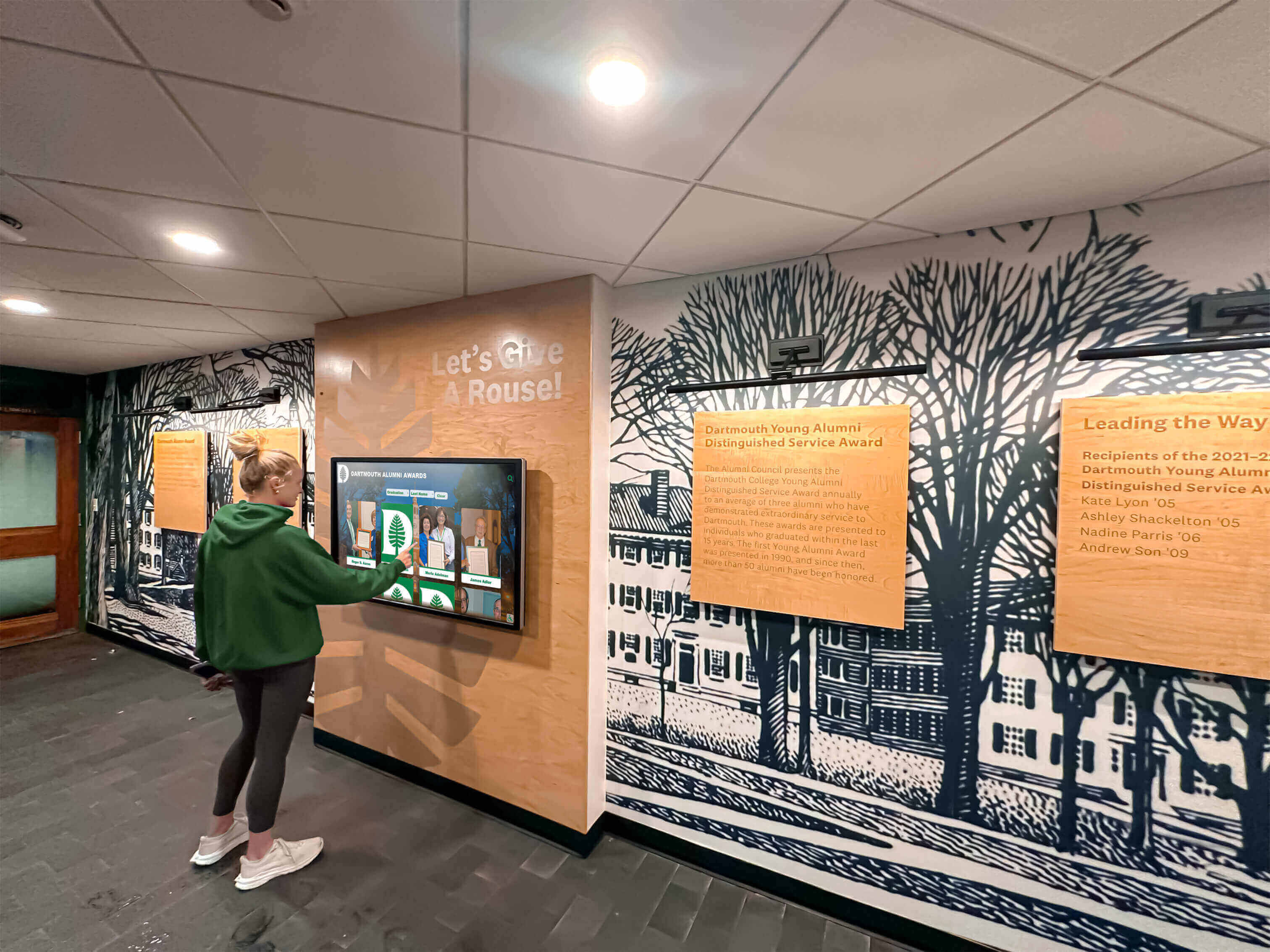
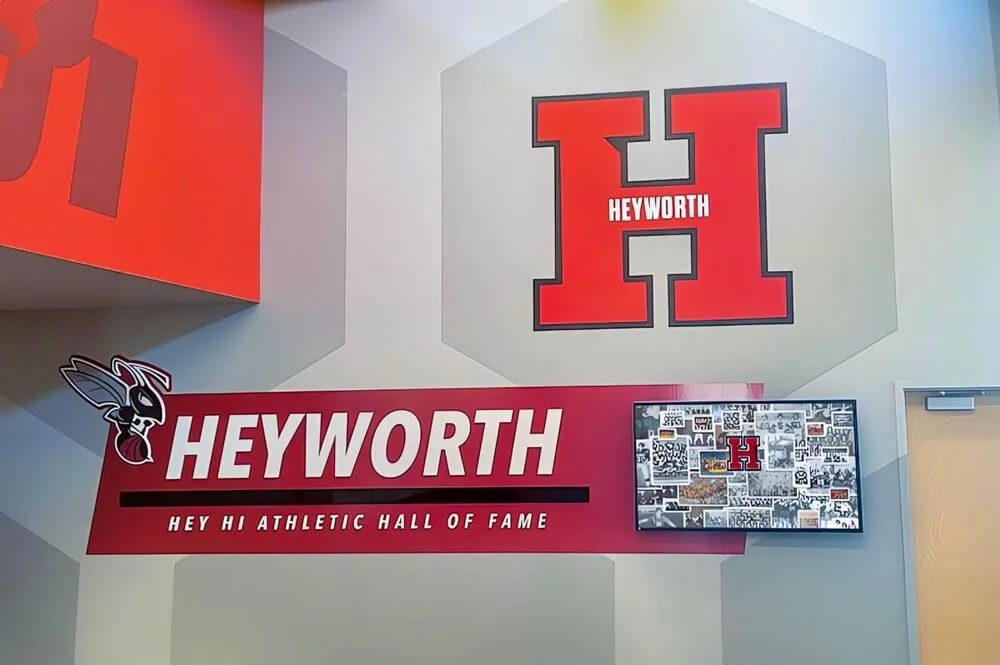
Interactive touchscreen displays enable students to discover distinguished speakers, accomplished alumni, and institutional traditions through engaging self-directed exploration
Connecting Speaker Recognition to Broader Alumni Engagement
Commencement speaker recognition functions most effectively when integrated with comprehensive alumni engagement strategies that maintain ongoing connections between graduates and institutions. Digital platforms enable seamless integration between speaker profiles, general alumni directories, giving recognition, and event information—creating unified systems where distinguished speakers represent specific examples within larger alumni communities.
This integration supports alumni network building by providing concrete examples of successful graduates, demonstrating diverse career paths that education enables, and creating aspirational models for current students considering post-graduation options. When students explore speaker profiles alongside broader alumni achievements, they develop richer understanding of possibilities their education creates while building emotional connections to institutional communities extending across generations.
Modern Commencement Speech Trends and Evolution
Contemporary commencement speeches reflect evolving educational values, changing communication styles shaped by social media and digital culture, and shifting student priorities regarding careers, purpose, and social responsibility.
Increased Diversity Among Speakers
Recent years witnessed intentional efforts to diversify commencement speaker selections beyond traditional emphasis on political leaders, business executives, and academic scholars. Institutions increasingly invite artists, activists, social entrepreneurs, athletes, and cultural figures representing varied definitions of success and accomplishment.
This diversification reflects broader recognition that traditional career paths represent only some among many legitimate approaches to meaningful contribution and personal fulfillment. By featuring speakers from diverse backgrounds and career types, institutions signal openness to varied post-graduation paths while providing students with role models representing different values, interests, and definitions of success.
Emphasis on Social Responsibility and Purpose
Contemporary commencement speeches increasingly emphasize social responsibility, purpose-driven careers, and using education to address societal challenges. This shift reflects both changing student values—surveys consistently show millennials and Gen Z prioritizing meaningful work and social impact over purely financial success—and urgent contemporary issues like climate change, inequality, and political polarization that demand educated citizens’ engagement.
Speakers addressing social responsibility avoid generic encouragement to “make a difference,” instead offering specific frameworks for identifying authentic purposes aligned with personal interests and capabilities, practical approaches to balancing idealism with financial sustainability, and realistic acknowledgment of tensions between personal ambitions and social contribution.
Integration with Digital Communication and Social Media
Modern commencement speeches are crafted with awareness that audiences extend far beyond immediate ceremony attendees. Speakers design addresses anticipating social media sharing, YouTube broadcasting, and potential viral distribution—creating memorable moments, quotable phrases, and shareable content that travels effectively through digital channels.
This digital orientation influences speech structure, length, and content. Speakers incorporate more humor and visual storytelling compatible with short video clips, craft concise memorable phrases suited to social media quotes, and consider how addresses will translate when experienced through screens rather than solely in-person attendance.
Institutions amplify this digital dimension through professional video production, strategic social media promotion, and integration with broader communications campaigns. High-quality commencement speech videos become valuable content assets generating ongoing visibility, recruitment appeal, and alumni engagement long after ceremonies conclude.
Virtual and Hybrid Commencement Formats
The COVID-19 pandemic accelerated adoption of virtual and hybrid commencement formats combining in-person ceremonies with digital access for remote participants. While many institutions returned to traditional in-person-only ceremonies post-pandemic, others maintained hybrid approaches recognizing benefits of extended accessibility for family members unable to travel, international students’ overseas relatives, or alumni interested in participating in institutional celebrations remotely.
These hybrid formats influence speaker approaches, requiring addresses that work effectively both for immediate live audiences and remote viewers experiencing ceremonies through screens. Speakers adapt delivery styles, incorporate visual elements suited to camera framing, and craft content that engages diverse audiences experiencing events through different media.

Schools preserve institutional memory through comprehensive alumni recognition highlighting distinguished graduates and speakers who shaped community traditions
Planning Meaningful Commencement Ceremonies Beyond the Speech
While commencement addresses represent ceremony centerpieces, comprehensive graduation planning requires attention to numerous additional elements ensuring meaningful, well-executed events that honor graduate achievements while creating positive lasting memories.
Ceremony Structure and Pacing Considerations
Effective commencement ceremonies balance formal elements honoring academic traditions with practical pacing considerations respecting participants’ comfort and attention. Ceremonies recognizing hundreds or thousands of graduates require careful planning to maintain appropriate solemnity without becoming tediously long.
Essential Commencement Ceremony Elements
- Processional featuring graduates, faculty, and platform party
- National anthem or institutional songs establishing ceremonial tone
- Welcome and acknowledgments from institutional leadership
- Student speaker or valedictorian address representing graduate voice
- Conferring of honorary degrees on distinguished guests
- Featured commencement address
- Degree conferral, with approaches varying by institution size
- Alma mater or closing songs reinforcing institutional connection
- Recessional concluding formal ceremony
- Post-ceremony celebration opportunities for graduates and families
Institutions managing large graduating classes employ various strategies for balancing individual recognition with reasonable ceremony length: reading only graduate names without stage crossings, grouping graduates by academic programs, or holding separate school-specific ceremonies rather than combined university-wide events. These decisions reflect institutional cultures, facility capacities, and graduate preferences collected through surveys or feedback.
Similar planning considerations apply to athletic banquets where program length, individual recognition approaches, and guest speaker balance requires careful coordination ensuring engaging events that honor achievements without exhausting audiences.
Incorporating Student Voices and Participation
While featured commencement speakers receive primary attention, many institutions incorporate student voices through valedictorian addresses, student speaker selections, or class representative remarks. These student-delivered components provide peer perspectives, inside references appreciated by graduating classes, and representation of graduate experiences complementing external speaker wisdom.
Student speaker selection processes vary widely: some institutions automatically designate highest-achieving students as valedictorians with speaking privileges, others conduct competitive application processes where committees select speakers based on speech proposals, while some institutions hold student votes determining preferred speakers from among eligible candidates.
Creating Accessible and Inclusive Ceremonies
Commencement planning must ensure accessibility for graduates and guests with disabilities, accommodating mobility limitations, hearing or vision impairments, and other needs requiring facility adaptations or service provisions. Professional planning includes wheelchair-accessible seating and stage access, sign language interpretation, assistive listening devices, accessible parking and transportation, and printed materials in accessible formats.
Beyond physical accommodations, inclusive planning considers cultural and religious diversity affecting ceremony timing (avoiding religious holidays), processional music (incorporating diverse cultural traditions), and recognition approaches (accommodating varied name pronunciations and cultural naming practices). These thoughtful adaptations ensure all graduates experience dignity, respect, and full participation regardless of backgrounds or capabilities.
Post-Ceremony Celebrations and Traditions
Many institutions supplement formal ceremonies with celebratory events creating additional connection opportunities: reception facilities where families photograph graduates, department-specific gatherings hosted by academic programs, alumni association receptions introducing graduates to alumni networks, or campus traditions like bell ringing, class photo locations, or symbolic gestures marking educational completion.
These supplementary elements create layered celebration opportunities accommodating varied preferences—some families prioritize formal ceremony attendance while others value informal gathering time, certain graduates seek quick departures while others want extended campus presence for final experiences with classmates and favorite locations.
Planning comprehensive celebration opportunities requires facility coordination, vendor management, volunteer recruitment, and clear communication ensuring graduates and families understand available options and logistics. Schools leverage digital communication channels, mobile apps, and interactive campus maps helping participants navigate complex multi-venue celebration schedules efficiently.
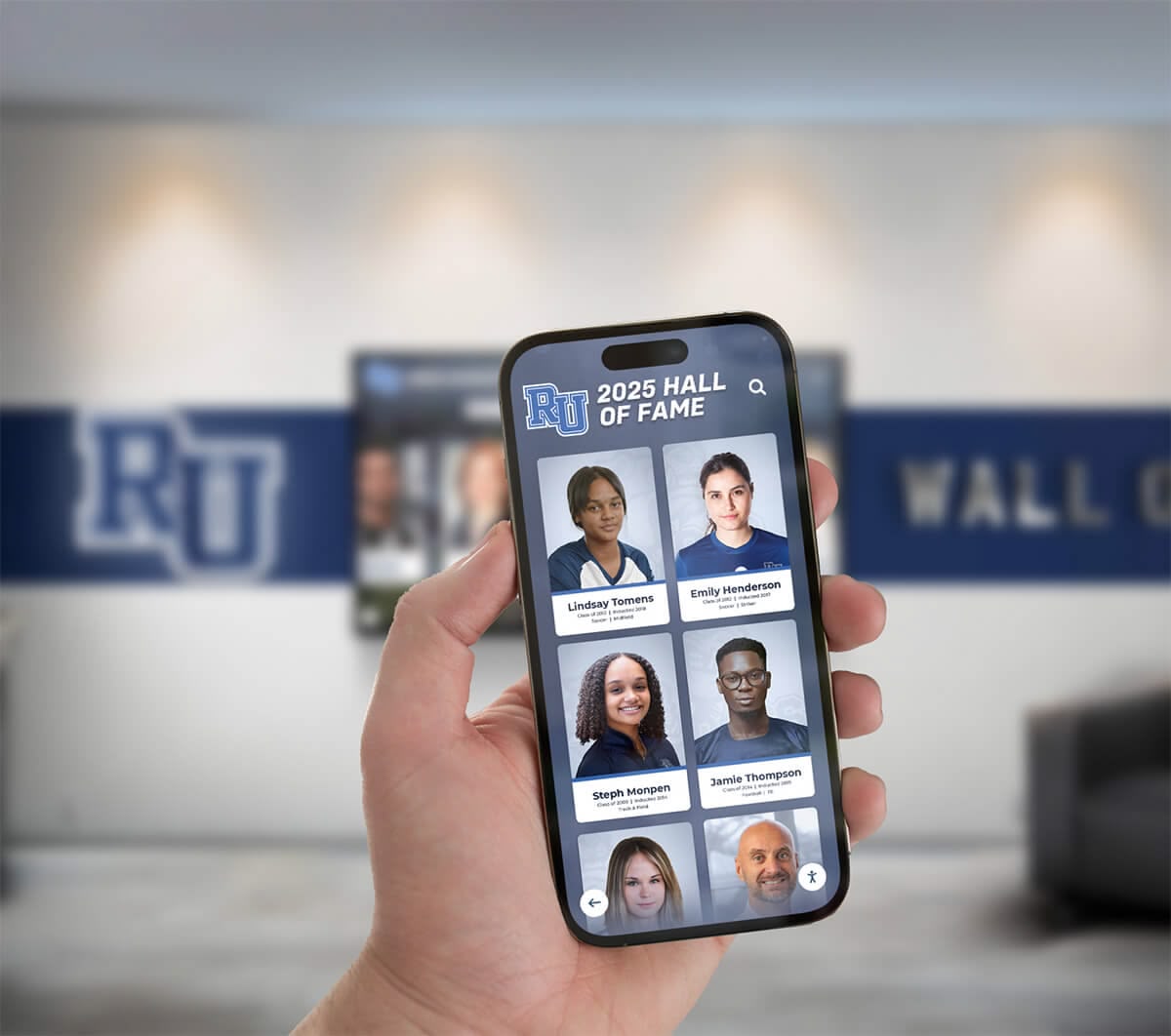
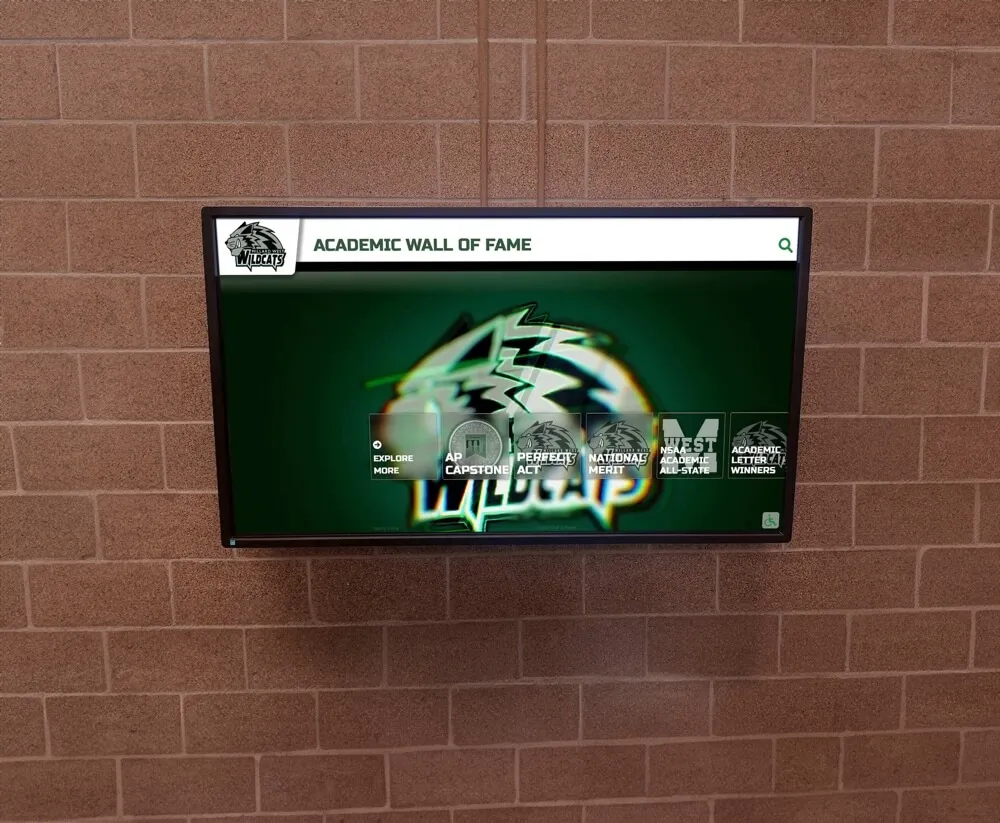
Mobile-accessible recognition platforms enable year-round engagement with institutional histories and distinguished community members beyond physical campus visits
Frequently Asked Questions About Commencement Speeches
What is the main purpose of a commencement speech?
The main purpose of a commencement speech is to inspire and guide graduating students as they transition from academic life to their next chapters, while celebrating their achievements and connecting them to institutional values and broader communities. Commencement addresses serve multiple simultaneous functions: providing practical wisdom and life advice grounded in speakers’ real-world experiences, acknowledging the significance of graduation as a threshold moment worthy of reflection and celebration, transmitting institutional missions and values to graduates entering alumni communities, creating shared memorable experiences that bind graduating classes together, and offering perspective that reduces anxiety about uncertain futures while building confidence for challenges ahead. Effective commencement speakers balance celebration with guidance, humor with serious reflection, and personal stories with universal themes that resonate across diverse audiences. The best addresses provide specific actionable wisdom rather than generic platitudes, demonstrate authentic vulnerability while sharing failures and setbacks that humanize successful speakers, and offer frameworks for approaching decisions and navigating complexity that graduates can apply throughout their lives.
Who typically delivers commencement speeches?
Commencement speakers vary widely across institutions and ceremonies, ranging from university presidents and faculty members to distinguished alumni, political leaders, business executives, cultural figures, and subject matter experts whose accomplishments and perspectives align with institutional values. Large research universities often invite high-profile external speakers—Nobel laureates, bestselling authors, prominent politicians, successful entrepreneurs, or celebrities—who bring prestige, media attention, and unique perspectives from their fields. Smaller colleges and specialized institutions may prioritize speakers with direct institutional connections like accomplished alumni who exemplify institutional values or community leaders with ongoing campus engagement. Many institutions deliver commencement addresses through rotating approaches alternating between internal speakers like presidents or provosts and external distinguished guests, or between different speaker types like political figures, business leaders, and cultural innovators representing varied definitions of success. Student involvement in speaker selection has increased significantly, with many schools incorporating student preferences through surveys, voting processes, or committee participation ensuring selected speakers resonate with graduates who represent primary audiences. The most effective speaker selections balance prestige and relevance, inspiration and practical guidance, diversity and broad appeal—creating addresses that graduates remember positively and reference throughout their lives.
How long should a commencement speech be?
The ideal commencement speech typically lasts 15-25 minutes, providing sufficient time to develop meaningful themes, share personal stories, and offer substantive guidance without testing audience patience during ceremonies that often include hundreds or thousands of individual degree conferrals plus additional programmatic elements. Speeches shorter than 12-15 minutes risk feeling rushed or superficial, lacking adequate development of ideas or emotional connection with audiences. Addresses extending beyond 30 minutes generally lose audience attention regardless of content quality, particularly during outdoor ceremonies in uncomfortable weather or indoor venues with limited seating comfort. Speaker guidelines usually specify 20-minute target lengths with flexibility for particularly compelling content that maintains engagement. Effective speakers vary pacing through mixing storytelling with direct advice, balancing serious moments with appropriate humor, and building toward memorable conclusions rather than simply stopping when time expires. The best addresses feel appropriately substantial without dragging, providing enough content to seem worthwhile while respecting that commencement speeches represent one component within larger ceremonies requiring overall length management. Institutions should communicate length expectations clearly during speaker invitations and provide gentle reminders during speech preparation, while remaining flexible for exceptional speakers whose compelling delivery justifies slightly extended duration.
What makes a commencement speech memorable and effective?
Memorable commencement speeches combine several key characteristics that distinguish exceptional addresses from forgettable generic remarks: authentic personal storytelling that shares genuine failures, doubts, and struggles rather than carefully curated success narratives, creating emotional connections through vulnerability and honesty; specific actionable wisdom offering concrete frameworks, practices, or approaches that graduates can actually implement rather than vague encouragement to “follow dreams” or “make a difference”; appropriate humor balancing serious guidance with celebration and preventing speeches from becoming overly heavy or preachy; universal themes that resonate across diverse audiences despite addressing specific graduating classes, speaking to fundamental human experiences like finding purpose, handling failure, navigating uncertainty, or defining success; authentic delivery reflecting speakers’ genuine personalities, speaking styles, and values rather than adopting artificial ceremonial voices disconnected from how they normally communicate; relevant timely content acknowledging current challenges graduates face including economic conditions, technological disruptions, social movements, or generational concerns while maintaining timeless perspective; appropriate length respecting audience attention through well-paced 15-25 minute duration; and meaningful institutional connection demonstrating speakers’ understanding of specific school missions, values, and communities they address rather than delivering identical generic remarks at any institution.
How do schools recognize distinguished commencement speakers?
Educational institutions recognize distinguished commencement speakers through various approaches reflecting different institutional traditions, available resources, and levels of ongoing speaker engagement. Traditional recognition methods include conferring honorary degrees acknowledging speakers’ contributions to their fields and society, creating printed ceremony programs that archive speaker information in institutional libraries and historical collections, displaying photographs from commencement ceremonies in administrative buildings or campus archives, and including notable speakers in official institutional histories and anniversary publications. More substantial recognition approaches involve naming opportunities for speakers who maintain ongoing relationships through significant philanthropy—endowed lecture series, campus facilities, academic programs, or scholarships bearing speakers’ names create permanent recognition while funding ongoing institutional priorities. Contemporary institutions increasingly implement interactive digital recognition displays that honor distinguished commencement speakers alongside accomplished alumni, major donors, and community contributors through engaging multimedia profiles incorporating video excerpts from memorable addresses, biographical information explaining speakers’ accomplishments and institutional connections, ceremony photographs, and impact information about programs or initiatives speakers helped establish. These digital platforms offer significant advantages through unlimited capacity accommodating decades of speakers, easy content updates, searchable directories, accessibility features, and integration with broader alumni engagement systems. Schools like those using digital recognition solutions from Rocket Alumni Solutions create engaging environments where current students explore institutional histories and traditions while discovering role models and meaningful connections to broader communities.
Can commencement speeches include controversial topics?
Commencement speeches can and sometimes should address complex or challenging topics relevant to graduates entering uncertain futures and facing significant societal issues, though speakers must navigate this terrain carefully to provide meaningful perspective without unnecessarily alienating community segments or creating divisive rather than unifying experiences. The most effective approaches to potentially controversial subjects involve grounding discussions in shared values like human dignity, service, intellectual honesty, or justice that transcend partisan divisions, focusing on how graduates might approach complex challenges rather than prescribing specific political positions, demonstrating humility and intellectual openness while acknowledging legitimate different perspectives, and connecting challenging topics to larger themes about citizenship, ethical reasoning, or professional responsibility that graduates will face across careers. Speakers should distinguish between topics that are genuinely controversial with substantial disagreement across reasonable perspectives versus issues representing fundamental values central to educated citizenship and academic mission. Discussing climate science, civil rights history, or democratic norms represents appropriate territory for academic institutions, while partisan political advocacy for specific candidates, policies, or ideological positions risks creating divisive rather than inspiring experiences. Institutional context matters significantly—specialized institutions with clear mission orientations like religious colleges, military academies, or advocacy-focused schools appropriately feature speakers whose positions align with institutional identities, while broad-based public universities serving ideologically diverse communities typically benefit from speakers offering inclusive messages emphasizing common hopes despite different perspectives on achieving them.
Conclusion: The Enduring Significance of Commencement Addresses
Commencement speeches represent far more than ceremonial obligations or traditional graduation formalities—they serve as meaningful threshold rituals marking educational completion while providing inspiration, wisdom, and perspective that graduates carry forward throughout personal and professional lives. The most effective addresses accomplish multiple purposes simultaneously: celebrating student achievement while acknowledging challenges ahead, offering specific practical guidance grounded in speakers’ authentic experiences, transmitting institutional values and missions to graduates entering alumni communities, creating shared memorable moments binding classes together, and providing frameworks for approaching uncertainty with confidence rather than anxiety.
The commencement speech tradition has evolved significantly from medieval Latin orations through religious instruction to contemporary addresses reflecting modern educational values, diverse definitions of success, and communication styles shaped by digital culture. Today’s most impactful speeches combine timeless elements—authentic storytelling, meaningful wisdom, appropriate humor, universal themes—with contemporary relevance addressing current challenges and opportunities that modern graduates face including rapid technological change, global interconnection, economic uncertainty, environmental challenges, and questions about purpose and meaning in complex fragmented societies.
Honor Distinguished Speakers and Celebrate Institutional Traditions
Discover how Rocket Alumni Solutions helps schools and universities create engaging recognition displays that honor distinguished commencement speakers, showcase accomplished alumni, and preserve institutional traditions through interactive digital technology designed specifically for educational communities.
Explore Recognition Solutions for Your SchoolEducational institutions planning meaningful commencement ceremonies should approach speaker selection thoughtfully, considering alignment with institutional missions, relevance to graduate interests and experiences, diversity representing varied paths to accomplishment, and speaking abilities that translate wisdom into engaging accessible presentations. Successful implementation requires adequate planning timelines allowing speaker identification 12-18 months before ceremonies, clear communication of expectations and institutional context, appropriate hospitality and preparation support, and integration of commencement addresses with broader ceremony planning ensuring cohesive experiences honoring graduates appropriately.
Beyond individual ceremonies, schools benefit from creating permanent recognition for distinguished speakers who deliver particularly memorable addresses or maintain ongoing institutional relationships. Modern digital recognition platforms enable comprehensive systems that honor commencement speakers alongside accomplished alumni, major donors, and community contributors—preserving institutional memory while creating engaging interactive experiences where current students discover traditions, explore accomplished role models, and develop connections to communities extending across generations and geographies.
The words spoken during commencement ceremonies echo throughout graduates’ lives, surfacing during career transitions, personal challenges, and moments when former students reconnect with educational experiences and institutional communities that shaped their development. By treating commencement speeches as strategic opportunities for inspiration, guidance, and community building rather than mere ceremonial formalities, educational leaders create lasting value that extends far beyond graduation day celebrations into the decades of alumni engagement, contribution, and connection that follow.