



Every school athletic program, arts department, and student activity depends on an invisible workforce: the parents, guardians, and community members who show up before dawn to run timing tables at swim meets, spend weekends staffing concession stands, coordinate senior nights, and organize booster club fundraisers that keep programs financially alive. These volunteers receive no paycheck and precious little formal recognition—yet their hours of donated time often mean the difference between a program that thrives and one that merely survives.
Volunteer appreciation gifts serve a purpose that extends far beyond saying thank you. Thoughtful recognition validates the sacrifice volunteers make, strengthens their connection to the school community, and—critically—increases the likelihood they return year after year. When schools build genuine cultures of volunteer appreciation, they build something money cannot otherwise buy: a reliable, motivated support system rooted in authentic community belonging.
This guide covers meaningful volunteer appreciation gift ideas for school settings, from personalized keepsakes that volunteers treasure for years to lasting recognition systems that honor their contributions long after a single season ends.
Choosing the right approach to volunteer appreciation requires understanding what motivates school volunteers in the first place. Research consistently shows that volunteers are driven far more by meaningful connection and acknowledged impact than by the prospect of receiving gifts. The best volunteer appreciation gifts for schools reflect that insight—they are specific, personal, and tied to the actual contributions each volunteer made rather than generic gestures that feel transactional.

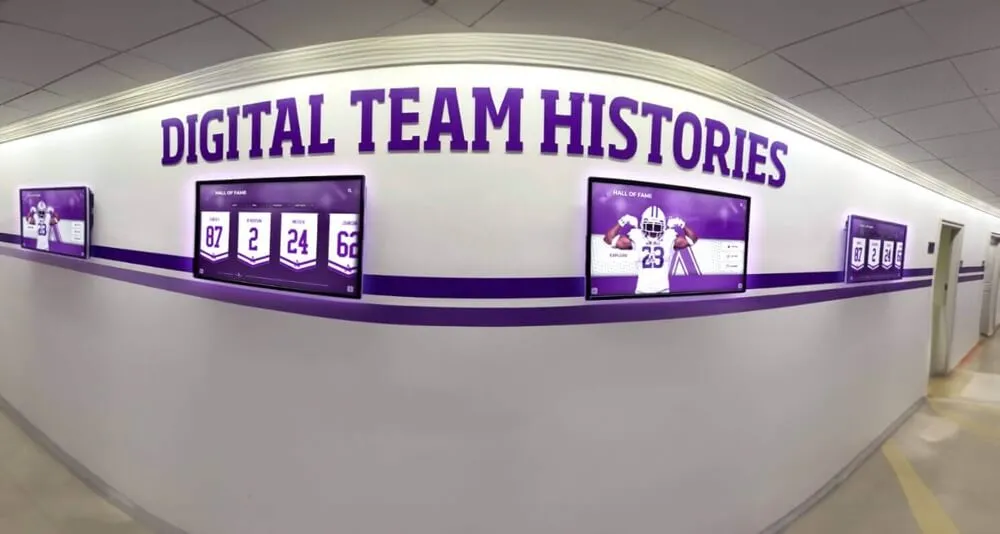
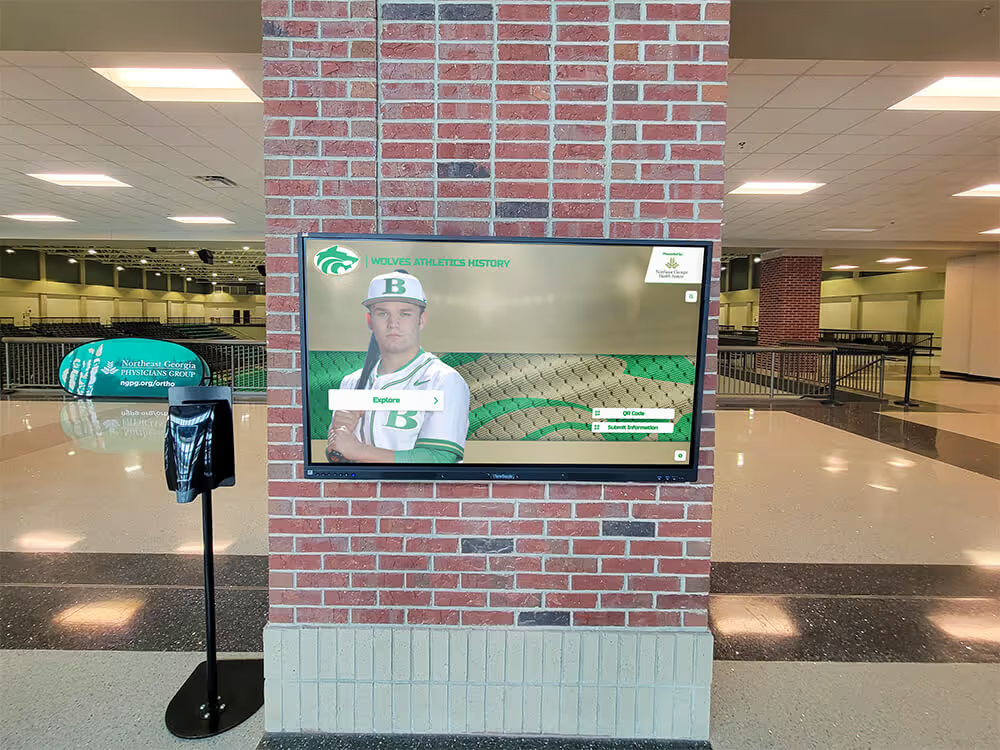
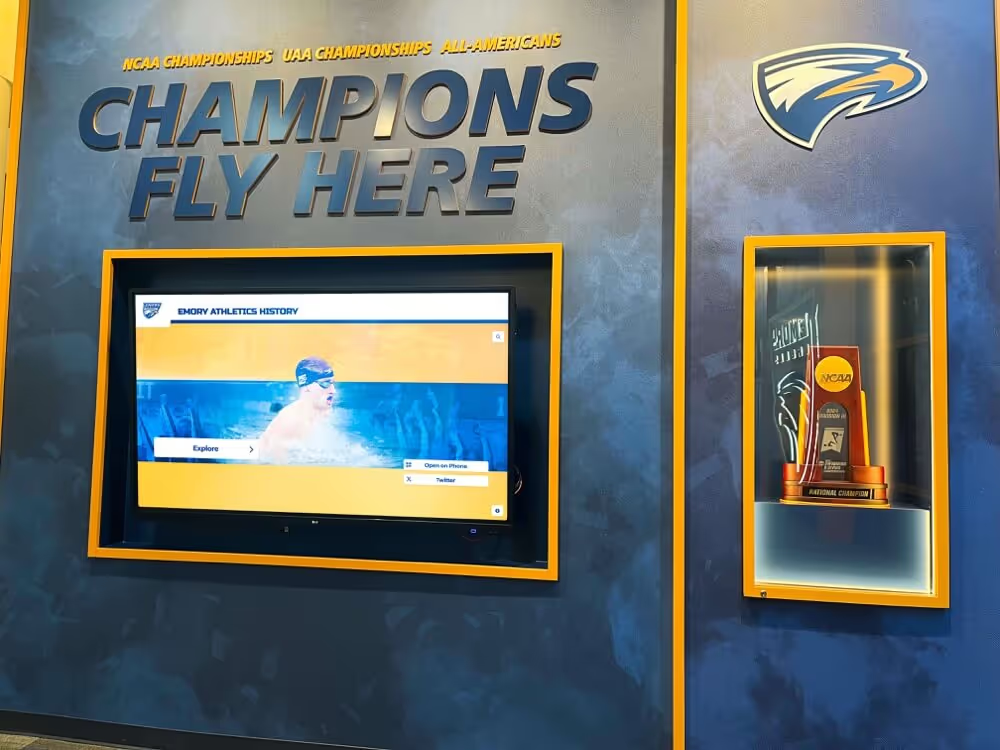
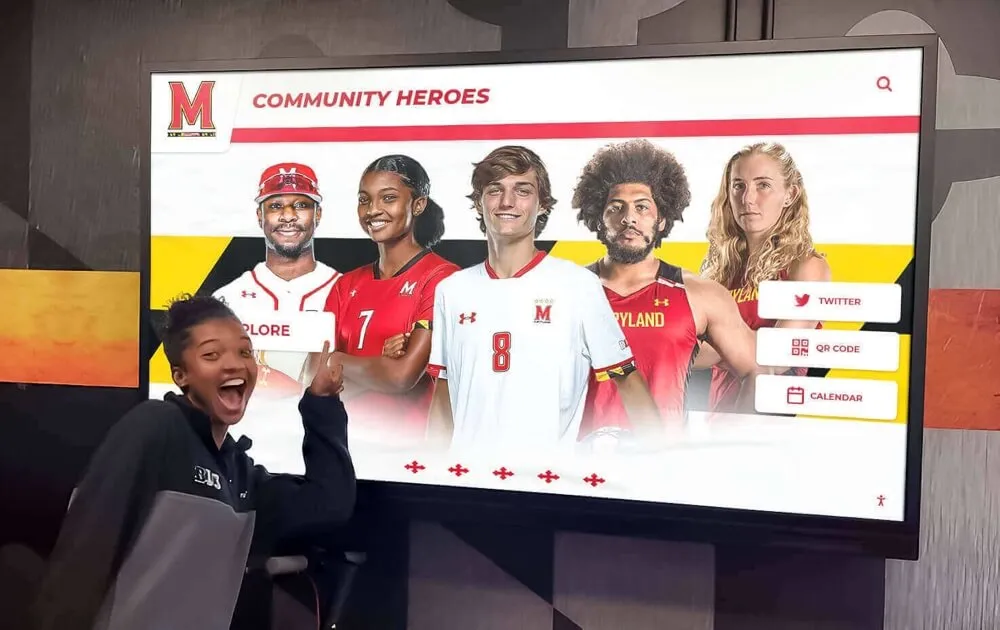
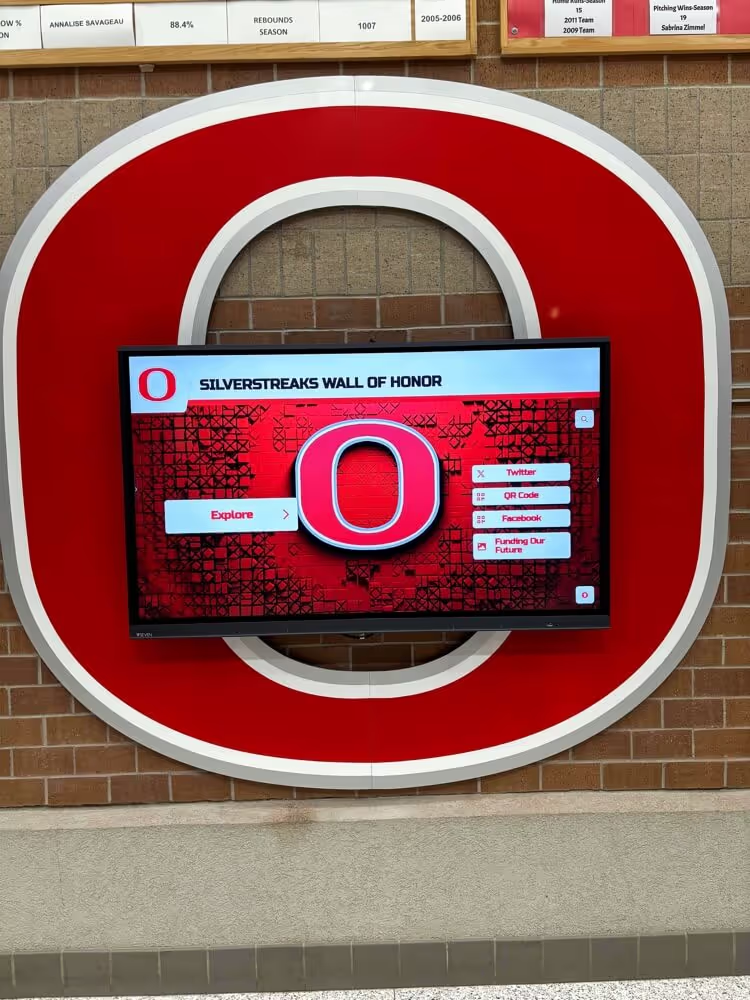
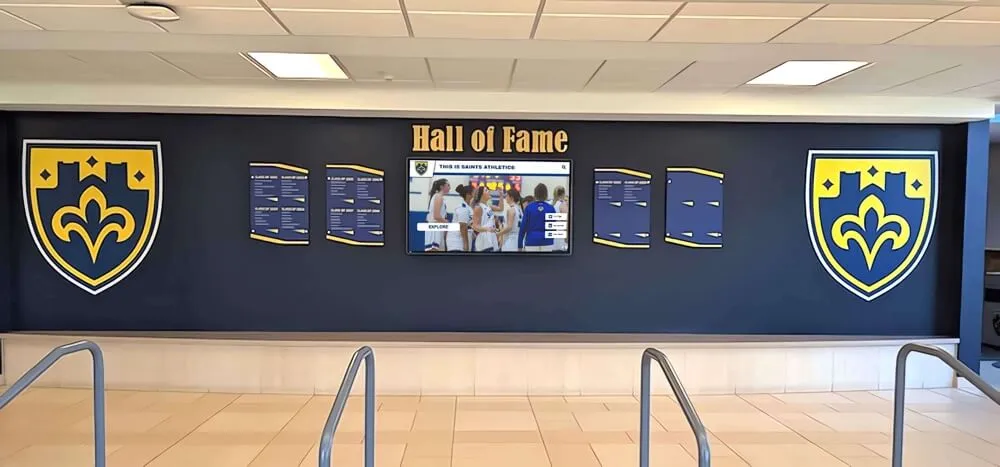
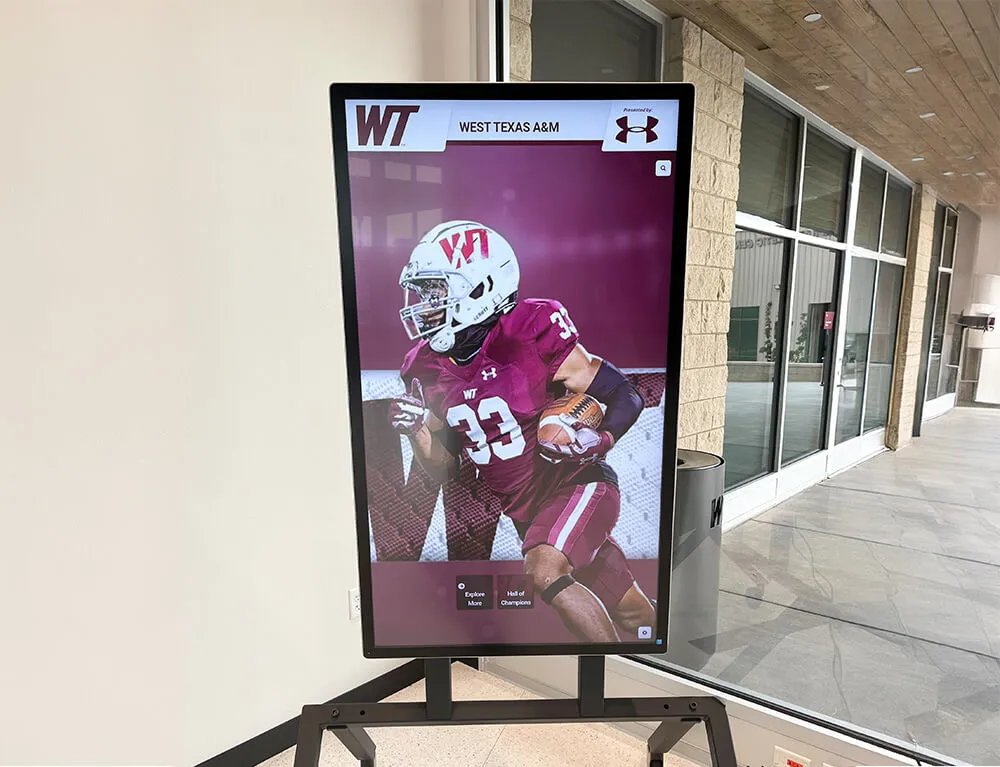
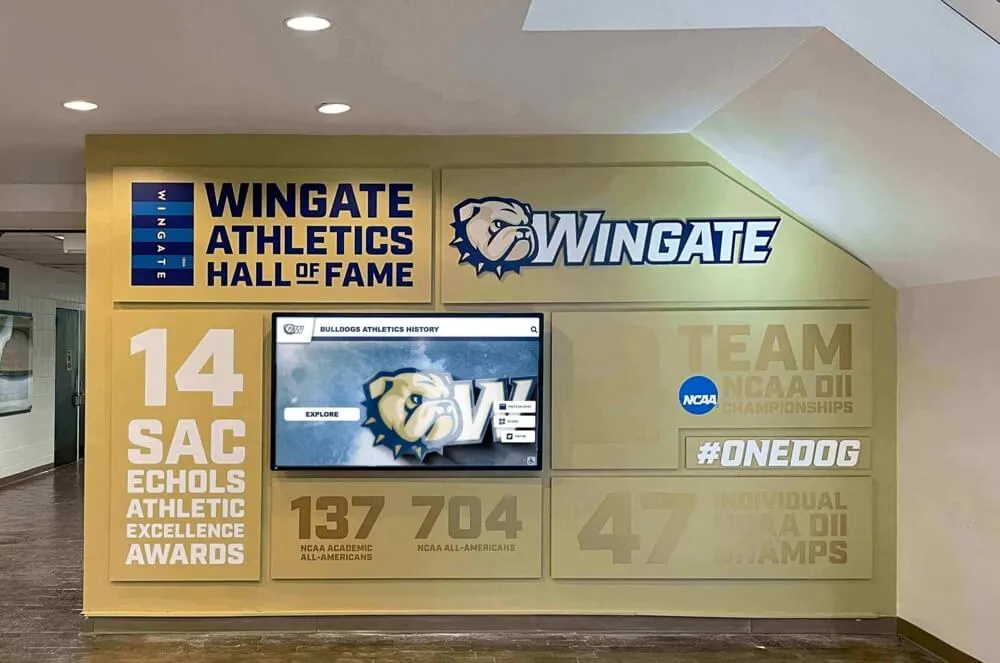
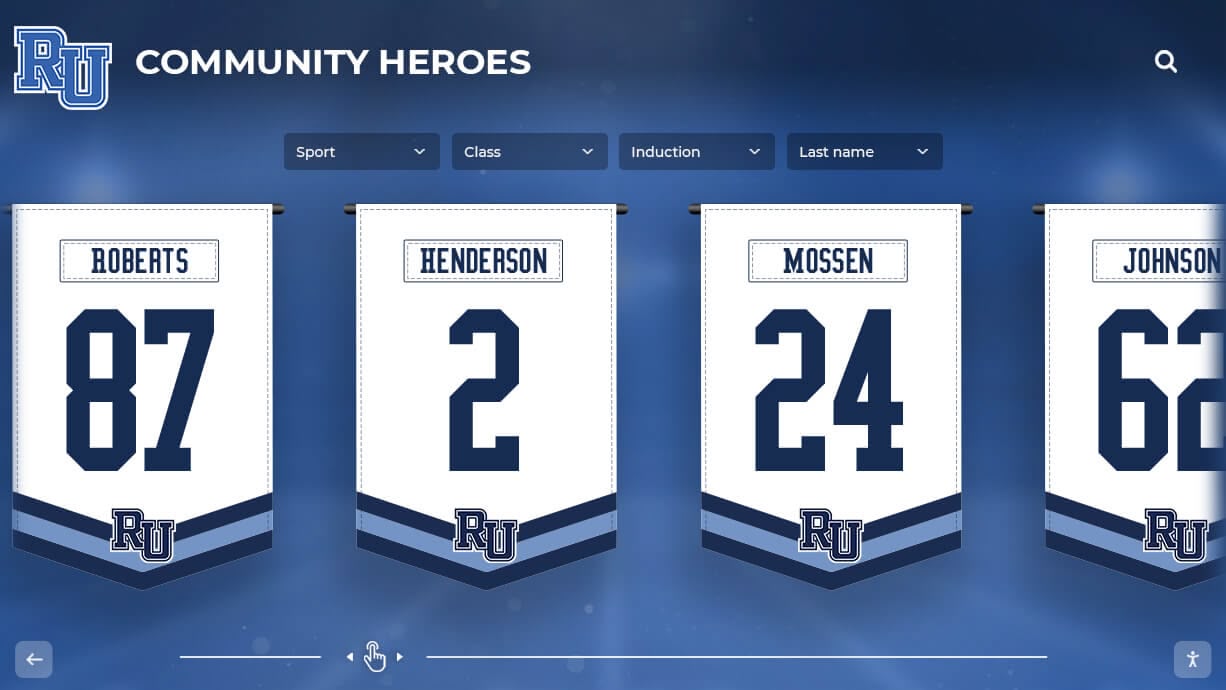
Schools that display visible recognition of community contributors—including parent and booster volunteers—cultivate cultures where more people want to be involved
Why Volunteer Appreciation Matters for Schools
Before exploring specific gift ideas, it helps to understand what’s at stake when schools treat volunteer recognition as an afterthought.
The Scope of School Volunteerism
The National Center for Education Statistics estimates that schools across the United States rely on tens of millions of volunteer hours annually to support athletics, arts programs, academics, and extracurricular activities. In practice, this labor cannot simply be purchased—no athletic department budget line covers the equivalent of having fifty parents show up to run a swim meet hospitality area or forty families coordinate rides to away competitions.
Booster clubs, PTA/PTO organizations, and informal parent networks form the connective tissue of school community life. When these volunteer ecosystems weaken—whether through burnout, feeling unappreciated, or simply losing institutional memory as families graduate out—schools feel the gap in concrete ways: events go understaffed, fundraising revenues decline, and program quality suffers.
Volunteer appreciation gifts are one visible signal among several that schools send about whether volunteer contributions are genuinely valued. Done thoughtfully, recognition creates a self-reinforcing cycle: appreciated volunteers stay engaged, model participation for newer families, and attract others into the volunteer ecosystem.
What Volunteers Actually Want
Understanding volunteer motivations shapes more effective appreciation. Surveys consistently identify the following as top drivers for school volunteers:
- Meaningful connection to student success and program outcomes
- Social belonging within the school community
- Acknowledgment that their specific time investment mattered
- Clarity that their contributions were used well and created real impact
- Continuity of relationships with the families, coaches, and administrators they serve alongside
Effective volunteer appreciation gifts address these motivations directly. A handwritten note from a coach describing exactly how a booster volunteer’s efforts contributed to a championship season touches each of these needs. A generic candle from a bulk retailer touches none of them.
Traditional Volunteer Appreciation Gifts That Work
Tangible gifts remain meaningful when selected and presented with genuine thoughtfulness. The key is specificity: the most appreciated gifts communicate knowledge of who the volunteer is and what they specifically contributed.
Personalized Keepsakes
Personalization transforms standard objects into lasting reminders of meaningful contribution:
Engraved and Custom Items
- Engraved tumbler or insulated mug with volunteer’s name and role (“2025–26 Athletic Booster Treasurer”)
- Custom ornament commemorating a specific season or milestone event
- Monogrammed tote bag with school logo and academic year
- Personalized cutting board, frame, or desk item with an appreciation quote
- Custom-printed book of messages from athletes, coaches, and administrators
Recognition-Themed Accessories
- Volunteer identification lanyards with custom school branding that double as appreciation keepsakes
- Embroidered jacket or quarter-zip with “Volunteer of the Year” or similar recognition
- School-branded picnic blanket or stadium cushion for families spending long hours at events
- Personalized team photo in a quality frame with a note acknowledging the volunteer’s season
The key with personalized gifts is that the investment of time to select them communicates more than the monetary value of the object itself.
Gift Cards and Experience-Based Gifts
Practical gifts that provide genuine respite and enjoyment can be deeply appreciated, particularly by volunteers who shoulder especially demanding roles:
Practical Appreciation Options
- Restaurant gift cards for a dinner out—particularly meaningful for volunteers who spent months feeding others at concession stands
- Spa or massage gift certificates for high-intensity booster roles that involve physical and logistical demands
- Local experience packages (theater, sporting events, wine tours) that the volunteer may not purchase for themselves
- Coffee shop or bookstore gift cards with a personal note acknowledging specific contributions
- Grocery or delivery service gift cards during particularly busy school periods
Activity Bundles Bundling a gift card with a handwritten note that references specific volunteer moments creates impact neither element would achieve alone. A $30 restaurant gift card paired with a coach’s handwritten letter describing exactly how a booster parent’s efforts during championship weekend mattered becomes a keepsake far more valuable than its face value.
Books, Subscriptions, and Learning Gifts
For volunteers in leadership roles—booster club presidents, PTA chairs, program coordinators—gifts that support their development show respect for their expertise:
- Books on community organizing, nonprofit management, or leadership in athletic contexts
- Subscriptions to relevant professional publications or podcasts
- Online course access in areas of interest (event planning, financial management, graphic design)
- Registration for regional booster club conferences or parent organization summits
- Memberships in professional associations relevant to their volunteer role
These gifts work especially well for volunteers who approach their school roles with genuine professionalism and would appreciate recognition of that expertise.
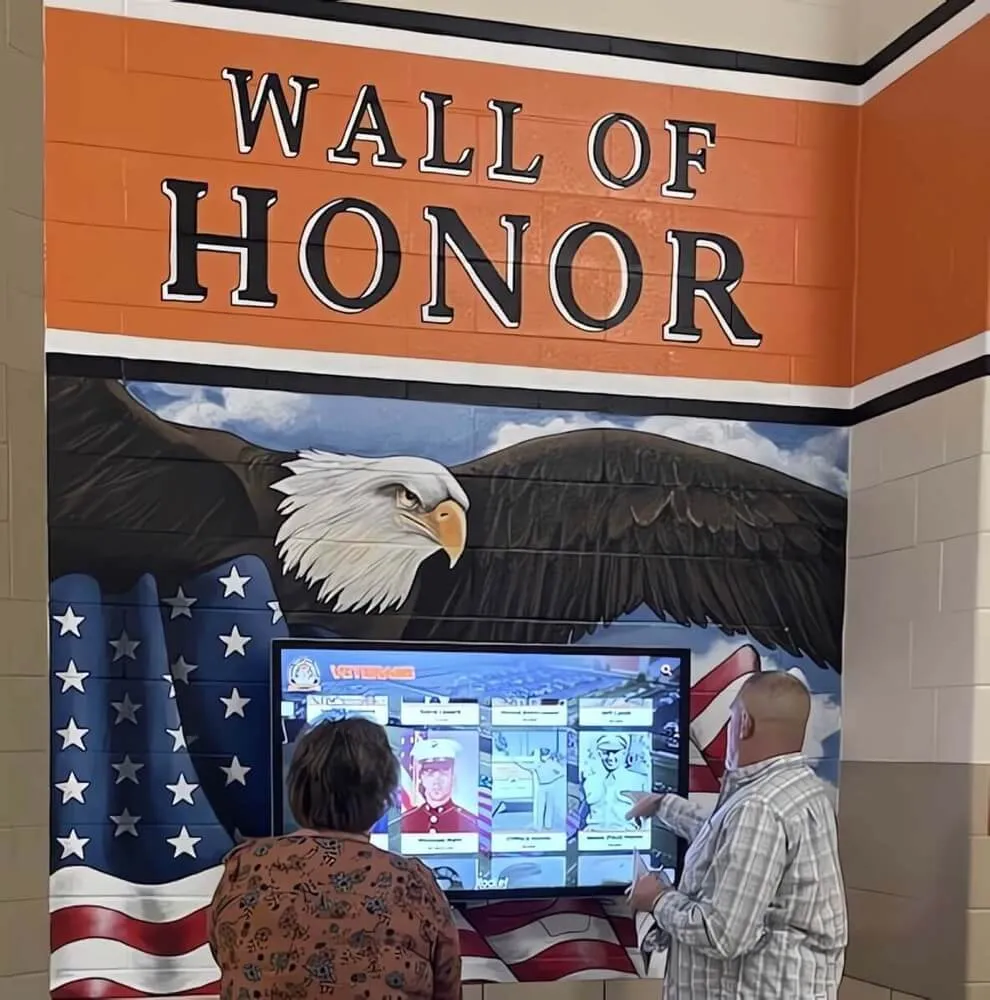
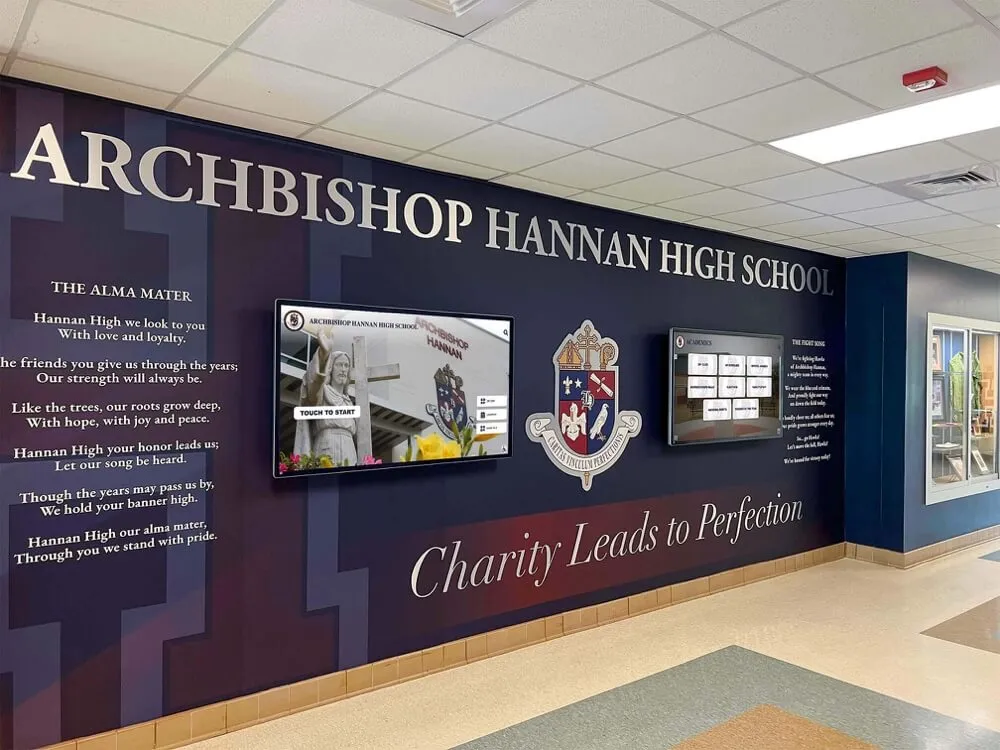
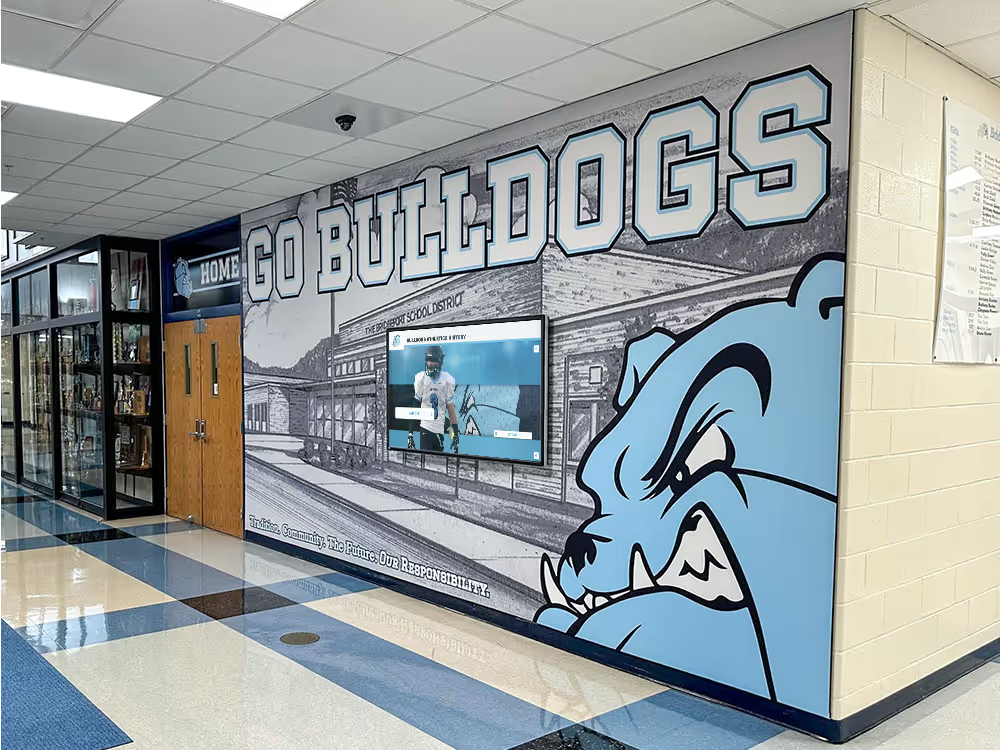
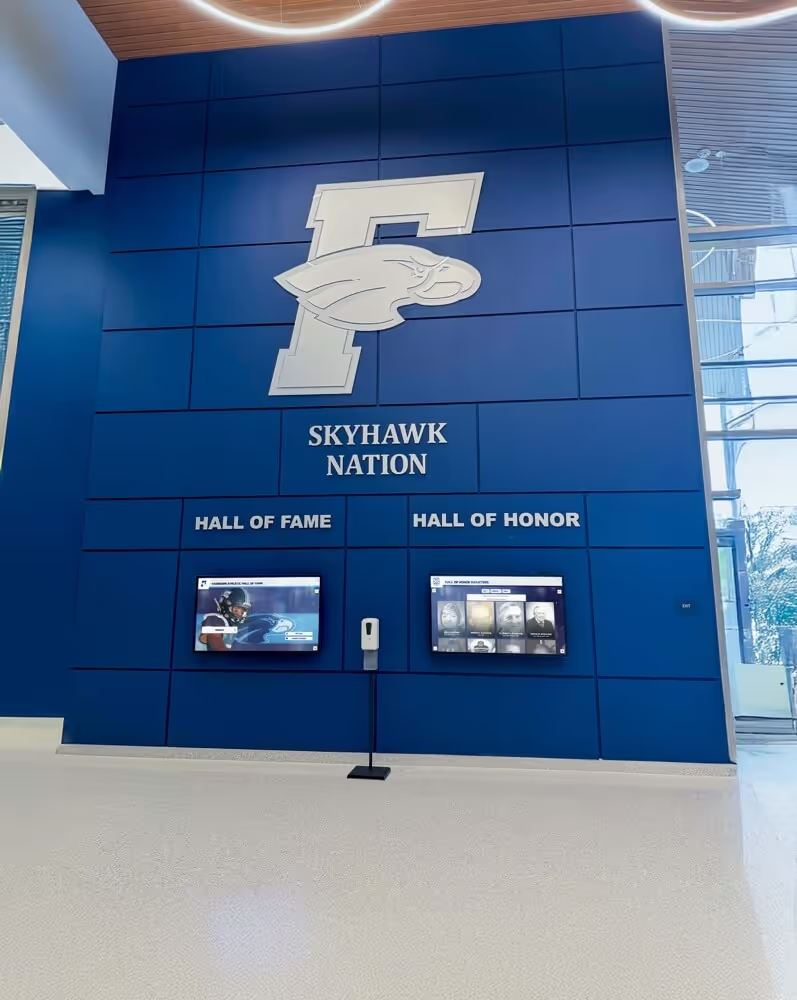
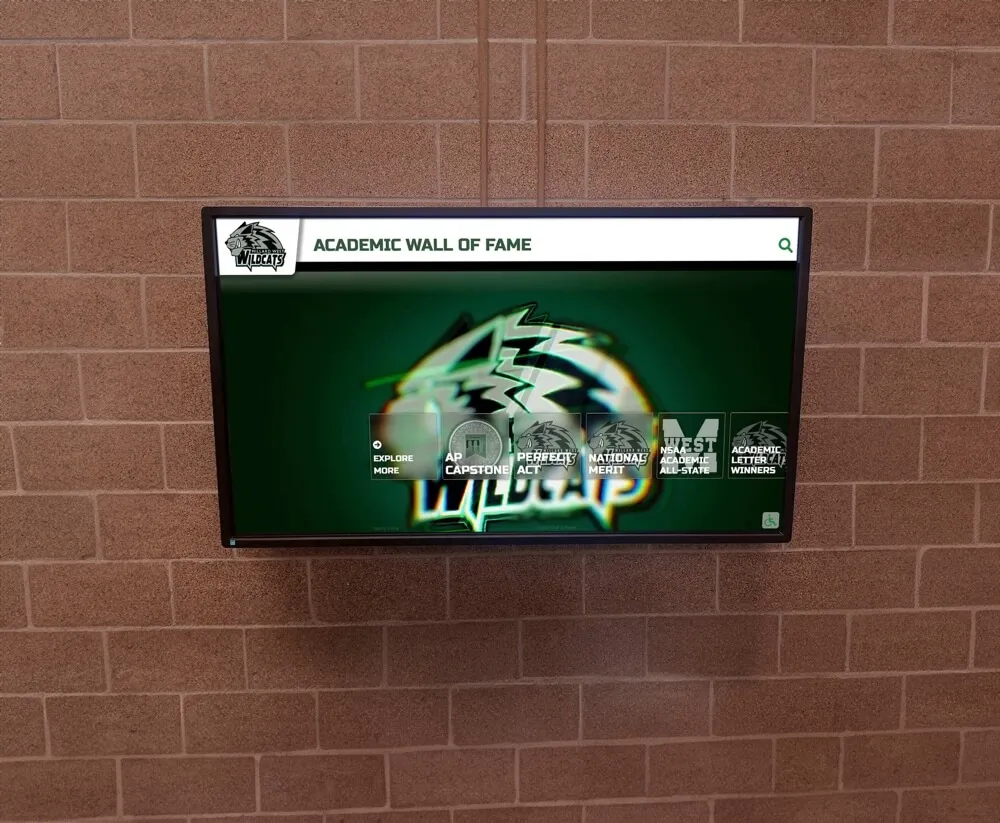
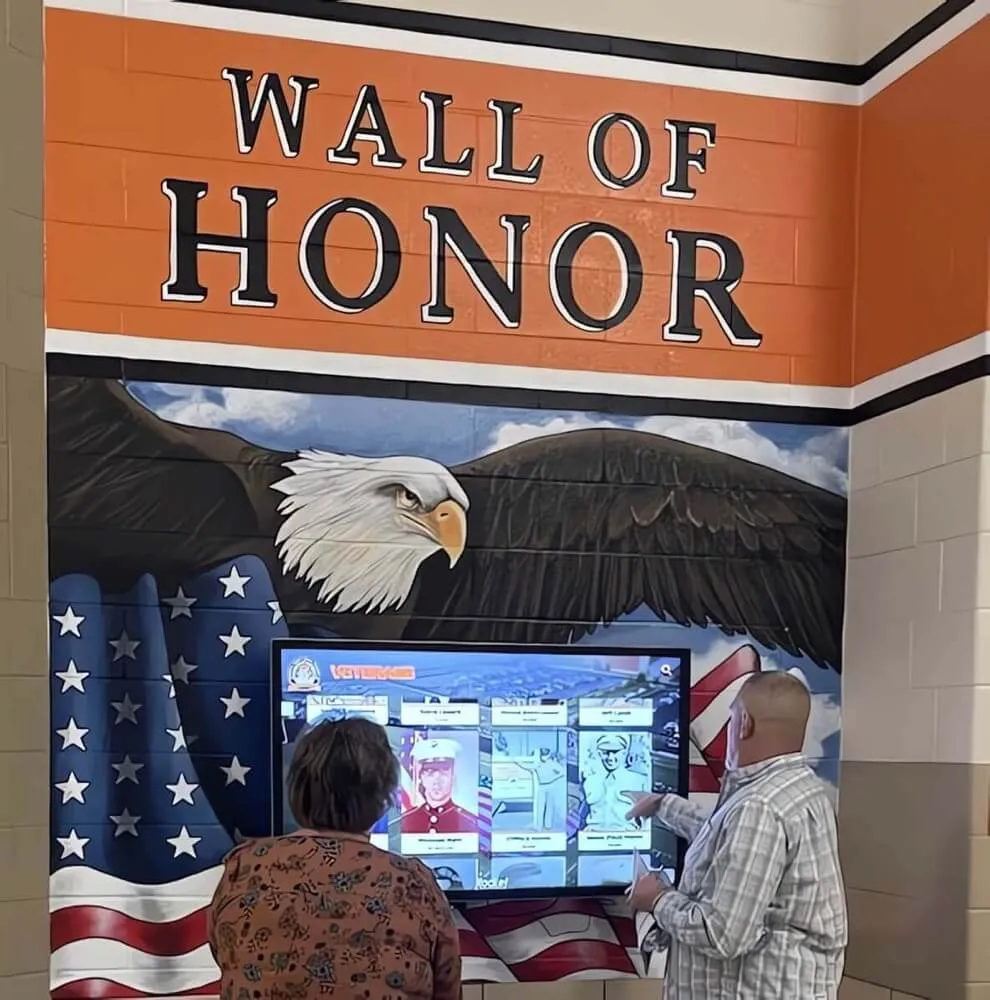
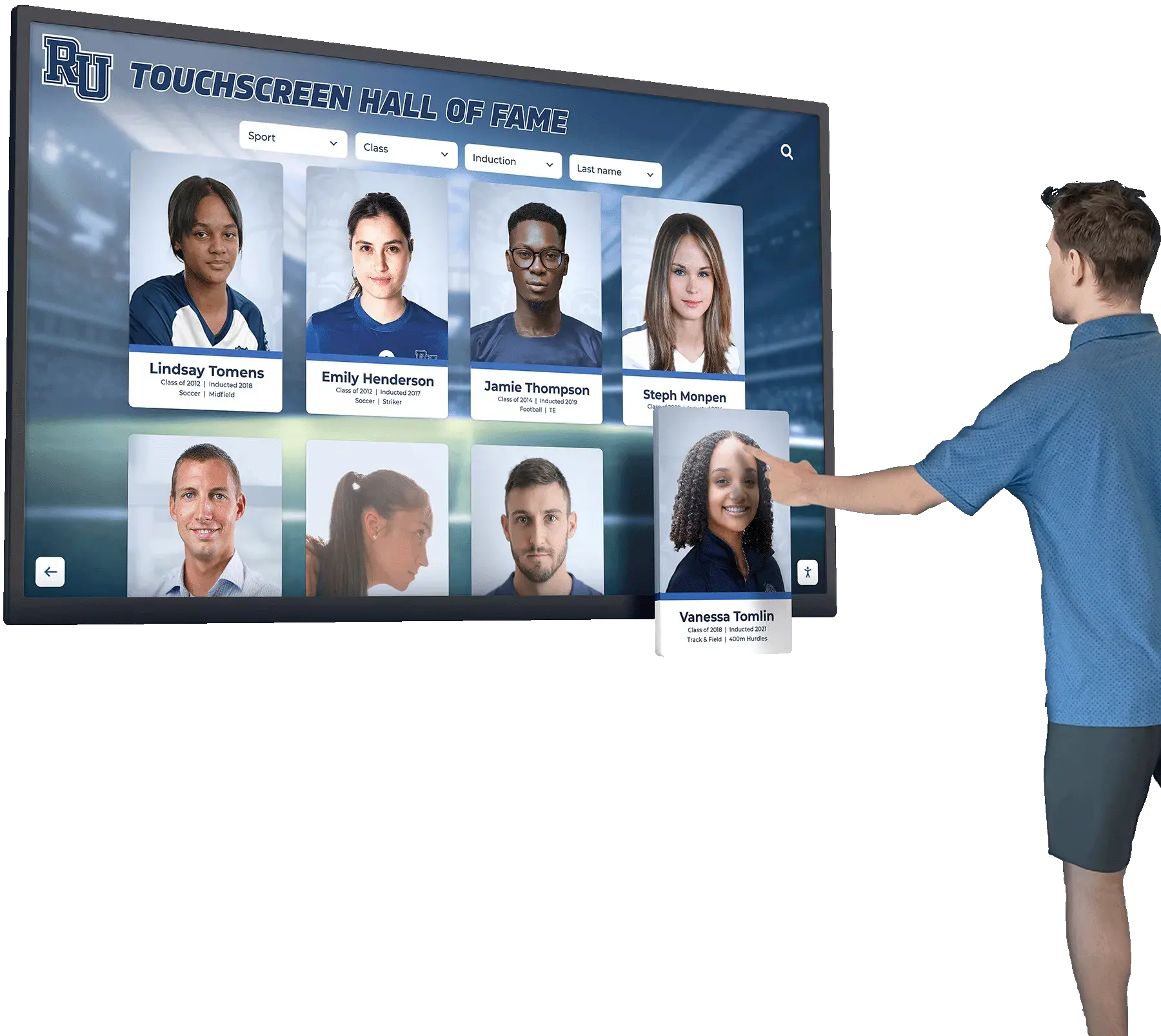
Interactive recognition walls invite the entire school community to engage with and explore how volunteers and donors have shaped program history
Budget-Friendly Volunteer Appreciation Ideas
Schools frequently struggle with budget constraints for volunteer recognition. The good news is that the most impactful volunteer appreciation gifts for school settings often cost very little—they trade money for the more valuable currencies of time and specificity.
High-Impact, Low-Cost Recognition
Handwritten Notes and Letters
Handwritten notes from coaches, principals, athletic directors, and—most powerfully—from the student athletes who benefited from volunteer contributions, consistently rank among the most treasured recognition volunteers receive. The key elements of an effective note:
- Reference specific events or moments (“your coordination of senior night meant that every family had a sign and a ceremony”)
- Name the impact (“three of the athletes told me that moment was a highlight of their season”)
- Acknowledge the time investment honestly (“we know that required weeks of planning”)
- Express genuine gratitude rather than institutional politeness
Video Tributes and Digital Messages
Students and athletes can create short video message compilations that coaches send to volunteers at season’s end. A compilation of fifteen athletes sharing genuine thanks for a booster parent who ran logistics all season creates an emotional impact that no purchased gift can replicate.
Public Acknowledgment
Recognition shared with the broader school community validates volunteers in a way that private appreciation cannot:
- Feature volunteer names and photos in school newsletters and athletic program publications
- Acknowledge specific booster contributors at school board meetings
- Recognize parent and booster volunteers during athletic banquets and end-of-year events
- Feature volunteer profiles on school social media channels (with permission)
- Announce volunteer contributions in the gym during well-attended events
Public acknowledgment signals to the entire community that these contributions matter—which reinforces the value of volunteering for those already engaged and communicates the culture to families considering involvement.
Certificates and Proclamations
Formal recognition documents become meaningful when they describe specific contributions rather than generic service:
- Personalized certificates that name the volunteer’s role and specific season
- Letters from school administration recognizing hours donated and impact created
- “Volunteer of the Year” or “Booster MVP” designations presented at annual events
- Signed team photos with individual notes from coaches
Similar to how schools celebrate student awards and achievement recognition, volunteer recognition deserves intentional ceremonies and formal acknowledgment.
Group Recognition Initiatives for Volunteers
Some of the most effective volunteer appreciation happens at a community level rather than as individual gift-giving. Group recognition creates shared memories and reinforces the collective identity of the volunteer community.
Volunteer Appreciation Events
End-of-Season Appreciation Dinners
An end-of-season dinner or celebration explicitly for volunteers—not as an add-on to an athletic banquet, but as its own event honoring their contributions—sends a powerful message about how the school values their participation:
- Reserve seating of honor for senior volunteers and departing committee chairs
- Have coaches and athletic directors share specific examples of volunteer impact from the season
- Present personalized gifts or certificates at the event
- Create photo displays showing volunteers in action throughout the season
- Allow student athletes to speak directly to volunteer contributors
The investment of hosting a dedicated volunteer appreciation event typically costs less than the equivalent volunteer hours contributed throughout a season—making it a genuinely high-value exchange.
Volunteer Recognition Breakfasts
Morning appreciation events work particularly well for parent volunteers who balance school involvement with work schedules:
- Host appreciation breakfasts at the start of a new season, honoring volunteers returning from the prior year
- Include brief presentations by administrators on program outcomes enabled by volunteer support
- Use the occasion to hand out volunteer appreciation gifts alongside recognition
- Create opportunities for newer and experienced volunteers to connect
Family Appreciation Nights
Hosting appreciation nights that include volunteers’ families acknowledges the household-level sacrifice that school volunteering represents—the partner who handles dinner alone, the younger siblings who attended countless games, the family that planned vacations around the booster club fundraising calendar.
Tiered Recognition Systems
Schools with substantial volunteer programs benefit from structured recognition tiers that acknowledge different levels of commitment:
Volunteer Recognition Tiers
- Community Volunteer: Contributed to one or two events during the year
- Program Supporter: Maintained a consistent role across the full season
- Program Champion: Led a committee or major initiative over multiple events
- Lifetime Contributor: Multi-year volunteers who have shaped the program’s culture and history
Each tier can correspond to different recognition approaches—from thank-you cards for community volunteers to engraved awards and public ceremonies for lifetime contributors. This structure ensures that the most committed volunteers receive proportionally greater recognition while all contributors feel acknowledged.
Coordinating volunteer recognition with broader student council and community leadership initiatives creates opportunities for students to play active roles in honoring the adults who support their programs—a meaningful developmental experience in itself.
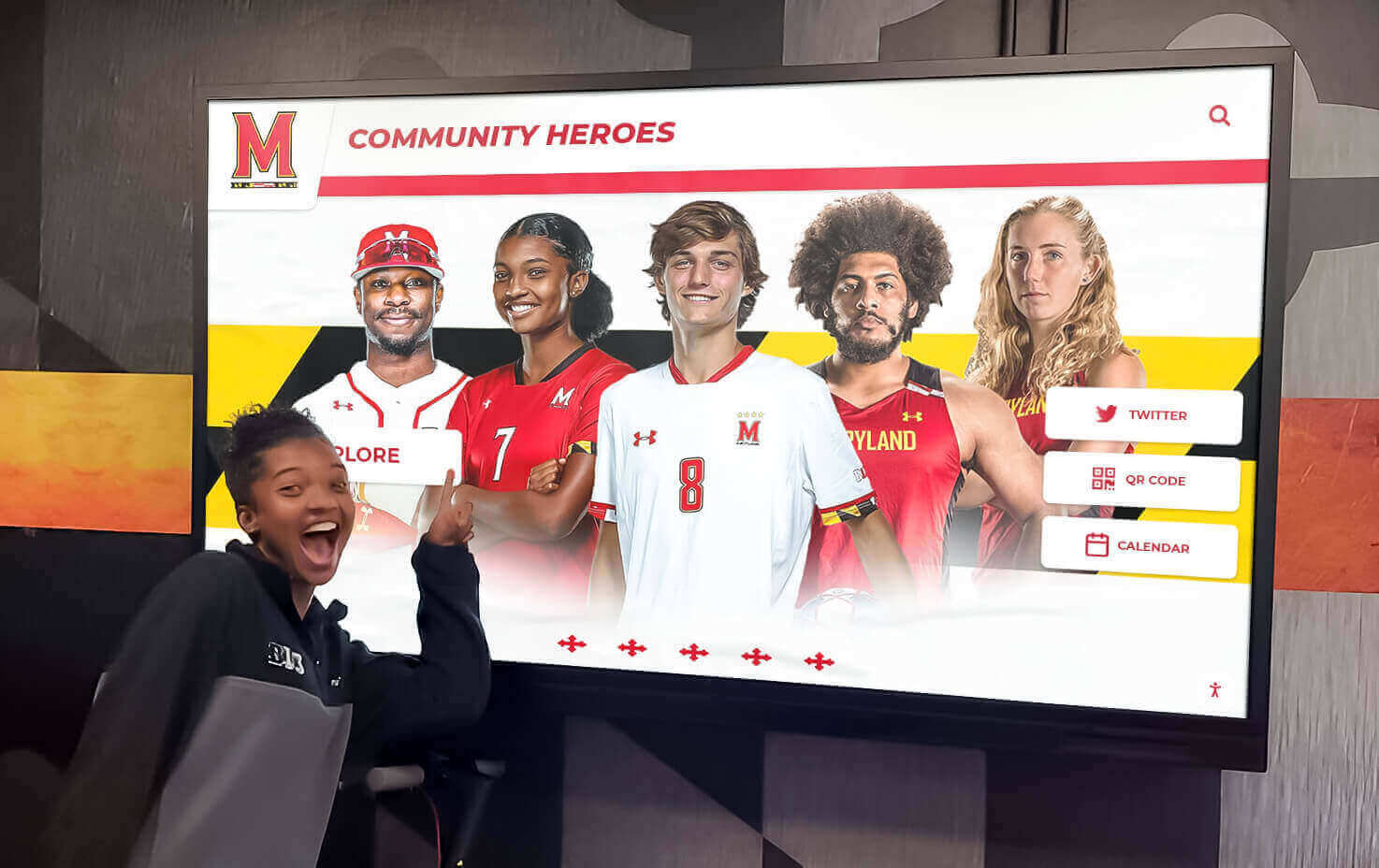
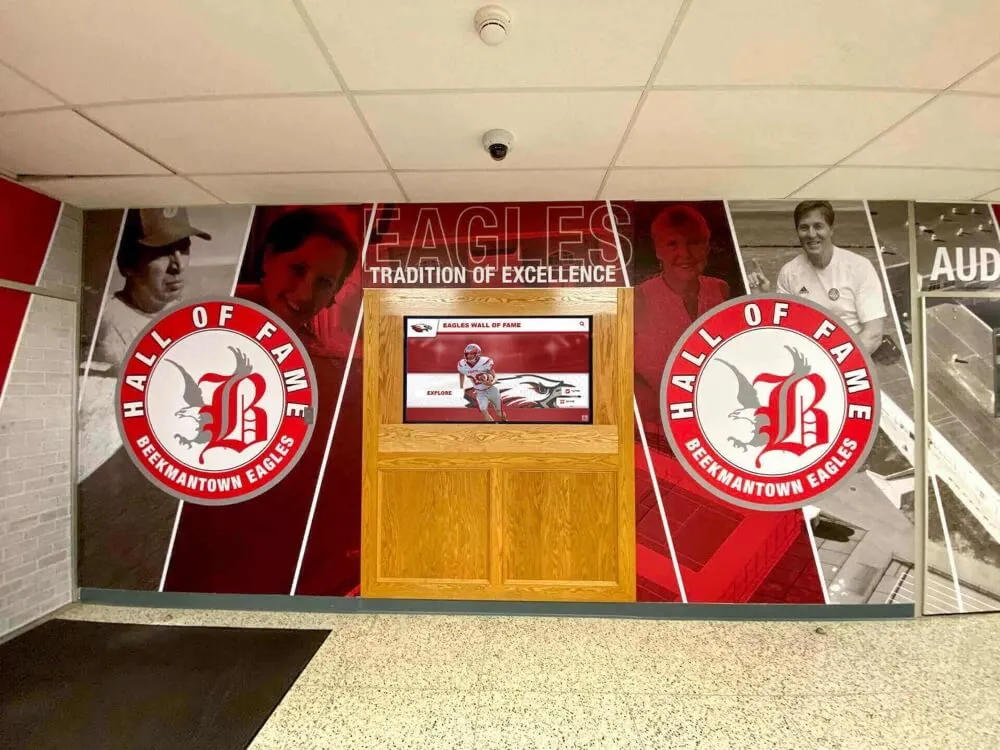
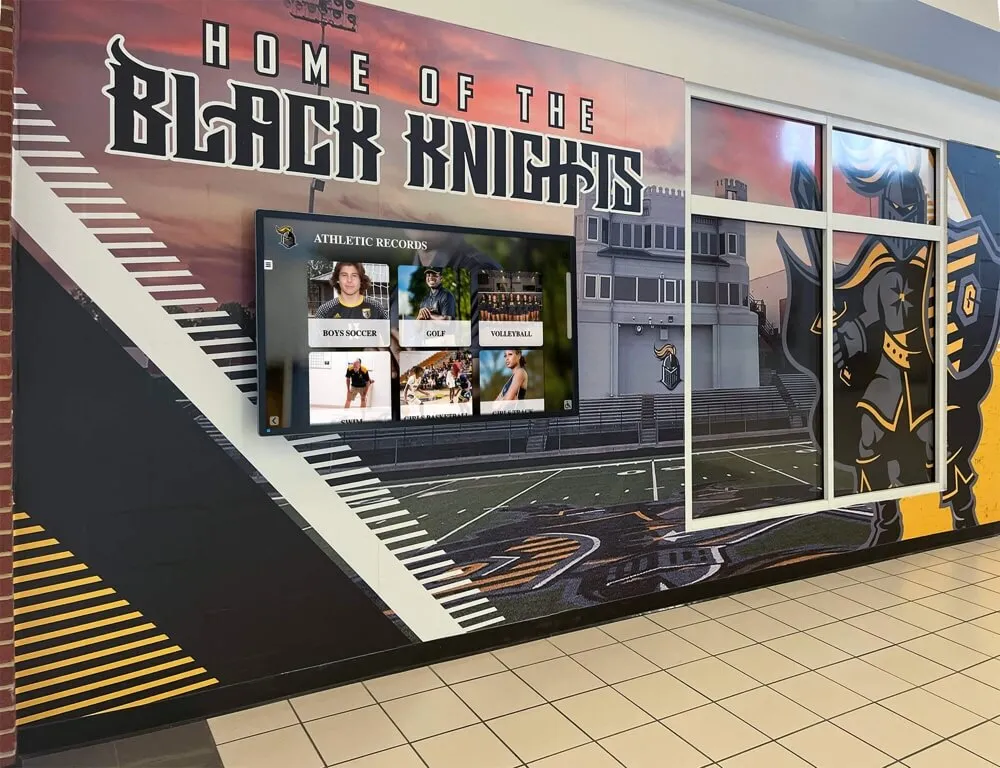
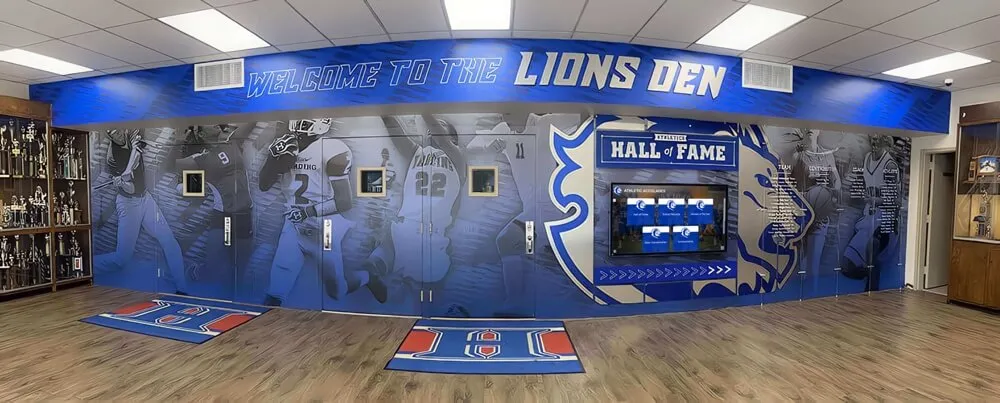
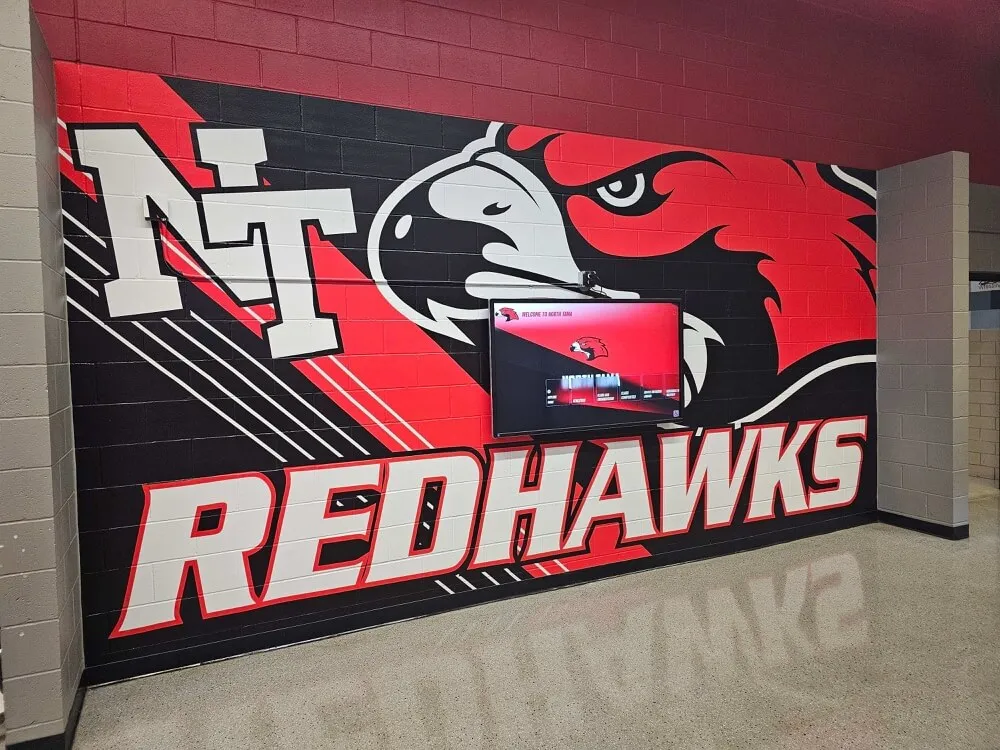
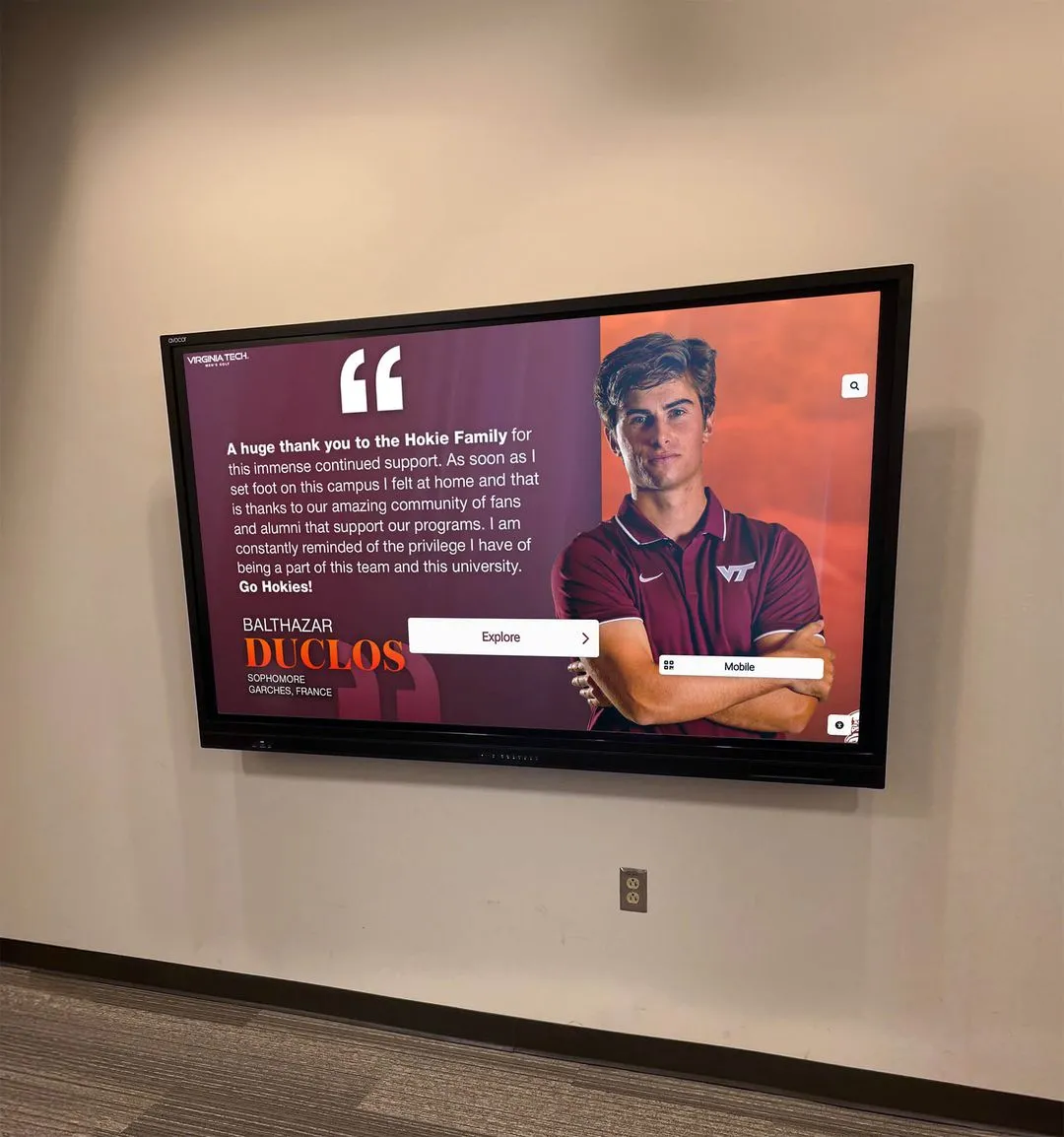
When students interact directly with volunteer recognition displays, it reinforces their awareness of the community support that makes their programs possible
Matching Gifts to Volunteer Roles
The most thoughtful volunteer appreciation gifts reflect knowledge of what specific volunteers actually did. Generic recognition misses an opportunity to communicate genuine attention. Here’s how to match gifts to common school volunteer roles:
Athletic Booster Volunteers
Booster club volunteers who manage events, run concessions, coordinate logistics, and support athletic department operations often give enormous blocks of time during busy athletic seasons:
Appropriate Recognition Approaches
- Engraved items referencing their specific sport or committee role
- Team gear in their school’s colors (quality jackets, branded drinkware)
- Restaurant gift cards acknowledging they spent their own weekends feeding others
- Signed team items—framed photos, signed equipment—from the athletes they supported
- Recognition at athletic banquets as a formal part of the program, not an afterthought
Booster volunteers often care deeply about program prestige and athletic legacy. Recognition that connects them to that legacy—such as having their name included in program history displays—tends to resonate particularly strongly.
For context on the scale of effort these volunteers contribute, consider that running a single competitive swim meet requires coordinating dozens of volunteers across timing, hospitality, logistics, and support roles—each individual representing hours of donated time toward a single event.
Parent Organization Volunteers
PTA/PTO leaders and members who organize schoolwide events, coordinate fundraising, and advocate for school programs deserve recognition that reflects the breadth of their contributions:
Appropriate Recognition Approaches
- Books or subscriptions supporting their leadership and organizational development
- Personalized items acknowledging their specific committee or initiative (“2025–26 Fundraising Chair”)
- Letters from principals and district administrators recognizing their community impact
- Experiences that provide genuine respite from demanding coordination work
- Public acknowledgment in school communications to parents and the broader community
Event-Specific Volunteers
Volunteers who contributed to a specific major event—a gala, senior night, championship celebration, or fundraising drive—benefit from appreciation that ties directly to that event:
Appropriate Recognition Approaches
- Commemorative items from the specific event (program booklets, photo prints, custom items)
- Thank-you notes that describe exactly what happened at the event and how their role contributed
- Group photos from the event with a personal note
- Small gifts tied thematically to the event itself
This specificity communicates genuine attention in ways that generic “thank you for volunteering” recognition cannot.
Long-Term and Legacy Volunteers
Volunteers who have contributed across multiple years—who represent institutional memory, mentored newer volunteers, and built the culture of the program—deserve recognition that honors the scope of their long-term commitment:
Appropriate Recognition Approaches
- Named recognition in permanent program spaces (see the section on lasting recognition below)
- Substantial gifts reflecting multi-year contributions
- Legacy recognition events specifically honoring departing long-term volunteers
- Formal proclamations or awards from school leadership acknowledging career-level dedication
- Inclusion in program history archives and documentation
These volunteers are often the most difficult to replace when they leave—because they bring not just hours but culture, relationships, and institutional knowledge. Recognition that honors the depth of their contribution strengthens the case for others to aspire to similar long-term engagement.
Seasonal and Occasion-Based Volunteer Appreciation
Strategic timing of volunteer appreciation creates natural touchpoints that maintain relationships throughout the year rather than concentrating all recognition at year’s end.
Designated Appreciation Occasions
National Volunteer Appreciation Week
Celebrated annually in April, National Volunteer Appreciation Week provides a dedicated national framework for school recognition initiatives. Schools can align larger appreciation events with this week, creating natural PR opportunities and community awareness of volunteer contributions.
End-of-Season Recognition
Athletic seasons provide natural endpoints for appreciation:
- Fall season volunteers recognized at winter break or December
- Winter sports volunteers appreciated at spring break or March
- Spring season volunteers celebrated at end-of-year events in May or June
Each season closing creates a distinct recognition moment tied to actual contribution windows.
Milestone Occasions
Individual volunteer milestones deserve direct acknowledgment:
- First-year volunteers completing their inaugural season
- Returning volunteers beginning their second, third, or fifth year of service
- Volunteers completing significant initiatives (capital campaigns, major facility improvements)
- Departing volunteers who are transitioning out as their children graduate
Surprise Mid-Season Recognition
Unexpected appreciation during the middle of demanding seasons creates particularly memorable impact. A handwritten note delivered mid-November acknowledging a booster chair’s work halfway through a long football season—with no occasion to trigger it except genuine attention—communicates appreciation far more powerfully than predictable end-of-year gestures.
Building an Annual Appreciation Calendar
Schools with the strongest volunteer cultures don’t leave appreciation to chance. They build recognition touchpoints into the annual calendar:
- August/September: Welcome and recognition event for returning volunteers; orientation for new families
- November/December: End-of-fall-season appreciation for athletic and event volunteers
- February/March: Mid-year check-in recognition for year-round committee volunteers
- April: National Volunteer Appreciation Week activities; formal recognition event
- May/June: End-of-year celebration honoring all volunteers; presentation of annual awards and significant gifts
This cadence ensures that volunteers hear “thank you” multiple times across the year rather than once at a predictable moment that can feel perfunctory.
Lasting Recognition: Volunteer Appreciation That Endures
Individual gifts and thank-you notes matter in the moment, but the most enduring form of volunteer appreciation creates recognition that persists—visible to the entire school community across years and decades, not just at a single event.
Permanent Physical Recognition
Traditional physical installations create lasting tribute to volunteer contributions:
Named Spaces and Installations Naming a space, room, or facility element in honor of long-serving volunteers creates permanent community acknowledgment. The booster club president who led a capital campaign for facility renovations, the parents’ organization that funded a major program upgrade, the volunteers who built a program from modest beginnings—these contributors deserve recognition that outlasts plaques on a wall of individual awards.
Recognition Wall Sections Many schools maintain recognition walls honoring donors, alumni, and community members. Including dedicated sections for significant volunteers or booster club contributors places their service in the permanent record of the school’s institutional history.
Trophy Cases with Volunteer Context Well-designed trophy display systems can include context about the volunteer and donor communities that supported the championship programs those trophies represent—creating visible connection between community support and athletic achievement.
Digital Recognition for Volunteers and Booster Contributors
Modern digital recognition systems offer schools capabilities that static physical installations cannot match, enabling volunteer recognition that is permanent, engaging, and continuously updated.
Why Digital Recognition Elevates Volunteer Appreciation
Digital display systems designed for school recognition environments provide several advantages:
- Unlimited honorees: Unlike physical plaques with fixed space constraints, digital systems can recognize every significant volunteer without spatial limits
- Rich storytelling: Beyond names and dates, digital profiles can include photos, role descriptions, years of service, and impact summaries that tell each volunteer’s story
- Ongoing updates: As volunteers complete additional seasons or take on new roles, digital records grow without requiring replacement of physical materials
- Multimedia content: Video tributes, photo galleries, and written testimonials from coaches and athletes can be incorporated into volunteer recognition profiles
- Community visibility: Digital displays in school lobbies, gymnasiums, and hallways ensure volunteer recognition remains visible to the entire school community year-round
Schools increasingly incorporate digital hall of fame and recognition wall systems that can include volunteer contributors alongside donors, athletes, and alumni—creating cohesive celebrations of the full community that makes school programs possible.
Digital Volunteer Recognition Features
Effective digital recognition platforms for schools allow administrators to:
- Create dedicated volunteer profiles with photos, role descriptions, and years of service
- Feature specific contributions (events organized, funds raised, hours donated)
- Include testimonials from coaches, athletes, and administrators
- Update profiles as volunteers complete additional seasons
- Display recognition in high-traffic school spaces where the community encounters it naturally
- Archive volunteer recognition history as contributors’ families eventually graduate out
This permanence matters because one of the most powerful messages volunteer recognition can send is: your contribution to this school’s story is part of our permanent record.

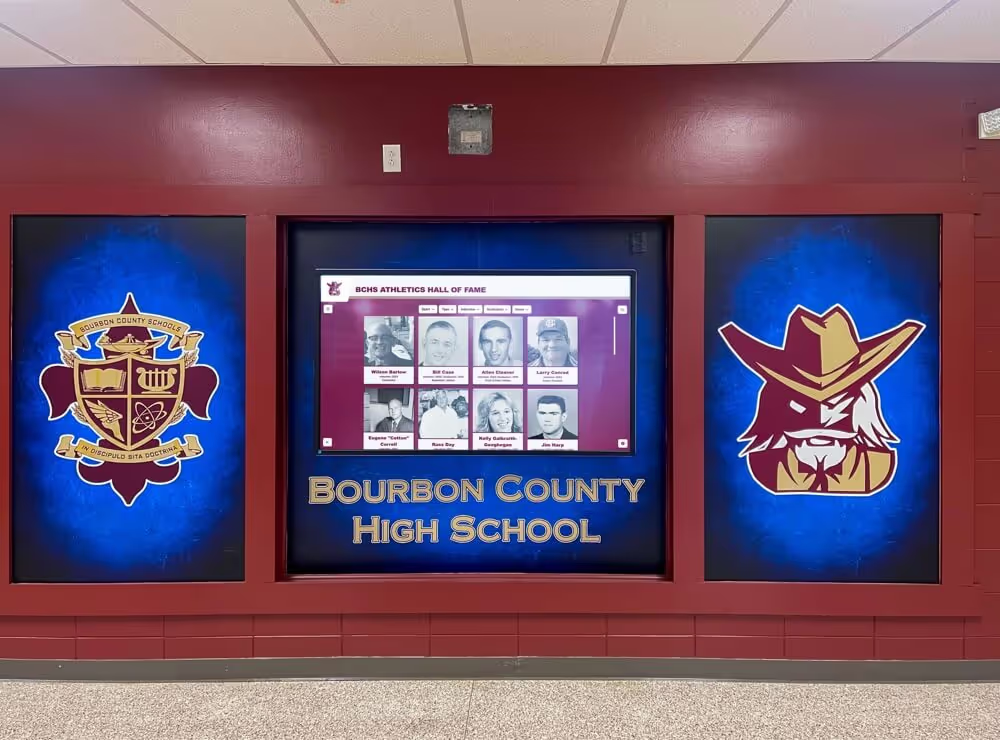
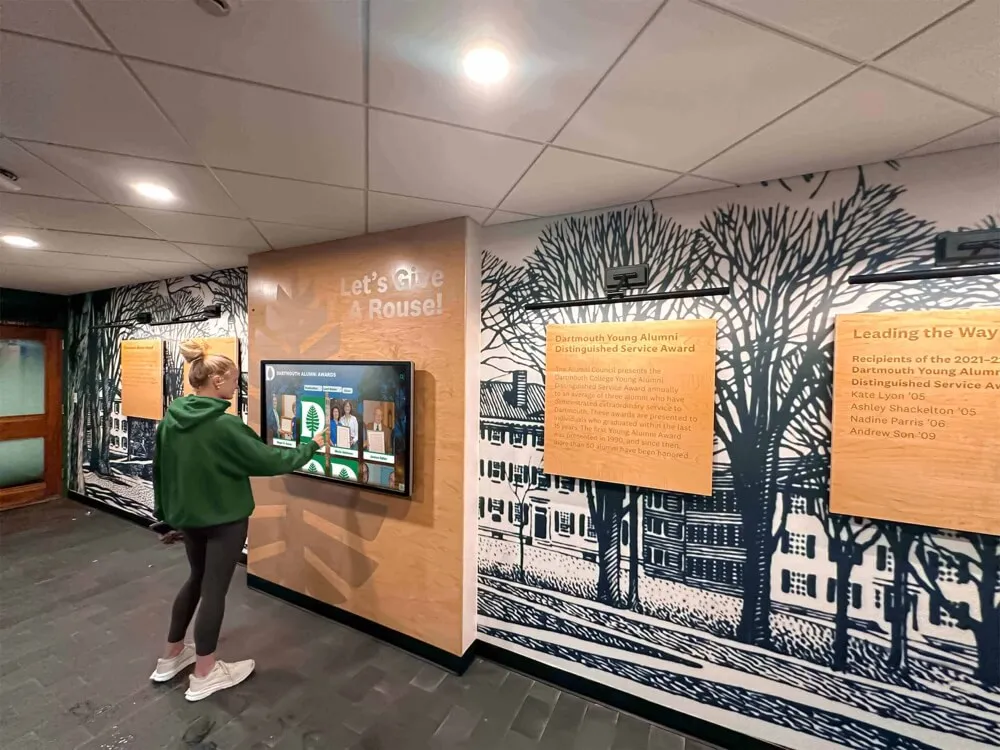
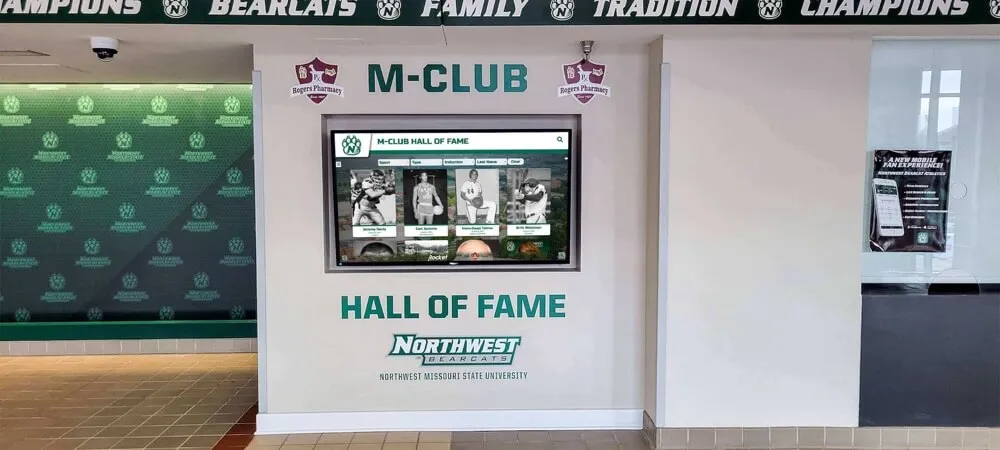
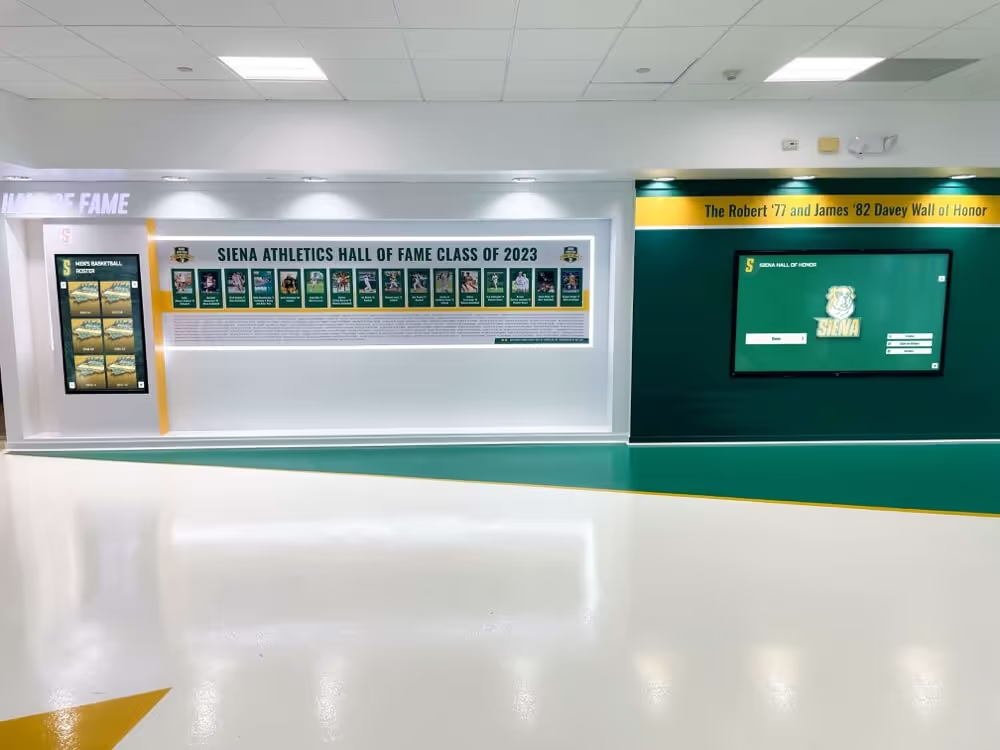
Digital recognition kiosks allow the entire school community to explore volunteer, donor, and alumni contributions at their own pace—turning recognition into ongoing engagement
Connecting Volunteer Recognition to Broader Community Celebration
The most effective school recognition systems celebrate athletes, academic achievers, donors, alumni, and volunteer contributors as parts of a single community narrative rather than siloing recognition by category. When a visitor to a school’s digital recognition system can browse from a championship team’s photo to the booster volunteers who made that championship season possible, the result is a richer story—and a stronger demonstration of community interconnectedness.
Donor wall systems often anchor these broader community recognition installations, and volunteer recognition integrates naturally alongside philanthropic giving recognition—particularly for booster club contributors whose roles blend time donation with financial support.
Platforms like Rocket Alumni Solutions offer purpose-built digital recognition systems designed specifically for educational environments, enabling schools to create professional, community-facing installations that honor volunteers, donors, alumni, and athletes in cohesive systems built to last.
Employee and Volunteer Recognition Culture
Building lasting volunteer appreciation also means learning from broader employee and volunteer recognition program research. The principles are consistent whether applied to staff or volunteers: recognition should be timely, specific, public, and proportional to contribution. Schools that apply these principles systematically see measurably stronger volunteer engagement and retention.
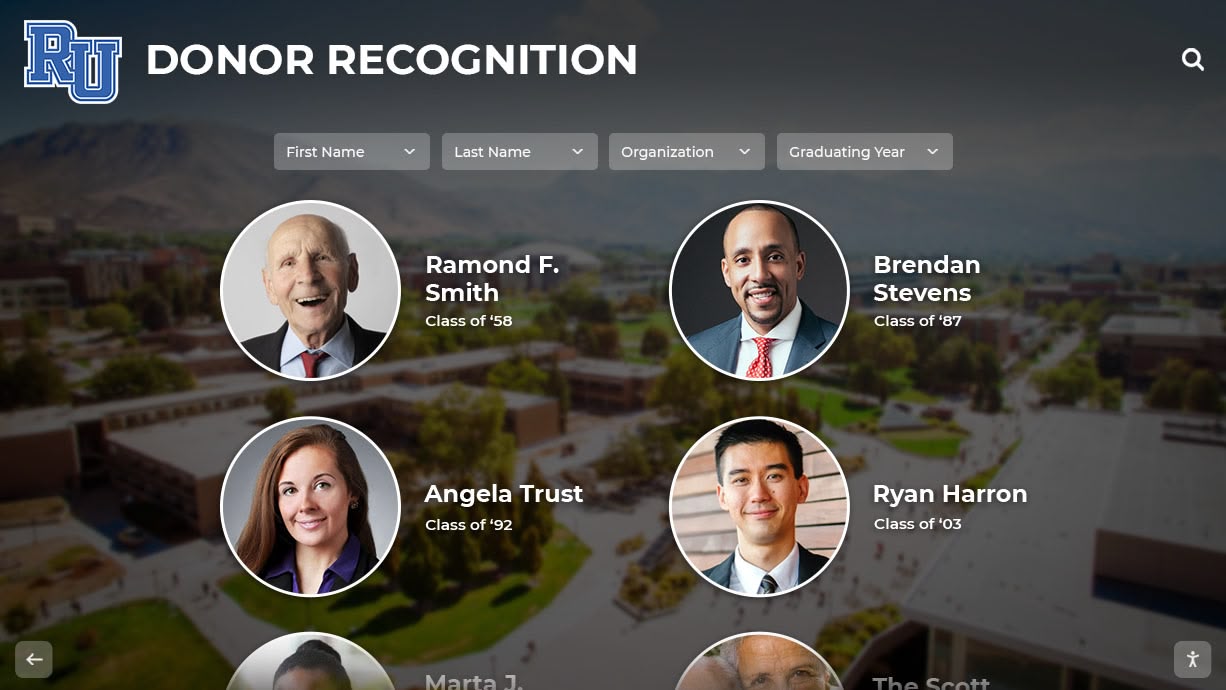
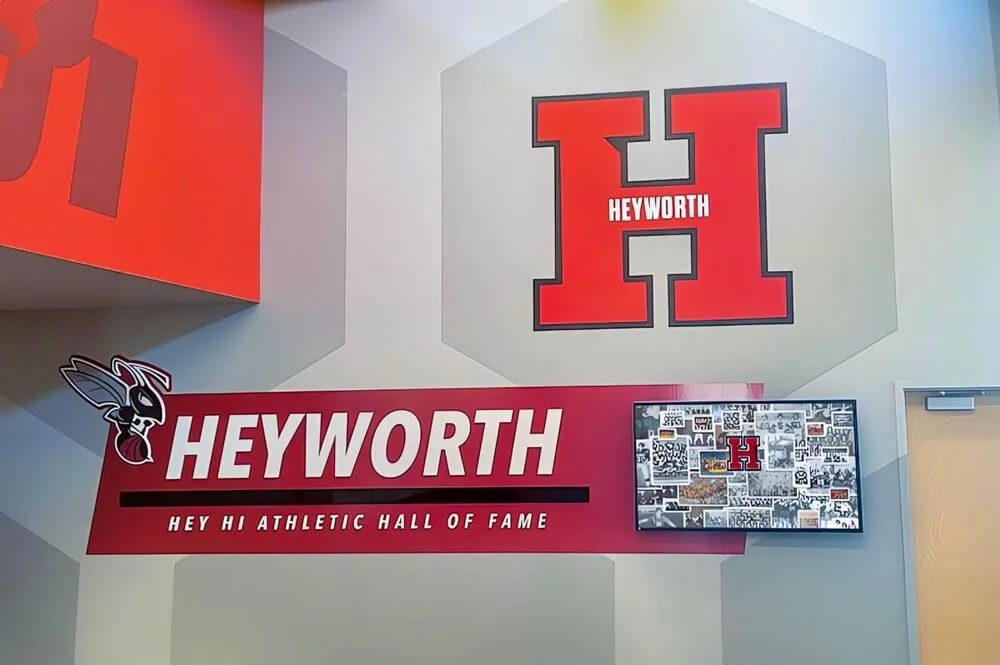
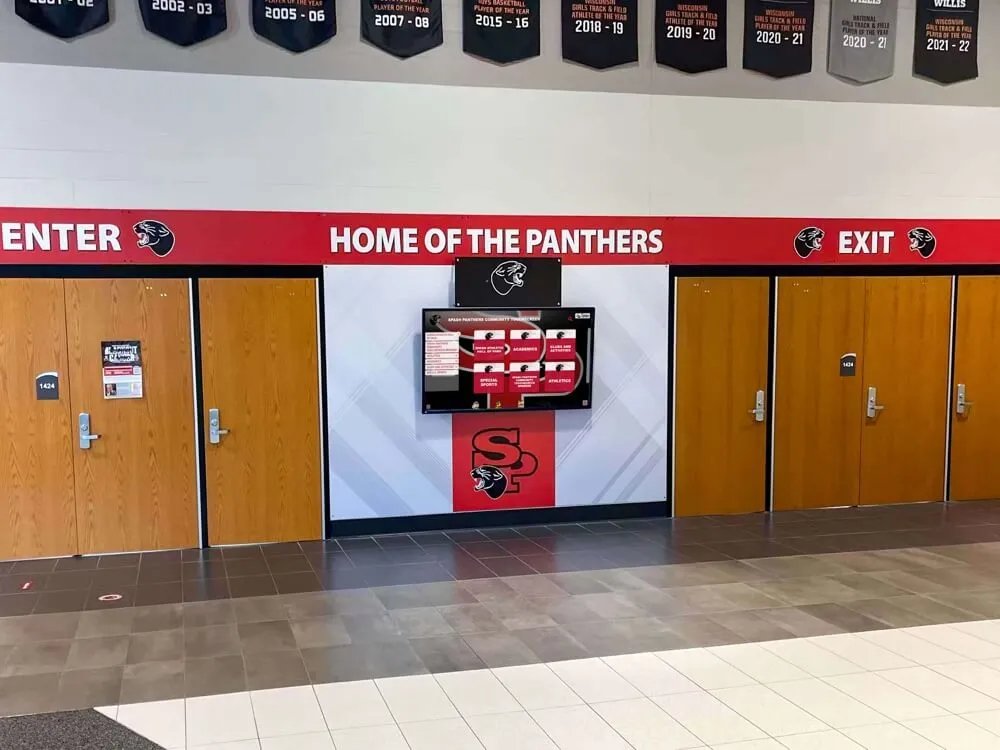
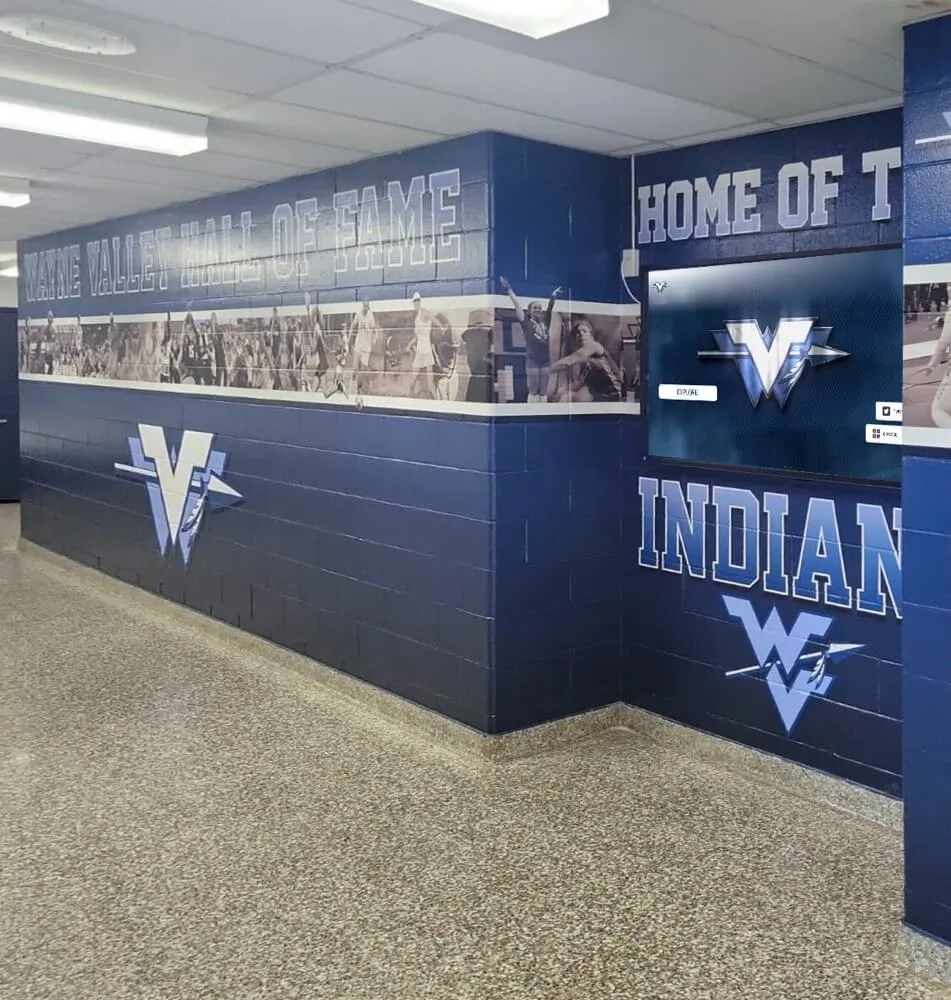
Comprehensive recognition displays that include donors, volunteers, and community contributors create powerful narratives about the communities that sustain educational programs
Building a Volunteer Appreciation Budget
Schools frequently ask how to fund meaningful volunteer appreciation when budgets are tight. The answer involves both maximizing low-cost high-impact approaches and finding legitimate budget sources for more substantial recognition initiatives.
Low-Cost High-Impact Approaches
The most impactful volunteer appreciation gifts for schools are often free:
- Handwritten notes: Cost is the time to write them thoughtfully; impact is often greater than any purchased gift
- Public acknowledgment: Costs nothing; creates community-visible validation of volunteer contributions
- Video tributes from athletes: Student-created, cost nothing, often the most emotionally powerful appreciation volunteers receive
- Certificates and formal proclamations: Minimal printing cost; high symbolic value when presented formally
Legitimate Budget Sources
For more substantial appreciation initiatives:
Booster Club Operating Budgets Booster clubs should include a volunteer appreciation line item in annual operating budgets. A meaningful volunteer recognition event typically costs far less than the volunteer labor value it acknowledges—making it one of the highest-ROI expenditures in the budget.
PTA/PTO Budgets Parent organizations routinely budget for end-of-year teacher appreciation; extending explicit line items to cover volunteer self-recognition is both legitimate and strategically sound for retention.
Athletic Department Budgets Athletic departments that rely heavily on booster and parent volunteer support should include volunteer recognition in annual operating budgets, treated as a genuine operational expense rather than an optional extra.
Event-Specific Recognition Funding Major fundraising events—galas, tournaments, major drives—often have modest recognition-and-appreciation line items built in. Formalizing this as a budget category creates consistency and removes the awkwardness of last-minute appreciation scrambles.
Community Sponsorships Local businesses that already sponsor athletic events sometimes extend sponsorships to volunteer appreciation events—particularly if those events provide visibility with the engaged parent community the sponsors value.
Pooling Resources for Significant Gifts
For long-serving volunteers, departing program leaders, or retiring multi-year contributors, pooled contributions from coaches, staff, and fellow volunteers allow for more substantial gifts than any individual could provide. A $25 contribution from twenty people creates a $500 gift representing the full team’s gratitude—which communicates something that a $500 check from an institution never quite does.
Volunteer Recognition Beyond Athletics: Academic and Arts Programs
While athletic programs typically have the largest and most organized volunteer ecosystems, academic and arts programs also depend heavily on parent and community volunteer support that deserves equal recognition.
Academic Program Volunteers
Volunteers who support academic programs—tutoring coordinators, science fair organizers, college fair volunteers, academic booster supporters—often work without the visible community recognition that athletic booster volunteers receive at games and events:
- Honor them in academic recognition events and awards ceremonies
- Feature their contributions in academic publications and newsletters
- Include them in school-wide volunteer recognition initiatives rather than program-siloed appreciation
- Connect their work to academic recognition program outcomes they helped make possible
Arts and Music Program Volunteers
Theatre parents, orchestra pit crew, art show coordinators, and band booster volunteers enable programs that face similar funding pressures as athletic programs without comparable public visibility:
- Recognize arts and music volunteers at performance events with formal public acknowledgment
- Include them in school-wide recognition initiatives alongside athletic supporters
- Feature their contributions in year-end school communications
- Create specific appreciation gifts tied to the arts context (performance tickets, arts-related experiences)
STEM and Academic Club Volunteers
Science Olympiad coordinators, robotics booster parents, academic league coaches, and club advisors’ parent supporters represent growing volunteer ecosystems in schools that emphasize STEM programming:
- Recognize their contributions at competition events where their students succeed
- Include them in volunteer recognition systems alongside athletic and arts volunteers
- Create tiered recognition that captures multi-year contributors building these newer programs
Broad-based recognition of volunteers across all program types signals that the school values community support comprehensively—not just the most visible athletic programs.
Common Volunteer Appreciation Mistakes to Avoid
Understanding what doesn’t work in school volunteer appreciation is as important as knowing what does.
Generic, One-Size-Fits-All Recognition
Appreciation that could apply to any volunteer at any school sends an unintentional message: we didn’t think specifically about you. The most deflating volunteer appreciation is a plaque or certificate with a name filled in a blank where any name could go. Take the time to make recognition specific to each person’s actual contributions.
Appreciation That Comes Only at Year’s End
If volunteers hear “thank you” once a year at an annual event, the appreciation feels ritualistic rather than genuine. Touchpoints throughout the year—particularly unexpected mid-season acknowledgment—communicate ongoing awareness rather than obligatory annual recognition.
Appreciation That Ignores the Indirect Costs of Volunteering
School volunteers often incur real costs for their service: mileage, purchased supplies, lost work time, reduced family availability. Acknowledging these indirect contributions—rather than treating volunteer work as entirely free—demonstrates sophisticated appreciation for what participation actually costs volunteers.
Failing to Recognize Multi-Year Volunteers Differently
A volunteer’s fifth year of service deserves meaningfully different recognition than their first. If the same thank-you card goes to everyone regardless of tenure, long-term contributors receive a subtle signal that their accumulated loyalty carries no additional weight—which undermines the retention value of recognition entirely.
Excluding Support Staff and Informal Helpers
Formal volunteer roles are easy to identify and recognize. The dad who quietly showed up to twelve matches and always had a toolkit handy, the neighbor who never formally joined the booster club but spent six Saturdays helping set up and break down—these informal contributors often slip through recognition systems. Building acknowledgment processes that capture informal contributions strengthens community bonds and catches the people who matter most to program culture.
Frequently Asked Questions About Volunteer Appreciation Gifts
What are the best volunteer appreciation gifts for school parent volunteers?
How much should schools spend on volunteer appreciation gifts?
When should schools give volunteer appreciation gifts?
How can schools recognize volunteers who give many years of service?
What are good volunteer appreciation gifts for athletic booster volunteers specifically?
How do digital recognition displays work as volunteer appreciation?
Creating a Lasting Culture of Volunteer Appreciation
The most successful school volunteer recognition programs share a common trait: they treat appreciation as a system rather than an event. Individual gifts matter, but the culture of appreciation that schools signal through consistent, thoughtful recognition across the full year is what drives long-term volunteer engagement and retention.
Building Systems That Sustain
Sustainable volunteer appreciation requires structures that outlast any individual champion:
- Designate a volunteer recognition coordinator role within booster clubs or parent organizations
- Build appreciation touchpoints into the annual event calendar rather than handling them reactively
- Allocate budget line items specifically for volunteer recognition in operational planning
- Create documentation processes that capture volunteer contributions for recognition purposes throughout the year
- Develop handoff processes that preserve institutional knowledge about long-serving volunteers as leadership transitions
Recognition Infrastructure as Investment
Schools often treat volunteer appreciation as a pure expense. A more useful frame is investment: every dollar and hour put into genuine volunteer recognition generates compounding returns in the form of volunteers who return season after season, recruit their networks, contribute more deeply, and build program culture that makes the school community stronger.
Investing in national philanthropy day and community celebration infrastructure creates platforms for recognizing both donors and volunteers as complementary pillars of school community support.
The schools that recognize volunteers most effectively aren’t the ones that spend the most on gifts—they’re the ones that make appreciation a genuine, ongoing expression of how they value community. Whether that means a handwritten note from a coach, a dedicated digital profile in a lobby recognition system, or a formal ceremony honoring years of service, what matters most is that volunteers leave feeling genuinely seen.
That feeling—of being seen, of mattering to the community you’ve invested in—is what brings them back.
Ready to create lasting recognition for the volunteers and community supporters who make your school’s programs possible? Learn how Rocket Alumni Solutions builds digital recognition systems that honor volunteers, donors, alumni, and athletes in cohesive installations designed for school communities.