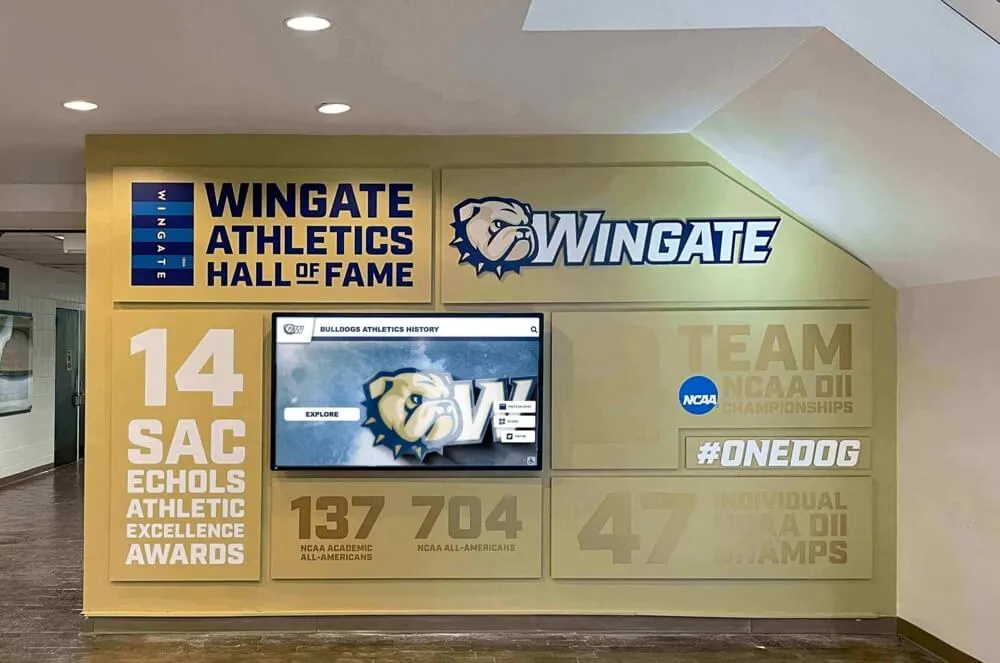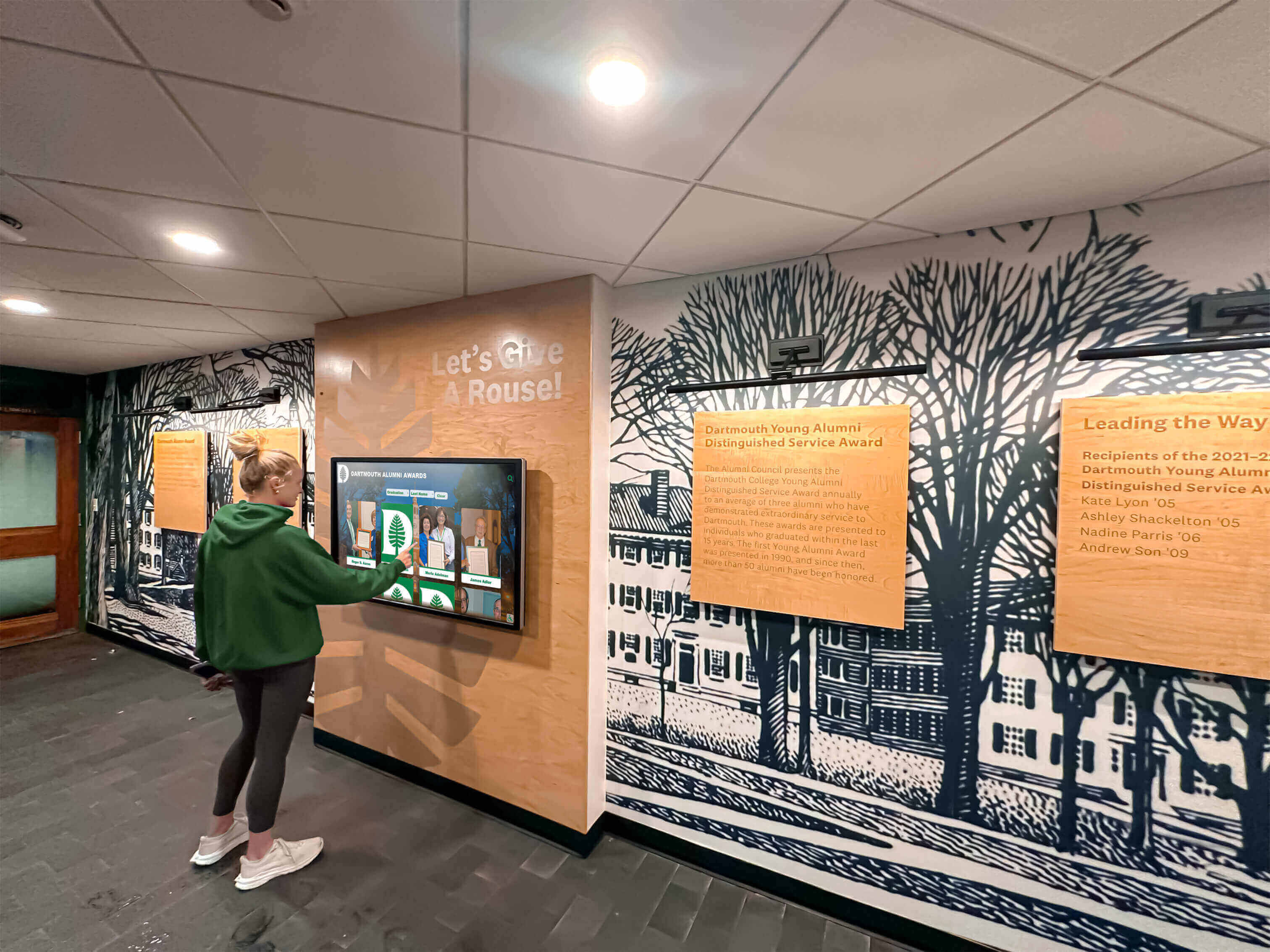




For students who dedicate years to mastering their instruments, rehearsing before school, and elevating every ensemble they join, the Tri-M Music Honor Society provides a formal acknowledgment that their effort, artistry, and character have set them apart. Sponsored by the National Association for Music Education (NAfME), Tri-M—which stands for Modern Music Masters—is one of the oldest and most respected student honor societies in the United States, with chapters serving middle schools and high schools across the country since 1938.
Unlike generic academic honor societies, Tri-M exists specifically to celebrate the intersection of musical achievement and personal character. Inductees are recognized not just for their talent on stage but for their scholarship, leadership, service, and commitment to elevating music within their school communities. For music directors, understanding how Tri-M works—and how to build recognition programs that honor inductees in meaningful ways—can transform chapter membership from a certificate on a wall into a lasting source of school pride.
This guide covers everything schools need to know about Tri-M Music Honor Society: eligibility requirements, induction ceremonies, chapter leadership, community service, and modern recognition strategies that ensure outstanding student musicians receive the visibility they deserve.
Tri-M chapters represent one of the most meaningful honor societies a music program can offer, giving students a structured pathway to recognize their growth and contribution while connecting them to a national community of dedicated young musicians. When chapters are well run and recognition is handled thoughtfully, Tri-M membership becomes a distinction students carry with pride throughout high school and beyond.

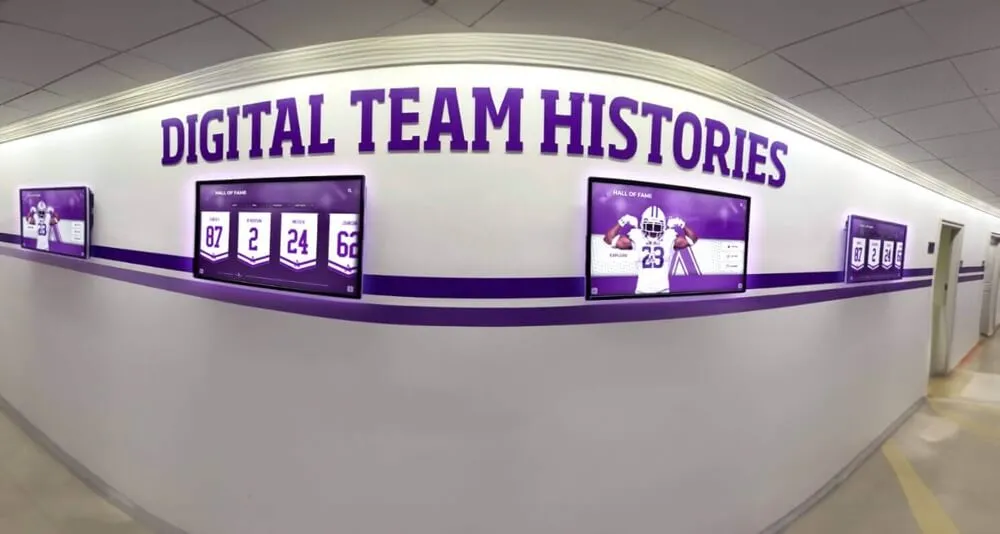
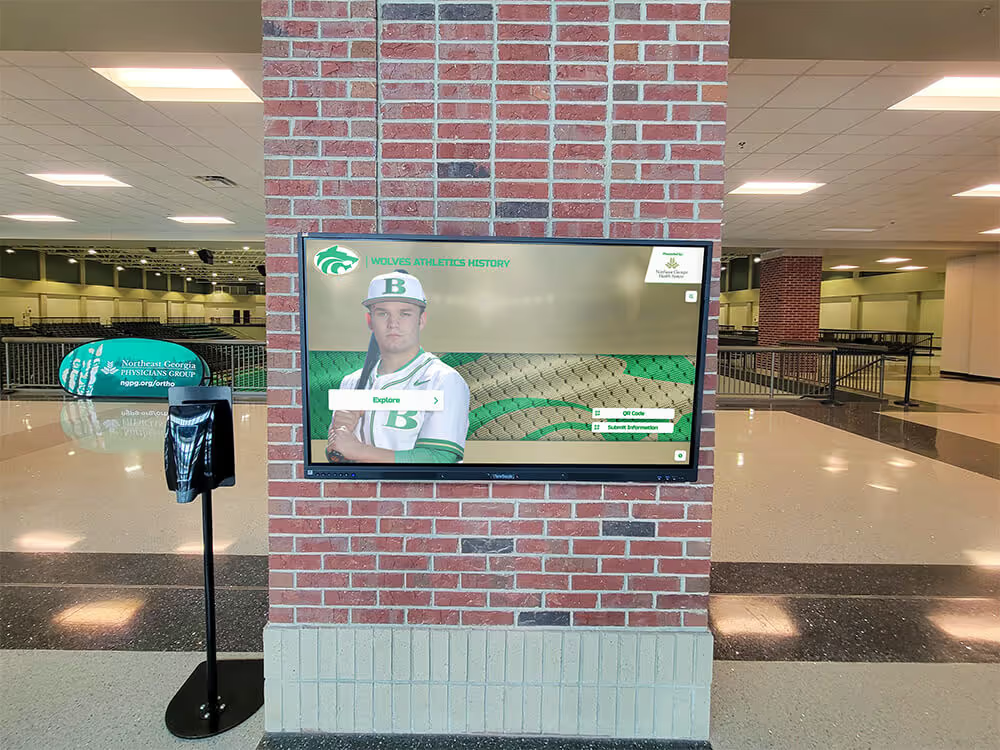
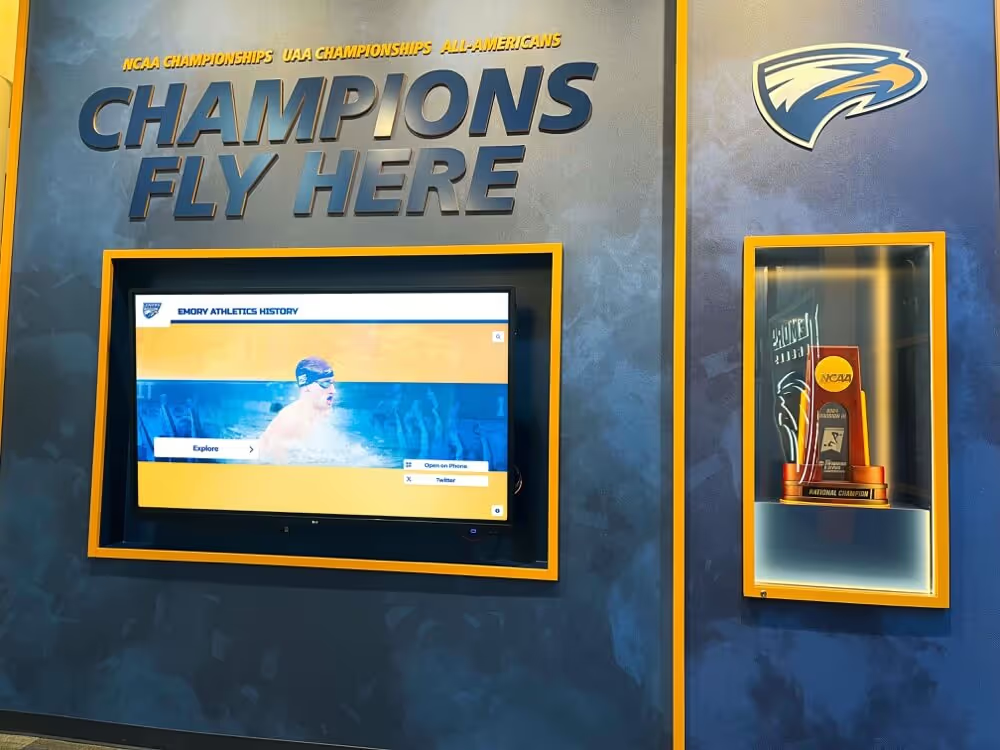
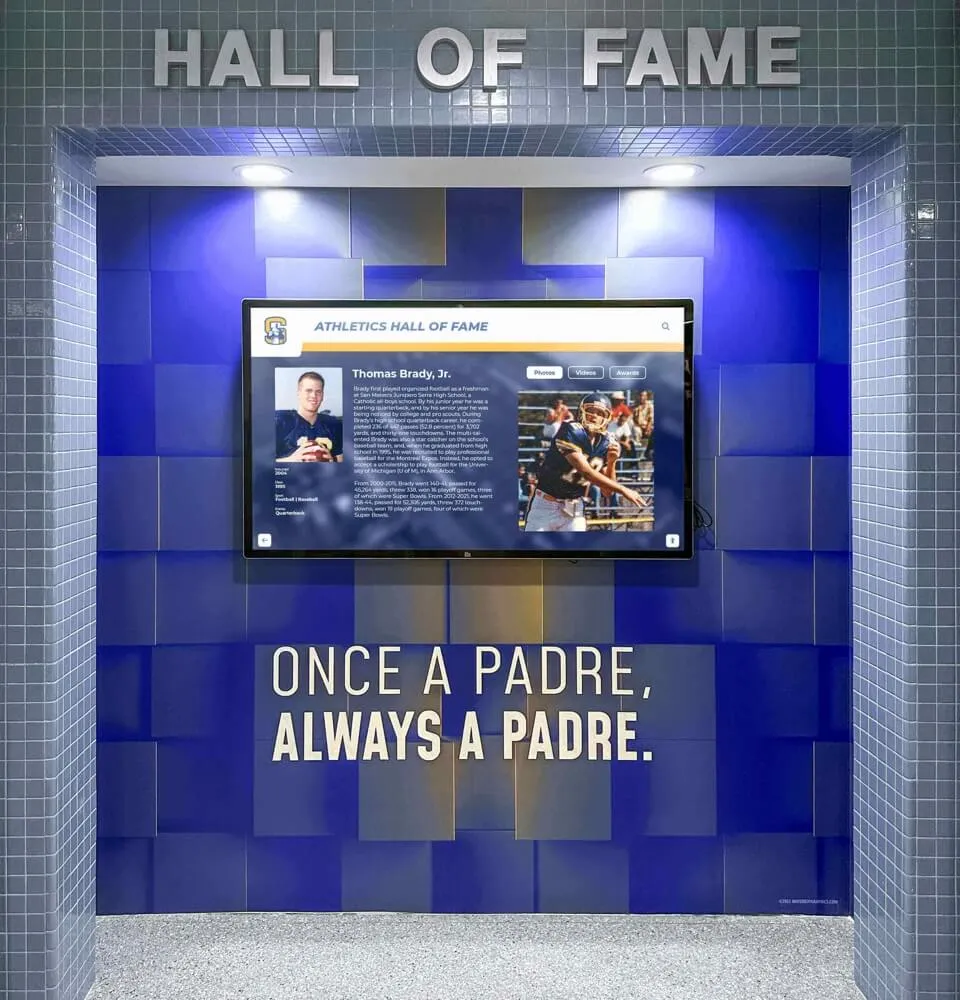
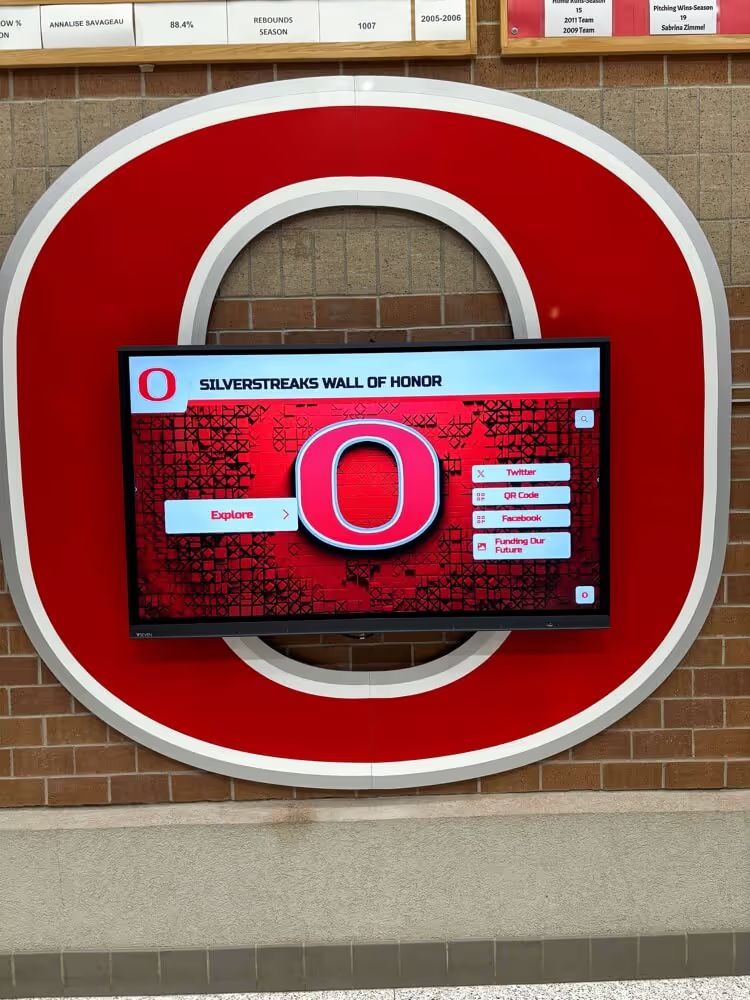
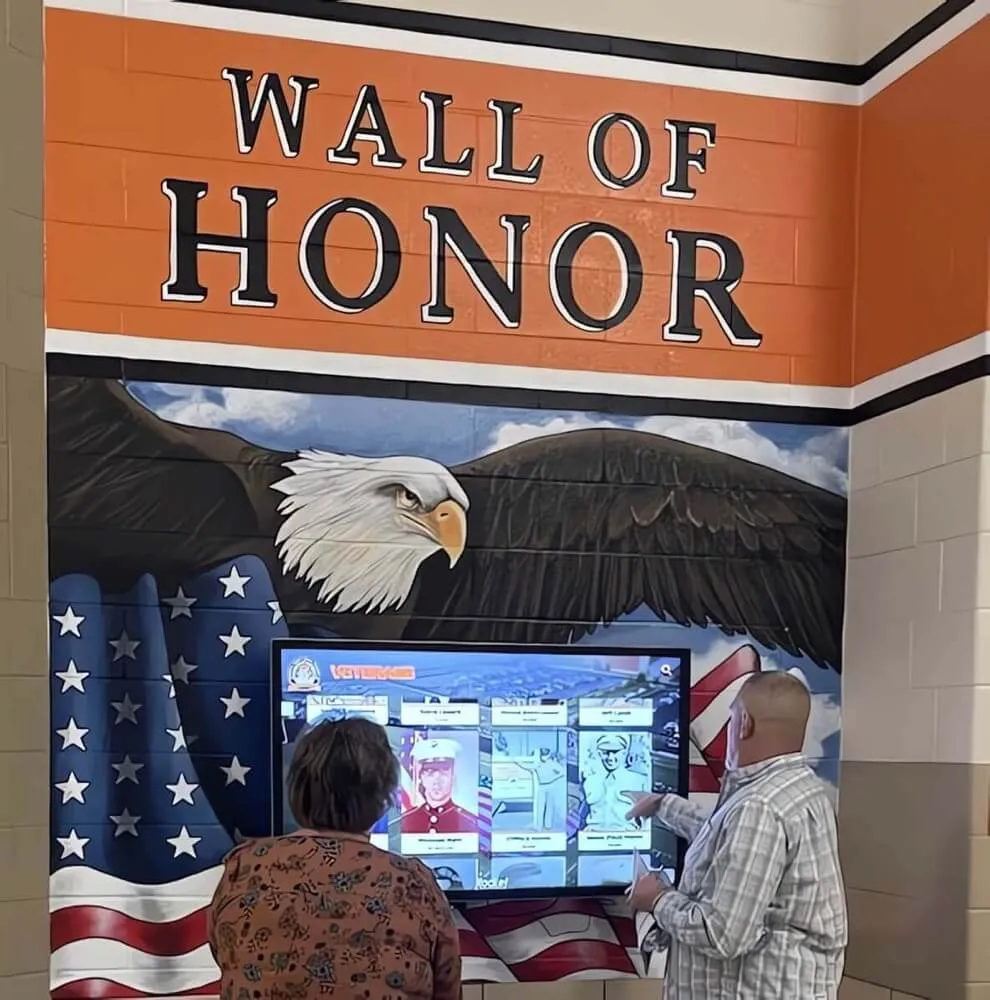
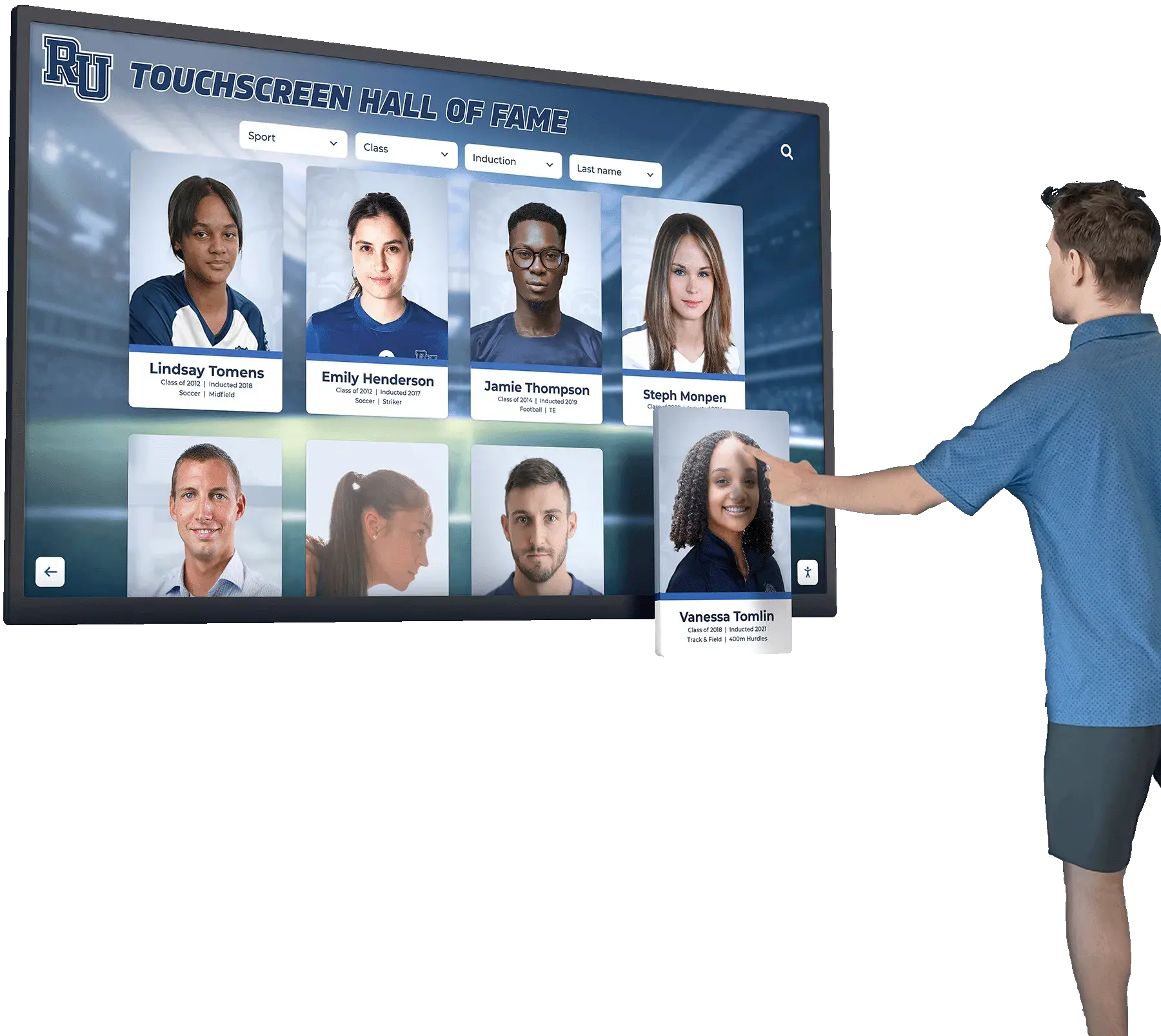
Interactive touchscreen displays let students and visitors explore honor society inductees, chapter history, and service contributions at any time of year
What Is Tri-M Music Honor Society?
Tri-M Music Honor Society is a national organization for middle school and high school music students who demonstrate excellence in music, scholarship, leadership, and service. NAfME administers the program and provides the structure, branding, and resources chapters use to recruit members, plan inductions, and develop community programs.
The name “Modern Music Masters” reflects a philosophy rooted in the belief that musical excellence and personal character are inseparable. A student who performs brilliantly but does not contribute to their community or demonstrate academic responsibility is not the student Tri-M seeks to honor. Conversely, a student who is kind and involved but has not developed meaningful musical skill has not yet met the society’s standards. Tri-M looks for both simultaneously.
A Brief History of Tri-M
The Modern Music Masters was founded in 1938 in Joliet, Illinois, making it one of the longest-running student honor societies in American secondary education. NAfME (then known as MENC) adopted the organization in the 1950s, providing a national home and the infrastructure that allowed the society to grow into the recognized institution it is today.
Over more than eight decades, Tri-M has inducted hundreds of thousands of student musicians and established chapters in schools across all 50 states and several international locations. That longevity has created something unusual in student organizations: a genuine institutional identity that parents, alumni, and community members recognize and respect.
The Five Pillars of Tri-M Membership
Tri-M membership is evaluated against five criteria that chapters and directors use to assess candidates:
Music — Demonstrated skill, participation, and growth as a performer or music student. This typically includes active participation in school ensembles such as band, orchestra, choir, or jazz ensemble, along with any private instruction or additional musical pursuits.
Scholarship — Maintenance of a minimum GPA, which each chapter sets within NAfME guidelines. Most chapters require a cumulative GPA of 3.0 or higher, though some set a higher threshold.
Leadership — Evidence of positive influence on peers, participation in ensemble leadership roles such as section leader or drum major, or leadership within school or community organizations.
Service — Contribution of time and musical talent to the school or broader community. This might include performing at community events, teaching younger students, or supporting music outreach programs.
Character — A demonstrated record of integrity, respect, and responsible behavior. Many chapters require teacher or administrator recommendations that speak specifically to character.
These five pillars ensure that Tri-M inductees represent well-rounded students rather than simply the most technically gifted performers in a program.
Tri-M Membership Requirements and Eligibility
Individual chapters set specific eligibility criteria within the framework NAfME provides, which means requirements vary somewhat between schools. Understanding the general parameters helps directors communicate expectations clearly to students and families.
Academic Eligibility
Most chapters establish a minimum cumulative GPA—commonly 3.0 on a 4.0 scale, though some chapters require 3.3 or 3.5. A few chapters use class rank thresholds rather than absolute GPA cutoffs. Directors should set standards that are meaningful without being exclusionary, recognizing that the goal is to identify students who balance musical commitment with academic responsibility.
The most effective programs look at the whole student. Tri-M’s academic threshold mirrors the standards used in programs that recognize all-state musicians and top performers, where excellence across multiple dimensions—not just performance skill—defines who earns recognition.
Musical Participation Requirements
Eligibility typically requires active membership in at least one school music ensemble for a minimum number of semesters. Common standards include:
- Minimum one full year of participation in a school ensemble at the time of application
- Active membership in at least one ensemble during the year of application
- Strong performance evaluations or audition results, though some chapters rely on director discretion rather than formal auditions
- Private music instruction is often considered but generally not required
Many chapters also consider participation in honor bands, all-state ensembles, regional competitions, or other musical activities that demonstrate commitment beyond the school setting.
Service and Leadership Documentation
Students seeking Tri-M membership typically submit an application demonstrating their service and leadership contributions. Common application elements include:
- A written personal statement describing their musical journey and future goals
- A log of service hours related to music or community involvement
- Letters of recommendation from music directors and other faculty
- Documentation of leadership roles held in ensembles, school organizations, or community groups
This documentation process not only helps chapters evaluate candidates fairly but also teaches students the important skill of articulating their own contributions—a capability that serves them well in college applications and beyond.
Grade Level Considerations
Most high school Tri-M chapters admit students beginning in their sophomore or junior year, giving candidates time to accumulate a meaningful academic record and ensemble experience. Middle school chapters typically begin inducting students in 7th or 8th grade. Some high school chapters will consider exceptional freshmen, particularly those who transferred with strong records from middle school programs.
The Tri-M Induction Ceremony
The induction ceremony is the centerpiece of the Tri-M calendar—the moment when students officially become members and receive public recognition for meeting the society’s standards. Well-executed inductions are memorable events that honor new members, celebrate the chapter’s culture, and build community around musical achievement.
Planning the Ceremony Structure
Most Tri-M induction ceremonies last 45–75 minutes and follow a recognizable structure:
Welcome and Opening Remarks — The chapter advisor or school administrator opens the ceremony, explaining the significance of Tri-M and welcoming families and guests.
Music Performance — Current Tri-M members often perform for inductees and their families, demonstrating the culture of excellence into which new members are entering. This might include chamber pieces, vocal selections, or small ensemble performances.
Presentation of Inductees — New members are called forward individually or in small groups. Many chapters include a brief biographical statement for each inductee, read by the advisor, a current member, or a fellow student.
Pledge and Candle Lighting — Many chapters use a formal pledge ceremony, sometimes incorporating a candle-lighting ritual where current members symbolically pass the light of musical excellence to incoming inductees.
Pinning or Medallion Presentation — Families or designated presenters place the Tri-M pin on inductees, creating a personal moment that families remember as fondly as graduation itself.
Closing Remarks and Reception — The ceremony closes with words from chapter officers or the advisor, followed by a reception where inductees, families, and faculty can celebrate informally.
Timing and Scheduling
Most chapters hold induction ceremonies in the fall semester—often in October or November—to give new members maximum time to participate in chapter activities during the school year. Some chapters hold spring inductions to honor seniors before graduation, though this limits new members’ ability to serve in leadership roles.
The evening format tends to maximize family attendance compared to daytime assemblies. Schools with strong parent communities sometimes hold afternoon ceremonies that feed directly into a celebratory dinner or reception. For guidance on structuring these events, resources on end-of-year banquet and recognition planning translate naturally to the induction context.
Making the Ceremony Memorable
Beyond the formal structure, small details elevate induction ceremonies from procedural to genuinely moving:
- Customized programs listing each inductee with their instrument and years in the program
- Slide shows or video montages created by chapter officers celebrating inductees’ musical journeys
- Personal statements read by inductees about what music means to them
- Performances specifically selected to match the musical strengths of current chapter members
- A signed certificate or framed photo presented alongside the pin
- A chapter memory book or yearbook documenting the year’s cohort
Recognizing Families at the Ceremony
Music programs run on family support—parents who drove to early-morning rehearsals, sat through marathon concert weekends, and funded private lessons deserve acknowledgment. Some chapters have incorporated brief recognition of “music families” into their induction ceremonies, either through a formal thank-you or by inviting parents to participate in the pinning process.
This small addition strengthens community bonds and reinforces that Tri-M membership is a shared achievement between students and the families who supported their musical journey.

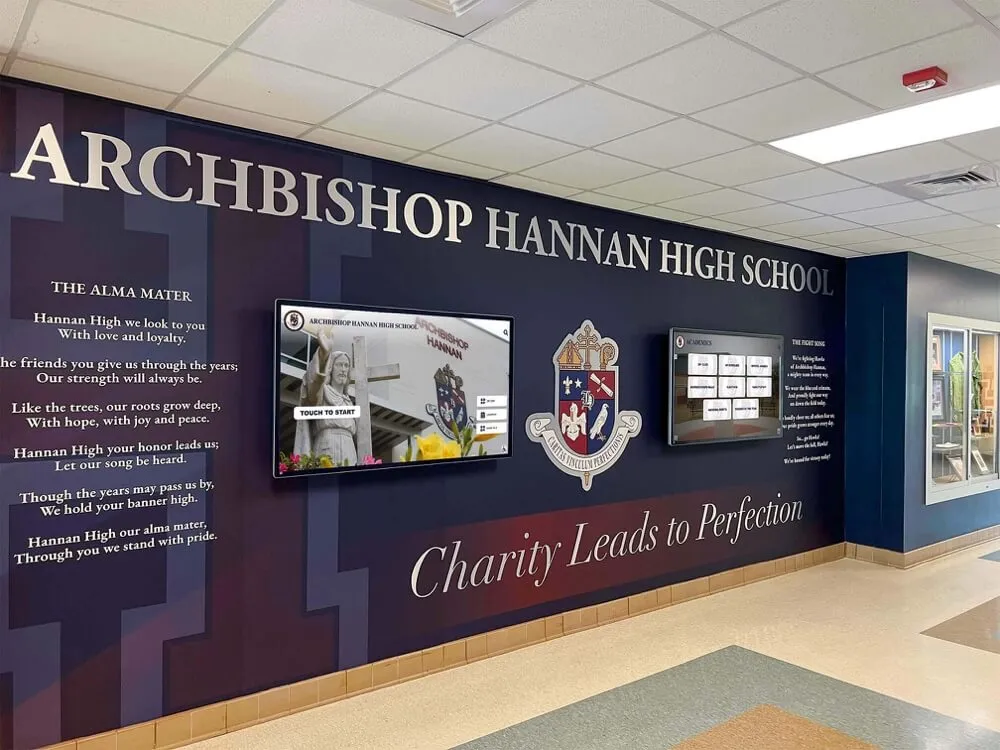
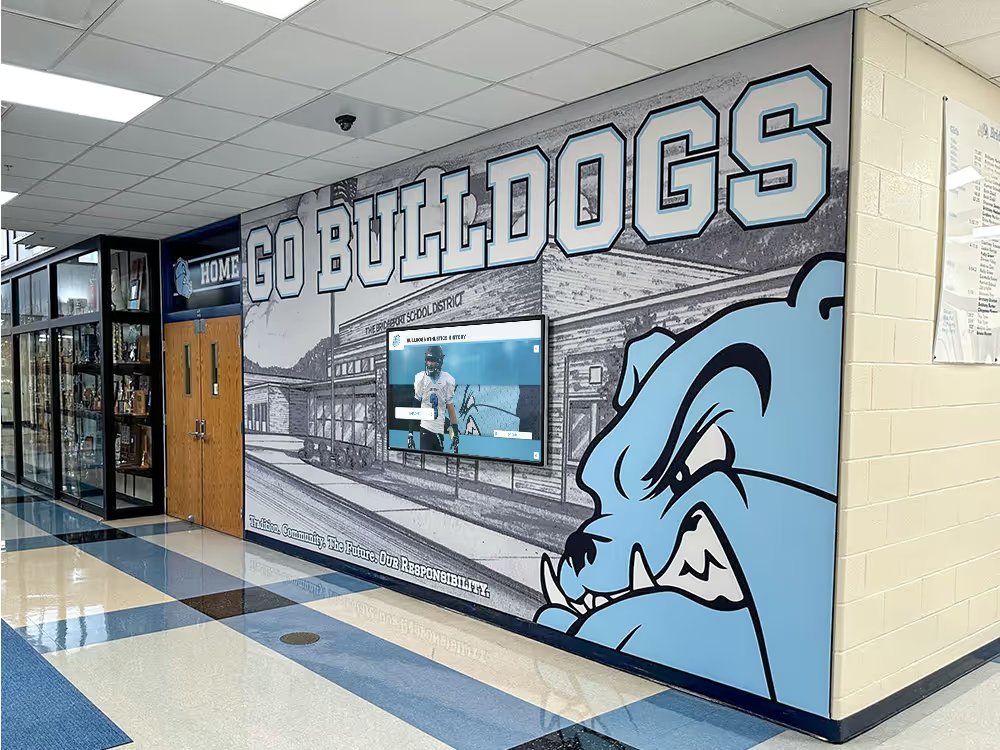
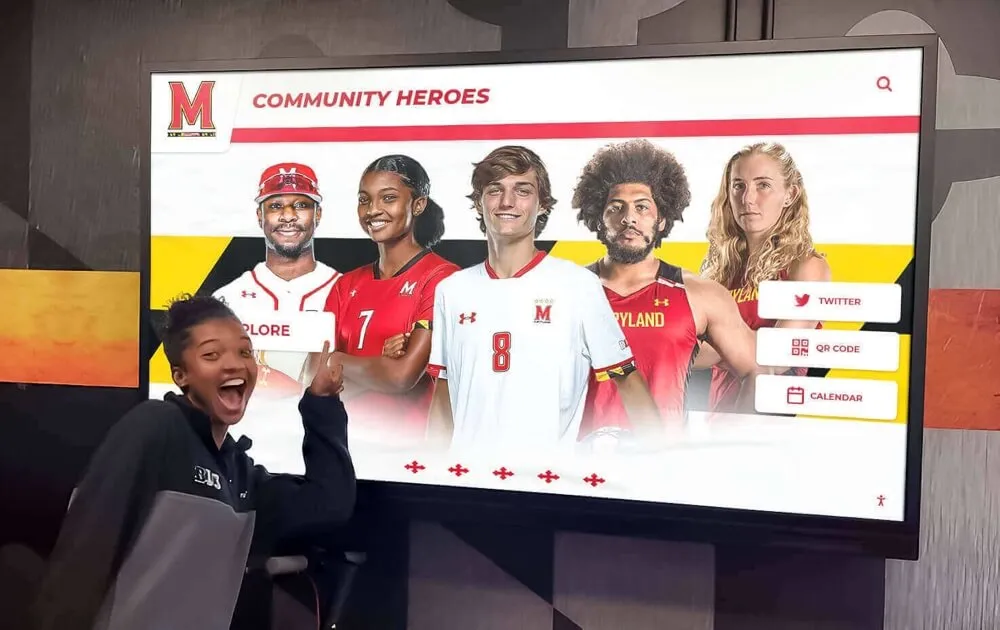
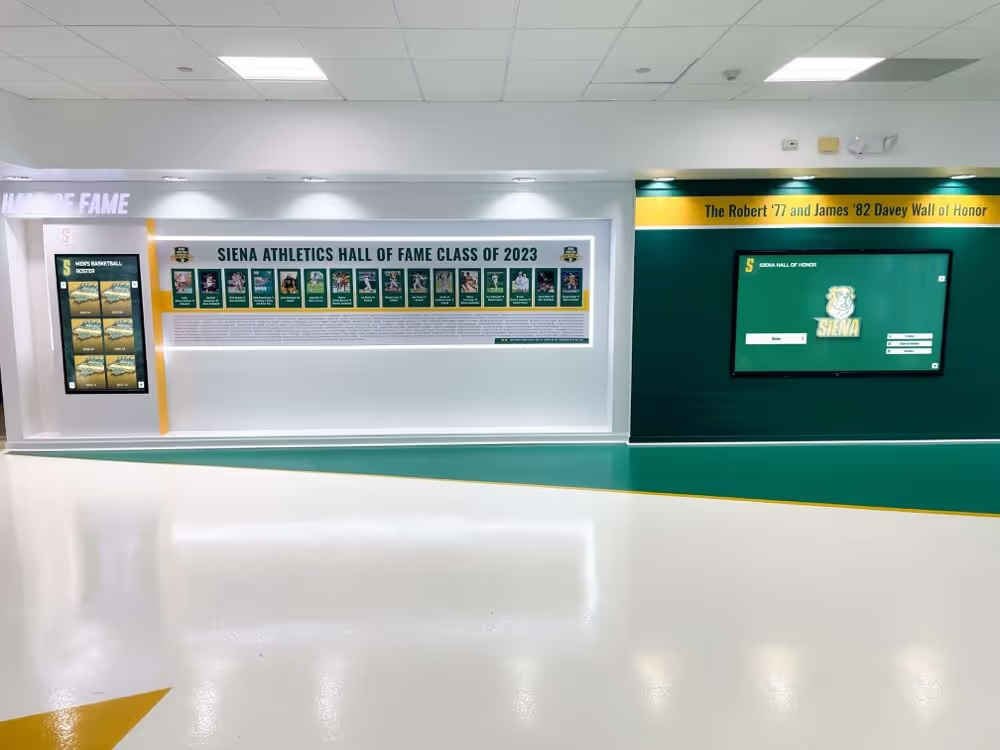
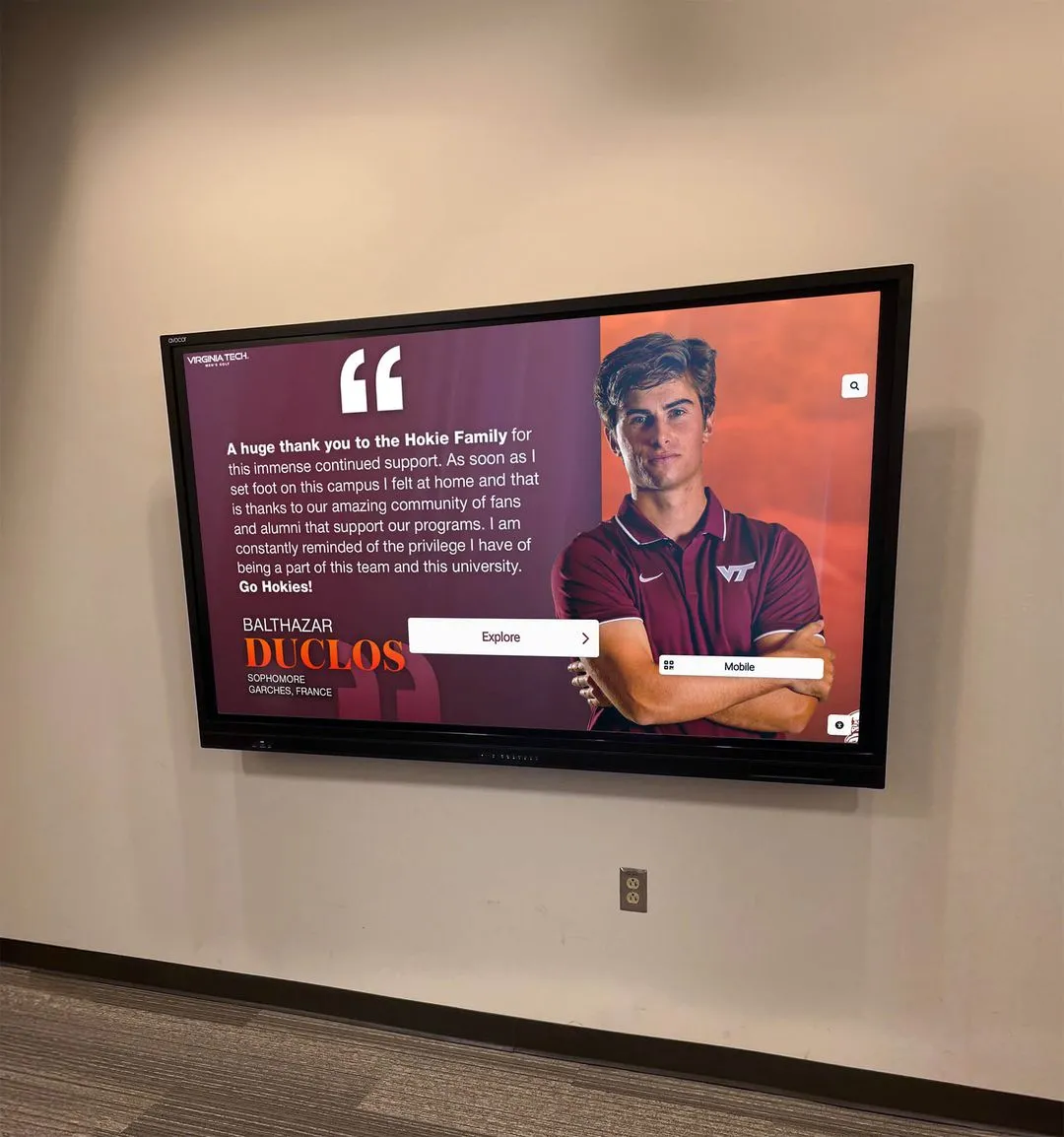
Digital inductee profiles showcase each member's instrument, years in the program, service contributions, and personal statements about their musical journey
Chapter Leadership and Officer Roles
Active Tri-M chapters are student-led, with elected officers playing a central role in planning events, coordinating service projects, and maintaining the chapter’s culture. Strong officer structures are one of the most reliable indicators of a healthy, sustainable chapter.
Typical Officer Positions
Most chapters include the following officer roles:
President — Leads chapter meetings, coordinates with the advisor, represents the chapter at school and community events, and provides the public face of Tri-M within the school.
Vice President — Supports the president and typically takes responsibility for specific program areas such as service coordination or event planning.
Secretary — Maintains meeting minutes, manages membership records, and handles correspondence including induction invitations and thank-you notes to community partners.
Treasurer — Manages chapter finances including dues collection, fundraising proceeds, and expense tracking for events and service projects.
Historian — Documents chapter activities through photographs, written records, and archives that preserve the chapter’s story for future members. Many chapters have expanded this role to include social media and digital content creation.
Section Representatives — Some larger chapters elect representatives from each ensemble section to ensure diverse voices inform chapter decisions.
Developing Leadership Skills Through Tri-M
Officer positions give students experience with meeting facilitation, budget management, event planning, and community partnership development—skills that have significant value beyond the chapter’s musical mission. Directors who treat officer training seriously produce chapter leaders who grow measurably through their tenure.
The leadership development arc in Tri-M mirrors what administrators see in other high-achieving student programs. Just as schools track academic excellence awards and how top students are recognized, Tri-M officer recognition should carry a comparable level of institutional visibility.
Community Service and Tri-M
Service to the community through music is one of the defining characteristics of the Tri-M model—and one of the features that distinguishes active chapters from those that function primarily as a credential-granting organization.
Types of Music Service Projects
Successful Tri-M chapters integrate service across several dimensions:
Performing for the Community — Concerts at retirement communities, hospitals, community centers, and places of worship. These performances bring music to audiences who might not otherwise experience live student performances, and they give Tri-M members performance experience in non-competitive settings.
Music Education Outreach — Members visit elementary schools or after-school programs to introduce young children to instruments, music theory basics, or the experience of hearing live music up close. This mentorship dimension deepens members’ own understanding of music while creating a pipeline of future music students.
Instrument Collection and Repair Drives — Partnering with community organizations to collect donated instruments for underserved students, or fundraising to support instrument repair programs in schools without adequate budgets.
Festival and Event Support — Providing musical entertainment for school events, community festivals, fundraisers, and civic occasions creates goodwill and visibility for the music program while connecting students to their broader community.
Music Advocacy — Some chapters take on advocacy projects, presenting to school boards or community organizations about the educational value of music programs, particularly in districts facing budget pressures.
Tracking and Documenting Service Hours
Systematic service documentation serves multiple purposes: it provides data for chapter reports to NAfME, creates accountability for individual members, and builds a record of community impact that directors can share with administrators and school boards when making the case for program resources.
Many chapters use simple Google Forms or shared spreadsheets for service hour logging, with the historian maintaining a master record. Annual service statistics—total hours served, number of performances, community members reached—give chapters compelling data to share with school leadership and to include in community honors display systems that celebrate student contributions throughout the year.
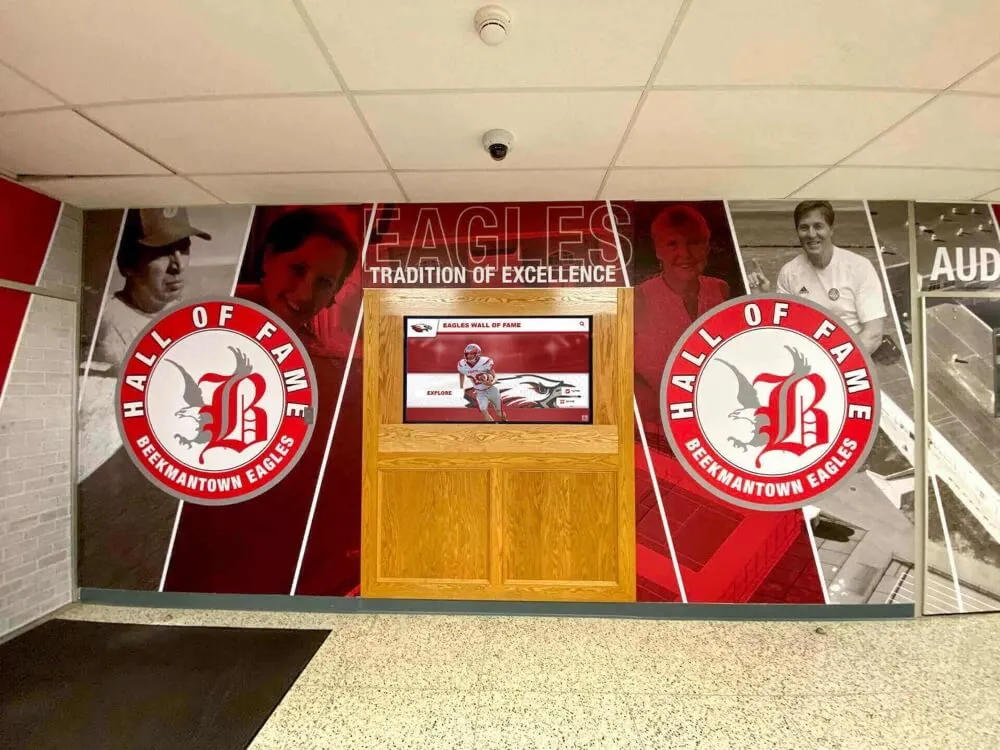
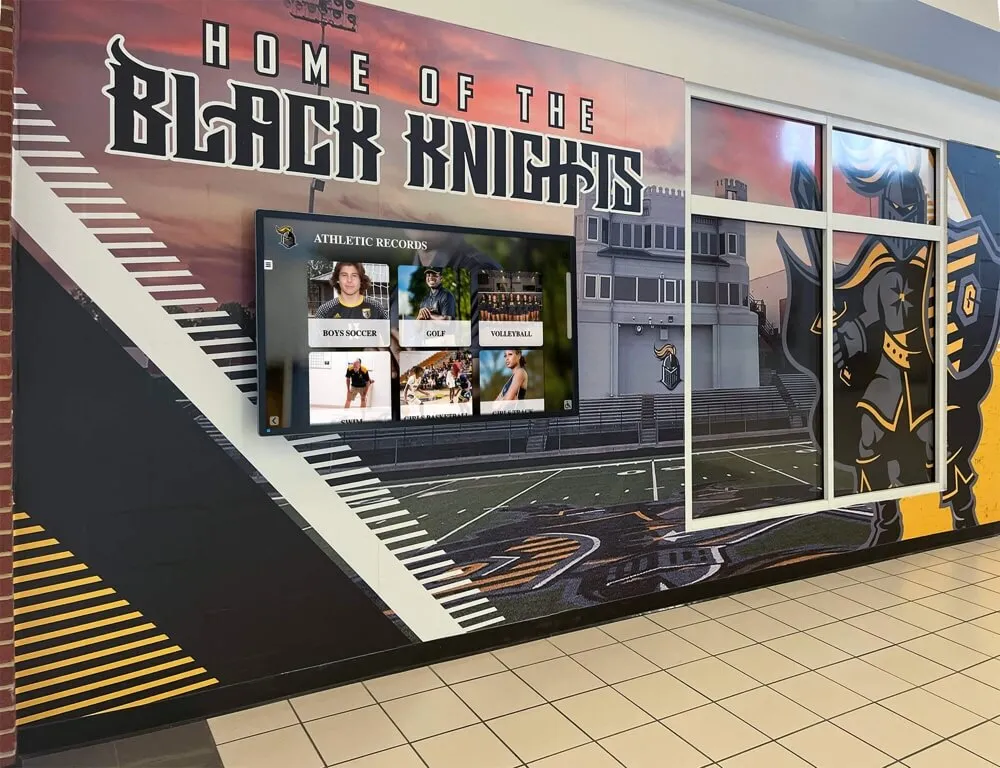
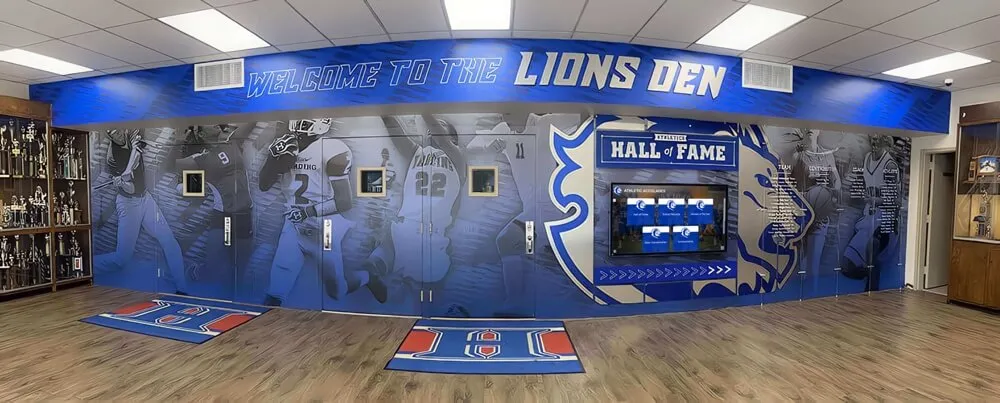
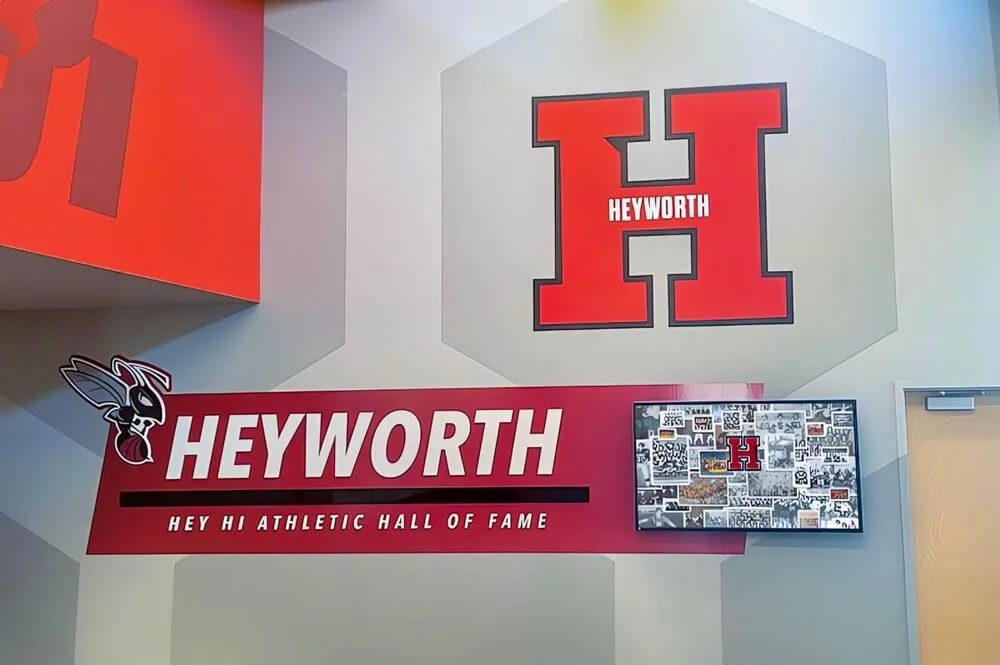
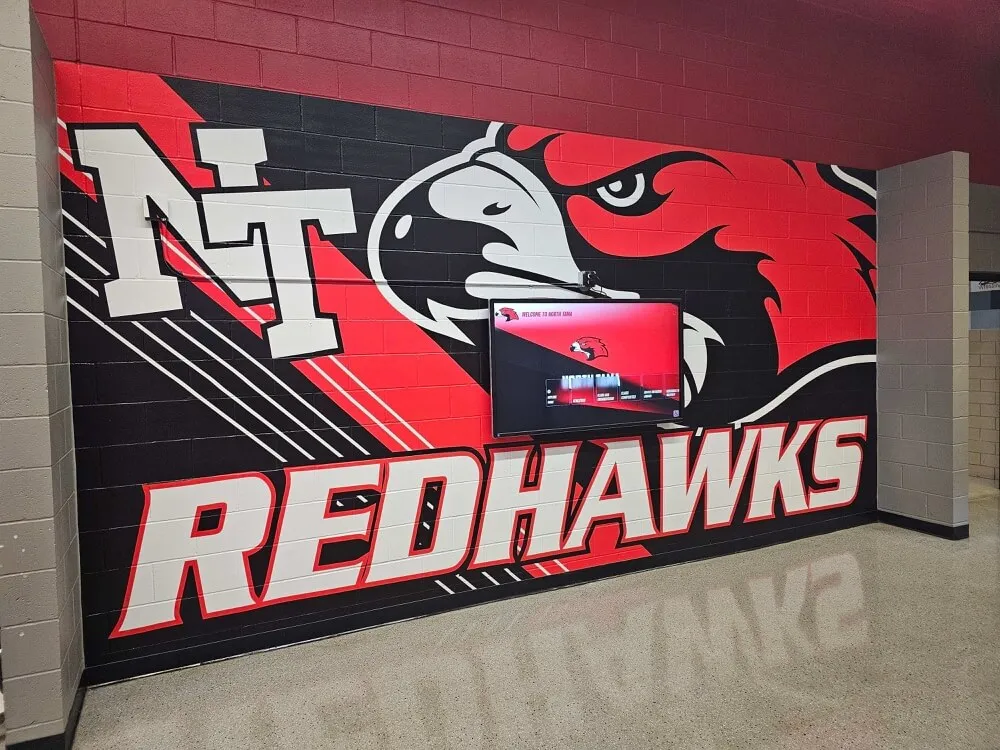
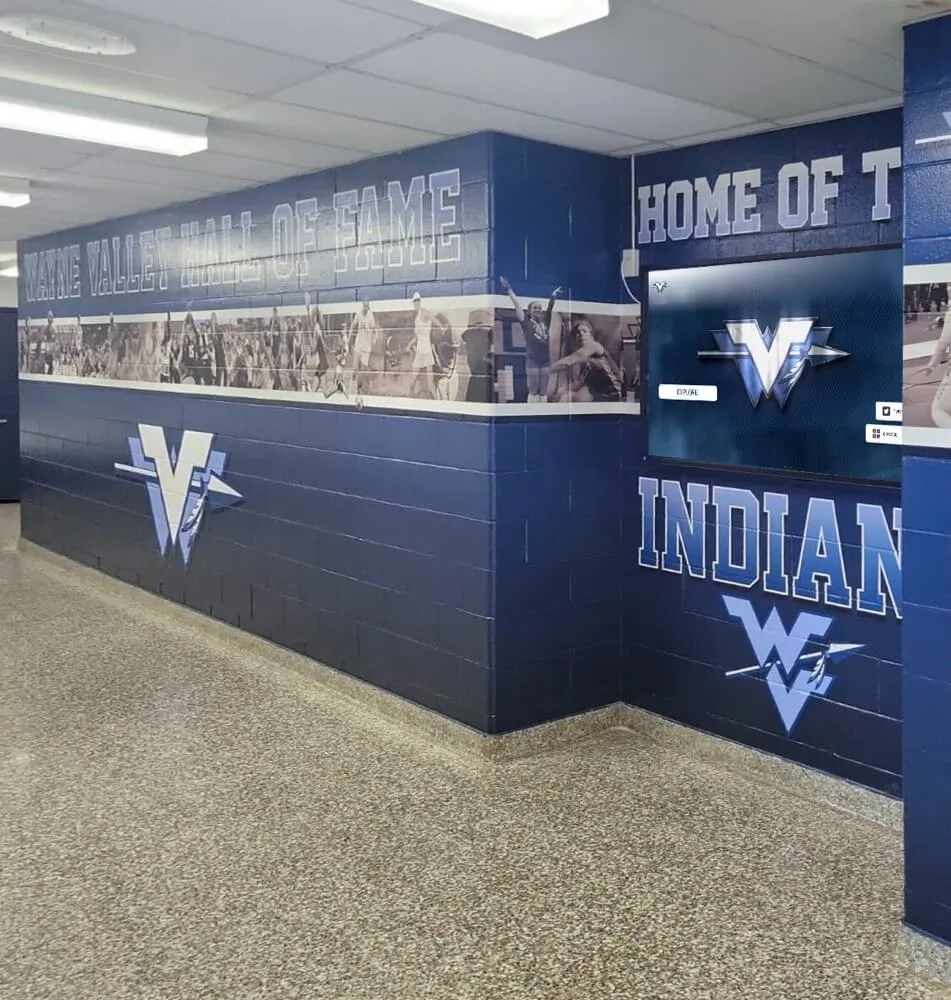
Integrated mural and digital display installations give music programs a cohesive recognition environment that honors current inductees alongside historical legacy
How Schools Recognize and Display Tri-M Inductees
The induction ceremony is a single moment. The most effective programs create recognition systems that keep Tri-M visible throughout the school year and across multiple years—so current students understand what membership means and prospective members see a clear picture of what they are working toward.
Physical Recognition and Display Options
Dedicated Bulletin Boards and Hallway Displays — A well-designed bulletin board or hallway display near the music wing showcasing current chapter members, officer photos, and recent service activities creates daily visibility. Updated each year, these displays become informal archives that students, families, and visitors naturally engage with.
Framed Photo Galleries — Professional or high-quality photos of each inductee cohort, framed and displayed in the music hallway or rehearsal room, create a visual record of the chapter’s history. Long-running chapters with 20+ years of photos have particularly powerful galleries that make the society’s legacy tangible.
Engraved Plaques and Name Walls — Some music programs invest in engraved plaques listing each year’s inductees, mounted permanently in the music wing or a general achievement hallway. These permanent installations communicate that Tri-M membership is a genuine distinction worth commemorating in lasting materials.
Trophy Cases and Achievement Cabinets — Incorporating Tri-M certificates, pins, and chapter awards into existing trophy cases alongside athletic and academic recognition ensures that music program achievements receive parity in the school’s broader recognition culture.
Schools can also work scholarship recognition into their Tri-M displays—pairing inductee names with the scholarship certificates and documentation that accompany major music awards gives the recognition wall additional depth and context.
Digital Recognition for Tri-M Chapters
Modern digital display systems offer capabilities that physical displays cannot match: unlimited capacity, easy content updates, rich media including photos and video, and interactive features that help visitors explore chapter history in depth.
Digital Signage in Music Hallways — A digital display screen near the music suite can rotate between current inductee profiles, upcoming performance announcements, service project highlights, and chapter news. This type of display communicates that the music program is active, organized, and worth paying attention to year-round.
Interactive Touchscreen Kiosks — Interactive displays allow students and visitors to explore years of Tri-M inductees, listen to past performances, and learn about the service projects that define each chapter’s contribution to the community. Schools that implement online awards display platforms for their recognition programs find that interactivity increases engagement dramatically compared to static displays.
Hall of Fame Integration — Music programs that are part of broader school hall of fame installations can include a dedicated Tri-M section, allowing music achievement to be recognized alongside athletic and academic excellence in a single, comprehensive recognition environment.
Digital Profiles for Each Inductee — Rather than just a name on a list, digital systems can display a rich profile for each Tri-M member: their instrument, years in the program, service contributions, and a brief personal statement about what music has meant to them. This depth of recognition honors individual members while creating compelling content that prospective members and families engage with during school visits.
When schools think through FERPA-compliant student photo display approaches, they find that digital platforms make it straightforward to manage consent, update content, and protect student privacy while still delivering visually compelling recognition.
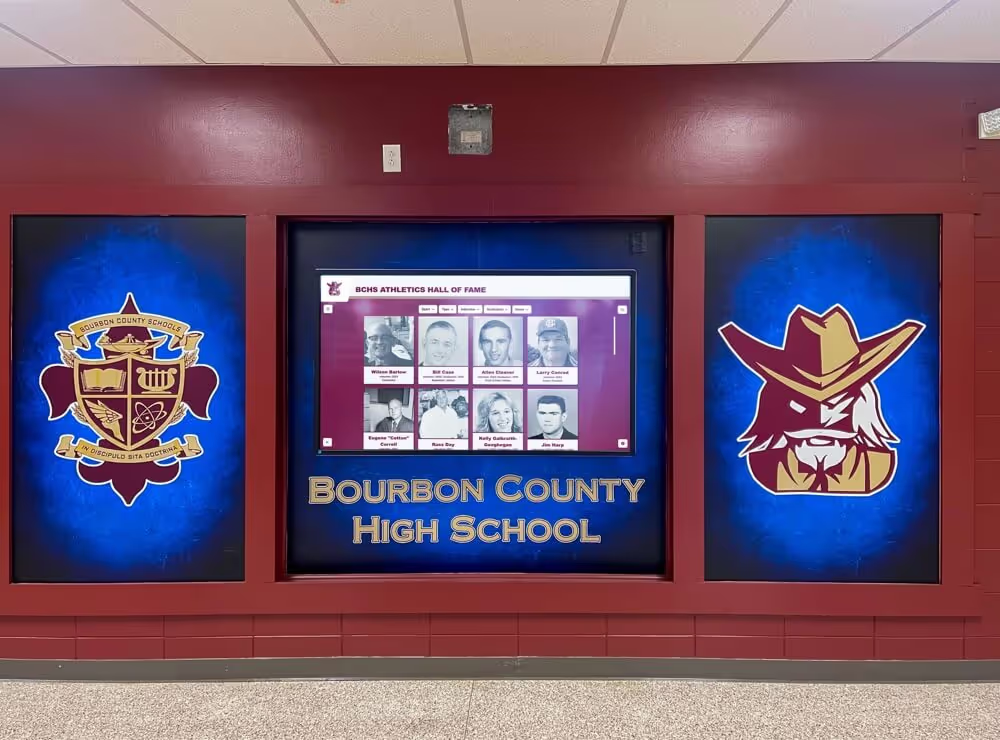
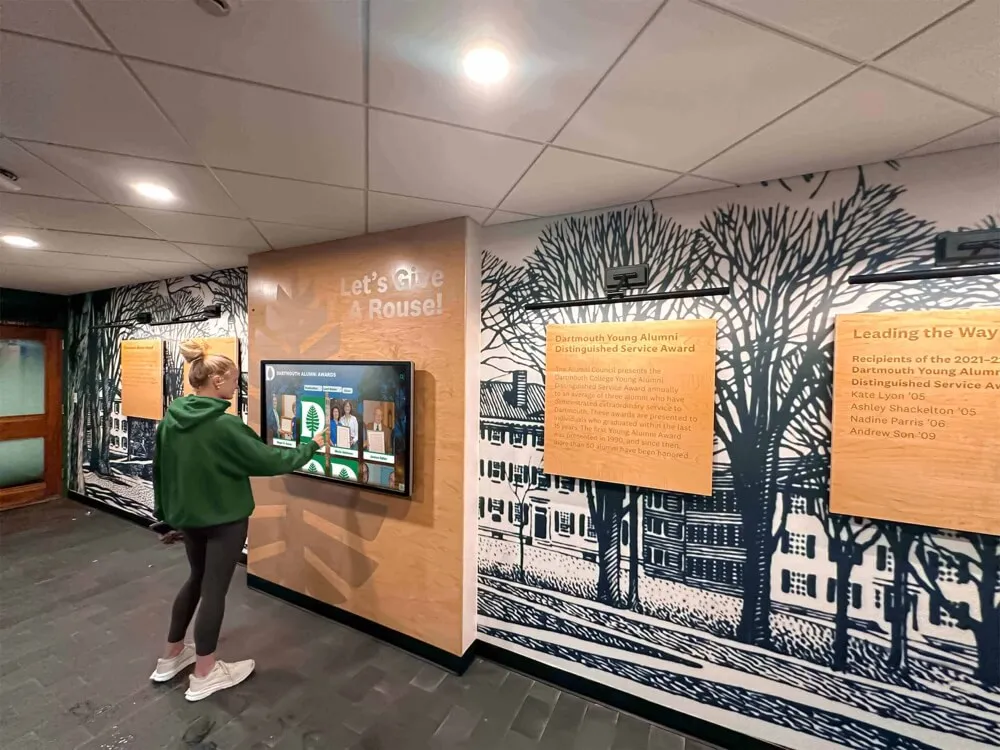
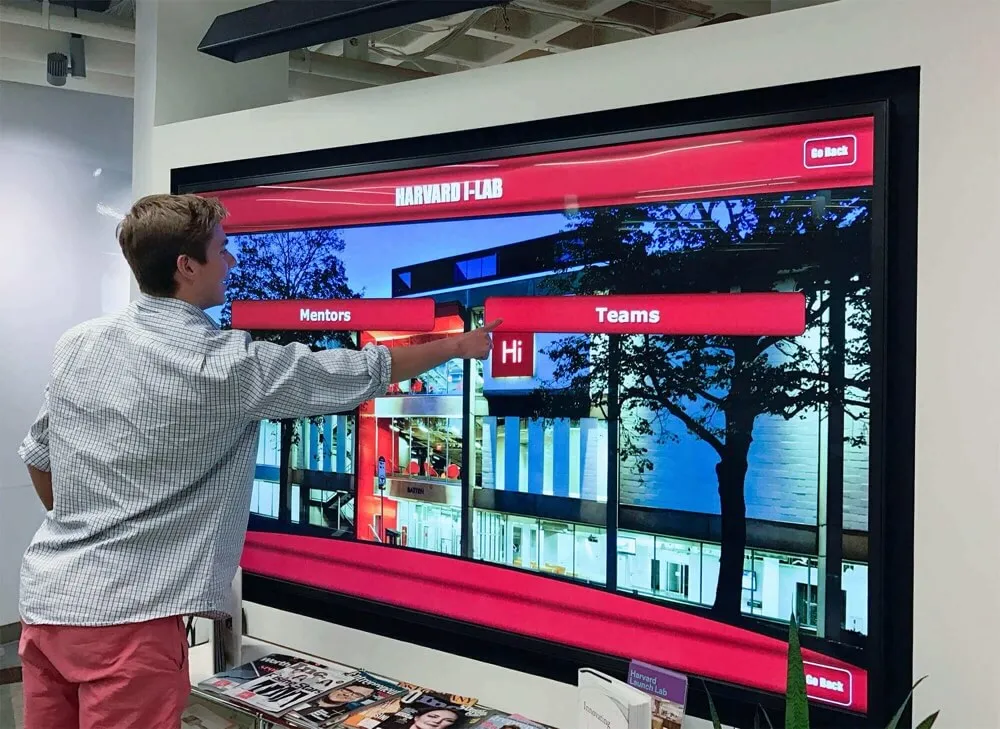
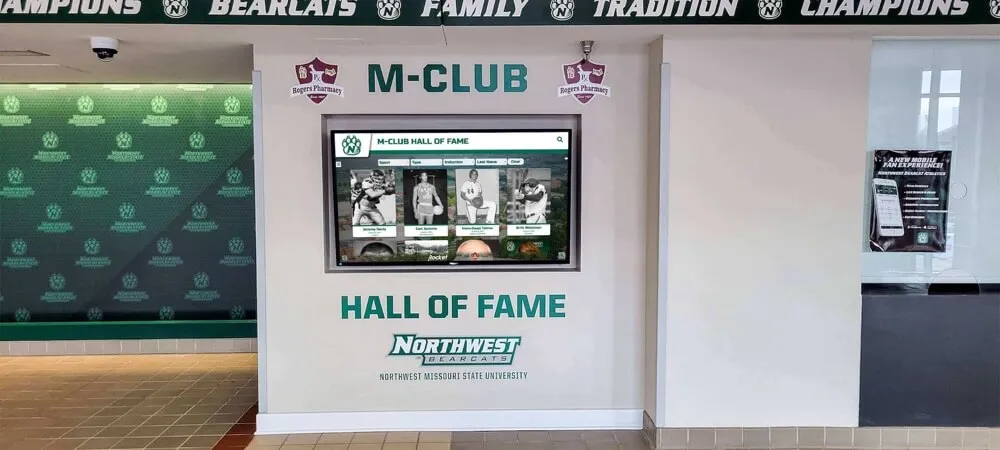
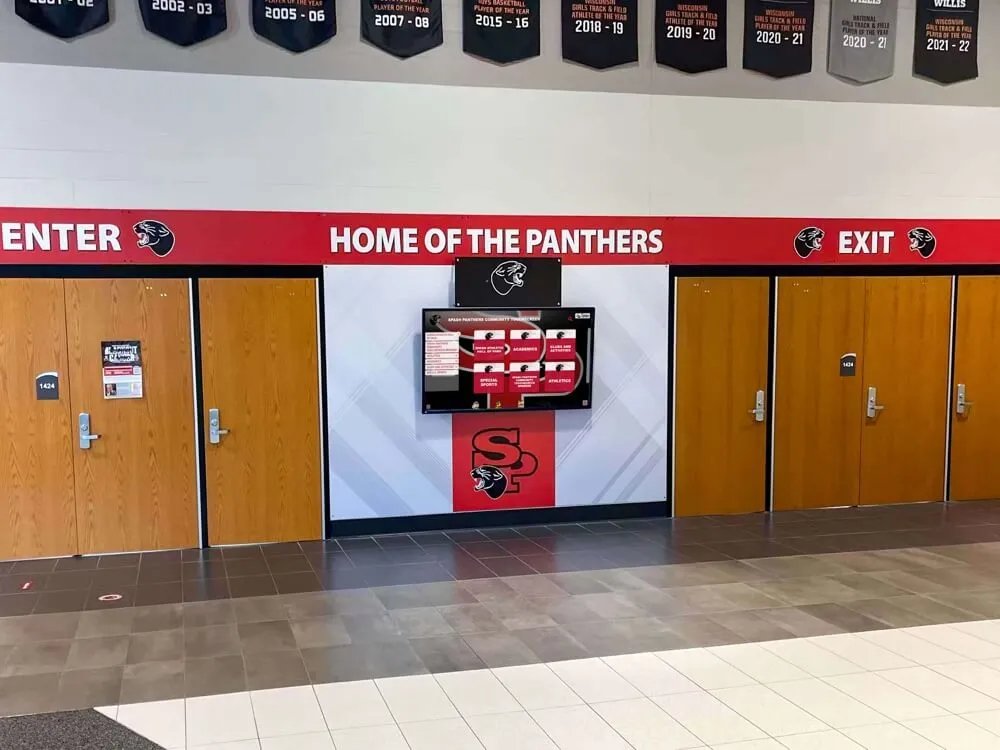
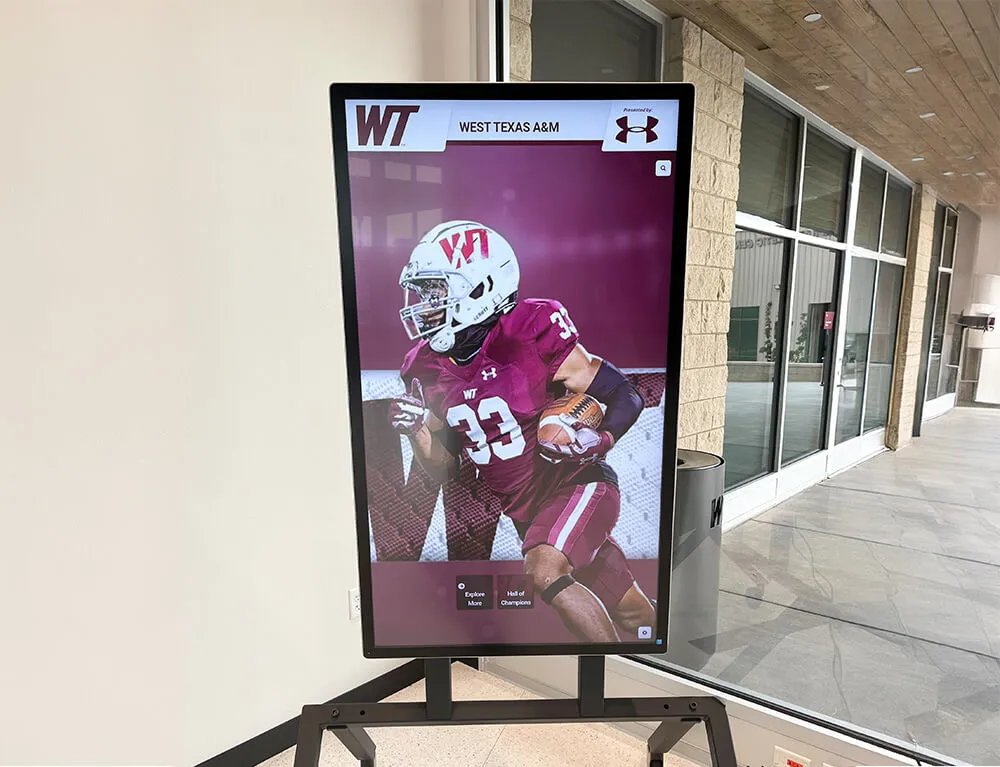
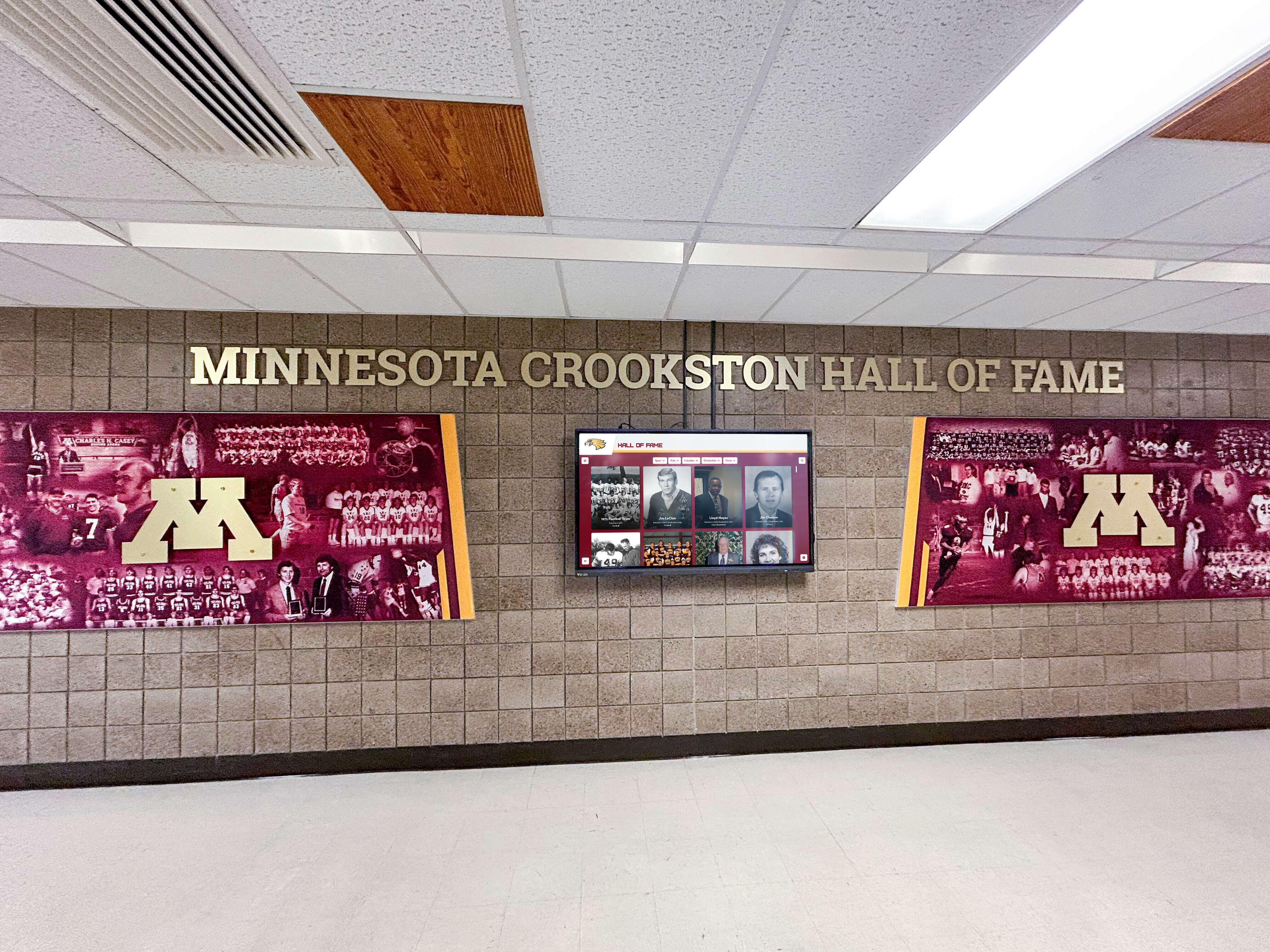
Lobby-placed interactive kiosks invite students, families, and community members to explore the full history of honor society inductees on demand
Recognizing Chapter Officers Separately
Chapter officers have taken on additional responsibilities beyond membership requirements, and their contributions deserve distinct recognition. Effective approaches include:
- A separate officer display board in the music suite listing the current year’s officers with photos and their role descriptions
- Individual acknowledgment at the induction ceremony for outgoing and incoming officers
- Officer-specific certificates or awards presented at end-of-year ceremonies
- Recognition in the school’s end-of-year awards program alongside other student leadership honorees
This differentiated recognition ensures that students who commit to leadership roles receive appropriate visibility for their additional contribution.
Connecting Tri-M to Broader School Recognition Culture
Music programs that operate recognition in isolation miss opportunities to connect Tri-M’s prestige to the school’s broader culture of excellence. The most effective programs integrate music honor society recognition into the school’s overall recognition ecosystem.
Aligning with Academic Achievement Recognition
Tri-M membership overlaps significantly with the student population recognized for other academic distinctions. Schools that display National Merit Scholars and other high achievers in their hallways and lobbies often find that the same students earn Tri-M membership—placing Tri-M recognition alongside these other honors communicates clearly that musical excellence is intellectually serious work.
Academic recognition traditions can also inform Tri-M ceremony design. The language, structure, and ceremony elements used to honor students who distinguish themselves academically—including the way schools communicate the distinction between valedictorian and salutatorian honors—offer useful models for how Tri-M chapters can differentiate levels of achievement within their own membership structures.
Donor and Booster Integration
Music programs that have benefited from donor support—through instrument donations, scholarship funds, or facility sponsorships—have an opportunity to connect Tri-M recognition with donor acknowledgment in ways that strengthen both programs.
Long-running Tri-M chapters can establish endowed awards recognizing the chapter’s outstanding member each year—named for a founding advisor, a prominent alumni musician, or a generous donor who has supported the program. These named awards deepen the chapter’s sense of tradition while providing donors with meaningful, visible recognition.
Music booster organizations that support Tri-M financially—covering induction ceremony costs, pins, certificates, or service project expenses—deserve acknowledgment at ceremonies and in chapter communications.
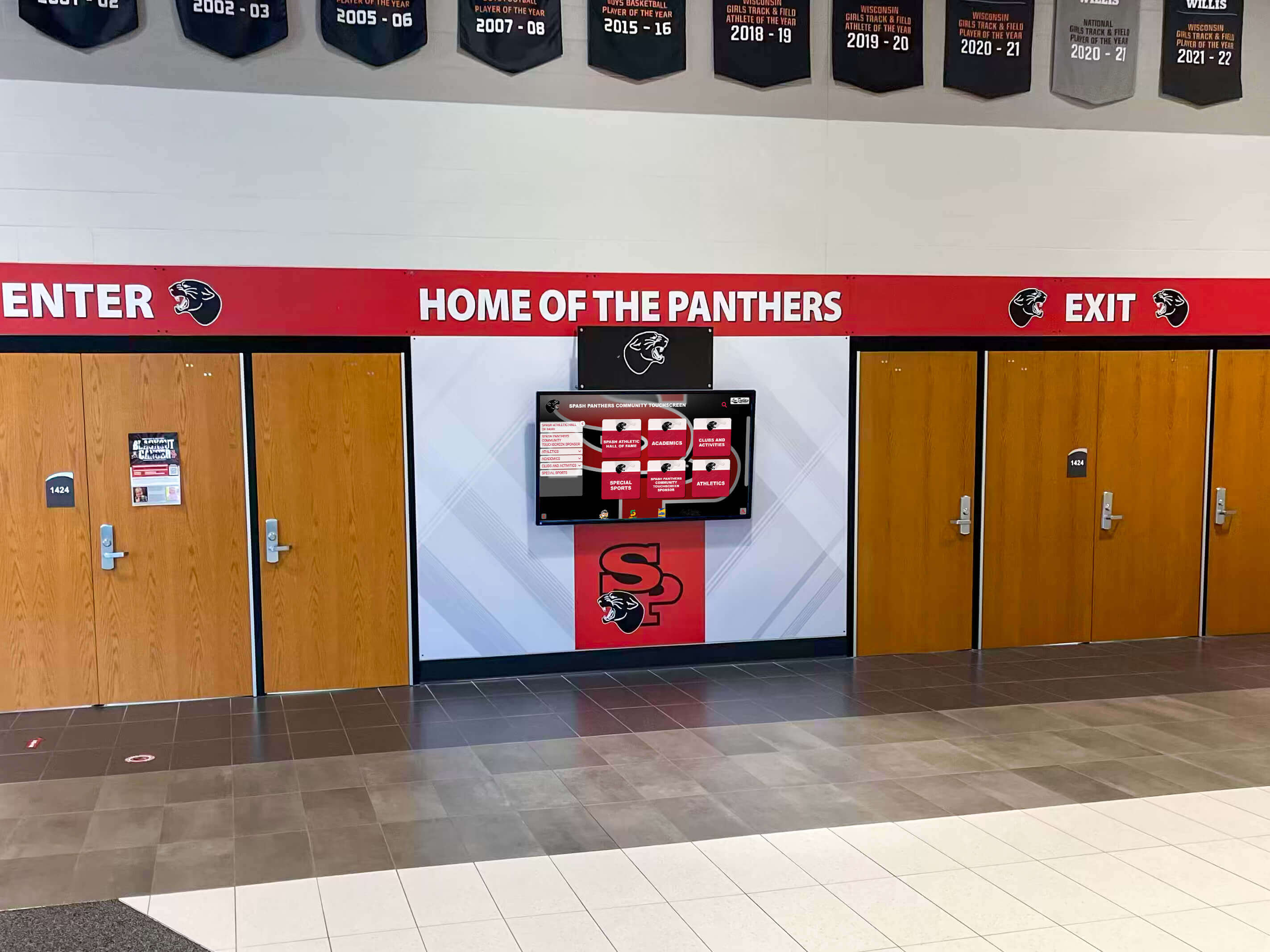
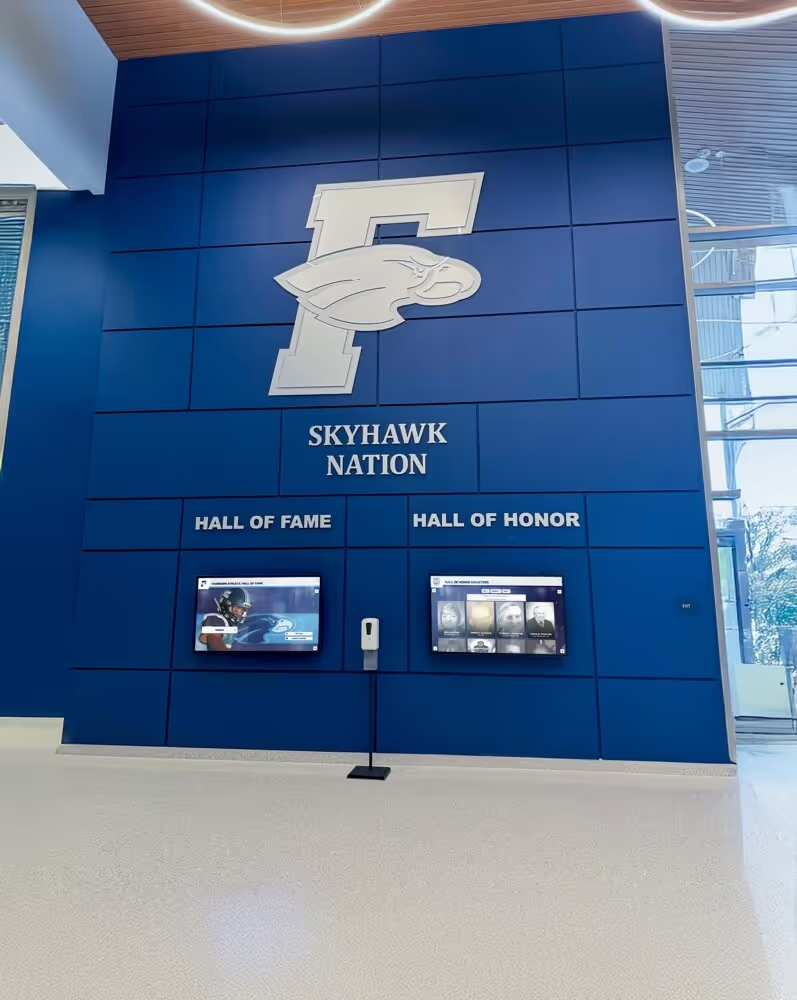
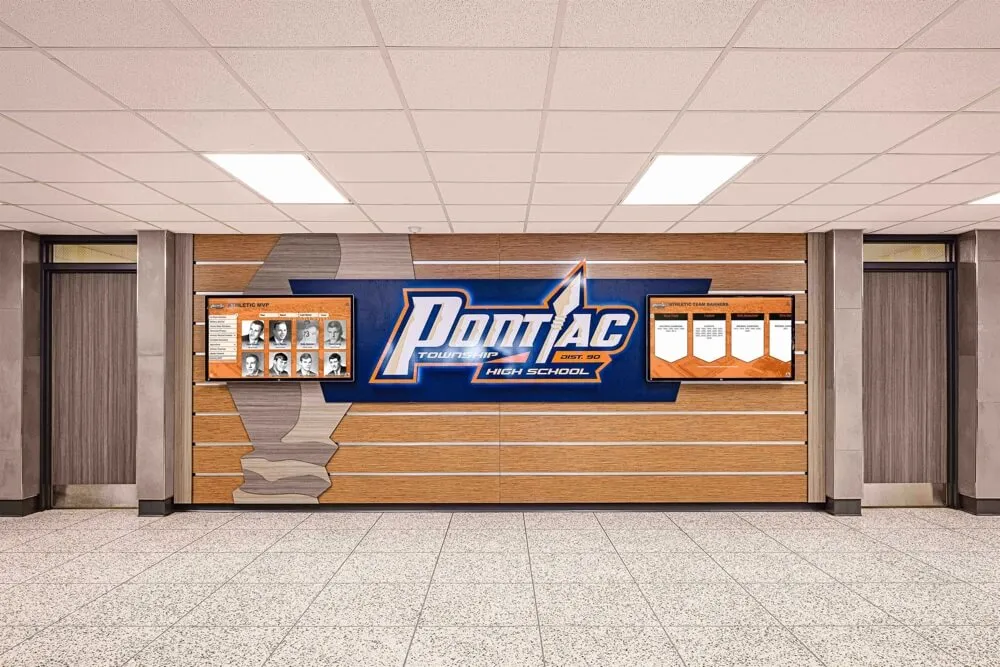
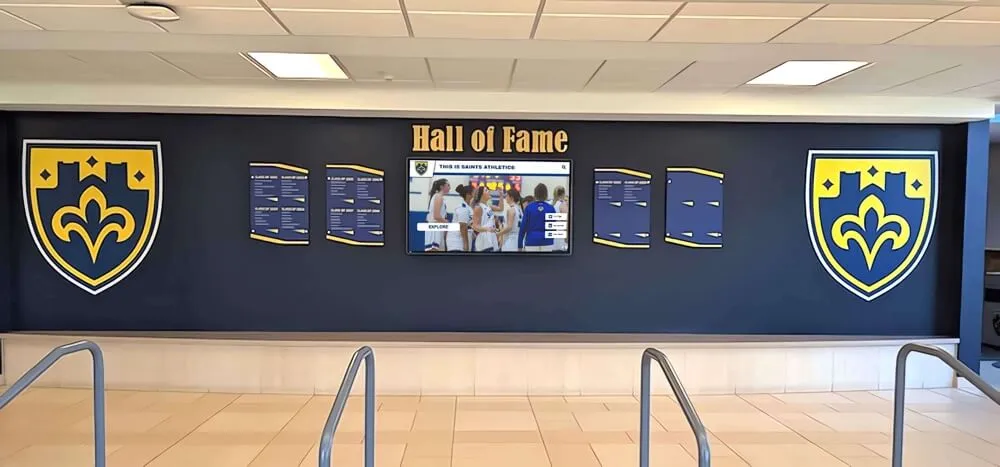
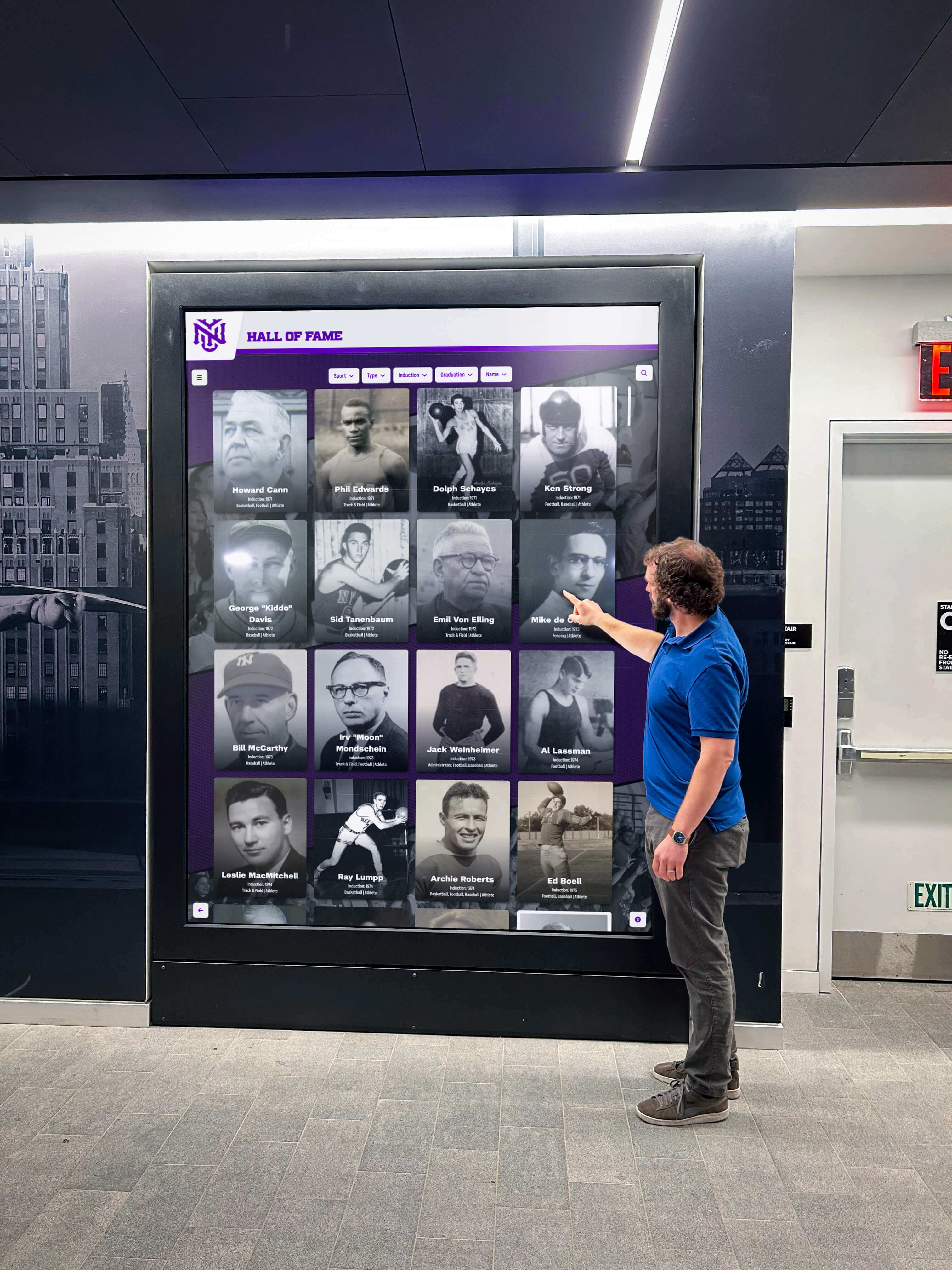
Placement of recognition displays near building entrances ensures that Tri-M achievement is among the first things students, families, and visitors encounter when entering the school
Building a Long-Term Tri-M Legacy
The chapters that become genuinely prestigious within their school communities are those that build consistent traditions over many years—traditions that students look forward to, families remember, and alumni associate with formative experiences in their musical education.
Documenting Chapter History
Chapters that systematically archive their history create lasting resources:
- Annual photo documentation of inductees and chapter events
- Service project summaries showing cumulative community impact
- Officer histories listing every student who has served in leadership
- Performance archives documenting where and when the chapter has served
- A chapter scrapbook or digital archive that historians maintain year over year
This documentation becomes increasingly valuable over time. A chapter with 20 years of consistent records has something genuinely rare: a detailed, human-scale history of student musical achievement that can be explored, celebrated, and built upon by future members and alumni alike.
Alumni Engagement and Chapter Identity
Strong chapters create strong alumni networks. When former Tri-M members maintain a sense of identity with their chapter, they become potential mentors, community performance partners, and donors to the program that shaped them.
Some directors organize periodic alumni recognition events, inviting past inductees to return for special performances or anniversary celebrations. Others maintain alumni contact lists and share chapter news through email newsletters. Schools that use school recognition days strategically throughout the year find that music honor society recognition integrated into these events reaches families and community members who might otherwise not engage with the chapter.
Advocating for Music Through Tri-M Visibility
When Tri-M recognition is visible throughout a school—through hallway displays, digital installations, ceremony programs distributed to families—it contributes to a broader argument that music is a serious, rigorous discipline producing students of exceptional character and commitment.
In schools where music programs face resource competition from other disciplines or extracurricular activities, visible recognition systems provide concrete evidence of the program’s value. Administrators walking past a hallway display listing 30 years of Tri-M inductees experience something different from an administrator who has never seen music program achievements displayed publicly—and that difference matters when budget conversations happen.
Frequently Asked Questions About Tri-M Music Honor Society
How does Tri-M differ from National Honor Society?
Both organizations recognize outstanding students and require academic achievement, character, leadership, and service. Tri-M is specifically for music students and adds a musical achievement component as a core eligibility criterion. Students can—and often do—belong to both organizations simultaneously.
Can students in non-performance music courses be eligible for Tri-M?
This depends on the chapter’s specific criteria. Most chapters require active participation in a performance ensemble, but some chapters allow students in music theory, music technology, or music history courses to be considered if they can demonstrate significant musical engagement. Directors should establish clear criteria that their chapter community understands and agrees with.
How many members should a typical Tri-M chapter have?
Chapter size varies enormously based on school size and program structure. Small school chapters might induct 5–10 students per year, while large programs may induct 30 or more. NAfME does not set a maximum membership requirement. Directors should calibrate selectivity to ensure membership feels meaningful without creating artificial scarcity that excludes deserving students.
What is the cost of starting a Tri-M chapter?
Schools pay an annual chapter fee to NAfME for official chapter status and access to resources, materials, and the national organization’s support. Individual chapter budgets vary, with most costs associated with the induction ceremony—pins, certificates, programs, and any reception—and service projects. Many chapters collect modest annual dues from members to cover operating expenses, supplemented by booster organization support or school activity fund allocations.
How should schools handle a student who meets academic requirements but has behavioral concerns?
Character is a core Tri-M criterion, and most chapter constitutions give the selection committee—typically the advisor and a faculty committee—discretion to consider character concerns in the selection process. Chapters should have clear written policies establishing how character concerns are evaluated to ensure consistent, defensible decision-making.
Conclusion: Making Tri-M Membership Mean Something
The Tri-M Music Honor Society gives schools a nationally recognized framework for identifying and honoring their most dedicated, well-rounded student musicians. But the framework is only as valuable as the experience the chapter creates around it.
Chapters that invest in thoughtful induction ceremonies, active service programs, strong officer development, and visible recognition displays build organizations that students genuinely want to join—not because membership looks good on a college application, but because the chapter stands for something real within the school community. That kind of organizational culture is built incrementally, year by year, through consistent decisions about what Tri-M stands for and how the school communicates its value.
Whether your chapter has been active for decades or you are considering starting one for the first time, the principles are the same: set meaningful standards, celebrate inductees in ways that honor their achievement, connect members to service and leadership opportunities that develop their character, and make recognition visible enough that the broader school community understands what Tri-M membership represents.
When schools get this right, Tri-M becomes more than an honor society—it becomes a defining feature of the music program’s identity and a source of pride for students, families, and alumni long after the graduation ceremony.
Ready to create lasting, visible recognition for your Tri-M chapter and music program? Explore how Rocket Alumni Solutions helps schools display student achievement through interactive digital recognition systems designed specifically for educational environments.