



Team bonding ideas for sports go far beyond simple icebreaker activities—they form the foundation of championship cultures where athletes trust each other, communicate effectively, and perform at their highest potential when it matters most. The difference between good teams and great teams often lies not in individual talent alone, but in the strength of connections forged between teammates through intentional relationship-building experiences.
Yet many coaches struggle to move beyond traditional team dinners or generic trust falls. Athletes increasingly disengage from activities that feel forced or disconnected from their actual sport experience. Meanwhile, teams with the strongest bonds—those who celebrate together, support each other through adversity, and hold one another accountable—consistently outperform more talented but disconnected rosters.
This comprehensive guide explores evidence-based team bonding strategies specifically designed for athletic teams, from creative off-field activities to recognition practices that reinforce team identity and shared purpose throughout the season.
Building genuine team chemistry requires intentional planning, consistent implementation, and authentic activities that resonate with today’s athletes. The most effective approaches combine structured team-building exercises with organic opportunities for connection while creating visible reminders of shared accomplishments that sustain motivation through challenging moments.

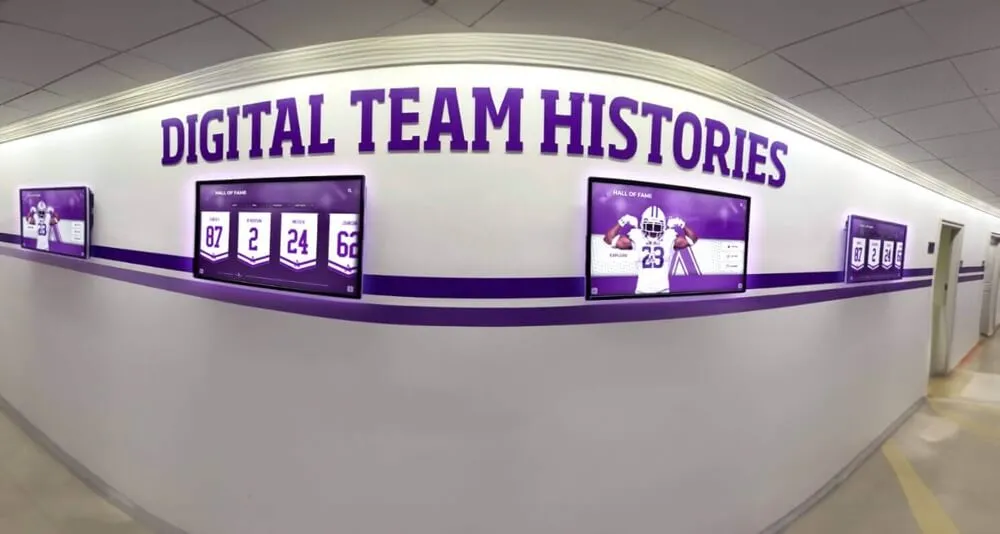
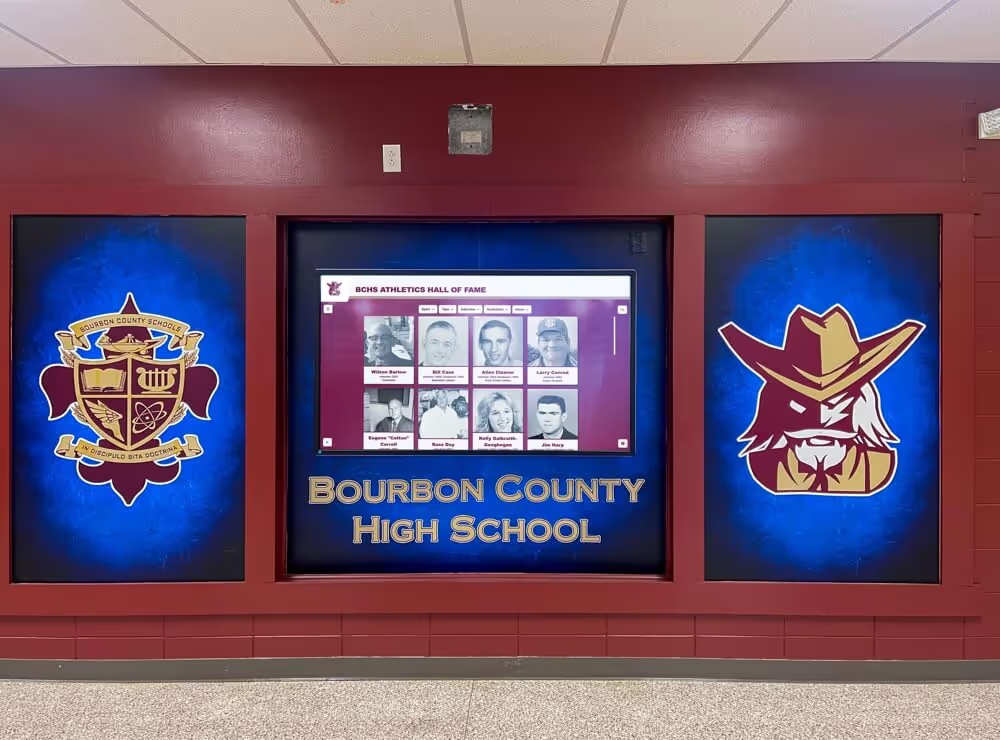
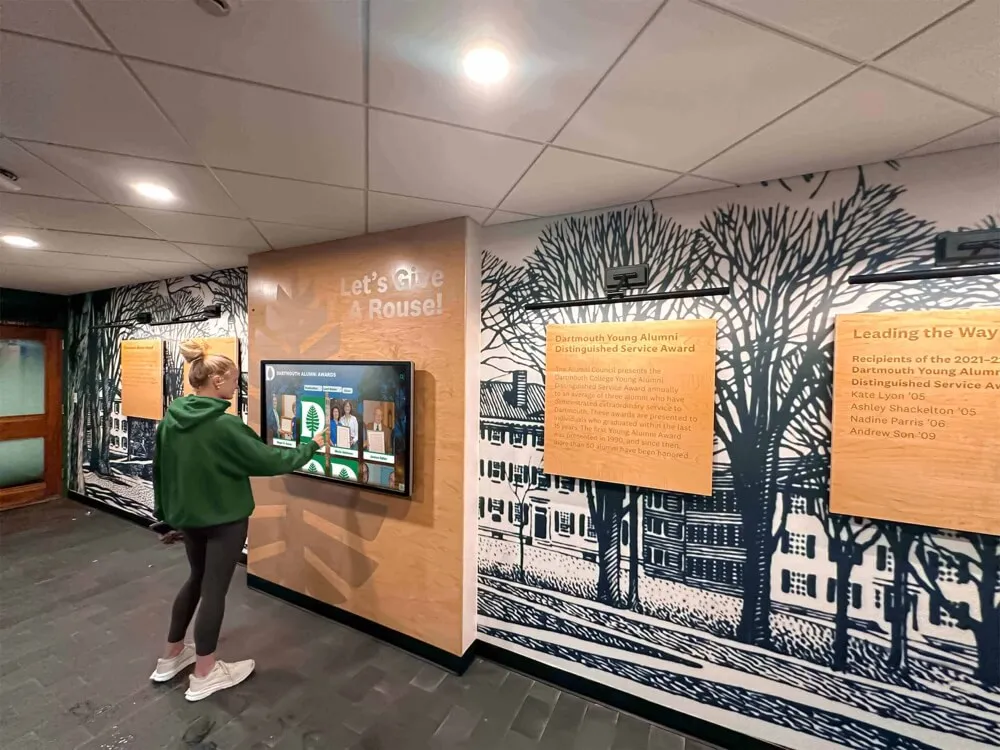
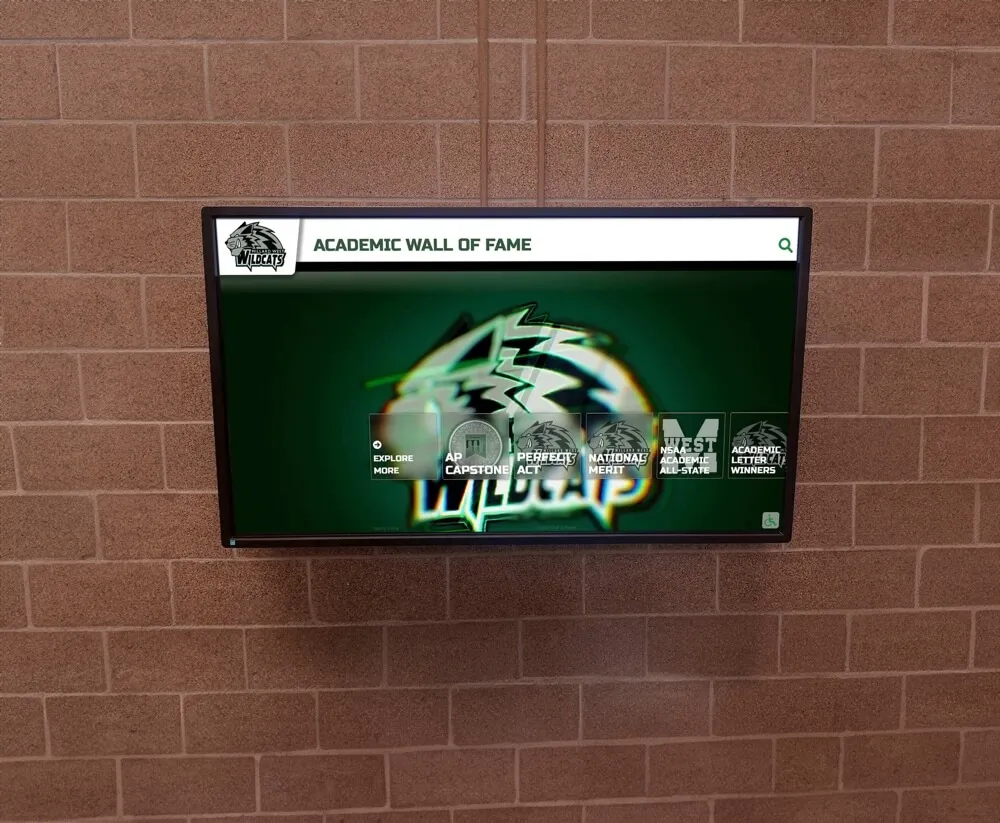
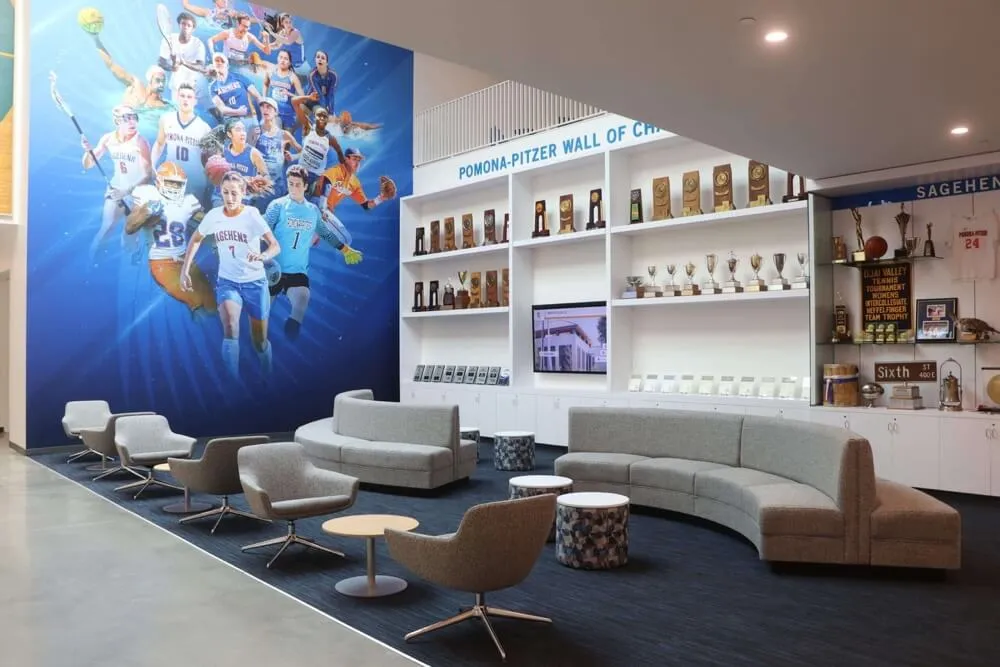
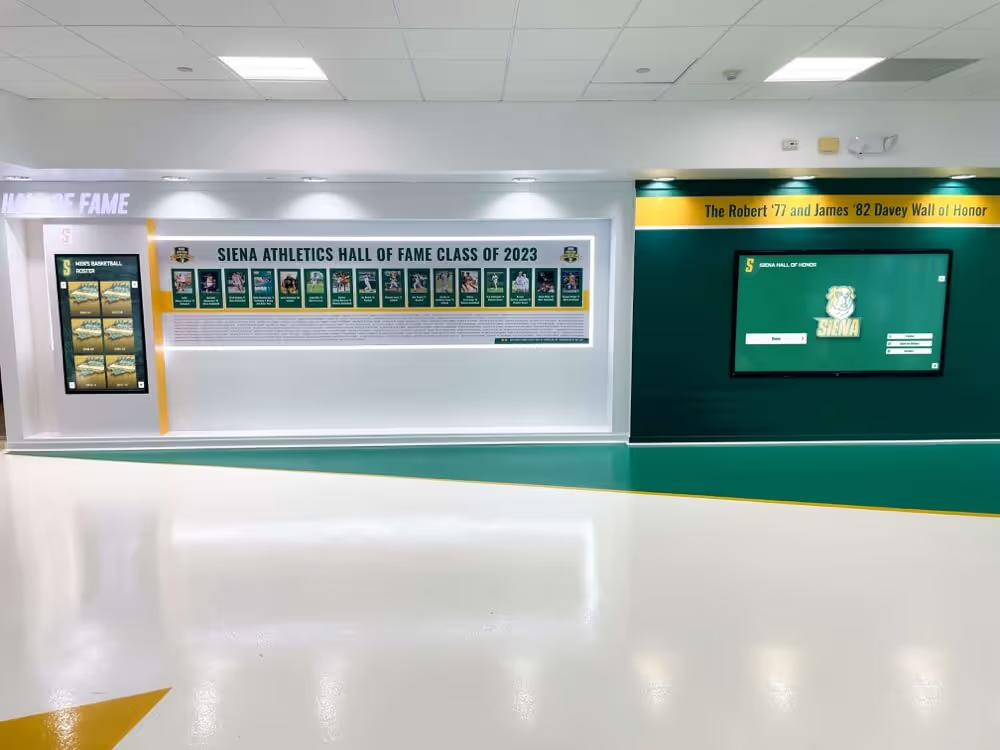
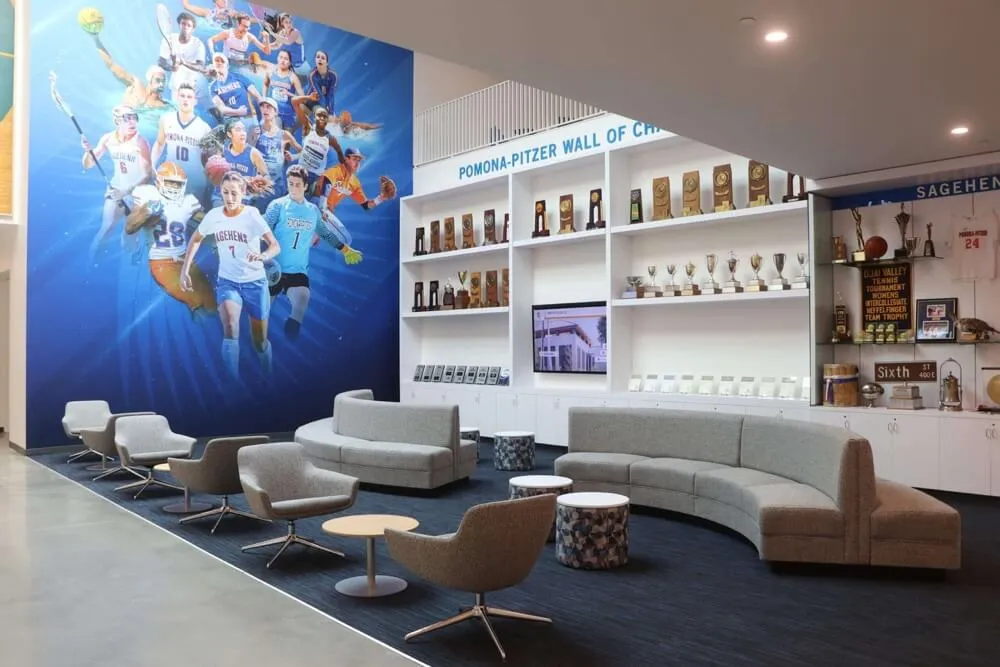
Championship environments combine functional athletic spaces with visual celebration of team history and achievements
Why Team Bonding Matters in Athletic Performance
Understanding the research-backed connection between team cohesion and performance helps coaches and athletic directors prioritize relationship-building activities.
The Performance Impact of Team Chemistry
Athletic psychology research consistently demonstrates how team bonding directly affects competitive outcomes:
Enhanced On-Field Performance
- Teams with high cohesion demonstrate 15-20% better performance under pressure situations
- Strong team relationships improve communication during games when split-second decisions matter
- Athletes with close teammate bonds push harder during conditioning and training
- Team unity reduces individual performance anxiety through social support systems
Improved Practice Quality
- Connected teammates provide more constructive feedback during skill development
- Team bonding increases practice attendance and reduces early-season dropout rates
- Athletes with strong peer relationships maintain higher effort during repetitive drills
- Positive team culture attracts and retains talented athletes across seasons
According to research published in the Journal of Applied Sport Psychology, teams with intentional bonding programs show significantly higher task cohesion—the degree to which team members work together toward common goals—compared to teams relying solely on sport participation for relationship development.
Beyond Performance: Holistic Benefits
Team bonding creates positive impacts extending beyond wins and losses:
Character Development
- Leadership skills emerge through team building activities requiring collaboration
- Athletes develop communication abilities applicable far beyond sports
- Team experiences teach conflict resolution and emotional regulation
- Shared adversity builds resilience and mental toughness
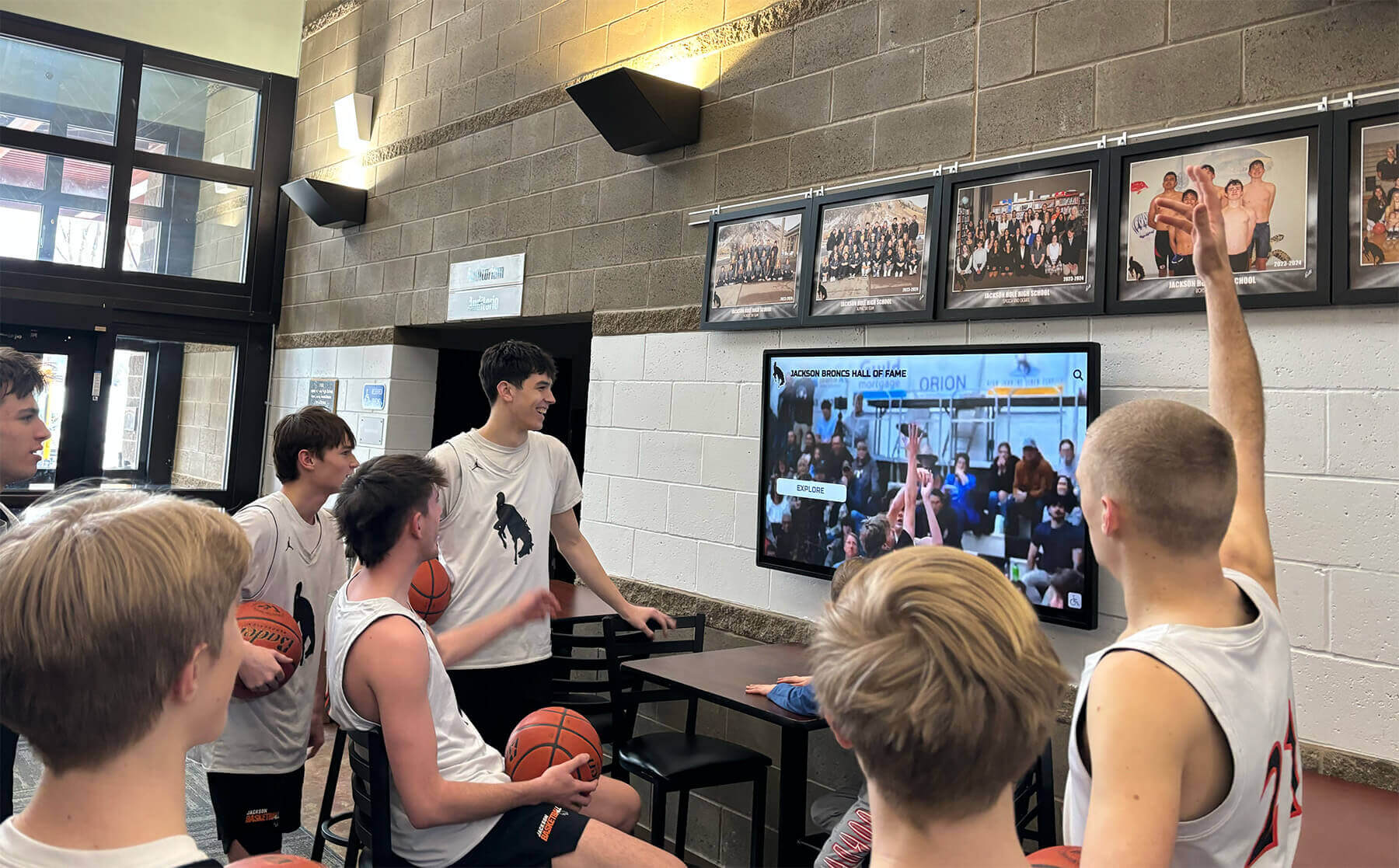
Creating visible connections to team history helps athletes understand they're part of something larger than themselves
Student-Athlete Well-Being
- Strong team relationships reduce depression and anxiety in student-athletes
- Social support networks from teams improve overall school experience
- Athletic connections create sense of belonging critical during adolescence
- Team bonds provide safety nets during personal challenges
The key to maximizing these benefits lies in implementing diverse bonding strategies throughout the entire season, not just during preseason team camps.
Preseason Team Bonding Activities
The weeks before competition begins offer ideal opportunities for intensive relationship building when stakes remain low and time allows for extended activities.
Extended Team Building Experiences
Multi-day experiences create powerful bonding through shared challenges:
Team Camp Adventures
- Overnight team camps at outdoor education centers or retreat facilities
- Challenge course experiences requiring trust and collaboration
- Camping trips combining outdoor skills with team activities
- Service project trips to local community organizations
- Multi-day training camps at college facilities
These extended experiences remove athletes from daily distractions, creating environments where authentic connections develop naturally through shared experience and unstructured social time.
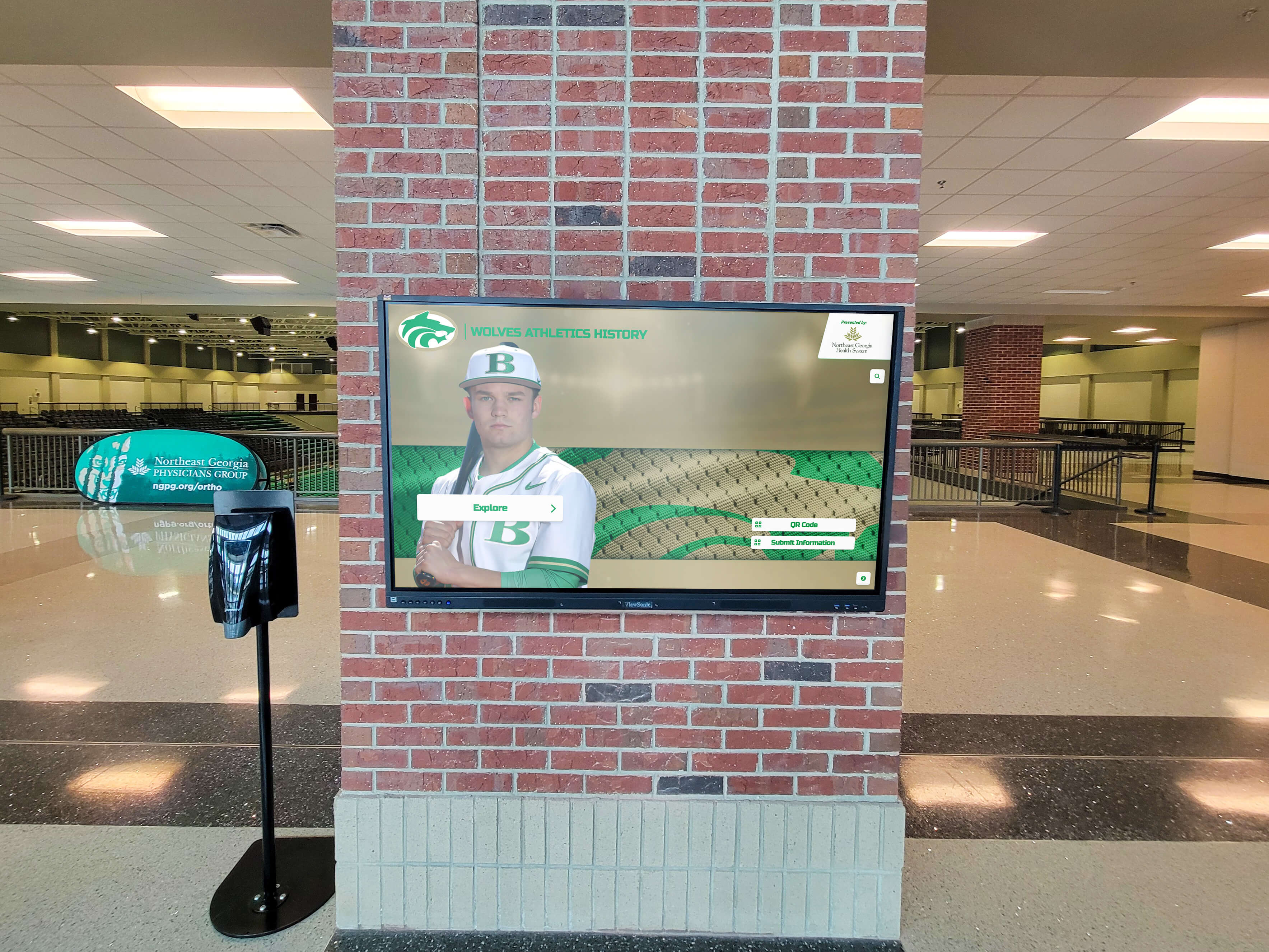
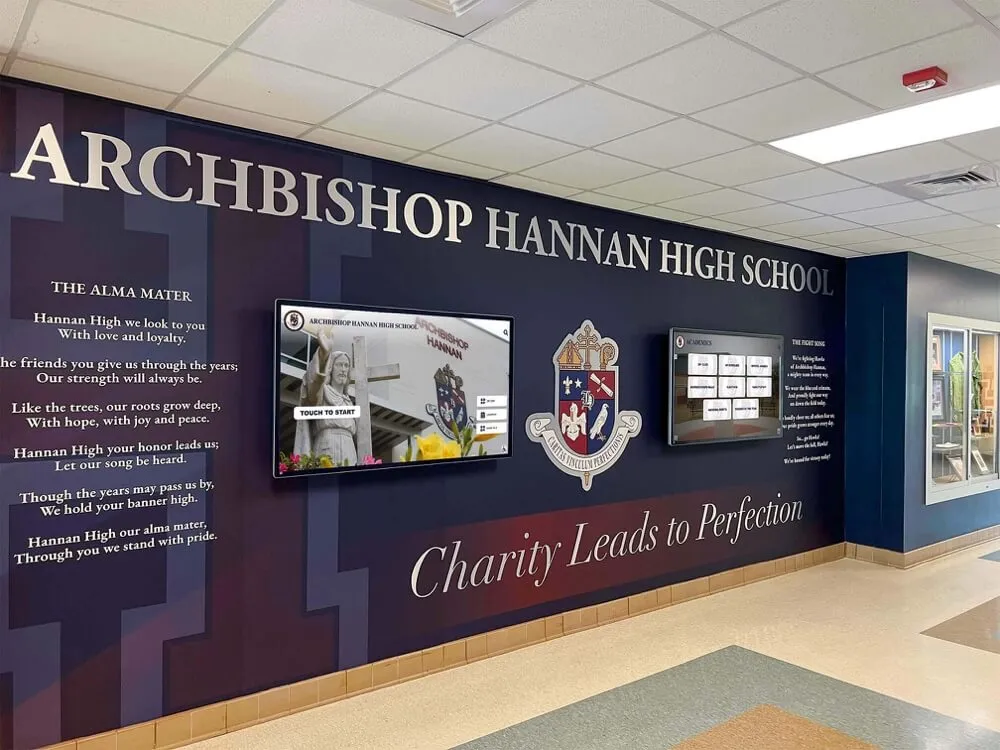
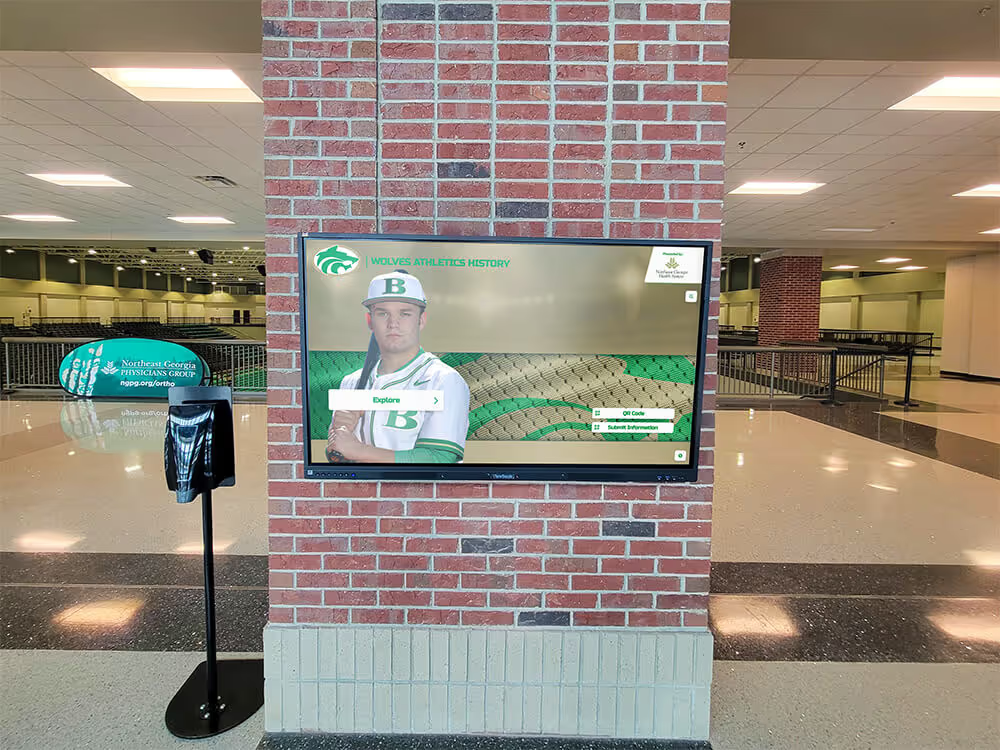
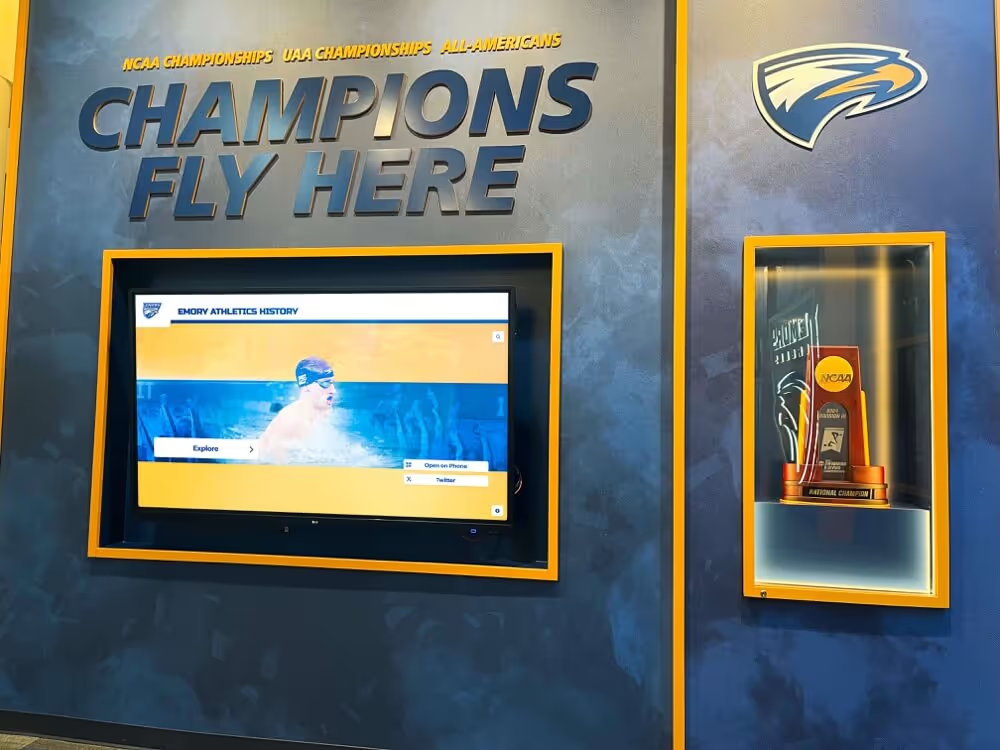
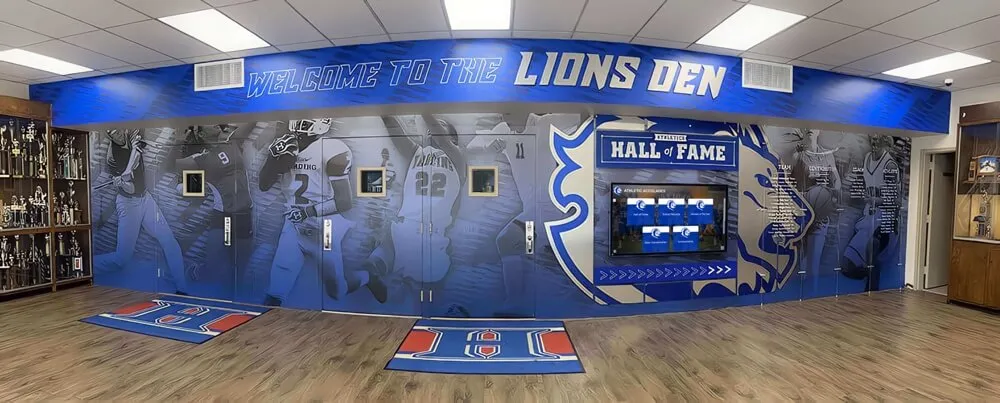
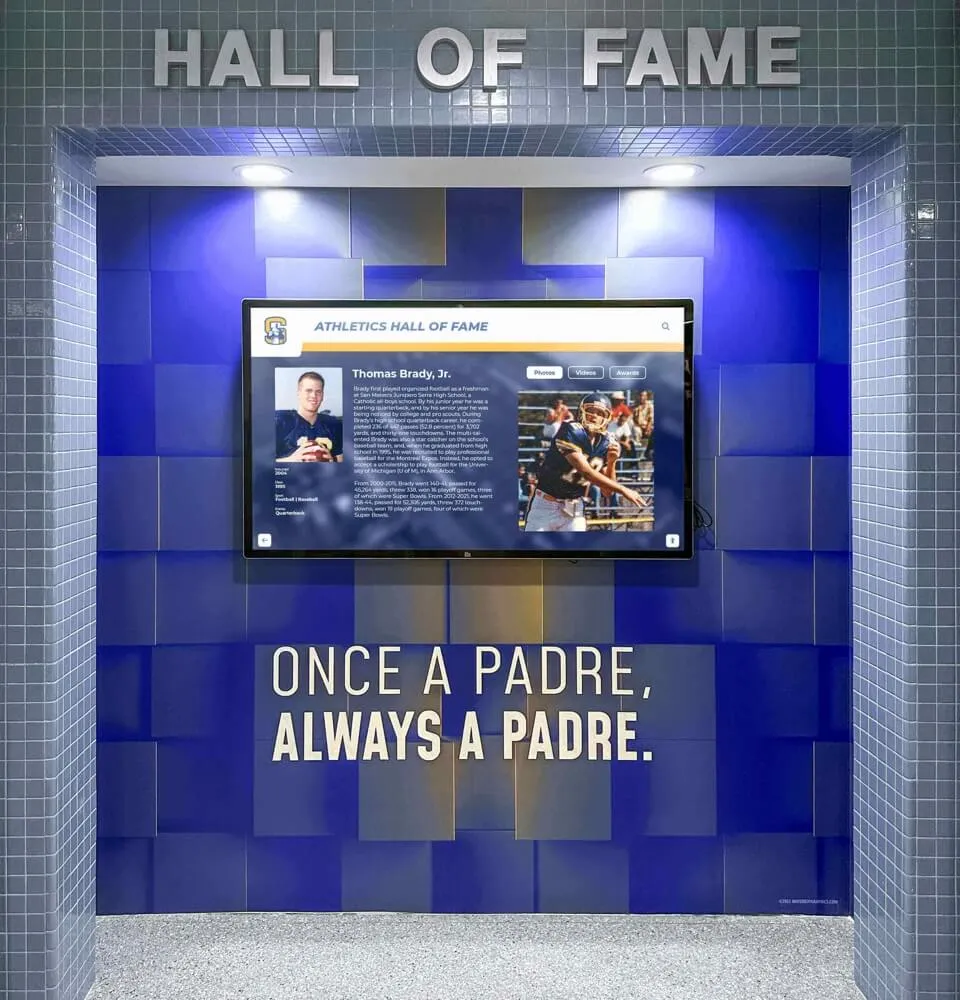
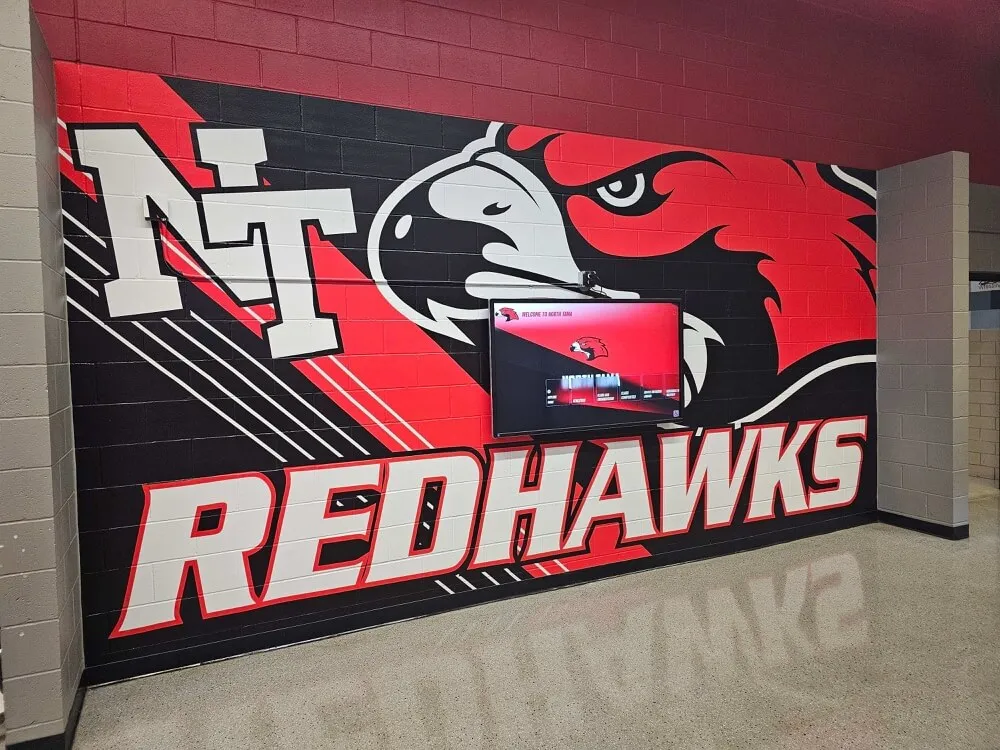
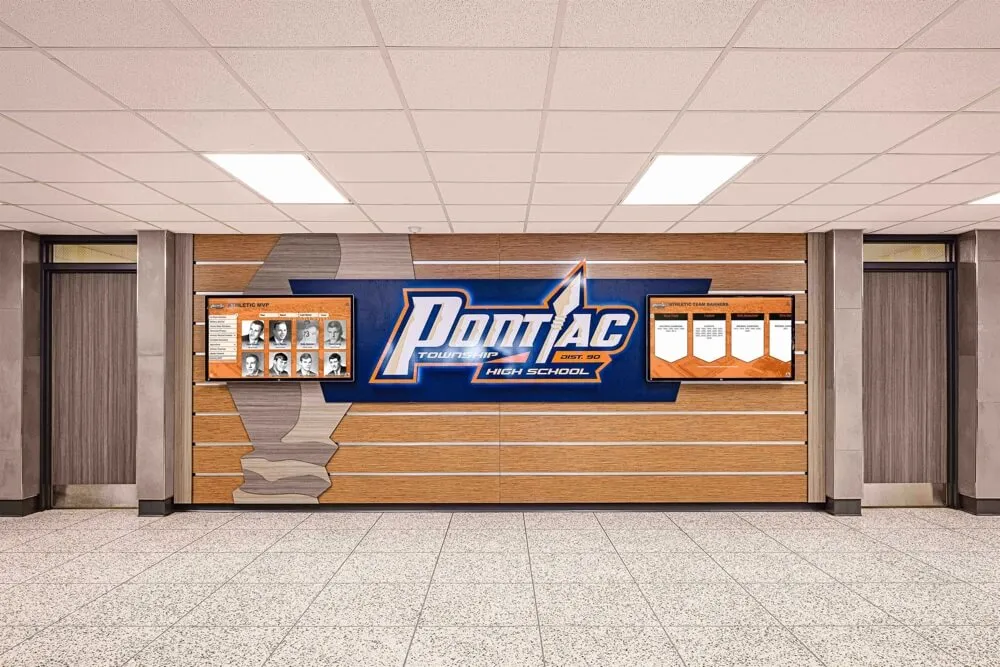
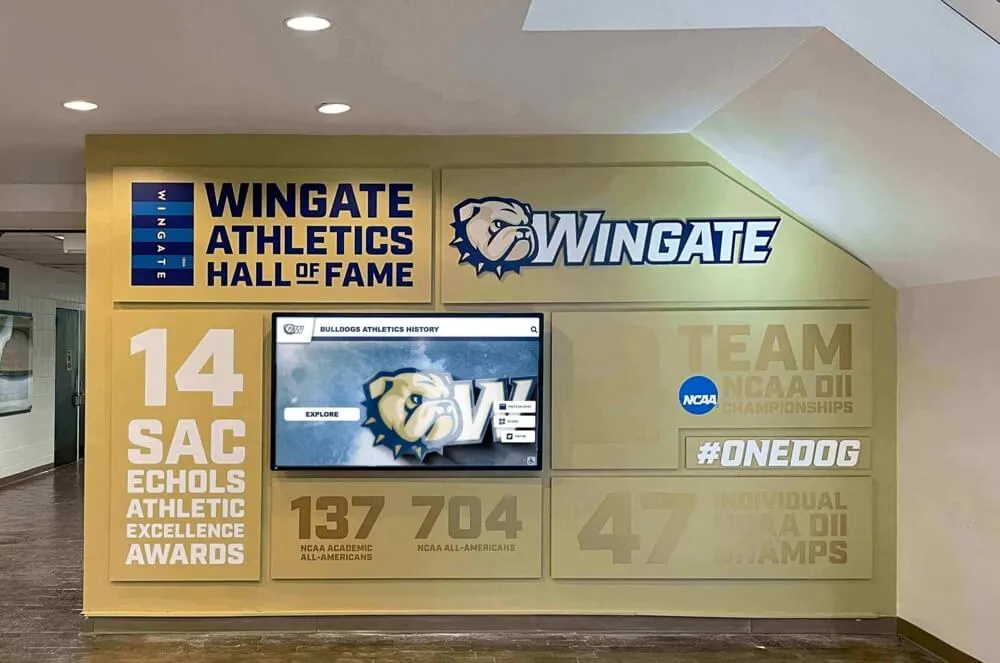
Professional-quality recognition displays in athletic spaces communicate the value placed on team accomplishments
Adventure and Challenge Activities
- Rock climbing or indoor climbing gym team sessions
- Ropes courses emphasizing trust and problem-solving
- Whitewater rafting or kayaking adventures
- Hiking expeditions with team goal-setting exercises
- Wilderness survival skills training
Adventure activities create positive stress requiring teamwork, building confidence that transfers directly to competitive situations. Learn more about creating supportive athletic environments through recognition program ideas.
Structured Team Building Exercises
Intentional activities specifically designed to build trust and communication:
Communication and Trust Builders
- Blindfolded obstacle courses with partner guidance
- Team problem-solving challenges requiring everyone’s contribution
- Trust fall variations modified for different comfort levels
- Human knot exercises promoting communication under pressure
- Scavenger hunts requiring coordination and strategy
Team Identity Development
- Collaborative team motto and values creation
- Design team t-shirts or warm-up gear together
- Create team handshakes, cheers, or celebration rituals
- Develop season theme connecting to shared goals
- Team poster design sessions showcasing individual athletes within team context
These structured activities work best when debriefed afterward, helping athletes connect experiences to actual sport situations they’ll encounter during competition.
Sport-Specific Bonding Activities
Activities connected directly to your sport create authentic bonding opportunities:
Cross-Position Learning
- Position swap practice sessions where athletes learn teammates’ roles
- Athlete-led teaching sessions sharing position-specific expertise
- Small group film study with mixed positions
- Specialized skill clinics where upperclassmen mentor younger players
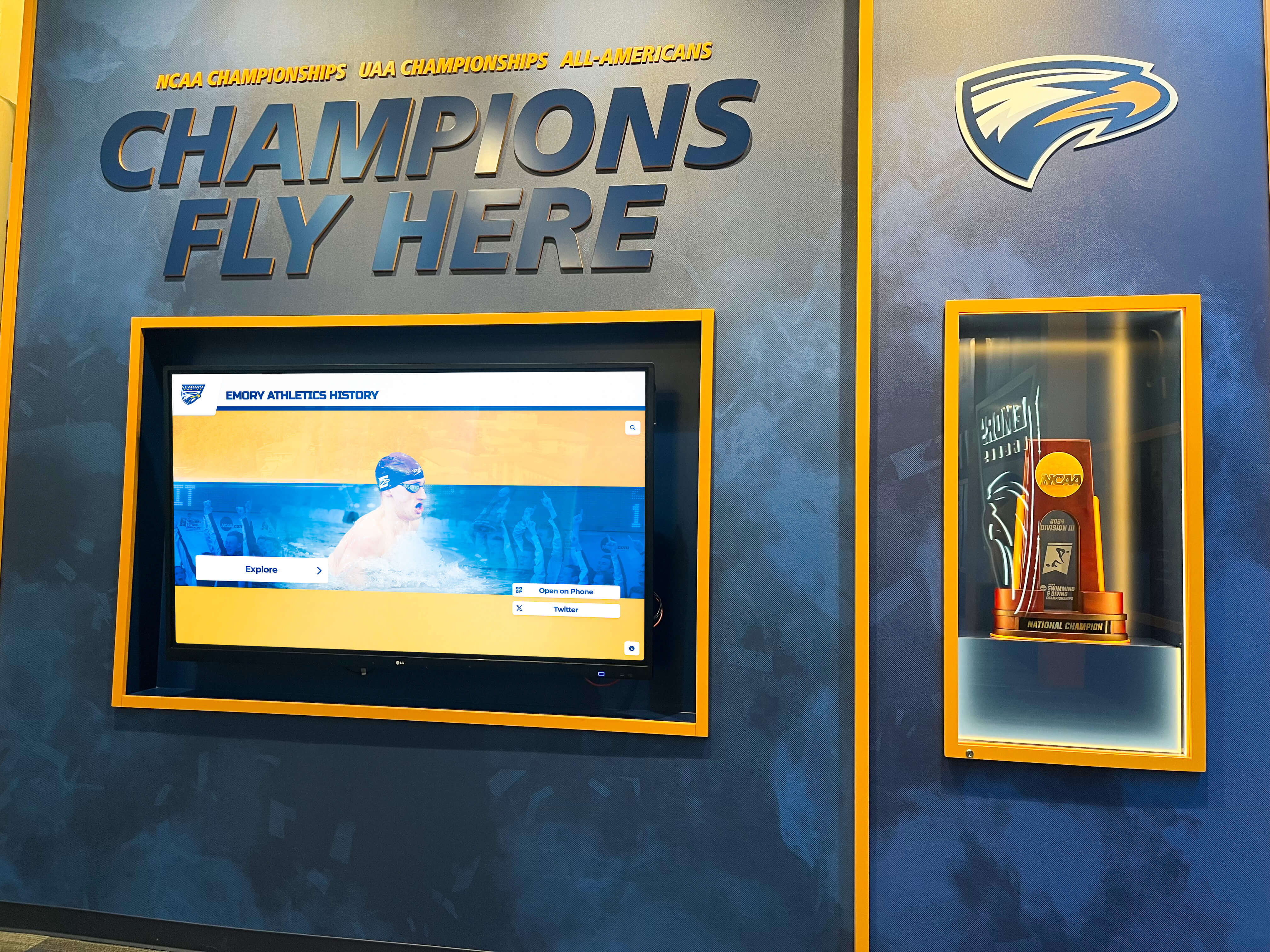
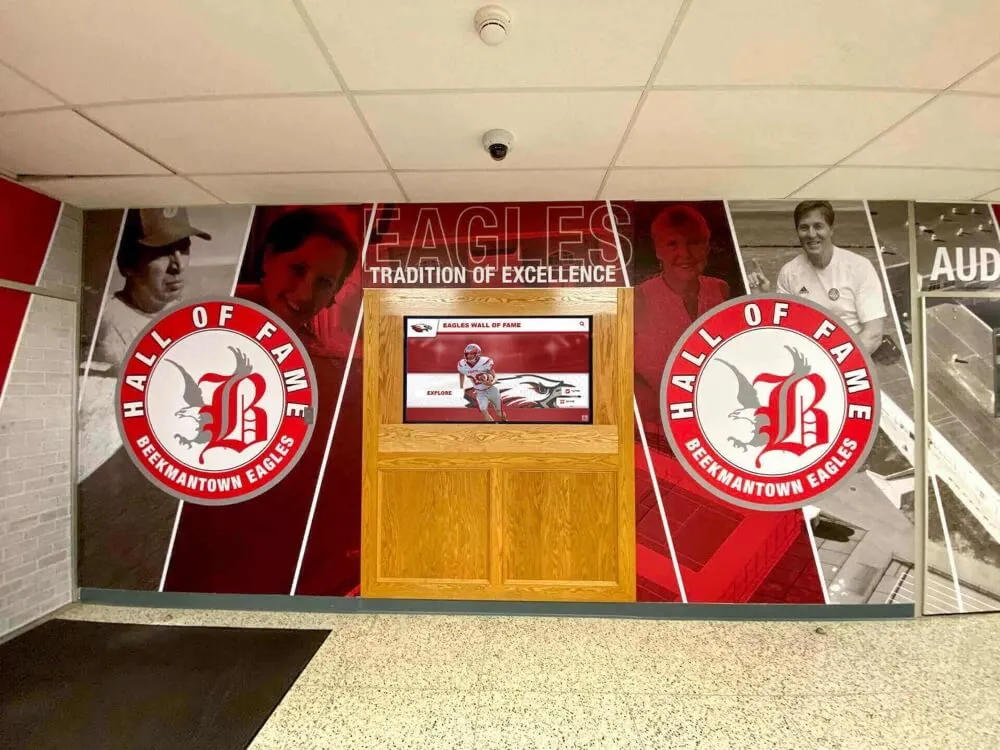
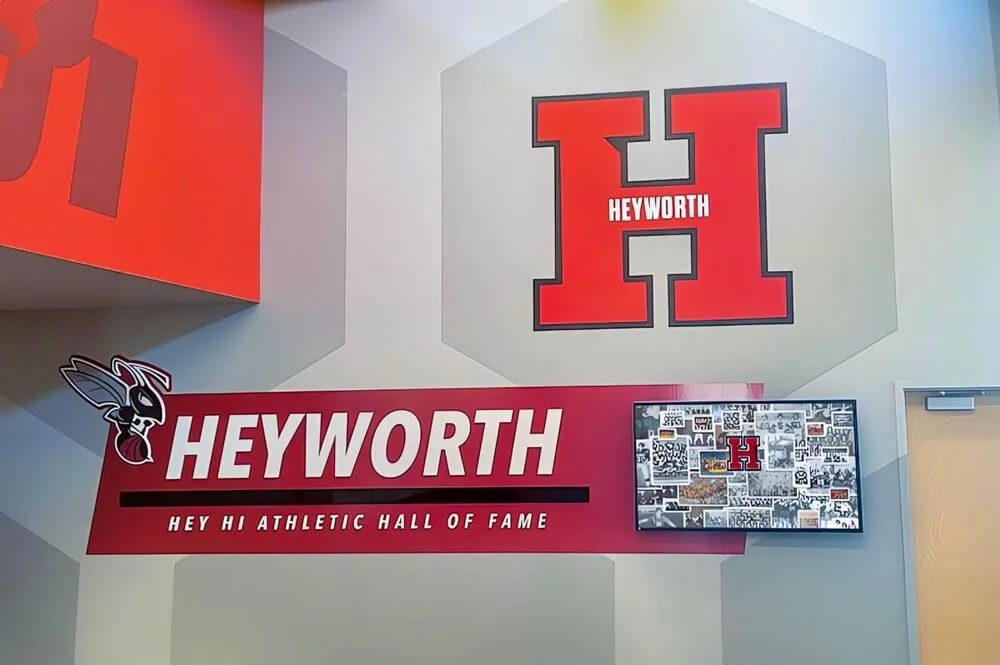
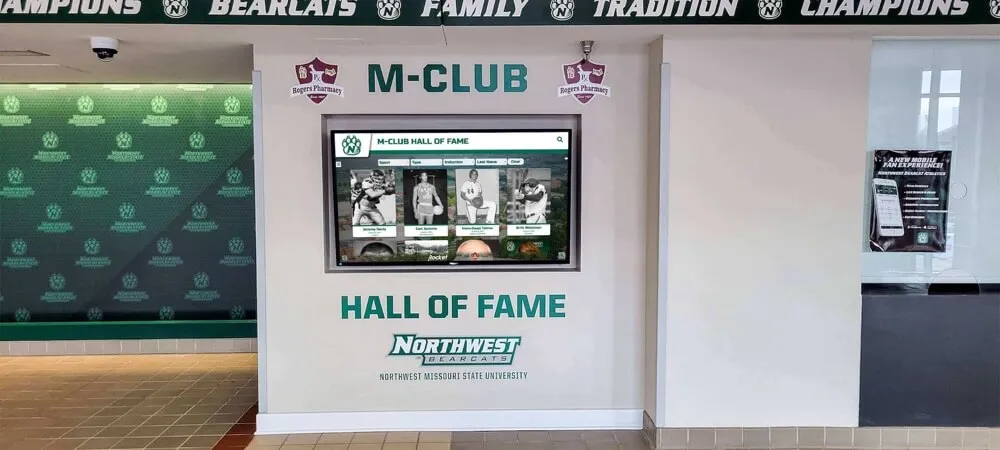
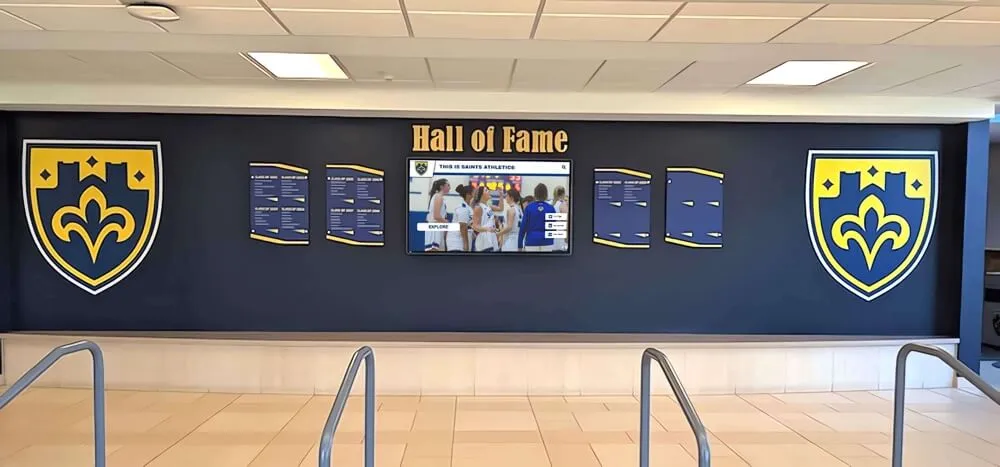
Permanent recognition of championship achievements creates aspirational culture for future team members
Modified Game Variations
- Play your sport with unusual rules promoting fun over competition
- Host mini-tournaments with mixed-age or random teams
- Try variations that emphasize different skills
- Exhibition games against alumni creating connections across generations
- Intra-squad competitions with creative challenges
Sport-specific activities feel more authentic to athletes than generic team building exercises while still achieving bonding objectives.
In-Season Team Bonding Strategies
Maintaining and strengthening team bonds during the competitive season requires intentional strategies that respect time constraints and recovery needs.
Regular Team Traditions
Consistent rituals create predictable opportunities for connection:
Pre-Game Traditions
- Team meals before competitions with rotating host responsibilities
- Specific warm-up routines performed as team units
- Pre-game circle time for final words and motivation
- Bus rituals for away competitions
- Visualization or meditation sessions as group
Post-Competition Traditions
- Win-or-lose team gathering spots for immediate debrief
- Post-game meal traditions maintaining connection regardless of outcome
- Team recognition of individual standout performances
- Reflection activities helping team process experiences
- Recovery activities done together building routine
Traditions provide structure helping teams navigate emotional highs and lows inherent in competitive sports. Explore how athletic awards create additional bonding opportunities.
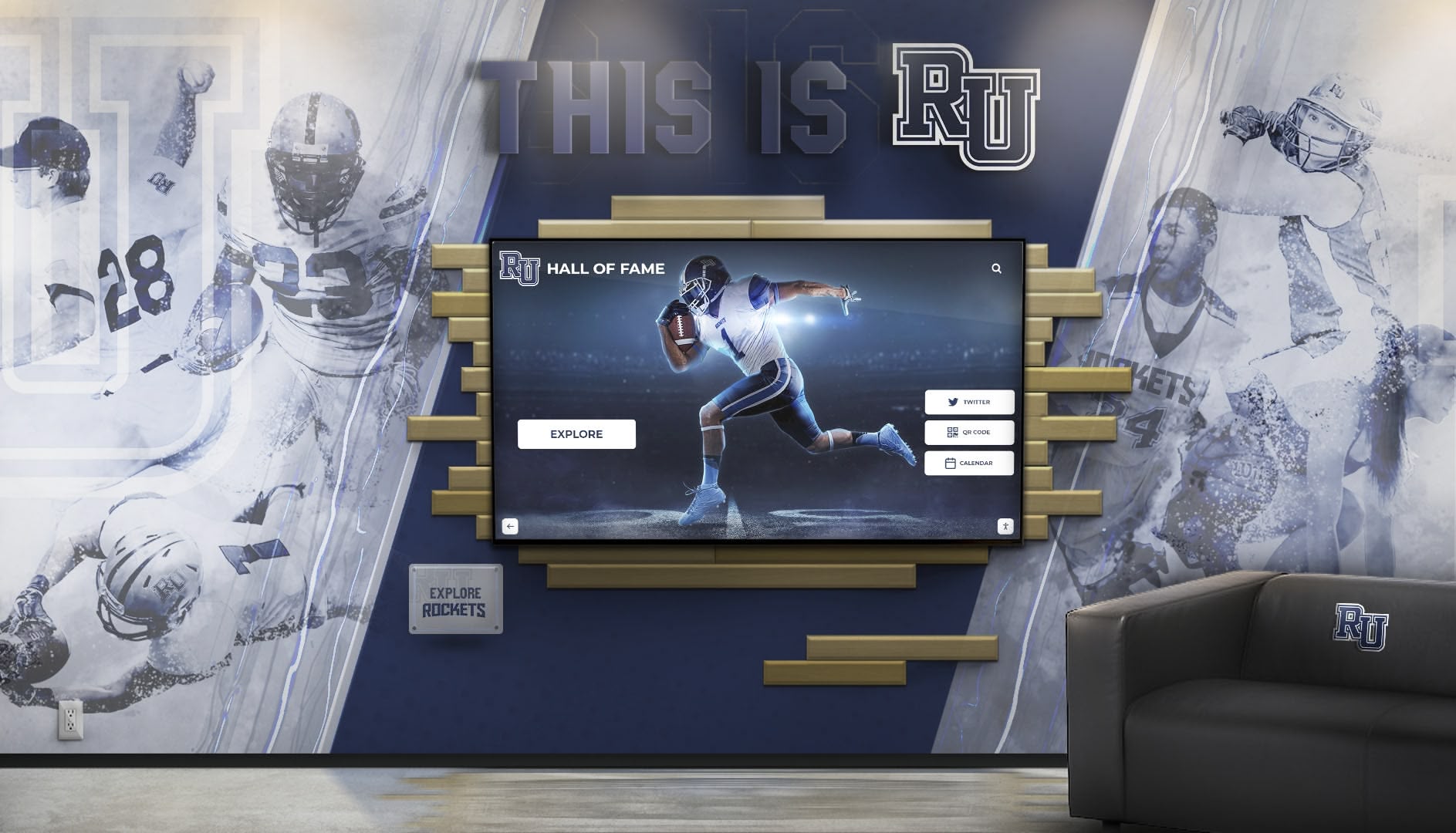
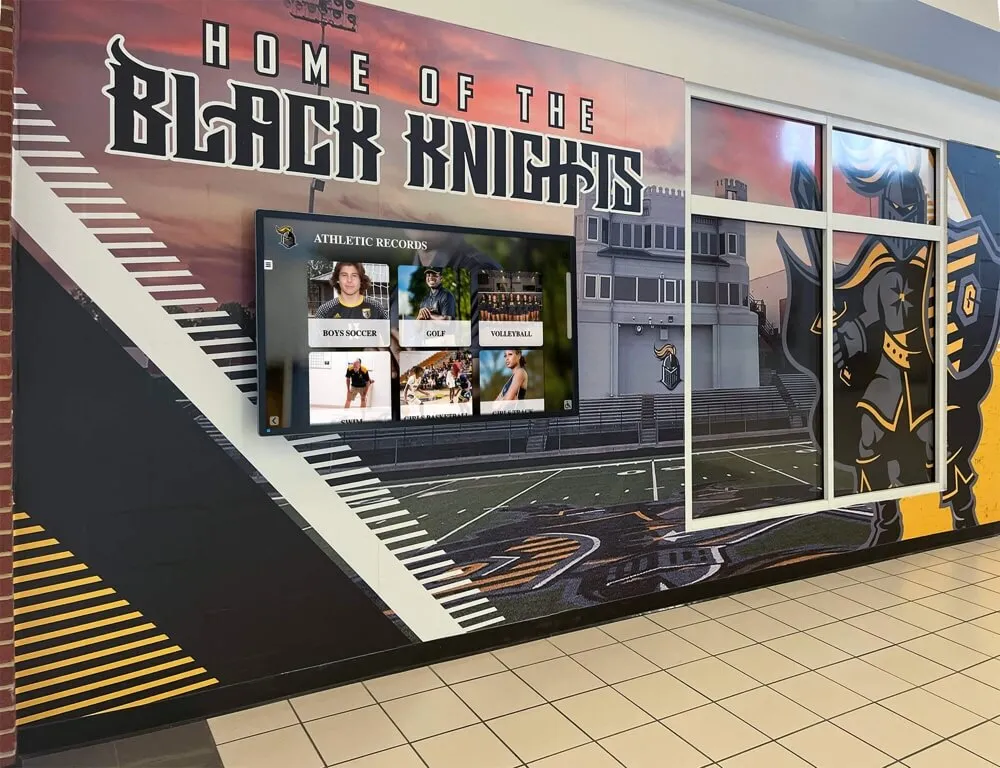
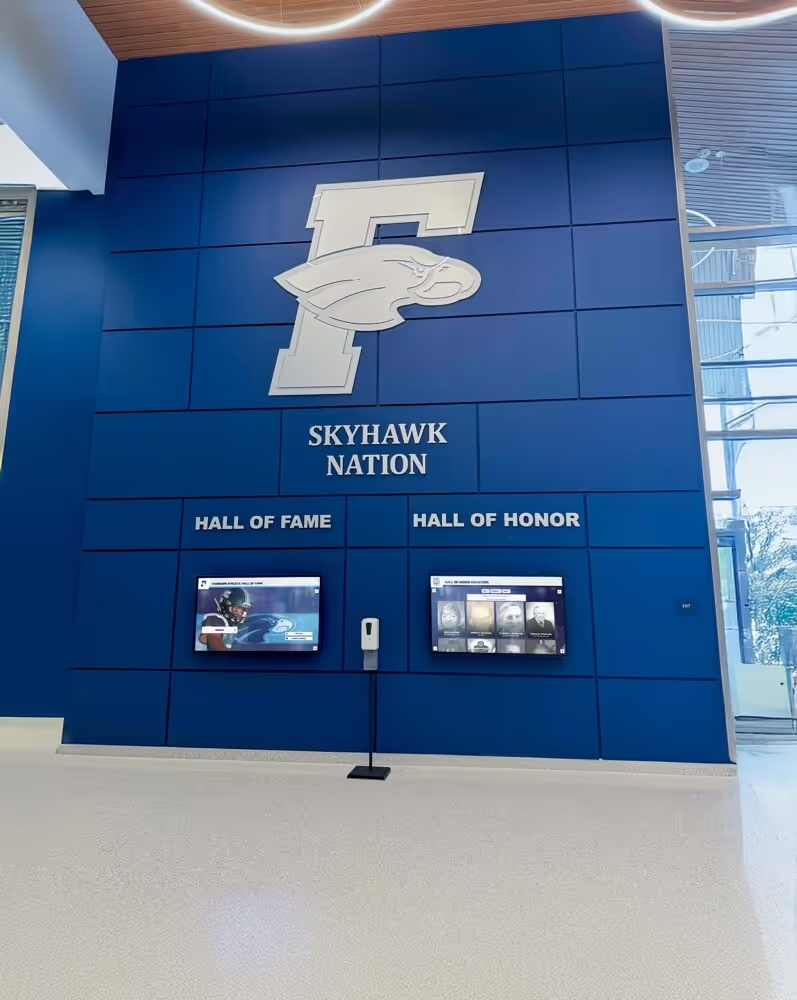
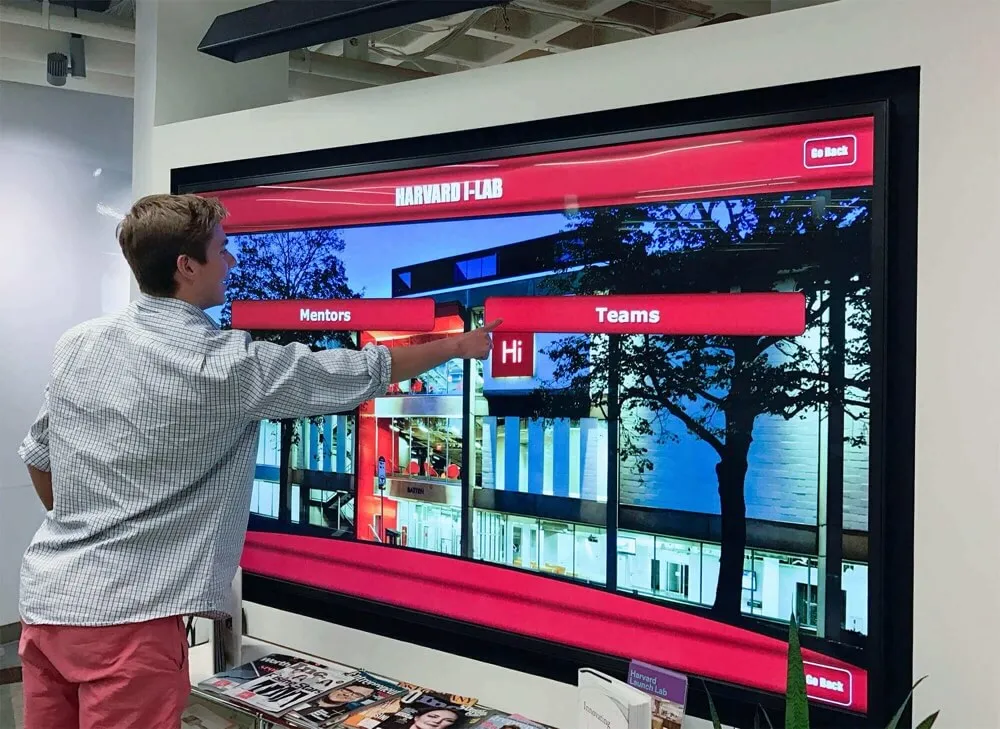
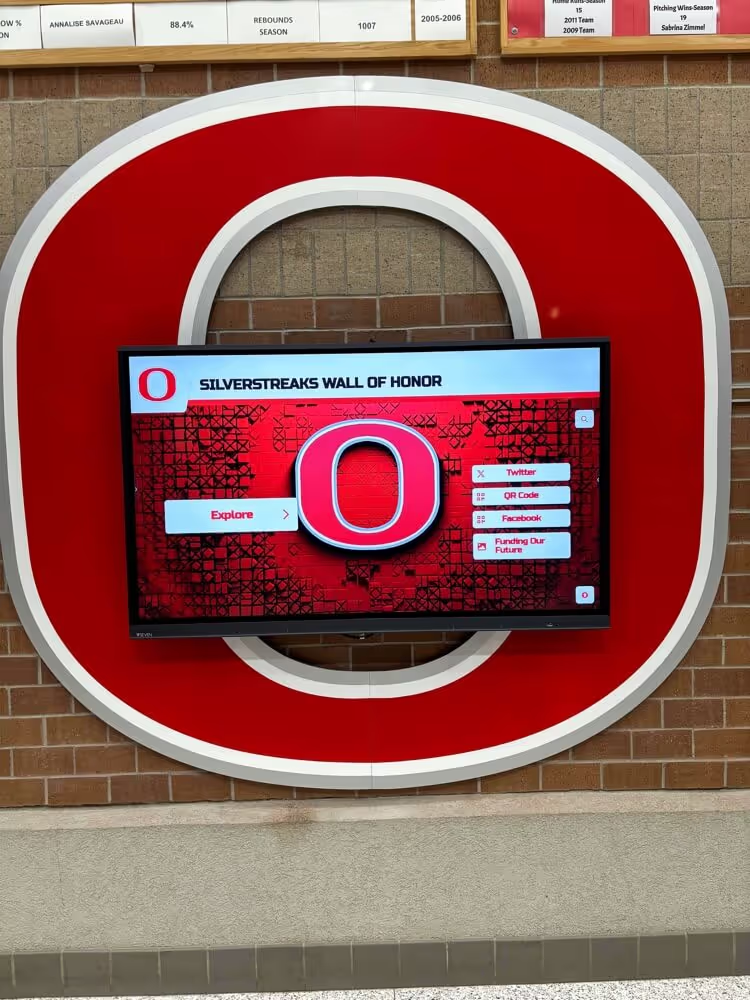
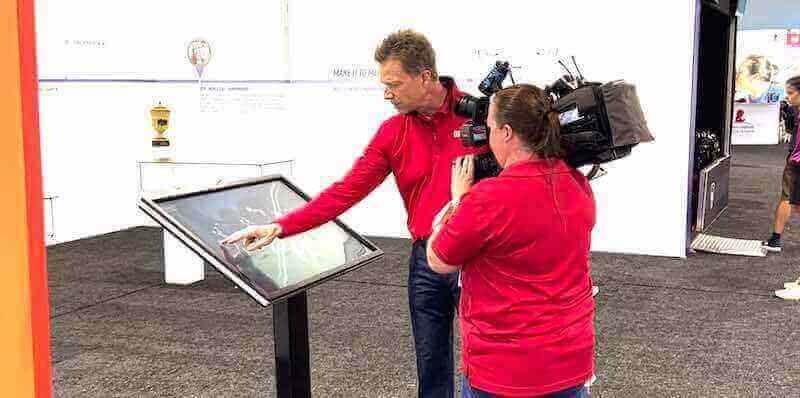
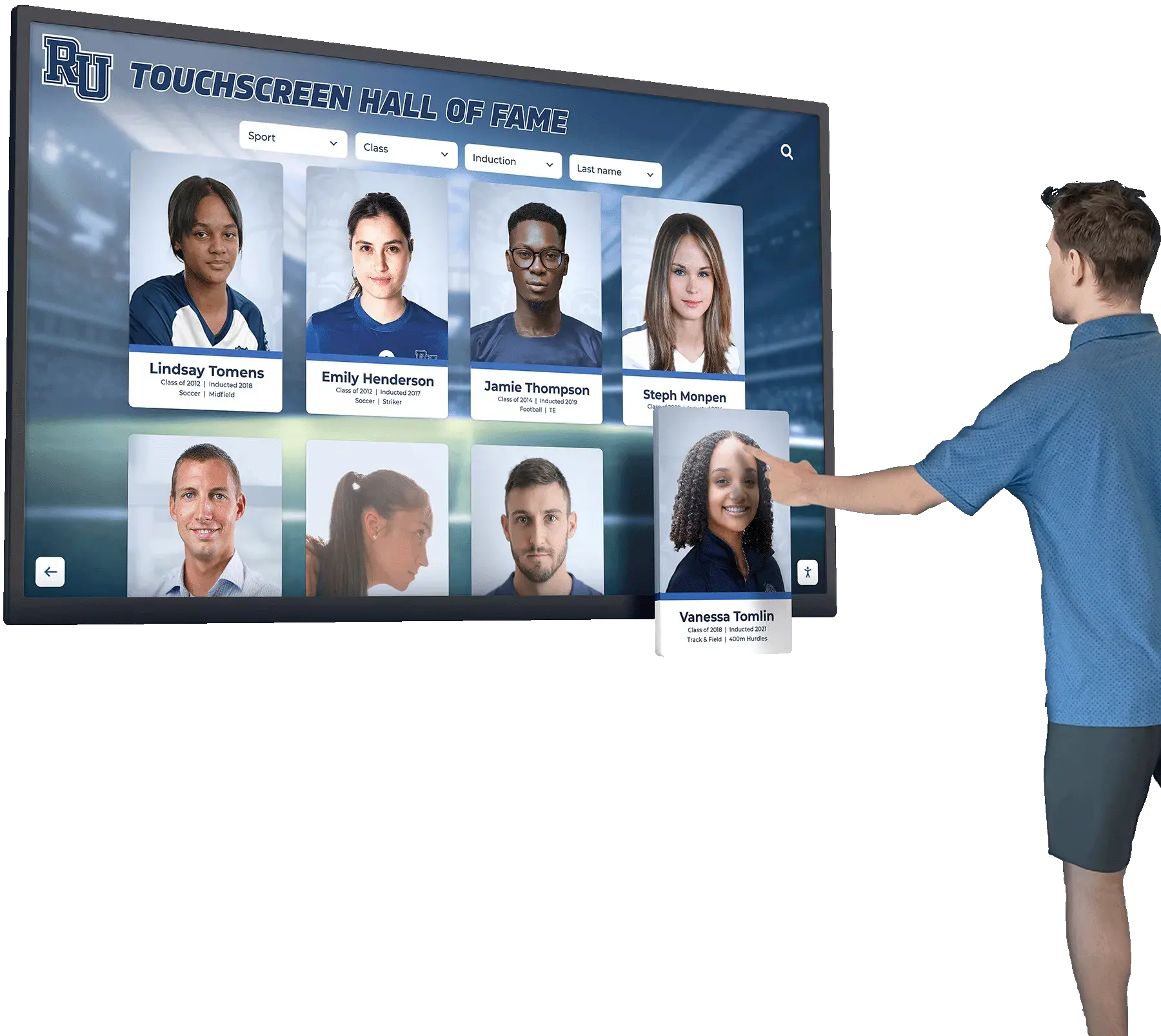
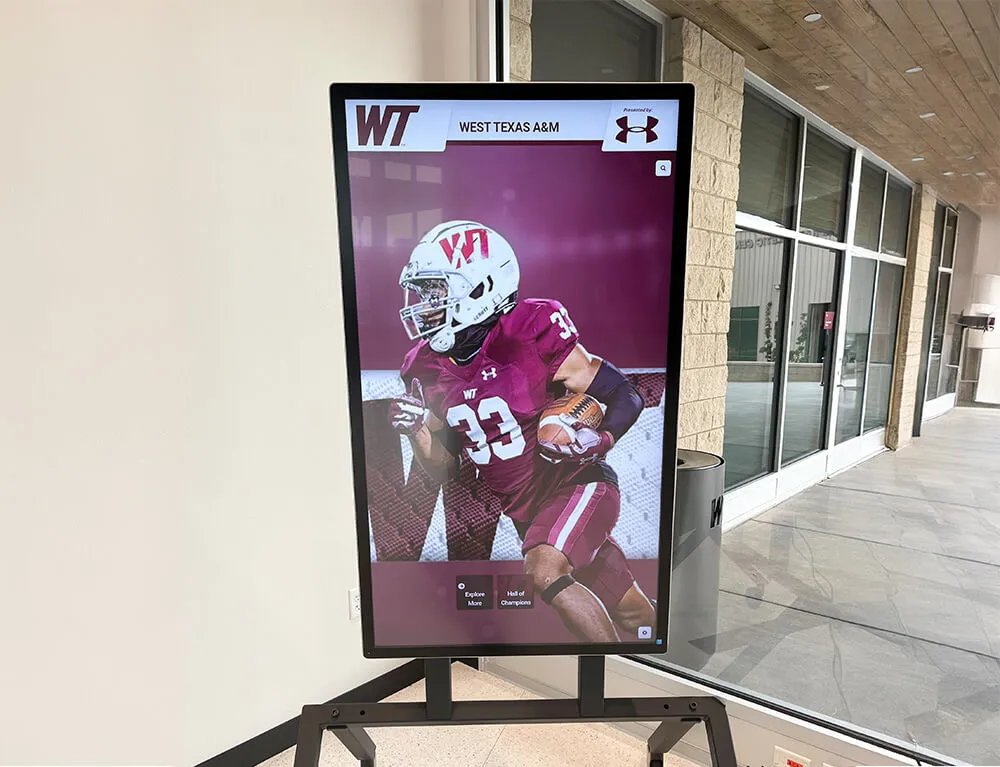
Interactive displays allow current athletes to explore team history and connect with the legacy they're building
Low-Intensity Social Activities
Bonding activities that don’t add physical stress during demanding seasons:
Entertainment and Recreation
- Team movie nights with athlete voting on selections
- Game nights featuring board games, video games, or team competitions
- Bowling or mini-golf outings providing low-impact fun
- Attend professional or college sporting events together
- Host team viewing parties for major sporting events
Service and Community Connection
- Volunteer together at local organizations
- Youth sports clinics where team members coach younger athletes
- Community beautification projects as team units
- Visit elementary schools as reading buddies
- Participate in charity events representing your team
Service activities build bonds while reinforcing that team identity extends beyond personal achievement. Many successful programs combine team building with community partnership initiatives.
Leadership Team Initiatives
Empower athlete leaders to drive bonding activities:
Peer-Led Activities
- Senior or captain-organized team events reflecting athlete interests
- Small group mentoring between upperclassmen and underclassmen
- Position group bonding activities led by position leaders
- Team social media management by athlete committee
- Playlist creation for practices with rotating athlete DJ responsibilities
Athlete-led initiatives create buy-in and ensure activities resonate with current team culture rather than feeling coach-imposed.
Position-Specific and Small Group Bonding
While full-team bonding builds overall culture, smaller group activities strengthen specific relationships critical for on-field execution.
Position Group Activities
Athletes who play together need especially strong connections:
Position-Specific Bonding
- Offensive and defensive unit separate bonding activities
- Position group dinners at rotating athlete homes
- Small group film study sessions with position-specific focus
- Position group goal-setting and accountability partnerships
- Specialized training sessions for position groups
Cross-Position Communication Building
- Activities pairing positions that must communicate during competition
- Problem-solving exercises requiring coordination between position groups
- Joint goal-setting between dependent position units
- Communication protocol development for game situations
- Position group exchanges explaining challenges and needs
Leadership Group Development
Strengthen bonds among team leaders who guide culture:
Captain and Senior Leadership Bonding
- Regular leadership group meetings with coaching staff
- Leadership development workshops and training
- Retreat experiences specifically for team leaders
- Service projects led by and featuring leadership group
- Alumni leader connections providing mentorship
Learn about comprehensive approaches to recognizing leadership and achievement that reinforce team bonds.
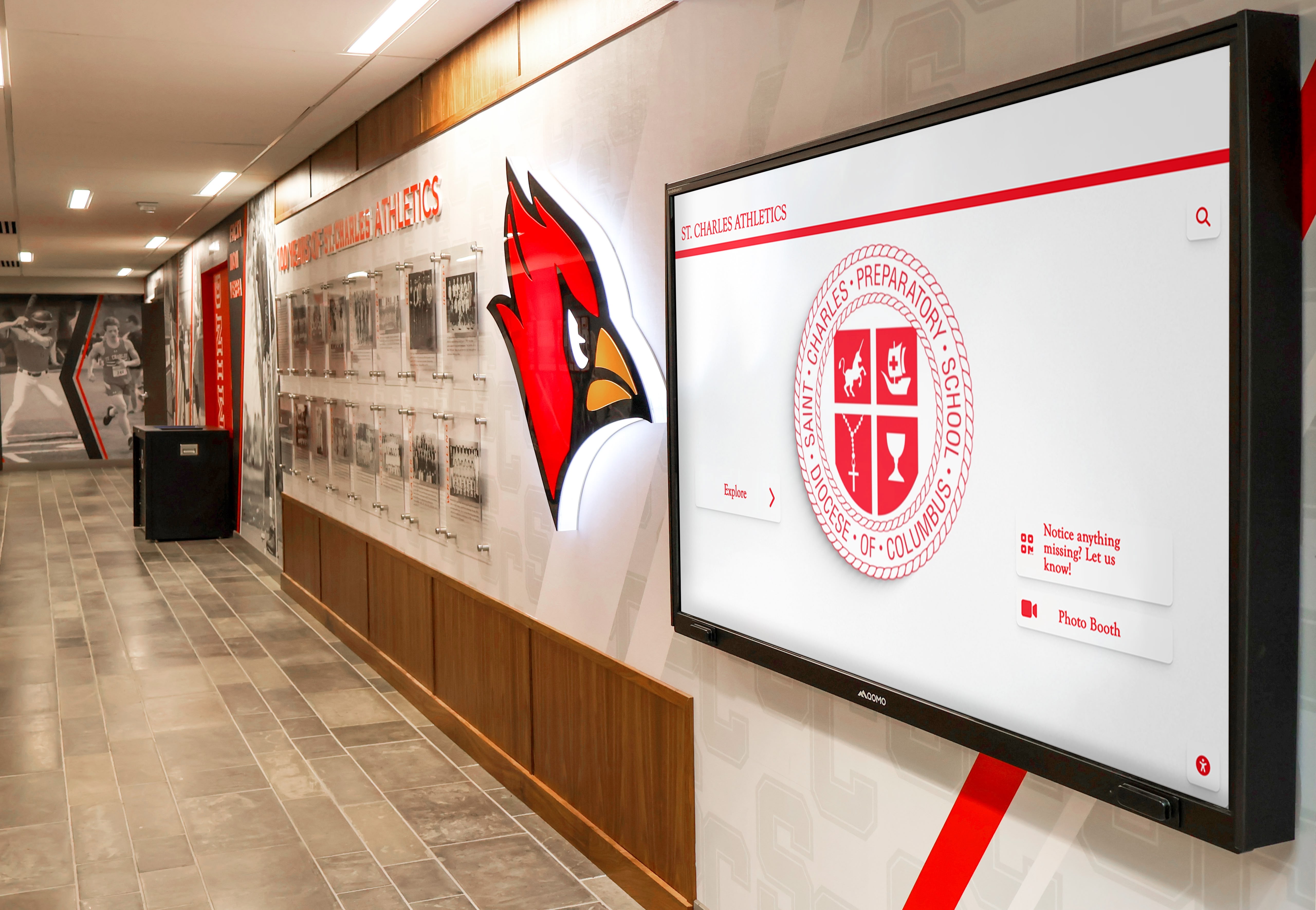
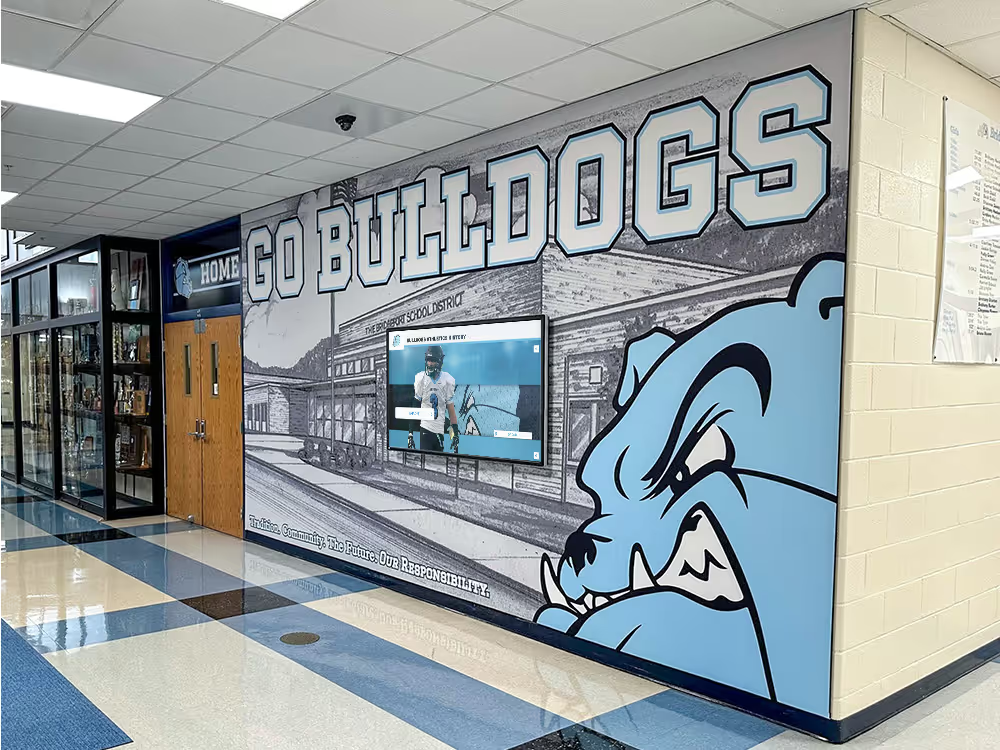
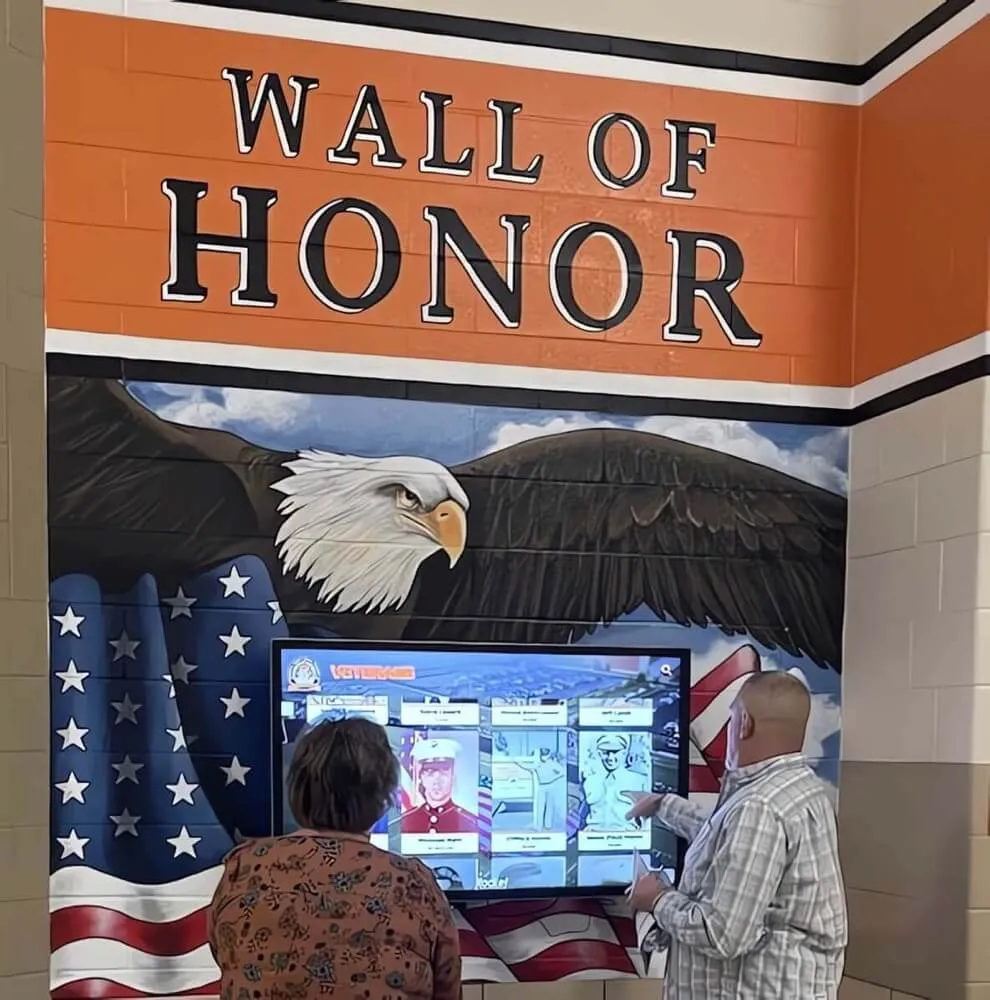
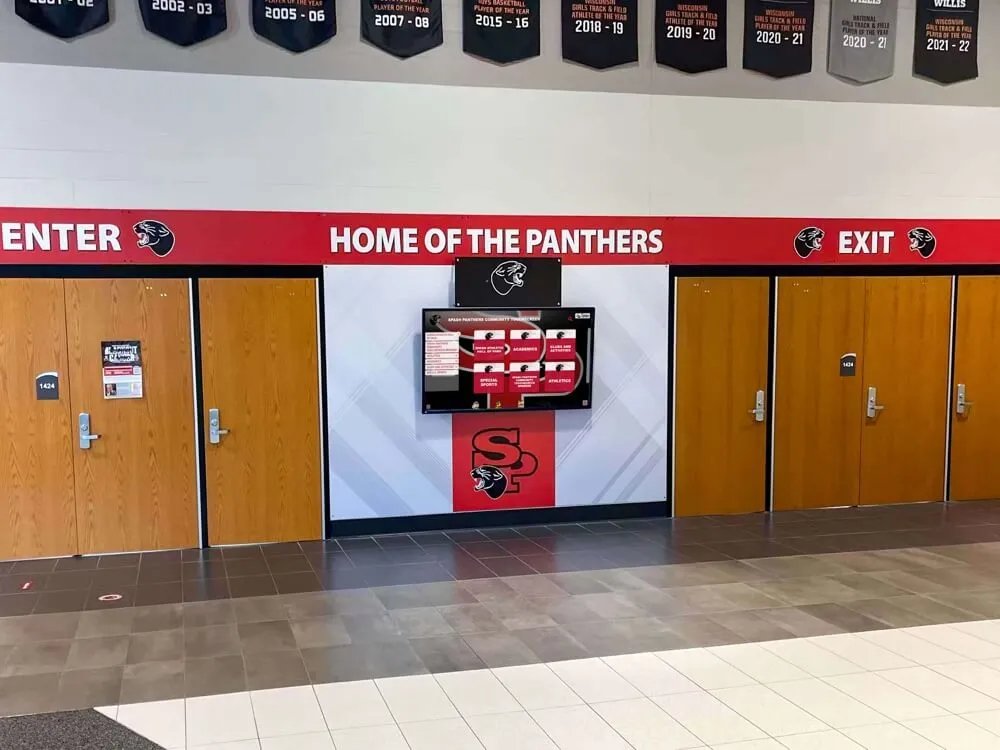
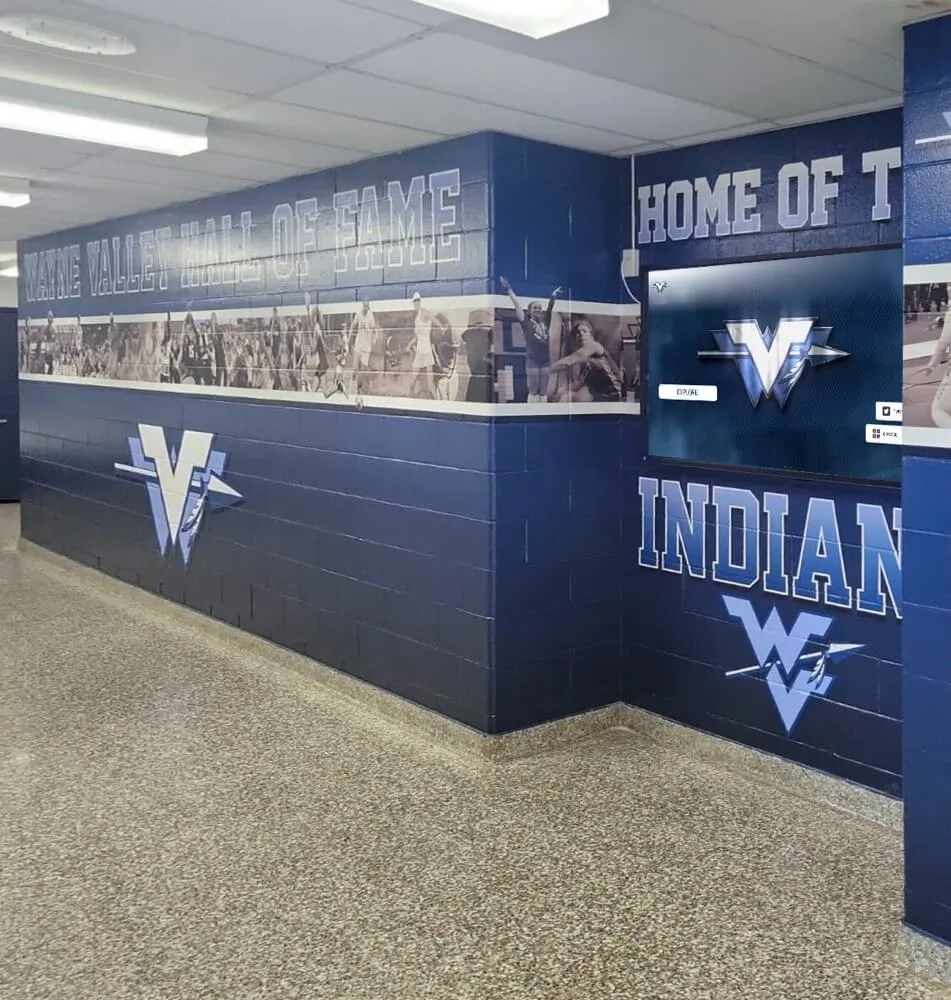
Strategic placement of athletic recognition throughout school facilities reinforces team pride beyond athletic spaces
Mentorship Pairing Programs
- Structured upperclassmen-underclassmen partnerships
- Regular check-ins between mentors and mentees
- Shared goal-setting and accountability
- Social activities pairing mentor groups
- End-of-season reflections on mentorship relationships
These smaller group activities complement full-team bonding while addressing specific relationship needs within team structure.
Recognition and Celebration Strategies
Celebrating individual and team achievements builds positive associations while creating visible reminders of shared purpose.
Individual Achievement Recognition Within Team Context
Acknowledging personal accomplishments strengthens team bonds when done appropriately:
Performance Recognition
- Player of the game awards with rotating selection criteria
- Statistical achievement acknowledgment during team meetings
- Milestone celebrations for personal records or career achievements
- Improvement recognition highlighting growth over time
- Effort awards valuing intangibles beyond statistics
Character and Contribution Recognition
- Teammate awards voted by athletes recognizing valuable contributions
- Practice player recognition for athletes demonstrating excellent work ethic
- Leadership acknowledgment for athletes who elevate others
- Sportsmanship recognition for athletes embodying team values
- Academic achievement celebration integrated with athletic recognition
Learn about comprehensive student-athlete recognition approaches used by successful programs.
Team Achievement Celebration
Collective accomplishments deserve systematic recognition:
Competition Success Recognition
- Win celebrations with consistent rituals
- Tournament advancement acknowledgment
- Upset victory special recognition
- Conference achievement celebrations
- Playoff qualification commemorations
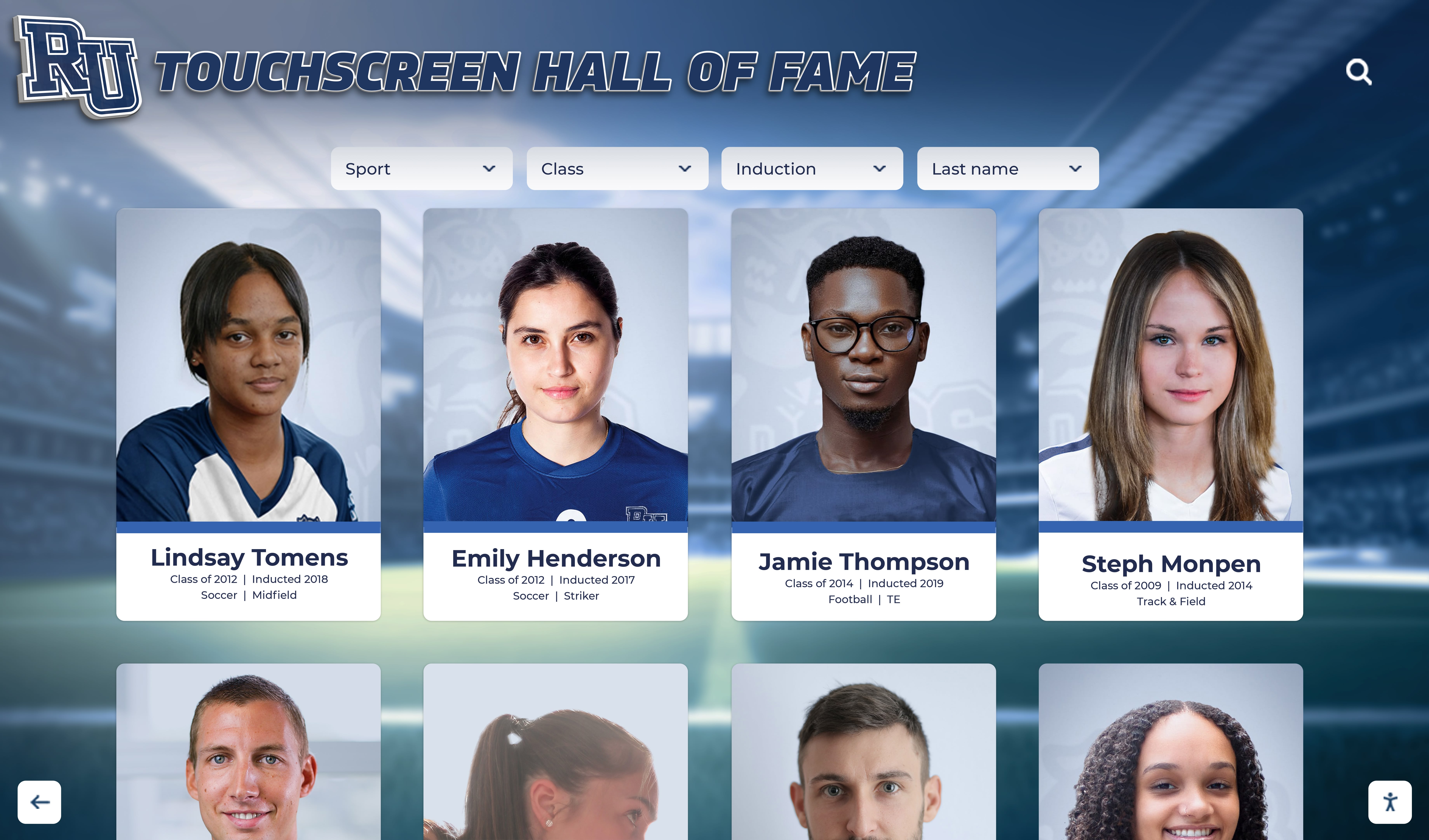
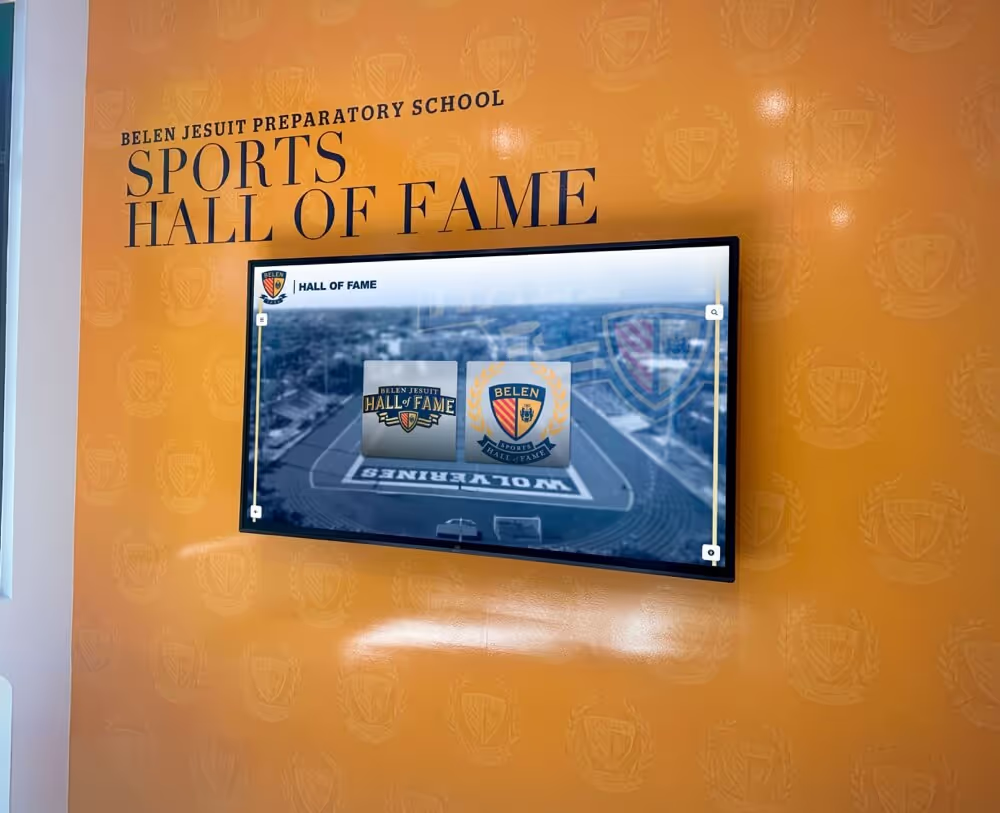
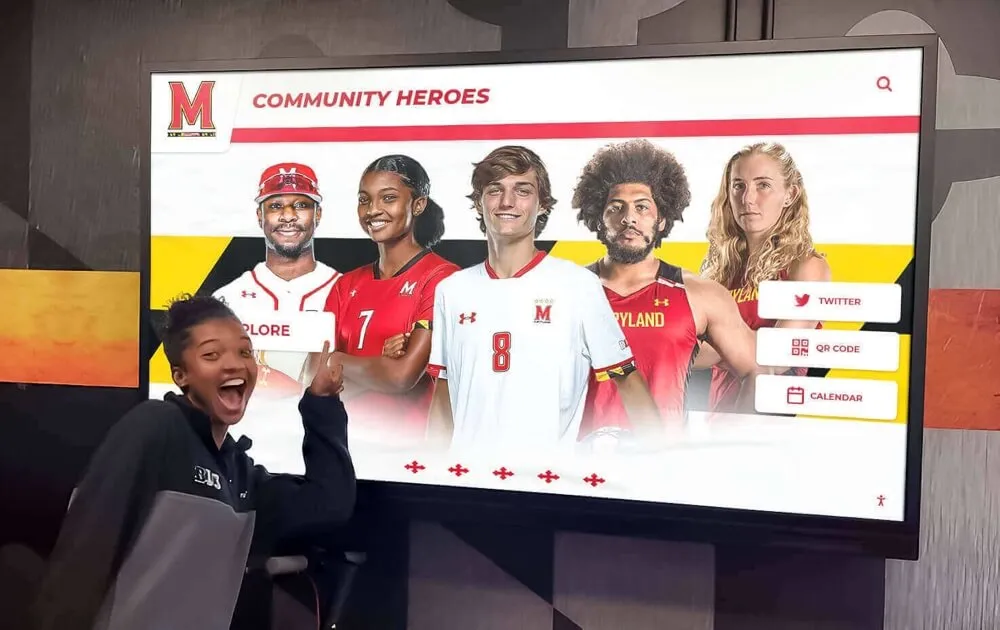
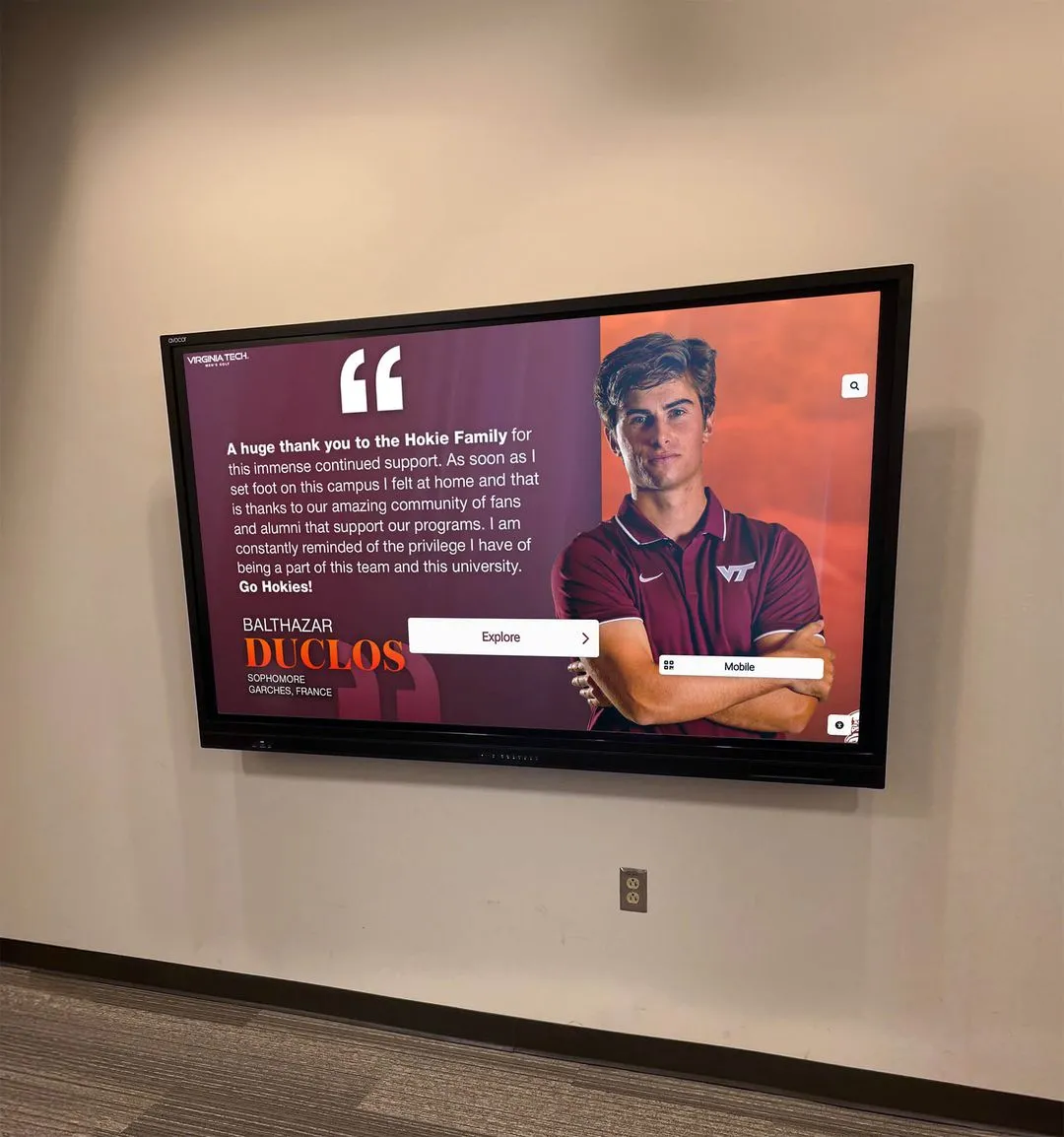
Individual profile displays celebrate personal achievements while emphasizing each athlete's role within team success
Season-Long Achievement Recognition
- Team goal completion celebrations
- Season record achievements
- Improvement metrics showcasing team growth
- Attendance and commitment recognition
- Team award nights at season conclusion
Systematic celebration reinforces that success results from collective effort, strengthening team identity.
Creating Visible Team Legacy
Physical and digital recognition creates lasting connection to team tradition:
Athletic Hall of Fame Integration
- Current athlete connections to program alumni achievers
- Team history displays in athletic facilities
- Championship recognition prominently placed
- Individual athlete profiles showing career progression
- Historical context helping athletes understand program legacy
Modern digital recognition displays make comprehensive athlete recognition achievable without space constraints traditional plaques impose.
Season Documentation
- Team photo and video compilations throughout season
- Social media documentation of team experiences
- End-of-season highlight videos featuring all team members
- Physical or digital team yearbooks
- Senior recognition showcasing four-year contributions
These visible reminders sustain motivation during difficult stretches while helping athletes understand they’re contributing to something beyond single season results.
Creative and Unique Team Bonding Ideas
Beyond traditional approaches, innovative activities create memorable bonding experiences:
Competition-Free Activities
Remove competitive pressure allowing different dynamics:
Creative Expression Activities
- Team art projects creating murals or sculptures
- Music creation or karaoke nights
- Cooking competitions or team meal preparation
- Photography or videography team projects
- Theater or improvisation workshops
Wellness and Recovery Bonding
- Team yoga or meditation sessions
- Recovery pool sessions with games and relaxation
- Massage or sports medicine education workshops
- Nutrition education with healthy cooking activities
- Mental skills training as team activity
Cross-Sport Team Bonding
Build broader athletic community connections:
Multi-Team Activities
- Joint bonding events with other school sports teams
- Fall sports team gatherings celebrating seasonal achievements together
- Athletic department-wide service projects
- Multi-sport athletes sharing experiences across teams
- Cross-team mentoring and support systems
Athletic Department Culture Building
- All-sports award nights recognizing achievements across programs
- Athletic leadership councils representing multiple teams
- Shared athletic facility care and maintenance
- Athletic department spirit activities
- School-wide athletic achievement celebrations
These broader athletic community activities help individual teams while building positive overall athletic culture.
Technology-Enhanced Team Bonding
Modern technology creates additional bonding opportunities and documentation:
Digital Communication and Connection
Technology tools maintaining connection between formal activities:
Team Communication Platforms
- Team-specific apps or channels for sharing and communication
- Private social media groups for team content
- Shared photo and video libraries documenting season
- Team playlists and media sharing
- Virtual team activities when physically separated
Performance and Goal Tracking
- Shared goal tracking apps with team and individual targets
- Workout logging apps creating friendly competition
- Statistics tracking and sharing platforms
- Team challenges with digital progress monitoring
- Gamification of training and conditioning
Interactive Recognition Technology
Modern displays transform how teams celebrate achievements:
Touchscreen Recognition Systems Solutions like Rocket Alumni Solutions provide interactive platforms where athletes can:
- Explore current and historical team rosters
- View individual athlete profiles and statistics
- Access photo galleries from seasons and competitions
- Read about team traditions and championship history
- Connect current experiences with program legacy
These systems overcome limitations of traditional trophy cases that quickly run out of space and become outdated. Digital athletic record boards provide unlimited capacity while remaining current through simple cloud-based updates.
Web-Based Team Recognition
- Team websites featuring comprehensive athlete profiles
- Mobile-accessible recognition extending beyond facility
- Social sharing capabilities amplifying recognition reach
- Alumni connections through shared digital platforms
- Family engagement with athlete achievements
Technology extends team bonding beyond practice and competition time while creating permanent documentation of shared experiences.
Building Sustainable Team Bonding Programs
Creating lasting impact requires systematic approaches embedded into program structure:
Planning Comprehensive Bonding Strategies
Season-Long Bonding Calendar
- Map bonding activities across entire season
- Balance intensive preseason activities with sustainable in-season approaches
- Plan major events well in advance ensuring participation
- Schedule both team-wide and small-group activities
- Include variety addressing different athlete preferences and personalities
Budget Considerations
- Many effective bonding activities require minimal financial investment
- Prioritize time and intentionality over expensive experiences
- Seek booster club or donor support for larger bonding events
- Rotate activities between no-cost and funded options
- Consider fundraising specifically for team bonding budget
Involving Athletes in Bonding Planning
Student Voice Integration
- Survey athletes about desired bonding activities
- Create athlete committee helping plan team events
- Rotate leadership responsibilities for organizing activities
- Gather feedback after activities informing future planning
- Empower seniors to establish traditions they’ll pass to underclassmen
Measuring Bonding Program Effectiveness
Assessment Approaches
- Conduct team cohesion surveys at multiple points during season
- Monitor practice attendance and engagement patterns
- Track performance metrics during high-pressure situations
- Gather end-of-season feedback on program culture
- Observe communication quality during competitions
Regular assessment ensures bonding strategies achieve intended outcomes while identifying areas needing adjustment.
Avoiding Team Bonding Pitfalls
Common mistakes undermine bonding activities’ effectiveness:
Forced or Inauthentic Activities
What to Avoid
- Activities feeling childish or embarrassing to athletes
- Forced participation in activities violating personal comfort zones
- Generic corporate team-building exercises disconnected from sport
- Bonding activities as punishment or obligation
- One-size-fits-all approaches ignoring team personality
Better Approaches
- Start with low-stakes activities building comfort gradually
- Offer choice and voice in activity selection
- Create psychologically safe environments for participation
- Connect activities clearly to athletic performance goals
- Adapt approaches based on team feedback and engagement
Cliques and Exclusion
Preventing Divisiveness
- Intentionally mix athletes across natural social groups
- Rotate small group assignments preventing consistent cliques
- Address exclusionary behavior immediately and directly
- Create activities requiring interaction across typical friend groups
- Model inclusive behavior through coaching staff interactions
Over-Emphasizing Individual Achievement
Maintaining Team Focus
- Frame individual recognition within team success context
- Celebrate assists and supportive actions alongside scoring
- Recognize different contribution types beyond statistics
- Ensure recognition distribution includes all team members
- Connect individual improvement to team benefit
Learn about balancing individual and team recognition in spring sports awards planning.
Special Considerations for Different Sports
While core bonding principles apply across athletics, specific sports have unique considerations:
Individual Sport Teams
Sports like tennis, track, swimming, and wrestling present unique bonding challenges:
Building Team Culture in Individual Sports
- Emphasize team scoring and collective results
- Create relay or team event focus during practices
- Recognize athletes supporting teammates even when not competing
- Organize bonding activities outside competitive structure
- Celebrate team improvement alongside individual achievements
Large Roster Sports
Football, track, and other large teams require adapted approaches:
Managing Bonding at Scale
- Combine full-team activities with position group bonding
- Create leadership structures distributing bonding responsibilities
- Use digital platforms connecting large groups
- Plan activities accommodating various athlete schedules
- Recognize contribution diversity across large rosters
Small Team Sports
Sports with limited roster sizes have different dynamics:
Maximizing Small Team Advantages
- Leverage intimacy of small groups for deep relationships
- Include managers, trainers, and support staff in bonding
- Create connections with program alumni maintaining involvement
- Partner with other small sports for broader community
- Emphasize each athlete’s critical role and importance
Conclusion: Building Championship Culture Through Intentional Team Bonding
Effective team bonding represents strategic investment in the relationships that determine whether talented athletes reach their collective potential. Championship teams consistently demonstrate that success stems not just from individual skill but from trust, communication, and shared commitment forged through intentional relationship-building experiences throughout the season.
The strategies explored in this guide provide comprehensive frameworks for creating team bonding programs that resonate with today’s athletes while building sustainable culture lasting beyond individual seasons. From preseason adventure activities to in-season recognition practices, these approaches transform team chemistry from happy accident to systematic priority woven throughout program structure.
Celebrate Your Team's Achievements
Discover how modern digital recognition displays can strengthen team bonds by celebrating athletic achievements and connecting current athletes with program legacy.
Explore Recognition SolutionsThe most effective team bonding approaches share common characteristics: they’re authentic rather than forced, varied rather than repetitive, and intentionally planned rather than left to chance. Modern technology creates additional opportunities through interactive recognition displays documenting team history and digital trophy systems maintaining visible celebration of collective achievements.
Start with activities aligned to your team’s personality and competitive level, then systematically expand bonding opportunities throughout your season. Every intentional moment building trust between teammates strengthens the foundation supporting performance when championship moments arrive.
The teams your athletes remember decades later aren’t necessarily those with the best records—they’re teams where they felt valued, connected, and part of something meaningful. Through thoughtful implementation of diverse bonding strategies combined with systematic recognition of shared achievements, you create the championship culture where athletes reach their potential while developing relationships and memories lasting far beyond their playing careers.
Ready to strengthen your team culture? Explore additional resources about senior athlete recognition and building athletic award programs that complement comprehensive team bonding strategies.