



Student leadership awards represent powerful opportunities to celebrate emerging leaders who shape school culture, inspire their peers, and demonstrate qualities that extend far beyond academic achievement alone. When schools intentionally recognize students who exhibit leadership characteristics—from organizing community service projects to mentoring younger students—they reinforce the importance of leadership development while providing concrete role models throughout the school community.
Yet many schools default to predictable leadership recognition patterns that honor only student government officers or the most vocal personalities. Meanwhile, students demonstrating quieter forms of leadership—consistent mentoring, behind-the-scenes organizational work, or cultural bridge-building—often go unnoticed despite their substantial impact on school climate and peer relationships.
This comprehensive guide explores diverse student leadership award ideas, from defining meaningful criteria to creating recognition systems that identify and celebrate leadership in its many authentic forms across your entire student body.
Effective leadership recognition goes beyond identifying students with existing titles—it creates systematic approaches to discover and celebrate leadership qualities wherever they emerge while providing clear pathways for students at all levels to develop these critical life skills through recognition and encouragement.

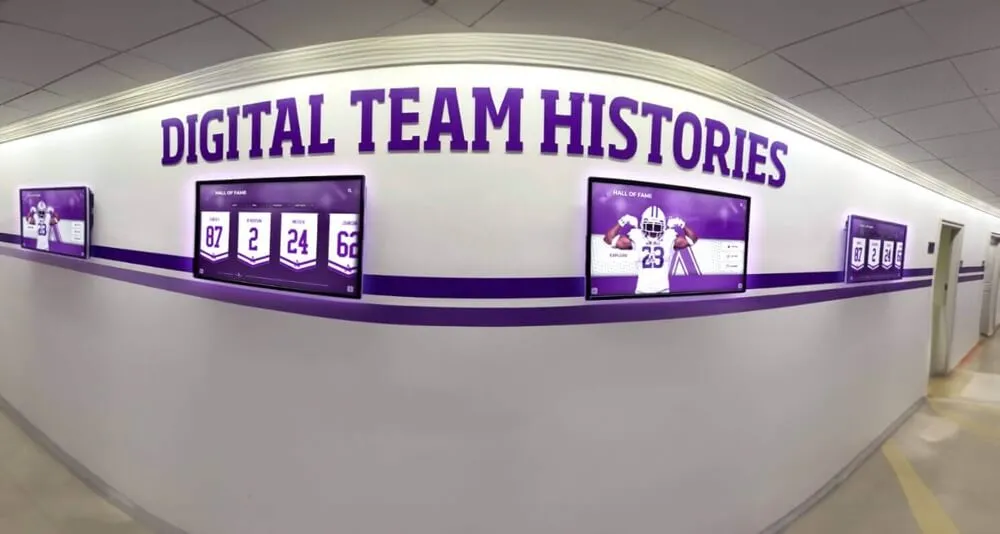
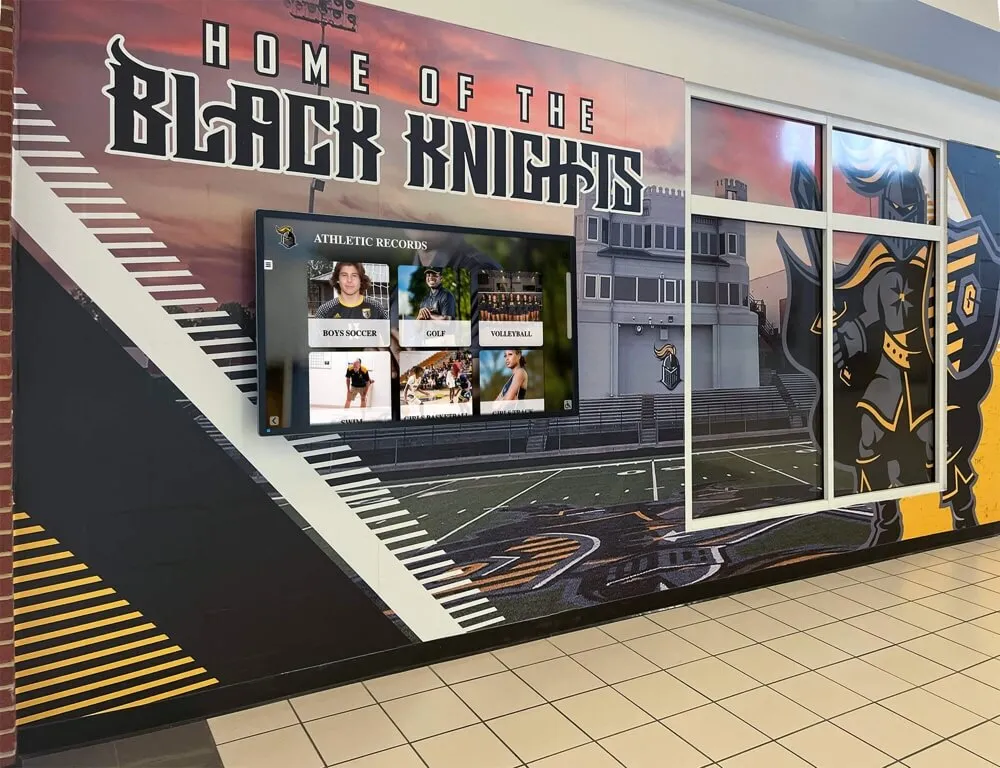
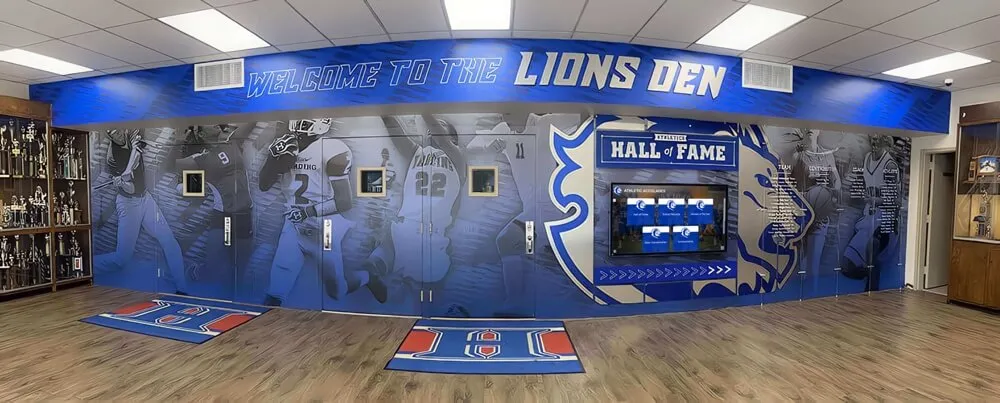
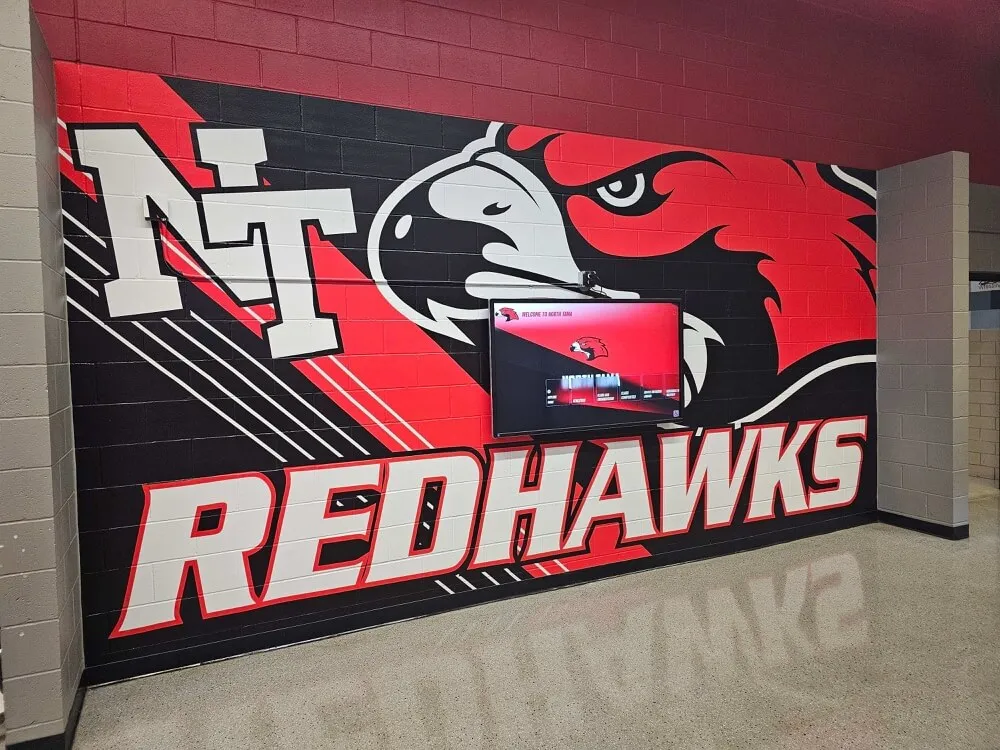
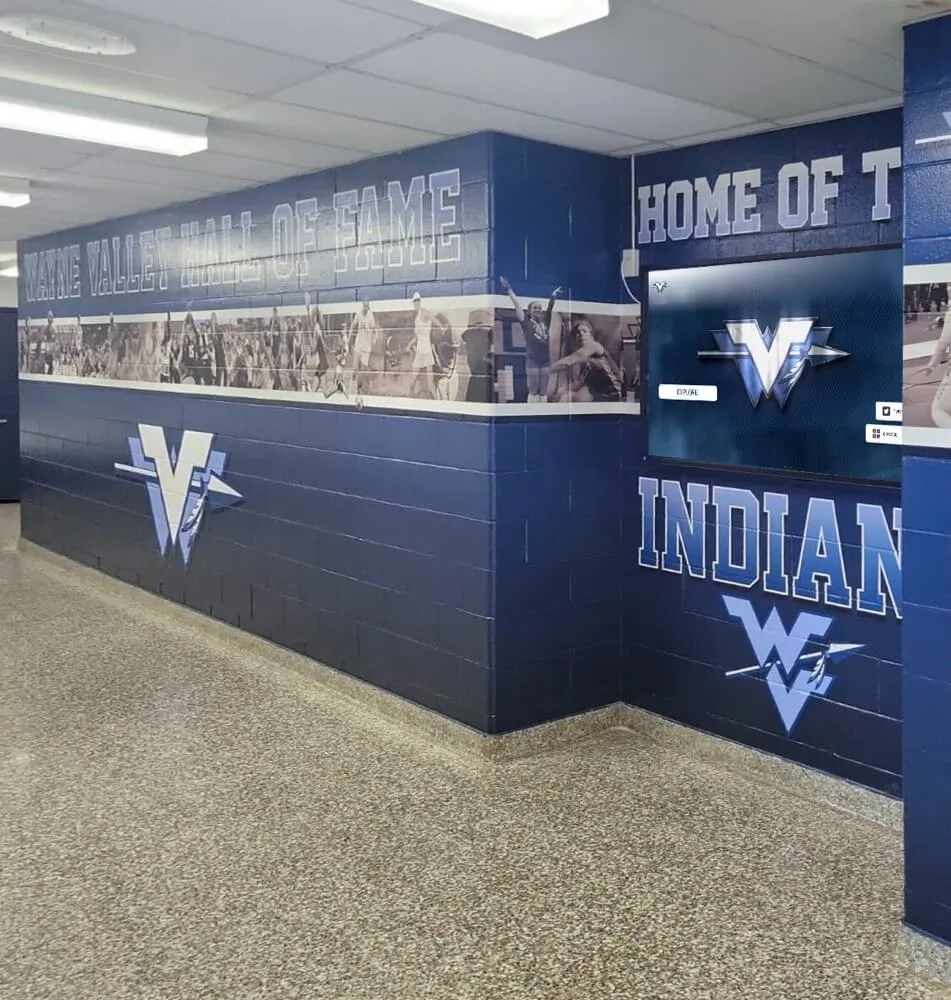
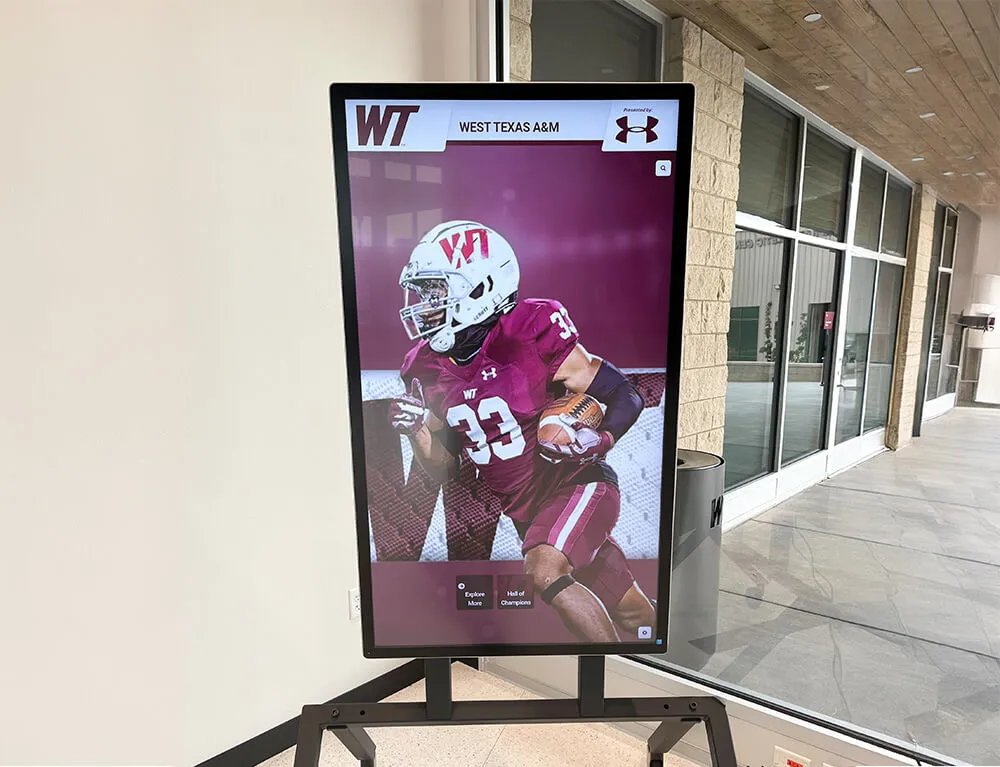
Modern recognition systems showcase student leaders through visual displays that celebrate individual contributions and inspire peers
Why Student Leadership Awards Matter
Understanding the broader impact of leadership recognition helps schools design award programs that maximize positive outcomes for individual students and school culture.
The Development Impact of Leadership Recognition
Educational research consistently demonstrates how leadership awards shape student development and institutional culture:
Individual Student Growth
- Leadership recognition increases student confidence and willingness to take initiative in future situations
- Award recipients show higher rates of sustained community engagement through college and beyond
- Recognized student leaders develop stronger sense of purpose and agency
- Leadership acknowledgment reinforces specific qualities and behaviors worth developing further
School Culture Enhancement
- Visible leadership recognition creates peer modeling effects throughout student body
- Celebrating diverse leadership forms legitimizes multiple pathways to positive impact
- Leadership awards elevate non-academic accomplishments to similar status as athletic or academic recognition
- Recognition programs identify emerging leaders early for mentorship and development opportunities
According to research from the National Association of Secondary School Principals, schools with comprehensive leadership recognition programs demonstrate significantly higher rates of student engagement in co-curricular activities and community service initiatives compared to schools relying solely on academic or athletic recognition systems.
Beyond Individual Recognition
Leadership awards create ripple effects throughout educational communities:
Peer Influence Dynamics
- Recognized leaders provide concrete examples of valued behaviors
- Leadership celebration reduces negative peer pressure through positive counter-examples
- Award programs create language and frameworks for discussing leadership qualities
- Recognition systems identify students capable of positive peer influence for programming
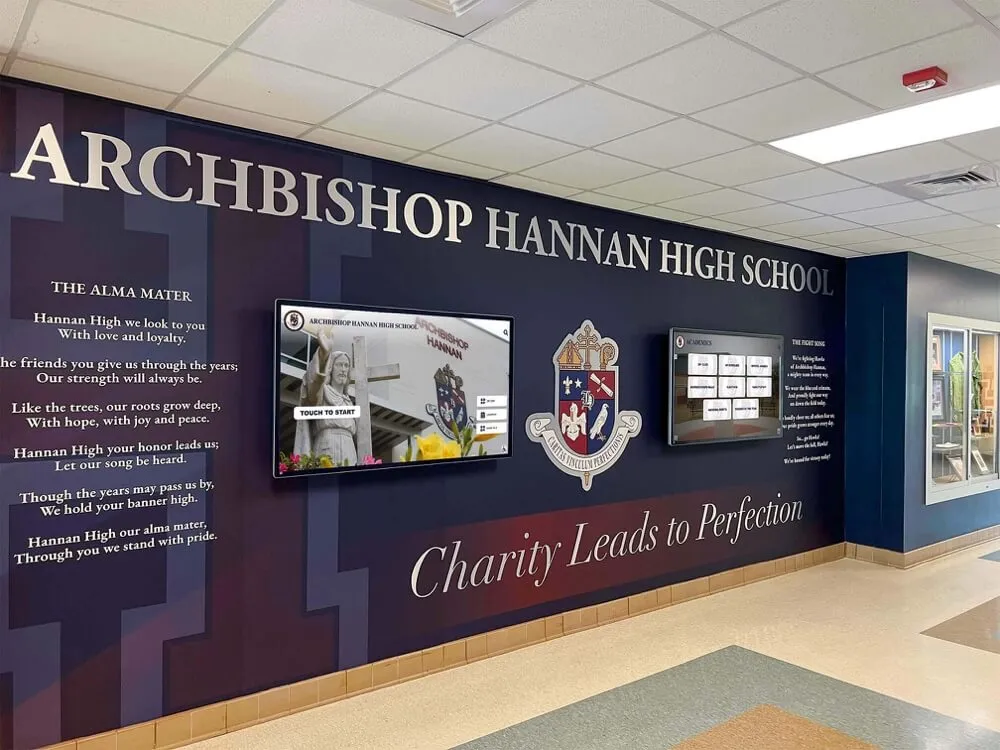
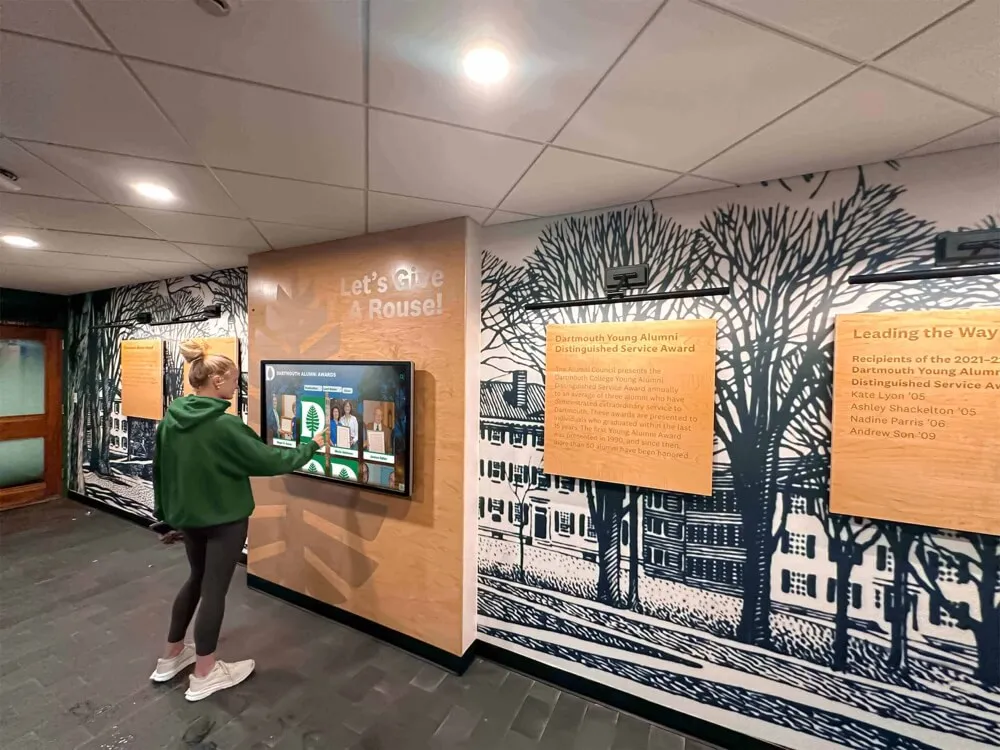
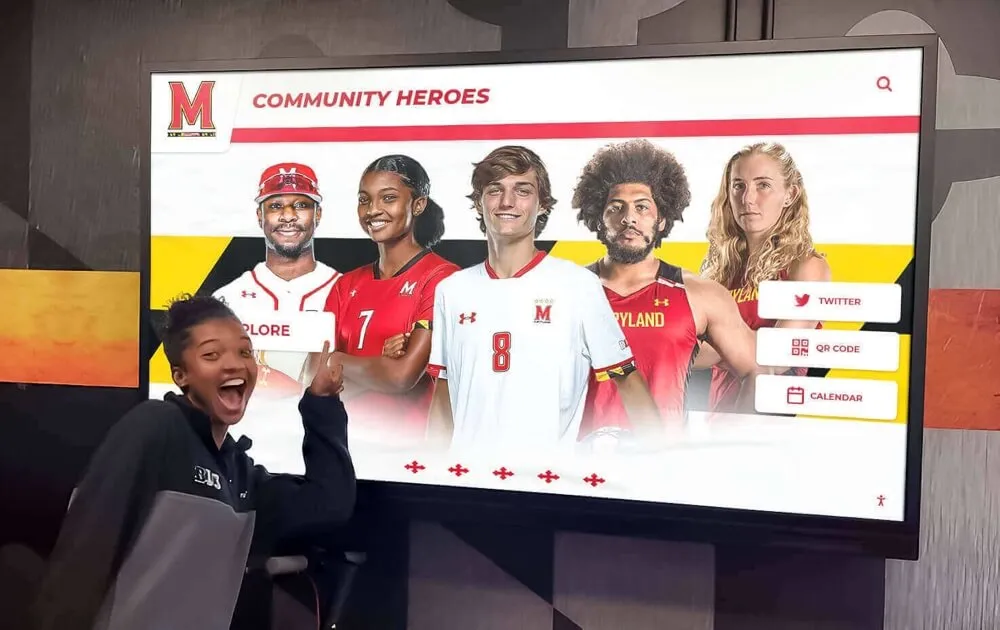
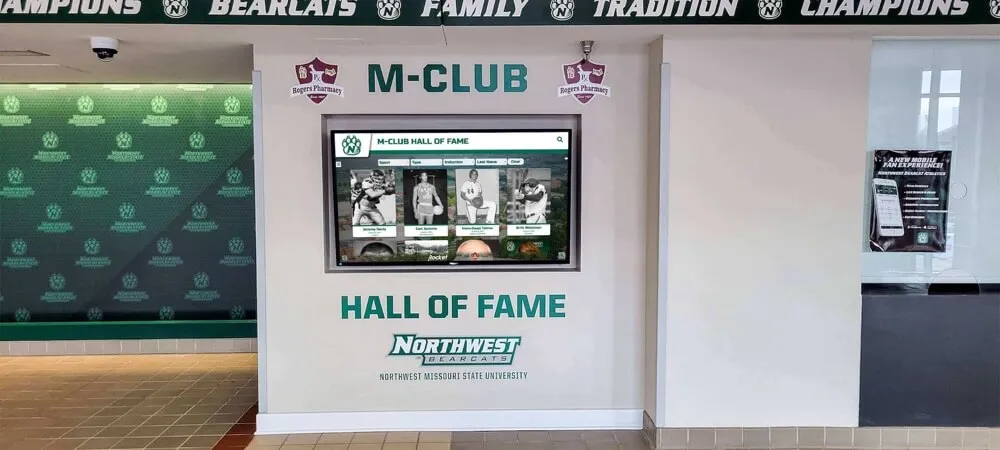
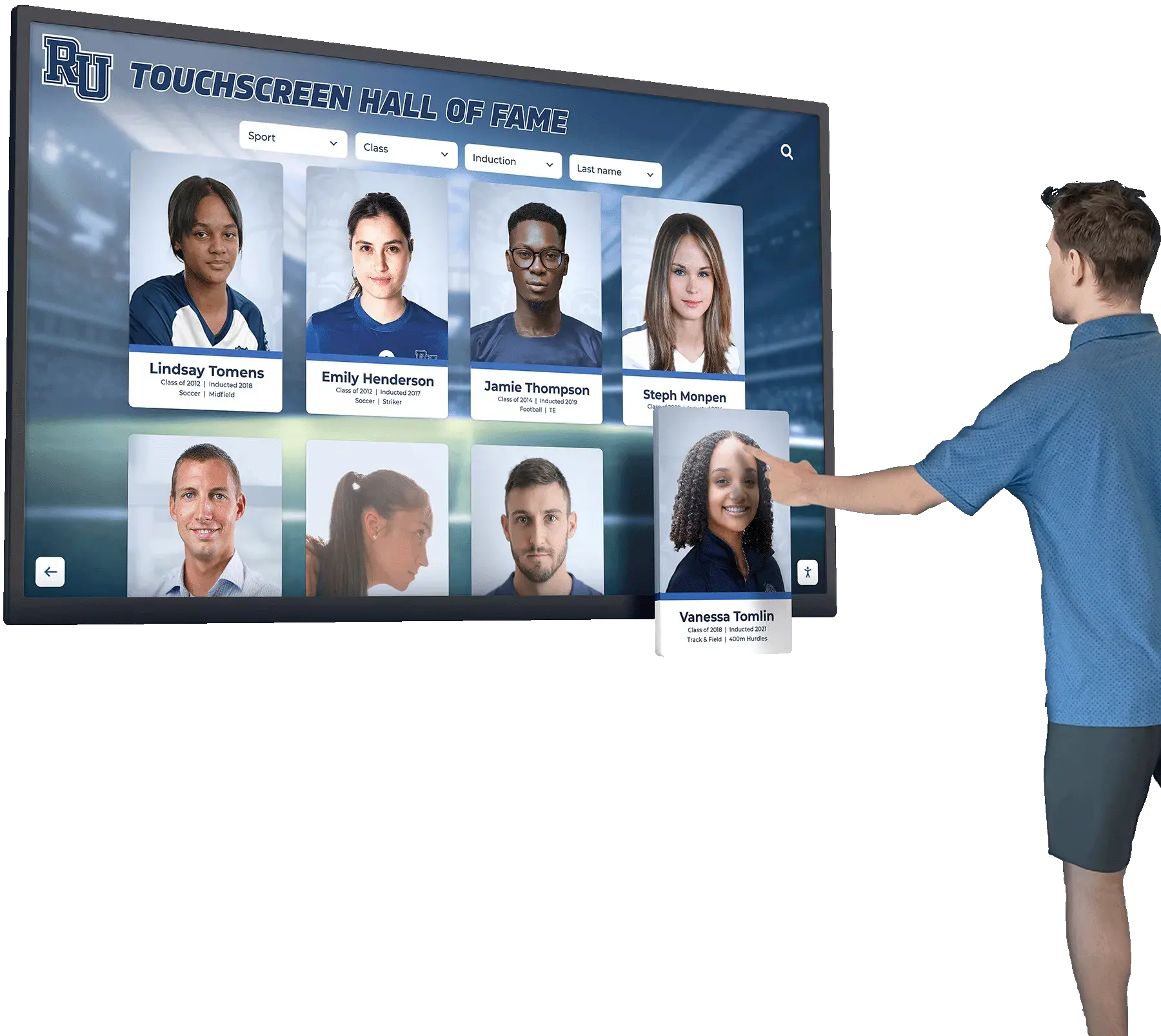
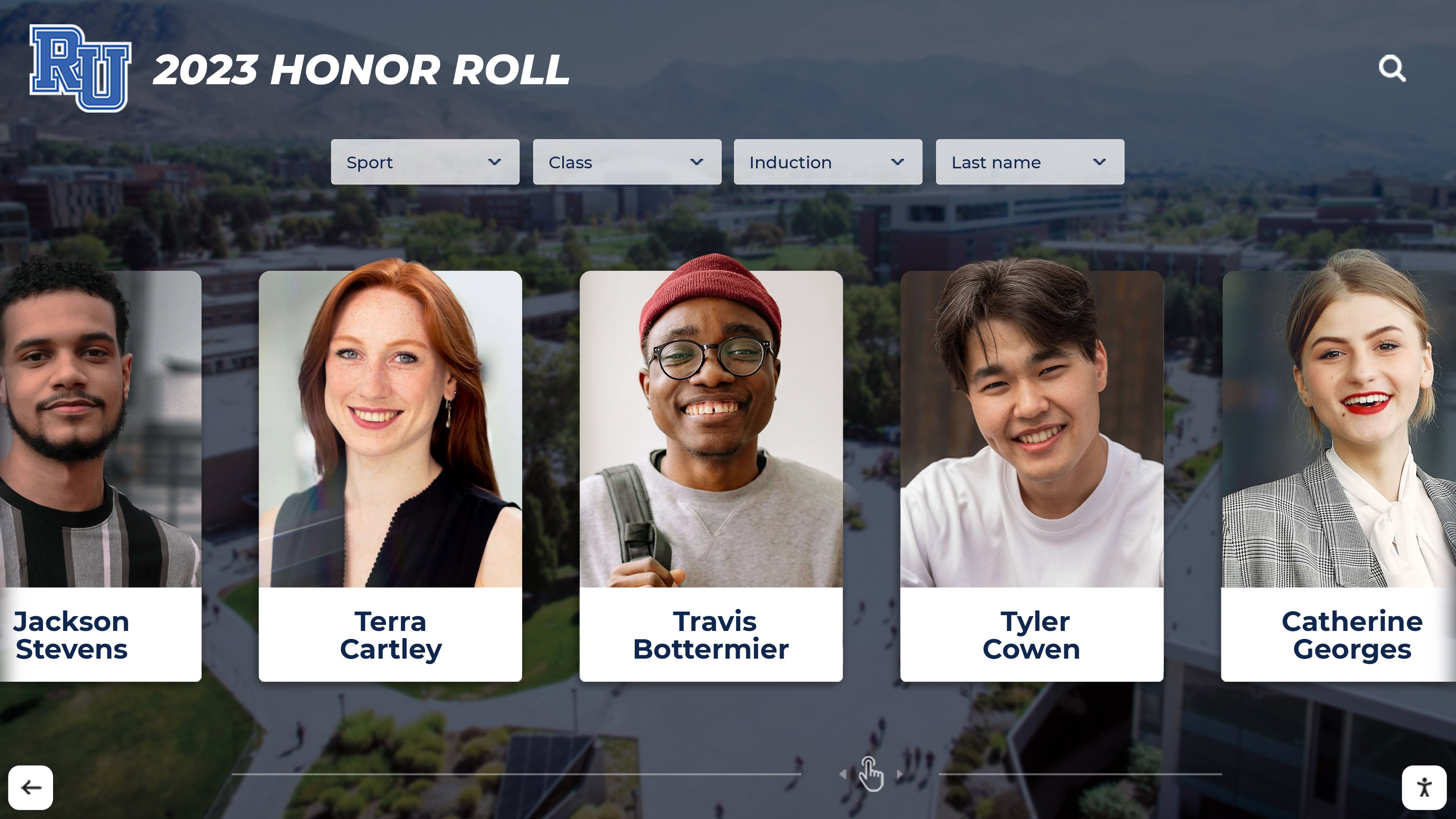
Interactive displays allow students to explore leadership achievements and understand different pathways to positive impact
Family and Community Connection
- Leadership recognition creates positive communication opportunities between schools and families
- Award celebrations highlight student accomplishments families can celebrate
- Recognition programs demonstrate school commitment to holistic student development
- Leadership awards provide talking points for college applications and scholarship opportunities
Many schools find that thoughtfully designed academic recognition programs complement leadership awards by celebrating the full spectrum of student achievement.
Types of Student Leadership Awards to Consider
Effective leadership recognition systems include multiple award categories that acknowledge different leadership expressions and create opportunities for diverse students.
Character-Based Leadership Awards
These awards recognize students demonstrating specific leadership qualities regardless of formal roles:
Servant Leadership Award
- Criteria: Consistent record of putting others first and serving without recognition
- Identifies students who volunteer for behind-the-scenes tasks
- Celebrates those who help others succeed without seeking credit
- Recognizes mentorship and peer support efforts
Courage and Advocacy Award
- Criteria: Students who speak up for others or advocate for important causes
- Honors those willing to have difficult conversations
- Recognizes students who challenge unfairness or discrimination
- Celebrates moral courage and ethical leadership
Bridge Builder Award
- Criteria: Students who connect different groups and reduce social divisions
- Identifies those who create inclusive environments
- Recognizes efforts to understand different perspectives
- Celebrates students who resolve conflicts and build unity
Innovation and Initiative Award
- Criteria: Students who identify problems and create solutions without being asked
- Honors creative thinking and proactive behavior
- Recognizes those who start new programs or improve existing systems
- Celebrates entrepreneurial leadership and positive change agents
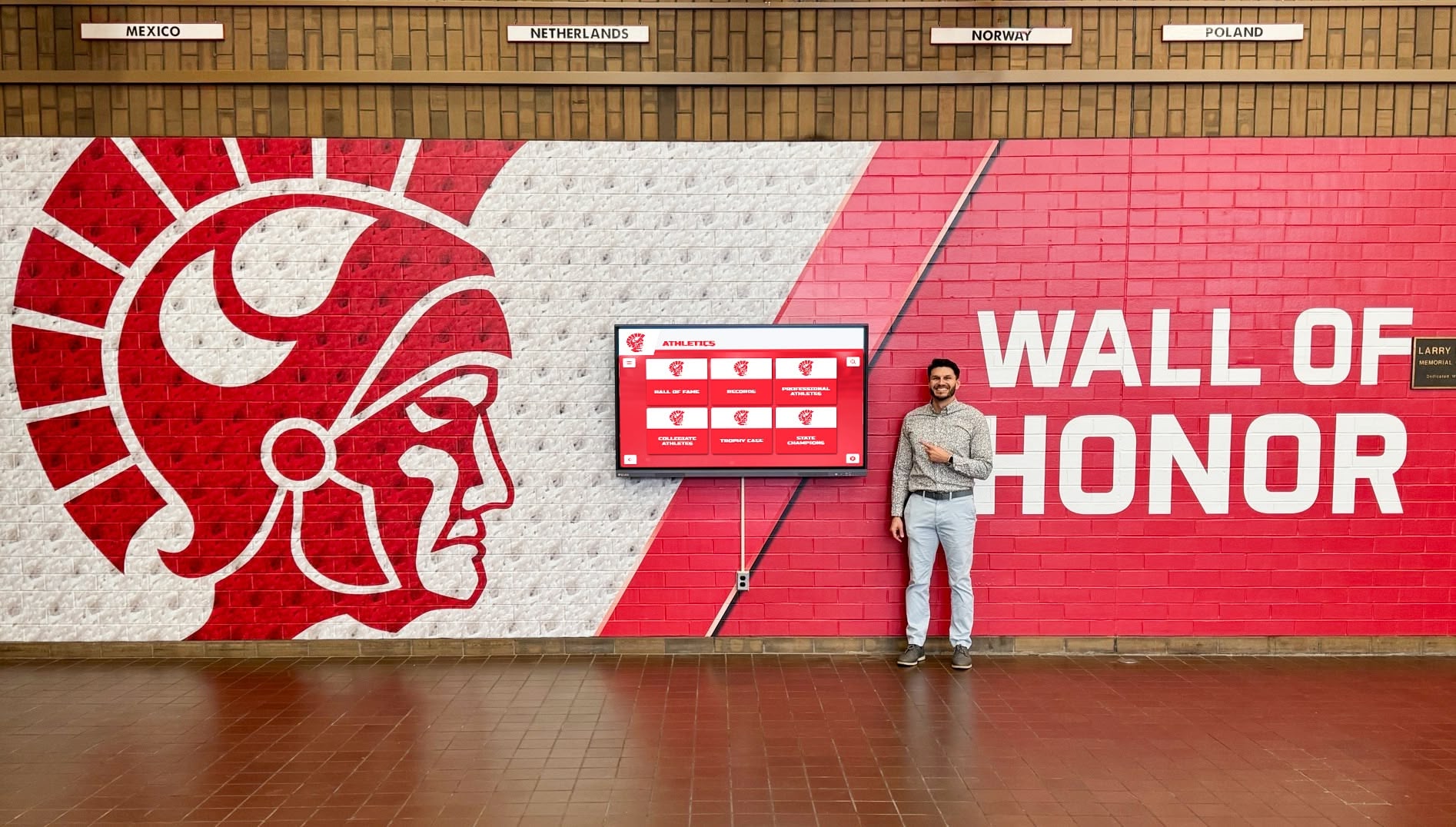
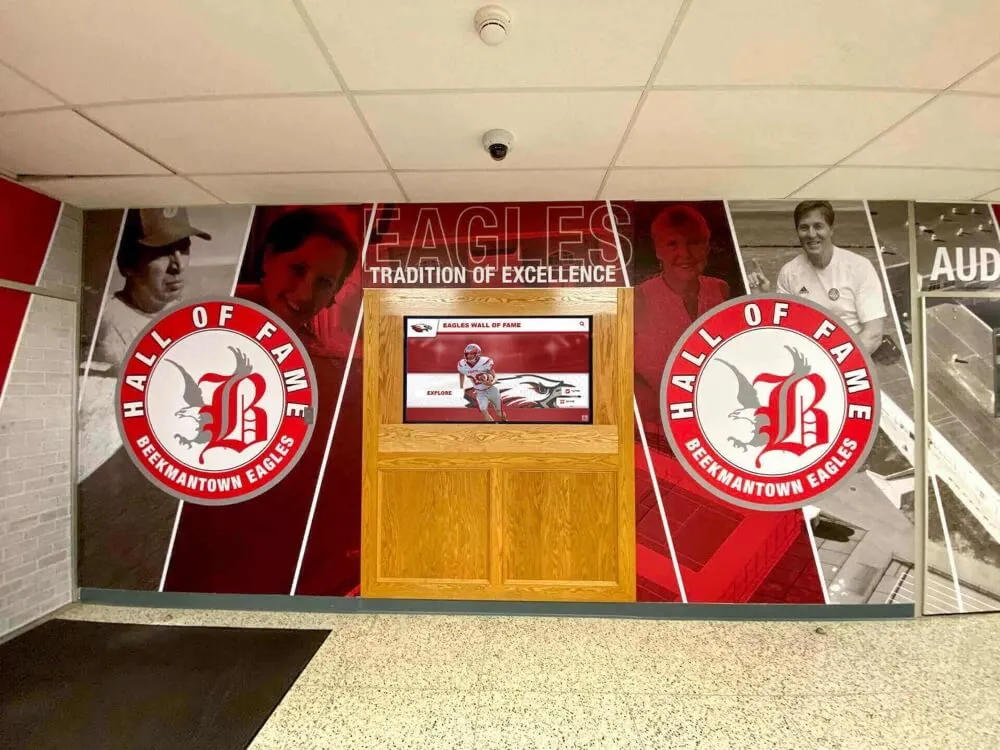
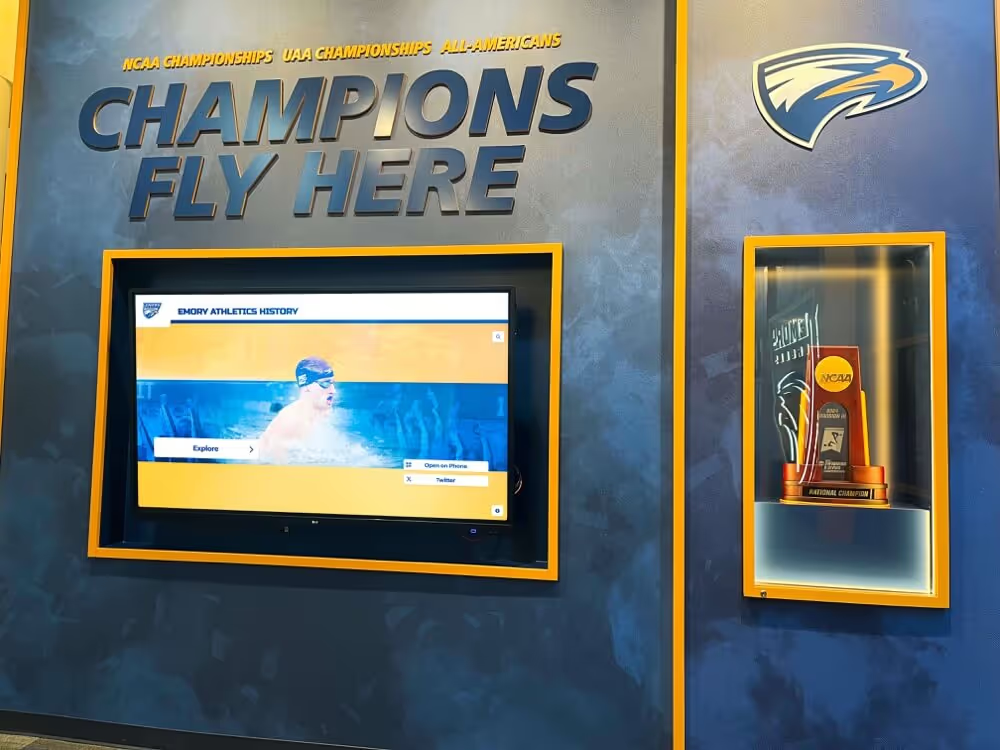
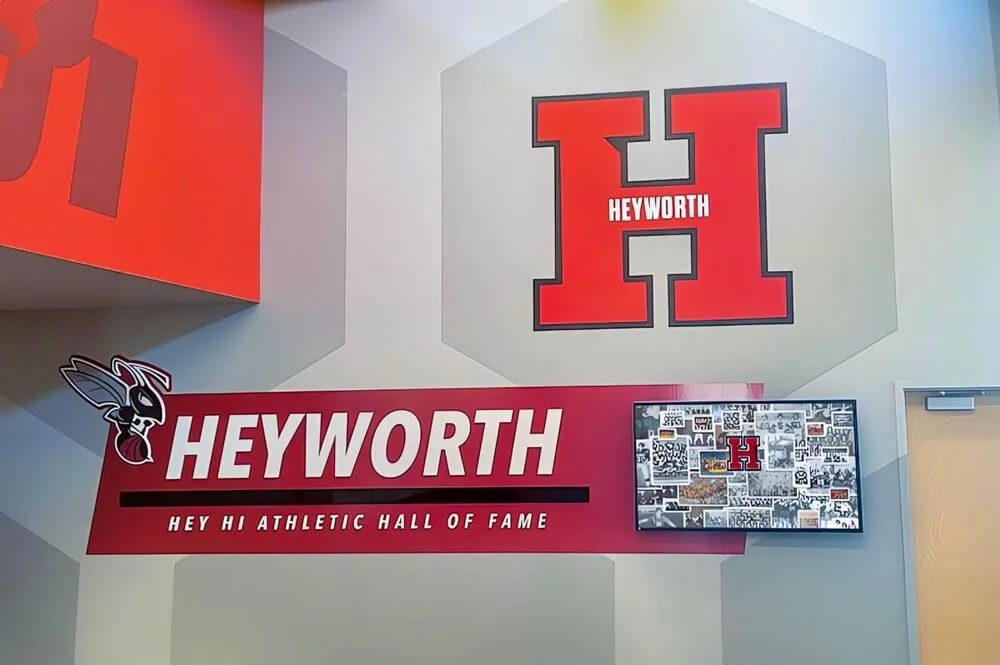
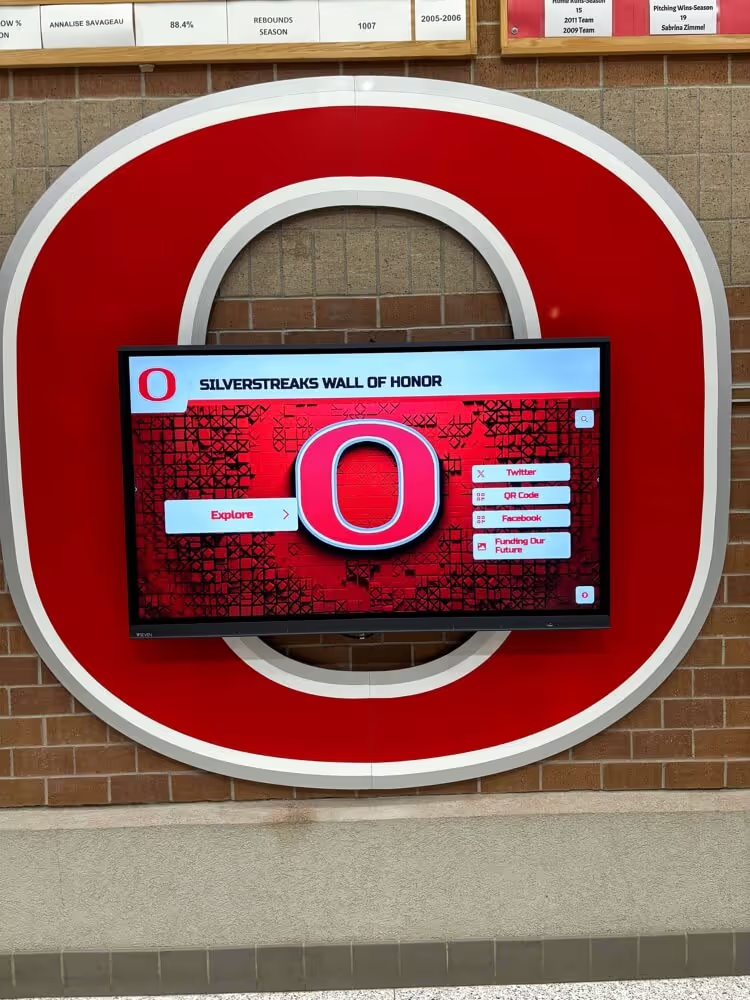
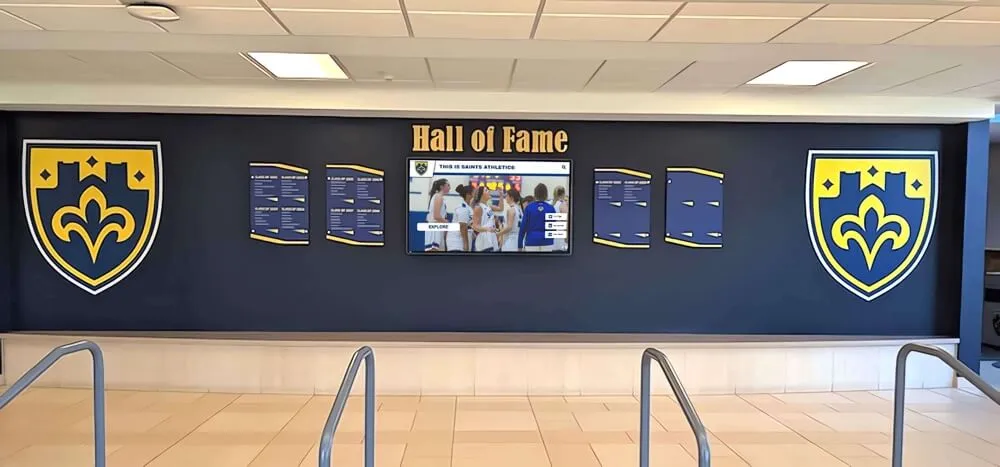
Permanent recognition displays create lasting celebration of student leadership that inspires current and future students
Activity-Specific Leadership Recognition
These awards acknowledge leadership within particular contexts or programs:
Club Leadership Excellence Awards
- Presidents or officers who significantly grew or improved their organizations
- Leaders who successfully planned major events or initiatives
- Students who revitalized struggling clubs or started new organizations
- Recognition for sustained commitment and positive organizational impact
Athletic Leadership Awards
- Team captains who demonstrated exceptional leadership beyond athletic skill
- Athletes who consistently mentored younger players
- Players who maintained positive attitudes during challenging seasons
- Recognition for leadership in practice, games, and team culture development
Similar to how schools celebrate athletic achievement, digital trophy cases can showcase leadership awards alongside traditional athletic and academic accomplishments.
Performing Arts Leadership Recognition
- Section leaders in band, orchestra, or choir who mentored others
- Student directors or choreographers for productions
- Musicians or performers who maintained ensemble cohesion
- Recognition for artistic leadership and collaborative excellence
Community Service Leadership Awards
- Students who organized significant service projects
- Consistent volunteers who inspire others to participate
- Leaders who created sustainable partnerships with community organizations
- Recognition for impact on community beyond school walls
Grade-Level and Emerging Leader Awards
These awards create leadership pathways for younger students and recognize developmental progression:
Emerging Leader Award (Underclassmen)
- Identifies freshmen and sophomores showing early leadership potential
- Creates recognition opportunities before students hold formal positions
- Encourages continued leadership development
- Provides visibility to younger students who might otherwise feel overlooked
Most Improved Leader Award
- Recognizes significant growth in leadership abilities over time
- Celebrates students who overcame initial struggles or setbacks
- Honors effort and development rather than only established capability
- Creates hope that leadership skills can be learned and developed
Peer-Nominated Leadership Award
- Students nominate classmates who exemplify leadership qualities
- Identifies leaders peers actually respect and follow
- Creates democratic element in recognition process
- Often discovers quiet leaders adults might overlook
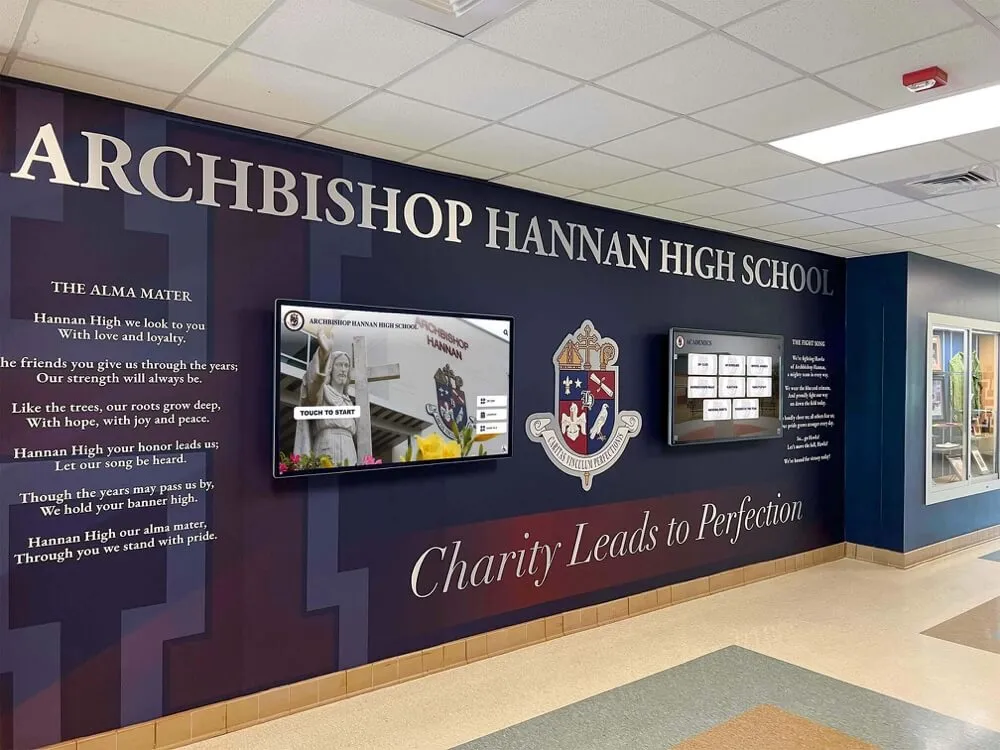
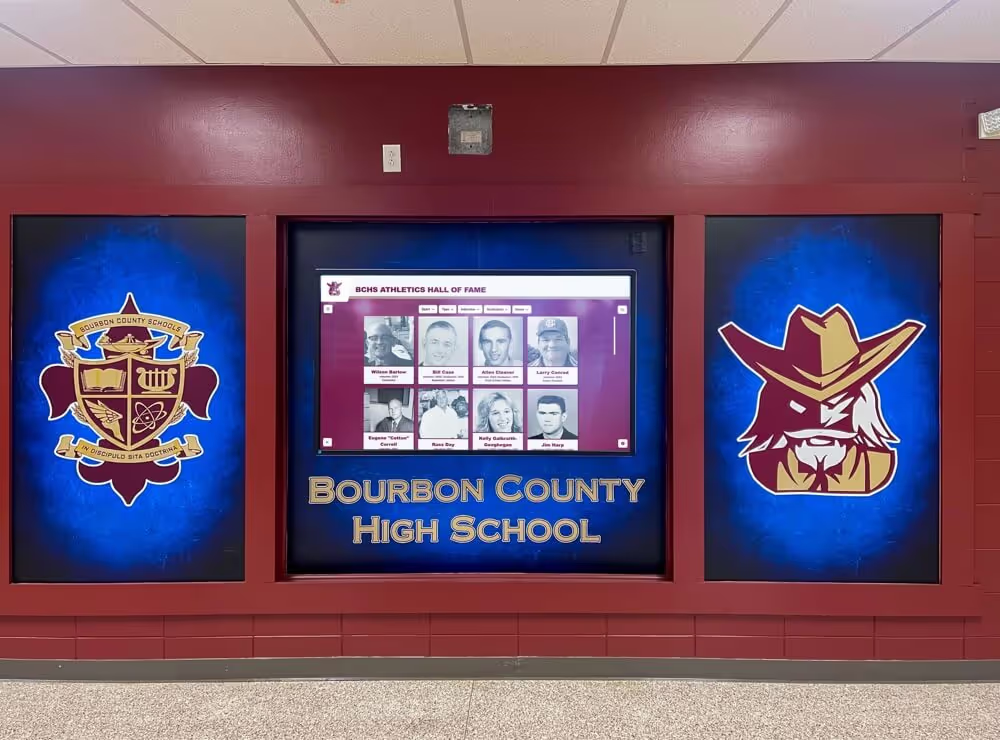
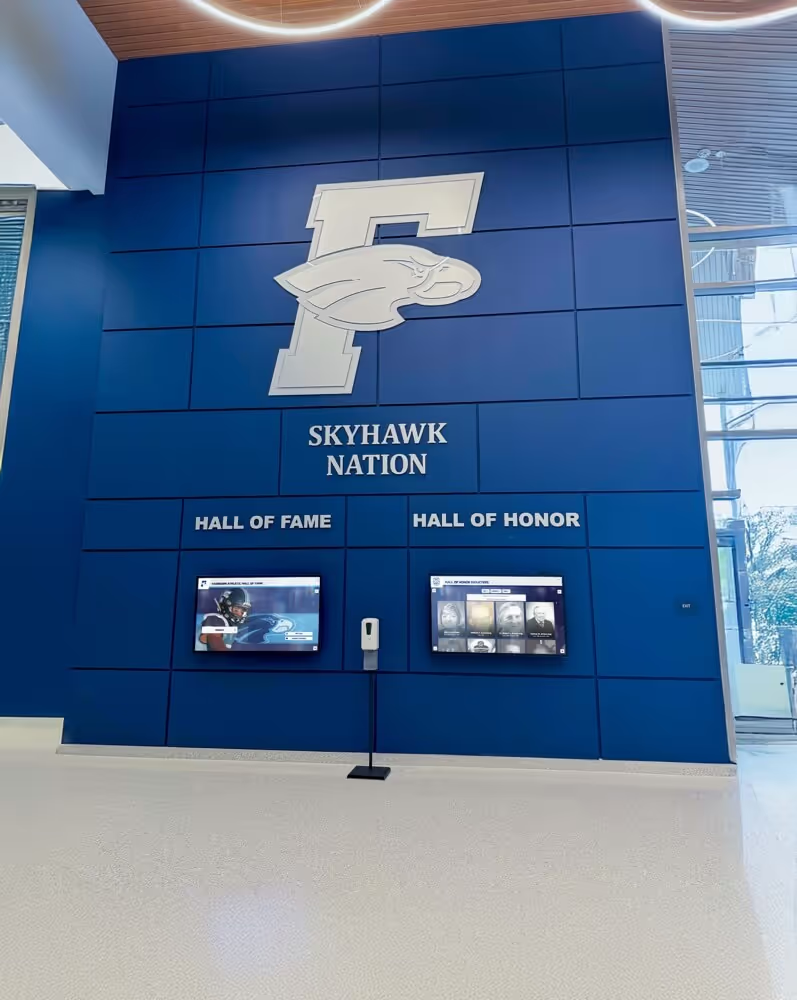
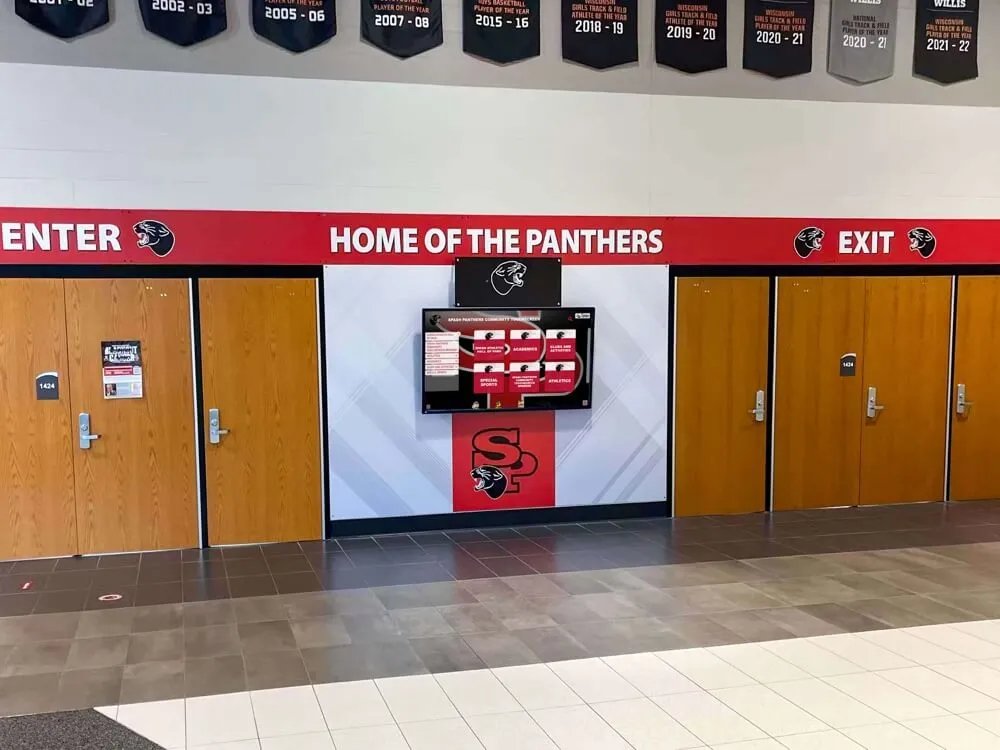
Prominent placement of recognition displays in high-traffic areas ensures leadership achievements receive visibility they deserve
Establishing Meaningful Award Criteria
The most impactful leadership awards use clear, observable criteria that help students understand exactly what qualities and behaviors your school values.
Defining Observable Leadership Behaviors
Move beyond vague qualities like “shows leadership” to specific, demonstrable actions:
Initiative and Proactive Behavior
- Started new program, club, or initiative without being directed
- Identified problem and organized solution involving multiple people
- Volunteered for challenging tasks others avoided
- Took on additional responsibilities to help team or organization succeed
Positive Influence on Others
- Consistently encouraged peers toward positive actions
- Helped resolve conflicts between students or groups
- Changed group dynamics toward more inclusive or productive norms
- Mentored or tutored other students in formal or informal capacity
Sustained Commitment and Follow-Through
- Maintained involvement in activity or organization across multiple years
- Completed long-term projects despite obstacles or setbacks
- Demonstrated reliability by consistently meeting commitments
- Showed dedication during difficult periods when enthusiasm waned
Impact and Results
- Measurably improved an organization, program, or situation
- Successfully led group toward specific accomplishment
- Created lasting change or established sustainable system
- Influenced significant number of peers toward positive outcomes
Creating Nomination and Selection Processes
Thoughtful processes ensure fairness and discover leaders who might otherwise remain hidden:
Nomination Pathways
- Teacher nominations based on observed classroom and school behaviors
- Peer nominations allowing students to recognize fellow leaders
- Self-nomination with supporting evidence of leadership impact
- Community organization partnerships nominating student volunteers
- Automatic consideration for students in specific leadership positions
When developing comprehensive recognition systems, schools often integrate National Honor Society recognition with broader leadership award programs.
Selection Committee Composition
- Administrators providing institutional perspective
- Teachers representing different departments and student populations
- Student representatives ensuring peer perspective
- Community members offering external viewpoint
- Previous award recipients bringing continuity
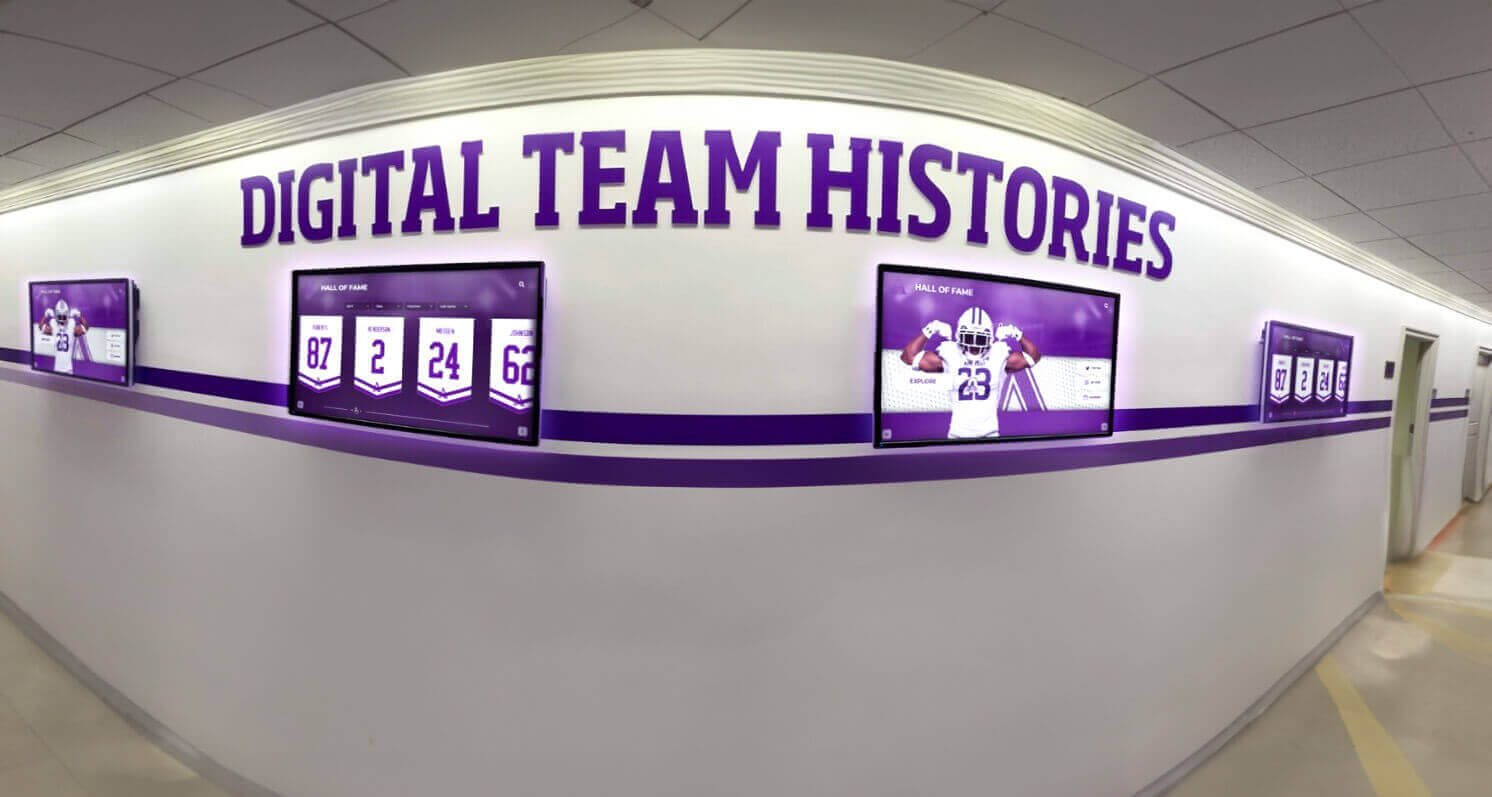
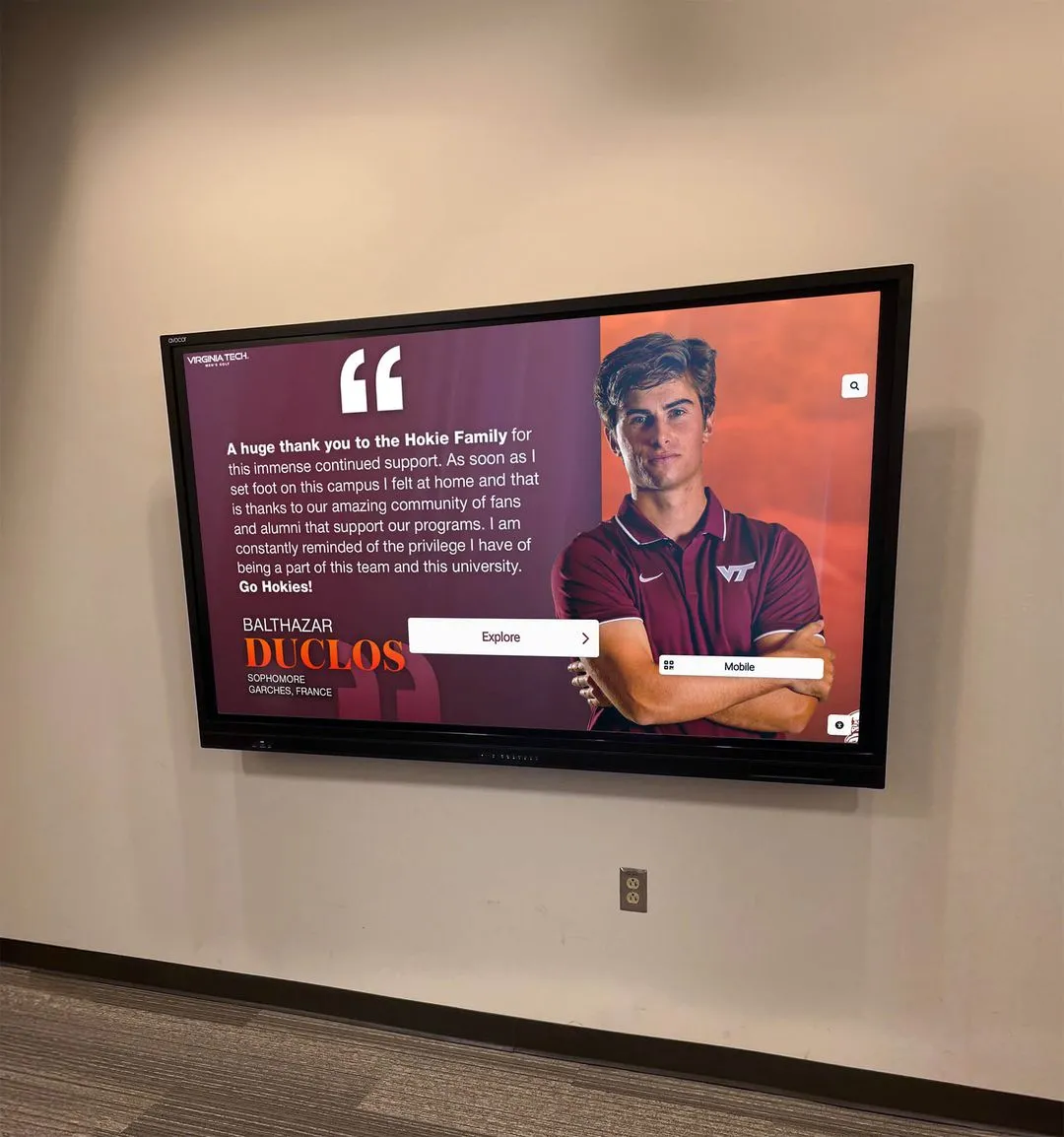
Digital displays enable dynamic recognition that can be updated regularly to celebrate current student leaders
Evaluation and Scoring Methods
- Rubrics assessing specific leadership dimensions with clear descriptors
- Evidence-based evaluation requiring concrete examples of impact
- Multiple evaluator perspectives reducing individual bias
- Comparative evaluation processes when selecting from strong candidate pools
- Transparent criteria published so nominees understand selection factors
Creative Presentation and Recognition Strategies
How you present leadership awards significantly affects their perceived value and impact on recipients and observers.
Award Ceremony Approaches
Different formats serve different purposes and audiences:
Dedicated Leadership Recognition Evening
- Formal event focusing exclusively on leadership awards
- Allows extended recognition including video tributes or speeches
- Demonstrates institutional commitment to leadership development
- Creates special occasion families and community members attend
- Provides opportunity for deeper storytelling about award recipients
Integration into Existing Events
- Present leadership awards during honors assemblies or graduation ceremonies
- Embeds leadership recognition among other valued accomplishments
- Ensures broader audience witnesses leadership celebration
- Reduces additional time demands on students and families
- Positions leadership achievement alongside academic and athletic success
Rolling Recognition Throughout Year
- Announce and celebrate individual awards when decisions are made
- Creates multiple recognition moments rather than single event
- Allows each recipient maximum attention and celebration
- Provides flexibility for timing around other school events
- Maintains year-round focus on leadership rather than single ceremony
Physical Awards and Lasting Recognition
Tangible recognition extends impact beyond initial presentation:
Traditional Award Elements
- Plaques or trophies providing physical symbol of achievement
- Certificates with specific accomplishment descriptions
- Medals or pins students can wear representing leadership recognition
- Letters of recognition for college applications and portfolios
- Award amount (if budget allows) demonstrating concrete value
Permanent Display Recognition
- Names on dedicated leadership recognition plaques or walls
- Photos in leadership display cases or designated school areas
- Digital displays featuring rotating leadership award recipient profiles
- Inclusion in school publications, yearbooks, and promotional materials
- Legacy recognition allowing future students to see leadership history
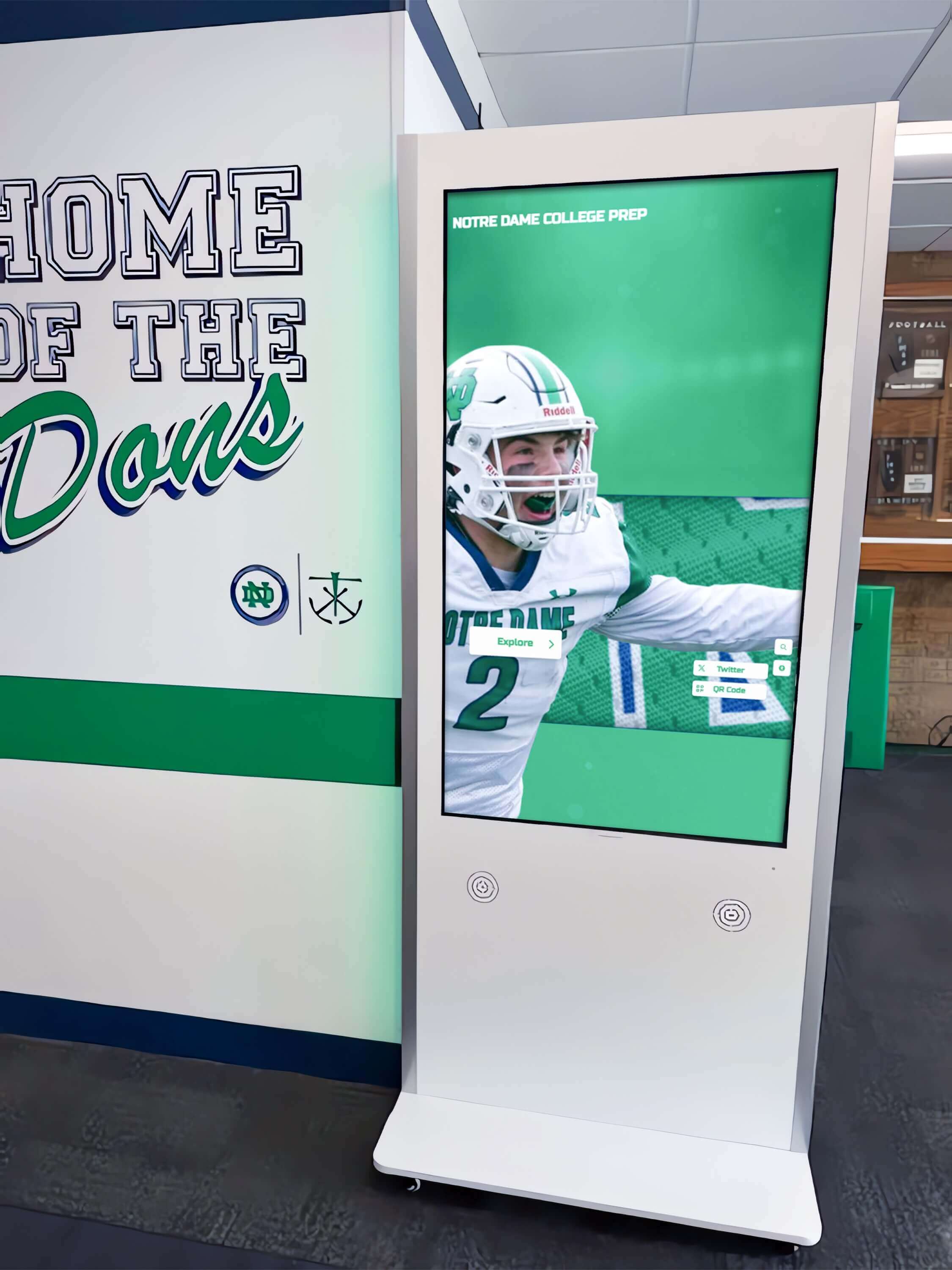
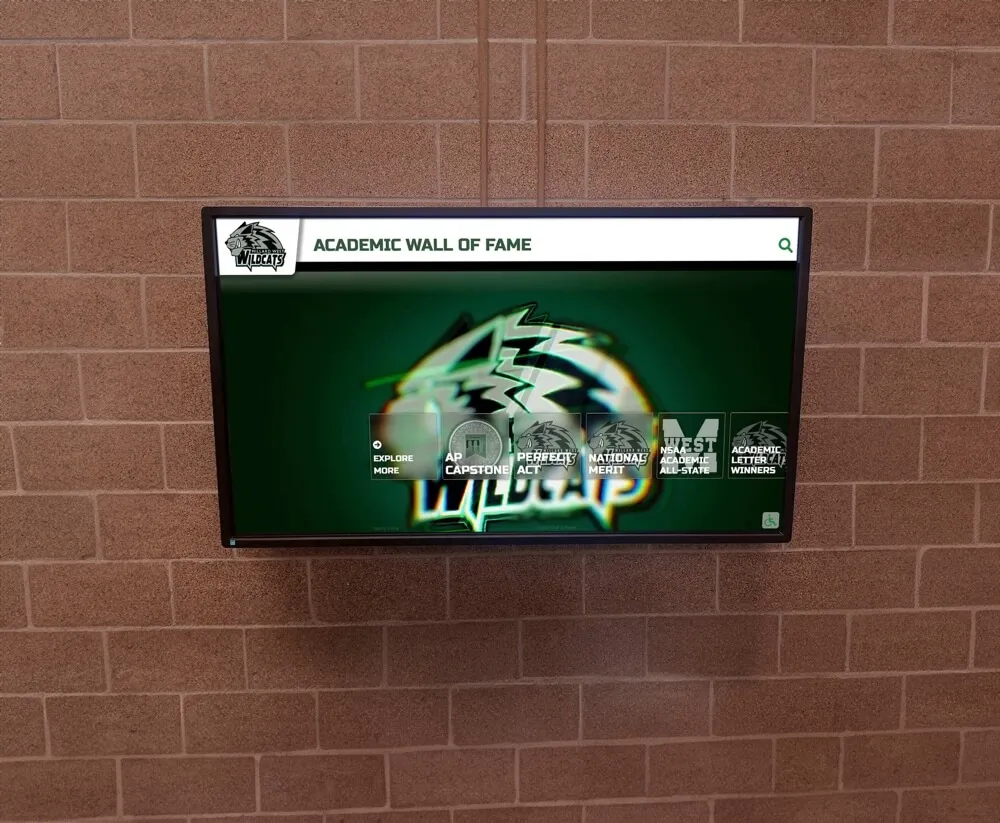
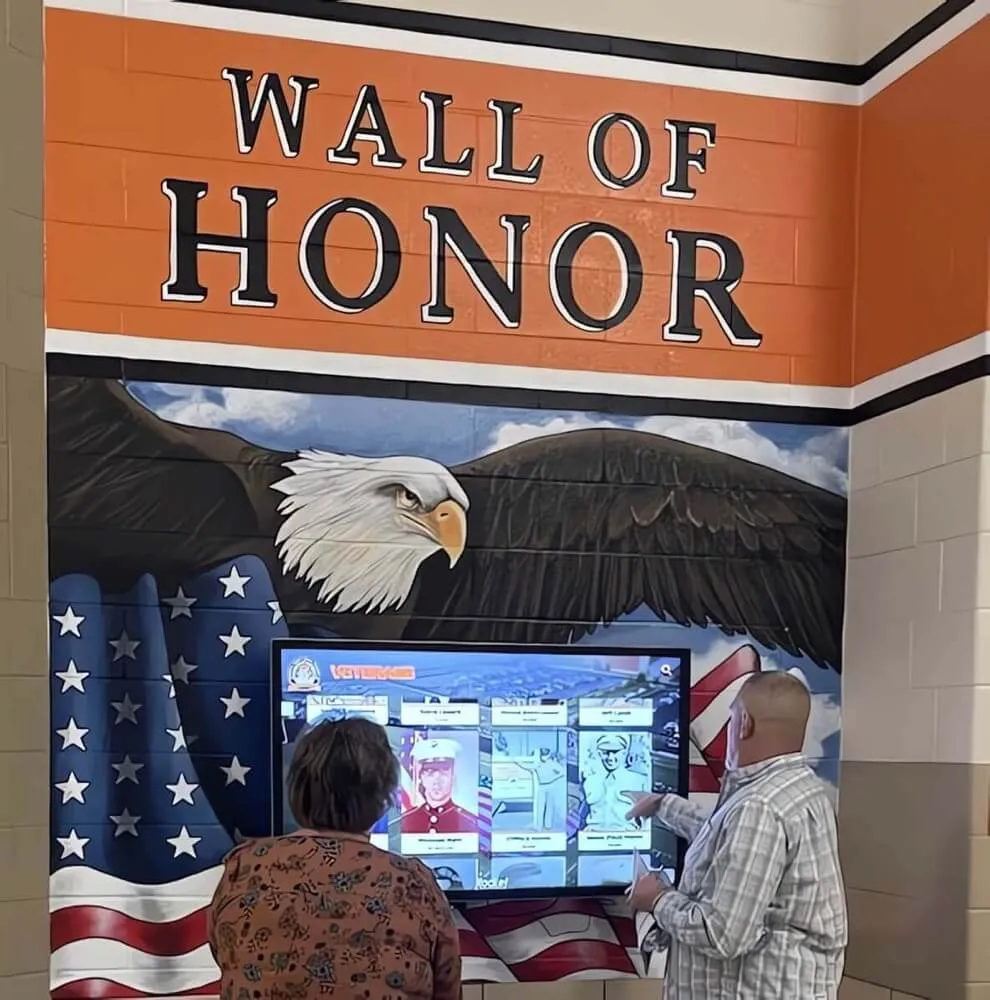
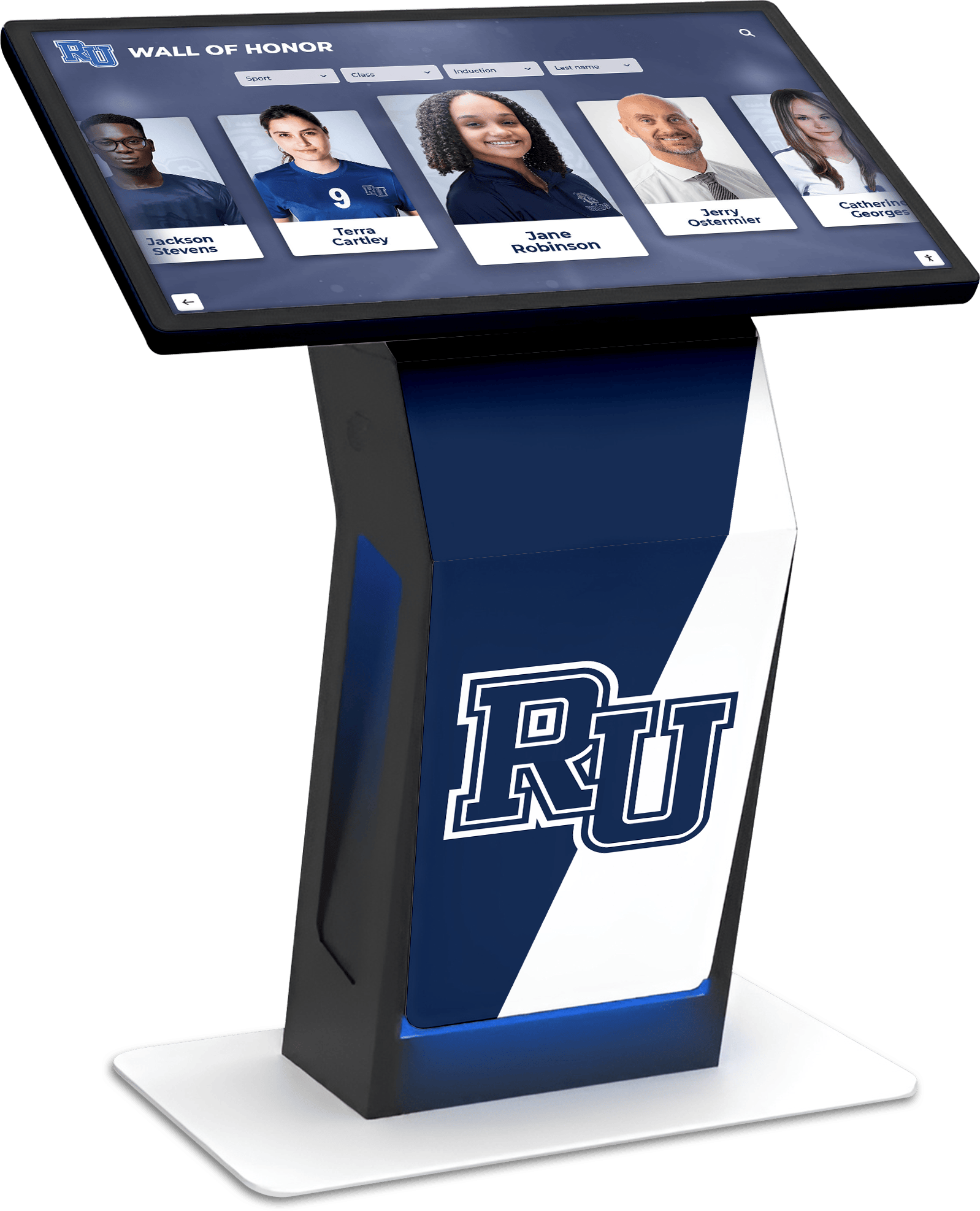
Interactive kiosks create engaging recognition experiences where students can explore achievements and learn about leadership qualities
Modern schools increasingly use technology to ensure leadership recognition remains visible year-round. Digital recognition systems allow schools to showcase student leaders through rotating displays, interactive profiles, and easily updated content that keeps recognition fresh and relevant. Touchscreen display installations in new or renovated facilities provide natural opportunities to implement lasting leadership recognition systems.
Avoiding Common Leadership Award Pitfalls
Even well-intentioned recognition programs can create unintended negative consequences without careful design.
Ensuring Inclusive Recognition
Leadership awards should discover and celebrate diverse forms of leadership rather than repeatedly recognizing the same student profiles:
Avoiding “Usual Suspect” Syndrome
- Look beyond students already holding formal leadership positions
- Actively seek nominations from teachers working with different student populations
- Create award categories that value different leadership expressions
- Establish limits on how many awards individual students can receive
- Use selection processes that surface quiet or behind-the-scenes leaders
Cultural and Demographic Diversity
- Monitor award recipient demographics to ensure representation across student body
- Consider how leadership might be expressed differently across cultural backgrounds
- Seek input from diverse community members about valued leadership qualities
- Provide nomination education helping nominators recognize varied leadership styles
- Examine criteria that might inadvertently favor certain student groups
Maintaining Meaningful Standards
Awards lose value when recognition becomes too widespread or criteria too vague:
Preserving Award Significance
- Maintain clear, consistently applied criteria rather than recognizing everyone
- Limit award numbers to maintain selectivity and perceived value
- Require concrete evidence of impact rather than only participation
- Be willing to have years when certain awards aren’t given if no candidate meets standard
- Distinguish between participation recognition and exceptional leadership awards
Avoiding Purely Popularity-Based Selection
- Balance peer input with adult observation and objective criteria
- Look beyond surface popularity to actual leadership impact
- Consider students who lead smaller groups or less visible populations
- Evaluate sustained impact rather than only high-profile moments
- Require evidence beyond general likability or social status
The goal is creating recognition systems that feel both aspirational and attainable—students should see awards as meaningful accomplishments requiring real effort while understanding that diverse pathways to recognition exist.
Enhancing Leadership Awards with Development Programs
The most impactful schools connect recognition with actual leadership skill development rather than treating awards as endpoints.
Creating Leadership Pathways
Connect awards with opportunities for continued growth:
Leadership Development Programming
- Workshops or training sessions for award recipients and emerging leaders
- Mentorship programs pairing award recipients with younger students
- Leadership retreat or conference attendance opportunities
- Assigned leadership roles in school events or programs
- College and career preparation specifically focused on leadership development
Progressive Recognition Systems
- Multi-year leadership development tracks with increasing expectations
- Emerging leader recognition leading to senior leadership awards
- Portfolio systems documenting leadership growth over time
- Cumulative recognition acknowledging sustained leadership across high school
- Alumni leadership awards creating long-term connection to school values
Leveraging Awards for School Improvement
Use leadership recognition strategically to advance institutional priorities:
Targeted Leadership Recognition
- Create awards supporting specific school improvement goals
- Recognize leaders addressing identified gaps or challenges
- Use criteria emphasizing leadership aligned with school strategic priorities
- Celebrate students modeling behaviors you want to see more broadly
- Connect awards to initiatives needing student leadership and energy
Many schools integrate leadership recognition with broader school branding efforts that communicate institutional values and culture.
Modern Recognition Technologies and Displays
Contemporary recognition systems leverage technology to make leadership awards more visible, engaging, and lasting.
Digital Recognition Platforms
Technology extends the reach and impact of leadership recognition:
Interactive Digital Displays
- Touchscreen systems allowing viewers to explore leader profiles and accomplishments
- Rotating digital displays showcasing current and historical award recipients
- Photo galleries with detailed descriptions of leadership contributions
- Video tributes or personal statements from award recipients
- Search and filter functions helping students find inspiration from specific leadership areas
Online Recognition Portals
- School websites featuring dedicated leadership recognition sections
- Social media celebration of award recipients reaching broader audiences
- Digital yearbook or archive preserving leadership recognition history
- Mobile-accessible platforms allowing families to share achievements
- Integration with school communications reaching parents and community
Schools implementing new recognition displays often coordinate with facilities projects. Understanding donor recognition wall design principles can inform student leadership recognition display planning as well.
Combining Traditional and Digital Recognition
The most effective approaches blend lasting physical elements with dynamic digital capabilities:
Hybrid Recognition Systems
- Permanent plaques listing award recipients by year
- Adjacent digital screens showing current recipient profiles and photos
- QR codes on physical displays linking to detailed online content
- Physical trophies displayed in cases with digital displays providing context
- Traditional ceremonies supplemented with digital documentation and sharing
These hybrid approaches preserve the gravitas of physical awards while leveraging technology’s ability to provide deeper context, regular updates, and broader reach than static displays alone.
Budget-Conscious Award Implementation
Meaningful leadership recognition doesn’t require significant financial resources when schools focus on what matters most.
Low-Cost High-Impact Recognition
Creative approaches deliver significance without substantial expense:
Focus on Visibility and Ceremony
- Dedicate prime school space to leadership recognition displays
- Create special recognition moments during existing assemblies
- Involve school leaders and board members in award presentations
- Provide extensive description of achievements during presentations
- Document recognition through school communications and social media
Leverage Existing Resources
- Use school printing capabilities for certificates and programs
- Enlist art students to create custom award designs
- Partner with local businesses for award sponsorships
- Utilize free digital display options like Google Slides or Canva
- Coordinate recognition with other school events to minimize additional costs
Prioritize Recognition Over Prizes
- Focus resources on making recognition visible and meaningful
- Emphasize honor and prestige rather than monetary awards
- Create lasting recognition (names on walls) rather than individual keepsakes
- Develop peer and community recognition opportunities costing nothing
- Remember that significance comes from selectivity and ceremony, not expense
Similar to sports banquet celebrations, leadership recognition can be meaningful without being costly.
Seeking External Support
Partnerships can enhance recognition programs without burdening school budgets:
Community Partnerships
- Local service organizations (Rotary, Lions Club, etc.) sponsoring leadership awards
- Business partnerships providing awards or recognition opportunities
- Alumni associations funding leadership recognition programs
- Local foundations supporting youth leadership development
- Parent organizations raising funds specifically for recognition programs
Grants and Funding Opportunities
- Character education grants often include leadership recognition components
- Community foundation grants for youth development programs
- Corporate partnerships focused on developing future leaders
- National programs supporting leadership recognition and development
- State education agency programs promoting positive school culture
Sustaining Effective Leadership Recognition Over Time
Initial enthusiasm for new award programs often fades without systems ensuring long-term sustainability.
Creating Sustainable Processes
Build structures that outlast individual champions:
Documentation and Procedures
- Written procedures for nomination, selection, and recognition processes
- Timeline documents showing key dates for each program phase
- Criteria descriptions ensuring consistency across years and selection committees
- Budget planning integrating recognition into annual financial processes
- Communication templates standardizing announcements and promotional materials
Distributed Responsibility
- Avoid relying on single person to manage entire program
- Create committees with rotating membership ensuring continuity
- Involve different stakeholders (administrators, teachers, students, parents) in various roles
- Build processes into existing school structures rather than as add-ons
- Develop student leadership positions responsible for program assistance
Program Evaluation and Evolution
Regularly assess impact and make needed adjustments:
Assessment Questions
- Are award recipients demographically representative of student body?
- Do nominated students and their accomplishments align with stated criteria?
- Does recognition appear meaningful to recipients and school community?
- Are new award categories needed to recognize emerging leadership forms?
- Should award numbers increase or decrease to maintain appropriate selectivity?
Feedback Collection
- Survey award recipients about experience and program impact
- Gather input from nominators about process and criteria clarity
- Solicit faculty perspectives on program effectiveness
- Seek student body feedback about visibility and inspiration
- Consult with parents and community members attending recognition events
Based on this feedback, be willing to adjust categories, criteria, processes, or presentation formats to ensure the program continues meeting its intended purposes.
Conclusion: Building Leadership Through Recognition
Student leadership awards represent more than isolated celebrations of exceptional individuals—they create systems for discovering, developing, and celebrating the leadership capacities present throughout your student body. When thoughtfully designed with clear criteria, inclusive nomination processes, and meaningful recognition experiences, these awards inspire current recipients while providing roadmaps for emerging leaders watching from the audience.
The most effective programs recognize that leadership takes many forms and can emerge from any student population. They balance high standards with inclusive opportunities, combine formal recognition with developmental programming, and leverage both traditional and modern approaches to ensure leadership achievement receives the visibility it deserves.
As you develop or refine leadership recognition in your school, remember that the greatest impact comes not from the awards themselves but from the messages they send about what your institution values, who can demonstrate leadership, and how student contributions shape the community for everyone.
Ready to create lasting recognition for student leaders in your school? Explore modern recognition solutions from Rocket Alumni Solutions that make leadership achievements visible and inspiring throughout your school community.