



A well-built sports sponsorship proposal does one thing above everything else: it tells a local business owner exactly what recognition they will receive in exchange for their investment — before they have to ask. Schools that nail this step build sponsorship programs that compound year over year. Schools that hand businesses a vague letter and a handshake rarely see the same names on their sponsor roster two seasons in a row.
This guide covers what recognition benefits to include in a sports sponsorship proposal, how to present them in a format that earns responses, and why digital display recognition has become one of the most compelling deliverables an athletic program can offer in a sponsorship package.
The gap between a sponsorship proposal that gets funded and one that gets filed away is almost always specificity. A business owner evaluating a sponsorship opportunity has one underlying question: what do I get? The proposal that answers it concisely, concretely, and credibly wins the meeting. The one that leads with the school’s need instead of the sponsor’s return does not.

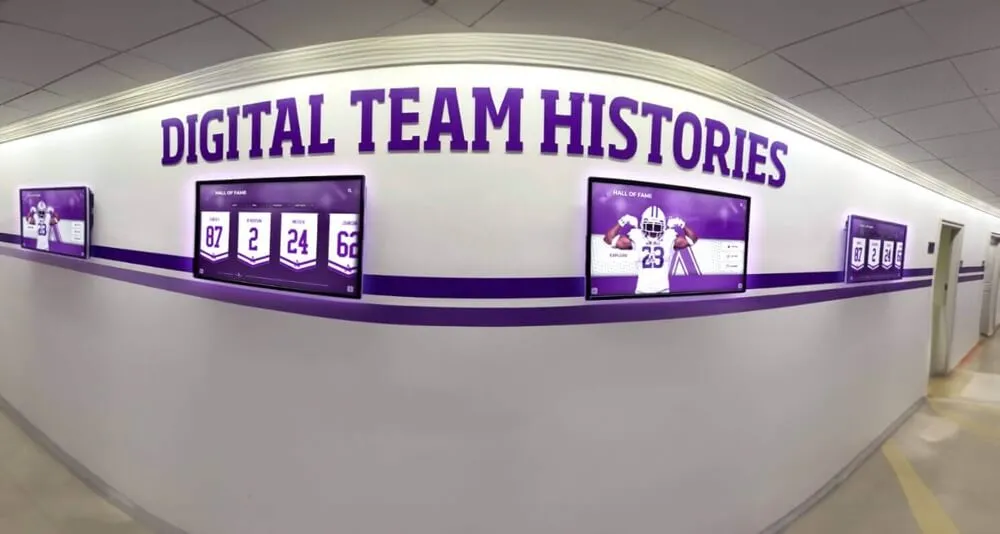
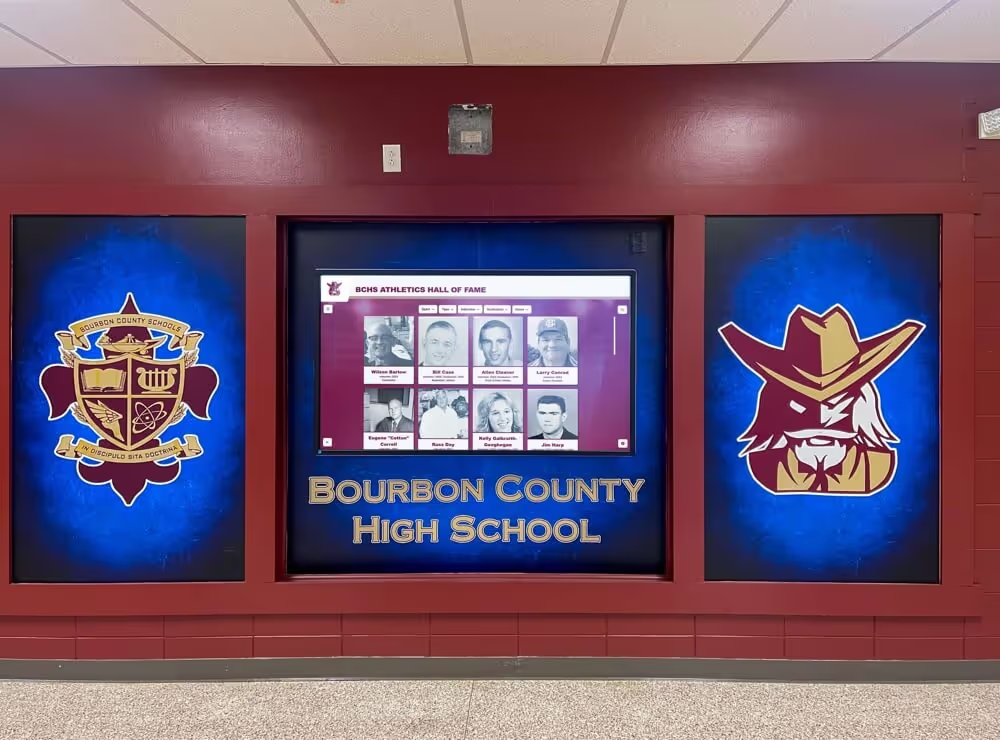
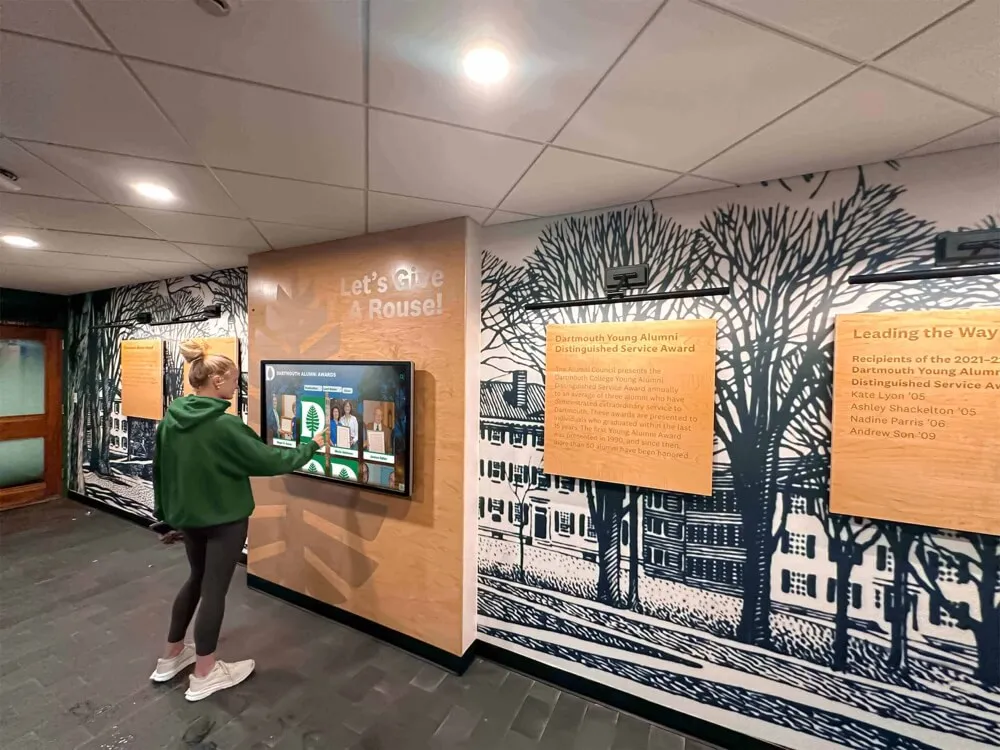
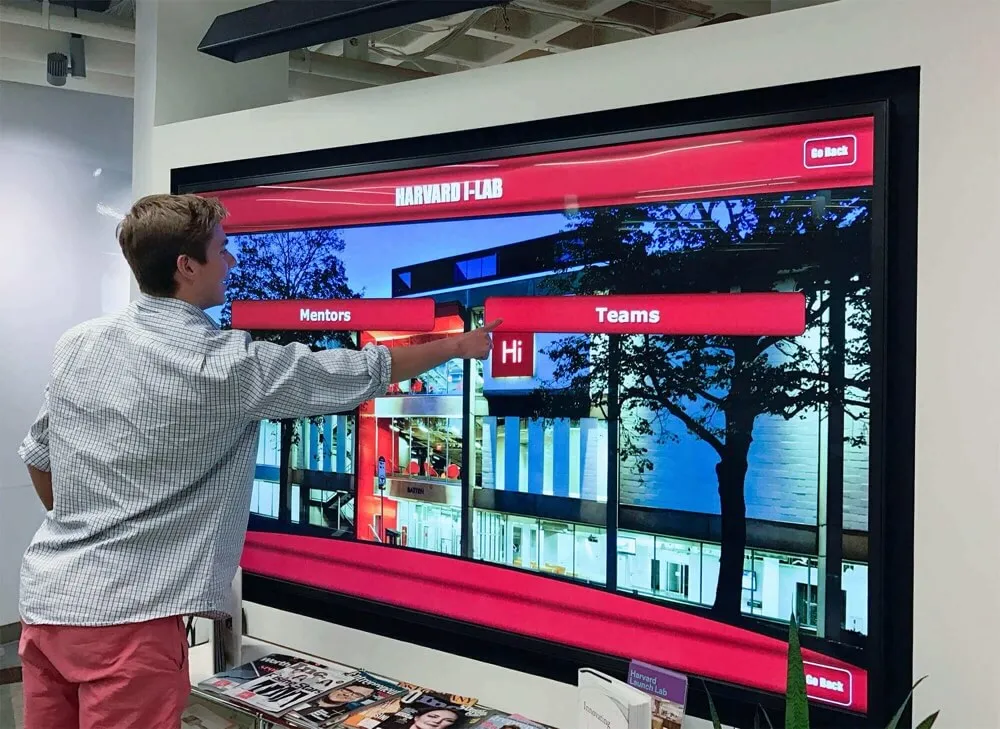
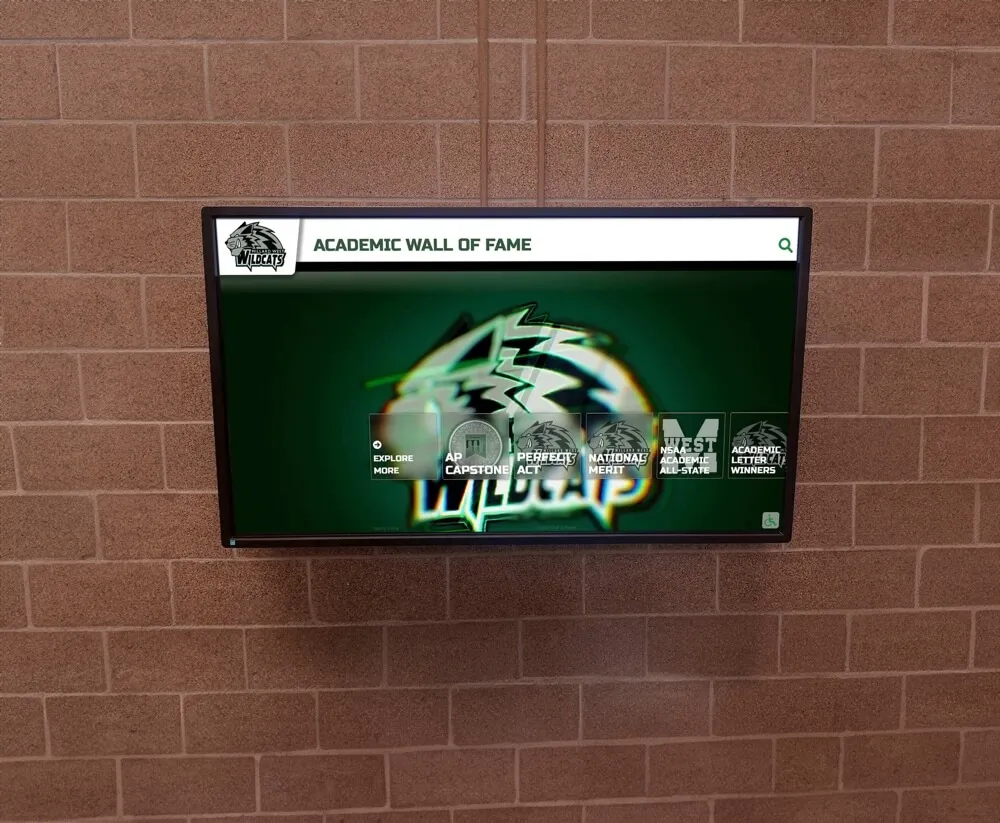
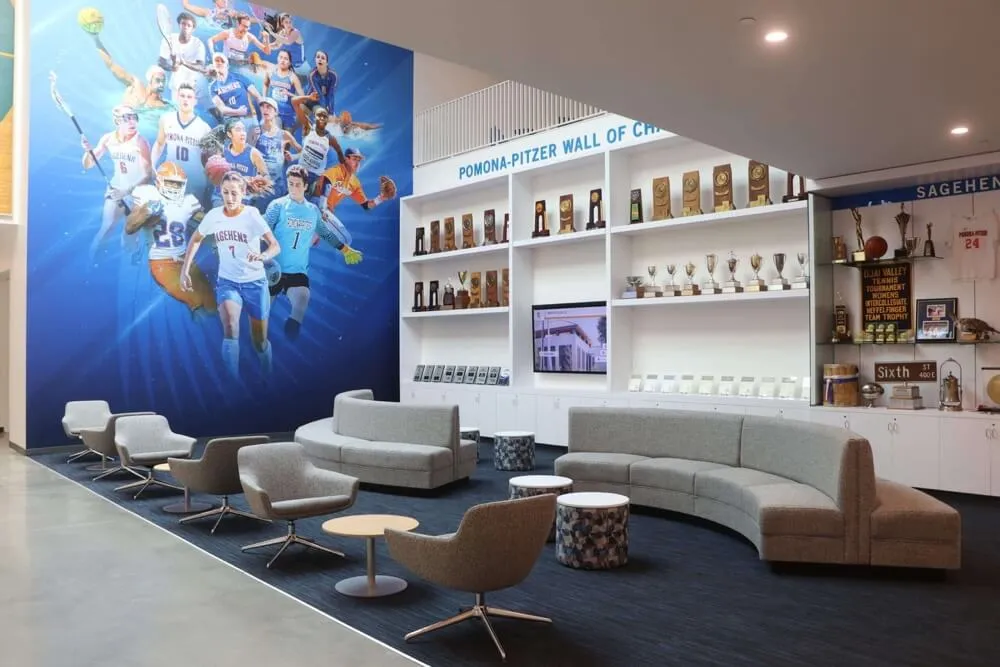
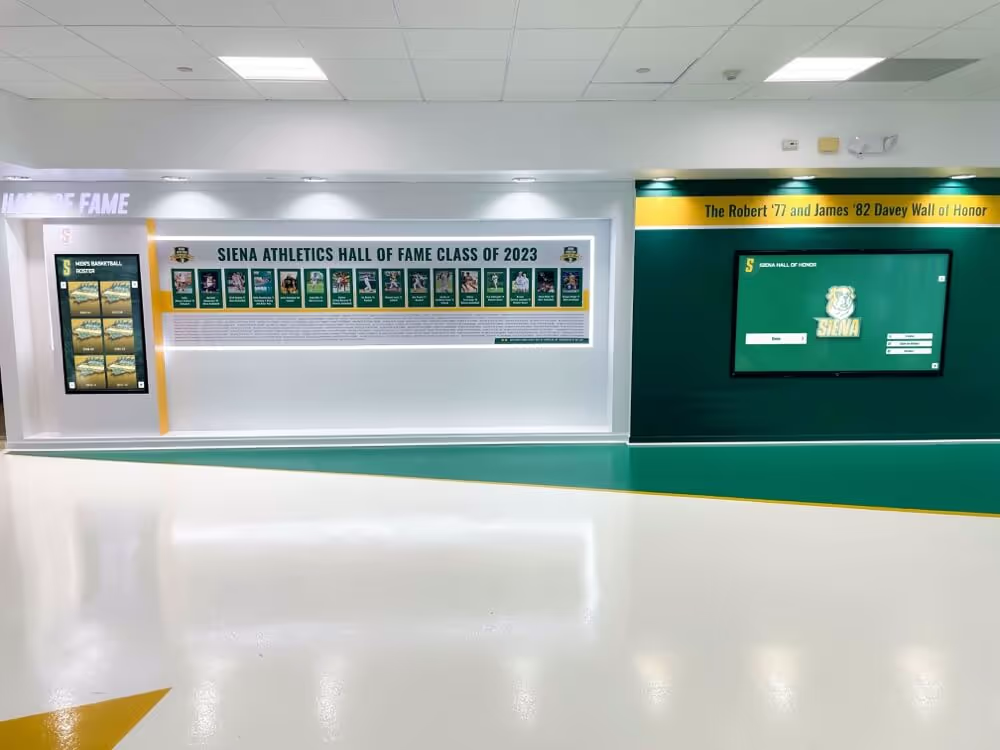
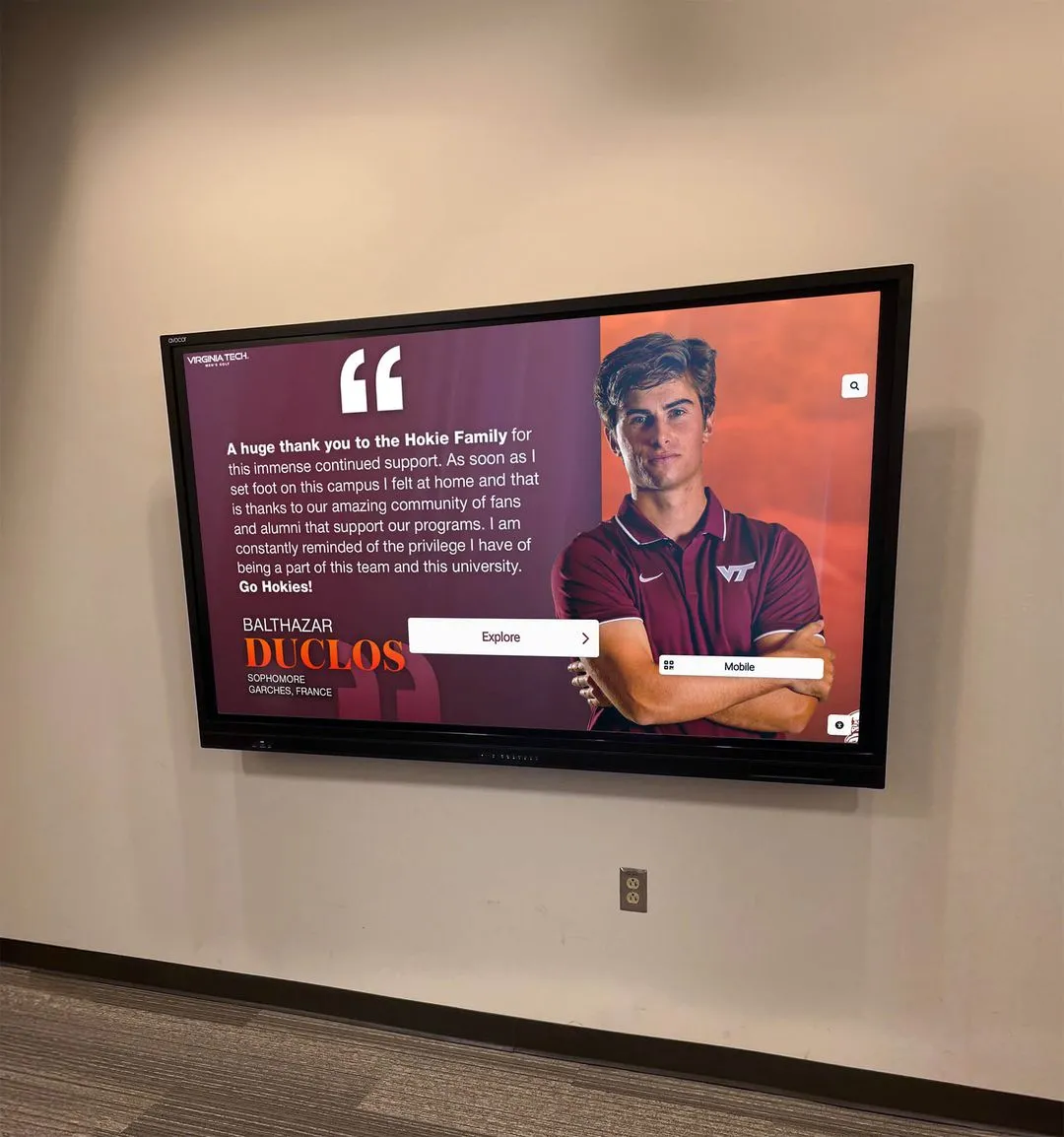
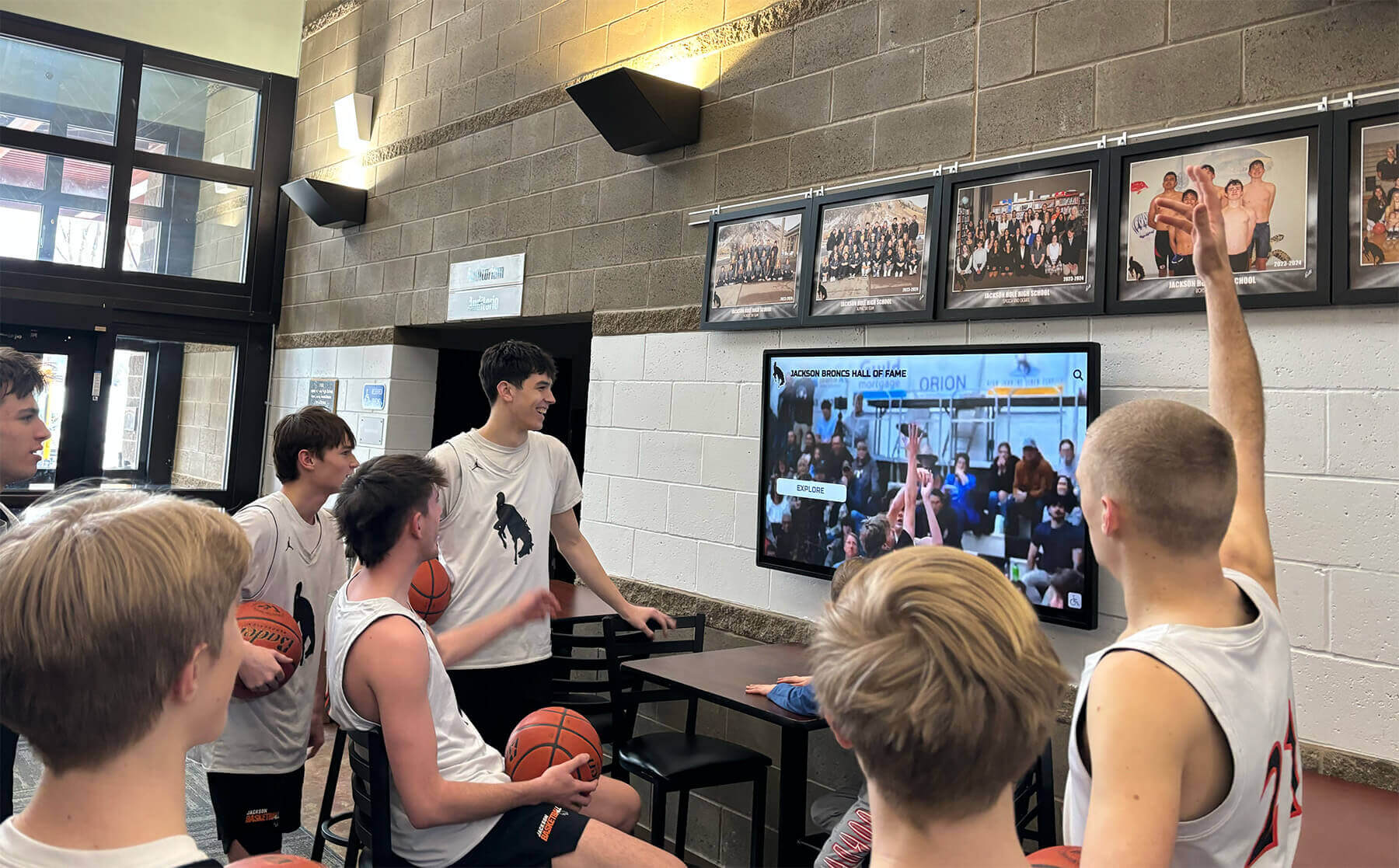
School athletic lobbies with digital display screens give sponsors consistent, year-round visibility in front of students, families, coaches, and visitors — far beyond what game-night recognition alone delivers
What a Sports Sponsorship Proposal Must Communicate
A proposal that converts business owners into sponsors has to accomplish three things in rapid succession: establish the program’s audience reach and community credibility, present the recognition benefits in a format the business can evaluate, and make a specific, actionable ask.
Most proposals fail on the second point. They list recognition categories without itemizing what those categories actually mean — “facility signage” instead of “your logo on a 4×8 banner in the main gymnasium lobby, visible to 850 students and all event attendees every school day.” That specificity is what turns a vague benefit into perceived value.
According to the National Federation of State High School Associations (NFHS), more than 7.8 million students participate in high school athletics annually in the United States, making school sports programs one of the most consistent touchpoints between local businesses and family audiences. That reach is your program’s core value proposition — and your proposal needs to make it tangible.
Core Components of a Strong Sports Sponsorship Proposal
Every effective sports sponsorship proposal includes five components:
- Program audience snapshot — attendance numbers, student-athlete count, events per year, and community reach
- Sponsor tier menu — two to four clearly priced levels with itemized recognition at each
- Recognition benefits inventory — every specific deliverable, formatted so the sponsor can evaluate value
- Fulfillment commitment — written confirmation that the school will document and deliver every benefit listed
- Specific ask with a next step — a recommended tier, a deadline, and a clear way to respond
The tier menu and recognition inventory are where most proposals need the most work.
Sports Sponsorship Proposal Outline
Use this structure as a working template. Fill in the bracketed fields with your program’s specific numbers and assets.
[School Name] Athletics — [Year] Community Sponsorship Opportunity
[Date] | Prepared by [Athletic Director / Booster Club President]
Opening (2–3 sentences): Our athletic program serves [X] student athletes across [X] varsity and junior varsity sports and draws more than [X] attendances to home events each year. Every game, meet, and tournament puts your business in front of the families, alumni, and community members who represent your local customer base.
Program Overview (1 paragraph): Brief description of sports offered, grade levels, competitive accomplishments, and the school’s athletic culture.
Sponsorship Tiers:
| Tier | Investment | Primary Recognition |
|---|---|---|
| Title Sponsor | $[X]+ | Premium banner placement, PA announcements, digital display, printed program cover |
| Gold Sponsor | $[X] | Interior banner, digital display rotation, program listing |
| Silver Sponsor | $[X] | Hallway banner, shared sponsor board, program listing |
| Community Supporter | $[X] | Sponsor board listing, program acknowledgment |
Recognition Commitment (1 paragraph): A complete recognition deliverables checklist is attached. Our program tracks and fulfills every benefit in writing and delivers a season-end fulfillment summary documenting delivery.
The Ask: Based on [business name]’s community presence, we recommend the [Tier] sponsorship at $[X]. To confirm, please complete the enclosed agreement form or contact [Name] at [Phone/Email] by [Date].
Signature: [Athletic Director or Authorized Representative]
Recognition Benefits Table: What to Include at Each Tier
The following table outlines the recognition benefit categories that belong in a sports sponsorship proposal, mapped to tier level and estimated visibility value. Schools should customize this based on their actual facility assets.
| Recognition Benefit | Title Sponsor | Gold Sponsor | Silver Sponsor | Community Supporter |
|---|---|---|---|---|
| Premium banner — lobby or gymnasium (4×8 ft+) | ✓ | — | — | — |
| Interior banner — gymnasium wall or hallway | ✓ | ✓ | — | — |
| Hallway or corridor banner | ✓ | ✓ | ✓ | — |
| Shared sponsor recognition board | ✓ | ✓ | ✓ | ✓ |
| Digital display screen rotation (year-round) | ✓ | ✓ | — | — |
| Interactive lobby display profile | ✓ | — | — | — |
| PA announcement at all home events | ✓ | — | — | — |
| PA announcement at home varsity events | ✓ | ✓ | — | — |
| Printed program — cover or prominent page | ✓ | — | — | — |
| Printed program — interior listing | ✓ | ✓ | ✓ | ✓ |
| Social media acknowledgment | ✓ | ✓ | ✓ | — |
| Athletics website sponsor page | ✓ | ✓ | ✓ | ✓ |
| Invitation to senior recognition event | ✓ | ✓ | — | — |
| Season-end fulfillment summary with data | ✓ | ✓ | ✓ | — |
| Multi-year legacy recognition (3+ year sponsors) | ✓ | ✓ | — | — |
This table serves two purposes in your proposal: it gives sponsors a clear comparison between tiers, and it gives your school staff a fulfillment checklist to track through the season. Schools that treat this as a live document — not just a sales aid — retain sponsors at significantly higher rates.
For programs looking to expand what they can offer in each recognition category, reviewing real-world team recognition examples from schools and sports organizations surfaces ideas that translate directly into stronger proposal deliverables.

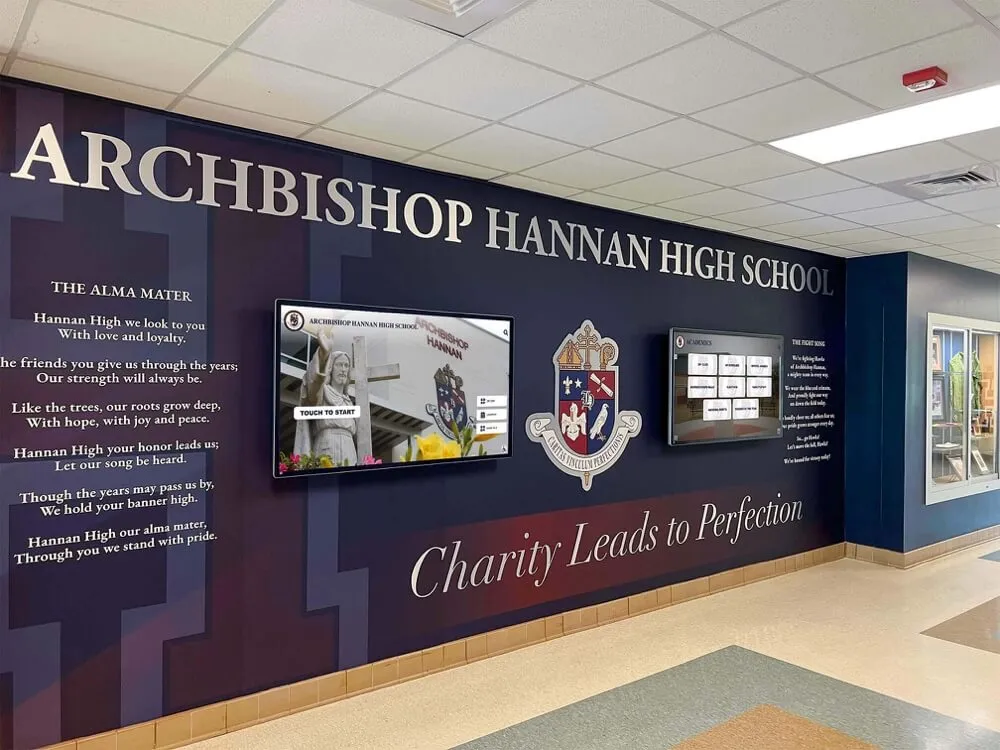
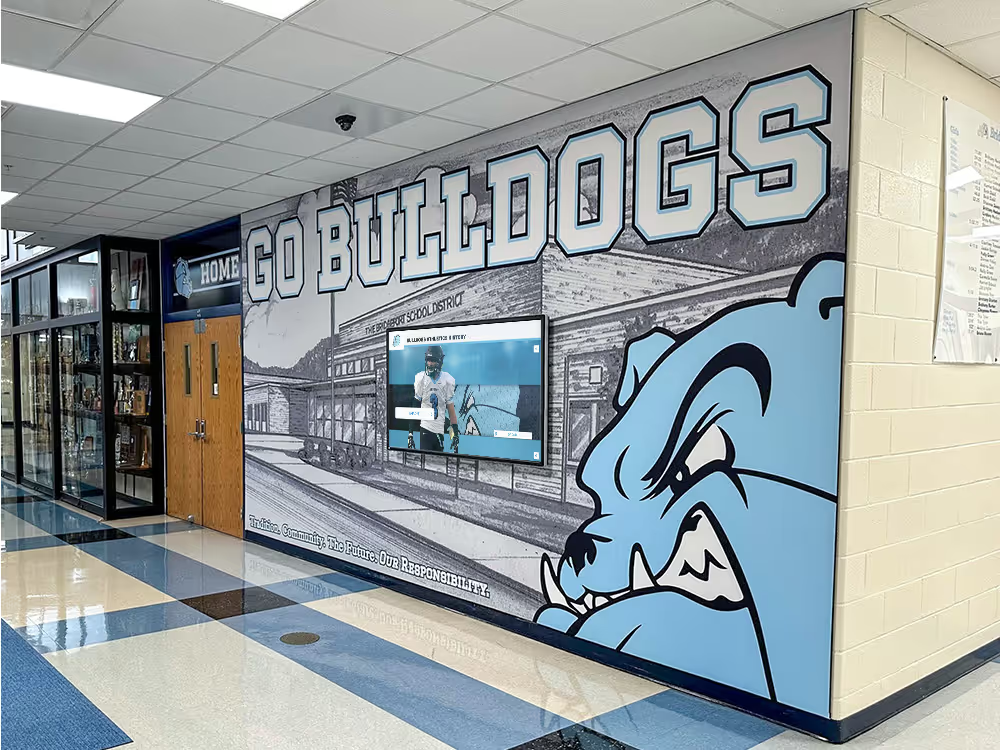
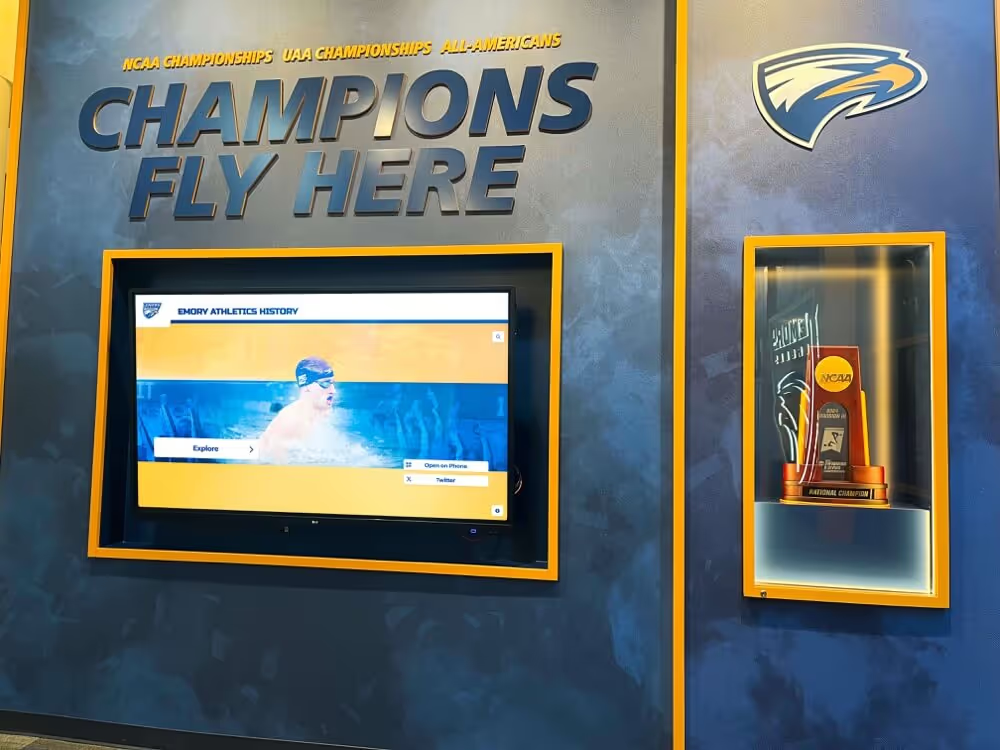
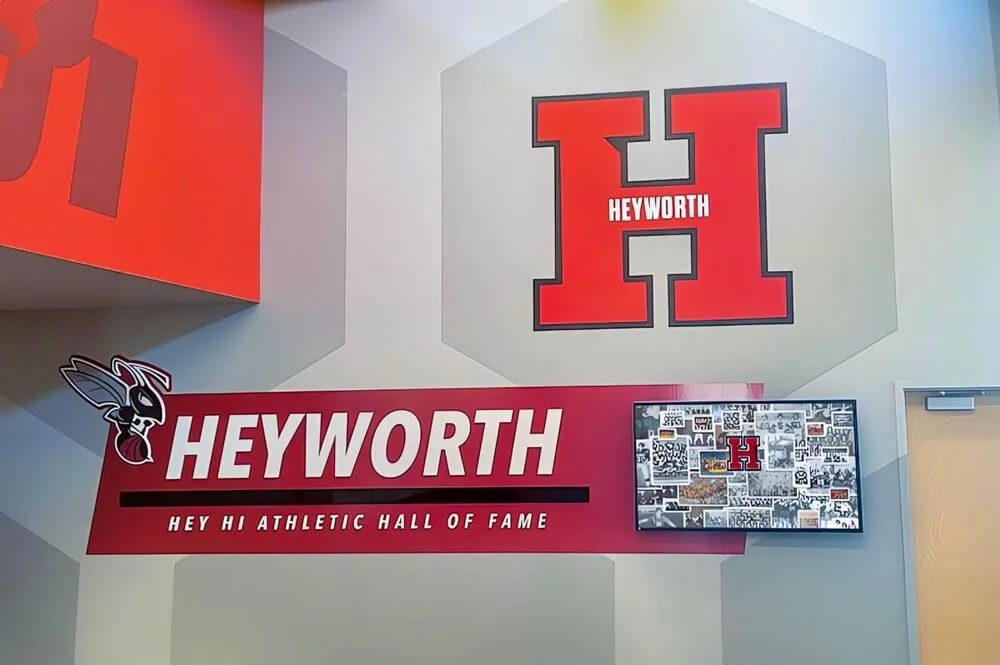
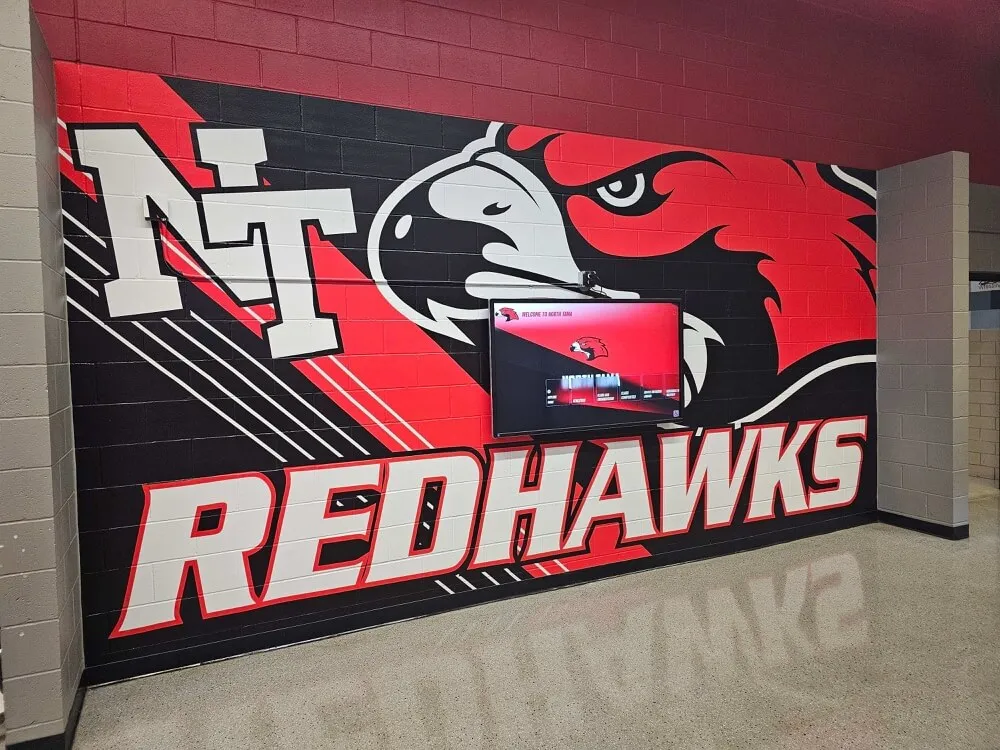
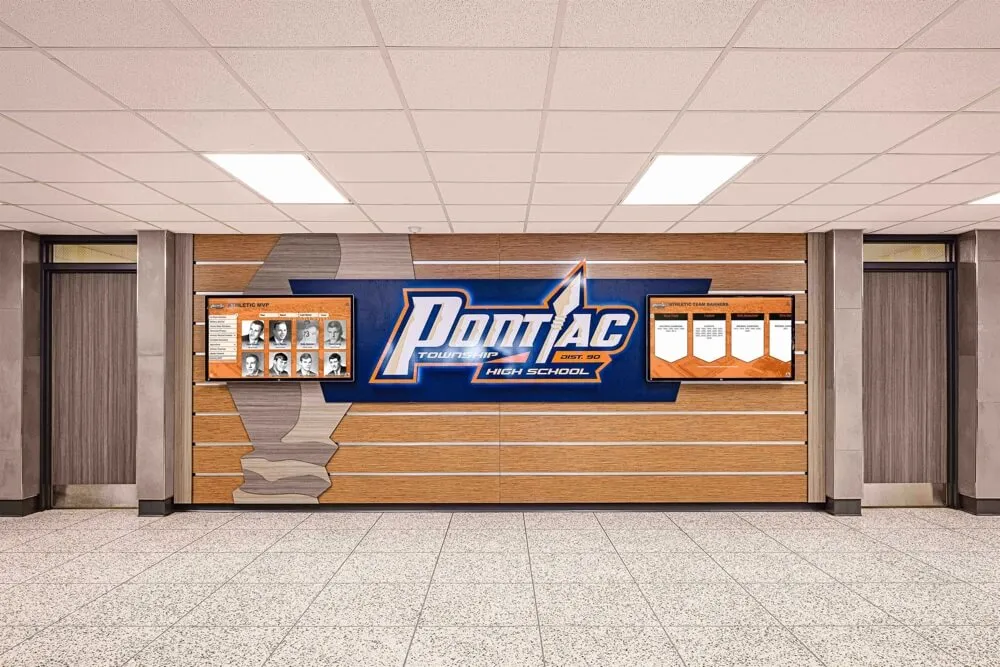
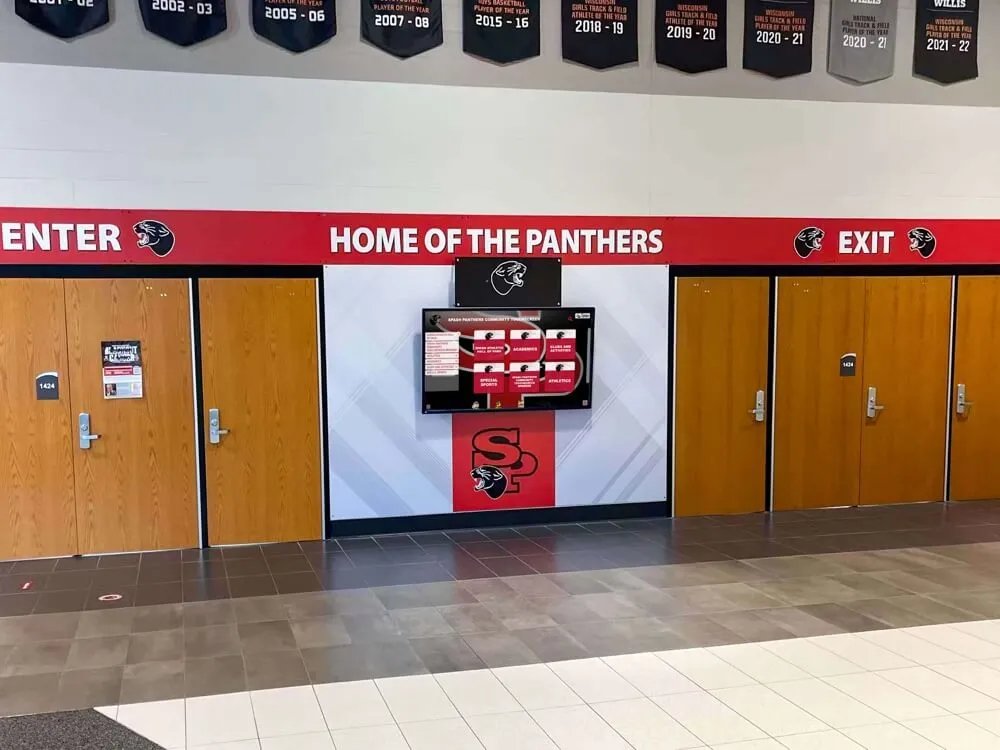
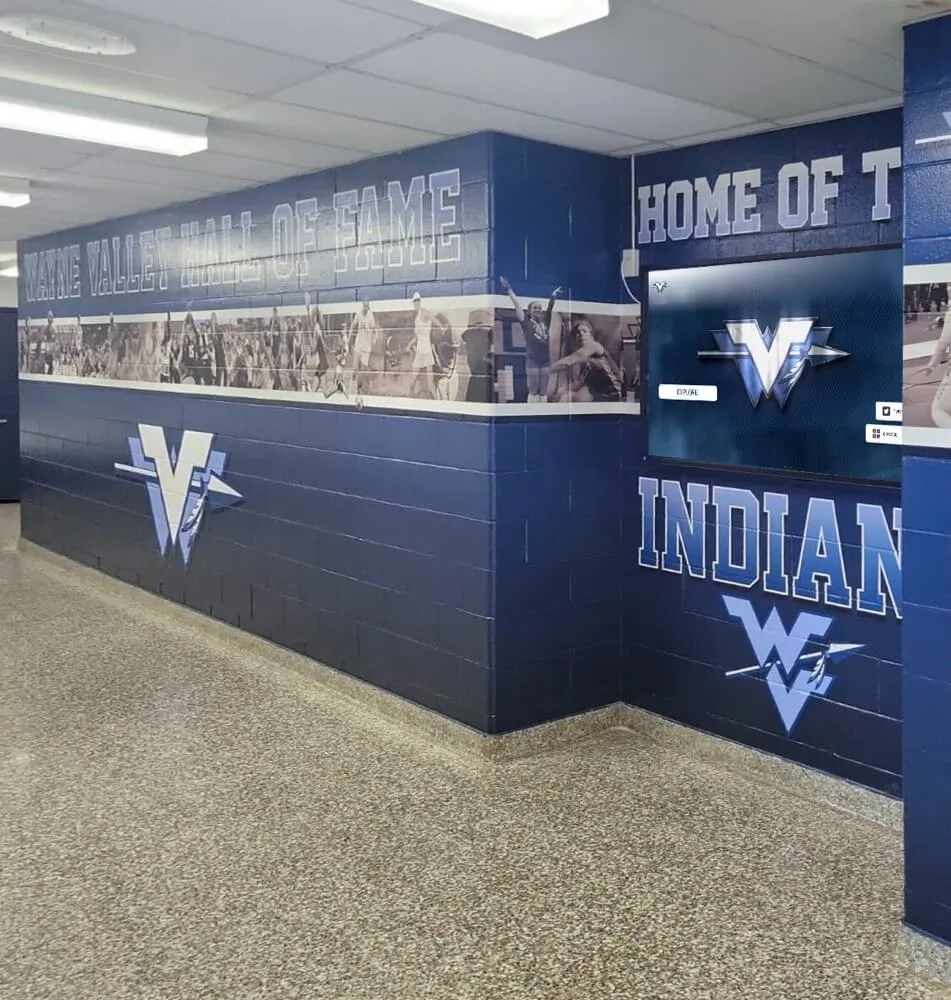
Athletic hallways that combine physical recognition elements with digital displays give sponsors multiple simultaneous visibility channels — and give schools a more compelling recognition package to put in front of business prospects
Breaking Down the Key Recognition Benefits
Physical Banners and Signage
Banner placement is the most visible and verifiable recognition benefit in most school athletic proposals. A sponsor who can walk into the gymnasium and point to their logo on a banner has received proof of value in a way that no other medium quite matches.
When itemizing banner recognition in a proposal, include: the specific placement location, the dimensions, the season duration, and an estimated annual visibility figure based on event attendance plus daily facility traffic. A banner on a gymnasium end wall is active during every practice and game — often 200 to 400 hours per year. A lobby banner may exceed 1,000 annual visibility hours because it is visible every day the building is open.
Schools developing or refreshing their banner programs can find useful guidance on how to design and position championship recognition banners in school athletic facilities — principles that apply directly to sponsor banners placed in the same visual environment.
Digital Display Recognition
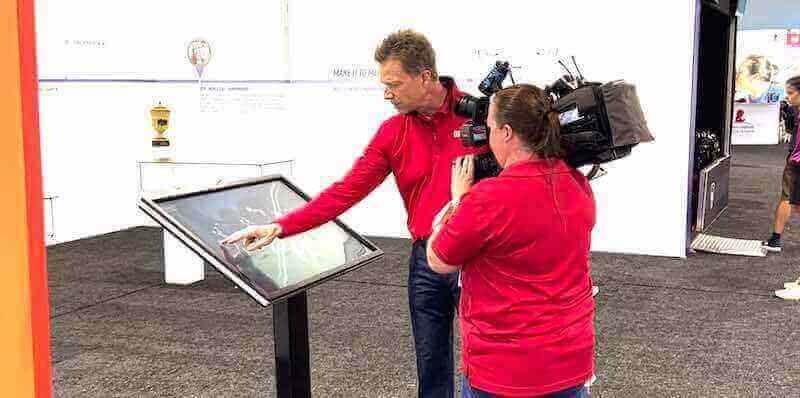
Digital displays are among the most powerful recognition benefits a school can offer in a sports sponsorship proposal — and among the most underused. A sponsor logo rotating on a lobby or corridor digital screen is visible not just during events but during every practice, school day, and visitor walk-through throughout the year. For a school with 1,000+ students, that represents thousands of weekly impressions from a single screen.
The specific capability of digital displays also matters in a proposal. Unlike a physical banner that requires reprinting to update, a digital sponsor profile can include the business name, logo, a brief description, and a QR code linking to the sponsor’s website — delivering active marketing value that static signage cannot replicate.
For schools evaluating display options for sponsor recognition, understanding when schools should use static displays, touchscreens, or a combination clarifies which investment best fits the facility’s layout, traffic patterns, and long-term recognition goals.
Want to Include Digital Display Recognition in Your Proposal?
Rocket Alumni Solutions builds interactive digital recognition systems for school athletic facilities — giving programs the display infrastructure to offer sponsors year-round visibility, dynamic sponsor profiles, and documented proof of recognition delivery.
See Digital Sponsor Recognition OptionsPA Announcements and Event-Night Recognition
Game-day PA announcements have immediate, personal impact — but they are ephemeral. A sponsor’s name read aloud at the opener of a varsity basketball game reaches 300 to 400 people in that moment, but the impression does not persist. Value PA recognition as a supporting deliverable that enhances the game-night experience rather than the cornerstone of the recognition package.
In the proposal, specify how many home events include sponsor announcements, at what point during the event (pre-game, halftime, or both), and whether announcements are exclusive per event or shared among multiple sponsors.
Printed Program Recognition
Printed programs are kept by families throughout the season and shared. They carry more durability than a PA announcement and more context than a banner logo. In a proposal, specify the print run size, the number of home games covered, and the placement (cover, inside cover, or full interior listing).
For Title-level sponsors, program recognition at the cover or inside cover creates visual prominence worth pricing accordingly. For lower-tier sponsors, a clean listing section that names all sponsors in a dedicated acknowledgment block delivers respectful recognition without the production complexity of custom logo placement.
Digital Legacy and Hall of Fame Recognition
For multi-year sponsors — businesses that commit three or more consecutive seasons — proposals should include a recognition benefit that signals permanence rather than just seasonal acknowledgment. A digital hall of fame display or a named legacy board in the athletic facility communicates that the school treats long-term partners as part of the program’s history, not just its annual operating budget.
Schools building digital legacy recognition can see how hall of fame displays work for long-term athletic supporters and inductee profiles — platforms that translate from athlete recognition into sponsor acknowledgment with minimal modification.
Similarly, programs that include coach and staff recognition in their facilities will find that the same display infrastructure supporting coach appreciation plaques and recognition integrates naturally with sponsor recognition in unified digital systems.
Fan Engagement Touchpoints
Sponsorship proposals that include fan-facing recognition — sponsor mentions in event programming, QR codes at concessions, or sponsor profiles on the school’s athletics landing page — convert passive brand presence into active audience engagement. When a parent scanning a QR code at halftime lands on a sponsor’s business description, that interaction delivers real marketing value that static signage cannot produce.
Understanding how fan engagement strategies connect recognition and community building in school sports programs gives athletic directors concrete ideas for building sponsor touchpoints into existing event programming without creating significant new work.
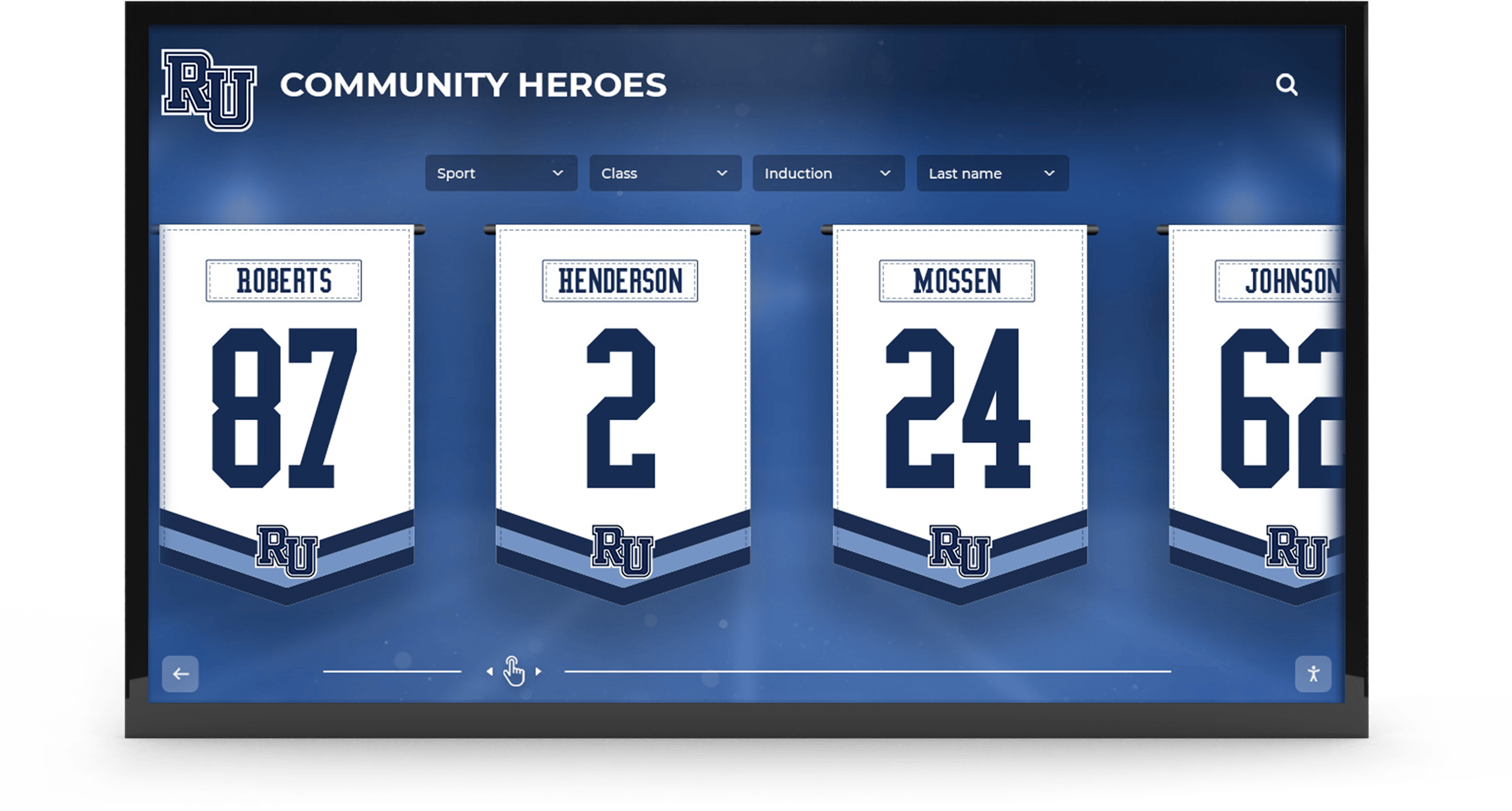
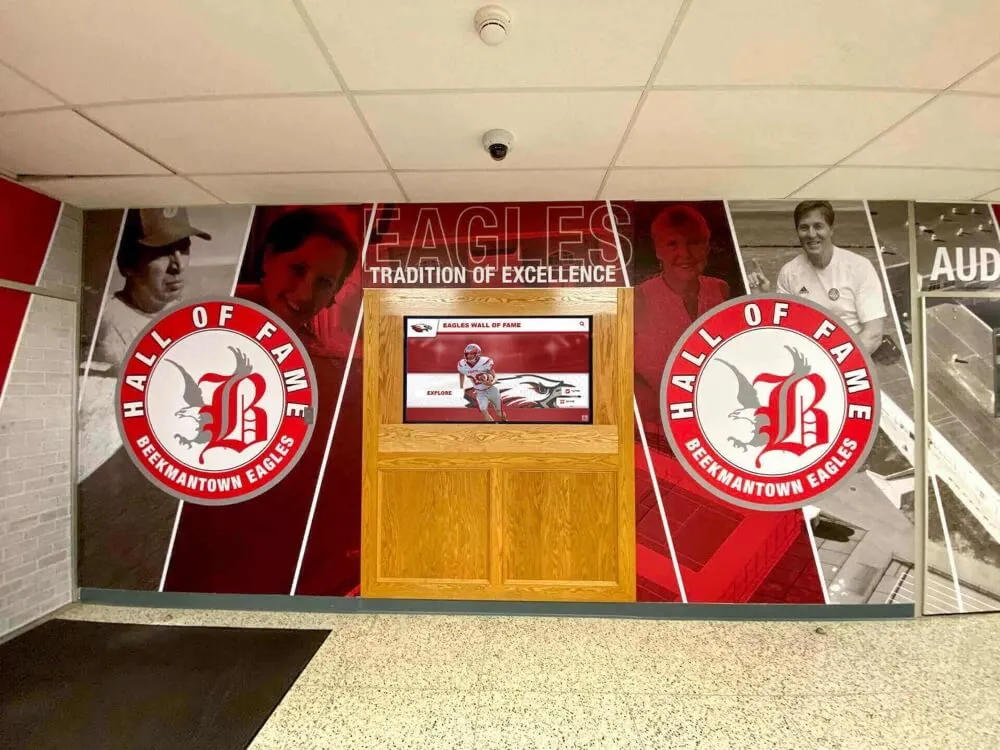
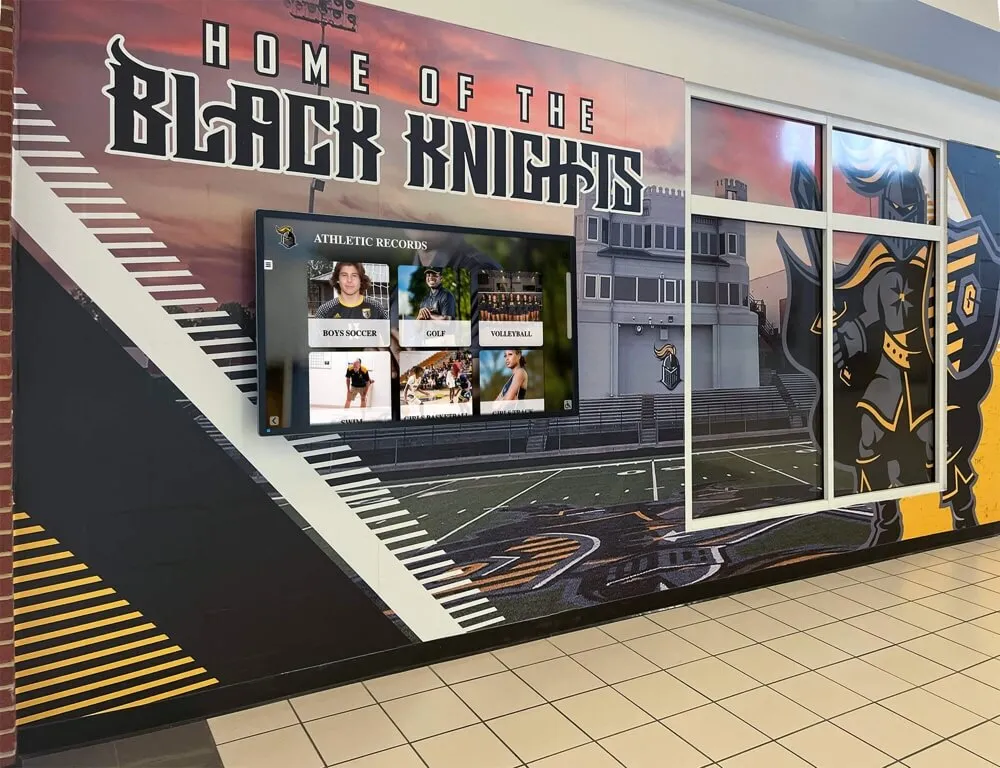
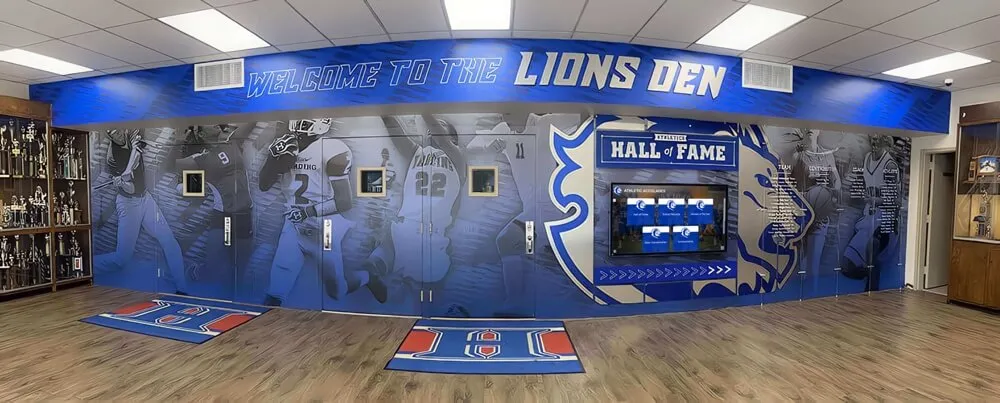
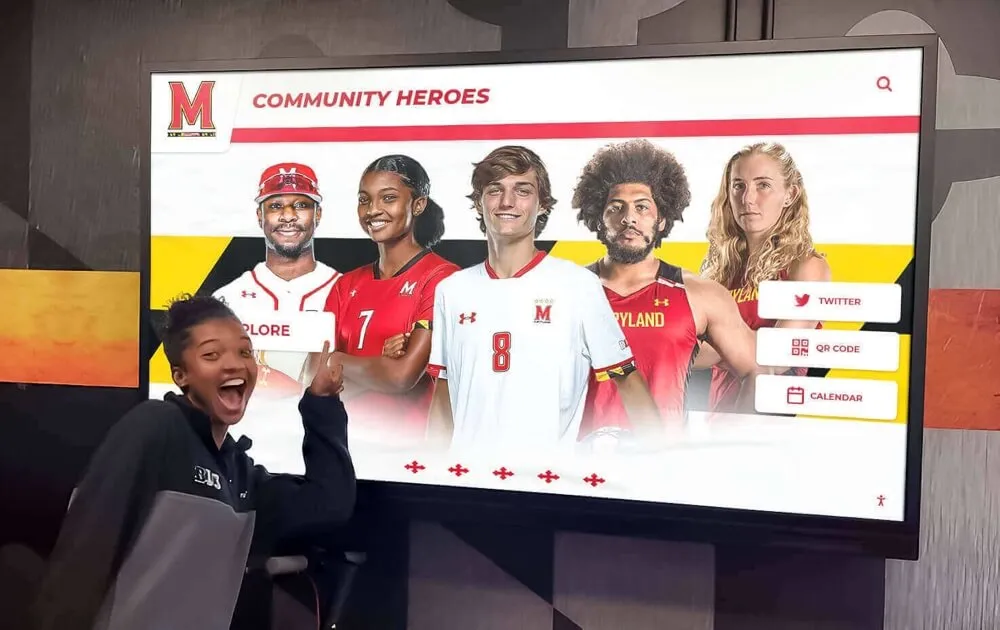
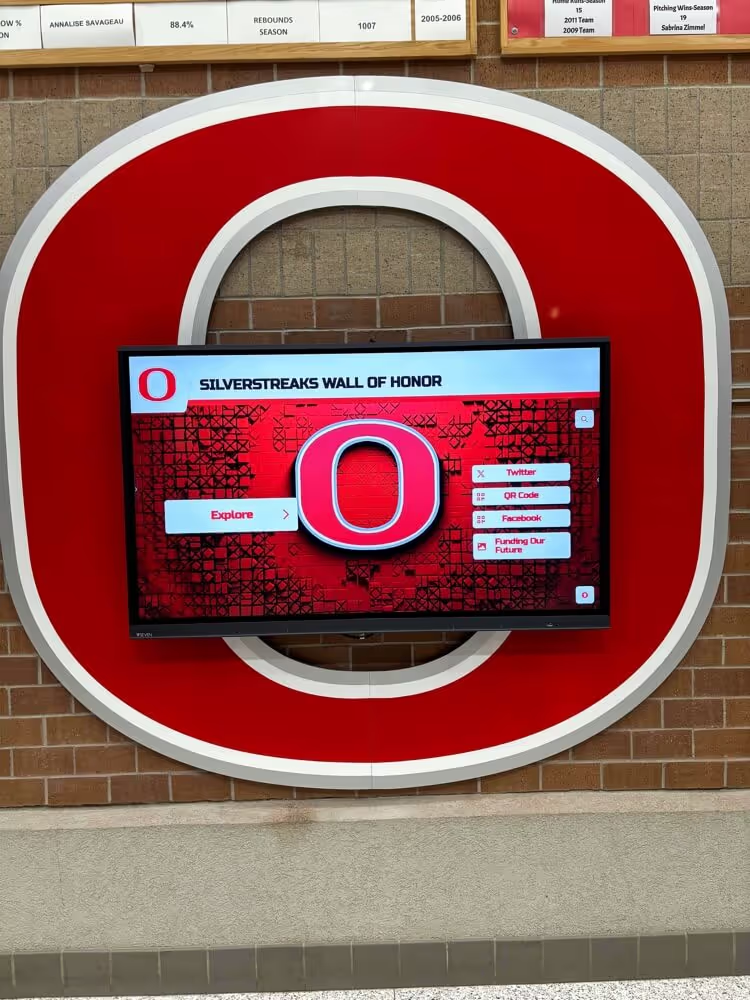
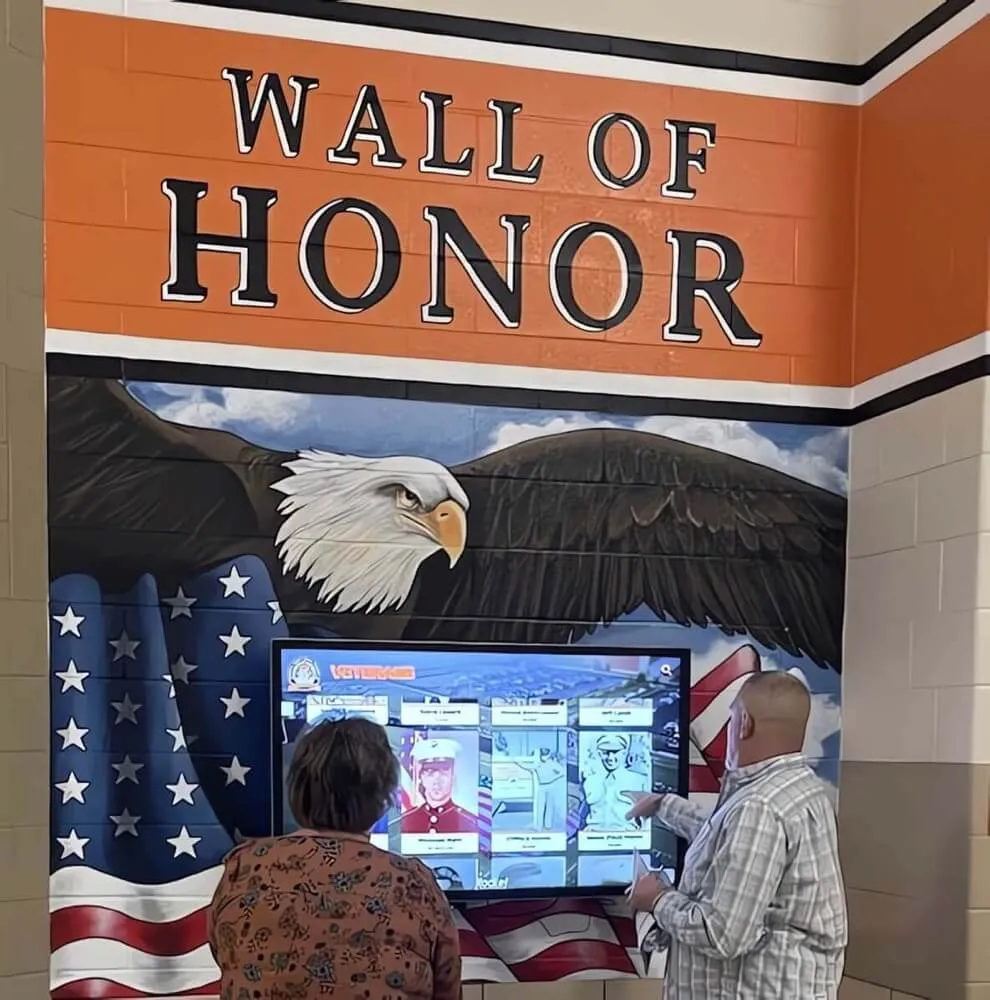
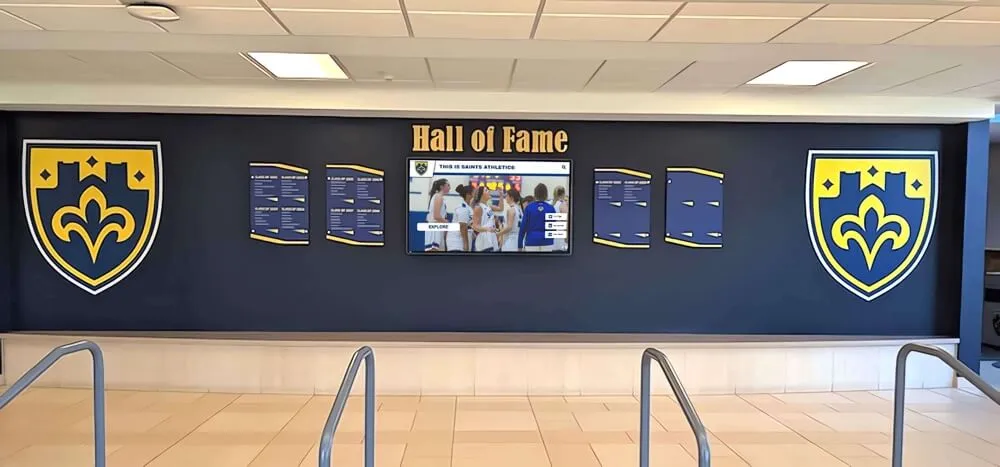
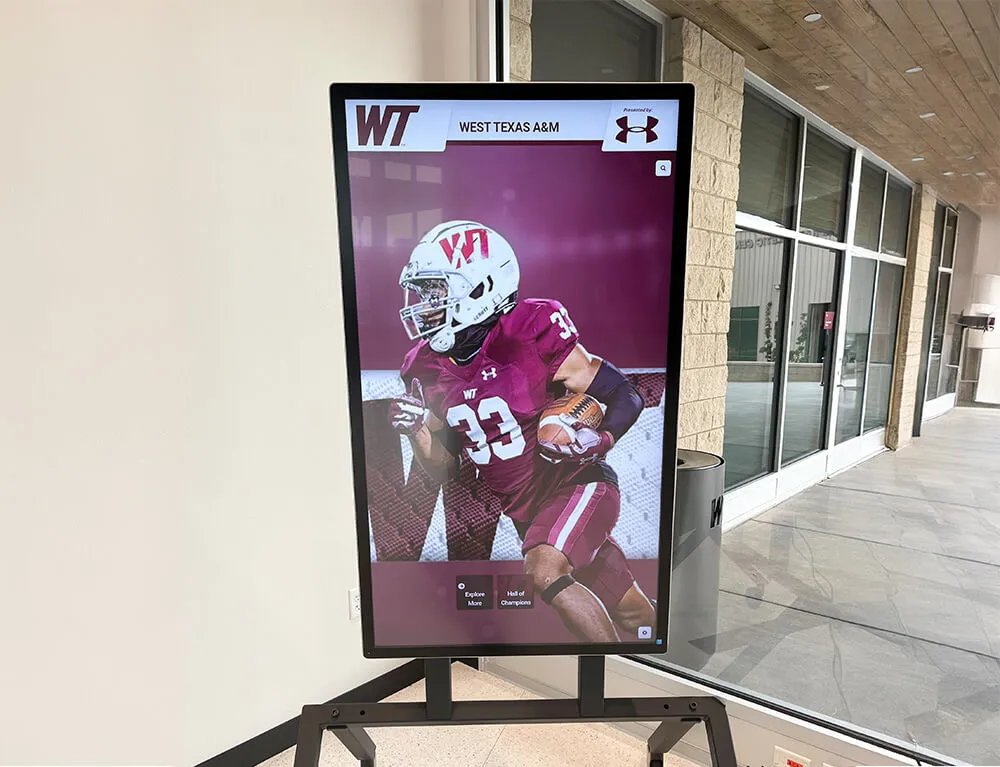
Displays that feature both athletes and community supporters create recognition environments where sponsor visibility feels earned and meaningful — an important signal for businesses evaluating whether to renew
Pricing the Recognition Benefits Realistically
One of the most common mistakes in sports sponsorship proposals is setting tier prices based on what the school wants to raise rather than what the recognition inventory actually justifies. A Title Sponsor investing $3,000 should receive recognition with demonstrably more reach and visibility than a Gold Sponsor investing $1,000 — and both prices should be grounded in the estimated value of the specific benefits listed.
A workable valuation framework:
Facility signage: Calculate annual visibility hours (event attendance hours + daily facility traffic hours). A banner in a gymnasium drawing 200 people per game for 20 home games delivers 4,000 direct event impressions per season, plus year-round traffic impressions if left up between seasons. Benchmark against local advertising rates for comparable community venue signage.
Digital display time: A lobby screen running 8 hours per day, 180 school days per year delivers 1,440 hours of annual sponsor exposure. Multiple that by average daily facility traffic to estimate total impression volume.
Print recognition: Valued primarily by distribution volume (program print run) and placement prominence (cover vs. interior listing).
Schools building detailed proposals for the first time benefit from reviewing how corporate sponsorship recognition programs are structured in school environments — including how valuation, fulfillment documentation, and multi-year incentive structures come together in a professional sponsor package.
Making Recognition Promises You Can Fulfill
A sports sponsorship proposal is only as strong as the school’s ability to deliver on every benefit listed. Before adding a recognition item to the proposal, verify that the school has the physical infrastructure, staff capacity, and budget to fulfill it consistently.
Common fulfillment gaps to check before sending the proposal:
- Digital display recognition: Does the facility have a display screen, and does the athletic department have access to update content? If not, this is a capability to build before promising it.
- Banner production: Who funds banner production — the school or the sponsor? If the school funds it, that cost needs to be factored into tier pricing.
- PA announcements: Who writes and delivers sponsor announcements? Is there a consistent script template or will quality vary by event?
- Season-end fulfillment summary: Does anyone on staff have the capacity to compile attendance data and photo documentation at season end?
Athletic programs with digital recognition infrastructure already in place — lobby screens, hallway displays, interactive touchscreens — have a meaningful advantage when building sponsorship proposals because they can offer sponsors the ability to see their recognition deployed in the facility immediately. That proof of capability converts prospects more reliably than any promise in print.
For schools exploring how alumni and donor recognition platforms connect to sponsor visibility systems, understanding what schools should include in an alumni portal website illuminates how digital recognition assets built for alumni engagement can extend naturally to include sponsor acknowledgment within the same infrastructure.
For programs building out their recognition environments more broadly, reviewing athlete spotlight templates and what recognition content should look like helps frame sponsor profiles in the same content language as the athletic recognition content they will appear alongside.
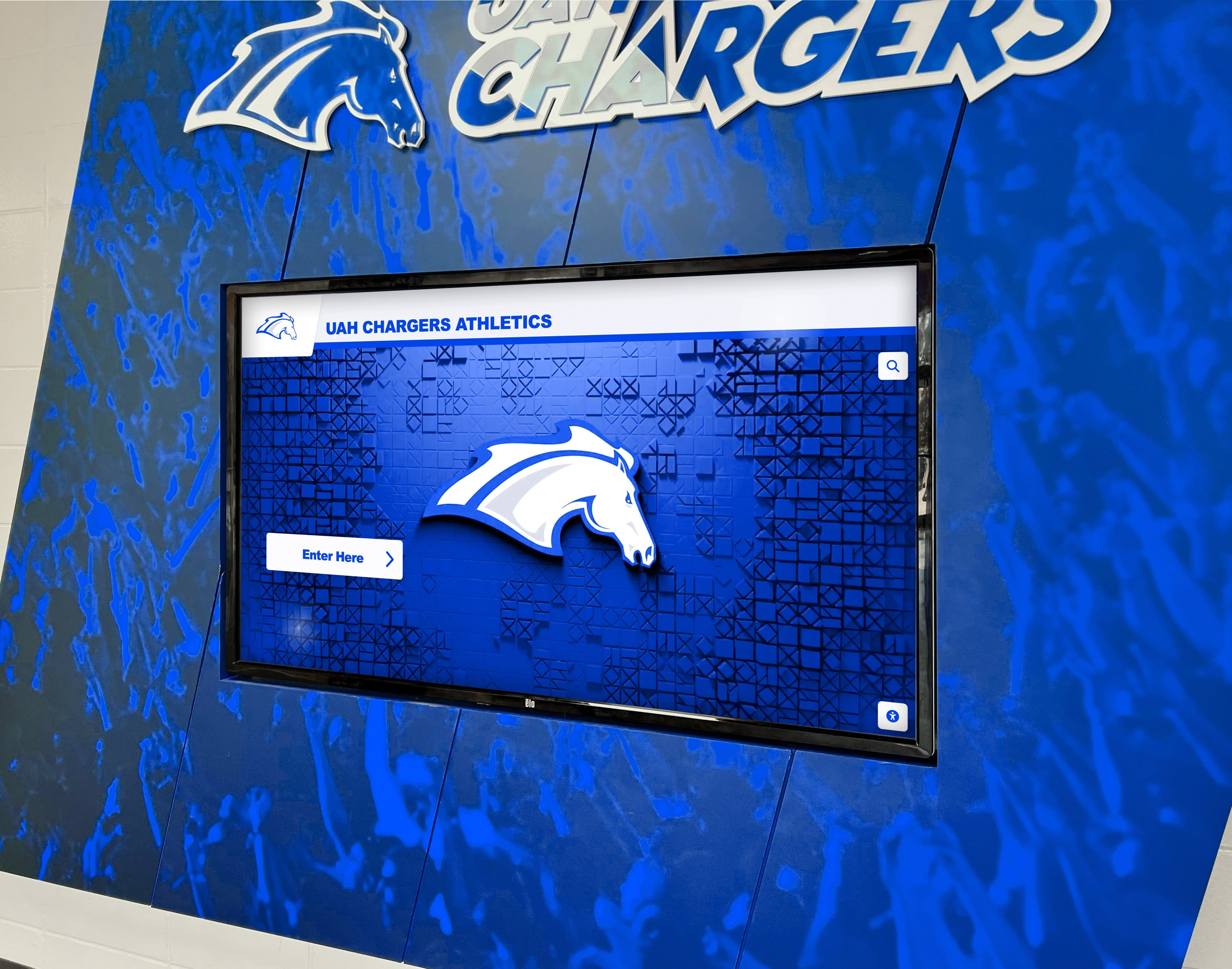
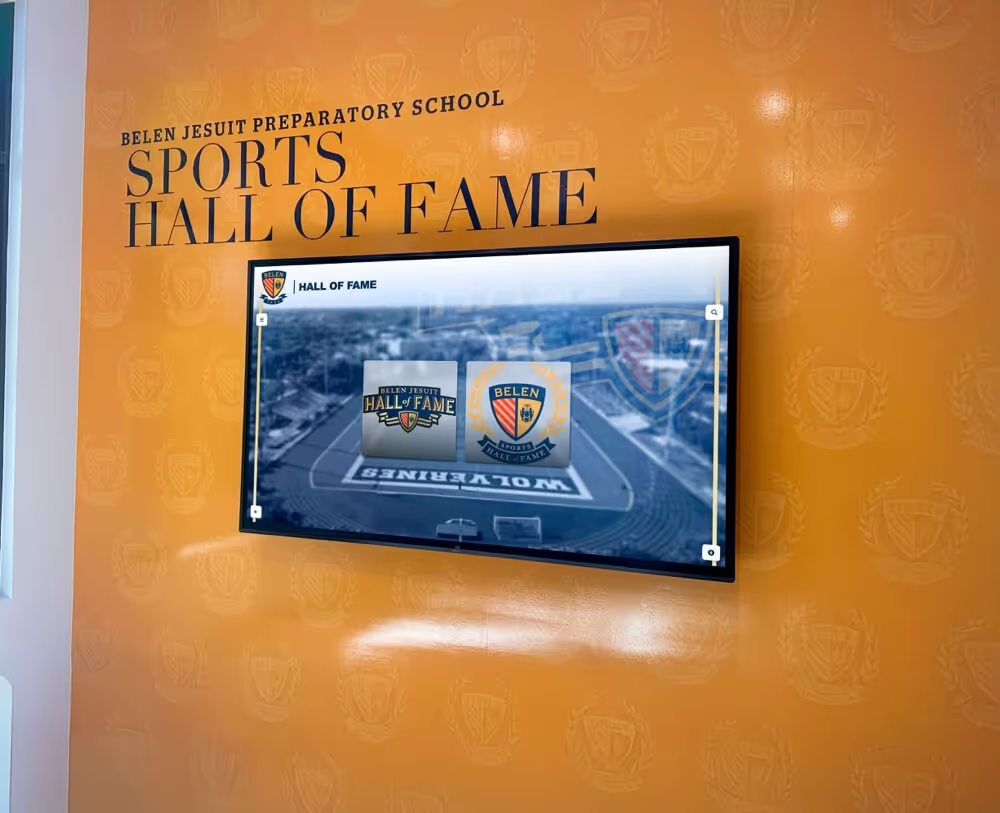
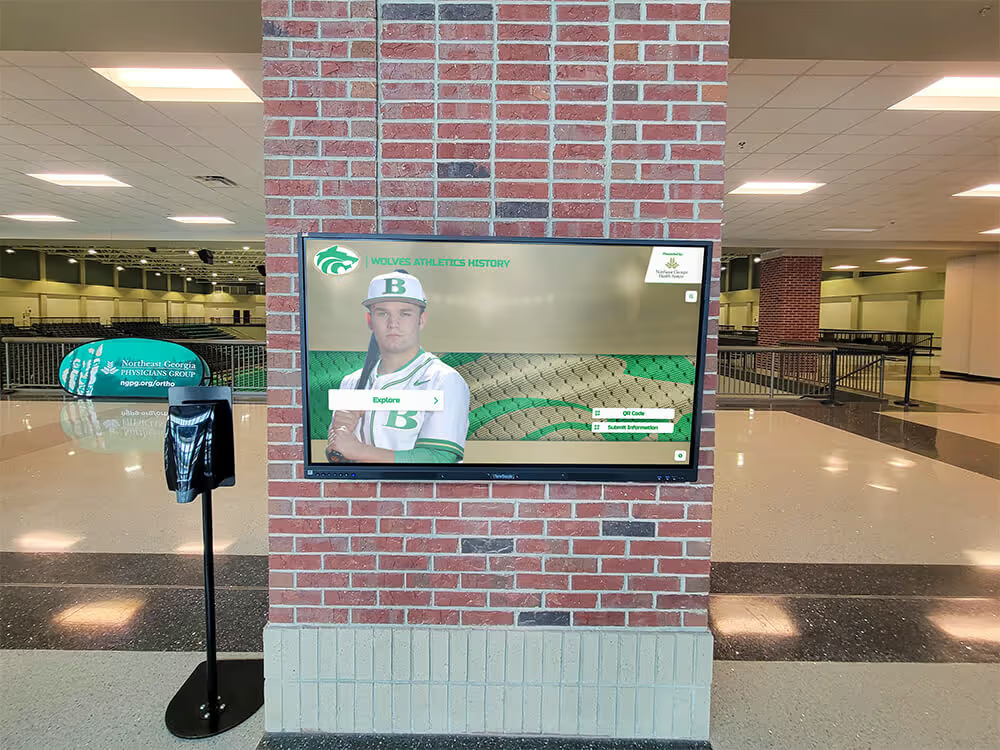
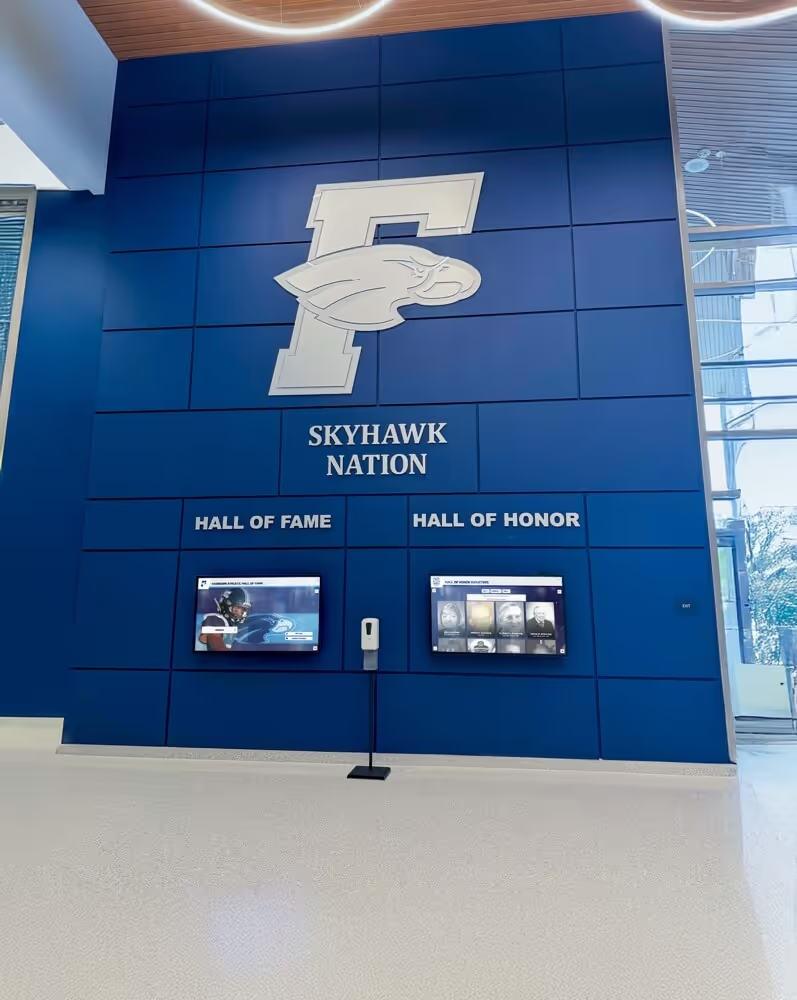
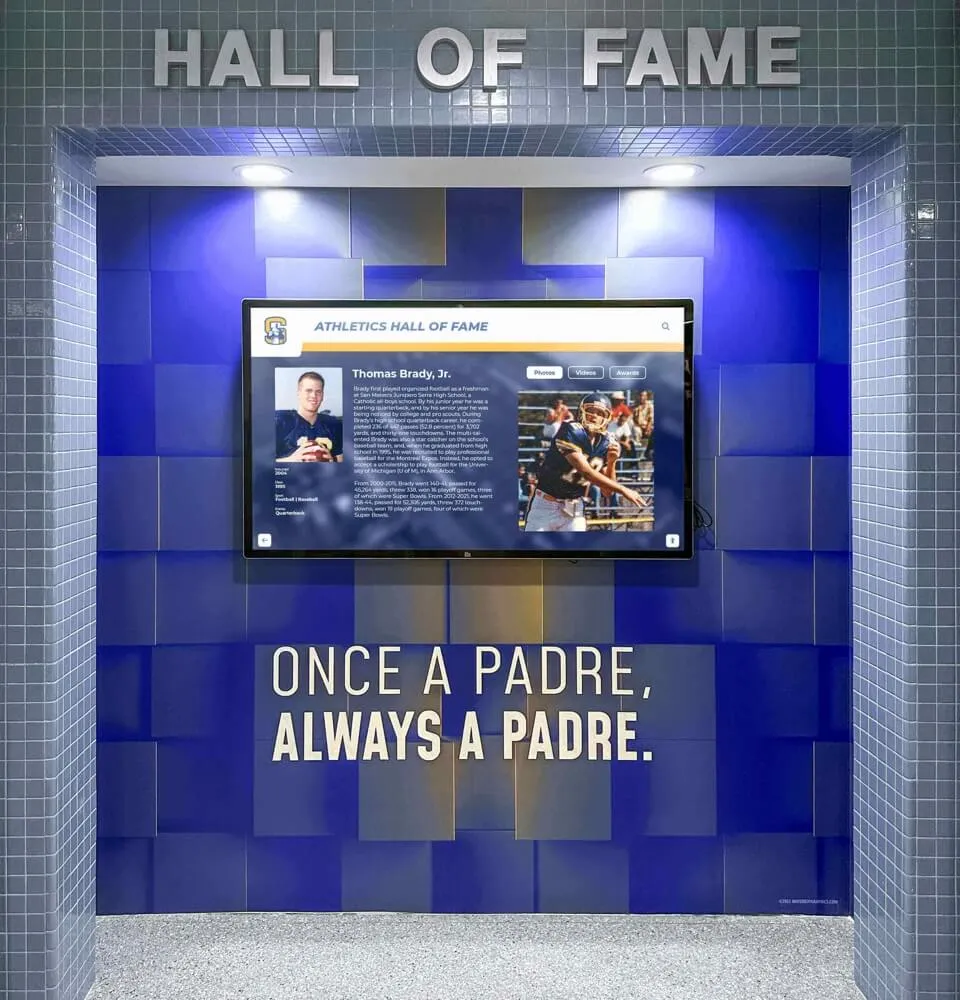
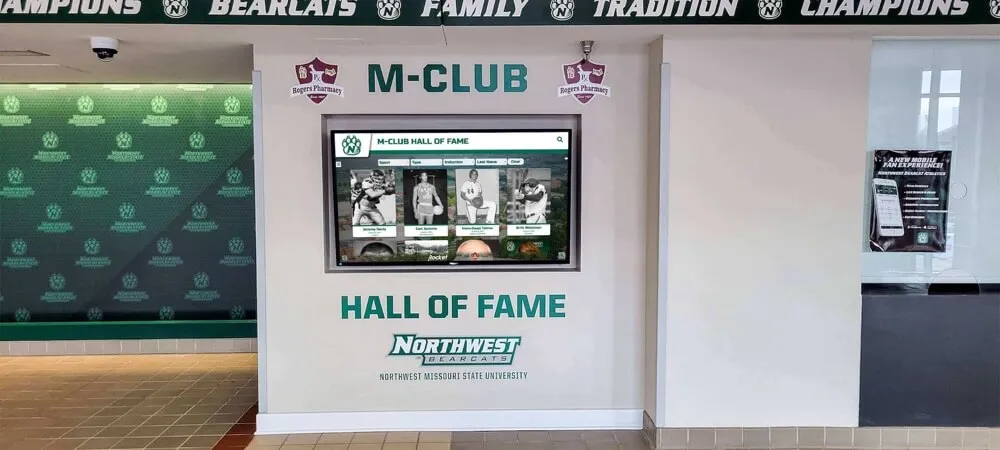
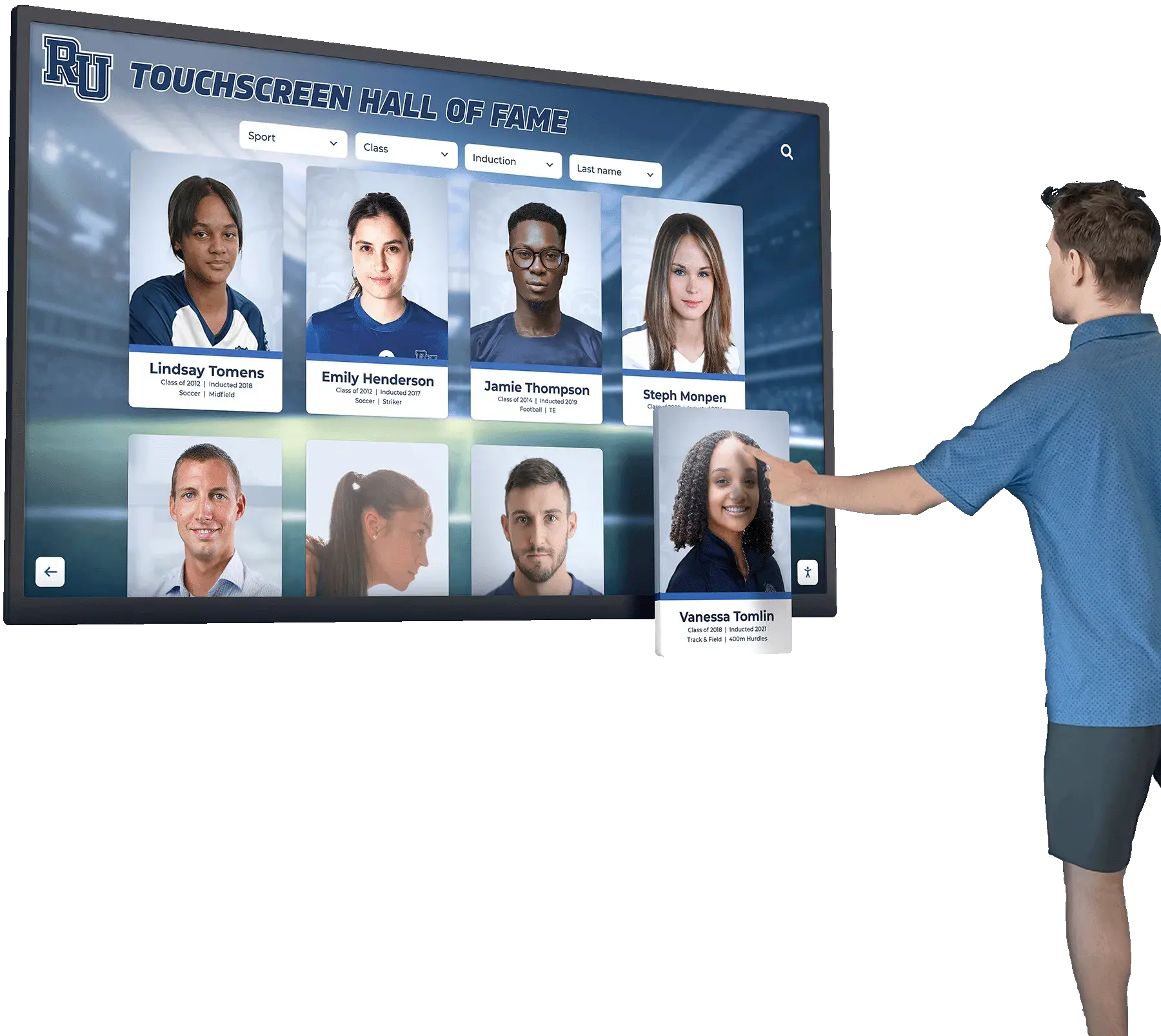
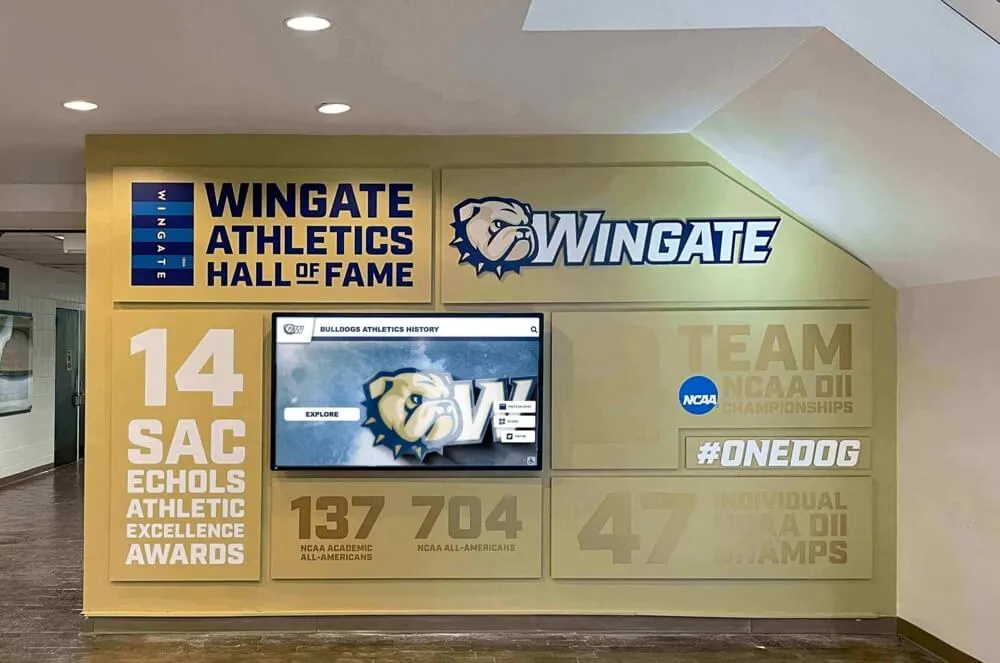
Schools with professionally installed digital recognition systems can offer sponsors something no print proposal can match: the ability to walk into the facility and see their recognition deployed in a permanent, high-quality display environment
What Sponsors Want Most from a Recognition Package
Business owners evaluating sponsorship proposals have a consistent set of underlying concerns: Is this audience my customer? Will I actually see my name somewhere, or will it disappear? Will my investment look professional? And — most importantly — will this be worth renewing next year?
The recognition benefits that address these concerns most directly are:
- Year-round visibility: Physical signage that stays up between seasons and digital displays that run daily
- Verified audience reach: Event attendance numbers and daily traffic estimates that quantify the investment’s reach
- Professional presentation: High-quality banner installation, clean digital display design, and formatted program placement — not a handwritten name on a posterboard
- Documented fulfillment: A season-end summary with photos, attendance data, and a checklist confirming every benefit was delivered
Schools that build fulfillment documentation into their sponsorship programs from the start — rather than scrambling to produce it at renewal time — report significantly stronger retention. When a sponsor receives a one-page summary in November showing that every benefit in their agreement was delivered and documenting the audience it reached, the renewal conversation in January is dramatically easier.
Frequently Asked Questions About Sports Sponsorship Proposals
What should a sports sponsorship proposal include?
A sports sponsorship proposal should include: a program audience snapshot with attendance numbers and community reach, a tiered sponsor menu with clear pricing, a recognition benefits inventory itemizing every specific deliverable at each tier, a written fulfillment commitment, and a specific ask with a clear next step. The recognition inventory is the most critical section — proposals that describe benefits in specific, concrete terms (banner dimensions, display frequency, program placement) consistently outperform those with vague category descriptions. Including a recognition-benefit table that maps deliverables to sponsor tiers helps businesses compare levels and choose a fit without back-and-forth.
How do you write a sports sponsorship proposal for a high school program?
Start by documenting your program’s actual audience reach: total student-athlete count, home event attendance, and how many community members attend over the course of a season. Then inventory every recognition asset your school can genuinely offer — banner locations, digital display access, PA systems, printed programs, website pages, and social media accounts. Build two to four sponsor tiers that bundle those assets at price points reflecting their combined visibility value. Write the proposal letter in a business-to-business tone that positions sponsorship as a marketing investment, not a charitable donation. End with a specific ask and a clear next step, not an open-ended invitation to “reach out if interested.”
What recognition benefits should schools include in a sponsorship proposal?
The strongest recognition benefits to include in a sports sponsorship proposal are those with the highest visibility and verifiability: facility banner placement (specifying location, size, and annual visibility hours), digital display rotation on lobby or corridor screens, game-day PA announcements, printed program placement, and a season-end fulfillment summary with documented audience data. For higher tiers, interactive digital sponsor profiles — where visitors can browse sponsor information on a touchscreen display — deliver active engagement value that static recognition cannot replicate. Every benefit listed should be something the school can reliably fulfill and document.
How much should schools charge for athletic sponsorships?
Athletic sponsorship pricing should reflect the genuine visibility value of the recognition delivered at each tier. A workable starting framework for mid-size high school programs: Community Supporter level ($150–$499) for shared board recognition and program listing; Silver ($500–$999) for hallway banner and program placement; Gold ($1,000–$2,499) for gymnasium interior banner, digital display rotation, and event PA; Title Sponsor ($2,500–$5,000+) for premium lobby placement, exclusive facility recognition, and the full recognition suite. These thresholds vary based on program size, market, and the quality of the school’s recognition infrastructure. Schools with digital display systems that offer year-round sponsor visibility can credibly price premium tiers higher than schools relying on seasonal banners alone.
What is an athletic sponsorship proposal template?
An athletic sponsorship proposal template is a structured document framework that schools customize with their specific program data, sponsor tier pricing, and recognition deliverables. A complete template includes: an opening section establishing program audience reach, a tiered sponsorship menu with itemized recognition at each level, a recognition benefits inventory formatted as a checklist or table, a section describing the school’s fulfillment commitment, and a closing ask with a specific recommended tier and response deadline. Templates are most useful when they include a recognition-benefit table that maps every deliverable to each tier — giving prospects a clear comparison and giving program staff a fulfillment tracking document to use through the season.
Building a Proposal That Earns Multi-Year Commitments
The best sports sponsorship proposals are not written for one season. They are built to create multi-year relationships by making the first season’s recognition so clear, professional, and well-fulfilled that renewal is the obvious choice.
Structuring multi-year incentives into the proposal from the start — a modest discount for two- or three-year commitments, first right of refusal on Title Sponsor availability, or legacy recognition for sustained partners — signals to business owners that the school values long-term relationships over one-time transactions. It also reduces the annual re-solicitation burden on athletic staff, which is often the limiting factor in how many sponsors a program can actively manage.
Schools that have built digital recognition systems into their athletic facilities — lobby screens, hallway touchscreens, interactive display walls — consistently find that sponsor retention improves because sponsors can physically verify their recognition in the facility at any time. That visibility, combined with documented fulfillment at season end, creates a renewal conversation based on demonstrated value rather than a new sales pitch.
Make Your Sponsorship Proposal's Recognition Promises Real
Rocket Alumni Solutions builds interactive digital recognition systems for school athletic facilities — giving programs the display infrastructure to fulfill digital sponsorship commitments professionally, document recognition for sponsors, and make sponsor visibility verifiable every day the facility is open.
Request a Demo of Digital Sponsor Recognition