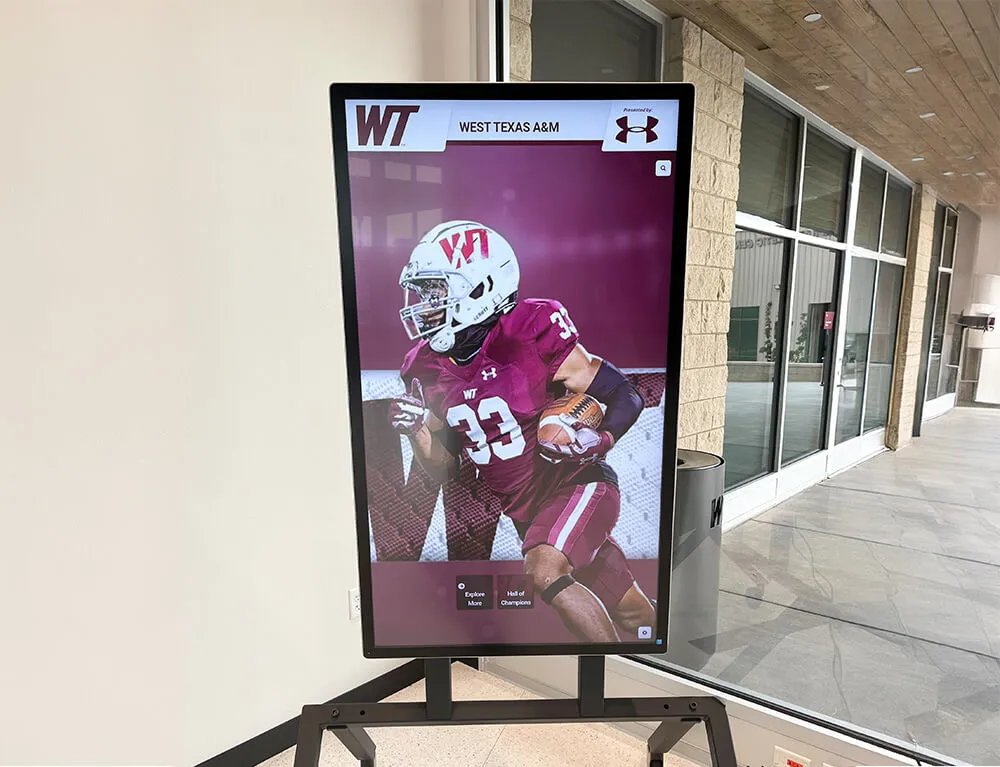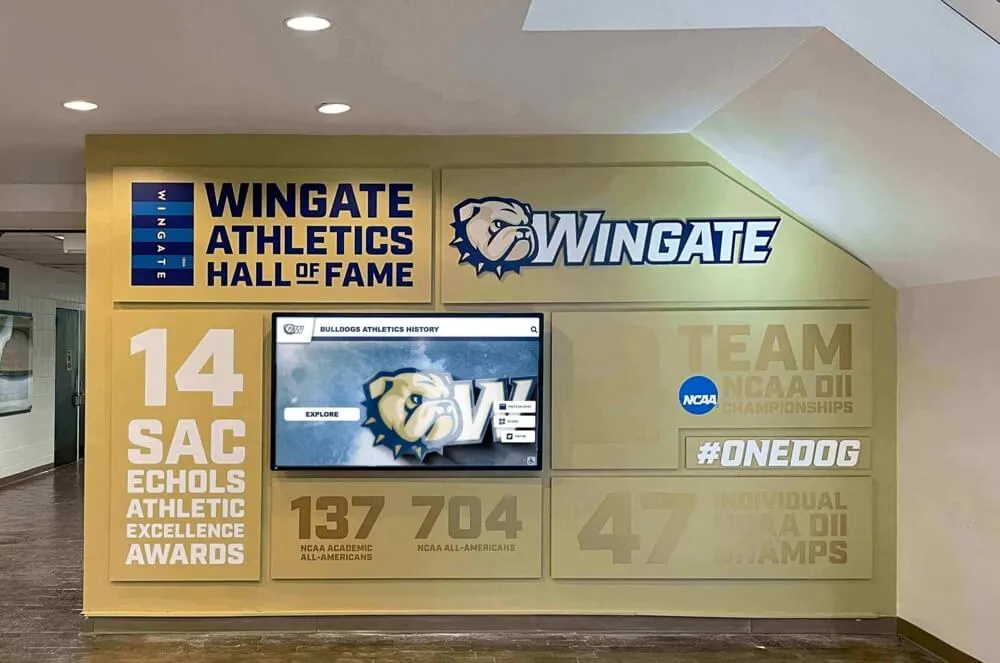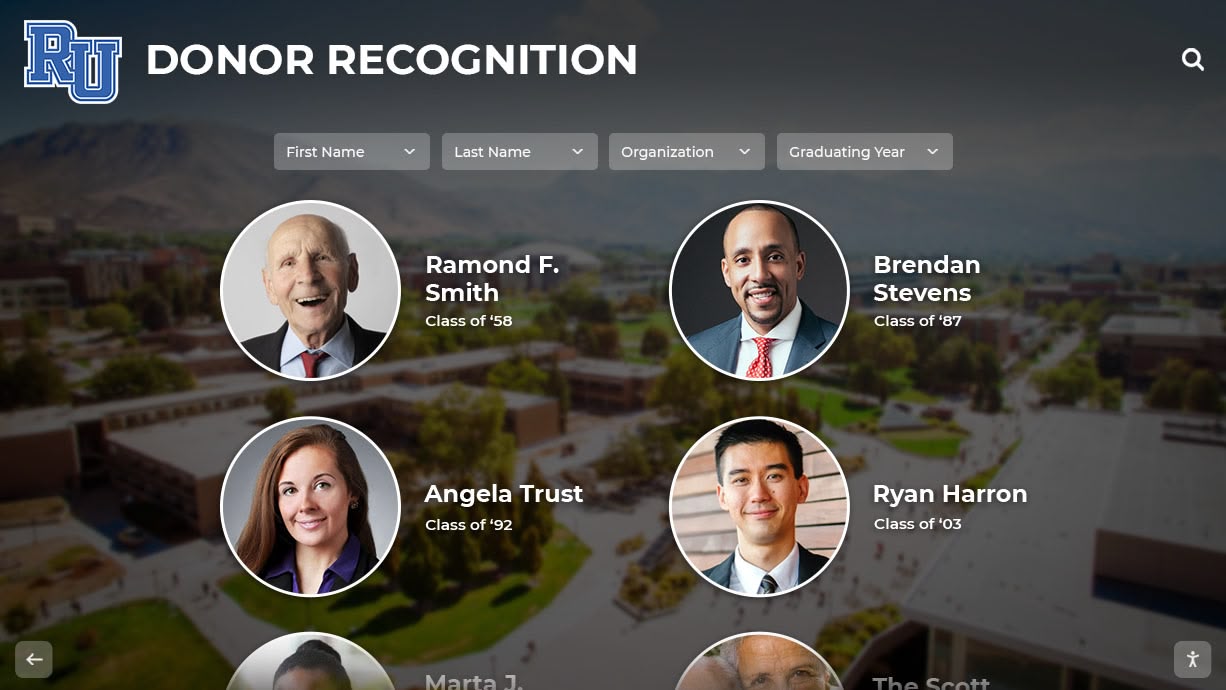




Organizations seeking to maximize donor recognition visibility often face a unique challenge: creating outdoor displays that honor supporters while withstanding harsh weather conditions year after year. Rain, snow, extreme temperatures, UV exposure, and humidity threaten traditional recognition materials, causing fading, warping, corrosion, and deterioration that can transform prestigious donor acknowledgment into worn, embarrassing eyesores within just a few seasons.
The most forward-thinking institutions are embracing outdoor donor wall ideas that combine weather-resistant construction with compelling design, creating durable recognition displays that maintain their beauty and functionality through years of outdoor exposure. These innovative approaches range from engineered traditional materials specifically rated for exterior environments to cutting-edge weatherproof digital displays that bring dynamic, interactive recognition to outdoor spaces without compromising durability.
This comprehensive guide explores proven outdoor donor wall ideas that survive extreme weather, material selection strategies that ensure long-term performance, design considerations unique to exterior recognition displays, and emerging technologies transforming how organizations celebrate philanthropy in outdoor environments.
Effective outdoor donor recognition requires fundamentally different approaches than interior displays. While indoor walls benefit from climate control and protection from elements, outdoor installations must withstand temperature swings from below freezing to over 100°F, direct sunlight exposure that degrades many materials, moisture that promotes corrosion and biological growth, and physical stresses from wind and weather events. Organizations that treat outdoor recognition as simple exterior placement of indoor materials inevitably face costly replacement cycles and diminished donor appreciation.

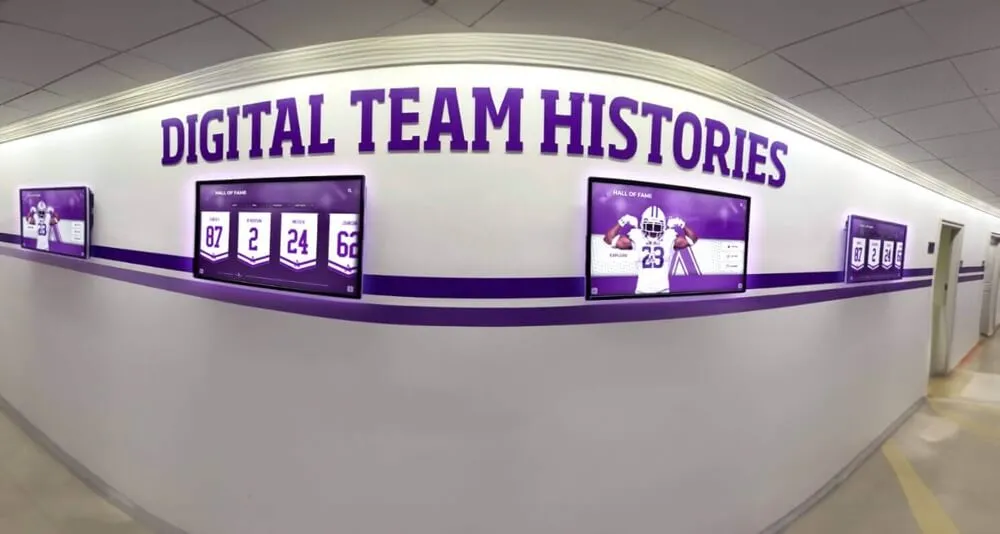
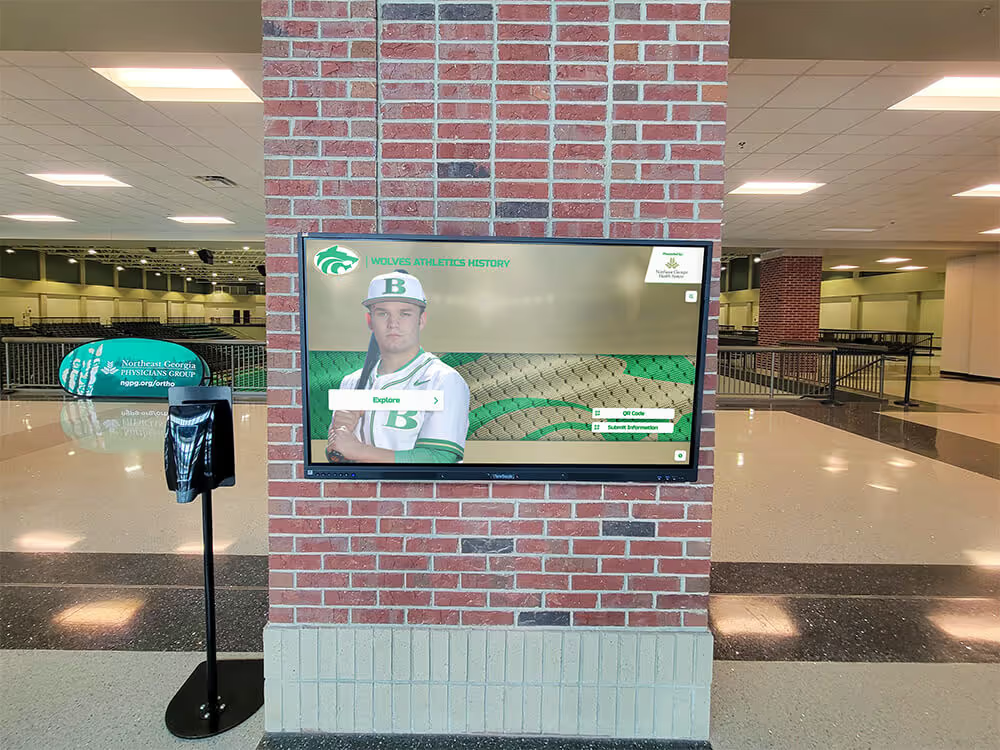
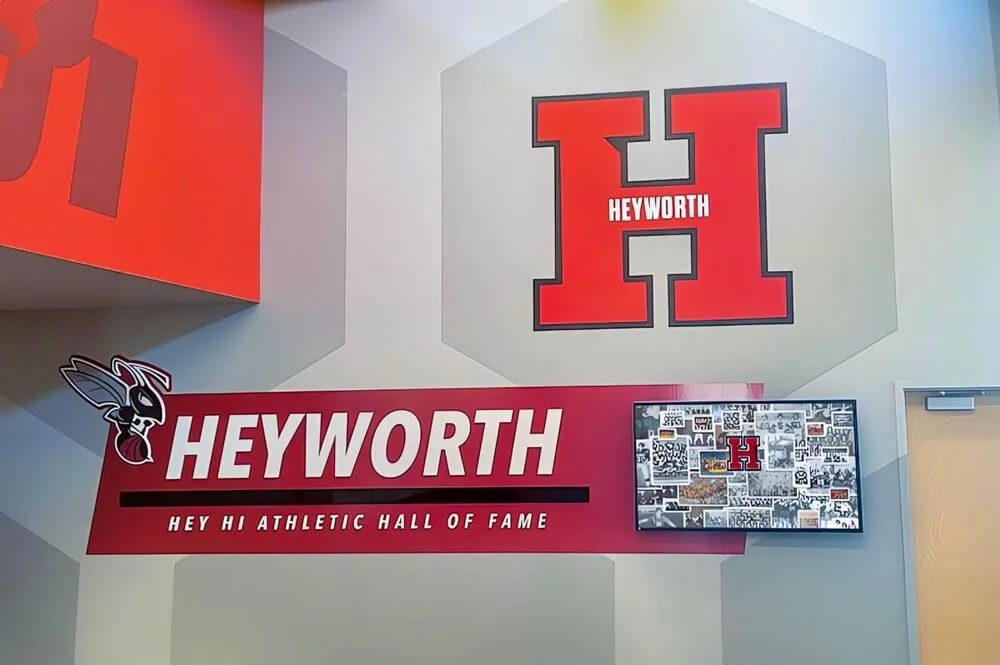
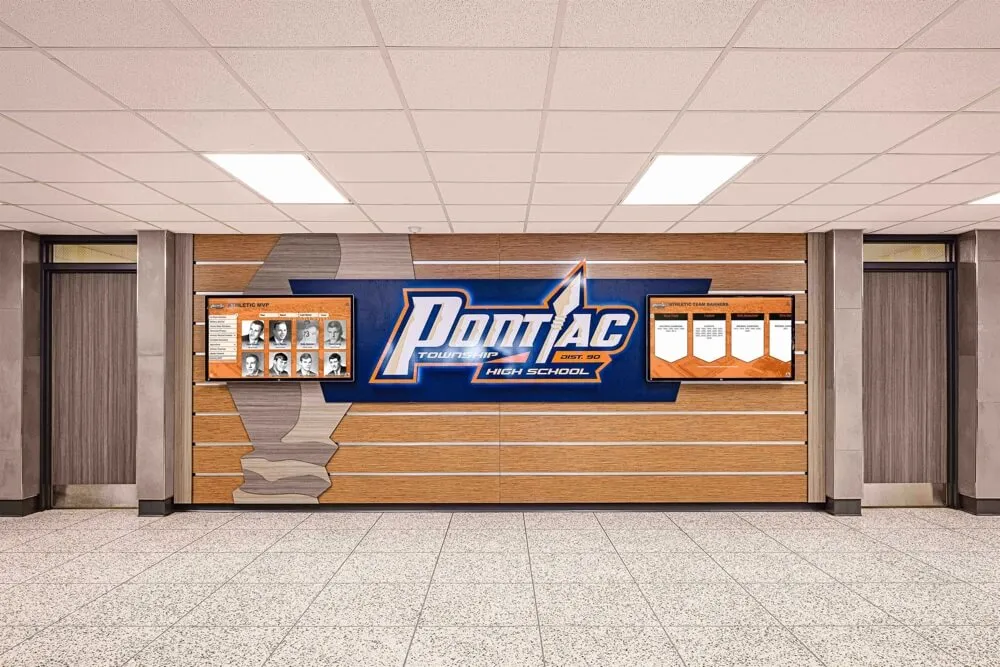
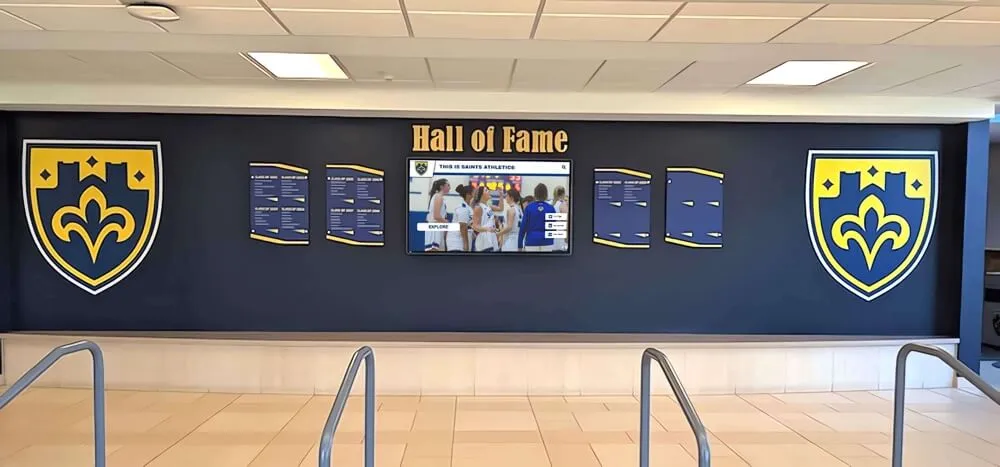
Strategically designed outdoor donor walls create prominent recognition while withstanding years of weather exposure
Understanding the Challenges of Outdoor Donor Recognition
Outdoor donor walls face environmental challenges that accelerate material degradation and threaten display longevity. Organizations planning exterior recognition must account for these factors during initial design rather than discovering limitations after installation.
Weather and Environmental Stressors
Temperature extremes create expansion and contraction cycles that stress mounting systems, crack rigid materials, and separate bonded components. Materials with different thermal expansion rates can separate at joints, while repeated freeze-thaw cycles damage porous materials as moisture freezes, expands, and fractures internal structures.
Moisture and Precipitation Impact
Rain exposure creates multiple degradation pathways. Water penetration behind surface materials promotes corrosion of metal components, warping of wood elements, and biological growth including mold, mildew, and algae. Improper drainage design allows water accumulation that accelerates deterioration, while regions experiencing freezing temperatures face ice formation that can physically damage recognition elements.
UV Radiation and Fading
Continuous sunlight exposure degrades many materials through photochemical reactions. Traditional printed graphics fade as UV radiation breaks down pigments and dyes, reducing visibility and creating unprofessional appearance. Plastics become brittle and discolored, paint finishes chalk and lose gloss, and even some metals experience surface oxidation that dulls appearance.
Biological and Environmental Contamination
Outdoor locations support biological growth that indoor environments prevent. Algae, moss, and lichen colonize surfaces in humid climates, creating discoloration and potentially damaging surface finishes. Bird droppings contain acidic compounds that etch certain materials, while insects may nest behind panels or within structural cavities. Airborne pollutants and industrial emissions can accelerate corrosion and surface degradation in urban environments.
Organizations must evaluate their specific climate conditions—coastal salt exposure, desert heat and dust, northern freeze-thaw cycles, or tropical humidity—to select appropriate materials and designs. Similar environmental considerations apply to outdoor athletic displays and recognition systems that face comparable challenges.
Visibility and Readability Considerations
Outdoor displays must remain readable under highly variable lighting conditions. Direct sunlight creates glare on reflective surfaces while making dark text on light backgrounds difficult to read. Shallow sun angles during morning and evening can render some displays nearly invisible, while overcast conditions reduce contrast. Nighttime visibility requires thoughtful illumination solutions that don’t create light pollution while ensuring donor names remain visible during evening events.
Distance viewing requirements often differ for outdoor locations where visitors may view displays from greater distances than typical indoor placement. Text sizing, color contrast, and layout density must account for viewing distances that may range from several feet to across outdoor plazas or courtyards.
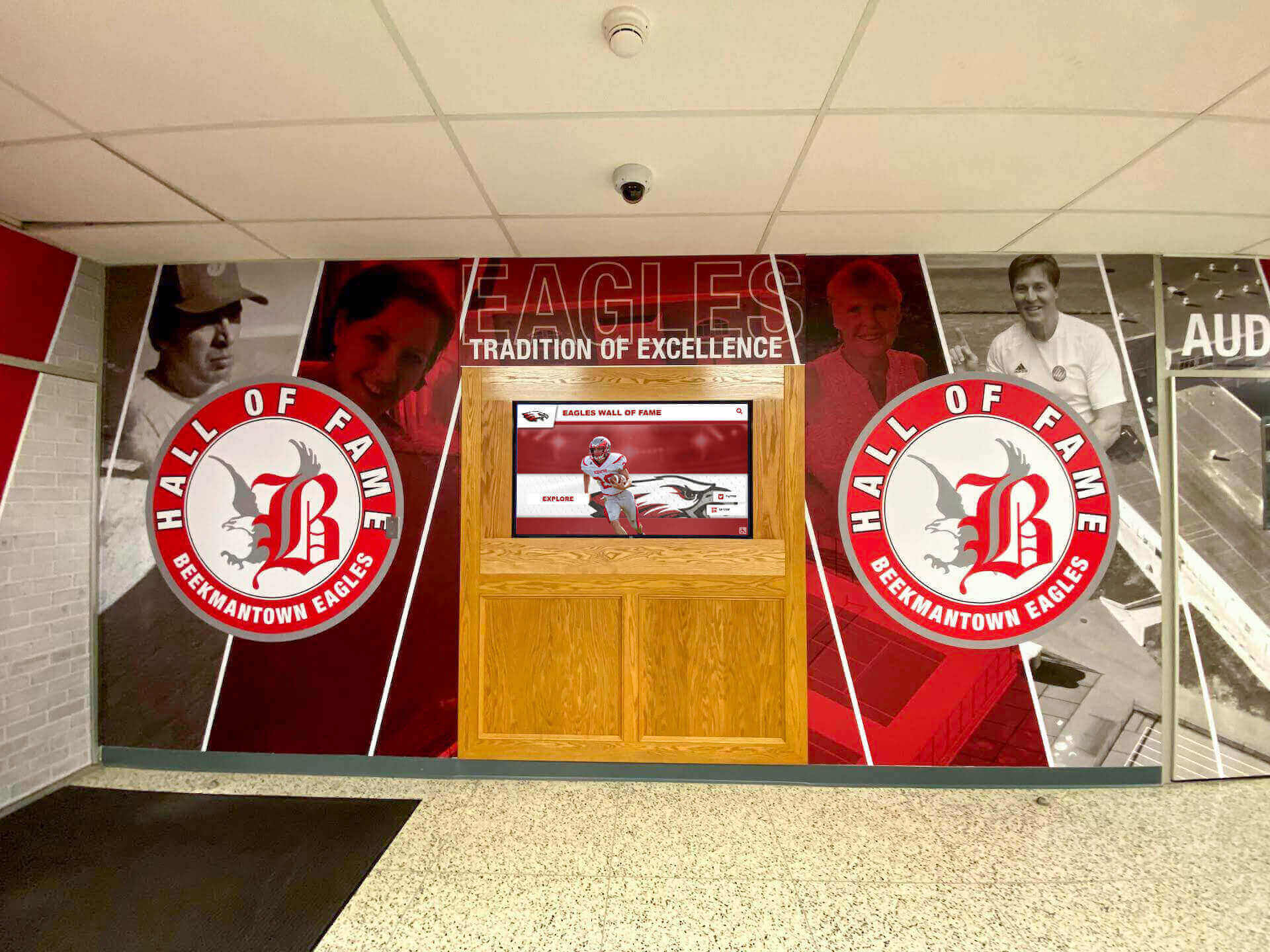
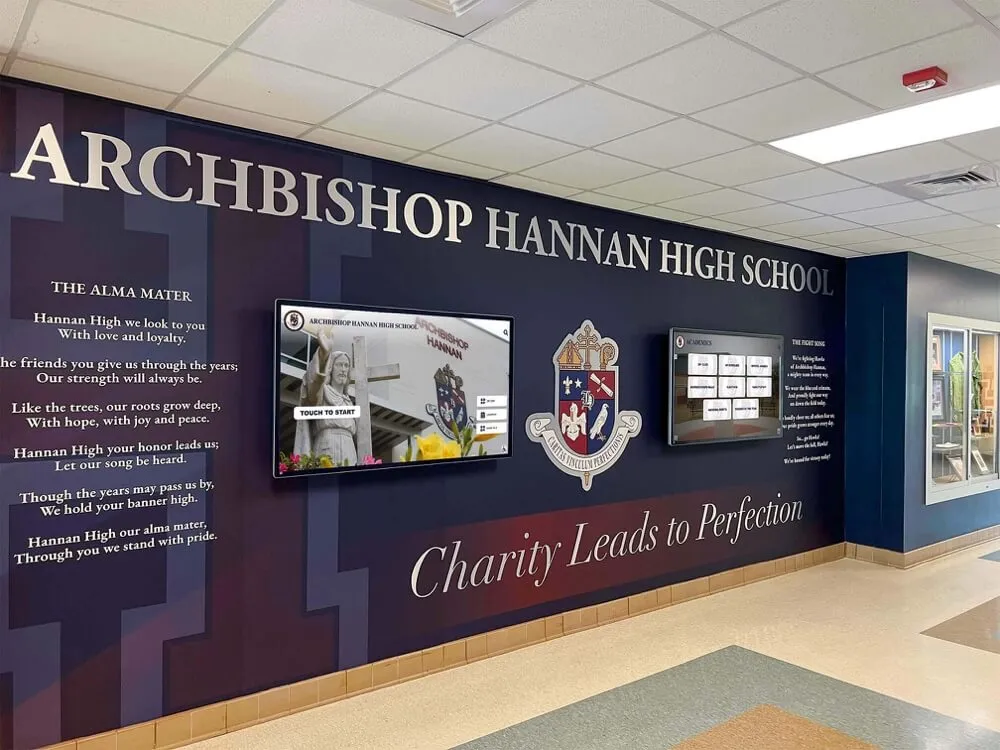
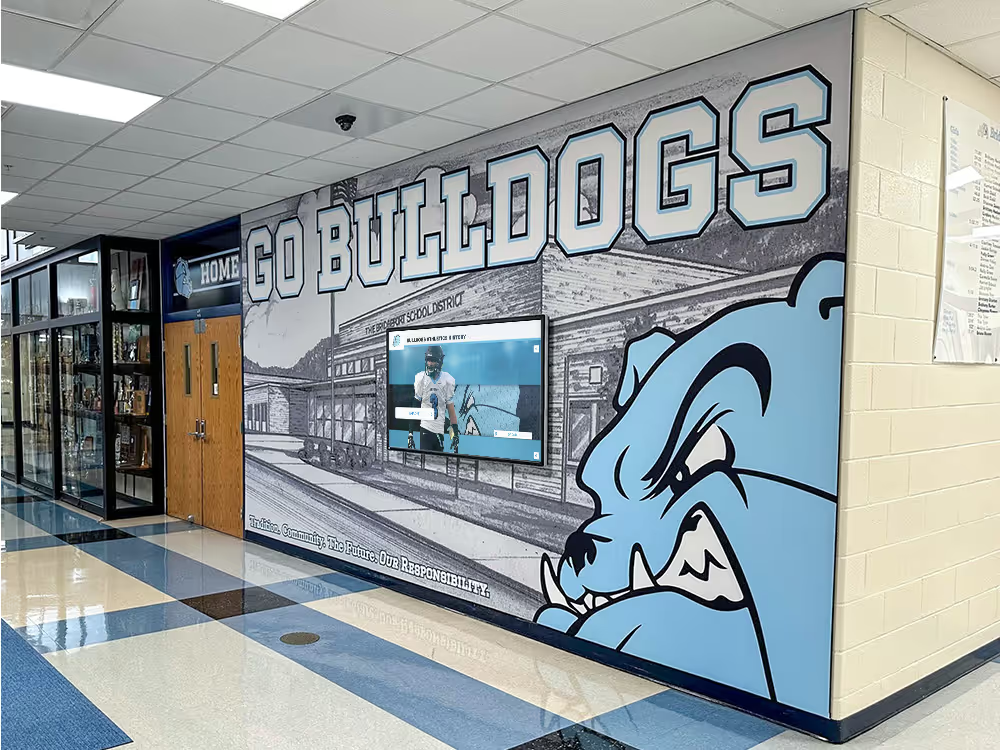
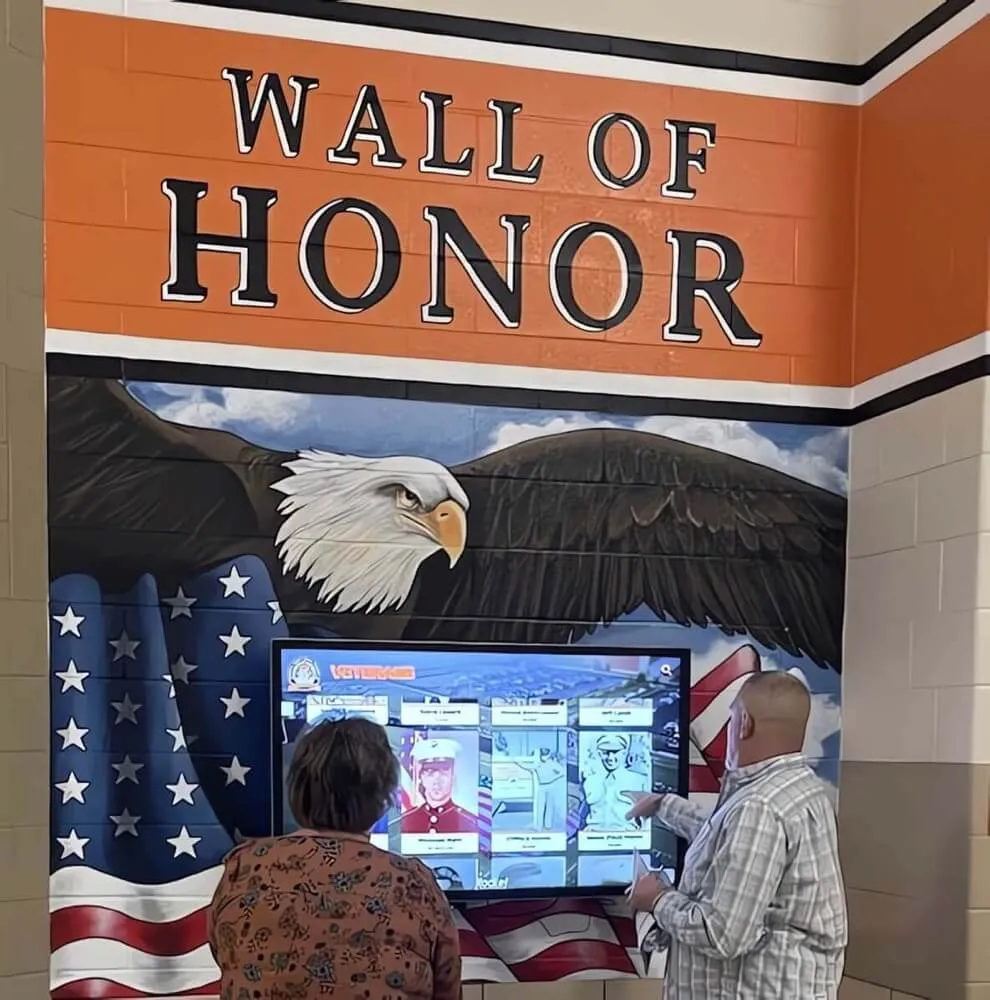
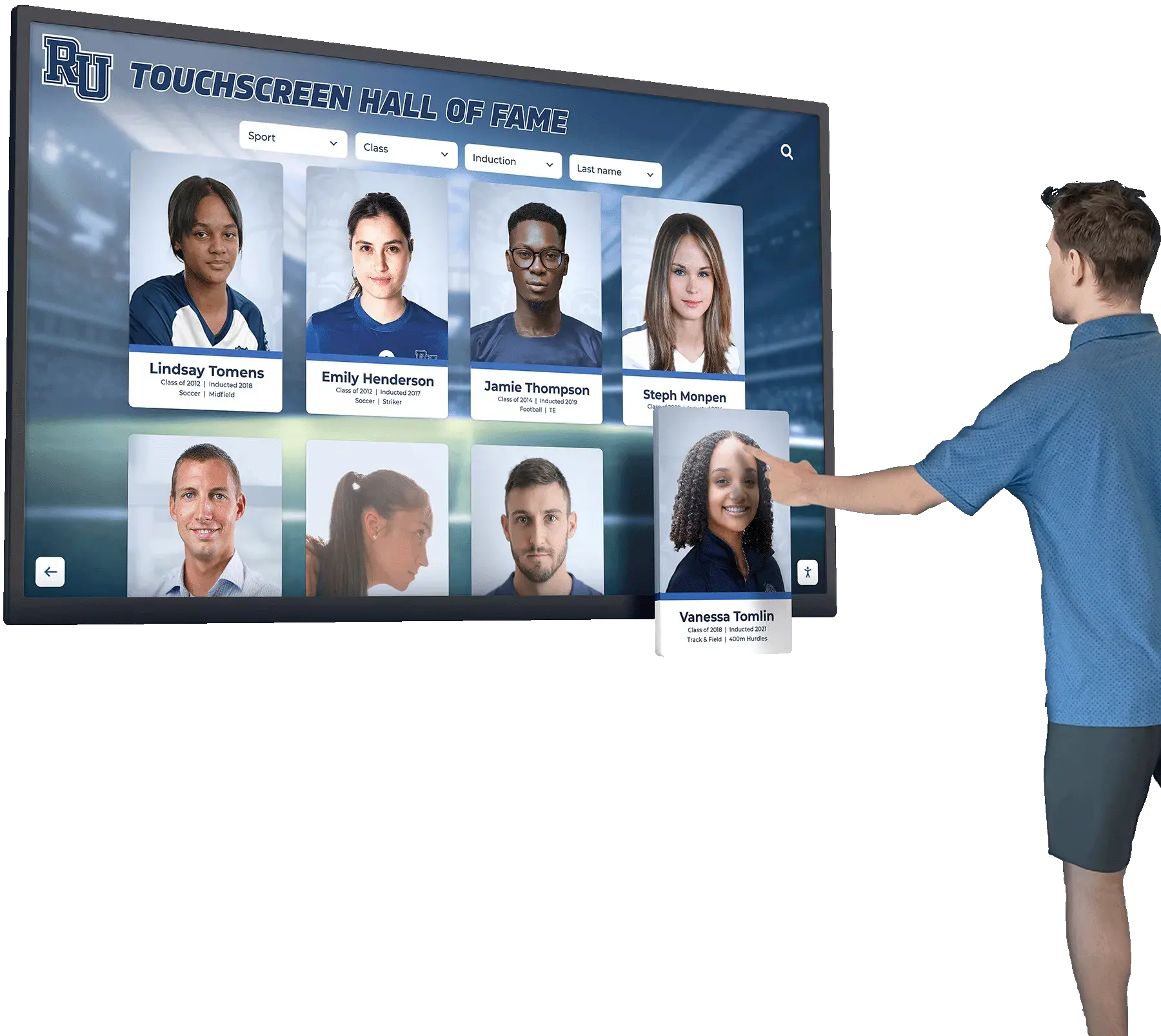
Weather-resistant wall designs incorporate materials and finishes that maintain visibility and appearance through environmental exposure
Traditional Material Options for Outdoor Donor Walls
Understanding proven weather-resistant materials helps organizations select approaches aligned with aesthetic preferences, budget constraints, and expected longevity.
Metal-Based Recognition Systems
Metal plaques and panels represent the most common traditional approach to outdoor donor recognition, offering durability and prestigious appearance when properly specified.
Bronze and Cast Bronze
Cast bronze provides exceptional durability for outdoor environments. The material develops a natural patina over time that actually protects underlying metal while creating distinctive aged appearance many organizations value. Bronze resists corrosion in most environments, maintains structural integrity through temperature extremes, and supports fine detail in cast lettering and imagery.
Advantages of Bronze Recognition
- Exceptional longevity often exceeding 50+ years with minimal maintenance
- Natural patina development creates distinguished, prestigious appearance
- Excellent resistance to corrosion in diverse climates
- Supports intricate detail through casting processes
- Familiar, traditional aesthetic donors often expect and value
Bronze Considerations
- Higher initial cost compared to alternative materials ($300-$800+ per plaque)
- Patina development changes appearance over time (desired by some, not others)
- Heavy weight requires substantial mounting systems
- Limited flexibility once cast—changes require complete replacement
- Theft risk in some locations due to metal value
Stainless Steel and Aluminum
Modern metal options provide weather resistance with contemporary aesthetics. Marine-grade stainless steel (316 alloy) offers superior corrosion resistance particularly valuable in coastal environments, while anodized aluminum provides lightweight durability at lower cost than bronze.
Laser-cutting and etching technologies enable precise lettering and graphics on metal substrates, while powder-coating and specialized finishes provide color options and enhanced weather protection. These materials suit contemporary architectural styles while maintaining the prestige and permanence donors expect from metal recognition.
Stone and Masonry Solutions
Natural stone and engineered masonry create substantial, permanent outdoor donor recognition with inherent weather resistance.
Granite and Natural Stone
Granite offers exceptional durability for outdoor recognition. The extremely hard, non-porous surface resists moisture absorption, maintains appearance through temperature extremes, and supports precise engraving that remains legible for decades. Color options range from classic grays and blacks to distinctive reds, greens, and blues, with consistent availability of specific stone types ensuring matching additions over time.
Stone Recognition Benefits
- Extremely long lifespan often exceeding 100 years
- Minimal maintenance requirements beyond periodic cleaning
- Engraved text remains crisp and legible indefinitely
- Natural material provides prestigious, timeless aesthetic
- Integrated installation possibilities with architectural elements
Implementation Challenges
- Significant weight requires substantial structural support
- Higher material and installation costs than many alternatives
- Limited ability to update or modify after installation
- Engraving errors require replacement of entire pieces
- Space constraints limit total donor capacity
Organizations implementing stone recognition often create architectural donor gardens or memorial courtyards where recognition integrates with landscaping and outdoor gathering spaces. These environments transform pure donor acknowledgment into destinations that attract visitors while celebrating philanthropy.

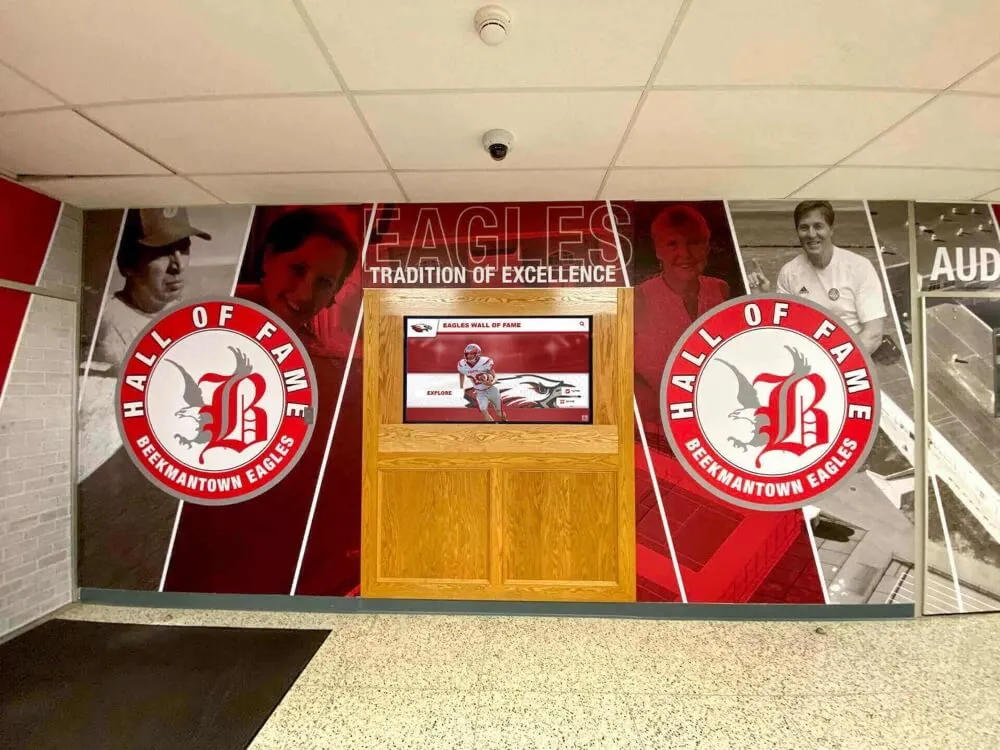
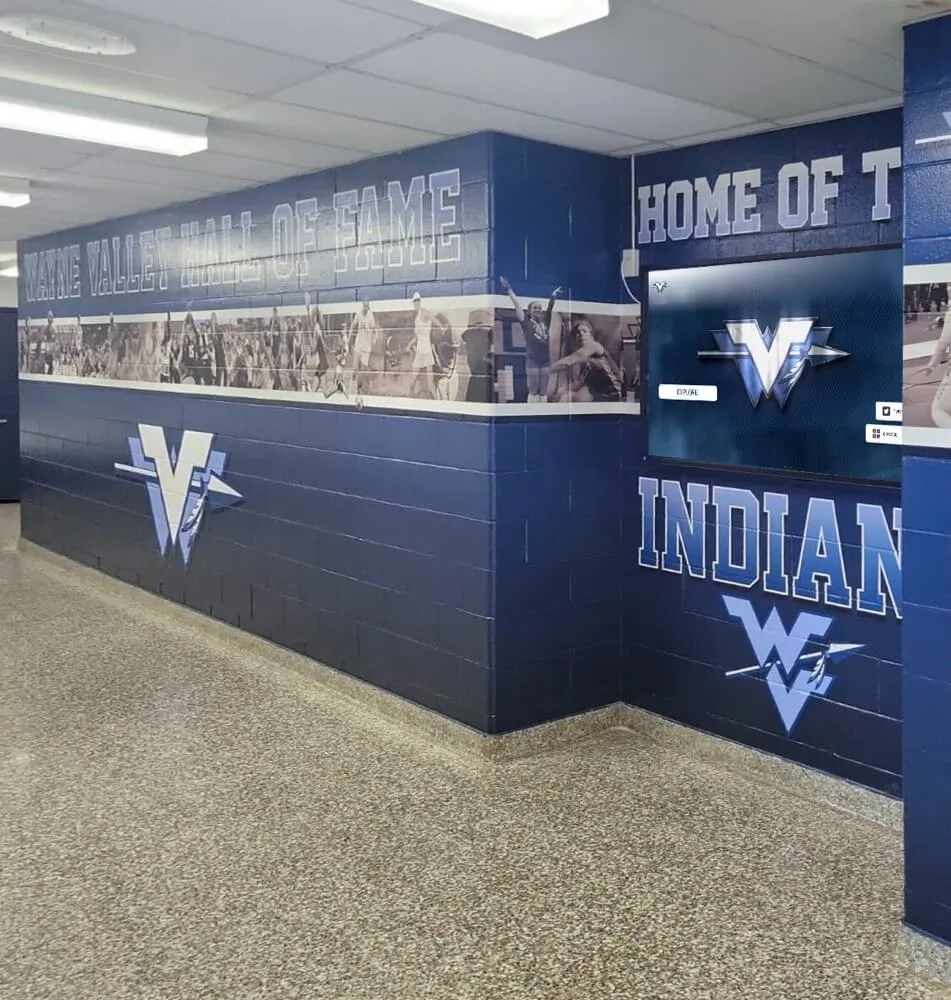
Architectural integration of donor recognition creates cohesive outdoor environments that honor supporters within beautifully designed spaces
Engineered Material Systems
Advanced composite materials offer weather resistance with design flexibility and lower costs than traditional options.
High-Density Urethane (HDU)
HDU boards provide exceptional durability for dimensional lettering, carved signs, and detailed graphics. The closed-cell structure prevents water absorption while supporting fine detail carving. Proper coating with marine-grade paints or clear finishes protects against UV degradation while allowing virtually unlimited color options.
Porcelain Enamel on Steel
Porcelain enamel fuses glass coating to steel substrate through high-temperature firing, creating extremely durable surfaces resistant to scratching, fading, and corrosion. The technology produces vibrant colors that maintain appearance for decades, supports detailed graphics and photography, and provides smooth surfaces that resist biological growth and facilitate cleaning.
These engineered systems often offer superior performance to natural materials in specific applications while maintaining professional appearance appropriate for donor recognition. Organizations should evaluate specific product warranties and performance data rather than assuming all engineered materials provide equivalent durability.
Weatherproof Digital Donor Display Solutions
Technology advancements now enable fully weatherproof digital displays that bring dynamic, interactive recognition to outdoor environments without sacrificing durability.
Outdoor-Rated Digital Screens
Purpose-built outdoor digital displays incorporate weather sealing, thermal management, and enhanced brightness that enable reliable operation in exterior locations. These systems differ fundamentally from standard indoor displays through environmental protection specifications.
Weather Resistance Features
- IP65 or IP66 ingress protection ratings preventing moisture and dust penetration
- Operating temperature ranges from -30°F to 120°F+ supporting extreme climates
- Anti-reflective and high-brightness panels (2,500-5,000 nits) ensuring visibility in direct sunlight
- Thermal management systems including heating and cooling maintaining safe operating temperatures
- Corrosion-resistant enclosures and mounting systems suited for long-term outdoor exposure
- Impact-resistant glass or polycarbonate protection preventing vandalism and weather damage
Digital Display Advantages for Outdoor Recognition
- Unlimited donor capacity without physical space constraints or additional hardware
- Real-time content updates reflecting current donor information and campaigns
- Rich donor profiles incorporating photos, videos, and impact storytelling
- Dynamic content rotation maintaining visual interest and engagement
- Night illumination providing 24/7 visibility without separate lighting systems
- Search and filter capabilities for interactive installations
- Reduced long-term costs compared to ongoing traditional plaque additions
Organizations implementing outdoor digital donor displays report powerful visual impact during evening events and gatherings when illuminated displays create focal points in outdoor spaces. The technology particularly suits campaign thermometer displays showing fundraising progress, donor countdown features highlighting major contributors, and time-sensitive recognition during giving campaigns.
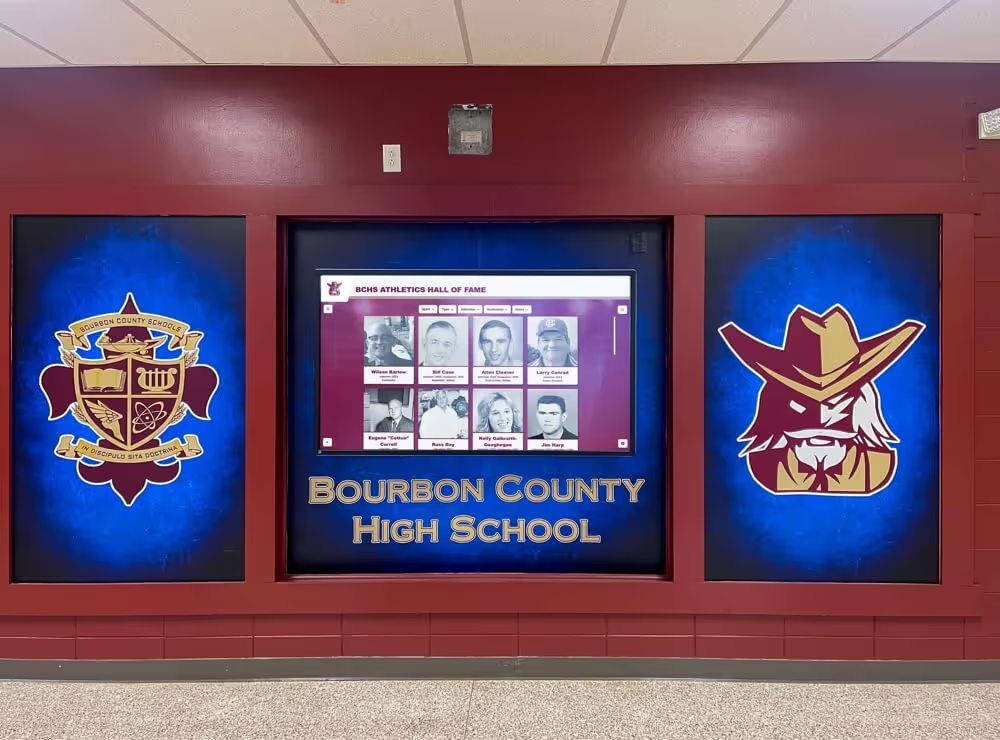
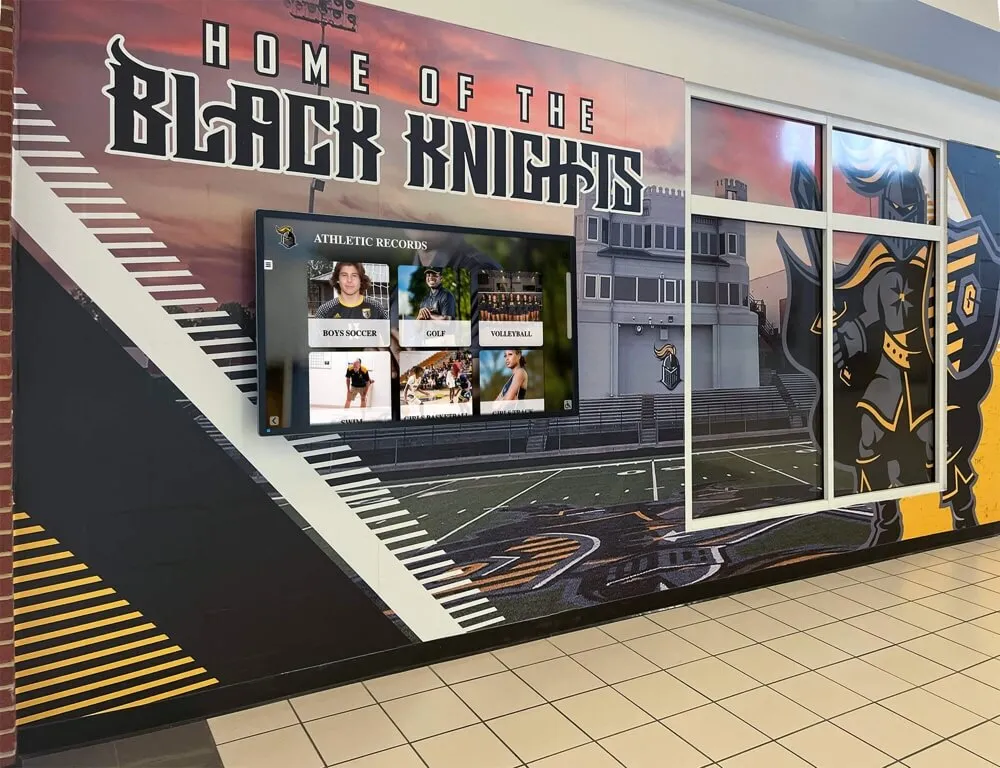
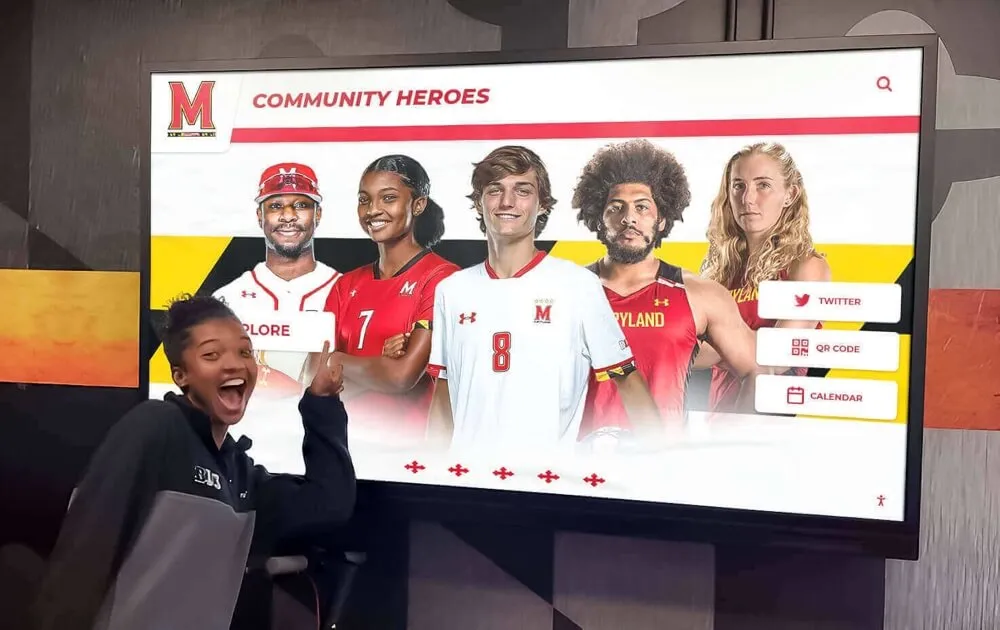
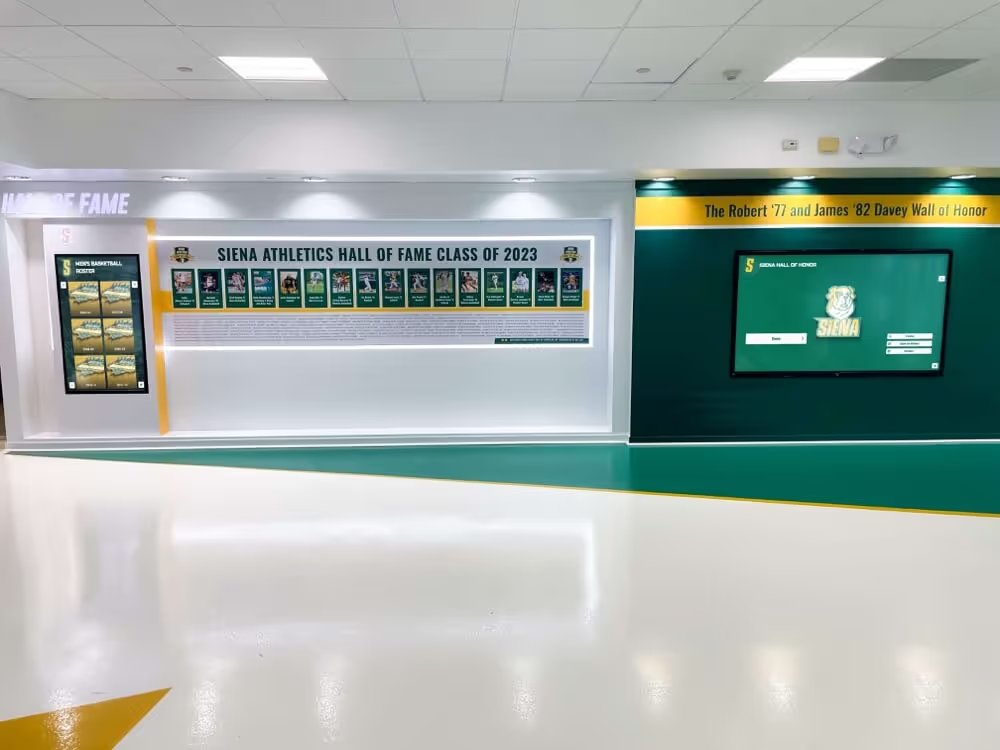
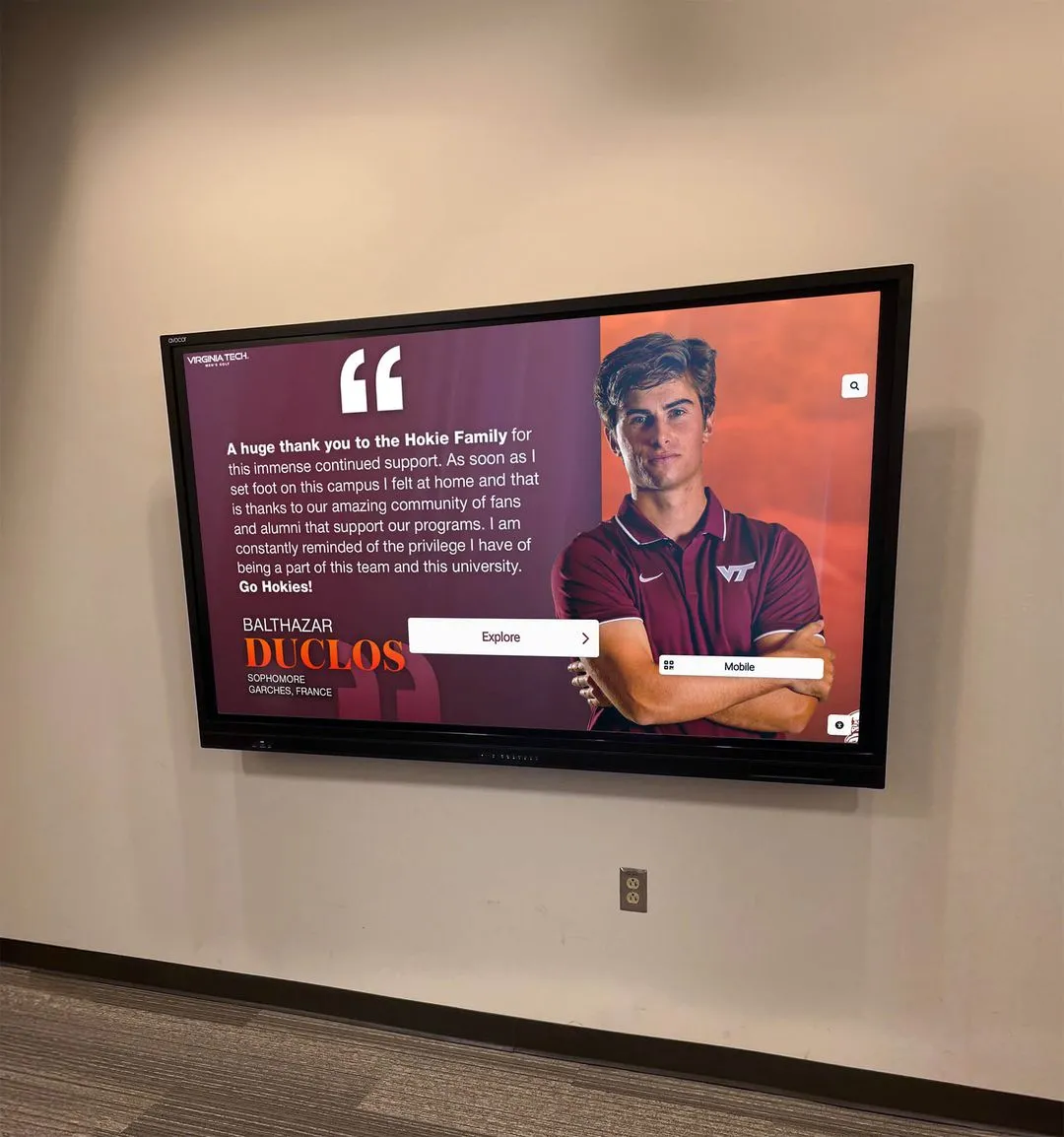
Modern weatherproof digital screens bring dynamic donor recognition to outdoor environments while maintaining durability through proper environmental ratings
Touchscreen Interactive Outdoor Kiosks
Weatherproof interactive touchscreen kiosks extend digital recognition capabilities to fully interactive outdoor experiences. These specialized systems incorporate projected capacitive touchscreens with water-resistant operation, ruggedized computing platforms, and environmental sealing that maintains interactivity through temperature extremes and precipitation.
Interactive Outdoor Applications
- Donor directory search and exploration in outdoor memorial gardens
- Campus map integration showing facilities donor contributions funded
- QR code generation allowing mobile access to extended donor information
- Photo galleries showcasing programs and impact donor support enables
- Virtual tours of buildings, spaces, and programs bearing donor names
- Giving opportunity information for prospective donors visiting campus
Much like interactive digital displays in educational settings, outdoor touchscreen kiosks transform passive viewing into active engagement that creates memorable donor recognition experiences.
Implementation Considerations Organizations should specify outdoor touchscreen kiosks with tempered or laminated impact-resistant glass, operating system reliability in unattended environments, remote monitoring and management capabilities, and accessibility compliance for wheelchair users and individuals with visual impairments. Placement should provide some weather shelter when possible—building overhangs, pergolas, or canopy structures—while maintaining visibility and accessibility.
Hybrid Outdoor Recognition Approaches
Many successful outdoor donor walls combine durable traditional elements with weatherproof digital components, creating recognition systems that honor conventional donor expectations while incorporating modern capabilities.
Hybrid Design Patterns
- Permanent bronze or stone plaques for major donors surrounding weatherproof digital displays showcasing annual contributors
- Architectural donor walls with engraved naming opportunities complemented by digital content screens
- Traditional donor garden pathways with brick pavers bearing donor names, punctuated by digital kiosks providing detailed donor stories
- Monument-style recognition with carved stone donor listings and integrated weatherproof screens showing campaign progress
- Donor courtyard designs combining permanent architectural elements with digital displays providing contextual mission and impact information
These hybrid approaches particularly appeal to donor communities valuing permanent physical recognition while organizations gain digital flexibility for growing donor bases and rich storytelling. The combination addresses common tension between donor preferences for tangible, permanent acknowledgment and institutional needs for scalable, updateable recognition systems.
Design Strategies for Outdoor Donor Walls
Thoughtful design maximizes recognition effectiveness while ensuring outdoor displays integrate beautifully with surrounding environments and architectural contexts.
Site Selection and Environmental Analysis
Strategic placement decisions significantly impact outdoor donor wall success. Organizations should evaluate potential locations considering multiple factors beyond simple visibility.
Microclimate Assessment
- Prevailing wind directions and exposure to storm weather
- Solar orientation and daily sun exposure patterns
- Natural drainage and water accumulation tendencies
- Proximity to irrigation systems or water features creating excess moisture
- Tree coverage affecting sun exposure and organic debris accumulation
- Building overhangs or architectural features providing weather protection
Visibility and Access Evaluation
- Primary pedestrian pathways and traffic patterns
- Sight lines from key gathering areas and event spaces
- Viewing distances and angles affecting text sizing requirements
- Lighting conditions throughout day and evening hours
- Accessibility compliance for wheelchair users and individuals with disabilities
- Security considerations including surveillance coverage and vandalism deterrence
Organizations should conduct site visits at different times of day and during various weather conditions to understand how environmental factors affect potential recognition locations. Similar environmental analysis applies when planning outdoor athletic recognition displays and exterior commemorative installations.
Architectural Integration and Landscape Design
The most successful outdoor donor walls integrate seamlessly with surrounding architecture and landscape design rather than appearing as afterthought additions.
Architectural Coordination Strategies
- Material palettes matching or complementing existing building finishes
- Scale and proportion appropriate to surrounding architectural elements
- Mounting methods that respect original building design and historical significance
- Color schemes coordinating with institutional branding and facility aesthetics
- Integration with building entries, plazas, or significant architectural features
- Lighting design that enhances both recognition and architectural elements
Landscape Integration Approaches
- Donor gardens with recognition integrated among plantings and hardscape
- Memorial pathways with donor names inscribed on pavers or stepping stones
- Recognition walls as focal points in outdoor gathering spaces
- Integration with water features, sculpture, or public art installations
- Seating areas encouraging visitors to pause and engage with recognition
- Seasonal plantings that maintain visual interest year-round
Professional landscape architects and architects can help organizations create cohesive outdoor recognition environments that feel purposefully designed rather than retrofitted. This integration demonstrates institutional commitment to donor recognition while creating attractive outdoor spaces that benefit entire communities.
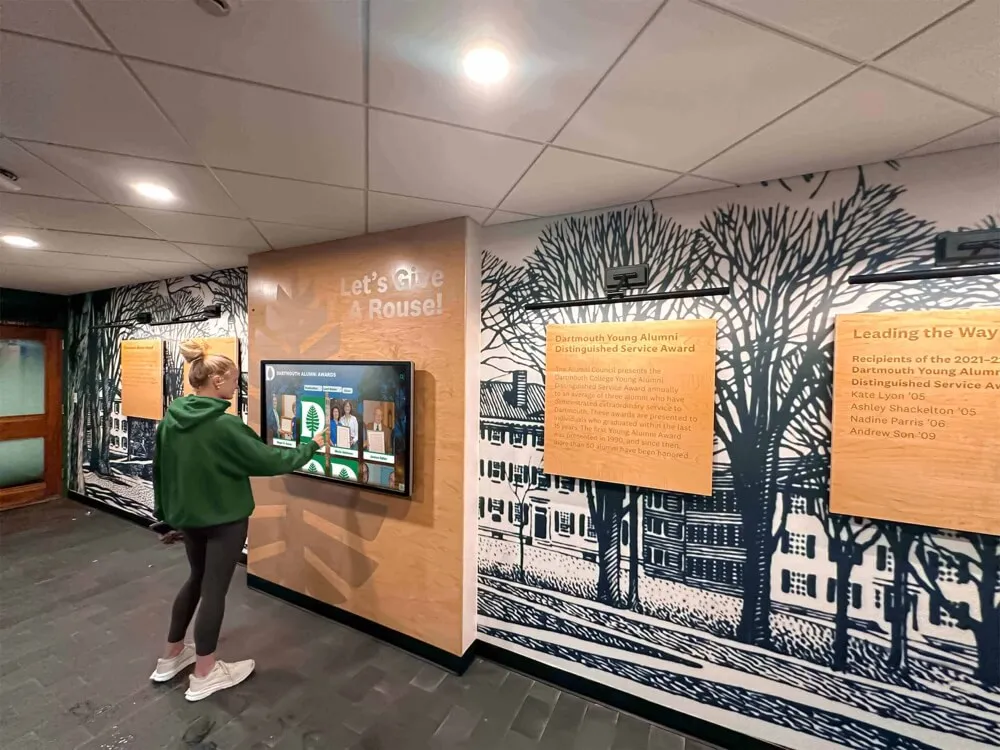
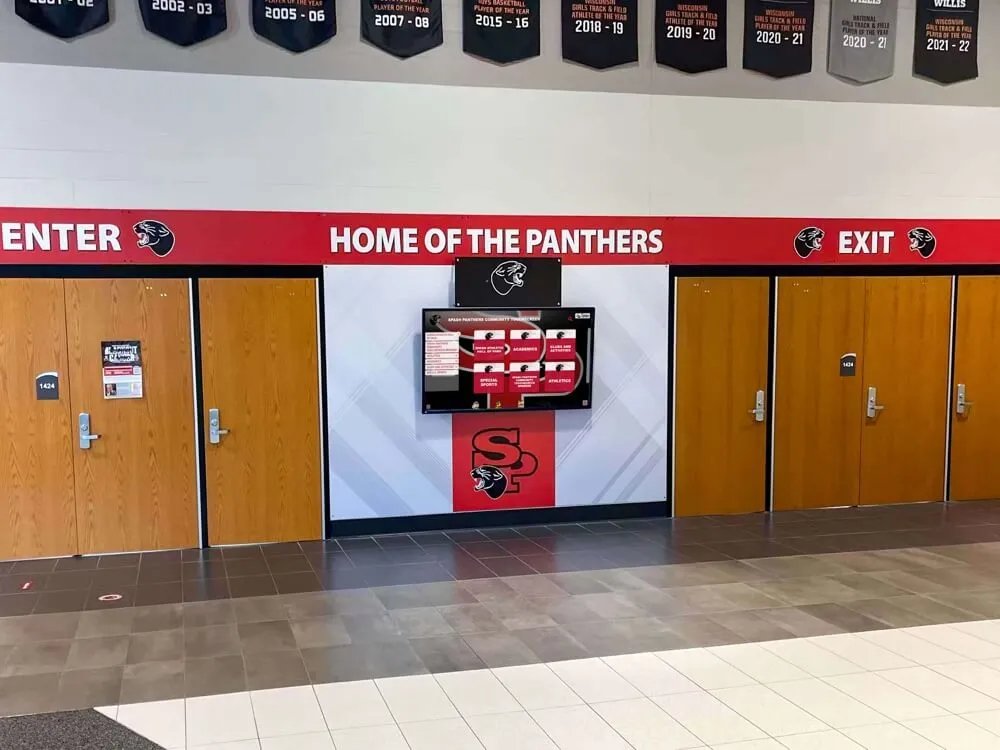
Thoughtfully integrated recognition designs create cohesive environments where donor acknowledgment enhances overall aesthetic rather than competing with architecture
Text Sizing and Readability Standards
Outdoor viewing distances often exceed interior recognition placement, requiring careful attention to typography and sizing.
Legibility Guidelines for Outdoor Recognition
- Minimum text height of 1 inch per 10 feet of viewing distance (10-foot viewing = 1-inch letters minimum)
- High contrast ratios between text and background (4.5:1 minimum, 7:1 preferred)
- Sans-serif typefaces generally provide better outdoor readability than ornate serif fonts
- Adequate letter spacing preventing visual crowding at distance
- Matte or satin finishes reducing glare compared to high-gloss surfaces
- Strategic use of size hierarchy distinguishing donor names from supporting information
Organizations should create full-scale mockups viewed from actual distances to verify readability before final production. Text that appears perfectly readable on computer screens or in conference room presentations may prove illegible when viewed from 20-30 feet away in bright sunlight.
Illumination and Night Visibility
Many outdoor donor recognition locations host evening events requiring after-dark visibility. Thoughtful lighting design ensures recognition remains visible and attractive during nighttime hours.
Outdoor Lighting Approaches
- Directional spotlighting highlighting recognition walls from above or below
- Integrated LED edge lighting within frames or mounting systems
- Backlit translucent panels creating dimensional recognition elements
- Pathway and landscape lighting ensuring safe access while illuminating displays
- Programmable LED systems enabling color changes for special events or campaigns
- Solar-powered lighting options reducing electrical infrastructure requirements
Lighting design should avoid harsh shadows that reduce readability, minimize light pollution affecting surrounding areas, and consider energy efficiency through LED technology and photocell or timer controls. Organizations should consult lighting designers familiar with exterior architectural lighting to achieve professional results.
Maintenance and Longevity Planning
Even weather-resistant outdoor donor displays require systematic maintenance ensuring long-term performance and appearance.
Cleaning and Inspection Protocols
Regular cleaning prevents accumulation of dirt, biological growth, and environmental contaminants that degrade appearance and potentially damage materials.
Recommended Maintenance Schedules
- Quarterly cleaning of surfaces removing dirt, pollen, and light biological growth
- Annual deep cleaning addressing any accumulated grime or staining
- Bi-annual inspection of mounting systems, seals, and structural integrity
- Immediate cleaning after severe weather events or unusual contamination
- Seasonal inspection before harsh weather periods verifying weather sealing integrity
Material-Specific Cleaning Methods
- Bronze: Gentle washing with mild soap and water, optional wax application preserving patina
- Stainless steel: Non-abrasive cleaners and soft cloths preventing surface scratching
- Stone: pH-neutral stone cleaners avoiding acidic products that etch surfaces
- Digital displays: Manufacturer-specified cleaning solutions and microfiber cloths
- Painted surfaces: Mild detergent solutions and soft brushes or cloths
Organizations should establish clear maintenance responsibility and include outdoor donor wall care in regular facility maintenance schedules rather than treating it as occasional attention. Much like maintaining comprehensive donor recognition systems, outdoor displays benefit from preventive care programs.
Weather Protection and Seasonal Considerations
Proactive seasonal preparation extends outdoor donor wall longevity by addressing predictable weather challenges before they cause damage.
Winter Preparation in Cold Climates
- Verify drainage systems clear and functioning before freeze events
- Apply protective coatings or covers to sensitive elements if appropriate
- Confirm heating systems operational for outdoor digital displays
- Remove snow accumulation promptly preventing excessive weight or moisture exposure
- Inspect mounting systems for ice damage after significant freeze-thaw cycles
Summer Considerations in Hot Climates
- Monitor digital display thermal management system performance during heat waves
- Verify sun exposure hasn’t caused unexpected fading or degradation
- Ensure vegetation growth isn’t obstructing visibility or creating moisture retention
- Check that irrigation systems aren’t creating excessive moisture exposure
- Inspect for insect nesting or activity in structural cavities
Hurricane and Severe Weather Preparation
- Identify removable recognition elements that should be stored during major storm events
- Verify mounting system structural integrity and wind load ratings
- Create emergency inspection protocols for post-storm damage assessment
- Document pre-storm condition for insurance and restoration purposes
- Establish vendor relationships for emergency repairs and restoration
Organizations in regions experiencing specific severe weather challenges—tornados, hurricanes, wildfire smoke, heavy snow—should develop weather-specific protection protocols ensuring donor recognition survives extreme events.
Regular maintenance and seasonal care ensure outdoor recognition displays maintain functionality and appearance through years of environmental exposure
Long-Term Restoration and Refresh Planning
Even durable outdoor materials eventually require restoration or replacement. Planning for these cycles prevents recognition from becoming embarrassing liabilities.
Restoration Timeline Planning
- Bronze plaques: 20-30 years before major restoration typically needed
- Stone engraving: 50+ years for granite in most climates
- Outdoor digital displays: 7-10 year hardware lifecycle with ongoing software updates
- Painted finishes: 5-10 years depending on quality and exposure
- Composite materials: 10-20 years with proper maintenance
Organizations should budget for eventual restoration or replacement during initial planning rather than treating it as unexpected future expense. Reserve funds or planned capital improvement schedules ensure recognition can be maintained at appropriate standards indefinitely. This forward planning applies equally to comprehensive donor wall systems and specialized outdoor installations.
Creative Outdoor Donor Recognition Concepts
Innovative organizations are exploring unique outdoor recognition approaches that transform donor acknowledgment into memorable experiences and destination features.
Donor Gardens and Memorial Landscapes
Comprehensive donor gardens integrate recognition with beautifully designed outdoor spaces that serve multiple purposes—donor acknowledgment, community gathering areas, and aesthetic campus enhancements.
Donor Garden Elements
- Personalized brick or stone pavers forming pathways inscribed with donor names
- Memorial trees or plantings with associated donor recognition plaques
- Decorative donor walls as focal points within landscaped settings
- Engraved benches providing functional seating while honoring supporters
- Water features incorporating donor recognition in design elements
- Sculpture or public art installations recognizing major campaign donors
These environments create destinations rather than simple recognition displays, encouraging visitors to spend time in spaces while engaging with donor tributes. The approach particularly suits memorial giving and tribute donations where families value peaceful reflection spaces.
Interactive Donor Walls with Technology Integration
Technology-enhanced outdoor recognition extends engagement beyond passive viewing through interactive elements and mobile connectivity.
Technology-Enhanced Recognition Features
- QR codes linking to extended donor profiles, impact stories, and giving opportunities
- Augmented reality experiences activated by mobile devices at recognition locations
- NFC tags enabling smartphone interactions with donor information
- Mobile-responsive donor directories accessible via QR codes on outdoor monuments
- Social media integration encouraging visitors to share recognition experiences
- Gamification elements rewarding visitor engagement with donor content
Organizations implementing these approaches should ensure technology enhances rather than replaces core recognition, maintaining dignity appropriate for donor acknowledgment while creating engagement opportunities. The balance between innovation and tradition varies based on donor community expectations and institutional culture.
Monument and Sculpture Integration
Large-scale monuments and artistic elements create dramatic donor recognition that functions as campus landmarks and wayfinding features.
Monument Recognition Approaches
- Donor name inscriptions on substantial stone or metal monuments
- Sculptural elements incorporating donor recognition within artistic design
- Tower or column structures with donor names at various heights
- Architectural donor gateways marking campus entries or significant locations
- Commemorative installations celebrating campaign completion or institutional milestones
- Integrated seating walls serving functional and recognition purposes
These substantial installations communicate institutional significance and prestige while creating visual landmarks that orient visitors and reinforce institutional identity. The investment required typically suits major campaign completion recognition rather than ongoing annual fund acknowledgment.
Organizations exploring creative recognition concepts should evaluate how approaches align with institutional culture, donor expectations, and long-term maintenance capabilities. Innovation should serve recognition effectiveness rather than pursuing novelty for its own sake, much like thoughtful donor recognition planning in any environment.
Budget Considerations for Outdoor Donor Walls
Outdoor donor recognition typically requires higher initial investment than indoor displays due to weather-resistant specifications and installation complexity.
Material and Installation Cost Ranges
Understanding typical cost ranges helps organizations develop realistic budgets aligned with recognition goals.
Traditional Material Costs
- Individual bronze plaques: $400-$1,000+ each depending on size and detail
- Cast bronze panels: $200-$400 per square foot
- Granite monuments: $150-$300 per square foot plus carving fees
- Stainless steel systems: $250-$500 per square foot
- Engineered composite panels: $100-$250 per square foot
- Porcelain enamel systems: $200-$350 per square foot
Weatherproof Digital Display Investment
- Outdoor-rated screens (43-55"): $5,000-$12,000 per display
- Large format outdoor screens (65-75"): $12,000-$25,000 per display
- Weatherproof interactive kiosks: $15,000-$35,000 per unit
- Software licensing and CMS: $2,000-$6,000 annually
- Installation and infrastructure: $3,000-$10,000 per location
- Content development: $3,000-$8,000 initial setup
Installation and Site Work Costs
- Foundation and mounting systems: $2,000-$15,000+ depending on scale
- Electrical infrastructure for lighting or digital displays: $1,500-$8,000
- Landscape integration and site preparation: $5,000-$50,000+ for comprehensive gardens
- Architectural coordination and engineering: $3,000-$15,000 for complex installations
- Permits and regulatory compliance: $500-$5,000 depending on jurisdiction
Organizations should obtain detailed proposals from multiple vendors including all installation, infrastructure, and long-term maintenance costs for accurate total cost of ownership comparisons.
Total Cost of Ownership Analysis
Initial purchase price represents only one component of true outdoor donor wall costs over expected lifespan.
Long-Term Cost Factors
- Ongoing maintenance and cleaning labor
- Periodic refinishing, sealing, or protective coating renewal
- Individual plaque additions for new donors (traditional systems)
- Software licensing and technology updates (digital systems)
- Eventual restoration or replacement at end of material life
- Energy costs for illumination or digital displays
Digital systems often demonstrate favorable total cost of ownership over 10-15 year periods despite higher initial investment, particularly for growing donor bases requiring ongoing recognition additions. Traditional systems avoid software licensing but incur per-donor costs for each new plaque or inscription.
Organizations should model total costs across expected donor growth scenarios, typical giving patterns, and realistic maintenance investment to make informed decisions rather than selecting solely based on initial price. These financial considerations mirror planning for comprehensive digital recognition systems in any environment.
Frequently Asked Questions About Outdoor Donor Walls
What materials work best for outdoor donor recognition walls?
The best materials for outdoor donor walls depend on climate, budget, and aesthetic preferences, but proven options include cast bronze (offering 50+ year durability with natural patina development), marine-grade stainless steel (providing corrosion resistance particularly valuable in coastal areas), and granite or natural stone (delivering exceptional longevity exceeding 100 years in most climates). Modern weatherproof digital displays rated IP65/IP66 with operating ranges from -30°F to 120°F now provide durable technology-based alternatives. Organizations should match materials to specific environmental stressors—freeze-thaw cycles in northern climates favor non-porous materials like metal and granite, while high-humidity regions require corrosion-resistant options, and desert environments need UV-stable materials resistant to extreme heat. Avoid materials not specifically rated for exterior use, including standard indoor displays, untreated wood, and regular paint finishes that will degrade rapidly under weather exposure.
How much does an outdoor donor wall typically cost?
Outdoor donor wall costs vary significantly based on approach, scale, and complexity. Traditional bronze plaque systems typically cost $400-$1,000 per individual plaque plus $5,000-$25,000 for architectural mounting systems and installation, totaling $15,000-$75,000+ for initial installations recognizing 25-50 donors with ongoing per-donor costs for additions. Granite monuments range from $150-$300 per square foot plus engraving fees, typically totaling $20,000-$100,000+ for comprehensive installations. Weatherproof digital display systems cost $8,000-$35,000 per screen including installation with annual software licensing of $2,000-$6,000, representing higher initial investment but eliminating per-donor addition costs. Total project costs including site preparation, electrical infrastructure, landscape integration, and professional design services often range from $25,000 for modest traditional installations to $200,000+ for comprehensive donor gardens or large-scale digital systems. Organizations should evaluate total cost of ownership over 10-15 year periods rather than initial investment alone.
Can digital displays withstand outdoor weather conditions?
Purpose-built outdoor digital displays absolutely withstand weather conditions when properly specified with appropriate environmental ratings. Outdoor-rated displays feature IP65 or IP66 ingress protection preventing moisture and dust penetration, operating temperature ranges from -30°F to 120°F supporting extreme climates, anti-reflective high-brightness panels (2,500-5,000 nits) ensuring sunlight visibility, thermal management systems maintaining safe temperatures, and corrosion-resistant enclosures for long-term durability. These weatherproof systems differ fundamentally from standard indoor displays that fail rapidly when exposed to outdoor conditions. Organizations must specify displays explicitly rated for outdoor environments rather than assuming indoor displays can tolerate exterior placement. Proper installation including weather sealing of cable penetrations, adequate ventilation, and compliance with manufacturer specifications ensures reliable operation through years of weather exposure. Hundreds of institutions successfully operate outdoor digital donor displays in climates ranging from northern winters to tropical humidity when using appropriately rated equipment.
How do you maintain outdoor donor recognition displays?
Outdoor donor displays require regular maintenance ensuring long-term performance and appearance. Quarterly cleaning removes accumulated dirt, pollen, and biological growth using material-appropriate methods—mild soap and water for bronze, pH-neutral stone cleaners for granite, manufacturer-specified solutions for digital displays, and non-abrasive cleaners for stainless steel. Annual deep cleaning addresses stubborn staining or accumulation, while bi-annual inspections verify mounting system integrity, weather sealing condition, and structural soundness. Seasonal preparation includes clearing drainage before winter freeze events, verifying digital display heating systems operate properly in cold climates, and confirming cooling functions during summer heat in warm regions. Organizations should establish clear maintenance responsibility within facility management teams, include outdoor donor walls in regular cleaning schedules, and budget for periodic restoration including protective coating renewal every 5-10 years for painted finishes, bronze wax application maintaining patina, and eventual component replacement at end of material lifecycles. Professional maintenance contracts ensure specialized cleaning and technical service for digital systems.
Where should outdoor donor walls be located for maximum impact?
Strategic outdoor donor wall placement maximizes visibility while ensuring environmental conditions support long-term display performance. Ideal locations include main building entrances where all visitors pass, outdoor plazas and gathering spaces hosting events and daily foot traffic, memorial gardens creating destinations for reflection and recognition, campus quadrangles visible from multiple directions, and athletic or performing arts facility exteriors connecting recognition to programs donors support. Organizations should evaluate microclimate factors including prevailing wind and weather exposure, sun orientation affecting visibility and UV degradation, natural drainage patterns preventing water accumulation, and proximity to building overhangs or architectural features providing weather protection. Accessibility requirements mandate wheelchair-accessible pathways, appropriate viewing heights for seated users, and adequate clearance space. Visibility analysis should consider sight lines from key areas, viewing distances affecting text sizing requirements, lighting conditions throughout day and evening hours, and landscaping that might obstruct views or create maintenance challenges. Balance prominent placement with environmental protection, potentially accepting some weather shelter trade-offs for dramatically increased visibility during high-traffic periods.
Conclusion: Creating Durable Outdoor Recognition That Honors Supporters
Thoughtful outdoor donor wall ideas transform challenging exterior environments into opportunities for prominent, lasting recognition that celebrates supporter generosity where visibility is greatest. The most successful outdoor donor displays balance weather-resistant construction with compelling design, creating durable installations that maintain beauty and functionality through years of environmental exposure while honoring every contribution appropriately.
Whether implementing traditional bronze plaques engineered for outdoor durability, granite monuments offering century-long permanence, or innovative weatherproof digital displays bringing dynamic recognition to exterior locations, effective outdoor donor walls require fundamentally different approaches than interior recognition. Material selection must account for specific climate stressors, design strategies must ensure readability under variable outdoor lighting, and maintenance planning must address predictable seasonal challenges before they compromise recognition quality.
Create Weatherproof Outdoor Donor Recognition
Discover how Rocket Alumni Solutions designs and implements durable outdoor donor displays combining weather-resistant materials, compelling design, and flexible technology that honors supporters through years of outdoor exposure while maintaining institutional pride and donor appreciation.
Explore Outdoor Donor Display SolutionsOrganizations investing in properly designed outdoor donor recognition create environments where generosity receives prominent acknowledgment, supporters feel valued through visible appreciation, and prospective donors encounter compelling evidence of community commitment to institutional missions. The outdoor donor wall ideas explored throughout this guide provide frameworks for building weather-resistant recognition worthy of supporters’ extraordinary generosity and capable of withstanding environmental challenges for decades.
Begin by conducting thorough site analysis understanding specific microclimate conditions and environmental stressors affecting potential recognition locations. Engage experienced professionals including architects, landscape designers, and specialized recognition vendors who understand outdoor installation requirements rather than treating exterior placement as simple relocation of indoor approaches. Invest in appropriate materials and installation methods from the beginning rather than discovering limitations after installation when corrections require complete replacement.
Your donors deserve outdoor recognition that maintains dignity and beauty through years of weather exposure, celebrates their values prominently in high-visibility locations, and demonstrates institutional commitment to lasting appreciation. With strategic planning, proper material selection, and ongoing maintenance dedication, organizations can create outdoor donor walls that truly serve as enduring tributes to remarkable supporters whose generosity advances missions and strengthens communities for generations to come.