



Earning cum laude, magna cum laude, or summa cum laude is the result of years of sustained academic effort — and it deserves a prominent place on your resume. Latin honors on a resume serve as a direct, verifiable signal of academic excellence, particularly meaningful for recent graduates who are building professional records from the ground up. Unlike soft skills or self-reported attributes, an institutional honors designation carries the weight of your university’s standards behind it.
That said, knowing whether to include academic honors is only part of the equation. Where they go, how they’re formatted, and how long they remain relevant to employers all affect whether this credential works for you or fades into the background. Schools also play a role in helping alumni leverage these distinctions beyond the diploma — from alumni recognition systems to transcript verification resources that give honors weight throughout a career.
This guide covers every aspect of using latin honors as professional credentials: placement, formatting, industry context, timeline relevance, and the role educational institutions play in preserving and amplifying academic achievement for their graduates.
Graduation recognition doesn’t stop being useful the moment the ceremony ends. For graduates who earned academic distinctions, that recognition represents a credential with genuine shelf life — one that opens doors in competitive hiring markets, strengthens graduate school applications, and communicates intellectual capability to audiences who understand what these designations mean.

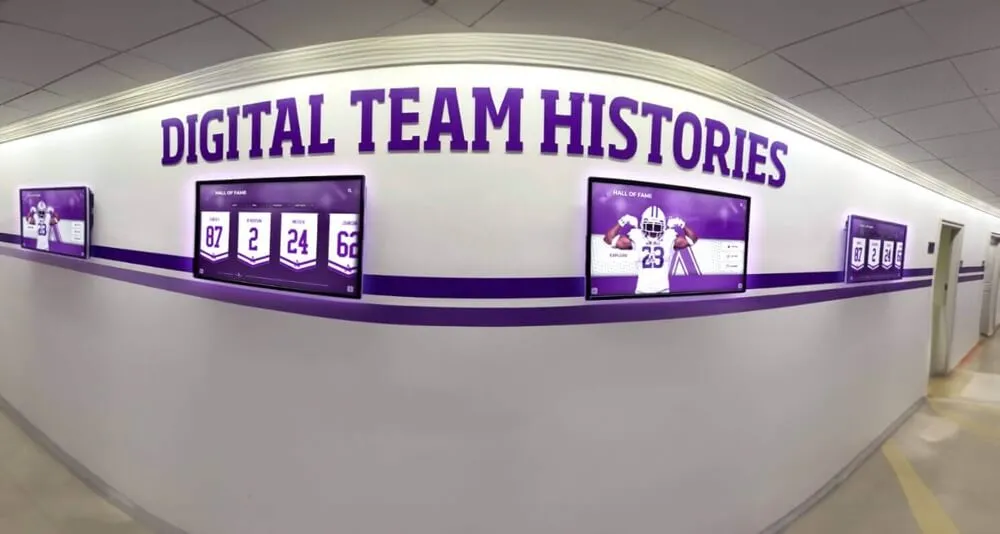
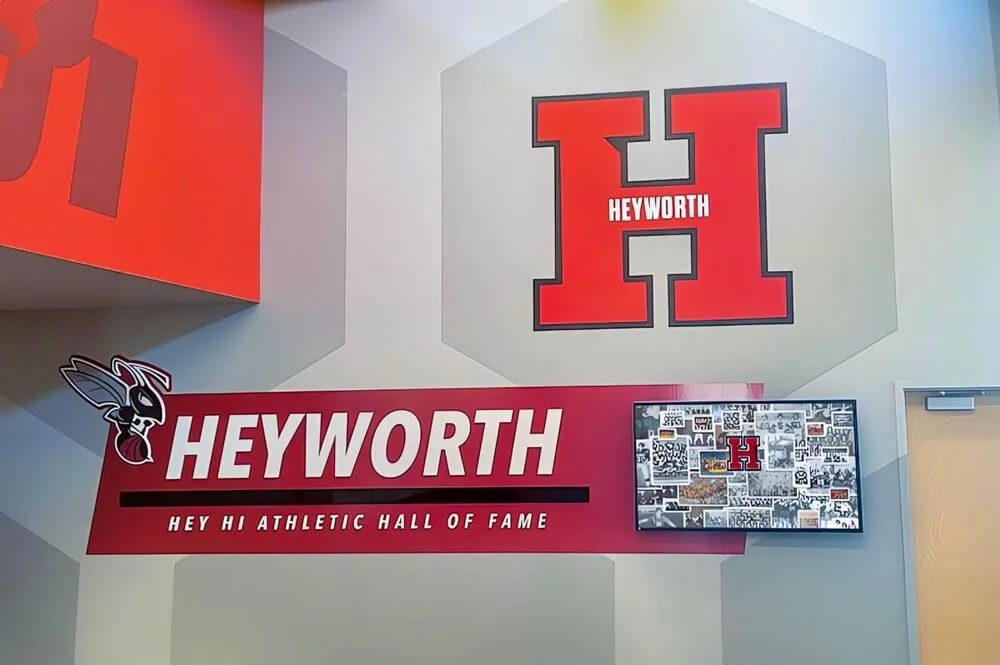
Schools that invest in visible alumni recognition help graduates carry their academic achievements into professional life with institutional backing
Should You Include Latin Honors on Your Resume?
The short answer is yes — almost always. Latin honors earned at accredited colleges and universities represent verified, competitive academic achievement. Including them costs nothing in resume real estate (a few words beside your degree line) and provides verifiable differentiation that other resume sections often cannot.
The calculus shifts depending on career stage:
Recent graduates and early-career professionals (0–7 years of experience) benefit most from including academic honors. At this stage, professional track records are still developing, and academic credentials carry relatively greater weight in hiring decisions. For candidates applying to competitive roles in fields that actively recruit from campuses — consulting, investment banking, law, graduate programs, federal agencies — latin honors function as genuine differentiators.
Mid-career professionals can retain honors on the resume but should ensure the Education section doesn’t overshadow professional accomplishments. Once a career includes substantial relevant work experience, management history, or notable projects, those achievements should dominate the resume. Latin honors remain legitimate to include but may be less relevant than earlier.
Senior professionals with 15+ years of experience sometimes remove formal academic credentials from resumes entirely when they are no longer relevant to the roles being sought. At this stage, professional reputation, leadership accomplishments, and track record matter far more than graduation distinctions.
The key principle: include latin honors as long as your academic record is doing meaningful work in your candidacy. If it’s helping, keep it. When your professional record has clearly outgrown the need for academic validation, reduce or remove it.
Understanding what separates each latin honors tier helps communicate the credential’s value accurately. For a detailed comparison of what these distinctions represent, see this breakdown of summa cum laude vs magna cum laude key differences and what they mean for your future.
Where to Put Latin Honors on a Resume
Latin honors belong in the Education section of your resume, listed alongside the degree and institution that conferred them. They should not appear as a standalone section, be buried in an “Awards” subsection, or float unattached from their institutional context.
Standard Placement Format
The most common and effective placement places the honors designation directly on the degree line or the line immediately following:
Bachelor of Science in Finance, cum laude
University of Michigan, Ann Arbor — May 2024
GPA: 3.72/4.0
Or as an inline notation:
University of Michigan — B.S. Finance, cum laude (May 2024)
Both formats work. The first format makes honors slightly more prominent; the second is more compact when space is at a premium.
Where Not to Put Latin Honors
Avoid the Skills or Certifications section. Latin honors are academic recognitions tied to a specific institution and degree, not transferable skills or professional certifications. Listing them outside the Education section creates confusion about what they represent.
Avoid a standalone “Honors and Awards” section for latin honors alone. This is sometimes done when a candidate has multiple awards to list, but if honors is the only item in that section, integrating it into the Education block is cleaner.
Avoid listing honors without institutional context. “Graduated cum laude” with no institution or degree creates ambiguity. Always tie the designation to its degree and school.

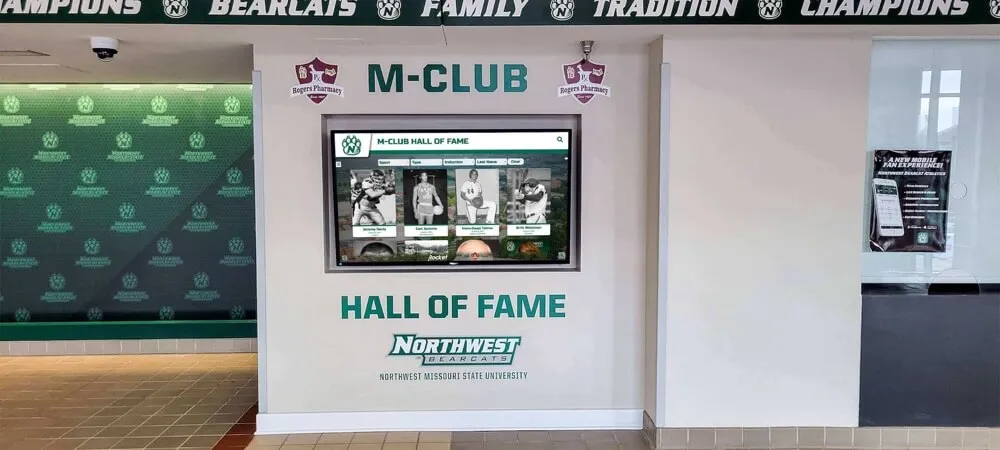
Institutions that celebrate achievement in prominent spaces reinforce the cultural value of academic distinction for students and alumni alike
How to Format Latin Honors on a Resume
Formatting conventions for academic honors are more flexible than they might seem, but a few standards are worth following for professional consistency.
Capitalization
Style guides differ on capitalization. Both “cum laude” (lowercase) and “Cum Laude” (title case) appear in professional contexts. The most common practice is lowercase, consistent with treating the phrase as a descriptive modifier rather than a proper noun. Either choice is acceptable — what matters most is internal consistency within your resume.
Acceptable:
- cum laude
- Cum Laude
Avoid:
- CUM LAUDE (all caps without reason)
- Cum laude (inconsistent mid-case)
Italics
Latin phrases are conventionally italicized in formal academic writing. On resumes, italics for latin honors are optional — many candidates format them in regular weight alongside the rest of their degree line without any formatting confusion. If your resume design uses italics for other purposes (company names, positions), be consistent with your overall style.
Abbreviations
Do not abbreviate latin honors on a resume. “CL” or “MCL” are not recognizable to most hiring managers and defeat the purpose of the credential. Write out the full designation.
GPA: Include or Omit?
Including your GPA alongside latin honors is common and often recommended for recent graduates. Latin honors provide qualitative recognition; a GPA provides the quantitative backing. Listing both gives context:
B.A. Economics, magna cum laude — Columbia University, 2024
GPA: 3.84/4.0
If your institution awarded honors through a percentile-based system rather than a fixed GPA cutoff, your GPA may be lower than a hiring manager expects for that honors level. Including the honors designation — which reflects class standing rather than an absolute number — can actually work in your favor in these cases.
Omit GPA when it is not a strength alongside the honors designation, when you are more than 7–10 years out from graduation, or when the role is completely unrelated to academic credentials.
How Long Do Latin Honors Stay Relevant?
Research from the National Association of Colleges and Employers consistently shows that academic credentials — GPA, honors designations, coursework — carry declining weight in employer evaluations as professional experience accumulates. For most career paths, academic credentials are most impactful in the first five years after graduation, and progressively less influential thereafter.
This timeline is not absolute. Certain fields retain higher ongoing relevance for academic credentials:
Fields where latin honors carry sustained weight:
- Law (particularly for lateral moves and firm prestige decisions)
- Academia and research (where academic record matters throughout a career)
- Federal government and intelligence agencies (clearances, fellowship programs)
- Some consulting and finance roles with ongoing campus recruiting involvement
Fields where academic credentials fade fastest:
- Entrepreneurship and startups (performance and results dominate)
- Creative industries (portfolio and work history matter far more)
- Trades and technical fields with strong licensure or certification frameworks
- Sales and business development (revenue outcomes overshadow academic records)
A good rule of thumb: keep latin honors on the resume until your professional accomplishments are strong enough to represent your candidacy without academic support. For most people, this is somewhere between five and ten years after graduation.
Research published by the Society for Human Resource Management notes that hiring managers consistently prioritize relevant experience, demonstrated skills, and cultural fit over academic credentials for roles beyond entry-level positions — reinforcing the case for graduated de-emphasis of academic honors over time.
Industry-Specific Considerations
Consulting and Investment Banking
These industries actively use academic credentials in early-stage candidate screening, including GPA thresholds and academic honors as explicit filters in some on-campus recruiting programs. Latin honors — particularly magna and summa — signal the analytical rigor and sustained performance these employers seek. Include them prominently on applications targeting these fields through at least your third or fourth year in the workforce.
Law School and Graduate Programs
Academic honors on an undergraduate transcript carry significant weight for law school admissions, MBA programs, and doctoral applications. Graduate admissions committees view undergraduate latin honors as evidence of proven academic capability, and the presence of honors can strengthen applications to competitive programs. This application context is separate from resumes — here, latin honors appear on transcripts and applications, not just resume documents.
Healthcare and Sciences
Medical schools, pharmacy programs, and graduate science programs weight undergraduate academic performance heavily. Latin honors complement strong prerequisite course performance and research experience in competitive healthcare admissions cycles.
Government and Public Service
Many federal positions and competitive fellowship programs (Presidential Management Fellows, Fulbright, foreign service) include academic credentials as part of initial eligibility or competitive ranking. Latin honors remain relevant in these contexts longer than in private-sector hiring.
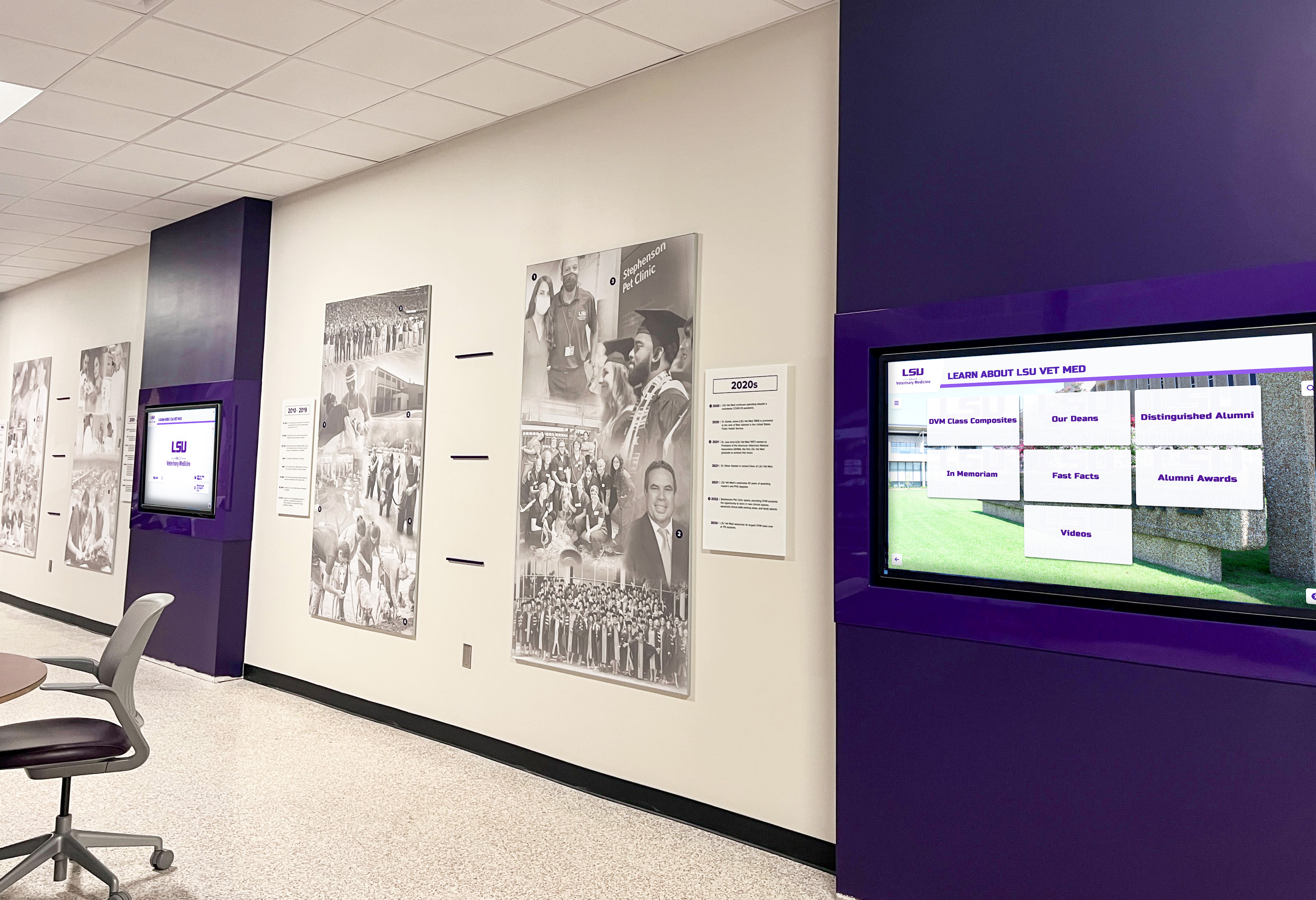
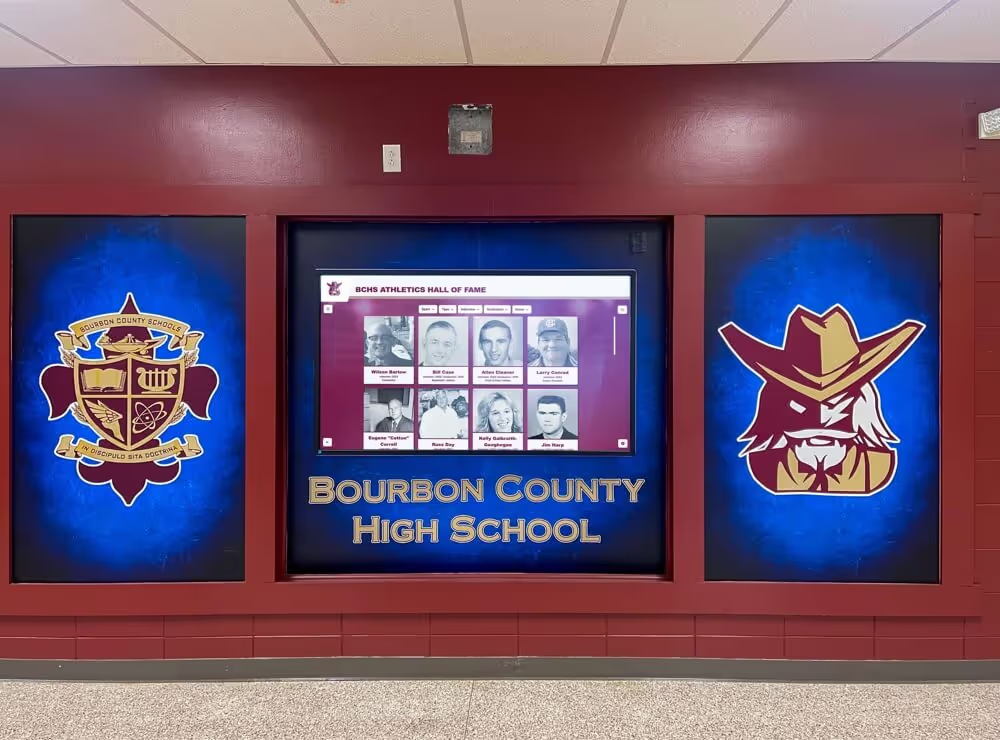
Universities use digital display systems in hallways and lobbies to maintain visibility of academic achievements for current students, alumni, and visitors
Beyond the Resume: Other Places to Leverage Latin Honors
A resume is not the only document where latin honors add value. Maximizing the credential means deploying it across the full landscape of professional self-presentation.
LinkedIn Profile
LinkedIn allows users to list GPA and honors designations in the Education section. Including latin honors here provides the same differentiation as on a traditional resume, with the added benefit of appearing in recruiter searches and profile views. LinkedIn also surfaces education information in ways that make honors visible to connections and prospective employers browsing profiles organically.
Format your LinkedIn education entry the same way you would a resume: degree title, honors designation, institution, and graduation year. Some candidates also include the GPA in the LinkedIn description field when it strengthens their profile.
Cover Letters
While cover letters should not list academic credentials in detail (that’s the resume’s job), mentioning honors briefly in the context of demonstrating relevant capability can be appropriate in specific situations — particularly when the role description emphasizes academic pedigree or the letter is for a role in academia, research, or highly selective competitive programs.
Professional Biographies
Short professional bios used on firm websites, conference programs, speaker introductions, and organizational profiles often include educational background. Including the institution, degree, and honors designation in a professional bio maintains the credential’s visibility without the constraints of resume real estate.
Research on student recognition and future success demonstrates that formal academic recognition creates lasting effects on professional trajectory — making the case for preserving and presenting these credentials across multiple professional contexts.
Graduate School Applications
Graduate applications typically require official transcripts showing honors designations, personal statements that may reference academic distinction, and recommender letters that speak to academic performance. In this context, the latin honors designation works in concert with the rest of your academic record rather than as a standalone resume bullet — making it important to understand the full context that surrounds and supports the credential.
How Schools Support Alumni in Leveraging Academic Honors
Educational institutions play an ongoing role in the value of academic honors after graduation. The strength of a latin honors credential depends partly on the institution that conferred it — and on how effectively that institution maintains and communicates its academic standards to employers and graduate programs who receive applications from alumni.
Transcript Services and Credential Verification
The most direct institutional support for alumni leveraging academic honors is reliable transcript services. Official transcripts that clearly display the honors designation alongside the degree and GPA provide employers and graduate programs with third-party verification of the credential. Schools that maintain robust registrar services, offer digital transcript delivery, and provide rapid response to credential verification requests help their alumni present credentials efficiently.
Alumni Recognition Systems
Many educational institutions maintain alumni recognition systems that preserve the academic records and achievements of their graduates in publicly accessible formats. Digitizing academic yearbooks and historical records extends this preservation to the full history of academic honors at the institution — creating archives that connect present-day alumni with the traditions their own achievements represent.
Digital alumni recognition platforms increasingly allow schools to maintain searchable directories of academic honors recipients that alumni can reference in their professional materials. When a graduate can point to their institution’s recognition database alongside their transcript, the credential gains additional institutional backing.
Digital Recognition Displays and Touchscreen Walls
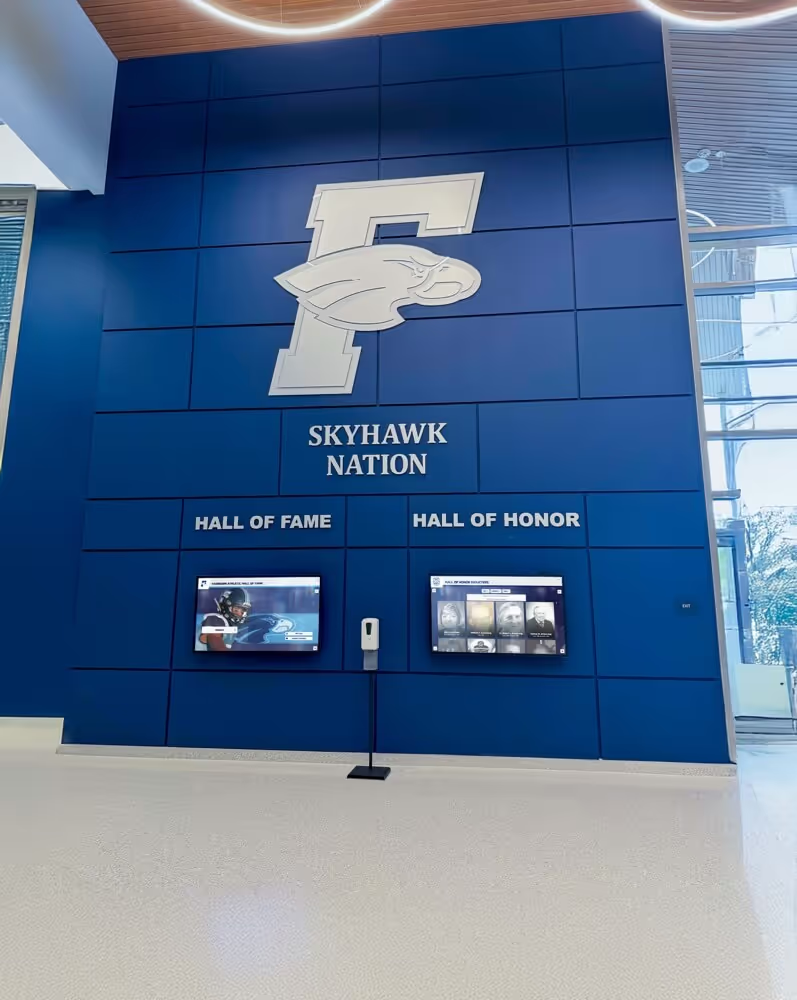
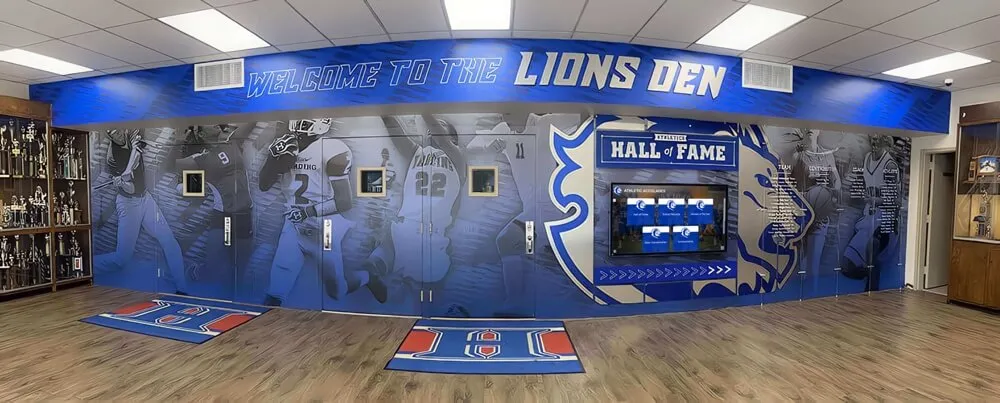
Modern schools and universities invest in digital hall of fame and touchscreen recognition displays that celebrate academic achievers alongside athletes, donors, and other distinguished community members. These installations maintain ongoing visibility for academic honors within the school environment — reinforcing the cultural prestige of academic distinction for current students while creating lasting records of past achievers.
For alumni, these systems represent institutional investment in preserving their recognition beyond the graduation ceremony. Schools that honor their academic achievers visibly and permanently send a signal to prospective students, current families, and visiting employers: academic excellence matters here, and it is remembered.
Recognition Infrastructure as Alumni Resource
Schools that invest in comprehensive digital recognition wall systems for their campuses create assets that serve both current students and returning alumni. An alumnus who can show a prospective employer a school recognition system that features their academic record — alongside a transcript and diploma — has provided layered verification of a credential that is genuinely difficult to fabricate or exaggerate.
Honoring school history through lasting recognition infrastructure is an institutional investment that compounds in value as graduating classes accumulate. Each year’s cohort of honors graduates adds to a recognition record that becomes more impressive with time.

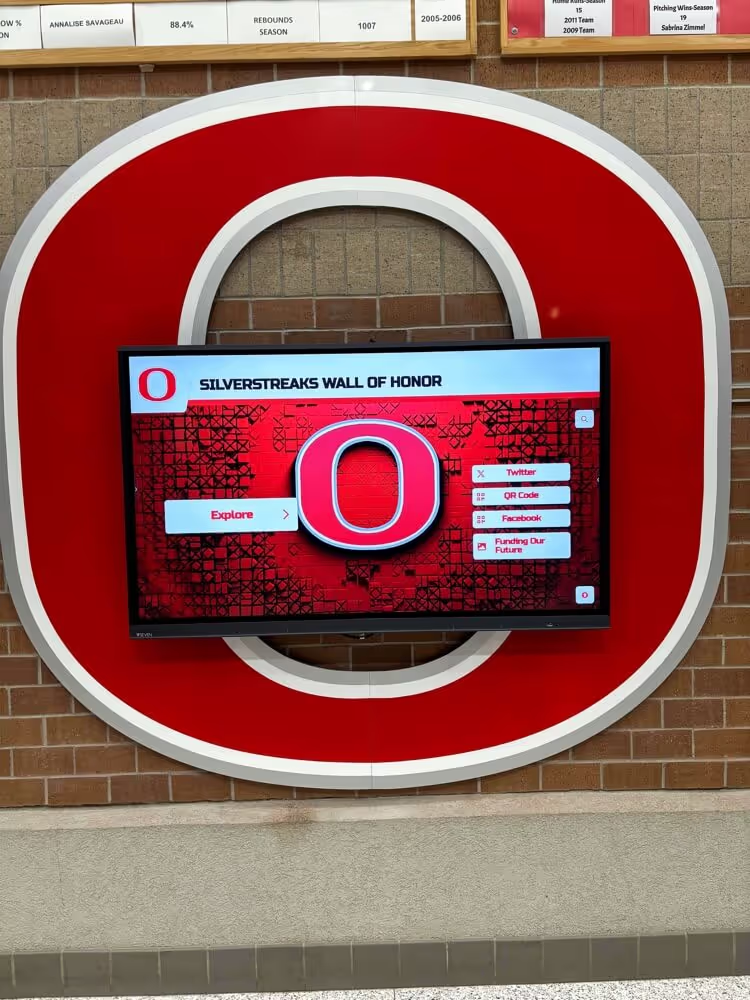
University recognition walls create permanent institutional records of achievement that support alumni credentials long after graduation
Recognizing the Full Scope of Academic Achievement
Latin honors exist within broader academic recognition ecosystems that schools can leverage to support alumni professional trajectories. Beyond the honors designation itself, schools that maintain comprehensive year-end recognition documentation for graduating seniors create archives that preserve academic achievements alongside other notable distinctions from the graduating class.
Annual recognition events like academic awards ceremonies and athletic banquets mark the moment of recognition — but the permanent record created by digital alumni systems and recognition displays ensures that acknowledgment persists long after the ceremony concludes.
For schools building or enhancing their recognition infrastructure, platforms like Rocket Alumni Solutions provide purpose-built digital recognition systems that honor academic achievers, athletes, and donors in cohesive, interactive installations designed for educational environments. The investment in permanent recognition creates lasting value for alumni whose credentials derive part of their weight from the prestige and permanence of institutional acknowledgment.
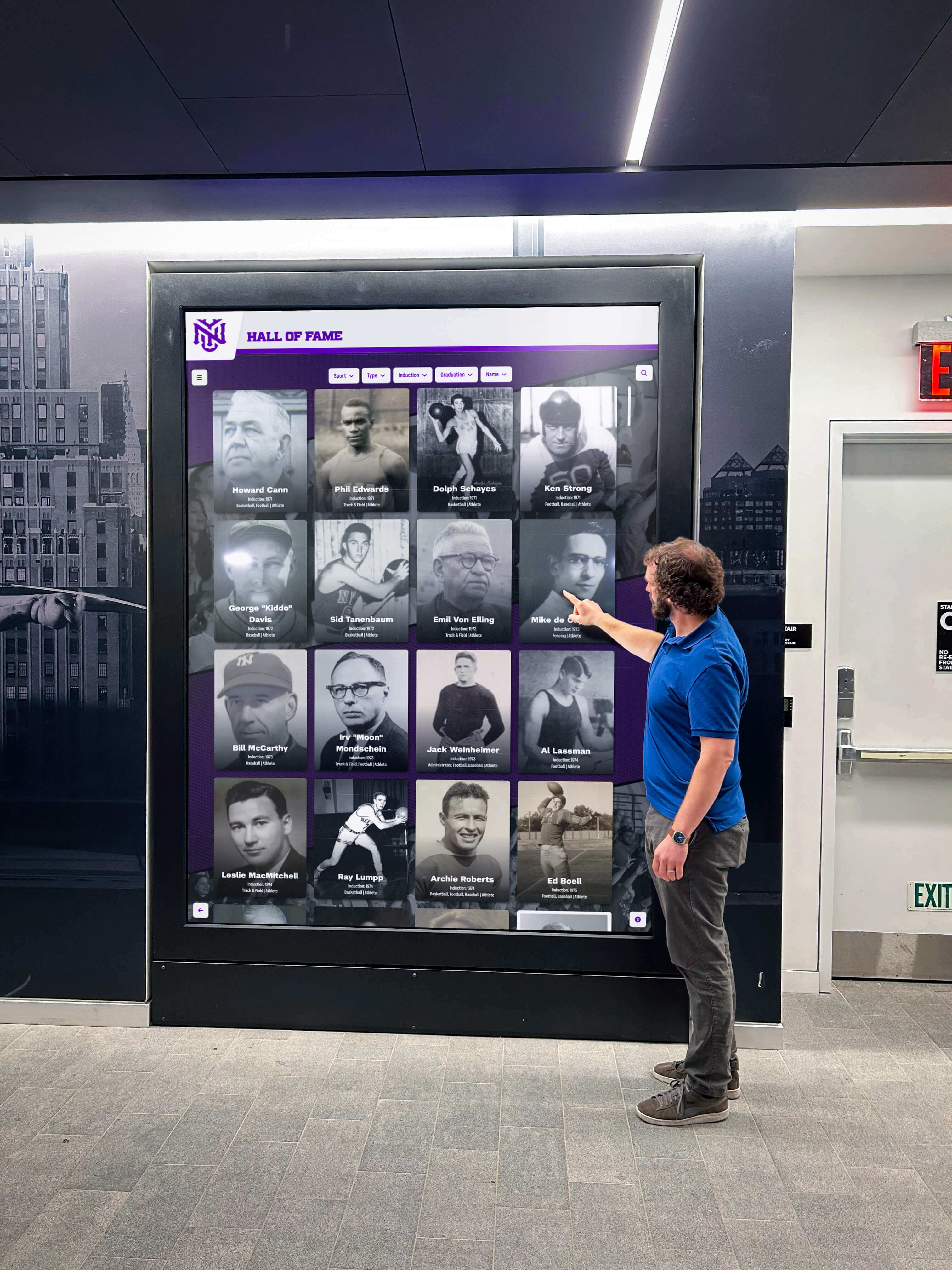
Interactive recognition displays allow alumni, visitors, and current students to engage with the institution's history of academic and extracurricular achievement
Common Mistakes When Listing Latin Honors on a Resume
Understanding what to avoid is as important as knowing what to include.
Listing honors without institutional context removes the verifiable credibility that makes the credential meaningful. Always pair the honors designation with the degree and school name.
Translating latin honors into English on the resume itself is generally unnecessary. “Graduated with highest honors” is acceptable informal phrasing, but the latin designation is more precise and widely recognized in professional contexts. If you prefer plain English — because the role or industry is unfamiliar with latin academic terminology — “Graduated with honors (magna cum laude)” provides both.
Claiming honors without verification is a significant professional risk. Academic credentials are among the most frequently verified resume items, particularly in regulated industries, competitive programs, and security-clearance contexts. Only list latin honors that appear on your official transcript and diploma.
Over-emphasizing honors as a standalone achievement without supporting context can backfire. A resume that leads with academic honors but shows limited professional development raises questions. The honors credential works best when surrounded by evidence of ongoing growth, achievement, and capability.
Using inconsistent formatting within the Education section signals lack of attention to detail — which contradicts the message that academic honors are meant to send. If you list GPA for one degree, list it for all; if you capitalize honors for one entry, capitalize them consistently.
Frequently Asked Questions About Latin Honors on a Resume
Where exactly should I put latin honors on my resume?
How long should I keep latin honors on my resume?
Should I include my GPA alongside latin honors on a resume?
Do employers actually check or care about latin honors?
How should I list latin honors on LinkedIn compared to a resume?
Building an Alumni Career Through Institutional Recognition
Academic honors represent the beginning of a professional credential, not the end of one. For graduates who earned latin distinctions, the work of translating that recognition into career advantage is ongoing: maintaining accurate and consistent presentation across professional platforms, targeting industries where the credential adds maximum value, and progressively allowing professional accomplishments to build on the academic foundation.
Educational institutions support this process most effectively when they invest in recognition infrastructure that keeps academic achievement visible long after graduation — digital alumni displays, searchable honors databases, reliable transcript services, and physical recognition installations that communicate institutional prestige to employers, graduate programs, and future students alike.
The connection between how schools celebrate academic achievement on campus and how that achievement translates to alumni careers is direct: students at institutions that visibly honor academic excellence graduate with credentials that carry additional institutional weight. Platforms built specifically for school and university recognition — like those offered by Rocket Alumni Solutions — help educational institutions create the lasting recognition infrastructure that gives academic honors their staying power, both on campus and in the broader professional world alumni enter after graduation.