



Educational institutions facing ambitious facility renovation goals, endowment growth targets, or program expansion needs eventually confront a critical fundraising question: how to start a capital campaign that secures transformational funding while strengthening donor relationships that sustain institutional missions beyond immediate project completion. Unlike annual fundraising focused on operational support, capital campaigns pursue specific, time-limited goals requiring comprehensive planning, strategic donor cultivation, and sustained stewardship spanning multiple years—with success depending heavily on preparation quality rather than campaign launch momentum alone.
Many schools and universities approach capital campaigns with enthusiasm that outpaces strategic readiness, announcing ambitious goals before validating donor capacity, implementing recognition systems as afterthoughts when campaigns near completion, or treating stewardship as optional rather than essential relationship-building work determining ultimate campaign outcomes. These common mistakes explain why approximately 30% of capital campaigns fail to reach stated goals despite genuine institutional need and community goodwill.
This comprehensive guide examines how to start a capital campaign through proven frameworks addressing feasibility assessment, campaign structure, volunteer leadership recruitment, donor engagement strategies, recognition planning, and stewardship systems—providing actionable roadmaps for educational institutions pursuing transformational fundraising while building philanthropic relationships supporting long-term advancement objectives.
Capital campaigns represent the most ambitious fundraising undertakings educational institutions pursue, typically raising 3-10 times annual operating fund totals to support facility construction, endowment growth, scholarship programs, or comprehensive institutional advancement. According to the Council for Advancement and Support of Education (CASE), campaigns following structured planning frameworks achieve 87% success rates compared to 54% for institutions pursuing major gift initiatives without systematic approaches.

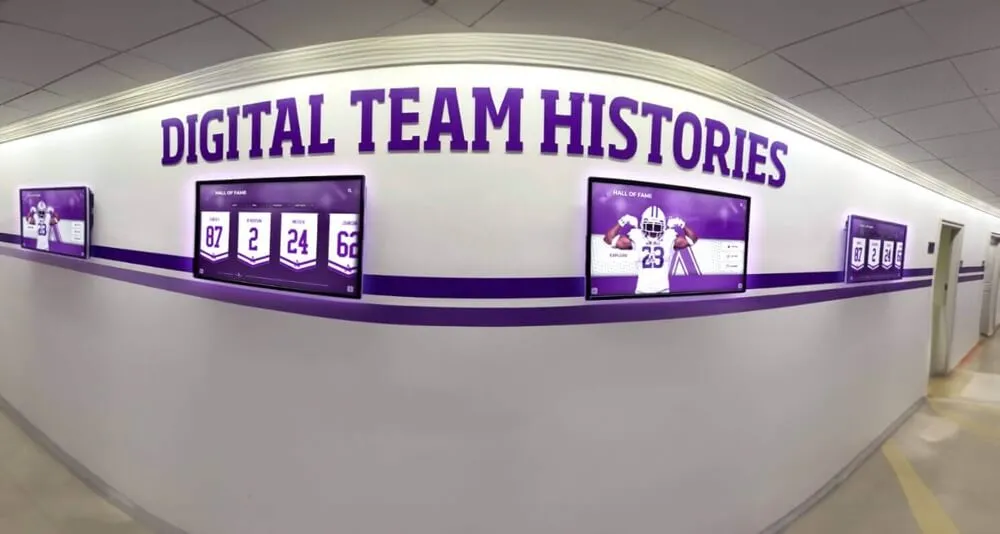
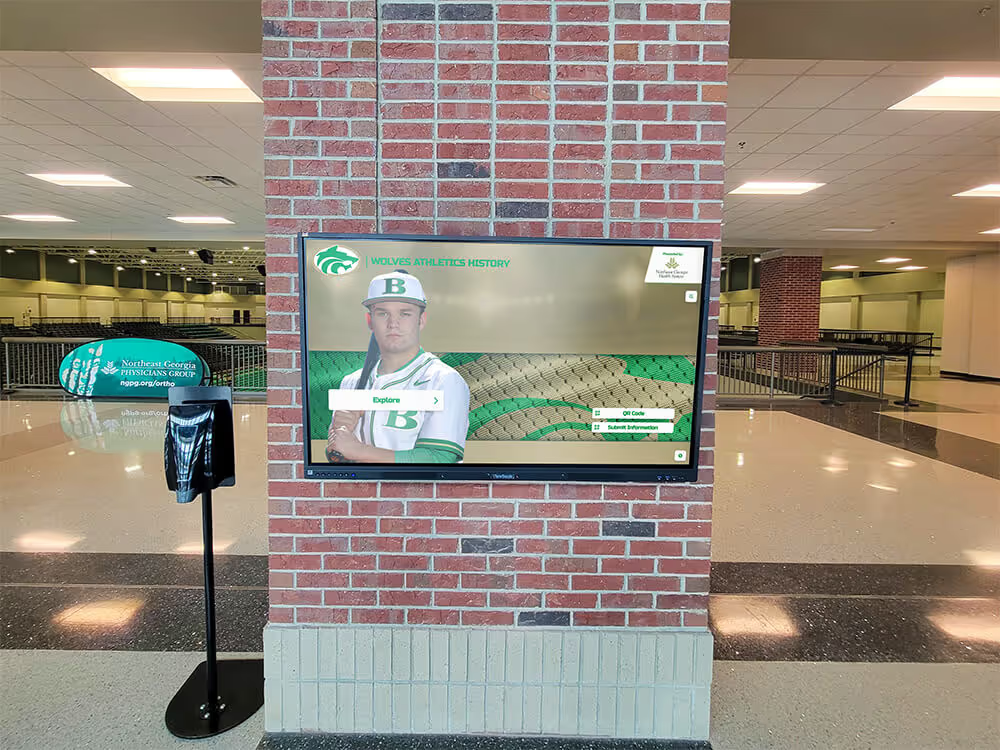
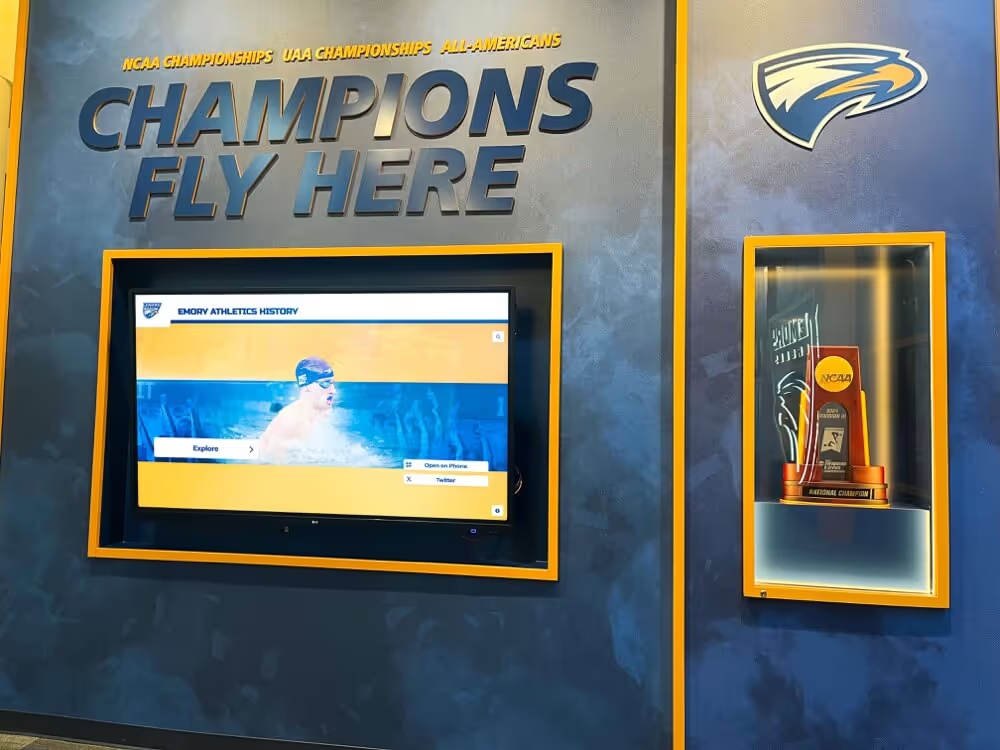
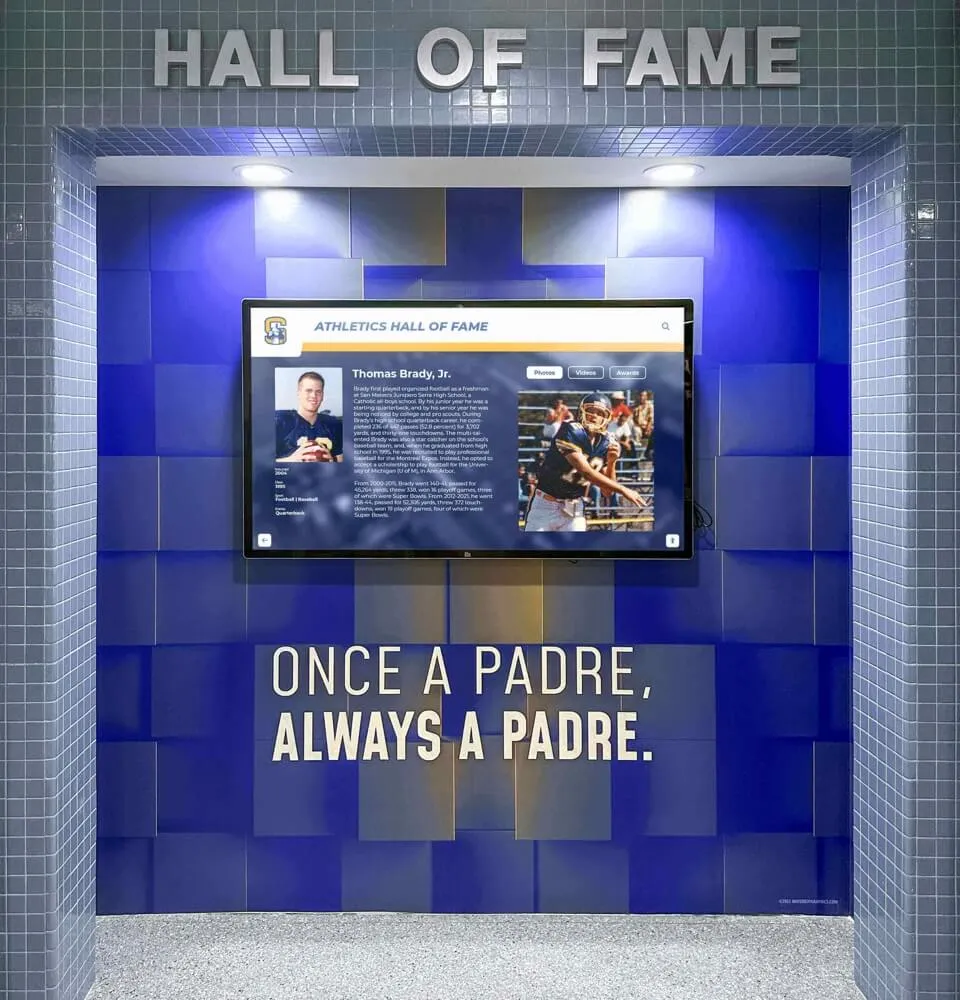
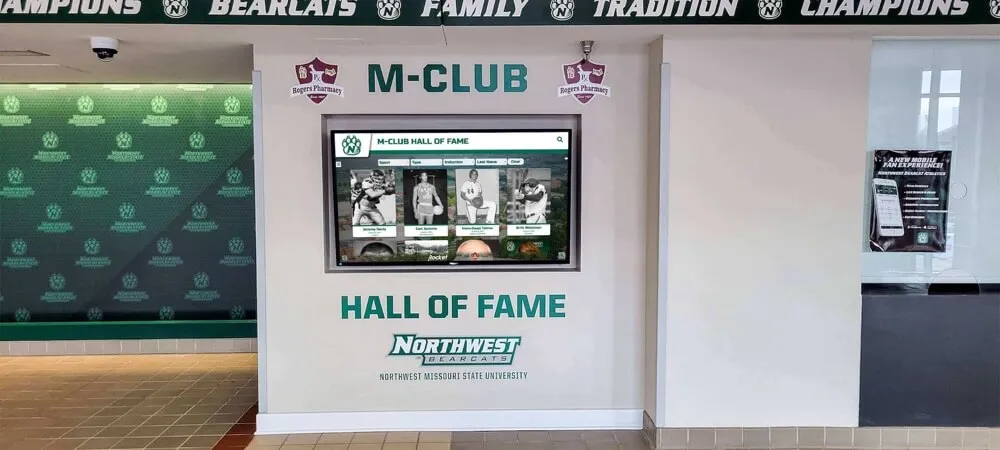
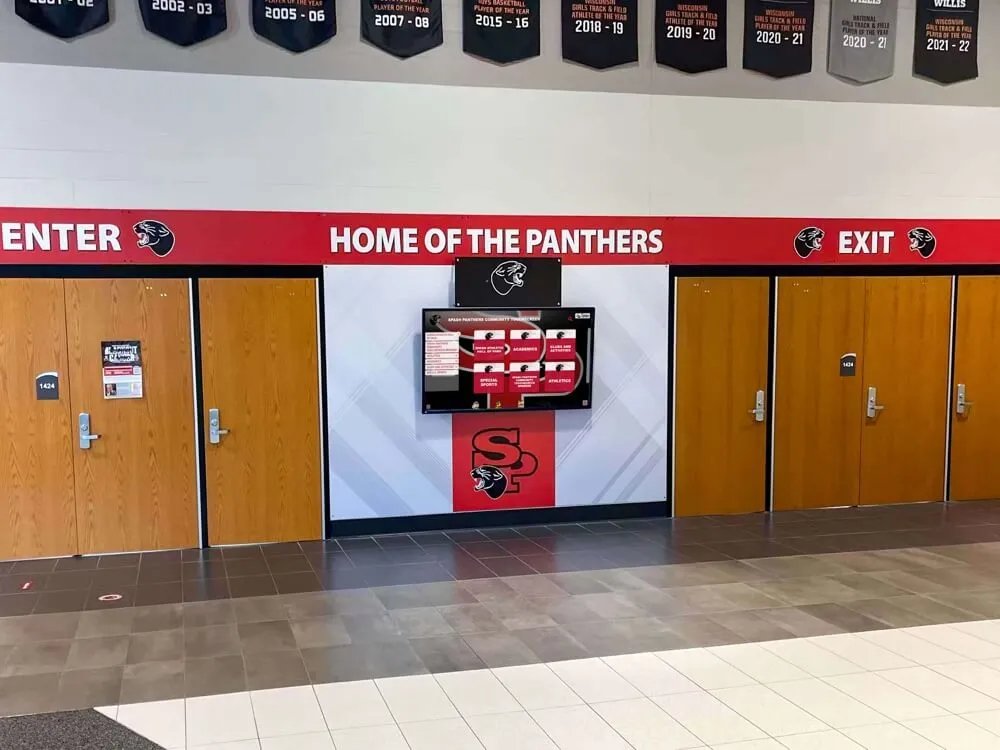
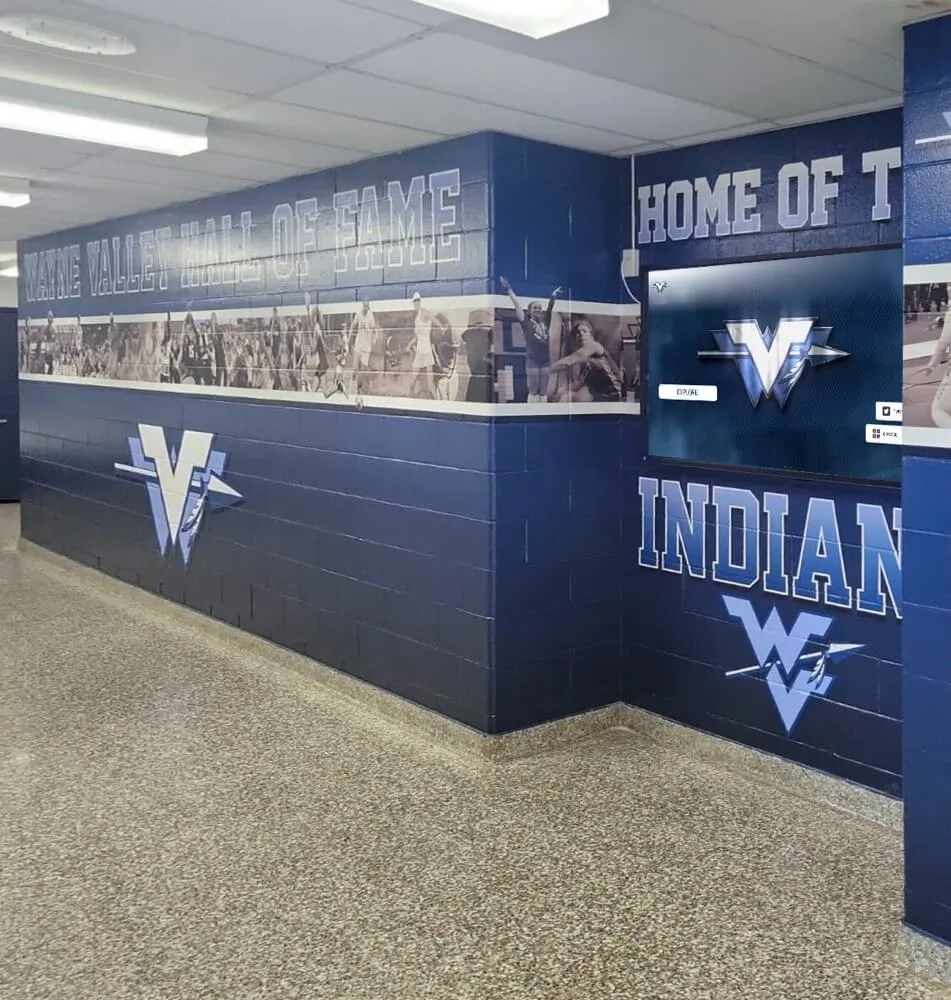
Comprehensive donor recognition systems honor campaign supporters while inspiring continued philanthropic engagement throughout multi-year fundraising initiatives
Understanding Capital Campaign Fundamentals for Educational Institutions
Before exploring tactical implementation steps, educational leaders should understand what distinguishes capital campaigns from annual fundraising and why unique planning requirements determine campaign success or failure.
What Makes Capital Campaigns Different
Capital campaigns pursue specific, time-limited fundraising goals rather than ongoing operational support. These initiatives typically fund facility construction or renovation, endowment establishment, program expansion, or comprehensive institutional advancement combining multiple objectives. Campaign timelines span 3-7 years from planning through completion, with distinct phases addressing feasibility assessment, quiet cultivation securing leadership gifts, public campaign broadening participation, and completion celebration transitioning to sustained stewardship.
The focused nature of capital campaigns creates urgency that annual appeals lack—donors understand contributions address specific needs with defined timelines rather than perpetual operational requirements. This specificity enables compelling case statements articulating exactly what donor support accomplishes, how contributions create lasting impact, and why gifts matter urgently rather than indefinitely. Schools implementing comprehensive donor recognition programs often leverage campaign momentum to establish permanent acknowledgment systems honoring transformational support.
Campaign Scale and Timing Considerations
Campaign goals should balance ambitious vision with realistic assessment of donor capacity, institutional advancement infrastructure, and economic conditions affecting philanthropic giving. Small schools pursuing first capital campaigns typically target $1-5 million addressing specific facility or program needs, mid-size institutions often pursue $10-50 million comprehensive campaigns, while major universities launch $100 million+ initiatives funding multiple priorities across academic and facility objectives.
Timing decisions matter significantly. Organizations should launch capital campaigns from positions of institutional strength rather than financial desperation—donors invest in success, not rescue failing institutions. Economic conditions, concurrent community campaigns, leadership transitions, and facility project timelines all influence optimal campaign timing. Most successful campaigns require 12-18 months of planning before public announcement, with quiet phases securing 60-70% of goals before broader solicitation begins.
Step 1: Conduct Comprehensive Feasibility Assessment
Learning how to start a capital campaign begins with honest assessment of organizational readiness, donor capacity, and project appeal before committing to public goals that institutional credibility depends upon achieving.
Evaluating Organizational Readiness
Internal readiness assessment examines whether your institution possesses infrastructure supporting successful campaigns. Critical factors include advancement staff capacity (campaigns require dedicated personnel beyond annual fund responsibilities), board engagement and giving participation (board members must lead by example with personal contributions), database quality tracking donor relationships and giving histories, case statement articulating compelling institutional need, and financial stability demonstrating responsible stewardship of existing resources before requesting additional support.
Organizations lacking these foundational elements should address deficiencies before launching campaigns. Adding advancement staff, implementing constituent relationship management (CRM) systems, strengthening board development, or improving financial management represents essential pre-campaign work preventing later struggles. Educational institutions exploring modern recognition technology solutions often use campaign planning phases to research systems accommodating long-term growth.
Conducting Professional Feasibility Studies
Feasibility studies provide objective assessment of campaign viability through confidential interviews with major gift prospects, institutional leaders, board members, and community stakeholders. Professional consultants typically conduct 30-50 interviews exploring respondent reactions to preliminary campaign concepts, willingness to support specific initiatives at meaningful levels, preferred campaign timelines, leadership participation interest, and recognition preferences.
Study findings guide critical go/no-go decisions about campaign pursuit while identifying necessary adjustments before public commitment. Research revealing insufficient major donor capacity, weak project appeal, or significant organizational concerns justifies campaign delays until conditions improve. Even positive findings typically surface important insights about appropriate goal sizing, project prioritization, volunteer recruitment targets, and communication strategies shaping final campaign design.
Essential Feasibility Assessment Questions:
- Do major donor prospects express enthusiasm for proposed projects?
- Will leadership prospects commit gifts in top contribution tiers?
- Do volunteers demonstrate willingness to solicit peers personally?
- Does proposed timeline align with donor readiness and project schedules?
- What recognition approaches resonate most with prospective contributors?
- Are there competitive campaigns affecting available philanthropic capacity?
- How do economic conditions influence donor giving confidence?
Professional feasibility studies typically cost $25,000-$75,000, representing valuable investment preventing far greater costs of failed campaigns or suboptimal goal setting leaving philanthropic potential unrealized.
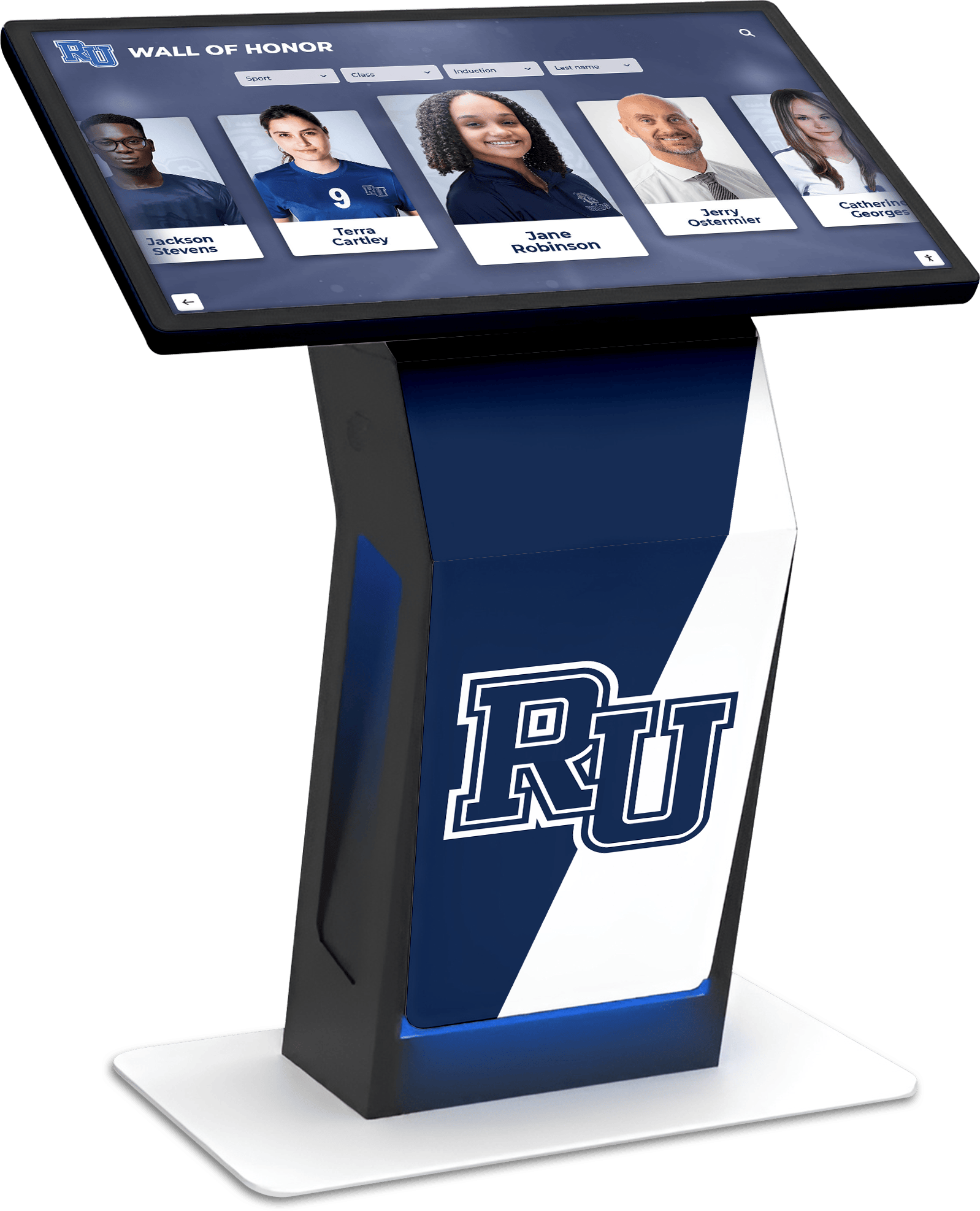
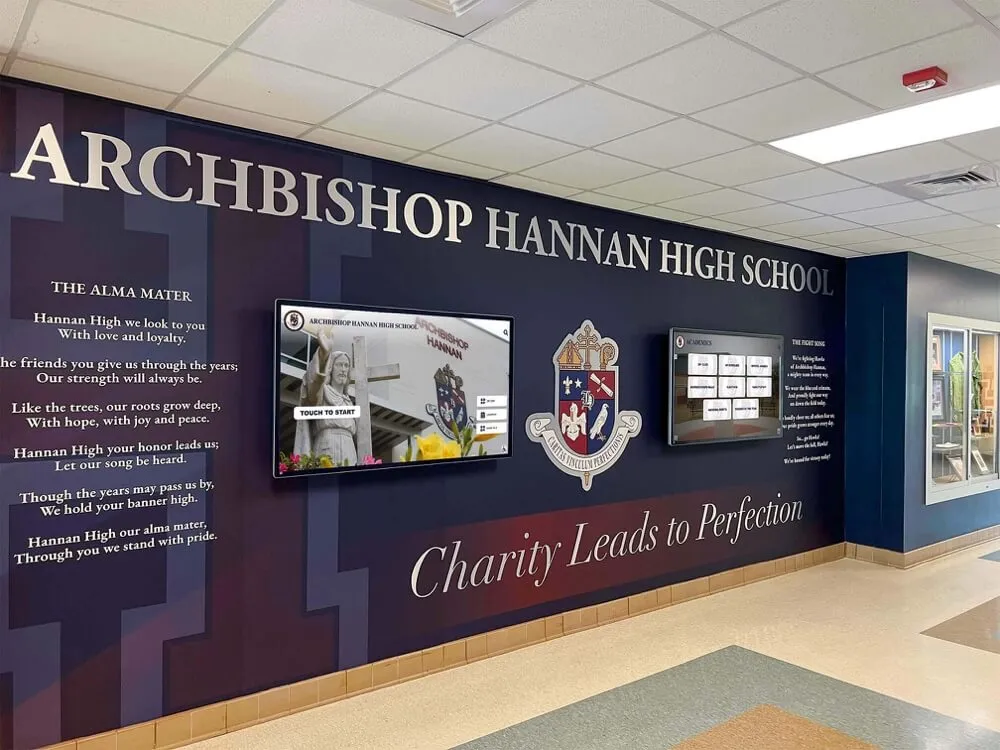
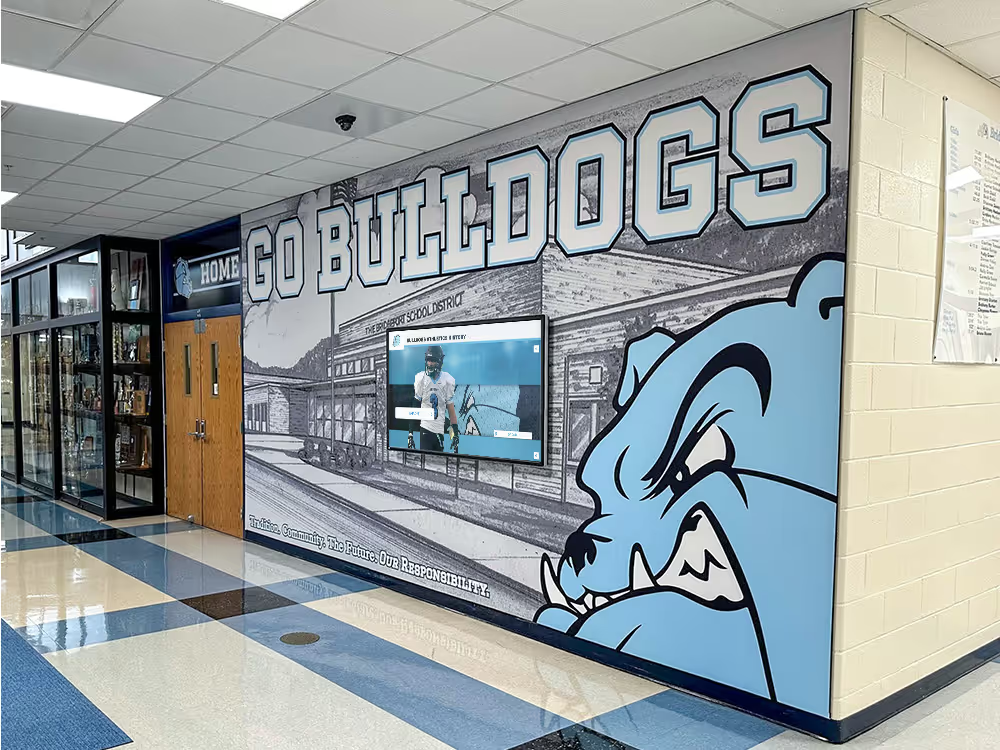
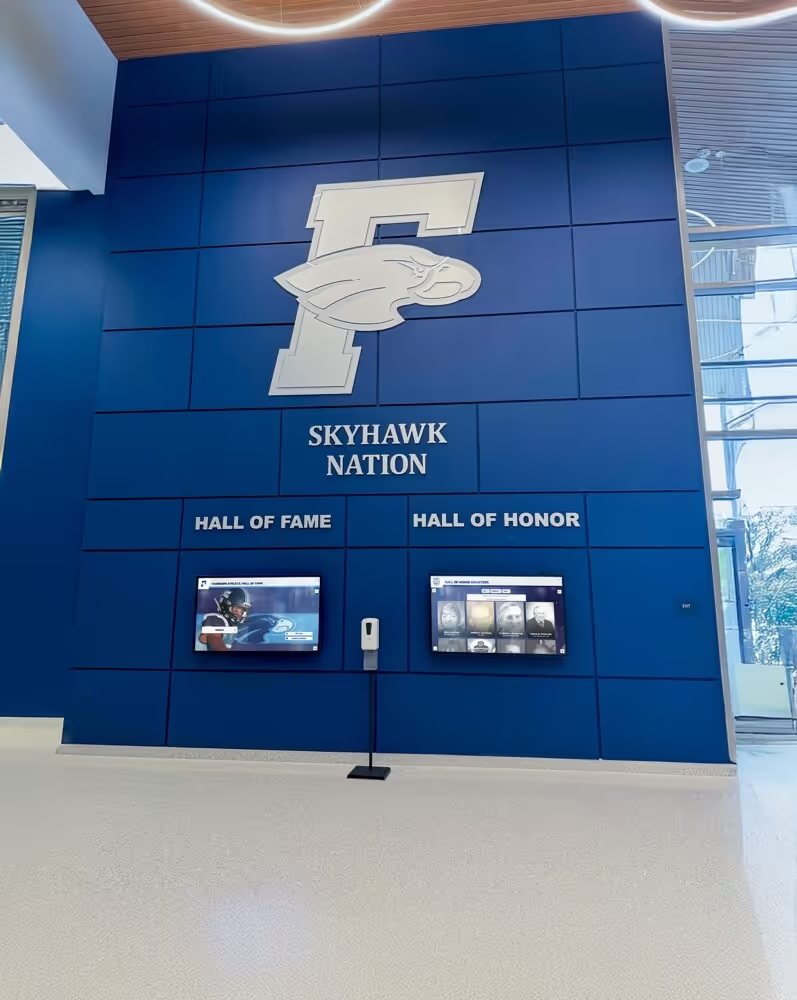
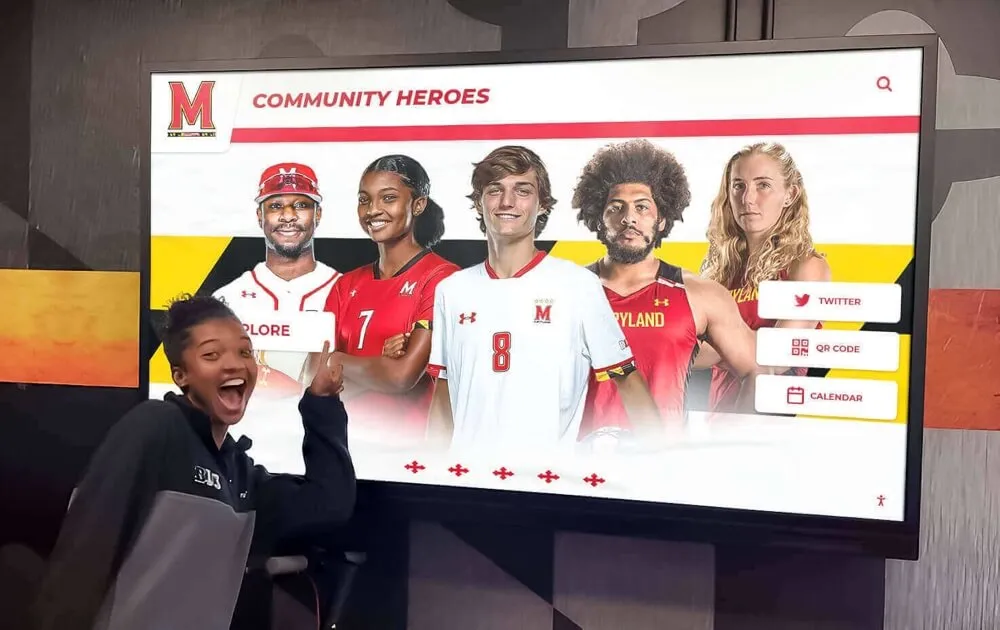
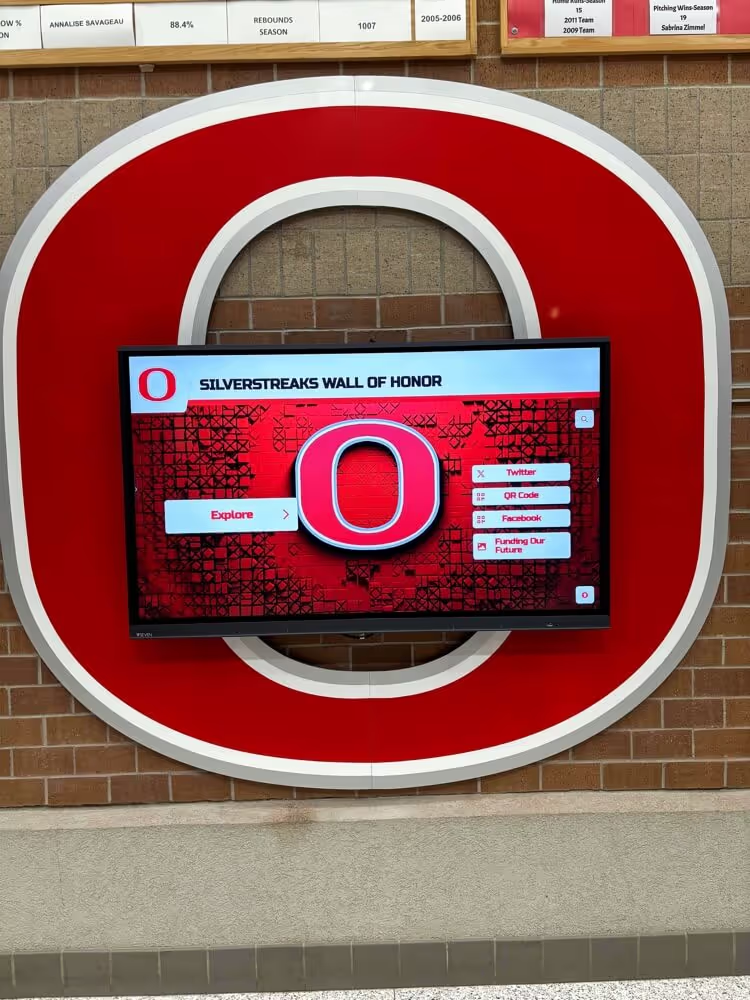
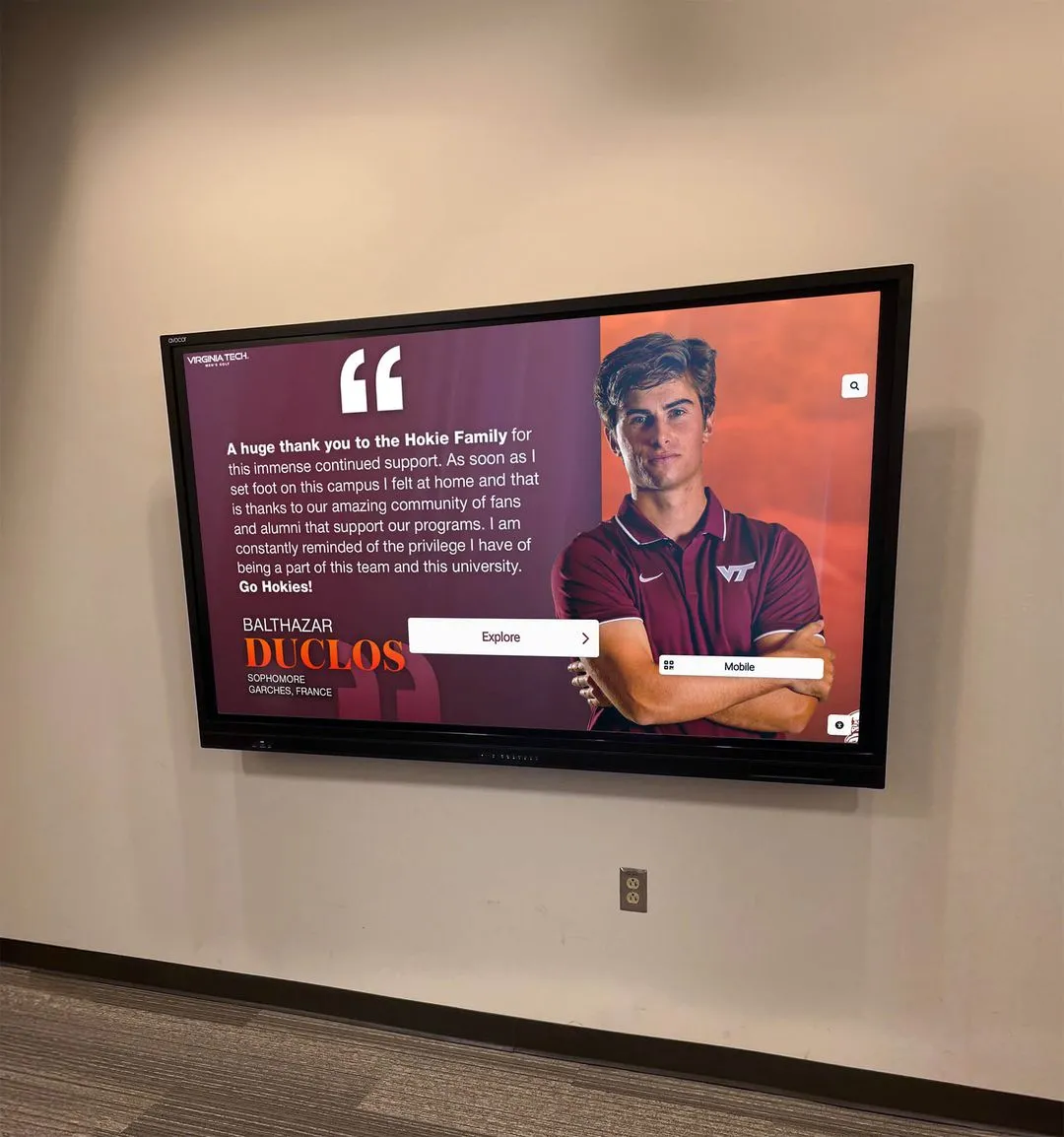
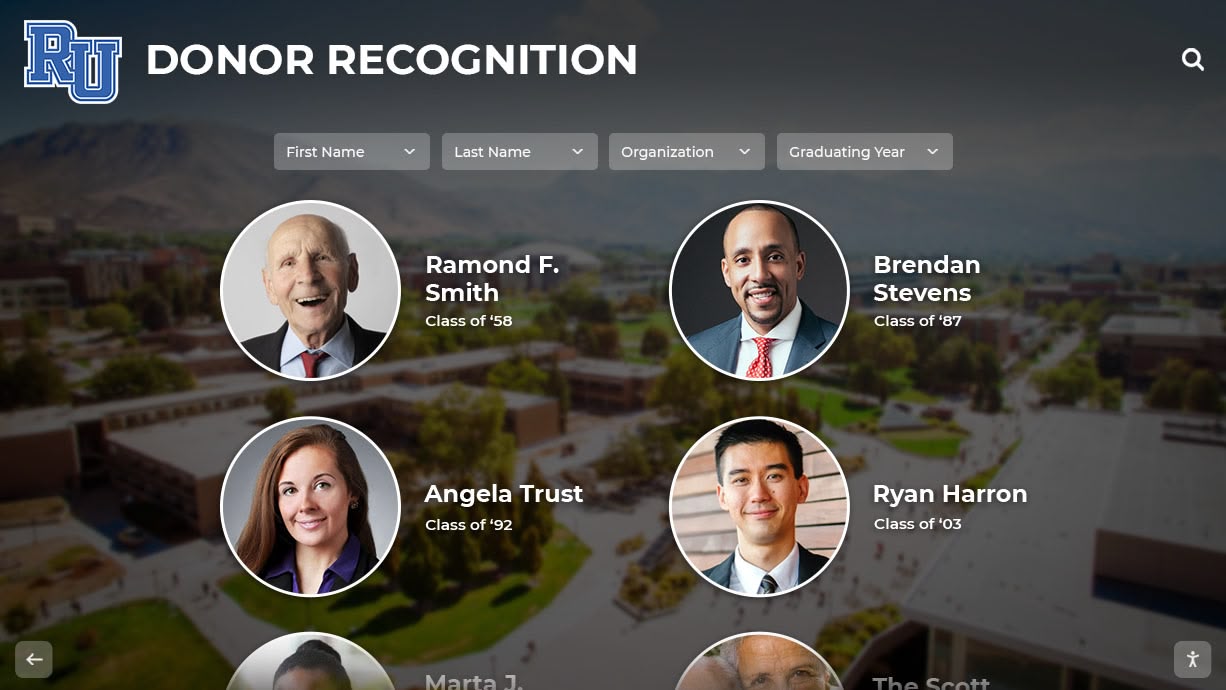
Modern donor recognition technology accommodates unlimited campaign growth while providing immediate acknowledgment strengthening donor relationships
Step 2: Define Campaign Goals and Develop Compelling Case Statements
With feasibility validated, defining specific campaign objectives and articulating compelling rationale for donor support establishes the strategic foundation guiding all subsequent campaign activities.
Establishing Specific, Measurable Campaign Goals
Effective campaign goals specify exactly what contributions will accomplish rather than stating generic financial targets. Instead of simply announcing “$10 million campaign,” institutions should detail “$10 million campaign funding new STEM facility ($6M), endowed scholarship program ($3M), and campus beautification ($1M)"—creating transparency enabling donors to understand precisely what their support accomplishes.
Goal structure should accommodate diverse giving interests. Comprehensive campaigns combining multiple objectives provide participation pathways for donors passionate about specific programs, facilities, or institutional priorities. This inclusive approach expands prospect pools beyond donors interested in single-purpose campaigns while creating natural recognition categories acknowledging different contribution focuses.
Campaign timelines require realistic planning. Smaller campaigns ($1-5M) typically complete within 3-4 years, mid-scale efforts ($10-50M) span 4-6 years, while comprehensive campaigns exceeding $100M often require 6-8 years accounting for cultivation, solicitation, and pledge payment periods. Defined end dates create appropriate urgency without manufactured pressure undermining authentic relationship building.
Crafting Case Statements That Inspire Support
Case statements articulate why campaigns matter, what specific outcomes contributions enable, and how donor support creates lasting institutional impact worthy of generous investment. Effective cases balance rational project justification with emotional appeals connecting supporter values to institutional missions, creating compelling narratives inspiring philanthropic commitment.
Strong case statements address specific audience questions: Why now? Why this institution? What difference will my gift make? How will contributions be recognized and stewarded? Why should I prioritize this campaign over competing philanthropic opportunities? The document serves as foundation for all campaign communications, ensuring consistent messaging across proposals, presentations, website content, and donor conversations throughout multi-year efforts.
Case development proceeds through multiple drafts incorporating feasibility feedback, stakeholder input, and strategic refinement. Final documents typically span 8-12 pages including executive summary, institutional overview, campaign rationale, project descriptions, financial goals, leadership structure, and recognition approach—providing comprehensive frameworks guiding subsequent campaign activities. Schools planning permanent donor recognition installations should integrate acknowledgment planning into case statement development rather than treating recognition as afterthought.
Step 3: Build Campaign Leadership and Volunteer Structure
Campaign success depends heavily on recruiting respected volunteer leaders who provide credibility, access to major donor networks, and peer-to-peer solicitation capabilities that professional staff alone cannot deliver.
Recruiting Campaign Chairs and Committee Leadership
Campaign chairs should possess significant personal giving capacity enabling lead gifts in top contribution tiers, extensive philanthropic networks expanding campaign reach, genuine institutional passion demonstrating authentic commitment, strategic thinking contributing guidance beyond solicitation, and time availability supporting sustained engagement throughout multi-year timelines.
Ideal chairs make early leadership commitments demonstrating personal investment inspiring others toward generous support. These visible gifts create momentum during quiet phases while establishing credibility that campaign leadership personally believes in initiatives they’re asking others to fund. Organizations should avoid selecting chairs based solely on wealth or prominence—authentic institutional connection and volunteer willingness matter more than capacity alone.
Essential Volunteer Committee Roles:
- Campaign chair providing overall leadership and major donor solicitation
- Executive committee offering strategic guidance and decision-making authority
- Major gifts committee cultivating six- and seven-figure gift prospects
- Public phase committee broadening participation across stakeholder communities
- Recognition committee ensuring appropriate donor acknowledgment
- Communications committee developing messaging and materials
- Planned giving committee cultivating legacy commitments
Committee structures should remain lean enough maintaining efficiency while broad enough accessing diverse donor networks. Most campaigns operate effectively with 15-30 total committee members across specialized functions, with larger comprehensive campaigns expanding to 50-75 volunteers organized in regional or affinity-based subcommittees.

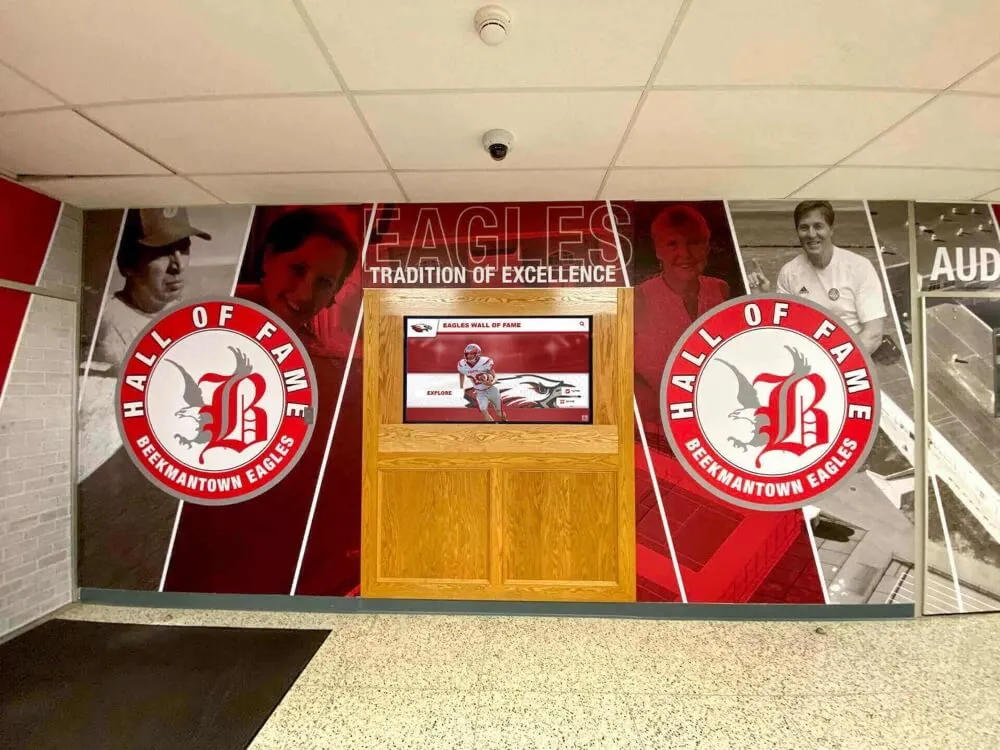
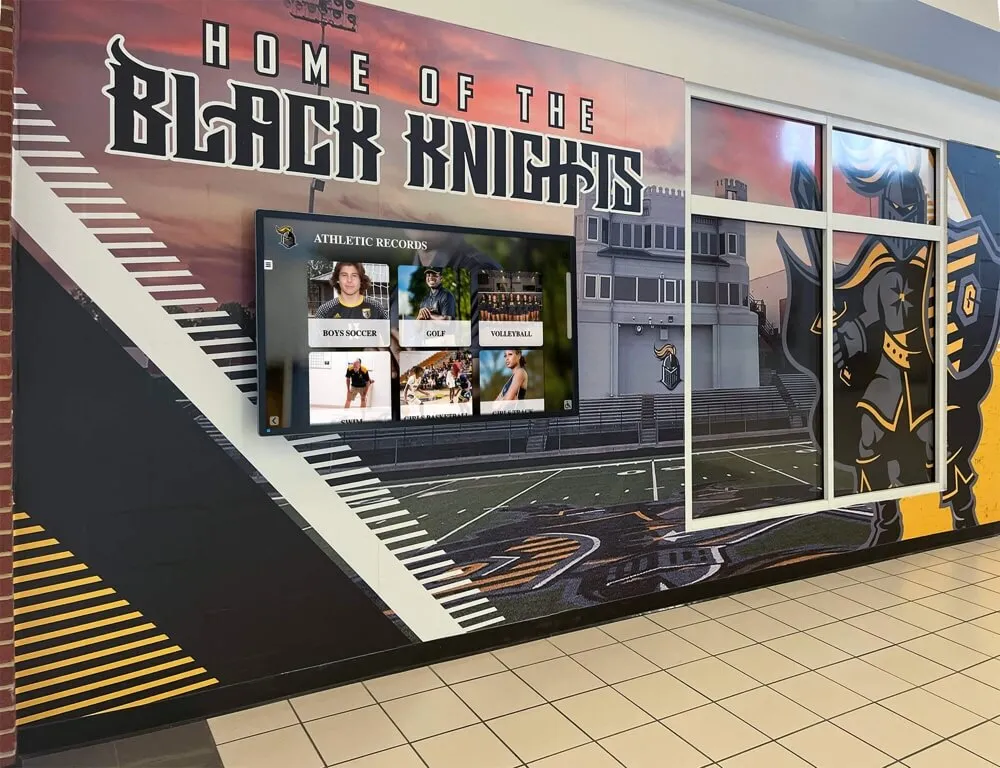
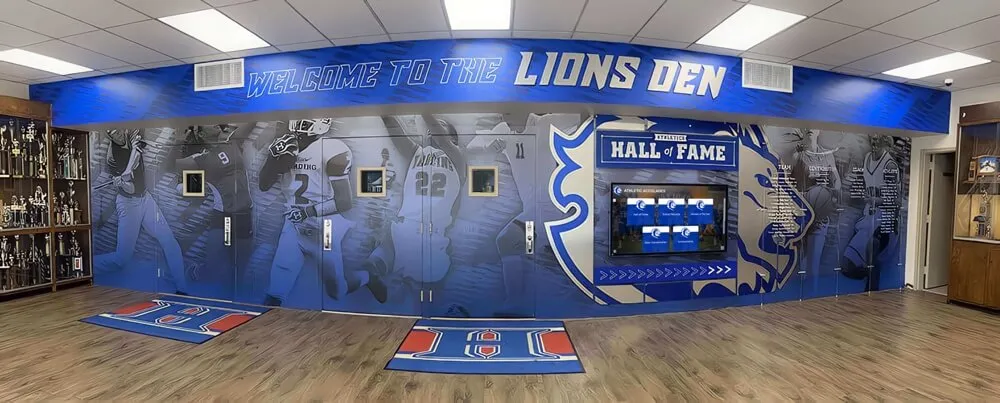
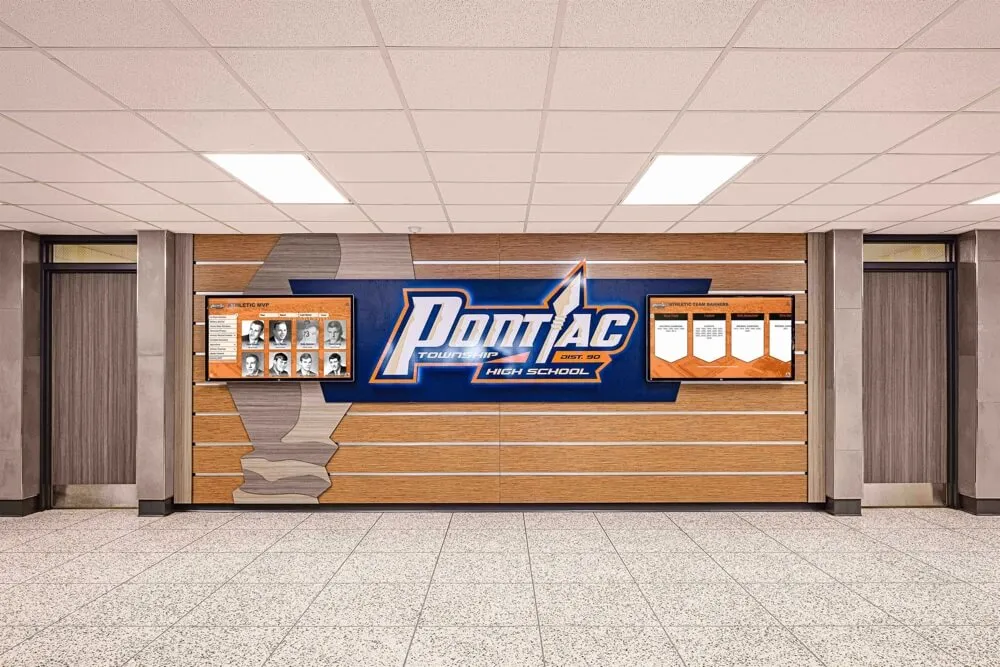
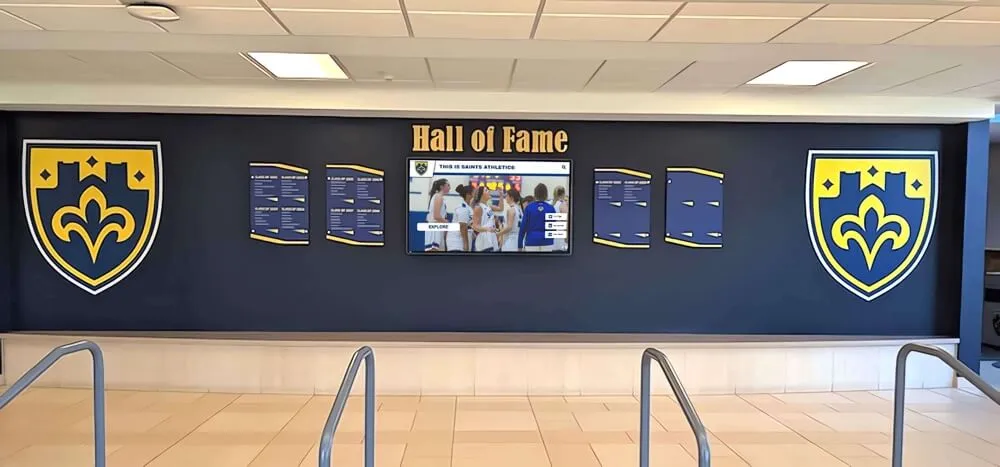
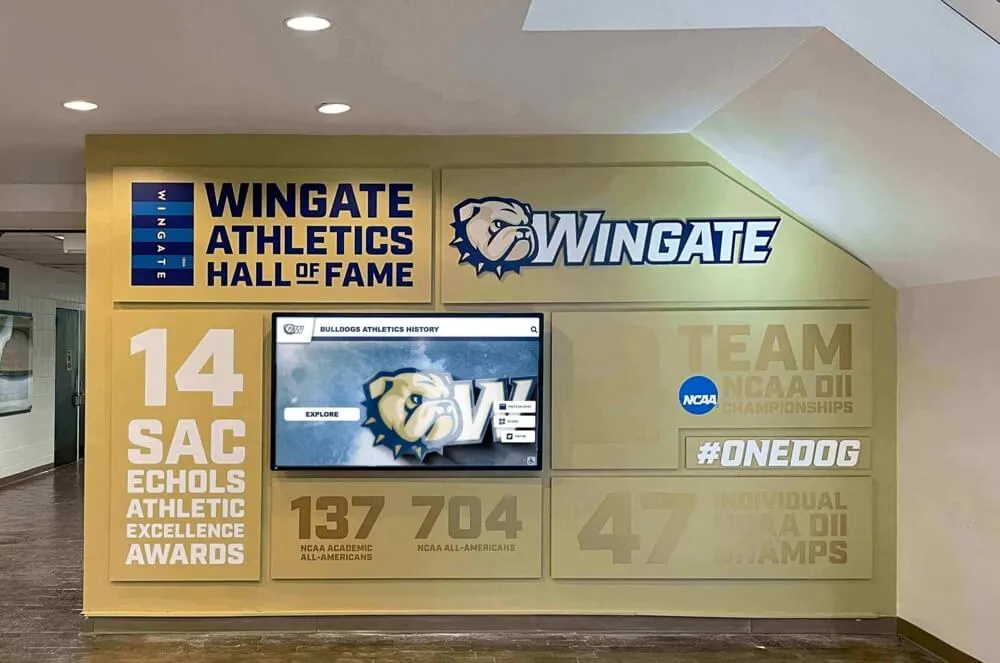
Hybrid recognition approaches combining traditional elements with digital technology create flexible systems accommodating campaign growth while honoring donor preferences
Step 4: Implement Strategic Donor Engagement and Cultivation
Understanding how to start a capital campaign requires mastering donor engagement strategies that systematically move prospects from awareness through consideration to commitment at contribution levels matching their philanthropic capacity.
Segmenting Donor Prospects Strategically
Effective engagement begins with prospect segmentation organizing potential contributors into strategic categories based on giving capacity, institutional connection, philanthropic interests, and cultivation readiness. Primary segments typically include major gift prospects ($100K+), leadership donors ($25K-$99K), mid-level contributors ($5K-$24K), annual fund participants ($1K-$4.9K), and broader community members (<$1K).
Each segment requires tailored engagement approaches. Major gift prospects warrant individualized cultivation plans including facility tours, leadership meetings, project updates, and strategic touchpoints deepening engagement before formal solicitation. Leadership and mid-level donors benefit from small group events, exclusive communications, and volunteer involvement creating belonging while demonstrating their importance to institutional success. Broader participation segments respond to compelling communications, peer influence, and convenient giving mechanisms enabling easy participation.
Cultivation Activities by Prospect Segment:
- Major prospects: Personal meetings, facility tours, exclusive briefings, leadership volunteer opportunities
- Leadership donors: Small group events, campaign updates, named giving opportunity showcases, volunteer committees
- Mid-level contributors: Larger gatherings, impact reports, recognition society events, challenge campaigns
- Annual participants: Email campaigns, social media engagement, reunion appeals, giving days
- Broader community: General communications, public events, awareness campaigns, low-barrier participation
Cultivation timelines vary significantly by segment. Major prospects typically require 12-24 months of sustained engagement before reaching solicitation readiness, while mid-level and annual donors may convert within 3-6 months of targeted cultivation. Organizations implementing comprehensive recognition programs often showcase acknowledgment systems during cultivation, demonstrating how institutions honor generous supporters.
Creating Moves Management Systems
Moves management provides systematic frameworks tracking prospect cultivation progress while ensuring consistent relationship advancement toward solicitation readiness. The approach identifies specific “moves” advancing relationships—qualification calls, facility tours, volunteer recruitment, proposal delivery, solicitation meetings—with staff and volunteers executing planned touchpoints according to established timelines.
Database systems should track all donor interactions, document cultivation strategies, record solicitation assignments, monitor pledge payments, and flag stewardship requirements. This comprehensive tracking prevents prospects from receiving duplicate contacts or inconsistent messaging while ensuring systematic cultivation rather than ad-hoc relationship building.
Moves management particularly benefits major gift cultivation where 8-18 month timelines require sustained engagement preventing momentum loss. Organizations systematically scheduling quarterly touchpoints maintain top-of-mind awareness while demonstrating genuine relationship interest beyond transactional fundraising. Schools exploring event-based recognition strategies can integrate celebration events into cultivation sequences strengthening donor engagement.
Step 5: Structure Campaign Phases and Timeline Management
Capital campaigns progress through distinct phases serving specific strategic purposes—understanding phase-appropriate activities prevents common mistakes like premature public announcements or delayed leadership cultivation.
Pre-Campaign Planning Phase (6-12 Months)
Planning phases transform abstract fundraising aspirations into validated strategic frameworks guiding comprehensive campaign efforts. Key activities include feasibility assessment validating campaign viability, case statement development articulating compelling rationale, goal setting based on donor capacity analysis, leadership identification recruiting volunteer chairs and committees, recognition planning ensuring acknowledgment systems support rather than constrain efforts, and preliminary named opportunity development creating participation pathways.
This foundational work establishes infrastructure supporting subsequent campaign success. Organizations rushing through planning or skipping feasibility research risk launching campaigns toward predictable failure, while those investing adequate preparation dramatically improve ultimate outcomes. Budget sufficient time for thorough planning rather than compressed timelines undermining strategic quality.
Quiet Phase Cultivation (12-24 Months)
Quiet phases represent the most critical campaign period—securing 60-70% of goals from major donors before public announcement while building volunteer leadership, refining materials, and establishing momentum supporting successful public launch. Intensive cultivation during this period determines ultimate campaign success more than any other timeline phase.
Leadership recruitment, major gift solicitation, and early recognition planning dominate quiet phase activities. Campaign chairs and committees provide credibility, peer access, and solicitation capabilities that professional staff cannot replicate. Volunteer structures should be operational before major solicitation begins, ensuring coordinated cultivation rather than competing staff and volunteer approaches confusing prospects.
Quiet Phase Success Factors:
- Secure campaign chair lead gift demonstrating personal commitment
- Recruit full campaign committee before intensive solicitation begins
- Cultivate top 20-30 prospects through individualized engagement plans
- Achieve 60-70% of total goal before public announcement
- Develop comprehensive recognition plans accommodating campaign growth
- Create campaign materials including brochures, proposals, and presentations
- Establish named giving opportunity structures at multiple participation levels
Organizations implementing digital donor recognition technology during quiet phases benefit from systems providing immediate acknowledgment as leadership gifts commit rather than waiting months for physical plaque production.
Public Campaign Phase (12-36 Months)
Public phases broaden participation beyond major gift prospects cultivated during quiet efforts, engaging alumni communities, parent associations, community stakeholders, and regional supporters through comprehensive communications, volunteer mobilization, and inclusive giving opportunities spanning diverse capacity levels.
Public launch events require careful orchestration creating memorable experiences communicating campaign vision, celebrating quiet phase accomplishments, announcing remaining goals, and inspiring broad participation. Successful launches balance celebration with urgency—acknowledging progress while emphasizing unfinished work requiring continued support from expanded donor communities.
Communications strategies during public phases maintain campaign visibility through multiple channels including direct mail, email campaigns, social media, website microsites, public relations, and event marketing. Content should balance informational updates with emotional storytelling—project progress, fundraising advancement, student testimonials, beneficiary profiles, and donor stories creating compelling narratives resonating beyond rational case arguments.
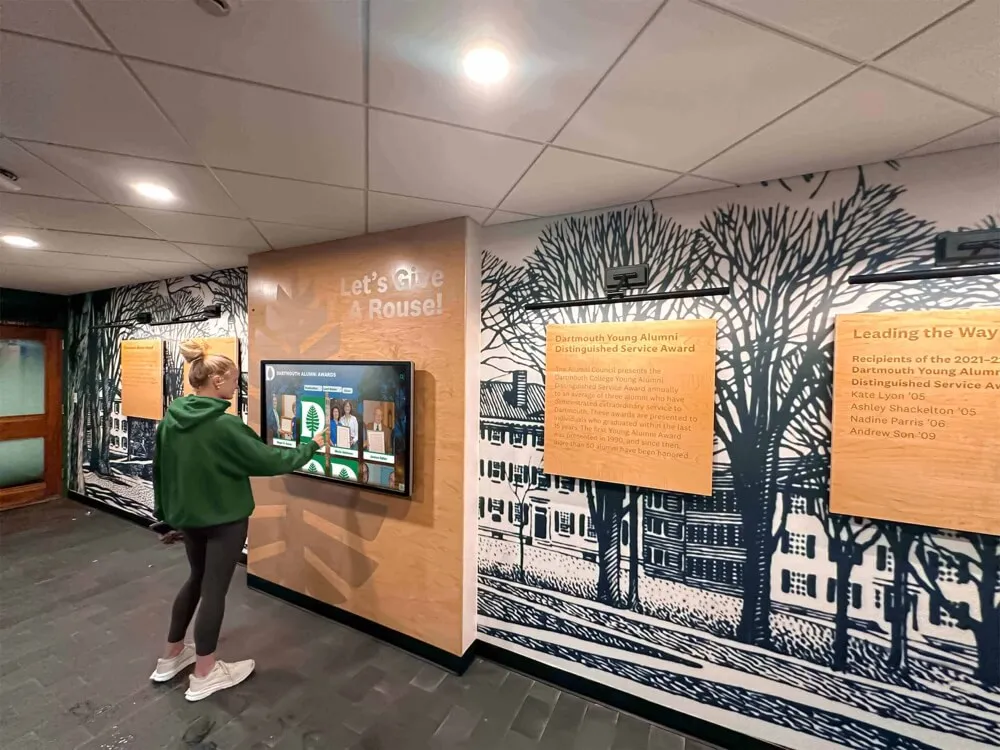
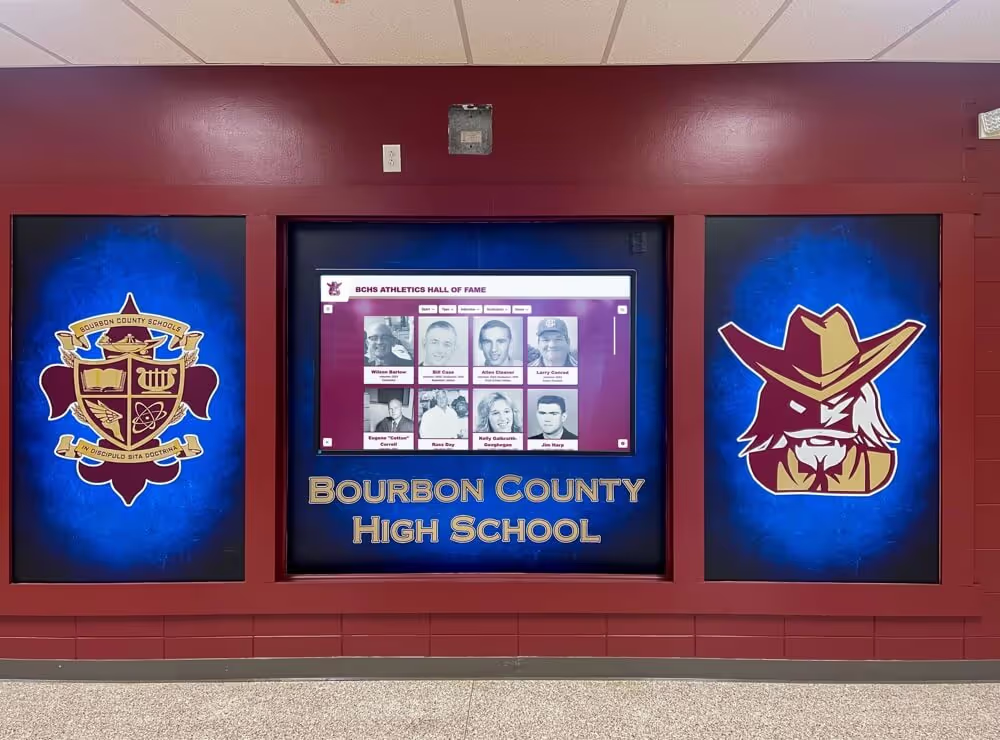
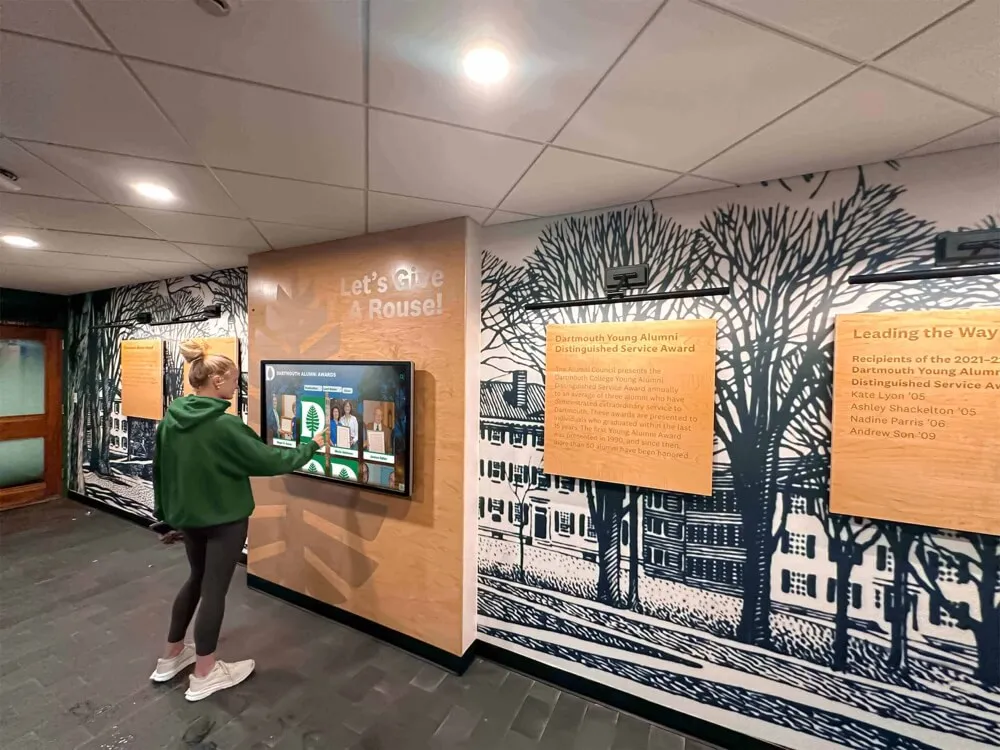
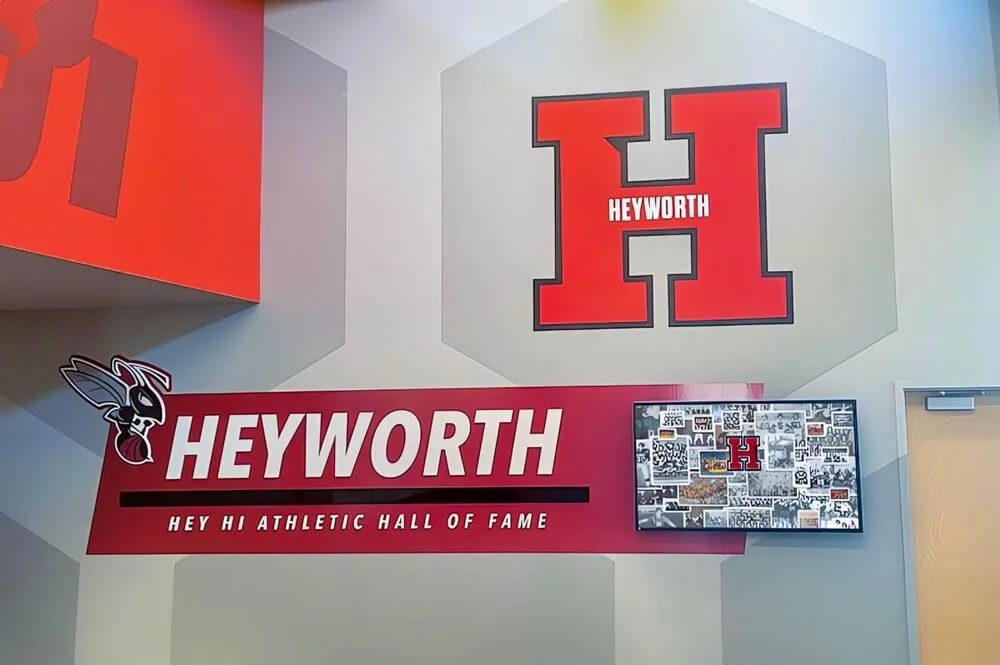
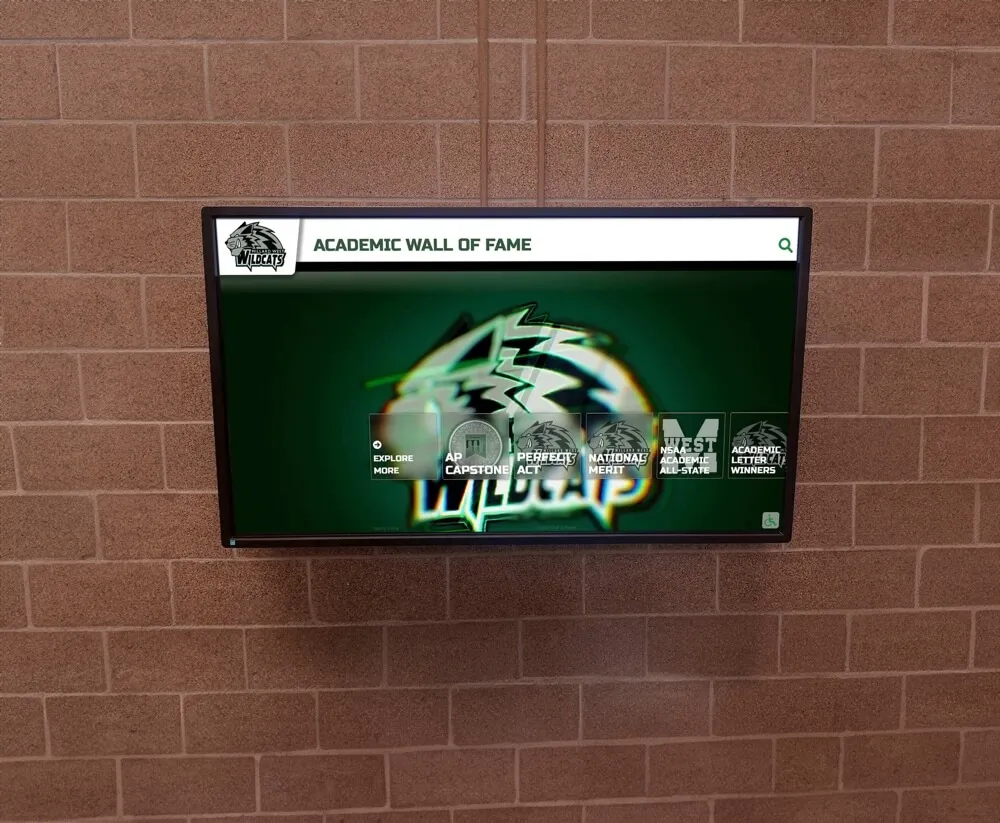
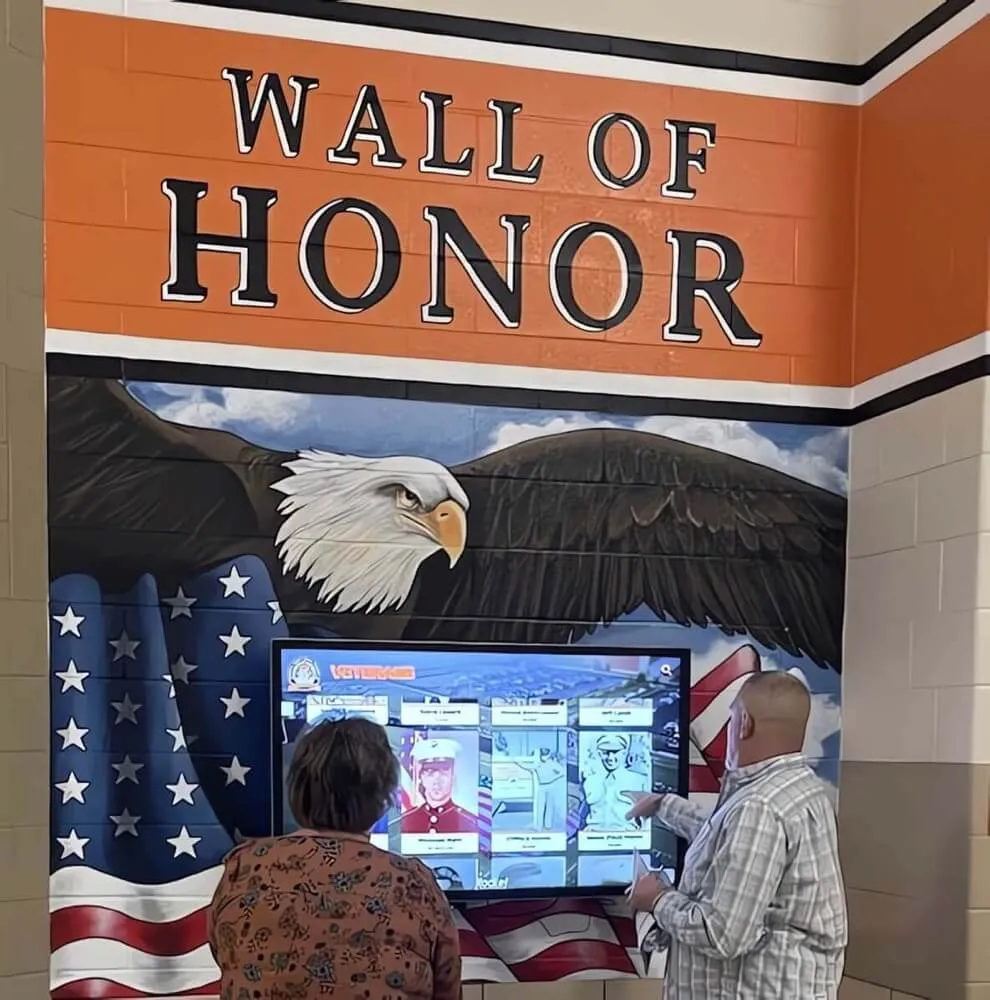
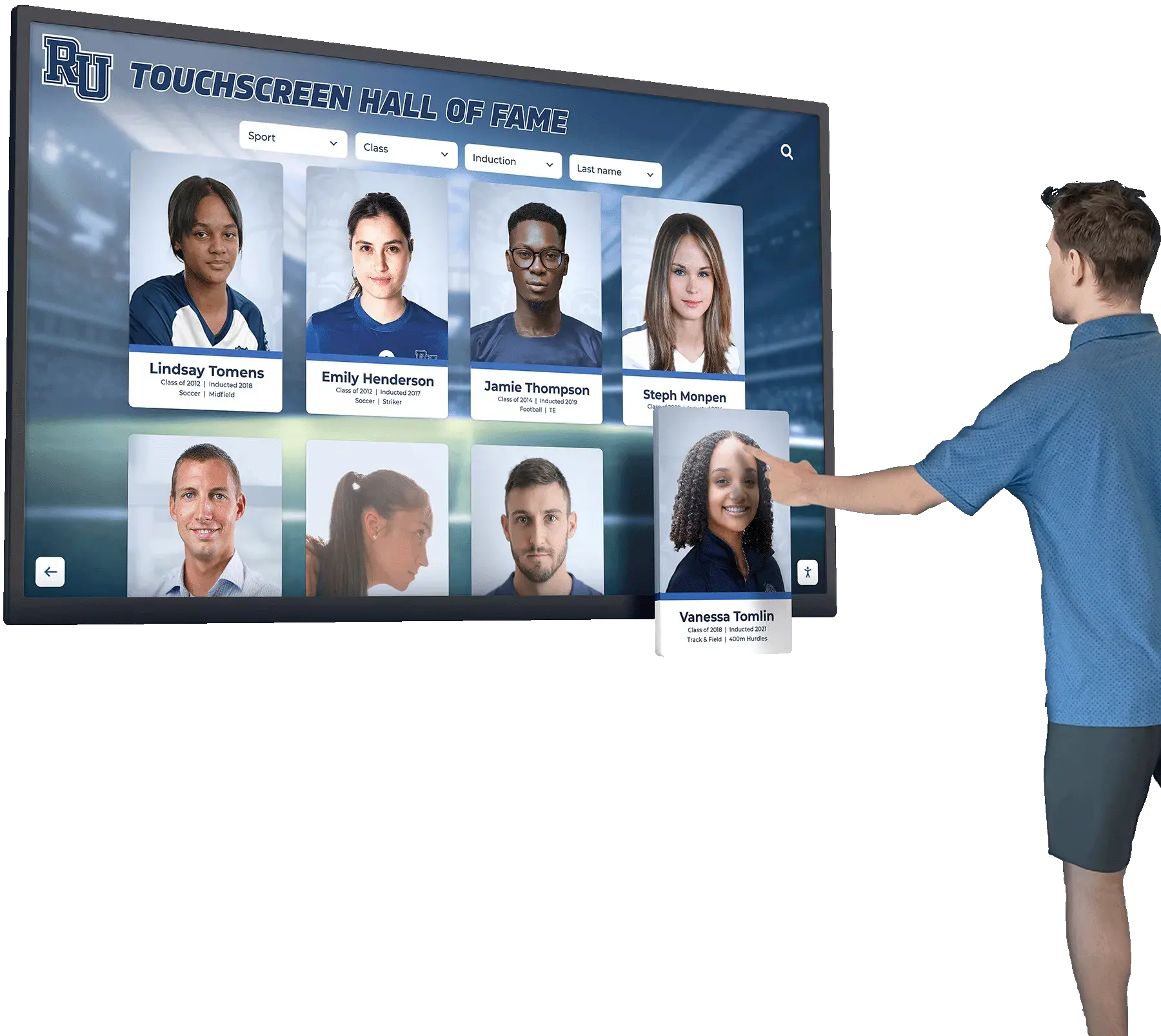
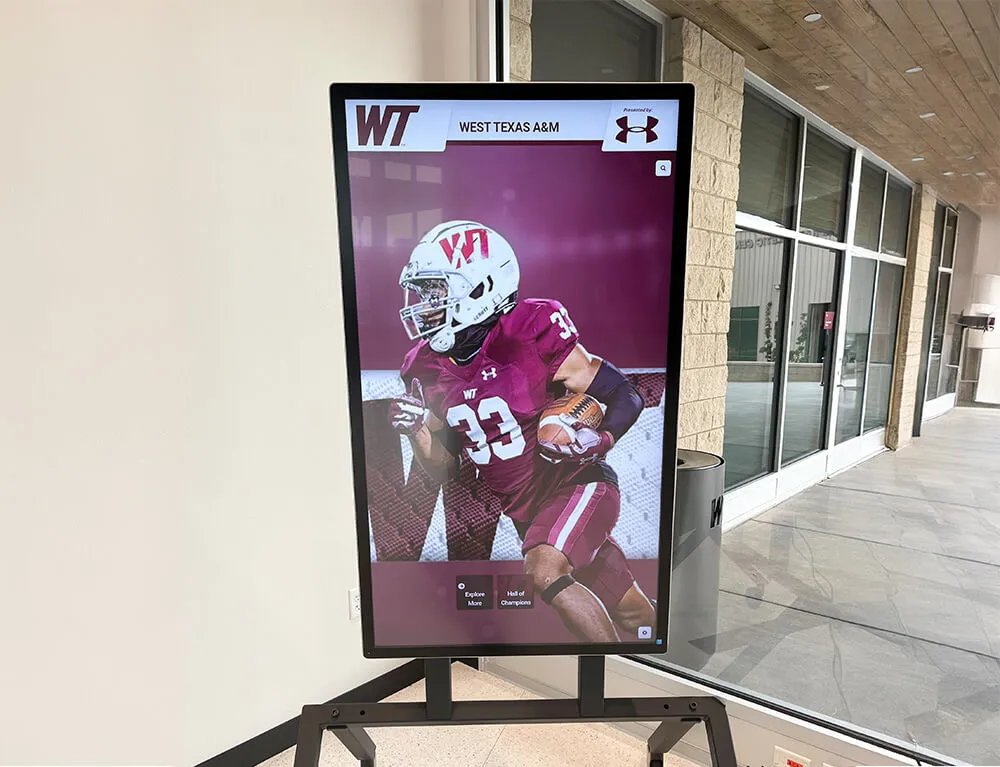
Interactive recognition displays create engaging donor experiences where supporters explore acknowledgment while discovering philanthropic community impact
Step 6: Design Comprehensive Donor Recognition Systems
Recognition planning should begin during campaign feasibility phases rather than being addressed as afterthought when campaigns near completion. Early planning ensures acknowledgment systems support rather than constrain fundraising while demonstrating institutional commitment to appropriate donor stewardship.
Creating Recognition Level Structures and Giving Societies
Recognition societies provide organized frameworks acknowledging contributions across diverse levels—from $1,000 annual commitments through seven-figure transformational gifts—creating clear participation pathways while demonstrating that generosity reflects proportional sacrifice rather than absolute amounts alone.
Sample Recognition Level Structure:
- Visionary Society: $1,000,000+ (transformational leadership gifts)
- President’s Circle: $500,000-$999,999 (major campaign leadership)
- Cornerstone Partners: $250,000-$499,999 (significant major gifts)
- Leadership Society: $100,000-$249,999 (major donor recognition)
- Benefactor Circle: $50,000-$99,999 (substantial contributions)
- Impact Partners: $25,000-$49,999 (leadership annual support)
- Sustaining Members: $10,000-$24,999 (committed supporters)
- Supporting Friends: $5,000-$9,999 (engaged participants)
Society names should reflect institutional mission and values rather than generic corporate designations. Educational institutions might use founder names, historical references, or values-based terminology creating meaningful connections between recognition language and institutional identity. Organizations should also establish clear policies addressing recognition duration, naming rights procedures, memorial designations, and anonymous donor accommodation.
Planning Physical and Digital Recognition Installations
Recognition installations transform abstract appreciation into visible tributes honoring supporter generosity. Traditional bronze or stone plaques provide prestigious physical acknowledgment, though capacity constraints, update delays, and high per-donor costs ($300-$800 per plaque) create long-term challenges as donor communities grow.
Digital recognition systems address traditional limitations through unlimited capacity accommodating growth without hardware additions, immediate updates enabling real-time acknowledgment, rich multimedia storytelling impossible within physical constraints, and favorable total cost of ownership eliminating recurring per-donor plaque expenses. Modern interactive displays combine searchable databases, comprehensive donor profiles, impact narratives, and accessible interfaces creating engaging experiences where visitors actively explore philanthropic communities.
Hybrid approaches combining traditional elements for major donors with digital systems accommodating broader participation often prove most effective—honoring diverse donor preferences while providing sustainable long-term recognition capacity. Organizations implementing comprehensive digital systems should evaluate solutions offering content management enabling staff updates, analytics providing engagement insights, accessibility features ensuring inclusive experiences, and proven durability supporting reliable operation. Schools can explore innovative recognition display solutions that adapt recognition principles across institutional contexts.
Step 7: Establish Systematic Stewardship and Communication Plans
Campaign success extends beyond goal achievement to sustained donor relationships supporting continued institutional advancement. Systematic stewardship transforms one-time campaign contributors into lifelong supporters providing recurring gifts, additional major contributions, and planned giving commitments.
Implementing Multi-Tier Stewardship Strategies
Stewardship approaches should scale based on contribution significance while ensuring all supporters receive appropriate acknowledgment regardless of giving level. Major donors warrant personalized stewardship including individual meetings, exclusive facility tours, detailed impact reports, recognition events, and ongoing relationship cultivation positioning future gifts. Leadership and mid-level donors benefit from tailored communications, small group events, progress updates, and engagement opportunities demonstrating their importance to institutional success.
Essential Stewardship Components:
- Prompt gift acknowledgment within 48 hours of processing
- Personalized thank you communications from institutional leadership
- Impact reporting documenting how contributions create intended outcomes
- Recognition installation or profile publication within defined timelines
- Exclusive donor events providing community connection and appreciation
- Regular progress updates throughout pledge payment periods
- Facility completion celebrations when campaign projects finish
- Ongoing engagement invitations transitioning relationships beyond campaigns
Organizations treating campaigns as relationship beginnings rather than endings cultivate sustained engagement generating recurring annual support, additional major gifts addressing emerging needs, and planned giving commitments creating institutional legacies extending far beyond initial campaign participation. Research from the Association of Fundraising Professionals indicates that campaigns providing quarterly stewardship updates throughout pledge payment periods achieve 96% fulfillment rates compared to 78% for institutions offering minimal post-gift communication.
Creating Impact Reporting and Accountability Systems
Donors contributing toward facility construction, program endowments, or scholarship initiatives expect ongoing communication demonstrating how gifts create intended outcomes. Impact reporting documents project completion, shares beneficiary stories, provides financial accountability, and celebrates outcomes that generous support enabled—reinforcing donor confidence that contributions achieved promised results worthy of investment.
Report formats should vary by giving level. Major donors might receive personalized annual reports including detailed financial statements, program outcome metrics, beneficiary profiles, and exclusive project updates. Leadership donors benefit from semi-annual newsletters featuring campaign progress, donor spotlights, and impact stories. Broader participation segments receive campaign-wide communications celebrating collective accomplishments while illustrating how community support advances institutional missions.
Digital communication channels enable cost-effective stewardship at scale. Email newsletters, video updates, social media content, and online donor portals provide frequent touchpoints maintaining engagement without expensive print production. However, significant contributors still appreciate tangible print materials demonstrating the care and investment that premium stewardship warrants. Organizations implementing digital storytelling approaches can extend campaign narratives across multiple platforms strengthening ongoing donor connection.
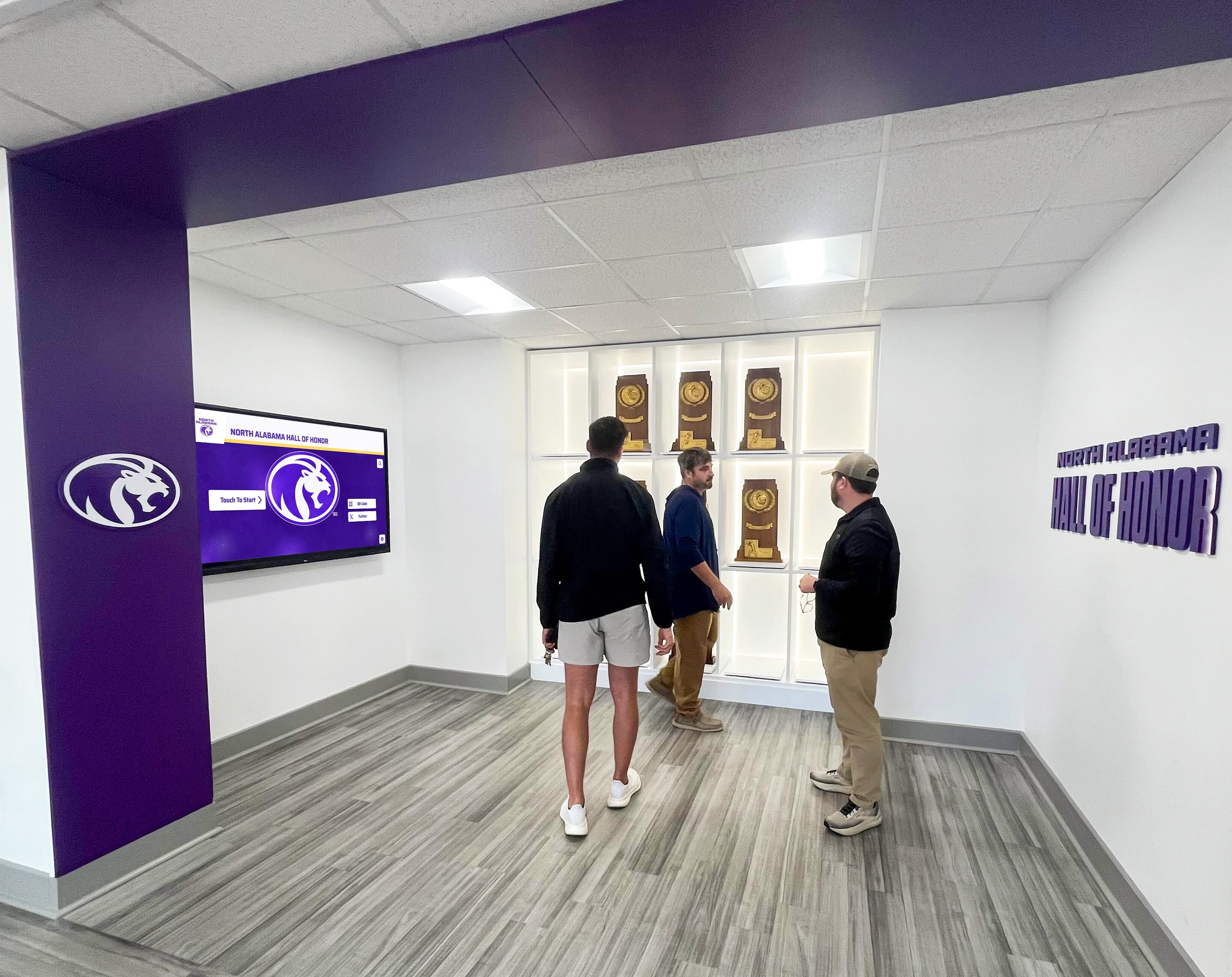
Successful recognition installations create gathering spaces where donor communities connect, celebrate shared values, and strengthen institutional relationships
Step 8: Leverage Technology Throughout Campaign Implementation
Modern capital campaigns increasingly incorporate technology enhancing cultivation effectiveness, improving donor experiences, streamlining operations, and creating engagement opportunities that traditional approaches cannot match.
Implementing Campaign Management and CRM Systems
Constituent relationship management platforms provide centralized infrastructure tracking prospects, recording interactions, managing solicitation assignments, monitoring progress toward goals, and generating reports informing strategic decisions. These systems improve coordination among advancement staff and volunteer committees while ensuring consistent stewardship preventing duplicate contacts or inconsistent messaging.
Essential technology capabilities include donor profile management storing biographical data and giving histories, interaction tracking documenting cultivation activities and touchpoints, task management coordinating solicitation assignments and stewardship requirements, pledge management tracking multi-year commitments, reporting dashboards monitoring campaign metrics, and integration options connecting with financial systems, email platforms, and recognition displays.
Organizations lacking comprehensive CRM systems should prioritize implementation before launching major campaigns. The operational efficiency, coordination improvements, and relationship insights these platforms enable directly influence campaign success while building infrastructure supporting long-term advancement beyond immediate initiatives.
Integrating Digital Recognition and Engagement Tools
Digital recognition systems serve dual purposes during campaigns—providing practical acknowledgment solutions addressing capacity and update challenges while creating engagement touchpoints strengthening donor relationships throughout multi-year timelines. Interactive displays enable visitors to explore supporter communities, discover personal connections, and experience rich multimedia content impossible through traditional bronze plaques.
Modern touchscreen systems offer searchable databases accommodating thousands of donors, comprehensive profiles featuring photos and impact narratives, real-time updates enabling immediate acknowledgment as gifts process, and analytics providing engagement insights informing stewardship strategies. These capabilities exceed traditional recognition limitations while providing operational advantages through eliminated per-donor update costs and unlimited capacity supporting long-term growth.
Schools implementing interactive systems during campaigns report enhanced donor satisfaction, increased facility visitation specifically to experience recognition, and social media sharing creating organic institutional marketing beyond traditional advancement communications. Recognition systems become destination features rather than passive acknowledgment, creating value beyond basic stewardship requirements through engagement, storytelling, and community building. Organizations exploring comprehensive digital solutions discover technology applications extending across multiple recognition contexts.
Common Capital Campaign Mistakes and How to Avoid Them
Even well-intentioned campaigns encounter predictable challenges—understanding common pitfalls and proven solutions enables institutions to navigate difficulties rather than abandoning efforts when complications emerge.
Mistake 1: Announcing Goals Before Securing Leadership Gifts
One of the most damaging mistakes involves publicly announcing campaign goals before securing adequate leadership commitments during quiet phases. Organizations eager to generate excitement sometimes launch public campaigns with insufficient major donor support, creating momentum challenges when broader communities observe weak leadership participation.
Solution: Follow the 60-70% rule—secure at least 60% of total campaign goals from major donors before public announcement. This demonstrated momentum inspires confidence among broader donor communities while providing financial cushion against public phase shortfalls. Resist pressure to launch prematurely despite enthusiasm from boards or leadership impatient with extended quiet phase timelines.
Mistake 2: Treating Recognition as Campaign Afterthought
Many institutions delay recognition planning until campaigns near completion, then discover capacity constraints, budget shortfalls, or timeline delays preventing timely donor acknowledgment. Physical plaque systems ordered late in campaigns require 4-6 months from design through installation, frustrating donors expecting prompt recognition.
Solution: Integrate recognition planning into feasibility phases, establishing acknowledgment systems before intensive solicitation begins. Organizations implementing digital recognition during campaign planning eliminate capacity concerns, enable immediate updates, and demonstrate institutional commitment to appropriate stewardship—creating confidence among prospective donors that contributions receive meaningful acknowledgment.
Mistake 3: Insufficient Volunteer Leadership Support
Campaigns sometimes recruit volunteer committees without providing adequate staff support, clear role definitions, or systematic cultivation frameworks. Volunteers willing to help but unclear about expectations or lacking prospect cultivation plans often disengage, while overwhelmed committees burn out under unrealistic solicitation demands.
Solution: Provide comprehensive volunteer support including clear role definitions, targeted prospect assignments, cultivation planning assistance, solicitation training, administrative coordination, and genuine appreciation demonstrating value of volunteer service. Staff should handle administrative work, scheduling, proposal preparation, and follow-up coordination allowing volunteers to focus on relationship-building and peer solicitation where they add unique value.
Mistake 4: Neglecting Stewardship During Campaign Execution
Organizations sometimes prioritize new donor acquisition over existing contributor stewardship, creating retention problems undermining campaign progress. Donors receiving inadequate acknowledgment, infrequent communication, or minimal engagement often decline subsequent solicitations or reduce participation levels compared to initial commitments.
Solution: Allocate approximately 40% of advancement effort toward stewardship of existing donors throughout campaigns rather than focusing exclusively on new prospect cultivation. Systematic stewardship maintains relationships supporting pledge fulfillment, positions donors for gift upgrades, and creates positive experiences encouraging continued participation when subsequent needs emerge.
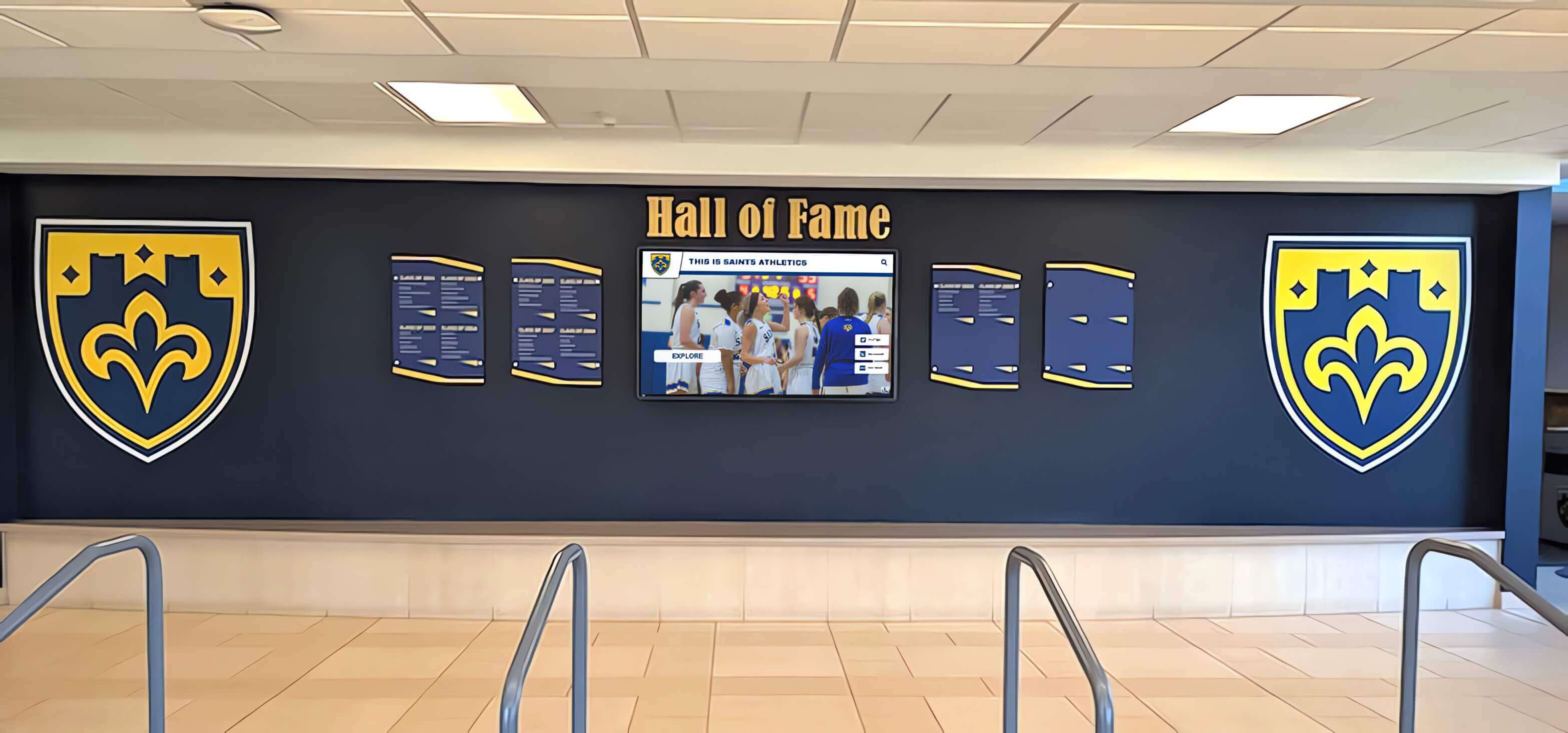
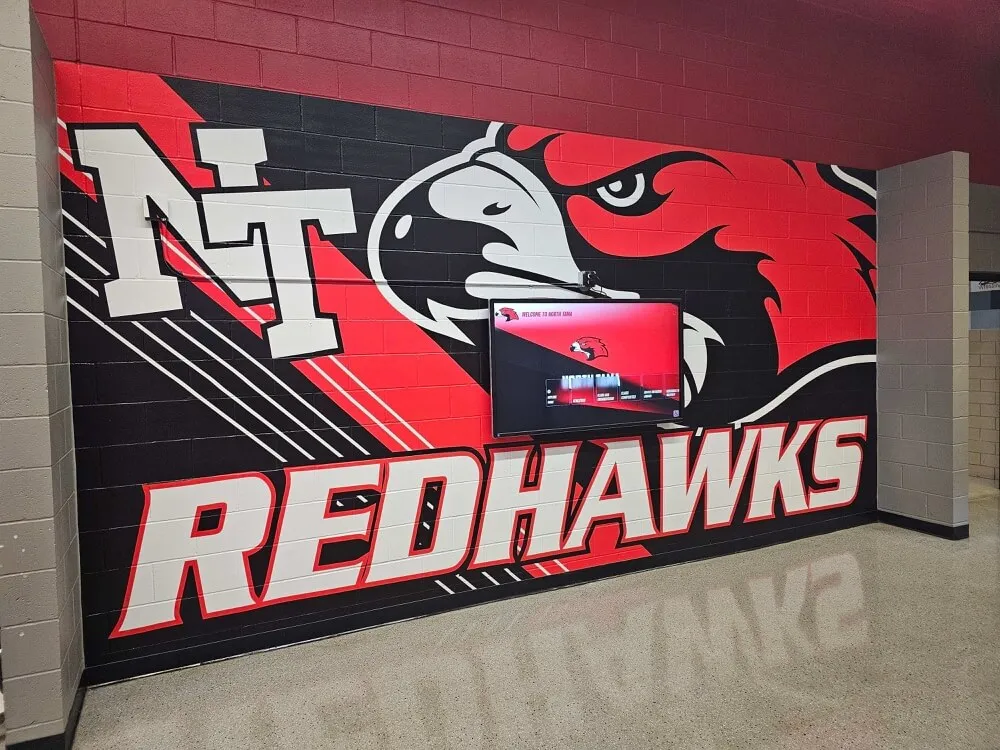
Prominent recognition installations in high-visibility locations demonstrate institutional appreciation while inspiring continued philanthropic engagement
Measuring Campaign Success Beyond Dollar Goals
While financial goal achievement represents primary campaign success metrics, comprehensive evaluation examines broader outcomes determining whether campaigns strengthen long-term institutional advancement or simply raise money without building sustained donor relationships.
Financial and Participation Metrics
Beyond total dollars raised, examine participation metrics revealing campaign breadth and inclusiveness. Track donor acquisition numbers identifying new supporters attracted through campaign visibility, retention rates measuring what percentage of contributors make subsequent gifts, gift progression documenting donors advancing to higher giving levels, pledge fulfillment percentages indicating stewardship quality, and planned giving commitments demonstrating long-term relationship development.
Compare these metrics against institutional benchmarks and industry standards. Participation rates should meet or exceed historical norms despite potentially higher campaign minimums, retention should remain above 60-70% for campaign contributors, and pledge fulfillment should approach 95%+ among carefully cultivated major donors receiving appropriate stewardship.
Relationship and Capacity Metrics
Campaign success extends to advancement infrastructure improvements supporting ongoing fundraising beyond immediate initiatives. Evaluate volunteer leadership development identifying new advocates capable of future service, advancement staff capacity growth through hiring or professional development, database improvements providing better prospect intelligence, recognition infrastructure accommodating future campaigns, and enhanced institutional visibility creating awareness among prospective donors.
These relationship and capacity outcomes determine whether campaigns position institutions for sustained advancement or represent isolated fundraising efforts requiring complete restart when subsequent needs emerge. Organizations building comprehensive infrastructure during campaigns establish foundations supporting decades of continued development success.
Frequently Asked Questions
How long does it take to plan and execute a capital campaign?
Complete capital campaign timelines typically span 3-7 years from initial planning through final celebration, with variations based on campaign scale and organizational capacity. Small campaigns ($1-5M) generally complete within 3-4 years, mid-scale efforts ($10-50M) span 4-6 years, while comprehensive campaigns exceeding $100M often require 6-8 years. These timelines include pre-campaign planning and feasibility assessment (6-12 months), quiet phase leadership cultivation securing 60-70% of goals (12-24 months), public campaign broadening participation (12-36 months), and completion activities transitioning to sustained stewardship (3-6 months). Organizations should resist pressure to compress timelines—adequate cultivation periods directly correlate with campaign success rates and ultimate goal achievement.
What percentage of campaign goals should come from major donors?
Successful capital campaigns typically receive 60-80% of total funds from the top 10-20 donors, following established patterns where small percentages of contributors provide majority funding. This concentration reflects philanthropic capacity distribution and underscores why major gift cultivation determines campaign outcomes more than broad participation. However, inclusive campaigns should still engage hundreds or thousands of donors across giving levels—broad participation creates community ownership, expands future prospect pipelines, and demonstrates institutional support beyond small leadership groups. Organizations should plan recognition systems accommodating both major donor prominence and inclusive acknowledgment of all contributors regardless of gift size.
How much should capital campaigns budget for donor recognition?
Recognition budgets typically represent 1-3% of total campaign goals, varying based on recognition approaches selected and donor community size. Traditional bronze plaque installations might cost $30,000-$100,000+ for comprehensive walls accommodating 100-200 donors at $300-$800 per plaque plus architectural elements and installation. Digital recognition systems require higher upfront investment ($15,000-$30,000) but eliminate per-donor update costs while providing unlimited capacity, making them cost-effective for growing communities. Long-term cost analysis over 10-20 years often favors digital approaches when accounting for continuous additions and expansions. Organizations should budget recognition early in campaign planning rather than treating acknowledgment as discretionary expense when budgets tighten—inadequate recognition undermines stewardship and damages donor relationships worth far more than recognition cost savings.
When should schools announce capital campaigns publicly?
Public campaign announcements should occur only after securing 60-70% of total goals from major donors during quiet cultivation phases. This demonstrated momentum creates confidence inspiring broader participation while providing financial cushion against public phase shortfalls. Premature public launches before adequate leadership support risks credibility damage when campaigns struggle gaining public traction. However, excessive delays reducing meaningful public participation opportunities can limit inclusive engagement strengthening community ownership. The optimal timing balances demonstrated success creating momentum with remaining need inspiring continued support—typically occurring 18-24 months into campaign timelines after intensive major gift cultivation but before volunteer and donor fatigue from extended quiet phases.
How can digital donor walls support capital campaign success?
Digital recognition systems support campaigns through unlimited capacity accommodating growth without physical constraints, real-time updates enabling immediate acknowledgment as gifts process throughout extended timelines, comprehensive multimedia profiles celebrating donor stories beyond basic name listings, flexible content management allowing staff-controlled updates without vendor dependencies, searchable databases helping visitors discover personal connections, analytics revealing engagement patterns informing stewardship strategies, and favorable long-term economics eliminating recurring per-donor plaque costs. These capabilities address traditional recognition limitations while creating engagement opportunities impossible through static bronze plaques. Organizations implementing digital systems during campaign planning benefit from immediate leadership donor acknowledgment, capacity confidence supporting aggressive fundraising, and technological solutions aligning with contemporary donor expectations for innovative institutional approaches.
Build Campaign Success Through Strategic Planning and Donor-Centered Stewardship
Understanding how to start a capital campaign requires balancing ambitious vision with systematic planning, comprehensive donor cultivation with efficient operations, and transformational goals with sustainable execution across extended multi-year efforts. Campaigns following structured frameworks addressing feasibility assessment, leadership development, strategic engagement, recognition planning, and sustained stewardship achieve dramatically higher success rates while building philanthropic relationships supporting long-term institutional advancement beyond immediate fundraising objectives.
The most successful campaigns recognize that fundraising represents relationship-building work where financial contributions reflect deeper donor connections to institutional missions, values, and communities. Organizations investing genuine effort understanding donor motivations, providing meaningful engagement opportunities, implementing appropriate recognition, and delivering ongoing stewardship create philanthropic partnerships transcending transactional gift exchanges—establishing foundations for continued support through recurring annual gifts, additional major contributions, and planned giving commitments benefiting institutions for generations.
As you plan your school or university’s capital campaign, prioritize comprehensive preparation over rushed implementation, donor relationship quality over prospect quantity, and long-term stewardship over short-term transaction completion. The discipline and patience required for strategic campaigns generate transformational outcomes worthy of sustained effort—facility improvements, program enhancements, scholarship access, and endowment growth strengthening educational missions while honoring generous community support making institutional advancement possible.
Honor Campaign Donors With Recognition Technology Supporting Long-Term Success
Rocket Alumni Solutions provides interactive donor recognition displays designed specifically for educational institutions pursuing capital campaigns and sustained fundraising success. Our digital systems offer unlimited capacity accommodating campaign growth, real-time updates enabling immediate donor acknowledgment, comprehensive multimedia profiles, and intuitive content management—supporting donor stewardship throughout campaigns and beyond while eliminating traditional plaque limitations that constrain long-term recognition.
Explore Digital Donor Recognition SolutionsCapital campaigns represent extraordinary opportunities for educational institutions to secure transformational funding while strengthening donor relationships supporting ongoing advancement. By following proven frameworks for campaign planning, maintaining donor-centered focus throughout execution, implementing comprehensive recognition honoring all contributors appropriately, and delivering sustained stewardship extending beyond immediate fundraising contexts, schools and universities create campaign experiences that accomplish ambitious goals while building philanthropic communities advancing institutional missions for decades to come.