When a high school community pulls together around a shared goal—new athletic equipment, updated science labs, a performing arts tour—the fundraising campaign that makes it happen deserves more than a thank-you email and a line in the newsletter. The best high school fundraising ideas do two things simultaneously: they generate meaningful revenue and they create an opportunity to honor every person who made that goal possible. Done well, recognition is not an afterthought to fundraising—it is the engine that drives repeat giving, stronger community ties, and a culture of generosity that compounds year over year.
This guide presents 25 creative high school fundraising ideas organized across five categories, along with practical guidance for structuring each campaign and recognizing donors in ways that make supporters feel genuinely celebrated. Whether your school needs quick wins for a seasonal push or a flagship annual event that becomes part of school identity, these strategies offer a range of options suited to different resource levels, volunteer capacity, and community characteristics.
Recognition and fundraising are more connected than most school administrators realize. According to the Fundraising Effectiveness Project’s annual benchmarking data, donor retention rates at organizations with formal recognition programs are significantly higher than those relying on solicitation alone—meaning schools that publicly celebrate their givers raise more money over time, not just in the campaign where recognition occurs. The ideas below are organized not just to help you raise funds this year, but to help you build the donor relationships that sustain your school’s programs for decades.

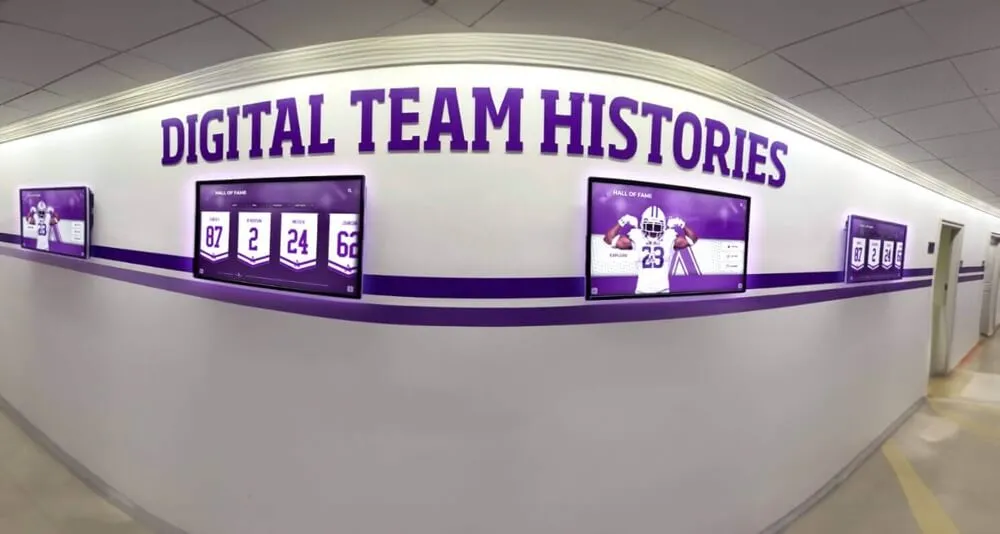
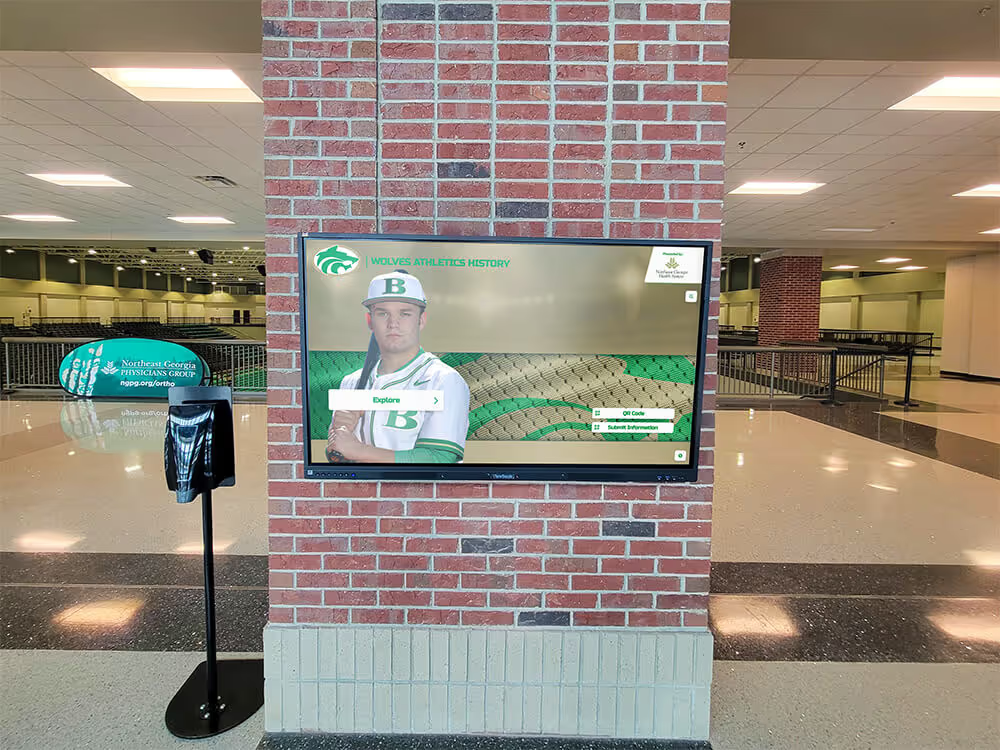
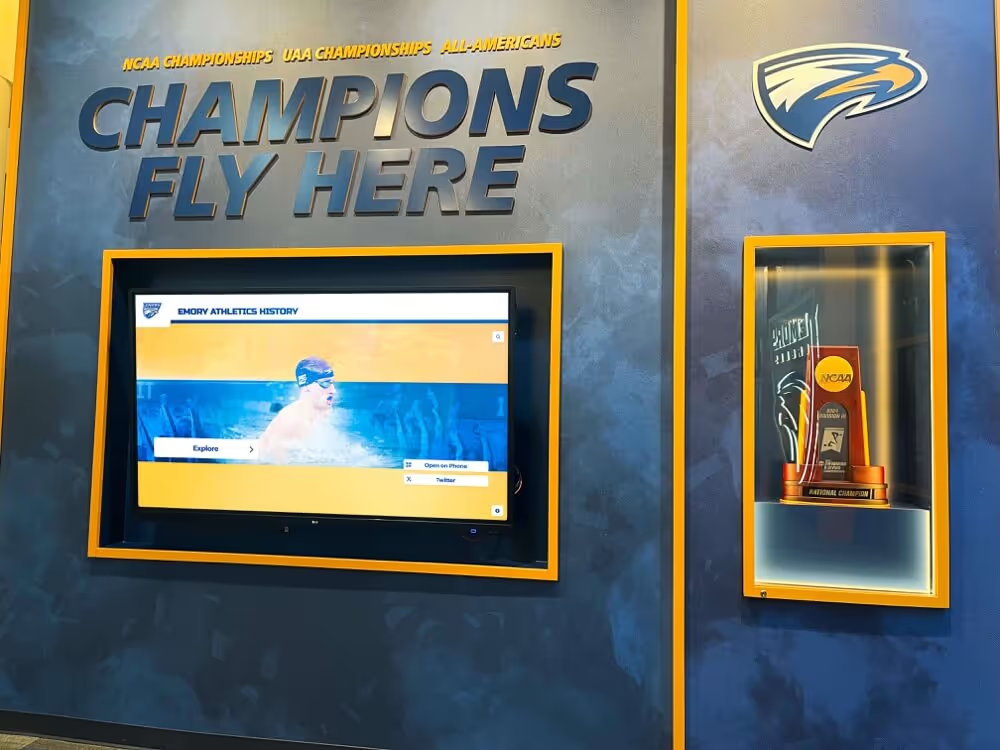
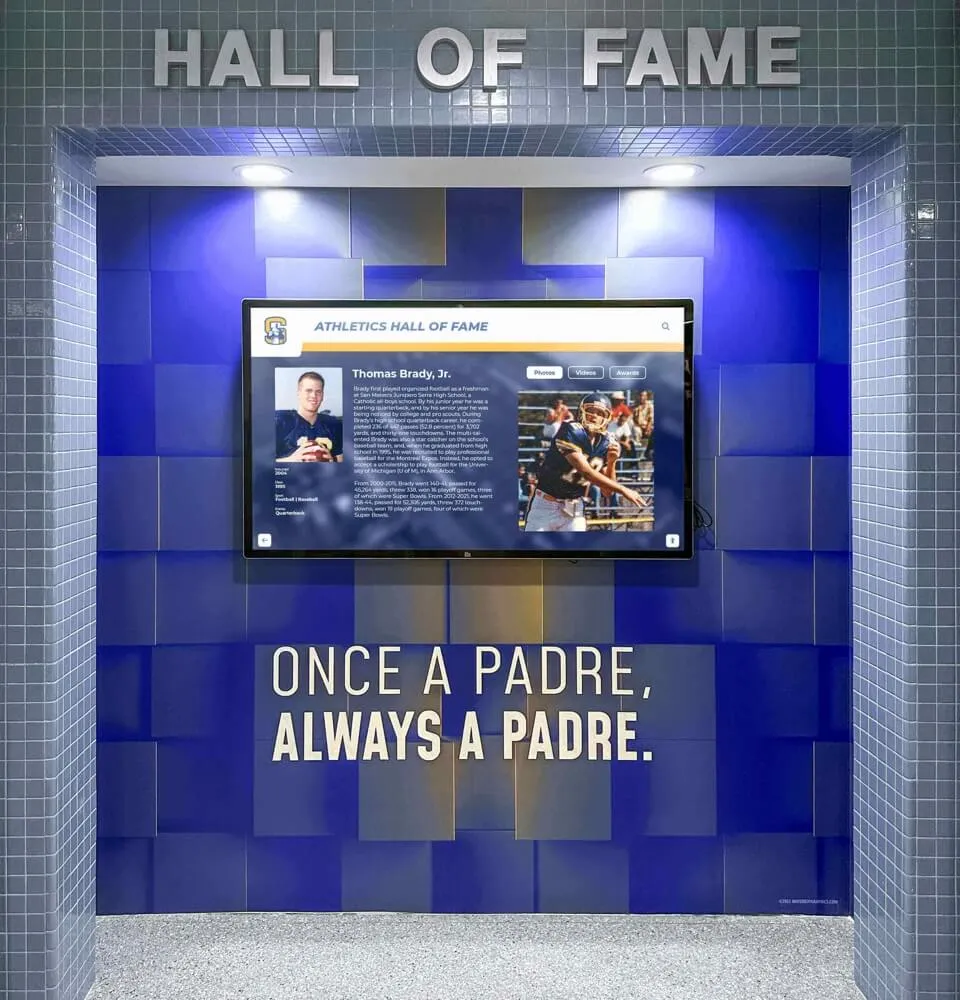
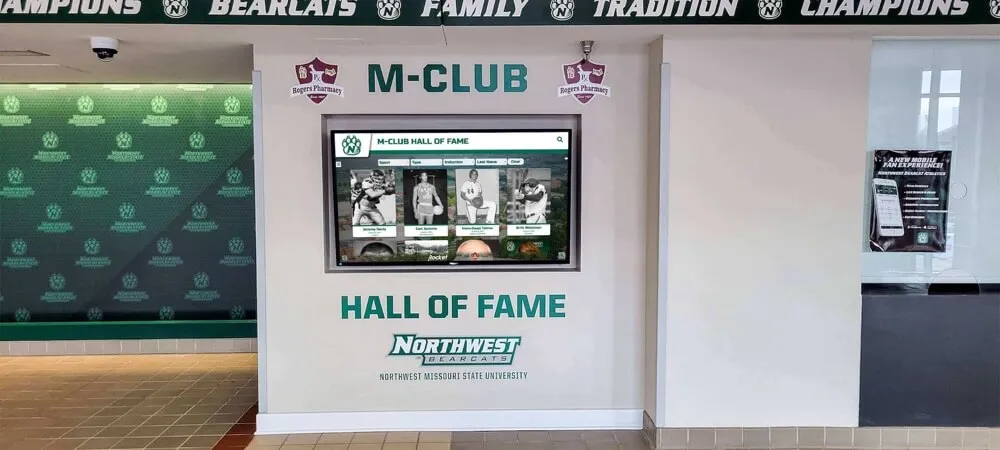
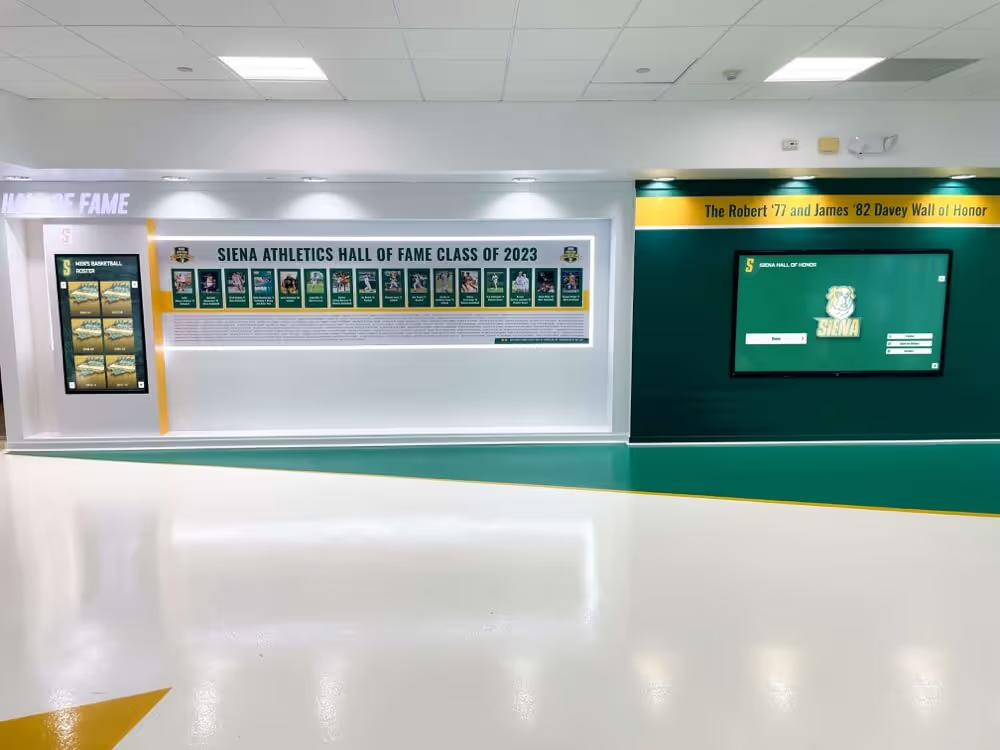
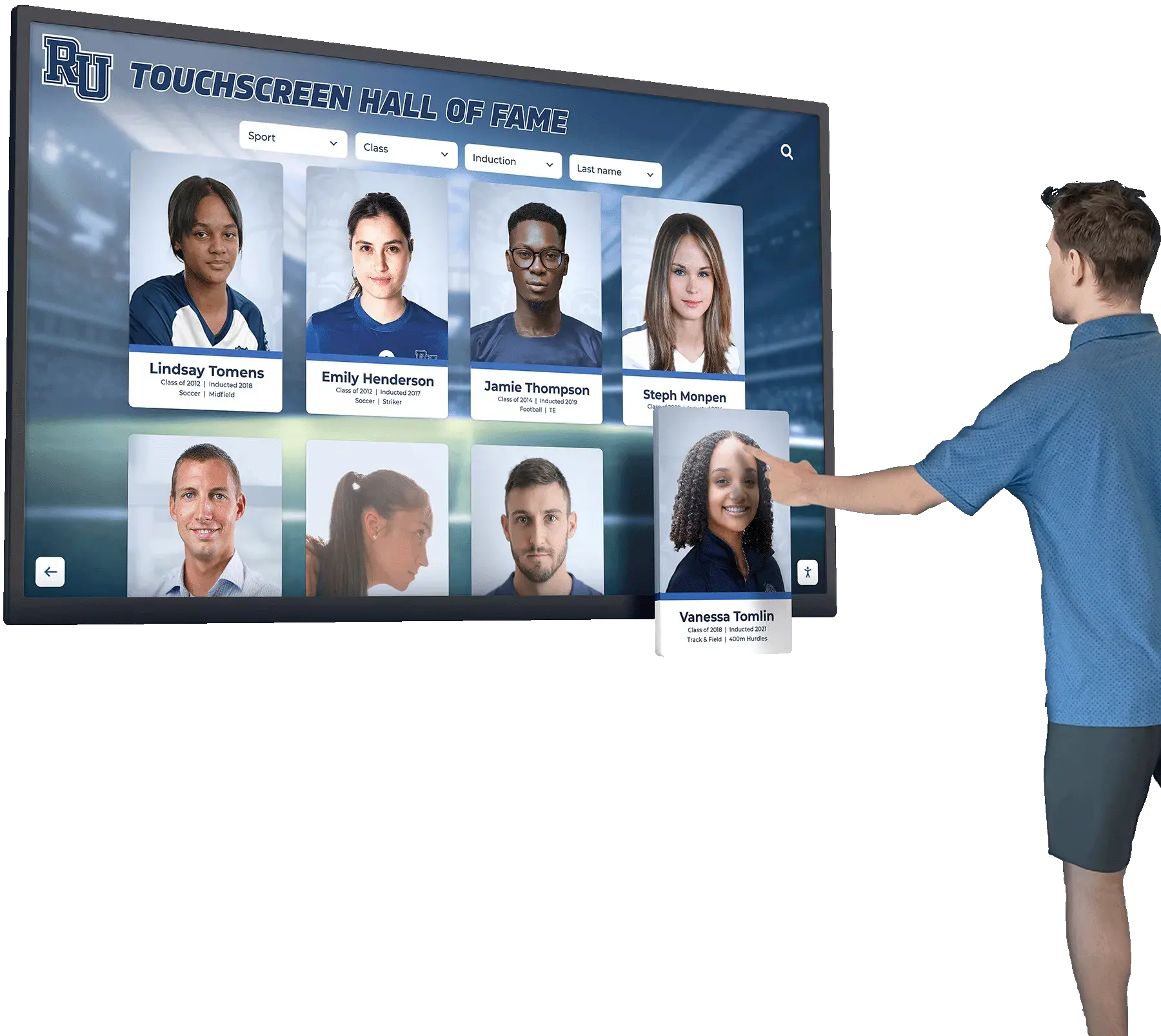
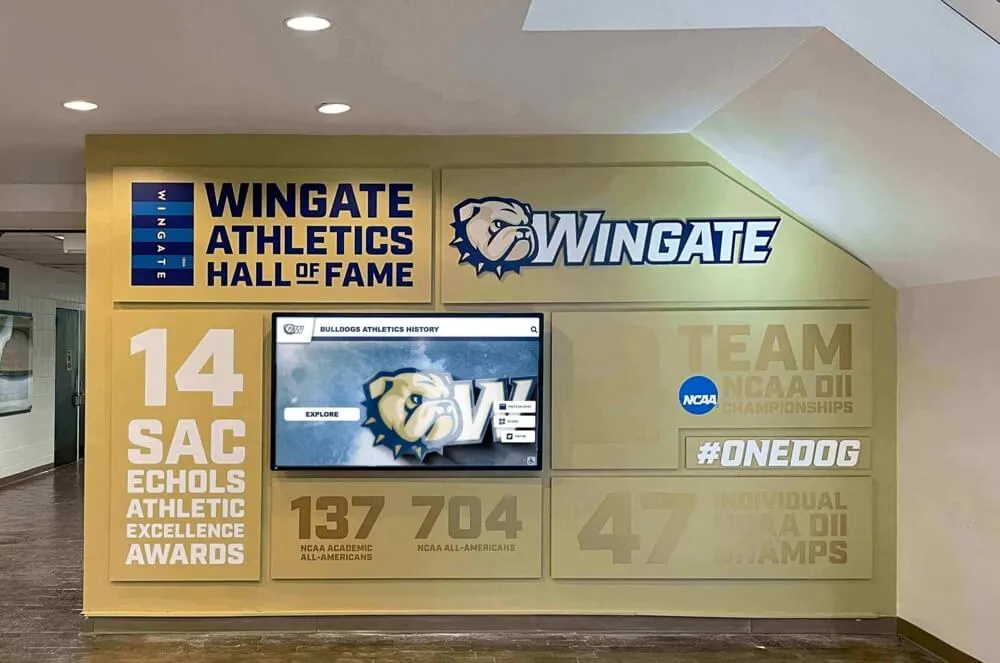
A visible donor recognition wall transforms every fundraising campaign into a permanent celebration of community generosity
Why High School Fundraising Needs a Recognition Strategy
Before diving into specific high school fundraising ideas, it is worth understanding why recognition matters so much at the secondary level.
High school donors are often parents, local businesses, and alumni who have a strong personal connection to the institution. They give because they care about students, coaches, programs, and the community identity wrapped up in their school. When their generosity goes unacknowledged—or receives only a generic receipt—that emotional connection weakens. When it is celebrated publicly and genuinely, it strengthens.
A comprehensive donor recognition guide notes that the most effective recognition strategies work on multiple levels: immediate acknowledgment after giving, periodic updates demonstrating impact, and durable public recognition that remains visible long after the campaign ends. Each layer reinforces the donor’s identity as a valued member of your school community.
The 25 fundraising ideas below are organized so you can match each campaign type to an appropriate recognition approach—from handwritten notes for grassroots events to dedicated digital display panels for major givers.
Category 1: Product Sales and Classic Campaigns (Ideas 1–5)
Product-based fundraising remains a reliable cornerstone for high school programs because it offers predictable margins, easy participation for students of all ages, and broad community reach.
1. Specialty Food Pre-Sales
Cookie dough, popcorn, and gourmet snack pre-sale programs through dedicated fundraising vendors typically offer 40–50% profit margins. Schools with 300–500 student participants often generate $15,000–$40,000 per campaign. The key differentiator between average and exceptional results is the public goal tracker: post a visual thermometer in the main hallway and update it daily. Donors who contribute above a threshold become eligible for recognition on your end-of-year display.
2. Spirit Wear Stores
Custom spirit wear campaigns—hoodies, t-shirts, hats, and bags—work especially well when linked to a specific milestone or anniversary. A “Class of [Year]” hoodie campaign or a championship anniversary line creates urgency and collectibility. Work with vendors offering on-demand fulfillment to eliminate inventory risk. Families and alumni who purchase during a designated campaign window can be recognized as campaign contributors in your school’s donor record.
3. Discount Card Fundraisers
Partnering with 15–25 local businesses to create a discount card valid for one year generates revenue from both card sales and strengthened community relationships. Cards priced at $10–$20 with a redemption value of $200–$500 in discounts are easy sells. Business sponsors who participate at a prominent level deserve special recognition—their logos on digital recognition displays in high-traffic hallways create valuable visibility they genuinely appreciate.
4. Citrus and Produce Sales
Fruit sales—particularly citrus arriving around winter holidays—have multi-decade track records in school fundraising. Orders typically open in October and deliver in November or December, capturing holiday gift-giving timing. Volunteers are minimal; students take order forms home and collect payment upfront. Revenue per participant averages $50–$100, making class or team competitions effective motivators.
5. Alumni Merchandise Campaigns
Tapping alumni networks for spirit merchandise tied to school history or significant anniversaries can generate surprising revenue, particularly from graduates who feel nostalgic about their years at your school. A well-produced vintage logo sweatshirt or commemorative print appeals to alumni in ways that generic product sales do not. Promote through alumni social groups, your school website, and email lists. Alumni who give above a set amount become natural candidates for your digital donor wall.
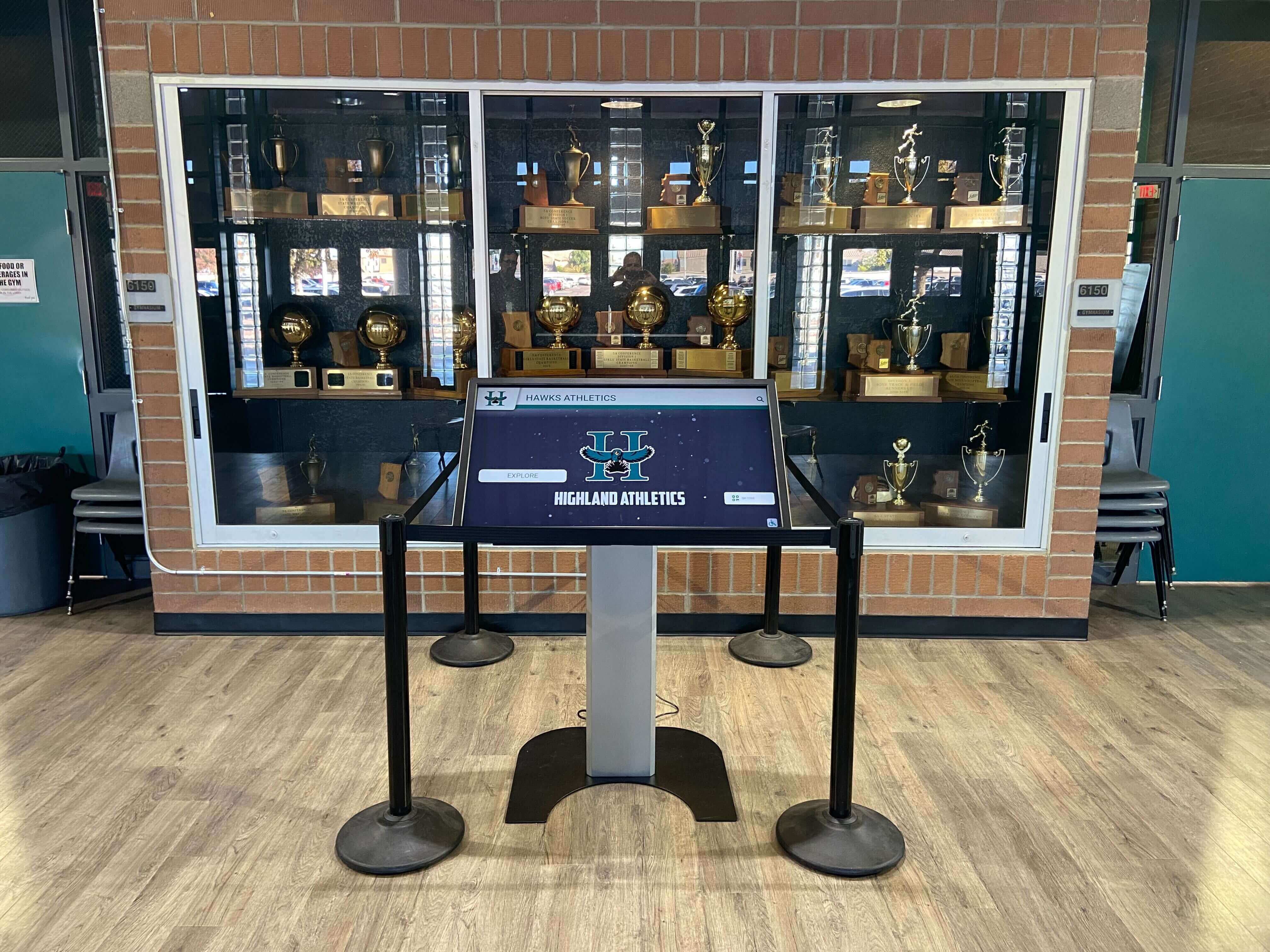
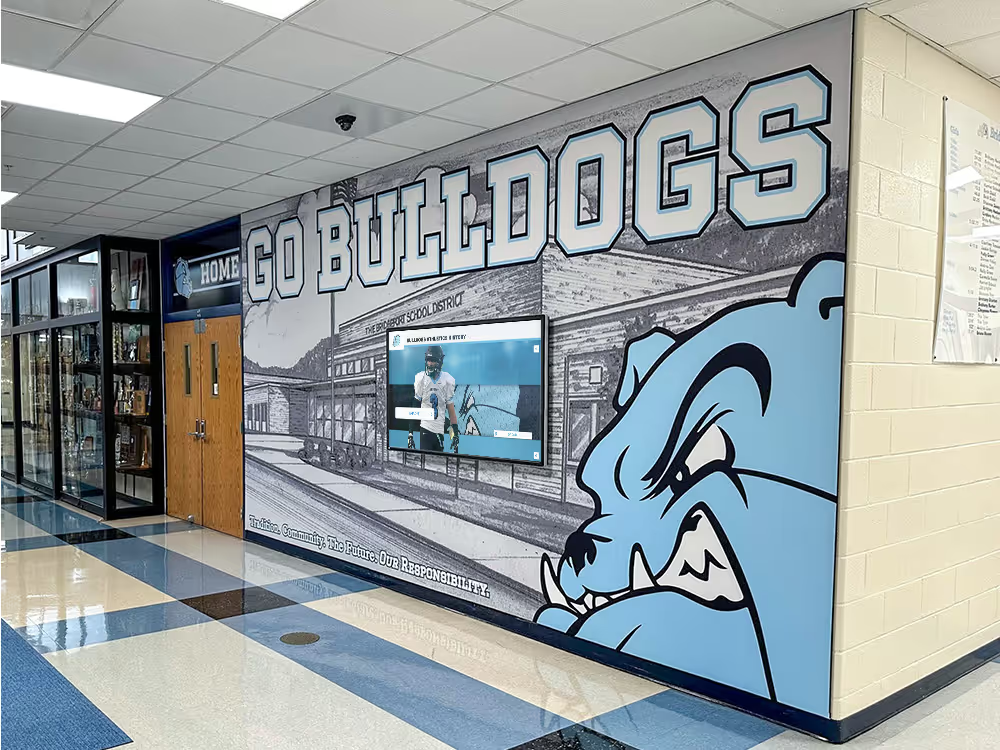
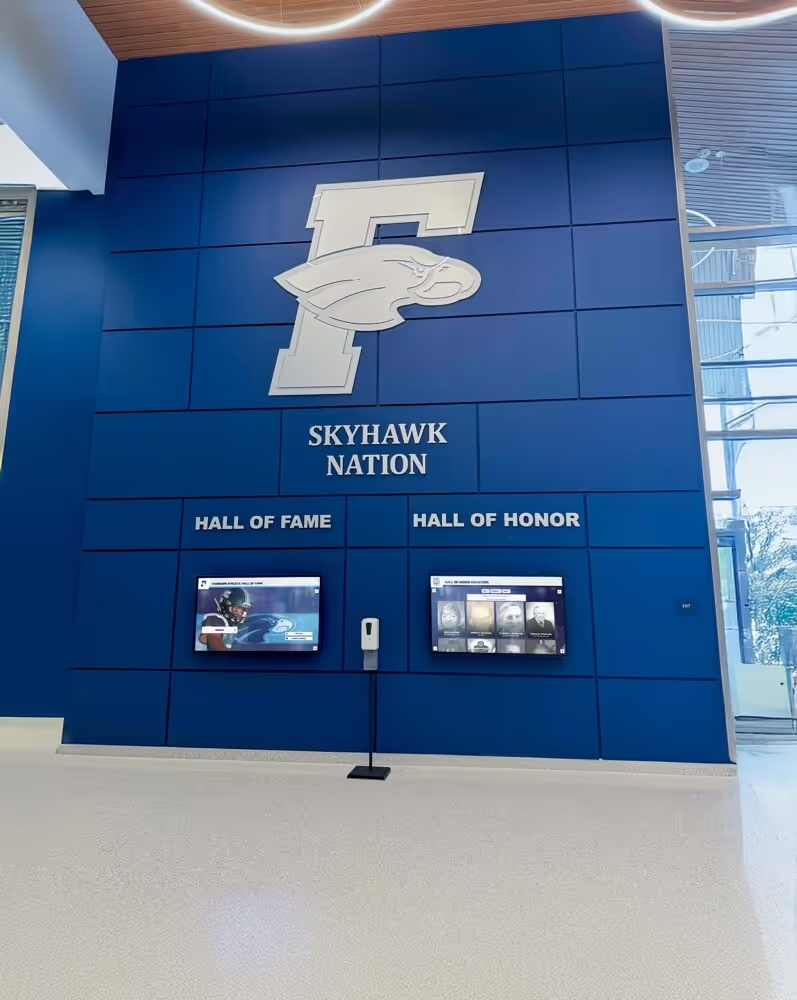
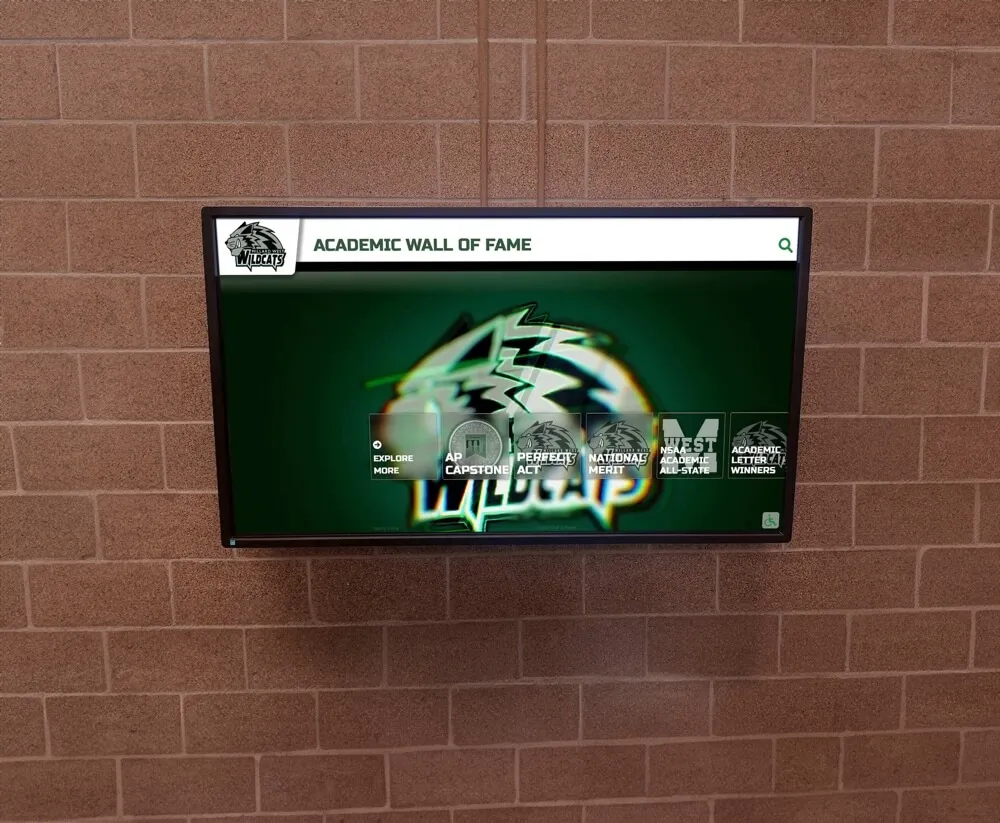
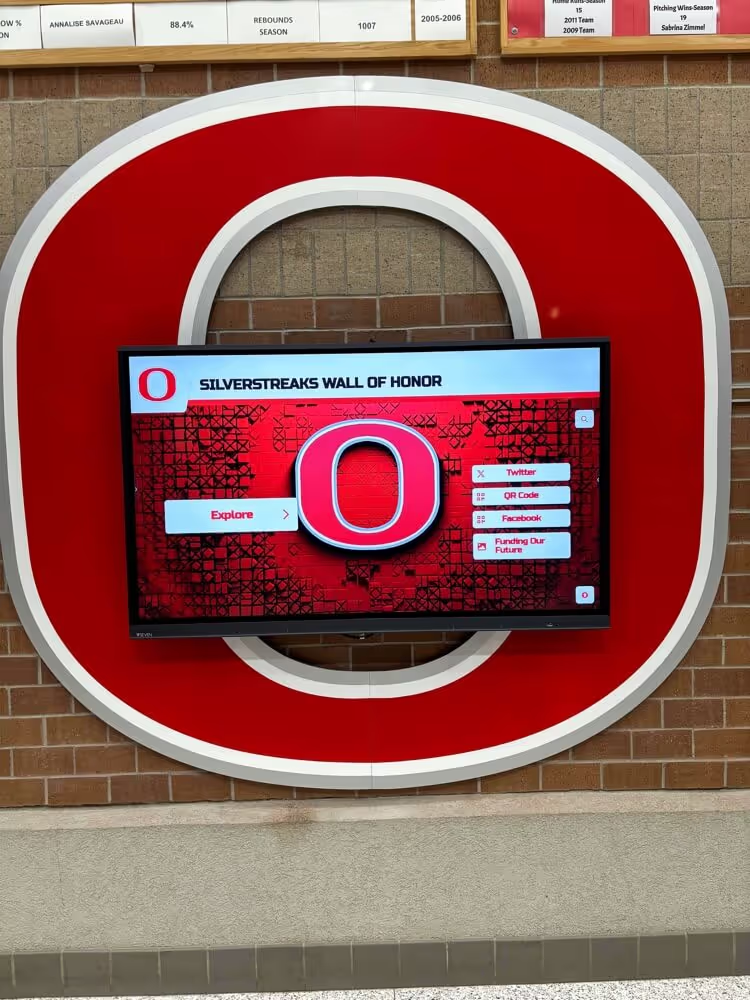
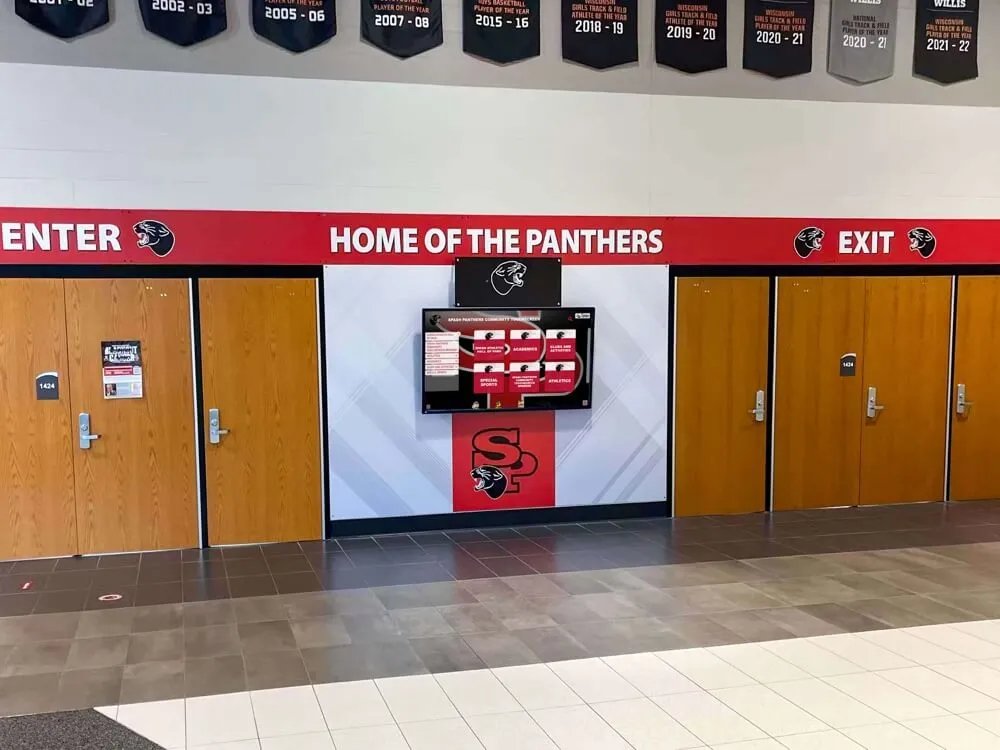
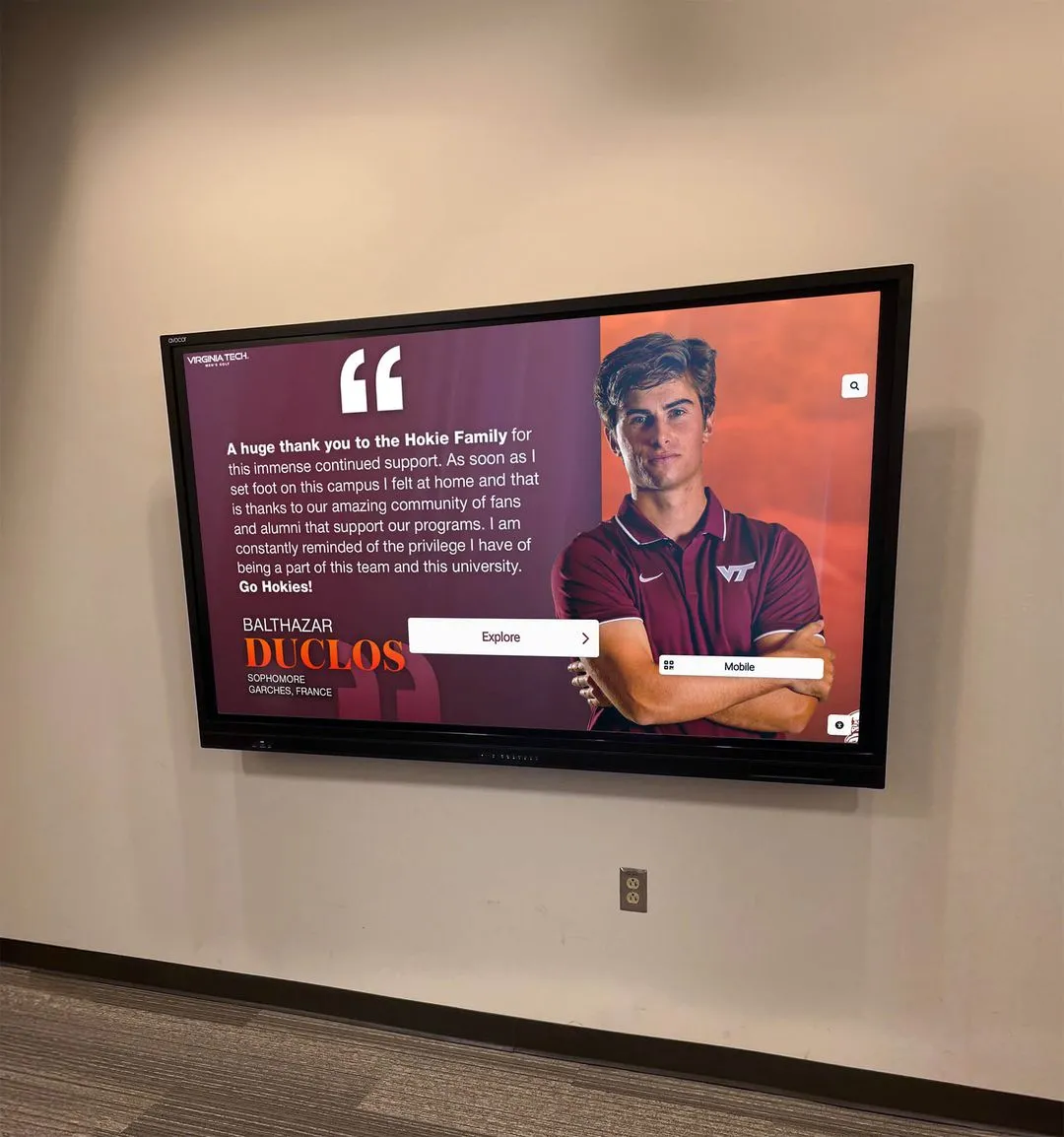
Placing recognition displays near trophy cases connects fundraising support to athletic achievement in a highly visible location
Category 2: Event-Based Fundraisers (Ideas 6–10)
Events generate revenue, community energy, and media moments that product sales cannot replicate. They also create natural recognition opportunities—a live event is the ideal place to publicly thank major sponsors and contributors.
6. Annual Gala or Benefit Dinner
A formal gala with ticket sales, a live auction, and a fund-a-need appeal can generate $20,000–$100,000 or more for schools with strong parent and alumni networks. The key is treating it as a multi-year initiative: year one builds awareness, year two establishes tradition, and by year three you have donors saving the date and bringing friends.
Recognition at galas is naturally elevated. Naming the evening after a major sponsor, dedicating a table to top donors, and projecting a digital honor roll during dinner are all approaches that acknowledge support in front of the full community. Consider pairing your gala with a permanent recognition moment: for every gala, add that year’s top givers to your school’s donor recognition display, creating an accumulating record of generosity visible daily to students, staff, and visitors.
7. Fun Run or Color Run
Walk-a-thon and color run formats translate well to high schools because they engage students physically and allow peer-to-peer fundraising through online pledge pages. Platforms like FundraiserUp, DonorDrive, and Pledge It let students build individual pages, share on social media, and collect donations from extended family networks. Schools with 500–1,000 students regularly raise $30,000–$60,000 through this format.
To motivate participation, create tiered recognition: students who raise above certain thresholds receive increasingly visible acknowledgment—from a certificate, to a social media feature, to their name on the school’s recognition display.
8. Pep Rally Fundraiser
Combining a high-energy pep rally with a fundraising ask creates a natural high-engagement environment. Sell premium seats, featured sponsorships for the PA announcements, or event naming rights to local businesses. Pep rally fundraisers work particularly well as kickoffs for larger campaigns—the energy generated translates into pledge momentum that carries forward.
9. Silent Auction with Donated Items
Silent auctions work well when schools have robust relationships with local businesses willing to donate goods and experiences: restaurant gift cards, spa packages, sports memorabilia, and exclusive experiences like a “principal for a day” opportunity or a behind-the-scenes stadium tour. Hosting your auction through an online platform alongside an in-person component significantly expands your bidder pool.
Auction donors—businesses and individuals who contributed items—are often overlooked in recognition strategy. Including them on a business supporter panel in your school’s main lobby creates meaningful visibility that directly benefits their business reputation in the community.
10. Carnival or Community Fair
A school-run carnival with ticketed games, food booths, and entertainment creates both fundraising revenue and community connection. Entrance fees, booth sponsorships, and food sales all contribute. Local businesses that underwrite specific attractions—“The [Business Name] Dunk Tank” or the “[Business Name] Photo Booth”—receive visible branding throughout the event and recognition in printed and digital materials.
Category 3: Athletic and Activity Campaigns (Ideas 11–15)
Athletics are central to many high schools’ identities, and sports-connected fundraising often generates both higher revenue and stronger community engagement.
11. Athletic Booster Championship Campaign
Launching a targeted campaign tied to a team’s championship run or season milestone creates urgency and emotional investment that evergreen campaigns cannot replicate. When a team reaches the playoffs or achieves a milestone record, a campaign that captures the moment—framing contributions as support for the team’s pursuit—resonates powerfully with the community.
Donors who contribute to championship campaigns become part of the team’s legacy. Recognizing them on a digital athletic display alongside team achievements makes that connection permanent and visible.
12. Athlete Signing Day Sponsorship
When student athletes sign letters of intent to compete in college, it is a significant milestone for the school’s athletic program. Sponsoring the signing ceremony—or the digital display used to celebrate commitments—creates a natural recognition opportunity for donors invested in athletic development. Tying sponsorships to college commitment recognition gives donors a visible, lasting connection to student achievement.
13. Sports Banquet Underwriting
Annual sports banquets for individual teams or the full athletics program require significant budgets for venue, catering, awards, and entertainment. Seeking sponsors and underwriters for these events raises funds while giving businesses and major donors premium recognition at a high-attendance community gathering. A business that underwrites the entire baseball banquet has their name in front of every family in that program.
14. Fitness Challenge Pledge Drive
Team-wide fitness challenges—push-up marathons, distance cycling, swim-a-thons—leverage the built-in audiences of team supporters while creating genuine athletic content for social media promotion. Athletes collect pledges per repetition, lap, or mile. The fitness element creates compelling video and photo content that extends campaign reach organically.
This format also demonstrates the direct connection between donor support and student athletic development, making it easier to make the recognition connection: supporters who funded the challenge helped those athletes train and compete.
15. Hall of Fame Induction Campaign
Launching or expanding an athletic Hall of Fame creates a major fundraising vehicle. Induction ceremonies can be ticketed events, and businesses can sponsor individual inductee panels or the Hall of Fame installation itself. Schools that do not yet have a formal Hall of Fame can use fundraising proceeds to fund one—creating a permanent recognition infrastructure that continues generating donor engagement for decades.

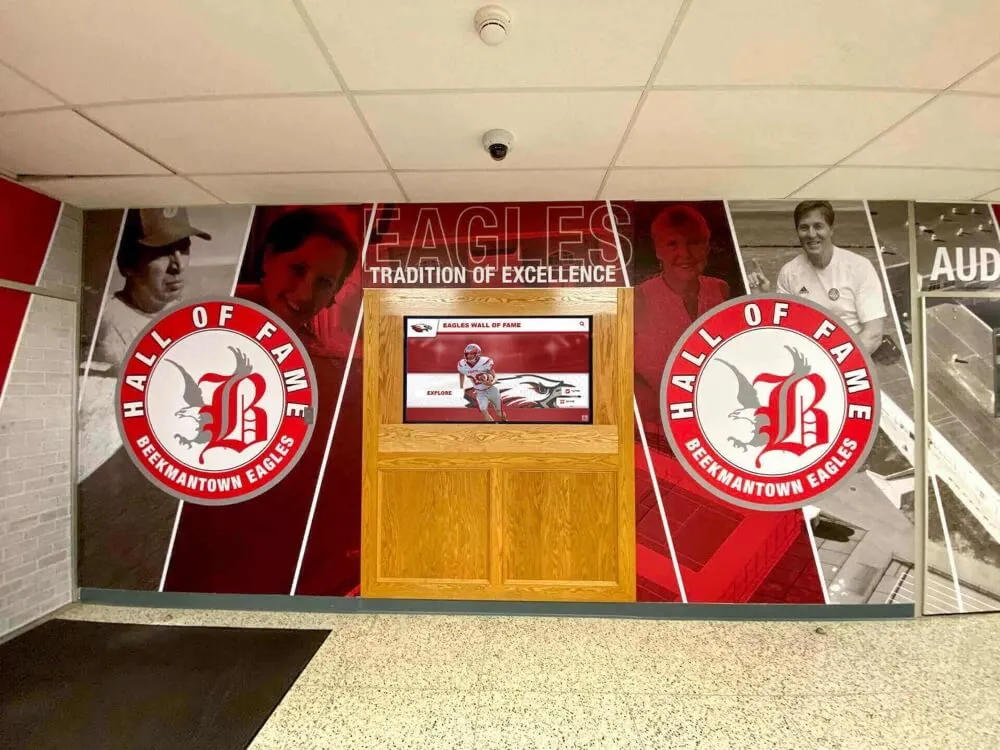
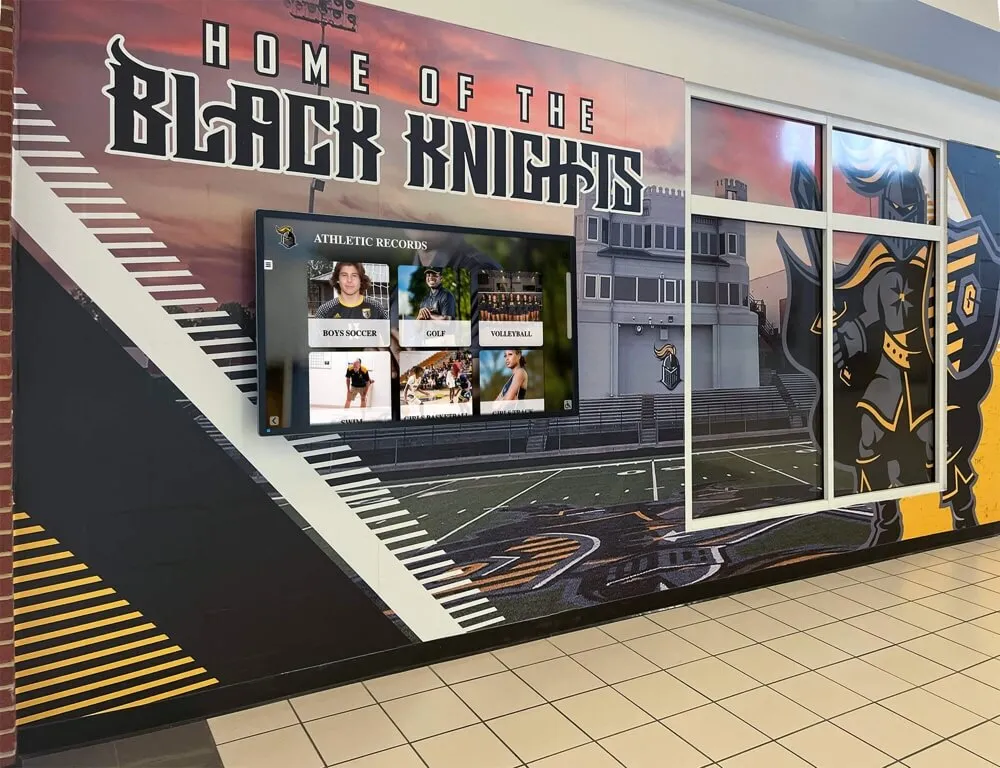
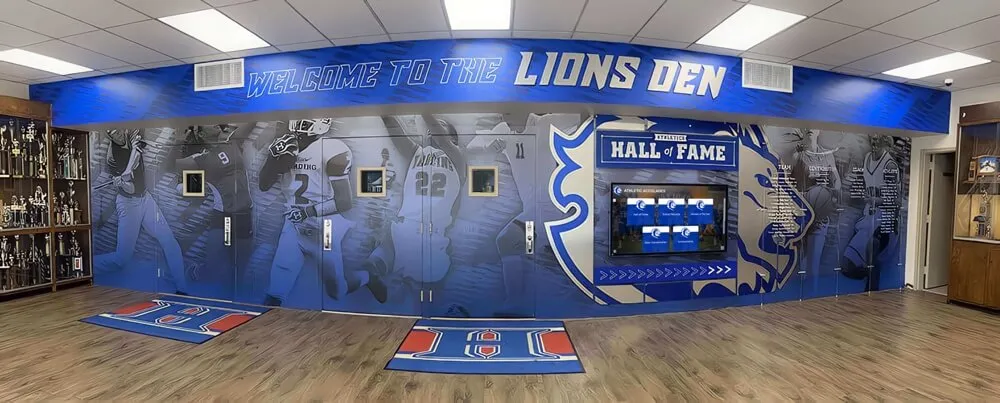
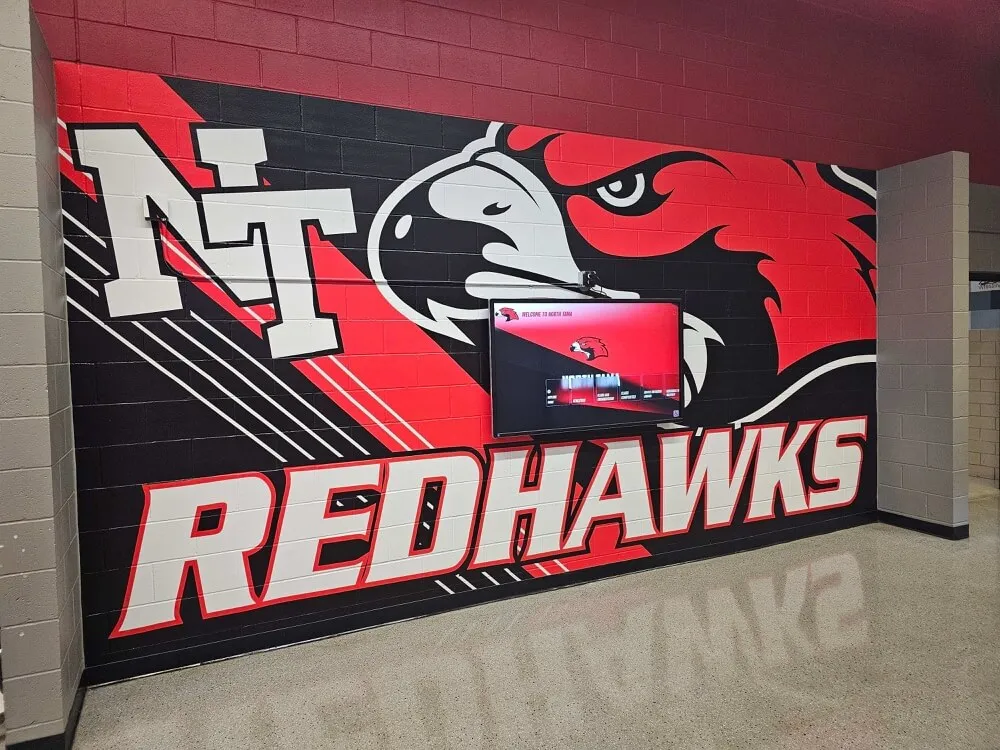
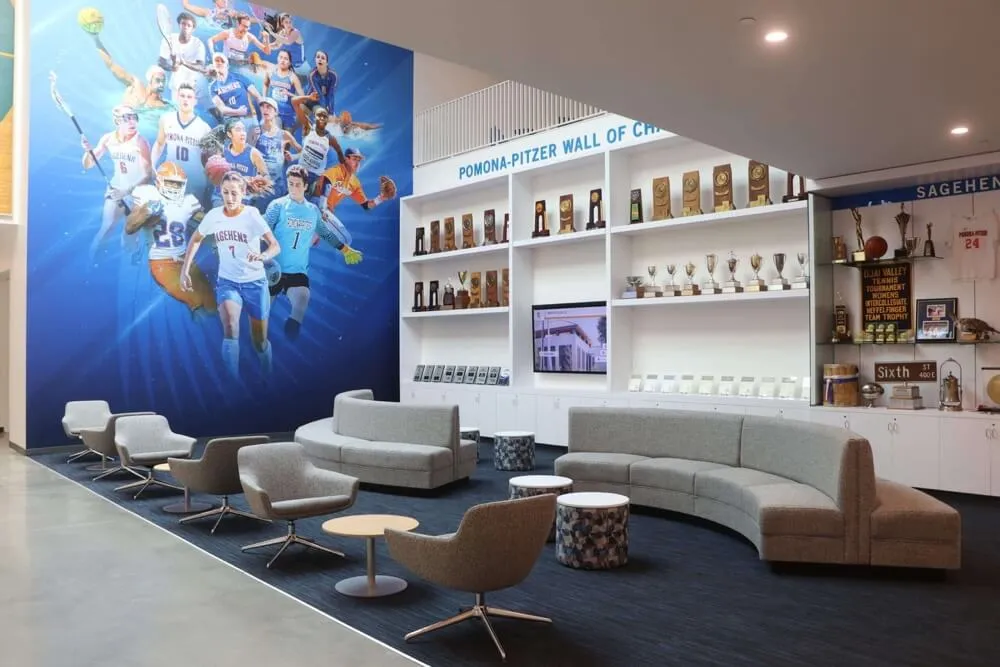
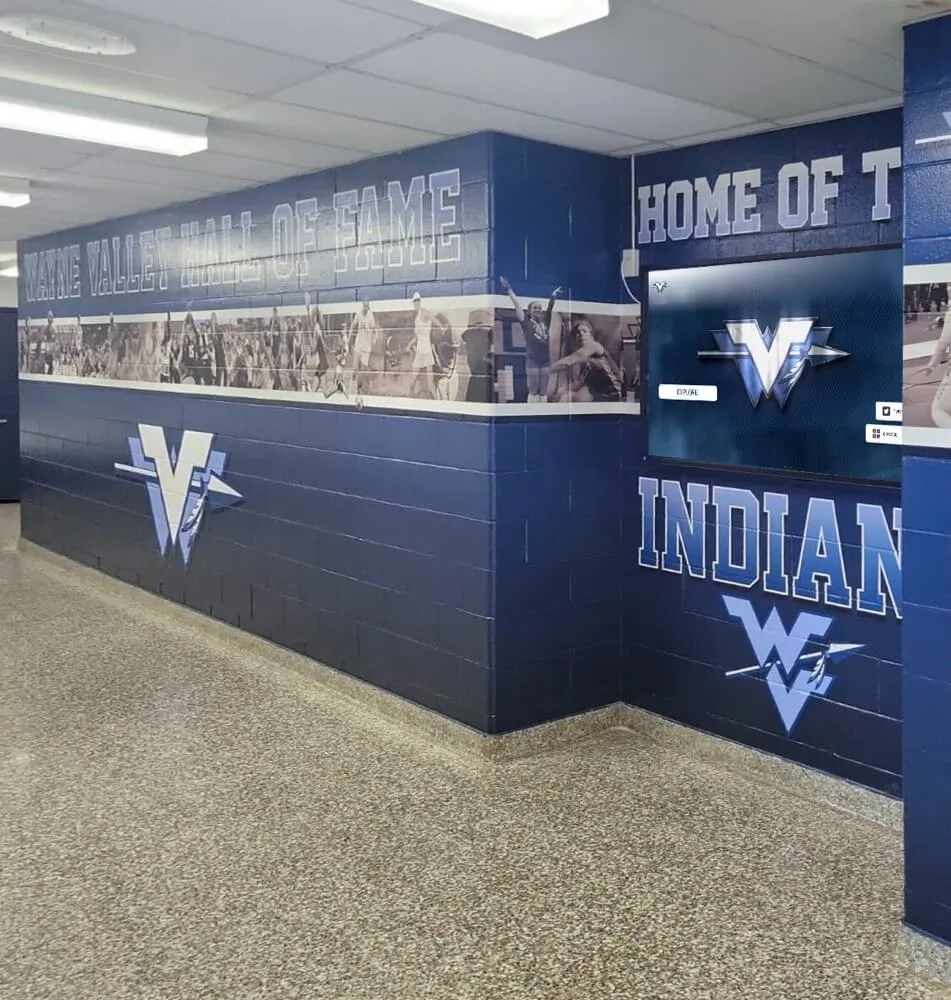
Athletic murals combined with digital displays create immersive hallway environments that celebrate both achievement and the supporters who made it possible
Category 4: Digital and Online Campaigns (Ideas 16–20)
Online and digital fundraising channels have expanded dramatically, giving high schools tools that were previously available only to large nonprofits.
16. Crowdfunding Campaign for a Specific Need
Platforms like GoFundMe, Fundly, and school-specific tools like Snap! Raise enable targeted crowdfunding with compelling visual storytelling. The most successful school crowdfunding campaigns focus on a specific, concrete need—“New uniforms for the marching band” or “Replace the gymnasium scoreboard”—rather than generic operating funds. Specific asks generate stronger emotional response and clearer donor motivation.
Crowdfunding also creates natural recognition tiers: donors who give above threshold amounts can be named on the funded item, recognized in campaign updates, and ultimately celebrated on your school’s permanent display when the project is complete.
17. Online Auction
Moving auction items online dramatically expands participation by eliminating the need for physical attendance. Platforms like Handbid, 32Auctions, and GiveSmart allow mobile bidding, automatic outbid notifications, and post-event analytics. Schools can run online-only auctions or hybrid events that combine in-person experiences with extended online bidding. Revenue potential scales with the quality of donated items and the size of your email list.
18. Giving Tuesday Campaign
Giving Tuesday—the first Tuesday after Thanksgiving—has become a significant annual fundraising moment for schools, nonprofits, and universities. Participating creates momentum by aligning your school with a national movement. Prepare by building your email list, designing a compelling matching gift challenge, and creating shareable social media content in advance. Schools with 500–2,000 email subscribers regularly generate $5,000–$25,000 on Giving Tuesday with strong preparation.
Feature top Giving Tuesday donors on your school’s recognition display and in post-campaign communications to create a meaningful connection between the national giving moment and your local community.
19. Peer-to-Peer Fundraising Pages
Rather than running all fundraising through a central school account, peer-to-peer campaigns empower students, parents, and coaches to become individual fundraisers. Each participant builds a personal page explaining why they care about the campaign, then shares it with their personal network. The personal connection that individual fundraisers provide to their donors generates higher conversion rates and larger average gifts than institutional appeals alone.
20. Social Media Challenge
Fundraising challenges that spread organically on social media—modeled after successful examples like the ALS Ice Bucket Challenge—can generate significant awareness alongside direct donations. School-specific versions might challenge players to demonstrate a skill and nominate friends to donate or participate. While viral results cannot be guaranteed, even moderate social sharing dramatically expands your campaign audience beyond traditional donor lists.
Category 5: Community-Centered Campaigns (Ideas 21–25)
High schools sit at the center of their communities. Campaigns that engage the broader community—local businesses, civic organizations, alumni, and neighboring institutions—generate both revenue and lasting relationship capital.
21. Local Business Partnership Program
Formalizing relationships with local businesses through a structured partnership program creates predictable annual revenue while providing tangible value to business donors. Tiered sponsorship levels—bronze, silver, gold, and presenting sponsor—give businesses choices matched to their capacity. In exchange, sponsors receive recognition at school events, inclusion in digital and print materials, and permanent acknowledgment on your school’s recognition display.
Schools that implement formal business partnership programs report that participating businesses often increase their giving over time because visibility to the school community translates into real customer relationships. The program functions as a community investment, not merely a charitable contribution, which makes the donor conversation significantly easier.
22. Alumni Annual Fund
Developing a dedicated alumni giving program—even for a school without a formal alumni association—creates a recurring revenue stream. Start with a simple email campaign reaching out to graduates from the past 5–15 years, sharing updates about current programs and specific funding needs. Alumni giving rates at secondary schools are generally lower than college alumni giving, but even 5–10% participation at modest annual giving levels can generate meaningful revenue while building relationships that grow into major gifts over time.
Recognizing alumni donors on a dedicated display that also celebrates their achievements as students creates a powerful intergenerational connection—graduates see their names alongside the athletes and scholars who came before and after them, reinforcing the legacy value of their gift.
23. Matching Gift Challenge
Securing a lead donor willing to match all gifts during a defined campaign window—often 24–48 hours or a specific week—creates urgency and doubles the impact of every contribution. Matching challenges generate both higher donor participation rates and larger average gifts because donors can see their money go further. Even a relatively modest match fund of $5,000–$10,000 creates compelling campaign momentum.
Recognize your matching gift lead donor prominently and permanently. Someone who puts up a match fund is making a leadership statement about their confidence in your school—that commitment deserves commensurate acknowledgment.
24. Community Night at Local Restaurant
Restaurant revenue-sharing nights—where a local restaurant donates a percentage of sales on a designated evening to your school—are simple to organize, require no upfront cost, and engage families in a relaxed setting. Promote through school communication channels, social media, and the restaurant’s own marketing. While revenue per event is modest ($300–$1,500 on average), these events build community relationships and create low-barrier giving opportunities for families who may not engage with higher-stakes campaigns.
The organizing teacher or coach who arranges these partnerships deserves recognition too—volunteer leadership is itself a form of contribution worth celebrating in your school’s community culture.
25. Naming Rights and Dedicated Campaign Gifts
For major fundraising goals—a new gym, a renovated cafeteria, updated science labs—naming rights represent the highest level of donor engagement available to high schools. When a donor contributes a transformational gift, permanently attaching their name or family name to the funded space creates legacy recognition that honors both the donor and the school’s long-term history.
Pair naming rights campaigns with a comprehensive recognition strategy: a donor thank-you letter series that communicates the gift’s impact, a formal recognition ceremony, and permanent digital display in the named space documenting the donor’s contribution and its meaning to the school community.
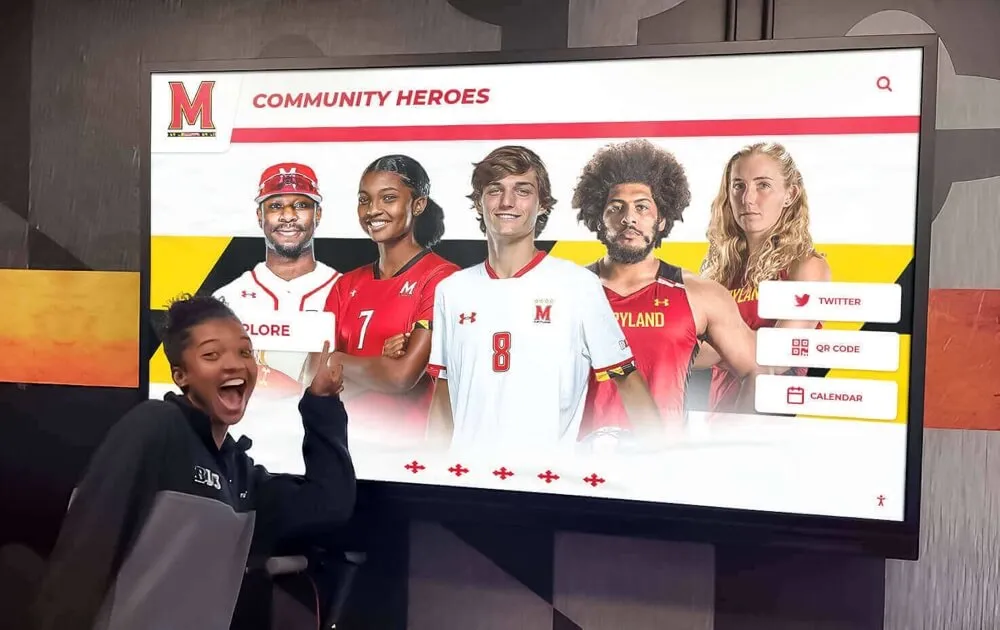
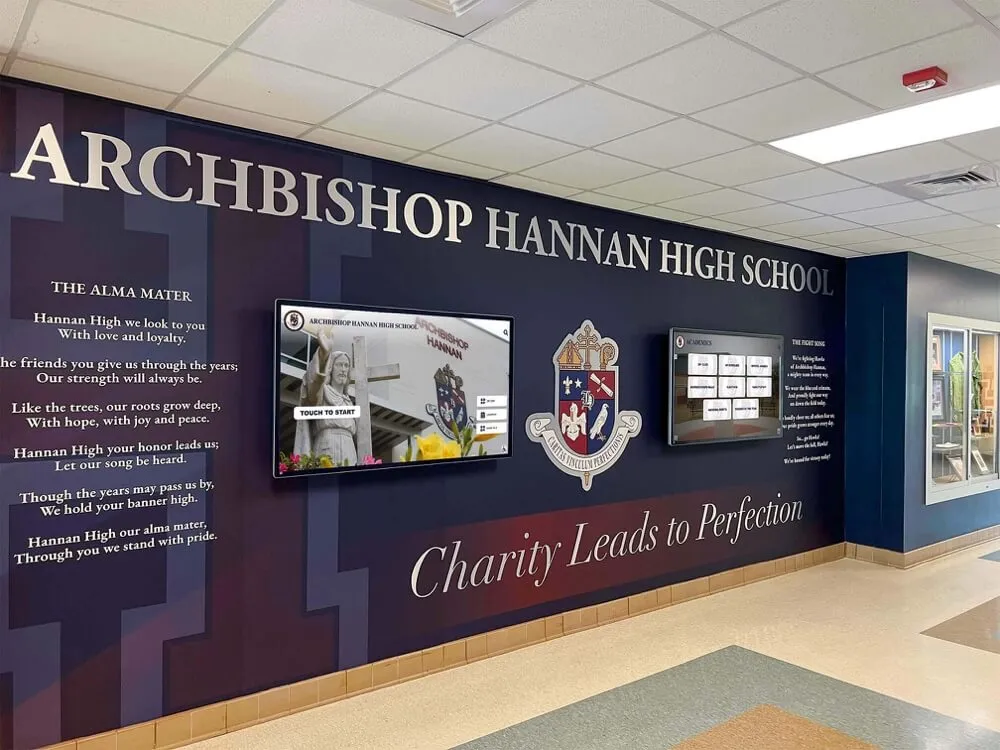
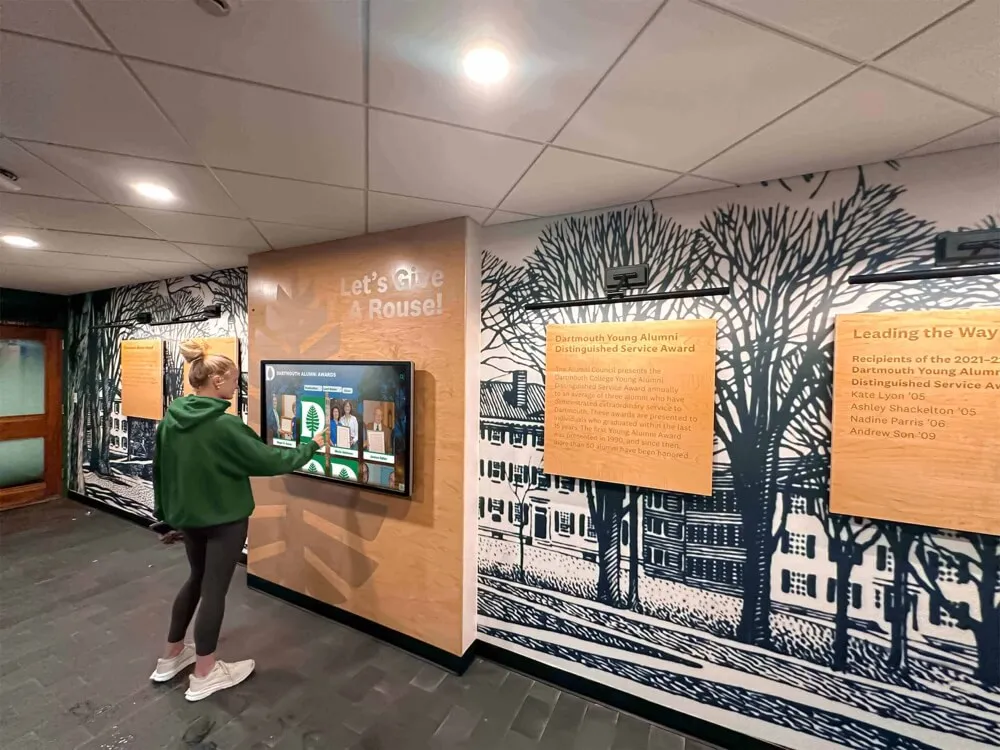
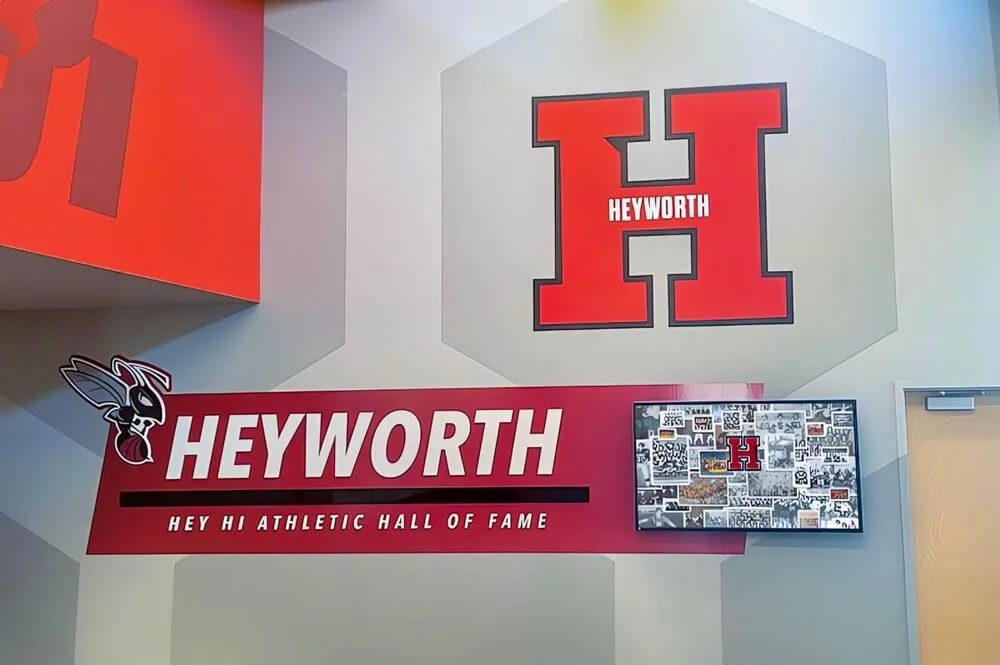
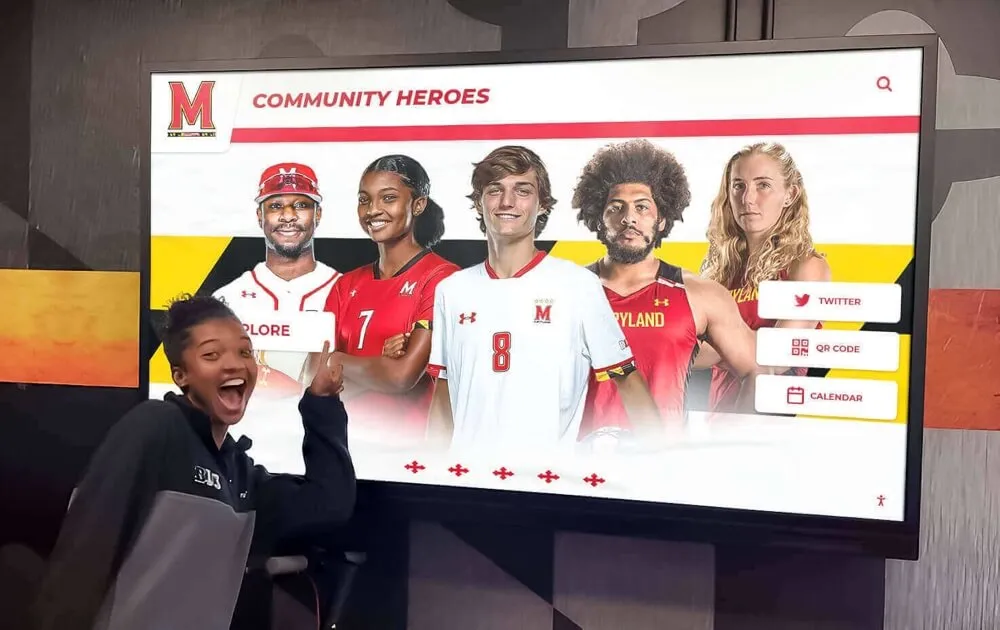
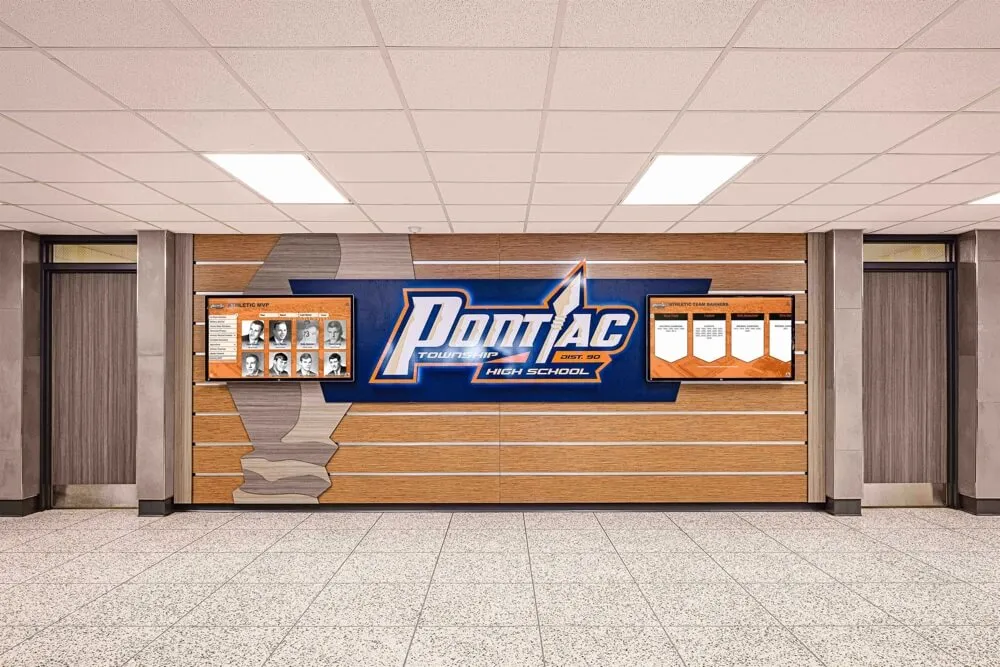
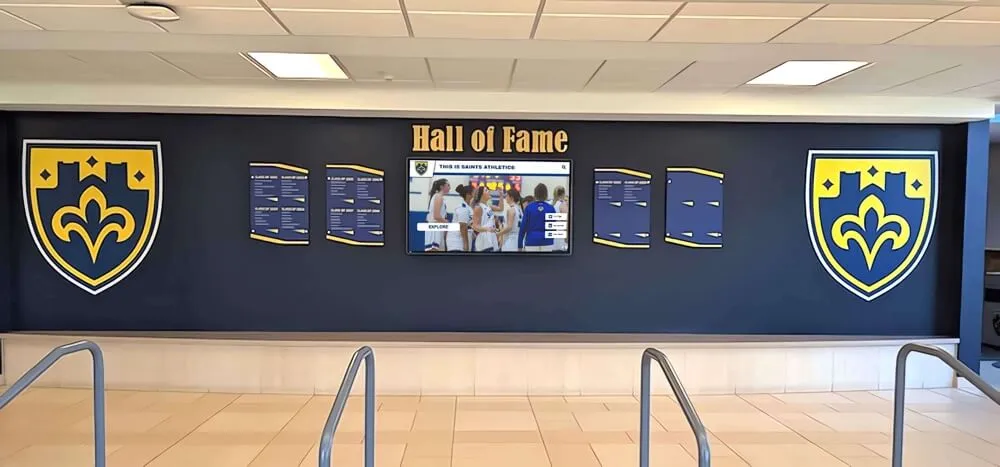
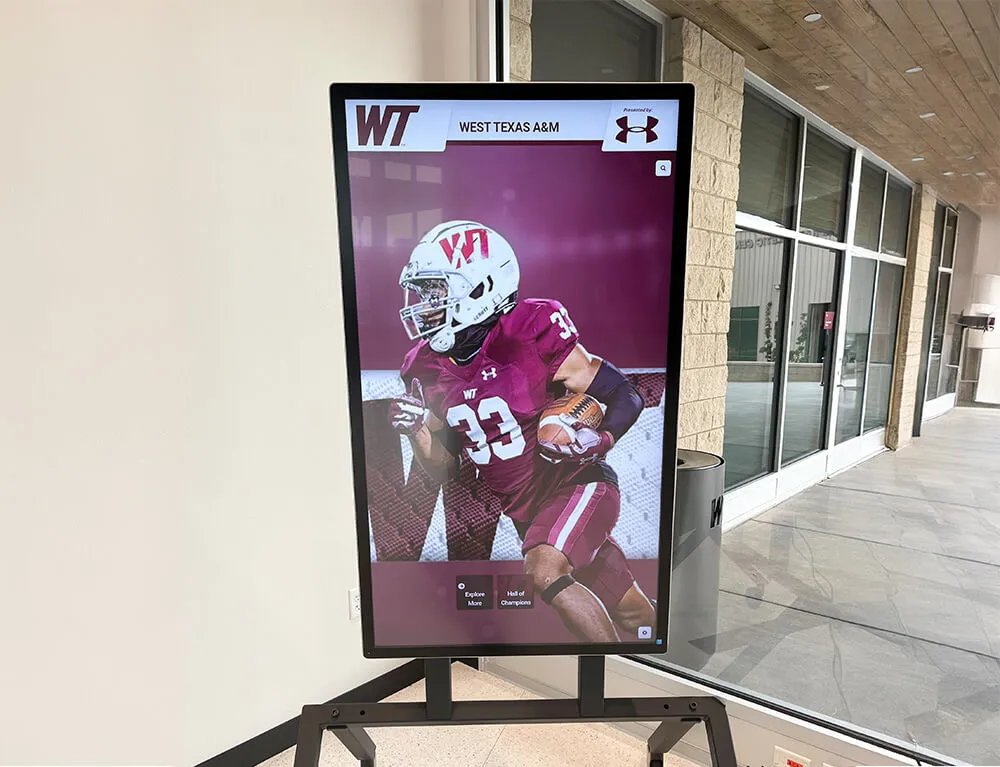
Digital displays that recognize community heroes and donors create daily visual reminders of the generosity that supports school programs
How to Recognize Donors from Every High School Fundraising Campaign
Running 25 different campaigns without a unified recognition strategy creates recognition fragmentation—donors recognized in one campaign feel disconnected from the broader school community. The most effective schools build recognition systems that aggregate contributions across campaigns, ensuring that supporters feel valued regardless of which specific fundraiser they participated in.
Tiered Recognition Structure
A tiered system establishes thresholds for progressively visible recognition:
- Friend ($25–$99): Named in print materials and annual report
- Supporter ($100–$499): Digital recognition display inclusion, personal thank-you from a student or staff member
- Patron ($500–$1,999): Premium display placement, invitation to exclusive school events
- Champion ($2,000–$9,999): Featured display panel with photo or personalized message
- Legacy ($10,000+): Named space or enduring recognition installation
Aggregate giving across campaigns to allow donors who give through multiple fundraisers throughout the year to accumulate toward higher tiers. This creates ongoing motivation to participate in each new campaign, not just the ones with the highest individual visibility.
Digital Donor Walls: The Recognition Infrastructure Your High School Needs
Every high school fundraising idea in this guide generates donor relationships that deserve durable, visible recognition. Traditional approaches—plaques, printed lists, certificates—create static recognition that becomes dated and invisible over time. Future trends in digital recognition point toward dynamic, interactive systems that keep recognition fresh and engaging for students, families, and visitors.
A digital donor wall solves the core problem with traditional recognition: it can be updated continuously, display rich media alongside donor names, and present recognition in an engaging format that students and visitors actually stop to experience. Rather than a static plaque that blends into the background, a well-designed digital display creates an active recognition moment every time someone interacts with it.
The most effective digital donor walls for high schools include:
- Donor name scrolls or featured panels organized by giving level
- Campaign-specific recognition showing which fundraiser each gift supported
- Impact storytelling connecting donor contributions to specific outcomes (a renovated lab, a championship season, a scholarship recipient)
- Historical giving recognition celebrating donors whose cumulative contributions have built the school over time
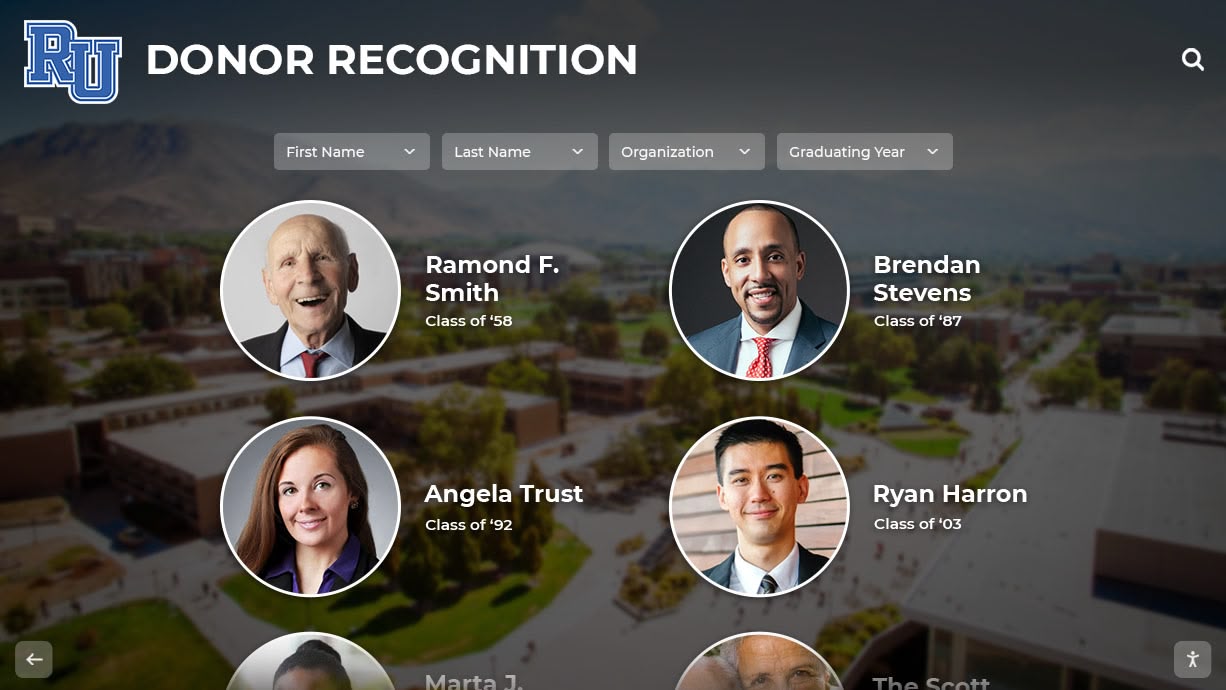
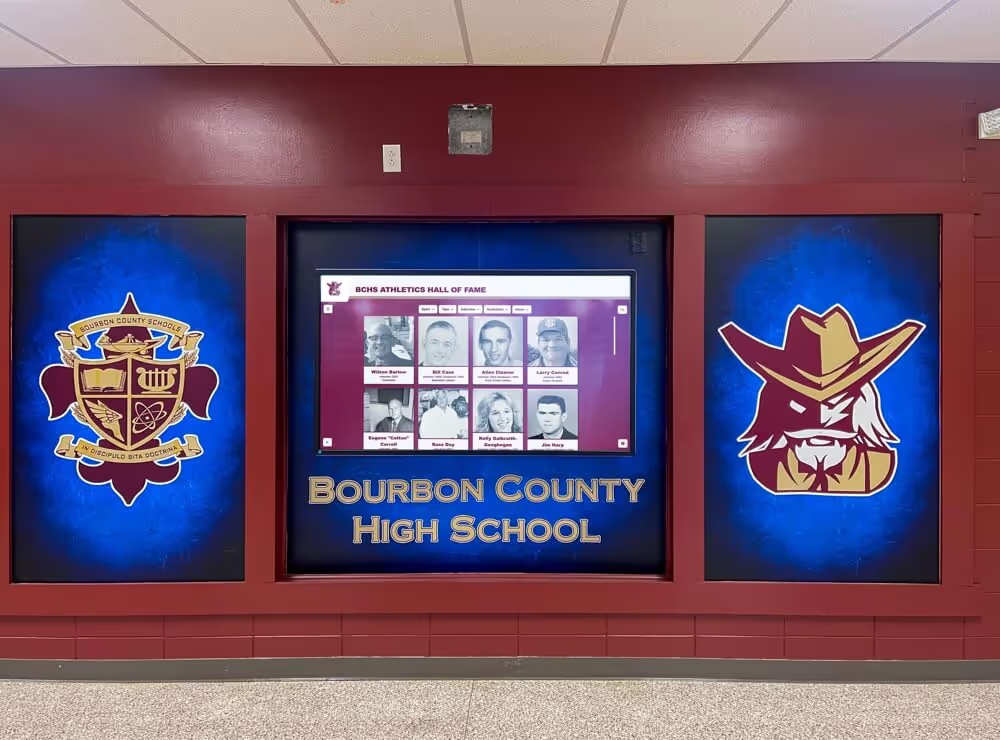
Comprehensive donor recognition displays that incorporate photography and personal details transform giving acknowledgment into genuine community storytelling
Strategic Placement of Recognition Displays
Location determines how frequently recognition is seen and therefore how effectively it motivates future giving. High-traffic areas with natural pause moments are ideal:
- Main lobby and entrance areas: Maximum visibility for visitors, prospective students, and community members
- Athletic corridors: Reaches families of athletes and booster club donors during game nights and events
- Gymnasium entryways: Prime location for athletic program donors before and after games
- Library and academic commons: Reaches scholarship donors and families invested in academic programs
- Cafeteria corridors: Daily exposure for students, staff, and visiting families
Placing recognition near the programmatic outcomes donors funded—a display outside the renovated lab, recognition in the refurbished gymnasium—makes the connection between giving and impact immediate and tangible.
Building a Fundraising Culture That Compounds Year After Year
The high school fundraising ideas in this guide are most powerful when implemented as part of a deliberate, multi-year strategy rather than isolated annual events. Schools that build fundraising cultures—where giving is recognized, celebrated, and expected as part of community membership—consistently outperform those relying on episodic campaigns and transactional asks.
Culture-building elements that compound over time include:
Annual recognition moments: A dedicated donor appreciation event, an annual report highlighting impact, a recognition update ceremony where new names are added to the display—these create calendar anchors that donors plan around and anticipate.
Student involvement in gratitude: When current students personally thank donors through letters, videos, or event interactions, they transfer the school’s gratitude to the next generation of community members. Students who experience this as recipients are more likely to give as alumni.
Visible legacy infrastructure: When graduates return to visit, seeing their name on a donor wall reinforces the lasting impact of their gift and motivates continued giving. Schools that invest in recognition infrastructure create self-reinforcing generosity cycles that build institutional financial strength across generations.
Transparent impact reporting: Donors who receive specific, credible updates about what their gifts accomplished are significantly more likely to give again. Build reporting into every campaign—not just a thank-you letter at year end, but ongoing updates as funded projects progress toward completion.
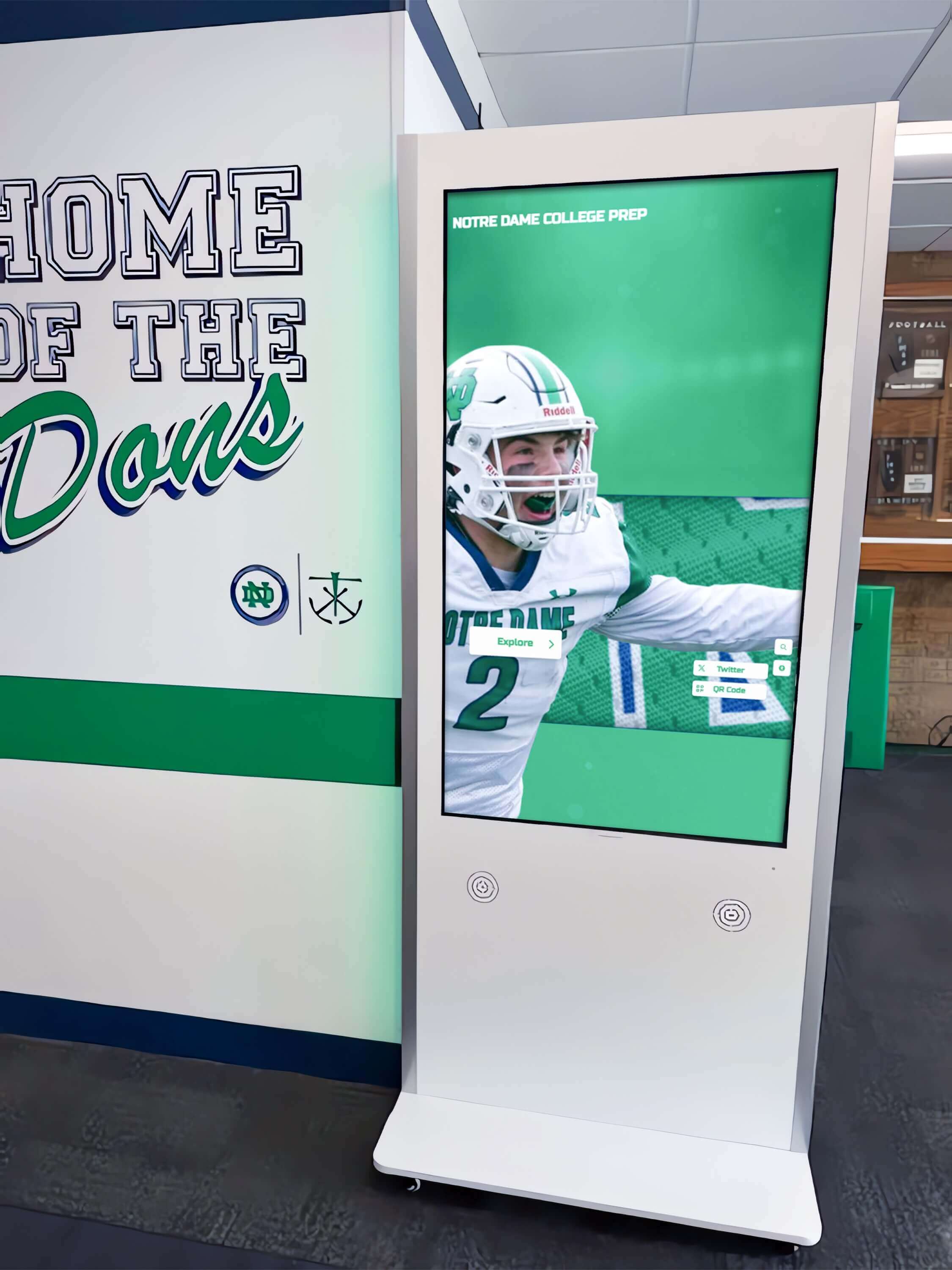
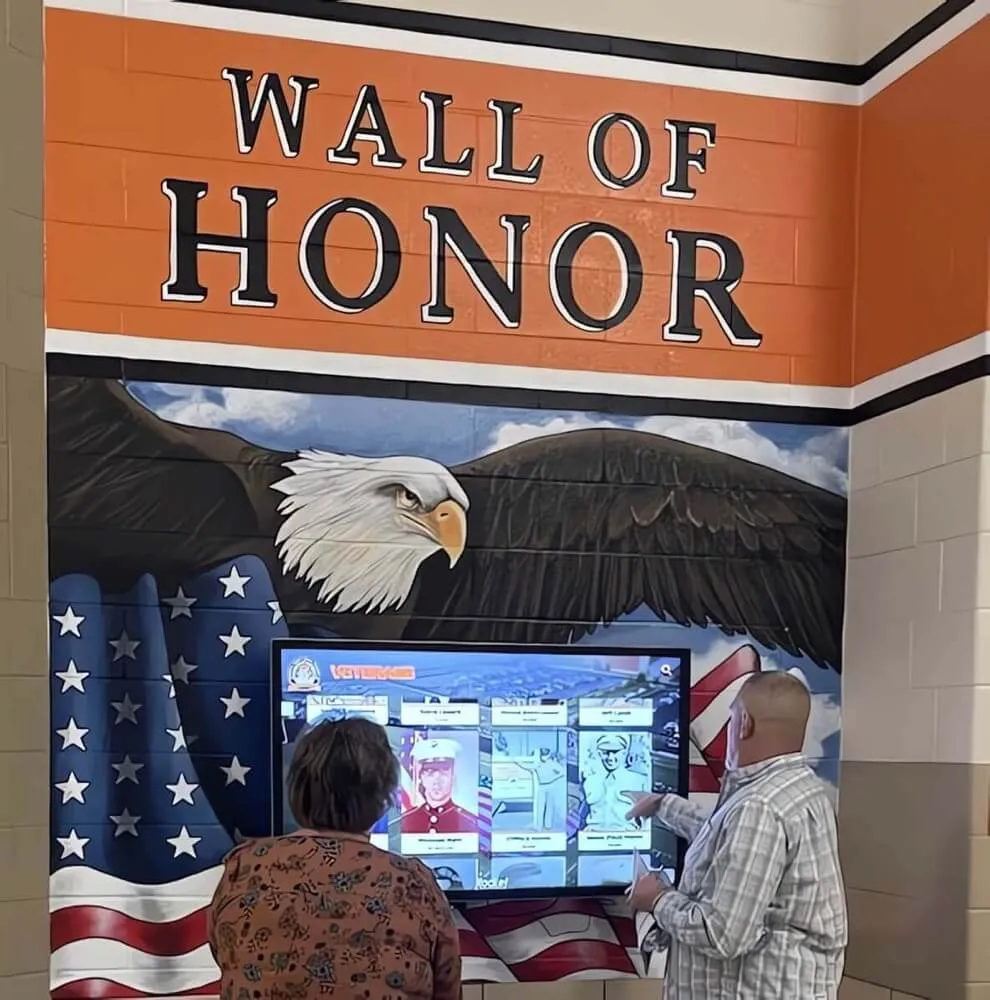
Interactive kiosk displays in high school hallways allow visitors to explore program history, donor recognition, and athletic achievements at their own pace
The Role of Technology in Modern High School Fundraising Recognition
Recognition technology has evolved significantly beyond plaques and printed donor lists. Today’s schools have access to interactive touchscreen systems that can display hundreds of donor names alongside photos, videos, and impact stories—creating recognition experiences that honor donors at the level their generosity deserves.
Digital archives and recognition systems for schools enable administrators to update recognition content remotely as campaigns conclude, add new donors without costly plaque replacements, and display multimedia content that tells compelling stories about program impact. The result is recognition infrastructure that remains current, engaging, and meaningful rather than becoming dated as the years pass.
For schools running multiple fundraising campaigns annually, a single integrated recognition platform that aggregates contributions across campaigns creates a comprehensive view of each donor’s relationship with the institution—the foundation for major gift cultivation and long-term donor loyalty.
Ready to build recognition infrastructure that makes every high school fundraising campaign more successful?
Rocket Alumni Solutions designs and installs custom digital donor walls, recognition displays, and interactive hall of fame systems for high schools, universities, and nonprofits. Our solutions make it easy to recognize donors from every campaign in a unified, visually compelling display that motivates continued giving and celebrates community generosity for years to come.