



Graduation caps have transformed from a piece of formal academic regalia into one of the most personal canvases seniors ever get to fill. Walk across any commencement field and you will see hand-painted masterpieces, heartfelt quotes, glittering rhinestone tributes, and elaborate collages that tell the story of four years of work, friendships, and growth. Graduation cap decoration ideas have become a beloved senior tradition at high schools and universities alike—and for good reason. That flat square of fabric-covered cardboard represents one of the few moments during a highly choreographed ceremony where individual students get to say exactly who they are and where they are going.
For students, the decorated cap is a personal statement. For school administrators, counselors, and recognition program coordinators, the tradition raises a set of more practical questions: How do you encourage meaningful personalization while maintaining ceremony standards? How do you capture and preserve these fleeting displays of student identity? And how do you connect the energy of commencement day to the lasting recognition culture your institution is building year-round?
This guide covers both sides of that conversation—detailed graduation cap decoration ideas that genuinely help seniors create memorable designs, alongside strategies schools use to celebrate the graduating class through displays, ceremonies, and permanent recognition systems that outlast a single afternoon on a football field.
The tradition of decorating mortarboards took hold in American high schools and universities during the 1980s and gained significant momentum through social media in the 2010s. Today, platforms like Pinterest and Instagram have made cap decoration a cultural phenomenon, with millions of designs shared before and after each graduation season. A 2023 survey by the National Retail Federation found that over 60 percent of graduating high school seniors in the United States planned to decorate their caps that year—a figure that continues to rise as the tradition becomes more mainstream.

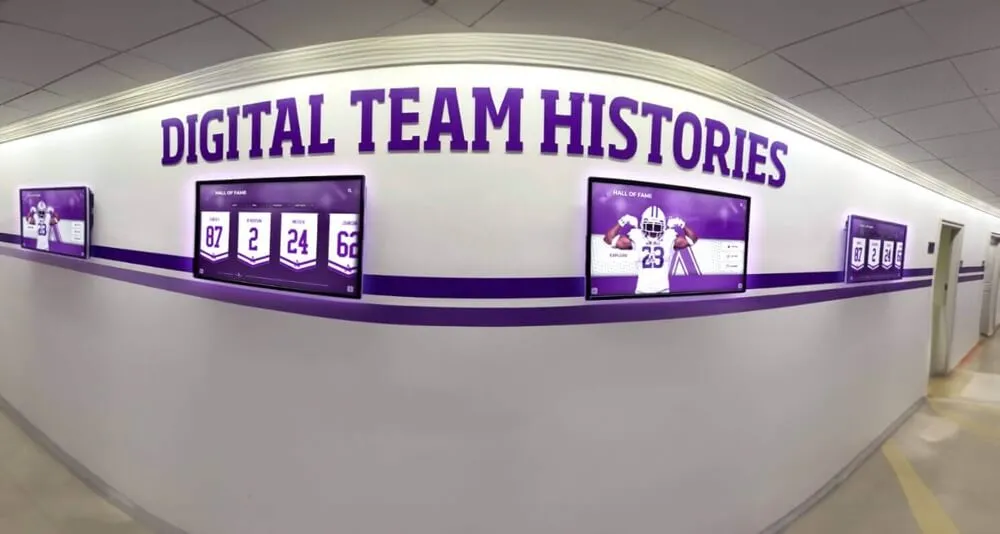
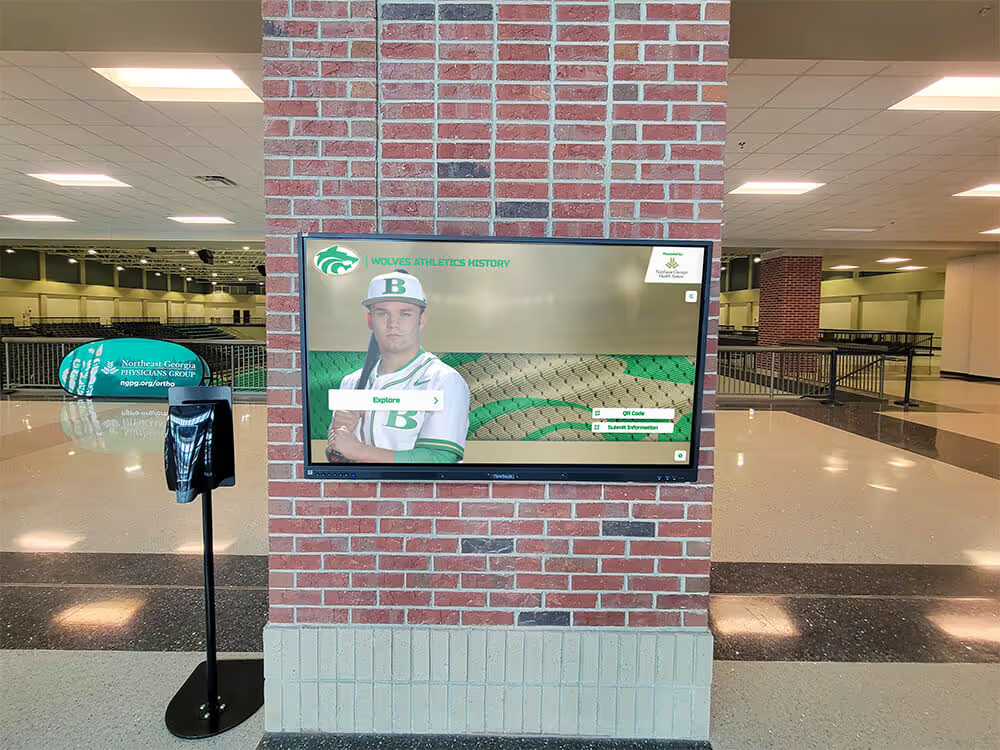
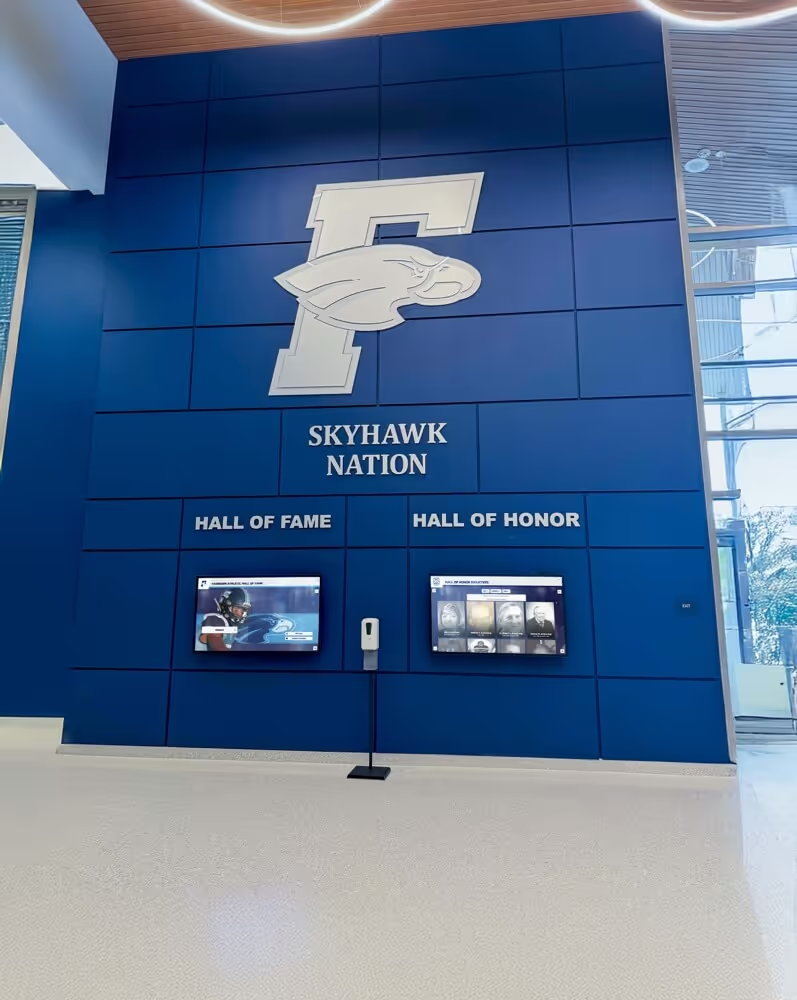
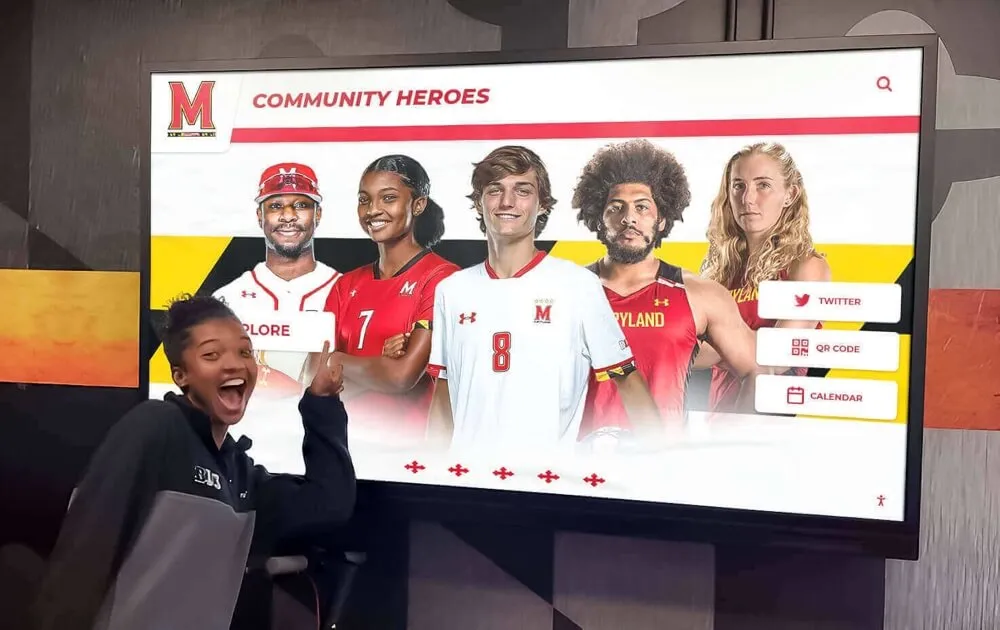
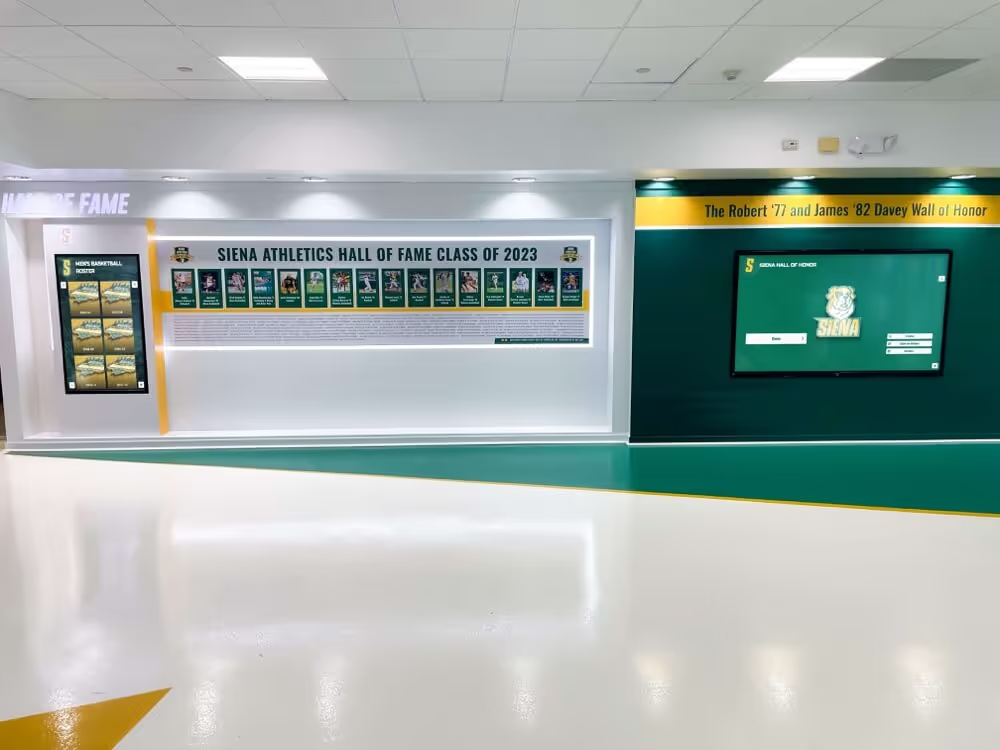
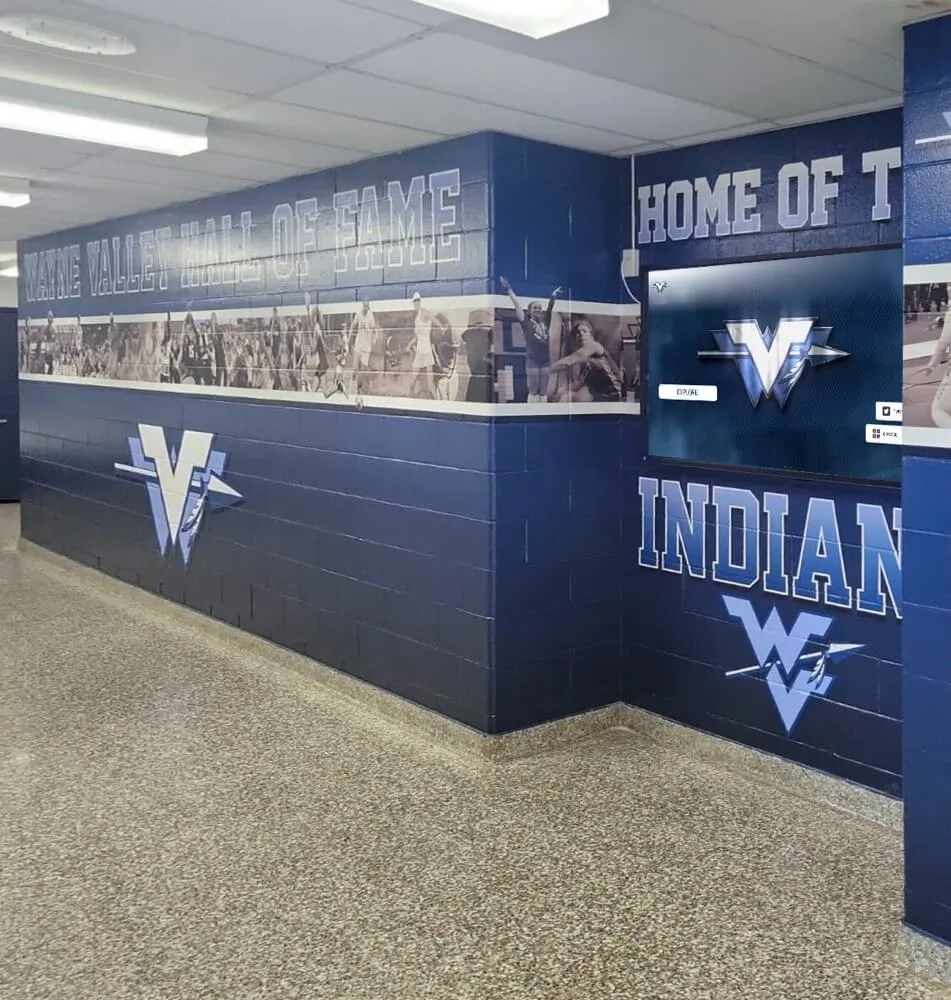
Universities and high schools alike celebrate graduating seniors through commencement traditions and lasting recognition displays that honor the class long after the ceremony ends
Understanding School Policies Before Decorating
Before students start gluing rhinestones and cutting vinyl, the first step in any successful graduation cap decoration project is reviewing your school’s official policy. Commencement guidelines vary significantly by institution, and a beautiful cap that violates the rules can create stress on an otherwise joyful day.
What Most Schools Allow
The majority of high schools and universities that permit cap decoration specify guidelines around a few key areas:
Size and structural integrity — Most schools require that decorations stay within the flat surface of the mortarboard and do not add significant height or weight that would cause the cap to sit improperly during the processional. Structural additions like tall 3D elements, large frames, or elaborate constructions attached to the top often fall outside permitted bounds.
Content standards — Schools typically prohibit obscene language, politically divisive imagery, or commercial advertising on graduation caps. Many add requirements that images and text reflect the spirit of academic achievement and personal growth.
Reversibility — Some institutions that provide caps for rental rather than purchase ask that decorations be removable, which limits materials like permanent paint but opens the door for adhesive-removable options and decorative toppers.
Securing methods — Hot glue, fabric glue, and double-sided tape work well for most schools. Students should avoid anything requiring drilling or permanent damage to caps that will be returned.
Confirming these details with your school’s commencement office before purchasing materials saves time and prevents disappointment. Most schools publish their guidelines in senior packets distributed several months before graduation.
Graduation Cap Decoration Ideas by Theme
With policies confirmed, the real creative work begins. The most memorable graduation cap designs share a few qualities: they tell a specific story, they are visible from ten to fifteen feet away during the ceremony, and they feel genuinely personal rather than copied wholesale from a template.
College-Bound Destination Caps
Among the most popular graduation cap decoration ideas for high school seniors is celebrating the college or university they will be attending in the fall. These caps typically feature:
- The destination school’s colors as the primary palette
- The university logo or mascot hand-painted or applied as a vinyl decal
- A phrase like “Bound for [School Name]” or simply the school’s name and class year
- State silhouettes for students traveling across the country
These designs are both celebratory and forward-looking, acknowledging that graduation is simultaneously an ending and a beginning. For students heading into athletic programs, connecting the cap to school colors creates a natural bridge to the athletic recognition traditions at their future schools.
Academic Achievement Caps
Seniors who earned Latin honors, National Merit recognition, or other academic distinctions often incorporate those achievements into their cap designs. Common approaches include:
- Showcasing honor cord colors in the design layout (complementing the physical cords worn at graduation)
- Incorporating GPA milestones, subject area achievements, or AP/IB course counts
- Listing scholarships awarded, especially for first-generation college students who view financial aid as a major milestone
- Featuring recognitions like valedictorian status or class ranking
Understanding graduation honor cord colors and what they represent can help students incorporate the right colors into their cap design for a cohesive look that ties together the cap decoration and the cords they wear underneath it. Similarly, seniors who earned honors graduation stoles can coordinate cap colors and embellishments to create a unified graduation day presentation.
Career and Future Goals Caps
Rather than looking back, many seniors use their caps to announce what comes next professionally:
- Pre-med students displaying stethoscopes, caduceus symbols, or the name of their intended specialty
- Future engineers sketching circuit diagrams or bridge schematics
- Aspiring educators decorating with pencils, apples, and phrases like “Future Teacher”
- Students entering military service incorporating branch insignia or “Class of [Year] + Branch of Service”
- First-generation college students often create particularly powerful caps with phrases like “First of Many” or photos of parents and grandparents alongside their acceptance letter
These designs work best when they are specific rather than generic. A nursing cap that shows an IV bag drip or ECG wave is more memorable than one that simply says “Future Nurse.”

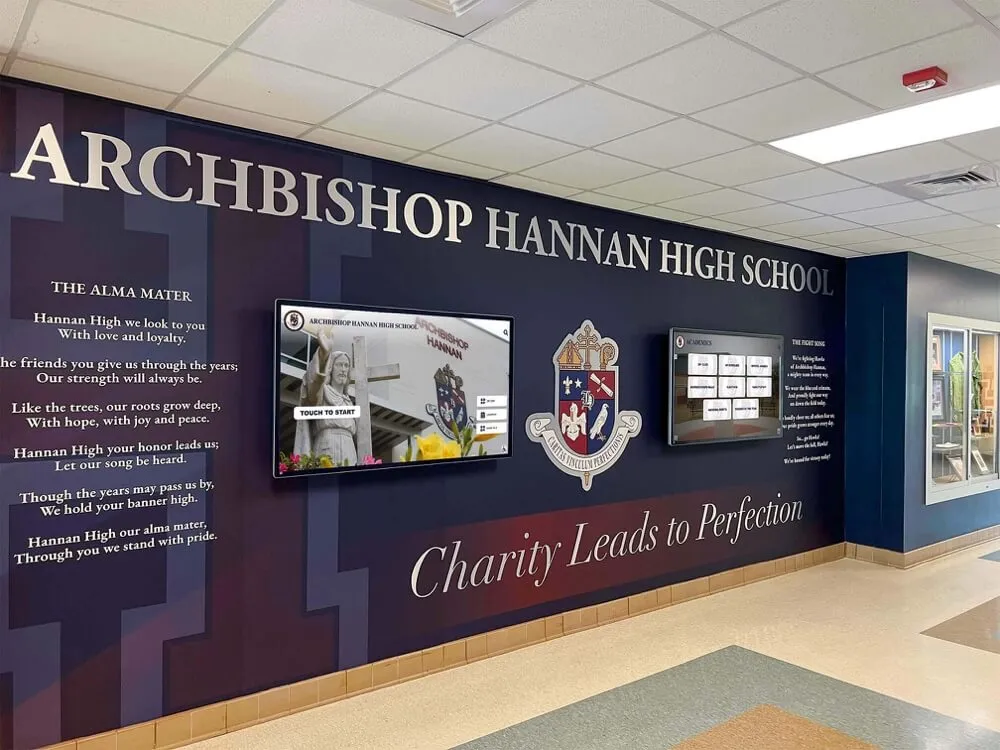
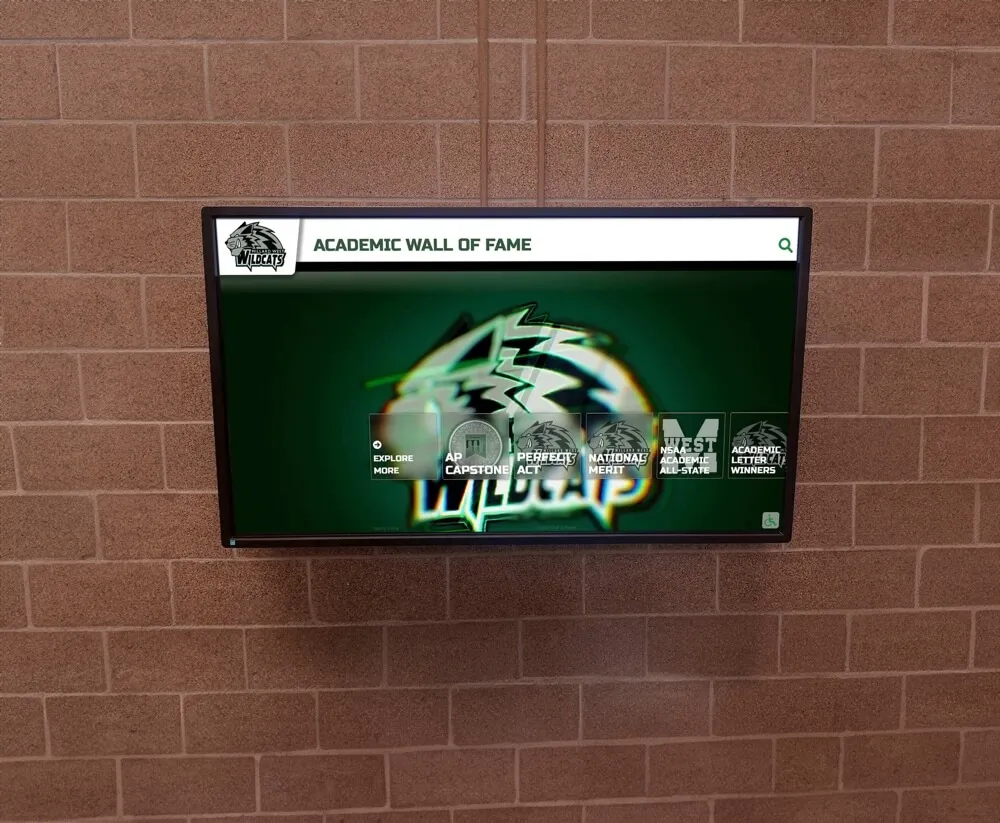
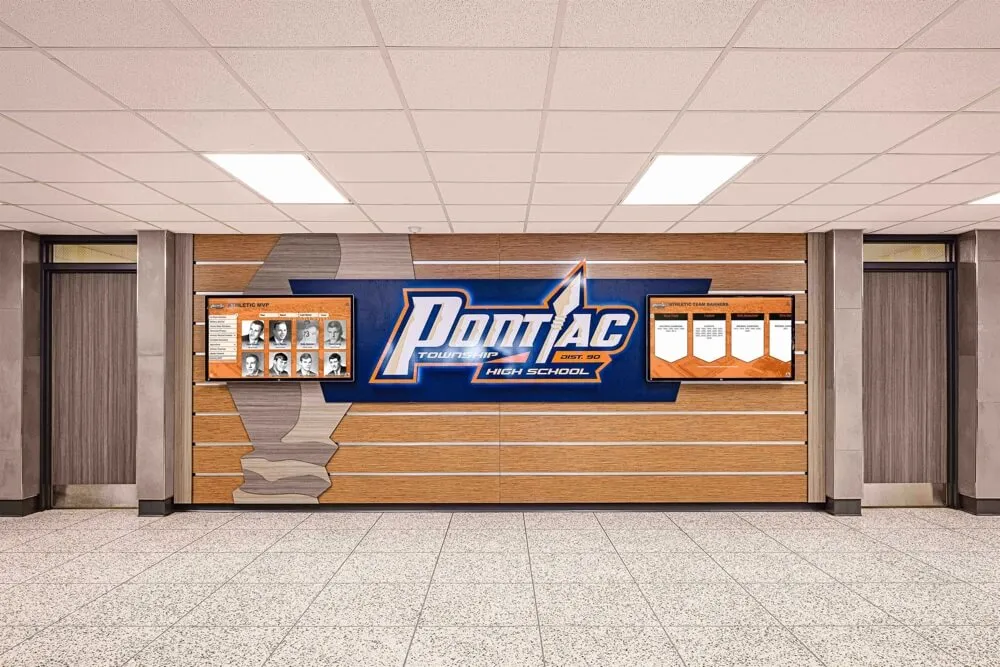
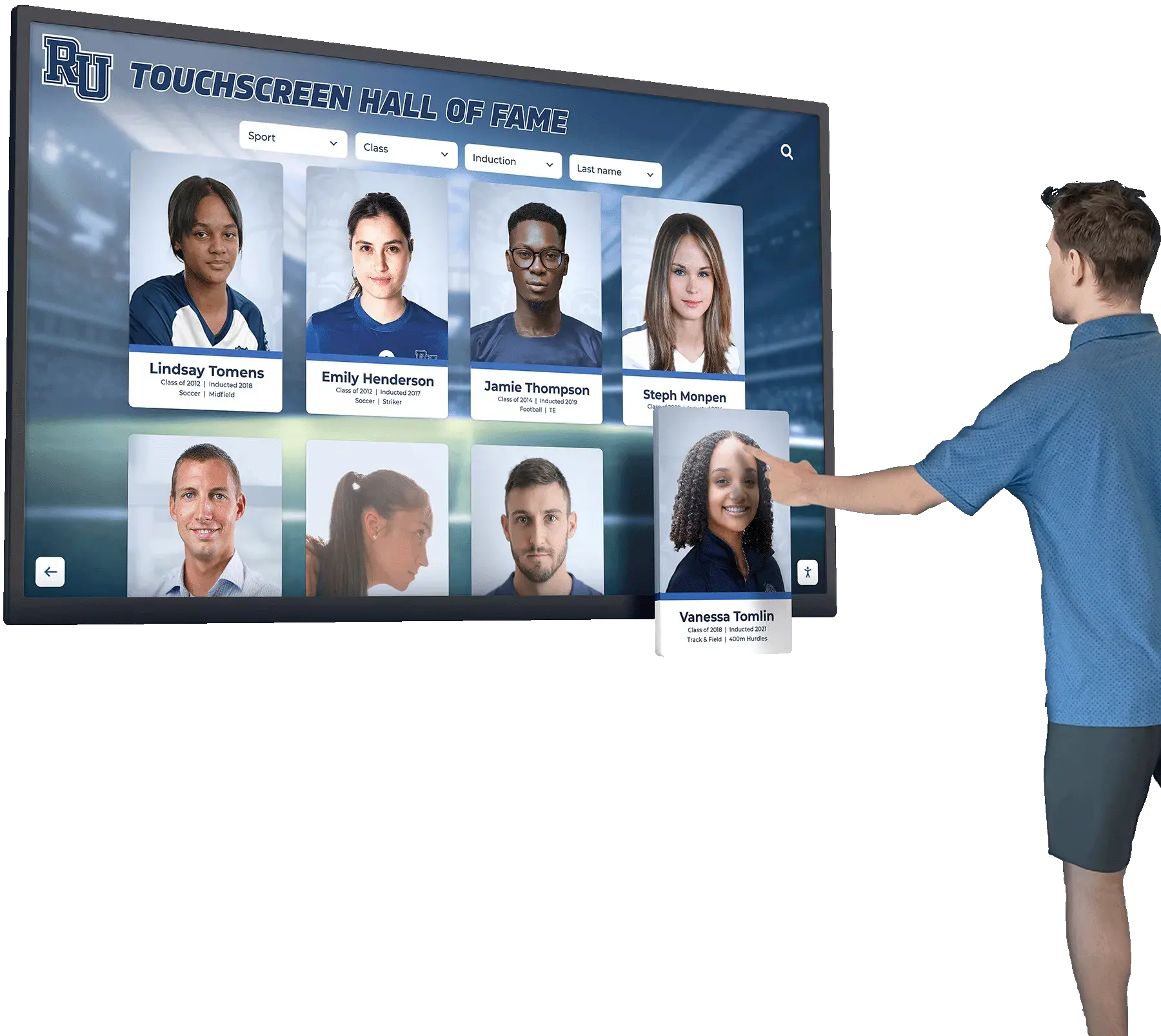
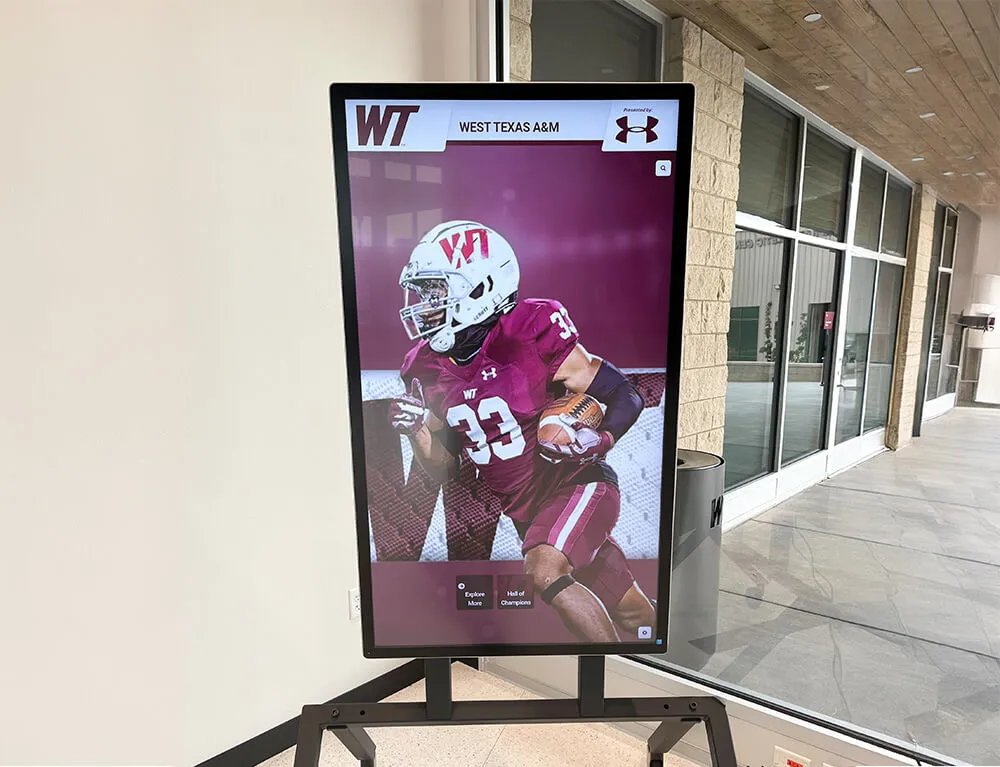
Schools that maintain portrait-based recognition systems for academic honors create a natural bridge between graduation day celebrations and lasting institutional acknowledgment of student achievement
Inspirational Quote and Lyric Caps
A well-chosen quote can transform a mortarboard into something genuinely moving. Effective quote caps follow a few principles:
Legibility comes first — Script fonts that look beautiful on a screen often become unreadable from fifteen feet away in full sun. Block letters, large sans-serif fonts, or high-contrast combinations (dark text on light background or vice versa) read far better across a crowded ceremony field.
Specific is better than general — “She believed she could, so she did” appears on hundreds of caps every spring. A line from a specific novel assigned in AP English, a phrase a beloved coach repeated throughout four years, or the first words of a college acceptance email will mean far more to the student and the people watching.
Source attribution adds depth — Attribution (even a small author name or song title tucked along the edge) signals genuine connection rather than aesthetic borrowing.
Popular sources include song lyrics, book passages, Bible verses, family sayings passed down through generations, quotes from admired teachers, and words from the student’s own personal essays. Some seniors incorporate text in languages other than English to honor their heritage.
Memory and Photo Collage Caps
Advances in printable iron-on transfer paper and laminated photo stickers have made photo collage caps more accessible than ever. Seniors can:
- Create a grid of four to nine small photos featuring friends, family, pets, and memorable places
- Print a single full-cap photo of a meaningful person or place with a short overlaid text
- Layer transparent overlays showing a photo beneath a painted design
These caps work particularly well for students who have a difficult time narrowing down what they want to say—letting a collection of images do the talking.
Pop Culture and Fandom Caps
Commencement fields each spring include plenty of creative tributes to beloved films, television shows, video games, and fandoms. The Hogwarts house cap, the “The Office” reference, the Marvel character-inspired design—these designs showcase personality and often generate genuine joy and connection at ceremonies where crowds can see them.
For students going this route, the key is connecting the reference back to something personal. “It’s not about the show, it’s about what it meant during these four years” makes a design more meaningful than pure logo reproduction.
Materials and Supplies for Decorating a Graduation Cap
Choosing the right materials makes the difference between a design that lasts through the ceremony and one that starts peeling off during the recessional.
Essential Supplies
Acrylic paint — Durable, inexpensive, and available in hundreds of colors. Works on the fabric surface of most mortarboards. Apply in thin layers and seal with a clear matte spray finish for longevity.
Paint pens — Ideal for fine lines, lettering, and detail work. Oil-based paint pens provide more durability outdoors than water-based versions.
Vinyl decals (cut with Cricut or Silhouette) — Precision-cut vinyl produces clean edges impossible to achieve freehand. Heat-transfer vinyl works on fabric; adhesive vinyl works on the cardboard top surface. This method is popular for logos, silhouettes, and text-heavy designs.
Fabric glue — Creates a strong bond between embellishments and the cap fabric. Works for fabric flowers, felt cut-outs, ribbon trim along the mortarboard edge, and washi tape accents.
Rhinestones and gems — Available in adhesive-backed versions that apply directly to painted surfaces. Popular for outlining letters, creating borders, and adding sparkle visible in outdoor ceremony lighting.
Iron-on transfer paper — Allows photo and complex graphic printing on home inkjet printers for transfer directly onto the cap fabric.
Foam board or cardstock — For students creating slightly elevated design elements within approved guidelines, thin foam board layers create subtle dimension without violating height restrictions.
Design Planning Before Applying Materials
The most common mistake in graduation cap decoration is starting to paint directly on the cap without a plan. A better approach:
- Trace the cap top onto paper and sketch designs to scale in pencil first
- Test color combinations on scrap cardstock before committing to the cap
- Transfer lightly sketched pencil guidelines to the cap before painting
- Work from background to foreground—base coat first, detail elements last
- Seal finished designs with clear matte or gloss spray before the ceremony
For vinyl and digital designs, print or cut on paper first as a proof, confirm sizing, then cut the final version.

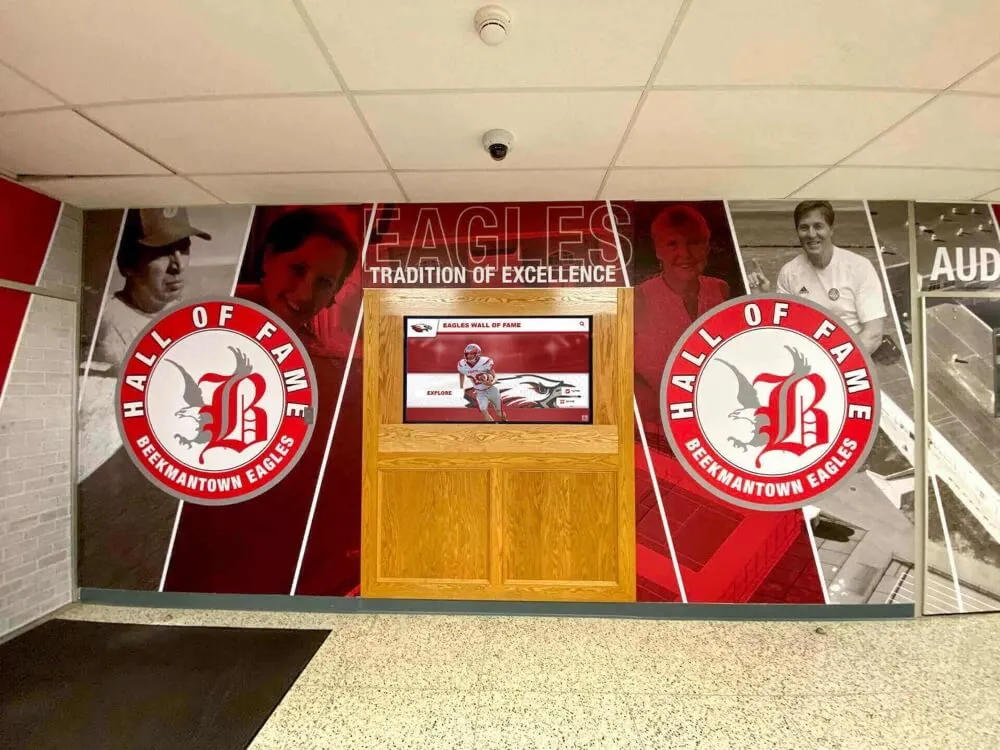
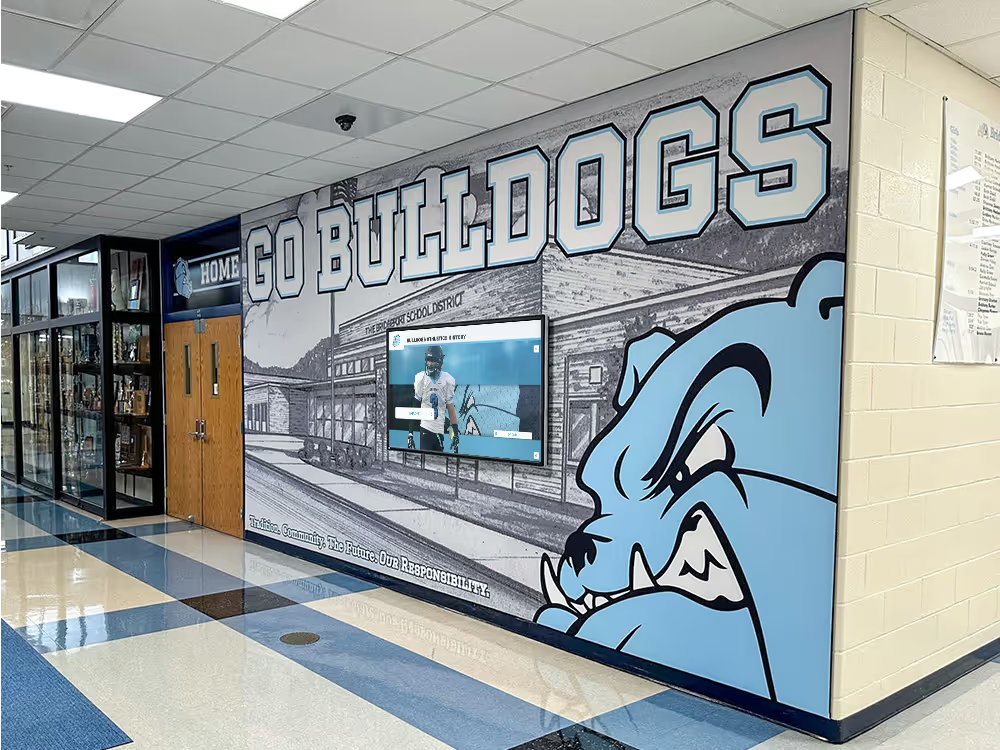
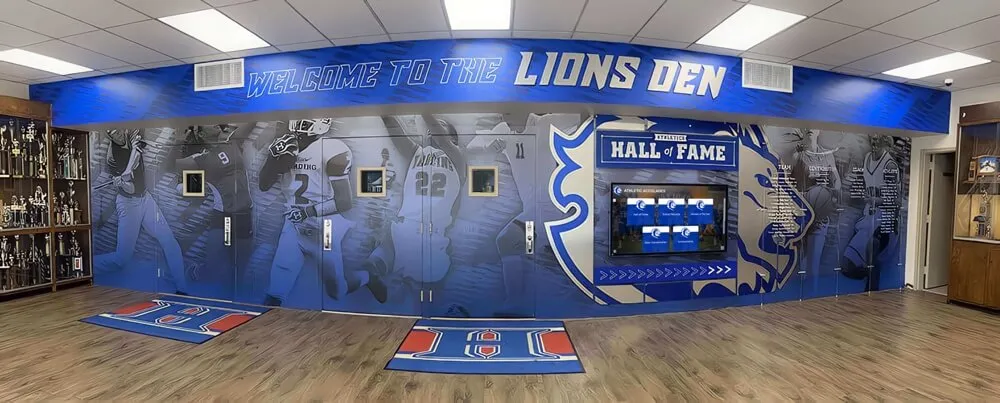
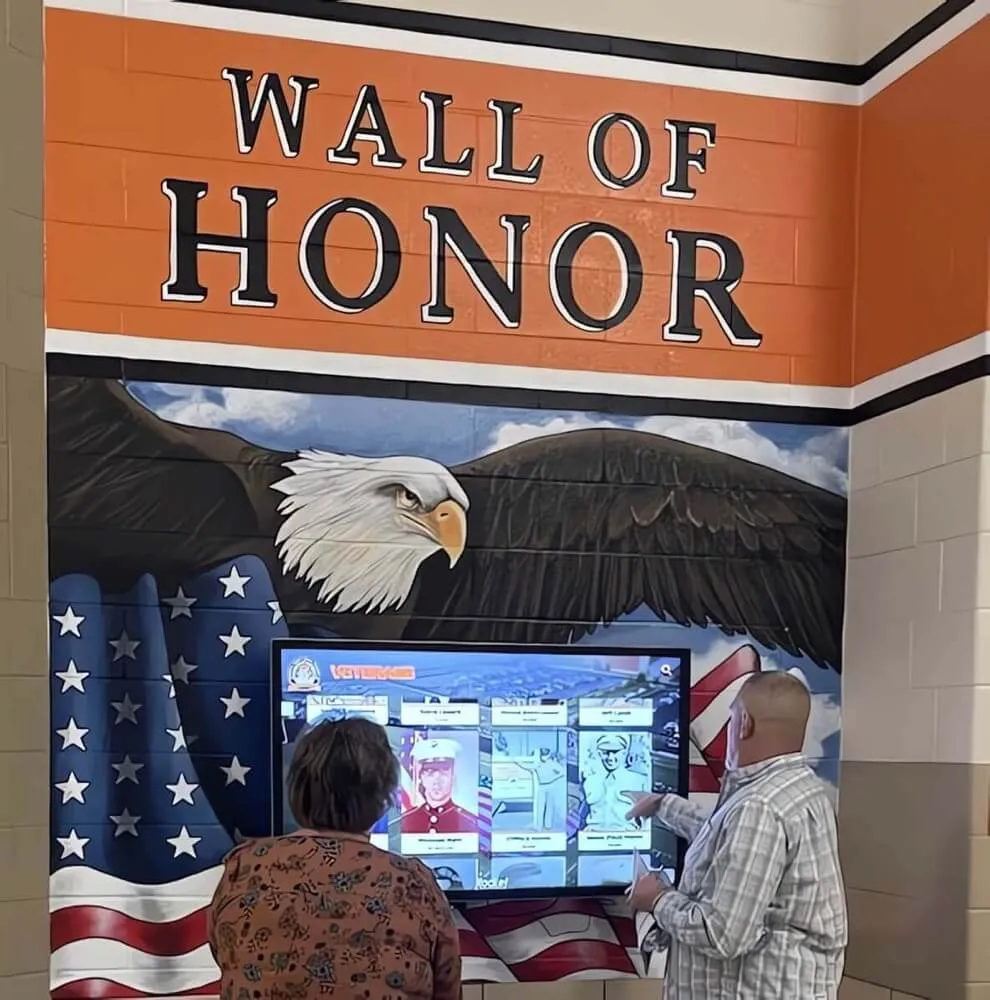
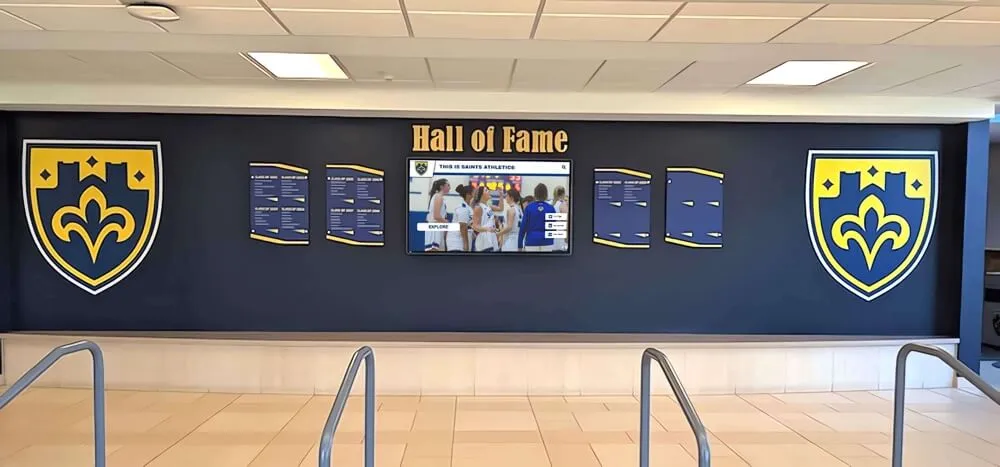
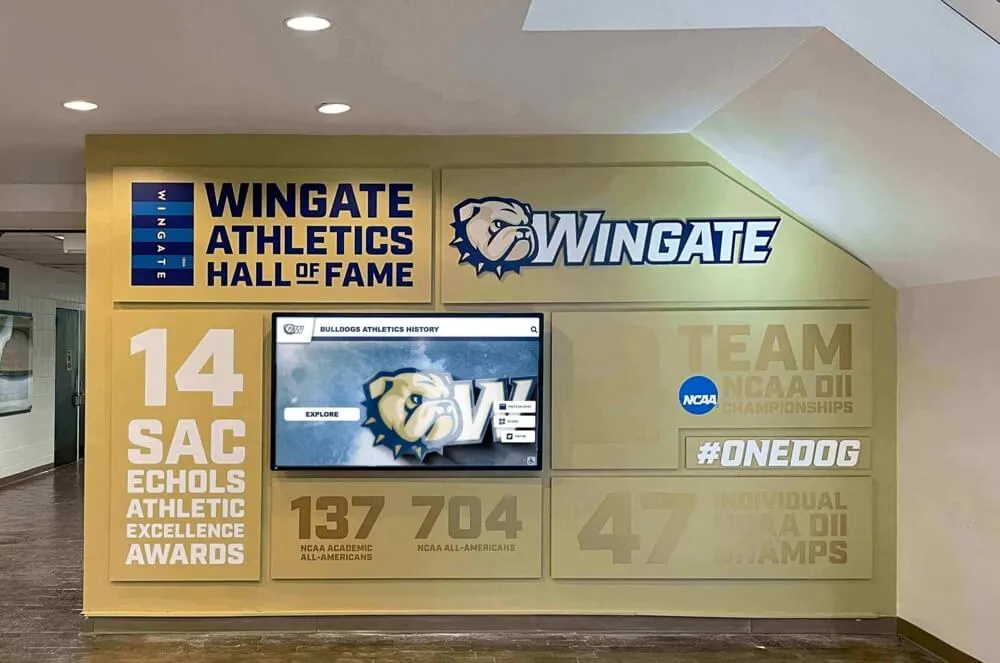
Academic recognition displays in school hallways celebrate the same achievements seniors commemorate on their graduation caps—creating a permanent, visible tribute that reinforces a culture of excellence
Popular Graduation Cap Ideas by Academic Context
Beyond individual themes, certain graduation cap decoration ideas are particularly appropriate for specific types of institutions and academic programs.
High School Graduation Cap Ideas
High school seniors carry a specific emotional weight at commencement—the end of a shared journey with classmates they have known for years. Ideas that resonate particularly well:
- Class motto caps — The class motto as a central design element with the graduation year, school name, and school colors
- Extracurricular tribute caps — Four-year sport letterman athletes, theater participants who were in every production, or debate team members often dedicate cap space to the activity that defined their high school experience. This connects naturally to the varsity letter tradition and what it represents at many schools
- Sibling and family tribute caps — Younger siblings watching older brothers and sisters graduate are frequently featured in photos or cited in text on the cap
- Gap year and gap semester announcements — Travel maps, language learning references, and service program logos for seniors taking time before college
College and University Graduation Cap Ideas
University commencement ceremonies often see more elaborate, professionally designed caps because students have had four or more years to refine the concept:
- Discipline-specific academic artwork — Law school graduates incorporating scales of justice; architecture graduates showing their senior design project; medical school graduates displaying the Hippocratic oath
- Thesis and dissertation callbacks — Graduate students condensing years of research into a witty or profound cap reference
- Dissertation defense humor — “I survived my defense” caps are beloved at doctoral commencement ceremonies
- Post-graduation destination announcements — Accepted residencies for medical graduates, law firms, employers, or graduate schools for undergraduate completers
- Multi-year journey acknowledgments — First-generation, returning adult, or non-traditional students often create particularly moving designs that acknowledge the full scope of their path to the degree
Understanding what Latin honors mean and the academic achievement they represent can also help students decide whether to incorporate honor designations as part of their cap design alongside the cords and stoles that recognize this achievement physically.
How Schools Can Encourage and Support Senior Cap Decoration
Graduation cap decoration has moved from individual project to community tradition at many schools, and thoughtful administrators and counselors can actively support the practice in ways that enhance the ceremony and build school culture.
Hosting a Cap Decoration Workshop
Many high schools and universities now host official cap decoration workshops in the weeks before commencement. These events typically provide:
- Workspace with tables protected by craft paper
- Basic supplies made available to students without access to craft stores
- Guidance on approved materials and school policies
- Peer inspiration as students work together in the same space
Cap decoration workshops serve an equity function as well—students with more financial resources or creative experience naturally have advantages in creating elaborate designs. A school-sponsored workshop narrows that gap and ensures the tradition feels inclusive rather than exclusive.
Creating a Cap Gallery
Some schools photograph and display senior cap designs before or after commencement—either as a physical gallery in a school hallway or as a digital slideshow. These galleries:
- Extend the visibility of individual student work beyond the two hours of the ceremony itself
- Create a shared artifact the class can look back on
- Generate school social media content that families and alumni engage with enthusiastically
- Provide a year-over-year archive of how the tradition evolves at the institution
Digital display systems used for school recognition days and student celebrations can be adapted to feature graduation cap galleries alongside other senior recognition content.
Coordinating Cap Designs With Class Themes
Some class officers and senior advisors take class-wide cap coordination a step further by suggesting voluntary class-wide design elements that create visual cohesion in photographs and video from above the ceremony field:
- A common color in one corner of every cap
- A class year element that all volunteers include
- A shared symbol or class logo that appears across multiple caps
This approach works particularly well at smaller schools where the overhead ceremony photograph or drone footage is a meaningful keepsake for the class.
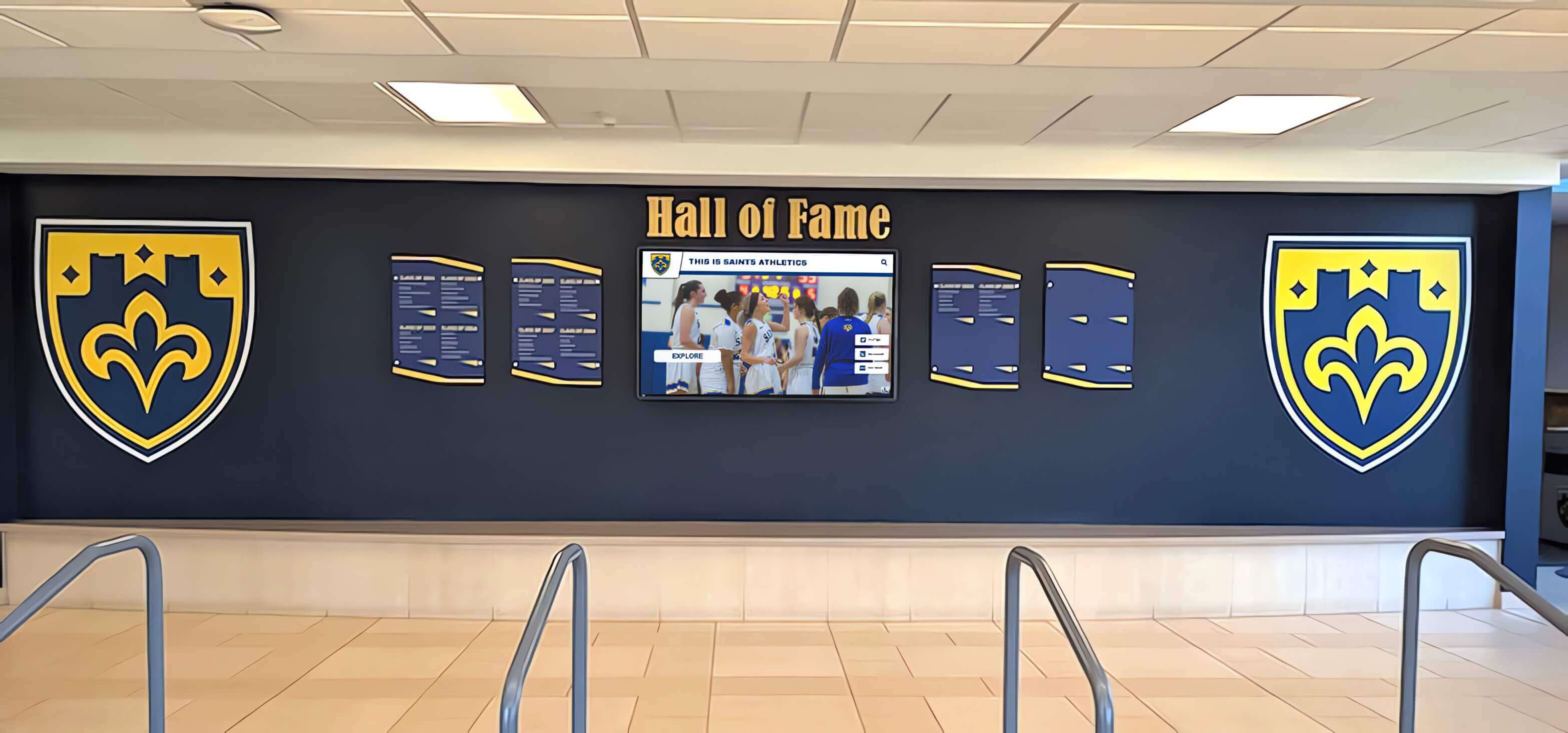
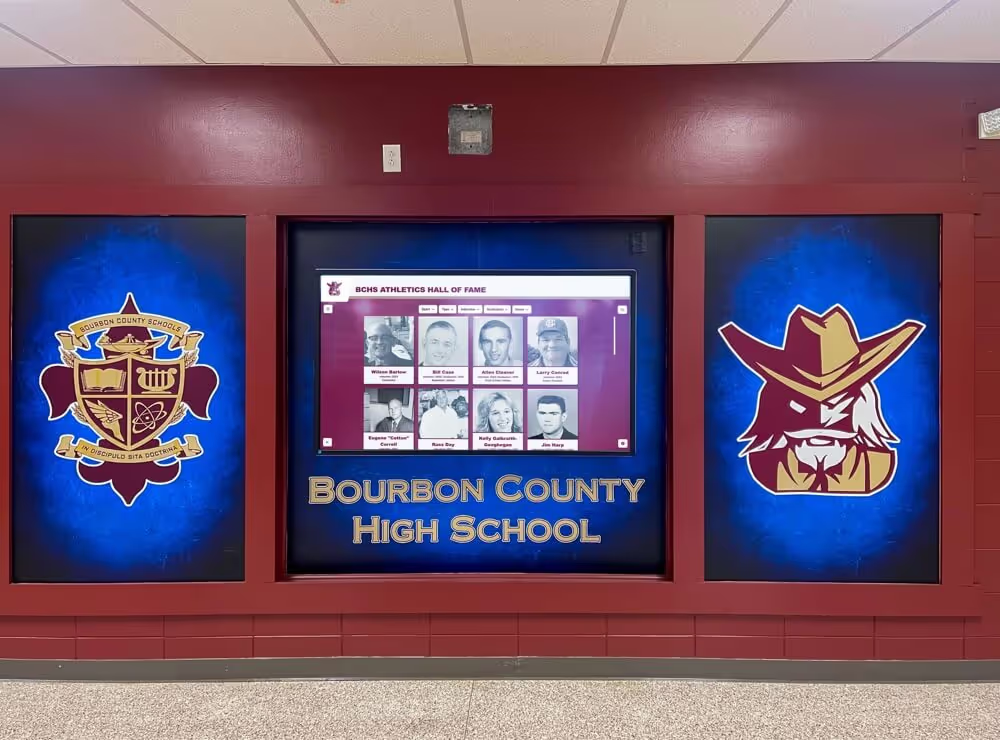
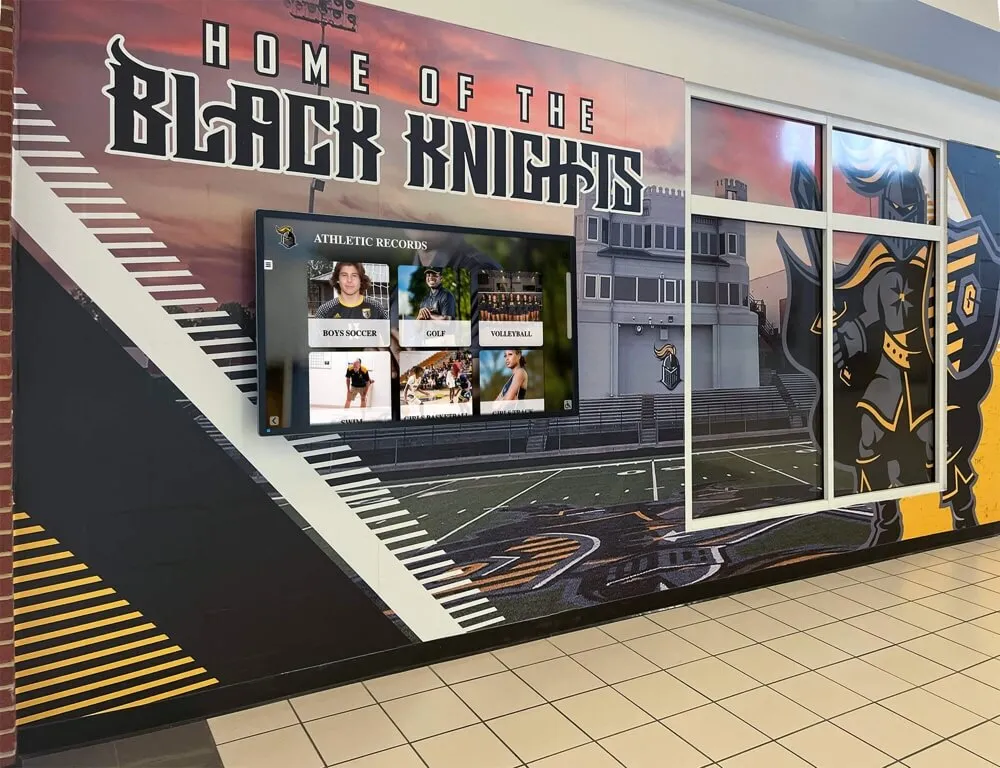
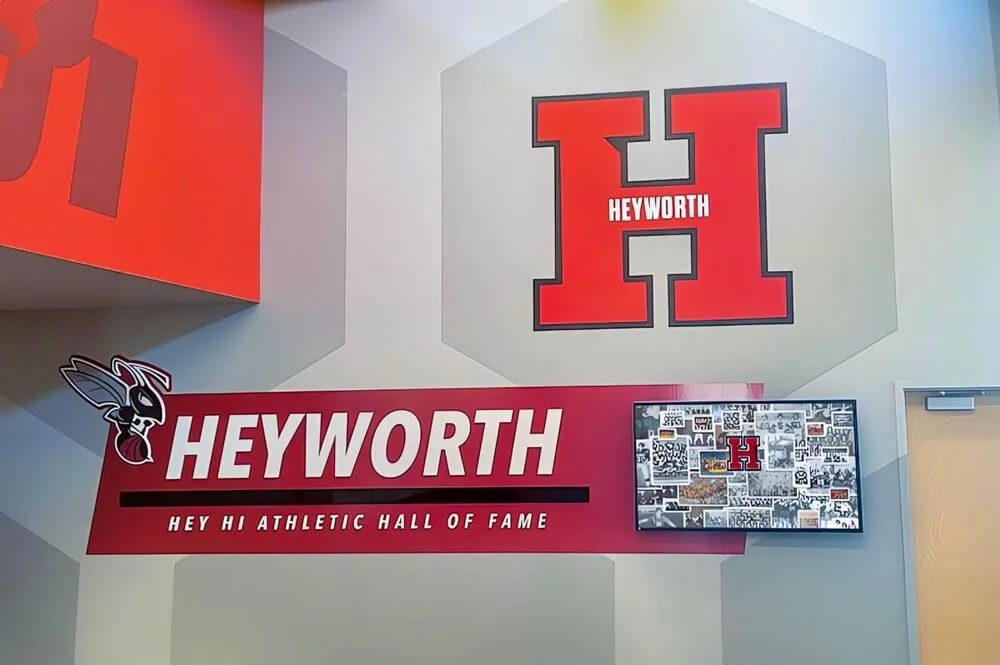
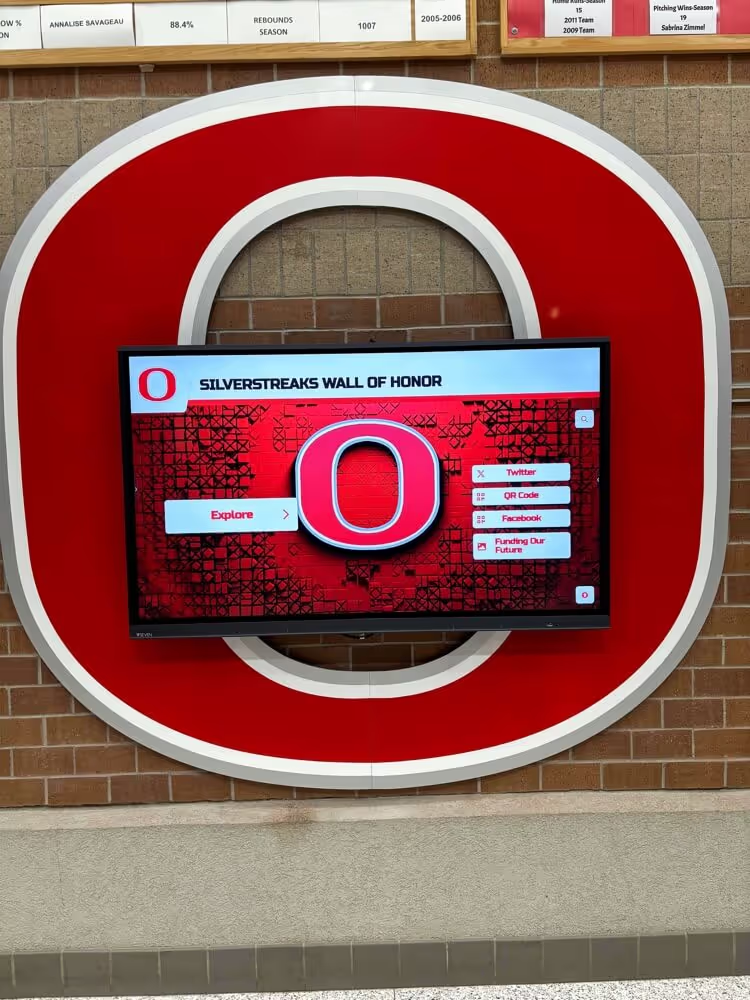
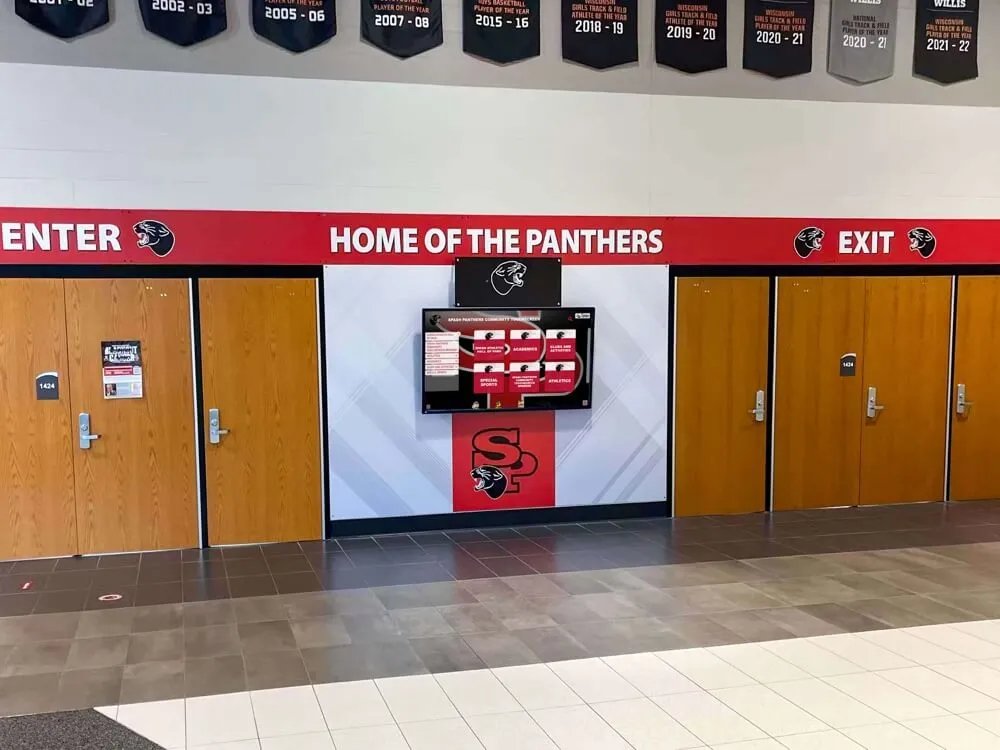
Recognition systems in school lobbies honor graduating seniors year-round, extending commencement day celebrations into permanent institutional acknowledgment
Connecting Commencement Day to Lasting Senior Recognition
Graduation cap decoration ideas capture student identity at a single moment in time. The deeper institutional challenge is connecting the energy and visibility of commencement day to recognition systems that honor the graduating class for years and decades afterward.
Senior Walls and Portrait Displays
Many schools build or expand recognition walls specifically for graduating seniors—portrait-based displays that feature photos, achievements, post-graduation destinations, and key milestones for each member of the class. These displays:
- Give families and younger students a tangible way to celebrate and explore the graduating class
- Create a permanent record in the building that future students can discover
- Generate genuine community pride in the school’s tradition of excellence
- Provide younger students with aspirational role models from their own institution
For schools building interactive digital recognition walls, senior class displays can be integrated directly into the same system that houses athletic records, academic achievements, and alumni recognition—creating a unified space where the school’s best traditions converge.
Preserving Commencement Through Digital Displays
The cap that a senior spent three weeks decorating will likely live in a box or be hung on a bedroom wall. Schools that invest in digital graduation recognition create something more durable:
- Dedicated graduation week content loops featuring the graduating class
- Digital donor and donor recognition walls that eventually include these seniors as alumni donors can benefit from integrated recognition design—ideas explored in depth through donor wall complete guides used by schools and nonprofits
- Class of [Year] permanent digital galleries that future students can browse
- Senior spotlight rotations in lobby displays during graduation month
Schools already maintaining interactive school announcement feeds and displays can extend those systems to celebrate graduating seniors with minimal additional infrastructure investment.
Celebrating College Signing Decisions Alongside Graduation
Many seniors decorate their graduation caps with the name or colors of the college they will be attending. Schools can amplify this excitement by creating dedicated college signing day digital showcases that highlight senior destinations in a visible, celebratory format. These displays:
- Build anticipation for both graduation and the transition to higher education
- Create viral social media content opportunities for the school
- Recognize seniors’ college acceptance achievements as a distinct milestone before the cap-and-gown ceremony itself
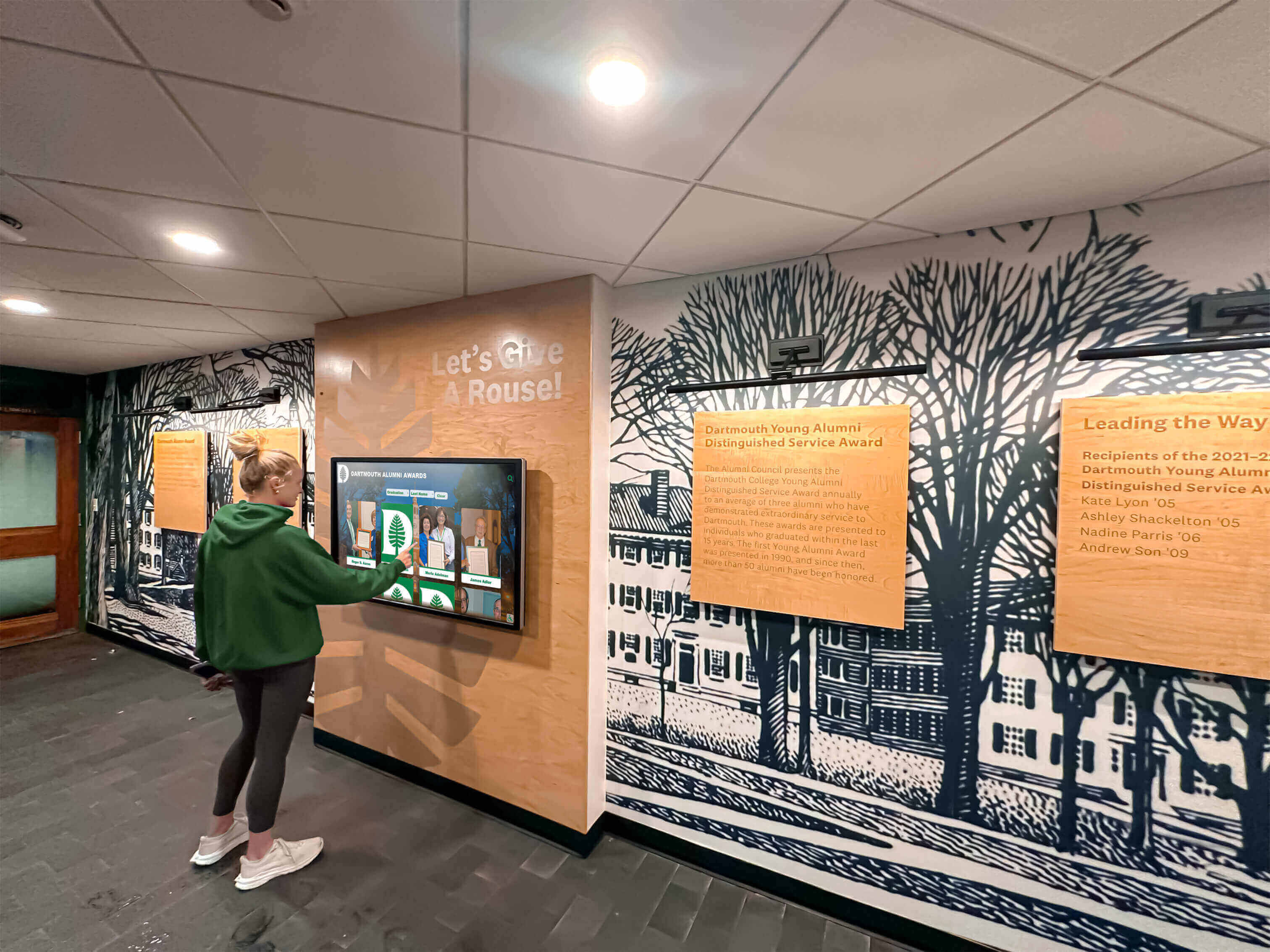
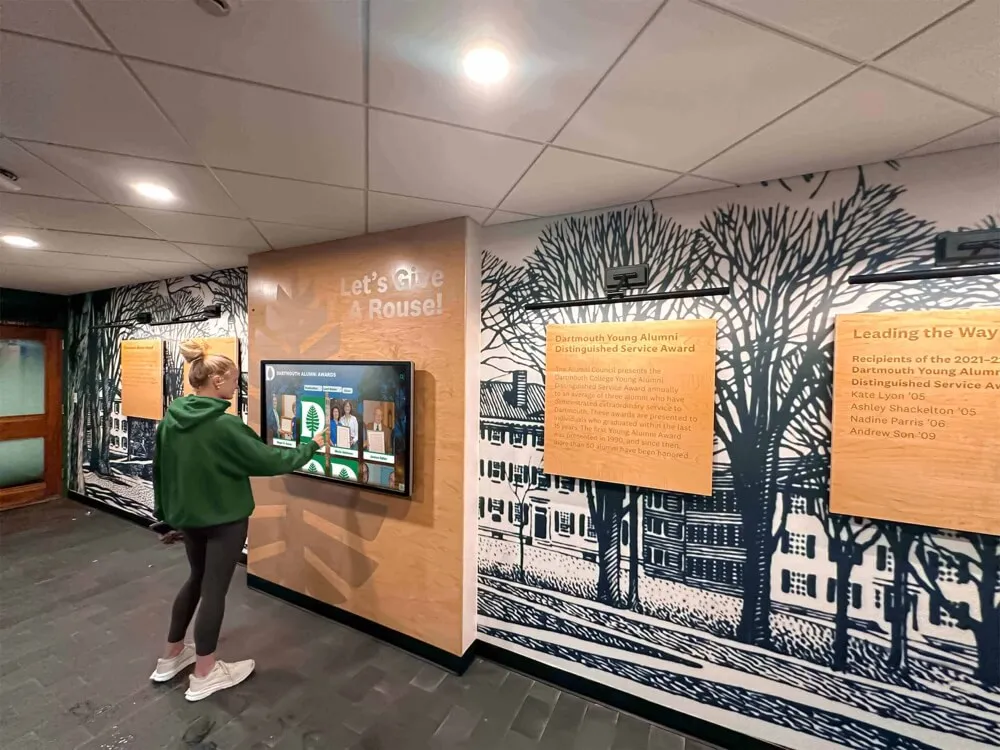
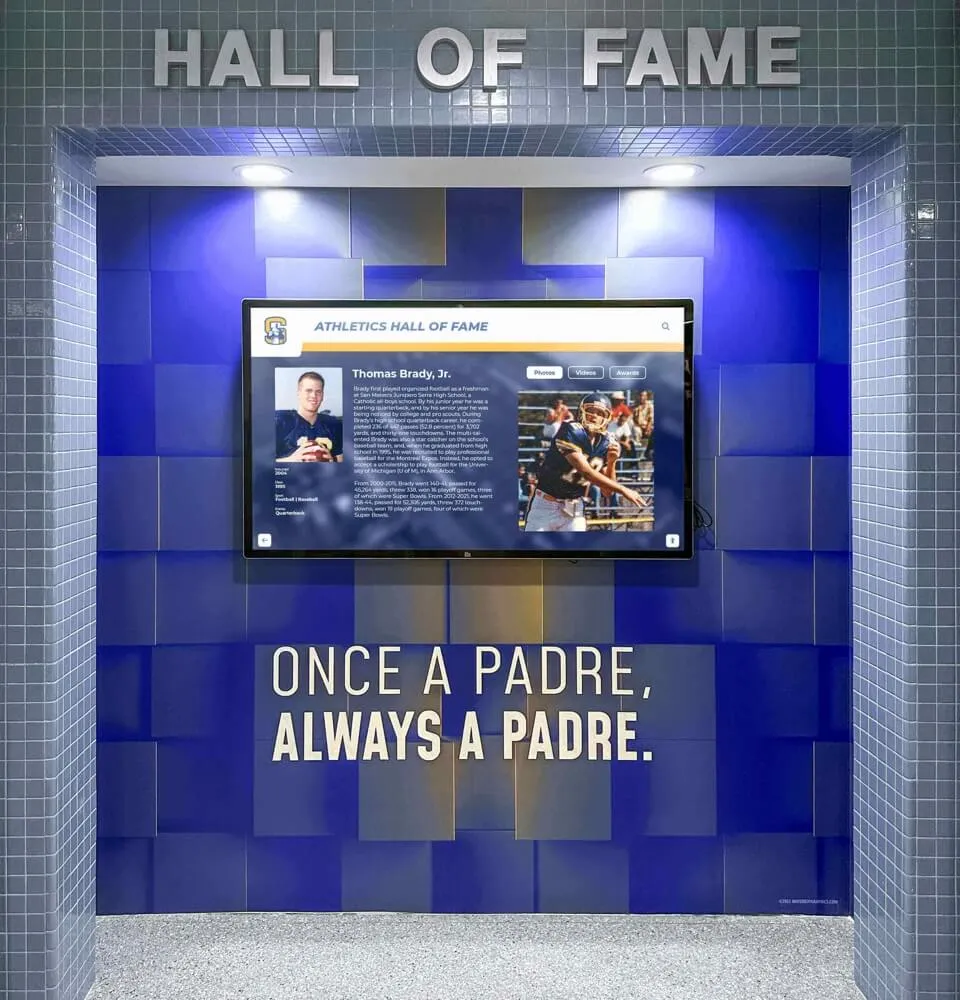
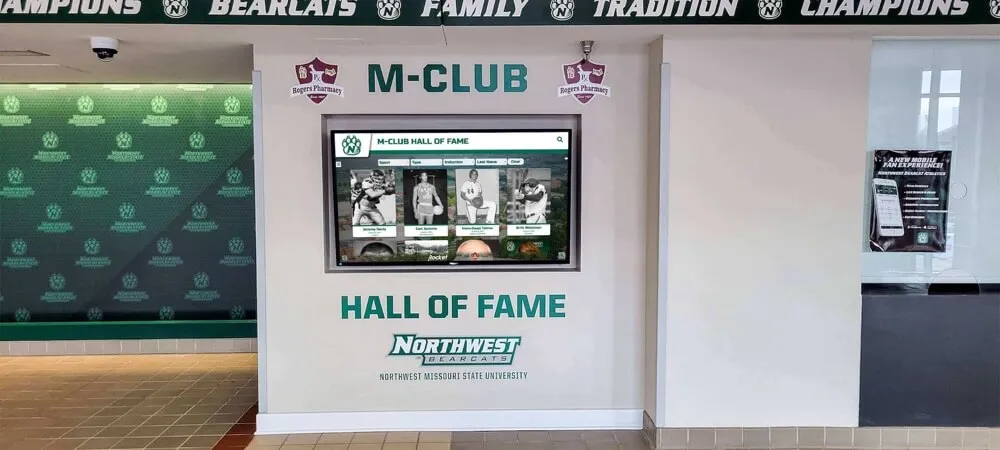
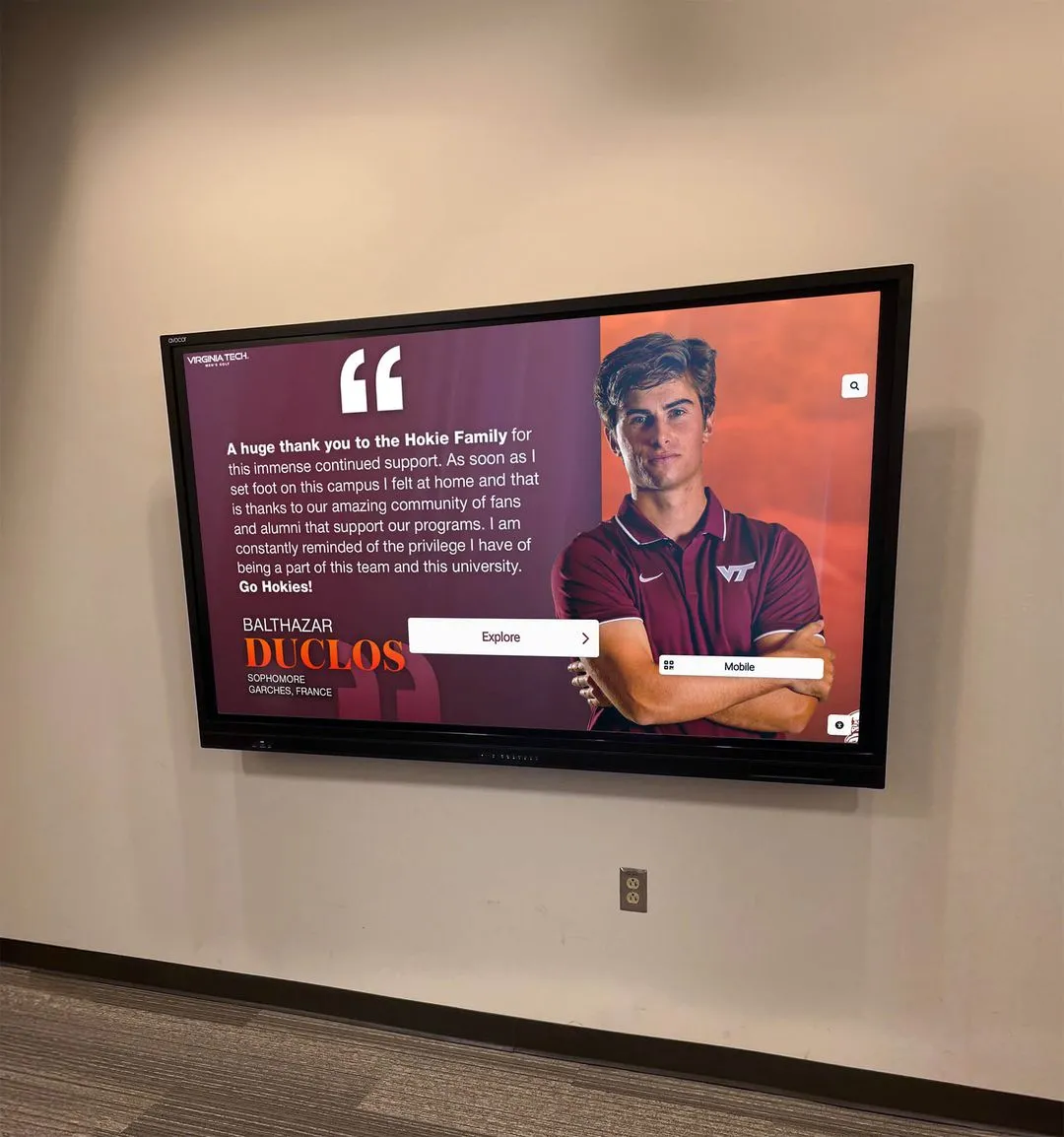
Interactive touchscreen displays allow students, families, and alumni to explore senior achievements year-round, extending the celebration of commencement far beyond graduation day
Frequently Asked Questions About Graduation Cap Decoration Ideas
What are the most popular graduation cap decoration themes?
The most popular graduation cap decoration themes cluster into a few broad categories. College-bound destination caps featuring the future school’s colors and logo rank among the most common at high school ceremonies. Academic achievement caps incorporating honor cord colors, GPA milestones, and scholarship recognitions are popular with high-achieving seniors. Career and future goals caps that announce intended professions are widely used at university commencement ceremonies. Inspirational quote caps—featuring song lyrics, book lines, or family sayings—work across all academic levels. Pop culture and fandom caps, photo collage caps celebrating family and friends, and first-generation college student tribute designs all appear consistently at ceremonies across the country. The most memorable caps tend to combine personal specificity with visual clarity: designs that clearly communicate something true and important about the individual student, visible from the distance of a crowded ceremony field.
What materials work best for decorating a graduation cap?
Acrylic paint and paint pens are the most versatile and durable options for graduation cap surfaces, working on both the fabric top and the cardboard structure. Vinyl decals cut with cutting machines like Cricut provide clean edges and professional-looking results, particularly for text and logos. Rhinestones and adhesive gems add visual pop visible in outdoor ceremony lighting. Fabric glue secures three-dimensional embellishments like fabric flowers, ribbon trim, and felt cutouts. Iron-on transfer paper allows photo and graphic printing for seniors who want to include photos on their caps. Regardless of materials used, sealing finished designs with a clear matte or gloss spray before the ceremony helps protect the decoration through rain, humidity, and the physical activity of a long commencement event. Always test materials on scrap fabric or cardstock first to confirm adhesion and color outcomes before applying to the actual cap.
Do schools have rules about graduation cap decoration?
Most schools that permit graduation cap decoration publish guidelines covering content standards, structural limits, and materials requirements. Content standards typically prohibit obscene language, offensive imagery, and commercial advertising. Structural limits usually require that decorations stay within the flat top surface of the mortarboard without adding significant height or weight that would cause the cap to sit improperly. Schools that rent rather than sell caps may require decorations to be removable or ask students to leave caps undecorated. Many schools provide guidance in senior packets or on their commencement information page months before graduation. Contacting the school’s commencement office directly before purchasing materials is the most reliable way to confirm what is and is not permitted at your specific institution—policies vary enough that assumptions based on what other schools allow can lead to disappointment on graduation day.
How early should seniors start planning their graduation cap decoration?
Starting two to four weeks before the ceremony gives most seniors enough time to plan a design, gather materials, and complete the decoration without rushing. Planning earlier than that is helpful for students who want to order custom vinyl decals, specialized supplies, or print-on-demand elements that require lead time. The actual application process typically takes two to eight hours depending on design complexity, with drying time required between layers for painted designs. Students often benefit from sketching three to five concepts on paper before committing to materials, confirming which design feels most authentic rather than simply which one looks most impressive online. Designs that emerge from genuine personal experience—a specific place, a specific person, a specific moment or achievement from four years at the school—almost always produce more meaningful caps than designs selected purely for visual appeal.
How can schools preserve and display senior cap decorations?
Schools preserve and display senior cap decorations through several approaches. Pre-ceremony photography of decorated caps creates a digital gallery that can be shared on school social media and archived permanently. Some schools display a selection of particularly creative or representative caps in cases along senior hallways after commencement. Digital recognition displays can feature cap photos as part of broader senior class celebrations during graduation month, extending individual recognition beyond what’s visible during the ceremony itself. Schools that maintain permanent recognition systems—portrait walls, hall of fame displays, interactive touchscreen kiosks—can integrate graduation cap photos alongside other senior achievements as part of a comprehensive record of each graduating class.
Conclusion: From Cap to Legacy
A graduation cap is worn for a few hours on a single afternoon. The best graduation cap decoration ideas make those hours feel genuinely personal—a specific, visible statement of who a student is, what they achieved, and where they are headed. Whether painted by hand, cut in vinyl, printed on transfer paper, or assembled from rhinestones and fabric flowers, a thoughtfully decorated cap transforms a piece of standardized academic regalia into something no one else in that graduating class could replicate.
Schools that support the tradition—through clear policies, accessible workshops, and celebration of the designs seniors create—build commencement experiences that graduates remember and share for decades. And schools that connect the energy of cap-and-gown day to lasting recognition systems ensure that the graduating class is honored not just for one afternoon, but permanently in the hallways and displays where future students will discover the full breadth of what their predecessors accomplished.
Honor Your Graduating Seniors With Lasting Recognition
Discover how Rocket Alumni Solutions helps high schools and universities create engaging digital recognition displays that celebrate graduating seniors, showcase academic and athletic achievements, and build a lasting institutional legacy that honors every class long after commencement day.
Explore Senior Recognition Solutions