



Most organizations that struggle with donor retention share a common blind spot: they treat giving as a transaction rather than the beginning of a relationship. According to the Association of Fundraising Professionals, the average nonprofit retains only 43% of first-time donors—a sobering figure that represents enormous unrealized potential for schools, universities, and charitable organizations that depend on sustained philanthropic support. The answer lies not in more aggressive solicitation, but in smarter donor stewardship ideas that make supporters feel genuinely seen, appreciated, and connected to the mission they fund.
Effective donor stewardship transforms one-time contributors into loyal advocates who give more frequently, upgrade their gifts over time, and introduce your organization to peers who share their philanthropic values. This guide presents a comprehensive collection of donor stewardship ideas—from low-cost communication tactics any organization can implement immediately to recognition infrastructure investments that pay dividends in retention and lifetime giving value for years to come.
Donor stewardship is the ongoing practice of nurturing relationships with supporters after a gift is made, ensuring they understand the impact of their generosity and feel motivated to continue giving. Research from Bloomerang’s donor retention benchmarking studies consistently shows that organizations with formalized stewardship programs achieve retention rates 15–20 percentage points higher than those relying solely on solicitation cycles—a difference that compounds dramatically when measured in lifetime donor value.

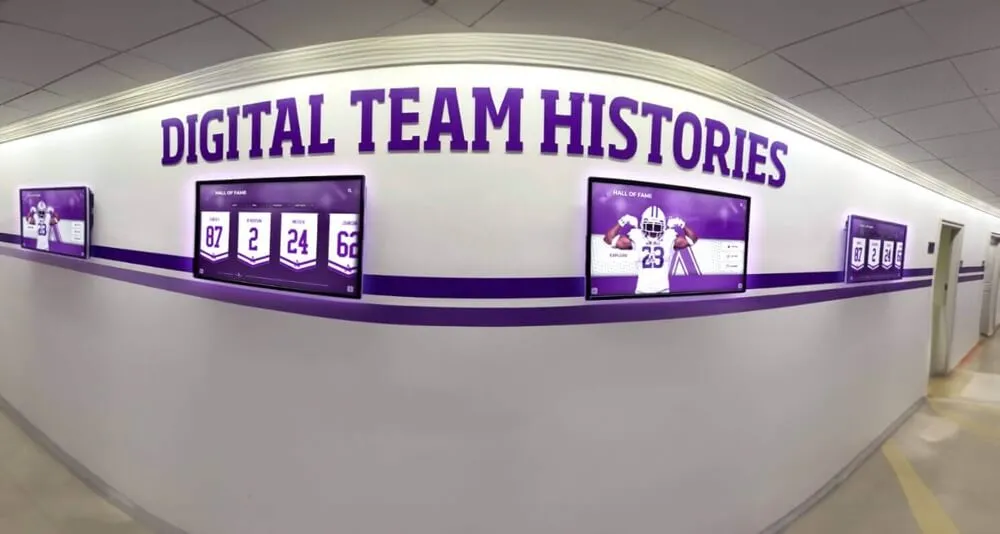
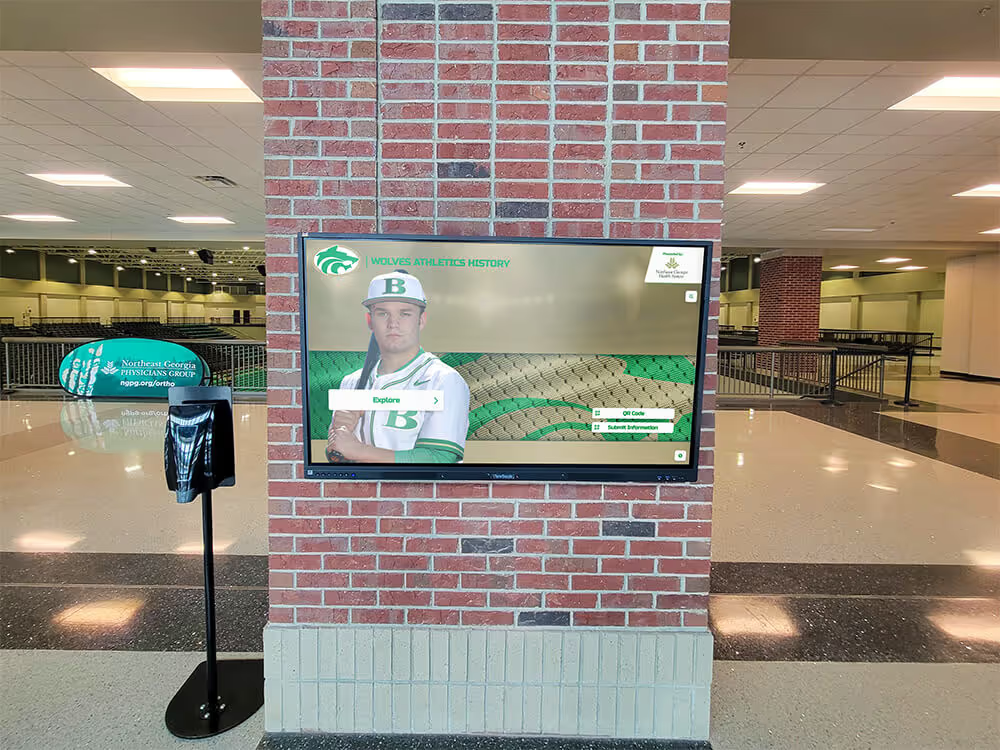
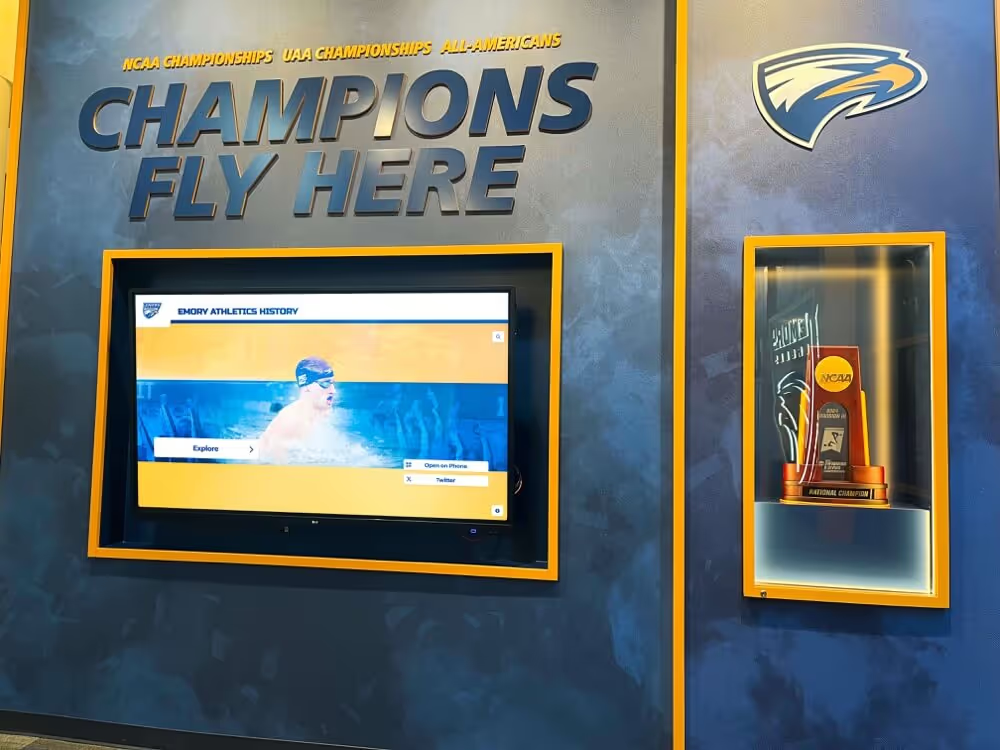
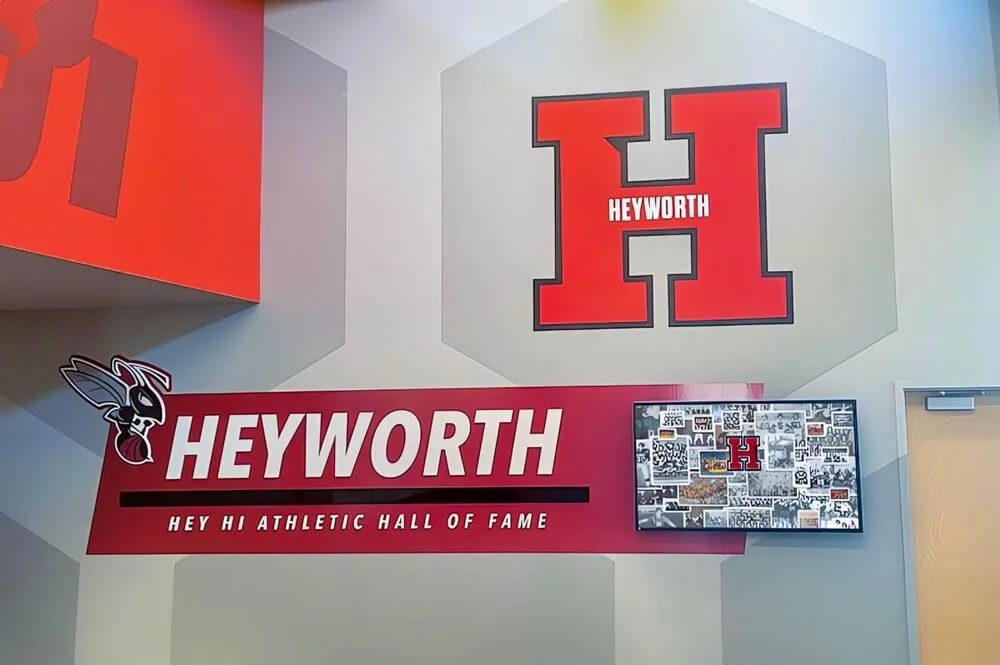
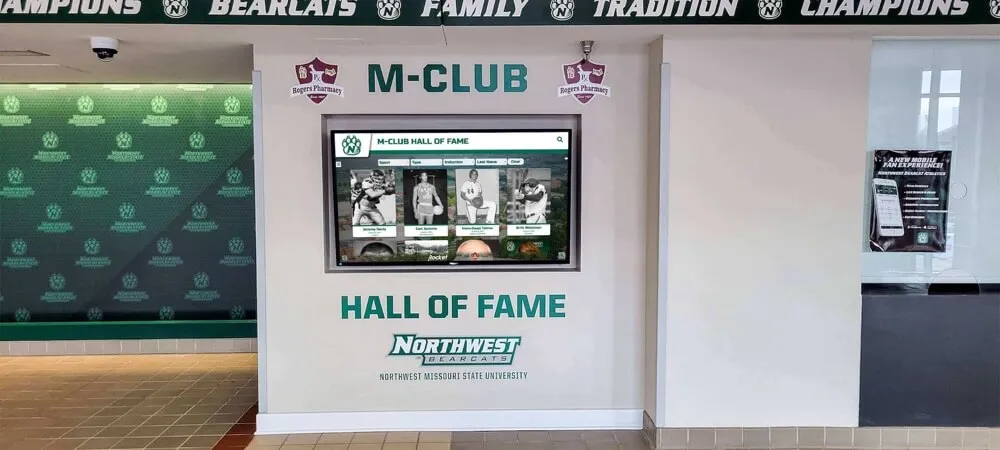
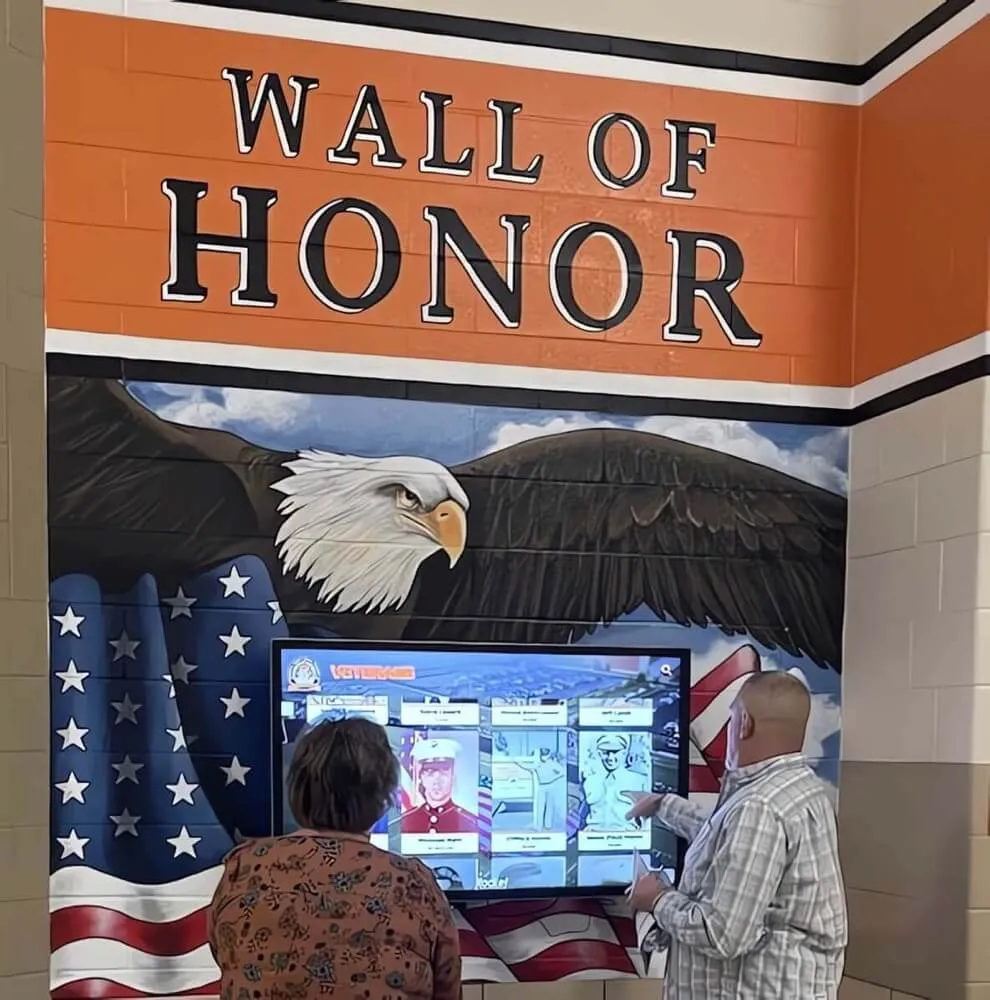
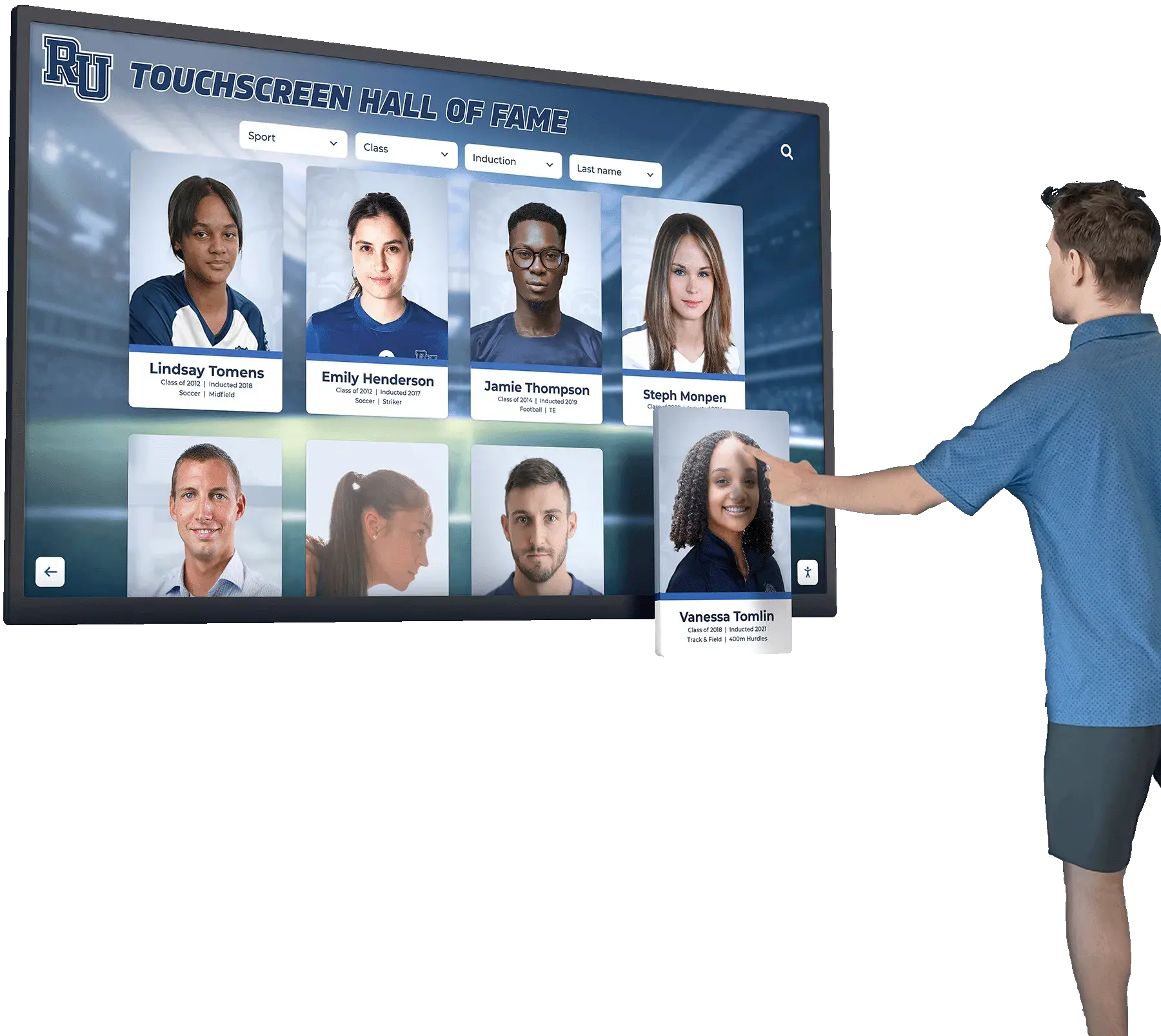
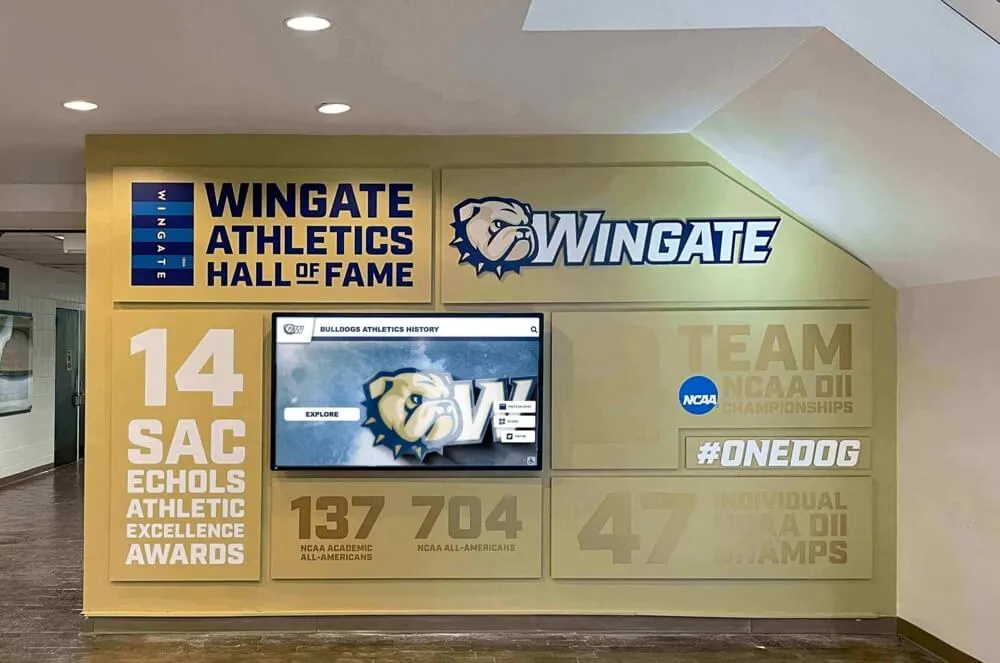
Visible recognition systems create natural stewardship touchpoints, reminding donors that their contributions are celebrated by the entire community
Why Donor Stewardship Ideas Matter More Than Solicitation Strategy
The best fundraising strategy is not acquiring more new donors—it is keeping the donors you already have. According to research published by the Fundraising Effectiveness Project, acquiring a new donor costs five to ten times more than retaining an existing one, and existing donors are 60–70% more likely to give again compared to new prospects. Every percentage point improvement in retention directly amplifies fundraising revenue without requiring additional outreach budget.
Schools and nonprofits that invest seriously in donor stewardship ideas see compounding returns: retained donors upgrade their gifts, participate in capital campaigns, consider planned gifts, and refer peers who share their values. The most transformational major gifts at educational institutions almost always come from donors who had sustained, intentional stewardship relationships spanning five years or more.
Stewardship works because it addresses the fundamental psychological dynamic of charitable giving. Donors give because they want to create meaningful change. When organizations demonstrate that impact clearly—and acknowledge the donor’s role in creating it—they validate the decision to give and strengthen the emotional connection that motivates continued support.
Personal Communication: Donor Stewardship Ideas That Cost Almost Nothing
The highest-impact donor stewardship ideas are often the simplest. Personalized, genuine communication outperforms expensive events and elaborate programs when it comes to retention because it directly addresses what donors need: proof that their gift mattered and that someone noticed.
Handwritten Thank-You Notes Within 48 Hours
Speed and personalization both matter in acknowledgment. Studies from fundraising researcher Penelope Burk, author of Donor-Centered Fundraising, found that prompt, specific thank-you letters—ones that named the exact program a gift supports—significantly increased the likelihood of a second gift compared to generic acknowledgments. Handwritten notes from leadership, department heads, coaches, or scholarship recipients carry even more emotional weight because they signal genuine attention rather than administrative processing.
Effective thank-you notes should:
- Reference the specific fund or program the gift supports
- Describe one concrete outcome the contribution enables
- Come from someone with a personal connection to that program (not always the development office)
- Be sent within 48 hours of gift receipt, ideally sooner for major contributions
Student and Beneficiary Gratitude Touchpoints
When a scholarship recipient writes to their donor, something powerful happens: the abstract idea of “funding education” becomes a specific student with goals, challenges, and gratitude. Schools and universities that implement student-written stewardship programs consistently report stronger retention among education-restricted fund donors.
Practical implementations include:
- Scholarship thank-you letter programs pairing each scholarship recipient with their donor for annual correspondence
- Video messages from athletic teams, music ensembles, or academic groups acknowledging supporters
- Student-created impact reports showing project outcomes funded by donor contributions
- Campus ambassador calls where trained student callers thank donors during giving season follow-up
These touchpoints cost little beyond coordination time yet create emotional connections that generic communications cannot replicate.
Impact Reports Tied to Specific Gifts
Generic annual reports satisfy audit requirements but rarely inspire renewed giving. The most effective stewardship communications connect individual donors to specific, measurable outcomes their particular gifts enabled. A donor who funded a lab renovation should receive a photo of that space in use. A donor who supported an athletic program should hear how many athletes benefited and what those students accomplished.
When segmenting impact reports by fund designation is logistically challenging, organizations should at minimum create program-specific updates for their top giving tiers—the major donors whose sustained support justifies the investment in personalized reporting.
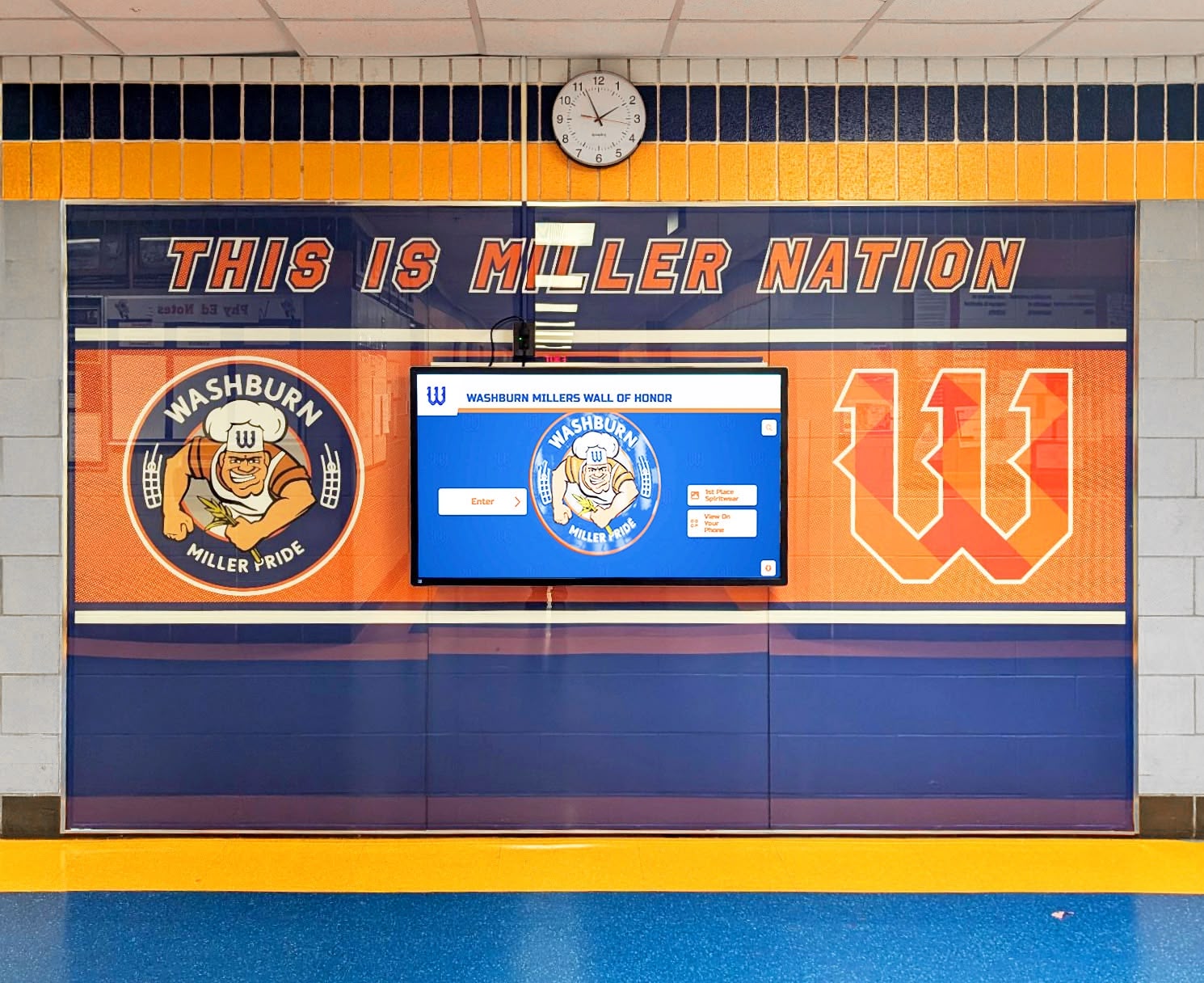
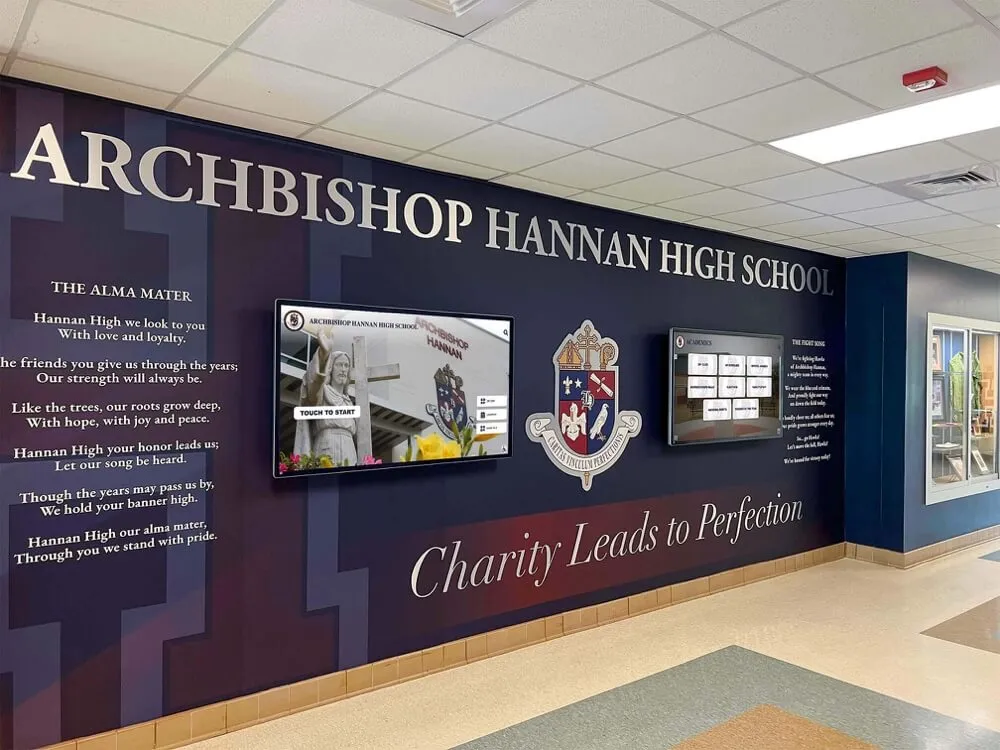
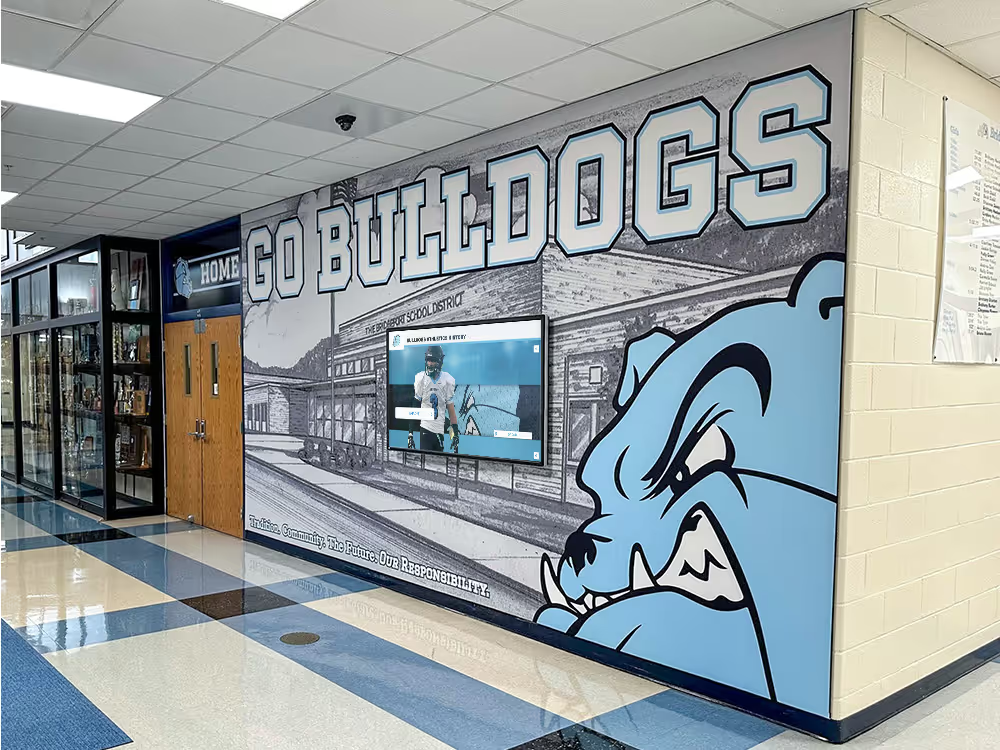
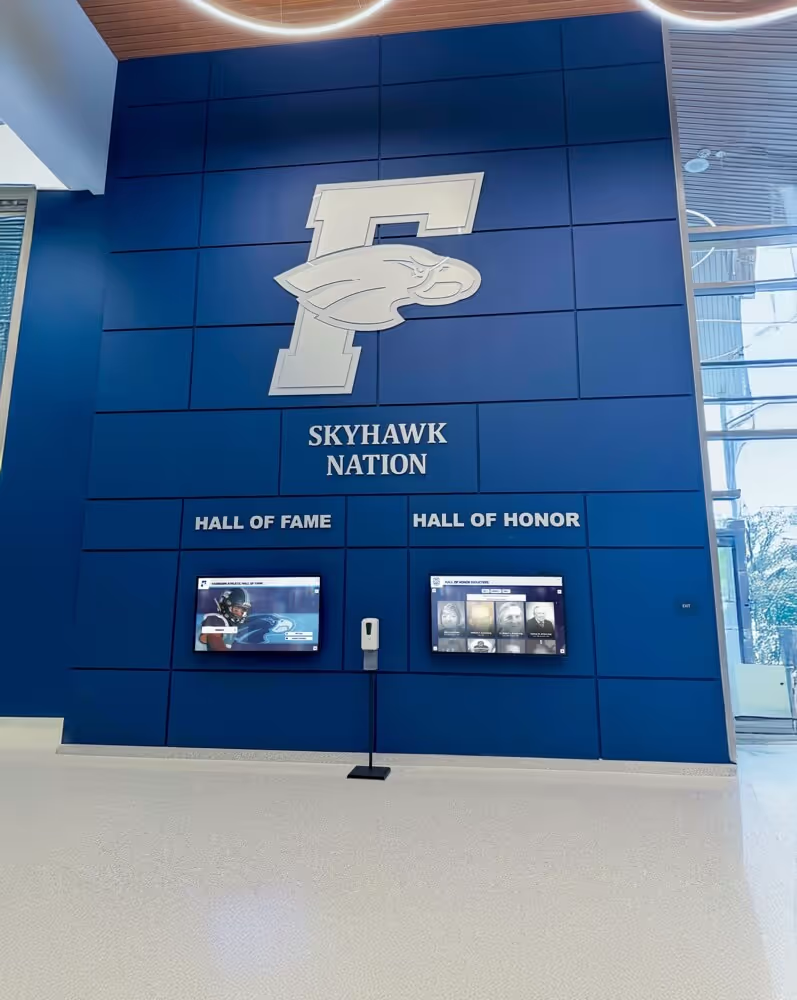
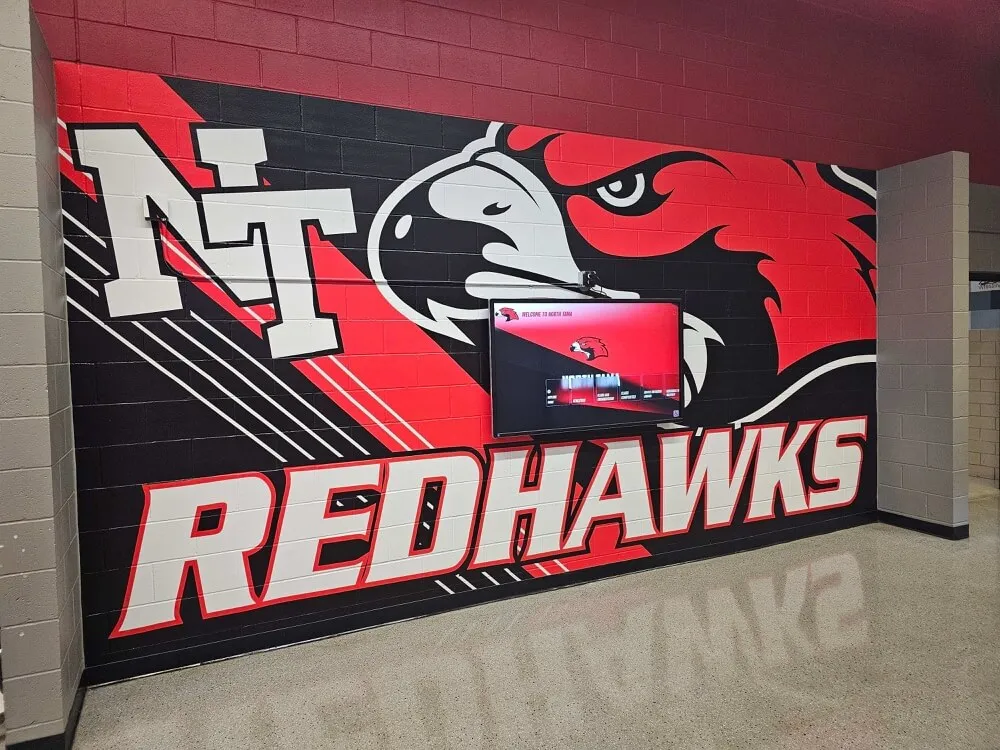
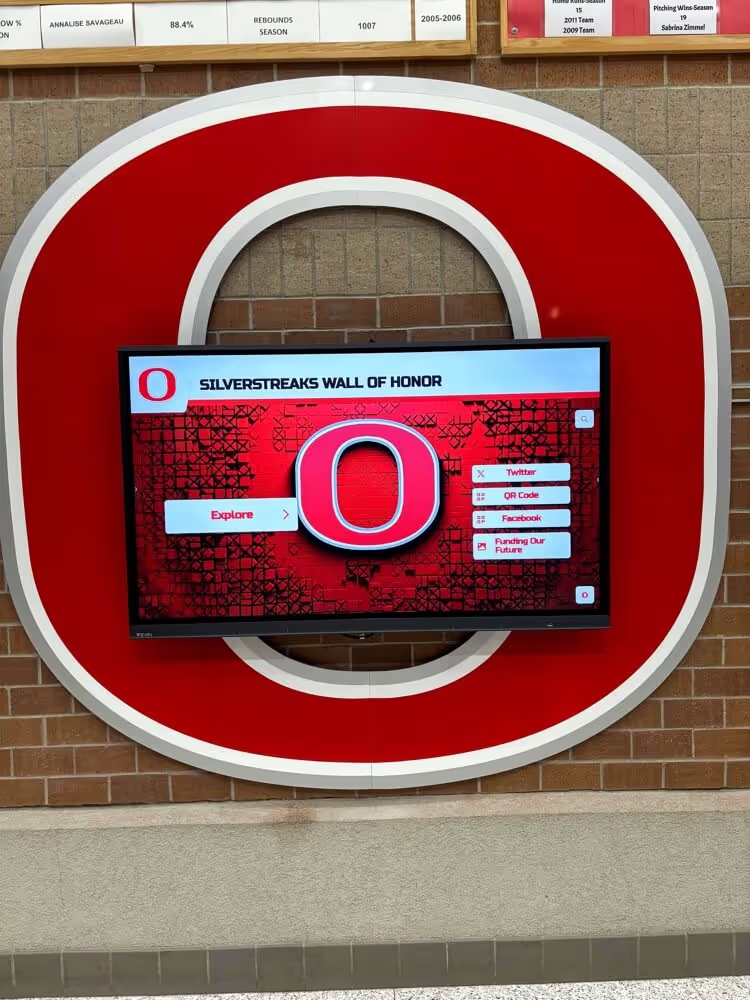
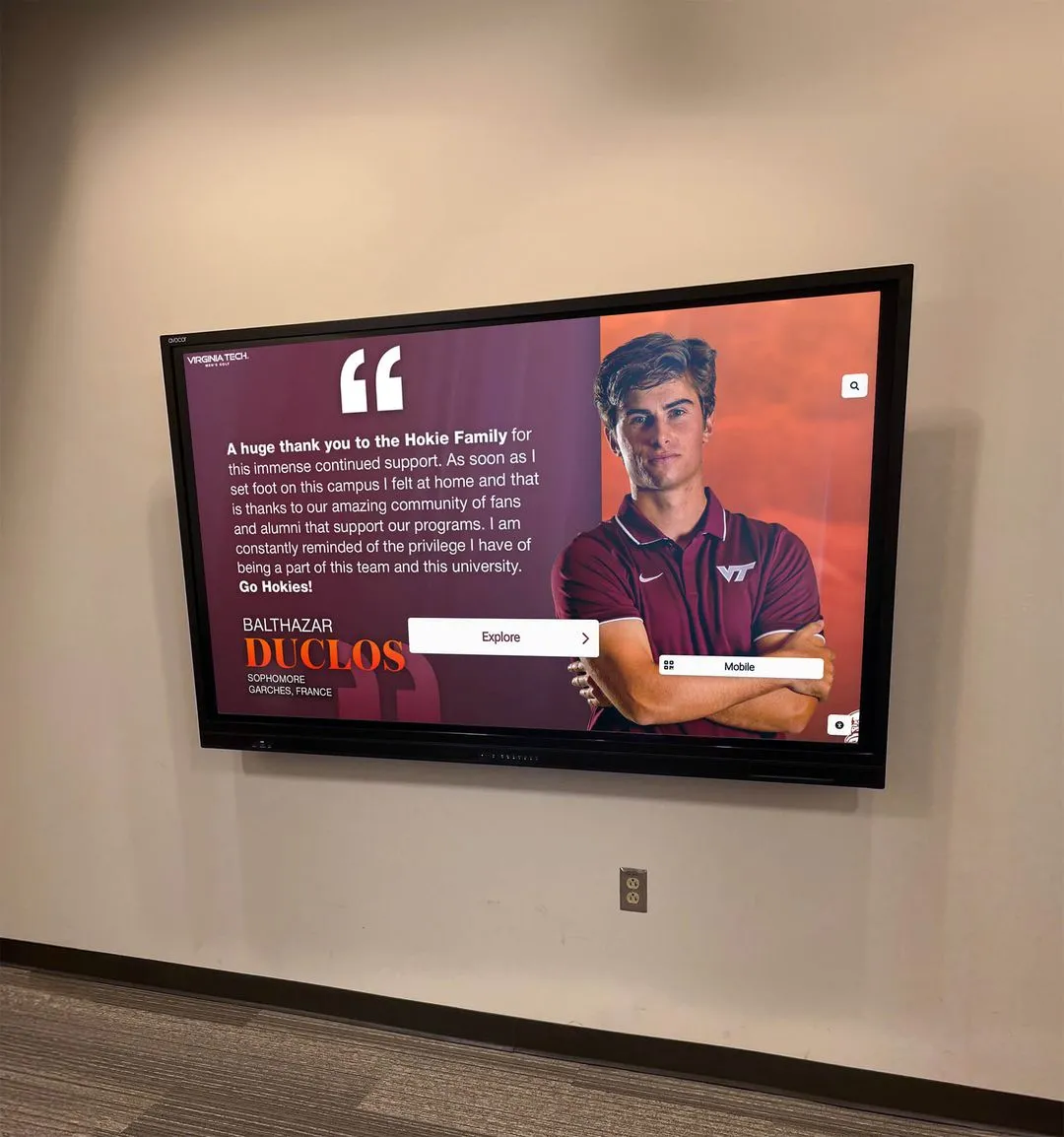
Permanent recognition displays in high-traffic areas keep donor contributions visible to the entire school community throughout the year
Recognition-Centered Donor Stewardship Ideas
Public recognition serves both psychological and social functions in donor stewardship. It validates the donor’s philanthropic decision, connects them to a community of like-minded supporters, and creates social proof that inspires prospective donors. A well-designed recognition system is simultaneously a stewardship tool, a fundraising motivator, and a community asset.
Physical Donor Walls in High-Traffic Locations
Traditional donor walls—bronze plaques, engraved panels, framed donor lists—remain powerful stewardship tools because they create permanent, visible proof of appreciation. Placement matters: a donor wall positioned in a school’s main entrance lobby is seen by every visitor, student, parent, and prospective donor who walks through the door. A wall tucked into an administrative corridor loses its stewardship and recruitment functions.
Effective physical donor wall placement considerations:
- Main building entrances and lobbies: Maximum visibility for community members and visitors
- Athletic facilities: Near courts, fields, or gyms that donor contributions improved
- Performance spaces: Auditoriums, music rooms, or theaters acknowledging arts supporters
- Named spaces: Adjacent to rooms, halls, or facilities carrying donor names
- Student-facing areas: Cafeterias and commons where students encounter recognition daily
For organizations with growing donor communities, traditional engraved walls face a scaling problem: each new donor requires additional production and installation costs, and capacity limits force difficult decisions about recognition tiers. Digital donor walls address these limitations directly, enabling unlimited donor capacity and easy content updates without production delays or per-donor installation costs.
Digital Donor Recognition Displays
Interactive digital recognition systems represent the fastest-growing category of donor stewardship technology for schools and nonprofits. These touchscreen displays allow organizations to showcase comprehensive donor communities without physical space constraints while adding multimedia storytelling capabilities impossible in traditional formats.
The advantages for stewardship are substantial:
- Unlimited capacity: Add new donors instantly without ordering engraved plaques
- Rich profiles: Include photos, giving histories, donor stories, and personal statements
- Search functionality: Donors can find themselves and show family members during campus visits
- Impact integration: Feature program photos, student outcomes, and campaign progress alongside donor names
- Easy updates: Correct errors, update names after life changes, and add new contributors through cloud-based content management
Organizations exploring recognition technology should review the benefits of digital wall of fame displays to understand how these systems compare to traditional approaches across cost, flexibility, and stewardship effectiveness. The comprehensive breakdown of recognition wall ideas for honoring achievements also provides useful design frameworks applicable to donor recognition contexts.
Named Recognition Opportunities
Named spaces represent the premium tier of donor recognition—buildings, endowments, programs, rooms, and positions that carry a donor’s name in perpetuity. These recognition opportunities serve powerful stewardship functions by creating permanent visibility, establishing lasting legacy, and honoring transformational generosity in ways that resonate across generations.
Beyond major facility naming, organizations can create meaningful named recognition at more accessible investment levels:
- Named scholarships: Permanent funds carrying donor or honoree names
- Named programs: Annual awards, speaker series, or competitions bearing a family name
- Named positions: Endowed faculty chairs, coaching positions, or staff roles
- Named spaces: Rooms, practice areas, equipment bays, or studio spaces
- Named events: Annual galas, tournaments, or recognition programs
Planning and hosting naming ceremonies for donors and contributors creates memorable stewardship experiences that honor donors publicly while deepening their emotional connection to your institution.
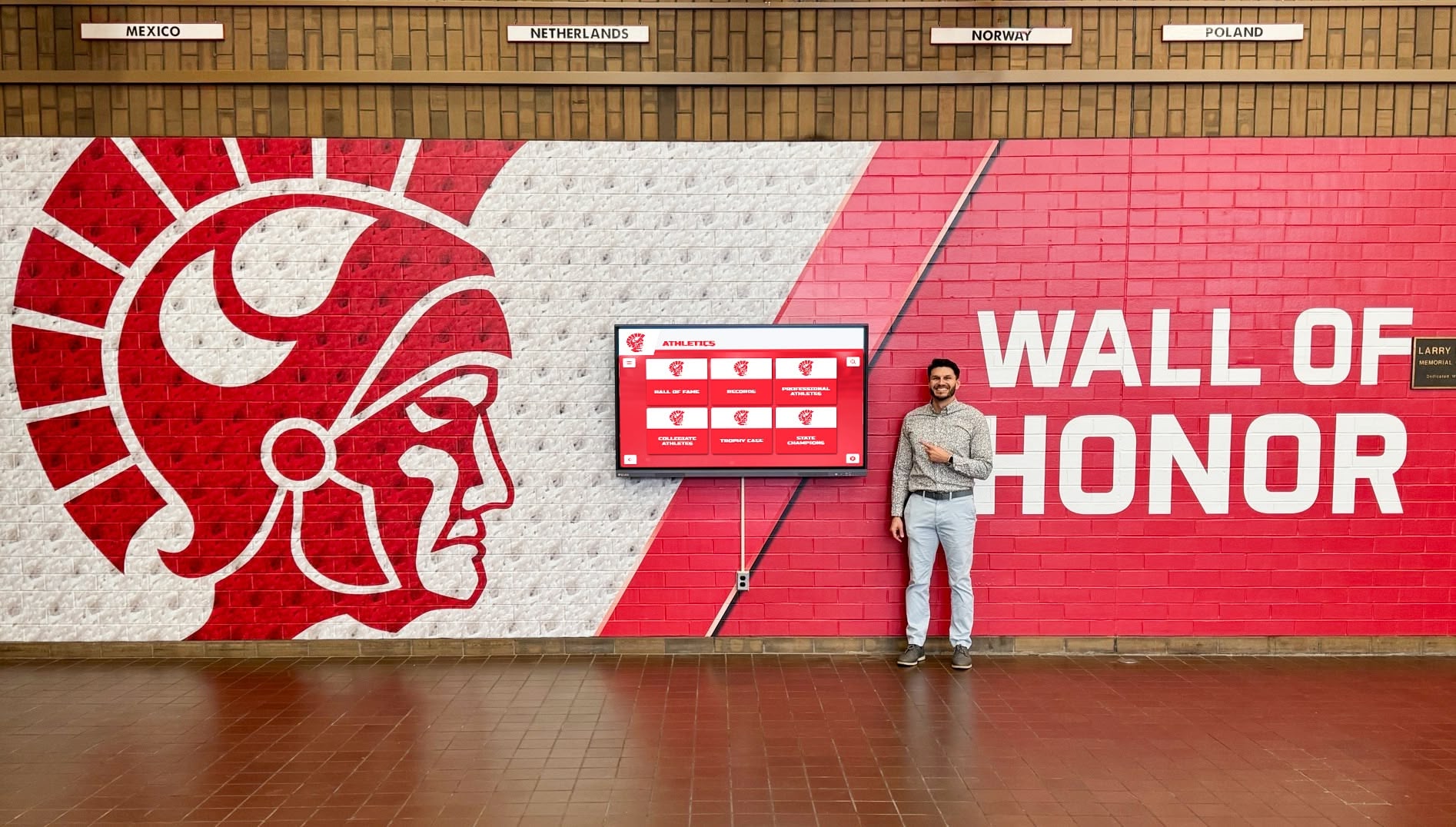
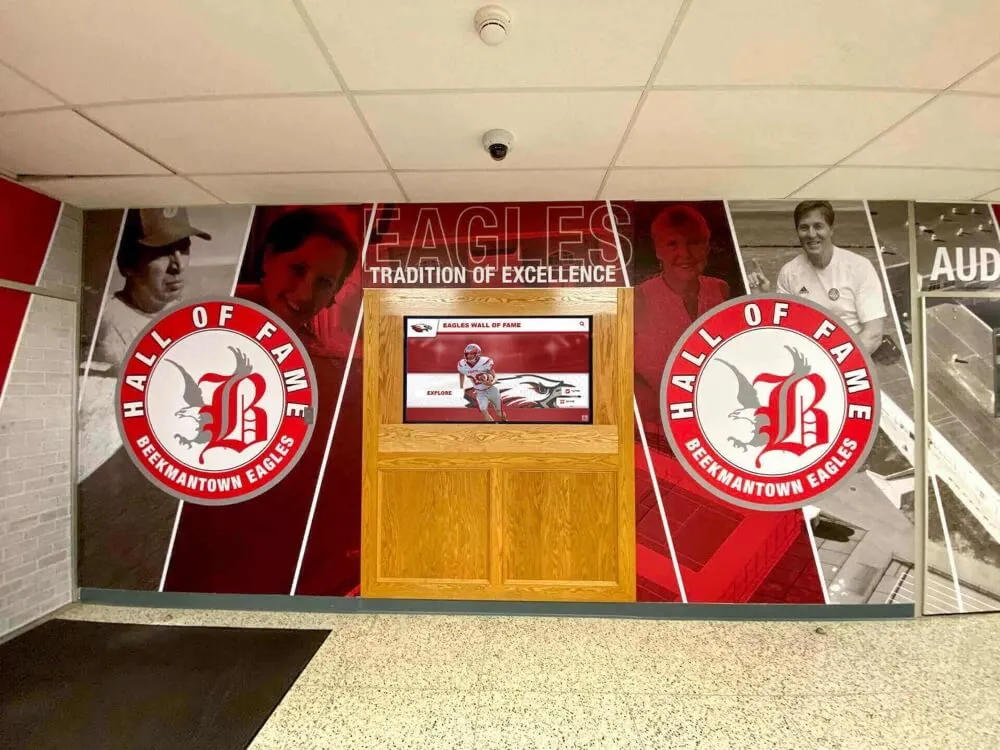
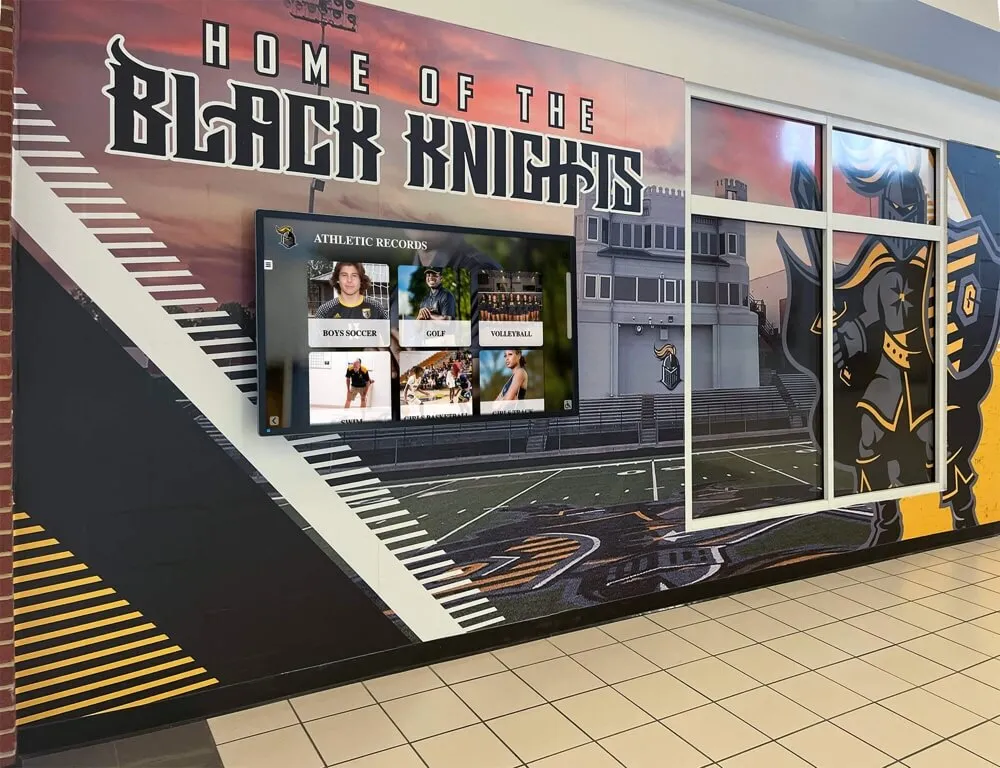
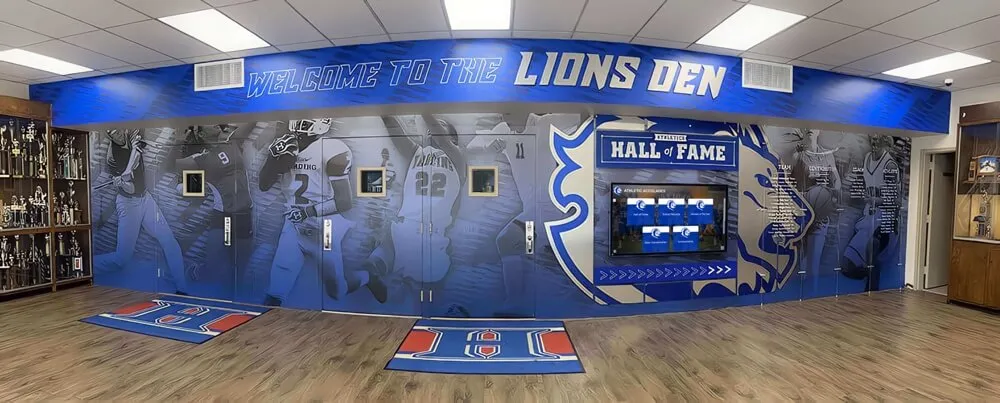
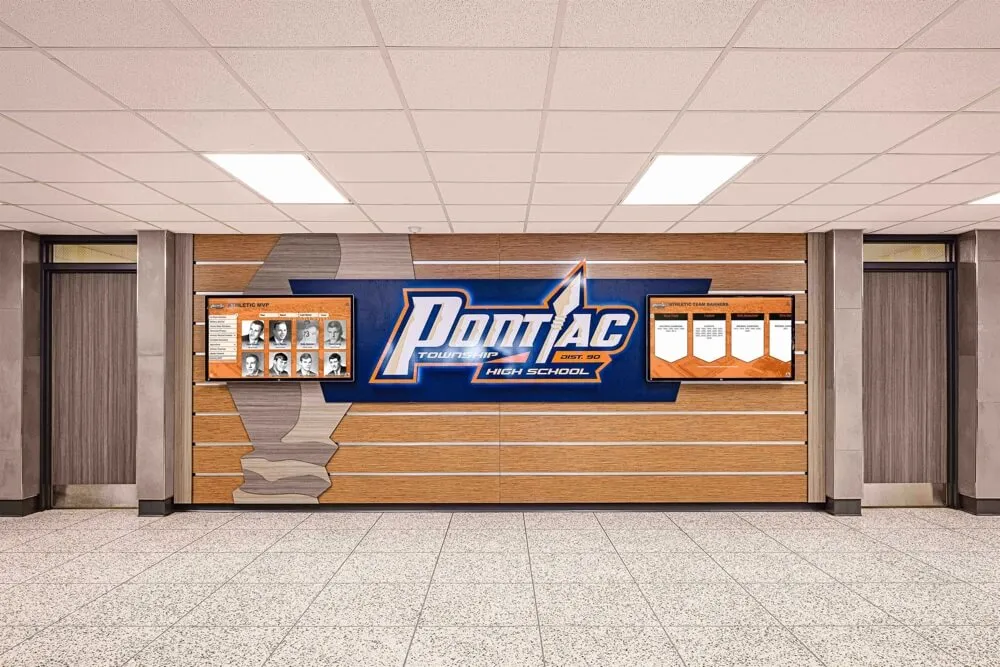
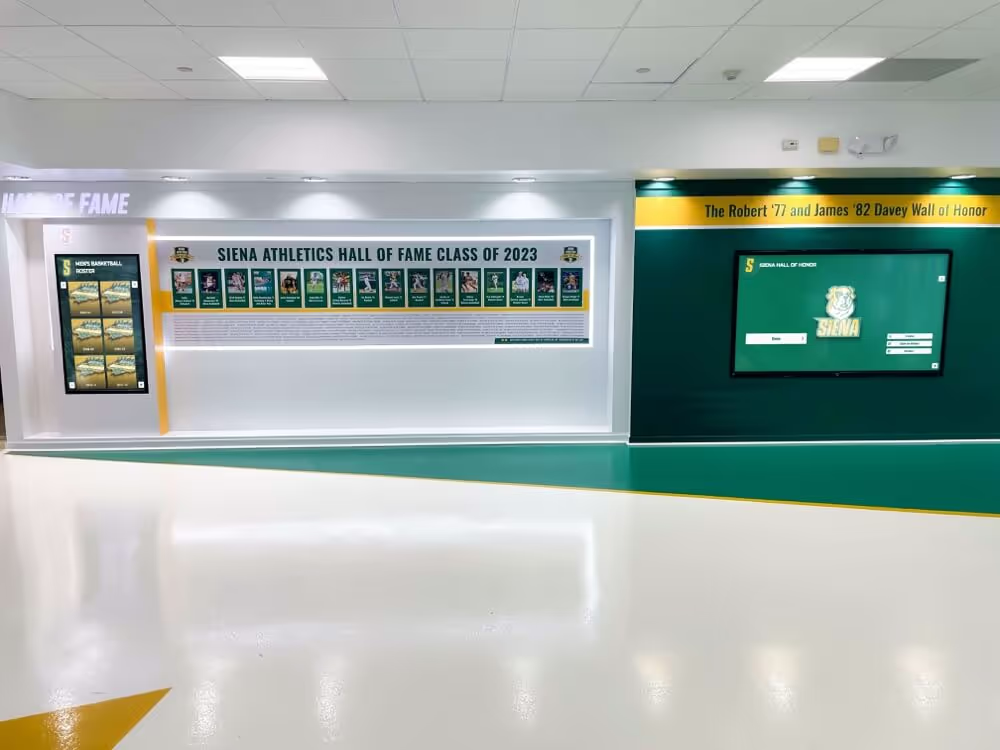
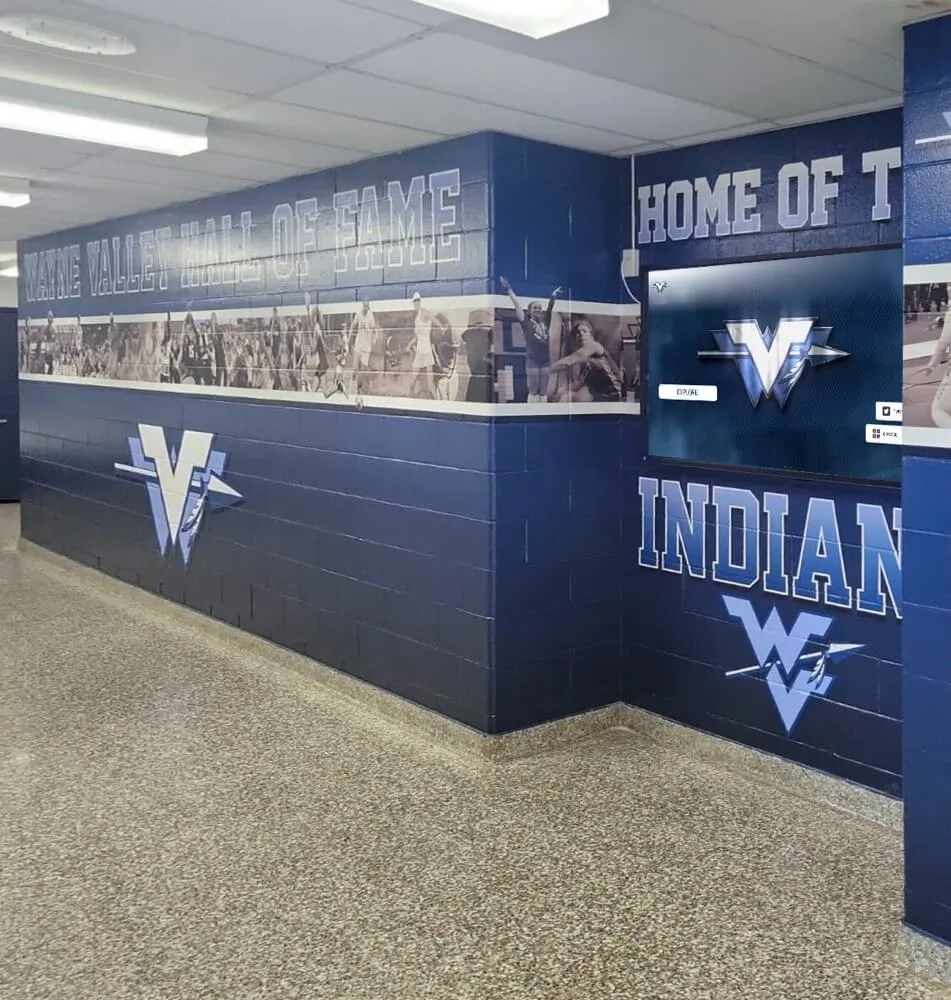
Recognition wall displays in school lobbies serve as ongoing stewardship touchpoints visible to students, staff, and visitors throughout the year
Event-Based Donor Stewardship Ideas
Donor appreciation events create immersive stewardship experiences that communicate value and strengthen relationships more effectively than any written communication alone. When donors visit your campus, meet the students they support, and experience the programs their generosity enables, they form emotional connections that translate directly into continued and increased giving.
Exclusive Donor Appreciation Events
Annual or semi-annual donor appreciation events provide dedicated opportunities to celebrate your giving community, share impact stories, and deepen personal relationships with supporters. These gatherings should feel genuinely appreciative rather than like a soft solicitation in disguise.
High-impact donor event formats include:
- Campus tours showcasing facilities and programs donor contributions built or improved
- Program showcases where students perform, demonstrate projects, or share academic work
- Recognition society dinners celebrating leadership giving levels with exclusive access and personal attention from institutional leaders
- Behind-the-scenes experiences such as athletic practice observations, laboratory visits, or backstage access that non-donors don’t receive
- Scholarship recipient luncheons connecting donors directly with the students their gifts support
Events should be sized appropriately for relationship depth: intimate gatherings for major donors, broader celebrations for annual fund communities. Mixing the two risks diluting the exclusive experience major donors expect while alienating annual fund supporters who feel like afterthoughts in large events dominated by major gift cultivation.
Athletic and Performance Recognition Opportunities
Schools with strong athletic or arts programs can leverage events as natural stewardship venues. Game nights, performances, and competitions provide organic opportunities to publicly acknowledge donors without manufactured formality.
Practical approaches include:
- Printed program recognition: List donor names in game programs, concert programs, or event materials
- Pregame or intermission announcements: Verbal acknowledgment of major supporters during events
- Donor hospitality areas: Exclusive seating or reception spaces for recognition society members
- Halftime recognition ceremonies: Public presentation of awards or tributes to significant donors during marquee events
- Season-opener cultivation: Pre-season events where donors meet coaches, athletes, or performers before the public
Annual Recognition Ceremonies
Dedicated recognition ceremonies—donor appreciation banquets, impact galas, or stewardship receptions—signal that your organization takes gratitude seriously enough to dedicate an entire event to it. The most effective formats combine genuine appreciation with compelling impact storytelling, using donor testimonials (with permission), student presentations, and program highlights to demonstrate collective impact.
For nonprofit organizations specifically, the comprehensive guide to donor walls for nonprofits outlines how recognition infrastructure and events work together as an integrated stewardship strategy rather than separate initiatives.
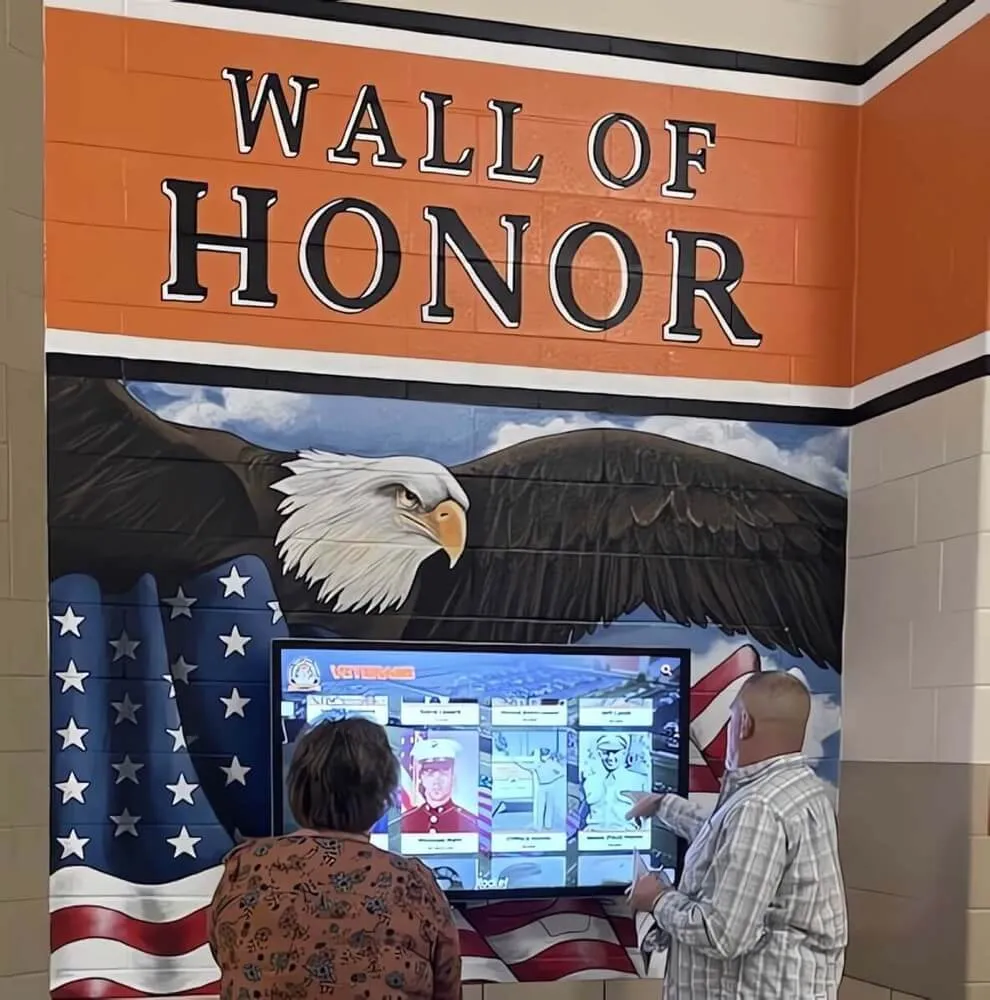
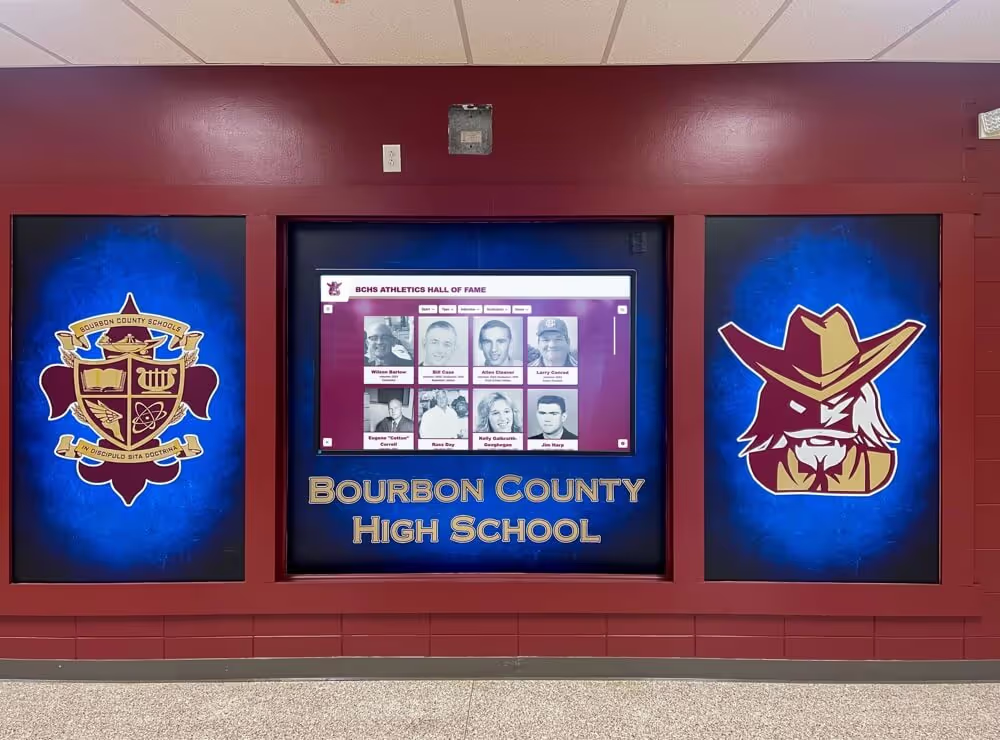
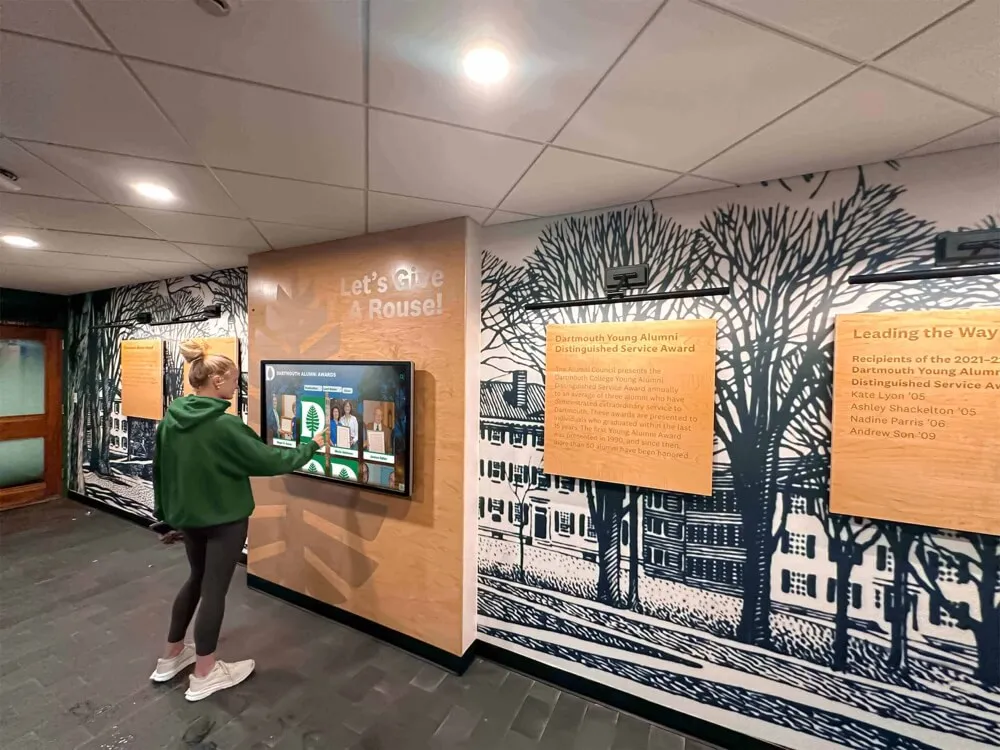
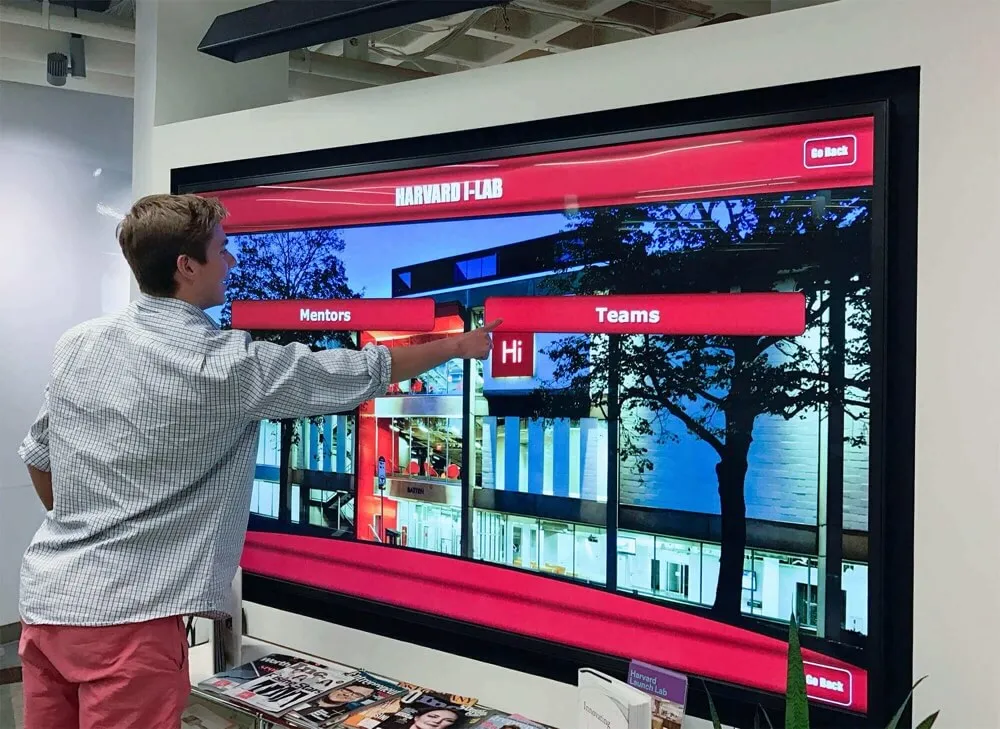
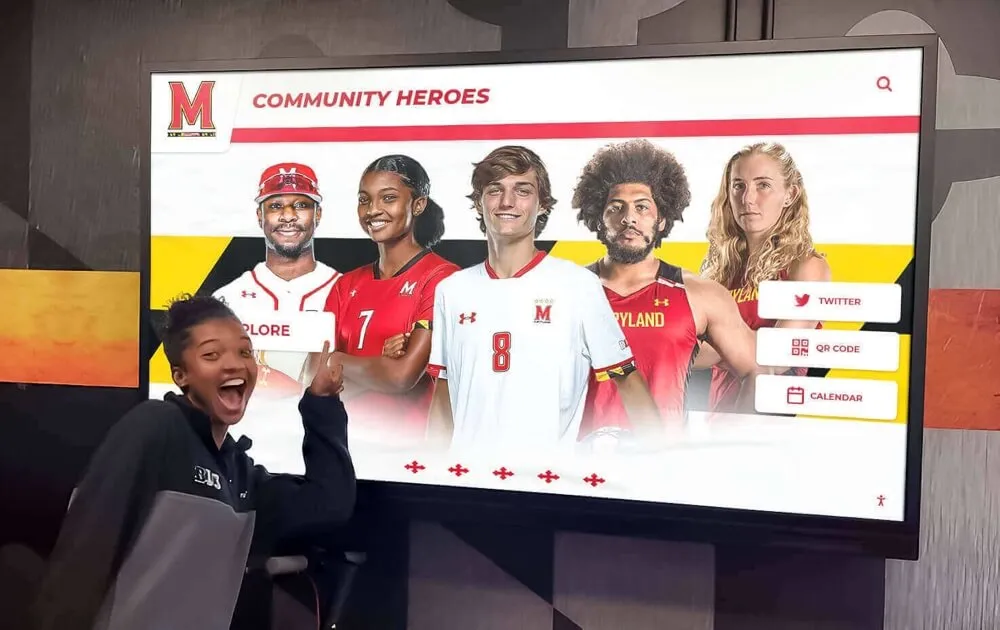
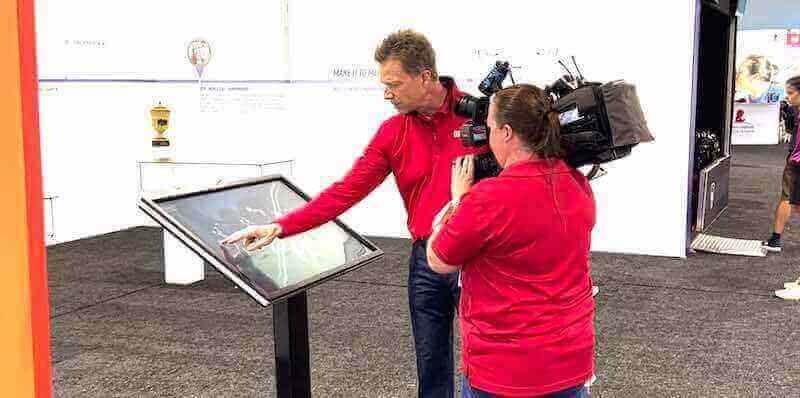
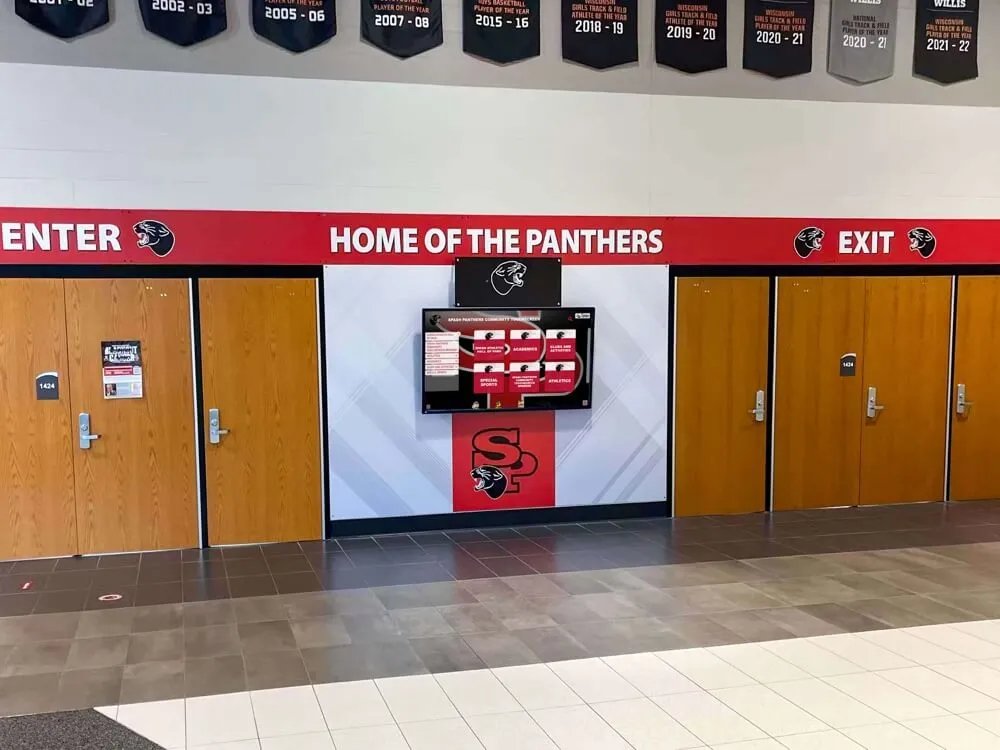
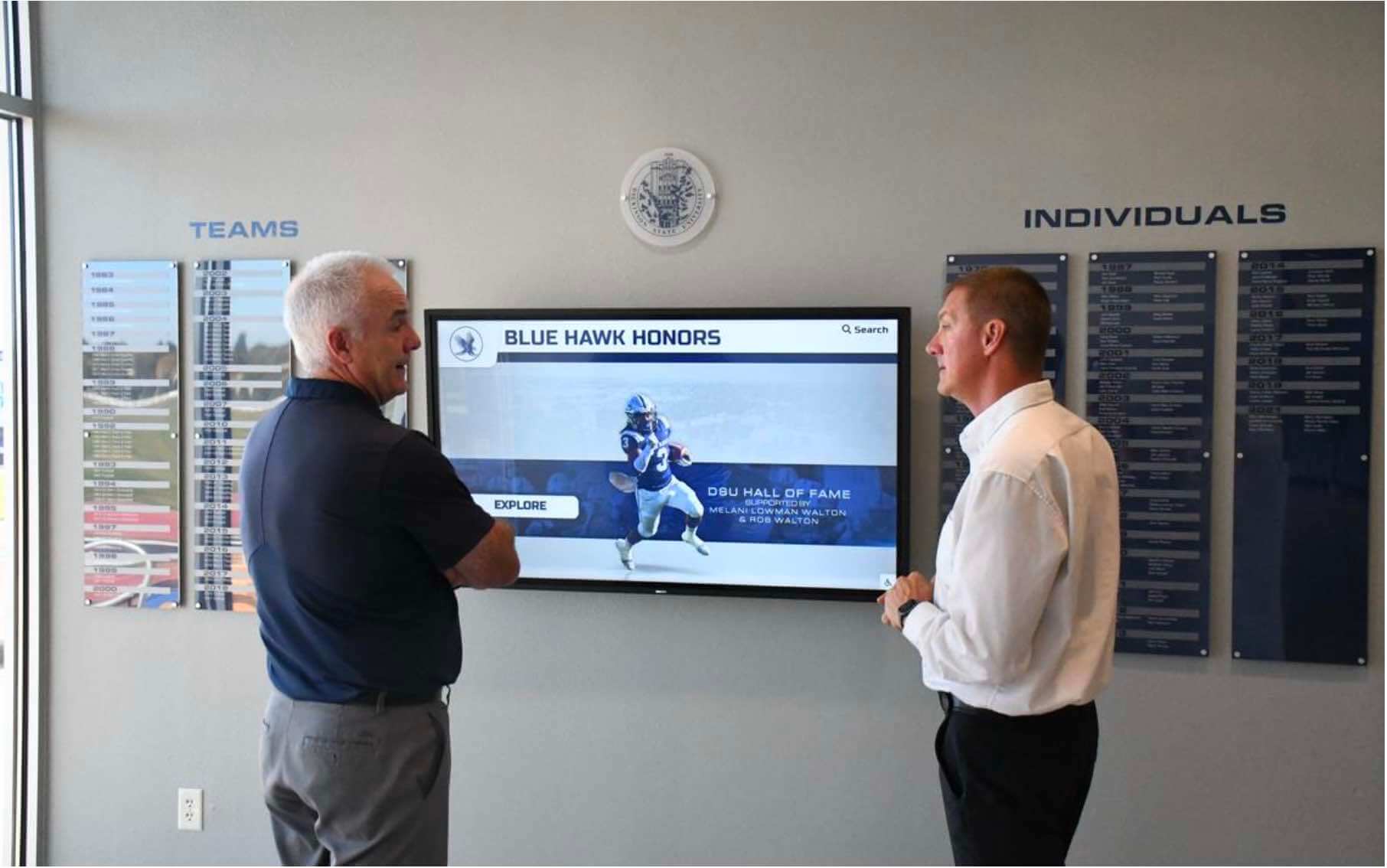
Interactive recognition displays invite community members to explore donor acknowledgment and connect personally with the supporters who make programs possible
Digital Stewardship Ideas for Modern Donors
Contemporary donors consume information and engage with causes through digital channels as naturally as through traditional mail or in-person interactions. Stewardship programs that limit themselves to physical recognition and postal communications miss the channels where many supporters—particularly younger donors—are most accessible and engaged.
Email Stewardship Sequences
Email enables personalized, segmented stewardship at scale—a critical capability for development offices managing thousands of donor relationships with limited staff. Effective email stewardship sequences include:
First-time donor welcome series (3–5 emails over 90 days):
- Immediate thank-you with specific impact statement
- Program spotlight showing work their gift supports
- Community introduction featuring other donors and beneficiaries
- Impact update with measurable outcomes
- Invitation to engage further (event, tour, volunteer opportunity)
Annual fund renewal sequences (launched 60–90 days before fiscal year end):
- Impact summary of the past year’s outcomes
- Recognition of giving anniversary or milestone
- Personal note from a program beneficiary
- Renewal invitation framing giving as relationship continuation
Major donor personalized outreach (quarterly touchpoints minimum):
- Dedicated impact reports tied to specific fund designations
- Personal communications from institutional leaders, faculty, or students
- Exclusive invitations to cultivation events and campus experiences
Social Media Recognition
Public social media acknowledgment extends recognition beyond your organization’s facilities to your broader digital community—and gives donors content they can share with their own networks, amplifying your reach organically.
Effective social media stewardship includes:
- Donor spotlights: Profile posts celebrating individual supporters with their permission
- Giving milestone announcements: Celebrating campaign totals, consecutive giving anniversaries, or giving society inductions
- Impact storytelling content: Photos and videos showing programs in action that donor contributions enable
- Thank-you campaigns: Coordinated acknowledgment posts during key moments like giving days, campaign completions, or academic year milestones
- Behind-the-scenes content: Exclusive glimpses of programs, student experiences, or campus life that demonstrate mission in action
Organizations should always obtain donor permission before featuring individuals on social media and should respect preferences for privacy—some major donors prefer anonymous recognition despite their significant contributions.
Online Donor Portals and Digital Recognition Access
Forward-thinking organizations are creating dedicated digital spaces where donors can access their giving history, view impact reports, explore recognition, and engage with the broader donor community at any time. These portals reduce administrative burden (fewer manual giving history requests), enhance the donor experience, and create year-round engagement touchpoints beyond solicitation communications.
Digital recognition platforms increasingly integrate portal functionality, allowing donors to access their profiles, update contact information, and share recognition content through the same system that powers lobby displays. Reviewing a complete recognition guide helps development teams understand how physical and digital recognition systems can work together as a unified stewardship ecosystem.
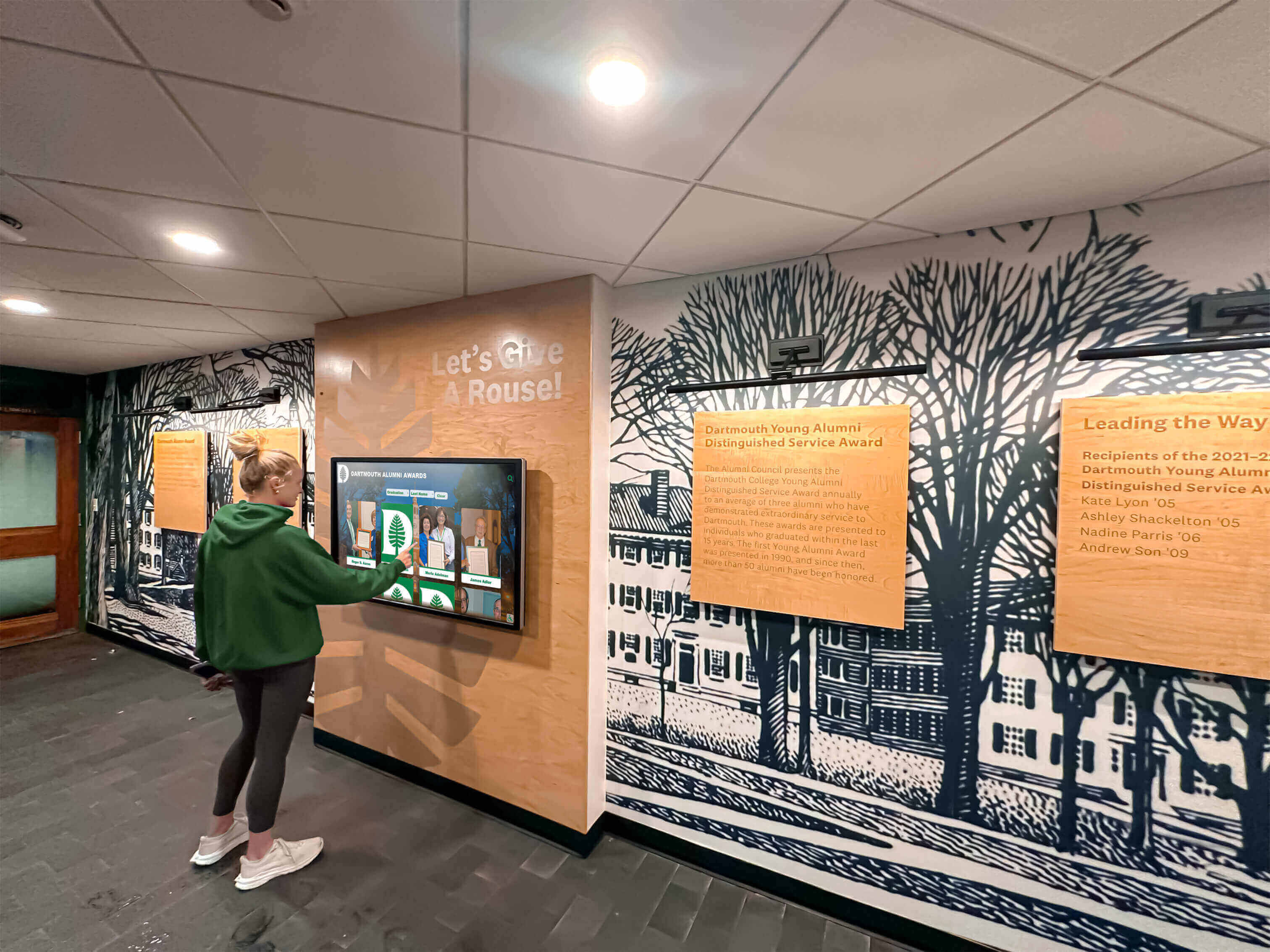
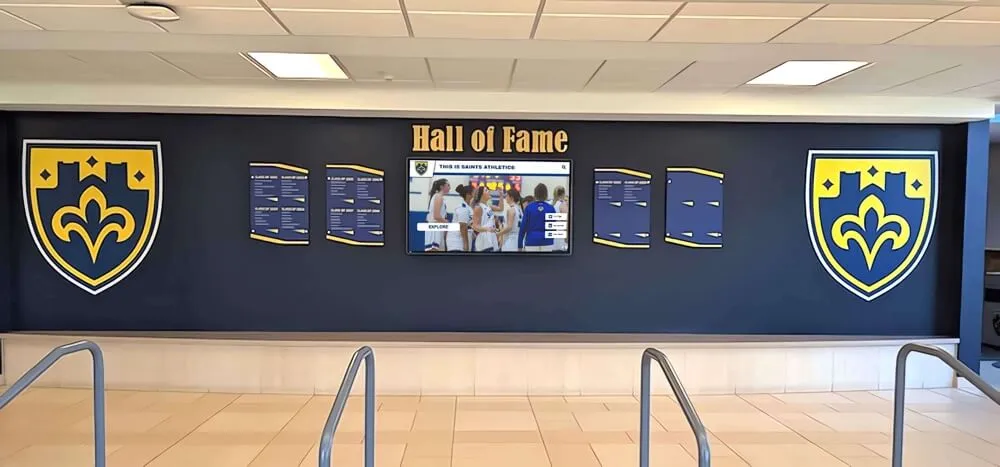
Students naturally engage with digital recognition systems, creating authentic peer endorsement of donor generosity and institutional gratitude
Building a Year-Round Donor Stewardship Calendar
Effective stewardship is systematic rather than reactive. Development offices that approach stewardship opportunistically—acknowledging gifts as they arrive and hoping someone remembers to follow up—inevitably fall short of maintaining the consistent touchpoints that drive retention. A year-round stewardship calendar creates accountability by mapping planned donor communications and engagement opportunities across the full fiscal year.
Quarterly Stewardship Calendar Framework
Q1 (Post-Campaign Thank-You Season)
- Send comprehensive annual impact reports to all giving levels
- Host major donor appreciation events reviewing year’s outcomes
- Launch scholarship recipient thank-you correspondence programs
- Recognize consecutive giving milestones for multi-year donors
- Welcome new donors with first-time donor sequences
Q2 (Mid-Year Engagement)
- Distribute program-specific impact updates for designated fund donors
- Host campus tours for local donors and prospective major gift prospects
- Send spring semester student life updates showcasing programs in action
- Acknowledge volunteer service from donors who contribute time alongside treasure
- Update recognition displays with new donors and giving level changes
Q3 (Summer Cultivation)
- Send summer impact updates on programs operating year-round
- Host cultivation events and recognition society gatherings
- Conduct major donor portfolio reviews with gift officers
- Publish mid-year fiscal reports for leadership giving levels
- Plan fall events and coordinate recognition updates
Q4 (Year-End Renewal)
- Launch giving anniversary acknowledgment campaigns
- Distribute comprehensive year-end impact summaries
- Host recognition ceremonies honoring leadership giving society members
- Coordinate giving day stewardship for peer-to-peer campaigns
- Begin fiscal year-end cultivation for renewal and upgrade decisions
Understanding how digital leaderboard and recognition systems can support this calendar structure is valuable for development teams integrating technology into stewardship operations—resources on digital leaderboard recognition provide implementation context that applies across recognition-heavy stewardship programs.
Comparing Traditional vs. Digital Recognition for Long-Term Stewardship
Development professionals evaluating recognition infrastructure frequently debate whether traditional physical recognition or digital display systems better serve their stewardship goals. The honest answer is that both serve different functions—and many organizations implement hybrid approaches capturing the strengths of each.
| Factor | Traditional Recognition | Digital Recognition |
|---|---|---|
| Initial cost | Lower | Moderate to higher |
| Per-donor ongoing cost | High (engraving + installation) | Near zero after setup |
| Capacity | Limited by space | Unlimited |
| Update speed | Weeks (vendor lead time) | Immediate |
| Storytelling capability | Minimal | Rich (photos, video, text) |
| Maintenance | Low once installed | Software updates required |
| Accessibility for visitors | Always on | Requires functioning hardware |
| Perceived prestige | Very high | Growing acceptance |
The comparison of digital hall of fame displays vs. traditional trophy cases provides a detailed framework for evaluating this decision that applies equally to donor recognition contexts.
For growing donor communities where physical capacity is a binding constraint, digital systems increasingly represent the more cost-effective long-term investment. Organizations that installed traditional plaque walls a decade ago often find themselves managing expensive annual update projects as donor communities expand beyond original capacity projections.

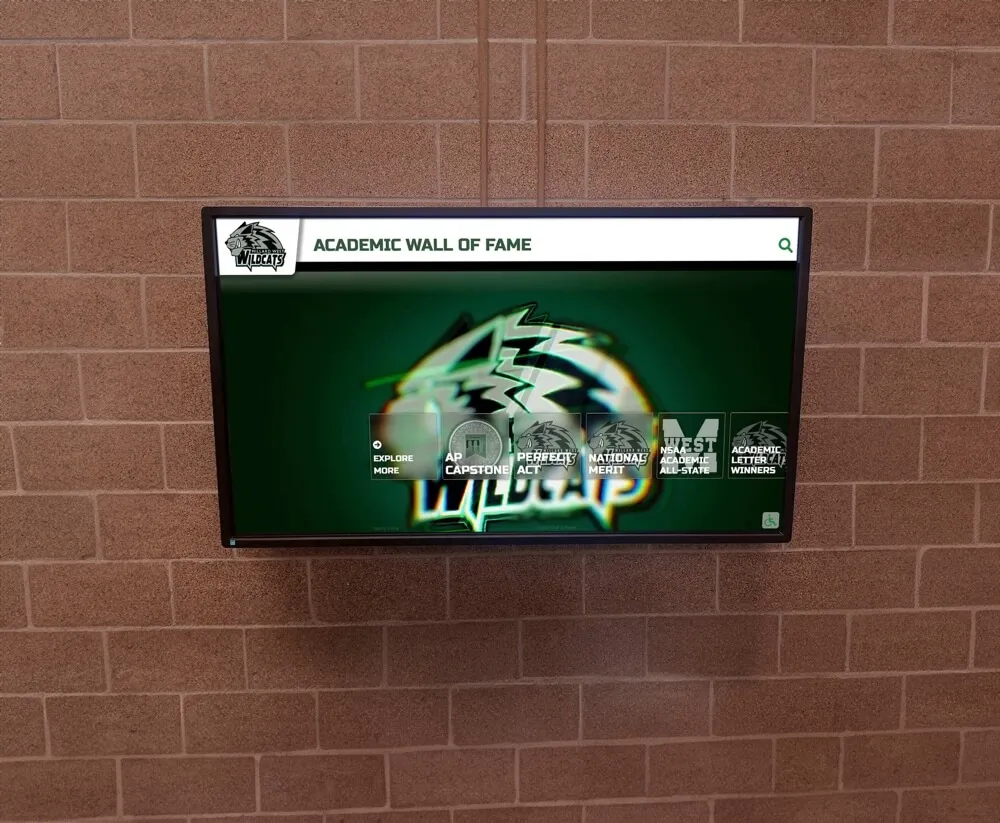
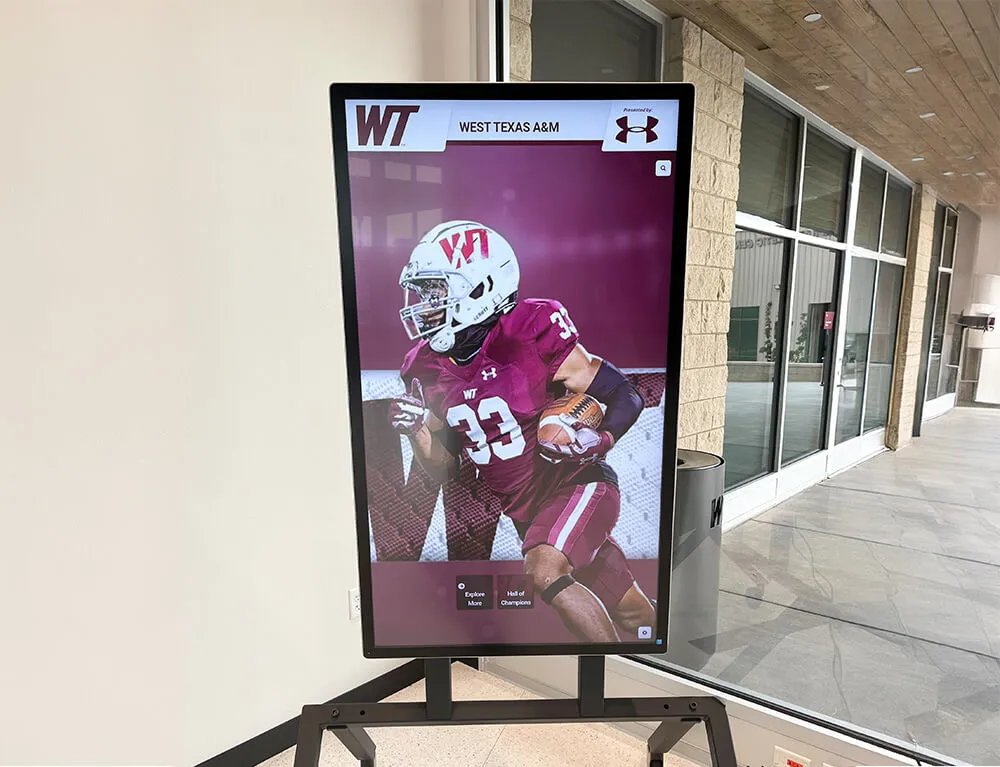
Digital recognition displays adapt to indoor and outdoor environments, extending acknowledgment beyond interior lobbies to exterior-facing campus locations
Frequently Asked Questions About Donor Stewardship Ideas
What are the most effective donor stewardship ideas for small nonprofits with limited staff?
How often should organizations contact donors as part of their stewardship program?
What donor recognition ideas work best for retaining first-time donors?
How do digital donor walls improve stewardship compared to traditional recognition plaques?
Should donor stewardship programs be different for schools versus nonprofits?
Building a Stewardship Program That Retains Donors for Life
The most effective donor stewardship ideas share a common philosophy: they treat giving as the beginning of a relationship rather than the completion of a transaction. Organizations that achieve exceptional retention rates—70%, 80%, or higher among established donors—do so by systematically investing in appreciation, impact communication, recognition, and genuine engagement that makes supporters feel like partners in the mission rather than names in a database.
Starting a donor stewardship improvement initiative does not require a complete program overhaul. Development offices can begin with high-impact, low-cost tactics like faster acknowledgment, beneficiary thank-you correspondence, and annual impact reporting—then layer in recognition infrastructure, event programming, and digital stewardship capabilities as resources allow. What matters most is that stewardship becomes intentional and systematic rather than reactive and ad hoc.
Schools and nonprofits that make this commitment see the results compound over time: improved first-time donor retention generates larger second and third gifts, sustained relationships yield major gift consideration, and major donors become planned giving prospects whose bequests transform institutional capacity for generations.
Ready to elevate how your institution recognizes and retains donors? Rocket Alumni Solutions designs interactive digital donor recognition displays that give schools and nonprofits unlimited capacity to honor supporters, tell compelling impact stories, and create visible appreciation that strengthens stewardship relationships year-round. Contact our team to explore how modern recognition technology can become the centerpiece of your donor stewardship program.