Schools committed to building strong fundraising programs need effective ways to recognize generous donors who support educational initiatives, facility improvements, athletics programs, and student scholarships. Traditional donor recognition approaches—static plaques, printed lists, and engraved bricks—struggle to accommodate growing supporter bases, require expensive updates as new donors contribute, and miss opportunities to tell compelling stories about how gifts create meaningful educational impact.
The most successful schools are discovering innovative donor recognition display ideas that honor every contribution level while inspiring future giving through engaging displays that celebrate philanthropy, showcase program impact, and create emotional connections between supporters and the students their generosity helps. From traditional honor walls with architectural elegance to interactive digital displays offering unlimited capacity and rich storytelling, modern recognition solutions transform how schools steward donor relationships while creating beautiful tributes worthy of supporter generosity.
This comprehensive guide explores creative donor recognition display ideas for schools, practical implementation strategies that maximize appreciation while managing budgets, and proven approaches that strengthen donor engagement, inspire increased giving, and create lasting celebrations of the community members who invest in educational excellence.
Effective donor recognition accomplishes multiple goals simultaneously—expressing genuine gratitude to supporters, inspiring prospective donors who see community investment in your school, providing stewardship that encourages continued giving, and celebrating the shared values that unite your school community around educational mission and student success.

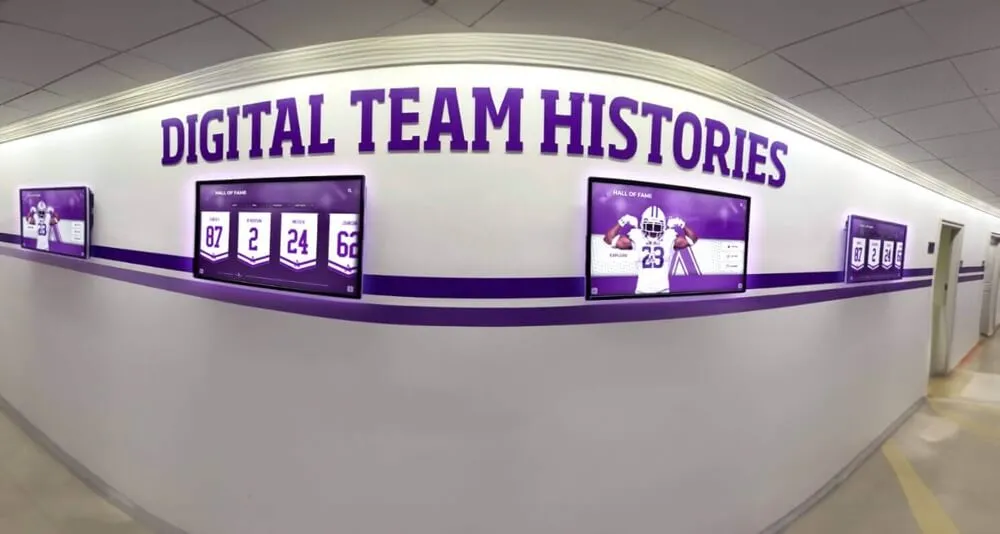
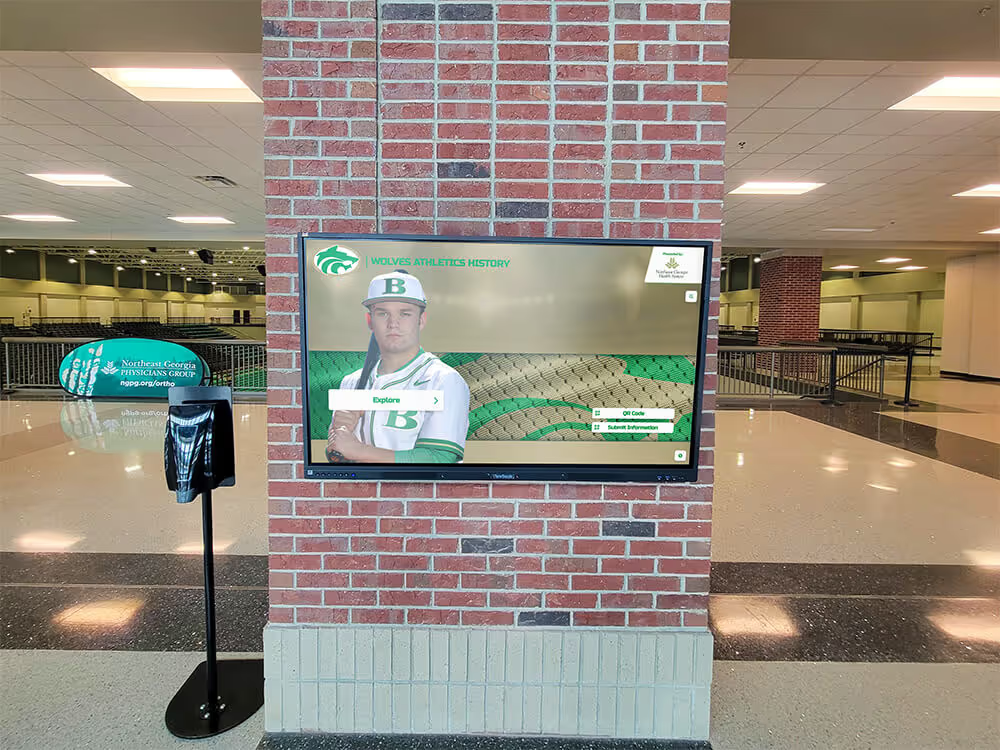
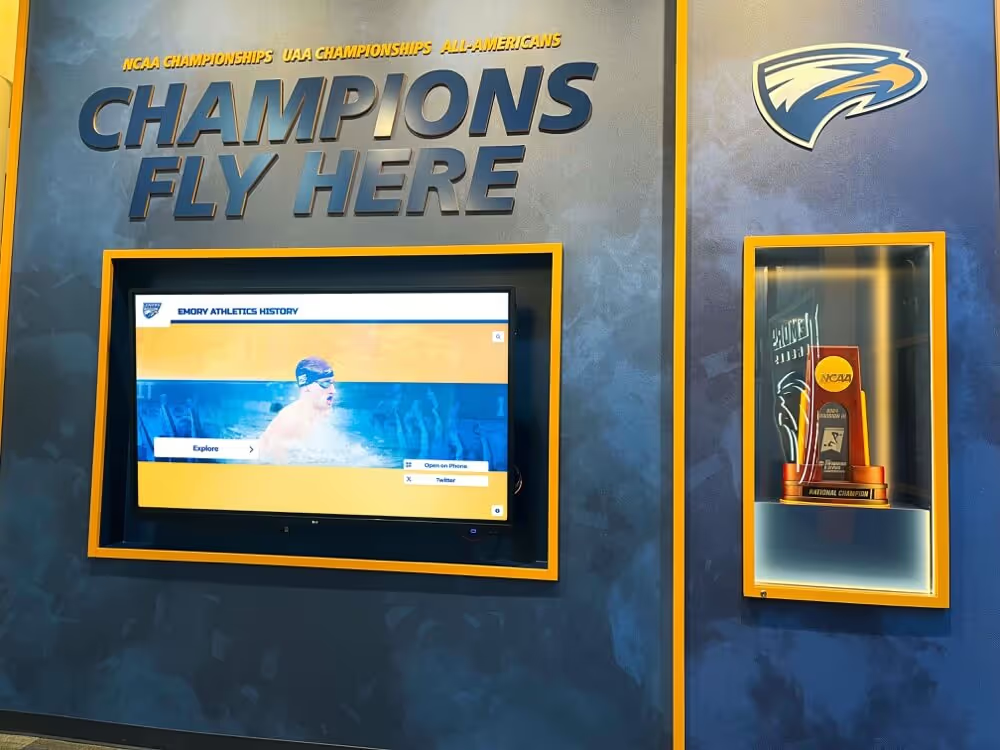
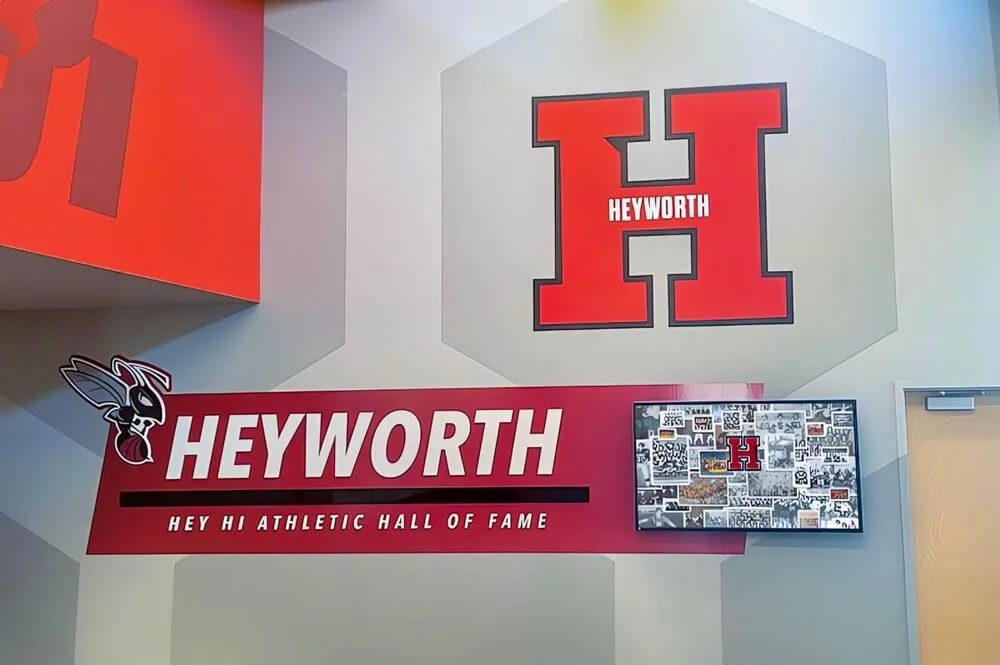
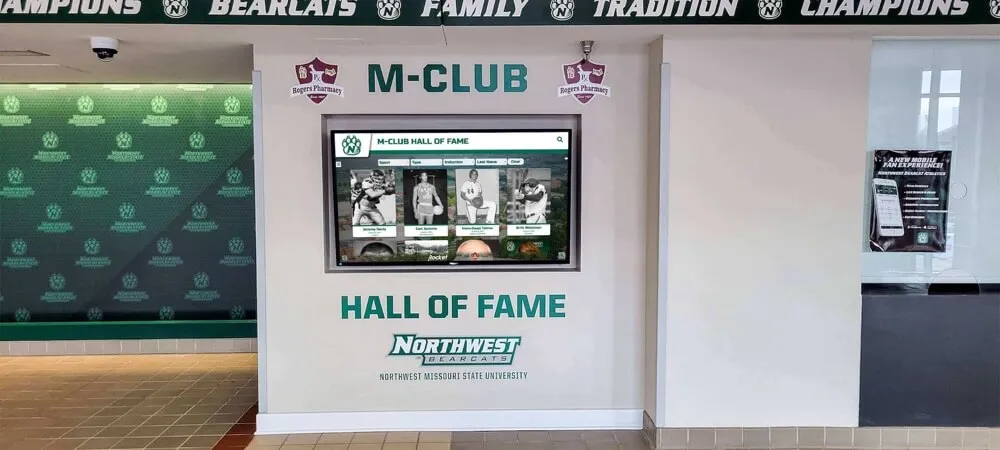
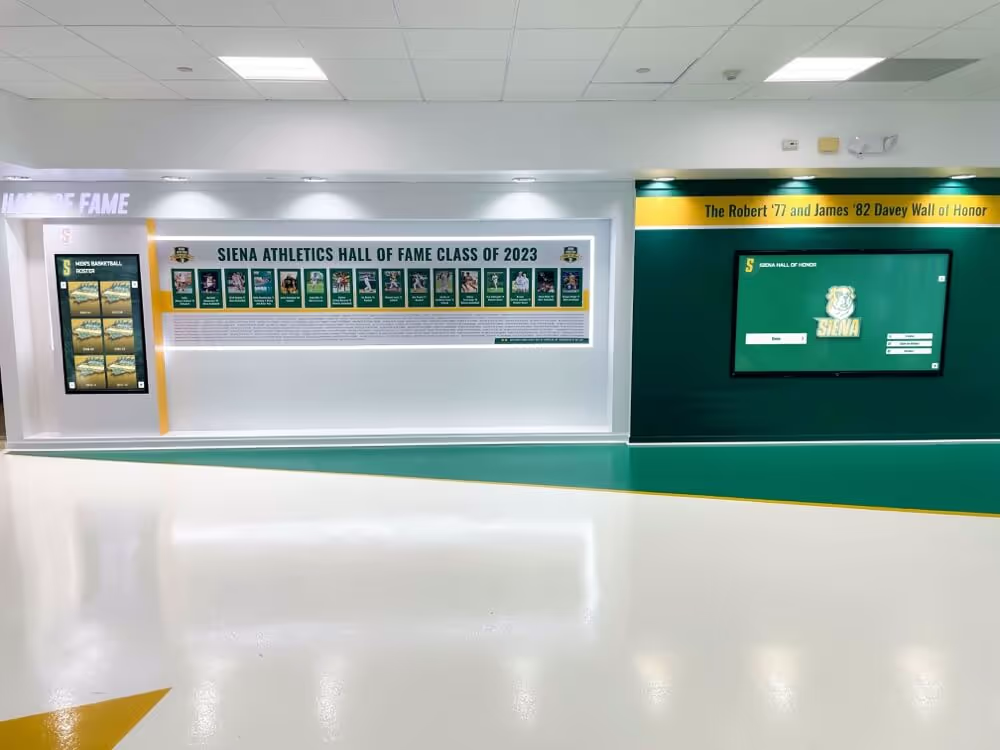
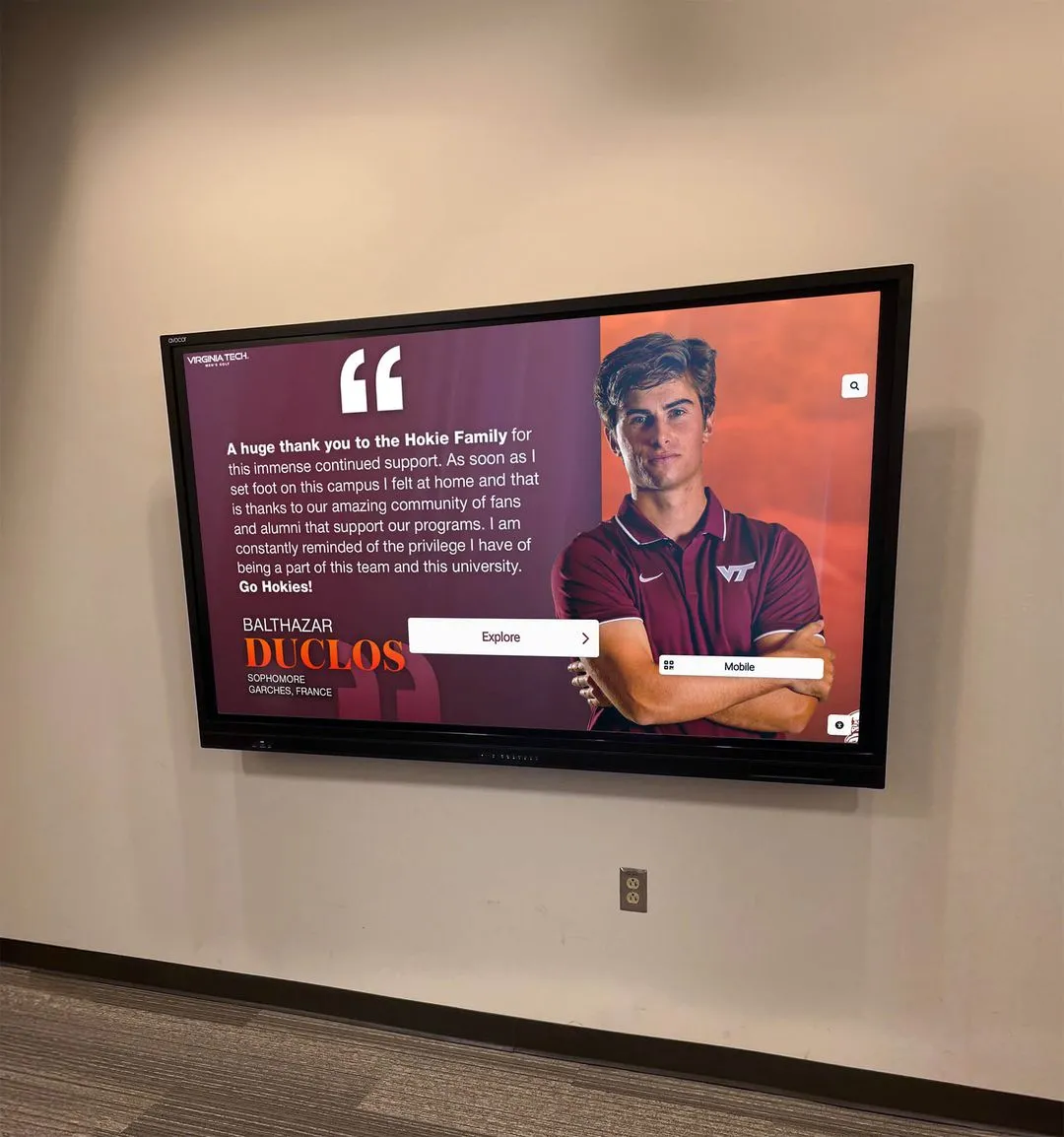
Modern donor recognition displays blend traditional elements with digital technology to create flexible, engaging tributes to school supporters
Why Donor Recognition Displays Matter for Schools
Donor recognition displays serve as visible demonstrations that contributions create meaningful impact while fostering philanthropic culture within school communities. Schools implementing strategic recognition programs experience measurable benefits including increased donor retention, higher average gift amounts, improved annual fund participation, and stronger community connections to institutional mission and priorities.
Recognition validates donor decisions to support your school rather than competing charitable causes. When supporters see their names honored alongside fellow community members, they feel part of something larger than individual transactions—they belong to a philanthropic community united by commitment to educational excellence. This sense of belonging translates directly to sustained giving relationships that benefit schools over decades rather than single gift cycles.
Inspiring Future Donations Through Social Proof
Prospective donors visiting your school observe existing supporter recognition and form judgments about whether giving represents a valued community norm. Prominent, thoughtfully designed recognition displays communicate that philanthropy matters to your school community, that contributions get acknowledged appropriately, and that joining recognized donors represents a meaningful choice embraced by respected peers.
Strategic recognition placement in high-traffic areas—main entrances, athletic facilities, performing arts centers, and cafeterias—ensures maximum visibility while demonstrating the breadth of support across your entire school community. When families, alumni, and community visitors consistently encounter donor recognition, they develop familiarity with giving levels, understand recognition benefits, and imagine their own names among honored supporters.
Strengthening Donor Retention and Upgrade Potential
Research consistently shows that recognized donors give more frequently and at higher levels than supporters who receive only acknowledgment letters or email receipts. Visible recognition reinforces that contributions matter, demonstrates organizational appreciation beyond transactional thank-you notes, and creates social motivation where donors aspire to recognition tier advancement alongside respected community members.
Schools should design recognition systems that clearly communicate giving level progression, making donor upgrade paths transparent while celebrating every contribution scale appropriately. Similar to how schools create creative recognition for wrestling teams, donor displays should inspire continued engagement through thoughtful appreciation that honors supporter generosity.
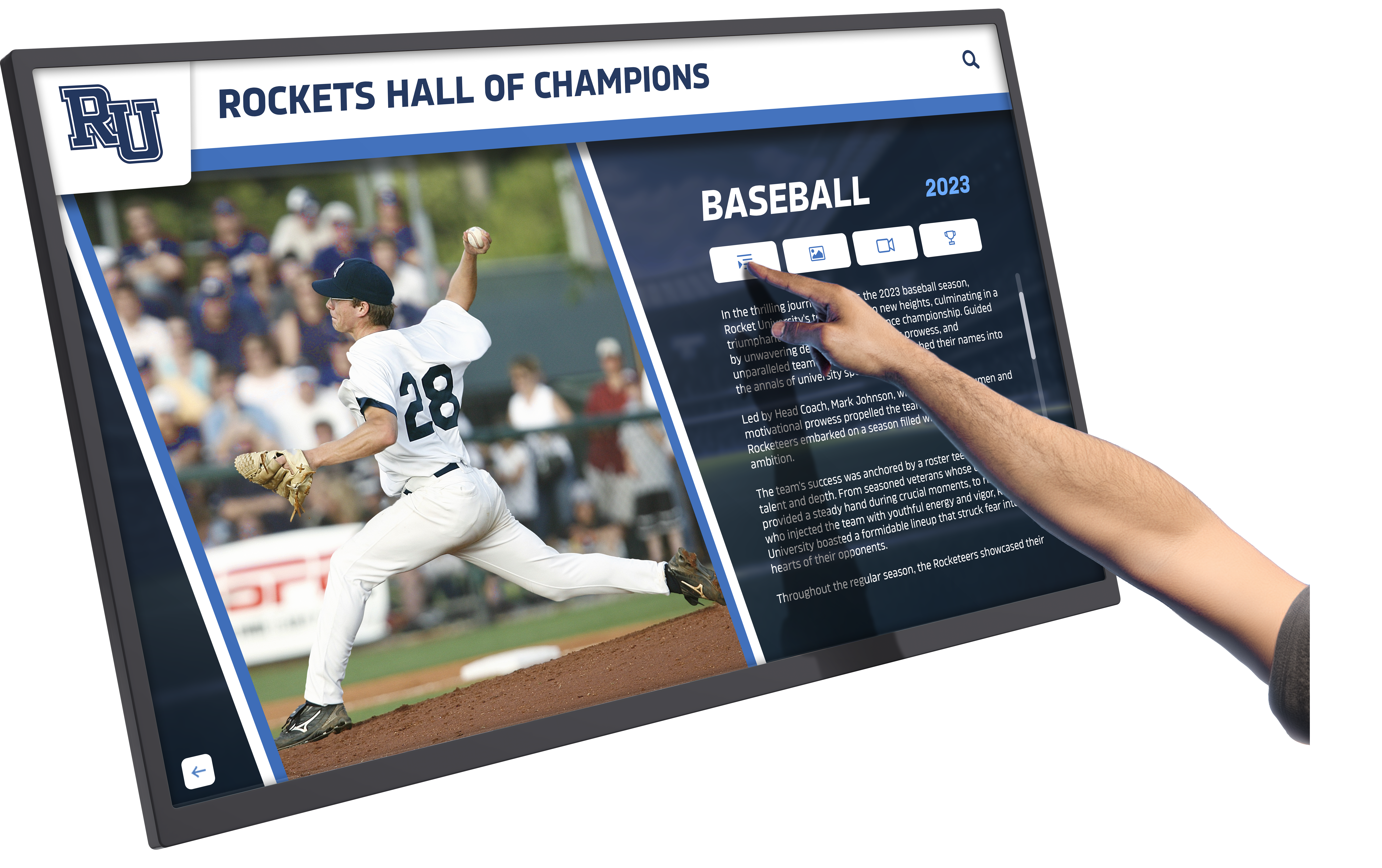
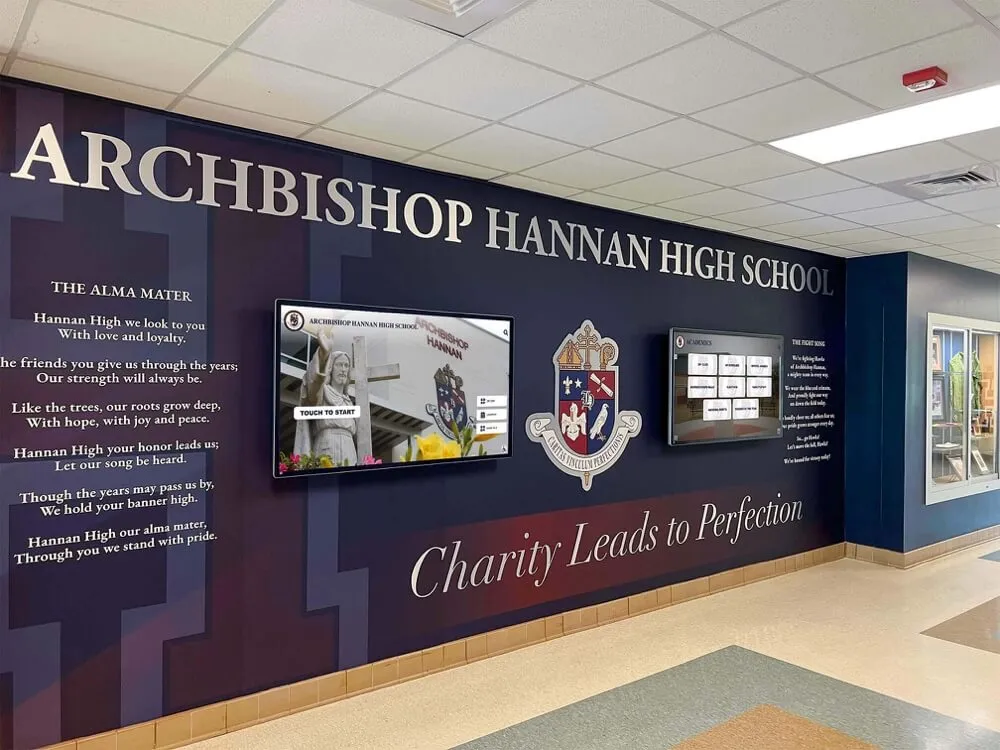
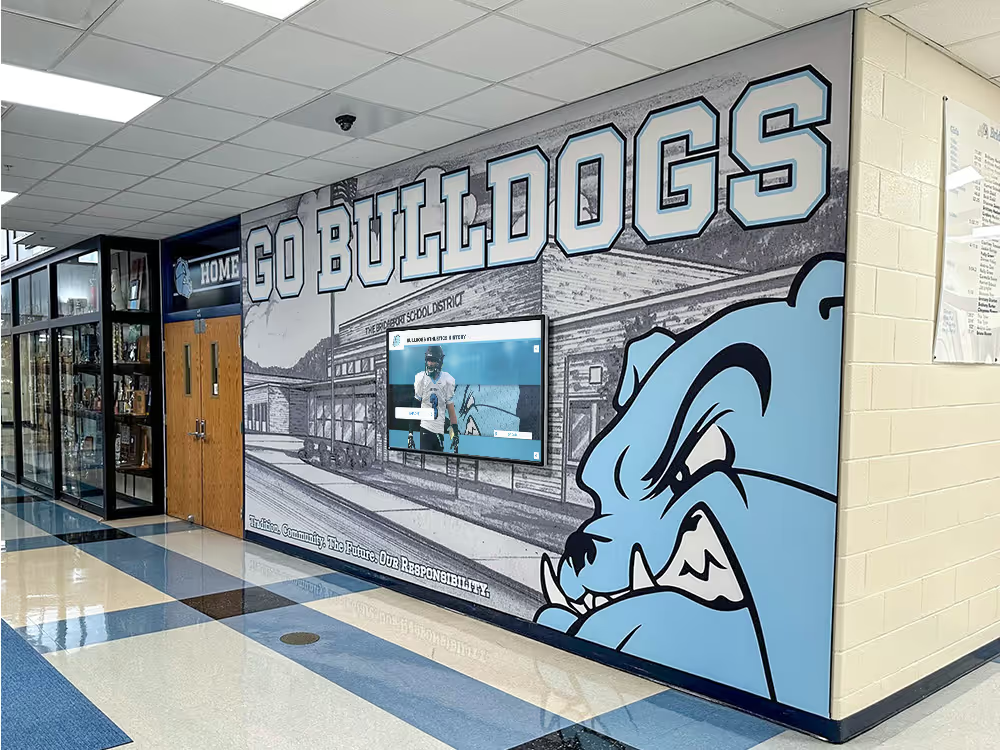
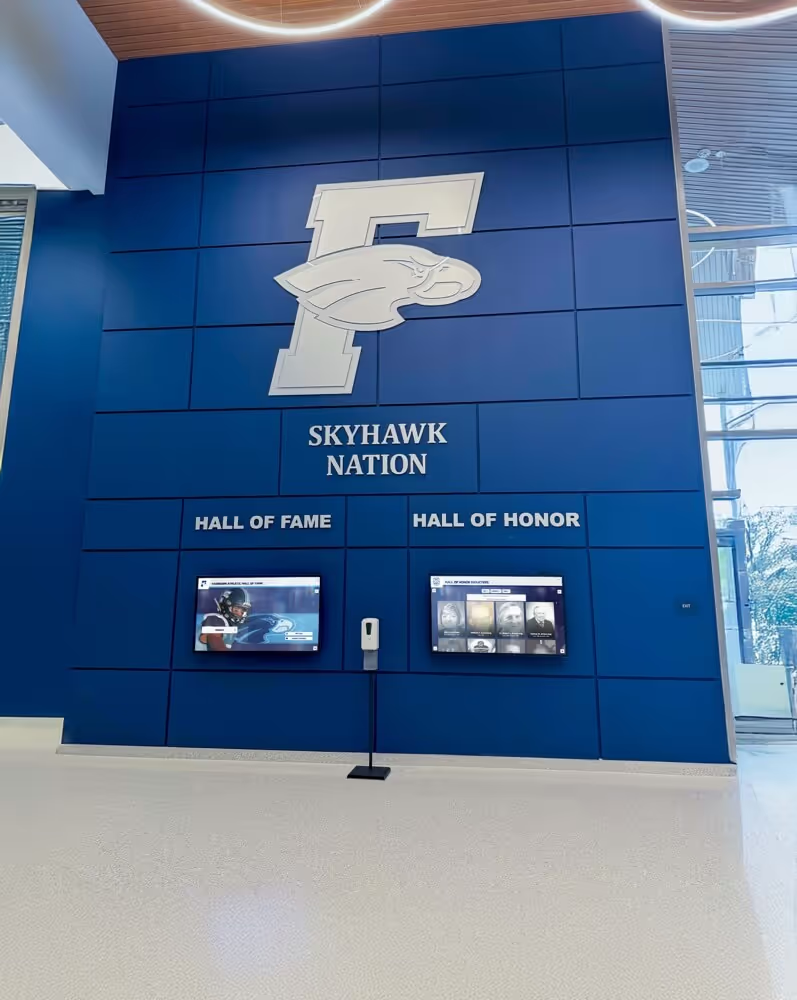
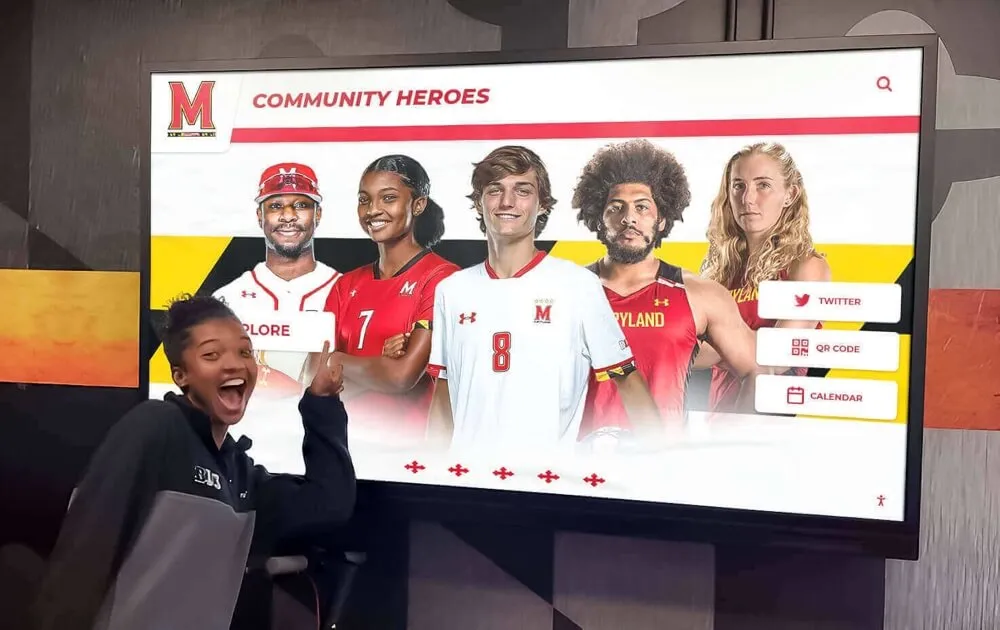
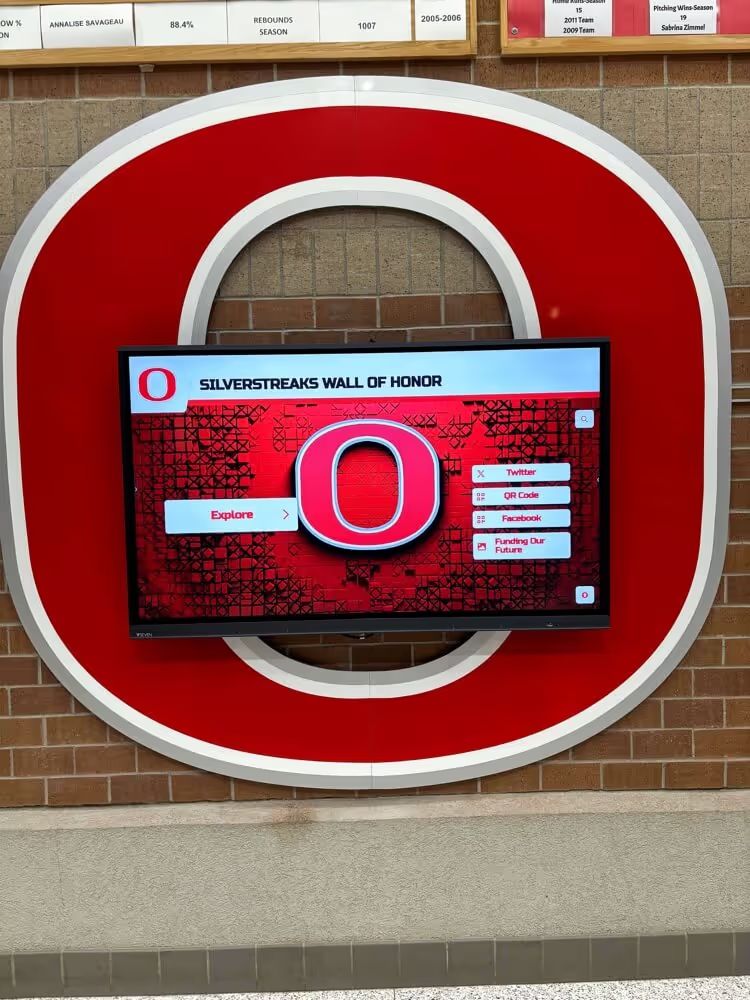
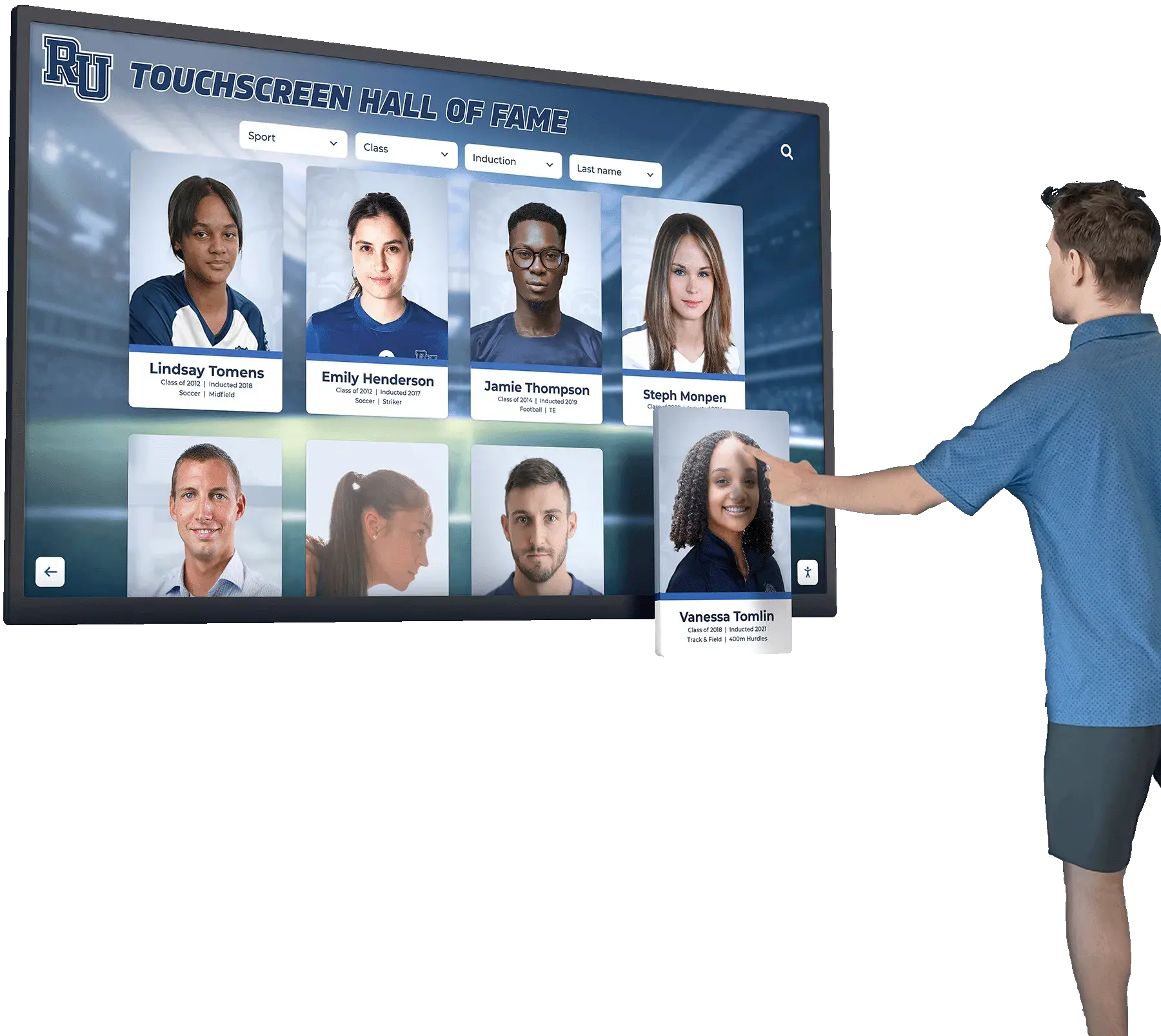
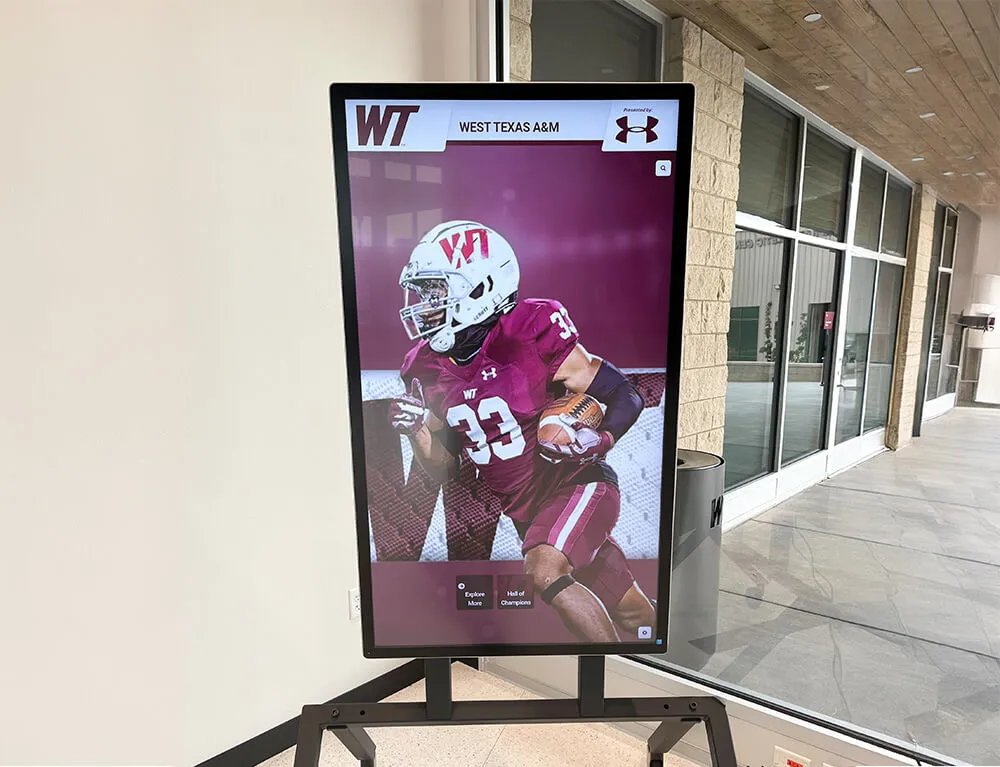
Interactive touchscreen displays enable visitors to explore donor stories and contribution impact through engaging, user-friendly interfaces
Traditional Donor Recognition Display Ideas
Conventional recognition approaches offer proven effectiveness while creating permanent, prestigious tributes that many donors deeply value for tangible, enduring qualities that physical materials provide.
Individual Recognition Plaques
Schools commonly mount individual brass, bronze, or aluminum plaques engraved with donor names, organized by giving level or installed chronologically as contributions arrive. Traditional plaque walls create familiar recognition formats that donors immediately understand while offering options to present duplicate plaques to supporters as tangible keepsakes.
Benefits of Individual Plaques
- Perceived permanence and prestige associated with quality materials
- No ongoing technology maintenance or software requirements
- Flexibility to customize individual recognition details
- Opportunity to present donor keepsakes matching wall installation
- Classic aesthetic complementing traditional school architecture
- Familiar format that older donors particularly appreciate
Practical Limitations
- Physical space constraints limiting total donor capacity
- Increasing costs as donor numbers grow requiring continuous plaque orders
- Difficulty updating information or correcting engraving errors
- Installation complexity for each new donor addition
- Static presentation offering no storytelling beyond basic information
- Challenge reorganizing recognition as priorities or giving programs evolve
Schools implementing plaque-based recognition should carefully plan for growth, considering both current donor numbers and projected expansion over 10-15 year periods to avoid premature space exhaustion requiring costly wall relocation or facility modifications.
Donor Bricks and Pavers
Many schools create recognition walkways, courtyards, or wall installations using engraved bricks or pavers that supporters purchase to commemorate gifts. Brick programs work particularly well for broad-based campaigns seeking many modest contributions rather than focusing exclusively on major donors.
Brick Program Advantages
- Accessible price points encouraging wide participation ($100-$500 typical)
- Physical installation creating permanent outdoor recognition
- Fundraising mechanism generating revenue while providing recognition
- Community-building as families visit brick installations together
- Flexibility installing bricks incrementally as purchases occur
- Durability withstanding weather exposure over decades
Considerations for Brick Programs
- Limited text capacity restricting personalization options
- Outdoor exposure causing weathering affecting long-term readability
- Installation logistics coordinating periodic brick laying
- Space planning ensuring adequate capacity for multi-year programs
- Lower perceived prestige compared to major donor recognition
- Difficulty relocating if facility renovations affect installation areas
Brick programs complement rather than replace comprehensive donor recognition strategies, providing accessible entry-level engagement while schools maintain separate recognition for major gifts requiring enhanced acknowledgment.
Donor Recognition Walls with Grouped Name Lists
Printed or engraved panels grouping donors by contribution level create unified visual presentations while maximizing space efficiency for schools recognizing hundreds of supporters across multiple giving tiers.
Panel System Benefits
- Cost-effective recognition accommodating large donor numbers
- Cohesive design creating attractive, organized presentations
- Hierarchical organization clearly communicating giving level structure
- Lower per-donor cost compared to individual plaques
- Unified aesthetic aligning with school branding and architectural style
Panel System Challenges
- Entire panel replacement required for updates or new donors
- Difficult adding supporters after initial panel production
- Less individual prominence compared to dedicated plaques
- Visible empty space if donor projections prove overly optimistic
- Weather degradation for outdoor installations
- No capacity for donor storytelling or impact communication
Schools should work with recognition vendors offering modular panel systems allowing section replacement rather than complete wall reconstruction as donor rosters grow and evolve.
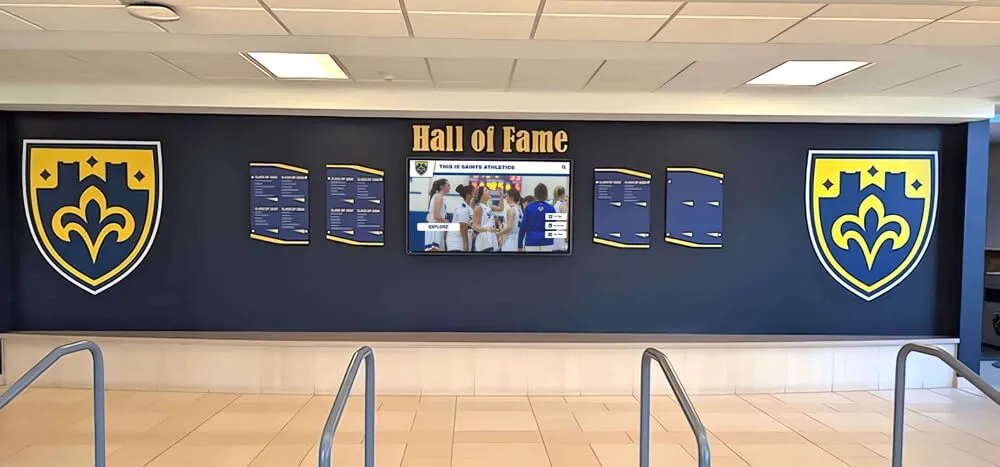
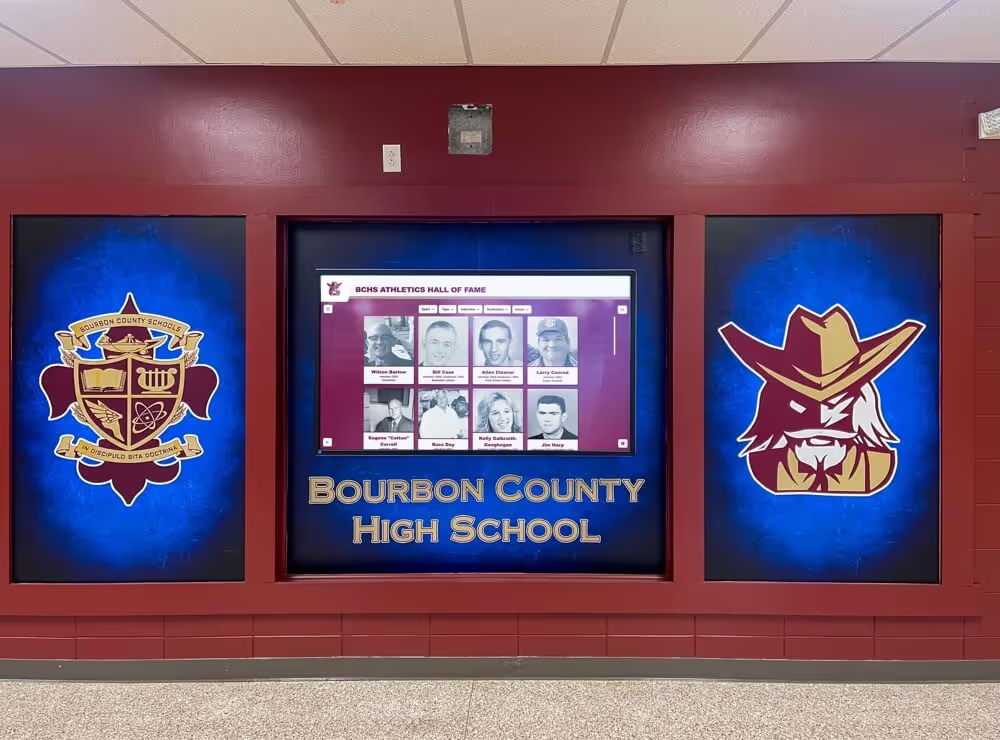
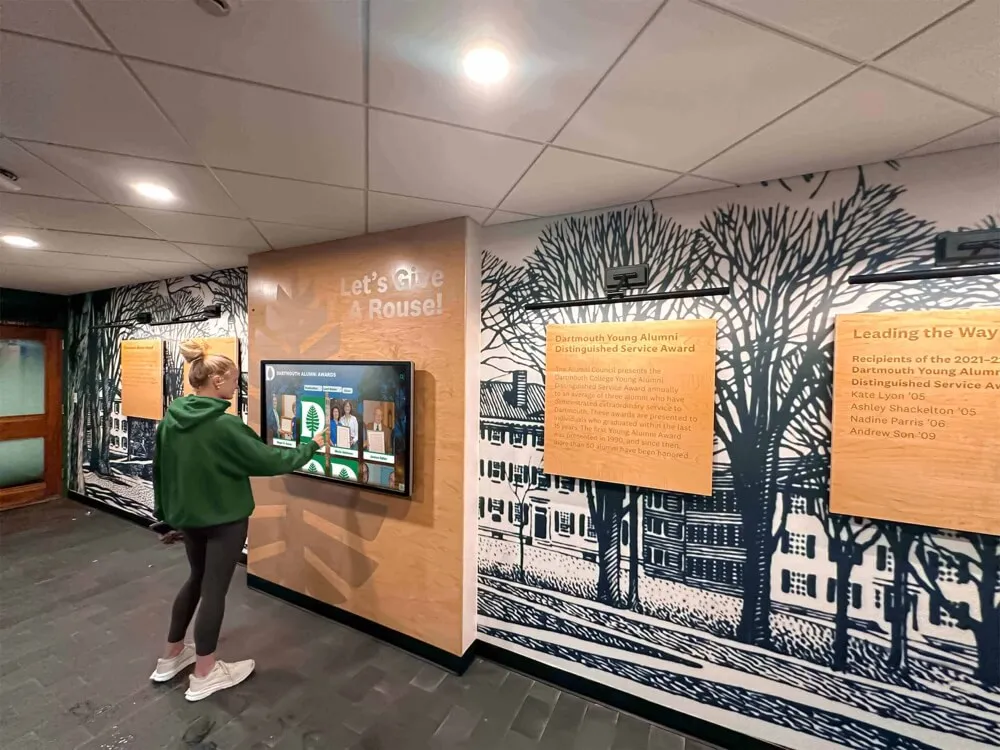
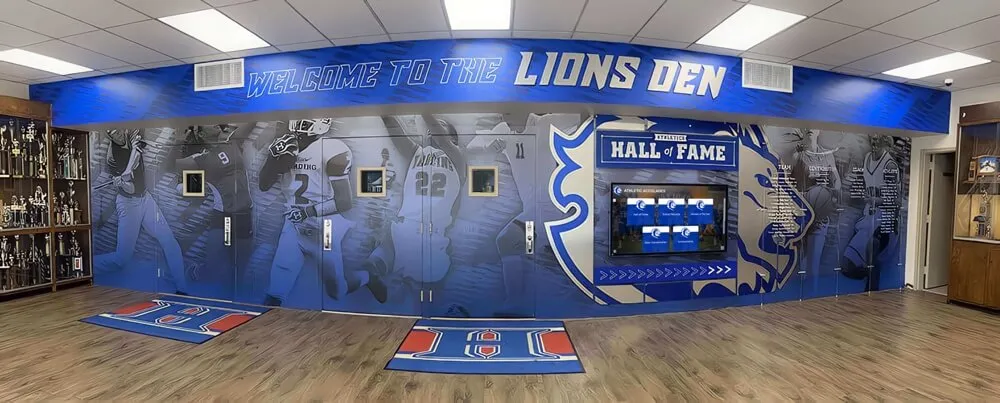
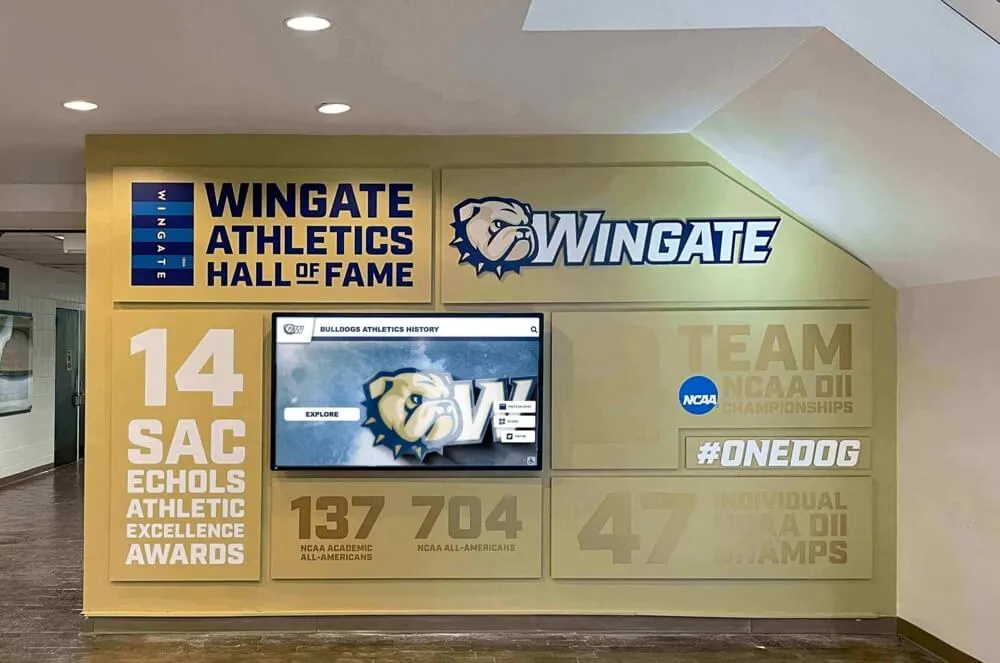
Hybrid recognition approaches combine traditional prestige with digital flexibility, honoring established donor preferences while embracing modern capabilities
Digital Donor Recognition Display Ideas
Technology-enabled recognition solutions address traditional limitations while creating enhanced engagement opportunities, unlimited donor capacity, and flexible systems adapting as school communities and fundraising programs grow.
Interactive Touchscreen Donor Displays
Digital touchscreen recognition systems transform static donor lists into engaging interactive experiences where visitors search for specific supporters, explore detailed donor profiles with photos and personal statements, filter by giving level or recognition society, and discover impact information about programs that contributions fund. Interactive displays create memorable experiences similar to digital timeline displays for schools that bring institutional history to life.
Interactive Display Advantages
- Unlimited donor capacity without physical space constraints
- Cloud-based content management enabling easy updates from any device
- Rich donor profiles incorporating photos, videos, and personal stories
- Search functionality helping visitors find specific donors instantly
- Analytics tracking engagement and identifying popular content
- Integration capabilities connecting with fundraising databases
- Long-term cost savings compared to continuous plaque additions
- Accessibility features ensuring inclusive experiences for all visitors
Implementation Success Factors
Schools should install digital donor displays in high-traffic locations where community members naturally gather—main entrances, athletic facilities, performing arts lobbies, and cafeteria areas. Screen size selection depends on viewing distances, with 43-55 inch displays suitable for standard hallways and 65-75 inch screens appropriate for large lobbies and event spaces where viewing occurs from greater distances.
Content management planning ensures donor information stays current without creating administrative burden. Professional donor display solutions offer intuitive cloud-based editors allowing development staff to update recognition remotely through web browsers, eliminating requirements for on-site technical access or specialized software expertise.
Video Tribute Displays
Large-format screens displaying rotating donor appreciation videos create dynamic recognition while telling compelling stories about supporter motivations, family giving legacies, and program impact that donations enable. Video recognition particularly resonates with younger donors who value authentic storytelling over traditional prestige markers.
Video Recognition Components
- Donor profile videos featuring personal statements about giving motivations
- Student testimonials explaining how scholarships changed educational trajectories
- Program showcase videos demonstrating facilities or initiatives donors funded
- Historical retrospectives celebrating multi-generational family giving
- Campaign progress updates showing collective donor impact toward goals
- Event coverage highlighting donor recognition ceremonies and celebrations
Video displays work effectively in areas where visitors spend extended time—waiting areas, cafeterias, athletic facility lobbies, and performing arts centers—providing entertainment value alongside recognition while creating emotional connections between supporters and the students their generosity serves.
Hybrid Recognition Combining Traditional and Digital Elements
Many schools create comprehensive recognition environments blending traditional architectural elements donors value with digital capabilities offering flexibility and storytelling depth. Hybrid approaches honor established supporter expectations for permanent recognition while incorporating modern engagement features and unlimited growth capacity.
Hybrid System Components
- Large digital touchscreens surrounded by architectural frames matching facility aesthetics
- Traditional permanent plaques for major donors alongside digital recognition for annual contributors
- Donor society recognition spaces featuring both physical naming elements and digital content
- QR codes integrated with traditional plaques linking to extended digital donor profiles
- Environmental design incorporating school branding, mission statements, and impact photography
- Combination of engraved giving level headers with digital donor name displays
This blended approach particularly appeals to schools with diverse donor demographics spanning multiple generations, where older supporters may prefer traditional recognition while younger donors engage more readily with digital experiences and social sharing opportunities.
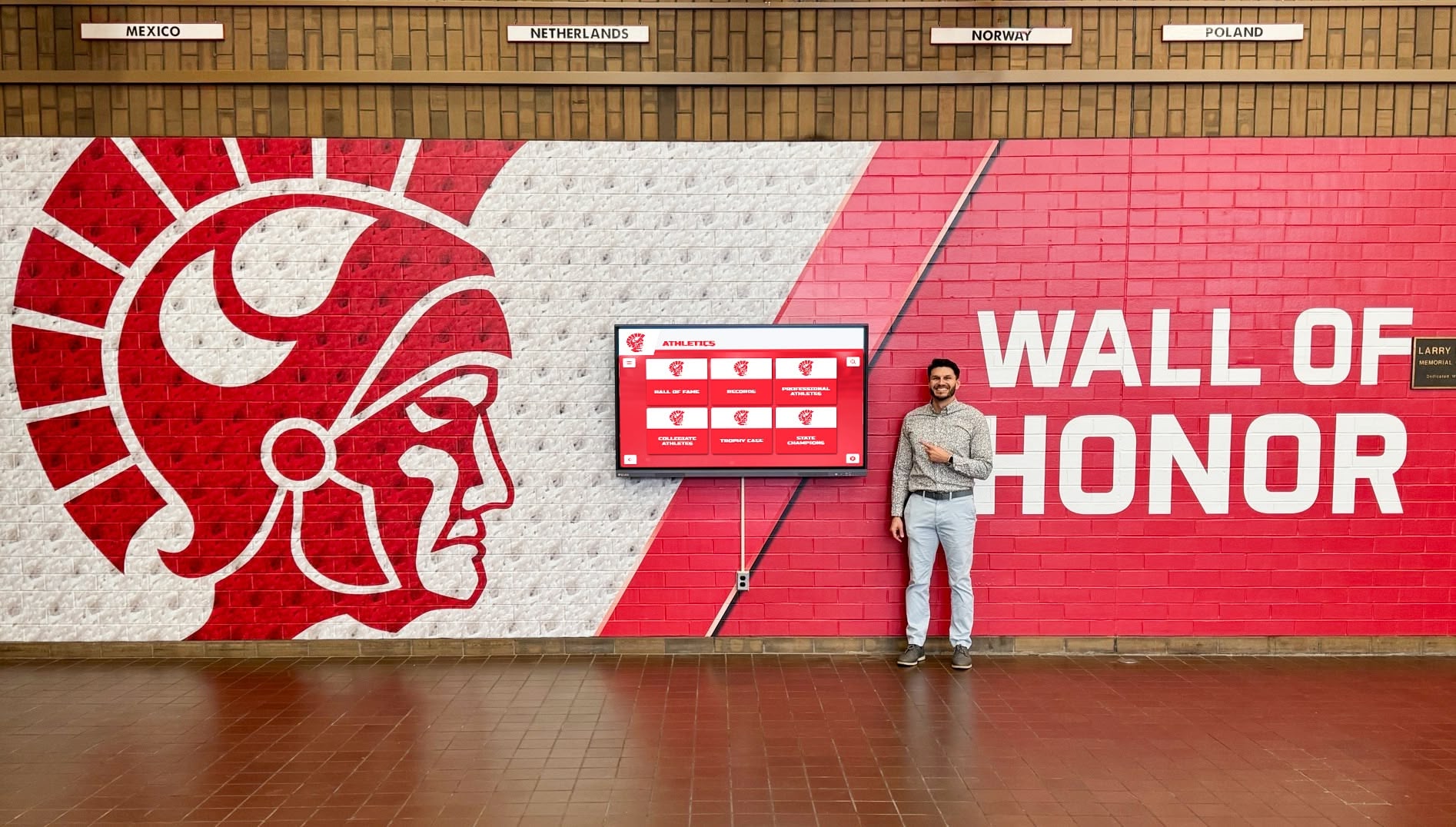
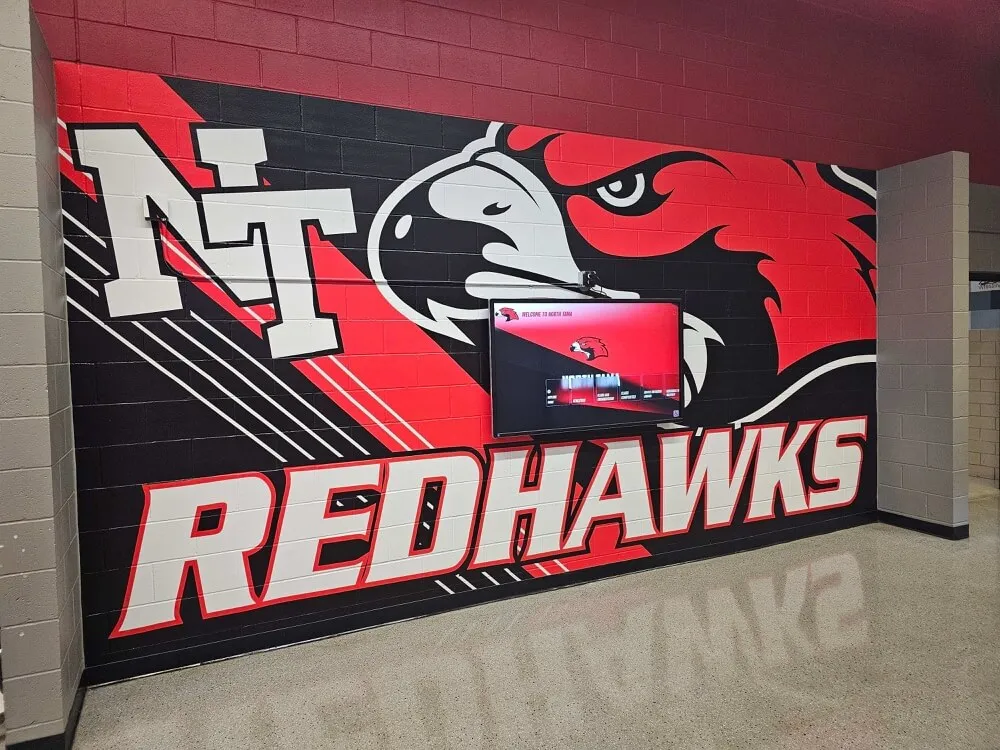
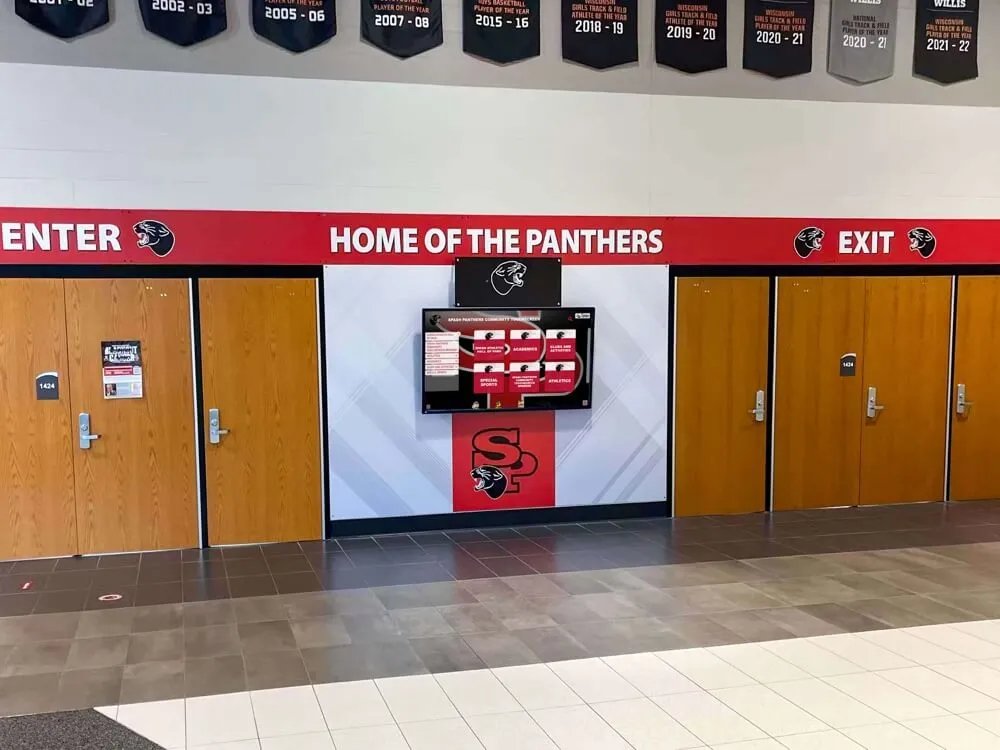
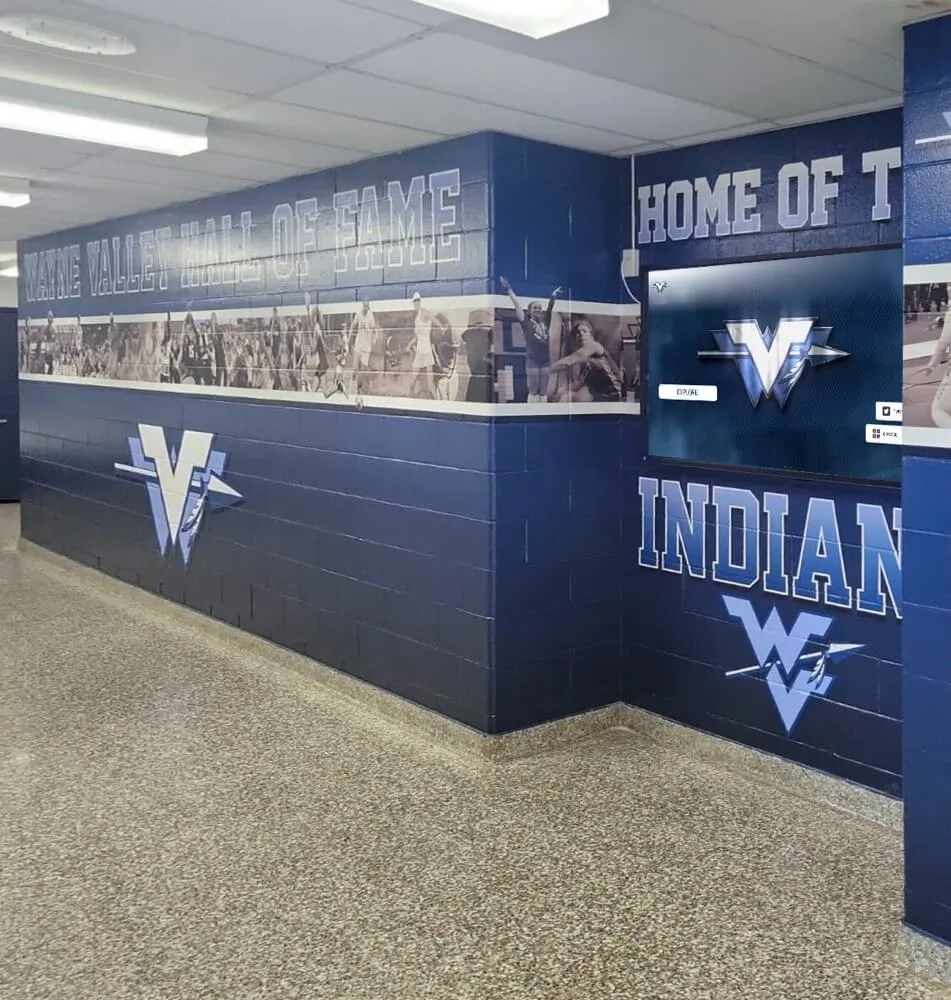
Traditional donor walls create permanent tributes in high-traffic school locations where community members encounter recognition daily
Creative Design Strategies for Donor Recognition Displays
Thoughtful design maximizes recognition impact while ensuring displays align with school identity, honor diverse donor preferences, and create visual appeal that enhances rather than detracts from facility aesthetics.
Organizing Donors by Giving Levels and Societies
Clear recognition tier structure helps visitors understand giving opportunities while communicating contribution significance through visual hierarchy. Schools typically establish multiple giving levels accommodating various donor capacities from modest annual gifts to transformational major donations.
Sample School Giving Level Structure
- Cornerstone Society: $100,000+ cumulative or major single gifts
- Heritage Circle: $50,000-$99,999 lifetime giving
- Legacy Society: $25,000-$49,999 cumulative contributions
- Leadership Partners: $10,000-$24,999 total support
- Dean’s Circle: $5,000-$9,999 cumulative gifts
- Sustaining Members: $1,000-$4,999 cumulative donations
- Annual Fund Supporters: $500-$999 annual contributions
- Friends of [School Name]: Up to $499 annual gifts
Recognition tier naming should reflect school culture and values. Schools might use academic terminology, founder references, school mascot themes, or mission-aligned descriptors that resonate with community identity and institutional heritage.
Creating Visual Hierarchy
Display design should clearly differentiate giving levels through positioning, sizing, visual treatment, or enhanced design elements. Top-tier donors typically receive prominent placement, larger profile presentations, enhanced graphics, or featured positioning on home screens and primary display areas. This hierarchy creates aspirational motivation while ensuring major donors receive acknowledgment proportional to extraordinary generosity.
Digital systems offer sophisticated hierarchy implementation through varied profile sizes, distinctive color treatments for different levels, enhanced multimedia content for major donors, and strategic positioning within navigation structures. Schools can also program displays to feature different donor segments during specific contexts—highlighting athletic facility donors during games while emphasizing performing arts supporters during concerts and theater productions.
Incorporating School Branding and Institutional Identity
Donor recognition displays should reinforce rather than conflict with school brand identity, complementing existing facility design while celebrating institutional mission and values.
Brand Integration Elements
- School colors prominently featured in design schemes
- Institutional logos and mascot imagery incorporated tastefully
- Typography matching existing school communications and signage
- Architectural elements complementing building style and character
- Mission statements and core values integrated with donor recognition
- Historical photography connecting recognition to school heritage
Schools should work with recognition vendors or designers familiar with educational environments who understand balancing donor acknowledgment with institutional branding priorities, creating displays that feel authentically connected to school identity rather than generic recognition installations that could exist anywhere.
Telling Impact Stories Alongside Donor Recognition
The most compelling recognition extends beyond listing names to demonstrate what contributions accomplish, connecting donor generosity directly to educational programs, student experiences, facility improvements, and mission advancement.
Impact Storytelling Approaches
- Scholarship recipient profiles explaining educational opportunities donors enabled
- Facility transformation photos showing before-and-after improvements
- Program descriptions detailing initiatives that donor support funds
- Student achievement data demonstrating outcomes philanthropic investment creates
- Teacher testimonials about how resources enhance educational quality
- Athletic or arts program success stories celebrating competitive excellence
- Community benefit explanations showing broader impact beyond campus
Impact storytelling proves particularly effective with digital recognition systems offering capacity for photos, videos, and detailed narratives impossible within space constraints of traditional plaques. Schools implementing storytelling report increased donor satisfaction, improved recognition of non-monetary contributions like volunteer service, and enhanced fundraising conversations where development staff reference compelling impact examples during donor cultivation.
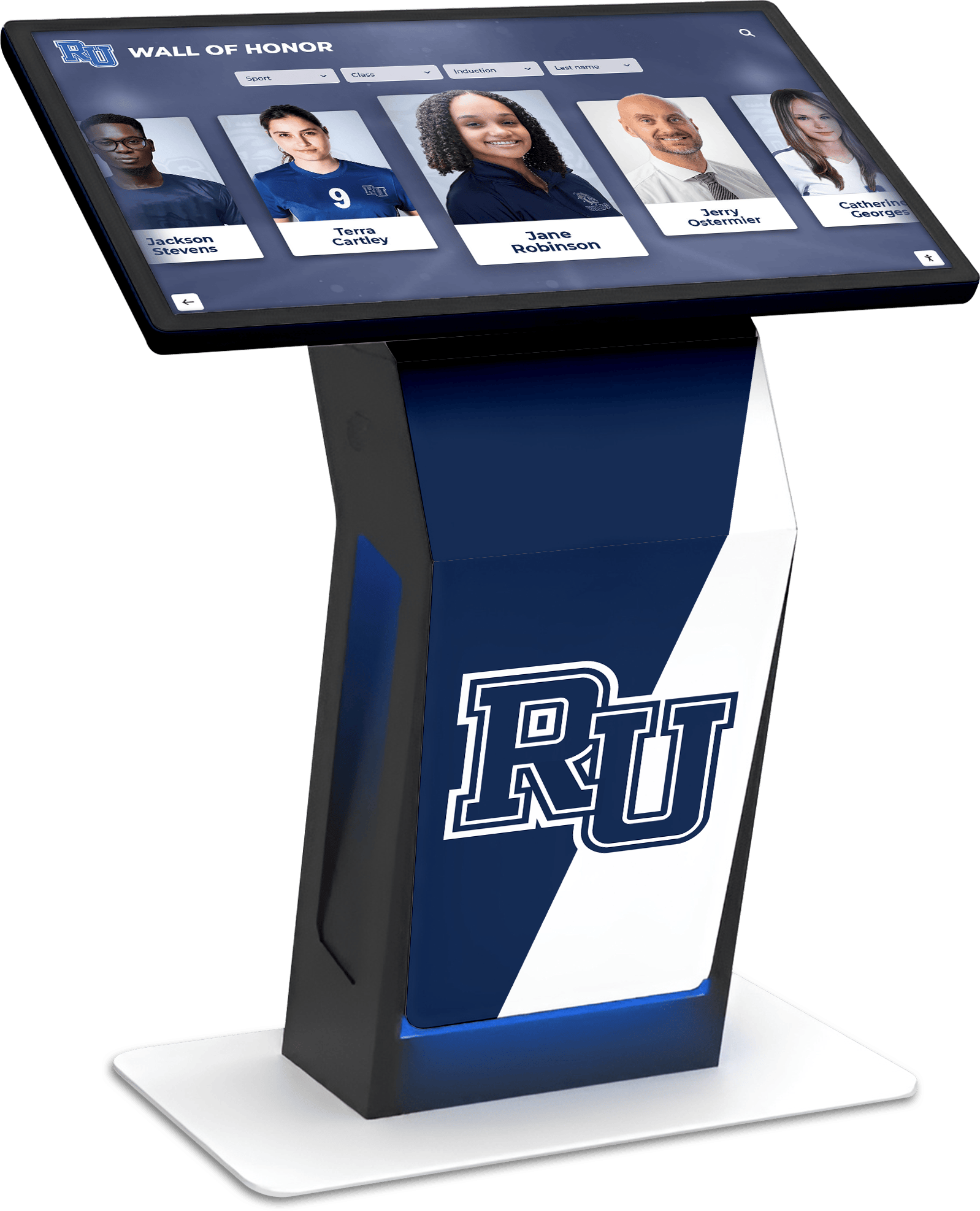
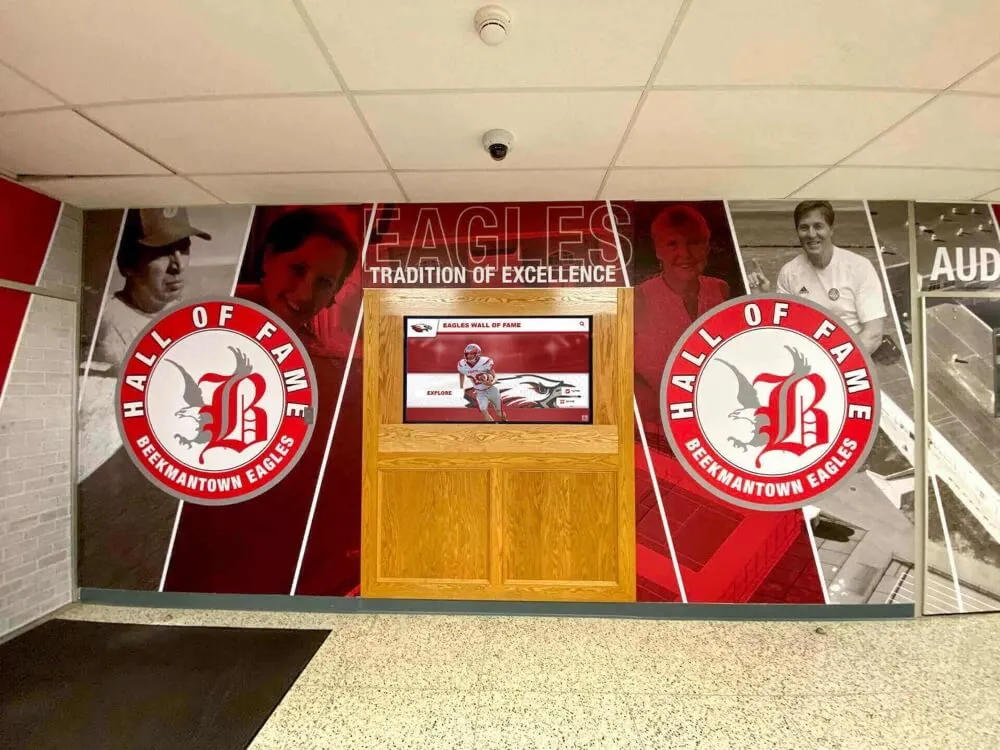
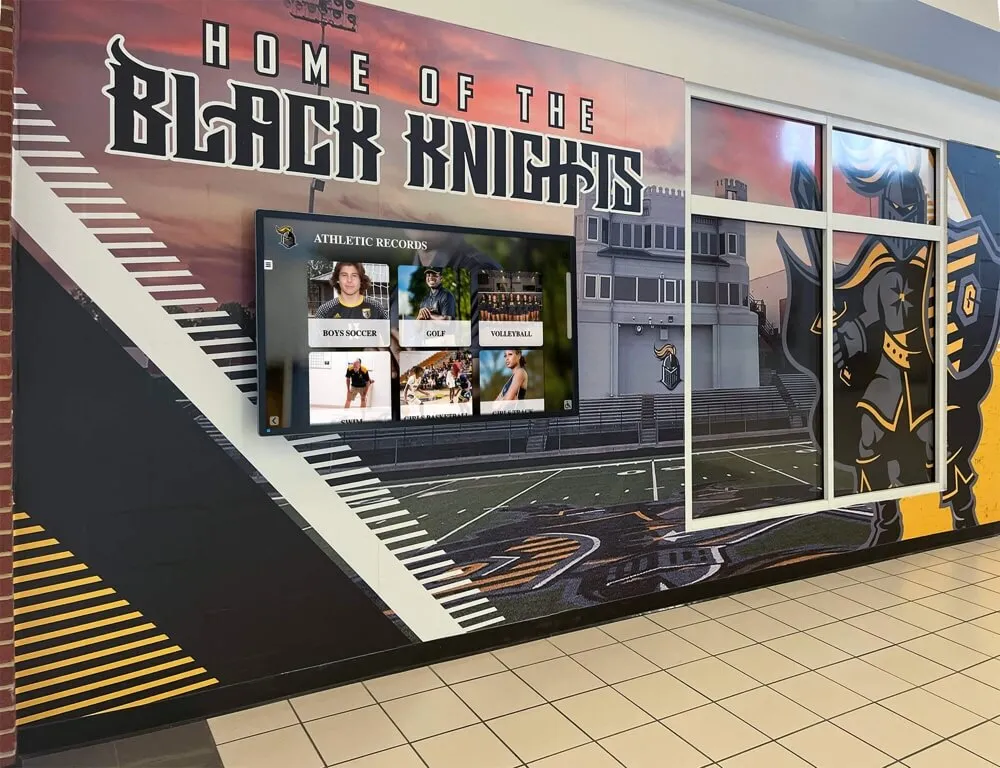
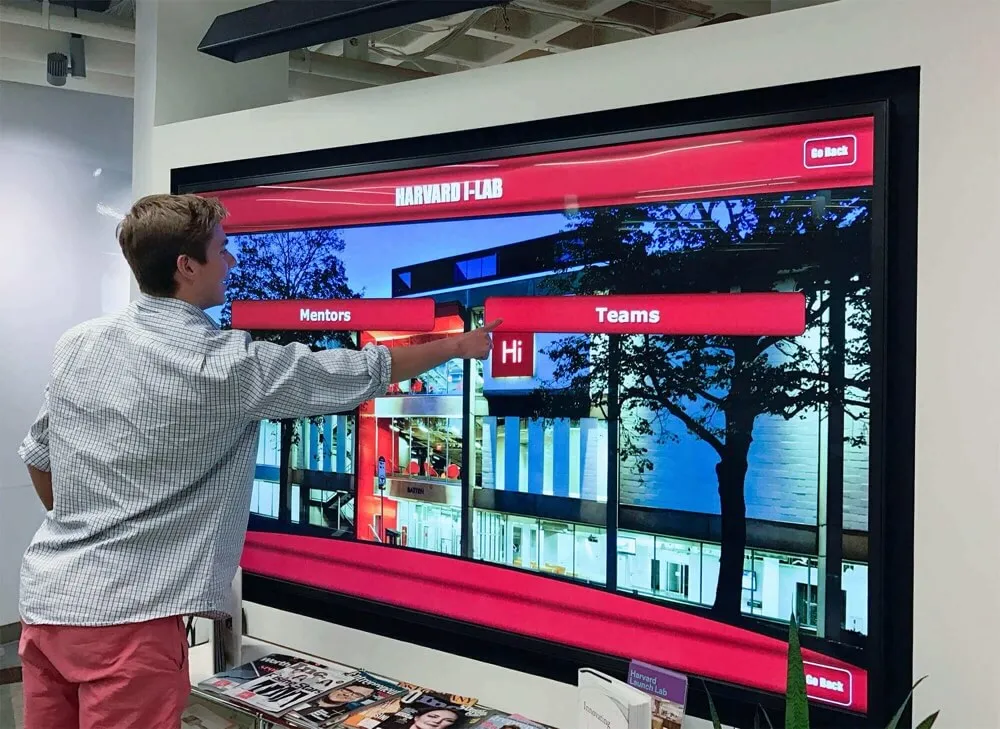
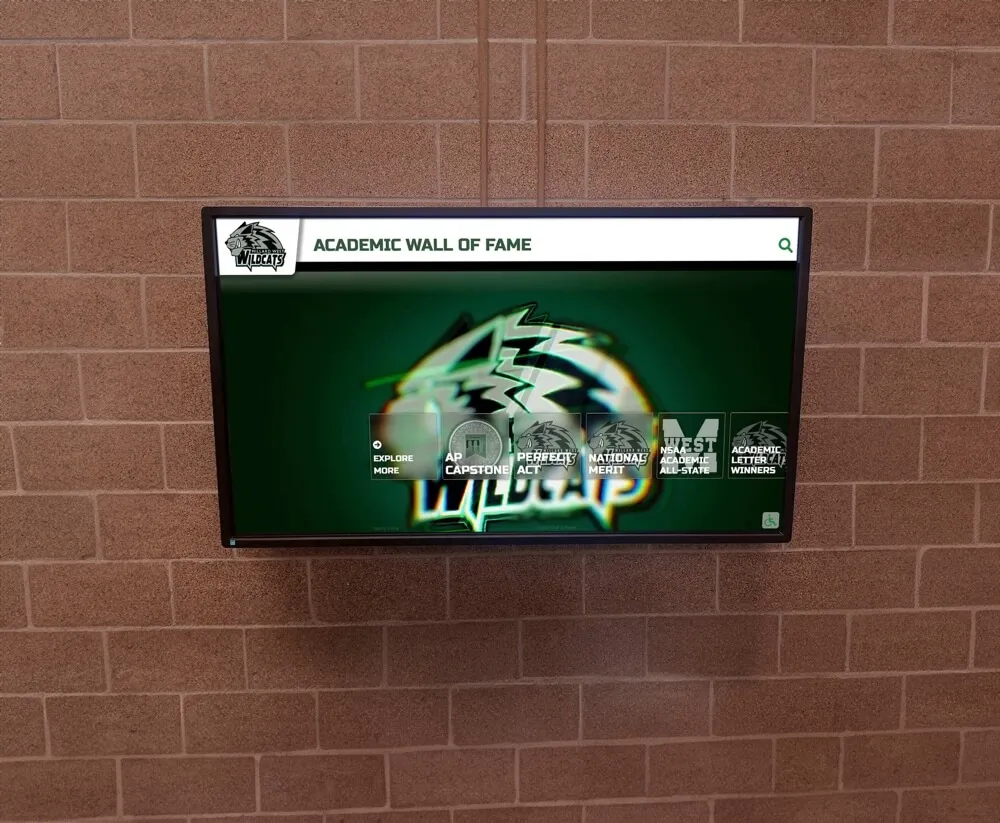
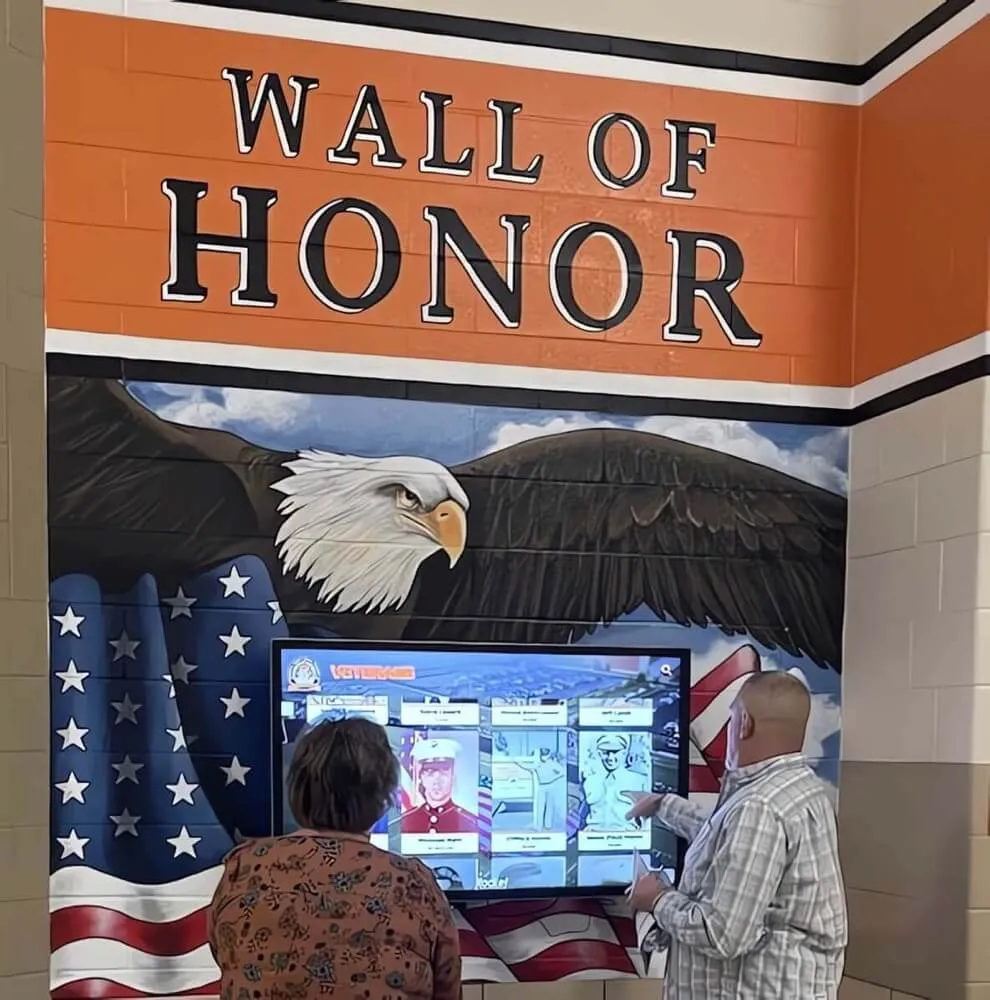
Branded touchscreen interfaces create cohesive recognition experiences that reinforce school identity while celebrating donor generosity
Budget-Conscious Donor Recognition Display Ideas
Schools managing limited budgets can implement effective recognition through creative, cost-effective approaches that honor donors appropriately while maintaining financial sustainability.
Printed Recognition Boards with Professional Design
High-quality printed donor boards offer attractive recognition at accessible price points. Professional graphic design services create visually appealing layouts incorporating school branding, donor names organized by giving level, and impact imagery celebrating programs that support funds.
Cost-Effective Printed Board Strategies
- Annual printed boards updated yearly during capital campaigns
- Modular panel systems allowing section replacement for updates
- Donor lists organized leaving space for future additions
- Digital printing enabling small quantity production at reasonable costs
- Frame systems accommodating replacement inserts for content updates
- Professional design creating premium appearance despite modest budgets
Schools should plan printed recognition with realistic growth projections, incorporating sufficient blank space for anticipated new donors while avoiding expansive empty areas suggesting inadequate support levels that could discourage giving.
Digital Displays Repurposing Existing Technology
Schools can leverage existing digital signage infrastructure for donor recognition, repurposing lobby screens, cafeteria displays, or announcement monitors for scheduled donor appreciation content alongside regular school communications.
Repurposing Existing Digital Displays
- Dedicated time slots showcasing donor recognition content
- Rotating displays alternating between announcements and donor appreciation
- Cloud-based content management adding donor slides to existing systems
- Simple donor lists designed in standard presentation software
- Photo slideshows celebrating donors during school events
- Recognition content scheduled during high-traffic periods maximizing visibility
While shared-purpose displays lack the dedicated prominence of permanent donor walls, they provide cost-effective interim recognition while schools build toward comprehensive dedicated systems through phased implementation approaches.
Recognition Through School Publications and Digital Platforms
Print and digital publications extend recognition beyond physical displays while creating shareable content donors appreciate and distribute within personal networks.
Publication-Based Recognition
- Annual donor reports listing all contributors by giving level
- School newsletters featuring donor spotlights and impact stories
- Website donor honor roll pages optimized for search and social sharing
- Social media recognition campaigns celebrating supporter generosity
- Email communications thanking donors while encouraging peer giving
- Event programs acknowledging supporters during performances and competitions
Publication recognition complements rather than replaces physical displays, creating multiple touchpoints reinforcing appreciation while accommodating donors who may never visit campus but appreciate acknowledgment within school communications they receive regularly.
Much like schools implement creative senior night celebrations on modest budgets, donor recognition can balance meaningful appreciation with financial constraints through thoughtful, creative approaches that maximize impact within available resources.
Specialized Donor Recognition Display Applications
Different types of school gifts and donor constituencies may warrant specialized recognition approaches tailored to specific contexts, programs, or giving categories.
Athletic Facility Donor Recognition
Athletic facility donors often receive recognition within the specific venues their contributions support—gymnasiums, stadiums, field houses, and training facilities. Athletic recognition frequently incorporates sport-specific design elements, team branding, and competitive achievement celebration alongside donor acknowledgment. Similar to recognition systems celebrating musical excellence, athletic donor displays can blend achievement celebration with supporter appreciation.
Athletic Donor Recognition Elements
- Digital displays showing donor profiles alongside athletic achievements
- Naming opportunities for specific facility components (courts, fields, locker rooms)
- Recognition integrating team colors and mascot imagery
- Donor walls positioned in high-traffic areas like concession stands and entrances
- Video boards featuring donor appreciation messages during competitions
- Championship trophy displays incorporating donor recognition elements
Athletic recognition benefits from event-based visibility where donors, families, and community members gather for competitions, creating natural opportunities for recognition exposure and donor appreciation during moments of school pride and competitive celebration.
Performing Arts Facility Recognition
Performing arts donors typically receive acknowledgment within theater lobbies, music rooms, rehearsal halls, and performance venues. Arts facility recognition often emphasizes aesthetic design quality matching artistic facility character while incorporating creative elements reflecting performing arts mission.
Performing Arts Donor Display Ideas
- Elegant lobby installations complementing theater architectural design
- Donor recognition in printed programs distributed during performances
- Digital displays in theater lobbies featuring donor profiles and artistic program information
- Recognition incorporating musical or theatrical design motifs
- Named seating opportunities with individual plaques
- Donor appreciation performances and special access events
- Visual displays celebrating both artistic achievement and philanthropic support
Performing arts recognition creates opportunities for creative design collaboration between school arts faculty, students, and recognition vendors, potentially incorporating student artwork or design concepts that authentically connect recognition to artistic mission and program character.
Memorial and Tribute Recognition
Schools often receive gifts honoring deceased family members, celebrating retirements, or commemorating important relationships. Memorial recognition requires sensitivity, dignity, and appropriate design treatments reflecting the serious, meaningful nature of tribute giving.
Memorial Recognition Approaches
- Dedicated memorial sections within comprehensive donor walls
- Individual memorial plaques in locations significant to honorees
- Digital memorial profiles incorporating photos, biographical information, and personal tributes
- Scholarship recognition connecting memorial gifts to student beneficiaries
- Garden or outdoor memorial spaces with engraved recognition elements
- Annual memorial events honoring tribute gift designations
Schools should establish clear memorial recognition policies addressing appropriate tribute language, photo guidelines, permanence commitments, and family consultation processes ensuring memorial recognition honors both donors and designated honorees with appropriate dignity and respect families expect when making memorial contributions.
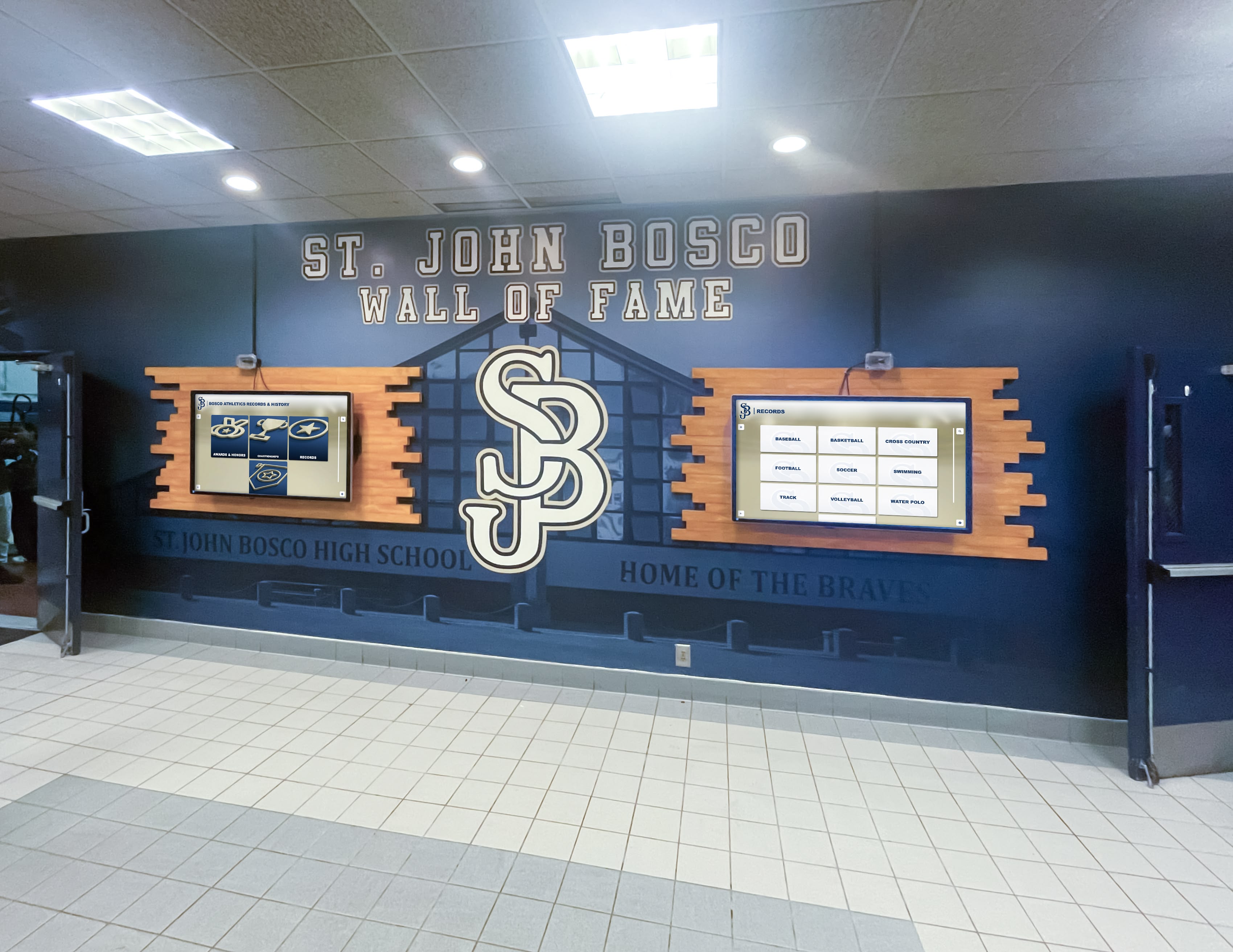
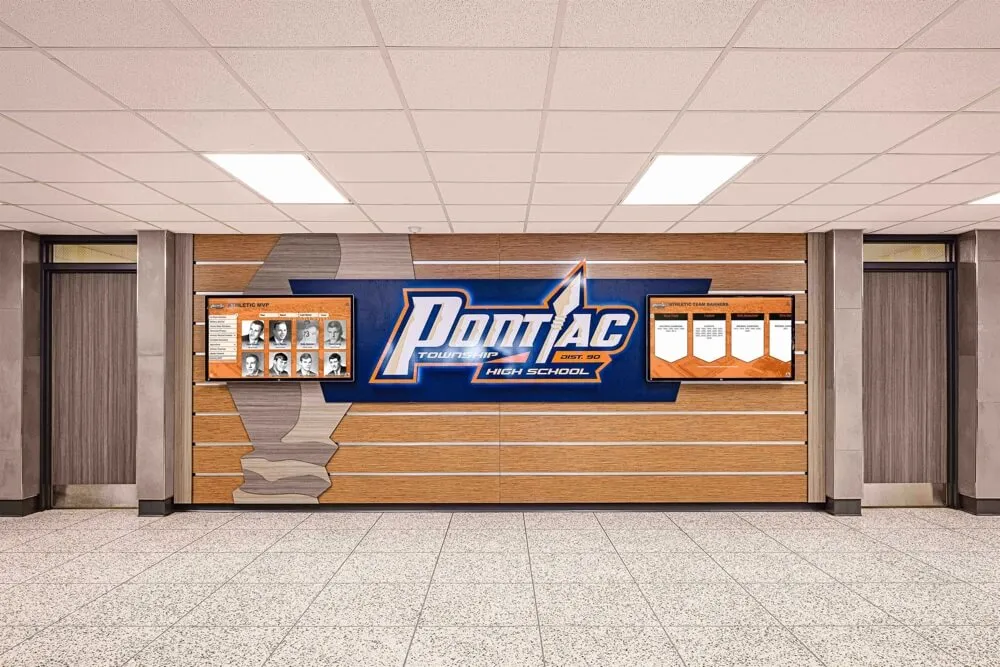
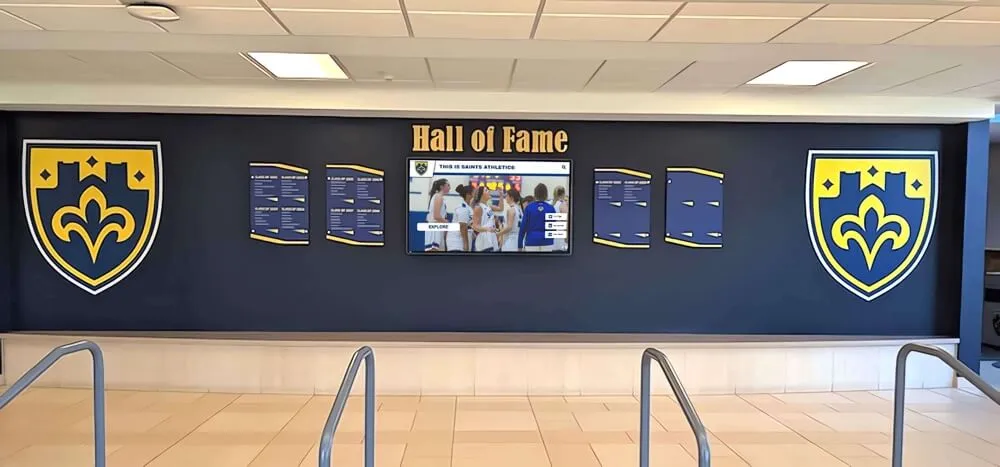
Multi-screen donor displays create prominent recognition installations that accommodate extensive donor communities while telling rich impact stories
Implementation Best Practices for School Donor Recognition
Successful recognition requires systematic planning addressing design decisions, content preparation, installation logistics, and ongoing maintenance responsibilities.
Planning Recognition Display Location and Visibility
Strategic placement ensures donor recognition receives appropriate prominence while maximizing visibility among target audiences including current donors, prospective supporters, students, families, and community visitors.
Location Selection Criteria
- High foot traffic areas ensuring consistent community exposure
- Positions near school entrances creating immediate visibility for visitors
- Locations with adequate viewing space allowing comfortable observation
- Areas with appropriate lighting conditions supporting visibility and readability
- Proximity to programs or facilities that donor support funds
- Accessibility for visitors including those with mobility limitations
- Protection from weather, vandalism, and physical damage
Schools should conduct site assessments at different times of day, during various school activities, and under different lighting conditions before finalizing installation locations. Observing actual traffic patterns, lighting quality, and viewing angles ensures recognition displays occupy optimal positions supporting maximum effectiveness.
Developing Donor Content and Gathering Profiles
Comprehensive content preparation before installation ensures quality recognition experiences from initial launch while preventing incomplete displays that may disappoint supporters or create negative perceptions about recognition quality.
Content Development Process
- Donor database audit verifying name accuracy and current information
- Giving level verification ensuring proper tier assignment
- Donor photograph collection through event photography or direct requests
- Personal statement solicitation inviting donors to share giving motivations
- Impact story development connecting contributions to specific outcomes
- Memorial designation confirmation for tribute gifts
- Privacy preference verification for supporters desiring confidentiality
- Approval workflows ensuring donors review recognition content before publication
Many schools underestimate content development timelines, discovering that donor photograph collection and personal statement gathering require months of coordination, multiple outreach attempts, and patient follow-up. Beginning content preparation concurrent with recognition system selection prevents installation delays while ensuring robust, complete recognition content at launch.
Establishing Ongoing Maintenance and Update Protocols
Recognition displays require regular maintenance ensuring continued accuracy, visual quality, and appropriate acknowledgment as donor communities grow and evolve.
Maintenance Responsibilities
- Quarterly or annual content updates adding new donors
- Accuracy reviews identifying and correcting errors
- Cleaning protocols maintaining physical and display quality
- Technology updates ensuring software and hardware remain current
- Analytics review for digital systems identifying engagement patterns
- Donor feedback collection improving recognition effectiveness
- Periodic design refreshes maintaining contemporary appearance
Schools should assign clear maintenance responsibilities—typically advancement or development office staff—with defined update schedules communicated to donors so supporters understand recognition timing and reducing concerns about acknowledgment delays that could affect donor satisfaction and retention.
Measuring Donor Recognition Display Effectiveness
Schools should systematically evaluate recognition impact, assessing whether displays achieve intended goals while identifying improvement opportunities.
Key Performance Indicators for Donor Recognition
Donor Behavior Metrics
- Donor retention rates comparing recognized versus unrecognized supporters
- Average gift increases among recognized donors year-over-year
- Recognition tier progression tracking donor level advancement
- Multi-year giving consistency among recognized supporters
- Planned giving inquiry correlation with recognition visibility
- New donor acquisition influenced by recognition display exposure
Engagement Indicators
- Visitor interaction rates for digital recognition systems (analytics data)
- Social media sharing of donor recognition content
- Donor satisfaction survey responses about recognition quality
- Volunteer engagement among recognized supporters
- Event attendance by recognized donors
- Recognition display mentions in donor communications and correspondence
Operational Measures
- Content update timeliness tracking recognition publication speed
- Accuracy rates monitoring errors and corrections
- Maintenance costs for ongoing recognition system operation
- Staff time requirements for recognition content management
- Total cost per donor recognized across system lifecycle
Schools should establish baseline metrics before implementing new recognition approaches, enabling comparison and demonstrating return on investment from recognition system improvements or technology adoptions.
Frequently Asked Questions About Donor Recognition Displays
What makes an effective donor recognition display for schools?
Effective school donor recognition displays balance appropriate acknowledgment of every contribution level, clear visual organization communicating giving tier structure, accessible placement ensuring community visibility, and compelling design that complements school architecture and branding. The most successful displays incorporate storytelling elements connecting donor generosity to specific educational outcomes—scholarship recipients, program enhancements, facility improvements, or student opportunities that contributions enable. Recognition should feel authentic and meaningful rather than transactional, expressing genuine gratitude while inspiring prospective donors who observe community investment in school mission. Both traditional and digital approaches can prove effective when thoughtfully implemented with attention to donor preferences, budgetary constraints, growth capacity planning, and ongoing maintenance capabilities ensuring recognition remains accurate and current over multi-year periods.
How much do school donor recognition displays typically cost?
School donor recognition display costs vary significantly based on approach, scale, and installation complexity. Traditional individual plaque systems typically cost $150-$400 per donor plaque plus architectural elements, mounting panels, and professional installation, totaling $8,000-$30,000+ for initial installations recognizing 50-100 donors, with ongoing costs for each new supporter. Digital touchscreen donor displays range from $6,000-$20,000 for hardware, software, installation, and initial content development, with annual software licensing of $800-$3,000 depending on features and support levels. While digital systems require higher upfront investment, they often prove more cost-effective over 5-10 year periods by eliminating per-donor plaque expenses and accommodating unlimited donor growth without additional hardware purchases. Schools should calculate total cost of ownership including initial investment, annual maintenance, update expenses, and capacity for anticipated donor growth when comparing recognition approaches and vendor proposals.
How often should school donor recognition displays be updated?
School donor recognition update frequency depends on giving patterns, donor expectations, technological capabilities, and practical budget considerations. Most schools update recognition annually following fiscal year conclusion or after major fundraising campaigns when donor rosters expand significantly. Digital donor displays enable more frequent updates—quarterly or even monthly—through cloud-based content management systems that eliminate installation delays and production costs associated with traditional plaque ordering and mounting. Schools implementing real-time or near-real-time recognition through database integration provide immediate acknowledgment as gifts process, delivering enhanced stewardship particularly valued by major donors expecting prompt recognition. Regardless of update frequency, schools should establish clear communication about recognition timing, ensuring donors understand when contributions will appear in public displays while managing expectations and reducing concerns about acknowledgment delays. Regular review cycles also provide opportunities to verify accuracy, correct errors, and maintain professional appearance that reflects well on institutional quality and donor stewardship standards.
Should school donor displays include all contribution levels or only major gifts?
Comprehensive donor recognition including all contribution levels demonstrates that every gift matters regardless of amount while building inclusive philanthropic culture where entire school community feels valued and connected to fundraising mission. Schools recognizing only major donors risk alienating annual fund supporters, volunteer contributors, and modest donors who collectively provide substantial support even though individual gifts may be smaller. However, recognition design should appropriately differentiate giving levels through visual hierarchy, positioning, and profile detail ensuring major donors receive prominence proportional to extraordinary generosity without diminishing appreciation for every supporter. Digital recognition systems particularly excel at accommodating diverse giving levels through flexible display options—featuring major donors prominently on home screens while providing searchable directories where annual fund supporters receive equal respect within appropriate organizational contexts. Schools should establish minimum recognition thresholds aligned with operational capacity and community norms, typically including cumulative donors above $500-$1,000 while potentially recognizing smaller annual gifts through publication-based acknowledgment rather than permanent display systems.
What content should be included in donor recognition profiles beyond names?
Enhanced donor recognition profiles create memorable, meaningful acknowledgment while telling compelling stories that inspire prospective supporters and strengthen existing donor relationships. Beyond basic name and giving level information, comprehensive profiles may include high-quality photographs showing donors engaged with school community, personal statements explaining what motivated contributions or connections to school mission, recognition of memorial or tribute designations honoring loved ones, cumulative giving totals celebrating long-term support relationships, specific program or facility designations donors support, family giving legacies spanning multiple generations, and impact information demonstrating outcomes contributions enable. Digital recognition systems particularly accommodate rich profile content through unlimited space for photos, videos, detailed narratives, and multimedia storytelling impossible within physical constraints of traditional plaques. Schools should balance comprehensive recognition with donor privacy preferences, obtaining approval before publishing personal information or photographs while respecting supporters who prefer simple name acknowledgment without extensive profile detail. The most effective content focuses on authentic human stories connecting donor motivations to educational mission rather than formulaic biographical listings that feel impersonal or transactional.
Conclusion: Creating Recognition That Celebrates and Inspires
Thoughtful donor recognition display ideas transform supporter acknowledgment from administrative obligation into strategic fundraising tools that inspire continued philanthropy, strengthen school-donor relationships, and celebrate the generous community members who invest in educational excellence and student success. The most effective recognition approaches honor every contribution level appropriately, tell compelling stories about educational impact, and create emotional connections between supporters, school mission, and the meaningful outcomes their generosity enables.
Whether implementing traditional bronze plaques offering permanent prestige, modern digital displays providing unlimited capacity and rich storytelling, or hybrid approaches combining both advantages, successful donor recognition requires strategic planning aligned with school culture, sustainable content management systems, and commitment to maintaining accuracy and currency as donor communities grow. Digital solutions increasingly offer compelling advantages—unlimited donor capacity, easy content updates, cost efficiency over multi-year periods, and engagement analytics—while preserving the dignity and significance supporters expect from meaningful recognition.
Transform How Your School Recognizes Donors
Discover how Rocket Alumni Solutions creates engaging digital donor displays that honor every supporter, tell compelling impact stories, and inspire continued philanthropy through beautiful, accessible recognition technology designed specifically for educational institutions.
Explore Donor Display SolutionsSchools investing in comprehensive donor recognition create environments where generosity receives appropriate celebration, impact becomes visible throughout school facilities, and community members feel inspired to join philanthropic movements supporting educational missions they value. The donor recognition display ideas explored in this guide provide frameworks for building recognition systems worthy of your supporters’ extraordinary generosity while advancing fundraising goals through strategic stewardship.
Begin by assessing current recognition approaches, identifying limitations and opportunities, then exploring solutions that align with school culture, donor community expectations, budget realities, and long-term stewardship goals. The most successful schools view donor recognition not as one-time projects but as evolving systems that grow alongside philanthropic communities, adapting recognition strategies as donor relationships deepen and educational missions advance through generous community support.
Your donors deserve recognition that honors their values, celebrates their commitment to education, and demonstrates the meaningful impact their contributions create for students, programs, and your entire school community. With strategic planning, thoughtful design, and commitment to excellence in donor stewardship, you can create donor recognition displays that truly serve as lasting tributes to the remarkable supporters who make educational excellence possible.