



Every school has donors who give year after year without receiving much more than a mailed receipt and a form letter. The Association of Fundraising Professionals reports that average donor retention across nonprofits hovers around 45 percent—meaning more than half of first-year donors do not give again the following year. Recognition events that publicly honor supporters are among the most effective tools development teams have to close that gap. Donor appreciation ideas built around experiences rather than envelopes create lasting memories, demonstrate the tangible impact of generosity, and give supporters compelling reasons to deepen their commitment to the school.
This guide covers ten event-based donor appreciation ideas designed for schools, universities, and educational nonprofits. Each format works whether you are managing a modest annual fund or planning recognition for a major capital campaign donor community—and each creates natural opportunities to feature the permanent public recognition displays that ensure every supporter’s name remains visible long after the event itself concludes.
Development officers often concentrate recognition energy on the highest-level donors while letting mid-level and annual fund supporters go largely uncelebrated. Recognition events change that calculus by creating shared experiences that honor an entire donor community at once. A well-executed appreciation event signals that the institution takes every gift seriously—not just the transformational ones.

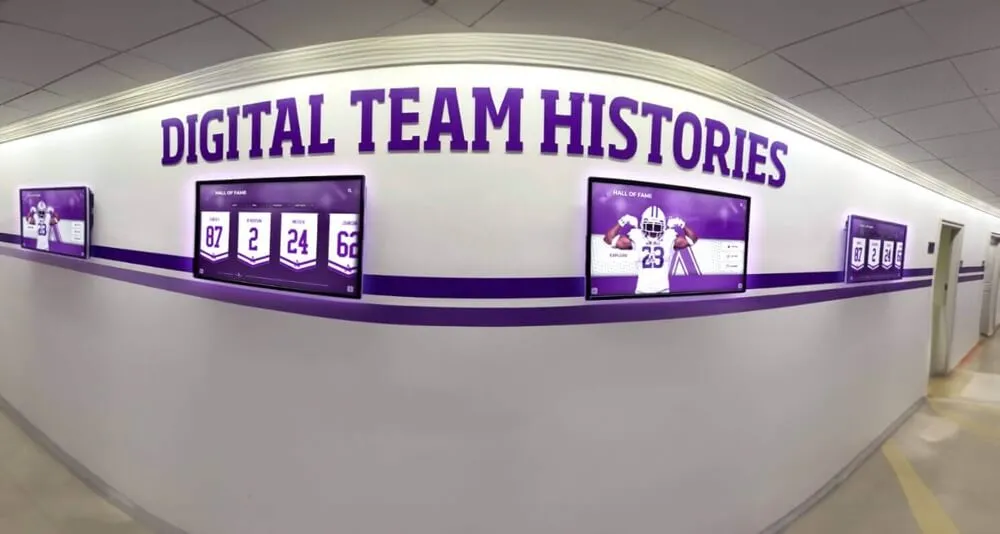
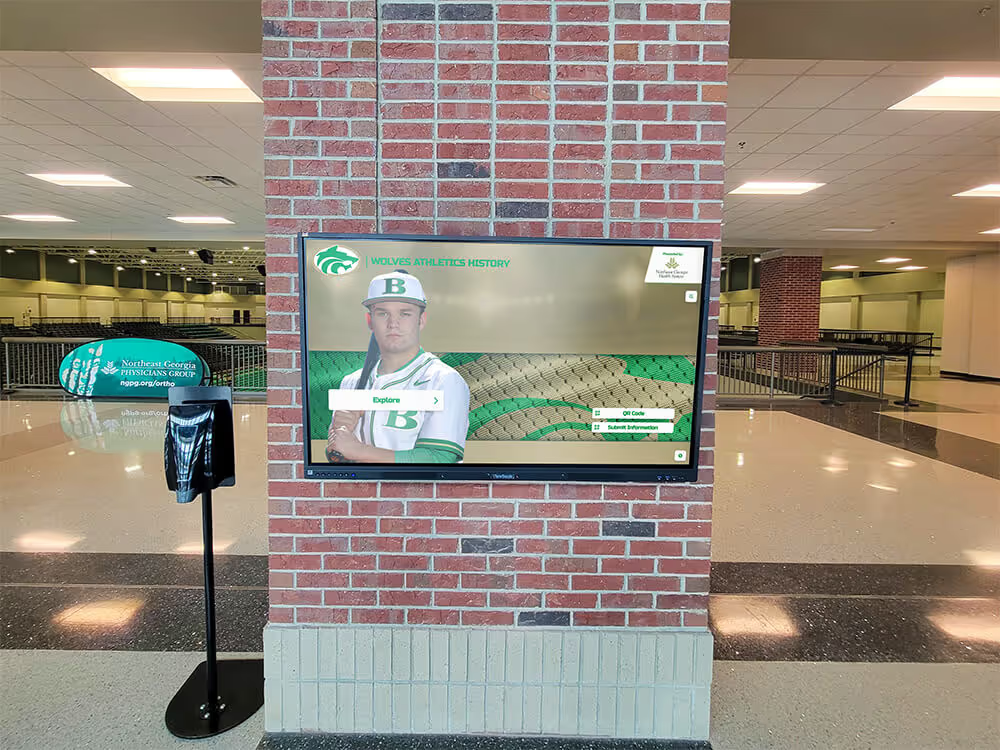
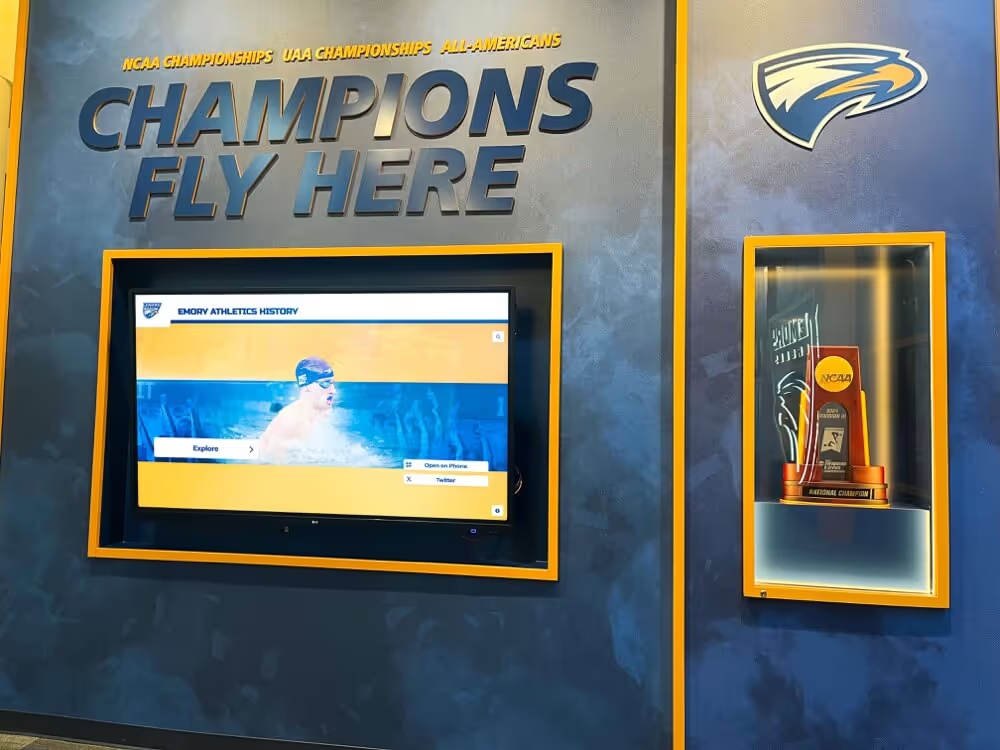
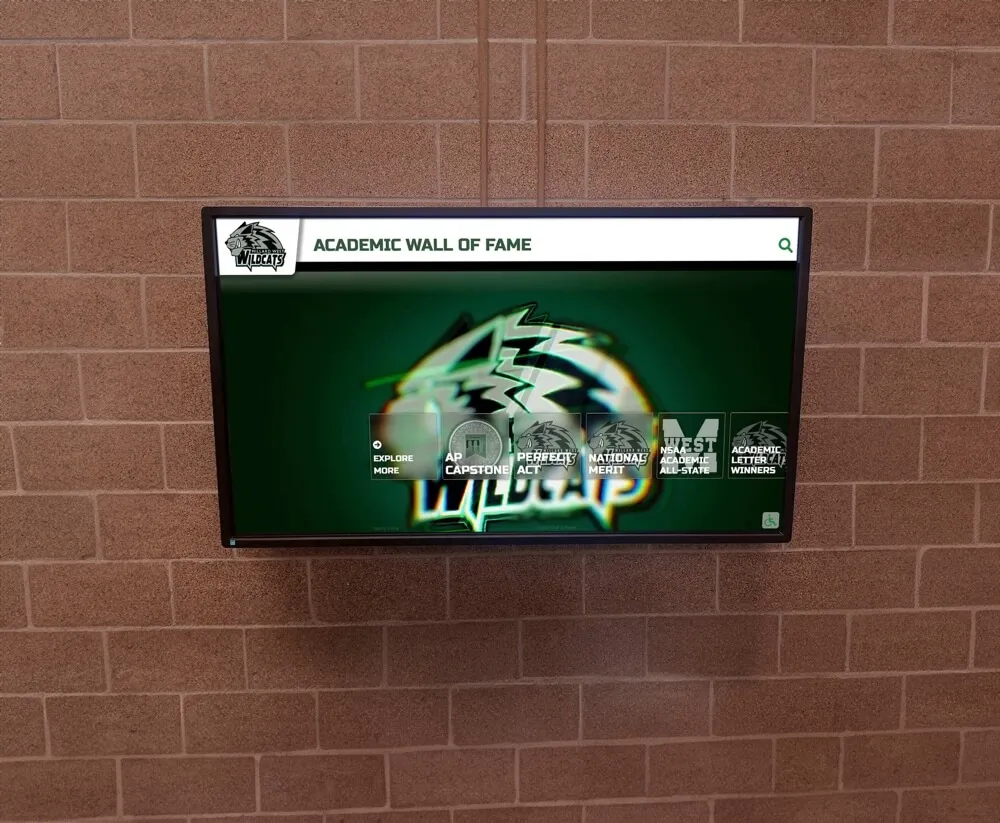
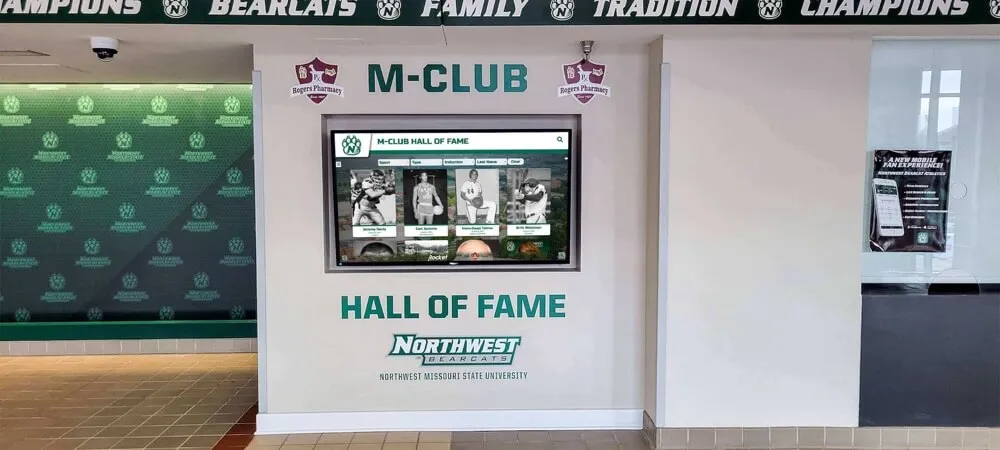
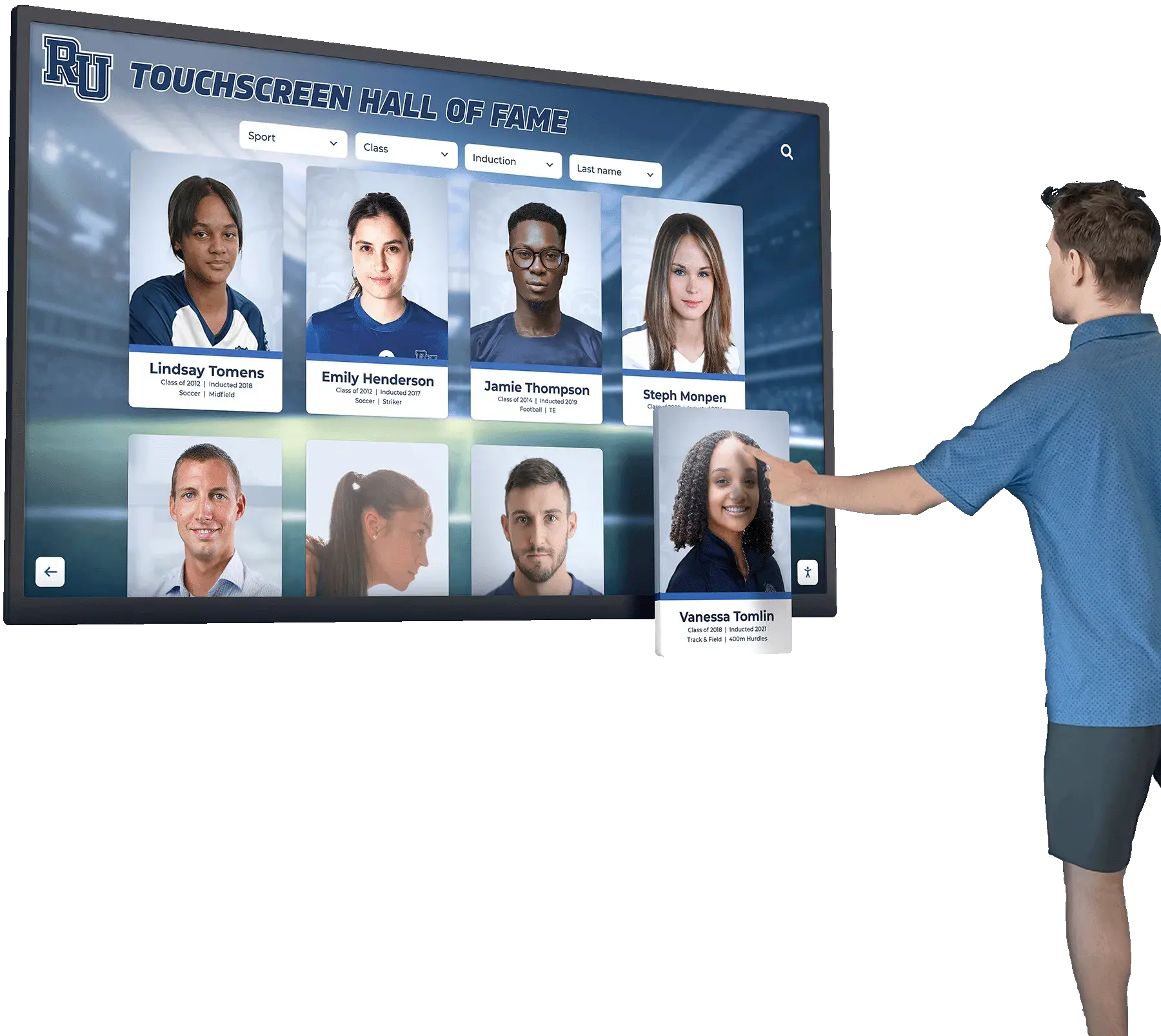
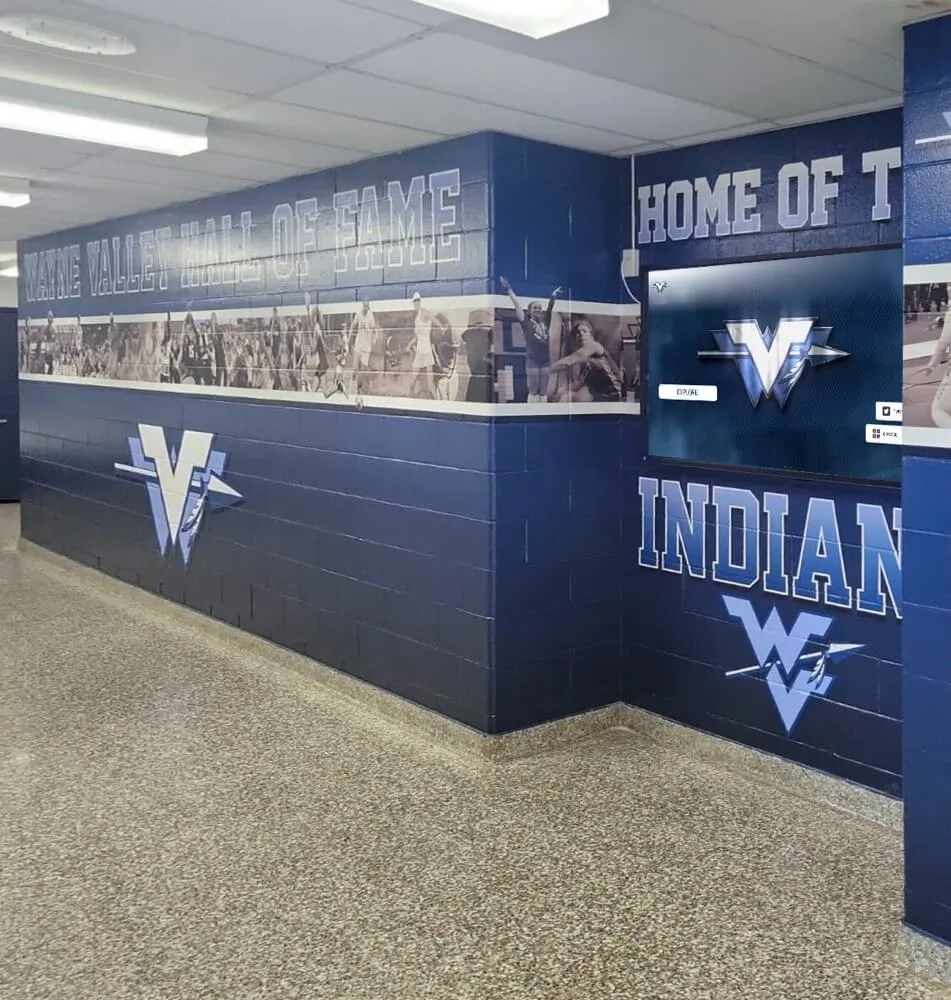
Interactive donor recognition displays serve as centerpieces for appreciation events, showing supporters the permanent digital tribute their generosity has earned in the heart of the institution
Why Donor Appreciation Events Drive Retention
Recognition events outperform most traditional stewardship tactics because they make donors feel seen—personally and publicly—in a way that a letter cannot replicate. Research published by the Council for Advancement and Support of Education (CASE) consistently finds that donors who receive meaningful acknowledgment beyond a receipt report substantially higher satisfaction with their giving relationships and are more likely to increase support in subsequent years.
Three factors make events particularly effective:
- Visibility: Donors see their names displayed alongside peers they respect. Public recognition carries social weight that private acknowledgment does not.
- Connection: Events create direct contact between donors and the students, programs, and spaces their contributions fund—reinforcing the emotional reasons behind original giving decisions.
- Memorability: A ceremony, a tour, or an unveiling creates a narrative moment donors recount for years. A thank-you letter rarely earns that kind of longevity.
For schools managing digital donor recognition displays, events create natural moments to showcase those systems to donors, prospective supporters, and community members who may not pass through the building regularly. A room full of existing supporters gathered around an interactive display is one of the most effective cultivation environments available to any development team.
10 Donor Appreciation Ideas That Go Beyond a Thank-You Note
1. Annual Donor Appreciation Reception
An annual reception—whether a formal dinner or a casual gathering—is the cornerstone of most school donor appreciation programs. The event brings donors together in one space, signals organizational gratitude through institutional investment in the evening, and creates opportunities for supporters to meet the students and educators whose work their generosity enables.
Effective receptions include:
- Brief impact program: A 10–15 minute presentation highlighting what the institution accomplished through philanthropic support during the year. Specific examples—a scholarship awarded, a facility renovated, a program launched—carry more weight than aggregate totals.
- Student or educator participation: A student speaking about a scholarship, a coach describing equipment purchased through booster gifts, or a music director acknowledging an instrument donation creates authentic connection that administrators alone cannot replicate.
- Interactive recognition display access: If the institution has a touchscreen donor recognition system, the reception is an ideal moment to demonstrate it. Donors can search for their own names, explore giving histories, and see the multimedia profiles representing their long-term relationship with the school.
For institutions looking to expand their alumni event programming alongside donor appreciation, alumni event ideas spanning more than 100 different formats offer a useful framework for building event variety across the full calendar year.
2. Naming Ceremony and Ribbon-Cutting
When a significant gift funds a named space—a practice facility, a media lab, a scholarship endowment—the naming ceremony is often the only moment that physically gathers the donor with the space, institutional leadership, and the community members who will benefit from the investment. Handled well, it becomes one of the most powerful appreciation experiences a school can create.
A naming ceremony should:
- Invite family members and close friends of the honoree, not just institutional contacts
- Install permanent recognition before the event: A plaque, a digital profile in the building’s donor display, or both—completed before the ceremony so the donor sees it on the day of
- Allow time for reflection: Unlike a standard event, naming ceremonies often honor donors who gave in memory of a loved one or as a legacy gift. Scheduling quiet time for families to experience the space privately makes the event more meaningful
For institutions building formal alumni recognition programs that can incorporate donor acknowledgment, alumni-of-the-month recognition program frameworks provide structural models that adapt well to donor-specific ceremonial contexts.
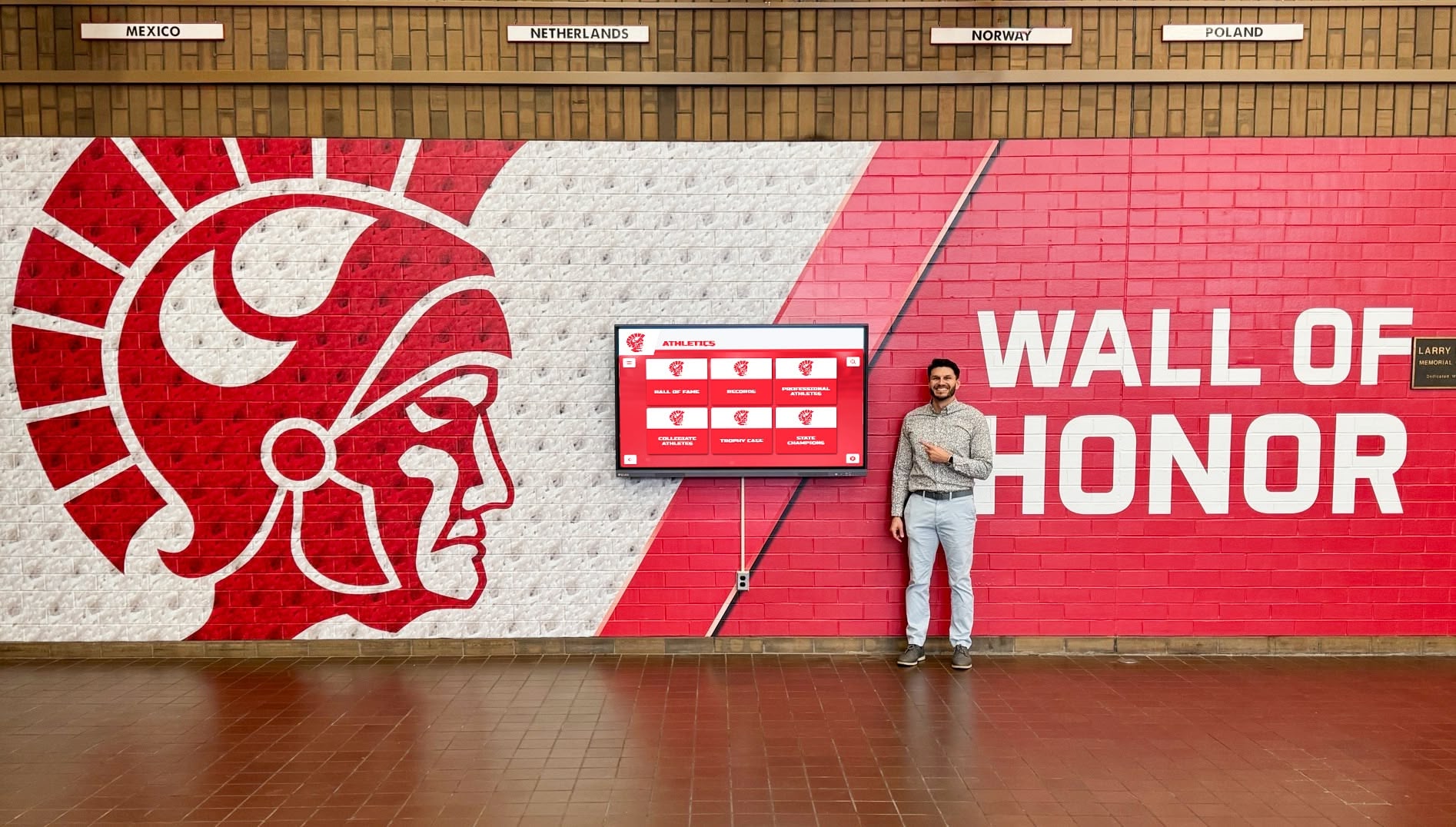
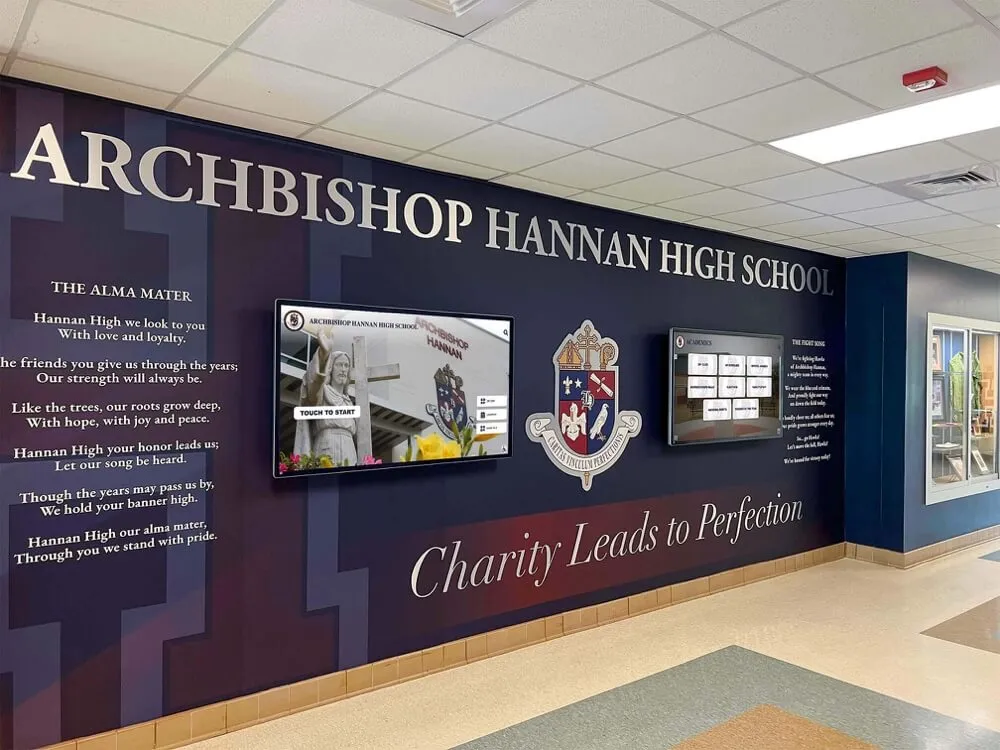
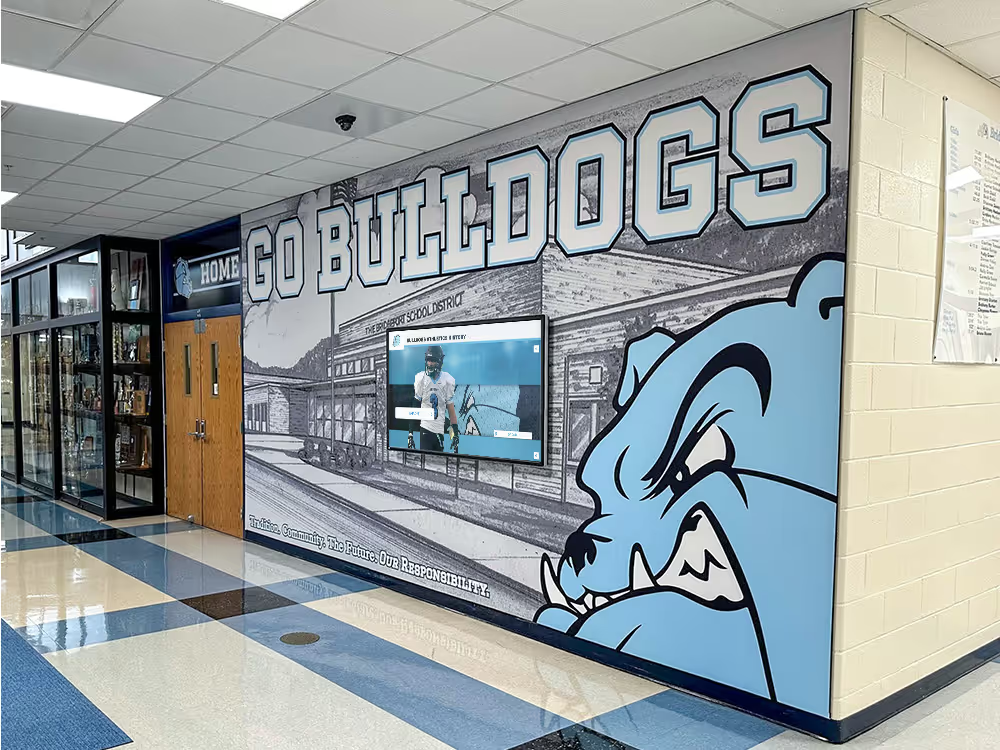
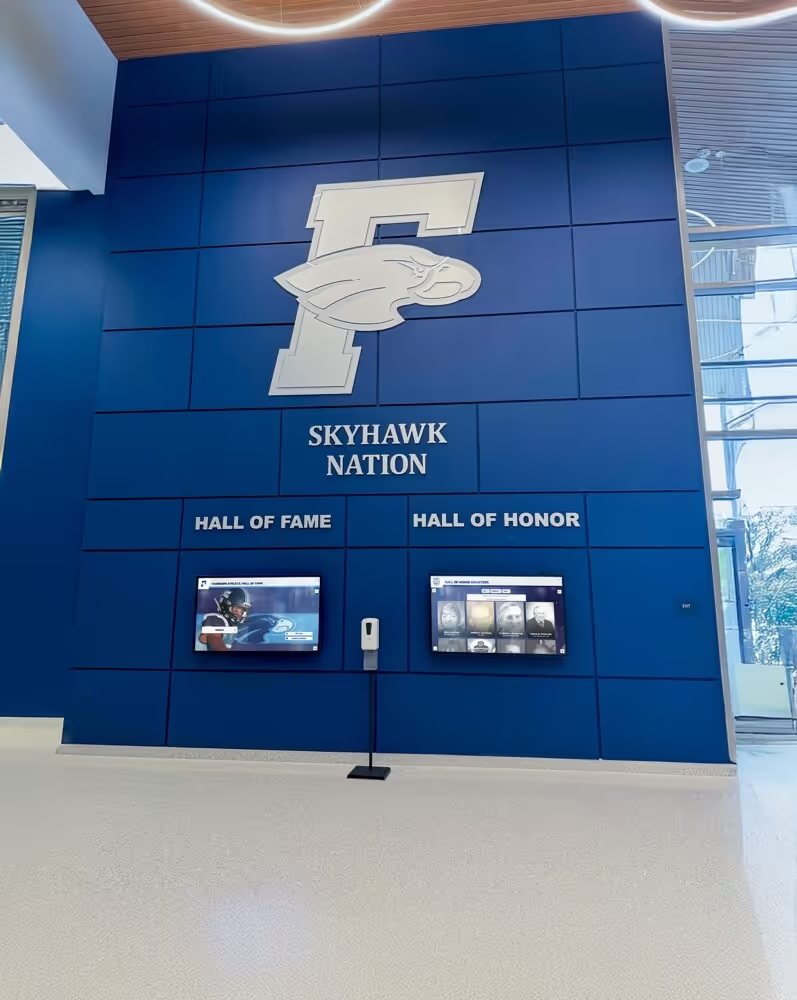
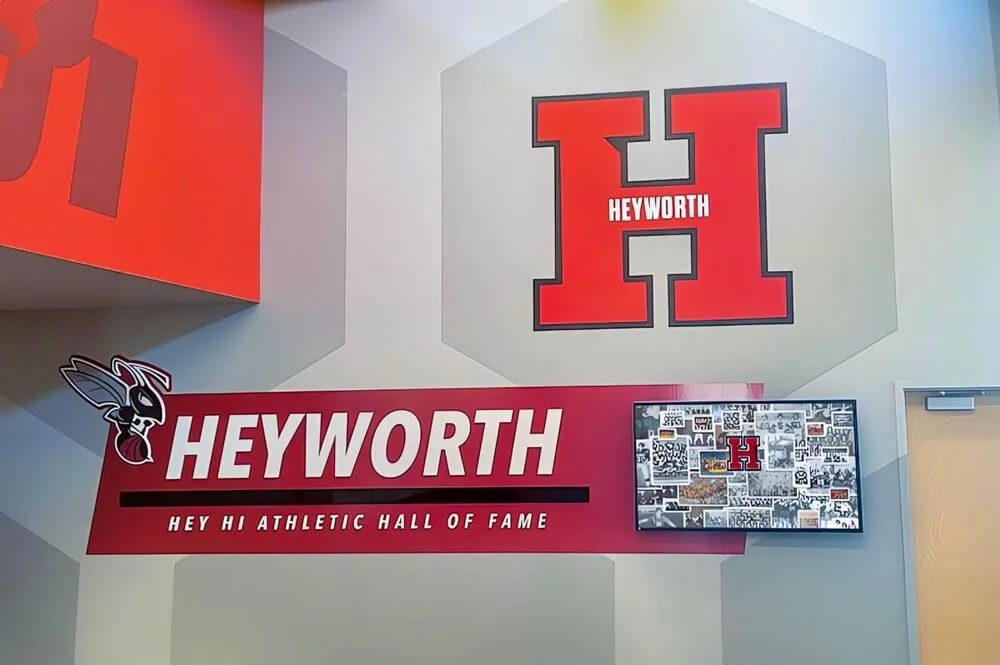
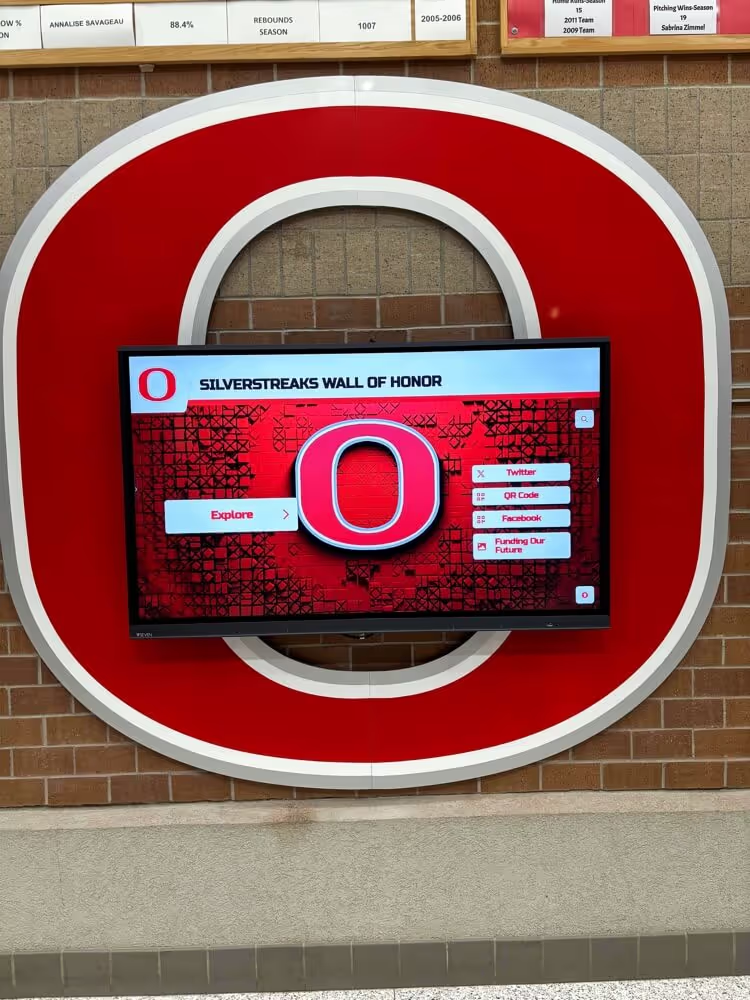
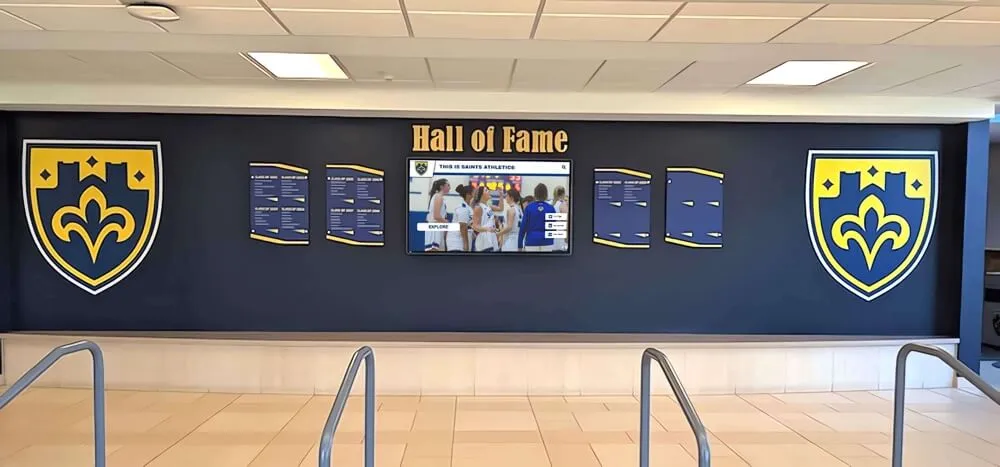
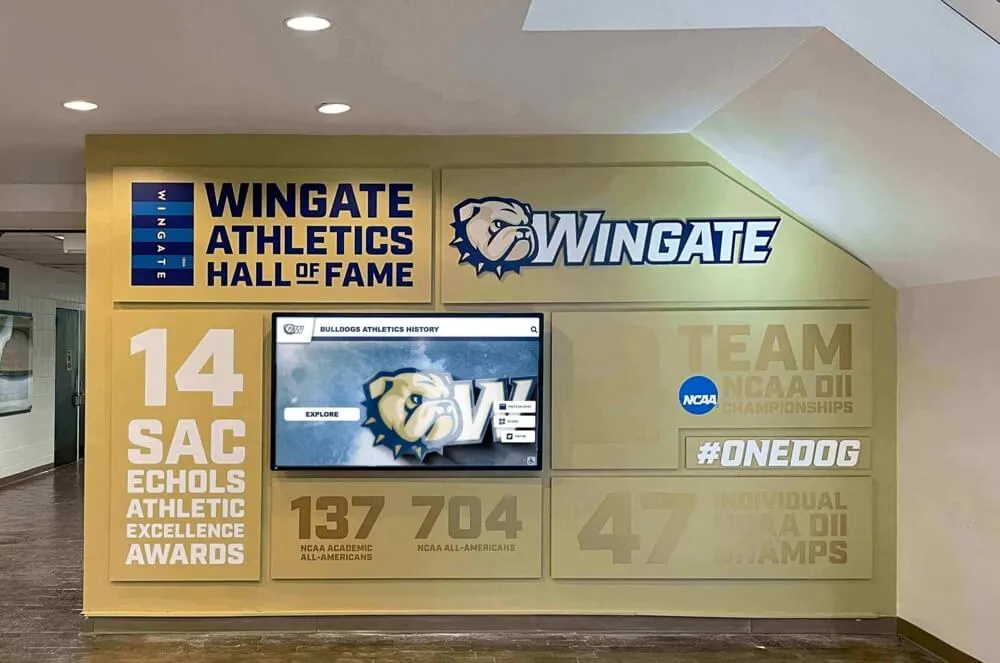
Public recognition walls create tangible focal points during naming ceremonies and appreciation events, giving donors and families a permanent tribute to encounter on the day of celebration
3. Digital Donor Display Unveiling Ceremony
Installing a new interactive donor recognition system is itself an event-worthy milestone. An unveiling ceremony gathers the donor community—including the initial contributors whose gifts funded the display—and publicly demonstrates the institution’s commitment to honoring every supporter at scale.
Unveiling events are particularly effective when:
- Legacy donors are featured first: Acknowledge longtime supporters whose names appear prominently in the system before opening it to general exploration.
- The interactive features are demonstrated live: A brief walkthrough showing search functionality, multimedia donor profiles, and giving-level displays helps attendees understand what the recognition system can carry on their behalf.
- Prospective donors are invited as part of an acquisition strategy: First-time visitors who attend an unveiling see how publicly and comprehensively the institution honors its supporters—which reduces giving hesitation for those still deciding whether to contribute.
Digital recognition platforms designed for academic achievement follow similar principles—interactive, publicly visible, and designed to make recognition accessible to the full school community rather than a small administrative audience.
4. Donor Hall of Fame Induction
A donor hall of fame—distinct from an athletic or academic hall of fame—recognizes outstanding philanthropic commitment over time. Induction events formalize the institution’s most significant giving relationships and create aspiration for other supporters who observe the recognition from the audience.
Hall of fame inductions work best when:
- Criteria are published in advance: Years of giving, cumulative totals, or transformational gifts that changed program direction. Published criteria prevent perceptions of favoritism and create motivating targets for donors approaching eligibility.
- Inductees receive both physical and digital recognition: A permanent plaque or display case component alongside an expanded profile in the institution’s digital donor recognition system—installed before the ceremony.
- Community members beyond donors attend: Students, staff, and families who witness the ceremony develop understanding of the institution’s gratitude culture and how it treats significant philanthropic relationships—reinforcing the case for their own eventual generosity.
Alumni program ideas that build engaged, active communities include frameworks for honor-based recognition events that translate directly to donor-focused contexts with minimal structural adaptation.
5. Campus Impact Tour
An impact tour takes donors through the specific spaces, programs, and improvements that their generosity funded—providing direct, visible evidence that contributions produced real change. Unlike a reception, an impact tour is kinetic and experiential: donors walk through the weight room their booster contributions equipped, visit the classroom where scholarship recipients are currently enrolled, or review the facilities their capital campaign gift renovated.
Effective impact tours:
- Schedule small groups (8–12 people) rather than large crowds, allowing meaningful conversation and individual connection with the spaces
- Feature current beneficiaries: Students who received scholarships, athletes who use renovated facilities, or faculty running programs funded by donor contributions
- End at the donor recognition display: Closing the tour at a digital recognition system that includes each participant’s name and profile creates a satisfying conclusion—the tour showed impact, and the display shows that the institution has honored the people who made it possible
For institutions designing physical spaces that support recognition and community gathering, alumni gathering area design principles cover how recognition environments can be built to serve events as well as daily visibility throughout the year.
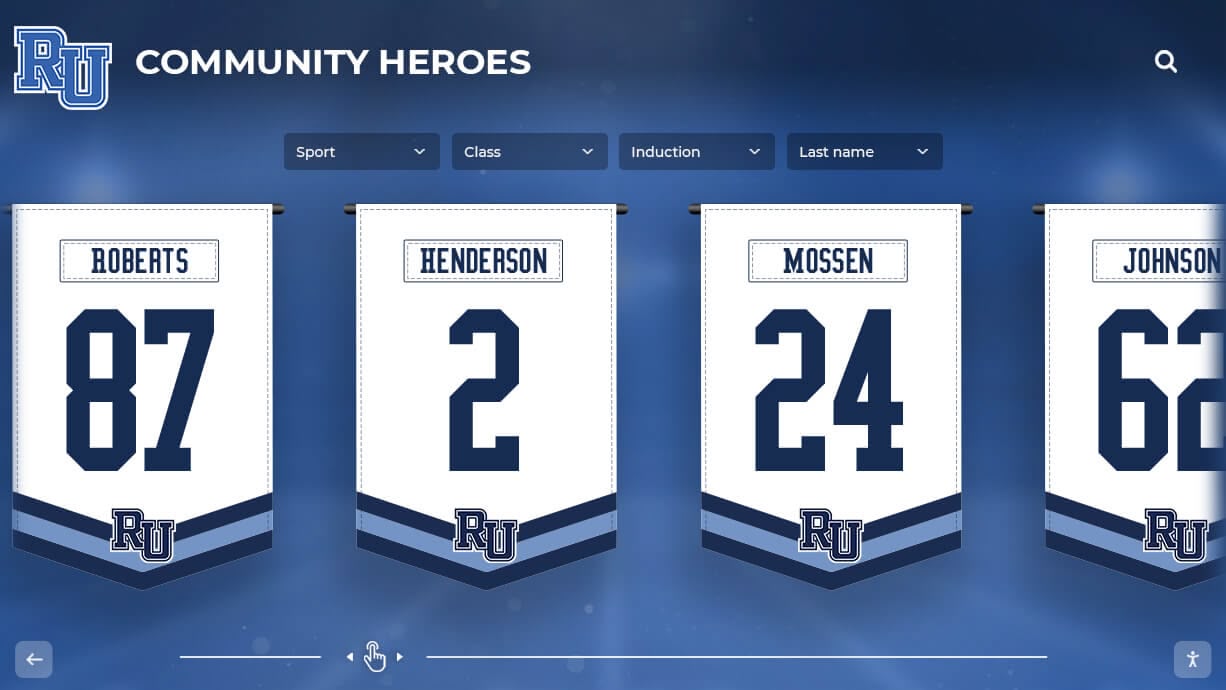
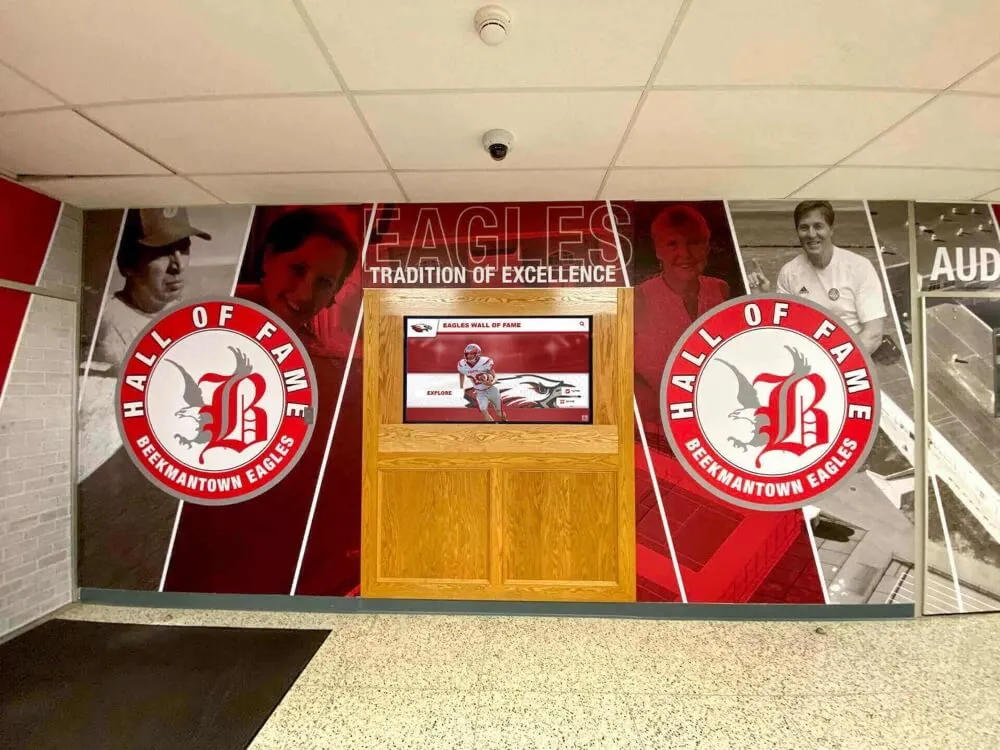
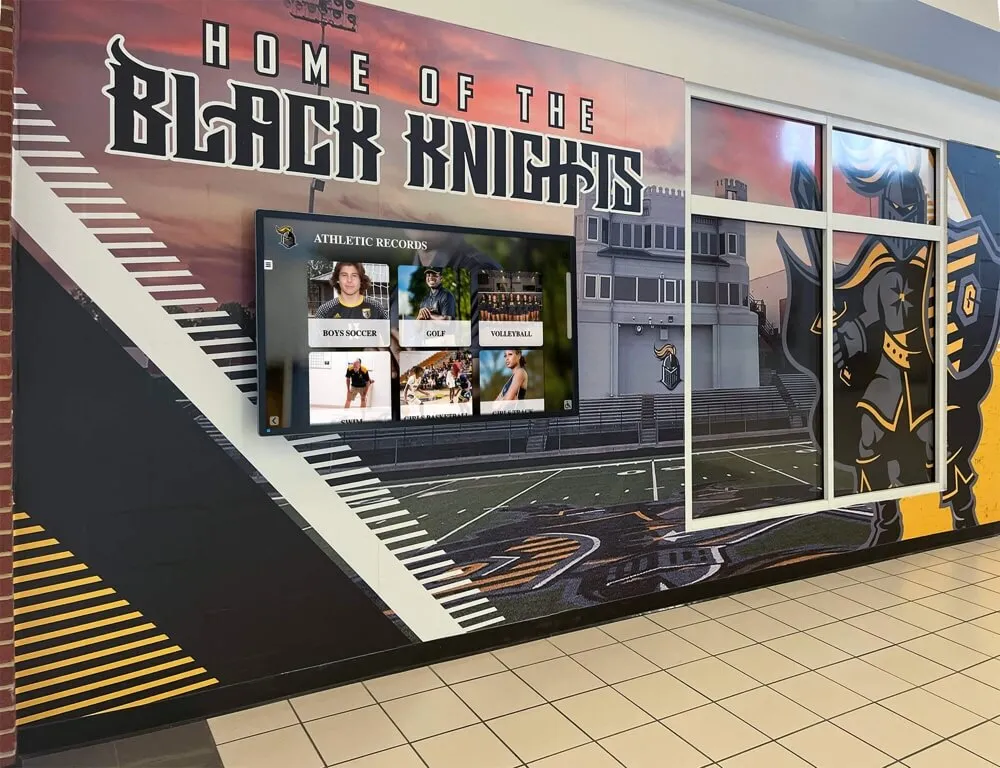
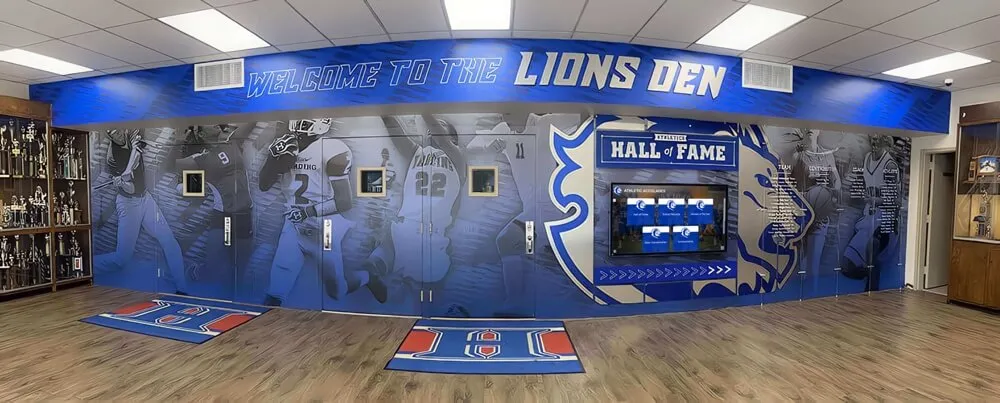
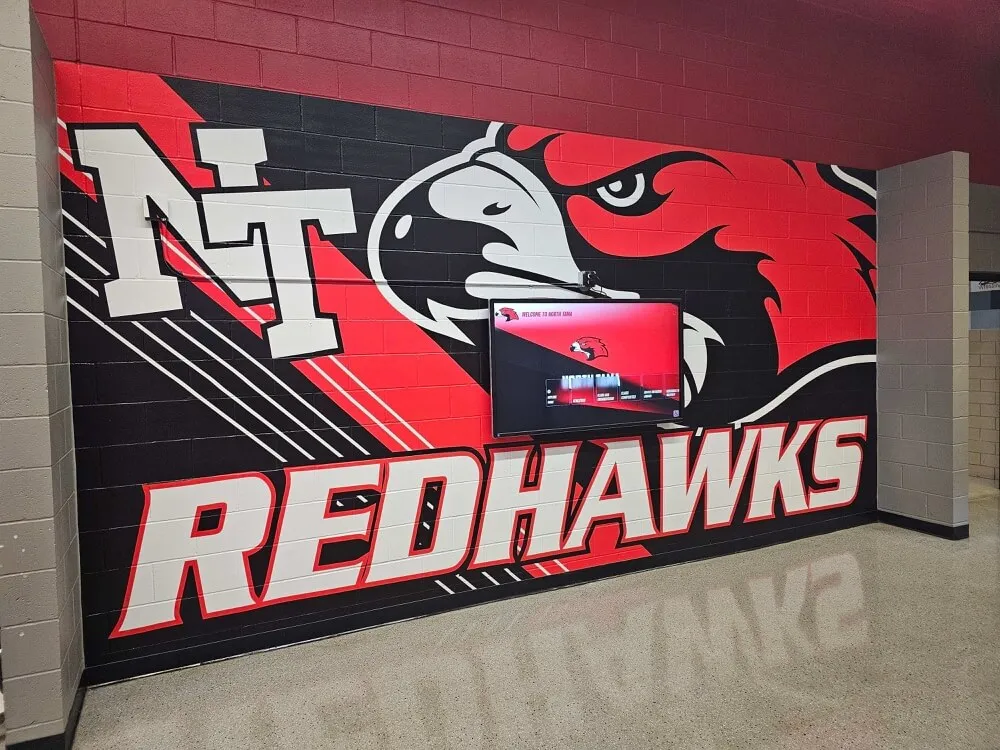
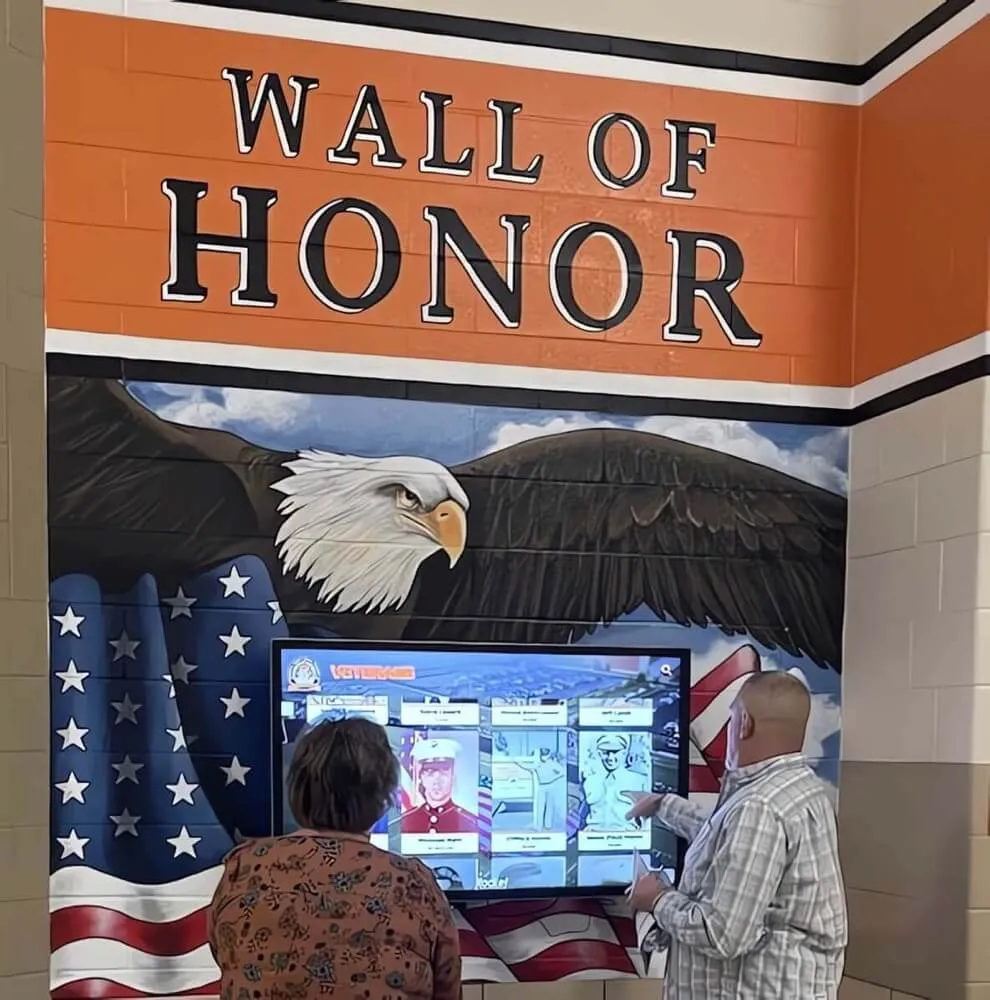
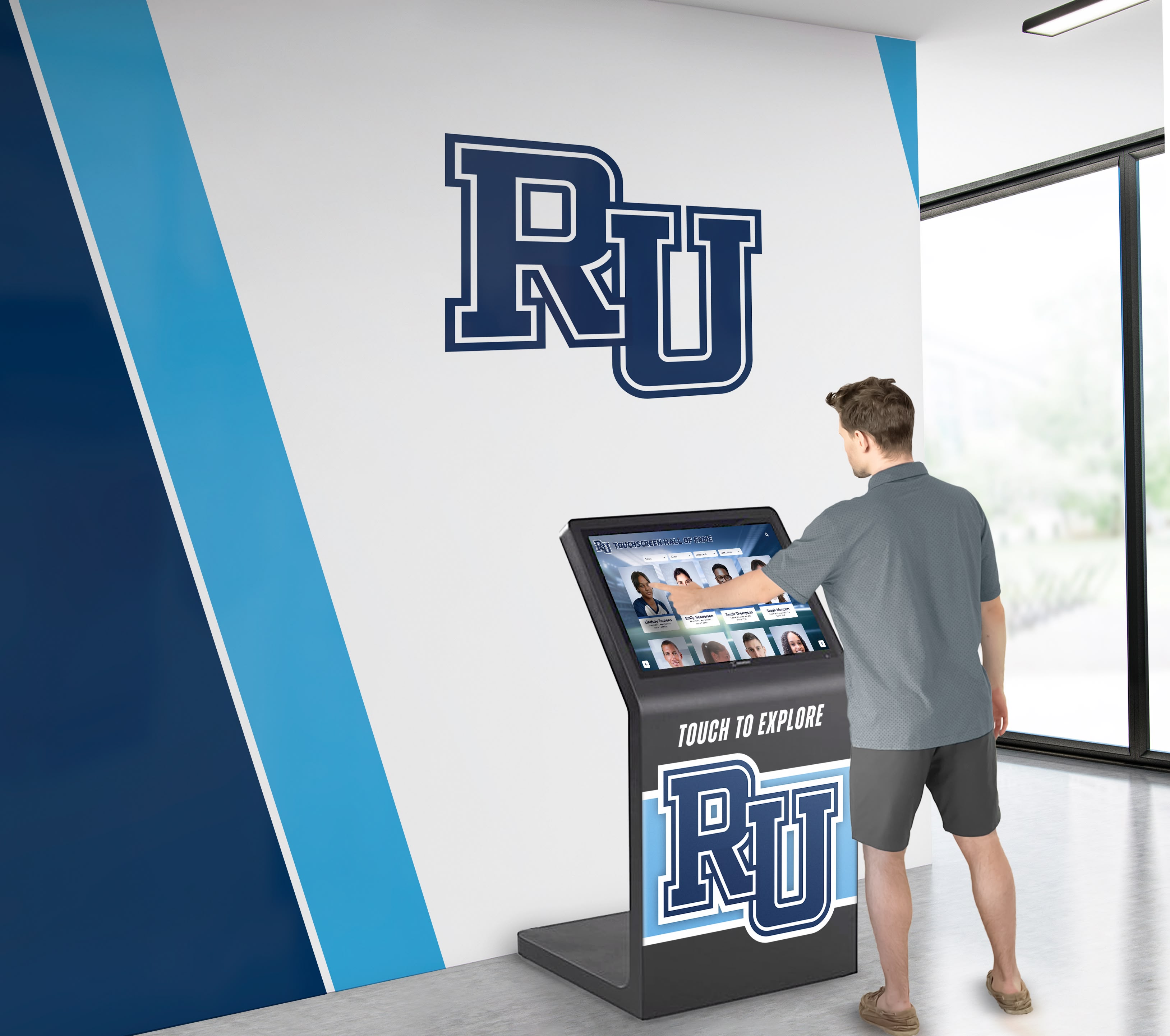
Recognition environments designed for year-round visibility give every appreciation event a physical backdrop that connects the celebration to lasting institutional tribute
6. Student-Led Appreciation Events
Events where students express gratitude directly to donors carry an authenticity that institutional messaging cannot replicate. A performance by music students funded through a booster donation, an athletic demonstration by teams whose equipment was purchased through annual fund gifts, or a presentation by scholarship recipients describing how support changed their educational trajectory—these moments create emotional connections that drive long-term donor loyalty.
Student-led formats include:
- Senior capstone presentations where scholarship recipients describe projects completed with donor-funded support
- Athletic exhibition events giving donors field-level access and behind-the-scenes program experience
- Performing arts showcase evenings benefiting donors who supported music, theater, or arts programs
- Academic competition demonstrations showing achievement funded through extracurricular booster contributions
The key is specificity: matching the student group to the donors whose gifts funded them. General gratitude is less compelling than targeted acknowledgment that connects a specific contribution to the student performance a donor is watching in real time.
7. All-State and Achievement Recognition Night
Schools that recognize academic and athletic high achievers create natural opportunities to honor the donors who funded those programs within the same event. Combining an all-state athlete recognition ceremony or academic honor society induction with donor appreciation messaging builds community around excellence while publicly acknowledging the philanthropic infrastructure that makes that excellence possible.
This format works particularly well for:
- Athletic booster communities who fund equipment, travel, and facilities enabling competitive achievement
- Academic program supporters whose contributions fund advanced courses, testing fees, or competition participation
- Scholarship donors attending events where current recipients receive formal institutional recognition
All-state athlete recognition through digital displays demonstrates how recognition events can incorporate permanent digital elements that outlast the ceremony itself—ensuring that achievement and donor acknowledgment both remain visible after the event ends.
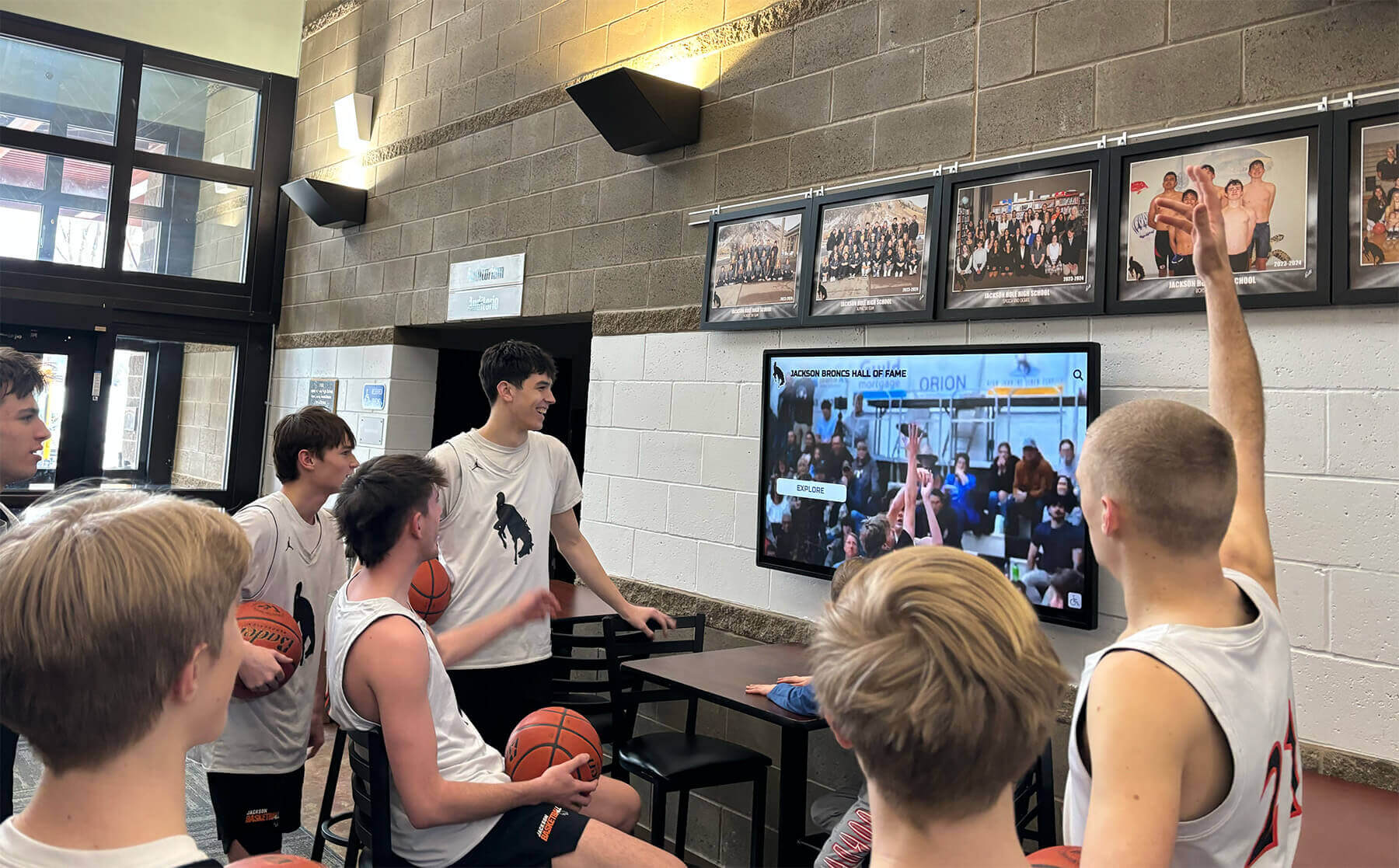
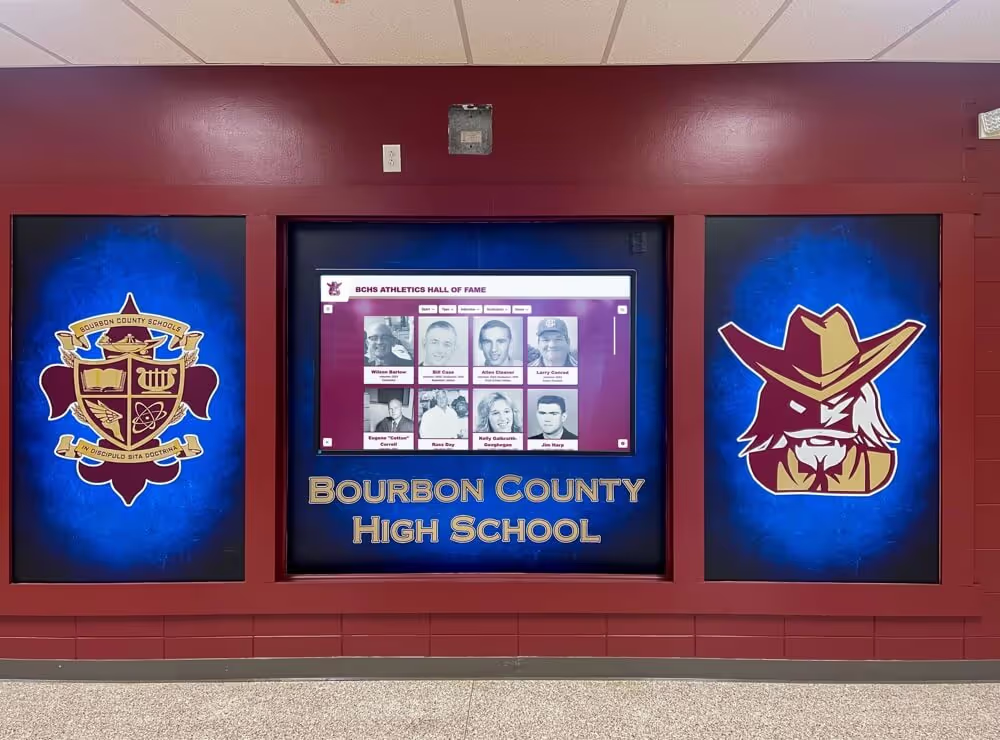
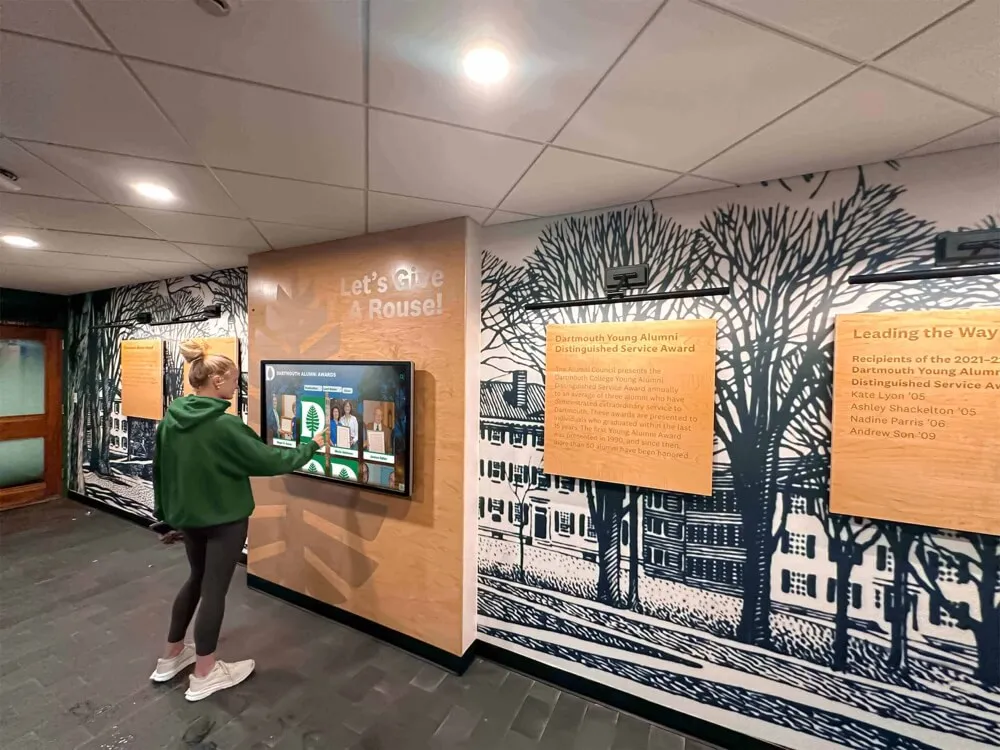
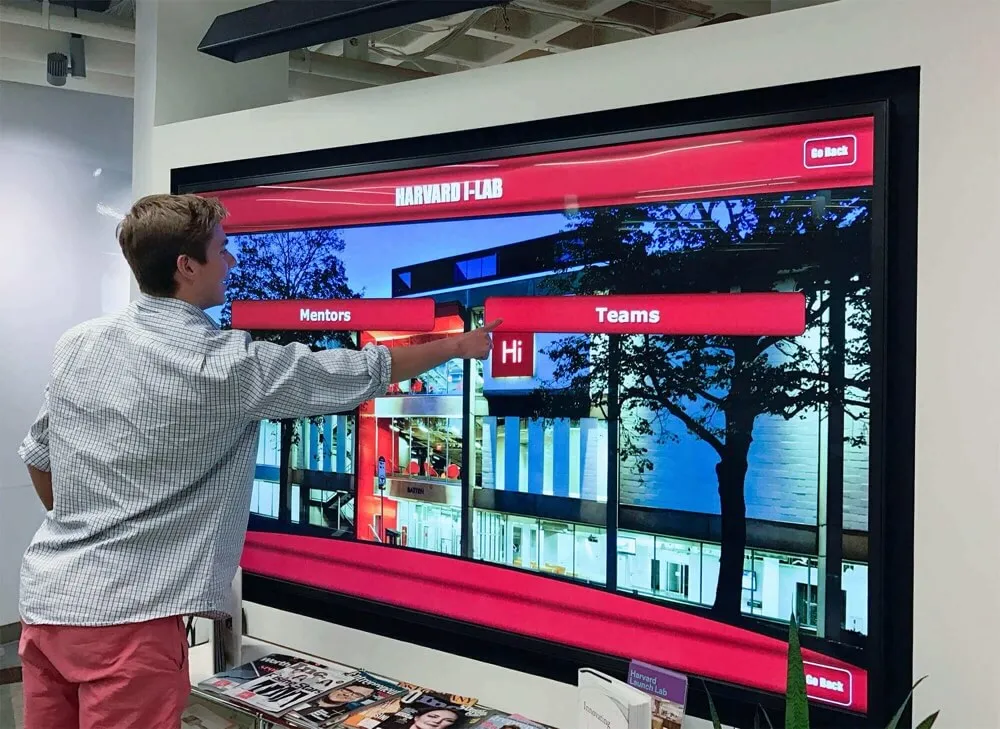
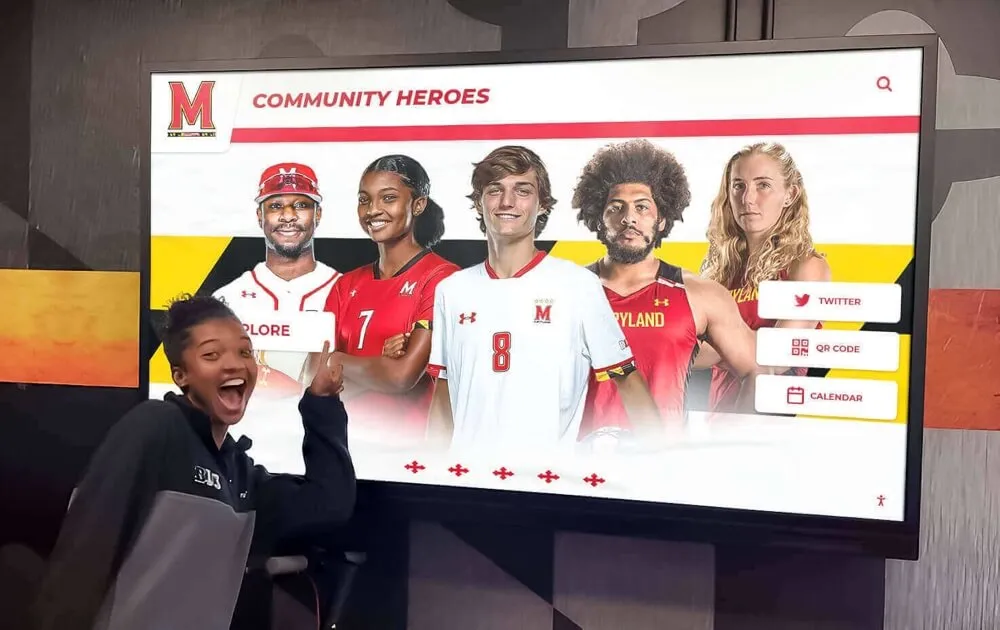
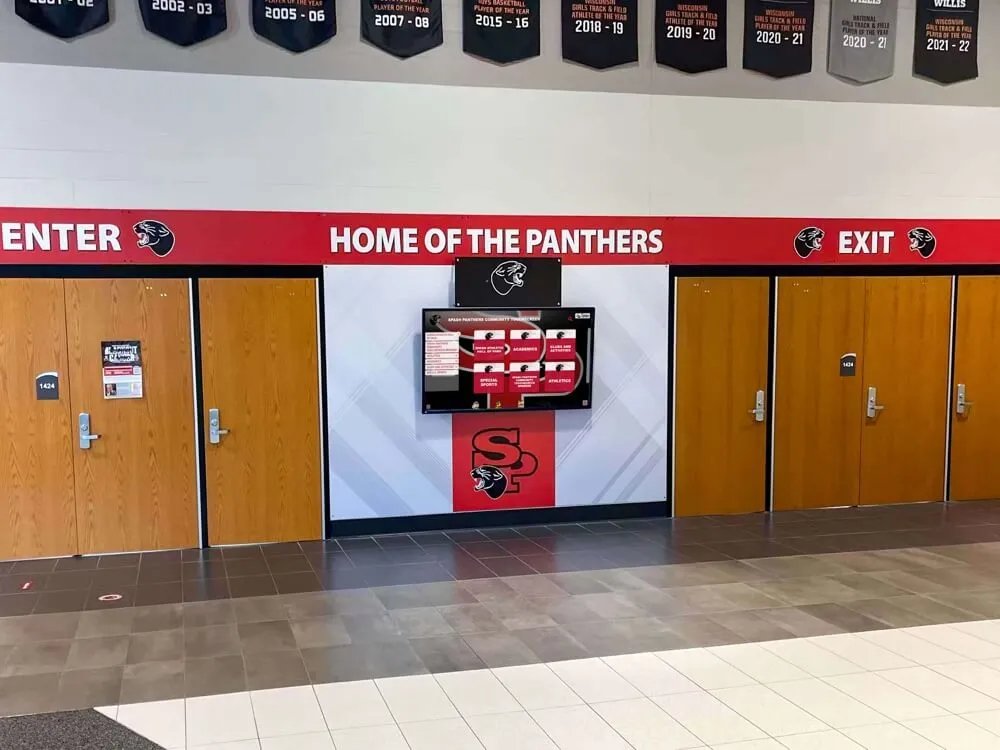
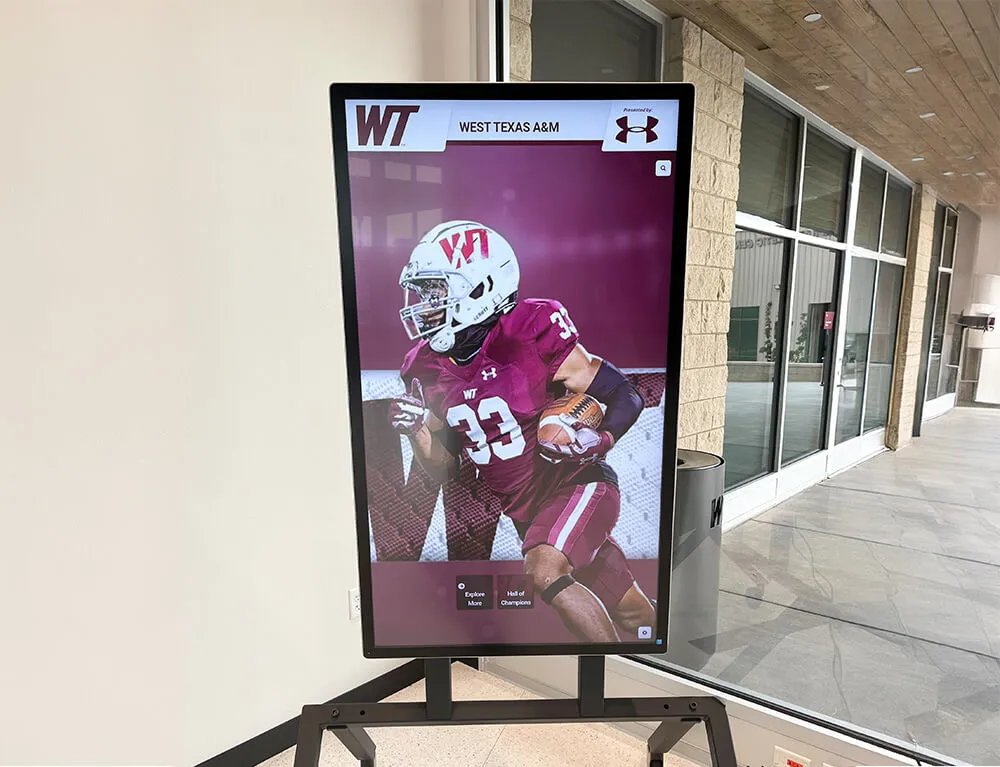
Lobby screens and digital recognition displays create natural gathering points during appreciation events, giving donors an interactive way to explore the institution's philanthropic community
8. Year-End Giving Campaign Celebration
Many schools close their annual fund campaigns with a community event that celebrates collective achievement. These events honor all contributors—not just major donors—through a format that makes every gift count visibly toward a shared goal.
Giving campaign celebrations typically include:
- Fundraising milestone reveal: Showing the final total against a published goal creates shared pride in collective achievement and communicates that every gift contributed to the outcome.
- Donor milestone recognition: Acknowledging contributors who crossed giving thresholds during the campaign—first-time givers, donors who upgraded their giving level, or supporters who inspired others through personal outreach.
- Live digital display updates: Showing new donors appearing in the institution’s recognition system for the first time creates immediate, visible acknowledgment that their gift was received, processed, and honored.
These events also create effective cultivation moments for prospective donors in attendance. Seeing a room full of current supporters celebrate collective achievement—and seeing the digital recognition system that honors each of them by name—provides a compelling answer to the implicit question every prospective donor carries: “Will this institution actually acknowledge my contribution?”
9. Virtual and Hybrid Appreciation Events
Virtual events reach alumni donors who have moved away, out-of-state supporters who funded programs remotely, and family members of current students who cannot attend in person. A virtual appreciation event—whether a live-streamed ceremony or an on-demand recognition video—ensures that geographic distance does not exclude supporters from meaningful acknowledgment.
Effective virtual donor appreciation elements include:
- Personalized video messages: A 60-second message from a student beneficiary or program director, addressed to a specific donor by name, carries more weight than a broadcast recording
- Virtual display access: Providing donors with a link to the institution’s online donor recognition platform ensures they can see their permanent digital acknowledgment regardless of location
- Live Q&A with program staff: Allowing donors to ask questions about the programs they fund creates engagement depth that passive video content cannot achieve
Alumni recognition programs designed to work across in-person and virtual formats provide structural models for recognition that maintains meaning and impact regardless of delivery format or attendee location.
10. Donor Stewardship Breakfast Series
Smaller and more intimate than an annual gala, a stewardship breakfast series invites 15–25 donors per session throughout the year for candid conversation with institutional leadership about program direction, strategic priorities, and how philanthropic support shapes decision-making at the school.
The format communicates something a large event cannot: that individual donors matter enough to receive direct access to leadership rather than a seat in a ballroom with 200 other guests. Stewardship breakfasts work particularly well for:
- Mid-level donors being cultivated toward major gift conversations
- Annual fund loyalists who have given consistently for five or more years
- New major donors in their first year after a significant gift, when relationship-building is most critical
Pairing each breakfast session with a digital recognition system demonstration—showing attendees their existing profiles and inviting input on how their recognition could be enhanced—turns a cultivation event into a recognition moment simultaneously.
Pairing Events With Permanent Public Donor Displays
Donor appreciation events are powerful but temporary. The most durable stewardship programs pair events with permanent recognition infrastructure that keeps donors visible in the institution’s physical and digital environments long after the evening ends.
Interactive digital donor displays serve this function more effectively than traditional plaques for several reasons:
- Unlimited capacity: A digital system grows with the donor community without physical space constraints or per-plaque fabrication costs
- Rich storytelling: Photo, video, and personal statement capabilities carry far more recognition depth than engraved text ever could
- Real-time updates: New donors appear immediately when gifts are processed—not months later when the next plaque order ships
- Event readiness: Touchscreen displays become natural centerpieces at appreciation events—searchable, interactive, and visually compelling in ways that static installations are not
Alumni association software that integrates donor recognition with broader community programming demonstrates how modern recognition platforms connect event programming to year-round digital acknowledgment—ensuring that every appreciation event enhances a permanent institutional record rather than standing alone as an isolated moment.
Rocket Alumni Solutions builds donor recognition display systems for schools and universities that function as year-round recognition infrastructure. Institutions using these systems report that events become more meaningful when donors can see their permanent digital profiles rather than simply receiving verbal acknowledgment at a reception.
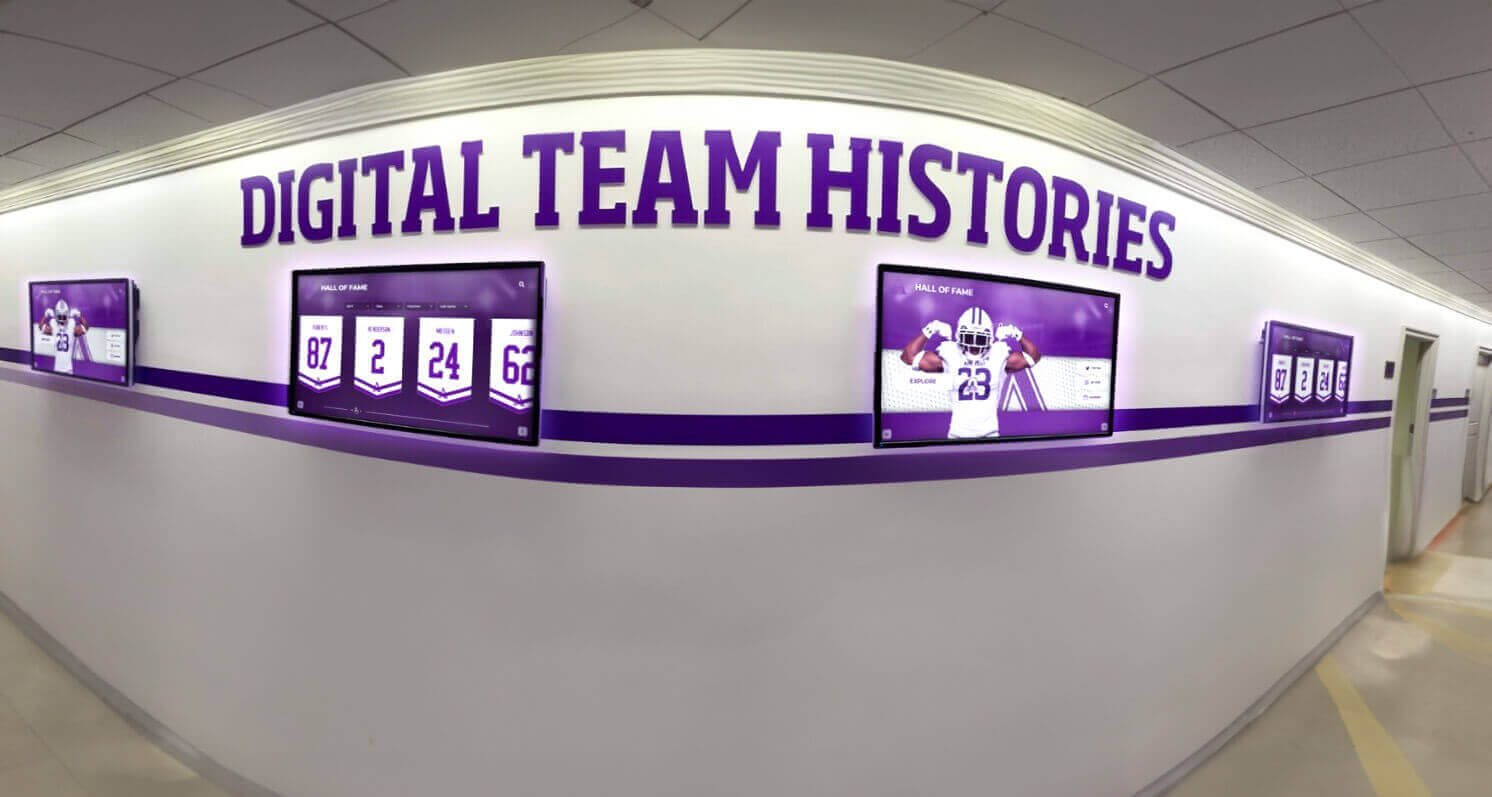
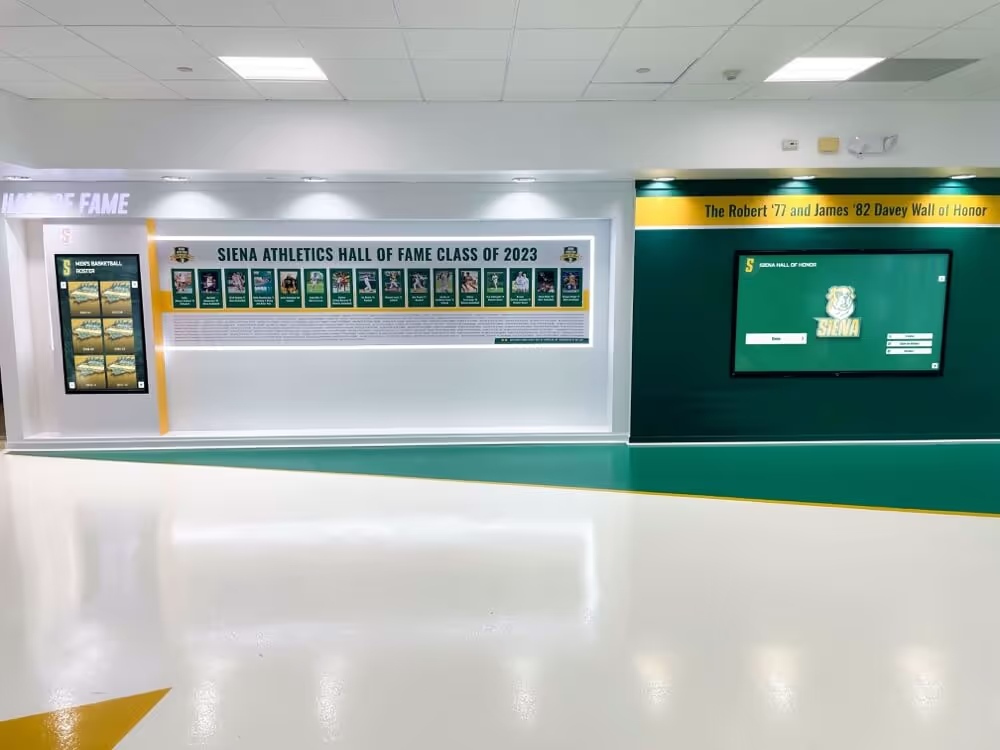
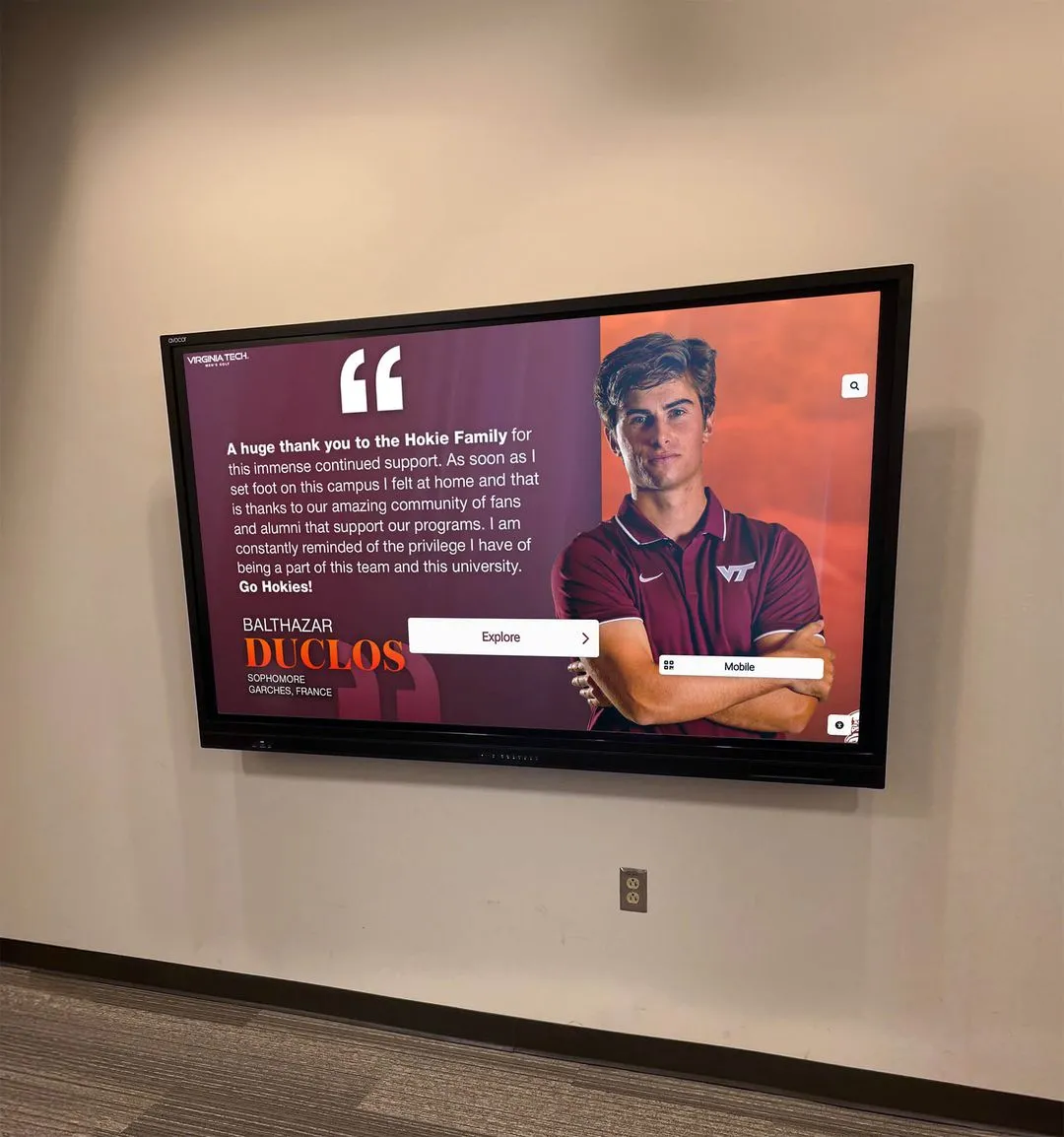
Year-round digital recognition systems ensure that donor appreciation extends beyond single events into the daily environment students, staff, and visitors move through every day
Planning a Donor Appreciation Event: Key Considerations
Before executing any of the formats above, effective event planning requires addressing several structural questions.
Who receives invitations? Events that include every donor—not just major gift contributors—send a powerful message about institutional gratitude culture. Consider tiered events that honor different giving communities separately rather than forcing all donors into one format that may not serve everyone equally well.
What recognition will donors receive that day? Every attendee should leave with at least one tangible acknowledgment beyond the event itself: a personalized digital profile link, a printed recognition summary, physical recognition, or confirmation of their name’s addition to a public display.
How will events be evaluated? Track attendance, donor retention for attendees versus non-attendees in subsequent fiscal years, and giving progression for donors who received personal recognition at events. These metrics demonstrate event ROI to institutional leadership and justify ongoing investment in donor appreciation programming.
When does the event occur relative to the giving cycle? Events scheduled near the close of a fiscal year can bridge into year-end giving campaign asks. Spring events before alumni weekends create warm relationship context for fall campaign launches. Calendar placement affects both event effectiveness and its role in the broader development strategy.
Frequently Asked Questions About Donor Appreciation Ideas
What are the most effective donor appreciation ideas for schools on a limited budget?
Campus impact tours and student-led appreciation events deliver strong recognition value with minimal event production cost. A tour requires no catering or venue rental—just organized access to meaningful spaces and a brief investment of faculty or administrator time. A student performance or capstone presentation repurposes existing student work into a meaningful acknowledgment format. Pairing either event with a digital recognition display demonstration costs nothing beyond the display system already in place, and it communicates institutional commitment to lasting recognition without additional event expenditure.
How often should schools hold donor appreciation events?
Most development programs benefit from at least one major annual recognition event plus two to three smaller touchpoints during the year. A single large annual reception honors the full community; smaller formats—stewardship breakfasts, impact tours, program showcases—allow for deeper engagement with specific donor segments. Over-programming risks event fatigue; under-programming leaves donors feeling their connection to the institution is purely transactional. The right cadence depends on donor community size, staff capacity, and the complexity of the events being planned.
How do public donor displays enhance appreciation events?
Public recognition displays serve as permanent anchors for events that are otherwise temporary. When a donor sees their name on a touchscreen display during a recognition reception—searchable, accompanied by a photograph, linked to a giving history—they understand that their relationship with the institution is institutionalized rather than celebrated at a single event. Displays also provide interactive content that gives events a natural focal point beyond speeches and presentations, and they ensure every attendee leaves with evidence of lasting acknowledgment.
Should virtual donors receive the same recognition as in-person attendees?
Yes. Donors who contribute remotely—alumni who live across the country, out-of-state program supporters, families who give in honor of a local connection—deserve the same quality of acknowledgment as local donors. Virtual recognition events, personalized video messages, and online donor recognition platforms extend appreciation to the full donor community regardless of geography. Digital recognition displays accessible via mobile or web fulfill this function by making institutional recognition visible to anyone with a link.
What role does a donor hall of fame play in a school’s fundraising strategy?
A donor hall of fame formalizes the institution’s recognition of its most significant philanthropic relationships and creates visible aspiration for donors approaching that level of commitment. Unlike general donor walls, hall of fame recognition communicates that certain contributions were transformational—that they changed what the institution is capable of doing. The induction event itself becomes a powerful cultivation tool: donors in attendance observe exactly how the institution honors exceptional generosity, which directly informs their own giving intentions.
Recognition That Outlasts Every Event
The best donor appreciation ideas share one characteristic: they create something lasting. A ceremony is an experience; a permanent public display is an institutional record. When recognition events are paired with infrastructure that keeps donors visible—interactive touchscreen systems, digital walls, online recognition platforms—every event becomes an investment in a long-term relationship rather than a single gesture of acknowledgment.
Schools that build this infrastructure report stronger donor retention, higher year-over-year giving progression, and stronger relationships with major gift prospects who observe how the institution treats its philanthropic community before making their own significant commitments. Donor appreciation ideas that combine memorable events with permanent public recognition deliver the full stewardship cycle: the emotional moment, and the enduring tribute that outlasts it.
Give Every Donor a Permanent Presence at Your School
Rocket Alumni Solutions builds interactive digital donor recognition displays for schools and universities—systems that showcase every supporter's name, photo, and story in the building's highest-traffic spaces. Whether you're planning a recognition event or building year-round stewardship infrastructure, we'll help you create recognition that donors remember long after the event ends.
Explore Donor Recognition Systems