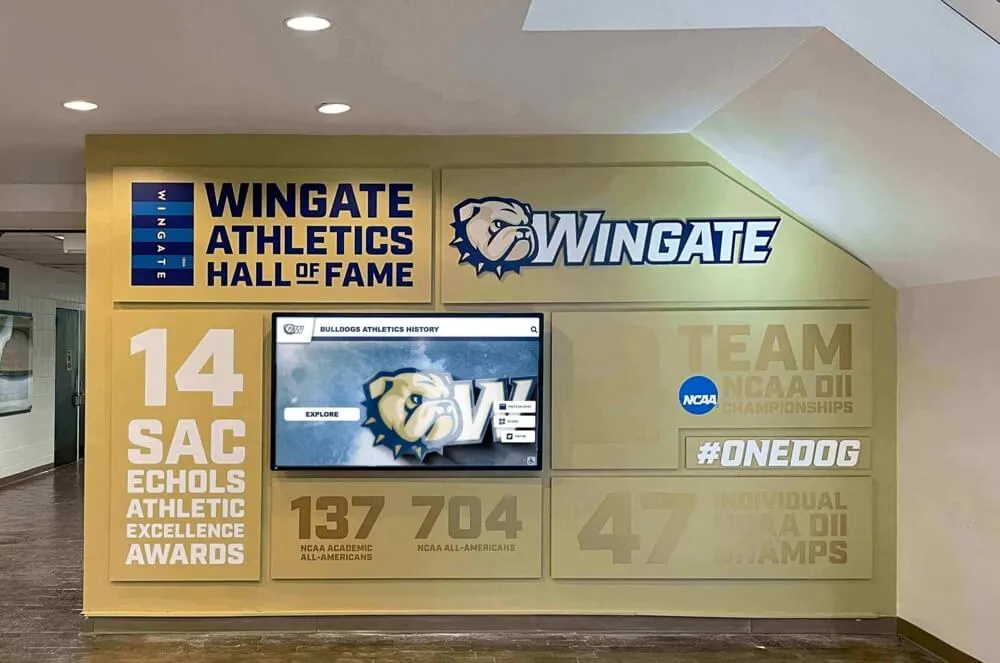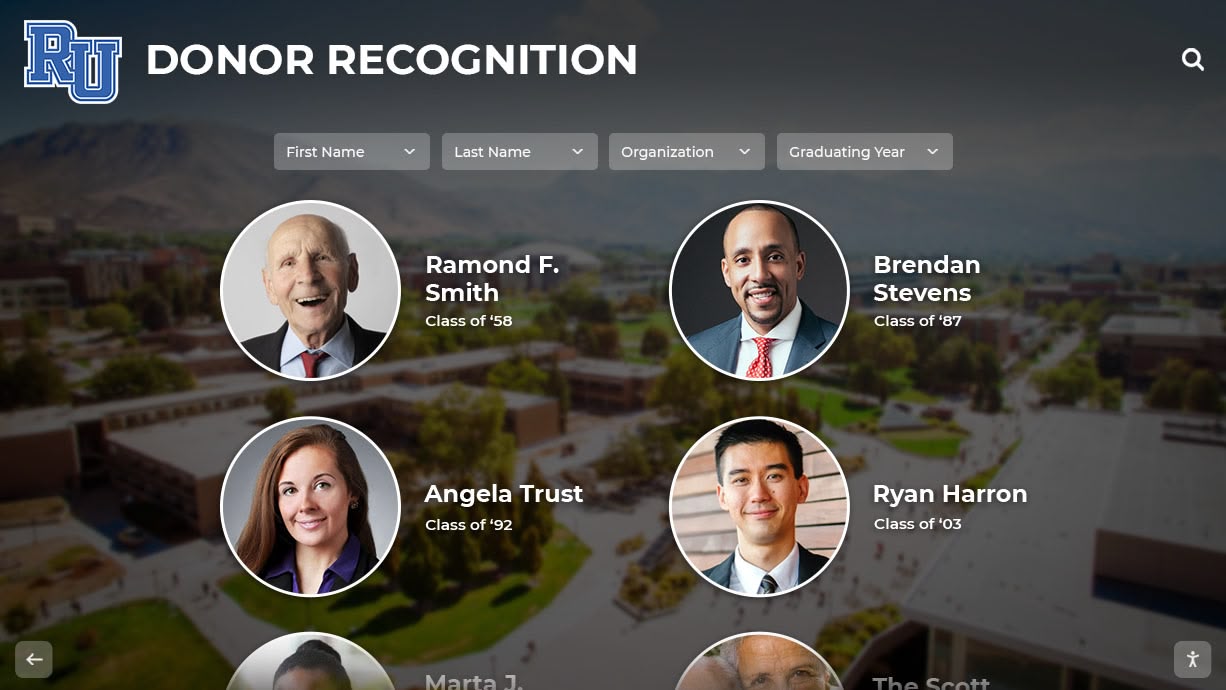




Organizations dedicated to fundraising and donor stewardship face a meaningful challenge: how to create donation wall tributes that truly honor supporters while inspiring future giving. Traditional donor recognition approaches—engraved plaques, printed panels, and static bronze nameplates—quickly reach capacity limits, require expensive updates for new contributors, and struggle to tell the compelling stories behind philanthropic support.
The most successful nonprofits, educational institutions, hospitals, and cultural organizations are reimagining donation wall ideas through innovative display technologies that transform how they celebrate philanthropy, engage communities, and steward long-term donor relationships. Modern digital donor displays overcome space constraints, enable rich storytelling with photos and videos, accommodate unlimited donor entries, and create interactive experiences that connect visitors emotionally with your mission and the generous people who support it.
This comprehensive guide explores creative donation wall ideas that range from traditional approaches to cutting-edge digital solutions, practical design strategies that maximize impact, and proven recognition methods that honor every contribution level while inspiring continued philanthropic engagement.
Effective donor recognition extends beyond simply listing names—it tells stories about impact, celebrates the values that motivate giving, and creates emotional connections that strengthen lifelong supporter relationships. Organizations implementing thoughtful donation wall strategies report increased donor retention, higher average gift sizes, and stronger community engagement with their mission and fundraising initiatives.

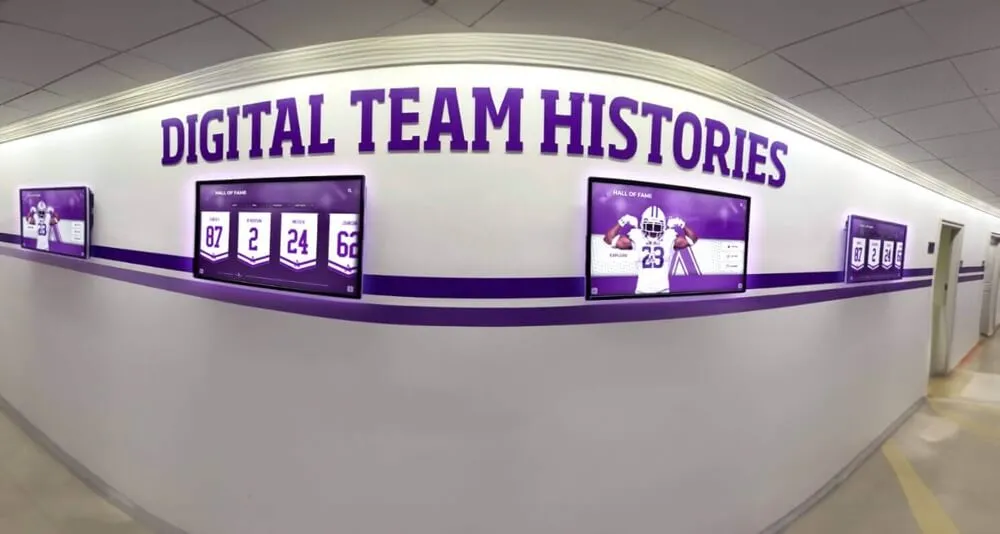
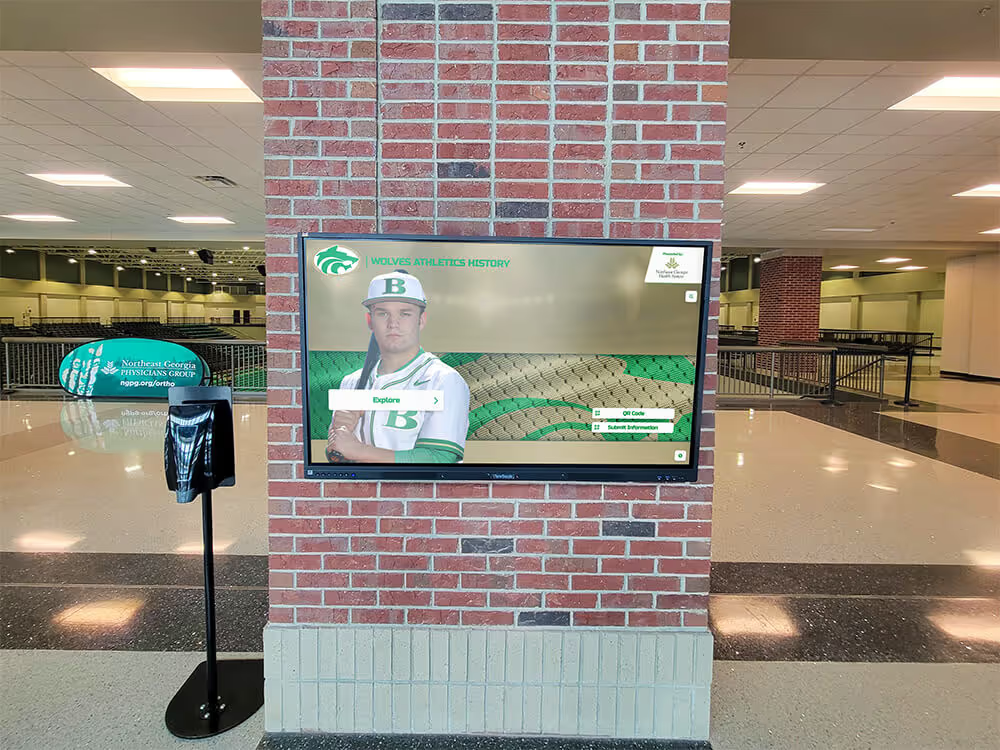
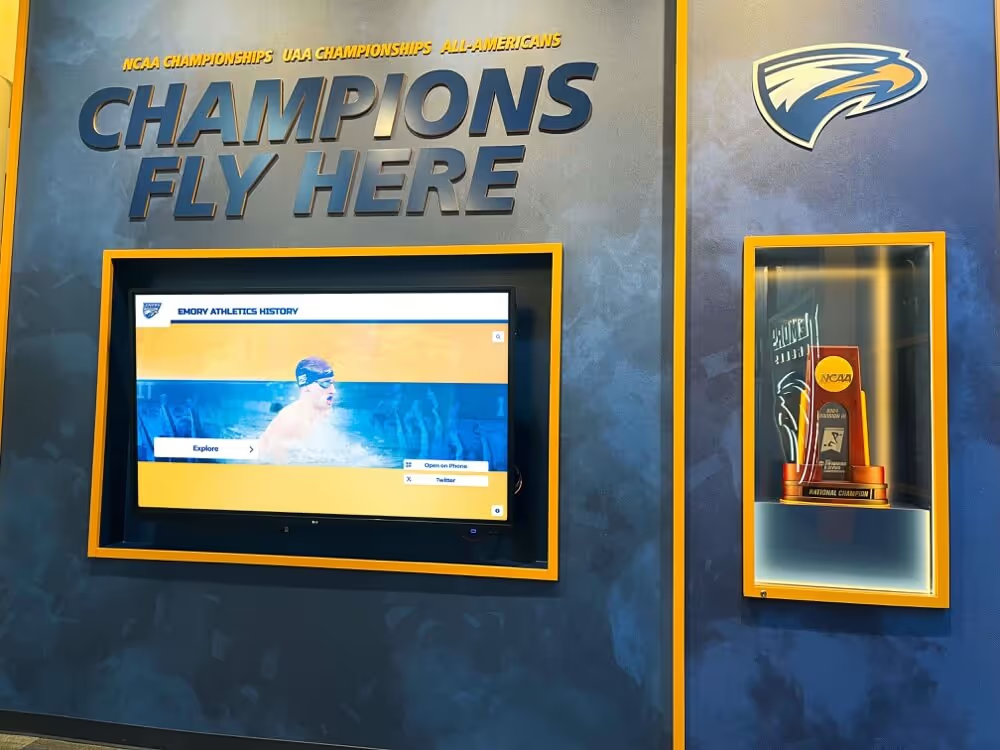
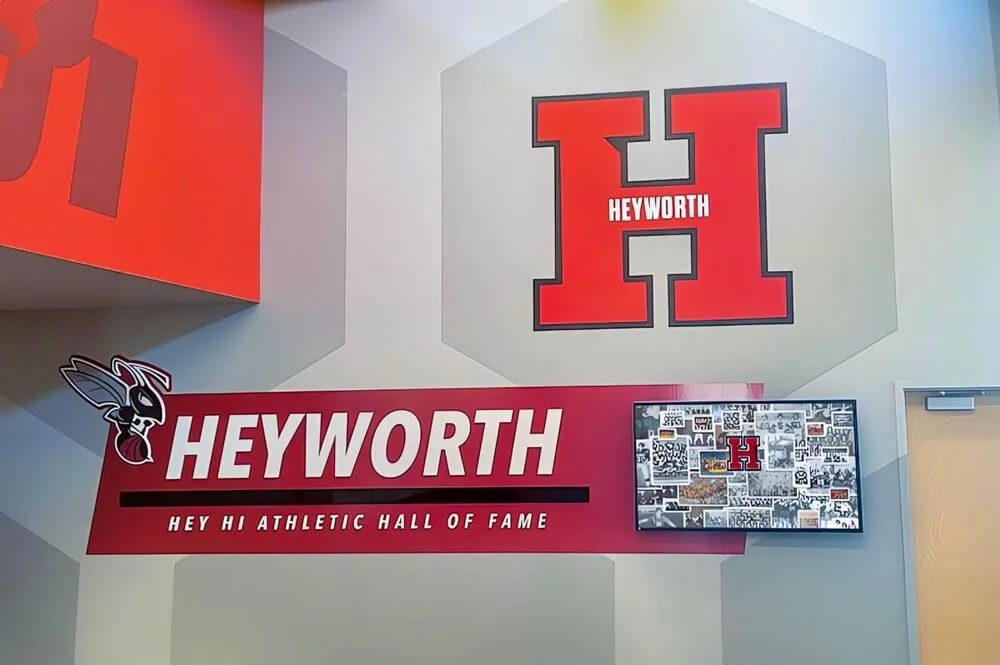
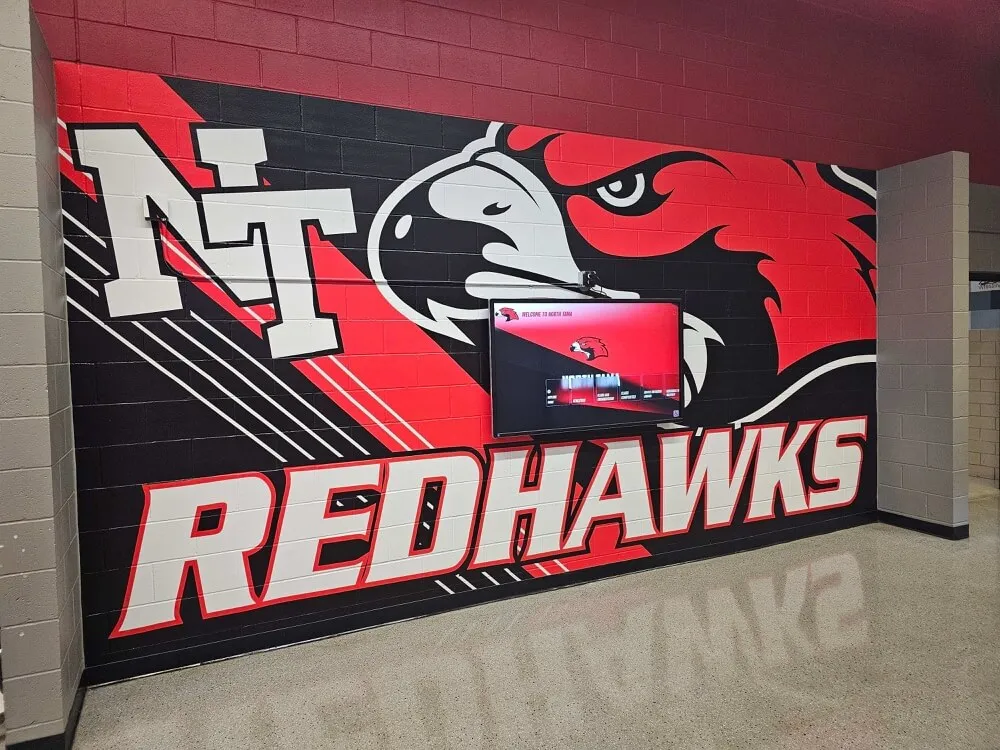
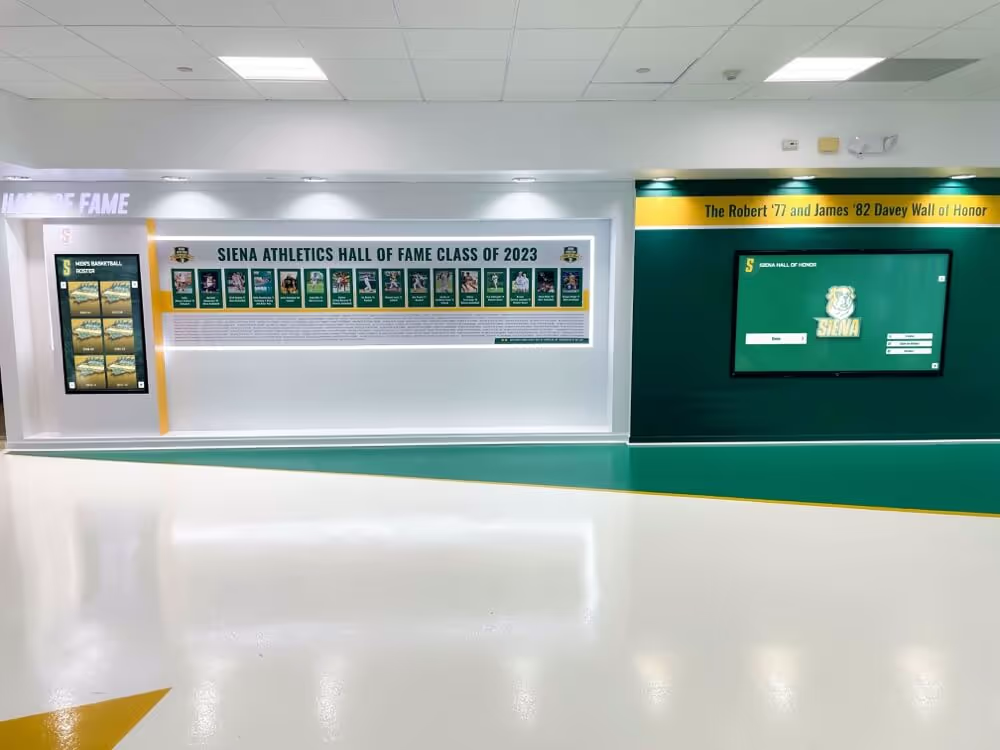
Modern donor recognition displays create visual celebrations that honor contributions while inspiring visitors to support your mission
Understanding the Purpose of Donor Recognition Walls
Donation walls serve multiple strategic purposes beyond simple acknowledgment of financial contributions. The most effective recognition displays function as fundraising tools, community engagement platforms, and mission communication vehicles that advance organizational goals while honoring supporter generosity.
Stewardship and Donor Retention
Research consistently shows that recognized donors give more frequently and at higher levels than unrecognized supporters. Visible recognition demonstrates organizational appreciation, validates donor decisions, and reinforces the importance of their contributions. When donors see their names alongside others supporting your cause, they feel part of a community united by shared values and commitment to your mission.
Recognition walls create physical manifestations of gratitude that donors can share with family, friends, and colleagues, extending your organization’s reach and potentially inspiring additional supporters. These displays serve as constant reminders that contributions create real impact, strengthening emotional connections that translate to sustained giving relationships over time.
Fundraising Motivation and Donor Acquisition
Strategic donation wall placement transforms recognition into recruitment. Prospective donors visiting your facility see tangible evidence of community support, social proof that giving to your organization represents a meaningful choice embraced by their peers. Recognition displays communicate giving level options, demonstrate how contributions get acknowledged, and inspire visitors to imagine their own names among honored supporters.
Thoughtfully designed recognition walls can inspire giving at multiple levels, from modest annual gifts to transformational major donations. The visibility of various recognition tiers helps donors understand giving opportunities while aspirational placement motivates increased contribution levels.
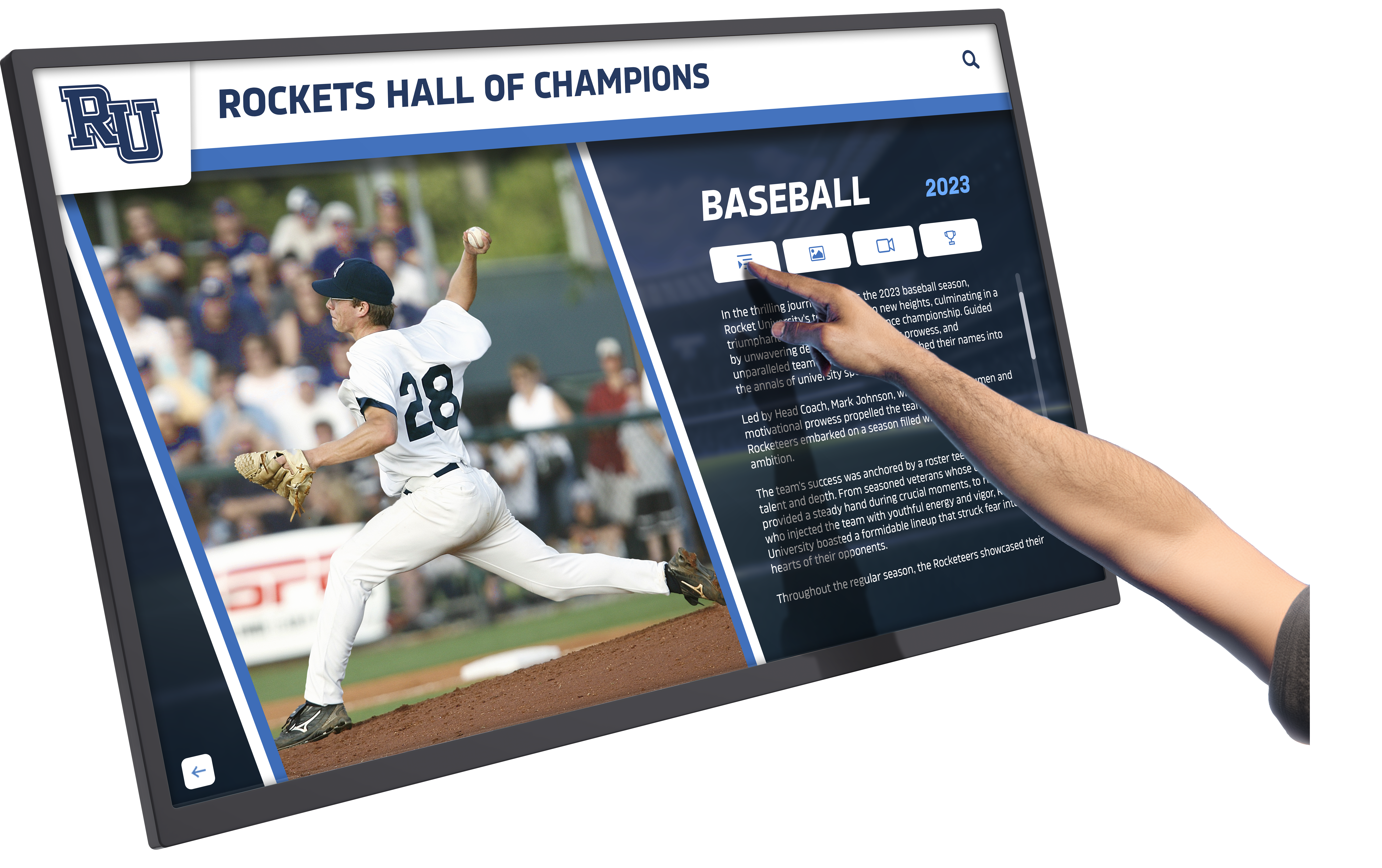
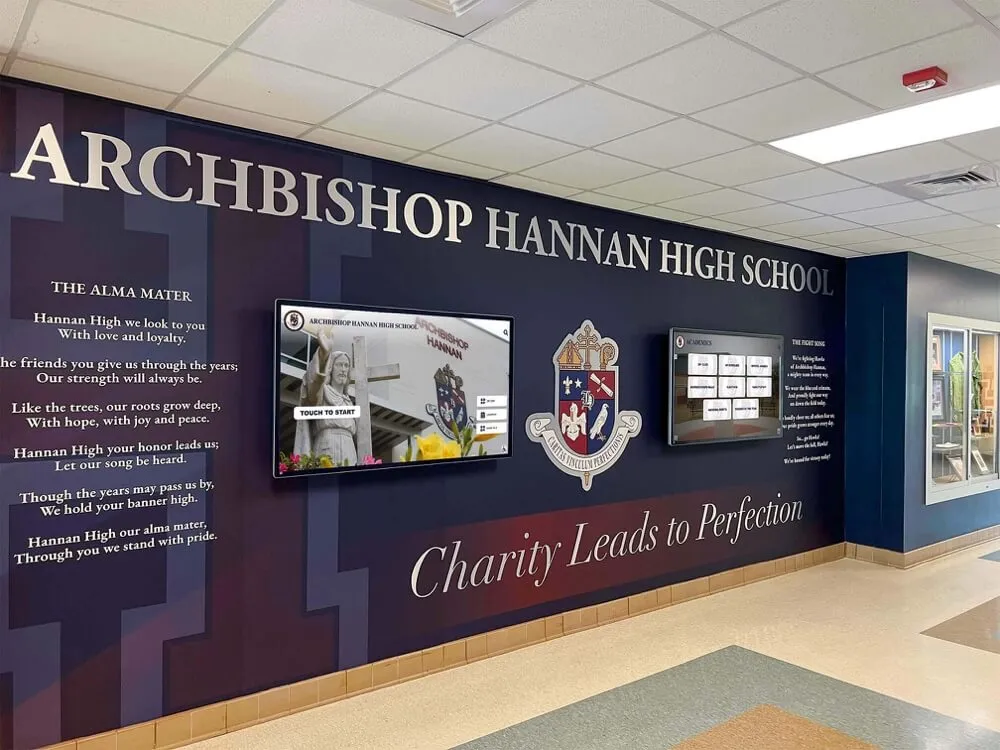
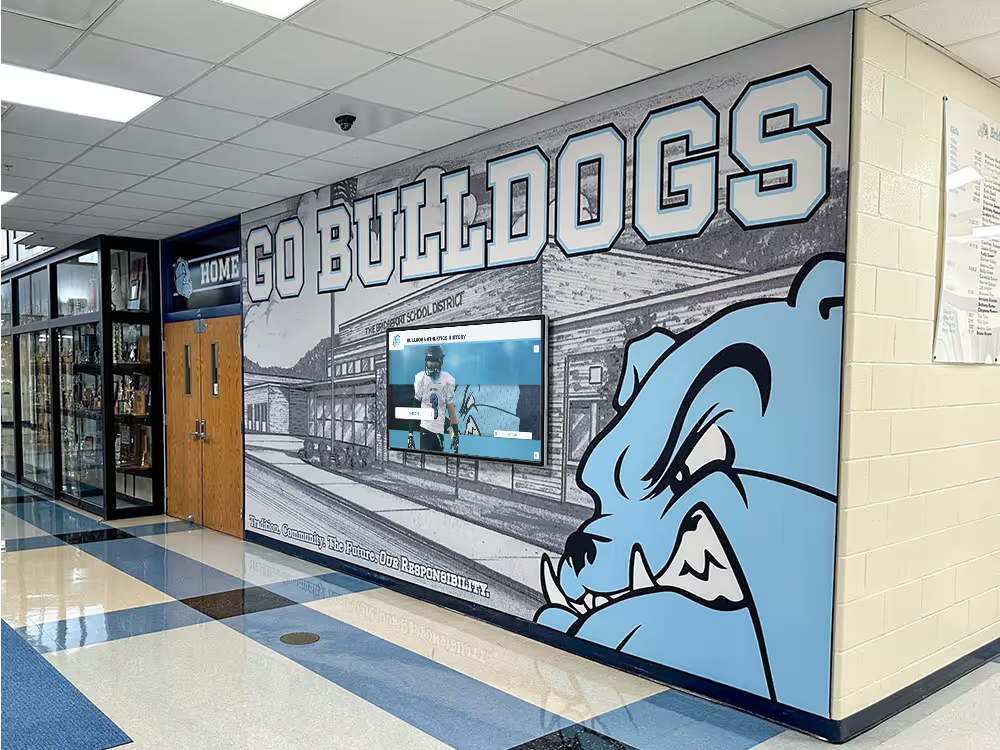
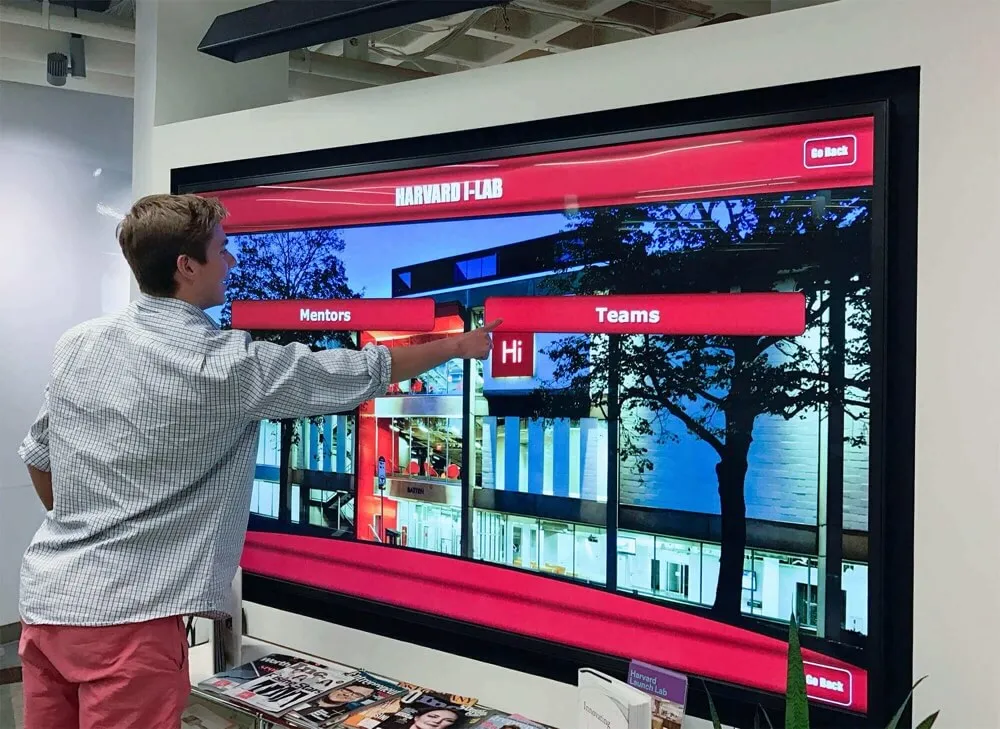
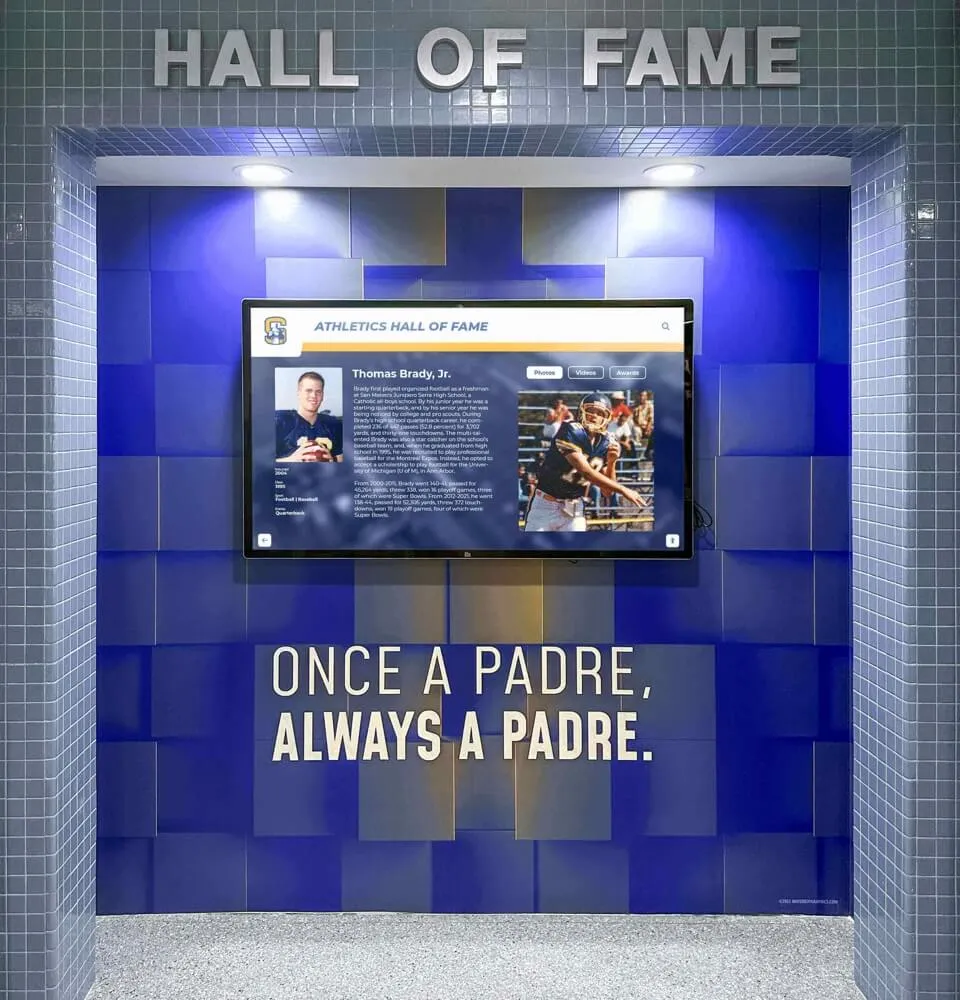
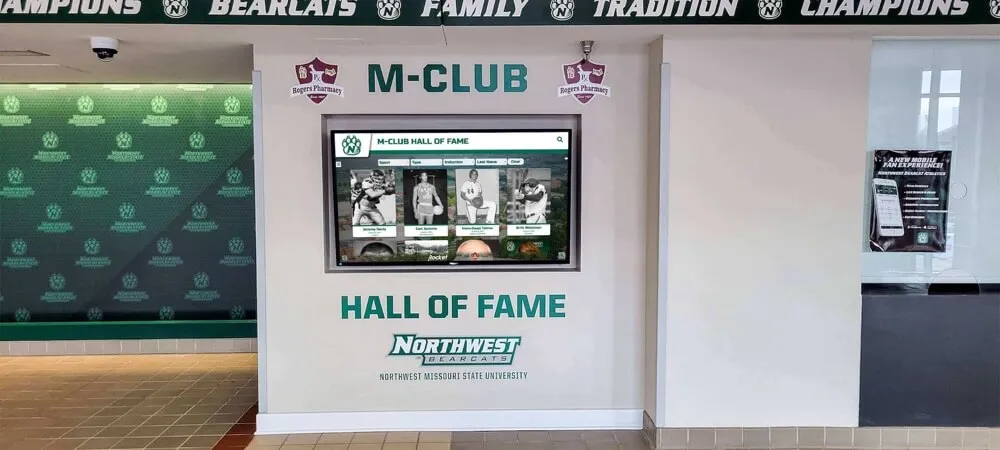
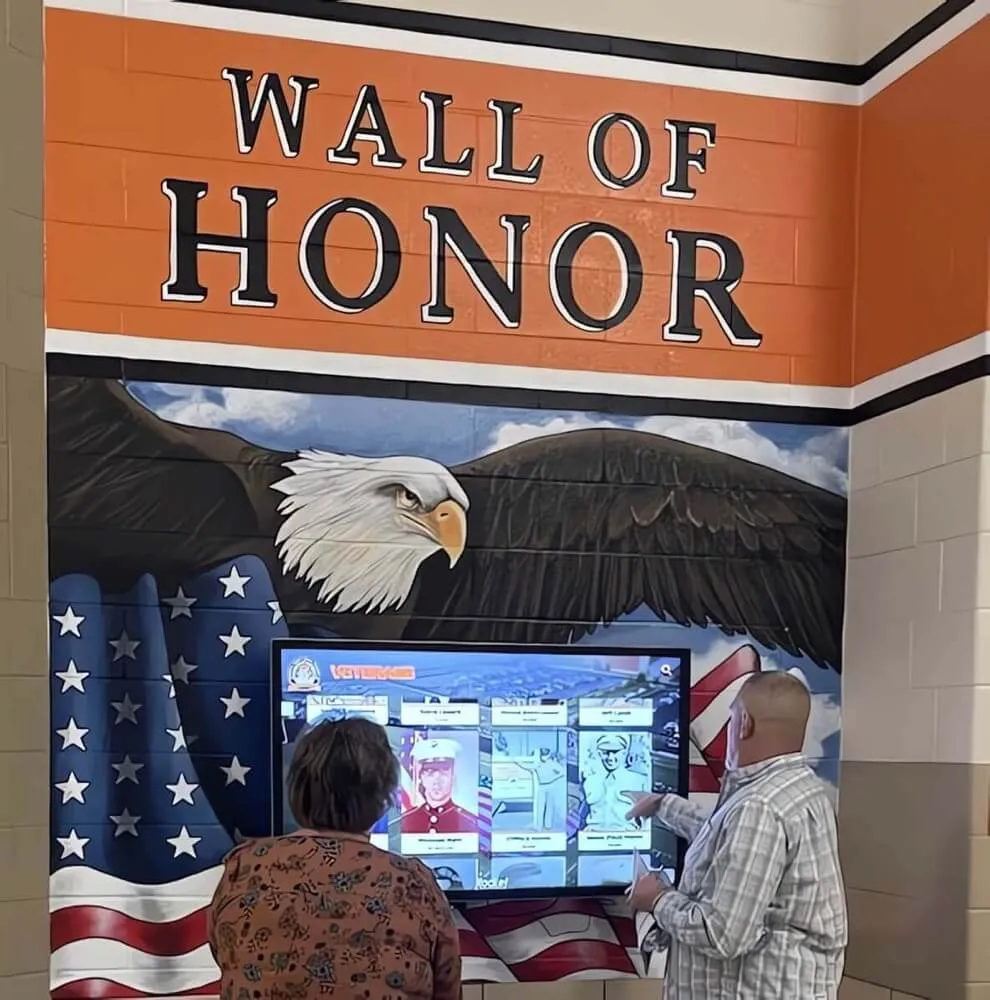
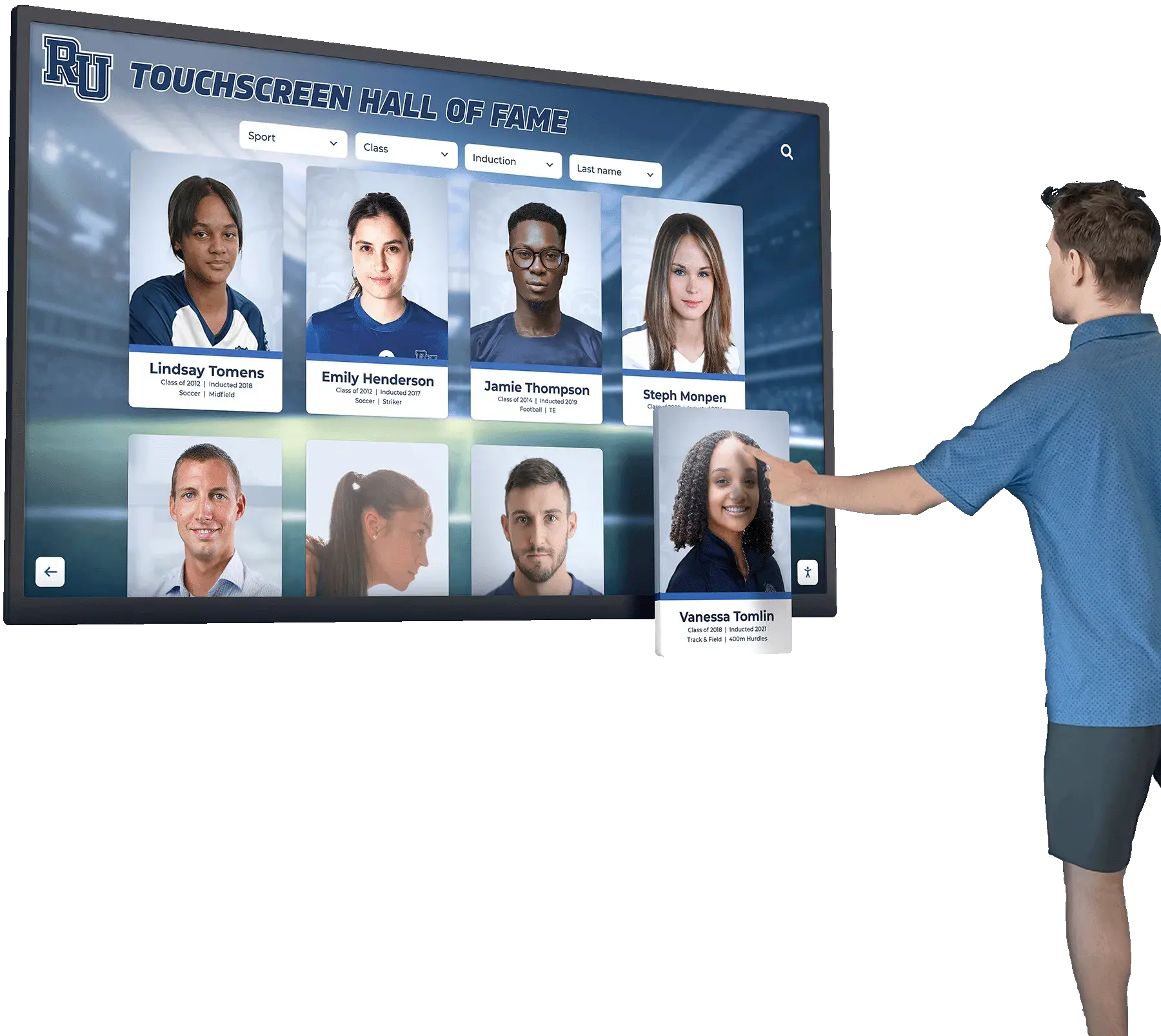
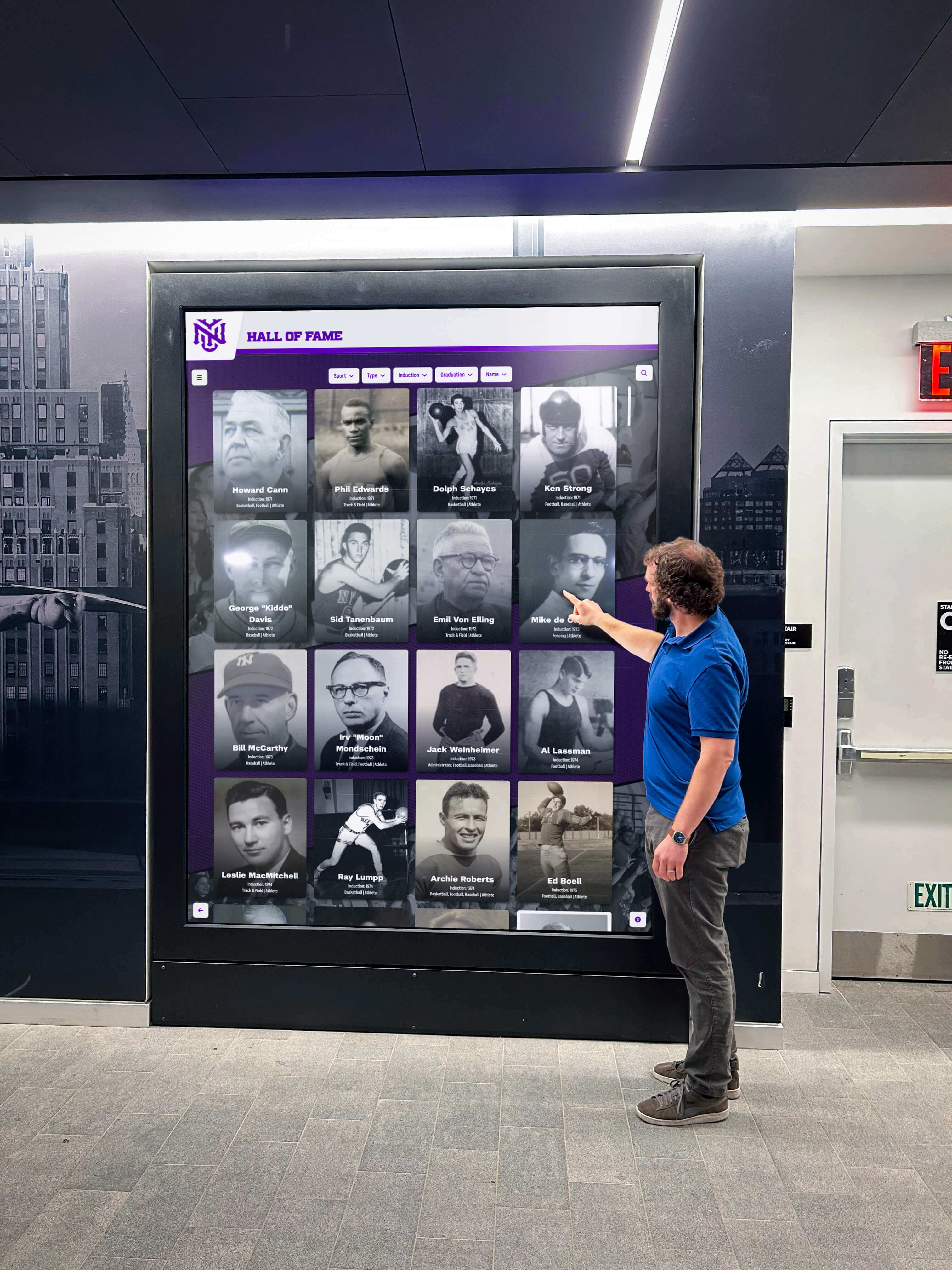
Interactive touchscreen displays enable visitors to explore donor stories and contribution impact through engaging digital experiences
Mission Communication and Impact Storytelling
Donation walls provide platforms for communicating organizational mission and demonstrating philanthropic impact. Beyond listing donor names, effective displays explain what contributions fund, showcase programs that donations support, and tell stories about how generosity creates meaningful change. These mission connections transform recognition from transactional acknowledgment into compelling narratives about community impact.
Digital recognition solutions particularly excel at impact storytelling, incorporating photos of programs in action, videos featuring beneficiaries, and data visualizations showing measurable outcomes. When donors see connections between their contributions and real-world impact, recognition becomes more meaningful while reinforcing decisions to support your organization.
Traditional Donation Wall Ideas and Approaches
Understanding conventional recognition methods provides foundation for evaluating which approaches best serve your organizational needs and donor community.
Engraved Metal and Bronze Plaques
Traditional individual plaques represent the most common donation wall approach. Organizations mount brass, bronze, or aluminum plates engraved with donor names, typically organized by giving level or chronologically. These physical plaques create permanent, prestigious recognition that many donors deeply value for their tangible, enduring nature.
Advantages of Plaque-Based Recognition
- Perceived permanence and prestige associated with traditional materials
- No ongoing technology requirements or maintenance needs
- Familiar format donors immediately understand and appreciate
- Can be designed to match architectural aesthetics and organizational branding
- Individual plaques can be presented to donors as keepsake duplicates
Limitations to Consider
- Physical space constraints limit total donor capacity
- Each new donor requires additional plaque production and installation
- Updating information or correcting errors requires complete replacement
- Installation costs compound over time as donor numbers grow
- Static presentation offers no storytelling beyond names and giving levels
- Difficult to reorganize or reprioritize as recognition strategies evolve
Printed Donor Recognition Panels
Many organizations create large printed panels listing multiple donors organized by giving level categories. These panels typically feature organizational branding, mission statements, and grouped donor names arranged hierarchically by contribution size. Printed panels maximize space efficiency while creating unified visual presentations.
Panel System Benefits
- Cost-effective recognition for large donor numbers
- Unified design creates cohesive visual presentation
- Can incorporate organizational graphics and branding elements
- Lower per-donor cost compared to individual plaques
- Easier to plan layouts accommodating projected growth
Challenges with Printed Panels
- Replacement of entire panels required for updates or additions
- Difficult to add donors once panels are installed
- Limited design flexibility after production
- Challenging to highlight individual donors among hundreds of names
- Weather exposure can degrade outdoor installations
- No capability for storytelling or impact communication
Organizations using traditional approaches often struggle with capacity planning—underestimating future donor numbers leads to space shortages, while overestimating creates expansive walls with visible empty spaces that can discourage giving by suggesting lack of support.
Modern Digital Donation Wall Ideas
Technology-enabled recognition solutions address traditional limitations while creating enhanced donor engagement opportunities and flexible recognition systems that adapt as your donor community grows.
Interactive Touchscreen Donor Displays
Digital touchscreen recognition systems transform static donor lists into engaging interactive experiences. Visitors can search for specific donors, filter by giving level or recognition society, explore detailed donor profiles with photos and stories, and view impact information about programs that contributions support. Much like interactive displays in educational settings, donor kiosks create memorable engagement experiences.
Interactive Display Advantages
- Unlimited donor capacity without physical space constraints
- Easy content updates through cloud-based management systems
- Rich donor profiles incorporating photos, videos, and impact stories
- Search and filter functionality enabling visitors to find specific donors
- Integration with fundraising databases for automated updates
- Analytics tracking engagement and most-viewed content
- Reduced long-term costs compared to continuous plaque additions

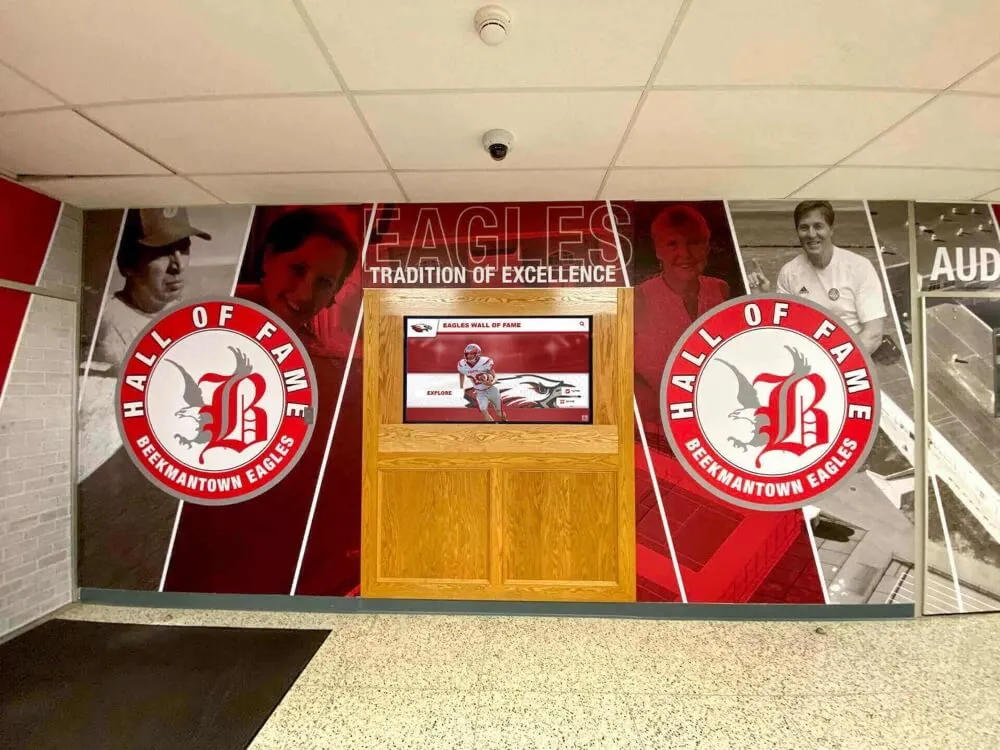
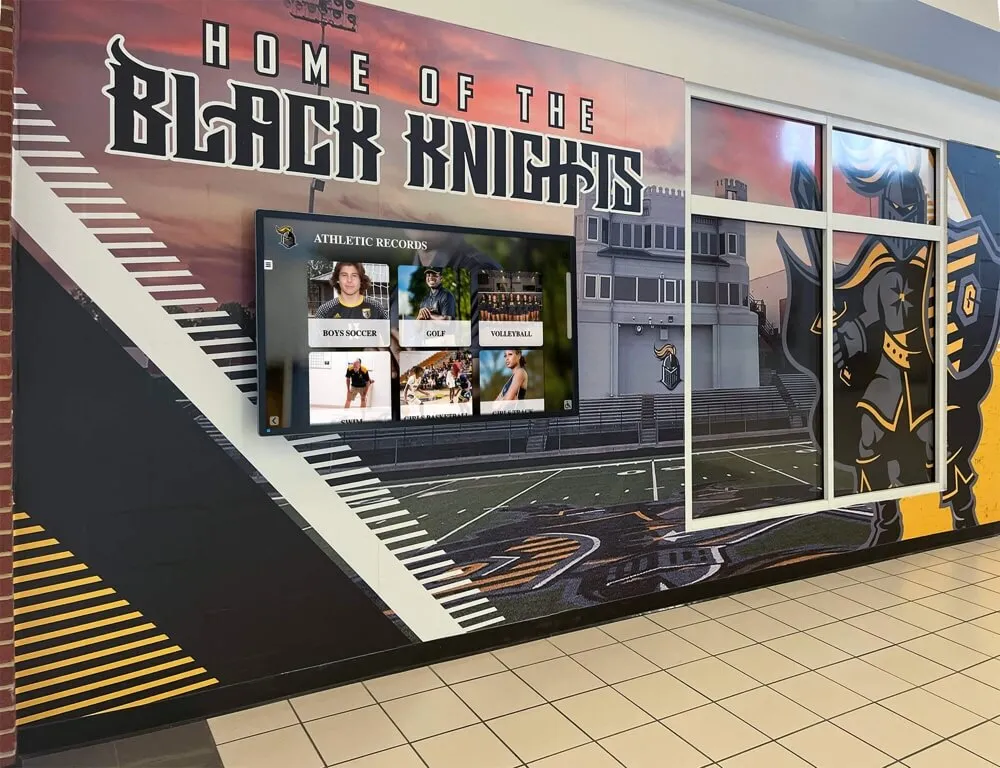
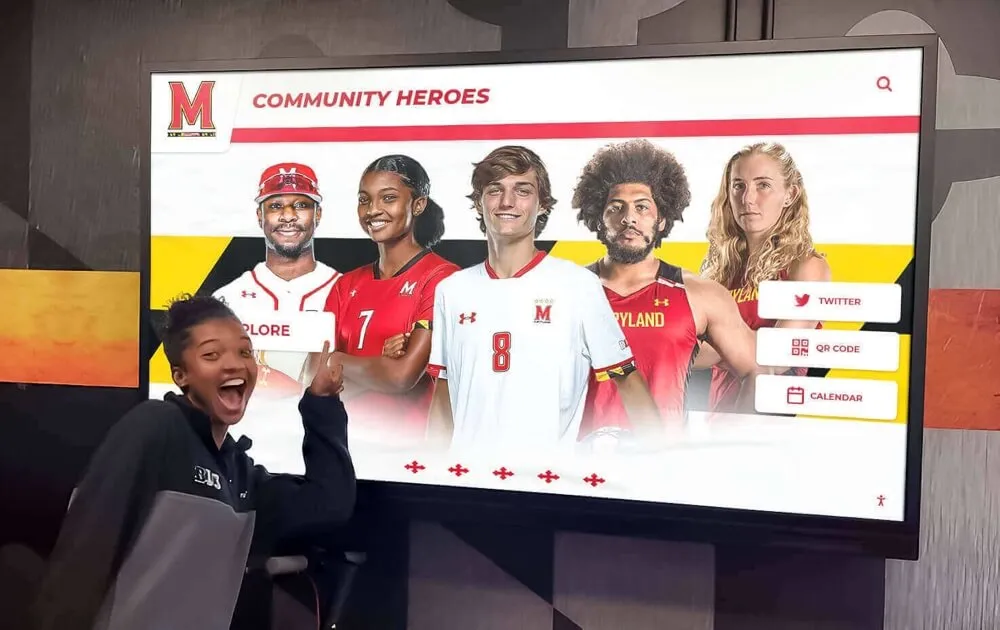
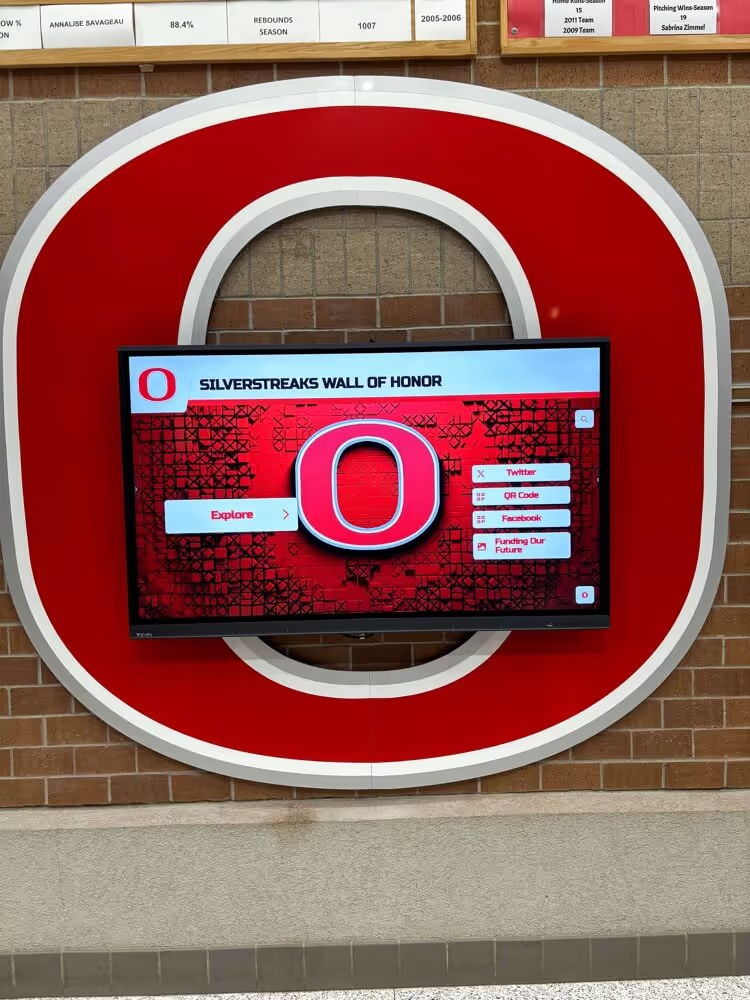
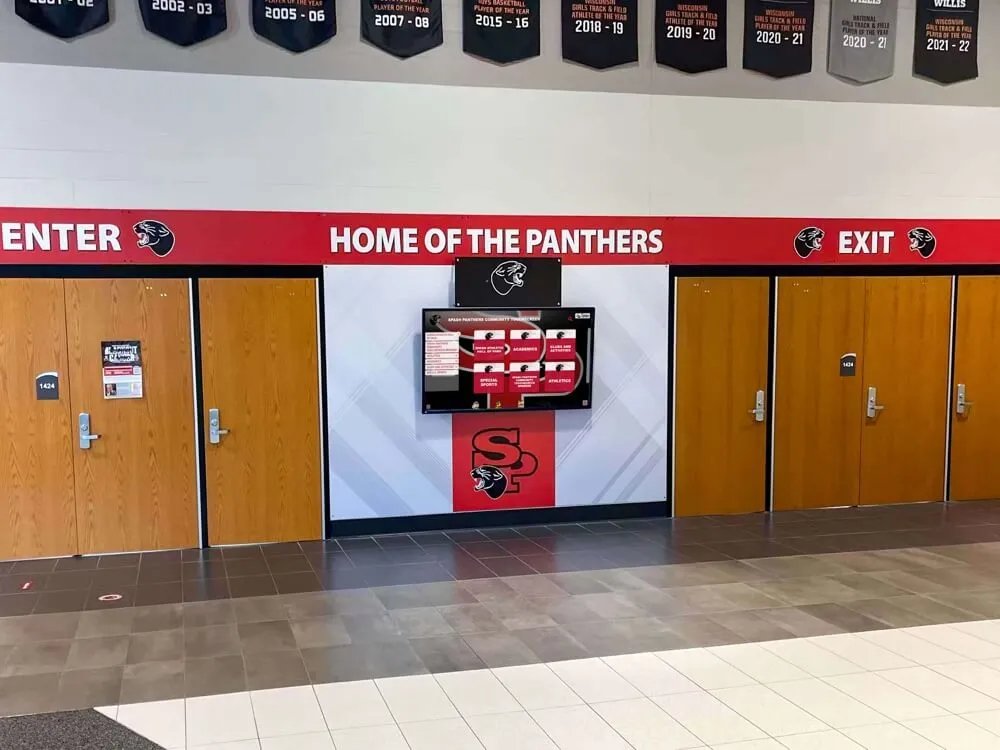
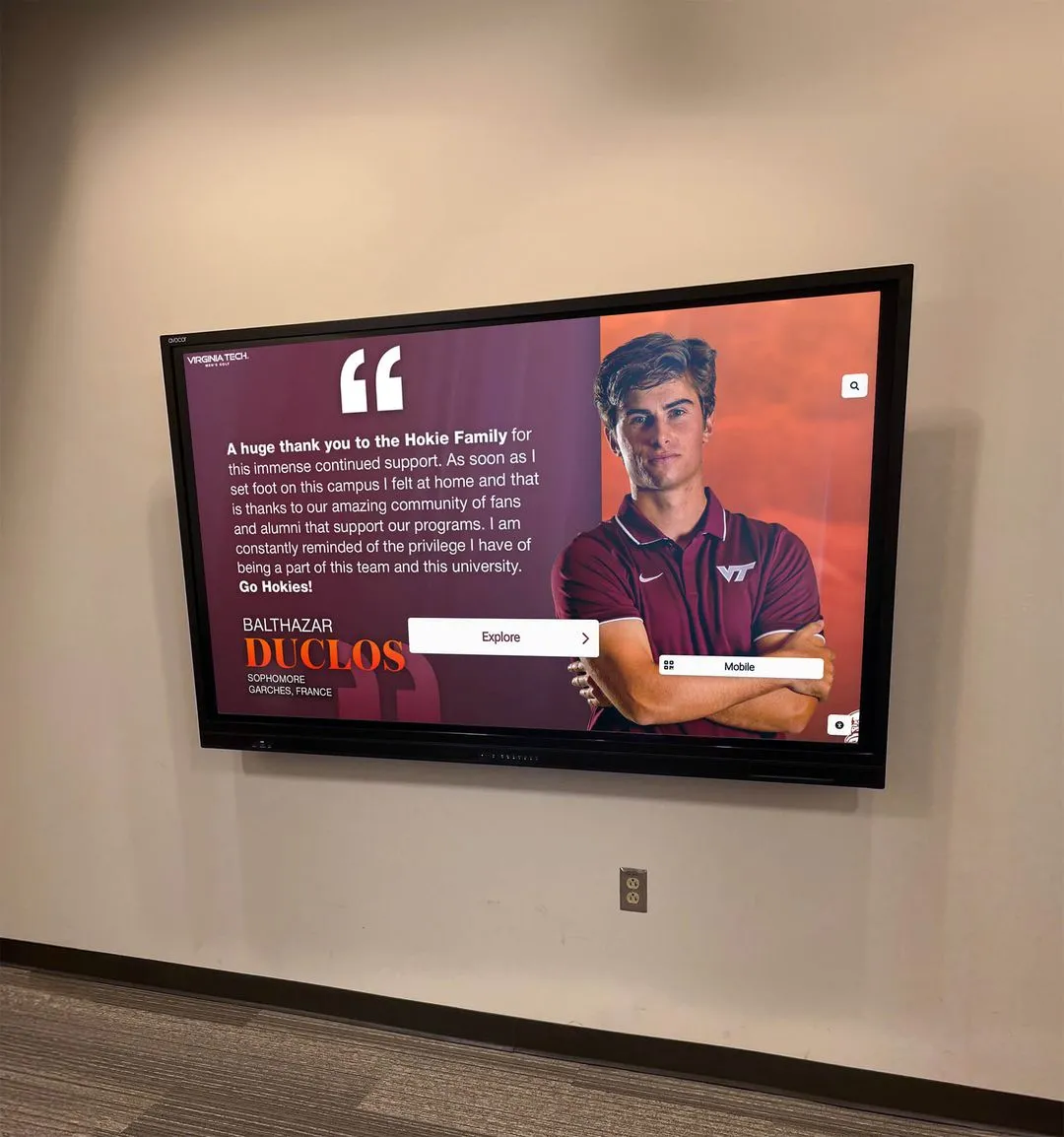
Touchscreen technology allows visitors to explore donor contributions and stories through intuitive, engaging interfaces
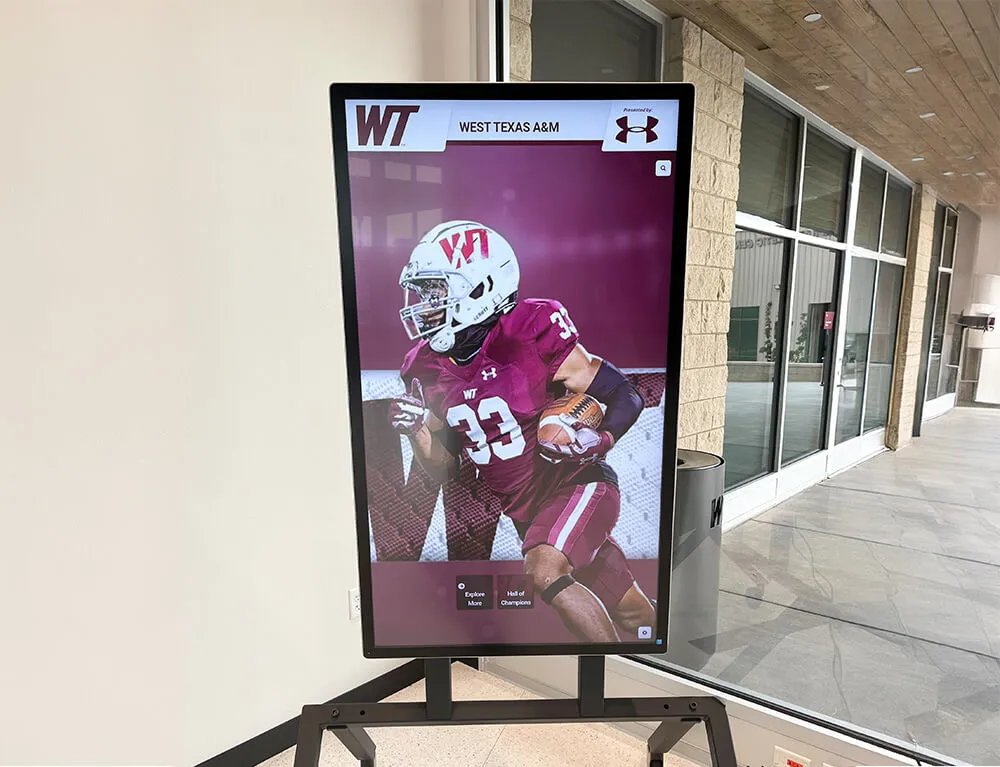
Strategic Implementation Considerations Digital displays work best in high-traffic areas where visitors naturally gather—main lobbies, reception areas, event spaces, and near program locations that donor contributions directly support. Screen size selection should match viewing distances and space characteristics, with options ranging from 32-inch displays for intimate settings to 86-inch touchscreens for large public areas.
Organizations should plan content management workflows ensuring donor information stays current without creating administrative burden. Cloud-based donor display solutions enable remote updates from any internet-connected device, eliminating need for on-site technical access while maintaining real-time accuracy.
Digital Donor Recognition Walls with Hybrid Elements
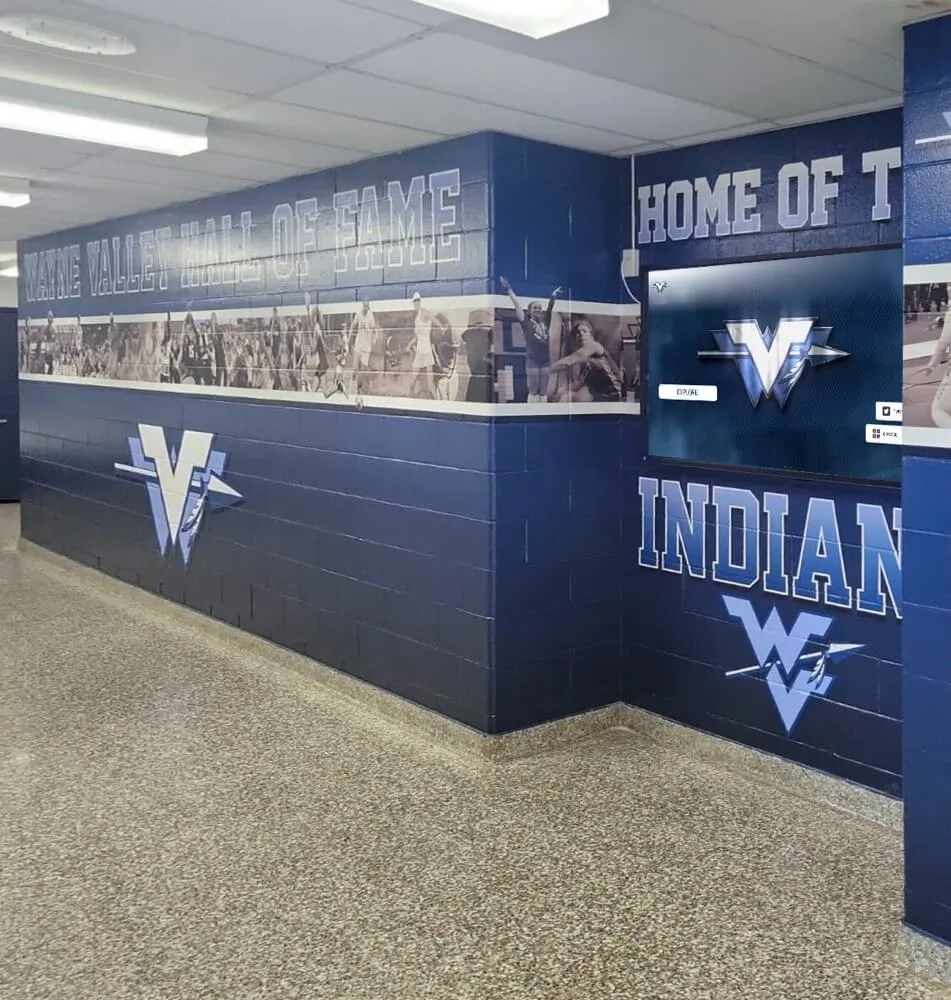
Many organizations create comprehensive recognition environments combining digital displays with architectural elements, donor society naming opportunities, and environmental design features. These hybrid approaches honor traditional donor expectations for permanent recognition while incorporating digital capabilities for storytelling and flexibility.
Hybrid Recognition Components
- Large digital screens surrounded by architectural frames matching facility aesthetics
- Permanent major donor naming plaques integrated with digital displays for annual contributors
- Donor society recognition spaces featuring both physical elements and digital content
- Environmental design incorporating organizational branding, mission statements, and impact photography
- QR codes linking physical recognition to extended digital content and donor stories
This blended approach particularly appeals to donors who value traditional prestige while organizations gain digital flexibility for growing donor communities.
Mobile-Accessible Digital Donor Recognition
Progressive organizations extend recognition beyond physical facilities through mobile-responsive donor websites and applications. Mobile-accessible recognition enables donors to view their profiles remotely, share recognition with family and friends, and connect with broader donor communities regardless of geographic location. Similar to how digital yearbooks extend accessibility, mobile donor recognition reaches supporters wherever they are.
Mobile Recognition Benefits
- Geographic reach extending recognition to donors unable to visit facilities
- Social sharing capabilities amplifying organizational visibility
- Enhanced donor engagement through accessible content
- Year-round connection versus occasional facility visits
- Lower barrier for donors to share their philanthropy with networks
- Integration with fundraising campaigns and giving days
Organizations implementing mobile recognition report increased donor engagement metrics, higher social media sharing of organizational content, and expanded awareness among potential new supporters discovering recognized donors in their networks.
Design Strategies for Maximum Impact
Thoughtful design amplifies recognition effectiveness while ensuring donor walls support organizational brand and mission communication goals.
Organizing Donors by Recognition Levels
Most organizations structure donation walls around giving level tiers that acknowledge different contribution scales while inspiring donors to increase giving over time. Clear level naming and visual hierarchy help visitors immediately understand recognition structure while communicating giving opportunities.
Common Giving Level Structures
- Leadership Circle: $100,000+ cumulative or major single gifts
- Benefactor Society: $50,000-$99,999 cumulative giving
- Patron Society: $25,000-$49,999 cumulative contributions
- Sustaining Partners: $10,000-$24,999 cumulative support
- Supporting Members: $5,000-$9,999 cumulative gifts
- Contributing Friends: $1,000-$4,999 cumulative donations
- Annual Supporters: Under $1,000 annual contributions
Organizations should customize level names reflecting their mission and donor culture. Educational institutions might use academic-themed names, healthcare organizations could reference medical terminology, and arts organizations often select creative designations aligned with their artistic focus.
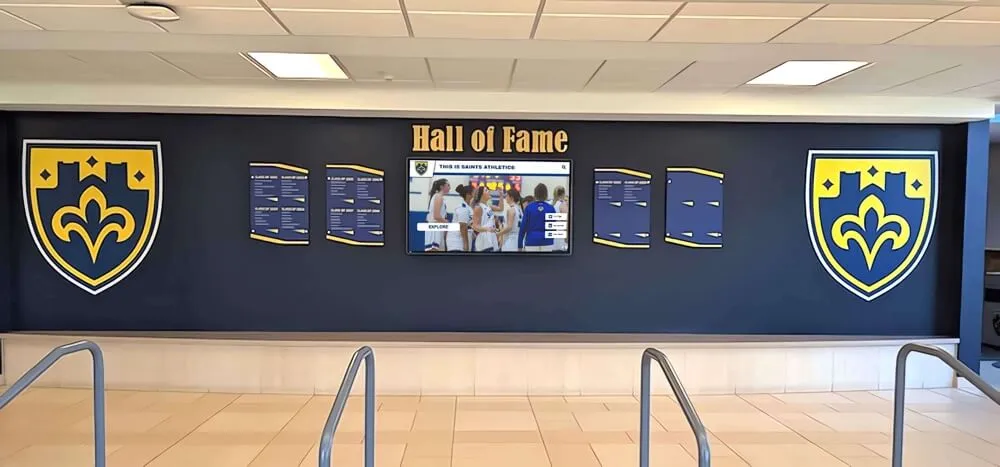
Visual Hierarchy Design Recognition displays should visually differentiate giving levels through sizing, placement, typography, or design treatment. Top-tier donors typically receive prominent positioning, larger text sizing, or enhanced visual elements communicating the significance of their extraordinary generosity. This hierarchy creates aspirational motivation while ensuring major donors receive appropriate prominence.
Digital systems offer flexibility for highlighting different donor groups based on context—featuring major donors prominently during donor cultivation events while emphasizing annual fund supporters during membership drives. This adaptability maximizes recognition relevance across different organizational priorities.

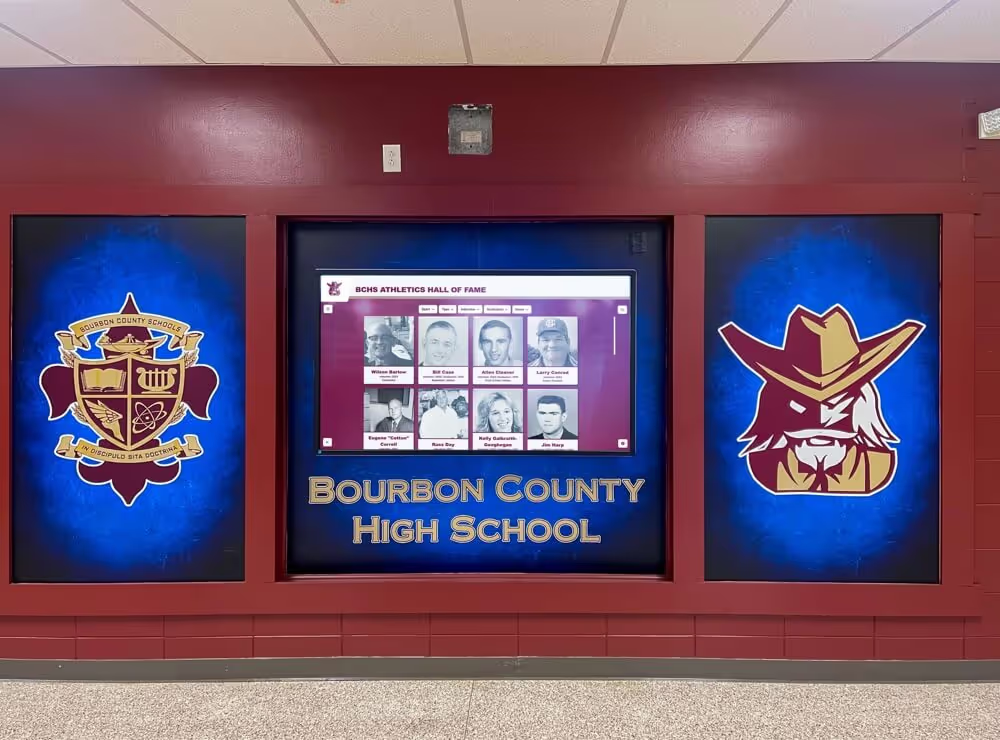
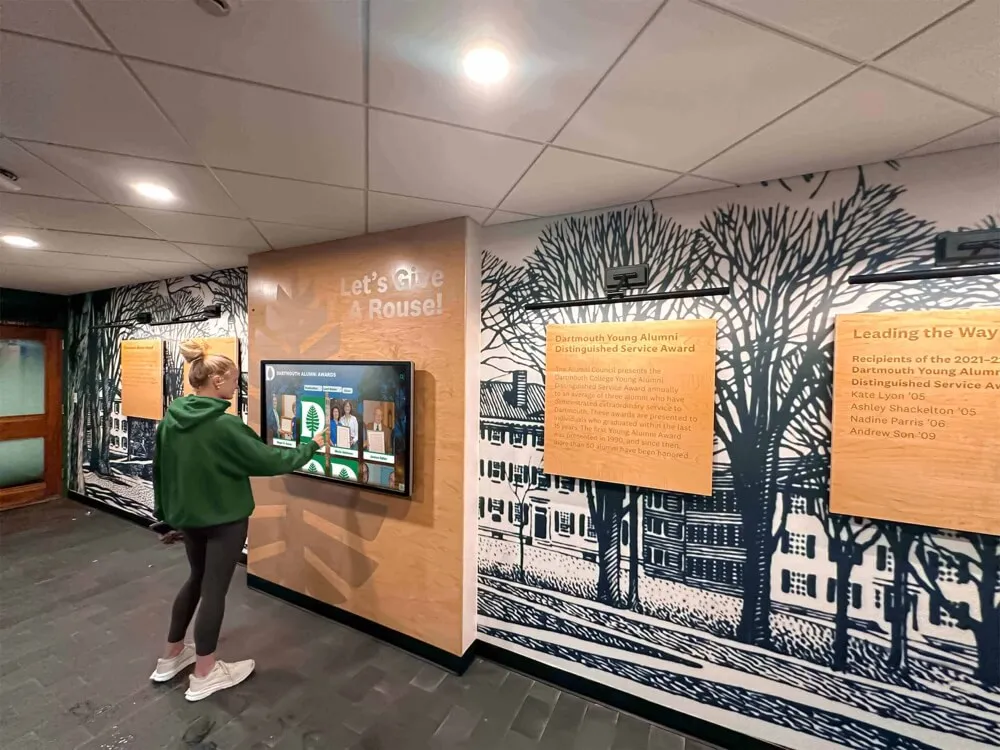
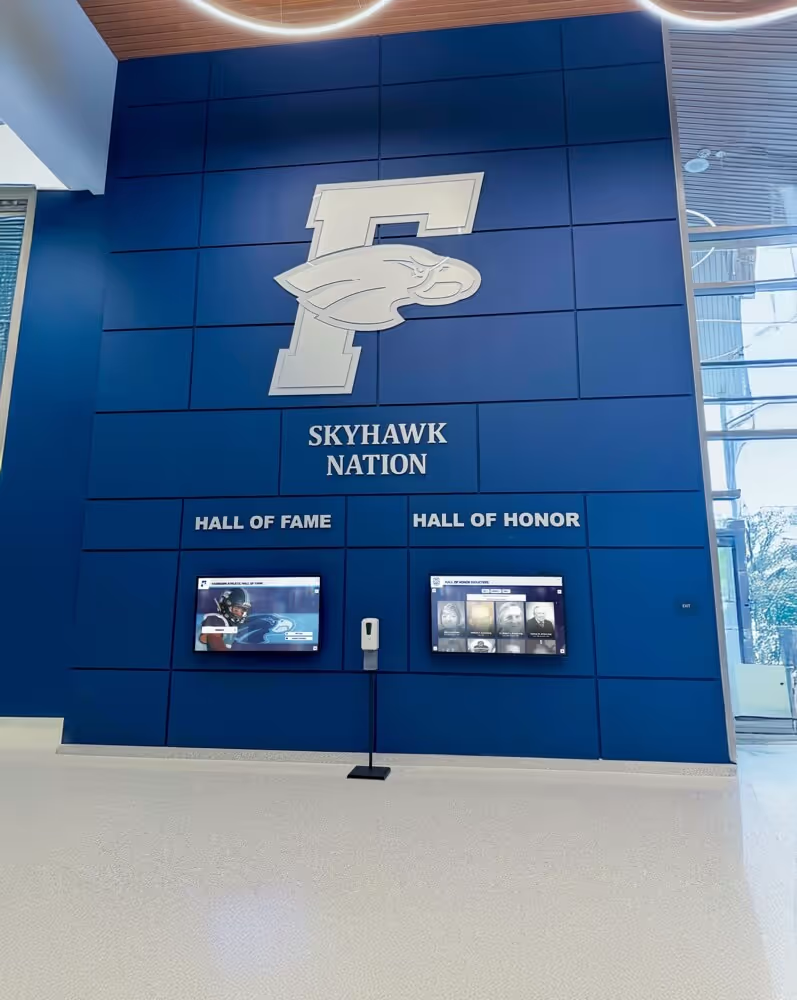
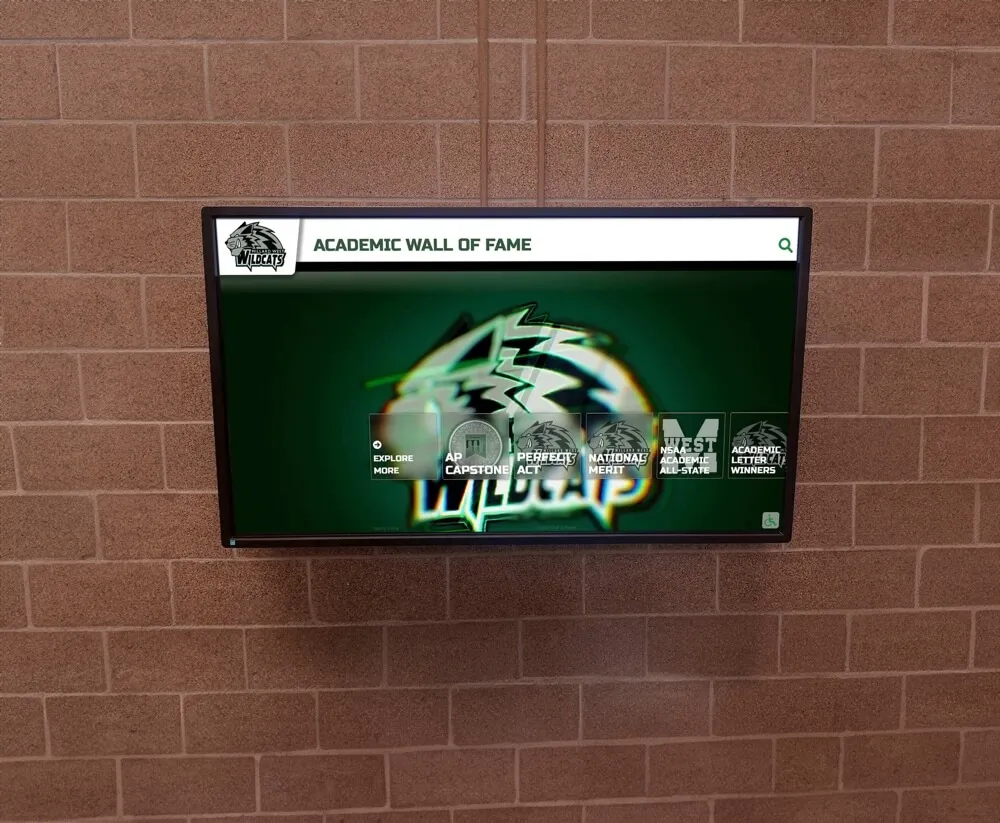
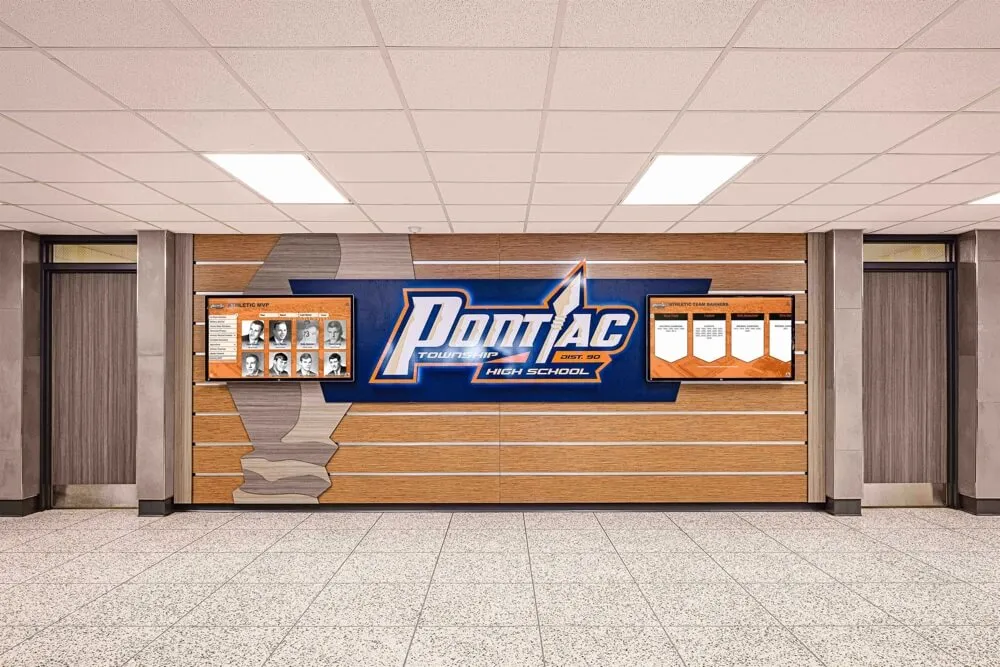
Thoughtful visual hierarchy communicates giving level significance while creating attractive, organized recognition displays
Incorporating Storytelling and Impact Visualization
The most compelling donation walls extend beyond listing names to tell stories about why donors give, what contributions accomplish, and how philanthropy creates meaningful change. This narrative approach transforms recognition from transactional acknowledgment into emotional engagement with organizational mission.
Donor Story Elements
- Personal statements explaining what motivated contributions
- Family giving legacy narratives spanning multiple generations
- Connection to organizational mission and programs supported
- Photos showing donors engaged with your organization
- Video testimonials expressing philanthropic motivations
- Recognition of in-honor or in-memory giving with beneficiary stories
Impact Demonstration Methods
- Before-and-after imagery showing facility improvements donors funded
- Beneficiary testimonials explaining how programs changed lives
- Data visualizations quantifying outcomes donor support enabled
- Photo galleries showcasing programs and activities in action
- Progress metrics toward campaign goals and organizational priorities
- Recognition of specific program elements individual donors funded
Organizations implementing storytelling-rich recognition report stronger emotional donor connections, increased referrals from existing supporters, and enhanced understanding of mission impact among facility visitors who may become future donors themselves.
Accessibility and Inclusive Design Principles
Effective donation walls ensure all visitors can engage with recognition content regardless of physical abilities or limitations. Accessibility compliance goes beyond legal requirements to demonstrate organizational values while expanding recognition reach across diverse community members. Just as accessibility matters for athletic displays, donor walls must accommodate all visitors.
Physical Accessibility Considerations
- Mounting heights compliant with ADA reach range requirements
- Touchscreen positioning accessible to wheelchair users
- Sufficient clearance space for mobility device maneuvering
- Contrast ratios meeting WCAG 2.1 AA standards for visual accessibility
- Text sizing readable from appropriate viewing distances
- Wayfinding and directional signage to recognition locations
Digital Accessibility Features
- Screen reader compatibility for visually impaired visitors
- Alternative text descriptions for all visual content and imagery
- Keyboard navigation support for touchscreen alternatives
- Adjustable text sizing and high-contrast viewing modes
- Audio content descriptions for multimedia elements
- Multilingual content options for diverse communities
Accessibility should inform initial planning rather than retrofitting after installation, ensuring all community members feel welcome to engage with donor recognition.
Recognition Ideas for Different Donor Categories
Comprehensive recognition systems acknowledge diverse supporter types and contribution methods beyond straightforward financial gifts.
Annual Fund and Recurring Donors
Loyal supporters giving consistently year after year represent your organization’s foundation. Recognition strategies should emphasize sustained commitment, celebrate giving longevity, and acknowledge cumulative impact even when individual gift sizes remain modest.
Consecutive Giving Recognition
- Special designation for 5, 10, 15+ consecutive years of support
- Visual elements highlighting sustained loyalty (icons, badges, special colors)
- Cumulative giving totals acknowledging lifetime support
- Anniversary recognition celebrating donor relationship milestones
- Legacy society acknowledgment for documented planned gifts
Organizations should make adding recurring donors to recognition displays administratively simple, potentially through automated integration with fundraising databases that update displays as gifts process without requiring manual data entry for each contribution.
Major Gift Donors and Campaign Leadership
Transformational donors funding capital campaigns, endowments, or significant program expansions deserve prominent, prestigious recognition commensurate with their extraordinary generosity. These supporters often have specific expectations about how recognition appears and where it’s positioned.
Major Donor Recognition Approaches
- Named space opportunities (buildings, rooms, programs, endowments)
- Permanent architectural elements in high-visibility locations
- Detailed profiles explaining philanthropic vision and impact created
- Prominent digital display positioning and enhanced visual treatment
- Special dedication events celebrating contributions
- Personalized recognition elements reflecting donor interests and values
Major donor recognition often requires individualized planning and donor collaboration ensuring acknowledgment aligns with their preferences and organizational guidelines. Digital systems facilitate major donor prominence while maintaining flexibility as leadership giving evolves.
In-Honor and Memorial Giving Recognition
Contributions made in memory of loved ones or honoring significant individuals hold deep emotional significance requiring sensitive, thoughtful acknowledgment. Recognition should celebrate both the donor making the gift and the individual being honored or remembered.
Memorial Gift Considerations
- Clear indication gifts honor specific individuals
- Option for photos and biographical information about honorees
- Dates and relationship context when appropriate
- Grouped family memorial giving showing collective remembrance
- Perpetual recognition ensuring lasting tribute
Thoughtful memorial recognition honors both generous donors and the loved ones they commemorate through giving
Organizations should establish clear policies about memorial gift recognition duration, information included, and coordination with donor families to ensure appropriate, sensitive acknowledgment.
Corporate and Foundation Sponsors
Business and foundation support often comes with specific recognition requirements outlined in sponsorship agreements. Recognition strategies should fulfill contractual obligations while celebrating corporate civic engagement and foundation mission alignment.
Corporate Recognition Elements
- Company logos and branding elements per agreement specifications
- Recognition of corporate matching gift programs and employee giving
- Acknowledgment of in-kind contributions and volunteer support
- Partnership duration and support level visibility
- Links to corporate websites and mission information
- Recognition of specific programs or initiatives corporate support funds
Foundation recognition should acknowledge both the foundation entity and, when appropriate, the founding individuals or families whose philanthropic vision the foundation continues. Similar to how graduation ceremonies recognize multiple stakeholders, donor walls must accommodate various contributor types.
Implementation Planning and Project Management
Successful donation wall projects require careful planning, stakeholder coordination, and systematic project management ensuring on-time, on-budget delivery that meets organizational goals.
Needs Assessment and Goal Definition
Begin by clearly articulating what you want donation wall recognition to accomplish:
Strategic Objectives to Define
- Primary recognition goals (stewardship, fundraising motivation, mission communication)
- Donor segments requiring recognition and capacity needed
- Physical locations and space parameters
- Budget range and funding sources
- Timeline requirements and installation deadlines
- Success metrics for evaluating recognition effectiveness
Engage key stakeholders—development staff, organizational leadership, facility managers, major donors, and board members—in planning conversations ensuring diverse perspectives inform recognition approach and design decisions.
Budget Development and Cost Considerations
Donation wall costs vary significantly based on approach selected, scale of implementation, and features included. Comprehensive budget planning should account for all project components:
Traditional Wall Cost Factors
- Individual plaque materials, engraving, and production ($150-$500 per plaque)
- Panel design, printing, and production ($3,000-$15,000 per panel)
- Architectural elements and mounting systems ($5,000-$50,000+)
- Installation labor and project management fees
- Ongoing costs for additions and updates ($150-$300 per new plaque)
Digital Display Investment Components
- Hardware costs for screens, mounting, and touchscreen systems ($5,000-$15,000 per display)
- Software licensing and content management platforms ($1,200-$5,000 annually)
- Content development and design services ($3,000-$10,000 initial)
- Installation, cabling, and network integration ($2,000-$8,000)
- Ongoing content management and support (staff time or service fees)
While digital systems typically require higher initial investment, total cost of ownership over 5-10 years often favors digital approaches when accounting for traditional wall expansion costs as donor numbers grow. Digital solutions also eliminate recurring plaque engraving and installation expenses.
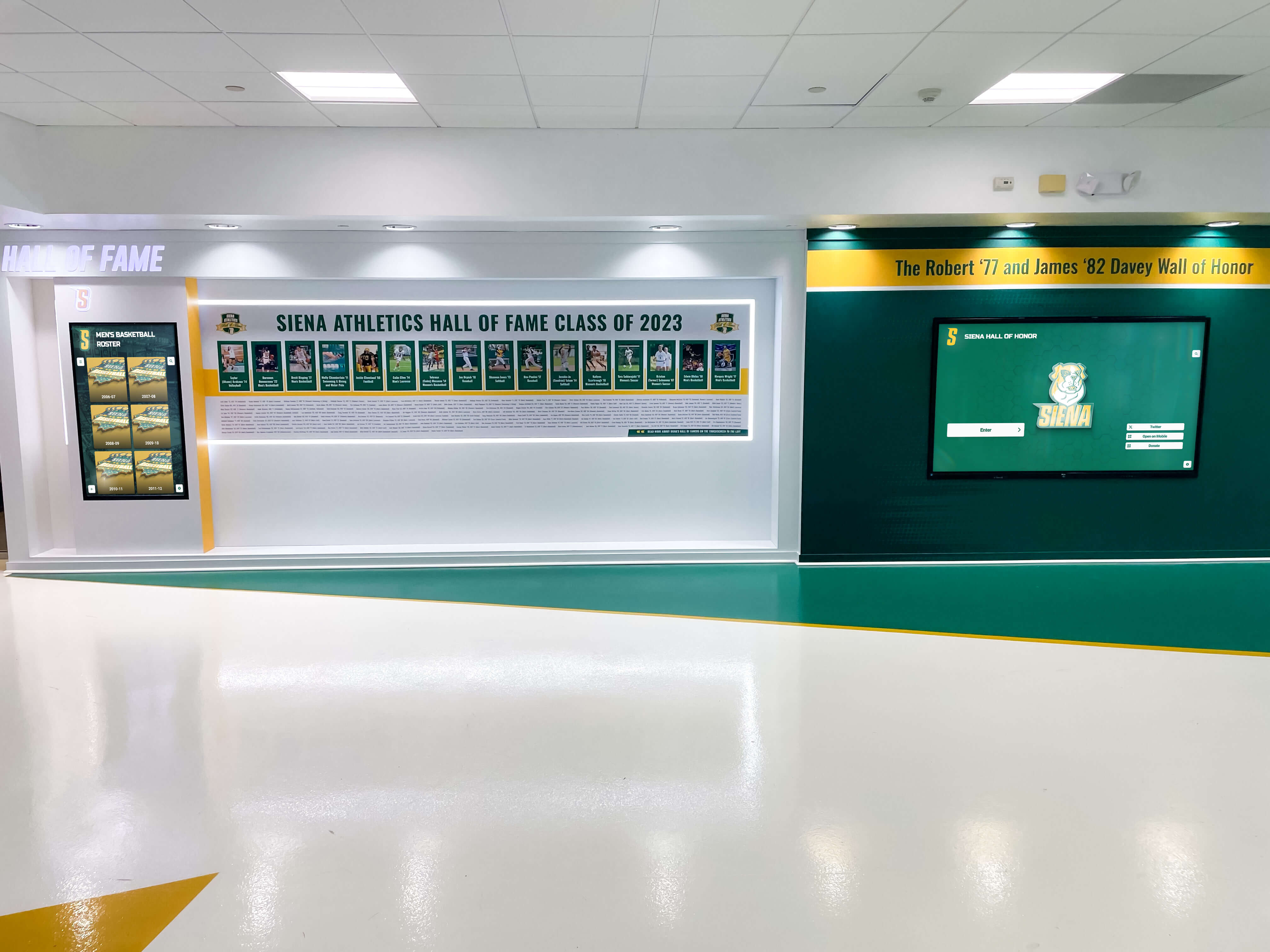
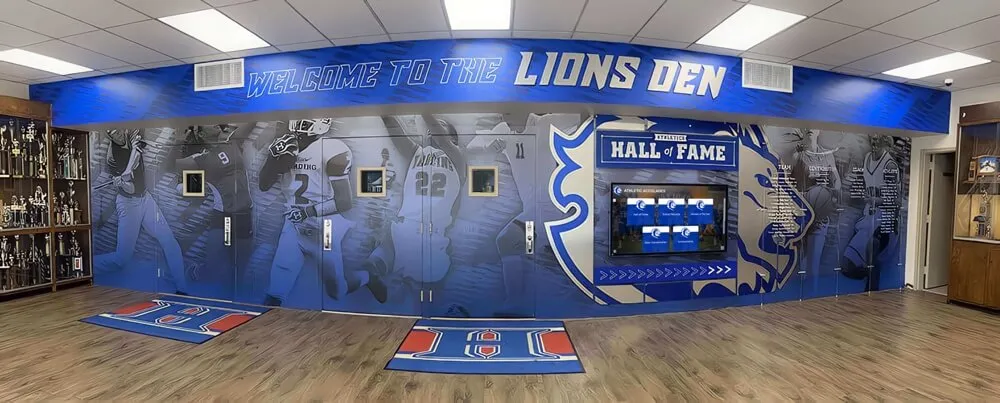
Professional installation ensures recognition displays integrate seamlessly with facility architecture and organizational branding
Vendor Selection and Partnership
Choosing the right vendor or solution provider significantly impacts project success and long-term satisfaction:
Vendor Evaluation Criteria
- Portfolio of previous donor recognition installations similar to your needs
- Technology platform capabilities and user-friendliness
- Content management system flexibility and administrative requirements
- Customer support quality and responsiveness
- Pricing transparency and total cost of ownership clarity
- ADA compliance capabilities and accessibility commitment
- Integration options with fundraising databases and CRM systems
- References from similar organizations
Request detailed proposals from multiple vendors, including mockups demonstrating how your donor recognition might appear. Evaluate not just initial costs but ongoing support, content management ease, and vendor stability ensuring long-term partnership viability.
Content Management and Ongoing Maintenance
Donation walls require systematic content management ensuring recognition stays current, accurate, and reflective of your growing donor community.
Establishing Update Workflows and Responsibilities
Designate clear responsibility for donor wall content management and establish regular update schedules:
Content Management Roles
- Primary content manager overseeing all recognition updates
- Development staff providing donor information and gift data
- Marketing/communications team maintaining visual brand consistency
- Technical support ensuring system functionality and performance
- Approval authority for content accuracy and donor information
Update Schedule Recommendations
- Immediate updates for major gifts warranting prompt recognition
- Quarterly batch updates for annual fund and regular donors
- Annual comprehensive review ensuring accuracy across all entries
- Campaign milestone updates celebrating fundraising progress
- Memorial gift additions processed sensitively and promptly
Organizations using digital systems report significantly reduced administrative burden compared to traditional wall maintenance, with cloud-based platforms enabling updates in minutes versus weeks or months required for plaque ordering, engraving, and installation.
Data Accuracy and Donor Preference Management
Maintaining accurate donor information demonstrates professionalism and respect:
Information Verification Practices
- Confirm exact name spelling and formatting preferences with donors
- Verify giving level calculations and cumulative totals
- Document recognition preferences (anonymous giving, name variations)
- Maintain records of recognition society designations and dates
- Regular data audits comparing recognition displays to fundraising databases
Some donors prefer anonymous recognition or specific name formatting. Establish systems for documenting and honoring these preferences while ensuring recognition accurately reflects donor intentions.
Measuring Recognition Effectiveness
Regular assessment helps organizations understand whether donation walls achieve intended goals:
Recognition Success Metrics
- Donor retention rates comparing recognized versus unrecognized supporters
- Gift size changes following recognition implementation
- New donor acquisition correlated with recognition visibility
- Donor feedback and satisfaction with recognition approach
- Visitor engagement with recognition displays (digital system analytics)
- Social media sharing and recognition amplification
- Recognition influence on planned giving and legacy commitments
Organizations should gather both quantitative metrics and qualitative feedback through donor surveys, stakeholder interviews, and observation of how visitors engage with recognition displays. Much like tracking athletic program engagement, donor recognition effectiveness can be systematically measured.
Innovative Donation Wall Ideas and Emerging Trends
Forward-thinking organizations are exploring creative recognition approaches that extend beyond conventional display methods.
Augmented Reality Enhanced Recognition
Some institutions are experimenting with augmented reality layers that extend physical or digital recognition walls. Visitors using smartphones or tablets can point devices at recognition displays to access enhanced content—video messages from donors, virtual tours of programs their contributions support, or interactive timelines showing philanthropic impact over time.
This technology creates memorable experiences while enabling content depth impossible within physical space constraints or standard digital displays.
Social Media Integration and Digital Amplification
Organizations are connecting physical recognition with social media platforms, creating opportunities for donors to share acknowledgment with their networks:
Social Integration Strategies
- QR codes at recognition displays linking to shareable digital content
- Hashtag campaigns celebrating donor community
- Automated social media posts when donors reach recognition milestones
- Photo opportunities at recognition walls designed for social sharing
- Digital donor cards donors can share across platforms
- Real-time social media feeds integrated with digital displays
This integration extends recognition reach while creating peer influence opportunities where donors’ networks see their philanthropic engagement and potentially become inspired to support your organization.
Gamification and Donor Engagement Elements
Some organizations incorporate interactive elements that make donor recognition engaging and fun:
Interactive Engagement Features
- Donor community statistics and giving milestones
- Visualization of collective impact across all donors
- Interactive maps showing donor geographic distribution
- Timeline views of giving history and organizational growth
- Recognition challenges and giving day leaderboards (used thoughtfully)
- Donor spotlights featuring rotating profiles
These elements create dynamic recognition experiences while demonstrating community impact and collective donor power supporting organizational mission.

Interactive technology creates engaging donor recognition experiences that visitors remember and share with their networks
Frequently Asked Questions About Donation Walls
How much does a donor recognition wall typically cost?
Donor recognition wall costs vary significantly based on approach and scale. Traditional walls with individual bronze plaques typically cost $150-$500 per donor plaque plus architectural elements and installation, totaling $10,000-$50,000+ for initial installation with ongoing costs for each new donor. Digital donor display solutions range from $8,000-$25,000 for initial hardware, software, and installation, with annual software licensing of $1,200-$5,000. While digital systems require higher upfront investment, they often prove more cost-effective over 5-10 years by eliminating per-donor plaque costs and accommodating unlimited donors without additional hardware. Total cost of ownership should consider both initial investment and long-term maintenance, update expenses, and capacity for donor growth.
What information should be included on a donor recognition wall?
Effective donor recognition walls include donor names (formatted according to individual preferences), giving level or recognition society designation, and cumulative giving period when relevant. Enhanced recognition may incorporate donor photos, personal statements about what motivated giving, recognition of in-honor or in-memory designations, and impact information about programs donors support. The most engaging displays tell donor stories beyond simple names, explaining philanthropic motivations and demonstrating how contributions create meaningful change. Organizations should balance comprehensive information with clean design, avoiding overcrowded displays that become difficult to read. Digital systems enable detailed donor profiles accessible through search while maintaining clear primary displays, whereas traditional walls must carefully prioritize information within limited physical space.
How do you organize donors on a recognition wall?
Most organizations organize donor recognition walls by giving level tiers, creating hierarchical structures that group donors by contribution amounts while acknowledging different supporter scales. Common approaches include leadership circles for major donors ($100,000+), multiple mid-level societies ($10,000-$99,999 in tiers), and annual supporter categories for regular contributors. Within each level, donors typically appear alphabetically, though some organizations use chronological order by gift date or cumulative giving totals. Digital systems offer flexible organization options, enabling visitors to view donors by level, alphabetically across all supporters, by giving year, or through search functionality. Organizations should establish clear, transparent criteria for recognition levels and apply them consistently while allowing exceptions for special circumstances like capital campaign leadership or transformational gifts warranting unique recognition approaches.
How often should donation walls be updated?
Donation wall update frequency depends on giving patterns, donor expectations, and practical considerations. Organizations typically update recognition quarterly to annually for regular donors, with immediate updates for major gifts warranting prompt acknowledgment. Digital donor displays enable real-time or near-real-time updates through cloud-based management systems, allowing content refreshes as donations process without installation delays or production costs. Traditional plaque-based walls often update annually or semi-annually due to time and expense of producing new plaques, coordinating installation, and managing vendor relationships. Organizations should establish clear update schedules communicated to donors, ensuring supporters understand recognition timing and reducing concerns about acknowledgment delays. Regular review cycles also ensure accuracy, identify needed corrections, and maintain professional appearance preventing outdated or incomplete displays that can undermine recognition effectiveness.
Should donation walls include anonymous donors?
Donor recognition walls should include options for anonymous giving while respecting donor preferences for privacy. Many organizations include collective acknowledgment of anonymous supporters without individual identification, using phrases like “Anonymous Donors” with giving level designation and donor count. This approach honors preferences for privacy while demonstrating full scope of community support including private contributors. Some anonymous donors appreciate individual recognition visible to organization staff but not public displays—systems accommodating these preferences demonstrate respect for diverse donor motivations and circumstances. Organizations should establish clear policies about anonymous giving options, communicate these clearly during donation processes, and maintain accurate records of recognition preferences. Digital systems particularly facilitate anonymous donor accommodation through flexible display options while maintaining complete records in administrative systems. The goal is honoring all supporters appropriately regardless of recognition preferences.
Conclusion: Creating Meaningful Recognition That Inspires Giving
Thoughtful donation wall ideas transform supporter acknowledgment from administrative obligation into strategic fundraising tools that inspire continued philanthropy, strengthen donor relationships, and celebrate the values that motivate community generosity. The most effective recognition approaches honor every contribution level, tell compelling stories about philanthropic impact, and create emotional connections between donors, organizational mission, and the meaningful change their support enables.
Whether implementing traditional bronze plaques, modern digital displays, or hybrid approaches combining both, successful donor recognition requires strategic planning aligned with organizational culture, sustainable content management systems, and commitment to keeping recognition current and accurate. Digital solutions increasingly offer compelling advantages—unlimited donor capacity, rich storytelling capabilities, easy updates, and long-term cost efficiency—while maintaining the prestige and emotional significance donors expect from meaningful recognition.
Transform Your Donor Recognition Strategy
Discover how Rocket Alumni Solutions creates engaging digital donor displays that honor every supporter, tell compelling impact stories, and inspire continued philanthropy through beautiful, accessible recognition technology.
Explore Donor Display SolutionsOrganizations that invest in comprehensive donor recognition create environments where generosity is celebrated, impact is visible, and community members feel inspired to join philanthropic movements supporting missions they value. The donation wall ideas explored in this guide provide frameworks for building recognition systems worthy of your supporters’ extraordinary generosity.
Start by assessing your current recognition approach, identifying limitations and opportunities, then exploring solutions that align with your organizational culture, donor community expectations, and long-term stewardship goals. The most successful organizations view donor recognition not as one-time projects but as evolving systems that grow alongside their philanthropic communities, adapting recognition strategies as donor relationships deepen and organizational missions advance through generous community support.
Your donors deserve recognition that honors their values, celebrates their generosity, and demonstrates the meaningful impact their contributions create. With strategic planning, thoughtful design, and commitment to excellence, you can create donation walls that truly serve as lasting tributes to the remarkable supporters who make your mission possible.