



Schools face a constant challenge when celebrating achievements, recognizing supporters, and showcasing student excellence: traditional trophy cases and display cabinets quickly fill with decades of awards, limit what can be shown at any given time, and require expensive renovations each time the collection grows. Whether honoring athletic championships, displaying donor recognition, or celebrating academic achievements, educational institutions need display solutions that accommodate expanding collections while creating engaging presentations that inspire students and visitors.
Modern display case ideas for schools range from traditional glass-enclosed trophy cabinets with enhanced lighting and organization to innovative digital display systems that eliminate physical space constraints entirely. The most effective schools combine traditional prestige with contemporary technology, creating recognition environments that honor heritage while embracing capabilities that transform static displays into interactive experiences where students, families, and community members engage deeply with achievement stories.
This comprehensive guide explores creative display case ideas schools implement successfully, practical strategies for organizing and presenting various types of recognition, and proven approaches that maximize limited budgets while creating impressive displays worthy of student accomplishments, donor generosity, and institutional pride.
Effective school display cases accomplish multiple goals simultaneously—preserving precious items safely, presenting achievements in visually appealing arrangements, inspiring current students through historical excellence, and creating points of pride that strengthen school culture and community identity.

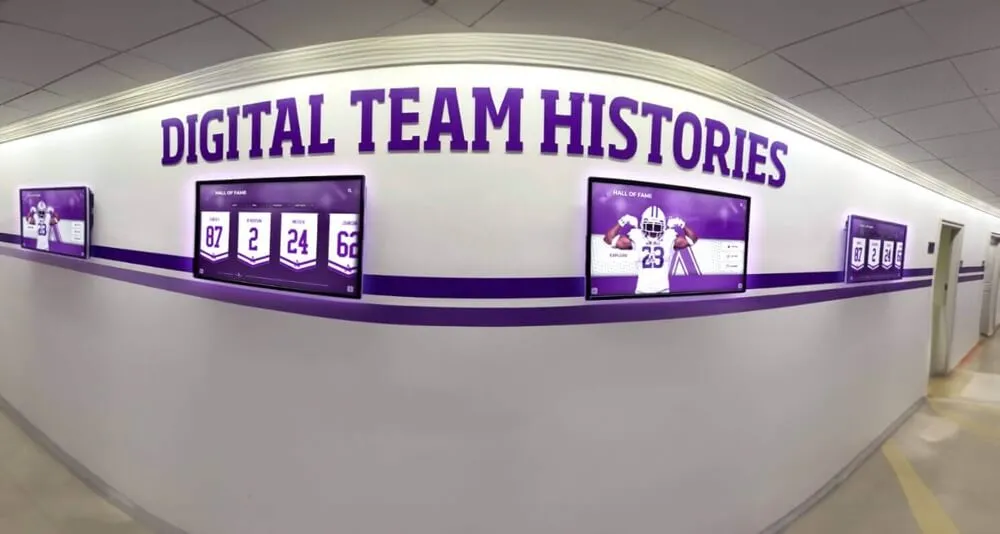
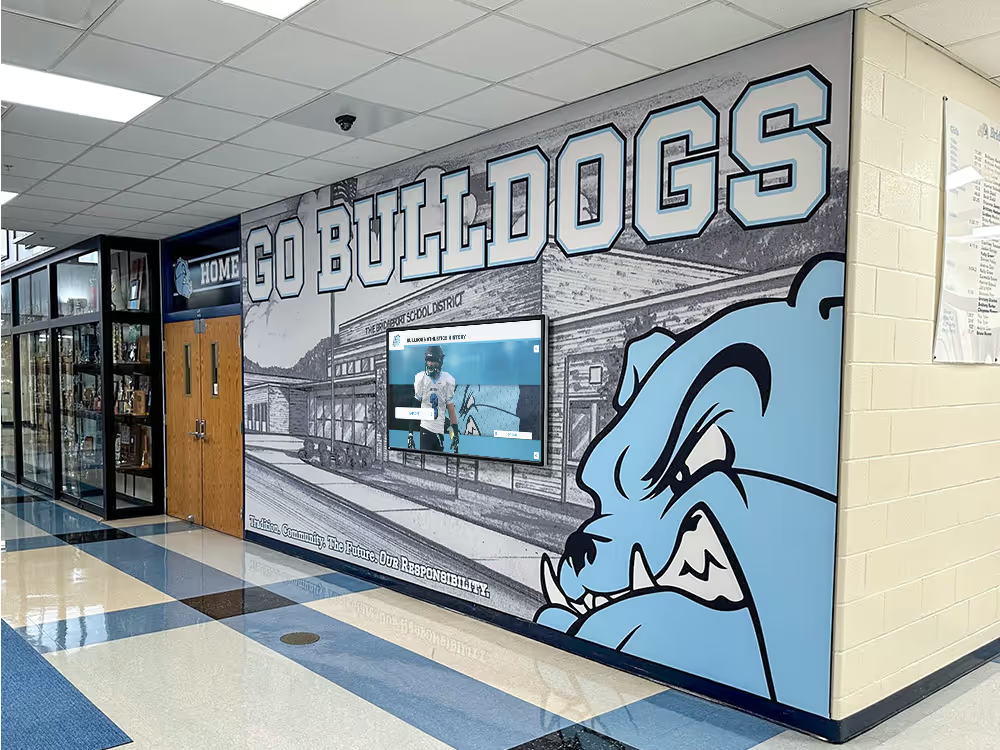
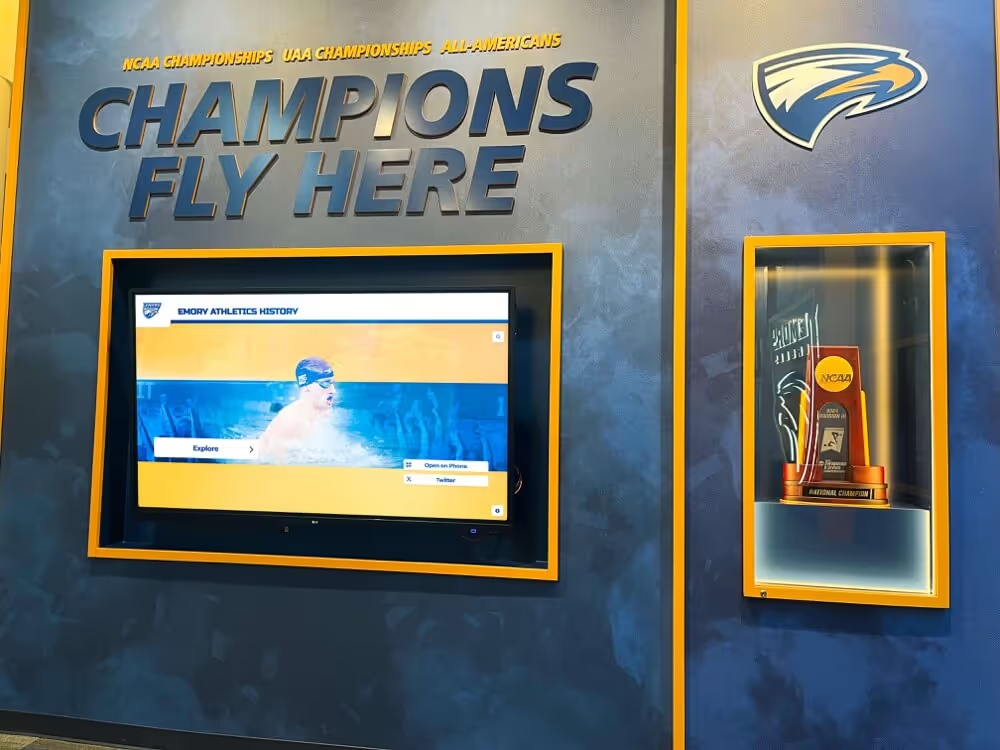
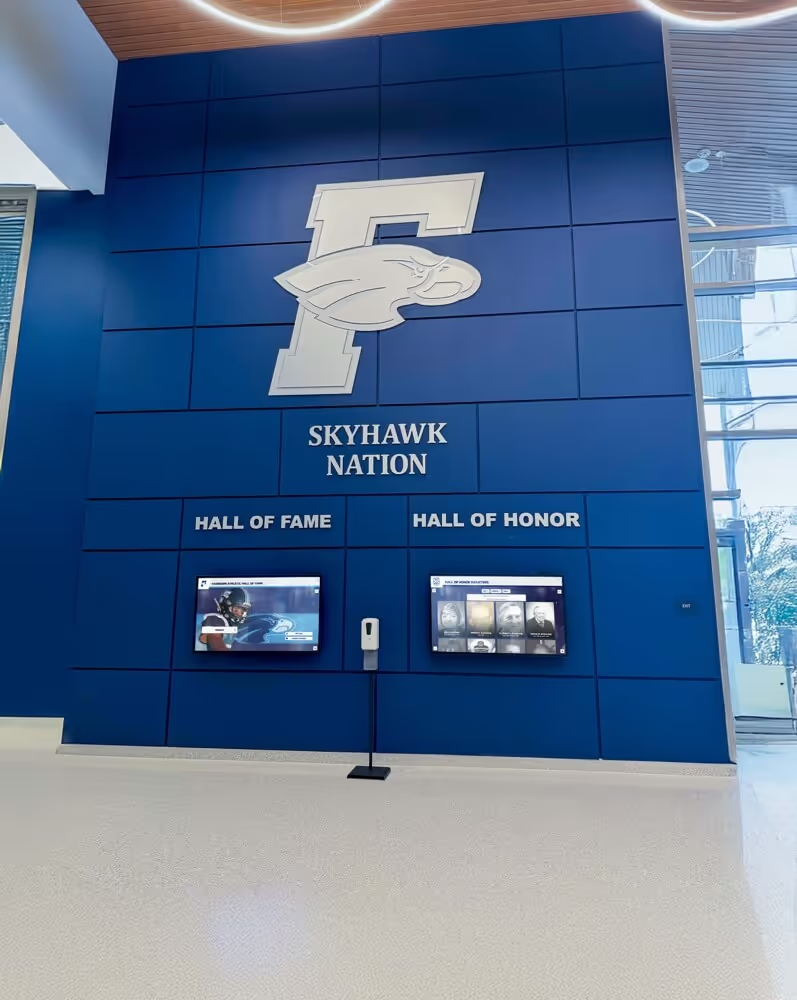
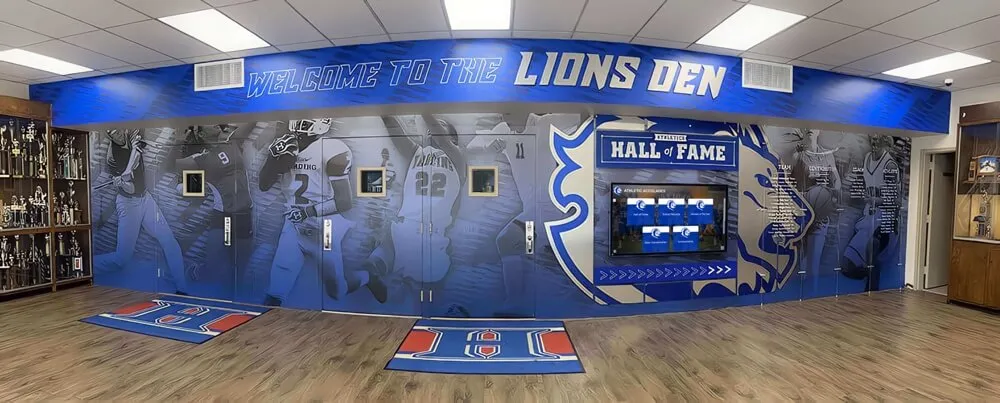
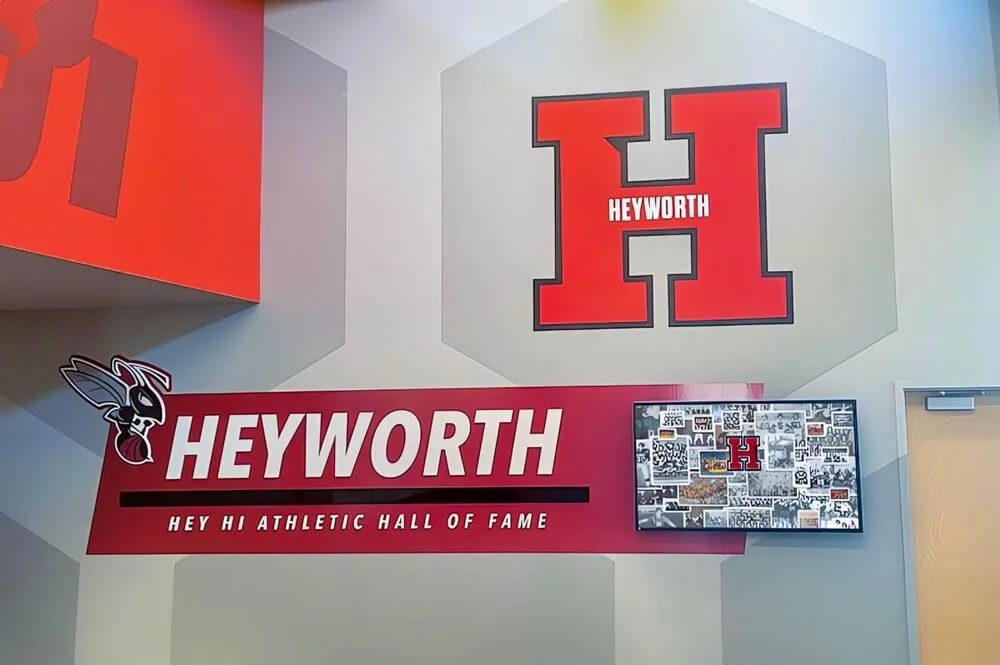
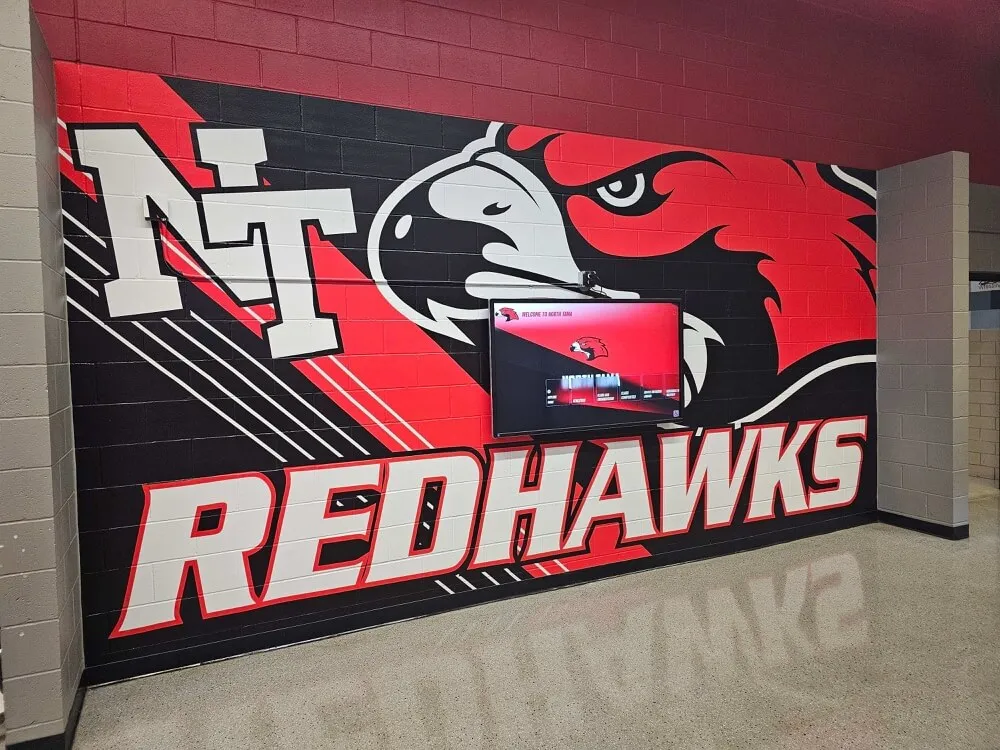
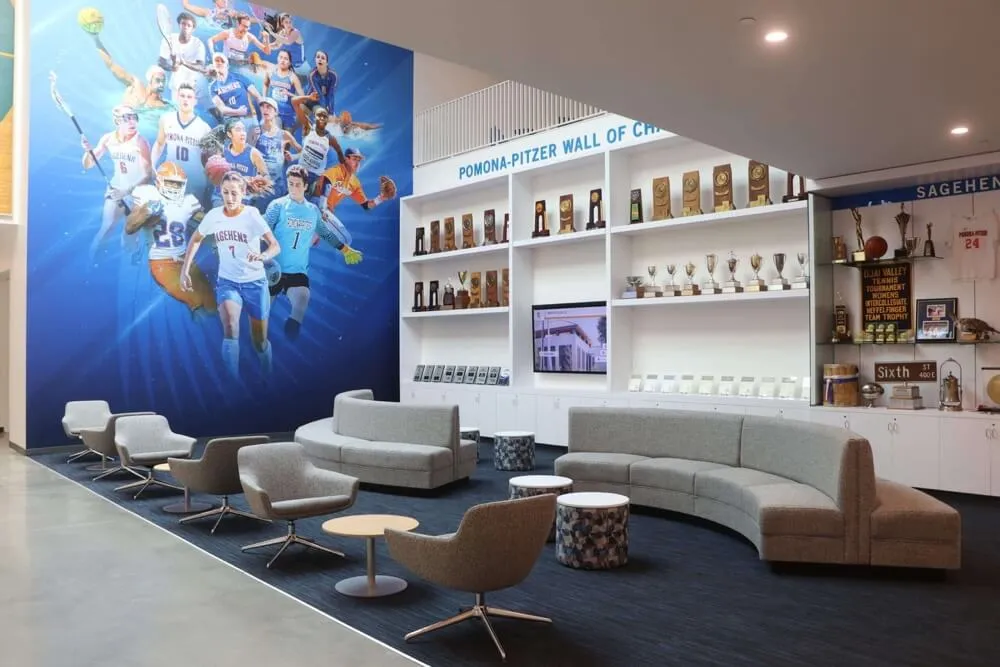
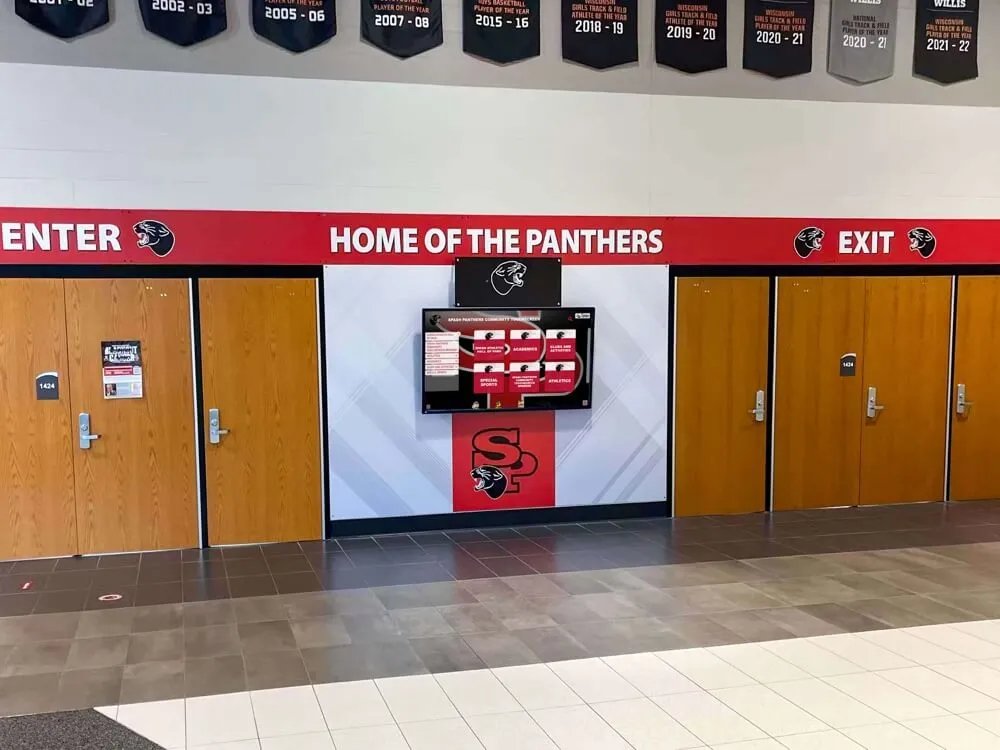
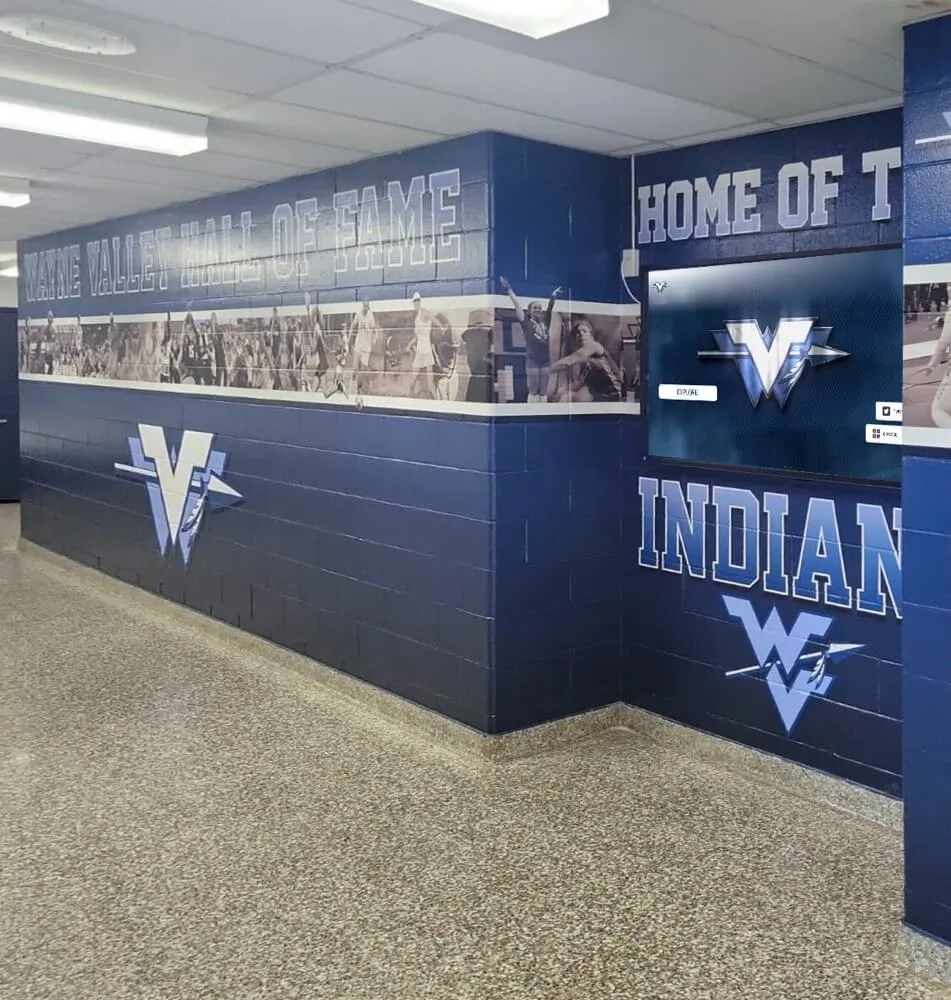
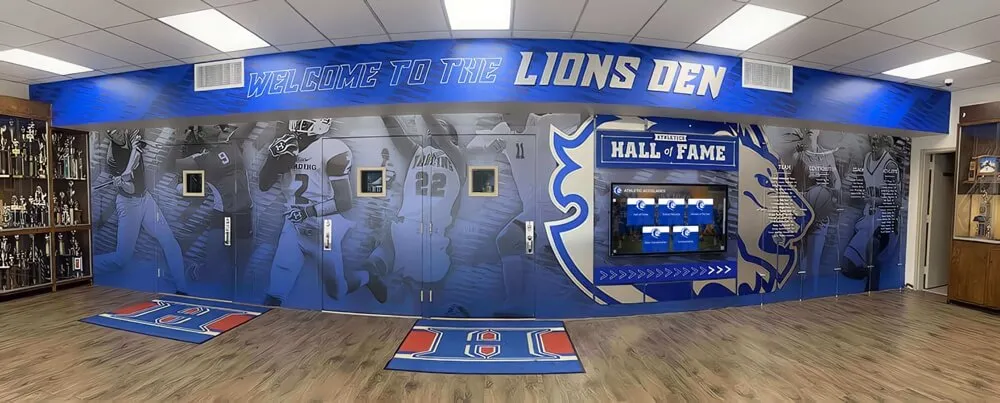
Modern school display environments combine traditional trophy cases with architectural murals and digital elements to create comprehensive recognition spaces
Why Display Cases Matter in Educational Environments
Display cases serve as tangible demonstrations of institutional values, showcasing what schools celebrate and prioritize for current students, visiting families, and community members. Well-designed displays communicate that achievement matters, excellence receives recognition, and contributions create lasting impact worthy of permanent celebration. These physical manifestations of success create powerful cultural messaging about standards, expectations, and the legacy students can build through dedication and excellence.
According to research published in the Journal of Educational Leadership, schools with prominent achievement displays report measurably higher student aspirations and stronger school identity compared to institutions where accomplishments remain invisible in storage. Visible recognition creates social proof that excellence represents an achievable, valued path embraced by respected peers and celebrated by the entire community.
Creating Inspiring Environments Through Strategic Display
Display cases positioned in high-traffic areas—main entrances, cafeterias, athletic facilities, and performing arts centers—ensure maximum exposure while demonstrating the breadth of excellence across academic, athletic, and extracurricular programs. When students encounter achievement displays daily, they develop familiarity with school traditions, internalize excellence as a community norm, and visualize their own potential contributions to institutional legacy.
Strategic display planning considers both current collections and anticipated growth over 10-15 year periods. Schools implementing comprehensive recognition programs benefit from displays accommodating natural expansion without requiring expensive renovations when new achievements inevitably occur.
Protecting Valuable Items While Maintaining Visibility
Beyond recognition, display cases provide security for valuable trophies, irreplaceable artifacts, historical memorabilia, and donated items requiring protection from handling, environmental damage, and theft. Quality display cabinets feature lockable doors, tempered glass panels, internal lighting highlighting important pieces, and climate considerations preventing deterioration of photographs, textiles, or materials sensitive to temperature and humidity fluctuations.
Schools must balance accessibility with protection, ensuring displays remain visible and engaging while safeguarding items from curious hands, accidental damage, and the natural deterioration that occurs when precious materials face uncontrolled exposure to light, dust, and environmental variables.
Traditional trophy case installations create permanent recognition spaces that preserve achievements while complementing school architectural character
Traditional Display Case Ideas for School Trophy Collections
Conventional trophy cases offer familiar, prestigious recognition while providing secure storage and attractive presentation of physical awards accumulated over decades of competitive excellence and academic achievement.
Wall-Mounted Glass Display Cabinets
Schools commonly install wall-mounted glass-front cabinets in hallways, athletic facilities, and common areas to showcase trophies, plaques, and championship awards. These traditional cases create clean, organized presentations while maximizing floor space in busy corridors where traffic flow matters.
Wall Cabinet Advantages
- Space-efficient installation preserving hallway width for student traffic
- Secure glass enclosures protecting valuable trophies from damage
- Internal LED lighting highlighting significant awards and creating visual appeal
- Flexible shelving accommodating various trophy sizes and arrangements
- Lockable access preventing unauthorized removal or tampering
- Professional appearance communicating institutional quality and pride
- Available in various sizes matching available wall space and collection scope
Design Considerations
Wall cabinet selection should prioritize commercial-grade construction capable of withstanding decades of use in high-traffic educational environments. Aluminum frames resist corrosion, tempered glass panels provide safety if breakage occurs, and adjustable shelving enables reorganization as collections evolve. Schools should specify cabinets with adequate depth (12-16 inches typical) accommodating larger trophies without cramped appearance.
Lighting installation proves critical for display effectiveness. Internal LED strips or puck lights illuminate trophies dramatically while consuming minimal electricity compared to traditional incandescent fixtures. Schools should choose lighting systems with accessible controls enabling maintenance staff to replace bulbs without disassembling entire cabinets.
Floor-Standing Display Cases for Large Collections
Larger trophy collections requiring substantial space benefit from floor-standing display cases offering greater capacity and commanding presence in lobbies, athletic facility entrances, and dedicated recognition areas.
Floor Case Benefits
- Maximum capacity for extensive trophy and award collections
- Four-sided visibility allowing viewing from multiple directions
- Island positioning creating focal points in large open spaces
- Substantial presence appropriate for championship collections
- Display flexibility accommodating oversized trophies and unique items
- Professional museum-quality presentation for significant achievements
Placement and Installation Planning
Floor-standing cases require careful spatial planning ensuring adequate clearance for doors to open fully, comfortable viewing distances from all angles, and traffic flow that doesn’t create congestion during busy passing periods. Cases should anchor to floors preventing tipping hazards, especially in areas where students might lean against glass surfaces.
Schools implementing floor cases should plan electrical access for internal lighting, considering both functionality and the aesthetics of visible power cords. Recessed floor outlets provide clean installations, though they require coordination with facility planning and potentially involve contractor installation rather than simple case delivery.
Built-In Custom Trophy Rooms and Display Alcoves
Schools with dedicated space and larger budgets create custom-built trophy rooms or alcove displays integrating seamlessly with facility architecture while providing optimal presentation environments for extensive collections.
Custom Display Features
- Architectural integration complementing building design and character
- Controlled lighting schemes highlighting specific items or creating dramatic effect
- Environmental controls protecting sensitive materials from deterioration
- Flexible configurations accommodating unique collection requirements
- Branded design elements reinforcing school identity and visual consistency
- Security systems including cameras, alarms, and monitored access
- Comfortable viewing areas with benches for extended exploration
Custom installations enable schools to address specific challenges like awkward architectural spaces, unusual trophy sizes, or historical items requiring special preservation conditions. Working with experienced designers familiar with educational environments ensures displays balance aesthetic appeal with practical durability and maintenance considerations.
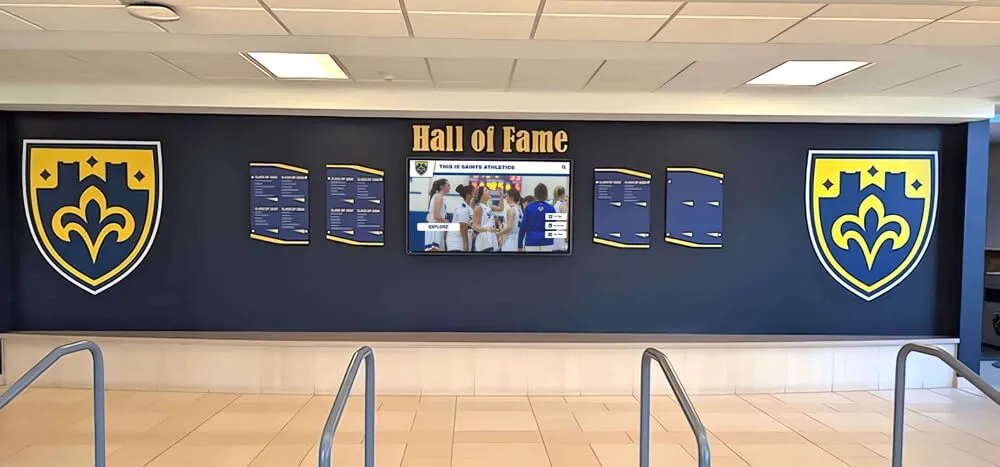
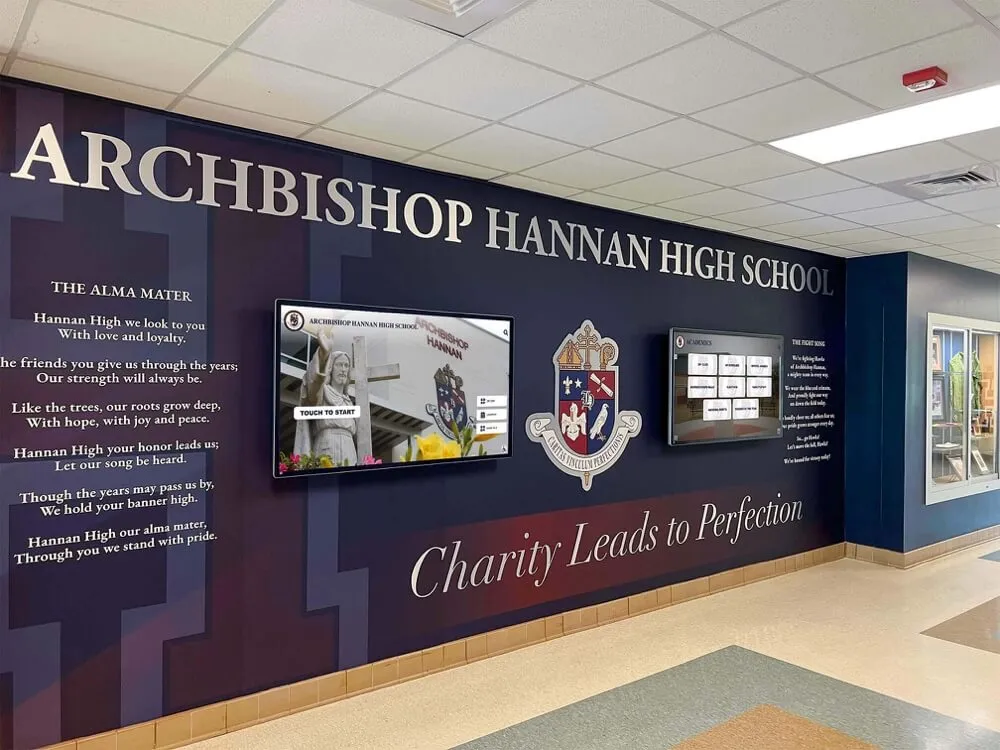
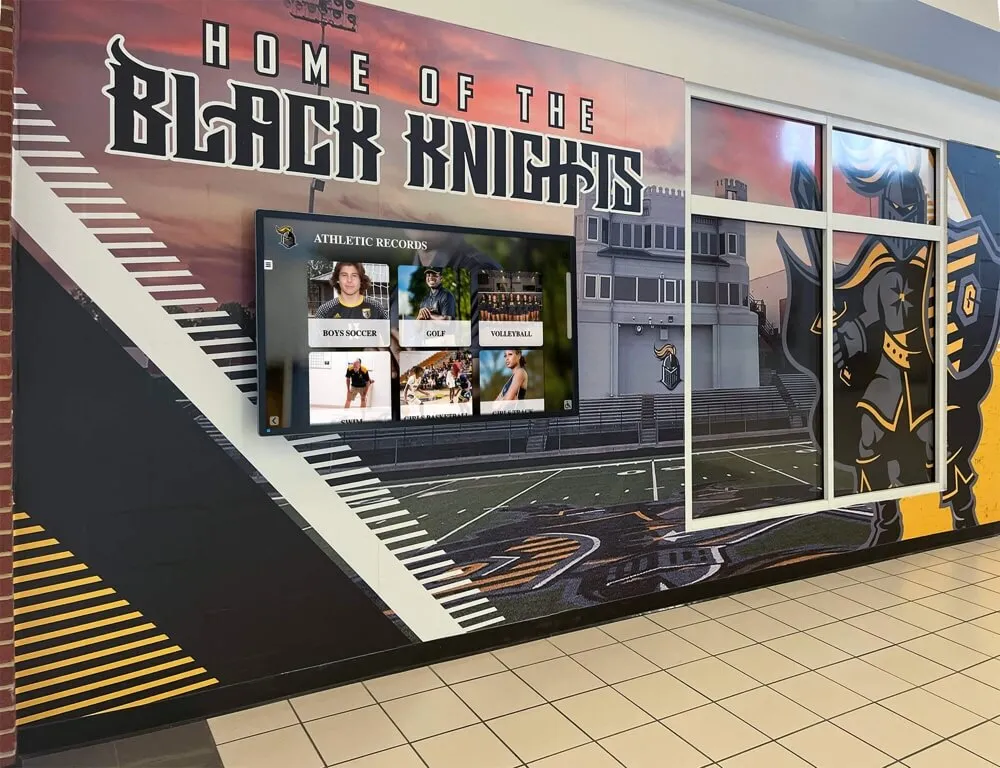
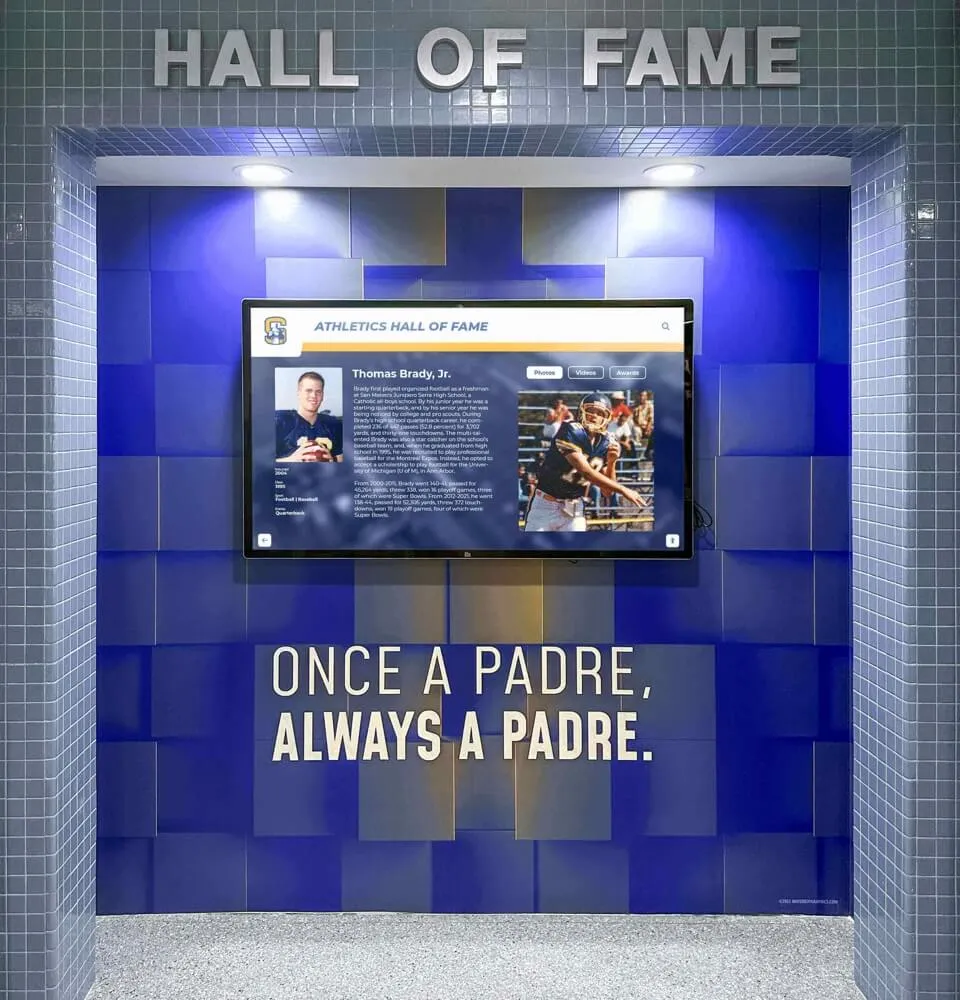
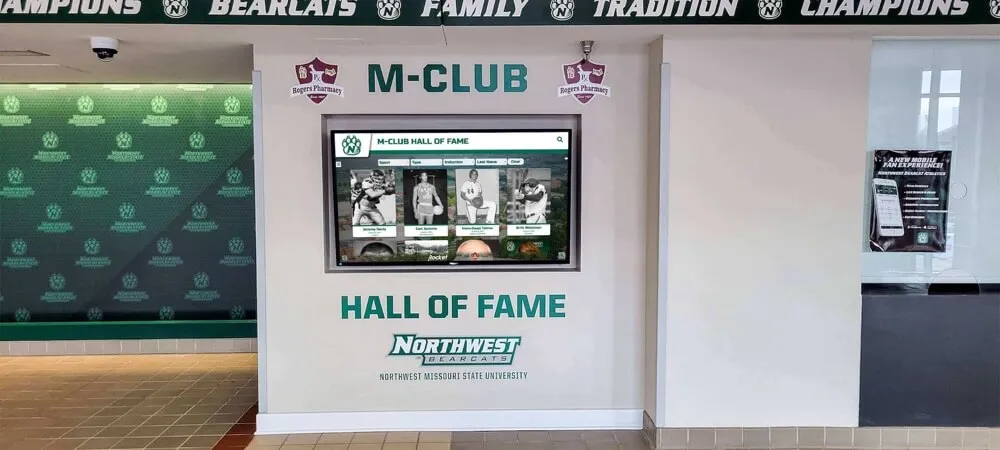
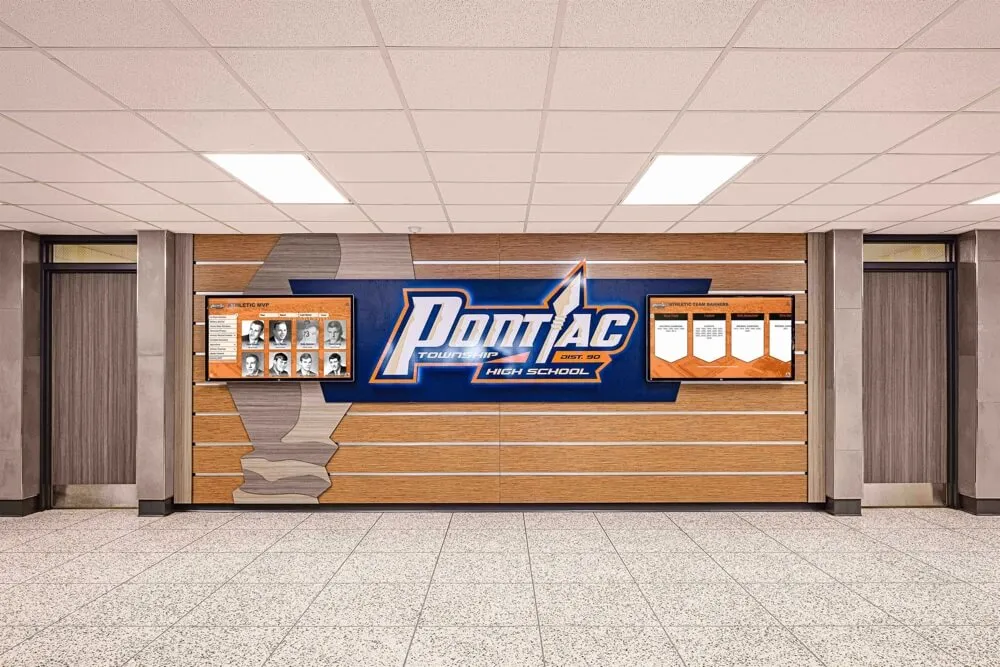
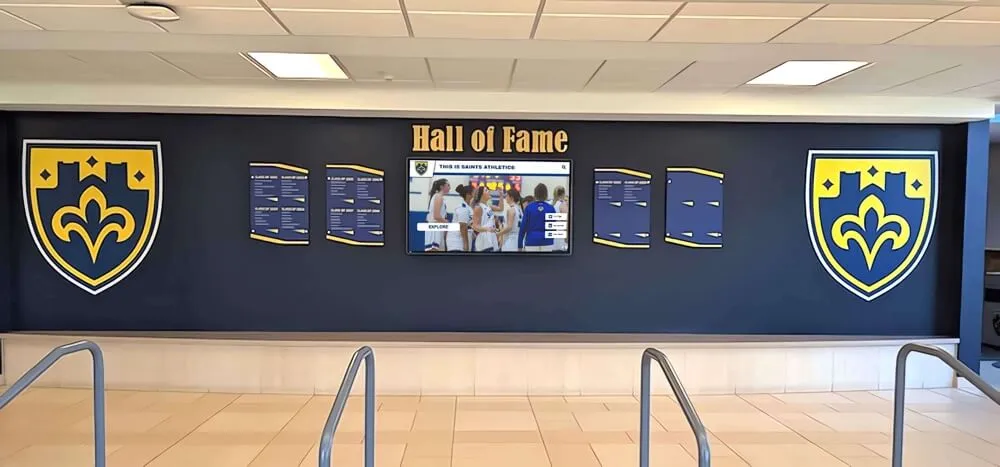
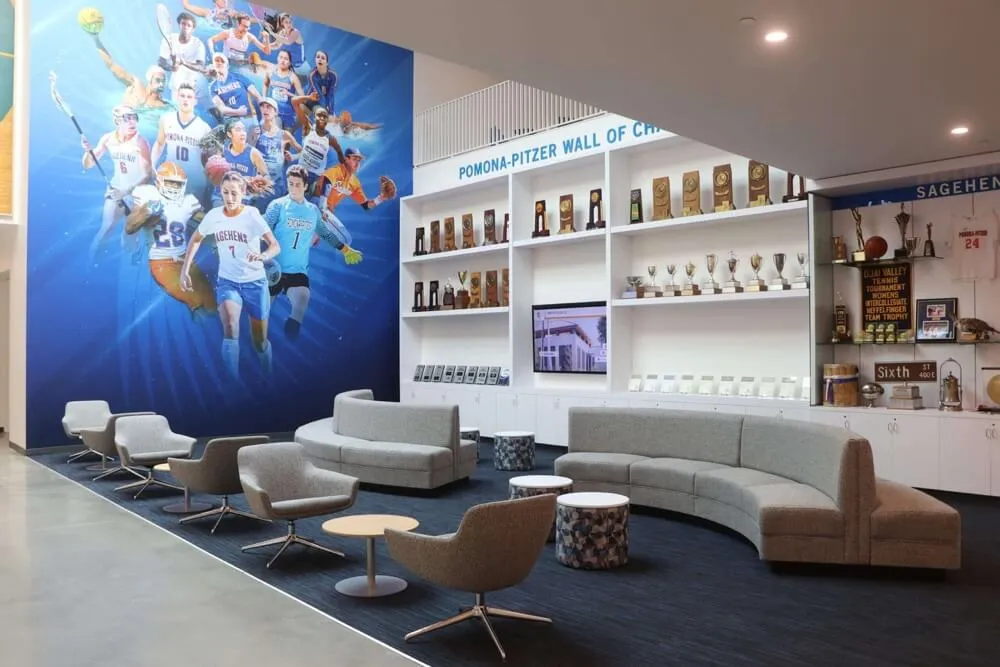
Hybrid displays combine traditional trophy cases with digital screens, honoring heritage while embracing modern storytelling capabilities
Digital Display Solutions Transforming School Recognition
Technology-enabled displays address traditional case limitations while creating interactive experiences, unlimited capacity, and flexible systems that evolve with school communities and achievement portfolios.
Interactive Touchscreen Trophy and Achievement Displays
Digital touchscreen systems transform physical trophy limitations into unlimited virtual collections where students, alumni, and visitors explore decades of achievements through intuitive search interfaces, detailed achievement stories, historical photographs, and multimedia content impossible within physical display constraints. These systems work similarly to interactive digital hall of fame displays that bring institutional history to life through engaging technology.
Digital Display Advantages
- Unlimited achievement capacity without physical space requirements
- Cloud-based content management enabling remote updates from any device
- Rich media profiles incorporating photos, videos, and detailed narratives
- Search functionality helping visitors find specific achievements or athletes
- Analytics tracking engagement and identifying popular content
- Accessibility features ensuring inclusive experiences for all visitors
- Long-term cost efficiency compared to continuous trophy case expansion
- Integration capabilities connecting with student information systems
Implementation Success Strategies
Schools should position digital displays in locations where visitors naturally gather and spend time—cafeterias, athletic facility lobbies, main entrances, and common areas with comfortable seating. Screen size selection depends on viewing distances, with 55-65 inch displays suitable for hallway installations and 75-86 inch screens appropriate for large lobbies or multipurpose spaces.
Content planning proves as important as hardware selection. Successful implementations begin with comprehensive achievement inventories, photograph collection from archives and personal sources, and storytelling development connecting trophies to the athletes, teams, and coaches behind victories. Schools should allocate 2-3 months for content development before display installation, preventing disappointing launches with incomplete information.
Video Walls Showcasing Achievement Highlights and Stories
Large-format video displays present rotating achievement celebrations through photo slideshows, championship game highlights, award ceremony coverage, and student interview content explaining what accomplishments meant personally and how team experiences shaped character development.
Video Display Applications
- Championship season highlight reels celebrating team achievements
- Award ceremony coverage honoring individual and team excellence
- Student testimonials explaining what achievements meant personally
- Historical retrospectives celebrating multi-decade program traditions
- Live event coverage during competitions and recognition ceremonies
- Donor recognition content acknowledging supporters enabling opportunities
- School promotional content attracting prospective families during visits
Video displays work effectively in areas where viewers spend extended time rather than passing quickly. Cafeterias, athletic facility waiting areas, and performing arts lobbies provide ideal environments where entertaining content creates value while communicating achievement traditions and institutional pride.
Hybrid Recognition Combining Physical and Digital Displays
Many schools create comprehensive environments blending traditional trophy cases that donors and alumni value with digital capabilities offering unlimited capacity and rich storytelling. This hybrid approach honors established community expectations while incorporating modern engagement features impossible with physical displays alone.
Hybrid System Components
- Traditional trophy cases displaying most significant physical awards
- Digital touchscreens presenting comprehensive achievement archives
- QR codes linking physical trophies to extended digital content and stories
- Video displays showing achievement highlights alongside trophy collections
- Architectural environments integrating both formats seamlessly
- Traditional naming opportunities supplemented by digital recognition
Hybrid approaches particularly appeal to schools with diverse stakeholder populations spanning multiple generations, where older alumni prefer traditional trophy case prestige while current students engage more readily with digital experiences and interactive technology. Similar hybrid strategies work effectively when schools implement comprehensive donor recognition programs honoring supporters across various recognition preferences.
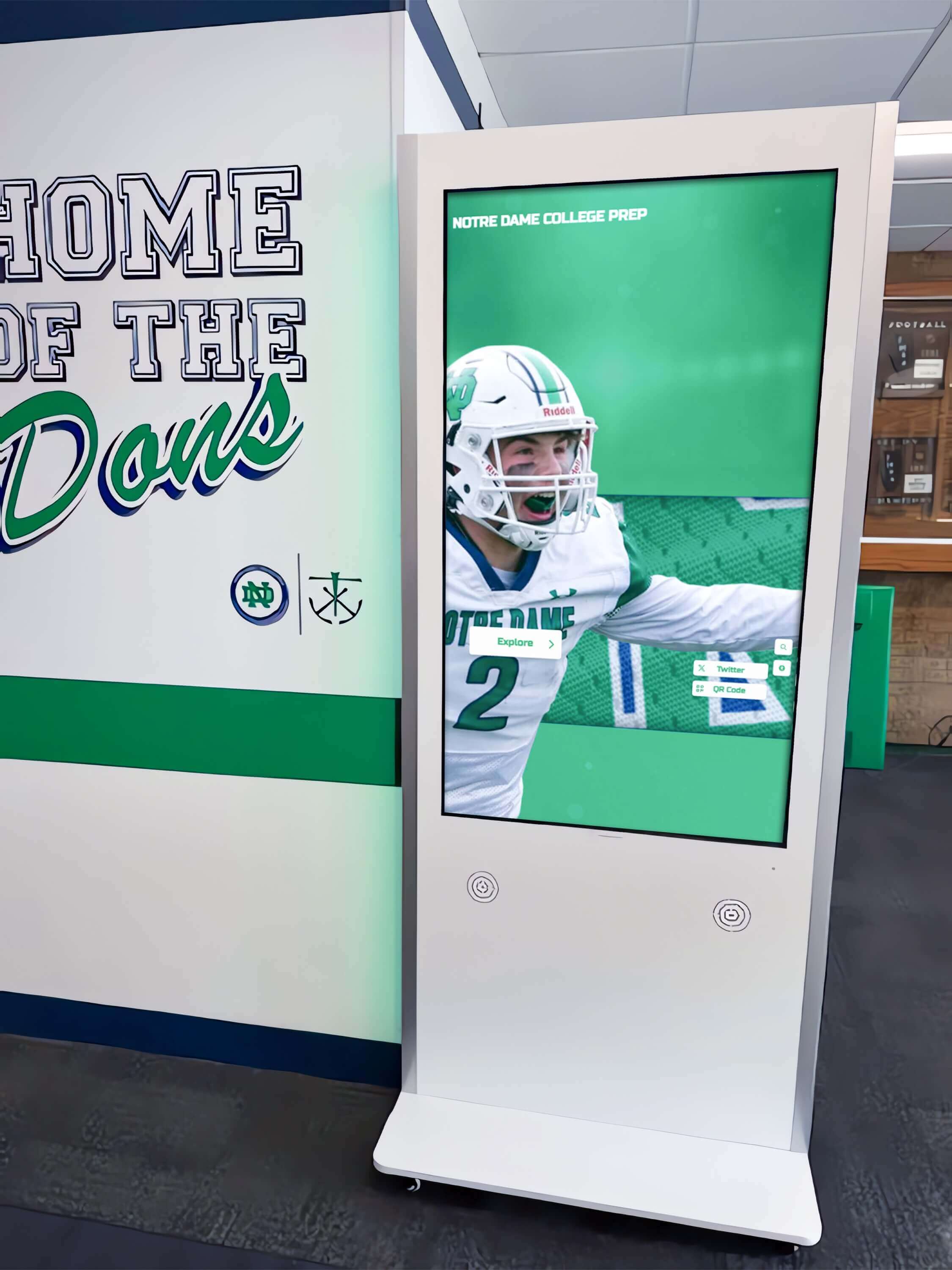
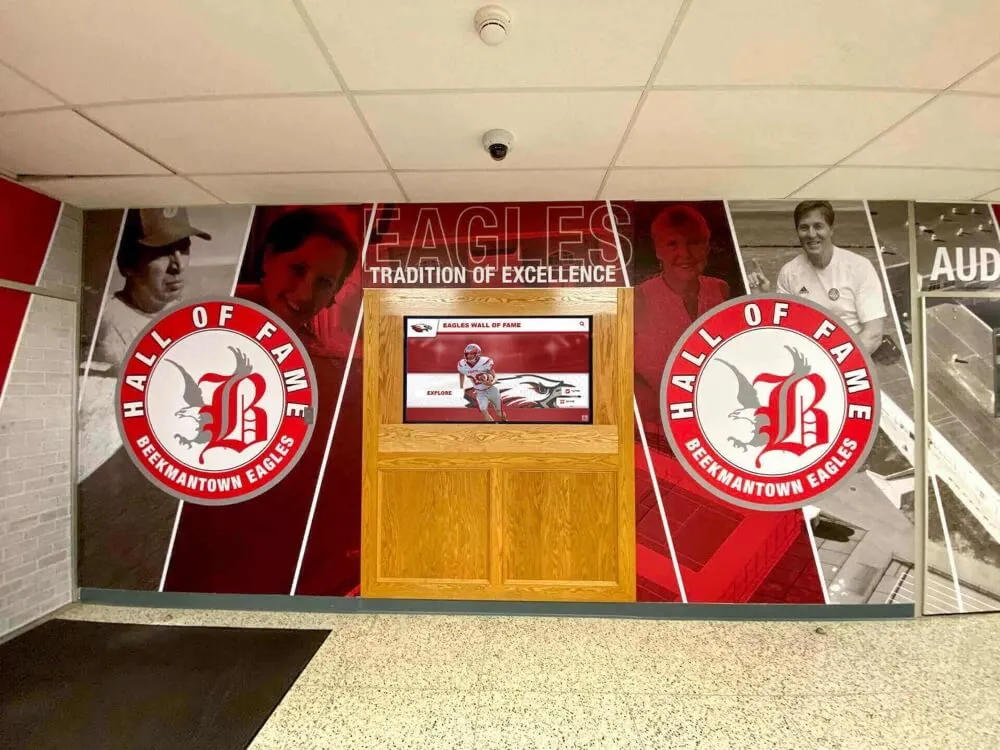
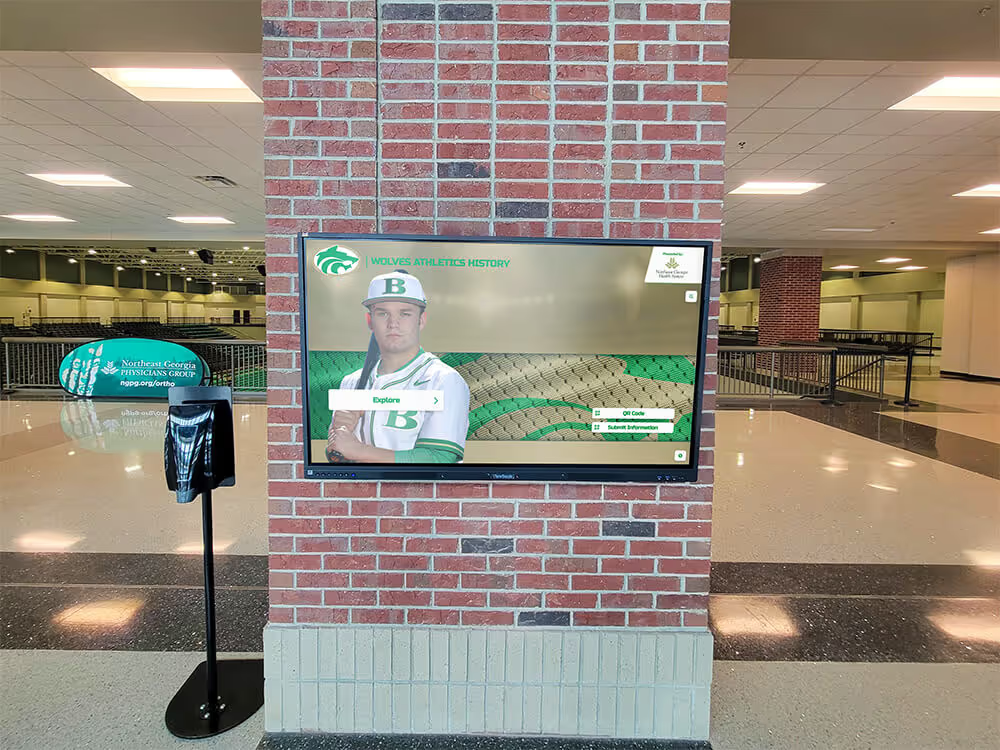
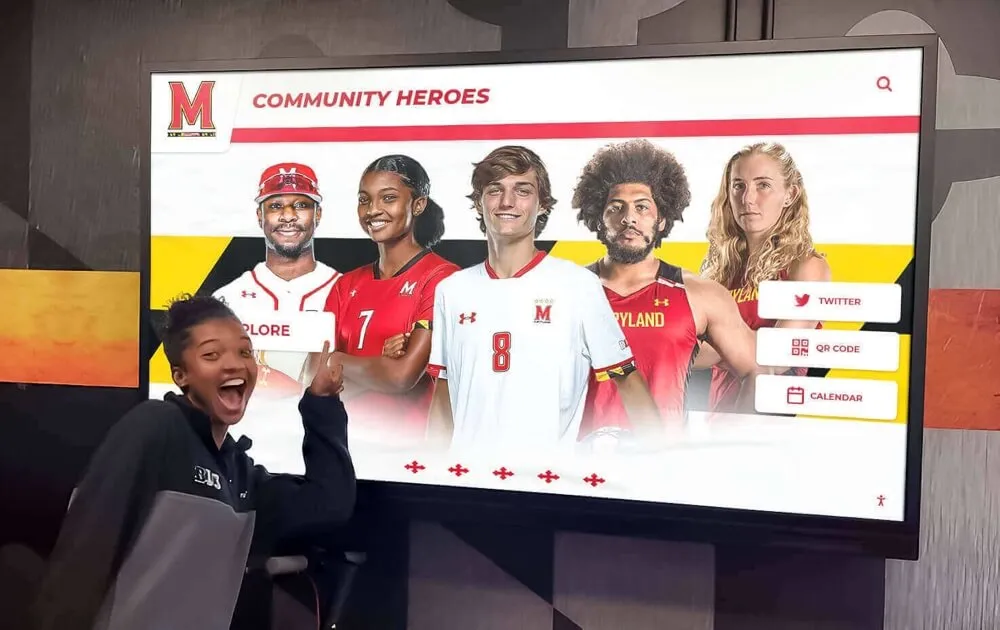
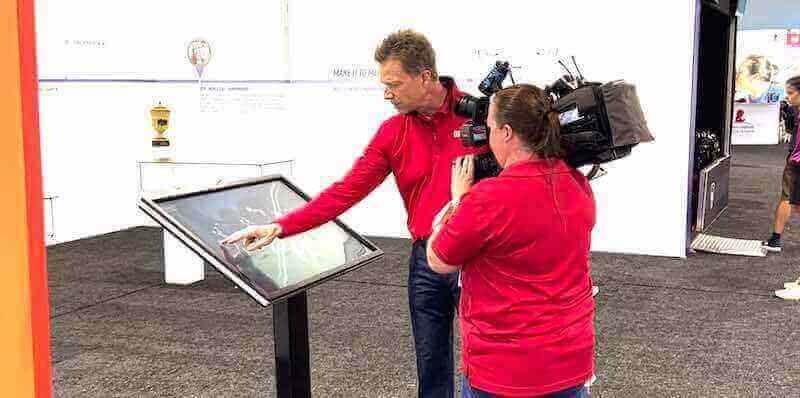
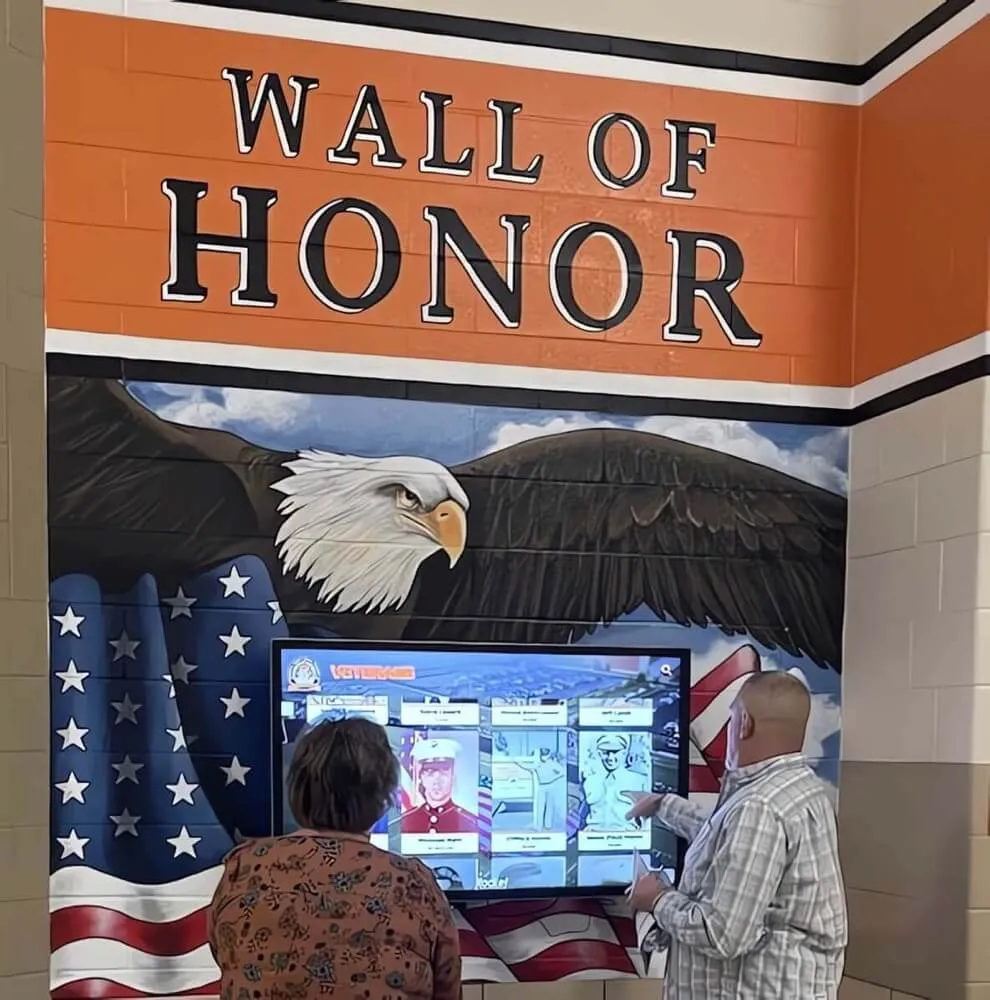
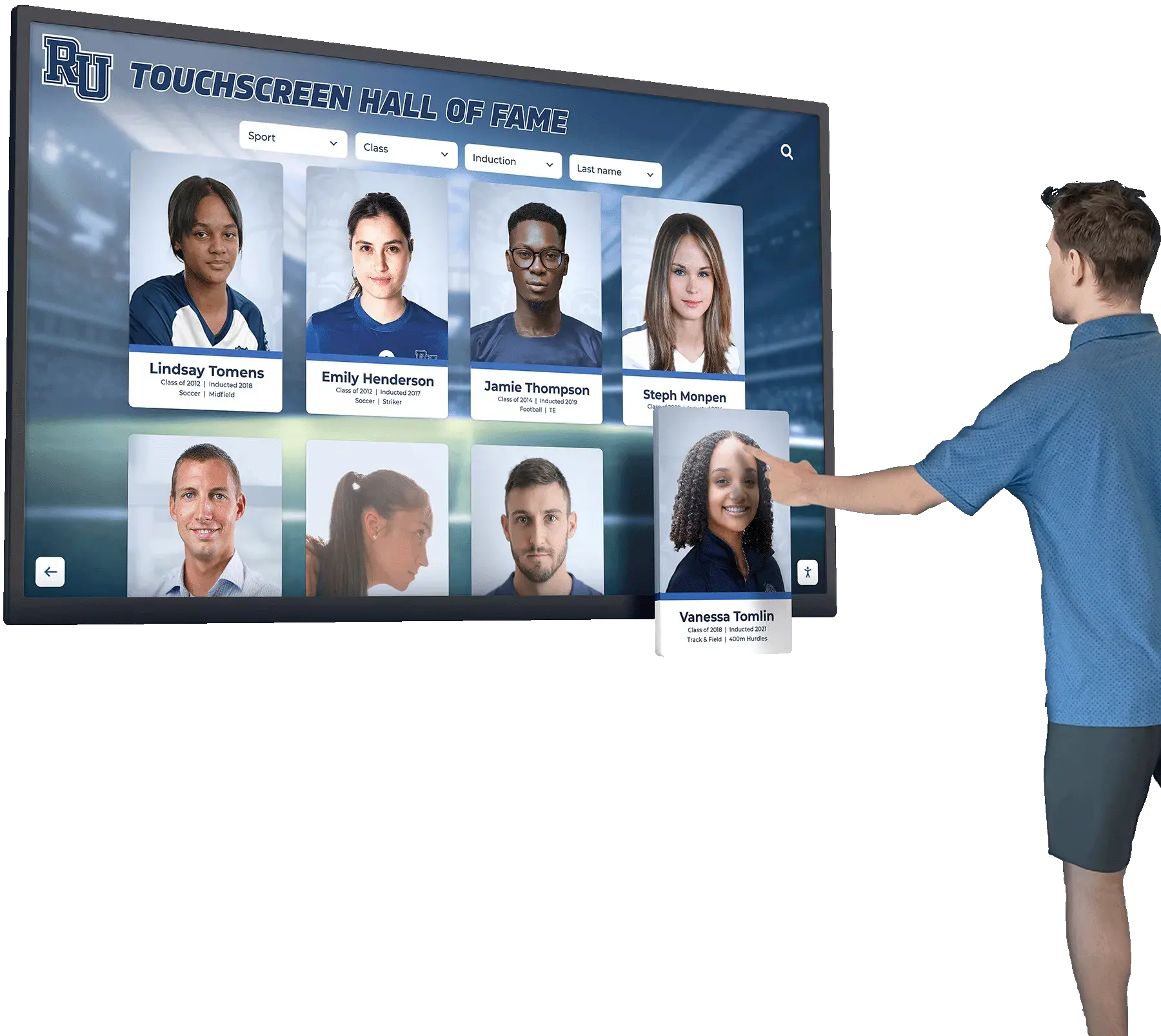
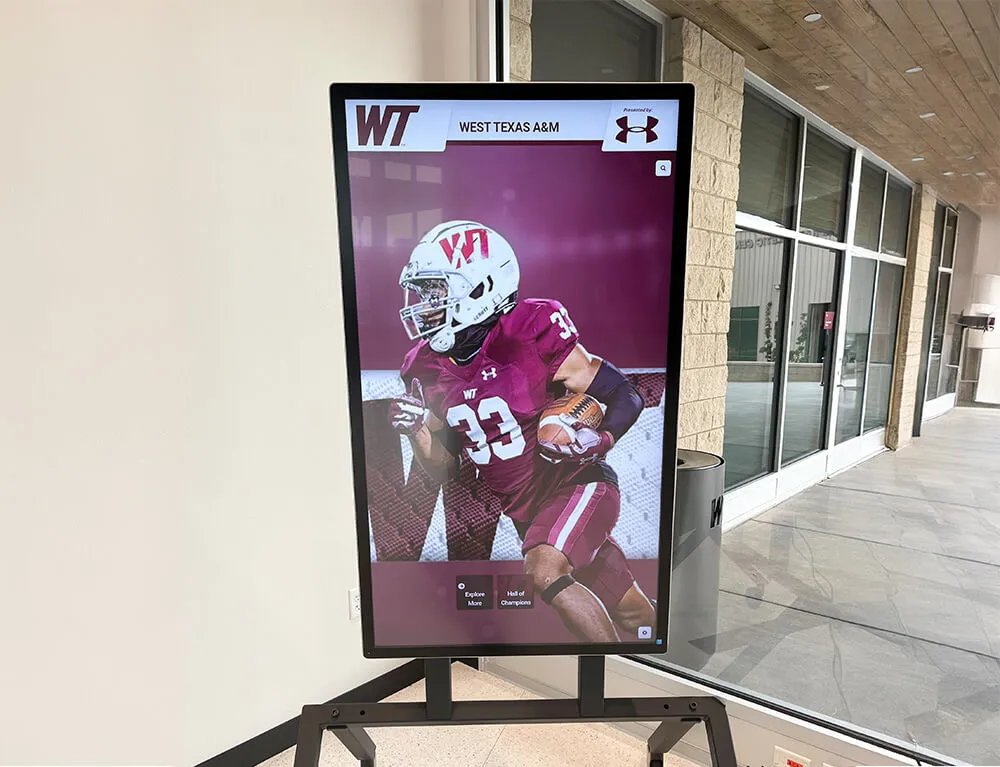
Interactive digital kiosks create engaging achievement displays where students and visitors explore accomplishments through intuitive touchscreen interfaces
Creative Display Ideas for Donor Recognition and Gift Acknowledgment
Schools receiving donor gifts, memorial tributes, and philanthropic contributions require thoughtful display approaches honoring generosity while inspiring continued community support through visible appreciation.
Dedicated Donor Recognition Display Cases
Separate display areas acknowledging financial supporters, equipment donors, facility sponsors, and scholarship contributors create focused environments celebrating philanthropy distinct from athletic or academic achievement displays.
Donor Display Elements
- Individual recognition plaques organized by contribution level
- Photographs of donors at events or with students they support
- Impact descriptions explaining what contributions fund or enable
- Historical giving timelines celebrating multi-year supporter relationships
- Memorial recognition honoring tribute gifts and commemorative donations
- Architectural elements complementing facility design and school branding
- Integration with comprehensive fundraising recognition programs
Schools should position donor displays prominently near facilities that support funds—athletic donor walls in gymnasiums, performing arts supporter recognition in theater lobbies, and comprehensive donor displays in main entrances where all visitors encounter acknowledgment.
Showcasing Memorial Gifts and Tribute Items
Memorial donations honoring deceased students, staff members, or community members require sensitive, dignified presentation reflecting the serious nature of tribute giving while celebrating lives and legacies.
Memorial Display Approaches
- Dedicated memorial sections within comprehensive display environments
- Individual display cases for significant memorial gift items
- Biographical information and photographs honoring those remembered
- Connections between memorial gifts and student beneficiaries they support
- Scholarship recipient recognition alongside donor memorial acknowledgment
- Annual memorial events celebrating tribute designations and continuing impact
Schools should establish clear policies governing memorial display permanence, tribute language guidelines, and family consultation processes ensuring displays honor both donors and designated honorees with appropriate respect families expect when making memorial contributions.
Student Work Display Case Ideas for Academic Recognition
Beyond trophies and donor recognition, schools need effective displays celebrating student academic excellence, artistic achievement, and extracurricular accomplishments through various presentation approaches.
Rotating Student Art and Project Display Cabinets
Display cases dedicated to student artwork, science projects, historical research, and academic competitions enable rotating exhibitions celebrating diverse talents across subject areas and grade levels.
Student Work Display Features
- Removable shelving and hanging systems accommodating various media
- Adequate depth for three-dimensional projects and sculptures
- Clear identification labels crediting student artists and describing work
- Regular rotation schedules ensuring broad participation across student body
- Lighting appropriate for artwork without causing fading or damage
- Secure enclosures protecting student work from handling and damage
Schools should establish fair rotation policies ensuring diverse grade levels and subject areas receive representation, preventing perception that displays favor particular programs, teachers, or student groups over others deserving equal recognition.
Academic Achievement and Honor Roll Recognition
Many schools dedicate display space to academic excellence through honor roll listings, National Honor Society inductees, scholarship recipients, and academic competition winners. While traditional printed lists serve this function, modern schools increasingly implement digital academic recognition systems offering greater flexibility and engagement.
Academic Display Options
- Printed or engraved honor roll panels updated quarterly or annually
- Digital screens showing rotating academic achievement recognition
- Individual student profile displays celebrating exceptional accomplishments
- Scholarship winner announcements with recipient photographs and plans
- Academic competition results highlighting team and individual excellence
- Subject-specific achievement recognition celebrating departmental success
Academic displays should emphasize achievement accessibility, celebrating students across various ability levels rather than exclusively recognizing top performers. Including categories like “most improved,” “exceptional effort,” and “subject mastery growth” creates inclusive recognition where more students see pathways to celebration.
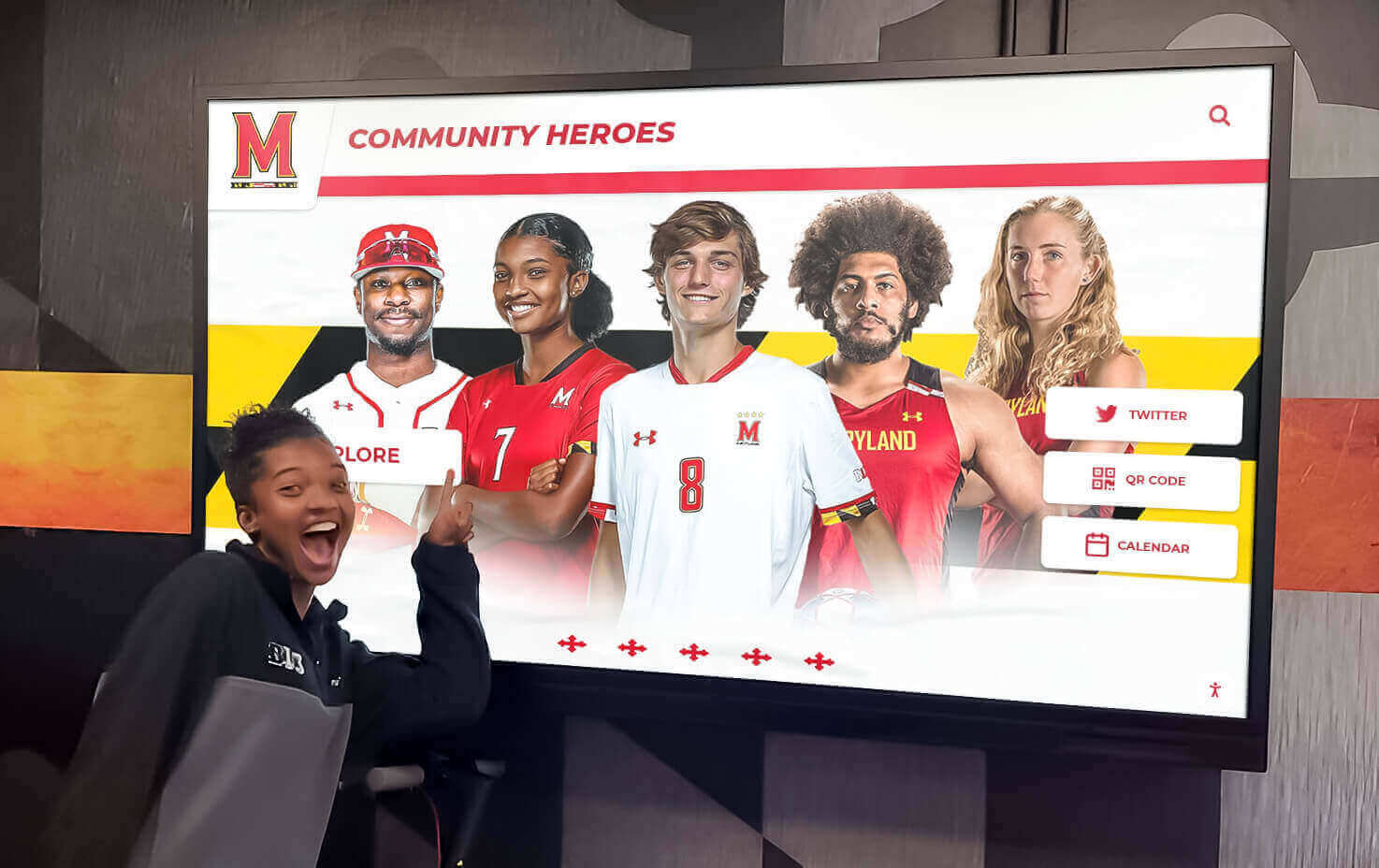
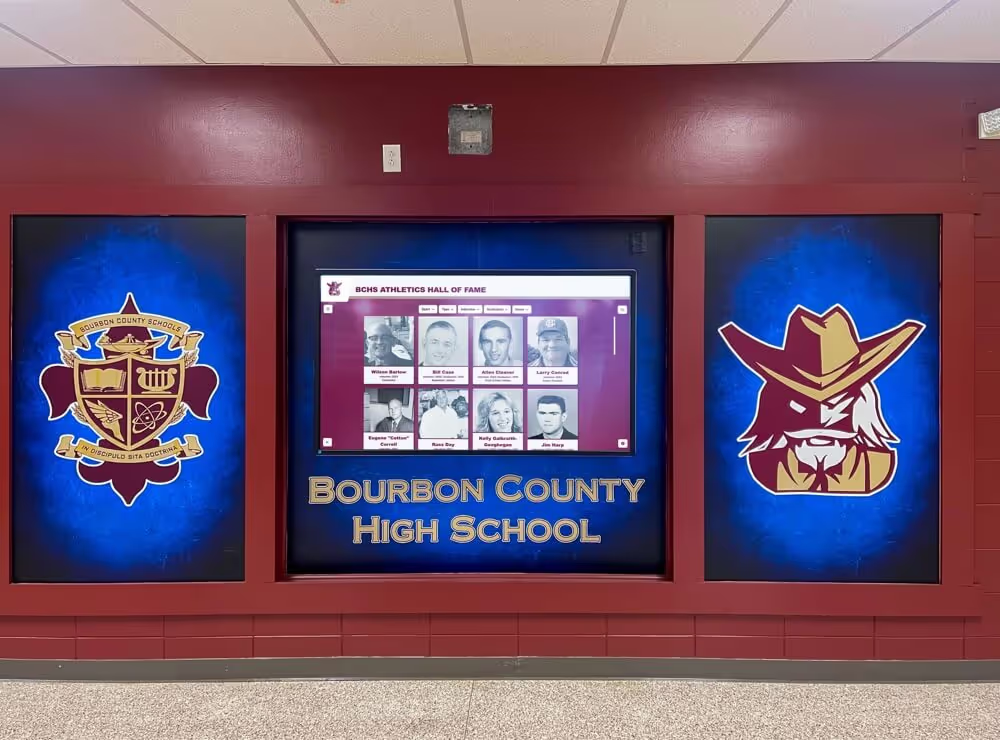
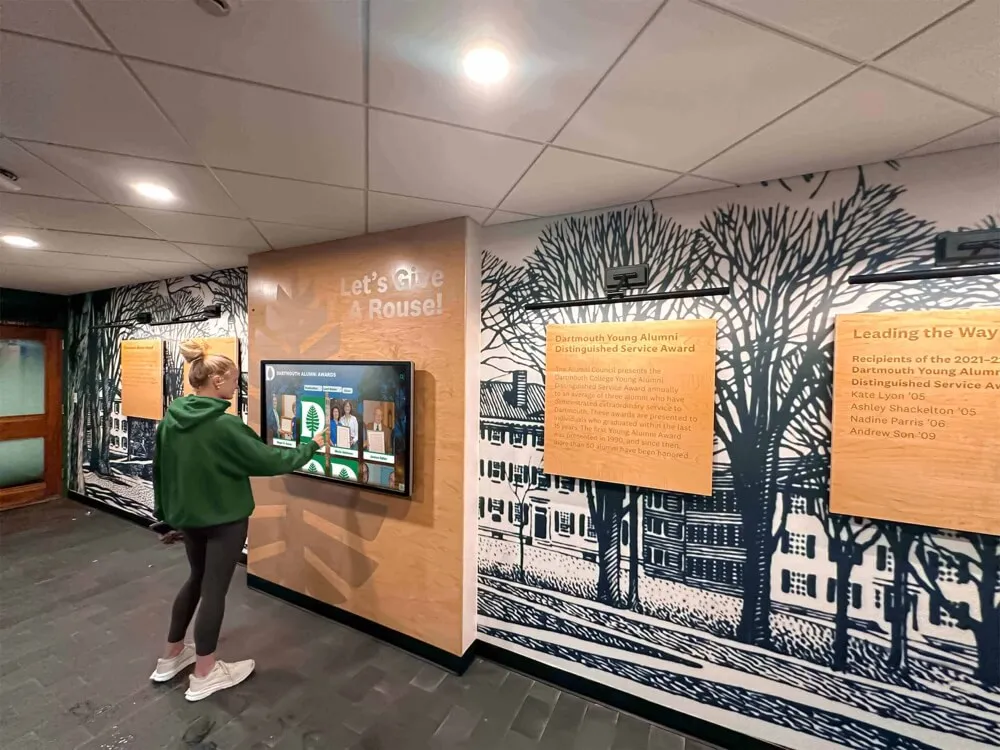
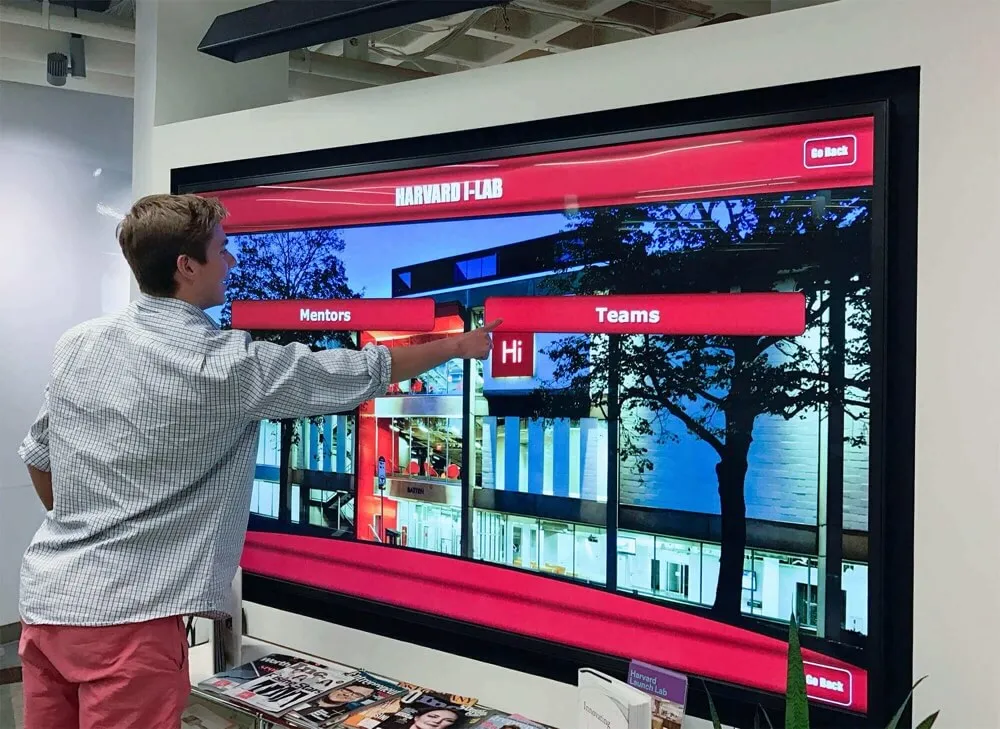
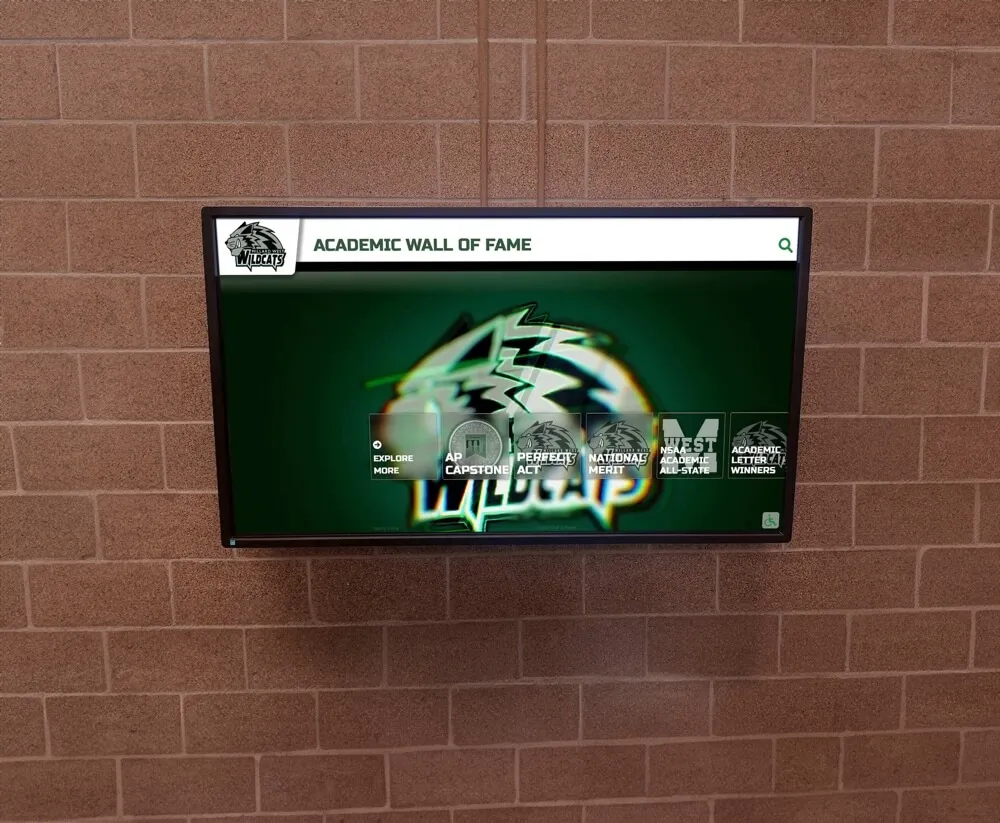
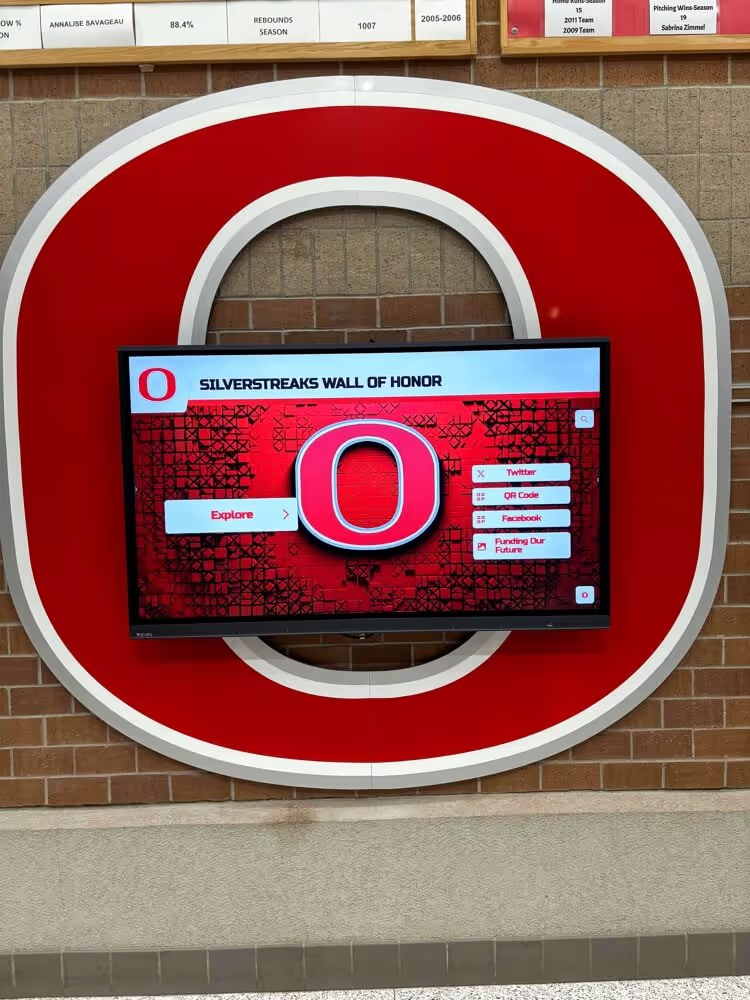
Interactive displays engage students directly with achievement recognition, creating personal connections to school excellence and tradition
Budget-Conscious Display Case Ideas for Schools
Schools managing limited budgets can implement effective displays through creative, cost-effective approaches that honor achievements appropriately while maintaining financial sustainability.
Repurposed Furniture and DIY Display Solutions
Creative schools transform bookcases, china cabinets, and retail display fixtures into functional trophy cases through minor modifications, adding glass doors, internal lighting, and professional presentation touches at fraction of custom case costs.
Budget Display Strategies
- Thrift store or office liquidation furniture repurposing
- DIY lighting additions using affordable LED strip lights
- Glass or acrylic additions converting open shelving to secure displays
- Paint and refinishing matching school colors and branding
- Organized arrangement creating professional appearance despite modest cases
- Strategic positioning in high-visibility areas maximizing impact
While repurposed displays may lack the polish of commercial trophy cases, thoughtful execution creates respectable presentations honoring achievements appropriately within budget constraints. The key lies in consistent appearance, secure construction, and professional organization preventing makeshift installations from appearing neglected or careless.
Digital Displays Using Existing Technology
Schools can leverage existing digital signage, cafeteria screens, or lobby monitors for achievement recognition, repurposing infrastructure already in place for announcements and communications.
Low-Cost Digital Display Options
- Slideshow presentations created in standard software (PowerPoint, Google Slides)
- Cloud-based digital signage services with free or low-cost tiers
- Scheduled recognition content alternating with announcements
- Student-created graphics and design celebrating achievements
- Simple achievement lists with photographs from school archives
- Social media content repurposed for display screens
While shared-purpose displays lack dedicated recognition prominence, they provide cost-effective interim solutions while schools build toward comprehensive systems through phased implementation or fundraising campaigns.
Graduated Implementation Strategies
Rather than attempting comprehensive display installations exceeding budgets, schools can implement recognition programs gradually, starting with priority areas and expanding as resources allow.
Phased Implementation Approach
- Year 1: Main entrance display establishing foundation and visibility
- Year 2: Athletic facility recognition celebrating sports achievements
- Year 3: Performing arts and academic display additions
- Year 4: Digital integration enhancing traditional displays with technology
- Year 5: Comprehensive system completion with all areas addressed
Phased approaches enable schools to demonstrate success, build support, and potentially attract donor funding for subsequent phases after stakeholders experience initial implementations. This strategy proves particularly effective when combined with fundraising campaigns where display sponsorship opportunities generate resources funding installations.
Schools implementing creative recognition on modest budgets should study approaches similar to those used for award ceremony planning, maximizing impact through thoughtful design and strategic implementation rather than expensive expenditures.
Organizing Display Case Contents for Maximum Impact
Effective displays require thoughtful organization preventing cluttered appearance while highlighting significant achievements and creating visual appeal that draws attention and encourages exploration.
Arranging Trophies and Awards by Category and Chronology
Strategic organization helps visitors understand collections and find specific achievements without overwhelming visual confusion or haphazard presentation that diminishes trophy significance.
Organization Strategies
- Sport-specific groupings separating athletic programs logically
- Chronological arrangement showing achievement progression over time
- Size-based organization placing larger trophies prominently
- Achievement tier separation highlighting championships distinctly from participation awards
- Color coordination using school colors for labels and backgrounds
- Hierarchical positioning placing most significant trophies at eye level
- Thematic grouping connecting related achievements across years
Clear labeling proves essential for organized displays. Each trophy should include identification explaining the achievement, year, and recipients. Without context, even impressive trophies become meaningless metal objects that visitors pass without understanding significance or connecting accomplishments to school traditions.
Creating Visual Hierarchy and Focal Points
Display design should guide viewer attention strategically, ensuring most important items receive prominence while preventing visual chaos that overwhelms observers.
Visual Hierarchy Techniques
- Lighting emphasis highlighting championship trophies and major achievements
- Elevation differences using risers or varied shelf heights
- Color contrast employing backgrounds that make trophies stand out
- Negative space preventing overcrowding and maintaining clean appearance
- Symmetrical arrangements creating pleasing visual balance
- Featured positioning for rotating “trophy of the month” highlights
- Descriptive signage explaining significance of particular awards
Schools should regularly assess displays from visitor perspectives, checking whether important trophies receive appropriate attention or get lost among less significant items. Rotating featured items seasonally maintains freshness while ensuring various achievements receive spotlight treatment over time.
Incorporating Storytelling and Historical Context
The most engaging displays extend beyond trophy presentation to tell achievement stories, connecting awards to the athletes, teams, and coaches behind victories while explaining significance within broader school traditions.
Storytelling Elements
- Photographs of championship teams with trophies they won
- Historical newspaper clippings reporting on significant victories
- Coach and athlete quotes explaining what achievements meant personally
- Statistical information providing performance context
- Championship season summaries describing paths to victory
- Historical timelines showing program development over decades
- QR codes linking to extended digital content and video highlights
Storytelling creates emotional connections transforming impersonal trophy collections into compelling narratives that inspire current students while honoring past excellence. Similar storytelling approaches enhance recognition when schools implement athletic award presentations celebrating diverse contributions beyond traditional categories.
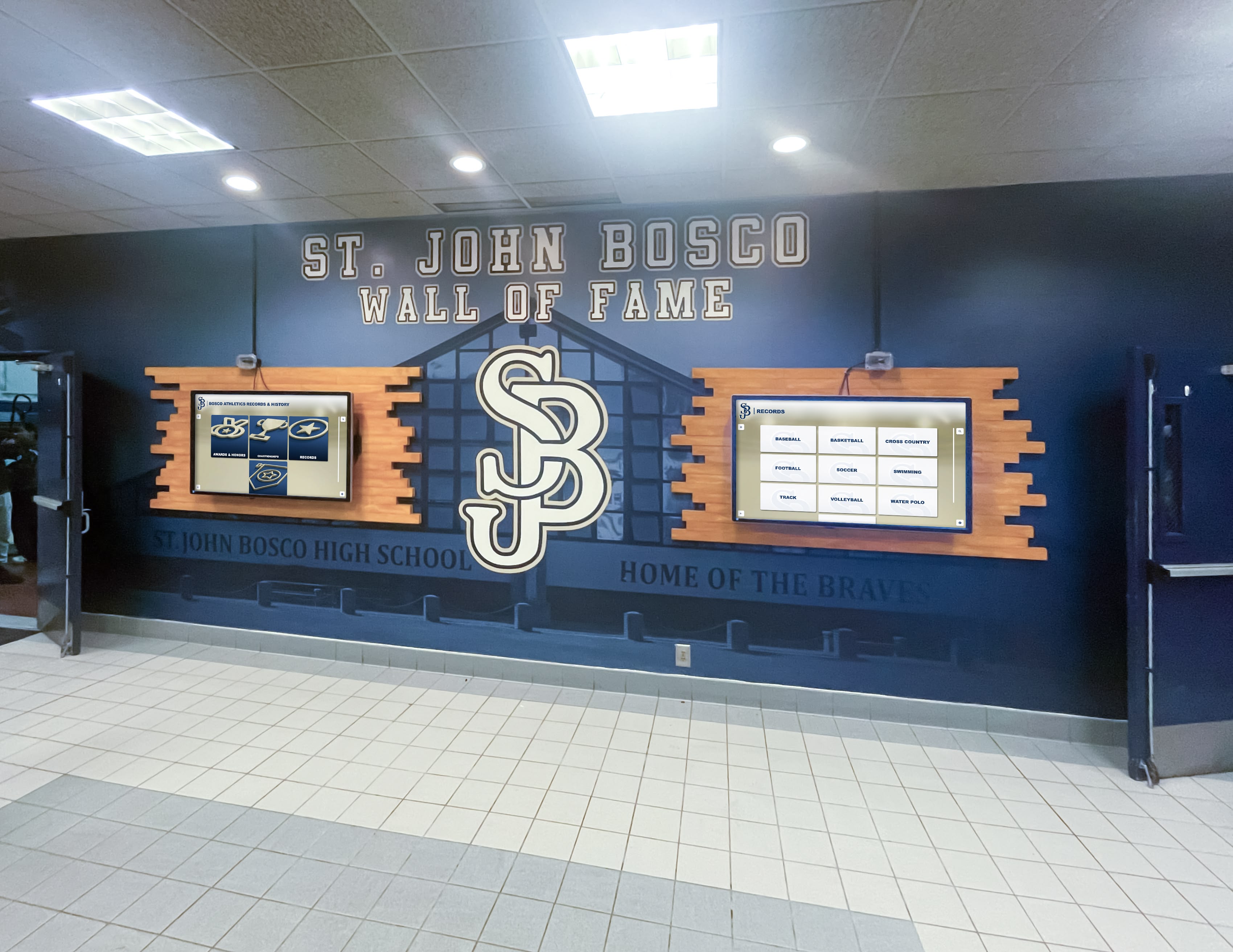
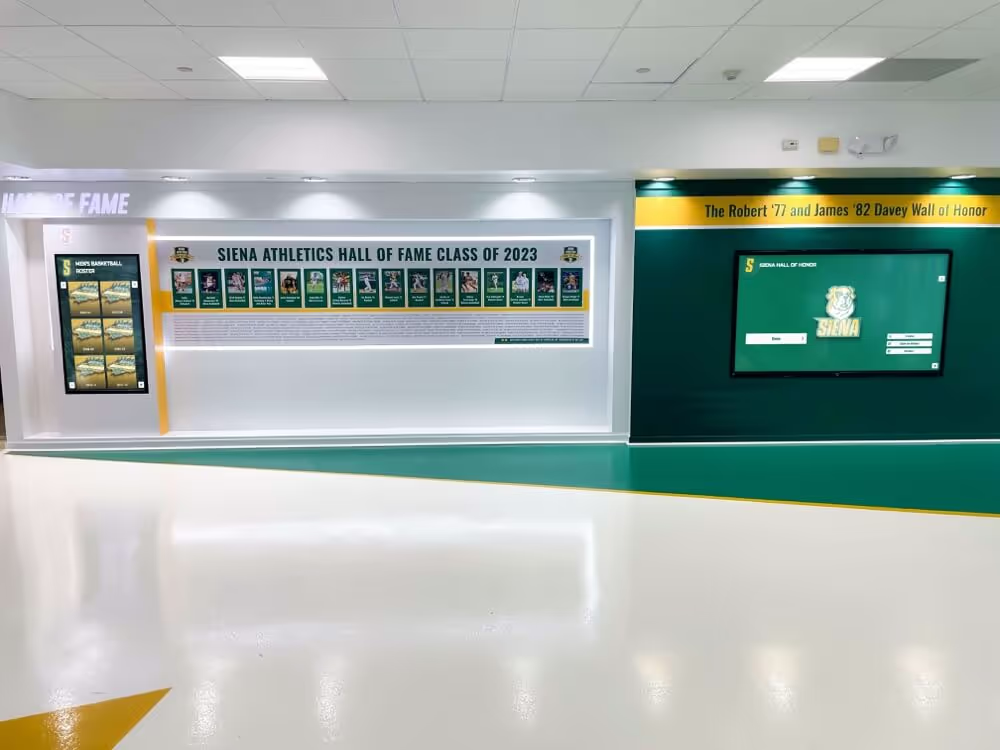
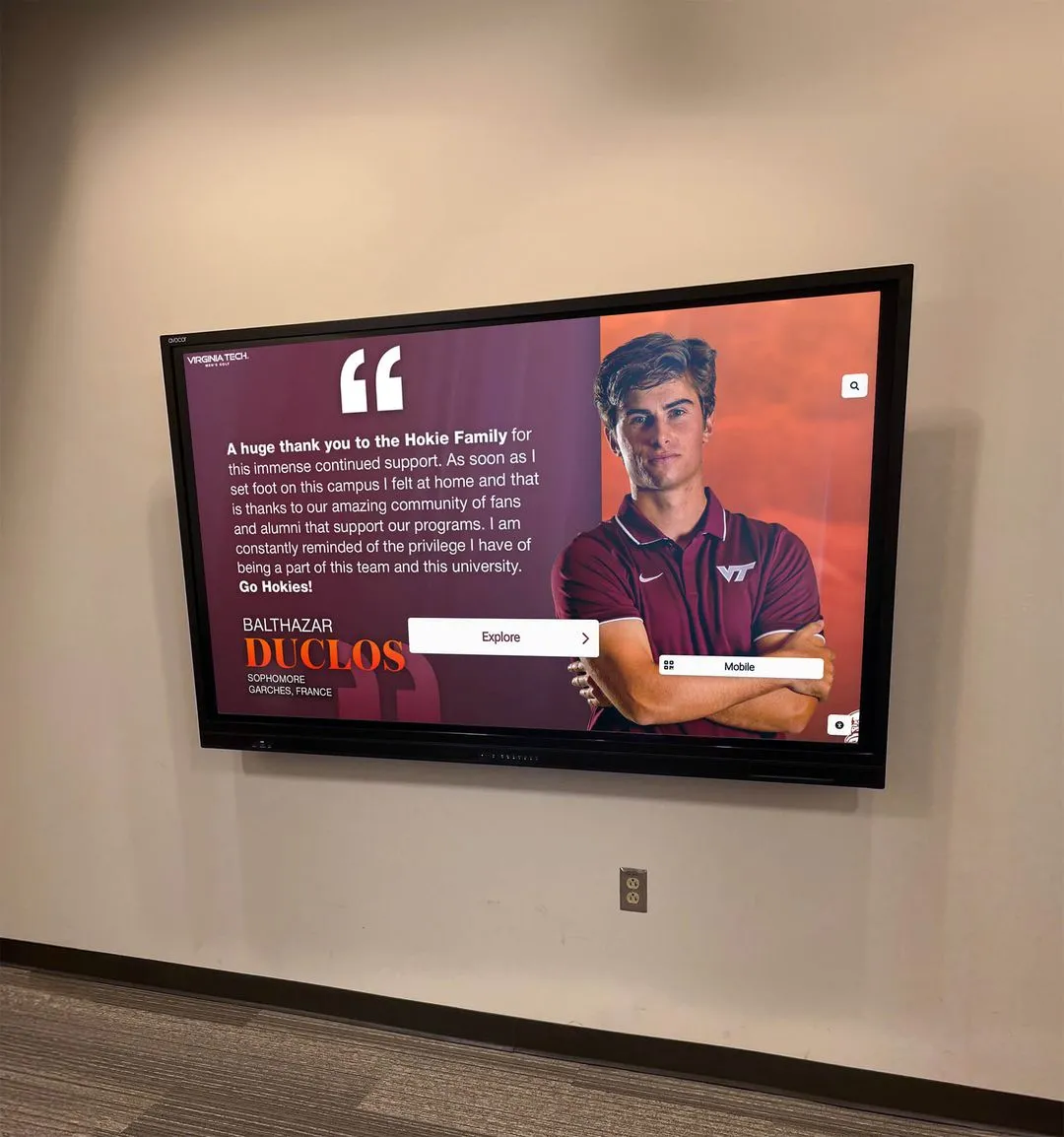
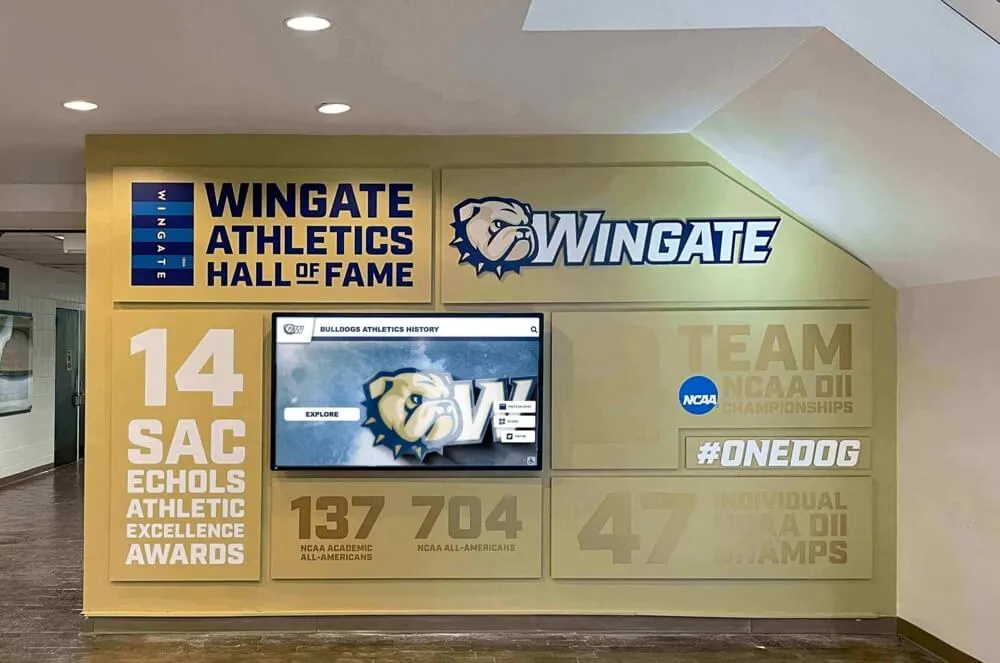
Multi-screen installations create comprehensive recognition environments accommodating both traditional and digital content presentation
Maintenance and Care for School Display Cases
Effective displays require regular maintenance ensuring continued visual appeal, appropriate security, and proper preservation of valuable items over multi-decade periods.
Cleaning and Preservation Best Practices
Regular cleaning maintains professional appearance while protecting displayed items from deterioration caused by dust accumulation, environmental exposure, and improper handling.
Maintenance Protocols
- Monthly glass cleaning removing fingerprints and dust
- Quarterly trophy cleaning and polishing maintaining shine
- Annual deep cleaning including shelving and interior surfaces
- Photograph rotation preventing light damage and fading
- Climate monitoring ensuring appropriate temperature and humidity
- Pest inspection preventing insect damage to materials
- Lock and hinge lubrication ensuring smooth operation
Schools should assign clear maintenance responsibilities with defined schedules, preventing displays from deteriorating into dusty, neglected installations that communicate carelessness rather than pride in achievements they supposedly honor.
Security Considerations and Theft Prevention
Display cases protect valuable items, but only when properly secured with appropriate locks, monitoring, and positioning that deters theft while maintaining visibility.
Security Measures
- High-quality locks preventing unauthorized access
- Security camera coverage of high-value display areas
- Alarm system integration for after-hours protection
- Secure mounting preventing case removal or tipping
- Inventory documentation enabling loss identification
- Insurance coverage for valuable trophy collections
- Strategic positioning in monitored areas with natural surveillance
Schools should assess trophy value periodically, considering replacement costs and sentimental significance when evaluating whether security measures adequately protect collections from loss.
Updating Content and Managing Growth
Regular content updates ensure displays remain current while accommodating new achievements without creating cluttered appearance or overflow conditions.
Content Management Strategies
- Annual reorganization incorporating new trophies
- Archive rotation moving older items to storage while highlighting recent achievements
- Digital supplementation addressing physical space constraints
- Deaccession policies determining when older trophies move to storage
- Donor consultation for memorial items before any removal
- Documentation maintaining records of all archived items
- Expansion planning anticipating future growth needs
Thoughtful content management prevents trophy accumulation from overwhelming display capacity while ensuring all achievements receive appropriate recognition during relevant periods before natural transition to historical archives.
Frequently Asked Questions About School Display Cases
What are the best display case ideas schools use for limited budgets?
Budget-conscious schools create effective displays through repurposed furniture conversions adding glass doors and lighting to bookcases or retail fixtures, DIY solutions using affordable materials and student labor, digital slideshows running on existing screens throughout facilities, rotating displays cycling content rather than presenting everything simultaneously, and graduated implementation starting with priority areas and expanding as resources allow. Simple wall-mounted display cases from commercial suppliers offer reasonable quality at $500-$1,500 per unit for basic models, while repurposed furniture may cost under $200 with materials and effort. Digital displays using existing monitors require only content development time, though dedicated recognition screens range from $1,000-$5,000 depending on size and features. Schools should prioritize clean organization and professional presentation over expensive materials, as thoughtful arrangement creates impressive displays regardless of case cost when maintained well.
How do schools decide what to display when trophy collections exceed available space?
Schools managing space constraints typically establish rotation policies cycling content seasonally or annually, prioritize championship and major achievement trophies over participation awards, implement archival storage for historical items while displaying recent accomplishments prominently, or transition to digital display systems offering unlimited virtual capacity without physical constraints. Many schools create display hierarchies reserving physical cases for most prestigious awards while acknowledging other achievements through digital screens, publications, or website recognition. Deaccession policies help determine when older trophies transition to archives, typically focusing physical displays on achievements within the past 10-15 years while maintaining photographic records and digital archives preserving complete institutional history. Schools should involve stakeholders—coaches, administrators, and booster organizations—when establishing rotation policies, ensuring decisions reflect community values while addressing practical limitations.
Should schools use traditional trophy cases or digital displays for recognition?
The best approach depends on budget, space availability, stakeholder preferences, and collection characteristics. Traditional cases excel for prestigious physical trophy display, memorial items with sentimental value, budget-conscious initial implementations, and communities preferring familiar recognition formats. Digital displays prove superior when unlimited capacity matters, space constraints limit traditional cases, interactive engagement benefits recognition goals, easy content updates justify initial investment, or comprehensive storytelling enhances recognition beyond basic trophy identification. Many schools implement hybrid approaches combining traditional cases for most significant physical trophies with digital displays providing unlimited achievement archives, detailed stories, and searchable databases. Schools should assess specific needs, survey stakeholder preferences, and consider total cost of ownership over 10-15 year periods when comparing options, as digital systems often prove more cost-effective long-term despite higher upfront investment.
How can schools make display cases more engaging and interactive?
Schools enhance display engagement through QR codes linking trophies to digital content including championship videos and detailed stories, interactive touchscreen displays enabling achievement exploration and search, audio components featuring athlete and coach interviews, regular content rotation maintaining freshness and encouraging repeated viewing, achievement challenges prompting students to find specific trophies or complete scavenger hunts, social media integration encouraging visitor photography and sharing, and strategic positioning in high-traffic areas where natural viewing occurs during daily activities. The most engaging displays tell stories rather than simply presenting trophies, incorporating photographs, narratives, and context explaining achievement significance within school traditions. Interactive elements work particularly well with digital displays offering unlimited capabilities, though even traditional cases become more engaging with thoughtful labeling, historical photographs, and strategic organization guiding discovery and creating interest.
What size display cases work best for different school spaces?
Display case sizing depends on collection scope, available space, and installation location characteristics. Hallway wall-mounted cases typically measure 48-72 inches wide and 36-48 inches tall, balancing presence with traffic flow requirements. Lobby floor-standing cases range from 48-96 inches wide enabling substantial collections while creating focal points in open spaces. Compact wall cases (24-36 inches wide) suit smaller collections or distributed displays throughout buildings. Schools should measure available space carefully, accounting for door swing clearance, comfortable viewing distances (3-4 feet minimum), and traffic flow during busy passing periods. Custom built-in displays maximize awkward spaces like alcoves or architectural niches while creating seamless integration with facility design. Depth typically ranges from 12-16 inches for standard trophies, though deeper cases (18-24 inches) accommodate oversized championship trophies and unique items. Schools should prioritize appropriate sizing over maximum capacity, as overcrowded cases diminish visual appeal regardless of available space.
Conclusion: Creating Display Environments That Inspire and Celebrate
Thoughtful display case ideas for schools transform achievement recognition from simple storage into strategic cultural tools that inspire students, honor excellence, celebrate supporters, and communicate institutional values through visible demonstrations of what communities accomplish together. Effective displays balance traditional prestige with modern capabilities, creating environments where trophies, donor gifts, and student work receive appropriate celebration while accommodating natural growth and evolution as school communities expand their definition of achievement worthy of recognition.
Whether implementing traditional glass trophy cases offering secure protection and familiar presentation, modern digital displays providing unlimited capacity and rich storytelling, or hybrid approaches combining both advantages, successful display programs require strategic planning aligned with institutional culture, sustainable maintenance systems, and commitment to keeping content current and engaging as communities grow. Digital solutions increasingly offer compelling advantages—unlimited virtual capacity, easy remote updates, cost efficiency over extended periods, and interactive features impossible with physical displays—while preserving the dignity and significance that achievement recognition demands.
Transform How Your School Displays Achievement and Recognition
Discover how Rocket Alumni Solutions creates engaging digital recognition displays that celebrate trophies, honor donors, and showcase student excellence through beautiful, interactive technology designed specifically for schools and educational institutions.
Explore Display SolutionsSchools investing in thoughtful display planning create environments where achievement receives appropriate celebration, history becomes visible throughout facilities, and community members feel inspired to contribute their own excellence to institutional legacies they value. The display case ideas explored in this guide provide frameworks for building recognition systems worthy of student accomplishments, supporter generosity, and the educational missions they advance.
Begin by assessing current display approaches, identifying limitations and opportunities, then exploring solutions aligning with school culture, budget realities, and long-term recognition goals. The most successful schools view displays not as one-time installations but as evolving systems growing alongside communities, adapting presentation strategies as achievement portfolios expand and recognition expectations evolve through changing educational landscapes.
Your students, supporters, and community deserve recognition displays that honor their values, celebrate their commitment to excellence, and demonstrate the meaningful impact their achievements create for your entire school community. With strategic planning, thoughtful design, and commitment to maintenance and evolution, you can create display environments that truly serve as lasting tributes to the remarkable accomplishments that make educational excellence possible.