



Organizations seeking donor recognition solutions face a critical decision: invest in traditional plaques that quickly reach capacity and require costly updates, or embrace digital donor recognition walls that combine technology with philanthropy to create scalable, engaging displays that honor supporters while accommodating unlimited growth. Intent: Compare donor display technologies to make informed recognition investment decisions.
Digital donor recognition walls represent the convergence of touchscreen technology, cloud-based content management, and philanthropic stewardship, creating interactive displays that transform how nonprofits, educational institutions, hospitals, and cultural organizations celebrate supporter generosity. Unlike traditional bronze plaques limited by physical space and static presentation, digital donor displays provide unlimited donor capacity, rich multimedia storytelling, real-time content updates, and interactive experiences that connect visitors emotionally with organizational missions and the people who champion them.
This comprehensive guide explores how digital donor wall technology works, the display specifications and software capabilities that differentiate solutions, implementation considerations for successful installations, and proven approaches that maximize donor engagement while addressing accessibility requirements, integration needs, and total cost of ownership over multi-year deployment cycles.
Digital donor recognition walls solve fundamental limitations that plague traditional donor wall approaches. Organizations implementing touchscreen donor displays report eliminating space constraints that previously capped recognition capacity, reducing long-term costs associated with continuous plaque ordering and installation, and creating engagement opportunities impossible with static displays—searchable donor directories, detailed impact stories with photos and videos, and interactive content that visitors remember and share with their networks.

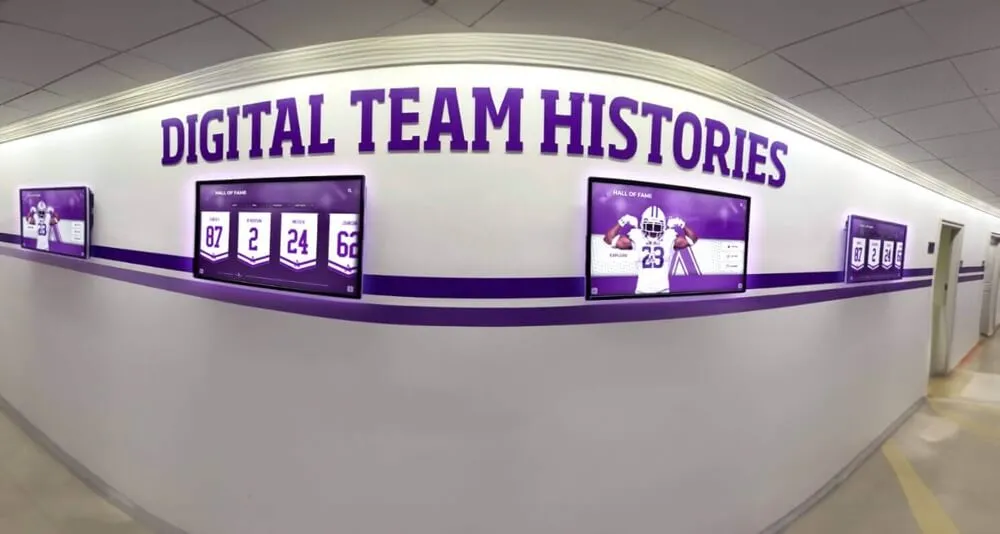
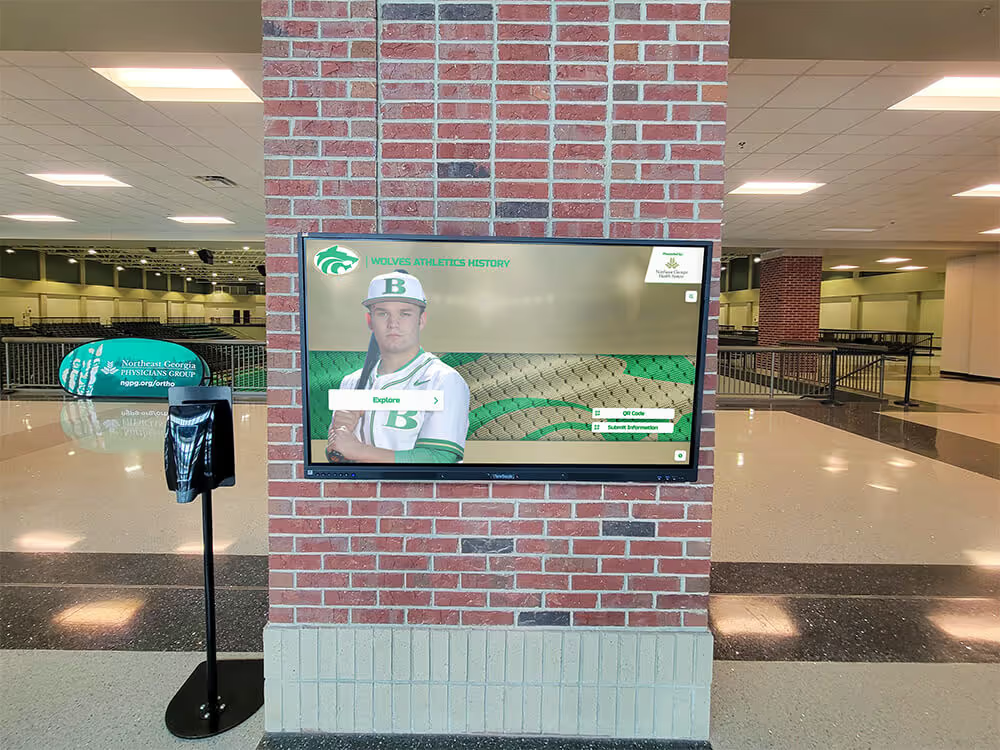
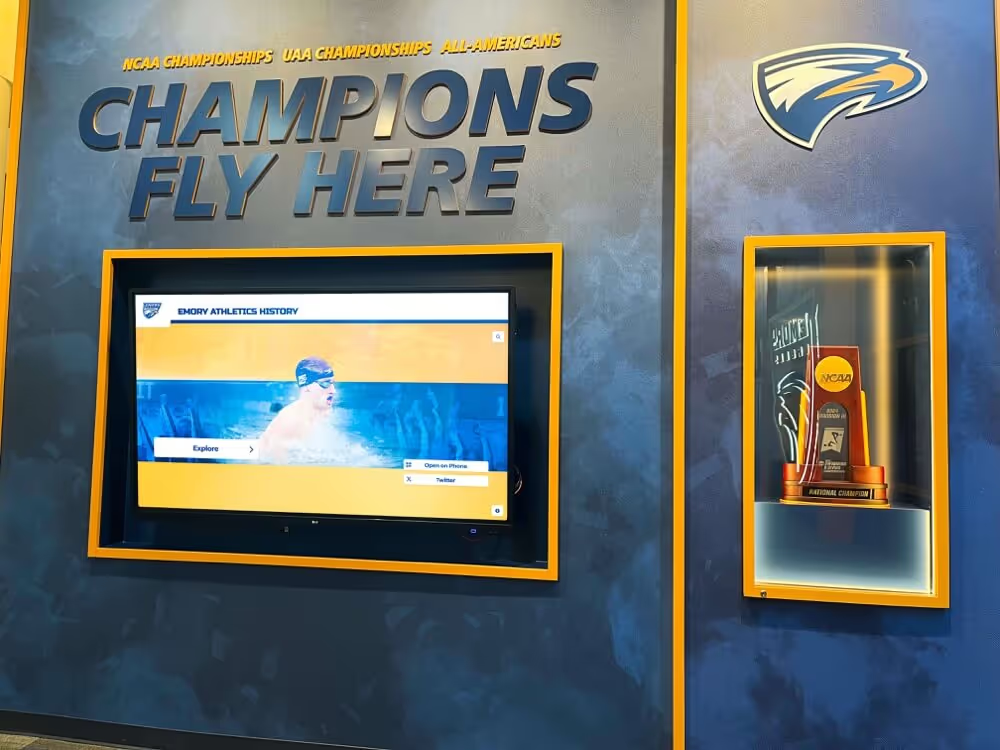
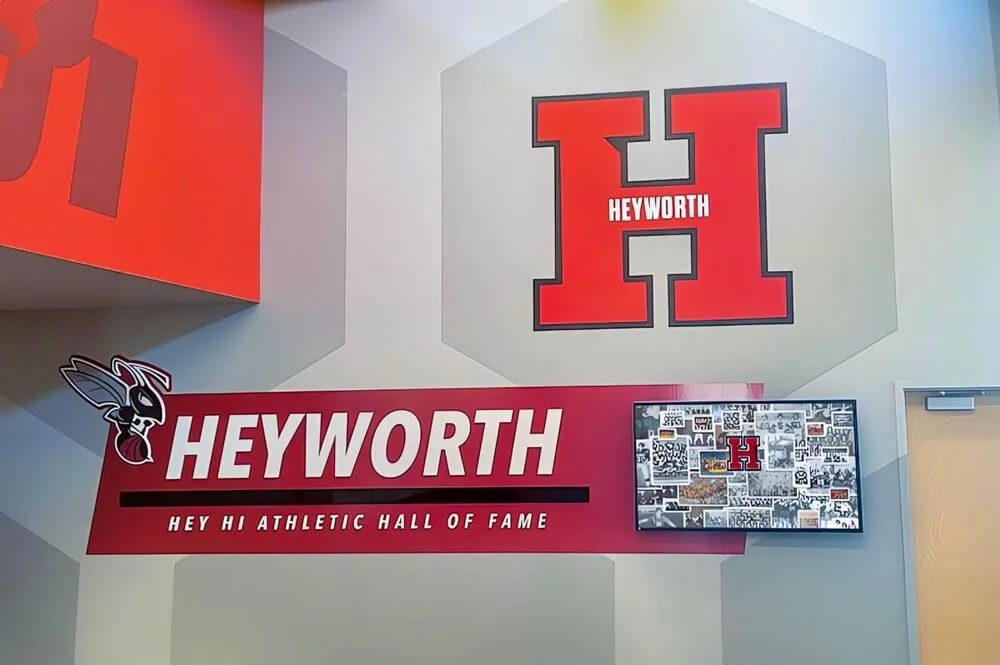
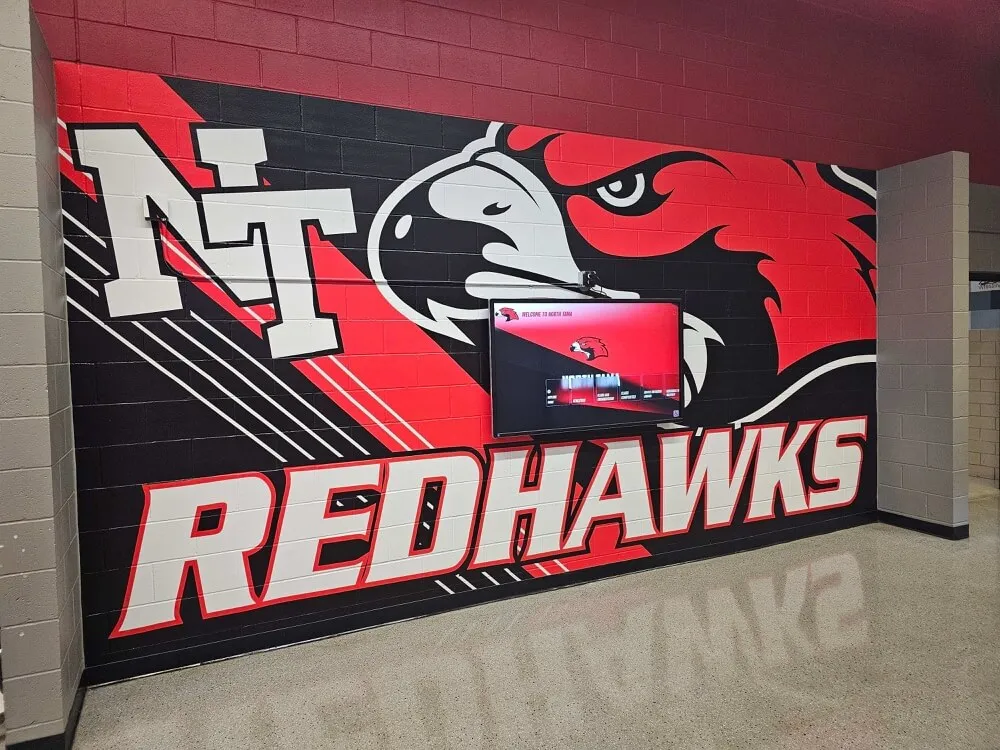
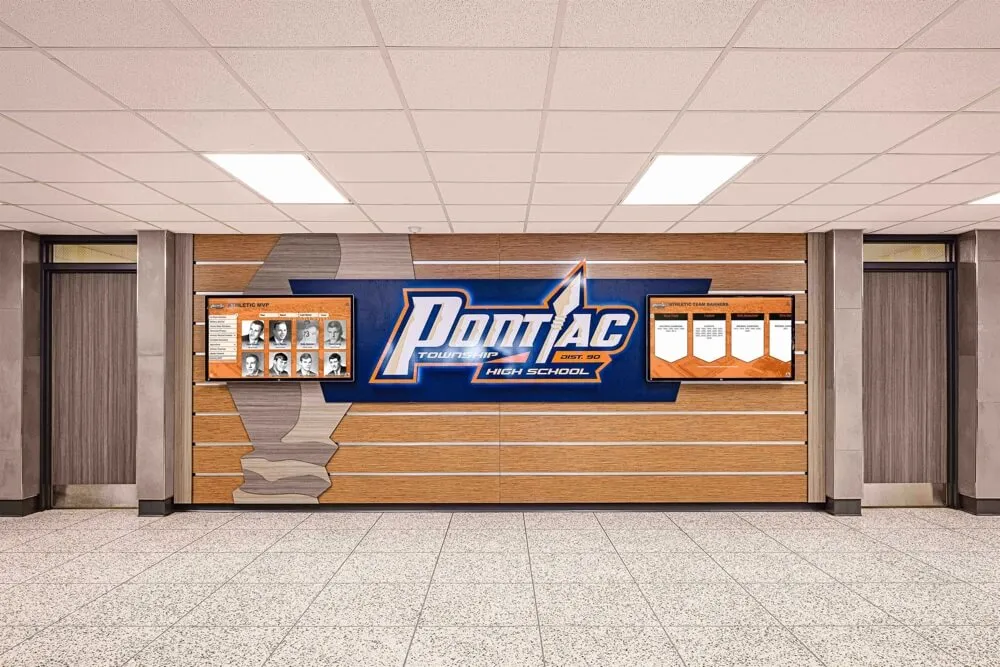
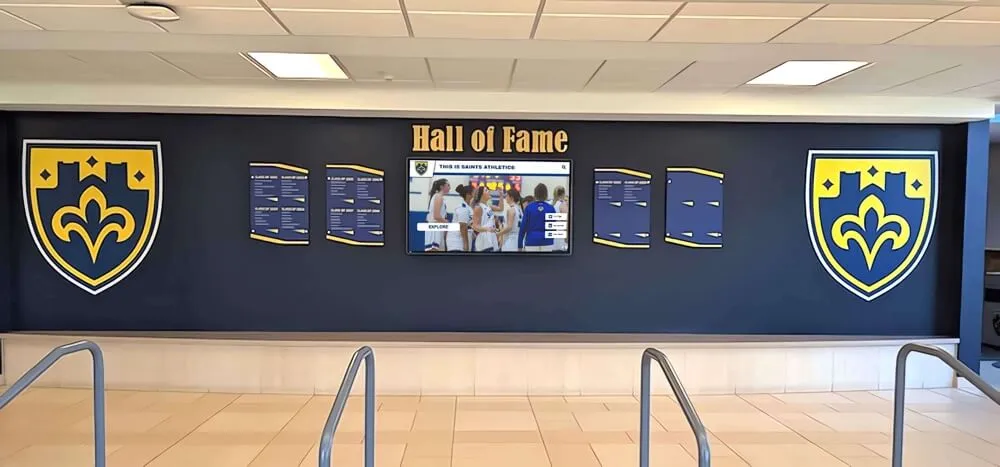
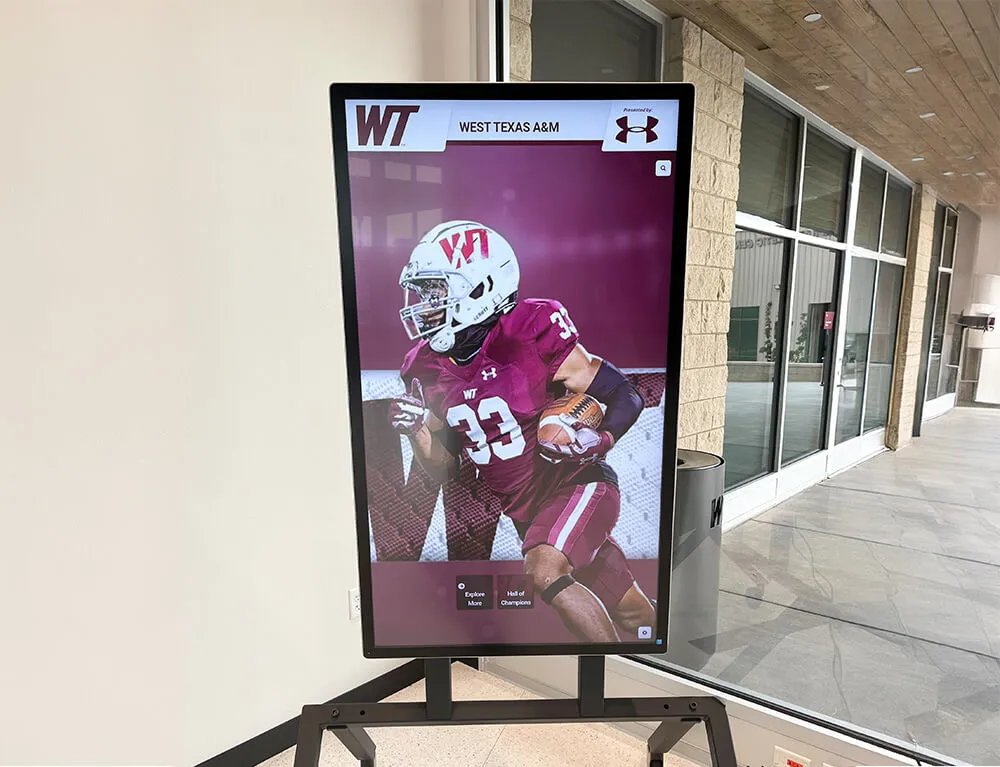
Digital donor recognition walls create prominent, engaging displays that honor supporters through interactive technology
Understanding Digital Donor Recognition Wall Technology
Digital donor recognition walls utilize touchscreen display hardware combined with specialized donor wall software to create interactive recognition experiences accessible through both physical kiosks and mobile devices. The technology architecture comprises three essential components: display hardware, content management software, and network infrastructure enabling remote updates and donor database integration.
Core Technology Components
Display Hardware Specifications
Digital donor walls operate on commercial-grade touchscreen displays ranging from 32-inch compact installations suitable for intimate donor lounges to 86-inch large-format screens dominating main lobbies and event spaces. Unlike consumer televisions, commercial displays feature higher brightness levels (400-700 nits) ensuring visibility under varied lighting conditions, extended operating hours rated for 16-24 hour daily use, and VESA mounting compatibility supporting secure wall installation. Touchscreen overlays utilize projected capacitive technology providing responsive multi-touch interaction similar to smartphone experiences donors already understand and expect.
Organizations implementing digital donor recognition should specify displays with anti-glare screen treatments reducing reflections under overhead lighting, wide viewing angles (178° horizontal/vertical) ensuring readability from various positions, and commercial warranty coverage protecting multi-year investments. Display orientation flexibility supports both portrait and landscape mounting configurations matched to available wall space and content design preferences.
Content Management Software Platforms
Cloud-based donor wall software enables authorized administrators to update recognition content remotely through web browsers from any internet-connected device, eliminating requirements for on-site access or technical expertise. Professional donor display platforms provide intuitive content editors allowing drag-and-drop photo uploads, donor profile creation through guided forms, and giving level organization through visual interfaces requiring no coding or design skills.
Advanced content management systems offer scheduled publishing for time-sensitive campaign recognition, approval workflows ensuring accuracy before public display, version history tracking changes for accountability, and multi-user access with role-based permissions controlling who can edit specific content sections. These capabilities mirror functionality development and advancement professionals expect from fundraising CRM systems while maintaining simplicity appropriate for occasional content updates. Organizations exploring interactive touchscreen kiosk software will recognize similar content management approaches adapted specifically for donor recognition requirements.
Network Infrastructure and Integration
Digital donor displays require reliable network connectivity supporting content delivery and enabling remote management. Most installations utilize existing organizational WiFi or ethernet infrastructure, with displays connecting to cloud-based content servers that push updates automatically without IT intervention. Network requirements remain modest—typical bandwidth needs fall below standard video streaming demands since donor content updates asynchronously rather than requiring constant live streaming.
Progressive donor display platforms offer integration APIs connecting with popular fundraising databases and CRM systems including Raiser’s Edge, Blackbaud CRM, DonorPerfect, and Salesforce Nonprofit Cloud. Automated integration eliminates manual donor data entry, reduces errors from duplicate transcription, and enables near-real-time recognition as gifts process through development systems. Organizations should evaluate integration capabilities during vendor selection, understanding whether connections require custom development or leverage pre-built integrations reducing implementation complexity.
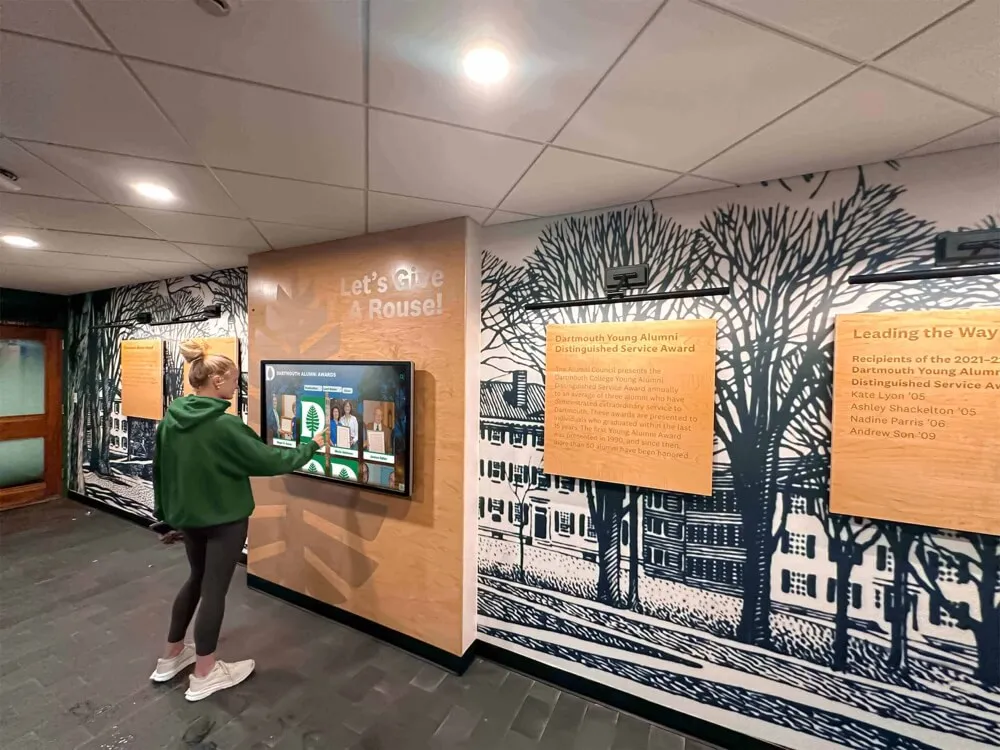
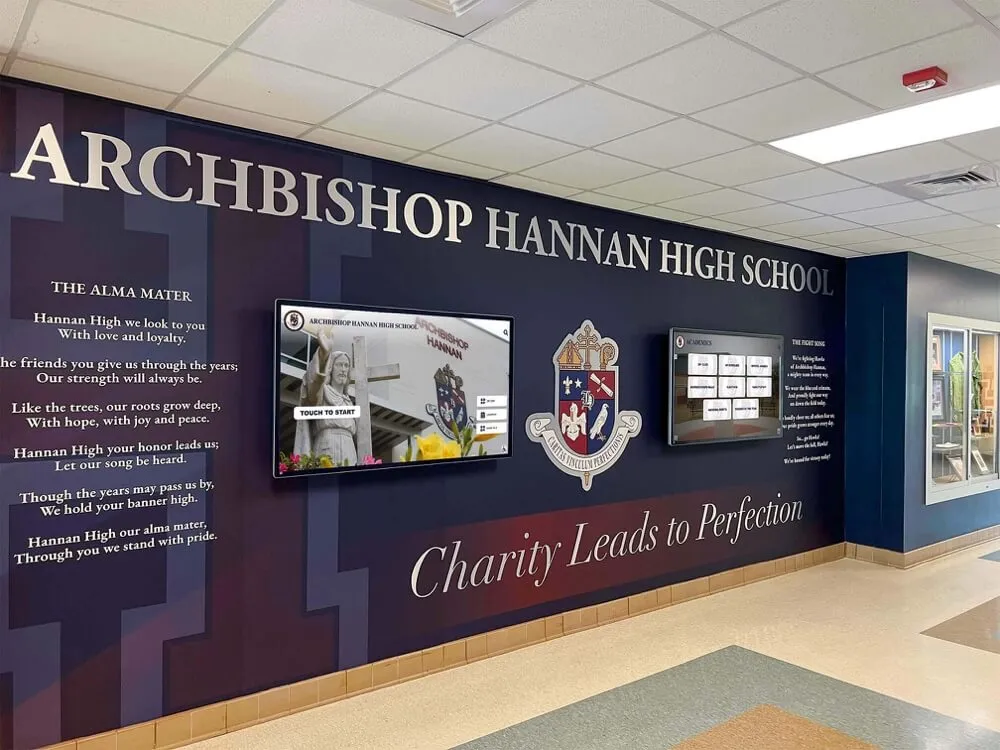
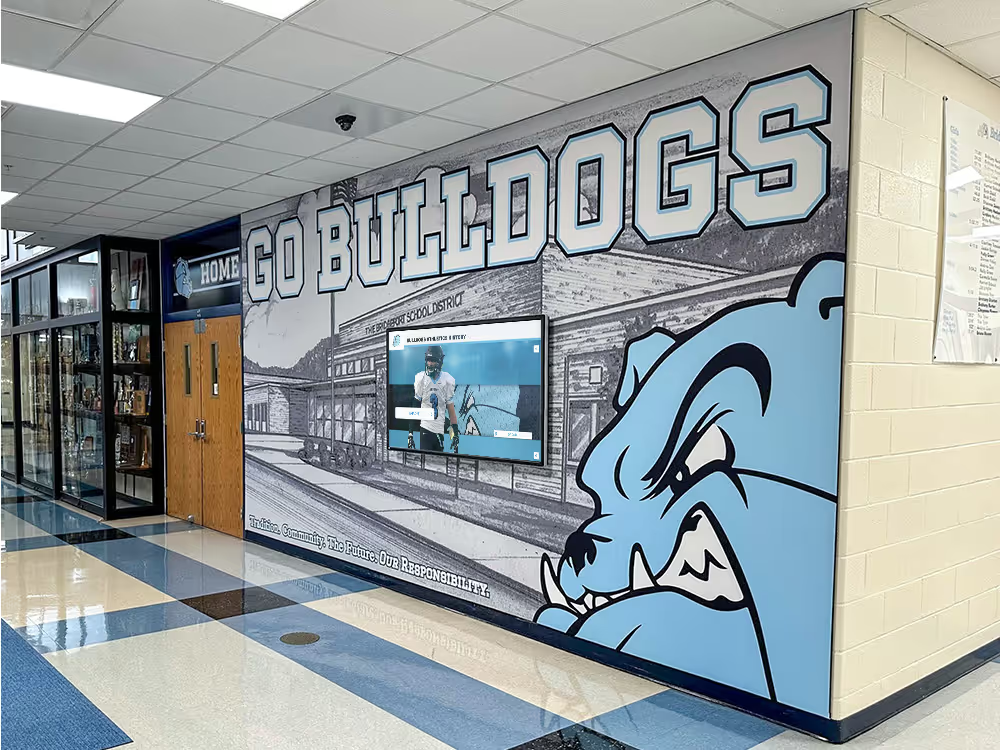
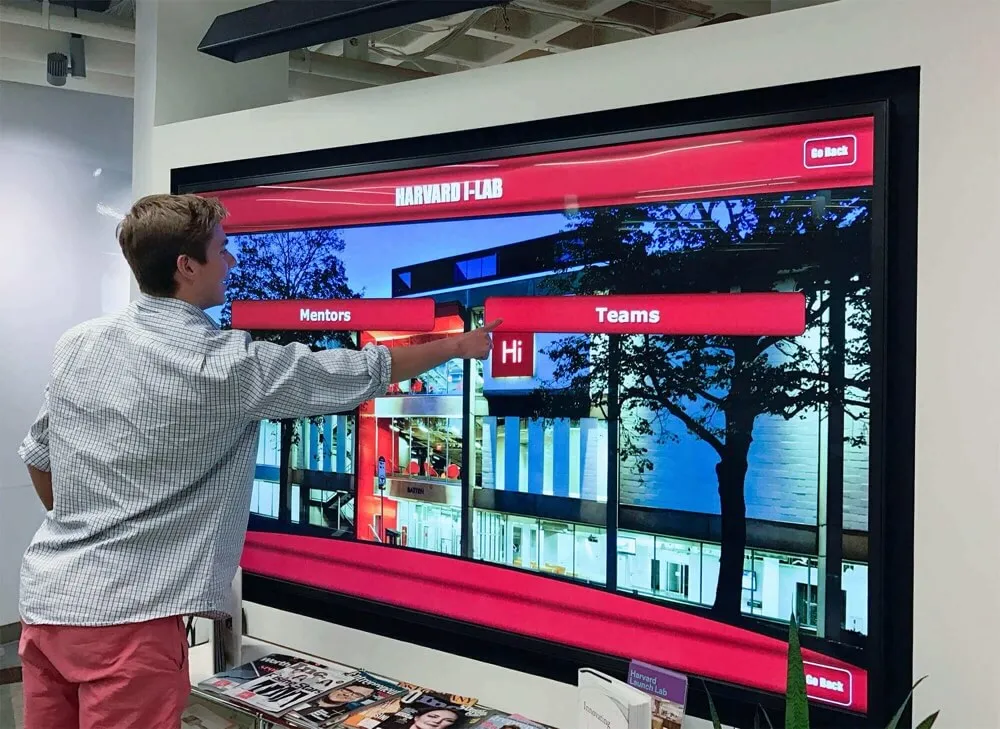
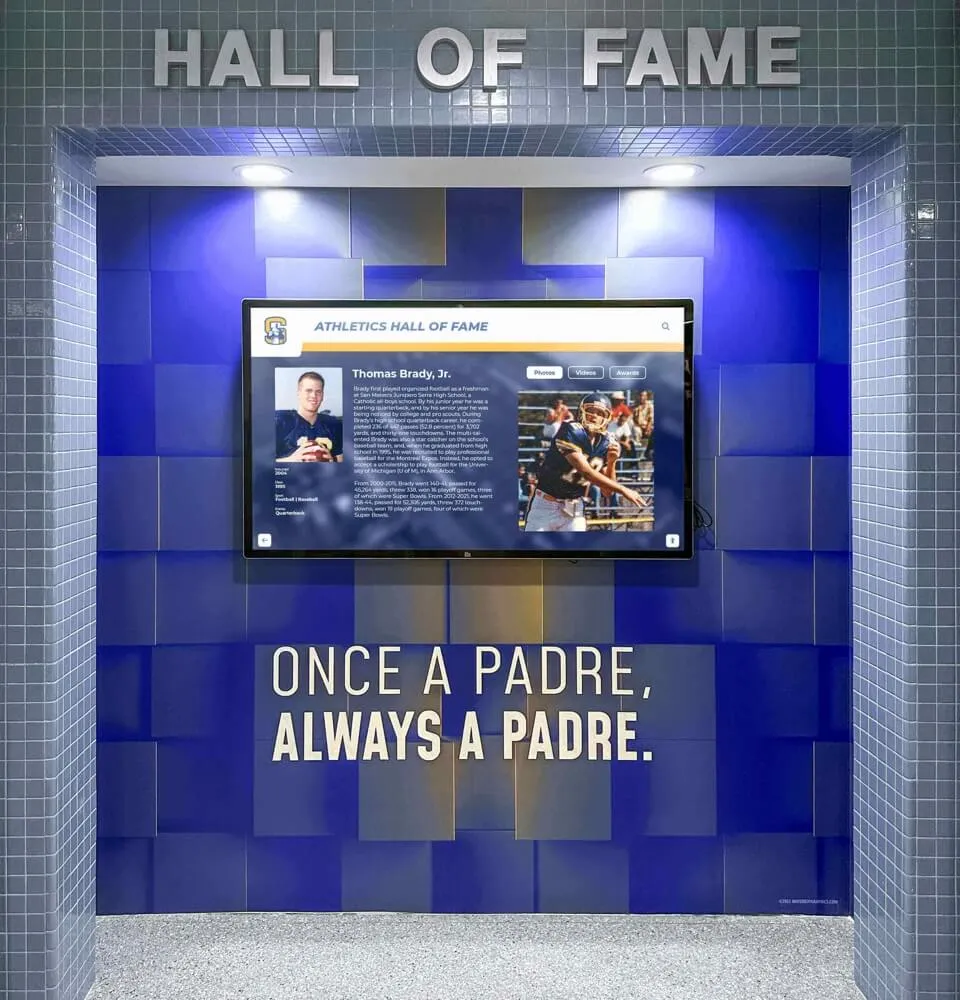
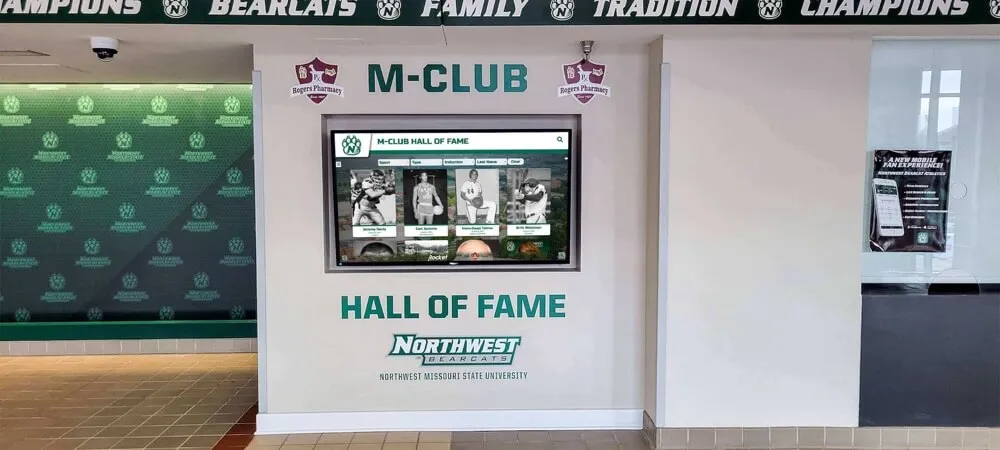
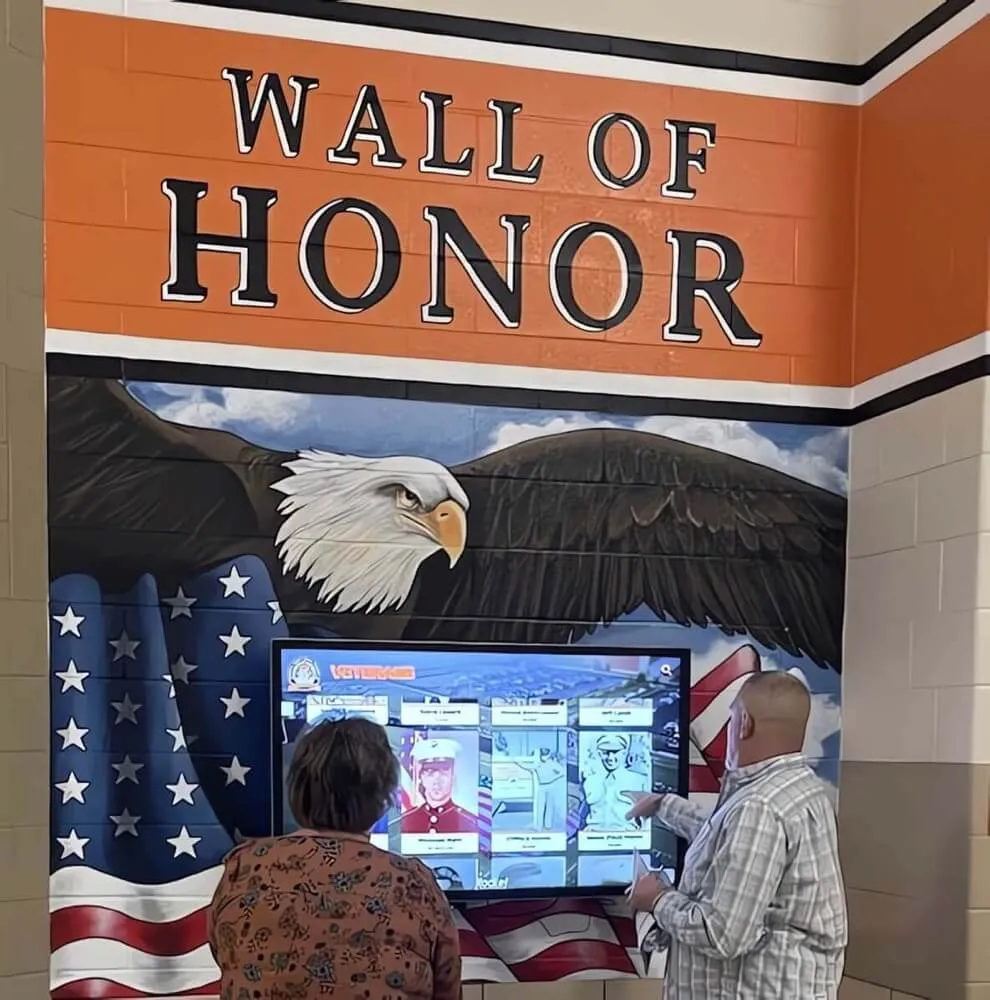
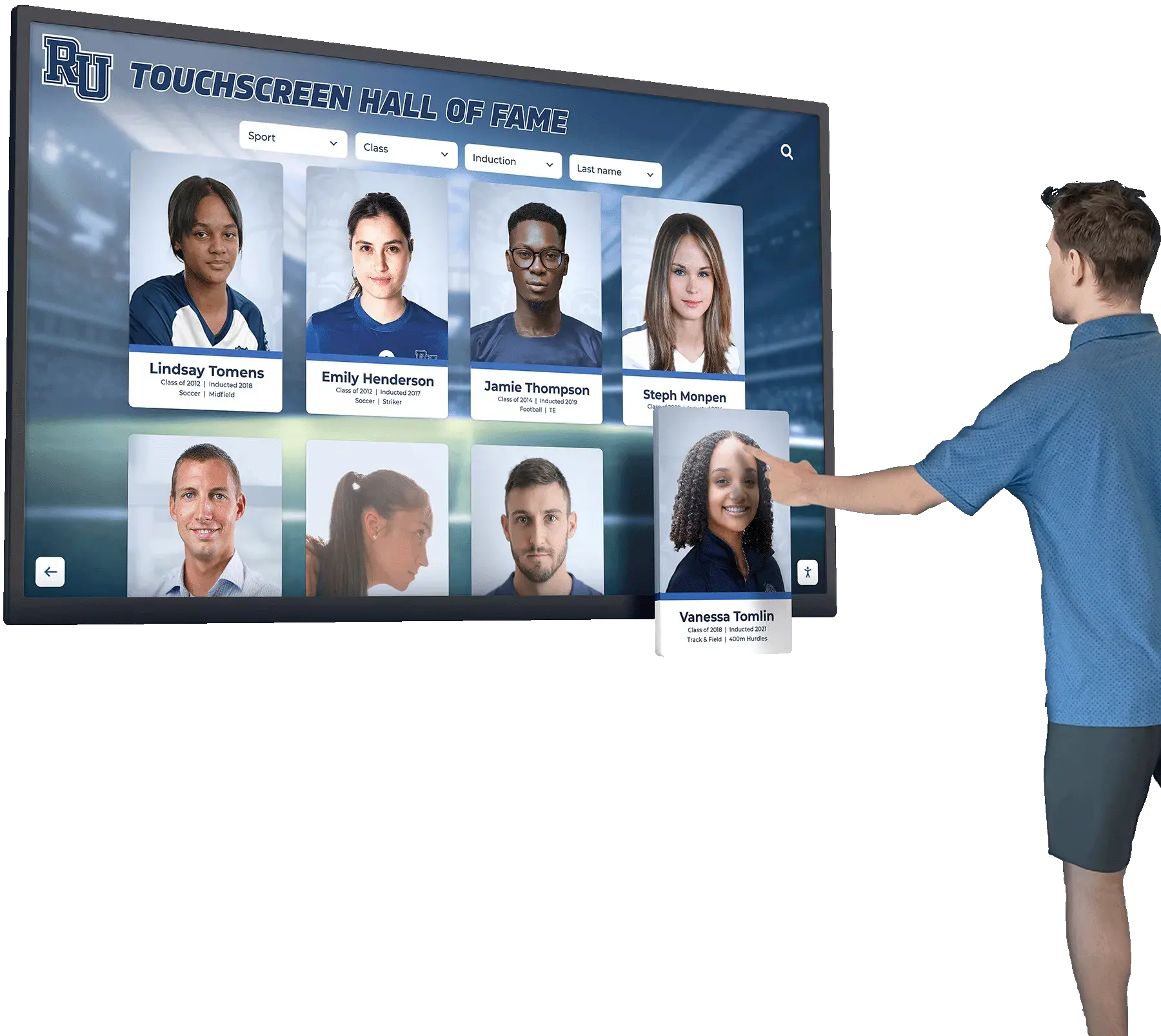
Touchscreen technology enables intuitive donor search and exploration through responsive, familiar interfaces
Key Features of Modern Digital Donor Recognition Walls
Sophisticated digital donor displays incorporate specialized features addressing donor recognition needs while creating engagement experiences that differentiate interactive technology from traditional static alternatives.
Unlimited Donor Capacity and Scalable Recognition
The most transformative advantage of digital donor recognition walls is unlimited donor capacity unconstrained by physical space limitations. While traditional plaque walls accommodate dozens or perhaps hundreds of donors before exhausting available space, digital systems store thousands or tens of thousands of donor records without requiring additional hardware investment or physical expansion. Organizations experiencing donor base growth simply add new profiles through content management systems without installation costs, construction disruptions, or delays waiting for plaque production.
This scalability particularly benefits organizations in active fundraising campaigns or experiencing accelerating donor acquisition. Annual fund programs adding hundreds of new supporters yearly operate sustainably with digital recognition, whereas equivalent traditional wall expansion would require continuous capital investment in new plaques, mounting panels, and installation labor. Over 10-15 year periods, this capacity advantage typically delivers substantial cost savings offsetting higher initial digital display investment. Similar scalability benefits apply to digital hall of fame displays accommodating growing recognition needs without physical limitations.
Rich Donor Profiles with Multimedia Storytelling
Digital platforms enable comprehensive donor profiles incorporating elements impossible with traditional recognition: high-resolution photographs showing donors engaged with organizational programs, personal statements explaining philanthropic motivations, video testimonials expressing why supporters value your mission, and detailed impact information connecting contributions to specific outcomes. These rich profiles transform name lists into compelling human stories that inspire visitor engagement and motivate prospective donors.
Donor Profile Content Options
- Professional or candid photographs contextualizing donor relationships
- Personal giving statements and philanthropic philosophy narratives
- Recognition of memorial and tribute giving with honoree information
- Cumulative giving history and recognition society progression
- Specific program, facility, or initiative designations donor support funds
- Family giving legacies spanning multiple generations
- Video messages from donors expressing mission connection
- Impact metrics demonstrating outcomes donor contributions enable
Organizations implementing storytelling-rich recognition report stronger emotional connections between general visitors and donor communities, increased donor satisfaction with recognition quality, and enhanced fundraising conversations where development staff reference compelling donor profiles during cultivation activities. The storytelling capability particularly resonates with younger donors who value mission impact and authentic connections over prestige symbolism traditional plaques emphasize.
Interactive Search and Discovery Features
Touchscreen donor recognition enables active exploration rather than passive viewing. Visitors search donor directories by name, filter by giving level or recognition society, browse by giving year, or explore alphabetically through intuitive interfaces requiring no instruction or training. This interactivity creates personal discovery moments when visitors find family members, colleagues, or friends among recognized supporters, generating meaningful connections and conversation opportunities.
Interactive Functionality Examples
- Real-time name search with autocomplete suggestions
- Giving level filtering highlighting leadership donors
- Recognition society browsing exploring donor communities
- Timeline views showing donor relationship progression
- Interactive campus or facility maps showing named spaces
- Random donor spotlight rotation featuring diverse profiles
- QR code generation enabling mobile access to detailed information
- Social sharing capabilities allowing donors to share recognition
Search functionality proves particularly valuable for organizations with extensive donor bases where locating specific individuals among hundreds or thousands of supporters would prove difficult with traditional alphabetical lists. Families attending events can find their recognition immediately, enhancing satisfaction while creating photo opportunities and social media sharing moments. Similar interactive capabilities enhance budget-friendly digital recognition for small schools seeking maximum engagement impact.
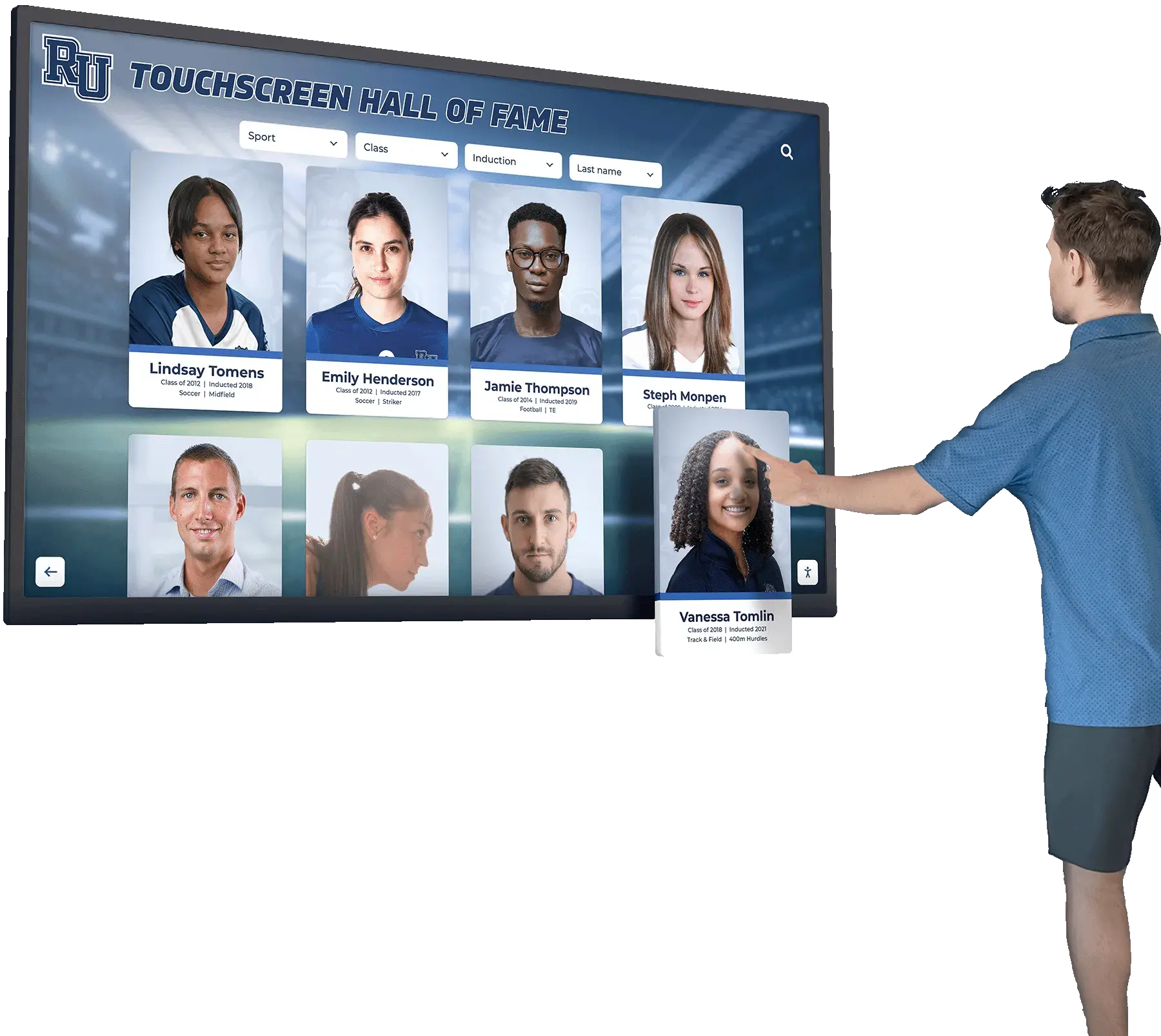
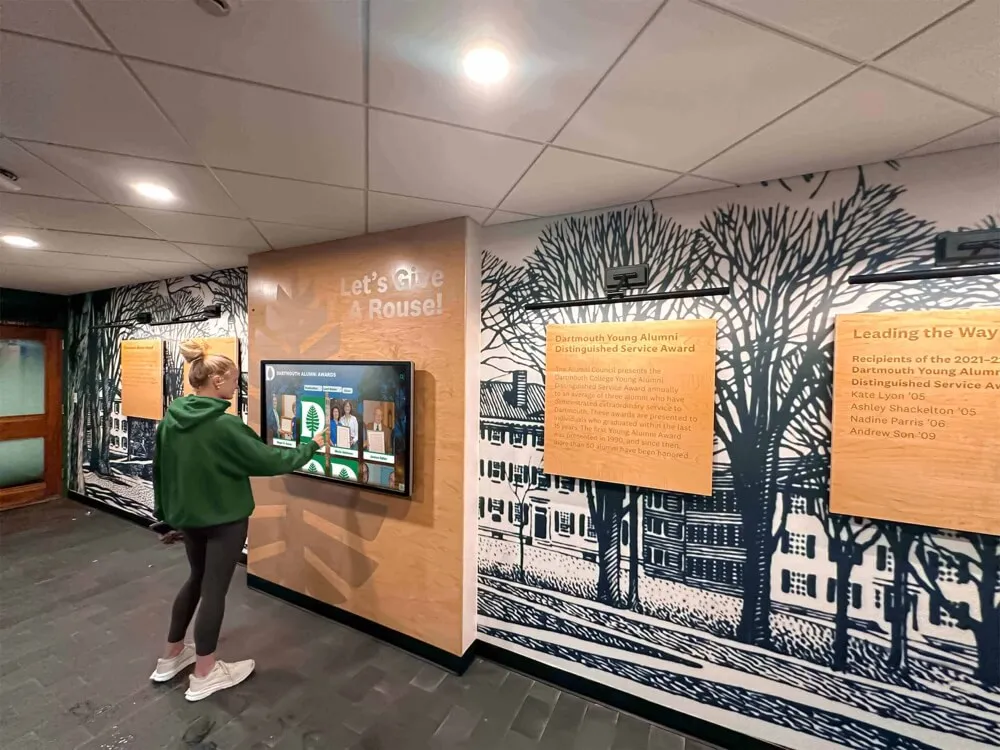
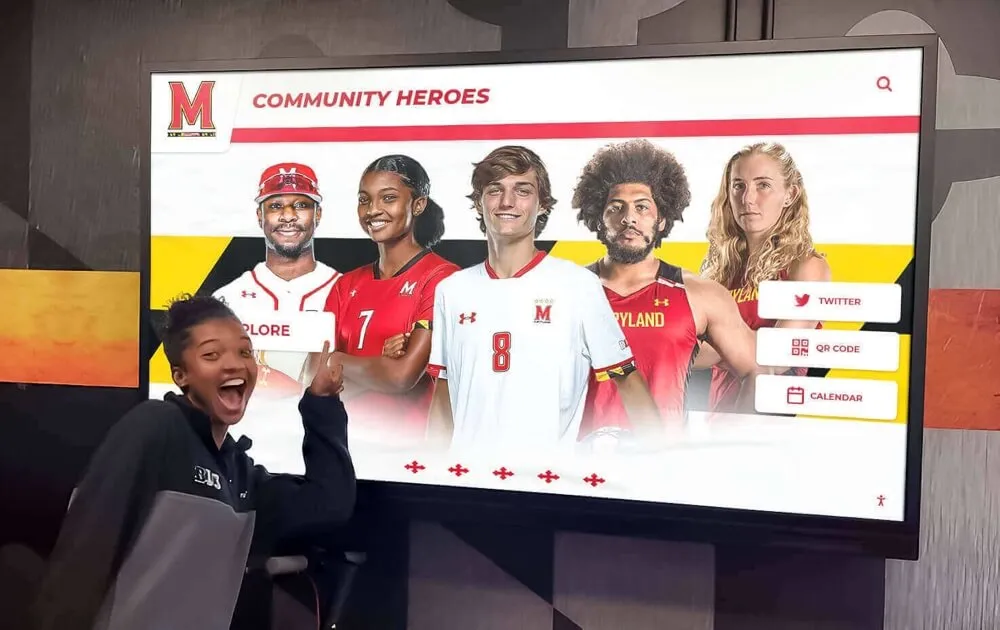
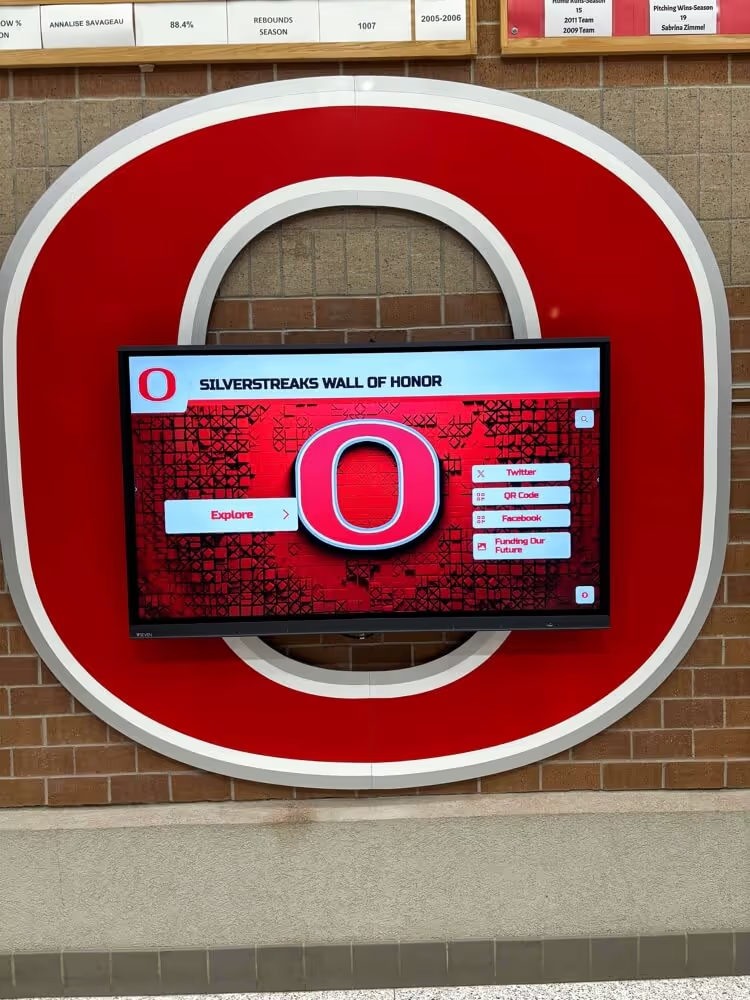
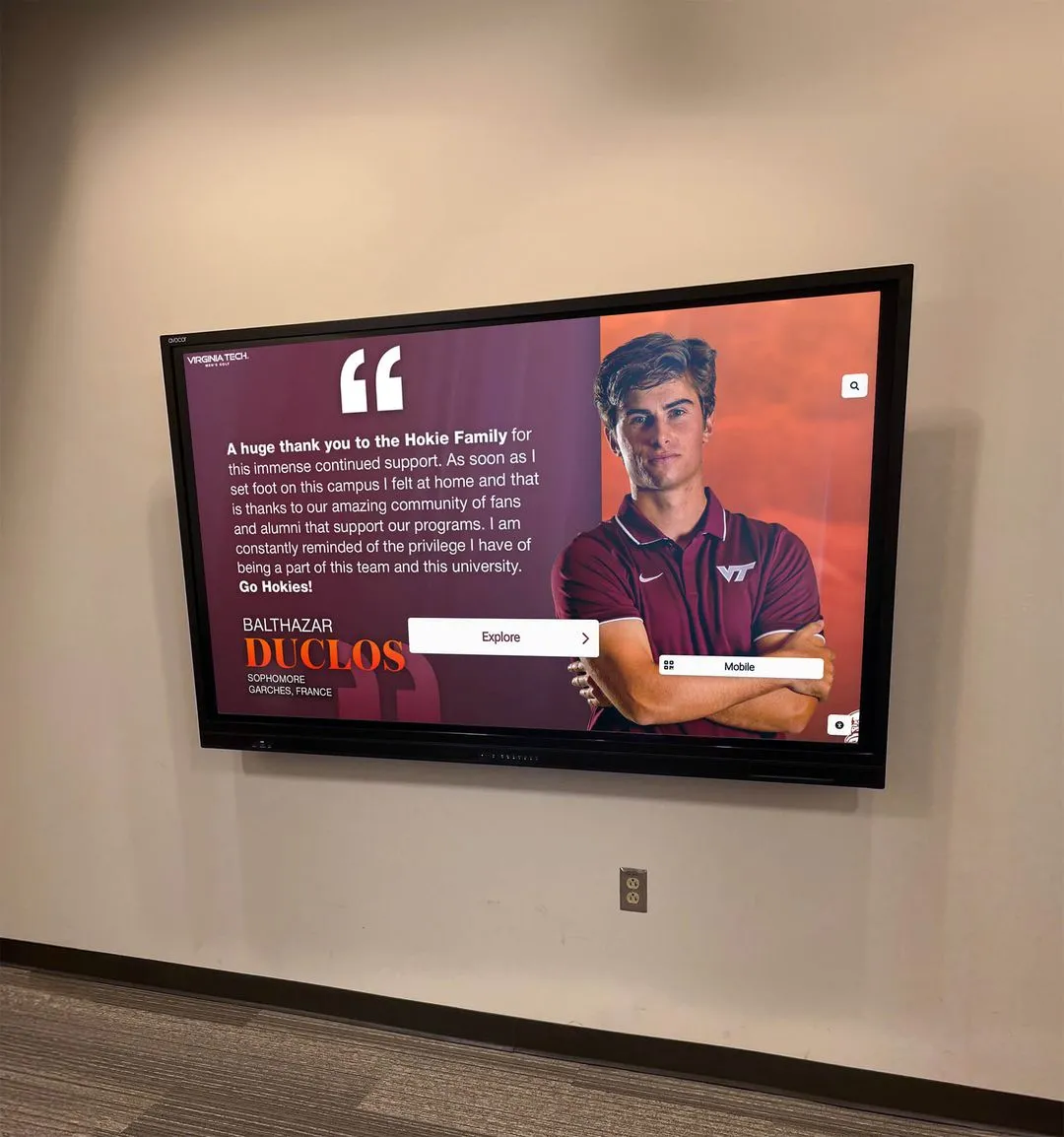
Interactive touchscreen features enable visitors to search, filter, and explore donor recognition content actively
Real-Time Content Updates and Cloud Management
Cloud-based content management eliminates the weeks or months traditional plaque ordering, engraving, and installation require. Authorized administrators update donor recognition within minutes through web-based interfaces, publishing new donor profiles immediately or scheduling release for specific dates coordinating with donor events or campaign milestones. This agility enables recognition that keeps pace with giving activity rather than creating months-long delays between gift processing and public acknowledgment.
Remote content management provides additional operational benefits beyond update speed. Multiple authorized users can contribute content from different locations—development staff add donor profiles from office computers, marketing teams upload impact photos from program sites, and leadership approve content from mobile devices while traveling. Version control tracks all changes with timestamps and user attribution, supporting accountability and enabling restoration if errors occur. Organizations report dramatic reductions in administrative burden compared to traditional recognition requiring vendor coordination, installation scheduling, and facility access management for every update cycle.
Accessibility Compliance and Inclusive Design
Professional digital donor recognition walls meet ADA accessibility requirements through WCAG 2.1 AA compliance standards ensuring recognition remains accessible to visitors with disabilities. Accessibility features include screen reader compatibility for visually impaired visitors, keyboard navigation alternatives to touchscreen interaction, adjustable text sizing accommodating vision variations, high-contrast display modes improving readability, audio descriptions for visual content, and wheelchair-accessible mounting heights typically 15-48 inches from floor to touchscreen center.
Accessibility Implementation Best Practices
- Alternative text descriptions for all images and visual content
- Semantic HTML structure enabling screen reader navigation
- Keyboard shortcuts supporting non-touch interaction
- Color contrast ratios exceeding 4.5:1 for text readability
- Font sizing minimum 16px with user controls for enlargement
- Closed captioning for video content
- Multi-language support for diverse communities
- Simple navigation patterns requiring minimal clicks/taps
Beyond legal compliance, accessibility demonstrates organizational values while expanding recognition reach across diverse visitor populations. Elderly donors appreciate larger text and simplified navigation, while international visitors benefit from multilingual content options. Organizations implementing comprehensive accessibility report positive feedback from disability advocacy communities while reducing legal risk from potential ADA complaints. These accessibility considerations align with best practices for touchscreen displays in athletic facilities and other public spaces.
Implementation Planning for Digital Donor Recognition Walls
Successful digital donor display installations require systematic planning addressing technical specifications, content preparation, installation logistics, and ongoing management responsibilities.
Display Size Selection and Location Analysis
Appropriate screen sizing depends on viewing distances, space characteristics, and audience traffic patterns. Intimate donor lounges with close viewing (3-6 feet) accommodate 32-43 inch displays, while main lobbies with viewing distances of 10-15 feet require 55-65 inch screens ensuring text readability. Large gathering spaces, event venues, or locations with viewing distances exceeding 15 feet benefit from 75-86 inch displays providing visibility across expansive areas.
Screen Size Recommendations by Space
- 32-43 inches: Small meeting rooms, donor lounges, executive offices (3-6 ft viewing)
- 43-55 inches: Standard hallways, secondary lobbies, department spaces (6-10 ft viewing)
- 55-65 inches: Main lobbies, reception areas, multipurpose rooms (10-15 ft viewing)
- 65-75 inches: Large event spaces, auditorium lobbies, athletic facilities (15-20 ft viewing)
- 75-86 inches: Grand entrances, convention spaces, stadium concourses (20+ ft viewing)
Location analysis should consider electrical access for power connectivity, network availability for internet connection, structural mounting support for display weight (55-inch displays typically weigh 40-60 pounds, 75-inch screens 80-120 pounds), ambient lighting conditions affecting visibility, and traffic flow patterns ensuring displays occupy high-visibility positions without obstructing circulation. Organizations should conduct site visits evaluating potential locations at different times of day, during various events, and under different lighting conditions before finalizing installation plans.
Content Development and Donor Profile Creation
Comprehensive content preparation before display installation ensures smooth deployment and positive donor experiences from day one. Organizations should inventory existing donor data including names, giving levels, recognition society memberships, cumulative giving totals, and available biographical information. Development teams identify content gaps—donors lacking photographs, supporters without personal statements, or recognition tiers missing impact descriptions—and systematically address deficiencies through donor outreach, photography sessions, and content creation projects.
Content Development Checklist
- Complete donor database audit verifying accuracy
- Donor photograph collection through events, requests, or submissions
- Personal statement solicitation explaining philanthropic motivations
- Impact story documentation connecting giving to program outcomes
- Giving level descriptions establishing tier criteria and benefits
- Recognition society information defining membership requirements
- Memorial and tribute designation data for honorary gifts
- Approval workflows confirming donor content preferences
Many organizations underestimate content development timelines, discovering donor photograph collection and personal statement gathering require months of coordination. Starting content preparation early—ideally concurrent with technology vendor selection—prevents installation delays and ensures robust recognition content at launch. Similar content preparation proves essential for digital art wall displays and other interactive installations.
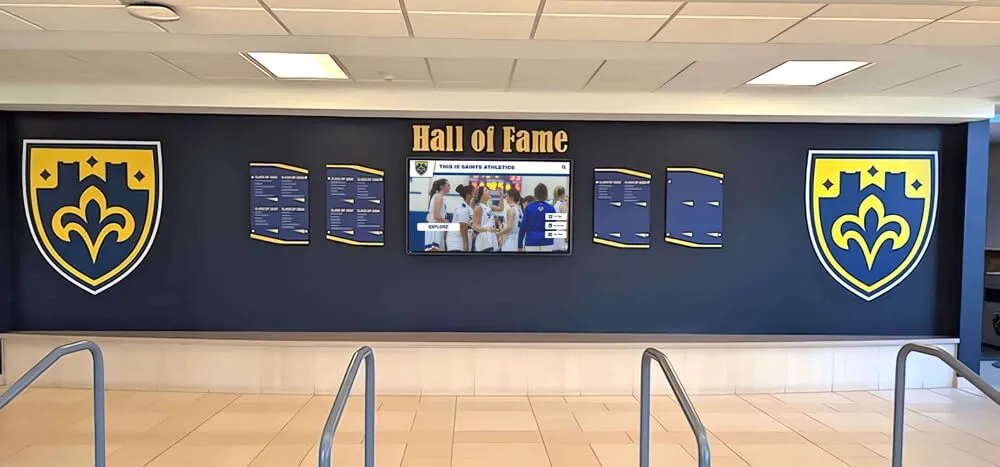
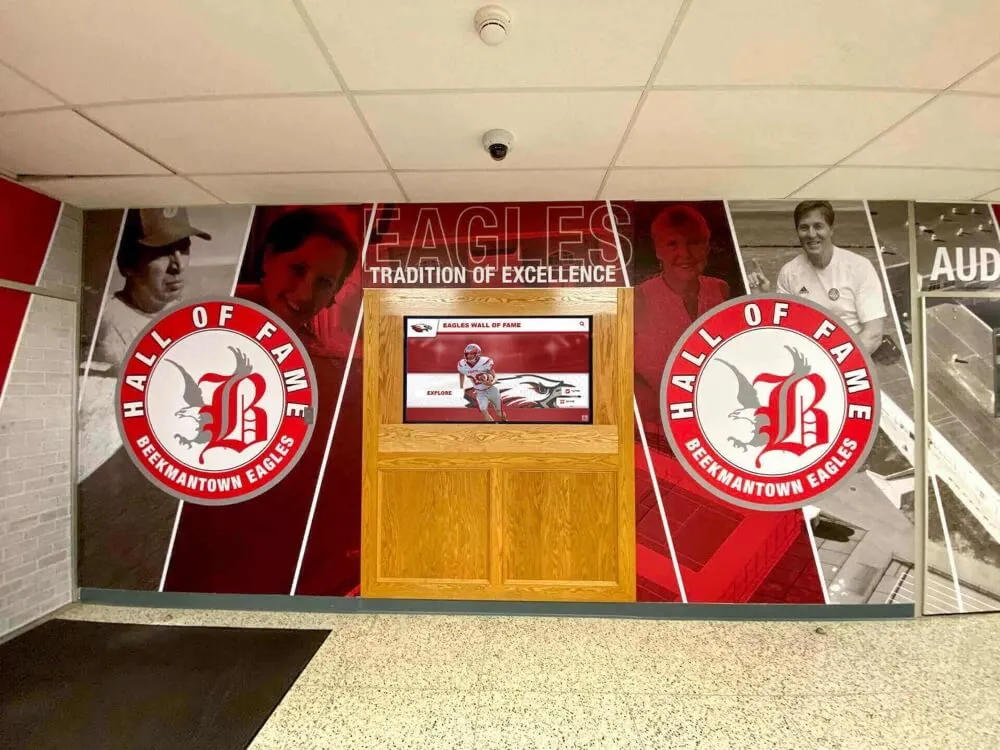
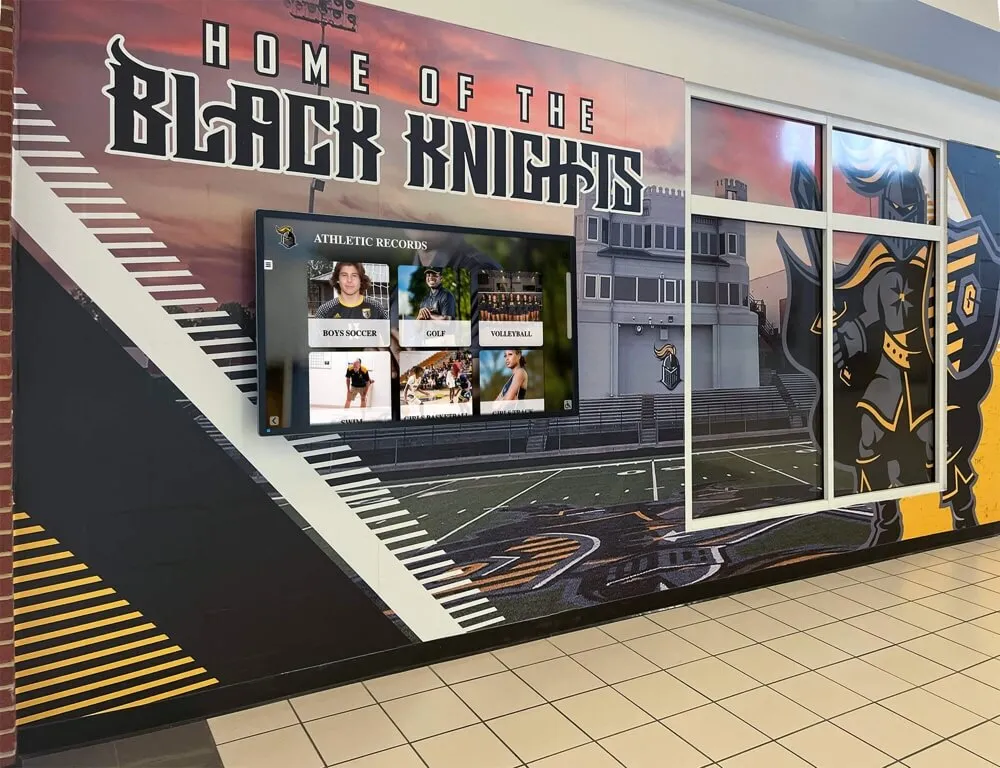
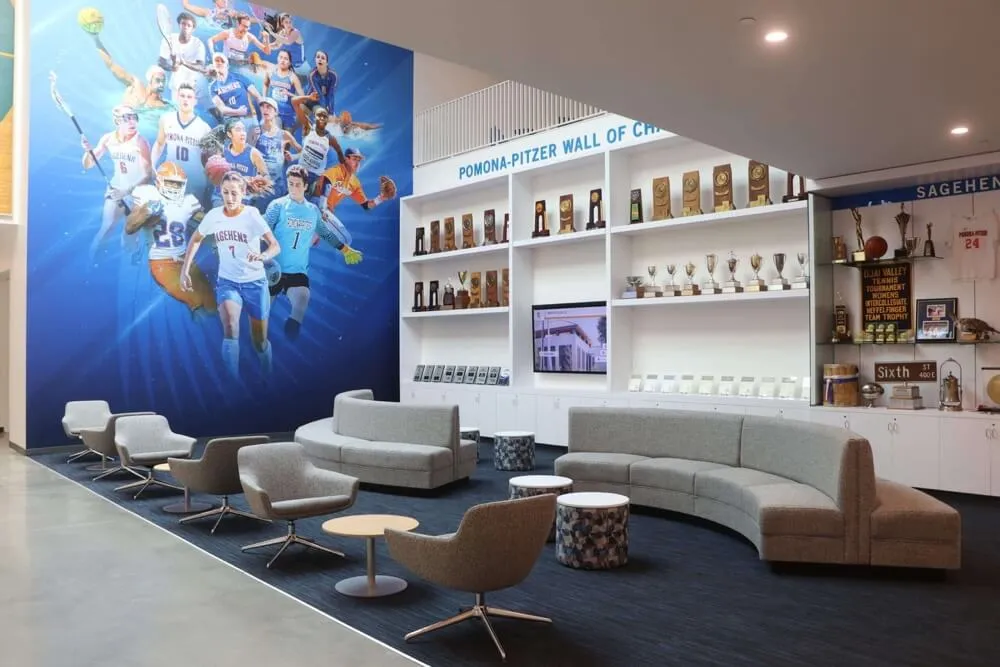
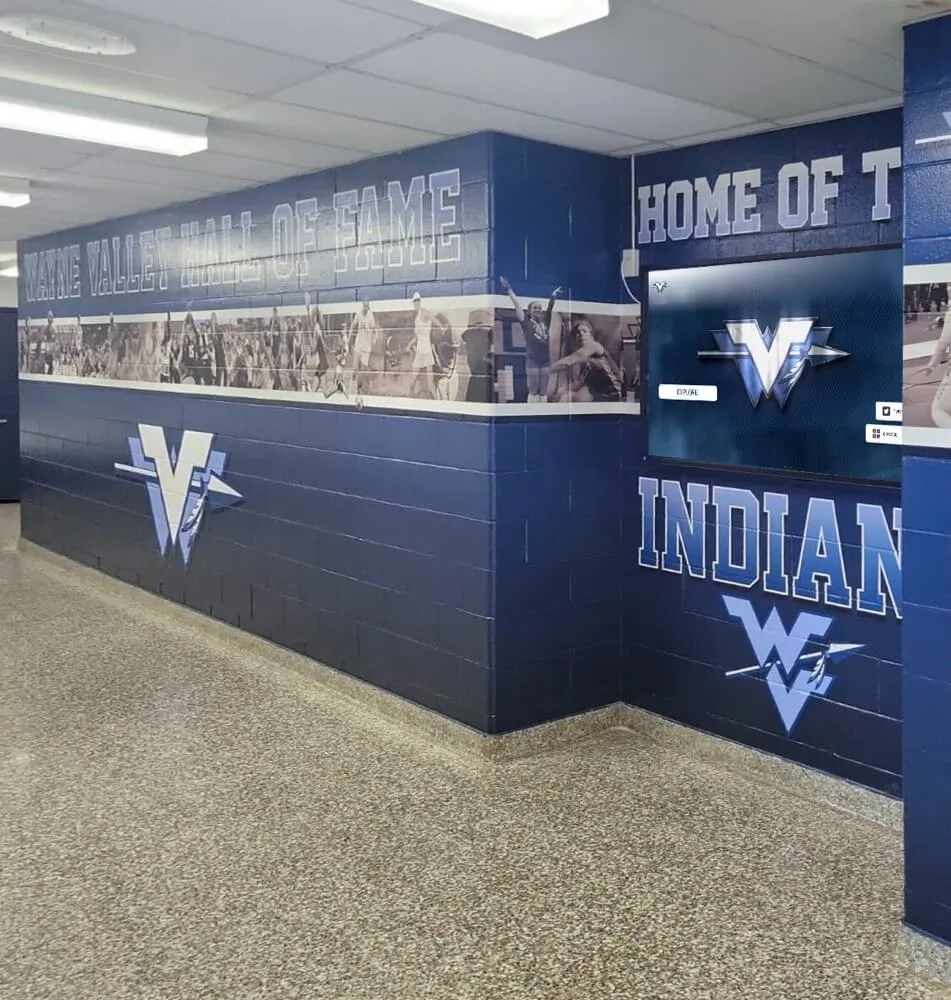
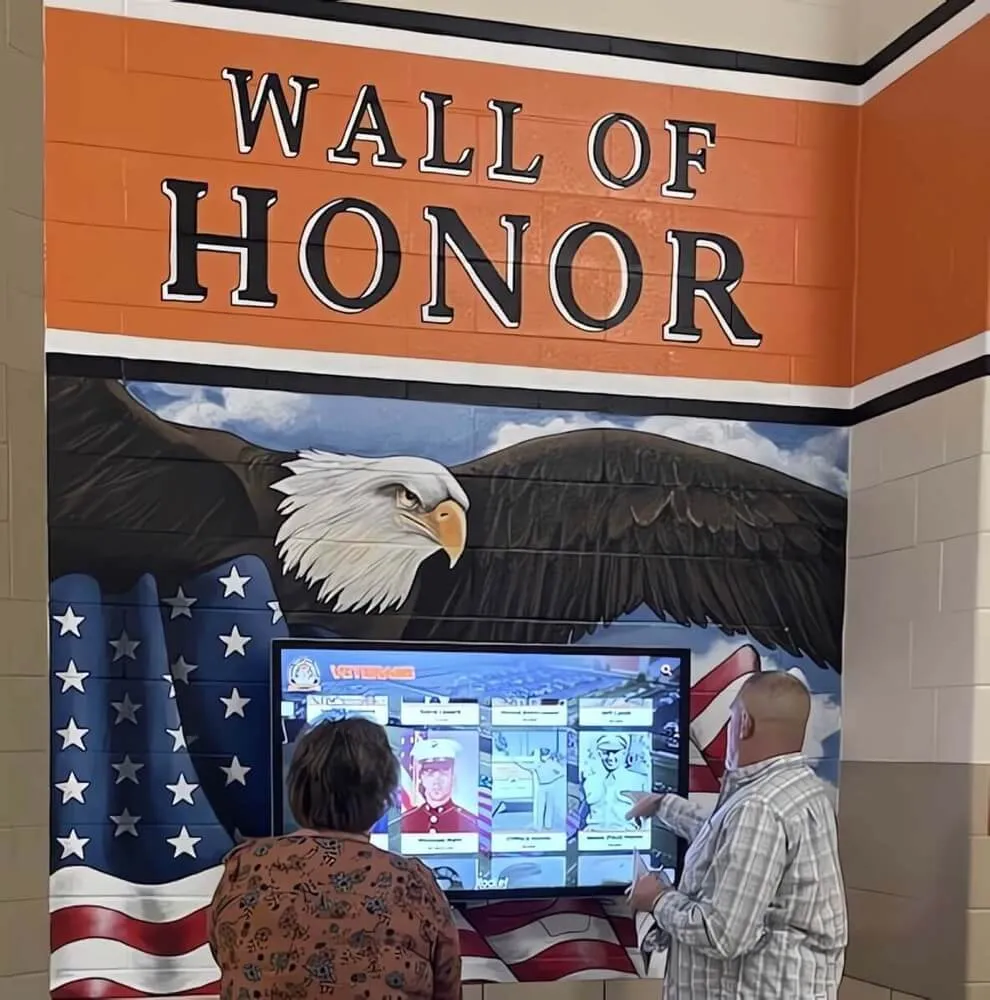
Professional installation integrates digital displays with architectural elements creating cohesive recognition environments
Installation Timeline and Technical Requirements
Typical digital donor recognition wall installations require 2-4 weeks from order placement to operational deployment, though complex multi-display projects or locations requiring electrical or network infrastructure upgrades may extend to 6-8 weeks. Implementation phases include hardware procurement and delivery, mounting bracket installation, electrical and network connection, display mounting and configuration, software setup and content upload, and staff training on content management procedures.
Standard Implementation Timeline
- Week 1: Hardware ordering, content management account setup, initial content upload
- Week 2: Mounting bracket installation, electrical/network preparation, hardware delivery
- Week 3: Display mounting, network configuration, software installation, content testing
- Week 4: Final content refinement, staff training, quality assurance, public launch
Organizations should coordinate installations around facility schedules, avoiding disruption during major donor events, high-traffic periods, or concurrent construction activities. Installation typically requires 4-8 hours of on-site work for single display deployments, with most activity completed during regular business hours. Advance notification to facility occupants, coordination with building maintenance teams, and temporary traffic flow adjustments ensure smooth installation processes minimizing organizational disruption.
Integration with Fundraising Databases and CRM Systems
Automated integration between donor displays and fundraising databases eliminates manual data entry while ensuring recognition accuracy and timeliness. Professional donor wall software platforms offer pre-built integrations with major fundraising systems or provide secure API access enabling custom integration development. Integration enables automatic donor profile creation as gifts process, giving level updates reflecting cumulative giving progression, and recognition society assignment based on defined criteria.
Integration Capabilities to Evaluate
- Bi-directional data synchronization keeping systems aligned
- Automated donor profile creation from gift processing
- Cumulative giving calculation triggering level changes
- Recognition society membership automation based on criteria
- Scheduled synchronization ensuring regular updates
- Error handling preventing integration failures
- Security protocols protecting donor information
- Support for custom field mapping accommodating unique data structures
Organizations lacking technical resources for custom integration development should prioritize vendors offering pre-built connections with their specific fundraising platforms. When custom integration becomes necessary, typical development projects require 20-40 hours of programming effort costing $3,000-$8,000 depending on complexity, data volume, and systems involved. This integration investment typically proves worthwhile for organizations processing hundreds of gifts annually where manual data entry would create substantial ongoing labor costs.
Design Strategies for Effective Digital Donor Recognition
Thoughtful design maximizes donor recognition impact while ensuring displays align with organizational branding and create compelling visual experiences.
Visual Hierarchy and Giving Level Differentiation
Clear visual organization helps visitors immediately understand recognition structure while communicating giving level significance. Digital displays accommodate sophisticated visual hierarchy through varied profile sizing, distinctive color treatments, enhanced graphics for leadership levels, and strategic positioning within navigation structures. Top-tier donors might feature prominently on home screens with large profile tiles including photos, while supporting-level contributors appear in searchable directories with consistent but smaller profile presentations.
Visual Hierarchy Techniques
- Profile size variation communicating giving level importance
- Color coding distinguishing recognition tier categories
- Photography inclusion for major donors versus text-only basic recognition
- Feature placement highlighting leadership donors on home screens
- Typography differentiation using bolder, larger fonts for top tiers
- Icon systems visually categorizing recognition societies
- Layout density controlling how many profiles appear per screen
- Animation and transitions drawing attention to highlighted donors
Effective hierarchy balances appropriate prominence for major donors with inclusive recognition ensuring all supporters receive dignified acknowledgment regardless of gift size. Organizations should establish clear design standards documented in style guides ensuring consistency as content expands and multiple administrators contribute over time.
Brand Integration and Environmental Design
Digital donor recognition walls should complement architectural contexts and reinforce organizational identity through consistent branding. Content design incorporates institutional color palettes, typography matching existing brand standards, logo placement following brand guidelines, and imagery reflecting organizational character and mission focus. Background graphics, frame designs, and navigation elements coordinate with facility aesthetics whether contemporary minimalism, traditional formality, or distinctive architectural styles.
Brand Consistency Elements
- Color schemes matching organizational brand standards
- Typography selections coordinating with institutional fonts
- Logo integration following brand usage guidelines
- Photography style reflecting organizational visual identity
- Graphic elements echoing print materials and website design
- Navigation patterns matching other digital properties
- Voice and tone aligning with organizational communications
- Recognition of architectural context in design choices
Organizations benefit from engaging professional designers familiar with both donor recognition best practices and institutional branding requirements during initial content development. Investment in comprehensive design templates creates scalable frameworks supporting consistent recognition as content grows over years of donor additions. Similar branding integration enhances CTE program digital displays and other institutional touchscreen installations.
Mobile Integration and QR Code Access
Progressive digital donor recognition extends beyond physical touchscreen kiosks through mobile-accessible websites and QR code integration. Organizations provide QR codes at physical display locations that visitors scan with smartphones, accessing donor recognition content through mobile-optimized websites. This approach enables visitors to explore donor information on personal devices, share profiles through text messages or social media, and continue engagement after leaving physical facilities.
Mobile Integration Benefits
- Extended engagement beyond brief kiosk interactions
- Social sharing amplifying organizational visibility
- Personal device access reducing touchscreen surface contact
- Accessible content review for visitors with mobility limitations
- QR-triggered additional content beyond kiosk presentation
- Analytics tracking mobile engagement and sharing activity
- Year-round donor access independent of facility visits
Mobile integration particularly appeals to younger donors comfortable with smartphone-driven experiences who value ability to share recognition with networks digitally. Organizations implementing mobile-responsive donor directories report increased social media mentions, expanded awareness among donor networks, and enhanced digital fundraising campaign performance when mobile donor recognition integrates with online giving platforms.
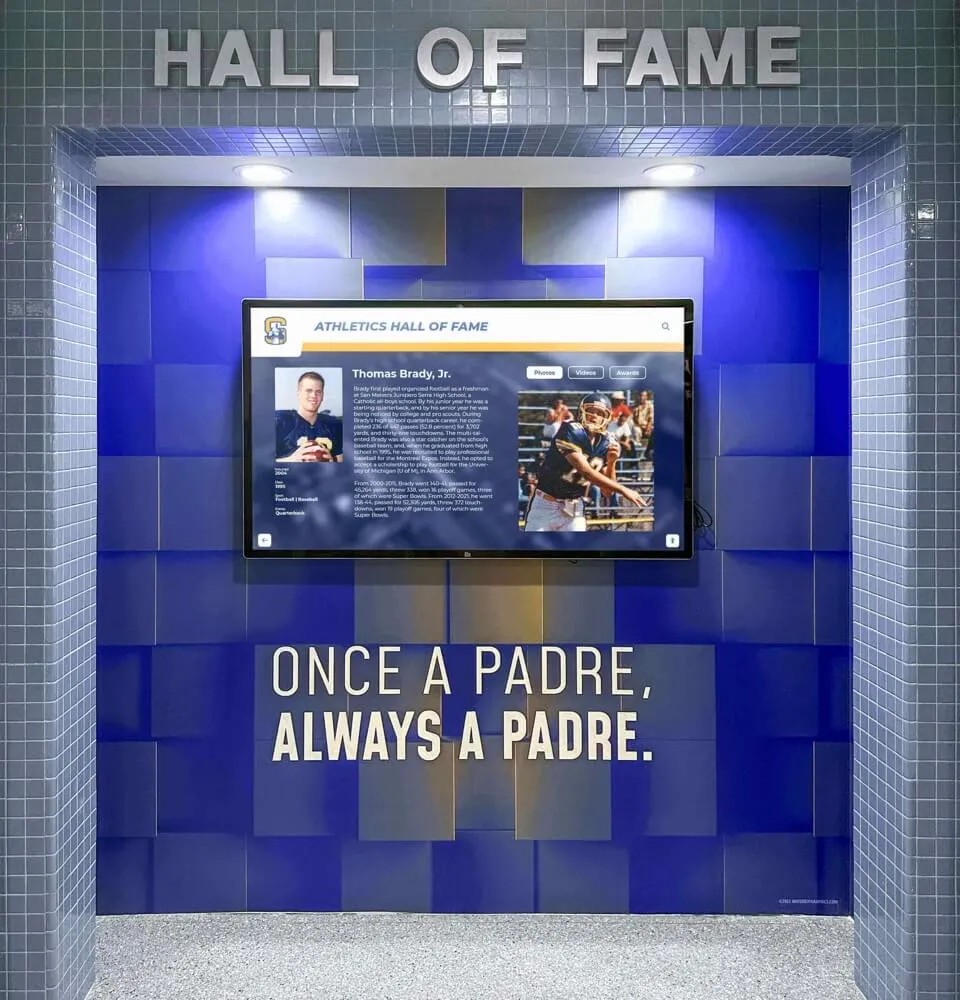
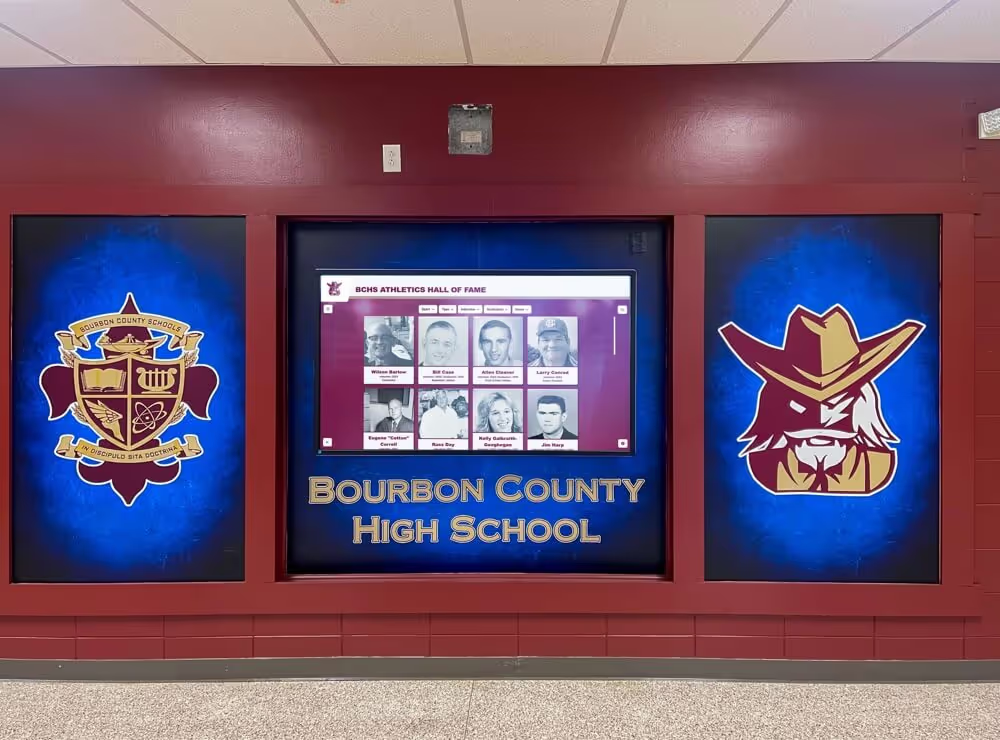
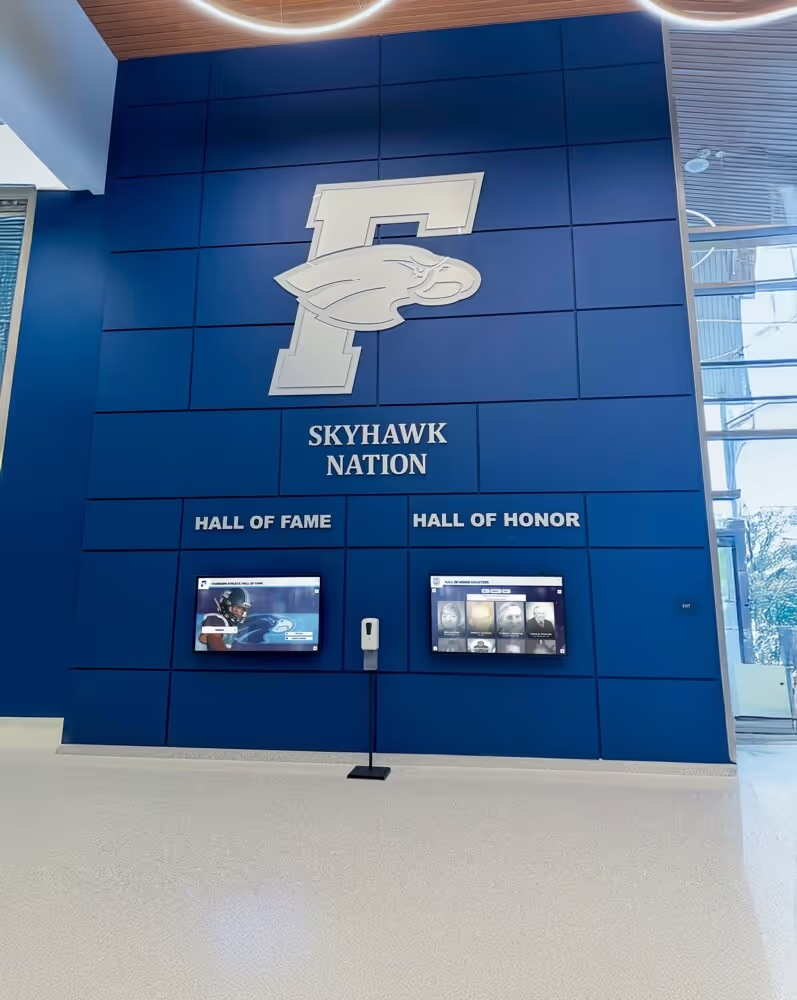
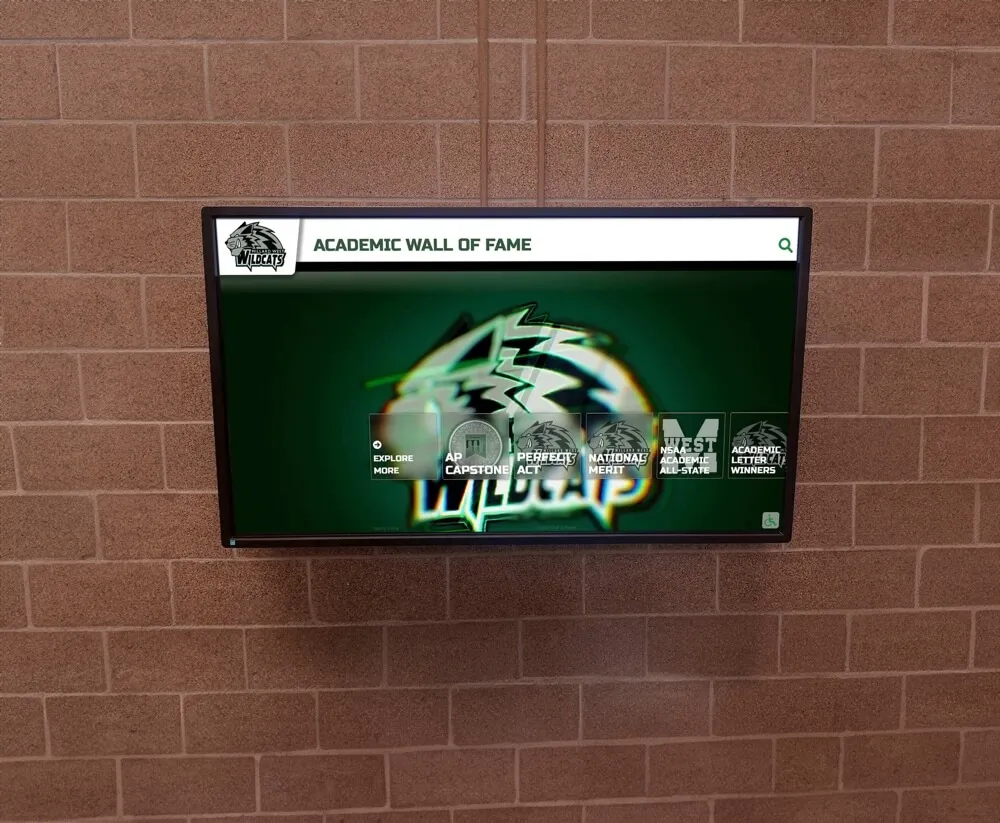
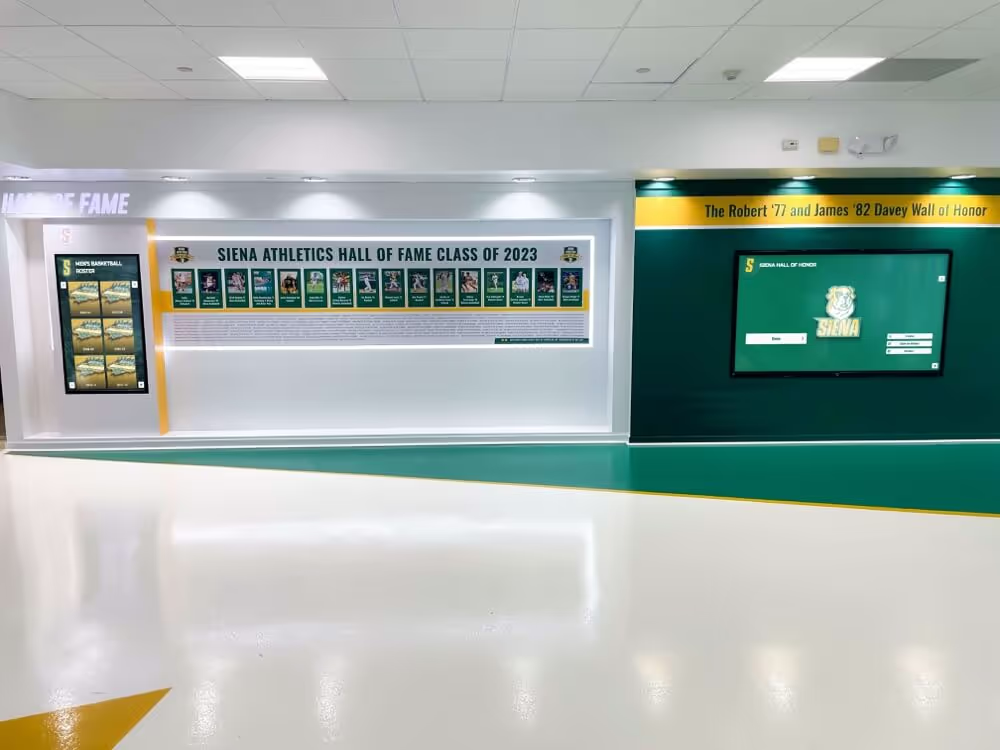
Digital displays integrate seamlessly with architectural elements creating unified recognition environments
Cost Considerations and Return on Investment
Understanding total cost of ownership helps organizations make informed technology investments and evaluate digital recognition value against traditional alternatives.
Initial Investment and Hardware Costs
Digital donor recognition wall costs comprise hardware, software licensing, content development, and installation components. Commercial touchscreen displays range from $2,000-$4,000 for 43-55 inch screens, $4,000-$8,000 for 55-65 inch displays, and $8,000-$15,000 for 75-86 inch large-format installations. These costs include touchscreen overlays, commercial-grade panels rated for extended operation, and mounting hardware. Organizations requiring outdoor installations or specialized environments should budget additional 30-50% for weatherproof enclosures and environmental protection systems.
Typical Initial Investment Ranges
- 43-55 inch installation: $5,000-$10,000 (hardware, software, basic content)
- 55-65 inch installation: $8,000-$15,000 (hardware, software, content development)
- 65-75 inch installation: $12,000-$22,000 (hardware, software, comprehensive content)
- 75-86 inch installation: $18,000-$35,000 (hardware, software, extensive content)
- Multi-display installations: 15-20% discount per additional display
Software licensing typically follows subscription models ranging from $1,500-$5,000 annually depending on feature sets, donor capacity (though many providers offer unlimited), support levels, and integration requirements. Content development costs vary dramatically based on donor quantities, available source materials, and desired profile richness—organizations might invest $2,000-$5,000 for basic profile creation covering 100-200 donors, while comprehensive storytelling projects incorporating photography sessions, video production, and extensive writing could require $10,000-$25,000 for equivalent donor numbers.
Ongoing Costs and Operational Expenses
Digital donor recognition systems incur modest ongoing expenses beyond initial deployment. Annual software licensing represents the primary recurring cost, typically escalating 3-5% annually with standard technology inflation. Organizations should budget minor electrical costs for display operation—55-inch commercial displays typically consume 150-200 watts, translating to approximately $30-$60 annually at average commercial electricity rates when operating 12-16 hours daily.
Periodic content updates require staff time rather than vendor expenses when organizations manage content internally through cloud-based platforms. Development team members might spend 2-4 hours quarterly adding new donor profiles, updating giving levels, or refreshing impact content—time already allocated to donor stewardship activities rather than representing new labor requirements. Organizations outsourcing content management to vendors typically pay $500-$2,000 annually for quarterly update services depending on change volume and content complexity.
Hardware replacement cycles typically extend 7-10 years for commercial displays under normal operating conditions, though technology advancement may motivate earlier upgrades to leverage improved capabilities. Organizations should establish technology refresh reserves accruing funds for eventual hardware replacement, though software platforms typically support newer displays as upgrades occur ensuring content investment persists across hardware generations.
Comparative Cost Analysis: Digital vs. Traditional Recognition
Total cost of ownership comparisons reveal digital donor recognition advantages over traditional plaque systems for organizations experiencing donor growth. Consider a nonprofit recognizing 200 current donors with projected growth of 30 donors annually over 10 years:
Traditional Bronze Plaque System (10-Year Total)
- Initial wall design and installation: $15,000-$25,000
- Initial 200 donor plaques at $350 each: $70,000
- 300 additional donors over 10 years at $350 each: $105,000
- Installation labor for additions (10 sessions): $6,000-$12,000
- 10-Year Total: $196,000-$212,000
Digital Donor Recognition System (10-Year Total)
- Initial 55-inch installation with content: $10,000-$14,000
- Annual software licensing for 10 years: $18,000-$30,000
- Content updates (managed internally): minimal incremental cost
- 10-Year Total: $28,000-$44,000
This comparison demonstrates 75-85% cost savings with digital recognition over 10-year periods when accounting for unlimited donor capacity eliminating per-donor plaque costs. Savings grow more dramatic for organizations with faster donor acquisition or higher traditional plaque costs. These financial advantages mirror cost benefits of digital recognition for schools managing expanding recognition needs.
Best Practices for Content Management and Donor Engagement
Systematic content management and strategic engagement approaches maximize digital donor recognition value over time.
Establishing Content Governance and Update Protocols
Clear content management workflows ensure recognition remains accurate, current, and professionally presented. Organizations should designate primary content administrators responsible for coordinating updates, establish approval processes verifying donor information before publication, and document content standards maintaining consistency across all profiles. Written procedures guide administrators through common tasks—adding new donors, updating giving levels, correcting errors—while defining escalation paths for unusual situations requiring leadership guidance.
Content Management Best Practices
- Quarterly update cycles synchronizing with fiscal periods
- Immediate major donor recognition for leadership gifts
- Approval checklists confirming donor name accuracy
- Backup procedures protecting content from accidental deletion
- Change logs documenting updates for accountability
- Communication protocols informing donors when recognition goes live
- Quality assurance reviews ensuring professional presentation
- Archive procedures preserving historical recognition content
Organizations benefit from cross-training multiple staff members on content management procedures, preventing single points of failure where only one person understands system operation. Investment in initial comprehensive training and documented procedures pays ongoing dividends through confident, efficient content administration requiring minimal vendor support for routine operations.
Donor Communication and Recognition Announcements
Strategic communication maximizes donor recognition value by ensuring supporters know when and where acknowledgment appears. Organizations notify donors when profiles publish through personalized emails including photos of their recognition, direct links to mobile-accessible profiles they can share, and information about physical display locations. These communications reinforce appreciation while encouraging donors to visit facilities, share recognition with networks, and remain engaged with organizational activities.
Donor Recognition Communication Strategies
- Personalized emails when profiles go live
- Annual recognition reports showing cumulative giving and current level
- Event invitations highlighting donor wall unveilings or updates
- Social media features spotlighting individual donors monthly
- Donor newsletter articles celebrating recognition milestones
- QR code cards mailed to donors for remote profile access
- Photography opportunities at physical displays during donor visits
- Recognition certificates acknowledging giving level achievements
These communications transform one-time recognition into ongoing relationship touchpoints, extending stewardship value beyond physical display presence. Organizations report enhanced donor satisfaction and increased repeat giving when recognition communication integrates with comprehensive stewardship programs.
Analytics and Engagement Measurement
Professional donor wall platforms provide analytics tracking how visitors interact with recognition content. Usage data reveals popular search terms, most-viewed donor profiles, typical session durations, and peak interaction times. These insights inform content strategy—identifying donors receiving high engagement might inspire storytelling approaches applicable to other profiles, while low-engagement giving levels might warrant enhanced content or improved visual prominence.
Valuable Analytics Metrics
- Total interactions and unique users
- Search query patterns revealing donor discovery methods
- Profile view rankings identifying most-engaged content
- Session duration indicating engagement depth
- Time-of-day usage patterns informing content scheduling
- QR code scans measuring mobile integration success
- Social sharing frequency quantifying amplification
- Geographic access data from mobile users
Organizations should review analytics quarterly, identifying trends and opportunities for content optimization. Declining engagement might signal need for content refreshes, while growing interactions validate recognition approach effectiveness. Similar analytics approaches enhance interactive touchscreen installations across various institutional applications.
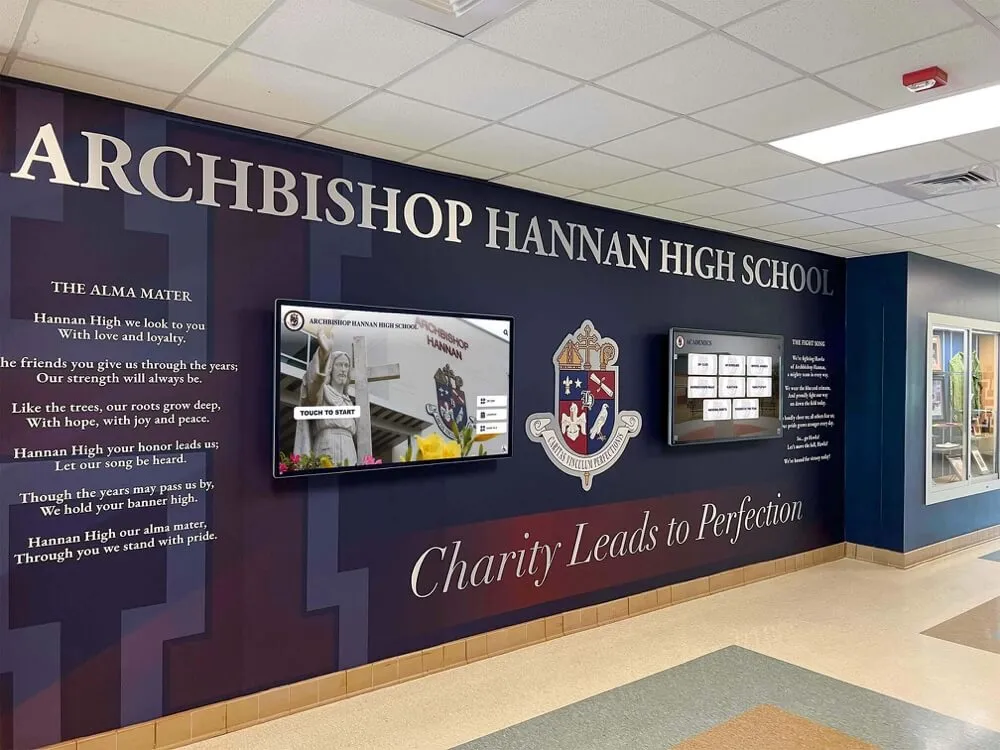
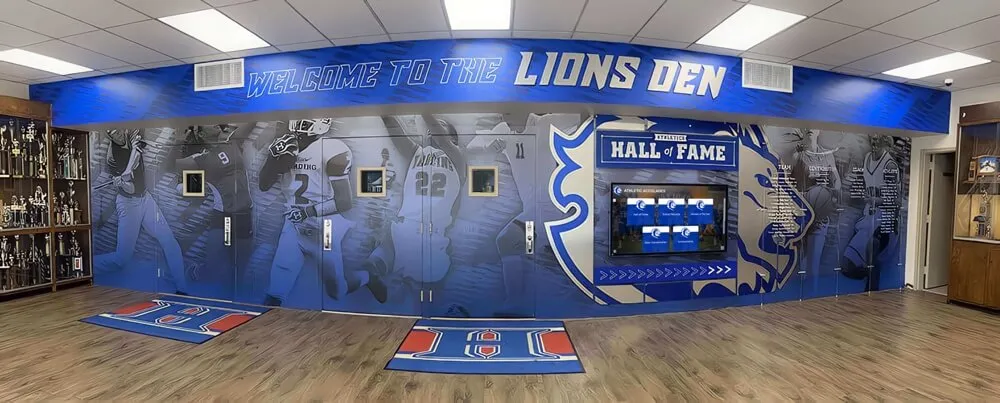
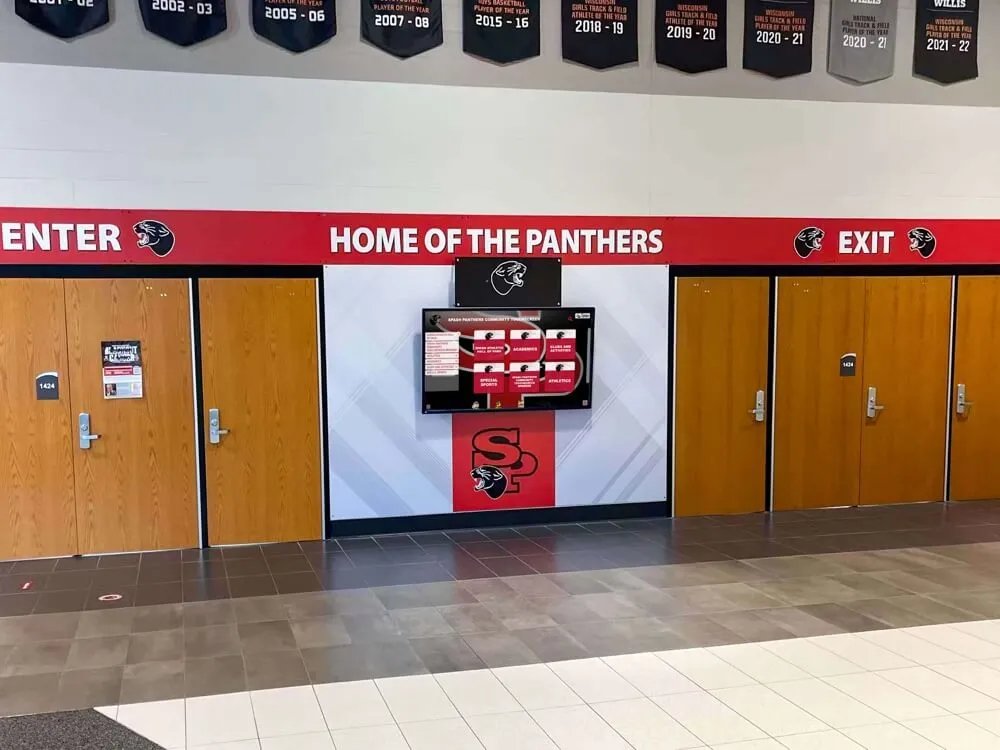
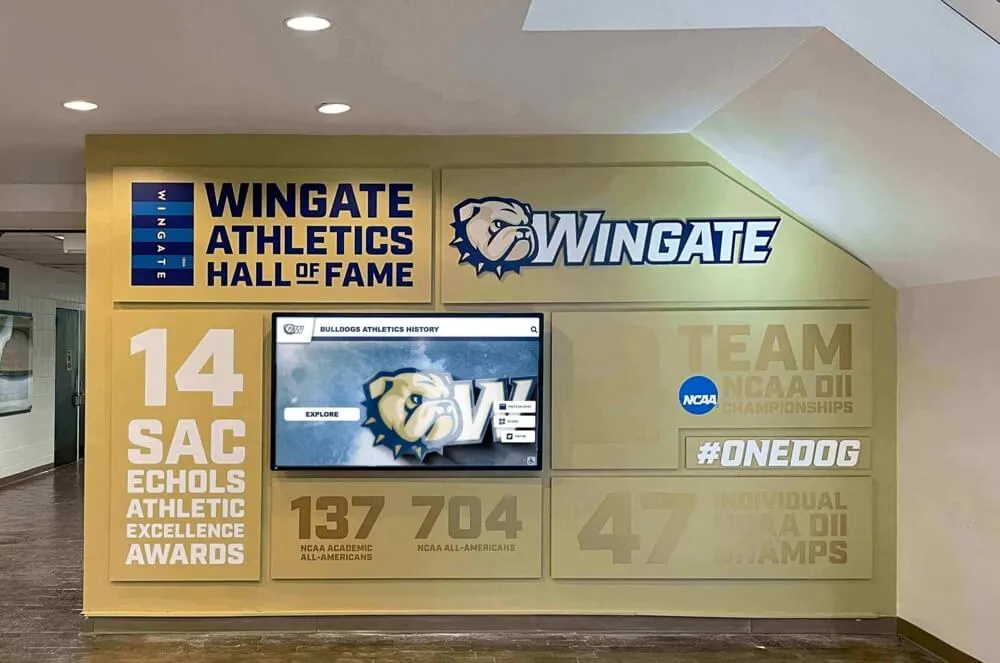
Multi-display installations create comprehensive recognition environments celebrating organizational history and donor support
Frequently Asked Questions About Digital Donor Recognition Walls
What is a digital donor recognition wall?
A digital donor recognition wall is an interactive touchscreen display system that honors supporters through cloud-managed software showcasing donor profiles with photos, stories, and contribution details. Unlike traditional bronze plaques limited by physical space, digital systems accommodate unlimited donors through searchable databases accessible on touchscreen kiosks and mobile devices via QR codes. The technology combines commercial-grade display hardware (typically 32-86 inch touchscreens), donor wall content management software operated through web browsers, and network connectivity enabling remote updates without on-site access. Digital donor walls provide scalable recognition solutions growing with donor communities while offering multimedia storytelling capabilities, interactive search features, accessibility compliance through WCAG 2.1 AA standards, and integration with fundraising databases for automated content updates. Organizations from nonprofits to universities implement digital donor recognition creating engaging stewardship experiences that traditional static displays cannot match.
How much does a digital donor recognition wall cost?
Digital donor recognition walls typically cost $8,000-$35,000 for initial installation including touchscreen display hardware ($2,000-$15,000 depending on screen size), donor wall software licensing ($1,500-$5,000 annually), content development ($2,000-$10,000 for initial donor profiles), and professional installation ($1,500-$5,000 for mounting, electrical, and network connection). Ongoing costs include annual software licensing of $1,500-$5,000, minor electrical expenses around $30-$60 yearly, and periodic content updates managed internally or through vendor services ($500-$2,000 annually). Total cost of ownership over 10 years ranges from $25,000-$75,000 for single-display installations. While initial investment exceeds traditional plaque systems, digital recognition proves more cost-effective long-term by eliminating per-donor plaque costs of $300-$500 and accommodating unlimited donor growth without additional hardware. Organizations experiencing donor base expansion of 20-30+ donors annually typically achieve full cost recovery within 3-5 years compared to equivalent traditional wall expansion expenses.
Can digital donor walls integrate with our existing fundraising database?
Professional digital donor recognition platforms integrate with major fundraising databases including Raiser’s Edge, Blackbaud CRM, DonorPerfect, Salesforce Nonprofit Cloud, and other systems through pre-built connections or custom API integrations. Database integration enables automated donor profile creation as gifts process, real-time giving level updates reflecting cumulative contribution progression, recognition society membership assignment based on defined criteria, and synchronized donor information eliminating manual data entry. Organizations should evaluate integration capabilities during vendor selection, understanding whether platforms offer pre-built connections with specific fundraising systems or require custom integration development. Pre-built integrations typically activate within 1-2 weeks requiring basic configuration, while custom API development requires 3-6 weeks and costs $3,000-$8,000 depending on complexity. Integration eliminates dual data maintenance, prevents recognition errors from manual transcription, and enables near-real-time donor acknowledgment as contributions process. Most platforms support secure one-way or bi-directional synchronization scheduled daily, hourly, or in real-time based on organizational preferences and technical capabilities.
Are digital donor recognition walls ADA compliant?
Professional digital donor recognition walls meet ADA accessibility requirements through WCAG 2.1 AA compliance standards ensuring equal access for visitors with disabilities. Accessibility features include screen reader compatibility for visually impaired users, keyboard navigation alternatives to touchscreen interaction, adjustable text sizing accommodating vision variations, high-contrast display modes improving readability with minimum 4.5:1 color contrast ratios, audio descriptions for visual content, and wheelchair-accessible mounting heights placing touchscreen centers 15-48 inches from floor. Compliant systems implement semantic HTML structure enabling assistive technology navigation, alternative text descriptions for all images and visual elements, closed captioning for video content, and simple navigation patterns requiring minimal interaction complexity. Organizations should verify vendor WCAG compliance certification and request accessibility audit documentation during procurement. Proper accessibility implementation reduces legal risk from potential ADA complaints while demonstrating organizational values and expanding recognition reach across diverse visitor populations including elderly donors, individuals with disabilities, and international visitors benefiting from multilingual content options.
How do you update content on digital donor recognition walls?
Content updates on digital donor recognition walls occur through cloud-based management systems accessible via web browsers from any internet-connected device without requiring on-site access or technical expertise. Authorized administrators log into content management platforms using secure credentials, navigate to donor profile sections, and add new donors through guided forms requesting name, giving level, biographical information, photos, and personal statements. Drag-and-drop interfaces simplify photo uploads, while text editors provide formatting controls for donor stories and impact descriptions. Most platforms support scheduled publishing allowing administrators to prepare content in advance and specify exact release dates coordinating with donor events or campaign milestones. Updates publish immediately to displays or according to configured schedules, typically propagating within seconds to minutes through automatic synchronization. Organizations utilizing fundraising database integration experience largely automated updates as new gifts process, with donor profiles appearing automatically based on integration configuration. Manual updates typically require 5-10 minutes per donor profile for basic information, while comprehensive storytelling profiles incorporating photos, videos, and extended narratives might require 20-30 minutes per donor depending on available source materials and desired richness.
Conclusion: Embracing Technology for Meaningful Donor Recognition
Digital donor recognition walls represent the future of philanthropic stewardship, combining touchscreen technology, unlimited scalability, and multimedia storytelling to create engaging recognition experiences honoring supporters while inspiring continued generosity. Organizations implementing digital displays overcome fundamental limitations that constrain traditional plaque systems—physical space exhaustion, costly per-donor additions, static presentation preventing storytelling, and delayed recognition requiring weeks or months for updates.
The technology delivers measurable advantages: unlimited donor capacity accommodating growing communities without additional hardware investment, comprehensive profiles incorporating photos and videos impossible with bronze plaques, interactive search enabling visitors to discover connections with donor communities, cloud-based management allowing updates within minutes from any location, accessibility compliance ensuring inclusive recognition, and favorable long-term economics offsetting higher initial costs through elimination of ongoing plaque expenses.
Successful implementation requires systematic planning addressing display sizing matched to viewing distances, content development collecting donor photos and stories, installation coordinated with facility operations, integration with fundraising databases automating updates, and ongoing content management ensuring accuracy and timeliness. Organizations investing in comprehensive planning and quality initial content development establish recognition systems serving stewardship needs effectively for decades while adapting flexibly as donor communities evolve and organizational missions advance.
Transform Your Donor Recognition with Digital Display Technology
Discover how Rocket Alumni Solutions creates engaging digital donor recognition walls combining interactive touchscreen displays, unlimited donor capacity, cloud-based content management, and WCAG 2.1 AA accessibility compliance that honor supporters while advancing your fundraising mission through scalable, cost-effective recognition technology.
Explore Digital Donor Display SolutionsDigital donor recognition walls honor the convergence of technology and philanthropy, celebrating supporter generosity through modern interactive experiences while maintaining the dignity, prestige, and emotional significance donors rightfully expect from meaningful recognition. Organizations embracing this technology position themselves at the forefront of donor stewardship, demonstrating commitment to innovation while creating scalable recognition systems worthy of the extraordinary individuals whose generosity advances missions and strengthens communities.
Begin evaluating digital donor recognition by assessing current recognition limitations, projecting donor growth over 5-10 year horizons, and exploring how interactive technology might enhance stewardship programs. Engage development teams, facility managers, and technology staff in collaborative planning ensuring selected solutions address recognition goals while operating sustainably within organizational capabilities. The investment in thoughtful digital donor wall implementation creates lasting recognition infrastructure honoring supporters effectively while supporting fundraising success for generations to come.