



Intent: Research how schools implement digital asset management to preserve institutional memory and celebrate achievement. Digital asset management (DAM) for schools represents a critical technology infrastructure challenge that most educational institutions struggle to address effectively. Schools accumulate thousands of photos annually from athletic events, academic ceremonies, performances, graduations, and daily activities—yet most lack systematic approaches for organizing, preserving, and showcasing this visual history in ways that engage current students, honor alumni, and strengthen community connections.
Traditional approaches to managing school digital assets create significant problems. Photos languish on individual teacher computers, yearbook files disappear when staff members leave, athletic achievements gather dust in storage, and historical materials deteriorate without proper digitization. Meanwhile, students and families expect modern digital experiences that make school memories accessible, searchable, and shareable across devices and years.
This comprehensive guide explores how educational institutions implement effective DAM systems that preserve institutional history, celebrate student and alumni achievements, and transform scattered digital assets into compelling recognition displays that strengthen school culture and community pride.
Schools produce enormous volumes of digital content requiring systematic organization and long-term preservation. According to research published by the Consortium for School Networking (CoSN), the average high school generates over 50,000 photos annually across athletics, activities, academics, and events—content that represents invaluable institutional memory when properly managed but becomes digital clutter when organization systems fail.

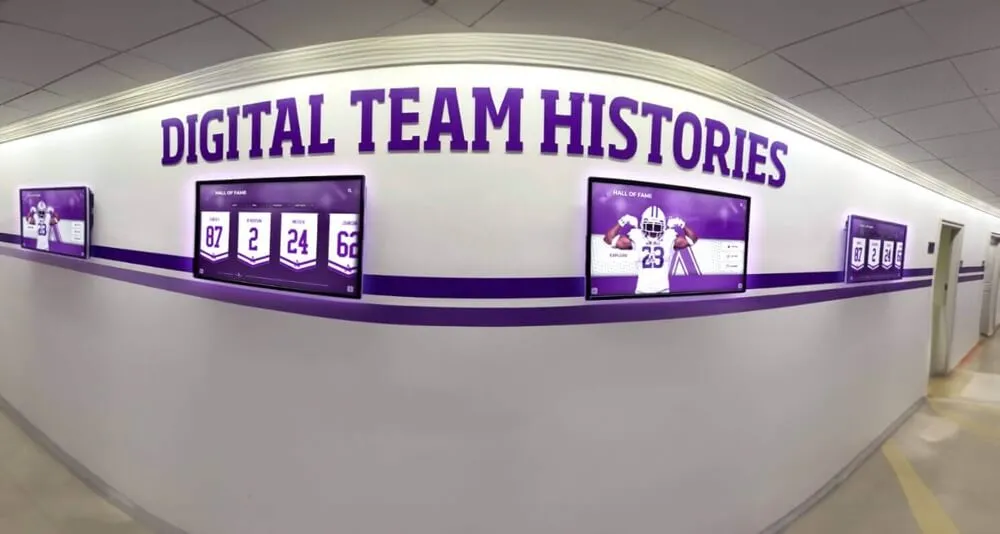
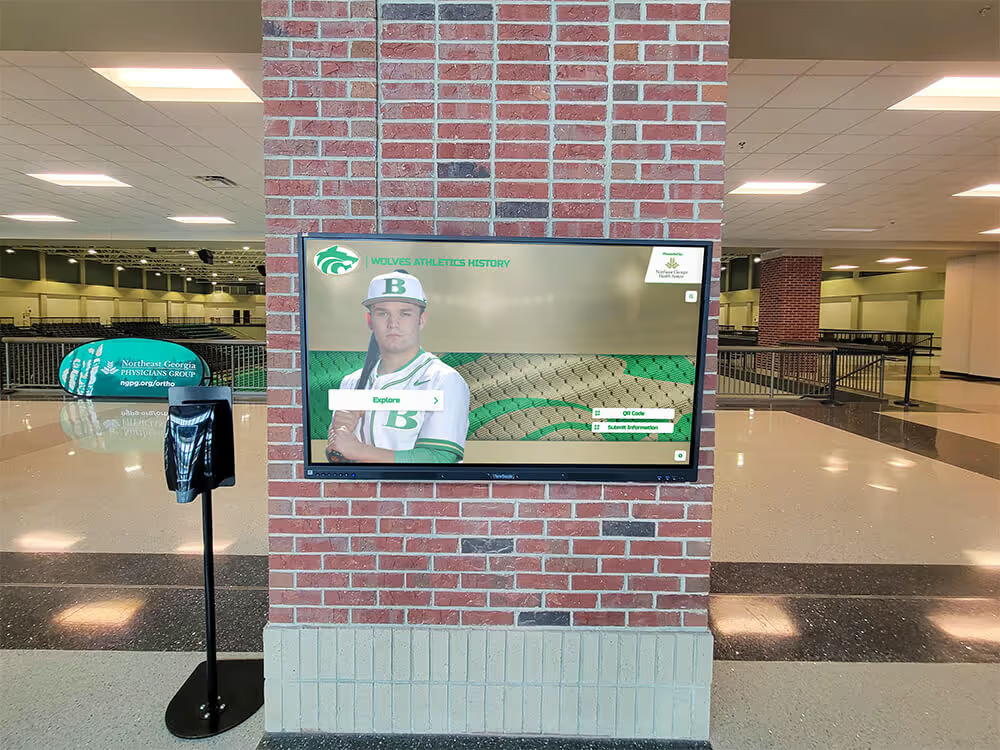
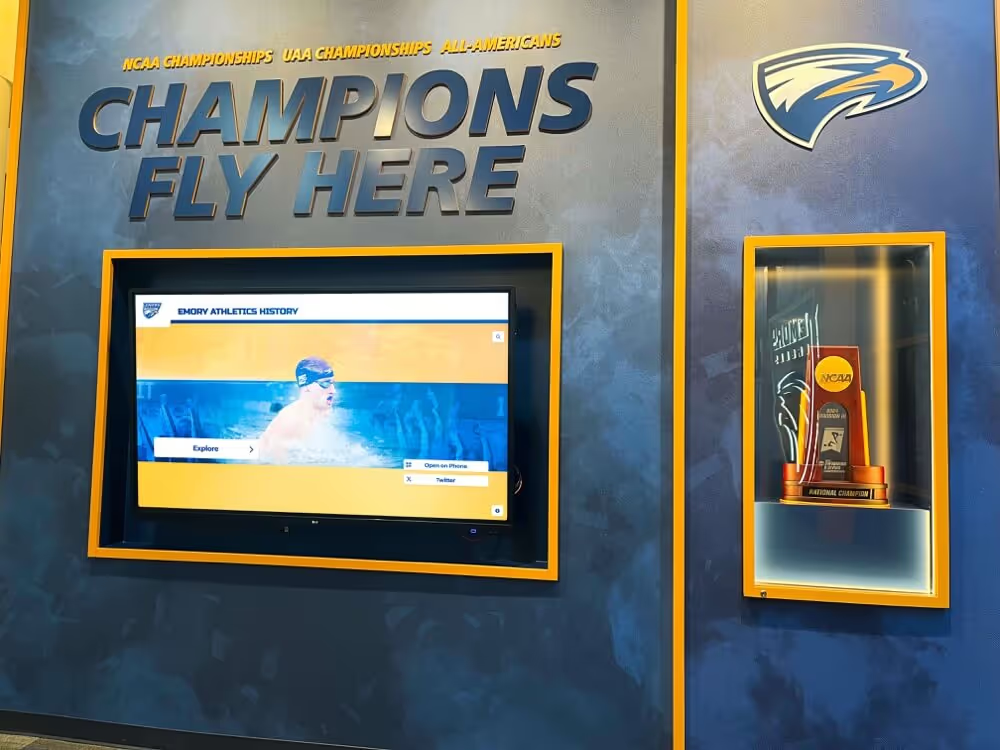
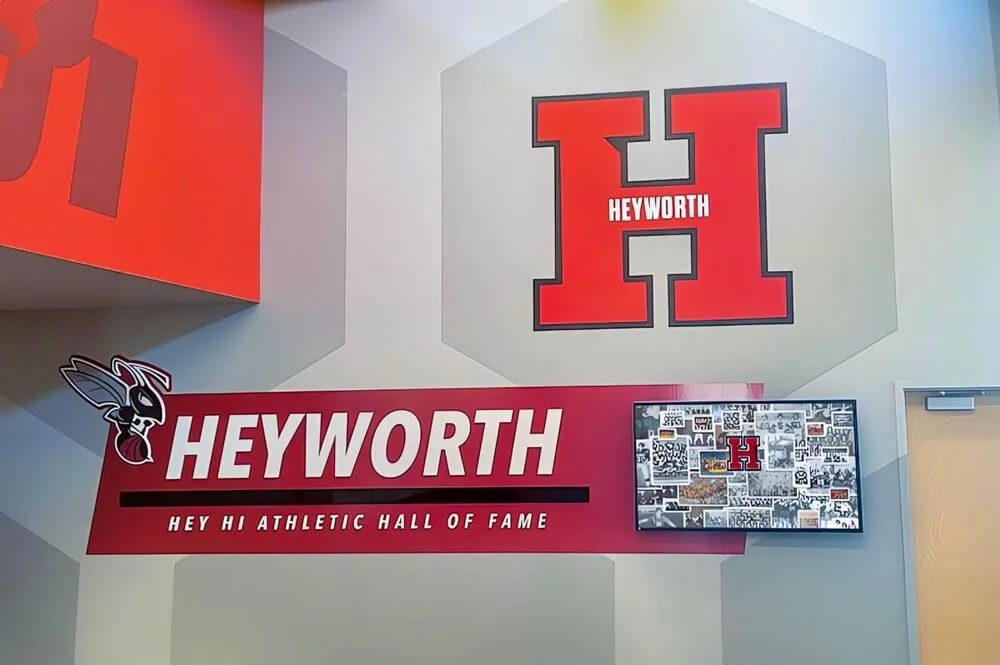
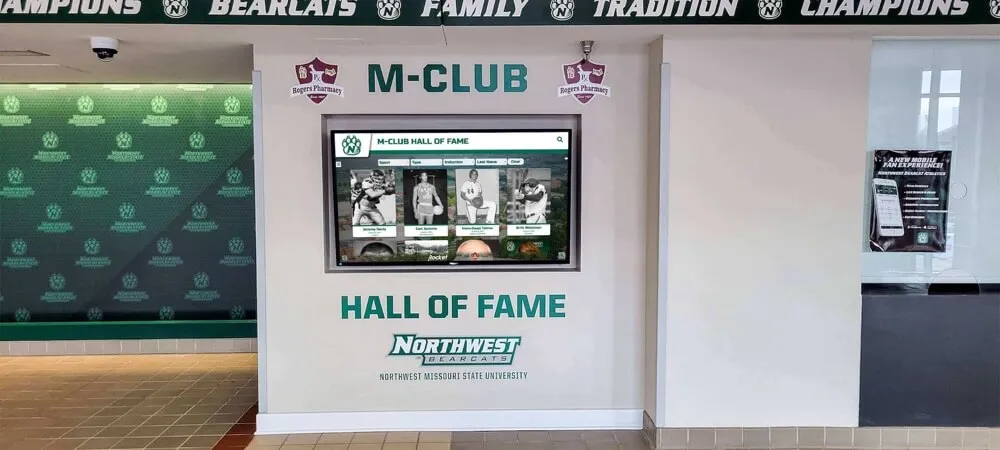
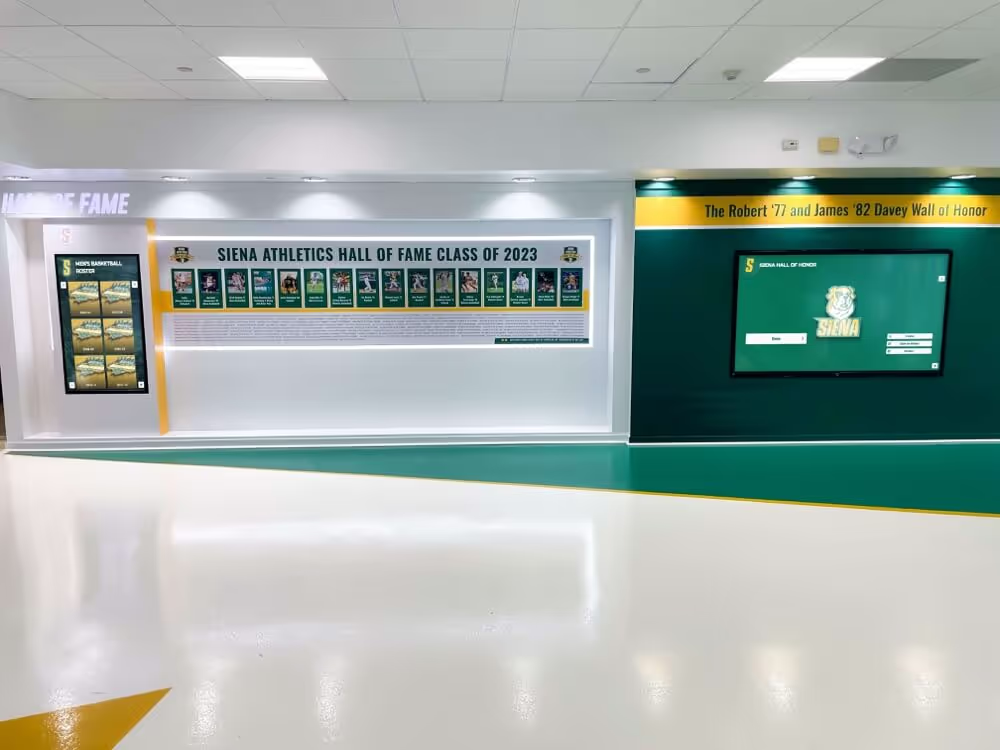
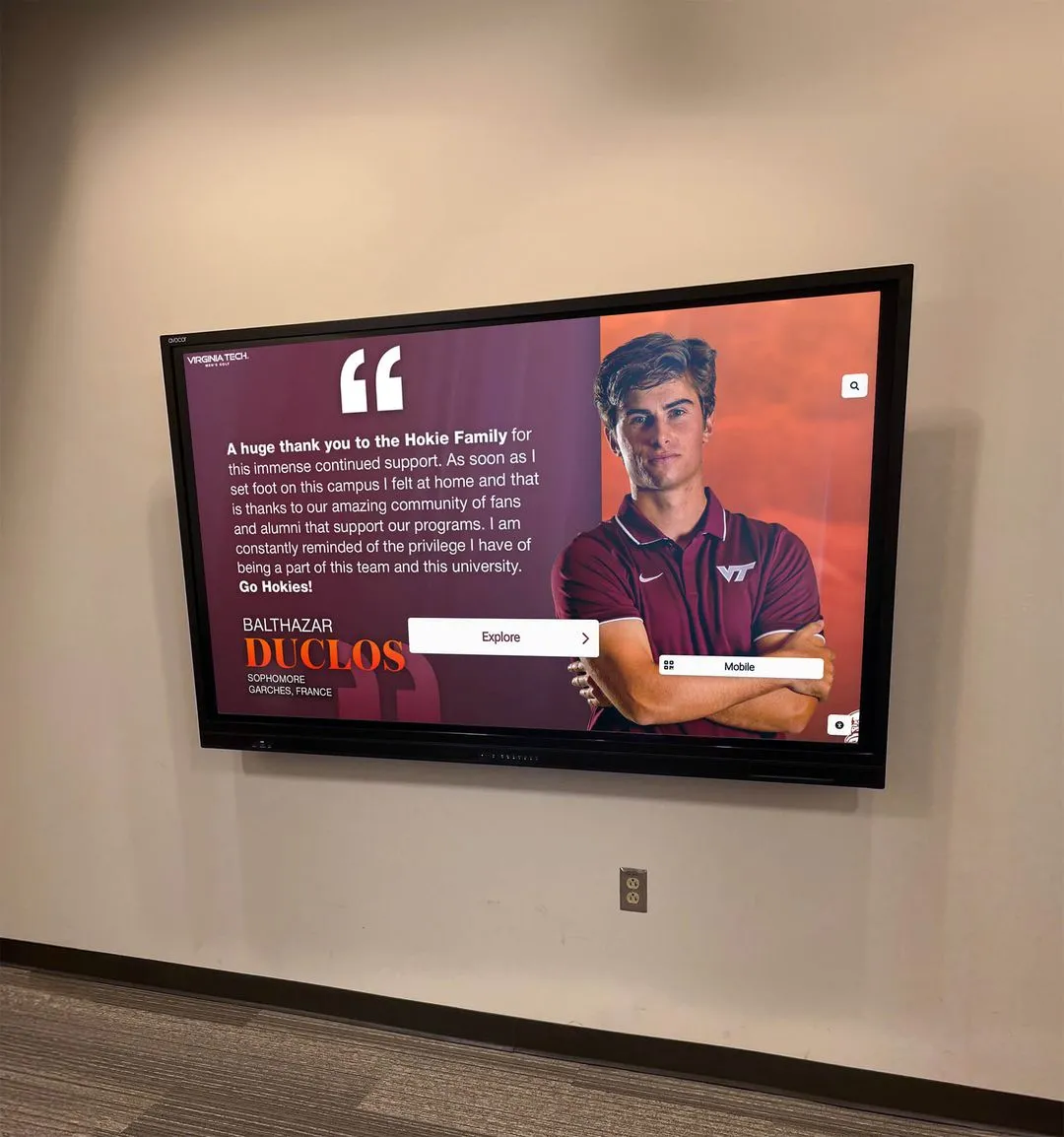

Modern DAM systems for schools present digital assets through interactive touchscreen displays that make photos, achievements, and history immediately accessible
Why Schools Need Digital Asset Management Systems
Educational institutions face unique digital asset challenges that generic file storage solutions cannot adequately address. Understanding these specific needs helps schools evaluate DAM approaches that serve both preservation and engagement goals.
Institutional Memory Preservation
Schools function as community anchors preserving decades of local history through yearbooks, athletic records, academic achievements, and cultural traditions. Without proper DAM infrastructure, this irreplaceable content faces multiple preservation threats including format obsolescence, physical media deterioration, and knowledge loss when long-tenured staff retire. Effective DAM systems ensure institutional memory survives personnel transitions, technology changes, and facility renovations.
Multi-Generational Access Requirements
Unlike corporate environments where digital assets primarily serve current employees, schools must make historical content accessible across generations. Alumni seeking graduation photos from decades past, students researching school history, development offices cultivating donor relationships, and community members documenting local heritage all require access to archival materials spanning multiple eras. DAM systems supporting these diverse access needs create significant value beyond simple file storage.
Achievement Recognition and School Culture
Digital assets documenting student accomplishments serve important functions beyond historical preservation. When properly organized and displayed, photos of athletic championships, academic honors, artistic performances, and service projects reinforce school values, motivate current students, and create visible cultures of achievement. DAM systems that connect asset storage with recognition displays transform archived content into active culture-building tools. Schools implementing comprehensive academic recognition programs rely on organized digital assets to present honorees effectively.
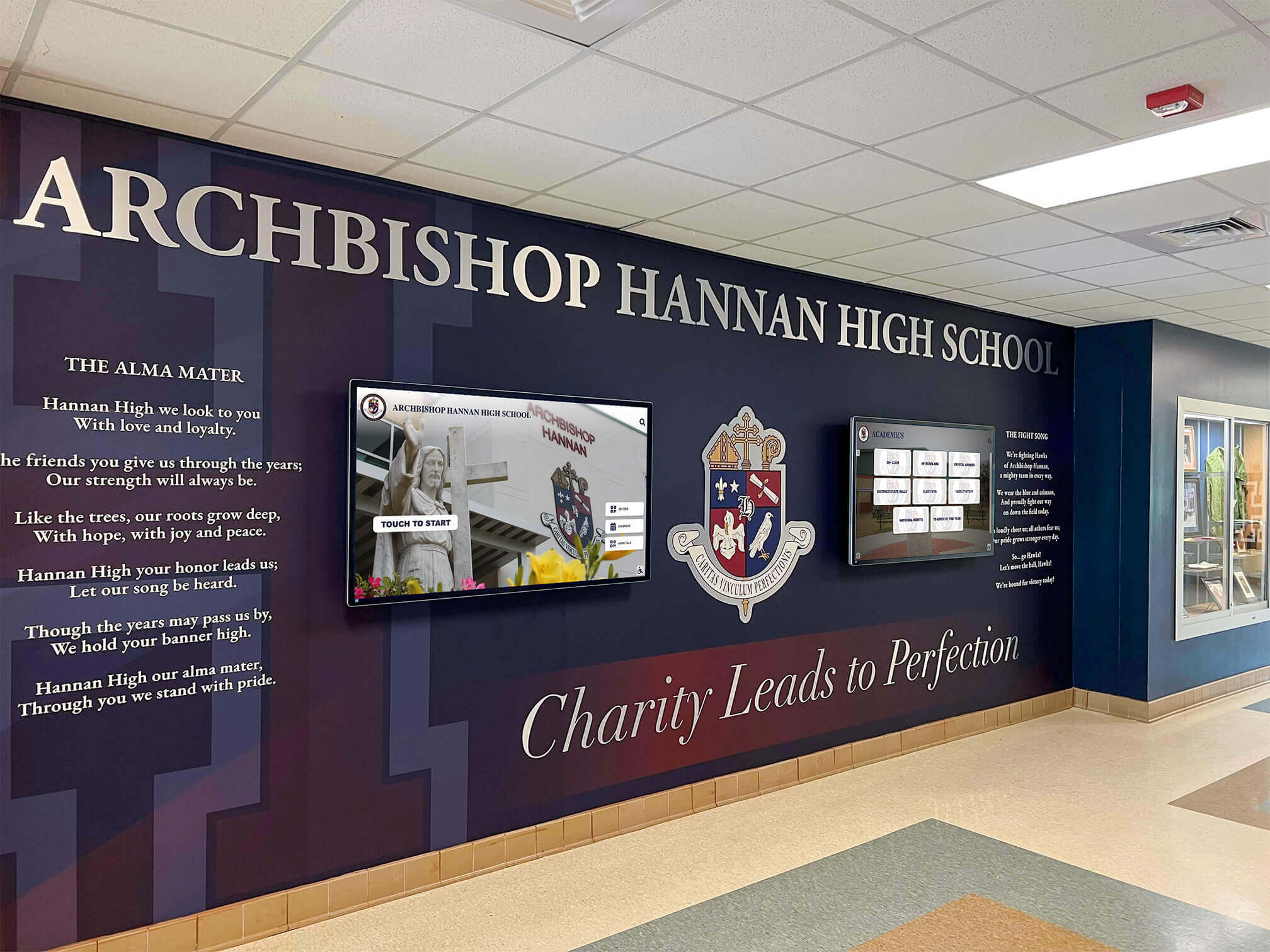
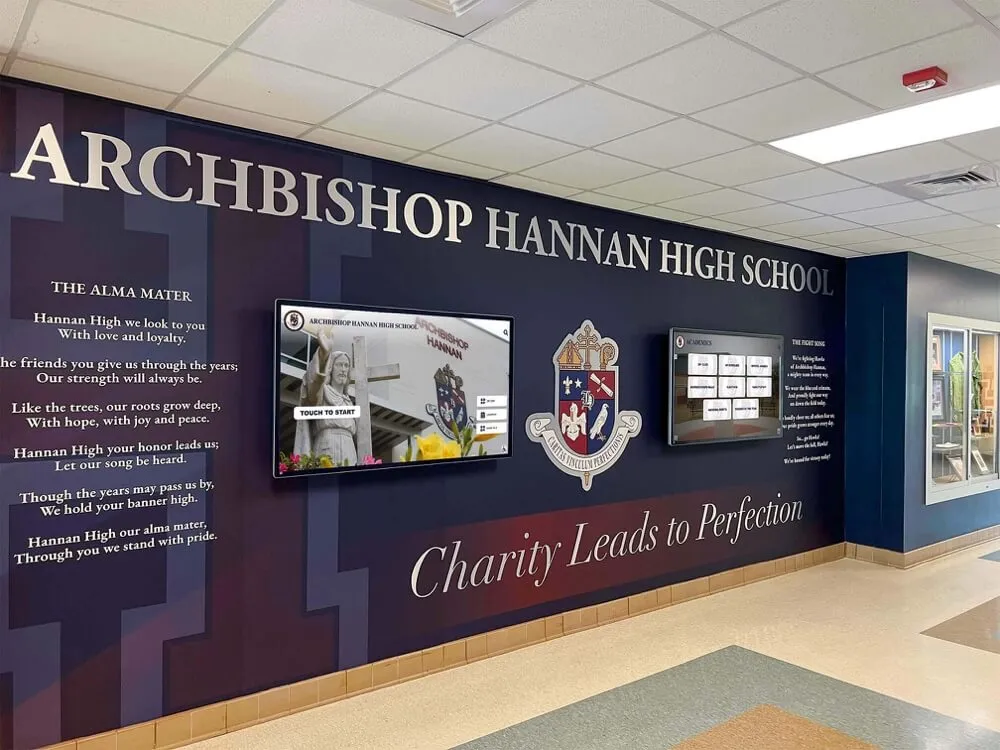
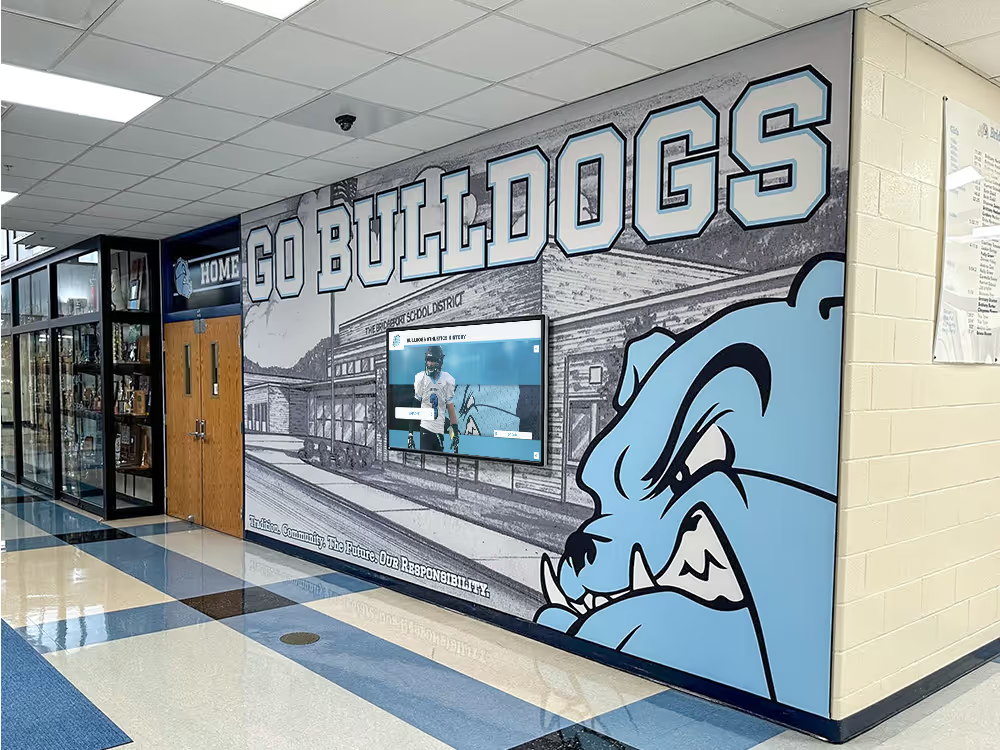
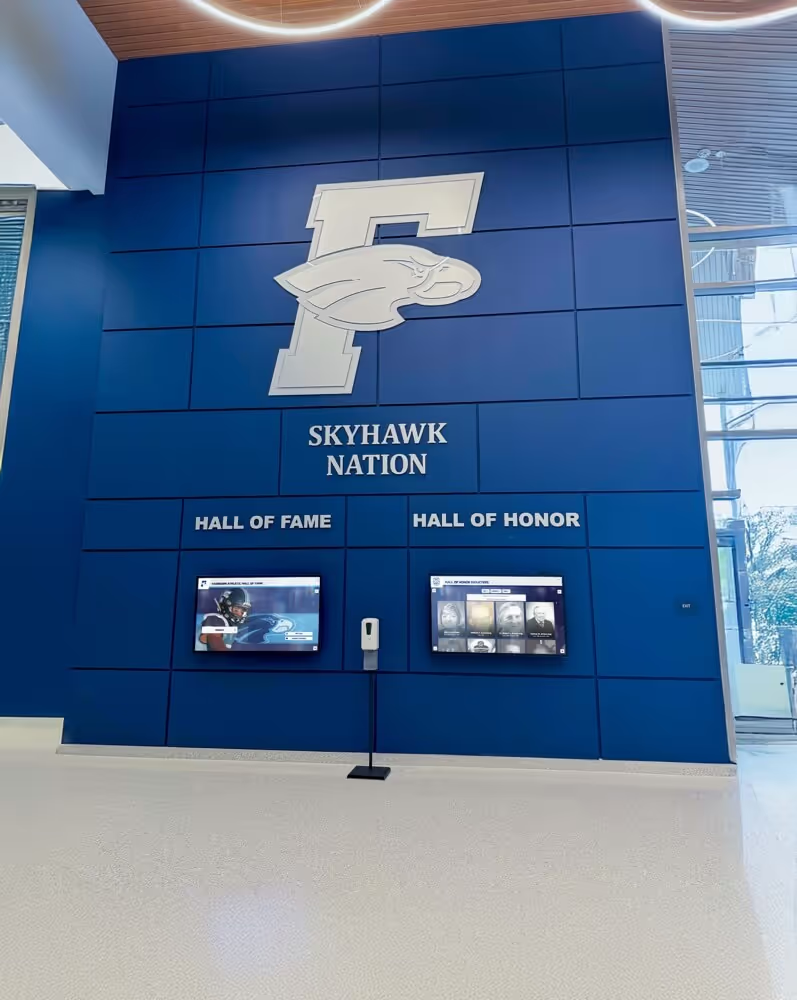
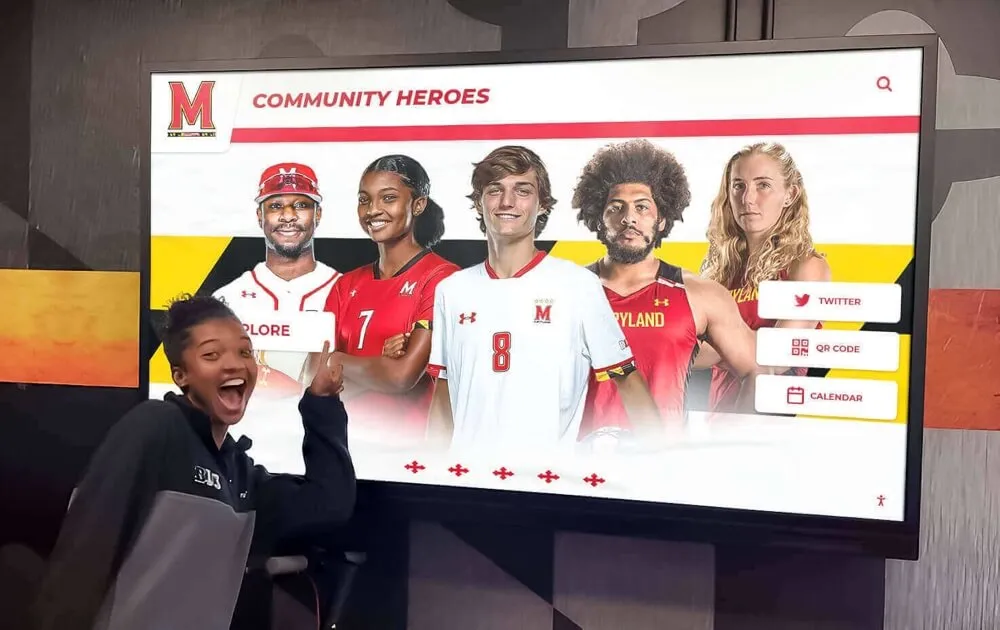
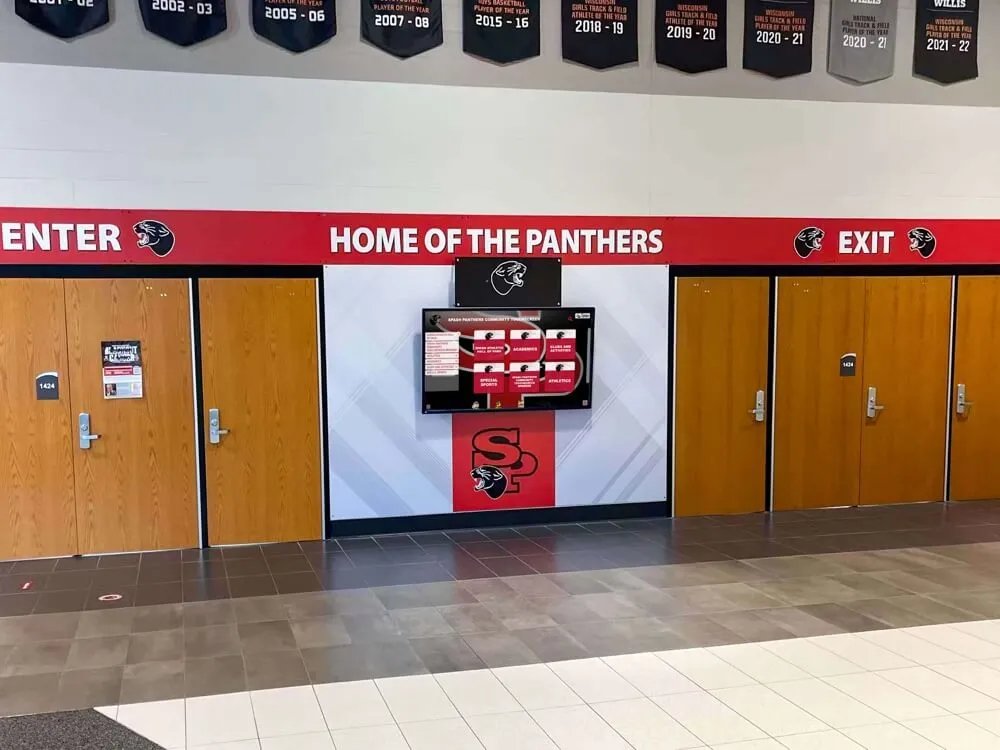
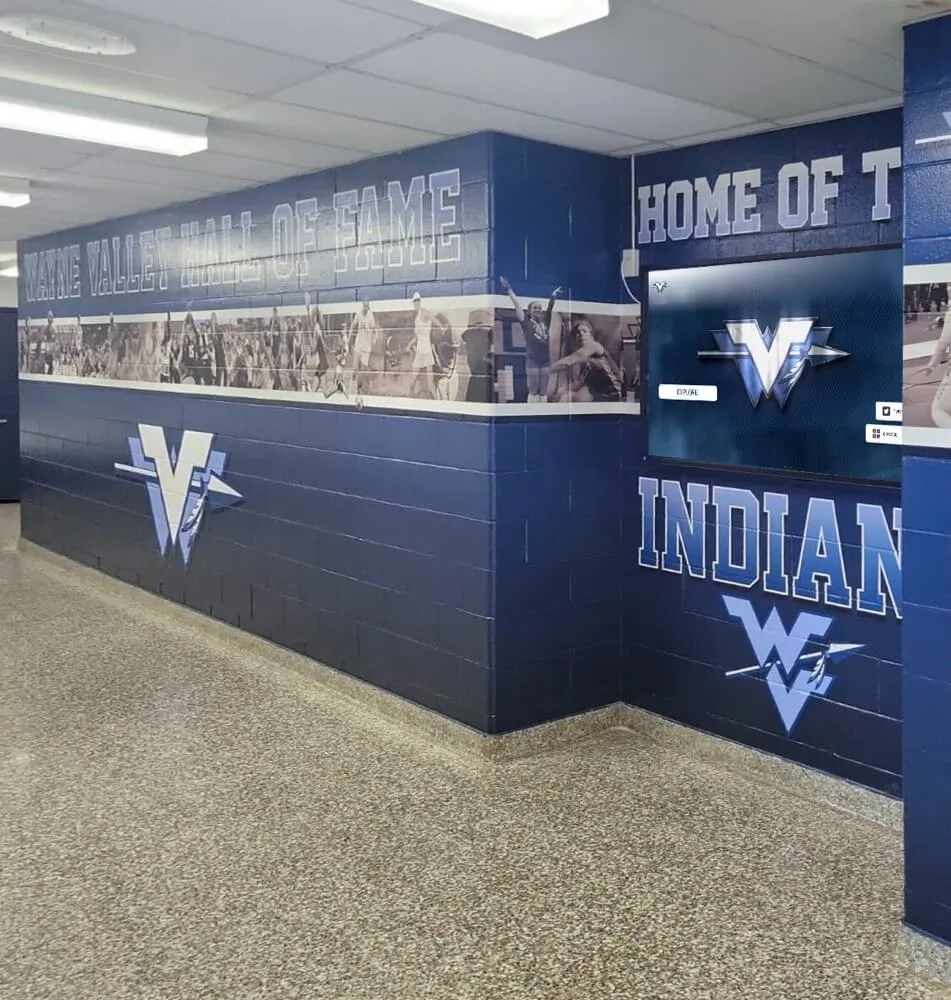
Connected display systems present digital assets throughout school facilities, transforming lobbies and common areas into recognition spaces
Legal and Compliance Documentation
Schools maintain digital assets supporting various legal and compliance requirements including facility documentation, safety records, program certifications, and historical evidence for accreditation reviews. DAM systems with proper metadata tagging, retention schedules, and access controls help institutions meet documentation requirements while ensuring appropriate materials remain accessible when needed for audits, investigations, or legal proceedings.
Core Components of Effective School DAM Systems
Successful digital asset management for educational institutions requires specific capabilities addressing both technical storage needs and engagement objectives unique to school environments.
Centralized Digital Asset Repository
Effective DAM begins with consolidated storage bringing scattered digital content into unified systems with consistent organization, backup protection, and access controls.
Comprehensive Content Ingestion
Schools must capture digital assets from diverse sources including athletic department photo libraries, yearbook production files, development office donor materials, facilities documentation, and individual teacher collections. DAM systems supporting multiple ingestion methods—bulk uploads, ongoing capture workflows, digitization of physical materials, and automated imports from existing systems—ensure comprehensive content consolidation rather than partial migrations that leave critical materials scattered across legacy storage locations.
Metadata and Organization Standards
Raw photo files without descriptive information provide minimal value for future discovery and use. Effective school DAM systems implement metadata standards capturing essential information including dates, events, individuals, sports or activities, locations, photographers, and usage rights. Consistent metadata application transforms unusable photo collections into searchable archives where specific content becomes discoverable years later when original context knowledge has faded.
Metadata requirements for schools differ significantly from corporate environments because educational content must remain meaningful across decades rather than months. Student names, graduation years, team affiliations, and achievement details that seem obvious during initial capture become essential context enabling future identification and appropriate recognition display.
Secure Storage with Appropriate Access Controls
School digital assets include sensitive materials requiring protection while also containing public content suitable for broad sharing. Effective DAM systems support granular permissions enabling restricted access to student records, personnel files, and confidential materials while allowing appropriate stakeholders to access yearbook photos, athletic highlights, and public ceremony documentation. Balancing privacy protection with accessibility ensures compliance with FERPA and similar regulations while maximizing appropriate content utilization. Organizations managing sensitive materials benefit from approaches used in digital donor wall systems that protect contributor information while showcasing public recognition.
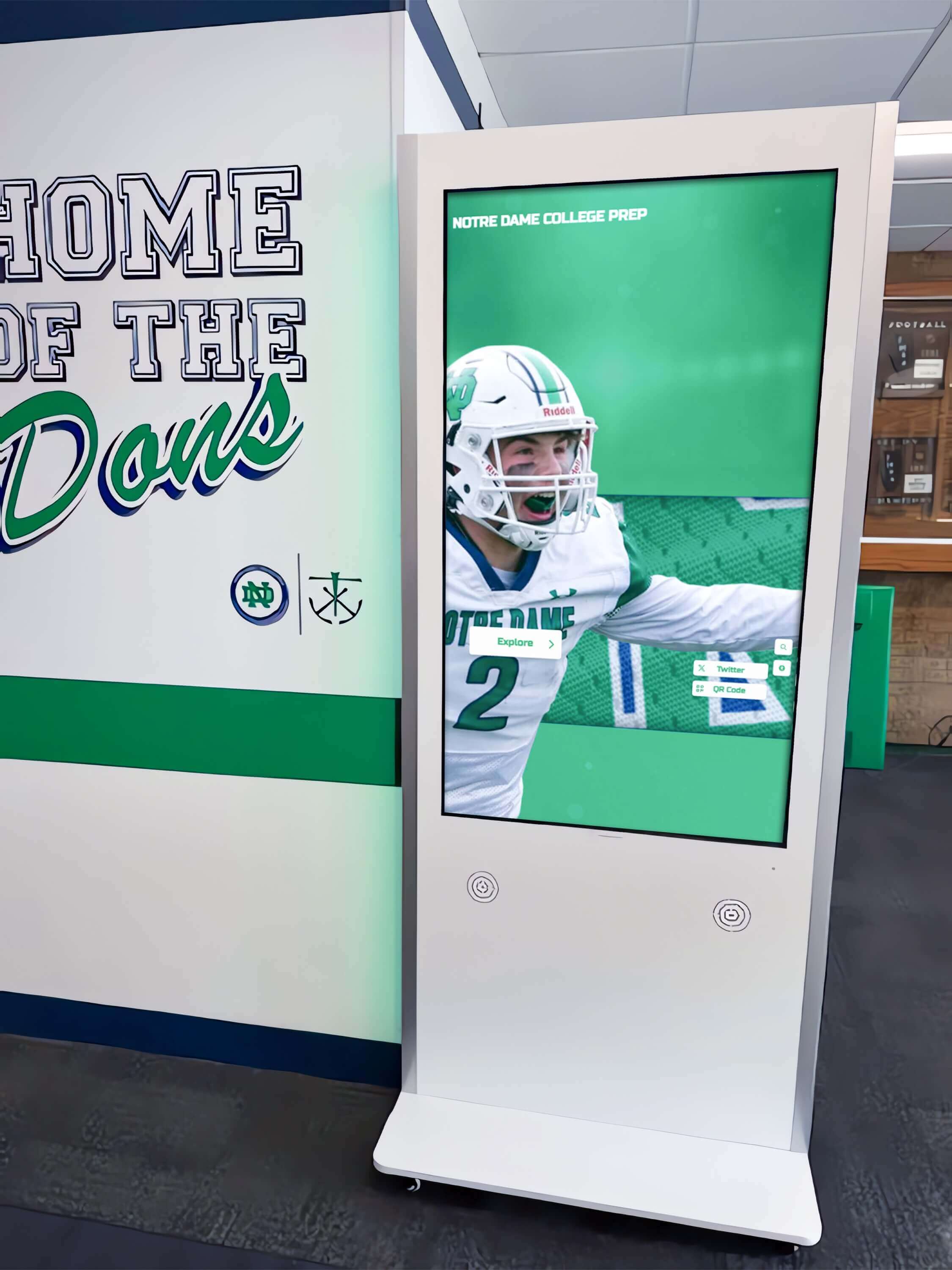
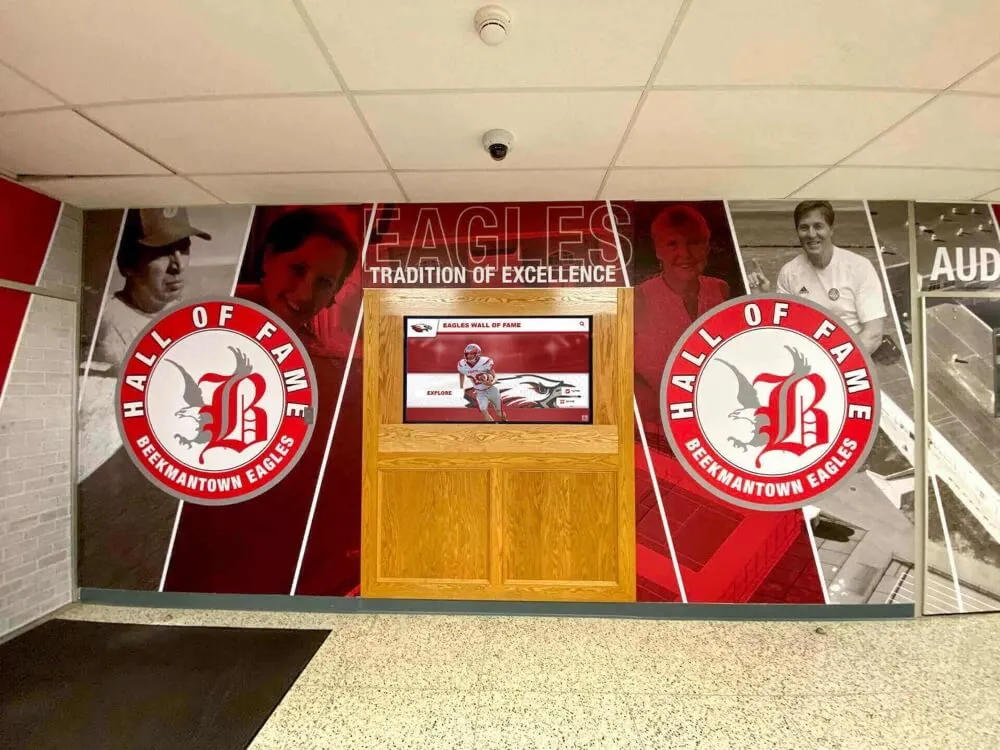
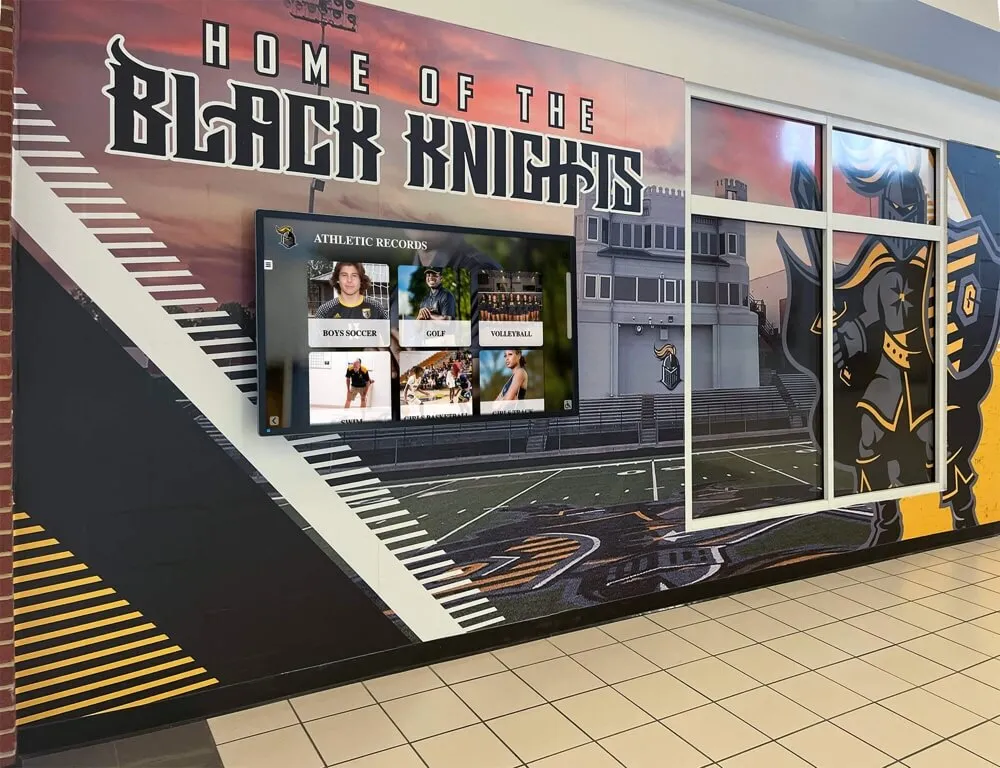
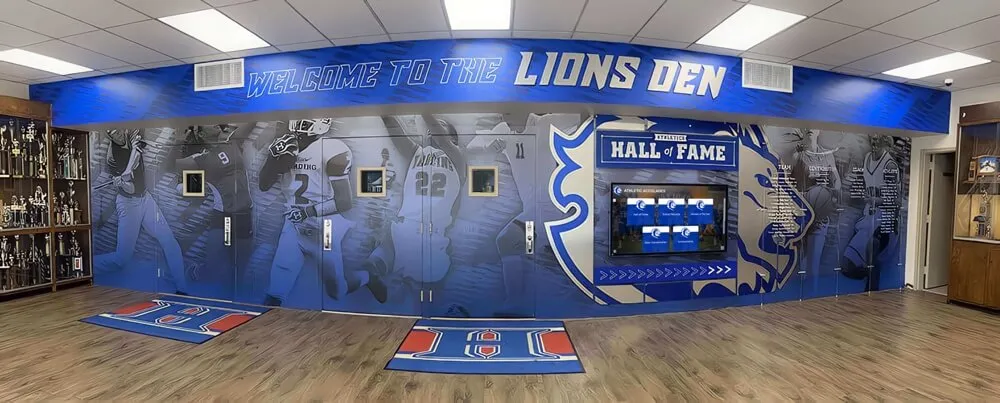
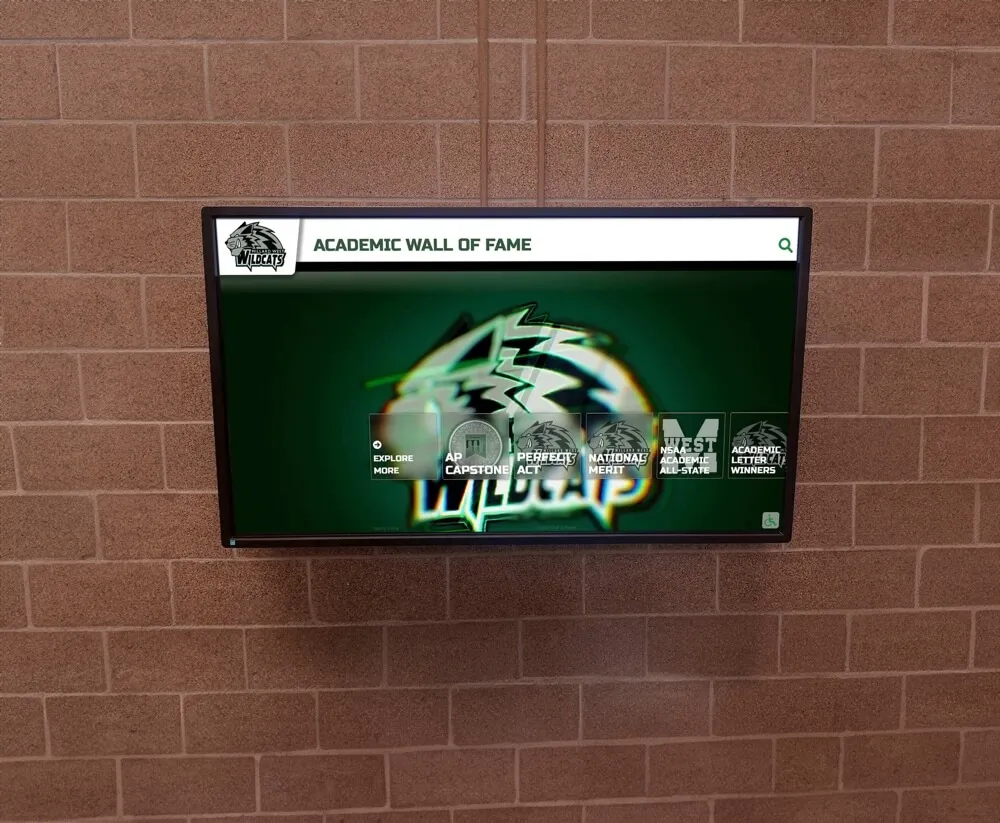
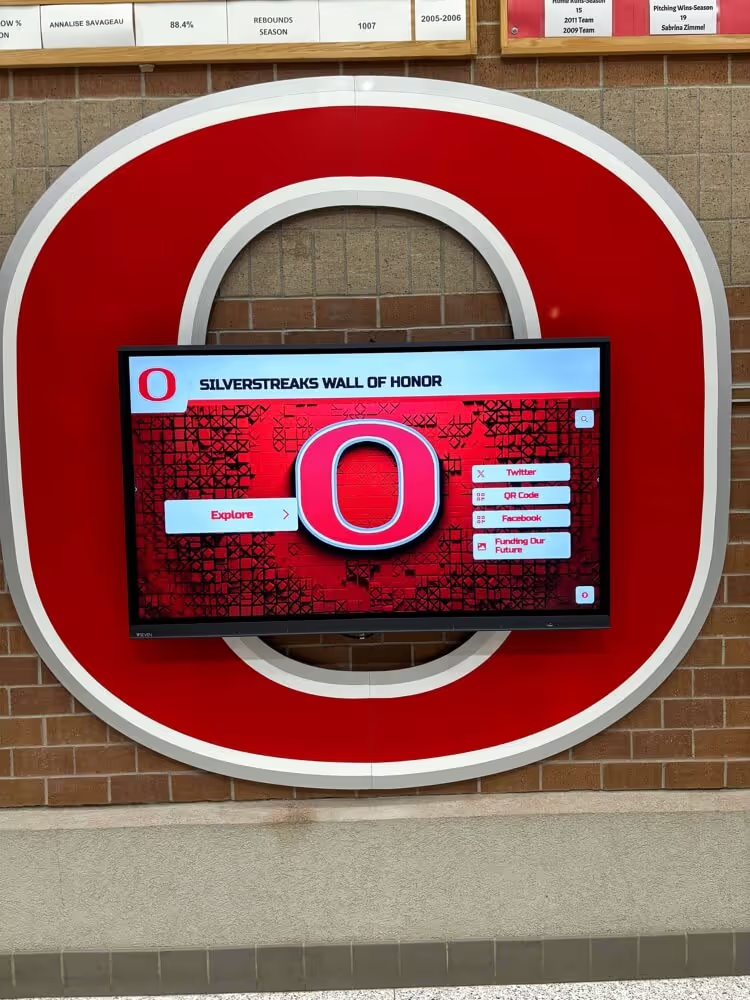
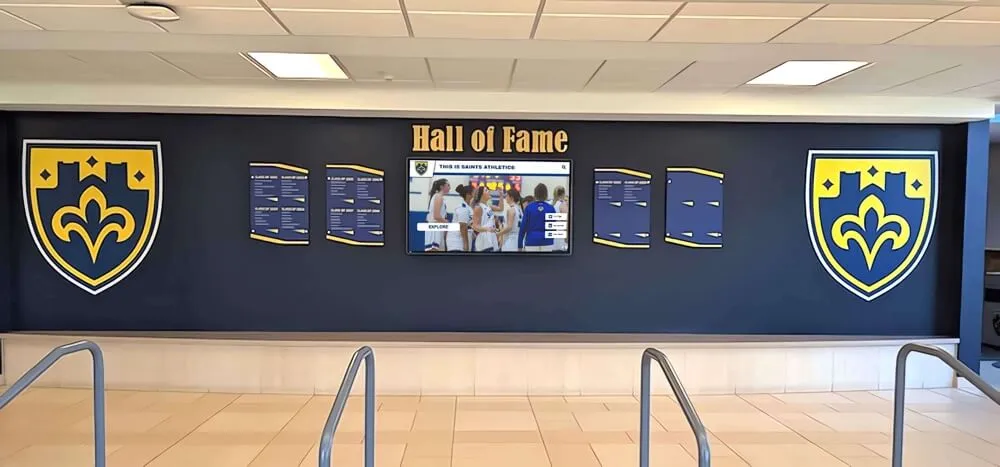
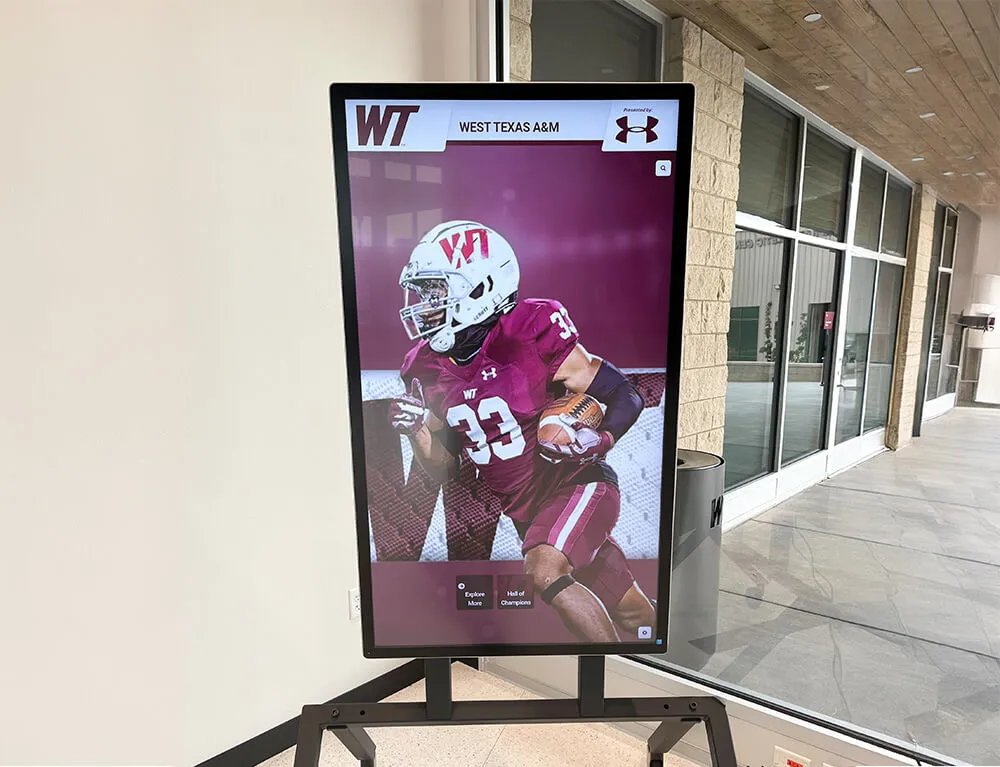
Strategic placement of interactive kiosks throughout facilities provides convenient access to digital asset collections for students, staff, and visitors
Content Discovery and Search Capabilities
Organized storage creates little value if users cannot locate needed materials efficiently. Robust search and discovery features transform DAM systems from passive archives into active resources supporting diverse institutional needs.
Advanced Search and Filtering
Users seeking specific content require search capabilities extending beyond simple keyword matching. Effective school DAM systems support multi-criteria searches combining text queries with filters for dates, events, individuals, sports or activities, file types, and custom metadata fields. Boolean operators, wildcard searches, and saved search templates help users quickly locate specific photos among thousands of archived images.
Visual search capabilities prove particularly valuable in educational contexts where users may recognize faces or scenes without knowing associated metadata. Systems supporting visual similarity searches help users find related photos when they can identify one relevant image but need to discover additional materials from the same event, person, or time period.
Collections and Curated Galleries
Beyond individual file searches, schools benefit from curated collections organizing related materials around themes, events, or recognition categories. Athletic directors might create collections for each sport’s season highlights, development officers could curate donor recognition galleries, and alumni relations staff might organize reunion-year collections. These pre-built galleries reduce repetitive search efforts while ensuring high-quality materials receive prominent visibility rather than remaining buried in general archives.
Connection with Recognition Display Systems
The most valuable school DAM implementations extend beyond storage and search to include display capabilities that present institutional achievements and history throughout facilities.
Digital Hall of Fame Integration
Schools investing in digital hall of fame displays require seamless connections between asset management systems and public-facing recognition installations. Rather than maintaining separate content repositories for archival storage and display purposes, unified systems allow schools to tag archived photos and documents for automatic inclusion in recognition displays. This connection ensures hall of fame content remains current with minimal manual effort while maximizing return on digitization investments by repurposing archived materials for active recognition.
Display connection transforms DAM systems from back-office tools used primarily by administrative staff into student-facing engagement platforms that make institutional history accessible and relevant. When students can explore archived yearbooks, watch historic athletic highlights, and discover alumni achievements through touchscreen displays in lobbies and common areas, schools create continuous connections between past excellence and current aspirations.
Mobile Access and QR Code Functionality
Modern students expect digital content accessibility across devices and locations. DAM systems supporting mobile-responsive interfaces enable alumni to browse school photos on smartphones, students to share achievement recognition on social media, and families to access ceremony photos from home computers. QR code functionality allows physical spaces to provide instant access to related digital content—posting QR codes in trophy cases that open archived game photos, or including codes in yearbooks that unlock video content and additional images beyond printed pages. These mobile capabilities extend DAM utility beyond facility-based touchscreen access to create anywhere engagement with institutional digital assets. Similar mobile approaches prove valuable in donor recognition displays enabling remote browsing of supporter information.
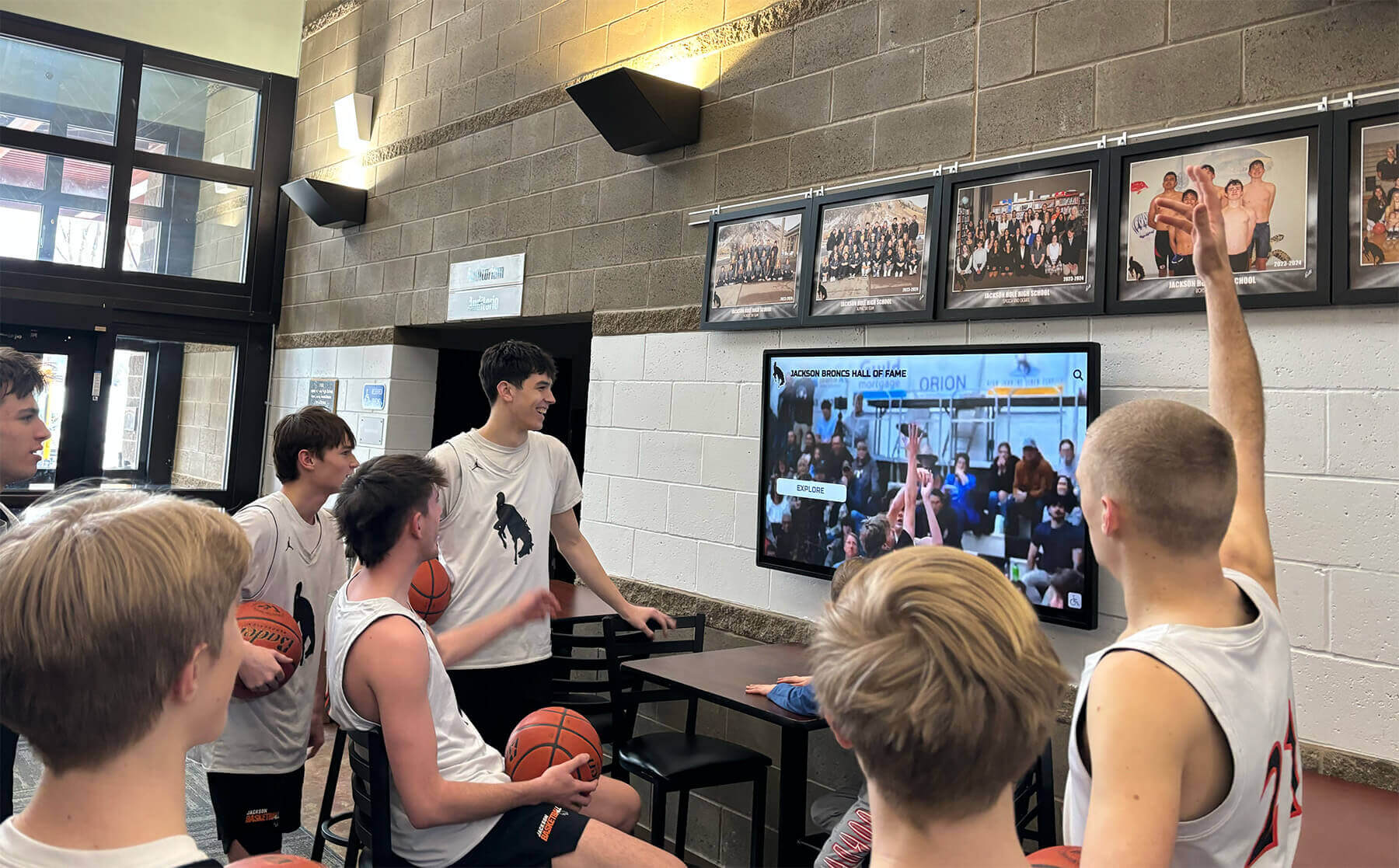
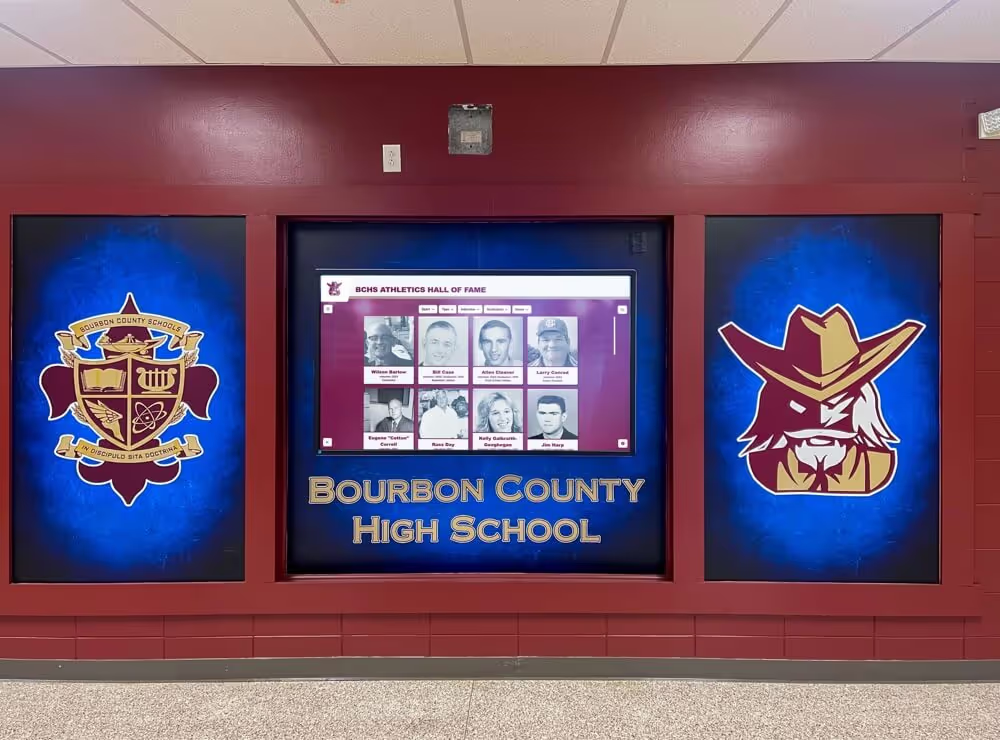
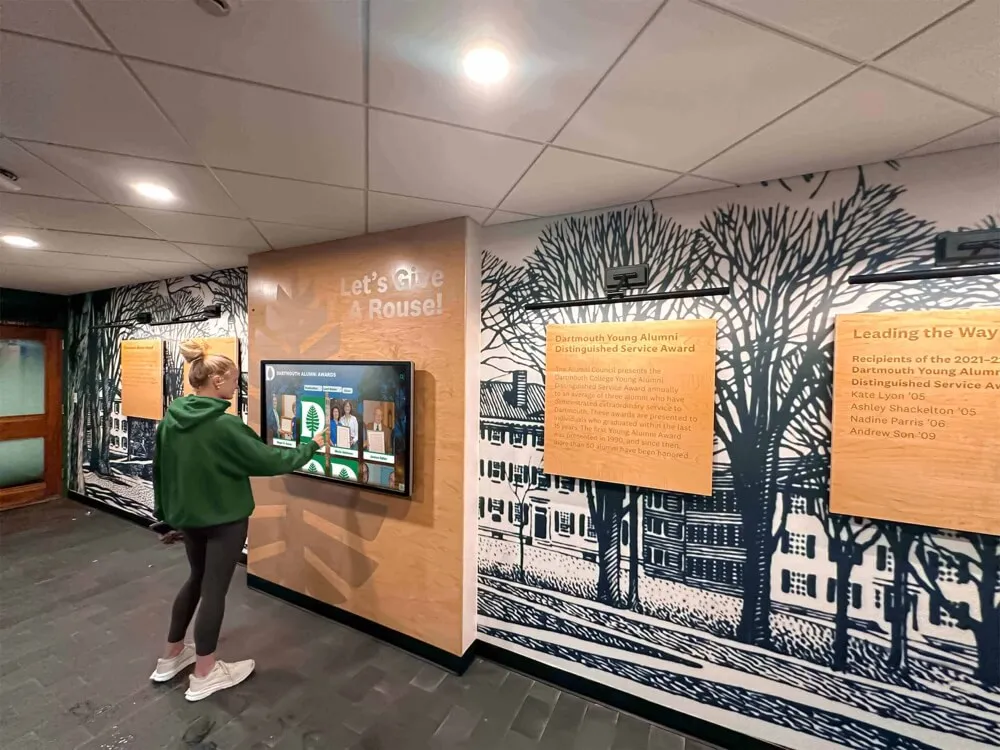
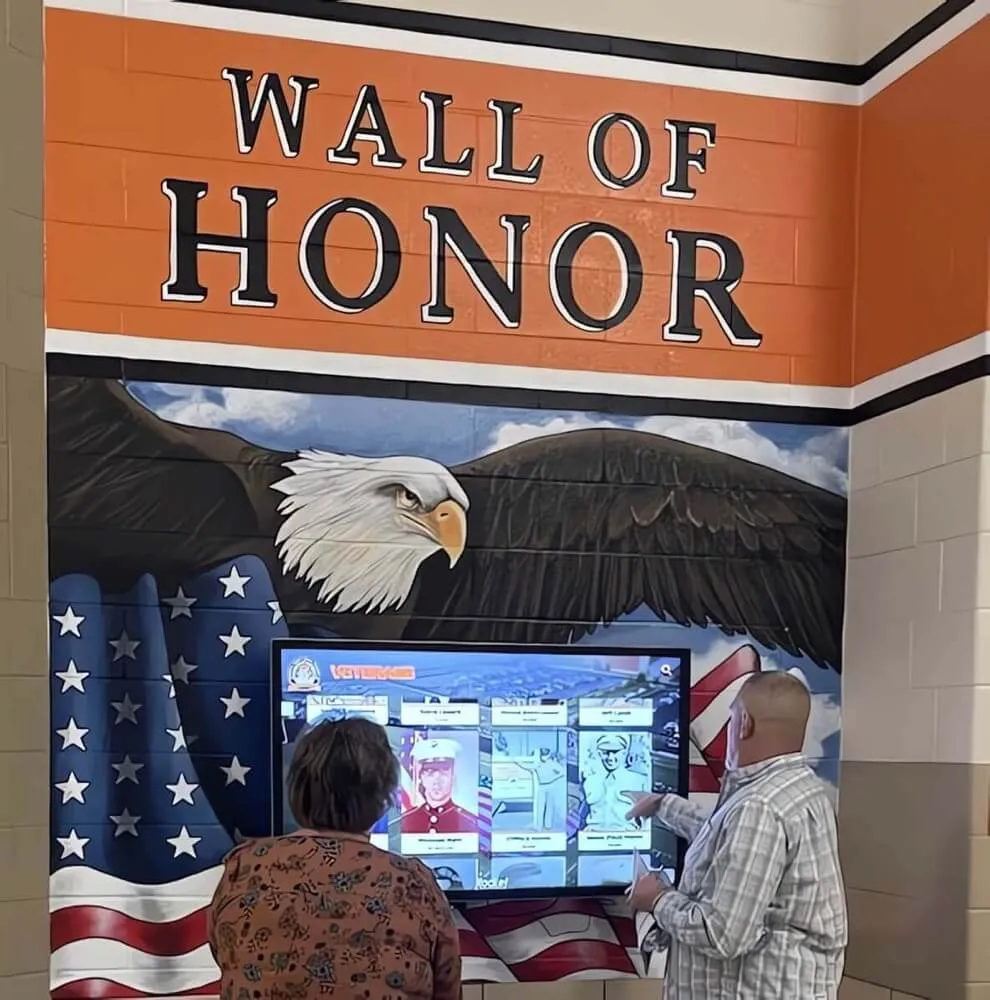
Lobby displays connected to DAM systems create spontaneous engagement moments where students discover and celebrate institutional achievements
Implementing DAM Systems: Practical Approaches for Schools
Educational institutions pursuing digital asset management improvements face important decisions about implementation approaches, technology platforms, and content migration strategies.
Assessing Current Digital Asset Challenges
Successful DAM implementation begins with honest assessment of existing content management problems and clear definition of desired outcomes.
Inventory Existing Digital Assets
Before selecting DAM solutions, schools must understand content scope including approximate photo volumes, file format diversity, metadata completeness, current storage locations, and access patterns. This inventory reveals whether institutions face modest organization challenges manageable with basic cloud storage or extensive digitization projects requiring specialized DAM platforms with advanced metadata capabilities.
Complete inventories should document physical materials requiring digitization alongside digital-native content. Many schools discover extensive yearbook archives, print photo collections, athletic scrapbooks, and historical documents that provide enormous value when digitized but represent significant conversion efforts requiring project planning and budget allocation.
Identify Primary Use Cases and Stakeholders
Different departments and stakeholder groups require varying DAM capabilities. Athletic directors need efficient workflows for capturing game photos and updating record boards. Development offices require secure storage for donor materials with flexible access for creating recognition displays. Alumni relations staff need comprehensive yearbook digitization with robust search enabling graduate queries. Understanding these diverse needs helps schools prioritize features during platform evaluation and implementation planning.
Technology Platform Selection
Schools can choose among several DAM implementation approaches ranging from general-purpose cloud storage with minimal asset management features to specialized educational DAM platforms to comprehensive recognition display systems with built-in asset management capabilities.
Cloud Storage vs. Dedicated DAM Platforms
Basic cloud storage services like Google Drive, Microsoft OneDrive, and Dropbox provide adequate solutions for schools with modest photo volumes, simple organization needs, and limited engagement objectives. These platforms offer familiar interfaces, affordable pricing, and straightforward implementation but lack advanced features like automated metadata tagging, visual search, rights management, and display system integration.
Dedicated DAM platforms designed for educational institutions provide sophisticated features supporting complex organization requirements, extensive metadata schemas, granular permissions, and advanced search capabilities. These systems prove valuable for larger institutions managing substantial digital asset volumes across multiple departments with diverse stakeholder needs. However, standalone DAM platforms typically require separate investments in recognition display systems when schools want to present archived content throughout facilities.
Combined Recognition Display Systems as DAM Solutions
Schools prioritizing achievement recognition and institutional history engagement may find greatest value in comprehensive systems combining digital asset management with interactive display capabilities. Solutions like Rocket Alumni Solutions provide cloud-based content management systems specifically designed for educational contexts alongside touchscreen display hardware that presents organized digital assets throughout facilities.
These combined approaches address both archival preservation and active engagement objectives through unified platforms eliminating needs for separate DAM storage and display content management. Schools can organize photos, yearbooks, athletic records, and donor information within systems that simultaneously support administrative access, public-facing recognition displays, mobile browsing, and searchable archives. Implementation timelines average 2-4 weeks including content migration, display installation, and staff training. Combined approaches prove particularly valuable for institutions implementing hall of fame recognition programs where asset management and display functions must work seamlessly together.
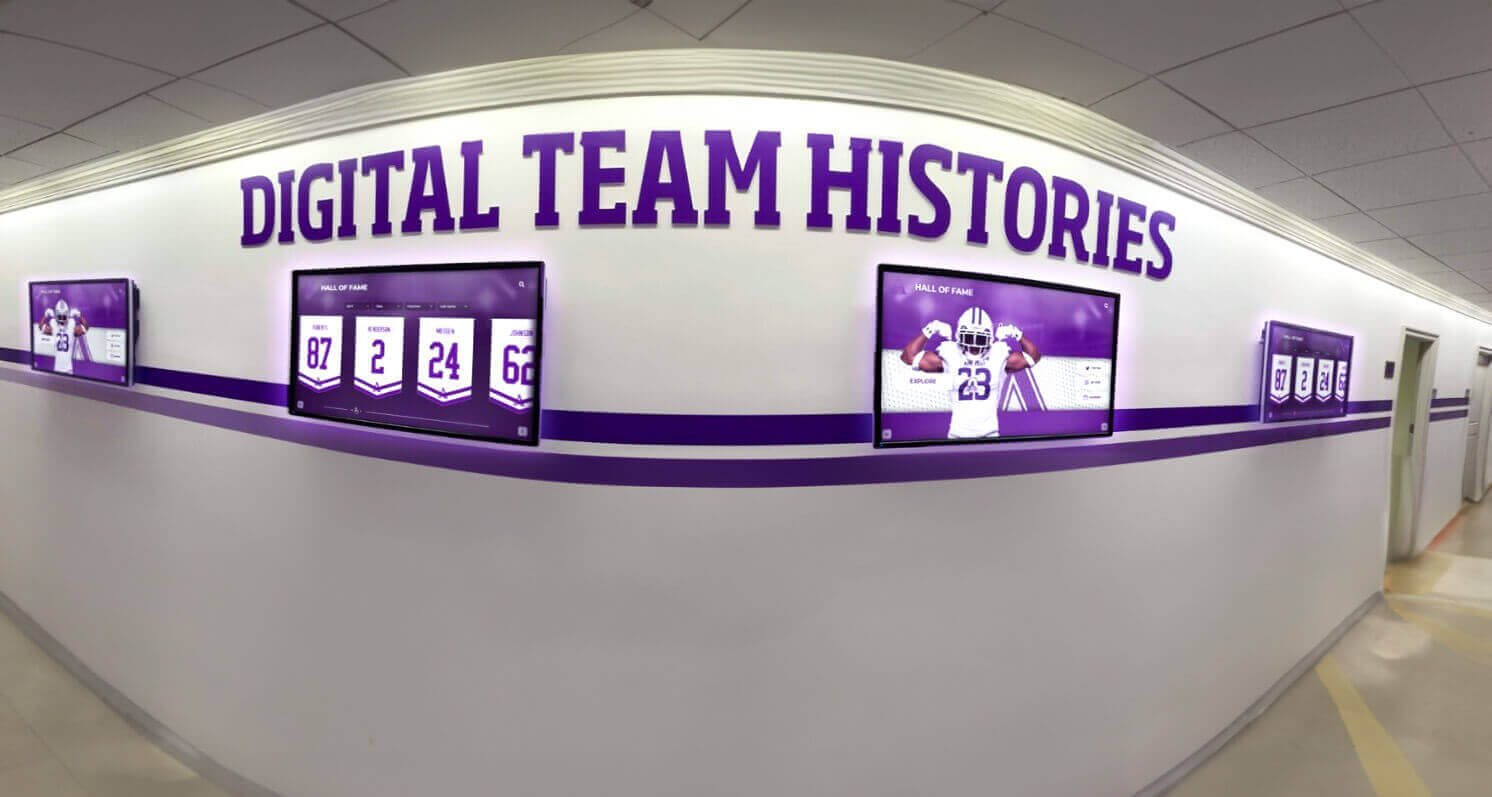
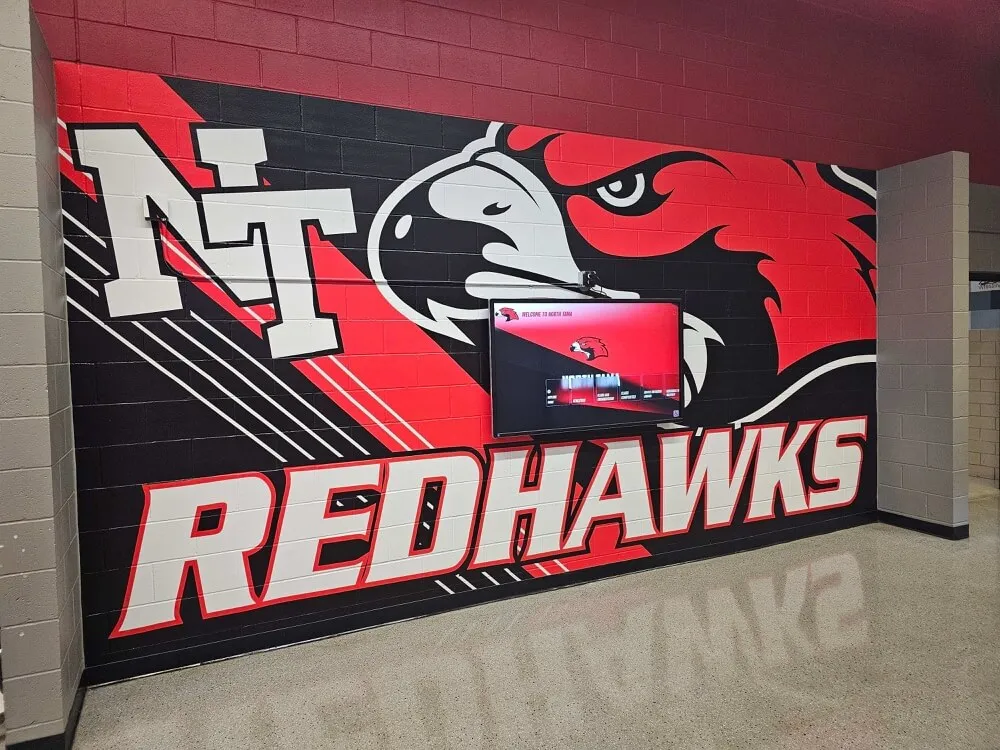
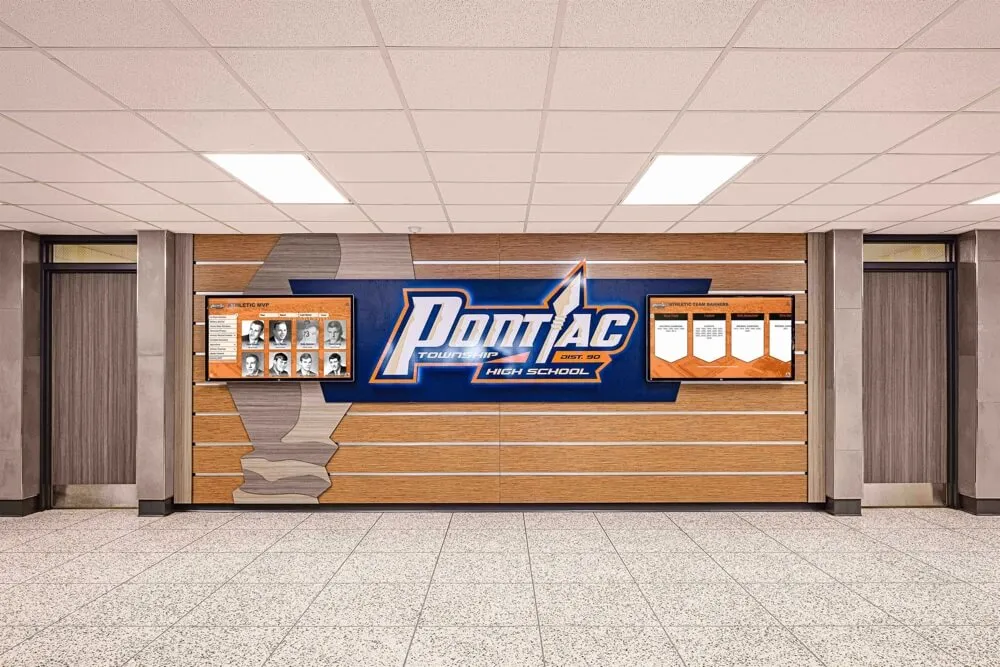
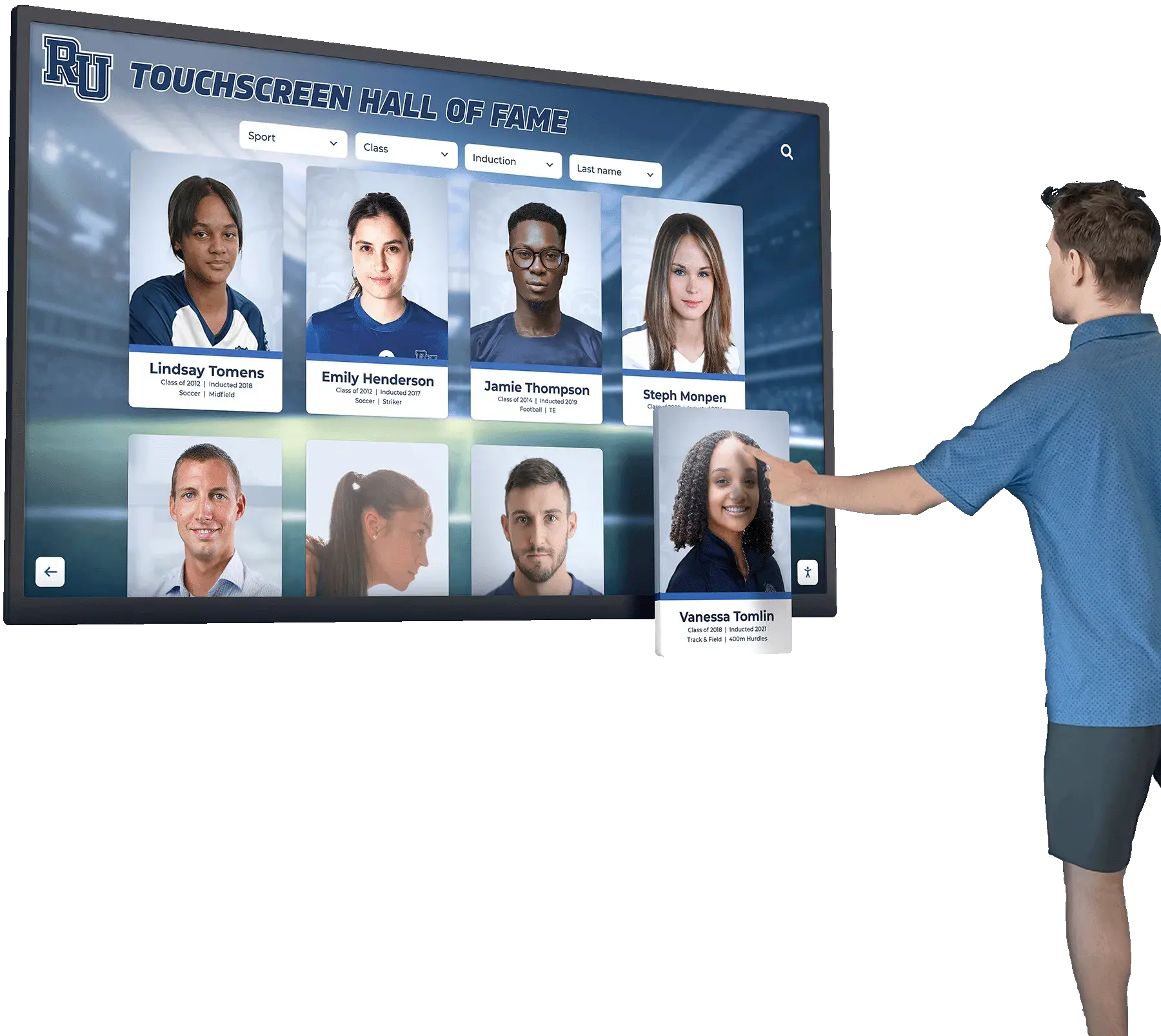
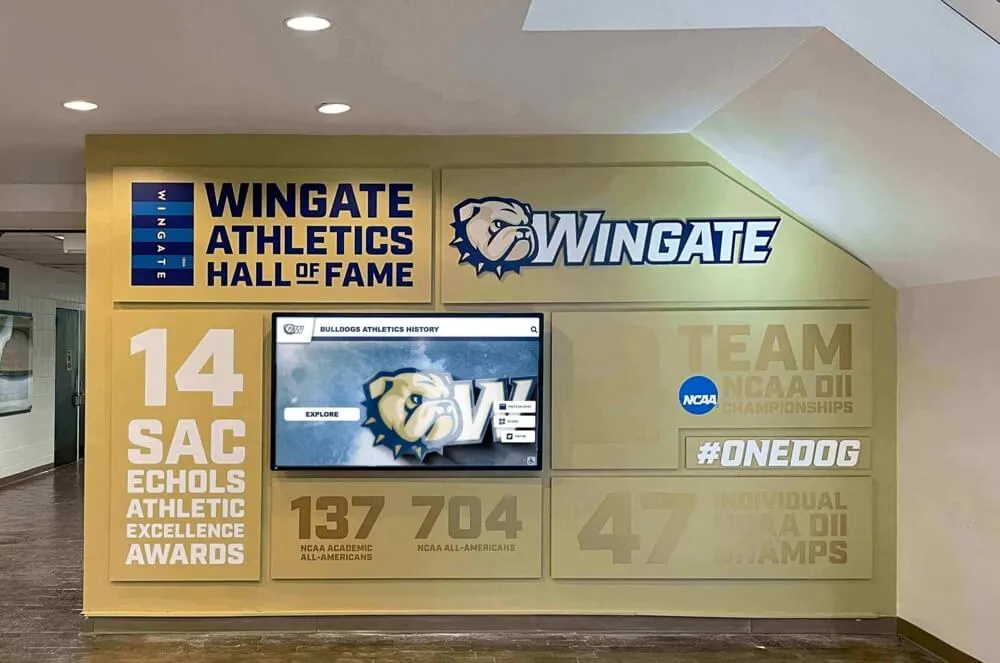
Networked display systems distribute digital asset content across multiple screens throughout facilities, maximizing engagement opportunities
Content Migration and Digitization Strategy
Implementing DAM systems requires thoughtful approaches to transferring existing digital content and converting physical materials into digital formats.
Prioritize High-Value Content First
Schools cannot digitize everything immediately. Effective migration strategies prioritize materials offering greatest institutional value and stakeholder demand. Recent yearbooks, championship team photos, and notable alumni achievements typically provide immediate engagement benefits justifying early digitization efforts. Historical materials requiring specialized scanning, damaged items needing restoration, and low-demand content can follow in subsequent phases as resources permit.
Phased approaches allow schools to demonstrate DAM value through high-visibility initial implementations while building internal expertise, refining workflows, and securing additional resources for comprehensive digitization across full institutional archives.
Establish Sustainable Content Workflows
DAM systems succeed long-term only when schools implement ongoing workflows ensuring new digital assets receive proper organization and metadata rather than accumulating in unmanaged storage. Successful schools designate specific staff members responsible for content ingestion, establish regular schedules for processing new photos, create metadata standards reducing tagging inconsistency, and train multiple personnel ensuring continuity when individual staff members change roles.
Technology platforms supporting automated workflows prove particularly valuable for maintaining organization consistency. Systems that automatically date-stamp uploads, apply bulk metadata to event photo collections, and prompt users for essential information during upload processes reduce manual tagging burdens while improving metadata completeness.
Budget for Professional Digitization Services
Physical materials requiring conversion to digital formats often need professional digitization services ensuring quality outcomes and appropriate handling of irreplaceable historical items. Yearbooks, photo prints, newspaper clippings, and documents benefit from scanning equipment, color correction expertise, and format optimization that produce archival-quality digital files suitable for both preservation and display purposes. Schools can explore yearbook digitization services specializing in educational materials with established workflows for book scanning and metadata application.
Maximizing DAM Value Through Strategic Content Display
Digital asset organization creates preservation value, but strategic display transforms archived content into active engagement tools strengthening school culture and community connections.
Creating Compelling Recognition Content
Effective DAM systems support diverse content types extending beyond simple photos to include multimedia materials that create richer storytelling.
Combining Photos with Contextual Information
Raw photos provide visual interest but limited understanding without supporting context. Effective recognition displays pair images with achievement details, biographical information, career highlights, and institutional history that help viewers appreciate significance and connect content to broader narratives. DAM systems with robust metadata capabilities enable this contextual pairing by organizing achievement information alongside associated photos, allowing display systems to present complete stories rather than isolated images.
Video for Richer Storytelling
Modern digital asset collections increasingly include video content from athletic events, performances, ceremonies, and interviews that provide opportunities exceeding static photos. DAM systems supporting video file management enable schools to present game highlights, graduation speeches, alumni testimonials, and historical footage through interactive displays that invite exploration beyond passive viewing.
Timeline and Historical Displays
Digital assets organized chronologically support timeline presentations that document institutional evolution, celebrate milestone anniversaries, and demonstrate multi-generational traditions. Schools can create decade-by-decade yearbook galleries, championship histories showing team progression over years, or facility development timelines illustrating campus growth. These temporal organizations help communities understand institutional journeys while creating contexts that make individual achievements more meaningful.
Display Technology Specifications
Schools implementing recognition displays connected to DAM systems must consider technical specifications ensuring appropriate content presentation and reliable operation.
Screen Size and Resolution Requirements
Display screens ranging from 32" to 86" serve different facility contexts and viewing distances. Lobby installations in high-traffic areas benefit from larger screens ensuring visibility from distance, while hallway locations might use multiple smaller displays distributing content across extended spaces. Resolution specifications should support crisp text readability and photo clarity—minimum 1920x1080 full HD resolution for most applications, with 4K resolution providing optimal quality for larger screens above 55".
Touchscreen Interaction Capabilities
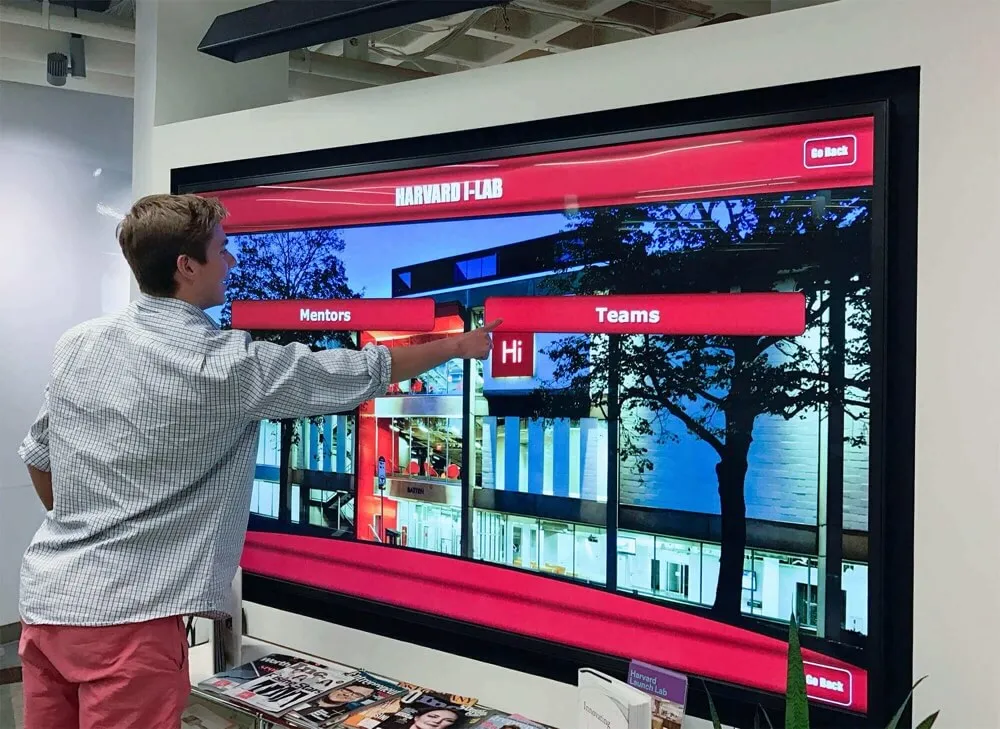
Interactive touchscreen functionality transforms passive displays into engagement platforms where users can search archives, explore detailed profiles, and discover related content through touch gestures. Commercial-grade capacitive touchscreens provide responsive interaction supporting multi-touch gestures, durable surfaces withstanding high-traffic use, and compatibility with gloved or dry-skin touch scenarios common in educational environments. Schools should specify displays meeting WCAG 2.1 AA accessibility standards ensuring usability for visitors with diverse abilities.
Content Management System Requirements
Display hardware requires cloud-based content management systems enabling remote updates without facility visits. Effective CMS platforms should support scheduled content publishing for planning recognition displays weeks in advance, unlimited photo and video storage eliminating capacity constraints, and mobile-responsive interfaces allowing content management from any device. Template-based design systems help schools maintain visual consistency across multiple displays while allowing customization for specific recognition categories. Institutions can explore touchscreen software options comparing feature sets and management approaches.
Encouraging Community Engagement with Digital Assets
DAM implementations deliver maximum value when schools actively promote content accessibility and create opportunities for community interaction with institutional archives.
Alumni Access Programs
Digitized yearbooks, historical photos, and achievement records provide valuable services to alumni seeking memories from school years. Schools can implement alumni access portals allowing graduates to search for graduation photos, reunion-year materials, and club or team participation documentation. These services strengthen alumni relationships, support reunion planning, and create natural donor cultivation opportunities when alumni experience positive interactions with institutional digital assets.
Student Research and Project Applications
Well-organized digital asset collections support student research projects, National History Day investigations, and documentary productions requiring historical materials. Making archives accessible to students through supervised search capabilities or curated collections enables learning opportunities while demonstrating practical applications for preservation efforts. Student projects using institutional digital assets often produce new content worth adding to collections, creating sustainable cycles where archives support research that enriches collections.
Community History Documentation
School digital assets frequently contain the most comprehensive visual documentation of community history, particularly in smaller towns where educational institutions serve as primary civic anchors. Providing appropriate community access to historical photos, facility documentation, and event records supports local history societies, municipal anniversary celebrations, and family genealogy research. These community services demonstrate institutional value extending beyond educational missions while strengthening relationships with civic stakeholders.
Frequently Asked Questions About DAM for Schools
What is a DAM system and why do schools need one?
A DAM (Digital Asset Management) system organizes, stores, and provides access to digital content like photos, videos, yearbooks, and documents. Schools need DAM systems because they generate thousands of photos annually from athletics, academics, and events that represent valuable institutional history. Without proper management, this content becomes scattered, lost, or unusable. Effective DAM systems preserve institutional memory, support recognition programs, and enable community engagement with historical materials.
How much does digital asset management for schools typically cost?
DAM costs vary significantly based on approach and scale. Basic cloud storage solutions may cost a few hundred dollars annually for small schools with modest needs. Dedicated educational DAM platforms typically range from $2,000-$10,000 annually depending on storage capacity and features. Combined recognition display systems that include asset management with touchscreen hardware generally require $8,000-$25,000 initial investment including equipment, software, content migration, and installation, followed by annual subscription fees for cloud hosting and support.
Can schools digitize old yearbooks and add them to DAM systems?
Yes, yearbook digitization represents one of the highest-value DAM applications for schools. Professional scanning services can convert physical yearbooks to searchable digital formats with page-level metadata enabling individual content discovery. Once digitized, yearbooks can be added to DAM systems alongside other photo collections. Many schools implement interactive displays allowing students and alumni to browse digitized yearbooks on touchscreens, providing access to institutional history while preserving deteriorating physical volumes.
What technical specifications should schools require for DAM display systems?
Essential specifications include commercial-grade touchscreen displays from 32" to 86" depending on viewing distances, minimum 1920x1080 resolution (4K preferred for screens above 55"), cloud-based content management systems enabling remote updates, WCAG 2.1 AA accessibility compliance, unlimited photo/video storage, mobile-responsive interfaces, and QR code functionality for smartphone access. Installation should accommodate standard power requirements without specialized electrical work, and displays should support standard mounting options including wall mounts, floor stands, and kiosk enclosures.
How long does implementing a school DAM system typically take?
Implementation timelines depend on system complexity and content volume. Basic cloud storage setup with minimal migration can complete within days. Dedicated DAM platforms with extensive content migration typically require 4-8 weeks including planning, configuration, staff training, and initial content organization. Combined recognition display systems average 2-4 weeks from order to installation including hardware delivery, content migration assistance, remote CMS configuration, and staff onboarding. Comprehensive digitization projects involving thousands of yearbook pages or photo collections may extend over several months depending on volume and professional service capacity.
Building Sustainable Digital Asset Management for Educational Excellence
Effective digital asset management transforms how schools preserve institutional memory, celebrate achievements, and engage communities with visual history. Rather than treating photos, yearbooks, and historical materials as filing burdens, strategic DAM implementation creates valuable resources supporting recognition programs, alumni relations, development initiatives, and cultural identity.
Schools pursuing DAM improvements should begin by assessing current challenges, identifying primary use cases, and defining success metrics beyond simple storage capacity. The most valuable implementations connect archival preservation with active engagement through recognition displays that make organized digital assets immediately accessible throughout facilities while providing mobile access extending reach beyond physical locations.
Solutions like Rocket Alumni Solutions address both storage and display objectives through unified platforms combining cloud-based digital asset management with interactive touchscreen systems specifically designed for educational recognition applications. These comprehensive approaches eliminate disconnects between content organization and public presentation while supporting diverse institutional needs from athletic achievement celebration to donor recognition to historical preservation.
Ready to transform scattered digital assets into organized collections and engaging recognition displays? Schedule a demo to see how Rocket Alumni Solutions can help your school preserve institutional history while celebrating achievements through modern display technology.