



Cheerleading fundraiser ideas provide essential revenue streams that enable squads to afford competition fees, new uniforms, travel expenses, and quality training opportunities that transform good teams into championship contenders. Yet many cheer coaches and booster club parents struggle to move beyond the same tired bake sale approaches that generate minimal returns while exhausting volunteer energy and community goodwill.
The most successful cheer programs implement diversified fundraising strategies combining proven product sales, creative community events, innovative digital campaigns, and strategic recognition opportunities that engage supporters year-round rather than relying on a single annual push. These comprehensive approaches not only raise more money but also build stronger connections between cheer squads, their schools, and the broader community that values athletic excellence and school spirit.
This comprehensive guide explores effective cheerleading fundraiser ideas ranging from traditional product sales to modern digital strategies, practical implementation tips that maximize participation and results, and recognition approaches that honor supporters while inspiring continued engagement with your program.
Effective cheer fundraising requires strategic planning, authentic community engagement, and diversified revenue approaches that respect donor fatigue while creating genuine value. The most successful programs raise funds consistently throughout the season rather than overwhelming supporters with concentrated campaigns, building sustainable financial foundations that support long-term program growth and competitive success.

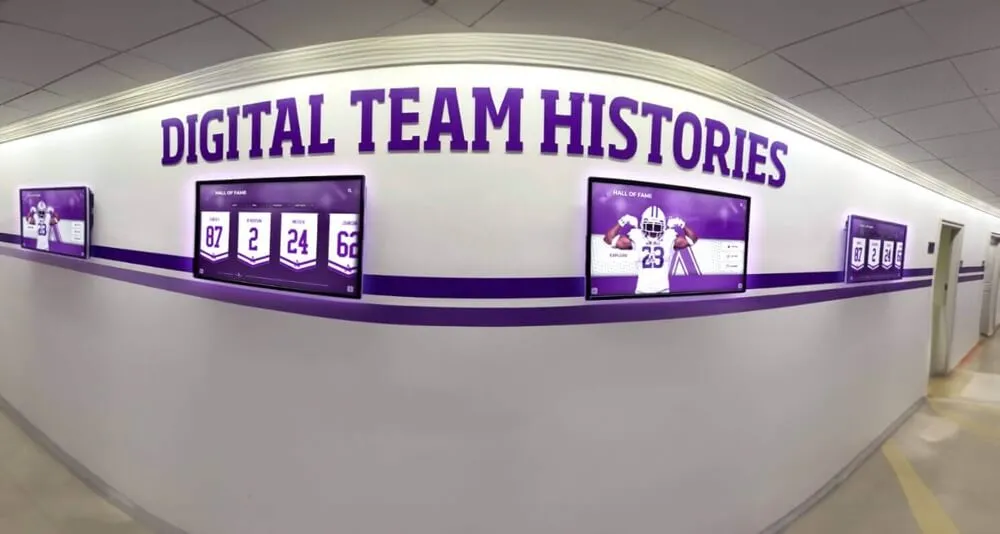
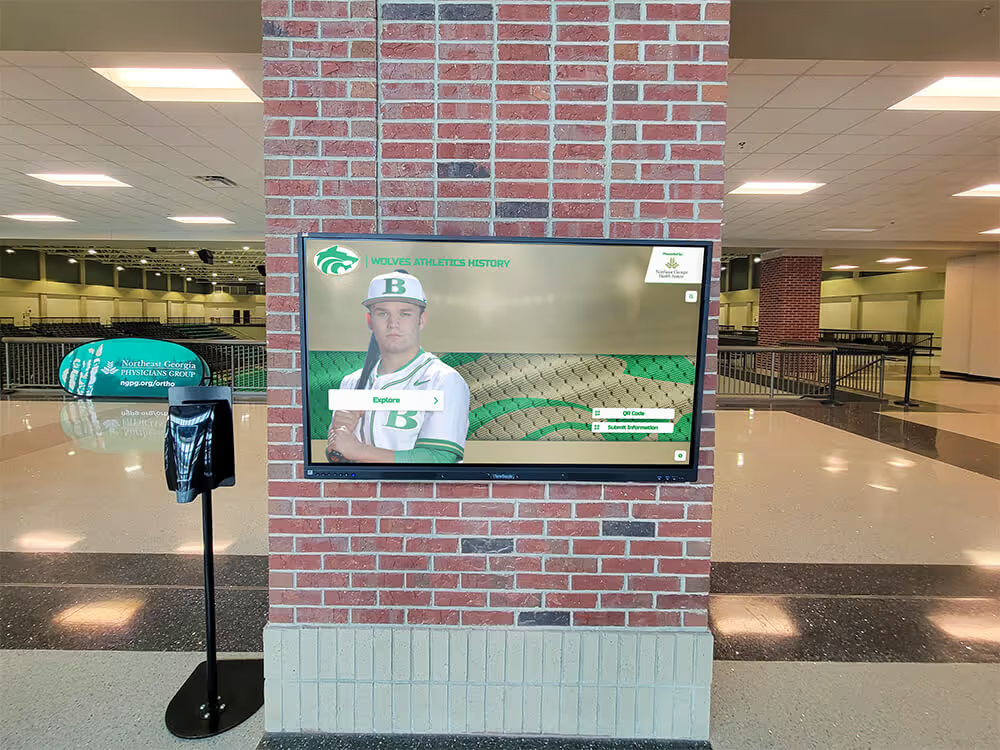
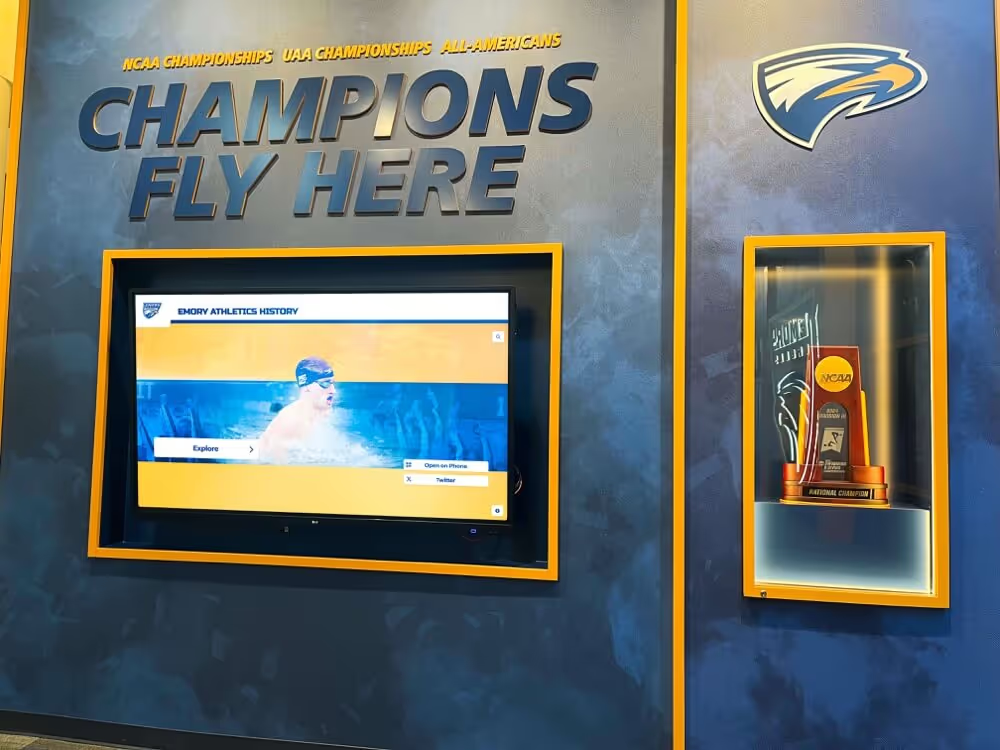
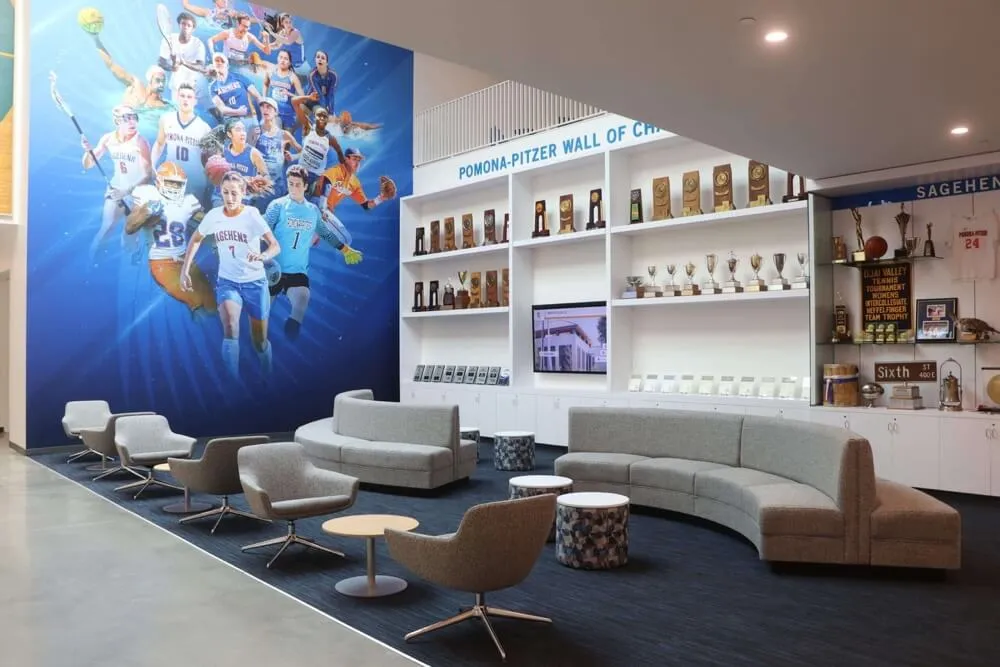
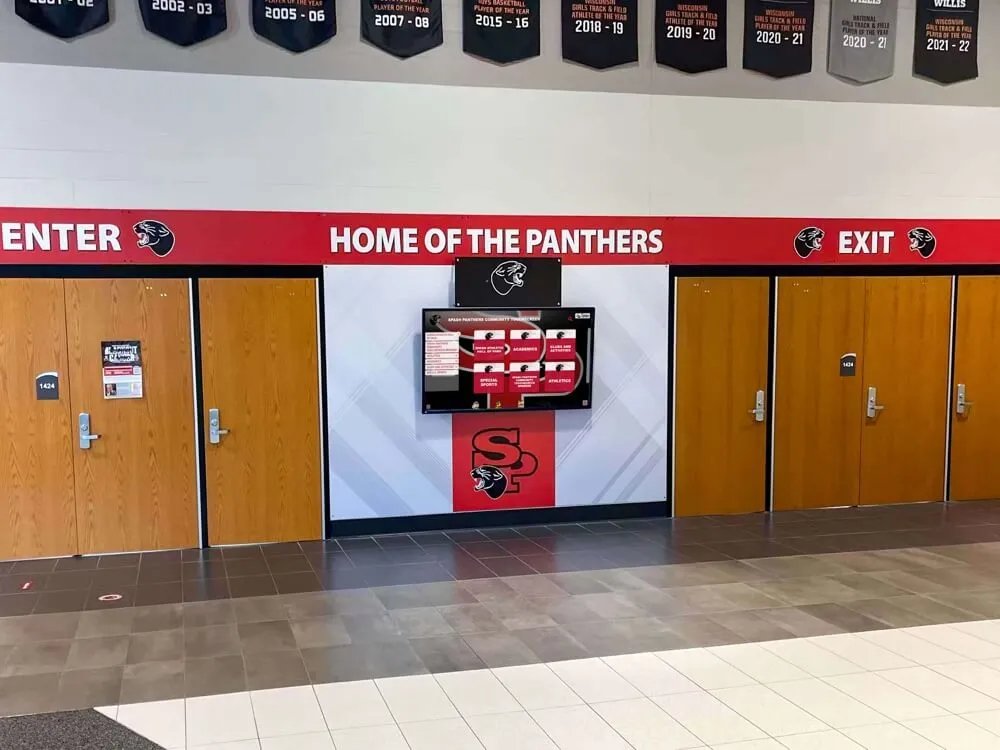
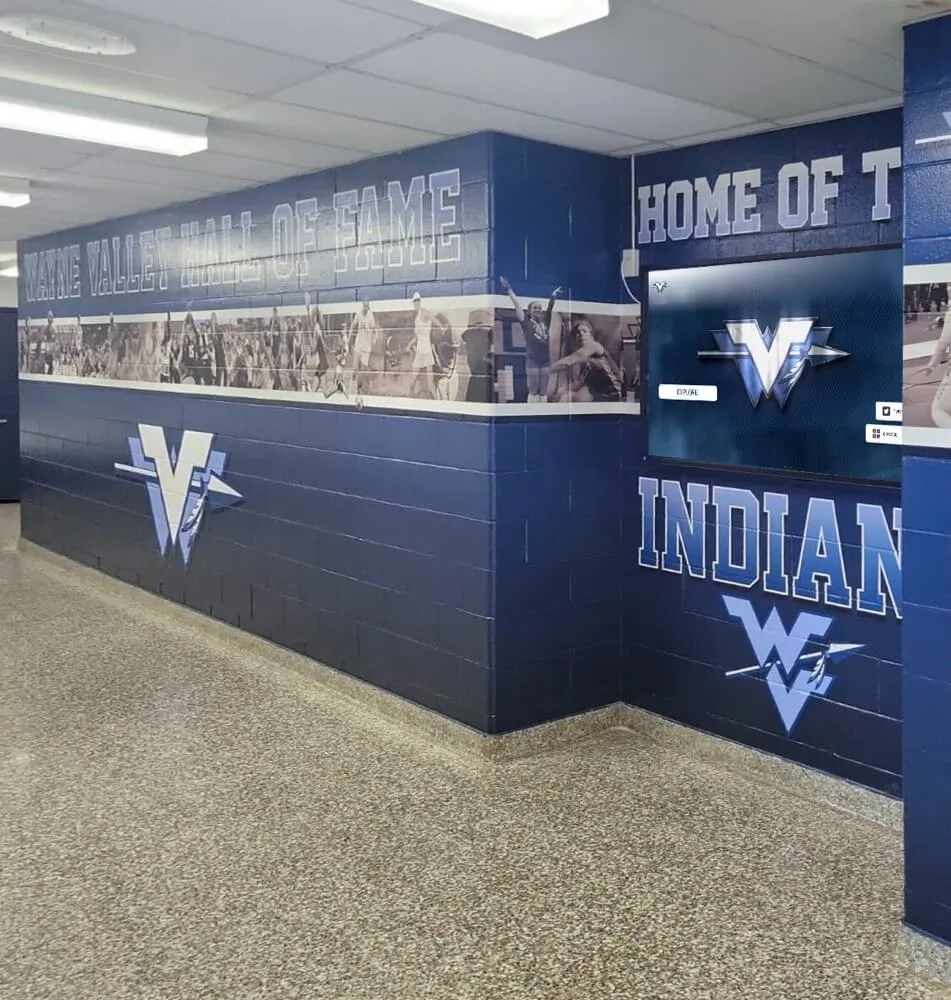
Creating visible recognition for supporters and achievements strengthens community connection to athletic programs including cheer squads
Why Cheerleading Programs Need Strong Fundraising
Understanding the financial realities facing cheer squads helps coaches and parent organizations develop fundraising approaches that adequately support program needs and competitive aspirations.
The Rising Costs of Competitive Cheerleading
According to the National Federation of State High School Associations, competitive cheerleading has experienced significant growth in participation and competitive complexity over the past decade. Competition fees alone can range from $500 to $2,000 per event, with many squads attending 4-6 competitions annually. Additional expenses include:
- Uniforms and performance gear: $200-$400 per athlete for competition uniforms, warm-ups, practice gear, and accessories
- Choreography and coaching fees: $1,500-$5,000 for professional choreographers and specialized coaching
- Travel and accommodation: $3,000-$10,000+ for regional and national competition travel
- Training and practice costs: Facility rentals, tumbling classes, stunt coaching, and strength conditioning
- Equipment and safety gear: Mats, training equipment, first aid supplies, and safety certifications
- Insurance and liability coverage: Team coverage for practices and competitions
Most school athletic budgets provide minimal funding for cheer programs relative to their needs, with squads often receiving significantly less support than other athletic teams despite comparable participation numbers and competitive demands. This funding gap makes effective fundraising essential rather than optional for squads seeking to provide quality experiences and competitive opportunities.
Benefits Beyond the Budget
Strategic fundraising delivers value extending beyond revenue generation:
Community Building
- Fundraising activities connect squad families and create supportive team culture
- Events showcase athletic skills and build community appreciation for cheer programs
- Shared fundraising experiences strengthen bonds between team members
- Community engagement raises program visibility and attracts future participants
Life Skills Development
- Athletes learn goal-setting, planning, and project management
- Sales-based fundraisers develop communication and persuasion skills
- Team fundraising teaches collaboration and shared accountability
- Financial literacy grows through budget planning and revenue tracking
Programs treating fundraising as integrated aspects of their overall team experience rather than necessary burdens create more positive outcomes while teaching valuable skills athletes carry beyond their competitive careers.
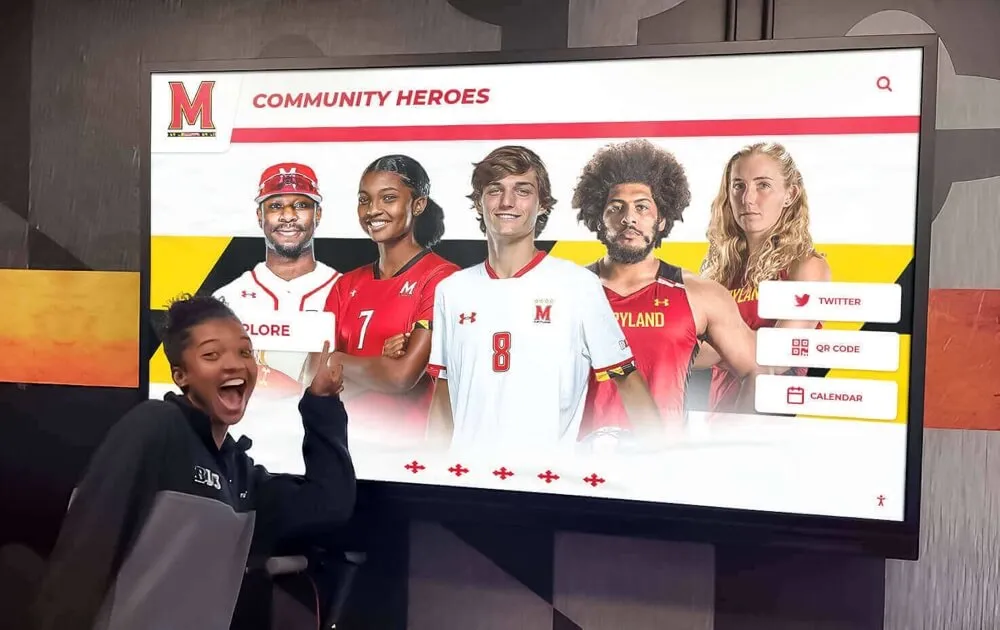
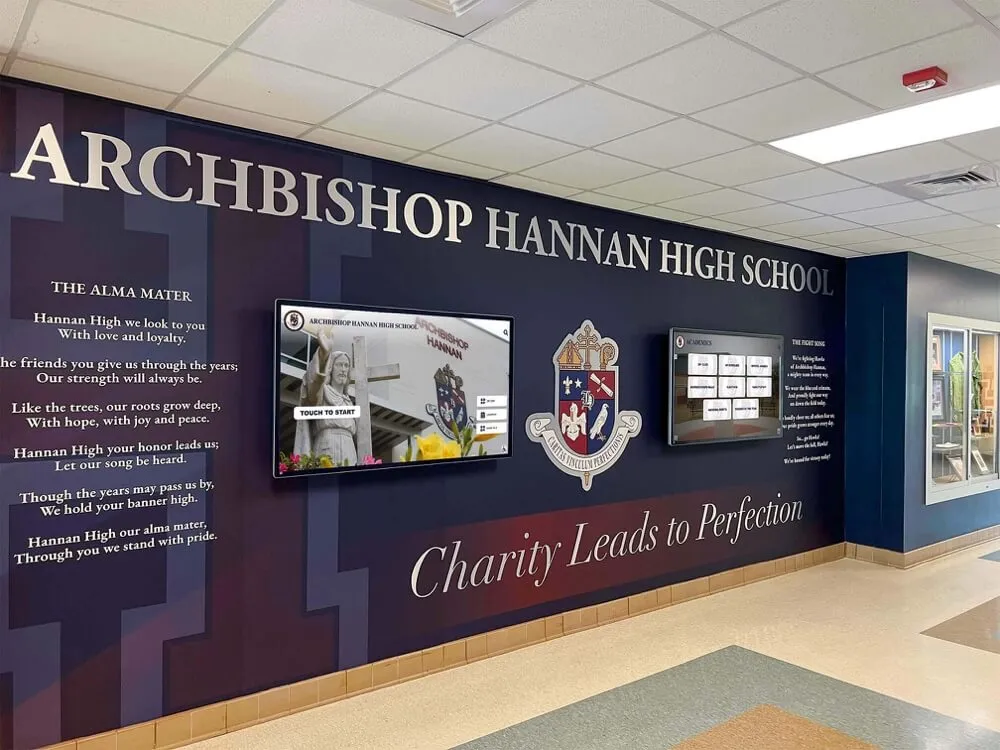
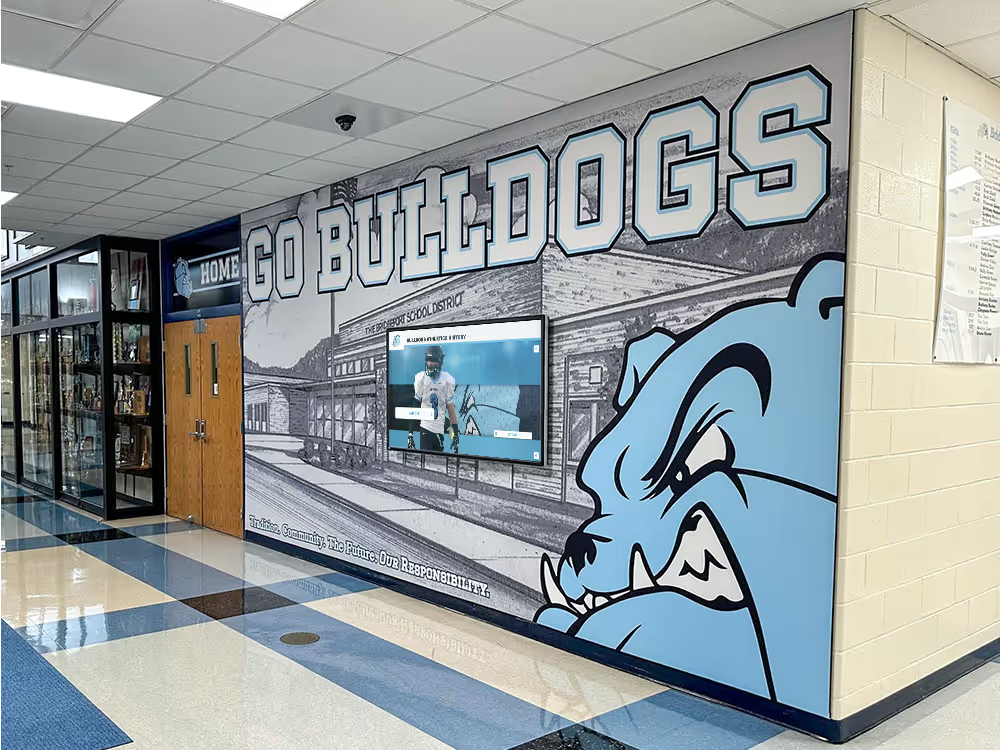
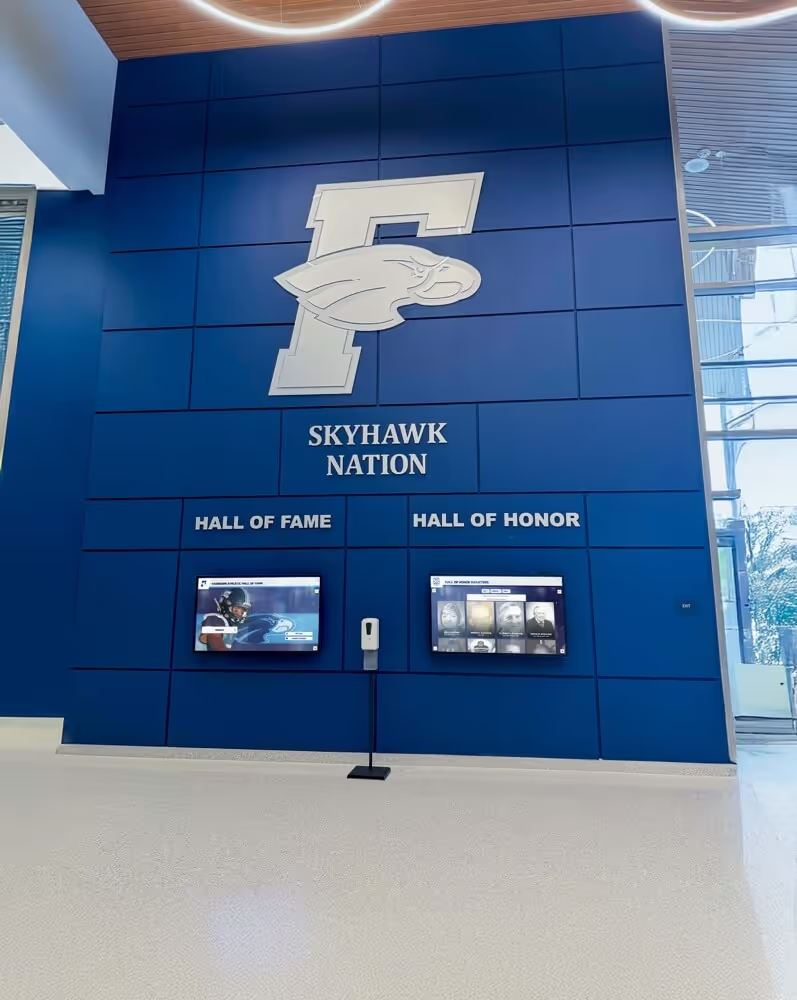
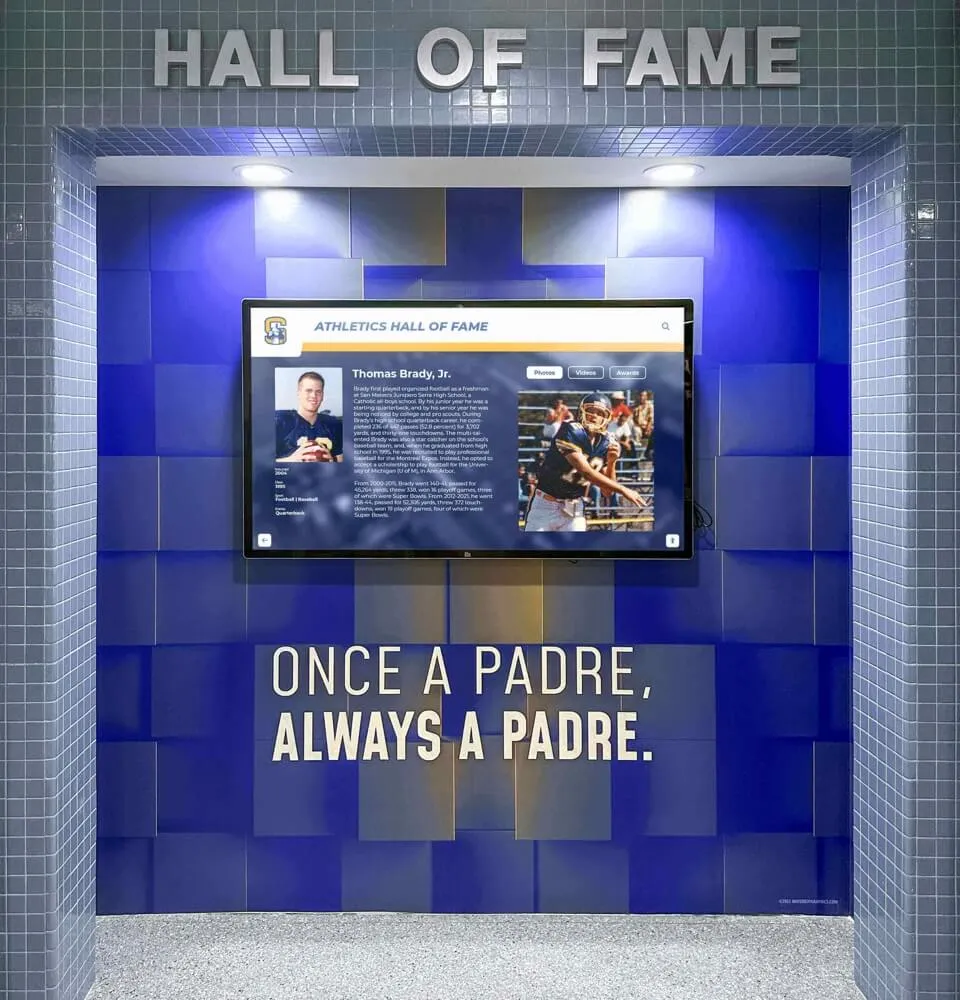
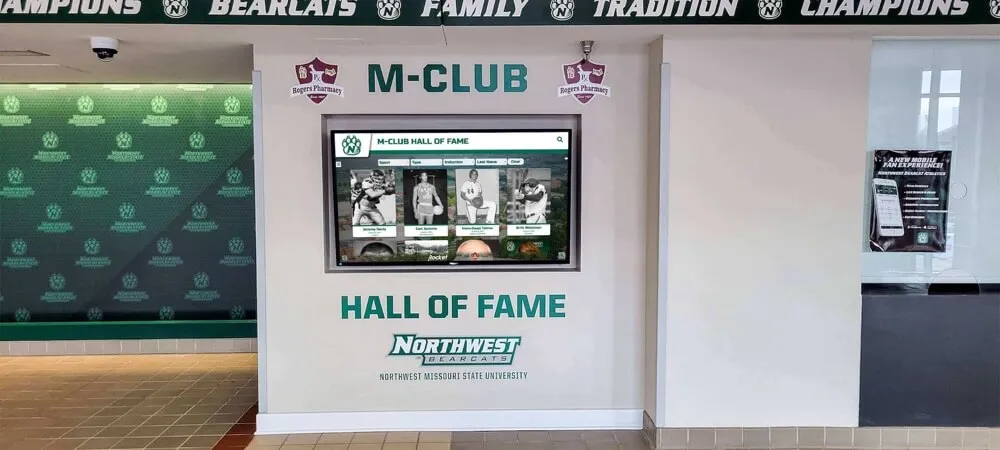
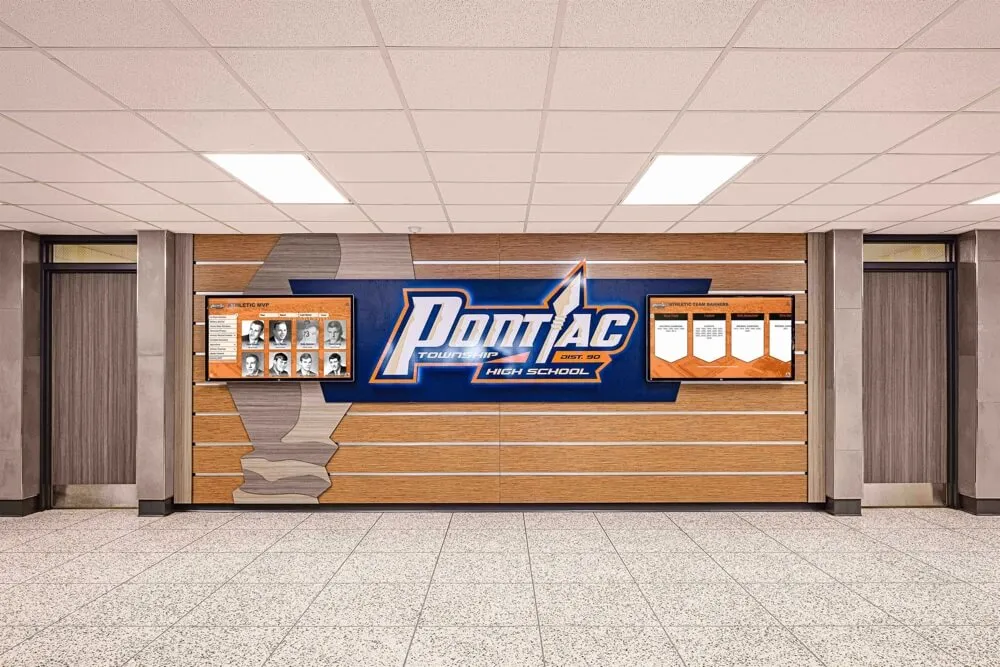
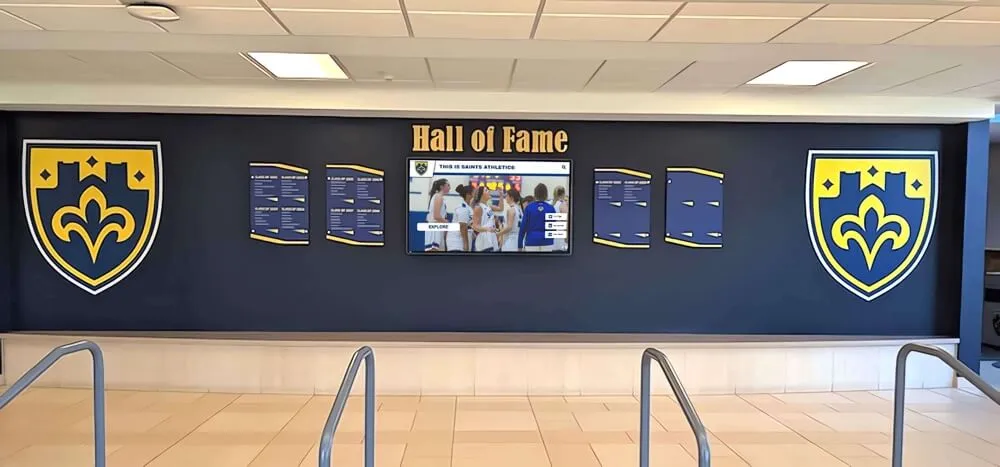
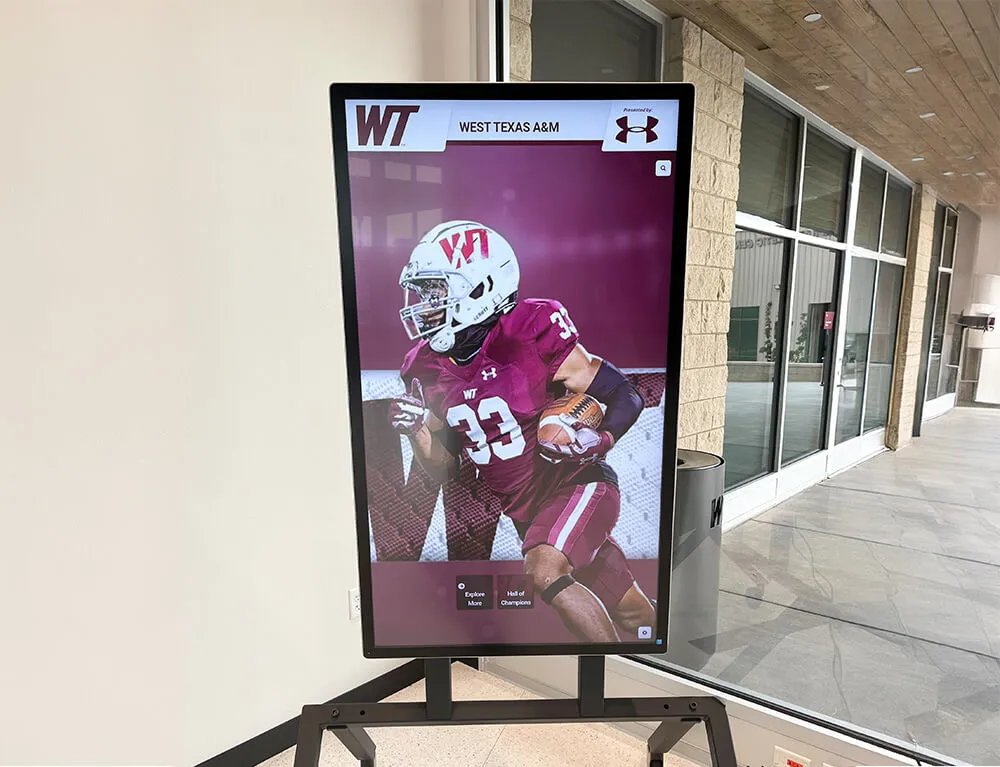
Digital recognition displays create engaging ways to celebrate athletic achievements and honor program supporters
Traditional Product Sales Fundraisers
Product-based fundraising remains popular because it delivers predictable returns through proven models many communities readily understand and support.
Cookie Dough and Baked Goods
Cookie dough fundraisers consistently rank among the highest-earning options for athletic teams. Quality frozen cookie dough companies offer 40-60% profit margins, with top sellers earning $3,000-$10,000 for squads of 20-30 athletes. Success factors include:
Maximizing Cookie Dough Sales
- Launch campaigns before major holidays when families purchase more baked goods
- Set individual athlete sales goals with team rewards for achievement
- Provide sample products parents can share with potential customers
- Create friendly competition between squad members with recognition for top sellers
- Extend sales periods to 2-3 weeks allowing multiple touchpoints with customers
- Offer online ordering options for convenience and expanded reach
Similar concepts work with other baked good fundraisers including brownies, cinnamon rolls, and specialty desserts. Consider complementary sales approaches where supporters purchase baked goods matching specific team needs—“buy a dozen cookies to fund one competition entry” creates tangible connection between purchases and program impact.
Discount Card Programs
Community discount cards featuring savings at local restaurants, retailers, and service providers offer excellent profit margins (typically 50-80%) while providing genuine value to purchasers. Cards priced at $10-$20 quickly pay for themselves through a few redemptions, making them easy sells to family members, neighbors, and community supporters.
Building Effective Discount Card Programs
- Partner with 15-20 diverse local businesses offering meaningful discounts (20%+ savings)
- Ensure participating businesses represent various categories (dining, retail, services, entertainment)
- Design professional cards that supporters feel comfortable using publicly
- Communicate clearly with businesses about expected exposure and customer traffic
- Track redemptions to demonstrate value to business partners for future years
- Consider digital card versions accessible via mobile apps for modern convenience
Discount cards work particularly well for cheer squads because they sell year-round rather than seasonally, supporters can purchase multiple cards as gifts, and cards showcase community business support strengthening local relationships.
Spirit Wear and Apparel Sales
School spirit apparel creates natural synergy for cheer squads who embody school spirit through their athletic role. T-shirts, hoodies, hats, and accessories featuring school colors, mascots, and cheer-specific designs appeal to students, families, alumni, and community supporters.
Spirit Wear Success Strategies
- Partner with quality apparel companies offering 30-40% profit margins
- Create exclusive designs not available through school stores
- Launch sales timed to school events (homecoming, playoffs, end-of-season banquets)
- Use online stores eliminating inventory risk and order collection complexity
- Showcase apparel through squad members wearing items at school and community events
- Offer limited-edition items creating urgency and collector appeal
- Include personalization options (names, graduation years) increasing perceived value
Consider creating apparel recognizing specific achievements—championship gear, milestone season shirts, or senior class designs that become keepsakes supporters treasure beyond their functional purpose.

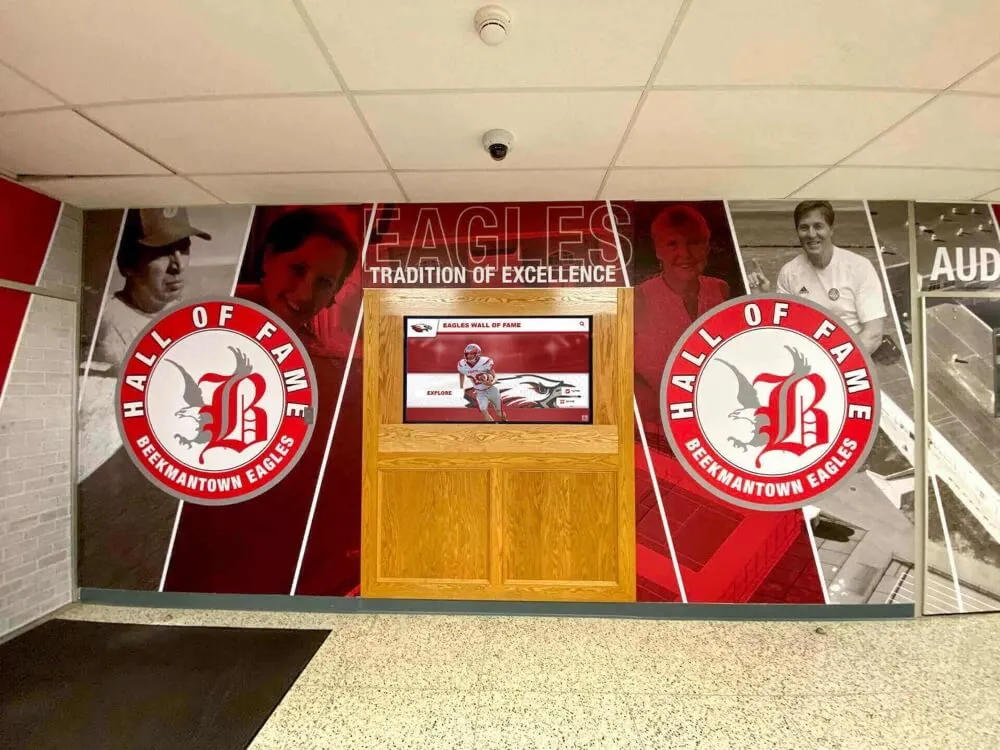
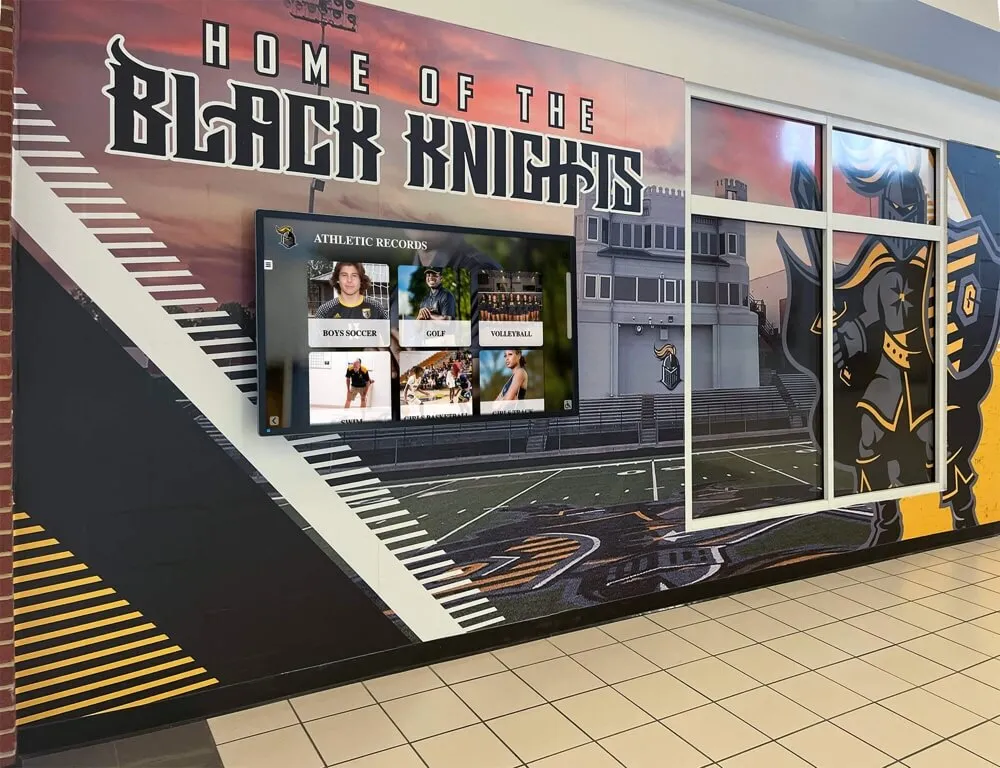
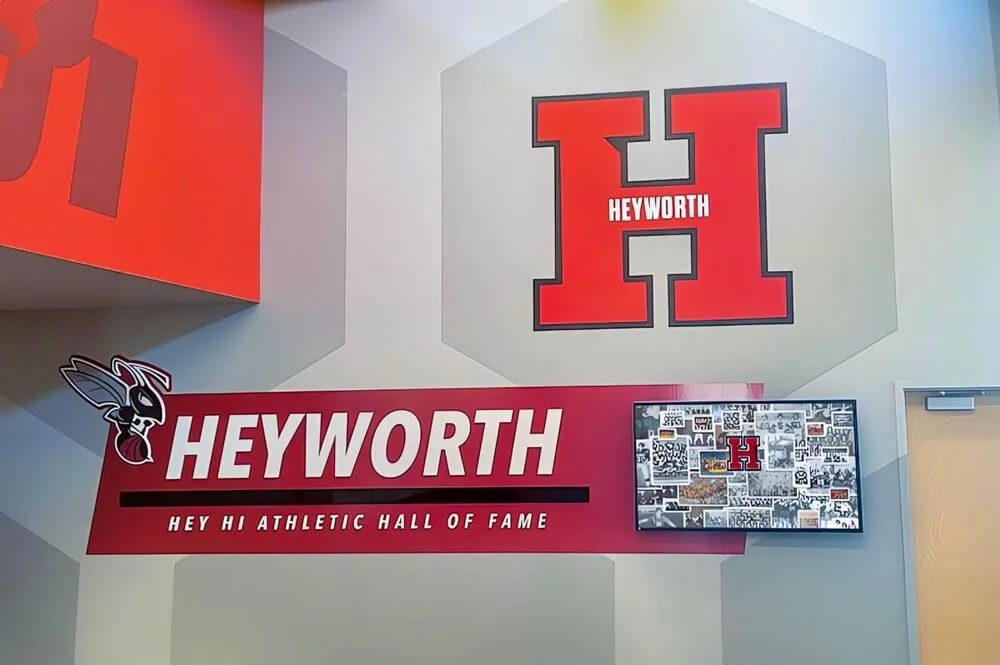
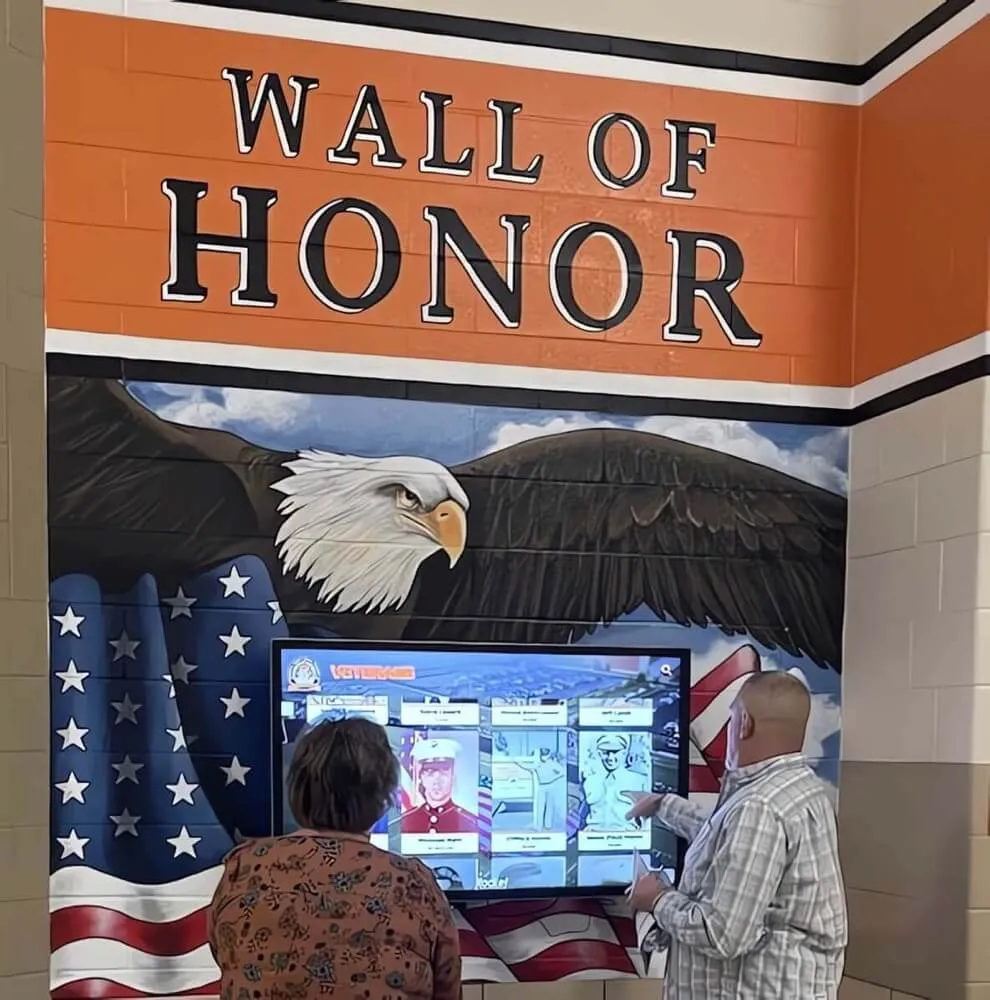
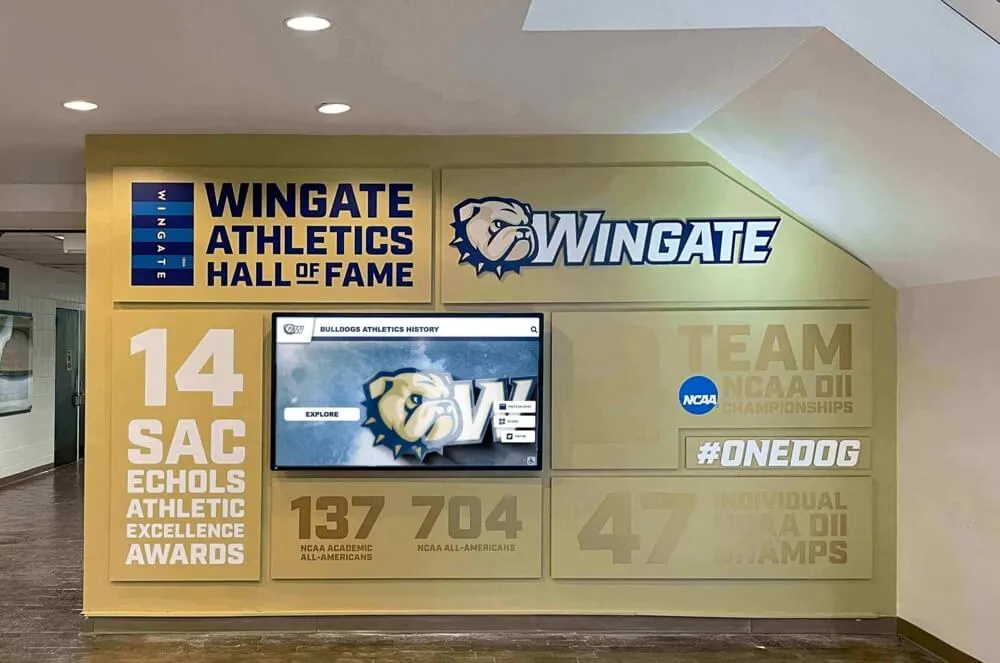
Permanent athletic displays in high-traffic school areas celebrate team achievements and inspire school spirit
Creative Event-Based Fundraisers
Event fundraisers create community engagement opportunities while generating revenue through participation fees, concessions, sponsorships, and related sales.
Cheer Clinics and Youth Camps
Youth cheer clinics leverage your squad’s athletic expertise while introducing younger students to cheerleading. Half-day or full-day clinics teach basic cheer skills, jumps, cheers, and simple stunts, culminating in performances at halftime of school games or special showcase events.
Clinic Planning Essentials
- Charge $30-$75 per participant depending on clinic duration and what’s included
- Target elementary and middle school students not yet on competitive teams
- Divide participants into age-appropriate groups with adequate supervision ratios
- Provide clinic t-shirts included in registration fees (sourced at bulk rates)
- Schedule clinics during off-season when facilities are available
- Recruit parent volunteers to assist with registration, supervision, and snacks
- Create memorable culminating performances parents attend and photograph
- Consider offering advanced clinics for experienced youth cheerleaders
Squads of 20-30 athletes can generate $2,000-$5,000 from a single well-attended clinic while building community goodwill and developing future program participants. Multi-day camps extend this model, though they require more complex planning and facilities coordination.
Community Fun Runs and Walk-a-Thons
Fun runs combine fitness, community participation, and fundraising into family-friendly events. The 5K distance works well for broad participation, though alternative distances accommodate various fitness levels. Revenue comes from registration fees ($20-$40), sponsorships, and sometimes pledge-based models.
Fun Run Success Factors
- Secure course permits and insurance coverage early in planning
- Recruit local businesses as event sponsors underwriting costs
- Promote widely through schools, social media, and community channels
- Offer early-bird registration discounts encouraging advance sign-ups
- Create participant shirts included in registration (sourced in bulk)
- Provide timing services and awards for top finishers
- Include kid-friendly activities creating festival atmosphere
- Thank sponsors publicly during events and through post-event recognition
Partner with experienced race directors for first-time events to navigate logistics including course planning, permits, safety, timing, and participant management. Successful inaugural events establish annual traditions generating reliable revenue while building community connections.
Cheer Showcases and Performance Events
Showcase events featuring your squad’s competitive routines, exhibition performances, and special entertainment create ticketed fundraising opportunities. Charge admission ($5-$15 per person), sell concessions, and secure event sponsorships from local businesses.
Showcase Event Elements
- Perform full competitive routines typically seen only at competitions
- Include special performances (alumni routines, parent performances, themed exhibitions)
- Invite other cheer squads for guest performances creating larger events
- Sell concessions (snacks, drinks, spirit wear) during intermissions
- Recognize sponsors and supporters publicly during events
- Create photo opportunities families value and share on social media
- Consider holding events at venues larger than school gyms when audiences warrant
Showcase events particularly succeed when timed strategically—pre-competition previews let supporters see routines before competitions, while end-of-season celebrations recognize achievements and graduating seniors. Building these into annual program traditions creates anticipated events communities support consistently.
Restaurant Partnership Nights
Restaurant fundraising nights direct percentages of sales (typically 10-20%) to your squad when supporters dine during specified times. These events require minimal planning while creating social opportunities for team families and supporters.
Restaurant Night Best Practices
- Partner with establishments offering private event spaces or accommodating large groups
- Schedule events on traditionally slower restaurant nights (Tuesday-Thursday)
- Promote heavily to families, extended family, friends, and community supporters
- Request higher percentage deals in exchange for guaranteed minimum attendance
- Attend events visibly with squad members greeting diners and thanking supporters
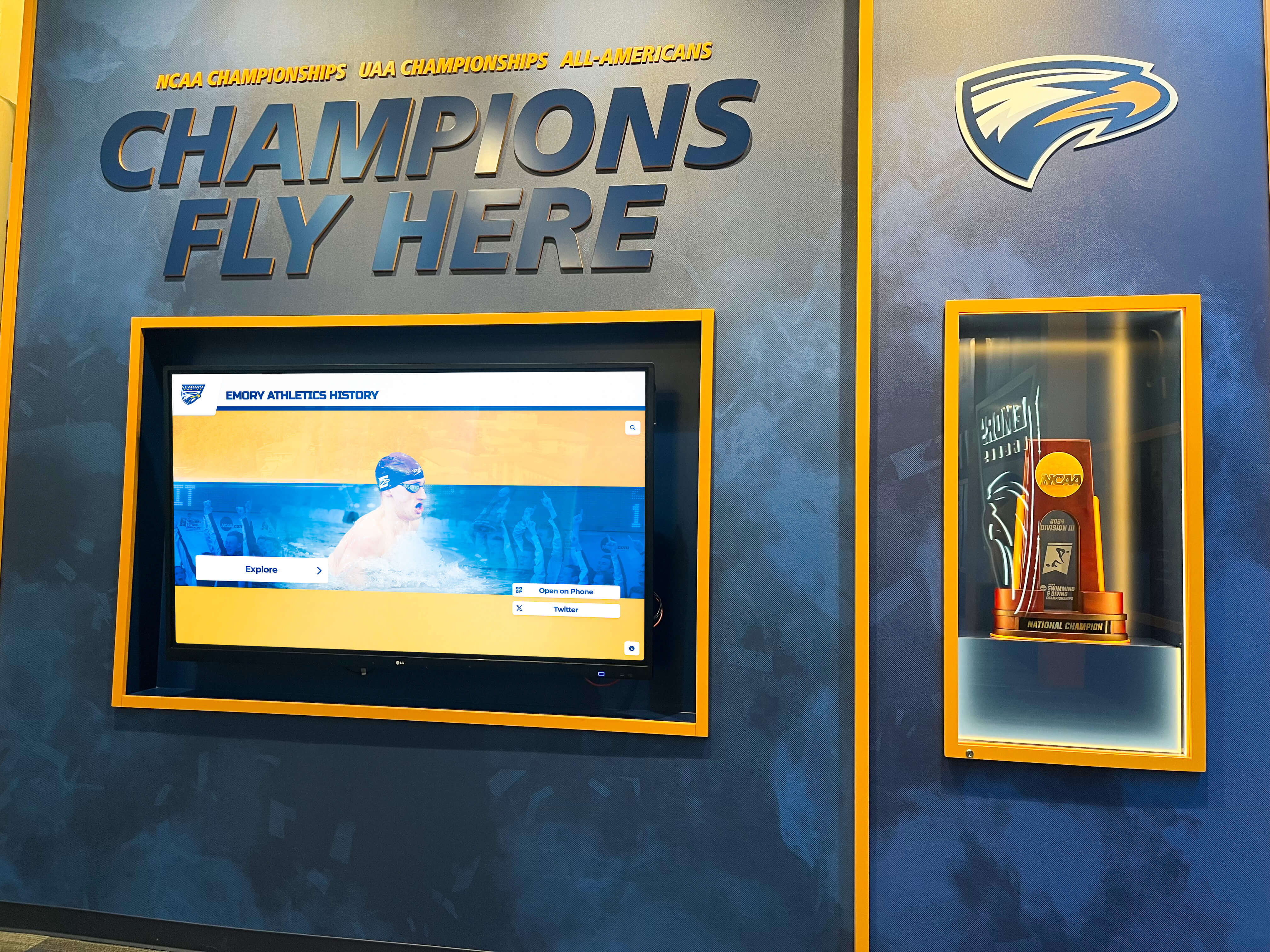
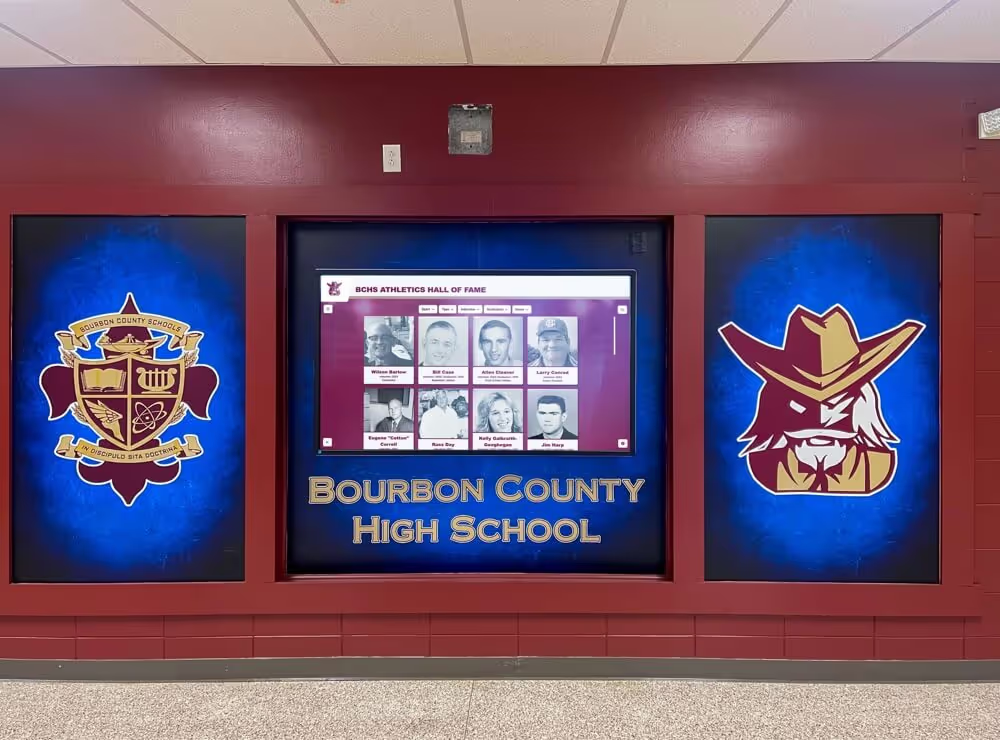
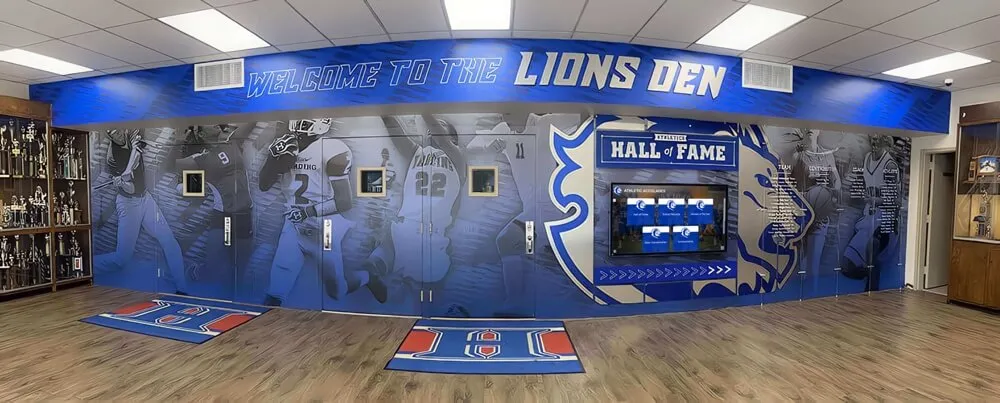
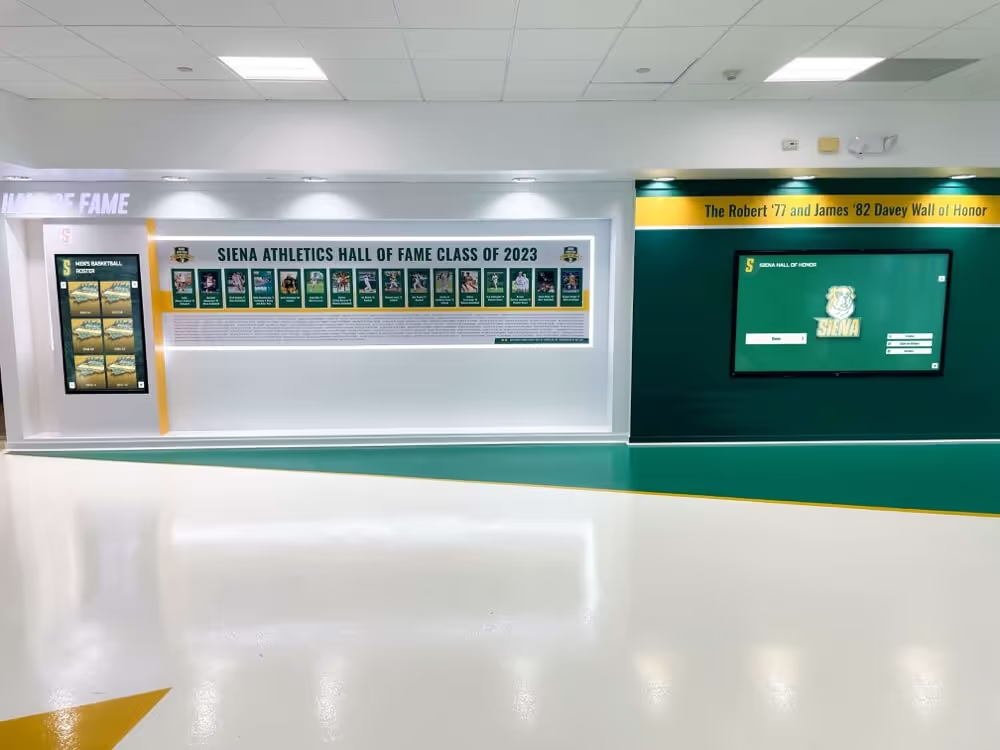
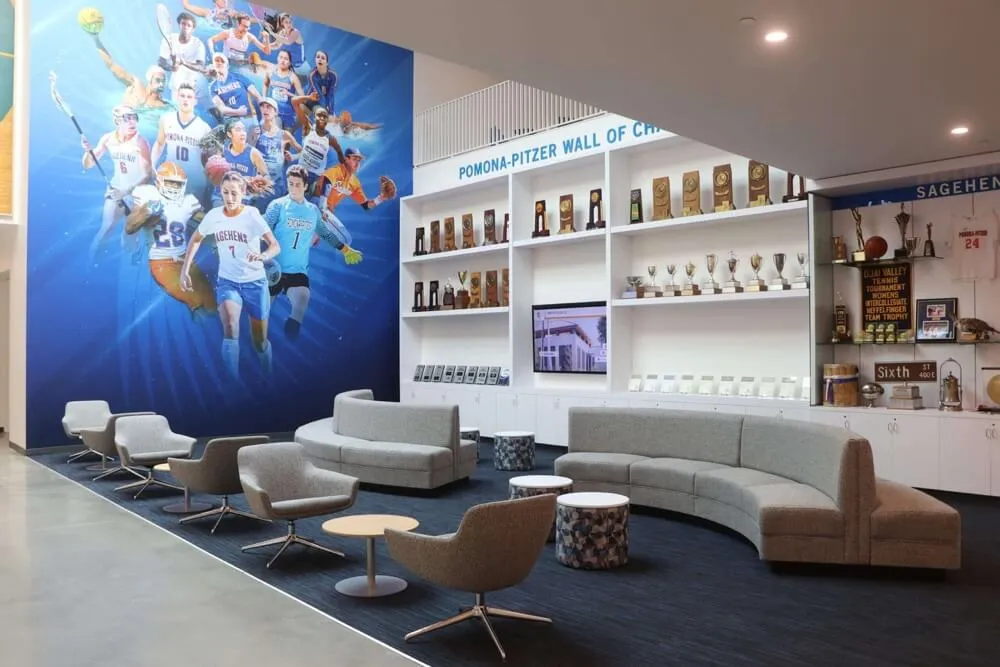
Permanent championship recognition creates lasting tributes to athletic achievements and program excellence
- Consider rotating between multiple restaurant partners throughout the season
- Combine with other activities like silent auctions or raffle drawings
Chain restaurants often have established team fundraising programs simplifying planning, while local restaurants may offer better percentage deals and strengthen community relationships. Schedule 3-4 restaurant nights annually avoiding supporter fatigue while maintaining consistent engagement.
Modern Digital Fundraising Strategies
Digital tools expand fundraising reach beyond immediate communities while reducing logistical complexity and providing data insights that improve campaign effectiveness.
Online Crowdfunding Campaigns
Crowdfunding platforms enable squads to share their stories, funding needs, and competitive goals with broad audiences including extended family, alumni, and community supporters who may not attend local events. According to research on educational crowdfunding, campaigns with compelling narratives and clear funding goals raise 40-50% more than generic requests.
Crowdfunding Campaign Success Elements
- Create specific funding goals tied to tangible needs (“Fund our National Championship travel”)
- Share compelling squad stories through photos and videos
- Break large goals into smaller milestones celebrating incremental progress
- Update supporters regularly on fundraising progress and team achievements
- Offer recognition tiers acknowledging different contribution levels
- Make sharing easy so supporters promote campaigns within their networks
- Thank donors publicly (with permission) creating social proof that encourages others
Platforms like GoFundMe, DonorsChoose, and RallyUp offer different features and fee structures. Compare options considering platform fees, payment processing costs, payout timing, and feature sets before selecting the best fit for your specific campaign needs.
Social Media Fundraising and Challenges
Social media enables creative fundraising approaches reaching supporters wherever they spend time online. Challenge-based campaigns—where supporters pledge donations tied to athletic achievements—create engaging narratives supporters follow and share.
Social Media Fundraising Ideas
- “Sponsor a Stunt” campaigns where donors support specific routine elements
- Video challenges supporters share after making donations
- Birthday fundraisers where squad members request donations instead of gifts
- Progress tracking showing daily fundraising achievements during campaign periods
- Live-streamed practices or behind-the-scenes content for donors
- Recognition posts celebrating supporters and their contributions
- Countdown campaigns building excitement toward competitions or major purchases
The key to social media success lies in authentic storytelling that showcases your squad’s personality, dedication, and aspirations rather than generic fundraising requests. Supporters connect with real athletes working toward meaningful goals, not abstract appeals for financial support.
Peer-to-Peer Fundraising
Peer-to-peer models empower individual athletes to fundraise within their personal networks while contributions roll up to overall team goals. Each cheerleader creates a personalized fundraising page sharing why they love cheer and what team goals mean to them personally.
Peer-to-Peer Implementation
- Provide athletes with fundraising page templates and suggested content
- Set individual athlete goals contributing to team totals
- Create friendly competition with recognition for top fundraisers
- Supply athletes with social media graphics and suggested posts
- Track individual and team progress publicly motivating ongoing sharing
- Recognize ALL participants, not just top fundraisers, for their efforts
- Provide coaching to athletes on how to make authentic personal appeals
This approach particularly resonates with younger supporters—friends, classmates, and extended family—who connect with individual athletes more than abstract team needs. Athletes develop advocacy and communication skills while taking ownership of team fundraising success.
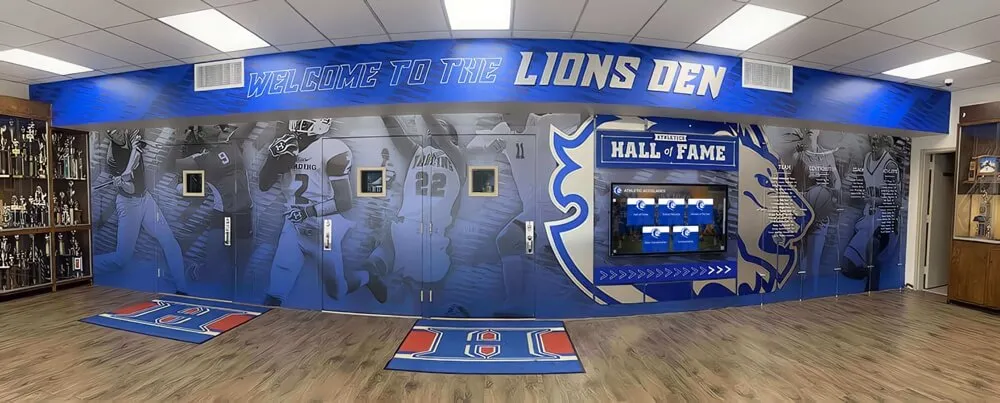
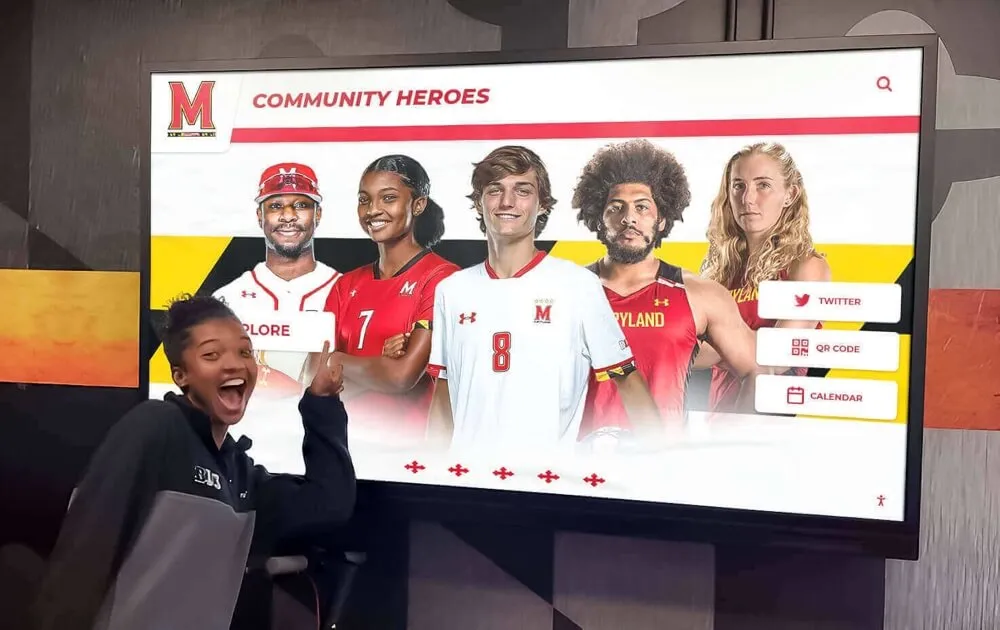
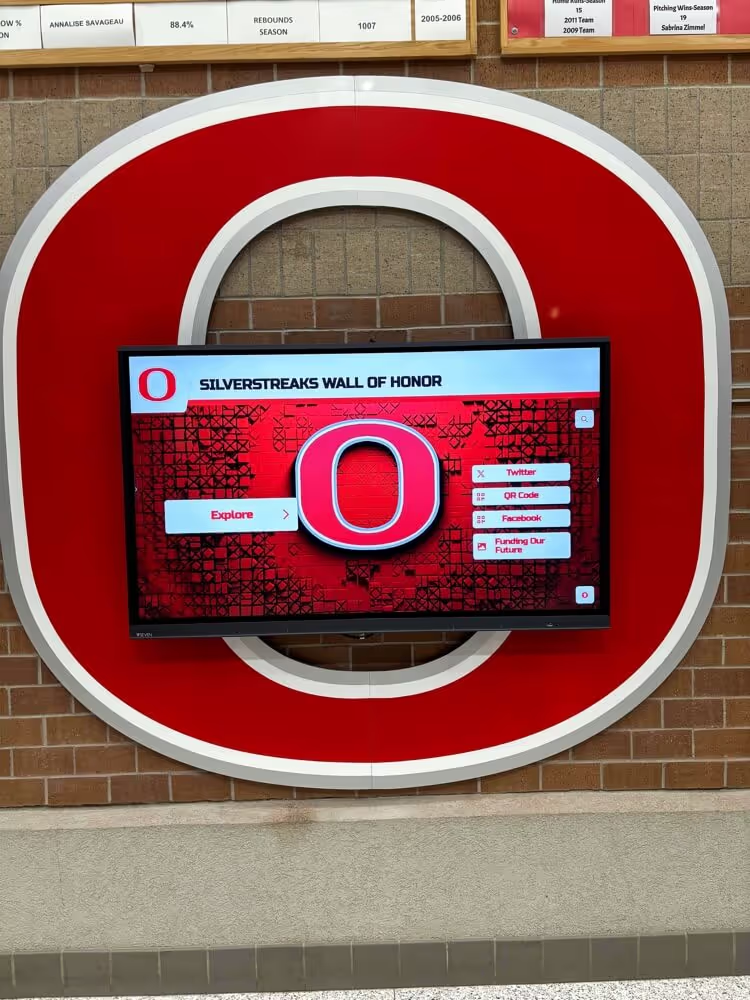
Creating comprehensive recognition displays honors athletic excellence while inspiring future program participants
Honoring Supporters and Building Lasting Recognition
Thoughtful recognition transforms one-time donors into long-term supporters while creating visible evidence of community support that inspires additional giving. Programs that strategically acknowledge contributions build sustainable fundraising cultures extending beyond immediate financial needs.
Creating Donor Recognition Programs
Establishing formal recognition levels encourages larger contributions while providing structure for acknowledging various support levels. Clear tier naming and associated benefits help supporters understand options and make meaningful giving decisions.
Sample Recognition Level Structure
- Championship Circle ($1,000+): Name recognition on digital displays, premium seating at showcases, exclusive team updates
- Spirit Squad ($500-$999): Name listed on team website and programs, recognition at banquets
- Cheer Champions ($250-$499): Name recognition in team materials and social media acknowledgments
- Squad Supporters ($100-$249): Listed on team supporter roster, thank-you recognition
- Friends of Cheer (Under $100): Appreciation through team communications and social media
Programs should customize level names and benefits reflecting their specific community and program culture. Consider non-monetary benefits that create value without additional costs—reserved showcase seating, exclusive practice viewing, or special recognition at school events cost little while providing meaningful donor appreciation.
Digital Recognition Displays
Modern digital recognition technology enables squads to honor supporters while showcasing team achievements, creating dual-purpose displays that celebrate both athletic excellence and the community support making success possible. Similar to how school spirit programs build community pride, donor recognition strengthens connections between teams and supporters.
Digital Display Benefits for Cheer Programs
- Unlimited supporter recognition without physical space constraints
- Easy updates as new supporters contribute throughout seasons
- Integration of supporter recognition with team achievement displays
- Photo galleries showcasing supporter engagement at events and fundraisers
- Sponsorship opportunities generating ongoing revenue to offset display costs
- Professional presentation elevating program prestige and credibility
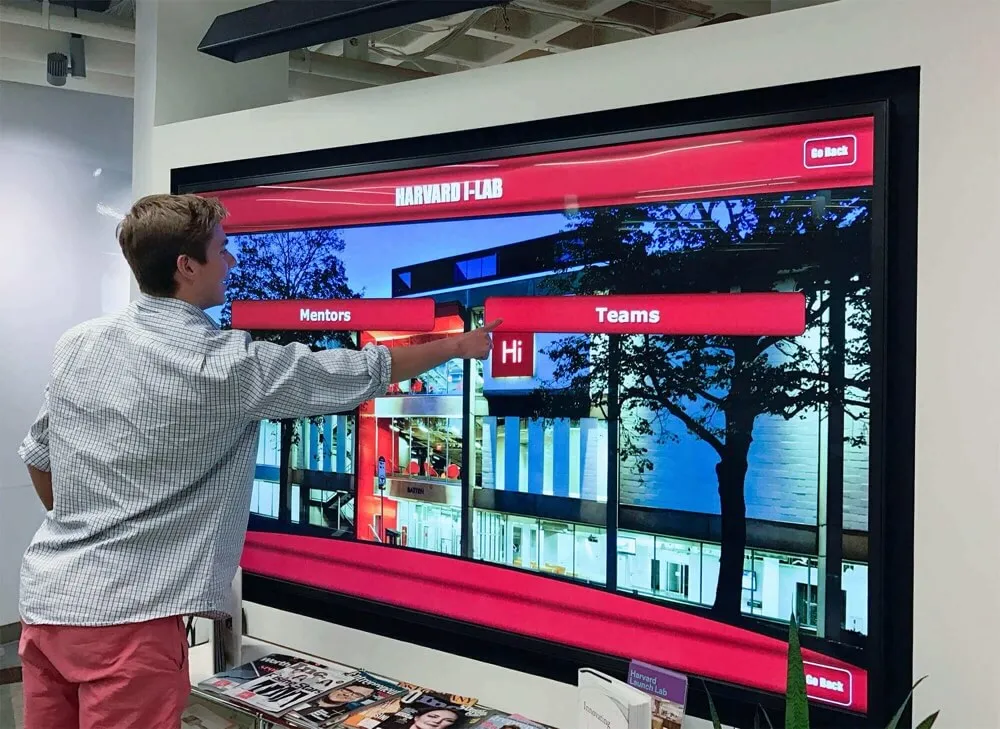
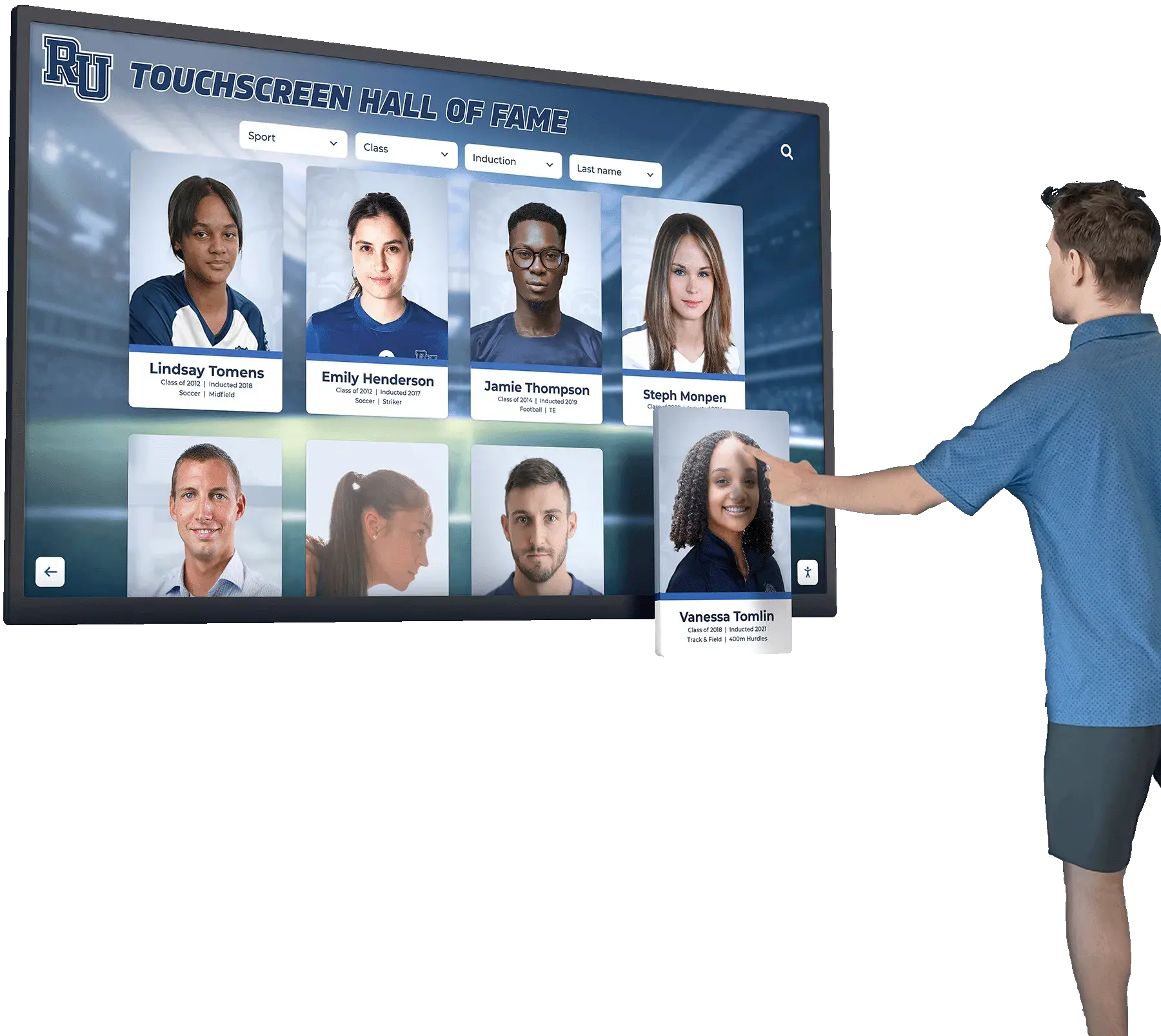
Interactive touchscreen displays enable visitors to search for specific supporters, explore team history, view competition highlights, and understand how contributions directly impact program success. These installations transform static recognition into engaging experiences that communicate program value while honoring everyone who makes competitive cheerleading possible.
Organizations seeking to create comprehensive recognition solutions for their cheer programs and broader athletic departments can explore how digital displays enable unlimited recognition capacity, professional presentation, and flexible content management that adapts as supporter communities grow. Rocket Alumni Solutions specializes in touchscreen recognition displays that work across screens of any size, accommodate unlimited entries, and provide cloud-based management enabling updates from anywhere—ideal for busy coaches and booster club volunteers managing multiple responsibilities.
Social Media and Public Recognition
Timely public acknowledgment creates positive supporter experiences while encouraging additional giving. Recognition posted when contributions arrive feels more authentic and appreciative than delayed batch acknowledgments compiled weeks later.
Effective Public Recognition Practices
- Thank supporters individually on social media (with permission) shortly after contributions
- Share specific information about what donations enable (“Your support funds new competition mats!”)
- Feature supporter spotlights explaining why community members support your squad
- Create annual supporter appreciation events recognizing cumulative contributions
- Include supporter names in competition programs when space and budgets allow
- Recognize contributions at athletic banquets alongside athlete achievements
- Send personalized thank-you notes from squad members to major supporters
Balance public recognition with supporter preferences—some donors appreciate visibility while others prefer privacy. Always request permission before posting names or photos publicly, respecting individual comfort with recognition visibility.
Maximizing Fundraising Success
Strategic implementation and community-focused approaches amplify fundraising results while building sustainable support systems that serve programs across multiple seasons.
Diversifying Your Fundraising Approach
The most financially healthy cheer programs implement 4-6 different fundraising activities annually rather than depending on single large campaigns. Diversification spreads volunteer effort across the year, reduces supporter fatigue from repeated asks, minimizes risk from any single campaign underperforming, and creates multiple engagement opportunities appealing to different supporter preferences.
Sample Annual Fundraising Calendar
- August/September: Spirit wear sales timed to school start and homecoming
- October/November: Cookie dough or baked goods holiday sales
- December/January: Restaurant partnership nights during slower winter months
- February/March: Youth cheer clinic during basketball season
- April/May: Online crowdfunding campaign for championship travel or summer camps
- Year-round: Discount card sales, social media campaigns, and peer-to-peer fundraising
This rhythm creates consistent program revenue while preventing burnout among volunteers and supporters who appreciate varied engagement opportunities over repetitive identical campaigns.
Building Sustainable Supporter Relationships
Treating fundraising as relationship-building rather than transactional appeals creates loyal supporter communities who contribute consistently across years. Long-term supporters often increase giving over time as relationships deepen and they witness program impact firsthand.
Relationship-Building Strategies
- Share squad achievements and season highlights with supporters, not just funding requests
- Invite supporters to attend competitions, showcases, and team events
- Create supporter advisory groups providing input on program directions
- Recognize milestone supporter anniversaries (5 years, 10 years of support)
- Communicate transparently about how contributions get used and impact achieved
- Express gratitude disproportionate to contribution size—all support matters regardless of amount
- Connect supporters with coaching philosophies and program values
Programs investing in relationships rather than just transactions build giving cultures where supporters feel genuinely connected to athlete success and program development. These communities sustain programs through leadership transitions, competitive challenges, and changing team compositions because supporters commit to the program itself, not just individual athletes or coaches.
Leveraging Parent and Booster Organizations
Strong parent organizations and booster clubs provide volunteer infrastructure essential for executing complex fundraisers while building ownership among families benefiting from successful programs. Engaged parents handle logistics, coordinate volunteers, manage finances, and maintain continuity across seasons as athletes graduate.
Building Effective Parent Organizations
- Establish clear organizational structures with defined leadership roles
- Create committees focused on specific fundraising activities and program needs
- Develop transparent financial systems with regular reporting to all families
- Rotate leadership periodically bringing fresh perspectives and preventing burnout
- Recognize parent volunteers publicly for their contributions to program success
- Provide training and resources helping new volunteers succeed in their roles
- Balance workload fairly across families so no individuals carry excessive burden
Parent organizations function best when coaches provide clear program needs and priorities while allowing parent leaders to determine specific fundraising approaches and implementation details. This partnership respects professional coaching expertise while leveraging parent networks, business connections, and volunteer capacity.
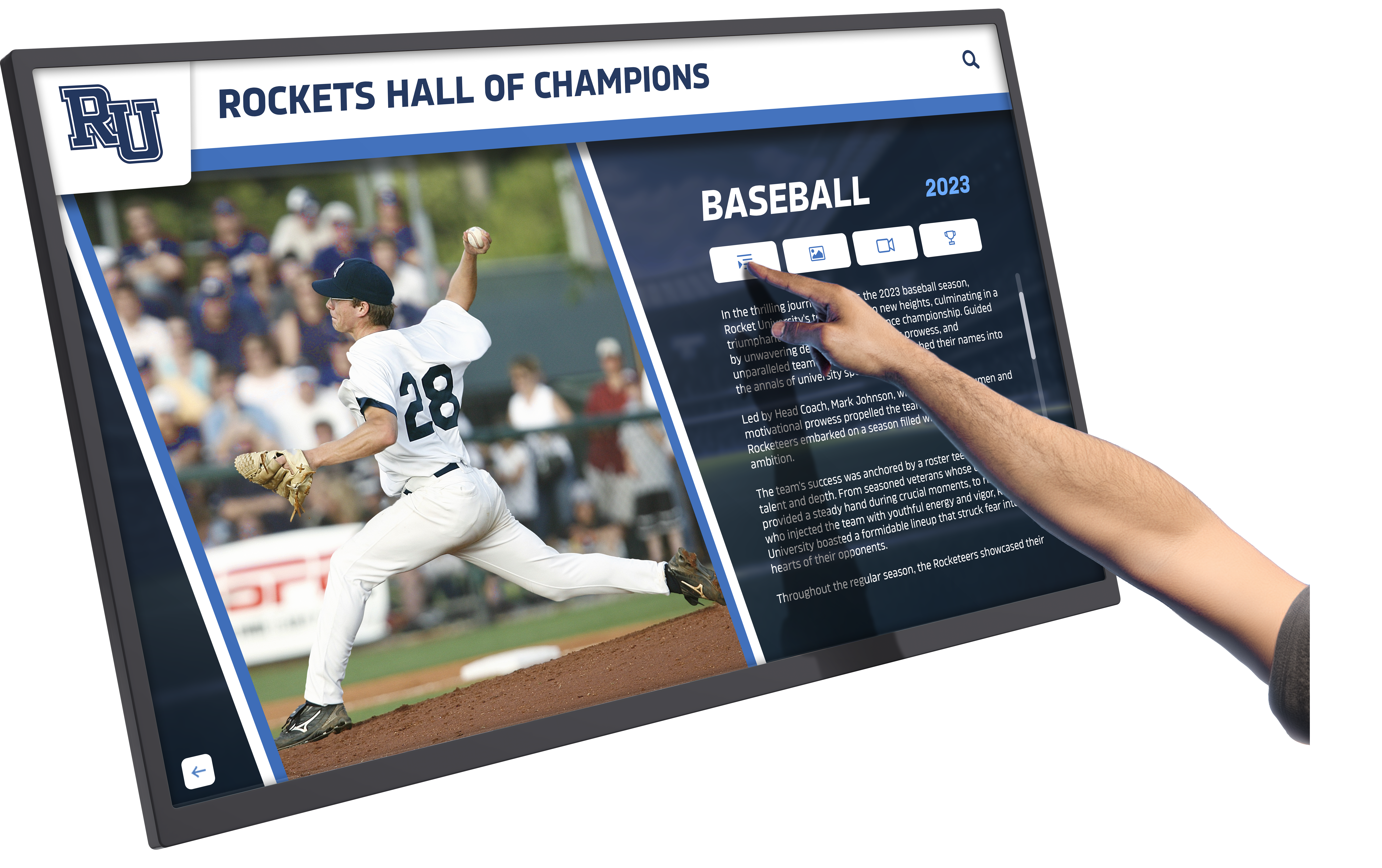
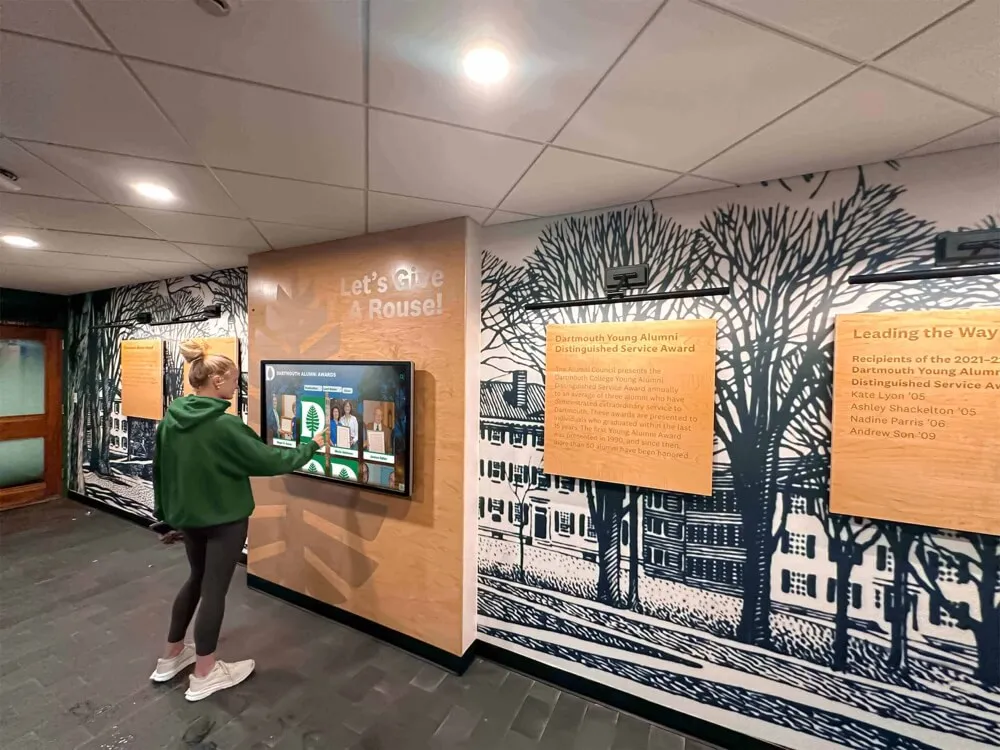
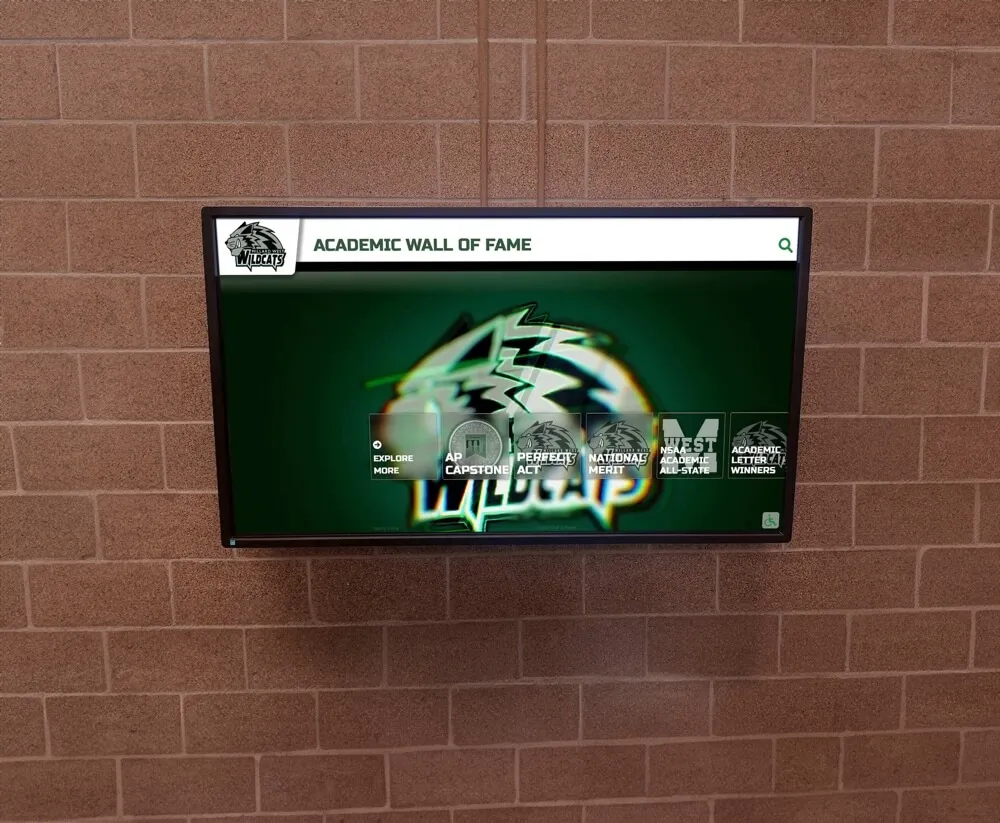
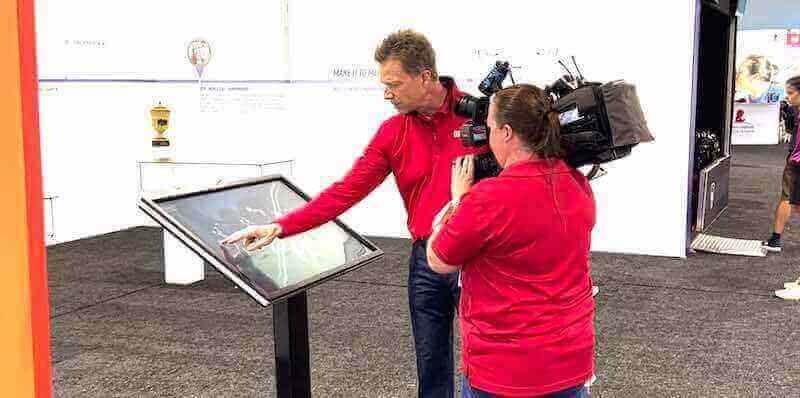
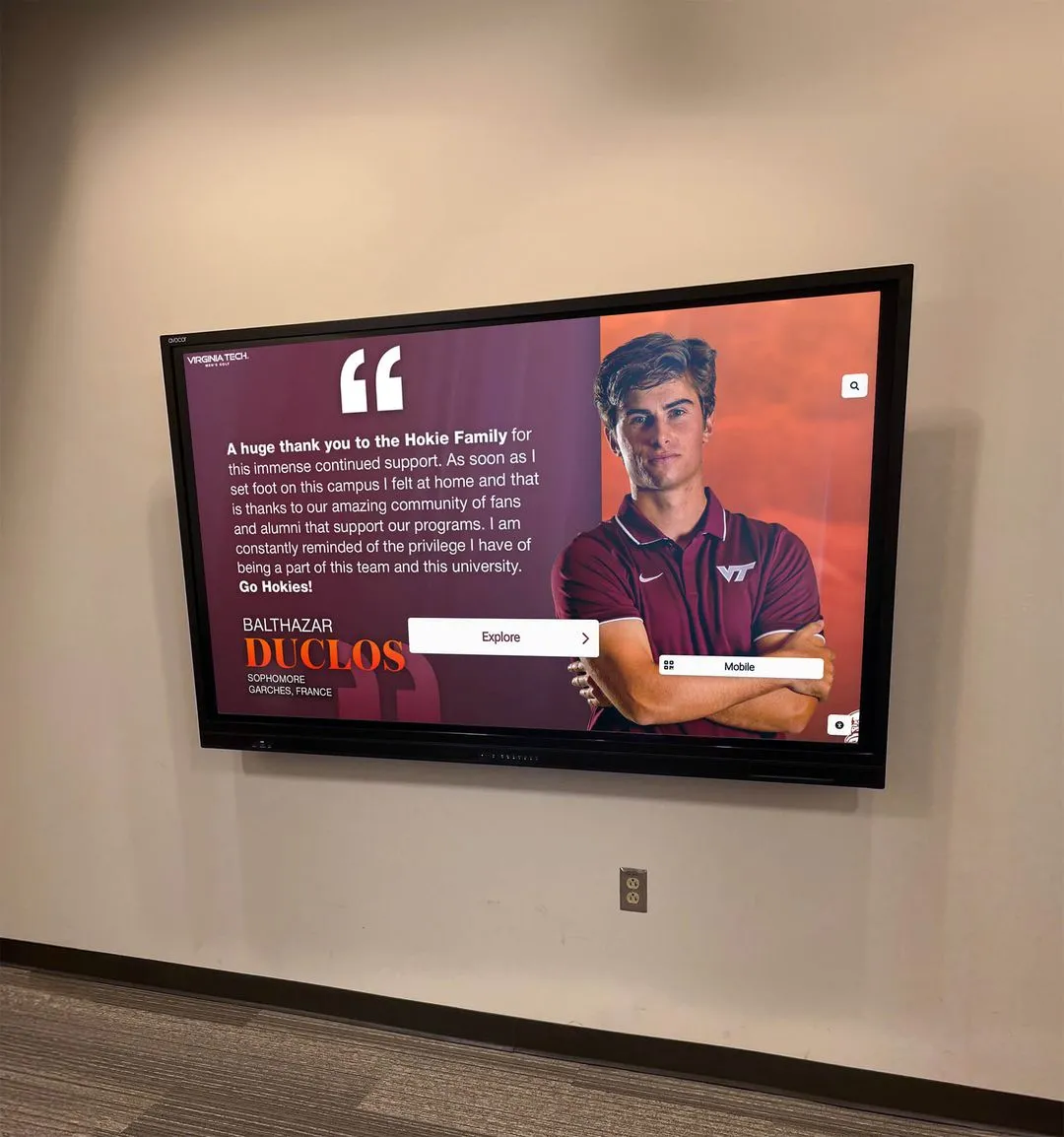
Interactive technology creates engaging recognition experiences that honor supporters while showcasing athletic achievements
Legal and Ethical Considerations
Responsible fundraising requires attention to regulatory requirements, financial transparency, and ethical practices protecting programs, volunteers, and supporters.
Financial Transparency and Accountability
Maintaining clear financial records and transparent reporting builds supporter trust while protecting against mismanagement concerns. Detailed tracking of all fundraising revenue, expenses, and fund distribution demonstrates responsible stewardship of community contributions.
Financial Management Best Practices
- Establish separate bank accounts for booster clubs independent from personal accounts
- Require dual signatures or approvals for expenditures above threshold amounts
- Maintain detailed records of all income sources and expense categories
- Provide regular financial reports to parent organizations and school administration
- Conduct annual financial reviews or audits ensuring proper fund management
- Clearly communicate how fundraising proceeds get allocated and spent
- Retain financial records for required periods per organizational policies
Many schools require booster organizations to register as formal entities (nonprofits, PTOs, or similar structures) with associated governance requirements and reporting obligations. Consult school administration and potentially legal counsel ensuring proper organizational structure and compliance.
Tax-Deductibility and Nonprofit Status
Supporters sometimes ask whether contributions qualify as tax-deductible donations. Only contributions to qualified 501(c)(3) nonprofit organizations offer tax benefits. Many school booster clubs operate under school district nonprofit status, while others establish independent nonprofit organizations.
Addressing Tax-Deductibility Questions
- Clearly communicate whether your organization has 501(c)(3) status
- Never claim tax-deductibility unless proper nonprofit status is confirmed
- Provide receipts documenting contributions for supporters who request them
- Explain that product purchases (cookie dough, spirit wear) typically don’t qualify as charitable donations
- Consult tax professionals for specific guidance on organizational status and donor communications
Programs uncertain about their tax status should consult with school business offices or qualified accountants before making any tax-related claims to supporters.
Youth Participation and Safety
Fundraisers involving student-athlete participation require appropriate supervision, safety protocols, and boundaries protecting young people while enabling meaningful involvement.
Youth Participation Guidelines
- Provide adequate adult supervision for all fundraising activities involving athletes
- Never send students door-to-door for sales without parent accompaniment
- Establish clear boundaries around acceptable sales approaches and venues
- Protect student privacy in online fundraising campaigns and public communications
- Ensure event activities match participant ages and abilities with appropriate safety measures
- Obtain proper permissions and waivers for youth involvement in fundraising events
- Consider how fundraising responsibilities impact academic commitments and student wellbeing
Coaches and parent leaders should regularly evaluate whether fundraising demands remain reasonable given athlete ages, academic schedules, and athletic training commitments. Successful programs balance financial needs with appropriate expectations for student participation.
Frequently Asked Questions
What are the most profitable cheerleading fundraisers?
Cookie dough sales, discount card programs, and youth cheer clinics typically generate the highest returns for cheerleading squads. Cookie dough fundraisers offer 40-60% profit margins and can raise $3,000-$10,000 for medium-sized squads. Discount cards provide 50-80% profit margins with minimal upfront costs. Well-attended youth clinics charging $30-$75 per participant can generate $2,000-$5,000 while introducing younger students to cheerleading and building future program participation.
How many fundraisers should a cheer squad do each year?
Most successful cheer programs implement 4-6 different fundraising activities spread throughout the year rather than relying on one or two large campaigns. This diversification reduces supporter fatigue, spreads volunteer workload across seasons, minimizes financial risk from any single underperforming event, and creates varied engagement opportunities appealing to different supporter preferences. Include a mix of product sales, events, and digital campaigns for balanced approach.
How can we recognize fundraising donors and supporters?
Create a structured recognition program with named giving levels offering appropriate benefits for each support tier. Recognition options include listing names on team websites and social media, featuring supporters at showcases and banquets, providing exclusive team updates, and utilizing digital recognition displays that honor supporters alongside team achievements. Always send personalized thank-you notes from squad members to major contributors.
What's the best time of year to launch cheerleading fundraisers?
Timing depends on the specific fundraiser type. Spirit wear sales work best at school start (August/September) and during homecoming. Holiday-themed product sales (cookie dough, baked goods) perform best in October-November. Youth clinics succeed during basketball season (January-March) when facilities are accessible. Digital crowdfunding campaigns should align with specific needs like championship travel or summer camp registration. Spread fundraisers throughout the year to avoid overwhelming supporters with simultaneous appeals.
How do we avoid donor fatigue in our cheer program?
Prevent donor fatigue by diversifying fundraising approaches throughout the year, communicating transparently about where funds go and impact achieved, recognizing all supporters regardless of contribution size, and providing value through quality products or meaningful experiences rather than just asking for money. Share team achievements and season highlights with supporters between fundraising campaigns, creating ongoing relationships rather than only contacting them when seeking donations. Limit requests to 4-6 well-planned campaigns annually rather than constant appeals.
Building Your Squad’s Financial Future
Effective cheerleading fundraising combines strategic planning, diversified revenue approaches, authentic community engagement, and thoughtful supporter recognition into sustainable systems that fund program needs while building lasting relationships with families and community members who value athletic excellence and school spirit.
The most successful programs move beyond viewing fundraising as necessary burdens, instead treating revenue generation as integrated aspects of program culture where athletes develop valuable life skills, families build supportive communities, and supporters connect meaningfully with young people working toward ambitious competitive goals. This cultural approach creates giving ecosystems sustaining programs across seasons and leadership transitions.
By implementing the proven cheerleading fundraiser ideas outlined in this guide—from traditional product sales to modern digital campaigns, from engaging community events to strategic recognition programs—your squad can build financial foundations supporting competitive success, quality training opportunities, and memorable experiences that athletes and supporters treasure for years beyond their active participation.
Remember that successful fundraising ultimately centers on relationships, gratitude, and shared purpose. When communities genuinely believe in your program’s value and witness the positive impact cheer participation creates in young athletes’ lives, financial support follows naturally as expression of that belief and investment in your squad’s continued success.
Ready to create lasting recognition for the supporters who make your cheer program possible? Discover how Rocket Alumni Solutions provides interactive touchscreen displays that enable unlimited supporter recognition, professional presentation showcasing both athletic achievements and community contributions, and cloud-based content management that busy coaches and parent volunteers can update from anywhere. Schedule a demo to explore how digital recognition technology can strengthen connections between your squad and the supporters who invest in athletic excellence.