



School leaders planning transformational fundraising initiatives often underestimate the extended timelines required for successful capital campaigns—assuming that announcing ambitious goals will quickly inspire community support when reality demands years of strategic relationship building, careful planning, and systematic execution across distinct campaign phases. The gap between expectation and execution explains why many campaigns stall mid-effort or settle for disappointing results rather than the transformational outcomes that comprehensive planning enables.
A well-structured capital campaign timeline typically spans 3-7 years from initial feasibility assessment through final celebration, with distinct phases addressing planning, leadership cultivation, quiet fundraising, public launch, and completion activities. Each phase serves specific strategic purposes—validating campaign viability before public commitment, securing major gifts that demonstrate momentum, broadening participation across stakeholder communities, and celebrating success while stewarding donors toward future engagement. Understanding these phases and the donor recognition milestones integrated throughout transforms abstract campaign concepts into actionable roadmaps.
This comprehensive guide examines each phase of a strategic capital campaign timeline, identifies critical activities and decision points within planning stages, explores how donor recognition milestones strengthen campaigns throughout multi-year efforts, and provides practical frameworks you can adapt when structuring your school’s next major fundraising initiative.
Capital campaigns represent the most ambitious fundraising undertakings educational institutions pursue, typically raising amounts 3-10 times larger than annual operating budgets to fund facility construction, programmatic endowments, scholarship initiatives, or comprehensive institutional advancement. According to the Council for Advancement and Support of Education (CASE), successful campaigns average 4.5 years from planning through completion, with institutions that follow structured phase-based timelines achieving 87% success rates compared to 54% for schools pursuing informal major gift initiatives without defined frameworks.

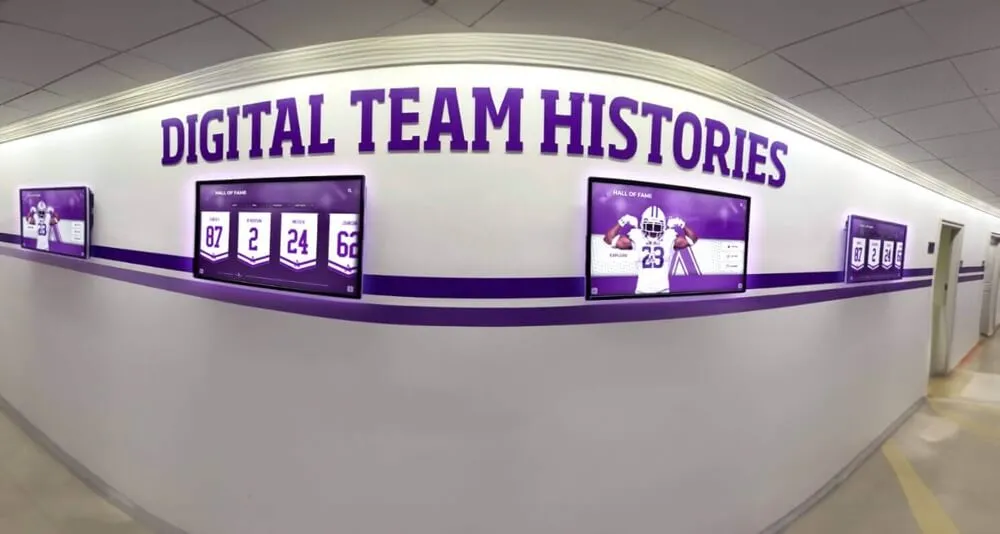
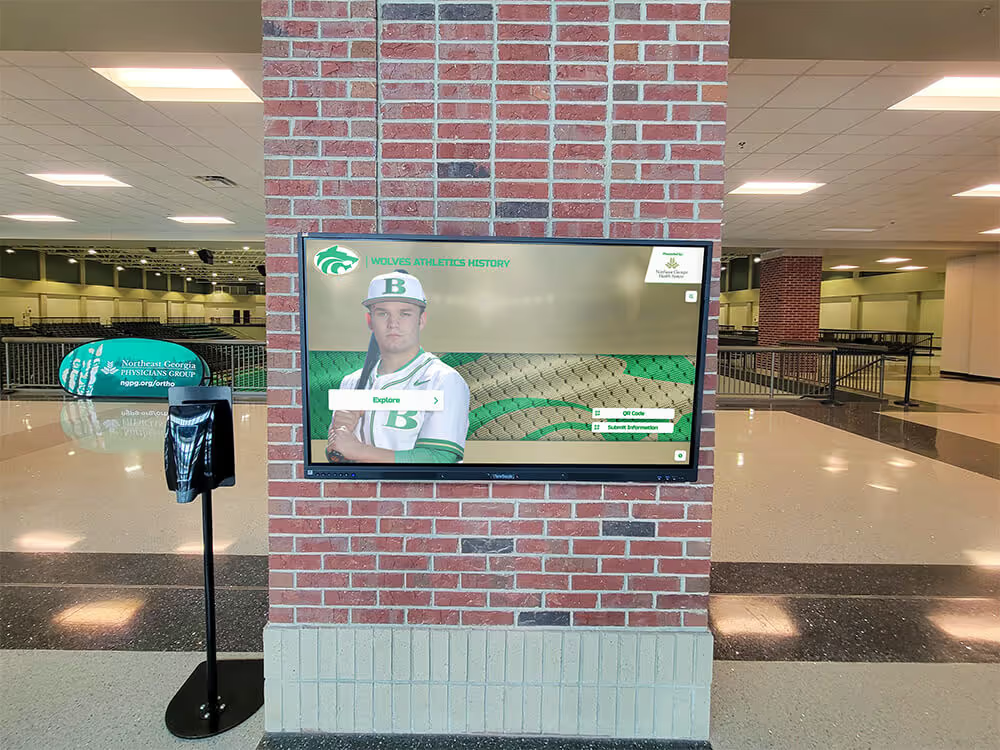
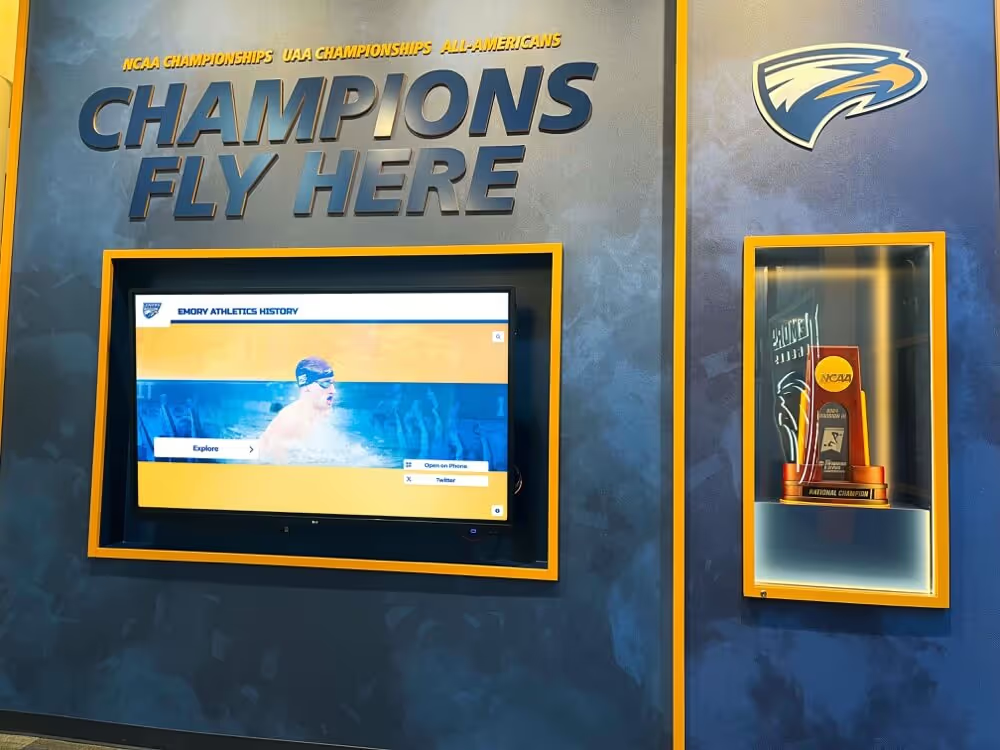
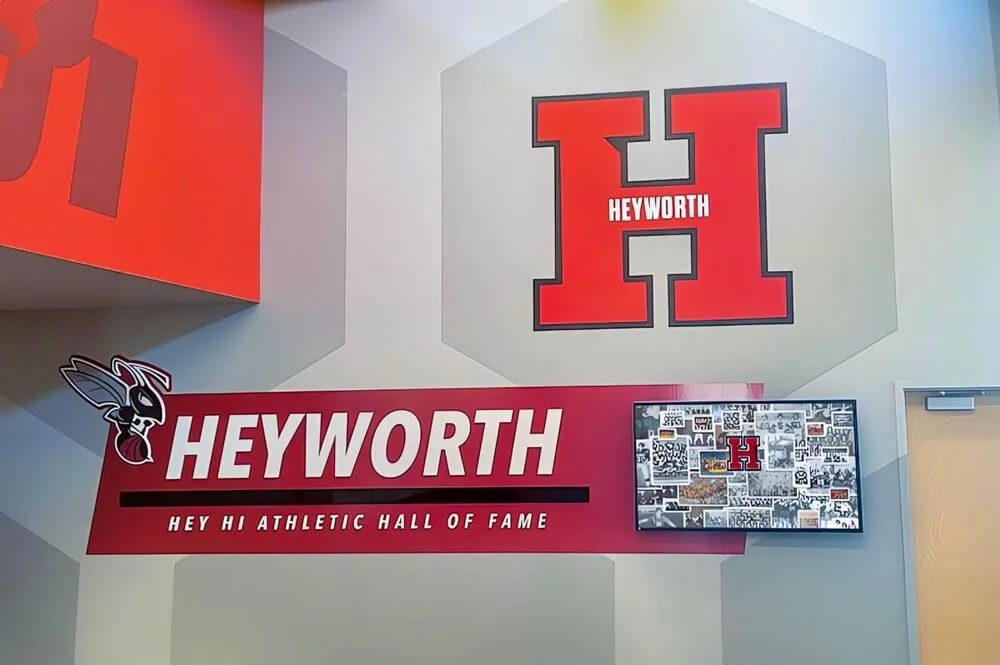
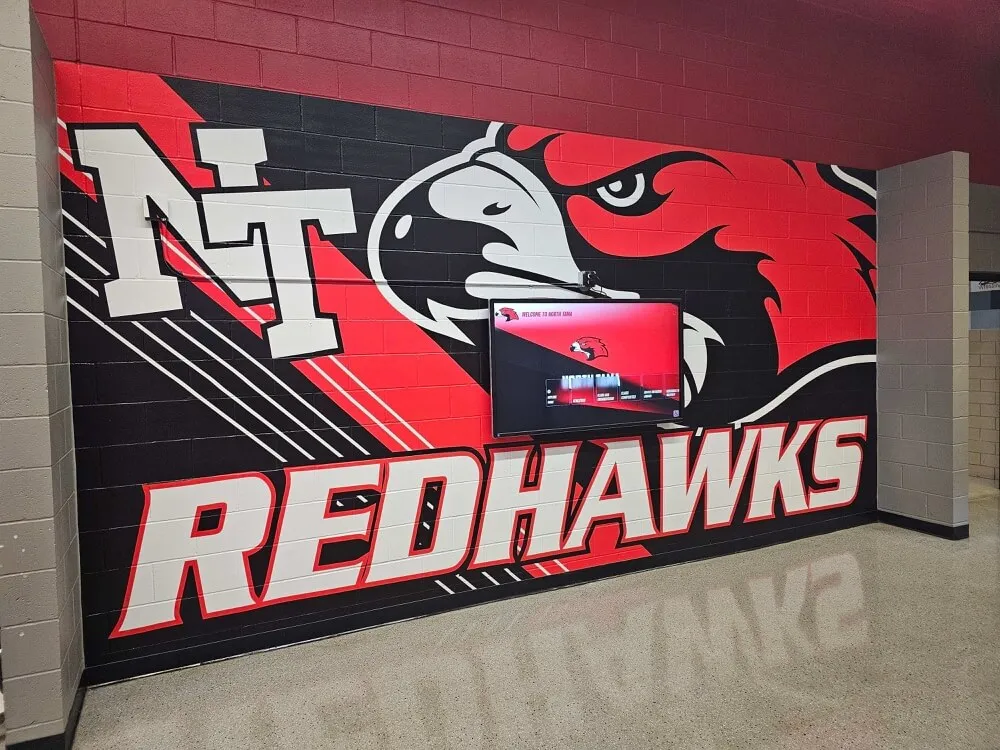
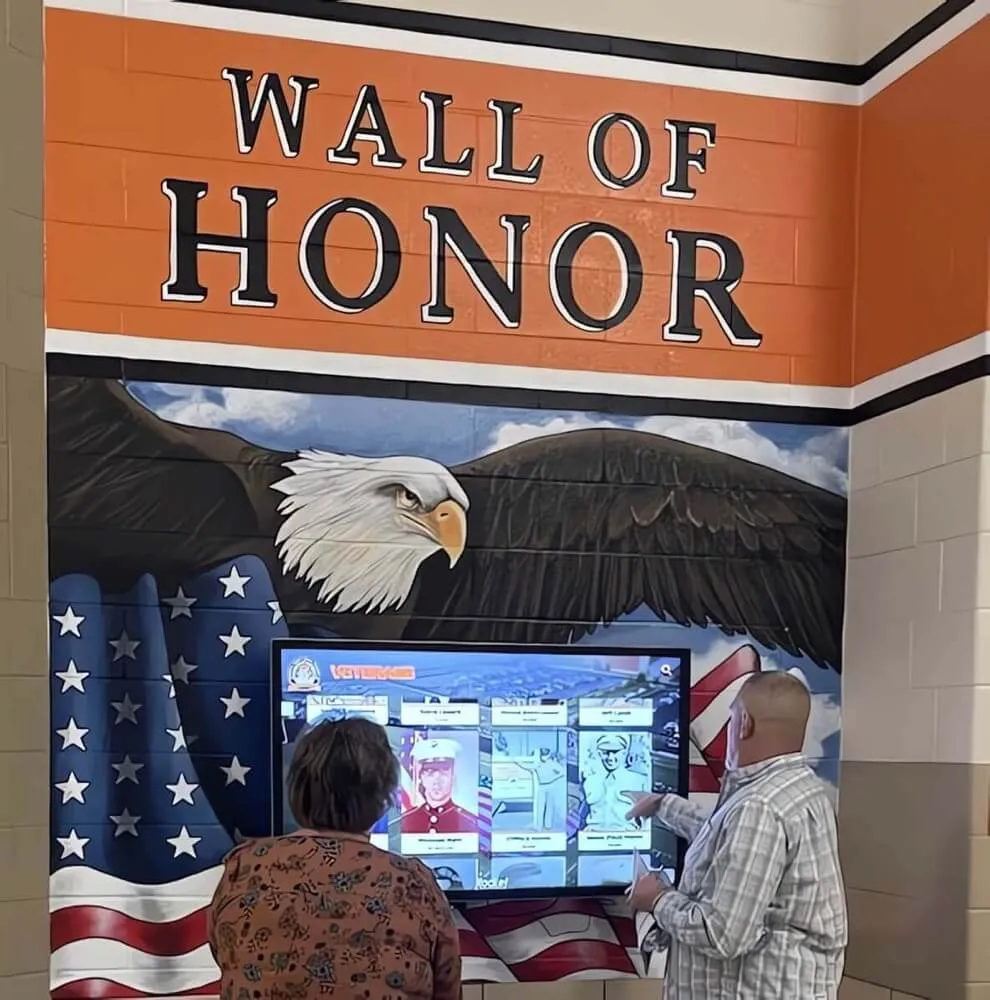
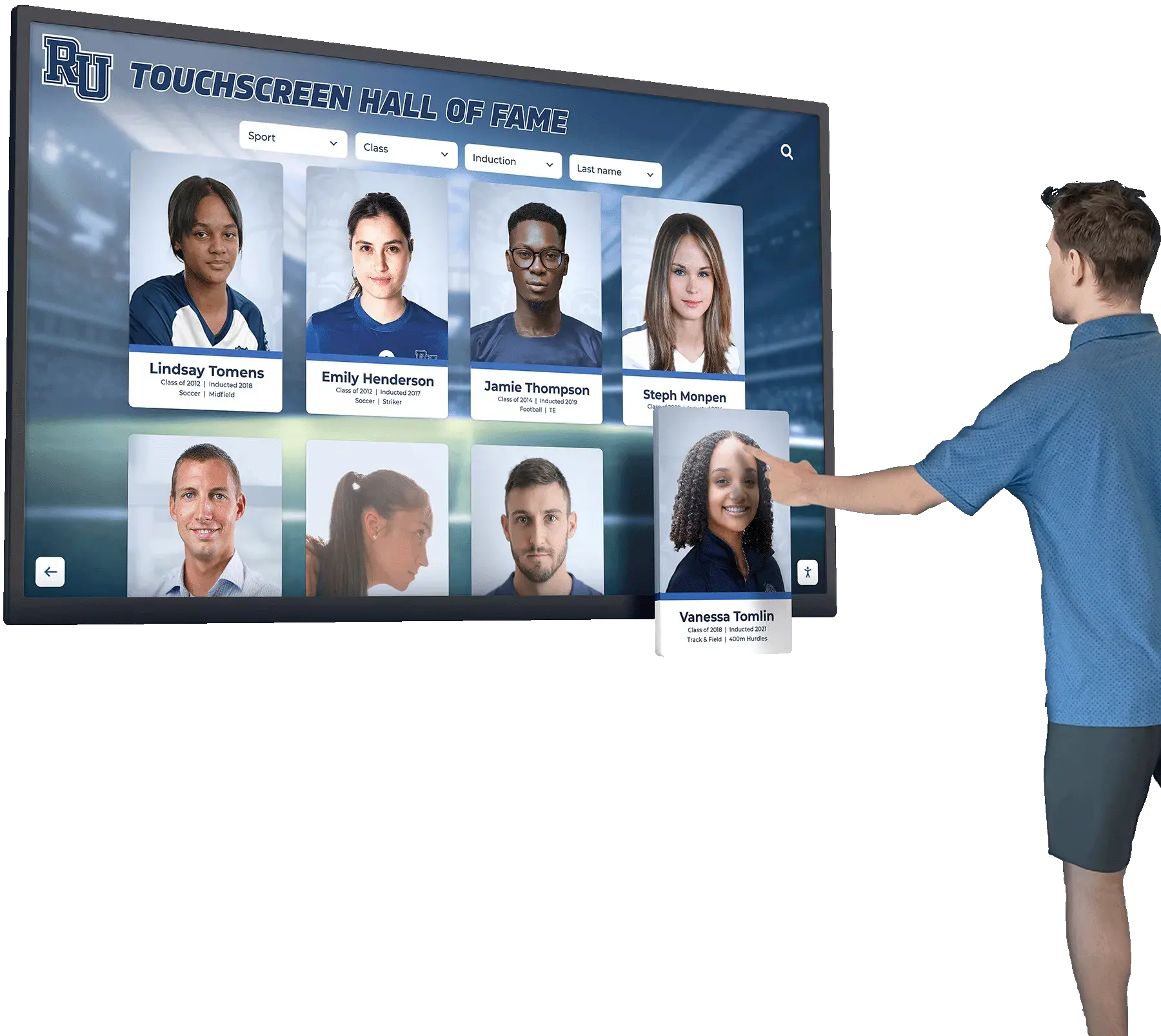
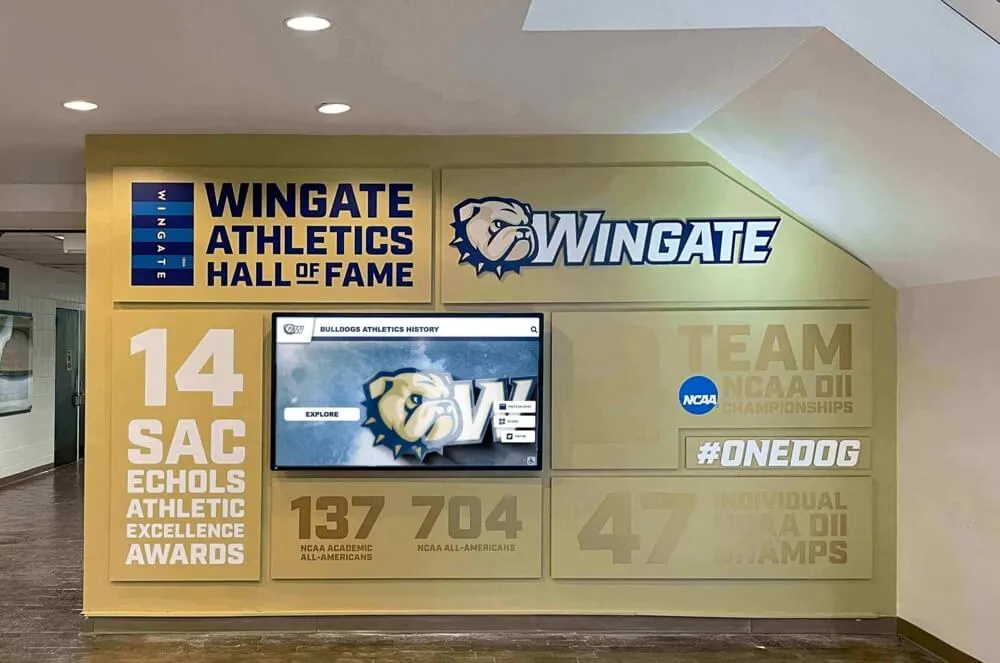
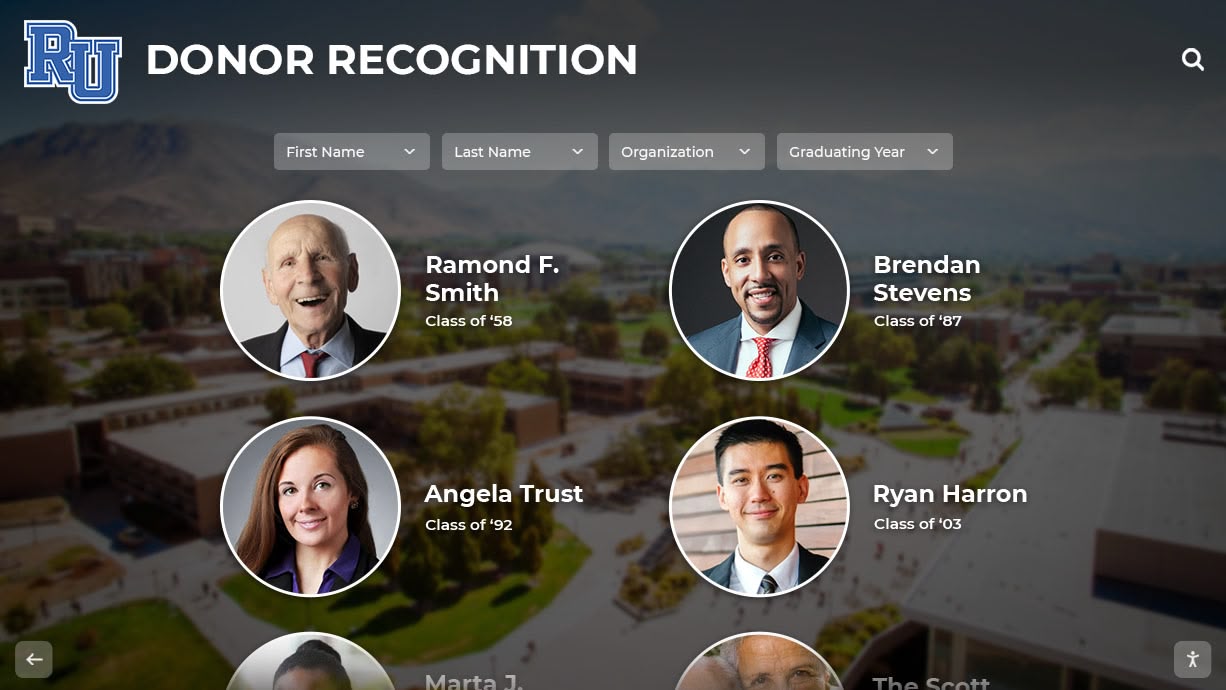
Comprehensive donor recognition systems honor campaign supporters while inspiring continued engagement throughout multi-year fundraising initiatives
Understanding Capital Campaign Timeline Fundamentals
A strategic capital campaign timeline progresses through five distinct phases: pre-campaign planning (6-12 months), quiet phase leadership cultivation (12-24 months), public campaign phase (12-36 months), completion and celebration (3-6 months), and post-campaign stewardship (ongoing). The total timeline typically spans 3-7 years depending on campaign scale, organizational capacity, donor community size, and economic conditions affecting philanthropic capacity.
The phased approach serves critical strategic purposes. Early planning validates campaign viability before public commitment, reducing risk of high-profile failures that damage institutional credibility and donor confidence. The quiet phase secures 60-70% of campaign goals from major donors before public announcement, demonstrating momentum that inspires broader participation while providing financial cushion against public phase shortfalls. Public phases broaden stakeholder engagement beyond major gift prospects, creating inclusive participation opportunities that strengthen community ownership of campaign outcomes.
Successful campaigns integrate donor recognition milestones throughout timelines rather than treating acknowledgment as post-campaign activity. Early recognition planning during feasibility phases ensures comprehensive stewardship strategies inform campaign design, named giving opportunities align with institutional values and facility plans, and recognition systems accommodate growth throughout campaigns without expensive retrofits or capacity constraints that limit long-term effectiveness.
Research from the Association of Fundraising Professionals indicates that organizations announcing comprehensive recognition plans during quiet phases report 23% higher major gift conversion rates compared to institutions treating donor acknowledgment as afterthought. The difference reflects donor confidence that organizations value sustained relationships rather than transactional interactions, creating environments where generous support receives appropriate appreciation aligned with contribution significance and institutional gratitude.
Phase 1: Pre-Campaign Planning and Feasibility Assessment (6-12 Months)
Pre-campaign planning transforms abstract fundraising aspirations into validated strategic frameworks that guide comprehensive campaign efforts. This foundational phase addresses feasibility assessment, case statement development, goal setting, leadership identification, and preliminary recognition planning—establishing infrastructure supporting successful multi-year initiatives.
Conducting Campaign Feasibility Studies
Campaign feasibility studies systematically assess organizational readiness, donor capacity, project appeal, and economic timing through confidential interviews with major gift prospects, institutional leaders, board members, and community stakeholders. Professional consultants typically conduct 30-50 interviews exploring respondent reactions to preliminary campaign concepts, willingness to support specific initiatives, preferred giving timelines, and leadership participation interest.
Feasibility findings guide critical go/no-go decisions about campaign pursuit while identifying necessary adjustments before public commitment. Studies revealing insufficient major donor capacity, weak project appeal, or significant organizational concerns prompt campaign delays until conditions improve rather than proceeding toward likely failure. Even positive feasibility results typically surface important insights about goal sizing, project prioritization, timeline expectations, and recognition preferences that shape final campaign design.
Key Feasibility Assessment Activities:
- Major donor capacity analysis examining gift potential across prospect pools
- Project appeal testing evaluating specific facility, endowment, or program proposals
- Leadership identification assessing campaign chair and volunteer committee potential
- Organizational readiness evaluation examining advancement infrastructure and staffing
- Economic environment analysis considering philanthropic climate and timing factors
- Competitive landscape review identifying concurrent campaigns affecting donor capacity
- Recognition preference research exploring donor acknowledgment expectations and values
Schools planning comprehensive campaigns should budget $25,000-$75,000 for professional feasibility studies, with investment typically recovering through avoided costs of failed campaigns or suboptimal goal setting that leaves philanthropic potential unrealized. The research provides invaluable strategic intelligence informing decisions affecting millions in potential revenue over multi-year timeframes.
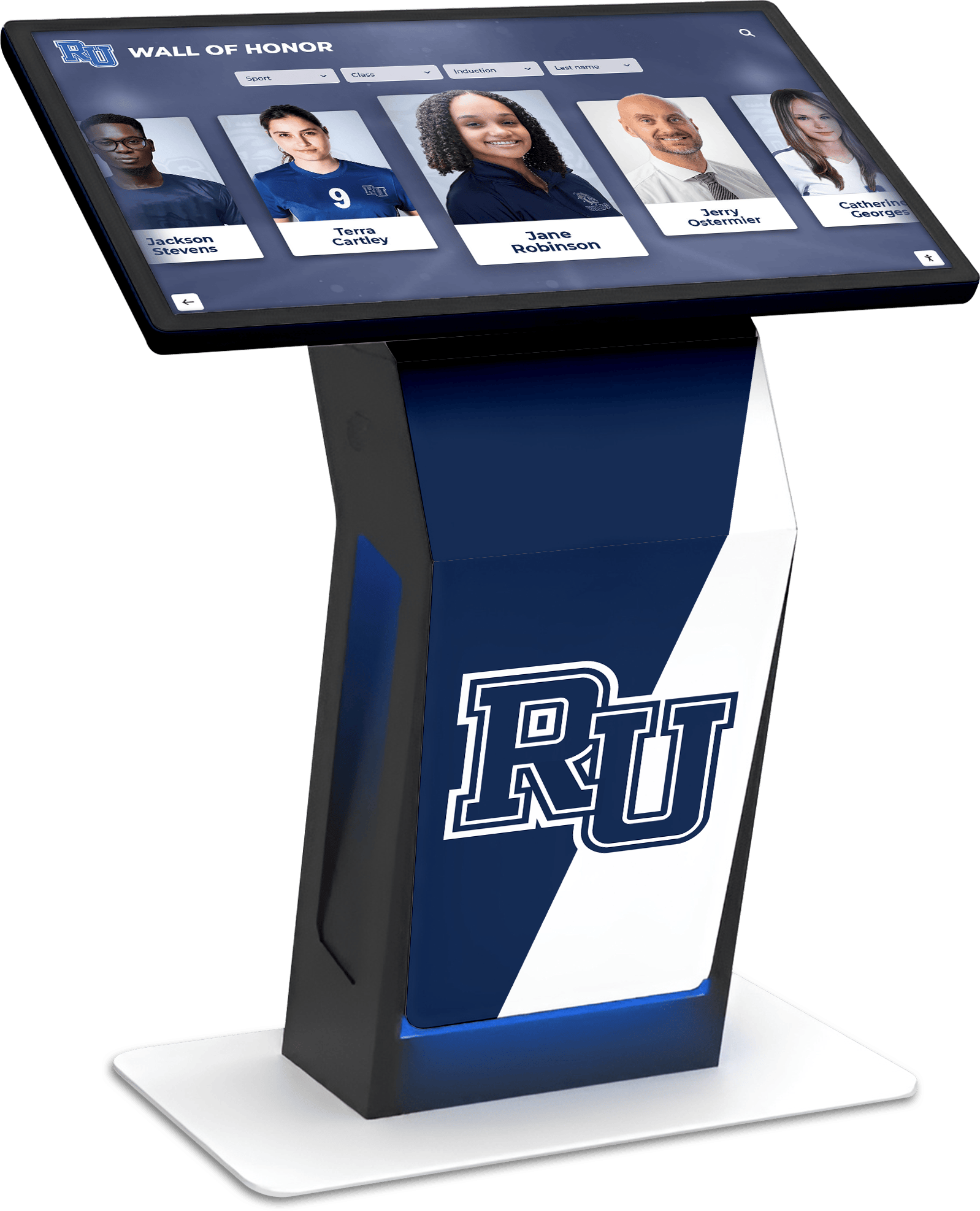
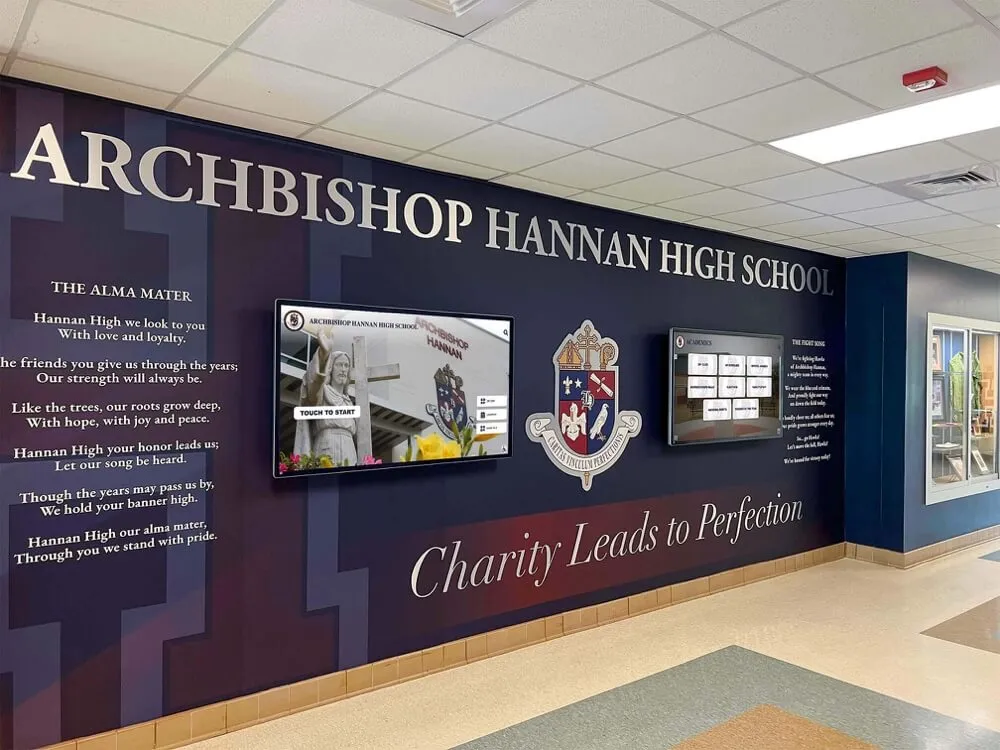
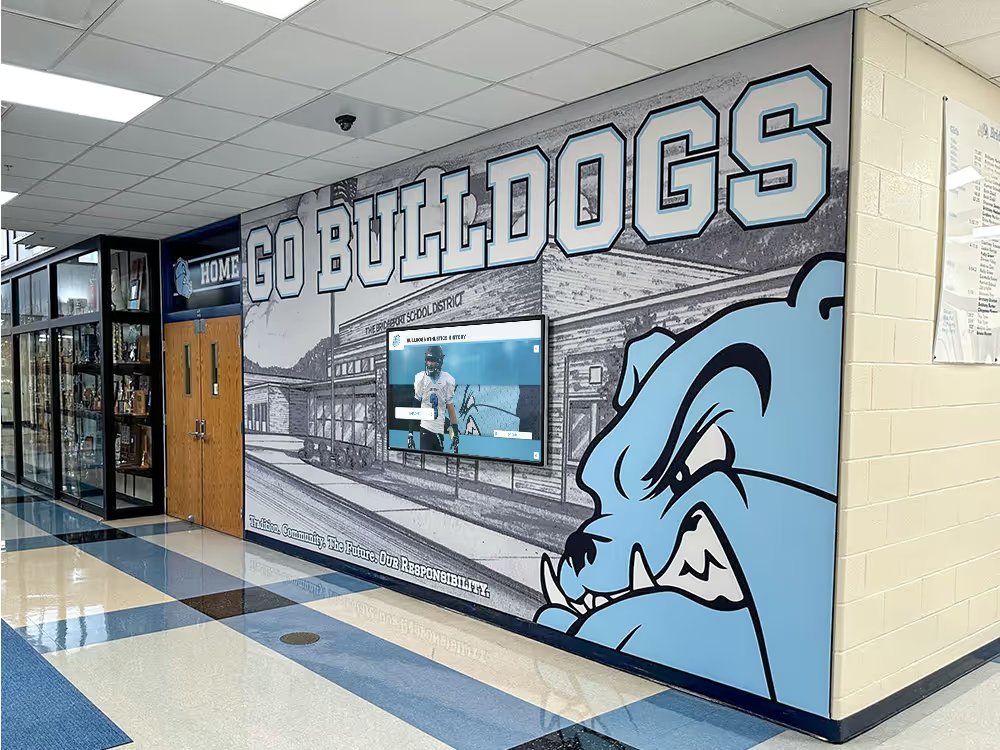
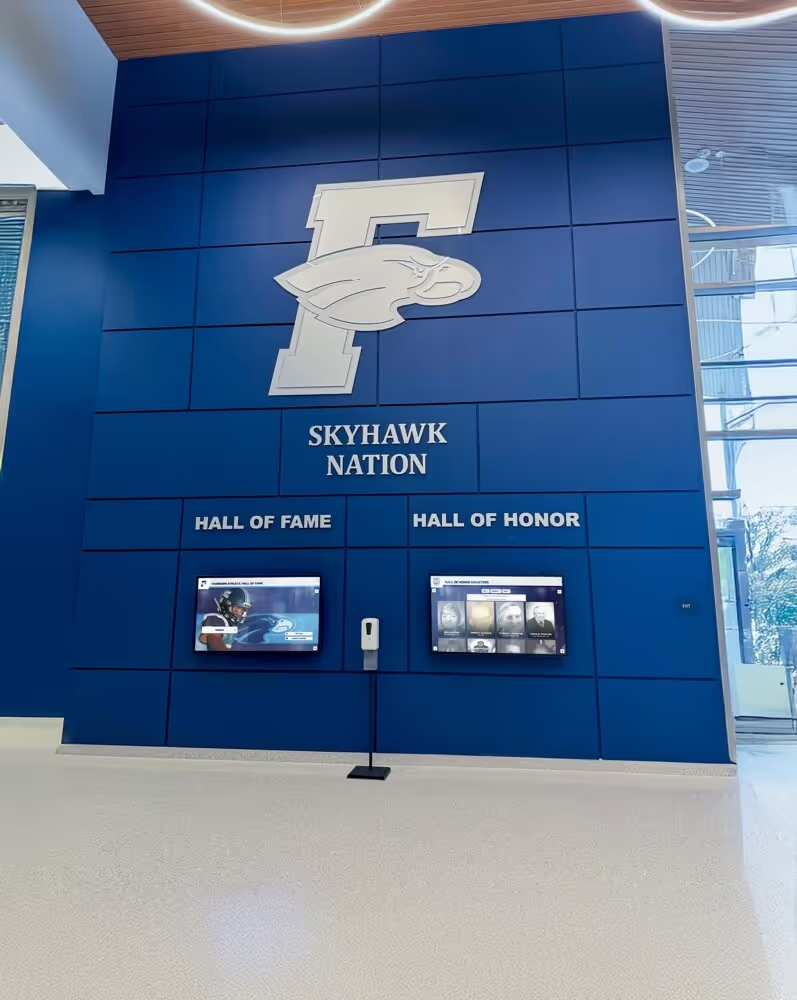
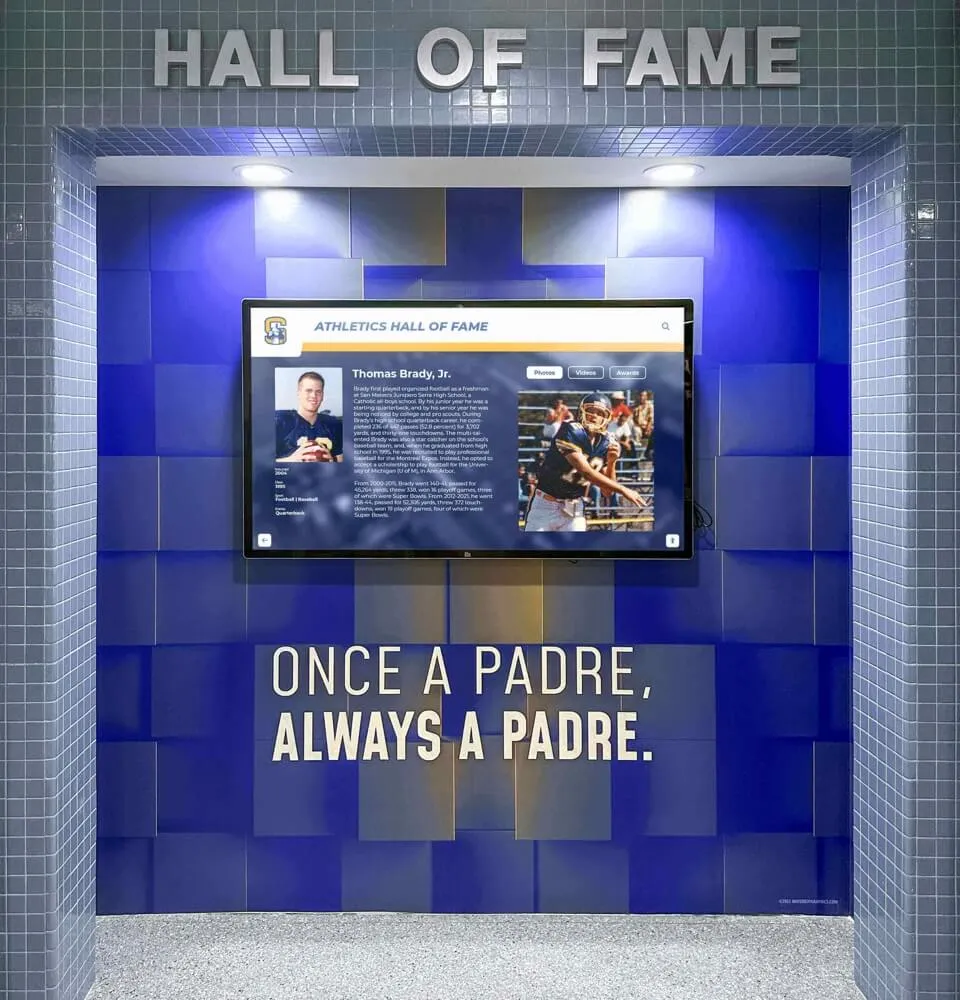
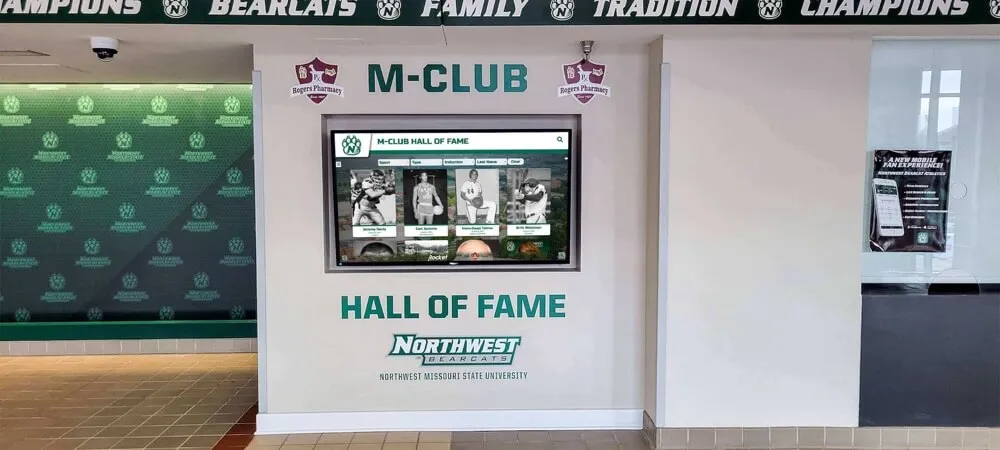
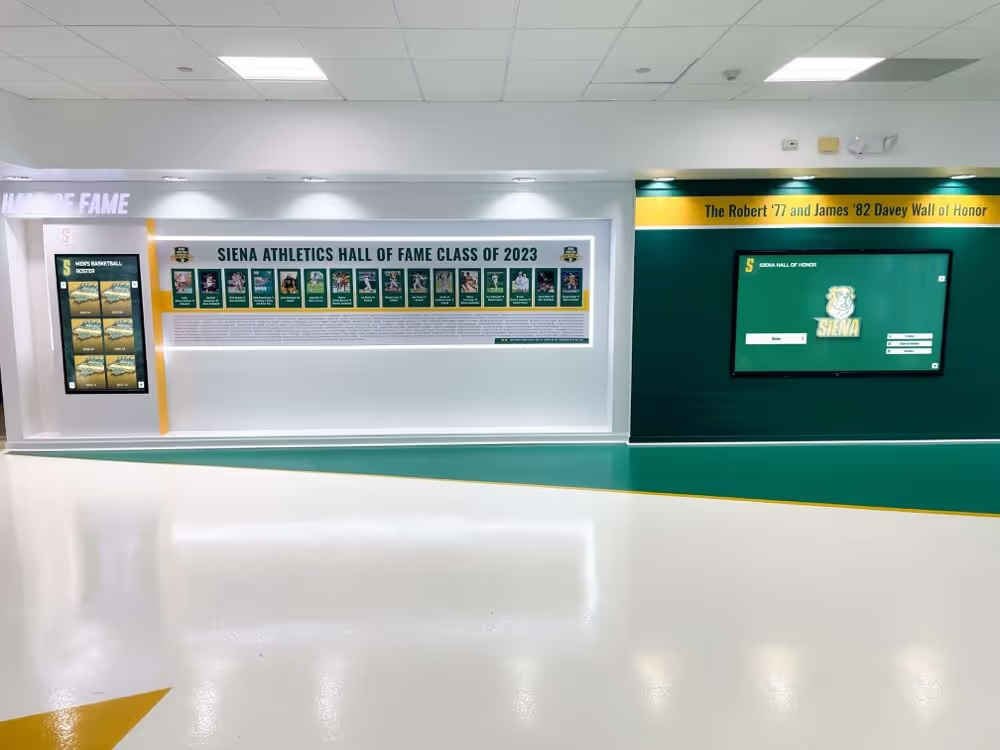
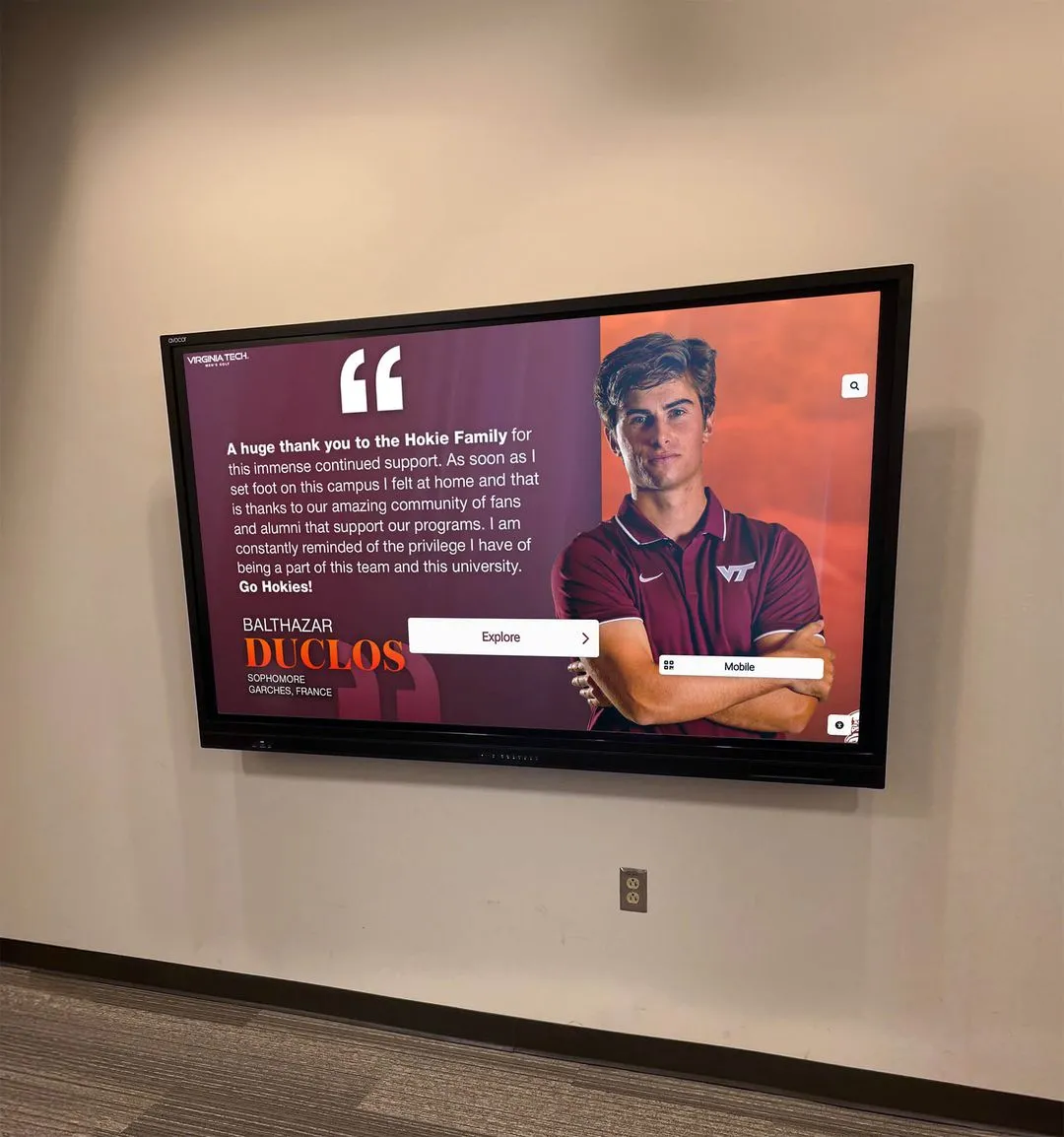
Early recognition planning ensures systems accommodate campaign growth while providing engaging stewardship throughout fundraising timelines
Developing Compelling Case Statements
Case statements articulate why campaigns matter, what specific outcomes contributions enable, and how donor support creates lasting institutional impact worthy of generous investment. Effective cases balance rational project justification with emotional appeals connecting supporter values to institutional missions, creating compelling narratives that inspire philanthropic commitment.
Strong case statements address specific audience questions: Why now? Why this institution? What difference will my gift make? How will my contribution be recognized and stewarded? Why should I prioritize this campaign over competing philanthropic opportunities? The document serves as foundation for all campaign communications, ensuring consistent messaging across proposals, presentations, website content, and donor conversations throughout multi-year efforts.
During preliminary planning, case development proceeds through multiple drafts incorporating feasibility feedback, stakeholder input, and strategic refinement. The final document typically spans 8-12 pages with executive summary, institutional overview, campaign rationale, project descriptions, financial goals, leadership structure, and recognition approach—providing comprehensive framework guiding all subsequent campaign activities.
Setting Realistic Campaign Goals and Timelines
Goal setting balances aspirational vision with realistic assessment of donor capacity, market conditions, and organizational capabilities. The process examines facility or program costs, endowment targets, operating reserve objectives, and campaign expense funding—establishing comprehensive financial targets aligned with validated philanthropic potential identified through feasibility research.
According to CASE research, campaigns setting goals at 80-90% of identified major donor capacity achieve optimal outcomes—ambitious enough to inspire exceptional generosity while realistic enough to maintain credibility and achievable momentum. Goals exceeding 100% of assessed capacity risk credibility damage if campaigns fall short, while conservative targets below 70% of capacity leave philanthropic potential unrealized and miss opportunities for transformational institutional advancement.
Timeline planning considers campaign scale, prospect pool depth, volunteer capacity, advancement staffing, and economic projections. Smaller campaigns ($1-5 million) typically complete within 3-4 years, mid-scale efforts ($10-50 million) span 4-6 years, while comprehensive campaigns exceeding $100 million often require 6-8 years from planning through completion. Realistic scheduling prevents volunteer burnout, maintains donor engagement, and accommodates the relationship cultivation necessary for major gift progression.
Planning Recognition Systems and Named Gift Opportunities
Recognition planning during pre-campaign phases ensures acknowledgment systems support rather than constrain fundraising efforts. Early planning addresses physical recognition locations, display technology selection, naming opportunity structures, recognition society definitions, and update capabilities accommodating campaign growth throughout multi-year timelines.
Schools should develop comprehensive named giving opportunities at multiple levels—from $25,000 classroom sponsorships through $10+ million building naming rights—creating participation pathways across diverse donor capacity. The opportunity matrix aligns recognition prominence with contribution significance while preserving flexibility for unexpected major gifts exceeding preliminary planning assumptions.
Digital recognition systems like those offered by Rocket Alumni Solutions provide significant advantages during campaigns—unlimited capacity without physical space constraints, real-time updates enabling immediate acknowledgment as gifts process, comprehensive multimedia profiles celebrating donor stories, and analytics revealing engagement patterns informing stewardship strategies. Organizations implementing digital recognition during planning phases eliminate concerns about capacity exhaustion or costly wall expansions constraining long-term campaign growth.
Phase 2: Quiet Phase Leadership Cultivation (12-24 Months)
The quiet phase represents the most critical period in capital campaign timelines—securing 60-70% of campaign goals from major donors before public announcement while building volunteer leadership, refining case materials, and establishing momentum supporting successful public launch. This intensive cultivation period determines ultimate campaign success more than any other timeline phase.
Recruiting Campaign Leadership and Volunteer Structures
Campaign chairs and volunteer committees provide credibility, access to major donor networks, and peer-to-peer solicitation capabilities that professional staff alone cannot deliver. Leadership recruitment targets respected community figures with significant personal giving capacity, extensive philanthropic networks, genuine institutional passion, and time availability for sustained campaign engagement throughout multi-year timelines.
The ideal campaign chair possesses capacity and willingness to make lead gifts in top 1-3 contribution levels, demonstrating personal commitment inspiring others toward generous support. Strong chairs also bring strategic guidance, community connections, and volunteer recruitment capabilities that expand campaign reach beyond advancement staff limitations.
Essential Volunteer Committee Roles:
- Campaign chair providing overall leadership and major donor solicitation
- Executive committee offering strategic guidance and decision-making authority
- Major gifts committee cultivating prospects capable of six- and seven-figure contributions
- Public phase committee broadening participation across alumni, parents, and community stakeholders
- Recognition committee ensuring acknowledgment systems honor donors appropriately
- Communications committee developing messaging, materials, and public relations strategies
- Planned giving committee cultivating legacy commitments supplementing immediate contributions
Volunteer structures should remain lean enough to maintain efficiency while broad enough to access diverse donor networks. Most campaigns operate effectively with 15-30 total committee members across specialized functions, with larger comprehensive campaigns expanding to 50-75 volunteers organized in regional or affinity-based subcommittees.
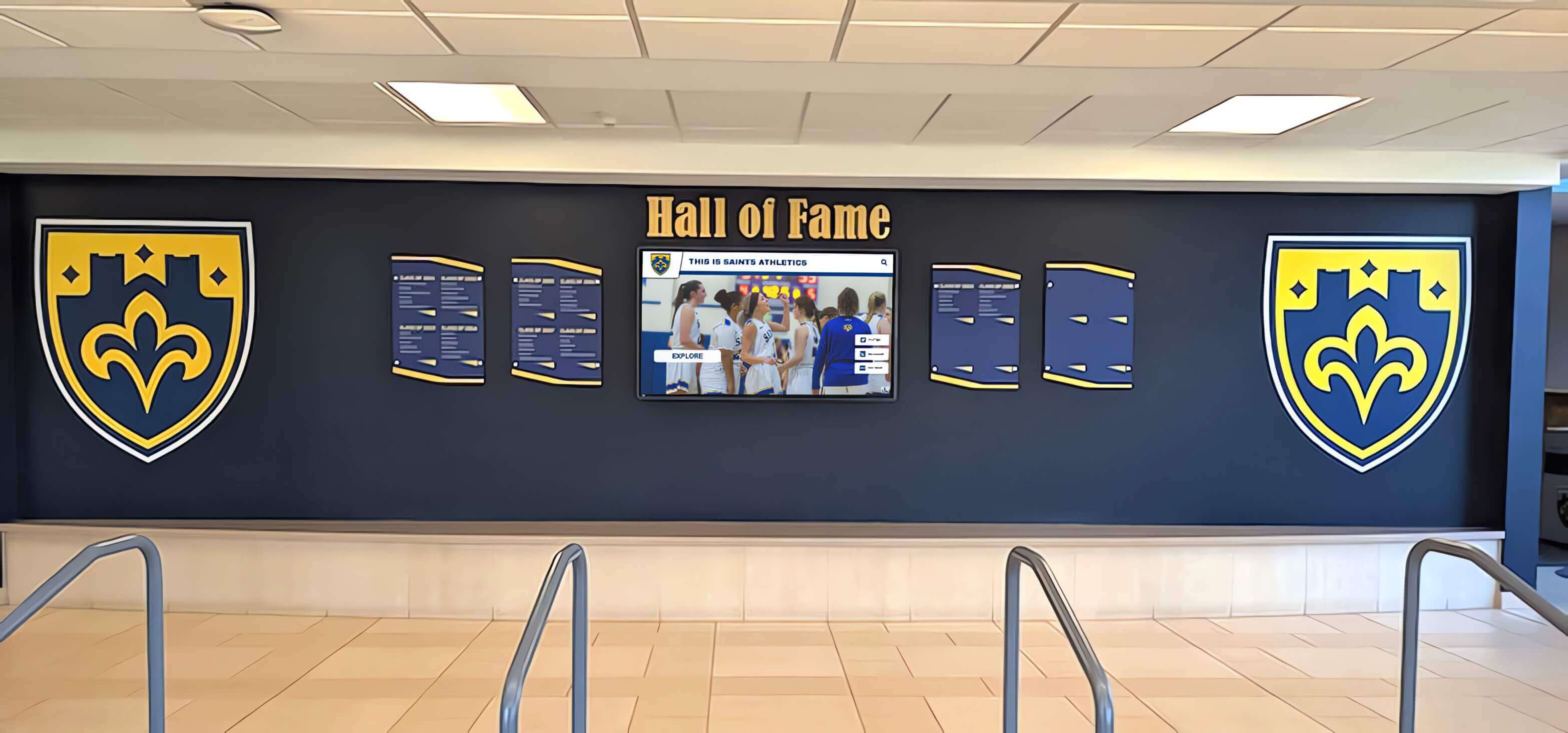
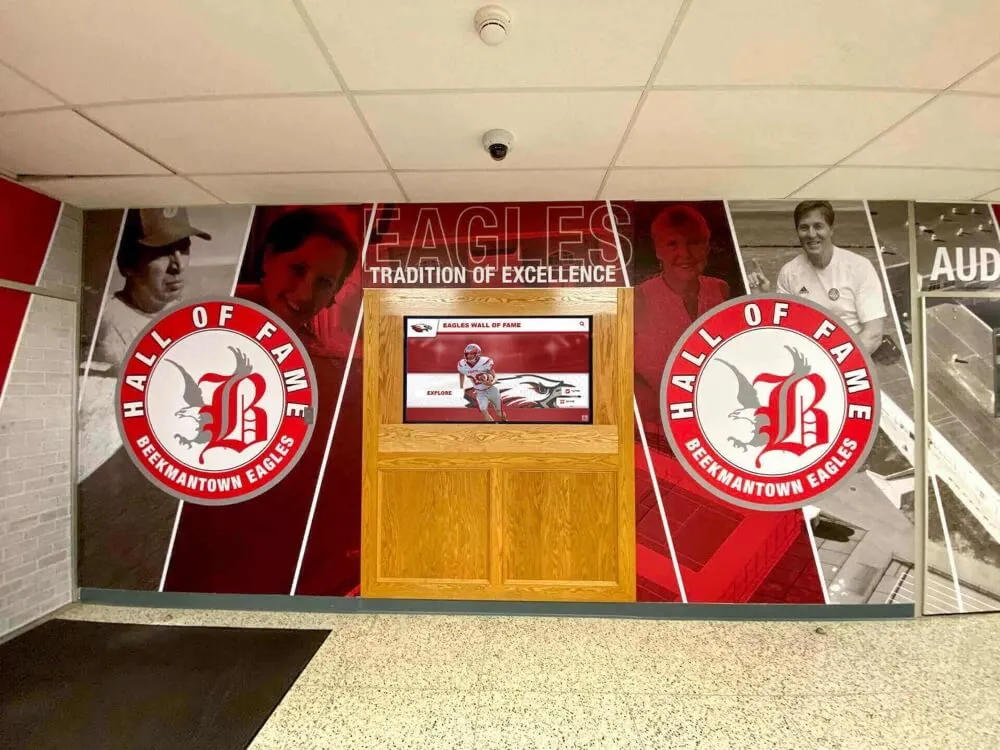
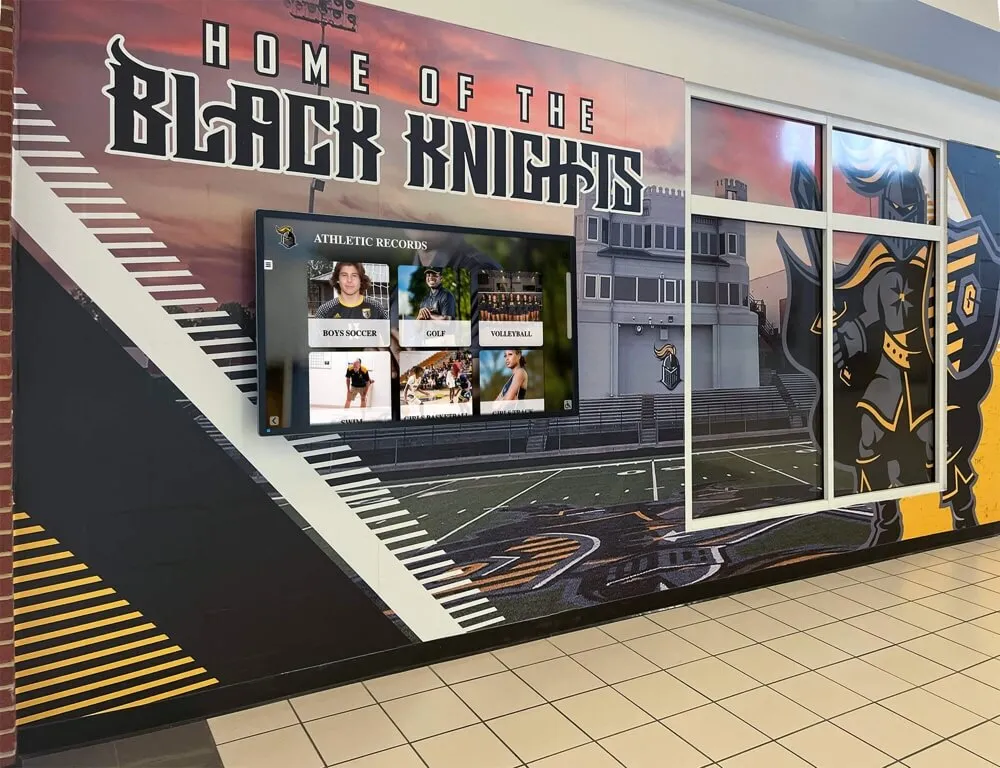
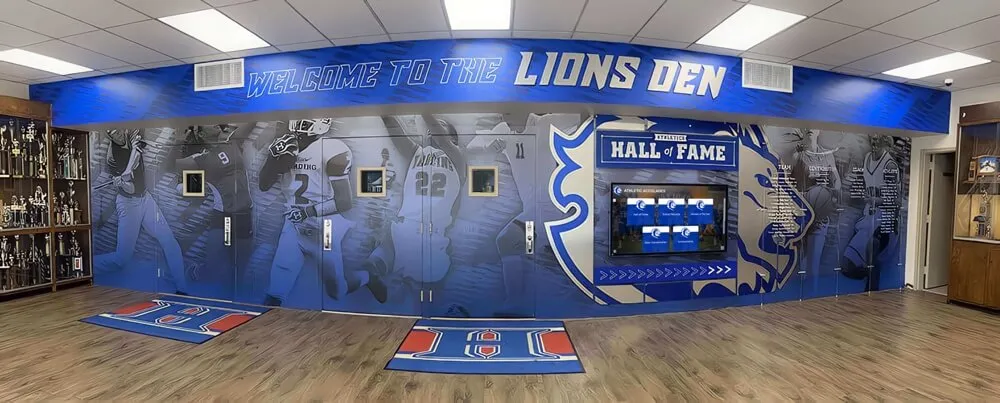
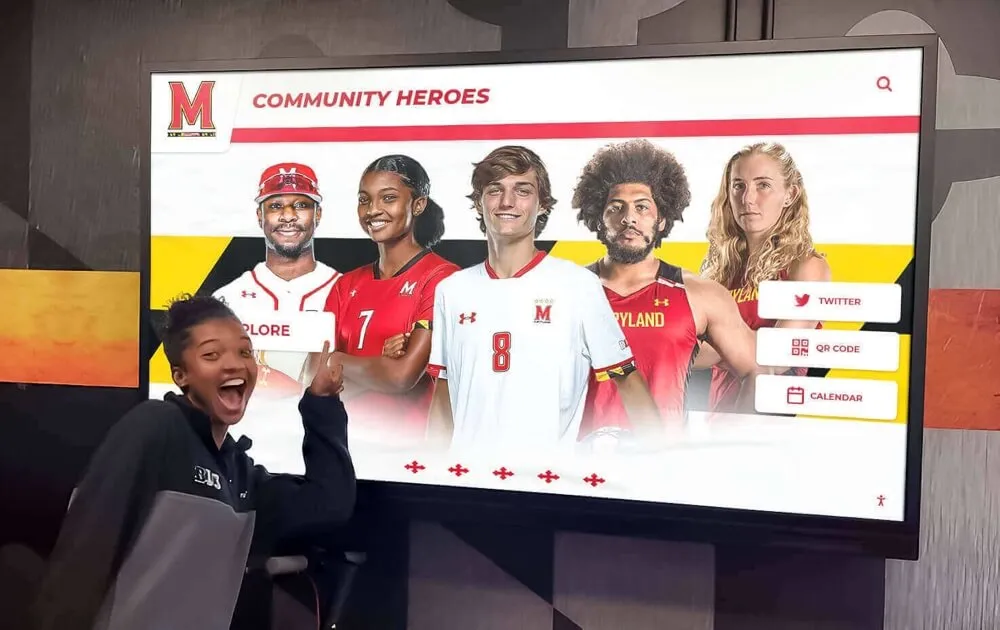
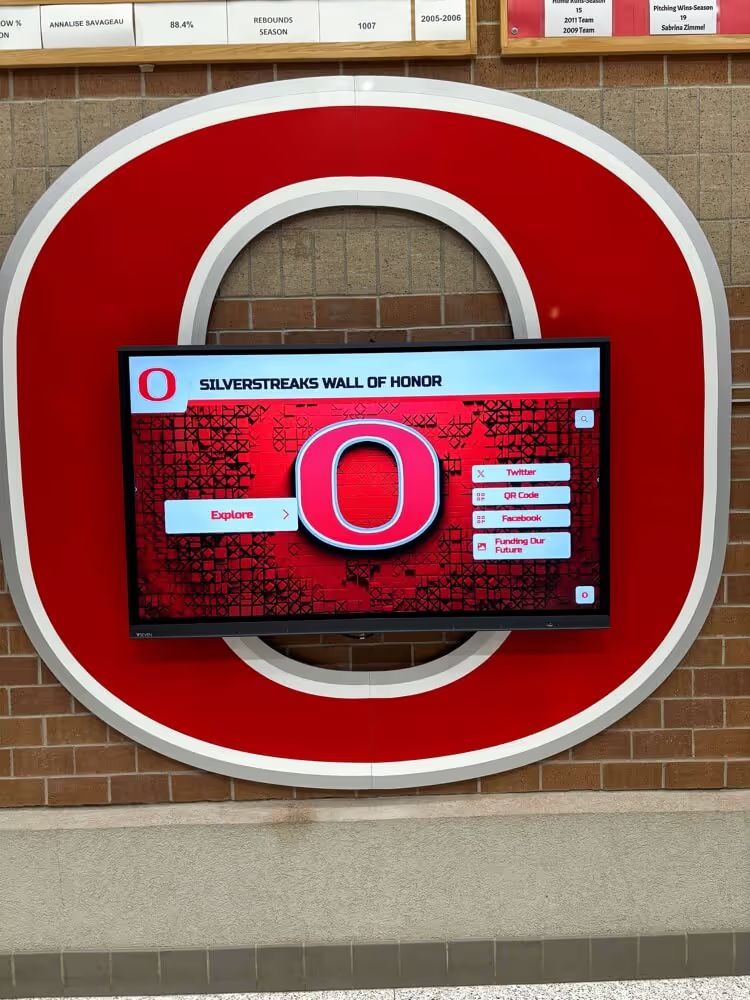
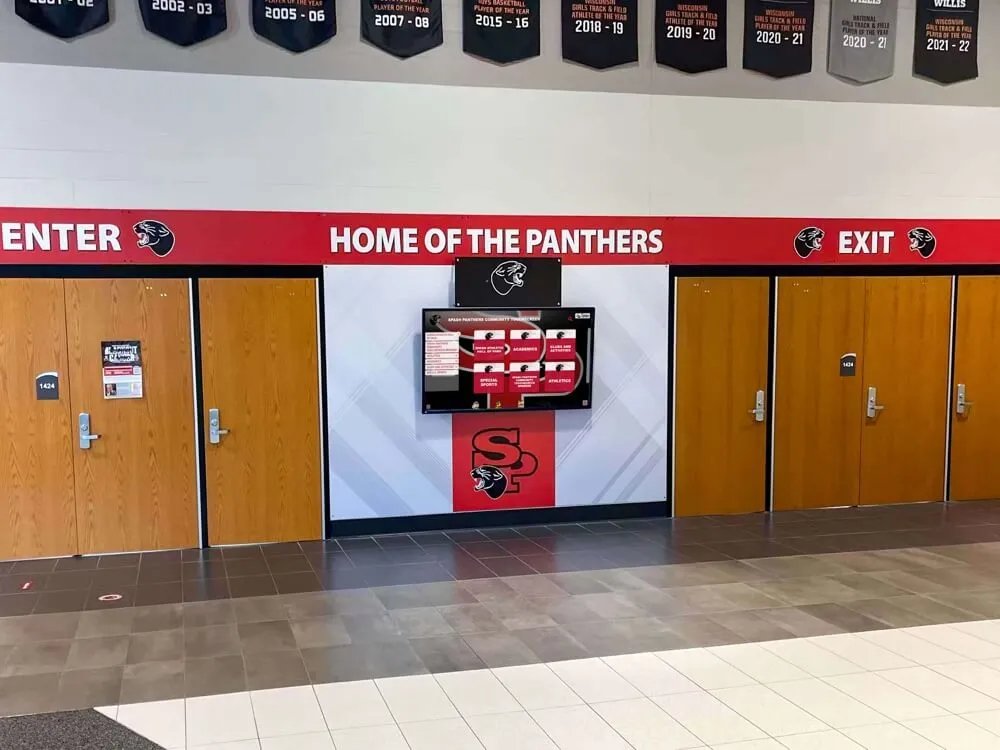
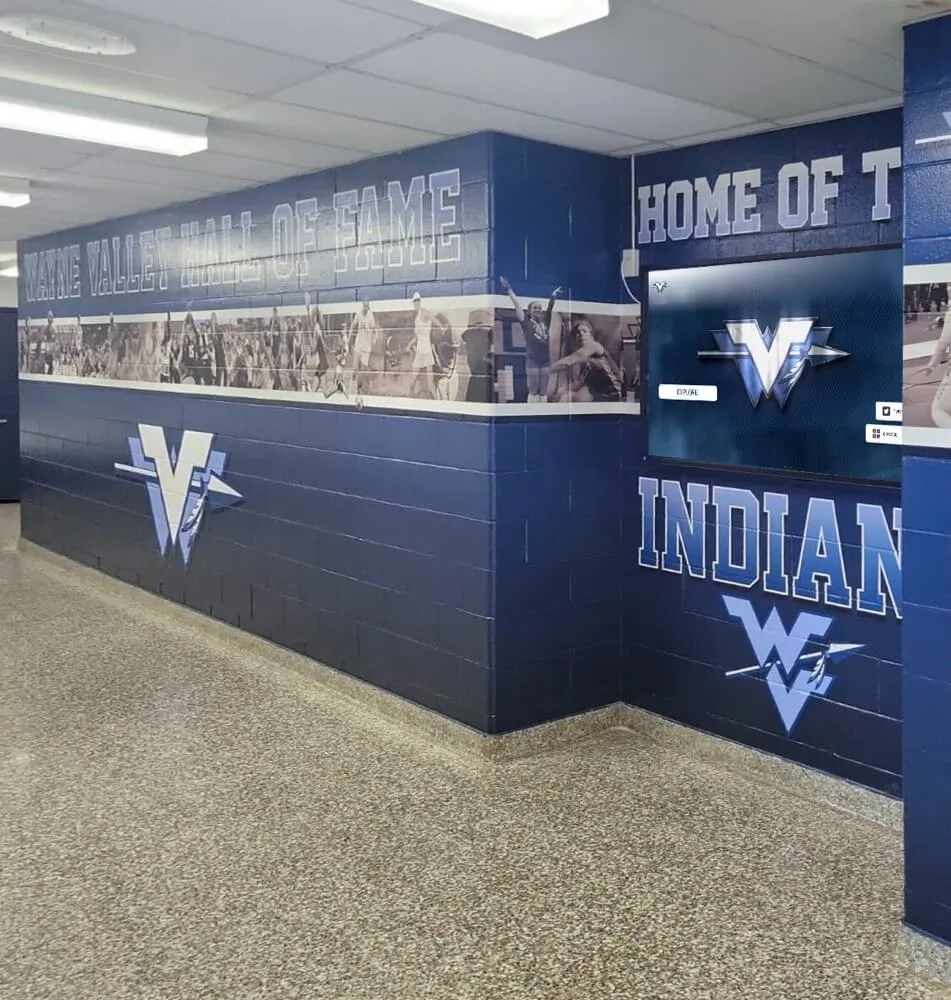
Comprehensive recognition approaches combine traditional elements with innovative digital systems, honoring diverse donor preferences while accommodating campaign growth
Conducting Major Gift Cultivation and Solicitation
The quiet phase prioritizes systematic cultivation of prospects capable of contributing at highest campaign levels—typically $100,000+ for mid-scale school campaigns or $1 million+ for comprehensive university initiatives. Staff and volunteer partners develop individualized cultivation plans for each major prospect, orchestrating facility tours, leadership meetings, project updates, and relationship-building touchpoints that deepen engagement before formal solicitation.
Effective cultivation follows the relationship progression model: identification → qualification → cultivation → solicitation → stewardship. Schools systematically move prospects through stages using intelligence gathered from feasibility research, giving history analysis, capacity screening, and volunteer intelligence. The process typically requires 8-18 months of sustained engagement before major prospects reach solicitation readiness, though timeline variations reflect relationship histories and individual donor preferences.
Major gift solicitations during quiet phases emphasize campaign urgency, named opportunity availability, and leadership participation importance while maintaining confidential pre-announcement status. Donors contributing during quiet phases often receive enhanced recognition acknowledging leadership timing, with titles like “Founding Donor,” “Leadership Circle,” or “Campaign Cornerstone” distinguishing early supporters from later participants.
According to research from Blackbaud Institute, campaigns that secure lead gifts representing 20-30% of total goals before quiet phase conclusion achieve 94% eventual success rates compared to 67% for campaigns launching public phases without top-tier commitments secured. The data underscores quiet phase importance while validating extended timelines necessary for major gift cultivation.
Establishing Recognition Milestones and Celebration Events
Recognition milestones throughout campaigns maintain donor engagement, celebrate progress, and inspire continued support rather than deferring all acknowledgment until campaign completion years in the future. Strategic milestone events during quiet phases honor leadership donors, announce major gift commitments, and preview recognition systems demonstrating institutional appreciation for generous support.
Quiet Phase Recognition Milestones:
- Leadership circle induction ceremonies honoring major gift commitments
- Named opportunity dedications celebrating transformational contributions
- Recognition preview events showcasing digital displays or traditional installations
- Groundbreaking ceremonies marking construction project initiation
- Progress updates sharing campaign advancement with leadership donors
- Volunteer appreciation gatherings thanking committee members for service
- Donor storytelling initiatives highlighting philanthropic motivations and impact
These milestone events serve dual purposes—appropriate stewardship demonstrating genuine appreciation while creating social proof that motivates additional giving as donors witness peer participation and institutional momentum. Schools should schedule quarterly recognition touchpoints during quiet phases, ensuring sustained engagement preventing donor attention drift during extended cultivation periods.
Digital recognition systems excel at accommodating milestone celebrations through real-time profile updates, multimedia storytelling capabilities, and flexible content management enabling immediate acknowledgment as gifts process. Organizations implementing interactive donor recognition displays during quiet phases create engaging environments where leadership donors experience tangible appreciation while inspiring later participants through visible campaign momentum.
Phase 3: Public Campaign Phase (12-36 Months)
The public campaign phase broadens participation beyond major gift prospects cultivated during quiet efforts, engaging alumni communities, parent associations, community stakeholders, and regional supporters through comprehensive communications, volunteer mobilization, and inclusive giving opportunities spanning diverse capacity levels. This phase transforms campaigns from leadership initiatives into community-wide movements.
Planning Strategic Public Launch Events
Public campaign launches require careful orchestration creating memorable experiences that communicate campaign vision, celebrate quiet phase accomplishments, announce remaining goals, and inspire broad participation. Successful launch events balance celebration with urgency—acknowledging progress while emphasizing unfinished work requiring continued support from expanded donor communities.
Launch planning addresses venue selection matching campaign scale and anticipated attendance, program development featuring student voices and impact stories, recognition of leadership donors and volunteers, multimedia presentations visualizing project outcomes, and symbolic moments like goal reveals or major gift announcements creating excitement and media interest.
Essential Public Launch Elements:
- Campaign progress announcement sharing quiet phase accomplishments
- Remaining goal articulation creating urgency for continued participation
- Student or beneficiary testimonials demonstrating campaign impact
- Architectural renderings or project visualizations helping donors envision outcomes
- Leadership donor recognition honoring quiet phase contributors
- Volunteer committee introductions connecting prospects with solicitation partners
- Media coverage generating awareness beyond event attendees
- Interactive recognition displays showcasing comprehensive donor acknowledgment
Schools should schedule public launches when 60-70% of goals are secured, demonstrating momentum while leaving meaningful participation opportunities for broader communities. Launching prematurely without adequate quiet phase progress risks credibility damage if campaigns struggle to gain public traction, while delaying excessively limits time for public phase fundraising before campaign deadlines approach.

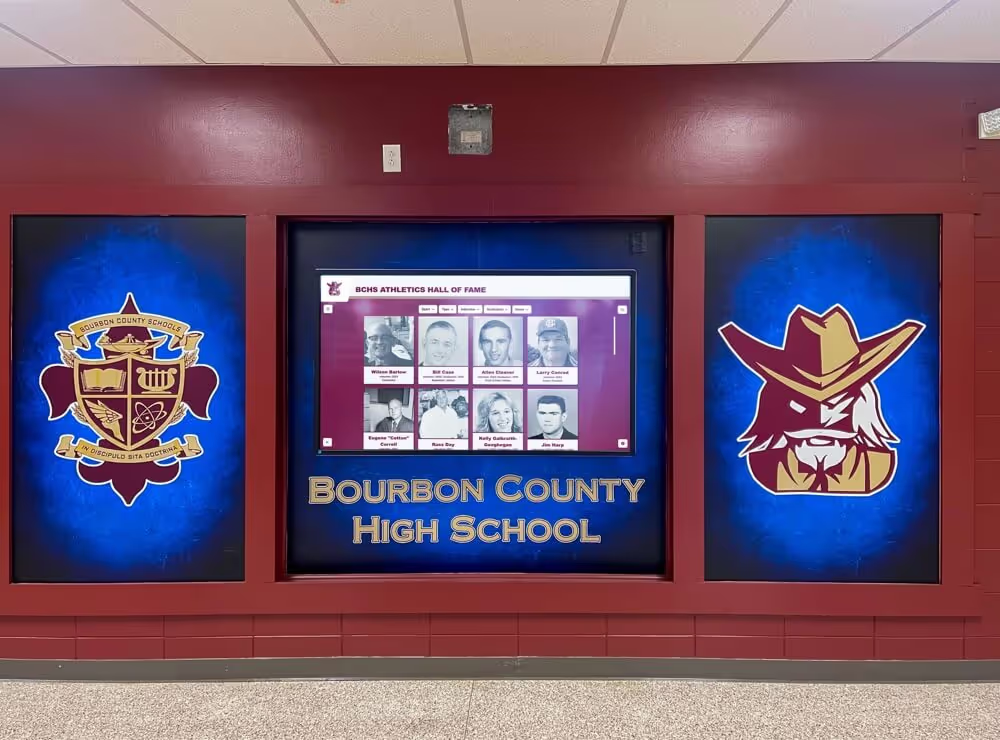
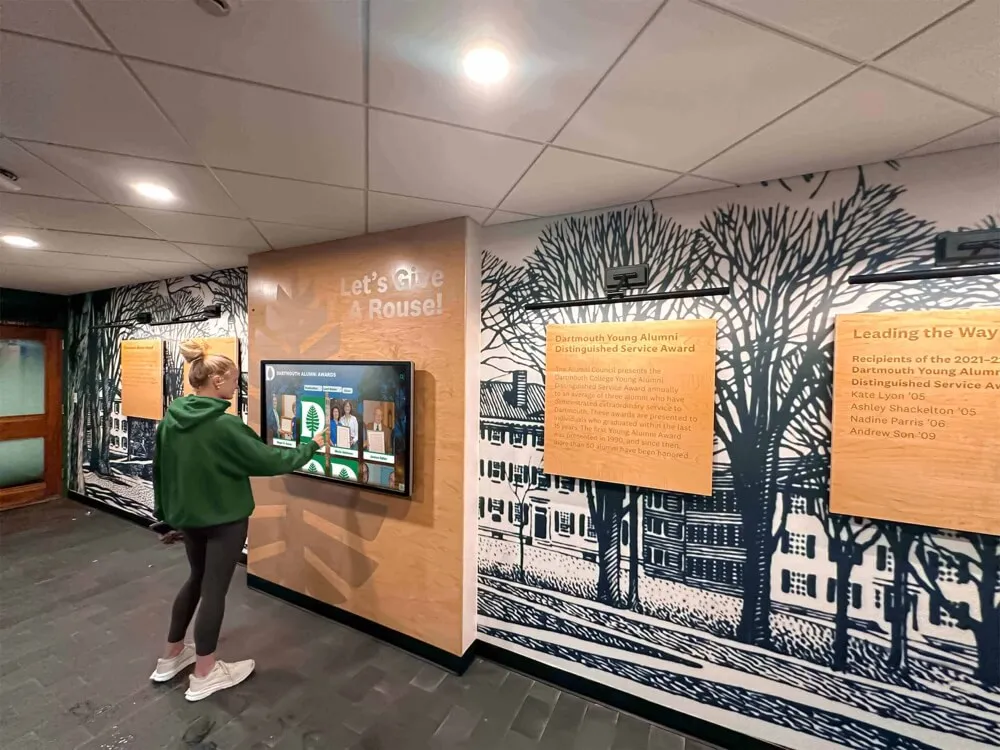
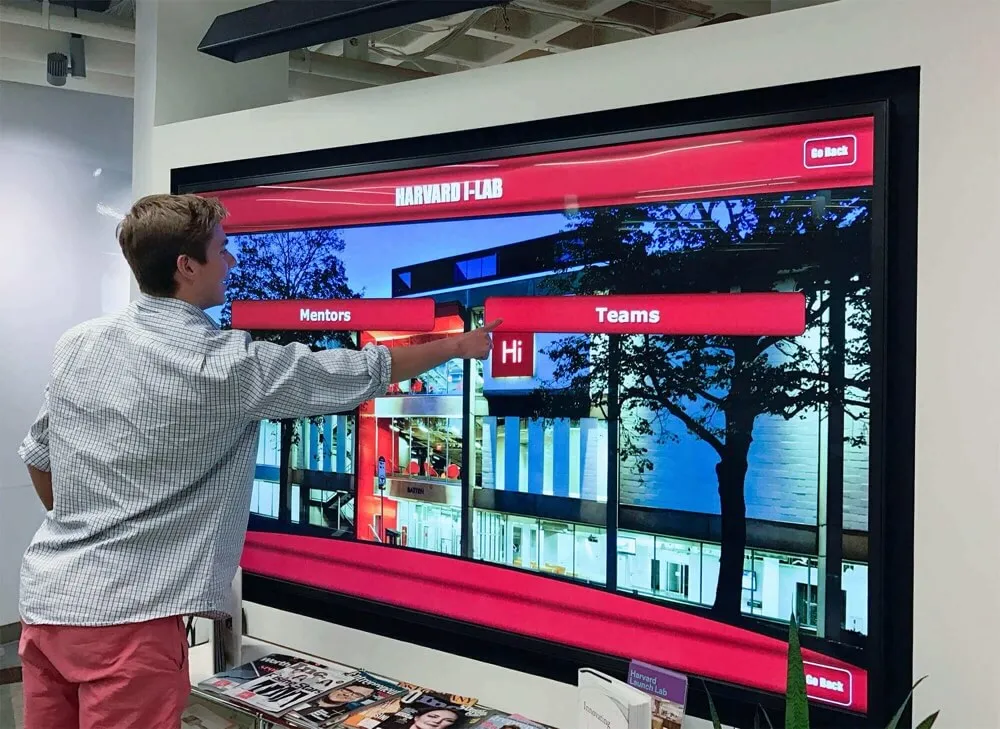
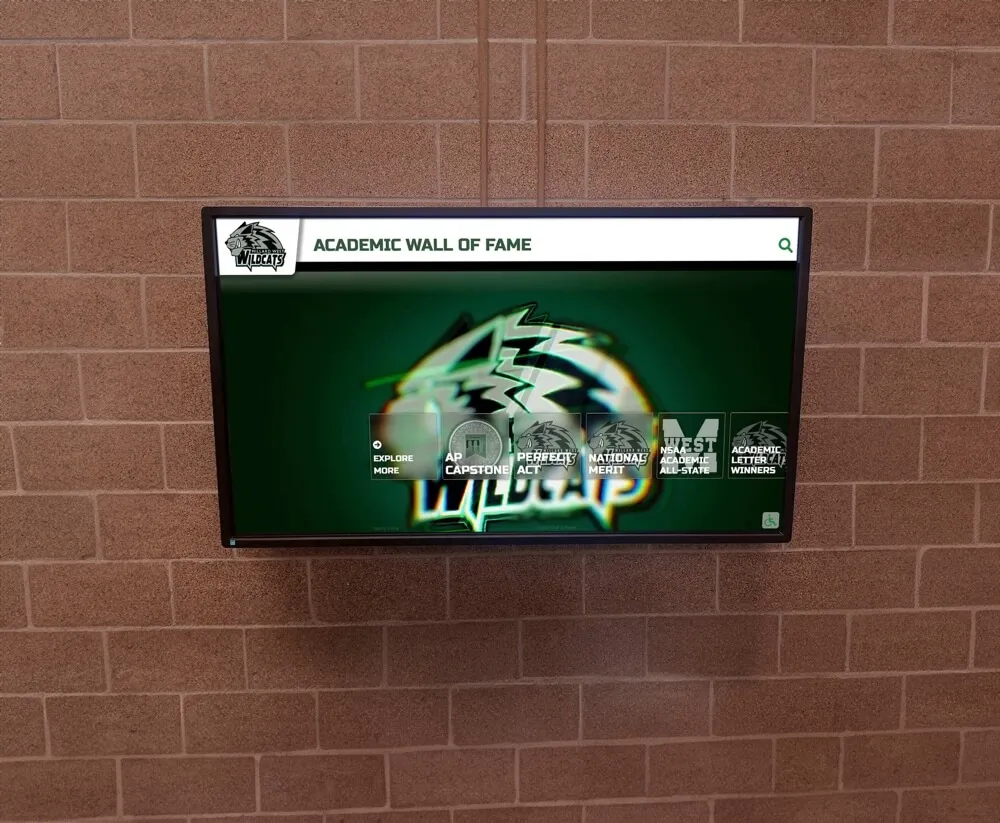
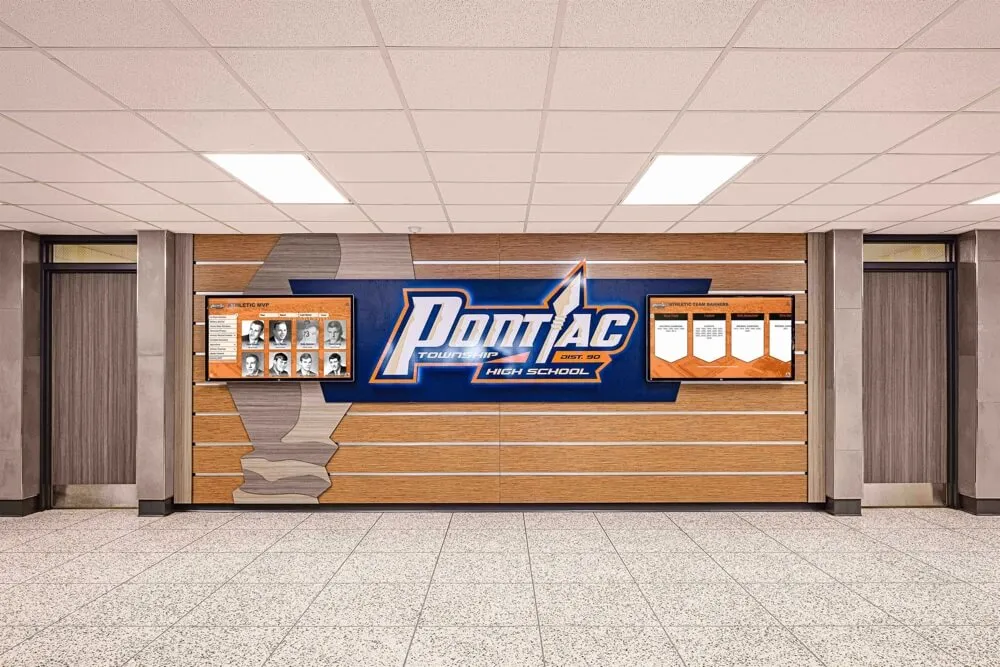
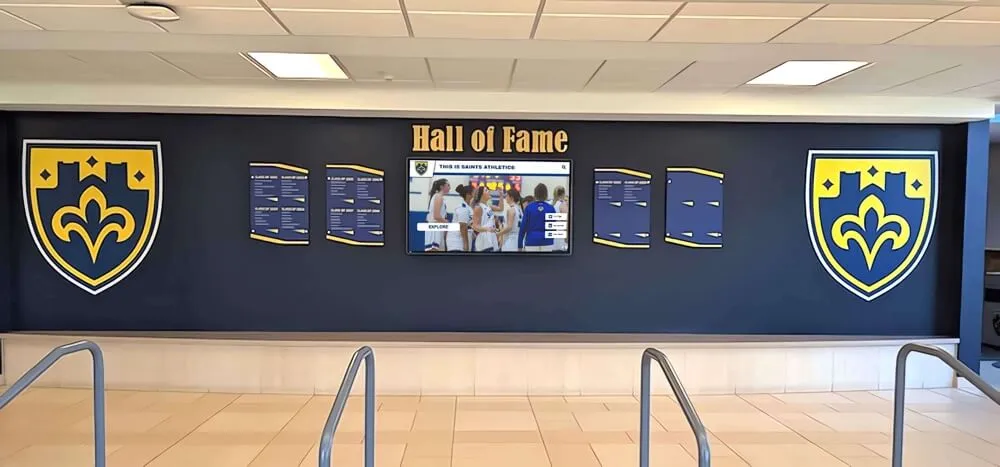
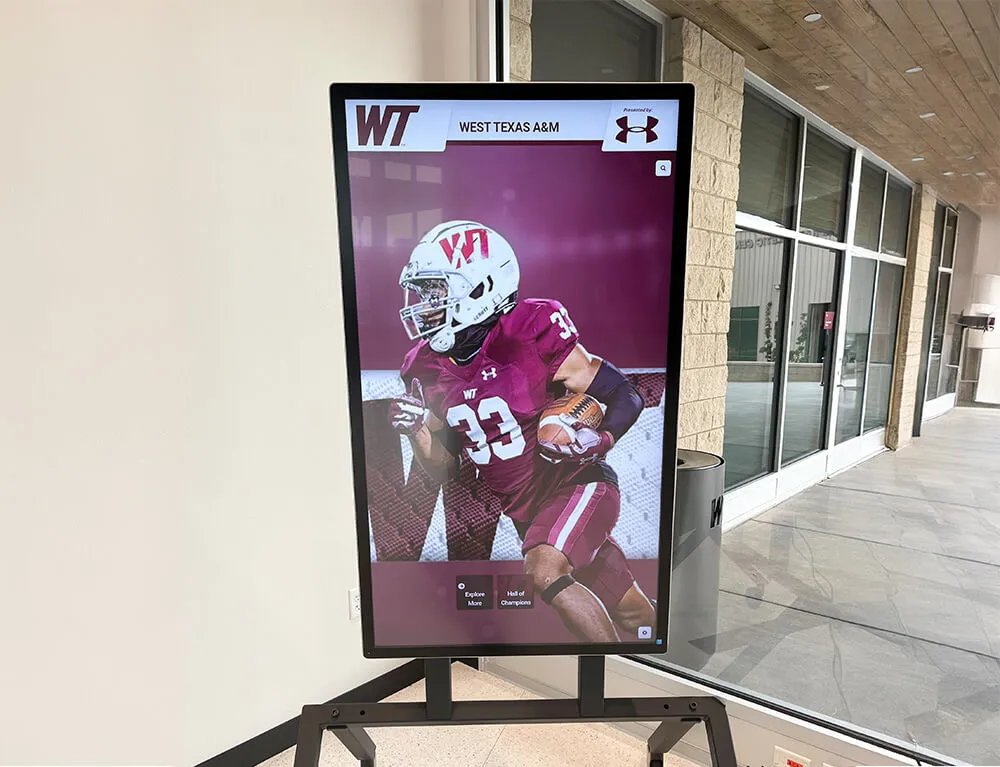
Hybrid recognition systems combining digital innovation with traditional acknowledgment create inclusive environments honoring diverse donor preferences and campaign participation levels
Implementing Comprehensive Communications Strategies
Public phase communications maintain campaign visibility, share progress updates, celebrate donor commitments, and sustain momentum throughout extended fundraising timelines. Multi-channel strategies reach stakeholders through direct mail, email campaigns, social media, website content, print advertising, public relations, and event marketing—ensuring consistent messaging across diverse audience segments.
Effective campaign communications balance informational content with emotional storytelling, combining project updates and fundraising progress with human narratives demonstrating philanthropic impact. Student testimonials, beneficiary profiles, donor stories, and facility transformation visuals create compelling content that resonates emotionally while reinforcing rational case arguments about campaign importance and community benefit.
Key Communication Vehicles:
- Campaign newsletters (monthly or quarterly) sharing progress and donor stories
- Website microsites providing comprehensive campaign information and online giving
- Social media campaigns generating awareness and celebrating donor participation
- Direct mail appeals targeting alumni, parents, and community prospects
- Email sequences nurturing prospects through cultivation toward solicitation readiness
- Print materials including brochures, case statements, and recognition catalogs
- Media relations generating news coverage and editorial support
- Event invitations connecting prospects with campaign activities and volunteer solicitors
Digital recognition displays integrated into communications strategies create powerful content demonstrating how institutions honor supporters. Photos and videos of donors engaging with interactive touchscreen systems, exploring multimedia profiles, or experiencing comprehensive acknowledgment provide authentic testimonials about institutional appreciation that inspire confidence among prospective contributors considering major commitments.
Broadening Participation Through Inclusive Giving Opportunities
While major gifts secured during quiet phases provide bulk campaign revenue, broad participation across diverse giving levels strengthens community ownership, expands future donor pipelines, and creates inclusive environments where stakeholders at all capacity levels contribute meaningfully toward shared institutional goals. Public phases emphasize participation opportunities spanning $100 annual commitments through six-figure major gifts.
Inclusive Giving Strategies:
- Matching gift challenges leveraging leadership commitments to inspire broader participation
- Class reunion campaigns creating friendly competition among graduation year cohorts
- Young alumni programs offering extended pledge periods accommodating early-career capacity
- Parent campaigns capitalizing on current family engagement and student connection
- Community partner opportunities engaging local businesses through corporate sponsorships
- Brick or tile programs enabling $500-$2,500 contributions with permanent recognition
- Memorial or tribute gifts honoring loved ones through philanthropic legacy
- Planned giving options supplementing immediate gifts with legacy commitments
Organizations implementing tiered recognition societies celebrating contributions across diverse levels—from $1,000 annual society memberships through $1 million+ transformational gifts—create clear participation pathways while acknowledging that generosity reflects proportional sacrifice rather than absolute amounts. Digital recognition systems excel at honoring these diverse contribution levels through flexible display options, searchable databases accommodating thousands of donors, and update capabilities ensuring timely acknowledgment regardless of gift timing throughout extended campaign periods.
Similar comprehensive recognition approaches benefit volunteer appreciation programs, where acknowledging diverse contributions strengthens engagement and inspires continued service beyond transactional participation.
Phase 4: Campaign Completion and Celebration (3-6 Months)
As campaigns approach goal attainment, organizations shift toward completion activities including final solicitations, comprehensive recognition installations, celebration events, and transition planning toward post-campaign stewardship ensuring sustained donor relationships beyond immediate fundraising contexts. This phase transforms campaign success into lasting institutional advancement.
Conducting Final Push Fundraising Activities
Campaign completion often requires intensive final push activities securing remaining funds, converting pledges to payments, resolving outstanding proposals, and pursuing stretch goals when campaigns exceed initial targets. This concentrated effort maintains urgency preventing momentum loss as organizations approach finish lines while capitalizing on success narratives attracting final participants wanting association with winning initiatives.
Final push strategies include matching gift challenges activating remaining leadership capacity, countdown communications emphasizing approaching deadlines, recognition opportunity updates highlighting remaining naming availabilities, and celebration event announcements incentivizing participation before campaign conclusion. These tactics create appropriate urgency without manufactured pressure undermining authentic relationship-building characterizing earlier campaign phases.
Organizations should establish clear campaign end dates rather than open-ended timelines that enable indefinite drift. Research indicates campaigns with defined conclusion deadlines achieve 91% goal attainment compared to 73% for campaigns lacking firm end dates, reflecting how time constraints motivate decision-making among prospects considering participation but lacking urgency compelling commitment.
Installing Comprehensive Recognition Systems
Recognition installation planning begins during early campaign phases but executes during completion periods when final donor lists finalize and physical systems require production, fabrication, and installation. This timeline allows organizations to honor all campaign participants rather than installing preliminary systems requiring expensive updates as additional donors commit during extended campaigns.
Digital recognition systems provide significant advantages during completion phases—eliminating production delays associated with bronze casting or stone engraving, enabling immediate content updates as final gifts process, accommodating late additions without reinstallation costs, and providing flexibility for post-campaign stewardship updates maintaining donor engagement beyond immediate fundraising contexts.
Recognition Installation Considerations:
- Location selection ensuring prominent placement in high-traffic areas
- Design integration aligning recognition aesthetics with facility architecture
- Technology infrastructure including power, network connectivity, and environmental controls
- Content development creating comprehensive donor profiles and acknowledgment text
- Accessibility compliance ensuring displays meet ADA requirements
- Maintenance planning establishing responsibility for ongoing content updates and system care
- Dedication event coordination celebrating recognition unveiling with donor attendance
Schools implementing permanent recognition during campaign completion create lasting tributes honoring supporter generosity while providing tangible evidence of institutional appreciation that strengthens relationships and positions organizations favorably for future fundraising. The systems transform abstract gratitude into visible commitment worthy of generous philanthropic investment.
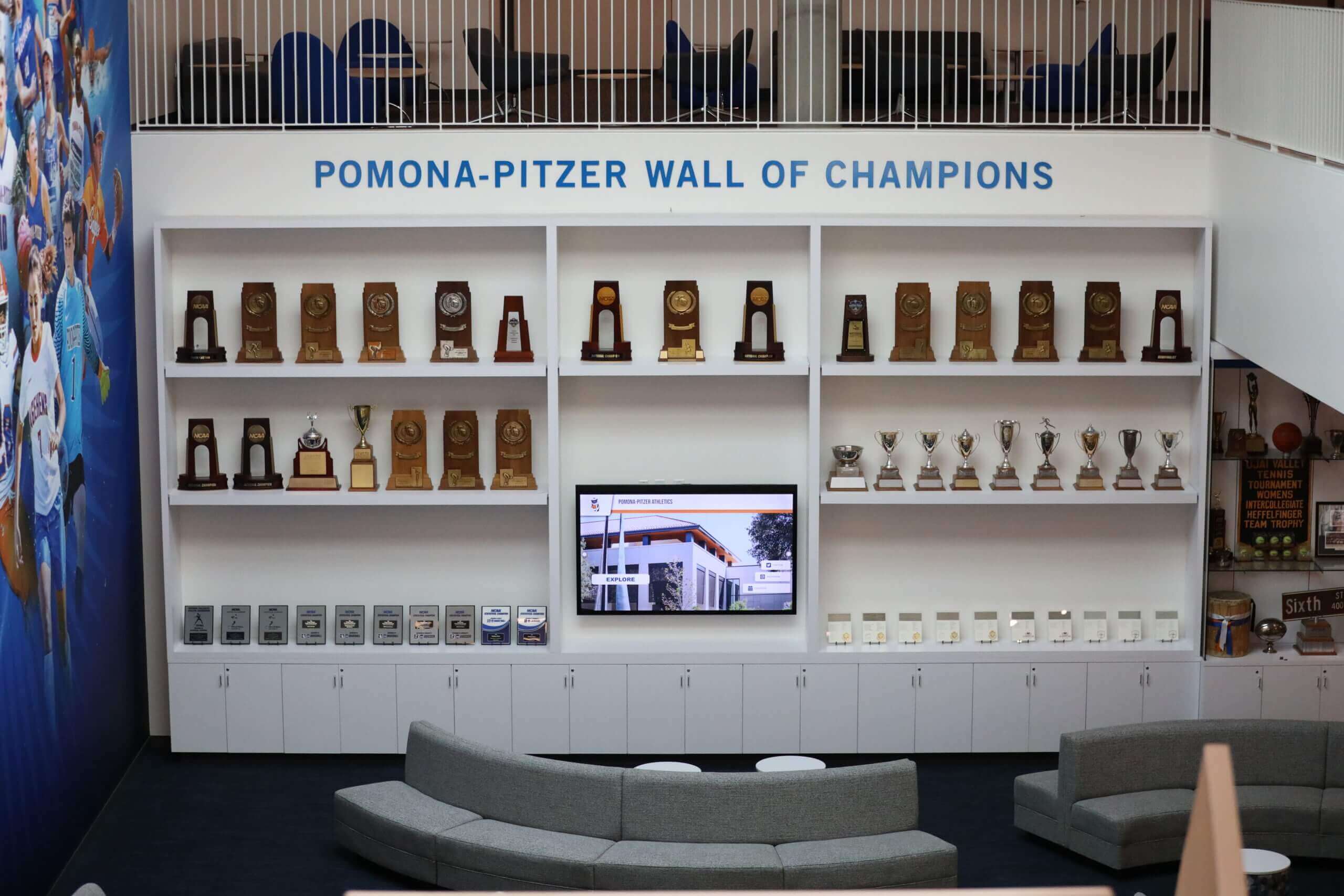
Completion phase recognition installations create lasting tributes celebrating campaign success while honoring diverse donor contributions toward transformational institutional outcomes
Hosting Campaign Celebration and Dedication Events
Campaign celebration events honor all participants, thank volunteer leadership, dedicate facilities or recognition installations, share impact stories demonstrating philanthropic outcomes, and transition donor relationships toward ongoing stewardship beyond immediate campaign contexts. These gatherings provide ceremonial closure to multi-year initiatives while positioning continued engagement as natural relationship progression rather than ending points.
Effective celebration events balance backward-looking gratitude with forward-focused vision—acknowledging campaign accomplishments while articulating how ongoing support sustains momentum toward continuous institutional improvement. The framing prevents donor perception that campaign completion eliminates continued philanthropic need, instead emphasizing that transformational investments require ongoing stewardship ensuring long-term success of initiatives generous support enabled.
Celebration Event Elements:
- Campaign accomplishment presentation sharing final results and participation metrics
- Donor recognition honoring leadership gifts, volunteer service, and broad participation
- Facility dedications or recognition unveilings providing tangible focus for celebration
- Impact testimonials from students, faculty, or program beneficiaries
- Future vision articulation connecting campaign success to ongoing institutional advancement
- Media coverage generating community awareness and donor appreciation
- Recognition system tours inviting donors to experience comprehensive acknowledgment
- Legacy messaging transitioning relationships toward sustained engagement
Organizations hosting memorable celebration events create positive campaign conclusions strengthening donor satisfaction, enhancing institutional reputation, and positioning favorable contexts for future fundraising initiatives as new needs emerge and donor communities demonstrate continued support capacity.
Phase 5: Post-Campaign Stewardship and Reporting (Ongoing)
Campaign timelines extend beyond goal celebration through systematic stewardship ensuring donor relationships continue strengthening rather than ending when immediate fundraising needs conclude. This ongoing phase addresses impact reporting, pledge fulfillment, recognition maintenance, and relationship cultivation positioning future engagement as natural extension of campaign participation rather than disconnected transactions.
Implementing Impact Reporting and Accountability
Donors contributing toward facility construction, program endowments, or scholarship initiatives expect ongoing communication demonstrating how their gifts create intended outcomes. Impact reporting documents project completion, shares beneficiary stories, provides financial accountability, and celebrates outcomes that generous support enabled—reinforcing donor confidence that contributions achieved promised results worthy of investment.
According to research from the Donor Relations Advancement Professional Network, organizations providing quarterly impact updates throughout pledge payment periods see 96% pledge fulfillment rates compared to 78% for institutions offering minimal post-gift communication. The correlation demonstrates that consistent stewardship strengthens donor commitment while maintaining relationship momentum supporting future philanthropic engagement.
Post-Campaign Stewardship Activities:
- Annual impact reports documenting campaign outcomes and ongoing benefits
- Facility completion updates sharing construction progress toward project realization
- Scholarship recipient profiles connecting donors with students their generosity supports
- Program outcome metrics demonstrating how endowment distributions create impact
- Recognition system maintenance ensuring accurate, updated donor acknowledgment
- Exclusive donor events providing campaign participant gathering opportunities
- Volunteer appreciation recognizing sustained committee service throughout campaigns
- Future engagement invitations transitioning relationships toward ongoing institutional support
Organizations treating campaigns as relationship beginnings rather than endings cultivate sustained donor engagement generating recurring annual support, additional major gifts addressing emerging needs, and planned giving commitments creating lasting institutional legacies extending far beyond initial campaign participation.
Maintaining and Updating Recognition Systems
Recognition systems installed during campaign completion require ongoing maintenance ensuring displays accurately reflect donor communities, accommodate post-campaign additions from pledge fulfillment or late commitments, and remain technically functional and aesthetically current throughout extended ownership periods. Maintenance planning establishes clear organizational responsibility for content updates, system care, and long-term preservation.
Traditional bronze or stone recognition systems require minimal technical maintenance but face expensive update costs when adding donors or correcting errors—typically $200-$800 per name plate depending on materials and fabrication complexity. These costs accumulate significantly as organizations add donors post-campaign or expand recognition through subsequent initiatives, making initial installation savings deceptive when calculating total ownership expenses.
Digital recognition systems reverse this equation—higher initial investment offset by eliminated per-donor update costs, unlimited capacity accommodating growth without hardware additions, and content management capabilities enabling staff-controlled updates without external vendor dependencies. Organizations implementing digital systems during campaigns eliminate concerns about recognition capacity constraints limiting future fundraising while gaining flexibility supporting comprehensive long-term donor stewardship.
The systems also enable rich multimedia content impossible through static plaques—donor photos, video testimonials, detailed biographical profiles, and impact narratives creating engaging acknowledgment worthy of major gift significance. Schools exploring digital donor wall technology discover that comprehensive capabilities justify investment through enhanced stewardship outcomes and operational efficiencies throughout ownership periods spanning decades.
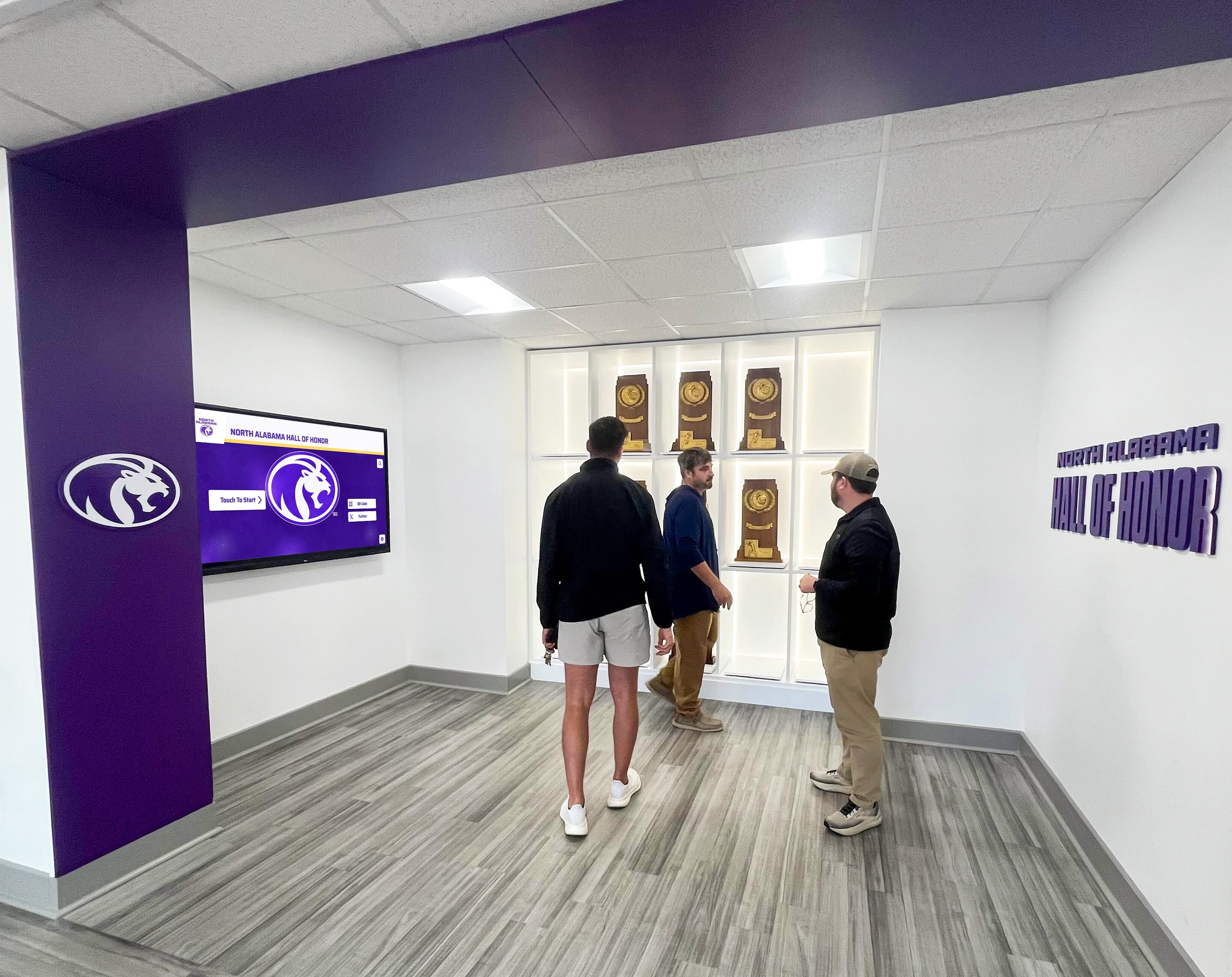
Ongoing recognition stewardship creates environments where donors regularly experience institutional appreciation, strengthening relationships supporting sustained philanthropic engagement beyond campaign contexts
Transitioning to Ongoing Annual Fund and Major Gift Programs
Campaign completion provides natural transition opportunities toward sustained fundraising programs building on relationships, momentum, and philanthropic culture that successful campaigns establish. Rather than viewing campaign conclusion as fundraising ending, strategic organizations leverage accomplishments as launching points for enhanced annual giving programs, continued major gift cultivation, and comprehensive advancement initiatives supporting ongoing institutional needs.
The transition emphasizes that campaign success addressed specific transformational priorities while ongoing support sustains daily operations, program excellence, scholarship access, and continuous improvement maintaining institutional quality worthy of continued community investment. Framing annual giving as essential complement to campaign accomplishments positions recurring support as different rather than redundant, with both funding streams necessary for comprehensive institutional advancement.
Organizations should maintain recognition system visibility and relevance post-campaign through regular content updates, new donor additions, and integration with broader institutional communications celebrating philanthropic impact. This ongoing attention prevents recognition from becoming static monuments to past success rather than living tributes to continuing donor communities supporting evolving institutional missions.
Similar sustained engagement strategies benefit alumni recognition programs, where regular content updates and continuing acknowledgment maintain graduate connections supporting long-term institutional relationships.
Integrating Technology Throughout Campaign Timelines
Modern capital campaigns increasingly incorporate technology throughout timelines—from digital proposal presentations and virtual facility tours during cultivation through online giving platforms and social media engagement during public phases to interactive recognition systems and impact dashboards during stewardship. Strategic technology integration enhances campaign effectiveness while meeting contemporary donor expectations for digital engagement and innovative institutional approaches.
Digital Tools Enhancing Campaign Management
Campaign management software provides centralized platforms tracking prospects, recording interactions, managing solicitation assignments, monitoring progress toward goals, and generating reports informing strategic decisions. These systems improve coordination among advancement staff and volunteer committees while ensuring consistent stewardship preventing prospects from receiving duplicate contacts or inconsistent messaging.
Essential Technology Applications:
- Constituent relationship management (CRM) systems tracking donor interactions and engagement
- Online giving platforms enabling convenient digital contribution processing
- Pledge management software coordinating multi-year payment schedules
- Campaign websites providing comprehensive information and impact storytelling
- Email marketing platforms nurturing prospects through automated cultivation sequences
- Social media management tools coordinating campaign communications across channels
- Analytics dashboards monitoring campaign metrics and engagement patterns
- Virtual event platforms expanding participation beyond geographic constraints
Organizations investing in comprehensive technology infrastructure create operational efficiencies enabling staff to focus on relationship building rather than administrative tasks while providing donor experiences aligned with contemporary digital expectations. The capabilities become increasingly important as younger generations—accustomed to seamless digital interactions across all life domains—represent growing shares of philanthropic communities expecting similar experiences from charitable organizations seeking support.
Interactive Recognition Creating Ongoing Engagement
Interactive digital recognition systems transform static donor acknowledgment into engaging experiences where visitors actively explore supporter communities, discover personal connections, and experience rich multimedia content impossible through traditional bronze plaques. The engagement creates memorable interactions strengthening emotional connections between institutions and broader communities while demonstrating innovative approaches worthy of generous support.
Modern touchscreen systems offer searchable databases accommodating thousands of donors, multimedia profiles featuring photos and videos, impact narratives connecting contributions to specific outcomes, and real-time updates enabling immediate recognition as gifts process throughout extended campaign timelines. The capabilities exceed traditional recognition limitations while providing operational advantages through eliminated per-donor update costs and unlimited capacity supporting long-term growth.
Schools implementing interactive systems during campaigns report enhanced donor satisfaction, increased family visitation specifically to experience recognition, and social media sharing creating organic institutional marketing beyond traditional advancement communications. The systems become destination features rather than passive acknowledgment, creating value beyond basic stewardship requirements through engagement, storytelling, and community building.
Organizations exploring comprehensive digital recognition should investigate systems offering content management capabilities enabling staff-controlled updates, accessibility features ensuring inclusive experiences, analytics providing engagement insights, and proven durability supporting reliable long-term operation. Rocket Alumni Solutions specializes in interactive touchscreen systems designed specifically for educational environments, combining intuitive interfaces with robust content management and comprehensive support throughout ownership periods.
Common Capital Campaign Timeline Challenges and Solutions
Even well-planned campaigns encounter obstacles requiring adaptive strategies maintaining momentum toward successful completion. Understanding common challenges and proven solutions enables organizations to navigate difficulties rather than abandoning efforts when complications emerge during extended timelines.
Challenge: Leadership Fatigue During Extended Timelines
Campaign chairs and volunteer committees experience burnout during multi-year efforts, particularly when timelines extend beyond initial projections or campaigns encounter unexpected obstacles requiring additional volunteer engagement. Fatigue manifests through decreased meeting attendance, reluctant solicitation participation, and diminished enthusiasm affecting campaign momentum and volunteer recruitment.
Solutions:
- Establish clear term limits preventing indefinite volunteer expectations
- Rotate committee leadership providing fresh perspectives and renewed energy
- Celebrate incremental milestones maintaining engagement through progress recognition
- Provide professional staff support reducing volunteer administrative burdens
- Limit meeting frequency respecting volunteer time while maintaining coordination
- Recognize volunteer contributions through appreciation events and public acknowledgment
- Recruit pipeline volunteers ensuring succession planning for departing committee members
Organizations managing volunteer engagement strategically maintain committee effectiveness throughout extended campaigns while preserving relationships for future service opportunities beyond immediate initiatives.
Challenge: Recognition System Capacity Constraints
Traditional bronze or stone recognition systems face physical capacity constraints when campaigns exceed expectations or organizations pursue subsequent initiatives adding donors beyond original planning assumptions. Capacity exhaustion forces expensive wall expansions, recognition relocations, or difficult decisions about acknowledging later donors through inferior secondary installations diminishing stewardship equity.
Solutions:
- Implement digital recognition systems offering unlimited capacity without physical expansion
- Design traditional installations with expansion zones accommodating predictable growth
- Establish clear recognition policies defining acknowledgment criteria before capacity issues emerge
- Create tiered recognition approaches distributing donors across multiple locations or systems
- Invest in flexible hybrid systems combining traditional prestige with digital scalability
- Plan recognition capacity at 150-200% of campaign goals accommodating future growth
Schools addressing capacity proactively prevent stewardship complications while ensuring consistent donor experiences regardless of contribution timing throughout extended campaigns or subsequent fundraising initiatives.
Challenge: Economic Disruptions Affecting Donor Capacity
Extended campaign timelines inevitably encounter economic fluctuations affecting donor capacity—recessions reducing asset values and income stability, market downturns diminishing investment portfolios, or industry disruptions impacting specific donor segments. These conditions slow pledge payments, reduce new commitments, and create uncertainty about campaign completion timelines.
Solutions:
- Build campaign timeline flexibility accommodating economic variations
- Offer extended pledge periods providing donors additional payment flexibility
- Maintain consistent cultivation regardless of economic conditions
- Emphasize mission importance transcending temporary economic challenges
- Celebrate non-financial engagement maintaining relationships during difficult periods
- Adjust solicitation approaches emphasizing planned giving and non-cash contributions
- Communicate transparently about campaign adjustments while reinforcing long-term vision
Organizations demonstrating patience and relationship commitment during economic disruptions strengthen donor confidence while positioning favorable recovery when conditions improve rather than abandoning campaigns during temporary obstacles.
Frequently Asked Questions
How long does a typical school capital campaign last?
Most school capital campaigns span 3-7 years from initial planning through final celebration, with timeline variations based on campaign scale, donor community size, and organizational capacity. Mid-scale campaigns ($5-25 million) typically complete within 4-5 years, while comprehensive initiatives exceeding $50 million often require 6-8 years. The timeline includes pre-campaign planning (6-12 months), quiet phase cultivation (12-24 months), public campaign phase (12-36 months), and completion activities (3-6 months), with specific durations adjusted based on institutional contexts and campaign progress.
What percentage of campaign goals should be secured before public launch?
Campaign best practices recommend securing 60-70% of goals during quiet phases before public announcement, demonstrating momentum while leaving meaningful participation opportunities for broader communities. Campaigns launching with 50% or less secured face higher risk of public phase struggles and ultimate goal shortfalls, while campaigns delaying launches until 80%+ completion limit inclusive participation opportunities that strengthen community ownership. The 60-70% threshold balances demonstrated success creating confidence with remaining need inspiring continued engagement.
How should schools recognize donors throughout multi-year campaigns?
Effective donor recognition throughout campaigns combines immediate acknowledgment of individual commitments with milestone celebrations honoring collective progress toward goals. Strategies include leadership society induction ceremonies during quiet phases, progress update events celebrating campaign advancement, groundbreaking or dedication ceremonies marking project milestones, digital recognition displays enabling real-time acknowledgment as gifts process, quarterly newsletters featuring donor profiles and impact stories, and social media celebrations sharing campaign participation. Comprehensive approaches demonstrate genuine appreciation throughout extended timelines rather than deferring all acknowledgment until campaign completion years in the future.
What happens if a campaign doesn’t reach its goal by the deadline?
Campaigns approaching deadlines without achieving stated goals face several strategic options: quiet deadline extensions providing additional time without public announcement (appropriate when 85-95% complete), goal adjustments reframing success based on actual achievement (viable when accomplishing meaningful outcomes despite falling short), comprehensive campaign declaration followed by continued fundraising toward remaining priorities (appropriate for multi-component initiatives), or honest assessment acknowledging shortfall while celebrating accomplishments and impact (building credibility for future efforts). Organizations should evaluate options based on remaining gap size, prospect pipeline strength, volunteer capacity, and institutional strategic priorities rather than making hasty decisions undermining relationships or credibility.
How can digital recognition systems support capital campaigns?
Digital recognition systems support campaigns through unlimited capacity accommodating growth without physical constraints, real-time updates enabling immediate acknowledgment as gifts process throughout extended timelines, comprehensive multimedia profiles celebrating donor stories beyond basic name listings, flexible content management allowing staff-controlled updates without vendor dependencies, searchable databases helping visitors discover personal connections to donor communities, engagement analytics revealing popular content informing stewardship strategies, and accessibility features ensuring inclusive experiences for all visitors. These capabilities exceed traditional bronze plaque limitations while eliminating recurring per-donor costs, making digital systems increasingly attractive for schools pursuing long-term recognition solutions supporting sustained fundraising beyond immediate campaign contexts.
Conclusion: Building Your Strategic Capital Campaign Timeline
Successful capital campaign timelines balance ambitious vision with realistic planning, comprehensive strategy with adaptive flexibility, and transformational goals with sustainable execution across extended multi-year efforts. The phased approach—from feasibility assessment through quiet cultivation, public launch, completion, and ongoing stewardship—provides proven frameworks guiding schools toward fundraising success while avoiding common pitfalls that derail informal initiatives lacking strategic structure.
Understanding that capital campaign timelines typically span 3-7 years helps organizations establish realistic expectations, allocate sufficient resources, maintain volunteer engagement, and plan comprehensive donor recognition honoring supporters throughout extended efforts rather than treating acknowledgment as post-campaign afterthought. The integration of recognition milestones throughout timelines strengthens stewardship, demonstrates institutional appreciation, and inspires continued generosity as donors witness tangible expressions of gratitude worthy of major philanthropic investments.
As you plan your school’s next capital campaign, invest time developing comprehensive timelines addressing each strategic phase, integrate donor recognition planning from earliest feasibility stages, leverage technology enhancing both campaign management and supporter acknowledgment, and maintain focus on relationship building as foundation for all fundraising success. The discipline and patience required for extended timelines generate transformational outcomes worth the sustained effort—facility improvements, program enhancements, scholarship access, and endowment growth that strengthen educational missions for generations of students benefiting from generous community support.
Ready to implement comprehensive donor recognition supporting your capital campaign timeline? Rocket Alumni Solutions provides interactive touchscreen systems designed specifically for educational institutions pursuing long-term recognition solutions. Our digital displays offer unlimited capacity, real-time updates, comprehensive multimedia profiles, and intuitive content management supporting sustained donor stewardship throughout campaigns and beyond. Contact us to discover how innovative recognition technology can strengthen your school’s fundraising outcomes while honoring the generous supporters making transformational institutional advancement possible.