



School advancement directors planning major fundraising initiatives face a common challenge: understanding what actually works in capital campaigns beyond theoretical frameworks. While countless resources explain campaign phases and gift pyramids, seeing concrete examples of how schools successfully raised millions for facilities, programs, and endowments provides the actionable insights necessary for confident planning.
Capital campaign examples from successful school fundraising efforts reveal patterns worth studying—realistic timelines spanning 3-7 years from quiet phase through completion, comprehensive donor recognition strategies that inspire ongoing giving, and communication approaches that maintain momentum throughout multi-year initiatives. These real-world campaigns demonstrate how schools across different sizes, regions, and resource levels achieved and often exceeded ambitious goals through strategic planning, authentic relationship building, and thoughtful stewardship.
This comprehensive guide examines successful capital campaign examples from educational institutions, identifies common elements driving fundraising success, explores how effective donor recognition strengthens campaigns, and provides practical frameworks you can adapt when planning your school’s next major fundraising initiative.
Capital campaigns represent the most significant fundraising undertakings most schools pursue, typically raising 3-10 times annual operating budgets to fund transformational projects that define institutional futures. Unlike annual fund efforts seeking modest recurring gifts, capital campaigns pursue major contributions toward specific projects with defined timelines and concrete goals that donors can visualize and support.

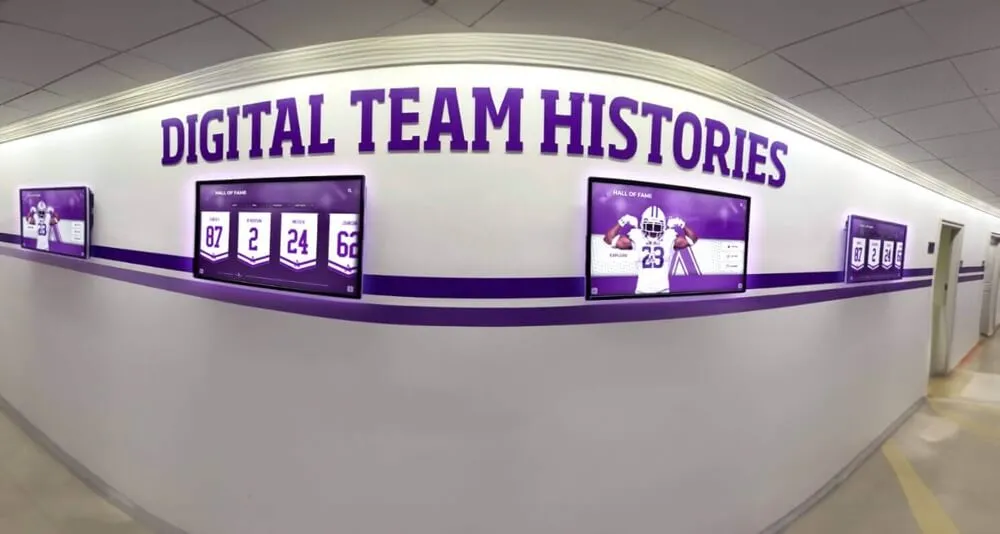
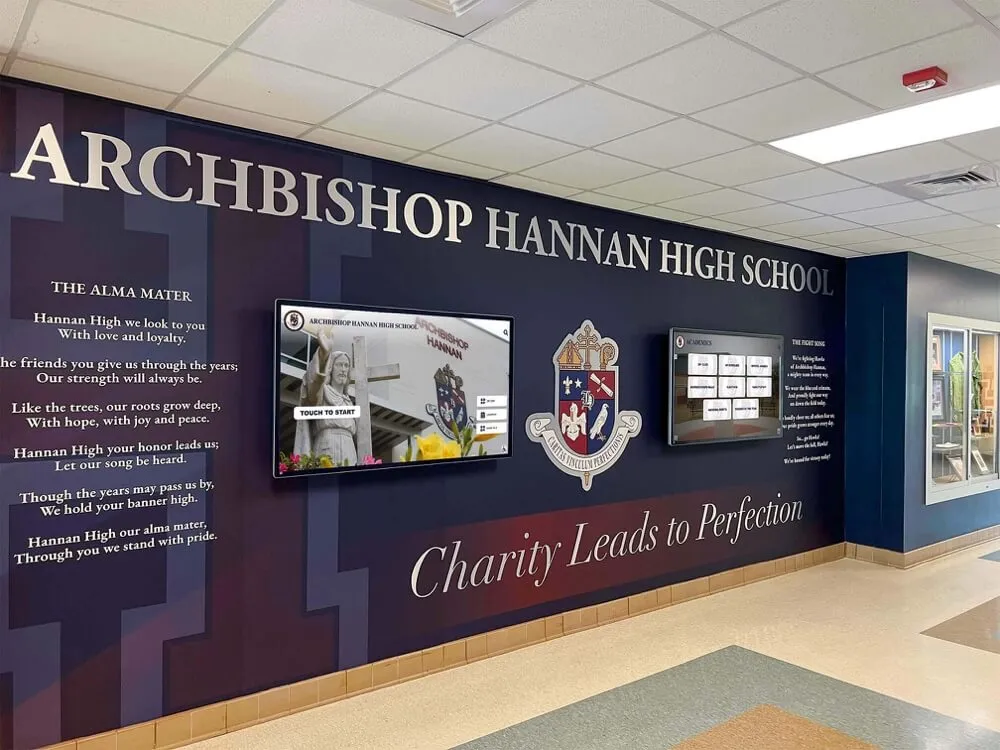
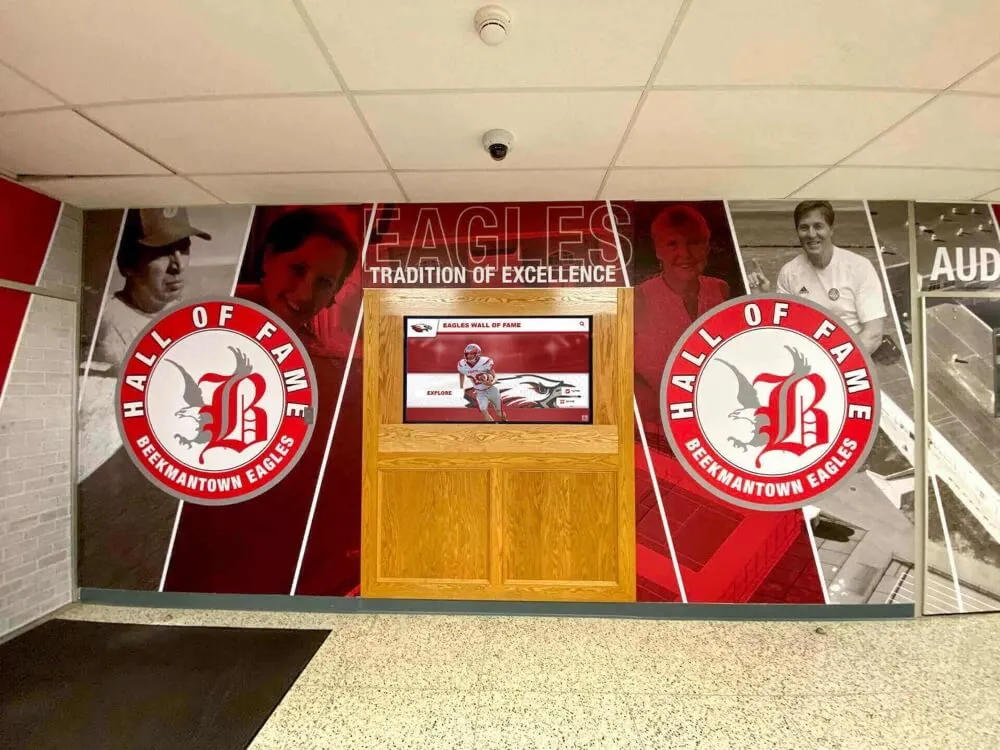
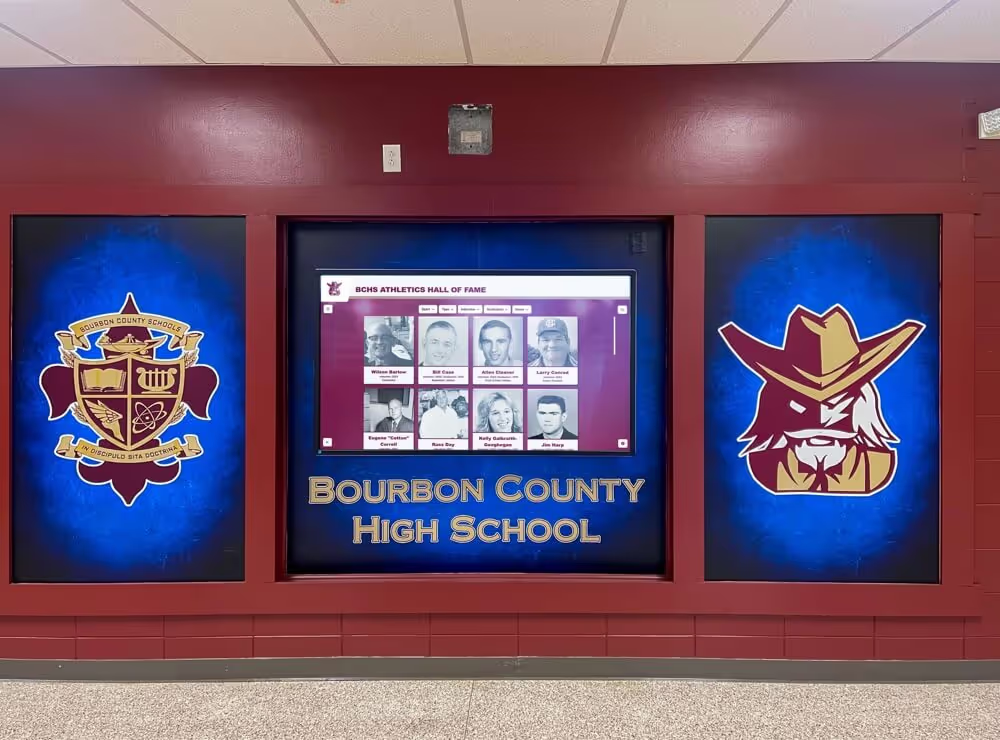
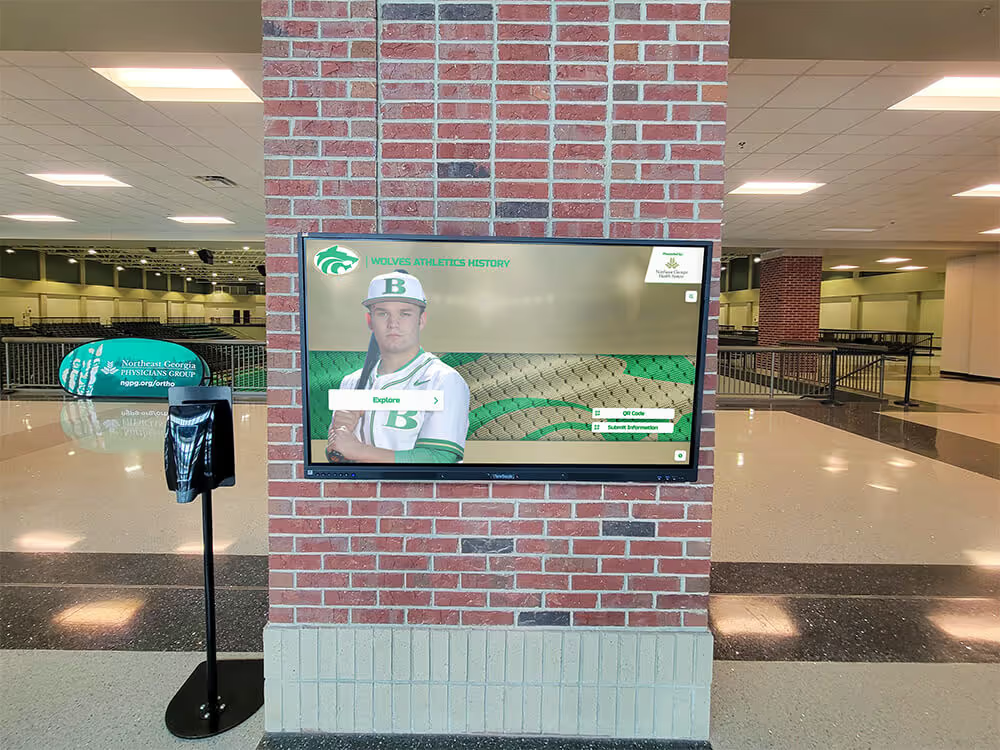
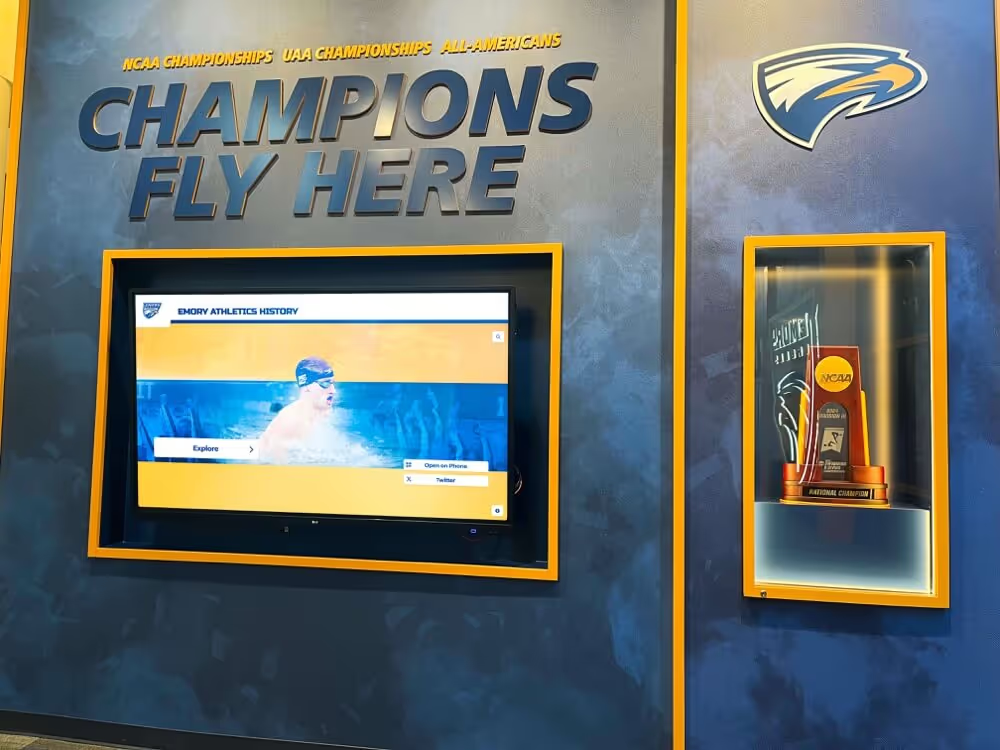
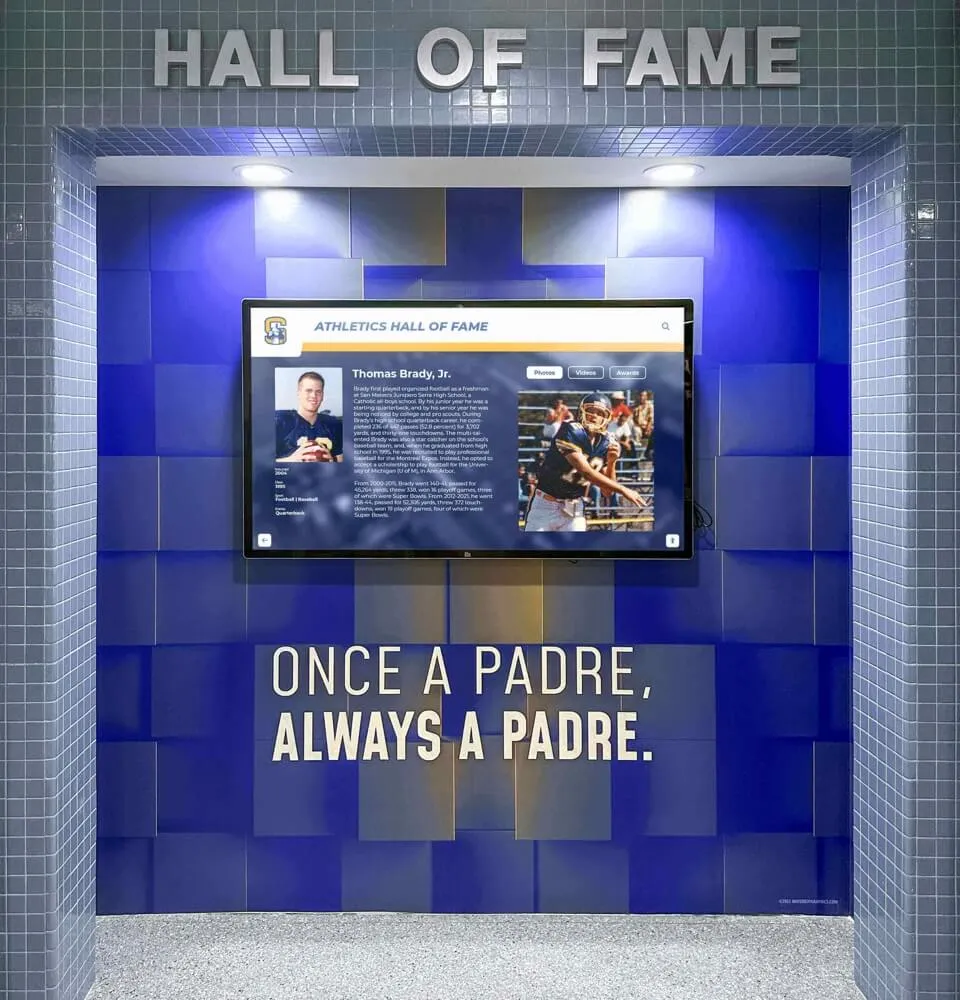
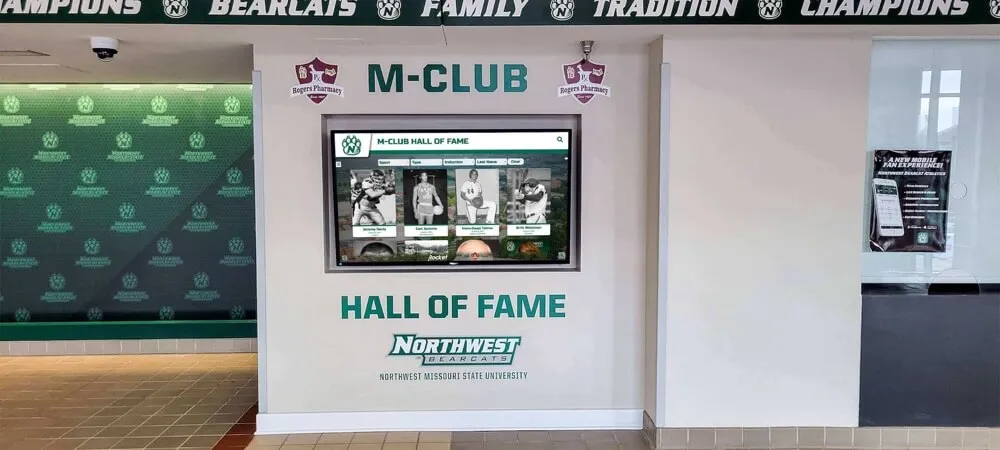
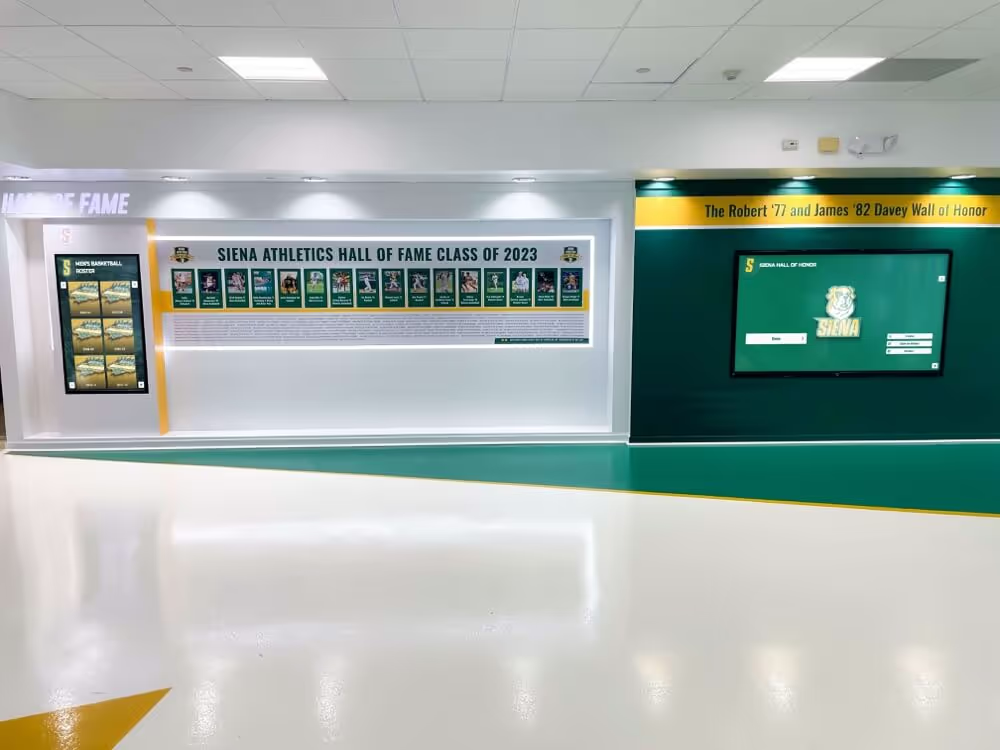
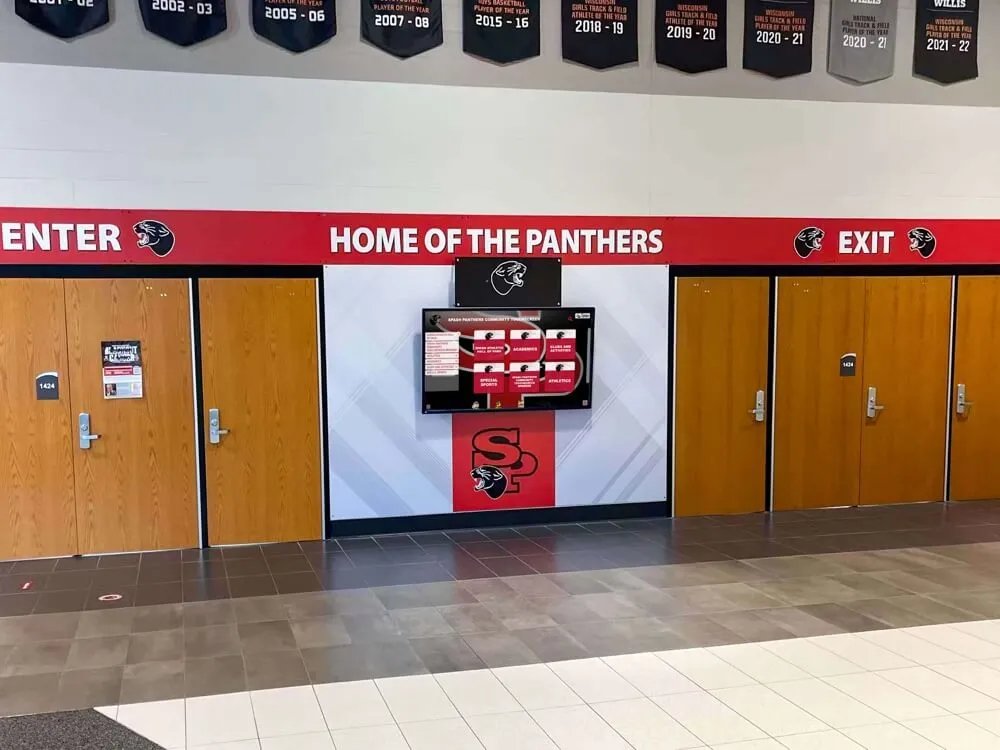
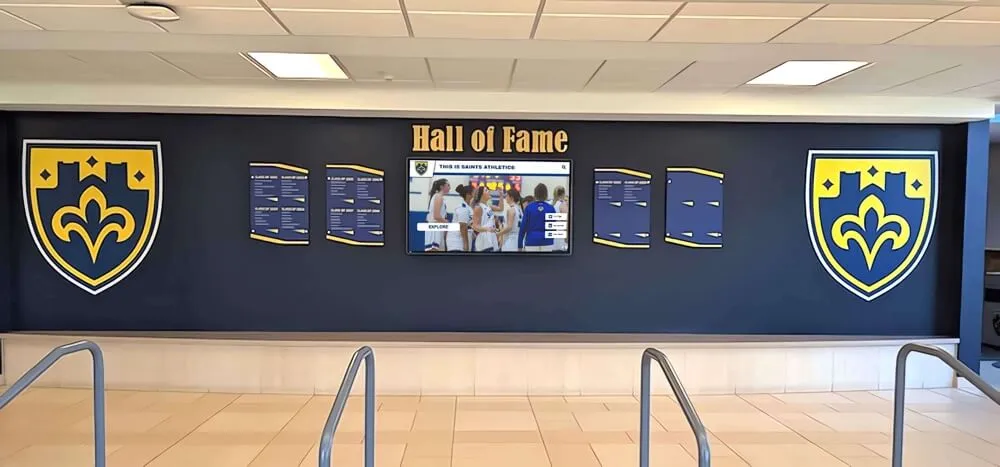
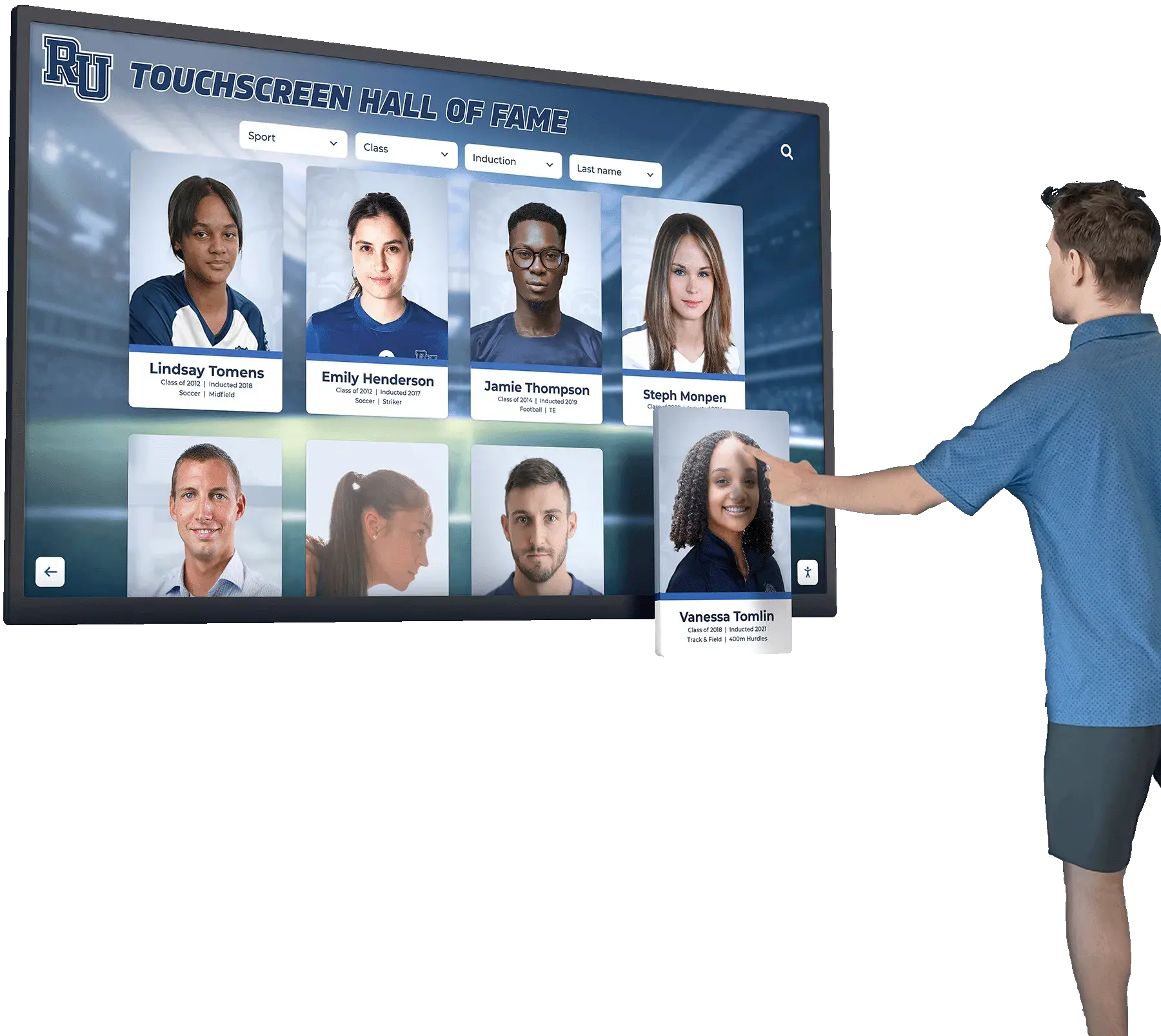
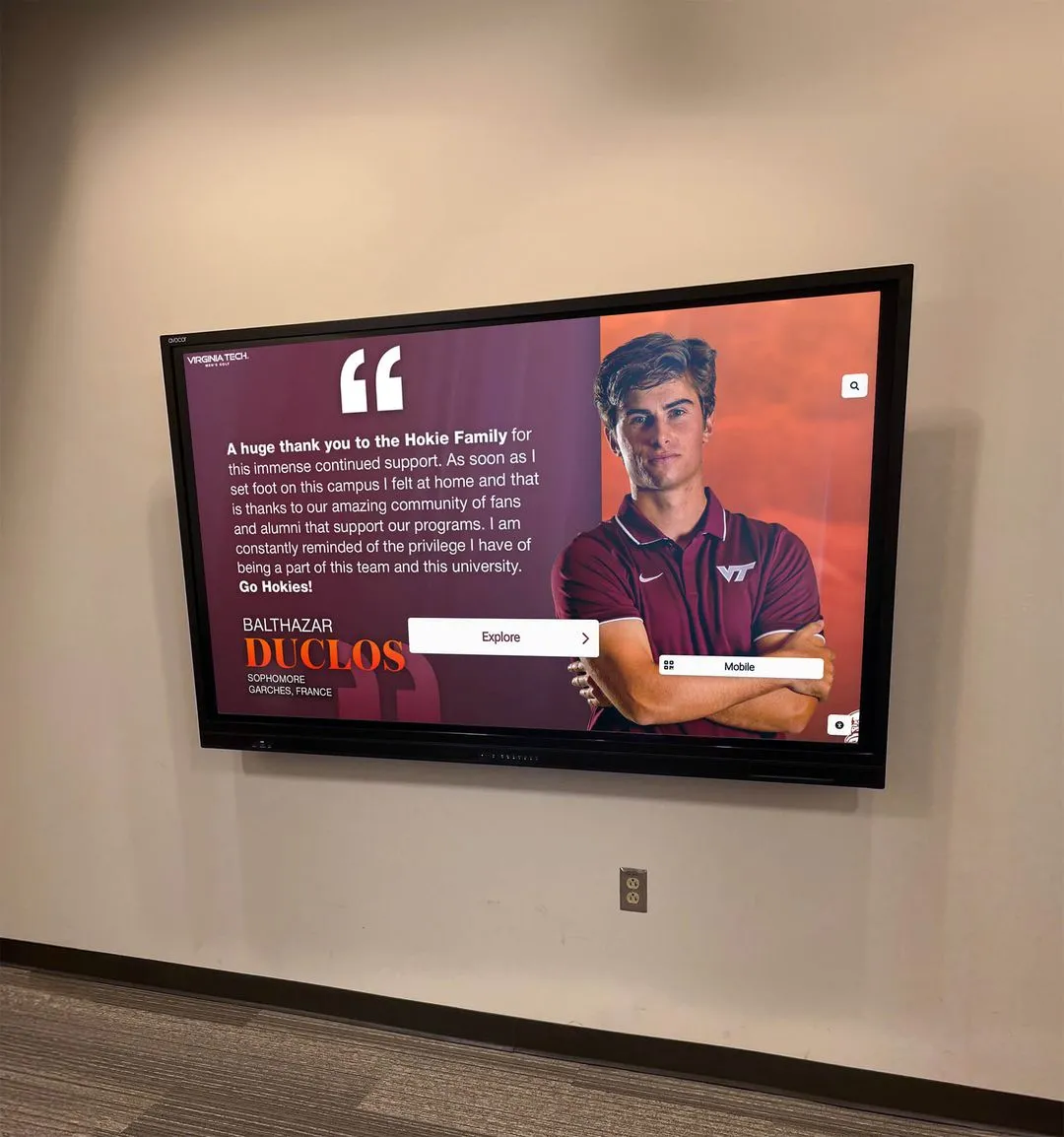
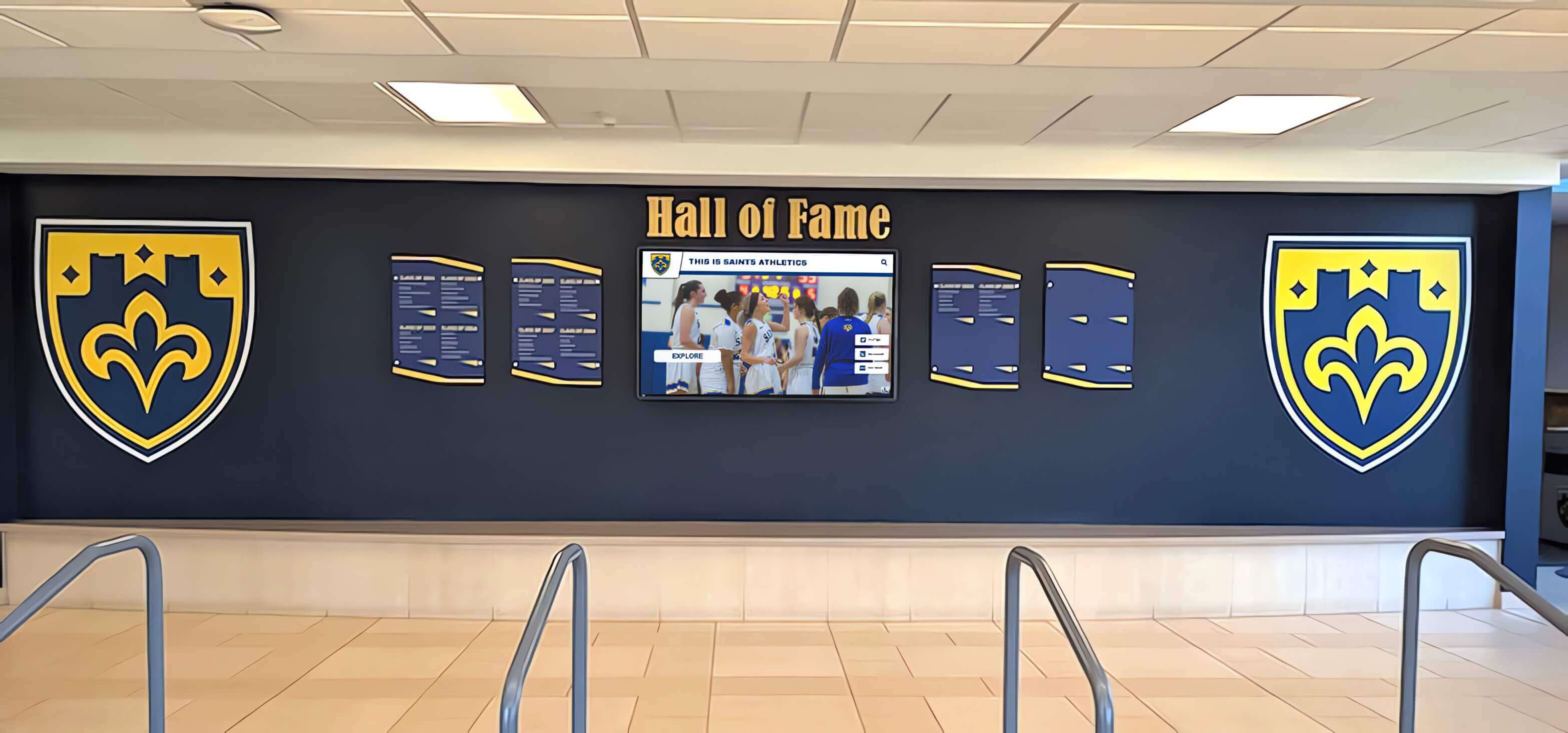
Effective donor recognition displays celebrate capital campaign supporters while inspiring continued engagement with institutional missions
Understanding Capital Campaign Fundamentals
Before examining specific examples, understanding core capital campaign principles helps interpret why certain approaches succeeded and how you might apply similar strategies at your institution.
Capital Campaign Characteristics
Capital campaigns differ fundamentally from annual fundraising through specific characteristics that shape planning, execution, and donor engagement.
Defined Financial Goals and Timelines
Every successful capital campaign establishes a specific dollar target based on identified needs rather than arbitrary figures. Schools typically campaign for facility construction or renovation, programmatic endowments, scholarship funds, technology infrastructure, or comprehensive initiatives combining multiple priorities. Goals range from $500,000 for smaller private schools to $500 million+ for major universities, with timelines spanning 3-7 years from initial planning through public celebration.
Phased Campaign Structures
Most capital campaigns follow predictable phases beginning with feasibility studies assessing donor capacity and project appeal, followed by quiet phases where leadership secures 60-70% of the goal from major donors before public launch. Public phases broaden participation beyond major gift prospects, while completion phases celebrate success and recognize all contributors. This sequencing builds momentum, reduces risk, and demonstrates viability before seeking broad community support.
Gift Pyramids and Major Donor Focus
Capital campaigns typically rely on the 80/20 principle where 80% of funds come from 20% of donors, though many campaigns see even greater concentration with lead gifts providing 40-50% of total goals. Understanding this reality focuses campaign planning on major gift cultivation rather than broad-based appeals, though inclusive participation opportunities remain important for community engagement and future donor pipeline development.
Schools implementing structured capital campaigns report significantly higher success rates than institutions pursuing informal major gift initiatives without defined goals, timelines, and strategic frameworks. The discipline imposed by formal campaign structures creates accountability while coordinating advancement efforts toward unified objectives. Similar structured approaches benefit alumni network development, where systematic relationship building yields stronger engagement outcomes.
Successful Capital Campaign Examples from Schools
Examining real campaign examples illuminates strategies worth considering while revealing common patterns across successful efforts.
Example 1: Comprehensive Campus Transformation Campaign
A mid-sized independent school launched a $45 million campaign addressing deferred maintenance, new learning spaces, and endowment growth simultaneously. The seven-year initiative began with a two-year feasibility study and quiet phase securing $32 million from 12 family foundations and major donors before public launch.
Campaign Strategies That Worked
- Named giving opportunities at multiple levels from $25,000 classroom sponsorships to $5 million building naming rights
- Comprehensive donor recognition plan announced during quiet phase showing exactly how supporters would be honored
- Monthly campaign newsletters maintaining momentum and celebrating incremental milestones
- Matching gift challenges during public phase leveraging lead donor commitments to inspire broader participation
- Virtual tours and architectural renderings helping donors visualize impact before construction
- Multi-year pledge options accommodating donor cash flow preferences over 3-5 year periods
The campaign ultimately raised $52 million, exceeding its goal by 16% with 78% donor participation among current families and 34% participation from alumni. Campaign leadership attributed success to clear project vision, realistic timelines, and consistent communication maintaining engagement throughout the extended effort.
Example 2: Athletic Facility Capital Campaign
A public high school foundation pursued a $12 million campaign funding new athletic complex including stadium, field house, and outdoor facilities. Working within constraints prohibiting direct solicitation of current families by public entities, the foundation focused on alumni, local businesses, and community supporters.
Distinctive Campaign Elements
- Corporate sponsorship opportunities providing multi-year recognition for local businesses
- Brick paver program enabling $500-$2,500 giving level participation with permanent recognition
- Stadium seat naming at $5,000 per seat creating tangible, visible donor acknowledgment
- Interactive digital display installed early in campaign showing donor names, giving levels, and campaign progress
- Community events at existing facilities building relationships before formal solicitation
- Athletic hall of fame integration recognizing past achievements while celebrating campaign supporters
Despite economic headwinds during the campaign period, the initiative raised $13.8 million over five years with participation from 890 donors. Foundation leadership emphasized the importance of visible recognition in public spaces where community members regularly gather, creating social proof that motivated giving progression. The digital display approach aligned with broader trends in athletic program recognition technology enabling comprehensive acknowledgment.
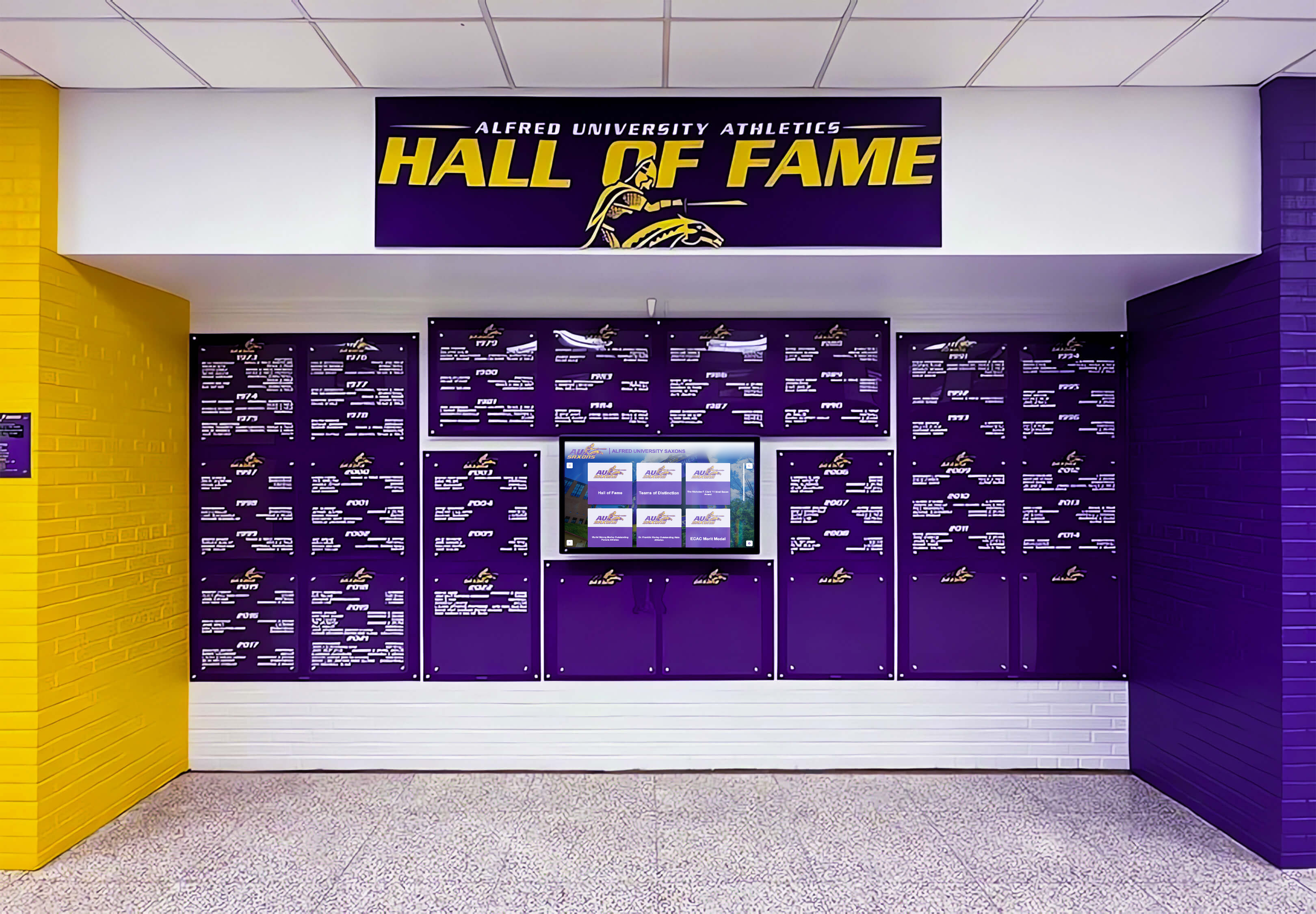
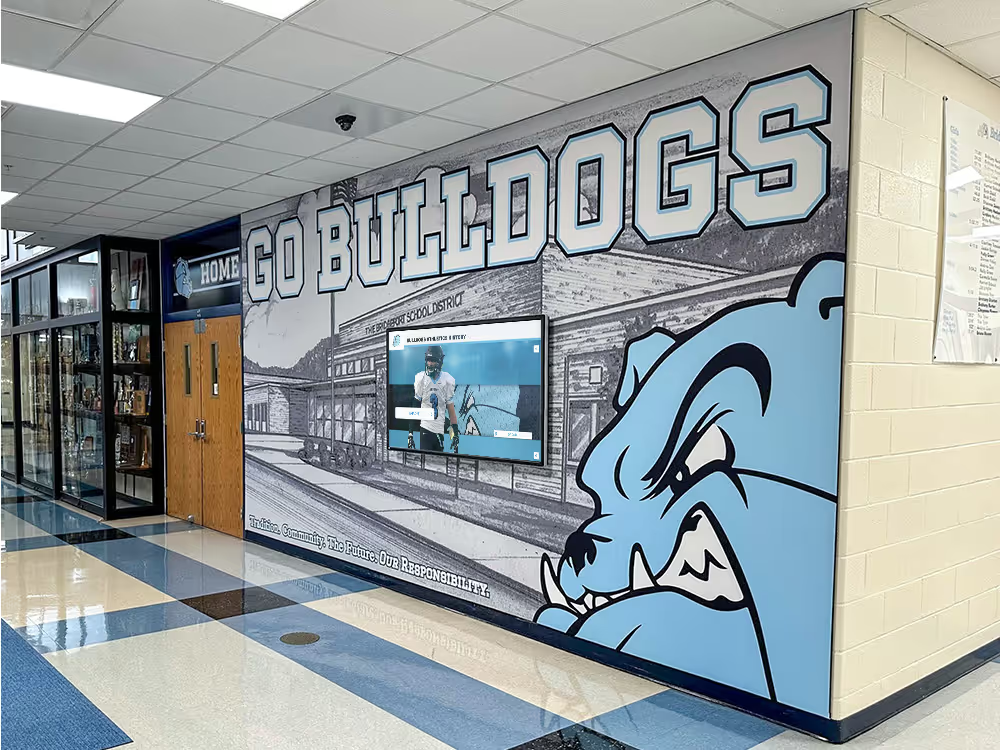
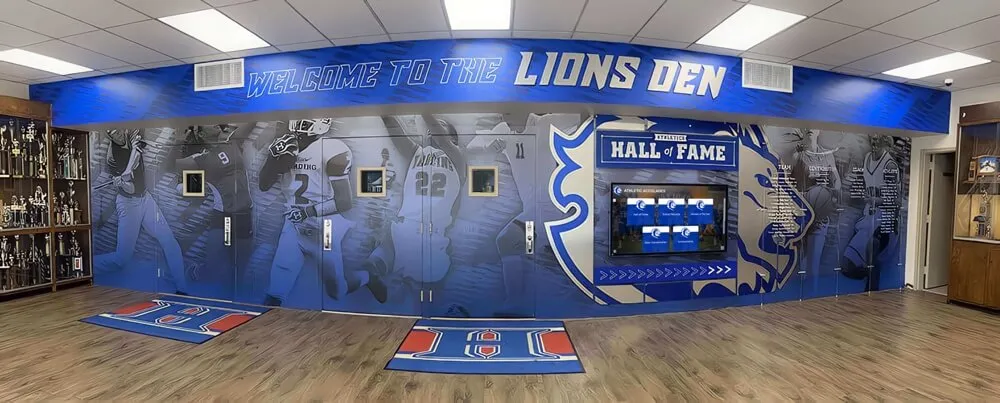
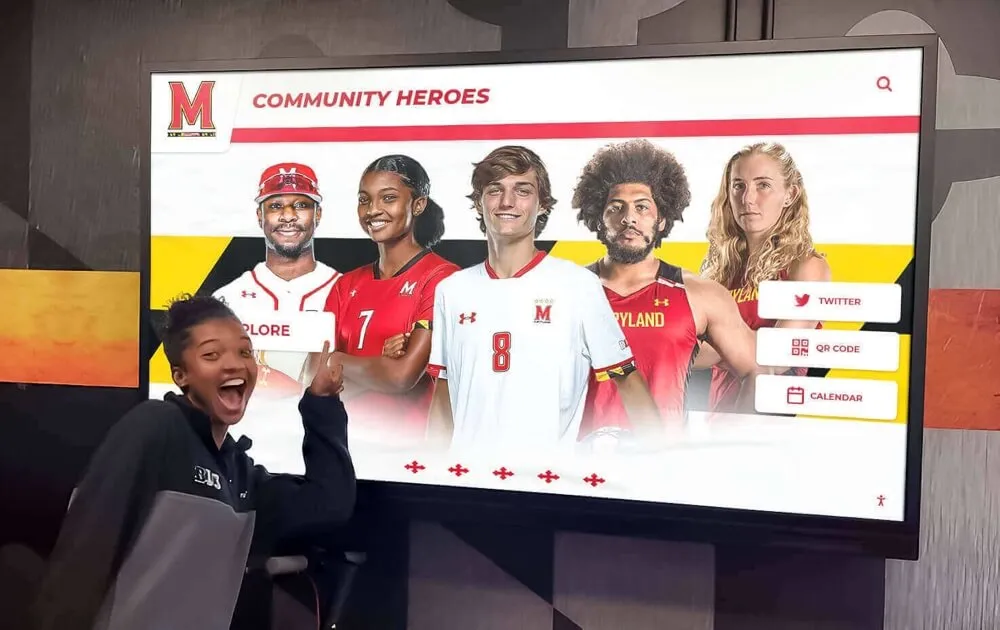
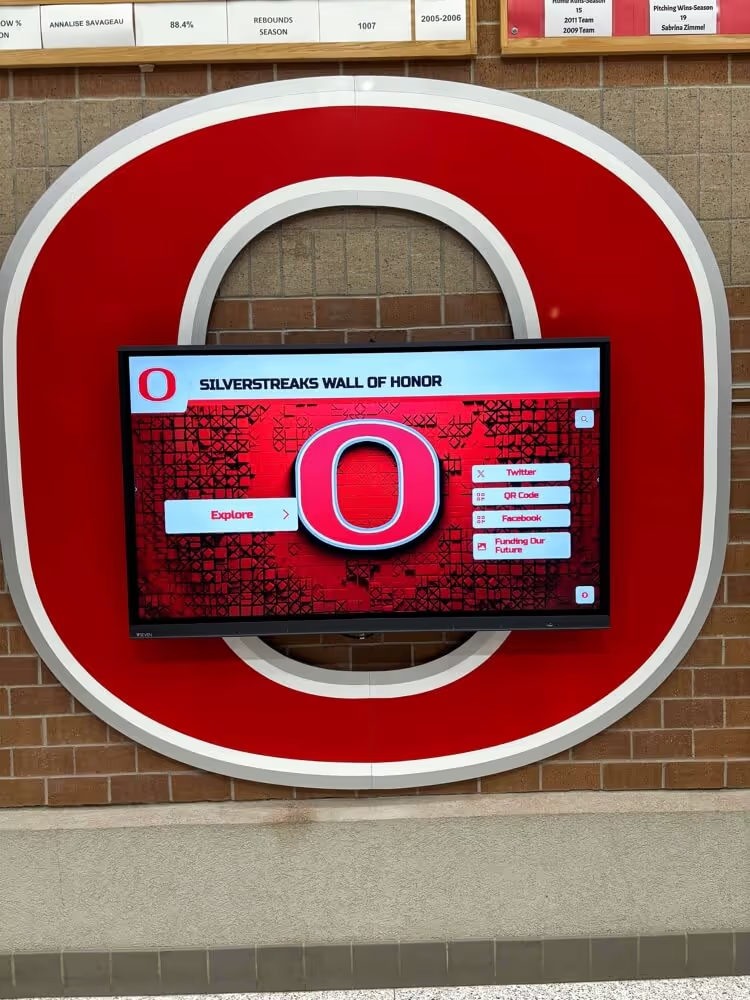
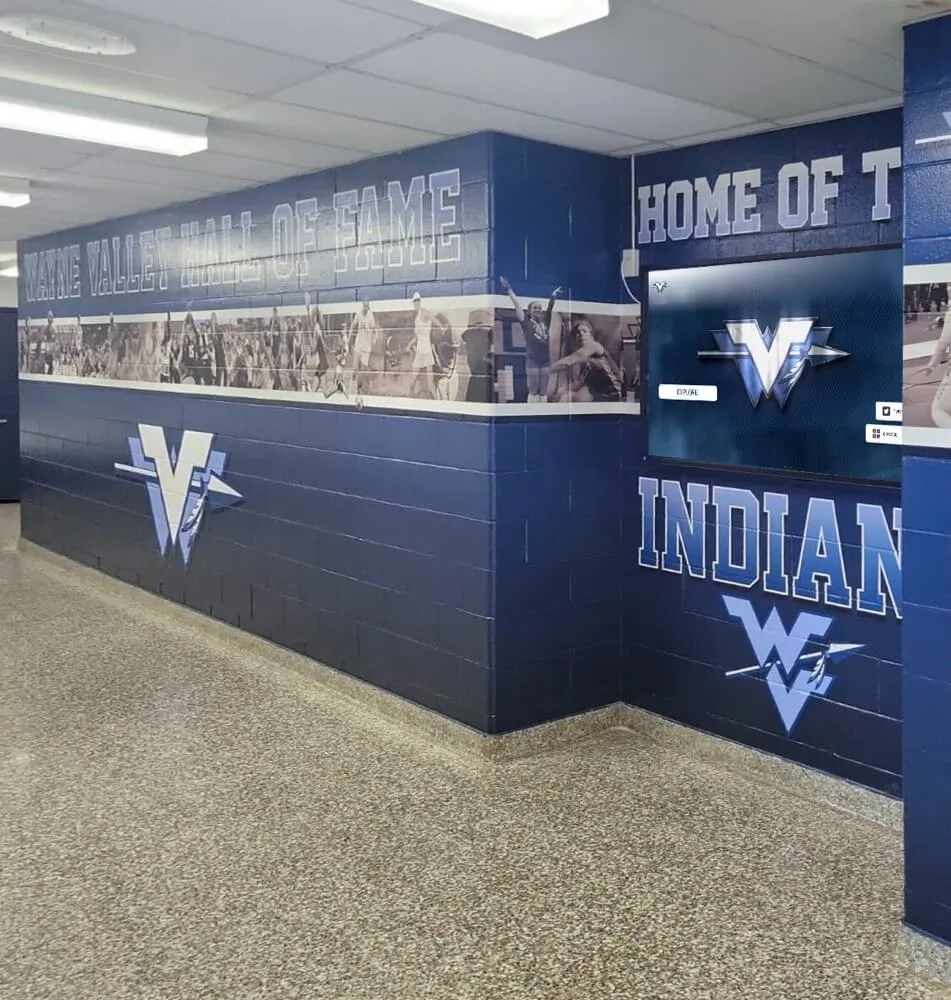
Athletic facility campaigns often integrate donor recognition with program history, celebrating both past achievements and supporters enabling future success
Example 3: Scholarship Endowment Initiative
A college preparatory school launched a $20 million endowment campaign ensuring long-term financial accessibility and reducing dependence on annual tuition increases. The pure endowment focus presented unique challenges since donors couldn’t see physical results like building construction.
Overcoming Intangible Impact Challenges
- Named scholarship opportunities at $250,000, $500,000, and $1 million levels with specific student connection opportunities
- Annual scholarship recipient profiles shared with donors showing direct impact of endowment support
- Endowment growth dashboards providing transparent financial reporting and performance metrics
- Legacy society recognition for planned giving commitments supplementing immediate contributions
- Student testimonial videos featuring scholarship recipients describing educational opportunities donor support enabled
- Permanent digital donor recognition display in main building lobby celebrating endowment supporters with interactive profiles
The ten-year campaign raised $24.6 million from 340 donors, creating sustainable scholarship funding supporting 15-20% of enrolled students annually. Campaign analysis revealed that personal connections between donors and scholarship recipients significantly influenced giving progression, with 68% of major donors meeting “their” students during campaign cultivation.
Example 4: STEM Center Capital Project
A suburban public school district pursued an $18 million bond referendum alongside a $7 million foundation capital campaign funding enhanced STEM facilities beyond basic bond specifications. The split funding approach addressed both essential infrastructure and aspirational program elements.
Campaign Innovation Strategies
- Clear delineation between bond-funded basics and donor-funded enhancements preventing confusion
- Corporate partnership opportunities aligning with STEM industry employers seeking talent pipeline
- Equipment naming opportunities at accessible $10,000-$50,000 levels for labs, maker spaces, and technology
- Alumni network mobilization through targeted outreach to STEM career alumni
- Student-created campaign materials including videos, presentations, and donor thank-you messages
- Digital recognition throughout new facility celebrating both individual and corporate supporters
- QR codes linking physical recognition to extended donor profiles and impact stories
The combined approach successfully passed the bond referendum while exceeding the foundation’s campaign goal, raising $8.3 million from 520 donors over four years. District leadership noted that separating public funding from philanthropic enhancement helped donors understand how their contributions provided experiences beyond what public resources could support.
Example 5: Small School Major Impact Campaign
A rural private school with 240 students launched an ambitious $6.5 million campaign for facility renovation and program endowment—representing more than 4x their annual operating budget. Limited alumni base and modest community wealth created significant challenges requiring creative approaches.
Small School Success Strategies
- Extended quiet phase securing $4.2 million from just eight family foundations before public launch
- Broader public phase focusing on participation and community engagement rather than large gifts
- Recognition level minimum of $500 ensuring accessibility while maintaining donor wall dignity
- Monthly giving options allowing families to spread $5,000+ commitments across five years
- Comprehensive stewardship plan with personalized touches reflecting small school culture
- Legacy commitments counting toward campaign goal encouraging planned giving
- Partnership with digital signage solutions creating affordable donor recognition display
The seven-year campaign raised $7.1 million from 380 donors including 89% of current families, demonstrating that smaller schools can achieve ambitious goals through relationship-driven approaches compensating for limited prospect pools. Campaign leadership emphasized the importance of realistic timelines and not rushing major gift cultivation in communities where relationships develop more slowly than in large urban markets.
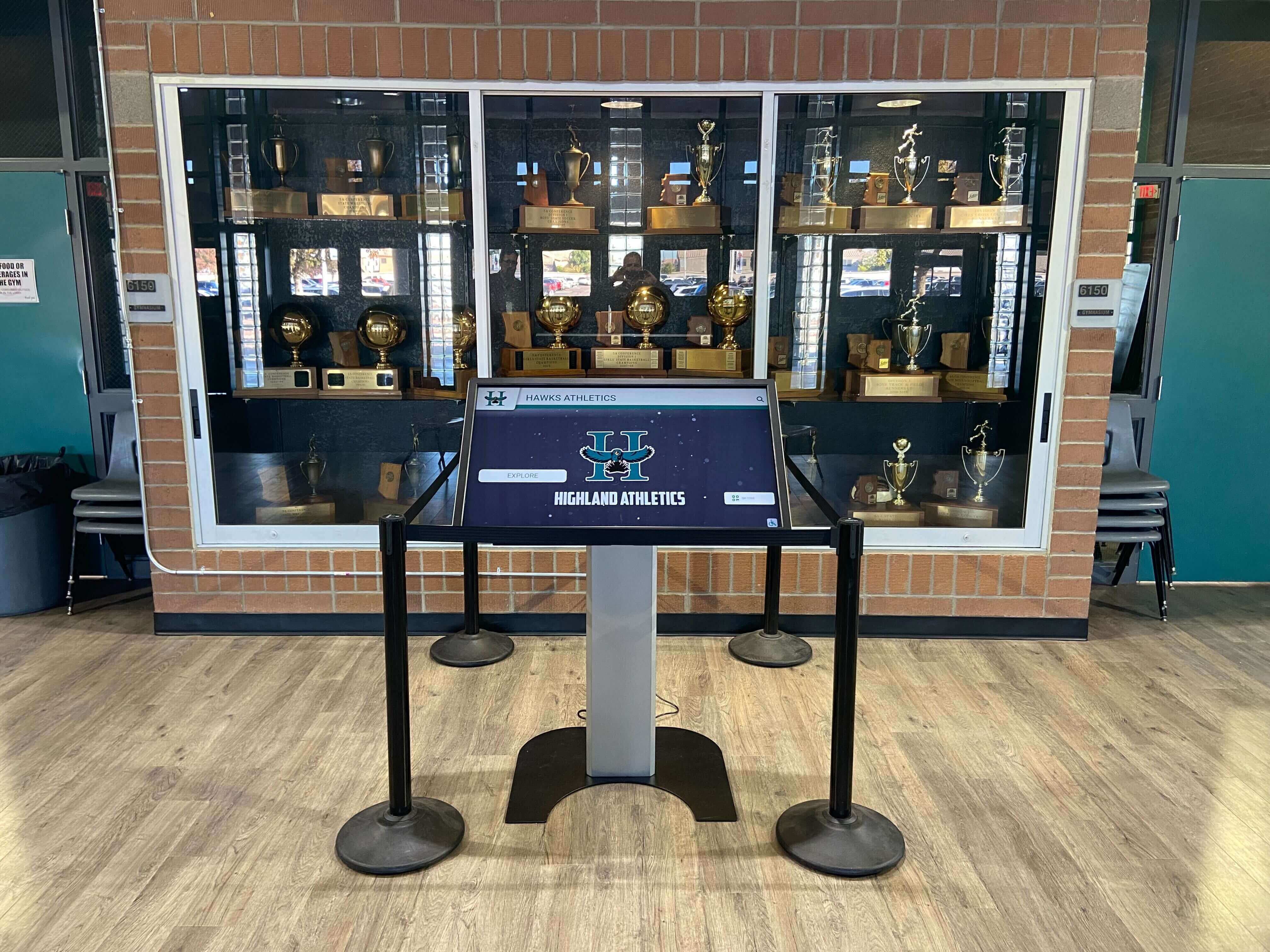
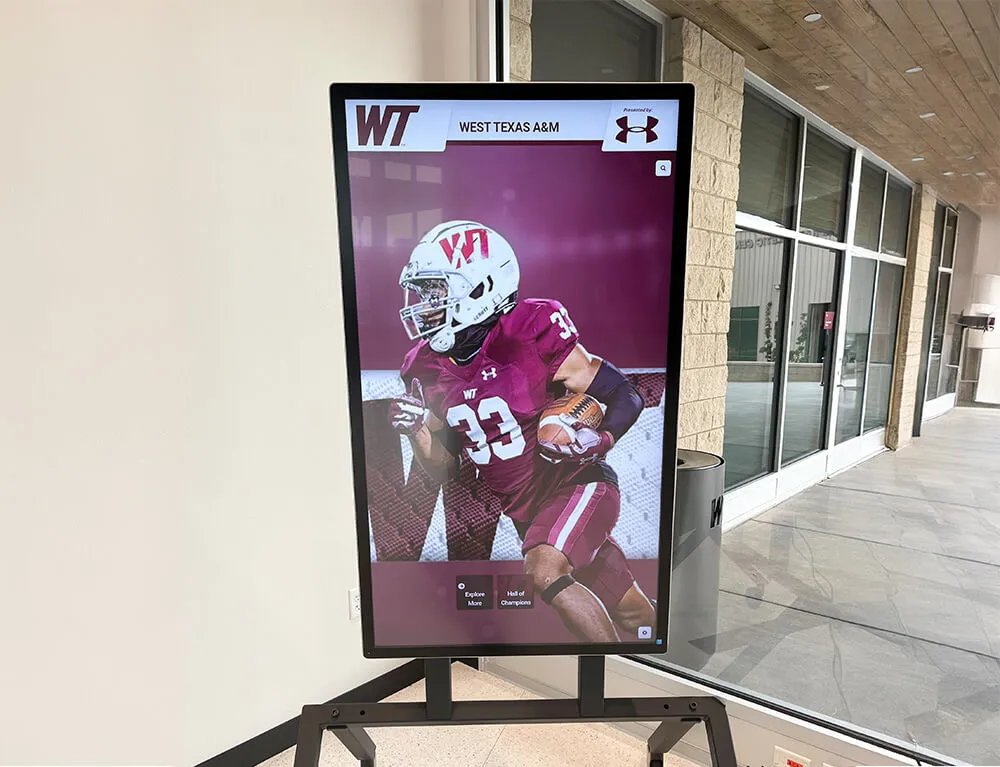
Interactive donor recognition technology enables small schools to provide sophisticated acknowledgment rivaling larger institutions while accommodating budget constraints
Common Elements Across Successful School Capital Campaigns
Analyzing multiple campaign examples reveals consistent patterns and strategies that transcend specific institutional contexts.
Clear Vision and Compelling Case for Support
Every successful campaign articulated specific, tangible outcomes that donor support would enable rather than vague institutional advancement. Donors supported concrete projects they could visualize—new science labs with specific equipment, scholarship programs supporting defined student populations, athletic facilities hosting specific sports and activities, or technology infrastructure enabling particular educational approaches.
The most compelling cases for support connected institutional needs to broader educational values and student outcomes donors care about deeply. Rather than simply requesting facility funding, campaigns explained how spaces would transform learning experiences, expand program access, or position schools competitively in changing educational landscapes.
Elements of Effective Campaign Narratives
- Specific project descriptions with architectural renderings, program details, or equipment specifications
- Clear explanation of why funding needs exceeded operating budgets or public resources
- Student impact statements connecting facilities or programs to educational outcomes
- Competitive positioning showing how projects addressed changing educational requirements
- Timeline transparency building confidence in realistic project planning
- Budget clarity demonstrating careful financial planning and stewardship
- Recognition and stewardship commitments honoring donor generosity appropriately
Schools that struggled to meet campaign goals often suffered from unclear or shifting priorities, vague impact statements, or failure to distinguish their projects from general operating needs donors assumed tuition or public funding should cover.
Strategic Donor Recognition Planning
Successful campaigns planned comprehensive recognition strategies before solicitation rather than treating acknowledgment as afterthought following fundraising success. Early recognition planning enabled advancement teams to present specific naming opportunities during cultivation, helped donors visualize how their generosity would be honored, and prevented post-campaign conflicts about recognition hierarchy or placement.
Recognition Planning Timeline
- Feasibility phase: Survey donors about recognition preferences and expectations
- Quiet phase planning: Establish naming level structure, recognition locations, and acknowledgment formats
- Major gift solicitation: Present specific recognition opportunities matched to prospect capacity
- Public phase launch: Unveil recognition display or announce comprehensive recognition plan
- Campaign progression: Add donor recognition as gifts are received rather than waiting for completion
- Campaign conclusion: Complete permanent recognition installation and celebrate all supporters
Recognition approaches varied based on project type, institutional culture, and donor preferences. Facility campaigns naturally incorporated building and space naming, while endowment initiatives created named scholarship programs with ongoing student connections. Many campaigns successfully combined traditional elements like named spaces with modern digital displays providing unlimited capacity and rich storytelling capabilities.
Phased Approach Building Momentum
Campaign timelines spanning multiple years required strategic pacing preventing donor fatigue while maintaining momentum through predictable lulls in activity or economic uncertainty.
Effective Campaign Pacing Strategies
- Quiet phase deadlines creating urgency for leadership gift commitments
- Public launch events celebrating quiet phase success while inviting broader participation
- Milestone celebrations at 25%, 50%, 75%, and 100% of goal maintaining engagement
- Progress reporting through multiple channels keeping campaign visible
- Limited-time matching opportunities creating strategic urgency
- Challenge gifts incentivizing participation during slower campaign periods
- Countdown communications as campaigns approached conclusion
- Extended celebration periods honoring all participants after goal achievement
Schools maintaining consistent communication cadences and celebrating incremental progress reported stronger donor retention and gift progression compared to campaigns that disappeared from visibility between major announcements. Similar momentum-building approaches support athletic recognition initiatives maintaining engagement throughout extended programs.
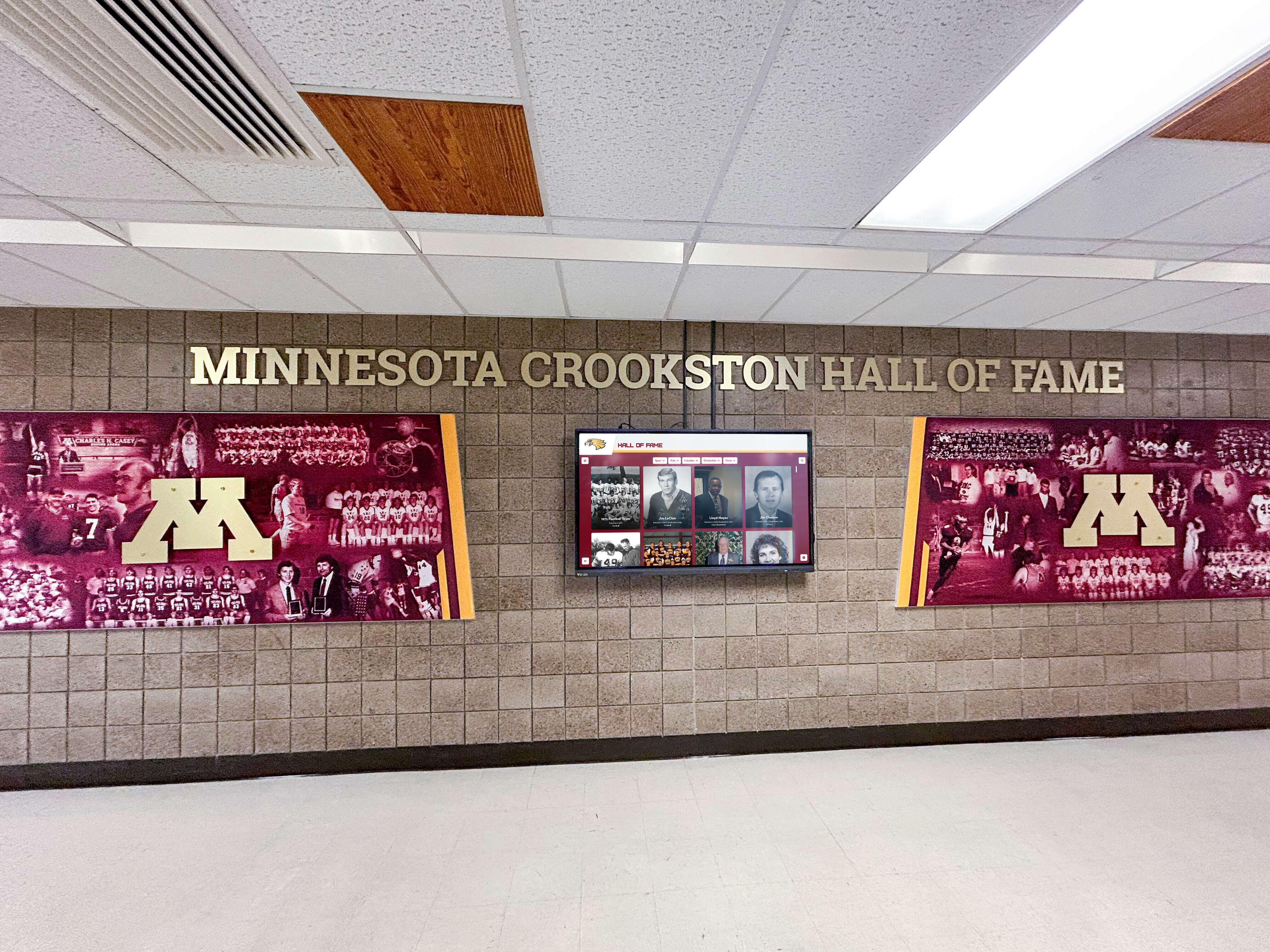
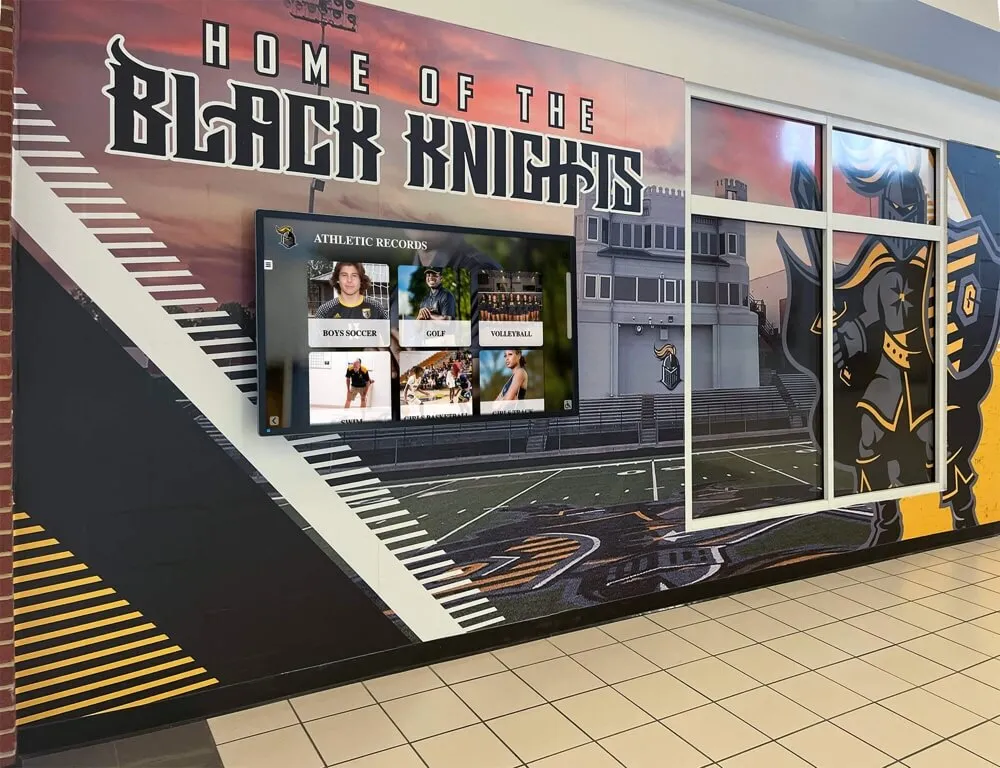
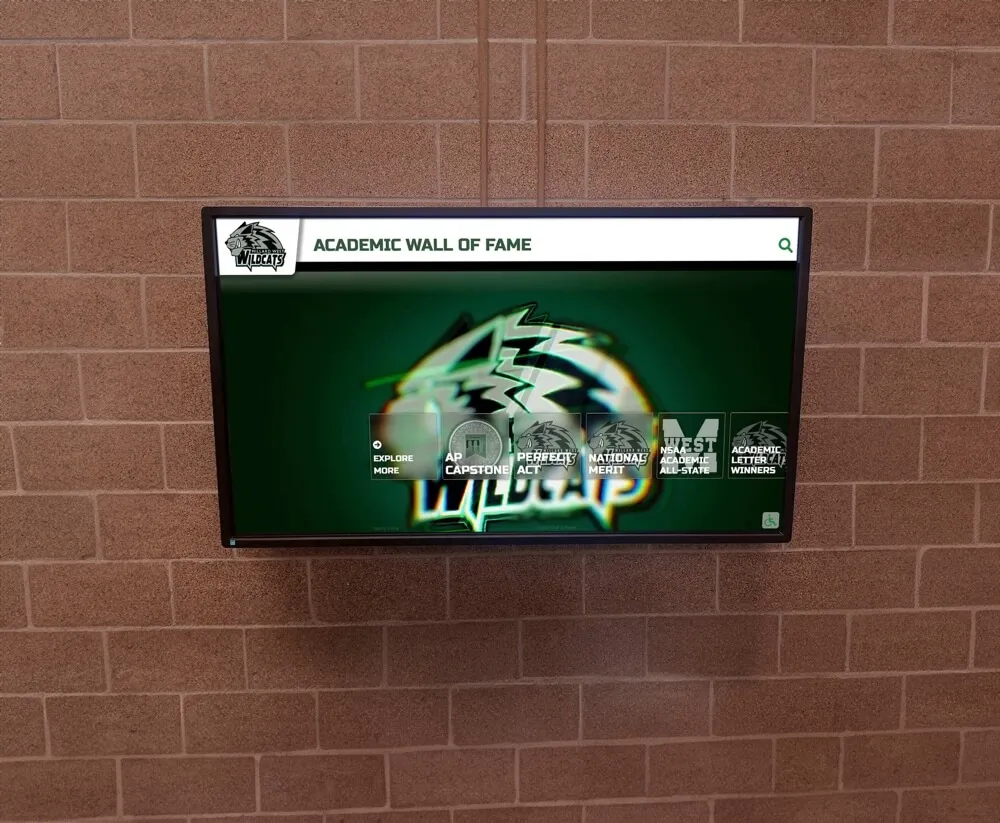
Campaign progress displays visible in high-traffic locations maintain momentum by celebrating milestones and recognizing growing donor communities
Inclusive Giving Level Structures
While major gifts provided campaign bulk, successful initiatives created meaningful participation opportunities across diverse capacity levels ensuring broad engagement rather than exclusive major-donor-only approaches.
Sample Giving Level Framework
- Transformational Gifts: $1,000,000+ (1-3 donors providing 20-40% of goal)
- Leadership Circle: $500,000-$999,999 (3-8 donors providing 15-25% of goal)
- Principal’s Society: $250,000-$499,999 (8-15 donors providing 15-20% of goal)
- Founder’s Circle: $100,000-$249,999 (15-30 donors providing 15-20% of goal)
- Heritage Society: $50,000-$99,999 (25-50 donors providing 10-15% of goal)
- Cornerstone Members: $25,000-$49,999 (40-80 donors providing 8-12% of goal)
- Champion Level: $10,000-$24,999 (100-200 donors providing 5-8% of goal)
- Supporter Circle: $5,000-$9,999 (unlimited participation)
- Friends Level: $1,000-$4,999 (unlimited participation)
Inclusive structures acknowledged that modest gifts from hundreds of donors created important community engagement, future major donor pipeline, and social proof motivating fence-sitting prospects. Recognition systems accommodating diverse giving levels demonstrated that every contribution mattered while maintaining appropriate differentiation honoring transformational generosity.
Multi-Year Pledge Flexibility
Accepting pledge commitments over 3-5 year periods dramatically expanded donor capacity to support campaigns at leadership levels. A donor capable of $50,000 immediate gift might commit to $150,000 pledged over five years, advancing recognition tier and increasing overall campaign success.
Pledge Program Best Practices
- Standard 3-5 year payment schedules aligned with campaign timelines
- Written pledge agreements specifying amounts, timing, and recognition
- Automated reminder systems maintaining pledge fulfillment without awkward personal follow-up
- Flexible payment methods including automatic bank drafts, credit cards, or stock transfers
- Recognition based on total pledge amount rather than initial payment
- Grace and understanding for donors experiencing changed circumstances
- Estate designation options for donors unable to complete pledges during lifetime
Schools should balance pledge flexibility with campaign timeline realities, ensuring sufficient cash flow to fund intended projects while accommodating donor preferences. Most successful campaigns maintained 85-95% pledge fulfillment rates through systematic stewardship and clear communication about project dependencies on pledge completion.
The Role of Donor Recognition in Capital Campaign Success
Strategic donor recognition served critical functions throughout successful capital campaigns beyond simple acknowledgment following gift receipt.
Recognition as Cultivation and Solicitation Tool
Presenting specific recognition opportunities during major gift cultivation helped donors visualize their legacy while differentiating giving levels in tangible ways. Rather than abstract discussions about support levels, advancement teams could show prospective donors exactly how a $100,000 gift versus $250,000 commitment would be honored through naming opportunities, recognition prominence, or special acknowledgment.
Recognition Integration in Solicitation
- Architectural renderings showing named spaces with donor names in position
- Digital mockups displaying donor profiles on proposed recognition displays
- Recognition level charts clearly differentiating acknowledgment by contribution tier
- Campus tours visiting existing donor recognition demonstrating institutional commitment to honoring supporters
- Testimonials from prior campaign donors describing recognition satisfaction
- Recognition timeline communication ensuring donors understood when public acknowledgment would occur
This proactive recognition discussion often influenced giving decisions, with donors advancing to higher levels specifically to achieve certain recognition milestones—facility naming, prominent display positioning, or inclusion in exclusive donor societies. Schools treating recognition as integral campaign element rather than administrative afterthought reported measurably higher average gift sizes and more frequent giving level upgrades during cultivation.
Recognition Driving Campaign Momentum and Social Proof
Visible recognition installations created powerful social proof influencing prospective donors throughout multi-year campaigns. Early recognition honoring quiet phase leadership donors demonstrated campaign viability while motivating public phase prospects to join recognized donor communities.
Momentum-Building Recognition Strategies
- Early installation of campaign donor displays showing growing support
- Progress thermometers in high-traffic locations celebrating milestone achievement
- Donor countdown displays highlighting major contributors, similar to leaderboard displays tracking achievement in real-time
- Social media recognition amplifying acknowledgment beyond campus
- Event-based recognition opportunities including naming ceremony celebrations
- Publication features spotlighting donor motivations and impact stories
- Annual recognition updates adding new supporters as campaign progressed
Progressive recognition throughout campaigns rather than single post-completion installations maintained visibility and engagement while creating multiple stewardship touchpoints reinforcing donor decisions. Digital recognition systems particularly suited phased recognition through easy content updates, unlike traditional plaques requiring complete fabrication before installation.
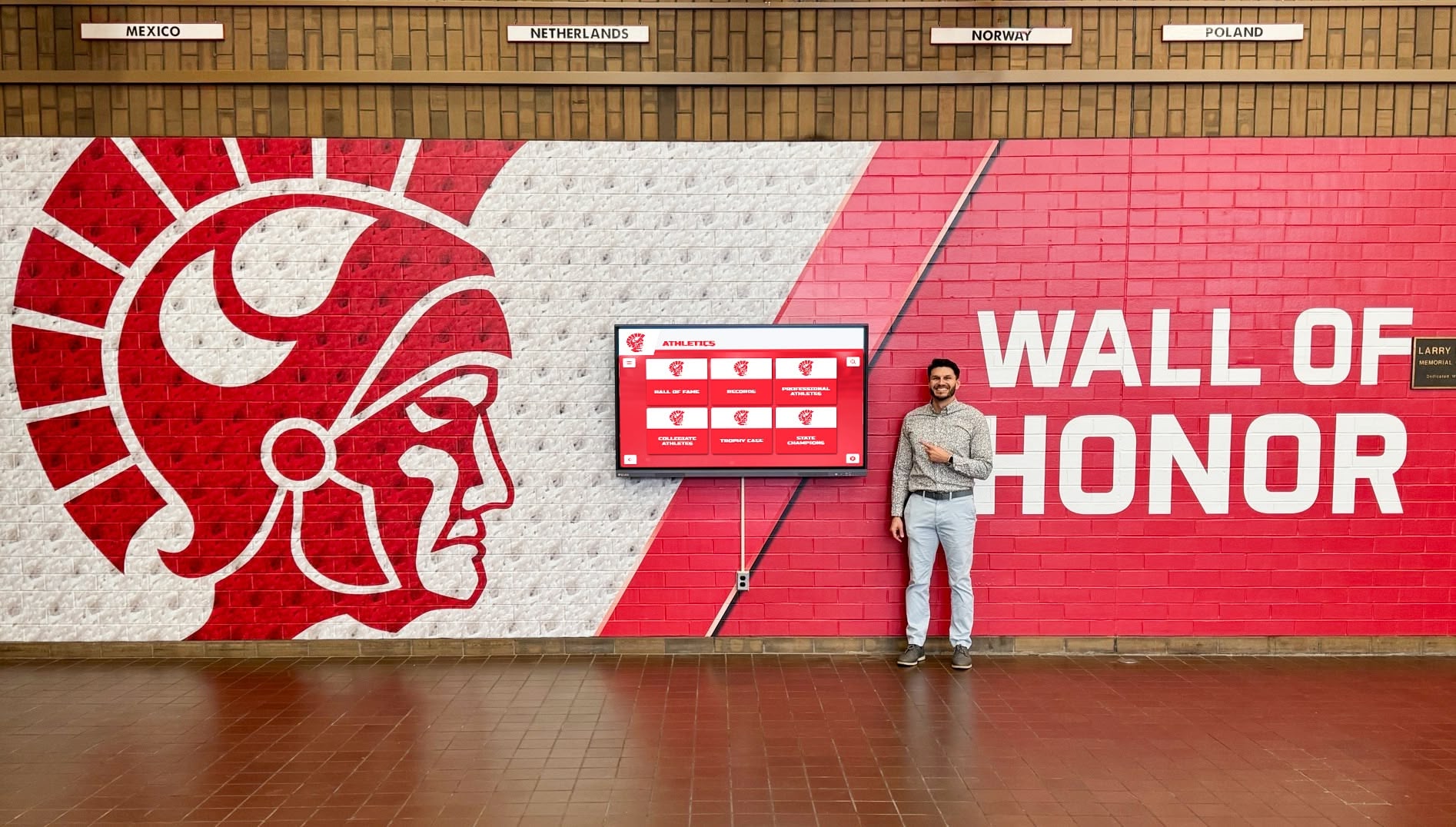
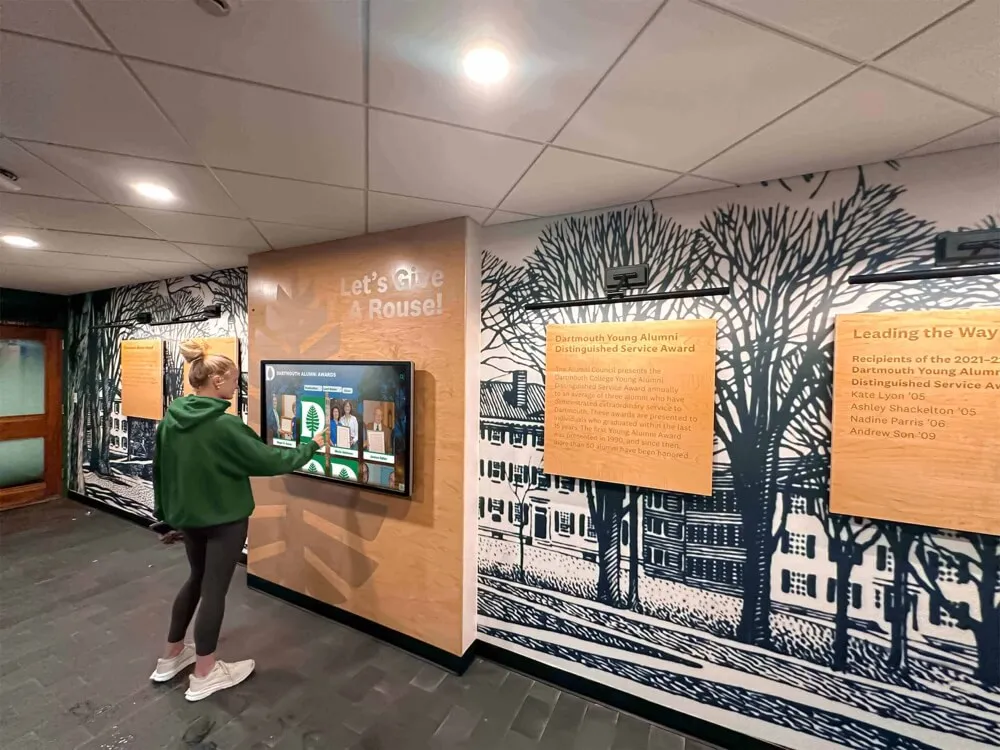
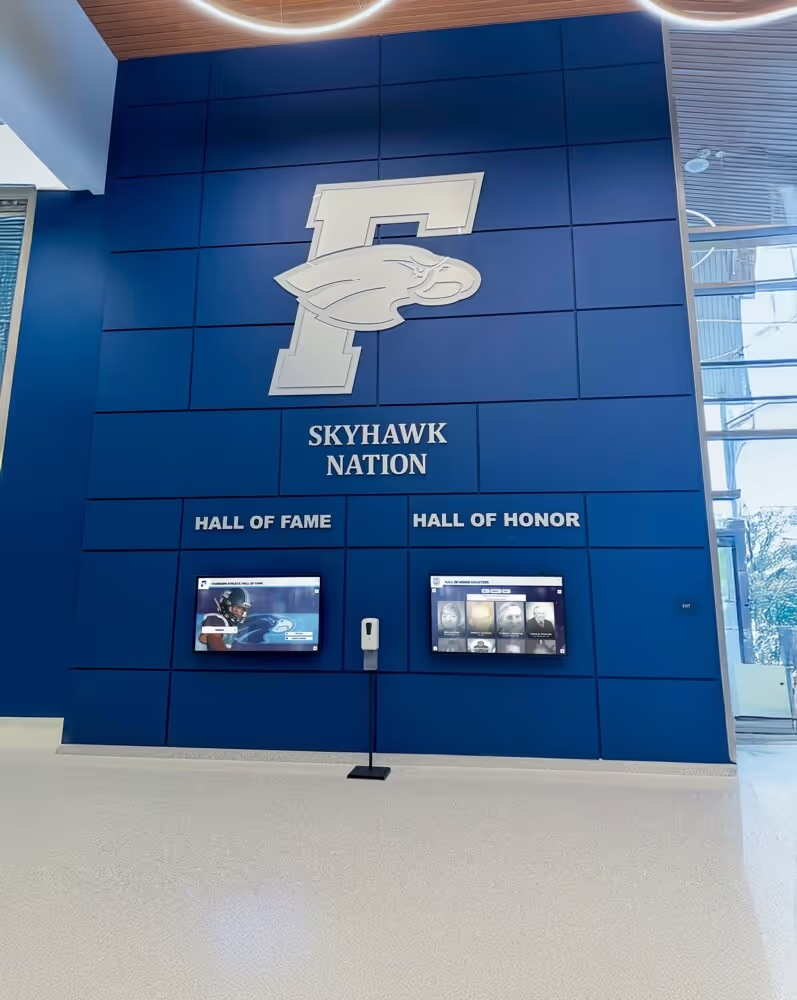
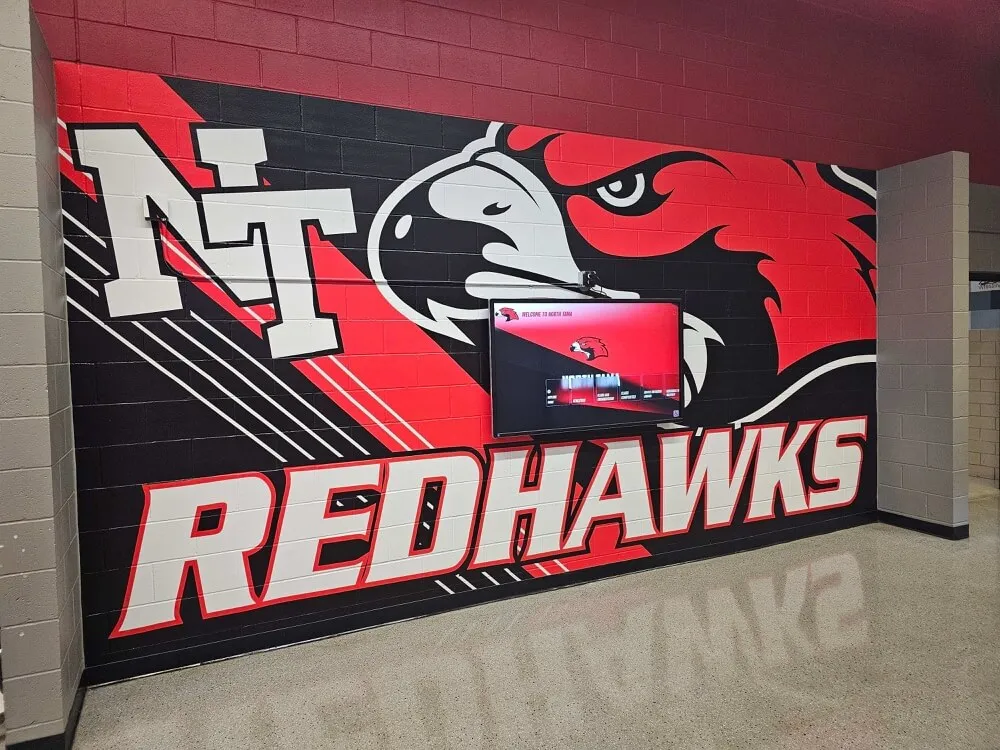
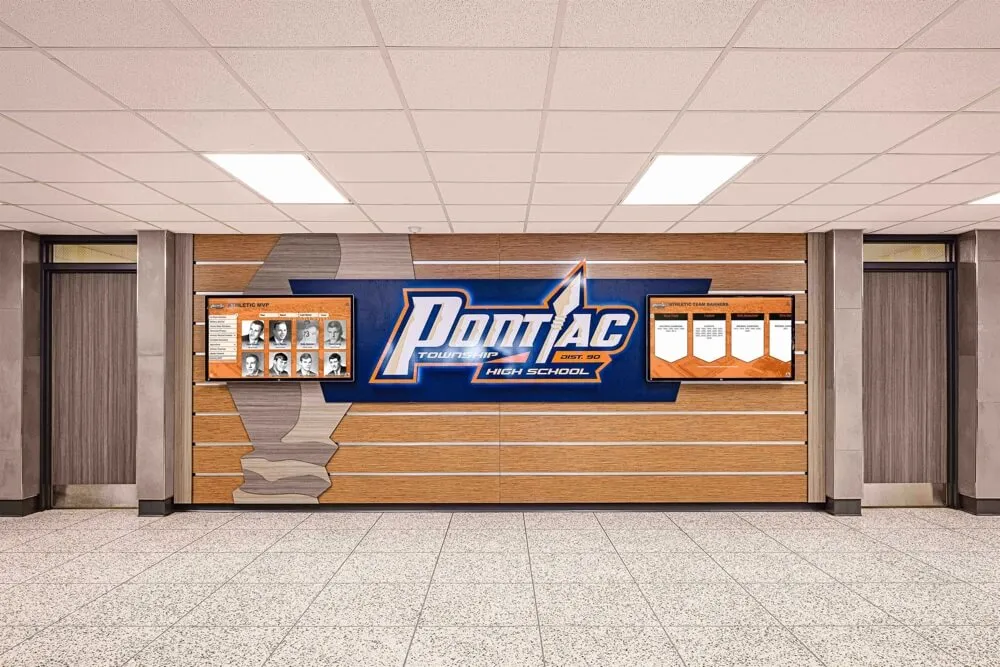
Prominent donor recognition in high-traffic locations creates continuous visibility reinforcing philanthropic culture and inspiring additional support
Recognition Technology Supporting Campaign Flexibility
Modern digital donor recognition displays addressed common campaign challenges through technological capabilities impossible with traditional plaque systems.
Technology Advantages for Campaign Recognition
- Unlimited donor capacity accommodating campaign growth beyond initial projections without space constraints
- Real-time updates enabling immediate recognition as gifts processed
- Rich multimedia profiles celebrating donor stories and motivations beyond simple name listing
- Giving level hierarchy through visual prominence, profile detail, and search filtering
- Campaign progress integration showing fundraising momentum and goals
- Mobile accessibility through QR codes enabling remote engagement
- Analytics tracking recognition engagement and identifying popular content
- Long-term value serving post-campaign stewardship and future initiatives
Schools implementing digital recognition during campaigns reported enhanced donor satisfaction, improved giving progression, and operational efficiency compared to managing traditional plaque ordering, engraving, and installation for hundreds of supporters. The technology particularly suited comprehensive campaigns with multiple recognition tiers and extensive donor participation requiring scalable acknowledgment systems. Similar technological approaches enhance athletic achievement recognition accommodating growing programs.
Common Capital Campaign Challenges and Solutions
Even successful campaigns encountered obstacles requiring strategic problem-solving and adaptive approaches.
Maintaining Momentum Through Extended Timelines
Multi-year campaigns inevitably experienced periods of reduced activity or donor attention between major milestones, requiring intentional momentum maintenance strategies.
Momentum Preservation Approaches
- Consistent communication cadence regardless of fundraising pace
- Quarterly campaign newsletters celebrating progress and sharing impact stories
- Mini-milestones recognizing achievements beyond major goal percentages
- Volunteer engagement opportunities maintaining campaign visibility
- Student and beneficiary testimonials connecting donors to mission impact
- Matching gift challenges creating artificial urgency during slow periods
- Recognition ceremonies and cultivation events throughout campaign rather than only at conclusion
- Progress visualization through updated displays, thermometers, or digital dashboards
Schools maintaining visible campaign presence even during quieter phases reported stronger donor retention and more consistent giving progression compared to campaigns that became invisible between major announcements. The discipline of regular communication forced advancement teams to identify positive developments and progress worth celebrating even when fundraising results didn’t merit headlines.
Addressing Donor Recognition Disputes and Expectations
Recognition disagreements occasionally arose when donors expected acknowledgment exceeding what giving levels merited or when multiple donors sought same naming opportunities.
Conflict Prevention and Resolution
- Clear written recognition policies established before campaign launch
- Explicit recognition level structures shared during cultivation
- Written agreements specifying exact recognition donors would receive
- First-committed, first-honored policies for competitive naming opportunities
- Alternative recognition options when preferred opportunities were unavailable
- Transparent communication about recognition timelines and processes
- Flexibility within policies accommodating reasonable donor preferences
- Professional counsel guiding emotional recognition discussions
Most recognition conflicts resulted from unclear expectations during solicitation rather than unreasonable donor demands. Schools preventing disputes through transparent pre-gift communication reported fewer post-commitment issues than institutions treating recognition as administrative detail requiring minimal advancement attention.
Managing Economic Uncertainty During Multi-Year Campaigns
Extended campaign timelines inevitably encountered economic volatility affecting donor capacity, confidence, or priorities. Successful campaigns adapted to changing conditions while maintaining progress toward goals.
Economic Headwind Response Strategies
- Pledge payment flexibility accommodating changed donor circumstances
- Extended campaign timelines reducing immediate fundraising pressure
- Diversified prospect pools preventing over-dependence on concentrated donor segments
- Conservative goal-setting building buffer for economic disruption
- Reserved announcement of campaign conclusion until funds secured rather than predetermined dates
- Emphasis on mission impact and values transcending economic cycles
- Patient major gift cultivation recognizing that timing matters for capacity and inclination
Schools launching campaigns during favorable economic periods that encountered subsequent recessions typically extended timelines rather than reducing goals, maintaining project vision while acknowledging changed donor capacity. This patience usually resulted in eventual goal achievement even if delayed beyond original projections, whereas hasty goal reductions often damaged campaign credibility and donor confidence.
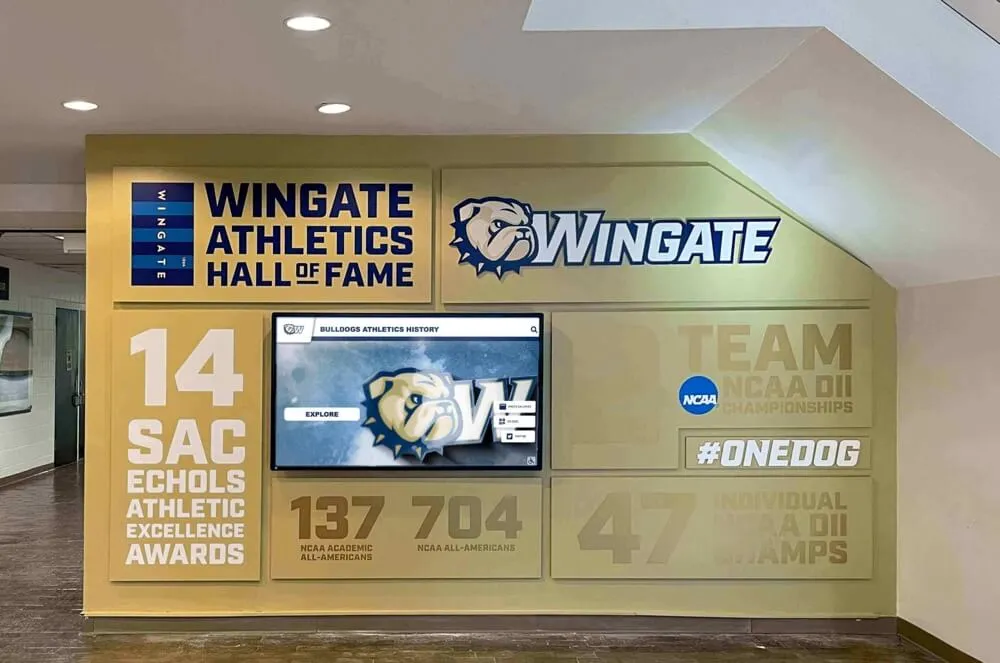
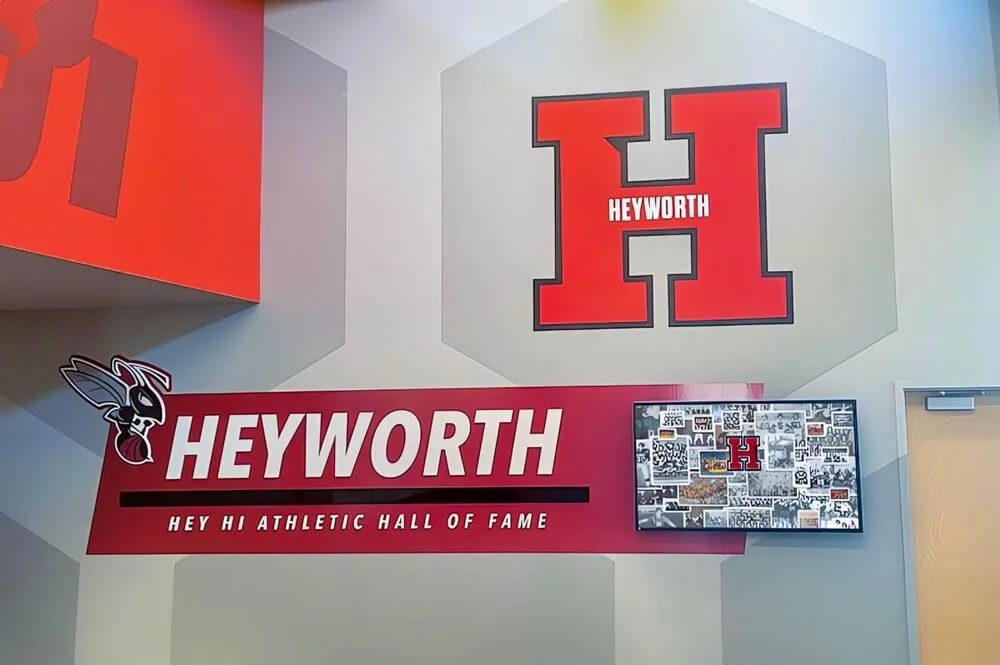
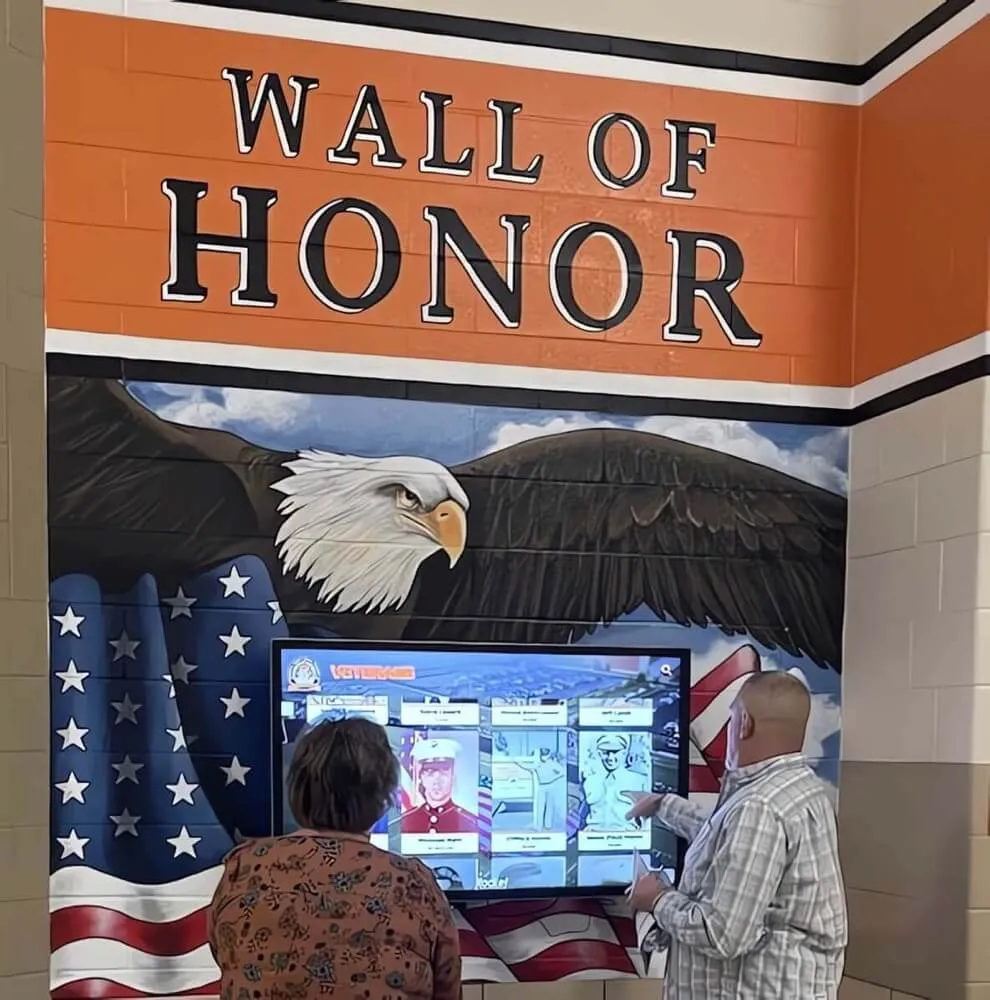
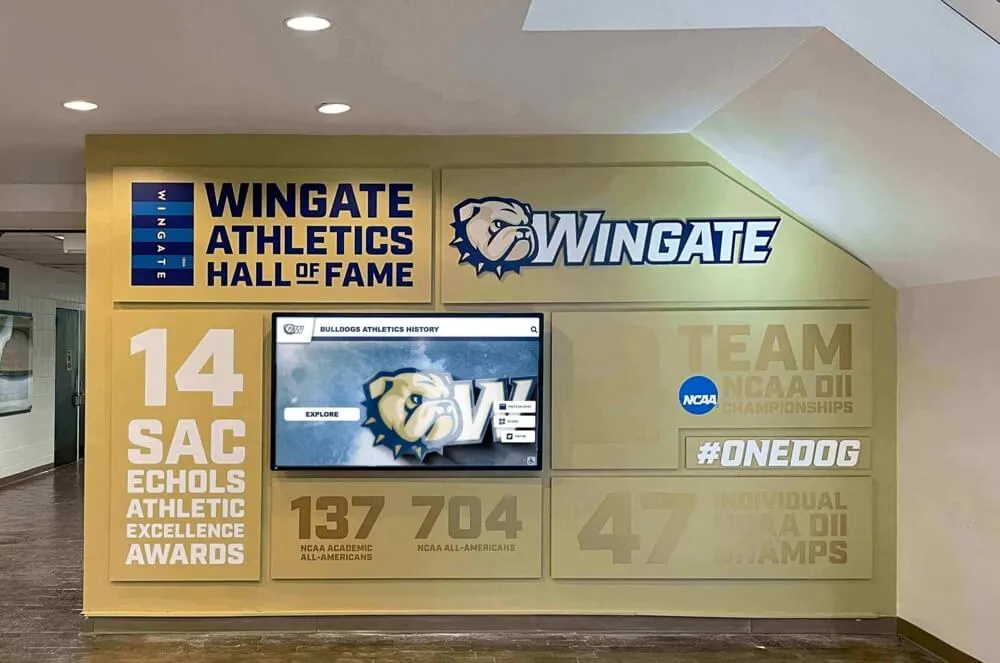
Comprehensive recognition systems celebrate both donor generosity and program achievements, connecting philanthropic support to tangible outcomes
Lessons from Capital Campaign Examples
Synthesizing insights from successful campaigns reveals transferable principles applicable across diverse school contexts.
Start with Feasibility Research
Schools that invested in thorough feasibility studies before formal campaign launches reported significantly higher success rates than institutions skipping assessment in favor of immediate fundraising. Professional feasibility research revealed prospect capacity, tested project appeal, identified potential challenges, and provided realistic goal recommendations based on actual donor feedback rather than institutional assumptions.
Essential Feasibility Study Elements
- Confidential interviews with 40-80 major gift prospects and community leaders
- Assessment of prospect capacity through wealth screening and relationship analysis
- Testing of campaign priorities and project appeal
- Evaluation of institutional credibility and campaign readiness
- Leadership prospect identification and willingness assessment
- Timeline recommendations based on cultivation requirements
- Goal range recommendations aligned with demonstrated capacity
- Recognition expectations and preferences research
The investment in feasibility research typically ranged from $15,000-$50,000 depending on scope and institution size—modest expense compared to campaign goals and worth every dollar when research prevented unrealistic campaigns or identified critical adjustments before public commitment.
Secure Leadership Gifts Before Public Launch
Every successful campaign followed the proven pattern of securing 60-70% of the goal from major donors during quiet phases before public announcement. This front-loading demonstrated campaign viability, reduced risk, and created momentum inspiring broader participation once campaigns became public.
Quiet Phase Success Factors
- 18-36 month quiet cultivation periods allowing relationship development
- Personal solicitation of every six-figure prospect by appropriate volunteer or staff
- Specific recognition opportunities presented during cultivation
- Written proposals documenting intended use and recognition
- Campaign leadership volunteer recruitment from major donor prospects
- Trustee or board giving establishing internal commitment before external solicitation
- Challenge gift structuring from lead donors inspiring additional support
Schools launching public campaigns before securing adequate quiet phase commitments almost always struggled to achieve goals, creating awkward momentum problems as public fundraising lagged and donors questioned campaign viability. The discipline of patience during quiet phases prevented these failures while building sustainable foundations for successful public fundraising.
Invest in Professional Campaign Counsel
Schools attempting major campaigns without experienced advancement leadership or external counsel faced substantially higher failure rates than institutions investing in professional guidance. Campaign counsel provided objective perspective, tested strategies, accountability, and access to proven approaches refined through hundreds of campaigns.
Campaign Counsel Value
- Feasibility study design and implementation
- Campaign planning and goal-setting guidance
- Volunteer structure recommendations and recruitment support
- Solicitation training for volunteers and staff
- Timeline development and pacing recommendations
- Recognition planning and stewardship strategy
- Campaign materials development and messaging refinement
- Ongoing strategic advice throughout multi-year initiatives
Counsel fees typically ranged from $5,000-$15,000 monthly for comprehensive services, representing 2-5% of campaign goals—reasonable investment providing expertise most schools lacked internally. Even schools with capable advancement staff benefited from external perspective and accountability counsel relationships provided.
Plan Recognition as Strategic Investment
Schools treating donor recognition as strategic campaign investment rather than necessary expense reported measurably better fundraising outcomes through enhanced donor satisfaction, improved giving progression, and stronger retention supporting future initiatives.
Recognition Investment Philosophy
- Budget 2-4% of campaign goal for comprehensive recognition
- Select recognition approaches based on long-term value and flexibility
- Prioritize prominence and quality over cost savings
- Consider recognition throughout facilities donors funded rather than single location
- Integrate technology providing unlimited capacity and future campaign support
- Plan recognition supporting both current campaign and future fundraising
- Ensure recognition reflects institutional values and campaign messaging
The most successful schools viewed permanent recognition installations as infrastructure supporting ongoing advancement efforts rather than isolated campaign expenses. This long-term perspective often justified additional investment in recognition quality, technology, and prominence that shorter-term thinking might have deemed excessive.
Frequently Asked Questions About School Capital Campaigns
How long should a school capital campaign last?
Most successful school capital campaigns span 3-7 years from initial planning through campaign conclusion, though timelines vary based on goal size, institutional capacity, and project complexity. Comprehensive campaigns for major universities often extend 7-10 years, while focused initiatives at smaller schools might conclude in 3-4 years. Typical timelines include 6-12 months for feasibility research, 18-36 months for quiet phase securing 60-70% of the goal from major donors, 18-36 months for public phase broadening participation, and 6-12 months for campaign conclusion and celebration. Schools should resist pressure to compress timelines beyond what realistic major gift cultivation supports—rushed campaigns often fail to achieve goals or secure transformational gifts requiring extended relationship development. Extended timelines allow for economic cycles, donor capacity changes, and cultivation patience necessary for optimal results. Campaign counsel can provide timeline recommendations based on specific institutional contexts, prospect pools, and fundraising goals during feasibility planning.
What percentage of donors typically contribute to capital campaigns?
School capital campaign participation rates vary dramatically based on constituent type, campaign scope, and institutional culture. Among current families at independent schools, participation often ranges from 60-90% with comprehensive school-wide campaigns achieving higher rates than targeted facility initiatives. Alumni participation typically ranges from 15-35% depending on engagement history, with younger alumni showing lower participation than established graduates. Among past parents and community members, participation usually falls between 5-15% reflecting less direct institutional connection. Overall campaign participation across all constituencies typically ranges from 25-50% at schools with strong advancement programs. However, participation percentages matter less than dollars raised—campaigns can succeed with modest participation if major gifts are strong, while high participation at low levels might fall short of goals. The traditional donor pyramid suggests 10-15 donors provide 50% of campaign funds, 100-150 donors provide the next 30%, and remaining 20% comes from all other supporters. Schools should emphasize both broad participation building future donor pipeline and major gift focus securing bulk funding needed for campaign success.
How much does donor recognition cost for capital campaigns?
Capital campaign donor recognition costs vary based on approach, scale, and institutional preferences, typically representing 2-4% of total campaign goals. Traditional bronze plaque systems cost $400-$1,000 per individual plaque plus $15,000-$75,000 for architectural mounting systems and installation, totaling $50,000-$200,000+ for campaigns recognizing 200-500 donors with ongoing per-donor costs for each addition. Comprehensive donor wall installations with traditional materials might range from $75,000-$300,000 depending on size, materials, and complexity. Digital donor recognition displays cost $8,000-$35,000 per screen including installation and software licensing of $2,000-$6,000 annually, representing higher initial investment but eliminating per-donor addition costs and accommodating unlimited growth. For a $10 million campaign, comprehensive recognition investment might range from $200,000-$400,000 including both permanent installations and campaign-period recognition elements like progress displays, event materials, and printed acknowledgment. Schools should evaluate total cost of ownership over 10-15 year periods accounting for future campaigns and ongoing recognition needs rather than focusing solely on initial installation expenses. Professional recognition vendors can provide detailed proposals aligned with campaign scope, budget constraints, and institutional aesthetic preferences.
What role does donor recognition play in capital campaign success?
Donor recognition serves multiple strategic functions throughout capital campaigns beyond simple post-gift acknowledgment. During cultivation and solicitation, presenting specific naming opportunities and recognition benefits helps donors visualize their legacy while differentiating giving levels tangibly, often influencing advancement to higher contribution tiers. Throughout campaigns, visible recognition of early donors creates powerful social proof demonstrating campaign momentum and viability, motivating fence-sitting prospects to join recognized donor communities. Progressive recognition installations showing growing support maintain campaign visibility and engagement during multi-year timelines while celebrating incremental milestones reinforcing donor decisions. Following gift receipt, thoughtful recognition provides tangible acknowledgment strengthening satisfaction and improving retention for future campaigns. Schools implementing comprehensive recognition strategies report measurably higher average gift sizes, more frequent giving progression, enhanced donor satisfaction, and stronger long-term retention compared to institutions treating recognition as administrative afterthought. Effective recognition demonstrates institutional values around gratitude and stewardship while communicating that generosity receives appropriate honor. Modern approaches often combine traditional elements like named spaces with digital displays providing unlimited capacity, rich storytelling, and flexible updates supporting both current campaigns and future advancement initiatives through scalable recognition infrastructure.
When should schools plan campaign donor recognition?
Schools should plan comprehensive donor recognition strategies during campaign planning and feasibility phases before solicitation rather than treating acknowledgment as post-fundraising afterthought. Early recognition planning enables advancement teams to present specific naming opportunities during cultivation, helps donors visualize how generosity will be honored, creates solicitation tools differentiating giving levels, and prevents post-campaign conflicts about recognition hierarchy or placement. During feasibility studies, schools should survey major donor prospects about recognition preferences, expectations, and approaches they find meaningful or objectionable. Quiet phase planning should establish complete recognition structures including naming level requirements, recognition locations, acknowledgment formats, timeline for installation, and communication approaches. Before major gift solicitation, teams need specific recognition details to present during cultivation conversations, architectural renderings showing named spaces, and digital mockups displaying donor profiles on proposed recognition systems. As campaigns progress, schools should implement recognition progressively rather than waiting for campaign conclusion, installing displays early and updating as gifts are received to maintain visibility and momentum. This strategic sequencing treats recognition as integral campaign element driving fundraising success rather than administrative detail following campaign completion, resulting in measurably better donor satisfaction and campaign outcomes.
Conclusion: Applying Capital Campaign Examples to Your School
Successful capital campaign examples from diverse schools reveal transferable strategies applicable across different institutional contexts, sizes, and resources. While specific tactics vary based on unique circumstances, common patterns emerge around thorough planning, patient major gift cultivation, clear project vision, strategic recognition, and sustained communication throughout multi-year initiatives.
The most successful campaigns invested heavily in upfront planning through professional feasibility research, secured majority funding during quiet phases before public launch, created inclusive giving level structures accommodating diverse capacities, maintained consistent momentum through intentional communication and milestone celebration, and honored supporters through thoughtful recognition demonstrating institutional gratitude and values.
Strengthen Your Capital Campaign with Strategic Donor Recognition
Discover how Rocket Alumni Solutions helps schools implement engaging donor recognition displays that honor campaign supporters, inspire giving progression, and create lasting acknowledgment worthy of transformational generosity through flexible digital technology, unlimited capacity, and cloud-based content management designed specifically for educational advancement needs.
Explore Campaign Recognition SolutionsSchools planning capital campaigns face exciting opportunities to fund transformational projects that define institutional futures while strengthening donor relationships supporting long-term advancement success. The examples, strategies, and frameworks explored throughout this guide provide starting points for developing campaigns aligned with your institution’s unique mission, community, and aspirations.
Begin with thorough assessment understanding donor capacity, project appeal, and institutional readiness before committing to specific goals or timelines. Engage professional counsel providing objective perspective and proven expertise refined through hundreds of campaigns. Invest in comprehensive recognition planning early in campaign development, ensuring acknowledgment serves strategic functions throughout fundraising efforts rather than representing administrative afterthought following goal achievement.
Your school’s next capital campaign represents opportunity to fund critical needs, engage supporters meaningfully, and establish advancement infrastructure supporting sustained fundraising success for decades. With patient planning, authentic relationship building, strategic recognition, and sustained commitment to donor stewardship, your institution can achieve ambitious goals that seemed impossible at campaign inception—just as the successful schools examined throughout this guide accomplished their transformational visions through dedication, strategy, and unwavering focus on honoring the remarkable supporters who make educational excellence possible.