



Educational advancement professionals know the statistic that haunts every development office: only about 43% of first-time donors give a second gift to the same organization. For schools and universities relying on philanthropic support to fund scholarships, facilities, programs, and institutional priorities, this attrition rate represents millions in unrealized potential and broken relationships that never developed beyond transactional exchanges.
Individual donor stewardship programs transform how educational institutions engage supporters by replacing generic acknowledgment practices with systematic, personalized relationship-building strategies that demonstrate impact, foster genuine connections, and cultivate donors from first-time contributors to loyal major gift prospects. Rather than treating stewardship as post-gift administrative paperwork, effective programs recognize it as strategic fundraising infrastructure that directly influences retention rates, upgrade progression, and lifetime giving value.
This comprehensive guide explores how schools and universities build individual donor stewardship programs from foundation to execution—covering strategic frameworks that align stewardship with institutional goals, practical systems for personalizing engagement at scale, technology solutions that enable sustainable implementation, metrics that measure stewardship effectiveness, and proven tactics that development offices use to deepen relationships and inspire increased commitment over multi-year giving journeys.
The return on investment from effective donor stewardship programs significantly exceeds the cost of implementation. Research consistently demonstrates that retaining existing donors costs far less than acquiring new supporters, while long-term donors give larger gifts, respond to special appeals more generously, include institutions in estate plans more frequently, and refer peer prospects at higher rates compared to new or inconsistently engaged contributors.

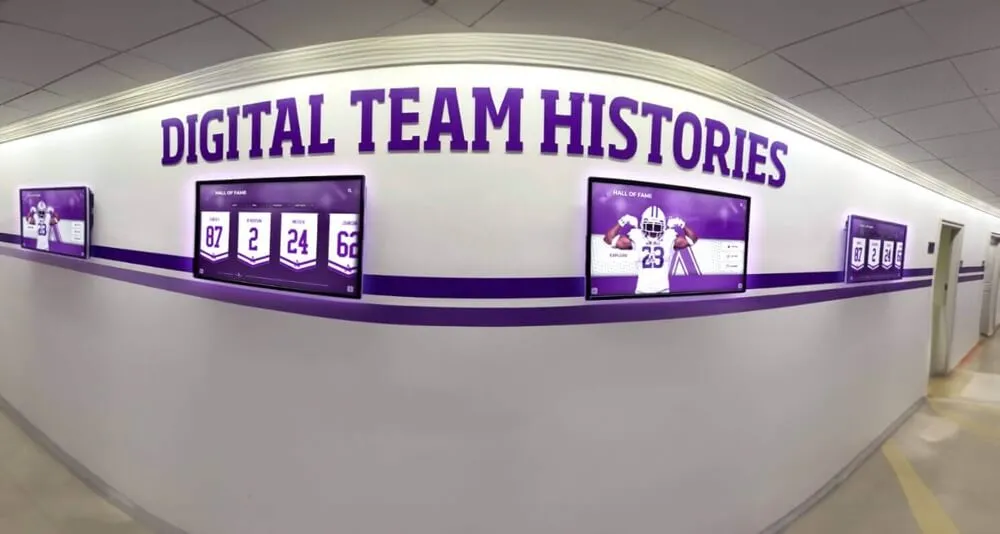
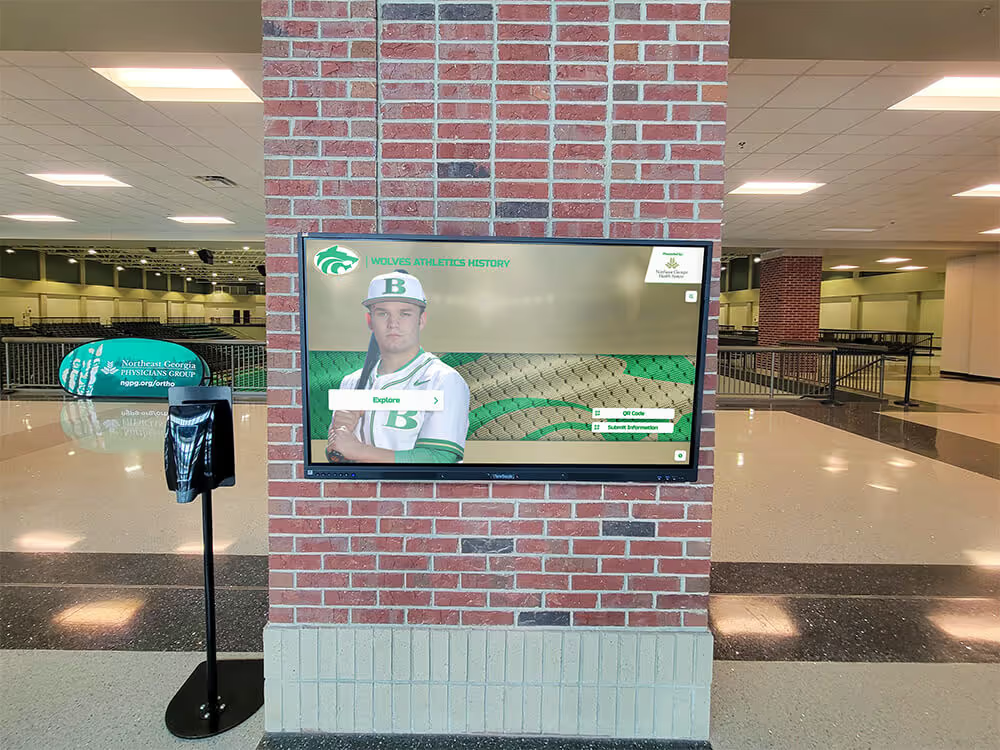
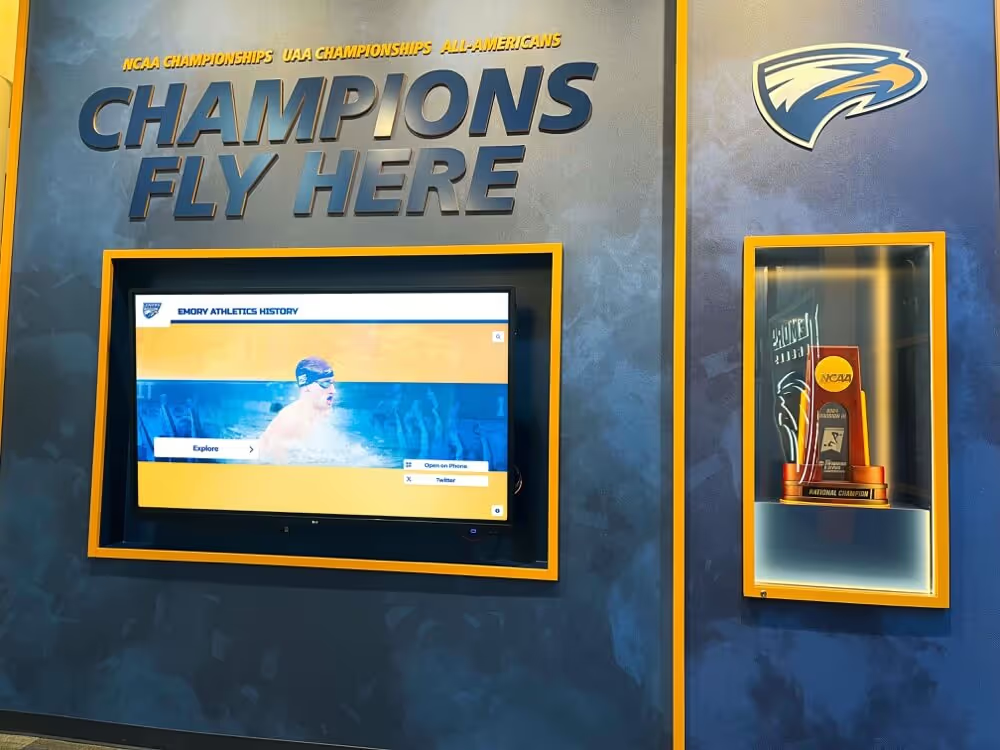
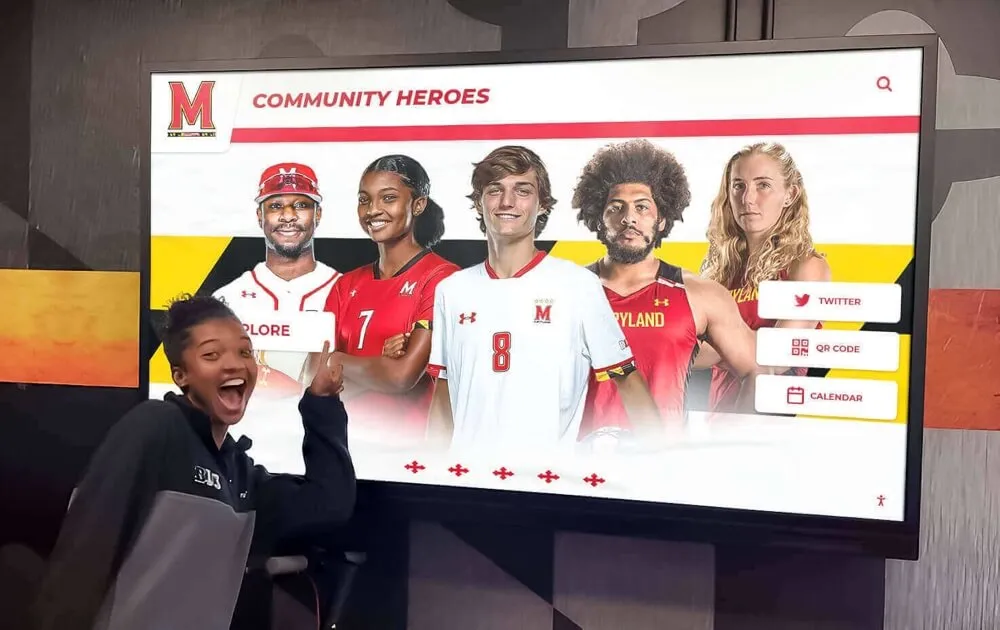
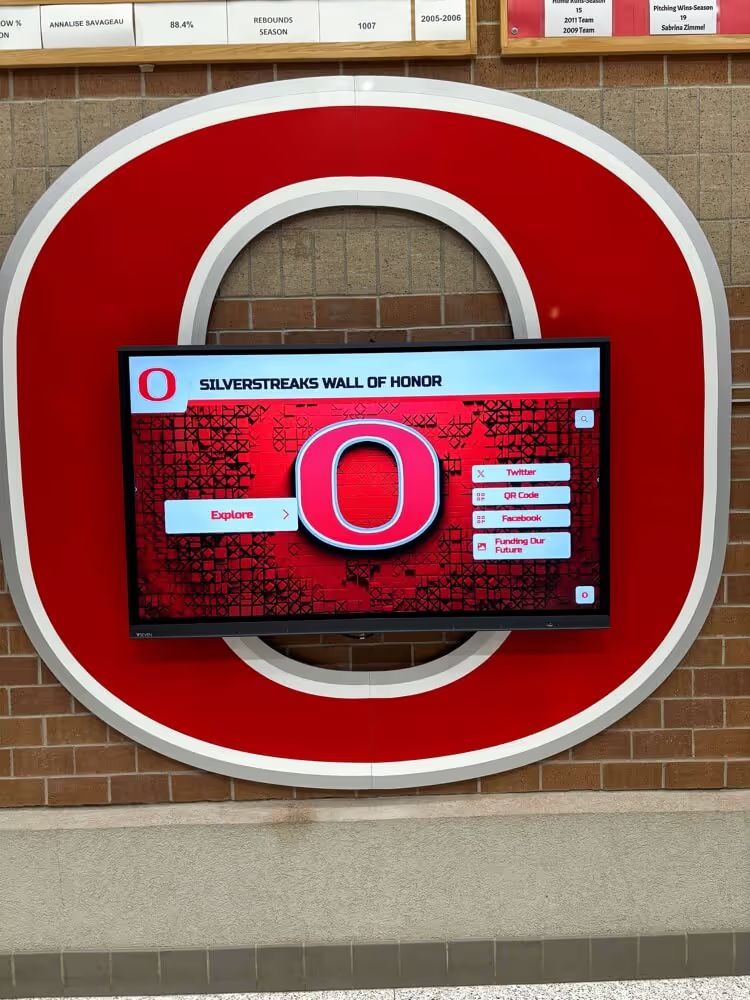
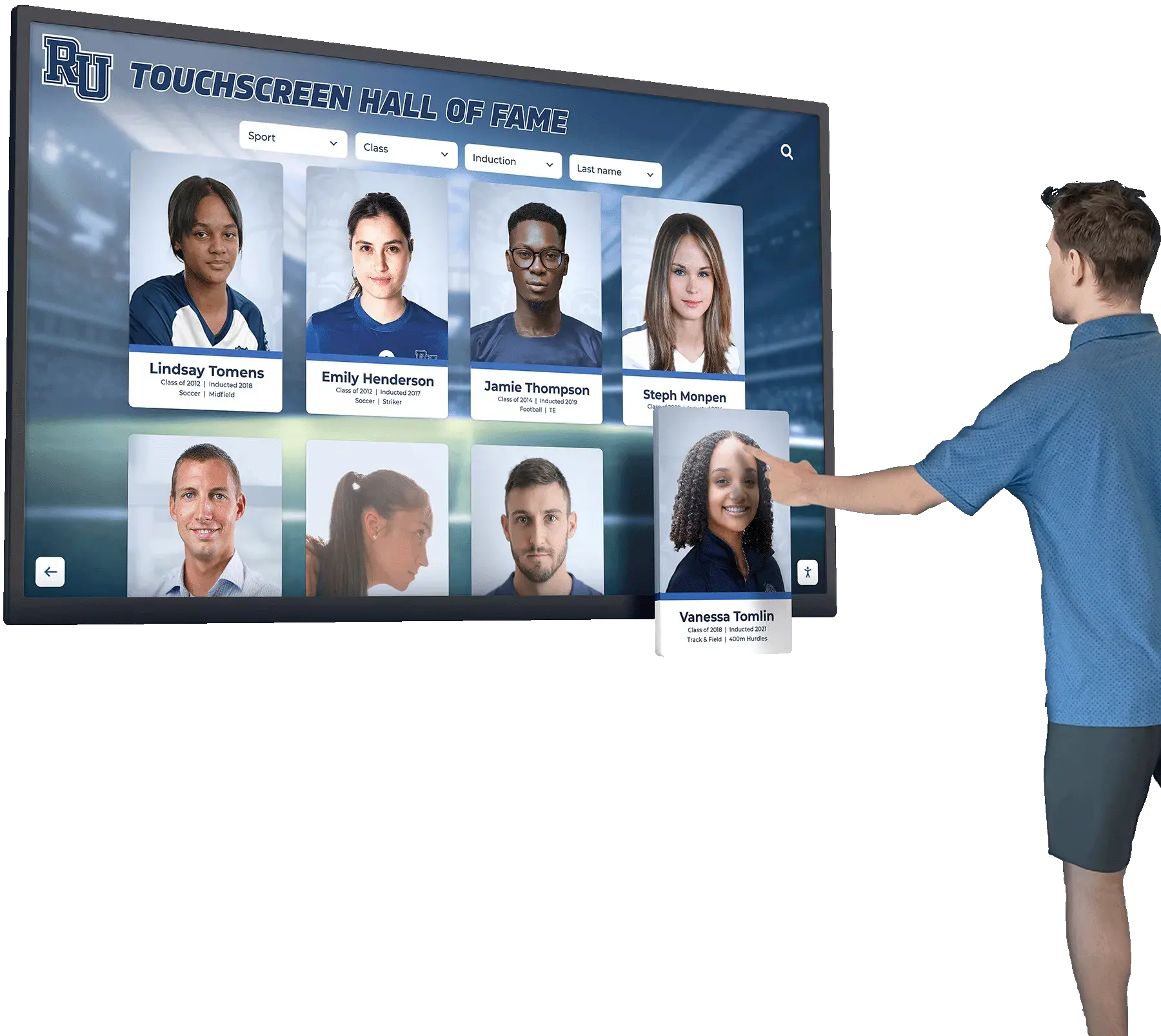
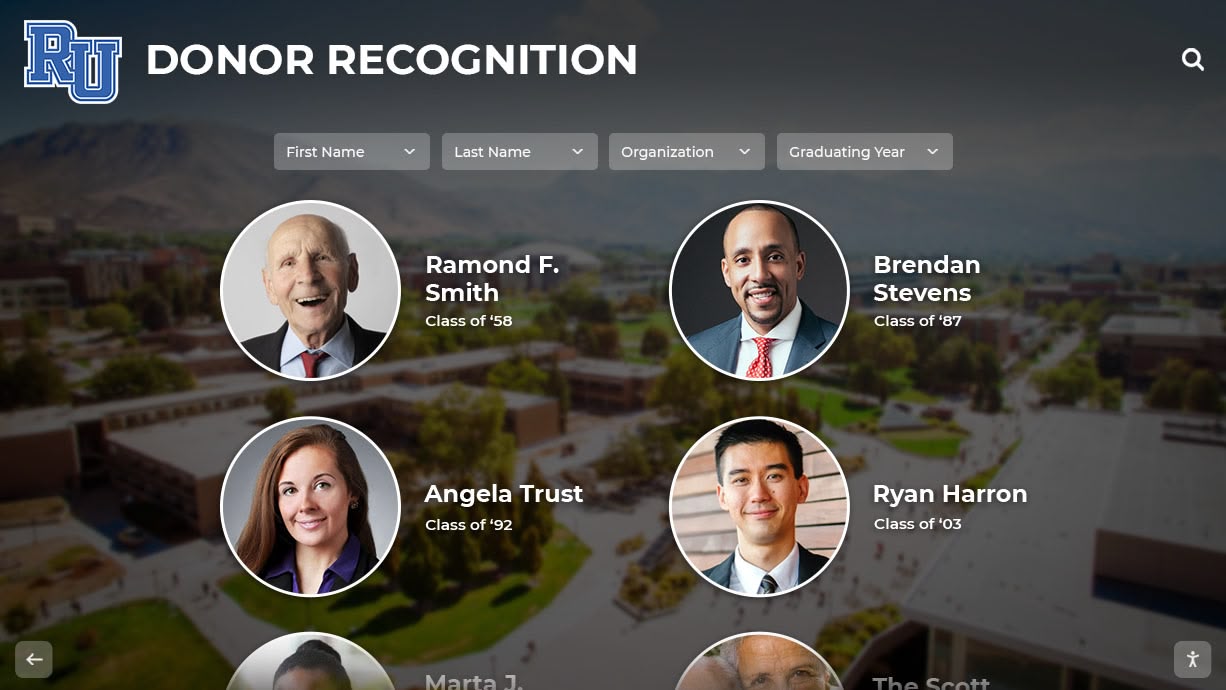
Comprehensive donor recognition systems create visible appreciation that reinforces stewardship relationships and inspires continued support
Foundation: Strategic Framework for Donor Stewardship Programs
Before implementing tactical stewardship activities, schools and universities must establish strategic frameworks that define program purpose, set measurable objectives, segment donors appropriately, and allocate resources aligned with relationship potential and institutional priorities.
Defining Stewardship Program Objectives
Effective individual donor stewardship programs begin with clear objectives that extend beyond vague aspirations like “improving donor relationships” to specific, measurable outcomes that leadership can evaluate and resource appropriately.
Strategic Stewardship Objectives
- Increase year-over-year donor retention from current baseline to target percentage
- Move donors through giving pyramid from annual fund to major gift consideration
- Reduce time between gifts by increasing frequency of contributions
- Improve average gift size progression over multi-year relationships
- Increase planned giving inquiries and bequest commitments
- Enhance donor satisfaction scores measured through surveys
- Grow volunteer participation rates among donor populations
- Expand referral activity where donors introduce peer prospects
Setting quantifiable objectives enables development offices to justify stewardship investments, measure program effectiveness, identify successful tactics worth scaling, and discontinue activities that consume resources without delivering measurable relationship advancement. Schools implementing stewardship programs should establish baseline metrics before launching new initiatives, allowing meaningful before-and-after comparisons that demonstrate program value to institutional leadership.
Donor Segmentation for Personalized Engagement
While every supporter deserves appropriate acknowledgment, practical resource constraints require development offices to segment donors strategically, concentrating intensive personalized stewardship on relationships offering greatest potential while implementing efficient systems for broader populations.
Effective Donor Segmentation Approaches
- Giving level tiers: Major donors, leadership annual fund, general annual fund, lapsed donors
- Giving history: First-time donors, consistent multi-year supporters, sporadic givers
- Relationship depth: Board members, volunteers, event attendees, mail-only donors
- Engagement indicators: Campus visitors, survey respondents, social media followers
- Affinity connections: Alumni class years, program beneficiaries, athletic supporters, parents
- Capacity markers: Wealth screening indicators, gift upgrade potential, planned giving prospects
- Geographic clusters: Local donors accessible for in-person cultivation
Sophisticated segmentation enables development teams to design differentiated stewardship experiences matching relationship stage and potential. First-time donors receive welcoming sequences establishing foundations for long-term engagement. Consistent multi-year supporters enjoy deeper impact reporting and exclusive recognition. Major gift prospects warrant personalized attention from frontline fundraisers including tailored impact updates, facility tours, and cultivation events aligned with individual interests.
Digital recognition systems support segmentation strategies by enabling tiered donor acknowledgment that honors all supporters appropriately while providing enhanced visibility for leadership giving levels.
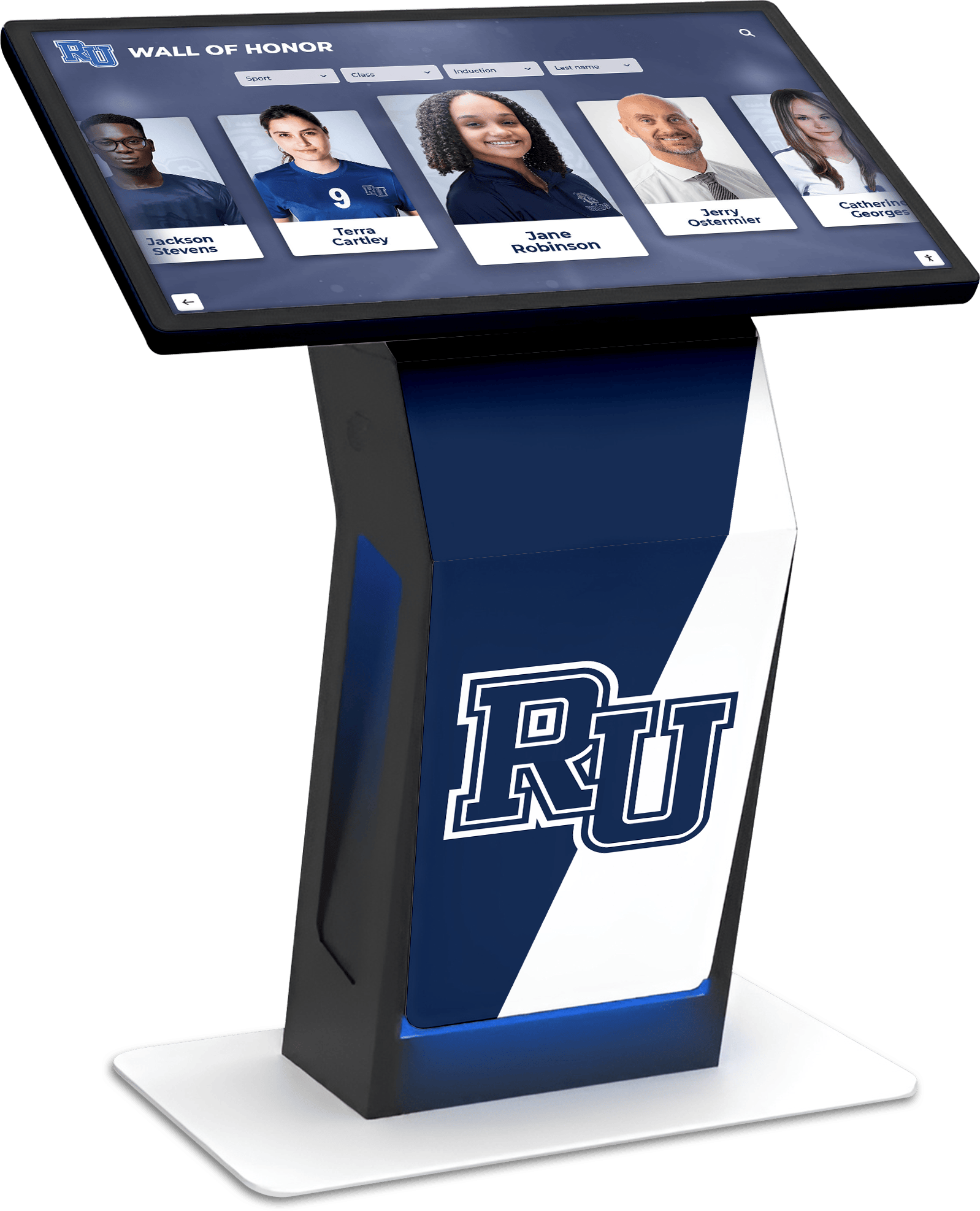
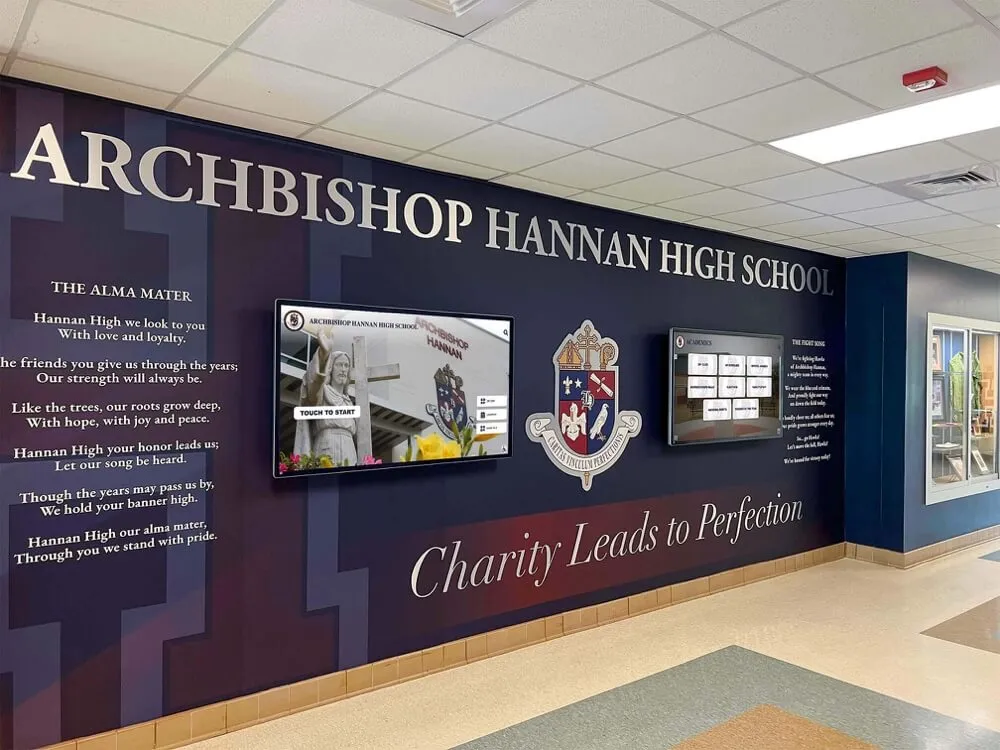
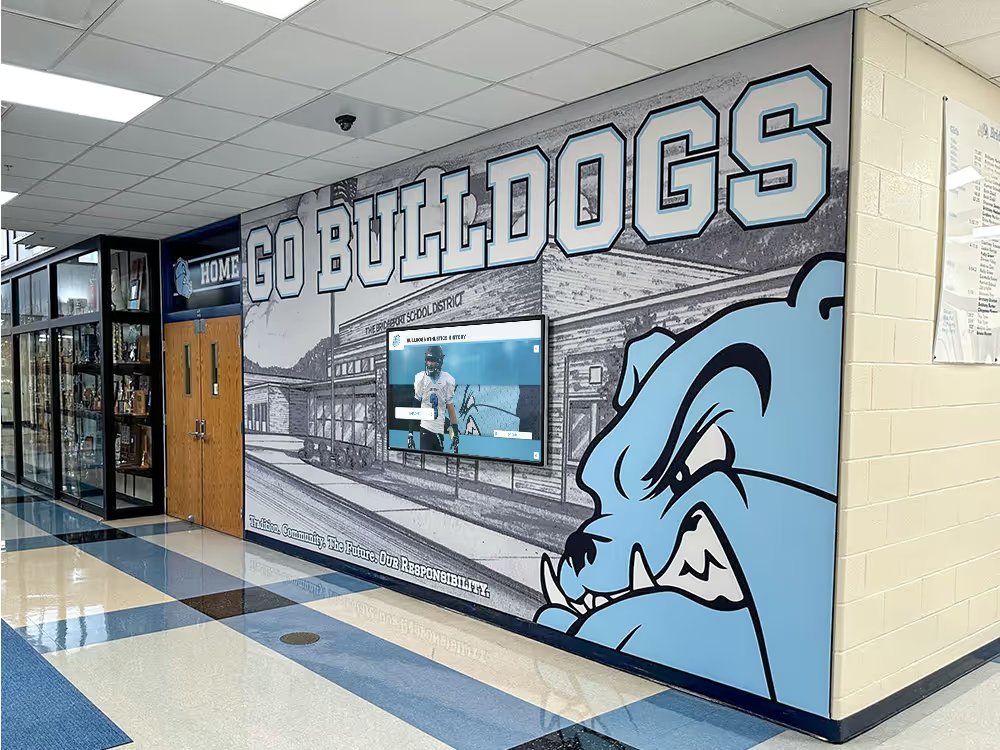
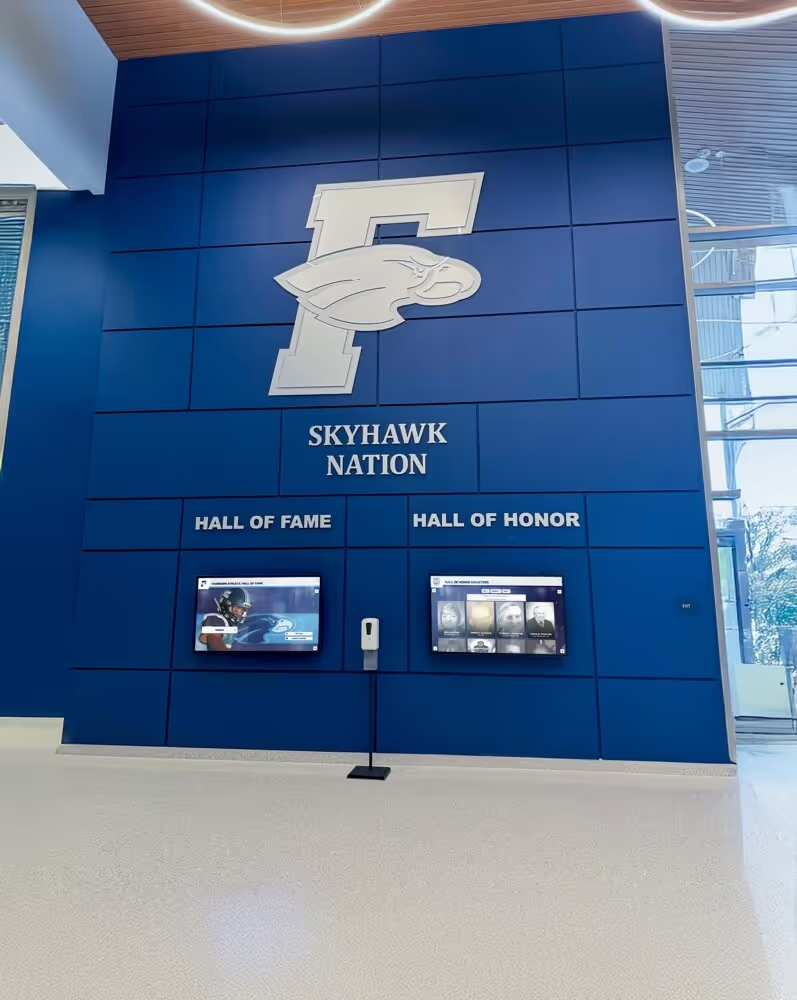
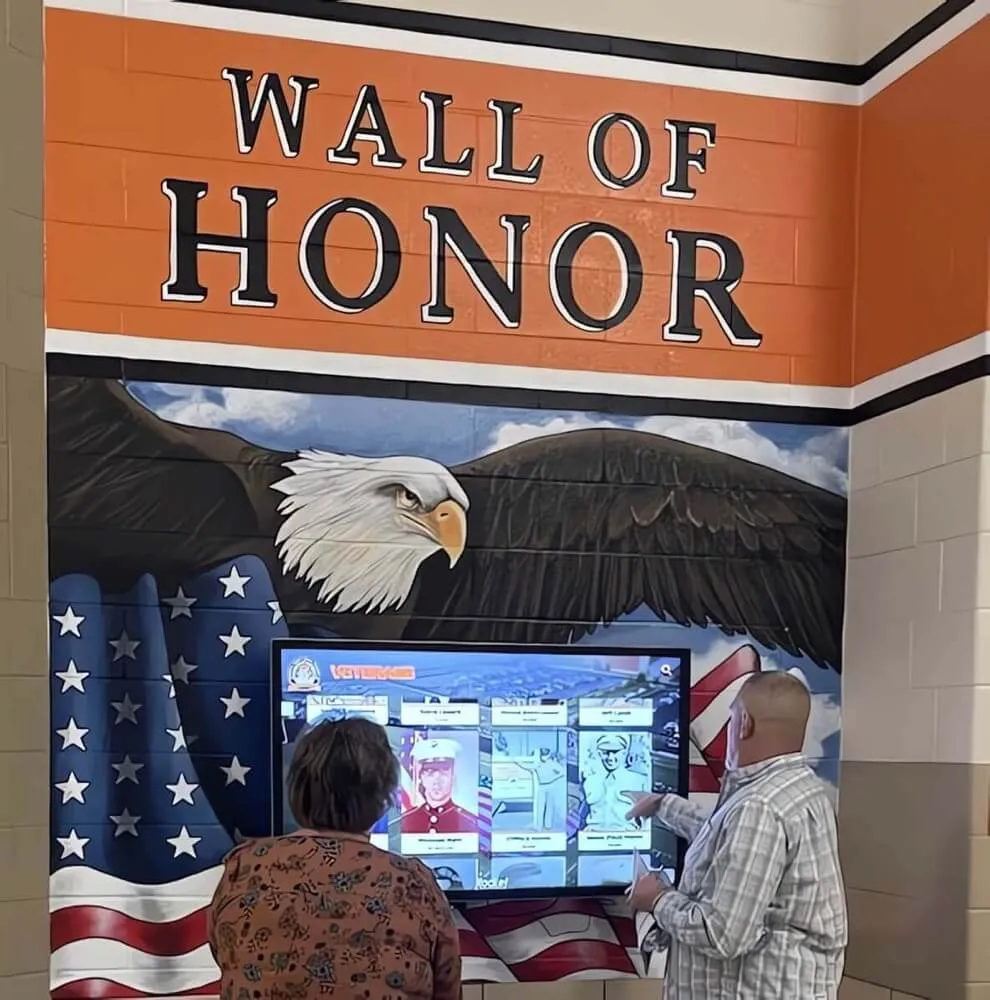
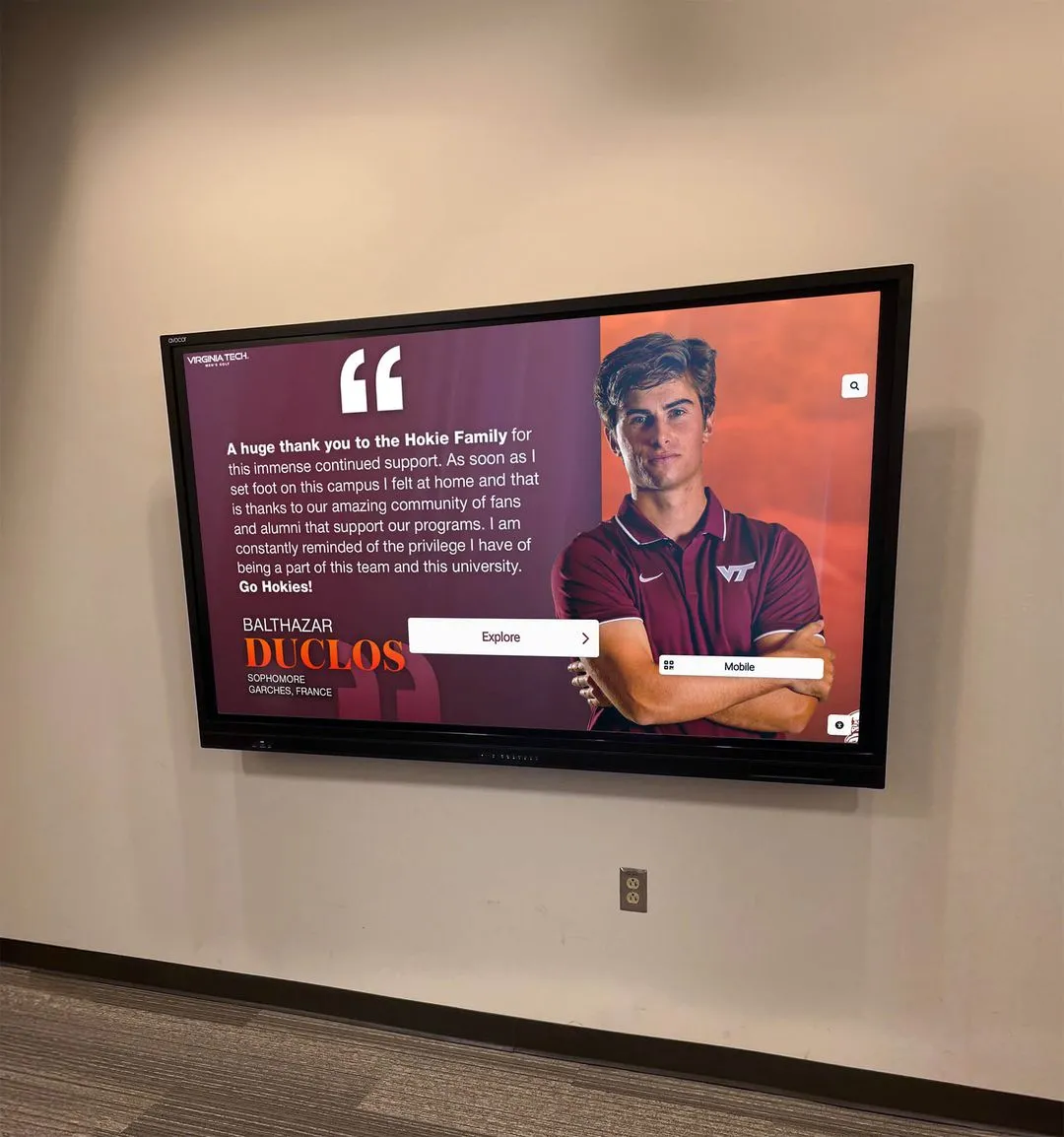
Interactive recognition technology allows donors to explore giving communities, discover impact stories, and see their contributions acknowledged prominently
Core Components of Individual Donor Stewardship Programs
Comprehensive stewardship programs incorporate multiple touchpoints throughout the donor lifecycle, creating layered engagement experiences that reinforce relationships through diverse communication channels, recognition approaches, and impact demonstrations.
Acknowledgment: The Stewardship Foundation
Prompt, personalized acknowledgment represents the essential foundation for all donor stewardship relationships. While legal requirements mandate tax receipts, effective stewardship extends far beyond compliance paperwork to create meaningful appreciation that makes supporters feel genuinely valued rather than processed through administrative systems.
Excellence in Donor Acknowledgment
- Send initial acknowledgment within 48 hours of gift receipt
- Personalize messages beyond mail-merge name insertion with specific gift references
- Include genuine gratitude expressed in warm, conversational language
- Explain specific impact this particular gift enables
- Reference donor’s giving history when appropriate (welcoming first-time donors, celebrating milestones)
- Sign acknowledgments from appropriate personnel based on gift level
- Include next-step information about staying connected and seeing impact
- Provide contact information for questions or further engagement
Schools should audit acknowledgment processes regularly, reviewing actual letters donors receive to identify opportunities for greater personalization, impact connection, and relationship warmth. Development offices often discover that standardized templates, while efficient, create transactional impressions that undermine relationship-building objectives. Investing in acknowledgment quality—through improved copywriting, segment-specific messaging, and personal touches—yields measurable improvements in donor satisfaction and subsequent giving.
Impact Reporting: Demonstrating Gift Effectiveness
Donors fundamentally want to know that contributions create meaningful outcomes aligned with philanthropic intentions. Impact reporting transforms abstract institutional budgeting into concrete demonstrations of how gifts support students, advance programs, improve facilities, and further mission objectives that motivated original giving decisions.
Effective Impact Communication Strategies
- Share specific stories of students, programs, or initiatives donor support enables
- Quantify outcomes through meaningful metrics (scholarships awarded, programs served, facilities improved)
- Connect giving to visible campus improvements donors can experience during visits
- Provide multi-year impact updates showing sustained outcomes from endowed gifts
- Segment impact reports by fund designation when donors support specific programs
- Include visual documentation through photos, videos, and facility tours
- Feature beneficiary testimonials explaining personal transformation through donor support
- Report transparently on challenges alongside successes, building trust through authenticity
Annual impact reports function as stewardship centerpieces, but effective programs incorporate ongoing impact updates through newsletters, social media content, event presentations, and personalized communications from program beneficiaries and campus leadership. Creating systematic impact reporting workflows ensures all donors receive appropriate updates rather than limiting detailed reporting to major gift supporters only. Similar storytelling approaches enhance community recognition programs celebrating diverse contributors and their collective impact.
Recognition: Public Appreciation That Inspires Continued Giving
While some donors claim to prefer anonymous giving, research consistently demonstrates that appropriate public recognition strengthens retention, encourages gift upgrades, and motivates continued support by validating philanthropic decisions and creating social connections within giving communities.
Development offices should implement recognition systems that honor all supporters appropriately while differentiating giving levels through visual hierarchy, premium acknowledgment for leadership gifts, and inclusive approaches that welcome donors at every contribution level.
Comprehensive Recognition Approaches
- Physical donor walls in high-visibility campus locations
- Digital recognition displays offering unlimited capacity and multimedia storytelling
- Named recognition opportunities for facilities, programs, scholarships, and spaces
- Annual honor roll publications listing all contributors
- Website donor directories with searchable databases
- Social media acknowledgment celebrating supporter generosity
- Event recognition honoring donors during campus gatherings
- Personalized recognition items for specific giving societies
Modern digital donor walls address traditional capacity limitations while enabling rich storytelling that connects donors to impact through photos, videos, and dynamic content that evolves as programs advance. These systems prove particularly valuable for institutions managing growing donor communities where physical plaque additions become cost-prohibitive or spatially constrained.
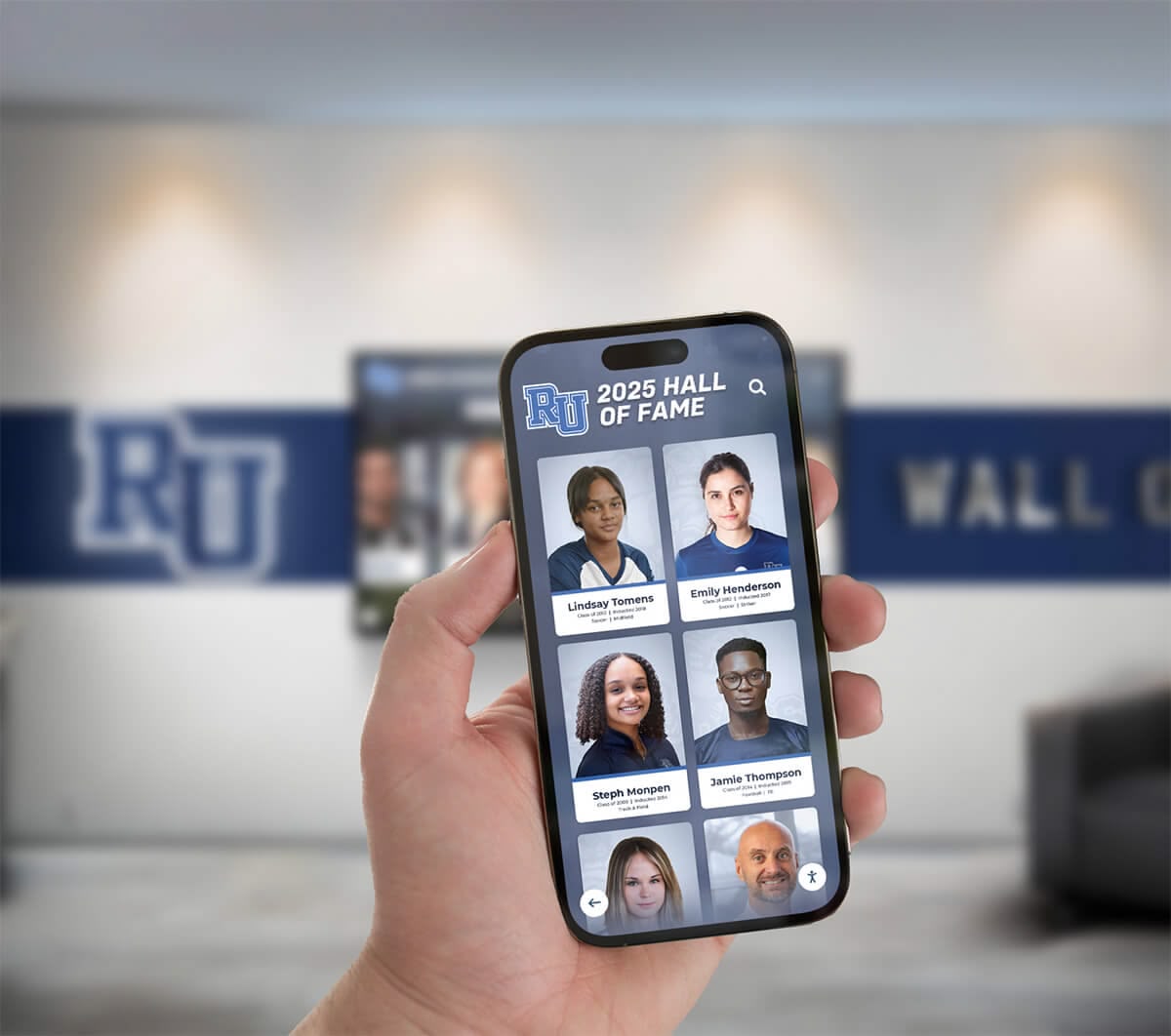
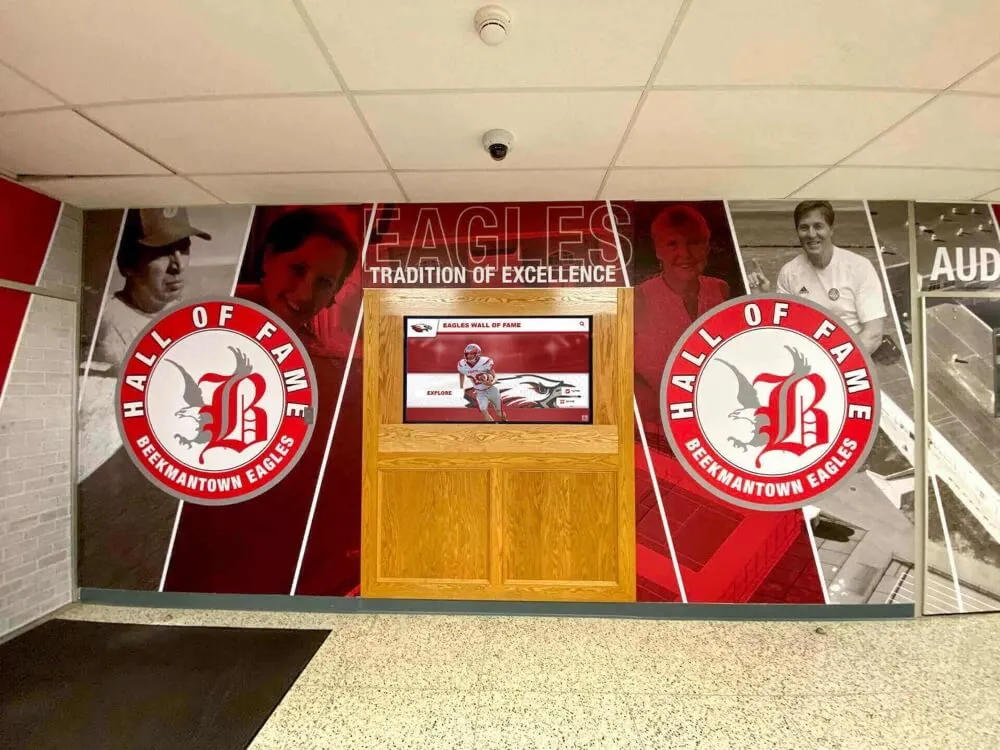
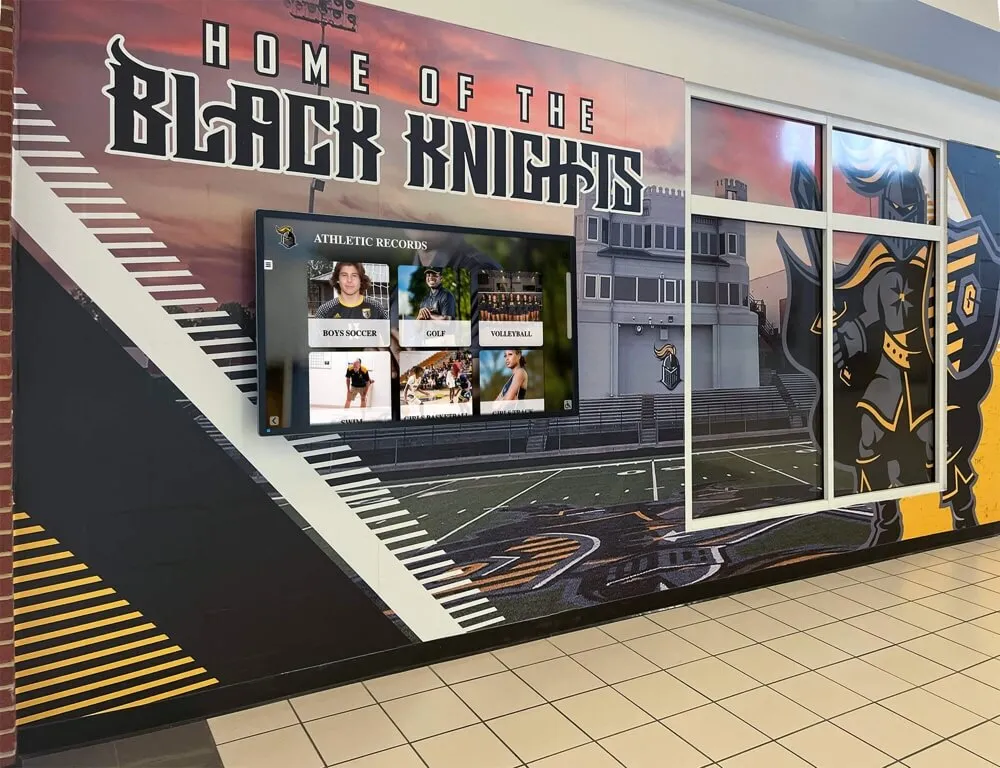
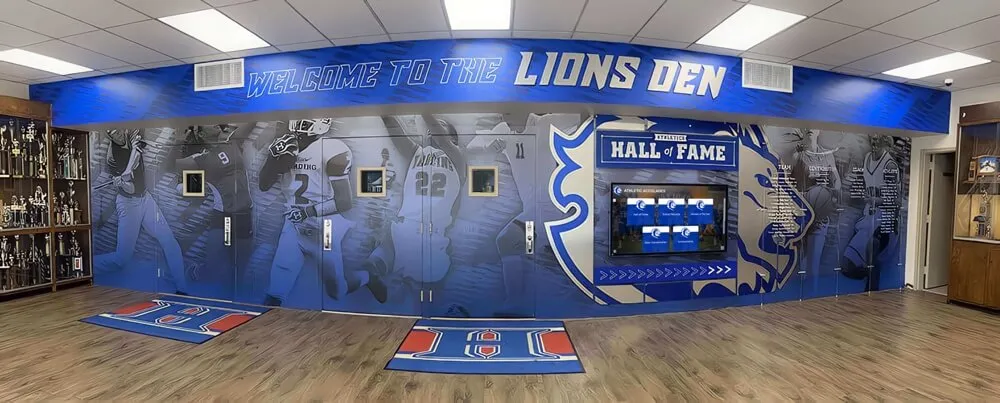
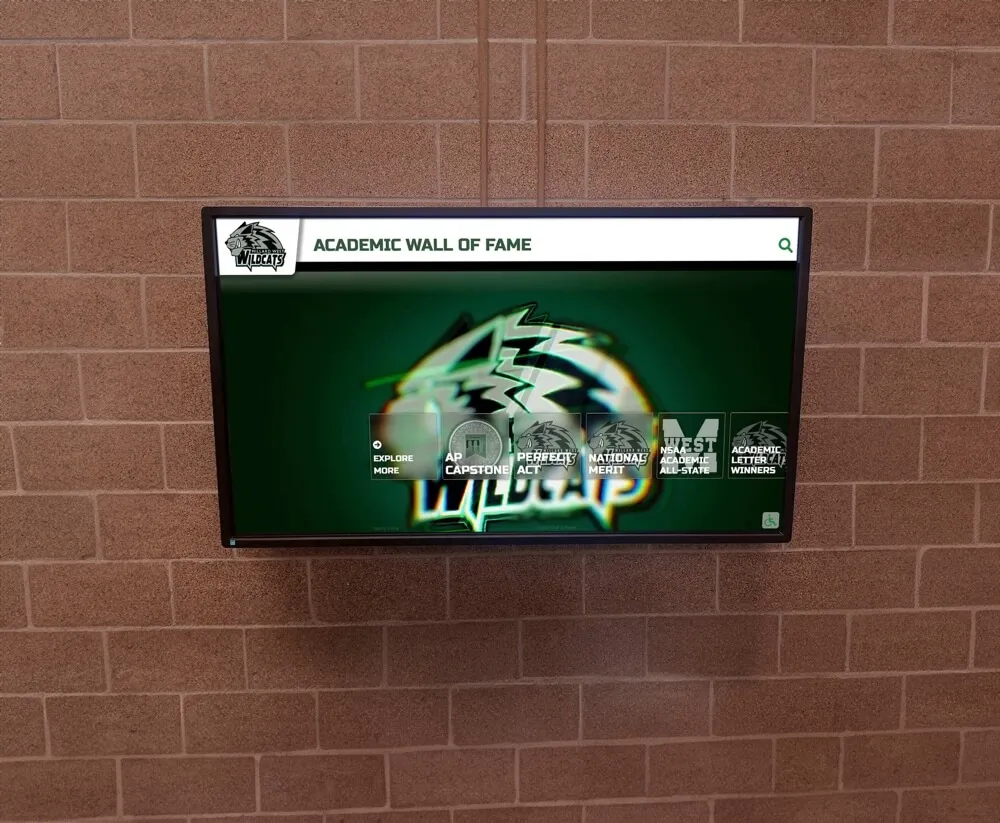
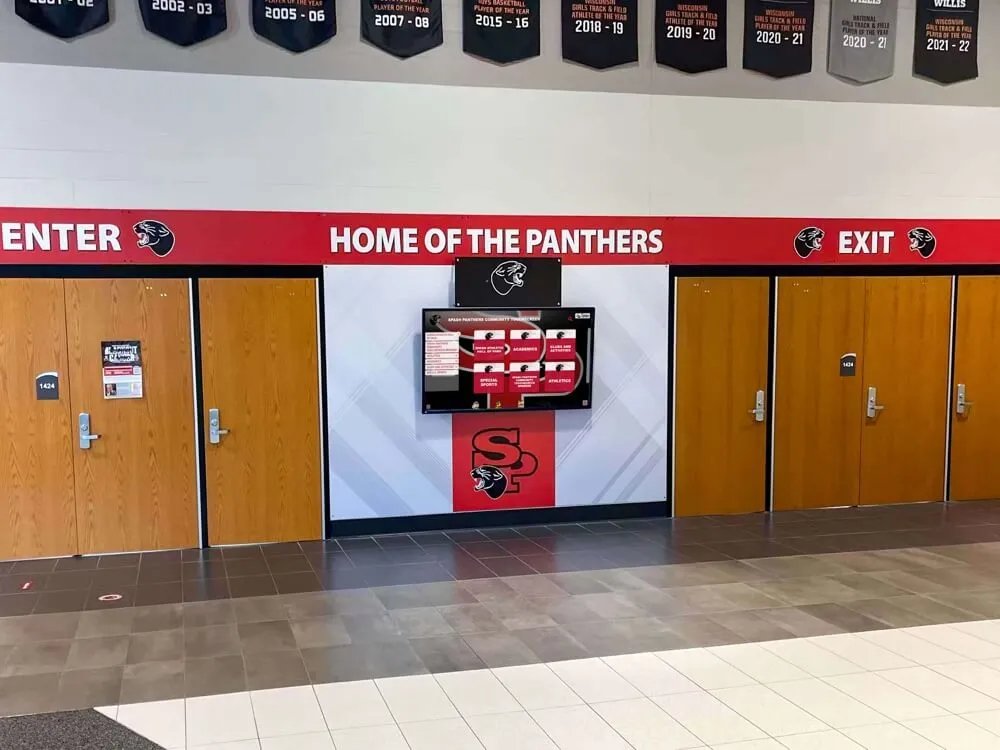
Mobile-friendly recognition systems enable donors to explore acknowledgment content during campus visits and share recognition with networks
Engagement Opportunities: Building Deeper Connections
Beyond acknowledging gifts and reporting impact, comprehensive stewardship programs create opportunities for donors to engage more deeply with institutions through campus experiences, volunteer participation, peer networking, and exclusive access that transforms transactional relationships into genuine partnerships.
Donor Engagement Programming
- Campus tours highlighting facilities and programs donor support enables
- Student interaction events connecting donors with scholarship recipients
- Athletic competitions with donor hospitality areas and recognition
- Academic lectures and symposia on topics aligned with donor interests
- Volunteer opportunities for fundraising committees, campaign leadership, and peer solicitation
- Exclusive briefings from presidents, deans, and program directors
- Networking receptions connecting donors with shared interests and giving priorities
- Recognition society events celebrating leadership gift communities
Engagement programming serves multiple stewardship functions simultaneously—demonstrating appreciation through exclusive experiences, connecting donors emotionally to mission impact, identifying prospects for increased giving through observation of engagement depth, and creating peer influence environments where donor conversations naturally advance philanthropic commitments.
Schools should track engagement participation carefully, recognizing that donors who attend campus events, volunteer for committees, and interact with students demonstrate relationship depth that correlates strongly with retention, upgrades, and planned giving consideration. Development teams can prioritize intensive cultivation for highly engaged donors while designing lower-touch digital engagement opportunities for supporters unable to participate in on-campus programming.
Systematic Implementation: Building Sustainable Stewardship Operations
Individual donor stewardship programs succeed or fail based on operational execution. Even brilliant strategy cannot overcome poor implementation, while systematic processes enable consistent delivery of personalized stewardship experiences that donors notice and appreciate.
Stewardship Calendar and Touchpoint Planning
Rather than approaching stewardship reactively—acknowledging gifts as they arrive and hoping team members remember to follow up—effective development offices implement stewardship calendars establishing predictable touchpoint sequences throughout donor lifecycles.
Annual Stewardship Calendar Components
- Fiscal year timeline: Map all planned donor communications across 12-month cycle
- Segment-specific plans: Define different touchpoint frequencies for giving level tiers
- Gift-triggered sequences: Automate acknowledgment, impact reporting, and upgrade cultivation workflows
- Milestone recognition: Celebrate donor anniversaries, giving totals, and engagement milestones
- Seasonal opportunities: Align stewardship with campus events, academic calendar, and giving seasons
- Major initiatives: Coordinate stewardship with campaigns, special appeals, and institutional priorities
- Impact reporting schedule: Establish quarterly or annual impact update distribution
- Recognition events: Plan donor appreciation events and society gatherings in advance
Documenting stewardship calendars prevents donor neglect between gifts while ensuring team members understand responsibilities for executing planned touchpoints. Many development offices use project management software or CRM workflow tools to trigger automated reminders, assign stewardship tasks, and track completion rates across donor portfolios. Approaches used for academic recognition can inform donor stewardship calendars celebrating philanthropic milestones similar to student achievement markers.
Technology Infrastructure for Scalable Personalization
While small advancement programs may manage stewardship relationships through spreadsheets and manual processes, growth requires technology infrastructure enabling personalized engagement at scale through donor database systems, communication platforms, and analytics tools.
Essential Stewardship Technology
- Donor CRM systems: Centralize giving history, engagement tracking, wealth screening, and relationship management
- Email marketing platforms: Segment donor audiences, personalize messaging, track engagement, and automate sequences
- Recognition displays: Digital systems providing unlimited capacity, easy updates, and multimedia storytelling
- Impact reporting tools: Create professional impact reports, annual publications, and giving statements
- Event management software: Coordinate donor gatherings, track participation, and manage communications
- Analytics dashboards: Monitor retention rates, gift progression, engagement metrics, and campaign performance
- Social media management: Schedule donor appreciation content, monitor engagement, and amplify impact stories
Investment in appropriate technology should align with donor database size and stewardship sophistication goals. Small programs benefit from integrated platforms offering essential CRM, communications, and reporting functionality in affordable packages. Larger institutions require enterprise systems supporting complex relationship management, sophisticated segmentation, and advanced analytics that inform data-driven stewardship strategies. Digital wall of honor solutions integrate with broader stewardship technology ecosystems to provide seamless recognition experiences.
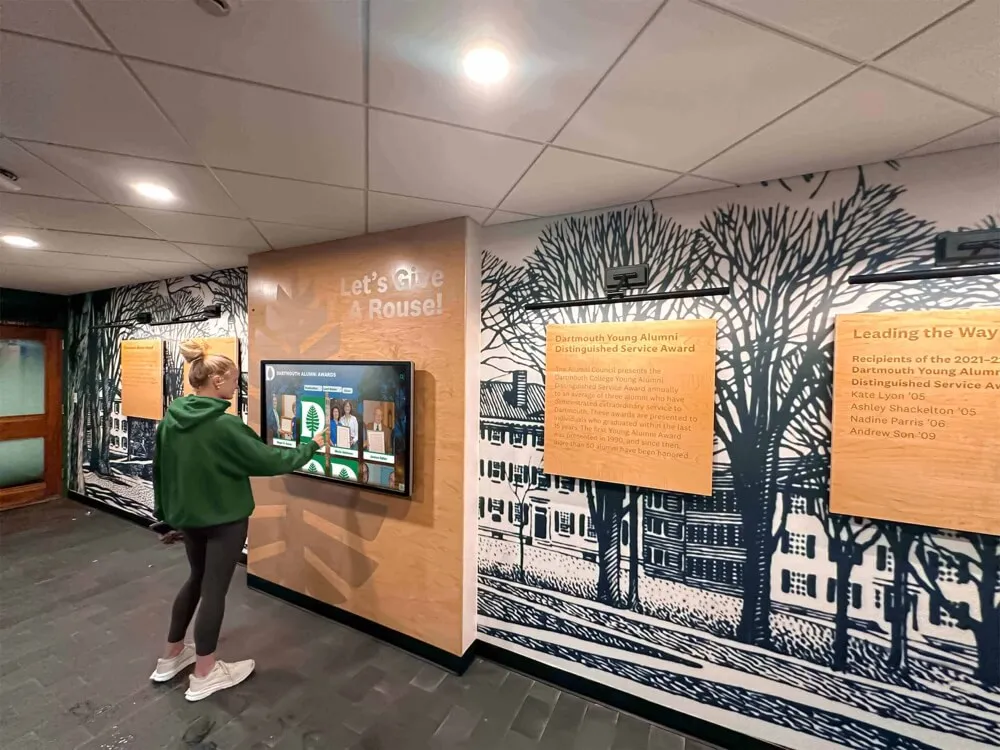
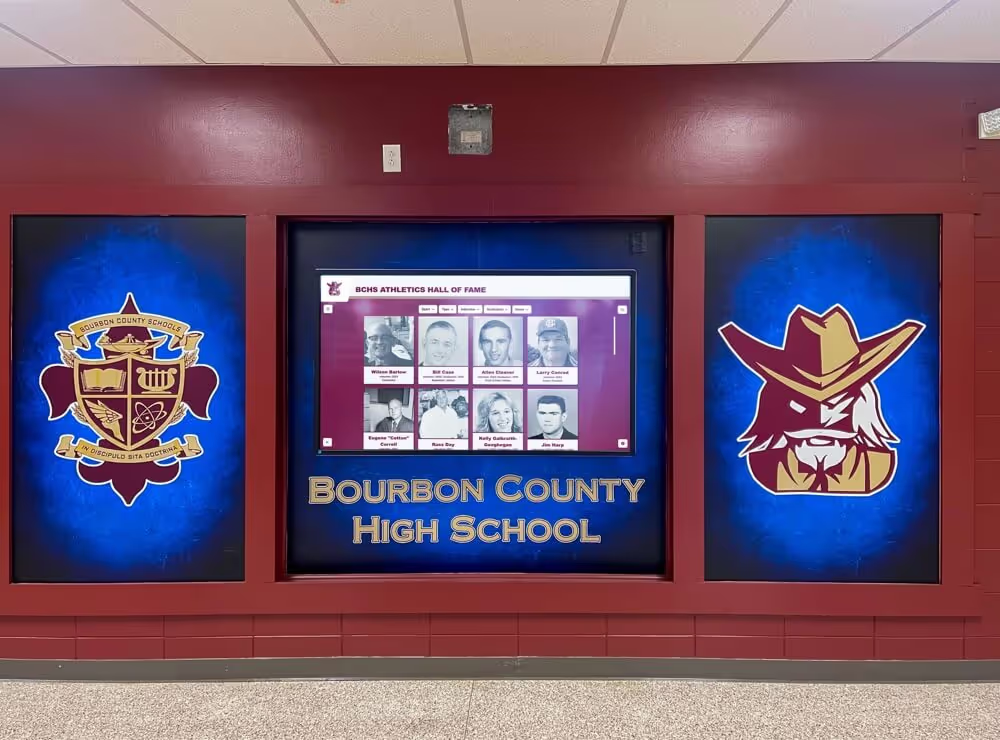
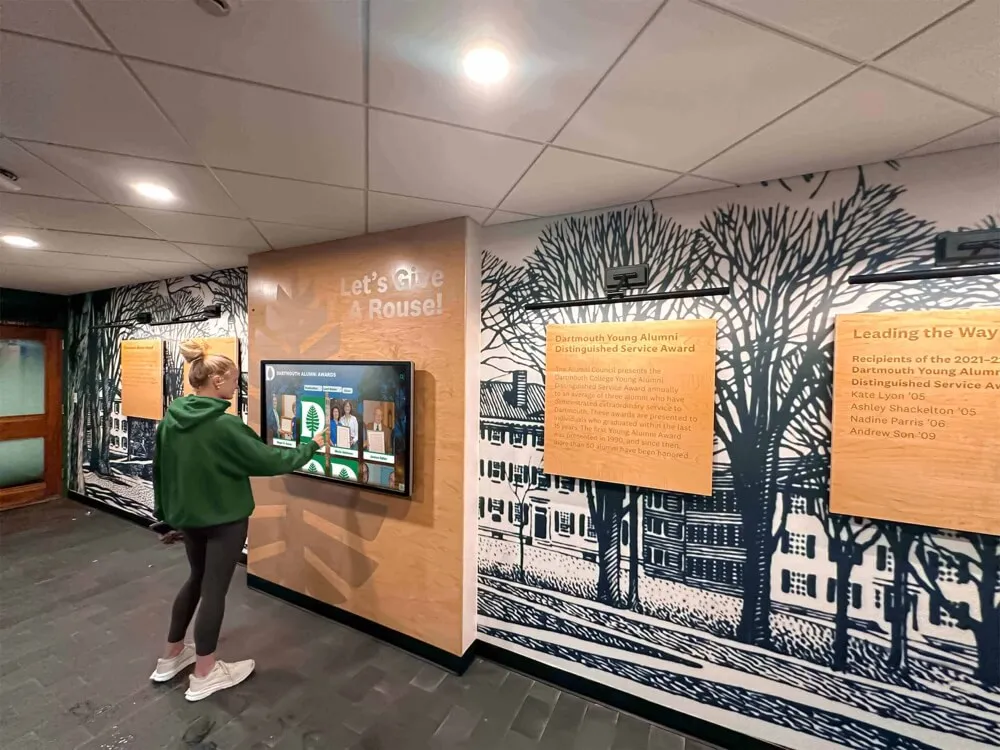
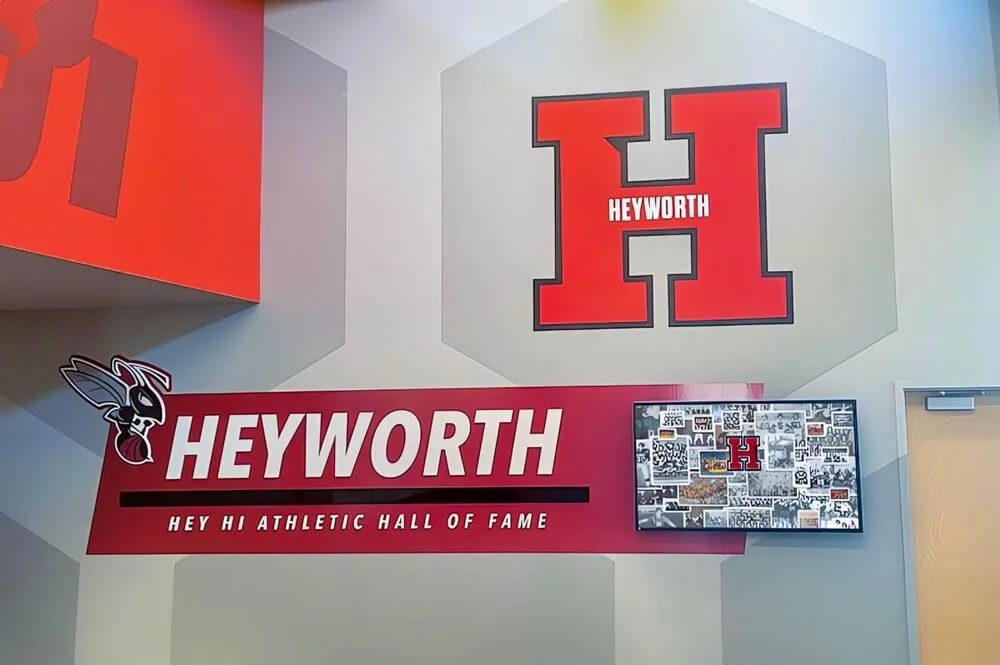
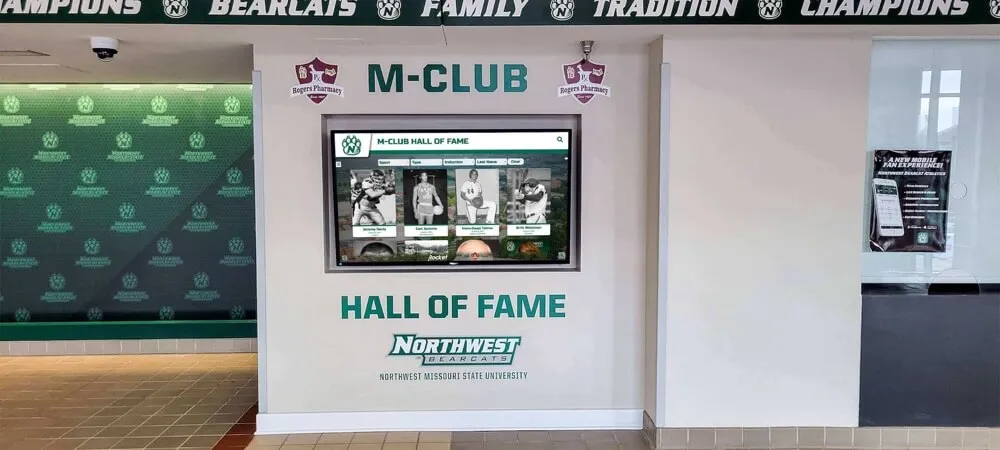
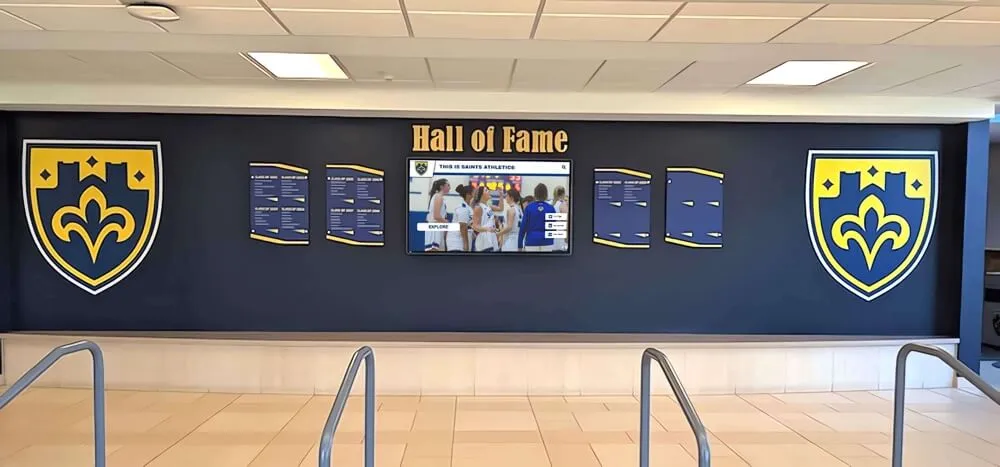
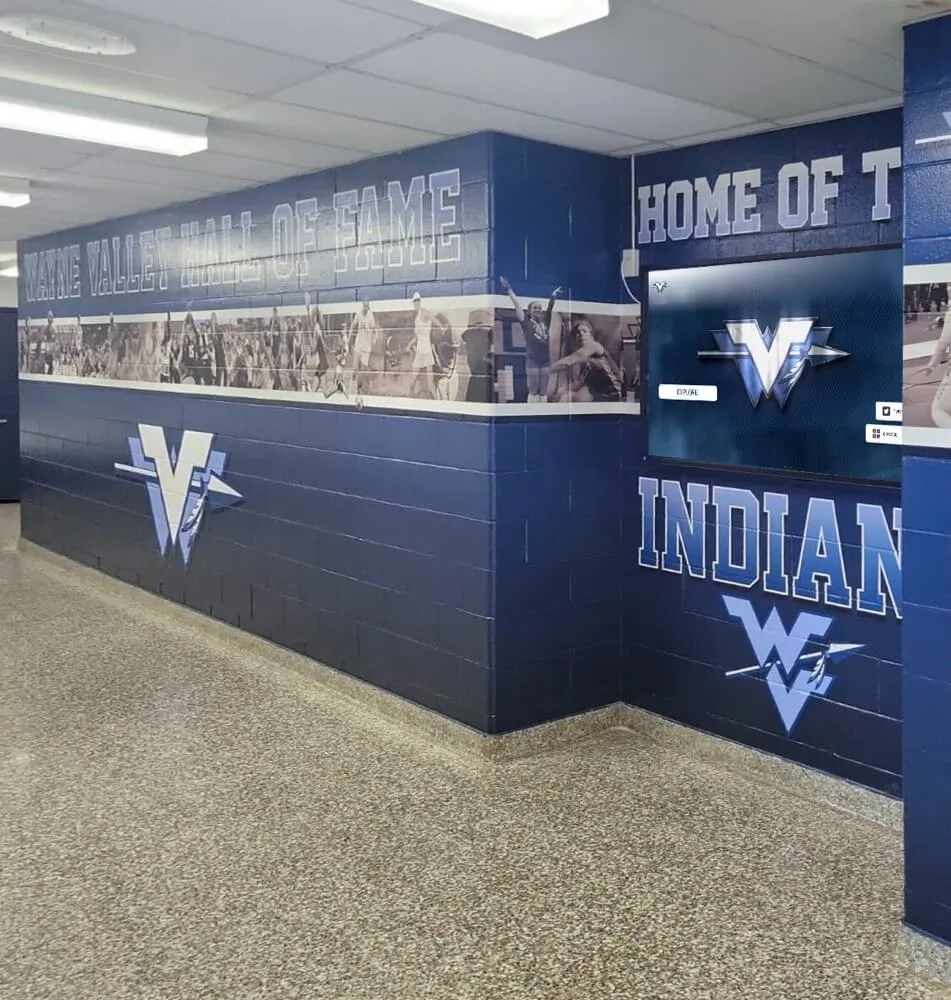
Interactive campus recognition creates natural stewardship touchpoints where community members discover and appreciate donor support
Team Roles and Stewardship Responsibilities
Clear assignment of stewardship responsibilities prevents donors from falling through organizational cracks while ensuring appropriate personnel handle relationship management based on giving levels and cultivation potential.
Stewardship Team Structure
- Annual fund staff: Manage acknowledgment, impact reporting, and retention cultivation for broad donor populations
- Major gift officers: Provide personalized stewardship for principal and major gift prospects in assigned portfolios
- Donor relations specialists: Coordinate recognition programs, stewardship events, and impact reporting infrastructure
- Gift processing team: Ensure prompt, accurate acknowledgment and data entry supporting relationship management
- Communications staff: Produce impact publications, donor newsletters, and recognition content
- Institutional leadership: Engage personally with top donors through calls, handwritten notes, and cultivation meetings
- Program beneficiaries: Faculty, coaches, and student recipients thank donors and demonstrate impact
Successful stewardship programs clarify which team members hold primary responsibility for different donor segments while creating collaboration protocols ensuring seamless handoffs as donors progress through giving levels. Many offices implement “moves management” systems tracking donor advancement through cultivation stages with defined touchpoint requirements and relationship owner assignments at each level.
Measuring Stewardship Program Effectiveness
Development offices cannot improve what they don’t measure. Comprehensive stewardship programs include metrics dashboards tracking key performance indicators that reveal program effectiveness, identify improvement opportunities, and justify continued resource allocation.
Essential Stewardship Metrics
Donor Retention Indicators
- Overall retention rate (percentage of prior-year donors who gave again this year)
- First-time donor retention (percentage of new donors who make second gifts)
- Multi-year donor retention (percentage of donors giving 3+ consecutive years)
- Lapsed donor reactivation rate (percentage of lapsed donors who resume giving)
- Retention by giving level segment (comparing retention across tiers)
Gift Progression Metrics
- Average gift size by donor tenure (comparing first gift to subsequent contributions)
- Upgrade rate (percentage of donors increasing gift amounts year-over-year)
- Downgrade rate (percentage of donors decreasing contributions)
- Time between gifts (measuring giving frequency improvements)
- Giving pyramid movement (tracking donor advancement through tiers)
Engagement Measurement
- Event participation rates by donor segment
- Communication engagement (email opens, clicks, survey responses)
- Website donor portal usage and recognition content views
- Volunteer participation among donor populations
- Referral activity generating new prospect introductions
Lifetime Value Analysis
- Average donor lifetime giving by acquisition channel
- Projected lifetime value by segment based on retention and upgrade patterns
- Return on stewardship investment comparing program costs to incremental retention value
- Major gift conversion rates from stewarded annual fund populations
Schools should establish benchmarks from current performance, set improvement targets aligned with strategic objectives, and review metrics quarterly to identify trends requiring program adjustments. Comparing institutional performance against peer institution benchmarks provides valuable context, though stewardship measurement should focus primarily on improvement relative to baseline rather than external comparisons with different donor populations and institutional contexts.

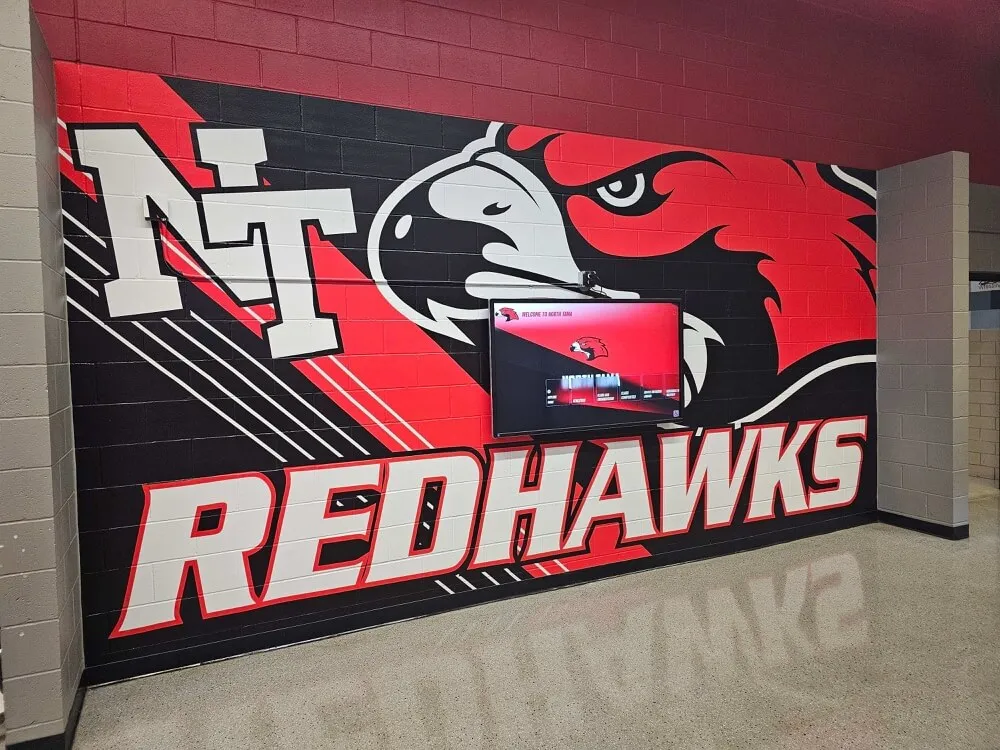
Recognition systems integrating campus imagery create sense of place that strengthens donor connections to institutions and communities they support
Advanced Stewardship Strategies for Major Gift Cultivation
While systematic stewardship programs serve all donor populations, schools cultivating transformational philanthropy implement advanced strategies providing white-glove experiences for principal gift prospects capable of funding scholarships, buildings, programs, and strategic institutional priorities.
Personalized Impact Demonstration
Major gift prospects warrant customized impact reporting demonstrating specific outcomes their extraordinary generosity enables. Rather than generic institutional updates, development officers should coordinate personalized stewardship including facility tours showing spaces donor gifts created, meetings with scholarship recipients donor support enabled, detailed financial reporting on endowment performance, and customized impact metrics aligned with donor philanthropic interests.
Leading development programs assign dedicated staff to major donor stewardship, recognizing that relationship investments yielding $100,000+ gifts justify personnel costs far exceeding efficient scalability approaches appropriate for annual fund populations.
Campaign and Special Initiative Recognition
Schools conducting campaigns or special initiatives should implement recognition tiers celebrating leadership commitments while creating aspirational goals motivating gift upgrades. Campaign recognition typically includes naming opportunities for buildings, spaces, programs, and endowments that create permanent tributes honoring transformational generosity.
Effective campaign recognition balances exclusivity at upper tiers (limited naming opportunities commanding premium gifts) with inclusive acknowledgment for all campaign participants (comprehensive donor walls, publications, and digital recognition). Modern donor wall designs accommodate both requirements through flexible systems supporting named recognition panels alongside searchable directories honoring broader supporter communities.
Planned Giving Integration
The most valuable long-term stewardship outcome may not be next year’s annual fund gift but rather the bequest commitment that eventually transforms supporter into million-dollar benefactor. Stewardship programs should incorporate planned giving education, legacy society recognition, and estate planning resources that position institutions for ultimate gifts reflecting lifetime philanthropic relationships.
Planned Giving Stewardship Approaches
- Legacy society recognition honoring bequest commitments and estate plans
- Educational seminars on charitable giving strategies, tax benefits, and estate planning
- Planned giving marketing integrated throughout annual stewardship communications
- Gift planner consultations helping donors structure complex philanthropic vehicles
- Stewardship events exclusively for legacy society members
- Recognition distinguishing documented commitments from realized bequests
- Endowment impact reporting demonstrating long-term outcomes from planned gifts
Practical Stewardship Tactics for Resource-Constrained Teams
Not every school commands development office resources supporting elaborate stewardship programming. Small teams can implement effective individual donor stewardship programs through strategic prioritization, efficient systems, and high-impact tactics delivering relationship value without extensive personnel or budgets.
High-Impact Low-Resource Stewardship Tactics
- Handwritten thank-you notes from presidents or gift officers for gifts above thresholds
- Student thank-you calls where scholarship recipients personally acknowledge donors
- Social media donor spotlights celebrating individual supporters and their motivations
- Email impact updates sharing quick wins, student stories, and program milestones
- Virtual campus tours and program updates accommodating distant donors
- Volunteer recognition doubling as donor stewardship for engaged supporters
- Annual donor appreciation events replacing expensive individual cultivation activities
- Automated gift anniversary notifications triggering personalized outreach
Small teams should concentrate intensive personal stewardship on top donor tiers while implementing efficient digital stewardship for broader populations. Technology platforms offering affordable donor management, email marketing, and recognition capabilities enable small shops to punch above their weight through systematic approaches that would prove impossible through manual processes alone. Resources developed for broader athletic fundraising often provide templates applicable to comprehensive donor stewardship across institutional programs.
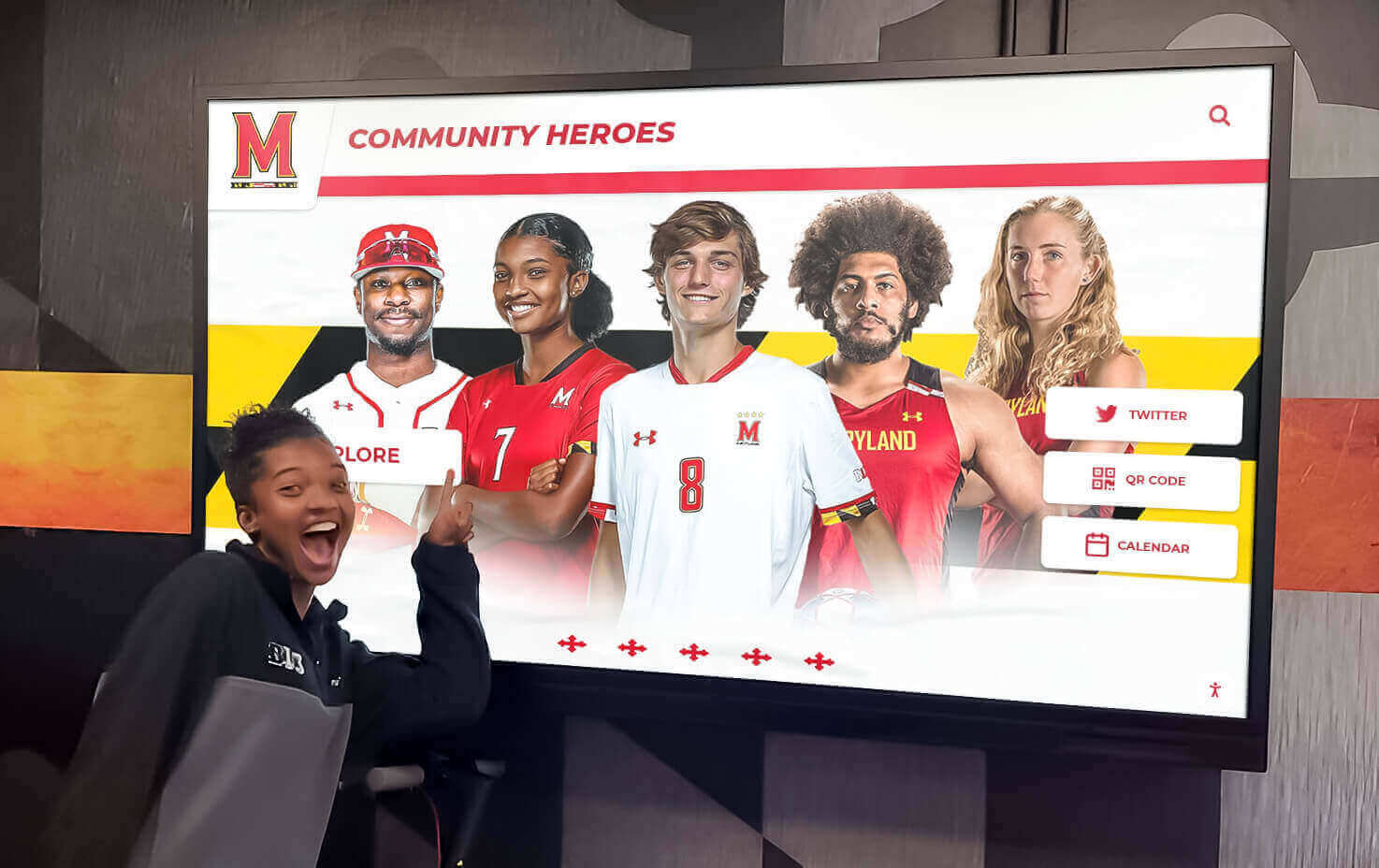
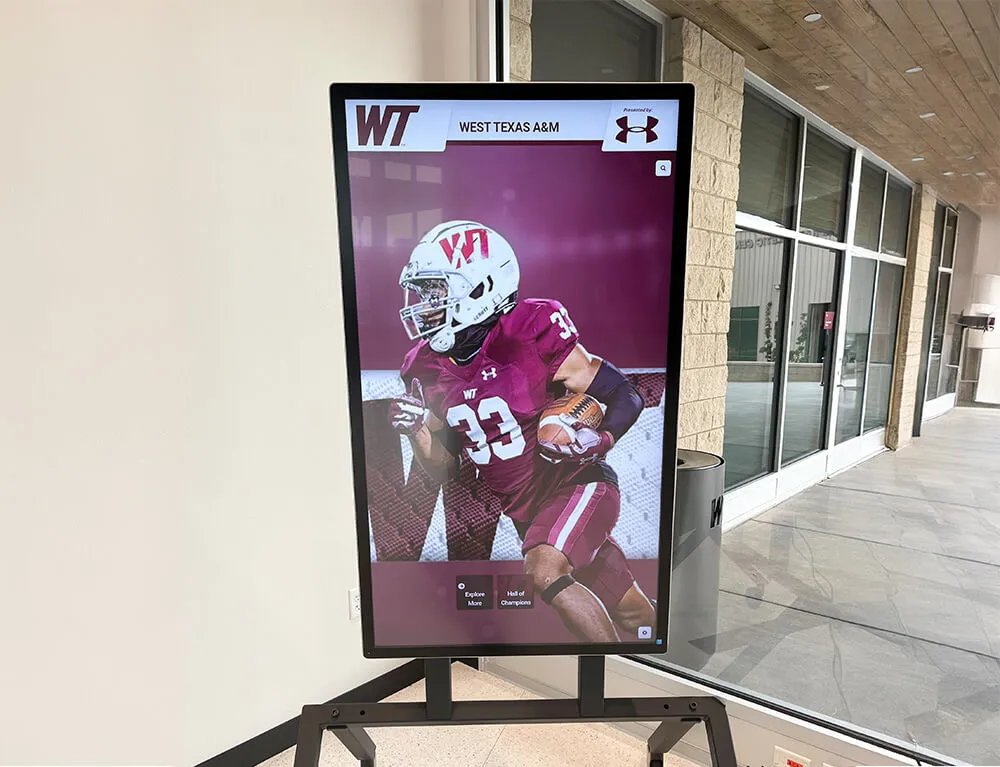
Recognition displays celebrating donors alongside program achievements create natural storytelling opportunities that demonstrate philanthropic impact to entire campus communities
Common Stewardship Program Challenges and Solutions
Even well-designed individual donor stewardship programs encounter predictable challenges that can undermine effectiveness if not addressed systematically.
Challenge: Donor Fatigue from Over-Communication
While consistent touchpoints strengthen relationships, excessive communications risk annoying donors and diminishing message impact. Development teams must balance maintaining top-of-mind awareness with respecting supporter time and attention.
Solutions
- Establish maximum contact frequency policies preventing communication overload
- Consolidate updates into comprehensive quarterly communications rather than frequent fragmentary messages
- Provide donor communication preference options allowing supporters to choose frequency and channels
- Segment audiences carefully, sending targeted messages to interested populations rather than blanket distributions
- Prioritize quality over quantity, making every communication substantive and valuable
Challenge: Limited Capacity for Personalization at Scale
Donors respond better to personalized stewardship, yet creating customized experiences for thousands of supporters exceeds practical resource capacity for most development teams.
Solutions
- Implement sophisticated segmentation creating smaller groups receiving tailored messaging
- Use merge fields and conditional content creating mass communications feeling personally relevant
- Invest in donor database systems supporting automated personalization triggers
- Concentrate intensive personal stewardship on top tiers while using efficient approaches for broader populations
- Train volunteers and students to assist with personal outreach expanding team capacity
Challenge: Demonstrating Stewardship ROI to Leadership
Institutional leaders managing competing budget priorities may question whether stewardship program investments generate measurable returns justifying costs compared to additional fundraising solicitation.
Solutions
- Establish baseline metrics before launching new stewardship initiatives
- Track retention rates, average gift progression, and lifetime value by cohort
- Calculate incremental giving from improved retention and compare to program costs
- Present stewardship as fundraising infrastructure rather than optional nice-to-have
- Share industry research demonstrating donor retention economics
- Benchmark performance against peer institutions to provide comparative context
Comprehensive resources on donor stewardship best practices provide additional frameworks for addressing common program challenges and optimizing relationship management systems.
Looking Forward: The Future of Donor Stewardship
Individual donor stewardship programs continue evolving as technology advances, donor preferences shift, and best practices emerge from advancement research and peer institution innovation.
Emerging Stewardship Trends
- Artificial intelligence supporting personalized content recommendations and optimal communication timing
- Video-based impact reporting creating emotional connections more effectively than text
- Mobile-first stewardship accommodating how donors increasingly consume content
- Virtual reality campus tours enabling immersive experiences for distant supporters
- Peer-to-peer stewardship programs where donors thank and cultivate fellow supporters
- Impact dashboards providing real-time metrics demonstrating gift outcomes
- Integration of recognition systems with comprehensive stewardship platforms
- Predictive analytics identifying retention risks and upgrade opportunities
Schools building stewardship programs should balance proven relationship fundamentals—personal gratitude, impact demonstration, meaningful recognition, and genuine engagement—with strategic technology adoption that enables better execution at sustainable scale.
Conclusion: Building Programs That Transform Donors into Partners
The most successful individual donor stewardship programs share common characteristics: they view supporters as partners rather than transactions, they systematize relationship-building while maintaining personal authenticity, they demonstrate impact transparently, they recognize generosity appropriately, and they align stewardship investments with strategic fundraising objectives rather than treating acknowledgment as administrative obligation.
Schools and universities building effective stewardship programs recognize that one-time gifts represent relationship beginnings rather than endings. By implementing systematic frameworks that guide donors through intentional cultivation journeys—from first-time contributor to loyal annual supporter to major gift prospect to legacy society member—advancement teams transform how institutions engage philanthropy and build sustainable funding for mission priorities that serve students and communities for generations.
Whether managing small annual funds or comprehensive campaigns, every development office can implement individual donor stewardship programs appropriate to scale, resources, and donor populations. The institutions that commit to stewardship excellence—measuring performance honestly, improving continuously, and investing appropriately—will build donor communities characterized by exceptional loyalty, generous lifetime giving, and genuine partnership in advancing educational missions.
Ready to transform how your institution recognizes and stewards donors? Rocket Alumni Solutions creates interactive digital recognition displays that provide unlimited capacity for honoring supporters, showcase compelling impact stories, and integrate seamlessly with comprehensive stewardship programs. Our systems enable schools and universities to recognize every donor appropriately while creating engagement experiences that strengthen relationships and inspire continued giving. Explore how modern recognition technology can enhance your donor stewardship strategy and create visible appreciation that transforms supporters into lifelong partners.