



A booster club year-end financial checklist is a structured sequence of tasks the treasurer and board complete at the close of each fiscal year to reconcile accounts, fulfill outstanding recognition commitments, file required tax forms, and hand off accurate records to the incoming leadership. Most booster clubs close a fiscal year somewhere between May and August, overlapping with the transition to a new board. When the financial close happens without a checklist, the result is almost always the same: reconciliation gaps that carry into the new year, donor acknowledgment letters that go out late or not at all, and recognition commitments to sponsors that no incoming officer can verify. This guide walks through the complete year-end close in seven steps, with a checklist table for each area and specific guidance on how closing the books connects to preserving the trust of sponsors, donors, and the athletes your program serves.
Not legal or financial advice: This guide describes commonly used practices for educational purposes only. Your organization’s specific requirements depend on your school district structure, state nonprofit regulations, and your school’s governing body. Consult a licensed CPA or your school district’s finance office before establishing or revising financial procedures.
A booster club that closes its books accurately and on time demonstrates something to every sponsor and donor in its network: that the organization is trustworthy stewards of the contributions made to it. A clean year-end close is not just an administrative task — it is a credibility signal that influences whether sponsors renew and whether donors give again.

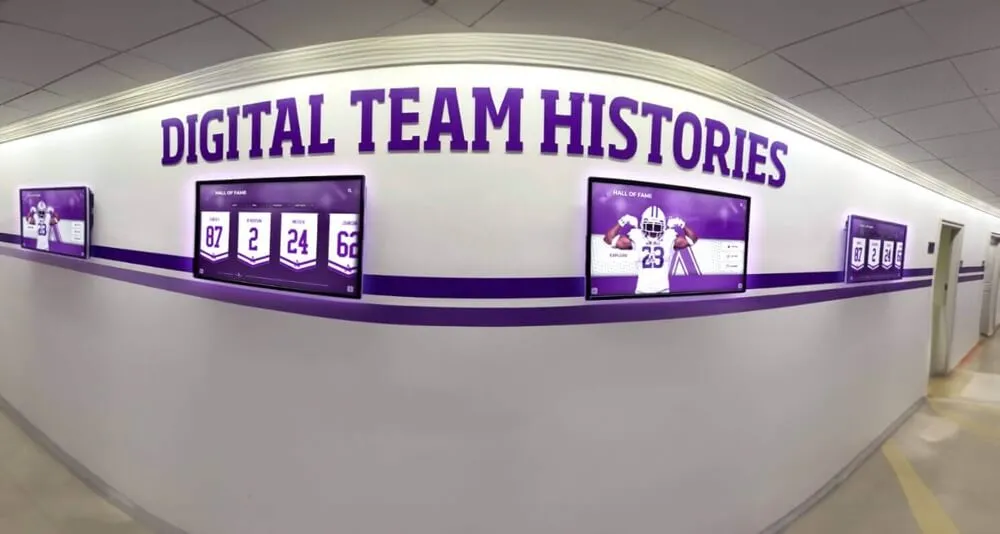
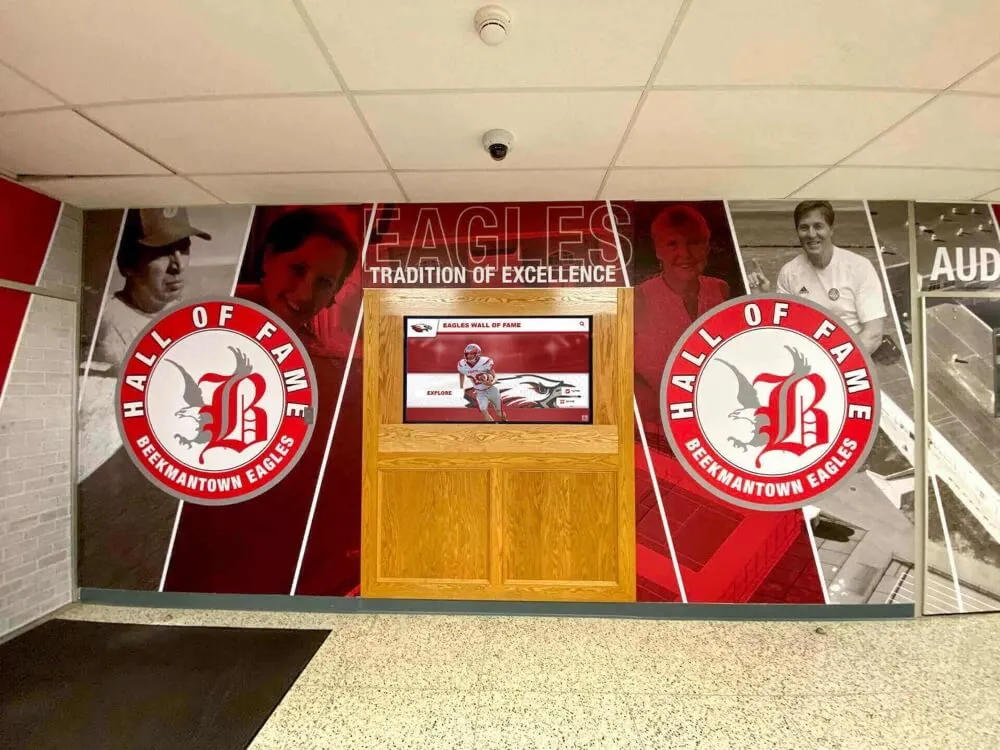
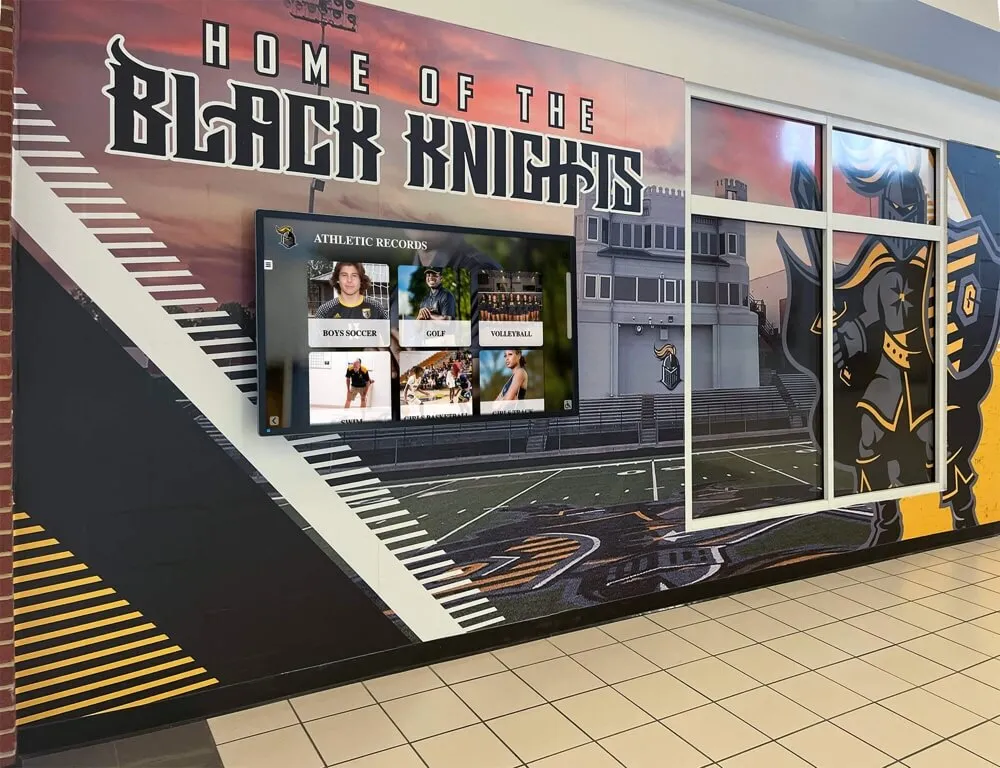
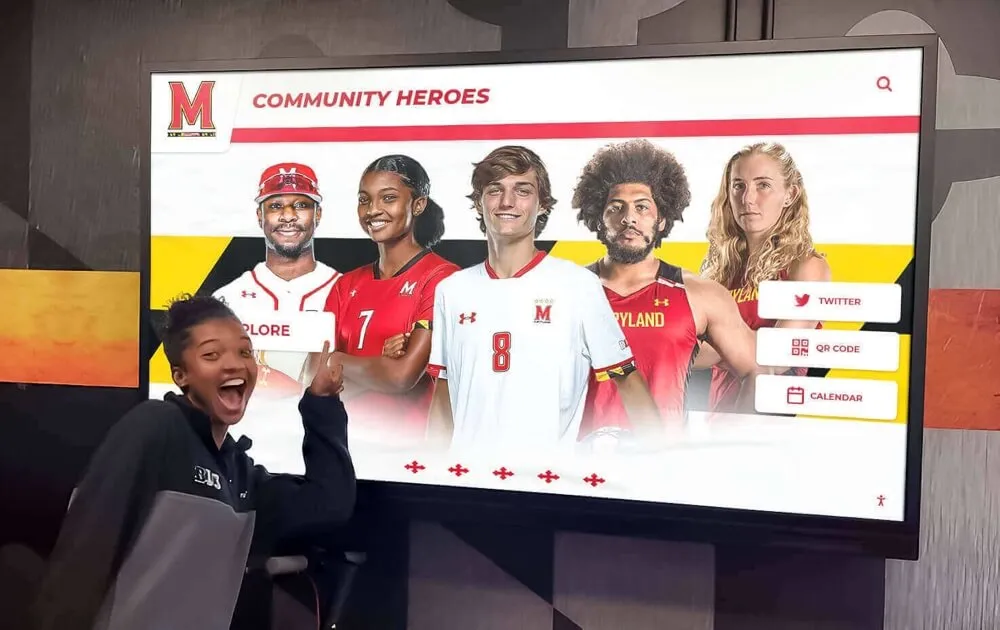
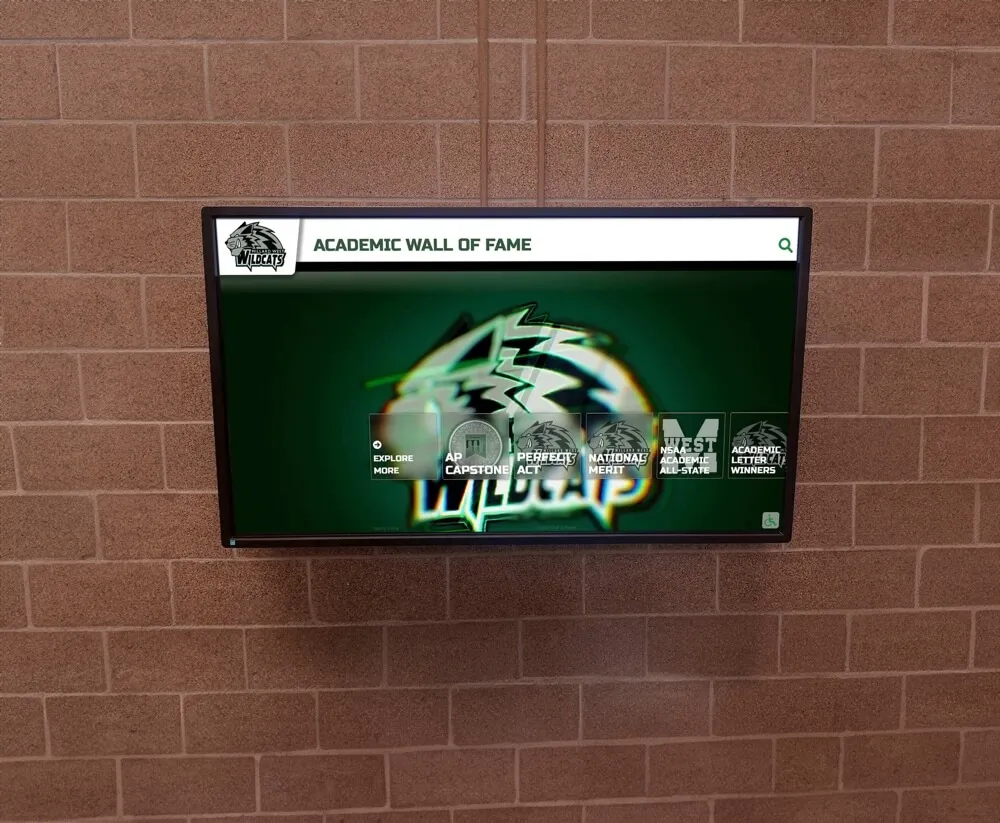
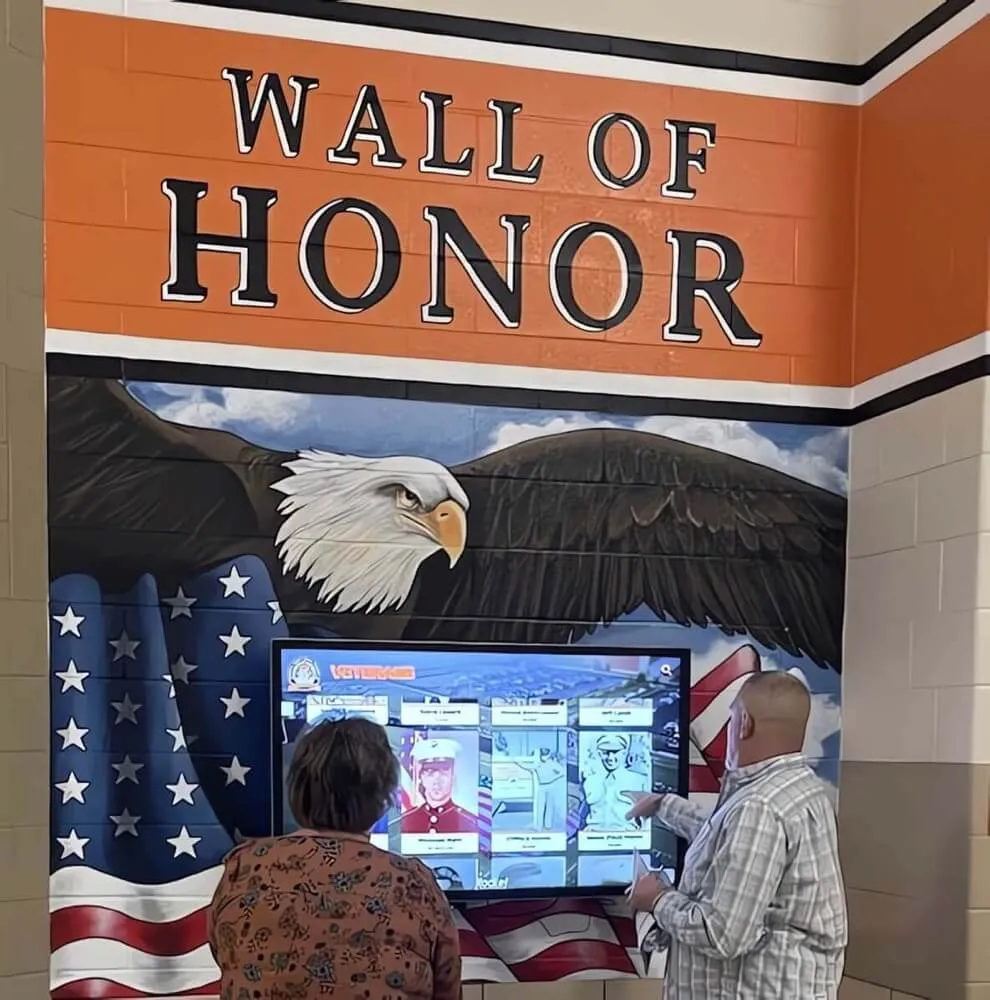
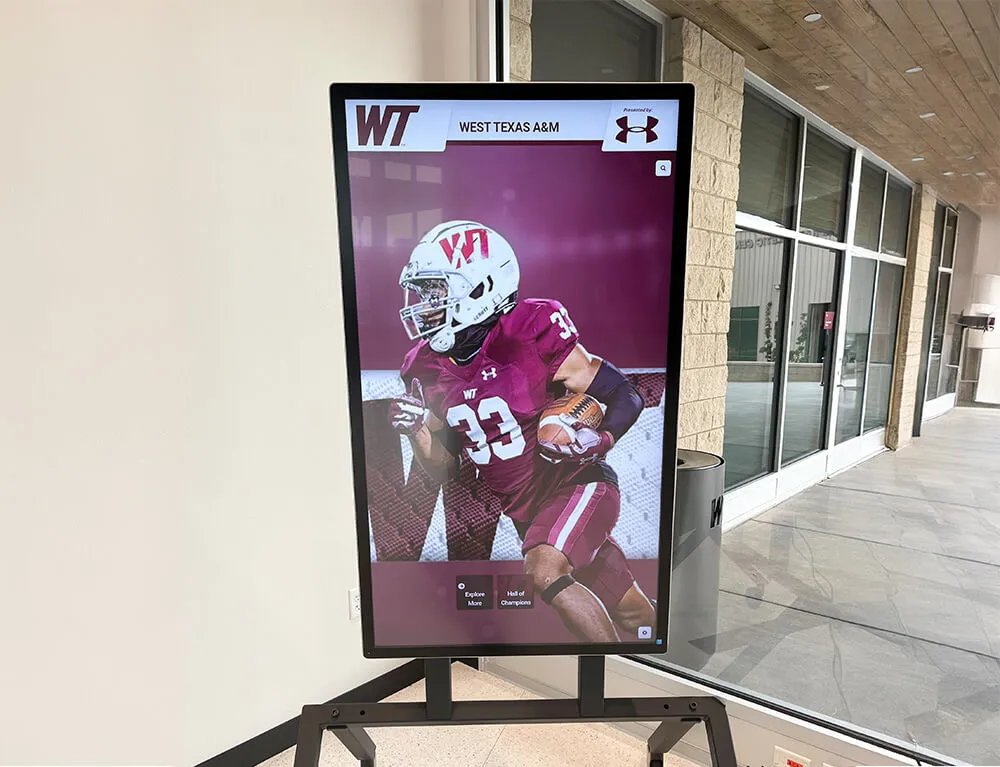
Year-end financial accuracy extends to recognition commitments — every sponsor logo and donor name visible on a display represents a financial obligation the booster club agreed to honor, and closing the books means verifying those obligations were met
What the Booster Club Year-End Financial Checklist Covers
The complete year-end close for an athletic booster club touches seven distinct areas. Programs that skip any one of them typically discover the gap at the worst possible moment — during an audit, when a sponsor asks about their recognition, or when an incoming treasurer finds unexplained discrepancies in the account register.
| Checklist Area | Core Tasks | Why It Matters at Year-End |
|---|---|---|
| Account reconciliation | Reconcile all bank accounts, payment platforms, and petty cash | Confirms the books match actual balances before the year closes |
| Receipts and invoices | Collect, categorize, and file all year’s financial documents | Creates the audit trail that supports every line item in the annual report |
| Annual financial report | Prepare income and expense summary for board and school | Documents the organization’s financial health for stakeholders |
| Sponsor file close | Verify payment status and recognition deliverable completion | Prevents unfulfilled commitments from carrying forward undetected |
| Donor records and acknowledgments | Verify gift records and send year-end acknowledgment letters | Required for donor tax deductions; critical for maintaining giving relationships |
| IRS 990 filing | File the appropriate 990 form by the due date | Required for most tax-exempt organizations to maintain nonprofit status |
| Archive and leadership handoff | Organize all records and prepare the transition package | Ensures incoming officers can operate from day one without gaps |
The steps below build on each other. Account reconciliation must come first because every downstream document — the annual report, the donor acknowledgment letters, the 990 — depends on accurate account balances.
Step 1: Reconcile All Accounts
The first task in any booster club year-end financial checklist is reconciling every account the organization holds. This means comparing the organization’s internal records against bank statements for the same period and resolving every discrepancy before moving forward.
What to reconcile:
- Primary checking and savings accounts
- Any secondary accounts used for specific programs or events
- PayPal, Stripe, Square, or other payment processing platforms
- Petty cash fund (count the physical cash; it should match the petty cash log)
- Outstanding checks (issued but not yet cleared)
The reconciled balance for each account, as of the fiscal year-end date, becomes the opening balance for the new fiscal year. A reconciliation that is completed two months after year-end using imprecise records is less useful than one completed promptly from clean documentation.
Reconciliation checklist:
| Task | Responsible | Completed |
|---|---|---|
| Obtain final bank statements for all accounts through fiscal year-end | Treasurer | |
| Compare each statement against internal register for the same period | Treasurer | |
| Identify and document all outstanding checks | Treasurer | |
| Reconcile payment processing platforms (PayPal, Square, Stripe) | Treasurer | |
| Count and reconcile petty cash fund | Treasurer + second officer | |
| Document all discrepancies and their resolution | Treasurer | |
| Have a second officer review and sign off on the final reconciliation | President or VP |
Step 2: Collect, Categorize, and File All Receipts and Invoices
Every expense paid during the fiscal year should have a corresponding receipt or invoice on file. Year-end is the last opportunity to collect any documentation that was not filed at the time of purchase before the person who made the purchase moves on — or before the digital receipt expires in an email inbox.
Categorize expenses consistently with the categories used in the budget so that the annual report and the 990 use the same structure. Common categories for athletic booster clubs include:
- Athletic support (uniforms, equipment, travel, tournament entry fees)
- Fundraising expenses (event costs, supplies, platform fees)
- Administrative expenses (insurance, bank fees, PO box, website)
- Recognition programs (display production, trophies, plaques, scholarship awards)
- Sponsorship fulfillment costs (banner installation, printing, display content updates)
The recognition programs and sponsorship fulfillment categories are the ones most often under-documented. A booster club that spent $2,400 producing and installing sponsor banners needs receipts for that work the same way it needs receipts for equipment purchases. Those receipts also serve a second purpose: they document that the program fulfilled the recognition commitments in sponsor agreements, which matters if a sponsor ever asks for verification.
Step 3: Prepare the Annual Financial Report
The annual financial report summarizes the organization’s income, expenses, and net position for the fiscal year. It is presented to the board at the final meeting of the year and, depending on the school district’s requirements, may also be submitted to the athletic director or school administration.
A clear annual financial report should include:
- Income by source — dues, donations, event revenue, sponsorships, grants, and any other income categories
- Expenses by category — mapped to the budget categories established at the start of the year
- Net income or loss — total income minus total expenses
- Beginning and ending account balances — for each account, showing how the year-end balance was reached
- Budget vs. actual comparison — each budgeted line item next to the actual result, with variance noted
- Restricted fund status — any funds with donor-imposed restrictions reported separately, with beginning balance, additions, expenditures, and ending balance
The budget-vs.-actual comparison is the most useful section for the incoming board. A new treasurer who sees that the annual golf outing budgeted $12,000 in revenue and delivered $9,800 has better information for next year’s planning than one who inherits only the total revenue figure.

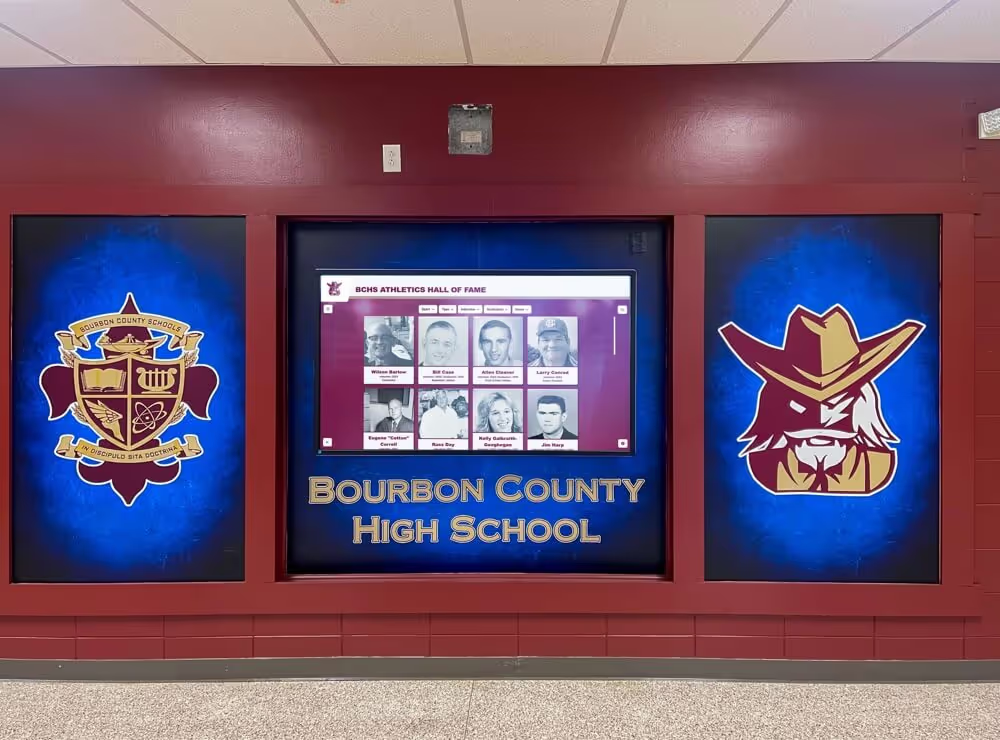
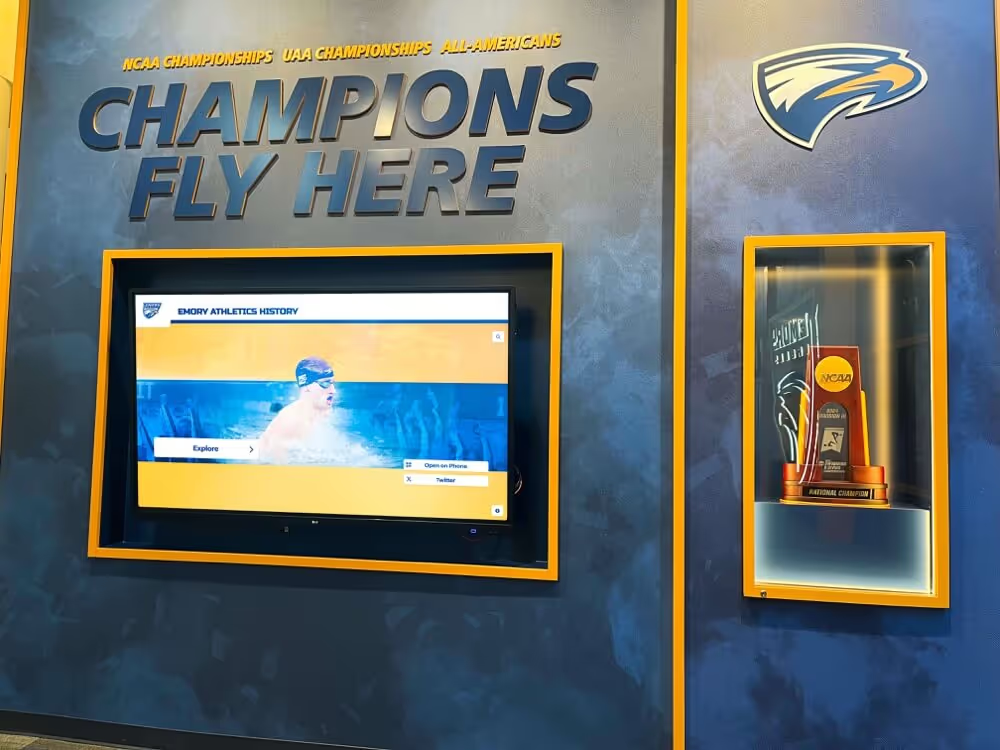
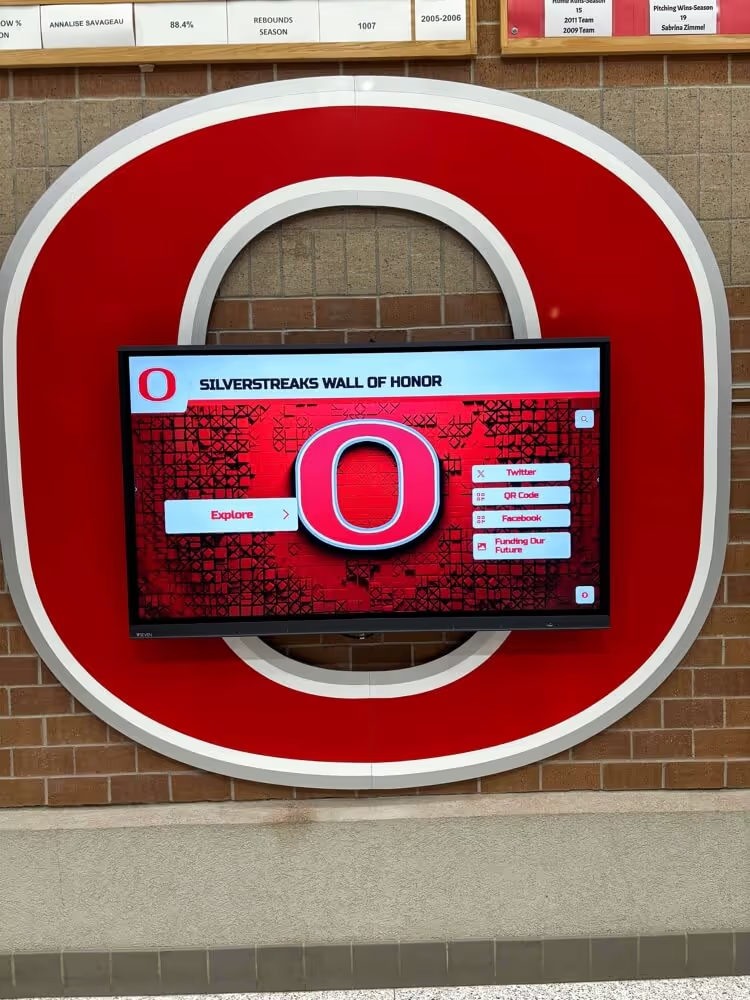
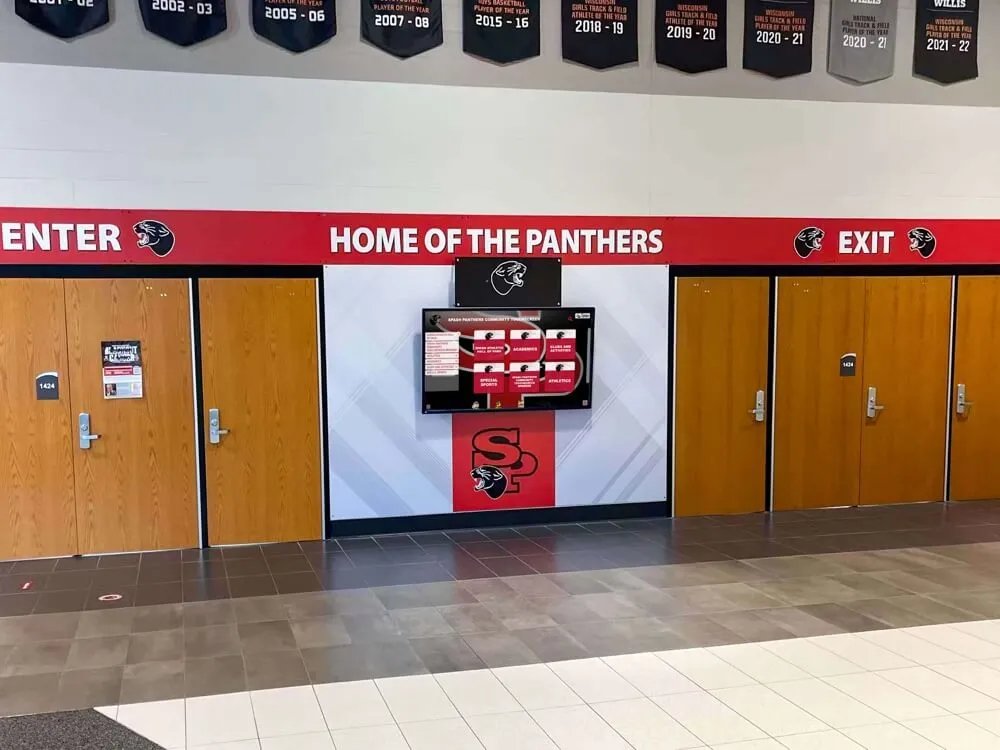
Donor recognition programs depend on accurate fund records — a year-end financial close that documents restricted balances, named gifts, and fund activity is what makes it possible to honor donors accurately on recognition displays throughout the following year
Step 4: Close Sponsor Files and Verify Recognition Deliverables
Closing the books on sponsor relationships means more than confirming payment received. It means verifying that every recognition commitment in every active sponsor agreement was fulfilled — and documenting that verification.
Sponsor year-end close tasks:
| Task | What to Document | Completed |
|---|---|---|
| Confirm all sponsor invoices for the year were paid in full | Amount received, date of final payment | |
| Review each active sponsor agreement for recognition commitments | List of commitments by sponsor | |
| Verify each commitment was fulfilled (banners installed, display rotations active, PA announcements completed, newsletter features published) | Fulfillment date and method for each | |
| Document any commitments not yet fulfilled and transfer as open items to the incoming board | Description and timeline | |
| Note any sponsors who paid for next season during the current year (deferred revenue) | Amount and applicable season | |
| Identify sponsors whose agreements expire and flag for renewal outreach | Expiration date, renewal contact |
The recognition deliverable verification step is where financial close and recognition program management intersect directly. A sponsor who paid for logo placement on a digital recognition display is owed that placement for the full term of the agreement. A year-end close that only confirms payment receipt — without verifying that the logo is still active in the display rotation — creates a fulfillment gap that may not surface until the sponsor notices it themselves.
For programs thinking about how to structure the recognition side of this process, the alumni of the month recognition program guide from Digital Record Board outlines the record-keeping structures that keep recognition commitments visible and current — the same structures that make sponsor deliverable verification systematic rather than reactive.
Step 5: Close Donor Records and Send Acknowledgment Letters
Donor acknowledgment letters serve two purposes: they fulfill the organization’s legal obligation to provide written confirmation of tax-deductible gifts, and they reinforce the relationship between the donor and the program. Year-end is the last opportunity to ensure every donor who gave during the fiscal year received a proper acknowledgment.
According to IRS guidance, charitable organizations are required to provide written acknowledgment for any single donation of $250 or more. The acknowledgment must include the organization’s name, the date of the contribution, the amount of cash donated (or a description of non-cash property), and a statement of whether any goods or services were provided in exchange for the gift.
Donor year-end close tasks:
| Task | What to Verify | Completed |
|---|---|---|
| Generate a complete donor report for the fiscal year from the organization’s records | All donors, gift dates, amounts, fund designations | |
| Confirm acknowledgment letters were sent for all gifts of $250 or more | Letter date, delivery method | |
| Send consolidated annual giving statements to all donors who gave multiple times during the year | Total giving amount, fund designations | |
| Verify all restricted fund activity — confirm donor-imposed restrictions were honored | Beginning balance, additions, expenditures, ending balance | |
| Document any named funds with their governing terms for the incoming treasurer | Fund name, restriction terms, current balance | |
| Review donor contact information for completeness and accuracy | Address, email, phone |
Programs that have invested in named donor recognition — brick pavers, engraved plaques, digital wall entries, or named scholarship funds — should verify at year-end that each donor’s name and designation appears exactly as agreed on every display where it is shown. The standards for accurate physical and digital donor recognition are explored in resources like the brick paver and digital donor wall comparison from Donors Wall, which covers the accuracy standards and maintenance cycles that keep named recognition programs credible across multiple years.
Step 6: File the Required IRS Form 990
Most booster clubs organized as 501(c)(3) nonprofit organizations are required to file an annual information return with the IRS. The specific form depends on the organization’s gross receipts:
- Form 990-N (e-Postcard): For organizations with annual gross receipts normally $50,000 or less. Filed electronically through the IRS website.
- Form 990-EZ: For organizations with gross receipts less than $200,000 and total assets less than $500,000.
- Form 990: For larger organizations that do not qualify for the EZ or N filing.
The 990 is due by the 15th day of the fifth month after the organization’s fiscal year ends. For a June 30 fiscal year-end, the filing deadline is November 15. Automatic extensions are available using Form 8868, which provides an additional six months.
Failure to file for three consecutive years results in automatic revocation of the organization’s tax-exempt status. For booster clubs that operate under a school district’s umbrella, the district’s finance office or legal counsel can clarify whether a separate 990 filing is required.
990 filing checklist:
| Task | Notes | Completed |
|---|---|---|
| Confirm the organization’s fiscal year-end date | Drives the 990 due date | |
| Confirm which form version applies (990-N, 990-EZ, or 990) | Based on gross receipts and asset thresholds | |
| Compile gross receipts, expenses, and asset data from the annual financial report | Use reconciled figures only | |
| Confirm the organization’s EIN (Employer Identification Number) | Required for all 990 filings | |
| File the return by the due date (or file Form 8868 for an extension) | Note the deadline in the incoming board’s calendar | |
| Save a copy of the filed return for the organization’s records | Keep for at least three years |
Step 7: Archive Records and Prepare the Leadership Transition Package
The final step in the year-end financial checklist is organizing all records produced during the close into a structured archive and preparing the package that will transfer to the incoming board.
A well-organized year-end archive serves three purposes: it provides the documentation an auditor would need if the organization were ever reviewed; it gives the incoming treasurer a complete picture of where the organization stands; and it provides a baseline against which next year’s results can be compared.
Year-end archive structure:
| Folder | Contents |
|---|---|
| Bank records | Statements, reconciliations, outstanding check lists for all accounts |
| Receipts and invoices | All expense documentation for the year, organized by category |
| Financial reports | Annual income/expense summary, budget vs. actual comparison |
| Sponsor files | Agreements, payment records, recognition deliverable documentation |
| Donor records | Gift logs, acknowledgment letters, restricted fund statements |
| Tax filings | Copy of 990 or 990-N filing, any extension requests |
| Insurance and compliance | Current certificate of insurance, state registration documents |
| Recognition program records | Display content logs, hall of fame updates, award distributions |
The recognition program records folder is often omitted from year-end archives because it does not feel like a financial document. But the content that lives on a digital recognition display — sponsor logos, donor names, athletic honorees — represents obligations the organization made, many of them with financial backing. A year-end record of what was displayed, when it was last updated, and what is scheduled for the coming season is as important to the incoming board as the bank reconciliation.
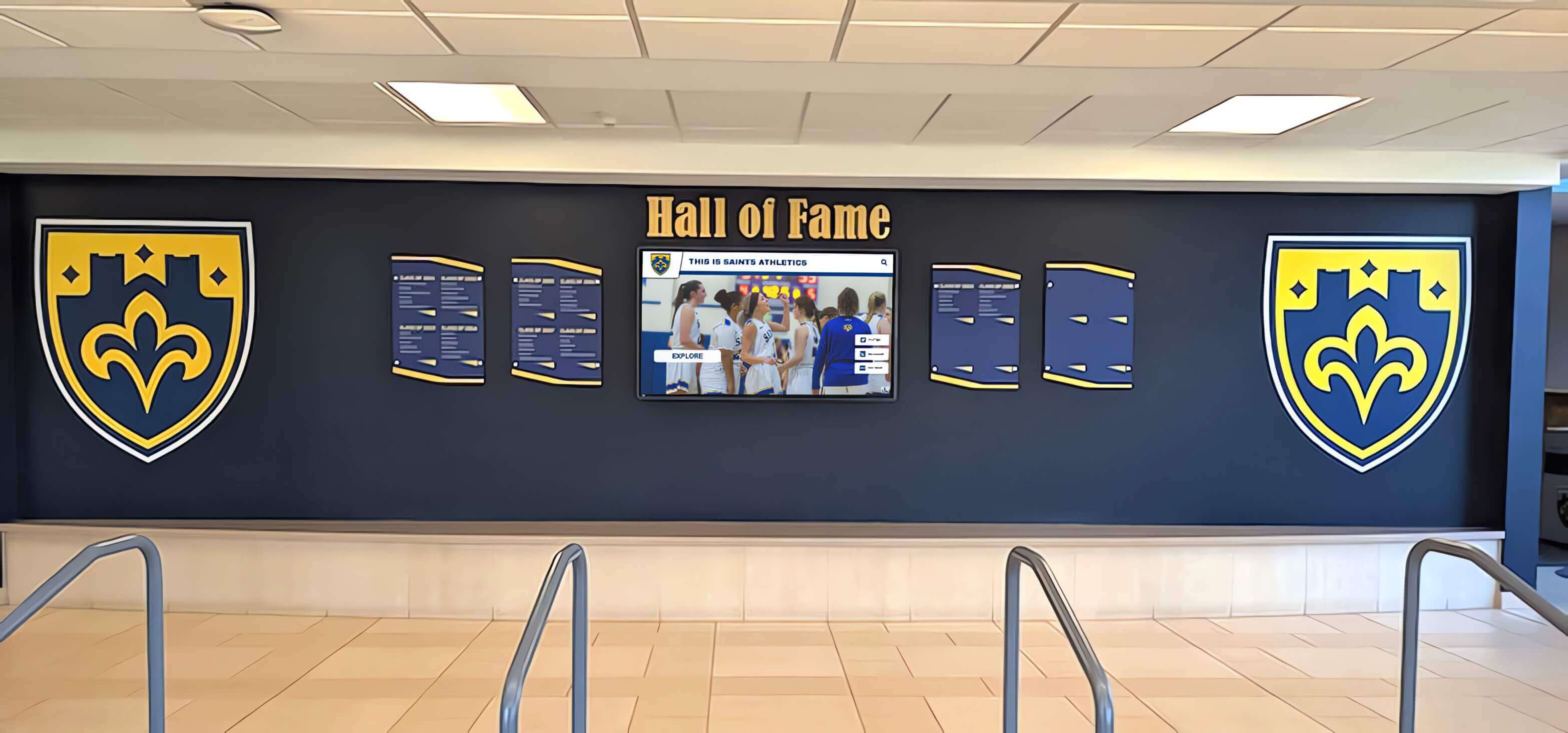
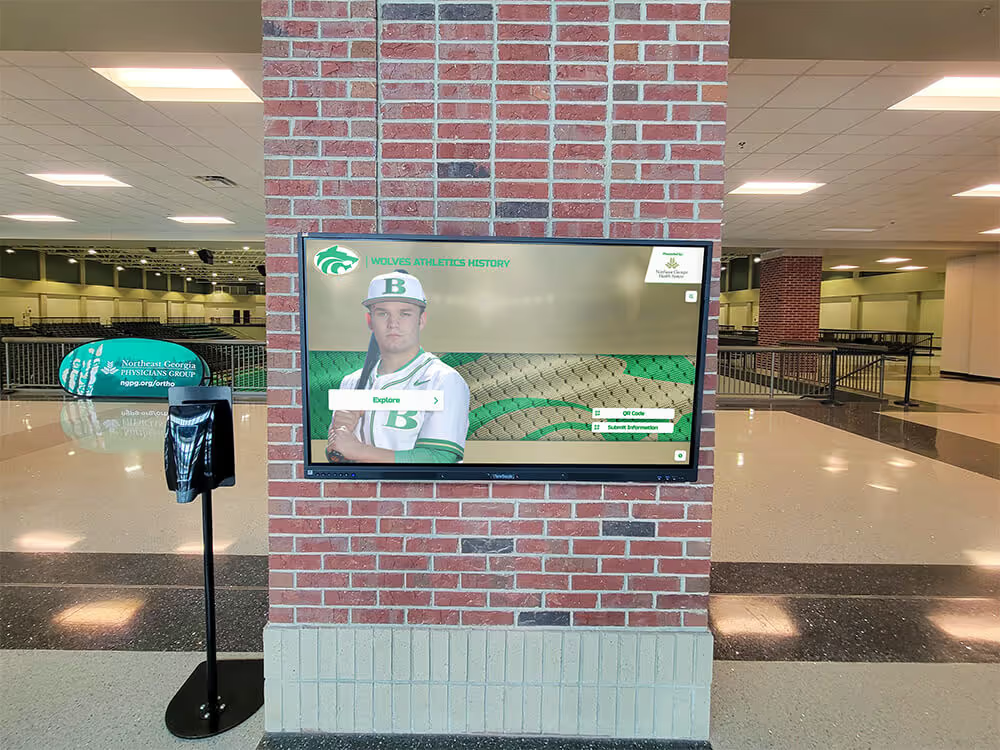
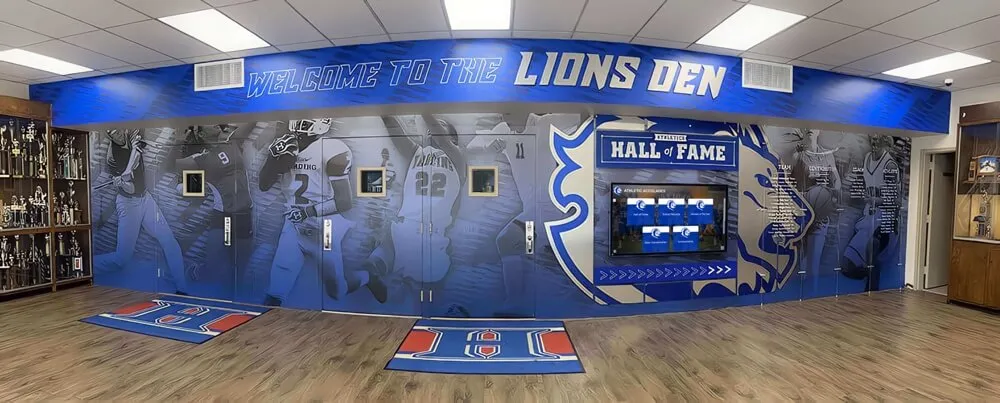
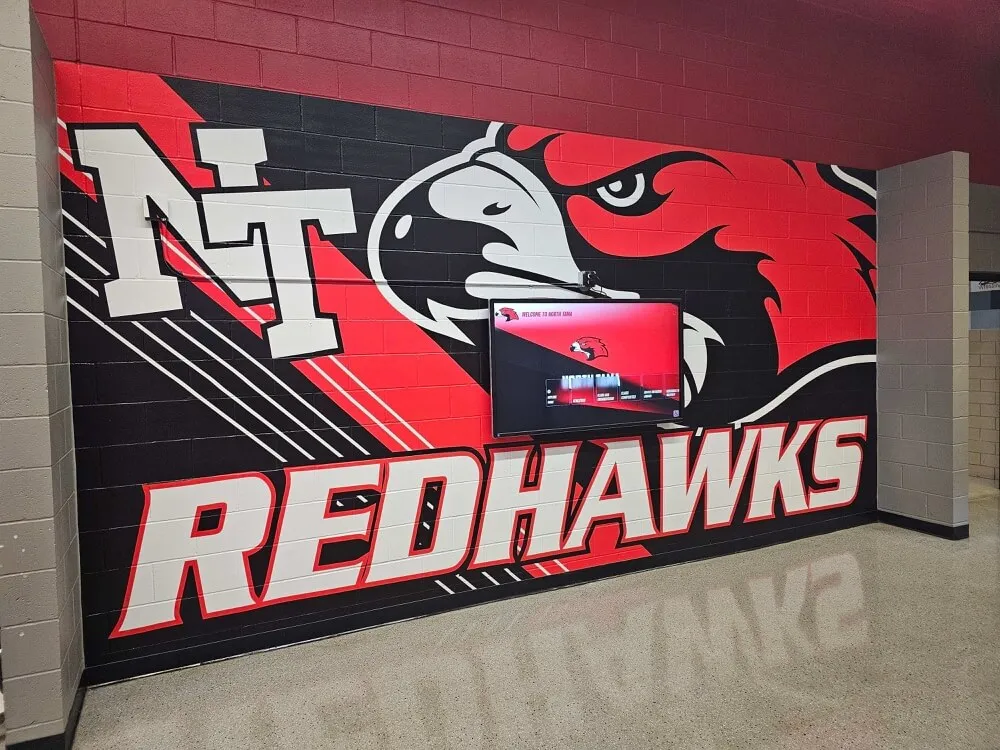
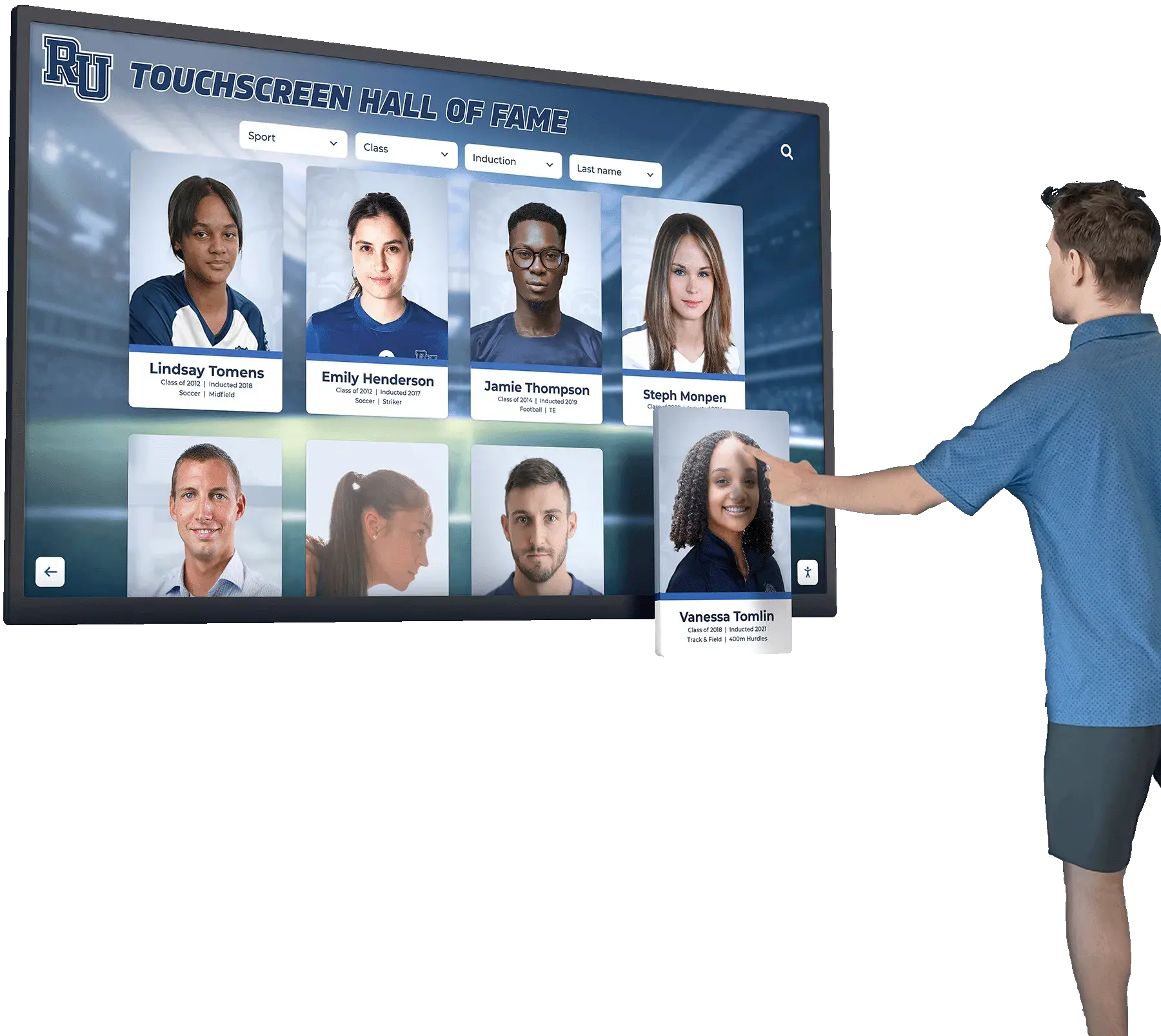
Recognition displays represent financial commitments — a year-end content audit logged in the archive gives incoming officers a clear picture of what is active, what is scheduled, and what obligations they are inheriting
How Year-End Financial Accuracy Connects to Donor and Sponsor Trust
The relationship between booster club financial discipline and donor trust is direct. A donor who gives to a named scholarship fund and receives an accurate acknowledgment letter — on time, with the correct gift amount and fund designation — experiences the organization as competent and worthy of continued support. A donor who does not receive an acknowledgment, or receives one with an error, experiences the organization as careless with their contribution.
The same logic applies to sponsors. A business that paid for logo placement on a digital recognition display and sees their logo correctly displayed — at every home event, in every platform rotation, across the full term of their agreement — perceives a booster club that honors its commitments. A business that sees their logo missing, outdated, or incorrectly sized perceives the opposite.
Year-end close is the moment to audit every recognition commitment and verify its status. Programs that maintain structured digital recognition across multiple platforms benefit from this audit because they have a content log to review — every sponsor logo added, every donor name updated, every inductee profile published is a record in the system. Programs that manage recognition informally have to reconstruct the content history from memory and email threads, which produces incomplete audits.
The year-end recognition audit should also verify that varsity letter distributions, award presentations, and scholar-athlete recognitions for the closing year are complete and documented. The recognition standards associated with color guard and varsity letter programs illustrate the level of precision these records require — each award represents a commitment to an individual student that the organization should be able to document long after the season ends.
Year-end is also the moment when athlete recognition milestones accumulate: senior nights, award ceremonies, and — for programs that track them — letter-of-intent signing events. Ensuring those recognition moments are recorded and linked to the organization’s financial records (especially where scholarships or named awards are involved) closes the loop between the recognition program and the financial statements. Resources on planning memorable letter-of-intent signing ceremonies cover how programs document these milestones — and the year-end archive is the right place to preserve them.
For programs looking at how physical recognition formats — award certificate holders, display cases, trophy walls — connect to the financial commitments they represent, the comparison between award certificate holders and digital recognition displays offers a useful framework for the year-end audit: what was displayed, in what format, and what does the organization owe going forward?
The end-of-year recognition and ceremony cycle often culminates in graduation and commencement, where senior athletes receive final acknowledgment. Connecting that moment to the financial record — which scholarships were awarded, which named funds were drawn on, which seniors met the criteria for endowed recognition — is part of a complete year-end close. The tone and structure of year-end recognition events, including how to acknowledge departing contributors, is explored in resources on memorable graduation speech and recognition formats.
Finally, for programs thinking about how digital tools can make year-end recognition audits faster and more accurate, the evolving landscape of digital hall of fame and recognition display tools describes how AI-assisted features and administrative dashboards are changing what is possible for volunteer-led athletic programs — giving treasurers and program managers better visibility into what is displayed and what is scheduled without requiring them to manually review every platform.
Frequently Asked Questions About the Booster Club Year-End Financial Checklist
What does a booster club year-end financial checklist include?
A complete booster club year-end financial checklist includes seven areas: account reconciliation (bank accounts, payment platforms, petty cash), receipt and invoice collection, preparation of the annual financial report, sponsor file close with recognition deliverable verification, donor record close and acknowledgment letter distribution, IRS 990 filing (990-N, 990-EZ, or full 990 depending on gross receipts), and record archiving with a leadership transition package. Each area should be completed in sequence because the financial report and 990 filing both depend on the reconciled balances from step one.
When should a booster club close its books for the fiscal year?
Most athletic booster clubs operate on a fiscal year that ends June 30, July 31, or August 31 — timed to align with the academic calendar and the transition between outgoing and incoming boards. The books should be reconciled within thirty days of fiscal year-end. For organizations with a June 30 year-end, a complete reconciliation by July 31 gives the treasurer enough time to prepare the annual report, send donor acknowledgments, and file the 990 before the November 15 deadline without working under pressure.
Which IRS form does a booster club need to file at year-end?
The required form depends on the organization’s annual gross receipts. Organizations with gross receipts normally $50,000 or less file Form 990-N (the electronic postcard) through the IRS website. Organizations with gross receipts under $200,000 and total assets under $500,000 file Form 990-EZ. Larger organizations file the full Form 990. All forms are due by the 15th day of the fifth month after fiscal year-end — November 15 for a June 30 year-end. Booster clubs operating under a school district’s tax-exempt umbrella should confirm with the district whether a separate filing is required.
How does closing the books connect to donor trust?
A year-end close that produces accurate donor records, timely acknowledgment letters, and verified recognition deliverables demonstrates to donors that the organization is a trustworthy steward of their contributions. Donors who gave to named funds or restricted programs need to see that the restriction was honored — that their gift was spent for the purpose they designated. Donors who gave at the $250-or-more level need an acknowledgment letter that accurately reflects the gift amount and date. Both outcomes depend on financial records that were maintained accurately throughout the year and closed precisely at year-end.
What recognition records should a booster club include in its year-end archive?
Year-end recognition records should include: a log of all active digital display content (sponsor logos, donor names, hall of fame profiles) with the date each was last verified accurate; documentation of each recognition deliverable completed under sponsor agreements during the year; records of all athletic awards, varsity letters, and scholarship distributions; and any hall of fame or wall of honor additions made during the year. These records belong in the transition package for the incoming board, since they document the recognition obligations that carry forward into the new year.
Closing the Books Is How You Keep the Trust
A booster club year-end financial checklist is ultimately about one thing: demonstrating to every sponsor, donor, and athlete your program serves that the organization can be counted on to manage their contributions accurately, honor its commitments fully, and pass that institutional record forward to the next team of volunteers without losing a step.
The seven steps in this guide — reconciliation, documentation, reporting, sponsor close, donor acknowledgments, 990 filing, and archiving — are not just administrative tasks. They are the annual act of accountability that earns continued trust. Programs that complete them consistently build a track record that no single leadership transition can erase, because the record itself survives.
See How a Digital Recognition Platform Supports Year-End Accuracy
Rocket Alumni Solutions builds interactive recognition systems for school athletic programs — giving booster clubs a centralized platform where sponsor logos, donor names, hall of fame records, and athletic history are managed through a shared organizational login. At year-end, an audit of what is displayed takes minutes rather than a facility walkthrough. A demo shows what that looks like for your program.
Schedule a Demo