



A booster club vendor selection policy establishes the process your organization uses to choose vendors for apparel, printing, event supplies, signage, and recognition display services — so that every purchasing decision follows a consistent, documented process that protects volunteers from conflict accusations, honors sponsor commitments, and can withstand review by school administrators or an outside auditor. Most booster clubs form vendor relationships informally: the treasurer knows a print shop, a board member’s company handles banner printing, a title sponsor insists on a preferred photographer. Without a written policy, those informal relationships create exposure the moment any volunteer questions whether a decision was made for the program’s benefit or for someone else’s.
This guide covers the four elements most booster clubs need in a vendor selection policy: competitive bid requirements by dollar threshold, conflict of interest disclosure procedures, sponsor-preferred vendor protocols, and documentation standards that connect purchasing decisions to recognition fulfillment records.
Not legal or financial advice: This guide describes commonly used procurement practices for educational purposes only. Your organization’s specific requirements depend on your school district structure, state nonprofit regulations, and any purchasing requirements set by your school’s governing body. Consult a licensed attorney or your school district’s finance office before establishing or revising purchasing policies.
A booster club that makes vendor selections through a documented, consistent process does more than avoid disputes — it builds the institutional credibility that makes sponsors, donors, and school administrators trust that recognition commitments will be delivered on time and through accountable channels.

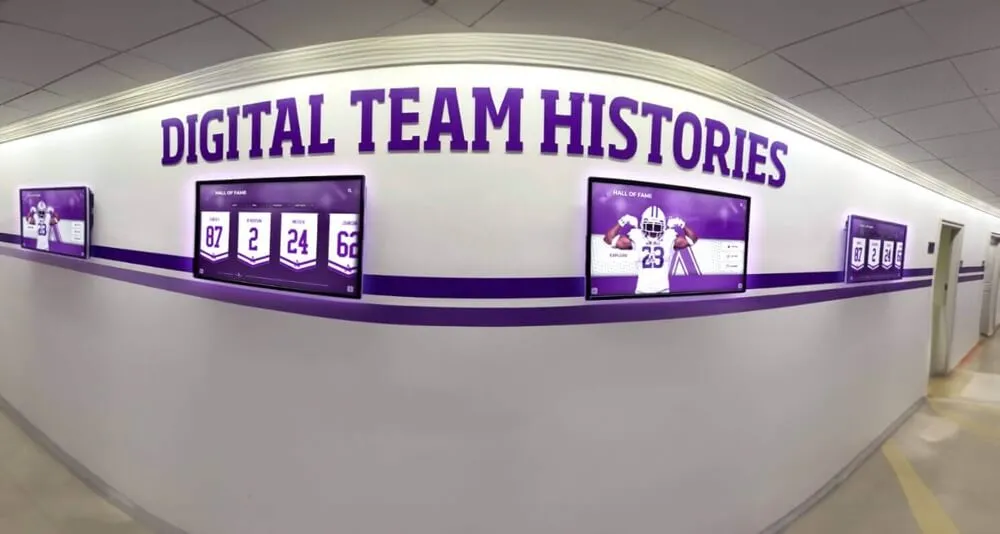
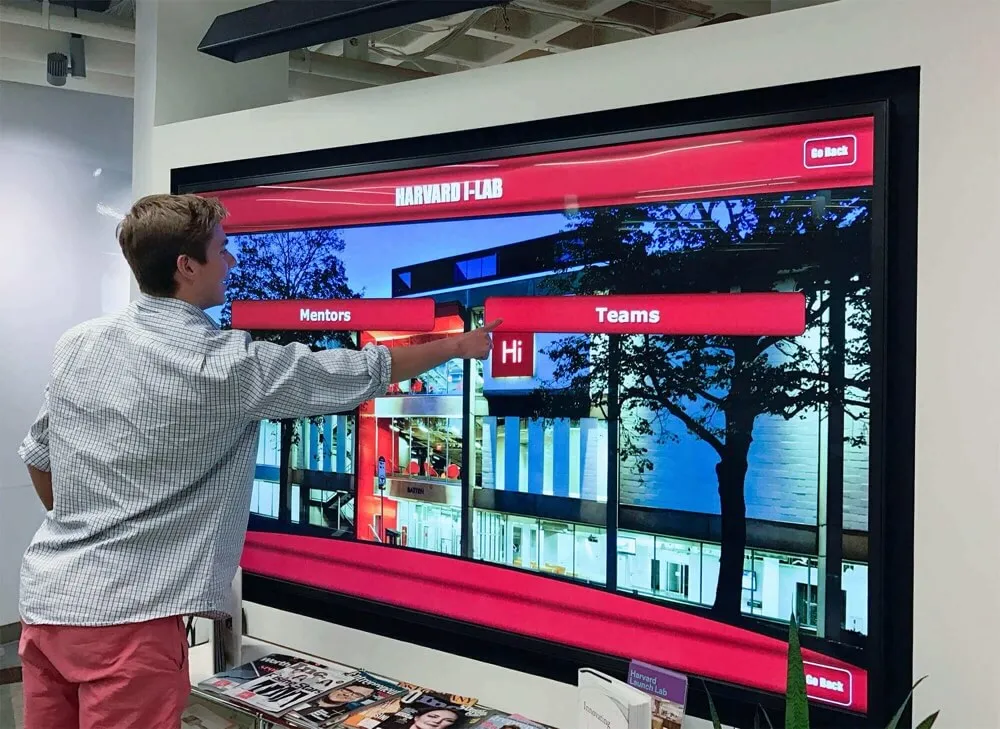
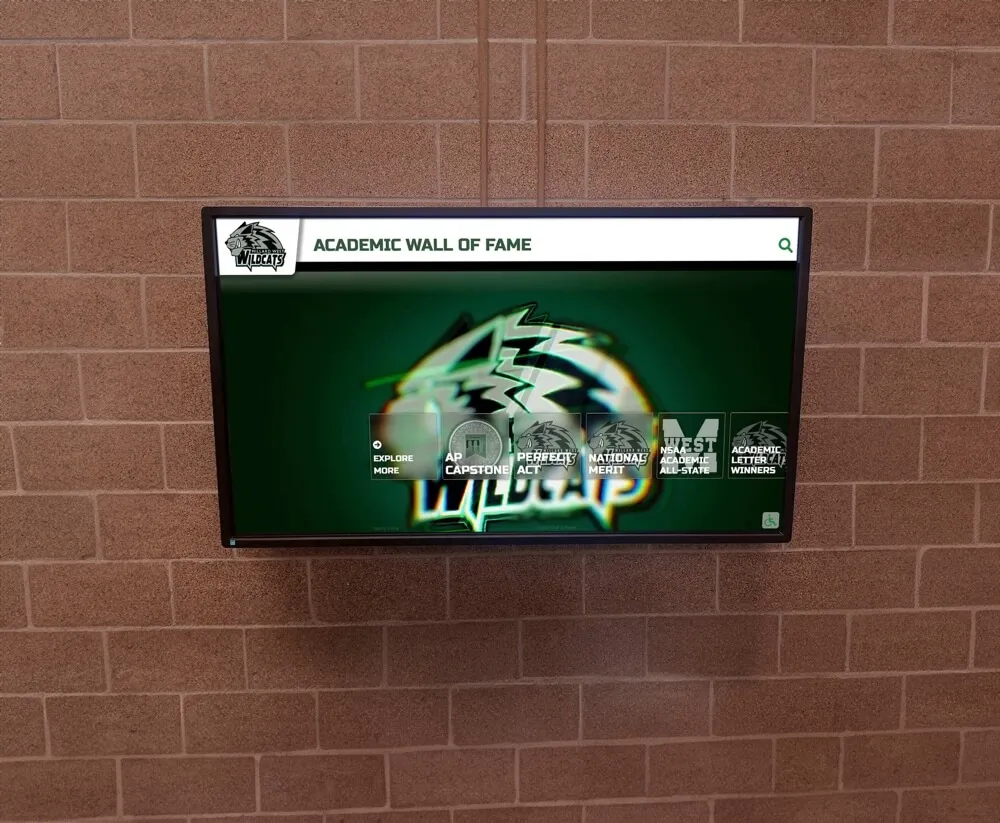
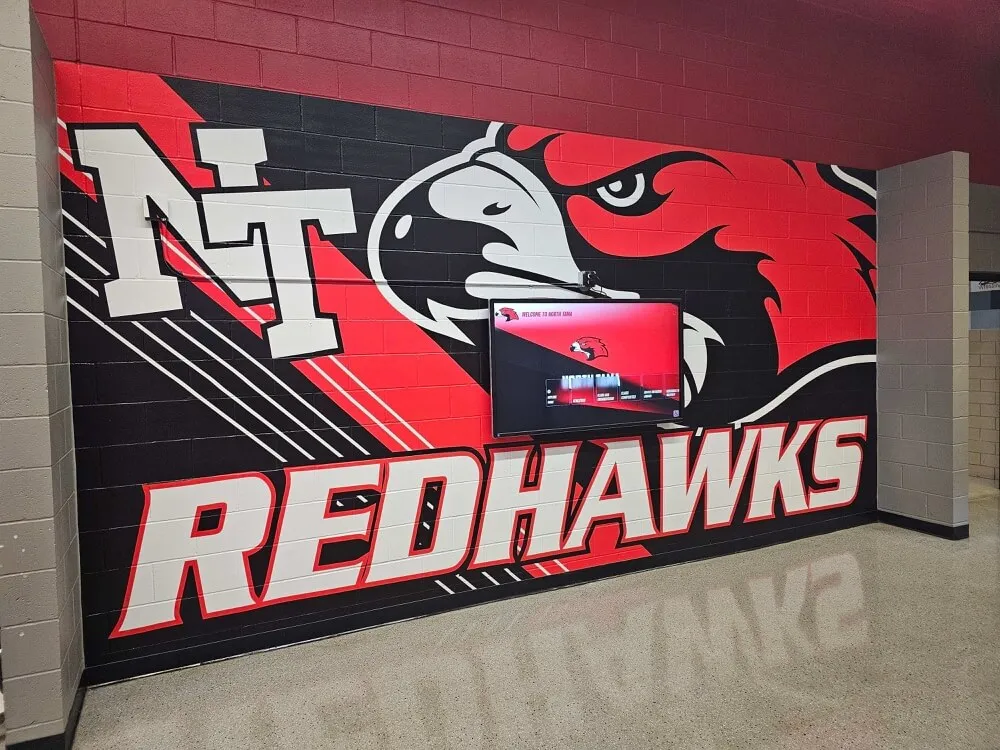
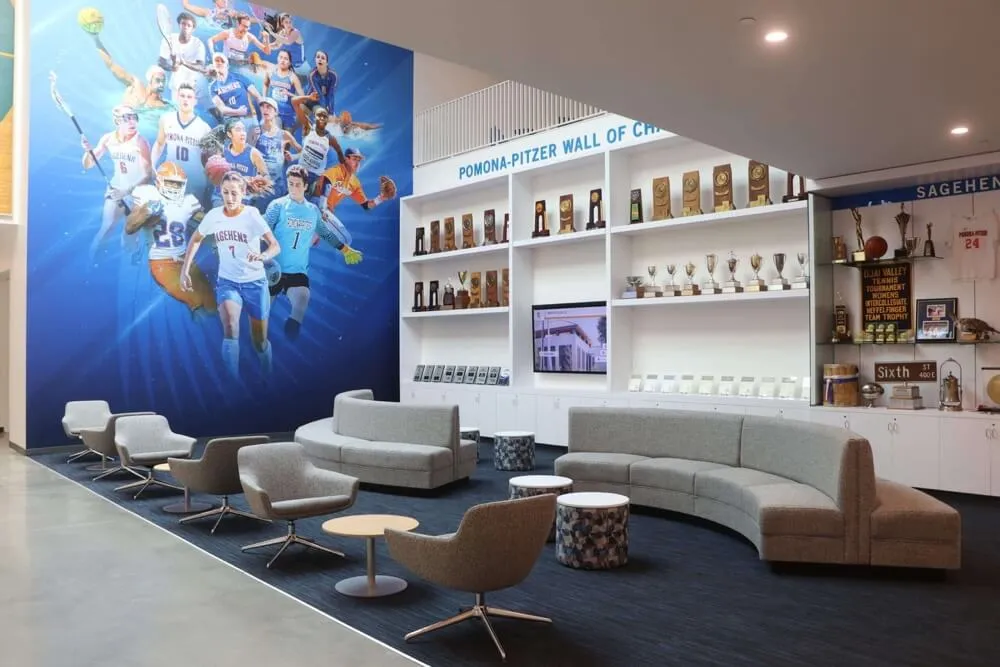
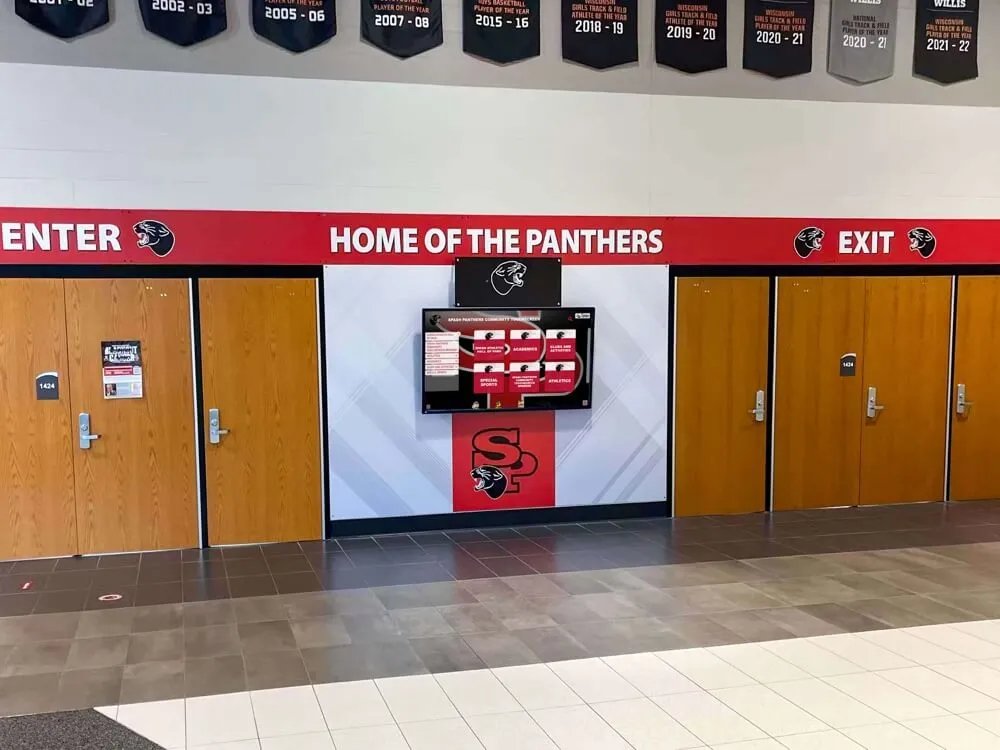
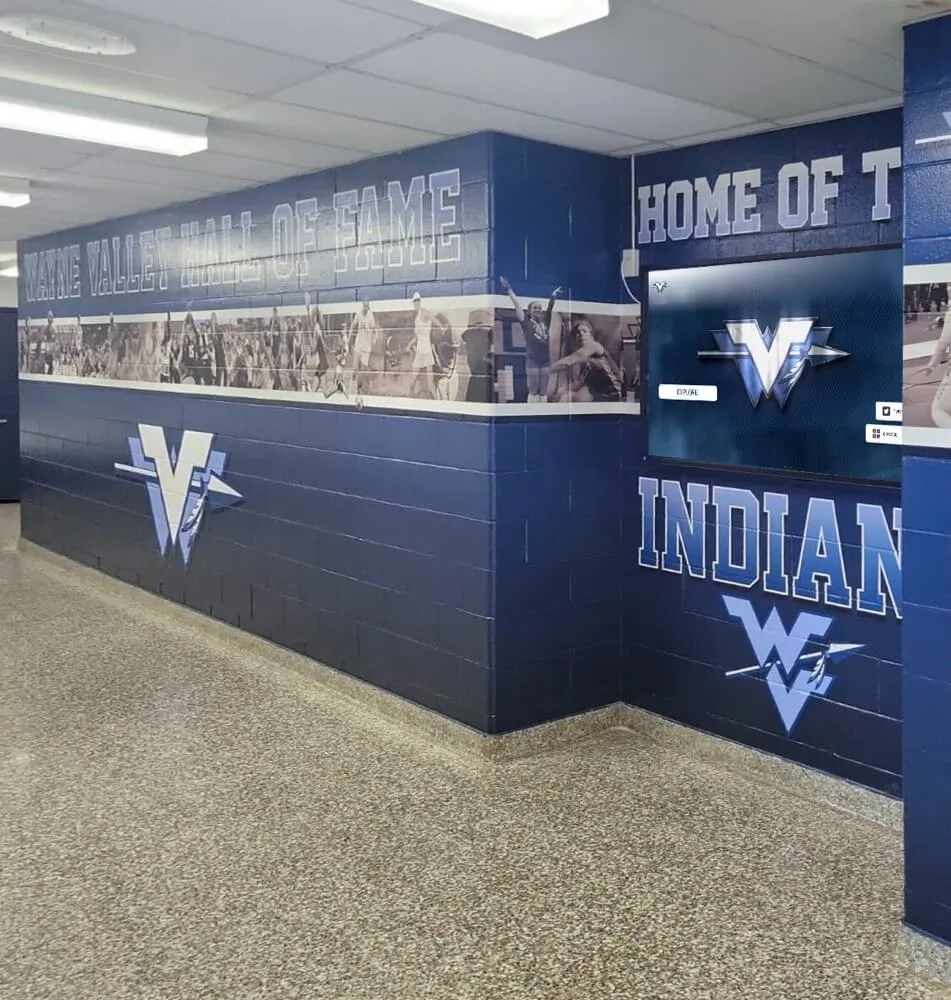
Recognition displays and banner programs depend on vendor relationships that a written selection policy governs — from the printer who produces sponsor signage to the technology partner who powers digital recognition screens
What Is a Booster Club Vendor Selection Policy?
A booster club vendor selection policy is a written document that specifies:
- When competitive bids are required — the dollar thresholds above which the organization must solicit multiple quotes before awarding a contract
- Who approves vendor selections — which officer or board committee has authority to approve purchases at each threshold
- How conflicts of interest are disclosed — the process for identifying and managing relationships between board members and candidate vendors
- How sponsor-preferred vendor commitments are honored — the procedure for fulfilling sponsor recognition deliverables that specify a particular vendor or product type
- How vendor decisions are documented — the records that accompany each selection, from the bid comparison to the final approval
A policy that addresses all five elements gives the board, school administration, and any outside reviewer a complete picture of how every significant vendor relationship was established and maintained. Programs that have navigated disputes over vendor favoritism, sponsor recognition failures, or board member conflicts almost universally find that the missing piece was a written policy applied consistently, not just an informal shared understanding.
Competitive Bid Thresholds: When to Require Multiple Quotes
The most operationally significant part of a vendor selection policy is the threshold structure — the dollar amounts above which the organization must obtain competing quotes before selecting a vendor. Most booster clubs operate effectively with a three-tier structure:
| Purchase Amount | Requirement |
|---|---|
| Under $500 | Single quote acceptable; treasurer approval |
| $500–$2,500 | Minimum two written quotes; board officer approval |
| Over $2,500 | Minimum three written quotes; full board vote required |
| Multi-year contracts (any amount) | Board vote required; legal review recommended for contracts over $5,000 |
These thresholds are illustrative — your organization’s policy should reflect the actual scale of your typical purchases and any requirements set by your school district. Programs that run large-scale events or manage significant recognition infrastructure may set lower thresholds to ensure board visibility on more purchases.
What Counts as a Quote
A quote for policy purposes should include: vendor name and contact information, itemized description of goods or services, unit pricing and total cost, delivery or completion timeline, and any warranty or support terms. Verbal quotes do not satisfy a written-quote requirement. Email confirmations from the vendor are acceptable as written quotes if they contain all required elements.
When no competing vendors exist for a specialized product or service, the policy should define how sole-source purchases are documented — typically a written justification from the purchasing officer explaining why competitive bidding was not feasible, approved by the board or a designated officer before the purchase is made.
Annual Vendor Contracts
Recurring vendor relationships — the apparel company the program uses every season, the printing vendor for banners and programs, the software provider for digital recognition displays — should be reviewed at least annually rather than renewed automatically. An annual review does not require re-bidding every contract every year, but it should produce a documented decision: whether the existing vendor relationship continues (and why), whether quotes from alternatives were obtained, and whether the pricing and service terms have changed materially.
For programs reviewing their recognition vendor relationships, understanding what a comprehensive digital recognition system delivers — and what to compare when evaluating vendors — is addressed in Rocket Alumni Solutions hardware setup and support reviews, which covers evaluation criteria applicable to any school recognition technology purchase.
Conflict of Interest Disclosure for Vendor Relationships
Conflicts of interest in vendor selection arise when a board member or volunteer with purchasing authority has a personal, financial, or family relationship with a candidate vendor. These relationships do not automatically disqualify a vendor — but they must be disclosed, and the conflicted person must be removed from the decision-making process for that purchase.
Common Conflict Scenarios in Booster Club Purchasing
| Scenario | Policy Requirement |
|---|---|
| Board member owns or works for a candidate vendor | Disclosure required; board member recuses from vote |
| Board member’s spouse or immediate family member owns a candidate vendor | Disclosure required; recusal required |
| A board member receives personal compensation from a vendor the club uses | Disclosure required; legal review recommended |
| A volunteer with no board role has a relationship with a vendor | Disclosure encouraged; no formal recusal if volunteer lacks purchasing authority |
| A sponsor’s affiliated business is a candidate vendor | Disclose sponsor relationship; evaluate vendor independently on merit |
The disclosure process should be documented: a written statement from the conflicted individual identifying the relationship, a board vote confirming the recusal and the selection process, and a record of the final decision made without the conflicted member’s participation.
The Disclosure Form
A conflict of interest disclosure form for vendor selection typically includes: the name of the disclosing board member, the vendor name and the relationship being disclosed, the nature of the financial or personal connection, the purchases under consideration, and the date of disclosure. Most booster clubs include a vendor conflict disclosure as part of the annual conflict of interest statement that officers sign at the start of each fiscal year — but specific disclosures should also be made in real time as new purchasing decisions arise.
For booster programs that coordinate recognition programs alongside their purchasing policies, understanding how sponsorship acknowledgment and recognition fulfillment connects to vendor accountability helps boards see the full documentation chain from sponsor payment through recognition delivery.
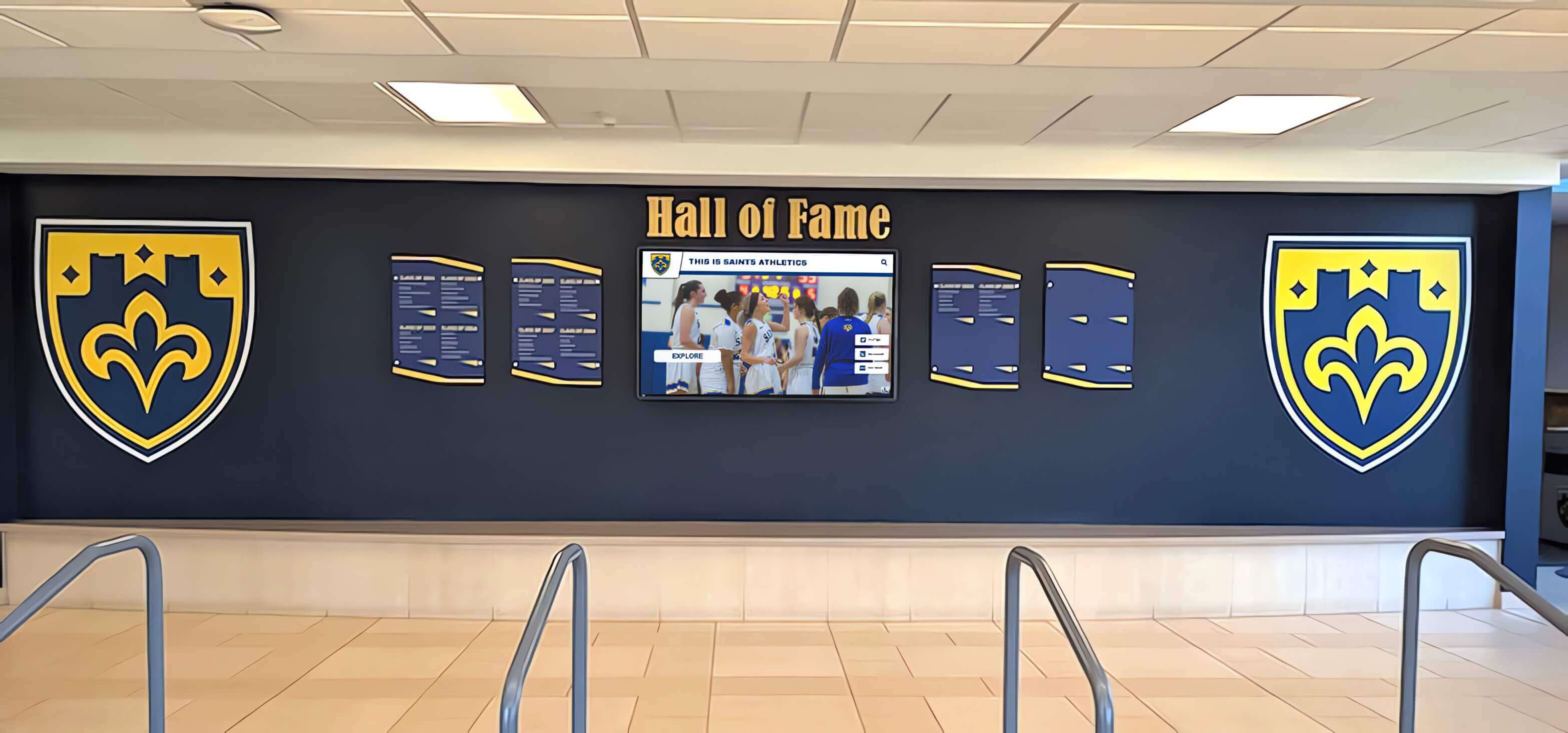
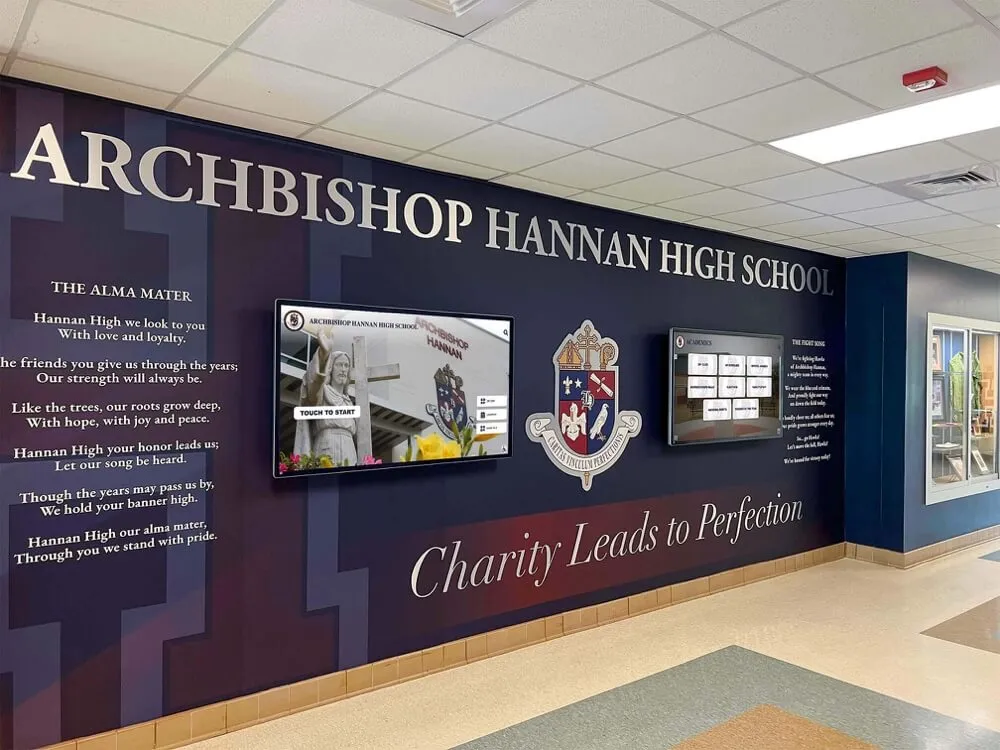
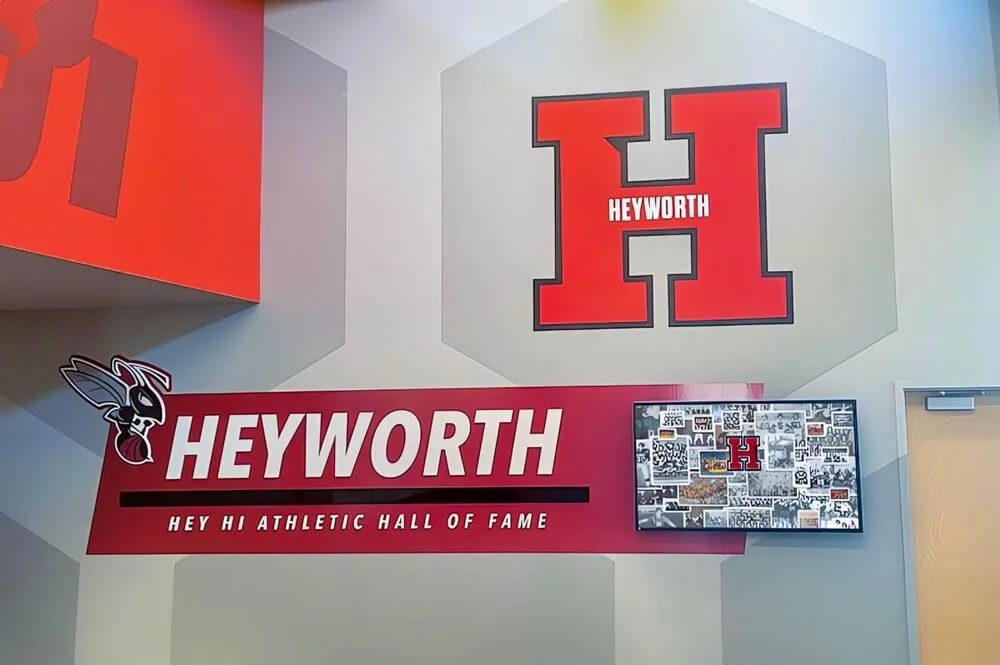
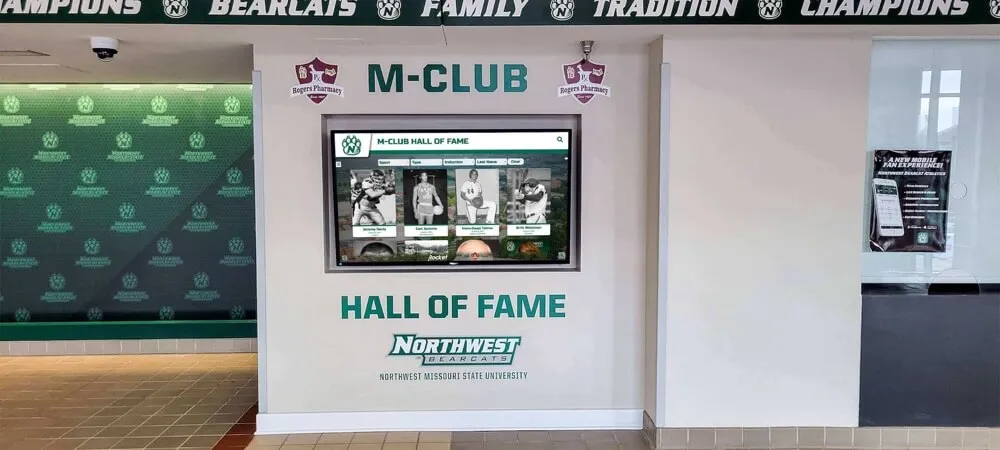
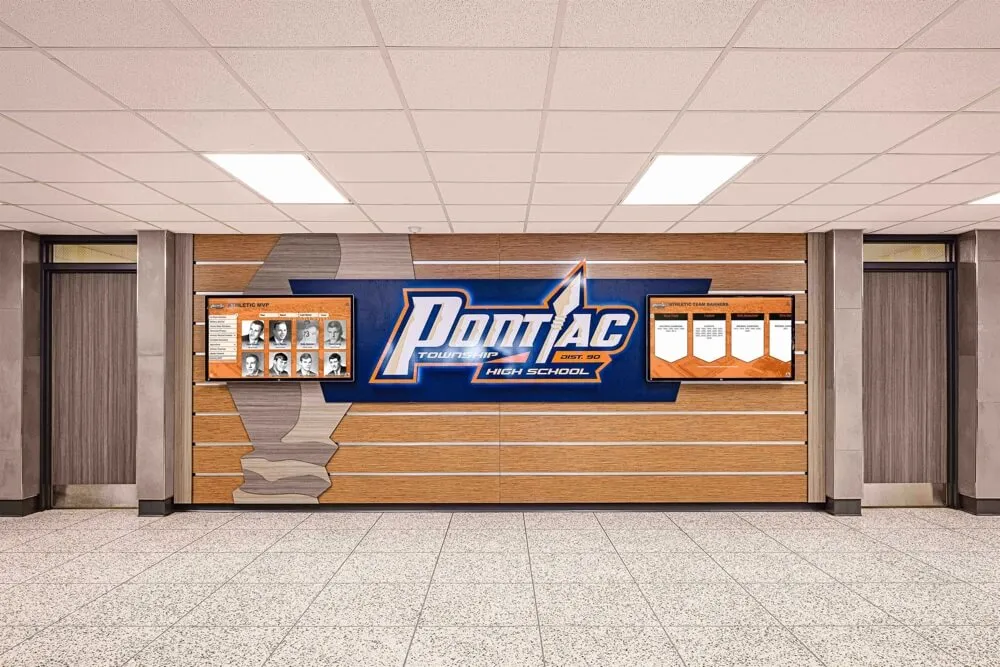
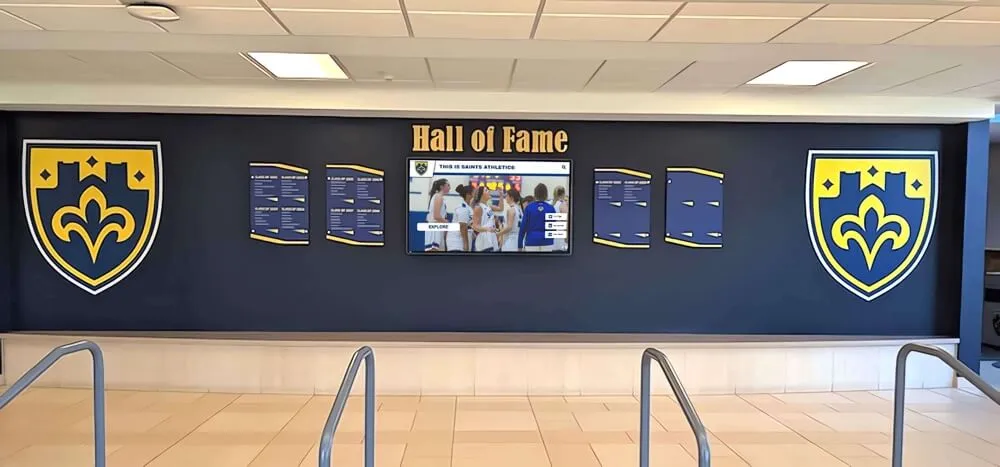
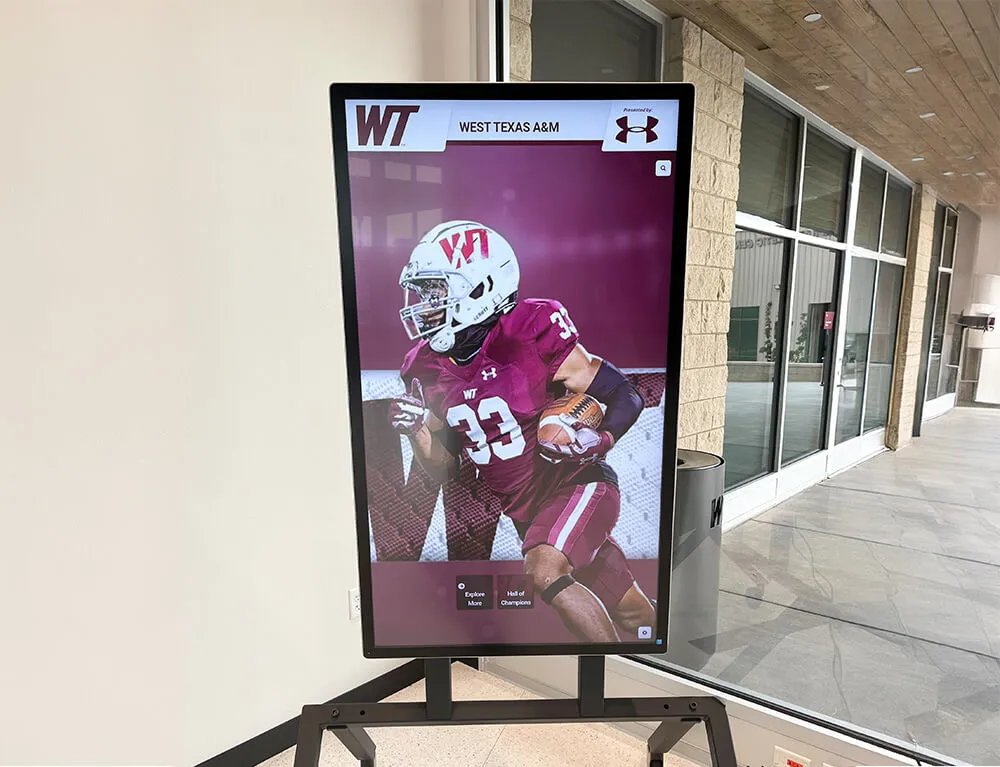
Recognition installations like a lobby shield display and digital screen involve multiple vendors — fabricators, printers, technology providers, and installers — each of which should be selected through a documented process that protects the board and honors sponsor expectations
Sponsor-Preferred Vendor Commitments and How to Honor Them
A sponsor-preferred vendor commitment arises when a sponsorship agreement specifies that recognition deliverables will be produced using a particular vendor, brand, or technology platform. Title sponsors sometimes negotiate preferred vendor provisions as part of their agreement — requiring that their logo appear on certain printed materials, that their recognition screen use a specific display format, or that a named partner handle event photography.
These commitments create a legitimate exception to the competitive bid requirement — but only when the preference is documented in the signed sponsor agreement, the scope of the preference is clearly defined, and the board has approved the agreement that contains the commitment.
Documenting Sponsor-Preferred Vendor Provisions
When a sponsor agreement includes a vendor preference:
- Identify the provision in writing — note the specific vendor name or category preference in the board’s summary of the agreement
- Confirm the scope — determine which purchases fall within the sponsor preference and which fall outside it
- Document the exception — record that competitive bidding was waived for covered purchases because of the sponsor agreement, citing the agreement date and section
- Review annually — re-confirm that the sponsor’s preferred vendor relationship remains in effect when the sponsorship is renewed
Sponsor-preferred vendor provisions that are documented at the agreement stage are straightforward to honor and easy to audit. Preferences that emerge informally mid-season — a sponsor calls and insists their relative’s print shop be used, without any provision in the original agreement — are a different category and should be declined or escalated to the full board rather than accommodated informally.
When Sponsor Preferences Conflict with Other Policy Requirements
A sponsor-preferred vendor that has a conflict of interest with a board member presents a compounded problem: the organization has a sponsor commitment pointing toward one vendor and a conflict that requires documented recusal from that decision. The right response is to disclose both the sponsor preference and the board member conflict to the full board, document the recusal, and confirm that the sponsor preference in the agreement is the operative reason for vendor selection — not the conflicted relationship.
For programs that have built sponsor recognition deliverables into their annual calendar, sports media guide templates for schools illustrate how recognition commitments made to sponsors flow through program documentation — a parallel structure that vendor selection records should mirror.
Vendor Evaluation Criteria: Apparel, Printing, and Event Categories
Beyond price, a vendor selection policy should define the evaluation criteria the board uses to compare competing quotes. Consistent criteria applied across vendor categories make the selection defensible and help the program build long-term vendor relationships based on performance rather than familiarity.
Apparel and Spirit Wear Vendors
| Evaluation Criterion | What to Assess |
|---|---|
| Per-unit pricing at program volumes | Compare unit cost at your typical order sizes, not catalog minimums |
| Decoration quality | Screen printing, embroidery, and sublimation quality for your logo and colors |
| Turnaround time | Days from order to delivery for both in-season and rush orders |
| Minimum order quantities | Whether minimums align with your typical purchase volumes |
| Sample availability | Whether the vendor provides pre-order samples for quality review |
| Sponsor logo placement | Whether the vendor can accurately reproduce sponsor logos per agreement requirements |
Apparel vendors that cannot reliably produce sponsor logo placements according to the specifications in a recognition agreement are a compliance risk, not just a quality issue. When apparel is a sponsor recognition deliverable — jerseys that carry a title sponsor’s logo, for example — the vendor who produces them must be capable of meeting the specification, not just the price.
Printing and Signage Vendors
Banner and signage printing for sponsor recognition is one of the highest-stakes vendor categories for booster programs because the output becomes the public evidence that sponsor commitments were honored. Evaluation criteria should include:
- Color accuracy — ability to match brand colors from Pantone or CMYK specifications
- Material durability — outdoor versus indoor ratings for each banner location
- Bleed and resolution requirements — whether the vendor’s production process handles artwork correctly without quality loss
- Proof process — whether the vendor provides a digital proof before production
- Installation capability — whether the vendor handles installation or only production
For programs that coordinate printed sponsor recognition alongside digital display recognition, evaluating both vendor categories in parallel — and ensuring their outputs are visually consistent — is a quality standard that a vendor selection policy can formalize.
Event Vendors
Event vendors — photographers, caterers, audio-visual crews, timing services — are often selected through personal networks rather than competitive processes. A vendor policy brings the same bid-threshold and documentation requirements to event vendors as to any other category:
| Purchase Category | Typical Threshold Considerations |
|---|---|
| Event photography | Annual expenditure often exceeds $500 threshold; competitive quotes appropriate |
| Audio-visual and sound | Multi-event contracts warrant annual vendor review |
| Catering and concessions | Per-event purchases may fall below threshold; season totals may not |
| Timing and event management services | Specialty vendors may qualify for sole-source justification |
For programs that use event vendors to produce content that feeds into permanent recognition programs — photography for hall of fame inductee profiles, for example — vendor quality directly affects the recognition output, making evaluation criteria for accuracy, file format delivery, and licensing important alongside price.
Volunteer-appreciation events for booster volunteers who support vendor logistics also connect to program recognition, and volunteer appreciation ideas for schools provide useful framing for how vendor-supported events can be structured to acknowledge the people who make them possible.
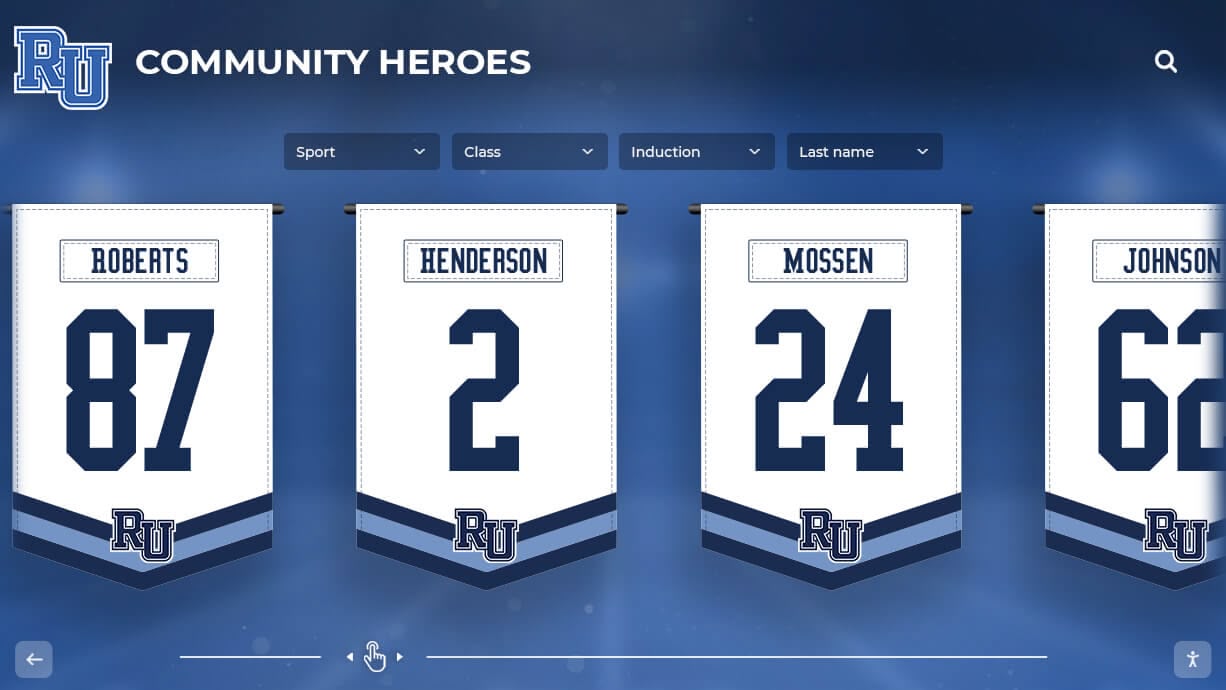
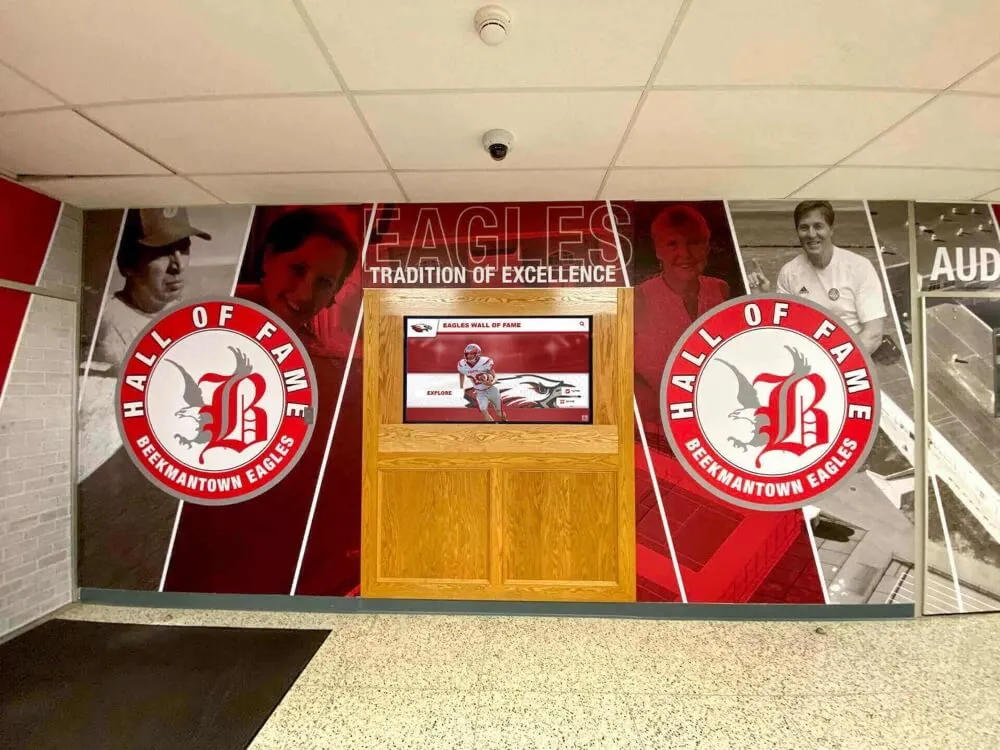
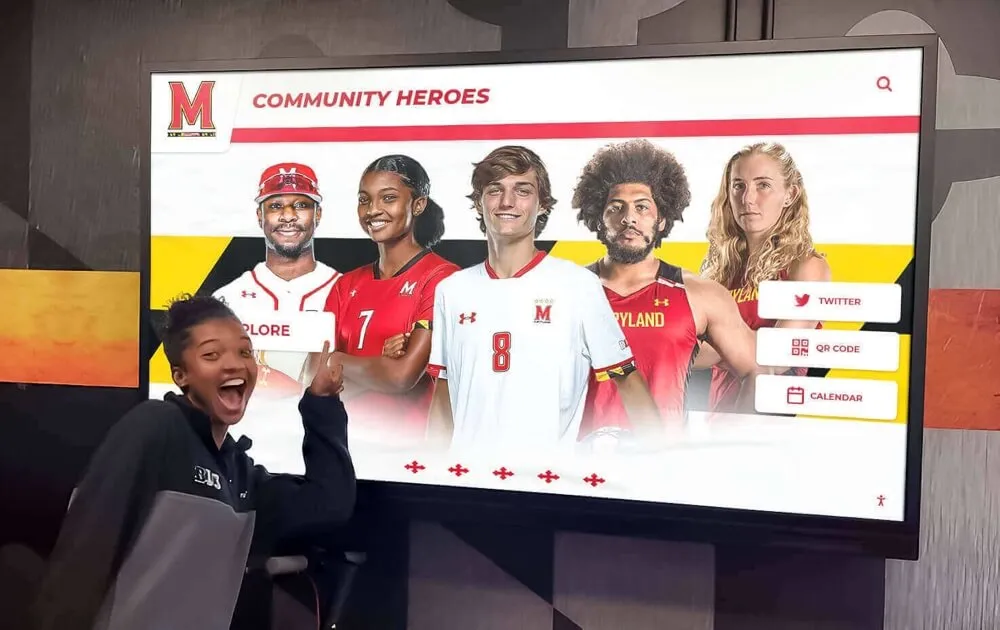
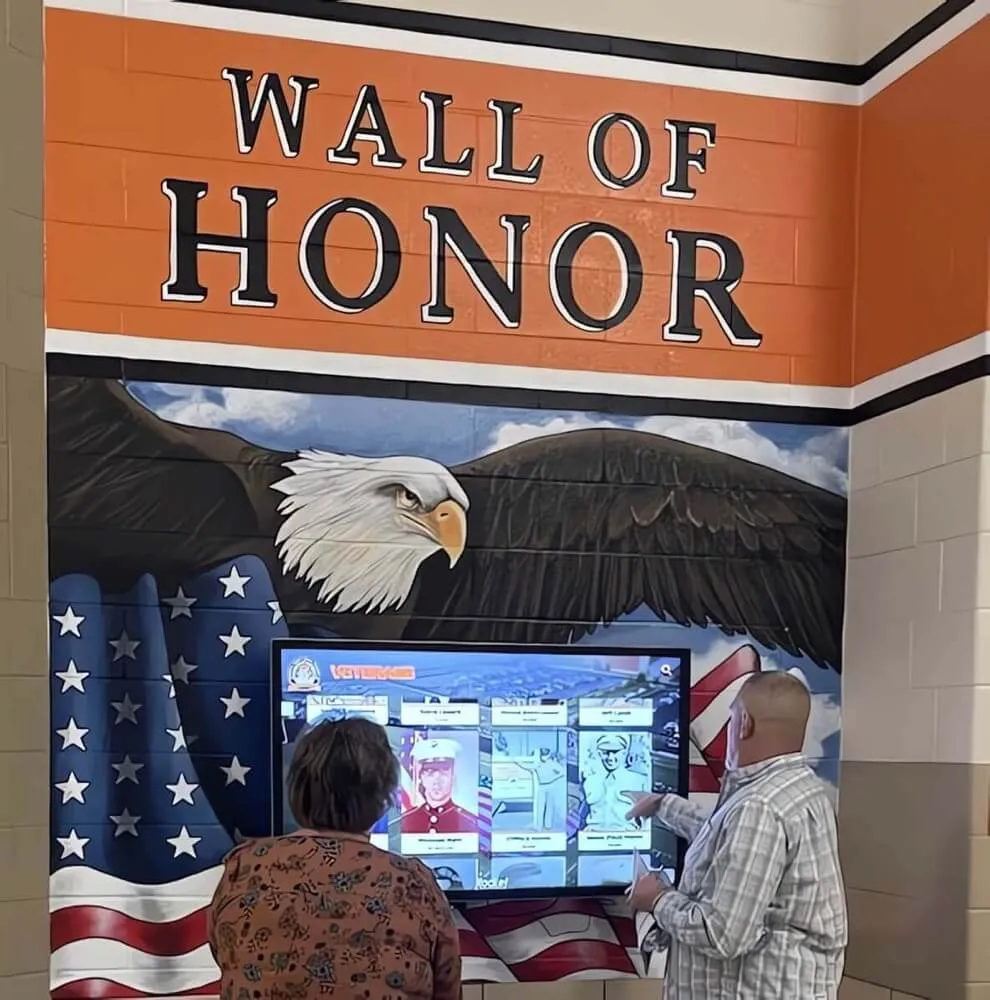
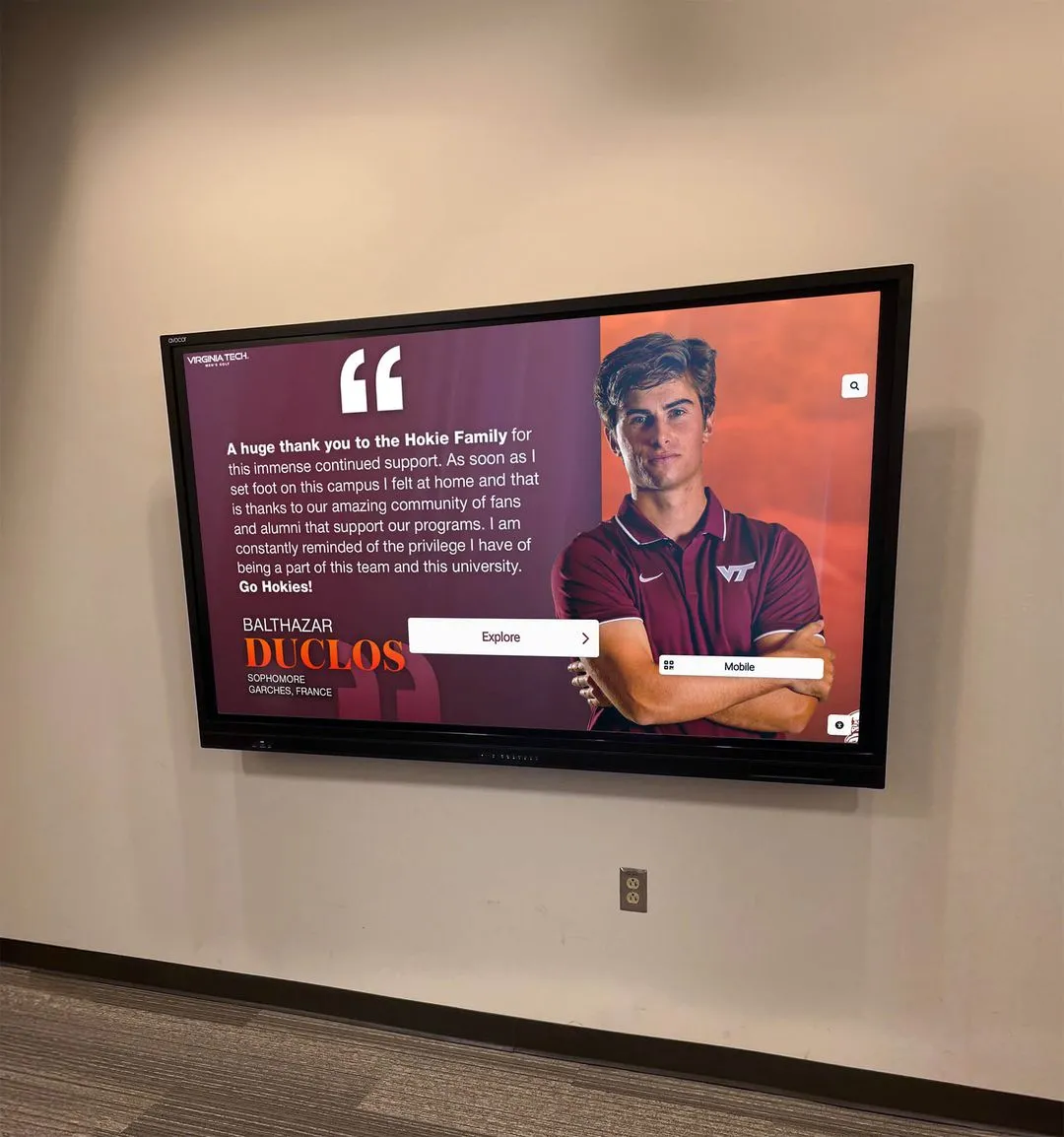
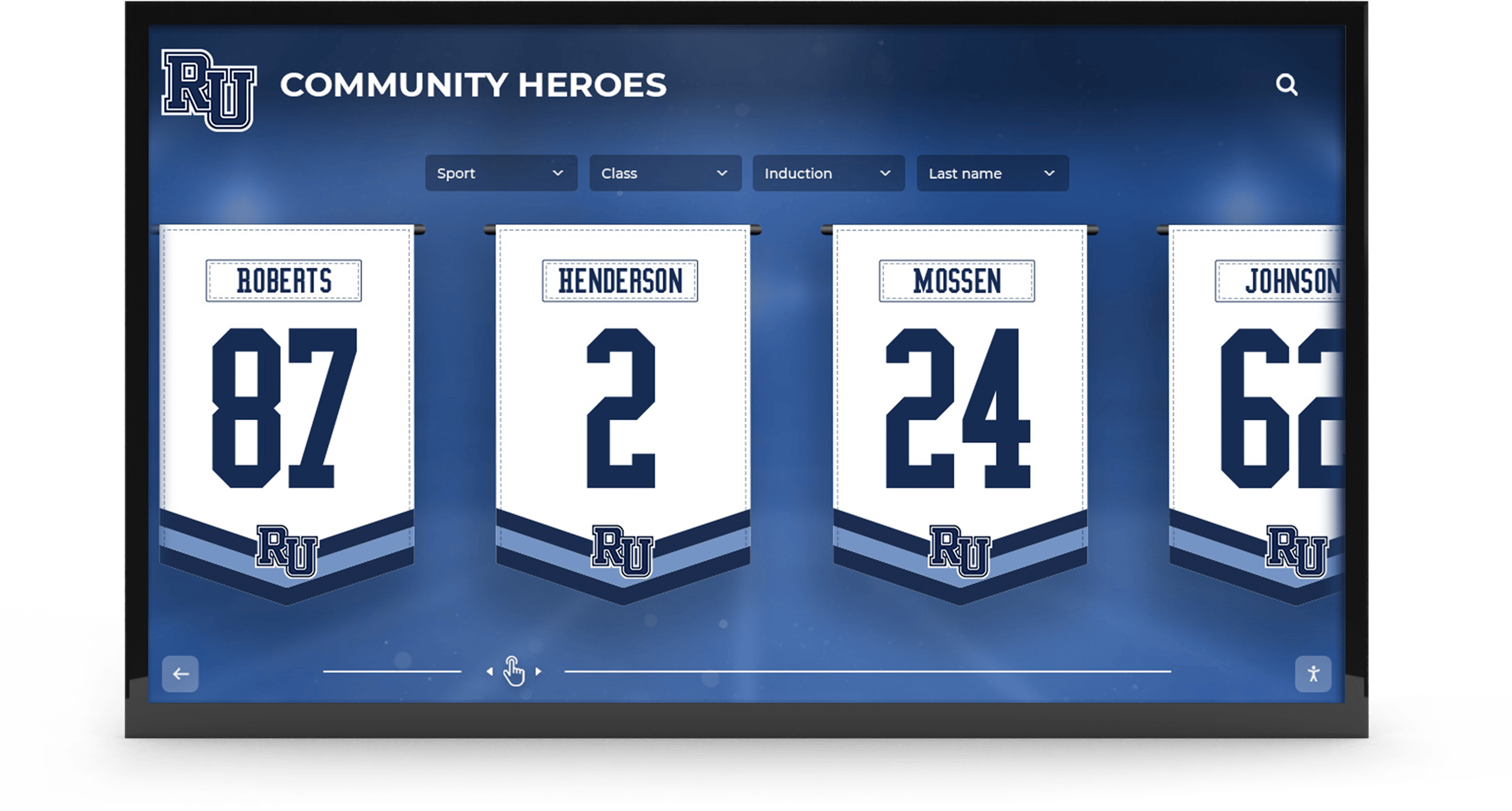
Hanging jersey banners for a community heroes program represent both a production purchase and a recognition fulfillment — the vendor selected to produce and install them should be chosen through a documented competitive process that connects to the original sponsor agreement
Digital Display and Recognition Vendor Considerations
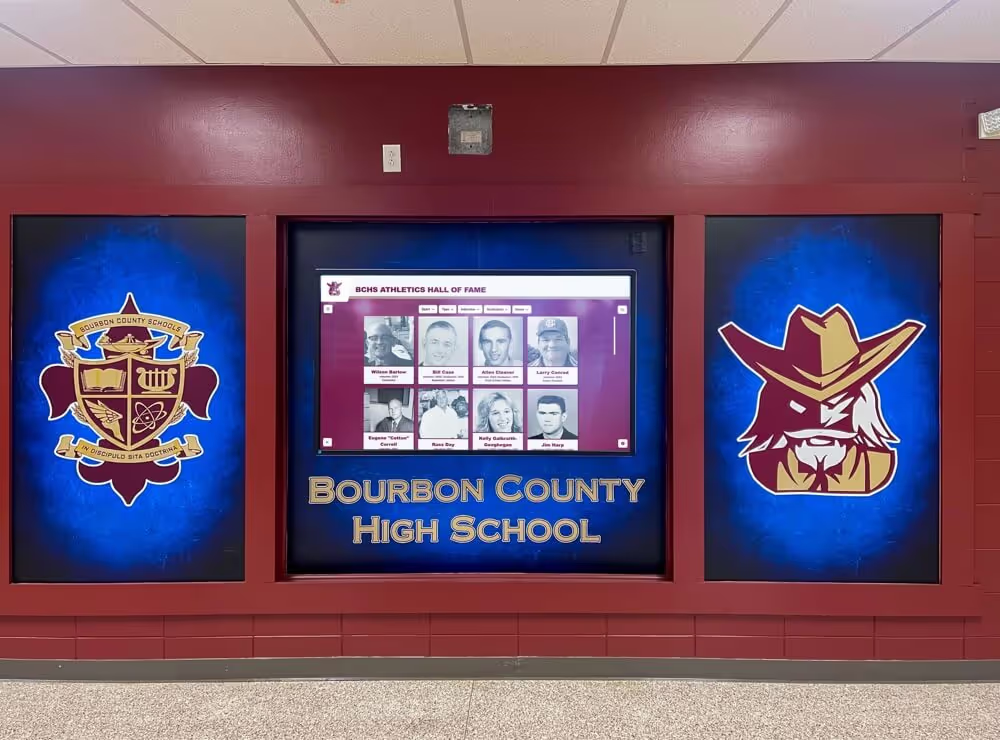
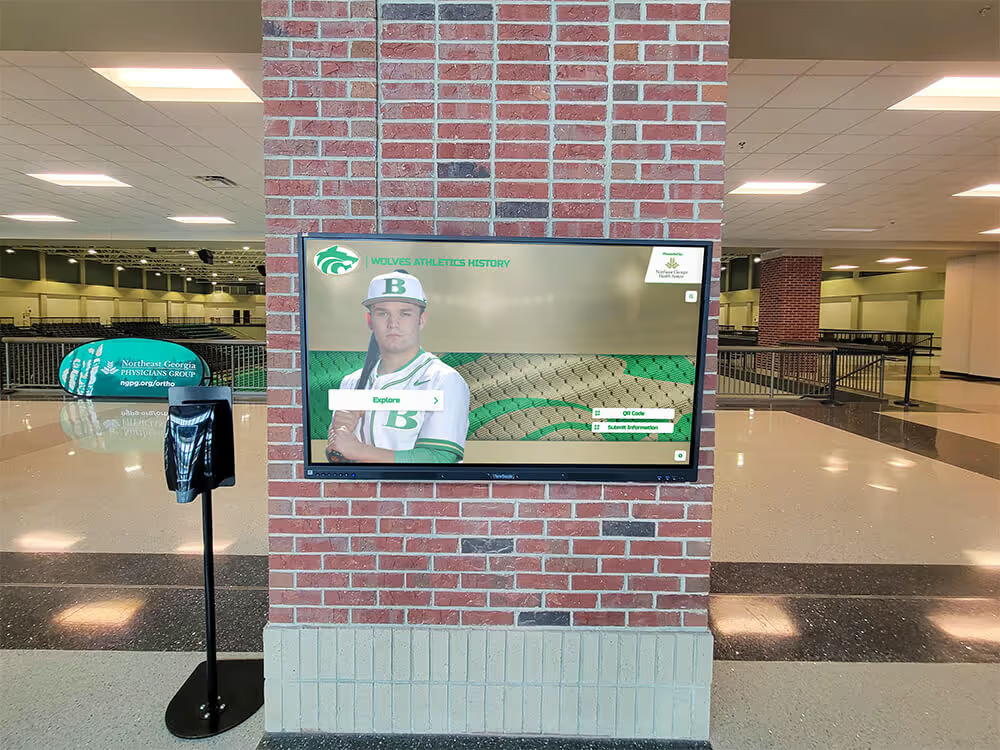
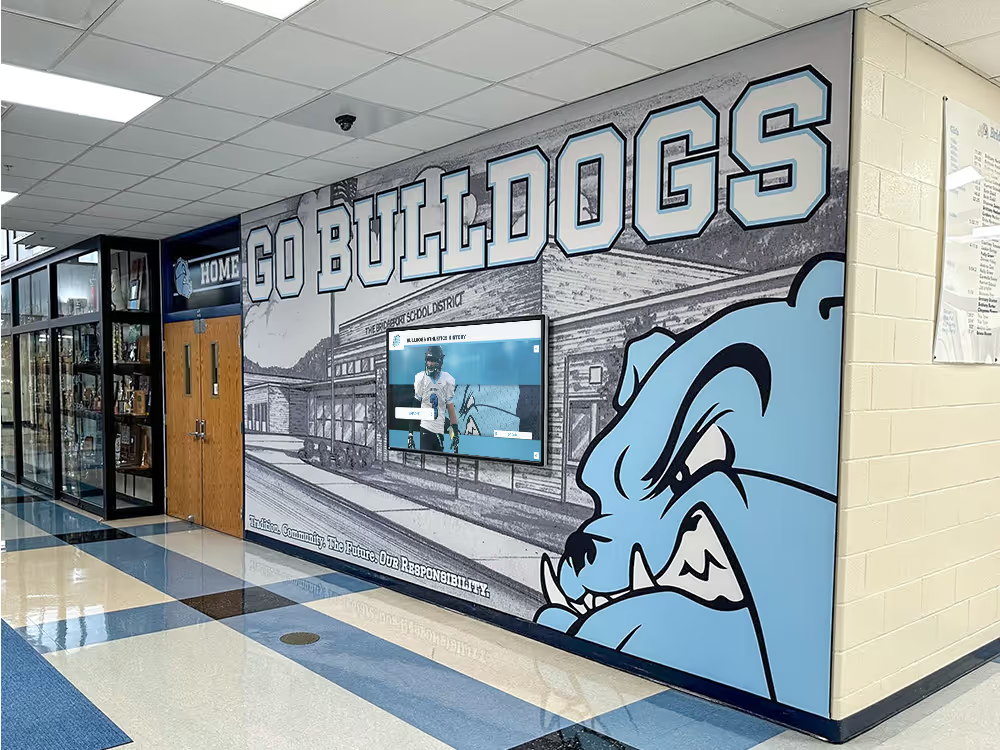
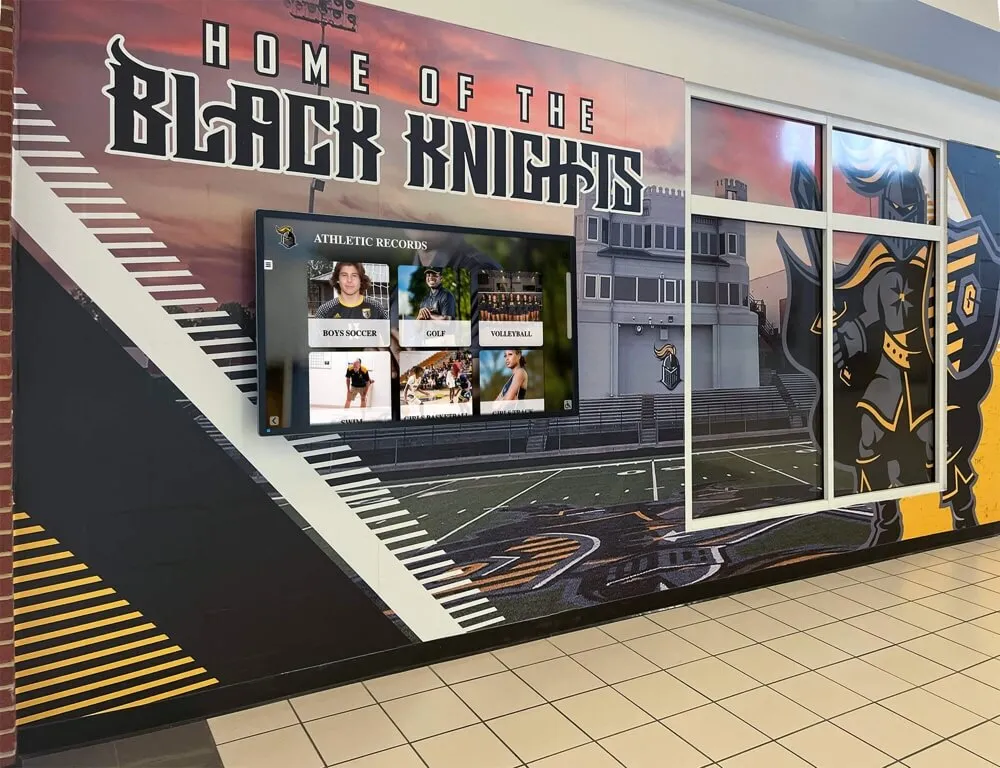
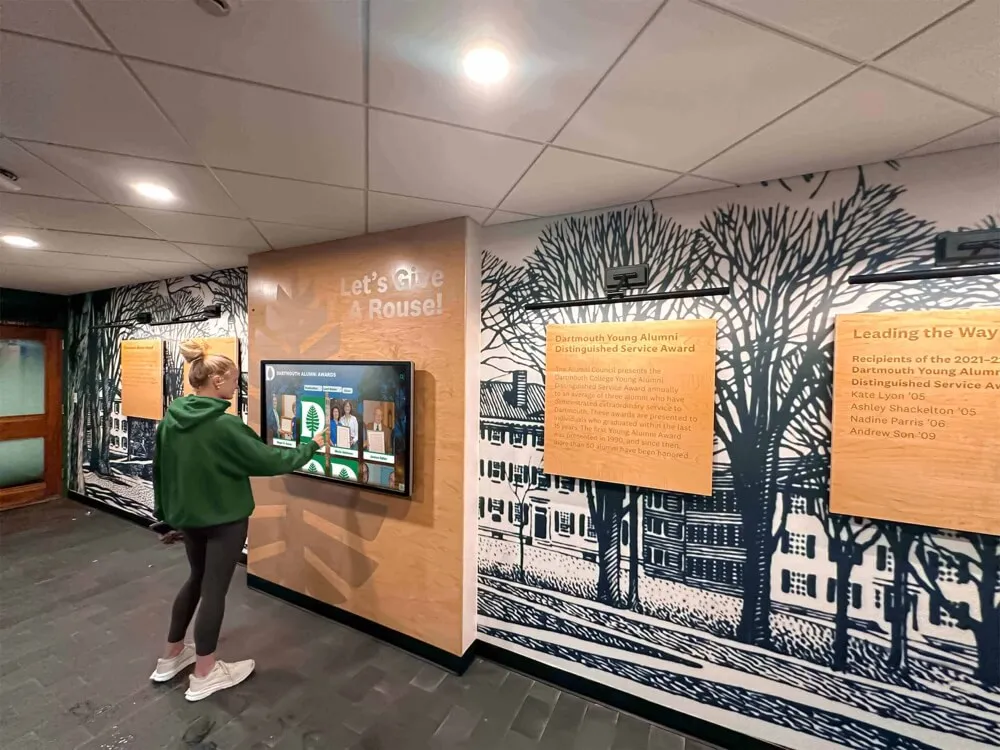
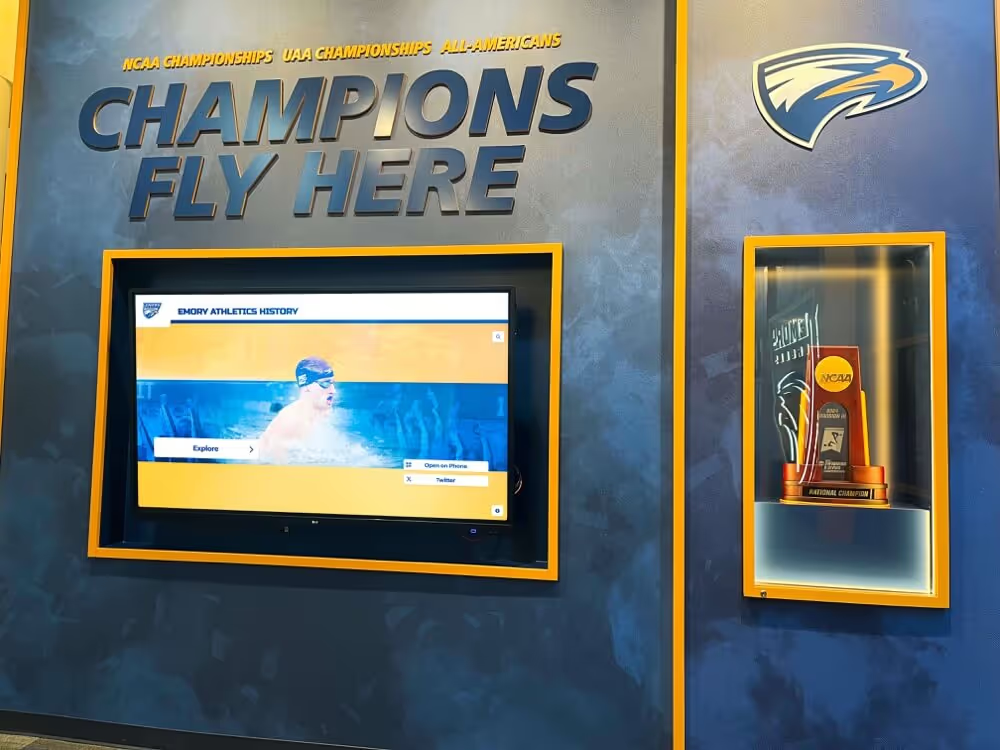
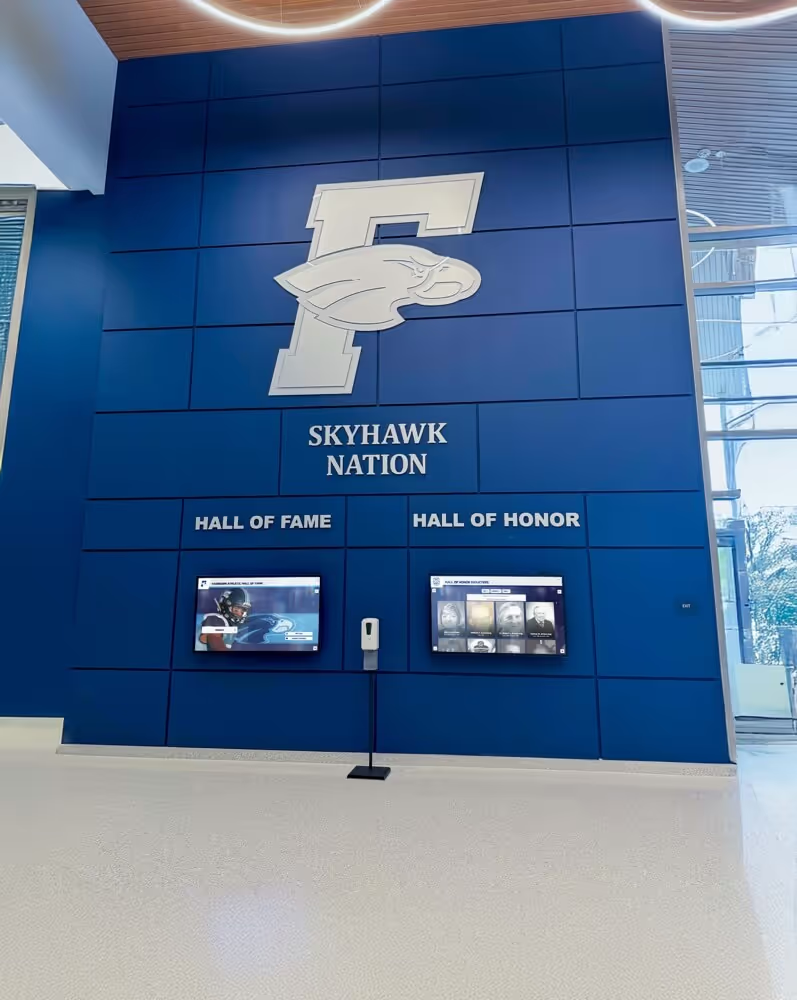
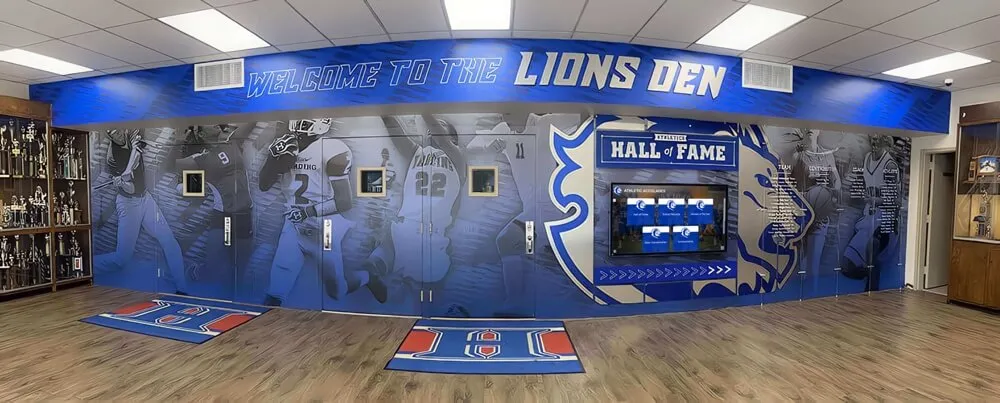
Digital recognition systems — interactive touchscreen displays, athletic record boards, donor recognition screens, and hall of fame installations — represent one of the most significant and longest-lived vendor relationships a booster program or school athletic department enters. Unlike apparel or event vendors, a digital recognition platform vendor typically provides both hardware and an ongoing software subscription, creating a multi-year relationship where switching costs are real.
Vendor selection for recognition technology should address:
| Evaluation Area | Key Questions |
|---|---|
| Hardware compatibility | Does the platform work with standard commercial displays, or does it require proprietary hardware? |
| Content management | How are inductees, records, and sponsor rotations updated — locally, remotely, or only through the vendor? |
| Sponsor recognition capabilities | Can sponsor logos, tier acknowledgments, and recognition commitments be displayed in the format your agreements specify? |
| Annual subscription structure | What does the recurring cost include — software only, content updates, support, hardware replacement? |
| Contract term and exit provisions | What are the terms for ending the relationship if the program’s needs change? |
| Installation and support | Who handles installation, training, and ongoing technical support? |
For programs evaluating recognition technology for the first time, alumni legacy digital wall guides cover the display and content management considerations that apply whether a school is installing an alumni wall, an athletic hall of fame, or a hybrid donor and sponsor recognition system.
Programs that already have digital recognition infrastructure and are reviewing vendor contracts as part of an annual vendor policy review can use outstanding students honor wall implementation guides as a benchmark for what a well-structured recognition system delivers — and what vendor capabilities it depends on.
Sponsor Recognition as a Vendor Selection Driver
When a sponsor agreement specifies that recognition will be delivered through a digital display — rotating sponsor logos, named sponsorship tiers shown on the recognition screen, or sponsor-funded naming of a display installation — the vendor relationship for that display system becomes a recognition commitment fulfillment vehicle, not just a technology purchase.
This means vendor selection for digital recognition systems should involve the same review of sponsor agreement terms that governs any preferred-vendor commitment: which sponsors have tied their recognition to digital display deliverables, what format those deliverables must take, and whether the candidate vendor’s platform can fulfill those specifications. Selecting a recognition technology vendor that cannot produce the display format a sponsor expects is both a vendor selection failure and a recognition fulfillment failure.
For programs connecting recognition vendor selection to long-term alumni engagement strategy, the intersection of alumni recognition and institutional legacy documentation offers perspective on how recognition display technology serves multiple audiences across a school’s extended community — an argument for vendor selection rigor that goes beyond cost comparison.
Recognition programs that grow to include graduation milestone acknowledgment, honor society recognition, and academic achievement displays alongside athletic records benefit from understanding how graduation recognition programs are structured — since those programs involve their own vendor relationships for cords, certificates, and display materials that a comprehensive vendor selection policy should cover.
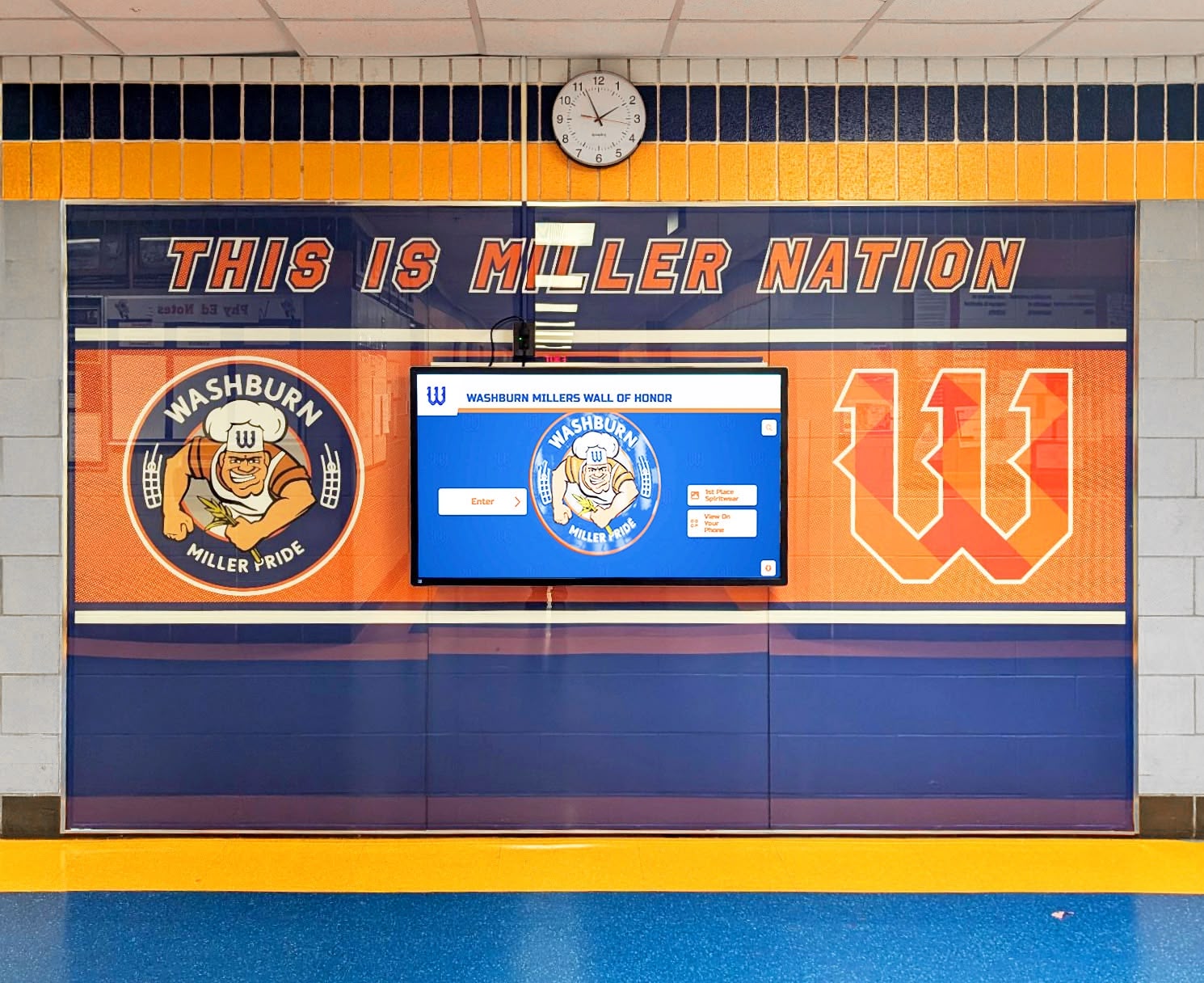
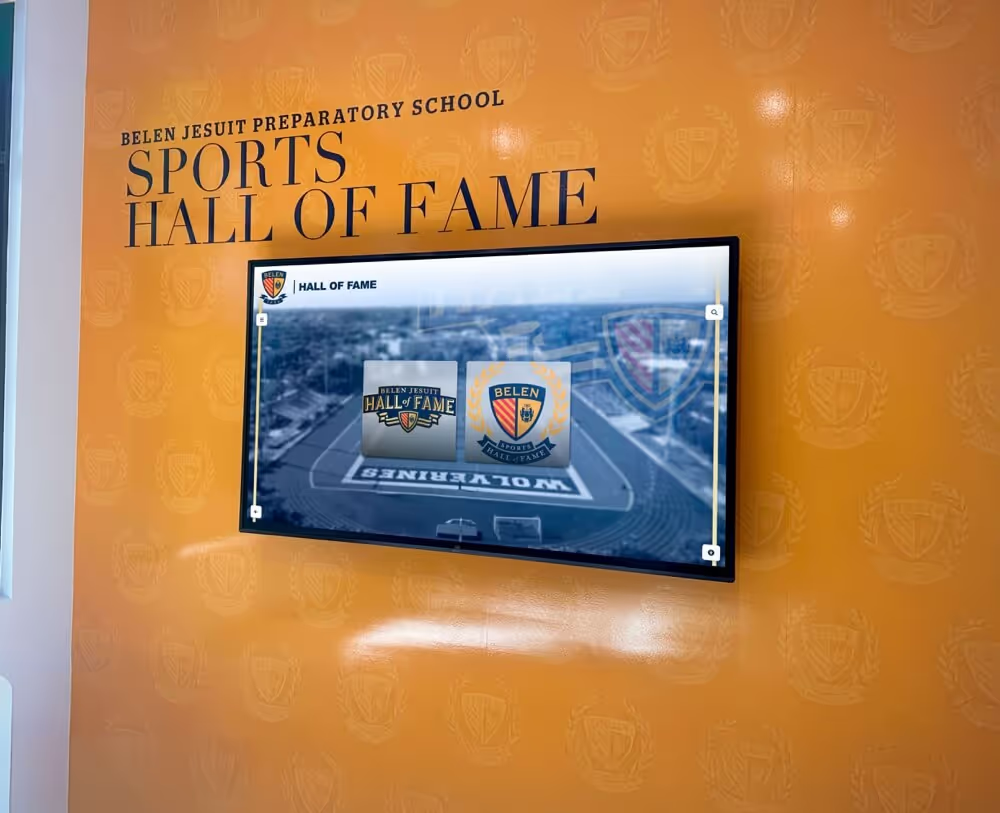
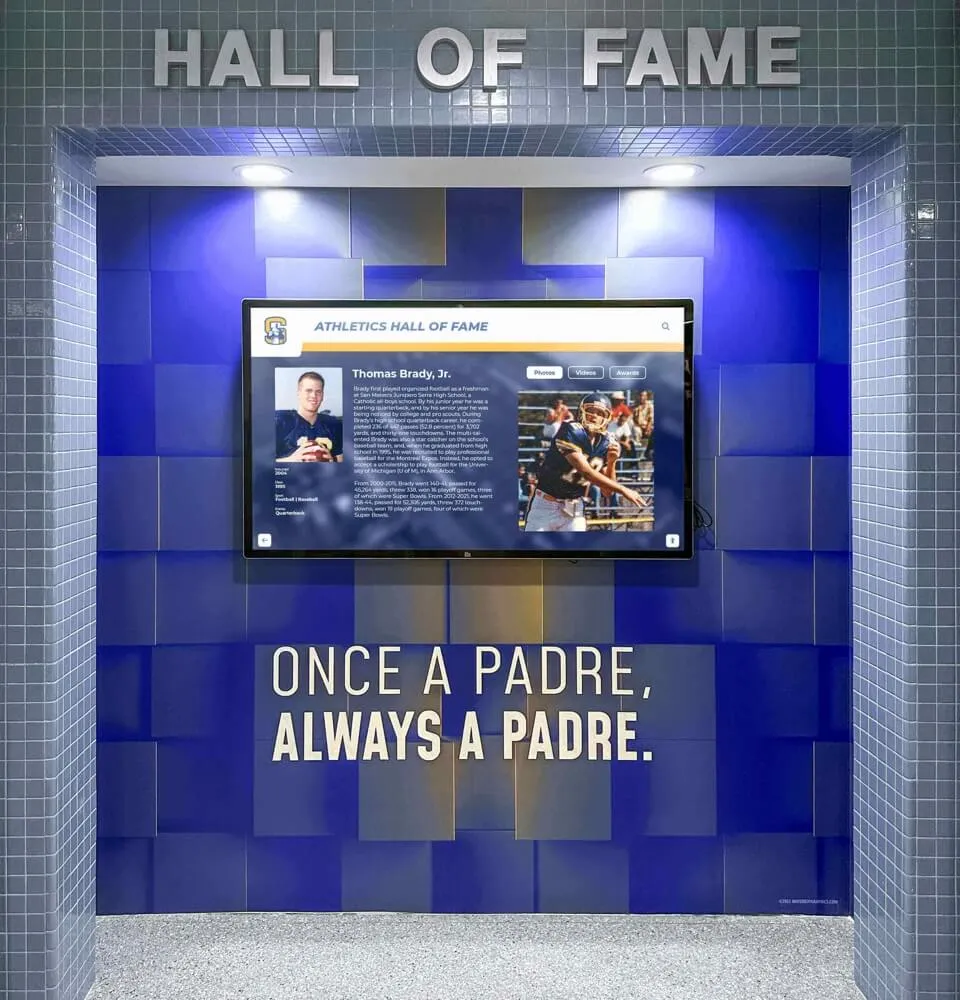
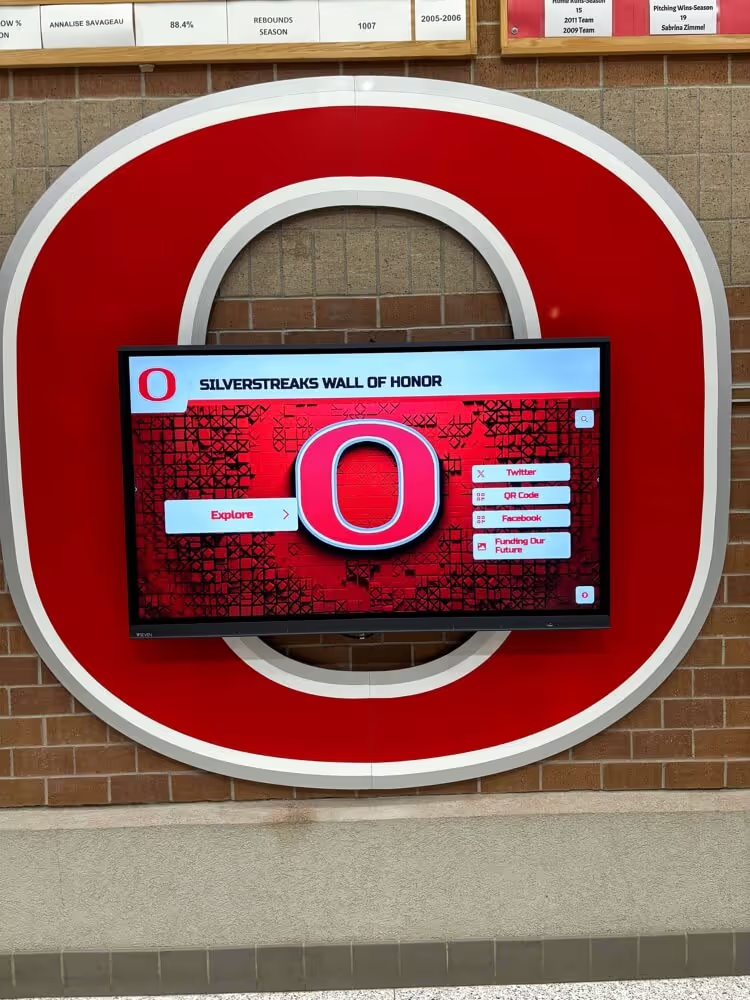
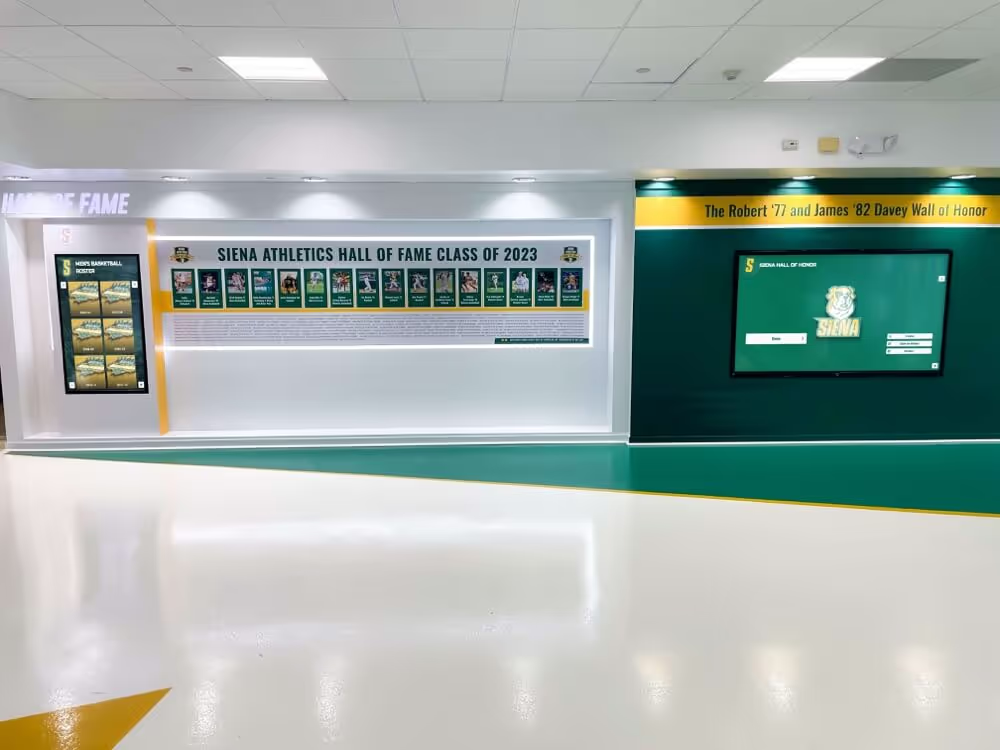
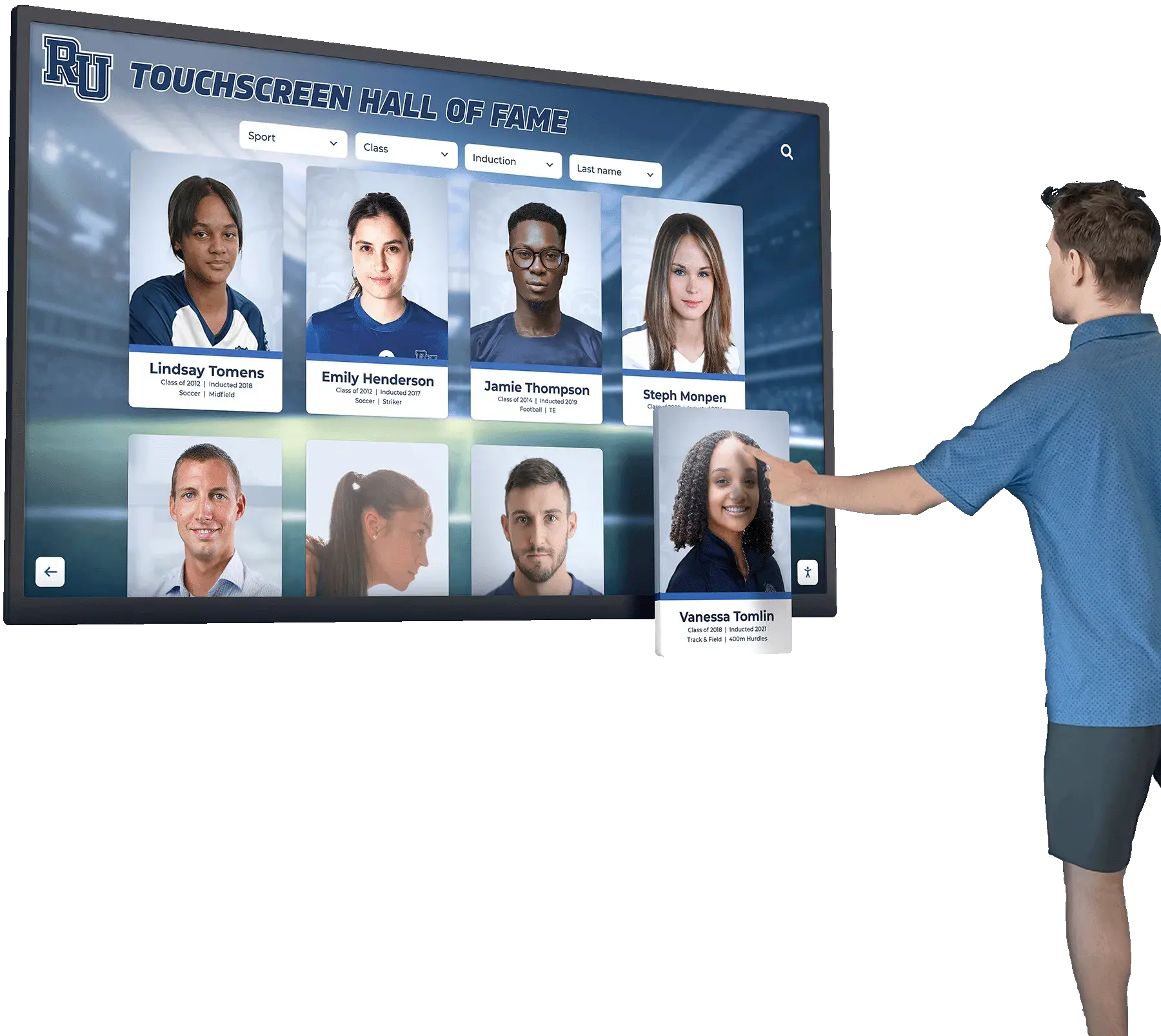
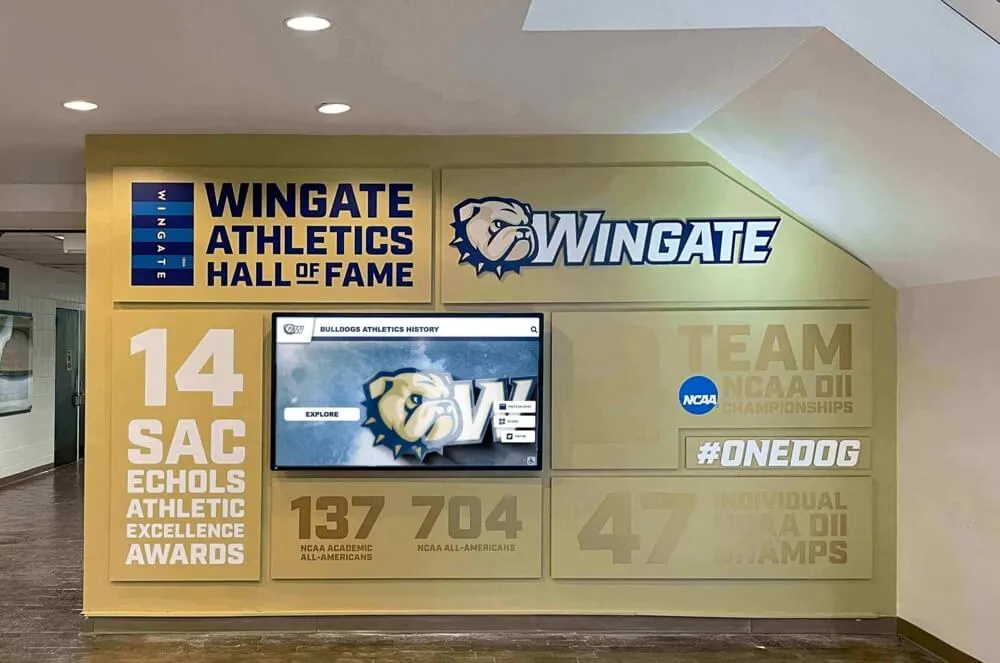
A digital wall of honor installation involves vendor decisions that extend beyond the initial purchase — ongoing software subscriptions, content management support, and the vendor's ability to fulfill sponsor recognition specifications are all part of a comprehensive evaluation
Documenting Vendor Decisions
Vendor selection documentation creates the institutional record that protects volunteers, satisfies auditors, and gives incoming board members enough context to understand why each vendor relationship exists. The documentation set for each significant vendor selection should include:
- Bid solicitation record — evidence that quotes were requested from the required number of vendors (emails, RFQ documents, or written requests)
- Received quotes — all written quotes, including those not selected, retained for the record
- Comparison summary — a brief comparison of the quotes received, noting the criteria applied and the basis for the selection
- Conflict of interest check — confirmation that no disclosures were required or documentation of any disclosures made
- Approval record — the officer or board vote that approved the selection, with the date
- Sponsor commitment check — if the purchase involves a recognition deliverable, confirmation that the selected vendor meets the specification in the relevant sponsor agreement
This documentation set does not require extensive effort for routine purchases — a simple comparison grid and a meeting minute recording the decision typically satisfy the requirement. For larger contracts or multi-year relationships, more detailed documentation is appropriate.
Record Retention for Vendor Records
Vendor selection records should be retained alongside the organization’s other financial records. The same retention standard that applies to financial documents — typically three to seven years, depending on state requirements — applies to vendor selection documentation. Records connected to recognition deliverables have additional significance: they are the evidence that sponsor commitments were fulfilled through appropriate, accountable vendor relationships.
Storing vendor selection records in the same shared organizational account as financial records — not on individual board members’ personal devices — ensures that documentation is accessible to incoming officers without depending on a specific person’s continued involvement.
For programs building or refining their student leadership and board development programs, student leadership program frameworks illustrate how institutional documentation practices — including vendor selection and procurement records — contribute to the organizational sustainability that allows recognition programs to continue across leadership generations.
Booster Club Vendor Selection Policy: Quick Reference Summary
| Policy Element | Key Requirement |
|---|---|
| Single-quote threshold | Under $500: one quote acceptable with officer approval |
| Two-quote threshold | $500–$2,500: two written quotes required |
| Three-quote threshold | Over $2,500: three written quotes and board vote |
| Multi-year contracts | Board vote required; legal review for contracts over $5,000 |
| Conflict of interest | Disclosure required; conflicted member recuses from vote |
| Sponsor-preferred vendors | Documented in sponsor agreement; board confirms exception |
| Sole-source justification | Written justification required; board approval before purchase |
| Annual vendor review | All recurring vendor relationships reviewed at fiscal year start |
| Recognition vendor criteria | Must be able to fulfill sponsor agreement specifications |
| Documentation retention | Same as financial records — typically three to seven years |
Frequently Asked Questions
What should a booster club vendor selection policy include?
A booster club vendor selection policy should define competitive bid thresholds (the dollar amounts at which one, two, or three quotes are required), identify who has authority to approve purchases at each threshold, establish a conflict of interest disclosure process for vendor relationships involving board members, specify how sponsor-preferred vendor commitments in signed agreements are honored, and set documentation and record retention requirements for vendor selections. Policies should also address annual vendor reviews for recurring relationships, sole-source justification procedures for specialty purchases, and the criteria applied when comparing competing quotes across categories like apparel, printing, event services, and recognition technology.
How should a booster club handle a conflict of interest with a vendor?
When a board member or officer has a personal, financial, or family relationship with a candidate vendor, the conflict must be disclosed in writing to the full board before the vendor selection decision is made. The disclosing member should recuse themselves from the discussion and the vote on that vendor relationship. The board documents the disclosure, confirms the recusal, and makes the selection decision without the conflicted member’s participation. A conflict does not automatically disqualify the vendor — if the vendor is selected on merit through an arm’s-length process with the conflicted member excluded, that decision is defensible. The documentation of the disclosure and recusal is what makes the decision auditable.
Can a sponsor require a booster club to use a specific vendor?
A sponsor can negotiate a preferred vendor provision as part of a sponsorship agreement, and if the booster club accepts that agreement, the provision is a legitimate contractual commitment. The board should review any preferred vendor provision before signing the agreement — confirming that the preferred vendor can deliver the required recognition output, that no board member has a conflict with the preferred vendor, and that the scope of the preference is clearly defined. Preferred vendor commitments should be documented as an exception to the competitive bid requirement in the organization’s vendor records, citing the sponsor agreement that contains the provision. Vendor preferences that emerge informally after a sponsor agreement is signed, without any provision in the original agreement, are not binding commitments and should be evaluated like any other vendor selection.
How often should a booster club review its vendor relationships?
Recurring vendor relationships — apparel suppliers, printing vendors, digital recognition platform providers — should be reviewed at least annually, typically at the start of the fiscal or program year. An annual review does not require competitive re-bidding of every contract every year, but it should produce a documented decision: whether the current vendor continues, whether pricing and service terms have changed materially, and whether alternatives were considered. Multi-year contracts should be reviewed at each renewal date, with competitive quotes obtained for contracts above the two-quote threshold unless a documented exception applies. New board members benefit from a vendor relationship briefing at the start of their term so they understand existing commitments and their terms.
What vendor evaluation criteria matter most for digital recognition display systems?
For digital recognition display systems — interactive touchscreen displays, athletic record boards, donor recognition screens — the most important evaluation criteria beyond price are: whether the platform is compatible with standard commercial display hardware or requires proprietary equipment; how content is managed and updated (remotely versus on-site); whether sponsor logos, tier names, and recognition deliverables specified in existing sponsor agreements can be displayed in the required format; what the annual subscription includes and what support is provided; and what the contract exit provisions look like if the program’s needs change. Because recognition technology creates a multi-year vendor relationship where switching costs are significant, the evaluation criteria for these systems warrant more structured comparison than single-season apparel or event vendor selections.
Building a Vendor Selection Policy That Protects Your Program
A booster club vendor selection policy works because it removes ambiguity from the most common source of board disputes: who selected a vendor, why, and whether the decision was made for the program’s benefit. Policies do not eliminate judgment — every vendor selection still involves evaluation, comparison, and a decision — but they ensure that judgment is exercised through a documented process that any board member, school administrator, or outside reviewer can follow.
The same discipline that makes vendor selection defensible also makes recognition fulfillment more reliable. When apparel vendors, printing partners, and digital display providers are selected through a documented process that includes review of sponsor agreement specifications, the output — the jersey with the sponsor logo, the banner with the correct dimensions, the digital screen rotating the correct recognition content — reflects a decision made deliberately, not by default.
Programs that build vendor selection rigor into their annual governance calendar alongside budget approval, officer elections, and conflict of interest disclosures are the ones that can demonstrate to sponsors, donors, and school administrators that every recognition commitment was honored through an accountable process from the moment the check was received to the day the display was installed.
See How Rocket Alumni Solutions Delivers Recognition You Can Account For
Rocket Alumni Solutions builds interactive digital recognition systems for school athletic programs — giving booster clubs a permanent platform for sponsor acknowledgment, donor recognition, hall of fame histories, and athletic records that can be updated remotely and documented as fulfillment evidence for every sponsor agreement. Request a demo to see what a custom recognition display looks like for your facility.
Schedule a Recognition Display Demo