



Intent: research — A booster club unclaimed property compliance checklist gives school athletic program administrators and booster organization officers a documented workflow for identifying and resolving unresolved checks, stale refunds, membership credits, event deposits, and vendor balances that could trigger state unclaimed property (escheatment) obligations. This guide defines what counts as unclaimed property in the booster club context, explains the dormancy periods and due-diligence steps most states require, and connects systematic recordkeeping to the financial credibility that protects donor trust and the funds reserved for awards, recognition, and long-term program commitments.
Not legal advice: This guide is educational only and describes general compliance considerations. Unclaimed property law varies substantially by state in scope, dormancy periods, exemptions, and reporting requirements. Your organization’s specific obligations depend on your state’s unclaimed property statute, the type of funds involved, your organizational structure, and any exemptions available to school-affiliated nonprofits. Consult your organization’s legal counsel, your state’s unclaimed property administrator, or a CPA familiar with nonprofit compliance in your state before establishing or revising your unclaimed property policies.
Booster clubs handle dozens of financial transactions each season — membership dues, event ticket sales, fundraiser proceeds, vendor payments, and sponsor installments — and in any active financial operation, some of those transactions will not resolve cleanly. A parent pays for spirit wear that is never picked up. A vendor overpays on an invoice and the credit sits idle for two seasons. A refund check issued after a cancelled tournament goes uncashed for eighteen months. A small miscalculation in an event fee leaves a balance that no one comes back to claim.

Athletic recognition programs — and the booster clubs that fund them — depend on financial governance practices that extend beyond routine bookkeeping to include structured handling of stale payments, unresolved credits, and dormant balances
Each of these unresolved balances represents a potential unclaimed property obligation. Most state unclaimed property laws — sometimes called escheatment laws — require holders of funds that have not been claimed by their rightful owner after a specified dormancy period to report and remit those funds to the state. Whether a booster club qualifies as a “holder” under its state’s statute, and which types of funds are covered, depends on the specific jurisdiction.
What every booster club can control is the due-diligence process: documenting stale balances, attempting owner outreach, maintaining complete records of those attempts, and either resolving the balance or following the state’s reporting procedure before liability accumulates. That documented workflow is what this checklist provides.
What Is Unclaimed Property? A Working Definition for Booster Clubs
Unclaimed property — also called abandoned property or escheat — refers to financial assets that a holder possesses but cannot associate with an owner who has had meaningful contact with the organization within the applicable dormancy period. When the dormancy period expires, most states require the holder to report the property to the state’s unclaimed property administrator and remit the corresponding funds, where the state holds them until the original owner makes a claim.
For booster clubs, the most common categories of potentially unclaimed property include:
- Uncashed checks: Refund checks, reimbursement checks, or vendor payment checks that were issued but never negotiated by the payee
- Unresolved membership refunds: Credits owed to members who resigned or were not re-enrolled but never received or claimed the balance
- Event deposits and overpayments: Payments received for cancelled or refunded events where the payor has not responded to refund outreach
- Vendor credits: Supplier credits for returned merchandise or overbilled services that have not been applied or returned as cash
- Unclaimed award or prize distributions: Cash awards, scholarship disbursements, or award payments where the designated recipient has not claimed the funds
- Dormant gift card or meal voucher balances: Funds loaded onto cards or vouchers issued by the booster club that remain unredeemed past a specified period
Not every item on this list will be subject to unclaimed property law in every state, and school-affiliated nonprofits may be exempt from some or all reporting requirements in certain jurisdictions. Because rules vary substantially by state, confirm your state’s specific rules before assuming that a balance is covered — or that it is exempt.
Why Booster Clubs Face Unclaimed Property Exposure
Booster clubs are not passive financial organizations. They run merchandise programs, collect deposits, issue refunds, and pay vendors and volunteers on irregular schedules that do not always follow neat calendar-year patterns. Any of those transaction types can produce balances that linger past the point where the payor or payee is actively monitoring them.
The exposure is often invisible in routine bookkeeping. A $47 overpayment from a spirit wear order, an uncashed $15 reimbursement check from three seasons ago, and a $200 event deposit from a cancelled team dinner might each appear in the general ledger as open items without any clear path to resolution. Aggregated across multiple seasons and multiple activity types, these open items can accumulate to amounts that create meaningful liability if the state initiates an inquiry or audit.
For programs with athletic directors and school administrators responsible for the school relationship, the institutional stakes extend beyond the dollar amount. How athletic programs structure oversight roles and accountability illustrates the level of financial governance that school-affiliated programs are increasingly expected to demonstrate. Unclaimed property compliance is one element of that governance picture — one that rarely surfaces until it becomes a problem, and one that a structured checklist can prevent from ever reaching that point.
The Booster Club Unclaimed Property Compliance Checklist
The eight steps below constitute a practical due-diligence workflow for identifying, documenting, and resolving potential unclaimed property obligations. Because state requirements differ significantly, each step should be reviewed against your state’s specific unclaimed property statute before implementation.
Step 1: Identify and Define Stale-Payment Categories
The first step is to define — in writing — which transaction types your organization will monitor for potential unclaimed property status. Documenting this category list in the organization’s financial policies prevents the annual review from becoming a judgment call about which open items deserve attention.
| Transaction Category | Description |
|---|---|
| Issued but uncashed checks | Checks that appear in the general ledger as paid but have not cleared the bank account |
| Unrefunded overpayments | Amounts collected in excess of the correct charge where the difference was not returned |
| Event deposit balances | Deposits received for cancelled or reduced events where the payor has not been refunded |
| Membership credit balances | Credits on membership accounts where the member is no longer active |
| Vendor credits | Supplier credits on account that have not been applied to subsequent invoices or returned as cash |
| Unclaimed award or prize distributions | Cash awards or scholarships where the designated recipient has not claimed the funds |
Include in this written definition a minimum dollar threshold — for example, $10 or $25 — below which open items are written off through a board-authorized process rather than tracked for escheatment. This threshold prevents the compliance workflow from being consumed by de minimis balances while still protecting the organization from material liability.
Step 2: Establish a Written Due Diligence Policy
Before any specific balance is identified, the organization needs a written policy that defines what happens to it. A policy document covering unclaimed property due diligence should address:
- What triggers a review — the balance type and age threshold that moves an item from “open” to “potentially unclaimed”
- Who is responsible — which officer, typically the treasurer, is accountable for conducting the annual review and maintaining the unclaimed property log
- What outreach is required — the number of contact attempts, the methods used (mail, email, phone), and the intervals between attempts
- What records are kept — what documentation of each attempt must be retained and for how long
- What happens at the end of the dormancy period — whether the organization will report and remit to the state, seek a legal opinion on exemption applicability, or pursue another resolution path approved by the board
Having a written policy means that the process does not depend on any single officer’s memory or initiative. It survives leadership transitions — one of the most persistent governance risks for volunteer organizations — because the procedure is institutional rather than individual.
For programs that also maintain award and recognition archives, the same institutional documentation discipline applies to honoring long-term commitments. How schools approach athletic history archiving and digital preservation reflects how documentation practices that begin with financial records extend into the recognition and archival functions that protect a program’s history across many leadership cycles.
Step 3: Conduct an Annual Aging Review of Open Items
At least once per year — and ideally at fiscal year-end — the treasurer should run an aging report on all open receivables and payables to identify items that may be approaching or have exceeded the state’s dormancy threshold.
The aging review should produce a list of every open item organized by:
- Category — uncashed check, event deposit, membership credit, vendor credit, or other
- Original transaction date
- Amount
- Payee or payor name and last known contact information
- Age in days from the original transaction date
- Prior outreach attempts and their outcomes
This list is the foundation for all subsequent due diligence. Items within the state’s dormancy period but aging should be flagged for owner outreach in the current cycle. Items that have reached or exceeded the dormancy period require escalated attention, including a review by the treasurer and, where appropriate, consultation with legal counsel.
Annual aging reviews of open financial items — like the annual review of recognition display content — are governance practices that protect the organization's credibility and its ability to fulfill long-term program commitments
Step 4: Attempt Owner Outreach
Most state unclaimed property statutes require holders to attempt contact with the owner of a potentially unclaimed balance before the dormancy period expires and before reporting. The typical outreach requirement involves:
- Written notice by mail to the owner’s last known address, sent within a specified window before the reporting deadline — commonly one to two years before the state reporting date
- Documentation of the notice — the date sent, the address used, and the response or non-response received
- Additional contact methods — email or phone where contact information is available and the state does not restrict outreach to mail
For booster clubs, the practical challenge is that last known addresses may be outdated, particularly for families whose students graduated or transferred. The organization’s annual aging review should identify these contact gaps early enough to attempt outreach while information is still likely current.
All outreach attempts should be documented in a dedicated unclaimed property log rather than in informal email threads or personal notes. The log entry for each item should include the date of each attempt, the method used, the address or contact information used, and the response received or confirmed non-response. This log is the evidentiary record that demonstrates due diligence if the state audits the organization.
Step 5: Document All Outreach Attempts and Responses
Documentation is the element most often missing when organizations face unclaimed property audits. A well-maintained unclaimed property log — retained alongside the organization’s other financial records — should capture the following for each open item:
| Field | Content |
|---|---|
| Item identifier | Unique reference for the open balance (check number, transaction ID, or ledger entry) |
| Payee or payor name | The individual or vendor to whom the funds are owed |
| Balance amount | The dollar amount of the unresolved balance |
| Original transaction date | Date of the original payment or collection event |
| First outreach date | Date of the first contact attempt |
| Outreach method | Mail, email, phone, or combination |
| Second outreach date | Date of any required follow-up attempt |
| Response received | Whether the owner responded, and the outcome if so |
| Resolution or remittance date | Date the balance was resolved, written off per board authorization, or remitted to the state |
| Supporting documentation reference | File location for correspondence, returned mail, or email records |
Maintaining this log in a shared organizational system — rather than on a personal officer’s device — ensures it is available to the board, to future officers, and to state auditors if required.
Step 6: Apply the State Dormancy Period
The dormancy period is the number of years that must pass without owner contact before a balance is considered abandoned under your state’s unclaimed property law. Dormancy periods vary significantly by state and by property type:
- Checks and drafts: commonly one to five years depending on the state
- Event deposits and overpayments: often two to five years
- Vendor credits: typically two to five years
- Membership credits and association fees: rules vary; some states have specific categories
Because these periods vary, the treasurer and the organization’s legal counsel should verify the applicable dormancy period for each category of open item under the specific state statute. The dormancy clock typically begins running from the date the check was issued, the date of the last owner-initiated contact, or the date the payment was due — whichever the state’s statute specifies. Confirm the applicable trigger date; it varies by state.
For programs that collect event registrations or membership payments from participants in multiple states, the applicable dormancy period may follow the state of the owner’s last known address rather than the state of the organization’s incorporation. This multi-state question requires professional guidance before the organization establishes its dormancy period assumptions.
Step 7: Report and Remit to the State If Required
If, after completing owner outreach, a balance remains unclaimed and the dormancy period has expired, most state unclaimed property statutes require the holder to report the property to the state unclaimed property administrator and remit the corresponding funds.
The reporting process typically involves:
- Completing the state’s unclaimed property report form — usually available through the state comptroller’s, treasurer’s, or revenue department’s website
- Submitting the report by the state’s annual reporting deadline — deadlines vary by state, with November 1 being a common date, though states differ substantially
- Remitting the corresponding funds electronically or by check as the state specifies
- Retaining copies of all filed reports and remittance confirmations in the organization’s records
States with online reporting portals often accept submissions from small organizations directly without requiring a third-party filing agent. Verify your state’s submission method and deadline before the first reporting year, and calendar the annual deadline so it does not pass unnoticed during a leadership transition.
Some states provide exemptions for small organizations, organizations below a defined revenue threshold, or school-affiliated nonprofits. Whether your organization qualifies for any such exemption is a legal question specific to your state’s statute. Consult legal counsel before relying on any exemption — and document that consultation in the organization’s records.

Programs that maintain compliance across all dimensions of financial governance — including unclaimed property — build the institutional credibility that sustains donor and sponsor recognition commitments across many leadership cycles
Step 8: Maintain Post-Remittance Records
After reporting and remitting unclaimed property, the organization’s obligations continue in two practical ways.
First, if the original owner contacts the organization after remittance — looking for their refund or inquiring about an old check — the organization should be able to confirm that the funds were reported and remitted to the state and provide the owner with the state’s claim procedures and contact information. Owners can typically recover their funds directly from the state unclaimed property fund indefinitely after remittance.
Second, the organization’s records of the remittance must be retained for the period required by state law — commonly five to seven years — and organized so that a future board can locate them without requiring institutional memory from former officers. Post-remittance records should include:
- Copies of all state unclaimed property reports submitted
- Confirmation of remittance receipt from the state
- The unclaimed property log entries for all items included in the report
- Any correspondence with the state regarding the submission or any follow-up audit requests
Special Categories: Event Deposits, Membership Refunds, and Vendor Credits
Three categories deserve additional attention because they are disproportionately common sources of stale balances in booster club operations.
Event Deposits
Booster clubs frequently collect deposits for banquets, tournaments, travel reservations, and team dinners — and events are cancelled, downsized, or rescheduled with enough frequency that deposit balances regularly go unresolved. Planning and managing large-scale athletic alumni events illustrates the financial complexity that coordinated events introduce — participant payments, vendor advances, and deposit collections all create balances that require systematic resolution when events change.
Best practices for deposit management include:
- Issuing refunds promptly when events are cancelled or when participants cancel within the refund window defined in the event’s terms
- Documenting the refund issuance and the method used — check, ACH, or cash — in the financial records at the time of issuance
- Following up within thirty days if a refund check has not cleared the bank account
- Logging unresolved deposit refunds in the unclaimed property tracking system after a defined internal threshold — typically ninety to one hundred twenty days from the event cancellation date
Membership Refunds
Membership dues refunds create stale balances when checks are issued to members who have changed addresses, when credits are posted to membership accounts of inactive members, or when the organization delays processing a refund past the point of active member engagement.
For programs with a written membership refund policy, the timing provisions in that policy should align with the unclaimed property due-diligence workflow. A refund that must be issued within thirty days of a cancellation request should also have a documented follow-up procedure if the refund check is not cashed within sixty to ninety days — before the balance ages further toward dormancy.
Vendor Credits
Vendor credits are among the most commonly overlooked stale balances in booster club bookkeeping. When a vendor overbills, accepts a merchandise return, or provides a credit for a service adjustment, the resulting credit may appear on the vendor’s account statement but may not be systematically tracked as a receivable in the booster club’s ledger. If the credit is not applied to a subsequent purchase and is not returned as a cash refund within the dormancy period, it becomes an aging open item that the annual review should surface.
Review vendor statements at least annually to identify credits that have been sitting on account for more than twelve months, and determine through a board-authorized process whether to apply the credit to a future purchase, request a cash refund, or write off the amount if de minimis.
How Unclaimed Property Compliance Connects to Donor and Sponsor Trust
Unclaimed property compliance may seem like a back-office concern, but it connects directly to the donor and sponsor relationships that sustain athletic recognition programs over many seasons.
Donors who contribute to booster programs are extending trust that the organization will handle every dollar with the same care it brings to the recognition commitments those dollars fund. A sponsor whose name appears on a digital recognition display in the school hallway is trusting that the organization honoring them also handles its financial obligations responsibly. Stale payments left unresolved — and the liability they accumulate — are the kind of institutional debt that quietly erodes that trust if it surfaces during a school district review or a state audit.
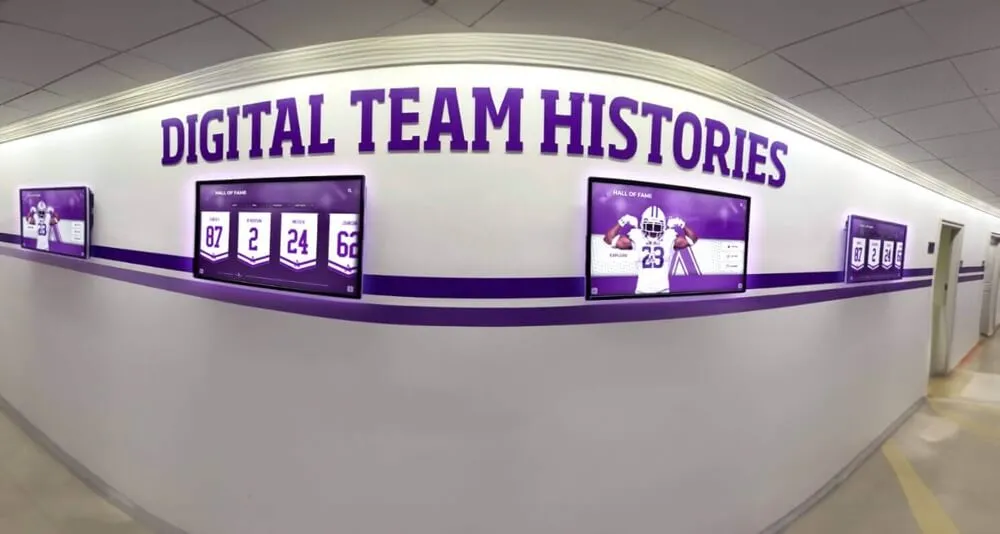
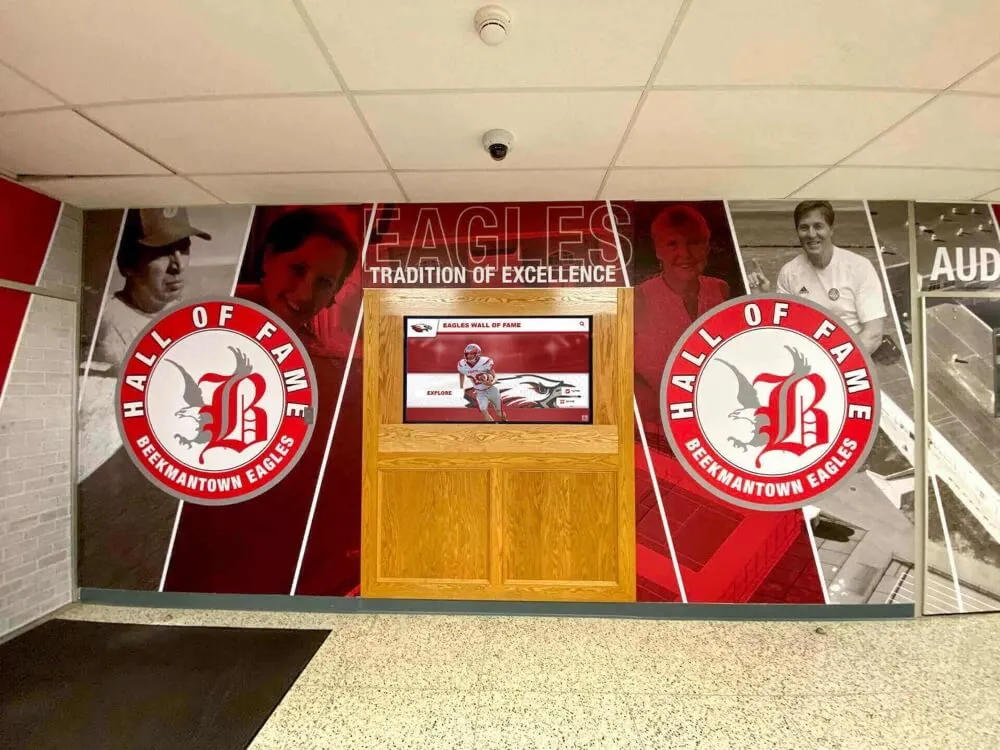
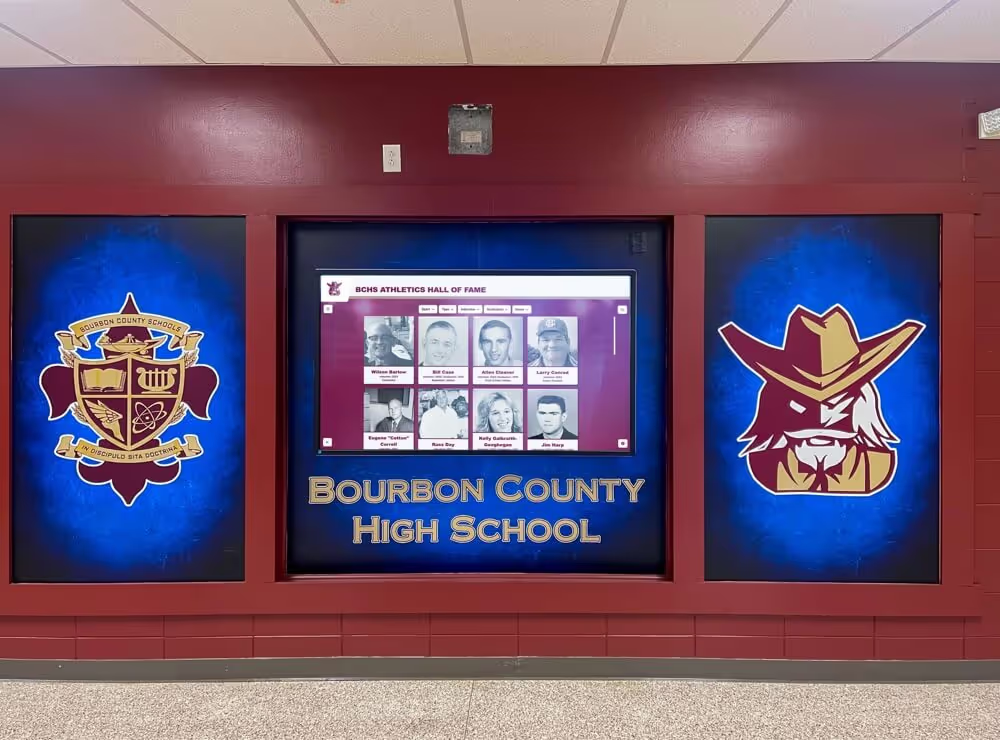
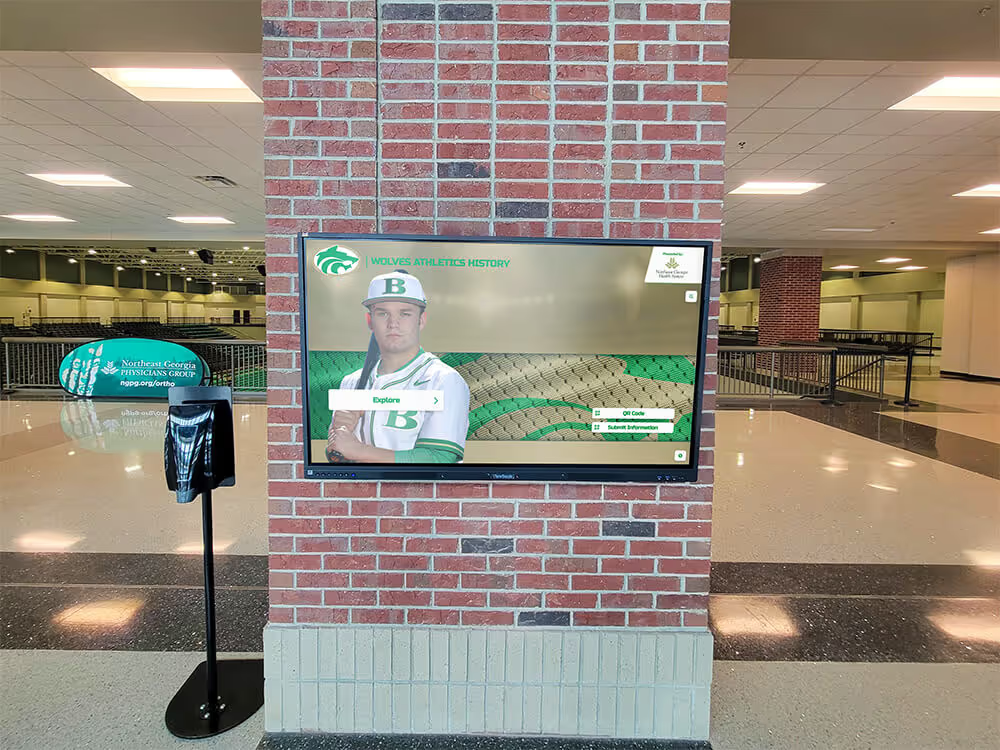
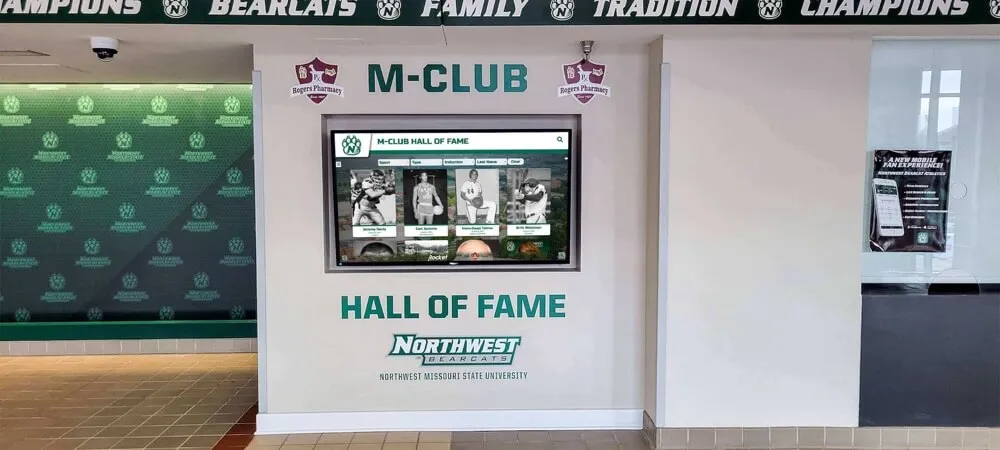
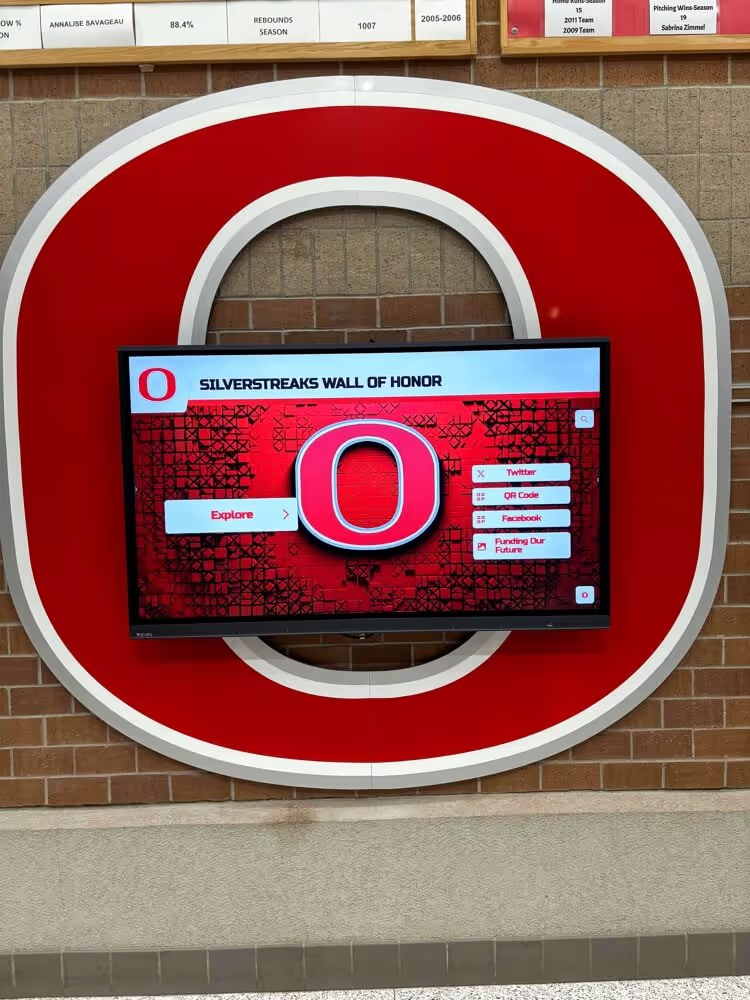
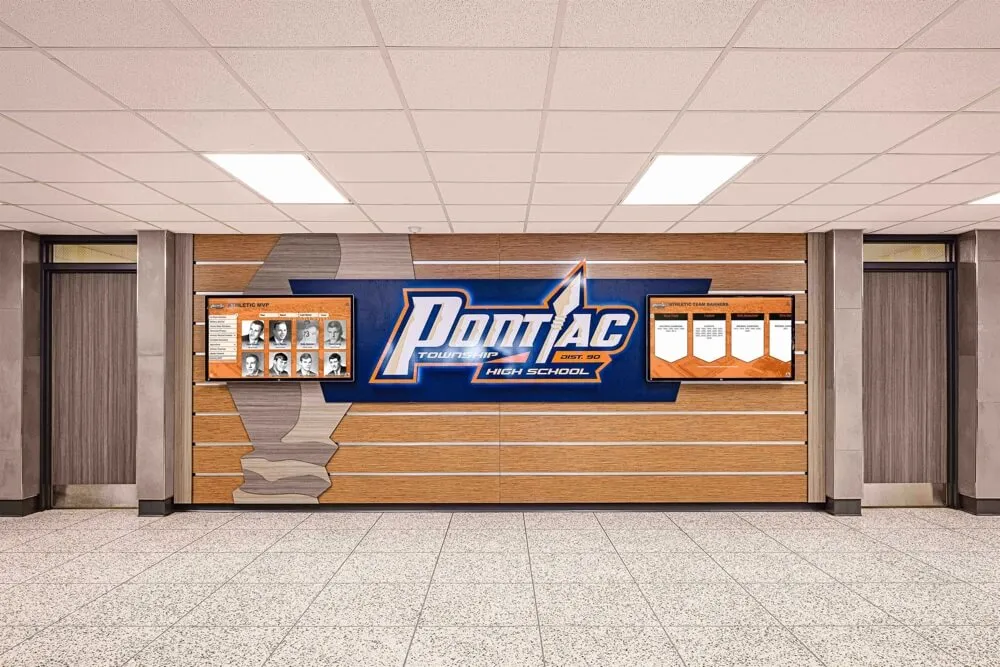
Programs that recognize donors and sponsors through permanent installations — touchscreen displays, hall of fame archives, digital donor walls — depend on long-term organizational credibility that extends across many leadership transitions. How touchscreen hall of fame technology supports long-term recognition programs illustrates how digital recognition platforms preserve the institutional record across many seasons — the same institutional discipline that unclaimed property compliance demands in the financial record.
For programs maintaining controlled archives of athletic records alongside donor recognition, how athletic programs build and maintain structured documentary archives demonstrates the record-keeping approach that applies equally to financial documentation and to recognition records — systematic, consistently named, and designed to survive the leadership transitions that all volunteer organizations experience.
Recognition Programs That Last Start With Financial Governance That Lasts
Rocket Alumni Solutions builds interactive digital recognition displays for school athletic programs — sponsor showcases, donor walls, athletic record boards, and award archives — with professionally managed platforms that reflect the well-governed organization behind them. Request a demo to see what your facility could look like.
Request a Recognition Display DemoDigital Recognition Archives and Compliance Documentation
There is a practical connection between the digital records that support unclaimed property compliance and the archival systems that support athletic recognition programs. Both require information that is organized, named consistently, and accessible to current officers who may not have been present when the original records were created.
How advanced analytics support long-term recognition engagement and program measurement reflects how digital platforms that track recognition engagement generate structured, navigable records over time — the same principle applies to financial recordkeeping, where systematic naming and organization of unclaimed property logs makes the documentation usable by future officers responding to state audits or owner inquiries years after the original transactions occurred.
For programs that coordinate end-of-season recognition events alongside their compliance review schedule, athletic banquet planning and athlete recognition frameworks illustrate how the award and recognition planning cycle — ceremony timing, recipient lists, acknowledgment materials — naturally intersects with the season-end financial close where unclaimed property reviews should be conducted.
Programs that use touchscreen displays and digital kiosks to showcase sponsor recognition and athletic archives are building the kind of institutional memory that supports compliance documentation. How club sports programs integrate awards and facilities with touchscreen recognition software demonstrates how digital recognition infrastructure creates a navigable record of the program’s history — the same navigability that an unclaimed property log needs to be useful to future officers and auditors.
Digital recognition archives and financial compliance records share a common organizational requirement: navigable, consistently structured documentation that remains useful across many leadership cycles and can withstand third-party review
Annual Compliance Review Schedule
The booster club unclaimed property compliance checklist is most effective when integrated into an annual governance calendar alongside financial reviews, tax filings, and recognition program renewals. Treating it as a scheduled, recurring task — rather than a reactive response to a state notice — is the practice that keeps the organization ahead of accumulating exposure.
| Time of Year | Compliance Action |
|---|---|
| Fiscal year-end (June–July for most programs) | Run aging report on all open items; identify balances approaching state dormancy thresholds |
| July–August | Conduct owner outreach for items identified as aging; update the unclaimed property log with each attempt |
| August–September | Complete documentation of all outreach attempts; review any items that reached dormancy during the prior year |
| September–October | Prepare state unclaimed property report for items meeting dormancy requirements; confirm the state’s filing deadline and method |
| October–November | Submit annual unclaimed property report and remit funds to the state if required |
| November–December | File copies of all reports and remittance confirmations; review the organization’s written policy for any updates needed based on changes to state statute or guidance |
| Ongoing throughout the year | Log any new stale balances as they are identified; do not wait for the annual review to document aging items |
Integrating this calendar into the booster club’s existing governance schedule — board meetings, financial reviews, insurance renewals, and recognition program updates — ensures that unclaimed property compliance is treated as a routine institutional practice rather than an emergency task triggered by a state inquiry.
Scheduled governance practices — including annual unclaimed property reviews alongside recognition program updates — are what allow booster programs to sustain long-term commitments to athletes, donors, and sponsors across many leadership transitions
Frequently Asked Questions
What is unclaimed property for a booster club?
Unclaimed property for a booster club refers to financial balances the organization holds that belong to a specific owner — a member, parent, vendor, or award recipient — but have not been claimed or accessed by that owner within the dormancy period specified by the applicable state’s unclaimed property law. Common examples include uncashed reimbursement or refund checks, unresolved event deposit balances, overpayment credits on membership accounts, vendor credits that were never applied or returned, and unclaimed award or scholarship disbursements. Whether a booster club is required to report and remit these balances to the state depends on the specific state’s statute and any exemptions available to nonprofit or school-affiliated organizations. Consult your state’s unclaimed property administrator or a qualified advisor to determine your organization’s specific obligations.
How long before an uncashed booster club check is considered unclaimed property?
The dormancy period for uncashed checks varies by state and by the type of check. For general checks and drafts, dormancy periods commonly range from one to five years depending on the jurisdiction. Some states apply different dormancy periods to different check categories — payroll checks, vendor payment checks, or association membership refunds may each have a distinct applicable period under the state’s statute. The dormancy period typically begins running from the date the check was issued or the date of the last owner-initiated contact, whichever is later — though some states use the date the underlying obligation was due. Because these periods and trigger dates vary significantly, booster clubs should verify the applicable rules under their specific state’s unclaimed property statute. The state’s unclaimed property administrator or a qualified advisor can confirm the applicable period and trigger date for each balance category.
Are nonprofit booster clubs exempt from unclaimed property reporting requirements?
Some states provide exemptions from unclaimed property reporting requirements for nonprofit organizations, school-affiliated organizations, or small organizations below a defined revenue or balance threshold. However, these exemptions vary significantly by state and are not universally available. Federal nonprofit status under the IRS does not automatically exempt an organization from state unclaimed property reporting requirements, and a school district’s nonprofit designation does not automatically extend to an affiliated booster club. Whether a specific organization qualifies for an exemption is a jurisdiction-specific legal question that should be reviewed with legal counsel or directly with the state’s unclaimed property administrator before assuming that an exemption applies. Relying on an exemption without verifying its applicability is a compliance risk.
What due diligence is required before reporting unclaimed property to the state?
Most state unclaimed property statutes require holders to attempt to contact the owner of a potentially unclaimed balance before the dormancy period expires and before filing the annual report. Due diligence typically includes sending written notice by first-class mail to the owner’s last known address within a specified window before the reporting deadline — commonly one to two years before the state’s annual reporting date. Some states also specify email or additional contact methods. All outreach attempts must be documented, including the date, the method used, the contact information used, and the response received or confirmed non-response. Maintaining a dedicated unclaimed property log that records each attempt and its outcome is the evidentiary record that demonstrates due diligence if the state audits the organization’s compliance. Specific requirements vary by state; confirm the applicable requirements with your state’s unclaimed property administrator before beginning the process.
What happens after a booster club remits unclaimed property to the state?
After a booster club remits unclaimed property funds to the state, the state holds those funds in the state’s unclaimed property fund and makes them available for the original owner to claim — typically indefinitely. If the original owner contacts the booster club after remittance to ask about a refund or check, the organization should be able to confirm that the funds were reported and remitted and provide the owner with the state’s claim procedures and contact information. The booster club should retain copies of its filed unclaimed property reports, the remittance confirmations, and the supporting unclaimed property log entries for the period required by state law — commonly five to seven years. These records are necessary if the state audits the submission, if the owner disputes the amount remitted, or if the organization’s compliance history is reviewed as part of a school affiliation assessment.
How should a booster club handle a vendor credit that has been sitting on account for more than a year?
A vendor credit that has been on account for more than twelve months should appear in the annual aging review and trigger a defined resolution process. Options typically include: requesting that the vendor return the credit as a cash payment or check; applying the credit to a confirmed upcoming purchase with that vendor; or, if the amount falls below the organization’s de minimis threshold, writing off the credit through a board-authorized process documented in the meeting minutes. If the credit exceeds the threshold and cannot be resolved through outreach to the vendor, it may need to be treated as a potentially unclaimed property obligation — in some states, the vendor is the owner and the booster club is the holder of the credited funds. Confirm how your state’s unclaimed property statute treats vendor credits in the nonprofit context before determining the appropriate resolution path.
Building a Compliance Workflow That Protects the Program
A booster club unclaimed property compliance checklist is not a one-time project — it is a recurring governance practice that becomes faster and more routine with each passing year. Organizations that build and maintain the workflow described here are also building the institutional credibility that protects every other financial commitment the program makes.
Every award presented at an end-of-season banquet, every donor acknowledged on a recognition display, every sponsor whose name appears in a digital rotation across a school hallway — each of those commitments traces back to an organization that handles its financial obligations correctly. Unclaimed property compliance does not produce the visible recognition that a new hall of fame installation does, but it quietly protects the organizational foundation that makes those installations possible and the donor relationships that fund them sustainable.
Programs that approach compliance as a scheduled, documented, officer-independent process — integrated into the governance calendar rather than triggered by a state notice — are the programs positioned to sustain recognition commitments across many leadership transitions, many seasons, and many generations of athletes, donors, and sponsors.
Give Your Recognition Program an Institutional Foundation as Durable as Your Compliance Practices
Rocket Alumni Solutions builds interactive digital recognition displays for school athletic programs — sponsor showcases, donor walls, athletic record boards, and award archives — with professionally managed platforms and fixed annual pricing that reflect the well-governed organization behind them. Request a demo to see what your facility could look like.
Schedule a Recognition Display Demo