



The gap between winning a sponsor and keeping one almost always comes down to booster club sponsor deliverables — the specific assets, placements, and acknowledgments your program promised when the agreement was signed. Most booster clubs are good at asking. Far fewer are systematic about delivering. A business that committed to Gold Sponsor status because the letter promised banner placement, digital display rotation, and a thank-you at the year-end banquet will not renew if the banner went up late, the digital screen never showed their logo, and no one remembered to invite them in May.
This guide provides a complete sponsor deliverables framework — covering print ads, banners, thank-you letters, and recognition displays — along with a checklist your program can use to track fulfillment from the day an agreement is signed through the end-of-season documentation that makes renewal conversations easy.
Booster clubs operate on goodwill and community trust. When a local business writes a check for athletic sponsorship, they are extending both — betting that the school will follow through on every item listed in the sponsorship letter. Every unfulfilled commitment is a small withdrawal from that account. Enough withdrawals and the relationship ends, usually without explanation, and without anyone on the booster club understanding why.

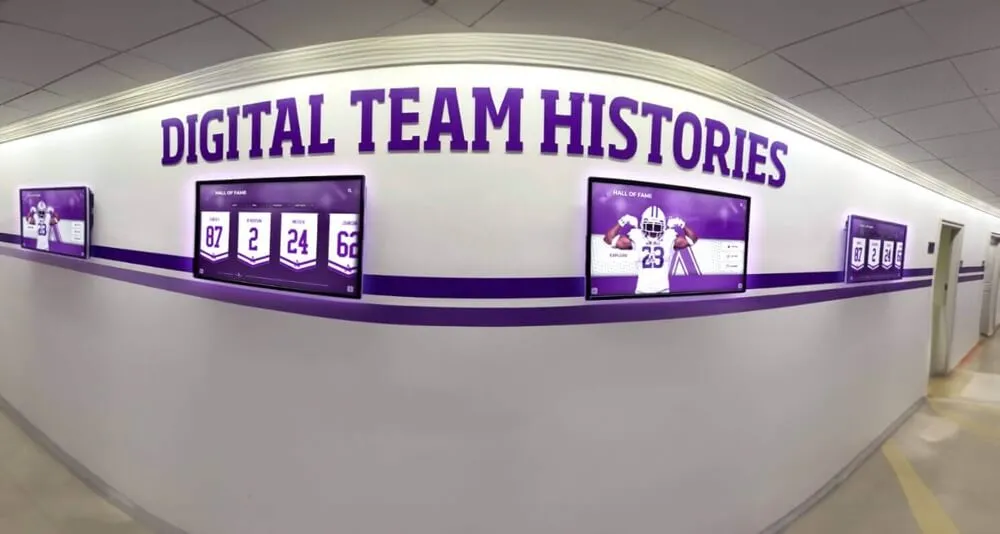
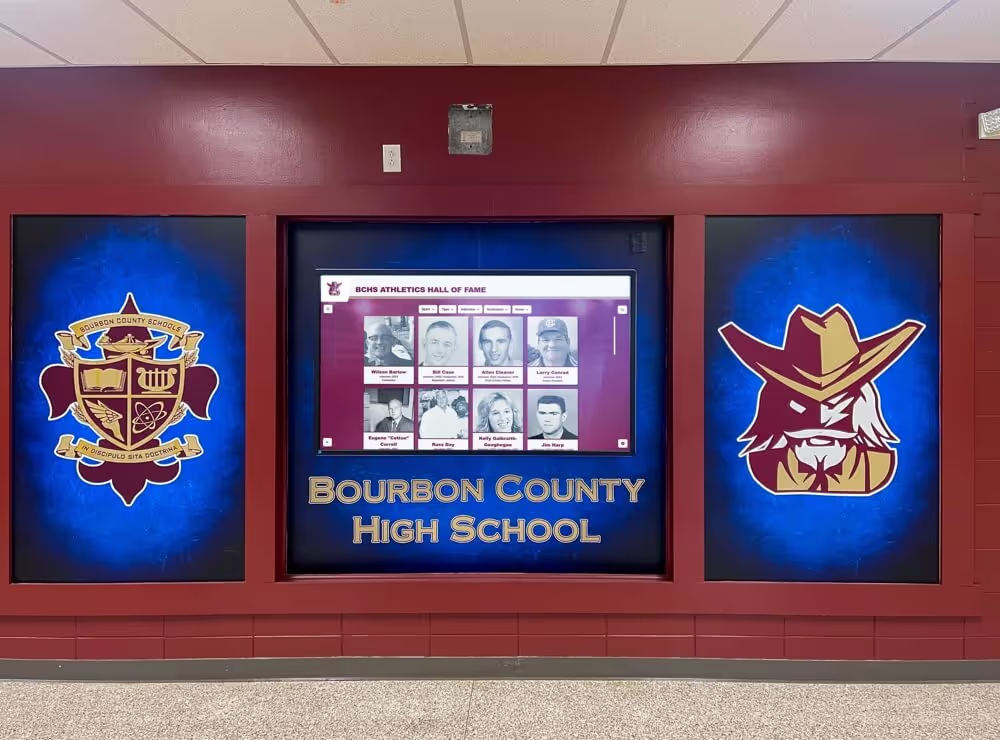
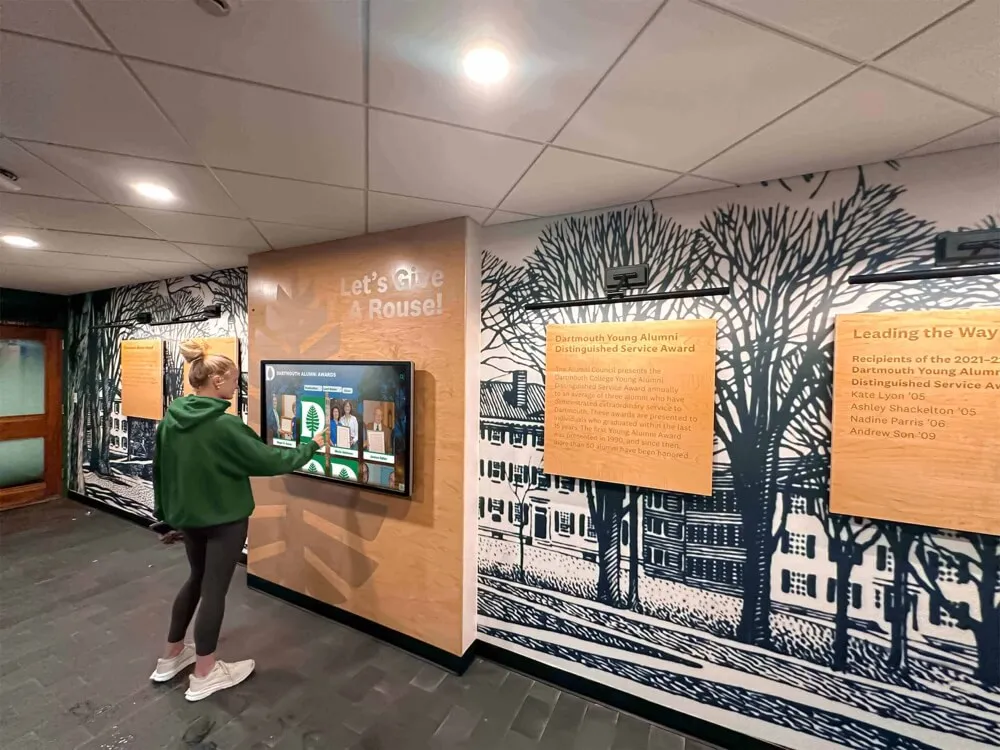
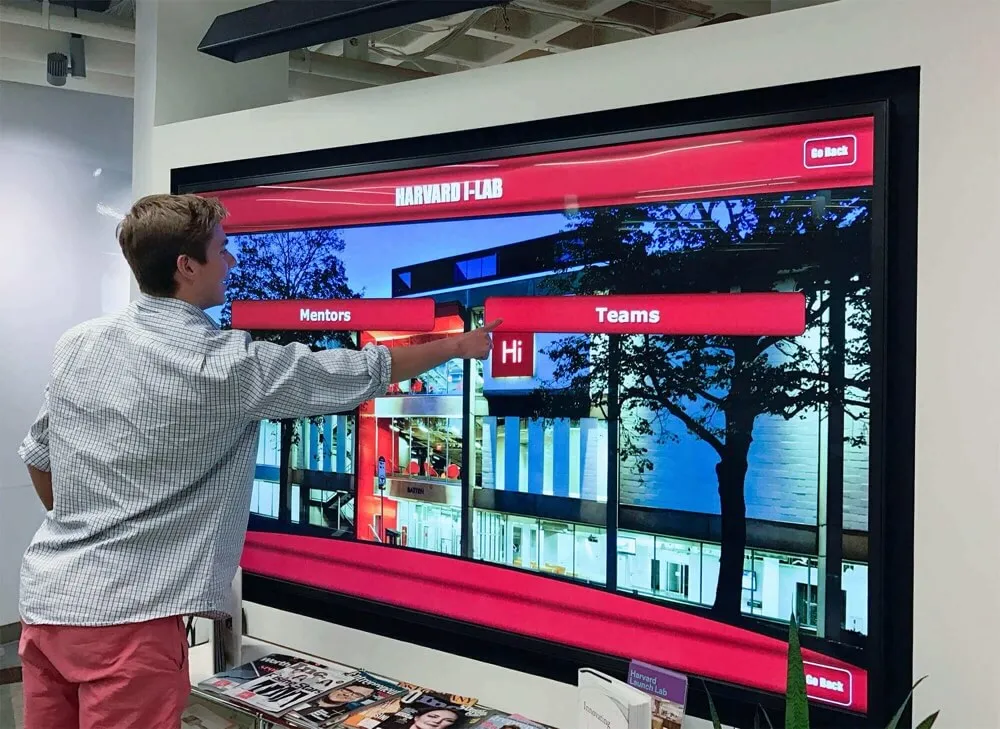
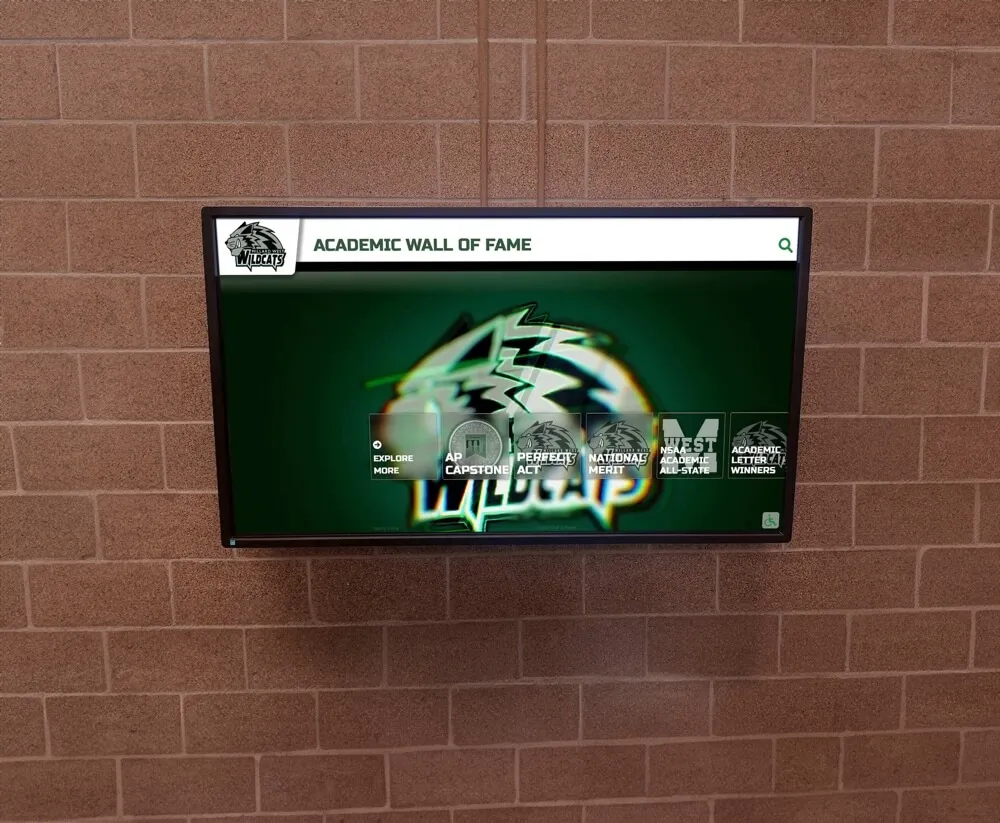
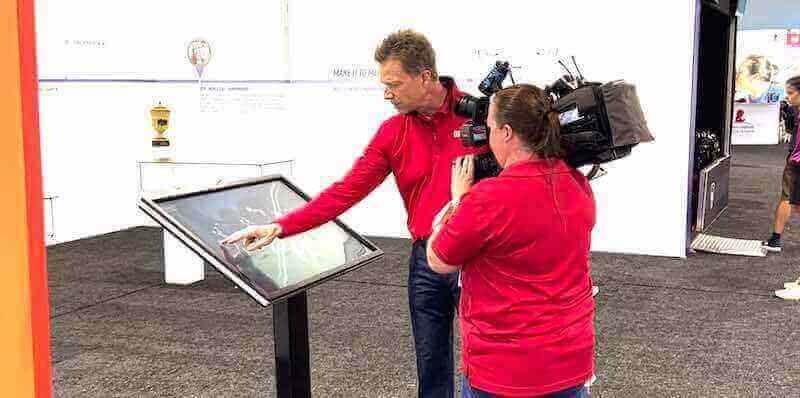
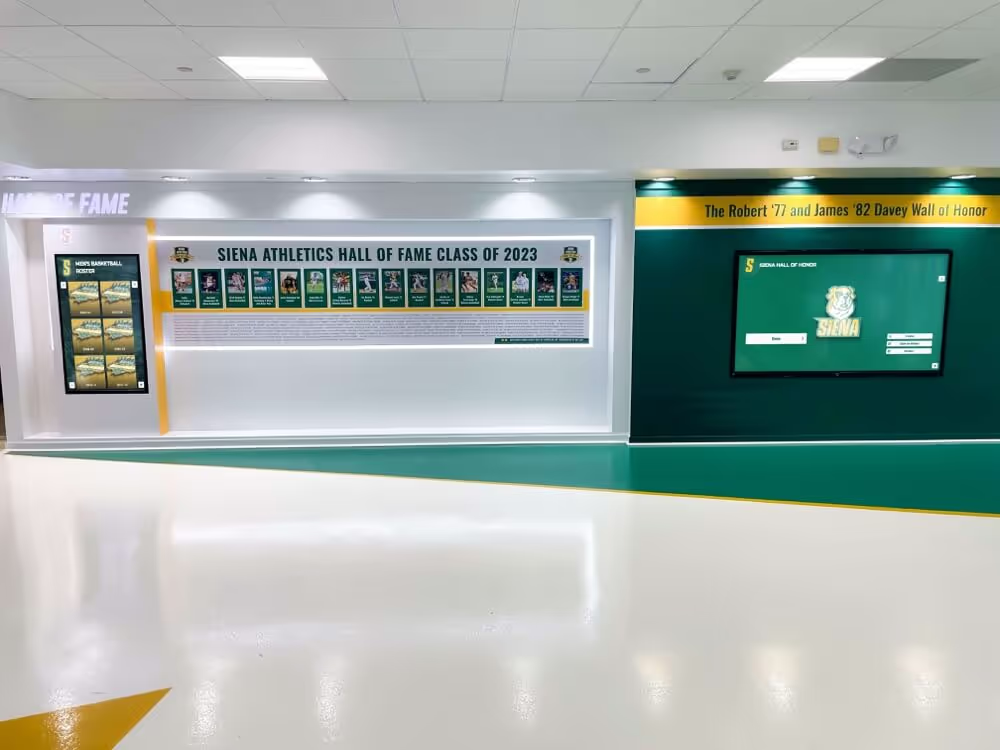
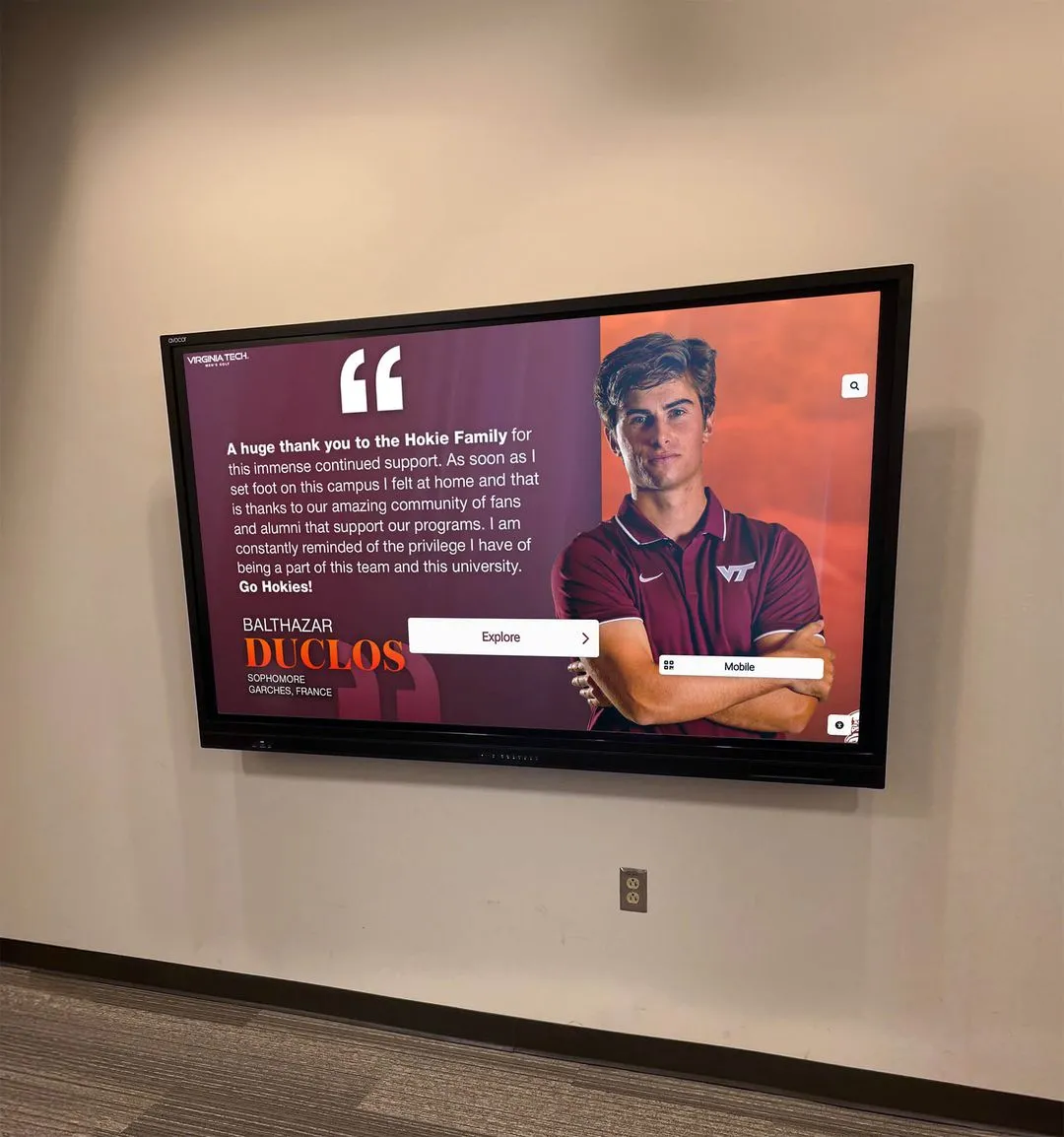
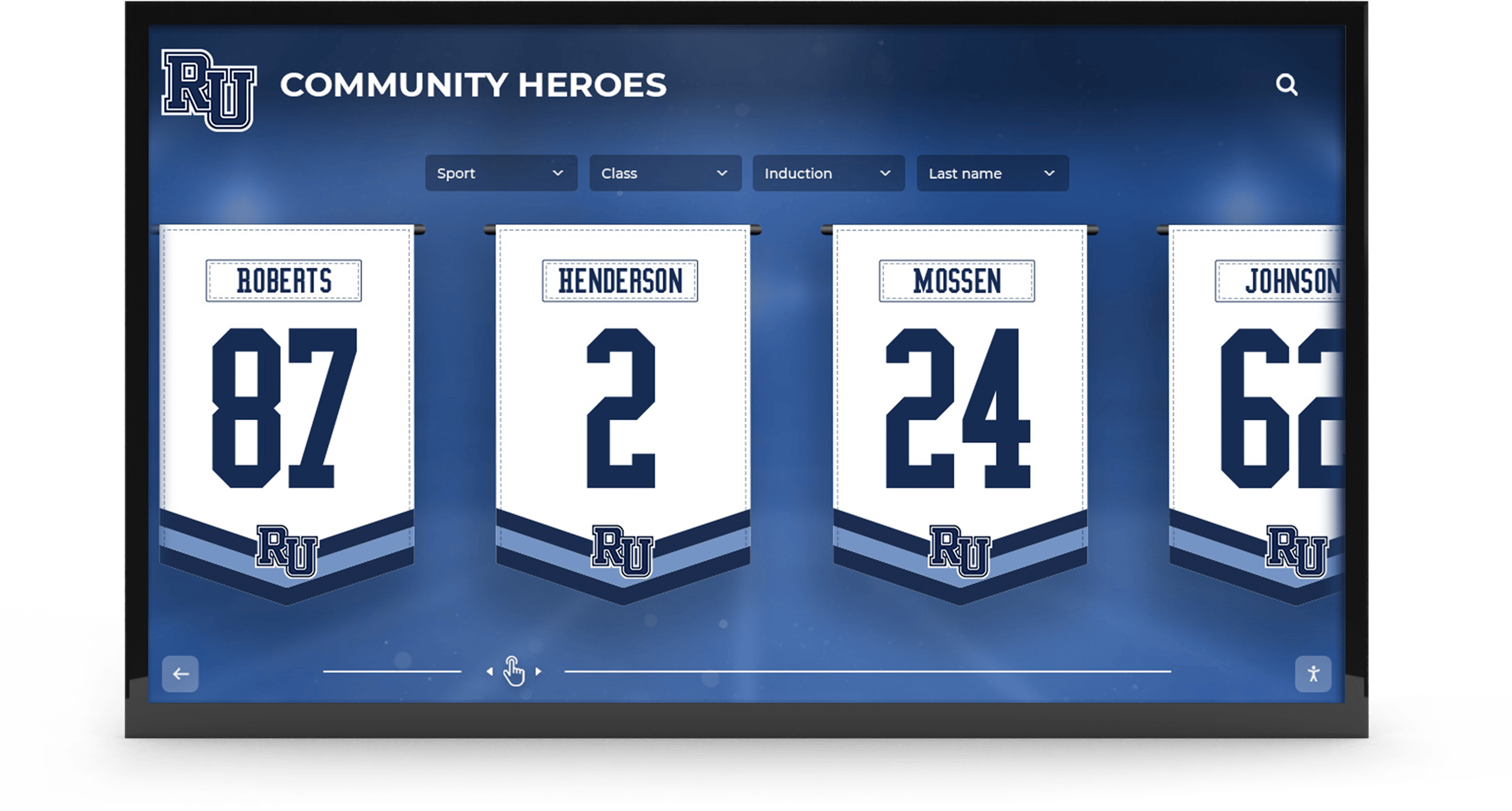
Sponsor recognition that lives in the facility environment — visible on digital displays, printed on banners, and embedded in programming — creates the kind of proof-of-delivery that motivates annual renewal
What “Deliverables” Actually Means in Booster Club Sponsorship
A deliverable is a specific, trackable item promised in exchange for sponsorship. It is not a category — it is an item. “Logo visibility” is a category. “Business logo on the back cover of the printed basketball program, distributed at all 14 home games” is a deliverable.
The distinction matters because categories cannot be checked off. When it comes time to reconcile what was promised against what was done, vague commitments leave room for disagreement. Specific deliverables either happened or they did not. That specificity protects both the school — which can document fulfillment — and the sponsor, who has a clear picture of what they are receiving.
Booster club sponsor deliverables typically fall into four categories: print ads and program recognition, facility banners and physical signage, digital and display recognition, and thank-you correspondence and personal acknowledgment. Each category has its own fulfillment timeline, its own production requirements, and its own failure modes.
The Four Core Categories of Sponsor Deliverables
1. Print Ads and Program Recognition
Print recognition in game programs, schedules, and season handouts remains a standard deliverable for most booster club sponsorship tiers. Its value depends almost entirely on execution: a well-placed, high-quality logo in a printed program that families actually read and keep is meaningfully different from a blurry scan buried in fine print at the back.
Key deliverables in this category include:
- Business logo or ad in event programs (specify: interior, back cover, full-page, half-page, or listing)
- Business name on printed schedules distributed to families and posted in the facility
- Business name or logo in banquet programs for end-of-season events
- Name listing in the official season roster booklet
Print deliverables have the earliest production deadlines. Programs must go to print before the season starts, which means logo files, ad copy, and layout approvals must be collected and confirmed weeks before the first game. Programs that wait until October for a September deadline either delay the print run or drop the sponsor’s logo — both of which damage the relationship before the season begins.
For programs evaluating how to write acknowledgment copy that feels genuinely earned, reviewing examples of recognition award wording for schools and athletic programs provides useful reference for the language that makes sponsor recognition feel substantive rather than transactional.
2. Banners and Facility Signage
Physical banners and signage represent some of the highest-visibility deliverables in a school sponsorship program. Unlike a printed program that goes home, a gymnasium banner is seen by every athlete, coach, official, family member, and visitor who enters the building during the entire season — and often year-round.
Key deliverables in this category include:
- Vinyl banner in gymnasium, lobby, or athletic corridor (specify dimensions and location)
- Fence banner at outdoor athletic venues (specify number and location)
- Sponsor panel on a permanent or semi-permanent facility recognition board
- Business name on the field, court, or scoreboard area (if available at any tier)
- Signage at concession stands or entry gates for game-day visibility
Banner deliverables require the school to manage production, installation, and removal logistics. Common failures: banners ordered too late to be displayed for early-season games, banners installed in locations sponsors did not expect, or banners from a prior year’s sponsor left up after a new agreement begins. A simple installation log — what went up, where, and when — prevents the most common disputes.
Programs that develop digital graphics for sponsors as part of their deliverables can benefit from tools designed for school communications. Rocket Graphics alternatives for schools looking to create professional sponsor assets provides a practical look at the software options available for producing digital and print sponsor materials without a dedicated design team.
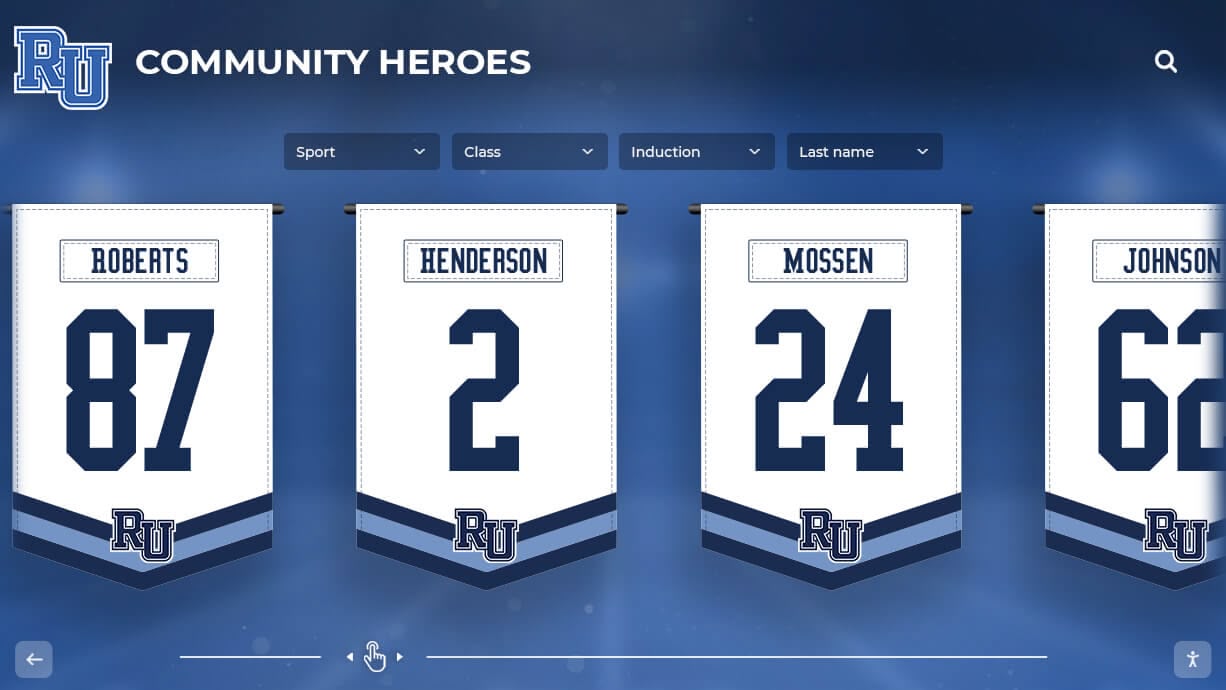
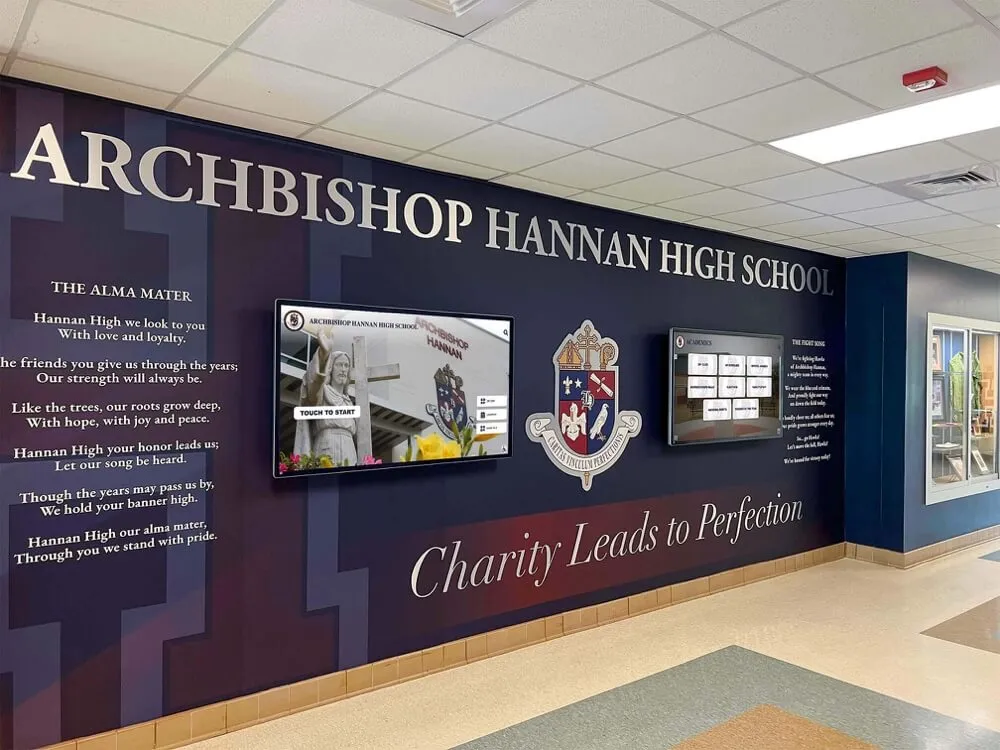
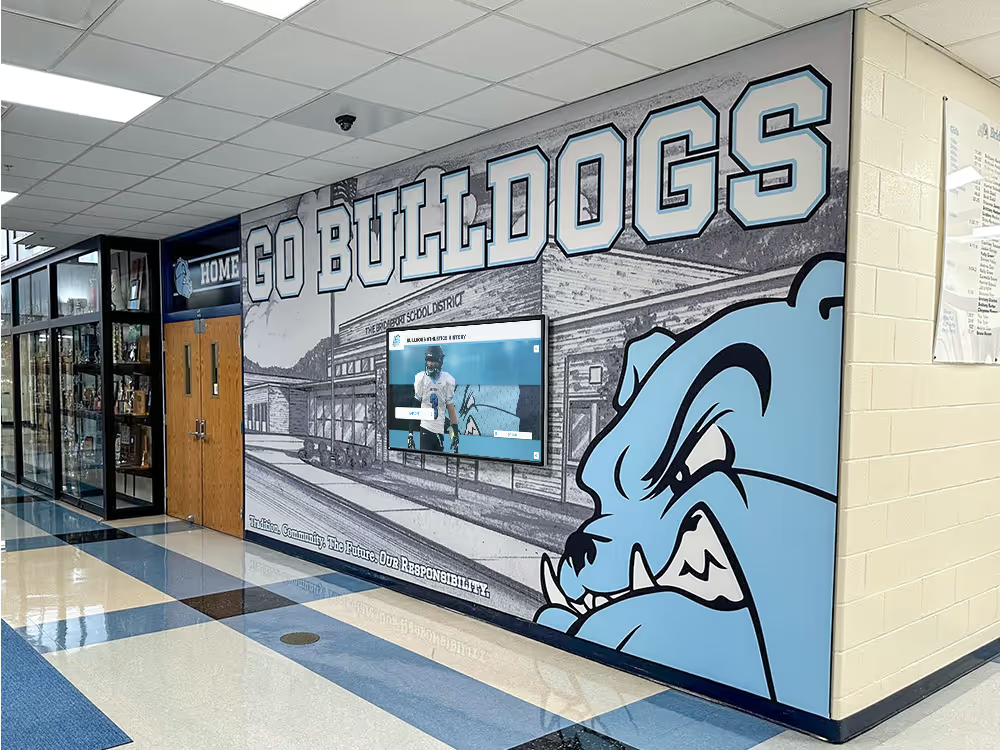
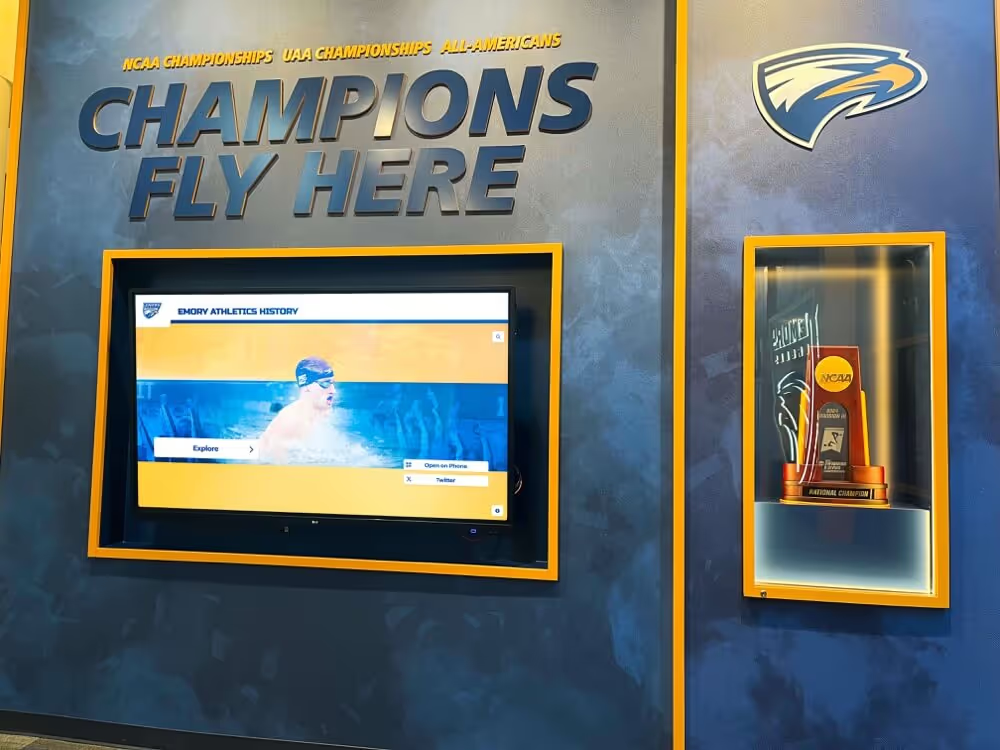
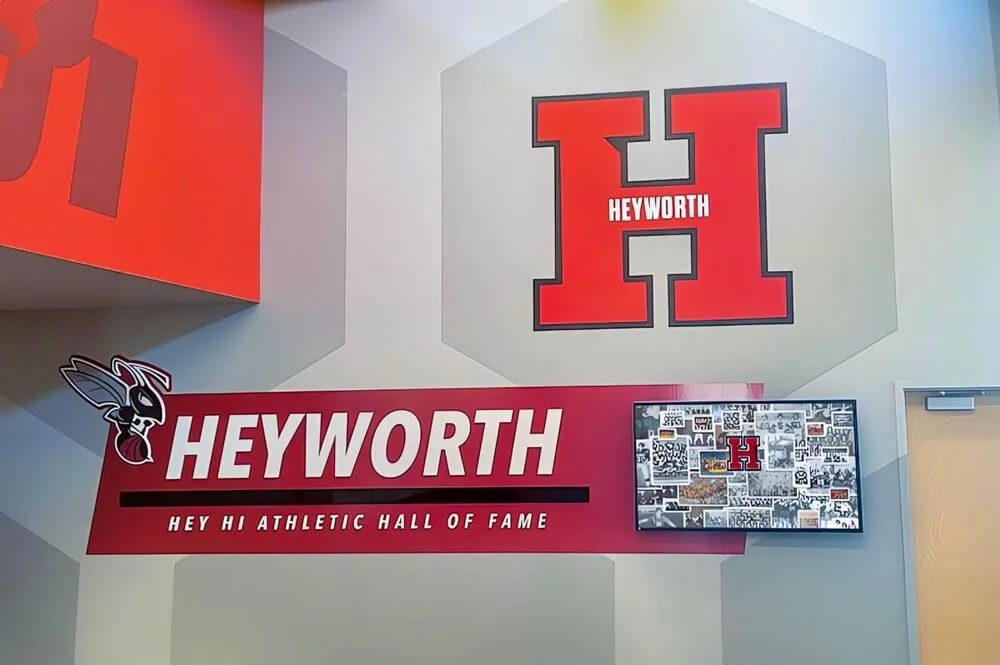
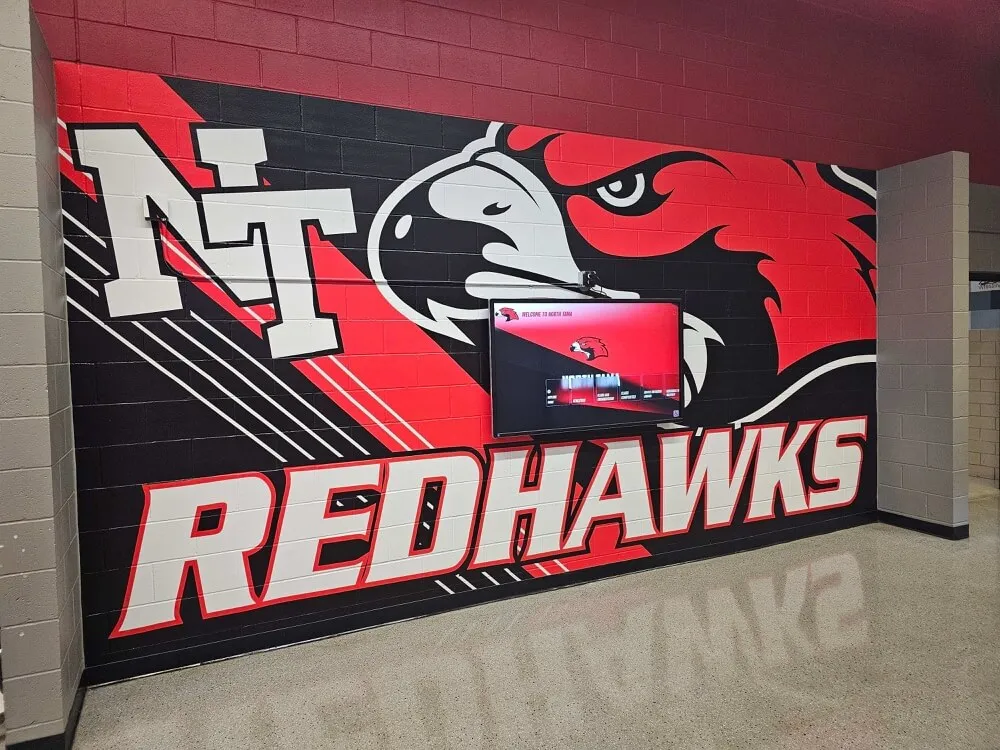
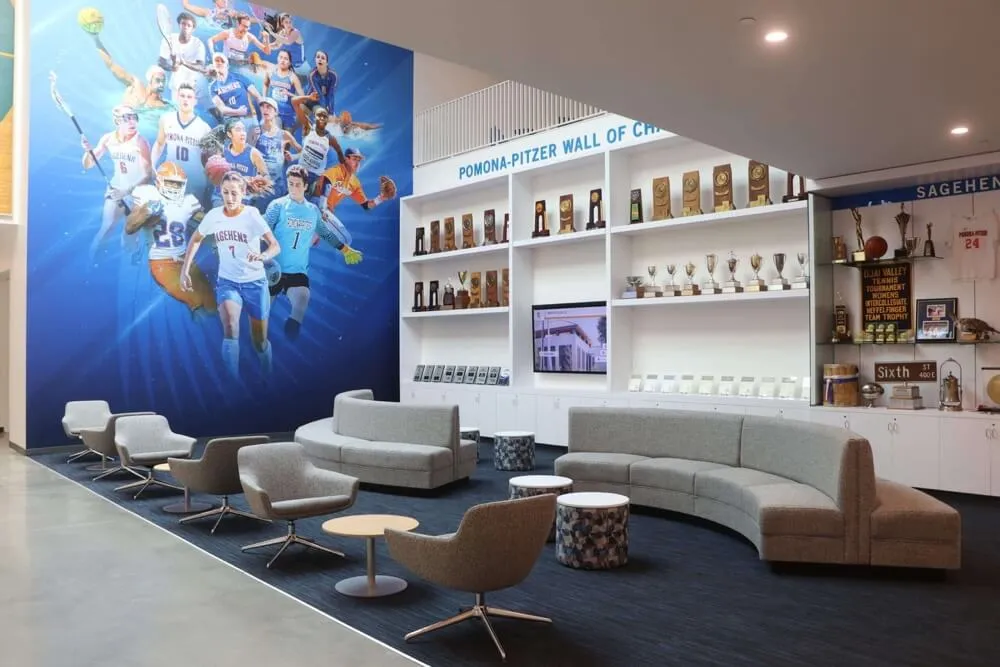
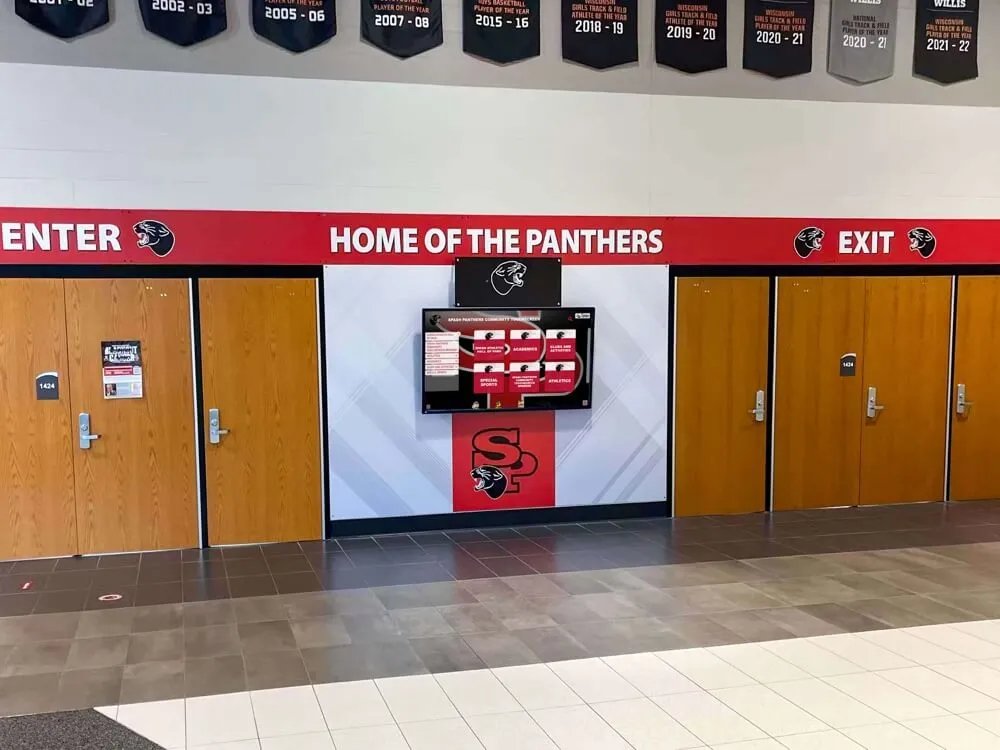
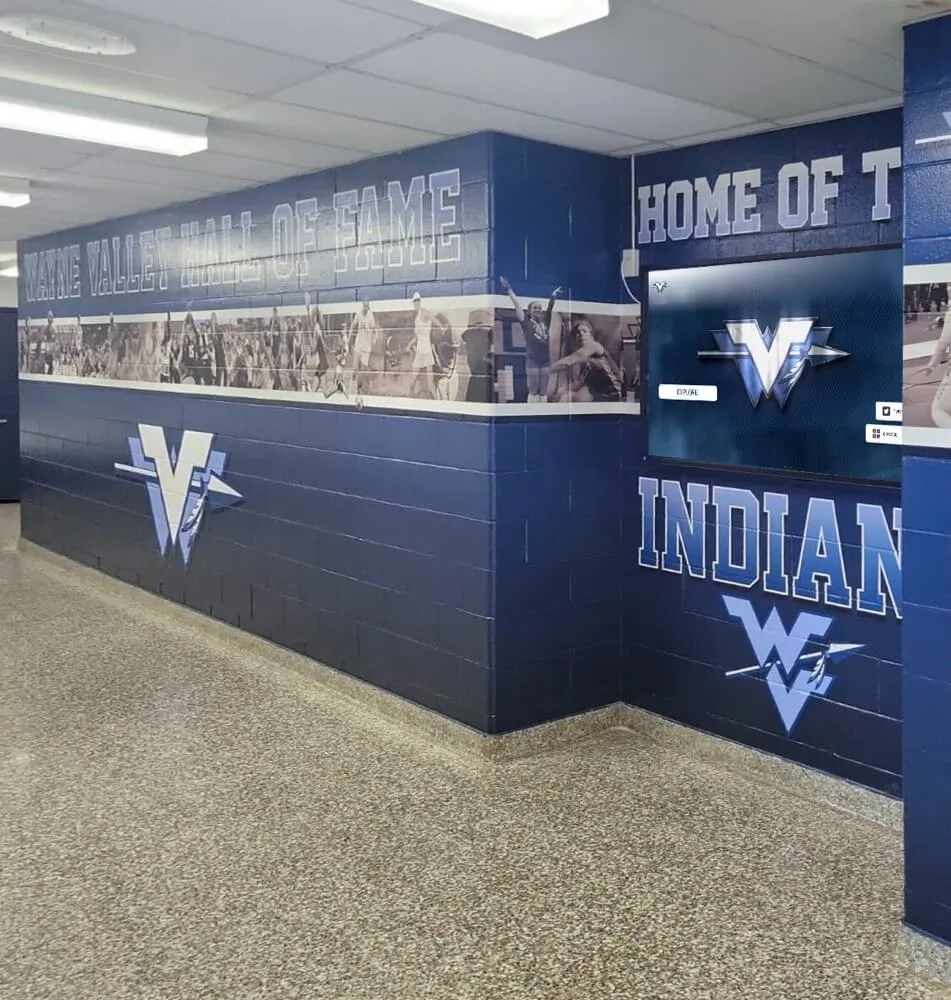
Hanging banners and facility signage give sponsors the kind of physical, permanent presence in the building that no printed program can match — and they remain visible to athletes and families throughout the full school year, not just on game nights
3. Digital and Display Recognition
Digital recognition deliverables have expanded significantly as schools have adopted digital display systems in athletic lobbies, corridors, and gymnasiums. These deliverables are increasingly central to higher sponsorship tiers because they offer something print and physical signage cannot: programmable, updatable, year-round visibility.
Key deliverables in this category include:
- Business logo or graphic on facility digital display screens (specify: rotation frequency, hours of display, duration through season)
- Sponsor profile or video segment on lobby or corridor touchscreen
- Business listing on the school’s athletic website sponsor page
- Social media mention from official school or booster club accounts (specify: number of posts, platforms)
- Feature in athletic program email newsletters (specify: subscriber count, placement)
Digital deliverables require different production materials than print: vector logo files, digital ad graphics in the correct aspect ratio for the school’s specific screens, and sometimes short video or animated assets for richer placements. Asking sponsors for these materials at signing — not two weeks before the season — prevents the bottleneck that causes digital fulfillment to slip.
The comparison between digital and traditional recognition matters when explaining these deliverables to sponsors who are newer to athletic partnerships. Understanding how digital displays differ from traditional trophy cases and recognition boards in school hallways helps programs communicate why digital recognition represents a premium and why sponsors at higher tiers receive something qualitatively different from those at base levels.
4. Thank-You Letters and Personal Acknowledgment
Acknowledgment deliverables are the category most commonly treated as optional, but they are among the most important for sponsor retention. A business owner who receives a prompt, personal thank-you from the athletic director or booster club president feels seen. One who receives only an automated receipt — or nothing — has their worst suspicion confirmed: that the school wanted the check and has no further use for the relationship.
Key deliverables in this category include:
- Personal thank-you letter from the athletic director or booster club president (within 2 weeks of agreement)
- Season-end impact letter documenting attendance numbers, program outcomes, and a summary of recognition delivered
- Invitation to recognition events (year-end banquet, senior night, awards ceremony) at qualifying tiers
- PA announcement acknowledging sponsor presence on designated game nights
- Meeting or call with athletic director at season end to discuss renewal and the following year
Thank-you correspondence does not need to be elaborate — it needs to be personal and timely. A letter that uses the sponsor’s name, references their specific tier and deliverables, and includes a genuine note about the program’s season communicates that the relationship is valued. Impersonal form letters accomplish the compliance goal without the relationship goal.
Year-end banquets and team celebrations are natural venues for sponsor acknowledgment. The planning framework for cheer banquet ideas and memorable team celebrations applies directly to athletic program sponsor recognition events — the same logistics of venue, timing, and programming that make a team celebration memorable can be extended to include sponsor acknowledgment moments that sponsors genuinely value attending.
The Booster Club Sponsor Deliverables Checklist
The checklist below is designed to be completed once per sponsor agreement and tracked through the season. Add a column for fulfillment status (Pending / In Progress / Complete) and an initials column for accountability.
Pre-Season Deliverables (Complete Before First Game)
| Deliverable | Sponsor Level(s) | Assigned To | Status |
|---|---|---|---|
| Logo files and ad materials collected from sponsor | All | Admin | |
| Sponsor listed in printed programs at appropriate placement | All printed tiers | Print coordinator | |
| Business name on printed schedules | Schedule tiers | Admin | |
| Banner/signage ordered and confirmed with vendor | Banner tiers | Facilities | |
| Banner/signage installed at specified location | Banner tiers | Facilities | |
| Digital display assets uploaded and rotation confirmed | Digital tiers | Tech coordinator | |
| Business listed on athletics website sponsor page | All | Web admin | |
| Pre-season thank-you letter sent from athletic director | All | AD office |
In-Season Deliverables (Track Through the Season)
| Deliverable | Frequency | Assigned To | Status |
|---|---|---|---|
| PA announcements acknowledging sponsor | Per game (specified tiers) | PA operator | |
| Digital display rotation active and confirmed | Weekly check | Tech coordinator | |
| Social media mentions posted per agreement | Per schedule | Social media | |
| Email newsletter feature included | Per schedule | Newsletter admin | |
| Mid-season check-in with sponsor (if applicable) | Once | AD or BC president |
Post-Season Deliverables (Complete Within 30 Days of Season End)
| Deliverable | Sponsor Level(s) | Assigned To | Status |
|---|---|---|---|
| Season-end impact letter with attendance data | All | AD office | |
| Fulfillment summary documenting all recognition delivered | All | Admin | |
| Photos of banner and digital recognition in facility | All | Admin | |
| Invitation to year-end banquet or awards event | Qualifying tiers | Events coordinator | |
| Banquet program includes sponsor name/logo | Qualifying tiers | Print coordinator | |
| Renewal conversation or meeting scheduled | All | AD or BC president |
Programs that maintain this checklist through the season rarely lose sponsors unexpectedly. The discipline of tracking each deliverable exposes gaps before they become unrecoverable — a banner that was never installed can still be installed in week three; a digital upload that was skipped can be corrected before the sponsor asks about it.
Tracking Deliverables Across Multiple Sponsors
Once a program has more than a handful of sponsors, tracking becomes a management challenge rather than a memory task. The most reliable systems are simple: a spreadsheet with one row per sponsor, columns for each category of deliverable, and a color-coded status system that makes overdue items visible at a glance.
Schools that archive their sponsorship records properly build institutional memory that survives staff turnover. A booster club treasurer who is new to the role can look at last year’s deliverables log and understand exactly what was promised, what was delivered, and what slipped — without having to reconstruct it from memory or scattered emails.
For schools working through the end-of-season documentation process, the framework for capturing and archiving a sports season is directly applicable to sponsor fulfillment documentation — the same attention to completion, outcomes, and visual record-keeping that makes a season recap meaningful also makes a sponsor fulfillment report credible and compelling.
Recognition boards — whether printed or digital — also benefit from the same archival discipline. AP Scholar recognition boards and digital display systems illustrate how schools track and display recognition consistently over time, which is the same infrastructure discipline that sponsor recognition programs require.
Digital Displays: Making Sponsor Recognition Permanent
The most significant development in booster club sponsor recognition over the past several years has been the adoption of digital display systems in athletic facilities. For sponsor deliverables specifically, digital displays solve problems that no amount of careful print coordination can address: the inability to update content mid-season, the lack of year-round visibility, and the absence of proof-of-display that sponsors can verify in person.
A school with a digital display in its athletic lobby can show a sponsor their logo active on the screen within days of signing. A sponsor who can walk into the facility and see their recognition deployed — rather than waiting for a printed program that arrives three weeks into the season — has immediate confidence that the school is fulfilling its commitments.
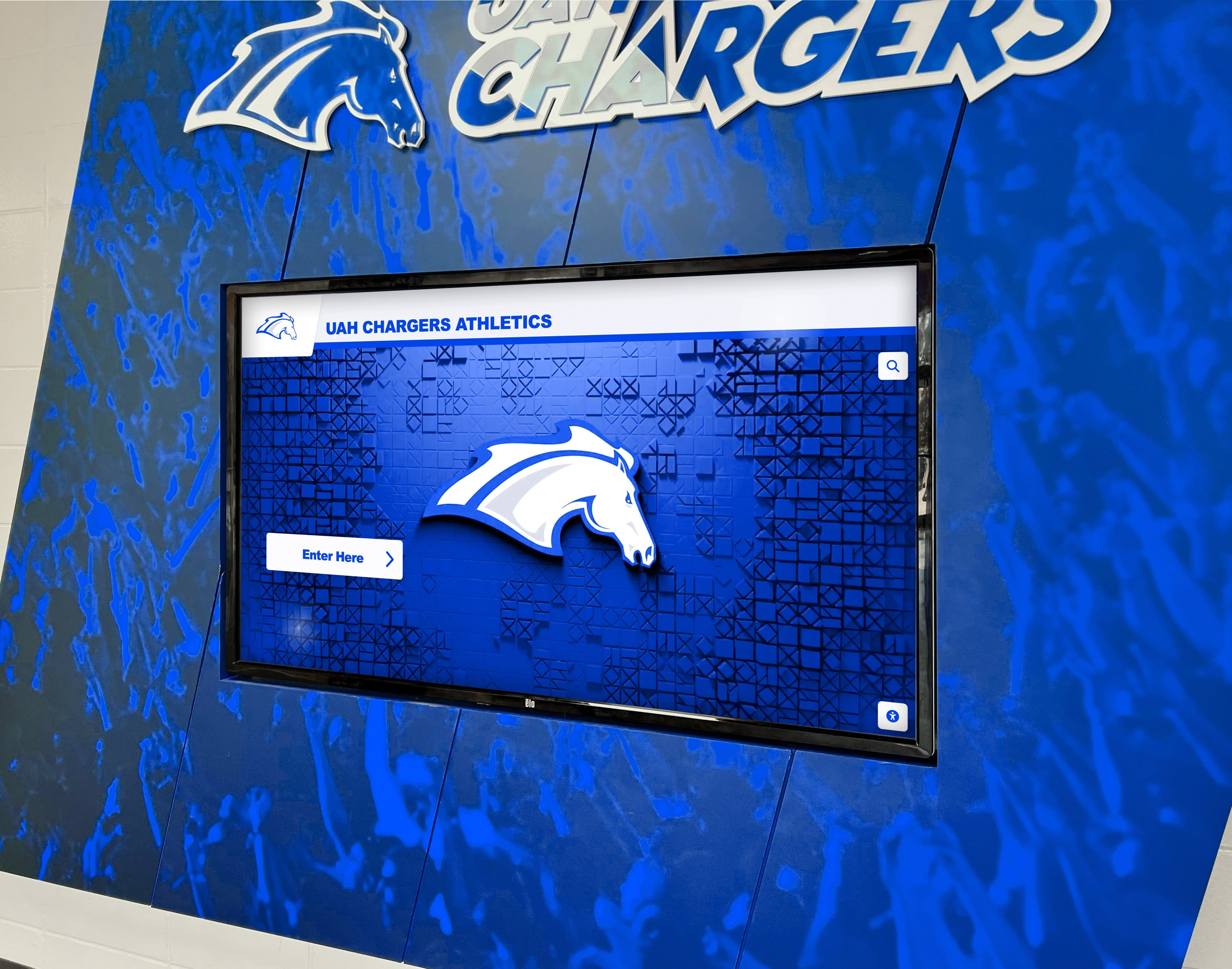
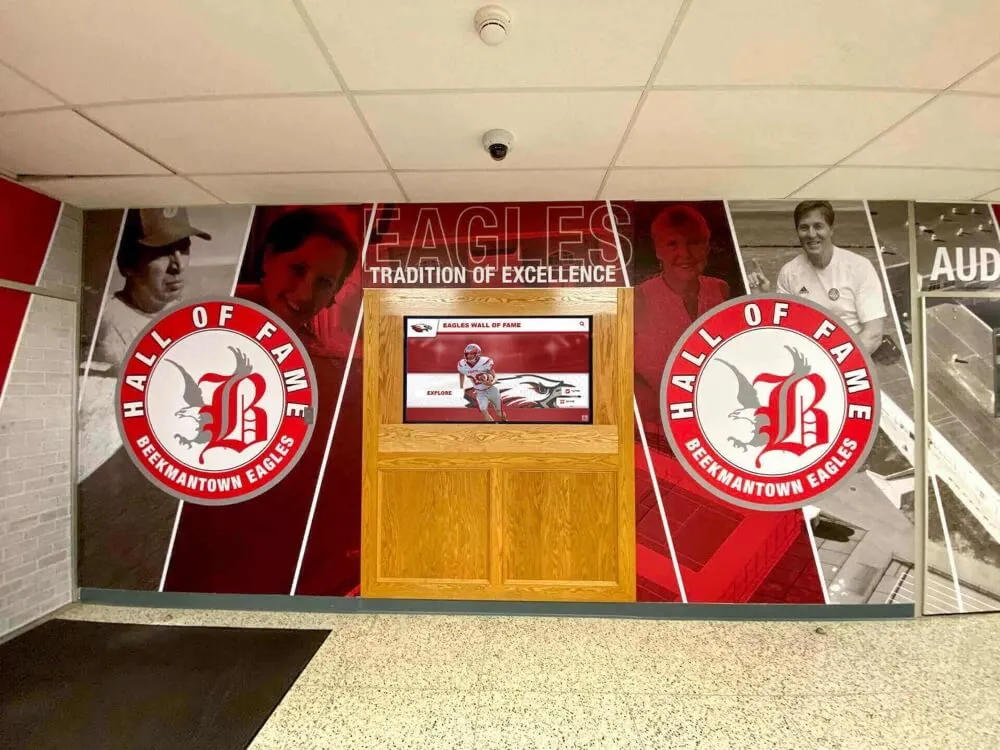
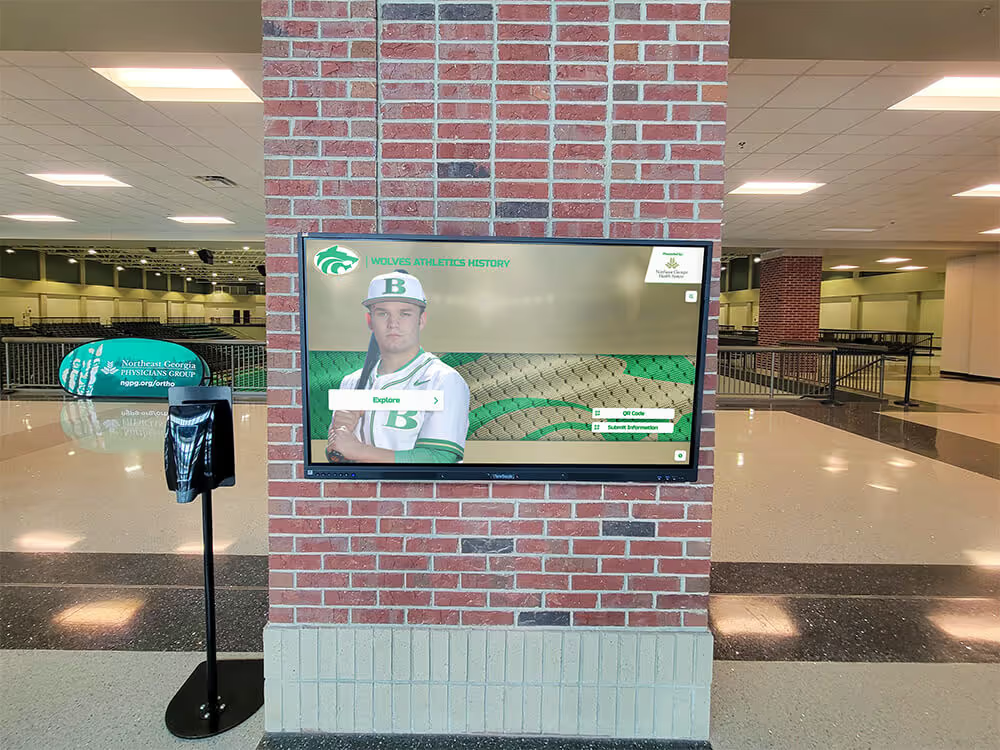
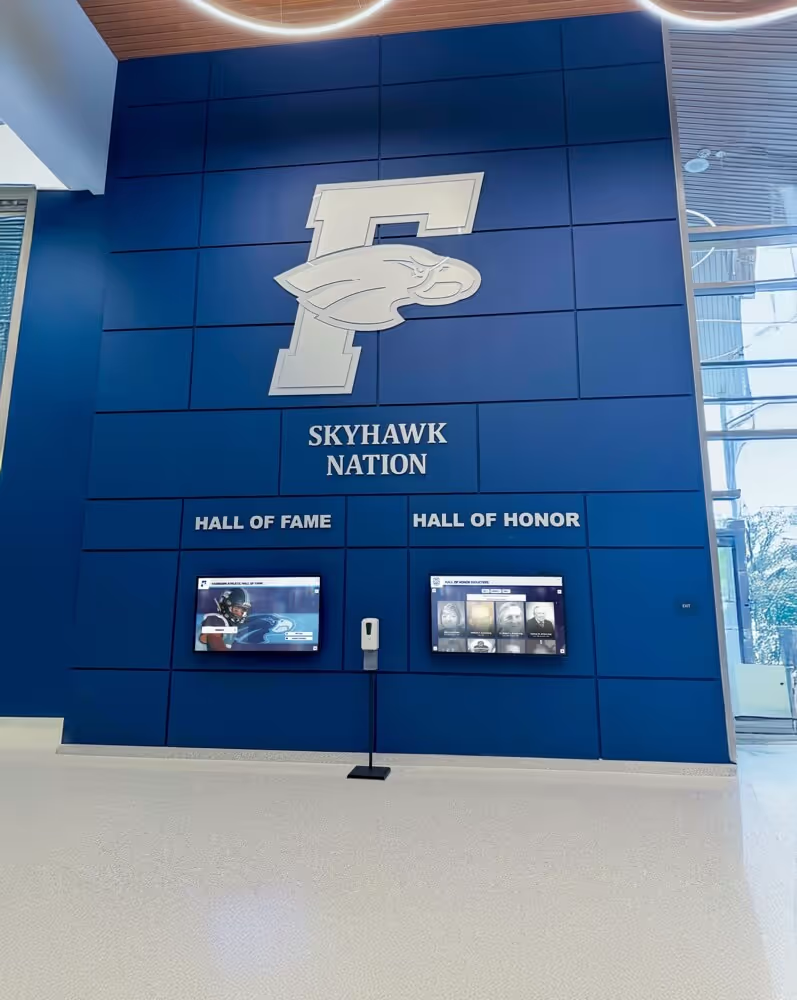
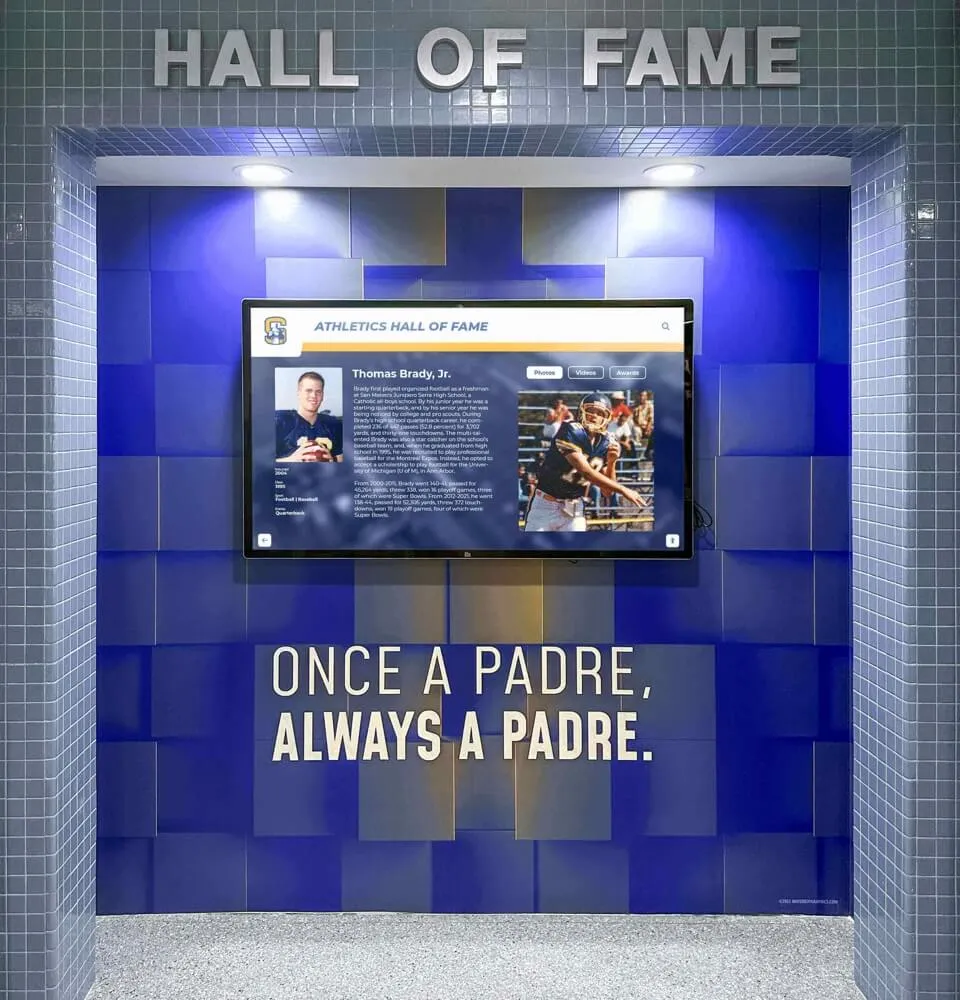
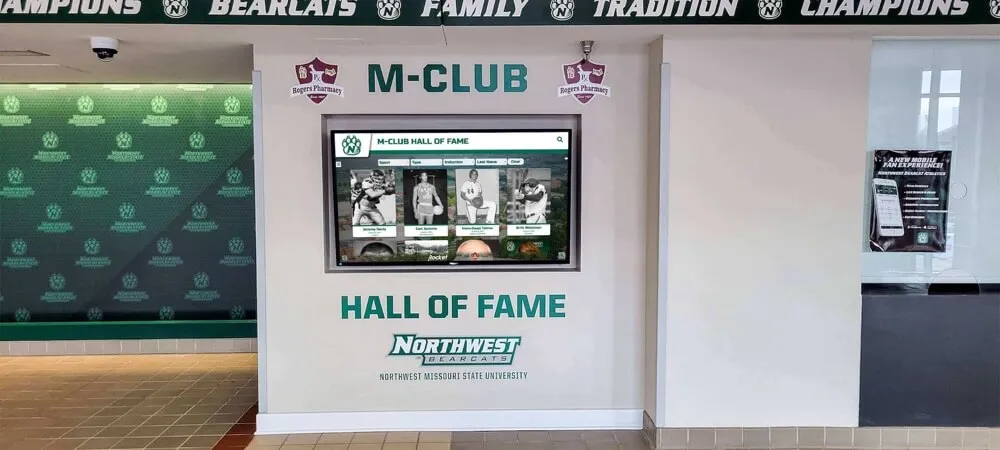
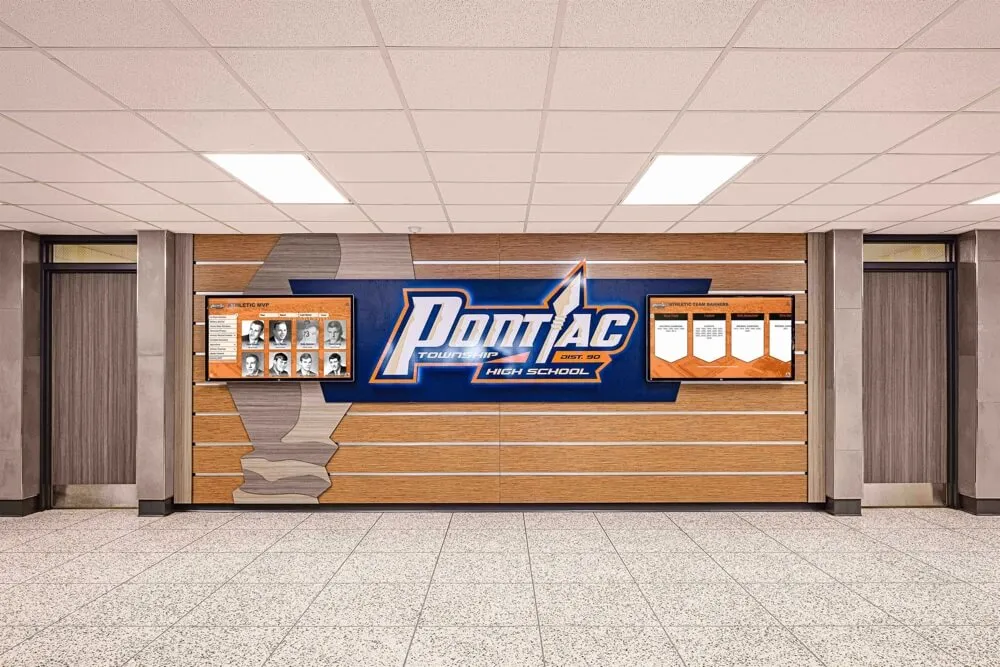
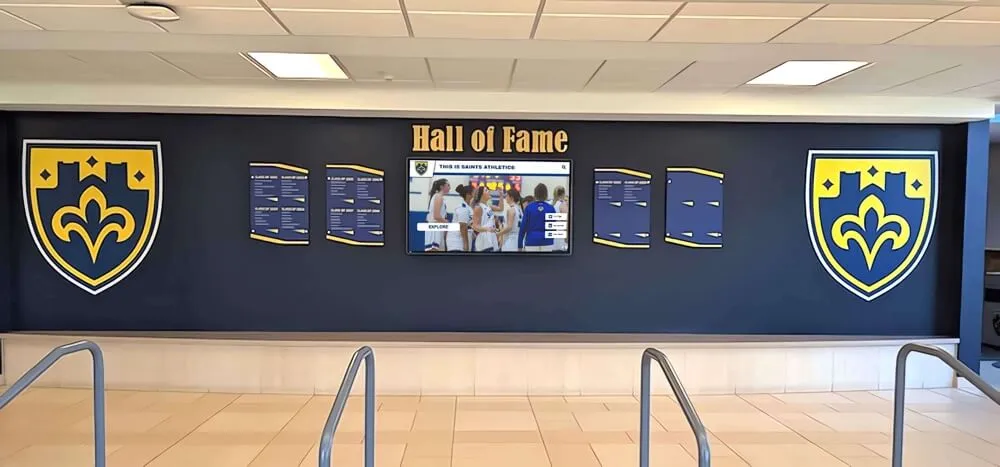
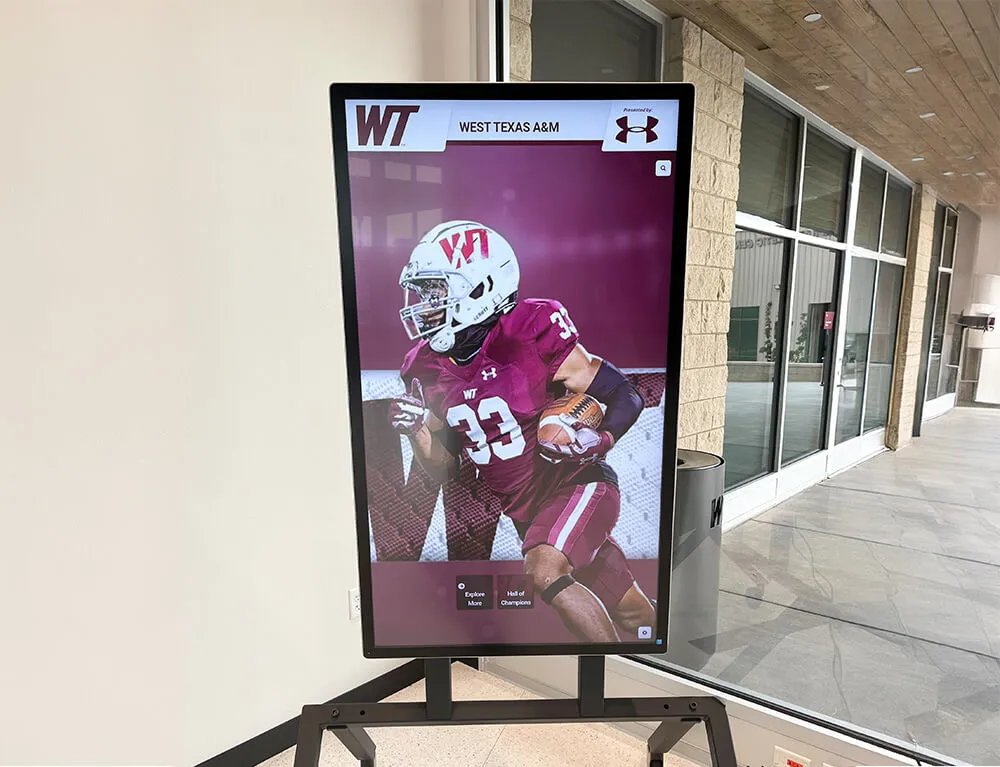
Digital display screens give athletic programs a year-round platform for sponsor recognition — one that remains active during the school day, during practices, and during events, rather than only when a printed program is in someone's hands
For programs considering the transition from traditional to digital recognition, understanding the practical differences between digital hall of fame systems and traditional trophy cases helps athletic directors explain the upgrade to both sponsors and administration in concrete terms — what changes, what gets better, and why the investment in digital infrastructure improves fulfillment capability for the entire sponsorship program.
What Digital Deliverables Actually Look Like
For sponsors evaluating a digital recognition deliverable, specificity matters as much as it does for print. The description “your logo on our digital displays” is not a deliverable — it is a category. A deliverable sounds like: “Your business logo and tagline displayed in a 30-second rotation on the gymnasium lobby screen, running from September through April, with an estimated average daily visibility window of 7:00 AM to 8:00 PM during the school year.”
That level of specificity enables sponsors to evaluate the offer, gives your tech coordinator a clear brief, and gives you a verifiable standard against which fulfillment can be confirmed.
For programs building out the athletic recognition environment that makes digital sponsorship placements valuable, the landscape of available tools — including how they differ from one another — is worth understanding. College football awards and how major programs use digital recognition infrastructure illustrates the range of ways that digital displays integrate into athletic recognition environments, from trophy case replacements to lobby touchscreens to corridor display systems.
Season-End Documentation: Closing the Loop
The season-end fulfillment summary is the deliverable that most directly drives renewal. A sponsor who receives a summary showing that 100% of their contracted deliverables were fulfilled — with photos, attendance data, and a brief program impact statement — has concrete evidence that the investment was worthwhile. That evidence makes renewal a straightforward decision.
A fulfillment summary does not need to be elaborate. A one-to-two page document works: sponsor name and tier at the top, a table listing each deliverable with confirmed completion status, two or three photos of recognition in place (banner installed, digital screen showing their logo, program page with their ad), attendance totals for events where they were recognized, and a brief paragraph about program outcomes for the season.
The documentation also matters internally. Schools that build a record of sponsor fulfillment across multiple seasons can see patterns — which categories consistently slip, which sponsors have received consistently strong service, which tiers may need their deliverables refined to be more realistically achievable — that inform the next year’s sponsorship program design.
Year-end school publications are another vehicle for acknowledging sponsors in a context that reaches the broader school community. The approach that school yearbooks take to capturing and honoring community contributors offers a useful parallel: the same spirit of documenting meaningful community relationships that drives a strong yearbook program also motivates a sponsor acknowledgment that feels like a genuine tribute rather than a compliance exercise.
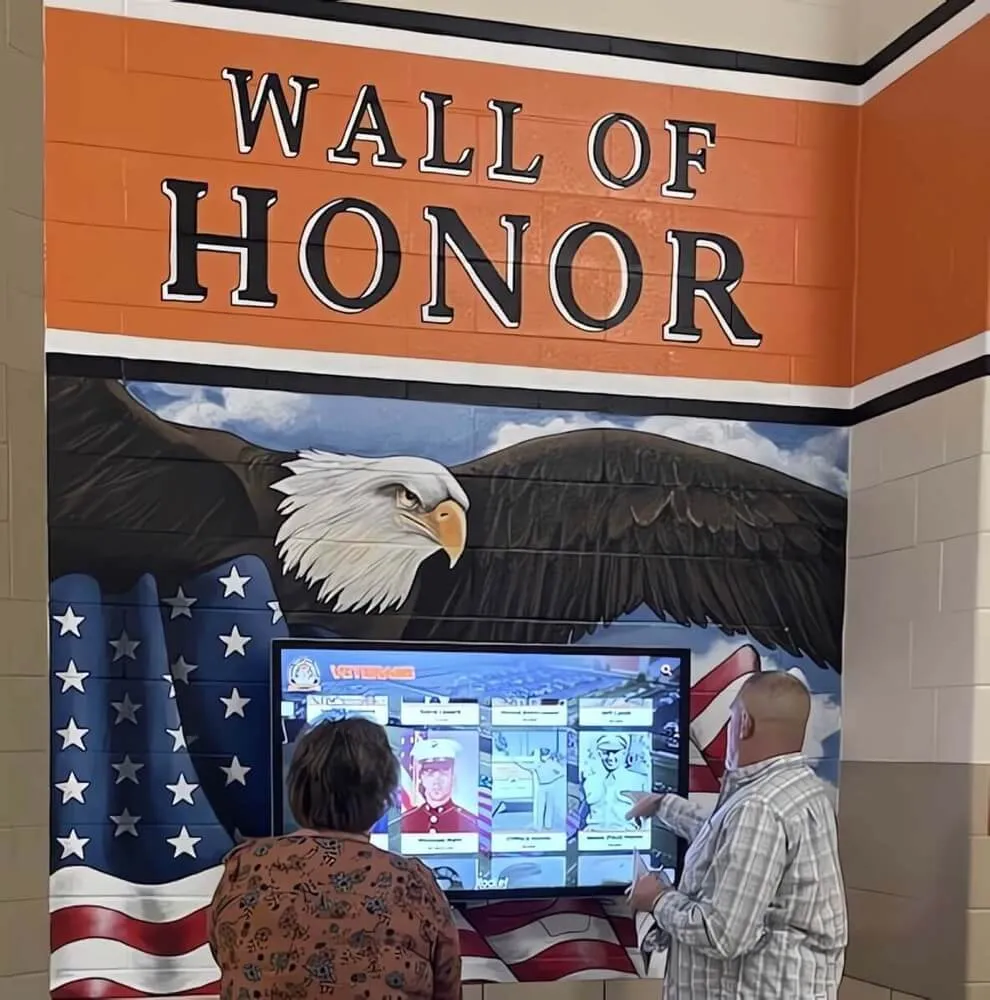
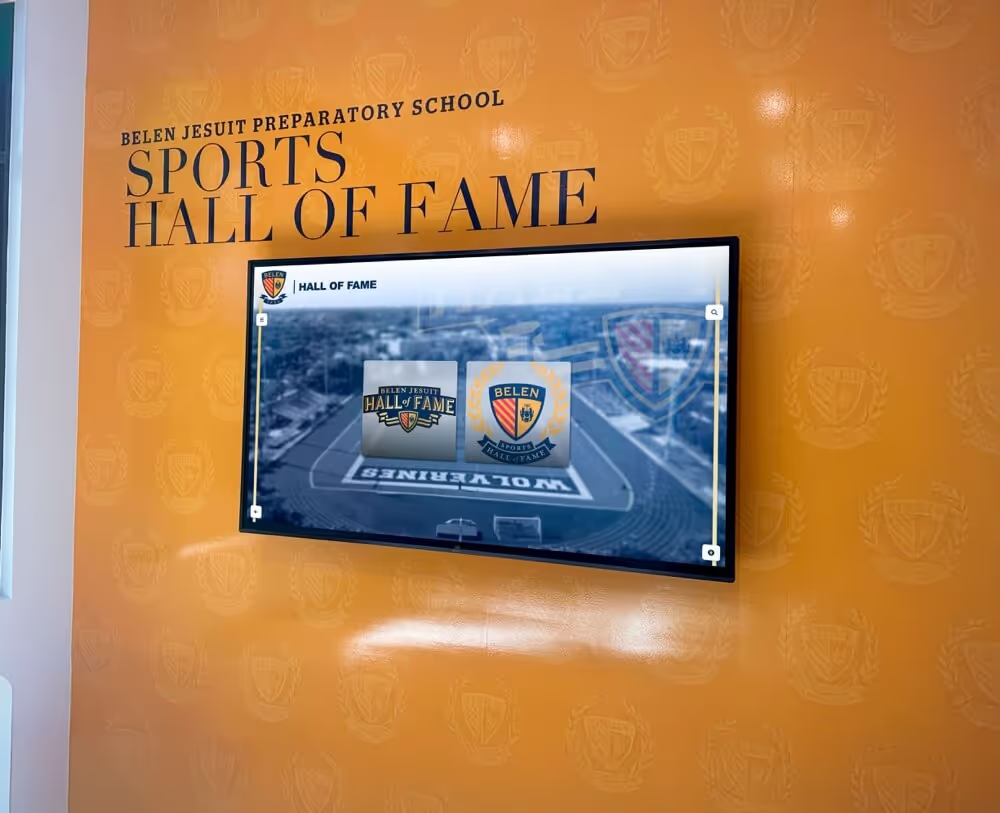
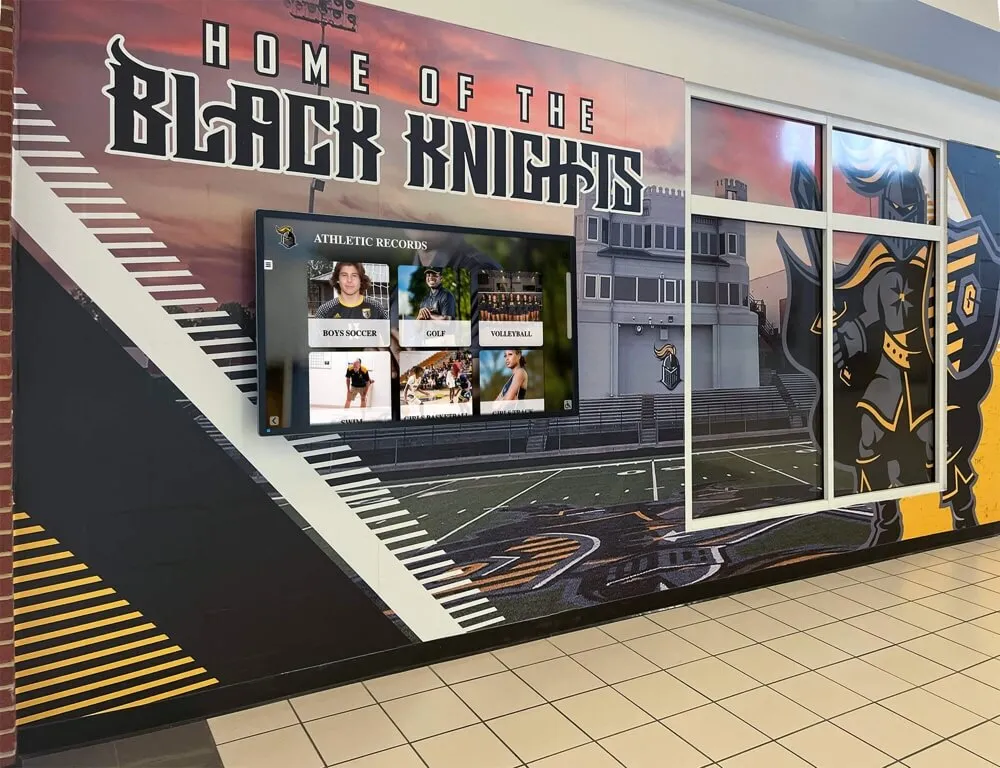
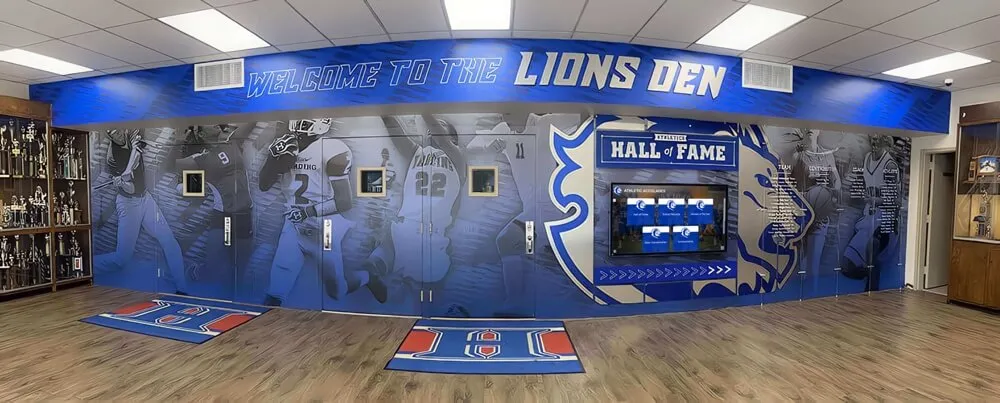
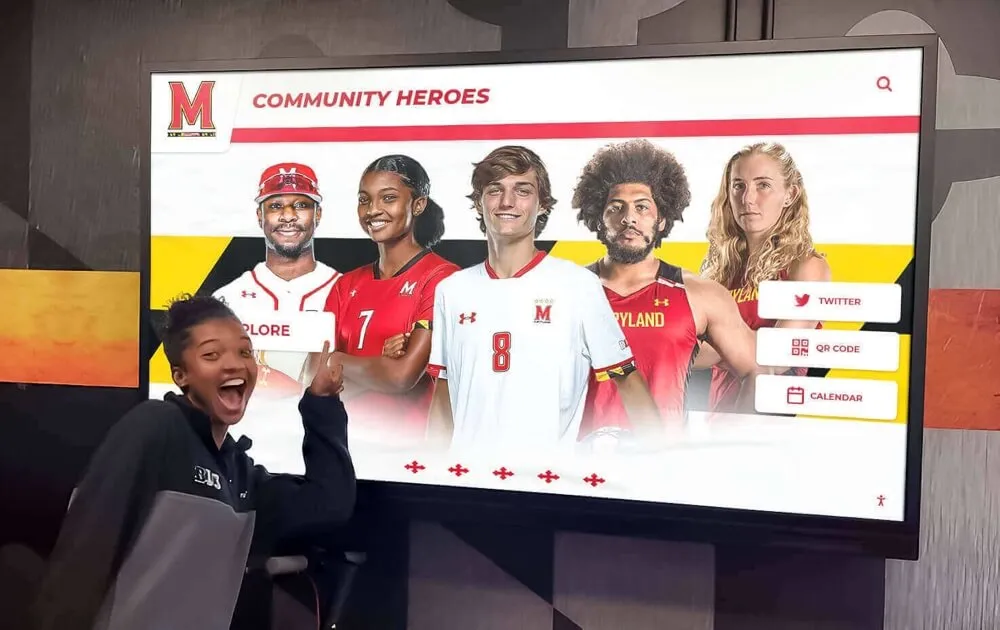
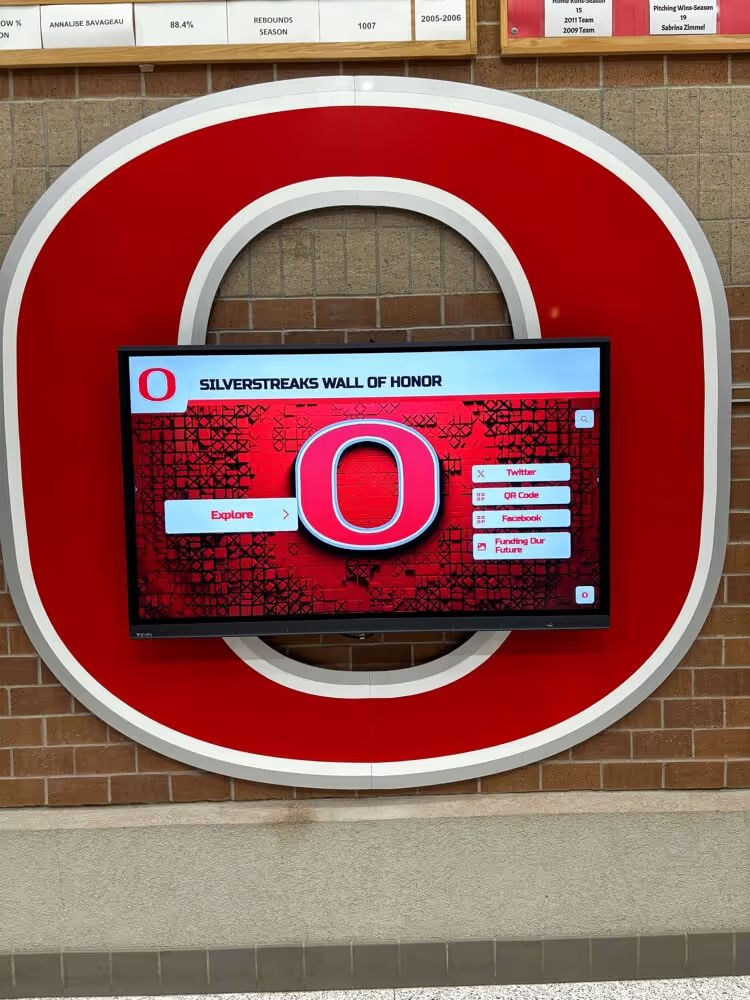
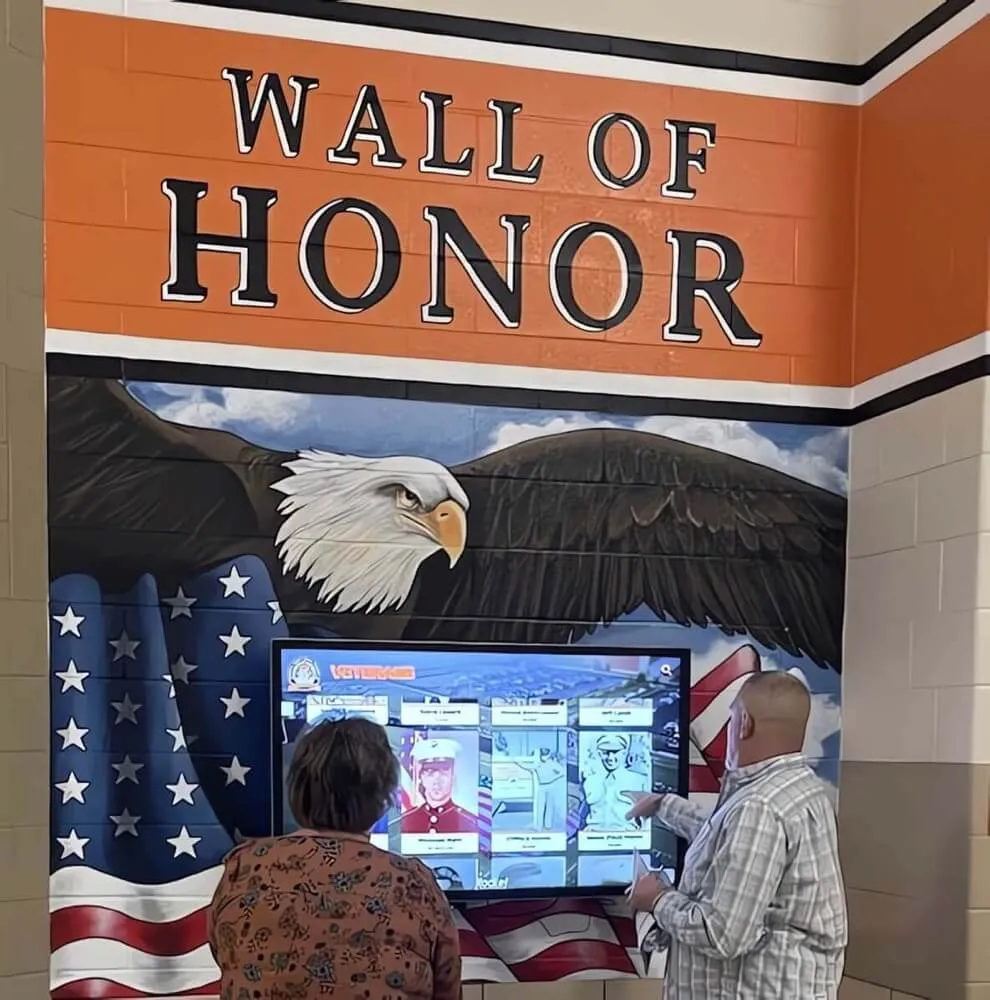
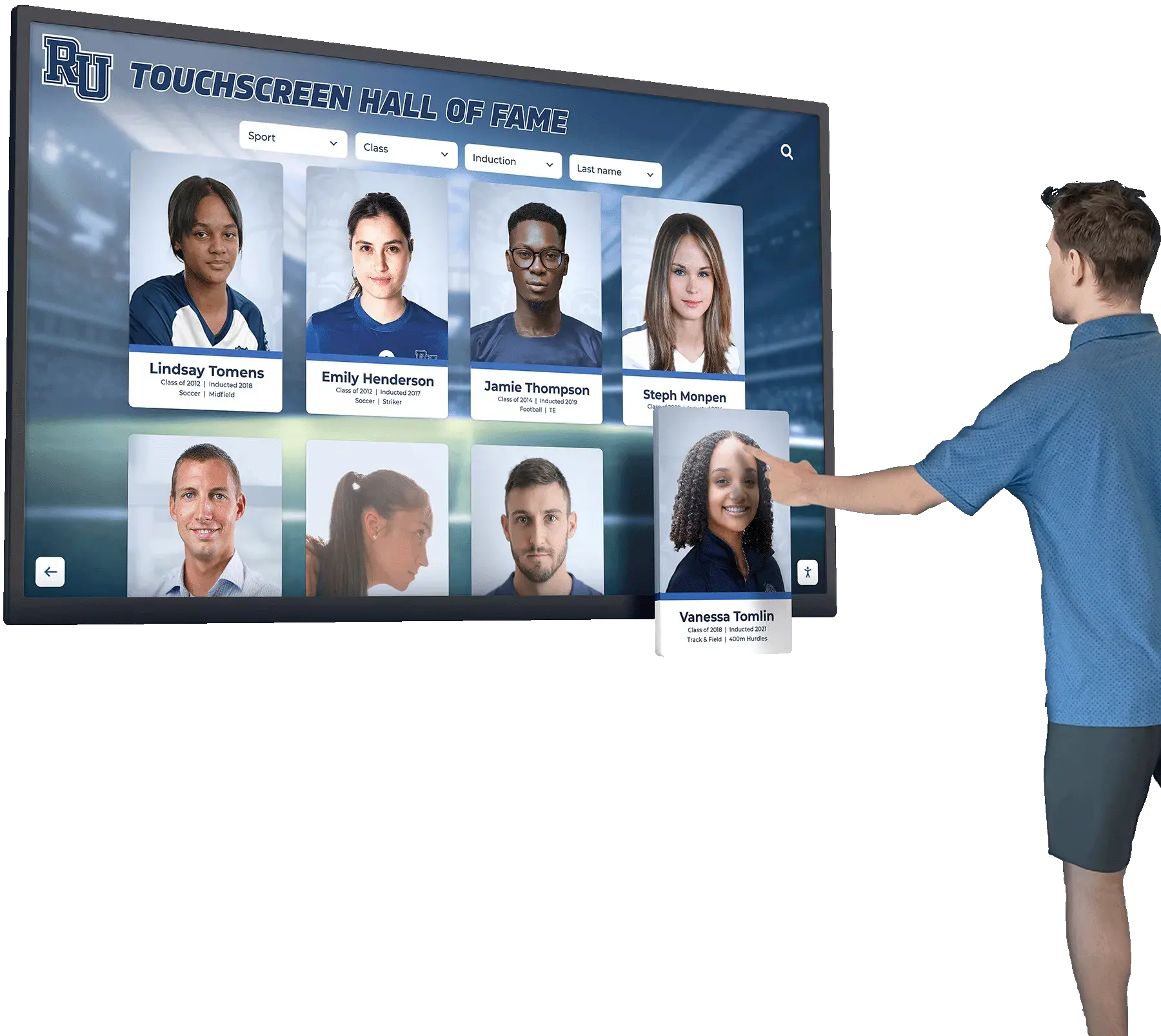
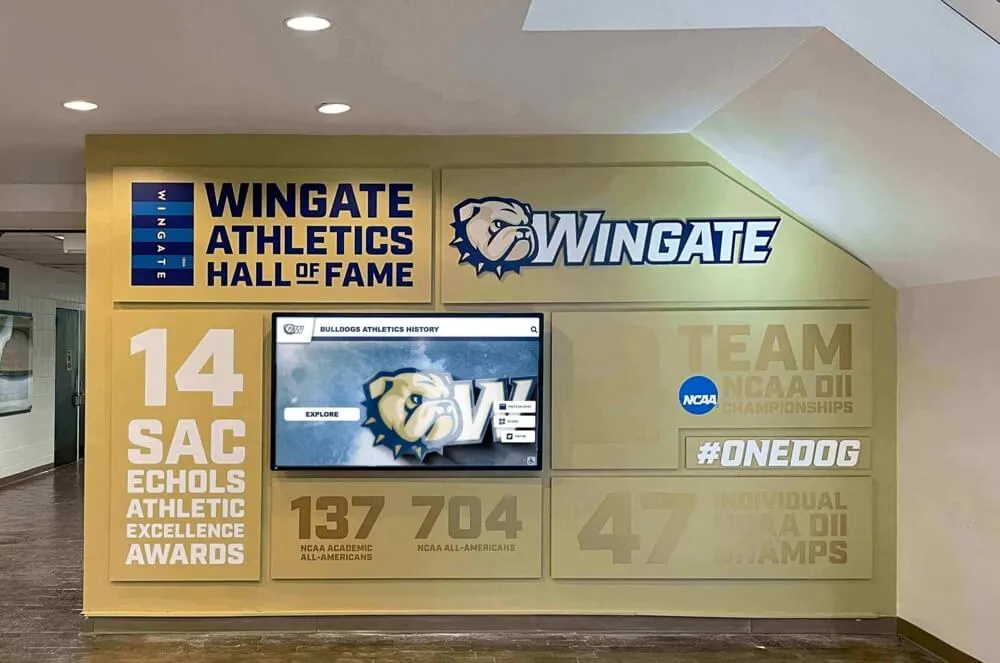
An interactive recognition display in the athletic lobby gives sponsors a visible, permanent marker of their contribution to the program — one they can show family members, employees, and colleagues as evidence of their community investment
Building Sponsor Deliverables Into the Program Structure
The most reliable way to fulfill every sponsor deliverable is to build fulfillment into the program’s operating calendar before the season begins — not to manage it reactively through the year. That means:
At signing: Collect all materials needed (logo files, approved ad copy, contact information for thank-you correspondence). Confirm all deliverables are correctly listed in the agreement. Assign each deliverable category to a specific person.
Pre-season: Complete all print and installation deliverables before the first game. Confirm digital display uploads. Send the pre-season thank-you letter.
In-season: Run through the deliverables checklist monthly. Confirm PA announcements are being executed. Confirm digital display rotation is active. Post any scheduled social media mentions.
Post-season: Generate the fulfillment summary within 30 days of the last event. Send to every sponsor with a renewal conversation request.
That calendar-driven structure converts sponsor deliverables from a list of intentions into a managed process. Programs that follow it consistently do not lose sponsors to broken promises because broken promises rarely survive a system designed to catch them.
Give Sponsors Recognition They Can See Year-Round
Rocket Alumni Solutions builds interactive digital recognition systems for school athletic facilities — giving booster clubs a permanent, visible platform to fulfill digital sponsorship deliverables and create the kind of year-round recognition that makes renewals easy conversations. Sponsors see their name in the building. Your program has documented proof of delivery.
See Sponsor Recognition Display SolutionsFrequently Asked Questions About Booster Club Sponsor Deliverables
What are booster club sponsor deliverables?
Booster club sponsor deliverables are the specific, trackable assets and recognition items a school athletic program promises to a business sponsor in exchange for their financial contribution. They include print recognition (logos in game programs, business name on printed schedules), physical signage (banners in the gym or at outdoor venues), digital display recognition (logo rotation on facility screens, website listings), and personal acknowledgment (thank-you letters, season-end impact reports, event invitations). A deliverable is a specific item — not a general category — and its fulfillment should be documented and confirmable.
How do booster clubs track sponsor deliverables?
Most booster clubs track sponsor deliverables using a shared checklist or spreadsheet with one row per sponsor, columns for each deliverable category, and a status field that indicates whether each item is pending, in progress, or complete. Each deliverable should be assigned to a specific person responsible for fulfillment, with a deadline aligned to the program’s calendar. The most reliable systems build deliverable check-ins into the monthly operational calendar rather than relying on end-of-season review, which catches gaps while they can still be corrected.
What should a sponsor thank-you letter from a booster club include?
A sponsor thank-you letter from a booster club should include: the sponsor’s name and tier, a genuine acknowledgment of the contribution and why it matters to the program, a brief confirmation of the recognition deliverables they will receive and when to expect them, and a personal note from the athletic director or booster club president. It should be sent within two weeks of the agreement being signed — not at the end of the season. A season-end impact letter should follow, documenting attendance numbers, program outcomes, and a summary of each recognition item that was delivered.
What types of banners should booster clubs offer sponsors?
Booster clubs typically offer sponsors vinyl banners in gymnasiums or athletic corridors, fence banners at outdoor venues, panel recognition on permanent or semi-permanent facility boards, and — at higher tiers — court or field signage visible during televised or well-attended events. The location, dimensions, and duration of each banner should be specified in the sponsor agreement. Programs should confirm installation before the first home event and photograph the installed banner for documentation purposes. Common failure points include late installation, placement in low-visibility locations, or banners from prior sponsors left in place after a new agreement begins.
How do digital displays improve sponsor deliverable fulfillment?
Digital displays improve sponsor deliverable fulfillment in several ways: they enable schools to update sponsor recognition content immediately after an agreement is signed, they provide year-round visibility that printed programs and seasonal banners cannot, and they give sponsors a physical, verifiable proof point — they can walk into the facility and confirm their logo is active on the screen. Digital displays also make it possible to offer tiered deliverables with different rotation frequencies, feature lengths, and display zones, creating genuine differentiation between sponsorship levels that sponsors can evaluate based on real differences in reach.
A Program That Delivers Is a Program That Grows
The booster clubs that sustain strong sponsorship revenue year after year are not necessarily the ones with the most aggressive outreach or the most elaborate sponsorship packages. They are the ones that deliver what they promise, document the delivery, and make renewal feel like an easy decision rather than an annual negotiation from scratch.
Every item on the sponsor deliverables checklist is an opportunity to either reinforce or undermine that reputation. A banner installed on time, a digital display rotation confirmed before the first game, a personal thank-you letter that arrives within a week of signing — each of these small fulfillments compounds into a track record that businesses trust. And businesses that trust a program’s follow-through renew, refer peers, and eventually invest at higher tiers.
The operational infrastructure that makes consistent fulfillment possible — tracking systems, design tools, digital display capability, documentation habits — is not glamorous. But it is what separates sponsorship programs that grow from those that spend every fall restarting from a smaller base.
Build the Recognition Infrastructure Sponsors Can See
Rocket Alumni Solutions designs interactive digital recognition systems for school athletic programs — giving booster clubs a permanent display platform to fulfill sponsor deliverables visibly, document recognition for year-end reporting, and create the kind of year-round acknowledgment that makes annual renewal an easy yes.
Schedule a Demo