



A booster club segregation of duties matrix assigns authorization, custody, recordkeeping, and reconciliation to different individuals so no single person can both commit and conceal a financial error or misuse of funds. This template-style guide walks school athletic directors, administrators, and booster club officers through building that matrix, assigning roles to positions, and completing an implementation checklist that meets the internal control standards most school districts and state associations expect of parent organizations.
What is a booster club segregation of duties matrix? It is a grid document that maps each financial control duty—approving expenditures, handling cash, maintaining the accounting records, and reconciling bank statements—against each position in the organization, with the core rule that the same volunteer should never hold two or more of these duties for the same transaction. A completed matrix serves as both a training tool for incoming officers and a governance reference administrators can present to auditors, the school board, or the district business office on request.
Booster clubs that skip this structure often discover the gap only after a discrepancy surfaces. Separating duties prevents the most common problems before they occur and allows the organization to focus its energy on what it exists to do: support athletic programs, fund equipment and travel, and celebrate student achievement.
Building financial controls into the booster club’s operating structure is not an accounting exercise reserved for large organizations. School-affiliated parent groups routinely manage tens of thousands of dollars in fundraising revenue, and the individuals handling those funds are volunteers—often with no formal accounting background—rotating in and out of positions every year. A segregation of duties matrix compensates for both the scale of the funds and the transient nature of volunteer leadership by embedding controls in the structure itself rather than relying on the judgment of any individual.
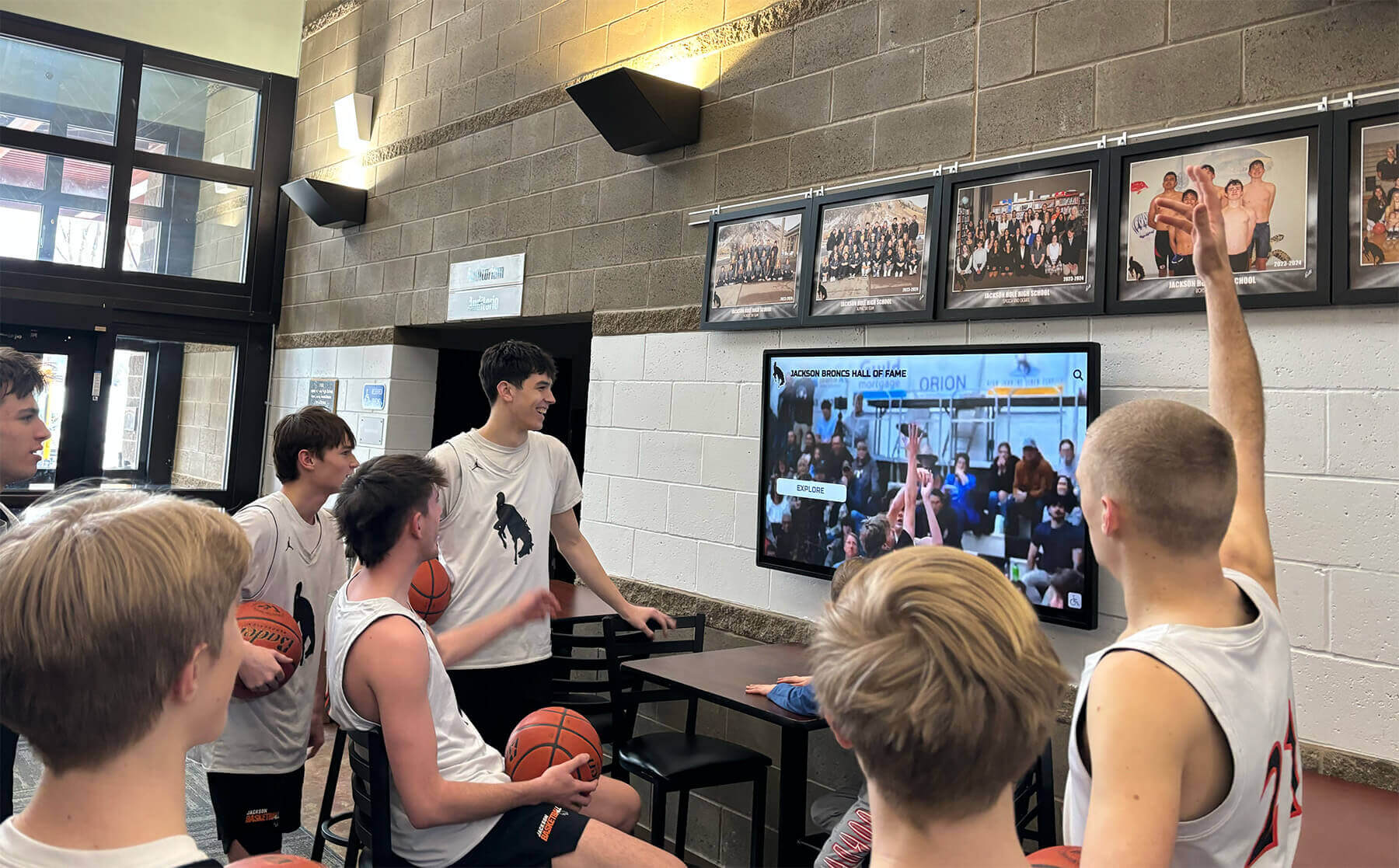
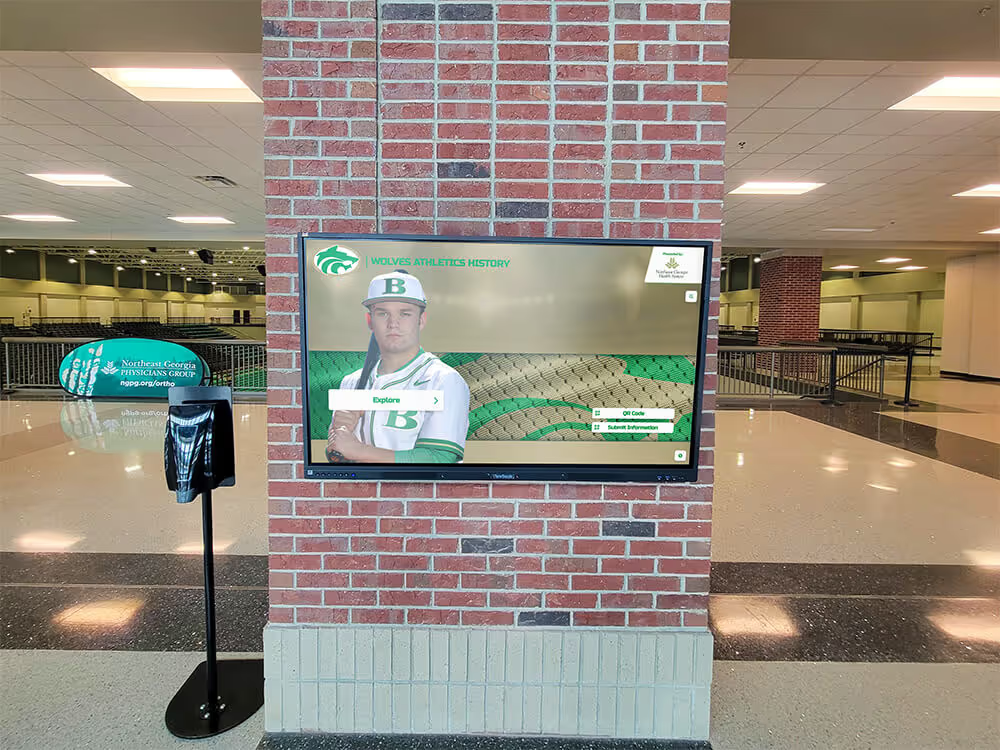
The athletic experiences and recognition moments booster clubs fund depend on financial controls that protect every dollar raised
What Is a Segregation of Duties Matrix?
A segregation of duties (SOD) matrix is a control framework originally developed for organizational accounting, adapted here for school-affiliated volunteer groups. The fundamental principle: any financial process involves at least four distinct control points, and assigning all four to the same person eliminates accountability.
The four control categories are:
- Authorization: The act of approving a transaction before it occurs. For a booster club, this means approving a purchase, signing off on a reimbursement request, or authorizing a bank deposit.
- Custody: Physical or electronic control of assets—cash, checks, the bank account, or goods purchased. The person who holds the money or assets at any given moment has custody.
- Recordkeeping: Entering transactions into the financial records, maintaining the accounting ledger, and producing financial reports. This function documents what happened.
- Reconciliation: Independently verifying that the records match actual activity—comparing the ledger to bank statements, counting petty cash against receipts, and confirming that deposit totals match event tally sheets.
When one volunteer handles all four functions for a fundraising event, that person can authorize their own transactions, hold the cash, record whatever they choose, and reconcile the records to match—leaving no independent check on the accuracy or honesty of the outcome. A properly structured booster club separates these functions so that an error or irregularity in any one area is visible to at least one other person.
The Booster Club Segregation of Duties Matrix: A Template
The matrix below assigns the four control categories to the positions most commonly found in school booster organizations. Adapt it to your specific officer structure by confirming which boxes are filled, which are empty, and critically, which boxes should never be filled by the same person simultaneously.
Core Matrix Template
| Financial Control Duty | President | Treasurer | Assistant Treasurer | Fundraising Chair | Event Chair | Board Member (Non-Officer) |
|---|---|---|---|---|---|---|
| Authorization | ||||||
| Approve expenditures above threshold | Primary | |||||
| Approve reimbursement requests | Primary | |||||
| Authorize bank transfers | Primary | |||||
| Custody | ||||||
| Receive cash at events | Primary | |||||
| Prepare and deliver deposits | Primary | |||||
| Control petty cash fund | Primary | |||||
| Recordkeeping | ||||||
| Maintain accounting ledger | Primary | |||||
| Enter receipts and invoices | Primary | Supporting | ||||
| Produce monthly financial reports | Primary | |||||
| Reconciliation | ||||||
| Reconcile monthly bank statements | Primary | Supporting | ||||
| Witness post-event cash counts | Primary | |||||
| Review expense reports | Primary |
Critical Incompatibilities
These combinations must never be assigned to the same position:
| If a volunteer does this… | They must NOT also do this |
|---|---|
| Authorize expenditures | Record those expenditures OR reconcile those records |
| Handle cash at an event | Deposit that cash OR enter the deposit into the ledger |
| Maintain the accounting ledger | Reconcile the bank statements |
| Prepare deposits | Record the deposits AND verify the bank records |
These rules hold regardless of how much you trust a specific individual. The control structure is designed to remain effective even when trust turns out to be misplaced—which is exactly what makes it valuable.
Common Booster Club Positions and Role Assignment
Most school booster clubs operate with five to ten active officers or committee chairs. The following guidance maps each common position to the matrix without creating incompatibility conflicts.
President
The president’s primary financial function is authorization. This officer approves spending above a defined threshold, signs off on major contracts or vendor agreements, and co-signs checks above a specified dollar amount. The president should not handle cash, enter records, or reconcile statements—serving as the authorization authority is their entire role in the financial control structure.
Because the president represents the organization publicly, they also serve as the bridge between the booster club and the school’s athletic director. Many athletic directors want a single administrative contact for oversight questions, and the president naturally fills that role. Athletic programs that formally recognize student achievement—tracking varsity letter recipients, award winners, and program milestones—benefit from a clear organizational structure that the booster club president helps maintain alongside administration. Understanding how schools formally honor athlete achievement, as in the traditions around varsity letters and what they represent, is part of the institutional context booster presidents navigate when coordinating with athletic departments.
Treasurer
The treasurer’s primary functions are recordkeeping and limited custody of the petty cash fund. They maintain the accounting ledger, enter all transactions, and produce monthly financial statements for the board. They do not authorize expenditures and should not reconcile bank statements—that independent review belongs to another officer or a board member.
Because the treasurer has deep visibility into the financial records, incoming treasurers benefit from formal handoff procedures. Most state association guidelines for school-affiliated organizations specify that the incoming treasurer should receive a full account reconciliation from the outgoing officer before assuming control of records.
Assistant Treasurer
The assistant treasurer provides both redundancy and the critical reconciliation function. They assist with data entry during high-volume periods and independently reconcile bank statements against the treasurer’s records monthly. This reconciliation is the primary independent check on the accuracy of the ledger—if a discrepancy exists, the assistant treasurer is positioned to surface it without being the person who created it.
Fundraising Chair
The fundraising chair oversees deposit logistics for events—collecting tallied cash from event chairs, preparing deposit slips, and physically depositing funds to the bank. They do not maintain the records of those deposits; that function belongs to the treasurer. Having the fundraising chair deposit while the treasurer records and the assistant treasurer reconciles creates a three-person chain for every dollar, with no single person controlling the full flow.
Event Chairs
Individual event chairs are responsible for cash custody during their specific event: operating the cash box, accepting payments, and producing a signed tally sheet at event close. They hand the tally sheet and funds to the fundraising chair at event end and do not maintain the ongoing records or make any entries in the ledger.
Non-Officer Board Members
Board members without specific officer responsibilities are valuable as independent reviewers. Assigning one or two board members to the reconciliation function—reviewing expense reports and attending post-event cash counts as witnesses—adds a layer of community accountability that auditors and school administrators look favorably on during any review of club operations.
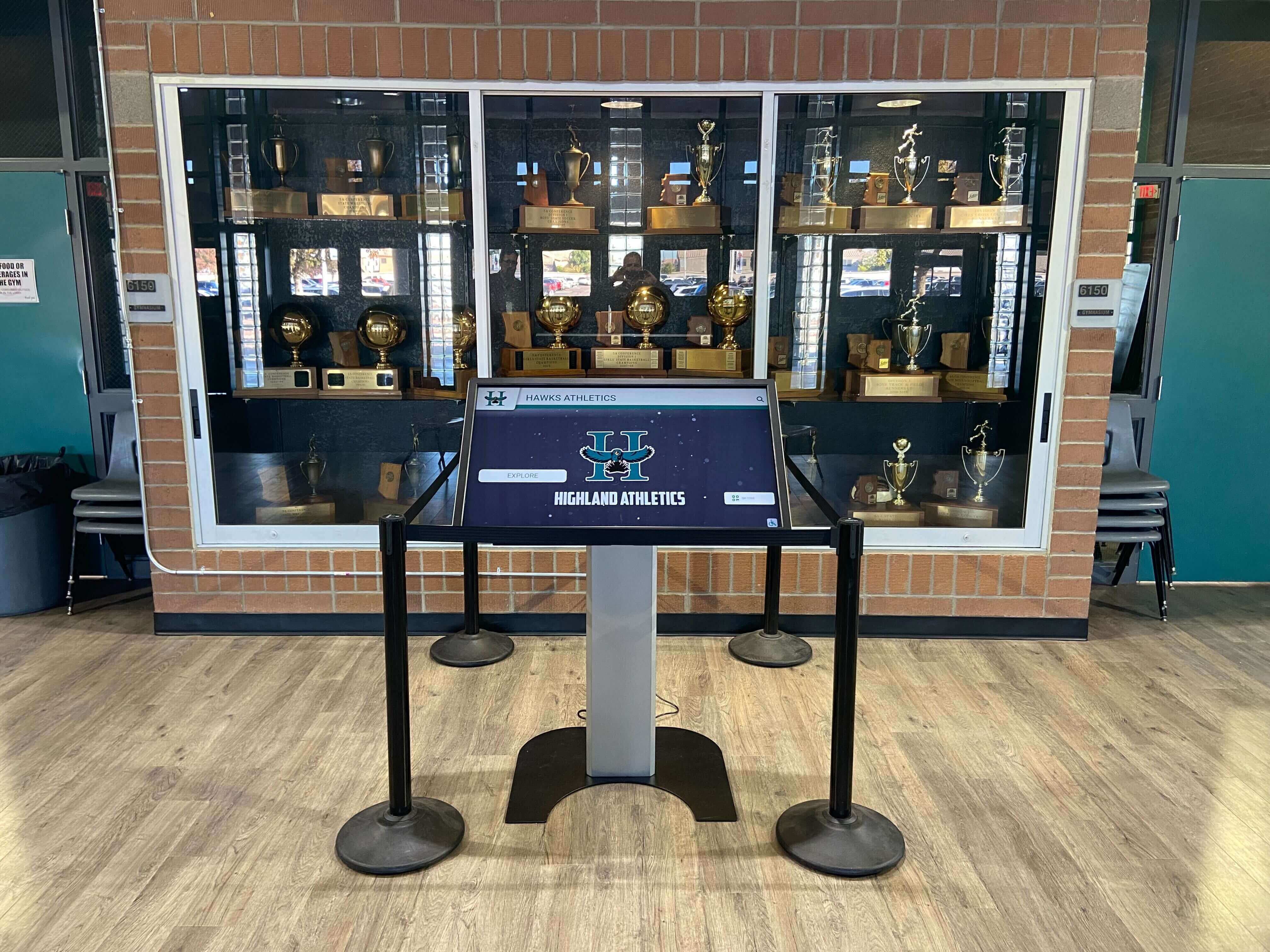
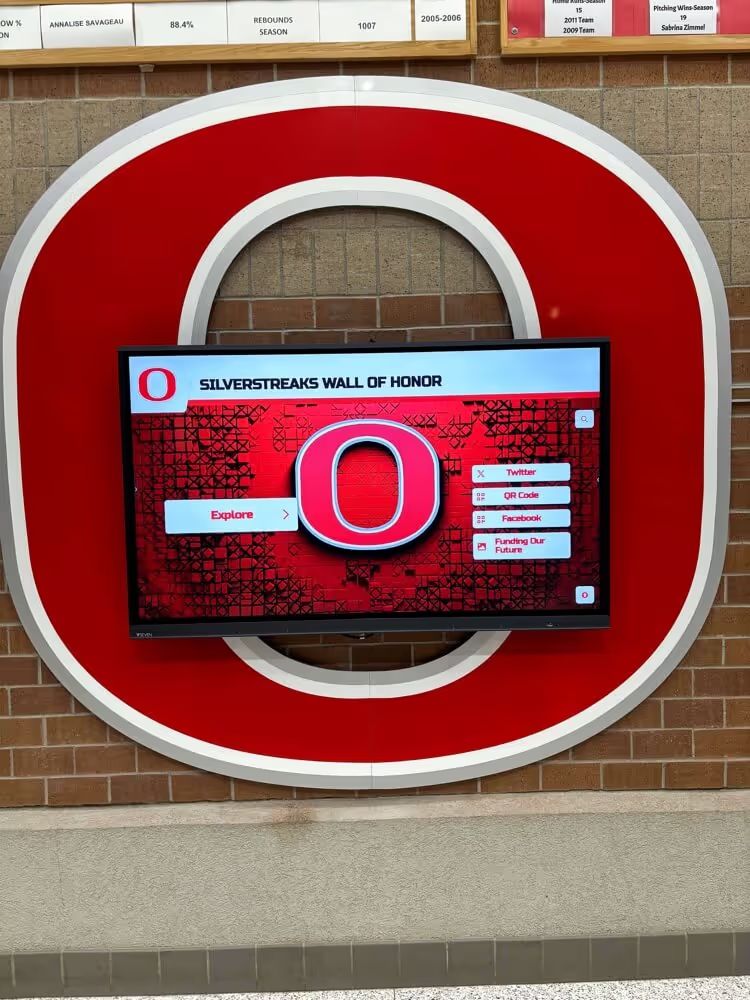
Organizations with sound financial governance build the trust needed to invest in lasting recognition infrastructure for student-athletes and program donors
Implementing the Matrix: A Step-by-Step Checklist
Step 1: Map Your Current Roles
Before assigning duties, document who currently holds each position in the booster club. If a role is vacant, note it—gaps in leadership create gaps in controls. A single person filling multiple officer roles because of a vacancy is a risk that needs temporary resolution (a board member stepping into an interim function) rather than a permanent assignment that violates the matrix.
Step 2: Identify Existing Incompatibilities
Review your current role assignments against the critical incompatibility table above. Mark any position that currently handles two incompatible functions. These are your immediate priorities for restructuring before the next fundraising event.
Step 3: Adopt the Matrix as a Governing Document
Present the completed matrix to the full board for a formal vote to adopt it as policy. Document the adoption in meeting minutes. A policy adopted by vote carries institutional weight that an informal understanding does not—it survives officer turnover and provides a governance reference when disputes arise or oversight questions are raised.
Step 4: Build the Matrix Into Position Descriptions
Update each officer’s written position description—or create one if none exists—to explicitly state which control functions the role includes and which it expressly excludes. When new volunteers are recruited, they receive a clear statement of their responsibilities and their limitations before they assume the role.
Step 5: Create a Transaction Approval Workflow
Document the specific workflow for each major transaction type.
Purchase Request Workflow:
- Event chair or committee submits written purchase request to the president
- President reviews and authorizes (signature or documented email confirmation)
- Designated buyer makes the purchase and retains the original receipt
- Receipt submitted to the treasurer for entry into the ledger
- Assistant treasurer reviews the receipt against the ledger entry at month end
Cash Event Workflow:
- Event chair opens the cash box with starting amount documented and signed by two people
- Event chair collects revenue throughout the event
- Event chair closes the cash box, completes the tally sheet, and signs it
- Fundraising chair counts the cash with the event chair present; both sign the final tally
- Fundraising chair deposits funds and attaches the bank receipt to the tally sheet
- Treasurer records the deposit from the bank receipt (not from the tally sheet alone)
- Assistant treasurer reconciles the bank statement deposit entry against the ledger record
Step 6: Set Monthly Reconciliation Deadlines
The reconciliation function is only effective on a regular schedule. Set a specific deadline—typically within ten business days of receiving the monthly bank statement—by which the assistant treasurer must complete the reconciliation and present findings to the board. Missed reconciliation cycles allow discrepancies to accumulate and become harder to trace.
Step 7: Establish Dual-Signature Requirements
Require two signatures on checks above a defined threshold (most organizations use $500–$1,000 as the trigger). The two signers should represent two different control functions—typically the president (authorization) and the treasurer (recordkeeping). Never allow the person whose expenditure is being reimbursed to sign their own reimbursement check.
Step 8: Conduct an Annual Review
Review the matrix and its implementation annually—ideally before officer elections—so incoming volunteers can be oriented to the structure before they assume responsibility. The annual review should confirm that actual practices match the documented matrix and identify any procedural drift that occurred during the year.
Special Considerations for Small Booster Clubs
Many school booster programs operate with fewer volunteers than the full matrix assumes. When positions are consolidated, the matrix becomes more constrained but not impossible to maintain. These adjustments preserve the most critical controls even in smaller organizations.
Minimum viable segregation: At minimum, the person who handles cash at an event must not be the person who records the deposit, and the person who maintains the records must not be the person who reconciles them. These two separations catch the most common categories of error and misuse even when a full five-position structure is not achievable.
Two-person event rule: Any time cash is being counted, handled, or deposited, require two people to be present. This applies whether or not the volunteers in that moment hold specific officer titles. The witness function does not require a separate officer—it requires a second adult.
Rotating board review: For clubs where the assistant treasurer role is vacant or informally filled, assign bank statement reconciliation to a different board member each quarter, rotating through available volunteers. This prevents any single person from holding the reconciliation function by default across multiple consecutive periods.
External review options: Some school districts offer periodic review of booster club records by the district business office. When that option is available, use it—an external review is a stronger control than anything the club can implement internally and gives school administration confidence in the club’s financial management.
Coaching Staff and Administrative Roles
Coaches and athletic directors are sometimes informally included in booster club financial activities—attending meetings, advising on spending priorities, or handling event logistics. Most state athletic associations and school district policies prohibit school employees from serving as booster club officers or holding signature authority over club accounts. This separation is itself a form of segregation of duties: it prevents the people whose programs benefit from the funds from also controlling those funds.
Coaches who have articulated a clear coaching philosophy built around athlete development and program integrity understand that their role in the financial process is advisory. They communicate program needs to the booster board; the board controls how funds are raised and spent. This division protects both the coach and the club from conflicts that can damage relationships and program credibility.
Athletic directors serve as the primary administrative liaison. They can observe meetings, receive financial reports, and communicate the school’s needs—but their involvement in the financial chain should stay at the information layer. Schools that integrate donor recognition programs with booster-funded infrastructure benefit from this clarity, and the frameworks discussed in college advancement donor recognition and engagement demonstrate how separating program staff from financial administration strengthens both functions.
Connecting Financial Accountability to Athletic Recognition Programs
Booster clubs that demonstrate strong financial governance build the institutional credibility needed to take on larger investments—including the recognition programs that honor student-athletes, coaches, and donors permanently.
Organizations like National Honor Society chapters rely on similar governance frameworks to ensure nomination and selection processes are transparent and accountable. The principle transfers directly to booster operations: when the people managing the financial process are not the same people evaluating spending outcomes, the integrity of the result is easier to defend to any oversight body.
For athletic programs, the connection between financial accountability and recognition runs through every major investment a booster club makes. Funding the design and installation of athletic display systems, sponsoring the production of recognition materials, and supporting the infrastructure that preserves team histories all require that the club’s leadership can account for how money was raised and spent. Athletic directors who work with booster clubs regularly observe that organizations with clear financial structures are significantly easier to collaborate with on capital projects—including recognition installations that become permanent features of the school.
Signing day celebrations that honor athletes who have earned national letters of intent often involve booster club coordination: venue logistics, catering, media arrangements, and program materials. The financial controls governing those events protect the integrity of the celebration alongside the significance of the recognition being delivered.
Booster clubs that raise funds from corporate sponsors depend on structured workflows for managing those relationships. A documented process for receiving and accounting for sponsor logo submissions and processing sponsorship agreements ensures that sponsor funds flow through the same controlled channels as other revenue rather than outside the normal accounting process. Sponsors who see evidence of financial controls are more likely to renew support year over year.
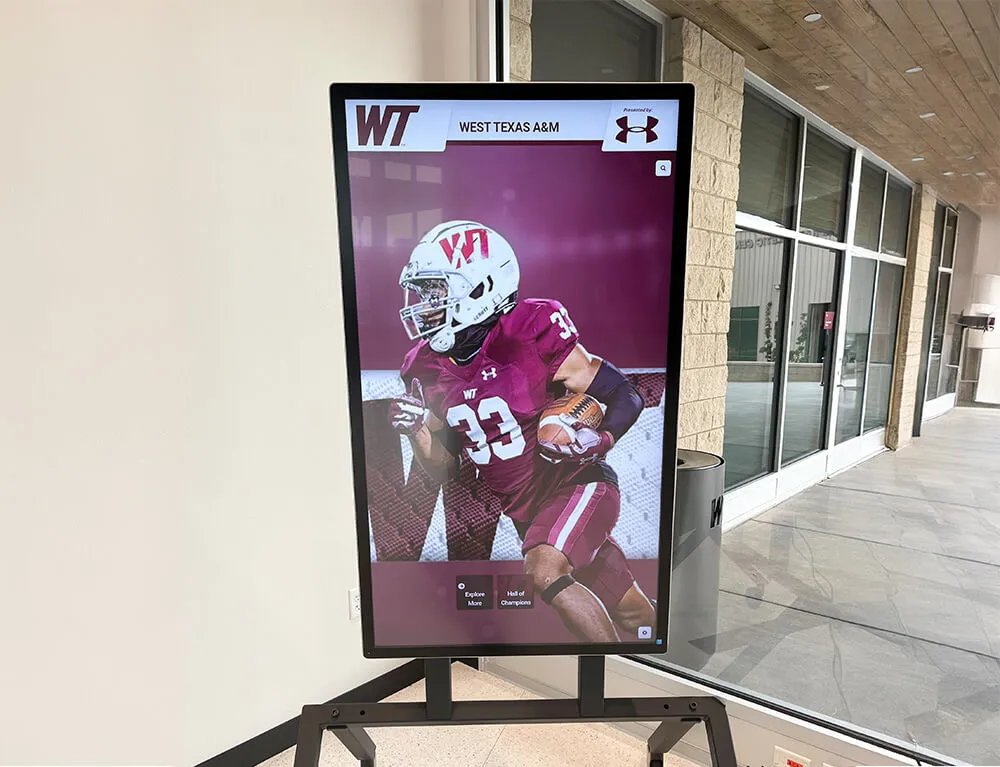
Athletic recognition investments—from sports banner design and facility installation to digital hall of fame systems showcasing team records—represent some of the largest line items in a booster club’s annual budget. When these expenditures flow through a properly documented matrix, they are easier to justify to the full membership, the school board, and any oversight body reviewing the club’s finances.

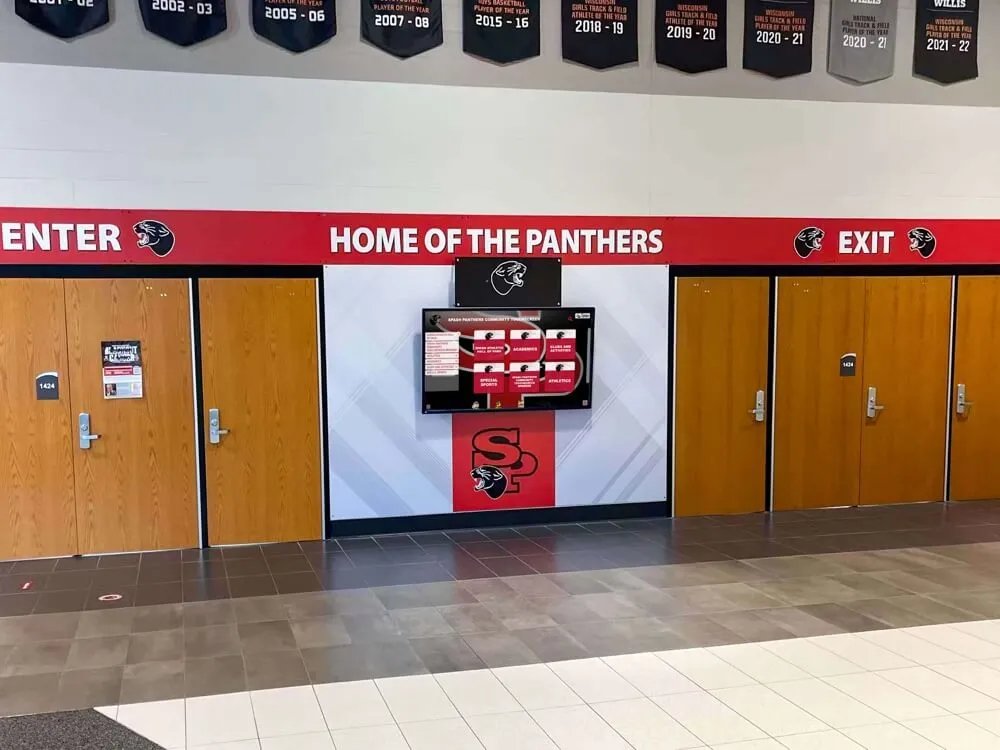
Athlete recognition programs depend on booster clubs with sound financial structures to fund and sustain them season after season
Recognizing Booster Donors and Supporters
Booster clubs that build strong financial controls also tend to build stronger relationships with major donors—because donors who see evidence of accountability are more willing to make larger and recurring gifts. Virtual donor wall programs and modern fundraising recognition tools are increasingly used by booster organizations to acknowledge multi-year contributors in ways that extend beyond the physical facility, giving donors a permanent digital acknowledgment of their investment in the program.
When a donor contributes to fund a specific piece of athletic infrastructure—a scoreboard, a weight room upgrade, or a digital hall of fame installation—they expect that gift to be administered with care. A booster club matrix that separates the receipt, recording, and acknowledgment of that gift across different officers demonstrates exactly the accountability donors expect to see before making or renewing a significant contribution.
Frequently Asked Questions About the Booster Club Segregation of Duties Matrix
What is a booster club segregation of duties matrix?
A booster club segregation of duties matrix is a grid document that maps four financial control functions—authorization, custody, recordkeeping, and reconciliation—against each position in the organization to ensure no single person holds two or more of these functions for the same transaction. The matrix serves as a governance reference that prevents both intentional misuse and accidental errors by requiring different individuals to independently perform each step of the financial control process. Organizations adopt the matrix as formal policy, document it in meeting minutes, and update it annually when officer roles change.
Why is segregation of duties important for school booster clubs?
Segregation of duties is especially important for school booster clubs because these organizations handle significant fundraising revenue—often tens of thousands of dollars annually—with volunteer officers who rotate frequently and may have no formal accounting background. Without separated duties, a single officer controls the full financial process for a transaction, meaning errors go undetected and unauthorized use of funds can occur and be concealed within the same role. Most state athletic associations and school district policies now require or strongly recommend that affiliated parent organizations maintain documented internal controls, of which duty separation is the most fundamental. The matrix also protects individual volunteers by ensuring that no one person bears sole responsibility for financial accuracy.
What are the four duties that must be separated in a booster club?
The four duties are: (1) Authorization—approving transactions before they occur, typically the president’s role; (2) Custody—physically handling cash, checks, or other assets, typically assigned to event chairs for event cash and the fundraising chair for deposits; (3) Recordkeeping—entering transactions into the accounting ledger and producing financial reports, typically the treasurer’s role; and (4) Reconciliation—independently verifying that records match actual bank activity, typically assigned to the assistant treasurer or a non-officer board member. The critical rule is that authorization and recordkeeping must never be held by the same person, and recordkeeping and reconciliation must never be held by the same person.
How does a small booster club implement segregation of duties with fewer volunteers?
Small booster clubs can maintain the most critical controls even with fewer volunteers by following two minimum rules: the person who handles cash at an event must not be the person who records that deposit, and the person who maintains the financial records must not be the person who reconciles the bank statements. Both separations can be achieved with as few as three people. Additionally, requiring two people to be present any time cash is counted or deposited—regardless of specific officer titles—adds an effective witness control without requiring an additional formal position. Some school districts offer periodic review of booster club records by the district business office, which serves as a strong external control when internal resources are limited.
Can coaches or athletic directors be involved in booster club financial functions?
Most state athletic associations and school district policies prohibit school employees—including coaches and athletic directors—from serving as booster club officers or holding signature authority over club accounts. This restriction is itself a form of segregation of duties: it ensures that the people whose programs benefit from the funds are not the same people controlling those funds. Coaches and athletic directors can attend meetings, advise on spending priorities, and receive financial reports, but their involvement in the financial control chain should be limited to the information layer. Booster clubs should confirm their district’s specific policy on this question and document their compliance in the organization’s governing procedures.
Building Financial Accountability Into Every Season
A booster club segregation of duties matrix is not a one-time document created to satisfy an audit and then filed away. The most effective organizations treat it as a living governance tool—reviewing it before each officer election, orienting incoming volunteers to their specific duties and limitations, and updating it whenever the club’s structure changes.
The investment in getting this structure right pays dividends beyond risk reduction. Booster clubs that can demonstrate clear financial accountability attract more confident donors, build stronger administrative relationships, and earn the credibility needed to take on larger recognition and infrastructure investments that create lasting impact for student-athletes. When a program reaches the point of installing digital recognition systems that honor every athlete, coach, and donor who shaped its history, the organization managing that project has the financial governance to support the scale of that investment—and the institutional trust that makes the recognition meaningful to everyone it honors.
Honor Every Athlete and Donor Your Booster Club Has Supported
Rocket Alumni Solutions builds interactive digital recognition systems for school athletic programs—touchscreen hall of fame displays, digital donor walls, and archival team history platforms that honor the legacy your booster club has helped build. See how your school's recognition program can come to life with a custom demo.
Schedule Your Demo