



A booster club sales tax compliance checklist gives school athletic program administrators and booster organization officers a structured way to verify whether the club is meeting its sales tax obligations — covering spirit wear sales, fundraising event transactions, merchandise tables, and any other exchange of goods for payment. Sales tax compliance is one of the most commonly misunderstood obligations for volunteer-run school organizations: federal tax-exempt status under the IRS does not automatically exempt an organization from state sales tax requirements, and most states treat booster club merchandise and fundraising sales under rules that vary significantly by state, organization type, and transaction type.
This guide walks through the key steps in a practical booster club sales tax compliance checklist, explains the distinction between income tax exemption and sales tax exemption, and connects systematic recordkeeping to the broader documentation practices that make athletic programs sustainable and recognizable over time.
Not legal or tax advice: This guide is educational only and describes general compliance considerations. Sales tax law varies substantially by state and local jurisdiction. Your organization’s specific obligations depend on your state’s nonprofit sales tax rules, your school district structure, and any exemptions your organization has formally applied for and received. Consult a licensed CPA, tax attorney, or your state’s department of revenue before establishing or revising tax policies.
Booster clubs occupy a compliance gray zone that catches many well-intentioned organizations by surprise. Most booster clubs hold federal 501(c)(3) or 501(c)(7) status — but that status governs income tax, not sales tax. States regulate sales tax separately, and each state has its own rules about which nonprofit organizations qualify for sales tax exemptions and under what conditions those exemptions apply to fundraising and merchandise transactions.

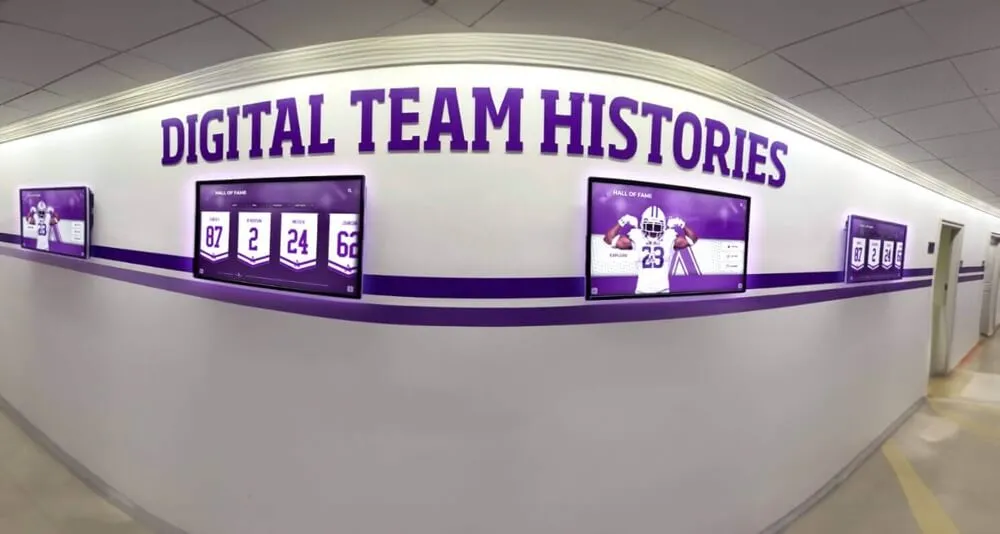
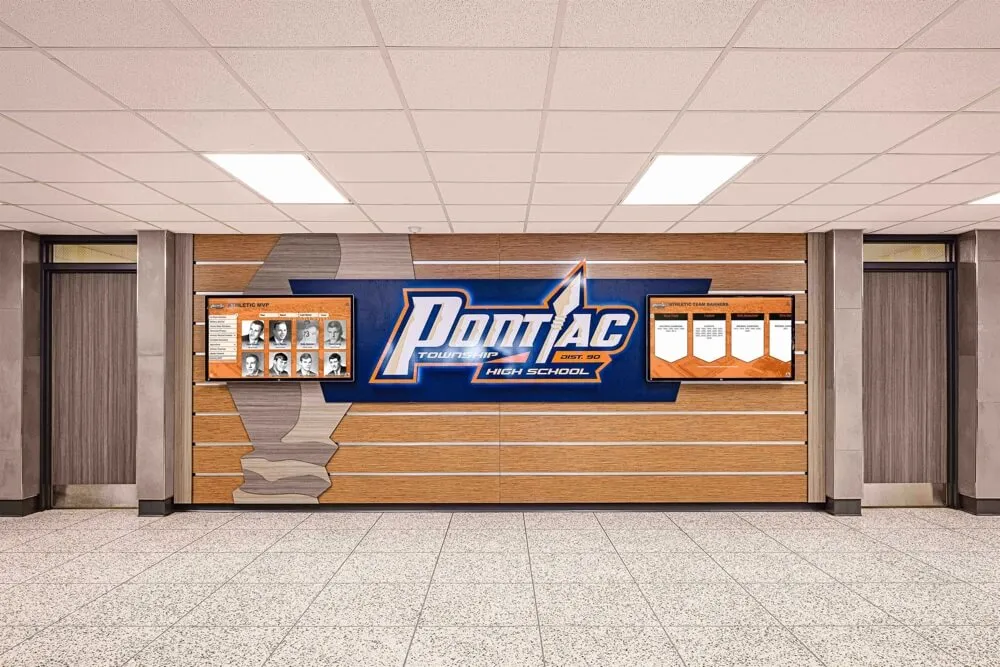
School athletic programs and the booster organizations that support them operate within a financial governance framework that extends from merchandise sales to the recognition installations that honor their contributors
Why Sales Tax Compliance Matters for School Booster Clubs
Sales tax non-compliance creates risks that go beyond the unpaid tax itself. Organizations that collect sales tax from customers but fail to remit it to the state may be liable for back taxes plus penalties and interest. Organizations that fail to collect required sales tax can face liability for the uncollected amounts — even years after the transactions occurred.
For school-affiliated booster clubs, the institutional stakes are higher than for standalone nonprofits. School administrators and district finance offices increasingly conduct compliance reviews of affiliated organizations. A booster club that cannot demonstrate it has assessed and appropriately handled its sales tax obligations — whether through a formal exemption or through regular collection and remittance — creates a compliance risk for its school relationship that clean financial records can prevent.
Sales tax compliance also connects directly to sponsor trust. Sponsors who provide merchandise support — branded spirit wear, event giveaways, co-branded fundraising items — have an interest in knowing that the organization receiving their support handles regulatory obligations correctly. An organization that documents its sales tax compliance approach, including exemption certificates where applicable, signals the same governance maturity that sponsors and school liaisons look for in audit-ready financial controls.
For a broader view of how compliance checklists serve athletic programs, the booster club audit checklist framework offers parallel structures that connect financial controls to community accountability and recognition program integrity.
Sales Tax vs. Income Tax Exemption: A Critical Distinction
The most common sales tax compliance mistake booster clubs make is assuming that federal tax-exempt status — or the school district’s tax-exempt number — covers all sales tax obligations. In most states, it does not.
Federal 501(c)(3) Status
A federal 501(c)(3) exemption means the organization does not pay federal income tax on qualifying activities and that donors may deduct contributions. It says nothing about whether the organization must collect and remit state sales tax on merchandise sales or fundraising transactions.
State Sales Tax Exemption
State sales tax exemptions are granted by individual state taxing authorities — typically the state department of revenue or department of taxation — under that state’s specific nonprofit and educational exemption statutes. Rules differ significantly across states:
- Some states grant broad sales tax exemptions to organizations that hold 501(c)(3) status and operate for educational or charitable purposes
- Some states require a separate sales tax exemption application even for qualified nonprofits
- Some states exempt nonprofit organizations from paying sales tax as a purchaser but not from collecting sales tax as a seller
- Some states have “occasional sales” or “isolated sales” exemptions that apply to infrequent fundraising transactions below a defined threshold
- Some states impose sales tax on retail transactions regardless of organizational status, with only narrow exceptions
The National Council of Nonprofits provides general guidance noting that sales tax treatment of nonprofits varies by state, and organizations should not assume that federal exemption translates to state sales tax exemption. Confirm your state’s specific rules through your state department of revenue’s nonprofit guidance or a CPA familiar with your state’s tax code.
School District Tax-Exempt Numbers
Many school districts hold state sales tax exemption numbers that apply to the district’s direct purchases. These numbers generally apply to purchases the district makes for school operations — not to sales that an affiliated booster club makes to third parties. Booster clubs should not use a school district’s tax-exempt number for their own merchandise sales or assume it covers their fundraising transactions. Confirm with your district’s finance office what, if anything, the district’s exemption covers for affiliated organizations.

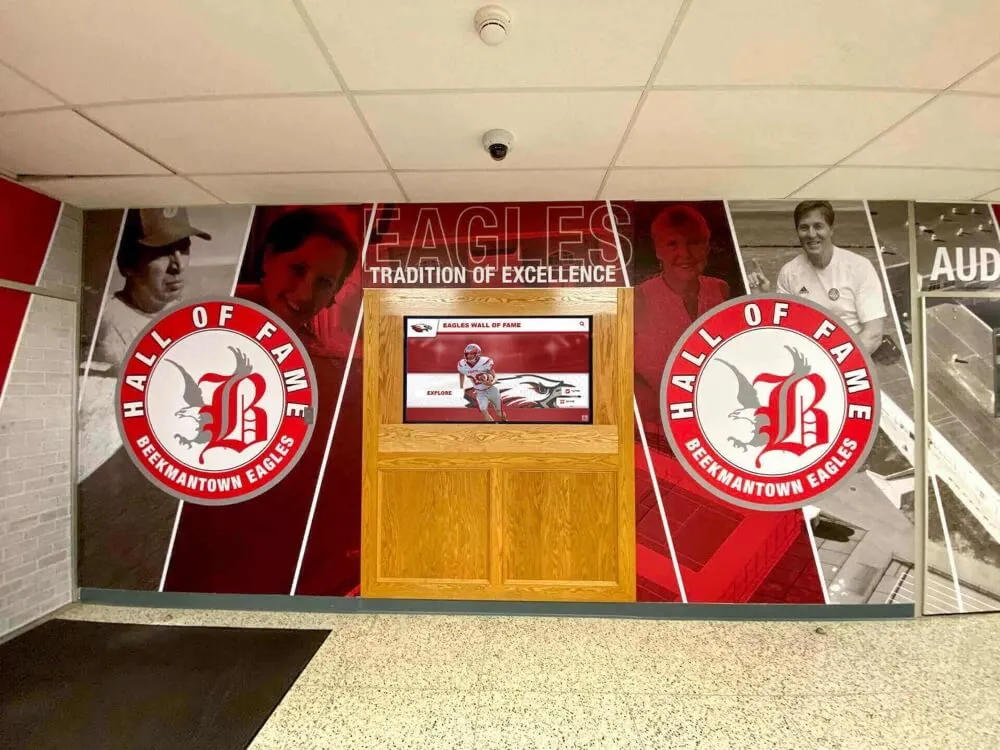
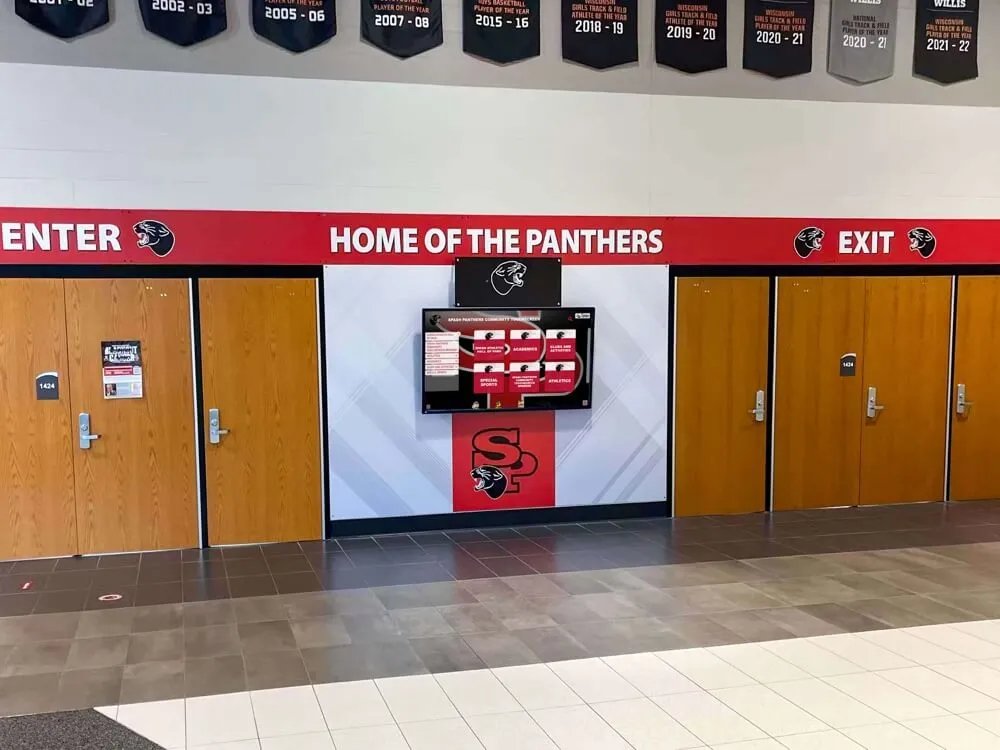
Athletic recognition installations represent the community investment that booster programs make possible — that investment depends on financial governance that includes correct handling of sales tax obligations
Booster Club Sales Tax Compliance Checklist
The checklist below covers the core steps a booster club should work through to assess and maintain sales tax compliance. Because rules vary by state, this checklist should be used as a framework for your review with qualified tax guidance, not as a substitute for it.
Step 1: Confirm Your Organization’s Legal Structure and Exemption Status
| Item | Action |
|---|---|
| Determine legal structure | Is the booster club an independent nonprofit, a school-associated organization under the district, or an informal parent group? Each has different compliance exposure. |
| Confirm federal tax status | Does the organization hold 501(c)(3), 501(c)(7), or other IRS-recognized status? Obtain the determination letter. |
| Research your state’s nonprofit sales tax rules | Contact your state department of revenue or review its nonprofit sales tax guidance publication. |
| Apply for state sales tax exemption if available | If your state offers a nonprofit sales tax exemption for sellers, verify whether your organization qualifies and apply for the exemption certificate. |
| Document exemption certificates on file | Keep copies of all exemption certificates in the organization’s shared records system. |
Step 2: Identify All Sales Activities That May Trigger Collection Obligations
| Sales Activity | Compliance Question |
|---|---|
| Spirit wear and apparel sales | Does your state tax sales of tangible personal property by nonprofits? |
| Program book sales at events | Are printed materials subject to sales tax in your state? |
| Concession sales (food and beverages) | Does your state tax food sales at fundraising events? |
| Ticket sales for fundraising events | Are admissions to events subject to sales tax in your state? |
| Auction items | Do auction sales at nonprofit fundraisers trigger sales tax obligations? |
| Raffle tickets | Are raffle ticket sales treated as taxable sales in your state? |
| Sponsor merchandise and giveaways | If goods change hands for consideration, is there a taxable sale? |
Not all of these will be taxable in every state. The key is to review each revenue-generating activity against your state’s specific rules rather than assuming the answer in either direction.
Step 3: Understand “Occasional Sales” and Fundraising Exemptions
Many states provide a limited exemption from sales tax collection for nonprofit organizations conducting occasional or infrequent sales. Common parameters include:
- A defined number of exempt sales events per year (often one to four events, varying by state)
- Revenue thresholds below which sales are exempt
- Restrictions on the types of goods that qualify for the exemption
- Requirements that the organization be registered as a nonprofit with the state taxing authority
These exemptions are state-specific, limited in scope, and typically do not extend to organizations that conduct regular ongoing merchandise sales. A booster club operating a year-round spirit wear program likely cannot rely on an occasional-sales exemption. Check your state’s rules carefully and document which activities fall within any applicable exemption.
For programs reviewing their overall compliance posture alongside athletics equity and administrative practices, high school athletics equity checklist resources offer context on how structured documentation across program areas — including financial compliance — contributes to a governance framework that school administrators and community stakeholders can trust.
Step 4: Register for a Sales Tax Permit if Required
If your organization conducts taxable sales and does not qualify for a complete exemption as a seller, you will likely need to register for a sales tax permit (also called a seller’s permit or sales tax license) with your state department of revenue. Steps typically include:
- Complete the state’s sales tax registration application, often available through the department of revenue’s website
- Obtain the sales tax permit and retain it in organizational records
- Post or have available the permit identification number as required by your state
- Identify the applicable tax rate or rates for your jurisdiction, including state and any local rates
- Confirm filing frequency requirements — monthly, quarterly, or annually — typically based on anticipated sales volume
Registration requirements, permit costs, and filing frequencies vary by state. Some states register nonprofits separately from for-profit businesses, with different documentation requirements.
Step 5: Implement Point-of-Sale Collection Procedures
If your organization collects sales tax, the collection process should be built into event and merchandise sale procedures before the first transaction occurs:
| Procedure | Implementation |
|---|---|
| Tax calculation method | Determine whether you will quote prices inclusive of tax or add tax at point of sale |
| Sales records | Record the pre-tax amount and the tax amount separately for each transaction or event total |
| Receipts | Issue receipts that identify the amount of sales tax collected |
| Separate accounting | Track sales tax collected in a separate ledger line — it is not the organization’s money to spend |
| Bank deposit | Deposit tax collected along with sale proceeds; track it separately in the ledger for accurate remittance |
Sales tax collected belongs to the state. It must be remitted on the filing schedule your permit requires and must not be commingled with general operating funds.

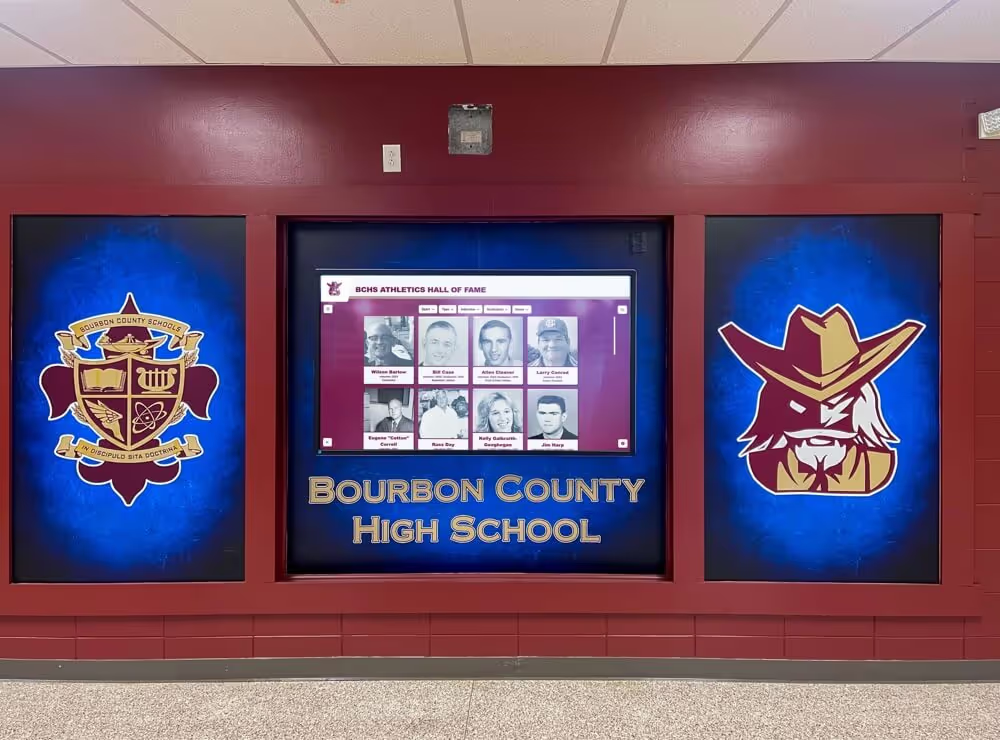
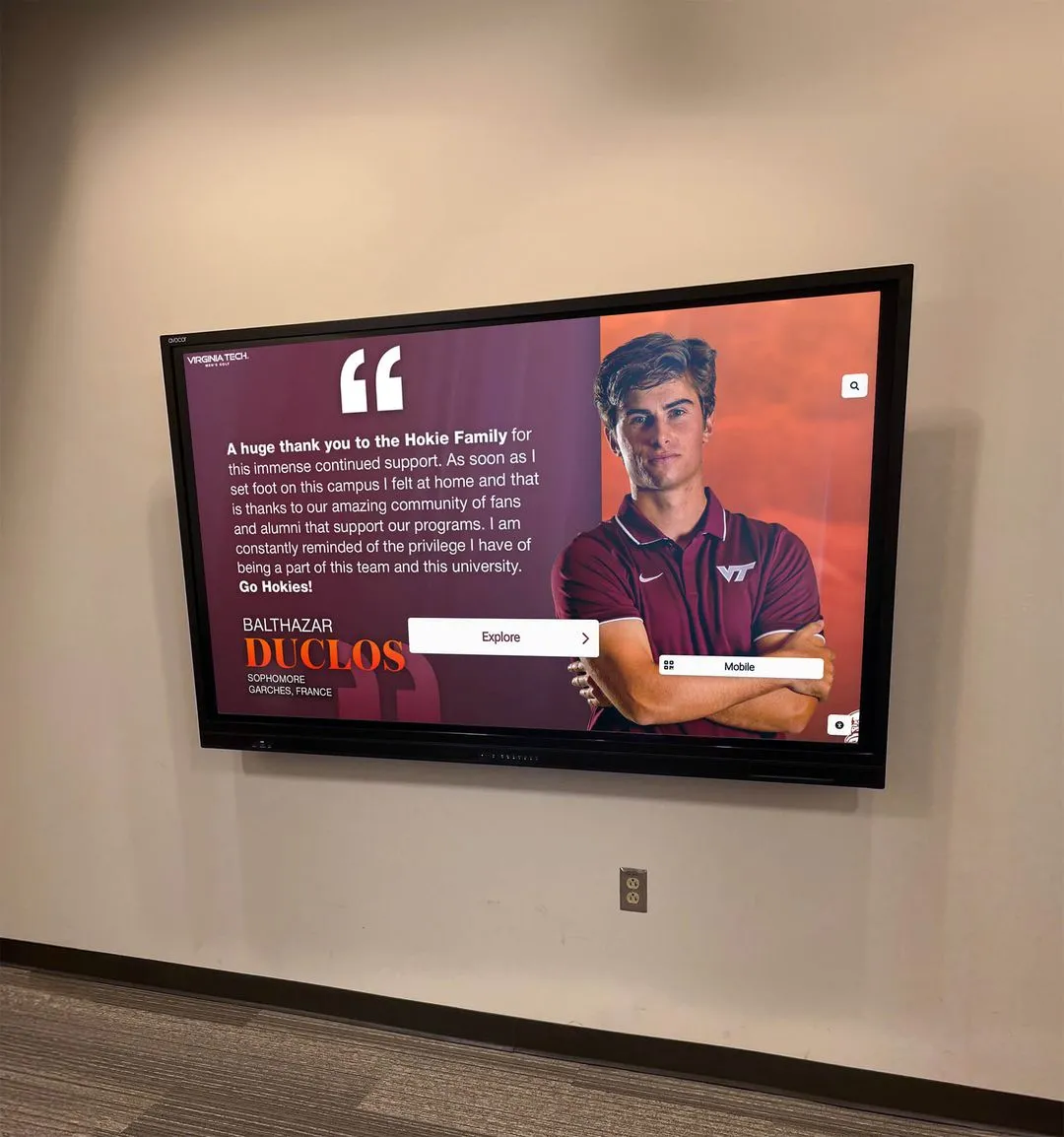
Athletic recognition programs and the booster revenues that fund them depend on financial documentation that includes correct handling of collected sales tax, kept separate from the program's general operating funds
Step 6: Maintain Complete Sales and Tax Records
Sales tax compliance depends on records that can reconstruct every taxable transaction. Key records to maintain include:
- Sales logs: Event-by-event or period-by-period records of taxable sales, showing gross sales and tax collected separately
- Exemption certificates received: If your organization sells to tax-exempt buyers, obtain and retain exemption certificates from those buyers
- Sales tax returns filed: Copies of all filed returns, with submission confirmation and filing date
- Remittance records: Documentation of every tax payment made to the state, matched to the corresponding return
- Permit documentation: The sales tax permit or exemption certificate, with renewal confirmations where applicable
- Correspondence with the state: Any letters, rulings, or written responses from the department of revenue regarding your organization’s status or any audits
Most financial records for nonprofit organizations should be retained for at least seven years, though state requirements vary. Consult a CPA or attorney about the specific retention requirements applicable to your organization.
Step 7: File Returns and Remit Collected Tax on Schedule
Sales tax returns must be filed and tax remitted to the state on the schedule your permit specifies. Missing a filing deadline typically triggers penalties and interest, even when the organization had no taxable sales during the period — a zero-return may still be required.
Filing compliance steps:
- Reconcile sales records against tax collected for the filing period
- Complete the state’s sales tax return form for the period
- Submit the return and remit the tax collected by the due date
- Retain copies of filed returns with remittance confirmation
- Calendar the next filing deadline and assign a named officer responsible for the submission
Many state departments of revenue offer online filing and electronic payment that simplifies the process for small organizations filing infrequently.
Step 8: Conduct an Annual Compliance Review
Sales tax rules change. Exemptions that applied in prior years may be amended. The booster club’s activities may expand into new sales categories. An annual compliance review — scheduled alongside the annual financial review — keeps the organization current on its obligations.
Annual review steps:
- Confirm that your exemption certificate or permit is current and has been renewed if required
- Review any guidance updates from your state’s department of revenue since the prior year
- Identify any new sales activities conducted during the year that may have different tax treatment
- Confirm that all required returns were filed and taxes remitted on schedule for the prior year
- Verify that records for the year are complete, organized, and stored in the organization’s shared system rather than on personal devices
For programs integrating compliance reviews across financial, equity, and recognition domains, athletics equity and visibility documentation frameworks reflect how structured review practices across multiple governance areas strengthen the overall accountability posture of school athletic programs.
Merchandise Sales, Sponsors, and the Recognition Connection
The compliance steps above address the tax side of merchandise and fundraising sales. The same transactions also carry recognition obligations that connect directly to how sponsors, donors, and athletes are acknowledged within the school’s broader recognition infrastructure.
When a sponsor funds a spirit wear print run in exchange for logo placement on apparel, the inventory records documenting those sales also document the exposure the sponsor received. When a fundraising event generates merchandise revenue, the financial records that support correct sales tax treatment are the same records that support year-end sponsor acknowledgment and donor recognition reporting.
Booster club ideas for supporting school athletic programs reflect how well-governed booster organizations connect fundraising operations to visible, lasting community recognition — the documentation discipline that sales tax compliance requires is the same discipline that makes those recognition commitments credible over time.

The financial discipline that accurate sales tax recordkeeping requires also supports the recognition commitments a booster program makes — each sponsor, donor, and athlete acknowledged on school recognition installations traces back to financial documentation that begins at the point of sale
How Sales Tax Records Connect to Audit Readiness
Booster clubs that maintain complete sales tax records — including filed returns, remittance confirmations, and the underlying sales documentation — are substantially better prepared for school district financial reviews and any state tax audits.
School administrators increasingly require affiliated booster organizations to demonstrate audit-ready financial practices as a condition of maintaining the school relationship. Sales tax compliance is one area where the gap between well-governed and poorly-governed organizations is directly visible: an organization that can produce its permit, its filed returns, and the supporting sales records demonstrates that it treated every dollar of activity with the same rigor it brings to bank reconciliations and expense approvals.
For programs reviewing governance practices across multiple dimensions, high school athletics equity documentation practices and sports visibility frameworks for school athletics both reflect how documentation standards in one area of athletic program governance reinforce standards across all areas. The connection is practical: organizations that build consistent documentation habits — including around sales tax — also build the records that support sponsor fulfillment reporting, donor acknowledgment, and the institutional memory that makes athletic recognition programs sustainable across many leadership transitions.
Sales Tax Compliance and Long-Term Donor and Sponsor Recognition
Booster clubs that sustain recognition programs over many years — hall of fame installations, named athletic facilities, digital donor displays — depend on financial governance that goes beyond any single season. Sales tax compliance contributes to that long-term sustainability in two concrete ways.
First, it protects the organization from liability that could disrupt operations. A back-tax assessment with penalties can force difficult budget decisions that affect the program’s recognition commitments. Organizations that assess their sales tax obligations each year and address them correctly avoid accumulating liability that would otherwise be invisible until an audit surfaces it.
Second, it signals to sponsors, parents, and school administrators that the organization approaches its obligations seriously. The same governance habits that produce clean sales tax records also produce clean sponsor acknowledgments, complete donor documentation, and the transparent financial picture that community stakeholders use to decide whether to continue supporting a program.
Athletic booster club fundraising frameworks that support school sports long-term and athletics visibility programs for school communities both reflect how organizations combining strong financial governance with visible recognition programs build the sustained community support that makes lasting athletics and recognition infrastructure possible.

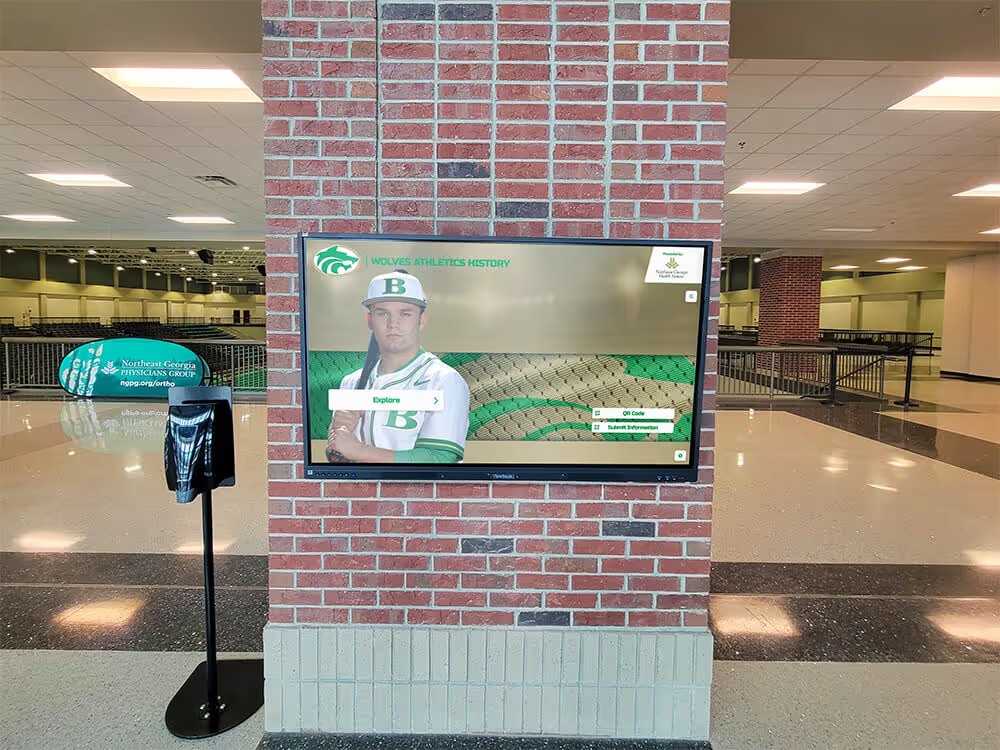
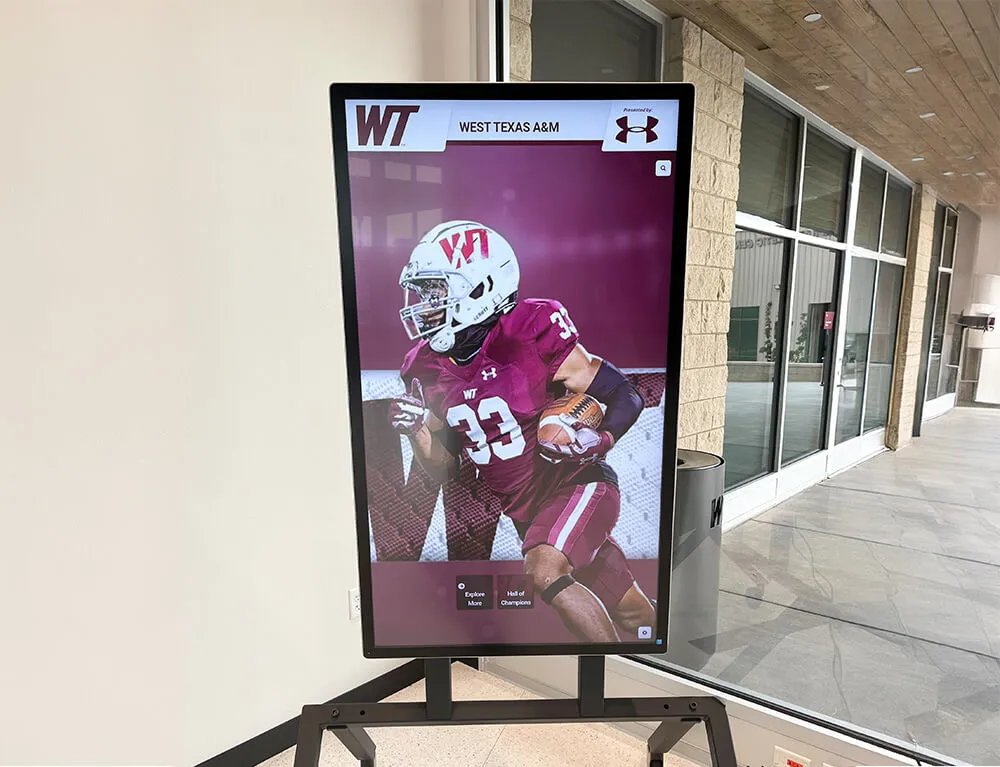
Hall of fame installations represent the culmination of financial governance practices that begin with accurate sales and donation records — the same records that support sales tax compliance also support the recognition commitments these displays honor
Frequently Asked Questions
Are booster clubs automatically exempt from sales tax?
No. Federal tax-exempt status under the IRS does not automatically exempt a booster club from state sales tax obligations. States regulate sales tax independently, and each state has its own rules about whether nonprofit organizations must collect sales tax on merchandise sales, fundraising transactions, and event revenues. Some states provide sales tax exemptions to qualifying nonprofits, but these exemptions must typically be applied for separately from federal recognition and are subject to state-specific conditions. Organizations should verify their state’s rules directly through the state department of revenue or with a CPA familiar with nonprofit tax law in their jurisdiction.
Does a school's tax-exempt number cover booster club merchandise sales?
Generally, no. A school district’s tax-exempt number typically covers purchases the district makes for its own operations and may not extend to sales that an affiliated booster club makes to third parties. Using a district’s tax-exempt number for booster club merchandise sales without explicit authorization from the district finance office is a compliance risk. Booster clubs should confirm with their district’s finance office exactly what the district’s exemption covers and whether the club needs to obtain its own sales tax exemption certificate or seller’s permit from the state. Rules vary by state and school district structure.
What is an "occasional sales" exemption for booster clubs?
Many states provide a limited exemption from sales tax collection for nonprofits conducting occasional or infrequent fundraising sales. The specific parameters vary substantially by state — some allow one or two exempt sales events per year, others set revenue thresholds, and others impose restrictions on eligible goods. These exemptions generally do not cover organizations that sell merchandise regularly or year-round. Booster clubs that operate ongoing spirit wear programs, maintain a merchandise table at every home game, or conduct multiple annual fundraising sales events may exceed the scope of an occasional-sales exemption. Review your state’s specific rules and consult a CPA to determine whether this exemption applies to your organization’s activities.
What records should booster clubs keep for sales tax compliance?
Booster clubs should retain copies of their sales tax permit or exemption certificate, all filed sales tax returns with submission confirmation, remittance records showing tax paid to the state, event-by-event or period-by-period sales logs distinguishing taxable sales from exempt transactions, exemption certificates received from any tax-exempt purchasers, and correspondence with the state department of revenue regarding the organization’s compliance status. Most financial records for nonprofit organizations should be retained for at least seven years, though state requirements vary. Storing records in a shared organizational system — rather than on individual officers’ personal devices — ensures they survive leadership transitions intact.
How often should booster clubs review their sales tax compliance?
An annual compliance review is a recommended minimum. Sales tax rules change, exemptions can be modified or rescinded, and the organization’s activities may expand into new sales categories with different tax treatment. Scheduling the review at the beginning of each fiscal year — or alongside the annual financial review — ensures the organization enters each season with current knowledge of its obligations. The review should confirm that any exemption certificates or permits are current, verify that all required returns were filed and taxes remitted during the prior year, and identify any new activities that may require updated guidance from a CPA or the state department of revenue.
Building a Compliance Foundation That Supports Long-Term Recognition
A booster club sales tax compliance checklist is most valuable when it is treated as a recurring governance practice rather than a one-time project. Organizations that review their sales tax obligations annually, maintain clean records of collections and remittances, and document the basis for any exemptions they rely on are also building the institutional infrastructure that supports recognition programs, sponsor accountability, and the school relationships that give booster clubs their purpose.
The financial documentation discipline that sales tax compliance demands — event-level sales records, period-by-period reconciliations, organized records that survive officer transitions — is the same discipline that makes athletic recognition programs credible over decades. Every sponsor named on a digital display, every athlete honored in a hall of fame installation, every donor acknowledged in a permanent record traces back to the documentation habits that begin at the point of sale.
See How Permanent Recognition Reflects Your Program's Financial Governance
Rocket Alumni Solutions builds interactive digital recognition displays for school athletic programs — giving booster clubs a lasting, school-aligned platform for sponsor acknowledgment, donor recognition, and athletic records that reflects the well-governed organization behind it. Schedule a demo to see what your facility could look like.
Schedule Your Recognition Display Demo