



A booster club reimbursement policy defines how volunteers and officers submit expense claims, what documentation is required, who must approve each request, and how long the organization retains those records. Without a written policy, reimbursement becomes a judgment call — inconsistent across officers, difficult to audit, and open to disputes that undermine both volunteer relationships and institutional credibility. A documented policy eliminates ambiguity, sets equal expectations for everyone who spends money on behalf of the organization, and gives school administrators and auditors the paper trail they need.
This guide covers the four core elements of an effective booster club reimbursement policy: authorization rules, the approval workflow, receipt requirements, and recordkeeping practices. Each section includes practical guidance and a checklist, with connections to the recognition commitments that often drive booster club spending in the first place.
Not legal or financial advice: This guide describes commonly used internal control practices for educational purposes only. Your organization’s specific requirements depend on your school district structure, state nonprofit regulations, and any requirements set by your school’s governing body. Consult a licensed CPA, attorney, or your school district’s finance office before establishing or revising financial policies.
Volunteer-run booster clubs face a recurring challenge: people spend money for the program — on supplies, printing, equipment, recognition materials — and the organization needs a fair, consistent, and auditable way to pay them back. A booster club reimbursement policy makes that process work the same way every time, regardless of who is treasurer and which officers are in place for a given season.

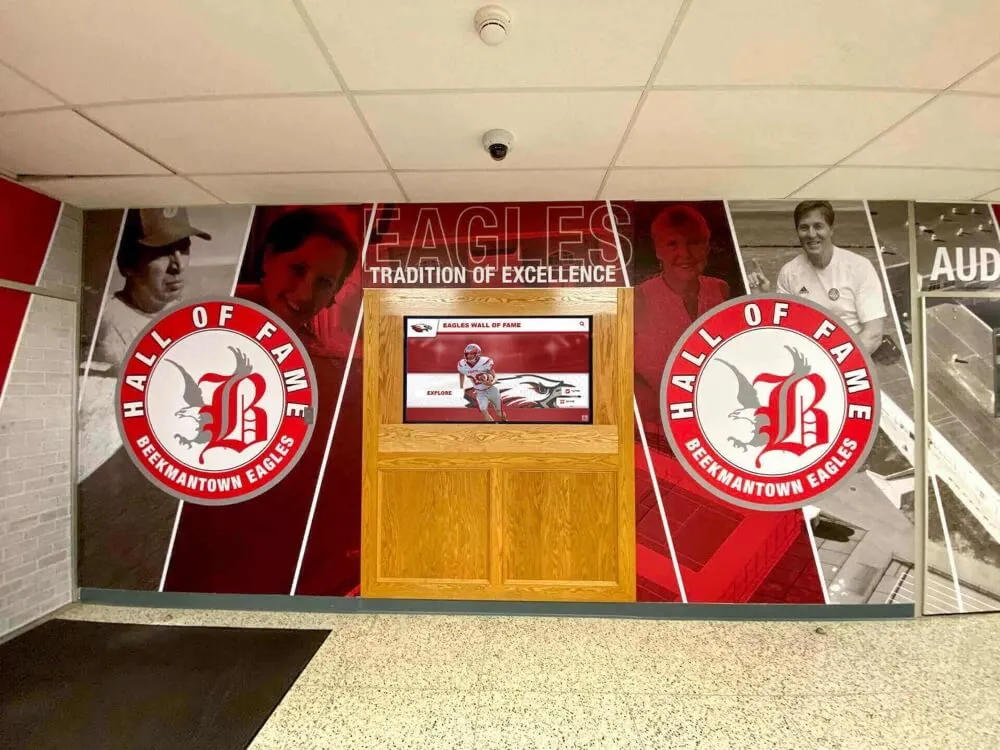
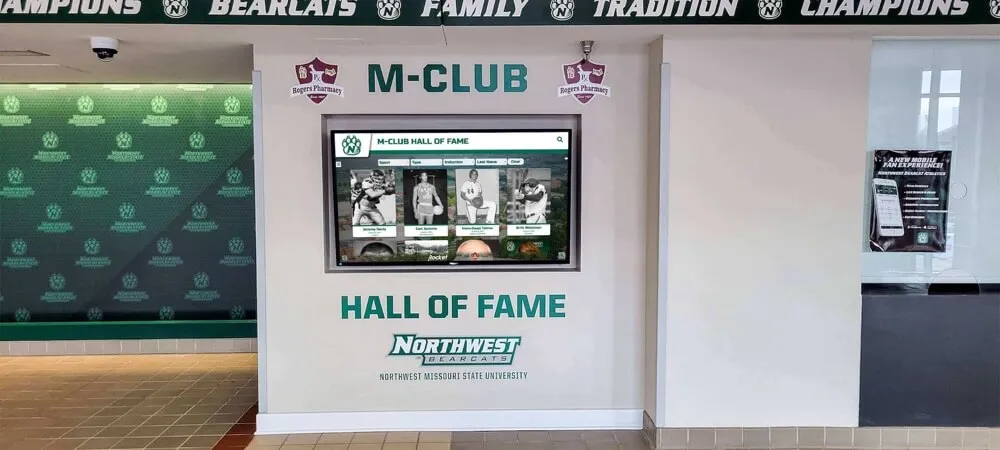
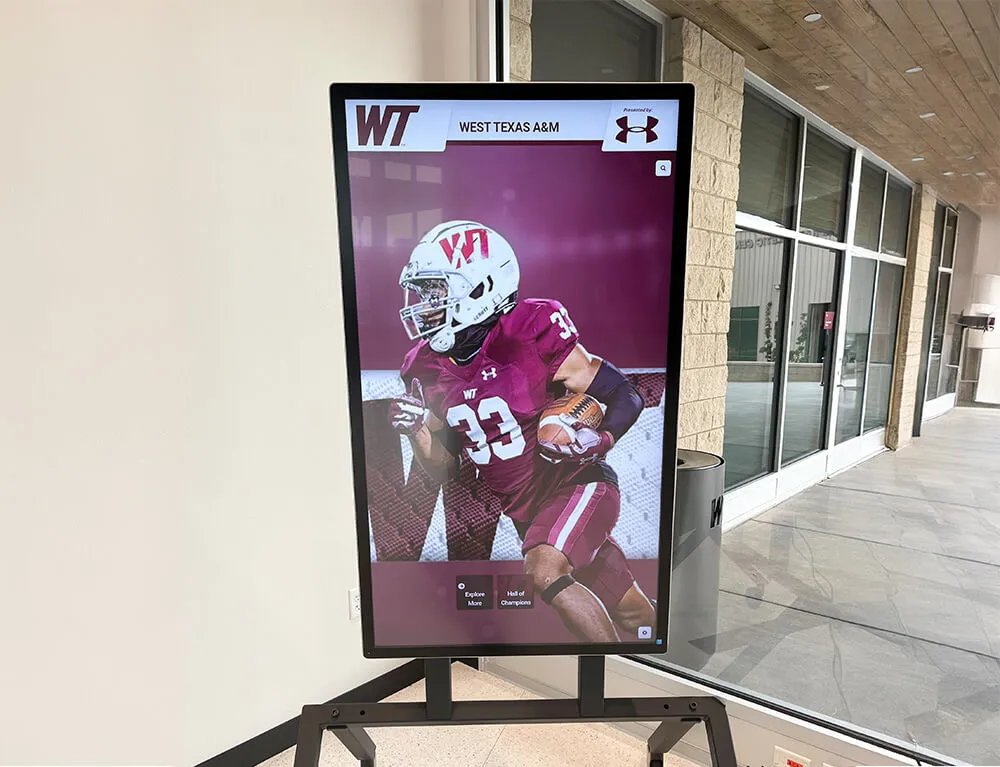
Athletic honor displays represent a category of booster club spending that a reimbursement policy must document carefully — connecting the expense record to the recognition deliverable it funded
What Is a Booster Club Reimbursement Policy?
A booster club reimbursement policy is a written document that specifies:
- Who is authorized to incur reimbursable expenses — which officers, committee members, or volunteers may spend money on behalf of the organization
- What categories of expense are reimbursable — approved spending types versus personal expenses the organization will not cover
- What documentation is required — original receipts, itemized invoices, or other proof of purchase
- Who must approve each request — the approval chain based on expense amount and category
- When reimbursement will be paid — the processing timeline after a complete request is submitted
- How long records are retained — the retention period for approved requests, receipts, and supporting documentation
A policy that addresses all six elements creates a complete framework for expense management. Organizations that have navigated officer transitions, IRS inquiries, or school district audits consistently point to the absence of a written reimbursement policy — not the absence of good intentions — as the source of the problems they encountered.
According to guidance published by the IRS for tax-exempt organizations, written financial policies are among the governance practices most closely reviewed during examinations of nonprofit organizations. The IRS Form 990 Part VI specifically asks whether the organization has a written conflict-of-interest policy and whether it reviews and monitors compliance with those policies. Reimbursement controls are a closely related governance signal.
Authorization Rules: Who Can Spend and What They Can Spend On
The first control a reimbursement policy establishes is authorization: not everyone who participates in booster club activities is automatically authorized to incur expenses on the organization’s behalf.
Designating Authorized Spenders
The policy should name the specific positions — by title, not by individual — that are authorized to incur reimbursable expenses. Typically these include the president, treasurer, and committee chairs for standing committees such as events, concessions, recognition, and fundraising. An explicit list prevents the situation where a parent volunteer makes a purchase in good faith assuming the booster club will cover it, only to find the board disagrees.
For expenses above a defined threshold — commonly $100 to $250 — the policy should require pre-authorization: the spending officer must receive written approval (email is acceptable) from the board before the expense is incurred. Below that threshold, the authorized spender proceeds under general authorization and submits the receipt after the fact.
Approved Expense Categories
A booster club reimbursement policy should specify which categories of expense are eligible for reimbursement. Common approved categories include:
| Expense Category | Examples |
|---|---|
| Program supplies | Printing, envelopes, postage, office supplies |
| Event materials | Decorations, concession supplies, equipment rentals |
| Recognition materials | Plaques, banners, award frames, display printing |
| Travel for official purposes | Mileage to vendor meetings, bank deposits, inter-school events |
| Meals at official meetings | Board meetings, officer training — within defined per-person limits |
| Software and subscriptions | Tools used for club administration, registration platforms |
| Facilities expenses | Permit fees, cleaning supplies, setup costs for events |
The policy should also list what is explicitly not reimbursable: personal meals not connected to an official meeting, gift cards purchased without prior board approval, alcohol, individual memberships unrelated to the club’s mission, and any purchase made without a receipt.
Connecting spending categories to the club’s recognition commitments matters more than many organizations realize. When a booster club budgets for signage, display materials, or a sponsor recognition system, those expenses need the same documentation rigor as general operating costs — and they connect directly to the record-keeping that makes sponsor relationships sustainable. Recognition display tools for school athletics and donor programs show the range of expenditures that athletic-focused booster clubs document and fund through their annual budgets, from display technology to archive installations.
The Approval Workflow: From Request to Payment
A reimbursement workflow has four steps: request submission, documentation review, approval, and payment. Each step should have a defined actor, a defined timeline, and a defined output.
Step 1: Request Submission
The requestor completes a reimbursement request form — either a physical form or a digital submission — that includes:
- Requestor name and officer or committee role
- Date of purchase
- Vendor name
- Expense category from the approved list
- Amount
- Business purpose (a brief description such as “concession stand supplies for October 14 game”)
- Supporting documentation attached
The form should be submitted to the treasurer within a defined deadline — commonly 30 days from the date of purchase. Requests submitted after 60 days may be declined under the policy, both because late receipts create accounting complications and because delays suggest the expense was not time-sensitive or genuinely anticipated.
Step 2: Documentation Review
The treasurer reviews the submitted form for completeness: Is the receipt present? Does it match the amount requested? Is the expense category valid? Is the business purpose sufficient? If anything is missing, the treasurer returns the form to the requestor with a note on what is needed before processing continues.
Documentation review is a clerical step — the treasurer is confirming completeness, not yet making a spending decision. This distinction keeps the review step fast and keeps the approval step meaningful.
Step 3: Approval
Approval authority depends on the expense amount. A common tiered structure:
| Amount | Approval Required |
|---|---|
| Under $50 | Treasurer review sufficient |
| $50–$249 | Treasurer and President |
| $250–$999 | Board majority vote at a regular meeting |
| $1,000 and above | Full board vote with advance notice to members |
Large purchases — equipment, multi-year recognition systems, facility improvements — require board-level approval regardless of whether they came with an advance authorization request. The approval structure prevents a single officer from committing significant organizational funds without collective oversight.
For organizations managing recognition commitments alongside operational expenses, resources covering hall of fame tools for athletics, donors, arts, and school history show how programs budget for technology-driven recognition systems — which often require board-level approval as capital expenditures rather than routine operating costs.
Step 4: Payment
Once approved, the treasurer issues payment by check, ACH transfer, or other board-approved method. The policy should specify the payment timeline: commonly within 14 to 21 days of approval. The treasurer records the payment in the expense ledger with the reimbursement form number, the payee, the amount, and the date.
The requestor receives confirmation — a copy of the check, an email acknowledgment, or a notation in the expense log — that the reimbursement was processed.

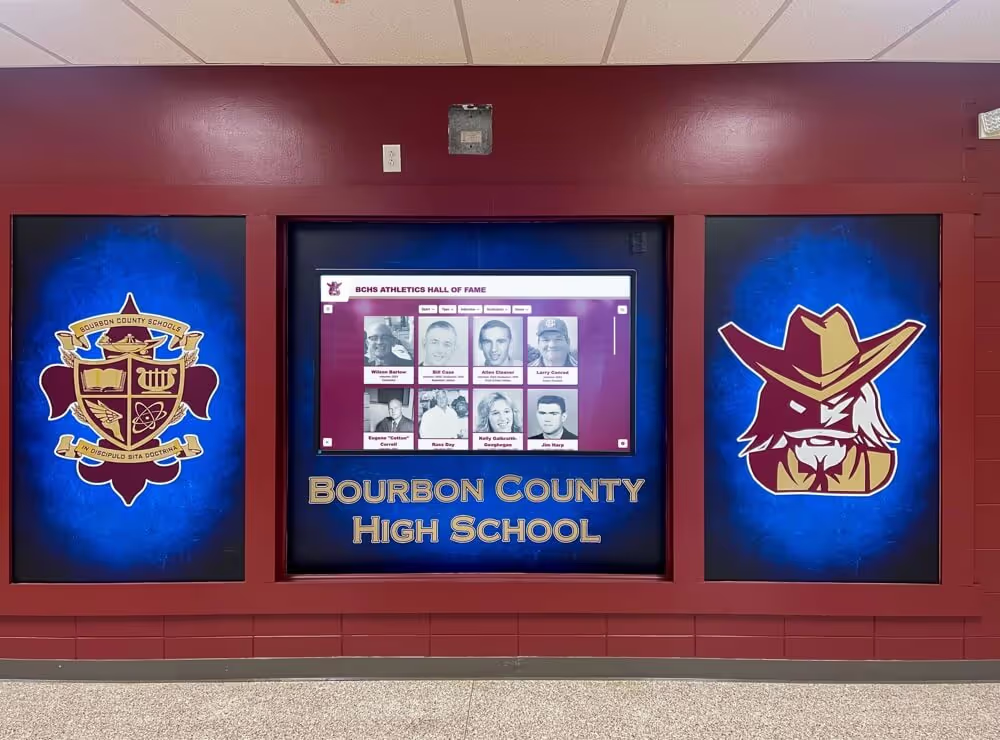
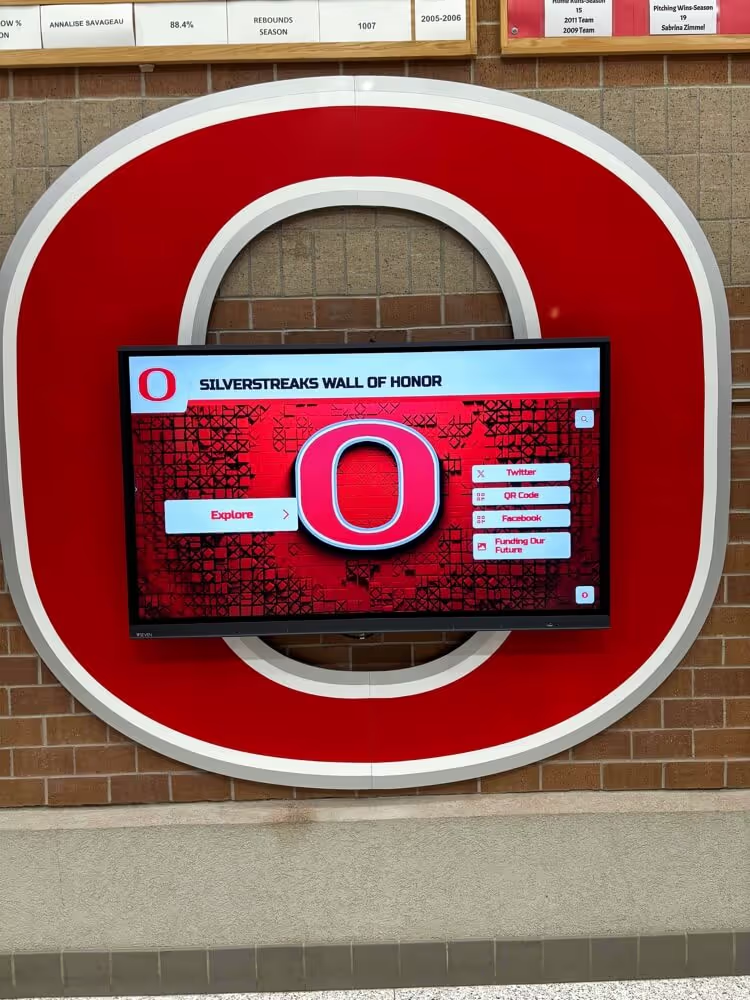
Recognition infrastructure that booster clubs fund — shields, display systems, digital screens — represents a category of approved expenses that the reimbursement policy documents from purchase through installation
Receipt Requirements: What Counts as Documentation
A receipt requirement is not bureaucratic formality — it is the evidence that makes a reimbursement audit-proof. The receipt connects the expense to the claimed amount, the vendor, and the date, giving the board and any outside auditor a complete picture of every dollar the organization paid out.
What Qualifies as a Valid Receipt
A valid receipt for reimbursement purposes should show:
- Vendor name and address — sufficient to identify the seller
- Date of purchase — within the policy’s submission window
- Itemized description — what was purchased, not just a total
- Amount paid — matching the reimbursement request to the cent
- Payment method — evidence that the requestor paid, not merely ordered
Credit card statements alone are not sufficient receipts — they confirm an amount was charged but not what was purchased. A credit card statement combined with an itemized vendor receipt meets the documentation standard.
Digital Receipts
Digital receipts — email confirmations, PDF invoices, screenshots of order confirmations — are acceptable for most purposes. The policy should specify how digital receipts are submitted (attached to the digital form, emailed to the treasurer, uploaded to a shared folder) and how they are stored in the organization’s records system rather than only in the requestor’s personal email.
The IRS guidance for recordkeeping under section 274 (governing business expense substantiation) establishes the principle that records must be adequate to establish the amount, time, place, and business purpose of each expense. Those substantiation requirements inform best practice for nonprofit booster clubs even when not legally binding in the same form.
Missing Receipts
The policy should address what happens when a receipt is genuinely unavailable — for example, when a cash purchase was made at a small vendor with no receipt printer. A missing receipt should require a signed statement from the requestor describing the purchase, the vendor, the date, and the amount, signed by both the requestor and a corroborating witness if one was present. Missing-receipt submissions should require additional approval — at minimum from the president in addition to the treasurer — and should be tracked separately so the board can monitor their frequency.
A pattern of missing-receipt submissions is a governance signal worth addressing. Either the policy needs better communication to volunteers, or the pattern warrants a closer look.
Mileage Reimbursement
Mileage is a frequent reimbursement category for booster clubs, covering travel to vendor meetings, bank deposits, inter-school events, and equipment pickups. The policy should specify the reimbursement rate — typically the current IRS standard mileage rate for charity volunteers, which the IRS sets annually — what documentation is required (a mileage log with dates, origins, destinations, and odometer readings or map estimates), and what trips qualify as official club business.
Recordkeeping: Retention, Storage, and Access
A reimbursement policy is only as strong as the records it generates. Maintaining complete, accessible, and durable records is both a governance best practice and a legal requirement for most nonprofit organizations.
What to Retain
The full reimbursement package for each transaction should be retained:
- The completed reimbursement request form
- All receipts and supporting documentation
- The approval record — meeting minutes for board votes, written approval for officer-level approvals
- The payment record — canceled check, bank transaction record, or payment confirmation
These four documents together create a complete audit trail for every reimbursement: what was requested, what documentation supported it, who approved it, and when and how it was paid.
Retention Periods
General guidance for nonprofit booster clubs is to retain financial records for at least three to seven years. Specific requirements vary by state and organizational structure. Organizations with IRS recognition under 501(c)(3) or a related exemption should retain records that support tax filings for at least three years from the filing date, with longer periods for records related to property, employment taxes, and certain fund restrictions. A conservative standard applied by many well-run booster clubs is seven years for all financial records.
The retention period applies to digital records as well as physical ones. A shared digital folder with a defined naming convention — such as “Reimbursements / 2025-26 / Oct / Smith-John-10142025.pdf” — makes retrieval straightforward during transitions or audits without requiring anyone to reconstruct which records belong where.
Storage and Access
Reimbursement records should be stored in a location accessible to board officers, not solely on a single volunteer’s personal device or email account. Cloud storage with defined access permissions — readable by the board, editable only by the treasurer — is a practical standard for most booster clubs. When a treasurer transitions, the incoming officer should receive explicit access to all reimbursement records from the current and prior seasons. A transition without records transfer is a governance gap; the policy should specify that records access is transferred as part of every officer handoff.
The principle extends beyond reimbursements to recognition records. Ensuring data integrity in digital hall of fame and recognition archives is a related governance challenge — the documentation habits that support clean reimbursement records also support clean recognition records that remain accurate and accessible across leadership transitions.
Connecting Expense Records to Recognition Commitments
For booster clubs that fund recognition programs — display installations, award ceremonies, digital archives — the reimbursement records for those expenses are also fulfillment documentation. A receipt for banner printing, combined with a photo of the banner in place, creates both the expense record the treasurer needs and the proof-of-performance record the sponsorship program requires.
Organizations that treat expense records and recognition records as separate systems often find they need to reconstruct evidence at renewal time that they already collected — in different binders, on different devices, or in the memory of a former officer. Treating the reimbursement record as the first entry in the fulfillment log prevents that duplication.

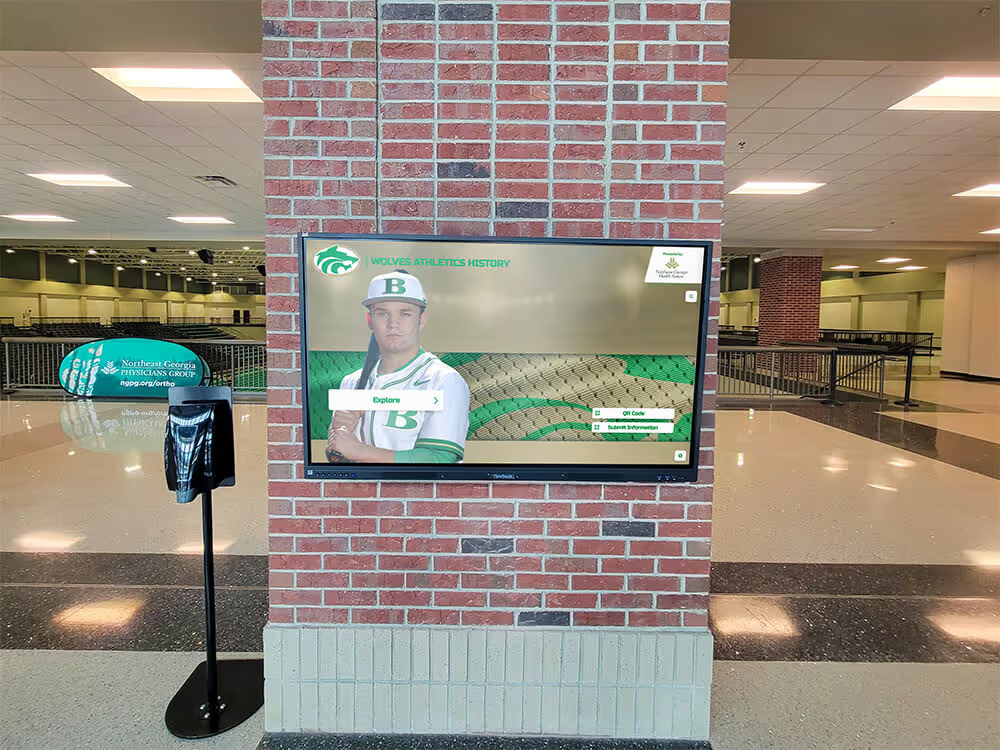
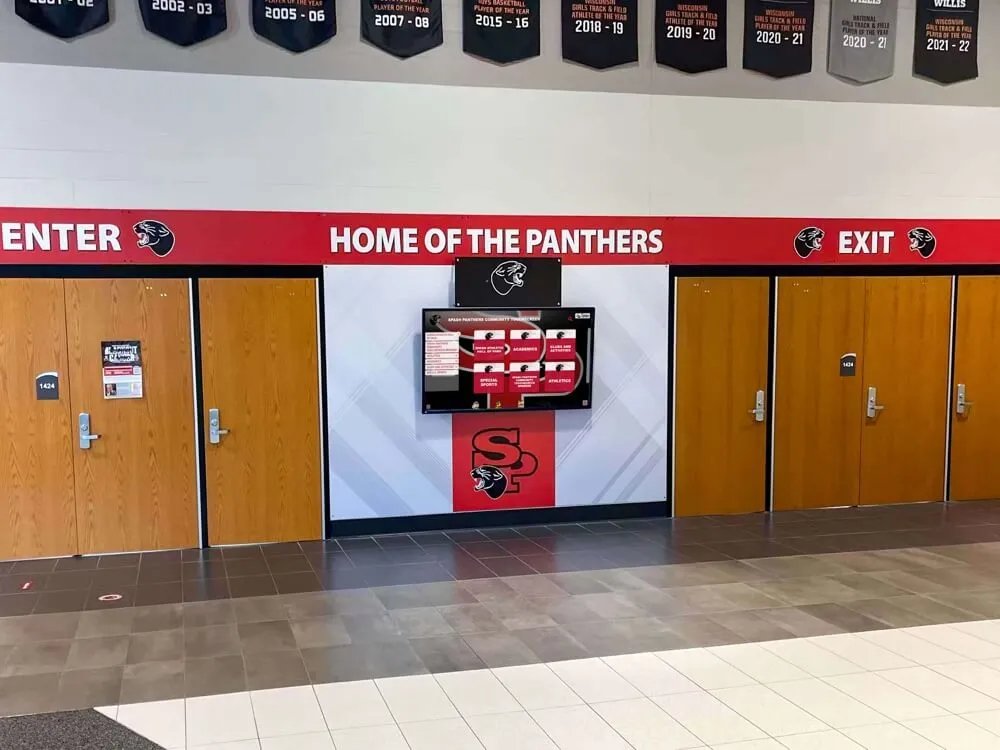
Recognition displays that booster clubs fund through documented reimbursements serve double duty — as acknowledgment for sponsors and donors, and as evidence that the organization delivered on its commitments
Booster Club Reimbursement Policy: Core Controls Checklist
Use the checklist below to audit an existing reimbursement policy or build a new one from scratch. It covers the minimum controls a sound policy should address.
Authorization Controls
| Control | Policy Requirement |
|---|---|
| Authorized spender list | Policy names positions — not individuals — authorized to incur expenses |
| Pre-authorization threshold | Expenses above defined limit require advance written board approval |
| Approved category list | Policy specifies which expense types are reimbursable |
| Excluded expense list | Policy explicitly names what the organization will not reimburse |
Approval Workflow Controls
| Control | Policy Requirement |
|---|---|
| Submission form | Standardized form (paper or digital) with required fields defined |
| Submission deadline | Expenses submitted within a defined number of days of purchase |
| Tiered approval | Approval authority scales with expense amount and category |
| Board vote documentation | Meeting minutes record votes on expenses requiring board approval |
| Payment timeline | Treasurer issues payment within defined days of approval confirmation |
Receipt and Documentation Controls
| Control | Policy Requirement |
|---|---|
| Valid receipt definition | Policy defines what constitutes an acceptable receipt |
| Digital receipt acceptance | Policy specifies how digital receipts are submitted and stored |
| Missing receipt process | Signed statement plus elevated approval required when receipt unavailable |
| Mileage documentation | Mileage log required; reimbursement rate specified in policy by reference to current IRS rate |
| Itemized purchase requirement | Lump totals insufficient; itemized breakdowns required |
Recordkeeping Controls
| Control | Policy Requirement |
|---|---|
| Complete package retention | Request form plus receipt plus approval record plus payment confirmation |
| Retention period | Defined minimum period stated in policy, typically 3-7 years |
| Cloud storage | Records stored in shared location with board-level access |
| Naming convention | Standardized file naming for digital records |
| Officer transition | Records access transferred explicitly at every officer handoff |
Common Reimbursement Policy Mistakes That Create Governance Problems
Most governance problems in booster club reimbursement do not come from bad actors — they come from policies that were never written down, or that were written once and never followed. The most common patterns:
No pre-authorization requirement. A committee chair purchases $600 in equipment without advance board approval, then submits a reimbursement. The board is divided on whether the purchase was appropriate. Without a pre-authorization requirement, the organization has no documented basis for the decision either way.
Receipt collection as an afterthought. Volunteers make purchases throughout the season and collect receipts in a physical folder or personal email. When an audit is requested, receipts are incomplete, the folder is with the former events chair, and no one can reconstruct which purchases were approved by whom.
No formal approval for recognition investments. Spending on display systems, banners, or technology platforms is treated as routine operating spending — processed through the treasurer without board discussion. When the organization later disagrees about the vendor choice or total cost, there is no approval record to reference.
Submission deadlines ignored. Without a stated deadline, reimbursements trickle in for months after the season ends, complicating year-end reconciliation and creating cash flow unpredictability.
Records lost in officer transitions. The departing treasurer’s personal email and phone hold the reimbursement history. The incoming treasurer inherits an account but not the records needed to close the prior year or answer questions that arise over the following three-to-seven year retention window.
Each of these is preventable with a written policy that includes enforcement expectations. High school academic achievement award programs illustrate a parallel principle — programs that document selection criteria, approval processes, and records in writing sustain consistent outcomes across leadership changes in ways that informal understandings cannot.
How Reimbursement Records Support the Broader Recognition Program
Every dollar a booster club spends on recognition — plaques, banners, display systems, ceremony costs — passes through the reimbursement process. That means the reimbursement record is also the financial proof that the recognition commitment was funded and executed.
For organizations building long-term recognition programs, the connection between expense documentation and program integrity is direct. A review of hall of fame tools used in school athletics programs points to the same governance challenge: organizations that invest in permanent recognition infrastructure need documentation practices that treat those investments as institutional assets, not one-season expenses.
When a booster club funds a digital recognition wall, installs an athletic records display, or commissions a sponsor acknowledgment system, the reimbursement package — receipt, approval record, installation documentation — becomes the organizational memory that links the expenditure to the asset. Programs that evaluate recognition and hall of fame tools for athletics and donor programs often find that the display is only one piece; the records proving the investment was authorized, funded, and delivered are the other piece — the one that makes the asset institutional rather than personal.
For organizations exploring digital archive and hall of fame tools for athletics, history, and donor recognition, the reimbursement and record-keeping discipline that governs spending on those systems also creates the institutional continuity that makes multi-year recognition programs sustainable through leadership transitions.
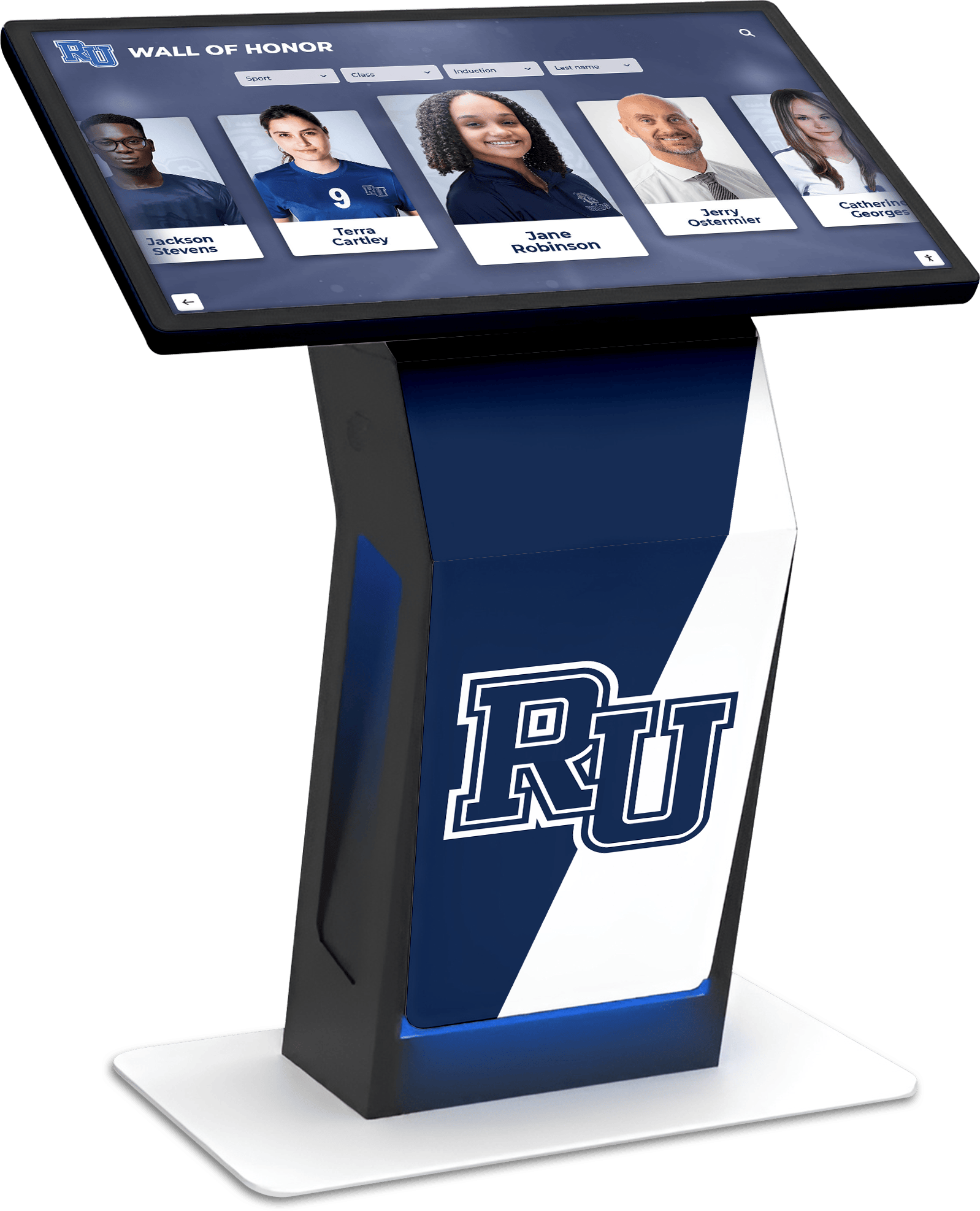
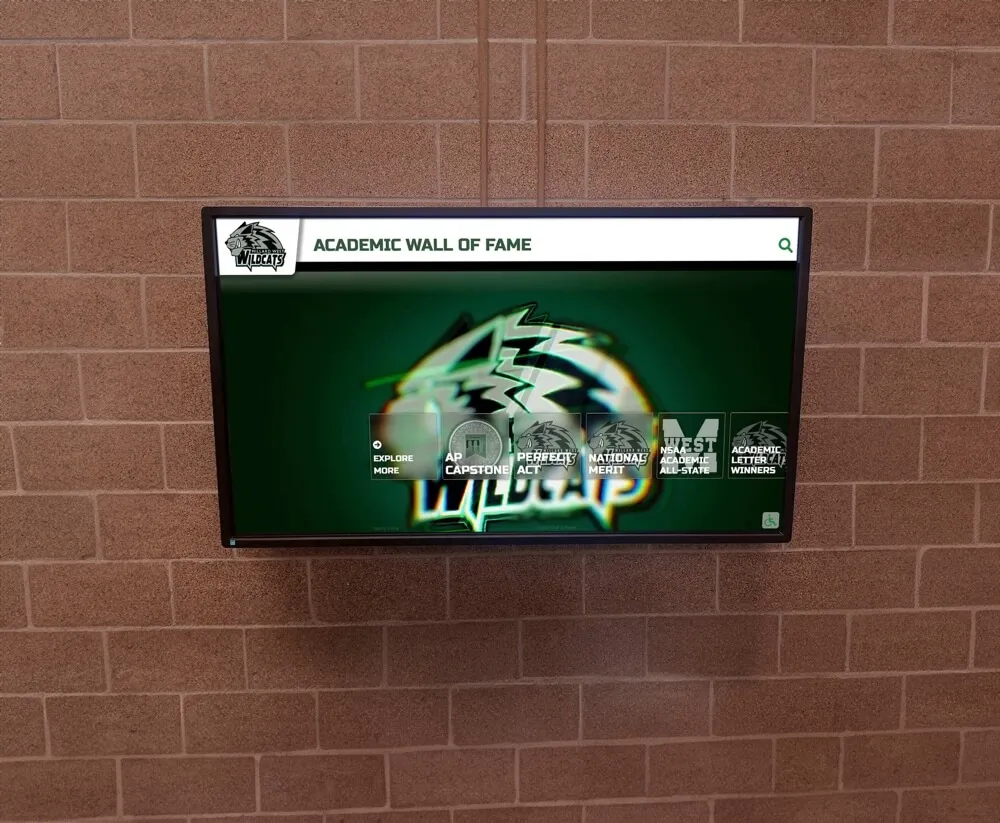
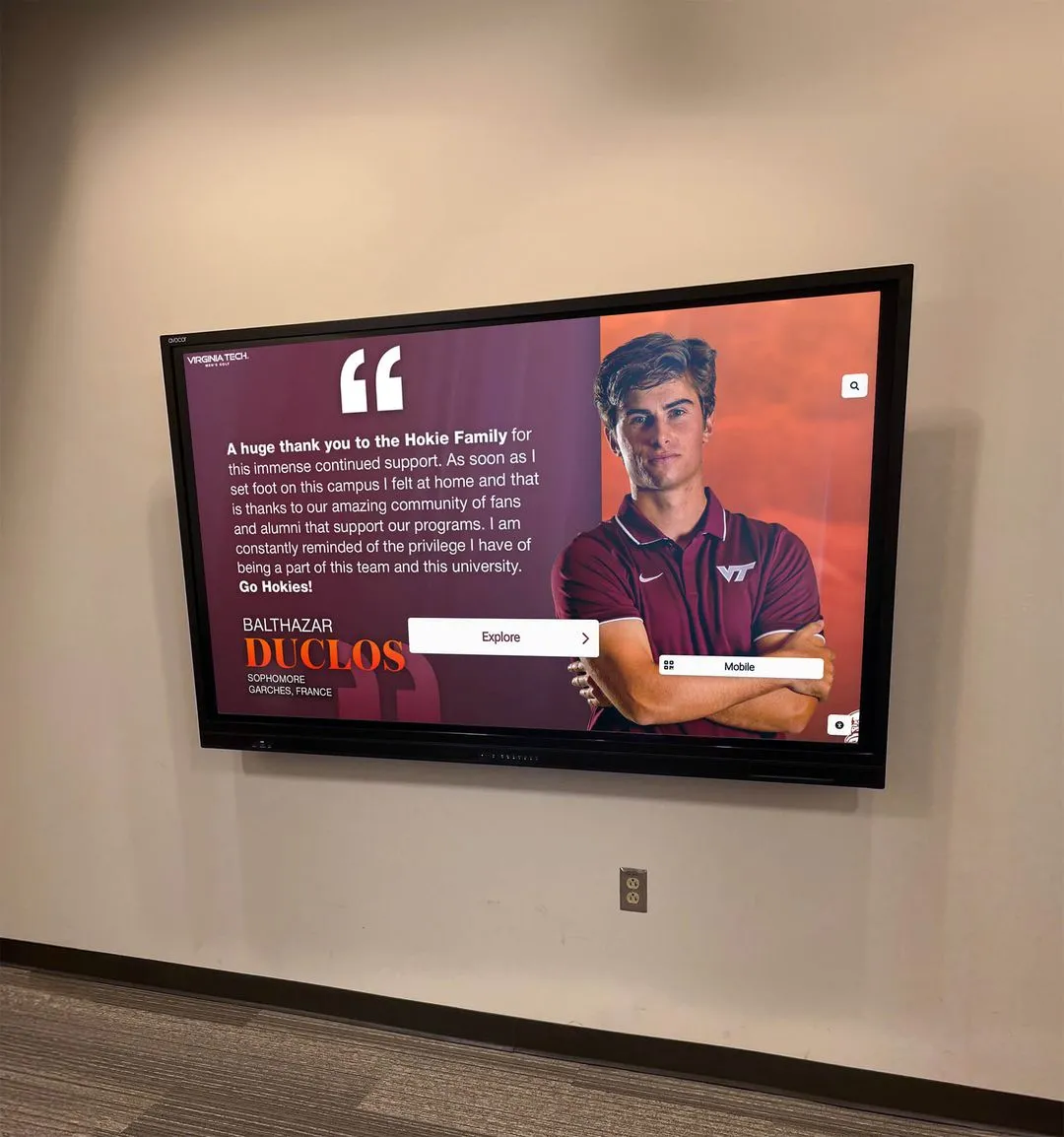
Digital recognition systems funded through the booster club's reimbursement process become institutional assets — documented from initial purchase through ongoing operation, connecting financial records to the recognition commitments they funded
Frequently Asked Questions
What should a booster club reimbursement policy include?
A booster club reimbursement policy should define who is authorized to incur expenses on the organization’s behalf, what categories of expense are reimbursable, what documentation is required (original receipts, itemized invoices, or signed missing-receipt statements), the approval workflow with tiered authority based on expense amount, the timeline for submitting requests and issuing payment, and record retention requirements. The policy should be approved by the board, shared with all officers and committee chairs, and reviewed annually. A written policy prevents the ambiguity that leads to disputes and makes the organization’s expense management auditable by school administrators, the IRS, or other oversight bodies.
Who approves reimbursements in a booster club?
Approval authority for booster club reimbursements should be tiered by amount. Small expenses — commonly under $50 — may be approved by the treasurer alone. Mid-range expenses typically require both the treasurer and president. Expenses above a defined threshold (often $250 or $500) require a board majority vote documented in meeting minutes. Large capital expenditures — display systems, technology platforms, significant facility costs — generally require full board approval with advance notice to the membership. The specific thresholds and approval authorities should be defined in the written reimbursement policy and reviewed annually to reflect the organization’s current budget scale.
What receipts does a booster club need for reimbursement?
A valid receipt for booster club reimbursement should show the vendor name, date of purchase, an itemized description of what was purchased, the total amount paid, and evidence of payment. Credit card statements alone are not sufficient — they confirm an amount was charged but not what was purchased. Email confirmations, PDF invoices, and screenshots of order confirmations are acceptable digital equivalents when they contain all required fields. When a receipt is genuinely unavailable, the policy should require a signed written statement from the requestor describing the purchase and, ideally, a corroborating signature from a witness. Missing-receipt submissions should require elevated approval and be tracked to identify patterns.
How long should a booster club keep reimbursement records?
Most guidance for nonprofit booster clubs recommends retaining financial records — including reimbursement requests, receipts, approval documentation, and payment records — for at least three to seven years. IRS guidance for tax-exempt organizations generally requires retaining records that support annual filings for at least three years from the filing date, with longer retention for records related to property or employment taxes. A conservative standard for most booster clubs is seven years for all financial records. Records should be stored in a shared location accessible to board officers, not solely on an individual volunteer’s personal device, and records access should be explicitly transferred during officer transitions.
Can booster club volunteers be reimbursed for mileage?
Yes, booster clubs can reimburse volunteers for mileage driven on official organizational business — vendor meetings, bank deposits, inter-school events, equipment pickups, and similar authorized trips. The reimbursement rate is typically set at the current IRS standard mileage rate for volunteer driving on behalf of charitable organizations, which the IRS adjusts periodically. The policy should require a mileage log documenting dates, origins, destinations, and distances for each trip. Personal commuting to routine practices or regular home games is generally not reimbursable. All mileage reimbursements should be recorded in the expense ledger and retained for the applicable period.
Building a Reimbursement Policy That Protects Volunteers and the Organization
A well-written booster club reimbursement policy protects everyone: the volunteer who spent money on the program’s behalf, the treasurer who processes the request, the board that approved the purchase, and the school administrators who rely on the organization to manage public trust funds responsibly. The policy does not imply suspicion — it creates equal, documented expectations that apply the same way to every officer and every expense, season after season.
When reimbursement records are complete and well-organized, they also serve the recognition programs those expenses funded. Every receipt for a banner, a display installation, a sponsor certificate, or an award ceremony connects a financial commitment to a tangible program outcome — the kind of institutional memory that survives leadership transitions and makes long-term recognition programs credible to the sponsors, donors, and school community who support them.
See How Permanent Recognition Reflects the Commitments Your Program Has Kept
Rocket Alumni Solutions builds interactive digital recognition displays for school athletic programs — giving booster clubs a visible, lasting platform for sponsor acknowledgment and donor recognition that reflects the financial commitments your organization has documented and fulfilled. Schedule a demo to see what your facility could look like.
Schedule Your Recognition Display Demo