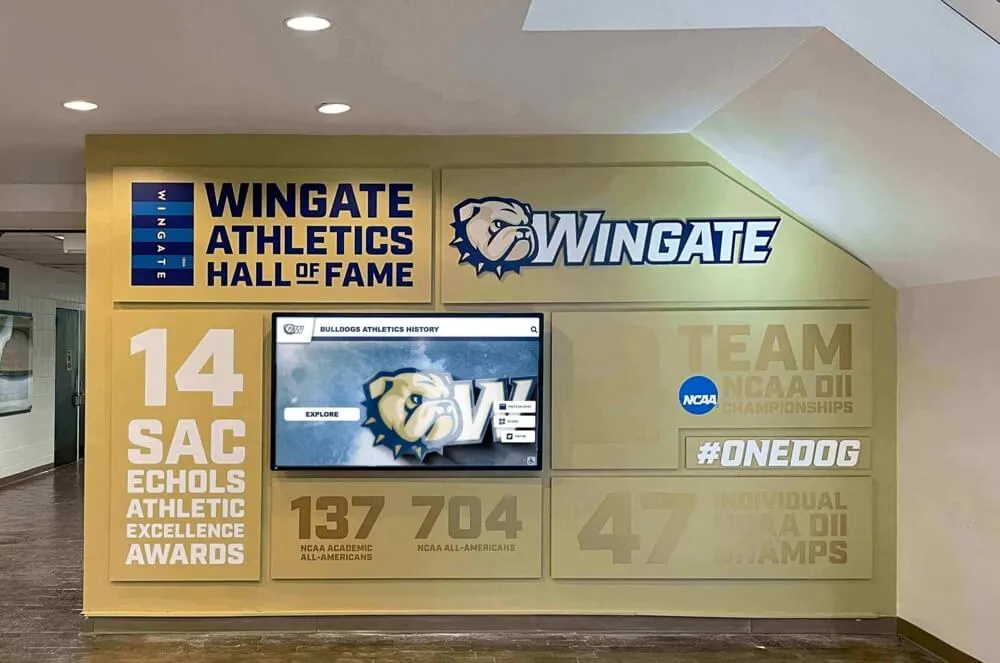




A booster club merchandise inventory policy is a written governance document that establishes how the organization receives, counts, tracks, sells, and reconciles its merchandise stock — from spirit wear and apparel to program books, novelty items, and sponsor-branded goods. Without a written policy, merchandise operations run on informal habits that create accountability gaps: money goes unaccounted, sponsor commitments go unverified, and the organization cannot produce the clean financial reports that school liaisons and auditors expect.
This guide covers the core components of an effective booster club merchandise inventory policy, practical tracking methods appropriate for volunteer-run organizations, the connection between merchandise records and fundraising reports, and how inventory accountability links to the donor and athletic recognition programs that give booster clubs their larger community purpose.
School athletic programs, arts organizations, and activity-based booster clubs sell merchandise for two related reasons: to raise operating revenue and to build community identity through school-branded goods. Both purposes demand the same thing — reliable records that show what was received, what was sold, what was collected, and what remains. A merchandise inventory policy is the framework that makes those records possible and defensible.

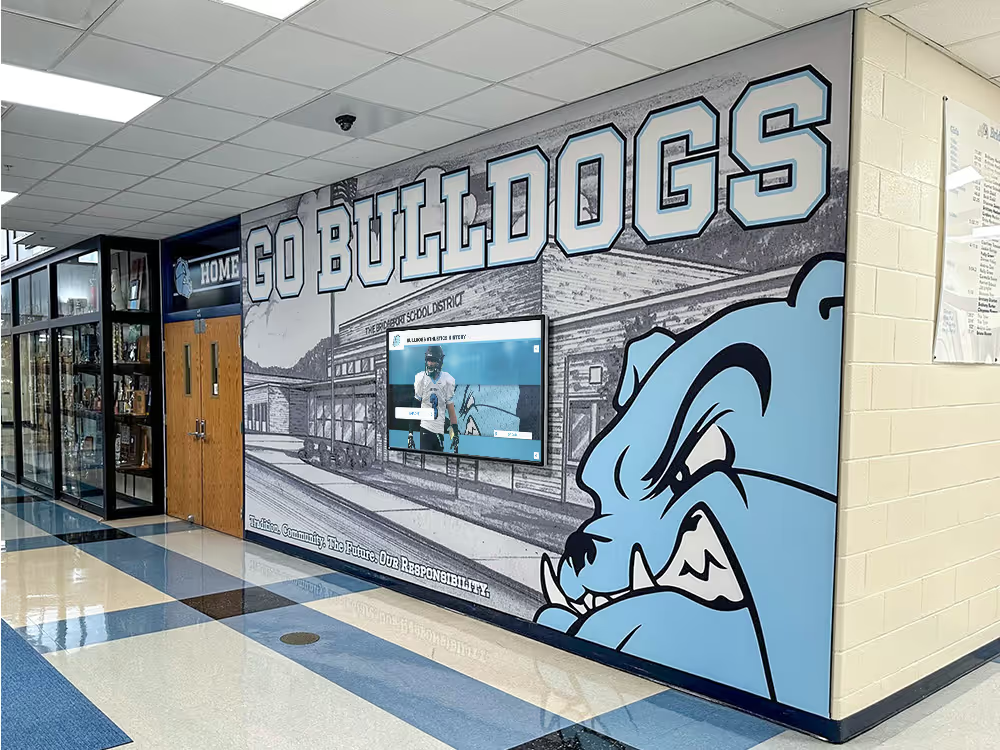
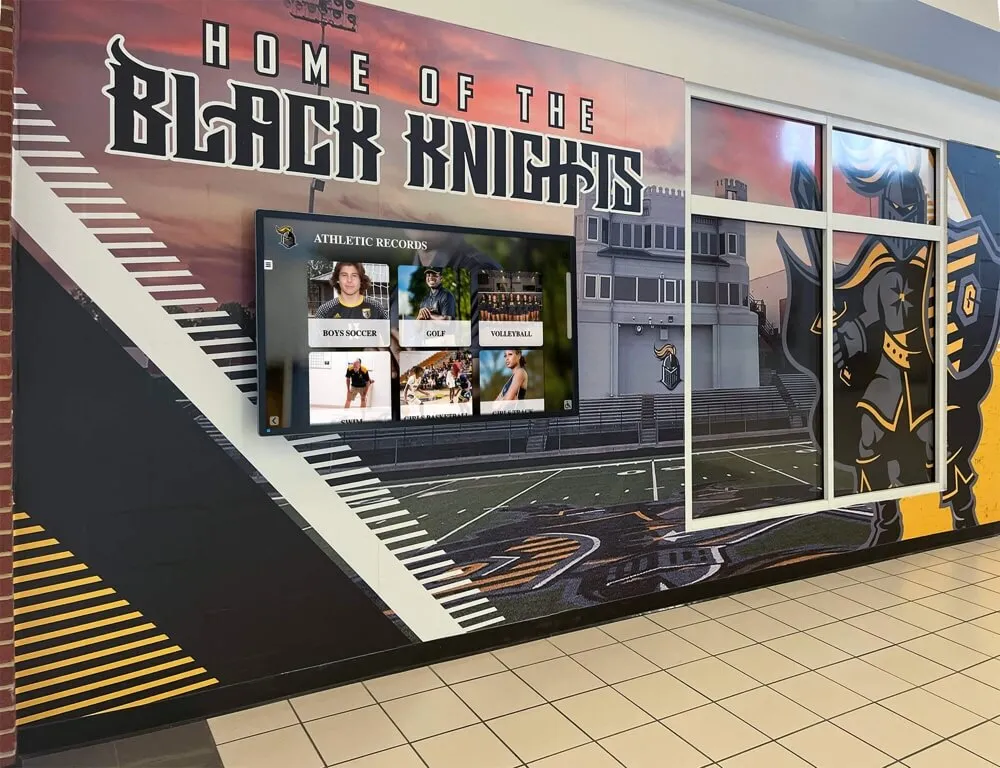
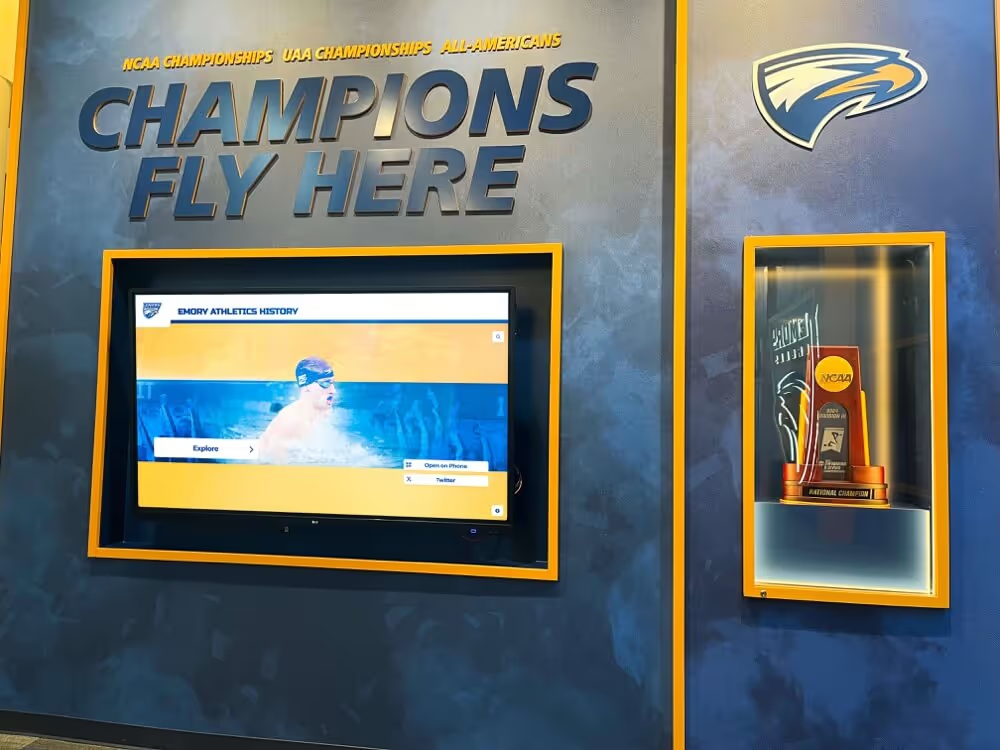
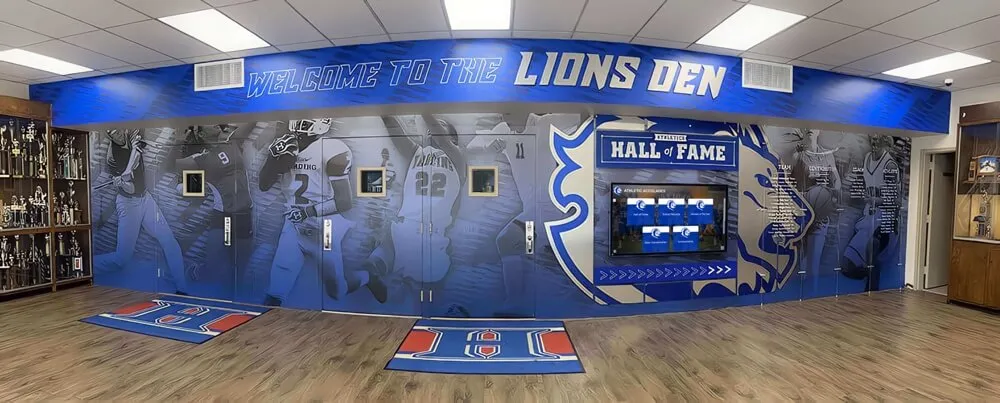
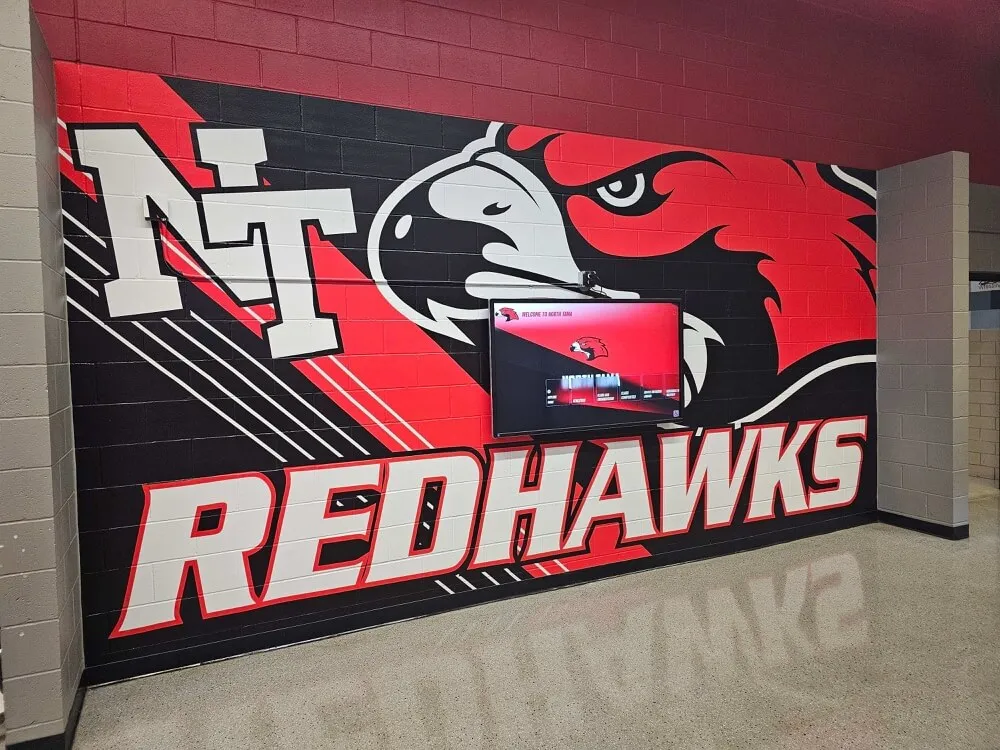
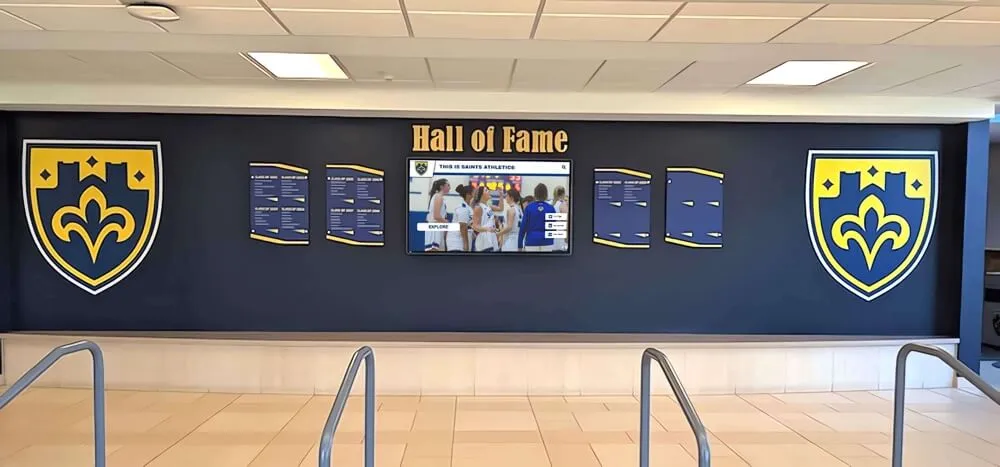
Merchandise revenue often funds the recognition programs — trophy installations, athletic murals, hall of fame plaques — that define a school's athletic identity. Inventory controls protect that revenue and the commitments it supports.
Why Merchandise Inventory Controls Matter
Merchandise sales are among the most financially exposed activities booster clubs conduct. Unlike a direct donation or a check from a corporate sponsor, merchandise revenue flows through a physical point of sale — often at crowded events, managed by rotating volunteers, with no fixed register and varying levels of experience. The conditions are nearly ideal for honest accounting errors and can also provide cover for misappropriation.
A merchandise inventory policy reduces these risks by establishing controls before sales begin, not after problems appear. The policy does not signal distrust of volunteers — it signals that the organization takes its fiduciary responsibilities seriously and has built systems that protect honest volunteers from later questions they cannot answer.
Revenue Accountability
Every booster club’s financial controls depend on connecting cash collected to value delivered. The standard reconciliation logic for merchandise is straightforward: beginning inventory minus ending inventory equals units sold; units sold multiplied by sale price equals expected revenue; expected revenue should match cash collected. When these numbers align, the books are clean. When they do not, the policy tells board members exactly where to look.
Without an inventory policy, booster clubs often cannot produce this calculation because they never counted beginning inventory in a documented way. A policy that mandates a documented count before each sales event — recorded by name, date, and signature — gives the treasurer the starting point needed to close the loop at every event.
Prevention of Shrinkage and Loss
Shrinkage in merchandise contexts refers to stock reductions not accounted for by recorded sales. It encompasses theft, clerical error, damaged goods given away without documentation, items consumed internally without tracking, and simple miscounts. Volunteer-run merchandise tables are susceptible to all of these.
A written policy that designates a single inventory manager per event, requires a dual-count at setup and teardown, and mandates documentation of any damaged or complimentary items significantly reduces unresolved shrinkage without creating an adversarial atmosphere. When variances occur — and they will — the policy gives the board a framework for investigation that treats volunteers fairly while taking accountability seriously.
Sponsor Agreement Compliance
Many booster club sponsors provide financial support in exchange for brand exposure — logos on spirit wear, priority placement on program books, branded merchandise included in student or athlete packages. These are commitments the organization has made in exchange for revenue it has already received. If the organization cannot document how many units bearing a sponsor’s logo were produced and sold, it cannot verify that the sponsor received the exposure they were promised.
A merchandise inventory policy that includes sponsor-sourced or sponsor-branded items in its tracking scope protects the organization when sponsors ask questions and when it needs to justify renewal pricing for the following season. School administrators and athletic directors reviewing booster program governance increasingly expect documentation that connects sponsorship spending to measurable outcomes — and merchandise records are one concrete data source that most organizations already have the capacity to generate.
Fundraising Report Accuracy
State nonprofit regulations and school district policies typically require booster clubs to file financial reports that account for all revenue sources. Merchandise sales must appear in those reports, which means the organization needs accurate figures for gross sales, cost of goods, and net revenue by category. A merchandise inventory policy that mandates sales logs with itemized totals makes those figures available without requiring the treasurer to reconstruct records from memory weeks after the fact.
Note: Requirements for nonprofit financial reporting vary by state and jurisdiction. Organizations should consult with qualified legal or financial counsel to understand their specific reporting obligations.
Core Components of a Booster Club Merchandise Inventory Policy
An effective policy addresses the full lifecycle of merchandise: acquisition, receipt, storage, sale, reconciliation, and disposal of unsold stock. A policy that covers only the sale stage leaves the organization exposed at the stages where controls matter most.
Scope Definition
The policy should specify which items fall under its tracking requirements. Common scope elements include:
- Branded apparel and spirit wear (t-shirts, hoodies, hats, jackets, socks)
- Program books and printed materials sold at events
- Novelty items (keychains, magnets, decals, stadium cushions, water bottles)
- Sponsor-branded merchandise received from or co-produced with corporate partners
- Recognition and commemorative items purchased for resale or ceremonial distribution
- Consignment merchandise sold on behalf of third parties
Items that are donated directly to end users without a sale transaction — complimentary programs given to officials, spirit packs given to scholarship recipients, recognition gifts distributed at ceremonies — should appear as a separate documentation line rather than be excluded from scope entirely. Tracking what left the organization’s control, and why, is part of what makes a policy complete.
Intake and Receiving Procedures
Every batch of merchandise should enter the system through a documented receiving process:
- Count all units received and verify against the purchase order or vendor invoice
- Record item description, SKU or item code, quantity received, unit cost, and date
- Obtain the signature of the receiving volunteer and a second board member or officer
- Photograph items when practicable, particularly for high-value or sponsor-branded goods
- Store items in a designated, locked location until the next sales event
Discrepancies between the invoice quantity and the received quantity should be documented immediately and reported to the treasurer. Accepting a short shipment without notation creates a gap in cost-of-goods figures that the reconciliation will surface later — and for which there will be no documented explanation.
Point-of-Sale Controls
Sales events are where most inventory control failures occur. The policy should define:
- Event setup count: A documented count of all items brought to the sales table, recorded before the first transaction
- Designated sales volunteers: No more than two or three individuals handling cash and merchandise at any one time
- Sales log: A running tally of items sold by type, maintained throughout the event
- Separate cash box: Merchandise revenue segregated from other collections (concessions, admissions) where operationally possible
- Volunteer purchase procedure: Volunteers purchasing items for themselves during the event must use the standard checkout process and receive a written receipt — no exceptions
End-of-Event Reconciliation
Immediately after each sales event, the inventory manager should complete the following before volunteers leave the site:
- Count all remaining unsold items by category
- Compare ending count to beginning count to calculate units sold
- Multiply units sold by sale price to calculate expected gross revenue
- Count actual cash collected and compare to expected revenue
- Document any variances with a written explanation
- Have the count and reconciliation reviewed and signed by a second person
- Return unsold merchandise to secured storage
The reconciliation document — beginning count, sales count, ending count, cash collected, variance, and explanation — becomes part of the permanent financial record and should accompany the event report submitted to the treasurer.
Setting Up a Practical Tracking System
Booster clubs do not need enterprise software to run effective merchandise inventory controls. The right system is one that volunteers can actually use consistently, season after season, regardless of who holds the merchandise coordinator role.
Manual Tracking
A paper-based system is entirely workable for organizations selling a limited product range at discrete events:
- Inventory control sheet: A single-page form with columns for item name, beginning count, sales tally, ending count, variance, and cash collected
- Transfer log: A document recording when merchandise moves from central storage to an event table and back
- Season summary spreadsheet: A running master log updated after each event showing cumulative sales and remaining stock by item
Standardized forms reduce cognitive load on volunteers and make it easier to train new merchandise coordinators each season. Including blank templates as appendices in the policy document itself is a practical way to ensure they are always accessible.
Digital and Spreadsheet Tracking
Organizations with larger product ranges or multiple simultaneous sales points benefit from a shared digital spreadsheet — maintained on a school-approved file sharing platform — that can be updated after each event. Key fields for a digital inventory tracker include:
- Item name and SKU
- Received quantity and date
- Event-by-event sales columns
- Running total sold and running inventory remaining
- Unit cost and unit sale price
- Sponsor association flag (if applicable)
- Notes field for damaged, gifted, or written-off items
The digital approach makes end-of-season summary generation faster and produces the documentation format that school financial reviewers and external auditors find most accessible.
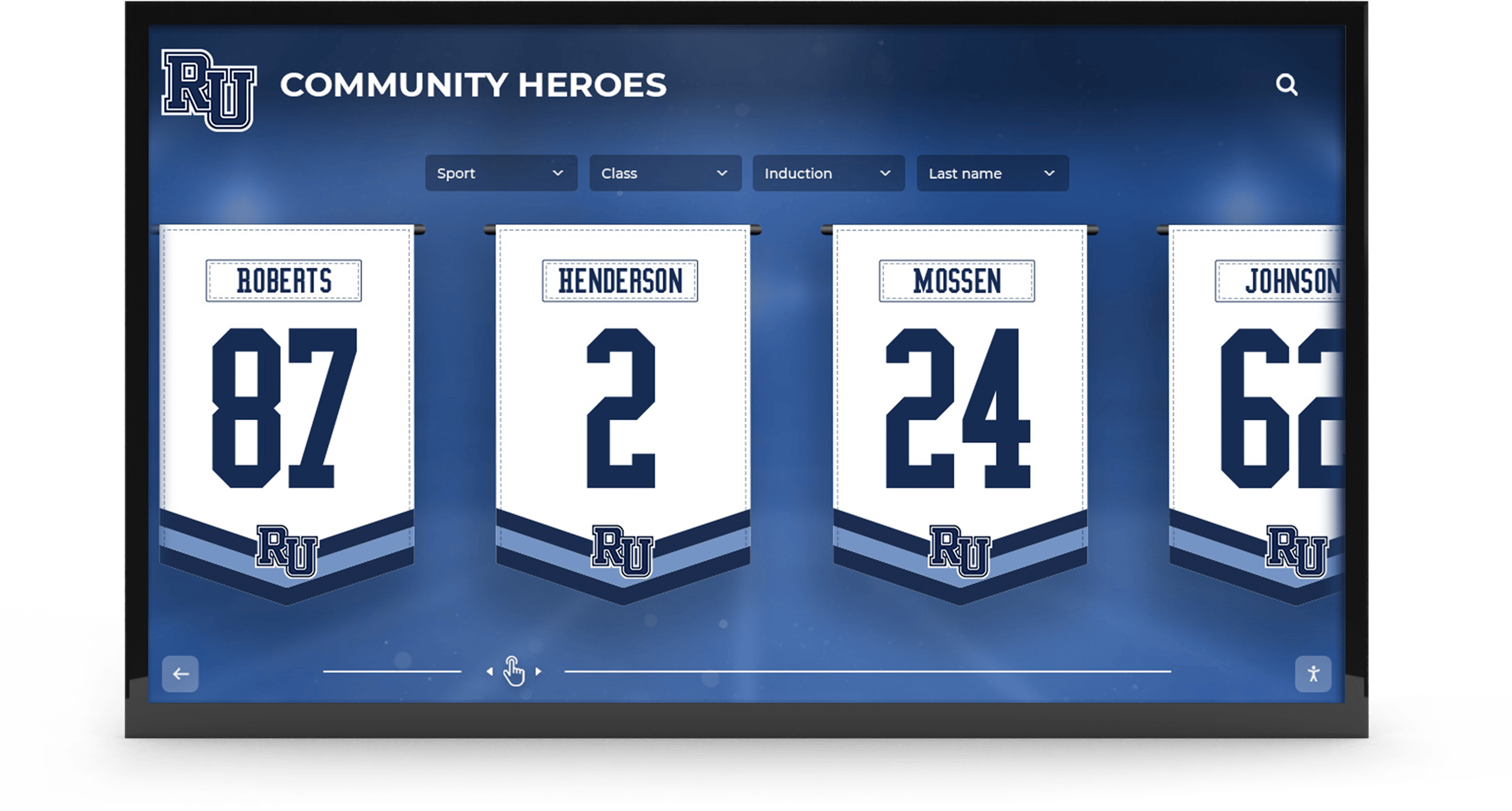
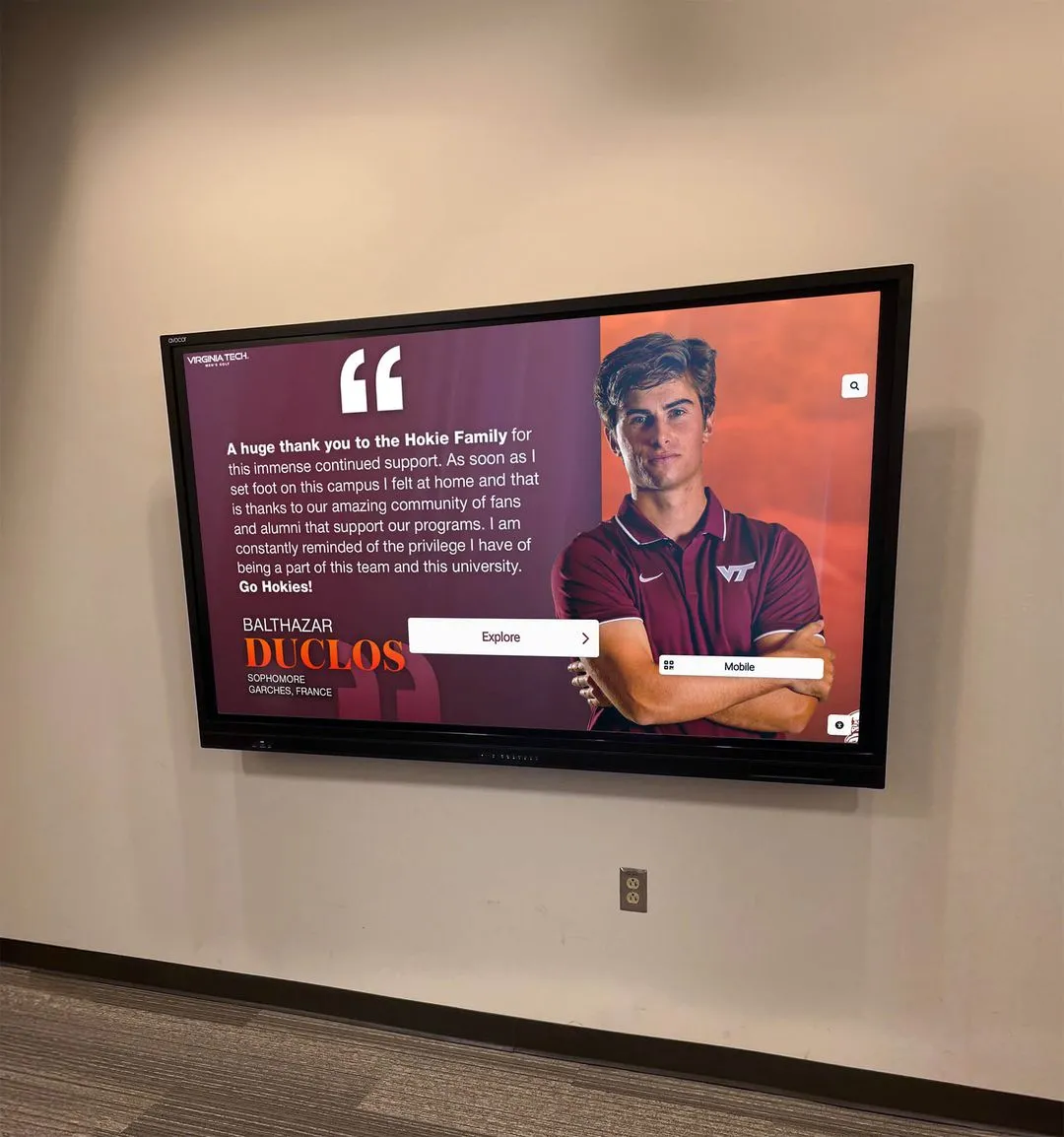
When sponsor logos appear on merchandise, inventory records document the exposure delivered — connecting sales tracking to the recognition commitments booster clubs make to their financial partners
Connecting Merchandise Records to Fundraising Reports
Merchandise inventory records are not standalone documents — they feed directly into the financial reports that represent the organization to its school liaison, its membership, and, where applicable, state regulatory oversight.
Reconciliation with Cash Handling Procedures
The merchandise reconciliation completed at each event should dovetail with the organization’s broader cash handling policy. Revenue collected from merchandise sales should follow the same deposit procedures as other event cash: counted by two people, documented on a deposit slip, and deposited promptly following the event. When the treasurer receives the merchandise reconciliation report, it should match the deposit record for that event without requiring additional reconstruction.
For booster clubs operating merchandise tables at back-to-school nights or season-opening spirit wear sales — events where many transactions happen quickly and volunteer teams turn over — completing reconciliation before the event site disperses is especially important. Once volunteers leave, discrepancies become nearly impossible to trace.
End-of-Season Merchandise Summary
At the end of each athletic season or program year, the merchandise coordinator should produce a summary exhibit for the annual financial report that includes:
- Total units received by item category
- Total units sold by item category
- Total gross revenue by item category
- Total cost of goods by item category
- Net merchandise revenue
- Ending inventory (units and estimated value) by item category
This summary serves the treasurer and the board and gives the organization data for next season’s purchasing decisions: which items sold through, which underperformed, and which price points generated the strongest net margins.
Sponsor Commitments and Merchandise Accountability
Sponsors who contribute to booster programs often expect brand recognition in return. When that recognition takes the form of logo placement on merchandise, the inventory policy must capture it explicitly.
Tracking Sponsor-Branded Items
For each item bearing a sponsor’s logo or branding, the inventory record should note:
- The sponsor name associated with that item variant
- The print run quantity, recorded separately from unbranded versions of the same item
- Sales of sponsor-branded items tracked independently where operationally possible
- One retained sample unit of each sponsor-branded product for documentation purposes
When sponsors ask about the visibility their investment generated, the organization can point to concrete records: the number of branded hoodies produced, how many sold, and at which events. This specificity strengthens sponsor confidence and makes renewal conversations substantively different from a generic pitch.
Connecting Merchandise Accountability to Sponsor Recognition
Many booster clubs structure sponsor relationships as packages that include merchandise exposure alongside other recognition — signage at games, announcements, program listings, and digital display mentions. Merchandise inventory records are the piece of that package that can be independently verified after the fact, making them particularly valuable when sponsors have questions.
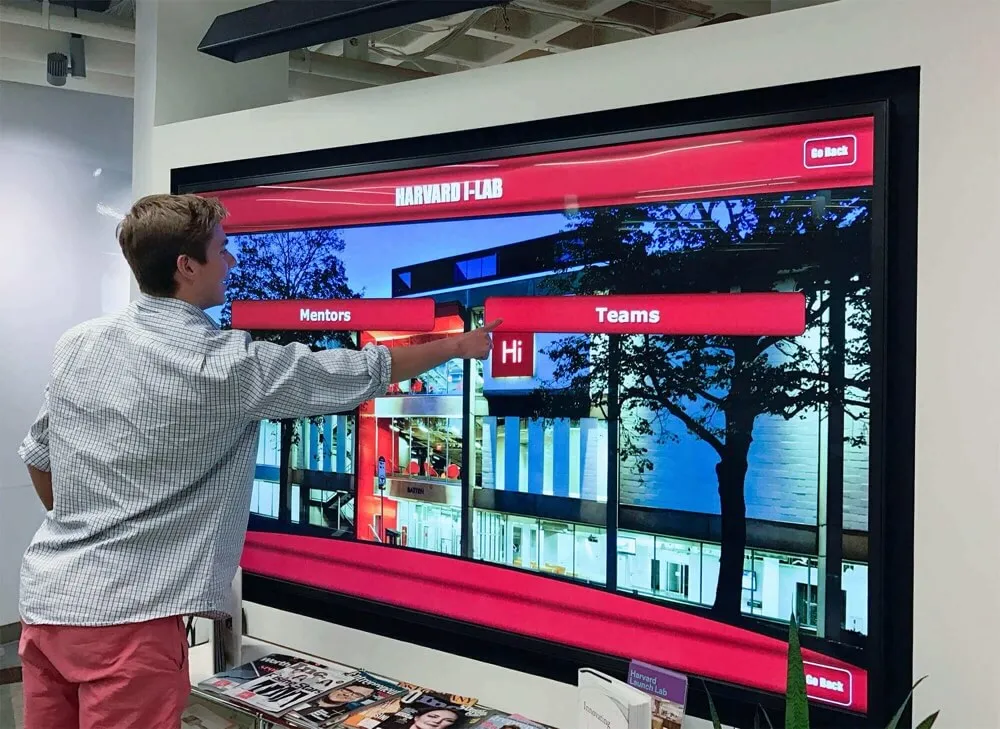
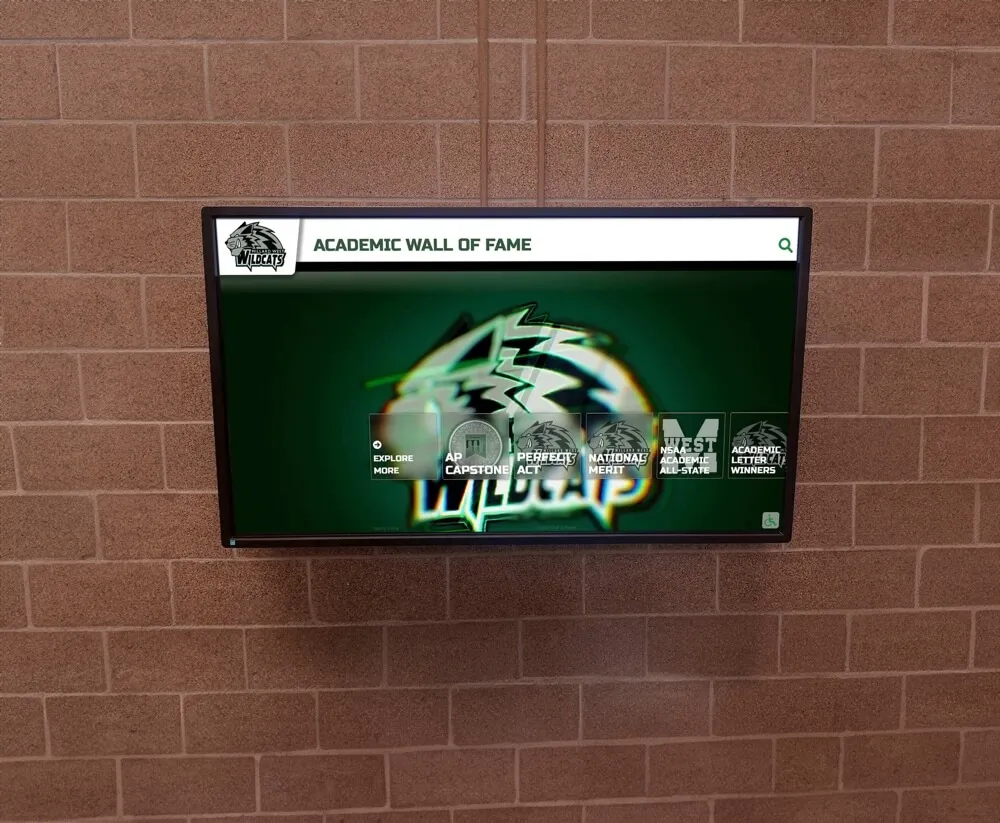
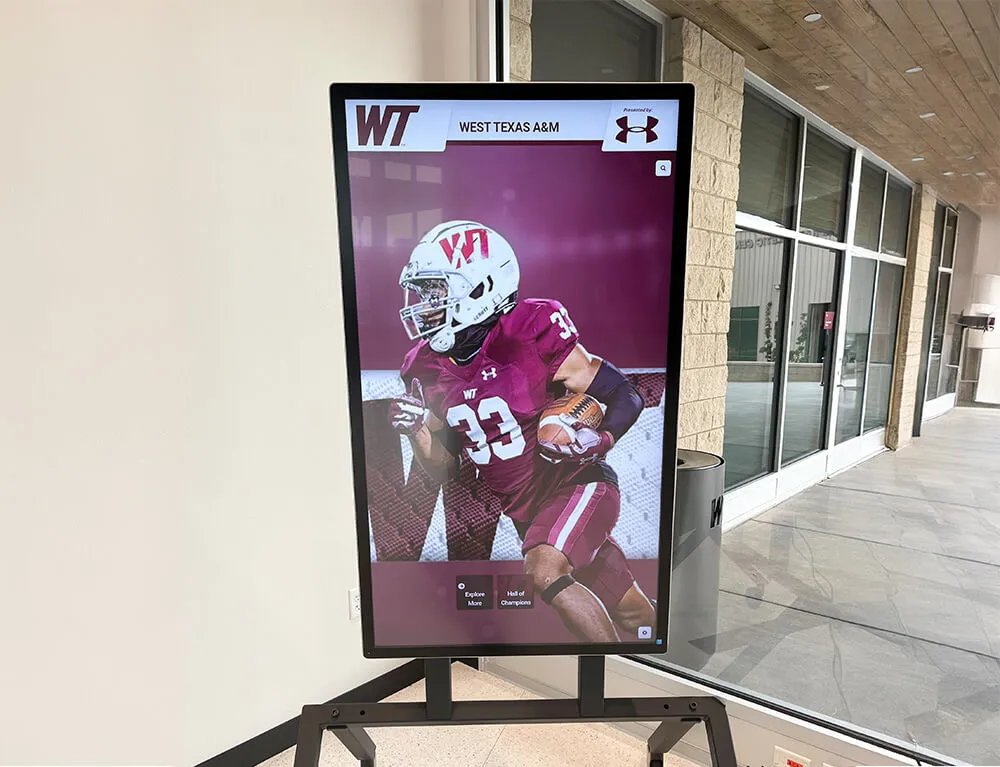
Organizations that have invested in digital signage for school communication and recognition often find that digital sponsor recognition and physical merchandise recognition work as complementary channels: the branded jersey or hoodie is the portable, community-visible advertisement, while the digital display in the school lobby provides the permanent, searchable record of who supported the program and in what capacity.
Linking Inventory to Donor and Athletic Recognition Programs
Merchandise management intersects with school recognition programs in ways that extend well beyond simple revenue generation.
Merchandise at Recognition Events
Senior nights celebrating graduating athletes and hall of fame induction ceremonies frequently involve merchandise components: commemorative programs sold to families, branded recognition items given to honorees, or spirit wear displayed alongside historical records and athletic achievements. When these events include merchandise transactions — or distributions — those items belong in the inventory tracking system.
Documenting commemorative items distributed at recognition events creates an institutional record that outlasts the event itself. Years later, when school archives staff tries to reconstruct who received recognition in a particular year, a merchandise record noting “15 engraved recognition frames distributed at the 2026 Athletic Hall of Fame Induction Ceremony” provides a useful data point alongside the event program and digital display records.
Merchandise Revenue Funding Recognition Infrastructure
The connection between merchandise sales and recognition programs is often direct: spirit wear revenue, concession profits, and program book sales fund the installations, plaques, digital displays, and ceremonies that constitute a school’s formal recognition infrastructure. Organizations that maintain clean merchandise inventory records can demonstrate this funding chain clearly — showing donors, parents, and school administrators exactly how community purchases translate into lasting school recognition.
Boards evaluating academic achievement award formats alongside athletic recognition merchandise often find that consistent tracking across both domains helps the school present a coherent picture of how it honors student and community contributors at every level.
Digital Recognition as a Complement to Physical Merchandise
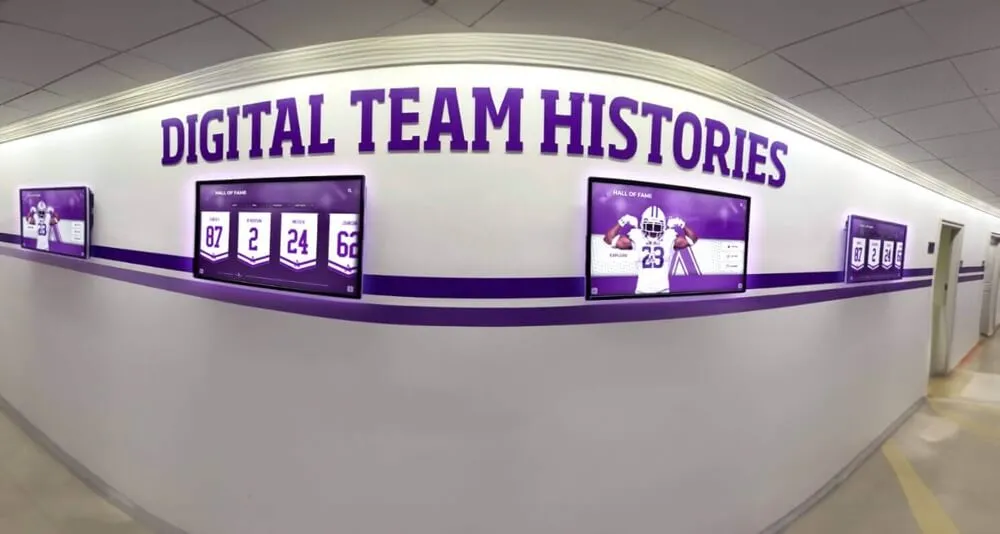
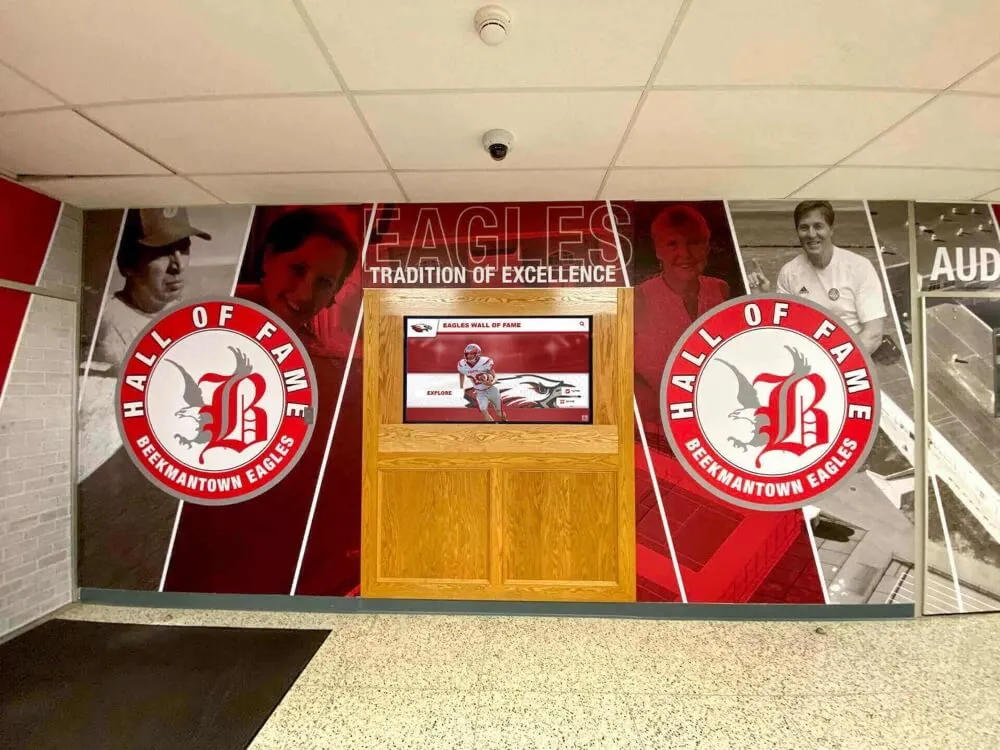
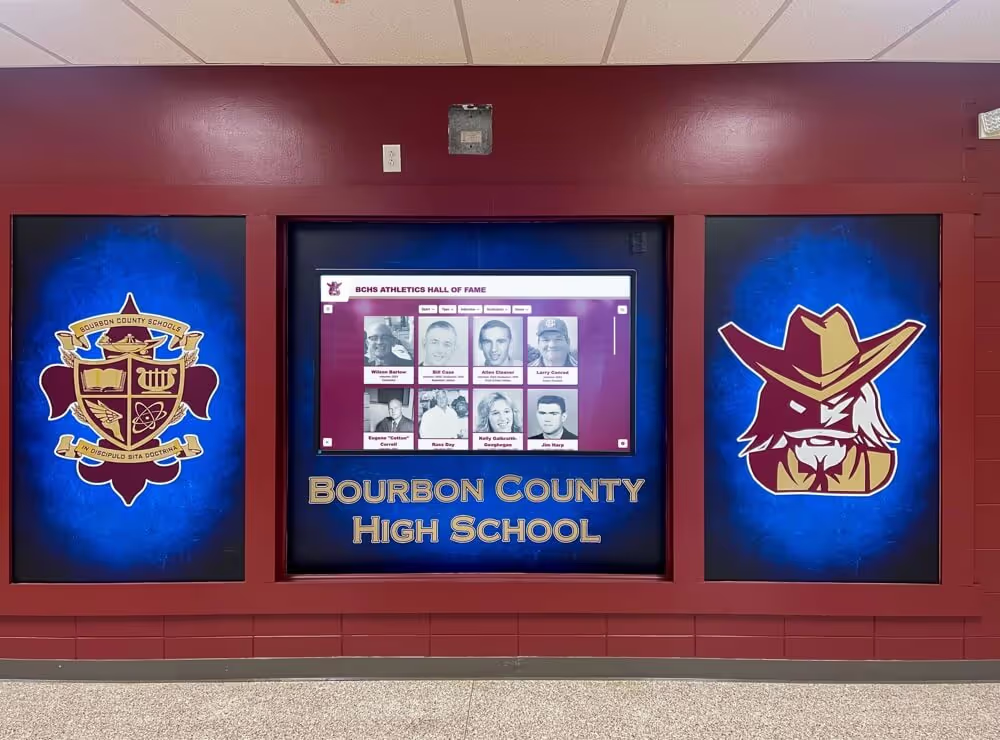
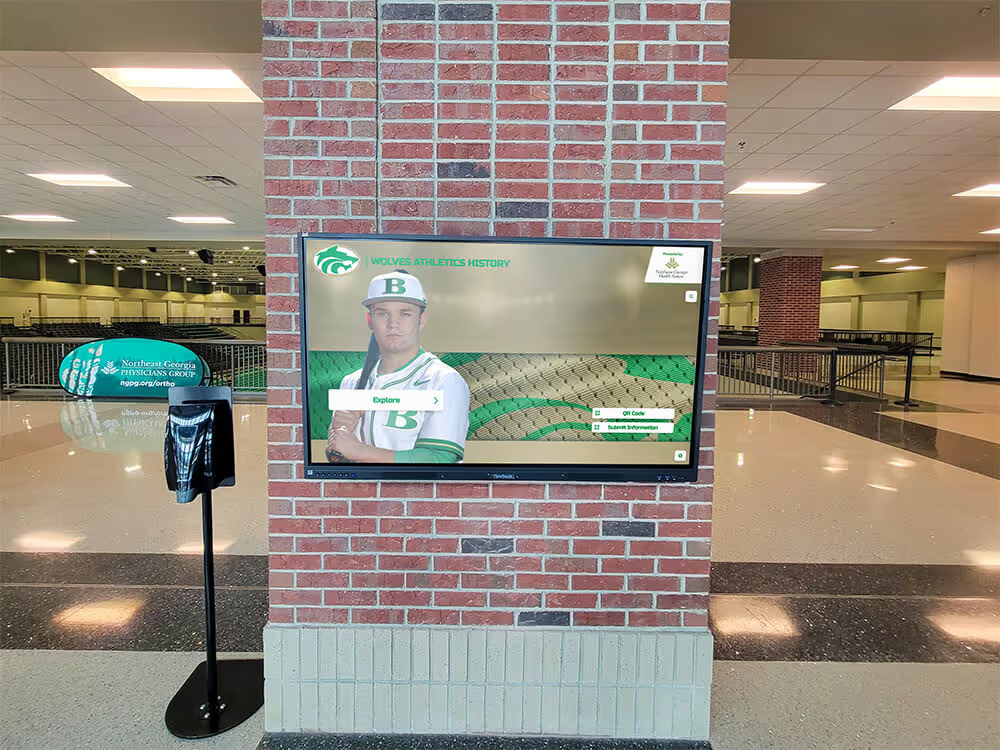
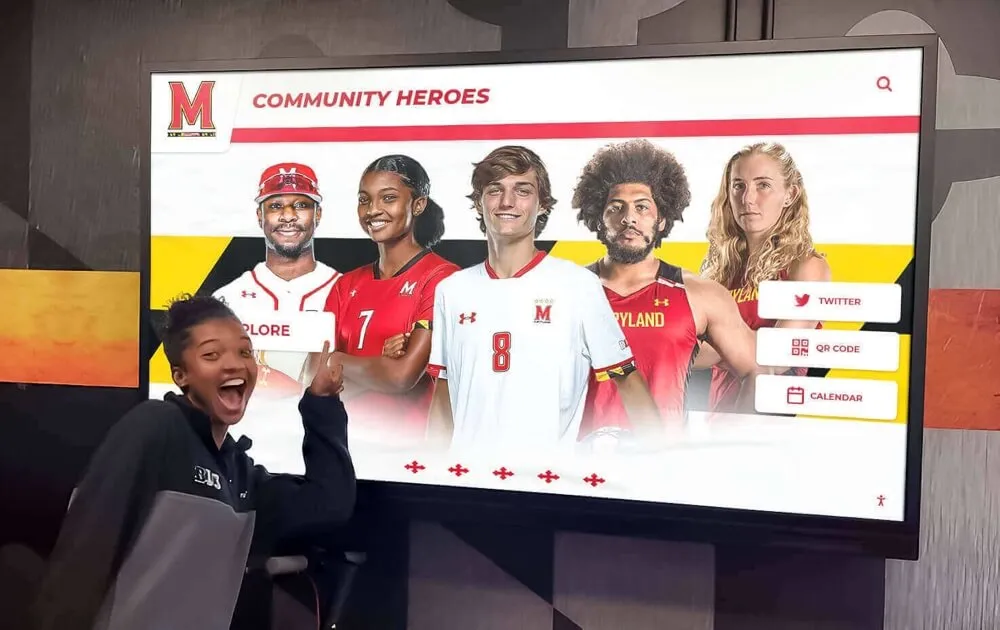
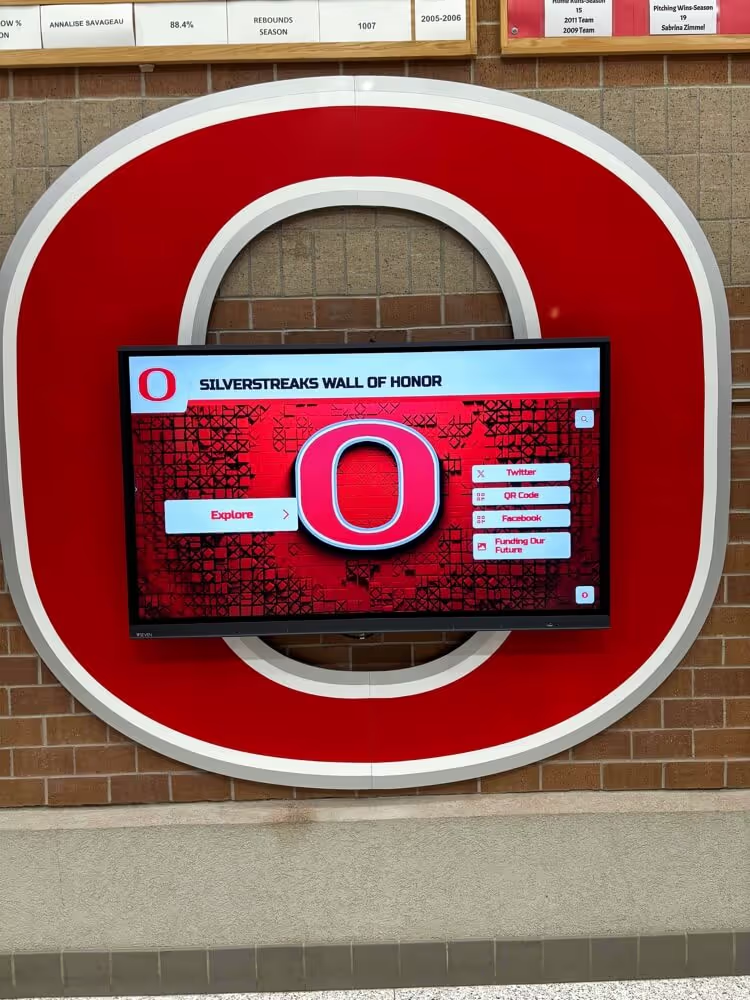
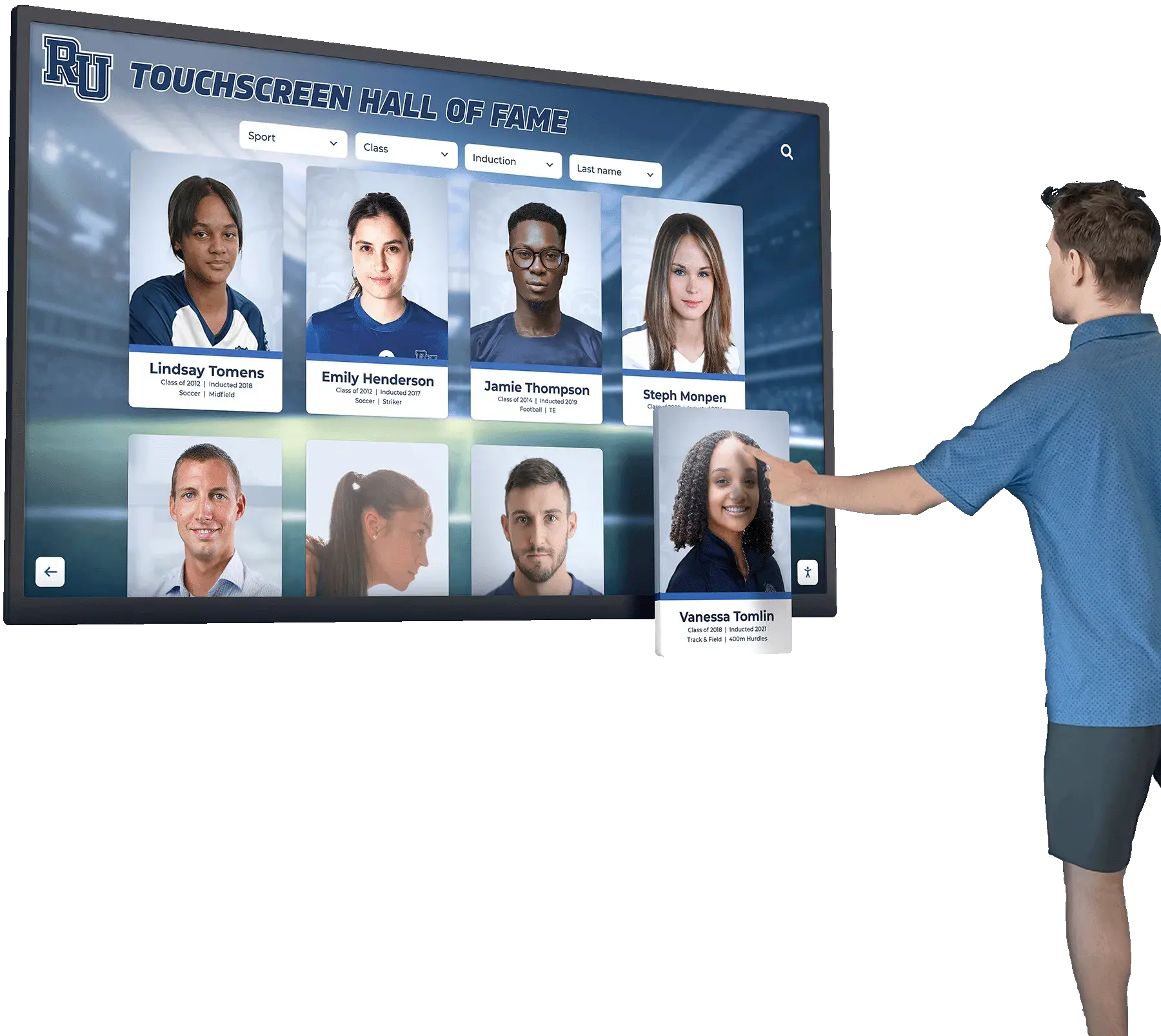
Physical merchandise — jerseys, trophies, plaques, spirit wear — represents one layer of athletic and donor recognition. Digital systems represent another, increasingly important layer that extends the reach and searchability of recognition beyond any single event or display case. As schools build digital walls of fame with searchable athlete profiles and donor recognition, those systems benefit from accurate historical records about who contributed to the program, in what capacity, and what recognition they received.
A booster club that maintains clean merchandise inventory records — tracking which donors sponsored which items, which recognition products were distributed to which honorees — has the data that makes digital recognition profiles richer and more accurate. The connection flows both ways: the digital recognition system provides permanent visibility for the people whose support the merchandise was designed to honor.
For programs building toward more comprehensive school recognition installations, the documentation discipline developed through merchandise inventory practices transfers naturally to the broader records management that lasting recognition programs require.
Conducting Inventory Audits and Reconciliation
Periodic internal audits verify that inventory records accurately reflect physical stock. These audits serve an accountability function — confirming that the records are real — and a planning function, providing the accurate on-hand figures needed for purchasing decisions.
Audit Frequency and Timing
At a minimum, booster clubs should conduct merchandise inventory audits:
- Start of season: Establish baseline count before sales begin
- End of season: Verify final counts against records; produce the season summary
- After any significant variance: Any event where cash collected and inventory movement do not reconcile within tolerance should prompt an immediate count before the next sales event
Organizations with high merchandise volume or multiple concurrent sales points may benefit from mid-season spot checks as well.
Audit Procedure
- Count all physical stock by item category without reference to the recorded inventory
- Compare physical count to inventory records and document all discrepancies
- Investigate variances above a defined threshold (a common starting point is any discrepancy exceeding $25 in value or 5% of the item’s recorded total)
- Document the audit with the names of both auditors, the date, and the outcome
- Adjust records to match the physical count after investigation, noting the adjustment with an explanation
Two-person audit teams — using someone not regularly involved in day-to-day merchandise operations where possible — provide an independent check. For organizations subject to periodic school district financial reviews, clean audit documentation demonstrates the kind of governance that earns continued institutional confidence.
Disposal of Unsold Inventory
Merchandise that does not sell through requires a disposal decision. Policy should address options in order of preference:
- Carry forward to the next season if the item remains relevant and storage is available
- Discount sale at a reduced price to recover cost of goods
- Donation to a school department or program, documented as an in-kind contribution at the original cost value
- Write-off of items that are damaged, obsolete, or otherwise unsalable, documented in the inventory record with an explanation
Write-offs that are undocumented create the appearance that items simply disappeared — which is exactly the situation a merchandise policy is designed to prevent. A clear write-off entry, signed by two board members, converts an unexplained variance into a documented management decision.
Long-Term Records, Archives, and Institutional Memory
Merchandise records are financial documents and should be retained in accordance with the organization’s records retention policy. Common guidance for nonprofit organizations suggests retaining financial records for at least seven years, though state law varies. Organizations should consult qualified legal or financial counsel regarding their specific retention obligations.
Beyond legal requirements, merchandise records serve an archival function: they document program history. Which seasons generated strong spirit wear demand? Which sponsor relationships produced the most merchandise exposure? Which recognition events included commemorative merchandise, and who received it? These records become part of the institutional memory that boards reference when evaluating what has worked, and that school archives staff may draw on when reconstructing program history for recognition installations and historical displays.
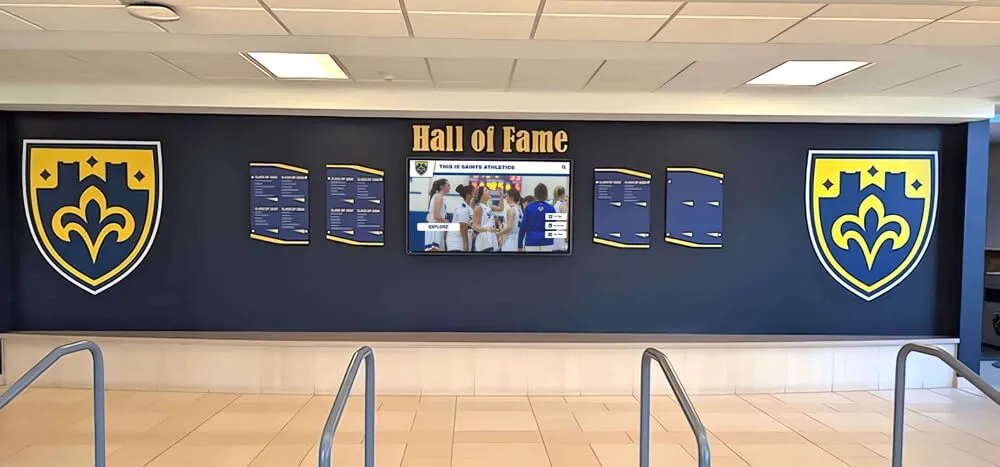
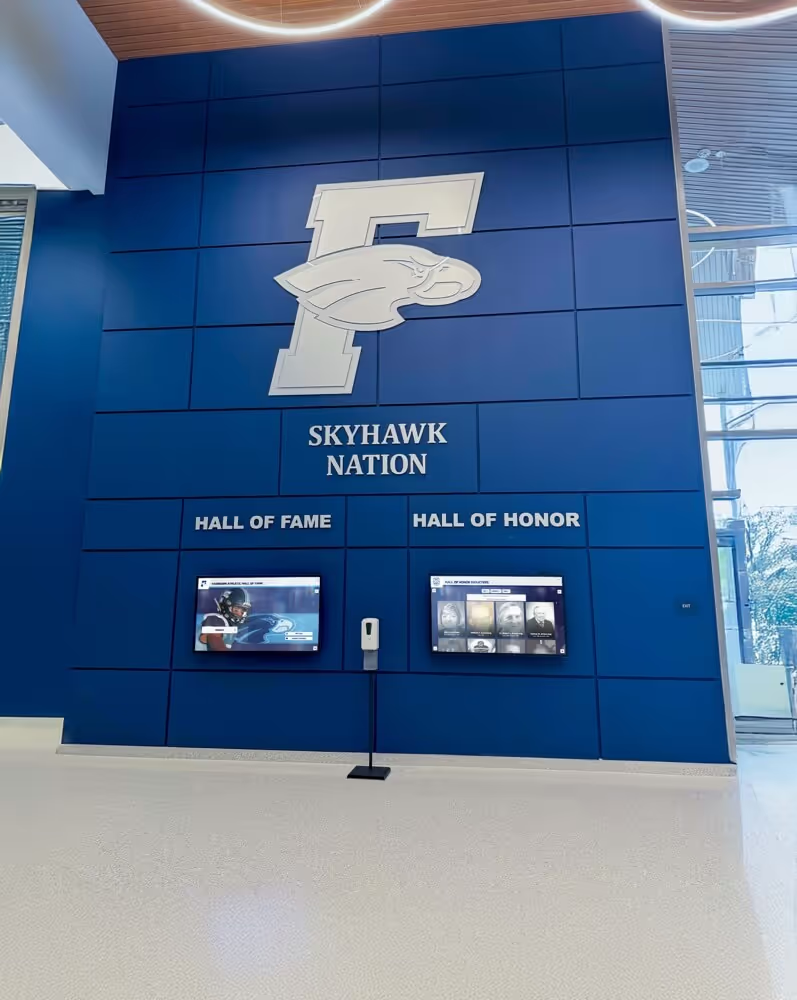
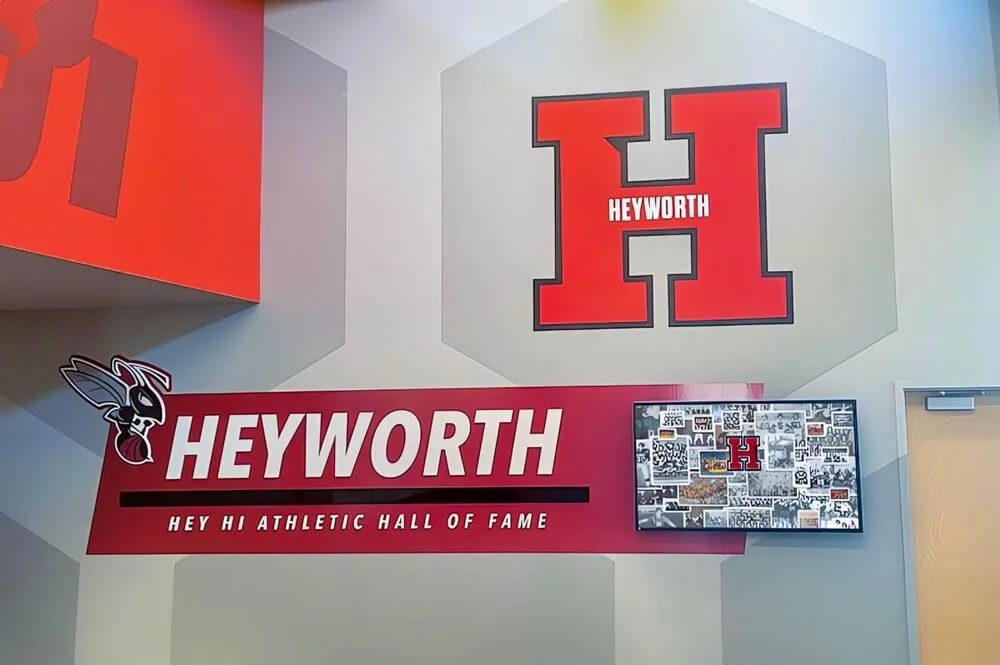
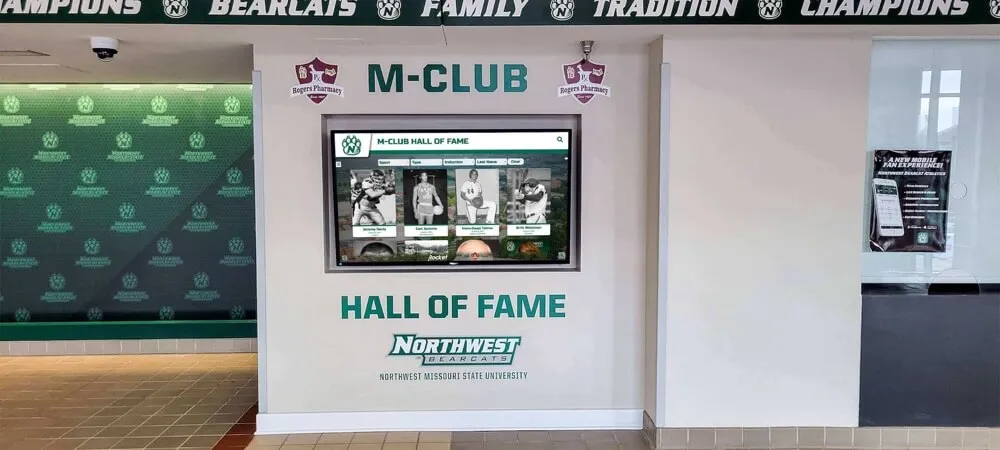
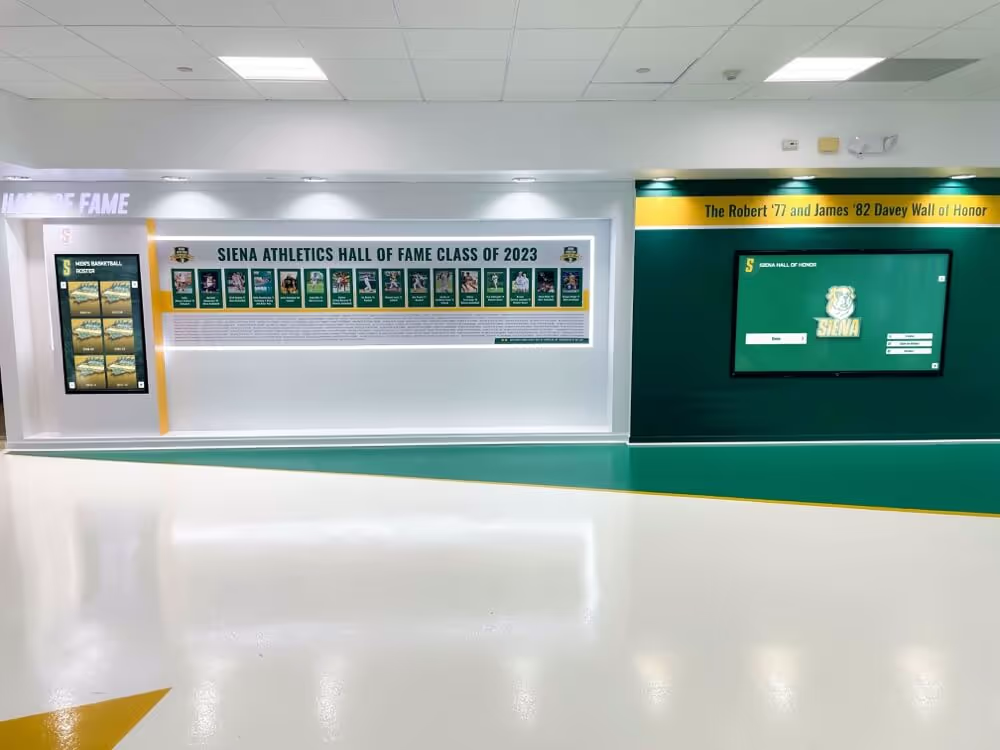
Hall of fame installations and recognition displays benefit from the historical records maintained by booster organizations — merchandise and event documentation provides the archival foundation for accurate, lasting recognition
Boards that maintain orderly merchandise records through leadership succession — passing inventory logs, audit reports, and end-of-season summaries to each incoming team — give incoming treasurers and merchandise coordinators the context they need to manage the program without starting from scratch each year. Institutional memory is an organizational asset, and documentation is how it survives the departures that are inevitable in any volunteer-led organization.
Frequently Asked Questions
What is a booster club merchandise inventory policy?
Why do booster clubs need a merchandise inventory policy?
How should booster clubs track merchandise inventory?
How does merchandise inventory connect to sponsor accountability?
How often should booster clubs conduct merchandise inventory audits?
Building a Merchandise Program That Earns Institutional Trust
A booster club merchandise inventory policy is not the most exciting governance document a board will ever write — but it is one of the most concretely useful. It protects volunteers from accountability questions they cannot answer, gives the treasurer the data needed to produce accurate financial reports, and gives sponsors and school liaisons evidence that the organization handles its revenue with the same discipline it brings to its programming.
The organizations that operate most effectively over the long term treat each governance document — the budget policy, the cash handling controls, the vendor selection process, and the merchandise inventory policy — as part of a unified accountability architecture. Clean merchandise records connect to clean fundraising reports, which connect to clean sponsor relationships, which connect to the recognition programs and community investments that make a booster club matter beyond its balance sheet.
Merchandise sold at a senior night, an athletic hall of fame induction, or a spring recognition banquet is not just revenue. It is a physical artifact of the community that showed up to support a school program — and a well-maintained inventory record is part of how that support gets documented, honored, and remembered.
Give Your Booster Program a Recognition Platform That Reflects Its Governance
Rocket Alumni Solutions builds interactive digital recognition displays for school athletic programs — giving booster clubs a lasting, school-aligned platform for donor acknowledgment, athletic records, and sponsor recognition that reflects the well-governed organization behind it. Schedule a demo to see what your facility could look like.
Schedule Your Recognition Display Demo