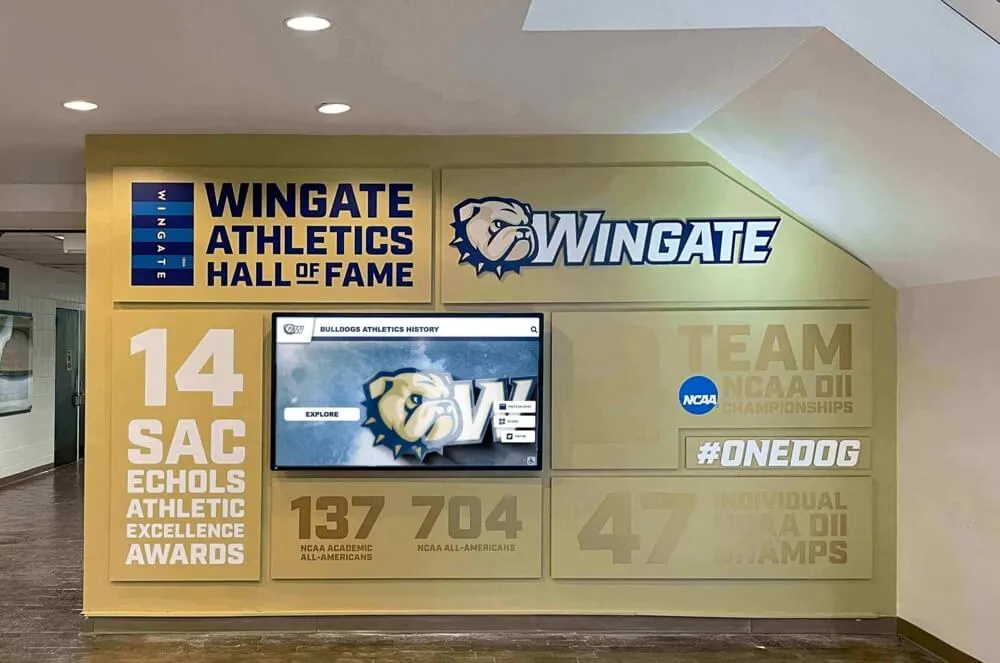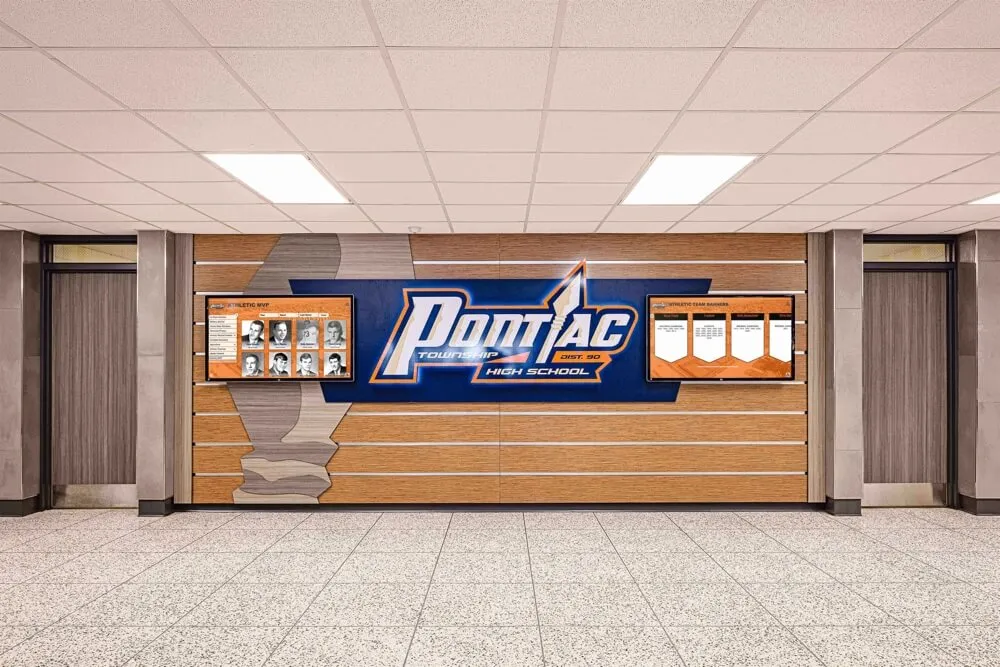




A booster club membership refund policy is a written governance document that defines when dues are refundable, how cancellation requests are submitted, who approves exceptions, and what happens to benefits already received. Without a clear written policy, every refund request becomes a case-by-case negotiation that drains board time, creates inconsistency, and erodes the trust of members and sponsors who expect the organization to operate with the same discipline it brings to fundraising and event management.
This guide provides a policy template, a standard refund eligibility framework, and an exception decision table that booster club boards can adopt, adapt, and present to their school liaison as evidence that the organization handles member dues with the same accountability it brings to every other governance function.
Not legal or financial advice: This guide describes common practices for educational and operational purposes only. Refund obligations may be affected by state nonprofit law, your organization’s bylaws, and the terms of any school affiliation agreement. Consult qualified legal and financial counsel before establishing or revising your policy.
A sound booster club membership refund policy begins with a clear answer to one foundational question: what did the member pay for, and how much of that has already been delivered? The answer to that question drives almost every refund decision a board will ever face.

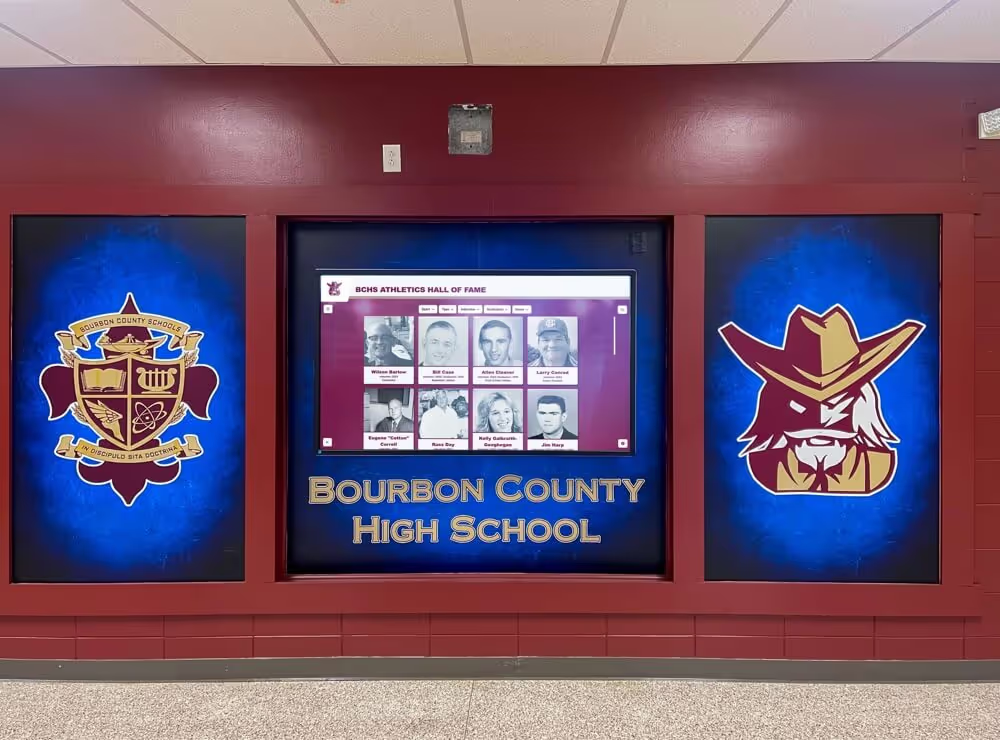
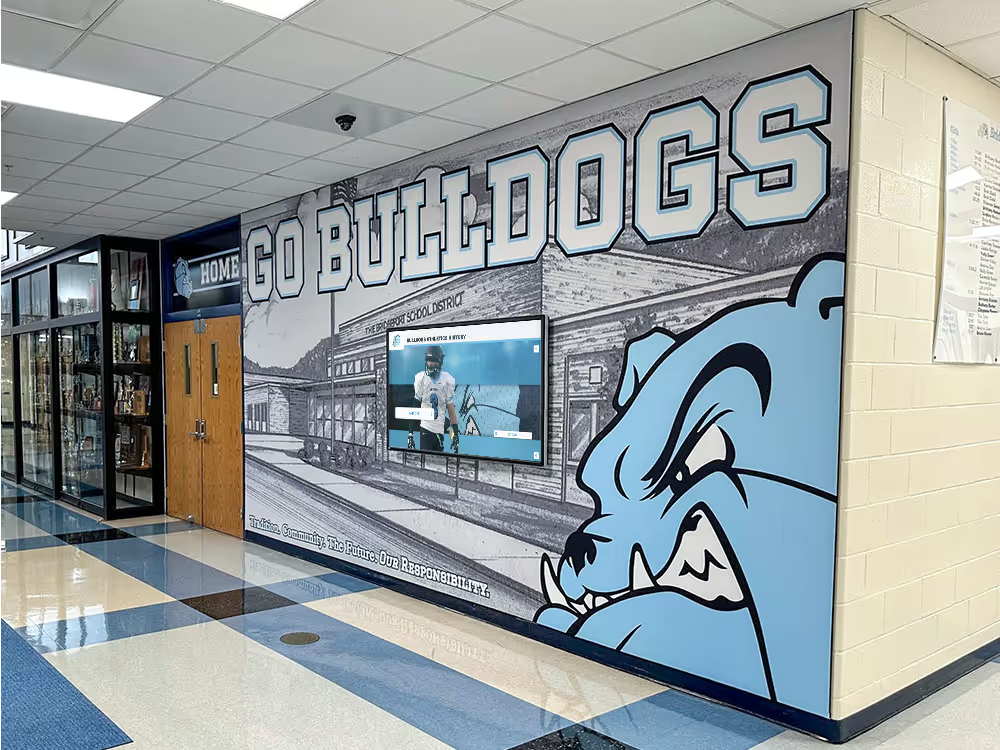
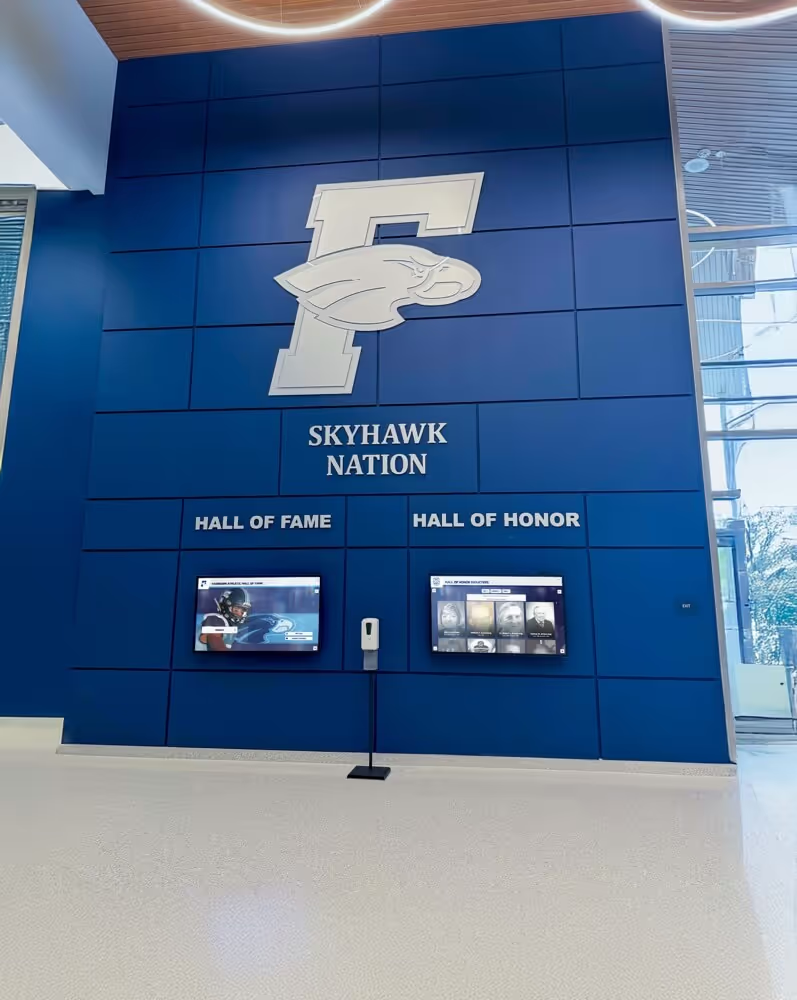
Booster clubs that fund athletic recognition programs depend on predictable dues revenue — a well-drafted membership refund policy protects that revenue while maintaining the member trust that sustains it season after season
Why a Written Booster Club Membership Refund Policy Matters
A booster club membership refund policy matters because dues are not just revenue — they are a member’s signal of commitment to the program, and a refund request is a signal that something changed. Without a written policy, the board has no consistent basis for deciding which refund requests to honor, which to deny, and which to escalate. That inconsistency is visible to members, and it undermines confidence in the organization’s governance long after the individual transaction is settled.
The practical stakes are meaningful on both sides:
- Budget stability — Booster dues are often committed to season-opening expenses: uniforms, equipment purchases, facility improvements, recognition displays, and end-of-year awards. Refunding dues after those commitments have been made depletes funds that can’t easily be recovered mid-season.
- Member fairness — A member who joins in August and requests a refund in September because their student was cut from the team is in a fundamentally different position from a member who paid in error, moved out of district before the season started, or is dealing with a genuine family hardship. A written policy allows the board to acknowledge that difference without making it up on the spot.
- Board protection — A written policy shields individual board members from social pressure to grant exceptions. “Our policy covers that situation” is a much easier answer than a personal judgment call that can be perceived as favoritism.
- Institutional credibility — Schools, sponsors, and donors who support athletic programs expect the booster organization to operate according to documented procedures. A membership refund policy is one piece of the broader governance picture that earns and sustains that credibility.
For booster clubs that also manage academic recognition programs alongside athletics, guides to academic recognition program structures provide useful context for how member-funded programs are governed and sustained across multiple recognition tracks.
Core Elements of a Booster Club Membership Refund Policy
An effective booster club membership refund policy addresses six core elements. A policy that omits any of these elements leaves the board without guidance for a predictable scenario.
1. Membership Benefit Definition
Before the refund policy can work, members need to understand what they paid for. A membership benefit schedule attached to or referenced in the policy should list:
- Access to member-only events (games, banquets, award ceremonies)
- Voting rights at general membership meetings
- Discounts on spirit wear, concessions, or other merchandise
- Recognition in printed programs, digital displays, or donor walls
- Eligibility for volunteer roles that require membership
This matters for refunds because benefits already received are typically non-refundable. A member who attended three games and voted at the fall meeting has received measurable value from their dues before submitting a cancellation request.
2. Refund Eligibility Window
The policy should define a clear window during which refund requests are considered. Most booster clubs use one of three models:
| Model | Window | Best For |
|---|---|---|
| Full refund window | Typically 14–30 days after dues payment | Organizations with a formal enrollment period |
| Pro-rated refund | Based on remaining season weeks at time of request | Organizations with multi-month membership periods |
| No refund after enrollment closes | No refund once the season formally begins | Organizations with front-loaded expenses (uniforms, equipment) |
The chosen model should be disclosed at the time of enrollment — not buried in bylaws that members rarely read.
3. Request and Approval Process
The policy should specify:
- How requests are submitted (written form, email to a designated officer, or the organization’s online portal)
- Who reviews and approves requests (typically the treasurer, president, or a designated refund committee)
- The response timeline (e.g., decisions within 15 business days)
- How refunds are issued (check, reversal to original payment method, or credit toward future dues)
4. Non-Refundable Elements
Some dues components may be non-refundable regardless of timing. Common examples include:
- Administrative processing fees
- The cost of member recognition items already produced (name plaques, printed programs, spirit packs)
- Fundraising pledges made by the member in addition to dues
- Registration fees for specific events already attended
5. Exception Criteria
The policy should define the narrow circumstances under which the board may approve a full or partial refund outside the standard window. Hardship provisions, documented errors, and extraordinary circumstances are common categories — but each must be defined, not left open-ended.
6. Appeals Process
Members who believe their request was incorrectly denied should have a documented path to appeal. A two-step process — initial decision by the treasurer, appeal to the board — is typically sufficient for most booster clubs.
Standard Refund Eligibility Rules
The table below provides a standard eligibility framework that can be adapted to fit your organization’s specific enrollment calendar and dues structure.
| Scenario | Refund Eligibility | Standard Treatment |
|---|---|---|
| Request submitted within 14 days of payment, before season start | Full refund eligible | Approve; process within 15 business days |
| Request submitted 15–30 days after payment, before season start | Partial refund eligible (minus admin fee) | Approve partial; document amount withheld |
| Request submitted after season start, no benefits received | Partial refund at board discretion | Review case; pro-rate based on season calendar |
| Request submitted after member attended events | No refund on used benefits; partial on unused | Pro-rate and document events attended |
| Payment made in error (duplicate charge, wrong amount) | Full refund of error amount | Approve immediately; treasurer documents correction |
| Member’s student withdrawn from school before season start | Full or partial at board discretion | Apply hardship/exception criteria |
| Member’s student cut from team after dues collected | No automatic refund; exception process available | Refer to exception table |
| Request submitted after season end | No refund | Decline; note for next year’s enrollment policy review |
These rules are a starting point, not a legal standard. Your organization’s specific obligations depend on your bylaws, state nonprofit law, and any payment processing agreements in place.
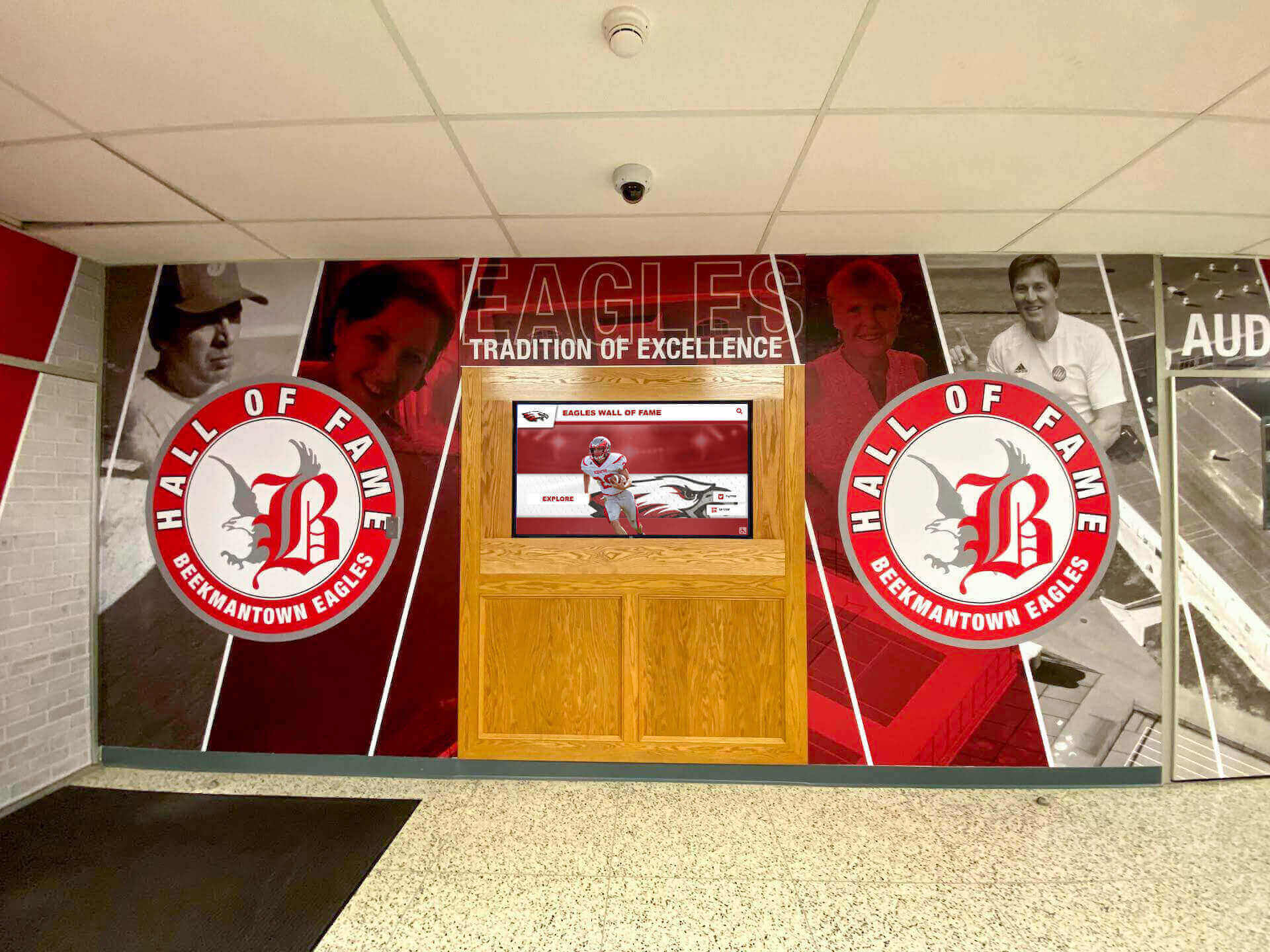
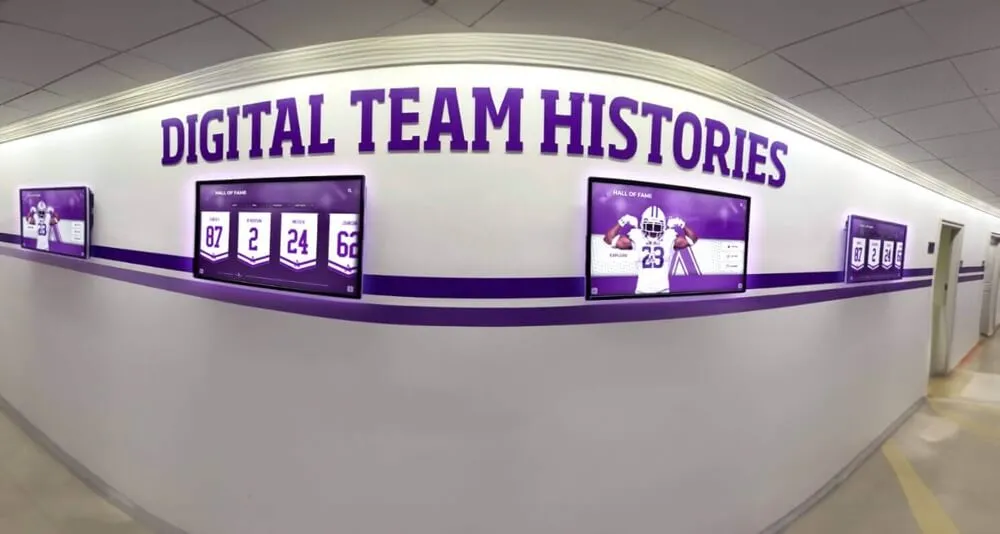
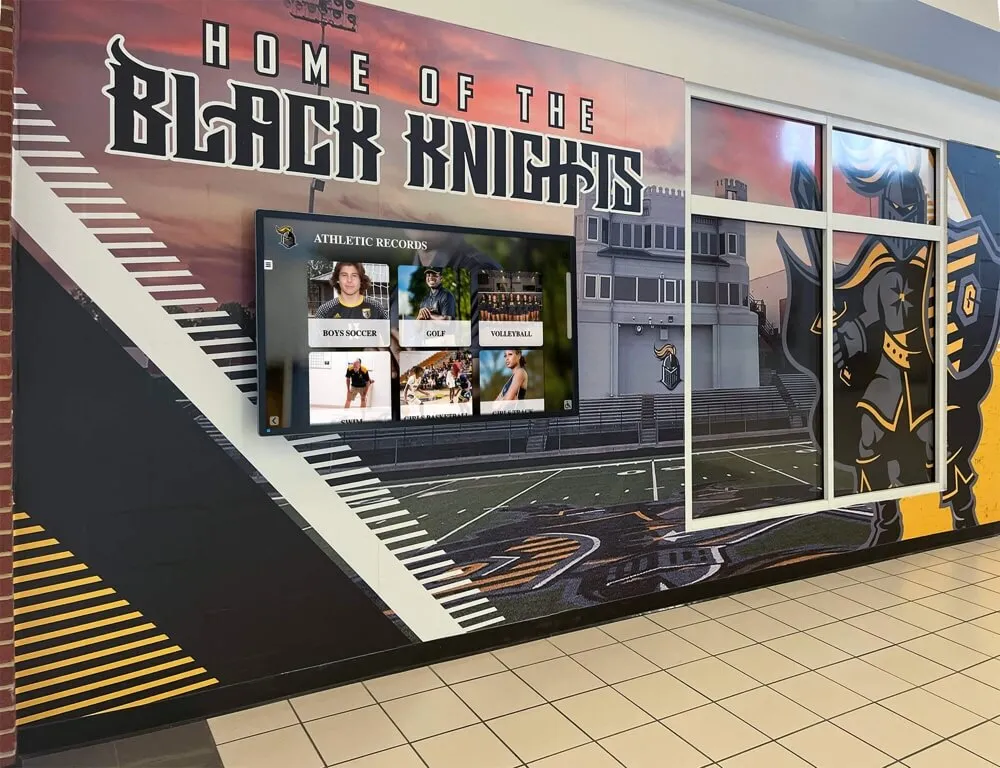
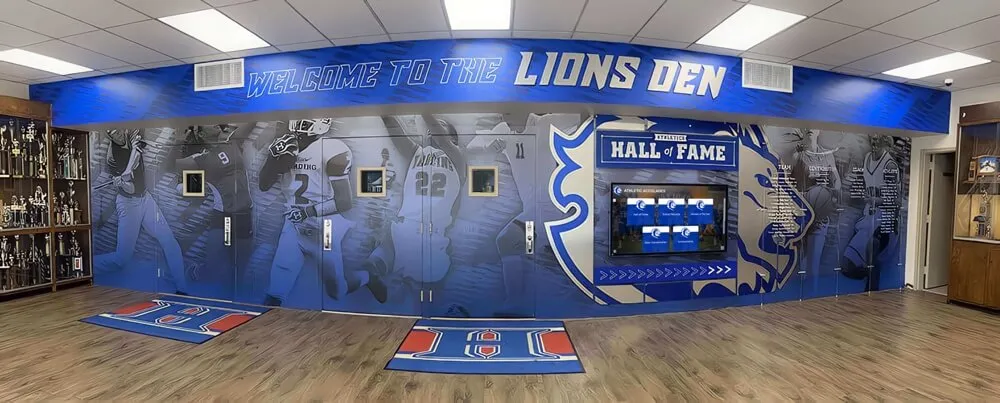
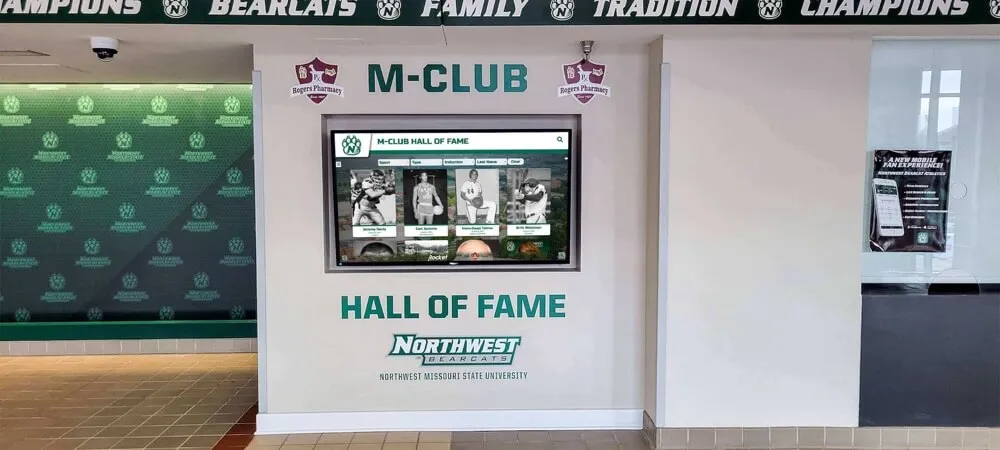
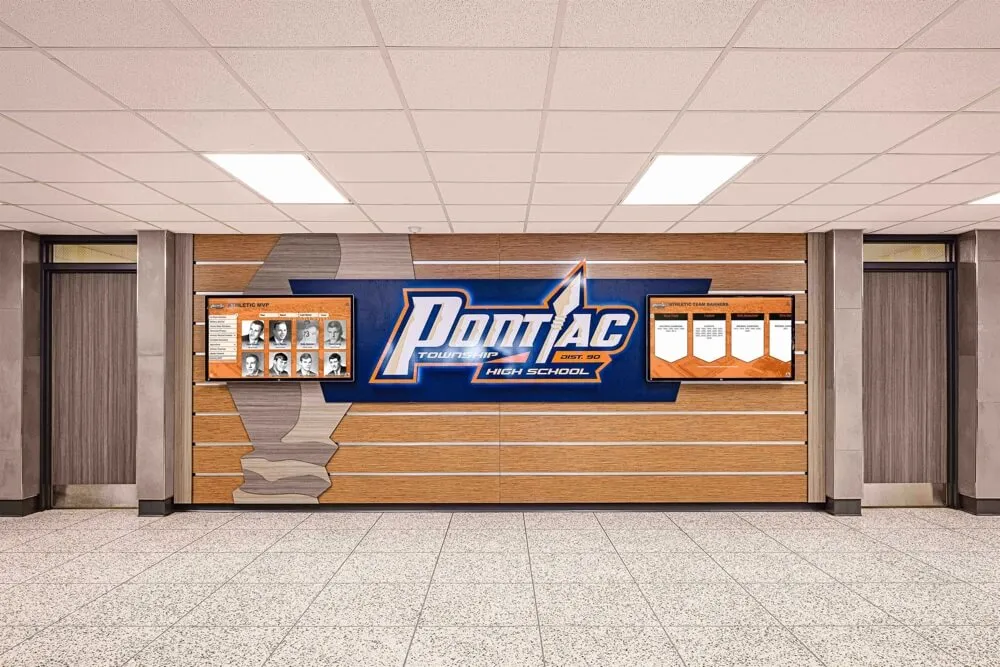
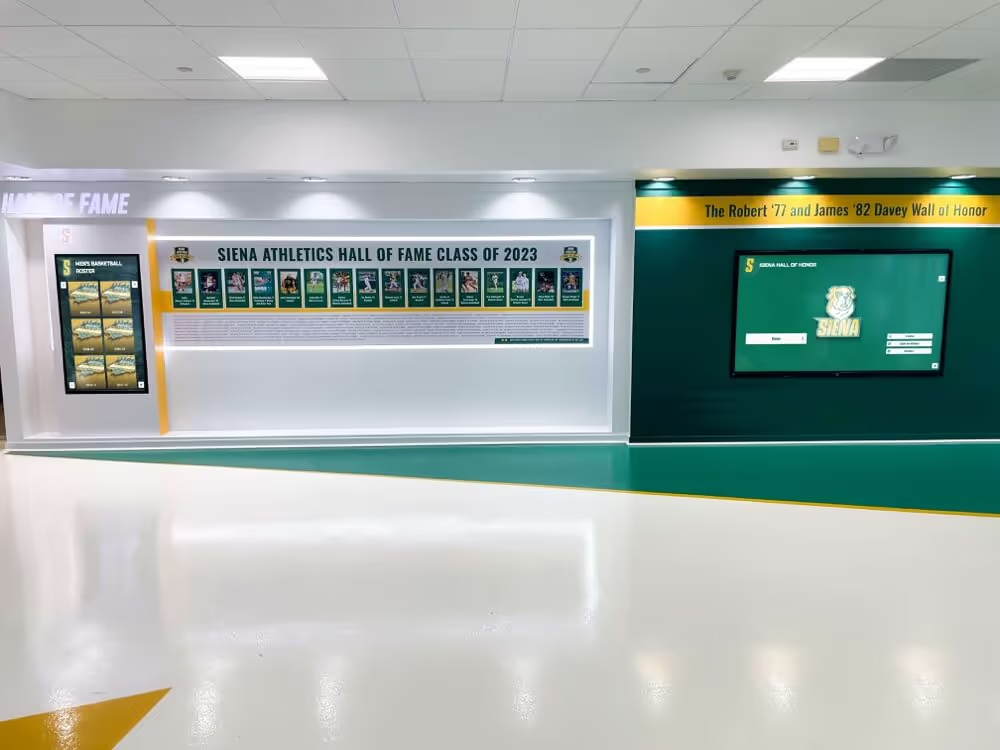
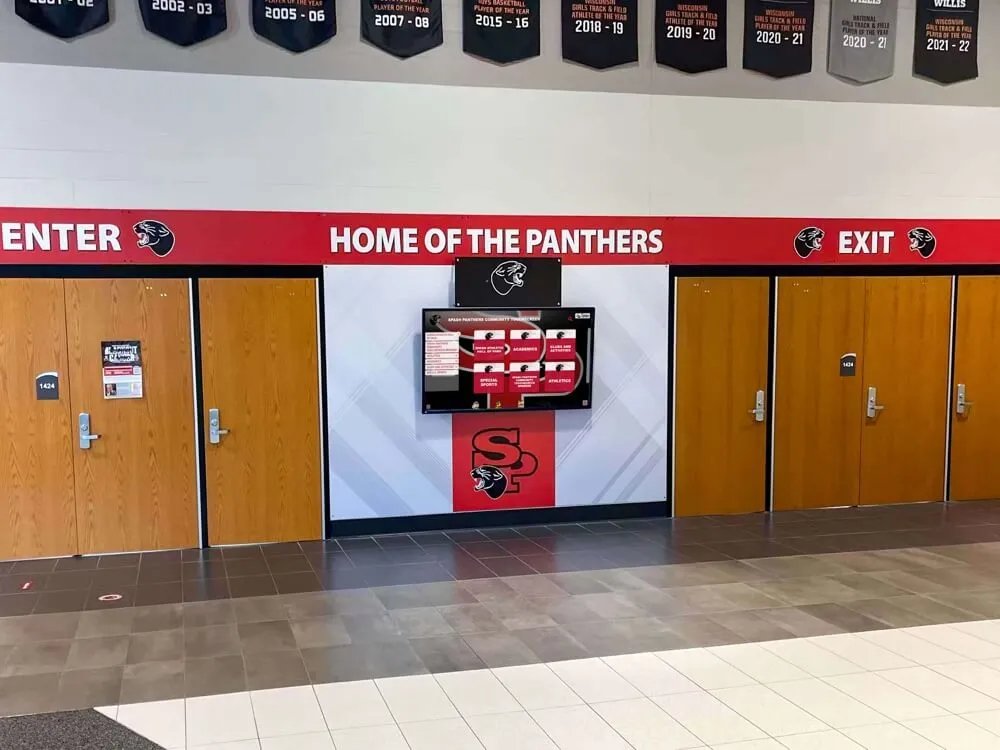
The recognition programs that member dues help fund — including hall of fame installations, award displays, and athletic archives — represent committed spending that a clear refund timeline protects from mid-season reversals
Exception Decision Table
The exception decision table is the governance tool that prevents the exception process from becoming a second way to get a full refund. Every exception request should pass through this decision sequence before the board votes on it.
| Step | Question | Yes → | No → |
|---|---|---|---|
| 1 | Was the request submitted within the standard refund window? | Process as standard refund; no exception needed | Continue to Step 2 |
| 2 | Was a payment error made by the organization (duplicate charge, incorrect amount)? | Approve full correction immediately | Continue to Step 3 |
| 3 | Did the member receive any membership benefits (events attended, items distributed, recognition published)? | Calculate and subtract value of benefits received | Treat as full potential refund and continue |
| 4 | Is the cancellation reason documented as a qualifying hardship (serious illness, family relocation, financial hardship with supporting documentation)? | Advance to board vote with treasurer recommendation | Continue to Step 5 |
| 5 | Is there an extraordinary circumstance the board has not previously categorized (e.g., program cancellation, school closure, natural disaster)? | Advance to board vote; document as potential policy precedent | Decline exception; issue standard denial notice |
| 6 | Does the board vote to approve the exception? | Approve exception; document decision, amount, and reason in board minutes | Issue final denial notice with appeal instructions |
Using this table consistently does two things: it creates a documented decision trail that protects the board, and it ensures that every exception request is evaluated against the same criteria — not the loudest voice or the most sympathetic story.
What to Document When an Exception Is Granted
When the board approves an exception outside the standard policy, the treasurer should record:
- Date of original dues payment and amount
- Date and method of exception request submission
- Benefits received prior to request (itemized if possible)
- Qualifying reason for exception (category from exception table)
- Amount approved for refund and basis for calculation
- Dissenting votes, if any
- Date and method of refund issuance
This documentation becomes part of the board’s financial records and, if the organization is ever audited, demonstrates that exceptions were granted according to a process rather than ad hoc.
Full Policy Template
The following template can be adapted to your organization’s name, calendar, and dues structure. It is a starting point for the board, not a finalized legal document. Have it reviewed by your school liaison and, where appropriate, qualified legal counsel before formal adoption.
[Organization Name] Membership Refund Policy Adopted by the Board: [Date] Last Reviewed: [Date]
1. Purpose This policy establishes the conditions under which [Organization Name] will process membership dues refunds, the timeline for requests, and the criteria for exception consideration. It applies to all membership categories and all dues payment methods.
2. Membership Benefits Membership entitles the member to the benefits listed in the current Membership Benefit Schedule, which is published at enrollment and updated annually by the board. Benefits received prior to a cancellation request are non-refundable.
3. Standard Refund Window Refund requests submitted within [14/30] days of dues payment and before the first day of the official season will be processed as follows:
- Requests within [14] days: Full refund of dues paid, minus any non-refundable processing fees.
- Requests between [15] and [30] days: Partial refund equal to [X]% of dues paid, minus non-refundable items listed in Section 5.
4. Requests After Season Start Requests submitted after the official season start date will not be eligible for a standard refund. Members may submit a written exception request under Section 6.
5. Non-Refundable Items The following are non-refundable in all circumstances:
- Payment processing and administrative fees
- Printed or digital recognition items personalized to the member or their student
- Spirit wear and merchandise distributed at enrollment
- Event tickets or registration fees for events already attended
6. Exception Process Members who believe their circumstances warrant consideration outside this policy may submit a written exception request to the Treasurer. The request must include the reason for cancellation and any supporting documentation. The Treasurer will present the request to the board at the next regular meeting. Exception decisions require a majority board vote and will be documented in meeting minutes.
7. Appeals Members whose exception requests are denied may appeal to the full board in writing within [15] days of the denial notice. The board’s decision on appeal is final.
8. Refund Processing Approved refunds will be issued within [15] business days of approval via the original payment method or by organizational check.
9. Policy Review This policy will be reviewed at the annual board meeting each year and updated as needed to reflect changes in dues structure, state law, or district requirements.
Connecting Refund Policy to Member Recognition and Long-Term Trust
A membership refund policy might seem like a purely financial instrument, but its effects extend into the recognition and trust infrastructure that sustains a booster program across many seasons.
Members who join a booster club are often motivated by more than a desire to support team travel — they want to be part of something with a visible identity. The events their dues help fund — banquets, awards ceremonies, end-of-season recognitions — are the moments that make membership feel worthwhile. Planning a memorable awards ceremony takes resources that come directly from reliable dues revenue; a refund policy that protects that revenue is a prerequisite for delivering those experiences.
Similarly, the end-of-season recognition events that members look forward to — including coach appreciation nights and student-athlete award ceremonies — depend on a budget that was set at the start of the season based on projected membership dues. Thoughtful end-of-season recognition for coaches requires advance planning and committed funds. When refund requests deplete the budget mid-season, these programs are the first to be scaled back.
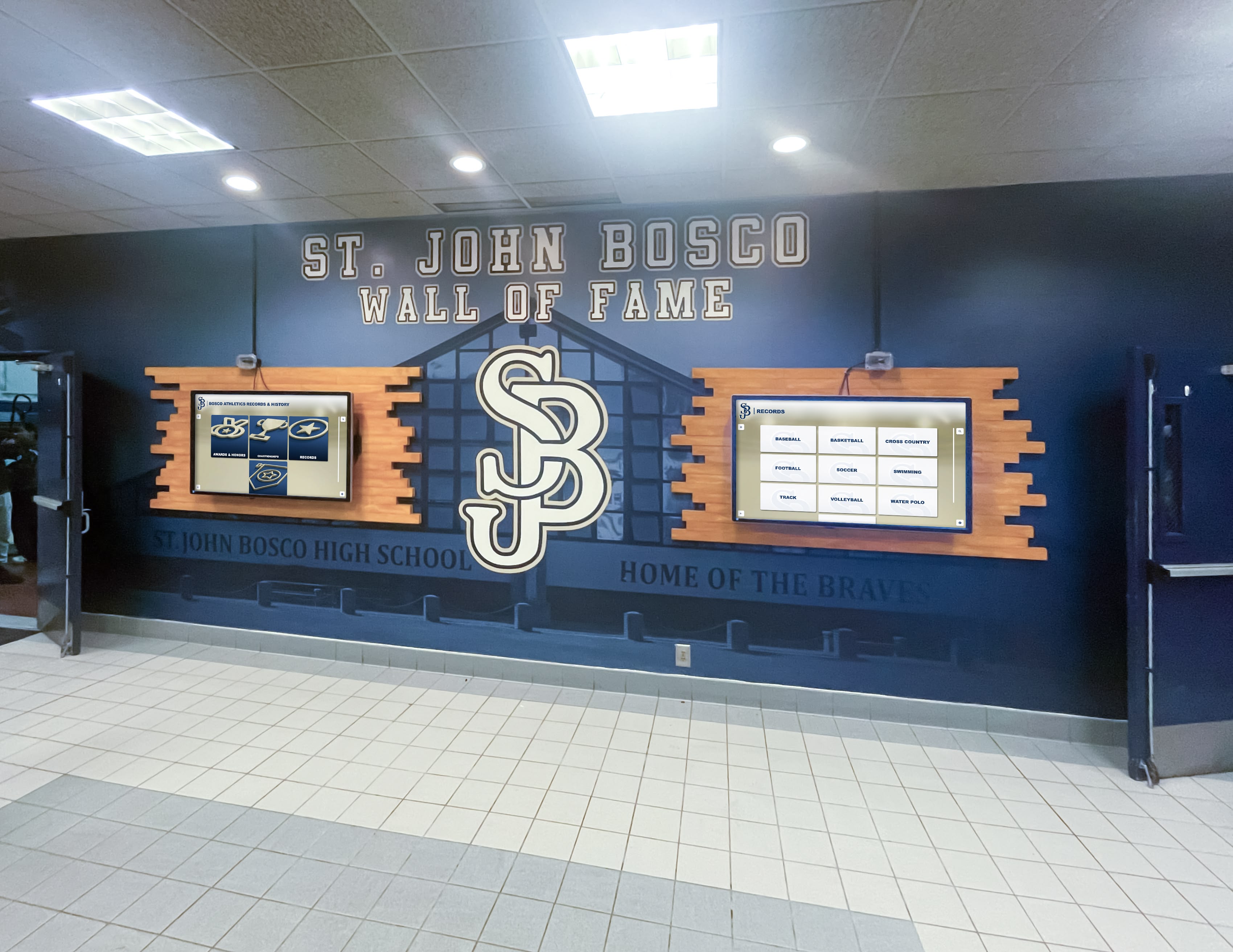
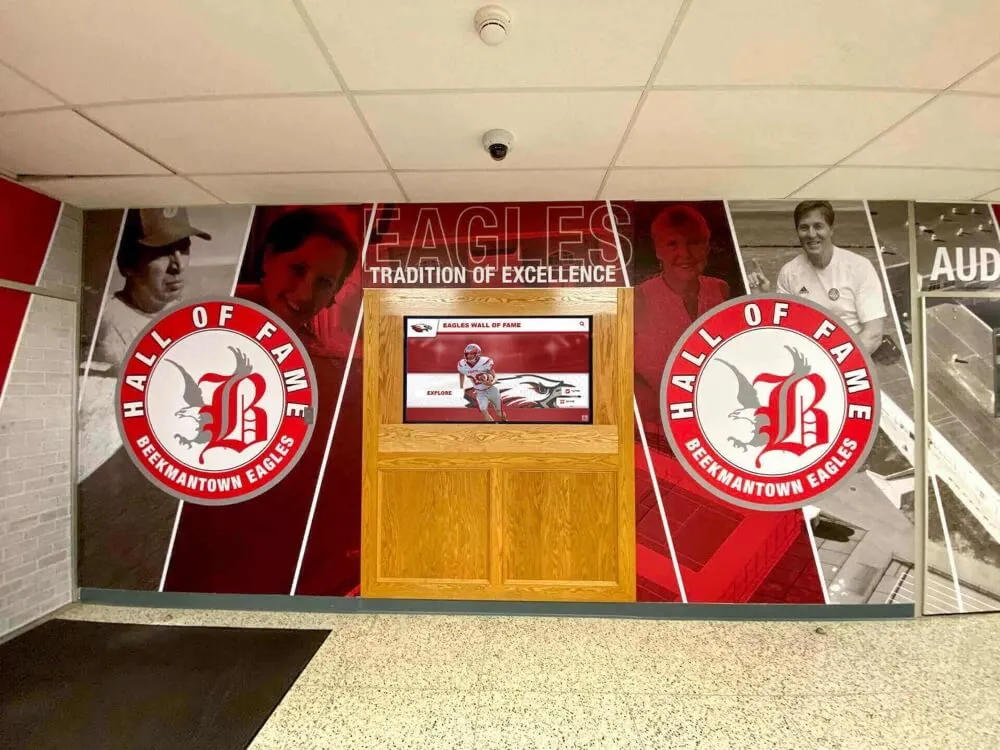
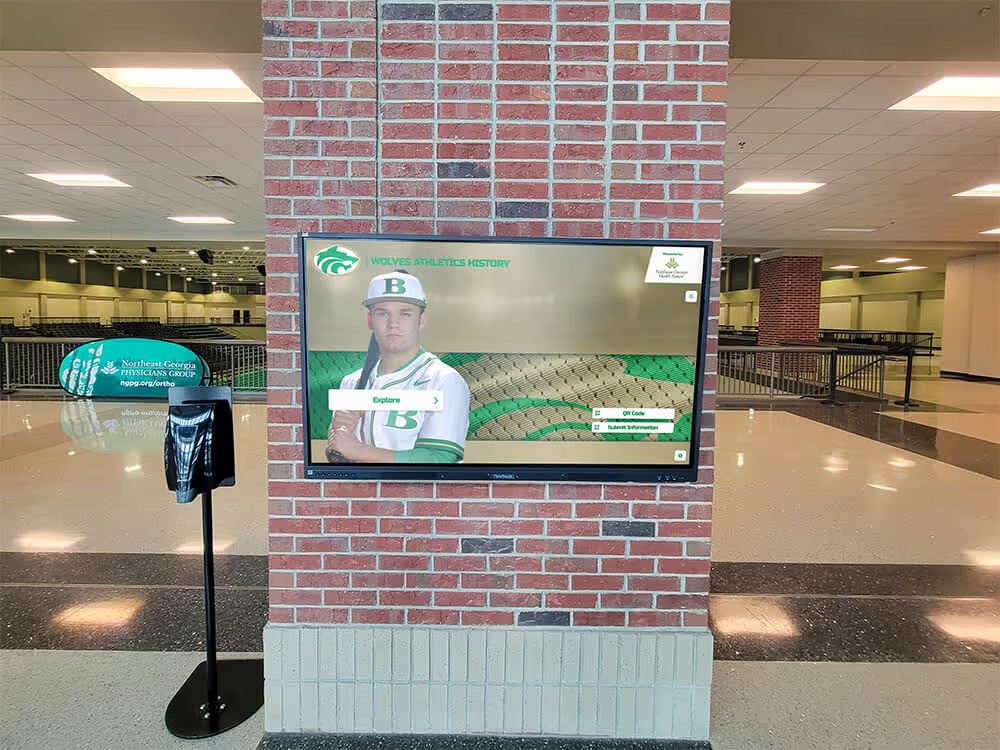
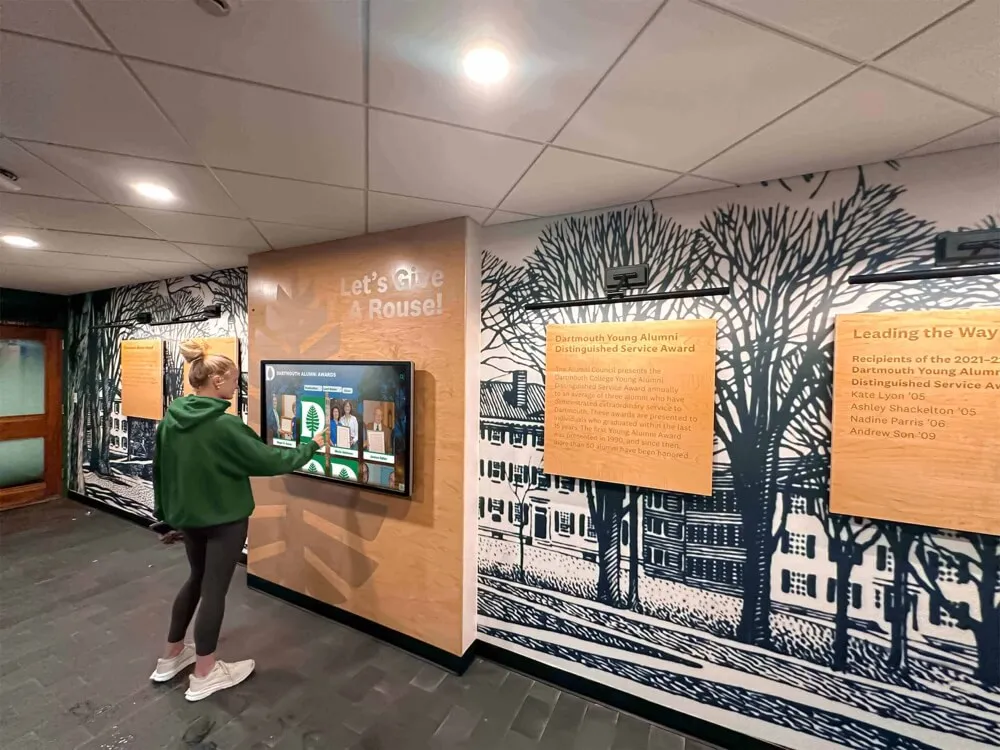
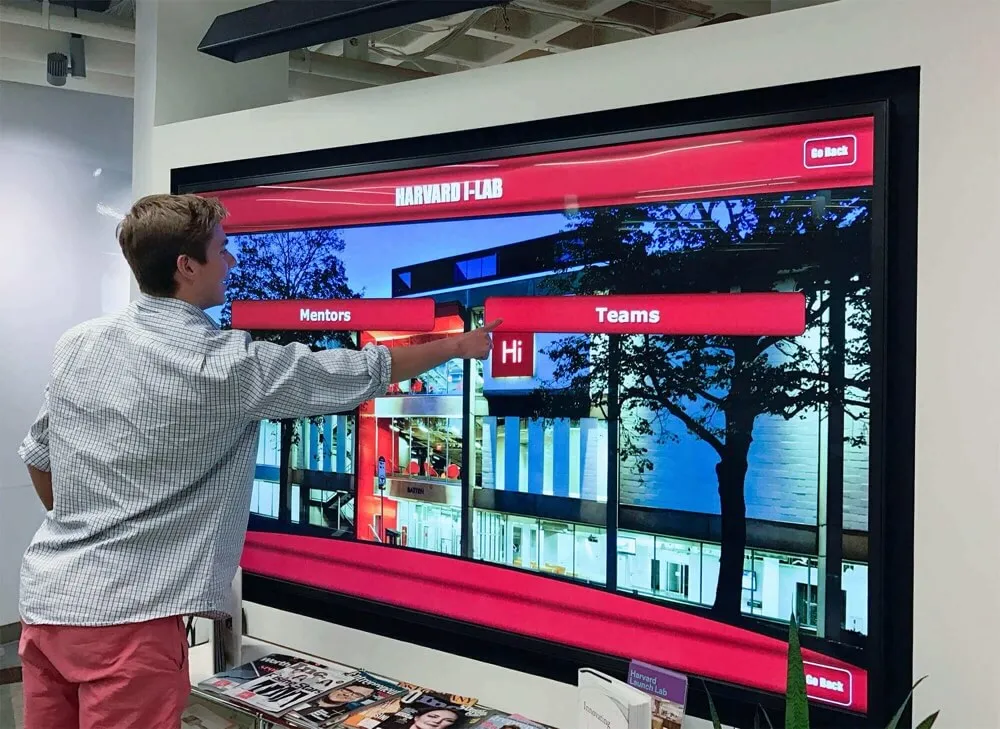
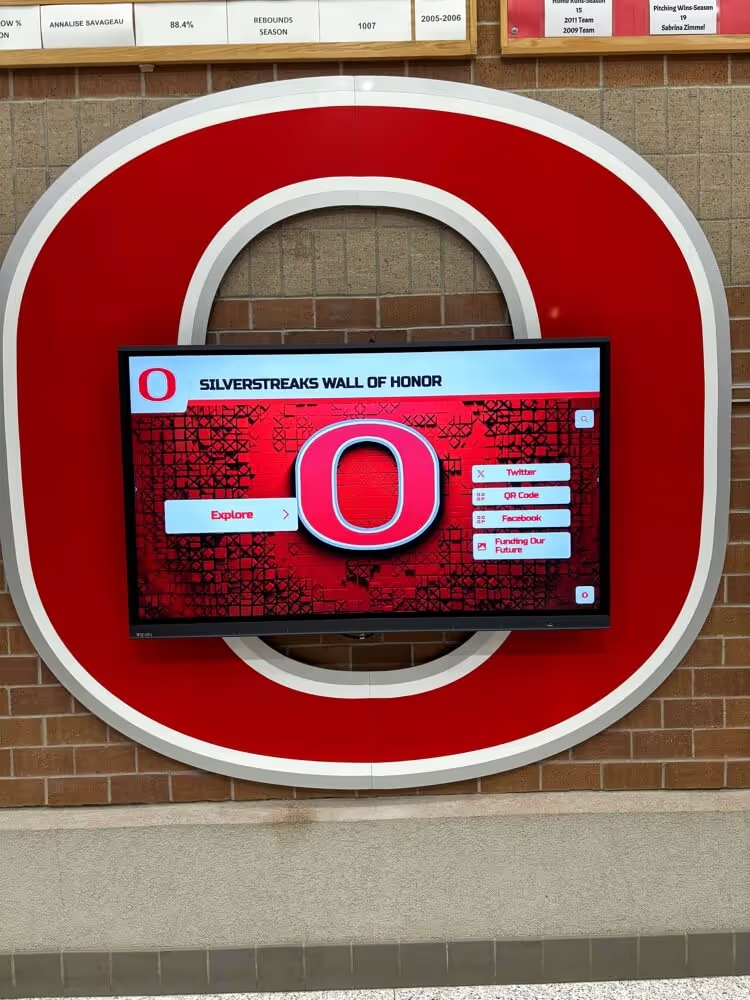
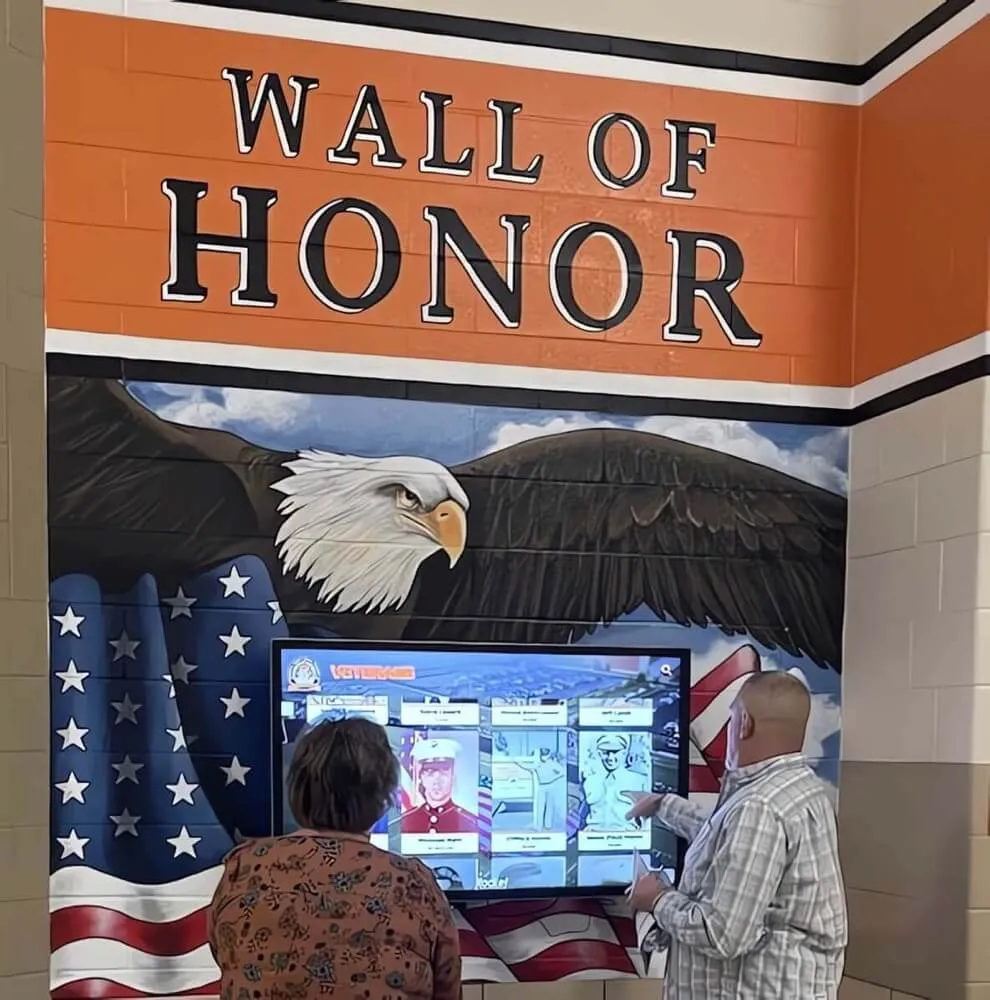
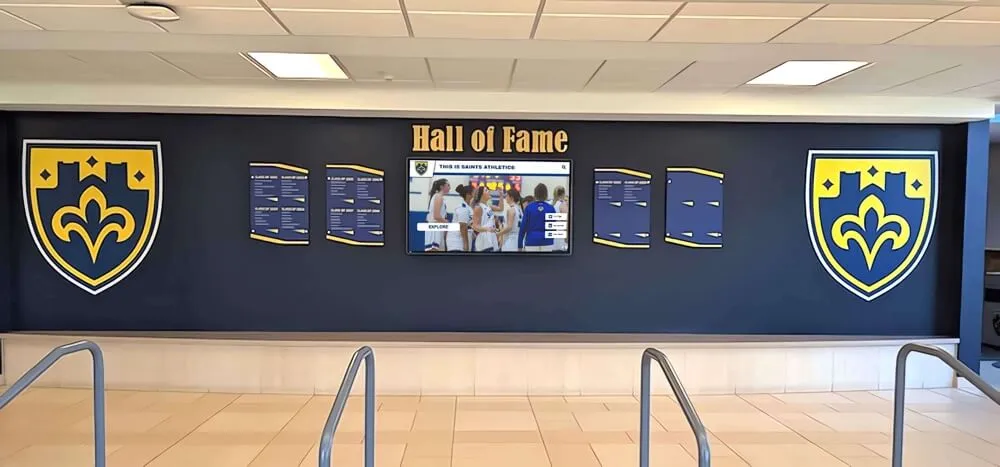
Recognition infrastructure funded by membership dues — including digital honor walls and athletic display systems — creates lasting program value that a clear, fair refund policy helps protect season after season
For programs that have built or are planning award wall displays for schools that span athletics and academics, the connection between membership dues and long-term recognition investment is direct: members who pay dues today are funding the installations and archives that will honor future students for years to come.
Programs that are also thinking about long-term continuity of their recognition infrastructure — including what happens to hall of fame materials and recognition data in unexpected circumstances — can find useful frameworks in athletic hall of fame emergency planning resources that address how programs protect their most important assets from disruption.
The broader point is this: a booster club’s refund policy is not separate from its recognition mission — it is one of the governance structures that makes the recognition mission sustainable. Programs that treat membership dues as a transactional exchange invite transactional departures. Programs that make the connection between dues, delivery, and lasting recognition explicit — and that handle refund requests with documented fairness — build the kind of member loyalty that sustains recognition programs across coaching changes, leadership transitions, and difficult seasons.
For booster clubs building program identity alongside financial governance, resources on team slogans and program messaging address how strong program identity and consistent governance work together to create the culture of belonging that makes members want to stay — and renew — season after season.
Frequently Asked Questions
Are booster club membership dues legally refundable?
Whether booster club dues are legally refundable depends on your organization’s bylaws, applicable state nonprofit law, and any payment processing agreements in place. Most booster clubs are incorporated as nonprofit organizations and are not subject to consumer refund law in the same way a retail business would be. However, a clear written policy that discloses refund terms at enrollment reduces ambiguity for both the organization and its members. Consult qualified legal counsel if your organization faces a disputed refund situation or needs to establish a legally sound policy framework.
What should a booster club do when a member's student is cut from the team after dues are collected?
A student being cut from a team after dues are collected is one of the most common and sensitive refund scenarios booster clubs face. Most written policies do not classify this as an automatic full-refund trigger, because the organization has already incurred expenses based on the original membership roster. The best approach is to address this scenario explicitly in the written policy — either as a qualifying exception category or as a pro-rated partial refund situation — so the board has a consistent basis for responding. Handling it case-by-case without a written standard creates precedent problems and inconsistency that affects member trust.
How should a booster club handle a refund request after the season has ended?
Refund requests submitted after the season ends are typically ineligible under a standard refund policy, because the membership period has concluded and associated benefits have been fully delivered. The board may choose to note repeat requests — particularly if multiple members flag the same issue — as feedback for the next year’s enrollment policy or dues structure. If an error was made (a duplicate payment, an incorrect charge), that should be corrected as a financial correction rather than a refund, regardless of timing.
Can a booster club adopt a no-refund policy?
A booster club can adopt a strict no-refund policy, but it should be disclosed clearly and prominently at the time of enrollment — not buried in bylaws. A no-refund approach may be appropriate for organizations with very high front-loaded expenses (custom spirit packs, engraved items, or recognition materials produced at enrollment) where the dues are essentially pre-committed to goods already ordered. Even with a no-refund policy, most organizations make exceptions for documented payment errors, which is not a refund but a correction of an administrative mistake. Consult qualified legal counsel to ensure the terms are enforceable in your jurisdiction.
How often should a booster club review its membership refund policy?
Most governance best practices recommend reviewing financial policies, including membership refund policies, at least annually — typically at the start of each new season or at the annual board meeting. Reviews should consider any refund requests from the prior season, changes in state nonprofit law, updates to the school district’s expectations for affiliated organizations, and any changes to the dues structure or membership benefits schedule. Policy changes should be documented in board meeting minutes and disclosed to members before enrollment for the new season opens.
Building a Refund Policy That Earns and Keeps Member Trust
A well-drafted booster club membership refund policy does not make the organization stingy — it makes it predictable. Members who know the rules before they pay are far less likely to feel wronged by a denied refund request than members who discover the rules for the first time when they try to cancel. Predictability is the foundation of trust, and trust is what keeps members renewing, sponsors returning, and recognition programs growing.
The most effective booster programs treat every governance document — the bylaws, the financial controls, the screening policies, and the refund policy — as part of a single architecture of accountability that earns the school’s confidence and the community’s sustained support. A membership refund policy that is written, disclosed, consistently applied, and reviewed annually is one of the clearest signals a booster organization can send about the kind of program it is and intends to remain.
Give Your Program a Recognition Platform That Reflects Its Governance
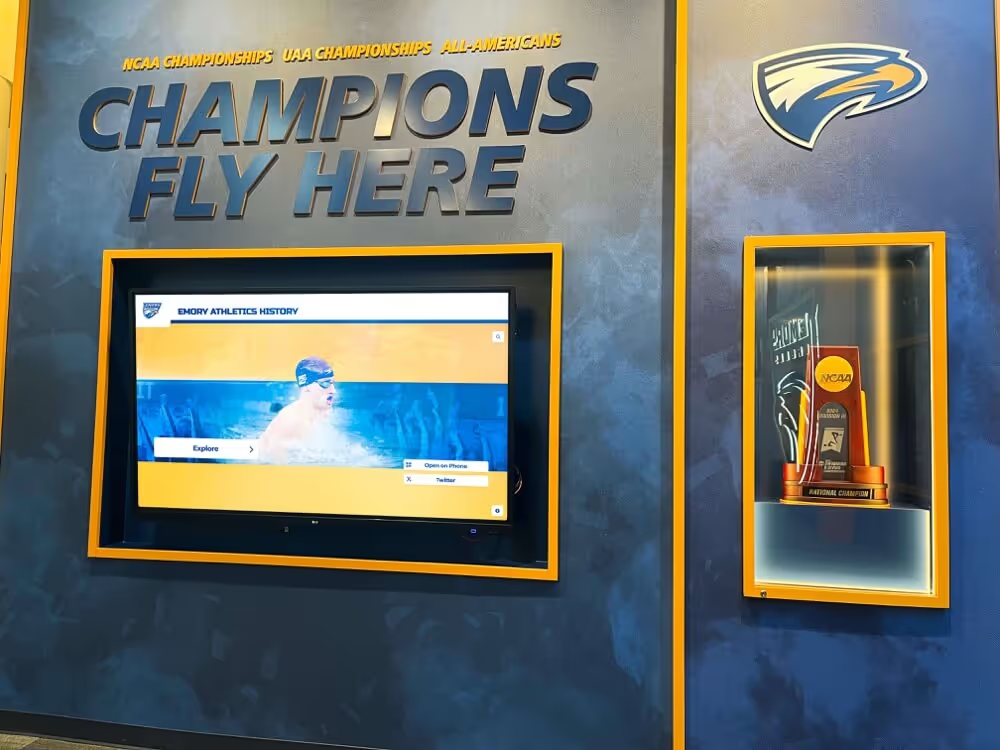
Rocket Alumni Solutions builds interactive digital recognition displays for school athletic programs — giving booster clubs a lasting, school-aligned platform for donor recognition, athletic records, and sponsor acknowledgment that reflects the well-governed organization behind it. Schedule a demo to see what your facility could look like.
Schedule Your Recognition Display Demo