



A booster club incident report form is a structured written record documenting anything that went wrong — or nearly went wrong — at a booster event or fundraiser: injuries to volunteers or attendees, property damage, missing or disputed funds, equipment failures, and behavioral incidents. Completing one promptly after an event is not a sign that something catastrophic occurred. It is standard documentation practice that protects the organization, the individual volunteers present, and the school when questions arise later — from an insurance adjuster, a school administrator, a board member, or a parent.
This guide covers what a booster club incident report form should contain, when to use it, and how to build a post-event documentation process that protects both your program and the community trust your recognition work depends on.
Not legal or financial advice: This guide describes commonly used documentation practices for educational purposes only. Your organization’s specific requirements depend on your school district’s policies, your insurance carrier’s requirements, state regulations, and advice from qualified counsel. Always align your incident reporting process with your school district and consult an attorney or risk management professional for guidance specific to your situation.
When something goes wrong at a booster event — a volunteer slips, a cash box comes up short, a piece of rented equipment is damaged — the decisions made in the next thirty minutes determine whether the organization can respond confidently or spend months trying to reconstruct what happened. A completed incident report form is the difference between those two outcomes.

Booster clubs that build strong documentation habits — for incidents and for recognition — create institutional records that hold up under scrutiny from administrators, insurers, and the community they serve
What Is a Booster Club Incident Report Form?
A booster club incident report form is a standardized document completed as soon as possible after an unexpected event occurs at a booster-sponsored activity. The form captures the who, what, when, where, and how of the incident while the details are still fresh, creating a contemporaneous written record that serves multiple downstream purposes.
The form is not limited to serious emergencies. Minor incidents — a volunteer sprains an ankle in the parking lot, a concession table is knocked over and damaged, a volunteer reports a cash discrepancy at a ticket booth — all warrant a completed form. The threshold for documentation is not severity; it is whether the incident could give rise to a future question that the organization will need to answer in writing.
Incidents that a booster club should document include:
- Injuries to volunteers, attendees, or athletes at booster-sponsored events
- Property damage to school property, rented equipment, or personal property
- Cash discrepancies or missing funds discovered during or after an event
- Theft or suspected theft of funds, equipment, or donated goods
- Equipment failures that required stopping or altering an event
- Weather-related emergency responses that changed event procedures
- Behavioral incidents involving attendees or participants that required intervention
- Near-misses — situations that did not result in injury or damage but could have
For context on how incident documentation fits within the broader set of governance tools a well-run booster club needs, booster club management resources covering fundraisers, budgets, and events describe the full organizational framework in which incident reporting operates.
Why Incident Documentation Protects Volunteers, Funds, and Community Trust
Booster organizations are volunteer-run nonprofits handling significant sums of money and hosting public events on school grounds. When an incident occurs, the volunteers present at that moment may face questions from insurance carriers, school administrators, attorneys, or parents — sometimes months later. A completed incident report form is the most effective protection available because it captures details that human memory cannot reliably reconstruct over time.
The specific protections a completed form provides:
Insurance claim support. Most booster club insurance policies require prompt notification of incidents that may result in a claim. A completed form gives the carrier the factual record it needs and establishes that the organization responded professionally. Missing or incomplete documentation is a common reason insurers deny or reduce coverage for volunteer organizations.
Volunteer protection. When a volunteer is present at an incident and a question arises later about what happened, a signed contemporaneous report is far more defensible than recollections offered weeks or months after the fact. The form does not accuse anyone — it creates a factual record that protects everyone who was there.
School district and administrative accountability. Most school districts require booster clubs to report incidents occurring on school property or involving school athletes. Prompt reporting keeps the school administration informed and demonstrates that the booster organization takes its responsibility seriously.
Organizational continuity. Booster club leadership changes every year. An incident that occurred under the prior board may resurface as a claim or a dispute under the current one. Written records that do not depend on any individual’s memory keep the organization protected through leadership transitions.
Understanding how to start and govern a booster club provides useful background on the organizational structures and policies that incident reporting sits within — including the relationship between a booster club and the school district it serves.
What to Document Immediately After an Incident: 6 Steps
The value of an incident report depends almost entirely on when it is completed. Details degrade quickly: witnesses leave, physical evidence is cleared away, and memories blur. The following steps describe what should happen in the minutes and hours following an incident — before the event site is cleared and before the team disperses.
Ensure safety and summon help first. If anyone is injured, call emergency services or the school’s designated emergency contact before documenting anything. Documentation does not begin until the scene is safe and appropriate help has been summoned. The incident report records what happened, not what should happen next.
Note the exact time, date, and location. Write it down immediately. The location should be specific — not “the gym” but “the north end of the gymnasium near the concession counter.” The time should reflect when the incident occurred, not when documentation began.
Identify all witnesses. Collect names and contact information from everyone who witnessed or was directly involved in the incident before they leave. Volunteers, attendees, school staff, and any other adults present are all relevant. Witness information collected at the scene is far more reliable than information gathered days later.
Describe the incident in factual terms. Record what happened, in the sequence it occurred, as specifically as possible. Avoid interpretation or assignment of blame — those are for investigators and administrators. The report should describe observable facts: what was seen, heard, and found. If cash is missing, state the amount and the period it cannot be accounted for. If someone fell, describe the location, the surface condition, and what the person was doing.
Document the immediate response taken. Record what steps were taken: first aid administered, emergency services called, the incident reported to a school administrator, a cash discrepancy set aside for review. The response documentation shows the organization acted responsibly.
Notify the appropriate school or district contact. Most school districts have a designated administrator — an athletic director, principal, or district risk manager — who should be notified of incidents on school grounds. Identify that person in your organization’s policy before events begin, not after an incident occurs. Notification should happen the same day, not the following week.
Core Fields: What a Booster Club Incident Report Form Should Include
A booster club incident report form should be standardized — meaning the same form, with the same fields, is used every time. A consistent form ensures that no field is accidentally omitted, makes records comparable across incidents and across seasons, and simplifies the process for volunteers who may be completing a form under stressful conditions.
The table below covers the fields every booster club incident report form should include.
| Form Field | What to Capture |
|---|---|
| Event name and date | Name of the booster event and the date it was held |
| Incident date and time | Exact time the incident occurred (distinct from event start time) |
| Incident location | Specific location within the event venue |
| Type of incident | Category: injury, property damage, financial discrepancy, theft, equipment failure, behavioral, near-miss, other |
| Description of incident | Factual narrative of what occurred, in sequence |
| Persons involved | Names, contact information, and role (volunteer, attendee, athlete, staff) for anyone directly involved |
| Witnesses | Names and contact information of witnesses |
| Injuries reported | Description of any reported injury; whether first aid or emergency services were provided |
| Property damage | Description of damaged property, estimated value, and ownership |
| Financial discrepancy | Amount, cash handling point, and period involved; who discovered it and when |
| Immediate response taken | Actions taken at the scene: first aid, emergency services called, administrator notified |
| School/district notification | Name of administrator notified, method, and time of notification |
| Report completed by | Name, title, and signature of the volunteer completing the report |
| Date and time report completed | When the form was filled out |
| Reviewed by | Name and signature of the board officer or designated reviewer who received the report |
Categories of Incidents Booster Clubs Should Document
Not every incident fits neatly into one category, and some events involve multiple categories simultaneously. The table below describes the most common types and what documentation is most important for each.
| Incident Category | Common Examples | Key Documentation Priority |
|---|---|---|
| Volunteer or attendee injury | Slip and fall, heat-related illness, allergic reaction | Injury description, first aid given, emergency services contacted, names of witnesses |
| Property damage | Damaged equipment, broken fixtures, vandalism | Description of item, ownership, condition before and after, estimated repair or replacement cost |
| Cash discrepancy | Ticket booth total does not match expected, cash box is short at close-out | Amount, cash handling point, volunteers present, counting procedure used |
| Theft or suspected theft | Missing cash box, stolen equipment, missing donated goods | Item description, estimated value, chain of custody, law enforcement contact if applicable |
| Equipment failure | Sound system fails, vehicle breaks down during transport, generator outage | Equipment description, failure mode, how event was affected, vendor contact if rented |
| Behavioral incident | Disruptive attendee removed, conflict between parents or spectators | Description of behavior, individuals involved, how the situation was resolved, school staff involvement |
| Near-miss | Unsafe condition identified and corrected before injury occurred | What was observed, corrective action taken, who identified it |
Booster club fundraising and event resources connecting financial documentation to community recognition illustrate how the same documentation discipline that protects a booster club after an incident also supports the recognition program that builds community trust year over year.

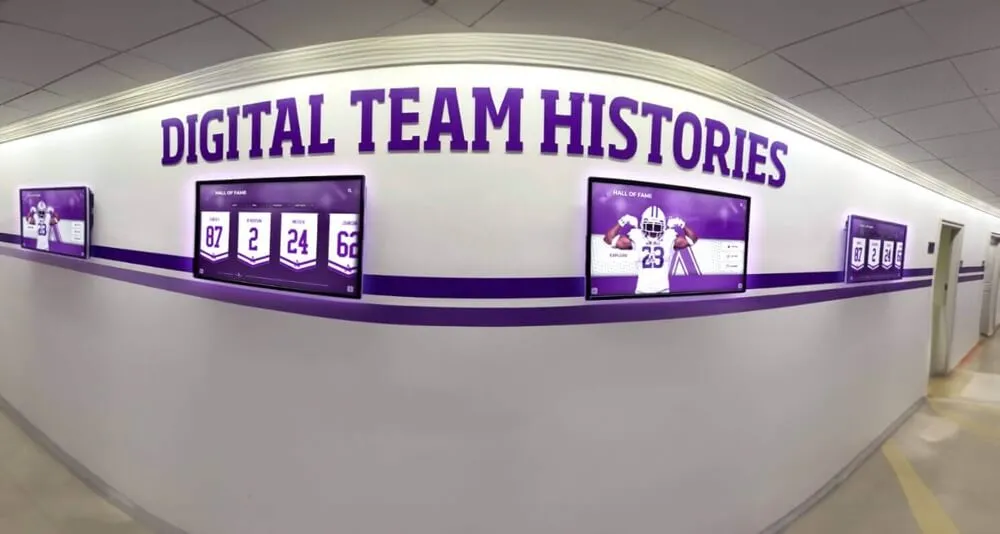
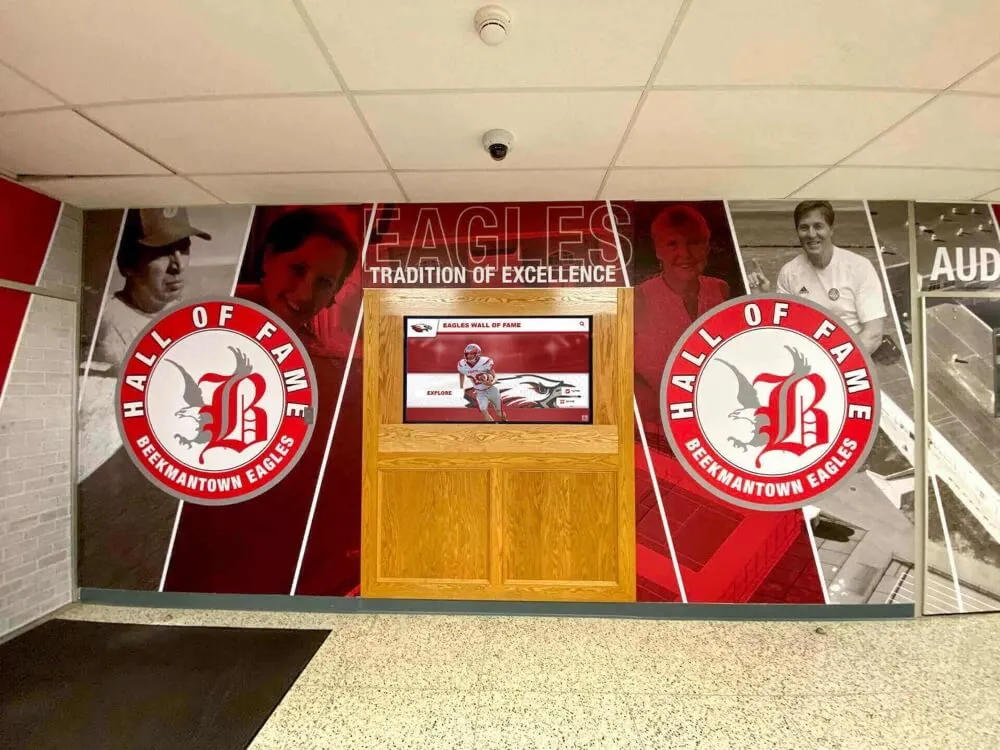
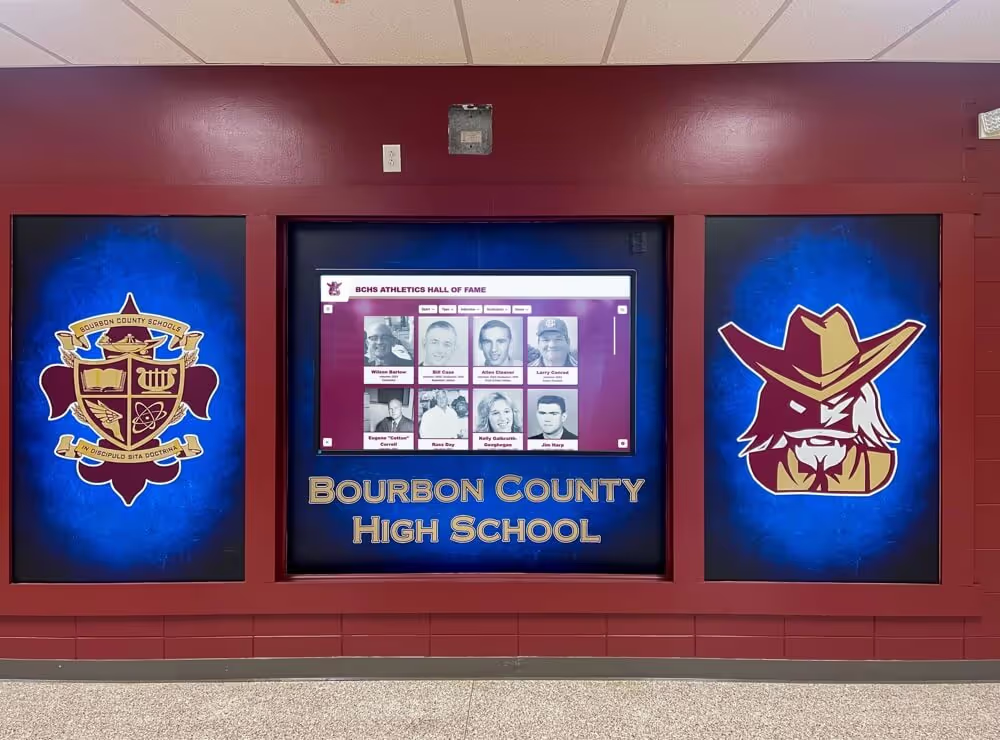
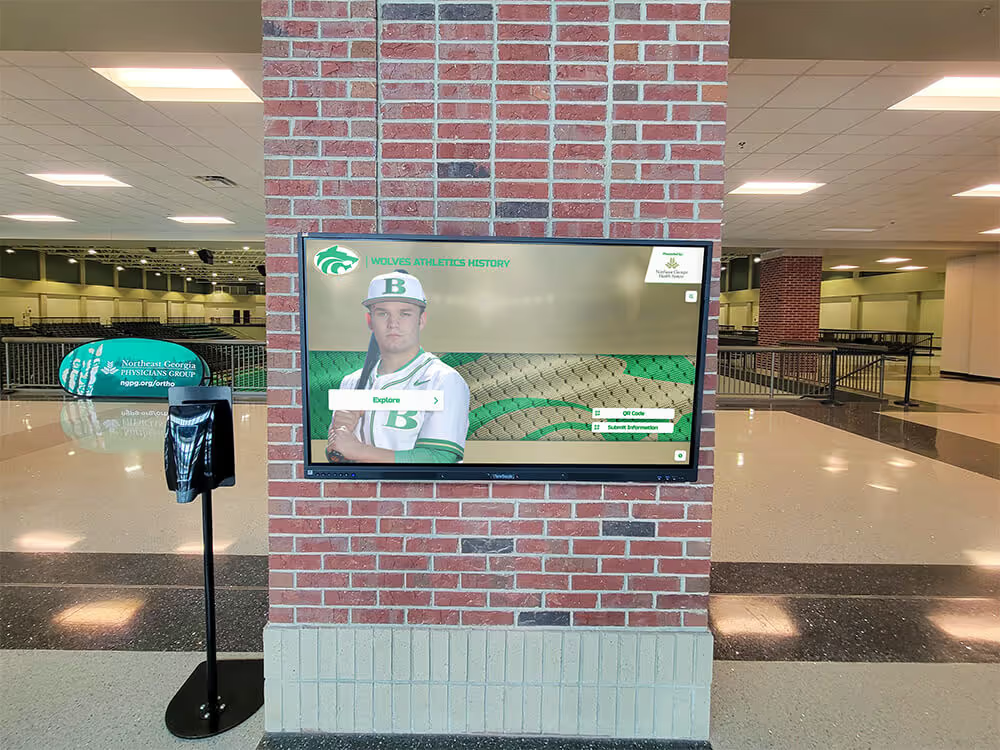
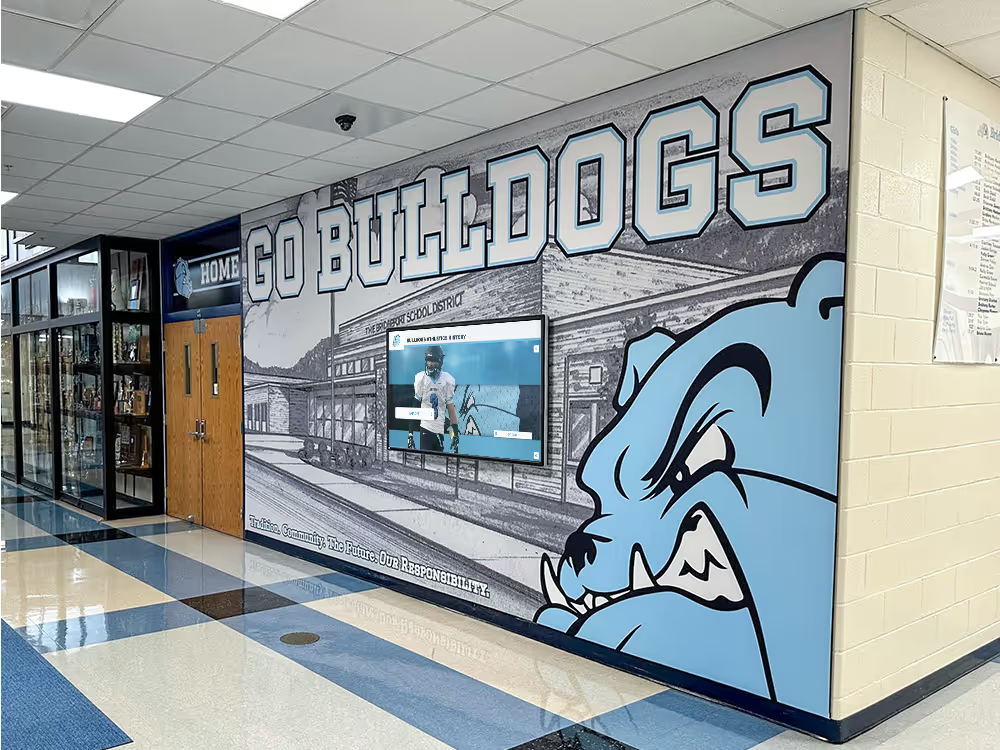
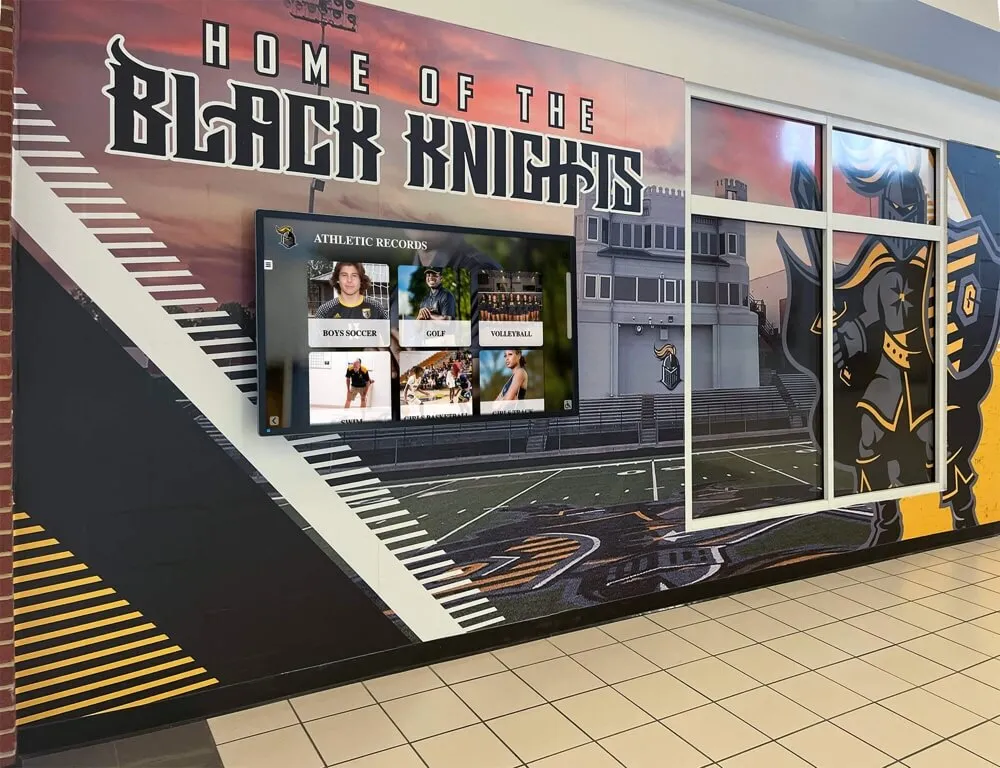
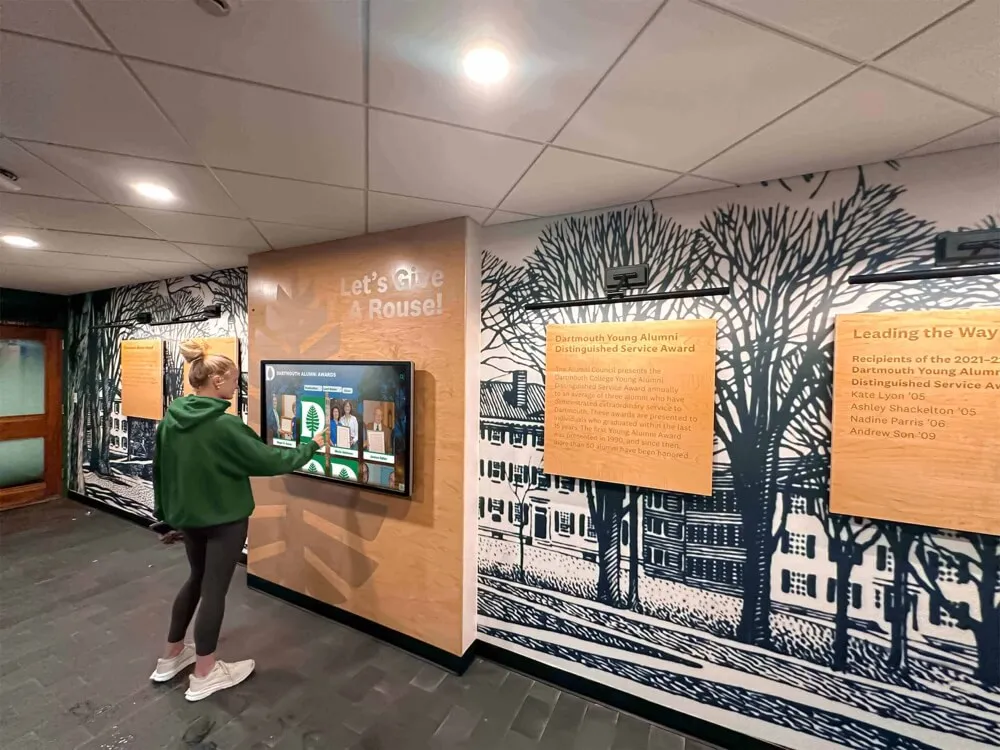
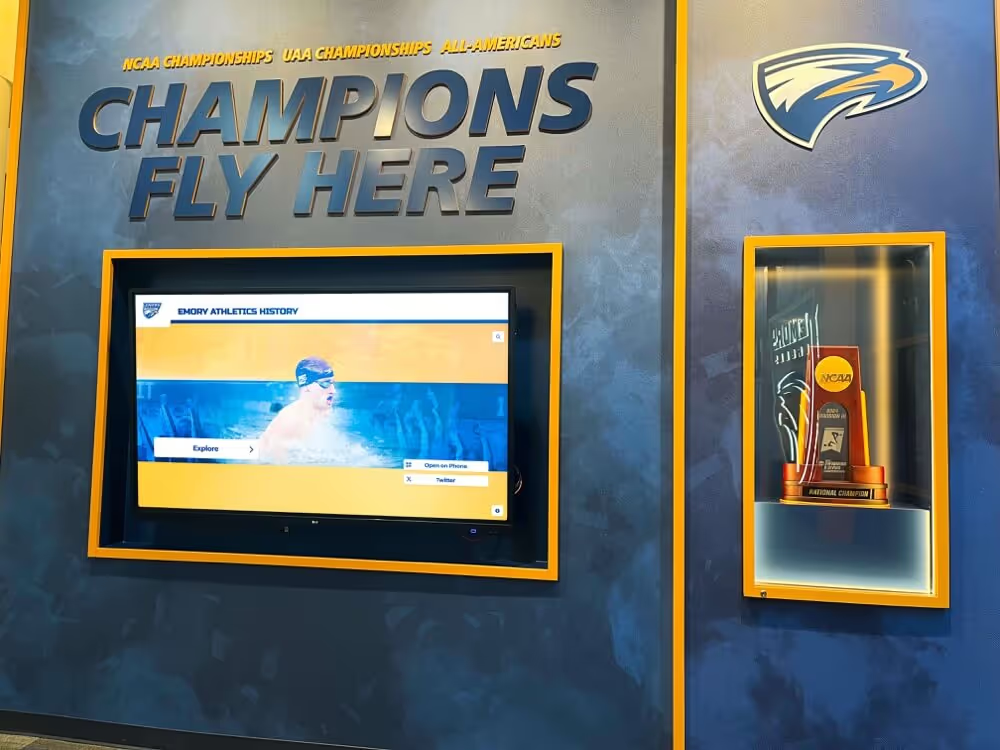
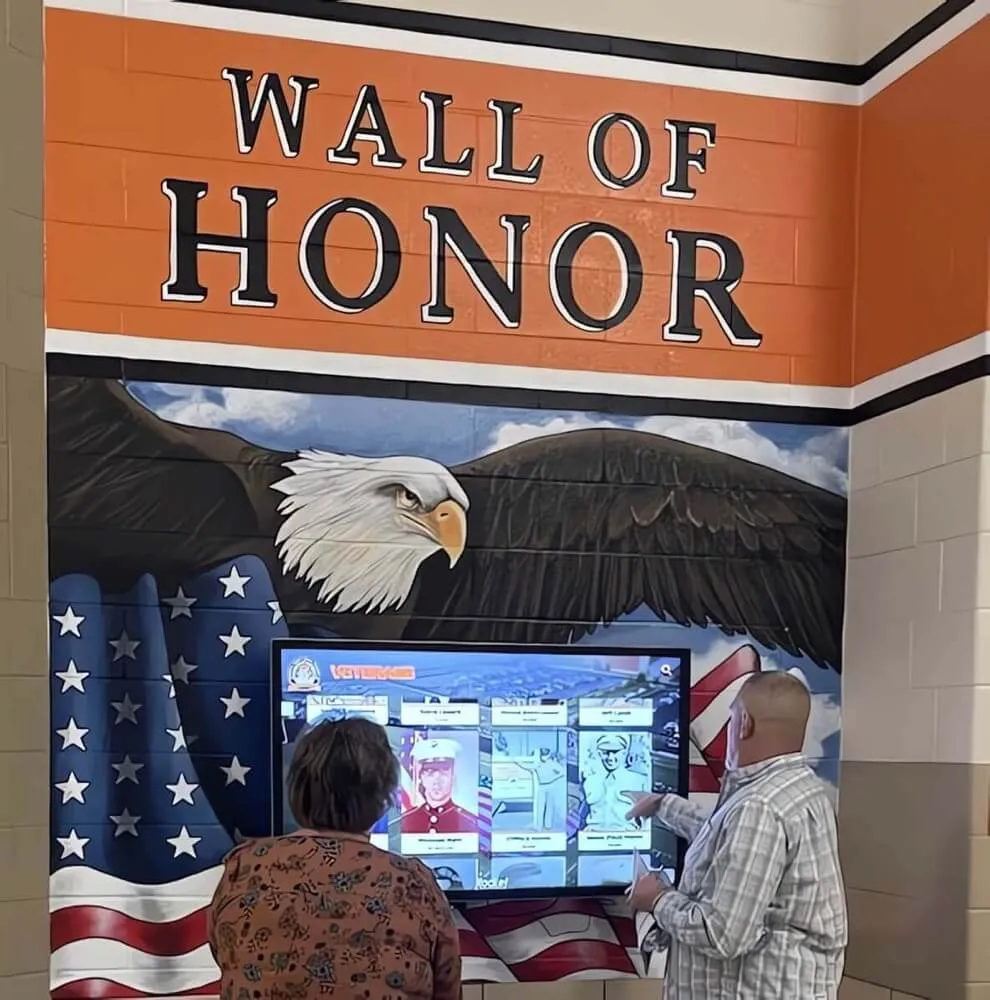
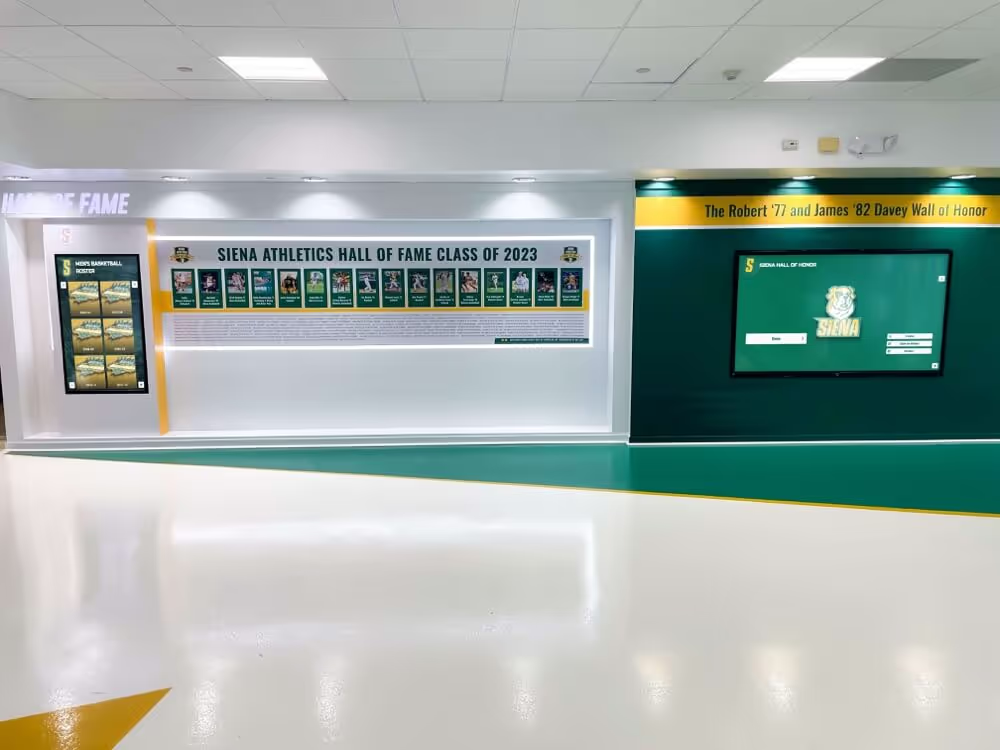
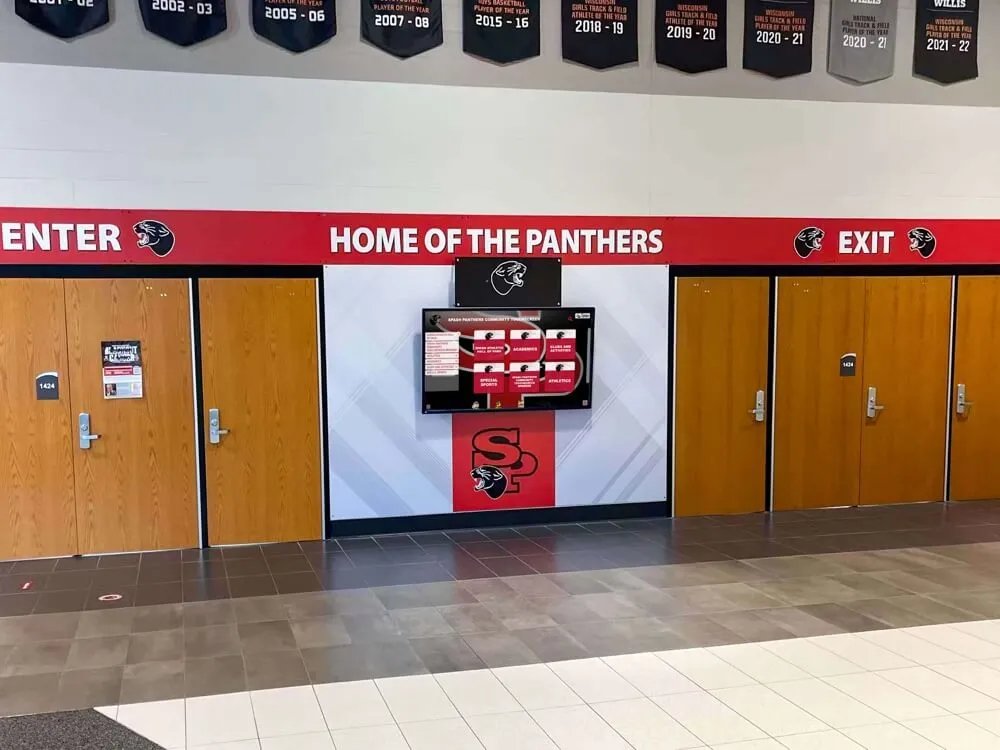
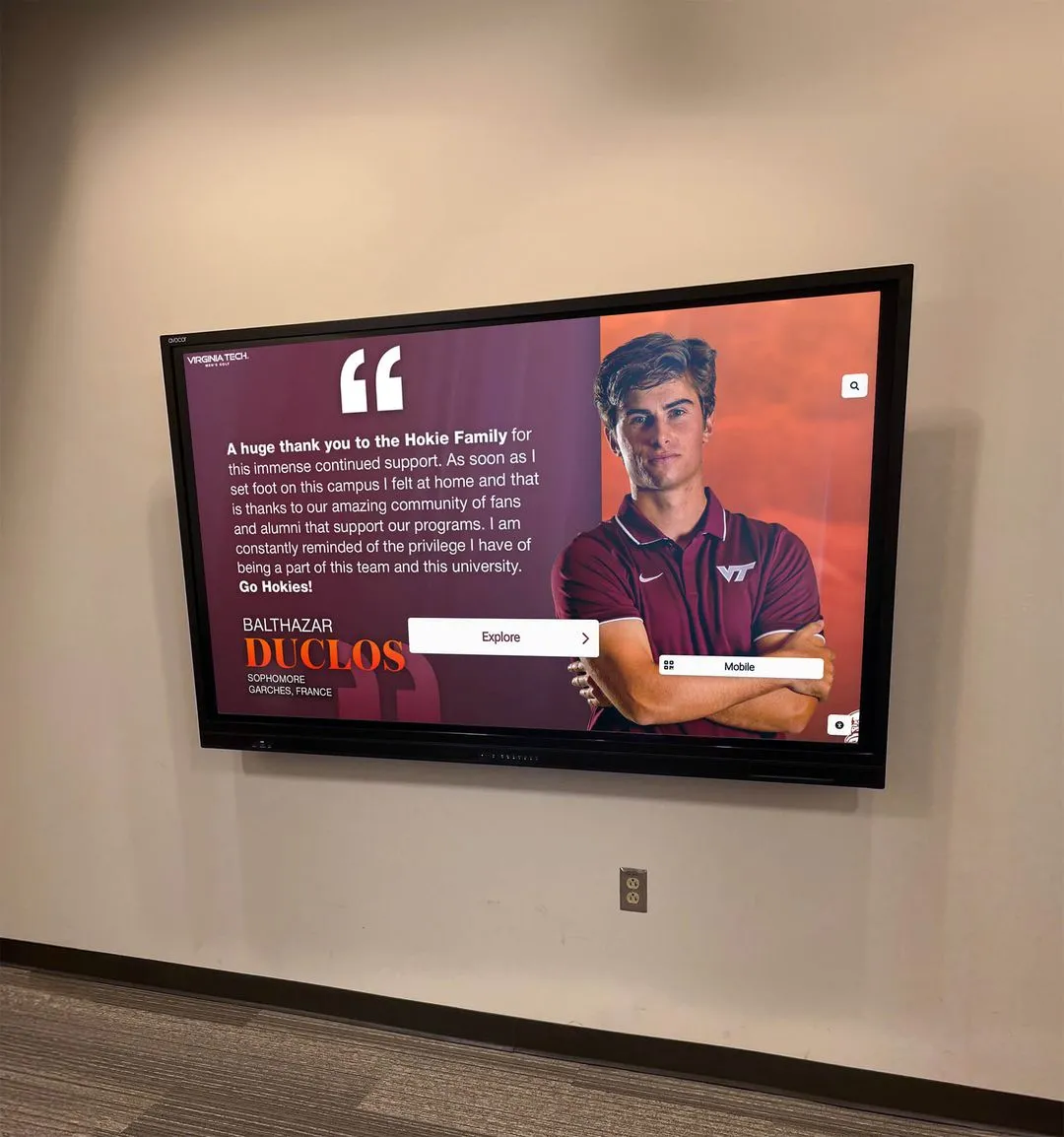
Community-facing recognition programs like digital hallway displays depend on the institutional credibility that documented governance practices — including incident reporting — help build and maintain over time
The Post-Event Follow-Up Process
Completing the form is step one. The follow-up process determines whether the documentation actually protects the organization.
Filing and Retention
Incident reports should be filed in a secure, shared organizational location — not on the completing volunteer’s personal device. The same cloud storage or shared drive used for financial records is appropriate. Most legal and insurance guidance suggests retaining incident reports for a minimum of three to seven years, though incidents involving minors or serious injuries may have longer retention requirements under state law. Verify the specific requirements with a qualified attorney or your school district’s risk management office.
Insurance Notification
Review your booster club’s insurance policy for notification requirements. Many general liability and volunteer accident policies have specific windows — often 30 to 90 days — within which incidents must be reported to preserve coverage. Waiting until a claim is filed to notify the carrier is a common and avoidable mistake. When in doubt, notify your carrier promptly and let them advise on whether the incident meets the threshold for a formal claim.
Board Review
Incident reports should be reviewed at the next board meeting. The review should address whether: the immediate response was appropriate, the school or district was notified as required, the incident reveals a policy or safety gap that needs to be addressed, and whether any follow-up actions (repairs, procedural changes, insurance notification) have been completed. The board review should be noted in the meeting minutes.
Policy and Safety Adjustments
An incident report that identifies a recurring hazard — an entry route that creates congestion and fall risk, a cash handling step that consistently produces discrepancies, an equipment setup that volunteers find unsafe — should prompt a written policy or safety adjustment before the next event. The adjustment should be recorded in the meeting minutes so there is a documented connection between the incident, the review, and the corrective action taken.
For programs evaluating how organizational structure supports sound governance at events, booster club fundraising, event, and recognition program frameworks provide useful context on how documentation at events — incident reports included — connects to the larger governance picture.
How Incident Records Connect to Athletic Recognition and Donor Trust
Booster clubs exist to support school athletic programs — to fund equipment, sponsor recognition events, and sustain the visible acknowledgment of athlete achievement that connects alumni, families, and community donors to the school’s history. That purpose depends on institutional trust, and institutional trust depends on how the organization handles adversity.
A booster club that responds to an incident with a prompt, complete written report, notifies the appropriate administrator the same day, and brings the incident to the board for review and action is demonstrating exactly the governance quality that sponsors and donors expect when they direct funds to a school program.
Conversely, an organization that handles incidents informally — relying on memory, avoiding written records, and hoping questions never arise — is creating conditions under which a single disputed incident can undermine years of community goodwill. Sponsors who fund named recognition programs, donors who contribute to athletic scholarship funds, and families who support fundraising events are all relying on the organization to handle problems honestly and transparently.
What makes a booster club a credible institutional partner for schools and sponsors comes down in large part to whether the organization’s governance practices — including incident documentation — give administrators, donors, and community members reason to trust it with both funds and recognition responsibilities.
The athletic records, hall of fame installations, and donor recognition displays that booster clubs help fund are visible, permanent expressions of a school’s history. Protecting the organization’s ability to keep building that history means getting the governance right — including the unglamorous work of completing an incident report form at 10 p.m. after a long event night.
Building a booster club with governance structures that support long-term recognition and community trust covers the full organizational picture, including how incident documentation fits within the broader set of policies that make a volunteer-run organization genuinely trustworthy.
Booster club governance from the ground up reinforces how documentation discipline — from incident reports to financial records — forms the backbone of organizational credibility that recognition programs depend on.
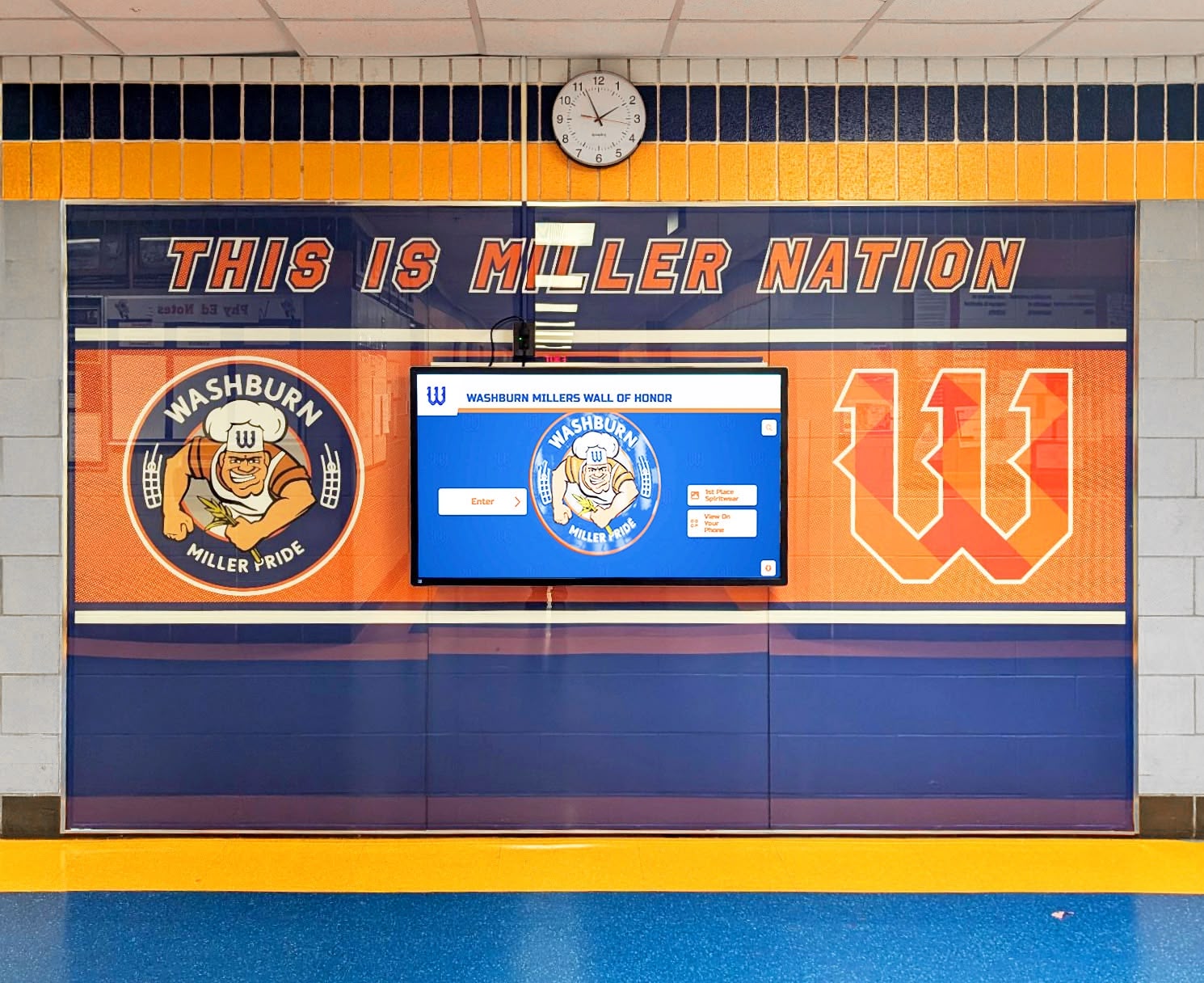
Permanent recognition installations reflect the governance credibility a booster club has earned — and incident documentation is part of the organizational discipline that makes that credibility real and sustained
Frequently Asked Questions
What should a booster club incident report form include?
A booster club incident report form should capture: the event name, date, and location; the exact time and location of the incident; a factual description of what occurred; the names and contact information of everyone involved and all witnesses; any injuries and the first aid or emergency response provided; any property damage or financial discrepancy; the name of the school or district administrator notified; the immediate response taken by the organization; and the name, title, and signature of the volunteer completing the form. A standardized form with fixed fields reduces the chance that critical information is omitted in the moment.
When should a booster club complete an incident report?
An incident report should be completed as soon as safely possible after the incident occurs — ideally before the event site is cleared and while all witnesses are still present. Same-day completion is the standard. Waiting until the next day, the next meeting, or until a formal claim is filed allows details to fade, witnesses to become unreachable, and physical conditions to change. The form documents the incident at the moment it is most accurately knowable. For incidents involving potential insurance claims, prompt completion also supports timely notification to the carrier, which most policies require.
What types of incidents should a booster club document?
Booster clubs should document any incident that could give rise to a future question the organization needs to answer in writing — which includes more than just serious injuries. Document: injuries to volunteers or attendees (including minor ones), property damage, cash discrepancies or missing funds, theft or suspected theft, equipment failures that disrupted an event, behavioral incidents requiring intervention, and near-misses where a hazard was identified before anyone was hurt. The threshold is not severity — it is whether the incident could become a question later. Minor incidents that seem unlikely to escalate often do; a completed form costs very little effort and provides significant protection.
How long should booster clubs keep incident reports?
A common baseline retention period for booster club incident reports is three to seven years, consistent with general nonprofit record retention practices. However, incidents involving minors, serious injuries, property damage claims, or alleged criminal conduct may have longer retention requirements under state law or insurance policy terms. Incidents that result in a formal claim or legal proceeding should be retained until the matter is fully resolved, which can extend well beyond typical retention windows. Verify the specific requirements applicable to your organization with a qualified attorney or your school district’s risk management office, and store records in a shared organizational location rather than on individual volunteers’ personal devices.
Does a booster club need to notify the school after every incident?
Most school districts require booster clubs to report incidents occurring on school grounds or involving school athletes to a designated administrator — typically the athletic director, principal, or district risk manager. The notification requirement and timeline vary by district; your organization should identify the designated contact and the required notification process before the season begins, not in the aftermath of an incident. Same-day notification is a reasonable default for any incident involving an injury, property damage, financial discrepancy, or behavioral situation. Even when notification is not formally required, informing the school administration promptly demonstrates the governance transparency that a sound booster-school relationship depends on.
Building a Booster Program That Earns Trust Through Every Season
The incident report form is not the most visible part of a booster club’s work. It is not the recognition banner hung in the gymnasium, the digital display activated in the lobby, or the scholarship awarded at the athletic banquet. But it is part of the foundation those visible things rest on.
A booster club that documents incidents honestly, notifies administrators promptly, reviews findings at the board level, and adjusts its practices in response is building exactly the kind of institutional credibility that sponsors and donors extend their trust to — season after season. That credibility is what allows a booster program to make lasting investments in athletic recognition: the permanent record boards, the digital hall of fame installations, and the donor acknowledgment displays that connect a school’s history to its community for decades.
See How Permanent Recognition Reflects Your Program's Integrity
Rocket Alumni Solutions builds interactive digital recognition displays for school athletic programs — giving booster clubs a visible, lasting platform for donor acknowledgment and athletic history that reflects the institutional commitment your organization has earned. Schedule a demo to see what your facility could look like.
Schedule Your Recognition Display Demo