



Booster club fundraising ideas form the financial backbone of athletic programs across the country, generating millions of dollars annually to support student athletes, purchase equipment, and create lasting recognition of athletic achievement. When executed strategically, booster club fundraising transforms beyond simple revenue generation into community-building activities that strengthen school spirit, engage families, and create sustainable support for athletic programs.
Yet many booster clubs struggle with fundraising fatigue—running the same car wash or bake sale year after year while watching participation decline and revenue plateau. Meanwhile, the costs of competitive athletics continue rising, creating growing gaps between available funding and program needs. Athletic directors and booster club leaders need fresh, proven fundraising strategies that generate meaningful revenue without exhausting volunteer resources or overwhelming supporters with constant asks.
This comprehensive guide explores evidence-based booster club fundraising ideas that successful programs use to raise substantial funds while building stronger athletic communities and investing in recognition programs that celebrate athletic achievement.
Effective booster club fundraising extends beyond individual events to create comprehensive revenue systems that diversify income streams, engage broader supporter bases, and generate predictable funding that athletic directors can count on when planning program budgets and capital investments.

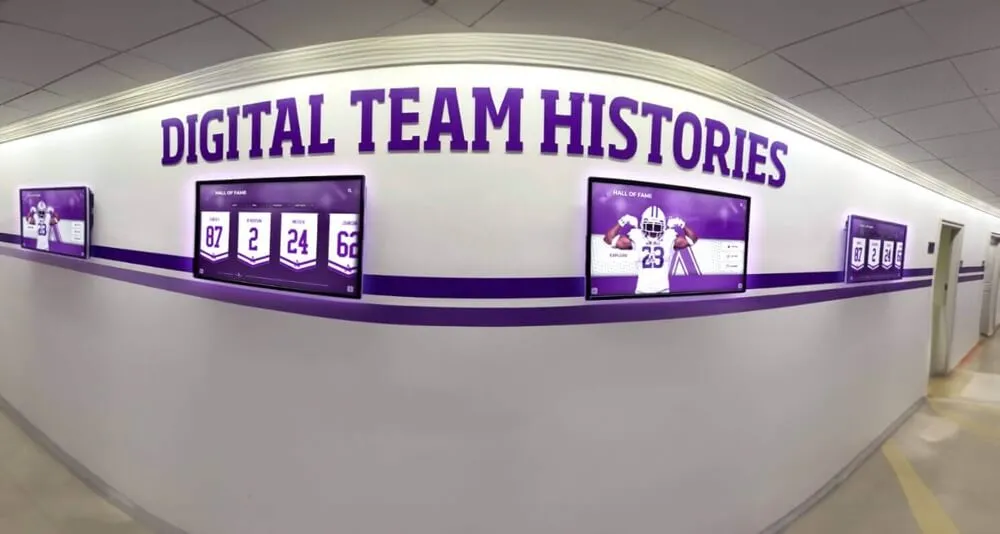
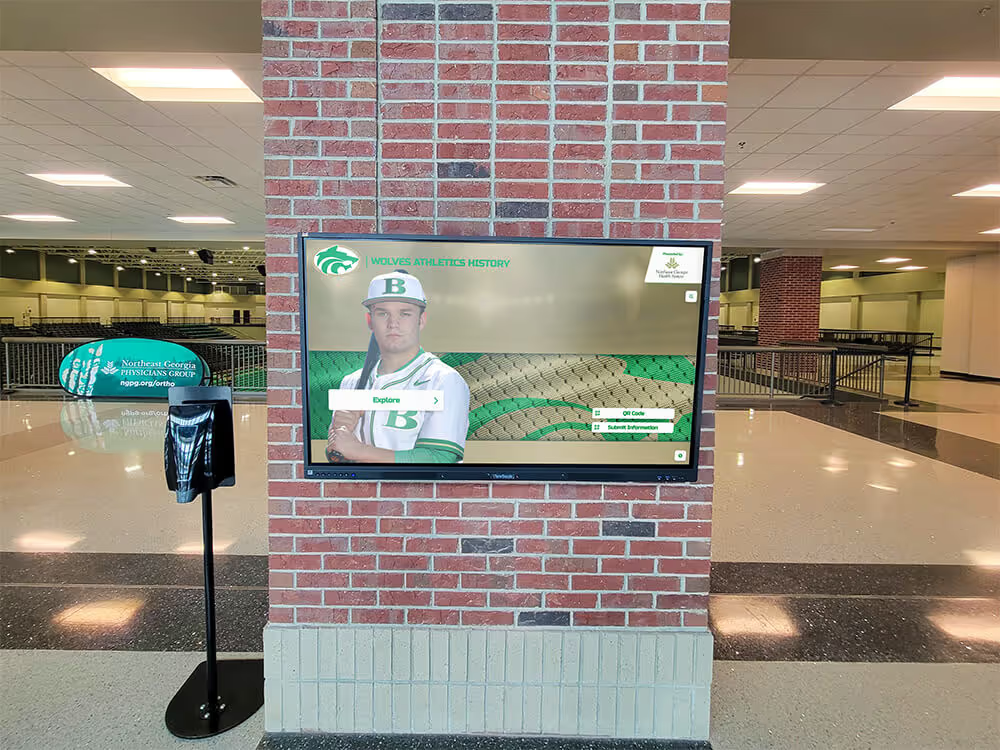
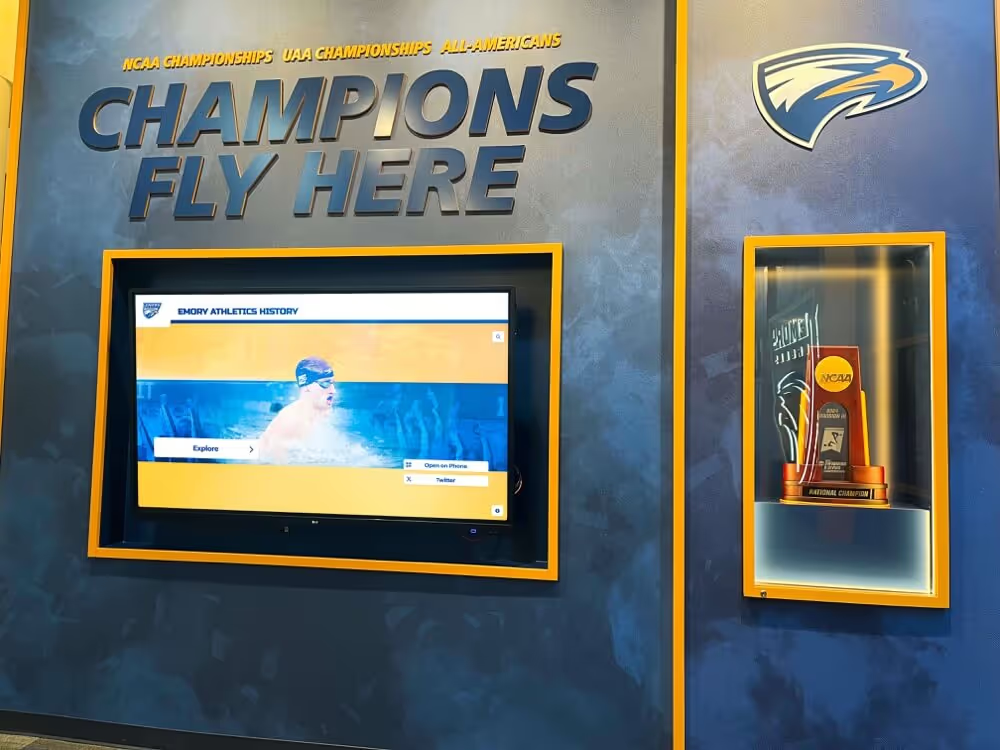
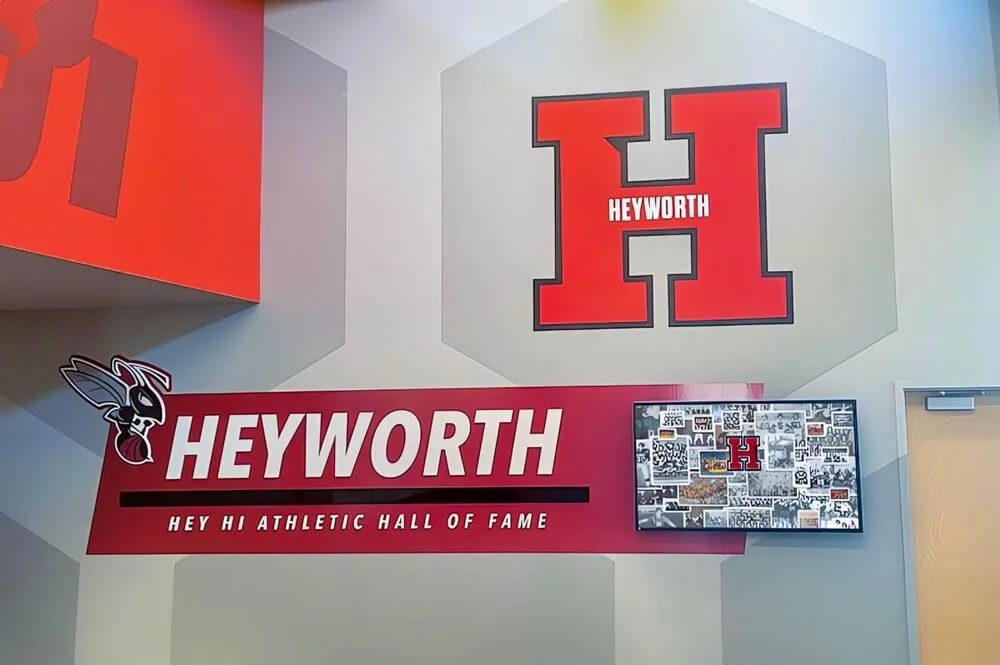
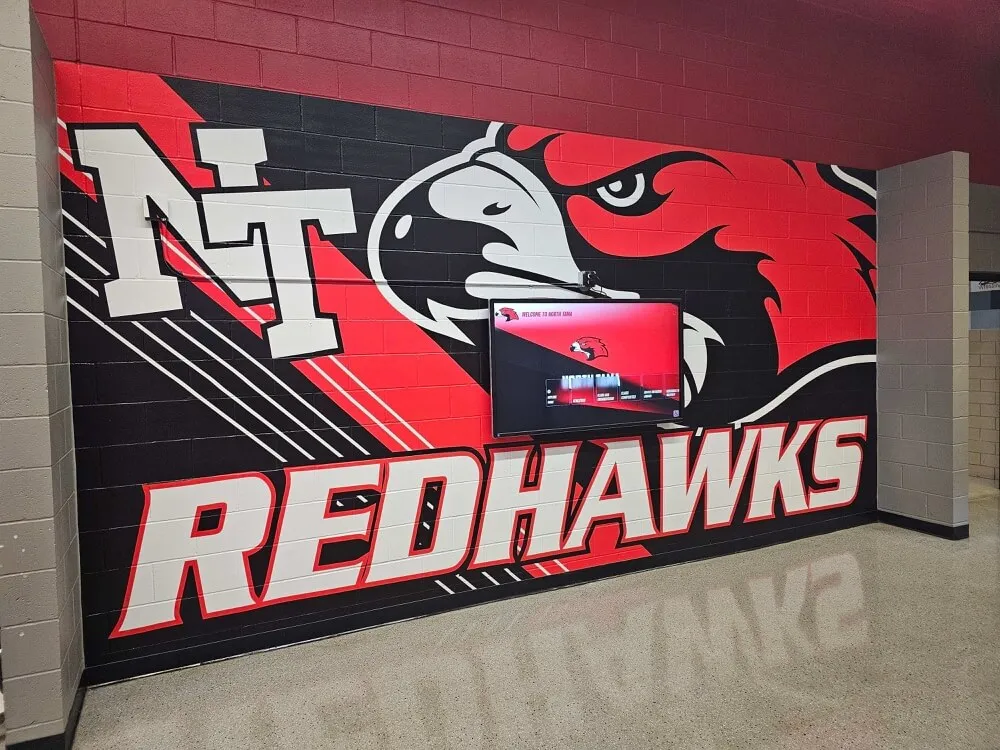
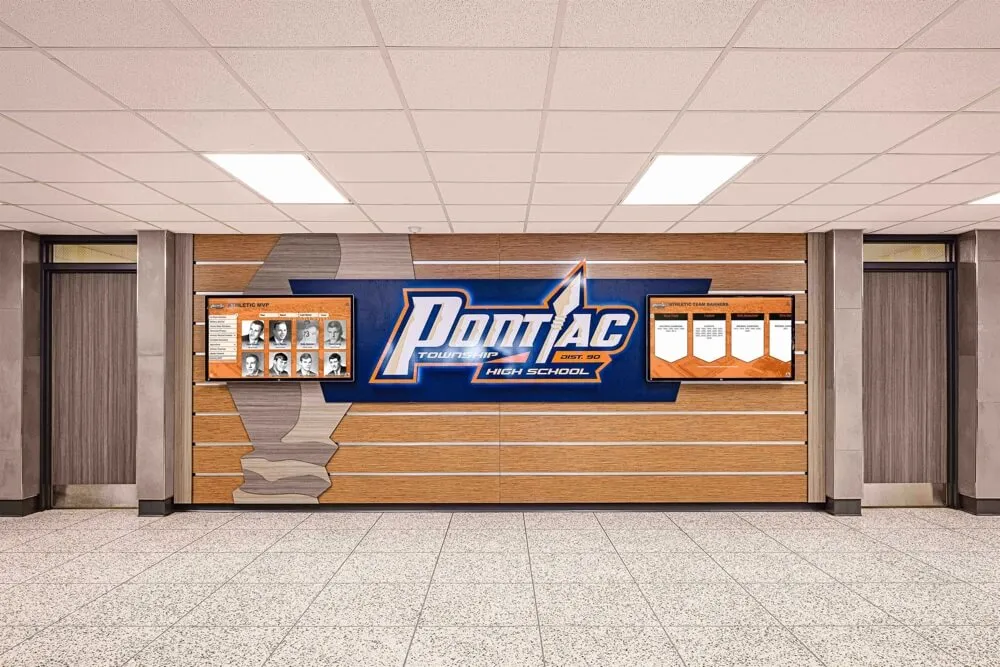
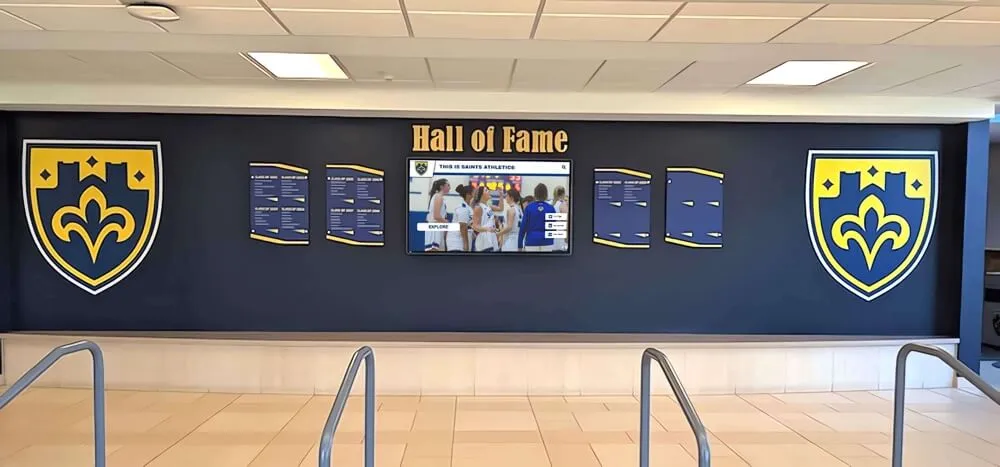
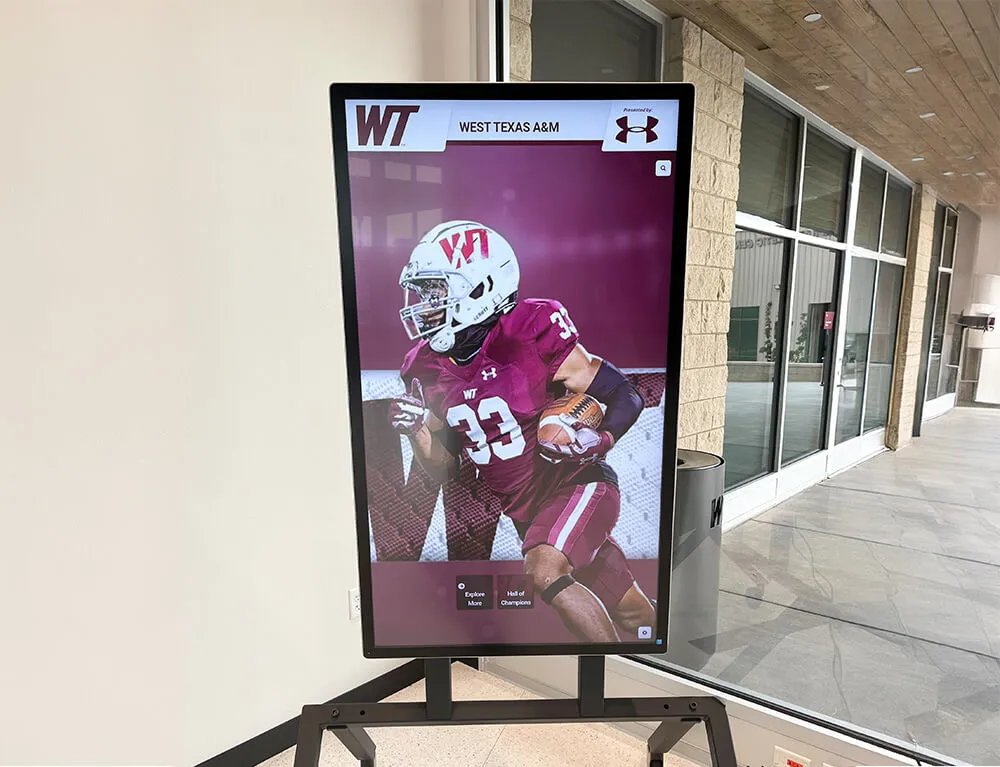
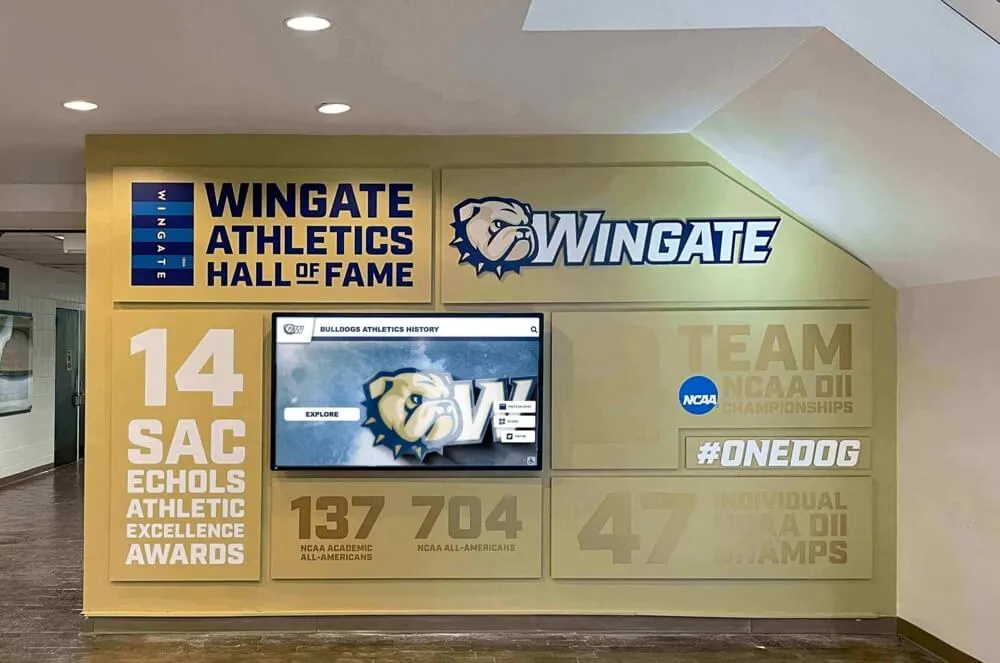
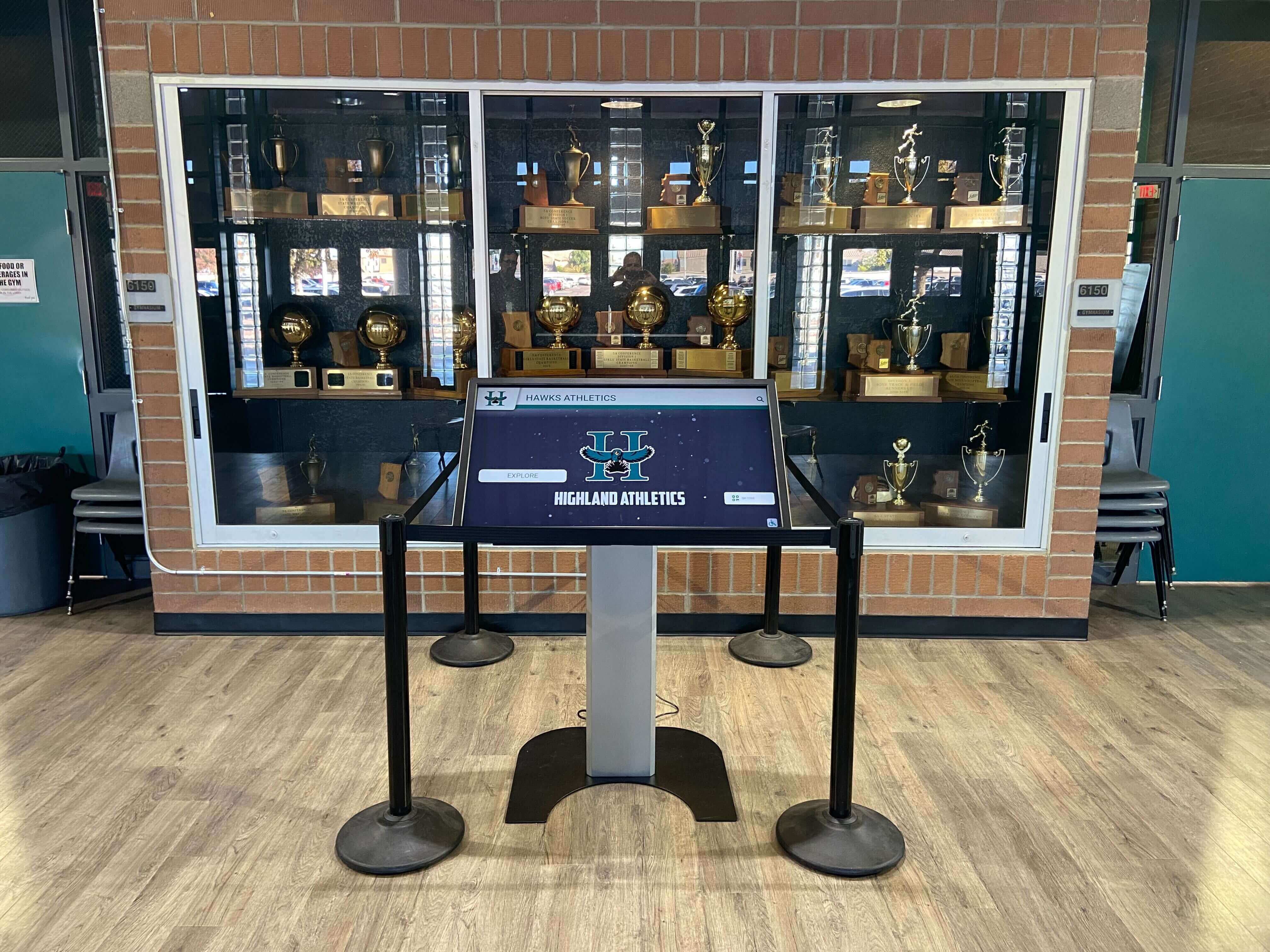
Booster club fundraising enables lasting investments in athletic recognition that celebrate achievement for decades
Understanding Modern Booster Club Fundraising Dynamics
Before launching into specific fundraising ideas, successful booster club leaders understand the landscape that shapes fundraising effectiveness in today’s environment.
The Financial Reality of High School Athletics
Athletic programs face mounting financial pressures that make effective booster club fundraising increasingly essential:
Rising Program Costs
- Equipment costs have increased 15-20% over the past five years across most sports
- Travel expenses for competitive programs continue escalating
- Facility maintenance and improvement needs grow as aging infrastructure requires updates
- Technology integration for training and performance analysis adds new expense categories
- Insurance and liability coverage costs rise annually
Shrinking Traditional Funding
- Many school districts have reduced athletic budgets in favor of academic priorities
- Pay-to-play fees burden families while generating insufficient program revenue
- Traditional fundraising methods yield diminishing returns as donor fatigue sets in
- Community demographics shift, changing the supporter base and giving patterns
According to the National Federation of State High School Associations, booster clubs and parent organizations now fund 30-40% of total high school athletic budgets nationwide, making effective fundraising critical to program survival and competitiveness.
What Makes Booster Club Fundraising Different
Booster club fundraising operates with unique advantages and constraints compared to other nonprofit fundraising:
Natural Advantages
- Built-in community of engaged families invested in student success
- Regular events (games, matches, competitions) that gather supporters
- Emotional connection to student achievement that motivates giving
- Visible impact opportunities that donors can see and experience
- Year-after-year supporter continuity as new families join programs
Common Challenges
- Limited volunteer capacity among already-busy athletic families
- Competitive landscape with multiple school organizations seeking funds
- Seasonal participation patterns tied to specific sports calendars
- Donor base that completely turns over every 4-6 years as students graduate
- Expectations that fundraising won’t interfere with athletic schedules
The most successful booster club fundraising ideas account for these dynamics, maximizing natural advantages while working within real constraints.
High-Impact Traditional Fundraising Ideas
Certain traditional fundraising approaches consistently generate strong returns when executed with modern best practices.
Concession Stand Operations
Concession sales represent the single most reliable revenue stream for many athletic booster clubs, generating predictable income throughout athletic seasons.
Maximizing Concession Profitability
- Focus on high-margin items: soft drinks, candy, and packaged snacks typically yield 60-75% margins
- Implement cashless payment systems to increase average transaction sizes by 15-20%
- Create combo deals and family packs that increase per-customer spending
- Source bulk supplies through restaurant wholesalers rather than retail stores
- Schedule volunteer shifts strategically to ensure adequate staffing during peak traffic
Beyond Basic Concessions
- Add specialty items during championships and high-attendance events
- Create themed food nights that draw additional attendance
- Offer pre-order options for popular items to reduce wait times and capture sales
- Partner with local restaurants for percentage-of-sales fundraising nights
- Expand to multiple sports’ events rather than limiting to football only
Well-run concession operations can generate $15,000-$40,000 annually for active athletic programs while requiring relatively modest volunteer time during events already on the calendar.
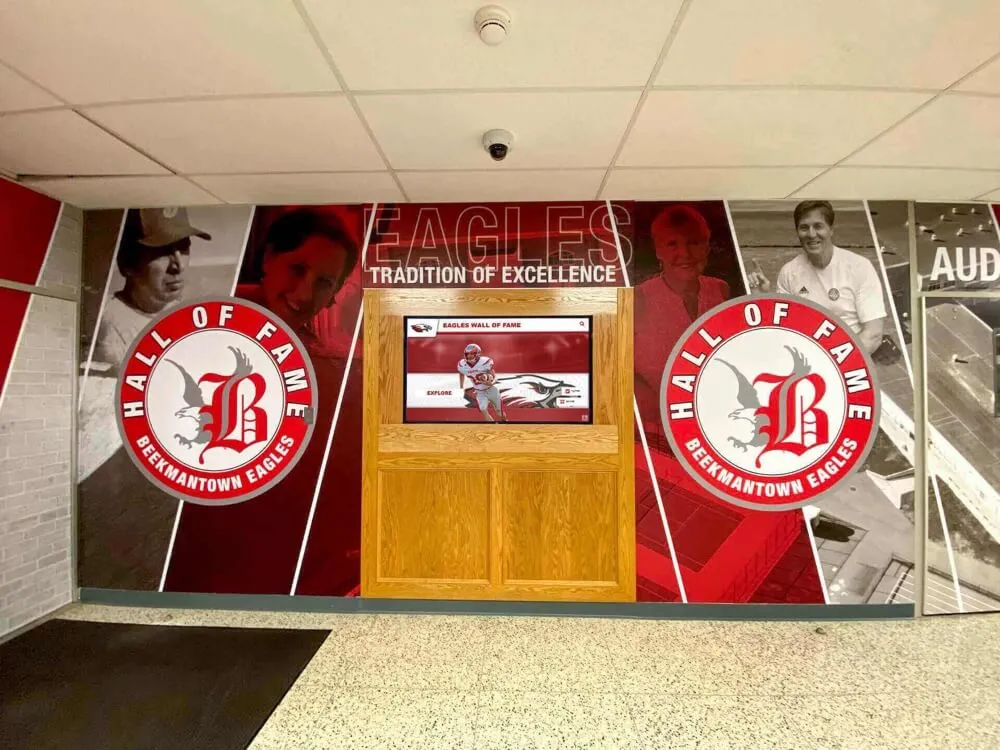
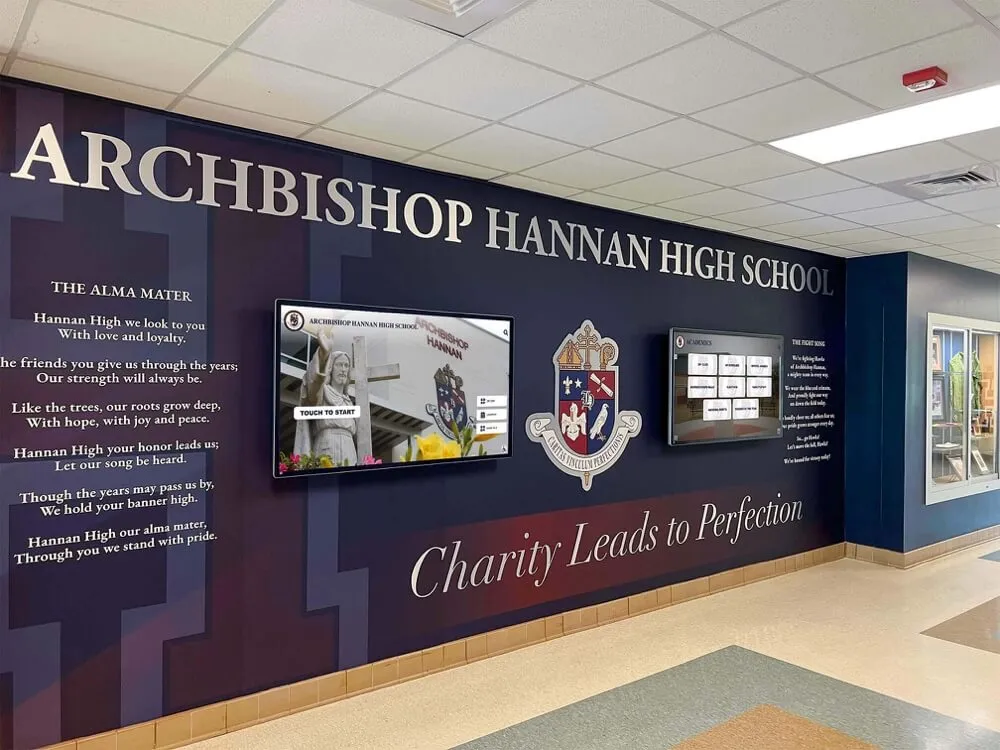
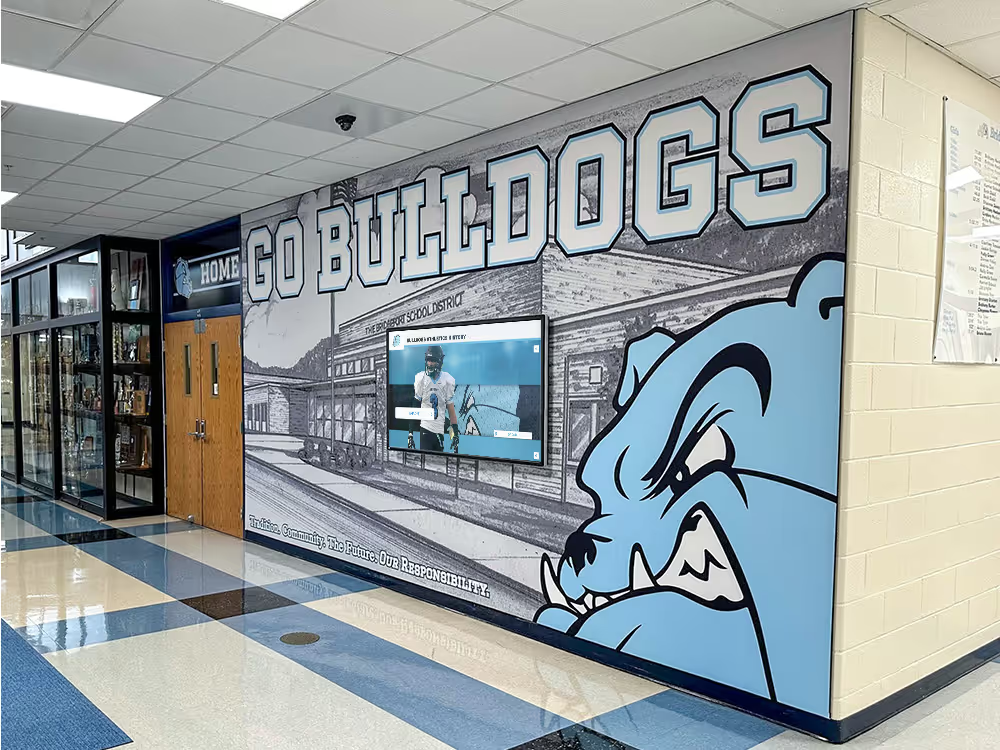
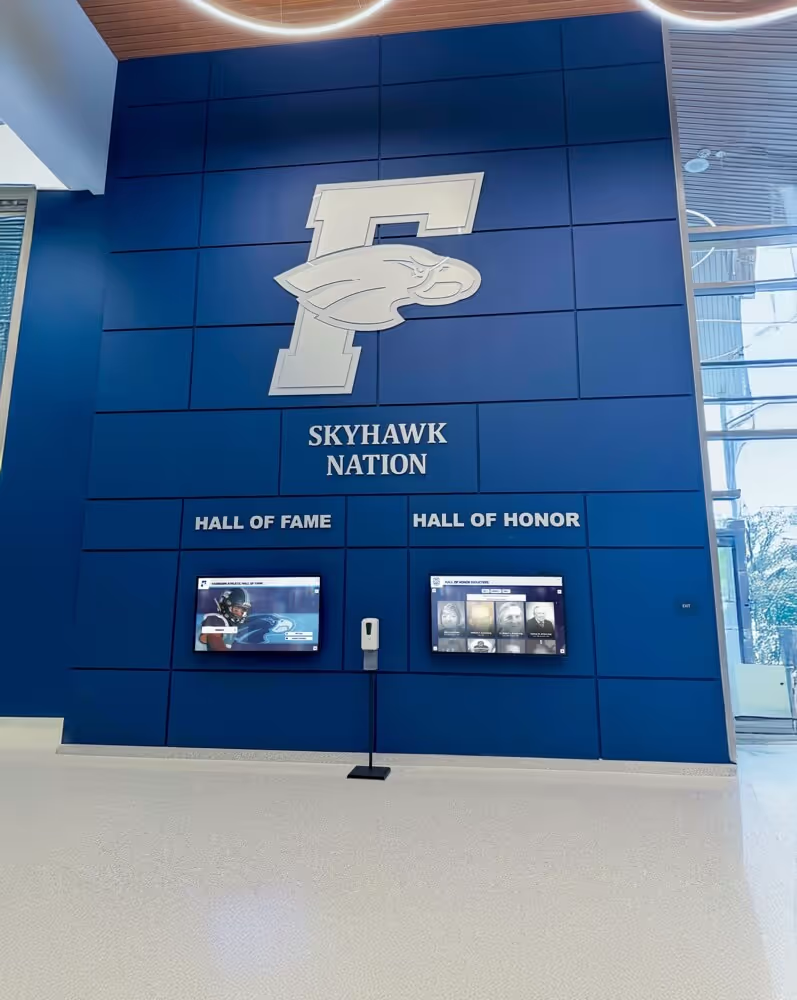
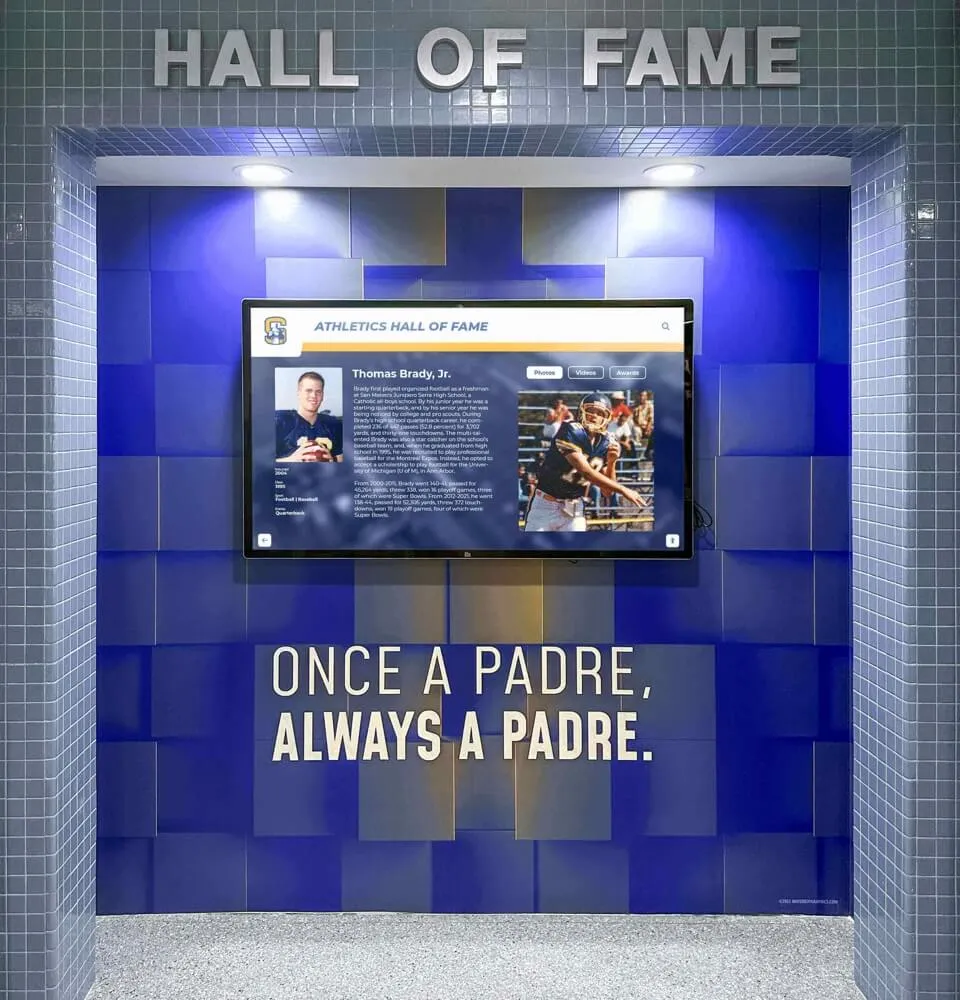
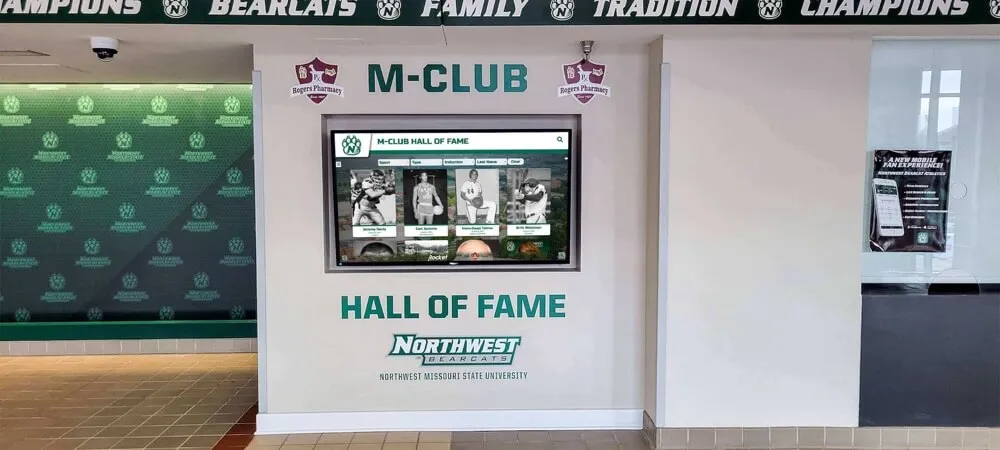
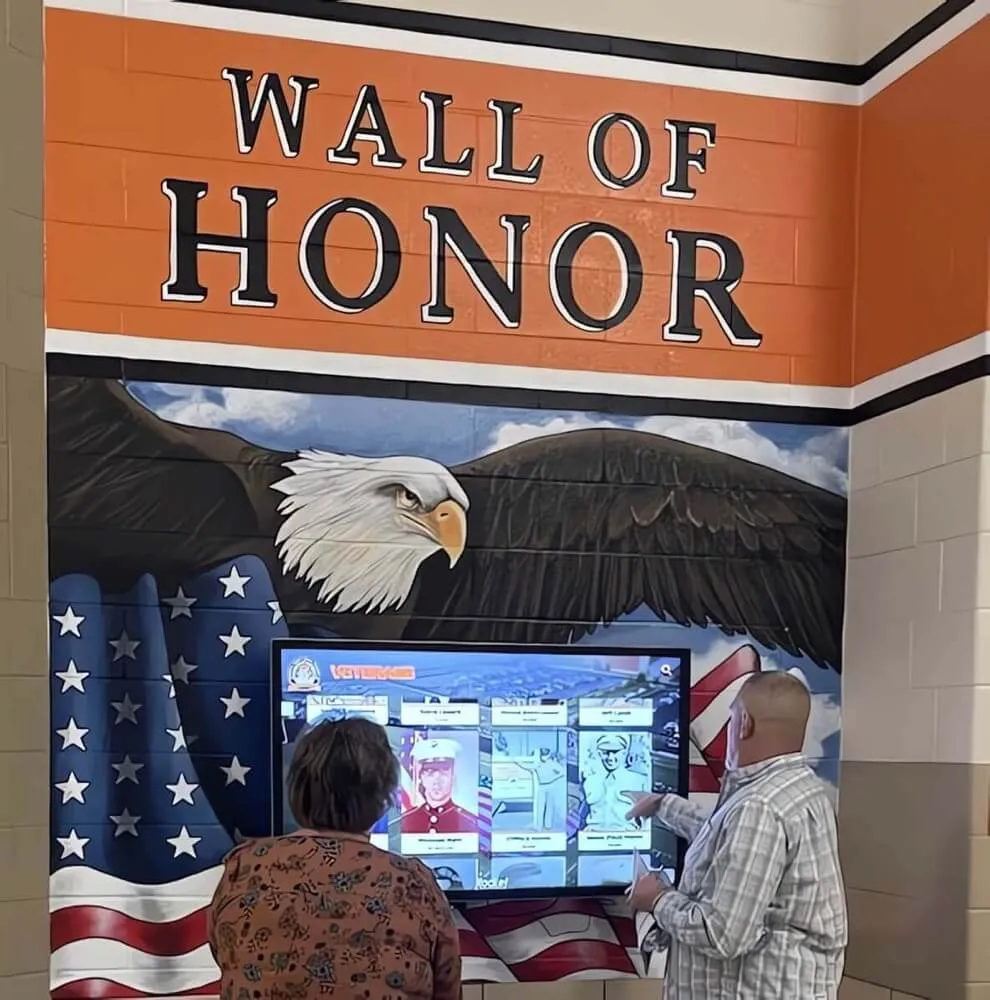
Sustained fundraising enables permanent recognition installations that honor athletic excellence across generations
Corporate and Business Sponsorships
Corporate sponsorship programs create win-win relationships where local businesses gain visibility while athletic programs secure predictable revenue.
Sponsorship Tier Structures Create multiple sponsorship levels that accommodate businesses of different sizes:
- Title Sponsor ($5,000-$10,000): Naming rights for facilities, major events, or entire seasons
- Platinum Sponsor ($2,500-$5,000): Banner placement, program ads, website recognition, social media mentions
- Gold Sponsor ($1,000-$2,500): Game program recognition, banner placement, email newsletter mentions
- Silver Sponsor ($500-$1,000): Program listing, website recognition
- Bronze Sponsor ($250-$500): Name recognition in programs and websites
Delivering Value to Sponsors
- Professional banner design and installation at game venues
- Social media content featuring sponsors with athlete success stories
- Digital recognition on modern athletic displays in school facilities
- VIP experiences during championship events or senior nights
- Detailed analytics showing impressions and engagement metrics
Successful sponsorship programs renew annually, creating predictable baseline revenue that athletic directors can count on when planning program budgets.
Spirit Wear and Branded Merchandise
Spirit wear sales serve dual purposes—generating revenue while building school spirit and athletic program visibility.
Optimizing Spirit Wear Sales
- Launch new designs before each season to create purchase urgency
- Use online stores that handle fulfillment to minimize volunteer workload
- Offer limited-edition championship or senior commemoration items
- Create coach-specific or sport-specific designs beyond general school branding
- Bundle spirit wear with ticket packages or season passes
Expanding Beyond Basic T-Shirts
- Performance athletic wear that students actually want to wear
- Accessories like hats, bags, water bottles, and phone cases
- Car decals and yard signs for game day visibility
- Blankets and stadium seats for spectator comfort
- Senior night and championship commemorative items
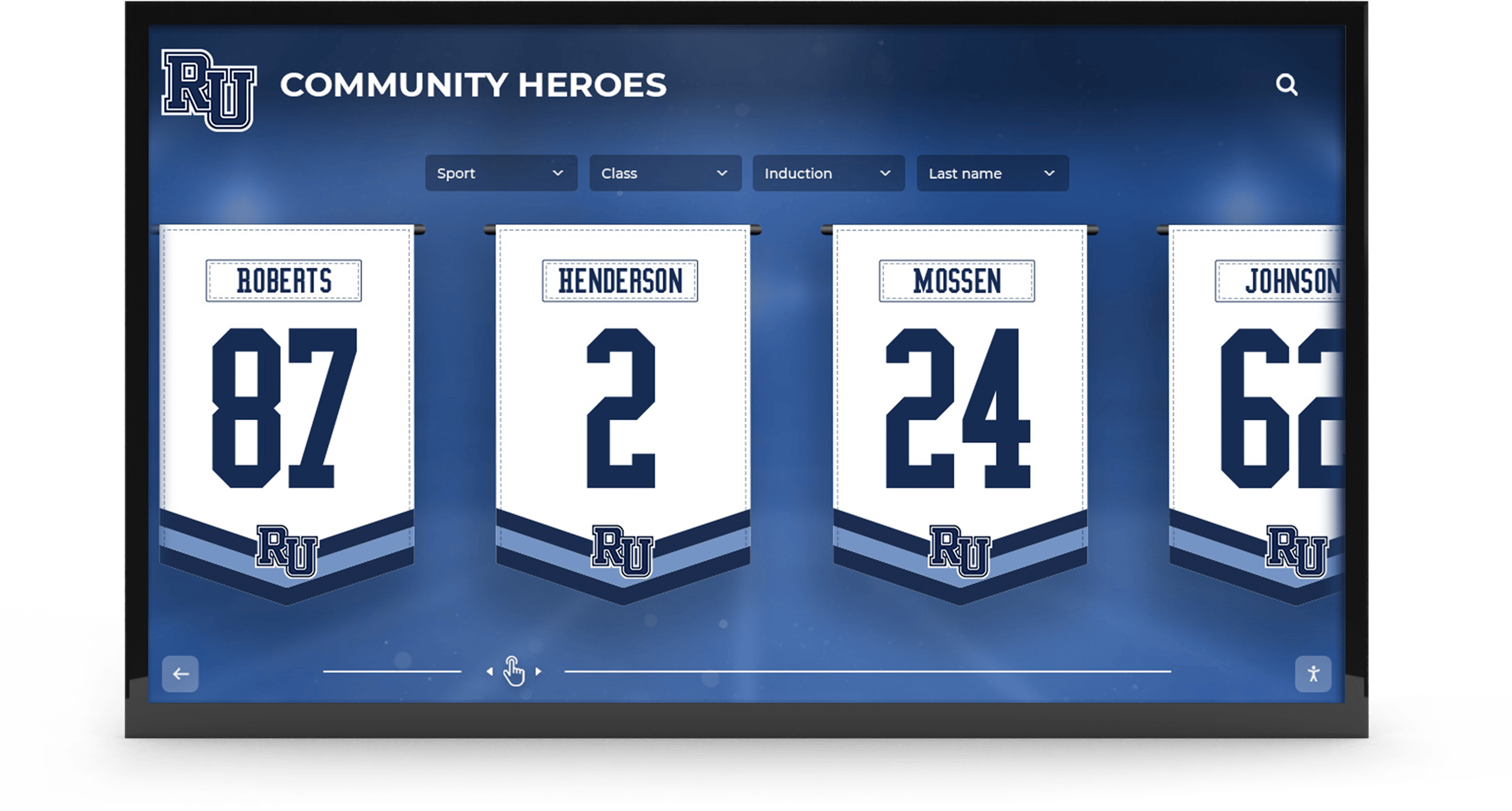
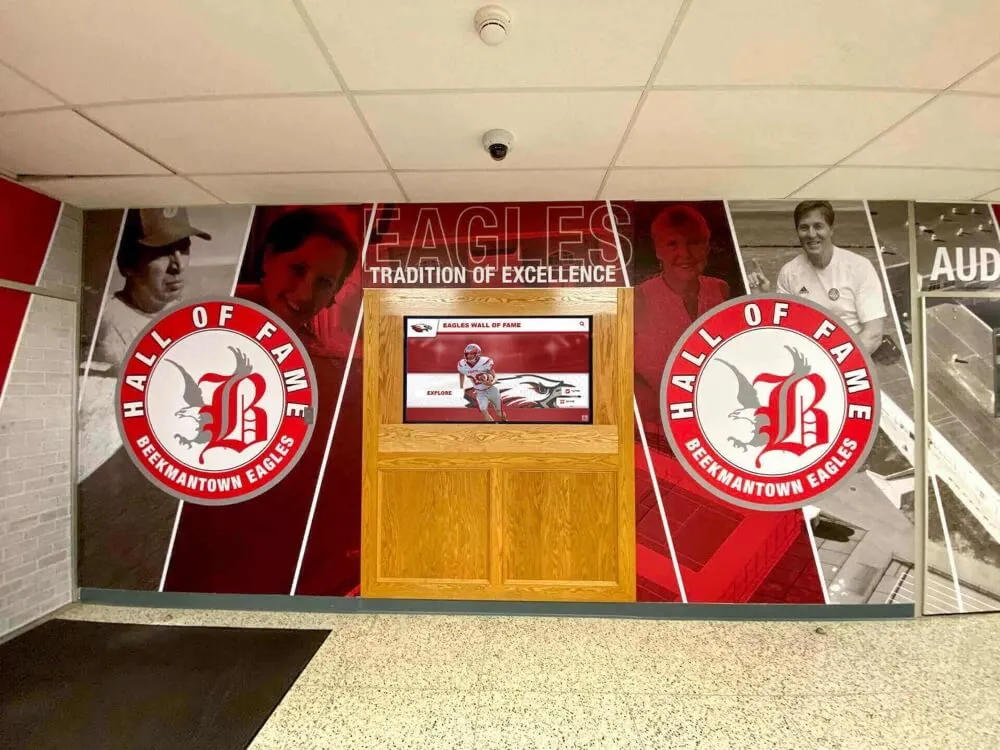
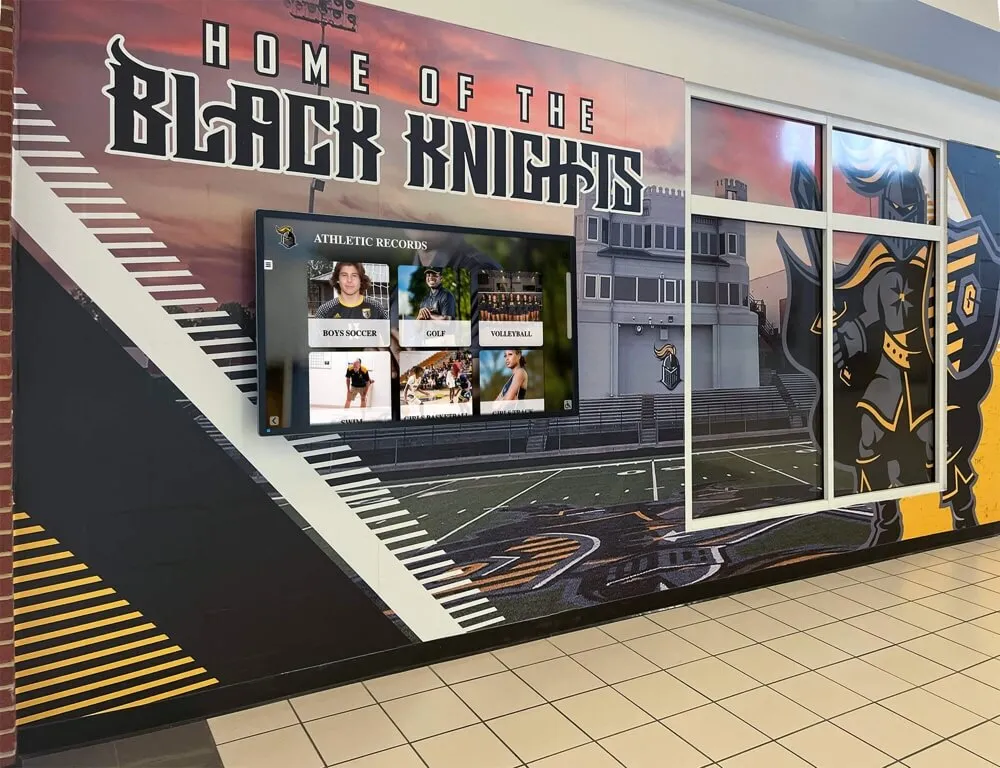
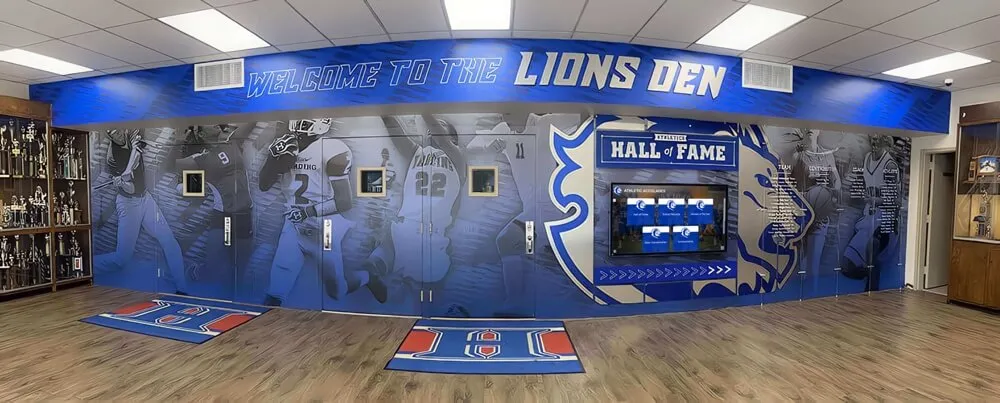
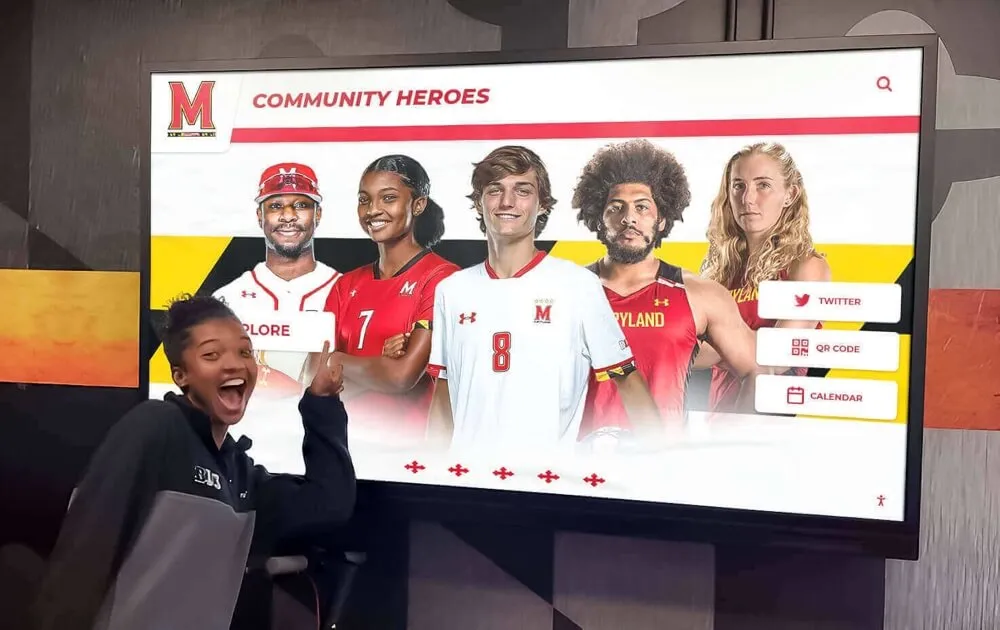
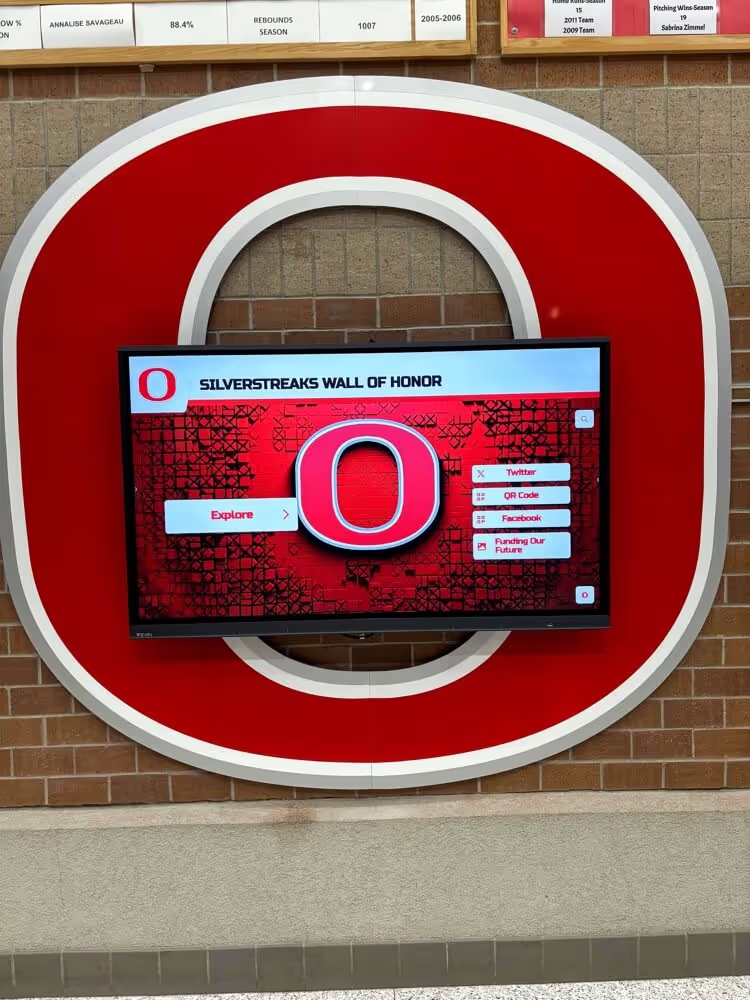
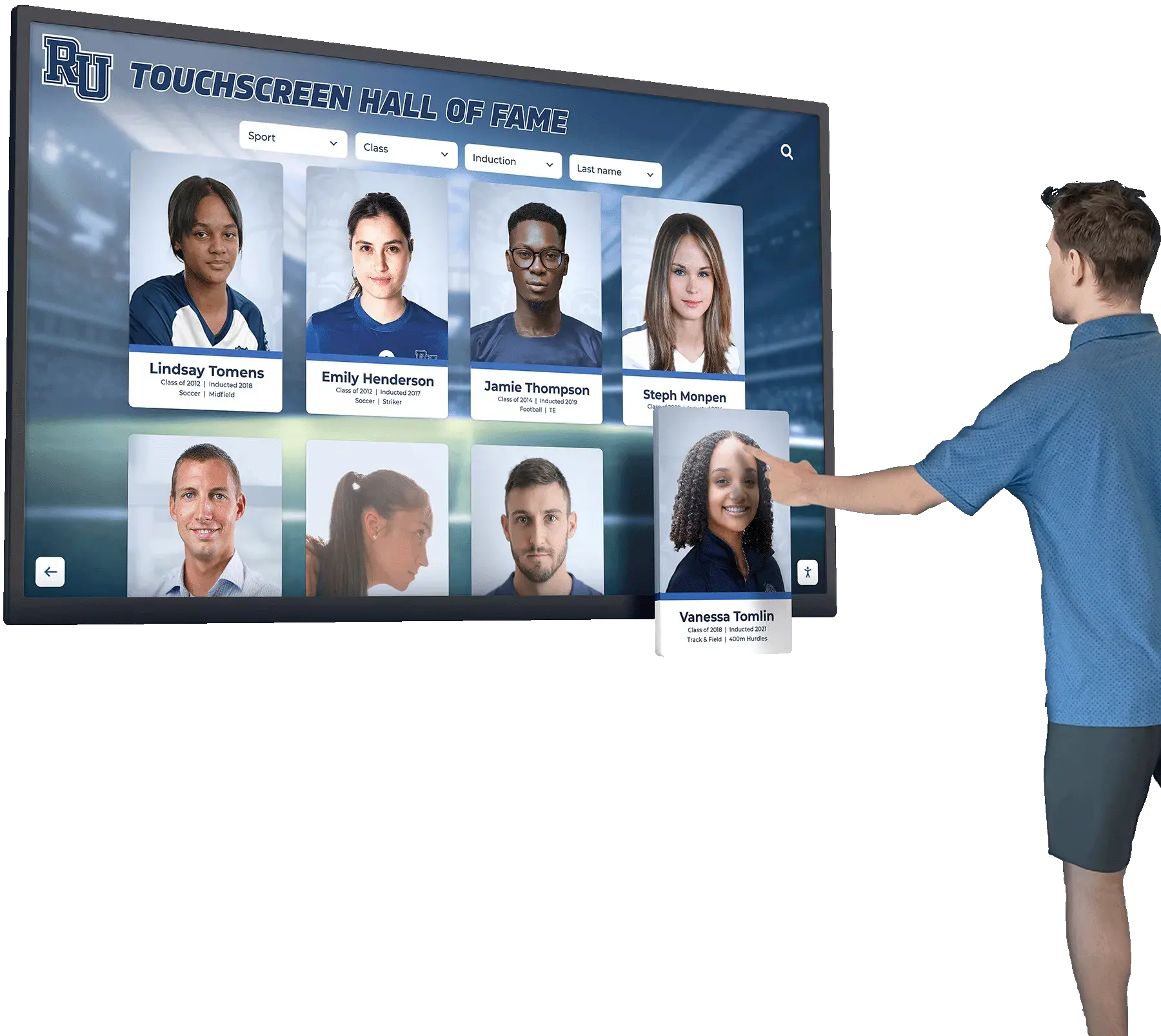
Spirit wear sales fund recognition displays that celebrate athletic heroes and build lasting school pride
Online spirit wear platforms enable year-round sales without inventory risk, as most operate on print-on-demand or group order models where items are produced only after purchase confirmation.
Event-Based Fundraising That Builds Community
Events create fundraising opportunities while strengthening the athletic community and generating enthusiasm for programs.
Athletic Tournaments and Competitions
Hosting tournaments generates revenue through multiple streams while showcasing facilities and building program reputation.
Tournament Revenue Sources
- Entry fees from participating teams and individual competitors
- Concession sales to teams, athletes, and spectators over multi-day events
- Program advertising and sponsorships specific to tournament materials
- Parking fees during high-attendance championship rounds
- Merchandise sales including tournament-specific commemorative items
Tournament Types That Work
- Off-season tournaments in your program’s primary sports
- Youth tournaments that introduce younger athletes to your facilities
- Holiday tournaments that fill calendar gaps and attract traveling teams
- Skills competitions (three-point contests, home run derbies, etc.)
- Alumni tournaments that engage graduated athletes
Well-executed tournaments can generate $3,000-$15,000+ in a single weekend while creating positive community impressions and recruiting opportunities.
Fun Runs, Walk-a-Thons, and Athletic Challenges
Participatory athletic events leverage the athletic community’s competitive nature while creating inclusive fundraising opportunities.
Maximizing Participation Event Revenue
- Implement pledge-per-lap models that incentivize performance
- Create team challenges that drive friendly competition between sports programs
- Offer multiple participation levels (competitive runners, walkers, youth categories)
- Secure title sponsors and distance/lap sponsors for predictable revenue
- Add registration fees beyond pledge collection
Making Events Attractive
- Partner with local running clubs to increase participation beyond school families
- Create family-friendly festival atmospheres with food trucks and entertainment
- Offer custom participant shirts and finisher medals
- Use chip timing and leaderboards to add competitive elements
- Schedule during optimal weather and avoid conflicts with other community events
Schools report that well-promoted fun run events can engage 200-500+ participants and generate $10,000-$25,000 when combining registration fees, pledges, and sponsorships.
Auctions and Gala Events
Formal fundraising events create opportunities for major giving while celebrating athletic achievement and building community.
Live and Silent Auction Strategies
- Solicit unique experiences: coach-for-a-day, VIP game experiences, signed memorabilia
- Bundle services from local businesses: restaurant packages, home services, entertainment
- Include sports-specific items: equipment packages, private training sessions, camp registrations
- Feature high-visibility auction items during recognition ceremonies or awards celebrations
- Use mobile bidding platforms that extend auction timeframes and increase competition
Gala Event Elements
- Combine with annual athletic awards recognition or hall of fame inductions
- Feature student athlete performances or presentations
- Include behind-the-scenes content (season highlight videos, blooper reels)
- Recognize major donors and corporate sponsors publicly
- Provide specific funding goal messaging about auction proceeds
Major fundraising galas typically occur annually and can generate $20,000-$75,000+ when executed with professional-level planning and broad community engagement.
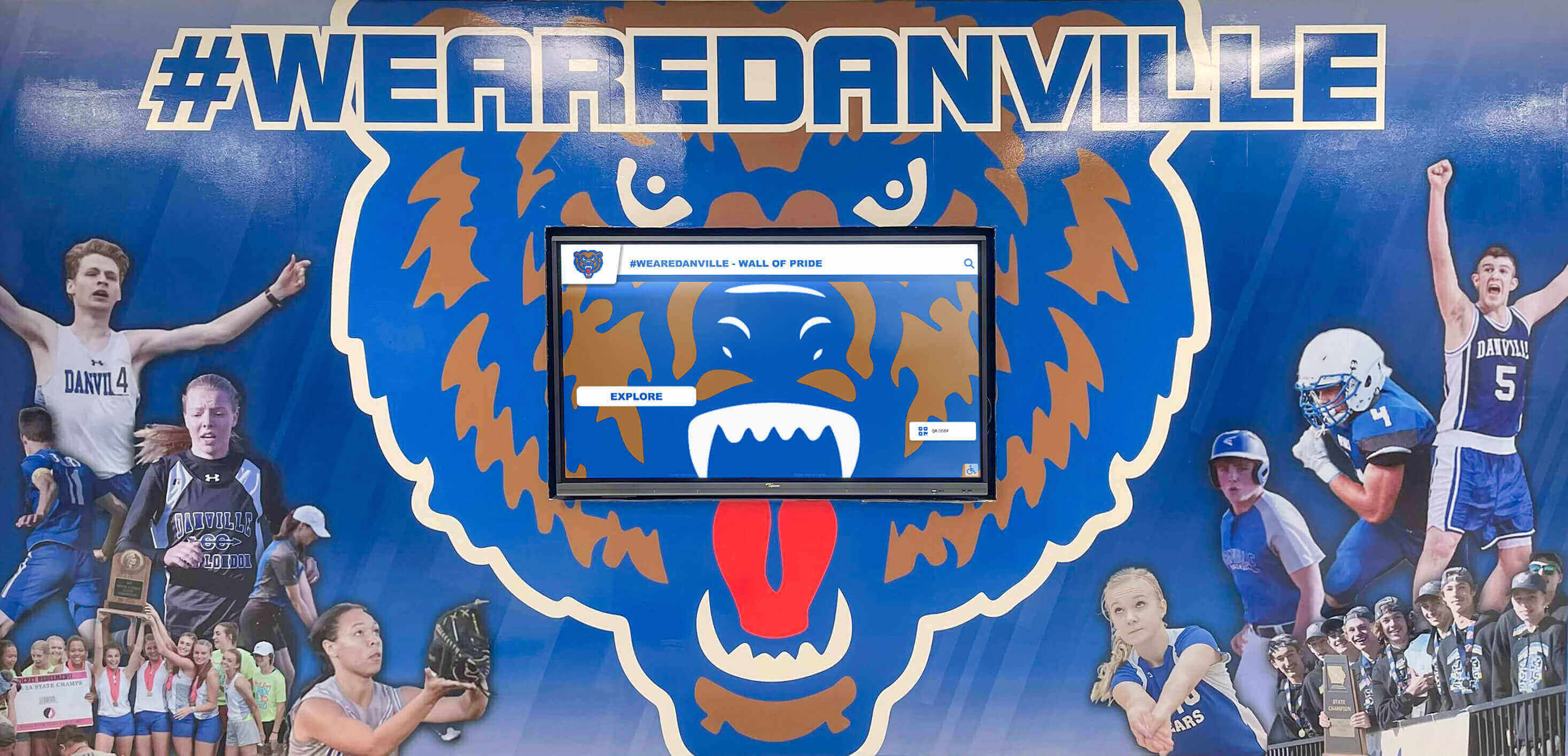
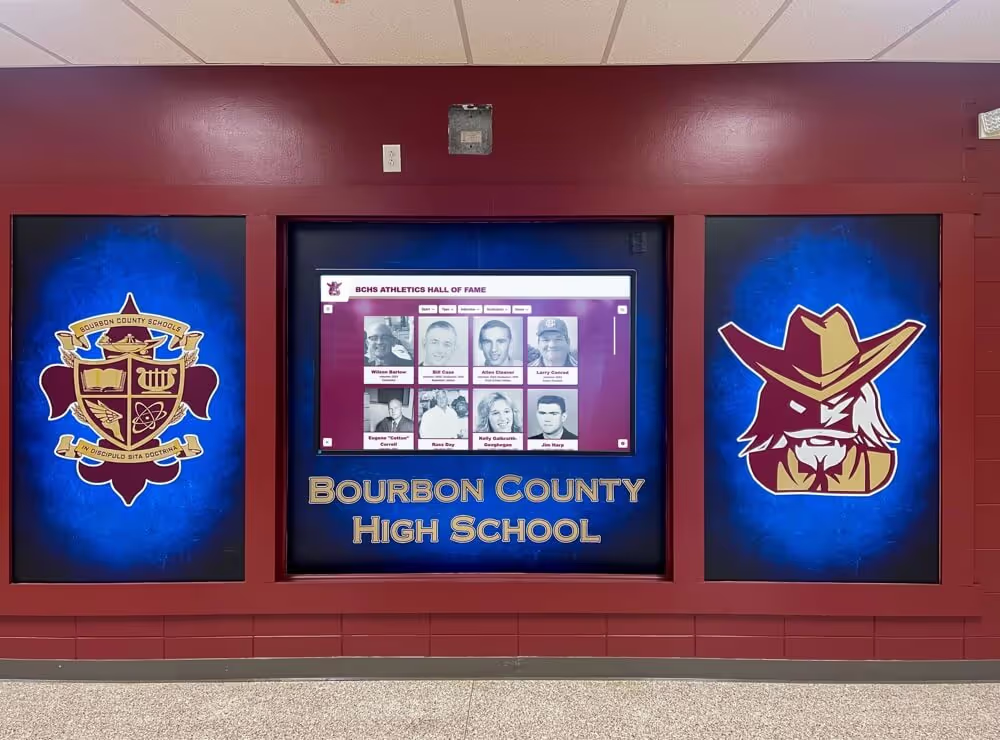
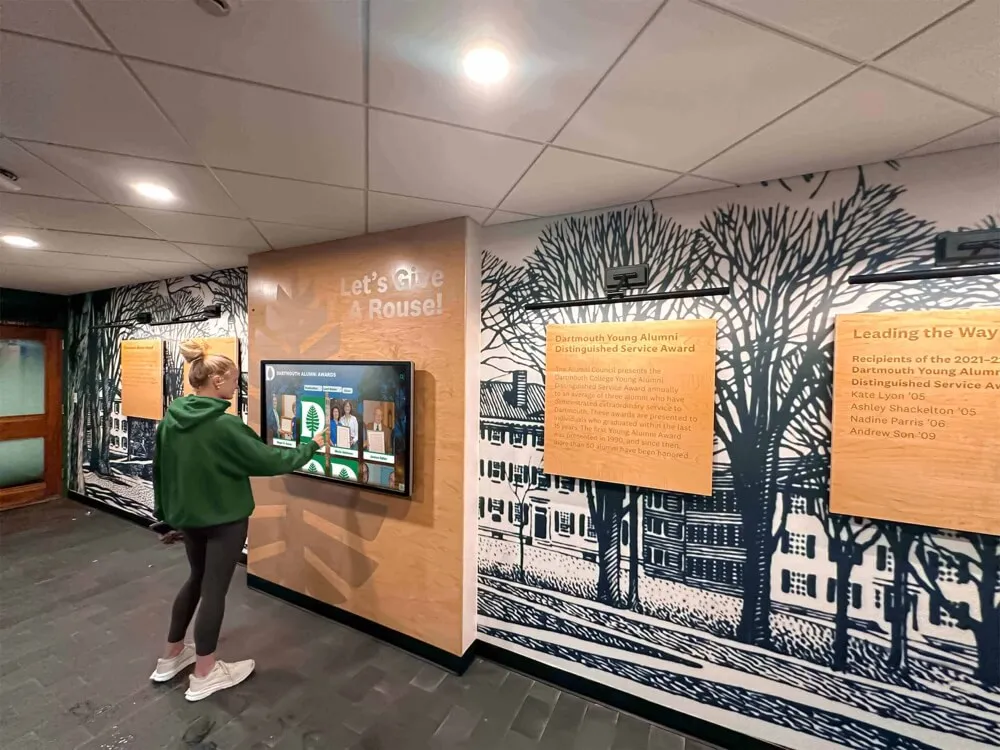
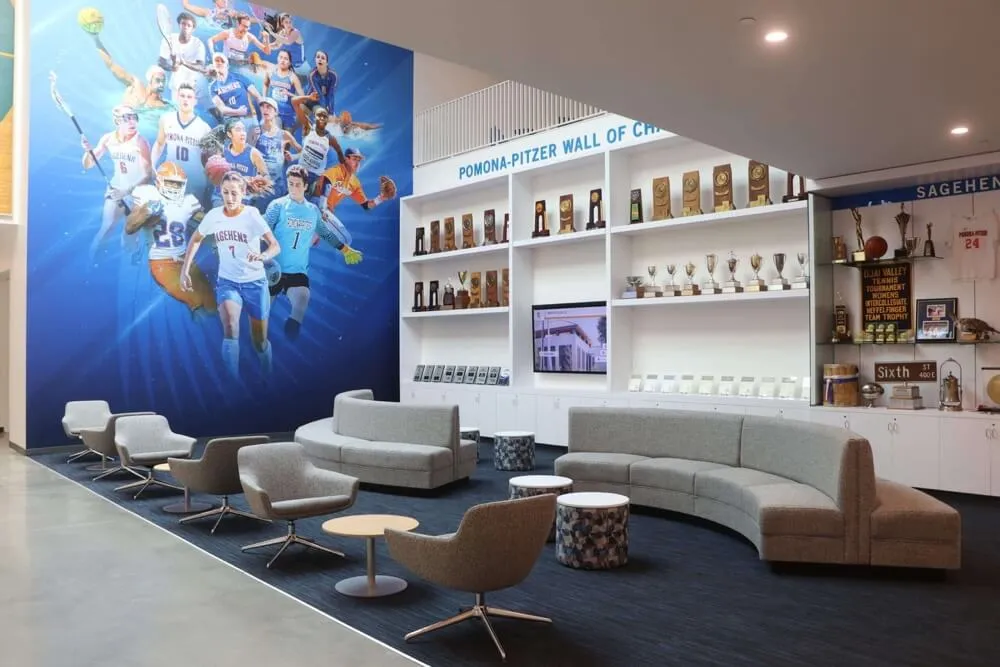
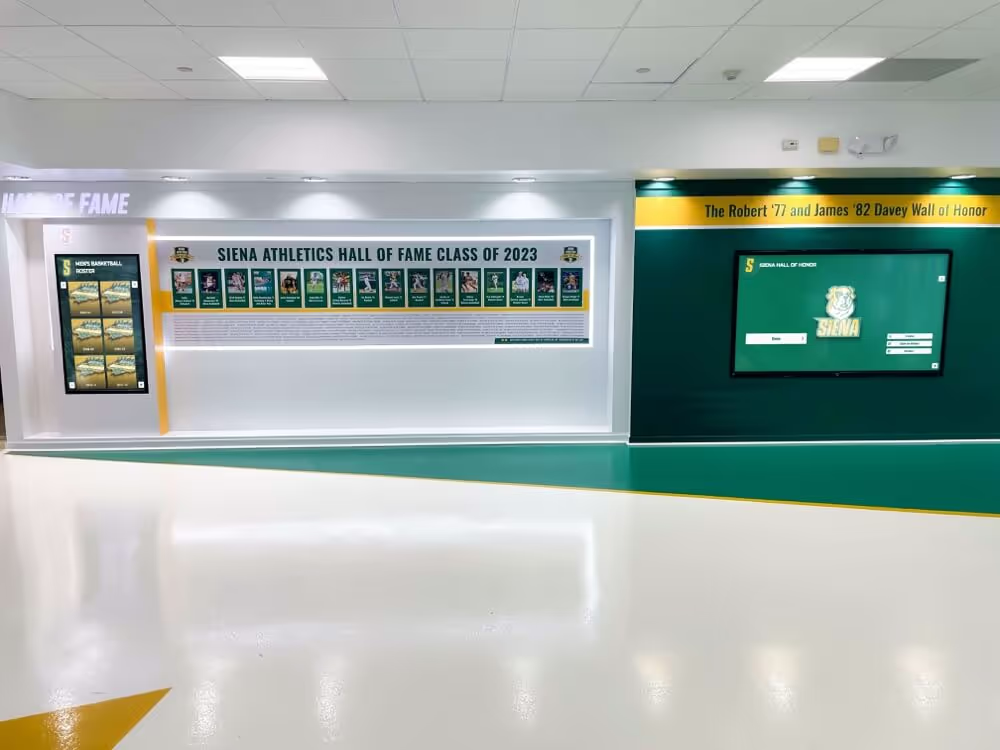
Fundraising events support comprehensive athletic facilities that showcase team pride and athletic tradition
Modern Digital Fundraising Approaches
Technology enables fundraising strategies that previous generations of booster clubs couldn’t access, creating new revenue opportunities with less volunteer burden.
Online Crowdfunding Campaigns
Crowdfunding platforms designed for schools and nonprofits make it easy to create compelling campaigns that reach supporters beyond immediate geographic communities.
Effective Crowdfunding Elements
- Clear, specific funding goals with transparent budget breakdowns
- Compelling storytelling that connects donors to student impact
- Visual content showing athletes, facilities, and program needs
- Social proof through donor counts and public thank-you messaging
- Matching gift challenges that incentivize immediate giving
Campaign Themes That Resonate
- Equipment replacement campaigns with specific item costs and quantities
- Facility improvement projects with before/after visualization
- Championship bid funding for teams qualifying for state competitions
- Memorial tributes supporting programs in honor of community members
- Recognition program funding for permanent athletic achievement displays
Successful crowdfunding campaigns typically run 2-4 weeks with intensive social media promotion, generating $5,000-$25,000 from donor bases of 50-200+ contributors.
Social Media Giving Campaigns
Social media platforms have built-in fundraising tools that reduce friction and enable peer-to-peer fundraising expansion.
Facebook Fundraisers and Instagram Giving
- Launch fundraisers tied to specific events, seasons, or recognition moments
- Encourage team families to create personal fundraisers benefiting the booster club
- Use platform matching programs during giving seasons (GivingTuesday, etc.)
- Share compelling student stories and game highlights that generate emotional connection
- Thank donors publicly to create social validation and encourage additional giving
Maximizing Social Fundraising
- Create shareable graphics and templates that families can easily post
- Time campaigns around big games, championships, or senior recognition events
- Use video content featuring student athletes explaining funding needs
- Engage alumni through targeted social campaigns during homecoming or reunion periods
- Track which content generates engagement and optimize accordingly
Social media fundraising works best as supplement to other strategies rather than primary revenue source, but can add $2,000-$8,000 annually with minimal additional work beyond existing social media management.
Peer-to-Peer Fundraising Platforms
Specialized platforms enable team members and families to become individual fundraisers, exponentially expanding reach.
Platform Features to Prioritize
- Individual fundraising pages that participants can customize and share
- Team leaderboards that create friendly competition between athletes
- Mobile-optimized donation processes
- Automated thank-you messaging and donor management
- Integration with email and social media for easy promotion
Athlete-Centered Fundraising
- Assign individual fundraising goals for each athlete or family
- Provide templates and training for comfortable outreach
- Recognize top fundraisers during games or on social media
- Create incentives and rewards for reaching milestones
- Emphasize that all funds support the full program, not individual athletes
When implemented as a program-wide initiative, peer-to-peer fundraising can generate $15,000-$50,000+ as each athlete family taps their personal networks of potential supporters.
Product Sales Fundraising Programs
Product sales remain staples of booster club fundraising, but modern approaches improve margins and reduce volunteer burden.
Discount Card Programs
Community discount cards create value for purchasers while generating strong profit margins for booster clubs.
Successful Discount Card Elements
- Partner with 15-25 local businesses offering meaningful discounts (20% or more)
- Price cards at $10-20 with $5-10 profit per card
- Ensure discount value significantly exceeds card price
- Include both regular-use businesses (restaurants, services) and special occasion vendors
- Create digital card options alongside physical cards
Maximizing Card Sales
- Launch sales before holiday shopping season when value proposition is strongest
- Assign sales goals to each team member
- Provide incentives for top sellers
- Renew partnerships annually so purchasers see new value each year
- Track redemptions to demonstrate value to participating businesses
Discount card programs consistently generate $3,000-$12,000 for active booster clubs with modest volunteer time investment focused on initial business recruitment.
Product Fundraising With Online Fulfillment
Traditional product fundraising (cookie dough, wrapping paper, etc.) now benefits from online ordering and direct shipping that eliminates distribution headaches.
Modern Product Fundraising Advantages
- No inventory management or product distribution required
- Year-round sales availability rather than limited campaign windows
- Broader product selection since no physical storage needed
- Credit card payment processing handled by vendor
- Professional customer service for order issues
Product Categories That Perform Well
- Gourmet foods and specialty items with strong perceived value
- Home goods and seasonal decorations
- Gift items appropriate for teacher appreciation and holidays
- Local specialty products that create community connection
- Green and eco-friendly products that align with values
Online product fundraising typically generates $4,000-$15,000 annually depending on program size and promotion intensity, with 40-50% profit margins.
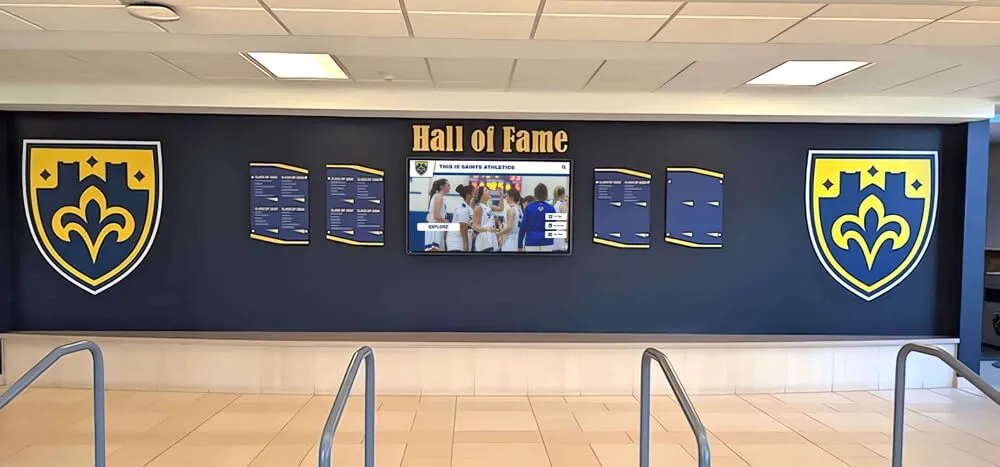
Product fundraising revenues enable permanent installations that honor athletic achievement across all sports
Service-Based Fundraising Ideas
Service fundraising creates value for community members while generating revenue without requiring product inventory or upfront investment.
Classic Service Fundraisers
Traditional service fundraisers remain effective when executed professionally and promoted broadly.
Car Wash Events
- Choose high-visibility locations with heavy traffic patterns
- Pre-sell tickets alongside day-of sales for predictable revenue
- Offer detailing services at premium prices beyond basic washes
- Create team competitions for most cars washed or most funds raised
- Schedule during optimal weather and avoid competing community events
Yard Work and Landscaping Services
- Offer spring cleanup, leaf raking, and snow removal services
- Create service packages at fixed prices for easy promotion
- Schedule services for weekends when athletes are available
- Target neighborhoods with high concentrations of elderly residents
- Build recurring service schedules for ongoing revenue
Equipment Rental
- Rent athletic equipment during off-seasons (baseball/softball cages, etc.)
- Rent event equipment (tents, tables, chairs) owned by boosters
- Partner with schools to rent practice facilities to youth programs
- Offer coaching clinics and skills camps using team coaches and athletes
Service fundraisers typically generate $1,500-$5,000 per event depending on participation and community demand.
Ongoing Service Subscriptions
Moving beyond one-time service events to ongoing subscriptions creates predictable monthly revenue.
Subscription Service Models
- Lawn care services throughout growing seasons
- Snow removal contracts for winter months
- Concierge services for elderly community members
- Pet walking and sitting services
- House sitting and mail collection during travel seasons
Making Subscriptions Work
- Price services competitively while maintaining 50%+ margins
- Create reliable scheduling that doesn’t conflict with athletic seasons
- Maintain service quality to build referrals and retention
- Use scheduling software to coordinate volunteer availability
- Build customer bases during peak seasons then maintain year-round
Subscription services require more organizational infrastructure but can generate $10,000-$30,000 annually once customer bases are established.
Maximizing Fundraising Success Through Strategic Planning
Individual fundraising ideas perform better when implemented within comprehensive strategic frameworks.
Diversifying Revenue Streams
Successful booster clubs avoid over-reliance on single fundraising approaches by building diversified revenue portfolios.
Balanced Fundraising Mix
- Predictable base revenue (40-50%): Sponsorships, concessions, membership dues
- Event-based revenue (30-40%): Tournaments, galas, fun runs, auctions
- Campaign-based revenue (15-25%): Product sales, crowdfunding, giving campaigns
- Emerging revenue (5-10%): New initiatives being tested and refined
This diversification protects against single-point failures while spreading volunteer workload across the calendar year rather than concentrating demands.
Creating Annual Fundraising Calendars
Strategic calendar planning ensures fundraising activities are appropriately spaced and aligned with natural giving cycles.
Calendar Considerations
- Space major asks at least 6-8 weeks apart to avoid donor fatigue
- Align fundraising with peak engagement (championship seasons, homecoming, senior nights)
- Avoid competing with other school organizations’ major campaigns
- Time major giving asks around tax planning (year-end) and bonus seasons
- Build in volunteer recovery periods between labor-intensive events
Sample Annual Calendar Framework
- August/September: Spirit wear sales, corporate sponsorship recruitment
- October: Product fundraising launch, homecoming events
- November/December: Discount card sales, year-end giving campaigns
- January/February: Winter tournament hosting, crowdfunding for specific needs
- March/April: Spring fun run, auction/gala event
- May/June: Season-end recognition events, alumni engagement initiatives
Volunteer Management and Retention
Fundraising success depends on maintaining engaged volunteer teams who don’t burn out from excessive demands.
Sustainable Volunteer Practices
- Limit individual volunteer commitments to specific roles and timeframes
- Recognize and thank volunteers publicly and specifically
- Provide clear job descriptions and expectations for all roles
- Use technology to reduce volunteer workload where possible
- Create leadership succession plans so institutional knowledge continues
Building Volunteer Teams
- Recruit across all sports rather than over-relying on specific team families
- Engage alumni who remain connected to programs
- Partner with community service organizations seeking projects
- Create entry-level volunteer roles requiring minimal time commitments
- Develop clear pathways from small roles to leadership positions
Research from the National Association of Athletic Booster Clubs shows that the most sustainable booster organizations maintain volunteer satisfaction scores above 4.0 (out of 5) by carefully managing workload and providing meaningful recognition.
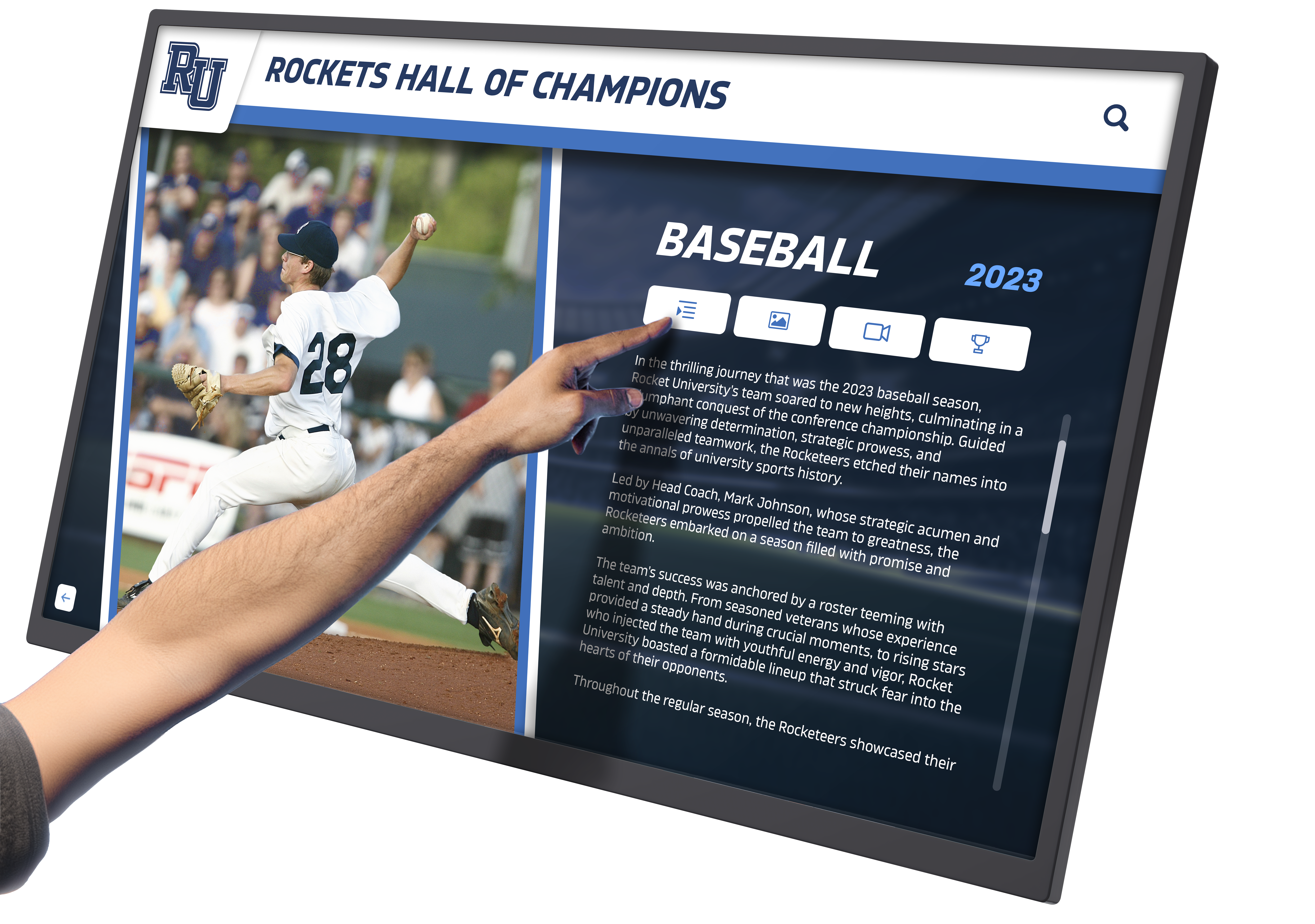
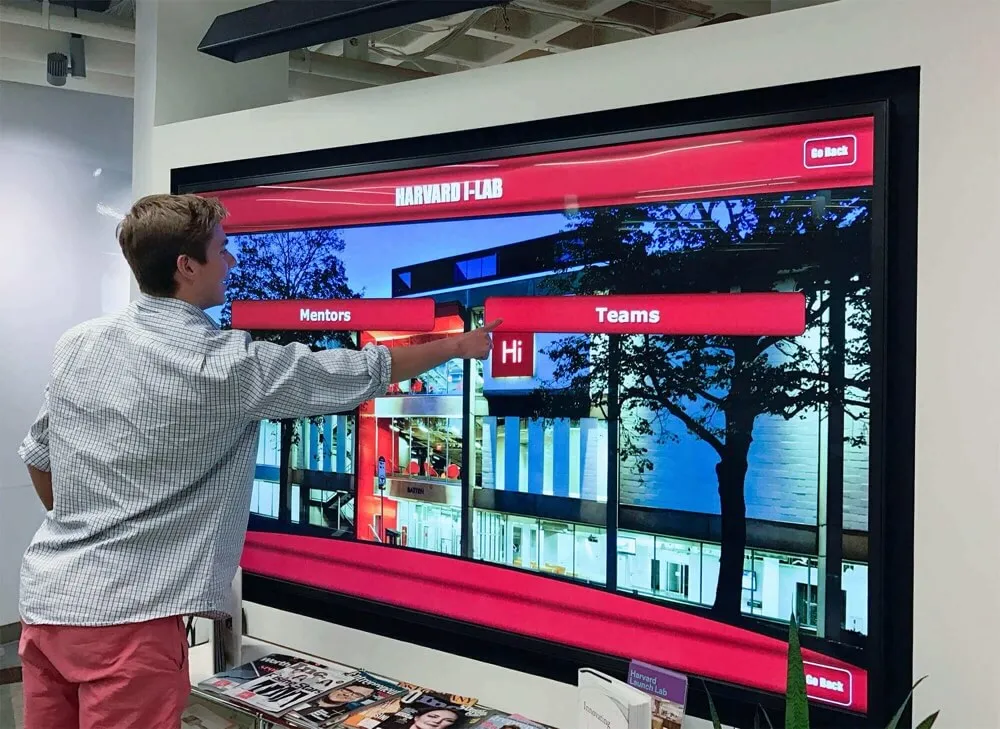
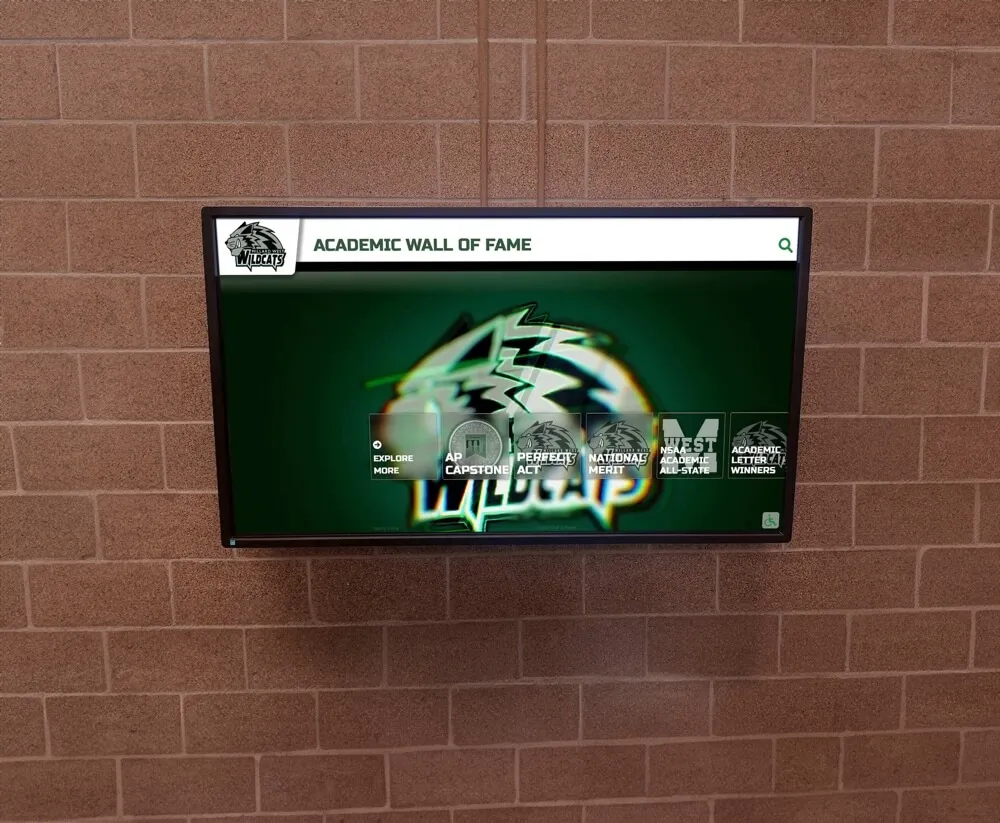
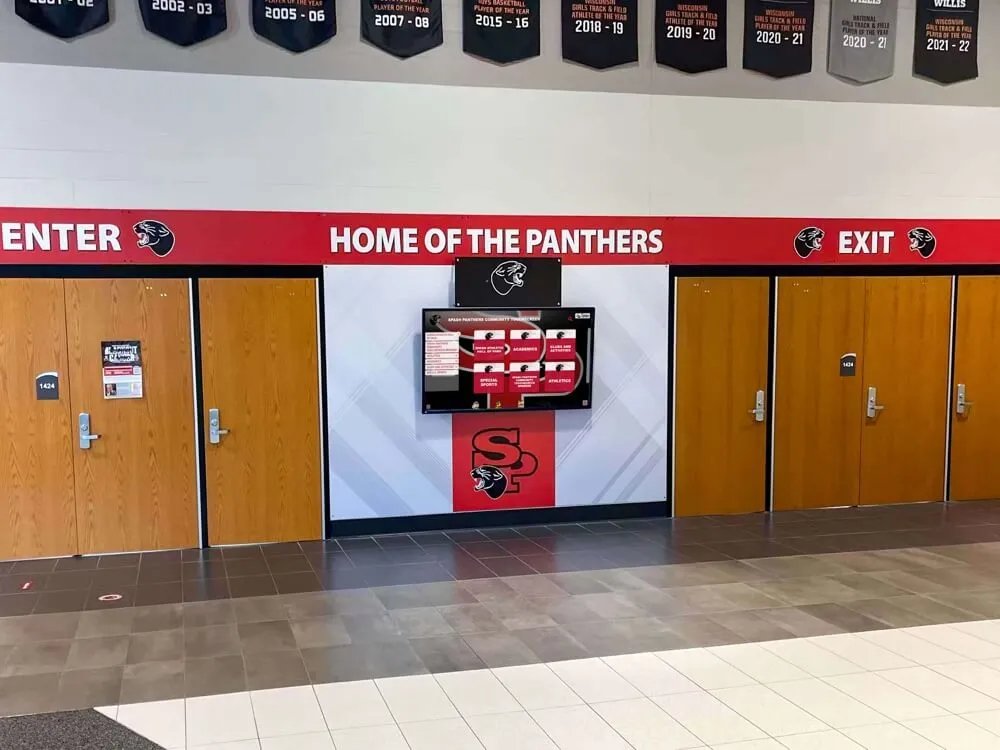
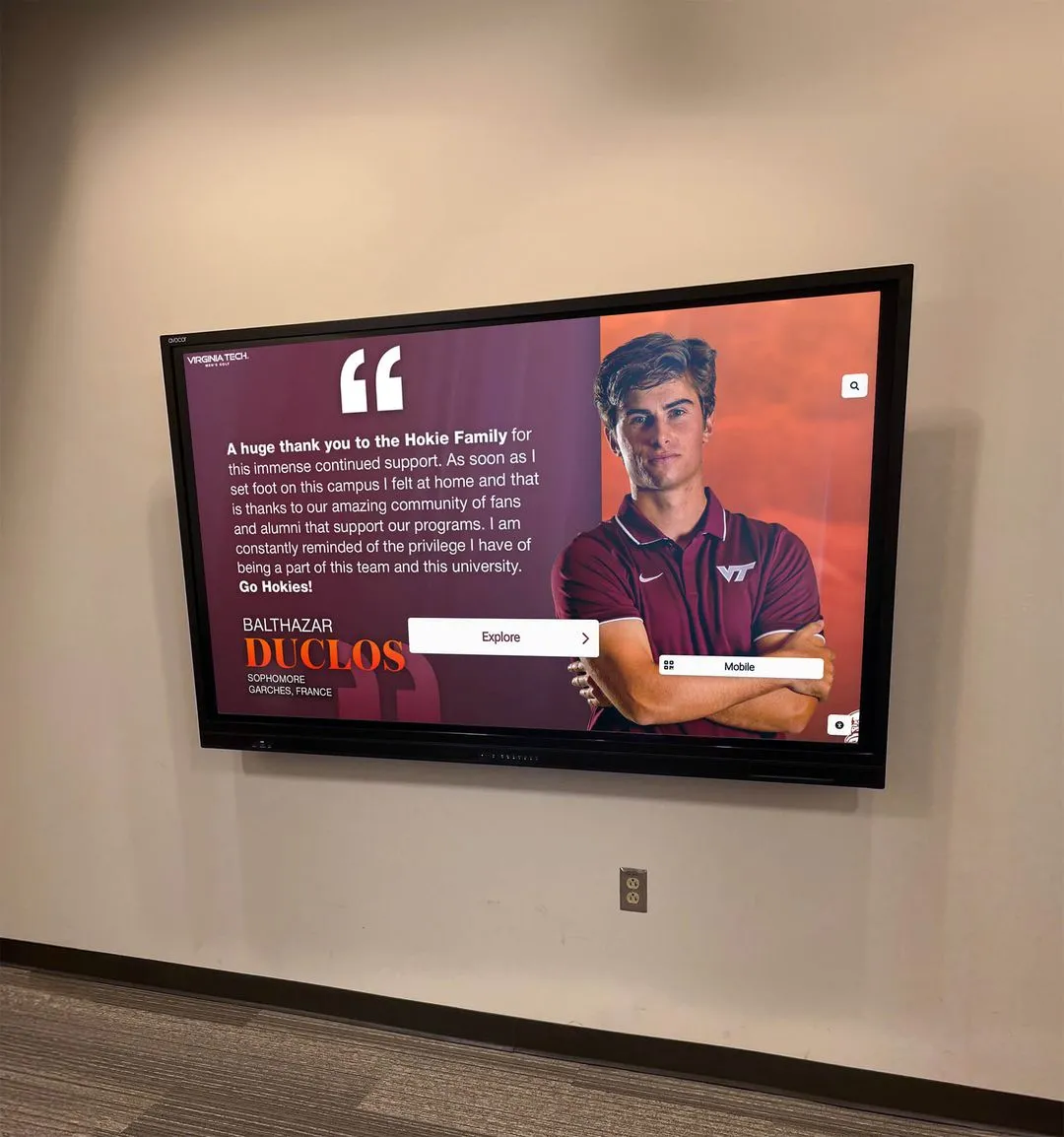
Strategic fundraising enables technology-enhanced recognition that engages current students while honoring athletic excellence
Using Fundraising Dollars Strategically
Beyond raising funds, successful booster clubs maximize impact through strategic allocation decisions that create lasting value.
Balancing Immediate Needs and Long-Term Investments
Effective fund allocation balances urgent operational needs with investments that provide multi-year benefits.
Immediate Program Needs
- Equipment replacement and safety gear updates
- Uniform purchases and team apparel
- Transportation for away competitions
- Training and performance equipment
- Official fees and tournament registrations
Long-Term Capital Investments
- Facility improvements and renovations
- Permanent recognition installations and athletic displays
- Technology infrastructure for training and communication
- Strength and conditioning equipment
- Storage and organizational systems
Financial experts recommend allocating 60-70% of fundraising revenue to immediate operational needs while reserving 30-40% for capital investments that appreciate in value and impact over time.
Investing in Athletic Recognition Programs
Athletic recognition represents one of the highest-impact uses of booster club funds, creating permanent installations that motivate current athletes while honoring past achievement.
Recognition Investment Benefits
- Permanent visibility of booster club impact for decades
- Motivation for current athletes seeing achievement celebrated
- Alumni engagement as graduated athletes remain honored
- Community pride in athletic excellence and tradition
- Recruiting advantages as prospective athletes see program prestige
Modern Recognition Approaches
- Digital hall of fame displays that showcase unlimited athletes across all sports
- Interactive touchscreen systems that tell athlete stories beyond names and statistics
- Record boards that automatically update as new records are established
- Championship and achievement walls documenting program success
- Senior recognition displays that honor each graduating class
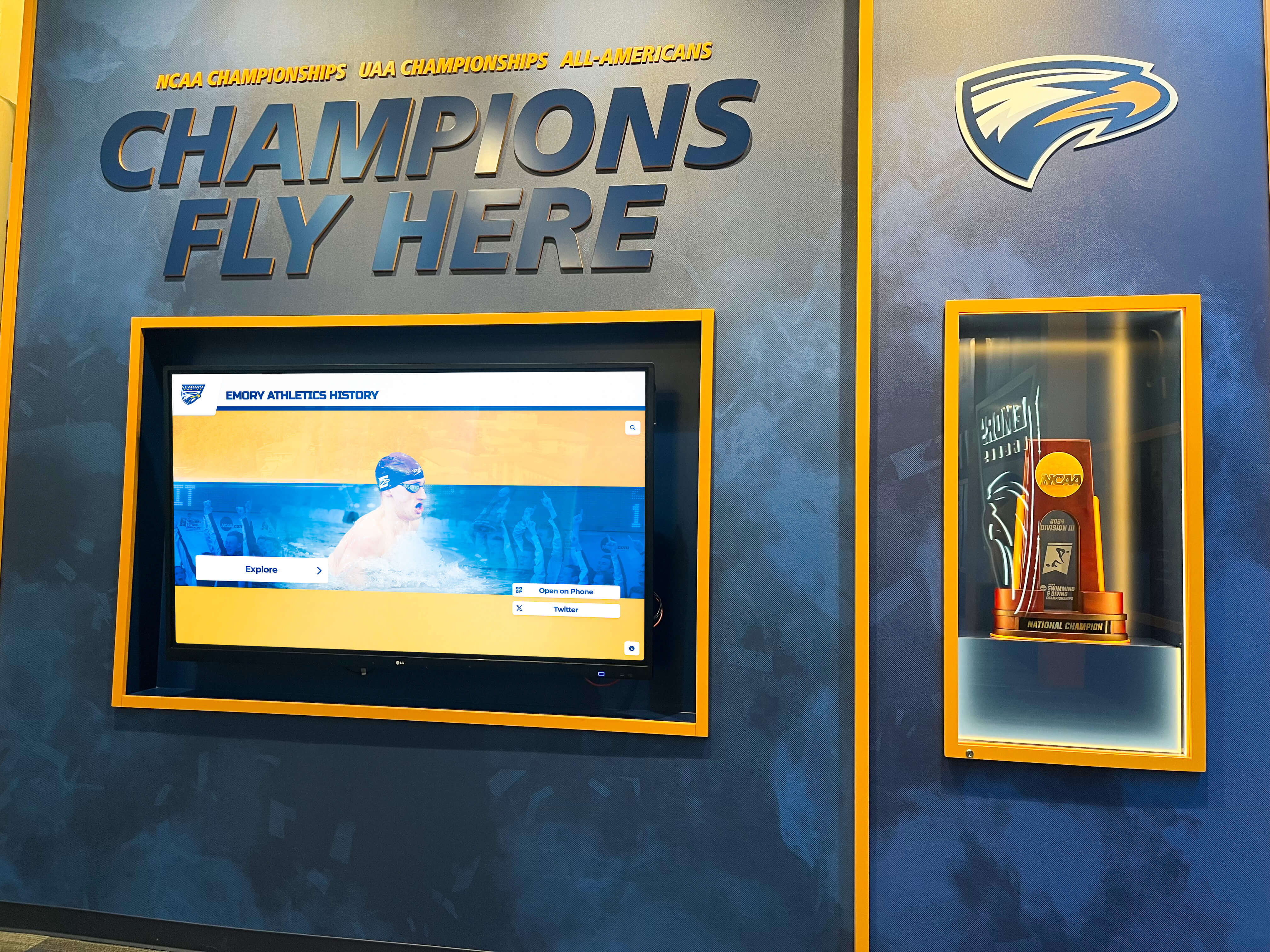
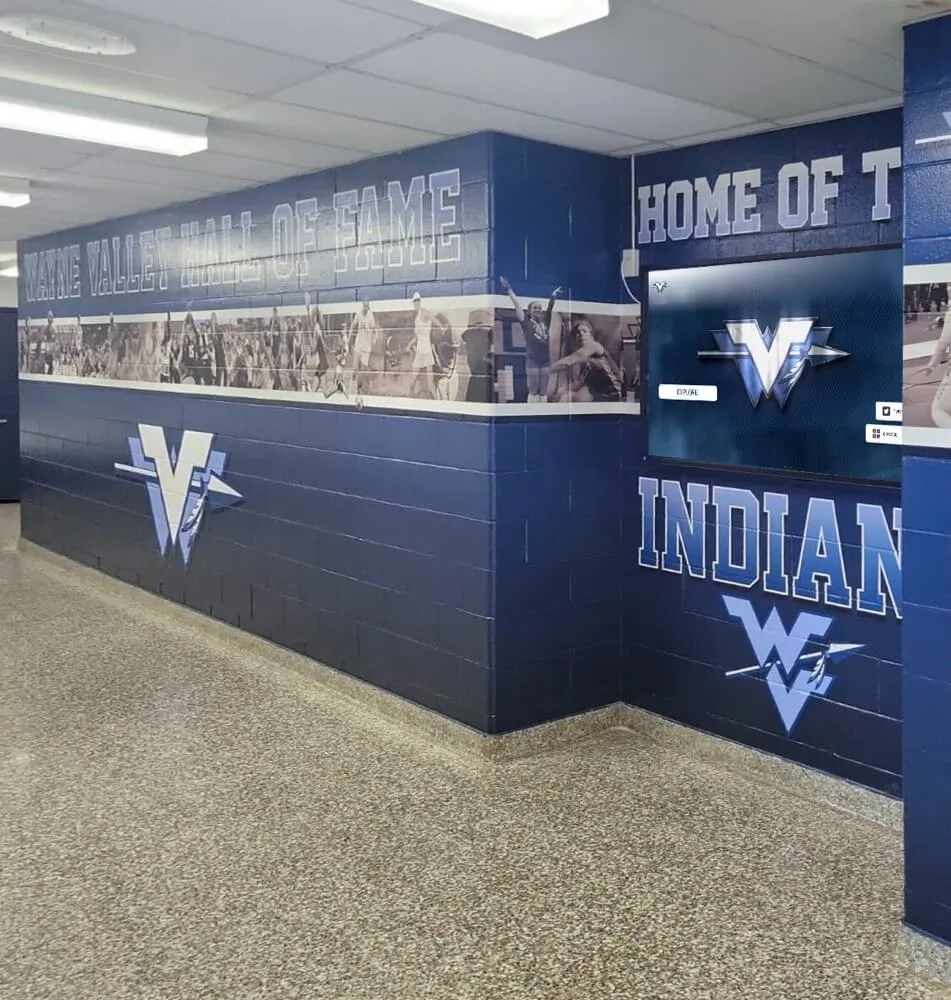
Recognition investments create lasting tributes that inspire future athletes and honor past achievement
Unlike consumable purchases, recognition installations provide value for 15-20+ years, making them among the most cost-effective investments booster clubs can make with fundraising proceeds.
Donor Recognition and Stewardship
Donors who feel appreciated and see impact continue giving year after year, creating sustainable revenue streams.
Effective Donor Recognition
- Acknowledge all gifts within 48 hours with personalized thank-you notes
- Provide specific impact information about how funds will be used
- Recognize major donors on digital donor walls and at events
- Share success stories showing funded projects and equipment in use
- Invite donors to exclusive events and recognition ceremonies
Building Long-Term Relationships
- Track donor history and multi-year giving patterns
- Upgrade asks appropriately as donors demonstrate commitment
- Provide volunteer opportunities for donors wanting deeper engagement
- Keep donors informed with regular communication beyond fundraising asks
- Celebrate milestone anniversaries of donor support
According to research from the Association of Fundraising Professionals, donors who receive personalized thank-yous and impact information within 48 hours are 4x more likely to give again within the next 12 months compared to donors receiving generic or delayed acknowledgment.
Compliance and Best Practices for Booster Club Fundraising
Operating within legal and ethical guidelines protects booster clubs while maintaining community trust.
Tax-Exempt Status and Financial Management
Most athletic booster clubs operate as 501(c)(3) nonprofit organizations, which creates both advantages and obligations.
Maintaining Tax-Exempt Status
- File required annual tax returns (Form 990 for organizations exceeding revenue thresholds)
- Maintain detailed financial records of all income and expenses
- Ensure funds are used for stated charitable purposes (supporting athletic programs)
- Avoid private benefit to individuals or businesses
- Provide donation receipts for all tax-deductible contributions
Financial Best Practices
- Require two signatures on all checks and expenditures
- Separate financial management from check-signing authority
- Conduct annual financial reviews or audits
- Maintain transparent budgets available to all members
- Use accounting software designed for nonprofit organizations
Working Within School and District Policies
Booster clubs must coordinate with school administration and follow district policies governing external support organizations.
Key Coordination Points
- Clear memorandums of understanding defining booster club roles and limitations
- Approval processes for fundraising activities on school property
- Procedures for purchasing and donating equipment or facilities
- Communication protocols for announcements and promotions
- Liability and insurance requirements for events and activities
Avoiding Common Pitfalls
- Never create perception that booster club membership or donations affect playing time
- Ensure all students benefit from booster support regardless of family giving capacity
- Avoid conflicts of interest in vendor selection or purchasing
- Maintain independence while coordinating with athletic department needs
- Respect school district policies on solicitations and sponsorships
Transparency and Communication
Building community trust requires clear, consistent communication about fundraising and fund usage.
Communication Best Practices
- Publish annual budgets and financial reports
- Provide regular updates on fundraising progress toward goals
- Share specific impact stories showing how funds support athletes
- Make leadership contact information readily available
- Hold open meetings where community members can ask questions
Building Trust
- Explain specific funding needs and cost breakdowns
- Show before/after results of funded projects
- Acknowledge donors publicly (with permission)
- Address concerns and questions promptly and completely
- Celebrate successes while being transparent about challenges
Frequently Asked Questions About Booster Club Fundraising
What are the most profitable booster club fundraising ideas?
How can small booster clubs raise money with limited volunteers?
How should booster clubs allocate fundraising revenue between sports?
What fundraising ideas work best for individual sports teams versus all-sports booster clubs?
How can booster clubs create lasting impact with fundraising proceeds?
Building Sustainable Fundraising for Athletic Excellence
Successful booster club fundraising ideas extend beyond individual tactics to create comprehensive systems generating sustainable revenue that supports athletic excellence year after year. By diversifying revenue streams, leveraging modern digital tools, managing volunteers thoughtfully, and allocating funds strategically, booster clubs transform from event-focused fundraising organizations into sophisticated support systems that enable competitive athletic programs.
The most effective booster clubs recognize that fundraising success ultimately connects to impact—when supporters see their contributions creating tangible improvements in facilities, equipment, opportunities, and recognition for student athletes, they remain engaged and generous. Whether funding championship opportunities, upgrading equipment, or installing permanent recognition displays that honor athletic achievement, strategic fundraising creates the financial foundation for athletic programs that develop champions both on and off the field.
As you implement these proven booster club fundraising ideas, remember that the goal extends beyond dollars raised to building athletic communities that celebrate excellence, support all student athletes, and create traditions of achievement that inspire future generations. With thoughtful planning, consistent execution, and genuine appreciation for your supporters, your booster club can generate the resources needed to make your athletic programs sources of pride for your entire school community.