A booster club financial close calendar is a month-by-month schedule of the reconciliation tasks, documentation steps, and evidence-preservation activities a treasurer completes at the end of each accounting period. Where a year-end close happens once, the monthly close calendar creates a repeating discipline: accounts are reconciled within days of month-end, receipts are matched to transactions before they disappear, donor and sponsor records are updated while the details are still current, and the board receives a consistent monthly summary that any successor can pick up without explanation. For most athletic booster clubs, the month-end close takes two to four hours when performed consistently — and can take two to four days when deferred across multiple periods. This guide provides a complete financial close checklist for each step of the monthly process, a calendar organized by the twelve months of a standard school-year fiscal cycle, and guidance on preserving the evidence that supports recognition commitments to donors and sponsors.
Not legal or financial advice: This guide describes commonly used accounting and record-keeping practices for educational purposes only. Your organization’s requirements depend on your school district structure, state nonprofit regulations, your fiscal year, and any procedures required by your school’s governing body. Consult a licensed CPA or your school district’s finance office before establishing or revising financial procedures.
Monthly financial close discipline is what separates booster clubs that complete year-end close in a few days from those that spend weeks reconstructing what happened in March when the annual audit or board review arrives in June. A complete booster club financial close calendar turns the year-end scramble into a straightforward rollup of twelve already-closed months — each documented, reconciled, and signed off.

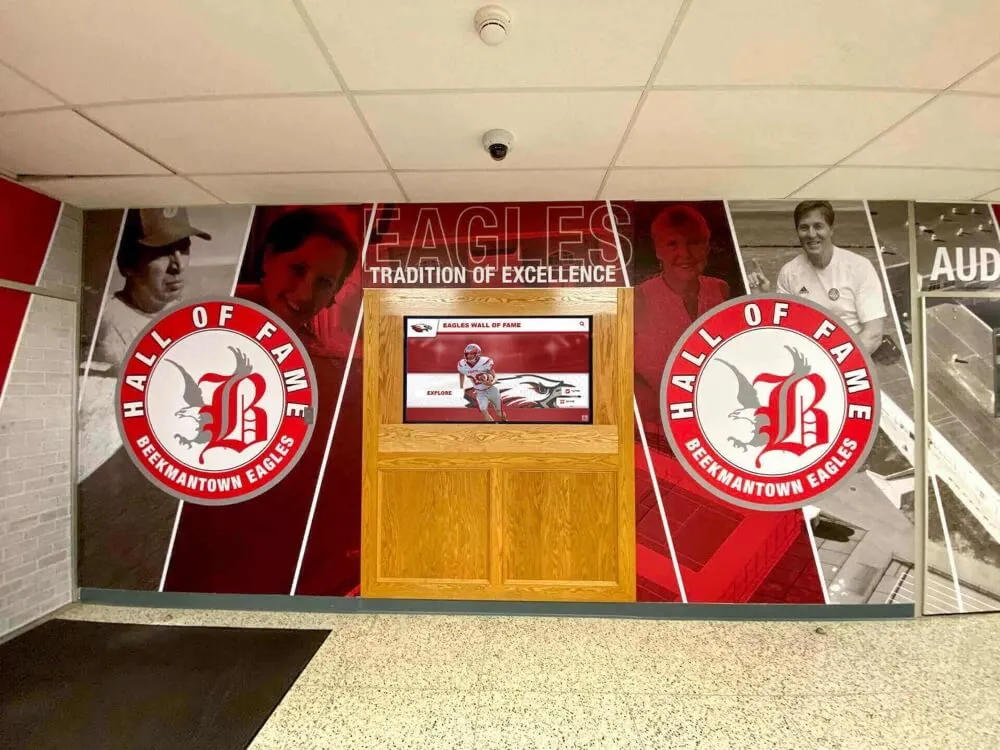
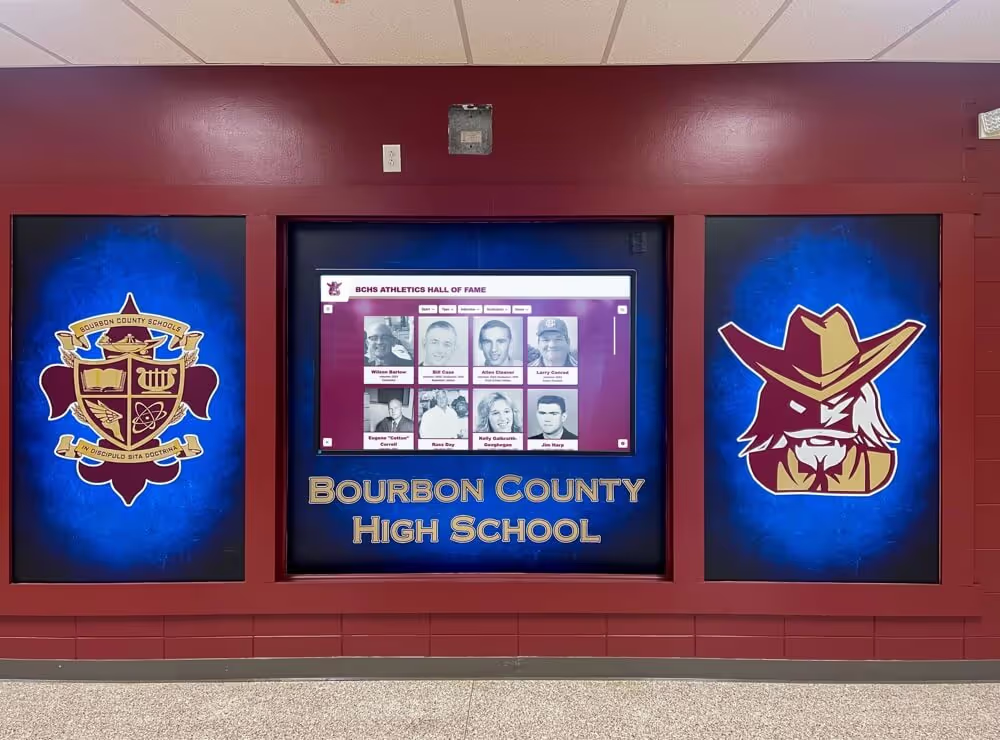
Recognition displays in athletic hallways represent financial commitments made to sponsors and donors across multiple seasons — a monthly financial close calendar is how booster clubs keep the records that support those commitments accurate and accessible throughout the year
What the Booster Club Financial Close Calendar Covers
A complete monthly close process addresses six areas. Programs that handle all six consistently build a financial record that can withstand audit scrutiny, support donor gift acknowledgments, and document every sponsor obligation — in any given month, not only at year-end.
| Close Area | Core Tasks | Frequency |
|---|---|---|
| Account reconciliation | Match transactions in the ledger to bank statements for every account | Monthly |
| Receipt and invoice filing | Collect and organize all supporting documents from the period | Monthly |
| Donor and sponsor record updates | Record gifts received, acknowledgments sent, sponsorship deliverables tracked | Monthly |
| Monthly financial summary | Prepare budget-vs.-actual report for board review | Monthly |
| Evidence preservation | Archive statements, reconciliations, and supporting documents | Monthly |
| Close package distribution | Share the financial summary and sign-off with board leadership | Monthly |
The sections that follow provide a checklist for each area and a full calendar organized by month for a fiscal year running September through August — the most common structure for school athletic booster clubs. Adjust all timing to match your organization’s actual fiscal year start date.
The Month-End Close Calendar
The calendar below maps the standard monthly close tasks to each month of a September–August fiscal year. Event-heavy months are noted where the task load typically increases. Programs running a different fiscal year should shift the seasonal notes to match their own calendar.
| Month | Season Context | Priority Close Tasks | Evidence to Preserve |
|---|---|---|---|
| September | Fall season opens; fundraising campaigns launch | Open new fiscal year accounts; post beginning balances; reconcile any carry-forward activity | Opening balance documentation; prior-year final bank statement |
| October | Peak fall event season | Reconcile game-day cash; match all concession receipts; post dues collected | Cash count sheets; gate collection logs; deposit slips |
| November | Fall season closing; early sponsorship renewals | Reconcile final fall event proceeds; post multi-year sponsorship payments received | Event close-out reconciliations; signed sponsorship invoices |
| December | Low-event period; winter sport launch | Reconcile full Q1; send donor acknowledgments; post winter registration fees | Quarterly reconciliation summary; acknowledgment letter copies |
| January | Winter season peak | Reconcile game-day receipts; post January dues; verify restricted account balances | Cash logs; restricted fund register; dues ledger |
| February | Winter fundraising; scholarship applications open | Reconcile fundraiser proceeds; post any grant deposits received; update scholarship fund ledger | Fundraiser reconciliation; grant deposit documentation |
| March | Spring season opens; mid-year budget review | Complete mid-year budget-vs.-actual; reconcile all accounts through February | Mid-year budget summary; all account reconciliations |
| April | Spring peak events; senior recognition planning | Reconcile spring event cash; begin tracking recognition-related expenditures | Event cash logs; recognition vendor invoices |
| May | Senior awards; year-end recognition events | Reconcile all May events; post senior ceremony expenses; verify sponsor deliverables | Senior event records; sponsor fulfillment checklist |
| June | Year-end close begins | Prepare Q3 donor acknowledgments; close out restricted funds used during the year | Q3 acknowledgment letters; restricted fund final balances |
| July | Fiscal year close (if Aug 31 year-end) | Final account reconciliation; prepare annual financial summary for board | Complete reconciliation set; bank statement archive |
| August | Year-end and transition | Complete year-end close; distribute handoff package to incoming treasurer | Full-year archive; officer handoff documentation |
Months with high cash volume — October, November, January, and May — require the most attention in the reconciliation and evidence-preservation steps. Programs that fall behind during these months often find discrepancies that are difficult to reconstruct because event volunteers have moved on and verbal agreements no longer have witnesses.
Step 1: Reconcile All Accounts
Account reconciliation is the core task of every monthly close. Reconciliation confirms that the organization’s internal ledger or accounting software matches the bank statement for every account — checking, savings, event cash reserves, and any restricted funds maintained in separate accounts.
A reconciliation that takes more than a few hours in any given month is usually a sign that receipts were not filed as transactions occurred or that entries were made without source documentation. The remedy is not to skip reconciliation — it is to tighten the filing process so that the next month starts clean.
Monthly reconciliation checklist:
| Task | Responsible | Target Completion |
|---|---|---|
| Download all bank statements for the period | Treasurer | Within 3 days of month-end |
| Compare statement opening balance to prior month’s closing balance | Treasurer | Same session |
| Match every deposit to a corresponding event log, receipt, or donation record | Treasurer | Within 5 days |
| Match every debit to an approved purchase receipt or invoice | Treasurer | Within 5 days |
| Identify and research any unmatched transactions | Treasurer + president | Before close sign-off |
| Record the closing reconciled balance in the ledger | Treasurer | Before close sign-off |
| Obtain a second-reviewer signature on the reconciliation form | President or board officer | Before distribution |
The two-signature requirement on the monthly reconciliation form protects both the treasurer and the organization. When an independent board officer reviews and signs the reconciliation, the monthly close becomes a documented internal control rather than a self-certified record.
Step 2: Collect and File Supporting Documents
Every transaction that appears on the month-end bank statement must have a supporting document on file. Receipts, invoices, deposit slips, and event logs are the evidence layer beneath the reconciliation — the documentation an auditor or school administrator would request to verify that every entry is legitimate.
For most booster clubs, the biggest filing gap occurs during event-heavy months when volunteers collect and forward receipts informally. A written procedure specifying that all receipts must reach the treasurer within five days of any event closes this gap before it becomes a reconciliation problem.
Receipt and invoice filing checklist:
| Document Type | When to Collect | Where to File |
|---|---|---|
| Bank deposit slips | At time of deposit | Month folder: Deposits subfolder |
| Event cash count sheets | Within 24 hours of event close | Month folder: Events subfolder |
| Vendor invoices | On receipt from vendor | Month folder: Expenses subfolder |
| Purchase receipts (card or check) | Within 5 days of purchase | Month folder: Expenses subfolder |
| Donation acknowledgment letter copies | When sent | Month folder: Donors subfolder |
| Sponsorship invoice copies | When issued or received | Month folder: Sponsors subfolder |
| Payroll or stipend documentation | On payment date | Month folder: Personnel subfolder |
Programs that use organization-controlled cloud storage — a shared folder configured under the organization’s account rather than any individual officer’s account — find that the filing structure itself becomes institutional knowledge that survives leadership transitions. A new treasurer who inherits a folder structure organized by fiscal year and month does not need to be trained on how records are organized; the structure is self-explanatory.
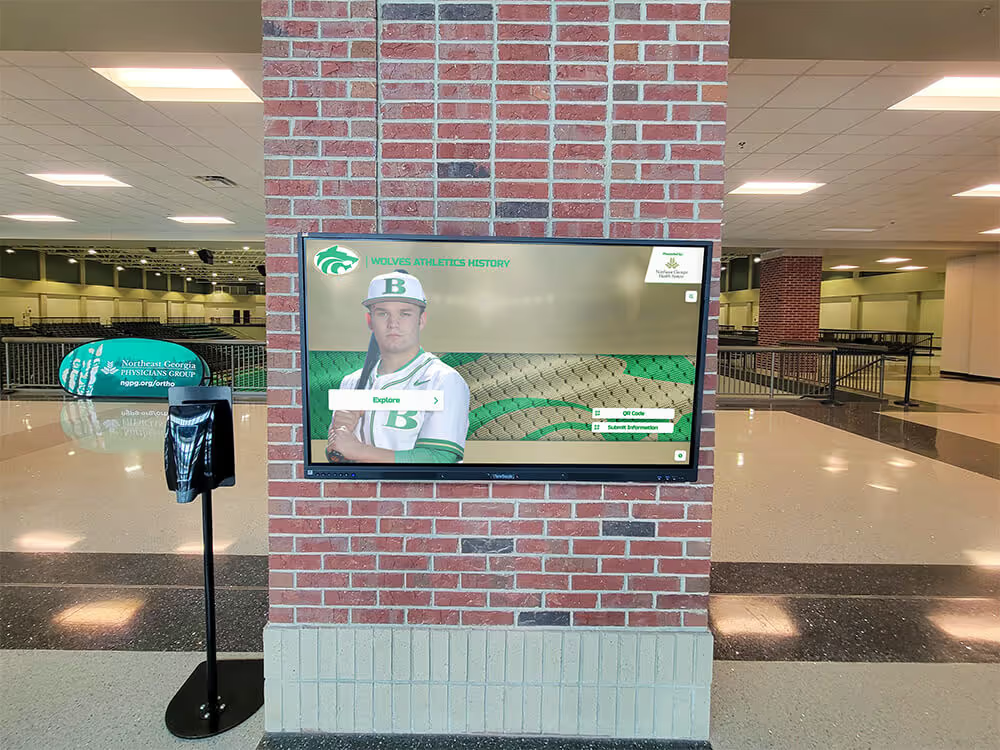
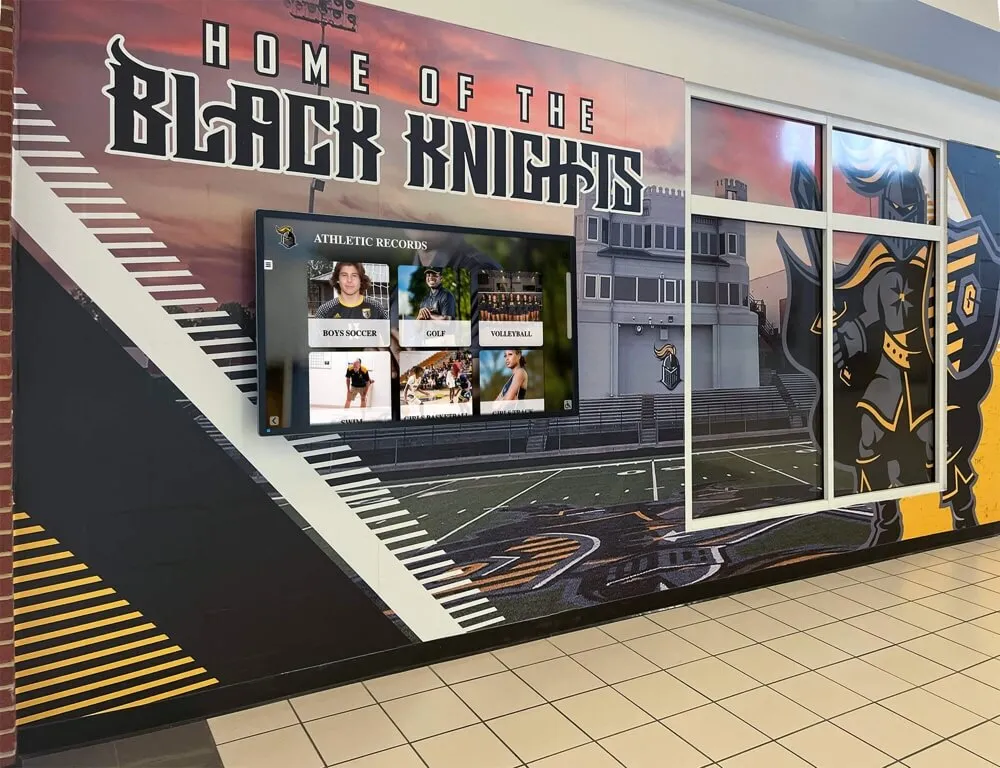
Athletic recognition programs that display team histories and achievements over multiple seasons depend on financial records maintained through consistent monthly close discipline — each season's story is supported by a paper trail the treasurer built one month at a time
Step 3: Update Donor and Sponsor Records
The monthly close is the right time to update donor and sponsor records — not annually, not at year-end, but each month that activity occurs. Monthly updates make donor acknowledgment timely, keep sponsor deliverable tracking current, and prevent the end-of-year scramble to reconstruct which gifts arrived in which period.
Donor and sponsor record update checklist:
| Task | When to Complete | Notes |
|---|---|---|
| Post all donations received during the period | Within 5 days of gift | Record donor name, amount, date, and designation |
| Send gift acknowledgment letters for tax-reportable donations | Within 30 days of gift | Required for gifts of $250 or more per IRS guidelines |
| Update the sponsorship ledger for any payments received | On payment posting | Match to sponsorship agreement terms |
| Record any sponsorship deliverables fulfilled during the period | At fulfillment | Log delivery date and description |
| Flag any sponsor deliverables approaching their scheduled date | Monthly review | Note in board summary if action needed |
| Reconcile the restricted fund register if restricted gifts were received | Monthly if applicable | Confirm restricted balance matches internal ledger |
For programs that maintain recognition displays — listing a sponsor on a digital board, displaying a donor’s giving level on an interactive screen, or updating a named recognition panel — the monthly record update is also when the organization confirms that recognition commitments are being honored. A sponsor whose name is scheduled to appear in a current display cycle should be on the fulfillment log before the monthly close is signed off. The school memorabilia display guidance from Archival Displays offers a useful framework for understanding how physical and digital recognition assets connect to the financial obligations a booster club tracks month to month.
Step 4: Prepare the Monthly Financial Summary
The monthly financial summary is the report the board reviews — a budget-vs.-actual comparison showing where the organization stands against its approved spending plan and fundraising projections. The summary does not need to be lengthy. A one-page table showing each budget category with its approved amount, actual spending or income to date, and the variance is sufficient for most booster club boards. Consistency matters more than detail: the same format every month lets the board spot trends without relearning the report each time.
Monthly financial summary checklist:
| Report Element | Details to Include | Why It Matters |
|---|---|---|
| Revenue summary | Fundraising, dues, sponsorships, grants — actual vs. budget | Shows whether income is tracking to plan |
| Expense summary | Each budget category — actual vs. budget | Identifies overspending or deferred costs before they compound |
| Cash balance | Current reconciled balance in each account | Provides real-time financial position |
| Restricted fund balances | Each restricted fund, current balance, and purpose | Demonstrates stewardship of designated gifts |
| Outstanding receivables | Sponsorships invoiced but not yet paid; grants awarded but not disbursed | Flags items requiring follow-up |
| Recognition obligation summary | Active sponsor agreements; upcoming deliverable dates | Connects financial records to recognition commitments |
The financial summary distributed after each monthly close becomes part of the organization’s governance record. When board minutes reference the monthly report, the combination of the summary and the minutes creates a documented chain of oversight that strengthens the organization’s governance posture during any audit or review.
End-of-season recognition events — including the team awards and program gifts described in athletic recognition guides — represent specific line items in the booster club budget that the monthly summary tracks from initial appropriation through final expenditure. Accurate monthly reporting is how the board confirms that recognition spending stays within the approved plan throughout the season.
Step 5: Preserve Evidence for Audit and Recognition
Evidence preservation is the discipline that transforms a completed monthly close into a durable record. The reconciliation and the supporting documents need to be organized and stored in a way that allows any future reader — a new treasurer, an auditor, a school administrator — to reconstruct what happened in any given month without asking anyone who was present at the time.
Evidence preservation requirements by document type:
| Document | Retention Period | Format | Storage Location |
|---|---|---|---|
| Bank statements | 7 years | Digital PDF | Organization-controlled cloud folder, by fiscal year and month |
| Monthly reconciliation forms | 7 years | PDF or paper | Same folder structure |
| Deposit slips and cash count sheets | 7 years | Scanned digital | Events subfolder by month |
| Vendor invoices and purchase receipts | 7 years | Scanned digital | Expenses subfolder by month |
| Donation acknowledgment letter copies | 7 years | Donors subfolder by month | |
| Sponsorship agreements | 7 years from expiration | Sponsors subfolder, organized by agreement year | |
| Monthly financial summaries | Permanent | Annual reports folder | |
| Board-approved minutes referencing the summary | Permanent | Governance folder |
The distinction between seven-year records and permanent records reflects the difference between operational documentation and governance documentation. Financial statements, reconciliations, and receipts support tax compliance and audit defense for the standard IRS window. Board minutes, annual summaries, and governance documents tell the organization’s institutional history without a defined expiration — and are the records that sustain long-term recognition programs across leadership transitions.
For programs building or maintaining recognition displays, the permanent archive of financial summaries is where capital expenditures for recognition infrastructure — display installations, trophy case upgrades, digital kiosk purchases — are documented over time. Modern trophy case display and showcasing options involve hardware and installation costs that belong in the capital or equipment budget line and must be retained for the full documentation period to support future audits, insurance claims, or district asset reviews.
Programs that have digitized older records as part of archival projects — including financial records from prior decades that were originally paper-only — benefit from scanning standards that produce legible, file-size-efficient documents. The guidance on scanning resolution for historical school documents from Digital Awards Display applies equally to digitizing old financial records: consistent resolution standards ensure that evidence remains legible and verifiable across the full retention period.
Interactive recognition installations involve multi-month financial commitments — equipment, installation, software — that a monthly close calendar tracks accurately from first expenditure through the full retention period
Step 6: Distribute the Close Package and Update the Board
The final step of the monthly close is distributing the close package — the financial summary, the reconciliation sign-off, and any flagged action items — to board leadership and documenting that distribution.
For most booster clubs, an email with the monthly summary attached to all board officers, a reference in the meeting agenda, and a board vote to accept the monthly financial summary at the next regular meeting is sufficient. The vote does not need to be lengthy — a motion to accept, a second, and a recorded outcome takes two minutes and creates a permanent governance record.
Close package distribution checklist:
| Task | Timing | Documentation |
|---|---|---|
| Distribute financial summary to all board officers | Within 10 days of month-end | Email or shared folder timestamp |
| Note any flagged items requiring board decision | In the summary cover note | Specific items listed; action owner identified |
| Present or reference summary at the next board meeting | Next regular meeting | Meeting agenda references the report |
| Board votes to accept or acknowledge the monthly summary | At the meeting | Minutes reflect motion, second, and outcome |
| File the accepted summary in the permanent archive | Post-meeting | Annual reports folder |
When the board consistently votes to accept the monthly financial summary, the meeting minutes create a continuous chain of documented oversight. This chain is one of the strongest governance evidence items a booster club can produce during an audit or a school district review — it demonstrates that financial information was shared and acted upon every month, not assembled retroactively at year-end.
Recognition programs benefit directly from this documentation chain. When a display upgrade, donor recognition commitment, or sponsorship agreement appears across multiple monthly summaries — first as a planned expenditure, then as an active obligation, then as a fulfilled deliverable — the documentation trail demonstrates stewardship that sponsors and donors can verify. Maintaining design consistency in recognition programs across multiple seasons depends on this kind of multi-year financial continuity: commitments made in one year must be documented thoroughly enough that they can be honored accurately in the next.

Hall of fame installations that honor donors and athletes across many years rest on financial documentation built one monthly close at a time — consistent records make it possible to honor recognition commitments year after year, regardless of which volunteers are currently leading the organization
Seasonal Adjustments to the Close Calendar
The month-end close tasks apply every month, but volume and complexity vary significantly by season. A treasurer who anticipates what each month requires can allocate time appropriately rather than being surprised by workload peaks.
High-volume months (October, January, May):
- Event cash volume is highest; plan two to three work sessions to complete reconciliation
- Receipt volume from event volunteers is highest; enforce the five-day submission deadline in writing
- Sponsor deliverable tracking is most active; review the full sponsorship ledger at close
Transition months (September, July, August):
- Opening and closing entries require additional time; budget an extra session
- Officer handoff documentation requires attention; confirm folder access and credentials are transferred
- Prior-year records need archiving if the fiscal year has just closed
Quieter months (December, March):
- Reconciliation is lighter; use the extra time to audit the filing system and correct organizational gaps from the busy season
- March mid-year review is the natural time to identify budget variances before the second half of the year begins
Frequently Asked Questions
What is a booster club financial close calendar?
A booster club financial close calendar is a month-by-month schedule of the tasks a treasurer completes to close each accounting period: reconciling accounts, filing supporting documents, updating donor and sponsor records, preparing a monthly financial summary, preserving evidence, and distributing the close package to the board. A financial close calendar turns the year-end close into a rollup of twelve already-completed monthly closes rather than a multi-week reconstruction project.
How long does a month-end close take for a booster club?
A monthly close performed consistently typically takes two to four hours for an athletic booster club with moderate transaction volume. Programs that defer the close across multiple periods — attempting to close two or three months at once — can spend two to four days reconstructing records. The time difference is almost entirely attributable to the receipt filing step: contemporaneous filing takes minutes per transaction; retrospective reconstruction takes hours per period.
What does a financial close checklist for a booster club include?
A financial close checklist for a booster club covers six areas: account reconciliation (matching the ledger to bank statements for every account), receipt and invoice filing (organizing all supporting documents from the period), donor and sponsor record updates (posting gifts and tracking deliverable fulfillment), monthly financial summary preparation (a budget-vs.-actual report for the board), evidence preservation (archiving statements and reconciliations in an organization-controlled location), and close package distribution (sharing the summary and receiving board acknowledgment). Each area should have a documented responsible party, a target completion date, and a sign-off requirement.
What evidence should a booster club preserve after each monthly close?
After each monthly close, a booster club should archive bank statements for every account, the signed reconciliation form, deposit slips and cash count sheets from any events during the period, vendor invoices and purchase receipts, copies of donation acknowledgment letters, and any sponsorship correspondence or fulfillment records. These documents should be organized by fiscal year and month in an organization-controlled storage location — not a personal email or personal cloud account — and retained for seven years per standard nonprofit records management guidance. Board-approved monthly summaries and meeting minutes are kept permanently.
How does a monthly close calendar connect to donor and sponsor recognition?
A monthly close calendar ensures that donor gift records and sponsorship payment records are updated promptly, which enables sending acknowledgment letters within the 30-day window donors expect and tracking sponsor deliverables month by month rather than reconstructing the record at year-end. For programs with named recognition commitments — a sponsor’s logo on a display, a donor’s name on an honor wall — the monthly record update confirms that recognition obligations are being honored each period. This documentation builds the institutional credibility that sustains long-term donor and sponsor relationships across every leadership transition.
Build a Monthly Close Practice That Protects Recognition Commitments
A booster club financial close calendar is not just an accounting tool — it is the foundation of the stewardship record that sponsors and donors trust. Every monthly close completed accurately and on time adds a layer of verifiable evidence that the organization manages contributions responsibly. Every month skipped or deferred creates a gap that is difficult to close after the fact and potentially impossible to explain cleanly to an auditor or school administrator.
If your program is ready to make the recognition side of that stewardship visible — building a display that honors the donors, sponsors, and athletes whose contributions are documented in your financial records — schedule a demo with Rocket Alumni Solutions to see how an interactive digital recognition display can turn your program’s documented history into a permanent, living tribute your school community can experience every day.