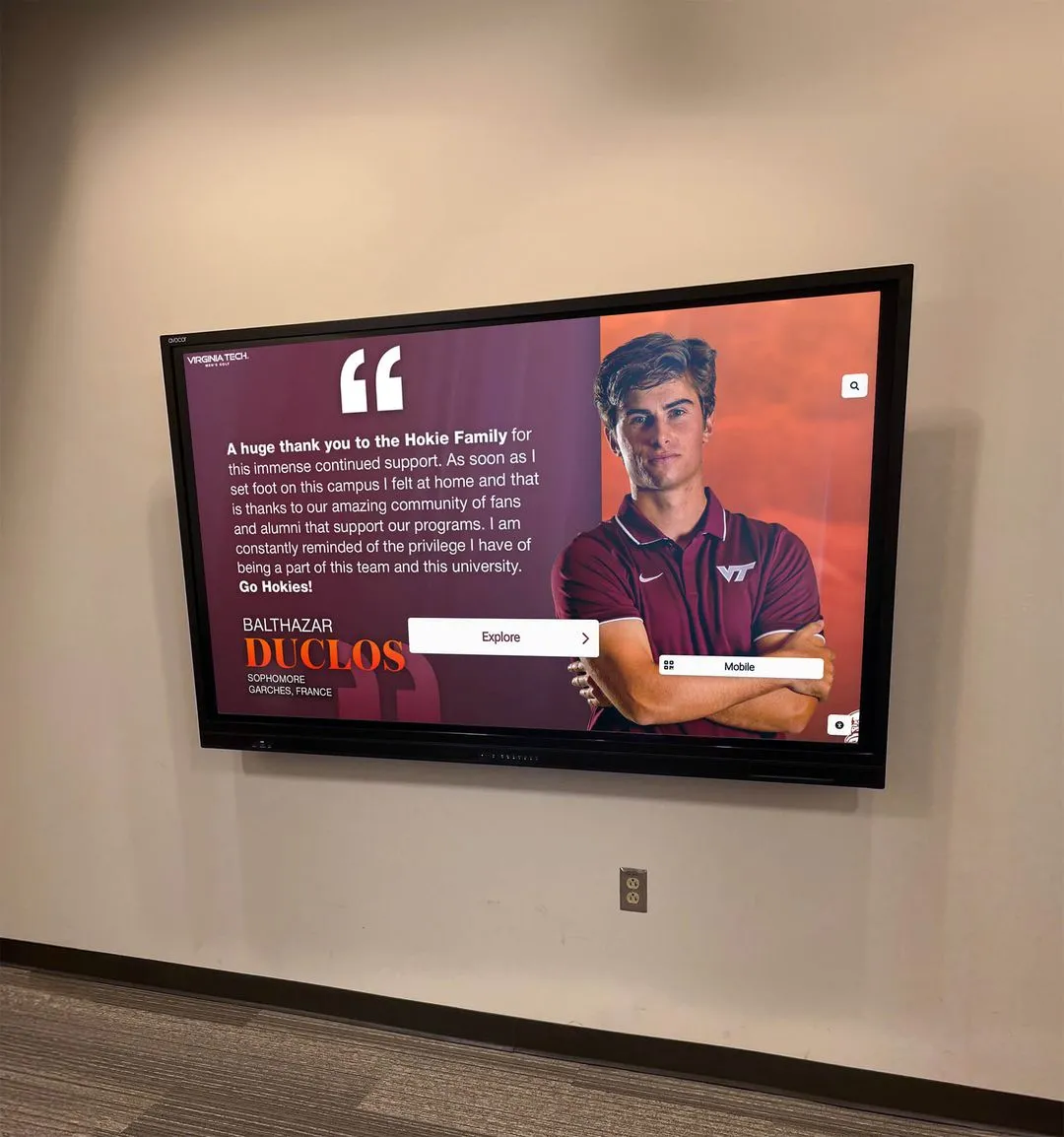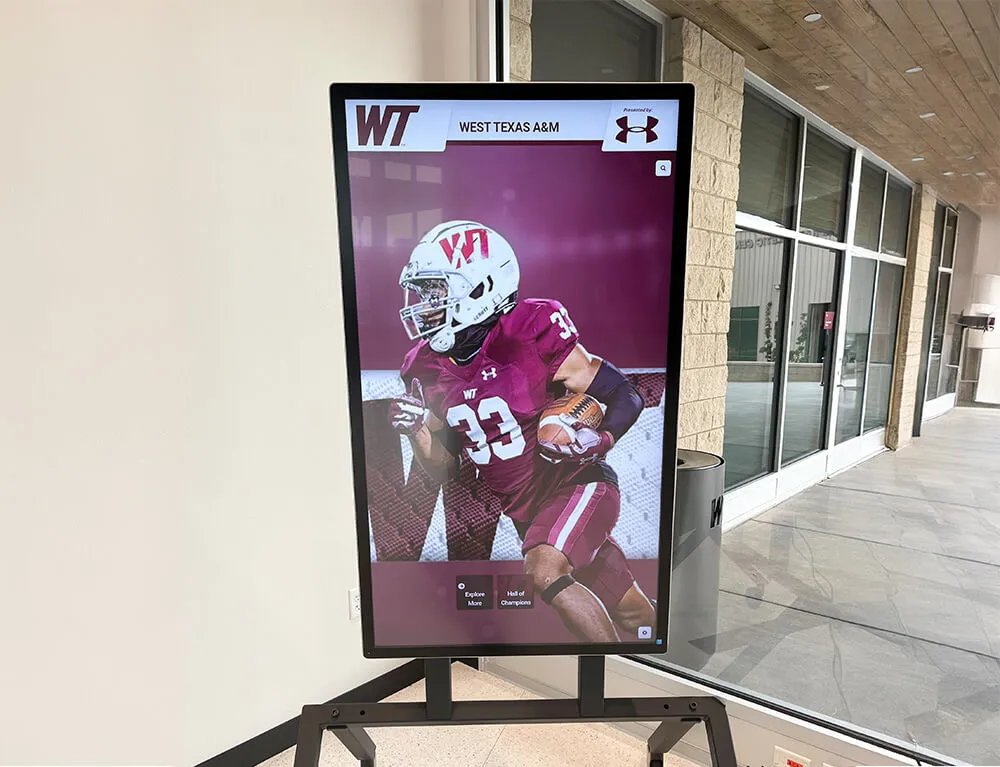




A booster club dormant bank account policy is a written procedure that identifies which accounts are inactive, sets a timeline for review, and establishes whether each account should be reactivated with updated signatories or formally closed and its funds consolidated. Booster clubs frequently accumulate extra accounts over time — separate checking accounts for specific sports seasons, campaign funds opened for capital projects, memorial scholarship accounts, or legacy accounts from programs that no longer operate. When officer transitions happen and no policy governs those accounts, the organization can find itself with accounts nobody controls, funds nobody can access, and records nobody can reconstruct.
This guide covers how to define dormancy in a booster club context, how to audit all open accounts, and how to execute either a reactivation or a formal closure — including the documentation steps that connect sound financial governance to the institutional records every recognition program depends on.
Not legal or financial advice: This guide describes commonly used financial governance practices for educational purposes only. Dormant account definitions, escheatment timelines, and account closure requirements vary by state and financial institution. Your organization’s specific obligations depend on applicable state law, school district policy, and your nonprofit’s governing documents. Consult a licensed CPA, attorney, or your school district’s finance office before establishing or revising financial policies.
A booster club that cannot account for all of its open bank accounts is not in a position to make confident statements to its school liaison, its auditors, or the families and sponsors who have entrusted it with recognition funds. A formal dormant account policy is how an organization prevents that situation — not by avoiding complexity, but by building the review process into annual governance before complexity becomes a crisis.

Booster clubs that maintain clear financial records — including documented policies for every account they hold — are better positioned to sustain recognition programs across leadership transitions without losing track of the funds that support them
What Makes a Booster Club Bank Account “Dormant”?
In a booster club context, a dormant bank account is one that has had no authorized transactions — no deposits, no withdrawals, no transfers — for a defined period, typically twelve to twenty-four months. The exact threshold your organization uses should be established in your written policy, but twelve months of inactivity is a practical starting point for annual review.
Dormant accounts at booster clubs usually fall into one of four categories:
- Legacy program accounts — accounts opened for a sport or activity that was discontinued, reduced to a club, or merged into a larger program years ago
- Capital campaign accounts — accounts opened specifically for a facility improvement, scoreboard purchase, or recognition display project that has since been completed
- Memorial or scholarship accounts — accounts established in a donor’s name or for a specific award, which may continue collecting small contributions annually or may have been inactive since the named award was last given
- Transitional accounts — accounts left open during a banking migration or organizational restructure that were never formally closed
The problem common to all four categories is the same: when the volunteer who opened the account or last managed it leaves the organization, the institutional memory of that account leaves with them. Without a policy that requires annual account inventory and signatory verification, a dormant account can sit unreviewed — and unreported — for years.
Why Dormant Accounts Create Governance Gaps During Officer Turnover
Officer turnover is the single greatest driver of dormant account risk in booster clubs. The treasurer who served for three seasons knew about every account, managed every signatory update, and reconciled every balance at year end. When that person steps down and the incoming treasurer inherits only what was formally documented, accounts that existed outside the main financial records may not be transferred at all.
This creates a compounding governance problem:
Signatory gaps — If the former treasurer or president was the sole signatory on a dormant account, the organization may have funds it legally cannot access without going through the bank’s account update process, which can require board resolutions, government-issued identification, and notarized documentation.
Unreported balances — Balances in unreported accounts may not appear in the organization’s annual financial statements, creating discrepancies between the reported financials and the organization’s true financial position.
Escheatment risk — Most states have unclaimed property laws that require financial institutions to report and eventually remit dormant account funds to the state after a prescribed period — often three to seven years of inactivity, depending on the state and account type. Once funds are escheated, recovering them requires a formal state claim process.
Audit and school-liaison exposure — School administrators and auditors who review booster club finances expect the organization to have a complete and accurate picture of its financial position. Accounts that appear only when a bank notice arrives do not reflect a well-governed organization.
For booster clubs that maintain recognition programs connected to those accounts — a named scholarship, a memorial award fund, or a named athletic facility contribution — the governance gap extends to the recognition record as well. Athletic hall of fame programs that preserve multi-decade records consistently find that financial documentation and recognition documentation are more closely linked than most programs recognize until something goes wrong.
Step 1: Conduct an Annual Account Inventory
The foundation of a dormant bank account policy is an annual account inventory — a complete list of every bank account the organization holds, including the accounts that have been inactive for months or years.
The inventory should be conducted at the beginning of each fiscal year as part of the annual treasurer review process.
Account Inventory Worksheet
| Field | What to Document | Example |
|---|---|---|
| Account nickname | Short name the organization uses internally | “Spring Tournament Fund” |
| Financial institution | Bank or credit union name | First Community Bank |
| Account number (last 4) | Last four digits only — do not record full account numbers in shared documents | x4821 |
| Account type | Checking / Savings / Money market | Checking |
| Current signatories | Name and officer title of every authorized signer | Jane Doe (President), Robert Kim (Treasurer) |
| Date last active | Date of most recent debit or credit | March 2024 |
| Current balance | Balance as of inventory date | $340.00 |
| Purpose / original opening reason | Why this account was opened | “2022 scoreboard capital campaign” |
| Status | Active / Dormant (12+ months inactive) / Pending closure | Dormant |
| Action required | Reactivate / Consolidate / Close | Close |
Every officer transition should include a formal handoff of this inventory worksheet, signed by both the outgoing and incoming treasurer. An incoming treasurer who receives a completed inventory on their first day can begin active management immediately; one who inherits no inventory may not discover a dormant account until a bank sends a notice about pending escheatment.
Step 2: Review Each Dormant Account Against Closure Criteria
Once the inventory identifies dormant accounts, each one needs an individual review before the board decides on reactivation or closure. The review should address five questions:
Does the account serve an ongoing organizational purpose? If the account was opened for a completed project, a discontinued program, or a one-time campaign with no future phase, there is no operational reason to maintain it.
Are current, active signatories on the account? An account with only former officer signatories requires immediate resolution — either a formal signatory update or account closure.
Is the balance material enough to require special handling? A balance under a de minimis threshold set by your policy (many organizations use $250 or $500) can be consolidated into the main operating account without board resolution; larger balances should require a formal vote.
Is the account connected to a restricted fund, named gift, or donor agreement? Scholarship funds, memorial awards, or named endowments may have donor-intent restrictions that affect how the balance can be handled. Review any gift agreements before closing.
What is the state’s unclaimed property timeline for this account type? Your state’s unclaimed property or escheatment law sets the inactivity period after which the bank is required to report and remit the funds. Closing or consolidating an account before that deadline is significantly simpler than recovering escheated funds afterward.
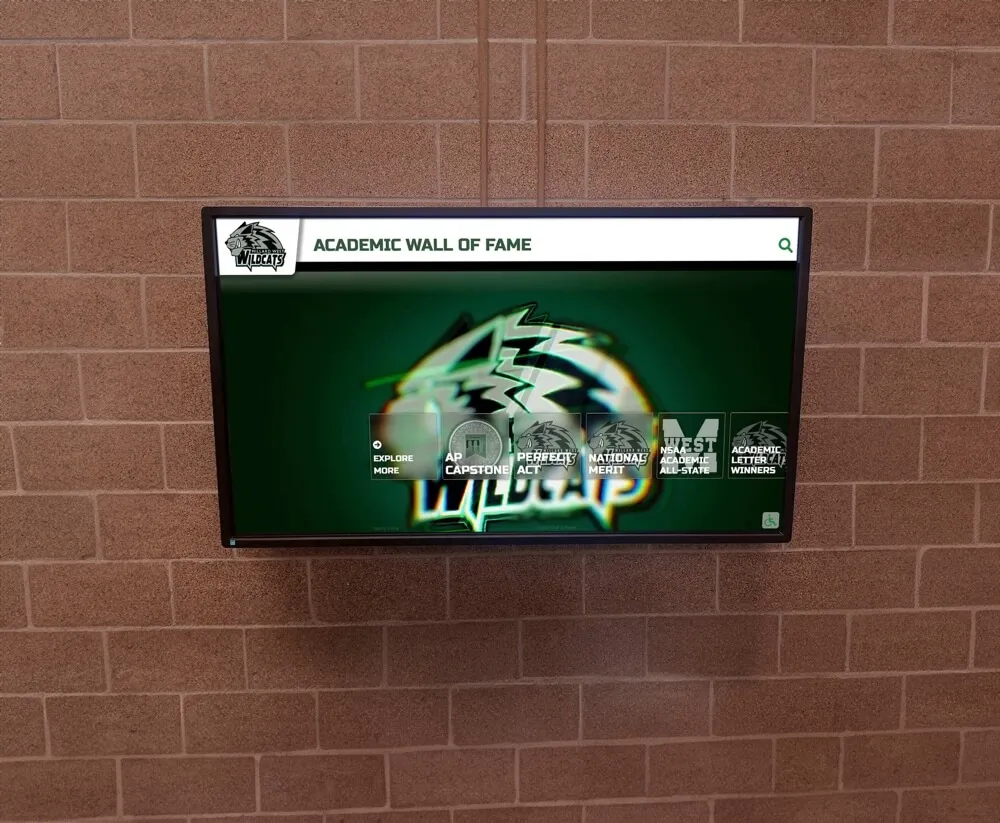
For programs that also maintain multi-year records for named scholarships and recognition awards, digital record board systems for academic recognition provide context for how financial records and recognition archives can be maintained in parallel — an important consideration when an account closure also closes the chapter on a named award or scholarship fund.
Step 3: Reactivate a Dormant Account (When the Account Should Continue)
If the board determines that a dormant account serves an ongoing purpose — an active scholarship fund, a designated equipment reserve with future draw-down plans — the reactivation process updates the account to reflect current leadership and brings it back into the active financial tracking system.
Reactivation Checklist
Pass a board resolution authorizing the reactivation. Document the account name, purpose, and the names and officer titles of the authorized new signatories. Include in board meeting minutes.
Contact the financial institution directly. Every bank has its own process for updating signatories. Most require: a current copy of the organization’s bylaws, the board resolution authorizing the signatory update, government-issued identification for each new signatory, and in some cases notarized documentation or in-person verification.
Remove all former officer signatories. An account with a mix of active and former signatories creates ongoing governance risk. Confirm in writing with the bank that former signatories have been removed.
Update the account in the organization’s financial records. Add the reactivated account to the current treasurer’s reconciliation schedule. Note the reactivation date and the purpose in the account inventory worksheet.
Reconcile the account balance against the organization’s records. Confirm that the balance matches what was recorded at the last active date. If there are discrepancies, investigate before proceeding.
Establish an activity schedule. A reactivated account that goes dormant again because no one uses it will require the same process next year. If the account has a specific purpose (equipment fund draws down each spring), calendar a review for that date.
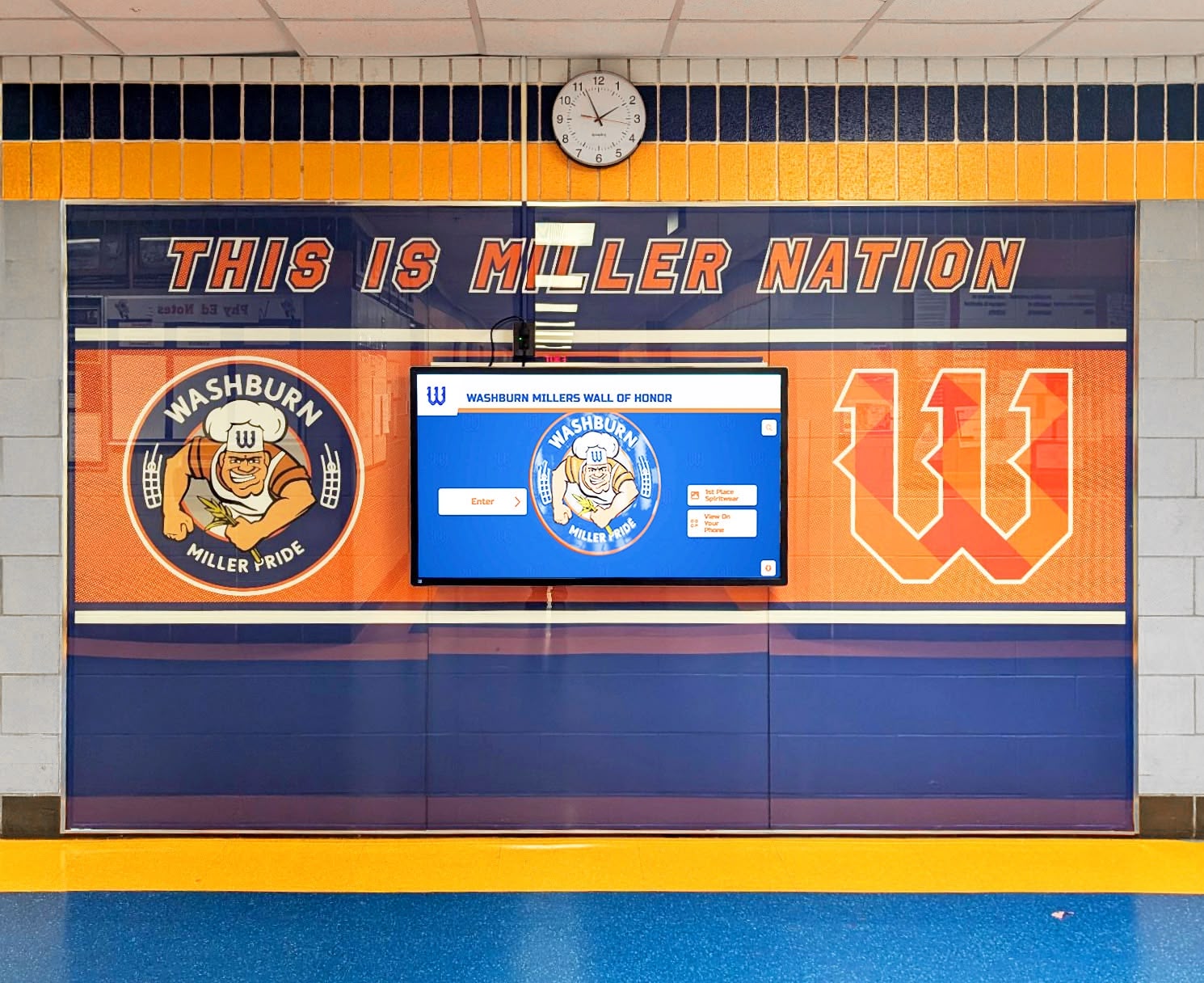
Memorial and scholarship accounts that are reactivated are often connected to recognition programs — updating the bank records and updating the recognition archive should happen at the same time
Step 4: Close a Dormant Account (When the Account Should Be Eliminated)
Account closure is the appropriate resolution when a dormant account serves no ongoing purpose, has an inactive signatory problem that is not worth resolving, or holds a balance that belongs in the general operating fund. Formal closure eliminates the governance risk, simplifies the financial picture, and prevents future escheatment exposure.
Account Closure Steps
Obtain a formal board vote to close the account. The vote should be recorded in board meeting minutes and should specify: the account being closed, the institution, the approximate balance, and the destination account for any remaining funds.
Resolve any restricted fund questions before closure. If the account holds funds subject to a donor agreement, consult the agreement and, if necessary, the donor or a qualified attorney before transferring the balance to the general fund.
Initiate account closure with the financial institution. Request closure in writing (many institutions require a written or in-person request from an authorized signatory). Confirm the process for disbursing the remaining balance — typically a cashier’s check or direct transfer to the designated destination account.
Obtain and retain a final account statement. The final statement showing the closing balance, the disbursement, and the zero balance is an auditable record. File it with the board resolution in the organization’s permanent financial records.
Issue an acknowledgment for any donor-originated funds being transferred. If the closing balance includes funds donated for a specific purpose, document the transfer and — if donors are identifiable — notify them of how their funds were handled. This maintains donor trust and protects against future disputes.
Update the account inventory worksheet. Remove the closed account from the active inventory and add it to a closed account log with the closure date, final balance, destination of funds, and board resolution reference.
Update the school liaison or oversight body as appropriate. Some school districts require booster clubs to maintain an account inventory on file with the school. If that is the case, submit an updated inventory following each closure.
Closure Timeline Reference
| Stage | Typical Timeline | Key Action |
|---|---|---|
| Board votes to close | Week 1 | Resolution documented in minutes |
| Contact bank, initiate closure | Week 1–2 | Written or in-person closure request with authorized signatory |
| Receive final statement and funds | Week 2–4 | Bank issues cashier’s check or initiates transfer |
| File final statement in records | Week 3–4 | Stored with board resolution |
| Update account inventory | Week 3–4 | Closed account log entry added |
| Notify school liaison (if required) | Week 4 | Updated inventory submitted |
Preventing Future Dormant Account Accumulation
A dormant bank account policy is most effective when it includes preventive measures — procedures that keep accounts from silently aging past the review threshold in the first place.
Three governance practices that reduce dormant account risk:
Annual account inventory at officer transition. The formal transfer of treasurer responsibilities should include a signed account inventory. The incoming treasurer should physically verify each account by logging into online banking or reviewing a recent statement before signing. This single practice catches dormant accounts before they become a crisis.
Board approval required for new account openings. Accounts should not be opened by a single officer for convenience. A board resolution should be required to open any new account, with the purpose, anticipated lifespan, and designated signatories documented at the time of opening. An account opened by board vote is an account that will be reviewed by the board when the purpose is complete.
Sunset provisions for project-specific accounts. When an account is opened for a defined project — a capital campaign, a special event fund — the board resolution should include a target closure date or a closure trigger (e.g., “account to be closed within 60 days of project completion”). A sunset provision eliminates the need for a later decision about whether to keep the account open.
For booster clubs managing recognition transitions alongside financial transitions — particularly programs where a new officer class is also inheriting hall of fame records, championship histories, and award archives — the planning and coordination involved in athletic alumni reunion events demonstrates how institutional documentation across financial and recognition domains must be maintained in parallel to survive leadership changes intact.
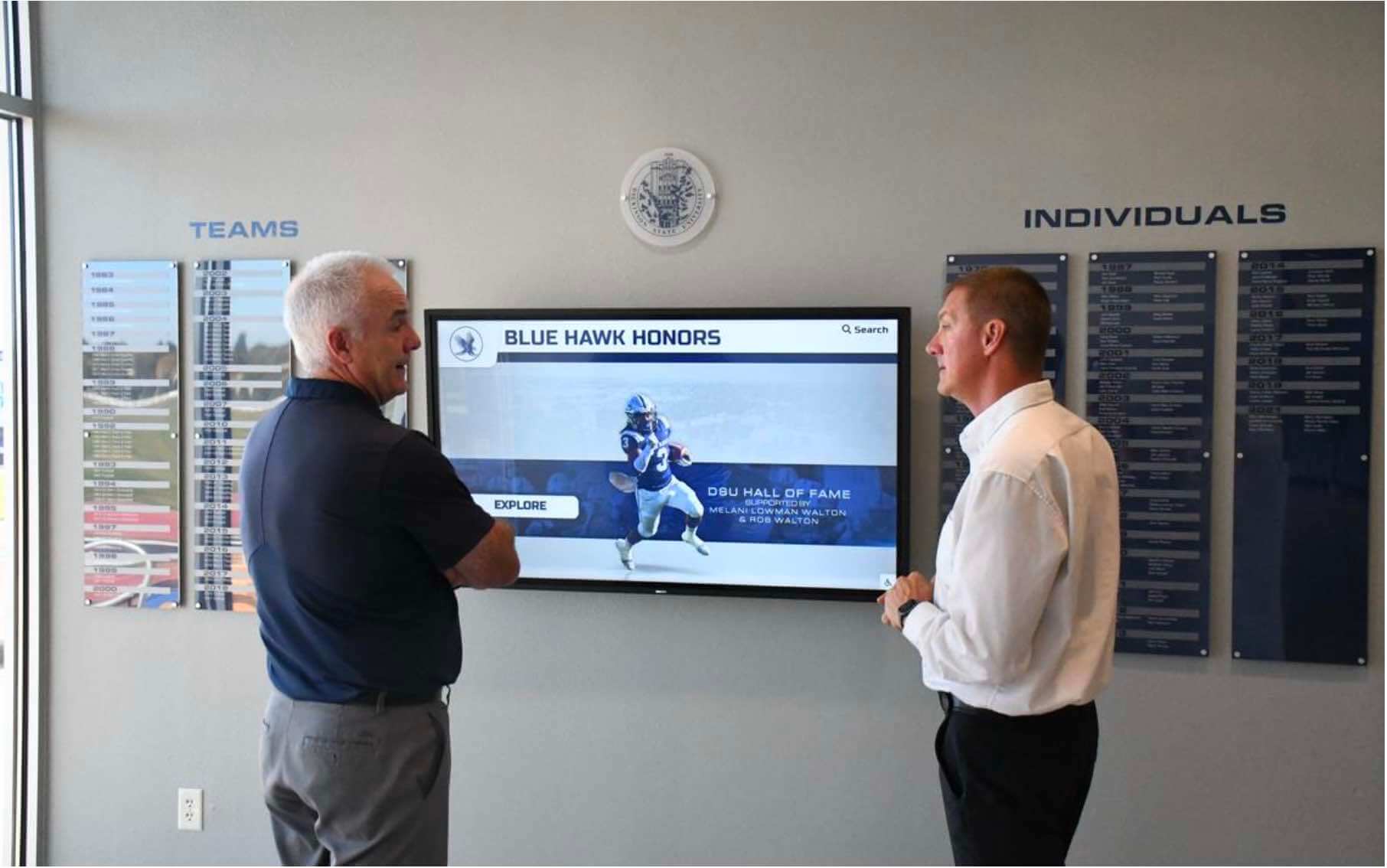
Financial continuity and recognition continuity are intertwined — the institutional records that support a hall of fame or award program depend on the same documentation practices that protect dormant accounts from disappearing during leadership transitions
Connecting Account Documentation to Recognition Records
Dormant account policies and recognition programs intersect most clearly in two places: scholarship funds and memorial awards.
A scholarship fund opened in a donor’s name — the athletic achievement award named for a longtime community supporter, the senior leadership award endowed by a class gift — typically lives in a separate account and is connected to a recognition record that the booster club maintains independently. When that account goes dormant during an officer transition, the recognition record connected to it may become equally inaccessible: award recipients from recent years undocumented, historical scholarship criteria unclear, the connection between the fund and the named recognition lost.
Closing or reactivating a named account should always include a parallel update to the associated recognition record. This means:
- Reviewing award criteria and confirming they are documented in the organization’s governance files
- Confirming that recipient history is recorded in a durable format accessible to future officers
- Updating any public-facing recognition (a hall of fame display, a website listing, a physical plaque or honor wall) to reflect current status
For programs building digital recognition infrastructure that can survive leadership transitions — hall of fame displays, all-time record boards, named award archives — all-state record board systems address how recognition records can be maintained in a format accessible to new officers and updated without requiring institutional memory to reconstruct.
The best booster club programs treat recognition documentation as an asset parallel to the financial one: subject to the same review cycle, the same transfer procedures at officer transition, and the same formal closure or reactivation process when circumstances change. A digital hall of fame that is maintained alongside a sound dormant account policy gives any incoming officer a complete picture of the program they are inheriting — not a partial one reconstructed from what a predecessor remembered to mention.
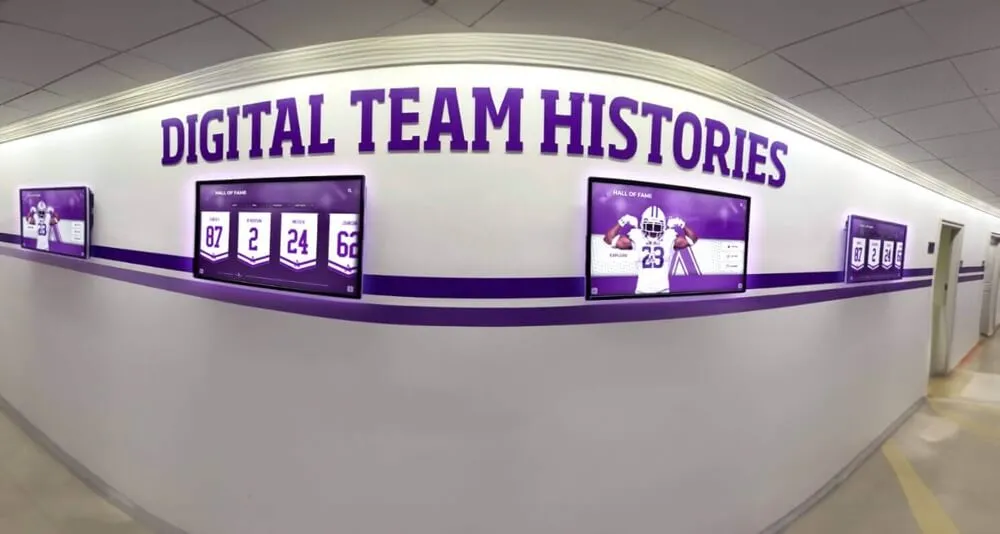
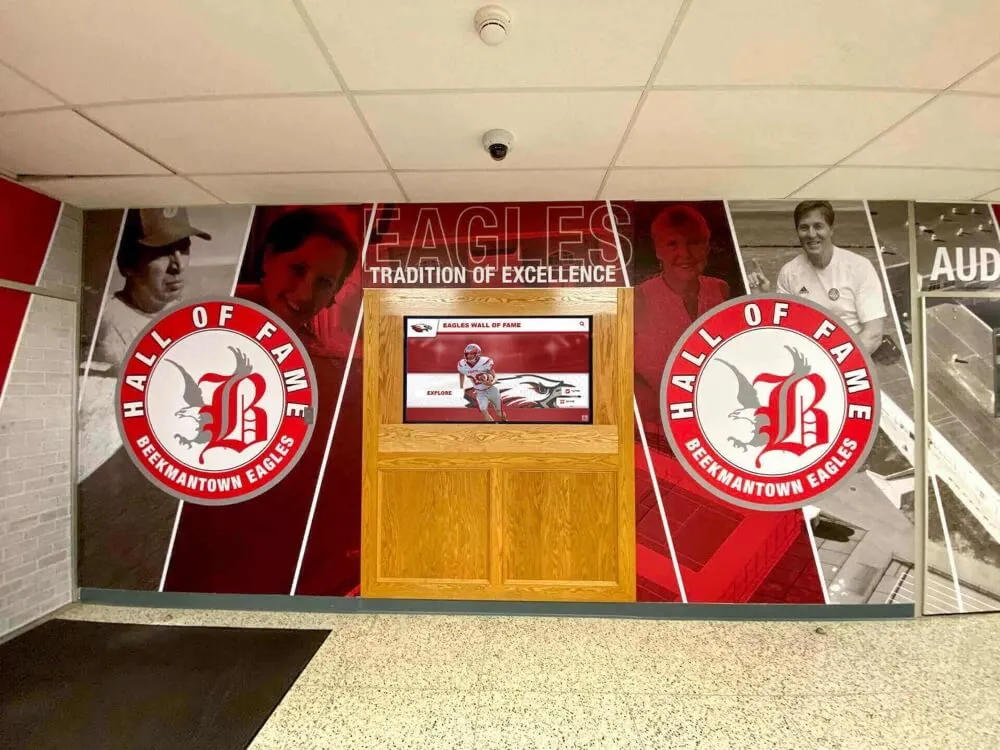
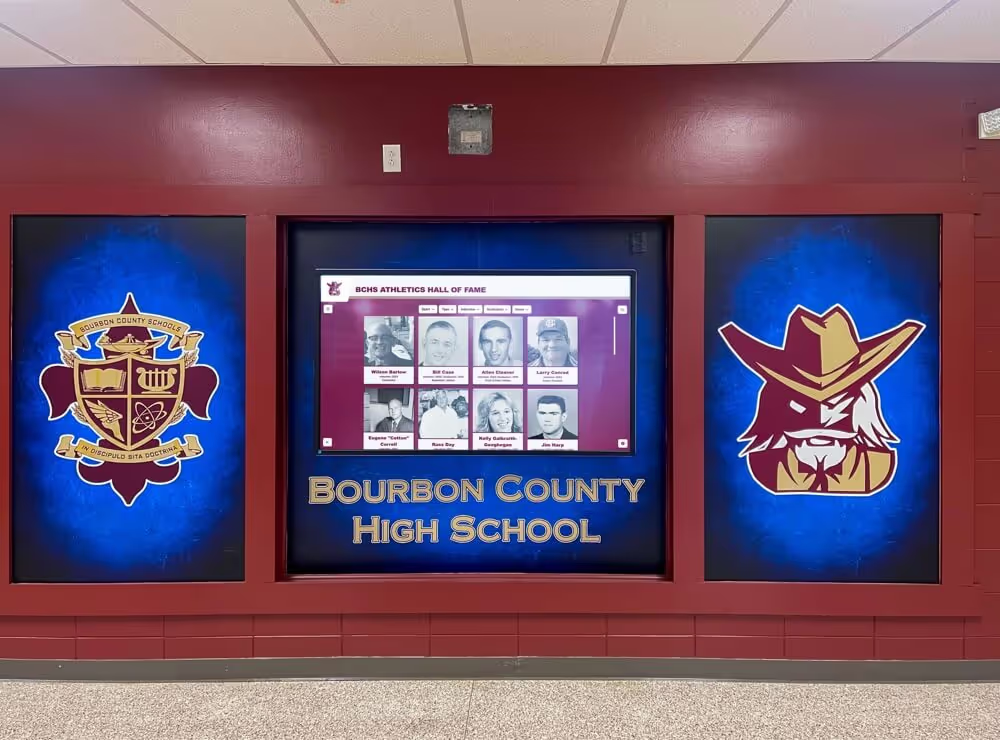
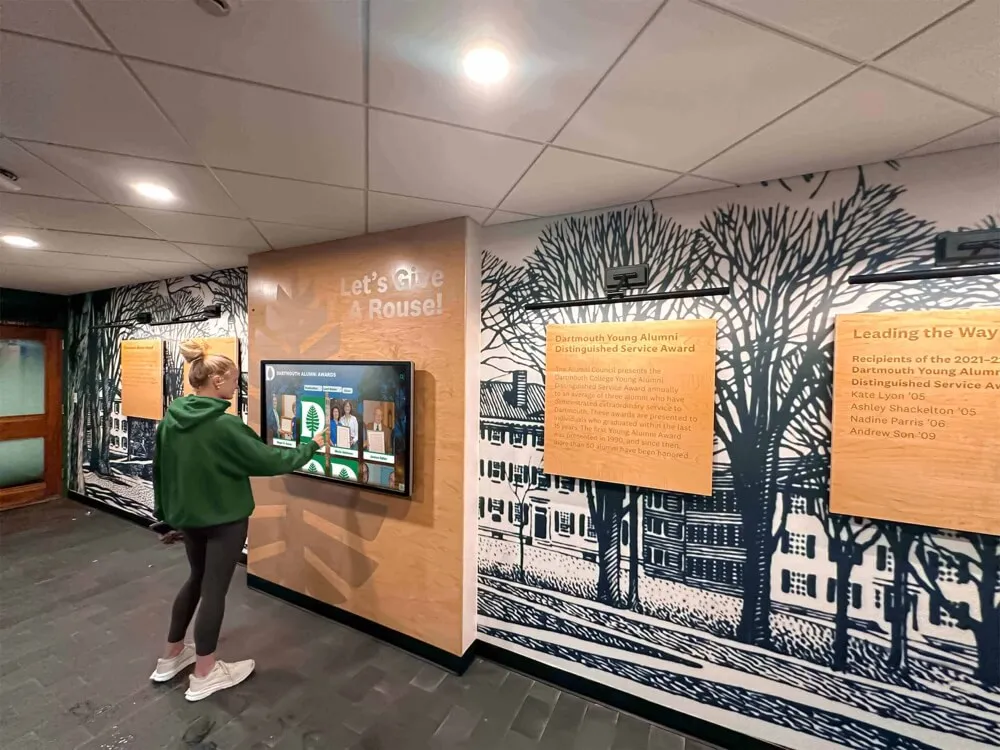
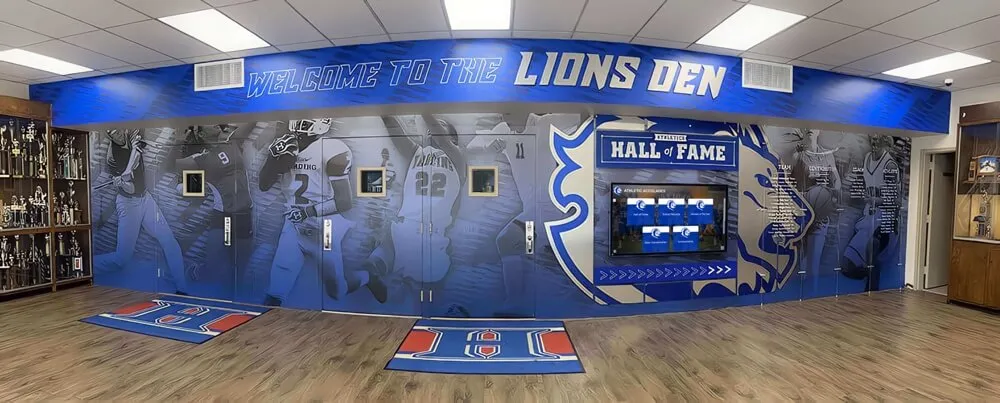
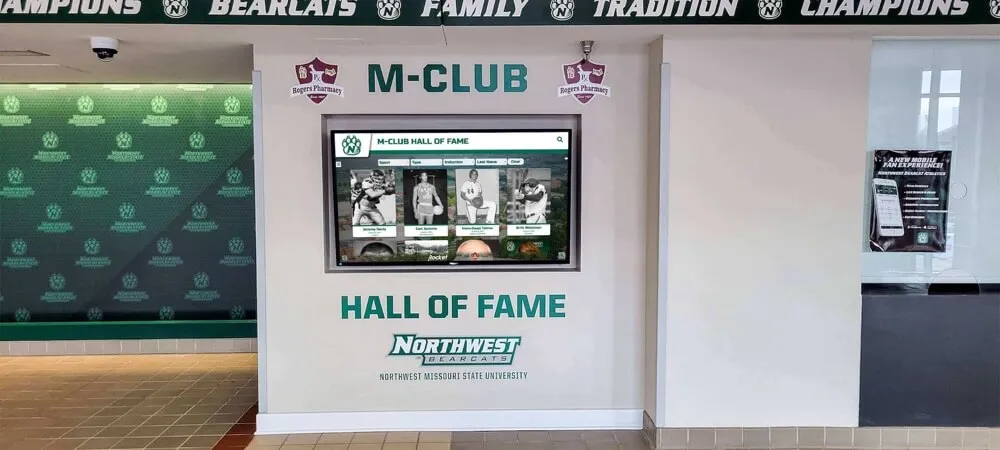
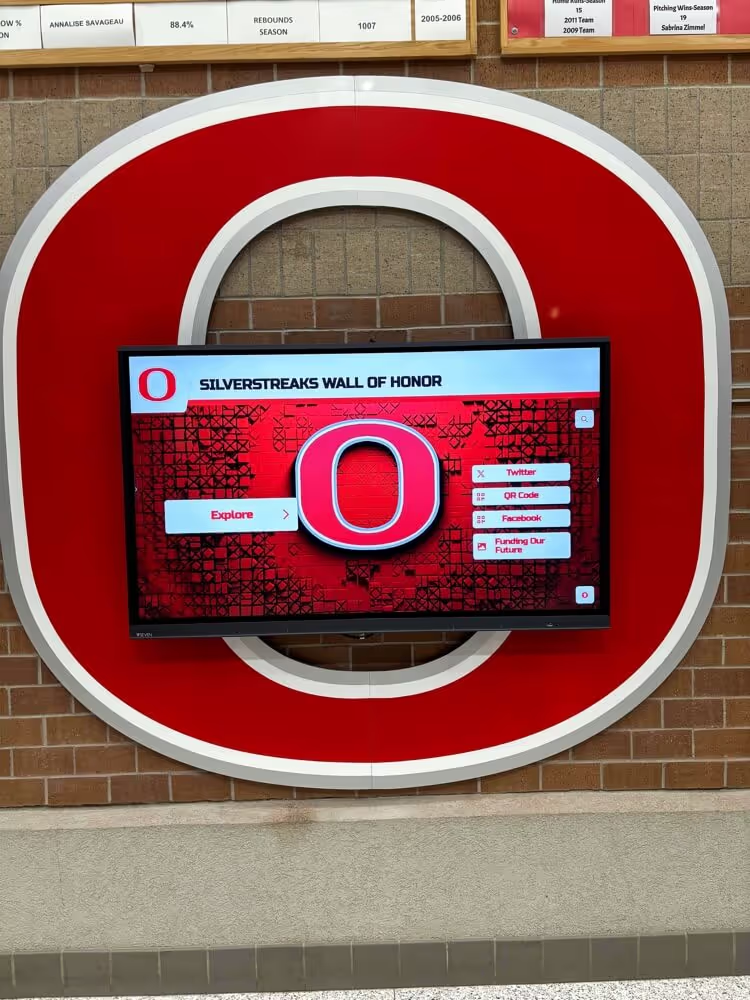
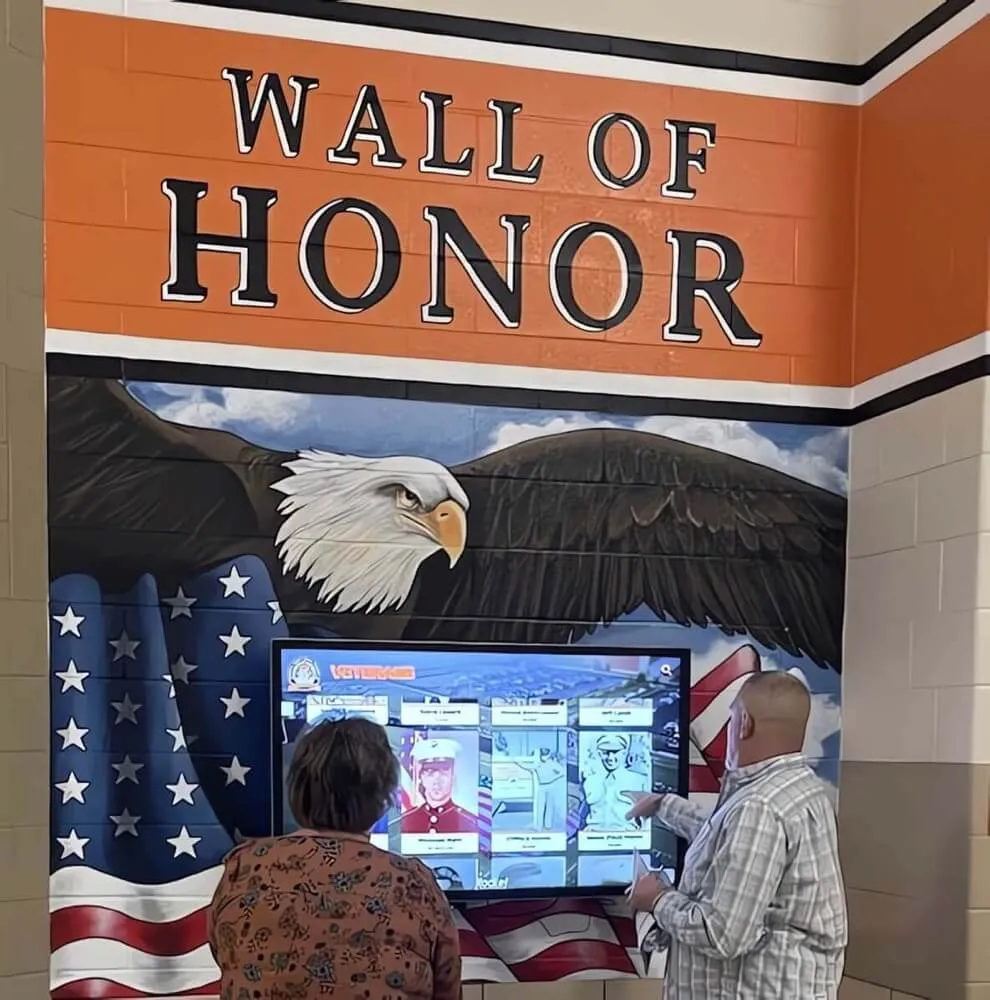
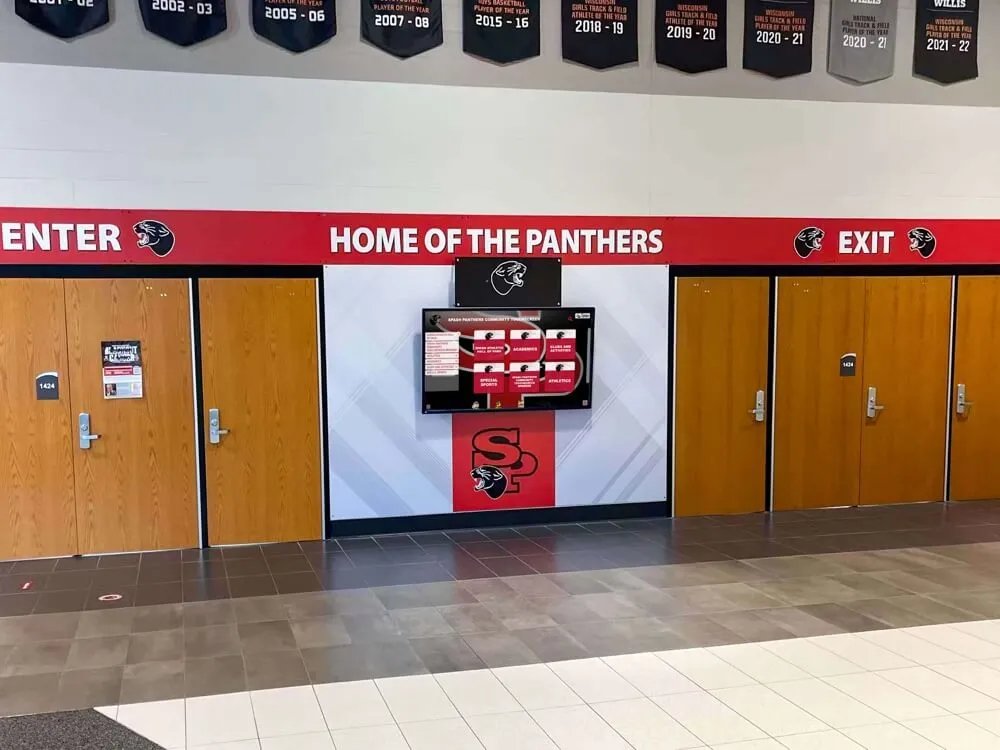
Touchscreen hall of fame platforms built for athletic programs provide a modern, officer-transition-proof format for recognition records — one that preserves the institutional history that dormant accounts and missing documentation can otherwise erase.
For executive boards managing financial policy alongside club or program-specific recognition practices, resources on executive team recognition governance offer useful context for how recognition and operational policies intersect at the officer level — the same principles that make a well-governed award program durable apply directly to the governance frameworks that prevent dormant accounts from creating institutional gaps.

Digital recognition infrastructure gives incoming officers an immediately accessible record of the program's history — an essential counterpart to the financial records that a dormant account policy is designed to protect
Frequently Asked Questions
What is a dormant bank account for a booster club?
A dormant bank account for a booster club is an account that has had no authorized transactions — deposits, withdrawals, or transfers — for a defined period, typically twelve to twenty-four months. Booster clubs often accumulate dormant accounts when project-specific funds (capital campaigns, special event accounts) are not formally closed after the project concludes, or when officer transitions leave accounts with signatories who are no longer active in the organization. A written dormant account policy defines the inactivity threshold, requires annual review of all accounts, and establishes procedures for reactivating accounts with legitimate ongoing purposes or formally closing accounts that no longer serve one.
What happens to dormant bank accounts if a booster club does nothing?
If a booster club takes no action on dormant bank accounts, several problems can develop over time. Most states have unclaimed property or escheatment laws that require financial institutions to report accounts with no owner activity after a set period — typically three to seven years, depending on the state and account type — and eventually remit the funds to the state. Once funds are escheated, recovering them requires a formal state claim process that can take months and requires documentation the organization may no longer have. In addition, accounts with outdated signatories give former officers continued legal access to organizational funds, and unreported account balances create discrepancies in the organization’s financial statements that can complicate audits and school-liaison reviews.
How do you update signatories on a dormant booster club bank account?
Updating signatories on a dormant booster club bank account requires contact with the financial institution directly, as each bank has its own process. Most institutions require a current copy of the organization’s bylaws, a board resolution that names the new authorized signatories and their officer titles, government-issued identification for each new signatory, and in some cases in-person verification or notarized documentation. The board resolution authorizing the signatory update should be documented in board meeting minutes before the bank contact is initiated. Once the update is complete, confirm in writing with the institution that former officer signatories have been removed from the account.
What documentation should a booster club keep after closing a dormant account?
After closing a dormant account, the booster club should retain: the board resolution authorizing the closure (with the date, account name, institution, approximate balance, and destination of funds clearly stated), the final account statement showing the closing balance and disbursement to zero, and confirmation from the bank that the account has been formally closed. These documents should be filed in the organization’s permanent financial records and referenced in the closed account log maintained by the treasurer. If the account held donor-restricted funds, additional documentation of how the restricted balance was handled should also be retained.
How should a booster club handle a named scholarship account that has gone dormant?
A named scholarship account that has gone dormant requires extra care because the funds may be subject to donor-intent restrictions and the account is typically connected to recognition records (recipient history, award criteria, named recognition displays) that need to be preserved independently of the account itself. Before deciding to reactivate or close the account, review any gift agreements associated with the fund, confirm whether the scholarship is still being awarded, and identify where the recipient history is documented. If the scholarship is ongoing, reactivate the account with current signatories. If it has been discontinued, consult a qualified attorney about how donor-restricted funds may be repurposed or transferred. In either case, update the recognition records — including any physical or digital displays that reference the award — to reflect the current status of the fund.
A Policy That Protects Funds and Preserves Program History
A booster club dormant bank account policy is not a bureaucratic formality — it is the governance mechanism that prevents an organization from discovering, three years into a new officer’s tenure, that a significant balance exists in an account no one knew about, with signatories who left the organization in a different era. The programs that sustain strong financial credibility across many leadership cycles are the ones that built the review cycle into their governance calendar before a dormant account became a problem.
The annual account inventory, the reactivation checklist, and the formal closure procedure outlined here give the treasurer and board a complete framework for managing every account the organization holds — not just the ones that show up on last month’s bank statement. That completeness is what school administrators, auditors, and sponsors expect when they ask whether the organization has a full picture of its financial position.
And for the programs where dormant account decisions intersect with recognition commitments — the scholarship fund, the memorial award, the named giving opportunity — the same rigor that closes an account cleanly is the rigor that preserves the recognition story for every future officer who inherits it.
Give Your Recognition Program a Platform That Outlasts Any Officer Transition
Rocket Alumni Solutions builds interactive digital recognition displays for school athletic programs — giving booster clubs a permanent, updatable platform for hall of fame records, named award histories, and sponsor recognition that survives every leadership change. Schedule a demo to see what your facility could look like.
Schedule Your Recognition Display Demo