



A booster club donation letter asks community members to give — not in exchange for advertising, but because they believe in the program. That distinction matters more than most booster clubs realize. A donation letter goes to different people (parents, alumni, local philanthropists), draws from a different budget (personal or family giving rather than a marketing account), and requires a different structure than a sponsorship proposal. Done right, it raises meaningful money and opens the door to recognition that turns one-time donors into long-term program advocates.
This guide covers what a booster club donation letter needs to include, what amounts and tiers to ask for, and how athletic programs should recognize every donor — with a sample structure, donation-recognition table, and specific guidance on the display tools that make donor acknowledgment visible, lasting, and motivating enough to drive renewal.
A donation letter that generates a real response is built around three things the recipient cares about: the impact their gift will have, the specific amount they are being asked to give, and what recognition — if any — they will receive in return. Letters that leave any of those three unanswered force the reader to make assumptions, and assumptions usually produce inaction.

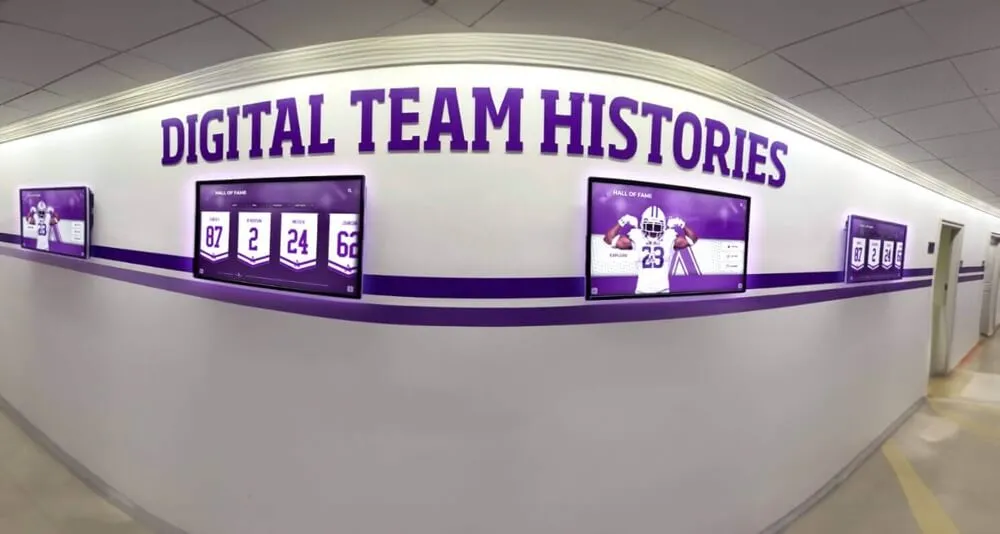
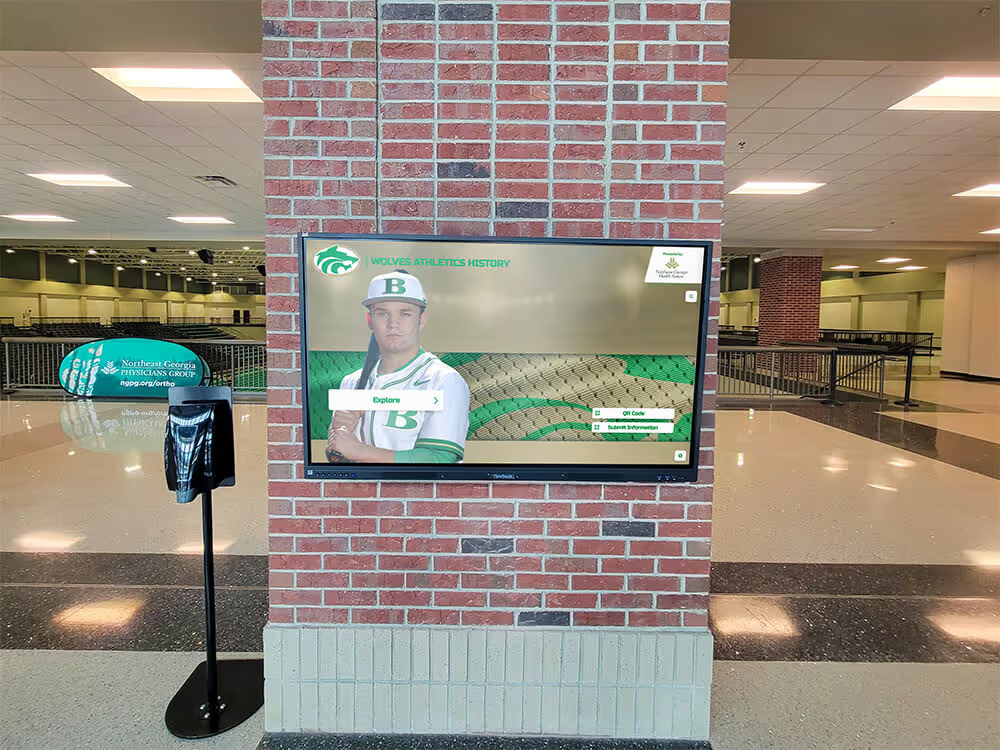
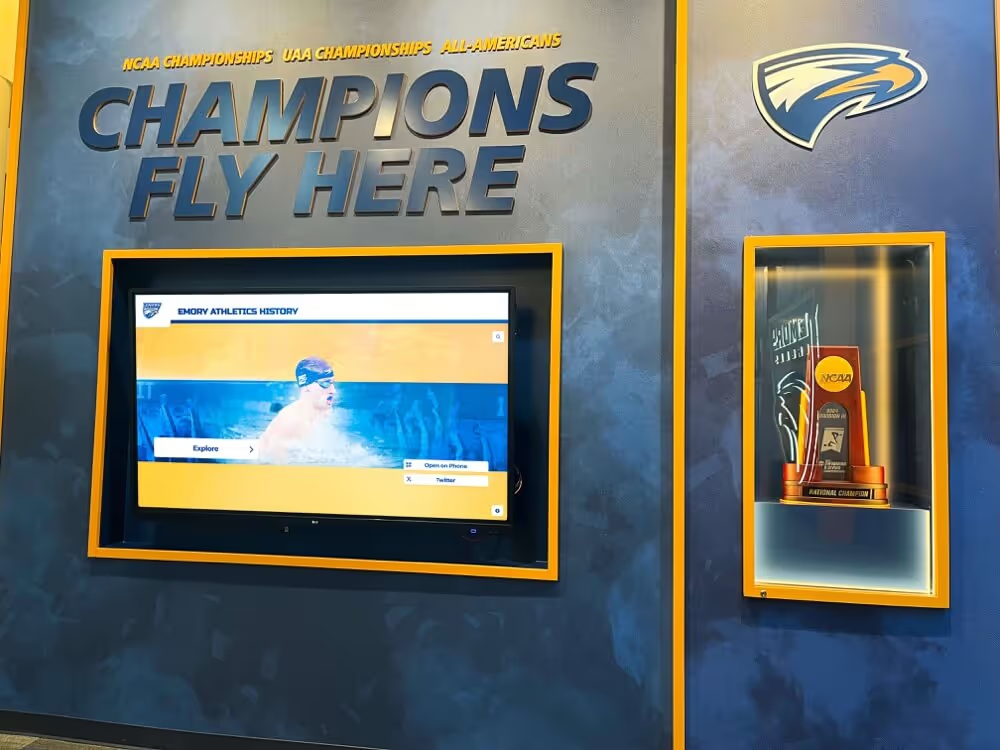
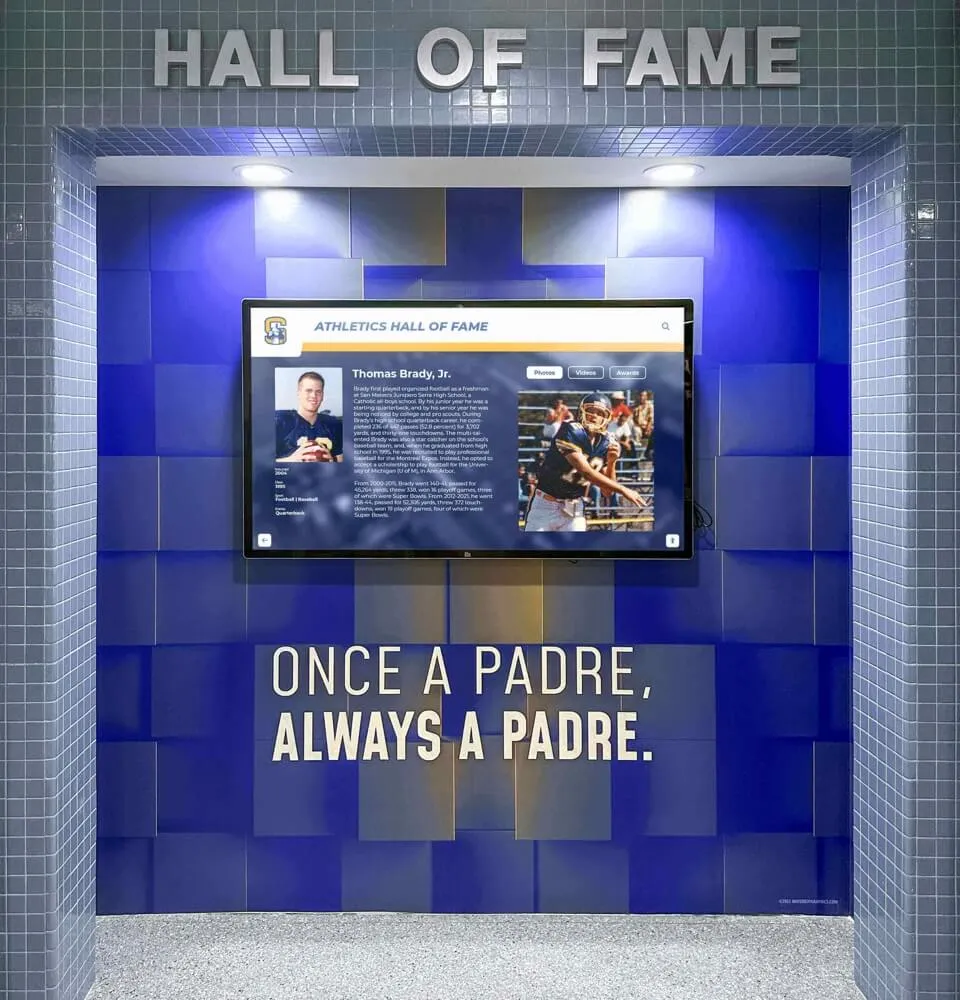
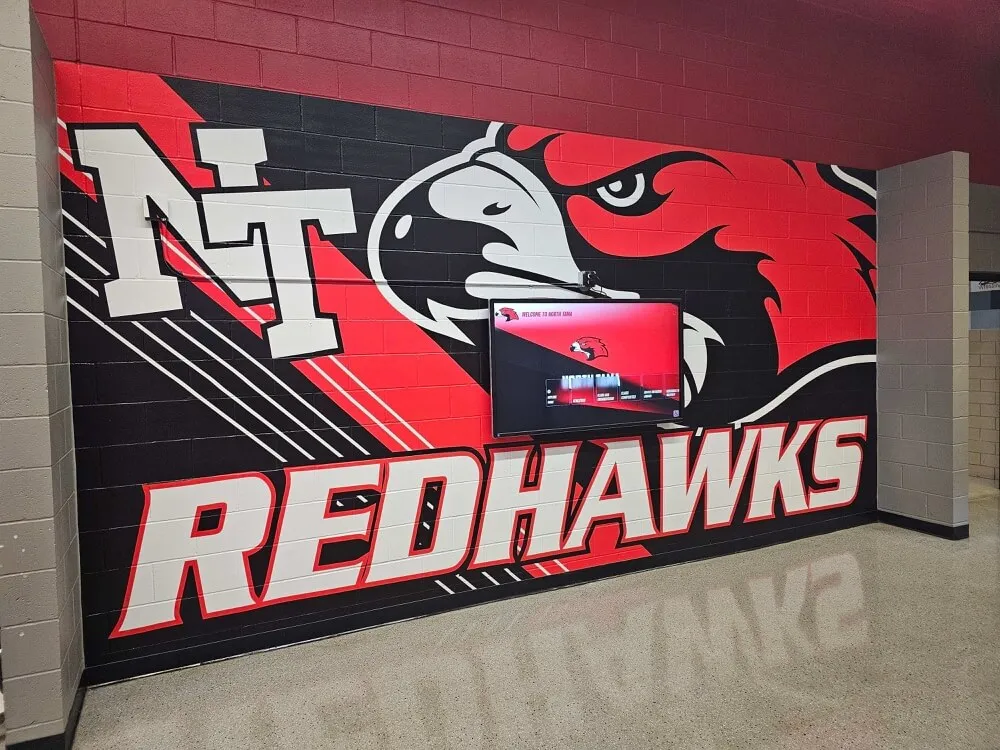
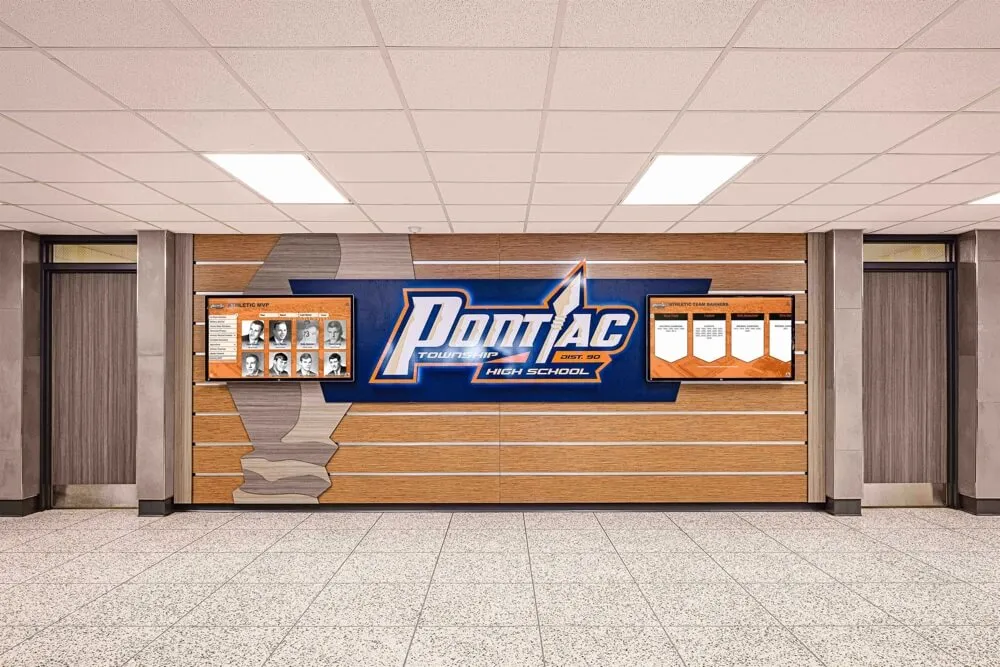
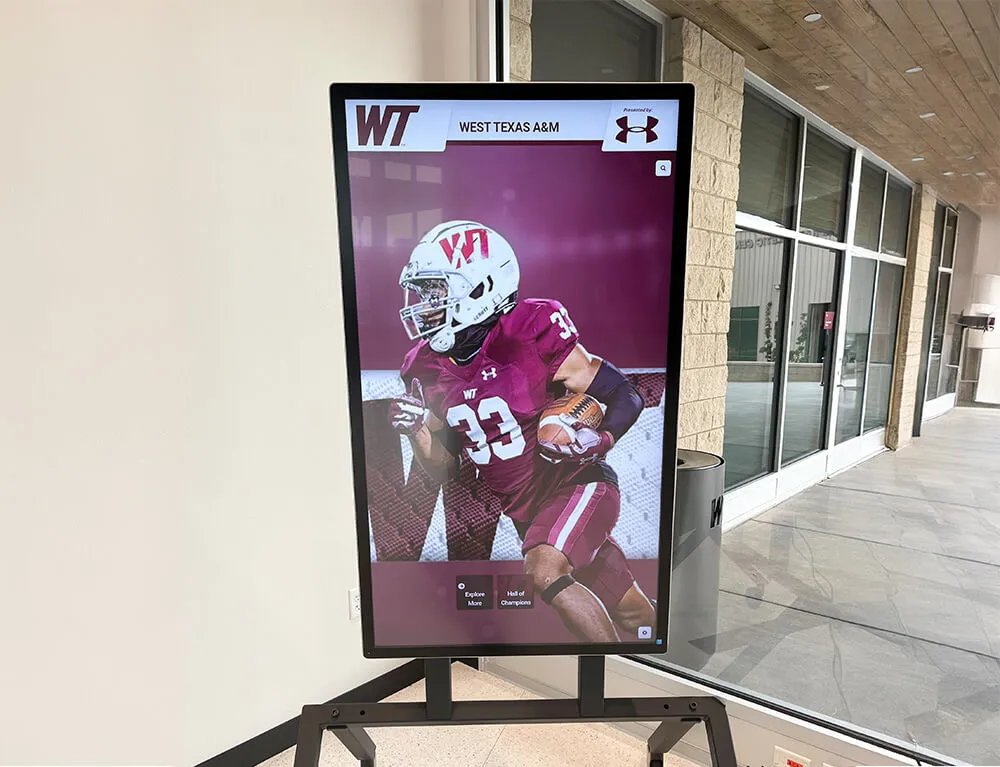
Donor recognition that connects names to programs — rather than just listing contributors in a printed program — creates the kind of lasting acknowledgment that motivates future giving and keeps supporters engaged season after season
Booster Club Donation Letter vs. Sponsorship Letter: Why the Distinction Matters
Before writing the letter, it is worth understanding what separates a donation request from a sponsorship proposal. Sponsorship is a marketing transaction: a business gives money and receives specific public visibility in return. It is typically evaluated by marketing staff or owners against their advertising budget.
A donation is different. It is a charitable contribution — generally from an individual, family, or community member — that is motivated primarily by belief in the program rather than commercial return. Some donors receive recognition, but recognition is secondary to mission. The donor’s primary motivation is the program itself: the athletes, the tradition, the school, or the community they care about.
This distinction changes how the letter is written:
- Sponsorship letter → leads with what the business receives (visibility, logo placement, audience reach)
- Donation letter → leads with what the program does and why it matters
Mixing the two approaches — writing a donation letter that reads like a sponsorship pitch — tends to confuse recipients about what they are being asked to do and why. Programs that understand how academic and athletic recognition programs structure acknowledgment across multiple giving categories can design a donor program that serves parents, alumni, and community members in ways a sponsorship letter never could.
Sample Booster Club Donation Letter Structure
The framework below provides a complete structure for a booster club donation letter. Customize every bracketed field for your specific program and audience.
[School Name] Athletics — Support Our Program
[Date]
[Recipient Name] [Address]
Dear [First Name or “Friend of [School Name] Athletics”],
Opening (2–3 sentences): State who you are, what the program does, and why you are writing. Lead with the program’s purpose, not with the financial need.
Example: “[School Name]’s athletic program serves [X] student athletes across [Y] sports — and has done so for [Z] years. This letter is an invitation to become a recognized supporter of the program that has shaped so many students in our community.”
Program Impact (1 short paragraph): Describe specifically what donations fund. Avoid vague language (“supporting our athletes”) in favor of concrete examples (“replacing the varsity gymnasium floor,” “funding travel to the regional championship,” “installing a permanent digital recognition display in the athletic lobby so every contributor is honored year-round”).
Ask: Suggested Donation Levels (table or short list): Give the recipient a clear range of options — not a blank line asking them to fill in whatever they feel like. Named giving levels with associated recognition increase both response rates and average gift size.
Recognition Promise (2–3 sentences): Confirm that all donors at qualifying levels will be recognized — and describe briefly how. This does not need to be exhaustive, but should give the donor confidence their contribution will be acknowledged visibly and durably.
How to Give (1 short paragraph): Check, online portal, or bank transfer — whatever your program uses. Include a return envelope if mailing, or a QR code linking to your giving page.
Signature: Athletic Director, Booster Club President, or a recognizable community figure with genuine ties to the program.
Donation-Recognition Table: What to Offer at Each Level
One of the most common weaknesses in booster club donation letters is the absence of a clear tier structure. A donor handed a blank ask line tends to give modestly. A donor shown a named tier — “Varsity Supporter: $500” — often gives more because the level creates a concrete reference point and the associated recognition makes the gift feel worth a specific amount.
The table below provides a starting framework. Adjust dollar thresholds based on your community’s giving history and program scale.
| Donor Level | Suggested Amount | Recognition Offered |
|---|---|---|
| Program Patron | $100–$249 | Name listed in season printed program |
| Team Supporter | $250–$499 | Name on athletic facility donor board; season program listing |
| Varsity Supporter | $500–$999 | Name on digital donor display; donor board; season program listing |
| Championship Partner | $1,000–$2,499 | Permanent digital recognition profile; all lower-tier items |
| Legacy Donor | $2,500+ | Named recognition in athletic hall of fame display; personalized acknowledgment; all lower-tier items |
The most important column here is not the dollar amount — it is the recognition offered. Donors who can see, in writing, exactly how they will be honored tend to give at higher tiers than donors who receive a generic thank-you and a mention in the printed program. Schools exploring how to build recognition infrastructure that fulfills those commitments can review digital record board and hall of fame tools for athletics to understand the full range of display options available.
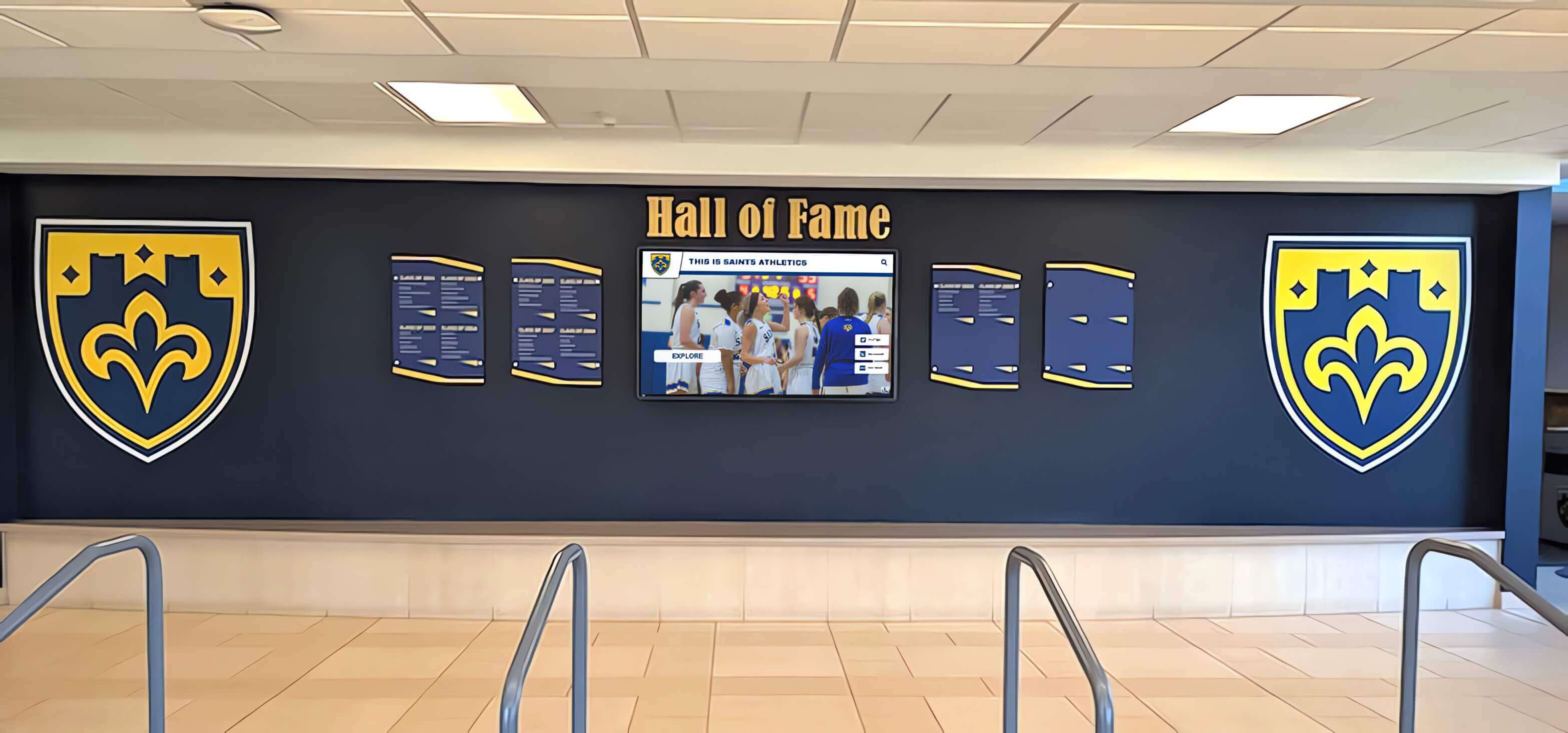
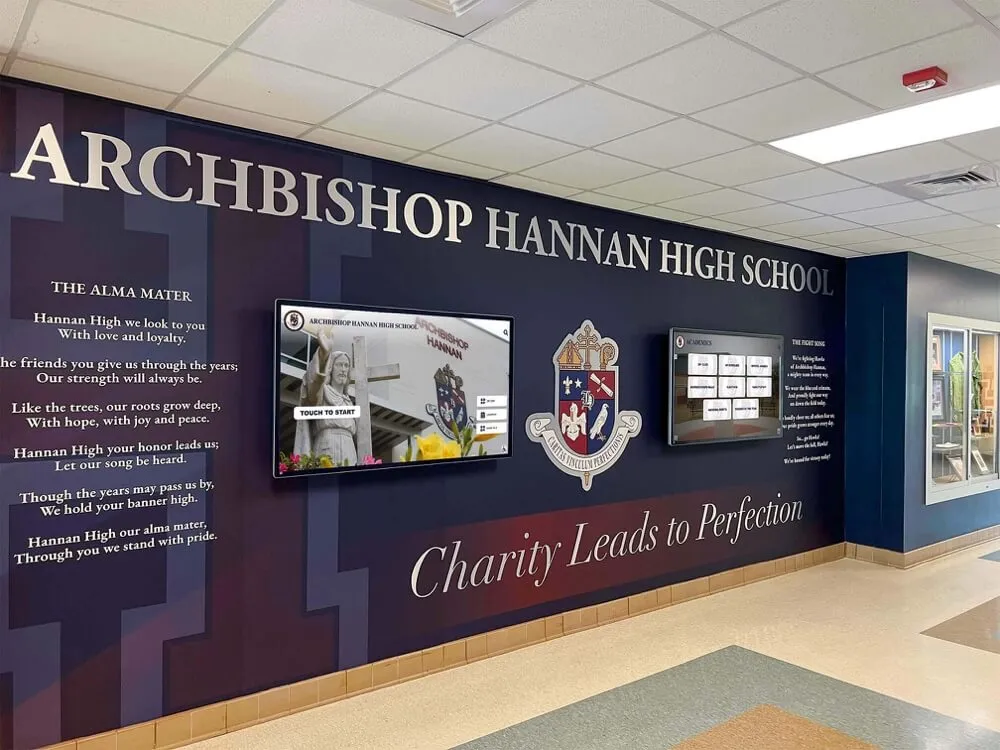
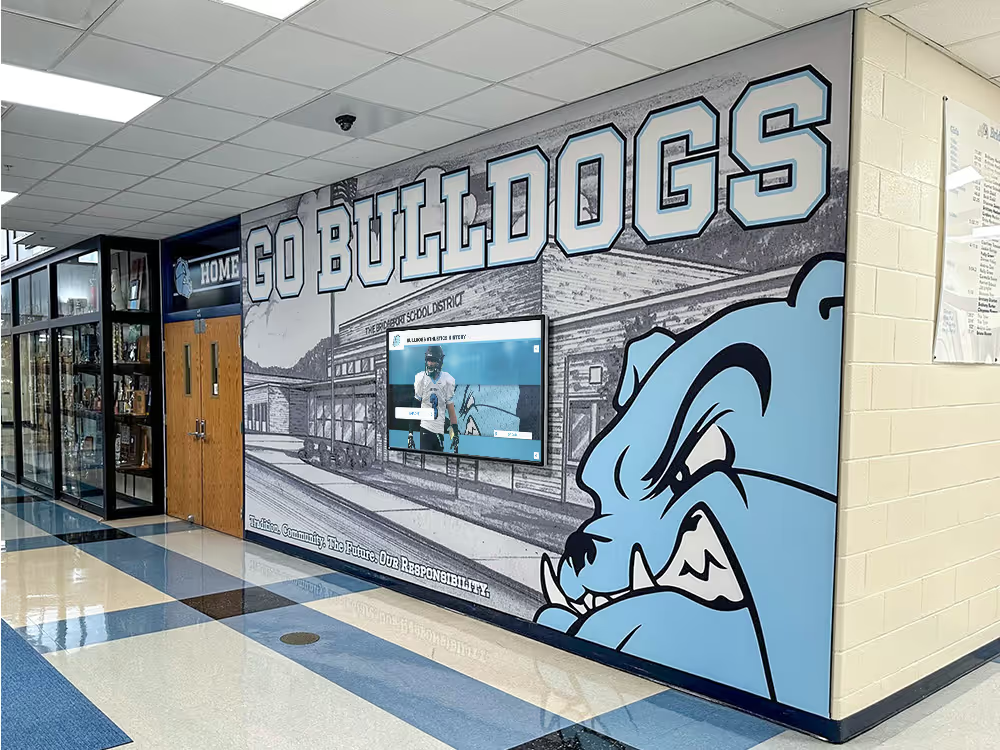
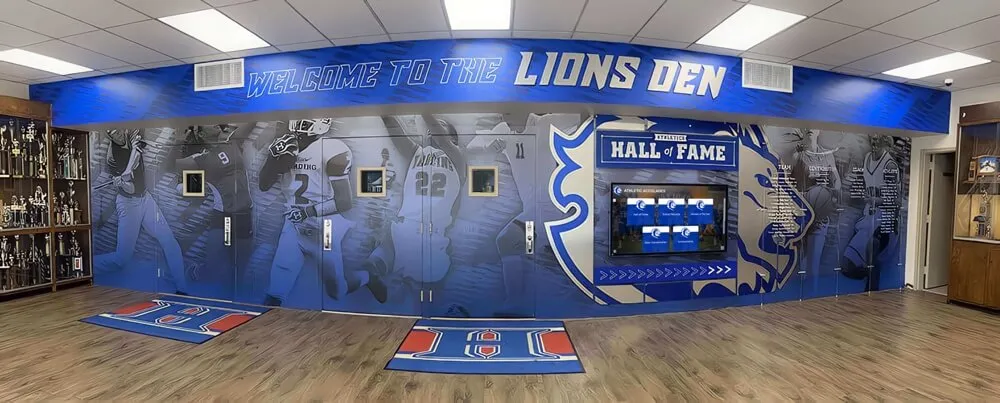
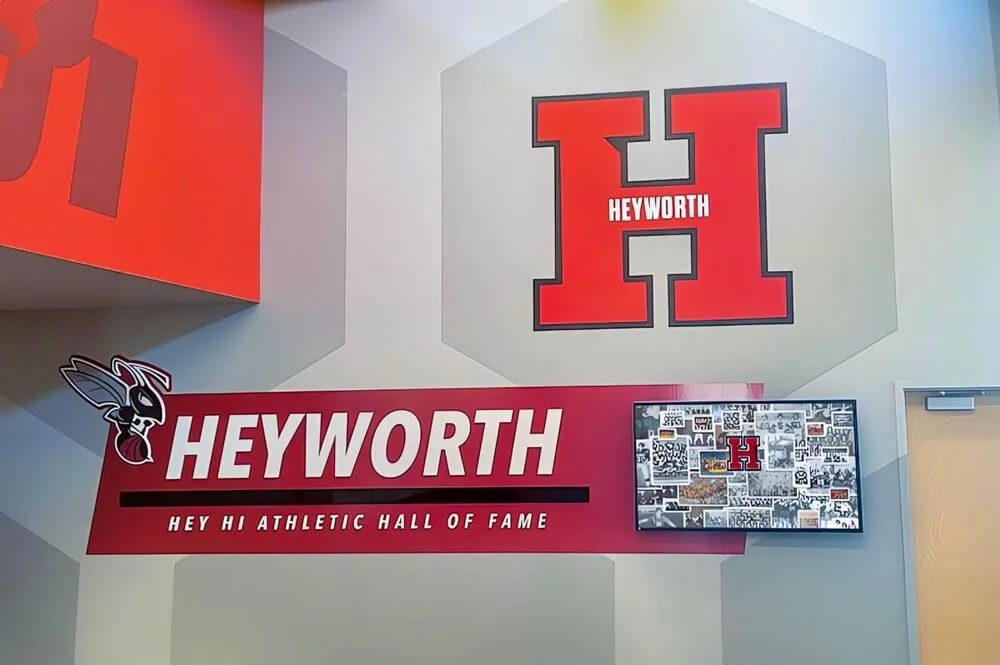
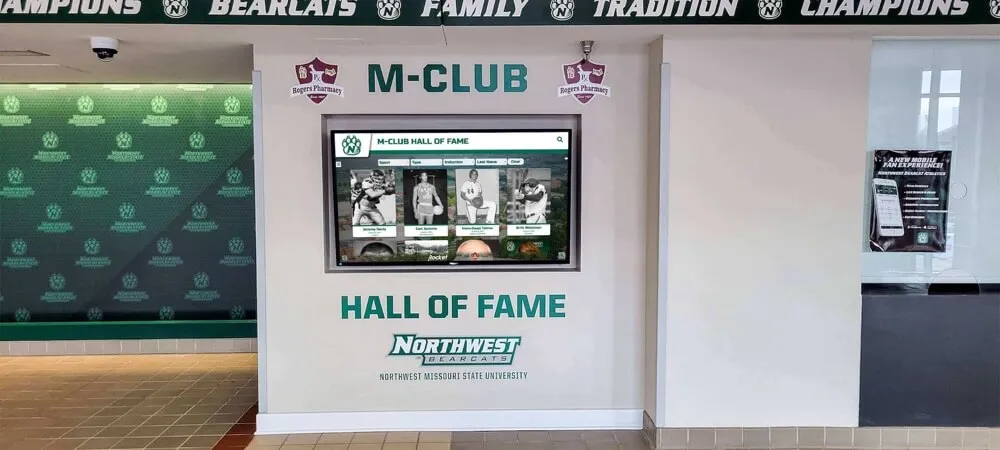
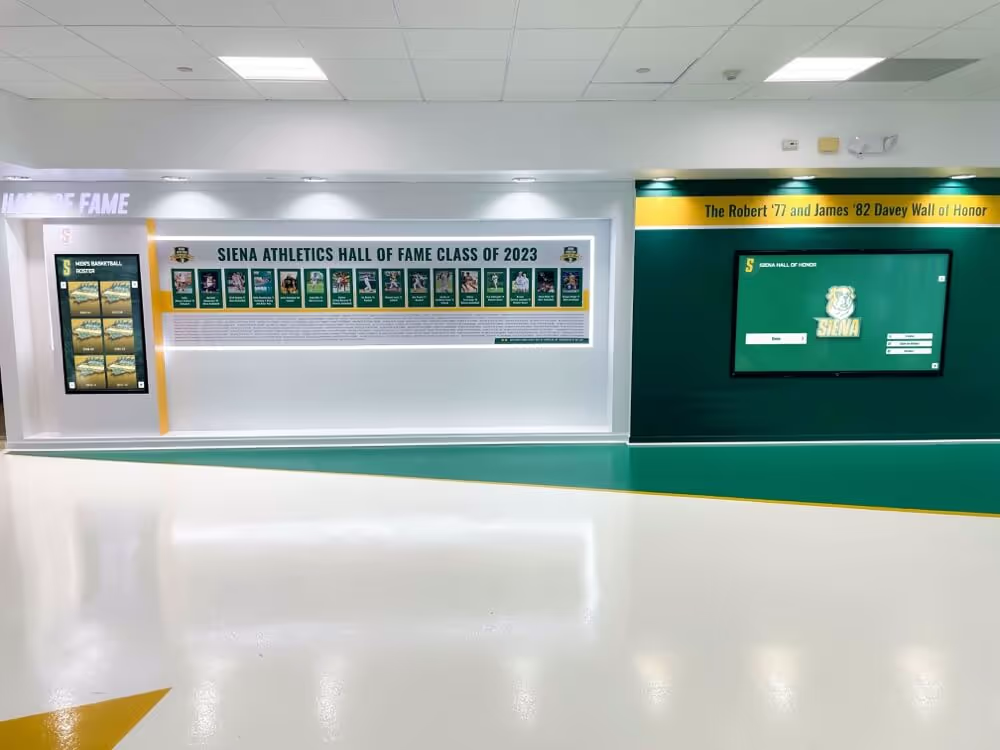
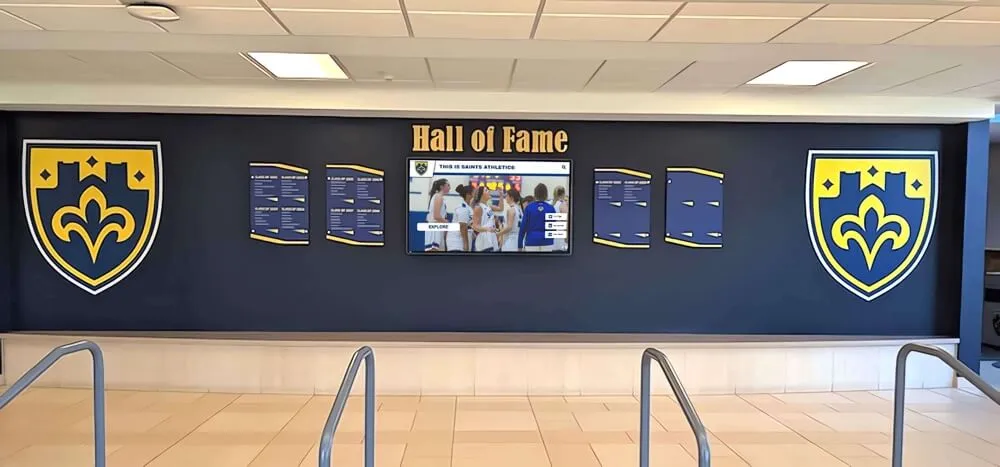
A recognition display that combines traditional wall elements with a digital screen gives athletic programs the flexibility to honor long-standing contributors and current donors in the same visible, permanent space
What Amounts to Ask For — and How to Frame the Ask
The question most booster club leaders wrestle with is how high to anchor the suggested amounts. Ask too little and you leave revenue on the table; ask too high and you lose donors who would have given at a more accessible level.
Anchor to the top of your realistic range. Research in behavioral economics consistently shows that suggested amounts anchor giving upward. If your highest suggested amount is $500, most donors will give in the $100–$500 range. If your highest is $2,500, a portion of donors will aspire to that level even if they ultimately give $1,000. Lead with your best tier, not your lowest.
Always include an accessible entry point. A $100 level (or even $50 for programs in lower-income communities) ensures donors who want to give but cannot give large amounts feel welcomed rather than excluded. A donor who gives $100 for three consecutive years and receives meaningful recognition may upgrade to a higher tier when their circumstances change.
Connect each level to a specific use. “Your $500 Varsity Supporter gift helps fund travel costs for athletes competing at regional championships” is more compelling than “your gift supports the athletic program.” Specificity creates urgency and emotional connection that generalized asks cannot replicate.
Understanding how schools define and display academic and athletic honors provides useful context for how the recognition architecture of a comprehensive donor program works — and helps programs design tier names and benefits that feel genuinely meaningful to recipients.
How to Recognize Supporters: Moving Beyond the Printed Program
The printed program is a starting point, not an endpoint. A donor listed in a booklet that most people recycle after the game has been acknowledged — but not in a way that creates lasting visibility or motivates continued giving. The athletic programs with the strongest donor retention rates build recognition that donors can point to months and years after their gift was made.
Facility Recognition Displays
The most durable form of donor recognition is a named display in the athletic facility itself. Unlike a printed program or a social media post, a facility display is visible every day the building is open — to athletes, families, coaches, opposing teams, and every visitor who walks through the lobby.
Schools building out permanent recognition can review how school digital displays operate on a daily basis for a practical picture of how digital recognition systems integrate into the athletic facility environment and serve recognition purposes throughout the full school year, not just on game nights.
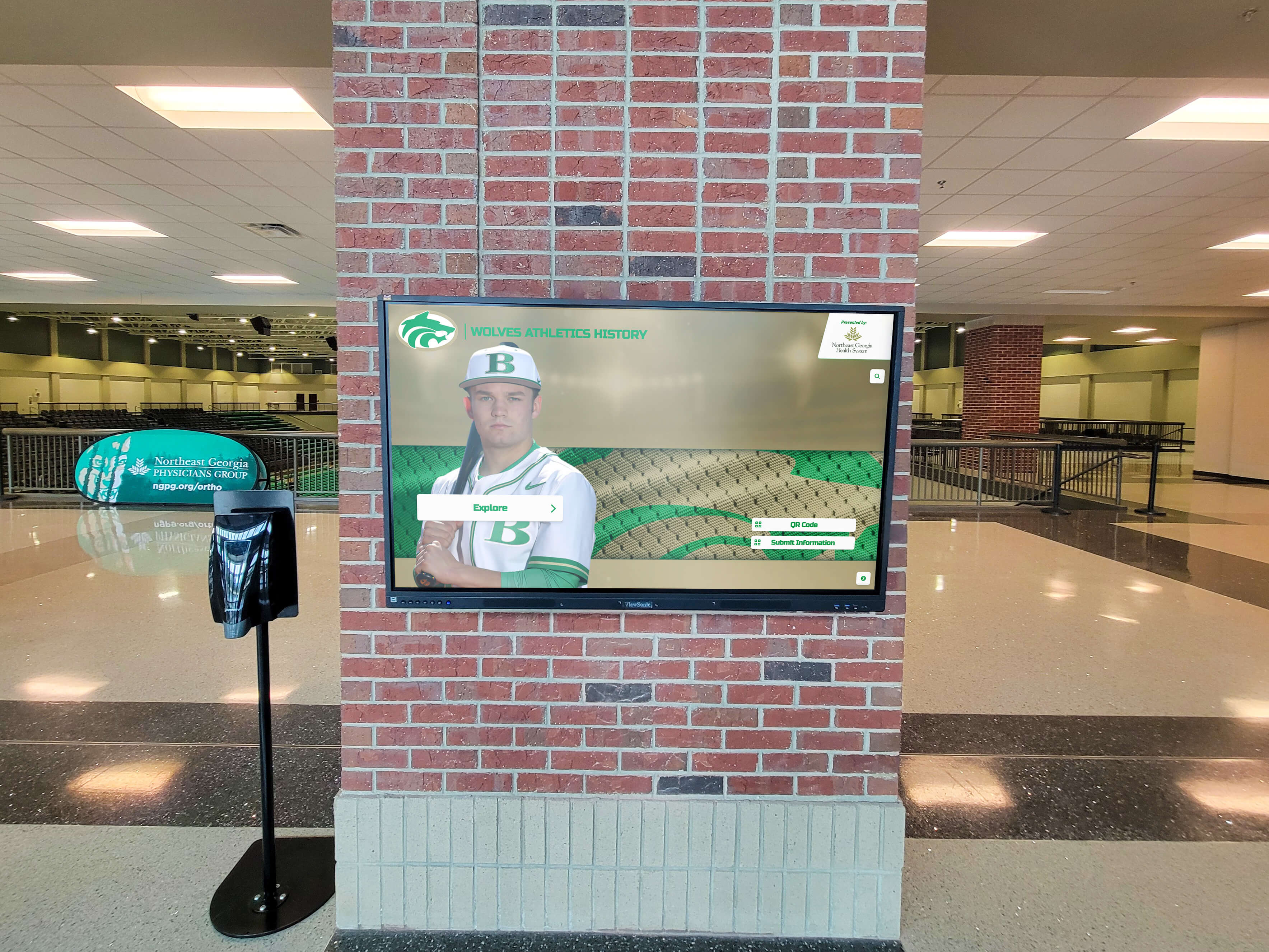
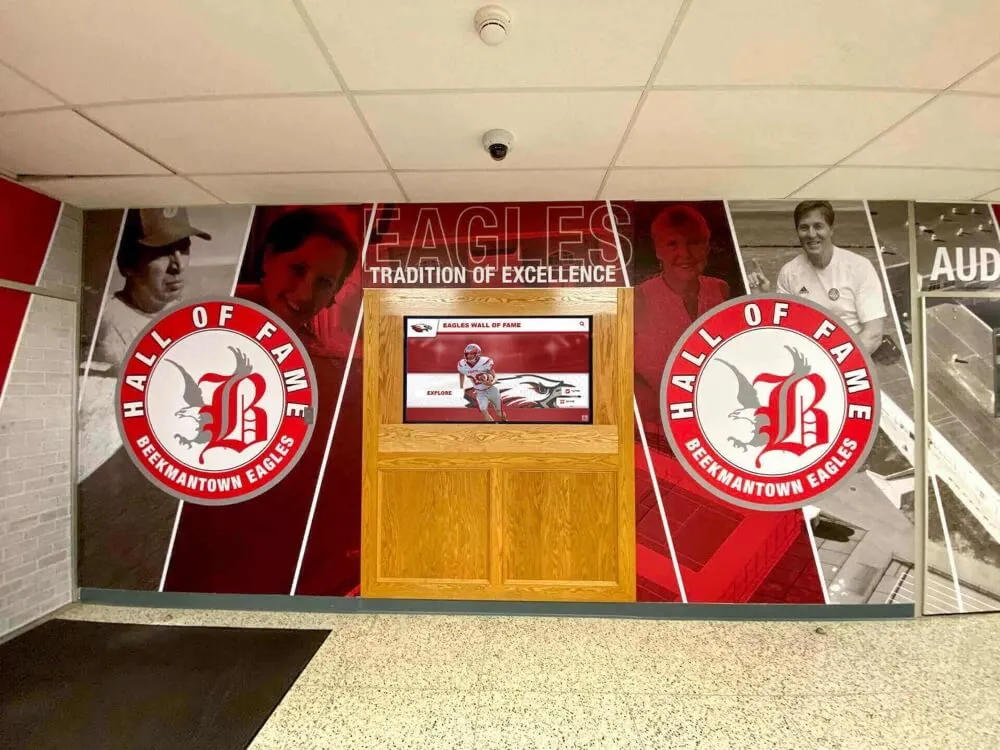
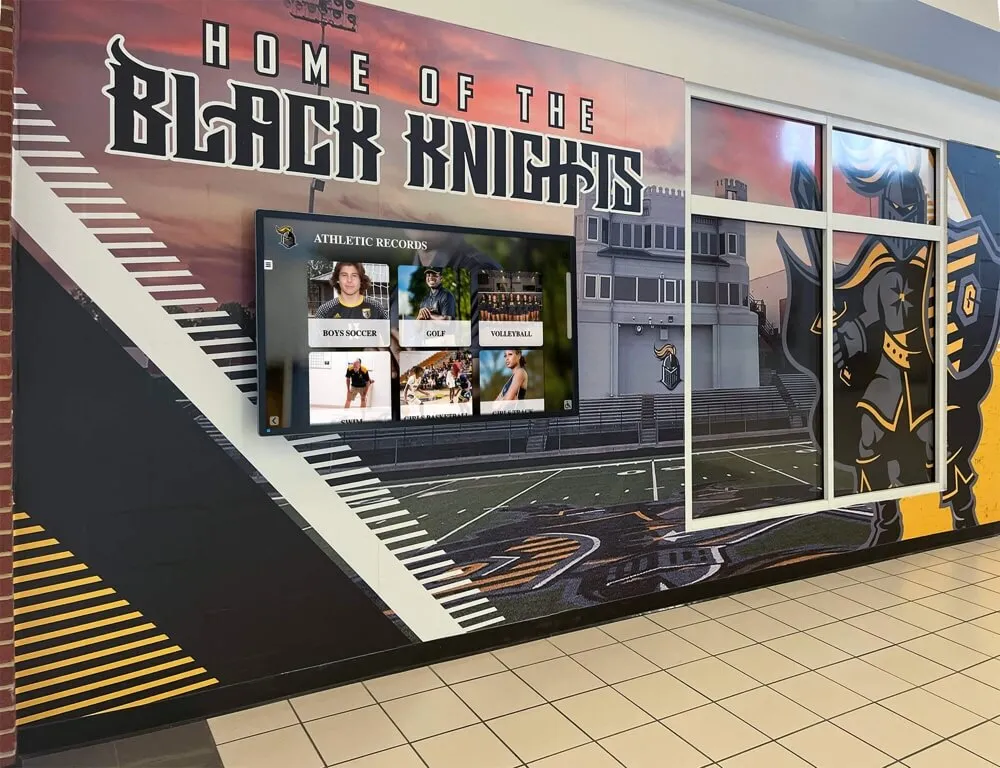
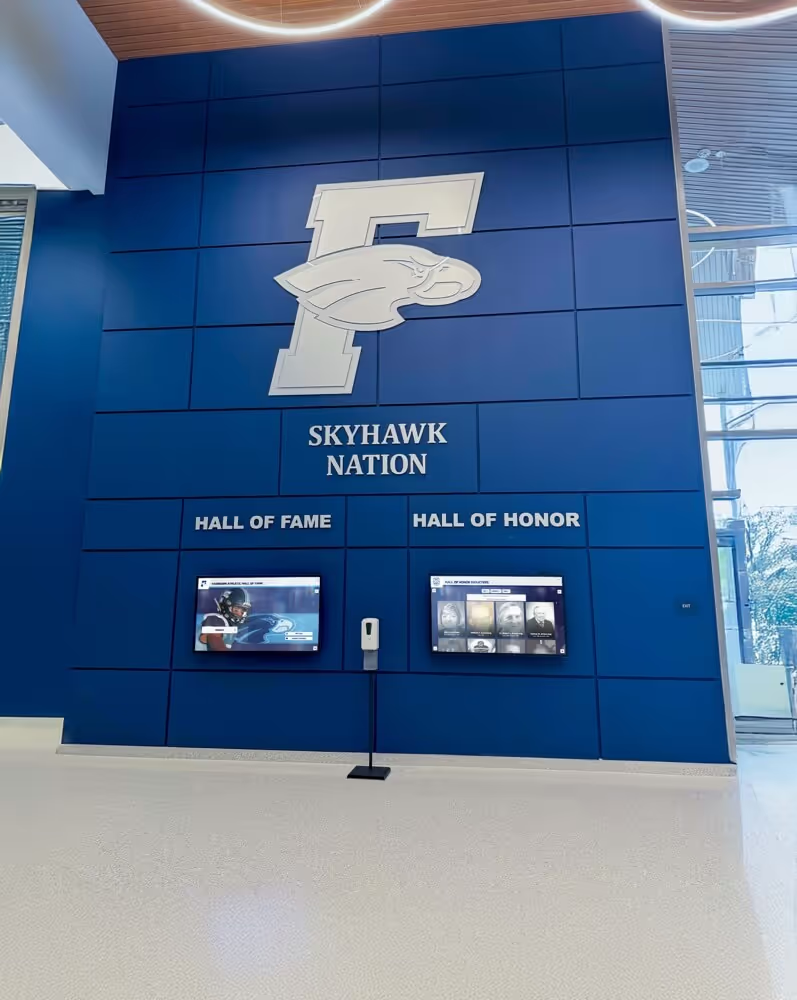
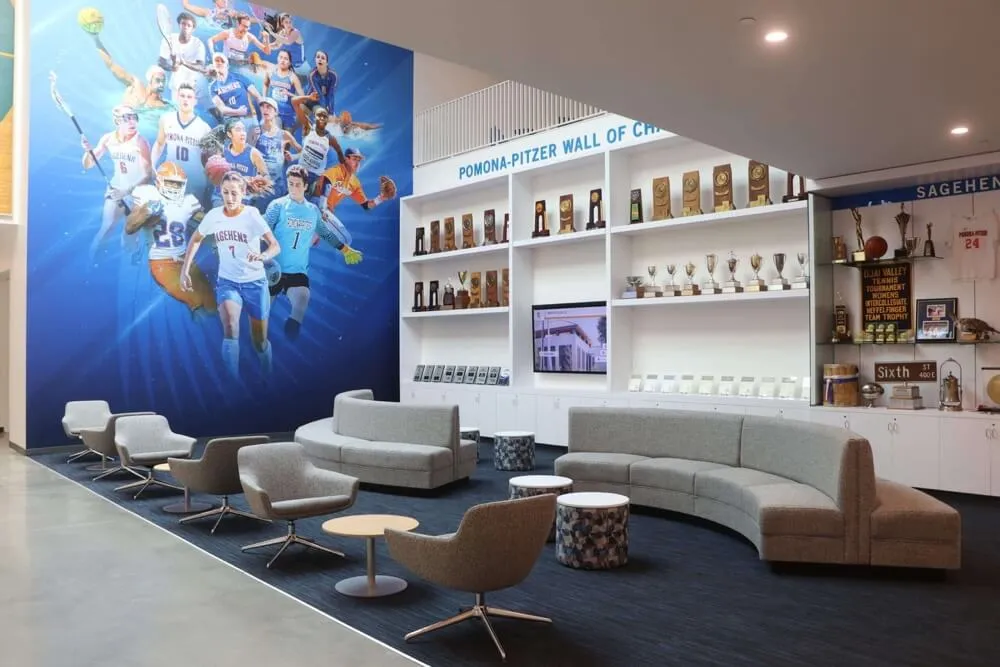
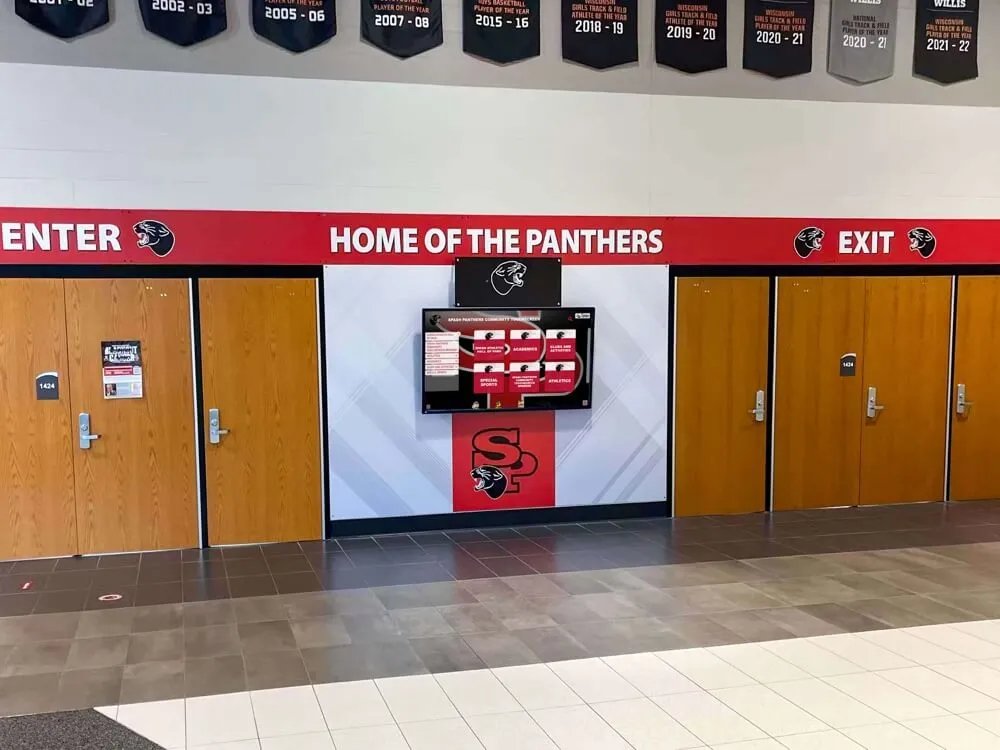
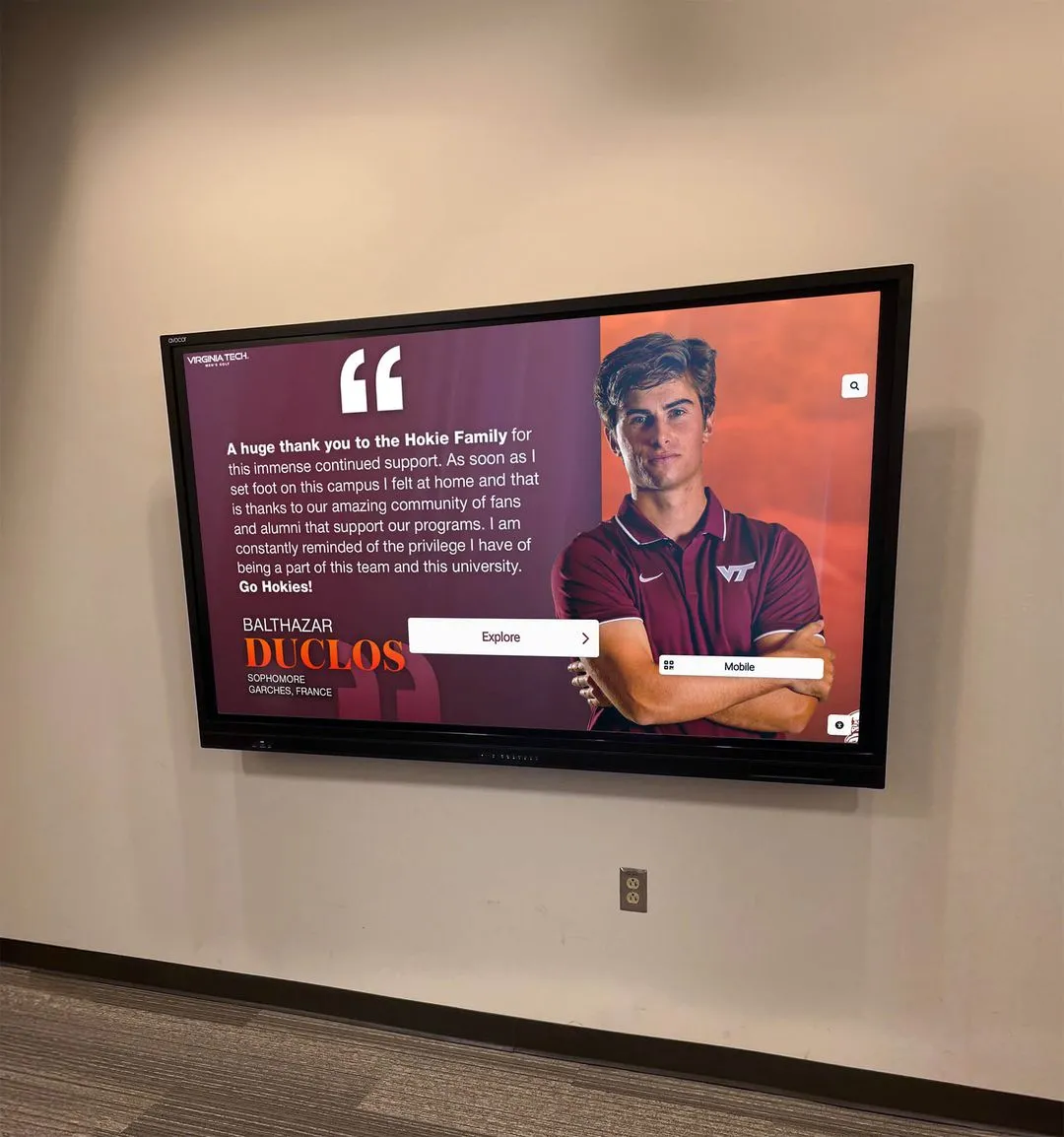
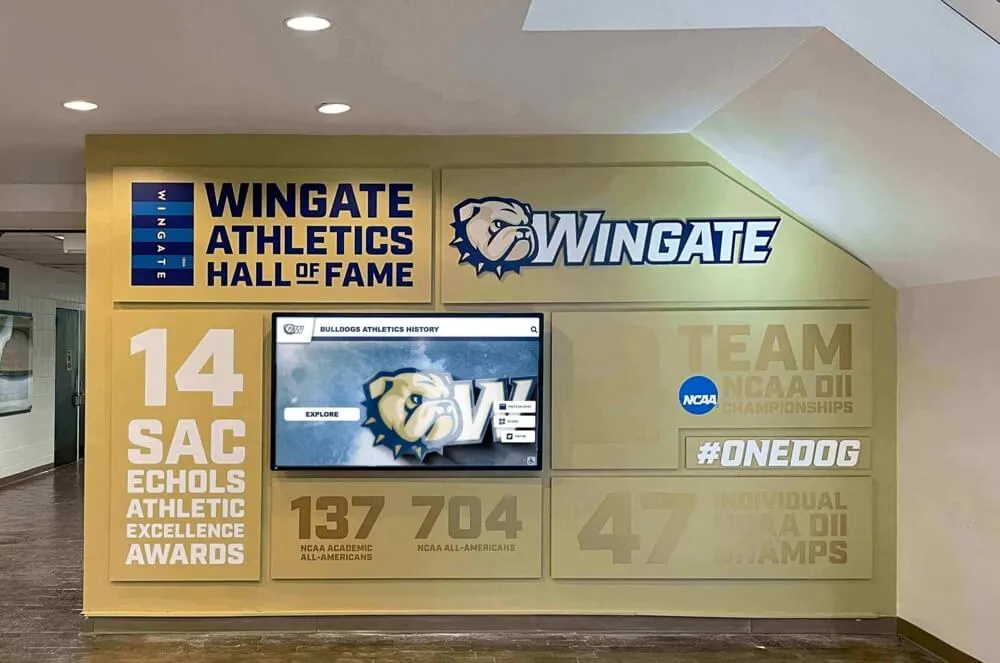
Athletic lobby displays visible to every student, family, coach, and visitor give donor recognition a permanence that printed programs and social media mentions cannot replicate
Interactive Touchscreen Donor Recognition
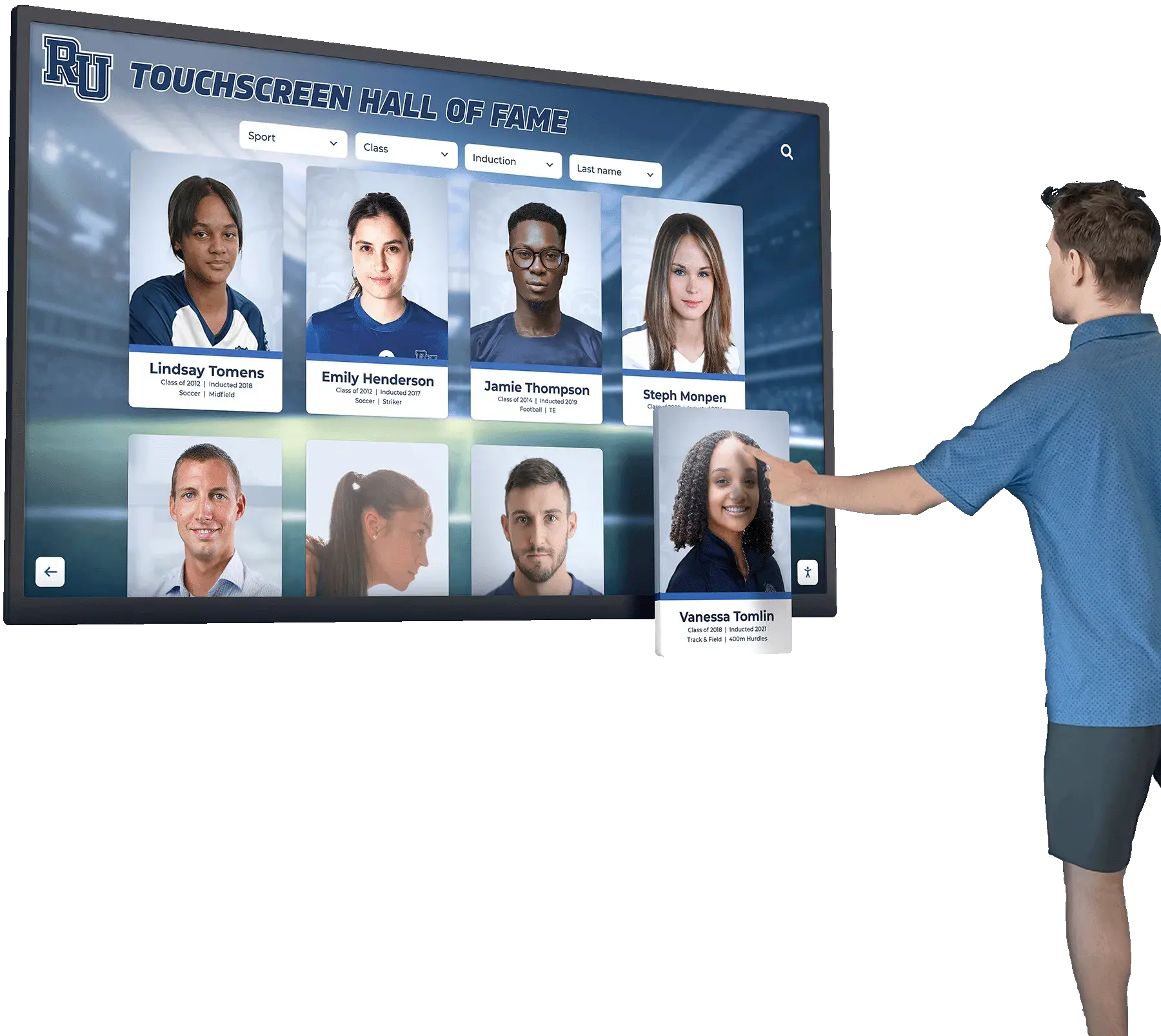
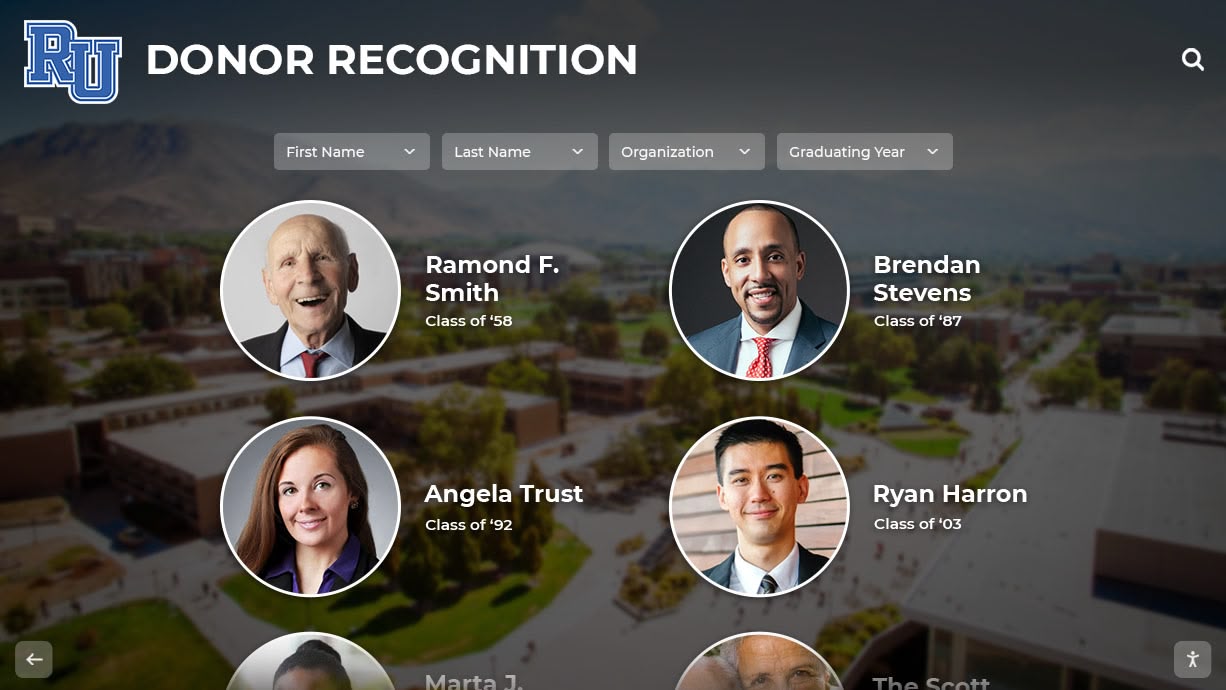
For higher-tier donors — Championship Partner and Legacy Donor levels — an interactive touchscreen display offers a qualitatively different recognition experience. Rather than a static name listing, a donor profile on a touchscreen display can include a photo, a short biography, a description of their connection to the program, and a record of their cumulative giving. That depth of acknowledgment transforms recognition from a transactional courtesy into a genuine tribute.
Hall of fame display tools for athletic programs and donors provide an overview of the interactive recognition platforms that schools use to honor both athletes and program supporters. Often the same system serves both purposes — a single display platform that recognizes standout athletes in one section and major donors in another creates a unified tribute space where contributors feel genuinely part of the program.
Community Heroes and Wall of Honor Programs
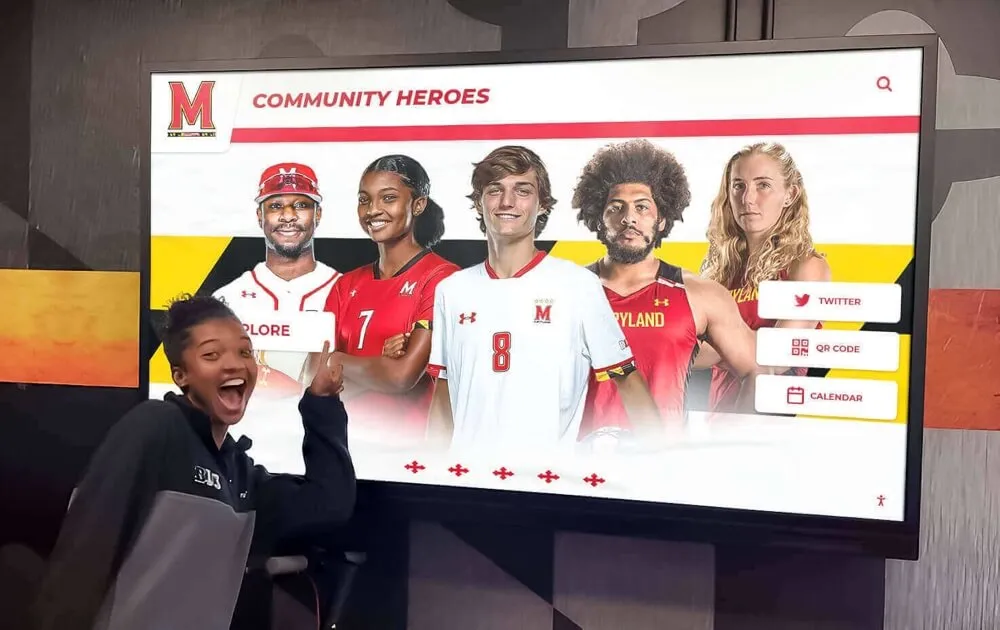
Some schools formalize donor recognition through community-branded programs: a “Community Heroes” display that honors contributors from multiple categories (donors, sponsors, volunteers, alumni), or a “Wall of Honor” that places program supporters alongside athletic honorees.
These programs work particularly well when the recognition is visible to students throughout the school year — not just at events. A student who sees the same donor’s name in the athletic corridor every day has a fundamentally different relationship to that contributor than one who sees a name in a printed program once per season.
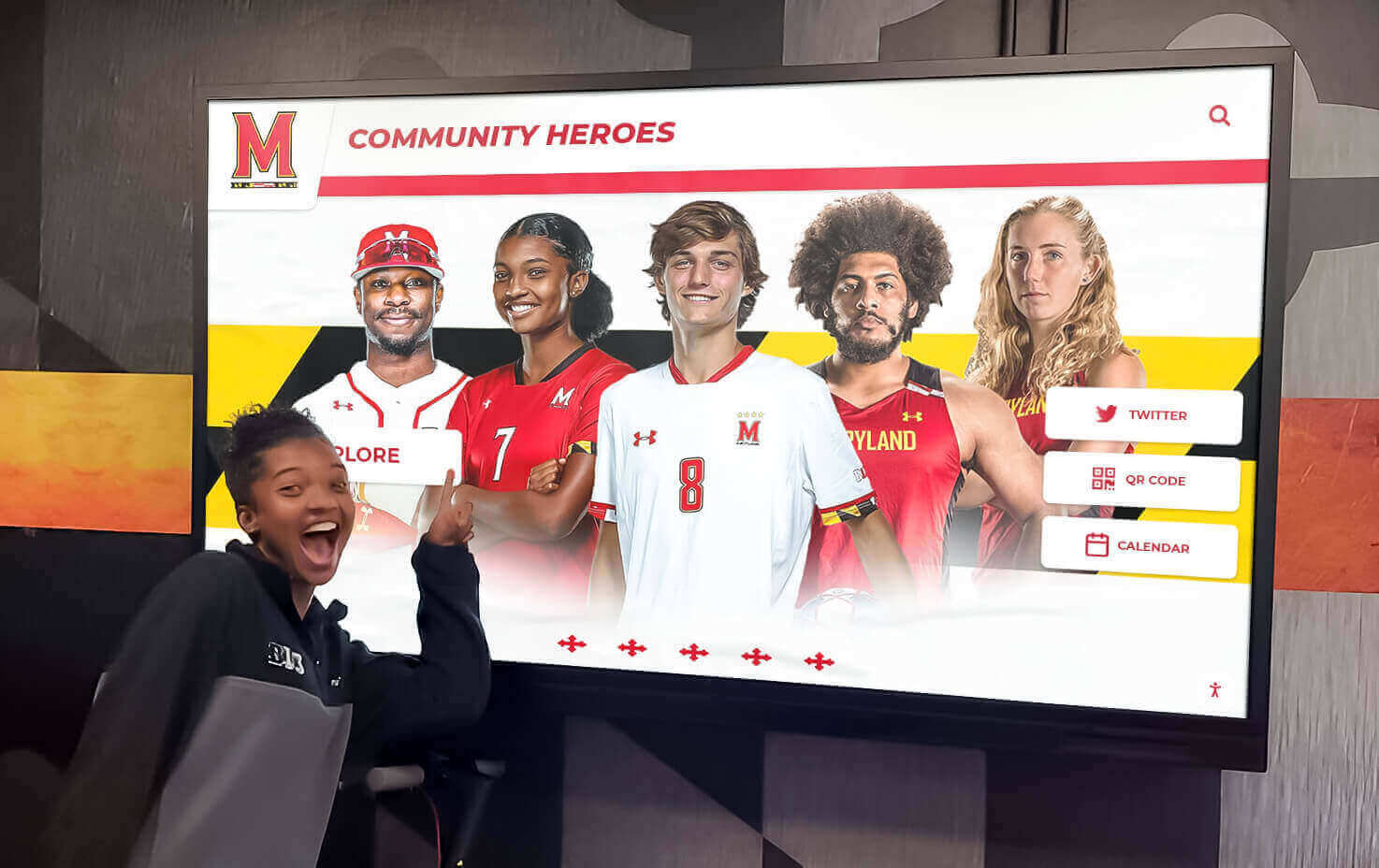
When donor recognition is integrated into the same space where student athletes are celebrated, supporters become genuine members of the athletic community — not just names on a list
After the Letter: Follow-Through That Builds Long-Term Support
A booster club donation letter is the opening of a relationship, not the entirety of it. The follow-through after a gift arrives is where most programs either build lasting donor loyalty or let it slip.
Acknowledge every gift within 48 hours. A prompt acknowledgment — personal note or email, not only an automated receipt — signals that the gift was noticed and valued. The Association of Fundraising Professionals has consistently found that donors who receive personal acknowledgment are significantly more likely to give again than those who receive only automated confirmation.
Deliver every recognition element promised in the letter. If the donation letter promised a name on the digital donor display, that name needs to appear — before the season begins, not six months after. Programs that follow through on every recognition commitment build a reputation that generates referrals; programs that treat recognition as optional lose donors silently and rarely understand why.
Send an annual impact update. A brief letter or email — not a new ask — that documents what the program accomplished with donated funds keeps donors engaged between giving cycles. Include photos where possible: the new equipment purchased, the facility recognition display where their name appears, the athletes who competed because the program was properly resourced.
For programs thinking about recognition system continuity across leadership changes, the resource on athletic director transition planning and institutional memory is directly relevant — recognition commitments made in a donation letter must survive staff turnover, and the systems supporting them need to be documented accordingly.
The way schools recognize contributors across different program areas also matters. Reviewing how schools recognize and showcase their top teams and contributors gives programs a broader framework for building recognition environments that serve donors, athletes, and the wider school community simultaneously.
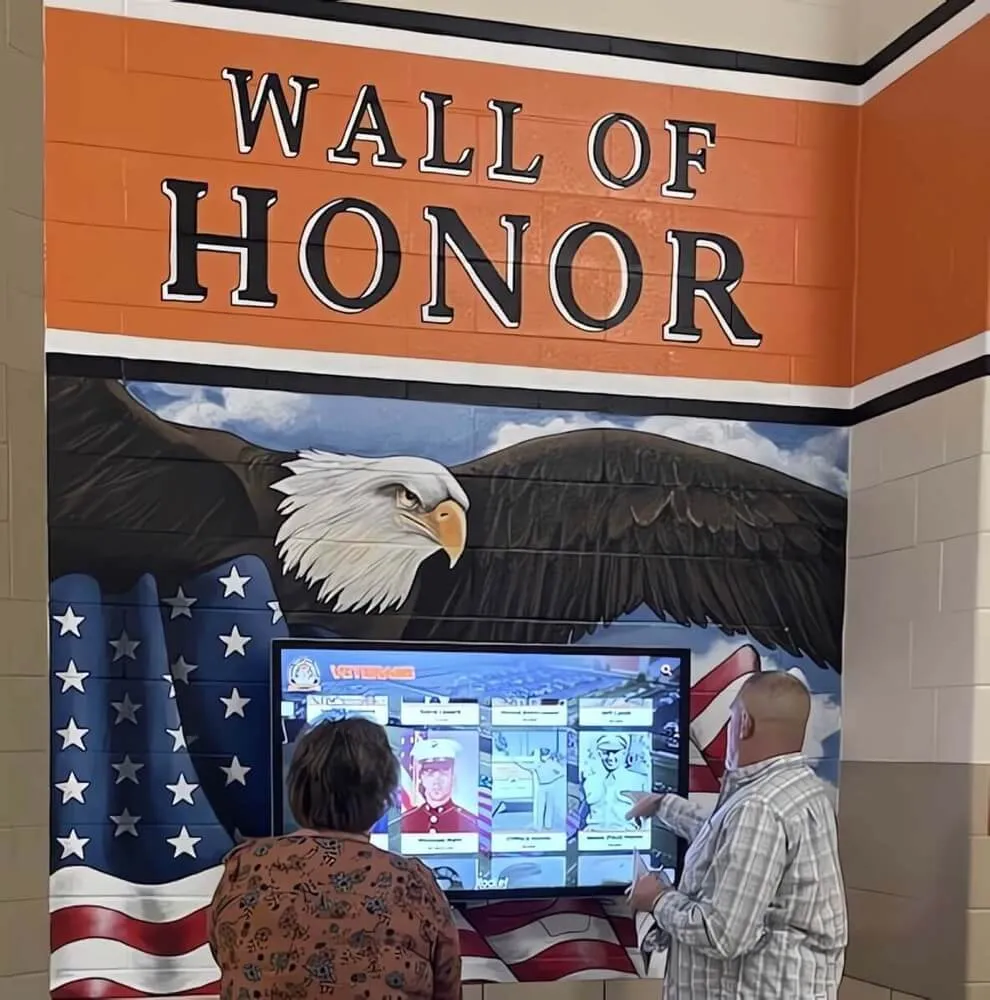
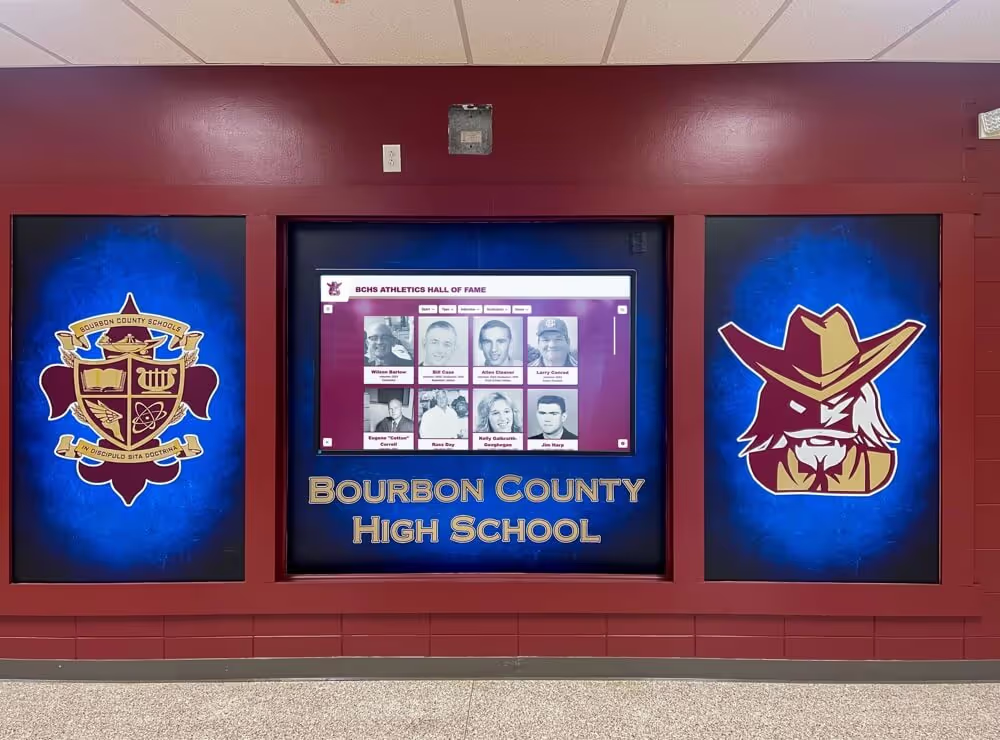
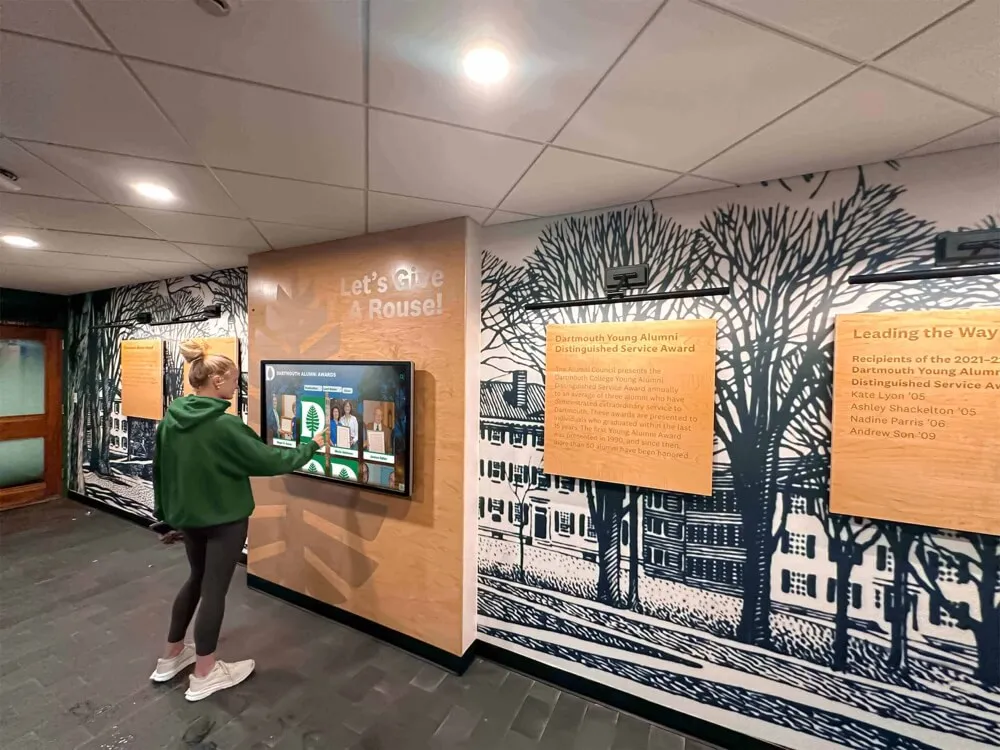
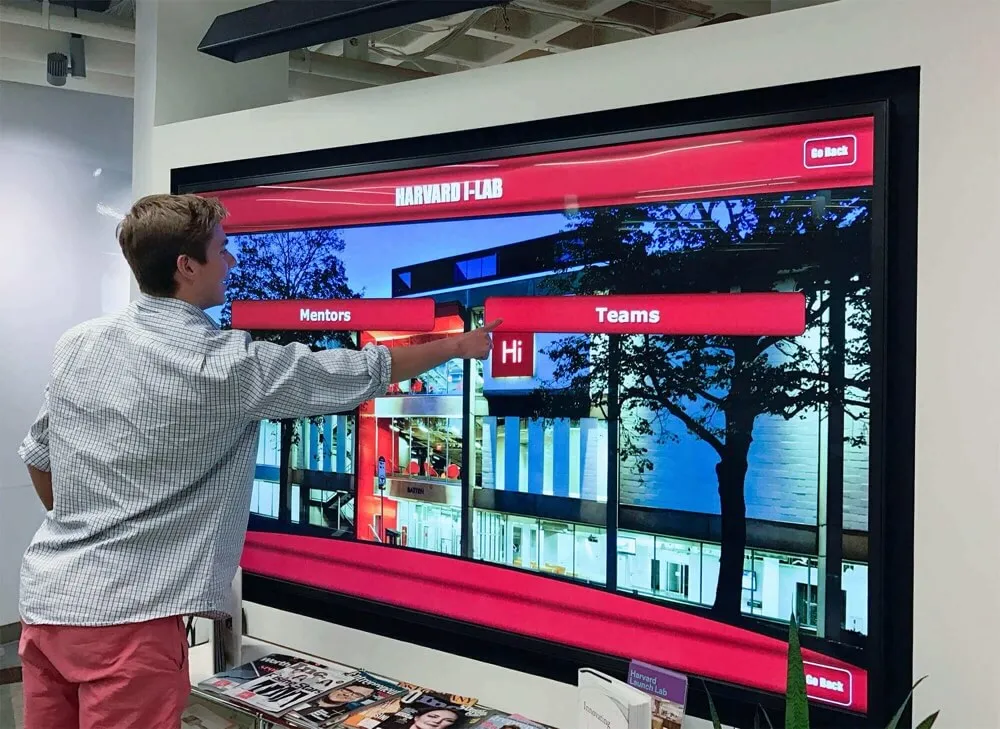
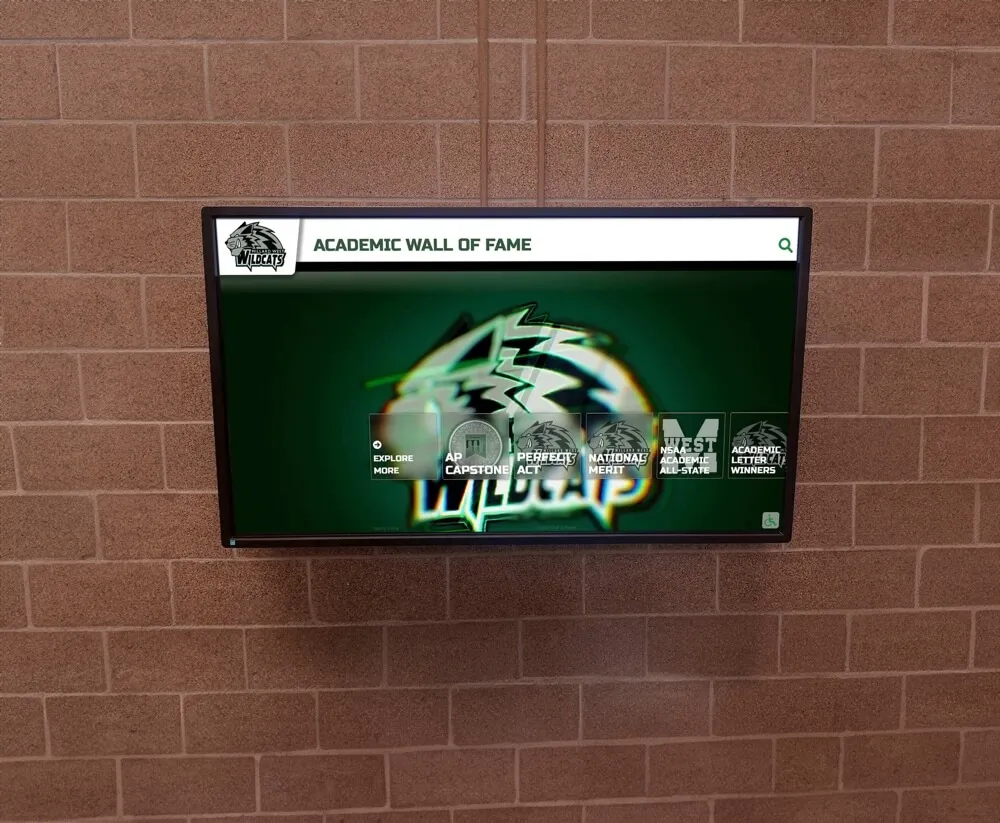
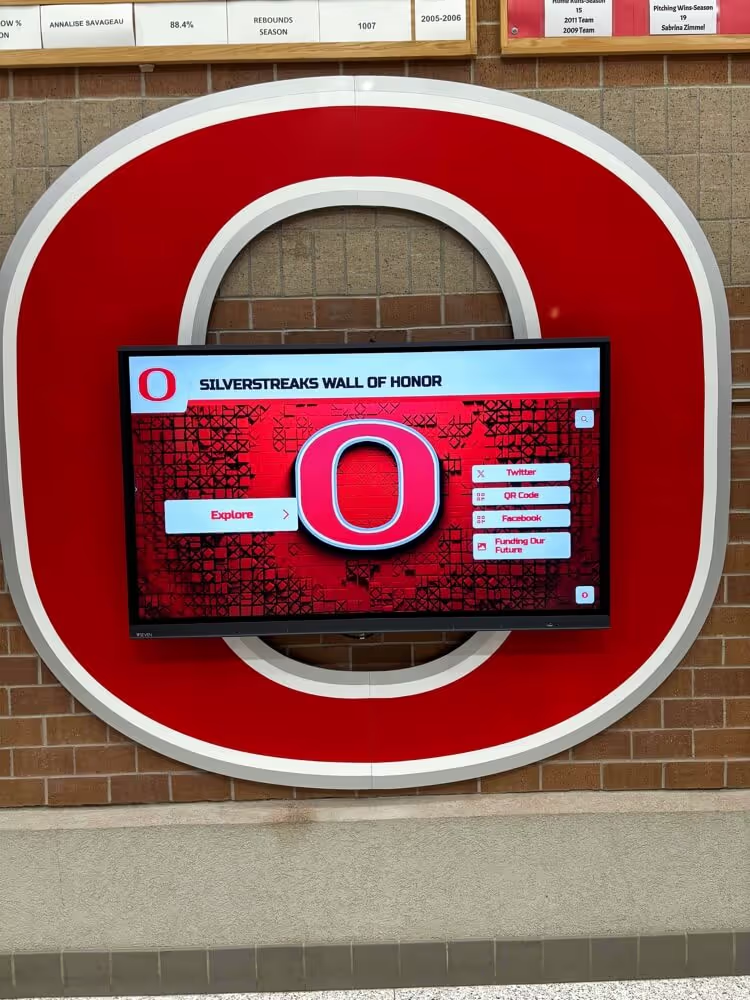
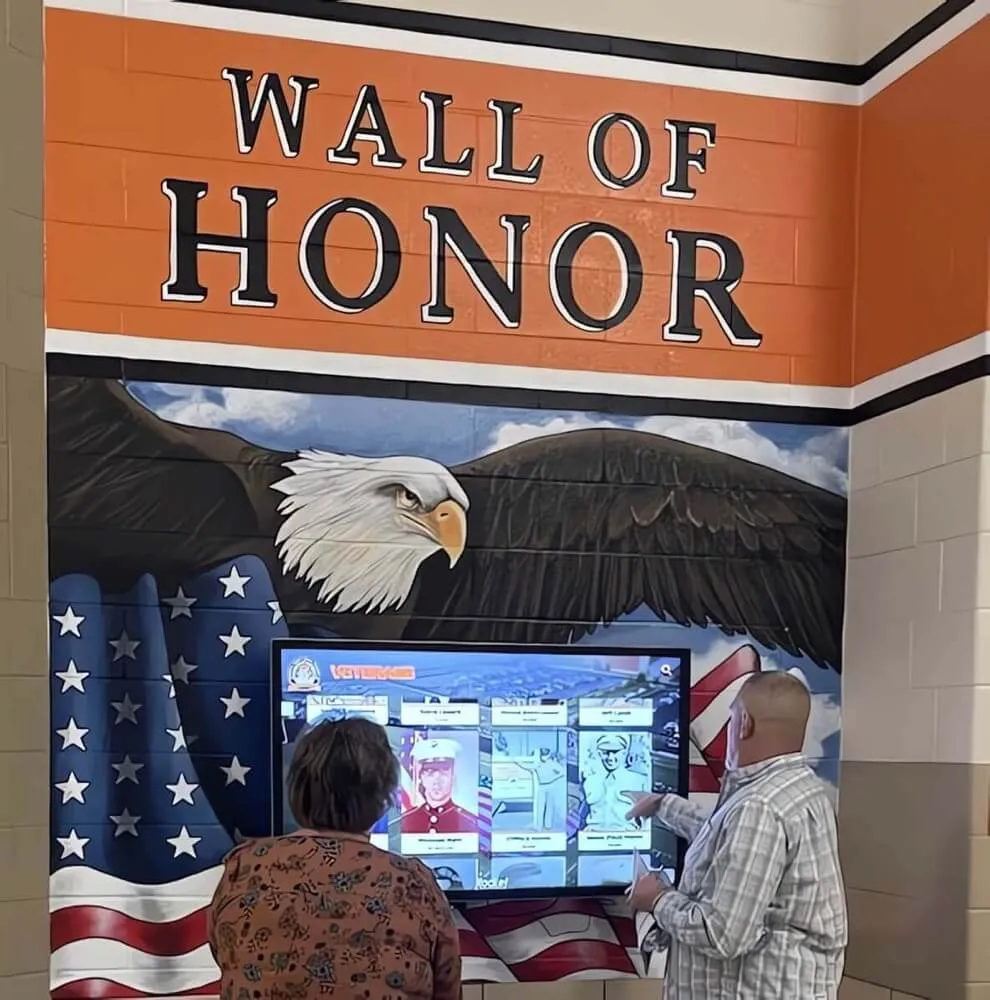
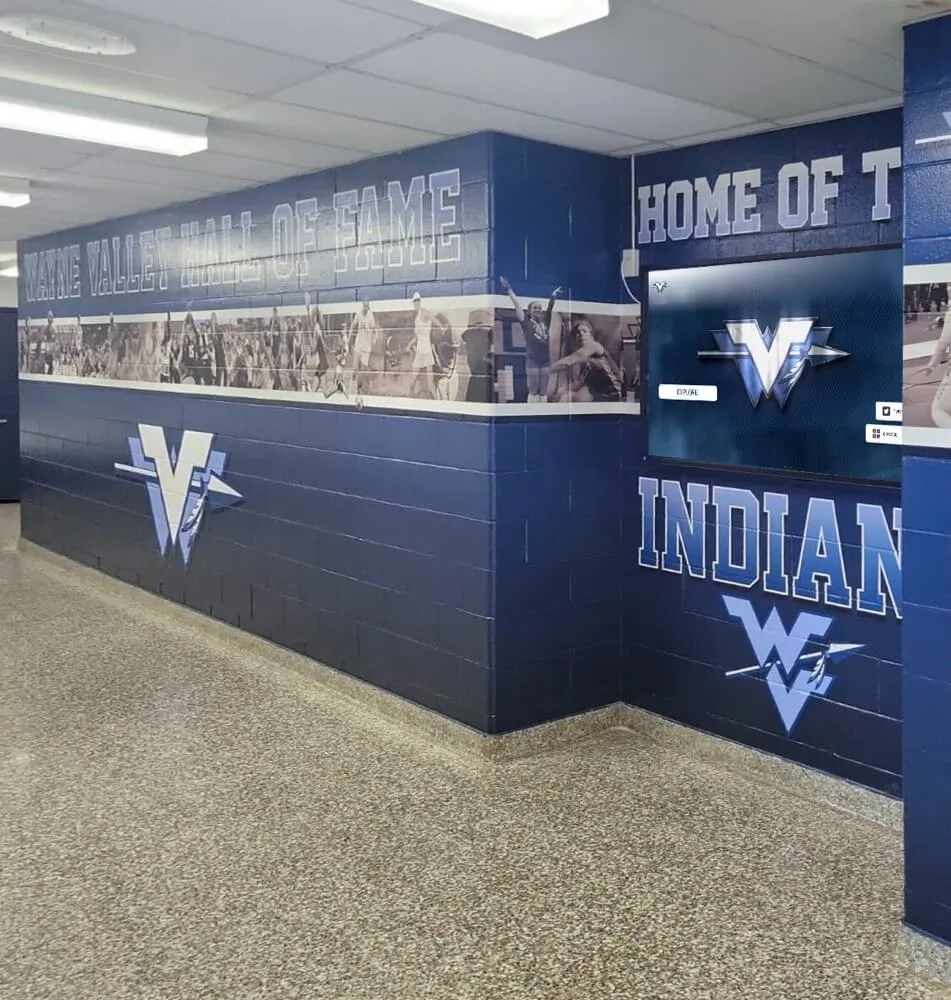
Interactive wall of honor displays that visitors engage with in person demonstrate the kind of lasting, visible recognition that motivates donors to give at higher levels and return year after year
Building a Donor Recognition Program That Compounds
The goal of a booster club donation letter is not a single transaction — it is the beginning of a giving relationship that grows over time. A Program Patron who gives $150, sees their name on the facility donor board, and receives a personal acknowledgment may become a Varsity Supporter by year three. A Legacy Donor who gives $3,000 and receives a named profile in the athletic hall of fame display is connected to the program in a way that often extends across decades — and sometimes leads to estate planning conversations.
That compounding only happens when recognition is real, visible, and sustained. The best donation programs share a common trait: they treat recognition as a deliverable, not a courtesy — and they build the physical infrastructure (display boards, digital systems, facility signage) to make that recognition visible every day.
For a comprehensive picture of the tools available for building lasting recognition systems, the guide on hall of fame recognition tools for schools covers the display options athletic programs use to honor contributors in ways that remain visible and meaningful for years after the original gift was made.
Make Donor Recognition Permanent and Visible
Rocket Alumni Solutions builds interactive digital recognition systems for school athletic facilities — giving programs a year-round platform to fulfill every recognition promise in the booster club donation letter. Donors see their acknowledgment in place. Programs document delivery. Relationships grow.
See Donor Recognition Display SolutionsFrequently Asked Questions About Booster Club Donation Letters
What is a booster club donation letter?
A booster club donation letter is a written request sent to parents, alumni, community members, or local philanthropists asking for a charitable contribution to support a school athletic program. Unlike a sponsorship letter addressed to businesses offering commercial advertising benefits, a donation letter is directed to individuals who give based on belief in the program rather than marketing return. It typically includes suggested giving levels, a description of how funds will be used, and information about how donors at each level will be recognized.
What should a booster club donation letter include?
An effective booster club donation letter should include: an opening that explains the program’s purpose and community impact, a specific description of what donated funds will support, a tiered menu of suggested giving amounts with named donor levels and associated recognition, a clear explanation of how donors will be acknowledged (facility display, digital recognition, printed program listing), simple instructions for how to give, and a deadline or specific call to action. Letters that include named giving tiers with specific recognition offers tend to generate higher average gifts than open-ended asks with a blank amount line.
How should booster clubs recognize donors?
Booster clubs should recognize donors in ways proportional to their giving level and durable enough to reflect the value of the contribution. Entry-level donors (under $250) are typically recognized in printed programs and on a general facility donor board. Mid-level donors ($500–$999) benefit from digital display recognition on facility screens visible year-round. Major donors ($1,000 and above) should receive permanent named recognition — on a dedicated donor wall, in a digital hall of fame display, or as a named profile on an interactive touchscreen system. Every recognition element promised in the donation letter must be delivered; failure to follow through is the primary driver of donor attrition in athletic programs.
How is a booster club donation letter different from a sponsorship letter?
A booster club donation letter requests a charitable gift from individuals motivated by belief in the athletic program. A sponsorship letter proposes a marketing agreement with businesses in exchange for public visibility and brand recognition. The key differences are the audience (individuals vs. businesses), the budget source (personal giving vs. marketing budget), and the primary motivation (mission vs. commercial return). Writing a donation letter that leads with marketing benefits tends to confuse recipients and weaken response rates for both types of outreach.
What donor levels should a booster club offer in a donation letter?
Most booster clubs find four to five named donor levels work well: an accessible entry tier ($100–$249) for broad community participation, a mid-level tier ($250–$499) with facility recognition, a higher tier ($500–$999) with digital display recognition, a major donor tier ($1,000–$2,499) with permanent digital recognition, and a legacy tier ($2,500 and above) with hall of fame or named acknowledgment. The specific dollar thresholds should reflect the program’s donor history and community giving patterns. Anchoring the suggested amounts at the higher end tends to increase average gift size without reducing overall response rates.
A Stronger Program Starts with a Stronger Ask
The booster club donation letter is a program’s formal invitation to the community — a request to be part of something that matters. When it is written clearly, asks for specific amounts, and promises recognition the program actually delivers, it becomes one of the most efficient fundraising tools available to athletic programs of any size.
The recognition side of the equation is where programs either build lasting relationships or miss the opportunity entirely. Donors who see their names in the facility — on a digital display, in a hall of fame screen, on a dedicated donor board — remain connected to the program long after their initial gift. That connection is the foundation of the multi-year giving relationships that sustain athletic programs through budget cycles, staff transitions, and the inevitable turnover of student athletes.
For programs looking to understand how recognition approaches for contributors connect to how schools honor students more broadly, the guide on academic achievement awards and recognition for high school programs offers a useful framework — recognition environments that honor both students and the supporters behind them create communities where giving feels genuinely worthwhile.
Build Donor Recognition That Lasts Beyond the Letter
Rocket Alumni Solutions designs interactive digital donor recognition systems for school athletic programs — giving booster clubs the display infrastructure to honor every level of contributor visibly, permanently, and in ways that motivate future giving.
Schedule a Demo