



A booster club data breach response plan is a written set of procedures that tells your organization exactly what to do when membership lists, donor payment records, volunteer screening files, or contact information may have been accessed, copied, or exposed without authorization. Booster clubs accumulate sensitive personal information across nearly every program function — from annual membership drives and fundraising campaigns to background check records and donor recognition files. Without a written response plan, a breach that could be contained within hours can become a weeks-long crisis that damages relationships with members, donors, the school, and the sponsors who fund the recognition programs your community relies on.
This guide covers the types of information booster clubs typically hold and why it is sensitive, the step-by-step response sequence when a breach is discovered, how to coordinate with school IT and district administration, what notification obligations may apply, and how strong data practices protect the recognition programs that keep donors and sponsors connected to your program.
Not legal or security advice: This guide describes commonly used data breach response practices for educational purposes only. Data breach notification laws vary by state and organizational type. Your specific obligations depend on the data exposed, the number of individuals affected, your state of incorporation, and requirements from your school district or insurer. Consult qualified legal counsel and coordinate directly with your school’s IT and compliance staff before establishing or activating any breach response plan.
A booster club data breach response plan works because it removes ambiguity at the moment when ambiguity is most costly. When a volunteer reports that a shared Google Sheet with donor names and payment records was accidentally made public, or when an officer’s laptop containing membership files is stolen, the first hours determine whether the incident is resolved cleanly or escalates into a credibility problem that follows the program for years.

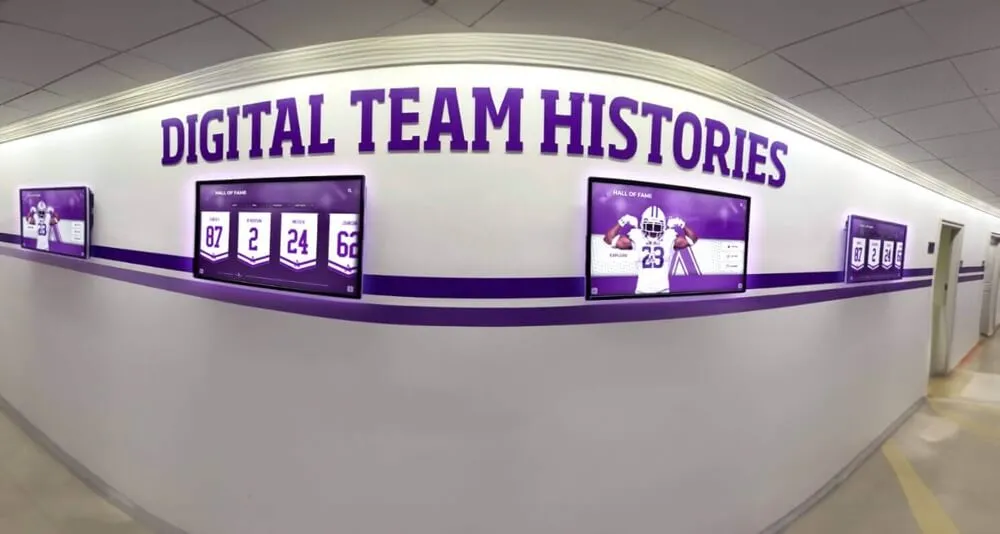
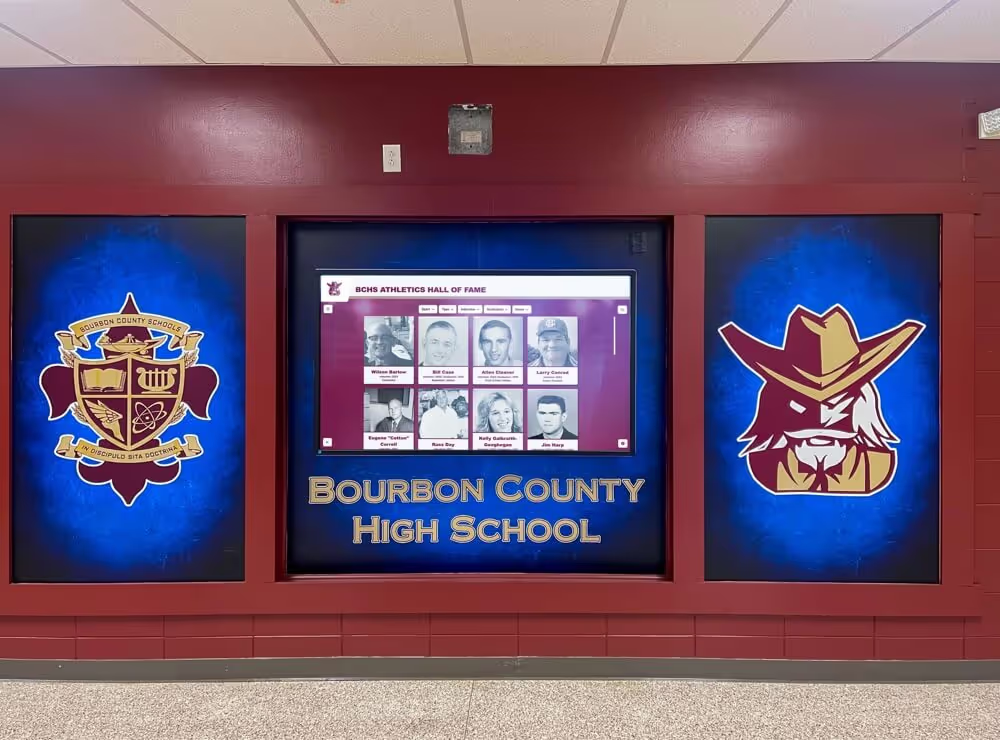
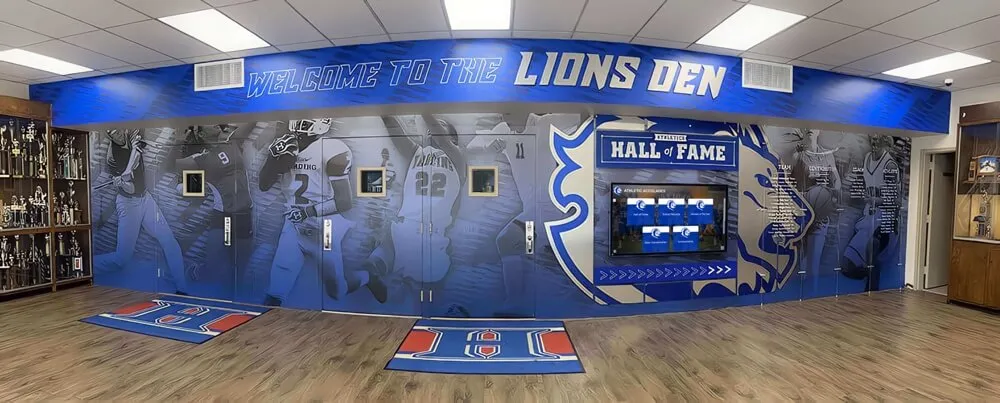
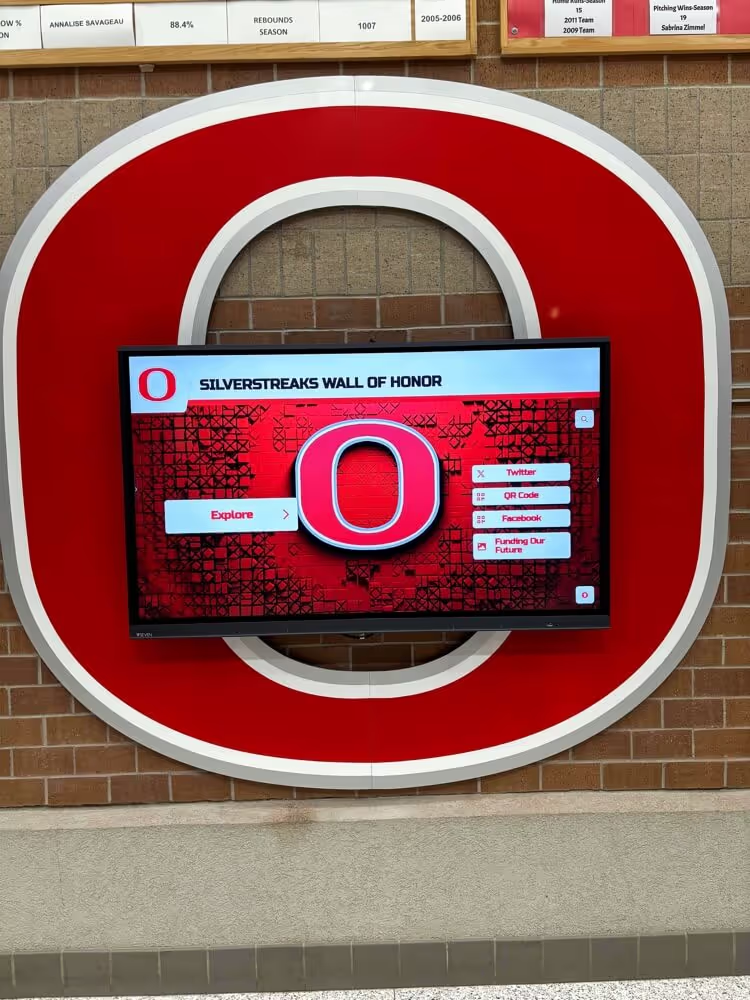
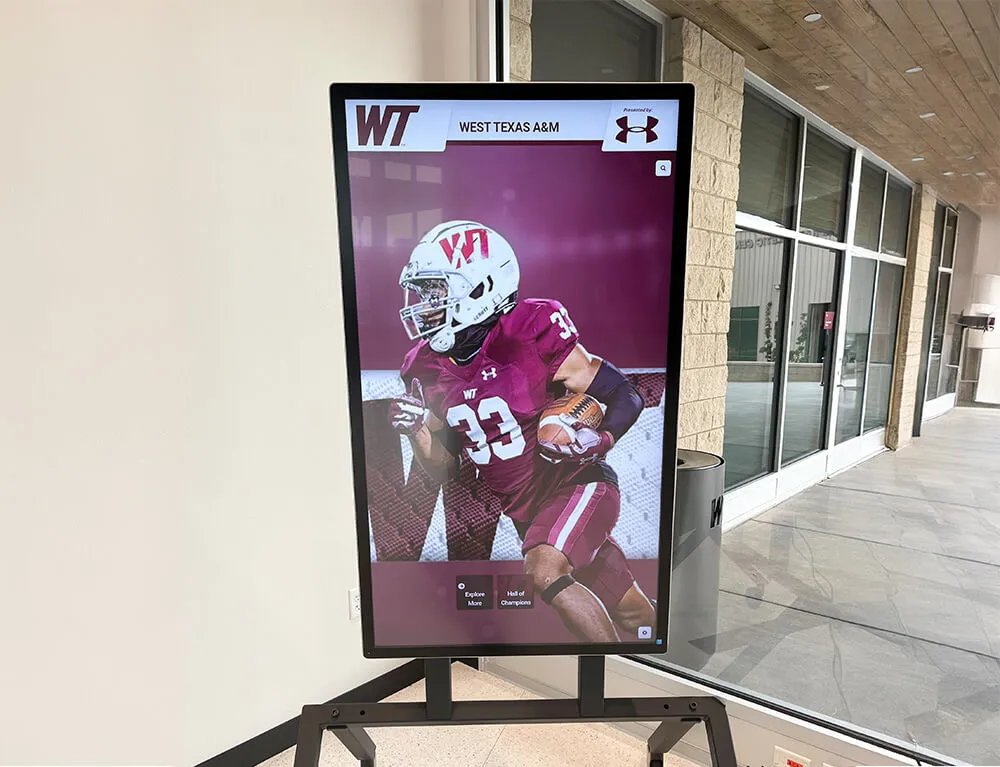
Recognition platforms that hold donor profiles, sponsor contacts, and giving-level records are part of the data inventory a breach response plan must account for — the protection practices behind those systems matter as much as the displays themselves
What Data Does a Booster Club Actually Hold?
Booster clubs routinely hold more sensitive personal information than most volunteers realize. The data accumulates gradually across membership systems, fundraising tools, event registrations, background check providers, and donor recognition databases — often spread across platforms that no single officer fully inventories.
The table below maps common data types to the categories they fall into and the risk they carry if exposed:
| Data Type | Common Source | Sensitivity Level | Exposure Risk |
|---|---|---|---|
| Member names, addresses, phone numbers | Membership forms, online sign-up tools | Moderate — identity and contact data | Spam, phishing targeting, unwanted solicitation |
| Member email addresses | Registration forms, email marketing lists | Moderate — contact data | Phishing, credential stuffing if reused elsewhere |
| Donor names and giving amounts | Donation platforms, spreadsheets, CRM tools | Moderate to High — financial behavior data | Targeted solicitation, embarrassment if amounts exposed publicly |
| Payment card or bank information | Online donation processors, membership payment tools | High — financial account data | Direct financial fraud; regulatory notification typically required |
| Volunteer background check records | Third-party screening providers, district-linked systems | High — criminal history or identity data | Discrimination exposure, legal liability if mishandled |
| Student-related contact data | Parent volunteer forms, team rosters passed to booster leadership | High — minor-adjacent data | FERPA and COPPA considerations; heightened notification obligations |
| Donor recognition records and giving levels | Recognition platforms, donor wall databases | Low to Moderate — public acknowledgment data | Reputational harm if recognition records are altered or destroyed |
| Sponsor contact and contract data | Sponsorship agreements, email correspondence | Moderate — commercial relationship data | Relationship harm, contract dispute risk |
The most common breach scenarios for booster clubs are not sophisticated cyberattacks — they are misconfigurations, shared credentials, lost devices, and accidental exposure of shared documents. The Federal Trade Commission’s guidance on data security for small organizations identifies these same access-control failures as the most frequent sources of preventable exposure. A written response plan addresses all of them.
Why Booster Clubs Need a Formal Data Breach Response Plan
Booster clubs face a specific combination of structural factors that make formal incident response planning important:
- Volunteer turnover creates credential gaps. Each leadership transition leaves behind accounts, email addresses, shared folders, and platform logins that may not be decommissioned. Former officers may retain access long after leaving the role.
- Data is distributed across multiple platforms. Membership lives in one tool, donations in another, volunteer records in a third, and recognition data in a fourth. No single person may know where all the data is until a breach forces the question.
- School proximity creates notification complexity. When booster club data includes student-adjacent contact information — or when the breach affects a system shared with the school — the school district’s privacy and notification obligations may interact with the booster club’s own obligations in ways that require coordination.
- Donor and sponsor trust is fragile. Supporters who contribute because they believe in the school’s mission expect their information to be handled with care. A mishandled breach — especially one where affected individuals learn about it from sources other than the organization — can permanently damage that trust and reduce future contributions.
- Recognition programs depend on data integrity. Donor recognition systems that hold giving levels, named honoree data, and sponsor acknowledgment records represent a commitment the organization made publicly. If those records are corrupted or exposed, the recognition program’s credibility is at risk alongside the data.
For programs building out their privacy governance alongside a response plan, a practical overview of booster club data privacy policy development covers the upstream prevention steps that reduce breach likelihood and the policy framework that a response plan builds on.
Building Your Booster Club Data Breach Response Plan: 8 Steps
A sound booster club data breach response plan follows a defined sequence. The steps below apply whether the incident involves a few dozen records or a platform affecting thousands of contacts. Adapt the specific actions to your organization’s scale and tools, and review the plan annually with the full board.
Step 1: Designate a Response Lead and a Backup
Before an incident occurs, your policy should name one officer as the breach response lead — typically the president or a designated privacy officer — and one backup. The response lead is responsible for activating the plan, coordinating with school IT, making notification decisions, and maintaining the incident log. Without a named lead, the first minutes of an incident are consumed by role confusion.
The response lead is also the point of contact for school administration. Establish that relationship before it is needed.
Step 2: Identify What Data Was Involved
When a suspected breach is reported, the first task is to determine which data categories were exposed and how many individuals are affected. Use your data inventory — which the plan should require you to maintain — to trace the affected system to the records it contains.
Questions to answer in the first two hours:
- Which platform or file was accessed or exposed?
- What categories of personal information does that system hold? (Names only? Emails? Payment data? Background check records?)
- Is the exposure still ongoing, or is it a past event?
- Are student-related records involved?
- Does the affected system connect to school infrastructure?
Document every answer with a timestamp. This log becomes the foundation for notification decisions and, if necessary, regulatory reporting.
Step 3: Contain the Exposure
Containment is the immediate priority. Depending on the type of breach, containment actions may include:
- Revoking shared access links to exposed documents
- Disabling compromised accounts or resetting passwords
- Removing exposed files from publicly accessible locations
- Contacting the platform provider to report the incident and request assistance
- Notifying your payment processor if financial account data was involved
Do not delete records that document what happened — those records may be required for legal or regulatory purposes. Containment means stopping ongoing exposure, not destroying evidence.
Step 4: Notify the School and District IT
Contact the school’s IT department and your district liaison immediately when the breach involves systems connected to school infrastructure, student-adjacent data, or platforms provided by the district. Most school districts have their own data breach protocols that apply to affiliated organizations when district data is in scope.
Even when the breach involves only the booster club’s independent systems, notifying school administration as a courtesy — before they learn from a concerned parent or local media — preserves the working relationship and gives the district an opportunity to advise on district-specific notification requirements.
The school’s IT team may also have resources or incident response experience that the booster club’s volunteer leadership does not.

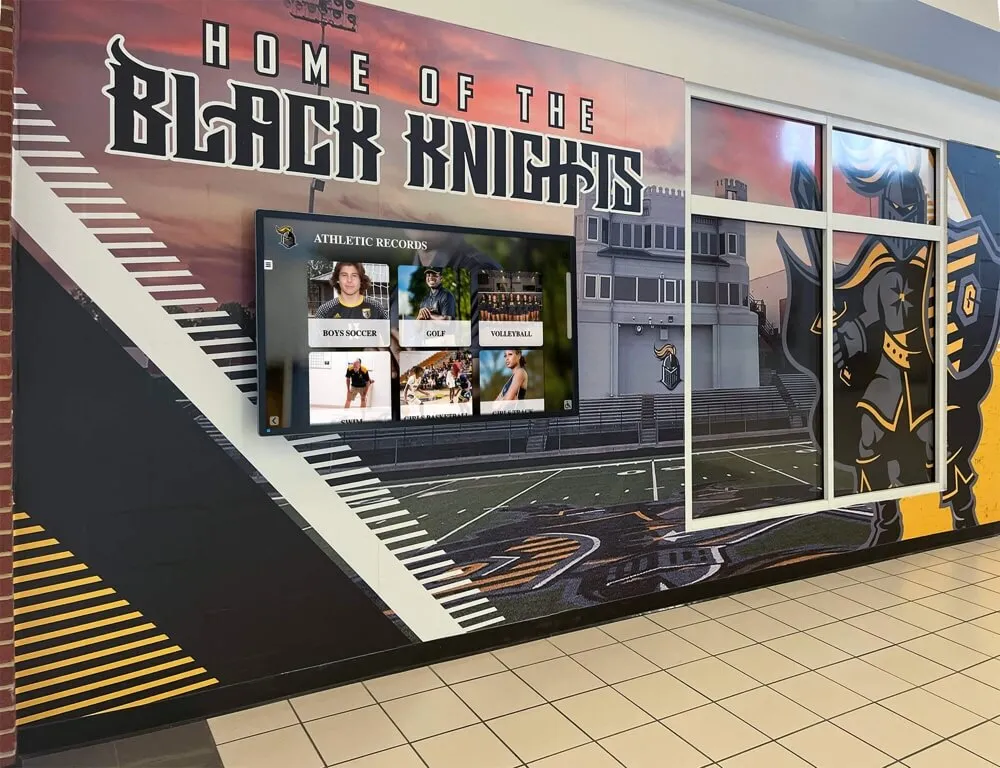
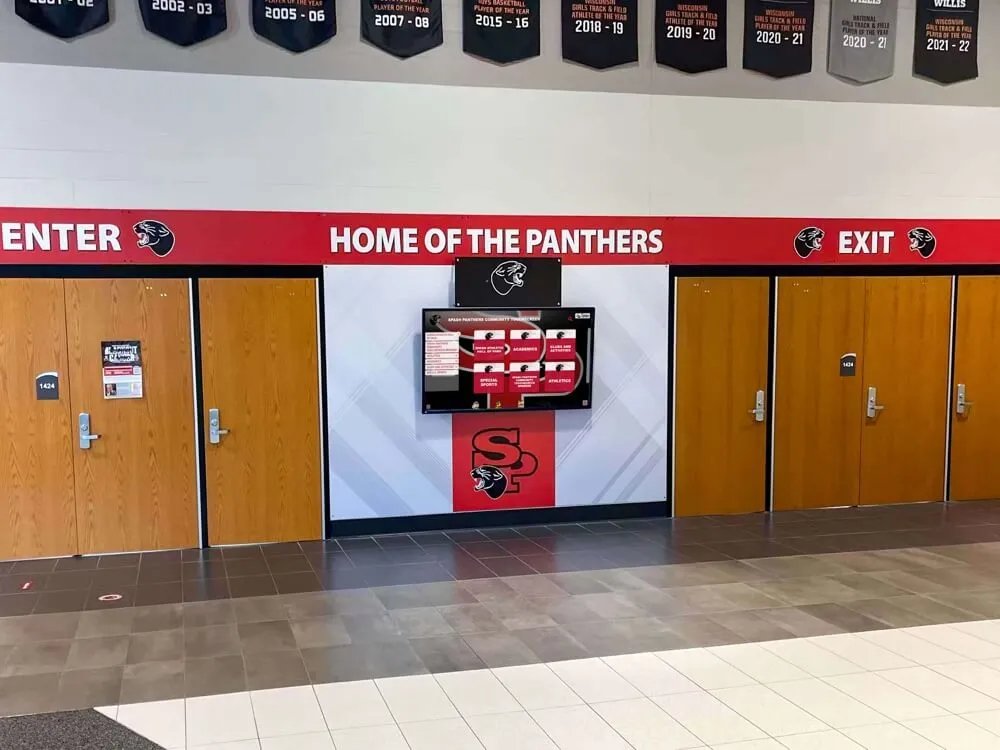
Booster clubs operating in school facilities share a responsibility to keep school administrators informed when data incidents may affect the broader school community — early coordination prevents miscommunication and protects both organizations
Step 5: Assess Notification Obligations
Most U.S. states have data breach notification laws that apply to organizations holding personal information about residents, including nonprofit booster clubs. The specific thresholds — what data types trigger notification, how many individuals must be affected, and how quickly notification must be sent — vary by state.
General notification thresholds to assess with legal counsel:
| Data Type Exposed | Notification Likely Required? | Who Typically Must Be Notified |
|---|---|---|
| Payment card or bank account numbers | Yes, in most states | Affected individuals; sometimes state attorney general |
| Social Security numbers | Yes, in most states | Affected individuals; often state regulator |
| Names combined with financial account info | Yes, in most states | Affected individuals |
| Email addresses and passwords combined | Yes, in many states | Affected individuals |
| Names and addresses only | Varies by state | Depends on context and quantity |
| Background check results | Yes — FCRA and state law apply | Affected individuals; background check provider |
| Student education records | Consult district — FERPA may apply | School district; potentially parents |
Do not attempt to assess these obligations without legal guidance. The table above is a general reference, not legal advice. Many states have notification deadlines ranging from 30 to 90 days after discovery, and some require notification to the state attorney general regardless of the number of individuals affected.
Your school district’s legal counsel or your organization’s general liability or cyber liability insurance carrier may be able to assist with notification assessment at no additional cost.
Step 6: Draft and Send Notifications
If notification is required, notifications to affected individuals should:
- Explain clearly what happened and when
- Describe what specific data was involved (be specific about data categories — don’t be vague)
- Explain what the organization has done to contain the incident
- Tell recipients what steps they can take to protect themselves (credit monitoring offers, password changes, etc.)
- Provide a named contact and contact information for questions
- Avoid minimizing language or anything that could appear evasive
Notifications should be sent directly to affected individuals — not announced only on social media or in a general email newsletter. When individuals cannot be reached by direct contact, secondary notification methods (website posting, local media) may satisfy legal requirements, but they are not a substitute for direct notification when direct contact is possible.
The organization should retain copies of all notifications sent and delivery records as part of the incident documentation.
Step 7: Document the Incident and Your Response
Maintain a complete incident log throughout the response, including:
- Date and time the breach was discovered
- How it was discovered and who reported it
- What data was confirmed or suspected to be involved
- Containment actions taken and when
- Notifications made (to school, to state regulators, to individuals) and when
- External parties contacted (legal counsel, cyber liability carrier, platform providers)
- Steps taken to prevent recurrence
This documentation serves multiple purposes: it supports any required regulatory reporting, it demonstrates due diligence if the incident leads to a legal dispute, and it becomes the foundation for the post-incident review that prevents the same problem from recurring.
Step 8: Conduct a Post-Incident Review and Update Controls
Within 30 days of closing the incident, convene a board review that covers:
- Root cause: what vulnerability or practice allowed the breach to occur?
- Whether existing controls were followed, or whether the breach happened because controls were bypassed or not yet established
- Specific changes to access controls, platform configurations, or staff training that address the root cause
- Updates needed to the data breach response plan itself
- Whether cyber liability insurance coverage should be reviewed
The post-incident review is not a blame exercise — it is the mechanism by which the organization improves. Booster clubs that conduct disciplined post-incident reviews reduce the probability of repeat incidents and strengthen the institutional trust that makes donor and sponsor relationships sustainable.
Protecting Member, Donor, and Volunteer Data: Ongoing Prevention Controls
A breach response plan is activated after a problem occurs. Prevention controls reduce how often activation is necessary.
The most common access control gaps in booster club data management:
| Control | Common Gap | Best Practice |
|---|---|---|
| Shared credentials | Multiple volunteers use a single login for donation platforms or membership tools | Each active user has an individual account; credentials deprovisioned at transition |
| Shared document access | Membership lists or donor spreadsheets shared via link without expiration | Access-controlled sharing with named individuals; links reviewed and revoked annually |
| Device security | Volunteer laptops or phones with program data have no password or encryption | Password-protected devices; organizational data removed at role transition |
| Email account governance | Former officers retain access to organizational email accounts containing donor records | Email passwords and forwarding changed at each leadership transition |
| Third-party platform audits | No one knows which platforms hold member or donor data | Annual data inventory maintained in the response plan |
| Donor recognition database access | Recognition platform credentials shared broadly or never rotated | Named individual users; access log reviewed annually |
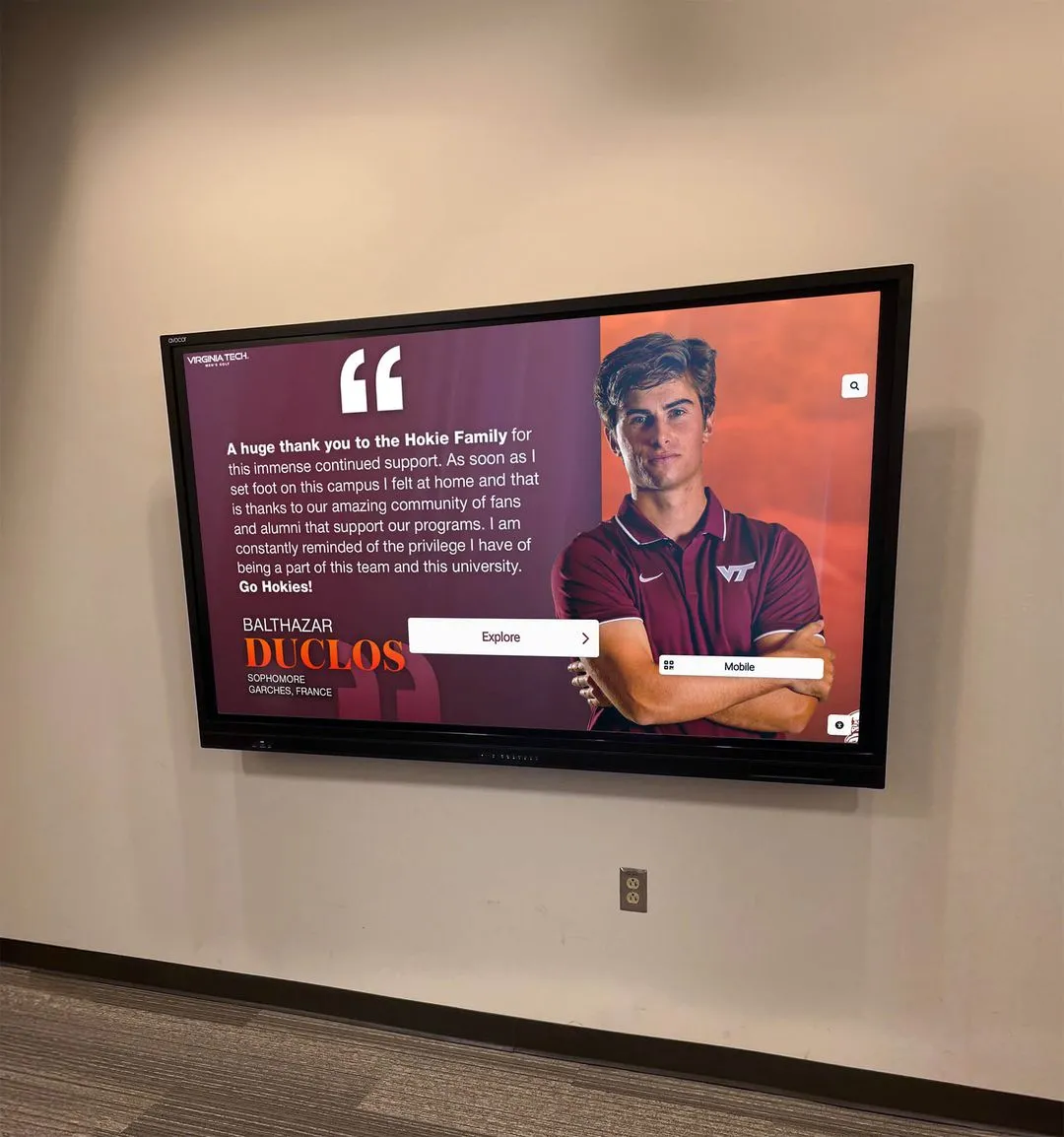
Structured recognition programs — including digital donor walls, touchscreen recognition kiosks, and interactive giving-level displays — store donor and sponsor data in platforms that require the same access hygiene as membership or payment systems. Booster club donor recognition display practices cover the recognition side of this relationship; the data protection practices in a breach response plan are what keep the records behind those displays accurate and secure over time.
For programs also reviewing how annual fundraising activities interact with data collection and donor communication, athletic booster club fundraising approaches address the program activities that generate the data a protection plan needs to cover.
How Donor Recognition Systems Connect to Data Security
Donor recognition systems represent a particular category of data that booster clubs should address explicitly in both their breach response plan and their ongoing prevention controls. These systems hold the names, giving levels, and acknowledgment records of every donor who has ever contributed to the program — and they are often configured to update automatically as new gifts come in.

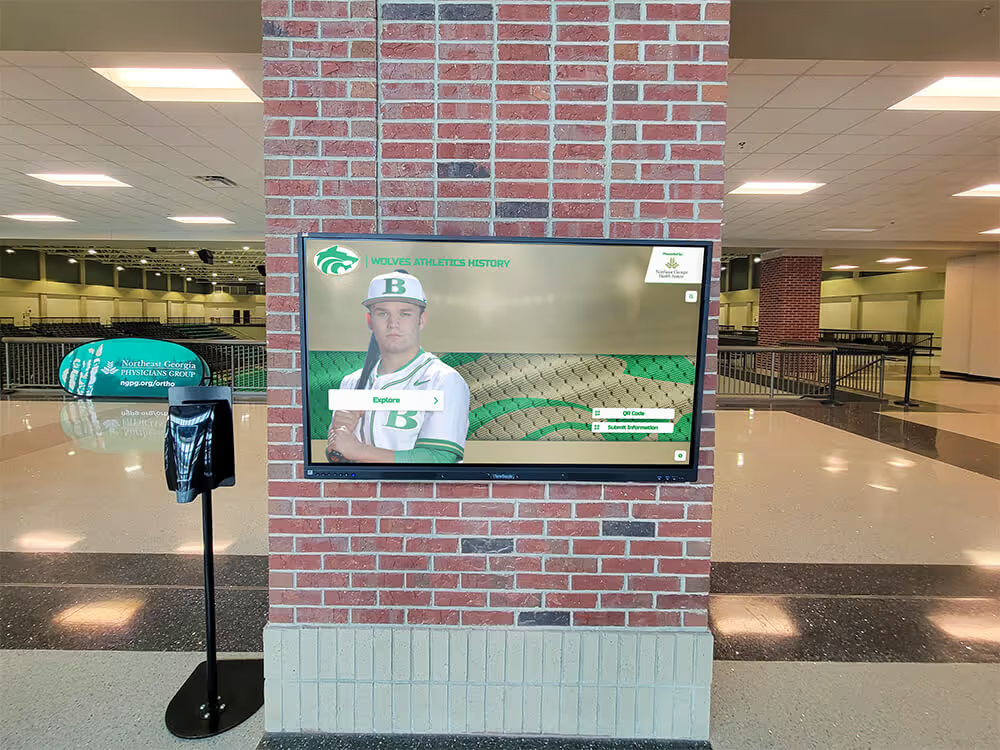
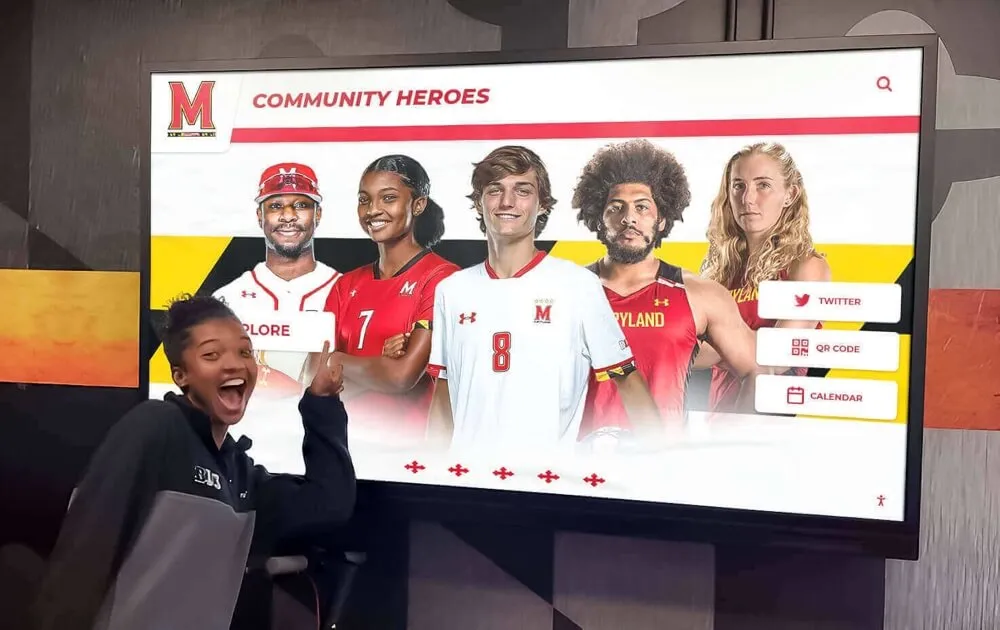
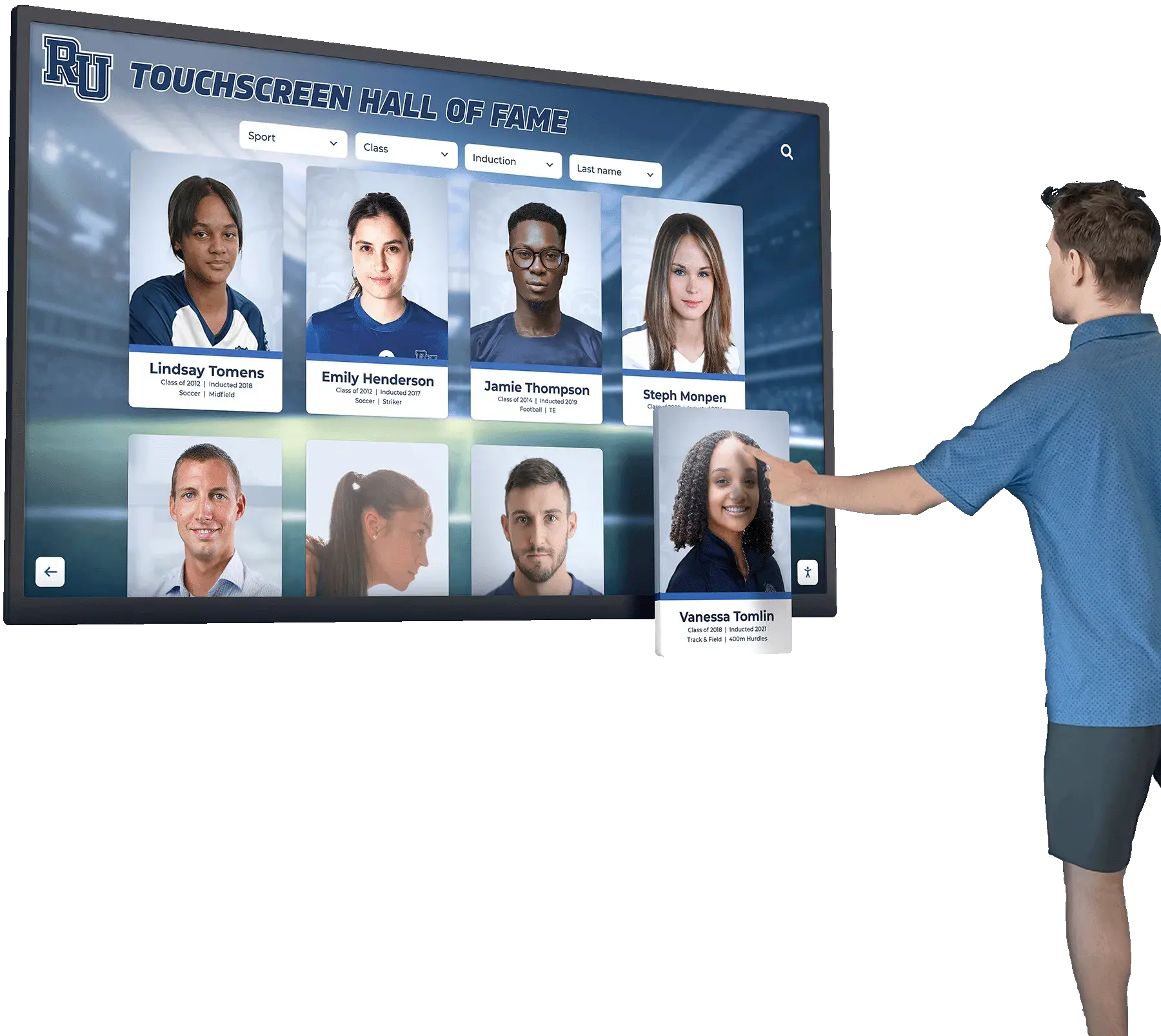
Digital recognition displays that celebrate donors, sponsors, and athletes are built on databases that require the same protection framework as any other system holding personal information about program supporters
The intersection of recognition and data security creates three specific responsibilities:
1. Inventory recognition platforms in your data registry. If your program uses a digital donor wall, interactive kiosk, or cloud-based recognition platform, it holds data. The platform vendor, access credentials, types of data stored, and data retention practices should all be documented in your response plan’s data inventory section.
2. Establish access controls for recognition data. The same dual-approval and least-privilege principles that govern financial systems should apply to recognition databases. The ability to add, remove, or modify donor recognition records should require individual named-user access, not a shared administrative login.
3. Understand the vendor’s breach notification obligations. If your recognition platform vendor experiences a breach of their systems that includes your donors’ data, they may have their own notification obligations. Review your vendor contract for breach notification terms and ensure your response plan accounts for the possibility that a breach originates from a third-party system rather than your own.
Member recognition and giving-level acknowledgment programs create a public-facing commitment to the donors they honor. When that data is compromised, the recognition program’s credibility is at stake alongside the individuals’ privacy. Country club and membership organization touchscreen recognition practices illustrate how member data and recognition records are managed in parallel — an approach school booster clubs with formal recognition programs can adapt.
For programs considering how fundraising and recognition programs interact with data management, booster club fundraising frameworks offer context on how data is generated across the program activities a breach response plan must cover.
Booster Club Data Breach Response Plan: Quick-Reference Checklist
Use this checklist to verify that your response plan covers each required element before an incident occurs:
| Plan Element | In Writing? | Assigned Owner? | Last Reviewed? |
|---|---|---|---|
| Named breach response lead and backup | ☐ | ☐ | ☐ |
| Data inventory (all systems holding personal data) | ☐ | ☐ | ☐ |
| Containment procedures by breach type | ☐ | ☐ | ☐ |
| School and district IT notification protocol | ☐ | ☐ | ☐ |
| Legal counsel contact for notification assessment | ☐ | ☐ | ☐ |
| Cyber liability insurance carrier contact | ☐ | ☐ | ☐ |
| Notification template for affected individuals | ☐ | ☐ | ☐ |
| Incident documentation log format | ☐ | ☐ | ☐ |
| Post-incident review schedule | ☐ | ☐ | ☐ |
| Access control review at leadership transitions | ☐ | ☐ | ☐ |
| Donor recognition platform included in inventory | ☐ | ☐ | ☐ |
| Annual plan review by full board | ☐ | ☐ | ☐ |
Frequently Asked Questions
What should a booster club data breach response plan include?
A booster club data breach response plan should include a named response lead, a data inventory of all systems holding personal information, containment procedures for different breach types, a protocol for notifying school IT and district administration, a process for assessing notification obligations under applicable state law, a notification template for affected individuals, incident documentation requirements, and a post-incident review schedule. The plan should be reviewed and approved by the full board annually and updated after any incident. It should also cover access control practices — including credential transitions when officers change — and identify all third-party vendors (including donor recognition platforms) that hold member, donor, or volunteer data.
Are booster clubs required to notify members if their data is breached?
Most U.S. states have data breach notification laws that apply to organizations holding personal information about residents, including nonprofit booster clubs. Whether notification is required depends on the type of data exposed (payment card data, Social Security numbers, and financial account information almost always trigger notification obligations), the number of individuals affected, and the specific law of the state where the individuals reside. Some states also require notification to the state attorney general. Notification deadlines typically range from 30 to 90 days after discovery of the breach. Because requirements vary significantly by state, consult qualified legal counsel before concluding that notification is or is not required.
How should a booster club coordinate with school IT during a data breach?
Contact the school’s IT department as soon as you determine that the breach involves systems connected to school infrastructure, student-adjacent data, or district-provided platforms. Even for breaches involving only independent booster club systems, notifying school administration before they learn from affected parents or external sources preserves the working relationship and allows the district to determine whether any of their own notification obligations are triggered. Most school districts have data incident protocols that affiliated organizations should coordinate with. Establish a named contact in the IT department before any incident occurs, and include that contact in your written response plan.
What data do booster clubs typically hold that creates breach risk?
Booster clubs typically hold member names and contact information, donor giving records and in some cases payment card or bank data processed through fundraising platforms, volunteer background check records and identity data, parent and family contact information that may be student-adjacent, sponsor contract details, and donor recognition database records. This data is often spread across multiple platforms — membership tools, payment processors, email marketing lists, shared spreadsheets, and cloud-based recognition platforms — making a formal data inventory an essential first step in any breach response plan. Each platform that holds personal data should be included in the plan’s inventory with access control documentation.
How does a data breach affect a booster club's donor recognition program?
A breach affecting donor recognition records can compromise the names, giving levels, and contact information of every donor the organization has publicly honored. If recognition records are altered, deleted, or exposed without authorization, the program loses credibility with current donors and may be unable to fulfill recognition commitments to sponsors. Beyond the records themselves, a poorly handled breach damages the broader trust that makes donors and sponsors willing to contribute and renew — because they expect that the organization handles their personal and financial information responsibly. Including donor recognition platforms in your data inventory and access control practices, and training recognition platform managers on breach response procedures, protects both the data and the program’s reputation.
Building a Booster Program That Protects What It Has Earned
A booster club data breach response plan is not a sign that the organization expects to fail at data security — it is a sign that the organization takes seriously the trust that members, donors, volunteers, and sponsors place in it every time they hand over their personal information. That trust is earned through years of consistent program delivery, recognized through named sponsorships and donor acknowledgment, and protected through the procedures a response plan puts in place before they are ever needed.
The programs that respond well to data incidents are the ones that have already done the work: they know what data they hold, who can access it, who is responsible when something goes wrong, and what they owe to the people whose information they manage. That same discipline — documenting commitments, assigning responsibility, and making accountability visible — is what keeps recognition programs credible and sponsor relationships renewable across many seasons.
For programs looking to build recognition infrastructure that reflects the professionalism of their governance, including secure, cloud-based donor display solutions that keep recognition records accurate and accessible, athletic booster club programs that use interactive recognition displays illustrate how the two commitments reinforce each other.
See How Secure, Permanent Recognition Reflects Your Program's Values
Rocket Alumni Solutions builds cloud-based interactive donor recognition displays for school athletic programs — giving booster clubs a professionally managed, ADA-accessible platform for donor and sponsor acknowledgment that protects recognition records with enterprise-grade access controls and cloud-based content management. Schedule a demo to see what your facility could look like.
Schedule Your Recognition Display Demo