



A booster club cash handling policy is a written set of procedures that governs how the organization collects, counts, deposits, and reconciles money from fundraising events, membership dues, ticket sales, concessions, and sponsorship payments. Without a formal policy, even well-intentioned volunteers expose the organization — and themselves — to accusations of mishandling, discrepancies that no one can explain, and gaps that auditors and school administrators cannot verify. A policy does not imply distrust; it creates the structure that protects volunteers and preserves institutional credibility across leadership transitions.
This guide covers the four core control areas most booster clubs need to address: event cash controls, deposit procedures, sponsor fund tracking, and end-of-season reconciliation. Each section includes a practical checklist and connects cash handling discipline to the recognition records that keep sponsors and donors engaged year after year.
Not legal or financial advice: This guide describes commonly used internal control practices for educational purposes only. Your organization’s specific requirements depend on your school district structure, state nonprofit regulations, and any requirements set by your school’s governing body. Consult a licensed CPA, attorney, or your school district’s finance office before establishing or revising financial policies.
A sound booster club cash handling policy is the foundation of organizational credibility — the set of rules that makes it possible for a volunteer-run organization to handle thousands of dollars in public trust money across dozens of events without ambiguity about where every dollar came from and where it went.

Booster clubs that maintain rigorous financial documentation are better positioned to honor the recognition commitments made to sponsors and donors — because both depend on the same institutional record-keeping habits
What Is a Booster Club Cash Handling Policy?
A booster club cash handling policy is a written document that specifies:
- Who may collect cash — which volunteers or officers are authorized to handle money at events
- How cash is counted — the two-person counting requirement and the process for producing a cash count form
- How receipts are issued — when and how the organization generates written documentation of cash received
- How deposits are made — the timeline for depositing event proceeds, who performs deposits, and what documentation accompanies each deposit
- How reconciliation occurs — the process for comparing cash collected to tickets sold, items sold, or register receipts
- How discrepancies are resolved — the steps taken when counted cash does not match expected totals
A policy that addresses all six elements gives the treasurer, board, and school administrators a complete picture of every cash transaction the organization handles. Programs that have gone through audits, transitioned treasurers, or experienced unexplained discrepancies almost universally find that the missing piece was a written policy — one that everyone follows, not just the most experienced volunteer.
For context on the broader financial framework a booster club treasurer manages, including sponsor ledgers and recognition records alongside cash controls, booster club management guides covering budgets and events offer a useful overview of how cash policies fit into the full financial governance picture.
Event Cash Controls: Counting, Receipts, and Close-Out
Events are where most cash handling errors — and most disputed discrepancies — occur. A gate collection during a football game, a concession stand across three quarters, and a silent auction close-out happening simultaneously create multiple cash streams that need separate counts, separate receipts, and a unified reconciliation at close-out.
The Two-Person Rule
The single most important event cash control is a two-person requirement for every cash count. No one person should ever count money alone, transport money alone, or record totals without a witness. When cash is counted by two people simultaneously and both sign the count sheet, the organization is protected against honest mistakes and unfair accusations.
Two-person requirements should apply to:
- Opening counts (starting cash for registers and ticket booths)
- In-event counts at the end of each quarter or period
- Close-out counts after the event ends
- Transport of cash from the event location to the vehicle and then to the deposit location
The two-person rule is not optional for high-volume events. Programs that allow a single volunteer to count and report cash — even a trusted, long-tenured officer — create a documentation gap that cannot be closed after the fact.
Cash Count Forms
A cash count form documents the denomination-by-denomination breakdown of cash in a register or collection container. It should include: event name, date, register or collection point identifier, the opening cash balance, denomination breakdown of all bills and coins counted, total cash in, total cash out (change, petty cash reimbursements), and the net total. Both counting volunteers sign the form before it leaves the table.
The completed count form goes to the treasurer with the cash. If the treasurer’s deposit does not match the count form, that discrepancy is investigated before the deposit is made.
Receipts and Sales Records
For ticket sales, merchandise sales, or any cash transaction where the customer receives something in return, the booster club should maintain a parallel sales record: number of tickets sold, price per ticket, and expected total. That expected total becomes the reconciliation target that the cash count form is measured against.
For events with multiple revenue streams — gate admission, concessions, raffle tickets, merchandise — each stream needs its own count and its own reconciliation target. A single “total cash” figure at the end of an event with no breakdown by source is not a sufficient record.
Booster club event fundraising frameworks that connect financial records to community recognition reinforce why documentation discipline at events matters beyond financial accuracy — the records that confirm cash collected also confirm which sponsors and donors supported which events, feeding directly into the recognition follow-through that makes sponsors want to return.
Deposit Procedures: Timelines, Documentation, and the Chain of Custody
Cash collected at a booster club event should not sit in a volunteer’s car, a treasurer’s desk drawer, or a gym bag overnight if a deposit can be made instead. Most policies specify that cash must be deposited within 24 to 48 hours of collection. For large events, same-day deposit using the bank’s night deposit is a best practice.
Deposit Documentation
Every deposit should be accompanied by a deposit slip that specifies: the date of the deposit, the event or source the cash came from, the amount being deposited, and the account it is deposited into. A copy of the deposit slip, matched to the count form from the event, becomes the record that the treasurer uses for reconciliation.
If the organization uses a bank bag or tamper-evident deposit envelope, the bag or envelope number should be recorded on the count form before the deposit is made. This creates an auditable chain of custody from cash count to bank receipt.
Who Makes Deposits
Deposits should be made by a designated officer — usually the treasurer or a named alternate. The policy should specify that deposits are not made by whoever happened to close the event. If the treasurer cannot make a timely deposit, a designated alternate (identified by name and title in the policy) takes over following the same documentation procedures.
Deposits are never made by a volunteer who also served as a solo cash counter. This is the human version of segregation of duties: the person who counts does not also control the deposit.
Bank Reconciliation Timeline
The treasurer reconciles the bank statement monthly. Each line item on the bank statement should match a documented deposit with a corresponding count form. Unexplained deposits, split deposits, or deposits that appear days later than the count forms indicate warrant a written explanation before the reconciliation is closed.
For booster clubs integrating sponsorship income alongside event proceeds, parent booster club guidelines covering recognition rules and sponsor display approvals address how organizations document incoming funds that carry recognition obligations — a critical connection for clubs where sponsor payments and recognition commitments need to be tracked together.

Sponsor funds that flow into named recognition assets — banners, digital displays, or hall of fame elements — require the same deposit documentation and restricted-use tracking as any other booster club cash
Sponsor Fund Controls: Tracking Designated Money from Collection to Recognition
Sponsor funds require a layer of control that general event cash does not: the money comes with an obligation. A business that writes a check for a Gold Sponsorship package is not making an unrestricted contribution — it is paying for specific recognition deliverables. That obligation must be documented at the point of collection, not reconstructed later.
Sponsor Payment Documentation
When a sponsor check or cash payment arrives, the record should capture: the sponsor name, the tier purchased, the payment amount, the date received, the payment method, and the person who received it. The payment should be logged in the sponsor ledger before it is deposited — so the deposit record and the sponsor ledger entry can be matched during reconciliation.
If sponsor funds arrive in cash — which is less common but possible at events where sponsors pay at a table — the same two-person counting requirement applies as for event cash. Cash sponsor payments should receive a written receipt at the point of collection, noting the amount, sponsor name, and event date.
Designated Fund Tracking
Restricted sponsor money — funds designated for specific equipment, scholarships, or programs — must be tracked separately from general operating income. The designation should be noted in the ledger entry at the time of receipt, not after the check has been deposited. Commingling restricted funds with general funds, even temporarily, creates a compliance problem the organization cannot easily unwind.
Most accounting systems allow for fund or class codes that separate restricted contributions from unrestricted ones. At minimum, the sponsor ledger should include a designated-use column so that restricted funds can be identified and verified as spent only for their stated purpose.
Recognition Delivery as a Financial Control
The recognition deliverables owed to each sponsor — banner placement, digital display rotation, program listing, PA announcements — are financial obligations, not just thank-you gestures. They should appear in the sponsor ledger as items to be fulfilled, not as informal notes.
When a deliverable is completed — a banner installed, a digital display activated, a naming acknowledgment added to the school’s recognition system — documenting the completion with a date and evidence (a photo, a screenshot, a written sign-off) creates the same kind of paper trail for recognition fulfillment that a bank receipt creates for cash deposits.
Programs exploring how structured recognition connects to sponsor retention can draw on resources covering booster club fundraising ideas that integrate recognition programs to see how fulfillment documentation supports renewal conversations at the end of each season.
Reconciliation and Record-Keeping: Closing the Loop
Cash handling controls only work if someone closes the loop: comparing what was collected to what was deposited, what was deposited to what appears in the bank, and what was spent to what was approved. Reconciliation is the step most booster clubs skip when the calendar gets busy — and the step that makes everything else meaningful.
Monthly Reconciliation Steps
A complete monthly reconciliation for a booster club includes:
- Bank statement vs. deposit log — every deposit in the bank matches a deposit record with a count form
- Sponsor ledger vs. deposits — every sponsor payment in the ledger appears as a matching bank deposit
- Expense records vs. disbursements — every check written or bank payment matches an approved invoice or reimbursement request
- Budget vs. actuals — income and expense totals are compared to the approved budget and variances are noted
Reconciliation should be completed by the treasurer and reviewed by at least one other officer. Some clubs require the president or a designated audit committee member to sign off on the monthly reconciliation as a condition of closing the period.
Record Retention
Financial records for nonprofit booster clubs should generally be retained for at least three to seven years, depending on state requirements and IRS guidance. Documents to retain include: count forms, deposit slips, bank statements, sponsor agreements, donation acknowledgment letters, approved expense receipts, and board meeting minutes that document spending approvals.
Digital copies are acceptable for most records, but the organization should establish where records are stored (shared cloud storage accessible to board officers, not only on a single personal device), who has access, and what happens when an officer transitions out.
For clubs that have grown to manage complex recognition infrastructure — digital displays, named facilities, athletic record boards — the records that document financial commitments and recognition fulfillment also form the institutional memory that makes those programs sustainable. Athletic booster club fundraising approaches that support school sports long-term address how programs build the organizational capacity to steward both money and recognition commitments across many seasons.
Booster Club Cash Handling Policy: Core Controls Checklist
The checklist below covers the minimum controls a booster club cash handling policy should address. Organizations can use it to audit an existing policy or build a new one from scratch.
Event Cash Controls
| Control | Policy Requirement |
|---|---|
| Two-person counting requirement | All cash counts require two authorized volunteers present and signing |
| Cash count form | Denomination-by-denomination count form completed at each count point |
| Sales reconciliation | Cash counted vs. tickets or items sold for each revenue stream |
| In-event counts | Interim counts at defined intervals for high-volume events |
| Close-out documentation | Final count form signed before cash is packaged for deposit |
| Transport procedure | Cash transported by designated officer; never left in vehicle overnight |
Deposit Procedures
| Control | Policy Requirement |
|---|---|
| Deposit timeline | Cash deposited within 24-48 hours of collection (same day preferred) |
| Authorized depositor | Deposits made only by treasurer or named alternate |
| Deposit documentation | Deposit slip includes event name, date, amount, and account |
| Segregation of duties | Counter and depositor are not the same person for the same event |
| Night deposit use | Large events use bank night deposit rather than holding cash overnight |
| Deposit confirmation | Bank receipt returned to records and matched to count form |
Sponsor Fund Controls
| Control | Policy Requirement |
|---|---|
| Sponsor payment logging | Payment recorded in sponsor ledger before deposit is made |
| Cash sponsor receipts | Written receipt issued for any cash sponsor payment at point of collection |
| Designated fund tagging | Restricted funds tagged in ledger at time of receipt |
| Recognition fulfillment log | Each promised deliverable tracked and documented upon completion |
| Sponsor reconciliation | Sponsor ledger reconciled to bank deposits monthly |
Reconciliation and Records
| Control | Policy Requirement |
|---|---|
| Monthly reconciliation | Bank statement vs. deposit log vs. sponsor ledger vs. expense records |
| Secondary review | Reconciliation reviewed and signed by officer other than treasurer |
| Record retention | Financial documents retained for stated minimum period (typically 3-7 years) |
| Cloud storage | Records stored in shared location accessible to board, not only personal devices |
| Officer transition protocol | All records transferred to incoming officer with written inventory |
How Cash Handling Connects to Donor and Sponsor Recognition
The financial controls in a cash handling policy and the recognition commitments in a sponsorship agreement are not separate systems — they are the same system operating in sequence. A sponsor pays. The payment is documented. The funds are deposited and tracked. The recognition deliverables are fulfilled and documented. The fulfillment record supports the renewal conversation.
Every step in that chain depends on documentation that begins the moment cash or a check changes hands. Organizations that treat cash handling as a compliance formality and recognition fulfillment as an informal courtesy find that the two systems diverge: money arrives but recognition lags, or recognition is delivered but no one can confirm which sponsor paid for what.
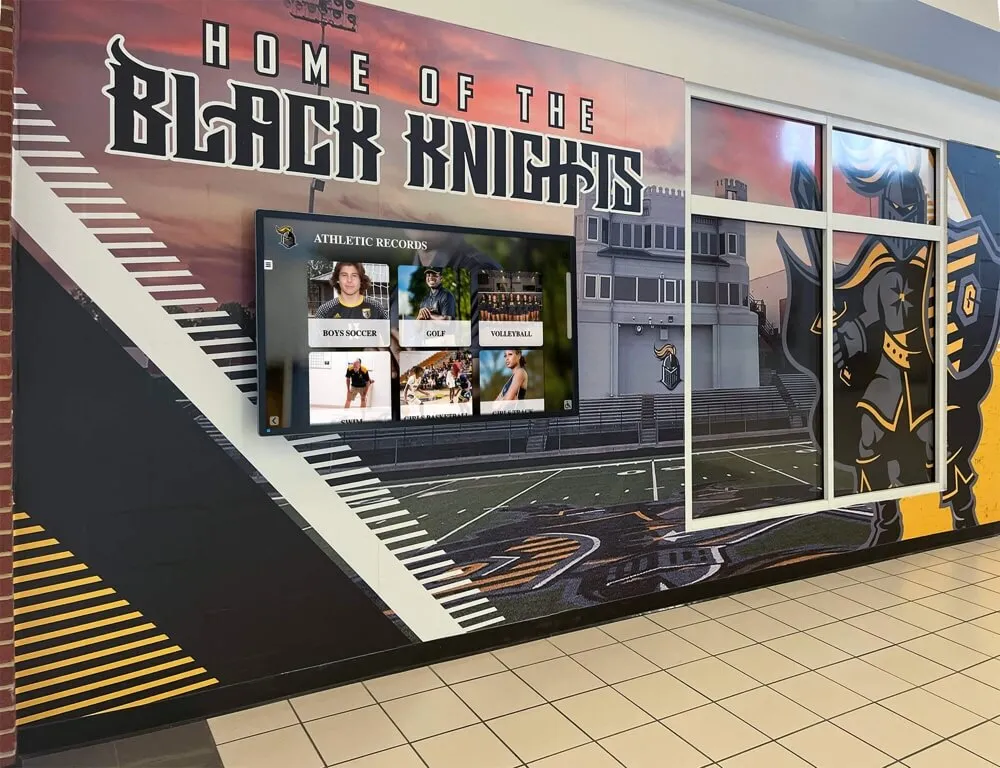
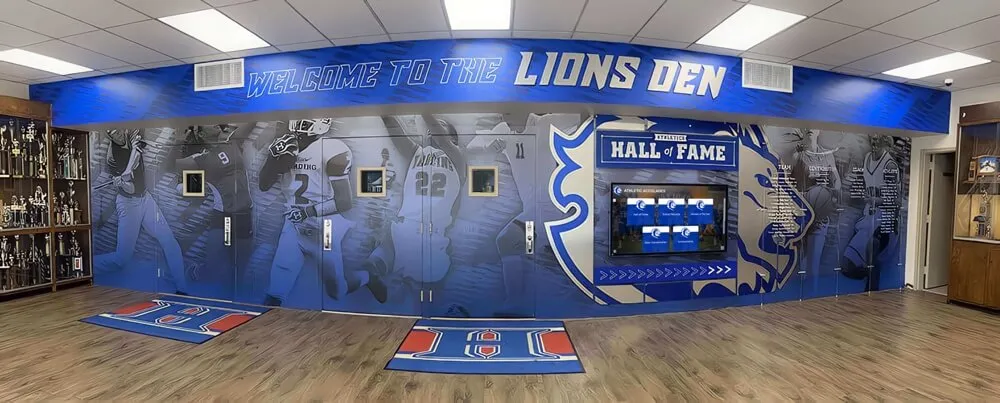
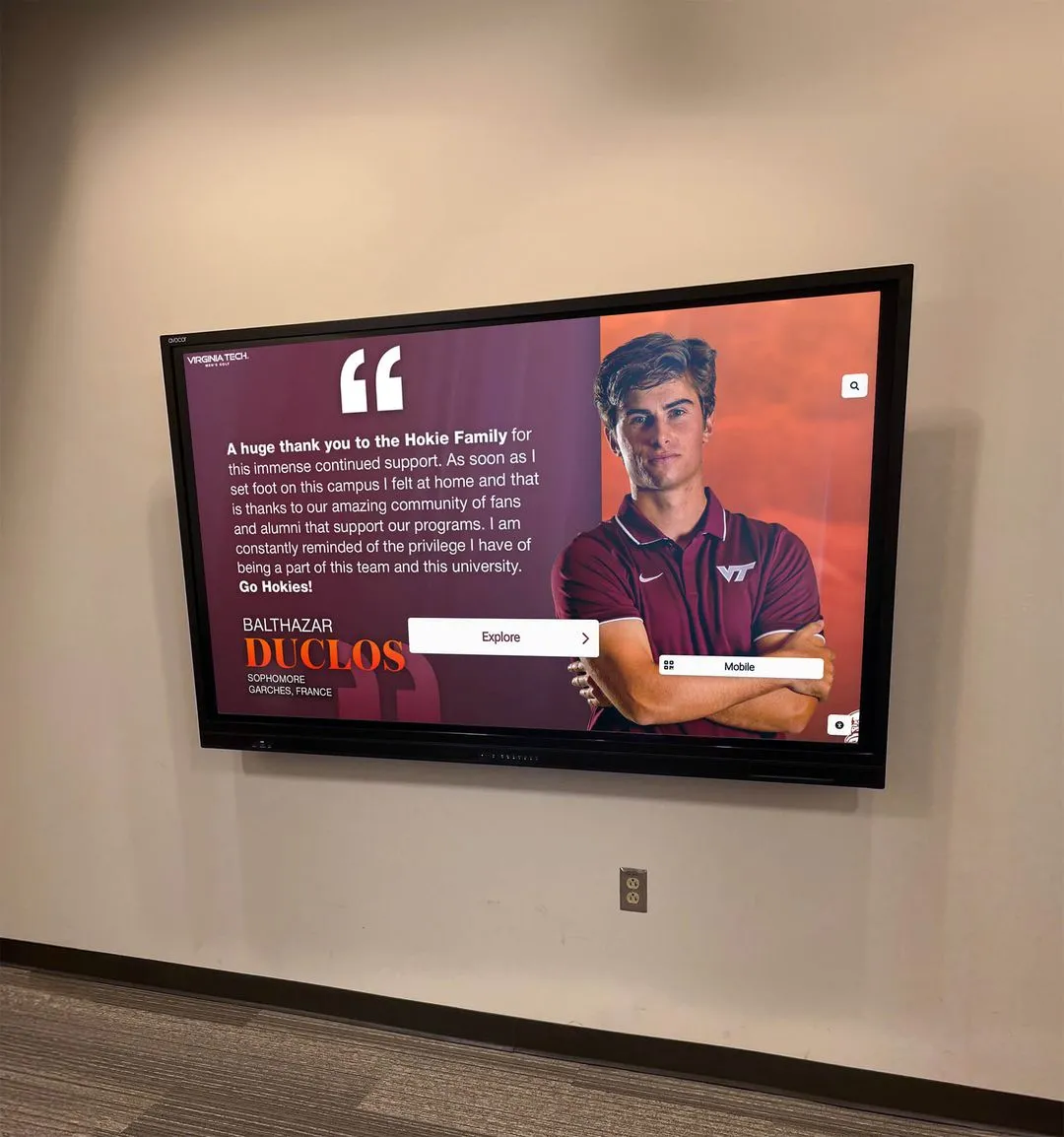
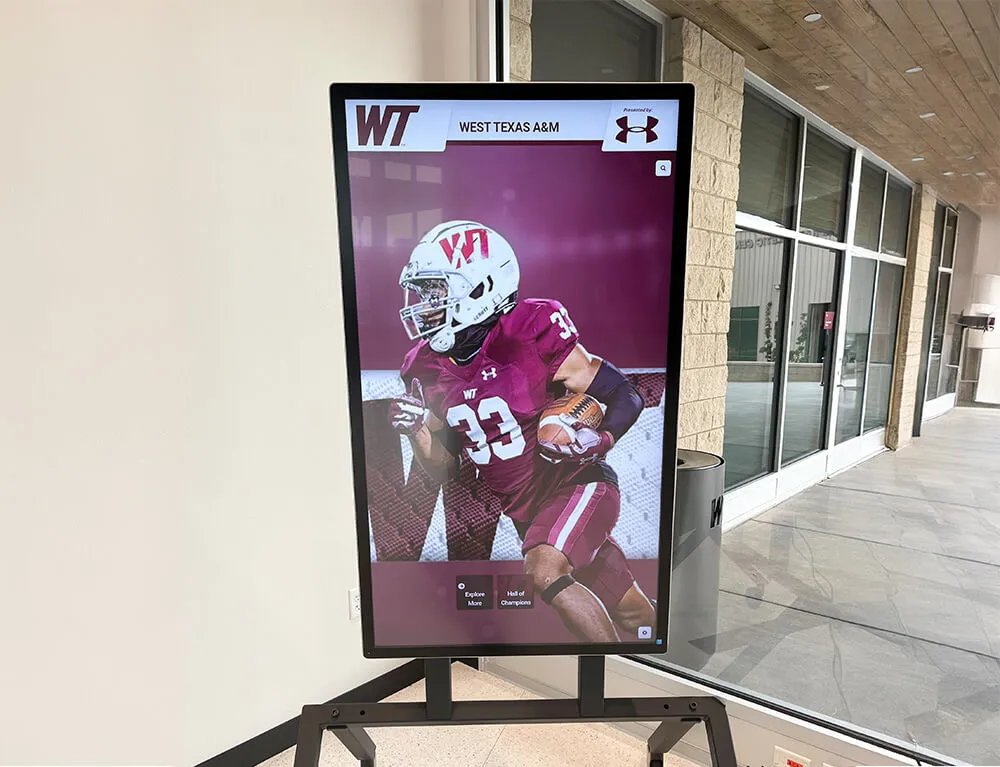
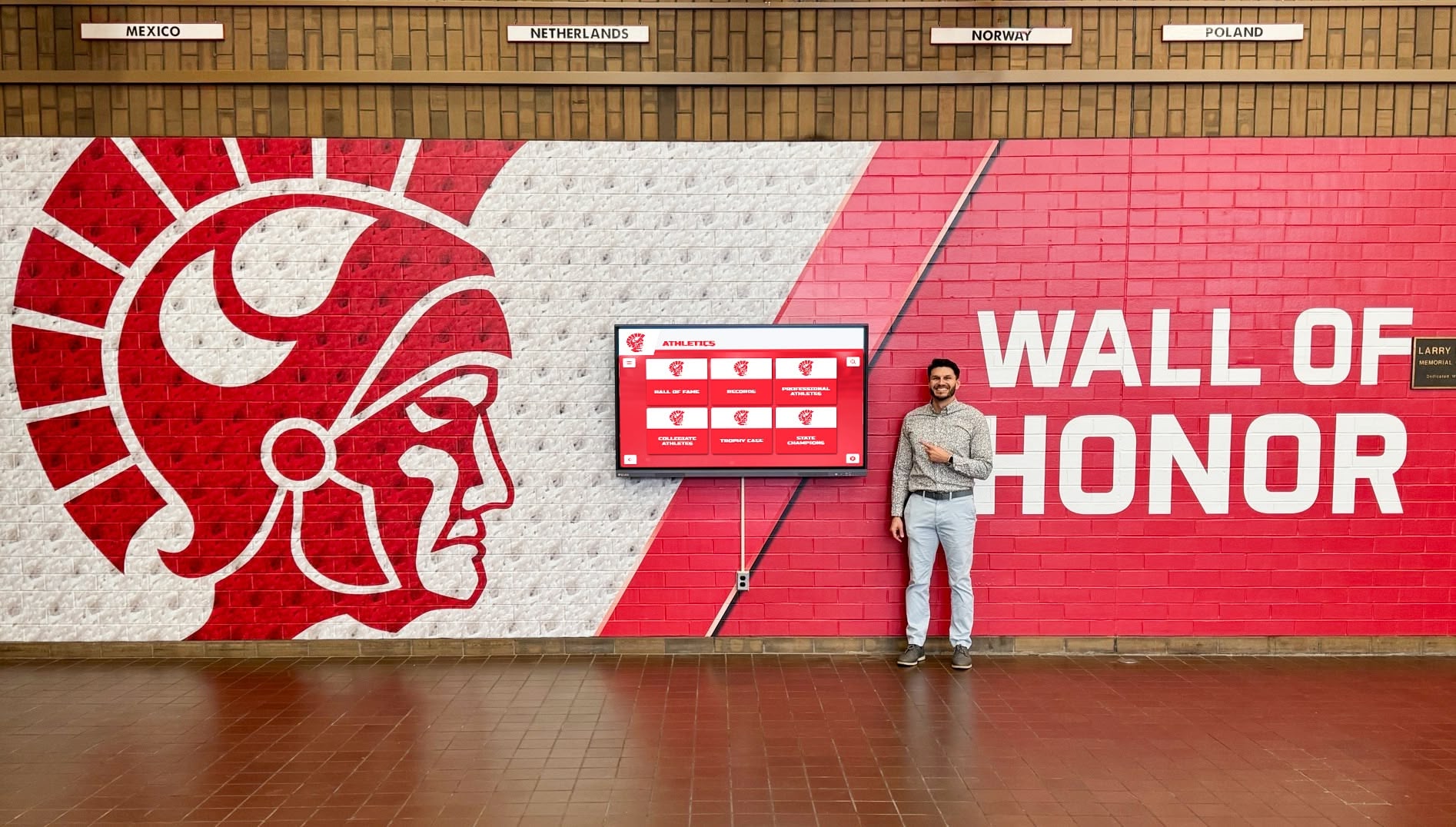
When booster clubs invest in permanent recognition infrastructure — an athletic record board, a digital donor display, a named installation in the facility lobby — those assets become a visible extension of the financial commitments the organization has honored. Booster club fundraiser planning resources and frameworks for supporting athletic programs through structured booster fundraising both point toward the same conclusion: long-term programs succeed because they build trust, and that trust depends on documentation at every step.
Booster club recognition programs that connect fundraising outcomes to permanent community displays demonstrate how recognition assets become a self-reinforcing part of the fundraising cycle — visible, lasting acknowledgment attracts new sponsors because it proves the organization delivers on what it promises.

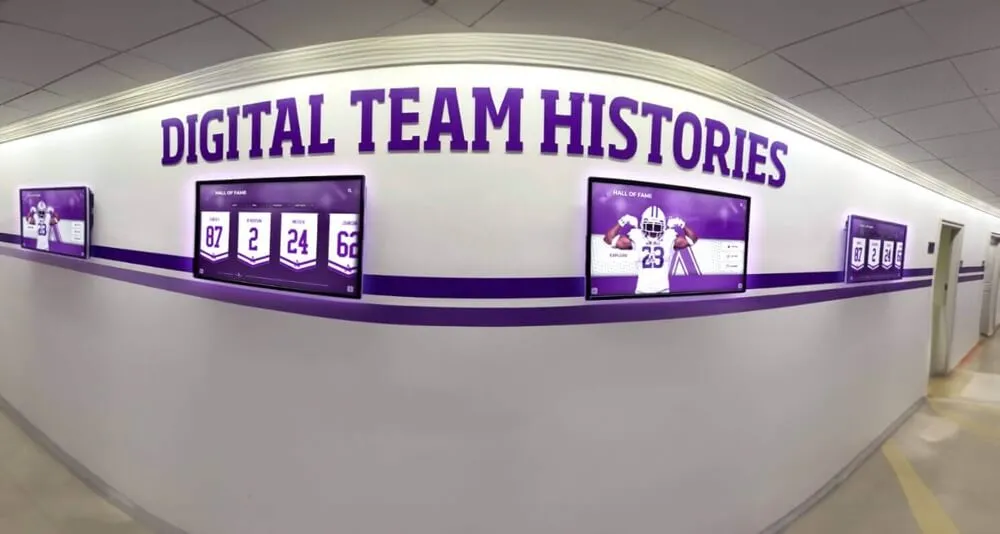
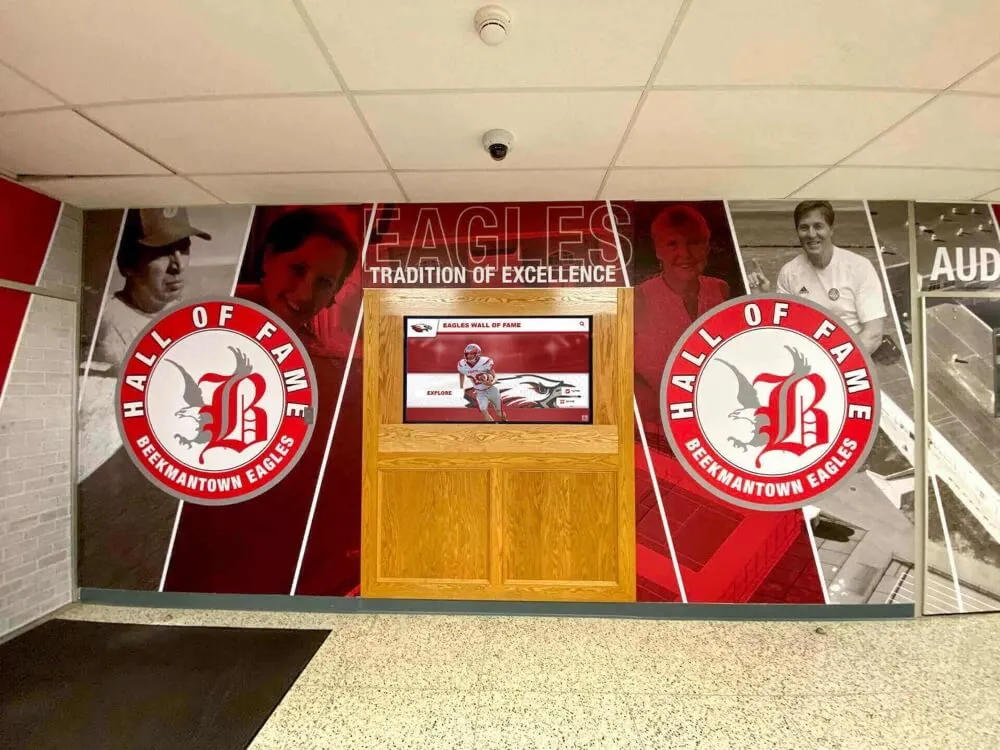
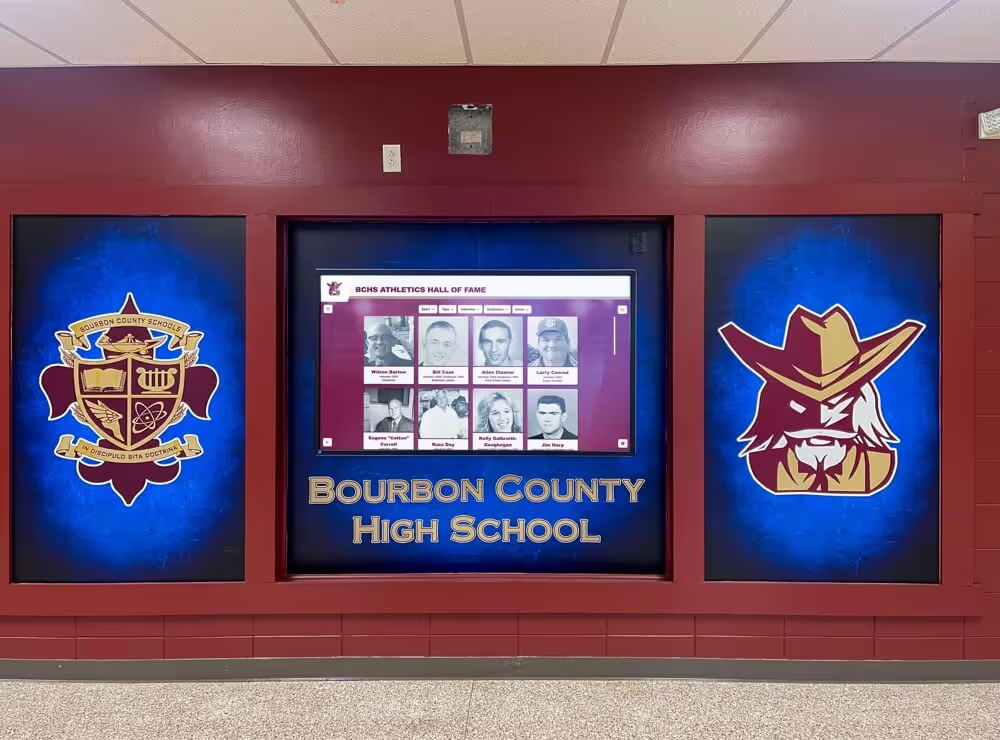
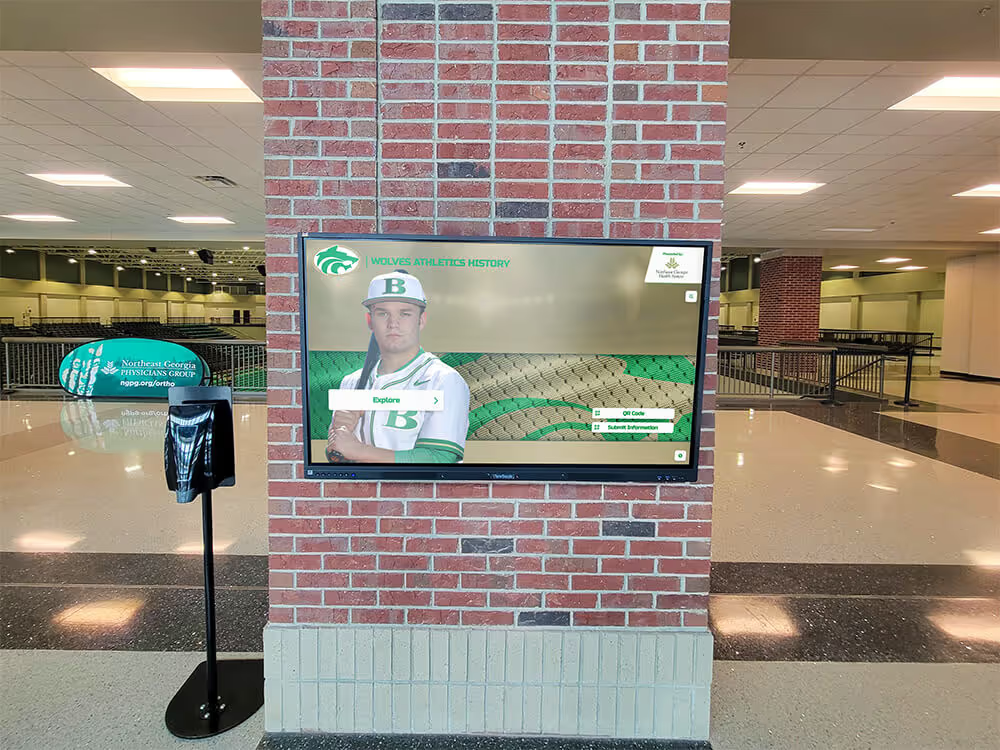
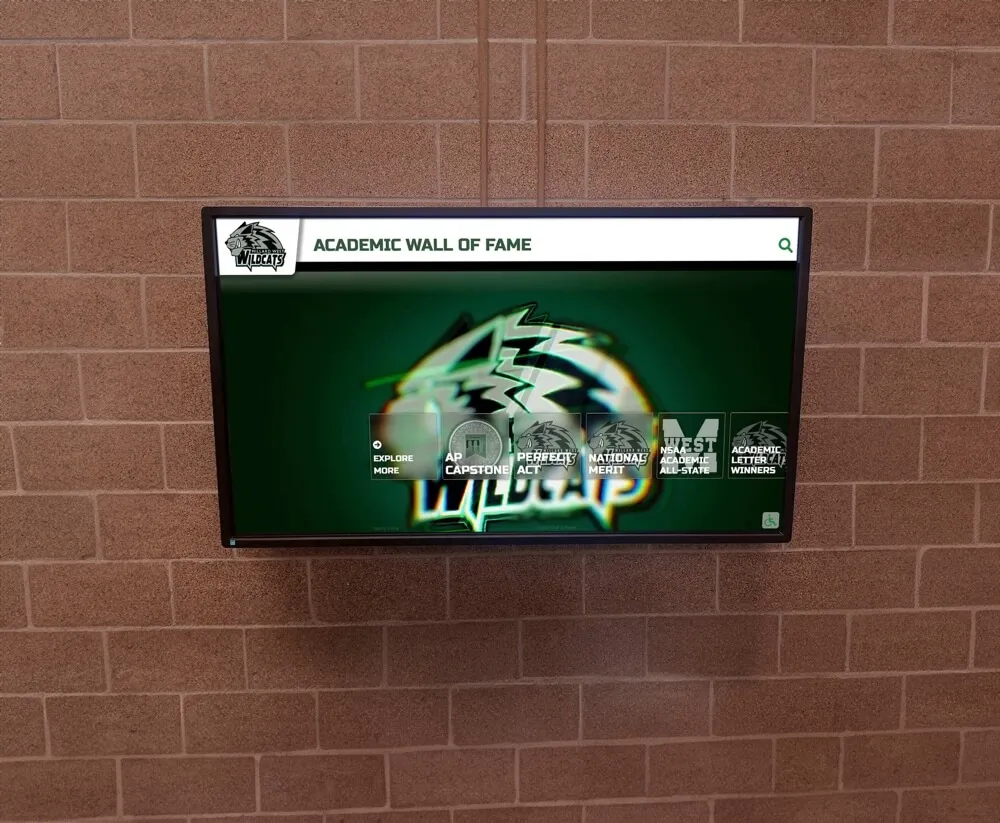
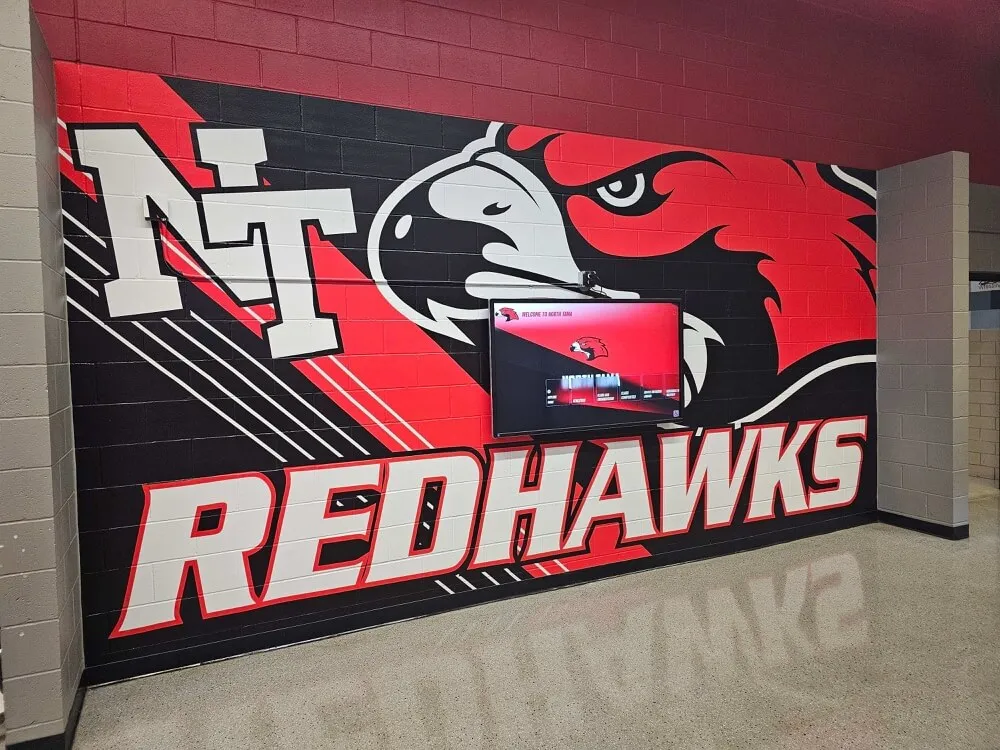
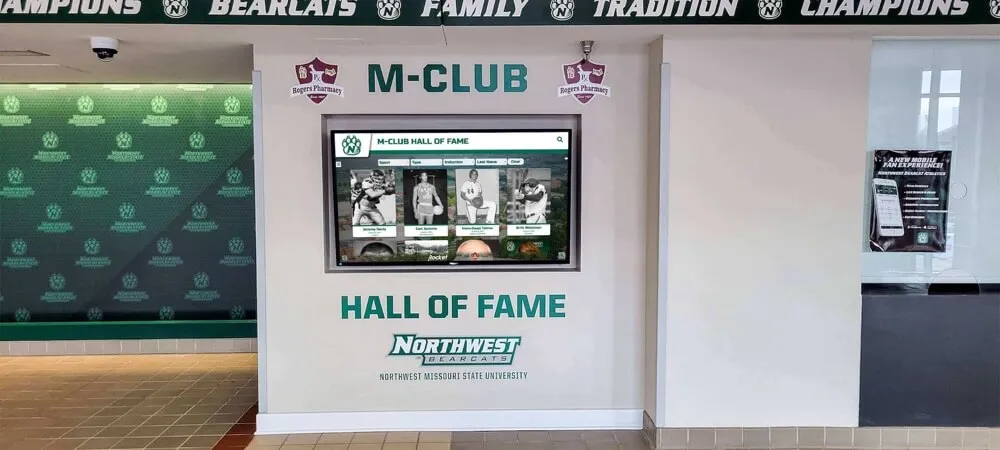
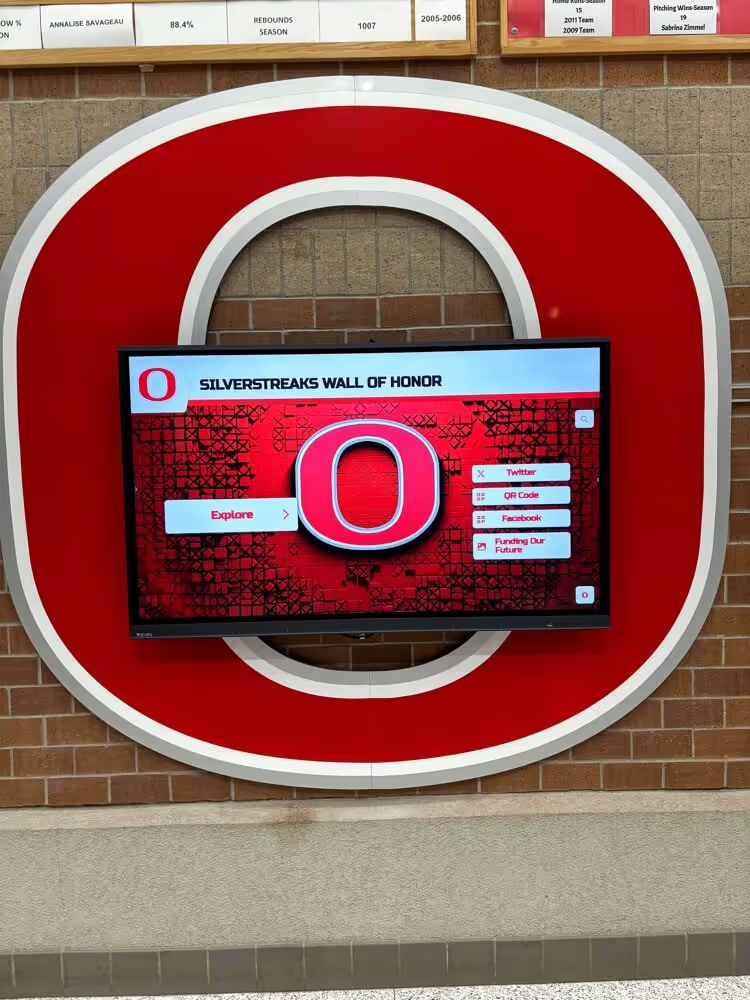
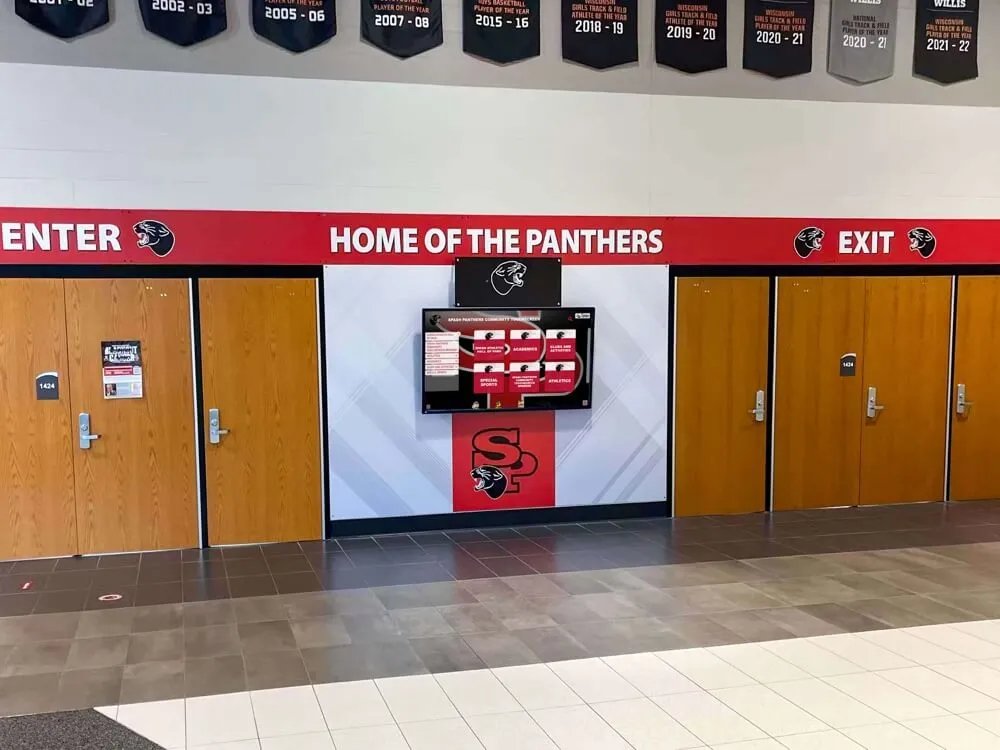
Permanent digital recognition displays funded through sponsorship programs depend on the same financial controls that govern event cash — every name on a recognition wall traces back to a payment that was documented, deposited, and tracked
Frequently Asked Questions
What should a booster club cash handling policy include?
A booster club cash handling policy should define who is authorized to collect and count cash, require a two-person counting process with signed count forms, set a deposit timeline (typically 24-48 hours), specify who may make deposits and what documentation accompanies each deposit, establish a monthly reconciliation process, and address how discrepancies are investigated. Policies should also cover sponsor fund tracking, designated fund controls, and record retention requirements. A written policy reviewed and approved by the board is more protective than an informal shared understanding, both for individual volunteers and for the organization’s relationship with the school district.
Why does a booster club need a two-person cash counting rule?
A two-person counting requirement protects both the organization and individual volunteers. When two people count simultaneously and both sign the count form, discrepancies cannot be attributed to a single person’s error or dishonesty. It also deters mishandling — not because volunteers are assumed to be dishonest, but because the policy creates accountability that makes honest mistakes visible and unfair accusations groundless. Events with high cash volume — gate admissions, concession stands, auction close-outs — are the most common settings for disputed totals, and a signed two-person count form is the documentation that resolves those disputes definitively.
How should booster clubs handle designated sponsor funds?
Sponsor funds that come with a specific designated use — equipment purchases, scholarship awards, facility improvements — must be tracked separately from general operating income and spent only for their stated purpose. The designation should be recorded in the sponsor ledger at the time of receipt. Most accounting software allows for fund or class codes that separate restricted from unrestricted income. The booster club should confirm each sponsor’s designated use in writing, record the designation in the ledger, and document that the funds were spent accordingly. Commingling restricted sponsor funds with general funds, even temporarily, can create legal and regulatory complications. Consult a CPA or the school district’s finance office about proper handling for your organization’s situation.
How long should booster clubs keep financial records?
Financial record retention requirements vary by state and organizational structure, but a common baseline for nonprofit booster clubs is three to seven years. IRS guidance for tax-exempt organizations generally recommends retaining records that support tax filings for at least three years from the filing date, with longer retention for records related to property or employment taxes. In practice, most well-run booster clubs retain financial records for seven years as a conservative standard. Retained records should include bank statements, deposit slips and count forms, expense receipts, approved invoices, sponsor agreements, donation acknowledgment letters, and board meeting minutes. Verify the specific requirements applicable to your organization with a CPA or attorney familiar with your state’s nonprofit rules.
What happens to cash handling records when a booster club treasurer transitions?
Treasurer transitions are among the highest-risk points for record loss in volunteer-run organizations. A cash handling policy should include an explicit transition protocol: a written inventory of all financial records, account access credentials transferred securely through the school’s designated process, outstanding reconciliations, open sponsor commitments, and any discrepancies under investigation. The outgoing treasurer should remain available for a defined handoff period — typically 30 to 60 days — to answer questions. Records stored on personal devices should be transferred to a shared organizational account before the outgoing treasurer’s access is revoked. Organizations that store records in shared cloud storage minimize transition risk because records do not depend on a single person’s continued access.
Building a Recognition System That Honors Every Commitment
A booster club cash handling policy does not end at the deposit. Every dollar collected at an event, every sponsorship check received, every restricted gift designated for a specific program — each transaction carries a downstream obligation the organization must fulfill. When booster clubs build the documentation habits that a cash handling policy requires, they are simultaneously building the infrastructure that makes recognition commitments credible.
Digital recognition displays, athletic record boards, and sponsor acknowledgment systems all depend on records that trace from initial commitment to final delivery. The organizations that honor those commitments most consistently are the ones that treated financial documentation — from the cash count form at the concession stand to the sponsor fulfillment log at season’s end — as the foundation of everything that follows.
See How Permanent Recognition Brings Financial Commitments to Life
Rocket Alumni Solutions builds interactive digital recognition displays for school athletic programs — giving booster clubs a visible, lasting platform for sponsor acknowledgment and donor recognition that reflects the commitments your organization has documented and honored. Schedule a demo to see what your facility could look like.
Schedule Your Recognition Display Demo