



Intent: research — A booster club cash flow forecast template maps expected receipts and disbursements across each month of the athletic calendar so leaders know when cash will actually be on hand — not just what the board approved. This guide covers the difference between a budget and a cash flow forecast, a ready-to-use monthly forecast table, income and expense category breakdowns, a variance tracking worksheet, and how timing awareness helps programs honor recognition and awards commitments without a last-minute cash shortfall.
Not financial or legal advice: This guide describes commonly used financial planning practices for educational purposes only. Your booster club’s specific accounting obligations, fund handling requirements, and internal controls depend on your bylaws, school district policy, and applicable state nonprofit laws. Consult your treasurer, your school’s finance office, or a qualified accountant before establishing or revising your financial planning procedures.
Running a booster club budget is not the same as knowing whether you will have cash on hand in October when the equipment order is due, in December when the bus company sends its invoice, or in April when the athletic awards banquet needs a deposit. A board-approved budget tells you how much you are allowed to spend. A cash flow forecast tells you whether the money will actually be in the account when the bill arrives.

Timing awards ceremonies, recognition installations, and end-of-season banquets to coincide with known cash inflows is the practical outcome a monthly forecast makes possible — no scramble, no delayed invoices, and no surprises for the board
Budget vs. Cash Flow Forecast: Why Both Matter
Most booster clubs maintain an annual budget — a summary of projected income and expenses for the season approved by the board. A budget answers: How much are we authorized to spend on each category?
A cash flow forecast answers a different question: When will the money arrive, and when will it need to go out?
| Document | What It Shows | When to Use It |
|---|---|---|
| Annual Budget | Total planned income and expense by category for the season | Board approval, year-end comparison, audit documentation |
| Cash Flow Forecast | Month-by-month cash receipts and disbursements | Treasurer’s ongoing operational planning |
| Budget Variance Report | Actual vs. budgeted amounts at a point in time | Monthly or quarterly board meetings |
A booster club can have a balanced annual budget and still face a cash shortfall in November if three major expense invoices land before the fall fundraiser receipts are collected. The forecast surfaces that problem in September — early enough to adjust the fundraiser date, negotiate a payment schedule with a vendor, or request an advance from the program’s reserve fund.
The Monthly Cash Flow Forecast Template
The table below is the structural framework for a booster club cash flow forecast. Copy the rows into a spreadsheet, add your program’s specific line items, and fill in expected amounts for each month. Leave the Actual column blank until each month closes; then record actual figures to build a running variance record.
Income Section
| Income Category | Aug | Sep | Oct | Nov | Dec | Jan | Feb | Mar | Apr | May | Jun | Jul | Season Total |
|---|---|---|---|---|---|---|---|---|---|---|---|---|---|
| Membership dues | |||||||||||||
| Fall fundraiser receipts | |||||||||||||
| Winter fundraiser receipts | |||||||||||||
| Spring fundraiser receipts | |||||||||||||
| Sponsorship — Payment 1 | |||||||||||||
| Sponsorship — Payment 2 | |||||||||||||
| Game/event concession proceeds | |||||||||||||
| Booster club merchandise sales | |||||||||||||
| Donations (individual) | |||||||||||||
| Grants or district allocations | |||||||||||||
| Other income | |||||||||||||
| Total Projected Receipts |
Expense Section
| Expense Category | Aug | Sep | Oct | Nov | Dec | Jan | Feb | Mar | Apr | May | Jun | Jul | Season Total |
|---|---|---|---|---|---|---|---|---|---|---|---|---|---|
| Equipment purchases | |||||||||||||
| Uniform replacements | |||||||||||||
| Competition travel — transportation | |||||||||||||
| Competition travel — lodging/meals | |||||||||||||
| Facility and field maintenance | |||||||||||||
| Awards and trophies | |||||||||||||
| End-of-season banquet/ceremony | |||||||||||||
| Sponsor recognition deliverables | |||||||||||||
| Digital recognition platform subscription | |||||||||||||
| Insurance and administrative | |||||||||||||
| Fundraising event expenses | |||||||||||||
| Merchandise/apparel production | |||||||||||||
| Other expenses | |||||||||||||
| Total Projected Disbursements |
Cash Position Section
| Row | Aug | Sep | Oct | Nov | Dec | Jan | Feb | Mar | Apr | May | Jun | Jul |
|---|---|---|---|---|---|---|---|---|---|---|---|---|
| Opening Cash Balance | ||||||||||||
| + Total Projected Receipts | ||||||||||||
| − Total Projected Disbursements | ||||||||||||
| = Projected Closing Balance | ||||||||||||
| Actual Closing Balance | ||||||||||||
| Variance (Projected vs. Actual) |
The opening cash balance for each month is the closing balance from the prior month. The first month’s opening balance is the actual cash on hand at the start of the season, confirmed against the bank statement.
Income Categories: When to Expect Each Receipt
Getting the timing right on the income side of the forecast is where most programs benefit most from the exercise. The most common timing error is entering annual totals rather than monthly amounts — which produces a balanced-looking spreadsheet that gives no early warning about months when expected cash is short.
Membership dues typically arrive in a two-to-four week window at the start of the season. A program that expects $3,000 in dues should book the full amount in the month dues collection is scheduled — not spread across the year.
Fundraiser receipts should be booked in the month the event closes and proceeds are collected, not the month the event is planned. If the fall fundraiser runs in October but final collections and counts complete in November, the income belongs in November’s receipt column.
Sponsorship payments often follow installment schedules. If a $2,400 sponsor commitment is paid in two installments — one at signing and one at mid-season — each installment appears in the month it is contractually due, not in the month the agreement was signed.
Concession and gate proceeds should be distributed across the event calendar. A program with twelve home events should estimate per-event proceeds and place them in the months when those events are scheduled, rather than booking a single annual total.
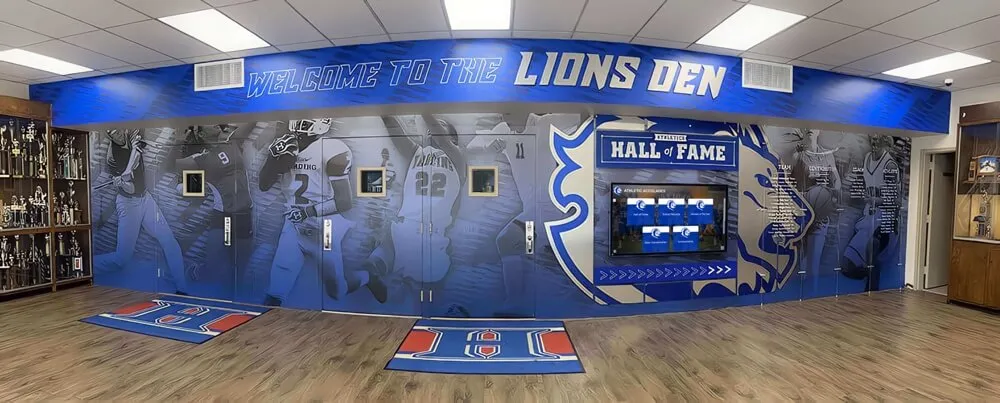
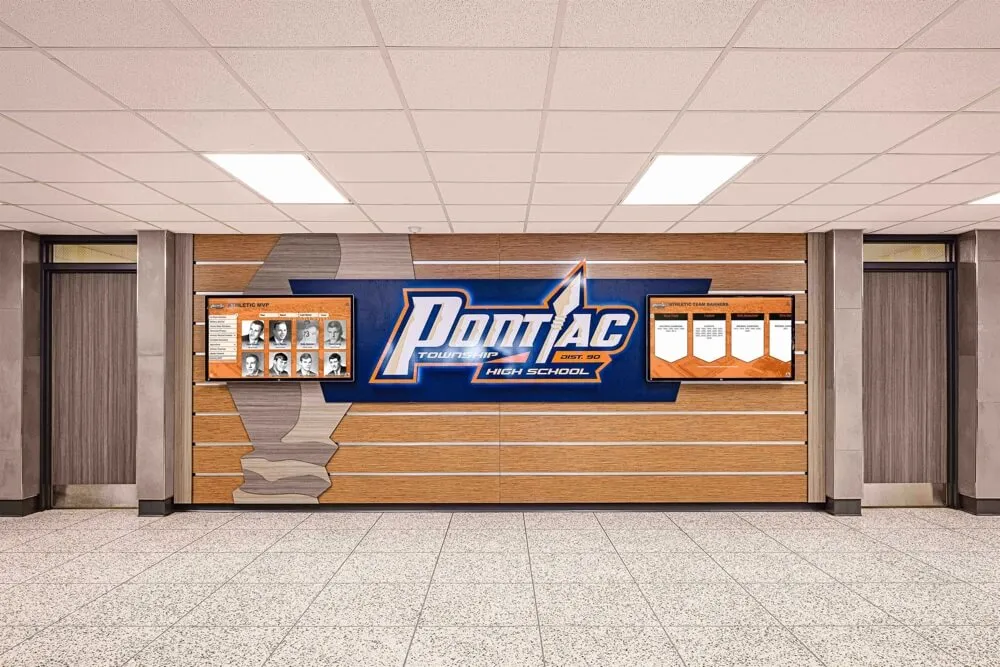
For programs that recognize sponsors with end-of-season acknowledgment materials or showcase features, how athletic awards programs define and display team honors offers useful context on how recognition commitments — and their associated costs — fit into a planned program calendar that a cash flow forecast can support.
Expense Categories: Timing the Outflows
On the expense side, the goal is to identify the month when each payment will actually leave the account — not the month the board authorized the spending.
Equipment purchases often require deposits or full payment before the season begins. An equipment order placed in August with a September delivery date may require payment in August or at delivery — that specific timing should drive which month carries the expense.
Travel costs should be spread across the months when travel occurs. Bus company invoices for away games often arrive within thirty days of the event; lodging and meal reimbursements are typically filed shortly after. If your program has a dense travel schedule in October and November, those months will show elevated disbursements even if some costs were verbally approved earlier.
Awards and recognition ceremonies deserve careful timing attention. End-of-season banquets typically land in April or May — but the deposit for a venue or catering may be required weeks earlier, in February or March. The deposit belongs in February or March on the forecast, even if the event itself is in April.
Sponsor recognition deliverables — banner production, digital display content updates, program printing — are often due before the season opens so sponsors see their recognition from the first home event. These costs typically fall in August or early September and should be reflected in those months, not amortized across the season.
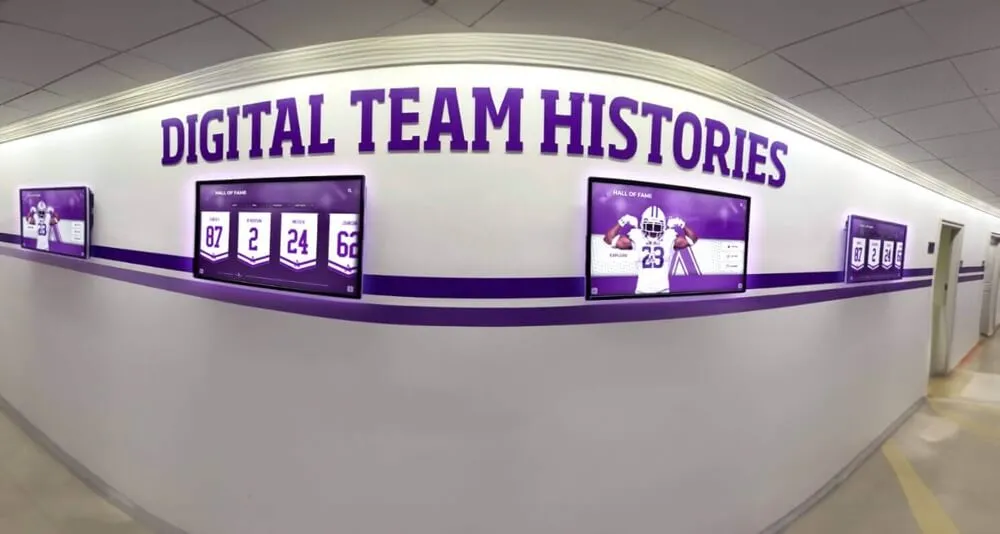
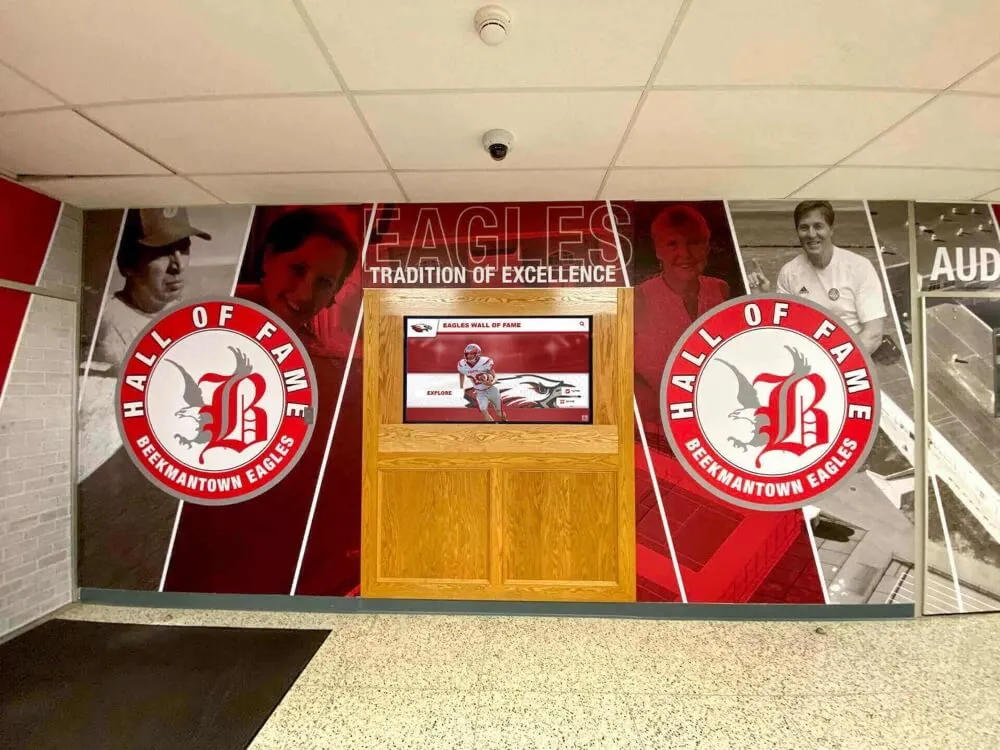
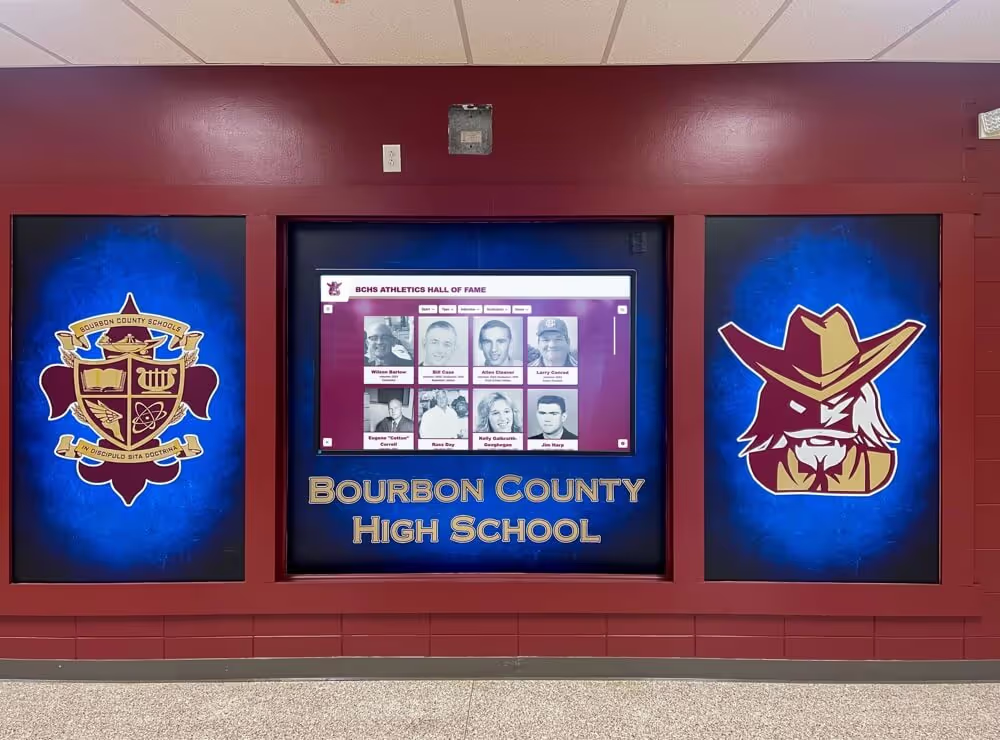
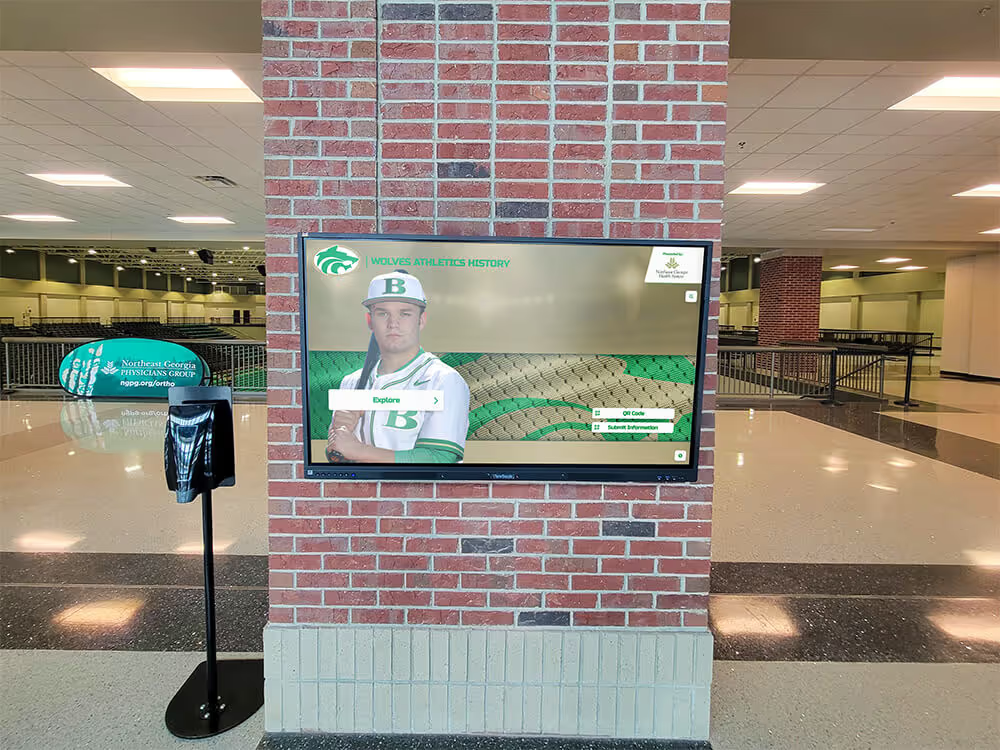
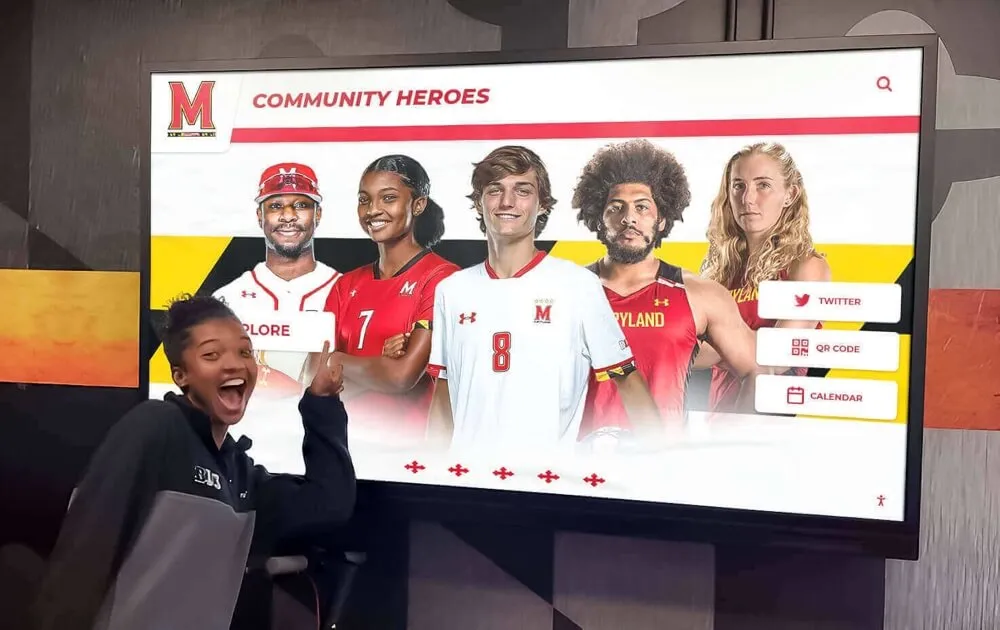
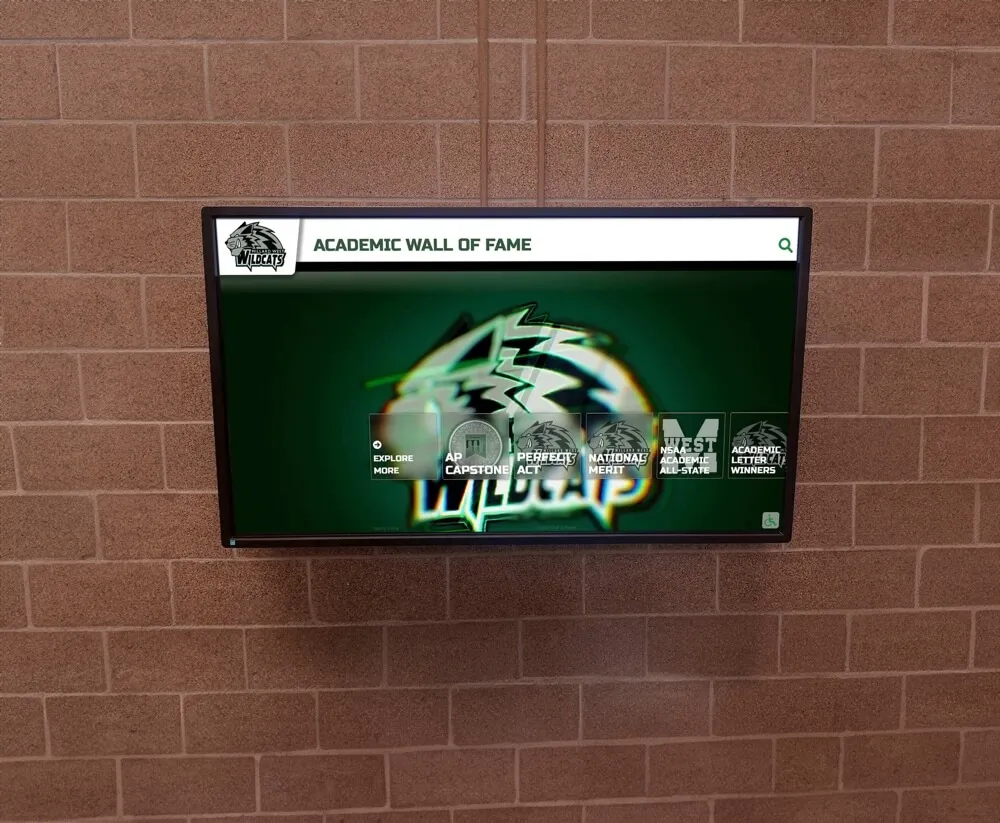
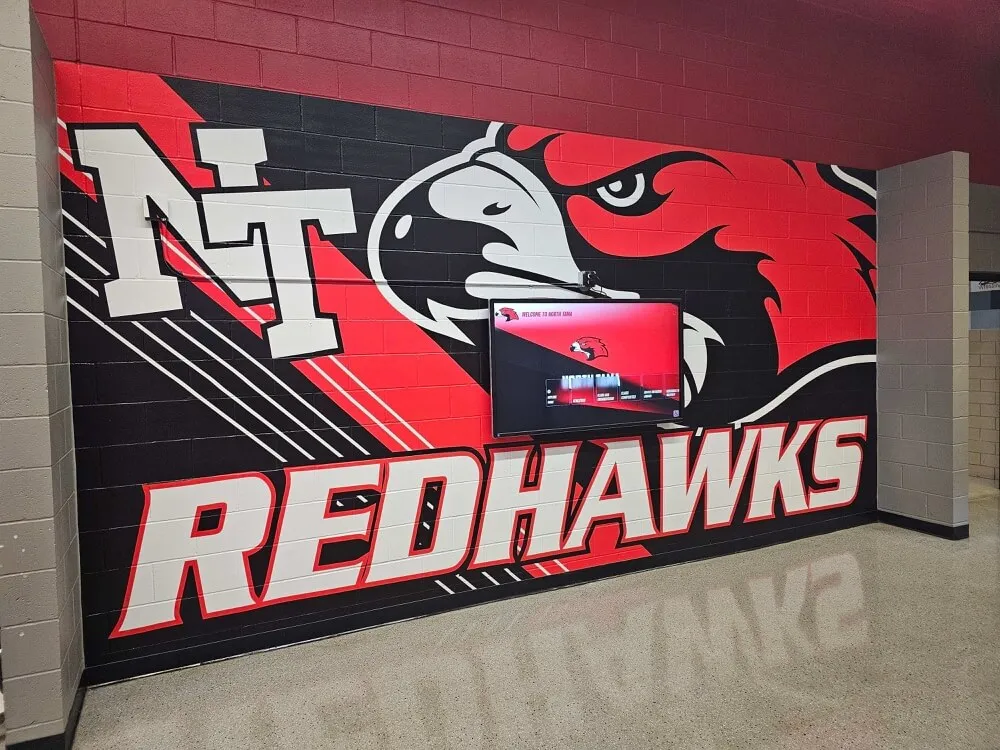
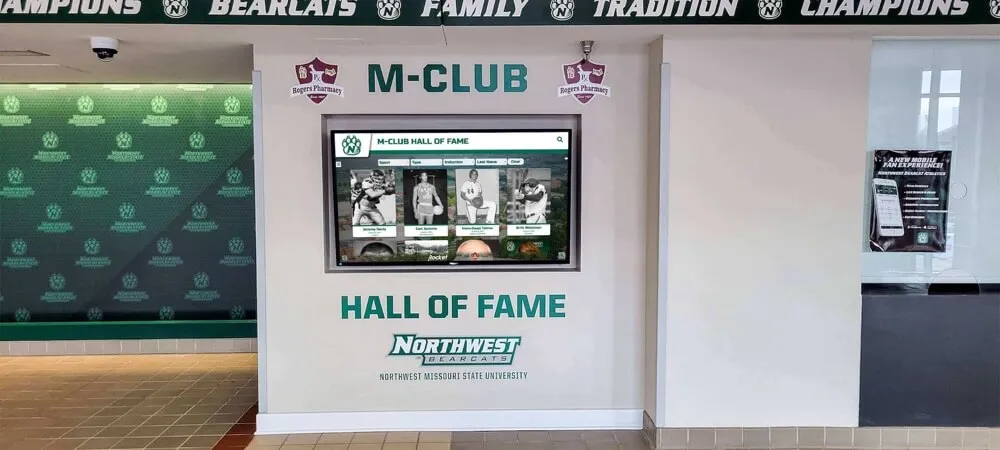
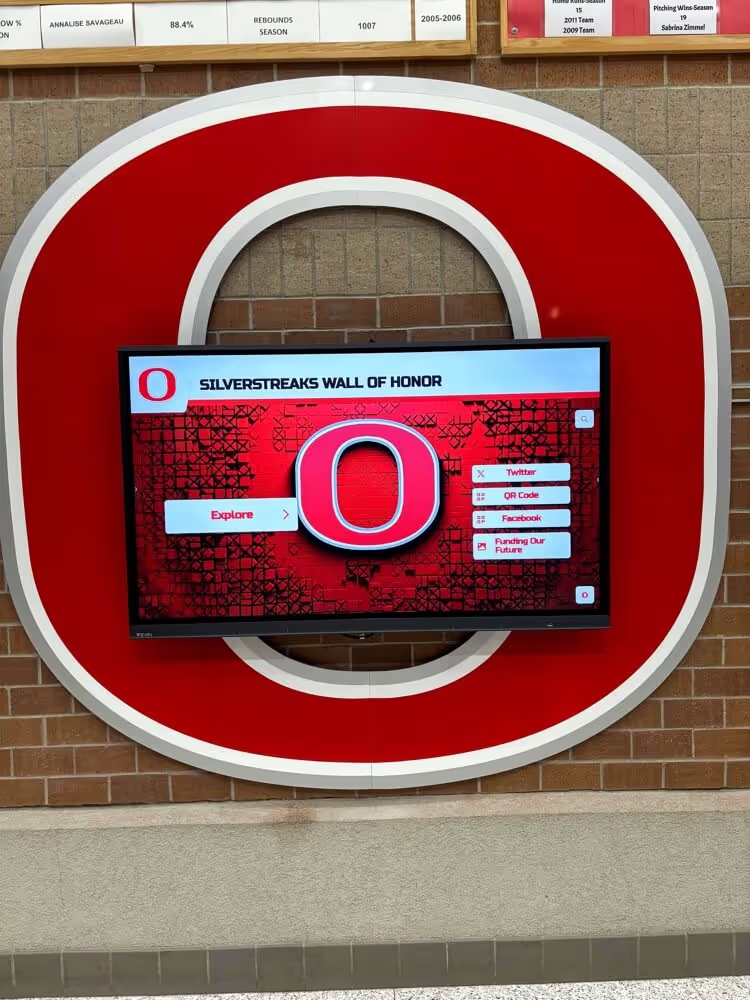
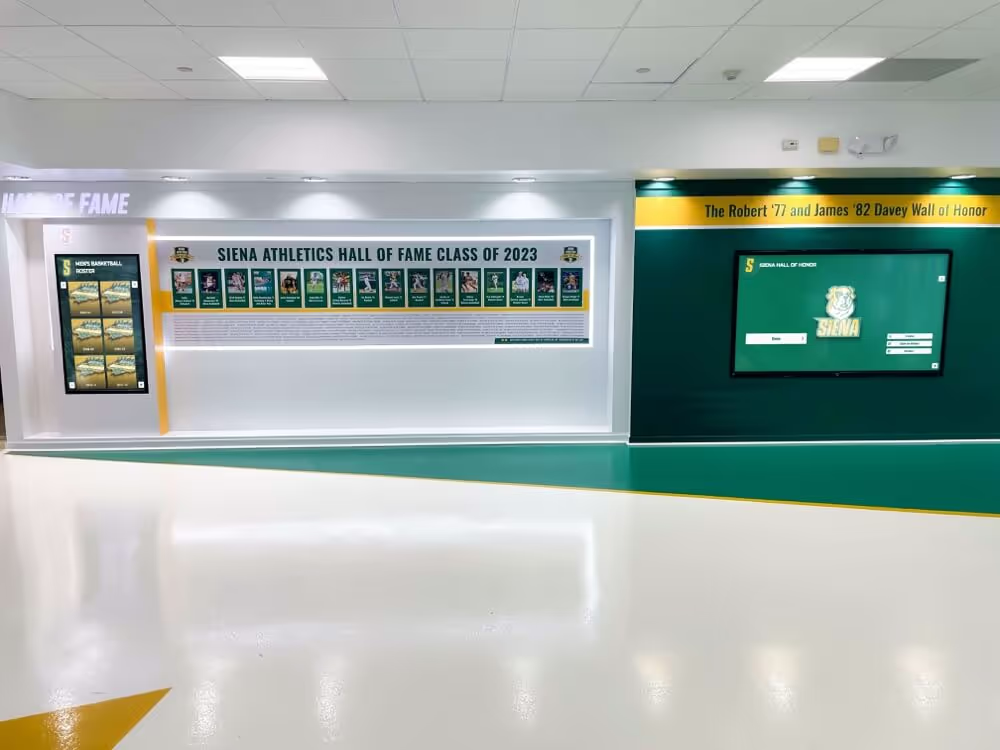
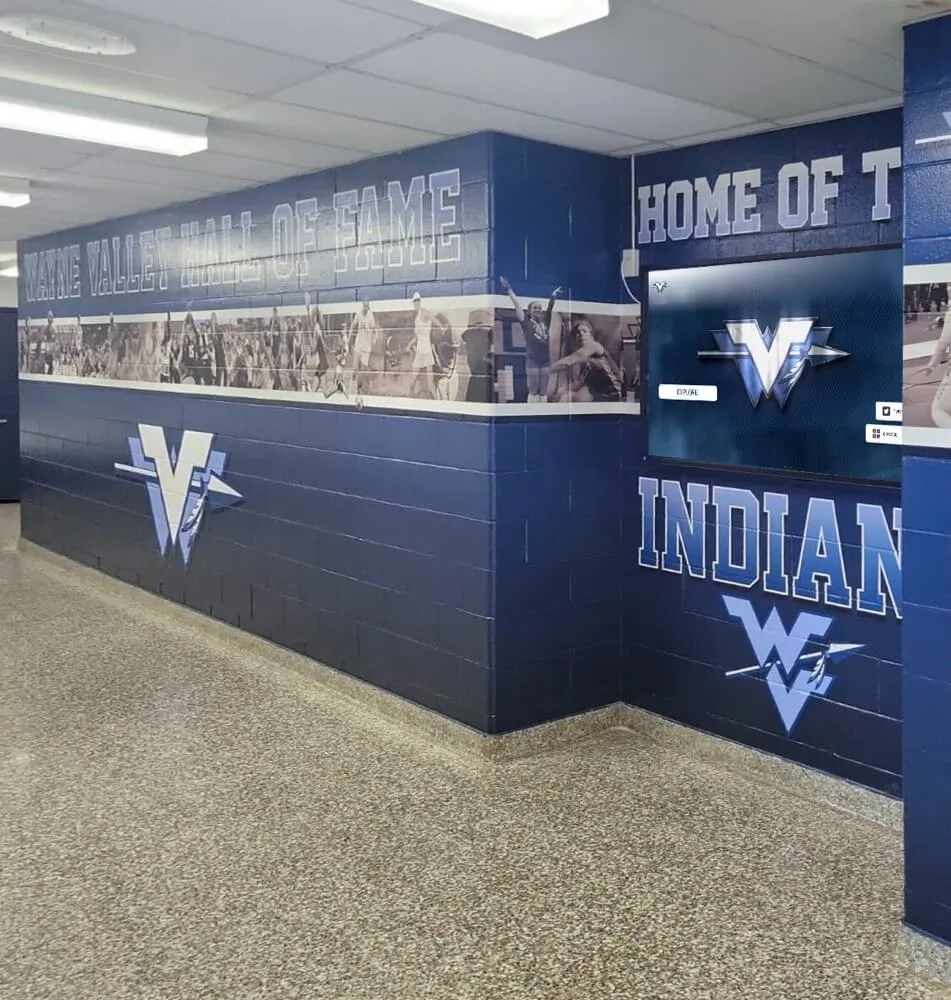
Digital recognition platform subscriptions are among the most forecast-friendly expense categories: a known annual or multi-year subscription amount lands in a single month, never varies, and can be entered in the forecast at the start of the planning cycle with full confidence. How schools are building virtual hall of fame platforms illustrates what a managed digital recognition system looks like in practice — and why the fixed-subscription cost structure is operationally simpler than variable print or fabrication costs.
Seasonal Cash Flow Patterns for Athletic Booster Clubs
Most school athletic programs follow predictable seasonal rhythms that translate directly into predictable cash flow patterns. Understanding these patterns before filling in the forecast helps leaders set realistic expectations for each month rather than discovering mid-season that a specific period was chronically underestimated.
Typical High-Spend, Low-Receipt Months
August and early September are typically the most cash-intensive months of the season for programs that run fall sports. Equipment, uniforms, facility preparation, and pre-season recognition setup all land in this window — while the primary fundraising and sponsorship receipts have not yet arrived. Programs with a strong reserve balance weather this period without concern; programs without one should plan their fundraising calendar to front-load at least one early receipt.
January is frequently a transition month between fall and winter programming — modest receipts, some ongoing facility and administrative costs, and advance payments for spring travel if the schedule is early.
March and April see elevated banquet, awards, and recognition costs as winter sports close and spring sports accelerate. If an end-of-season ceremony for one sport overlaps with pre-season preparation costs for another, the combined disbursements in this period can be larger than any single month in the fall.
Typical Low-Spend, High-Receipt Months
October and November are usually the highest-receipt months for programs with fall fundraisers, fall concession revenue, and multi-installment sponsorship agreements. A forecast that shows a strong projected closing balance in November should prompt the question: is that balance already allocated to specific December and January expenses, or is it available for discretionary recognition and award investments?
February and March often carry lower disbursements for programs whose winter sports have modest travel schedules and whose spring programs have not yet ramped up. This window is an appropriate time to evaluate whether the projected closing balance is sufficient to cover April and May recognition commitments without requiring a mid-spring emergency fundraiser.
Monthly Variance Tracking
Comparing forecast to actual each month is how a cash flow forecast delivers its operational value. A forecast that is never updated against actuals is a planning document; a forecast that is updated monthly is a management tool.
The variance tracking table below provides a structure for each monthly close:
| Month | Projected Receipts | Actual Receipts | Receipt Variance | Projected Disbursements | Actual Disbursements | Disbursement Variance | Projected Closing Balance | Actual Closing Balance | Cash Position Variance |
|---|---|---|---|---|---|---|---|---|---|
| August | |||||||||
| September | |||||||||
| October | |||||||||
| November | |||||||||
| December | |||||||||
| January | |||||||||
| February | |||||||||
| March | |||||||||
| April | |||||||||
| May | |||||||||
| June | |||||||||
| July |
A cash position variance of 10% or more in either direction — whether the actual closing balance is higher or lower than projected — warrants a brief written note explaining why. The explanation does not need to be formal; a one-line entry in the treasurer’s notes column is sufficient. That documentation becomes the reference point for recalibrating next year’s forecast for the same period.
Forecasting Equipment and Gear Timing
Equipment is one of the largest single-month cash outflows on many booster club forecasts, and its timing is often mishandled in two opposite directions: either the full year’s equipment budget is placed in August when it is authorized, or it is spread evenly across twelve months as if the actual orders follow no specific calendar. Neither approach produces a useful forecast.
A more accurate approach is to map equipment spending to the procurement schedule. For programs that know their equipment vendors require orders placed by a specific date, the payment timing follows from that date — not from the date the board approved the line item.
For programs that include athletic gear for multiple sports or events like lacrosse, a structured equipment inventory approach illustrates the detail level that makes per-item cost forecasting useful — when the treasurer knows what equipment is being ordered and when, the forecast entry is a specific amount in a specific month rather than a rough estimate spread across several.

Fixed-cost recognition platform subscriptions produce predictable cash outflows that can be placed in the forecast with full confidence — unlike variable costs such as catering, travel, or awards production, which require estimates that may need revision as the season develops
Forecasting Awards and Recognition Spending
Awards and end-of-season ceremonies represent a category where many booster club forecasts are less precise than they could be — partly because the full scope of the ceremony is not known until closer to the event, and partly because recognition spending is sometimes treated as a residual (“we’ll spend what we have left”) rather than a planned commitment.
A more effective approach is to build recognition spending into the forecast from the start of the season, using the prior year’s actual costs as a baseline and adjusting for any planned enhancements. Key forecast line items for awards and recognition include:
- Venue or facility rental for the banquet or ceremony (typically due weeks before the event)
- Awards, trophies, plaques, and certificates (typically ordered four to six weeks before the ceremony)
- Catering or food service (deposit typically due two to four weeks before the event)
- Printed programs, banners, or ceremony materials (production time requires advance ordering)
- Recognition display content updates (if the program uses a digital platform, annual content updates may be scheduled at season’s end)
Color guard and performing arts programs often have ceremony traditions that differ from team sports. Planning recognition events for performing arts participants illustrates the range of recognition elements that may carry budget implications — venue, awards, ceremony structure, and acknowledgment materials — each of which belongs in the cash flow forecast with a specific payment date.
For basketball programs and similar team sports where end-of-season recognition has its own traditions, planning senior night recognition and gifts highlights the category of recognition spending that often surprises treasurers — individualized gifts and mementos that fall outside the standard awards line item but carry real cost implications for the April or May forecast.
Make Recognition the Most Predictable Line Item in Your Forecast
Rocket Alumni Solutions builds interactive digital recognition displays for school athletic programs — with fixed annual pricing that lets treasurers enter a known number in the forecast at the start of every season. Request a demo to see what a custom recognition display looks like for your program.
Request a Recognition Display DemoUsing the Forecast to Time Fundraising Decisions
One of the highest-value applications of a monthly cash flow forecast is identifying the months where the projected closing balance falls below a comfortable operating threshold — and using that information to schedule fundraisers strategically rather than reactively.
A program that projects a negative or near-zero closing balance in October should not wait until October to discover the shortfall. The forecast, built in August, shows the problem six weeks in advance. At that point, the options are manageable: move a fundraiser date earlier, negotiate a vendor payment schedule, draw from the reserve fund with a planned repayment date, or reduce a discretionary expense in that month.
A program that discovers the same shortfall in October — when the invoice is already on the desk — has fewer options and more stress.
For programs that include formal hall of fame recognition as part of their athletic history, the practical considerations of building and maintaining a basketball hall of fame recognition program illustrates how recognition programs with recurring costs — nomination processing, display updates, ceremony hosting — benefit from being treated as a planned annual expense with specific monthly cash flow implications rather than a one-time or variable cost.
Connecting the Forecast to Sponsor Relationships
Sponsor receipts are among the most timing-sensitive income entries in a booster club cash flow forecast. A $3,000 sponsorship commitment paid in two installments — one in September and one in January — produces very different cash flow implications than the same $3,000 paid in full at signing. The forecast should reflect actual payment terms, not just total commitment amounts.
This timing visibility also supports sponsor conversations. A treasurer who knows that three significant sponsor payments are due in January can plan outreach in December — confirming payment timing, verifying that invoices were received, and addressing any questions before the payment window opens.
For programs that recognize sponsors with physical or digital displays, timing the delivery of those recognition assets to align with payment receipt is a relationship management practice that the forecast directly supports. Sponsors who see their banner installed or digital rotation active before their second payment is due have a clear demonstration that their investment is being honored — exactly the kind of documentation that athletic award recognition programs rely on when maintaining long-term recognition relationships.
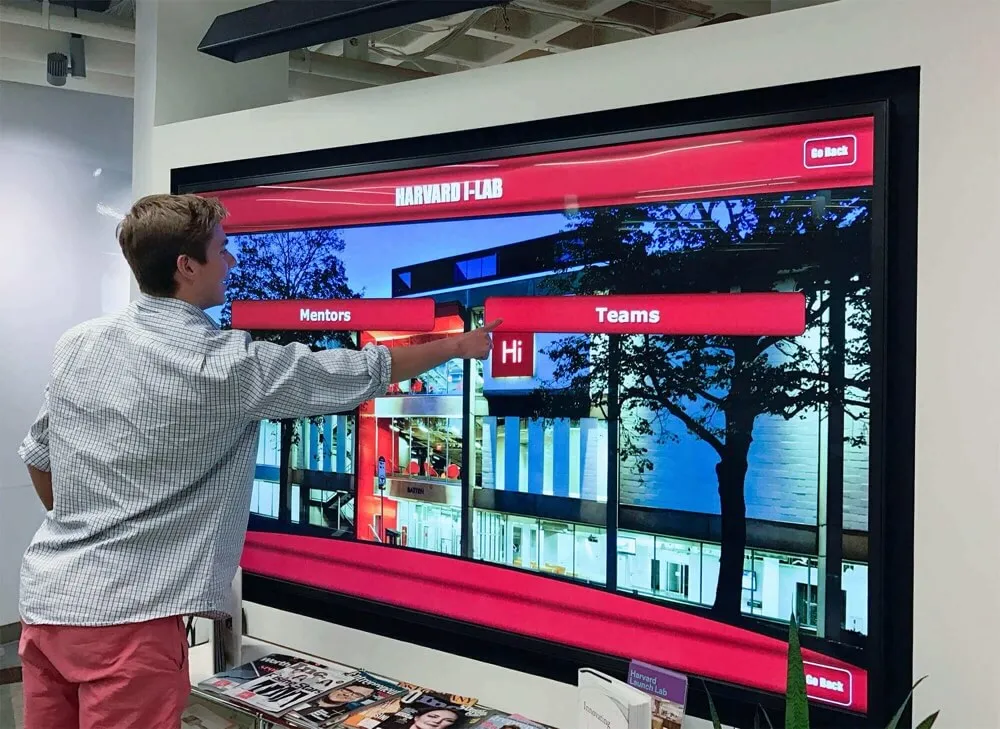
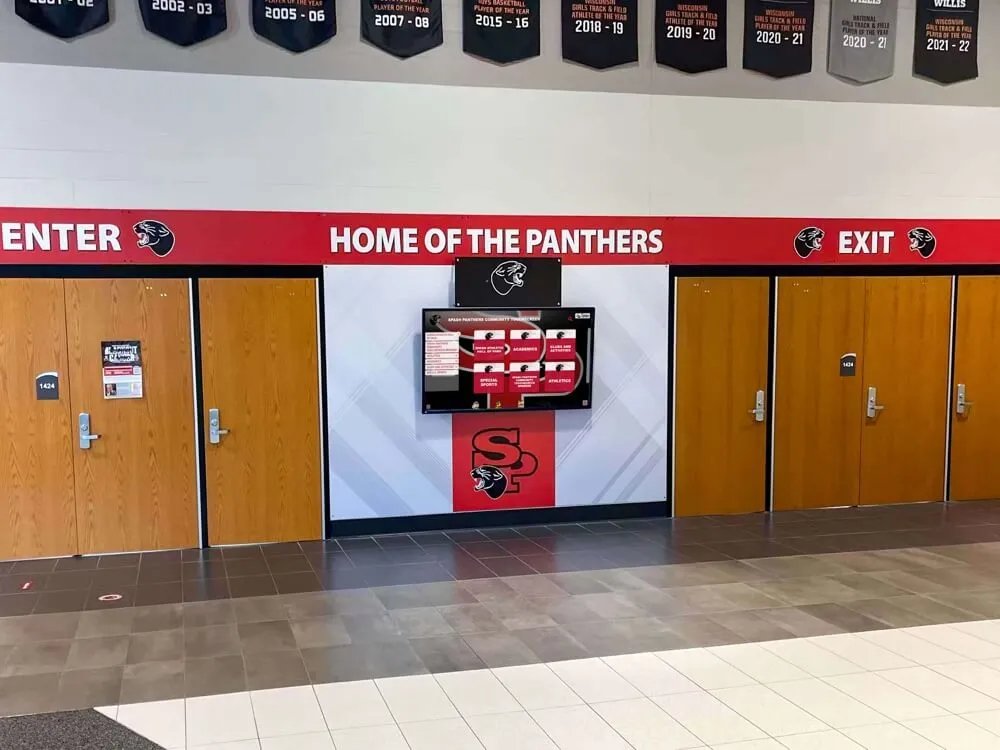
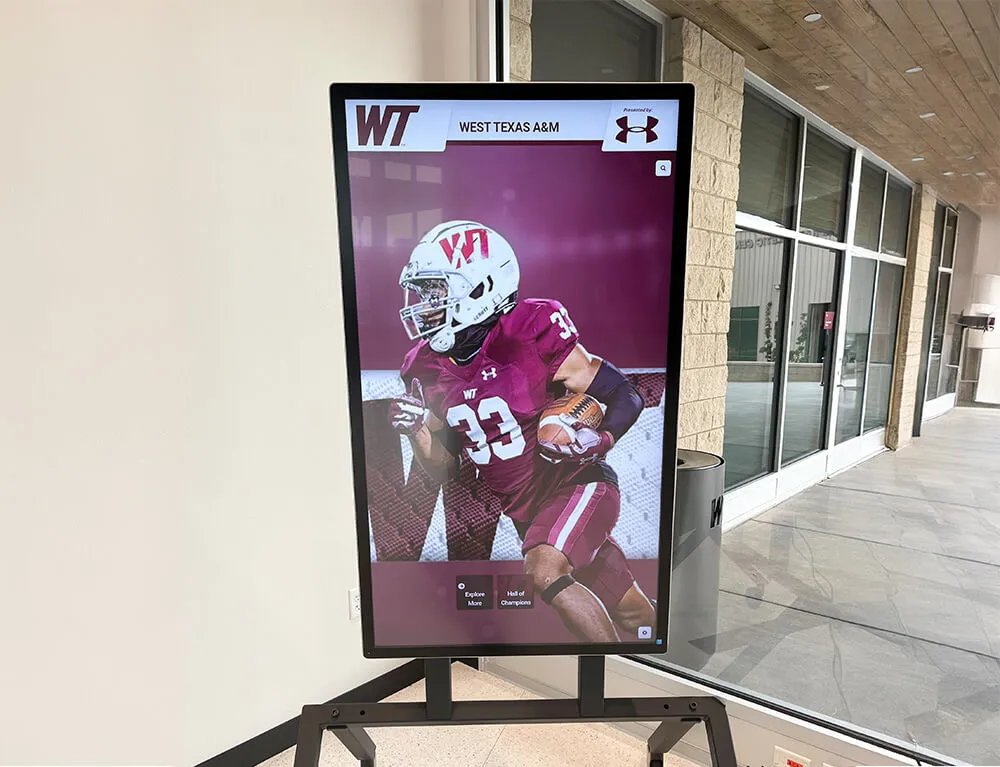
Campus touchscreen directory and display systems — which sometimes house sponsor and donor recognition alongside wayfinding content — represent a category of recognition infrastructure that booster clubs may share costs with the school or athletic department. When costs are shared, the cash flow forecast should reflect only the booster club’s portion of the annual subscription or maintenance fee.
Maintaining the Forecast Through the Season
A cash flow forecast built in August and never touched again is better than no forecast — but only marginally. The operational value comes from updating the forecast monthly as actuals come in and revising future months when planned amounts change.
A practical monthly update routine takes less time than most treasurers expect:
Step 1 — Record actuals. After each month closes and the bank statement is reconciled, enter actual receipts and disbursements in the Actual columns for that month. Note any significant variance with a one-line explanation.
Step 2 — Revise forward months. If a fundraiser was rescheduled, a vendor changed their payment terms, or a new expense emerged that was not in the original forecast, update the relevant future months to reflect the change. The forecast should always represent the current best estimate of what will happen — not a static document from the prior August.
Step 3 — Review the projected closing balances. After updating, look at the projected closing balance for the next two to three months. If any month shows a balance below your program’s operating threshold, flag it now and decide on a response before it becomes a crisis.
Step 4 — Share a summary with the board. The full forecast spreadsheet does not need to go to the board at every meeting — but a one-row summary showing current cash balance, projected closing balance in sixty days, and any months with projected shortfalls gives the board the operational visibility they need without requiring them to read a full spreadsheet.
For programs that also maintain long-term recognition records — athletic history, hall of fame inductees, championship archives — touchscreen hall of fame display technology and digital championship bracket displays represent an area where the cash flow forecast intersects with long-term program infrastructure. A display platform that preserves athletic history across seasons has both a one-time setup cost and an ongoing subscription cost — both of which belong in the forecast with known timing.
Frequently Asked Questions About Booster Club Cash Flow Forecast Templates
What is the difference between a booster club budget and a cash flow forecast?
A booster club budget is a board-approved document that allocates planned income and expenses by category for the full season. It answers the question of how much the program is authorized to spend in each area. A cash flow forecast is an operational planning tool that maps the same income and expenses to the specific months when receipts will be collected and disbursements will be made. A balanced annual budget does not prevent a cash shortfall in a specific month; a monthly cash flow forecast does — because it shows exactly when cash will be on hand relative to when bills are due. Both documents are useful and serve different purposes; the budget governs authorization, and the forecast governs timing.
How do booster clubs forecast fundraising receipts by month?
Booster clubs forecast fundraising receipts by identifying the month in which collections will be completed and deposited — not the month the event is planned or promoted. For events where collections span multiple weeks, the receipt belongs in the month the final collection closes and the proceeds are deposited. Using prior-year actual amounts for comparable events is the most reliable starting point; first-year forecasts without historical data should use conservative estimates and update them as the event approaches. Installment-based sponsorship receipts should be entered in the specific months when payments are contractually due, not spread evenly across the season or entered in the month the agreement was signed.
What months typically show cash shortfalls for athletic booster clubs?
August and early September are the months most likely to show projected cash shortfalls for booster clubs that run fall sports programs. Pre-season equipment purchases, uniform orders, facility preparation, and recognition setup costs arrive before the primary fundraising and sponsorship receipts of the fall season. March and April can also show elevated disbursements when end-of-season banquets, awards production, and spring sport pre-season costs land in the same window. Programs with a maintained reserve fund can absorb these predictable shortfalls; programs without one should consider adjusting their fundraising calendar to move at least one receipt-generating activity earlier in the season.
How should a booster club treasurer handle a projected cash shortfall in the forecast?
When a monthly cash flow forecast shows a projected shortfall in a future month, the treasurer should address it before it arrives rather than waiting until the cash balance is actually low. Options typically include: moving a scheduled fundraiser earlier to front-load a receipt; negotiating a payment schedule with a vendor to defer a large disbursement; drawing on the program’s reserve fund with a specific planned repayment date; or requesting the board authorize a temporary adjustment to a non-critical discretionary expense. The treasurer should bring the projected shortfall to the board as soon as it appears in the forecast — not after it has materialized — so the board can participate in selecting the appropriate response. Consult your organization’s bylaws and any applicable school district policies before drawing on reserve funds or changing vendor payment terms.
How do booster clubs include recognition and awards costs in a cash flow forecast?
Recognition and awards costs belong in the cash flow forecast in the months when payments are actually due — not the month of the ceremony or the month the board approved the budget line item. This means banquet venue deposits appear in the forecast two to four weeks before the event date, trophy and award orders appear four to six weeks before the ceremony when production lead times require, and catering deposits appear at the contractual deposit deadline. Digital recognition platform subscriptions — for schools that use cloud-managed display systems — are typically fixed annual amounts that can be entered in the renewal month with full confidence. Treating recognition spending as a planned, timed commitment rather than a year-end residual is the practice that prevents last-minute cash pressure in April and May.
A Forecast Is Not a Prediction — It Is a Plan
A booster club cash flow forecast is not an attempt to predict the future with precision. It is a structured plan that forces the program’s leadership to think through the timing of money in and money out — before the season is underway and before the surprises arrive.
Programs that build and maintain a monthly forecast are not protected from every unexpected expense or revenue shortfall. They are, however, positioned to see those events coming far enough in advance to respond thoughtfully rather than reactively. The difference between a $2,000 shortfall discovered in August and the same shortfall discovered in October is the difference between a manageable planning conversation and a crisis board meeting.
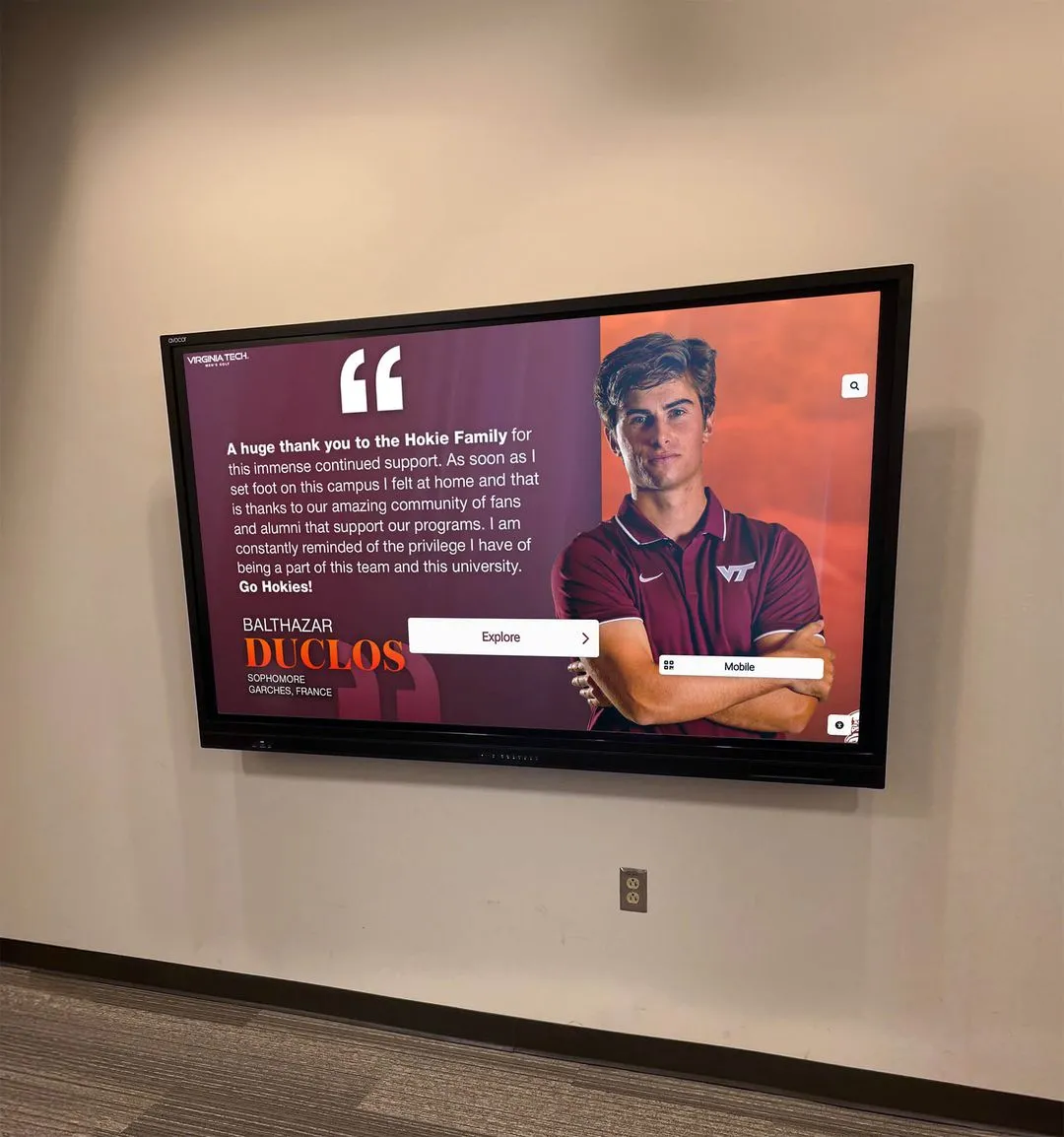
For programs that use digital recognition platforms to preserve athletic history, honor award recipients, and acknowledge donors and sponsors year-round, the forecast also makes the case for that investment in operational terms: a known, fixed annual cost that can be placed in the forecast with full confidence is the kind of budget-friendly recognition infrastructure that serves the program without ever showing up as a surprise.
Give Your Recognition Program a Fixed-Cost Line Item Your Forecast Can Count On
Rocket Alumni Solutions builds interactive digital recognition displays for school athletic programs — sponsor showcases, donor walls, athletic record boards, and award archives — with fixed annual pricing that makes every forecast entry predictable. Request a demo to see what your program's recognition could look like on a custom display.
Schedule a Recognition Display Demo