



A booster club cash disbursement journal is a chronological log of every outgoing payment the organization makes — checks, ACH transfers, and cash disbursements — recorded with the payee name, amount, account code, authorization reference, and date of each transaction. Unlike a bank statement, which reflects only what cleared the account, the disbursement journal captures the approval decision before the payment leaves, creating a linked record from board authorization to bank debit that protects volunteers, satisfies auditors, and connects every dollar spent to the program it supported.
This guide covers every column the journal should contain, a numbered posting workflow for each payment type, monthly reconciliation steps, a comparison of the journal against general ledger practice, and an FAQ section that addresses the questions school administrators and district business offices most commonly raise about booster club payment records.
Not legal or financial advice: This guide describes commonly used internal control practices for educational purposes only. Your organization’s specific requirements depend on your school district structure, state nonprofit regulations, and your school district’s finance office. Consult a licensed CPA or attorney before establishing or revising financial procedures.
A cash disbursement journal’s core function is to create a timeline: in what order did the organization spend money, on what, for whom, and who authorized each expenditure. When that timeline is intact, the treasurer can reconstruct any payment’s history within minutes. When the timeline has gaps — missing check numbers, unrecorded electronic payments, authorizations added after the fact — those gaps surface during audits at the worst possible moment and raise questions that documentation alone cannot answer.

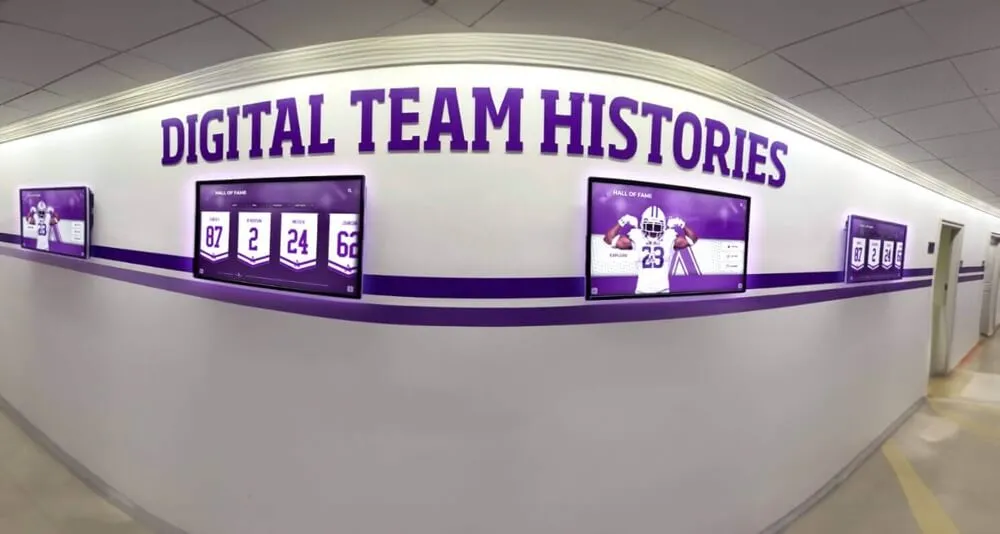
Athletic record boards preserve achievement milestones with the same rigor that a cash disbursement journal applies to every outgoing payment — both create institutional timelines that withstand scrutiny across leadership transitions
What Is a Booster Club Cash Disbursement Journal?
A booster club cash disbursement journal is a book of original entry — the first place an outgoing payment is recorded, before it reaches the general ledger or appears on a bank statement. The journal captures every payment the organization makes, in date order, with enough supporting detail to connect each transaction to an approved purpose and a named payee.
The journal is distinct from two related documents: the bank statement, which records payments only after they clear, and the check register, which typically tracks only the check number and gross amount without expense categorization or authorization documentation. The disbursement journal combines elements of both while adding the approval layer that internal controls require.
For school-affiliated booster clubs — which routinely manage tens of thousands of dollars in fundraising revenue and are subject to oversight by the district business office, school board, or state athletic association — a properly maintained disbursement journal is the single most important document in the financial record set.
Core Columns in a Booster Club Cash Disbursement Journal
The table below defines every column a complete disbursement journal should include. Organizations using spreadsheet software or accounting applications should verify that all nine fields are captured before relying on the record for reconciliation or oversight review.
| Column | What to Record | Why It Matters |
|---|---|---|
| Date | The date the payment was issued, not the date it cleared | Creates the chronological record; check date triggers the approval audit trail |
| Reference Number | Check number, ACH transaction ID, or petty cash voucher number | Links the journal entry to the physical payment instrument |
| Payee Name | Full legal name of the vendor, volunteer, or organization receiving payment | Identifies the recipient for audit and 1099 reporting purposes |
| Payment Purpose | Brief description of what was purchased or reimbursed | Provides context so any reader can understand the transaction without additional documents |
| Account Code | Chart of accounts code or budget category | Classifies the expense so the journal feeds correctly into financial reports |
| Authorization Reference | Board meeting minutes date/item number, or officer approval notation | Documents that a qualifying approval preceded the payment |
| Gross Amount | Full payment amount before any discounts | The amount that will appear on the bank statement |
| Running Balance | Cumulative total of disbursements in the current period | Allows the treasurer to track spending against budget in real time |
| Notes | Any exception, restriction, or follow-up item | Captures the context that future treasurers and auditors will need |
Payment Types That Must Be Recorded
Every outgoing payment must appear in the journal regardless of method or size. This includes:
- Checks: The most common payment method; record the check number in the Reference Number column
- Electronic transfers (ACH/wire): Assign a sequential reference number using the bank transaction ID
- Debit or credit card charges: Record at the date of the charge, not the statement date
- Petty cash disbursements: Issue sequentially numbered petty cash vouchers and record each disbursement individually
- Online payments (PayPal, Venmo, Zelle): Record separately; many auditors treat these as higher-risk transactions requiring additional documentation
The most common gap in booster club disbursement records is electronic payments that were never posted to the journal because they did not involve a check. Any payment that reduces the bank balance must appear in the journal — without exception.
How to Post Entries: A Step-by-Step Workflow
Posting discipline — entering every payment at the moment it is issued, not at week’s end or month’s close — is what separates a reliable journal from a reconstructed record. The workflow below applies to every payment type.
Step 1: Confirm Authorization Before Issuing Payment
The journal workflow begins before the check is written. Every disbursement must trace to a documented authorization: a line item in the board-approved budget, a motion recorded in meeting minutes, or a written approval from the officer designated to approve expenditures below a defined threshold.
If authorization documentation does not exist, the payment does not issue. Creating the authorization after the payment has been made is a control failure — not a documentation shortcut. Consistent adherence to this sequence is what makes the journal meaningful rather than merely descriptive.
Step 2: Assign the Reference Number
For checks, the reference number is the check number printed on the instrument. For electronic payments, assign the reference number at the moment the transfer is initiated — do not wait for the bank confirmation. Gaps in reference number sequences flag missing payments immediately during reconciliation.
Organizations using pre-numbered check stock benefit from the built-in sequence. Organizations using online bill pay or vendor portals should maintain a separate ACH payment log with sequential reference numbers assigned internally, cross-referenced to the bank transaction ID when it appears.
Step 3: Record the Entry at Payment Issuance
Open the journal at the moment of payment issuance and complete all nine fields before moving to the next task. Fields completed from memory hours or days later are less reliable — amounts get transposed, authorization references are approximated, and payment purposes become vague.
For recurring payments (facility rental, insurance premiums, software subscriptions), prepare a templated entry that requires only the date, reference number, and amount fields to be updated each period. Templates reduce posting time and eliminate categorization inconsistency across entries for the same payee.
Step 4: Attach Supporting Documentation
Staple or clip the supporting document — invoice, receipt, reimbursement request, or contract — to a copy of the posted journal entry or file it in a corresponding folder referenced by the journal entry date. The journal entry and supporting document must be traceable to each other. An entry with no supporting document is unverifiable; a document with no journal entry may represent an unrecorded disbursement.
Step 5: Update the Running Balance
Subtract the gross payment amount from the previous running balance and record the new total in the Running Balance column. This real-time tracking allows the treasurer to compare cumulative spending to the approved budget at any point in the period — not only at month’s end when the bank statement arrives.
Step 6: Secondary Review for Payments Above Threshold
For payments above a defined dollar threshold — most organizations use $500 to $1,000 — a second officer should review and initial the journal entry before the check is released or the transfer is authorized. This dual-review step is a lightweight segregation control that adds an independent check without requiring a separate approver for every transaction.

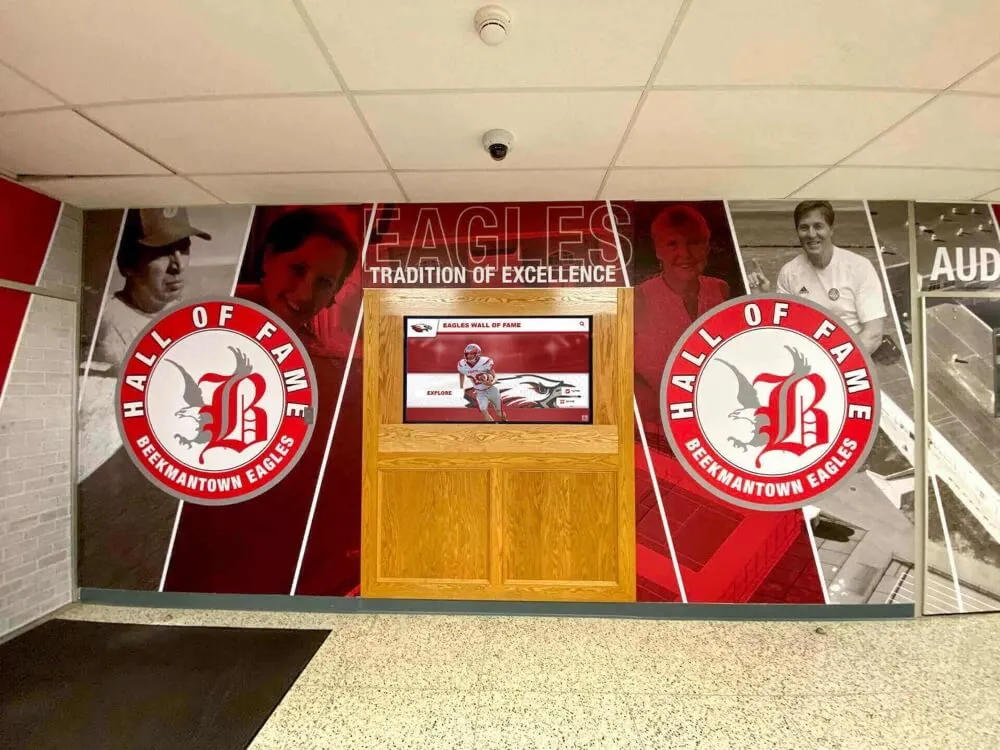
Recognition systems that honor student-athletes and donors permanently depend on organizations that can account for every dollar spent — a discipline that starts with a complete, well-maintained disbursement journal
Monthly Reconciliation: Closing the Disbursement Loop
A disbursement journal is only useful if someone closes the loop by comparing what the journal says to what the bank confirms. Monthly reconciliation is that closing step.
Reconciliation Procedure
Follow these steps within ten business days of receiving the monthly bank statement:
- List all disbursements from the journal for the statement period. Total the gross amount column.
- Compare to the bank statement disbursement total. Every check or transfer that appears in the journal should appear on the statement as cleared.
- Identify outstanding payments — checks issued but not yet cleared. List these on a reconciliation worksheet. Outstanding checks should clear within 90 days; checks older than 90 days warrant follow-up with the payee.
- Identify bank-initiated debits not in the journal. Bank fees, returned check charges, and automatic subscription renewals appear on the bank statement without a corresponding journal entry. Add these to the journal and assign a reference number before closing the reconciliation.
- Reconcile totals: Journal total, plus bank-initiated items added, minus outstanding checks, should equal the ending bank balance.
- Review account codes against the current period’s budget. Summarize total spending per account code and compare to the budget allocation. Flag variances above a defined threshold for board review.
- Sign and date the reconciliation worksheet. The treasurer completes the reconciliation; a second officer — the assistant treasurer, president, or a board member not involved in disbursements — reviews and countersigns. The countersignature is not optional: an unsigned reconciliation has no independent verification.
Handling Unreconciled Differences
A difference between the journal total and the bank statement total after accounting for outstanding checks indicates either a missing journal entry, a posting error, or a bank processing error. Do not adjust the journal to force agreement — investigate the source of the difference, document the resolution, and correct the entry or contact the bank as the facts require.
Athletic record version control practices apply the same discipline: when a discrepancy appears between what the record says and what actually occurred, the correct response is investigation and documented correction, not silent adjustment. Financial records and athletic records carry the same institutional weight when organizational credibility is at stake.
Cash Disbursement Journal vs. General Ledger
The cash disbursement journal and the general ledger are related but distinct records, and understanding the difference helps booster club treasurers avoid the most common posting error: treating one document as a substitute for the other.
| Feature | Cash Disbursement Journal | General Ledger |
|---|---|---|
| Scope | Only outgoing payments | All transactions: income, expenses, and transfers |
| Organization | Chronological | By account code |
| Level of detail | Transaction-by-transaction with payee and reference | Summarized by account per period |
| Primary use | Payment audit trail and bank reconciliation | Budget vs. actuals reporting and financial statements |
| Who posts entries | Treasurer, at moment of payment issuance | Treasurer or bookkeeper, from the journal |
In standard accounting practice, the cash disbursement journal is a book of original entry: entries are posted there first, then summarized and posted to the general ledger periodically (typically monthly). A booster club using QuickBooks or similar software may not maintain a separate journal document — the software creates both the transaction register (journal equivalent) and the account summaries (ledger equivalent) from a single entry. Organizations using spreadsheets should maintain both documents separately or ensure the journal spreadsheet includes account code summaries that function as the ledger.
The key control: the general ledger cannot be more accurate than the journal. Every error in the general ledger begins with either a missing journal entry or an incorrectly posted one.
Disbursement Records and Recognition-Related Spending
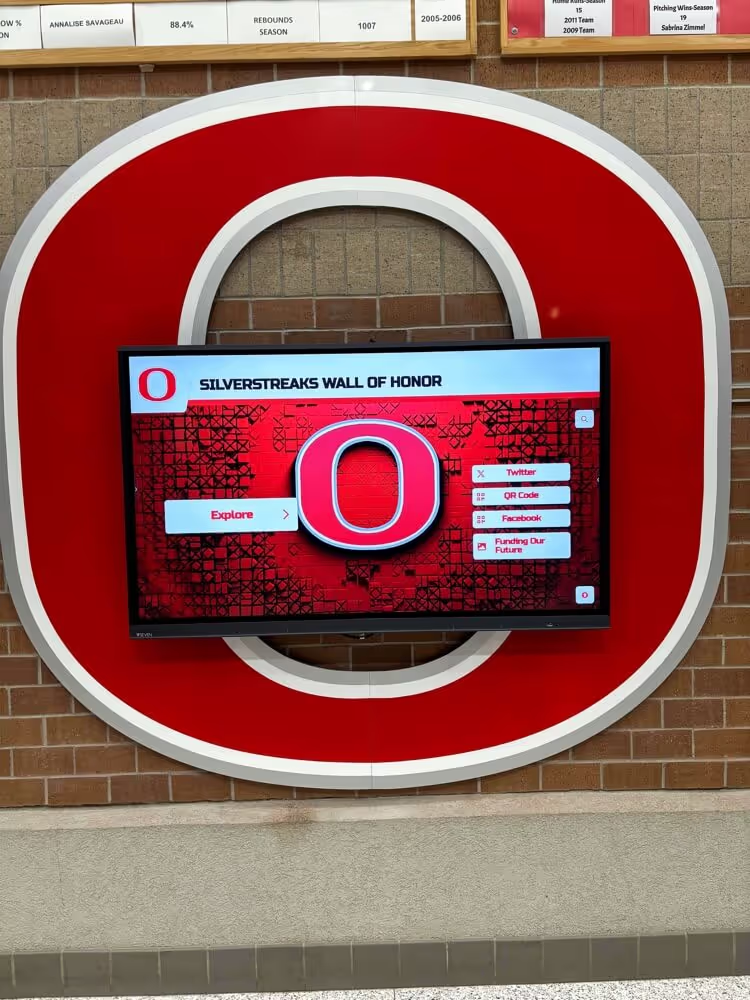
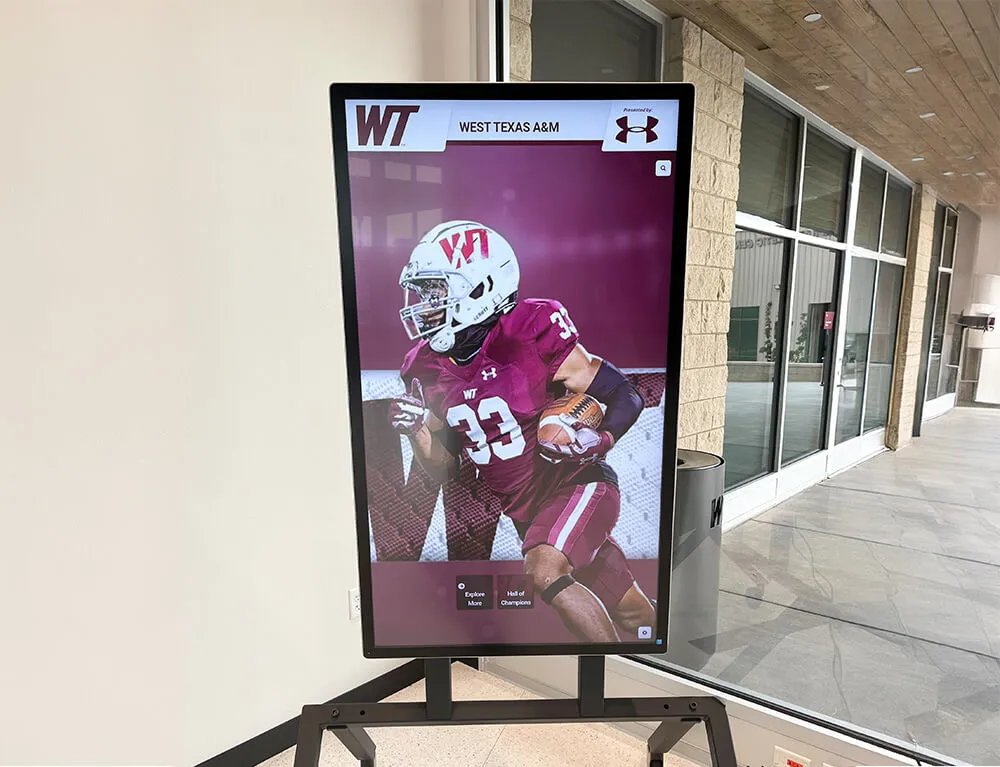
For booster clubs that fund athletic recognition programs — digital hall of fame installations, donor display systems, award ceremonies, or team achievement records — the cash disbursement journal plays a secondary but important role: it is the financial evidence that documents how recognition investments were authorized and paid.
When a booster club votes to fund a new athletic recognition display, the authorization appears in meeting minutes. The payment to the vendor appears in the disbursement journal with that authorization reference. The installation date and deliverable completion are documented separately. This three-document chain — minutes, journal entry, and delivery record — creates the institutional record that makes recognition investments defensible to any oversight body and durable across leadership transitions.
Digital signage programs in schools that incorporate donor recognition and athletic achievement displays represent exactly the kind of capital investment that benefits from this paper trail. When the display is installed and running years later, the disbursement record confirms what was paid, to whom, and under what board authorization — documentation that supports renewal decisions, insurance coverage, and grant applications.
Sports awards databases that track winners, criteria, and photos reflect the same institutional logic in the athletic records domain: systematic, documented, and durable. The organizations maintaining those records with the same discipline apply to disbursements are the ones positioned to fund and sustain recognition programs across many seasons.
For athletic programs exploring how digital archives and financial records support recognition credibility, digital asset management approaches for schools describe how institutions structure records — financial and archival — so that institutional history is not dependent on any single volunteer’s memory or personal storage.

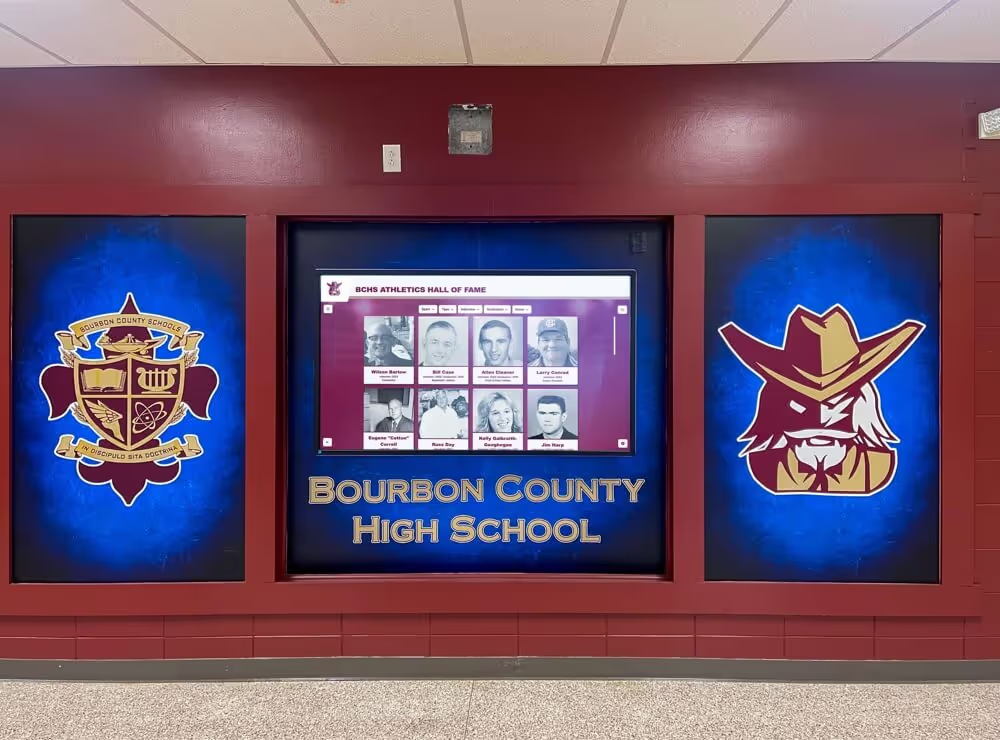
Every recognition investment a booster club makes — digital displays, named facilities, hall of fame installations — traces back to a disbursement journal entry that links the payment to an authorized purpose and a named payee
Supporting Documentation: What to Keep and for How Long
The journal entry is the record; the supporting documentation is the evidence. Both are required. A journal with no supporting documents is an unsupported assertion; documents with no corresponding journal entries may represent unrecorded disbursements — a more serious problem.
Documents to Retain Per Disbursement
For each posted entry, retain:
- Vendor invoices: Original or scanned PDF; include the invoice number in the journal notes column
- Reimbursement request forms: Signed by the requester and the approving officer, with receipts attached
- Purchase order copies: If the organization uses a PO system, attach the PO to the invoice
- Meeting minutes or approval emails: The authorization document; reference the date and item number in the journal’s Authorization Reference column
- Deposit bag receipts or ACH confirmations: For electronic payments, the bank-generated confirmation that the transfer was received by the payee
Retention Period
Financial source documents — including disbursement journals and supporting records — should generally be retained for three to seven years. The applicable period depends on state law, IRS guidance for tax-exempt organizations, and the school district’s record retention policy. Most well-run booster clubs use seven years as a conservative standard.
Store records in shared cloud storage accessible to all current board officers — not on a single treasurer’s personal device. When a treasurer transitions, records must transfer intact without requiring the outgoing officer to remain available indefinitely. School yearbooks and historical records face the same institutional challenge: documents stored on individual devices disappear when people move on, while centrally maintained records remain accessible to every generation of leadership.
Special Considerations for Booster Club Disbursement Journals
Dual-Signature Checks
For checks above the organization’s dual-signature threshold, both signers should be identified in the journal’s Authorization Reference column. The column should not simply note “dual-signed” — it should name both signers and, where applicable, reference the specific board approval they are executing. This level of detail supports the segregation of duties matrix most well-governed booster clubs maintain.
Reimbursements to Officers
Payments made to officers or board members — for expenses they incurred on behalf of the organization — require the same journal entry as any vendor payment, but with additional documentation: a signed reimbursement request form with original receipts, and explicit approval by an officer who is not the reimbursement recipient. An officer must never approve their own reimbursement, and that approval gap must be visible in the authorization documentation.
Voided Checks
When a check is voided — because of a payee error, amount error, or a lost check — record the voided check in the journal as a zero-dollar entry with “VOID” in the Reference Number column and a brief explanation in the Notes column. Retain the voided check (marked void and filed with the period’s records) so the check sequence remains accountable. A missing check number in the sequence is as suspicious as a missing bank entry.
Year-End Closing Entries
At fiscal year-end, close the disbursement journal by totaling all columns, comparing the annual disbursement total to the general ledger, and verifying that outstanding checks from the year either cleared in the first days of the new year or were formally voided. Document the year-end reconciliation and file it with the annual financial summary that the board reviews and approves before the new fiscal year begins.
Archival recognition programs that preserve institutional history apply the same logic to their record sets: year-end closings create defined periods that are easier to audit, easier to hand off, and easier to query years later when someone needs to reconstruct what happened in a specific season.

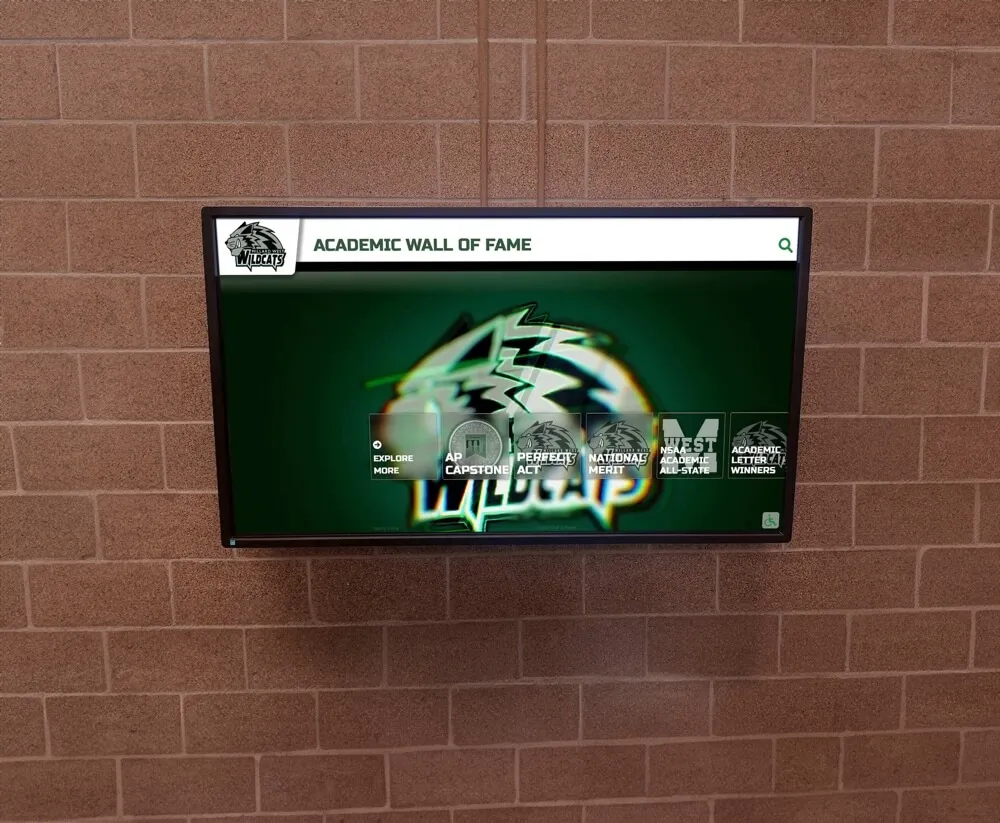
Permanent recognition displays that name donors and honor athletes depend on organizations whose financial records are complete, well-maintained, and as durable as the recognition itself
How the Disbursement Journal Supports Athletic Programs
The connection between a booster club disbursement journal and the athletic programs it funds is more direct than it might appear. When a program purchases new equipment, books team travel, funds a banquet, or contributes to the school’s recognition infrastructure, every one of those expenditures runs through the disbursement journal before it touches any other financial record.
Student-athletes who benefit from booster-funded programs — equipment, travel, facilities, recognition — depend on organizations that can account for their resources rigorously. Programs that support student-athlete development holistically note that the institutional credibility of the supporting organization matters to coaches, administrators, and families. A booster club that cannot produce clean financial records when asked undermines confidence in the entire support structure, regardless of how much was raised or spent.
The disbursement journal is the record that answers the question every oversight body eventually asks: “Where did the money go?” When the answer is in a well-maintained journal with complete authorization references and supporting documentation, the question is answered in minutes. When the answer requires reconstruction from memory, bank printouts, and missing receipts, the process becomes protracted and the outcome is uncertain.
Frequently Asked Questions About the Booster Club Cash Disbursement Journal
What is a booster club cash disbursement journal?
A booster club cash disbursement journal is a chronological record of every outgoing payment the organization makes — checks, electronic transfers, and cash disbursements — entered at the moment each payment is issued. Each entry captures the date, reference number, payee name, payment purpose, expense account code, authorization reference, and gross amount. The journal is a book of original entry: payments are recorded there first, then summarized into the general ledger and reconciled against the monthly bank statement. A properly maintained disbursement journal connects every dollar spent to an authorized purpose and a named payee, creating the audit trail that school administrators, district business offices, and state oversight bodies require from school-affiliated parent organizations.
What columns should a booster club cash disbursement journal include?
A complete booster club cash disbursement journal should include nine columns: (1) Date — the payment issuance date; (2) Reference Number — check number, ACH transaction ID, or petty cash voucher number; (3) Payee Name — full name of the recipient; (4) Payment Purpose — a brief description of what was purchased or reimbursed; (5) Account Code — the budget category or chart of accounts classification; (6) Authorization Reference — the board meeting date and agenda item, or officer approval notation; (7) Gross Amount — the full payment total; (8) Running Balance — the cumulative disbursement total for the period; and (9) Notes — any exceptions, restrictions, or follow-up items. Organizations using accounting software may find some columns embedded in the software’s transaction entry screen — confirm that all nine data points are captured before relying on the record.
How does a booster club reconcile its cash disbursement journal?
Monthly reconciliation of the disbursement journal involves five steps: (1) Total all journal entries for the statement period; (2) Compare the journal total to the disbursements on the bank statement; (3) List outstanding checks — payments in the journal that have not yet cleared the bank; (4) Identify bank-initiated debits (fees, returned check charges) not yet in the journal and add them; (5) Verify that the journal total, adjusted for outstanding checks and bank-initiated items, equals the ending bank balance. The reconciliation should be completed by the treasurer and reviewed and countersigned by a second officer — typically the assistant treasurer or a board member not involved in disbursements — within ten business days of receiving the monthly bank statement. Differences that cannot be explained after investigating are escalated to the full board, not adjusted silently.
Does a booster club cash disbursement journal need to record electronic payments?
Yes — every outgoing payment must appear in the disbursement journal, regardless of payment method. ACH transfers, debit and credit card charges, PayPal and Venmo payments, and online bill pay transactions are all disbursements that reduce the bank balance and must be recorded at the time they are initiated. Electronic payments that bypass the journal because they do not produce a paper check are one of the most common sources of unrecorded disbursements in booster club records. For electronic payments, assign a sequential internal reference number and cross-reference the bank transaction ID in the Notes column. Organizations that use online payment platforms should establish a regular (weekly or per-transaction) posting routine so no electronic payment is delayed from the journal.
How long should a booster club keep its cash disbursement journal?
Booster clubs should retain the cash disbursement journal and its supporting documentation — invoices, reimbursement requests, approval records, and bank statements — for a minimum of three to seven years. The applicable retention period depends on state nonprofit law, IRS guidance for tax-exempt organizations, and the school district’s own record retention policy. A conservative standard used by many school-affiliated parent organizations is seven years. Records should be stored in a shared organizational system — cloud storage accessible to all current board officers — rather than on a single treasurer’s personal device, so they survive leadership transitions intact. Consult a CPA or attorney familiar with your state’s nonprofit requirements to confirm the retention period that applies to your organization.
A Disbursement Journal That Supports Every Season
A booster club cash disbursement journal is not an accounting formality created for audits and filed away between oversight visits. It is the operational record that allows any incoming treasurer, any school administrator, or any auditor to understand exactly what the organization spent, on what, and under whose authorization — for any payment made during the organization’s history.
The organizations that maintain this record with discipline build an institutional credibility that extends well beyond financial compliance. When a booster club can demonstrate clean, complete disbursement records, it earns the trust of the school administration, the school board, and the community supporters whose ongoing contributions make athletic programs possible. That trust is what enables the organization to take on larger investments — recognition installations, equipment upgrades, facility improvements — that create lasting impact for student-athletes and donors season after season.
Honor Every Athlete and Donor Your Booster Club Has Supported
Rocket Alumni Solutions builds interactive digital recognition systems for school athletic programs — touchscreen hall of fame displays, digital donor walls, and archival team history platforms that honor the legacy your booster club has helped build. See how your school's recognition program can come to life with a custom demo.
Schedule Your Demo