



A booster club cash count sheet is a written record that documents the denomination-by-denomination breakdown of cash collected at a game, concession stand, or fundraiser — completed by two authorized volunteers simultaneously, signed by both, and retained as permanent financial documentation. The two-person requirement is not optional and is not about distrust: it protects volunteers from unfair accusations, gives the treasurer a reliable starting point for reconciliation, and creates the paper trail that school administrators and auditors need to verify that every dollar was handled correctly.
This guide covers the complete field structure for a booster club cash count sheet, explains the two-person verification workflow step by step, walks through the numbered event close-out procedure, and shows how accurate count documentation connects to the sponsor and donor recognition commitments that keep programs funded across seasons.
Not legal or financial advice: This guide describes commonly used internal control practices for educational purposes only. Your organization’s specific requirements depend on your school district structure, state nonprofit regulations, and any requirements set by your governing body. Consult a licensed CPA, your school district’s finance office, or an attorney before establishing or revising financial procedures.
A booster club cash count sheet is the first and most important document in the chain of financial evidence that connects money collected at a gate to money deposited in the bank. When two people count together, record every denomination, and both sign the sheet before the cash moves, the organization has documentation that withstands scrutiny — whether from a school audit, a disputed total, or a treasurer transition.

Booster clubs that maintain rigorous cash count documentation are better positioned to honor the recognition commitments made to sponsors and donors — because both depend on the same institutional record-keeping habits
What Is a Booster Club Cash Count Sheet?
A booster club cash count sheet is a standardized form that records the complete breakdown of cash at a specific collection point during or after an event. Unlike a deposit slip — which records only the total deposited — a cash count sheet records every denomination counted, the identity of both counters, the time and location of the count, and the reconciliation target (expected proceeds based on tickets sold, items sold, or register data).
The sheet is completed in real time, at the count table, before any cash changes hands. Both volunteers sign it after agreeing on the total. The signed original goes to the treasurer with the cash; no copies should leave the count table unsigned.
A complete booster club cash count sheet includes three sections: identification fields (event, date, location, counters), denomination breakdown fields (bills and coins counted), and reconciliation fields (expected total, actual total, variance, and explanation if any variance exists).
Cash Count Sheet: Field-by-Field Breakdown
The table below lists every field a booster club cash count sheet should include, the purpose of that field, and notes on how to complete it correctly. Organizations using a printed template should verify that each field appears before relying on the form for event counts.
Section 1: Identification Fields
| Field | Purpose | How to Complete |
|---|---|---|
| Event Name | Identifies which event generated these funds | Full event name: “Home Football vs. Lincoln — 10/4” |
| Event Date | Creates chronological record for reconciliation | Date of the event, not the date of the count if different |
| Collection Point | Distinguishes multiple cash streams at the same event | “Gate — North Entrance,” “Concessions,” “Raffle Table” |
| Count Start Time | Documents when counting began | Fill in at the moment counting starts |
| Count End Time | Documents duration and aligns with event timeline | Fill in when both counters sign |
| Counter 1 Name | Identifies first authorized counter | Print name clearly; signature required at completion |
| Counter 2 Name | Identifies second authorized counter | Print name clearly; signature required at completion |
| Counter 1 Signature | Legal attestation of counted total | Signed only after both counters agree on final total |
| Counter 2 Signature | Legal attestation of counted total | Signed only after both counters agree on final total |
| Treasurer Review Signature | Confirms treasurer received cash and sheet together | Signed by treasurer at handoff, not during count |
Section 2: Denomination Breakdown
| Denomination | Quantity Counted | Subtotal |
|---|---|---|
| $100 bills | _______ | _______ |
| $50 bills | _______ | _______ |
| $20 bills | _______ | _______ |
| $10 bills | _______ | _______ |
| $5 bills | _______ | _______ |
| $1 bills | _______ | _______ |
| Quarters | _______ | _______ |
| Dimes | _______ | _______ |
| Nickels | _______ | _______ |
| Pennies | _______ | _______ |
| Total Cash In | $_______ |
Section 3: Reconciliation Fields
| Field | Purpose | Notes |
|---|---|---|
| Opening Cash (Starting Drawer) | Records the float provided at event start | Must match the amount documented on the opening count sheet |
| Total Cash In (from denomination breakdown) | Sum of all denominations counted | Calculated from Section 2 |
| Less Opening Cash | Removes starting float to isolate event proceeds | Subtracted automatically: Total In minus Opening Cash |
| Net Proceeds | Cash actually collected during the event | This is the deposit amount for this collection point |
| Expected Proceeds | Target calculated from sales records | Ticket count × price, register total, or itemized sales log |
| Variance | Difference between net proceeds and expected | Ideally $0; any variance requires written explanation |
| Variance Explanation | Mandatory narrative for any non-zero variance | Both counters initial the explanation |
Two-Person Counting: Why It Works and How to Run It
The two-person counting requirement is the single most protective control in booster club cash handling. When two authorized volunteers count simultaneously — not one person counting while another watches — the process creates mutual verification that neither party can later dispute. Both see the same denominations, both reach the same total, and both sign the same sheet.
The practical protection this provides is significant. If the deposit total differs from the count sheet, the investigation starts with paperwork rather than accusations. The organization has a documented record of exactly how much cash was counted, when, and by whom. That record protects the volunteers who counted as much as it protects the organization that entrusted them with the funds.
School booster clubs that run high-traffic events — home football games, basketball tournaments, spring fundraiser nights — generate multiple simultaneous cash streams. Booster club fundraiser planning resources that cover event structure and revenue tracking describe the kinds of events where separate count sheets for each collection point are essential: gate admission, concession stands, raffle tables, and merchandise sales each need their own count, their own reconciliation target, and their own signed form.
Who May Serve as a Counter
The booster club’s cash handling policy should name which positions are authorized to serve as a counter. Commonly, the authorized pool includes:
- Booster club officers (president, vice president, treasurer, secretary)
- School athletic director or designated school staff
- Named parent volunteers who have completed a background check and signed a handling agreement
No family member of the same household should serve as both counters for the same count. The two-person rule requires independence, not just the presence of two bodies.
When to Count
Most events require at least two counts: an opening count (to document the starting cash provided to the register or collection box) and a close-out count (to document total proceeds at the end of the event). High-volume events should add an in-event count at a defined midpoint — end of the first half, after the first two quarters, or at the halfway point of a fundraiser — so that large accumulations of cash are not waiting in a register or cash box for hours unattended.
For events that run pep rally and game-day activities alongside ticket sales and concessions, the count schedule should be determined before the event begins, not improvised based on how busy the night turns out to be.
Event Close-Out Workflow: A Numbered Procedure
The close-out count is the most critical count of the event. It produces the final documented total that becomes the deposit amount and the reconciliation baseline for the treasurer. Running it the same way every time — regardless of who is counting or how tired the volunteers are — is what makes the close-out documentation reliable across seasons and across leadership transitions.
Follow these steps in order for every event close-out:
Announce close-out time. The volunteer managing the collection point signals both designated counters that the count is beginning. No additional cash should enter or leave the register or collection box after this signal.
Remove the starting float. Separate the opening cash (documented on the opening count sheet) from the proceeds. Set it aside in a labeled envelope. It is not counted as proceeds.
Count by denomination. Counter 1 and Counter 2 count all remaining bills and coins simultaneously, denomination by denomination. Neither counter accepts or announces a total until both have completed the full denomination breakdown independently.
Compare counts. Both counters compare their denomination tallies. If any denomination does not match, both counters recount that denomination together before proceeding.
Record on the count sheet. Counter 1 records the agreed denomination counts in Section 2 of the count sheet. Counter 2 verifies each entry as it is written.
Calculate net proceeds. Complete the Section 3 reconciliation fields: total cash in, less opening float, equals net proceeds.
Compare to expected proceeds. Retrieve the sales record (ticket log, register tape, itemized list) for this collection point. Record the expected proceeds in the Variance field. If a variance exists, both counters write a brief explanation and initial it before signing.
Package the cash. Place all proceeds (not the starting float) in a tamper-evident deposit bag or envelope. Record the bag number on the count sheet.
Both counters sign. Counter 1 and Counter 2 sign the completed count sheet. Neither signs before the other has reviewed the final figures.
Hand off to the treasurer. The signed count sheet and the sealed cash bag are handed directly to the treasurer (or designated alternate). The treasurer signs the “Treasurer Review” field at the point of handoff to document chain of custody.
File the count sheet. The treasurer retains the original signed count sheet. It is filed with the corresponding deposit slip after the bank deposit is made. Digital scan copies should be uploaded to the organization’s shared document storage the same day.
Opening Count Procedure
The opening count documents the starting cash placed in each register or collection box before the event begins. It is a separate procedure from the close-out, completed with the same two-person requirement.
For the opening count:
- Document the amount and denomination of the starting float on a dedicated opening count sheet (or a clearly labeled section of the master count sheet for that collection point)
- Both counters sign the opening count before the cash is placed in the register
- The total documented on the opening count sheet becomes the “Opening Cash” figure used in the close-out reconciliation
Organizations that skip the opening count create a gap: when the close-out proceeds differ from the expected total, there is no documented baseline to confirm whether the starting float was correct. School athletic programs that maintain systematic records for each category of program activity apply the same logic to financial forms — version-controlled, consistently structured, and retained for accountability — whether those records cover cash counts or athletic achievements.
Fundraiser-Specific Cash Count Considerations
Games and fundraisers create different cash handling challenges. A Friday night gate at a football game has a predictable structure — ticket sales, concessions, and a defined end time. A spring fundraiser with multiple simultaneous revenue streams, silent auction tables, merchandise, and admission at the door requires a count plan that covers every collection point independently.
For fundraiser events, the cash count plan should be documented before the event begins. The plan should specify: how many collection points will operate, who is assigned as the two-person counting team for each point, what the count schedule is (opening, any midpoint counts, and close-out), and where each count sheet and sealed bag goes after the count.
Events that run alongside community gatherings — school carnivals, alumni reunions, or events modeled on community fundraiser formats that bring families together for organized activities — often add ad hoc revenue streams (a bake sale table, a games booth, a donation jar) that volunteers may not think of as requiring a formal count. Every cash collection point at a booster club event, regardless of size, should produce a signed count sheet with a reconciliation target. The discipline that applies to the $3,000 gate applies equally to the $85 bake sale table.
Student council and school organization fundraising frameworks note the same principle: consistent documentation across all revenue streams — even small ones — is what makes a complete financial picture possible at year-end.

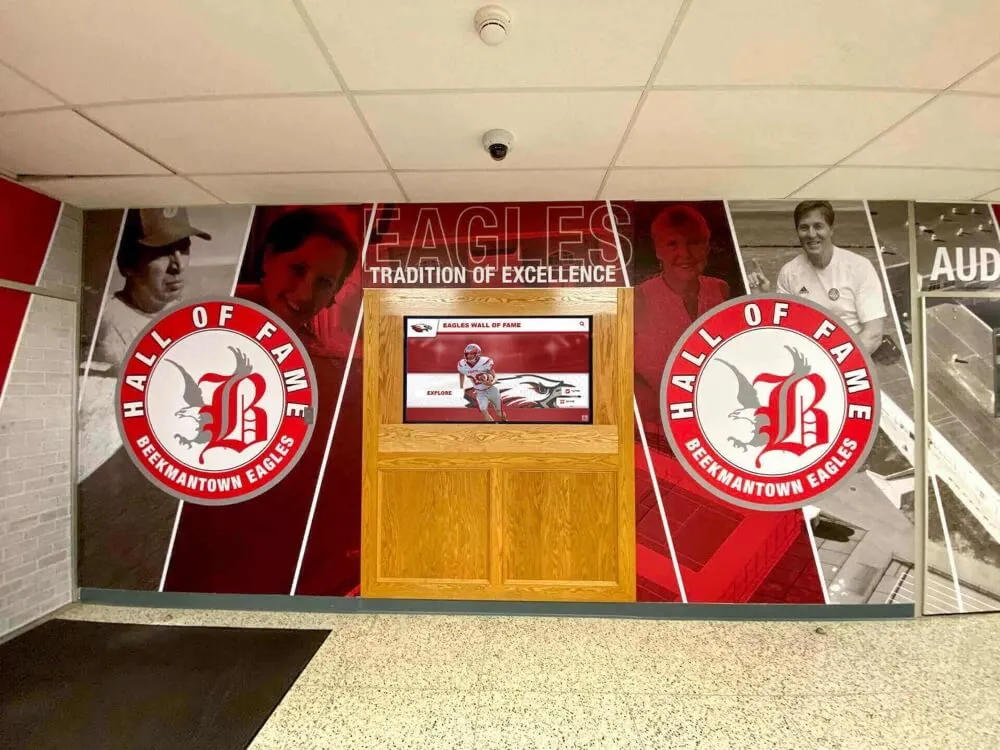
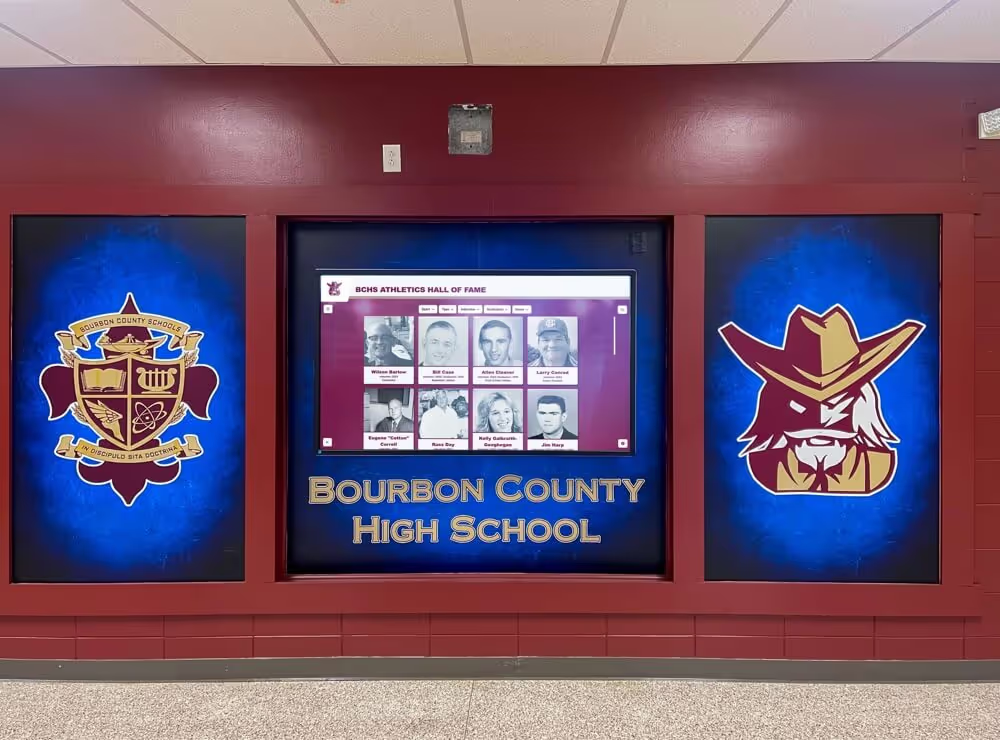
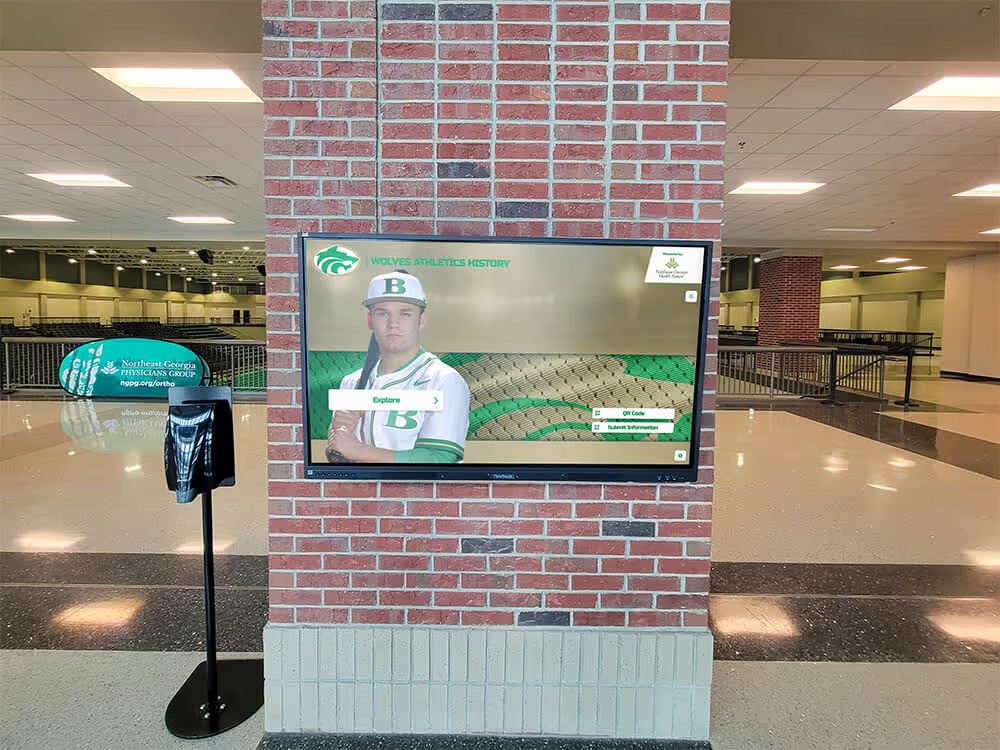
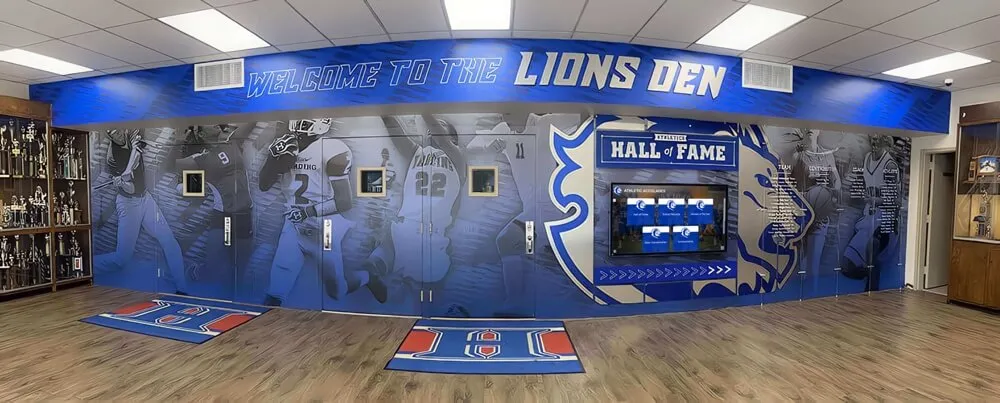
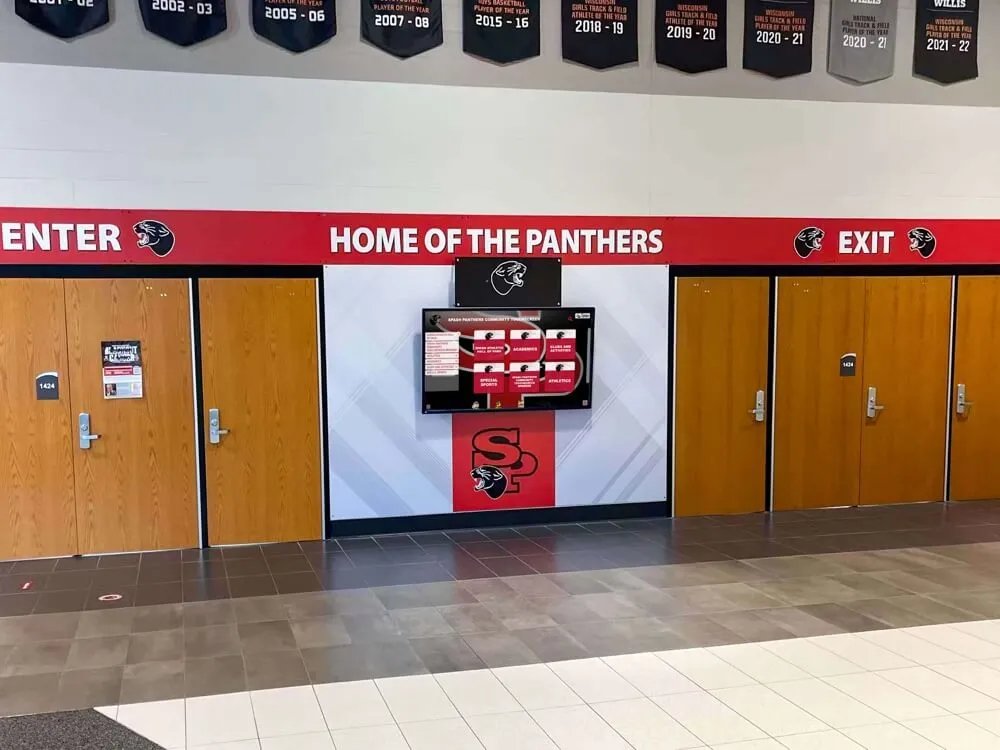
Sponsor-funded recognition assets — digital displays, named facilities, hall of fame installations — depend on the financial controls that begin at the count table and follow through to the deposit and ledger
After the Count: How Financial Records Connect to Recognition
A signed cash count sheet is not just a financial document — it is the first link in a chain that connects event proceeds to every recognition commitment the booster club has made to sponsors and donors.
The chain works like this: event cash is counted and documented → deposited with a matching deposit slip → reconciled in the sponsor ledger against income targets → allocated to recognition deliverables (banners, digital displays, hall of fame entries, printed programs) → fulfillment documented when each deliverable is completed → fulfillment documentation retained alongside the cash records that funded it.
Organizations that treat cash count documentation as a year-end compliance task rather than a real-time operating habit find the chain broken at the second or third link. By the time the treasurer tries to reconcile the sponsor ledger against the bank statement, the connection between a specific event’s count sheets, the corresponding deposit, and the sponsor payment that came in that same week is no longer traceable.
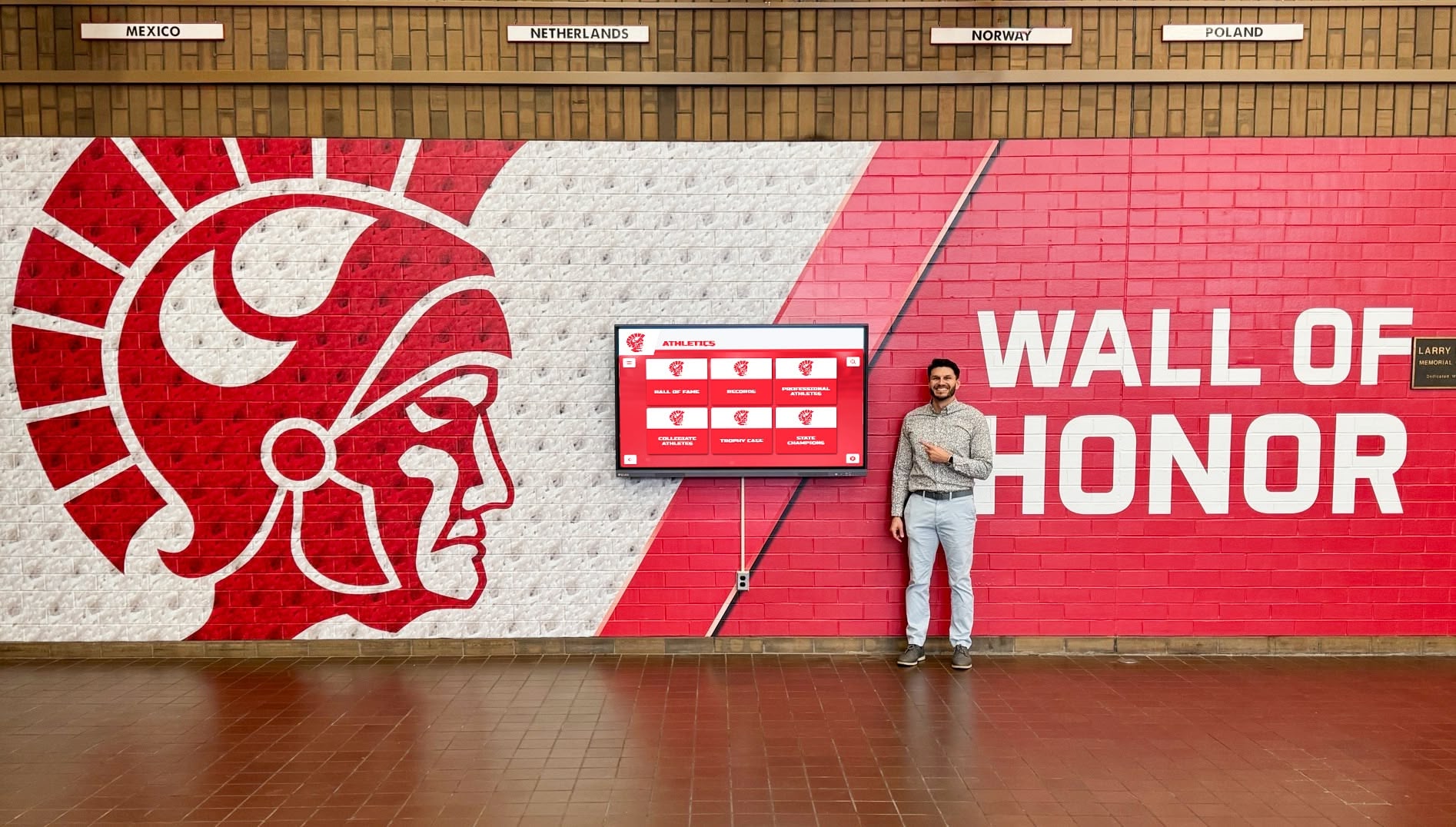
When booster clubs invest in permanent recognition infrastructure — athletic record boards, digital donor displays, named installations — those assets become visible evidence that the organization honors its commitments. Institutional archive practices for athletic programs describe the same discipline applied to recognition records: authoritative, consistent, and retained in a form that survives leadership transitions. The financial records that fund recognition programs deserve the same standard.
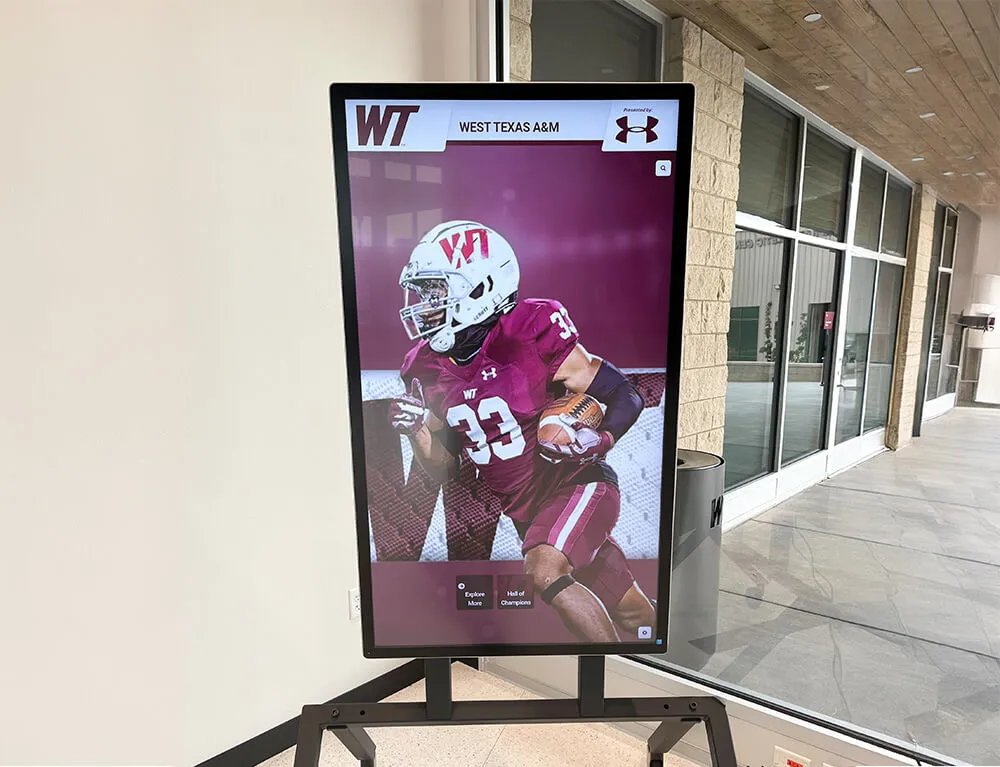
For booster clubs managing multiple simultaneous recognition commitments — sponsors at different tiers, donors contributing to named assets, community supporters receiving acknowledgment at games — the documentation discipline that starts at the count table also supports the digital recognition infrastructure that makes those acknowledgments visible and permanent.

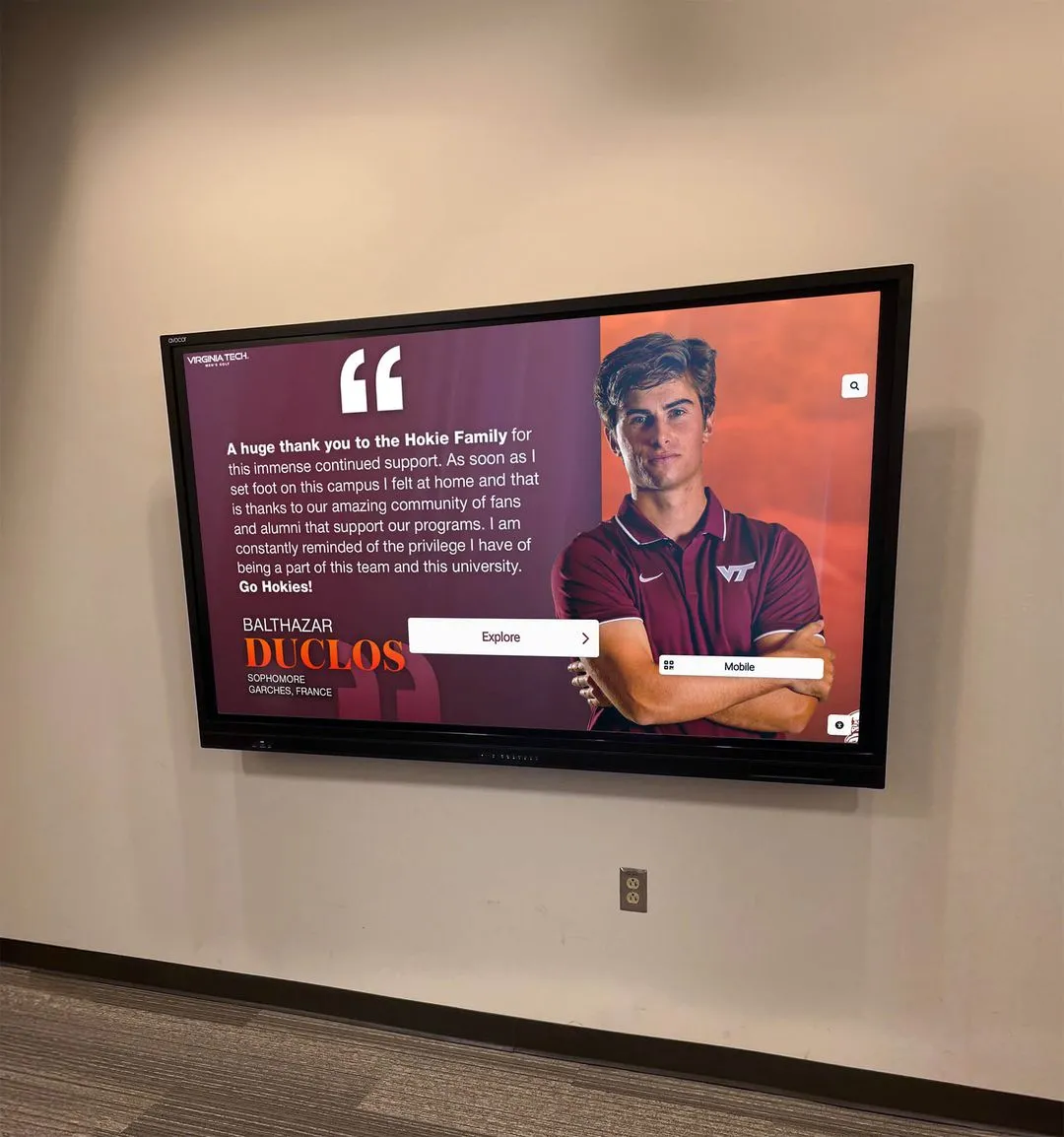
Permanent digital recognition displays funded through booster club and sponsorship programs depend on financial documentation that begins at the cash count table and follows through to deposit, ledger, and recognition delivery
Booster Club Cash Count Sheet: Complete Field Reference
Use the summary below as a checklist when building or auditing a count sheet template. Every field should appear on the form before the template is used at an event.
| Section | Field | Required? |
|---|---|---|
| Identification | Event name | Yes |
| Identification | Event date | Yes |
| Identification | Collection point name | Yes |
| Identification | Count start time | Yes |
| Identification | Count end time | Yes |
| Identification | Counter 1 printed name | Yes |
| Identification | Counter 2 printed name | Yes |
| Identification | Counter 1 signature | Yes |
| Identification | Counter 2 signature | Yes |
| Identification | Treasurer review signature | Yes |
| Denomination | $100, $50, $20, $10, $5, $1 bills | Yes — each separately |
| Denomination | Quarters, dimes, nickels, pennies | Yes — each separately |
| Denomination | Total cash in | Yes — calculated |
| Reconciliation | Opening cash (starting float) | Yes |
| Reconciliation | Net proceeds (Total In minus Opening) | Yes — calculated |
| Reconciliation | Expected proceeds (from sales records) | Yes |
| Reconciliation | Variance (Net minus Expected) | Yes — zero or explained |
| Reconciliation | Variance explanation | Required if variance ≠ $0 |
| Reconciliation | Deposit bag number | Yes |
Frequently Asked Questions
What is a booster club cash count sheet?
A booster club cash count sheet is a form completed by two authorized volunteers that records the denomination-by-denomination breakdown of cash at a specific collection point during or after an event. It includes identification fields (event name, date, collection point, counter names and signatures), a denomination breakdown section, and a reconciliation section comparing actual cash counted to expected proceeds from sales records. The completed, signed sheet is retained by the treasurer as permanent financial documentation and is matched to the corresponding bank deposit. The two-person requirement — both counters present, counting simultaneously, both signing — is the core control that makes the document defensible.
Why do two people have to sign a booster club cash count sheet?
Two signatures are required because a single-counter process creates a documentation gap that cannot be closed after the fact. If only one person counts and records the total, any discrepancy between that total and the eventual deposit becomes an unresolved dispute — there is no independent witness to confirm what was actually in the register or collection box. When two volunteers count simultaneously, reach an agreed total, and both sign, the count is independently verified. Discrepancies between the count sheet and the deposit are immediately investigable because the record is trustworthy. The two-signature requirement also protects individual volunteers: no single person is ever solely responsible for a dollar total that was later questioned.
How many cash count sheets does a booster club event need?
A separate cash count sheet should be completed for each collection point at each event. A football game with gate admission and a concession stand needs two count sheets — one per collection point — not one combined sheet. Each count sheet should include its own opening count, its own close-out count, and its own reconciliation against the sales records specific to that collection point. Events with additional revenue streams (raffle tables, merchandise, donation jars) each need their own count sheet. Combining multiple collection points on a single sheet makes it impossible to identify which source generated a variance.
What happens when the cash count doesn't match the expected total?
When the net proceeds on the cash count sheet do not match the expected proceeds from the sales record, the count sheet requires a written variance explanation signed by both counters before the cash is packaged for deposit. Common causes include change-making errors, a starting float that was not accurately documented on the opening count, unsold tickets returned, or comped admissions not reflected in the ticket count. The explanation becomes part of the permanent record. If the variance cannot be explained at the count table, the treasurer and at least one officer should review the situation before the deposit is made. Organizations should consult their school district’s finance office or their own board policy for the specific steps required when a variance cannot be resolved.
How long should booster clubs keep cash count sheets?
Cash count sheets are primary financial source documents and should be retained for the same period as other financial records — typically three to seven years, depending on the organization’s state requirements and the guidance of its CPA or legal counsel. The count sheet, the corresponding deposit slip, and the bank statement entry should be kept together or cross-referenced so that any event can be fully reconstructed from documents during that retention window. Originals (or scanned copies with clearly legible signatures) stored in a shared organizational document system — not on a single officer’s personal device — ensure records survive leadership transitions. Consult a CPA familiar with your state’s nonprofit requirements for the specific retention period applicable to your organization.
Linking Financial Discipline to Lasting Recognition
A booster club cash count sheet is the starting document in a financial record chain that ultimately determines whether the organization can honor the commitments it makes to sponsors, donors, and the school community. When every event close-out produces a signed count sheet with an agreed total, a reconciliation against sales records, and a documented chain of custody to the deposit, the organization builds an institutional credibility that survives any individual treasurer or event chair.
That credibility is what makes it possible to fund and sustain the recognition programs that keep sponsors renewing year after year — the athletic record boards that preserve achievement, the digital donor displays that acknowledge generosity, the hall of fame installations that give the school community a visible record of what this organization has built and who made it possible.
See How Permanent Recognition Brings Financial Commitments to Life
Rocket Alumni Solutions builds interactive digital recognition displays for school athletic programs — giving booster clubs a visible, lasting platform for sponsor acknowledgment and donor recognition that reflects the commitments your organization has documented and honored. Schedule a demo to see what your facility could look like.
Schedule Your Recognition Display Demo