



Intent: research — A booster club budget variance report compares the amounts your board approved at the start of the season against what the program actually spent, line by line. It shows which categories ran over budget, which came in under, and by how much — so the board can ask informed questions, authorize adjustments, and carry accurate numbers into next year’s planning. This guide covers the variance formula, a ready-to-use report table, the most common sources of variance in booster club budgets, and the specific questions your board should ask when reviewing the numbers.
Not financial or legal advice: This guide describes commonly used budget reporting practices for educational purposes only. Your booster club’s specific reporting requirements, fund accounting obligations, and internal controls depend on your bylaws, school district policy, and state nonprofit laws. Consult your treasurer, your school’s finance office, or a qualified accountant when establishing or revising your financial reporting procedures.
A booster club budget variance report is the document that closes the gap between what the board planned and what actually happened — and it is one of the most important presentations a treasurer makes all year. When expenses come in higher than budgeted on equipment, travel, or sponsor recognition, the board needs more than a dollar figure. They need a clear explanation of why the variance occurred, whether it was authorized, and what it means for the months ahead.

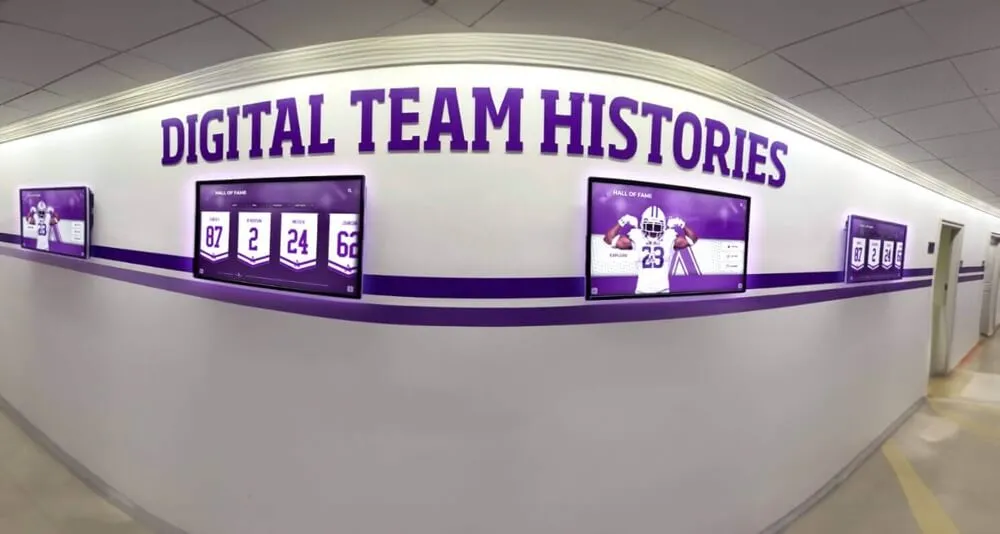
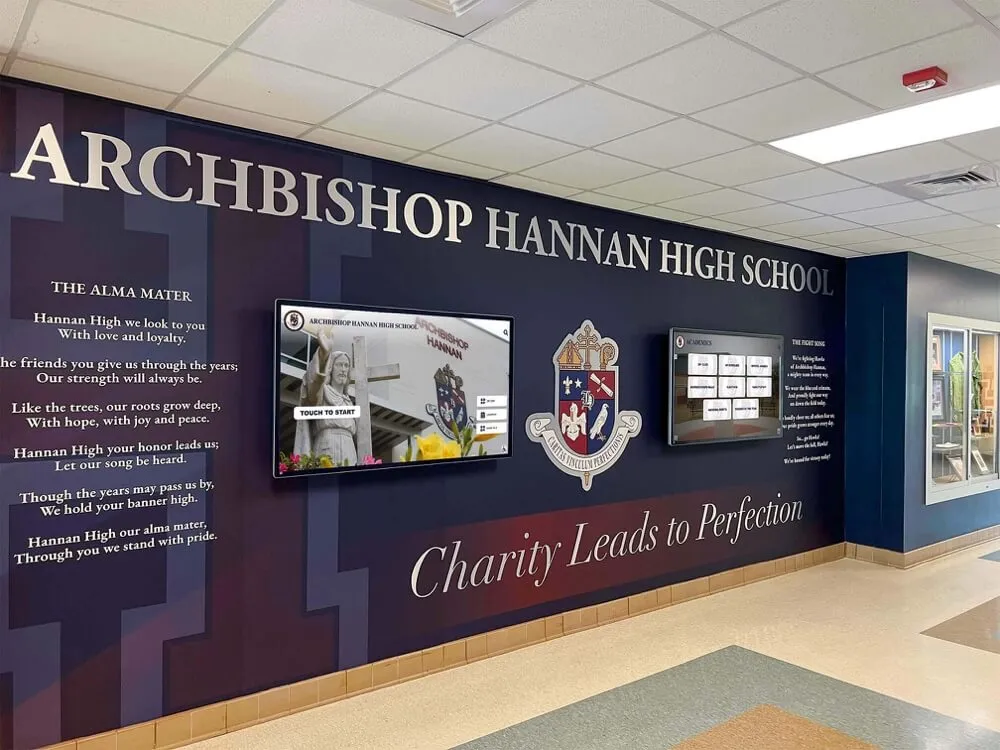
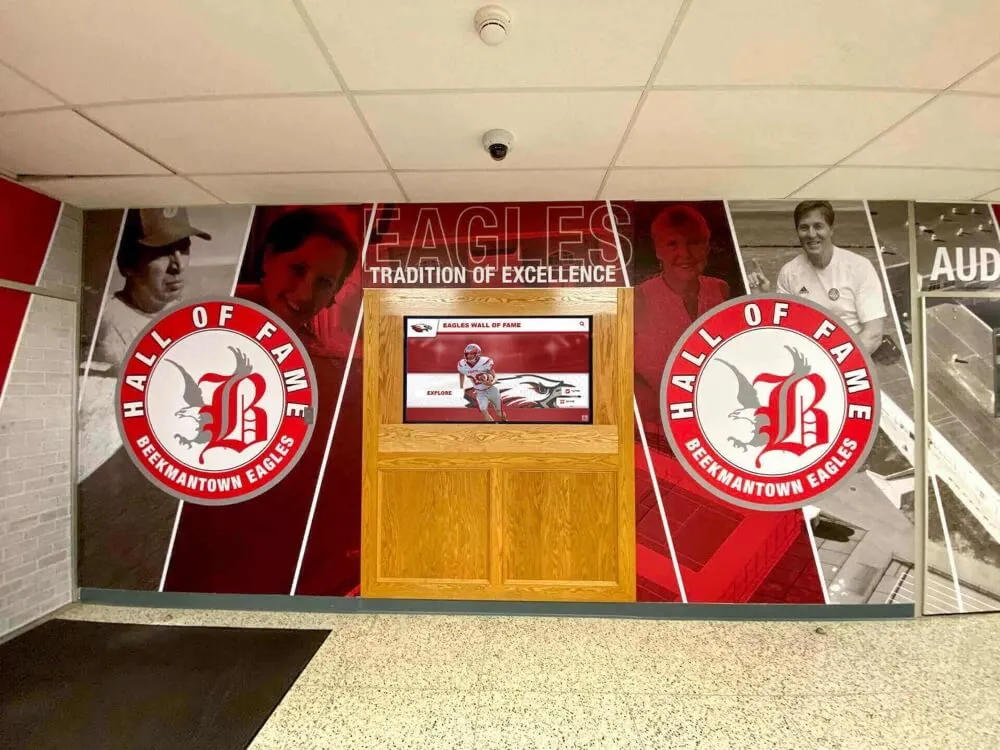
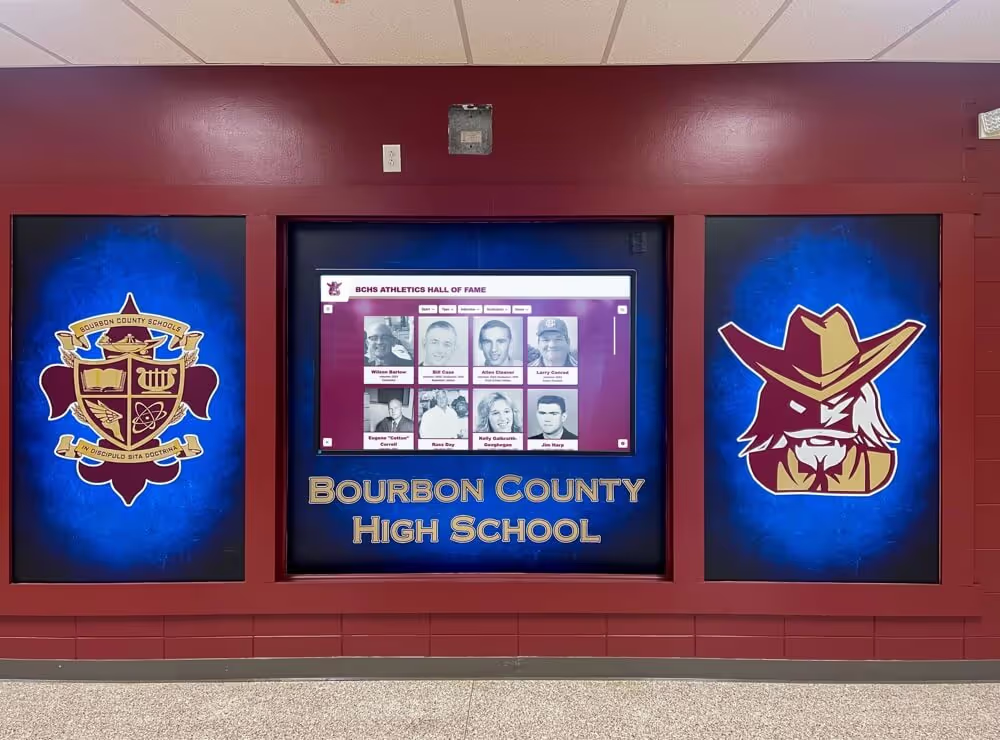
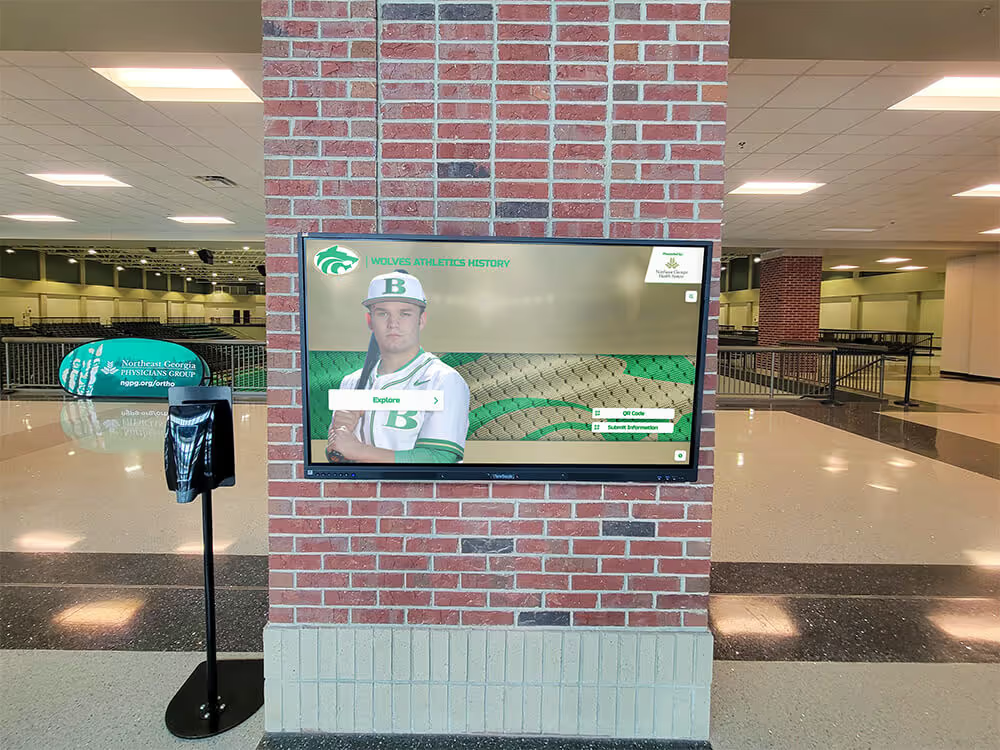
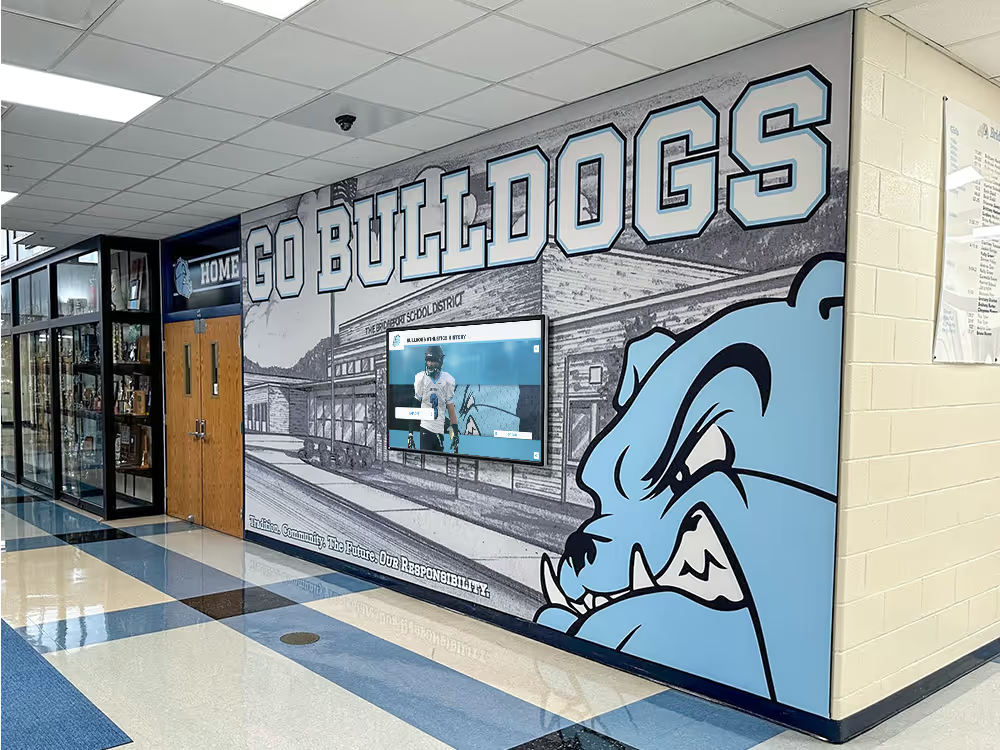
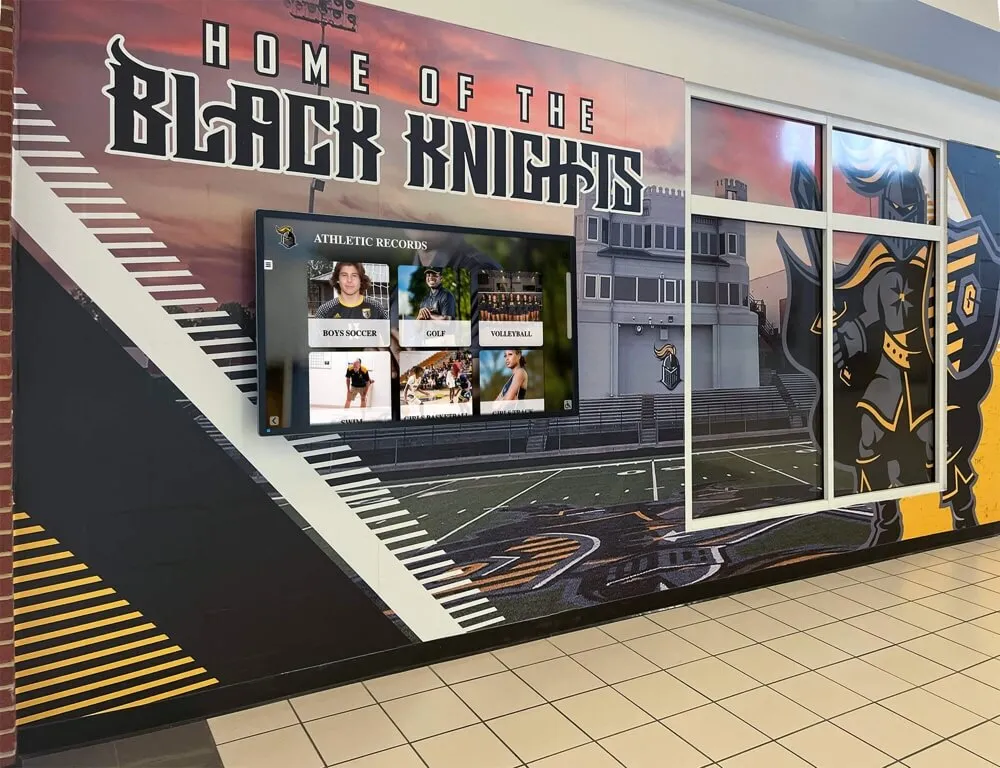
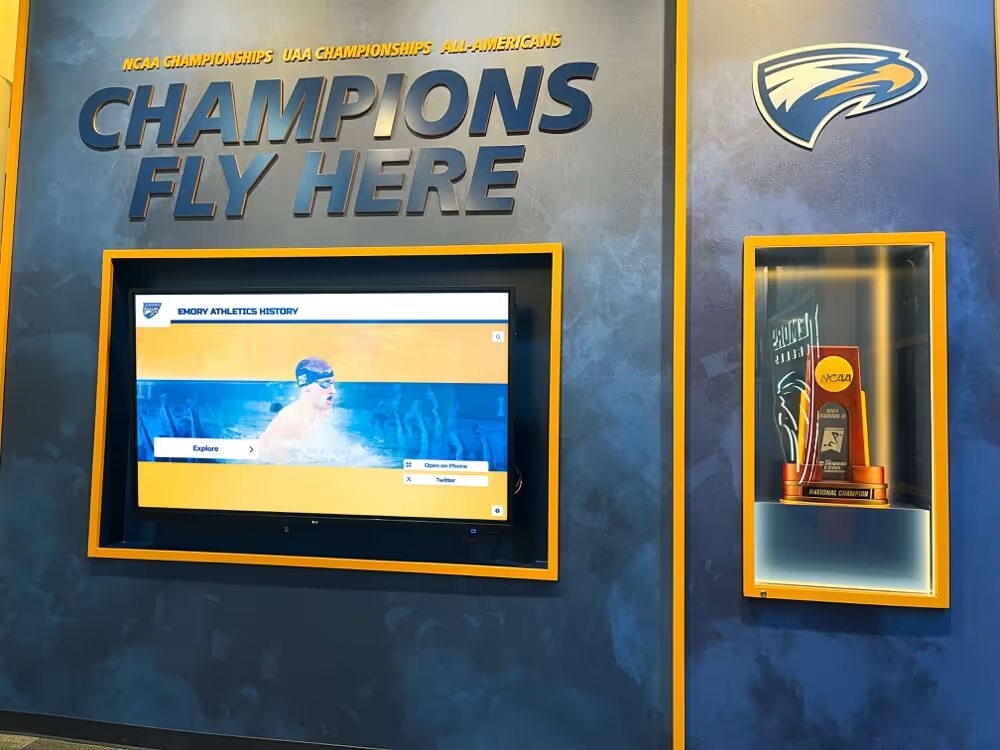
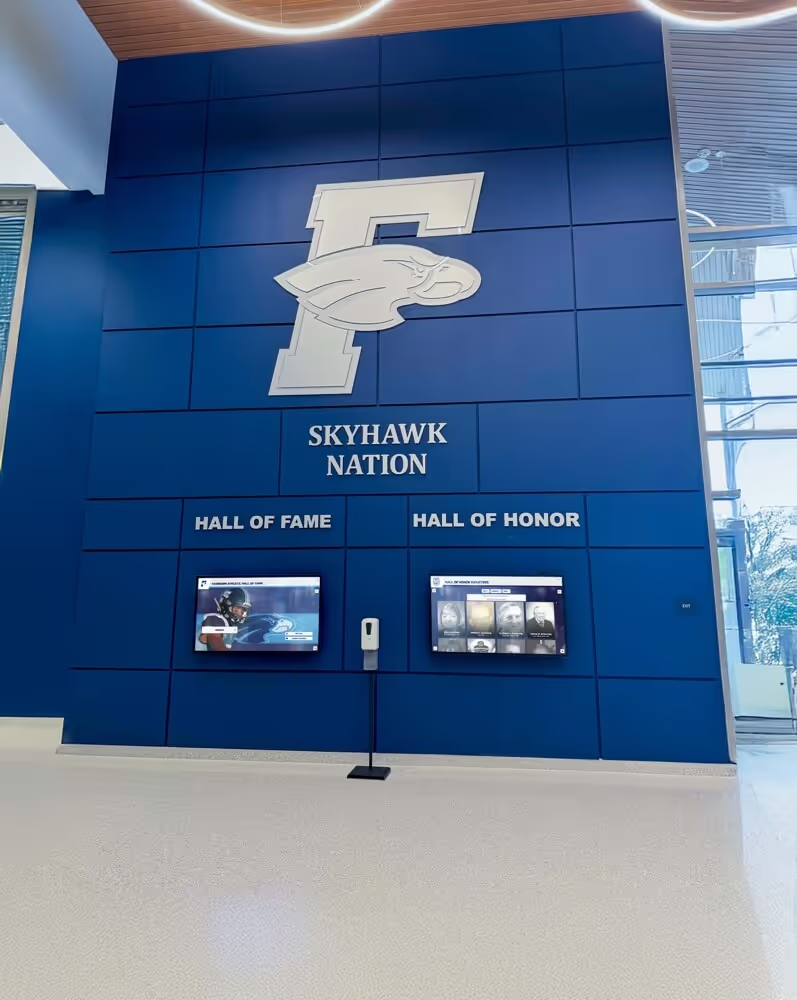
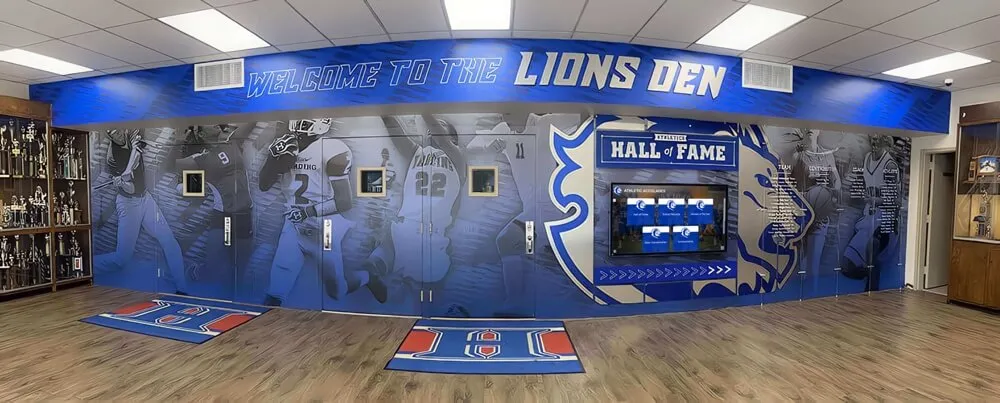
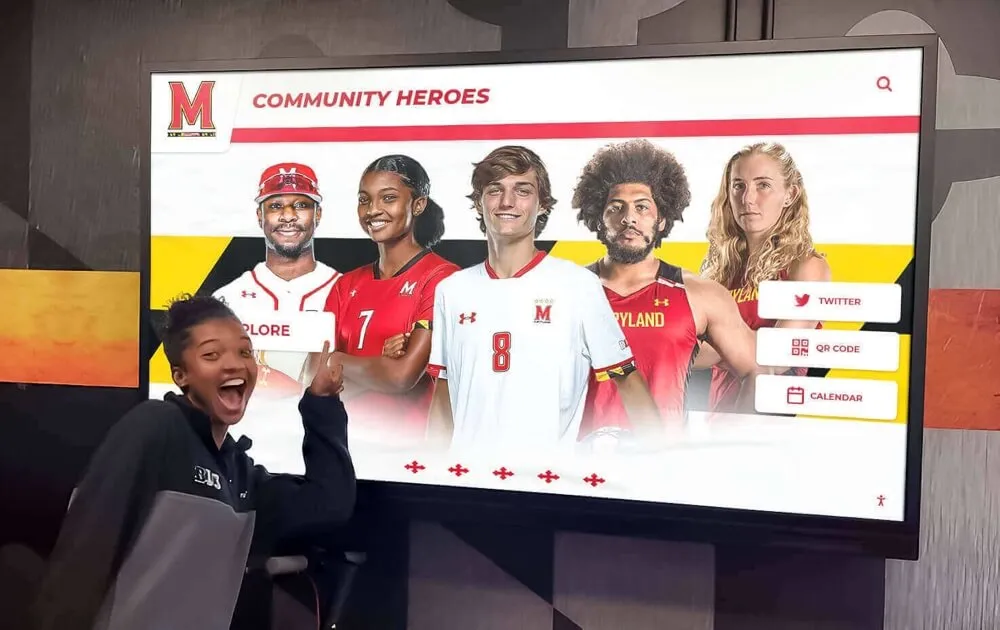
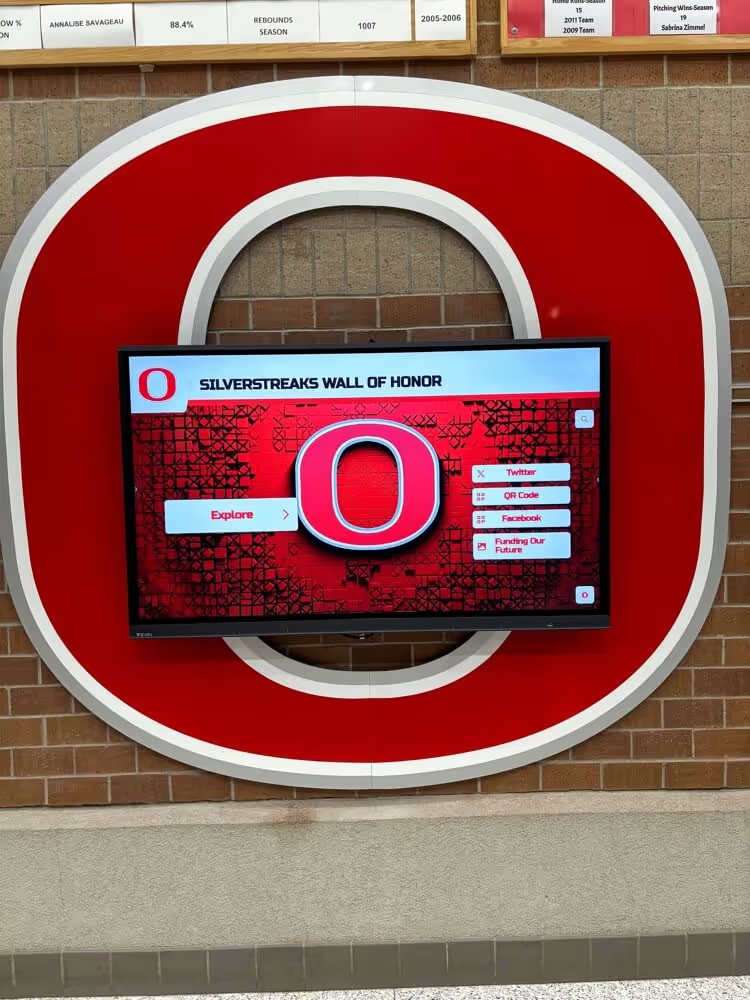
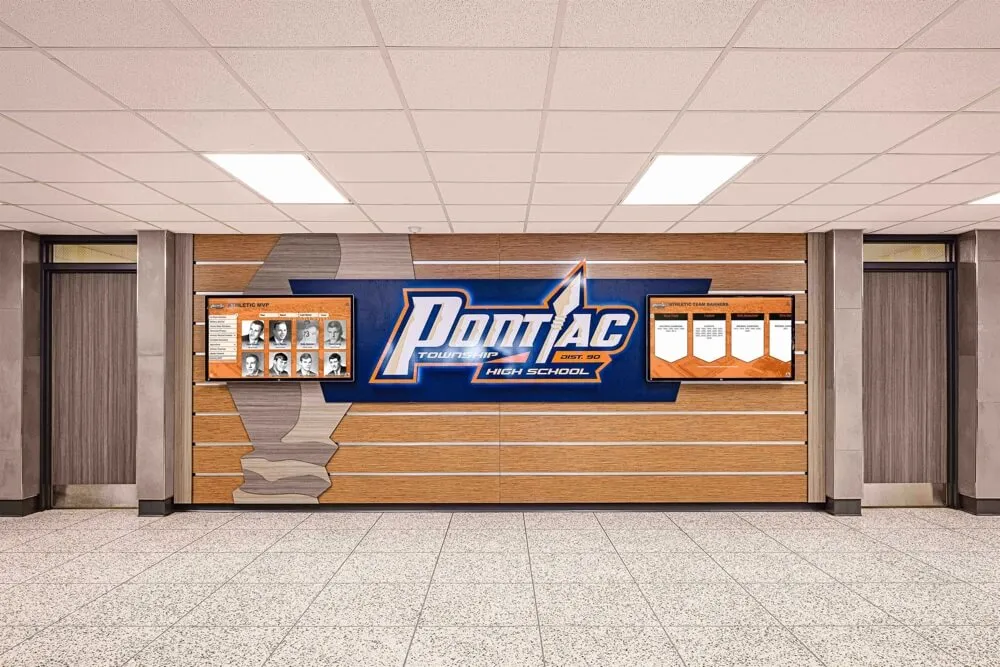
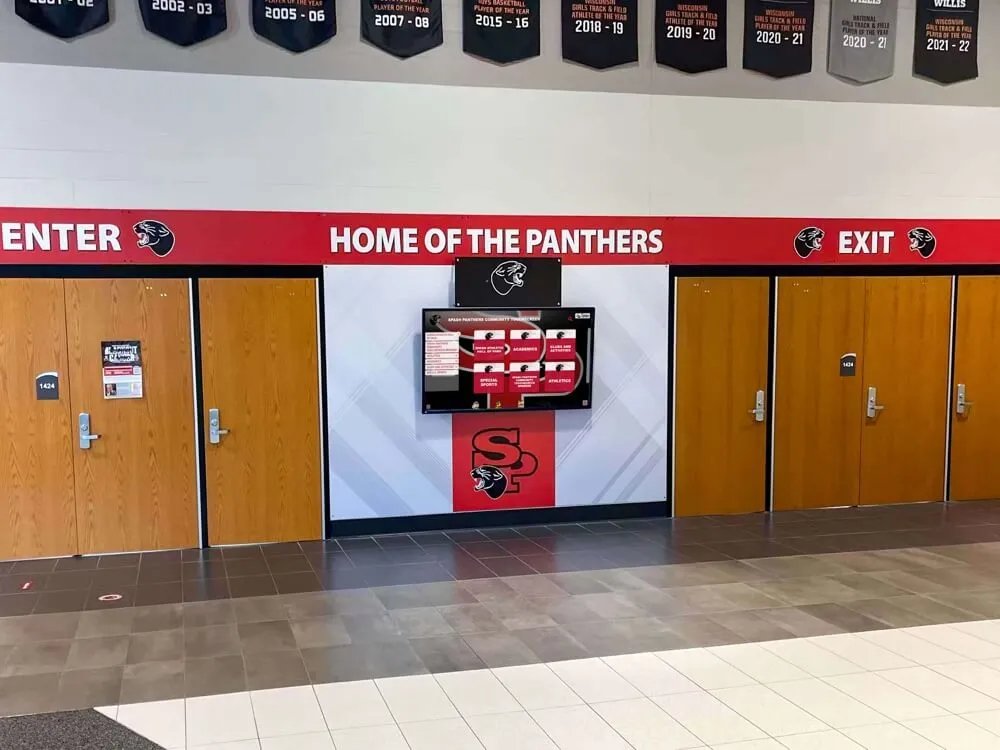
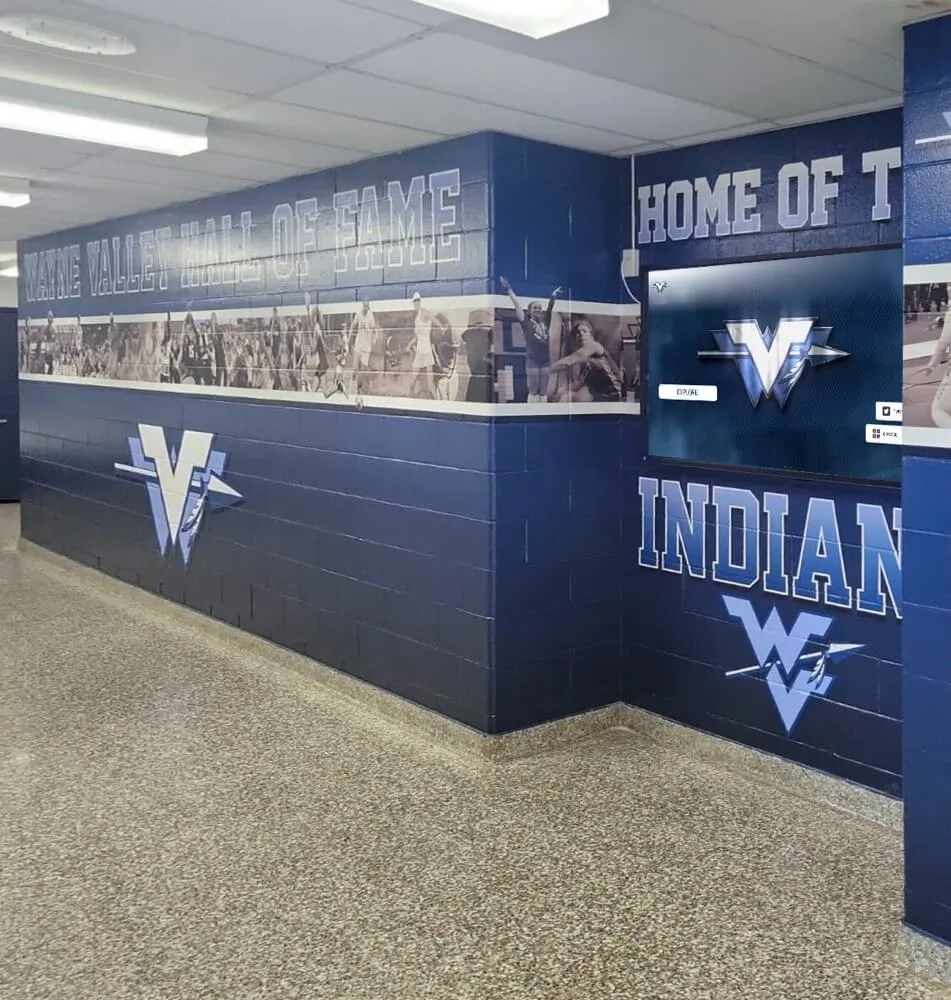
Sponsor recognition commitments — including digital displays — are among the budget line items most likely to create mid-season variances, especially when a program adds displays or modifies deliverables after the original budget was approved
The Variance Formula Every Booster Club Treasurer Should Know
Budget variance is the arithmetic difference between what you planned to spend and what you actually spent. There are two ways to express it:
Dollar Variance:
Budget Variance ($) = Actual Spending − Budgeted Amount
Percentage Variance:
Budget Variance (%) = (Actual − Budgeted) ÷ Budgeted × 100
For expense categories, a positive result means the program overspent relative to the approved budget (unfavorable). A negative result means the program underspent (favorable). For revenue categories, the sign convention flips: a positive variance means actual revenue exceeded the budget target (favorable).
| Term | Meaning for Expenses | Meaning for Revenue |
|---|---|---|
| Positive variance | Overspent — actual exceeded budget | Above target — actual exceeded goal |
| Negative variance | Underspent — actual came in below budget | Below target — shortfall against goal |
| Zero variance | Actual matched budget exactly | Actual matched goal exactly |
Most booster club boards find percentage variances easier to interpret than dollar amounts in isolation, especially when comparing line items of different sizes. A $400 overage on a $500 line item (80%) is a much larger operational concern than a $400 overage on a $5,000 line item (8%), even though the dollar amount is identical.
Why Booster Clubs Produce Variance Reports
Variance reports serve four distinct purposes that a simple income-and-expense summary does not:
Board accountability. Board members approved a budget at the start of the season. The variance report tells them whether the organization operated within that authorization or whether spending decisions were made that the board did not sanction.
Midseason adjustment authority. When a significant unfavorable variance is identified before year-end, the board can authorize a budget amendment — increasing a line item, reducing another, or adjusting program scope — before the overspend compounds.
Year-to-year planning. Variance history is the most reliable input for next year’s budget. A category that ran 30% over budget for two consecutive seasons should be rebudgeted at the higher level, not held artificially low and allowed to produce the same variance again.
Audit and compliance readiness. Schools and districts that oversee booster club finances often require variance explanations as part of annual financial reviews. A documented variance report produced throughout the year is easier to defend than a reconstruction prepared after the fact.
Common Variance Categories in a Booster Club Budget
Booster club budgets span a wide range of expense types. The categories below account for most of the variances a treasurer will need to explain at a board meeting:
| Budget Category | Common Causes of Unfavorable Variance | Common Causes of Favorable Variance |
|---|---|---|
| Events and competition travel | Additional away games or meets added to schedule; fuel and lodging cost increases | Fewer events than planned; carpooling reduced transportation costs |
| Equipment and uniforms | Mid-season equipment failure requiring unplanned replacement; price increases from supplier | Equipment lasted longer than expected; bulk purchase discount obtained |
| Facility and field maintenance | Emergency repairs not in original budget; compliance upgrades required by district | Maintenance performed under warranty; district covered cost |
| Awards and recognition ceremonies | Higher-than-expected honoree count; venue upgrade; catering cost increase | Simplified ceremony format; donated venue |
| Sponsor recognition deliverables | New sponsor added mid-season; digital display installation added; banner reprints needed | Sponsor count came in below projected; sponsor provided own design files |
| Fundraising expenses | Event supplies cost more than projected; attendance lower (lower variable revenue, same fixed cost) | Vendor donated materials; volunteer labor replaced paid contractors |
| Administrative and insurance | Insurance premium increase; compliance filing fees | Reduced claim activity; district covered administrative costs |
Sample Booster Club Budget Variance Report Table
The table below shows the structure of a mid-season or year-end variance report. Fill in the Budgeted, Actual, Variance ($), and Variance (%) columns from your accounting records. The Explanation column is what the board actually needs — a one-sentence summary of why the variance occurred and whether it was authorized.
| Line Item | Budgeted | Actual | Variance ($) | Variance (%) | Explanation |
|---|---|---|---|---|---|
| Competition travel — bus | $3,200 | $3,850 | +$650 | +20% | Two additional away meets added after budget approval; board authorized in October |
| Equipment — team gear | $2,500 | $2,480 | −$20 | −1% | On track; minor underspend on shipping |
| Uniforms — replacements | $800 | $1,150 | +$350 | +44% | Unexpected mid-season replacement for eight damaged items |
| Awards and banquet | $1,800 | $1,720 | −$80 | −4% | Favorable; donated venue for end-of-season banquet |
| Sponsor banners | $1,200 | $1,200 | $0 | 0% | All banners produced and installed on schedule |
| Digital recognition display | $2,400 | $2,400 | $0 | 0% | Annual subscription — no change |
| Fundraising event supplies | $600 | $740 | +$140 | +23% | Supply cost increase; partially offset by higher event attendance |
| Administrative and insurance | $950 | $950 | $0 | 0% | No change from approved amount |
| Total Expenses | $13,450 | $14,490 | +$1,040 | +7.7% | Overall overspend driven by travel additions and uniform replacements |
A 7–8% total expense variance is within a range many booster club boards find acceptable for a season with unexpected schedule additions. A variance in this range that cannot be explained — or that results from unauthorized spending — requires a different conversation than one driven by board-approved schedule changes.

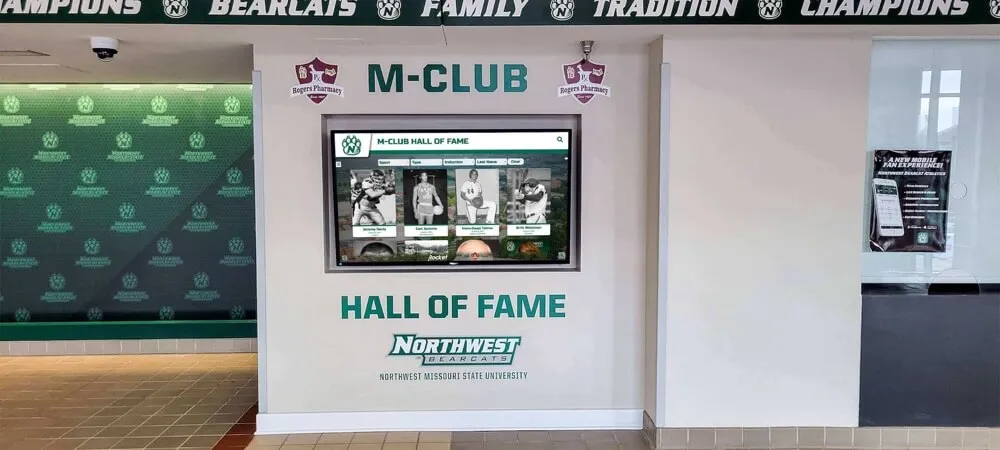
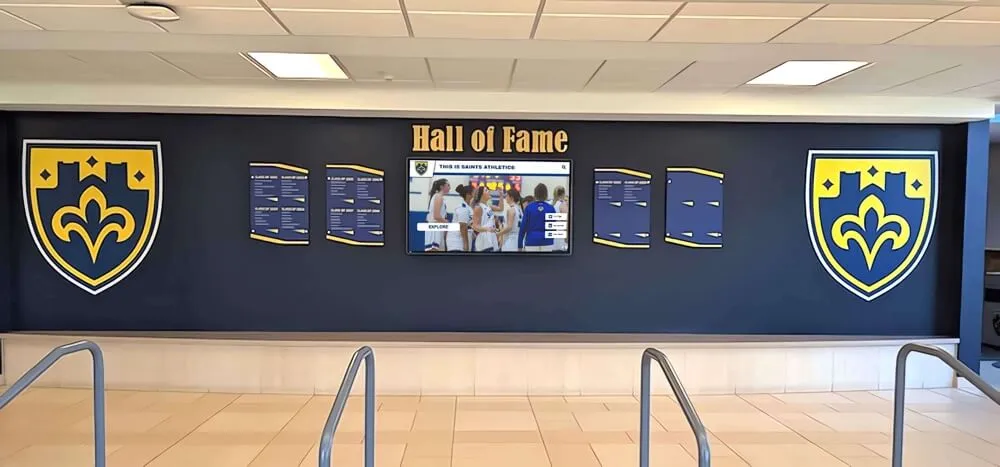
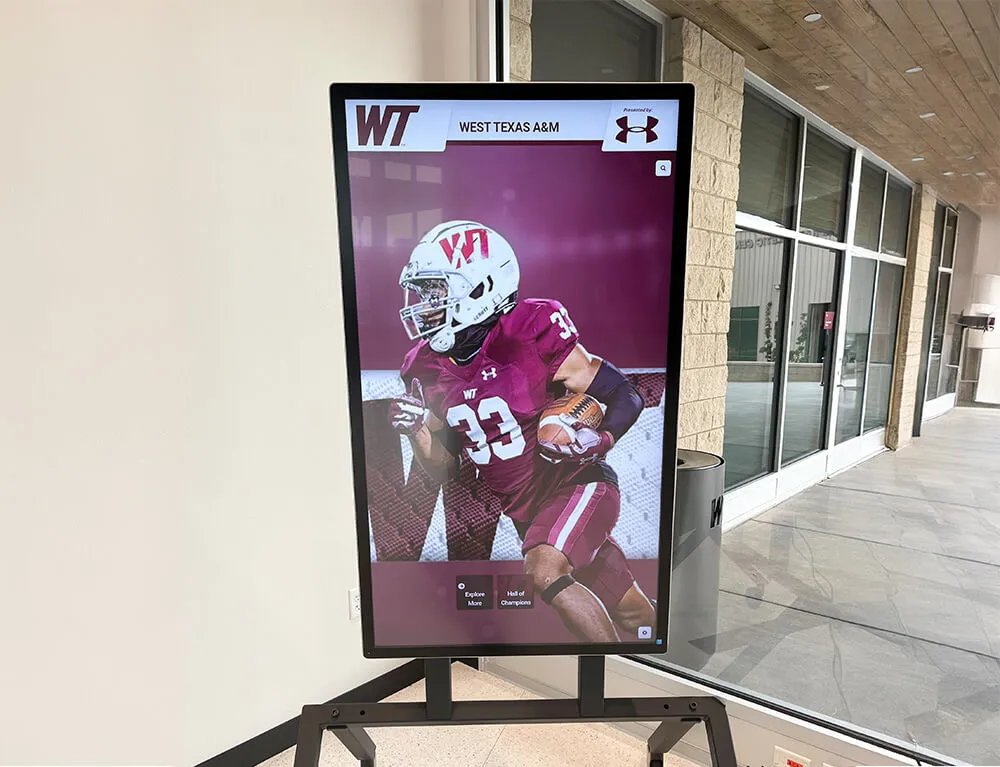
Recognition platform subscriptions — for donor walls, athletic displays, and sponsor showcases — typically produce zero variance in a variance report because their costs are fixed and known at budget time
How to Present a Variance Report to the Board
A variance report presented without context is just numbers. The goal is to give board members the information they need to fulfill their oversight role — authorizing adjustments, asking the right follow-up questions, and making informed budget decisions for the next cycle.
A board-ready variance presentation follows this sequence:
1. Lead with the summary. State the total revenue variance and total expense variance before walking through individual line items. Board members need the big picture before the detail.
2. Flag items that require board action. Any unfavorable variance that exceeds your organization’s approval threshold — often 10–15% on a single line item or a dollar amount specified in the bylaws — should be clearly identified as requiring board authorization, not just explanation.
3. Distinguish authorized from unplanned variances. Spending that exceeded budget because the board authorized a schedule addition is categorically different from spending that exceeded budget without authorization. The report and the presentation should make this distinction explicit.
4. Include a forward projection. When presenting mid-season, show the board a projected year-end position based on current actuals and remaining program activity. A $1,000 unfavorable variance in October may grow or shrink depending on what is still planned.
5. Recommend specific actions. If a line item requires a budget amendment, propose the amended amount. If a category will continue to run over budget without a change in program scope, say so and offer options.
6. Reference the original board-approved budget. Attach or cite the document the board approved. This makes the comparison unambiguous and prevents questions about whether the baseline was adjusted since approval.
For programs that manage formal recognition programs alongside their financial reporting — including named academic awards, athletic honors, and multi-year giving recognition — the same documentation discipline that produces a clean variance report also supports the long-term archival integrity that recognition programs require. How schools approach academic excellence boards illustrates how structured record-keeping practices apply to recognition programs the same way they apply to financial reporting: the records need to be accurate, current, and explainable to anyone who reviews them.
Board Review Questions for a Variance Report
A board that reviews a variance report without asking substantive questions is not fulfilling its oversight role. The following questions give board members a structured starting point for the variance review portion of any meeting:
| Question | Why It Matters |
|---|---|
| Which line items are more than 10% over budget, and was each variance authorized? | Identifies items requiring board action or policy review |
| Are any unfavorable variances likely to grow before year-end, and by how much? | Allows proactive amendment before the season closes |
| Were any variances driven by a deliberate program enhancement rather than cost escalation? | Distinguishes good-news variances from control failures |
| What would next year’s budget look like if current-year actuals replace the original estimates? | Directly improves the quality of next year’s planning inputs |
| Did any revenue shortfalls drive secondary expense variances? | Helps the board understand whether overspends were cause or consequence |
| Are there categories where consistent underspends suggest the budget was originally set too high? | Supports more accurate future budgeting by identifying excess contingency |
| Were all sponsor recognition deliverables funded by this budget actually delivered? | Connects financial accountability to the program commitments made to sponsors |
The last question — about sponsor recognition deliverables — connects budget accountability to the operational reality that sponsors paid for specific outcomes. A variance on a sponsor recognition line item is not just a financial matter; it may indicate that recognition commitments were not fully fulfilled, which has implications for renewal conversations. Maintaining thorough academic history and program records follows similar principles — the records themselves carry institutional value, and gaps in documentation create accountability problems that surface long after the original oversight failure.
Variance Reporting for Sponsor Recognition Line Items
Sponsor recognition expenses deserve particular attention in a booster club variance report because they represent obligations the organization made to businesses that paid for them. When a banner line item goes over budget, the organization still owns the sponsor relationship. When a digital display subscription line item comes in exactly on budget, it confirms that a high-visibility recognition commitment was honored as promised.
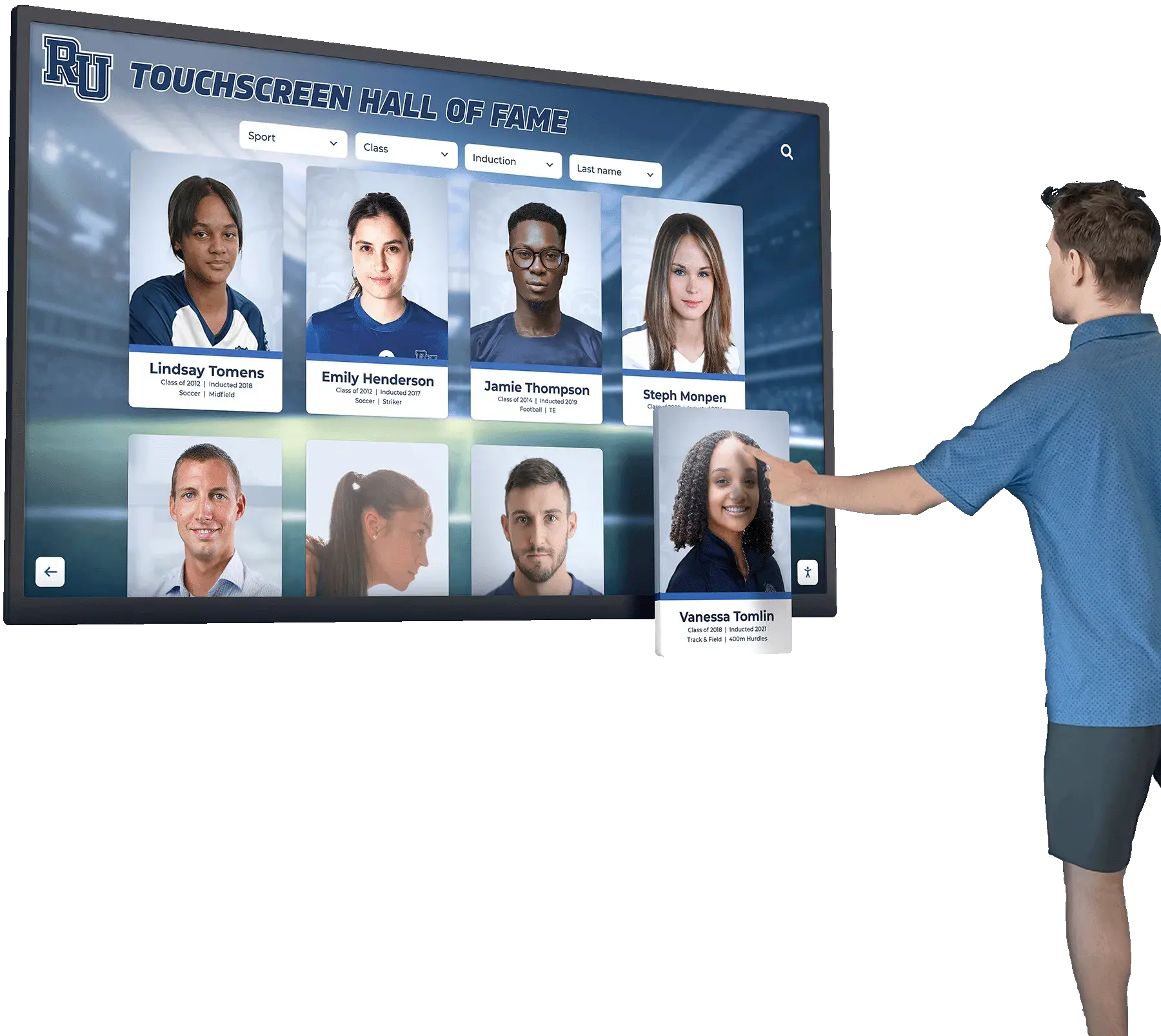
Programs that use dedicated digital recognition platforms — cloud-managed displays that cycle sponsor content, honor athletic achievements, and publish recognition milestones — typically find that these line items produce zero or near-zero variance because the cost structure is a known annual subscription. This predictability makes them among the easiest line items to budget accurately and the easiest to explain when the board asks.
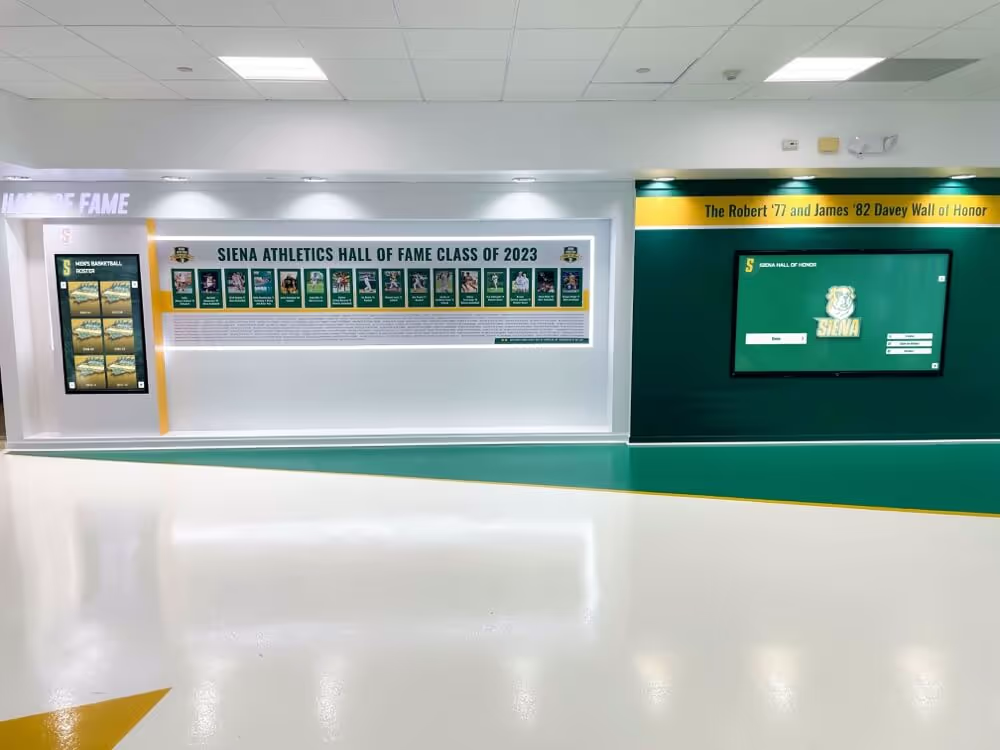
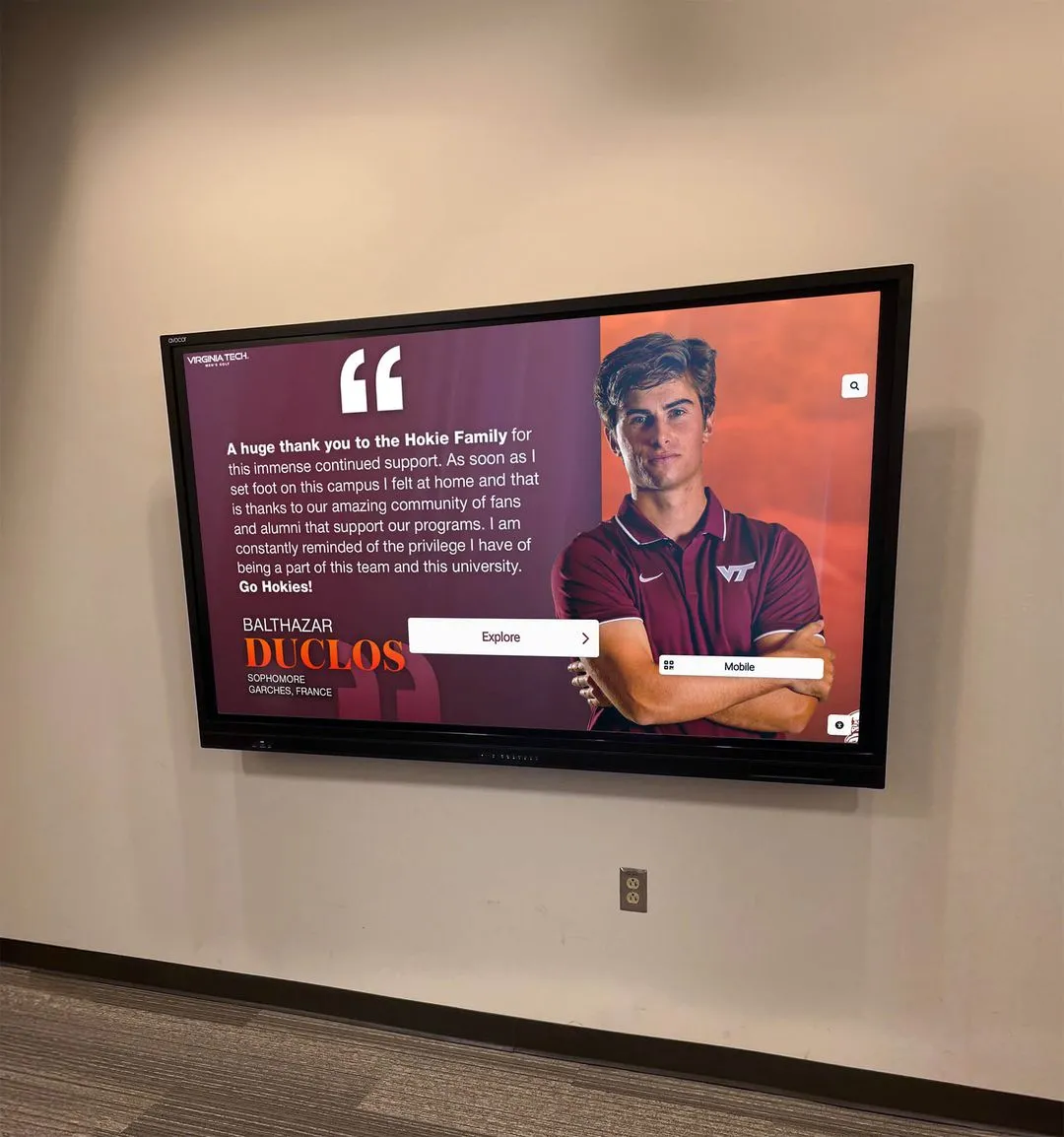
For programs considering digital showcase boards as a way to consolidate multiple recognition deliverables — sponsor rotations, athletic records, award histories — into a single platform investment, the practical structure of a digital club showcase board illustrates what a managed digital display system looks like in an active school program and how the costs map to a budget line item that the variance report can track clearly.
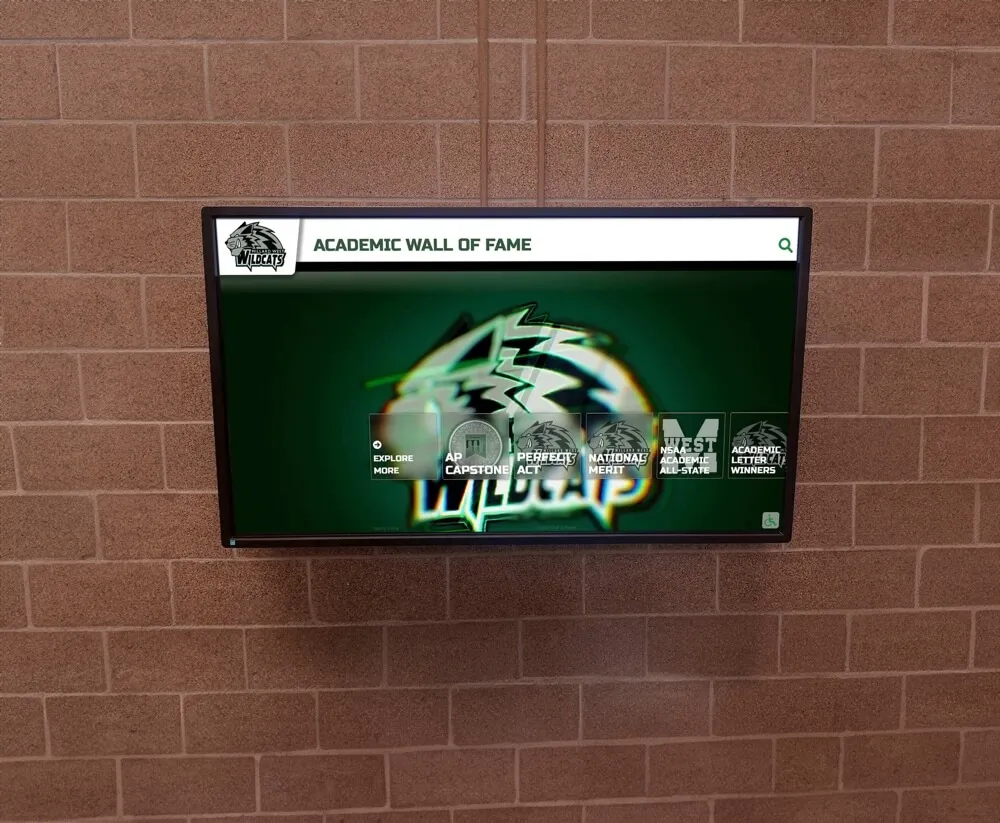
Recognition programs that serve multiple audiences — sponsors, donors, athletic honorees, and academic award recipients — benefit from a display infrastructure that makes all of that recognition visible in one place. A digital AP Scholar awards recognition board shows how schools use dedicated recognition technology to publish and maintain academic honor records in the same facility where athletic recognition already lives, and how a consolidated display system consolidates what would otherwise be multiple separate budget line items.
Building a Variance Report Presentation Slide
When presenting to the board at a formal meeting, a single-slide summary of the variance report covers the most important information in a format the board can reference during discussion:
Slide structure:
- Title: [Organization Name] Budget Variance Report — [Period Covered]
- Revenue summary: Total budgeted revenue / Total actual revenue / Variance ($) / Variance (%)
- Expense summary: Total budgeted expenses / Total actual expenses / Variance ($) / Variance (%)
- Net position: Budgeted surplus/deficit vs. actual surplus/deficit
- Items requiring board action: Bullet list of line items exceeding the authorization threshold
- Recommended amendments (if any): Specific proposed changes with dollar amounts
- Next meeting projection: Expected financial position at the next reporting date
This format lets the board chair run the variance discussion efficiently without requiring everyone to read a full spreadsheet on screen. The detailed line-item table should be distributed as a handout or supporting attachment — not used as the primary presentation format.
For programs thinking about how recognition and financial accountability intersect, the same discipline that makes a variance report credible — accuracy, completeness, explainability — applies to recognition program records. The debate team achievement board model and similar program-specific recognition displays illustrate how schools maintain accurate, current records for programs where the historical record carries real institutional value — exactly the same standard a well-documented budget variance report meets for financial oversight.
Maintaining Variance Report History
A single variance report is useful for one meeting. A multi-year history of variance reports is a strategic planning asset. Programs that retain variance reports across three or more seasons can:
- Identify categories that consistently over- or under-perform against budget estimates
- Calibrate contingency reserves based on historical variance ranges rather than guesswork
- Demonstrate fiscal discipline and institutional memory during leadership transitions
- Provide context to new board members and incoming treasurers who were not present when budget decisions were made
The most common reason booster clubs do not have variance history is not lack of diligence — it is that the records exist in one person’s email or personal drive rather than a shared, organized archive. A simple policy requiring the treasurer to store each variance report in a shared folder, organized by fiscal year, costs nothing and preserves institutional knowledge indefinitely.
For programs managing athletic recognition alongside their financial records, how a digital showcase board captures and preserves program history reflects the same principle: structured, accessible records are worth more than scattered ones, regardless of whether the subject is financial performance or athletic achievement.
Digital recognition platforms that cloud-store athletic records, donor histories, and sponsor acknowledgments create a useful parallel to variance report archiving — both benefit from a system designed for long-term access, not just current-year convenience. A digital club showcase board in an active school setting demonstrates how that kind of systematic recognition infrastructure operates in practice.
Make Sponsor Recognition a Zero-Variance Line Item
Rocket Alumni Solutions builds interactive digital recognition displays for school athletic programs — giving booster clubs a year-round platform for sponsor recognition, donor acknowledgment, and athletic records that produces fixed, predictable costs and deliverables your board can verify. Request a demo to see what a custom display looks like for your program.
Request a Recognition Display DemoFrequently Asked Questions About Booster Club Budget Variance Reports
What is a budget variance report for a booster club?
A budget variance report for a booster club is a financial document that compares the amounts the board approved at the start of the season (the budget) against what the program actually spent or earned (the actuals), line by line. It calculates the dollar difference and percentage difference for each category and provides an explanation for any significant variances. The report gives the board the information they need to confirm that spending stayed within authorized limits, identify categories that may need a budget amendment, and improve the accuracy of next year’s budget.
How do you calculate budget variance for a booster club?
Budget variance for a booster club is calculated using two formulas. The dollar variance is: Actual Spending minus Budgeted Amount. The percentage variance is: (Actual minus Budgeted) divided by Budgeted, multiplied by 100. For expense line items, a positive result indicates an overspend (unfavorable); a negative result indicates an underspend (favorable). For revenue line items, the interpretation reverses: a positive variance means actual revenue exceeded the target (favorable). Both figures should appear in the variance report — the dollar amount shows scale, and the percentage shows proportion relative to the original budget.
How often should a booster club present a variance report to the board?
Most booster clubs produce a formal variance report at least quarterly, with many programs presenting an abbreviated version at every monthly board meeting during the active season. The appropriate frequency depends on the program’s budget size, the pace of spending, and any specific requirements in the bylaws or school district oversight policy. During high-spend periods — early-season equipment purchases, competition travel, or event production — monthly variance reporting gives the board timely visibility and allows mid-season budget amendments before variances compound. At minimum, a complete year-end variance report should be presented at the final board meeting of the fiscal year and retained in the organization’s permanent records.
What variance percentage requires board action in a booster club?
The variance threshold that triggers required board action should be defined in the booster club’s bylaws or financial policy — not determined case by case. Common thresholds include 10–15% unfavorable variance on a single line item, or a specific dollar amount (for example, any line item overspend exceeding $500). Some programs require board authorization for any expense not included in the original approved budget, regardless of amount. Check your organization’s governing documents. If no threshold is defined, establishing one — through a board vote on a formal financial policy — protects the organization by making the authorization standard explicit and consistent.
How should booster clubs handle variance on sponsor recognition line items?
Variance on sponsor recognition line items — banners, digital display subscriptions, event signage, program ads — requires explanation that addresses both the financial difference and the delivery status of the commitment to the sponsor. If a banner line item ran over budget because a new sponsor was added mid-season, the explanation should note both the cost increase and confirmation that the banner was produced and installed. If a recognition line item ran under budget because a sponsor did not submit artwork in time, the board should understand that the recognition obligation may still be outstanding. Digital display subscriptions and cloud-managed recognition platforms typically produce zero or near-zero variance because their annual cost is fixed — this predictability is one of their operational advantages from a budget management perspective.
A Variance Report Is a Governance Document, Not Just an Accounting Exercise
The purpose of a booster club budget variance report is not to show that the treasurer did the math correctly. It is to give the board the factual basis for fulfilling their oversight responsibility — confirming that the organization spent money in ways they authorized, identifying where the budget needs adjustment, and building the historical record that makes every future budget more accurate.
Programs that produce regular, well-documented variance reports build institutional trust over time: with the school administration that oversees booster activities, with the sponsors and donors who fund them, and with the board members who volunteer their time to govern them. Boards that receive clear variance reports can ask better questions and make better decisions — which is exactly the kind of governance infrastructure that keeps a booster club operating with integrity season after season.
Give Your Recognition Program a Budget Line Item That Never Surprises the Board
Rocket Alumni Solutions builds interactive digital recognition displays for school athletic programs — sponsor showcases, donor walls, athletic record boards, and academic honor displays — with fixed annual pricing that produces zero-variance budget predictability. Request a demo to see what your program's recognition could look like on a custom display.
Schedule a Recognition Display Demo