



A booster club bank statement retention policy is a formal document that specifies how long the organization must keep bank statements and related financial records, in what format, and how those records should be stored, reviewed, and ultimately disposed of when they are no longer required. For most athletic booster clubs operating as tax-exempt nonprofits, seven years is the standard retention period for bank statements and account reconciliations — long enough to satisfy IRS audit windows, state nonprofit examination periods, and the practical need to reconstruct transaction history when officer questions, sponsor disputes, or recognition commitments require it. Without a written policy, records accumulate without structure or get discarded prematurely, and the volunteers who come next have neither the documents they need nor any certainty about what should exist. This guide covers why seven years is the operating standard, which document types belong in each retention tier, how to set up physical and digital storage, how to build a review-and-disposal calendar, and how the retention schedule connects to the leadership handoff process every booster club faces at year-end.
Not legal or financial advice: This guide describes commonly used records management practices for educational purposes only. Retention requirements vary by state, by the terms of your school district’s policies, and by your organization’s specific tax filings and governing documents. Consult a licensed CPA or attorney before establishing or revising your retention policy.
Managing financial records without a written retention policy is one of the most common governance gaps in athletic booster organizations. The problem rarely surfaces as a crisis — records simply accumulate until storage becomes unworkable, or they get discarded at the wrong moment when a question about a prior year’s transaction cannot be answered. A formal booster club bank statement retention policy resolves both problems by converting an informal habit into a documented procedure that survives officer transitions.

Athletic recognition programs depend on accurate financial records — the donor commitments, sponsorship agreements, and fund histories that drive recognition displays are all substantiated by the same bank statements a retention policy governs
What a Booster Club Bank Statement Retention Policy Covers
A complete retention policy addresses five areas: which records to retain, how long to retain each type, in what format, where to store them, and how to dispose of records that have passed their retention period. Most policies organize these decisions into a retention schedule — a reference table that lets any treasurer or successor find the right answer without having to interpret the policy document each time.
| Policy Component | What It Defines |
|---|---|
| Scope | Which financial documents fall under the policy |
| Retention schedule | How long each document type must be kept |
| Format requirements | Physical originals, digital copies, or either |
| Storage standards | Where records are kept and who controls access |
| Disposal procedure | How to destroy records that have aged out |
The sections below address each area in sequence, starting with the retention schedule — which is the section most treasurers need first.
Step 1: Build the Retention Schedule by Document Type
The foundation of any booster club bank statement retention policy is a retention schedule that assigns a specific retention period to each record type. The schedule does not need to be lengthy — most booster clubs can organize their financial documents into four tiers.
Why Seven Years Is the Standard Starting Point
The seven-year standard for financial records reflects two converging requirements. The IRS recommends keeping records that support entries on tax returns until the period of limitations expires — generally three years from the filing date for most returns, or six years if the organization omitted income exceeding 25 percent of gross receipts, as described in IRS Publication 583. Seven years provides margin beyond the six-year window and aligns with the retention guidance published by the National Council of Nonprofits, whose model document retention policy recommends seven years for accounting records including bank statements, bank reconciliations, and financial statements. BoardSource, the nonprofit governance organization, independently recommends the same seven-year period for accounting records.
State nonprofit law can impose separate examination periods. Some states give the state attorney general’s office authority to examine nonprofit financial records for up to six years, and a few extend that period in cases of fraud or material misstatement. Seven years covers the standard window in most jurisdictions, but your organization’s CPA or legal advisor should confirm what applies in your state before the schedule is finalized.
Retention Schedule by Document Type
| Document Type | Recommended Retention | Notes |
|---|---|---|
| Bank statements (all accounts) | 7 years | Applies to checking, savings, and any money market accounts |
| Bank reconciliations | 7 years | Keep with the corresponding statement period |
| Canceled checks | 7 years | Including digital images provided by the bank |
| Check register / transaction ledger | 7 years | |
| Credit card statements | 7 years | Retain with purchase receipts attached where possible |
| Deposit records and deposit slips | 7 years | |
| Petty cash logs and receipts | 7 years | |
| Invoices and receipts (expenses) | 7 years | Tie to the bank statement that shows payment cleared |
| Donor acknowledgment records | 7 years | IRS Form 990 substantiation requirement |
| Sponsorship agreements and invoices | 7 years from expiration | Keep through the full agreement period plus 7 years |
| IRS Form 990 (all years filed) | Permanent | Most advisors recommend indefinite retention for tax-exempt filings |
| IRS determination letter (501(c)(3) status) | Permanent | Original and any superseding letters |
| Corporate charter, bylaws, amendments | Permanent | Governing documents are never disposed of |
| Board and general meeting minutes | Permanent | |
| Annual financial reports | Permanent | Board-approved financial summaries |
| Audit reports | Permanent | External audit or internal review reports |
The permanent-retention category includes governance documents that have no expiration date. The seven-year tier covers operating financial records. Within the seven-year tier, records should be organized so that any single year’s bank statements, reconciliations, and supporting receipts can be retrieved together — typically organized by fiscal year.
One category that often gets missed: donor acknowledgment records. When a parent, alumni supporter, or community member makes a donation that the booster club acknowledges in writing, that acknowledgment letter and its supporting gift record need to be retained for seven years. If the donor claims the gift as a charitable deduction, the IRS may request substantiation, and the organization must be able to produce the record. The same principle applies to any gift that carries a named recognition commitment — the financial record substantiates the recognition obligation.
Step 2: Define Format Requirements — Physical, Digital, or Both
A booster club bank statement retention policy should specify whether the organization keeps physical originals, digital copies, or requires both. Most banks now provide monthly statements electronically as downloadable PDFs, which makes digital retention practical for most clubs.
Acceptable digital formats:
- PDF statements downloaded directly from the bank portal each month and saved to a designated folder
- Scanned images of physical statements at sufficient resolution to be fully legible
- Exported transaction reports from accounting platforms such as QuickBooks or Wave
Common pitfalls to avoid:
- Storing records only in an outgoing officer’s personal email inbox, which disappears when that officer leaves
- Relying on the bank’s online portal as the archive, since most institutions limit online history to 12 to 18 months
- Saving records to a personal cloud account rather than an organization-controlled account
The safest storage approach is to download statements monthly, save them to an organization-controlled cloud folder — configured for the organization rather than any individual officer — and maintain a parallel physical file for the current and prior year. Physical files can be stored at the school if the athletic director or administrative office has available secured filing space; many districts are willing to provide a locked drawer or cabinet for booster organization records when asked.
For programs interested in how digital storage connects to broader institutional archives, the intake guidance published by Touch Archives on collecting and managing sports memorabilia donations offers useful context on how schools approach organizing physical and digital materials for long-term preservation — the same principles of consistent naming, folder structure, and access control apply directly to financial record management.

Organized archival practices in athletics recognition extend naturally to financial record management — both depend on consistent structure that survives individual officer tenures and remains accessible to whoever leads the program next
Step 3: Organize Records for Active Access vs. Long-Term Archive
Not all records in the retention schedule need to be equally accessible. A practical retention system separates documents into two tiers based on how often they are needed in the ordinary course of operations.
Active-access tier — current and prior fiscal year:
- Current-year monthly bank statements
- Current-year reconciliations
- Current-year receipts and invoices
- Active sponsorship agreements
- Current donor acknowledgment files
These records should be immediately accessible to the treasurer — in a physical file drawer or a shared digital folder that any authorized officer can reach. They support the day-to-day accounting work of the current year and are the most likely to be needed during an audit, a board review, or an inquiry from the school’s administrative office.
Long-term archive tier — years two through seven:
- Prior-year bank statements and reconciliations
- Prior-year receipts and invoices
- Expired sponsorship agreements still within the retention period
- Prior-year donor records
Archive-tier records should be organized by fiscal year and stored in a way that protects them but does not demand constant access. Digital archives stored in cloud folders organized by year work well. Physical archives can be stored in labeled banker’s boxes at the school or in a location the organization controls and can reach.
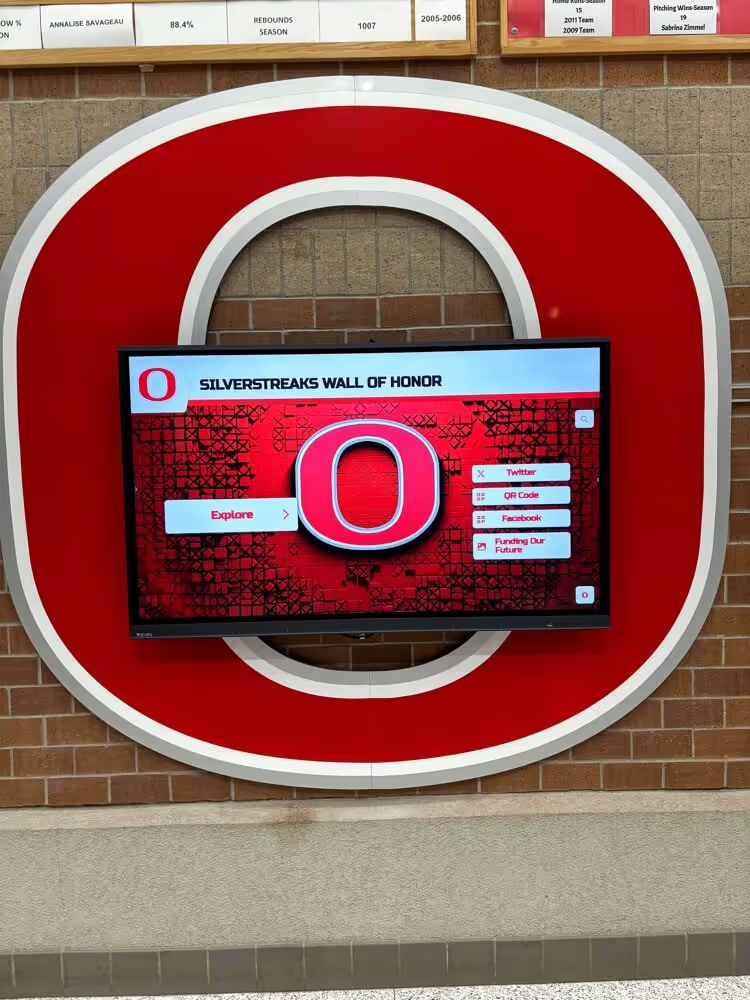
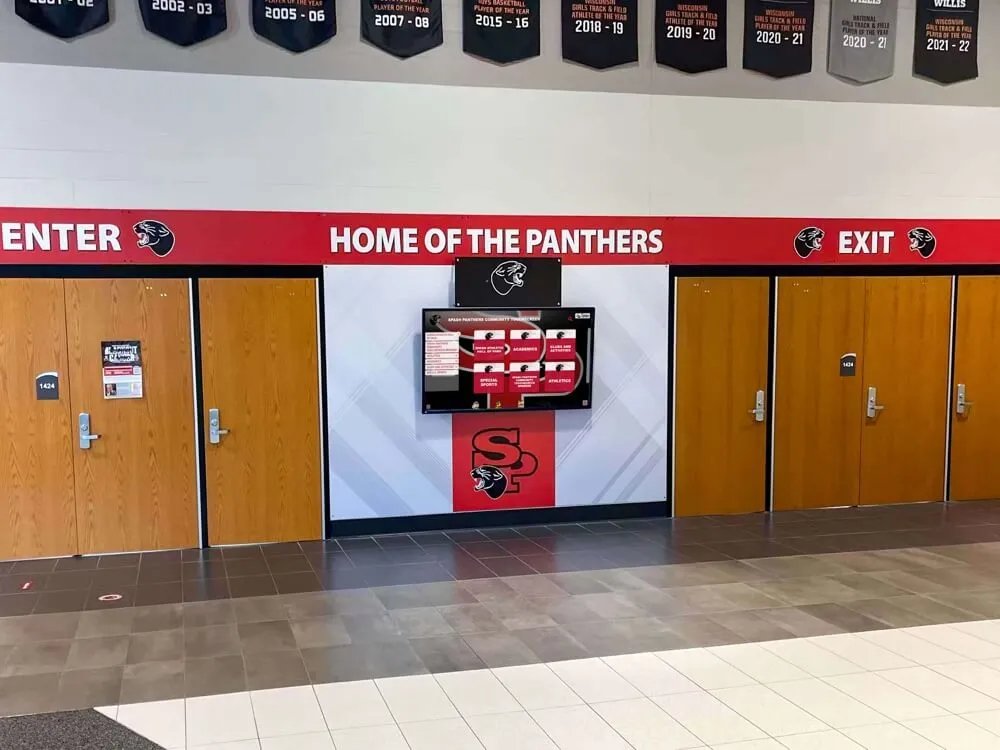
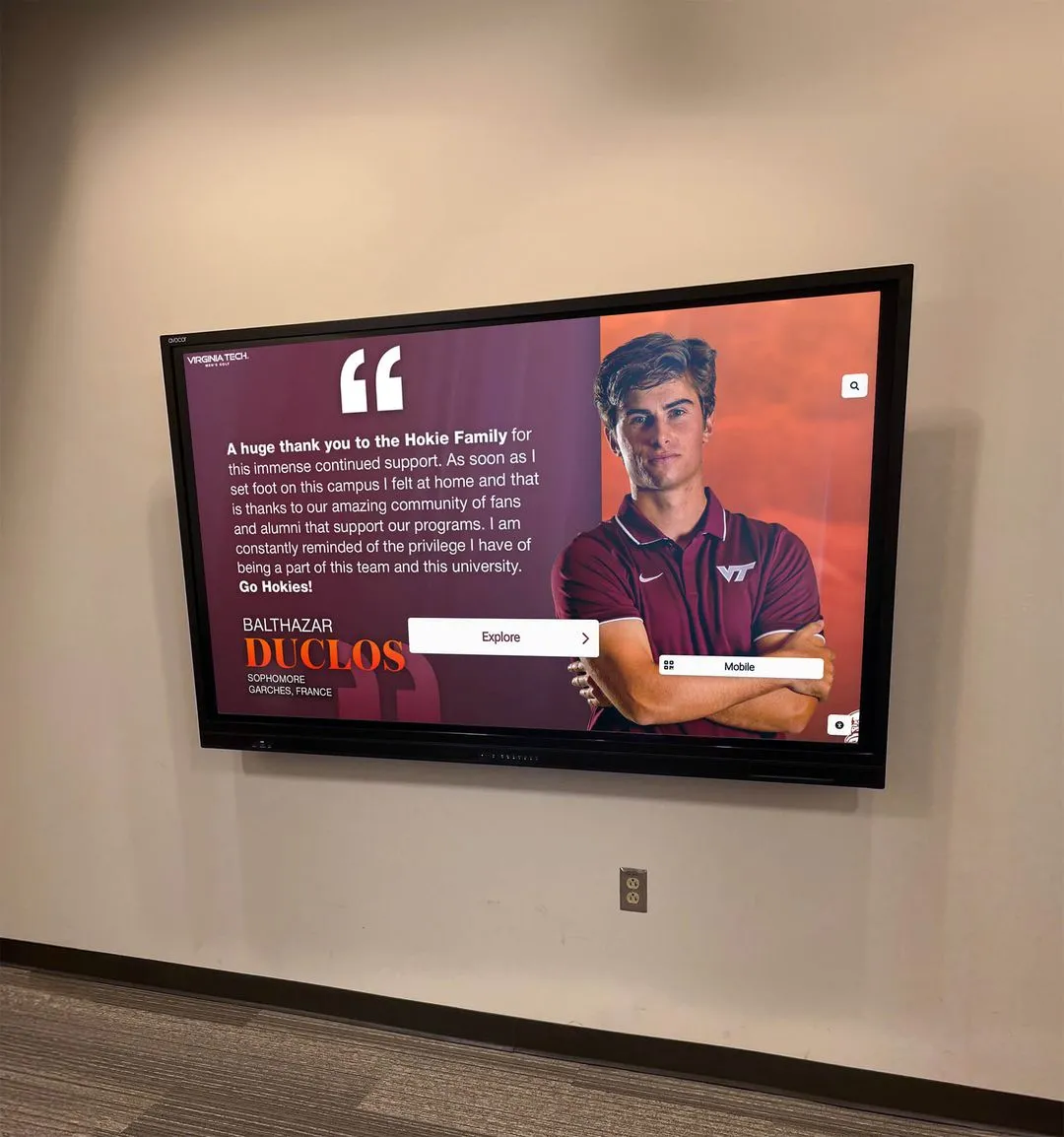
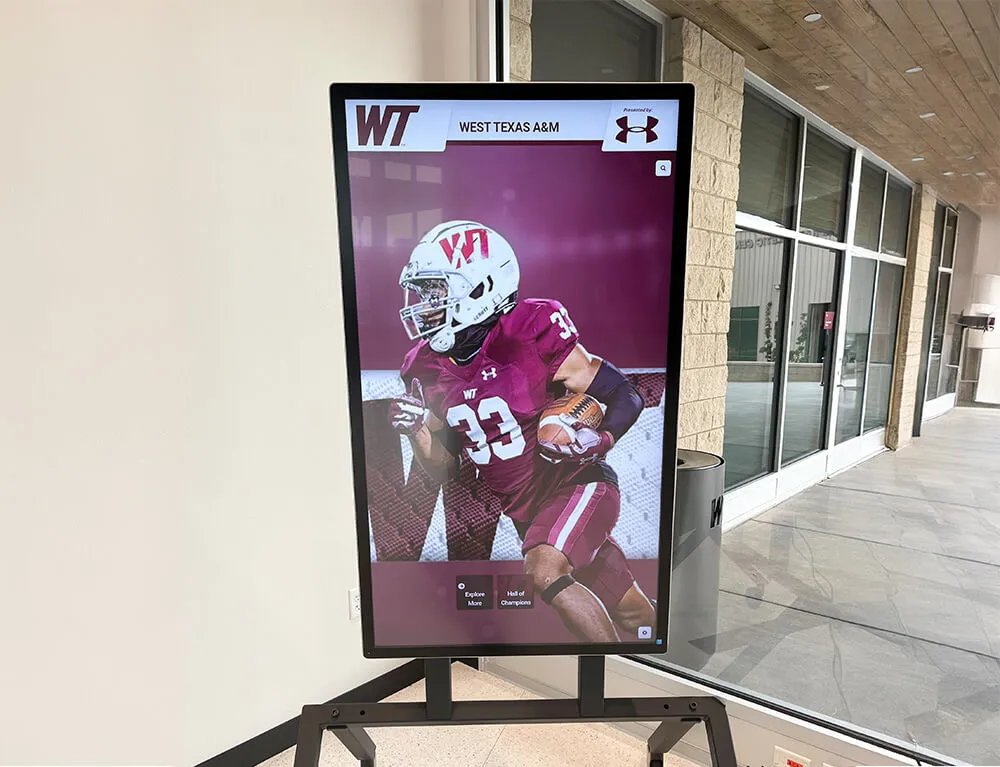
Recognition programs benefit directly from organized archives. A sponsor whose name appears on a digital recognition display like those featured in Digital Wall of Fame’s recognition board examples resource may have an agreement that spans multiple fiscal years — and the financial records from year one of the agreement need to remain accessible through the full retention period to substantiate the relationship. The same applies to donor records supporting named recognition commitments.
When a booster club contributes to a school renovation that includes a donor recognition element — similar to the capital campaign scenarios discussed in Donors Wall’s guide to digital recognition walls in school renovation projects — the financial records from the fundraising campaign need to be retained for the full seven-year period to support gift acknowledgment, verification of fund use, and the accuracy of any named recognition displayed during or after the project.
Step 4: Set a Review-and-Disposal Calendar
A retention schedule is only effective if the organization actually disposes of records when they age out. Without a scheduled review, old records accumulate, making storage unmanageable and making it harder to locate current documents quickly.
Annual disposal review process:
- Identify the cutoff year. At the start of each fiscal year, identify which past fiscal year has now passed the seven-year retention threshold. If your fiscal year closes June 30, 2026, the current review removes records from fiscal year ending June 30, 2018, or earlier.
- Audit the archive. Locate physical and digital records from the cutoff year and confirm which categories they fall into — operating records eligible for disposal or permanent-retention documents that are never disposed of.
- Verify no open matters. Before destroying any records, confirm the organization has no open IRS audit, ongoing litigation, unresolved dispute, or active state examination that could require those records. If any such matter is open, extend the retention hold on all records from the relevant period until the matter closes completely.
- Destroy physical records securely. Shred paper documents rather than simply discarding them. Financial records contain account numbers, transaction amounts, and donor information that require secure destruction to prevent unauthorized access.
- Delete digital records. Remove digital files from cloud storage, empty the trash or deleted items folder, and confirm the deletion. If the organization uses a shared drive, confirm that no synchronized copies remain on local devices.
- Document the disposal. Create a brief record of what was destroyed, the fiscal years covered, the destruction date, and who authorized and witnessed the destruction. File this disposal log permanently.
The disposal log is the one document from this process that is kept forever — it demonstrates that records were managed according to policy and not simply lost or informally discarded.
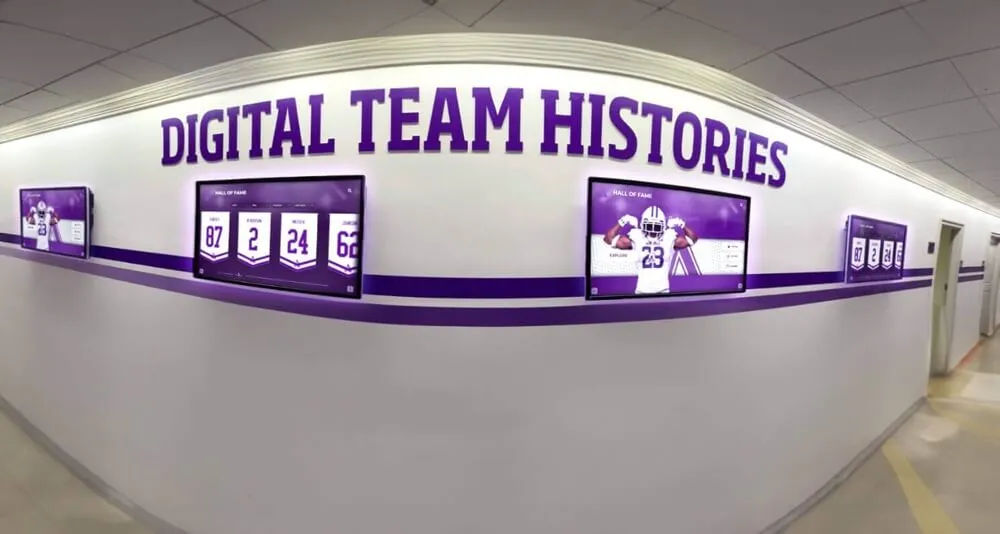
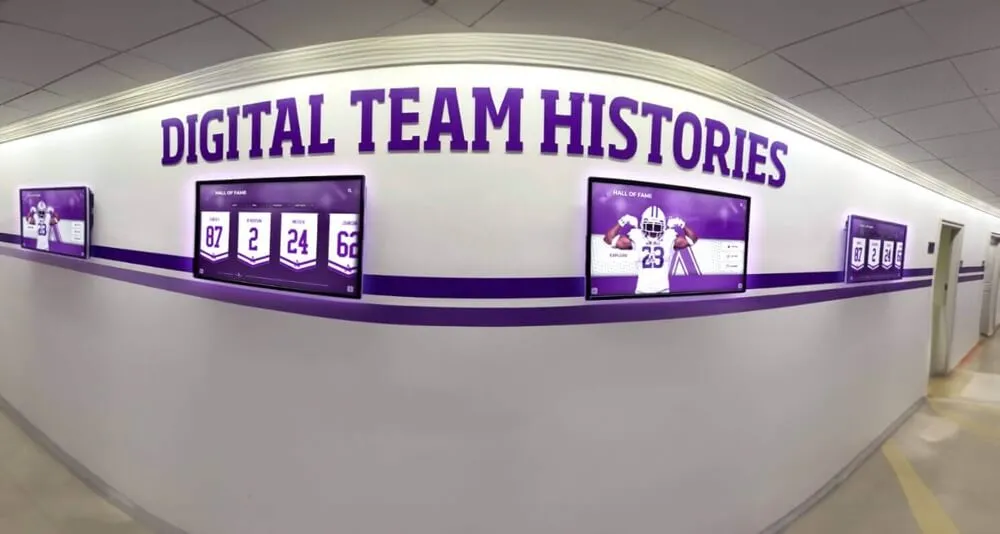
Programs that commit to displaying team histories and athlete records over the long term need financial records that support those commitments — a disposal calendar ensures records are kept as long as they are needed and removed when they are not
Step 5: Integrate the Retention Schedule Into Officer Handoff
The most important time for a retention policy is when officer transition happens. A new treasurer who inherits records without understanding the retention schedule cannot know which documents are current, which are in long-term archive, and which have already passed their retention period.
A formal handoff package for the incoming treasurer should include:
- A copy of the written retention policy and retention schedule
- An index of all active and archive records — physical and digital — with their locations documented
- Login credentials for organization-controlled cloud storage accounts (not the outgoing officer’s personal accounts)
- The current and prior-year folder structure so the incoming officer can continue the organization system without rebuilding it from scratch
- A note identifying the cutoff year for the next scheduled annual disposal review
The handoff package is also the natural moment to verify that the retention policy is still current. If the state has changed its nonprofit examination period, if the IRS has published updated guidance, or if the club has added new account types not covered by the original schedule, the incoming treasurer’s review is the right time to update the policy document before filing it away.
For programs that produce end-of-year recognition — awards ceremonies, senior celebrations, or year-end student recognition events like those documented by Digital Awards Display — the financial records supporting those events belong in the seven-year retention tier alongside all other operating records: vendor invoices, honorarium payments, and facility costs all follow the same schedule.
Programs that document athlete achievements across multiple seasons — like high school football programs tracked through the national recognition databases discussed by Digital Yearbook — generate financial records across those seasons that need the same organized multi-year retention structure described in this guide. A booster club that funds recognition across several years needs to be able to produce the records that substantiate those financial commitments, and the handoff package is how that continuity survives every leadership transition.
How Bank Statement Retention Connects to Recognition Program Stewardship
A booster club’s bank statements are not just compliance documents. They are the authoritative record of every transaction that passed through the organization — including every donation, every sponsorship payment, every restricted fund deposit, and every expense tied to a recognition commitment. When a sponsor questions whether their agreement was honored, when a donor asks about the use of a restricted gift, or when a school administrator asks how athletic recognition funding was spent, the answer comes from the bank statement record.
This connection is direct for programs that use commitment graphics and athlete recognition materials funded through booster activity — the financial records behind those programs document the resources the organization deployed to recognize athletes and communicate commitments to the broader community.
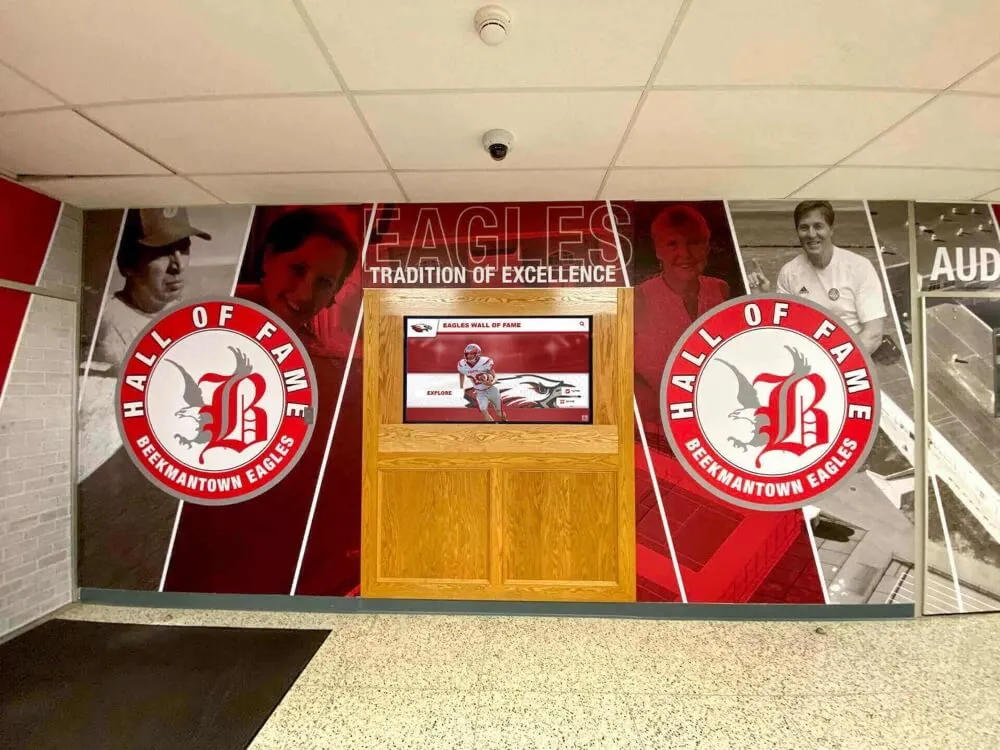
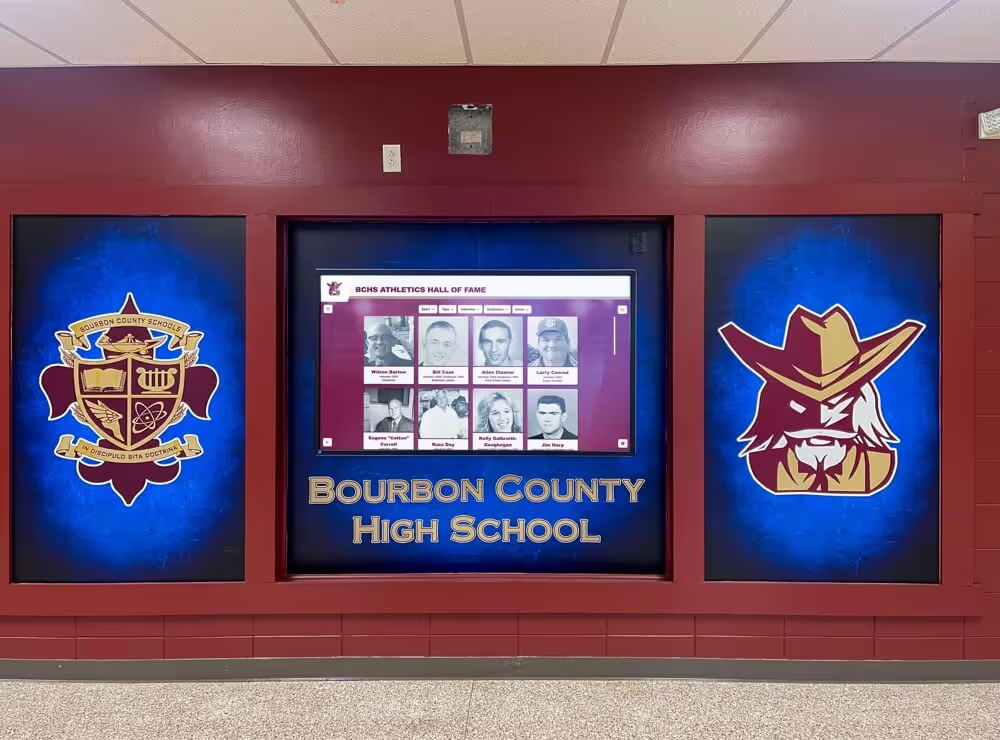
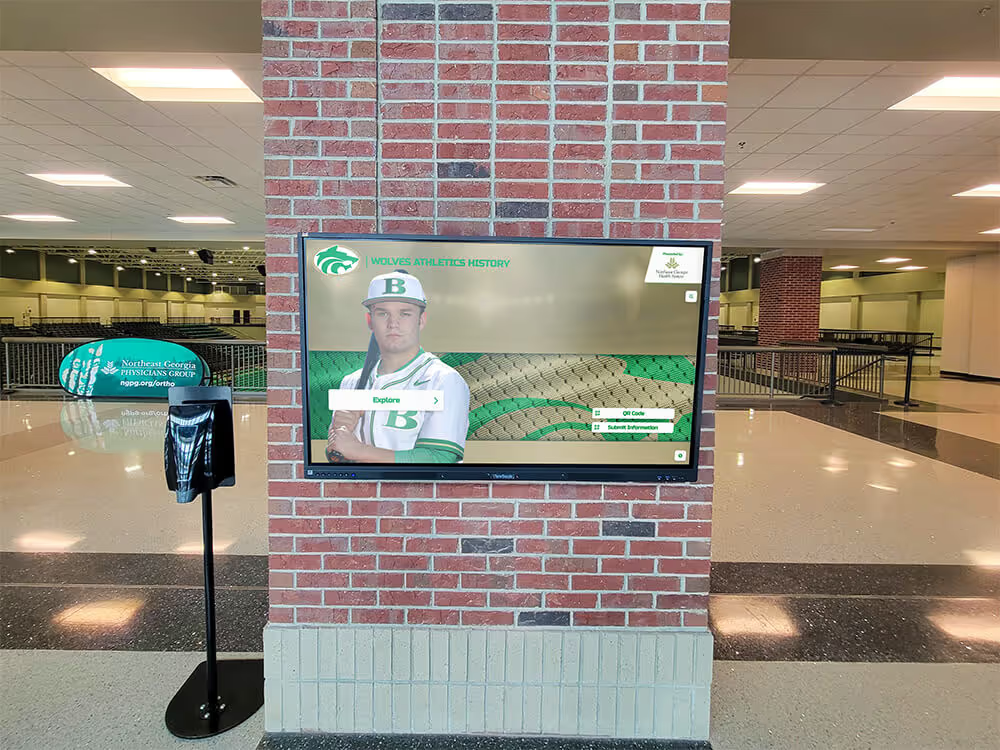
Digital recognition displays — including the interactive recognition boards that schools use to highlight students, teams, and alumni — represent financial commitments to the donors and sponsors whose names appear on the display. The bank records that document those commitments need to be retained for as long as the sponsorship relationship is active, plus the seven years that follow. A display that carries a donor’s name for ten years should have the gift records accessible through the end of the tenth year plus seven, not just through the seven-year window from when the gift was made.
When recognition programs evolve or a school undertakes renovation, the financial records from the original campaign — donations received, restricted fund balances, vendor payments — need to remain accessible for the full retention period even as the recognition display is updated or replaced. The records outlast any single version of the display they helped fund.

Recognition programs that display donors and alumni by name rest on financial records that must be retained, organized, and accessible — a formal retention policy is what makes that commitment sustainable across every leadership transition
Frequently Asked Questions
How long should a booster club keep bank statements?
Seven years is the standard retention period for bank statements in most booster club contexts. This aligns with the six-year IRS statute of limitations that applies when an organization omits income exceeding 25 percent of gross receipts, as described in IRS Publication 583, and provides margin above the standard three-year limitation for typical returns. The National Council of Nonprofits recommends seven years for accounting records including bank statements in its model document retention policy, and BoardSource recommends the same period for accounting records.
Does a booster club need to keep physical bank statement originals, or are digital copies acceptable?
Digital copies are generally acceptable for IRS purposes when they are legible, complete, and accurately reproduce the original document. The IRS accepts electronic records that meet its Electronic Storage System requirements. For most booster clubs, downloading monthly PDF statements directly from the bank portal and saving them to an organization-controlled cloud folder is both practical and sufficient. Confirm with your CPA whether your state imposes any additional requirements for physical originals before relying on digital storage alone.
What happens to booster club financial records when the organization dissolves?
When a booster club dissolves, records should not simply be discarded. The IRS and most state nonprofit laws require that financial records be preserved for the full retention period even after dissolution. In practice, this means transferring records to the school or school district’s administrative office, to a successor organization, or to a designated board member who agrees to serve as record custodian through the end of the retention period. The dissolution process should document what records exist, where they will be stored, and who is responsible for them.
Should Form 990 filings follow the same seven-year retention period as bank statements?
Most advisors recommend keeping Form 990 filings permanently rather than applying the seven-year schedule. The 990 is the organization’s public disclosure document, and the IRS requires tax-exempt organizations to make the three most recent 990s available for public inspection on request. Keeping all 990 filings permanently costs little in storage and provides an authoritative historical record of the organization’s financial position and exempt-purpose programs. The supporting records that substantiate 990 entries — bank statements, receipts, donor records — follow the seven-year schedule.
Should the retention policy cover records from booster-funded recognition programs, such as sponsor agreements and donor acknowledgments?
Yes. Sponsor agreements and the invoices associated with them should be retained for seven years after the agreement expires — not seven years from the date it was signed. A three-year sponsorship agreement signed in 2022 and expiring in 2025 should have its records retained through 2032. Donor acknowledgment records, including any documentation of restricted gift conditions or named recognition commitments, should also be retained for seven years from the date of acknowledgment. Both types of records directly support recognition commitments the organization made and may be needed to verify fulfillment long after the original transaction.
Build a Retention Policy That Supports Recognition, Not Just Compliance
A booster club bank statement retention policy creates the organized financial record that treasurers, auditors, school administrators, and incoming officers all depend on. The same financial discipline that keeps bank records organized and accessible is what makes it possible to verify donor histories, confirm sponsor deliverables, and sustain recognition programs across the leadership transitions that happen every year.
If your program is ready to strengthen the recognition side of that equation — building a display that honors donors, sponsors, and athletes in a way that lasts as long as your records do — schedule a demo with Rocket Alumni Solutions to see how an interactive digital recognition display can turn your program’s history into a permanent, living tribute for your school community.