A booster club background check policy is a written set of procedures that defines which volunteers require criminal history screening before working with students, who administers the checks, how records are stored, and how results are acted upon. Most school-affiliated booster clubs operate on school property, alongside student athletes, and with access to sensitive donor and sponsor data. A formal screening policy protects students, shields the organization from reputational and legal exposure, and demonstrates to school administrators, parents, and sponsors that the program takes safety as seriously as it takes fundraising.
This guide covers the core elements of a school-aligned background check policy, a step-by-step volunteer screening checklist, a comparison of common check types, and how documented safety practices connect to the long-term donor and sponsor trust that recognition programs depend on.
Not legal or policy advice: This guide describes commonly used volunteer screening practices for educational purposes only. Background check requirements vary significantly by state, school district, and organizational structure. Your organization’s specific obligations depend on applicable state law, district policy, and the terms of your affiliation agreement with the school. Consult qualified legal counsel and coordinate directly with your school district before establishing or revising screening policies.
A sound booster club background check policy starts with alignment — understanding what your school district already requires, then building an organizational policy that meets or exceeds those requirements for every volunteer who interacts with students or handles sensitive program assets.

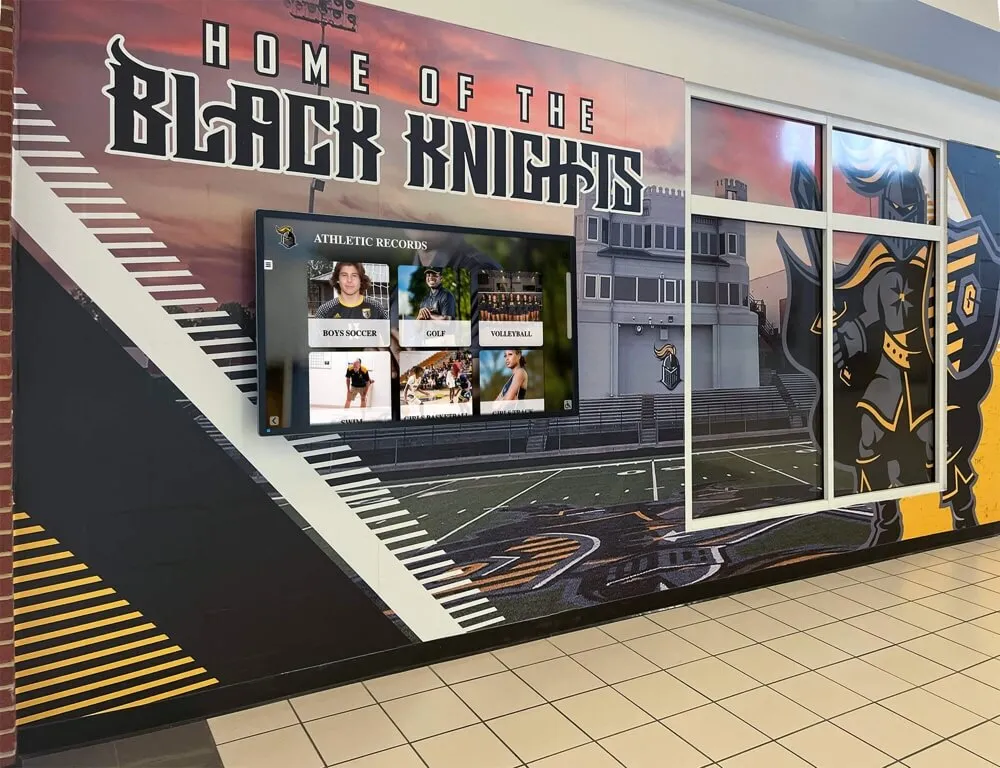
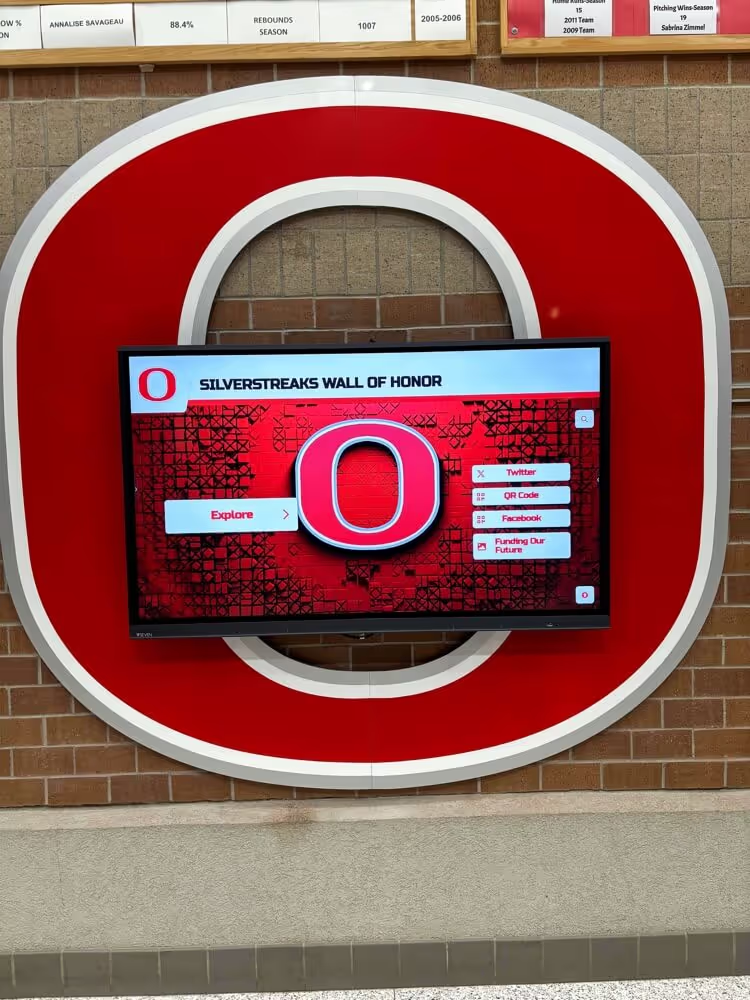
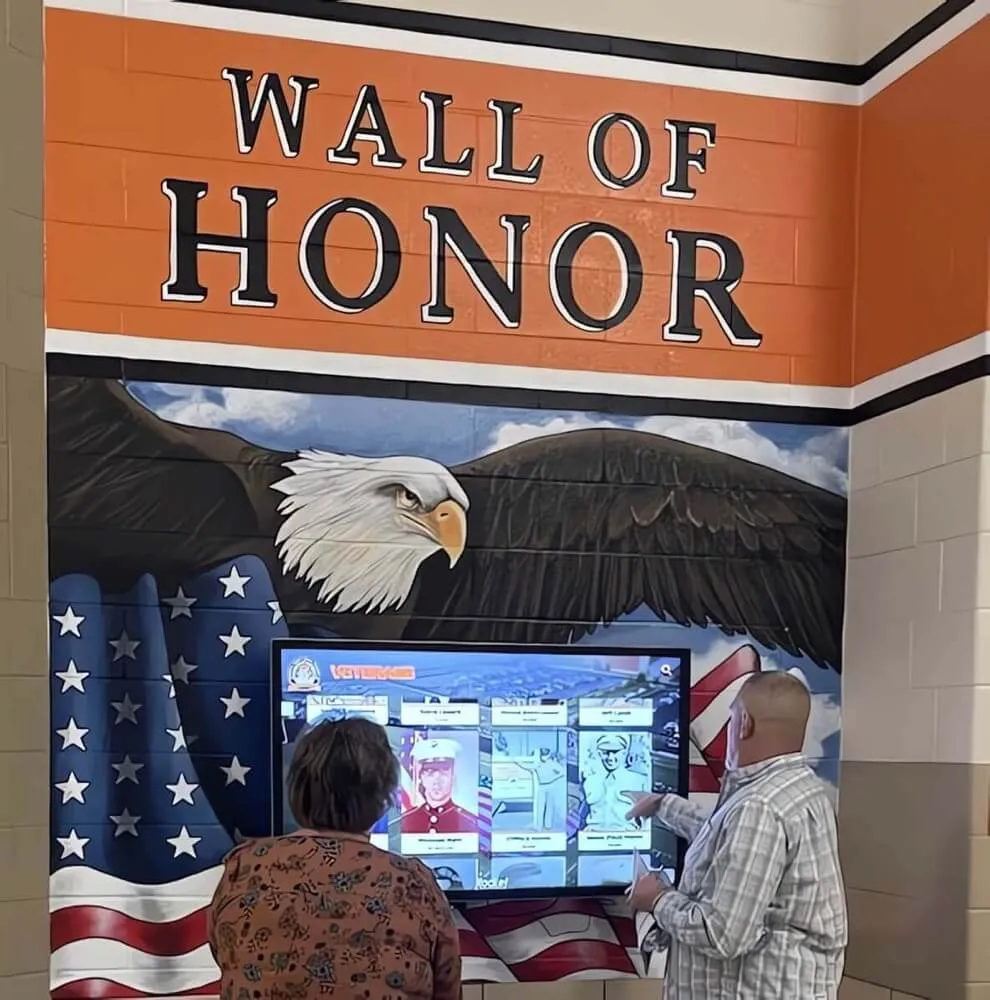
Booster clubs that operate in school facilities take on a duty of care that extends to every volunteer who works alongside students — a formal background check policy is the foundation of that commitment
What Is a Booster Club Background Check Policy?
A booster club background check policy is a written governance document that establishes who is subject to screening, what types of checks are required, who administers the process, what the organization does with results, how records are stored and protected, and how volunteers are notified. A policy that addresses all six elements gives the board, school liaison, and individual volunteers a shared framework for managing a screening process that is consistent, documented, and defensible.
The six elements in detail:
- Who is subject to screening — which roles or levels of student contact trigger a required background check
- What types of checks are required — criminal history, sex offender registry, and any additional checks mandated by the school district
- Who administers the process — which officer or committee is responsible for coordinating with the background check provider and the school
- What the organization does with results — how results are reviewed, who has access, what triggers a disqualification, and what appeal or exception process exists
- How records are stored and protected — where check results are kept, who may access them, and how long they are retained
- How volunteers are notified — what prospective volunteers are told about the screening requirement and how results are communicated
For context on how booster clubs are structured and how volunteer roles are defined within them, an overview of what a booster club is and how it operates provides useful background on the organizational foundation that a background check policy is built on top of.
Why Background Checks Matter for School-Affiliated Booster Clubs
School-affiliated booster clubs occupy a unique position: they are volunteer-run nonprofits that operate in close proximity to students at practices, games, concession stands, award ceremonies, and fundraising events held on school grounds. That proximity creates responsibilities that a purely community-based organization would not face.
Key reasons school-affiliated booster clubs maintain background check policies:
- Student safety — Volunteers who work alongside minors in school settings need to meet the same baseline safety standard the school itself requires for employees and authorized visitors
- School district alignment — Many districts require all adult volunteers with regular or unsupervised access to students to pass background checks as a condition of being allowed on campus; the booster club’s policy formalizes compliance with that requirement
- Organizational liability — A booster club that places an unscreened volunteer in contact with students, and something goes wrong, faces significant reputational and legal exposure; a formal policy reduces that risk
- Donor and sponsor trust — Sponsors and donors who contribute to school athletic programs expect those programs to meet the school’s safety standards; a documented screening policy is evidence that the organization takes that expectation seriously
- Institutional credibility — Programs that can demonstrate consistent, written volunteer screening practices are better positioned to maintain strong relationships with school administrators, secure facility access, and sustain recognition infrastructure across many seasons
Background check policies are not a signal of distrust toward volunteers — they are a structural safeguard that protects volunteers, the organization, and the students they serve. Well-established programs treat screening as a normal part of volunteer onboarding, not an exceptional measure reserved for unusual situations.
For programs evaluating the foundational governance structure that a background check policy fits within, resources on how to start a booster club and establish governance from the ground up address how safety policies connect to organizational formation and school affiliation agreements.
How to Align Your Policy with School and District Requirements
Before drafting an independent background check policy, booster club leaders need to understand what the school and district already require. In most cases, the district’s volunteer policy defines the baseline — and the booster club’s policy should meet or exceed that baseline.
Eight Steps for School-Aligned Screening
Request the district’s volunteer policy in writing. Contact the school’s main office or district HR department and ask for the written policy governing adult volunteers on school property. Ask specifically about background check requirements, which roles trigger them, and which provider the district uses.
Identify which volunteer roles meet the threshold for screening. Most districts distinguish between low-contact volunteers (occasional event attendees with other adults present) and high-contact volunteers (those with regular or unsupervised access to students). Clarify which booster club roles fall into each category under the district’s framework.
Determine whether the district runs checks directly or delegates to affiliates. Some districts run background checks on all campus volunteers through their own process. Others require affiliated organizations to run their own checks using a district-approved provider. Confirm which model applies before building a separate policy.
Adopt or exceed the district standard in your written policy. If the district requires a criminal history check, your policy should require at least the same. If the district requires sex offender registry verification separately, your policy should include it. Building on the district’s standard — rather than below it — protects the organization and simplifies compliance documentation.
Identify a designated officer responsible for the screening process. One named officer (typically the president, a board-designated volunteer coordinator, or a liaison named in the school’s affiliation agreement) should be responsible for ensuring checks are completed before new volunteers begin active roles. That responsibility should be written into the policy.
Document the policy in writing and have it reviewed by the board. A background check policy that exists only in a volunteer’s memory is not a policy — it is an informal intention. The written, board-approved document is the record that school administrators, auditors, and future boards can verify.
Include the policy in volunteer orientation materials. Every new volunteer should receive a written explanation of the screening requirement, what to expect during the process, and a point of contact for questions. Transparency reduces friction and builds trust.
Review and update the policy annually. State and district requirements change. Provider options evolve. The policy should be reviewed at the start of each season by the board, with updates documented in board meeting minutes.
This alignment approach — grounding the booster club’s policy in the school district’s existing framework — creates a defensible, coordinated screening program that reduces duplication of effort and makes compliance straightforward to demonstrate.
The Volunteer Screening Checklist
The checklist below outlines the key steps in a complete volunteer screening process. Organizations can use it to audit an existing policy or build a new one.
Pre-Screening: Before Onboarding Begins
| Step | Action | Owner |
|---|---|---|
| Identify check trigger | Confirm whether the volunteer role requires a check under school/district policy | Designated officer |
| Provide written disclosure | Give volunteer a written notice explaining screening requirements and their rights | Designated officer |
| Obtain signed consent | Collect signed authorization form as required by applicable law | Designated officer |
| Select approved provider | Use district-approved or board-approved background check provider | Designated officer |
| Confirm cost responsibility | Document whether the organization or volunteer pays the check fee | Board policy |
Screening Process
| Step | Action | Owner |
|---|---|---|
| Submit required information | Collect volunteer’s legal name, date of birth, and required identifiers per provider instructions | Designated officer |
| Run criminal history check | Submit through approved provider; do not allow the volunteer to supply their own check results | Designated officer |
| Run sex offender registry check | Many districts require this separately; confirm whether your provider includes it or if it must be run independently | Designated officer |
| Apply additional district-required checks | Some districts require driving record checks for volunteers who transport students; confirm which apply | Designated officer |
| Await official results | Do not place the volunteer in an active student-contact role while results are pending | Designated officer |
Results and Decision
| Step | Action | Owner |
|---|---|---|
| Review results | Designated officer reviews results against the organization’s written disqualification criteria | Designated officer |
| Apply disqualification criteria | Apply the written policy consistently — do not make case-by-case exceptions outside the defined process | Board |
| Communicate result to volunteer | Notify the volunteer of the outcome using a process that protects privacy | Designated officer |
| Document the outcome | Record that a check was completed and a decision was made; do not retain the underlying report beyond the required period | Designated officer |
| Store results securely | Store results in a locked, access-restricted location; do not share with other volunteers | Designated officer |
Ongoing Compliance
| Step | Action | Owner |
|---|---|---|
| Set renewal schedule | Determine how frequently checks must be renewed (typically annually or per district policy) | Board |
| Track expiration dates | Maintain a tracking log of check completion dates and renewal deadlines | Designated officer |
| Recheck upon role change | Volunteers who take on roles with greater student contact should be rechecked even if previously cleared | Board policy |
| Update policy annually | Review and update the policy at each annual board meeting | Board |

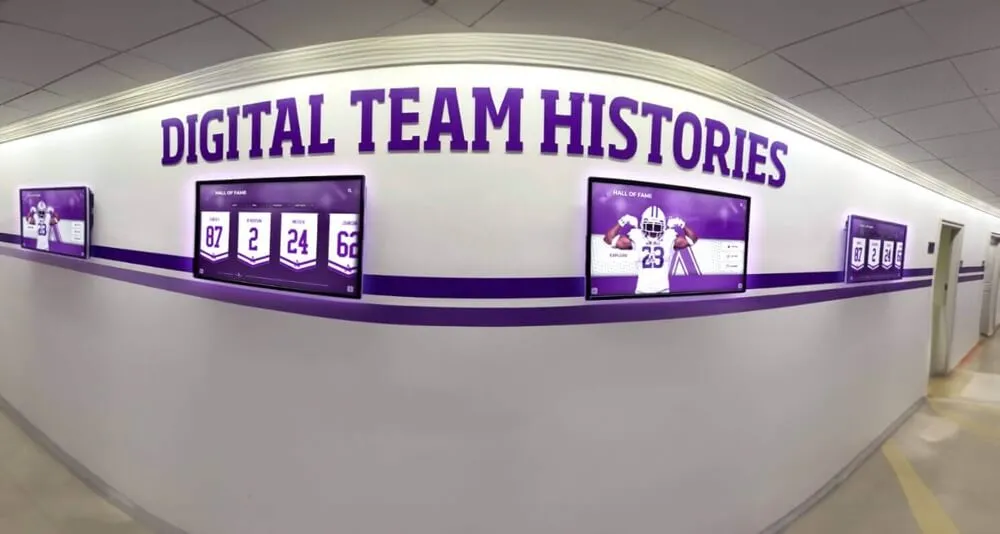
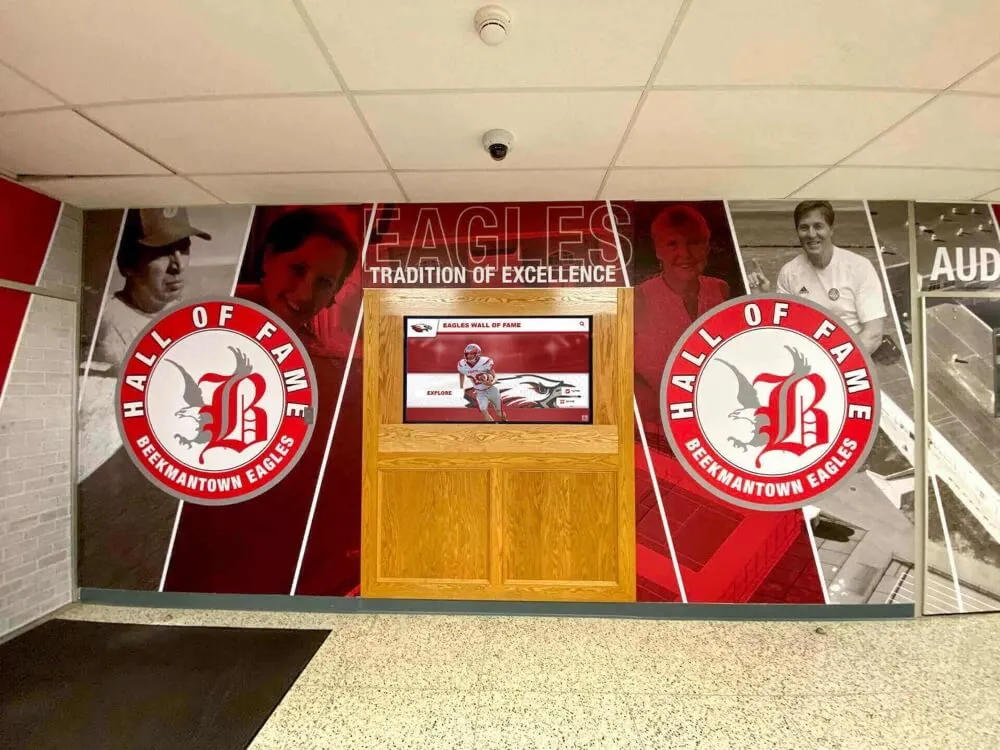
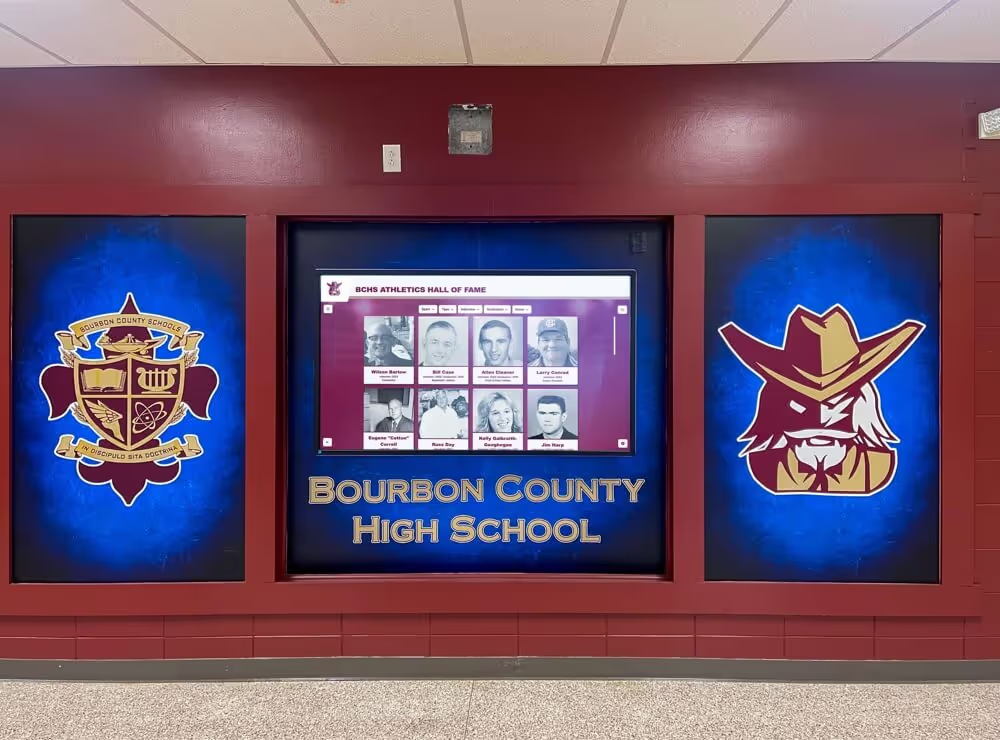
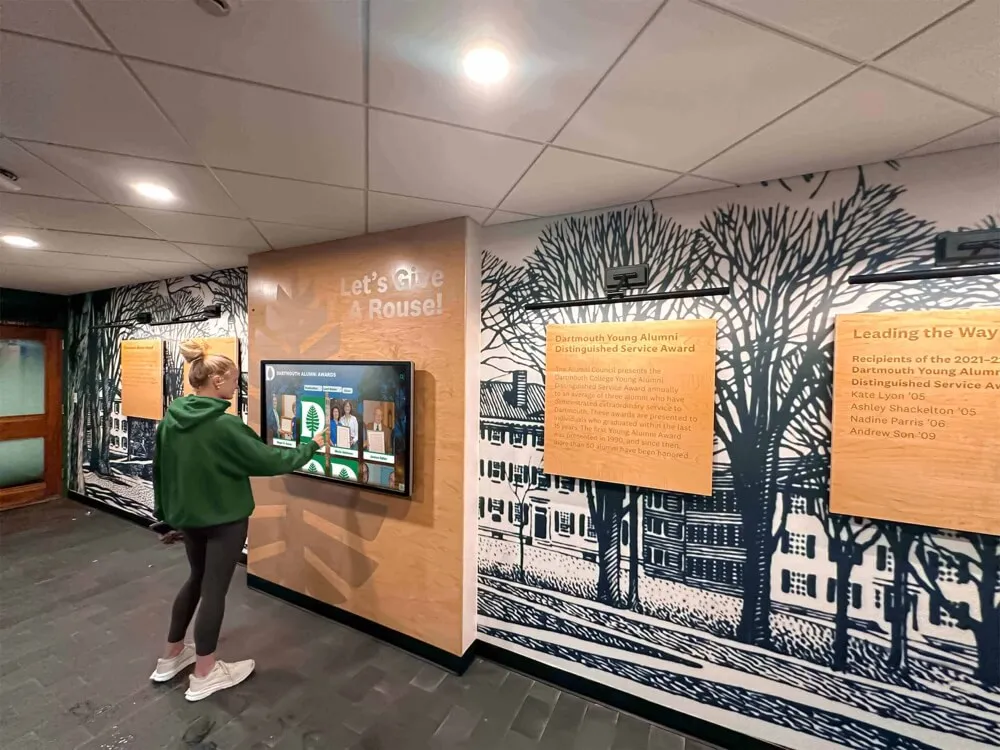
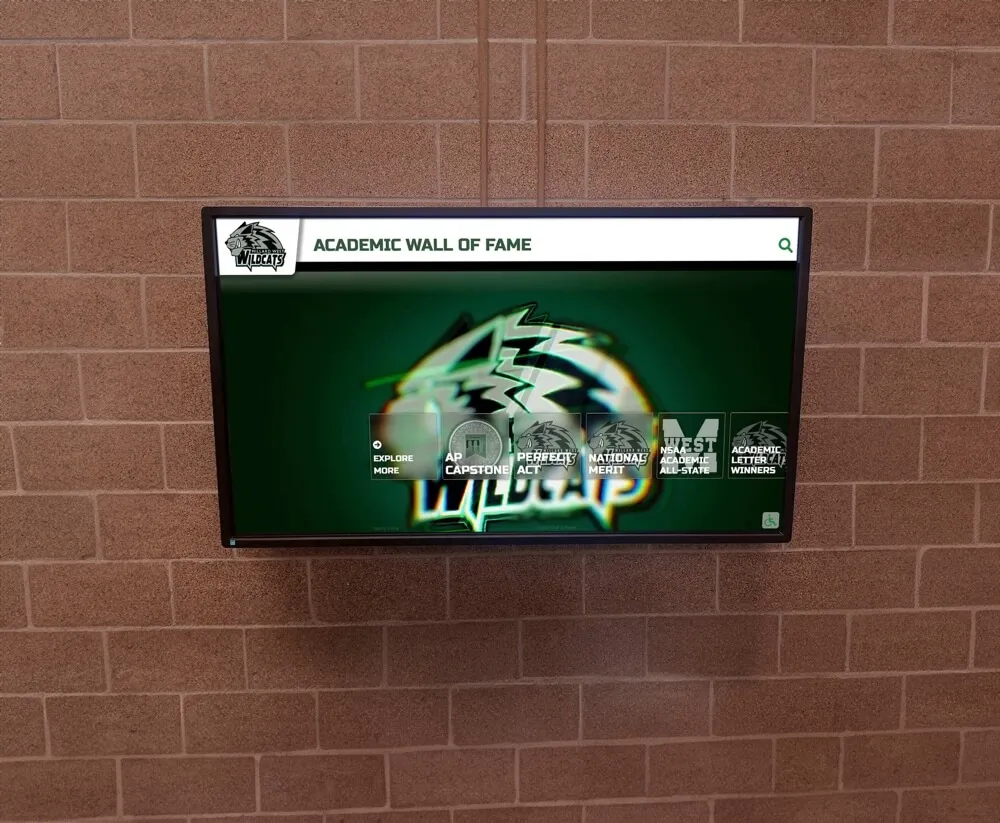
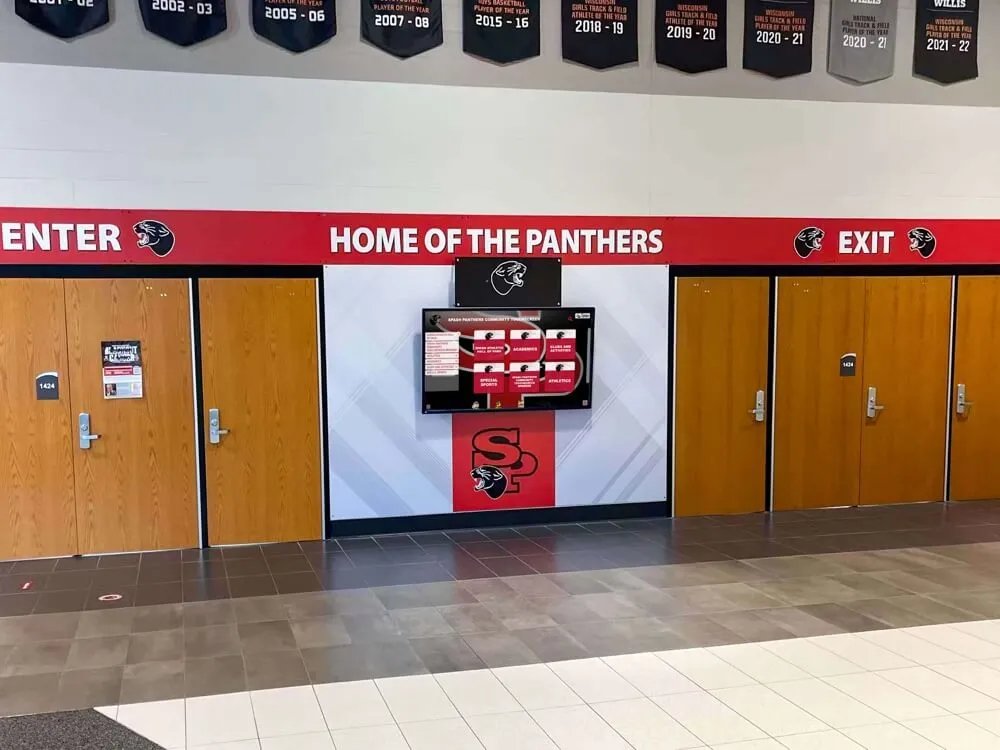
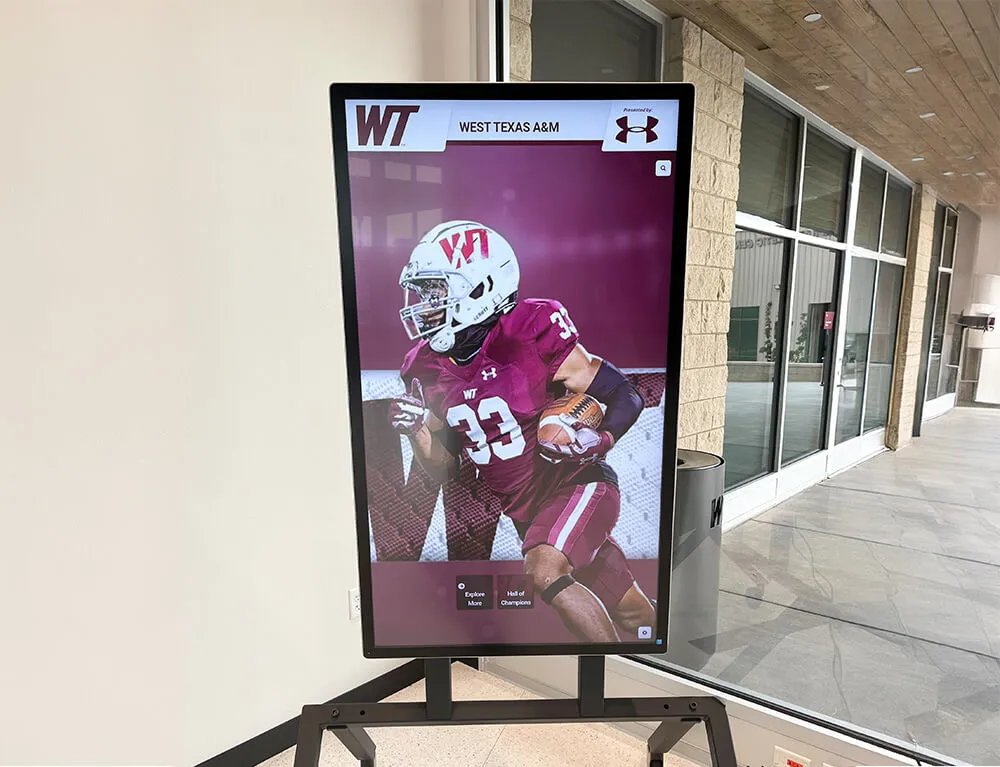
Volunteers who manage donor recognition displays, hall of fame archives, and athletic record systems in school facilities earn the trust to work in those spaces through the safety policies the booster organization maintains
Types of Background Checks: What Each Covers
Not all background checks are the same. The table below describes the most common check types used in volunteer screening programs and what each covers.
| Check Type | What It Searches | Typical Use Case |
|---|---|---|
| Criminal history (national) | Felony and misdemeanor records across multiple jurisdictions | Standard baseline for all adult volunteers with student contact |
| Criminal history (county/state) | Records in specific counties or states where the volunteer has lived | Often required in addition to a national search for complete coverage |
| Sex offender registry | National and state sex offender registration databases | Required by most districts for any volunteer with access to minors |
| Driving record (MVR) | Motor vehicle record including violations and license status | Required when volunteers transport students to away events |
| Identity verification | Confirms legal name, SSN, and date of birth match | Foundational step to ensure the check is run on the correct person |
Important: The scope, accuracy, and turnaround time of background checks vary by provider and jurisdiction. Checks based only on national databases may miss records that exist only in county court systems. Consult your school district and a qualified provider to understand which combination of checks meets your requirements and your district’s standards.
Programs that have implemented formal audit processes alongside screening policies — including documentation reviews and annual compliance checks — can find useful frameworks in booster club audit checklist resources that address how governance documentation and policy verification connect to the broader organizational accountability picture.
Privacy, Records, and Volunteer Communication
A background check program that is handled without adequate privacy protections creates a different set of problems. Volunteer check results are sensitive personal information — they must be collected under proper consent, stored securely, accessed only by authorized officers, and disposed of according to applicable requirements.
Consent and Disclosure
Federal law (the Fair Credit Reporting Act) and many state laws require specific disclosure and consent procedures before a background check can be run. The disclosure must typically be provided in a standalone document, not buried in a general application form. Volunteers must provide written authorization before a check is initiated. Consult your provider and qualified counsel to ensure your consent process meets applicable legal requirements.
Who Sees Results
Results should be accessible only to the designated officer responsible for the screening process, and in some cases the board president or a designated review committee. Results should never be shared informally among volunteers, posted on shared drives, or discussed at general board meetings. The outcome of the process (cleared or not cleared) can be communicated to relevant board officers; the underlying report generally should not be shared beyond those directly responsible for the decision.
Storage and Retention
Most organizations store background check results in a locked physical file or a password-protected digital folder with access limited to one or two authorized officers. Check results should not be retained longer than required by your district’s policy or applicable law. Consult your district and qualified legal counsel on retention periods specific to your jurisdiction and organizational structure.
Adverse Action Process
If a background check result leads to a decision not to approve a volunteer, federal and state law typically require specific adverse action procedures — including a pre-adverse action notice, an opportunity for the volunteer to dispute inaccurate information, and a final adverse action notice. Do not make denial decisions without confirming the applicable legal requirements with qualified counsel.
For programs that manage multiple governance documents alongside screening policy — including financial policies, bylaws, and operational procedures — resources on the benefits of a well-structured booster club organization provide useful context for how safety policy fits within the full organizational framework that earns school and community trust.
How Screening Connects to Recognition Programs and Donor Trust
A booster club background check policy is a governance document, but its effects extend well beyond the screening process. The volunteers who pass through the screening process are the same people who staff recognition events, manage donor databases, coordinate with sponsors, and maintain the organization’s institutional records.
When a program can demonstrate that every volunteer with access to student athletes, recognition systems, and donor information has been screened according to a consistent written policy, it sends a signal that the organization operates with the same standard of care in every domain — not just in the domains with formal financial controls.
Donors and sponsors who fund named awards, athletic hall of fame installations, and digital recognition displays are entrusting the organization with something that carries their name. They have a reasonable expectation that the volunteers managing those assets operate within a safe, accountable structure. A documented screening policy is part of what makes that expectation defensible.
Programs that have built strong athletic recognition programs — including digital honor walls, historical record boards, and sponsor acknowledgment systems — have consistently found that the governance practices that earn school and district trust also earn donor trust. Booster club program ideas that connect organizational safety and structure to strong athletic support address how credibility is built across multiple governance domains, not just one.
The long-term sustainability of a booster program — its ability to recruit new sponsors each season, maintain recognition infrastructure, and preserve athletic history — depends on the trust it maintains with the school. Background screening is one of the clearest, most visible signals that trust is taken seriously.

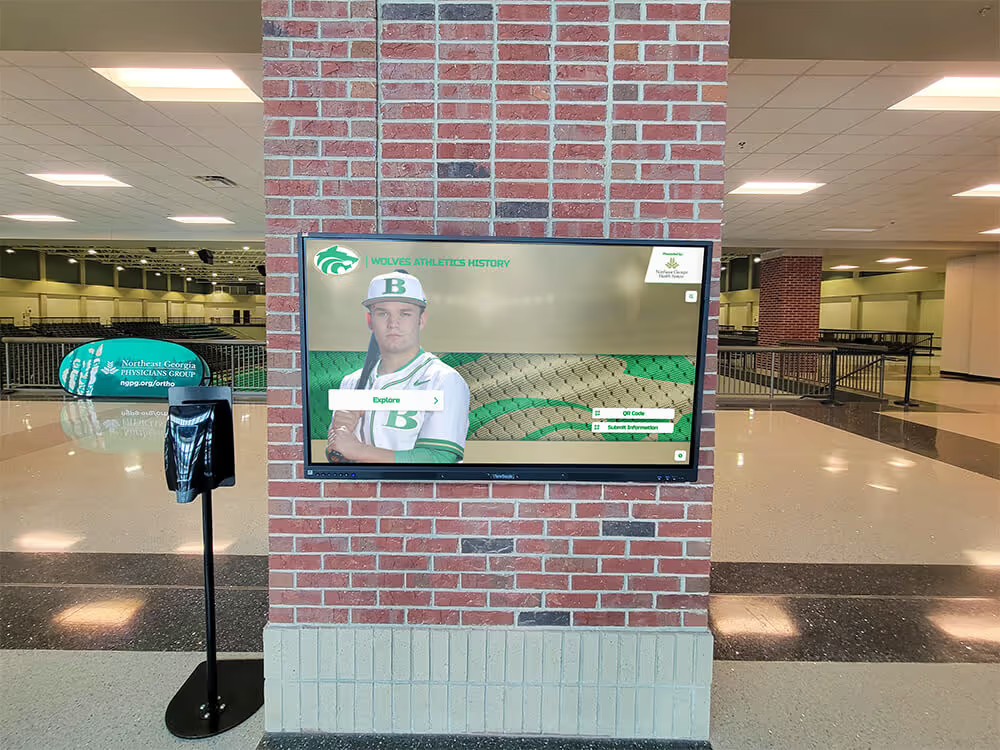
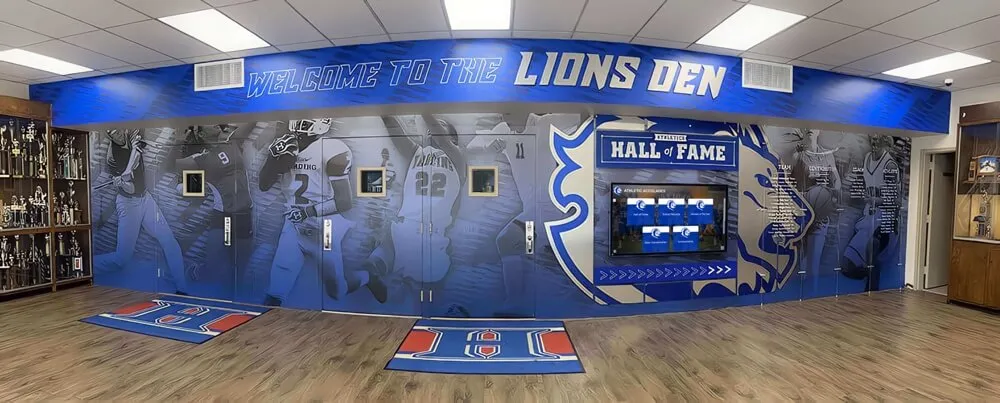
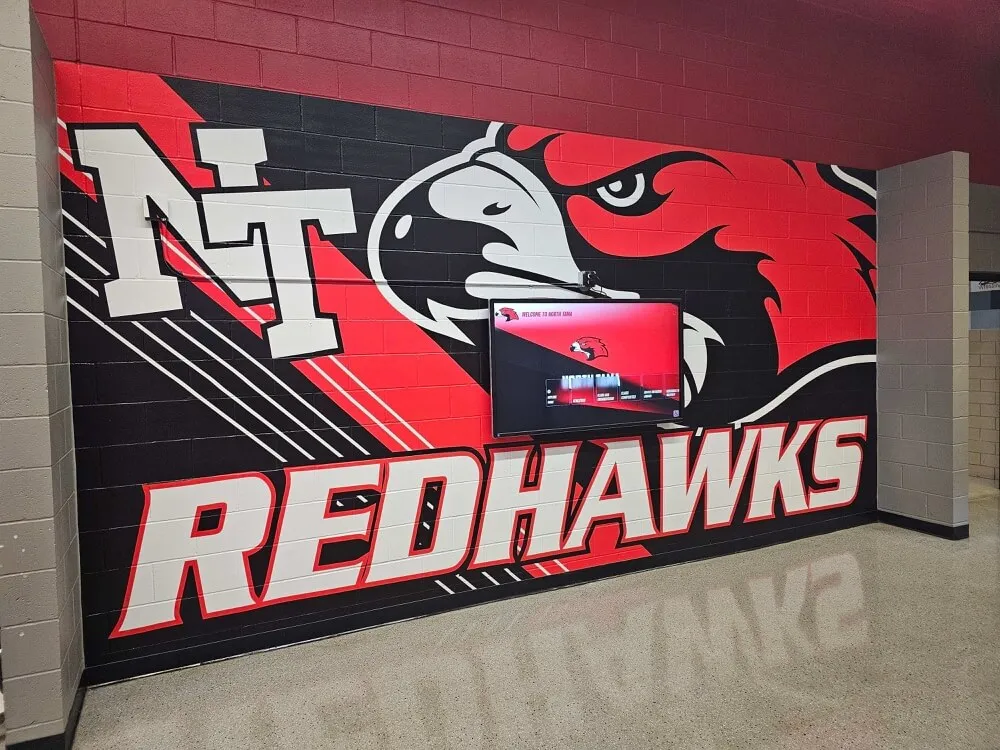
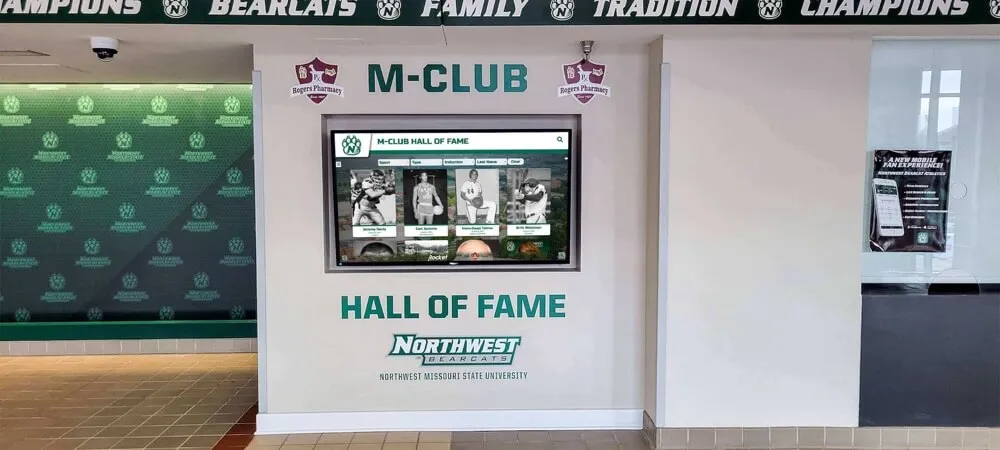
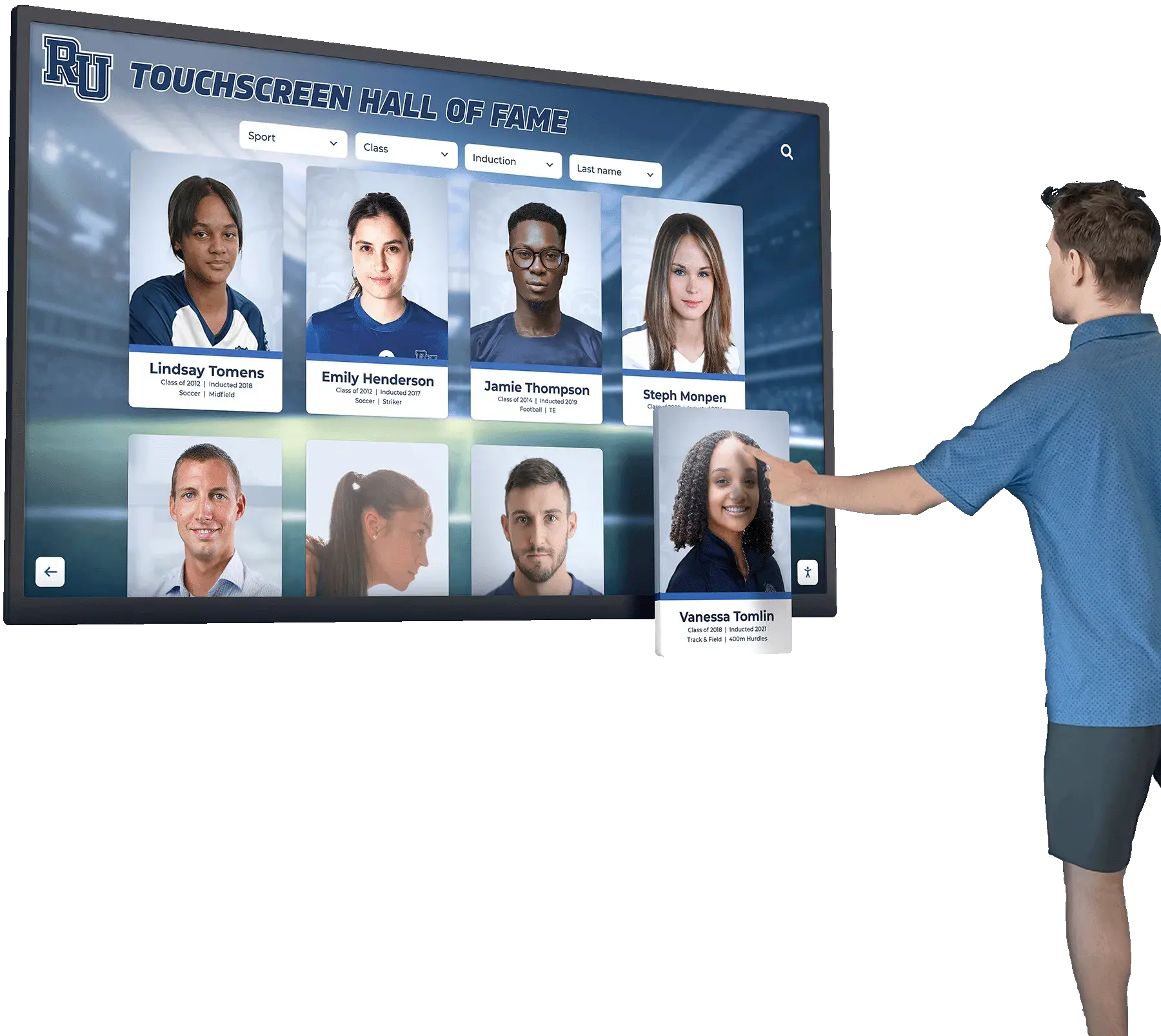
Digital hall of fame and recognition programs depend on volunteers who have earned the school's trust — background screening is one of the foundational practices that establishes and sustains that trust across many seasons
For programs that are also building fundraising programs alongside safety policies, high school booster club fundraising frameworks address how structured fundraising connects to the organizational credibility that sound governance provides. And for programs connecting fundraising to sustained athletic support, athletic booster club fundraising ideas that keep school sports strong demonstrate how financial discipline and safety governance work together to sustain programs across many seasons.
Frequently Asked Questions
Do all booster club volunteers need a background check?
Whether all volunteers require a background check depends on school district policy and applicable state law. Most districts distinguish between low-contact volunteers — those who attend occasional events with other adults present — and high-contact volunteers who have regular or unsupervised access to students. Roles involving direct student supervision, facility access during school hours, or management of sensitive program data typically trigger screening requirements. Your organization’s written policy should mirror the district’s threshold, and volunteers in ambiguous roles should generally be screened rather than exempted.
Who is responsible for running background checks in a booster club?
A designated officer — typically named in the policy as a volunteer coordinator, screening officer, or board president — is responsible for coordinating the screening process. This includes providing disclosure and consent forms, submitting requests to the approved provider, reviewing results against the policy’s disqualification criteria, and maintaining records. In some districts, the school itself runs all volunteer checks and the booster club’s role is limited to ensuring volunteers have completed the school’s process before being placed in active roles. Clarify the district’s model before assigning internal responsibility.
How long should background check records be retained?
Retention requirements for background check records vary by state and school district policy. In general, retaining check results longer than necessary creates additional privacy and security obligations. Many organizations retain a log of completed checks (dates, volunteer names, outcomes) while disposing of the underlying reports after the volunteer is cleared and onboarded. Consult your school district’s records retention policy and qualified legal counsel to determine the specific retention period applicable to your organization’s situation.
What happens if a background check returns a disqualifying result?
If a background check returns a result that triggers the policy’s disqualification criteria, the organization must follow applicable adverse action procedures before a final decision is made. Under the Fair Credit Reporting Act, this typically includes providing the volunteer with a copy of the report and a summary of their rights before a final adverse action is taken. The volunteer has the right to dispute inaccurate information. Final decisions should be made by the designated officer following the written policy consistently — exceptions that deviate from the policy create legal and organizational risk. Consult qualified legal counsel before establishing disqualification criteria and adverse action procedures.
How often should background checks be renewed for ongoing volunteers?
Renewal frequency should match or exceed your school district’s requirements. Many districts require annual renewal for volunteers with regular student contact; others allow multi-year periods for cleared volunteers with continuous service. Your written policy should specify a renewal schedule, and the designated officer should maintain a tracking log of check completion dates and upcoming renewal deadlines. Volunteers who change roles — taking on responsibilities with greater student access — should be rechecked regardless of when their previous check was completed.
Building a Screened, Trusted Volunteer Program
A booster club background check policy does not make the organization bureaucratic — it makes it credible. The programs that sustain strong relationships with school administrators, attract repeat sponsors, and maintain long-term recognition infrastructure are the ones that demonstrate consistency: consistent financial controls, consistent event procedures, and consistent safety practices for every volunteer who represents the organization alongside students.
Screening is the governance step that opens the door to everything else. A volunteer who has been properly screened according to a written, school-aligned policy is a volunteer the organization can place in front of students, in front of donors, and in front of the display that carries a sponsor’s name — with confidence that the program stands behind every person in that role.
See How Permanent Recognition Honors Every Program That Earns It
Rocket Alumni Solutions builds interactive digital recognition displays for school athletic programs — giving booster clubs a lasting platform for sponsor acknowledgment, athletic records, and donor recognition that reflects the trustworthy, well-governed organization behind it. Schedule a demo to see what your facility could look like.
Schedule Your Recognition Display Demo