



There is a particular kind of wisdom that can only travel one direction: from someone who has already made the mistakes, survived the hard losses, navigated the recruiting process, and come out on the other side. When a school builds a meaningful athletic alumni mentor program, it formalizes that transfer of knowledge between former athletes and the student-athletes currently wearing the same jersey. The results extend far beyond individual relationships—programs that successfully connect alumni mentors with current players report stronger school pride, deeper donor engagement, higher athletic retention rates, and the kind of generational loyalty that turns one-time graduates into lifetime supporters of their program.
This guide covers everything schools need to design, launch, and sustain an athletic alumni mentor program—from program structures and mentor recruitment strategies to matching processes, engagement activities, and recognition systems that keep alumni coming back year after year.
The gap between a student-athlete’s experience and a former athlete’s accumulated perspective is exactly where mentorship programs live. A junior hoping to play at the collegiate level needs something more specific than a college counselor’s general advice—they need someone who played the same position, at a comparable level, and navigated the same pressures of balancing academics with a high-stakes athletic schedule. An athletic alumni mentor program creates that connection systematically, at scale, across an entire program.

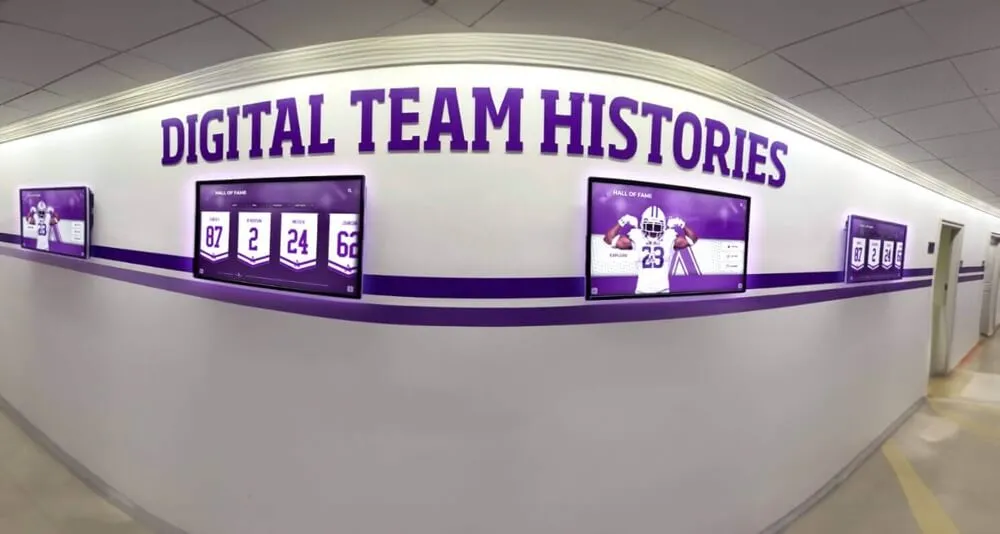
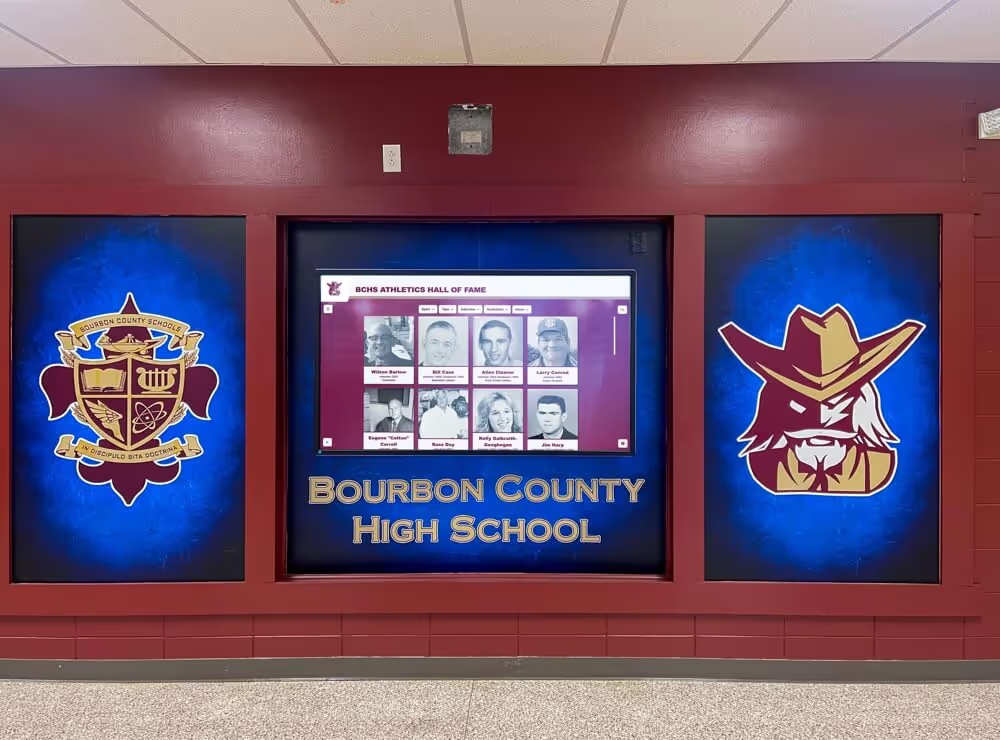
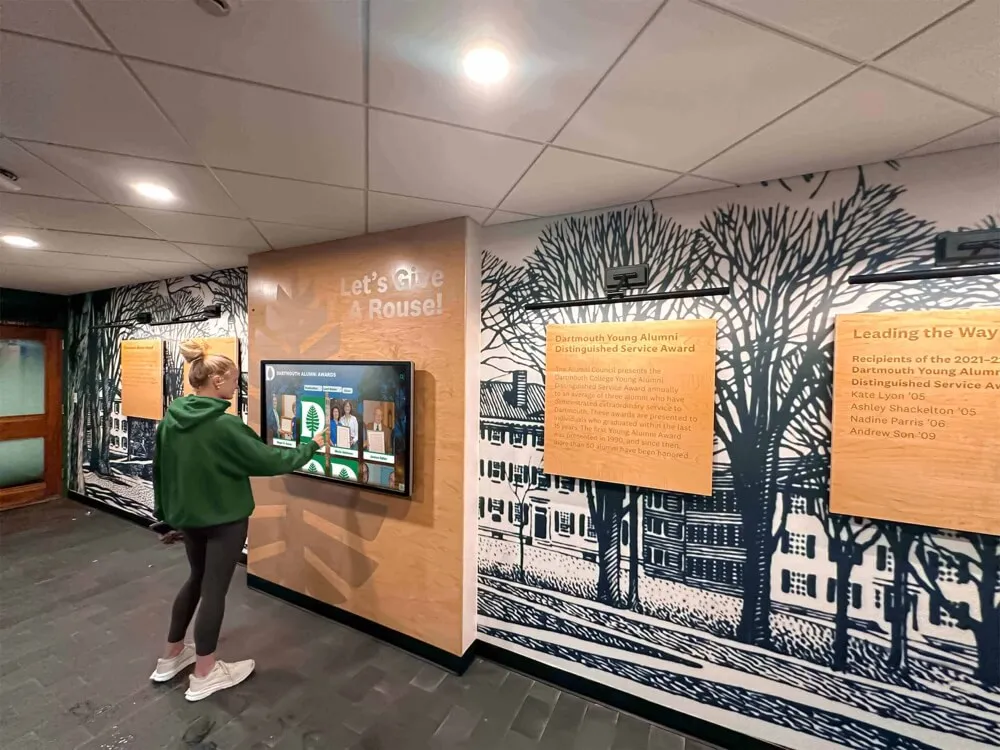
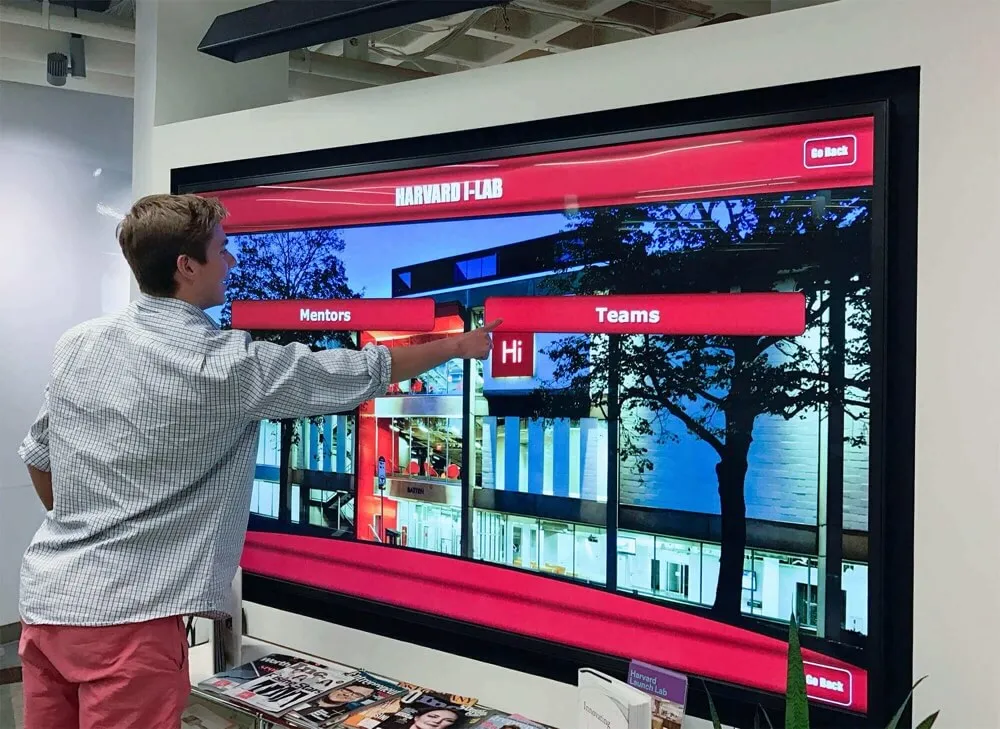
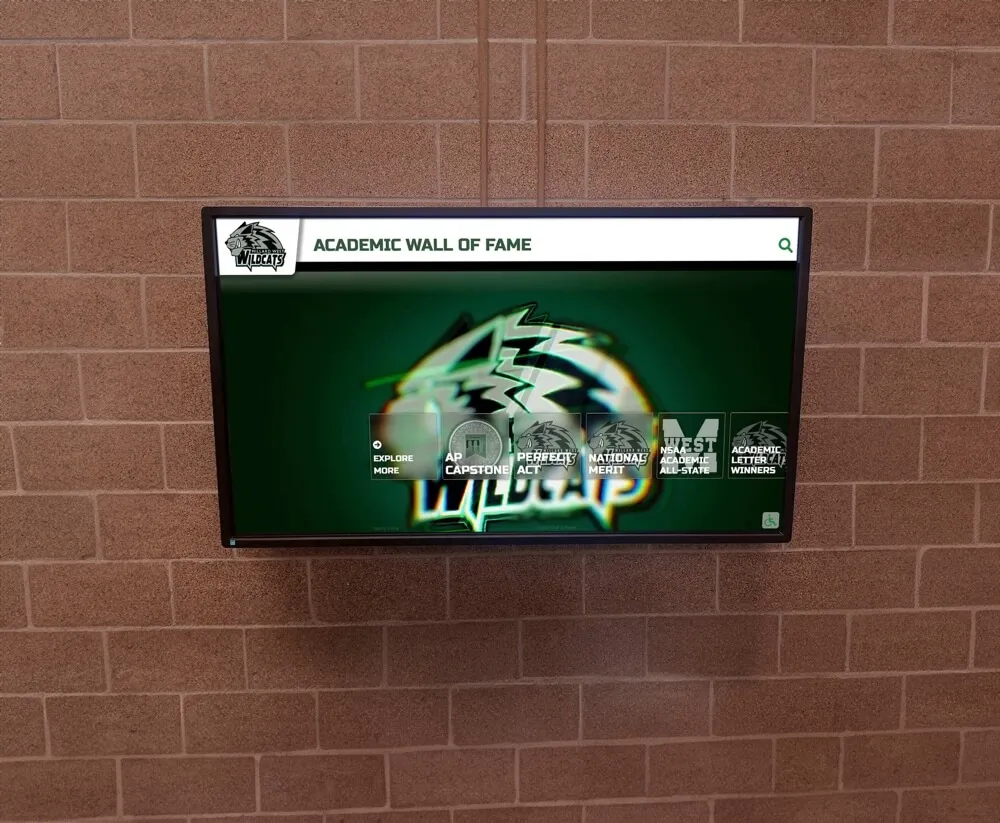
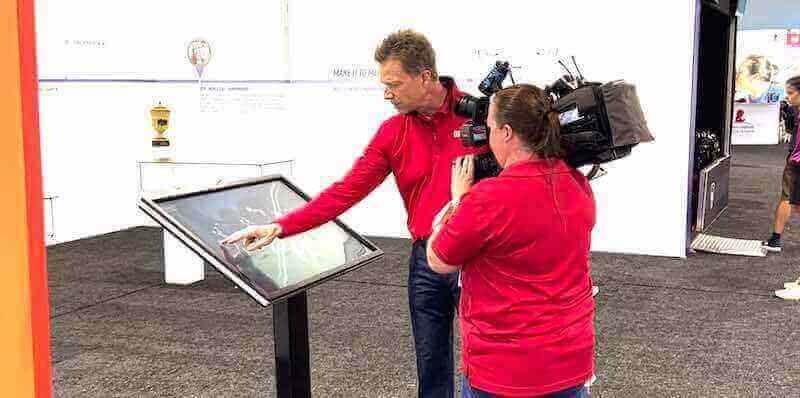
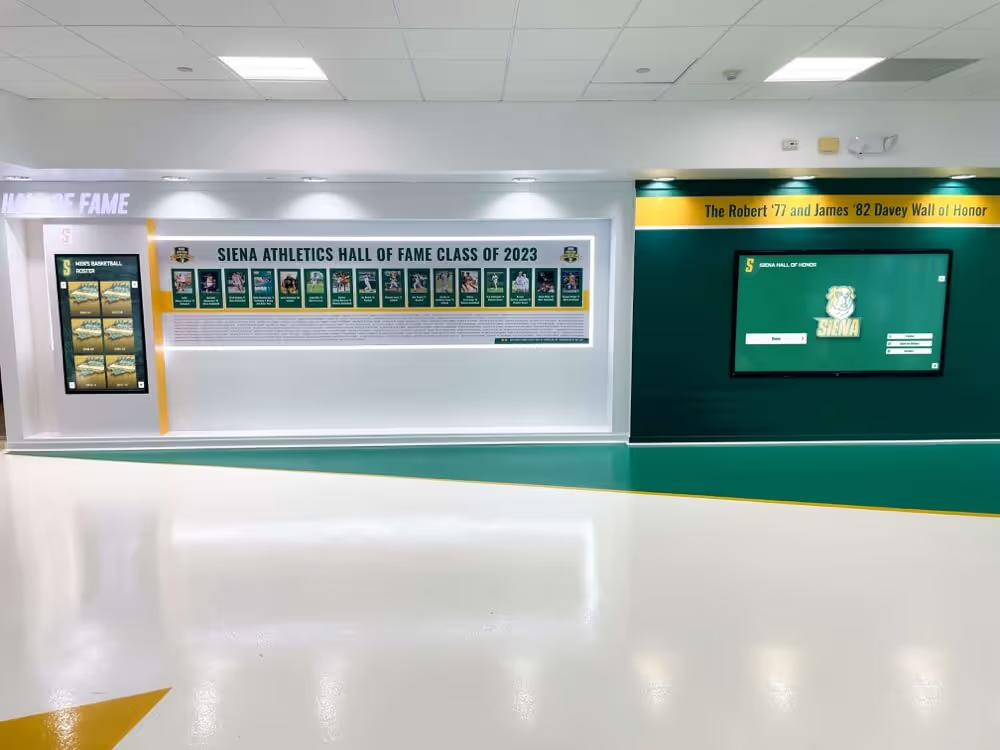
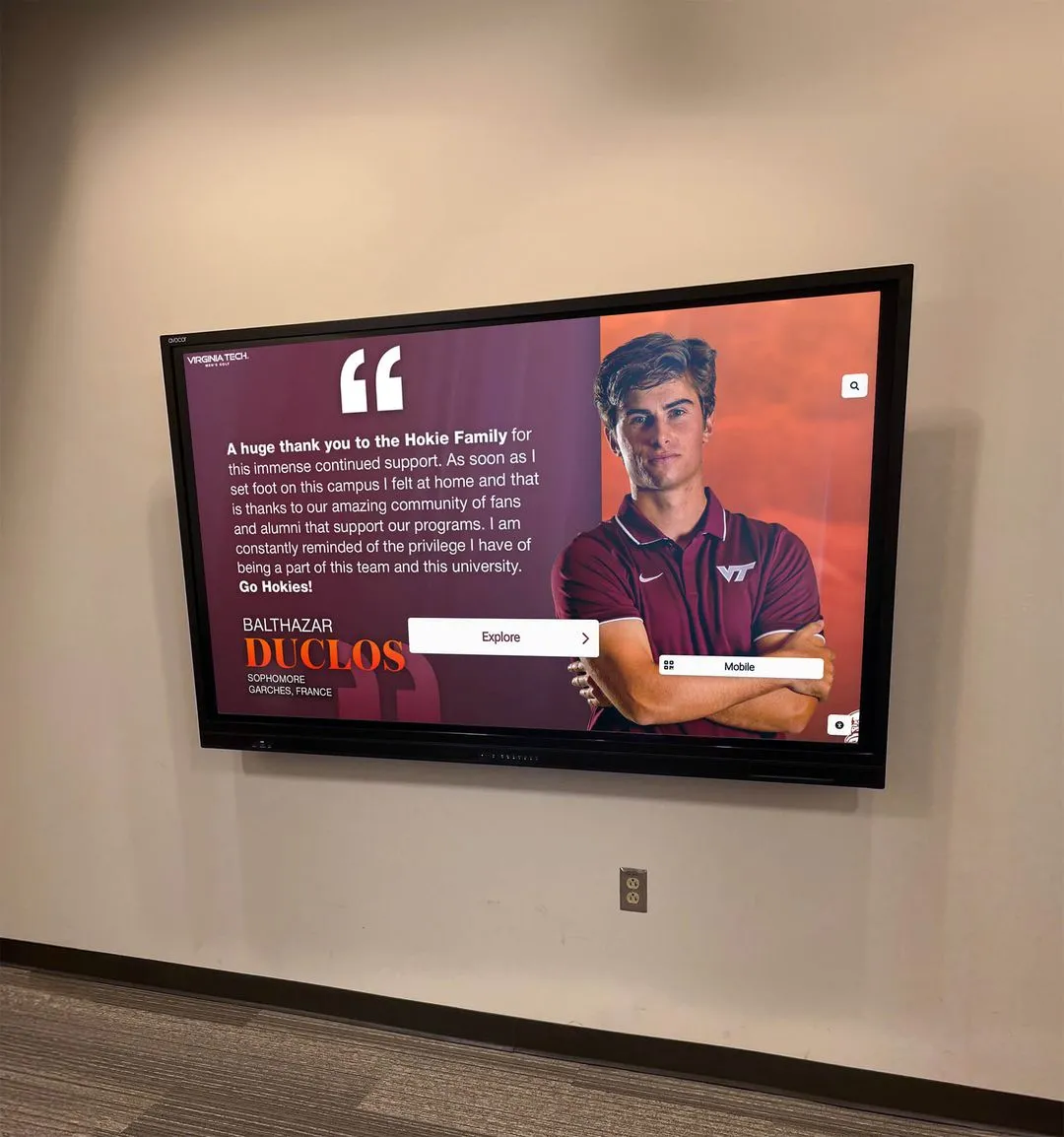
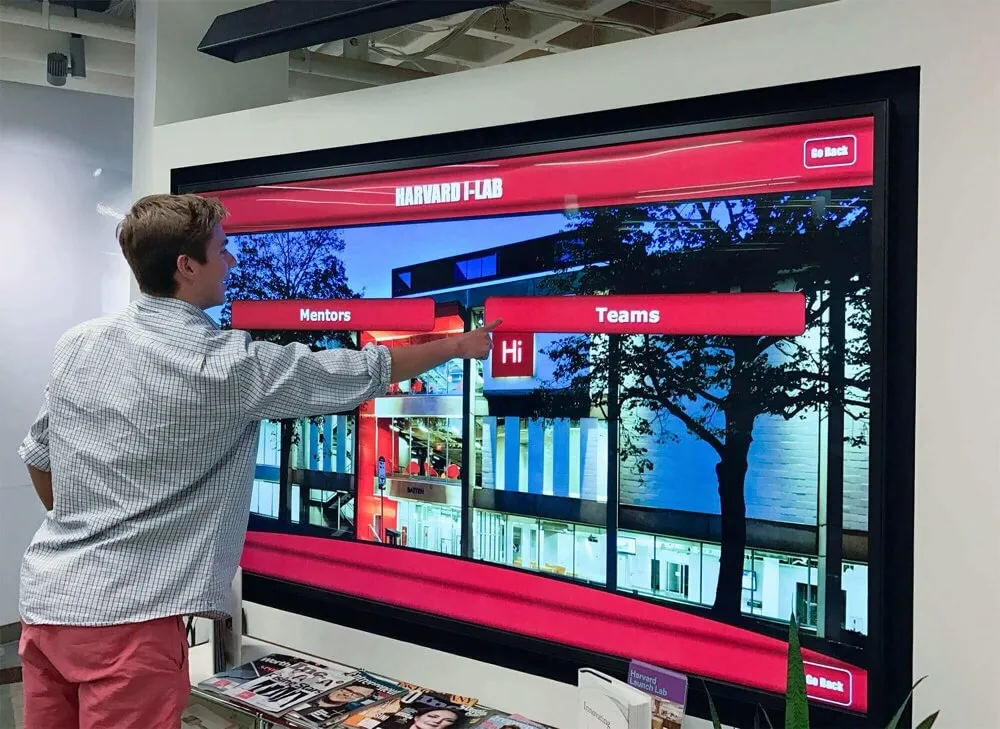
Interactive alumni displays that showcase mentorship programs, team histories, and alumni engagement create a visible bridge between former and current athletes
What Is an Athletic Alumni Mentor Program?
An athletic alumni mentor program is a structured initiative in which former student-athletes are paired with current players—or cohorts of current players—to provide guidance, encouragement, career perspective, and sport-specific wisdom throughout the school year. Unlike informal alumni engagement, a mentor program has defined structure: application or recruitment processes for mentors, matching criteria, expected contact frequency, conversation topics, and program milestones.
At the high school level, programs typically focus on goals like college recruiting preparation, academic balance, leadership development, and building resilience through competitive setbacks. At the collegiate level, alumni mentors address career planning, professional network development, and navigating the transition from student-athlete identity into adult professional life. Both contexts benefit from the same underlying principle: the relationship between a mentor who played this sport at this school and a mentee currently doing the same creates a bond that generic career counseling simply cannot replicate.
According to the National Mentoring Partnership, young people with mentors are 55% more likely to enroll in college and 78% more likely to volunteer regularly in their communities—outcomes that align directly with what athletic programs want for their athletes. When mentors share firsthand athletic experience, those numbers carry even greater relevance for sport-specific goal-setting and post-athletic identity development.
Benefits of Athletic Alumni Mentor Programs
Understanding what programs actually gain helps coaches, athletic directors, and development officers build the case for investing in structured alumni mentorship.
For Current Student-Athletes
Realistic college recruiting guidance: A former athlete who went through the recruiting process at the same position can offer more specific, credible advice than any published guide. They know what film college coaches actually want to see, what questions to ask during visits, and what it actually feels like to choose between programs. Understanding how student-athlete signing day recognition works for committed athletes shows current players what that milestone moment can look like—and alumni mentors help them get there.
Career and life perspective: Athletes who define much of their identity through sport benefit enormously from mentors who have successfully built professional lives while maintaining the values their athletic careers developed. Alumni mentors normalize the transition and provide a roadmap.
Navigating academic demands: Alumni who balanced a demanding athletic schedule with real academic pressure understand the specific time-management, energy-management, and prioritization challenges current student-athletes face. That specific shared experience makes their guidance far more actionable than general academic advising.
Motivation and resilience: Hearing how a mentor handled a serious injury, a lost season, or a recruiting disappointment—and still found success—builds resilience in current athletes that coaches cannot manufacture through practice alone.
For Alumni Mentors
Purposeful reconnection: Many former athletes miss meaningful connection to their sport and school long after graduation. A mentor program gives them a structured, purposeful reason to stay involved rather than hoping alumni events will fill the gap.
Professional identity reinforcement: Research from the Journal of Vocational Behavior consistently shows that mentoring relationships benefit mentors as much as mentees—reinforcing professional identity, clarifying personal values, and generating what scholars call “generativity,” the sense of contributing to the next generation.
Pathway to deeper donor engagement: Alumni who mentor current athletes develop a tangible, ongoing connection to the institution’s present—not just their past. Programs that successfully integrate alumni mentorship with recognition and donor engagement find that mentors give more frequently and at higher levels than alumni who remain unengaged.
For Athletic Programs and Schools
Stronger recruitment narratives: Prospective student-athletes and their families increasingly ask whether a school supports athletes beyond graduation. A functioning alumni mentor program is concrete evidence that the school’s investment in its athletes extends past the final buzzer.
Alumni engagement infrastructure: Alumni who are active mentors attend more events, advocate for the program to prospective recruits, and participate in fundraising at higher rates. An athletic alumni mentor program becomes the connective tissue that holds an alumni relations strategy together.
Recognition and donor display synergy: When mentor relationships are acknowledged publicly—through hall of fame systems, donor walls, or digital recognition displays—alumni mentors feel the full weight of the school’s appreciation. That visible acknowledgment is a powerful driver of sustained involvement.
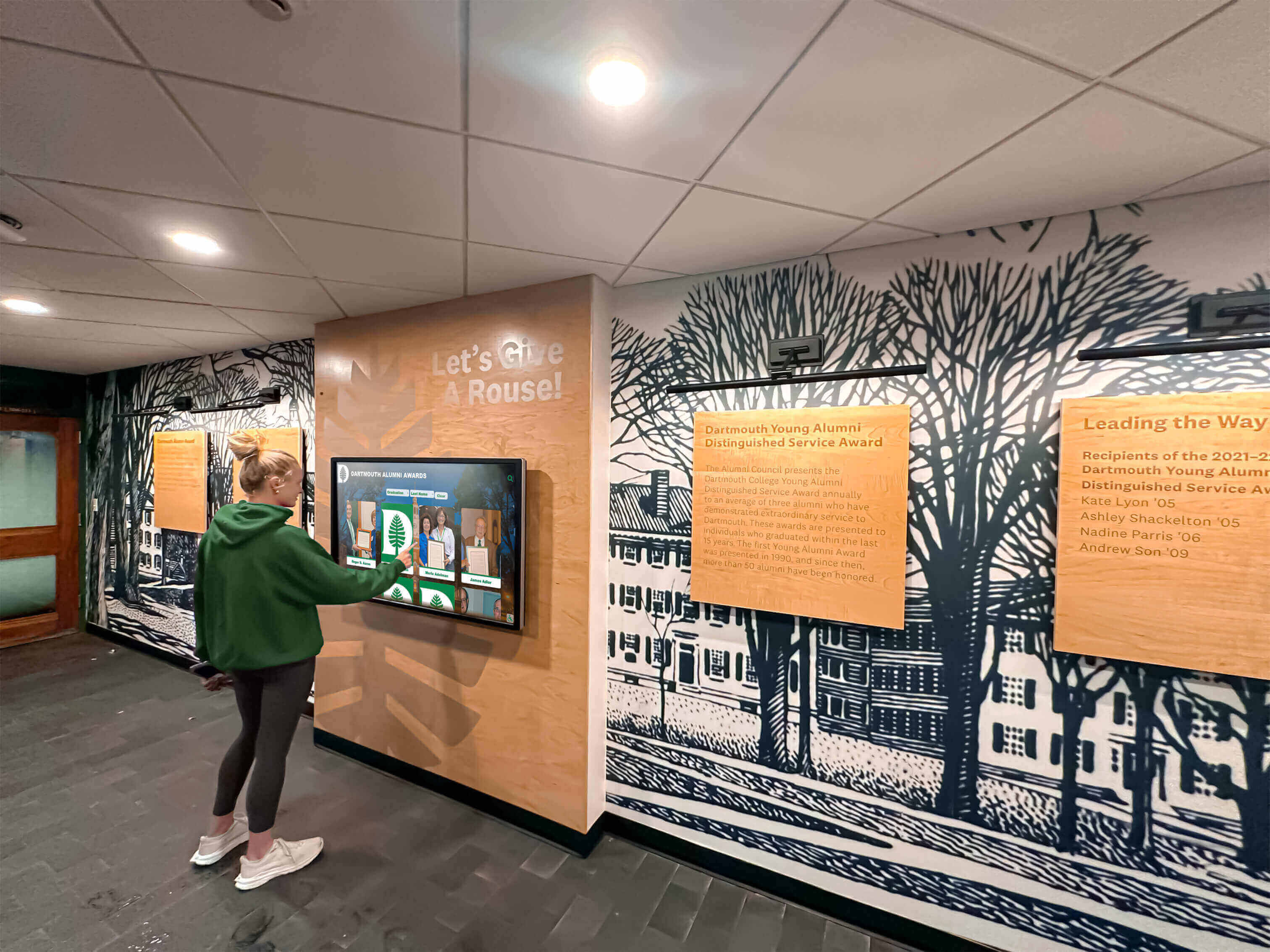
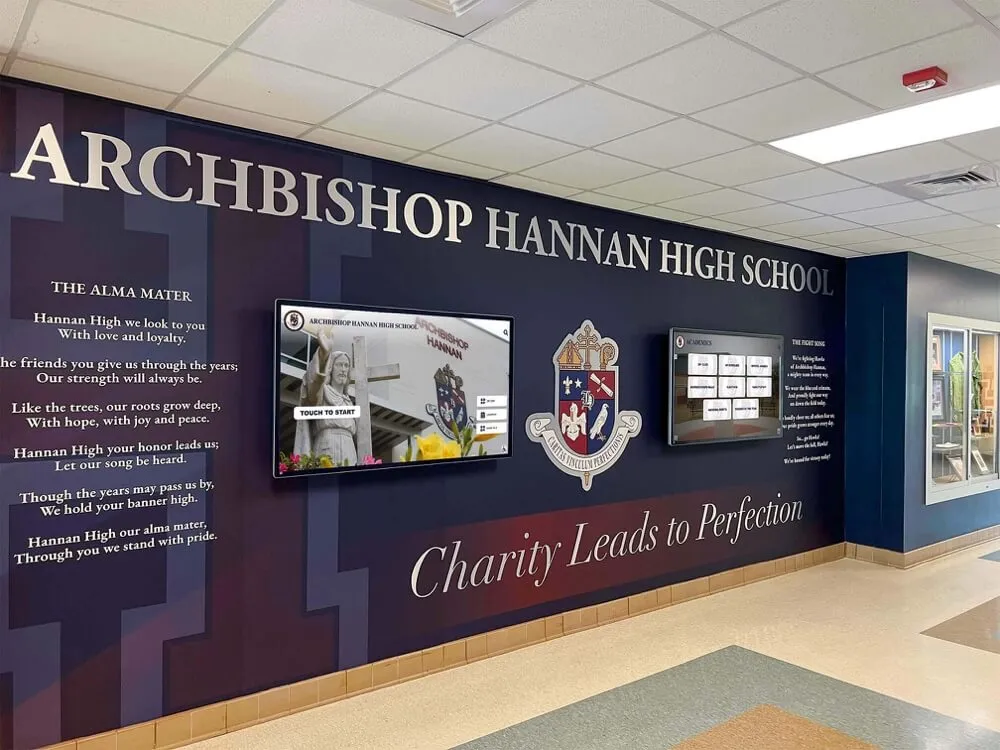
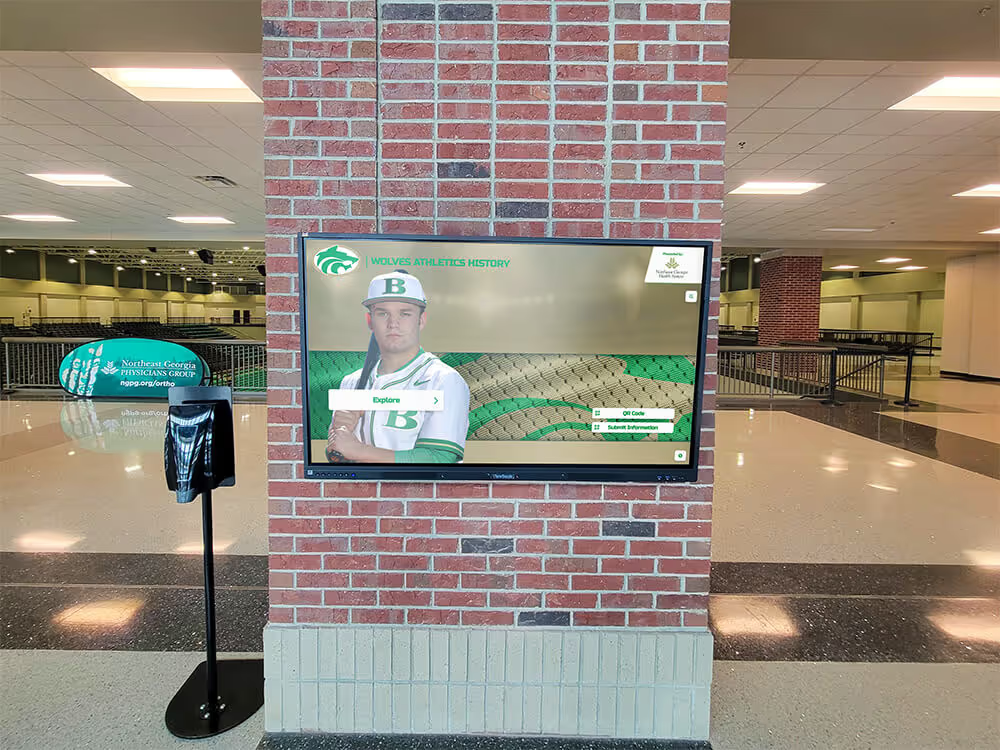
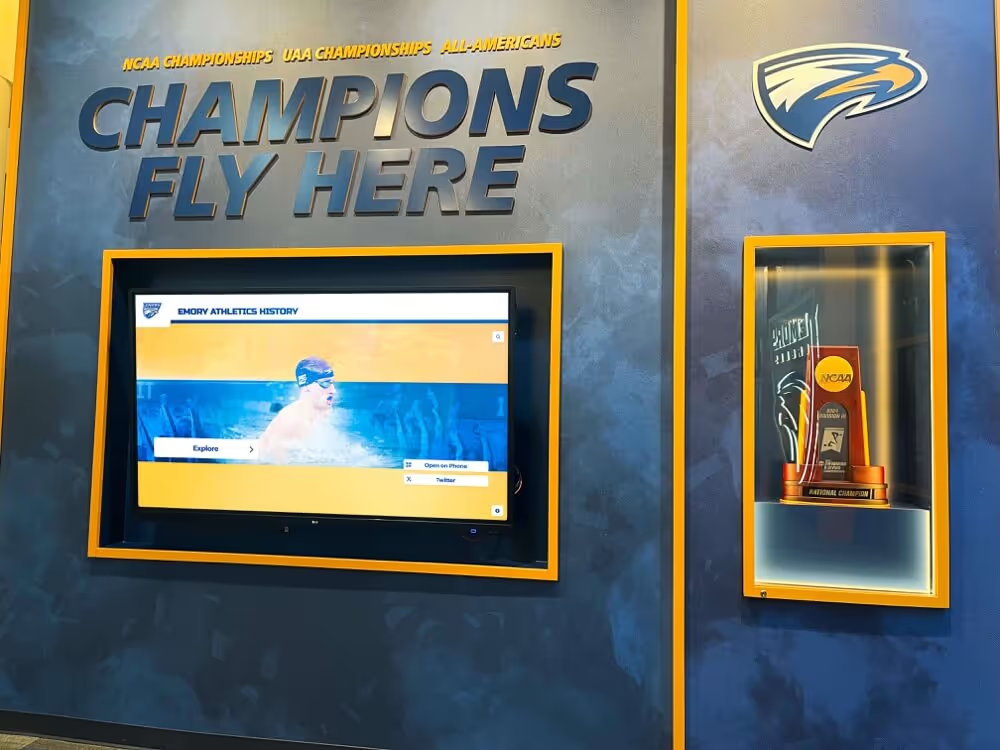
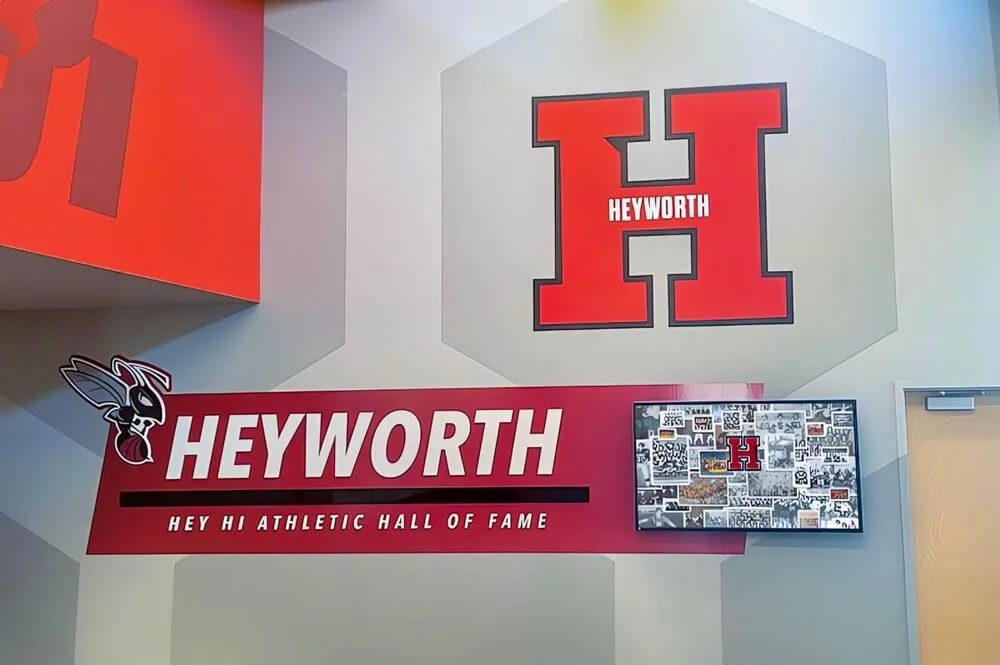
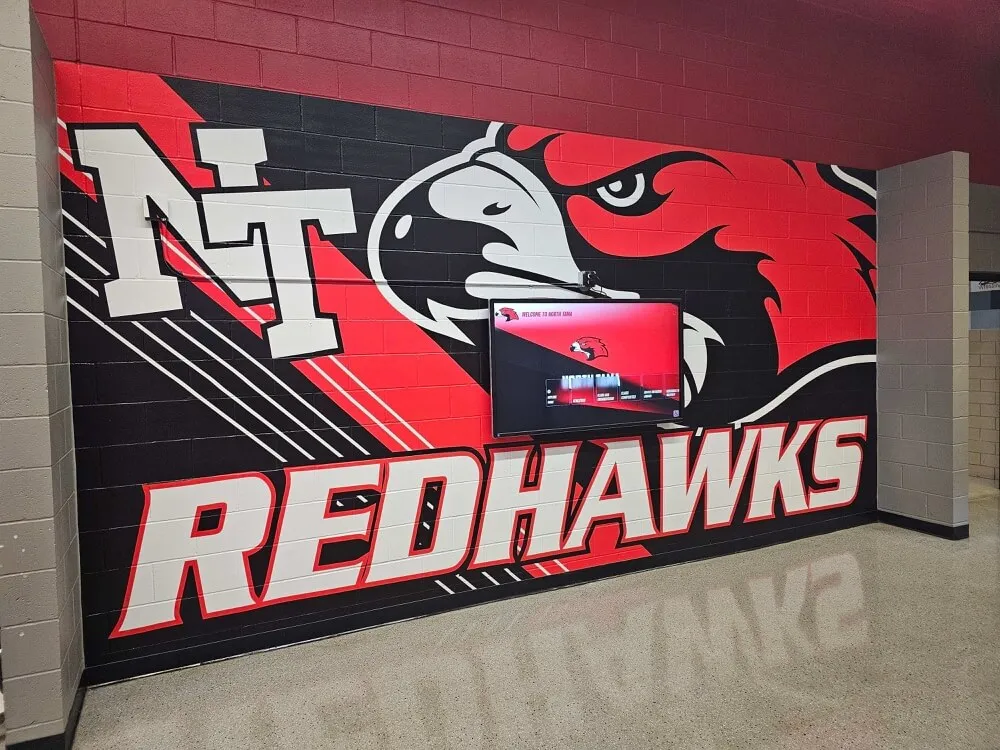
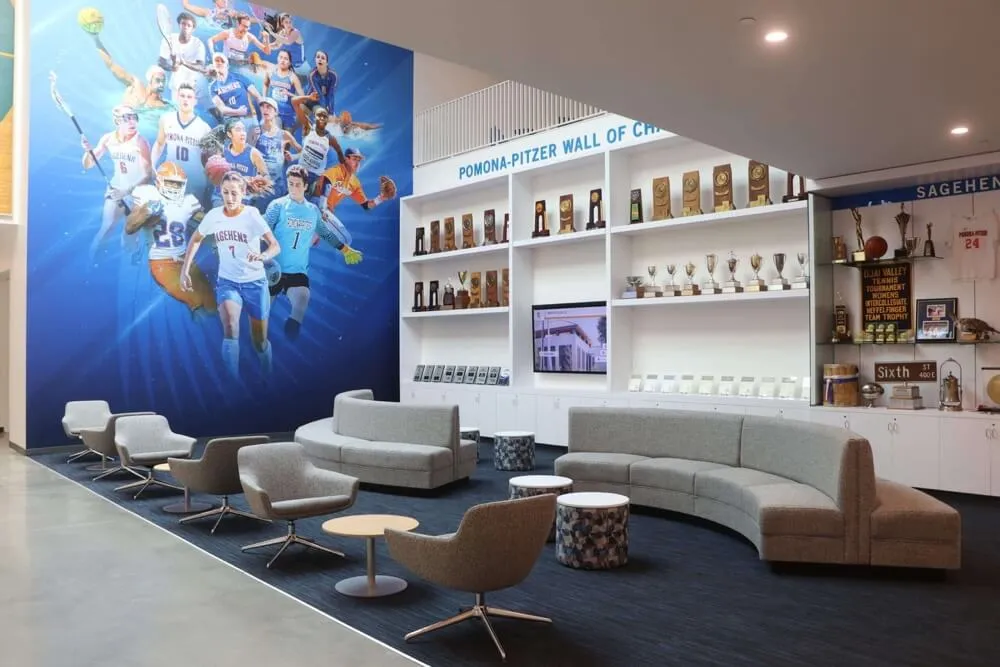
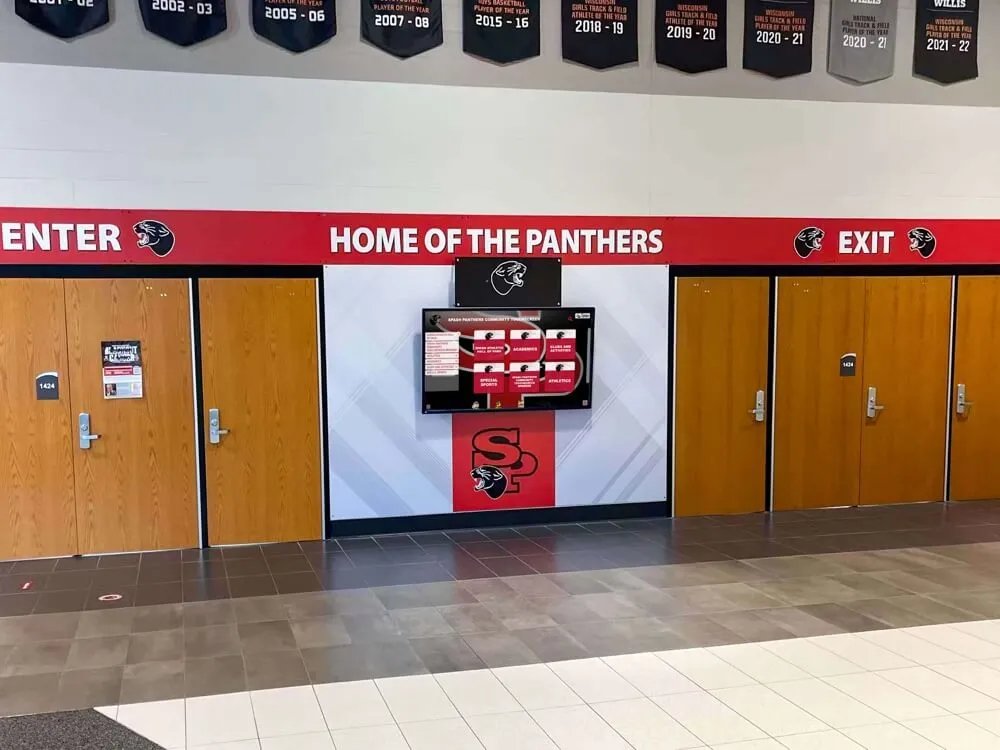
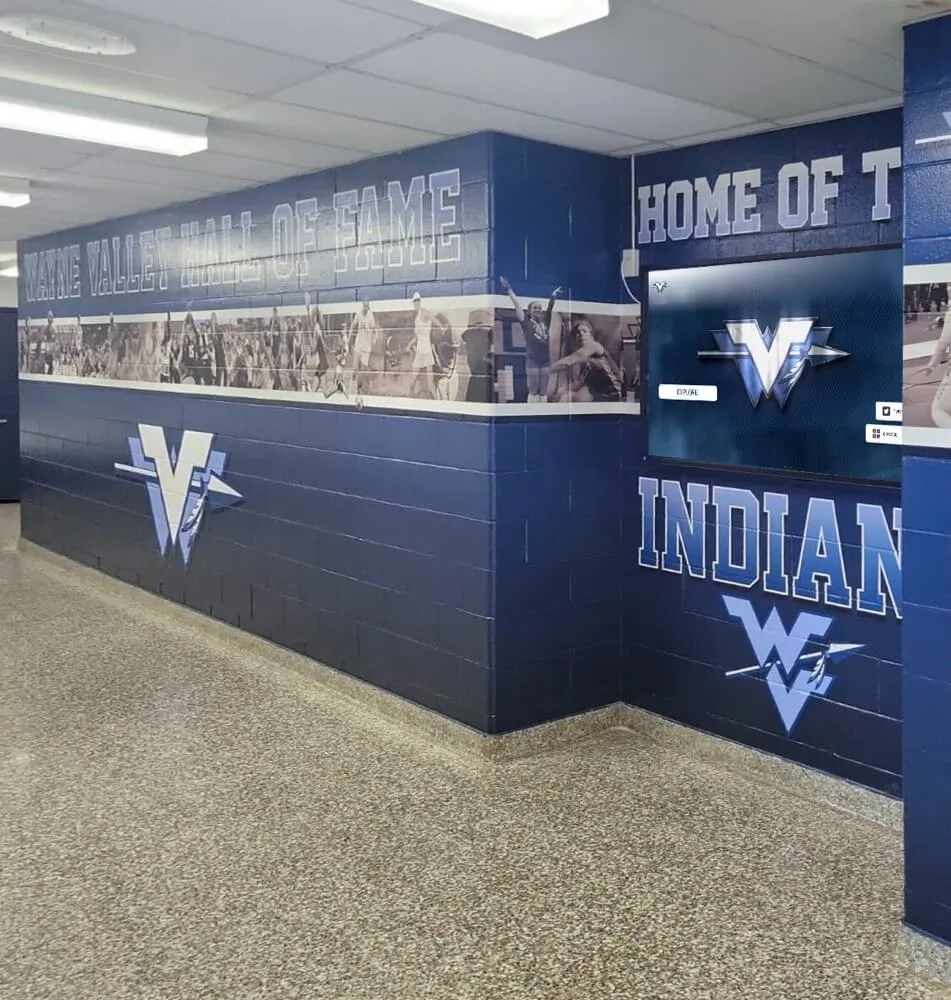
Current student-athletes who can explore alumni mentor profiles on interactive displays develop a sense of the community they are joining rather than leaving
Program Structures That Work
There is no single correct format for an athletic alumni mentor program. The right structure depends on the school’s size, available staff capacity, existing alumni engagement infrastructure, and specific goals for the program. The following models represent proven approaches adaptable to different institutional contexts.
One-on-One Pairing Model
The most intensive format pairs each participating current athlete with a single alumni mentor based on position, sport, graduation year proximity, or career interest alignment. The relationship develops over the course of an academic year or athletic season, with contact frequency guidelines (typically once or twice monthly) and milestone check-ins facilitated by a program coordinator.
This model produces the deepest individual relationships but requires significant coordination capacity. It works best at programs with dedicated alumni relations staff or athletic department administrators able to manage matching, onboarding, and ongoing support for active mentor pairs.
Understanding team captain leadership qualities is particularly useful when selecting which current athletes to involve first—captains and team leaders often benefit most from structured alumni mentorship and model its value effectively for younger teammates.
Group Mentorship Cohort Model
Rather than individual pairs, group cohorts bring small clusters of current athletes together with one or two alumni mentors for regular group sessions. Cohorts might be organized by class year (all junior athletes across sports), by sport (the basketball program’s current juniors and seniors), or by goal (athletes pursuing college recruitment across multiple sports).
This model scales more easily, reduces coordination burden, allows mentors to engage meaningfully despite busy schedules, and creates peer relationships among participating current athletes as a secondary benefit. The group dynamic also produces more honest conversation—athletes are often more candid about challenges when peers are present than in individual meetings.
Sport-Specific Alumni Advisor Panel
Some programs create formal advisory panels of three to five alumni per sport team who serve collectively as resource contacts for current coaches, captains, and players. Rather than paired mentoring relationships, the panel functions as an accessible knowledge network: players can request connections, coaches can invite panelists to practices or meetings, and advisors can attend key games and events as recognized program stakeholders.
This structure works well for larger programs with extensive alumni networks and for sports that have historically maintained strong alumni engagement through reunion games or banquets. It requires less individual commitment from each alumnus, making it easier to recruit busy professionals with meaningful athletic pedigrees.
Multi-Sport Alumni Engagement Series
Schools that want to launch quickly without extensive infrastructure often begin with an alumni engagement series rather than a formal mentor program—scheduling quarterly events where alumni from across sports meet with current athletes in structured small-group conversations. Topics rotate: recruiting preparation, academic balance, career planning, leadership under pressure.
These events build the relationships and alumni buy-in needed to eventually formalize into a full mentor program, while delivering immediate value. A well-designed multi-sport athletic calendar helps schools identify natural anchor points in the year when engagement series events will attract the most alumni participation.
Recruiting and Onboarding Alumni Mentors
The quality of an athletic alumni mentor program depends entirely on the alumni it attracts. Recruiting the right mentors—and preparing them adequately for the role—determines whether the program becomes a genuine asset or a well-intentioned initiative that fades after the first year.
Identifying Strong Mentor Candidates
The most effective athletic mentors typically share several characteristics:
Successful post-athletic careers: Alumni whose professional lives demonstrate that athletic skills—discipline, resilience, teamwork, competitive drive—translate into career achievement are the most credible and inspiring mentors. Their success stories are living proof of the value athletes have internalized.
Maintained school connection: Former athletes who still attend games, follow the program, or stay in touch with coaches tend to make more reliable, enthusiastic mentors than those who have entirely disengaged. Their ongoing interest signals genuine care for the program’s present.
Positive team experiences: Alumni who left the program on positive terms and who speak authentically about their experience—including difficult moments—model the mature reflection that makes mentorship genuinely useful rather than purely nostalgic.
Availability: The best mentors are those who can realistically fulfill the program’s contact expectations. A highly accomplished alumnus who can never make time for calls is less valuable than a less prominent graduate who shows up consistently.
Outreach through athletic department alumni records, hall of fame lists, and booster club networks identifies initial candidates. Many programs find strong traction by reaching out to alumni featured in existing recognition displays—former athletes who are already symbolically elevated within the program’s public history often respond eagerly to invitations that activate that recognition into meaningful current involvement.
Onboarding That Sets Up Success
Alumni who agree to mentor need clear expectations and basic preparation before their first interaction with a student-athlete. Effective onboarding includes:
- A concise written overview of program goals, expected time commitment, and contact guidelines
- Sample conversation frameworks for common topics (recruiting, academic stress, managing setbacks)
- Information about current team dynamics, coaching staff, and any relevant program context
- Resources for appropriate boundaries in mentor-mentee relationships
- A designated staff contact for questions or concerns during the mentoring year
Onboarding that respects mentors’ time while giving them genuine preparation increases completion rates—the percentage of mentors who actively fulfill their full-year commitment rather than trailing off after the first meeting.
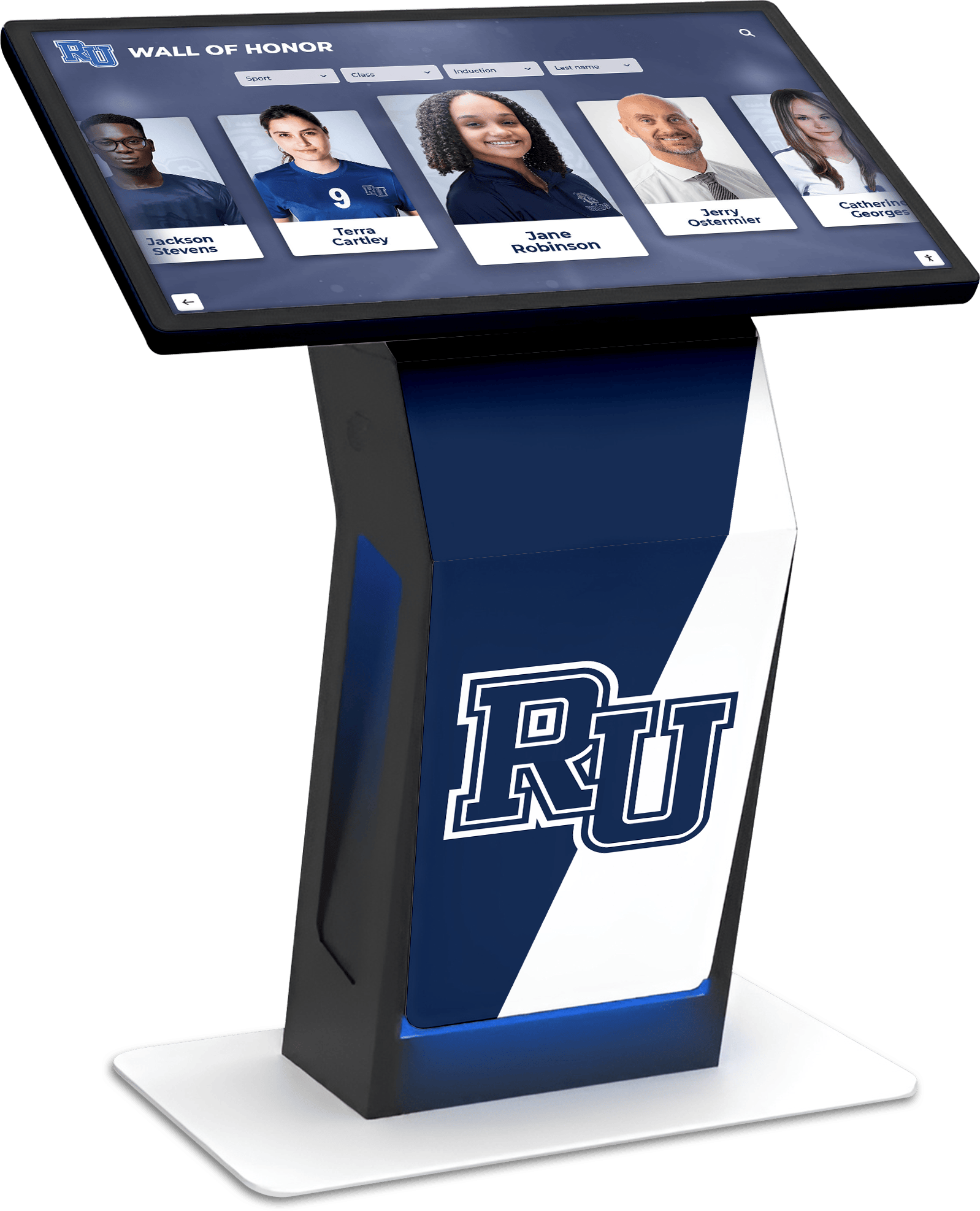
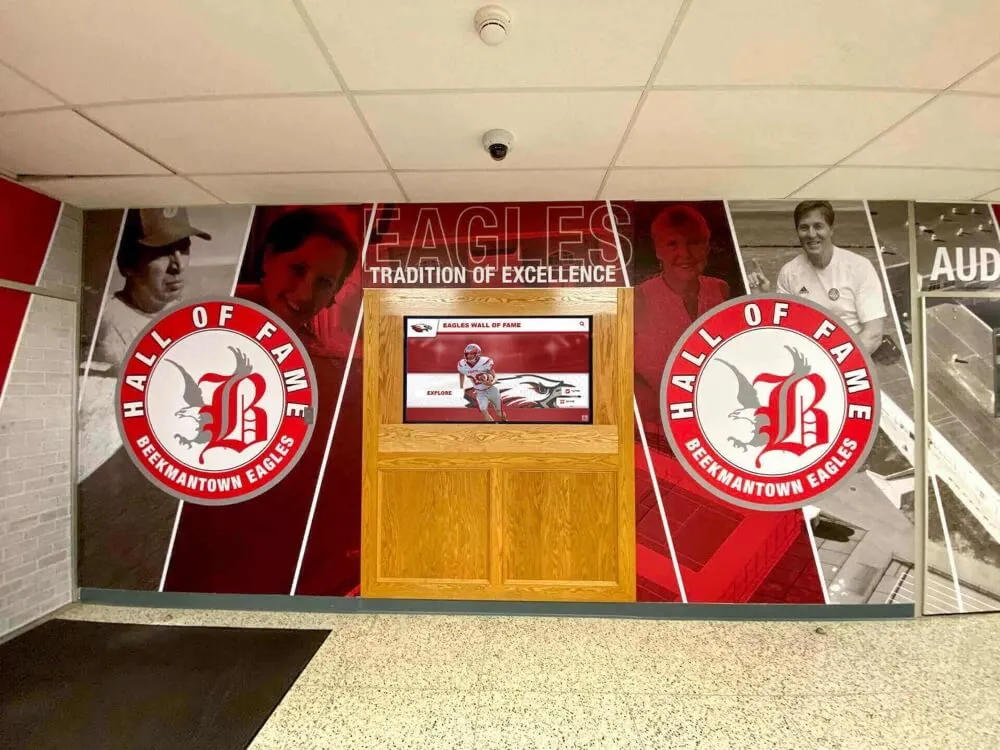
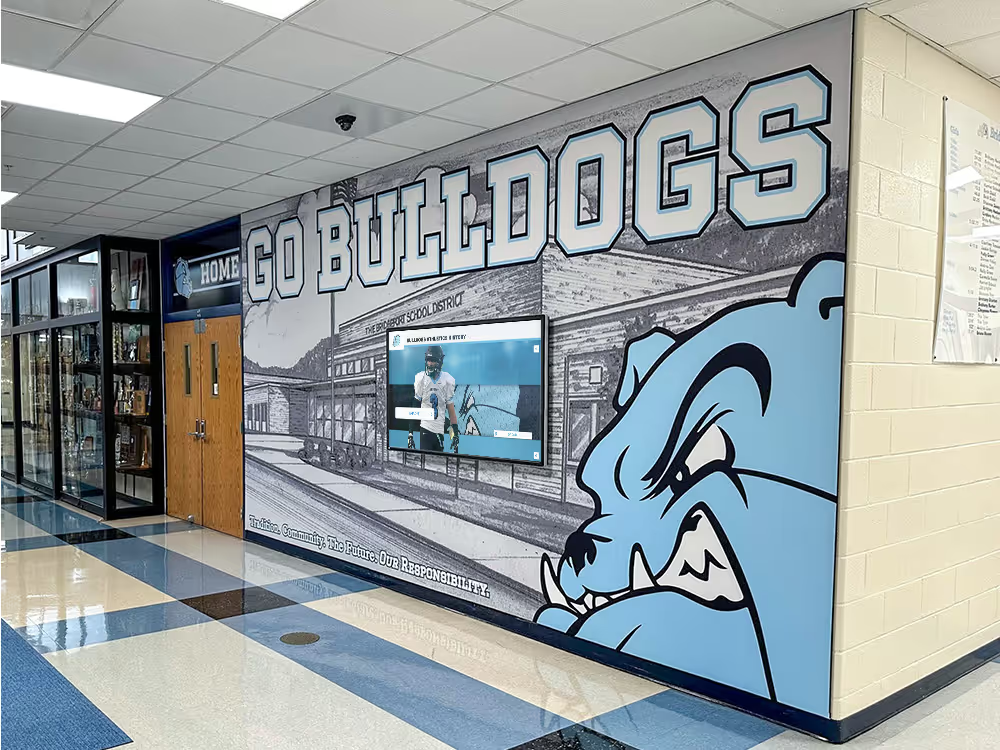
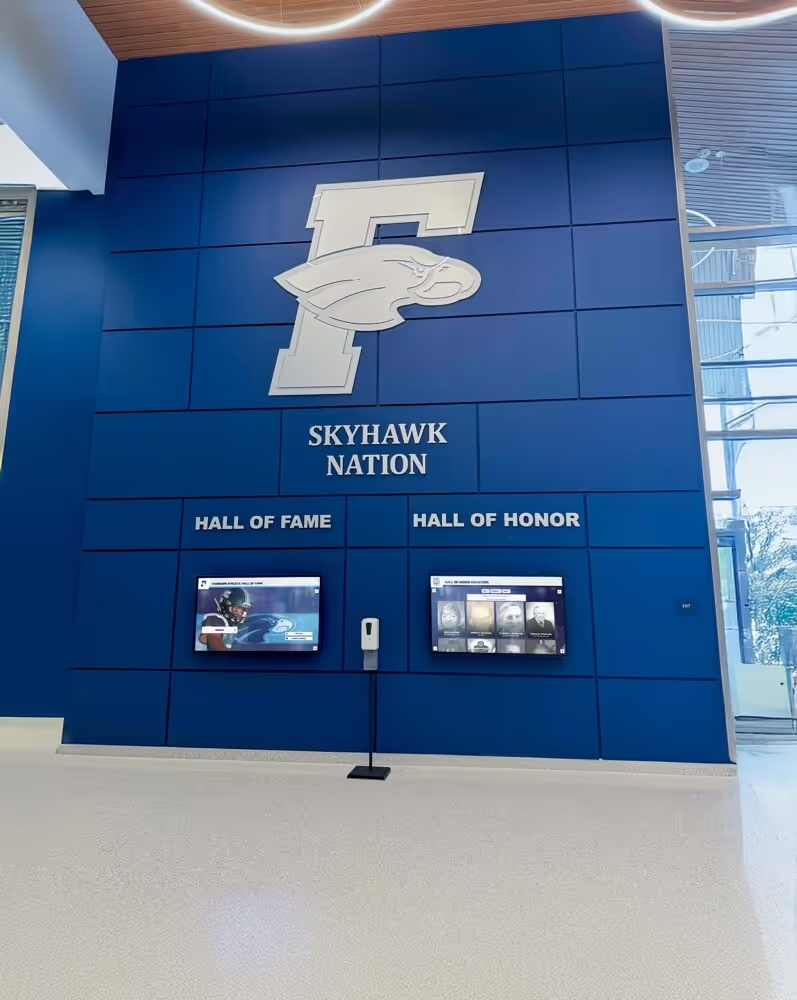
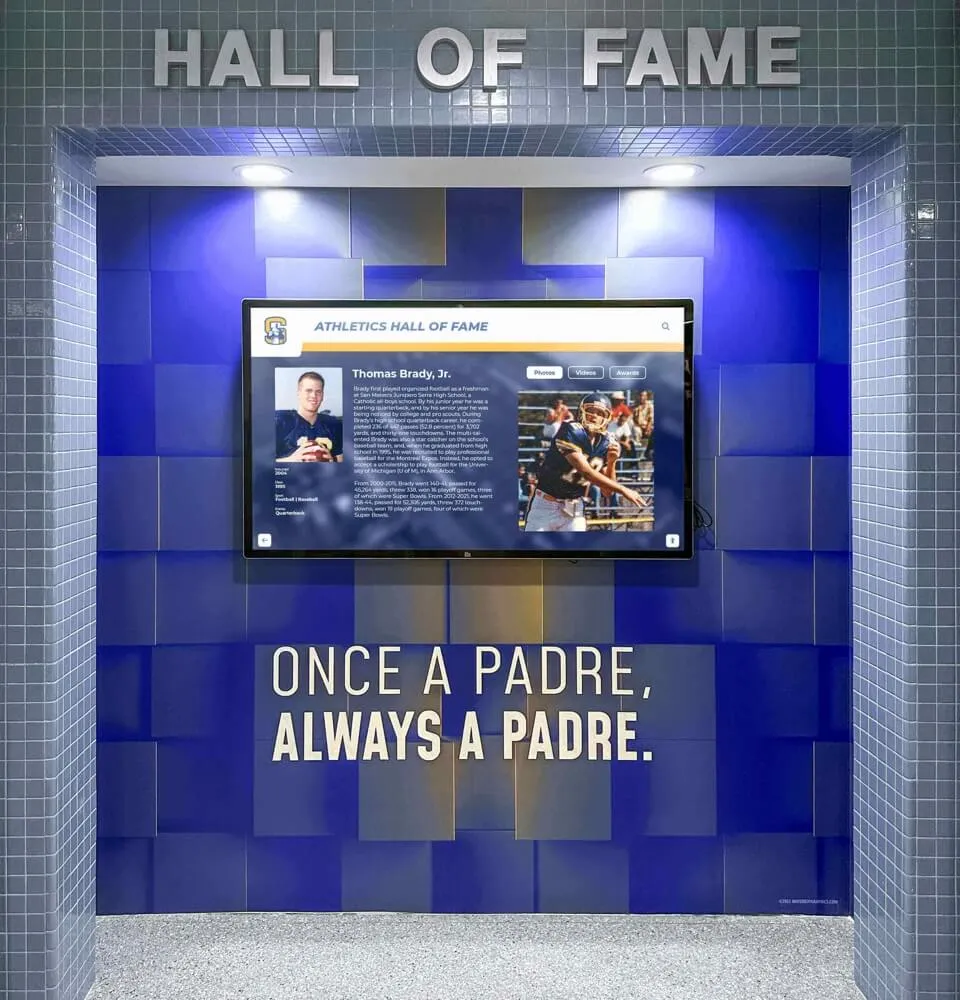
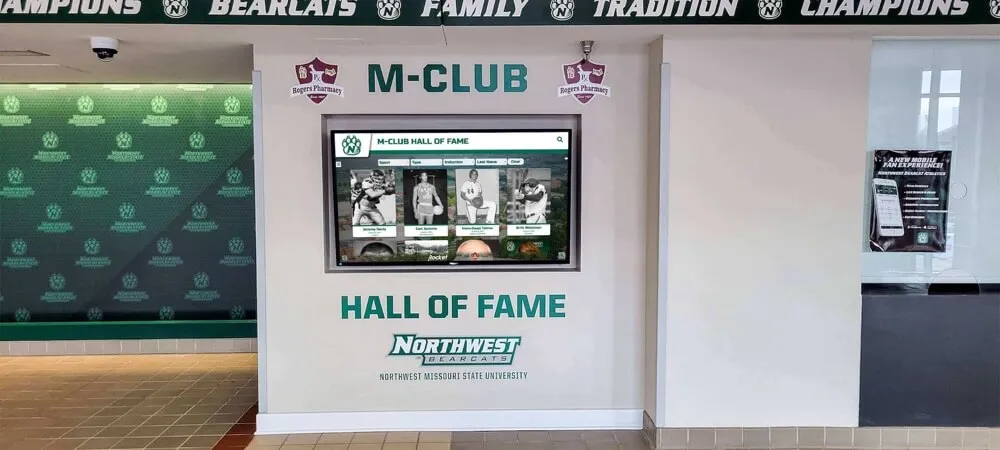
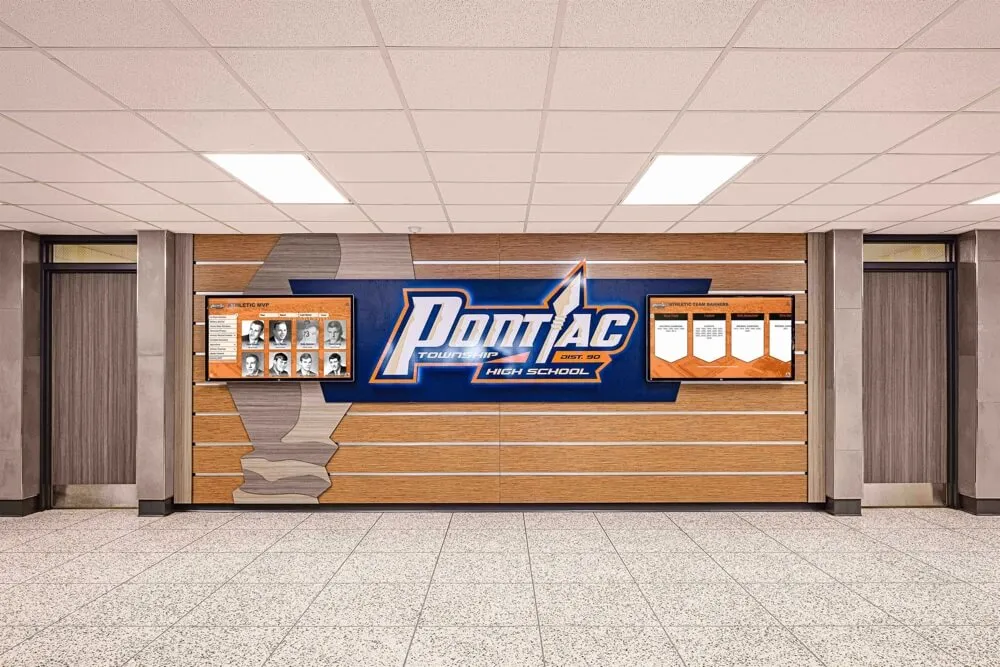
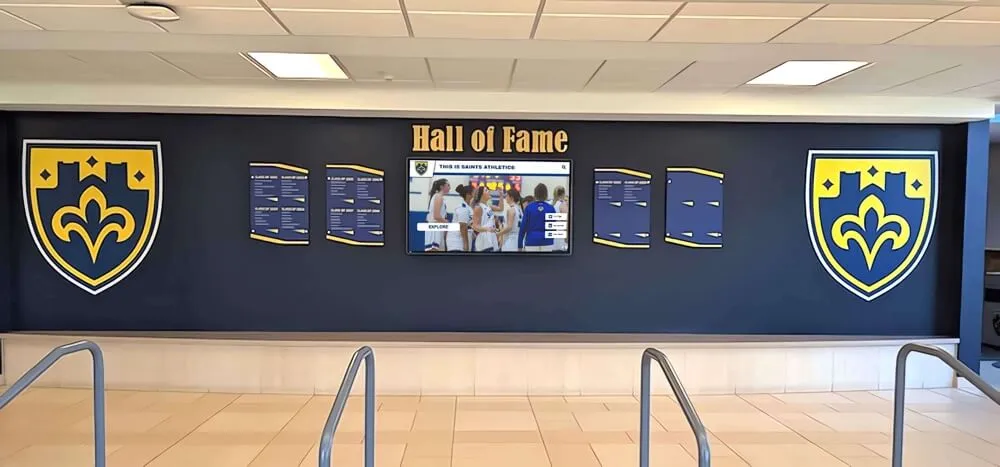
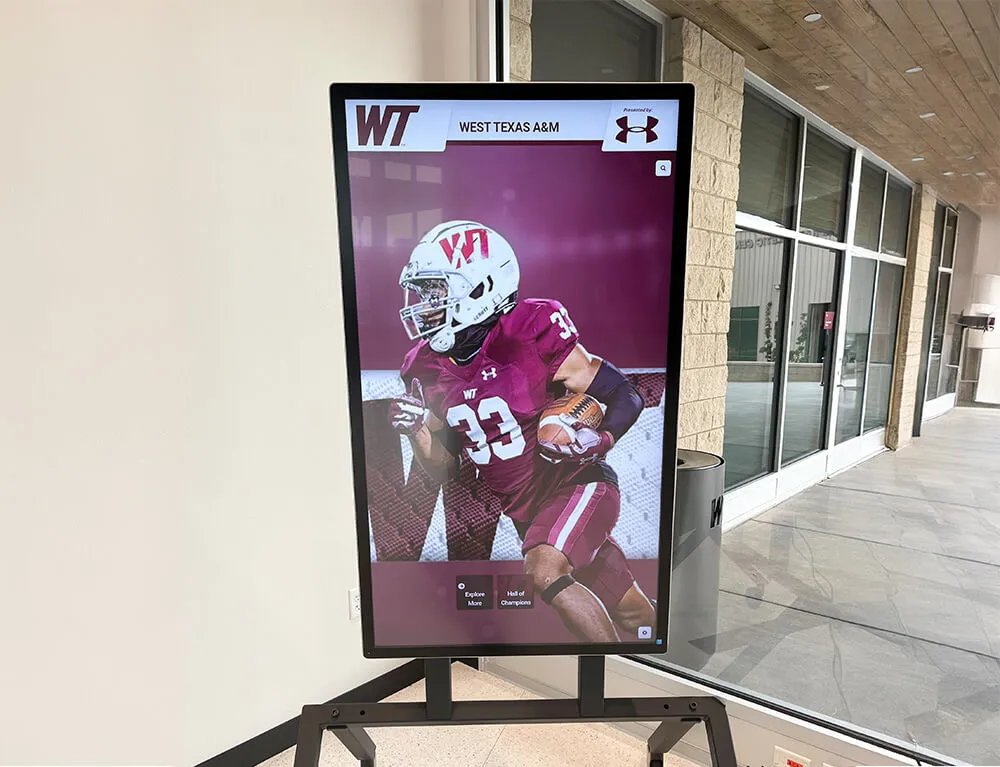
Interactive recognition kiosks that display alumni mentor profiles alongside athlete achievements create physical proof of the generational continuity mentor programs build
Matching Mentors with Student-Athletes
Matching is the most consequential operational decision in a mentor program. Poor matches produce low engagement and eventual disengagement; strong matches create relationships that outlast the formal program and generate meaningful alumni loyalty.
Effective Matching Criteria
Sport and position alignment: A former starting goalkeeper mentoring a current goalkeeper creates instant common ground. Where possible, position-level matching accelerates trust-building and conversation depth.
Career and interest alignment: Current athletes with defined professional interests—engineering, finance, education, healthcare—benefit from matches with alumni in those fields who also played the same sport. The dual connection produces unusually engaged mentorship relationships.
Communication style and availability: Mentors and mentees who prefer asynchronous communication (text, email) over regular video calls should be matched accordingly. Forcing incompatible communication styles onto a pair reduces contact frequency and undermines the relationship.
Graduation era proximity: For topics like recruiting changes or academic environment evolution, matching mentors who graduated within the last ten years with underclassmen produces more immediately applicable advice. For longer-term life perspective conversations, more senior alumni provide distinct value.
Program Activity Ideas
The specific activities that bring athletic alumni mentor programs to life determine whether they feel alive or obligatory. The following ideas are drawn from programs that sustain strong mentor-mentee engagement year over year.
Structured Conversations and Virtual Meetups
Monthly one-on-one or small-group conversations focused on specific themes—recruiting timeline, season preparation, academic planning for the coming semester—give both mentors and mentees a concrete focus that prevents meetings from becoming vague catch-ups.
Virtual formats (video calls, phone calls) have dramatically expanded the geographic pool of available mentors. Alumni who relocated after graduation can now mentor effectively without requiring in-person commitments.
Behind-the-Scenes Program Access
Inviting alumni mentors to attend a practice, participate in a film session, or join a team meal connects them to the current program in visceral ways that phone calls cannot replicate. These moments often produce the most memorable interactions for both mentors and mentees—the former athlete steps back into an environment that shaped them, and the current player sees their mentor’s genuine love for the game.
Joint Community Service Projects
Pairing alumni mentors with their mentees for community service—youth sports clinics, school volunteering, or local charity events organized under the athletic program’s banner—builds relationship depth outside the performance context. Athletes who serve alongside alumni mentors report stronger connections and describe the experiences as among the most memorable of their high school or college athletic careers.
Career Shadow and Site Visit Days
For programs with strong professional networks among their alumni base, organizing site visit or career shadow days—where mentees spend a day observing a mentor at work—provides career development value that no classroom curriculum can approximate. These experiences are particularly powerful for first-generation college students who lack broad exposure to professional environments.
Recognition Events that Honor Mentors Publicly
Perhaps the most underused engagement activity in athletic alumni mentor programs is formal public recognition of mentors themselves. Alumni who invest time in mentoring current athletes deserve acknowledgment that goes beyond a thank-you email. End-of-season recognition events, inclusion in program materials, and visibility in the school’s recognition infrastructure communicate that the institution values the mentor’s contribution as a meaningful form of service—not merely a favor.
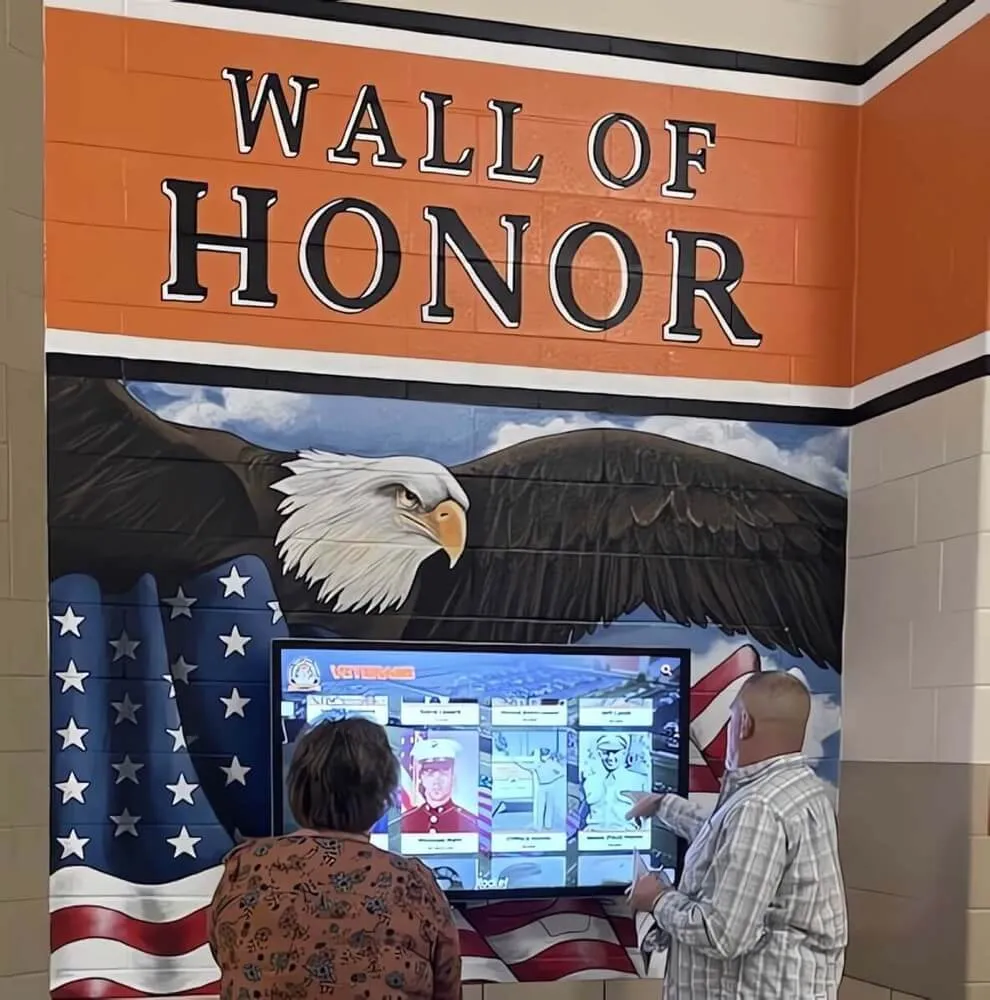
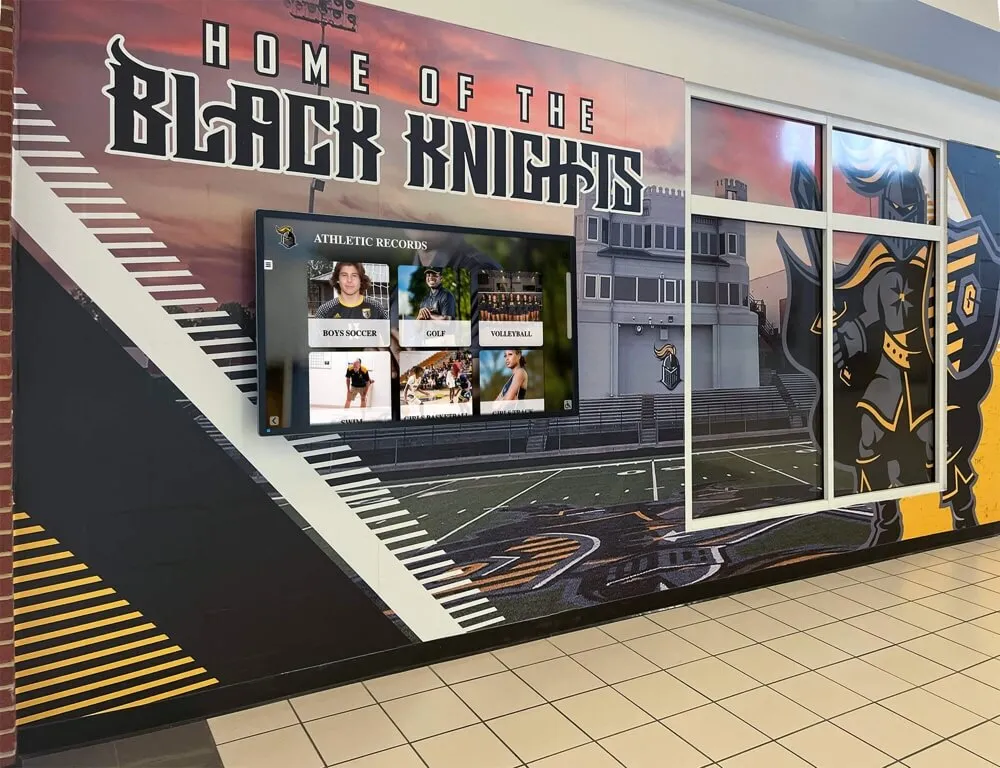
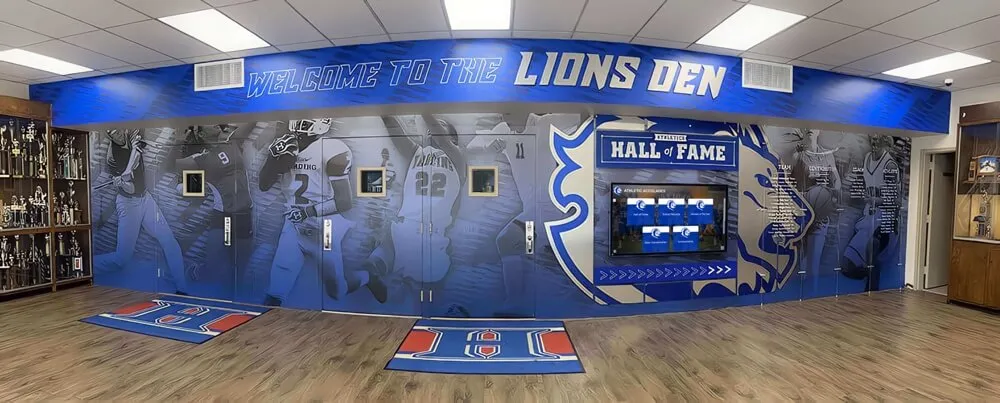
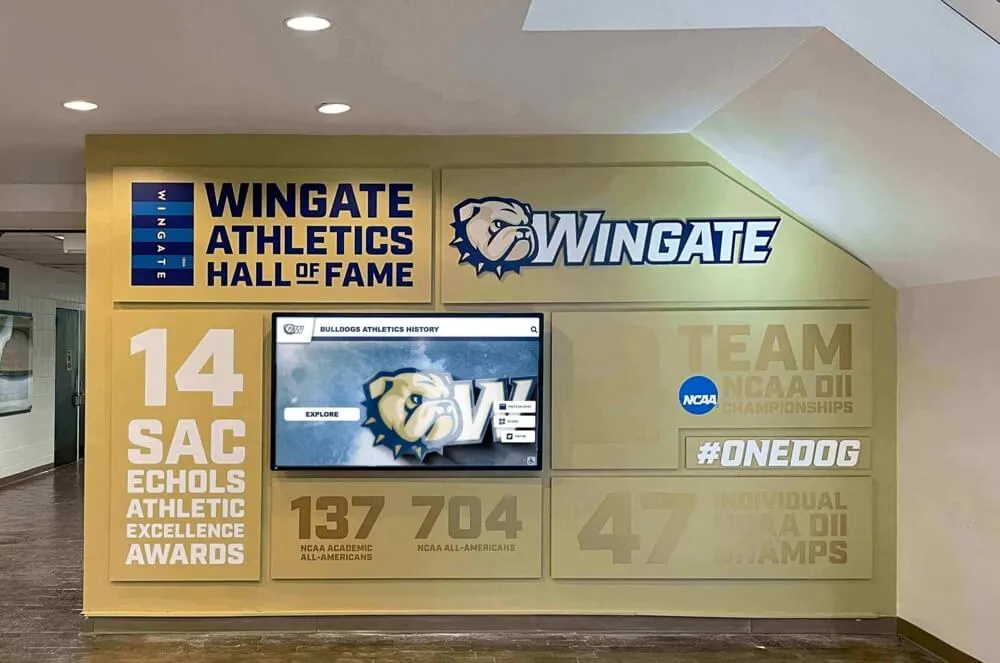
Formal recognition installations that include alumni mentor profiles alongside athletic achievers create visible evidence of the program's generational continuity
Recognition and Retention: Keeping Mentors Engaged Year After Year
The sustainability problem every mentor program faces is retention: alumni who mentor enthusiastically in year one may disengage in year two if they don’t feel their contribution has been meaningfully acknowledged. Intentional recognition strategies address this directly.
Varsity Letter Archiving and History Displays
Programs that have digitized varsity letter traditions and athletic archives create a foundation that alumni mentors return to and share with pride. When a mentor’s letter, records, or team photos are accessible in a permanent digital display, their physical presence in the program’s ongoing story deepens the emotional connection that sustains long-term involvement.
Digital Hall of Fame Integration
Programs that feature alumni mentors within their digital hall of fame or recognition wall systems—not just as former athletes but explicitly as current program contributors—communicate institutional respect in the most visible way possible. Schools that have adopted recognition solutions that build community belonging find that alumni engagement initiatives like mentor programs become dramatically more sustainable when physical recognition infrastructure reinforces the school’s appreciation.
Interactive touchscreen systems built by platforms like Rocket Alumni Solutions make it possible to display mentor profiles alongside athlete records, creating a seamless visual story of the generations connected through the program. Mentors who see their own profile—positioned alongside the athletes they mentored—on a touchscreen in the lobby where they once played feel a permanence of recognition that a digital thank-you email cannot match.
Annual Mentor Appreciation Events
Dedicating a specific event each year to recognizing mentors—with formal acknowledgment, brief video tributes, or inclusion in an athletic awards ceremony—creates a milestone that mentors look forward to and that recruits new mentors by modeling what program appreciation looks like. These events also provide natural opportunities to refresh the mentor pool, retire departing mentors with genuine gratitude, and welcome incoming volunteers publicly.
Dual Recognition: Athletic Achievers and Program Contributors
Some of the most effective programs create dual recognition systems that honor both athletic achievement and program contribution within the same physical or digital space. A mentor who gave three years to guiding current athletes through recruiting and life transitions belongs in a program’s recognition infrastructure with the same permanence as a record-setting athlete. When schools make that statement physically—through display, through ceremony, through institutional communications—mentor retention rates reflect it.
Facility Recognition and Naming
Schools that have developed memorial gym naming programs and facility tribute strategies can integrate alumni mentor contributions into the broader donor and alumni recognition ecosystem. An alumnus who has both mentored athletes and given philanthropically to the program deserves acknowledgment that captures the full scope of their relationship with the institution.

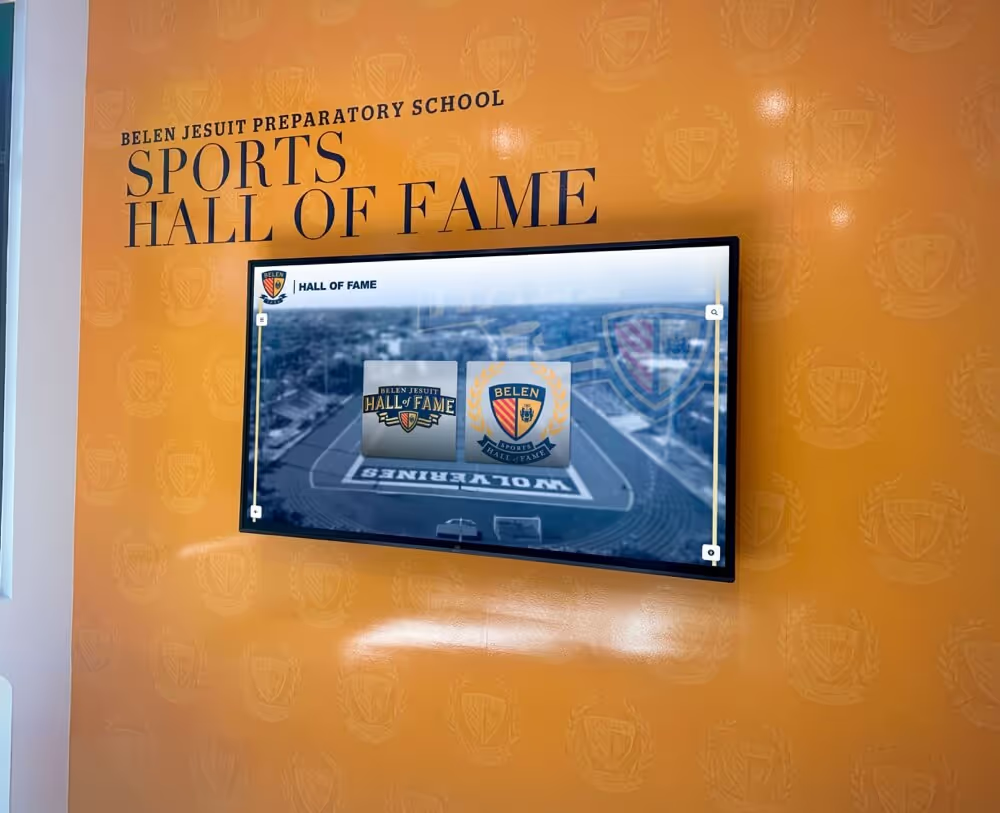
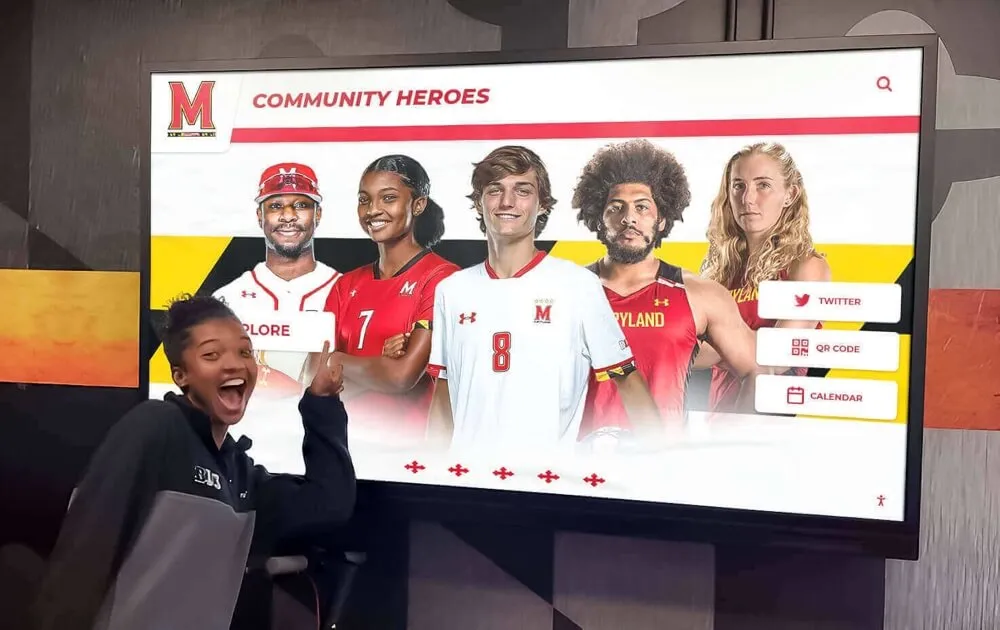
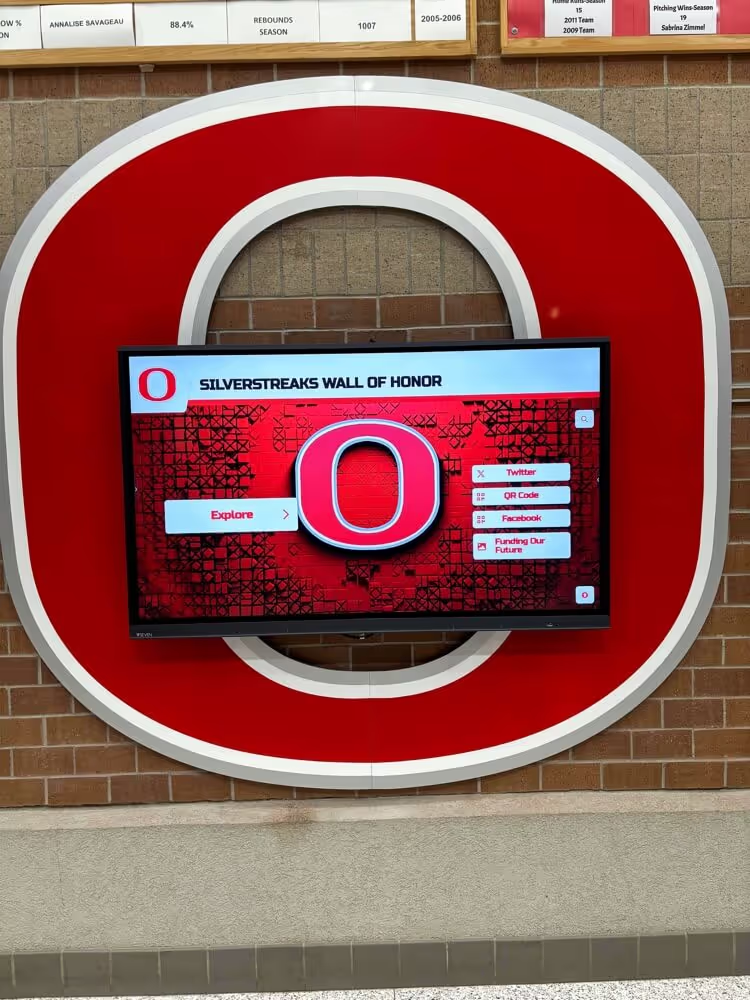
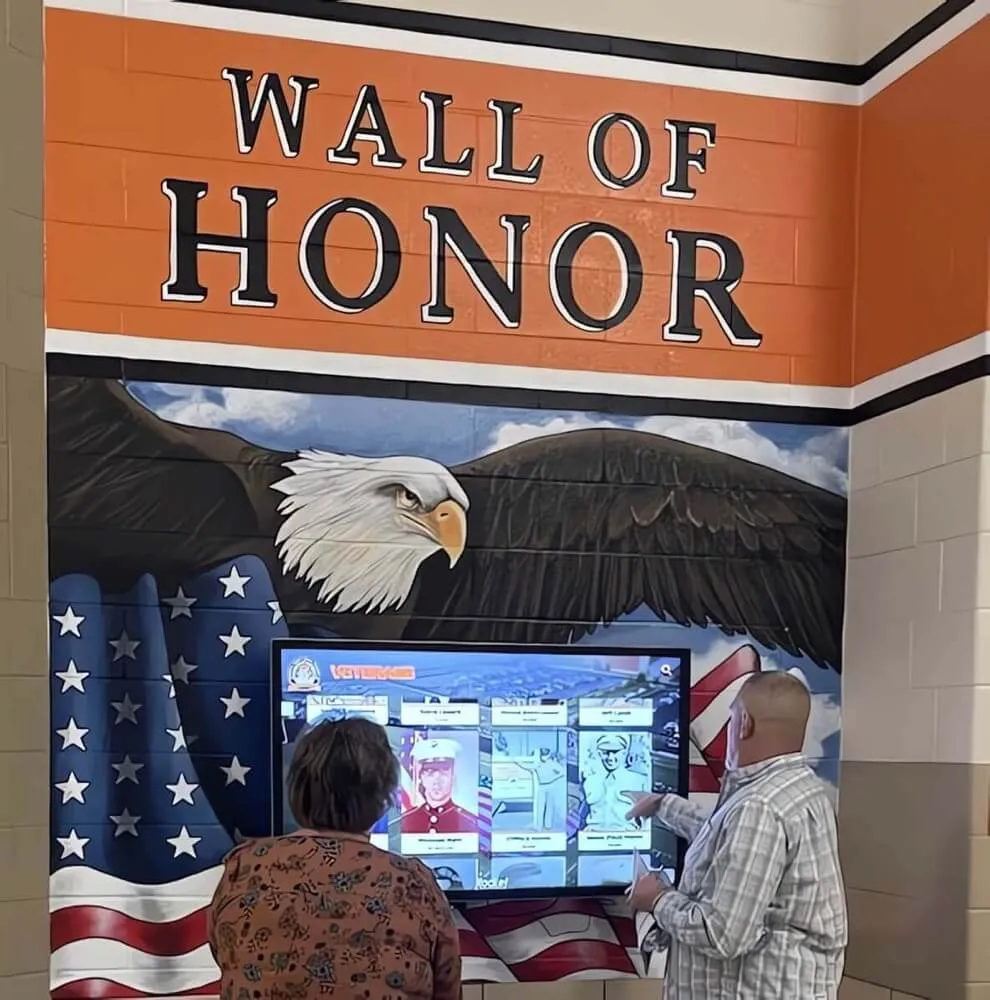
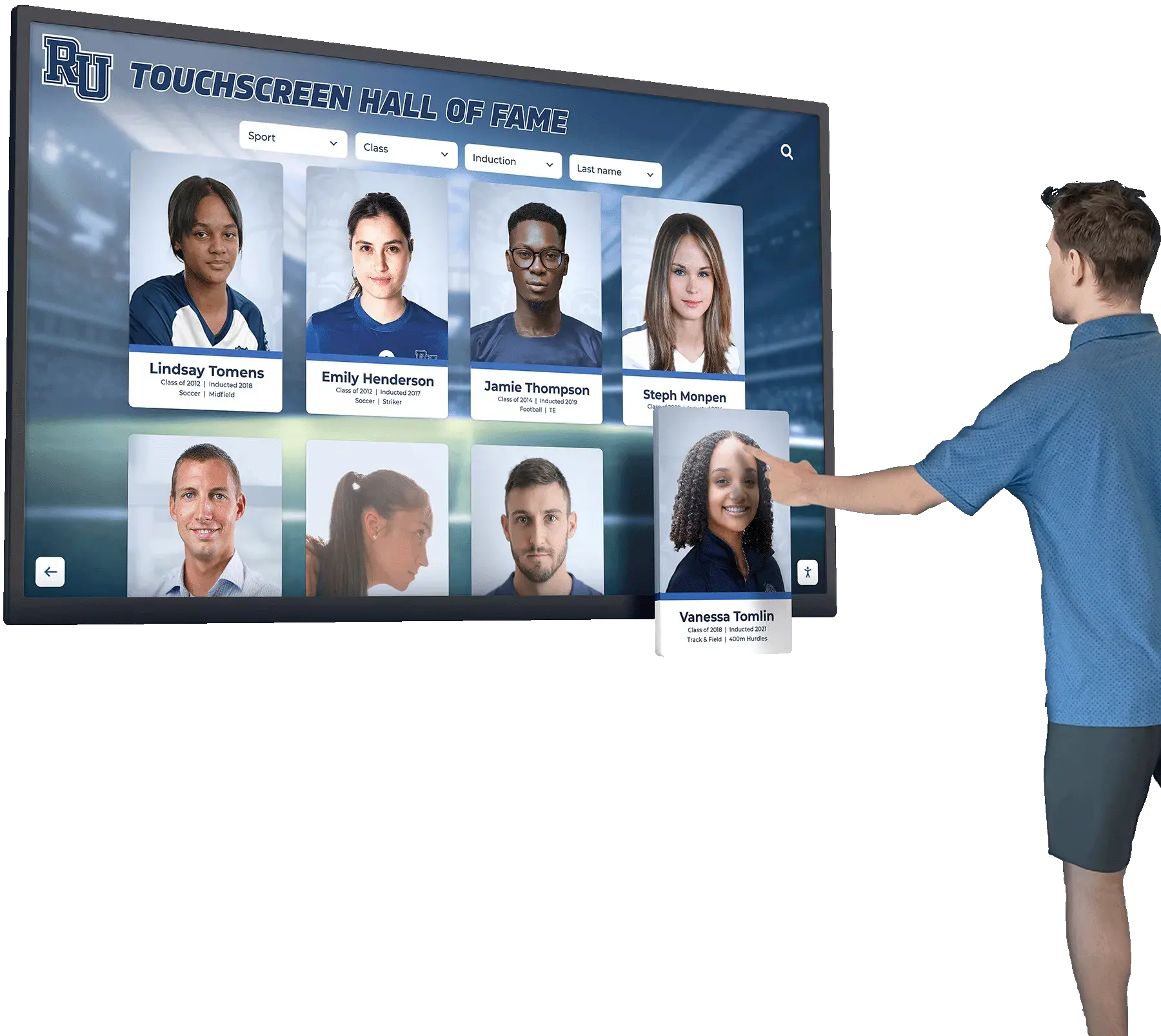
Digital recognition systems that let visitors select individual athlete profiles create personalized recognition experiences that athletic alumni mentors can share with their mentees
Connecting Mentor Programs to Donor Recognition
Athletic alumni mentor programs and donor recognition strategies share a common foundation: the goal of making former athletes feel genuinely valued and continuously connected to the institution. Programs that successfully integrate these two streams—treating mentors as a distinct category of program contributor worthy of recognition alongside donors and hall of fame inductees—unlock a powerful synergy.
Alumni who mentor current athletes are prime candidates for deeper philanthropic engagement. Research from CASE (the Council for Advancement and Support of Education) consistently shows that alumni who volunteer in some capacity—including as mentors—give at rates 2–3 times higher than alumni who remain unengaged. The mentoring relationship itself, by building ongoing personal investment in the program’s current success, creates the emotional foundation that charitable giving requires.
Schools with strong student recognition infrastructure can extend that infrastructure to honor alumni mentors alongside current achievers, creating a visible continuum between what students accomplish and what alumni contribute that reinforces both athletic culture and giving culture simultaneously.
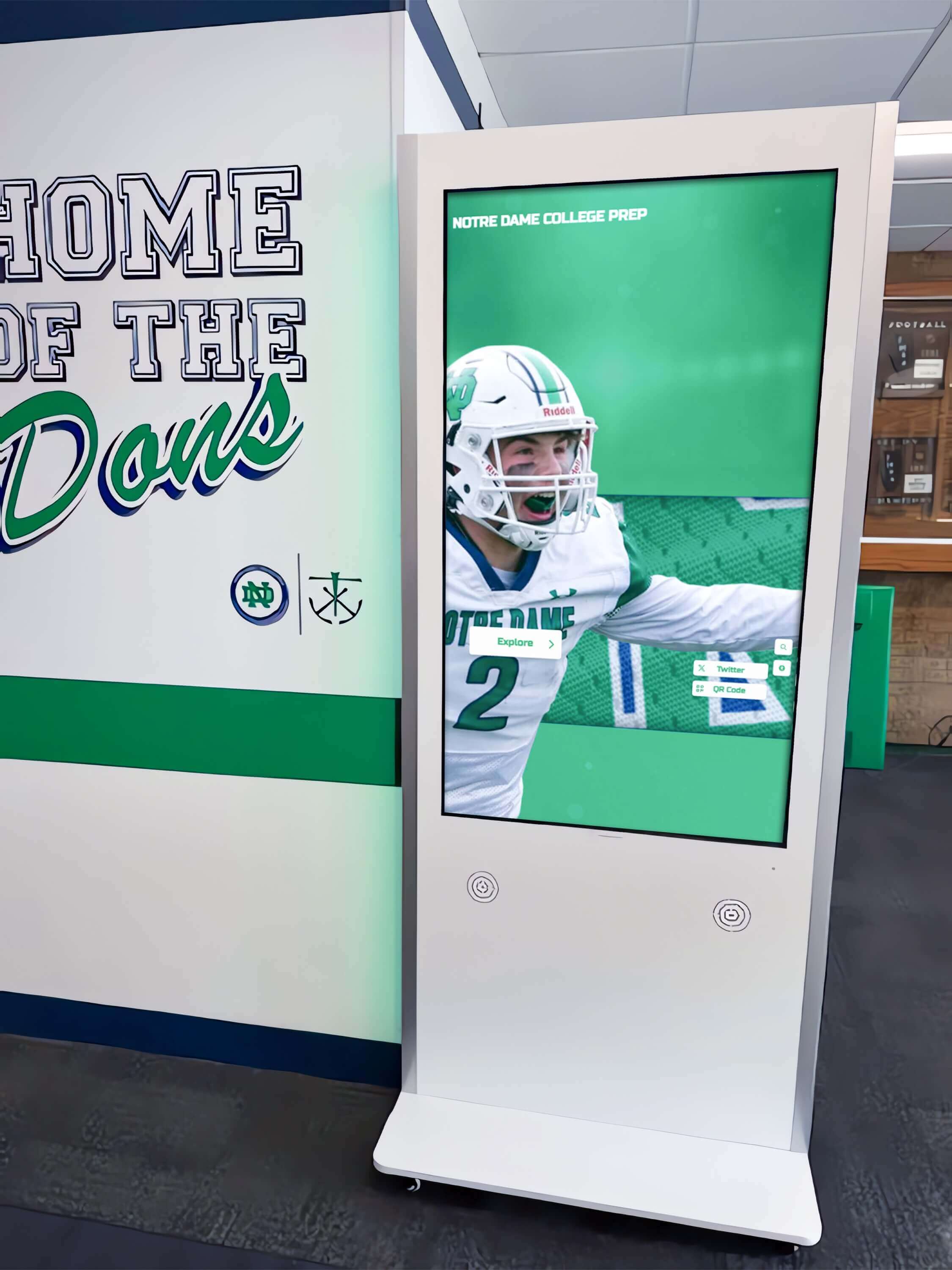
Athletic program kiosks that combine team history with alumni contribution recognition give both mentors and donors a shared visible home within the institution's facilities
Frequently Asked Questions
What is an athletic alumni mentor program?
An athletic alumni mentor program is a structured initiative that pairs former student-athletes with current players for ongoing mentorship, guidance, and relationship-building across an academic year or athletic season. Programs vary in format—from one-on-one pairings to small group cohorts—but share the goal of transferring practical knowledge, career perspective, and sport-specific wisdom from alumni who have already navigated the challenges current athletes face. Well-designed programs include defined matching criteria, contact frequency guidelines, milestone activities, and recognition systems that acknowledge both mentors and mentees publicly.
How do schools recruit athletic alumni to serve as mentors?
Effective alumni mentor recruitment starts with the school’s existing relationship infrastructure: hall of fame lists, athletic department alumni databases, booster club networks, and recent graduate contacts. Direct outreach from coaches—particularly to former players they personally coached—tends to generate the highest response rates. Schools with digital recognition displays can identify and reach out to featured alumni who already have a visible relationship with the program. The most successful recruitment efforts communicate a clear, bounded time commitment so potential mentors can assess whether they can genuinely fulfill the role before agreeing to participate.
How should schools match alumni mentors with student-athletes?
The most effective matching criteria combine sport and position alignment with career interest compatibility and communication preference. A former goalkeeper matched with a current goalkeeper who wants to pursue sports medicine creates a relationship with two strong connection points rather than one. Schools should also consider graduation era—recent graduates provide more current recruiting guidance, while longer-tenured alumni offer broader life perspective. Matching surveys completed by both mentors and mentees during enrollment streamline this process and significantly improve early engagement rates.
What activities work best in an athletic alumni mentor program?
Programs that sustain strong engagement typically combine structured monthly conversations—focused on specific topics like recruiting timelines or academic planning—with occasional in-person experiences like practice visits, community service projects, and career shadow days. End-of-year recognition events that publicly acknowledge mentor contributions are among the highest-impact activities for retention: alumni who feel genuinely valued by the institution are far more likely to return as mentors in subsequent years and to deepen their philanthropic relationship with the program over time.
How does an athletic alumni mentor program connect to donor giving?
Alumni who participate in mentor programs give at significantly higher rates than unengaged alumni, because the mentoring relationship creates ongoing personal investment in the program’s present success rather than purely nostalgic connection to the past. CASE research consistently links alumni volunteerism—including mentorship—with giving rates 2–3 times higher than disengaged peers. Schools that treat mentor contributions as a recognized form of program service—acknowledging mentors in recognition displays, at events, and in donor materials—accelerate this connection by showing alumni that all forms of giving, including time, are valued and permanently honored.
Getting Started: A Practical Launch Roadmap
Schools launching an athletic alumni mentor program for the first time benefit from a phased approach that builds credibility before scaling.
Phase 1 — Foundation (Months 1–2): Define program goals, identify a staff coordinator, and select one or two sports as pilots. Build or audit the alumni database for these programs, identifying candidates with strong post-graduate careers and maintained school connections.
Phase 2 — Recruitment and Matching (Months 2–3): Conduct outreach to identified alumni candidates with clear, honest descriptions of the time commitment. Run brief enrollment surveys for both mentors and mentees. Complete matches using the criteria outlined above and communicate match results to both parties.
Phase 3 — Launch and Early Activation (Month 3–4): Host a kickoff event—virtual or in-person—where matched pairs meet for the first time in a low-stakes group setting. Provide conversation guides for the first two months. Schedule check-ins with coordinators to identify pairs that need additional support.
Phase 4 — Sustainability and Recognition (Ongoing): Build in quarterly program touchpoints, an end-of-year recognition event, and an annual recruitment cycle that refreshes the mentor pool while retaining continuing mentors. Document outcomes—student athlete advancement, college commitments, mentor retention—to build the case for expanding the program across additional sports.
Building the Physical and Digital Environment That Sustains These Programs
An athletic alumni mentor program does not live only in scheduled conversations and annual events. It lives in the physical and digital environment of the institution itself: in the hallway display that shows a mentor’s championship photo next to their mentee’s letter of intent, in the touchscreen kiosk that lets prospective recruits explore the depth of alumni engagement, in the donor wall that acknowledges former athletes whose contributions now extend far beyond their playing years.
Schools that have invested in modern digital recognition infrastructure—interactive touchscreen displays, digital hall of fame systems, and integrated donor recognition walls—find that mentor programs integrate naturally into that environment. Alumni mentors who see their profile on a school’s recognition display feel a permanence of acknowledgment that sustains involvement across years and eventually deepens into philanthropic partnership. Programs that treat alumni mentors as part of the institution’s recognized community—not as informal volunteers—build the generational loyalty that lasts decades.
Recognize the Alumni Who Give Their Time as Mentors
Rocket Alumni Solutions builds interactive digital recognition systems for schools and athletic programs that honor athletes, donors, and mentors with displays that create lasting connection between generations. From touchscreen hall of fame kiosks to integrated donor and alumni recognition walls, our platforms give former athletes a visible, permanent home in the program they helped build.
Explore Alumni Recognition Solutions